Warranty Coverage Review: Unpacking The True Value Of Your Product Protection Plan
In the world of consumer electronics, the initial excitement of a new purchase is often quickly followed by a less glamorous decision: what to do about the warranty. Manufacturers and retailers increasingly present extended warranty coverage not as an option, but as a critical component of the product experience. This review delves into the intricate world of warranty coverage, treating it not as a mere piece of paper, but as a product in its own right. We will examine its features, its pros and cons, and its real-world application to determine if it truly delivers on its promise of peace of mind.
Product Function: What Are You Actually Buying?
At its core, warranty coverage is a service contract. The fundamental function is to repair or replace a product that fails due to manufacturing defects or other covered issues after the standard manufacturer's warranty expires. However, the modern warranty product has evolved into a complex offering with several tiers.
The most basic is the standard manufacturer's warranty, typically covering parts and labor for one year against defects. The product under review here is theextendedorsupplementalwarranty, often sold at the point of purchase. Its key functions can include:Hardware Repair/Replacement: This is the primary function. It covers the cost of fixing issues with the device's core components.Accidental Damage Protection (ADP): A significant upgrade from basic coverage, ADP protects against drops, spills, and cracks—the leading causes of device failure. This is often a separate, more expensive tier.Battery Replacement: Some plans offer a free battery replacement if its capacity drops below a certain threshold (e.g., 80%) within the coverage period.Tech Support: Many plans include 24/7 access to technical support for software and connectivity issues, which may not be covered by the hardware repair clause.Theft and Loss Protection: The most premium (and costly) plans offer reimbursement or replacement if the device is stolen or lost.
Understanding these functions is crucial; a warranty is not a monolithic product but a bundle of services with specific, and often limited, terms.
The Advantages: The Case for Investing in Coverage
The primary advantage of comprehensive warranty coverage is, without a doubt, financial predictability. High-end electronics like laptops, smartphones, and cameras represent a significant investment. A single major repair, such as a motherboard or screen replacement, can cost hundreds of dollars—often approaching 50% or more of the product's original value. A warranty plan, by contrast, fixes this cost upfront. For risk-averse consumers, this is an invaluable form of insurance.
Furthermore, the inclusion of Accidental Damage Protection is a game-changer. Standard manufacturer warranties are notoriously strict, voiding coverage for any physical damage. Since accidents are a matter of "when" not "if" for many users, ADP transforms the warranty from a safety net for manufacturing flaws into a practical shield against real-life mishaps.
Finally, a good warranty provider offers convenience and streamlined service. This often includes pre-paid shipping labels, a network of certified repair centers, and a dedicated claims process. For individuals who lack the time, technical skill, or patience to seek out third-party repairs, this service-oriented approach can save immense hassle and get a essential device back in hand quickly.
The Disadvantages: The Fine Print and Hidden Costs
For all its benefits, warranty coverage has significant drawbacks that cannot be ignored. The most prominent is cost and diminishing value. An extended warranty can add 10-20% to the total cost of a product. As the device ages and its market value depreciates, you may find yourself having paid a premium for coverage on a device that is now worth less than the cost of the warranty itself. The question becomes: would you rather pay a guaranteed, upfront fee for a potential future repair, or simply "self-insure" by saving that money for a repair that may never happen?
Another critical disadvantage is the complexity of claims and service limitations. The path from a broken device to a fixed one is rarely smooth. Many plans have a deductible for each claim, which can chip away at the financial benefit. Furthermore, the promise of "repair or replacement" often hinges on the provider's discretion. You might receive a refurbished unit instead of your original device, or face lengthy repair times that leave you without a critical tool for weeks.
Perhaps the most insidious drawback is the restrictive fine print. Warranties are filled with exclusions. Liquid damage might be covered, but only if it's from a fresh-water spill; saltwater may be excluded. "Accidental" damage might not cover damage deemed to be from "gross negligence." Understanding these clauses is essential, yet they are often buried in lengthy, complex legal documents.
Actual Use Experience: Putting the Warranty to the Test
To evaluate this product fairly, we must consider its performance in real-world scenarios. The experience varies dramatically between providers, but a common thread is the importance of the claims process.
In a positive scenario, a user with a laptop covered by an ADP plan accidentally spills coffee on the keyboard. They file a claim online, receive a shipping box within two days, send the device to a certified center, and have it returned, fully repaired, within ten business days. The out-of-pocket cost is only the plan's deductible. In this case, the warranty has unequivocally delivered value and peace of mind.
In a less favorable scenario, a user with a smartphone that has a flickering screen files a claim. The provider argues that the issue could be due to a previous, minor drop not reported at the time, potentially voiding the "accidental" nature of the coverage. After weeks of back-and-forth and diagnostic fees, the user may receive a refurbished model of an older version as a replacement. Here, the warranty has been a source of frustration and delivered a compromised solution.
The actual use experience underscores that the value of a warranty is not in its purchase, but in its redemption. A cheap plan from a disreputable third-party provider is often more trouble than it's worth, while a robust plan from a trusted provider can be a lifesaver.
Conclusion: An Objective Verdict
Warranty coverage is not a one-size-fits-all product. Its value is highly subjective and depends on the user's risk tolerance, the nature of the device, and the specific terms of the plan itself.
For expensive, portable, and fragile devices like premium laptops, drones, or professional cameras, a warranty with robust accidental damage protection can be a prudent investment. It acts as a financial stabilizer against costly, common accidents. Conversely, for reliable, less expensive, or stationary devices like desktop computers or home appliances, the cost of an extended warranty often outweighs the statistical likelihood of a major, covered failure.
Objectively, the best warranty coverage is one you hope never to use but are grateful to have when disaster strikes. The key to a positive experience lies in diligent research: read the terms of service thoroughly, understand the claims process and deductibles, and choose a provider with a strong reputation for customer service. Ultimately, warranty coverage is a product that sells peace of mind, but the consumer must carefully audit the fine print to ensure that this promise is not an illusion.
Customized/OEM/ODM Service
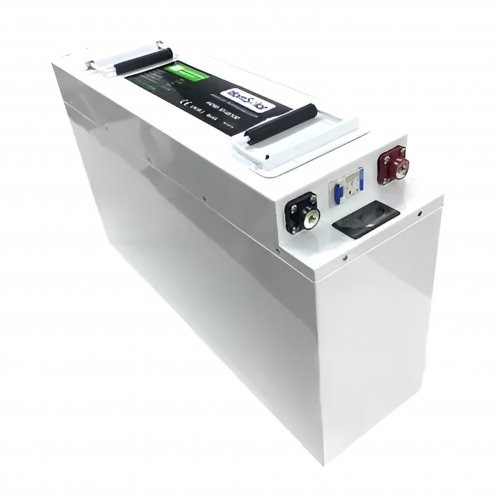
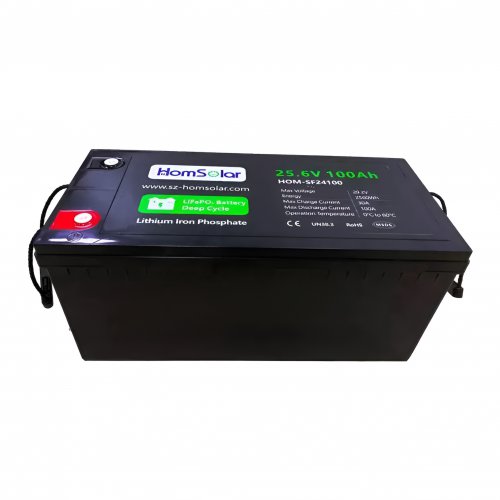
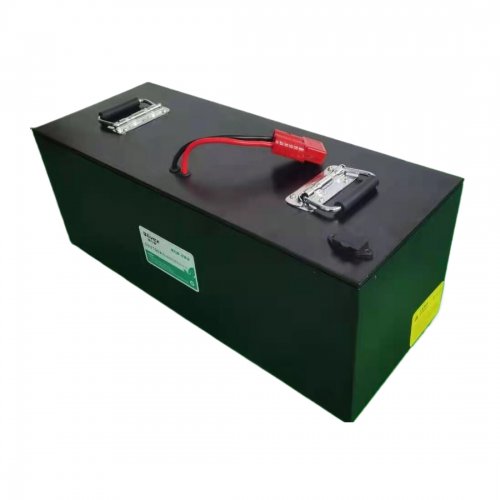
HomSolar Supports Lifepo4 battery pack customization/OEM/ODM service, welcome to contact us and tell us your needs.

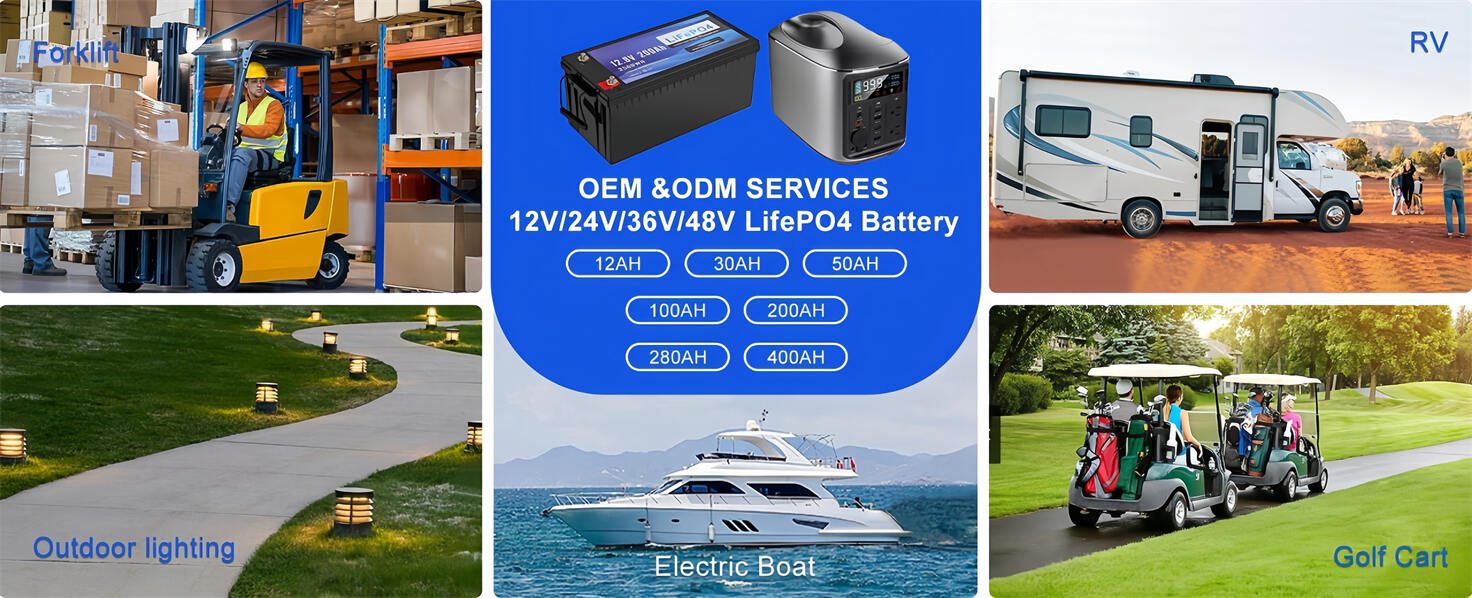
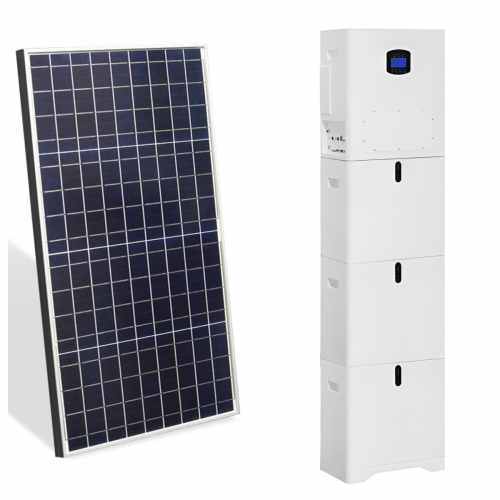
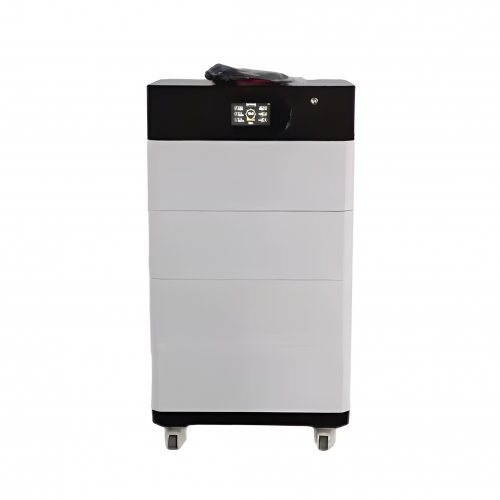
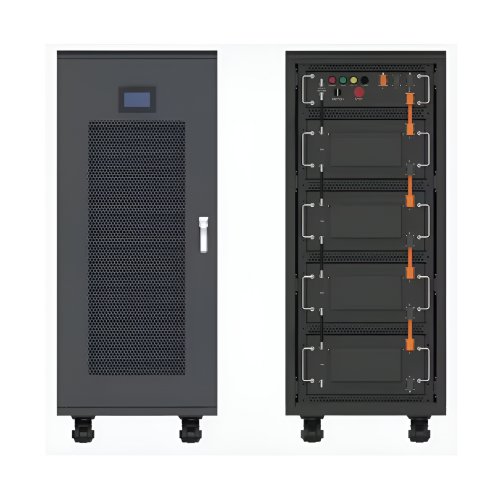
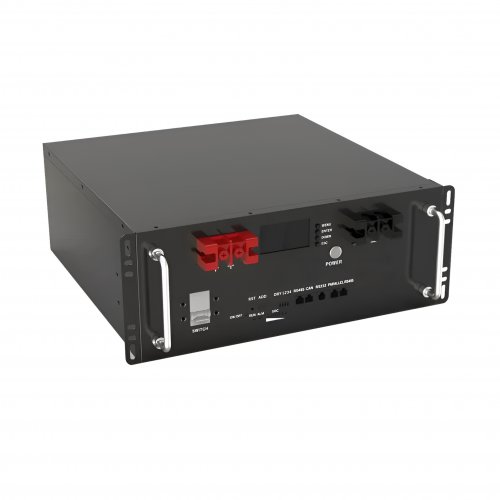
HomSolar: Your One-stop LiFePO4 Battery Pack & ESS Solution Manufacturer
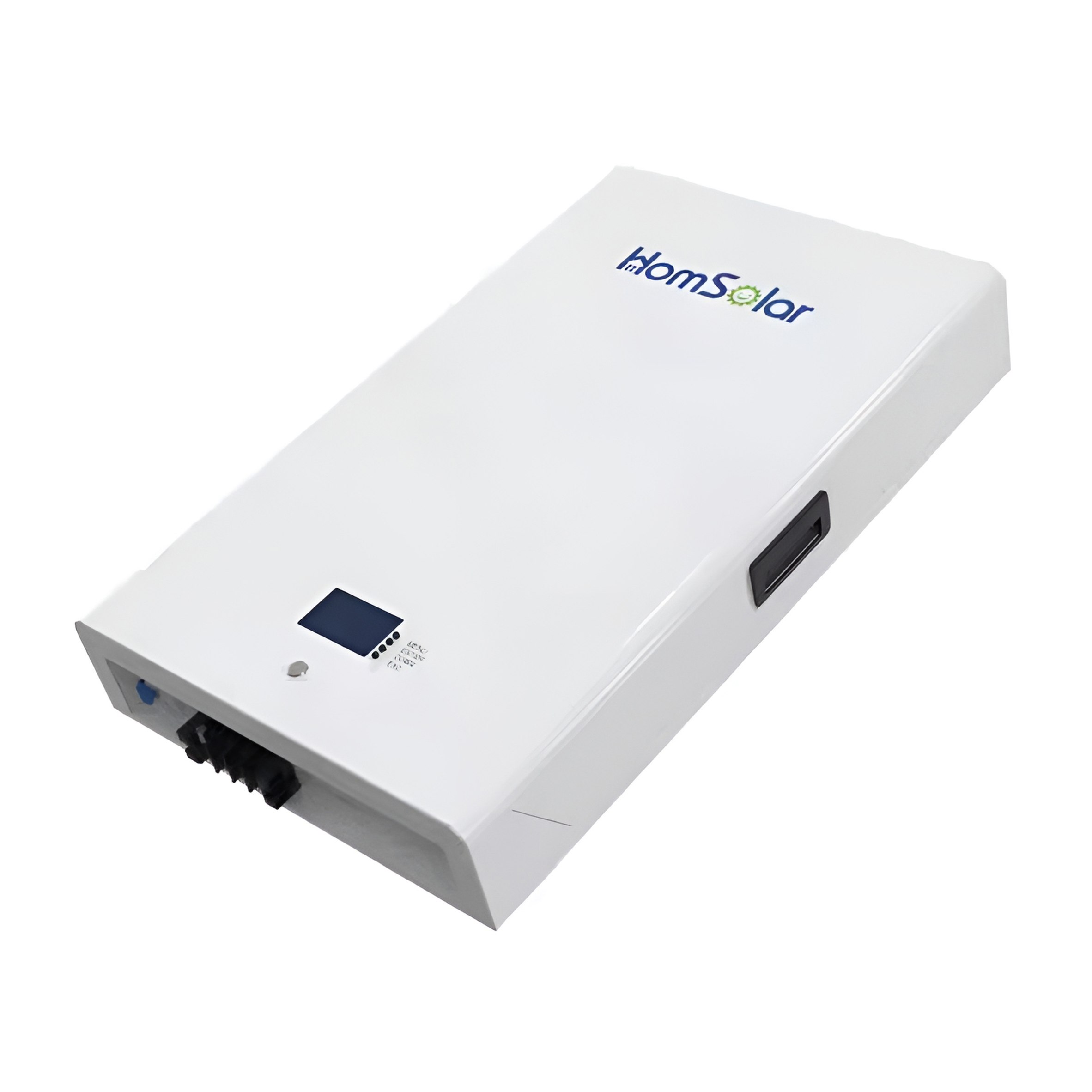
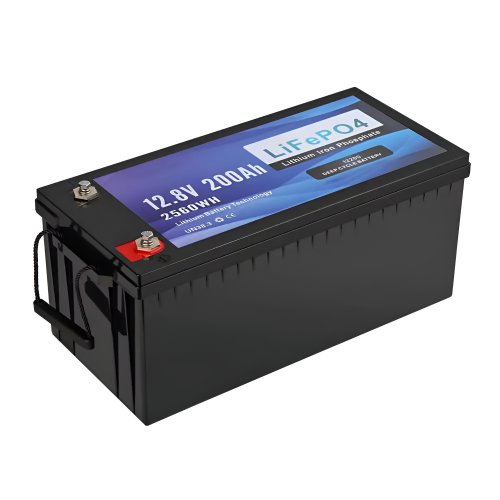
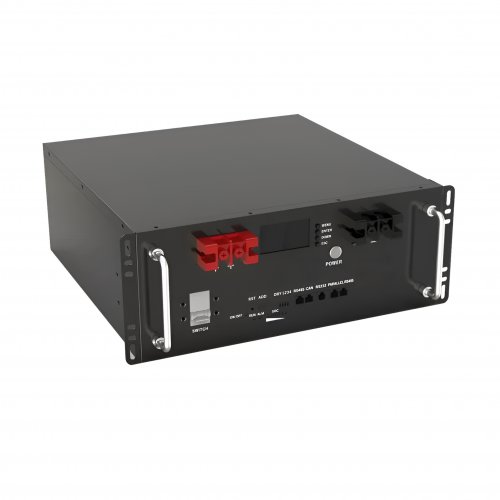
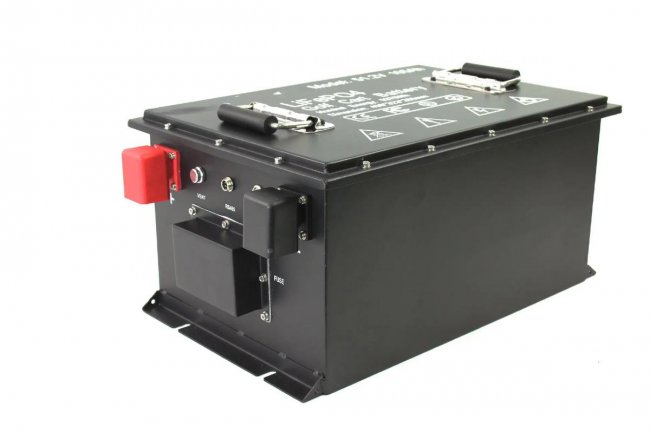
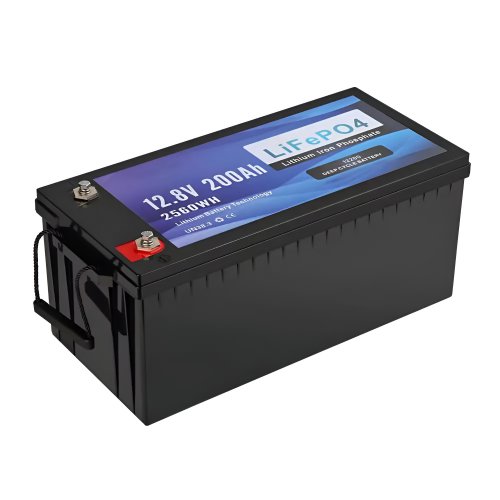
Our line of LiFePO4 (LFP) batteries offer a solution to demanding applications that require a lighter weight, longer life, and higher capacity battery. Features include advanced battery management systems (BMS), Bluetooth® communication and active intelligent monitoring.
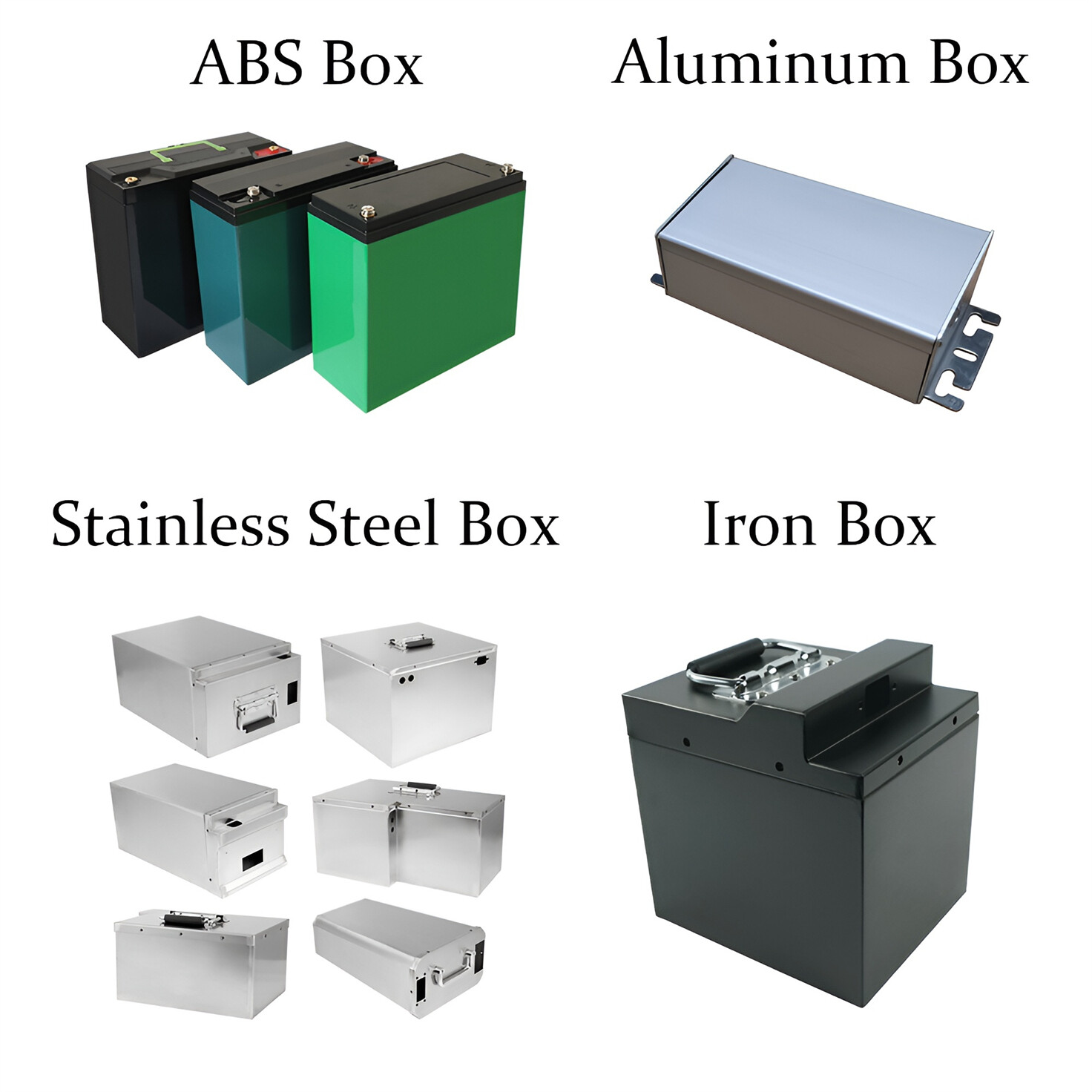
Customised Lithium Iron Phosphate Battery Casing
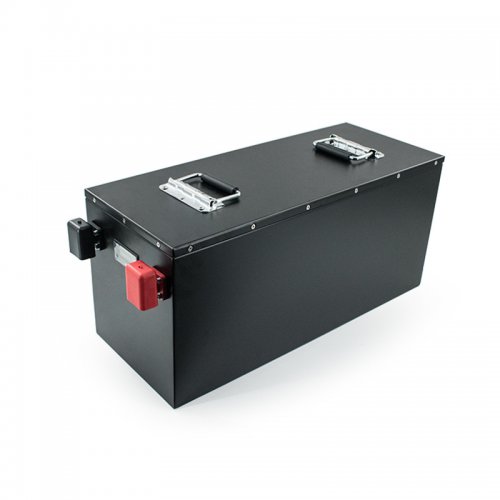
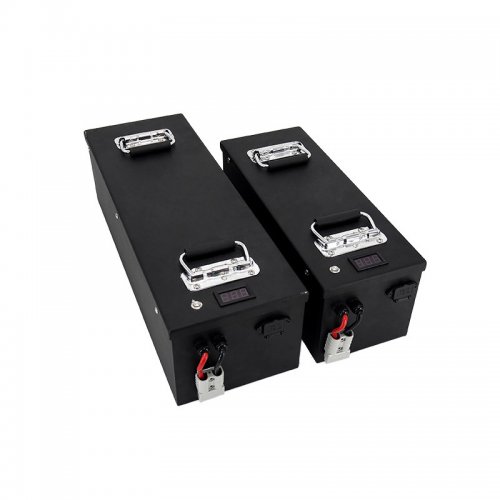
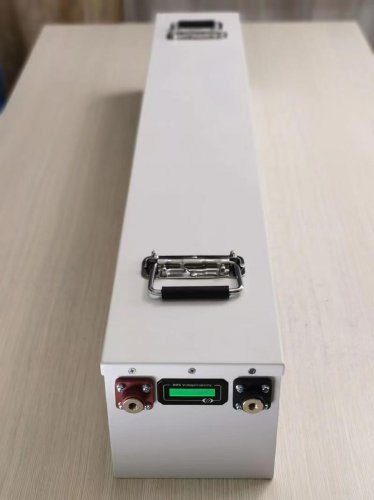
ABS plastic housing, aluminium housing, stainless steel housing and iron housing are available, and can also be designed and customised according to your needs.
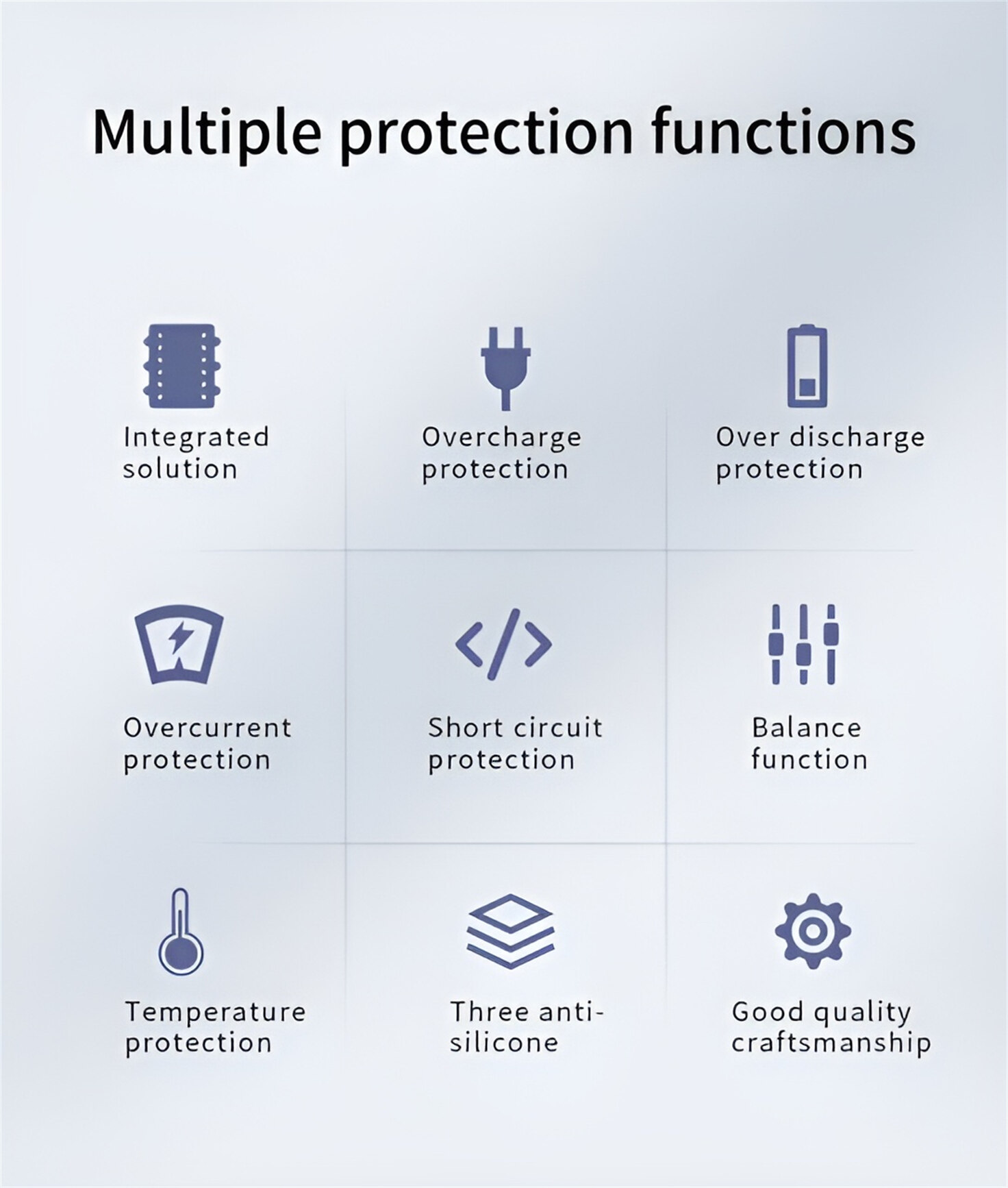
HomSolar Smart BMS
Intelligent Battery Management System for HomSolar Energy Storage System. Bluetooth, temperature sensor, LCD display, CAN interface, UART interface also available.

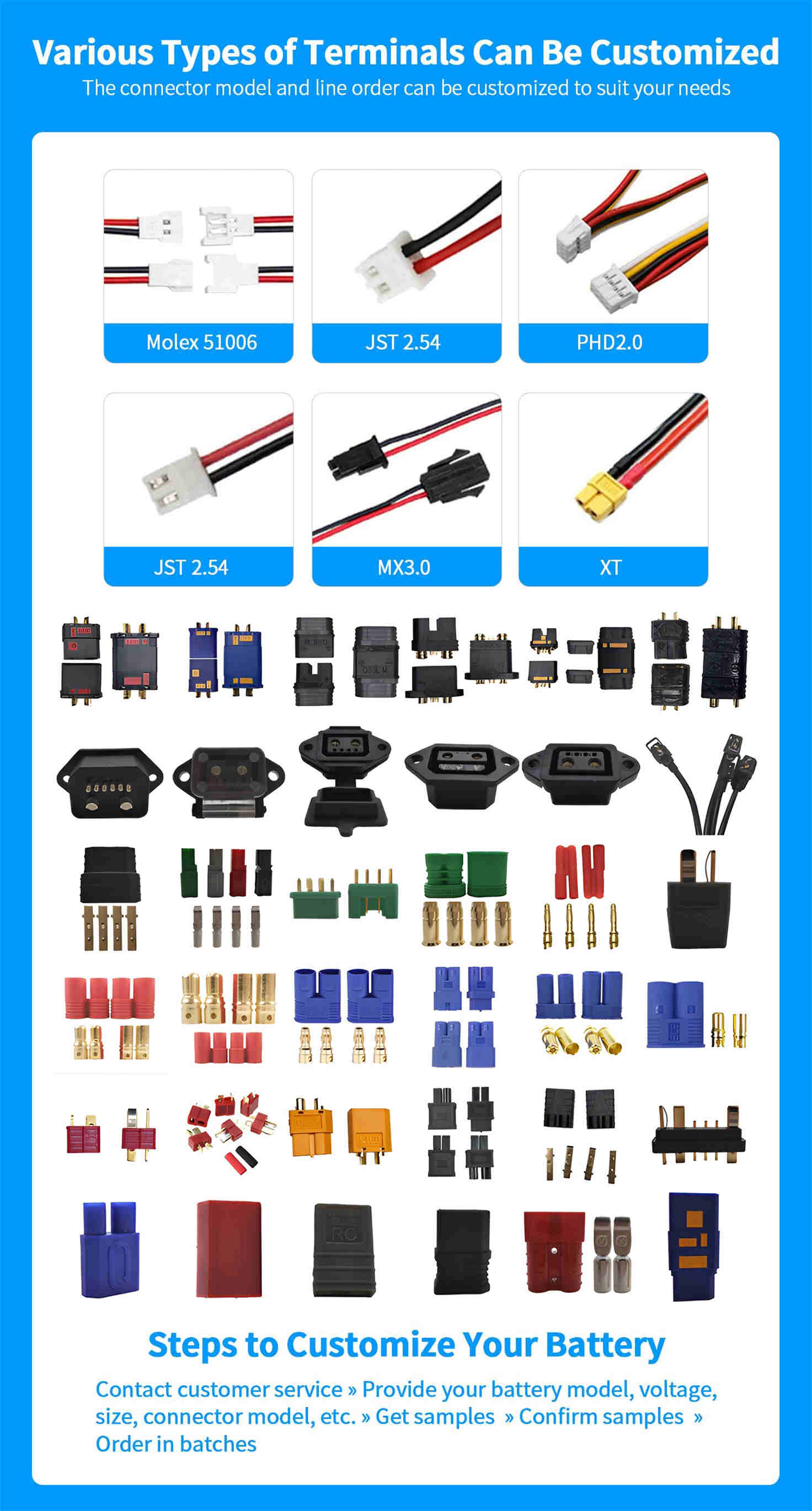
Terminals & Plugs Can Be Customized
A wide range of terminals and plugs can be customised to suit the application needs of your battery products.
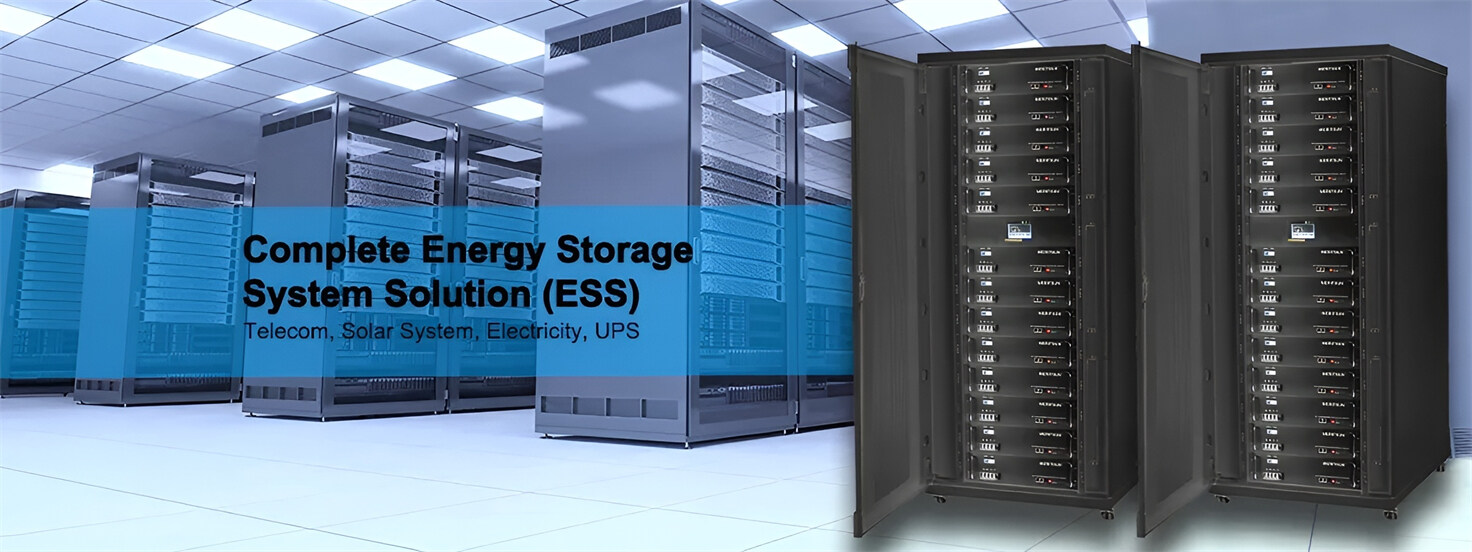
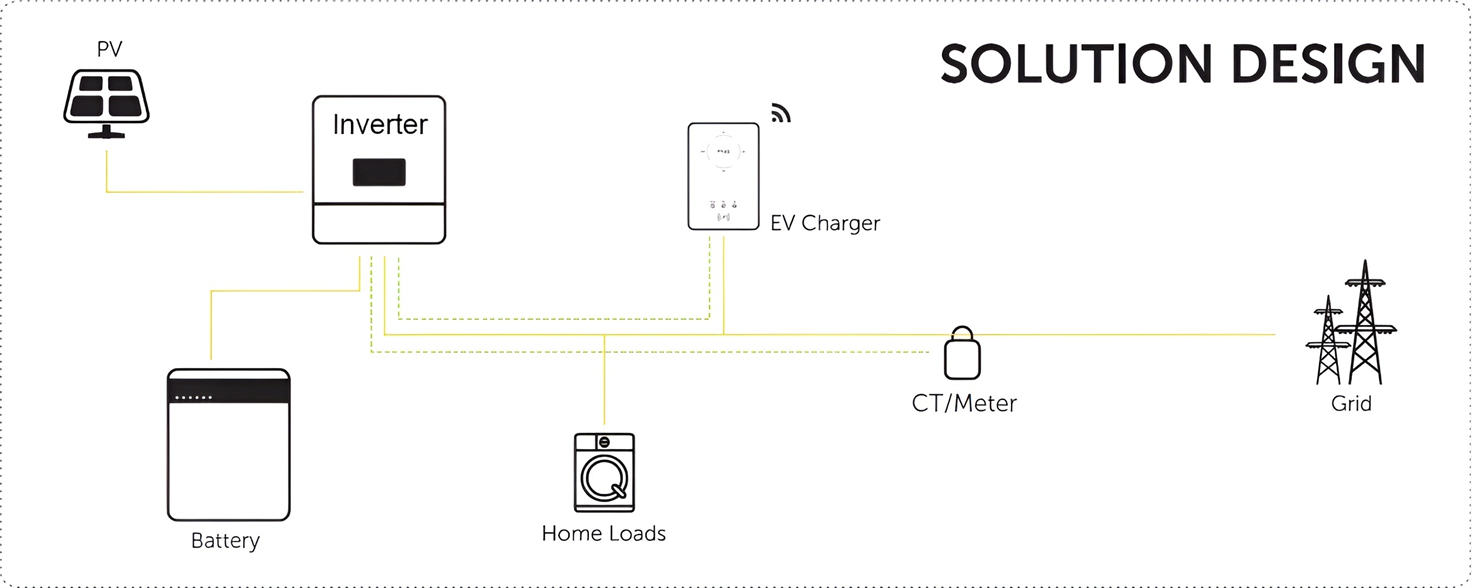
Well-designed Solutions for Energy Storage Systems
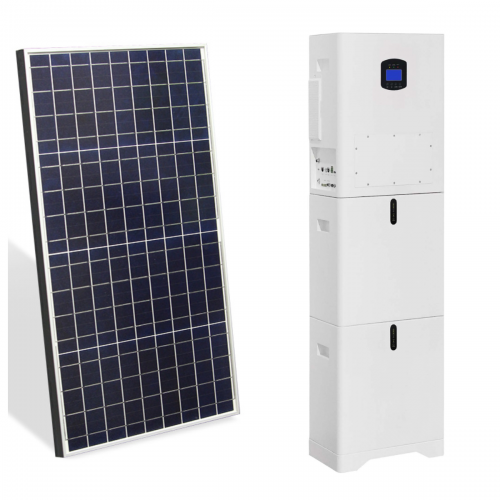
We will design the perfect energy storage system solution according to your needs, so that you can easily solve the specific industry applications of battery products.

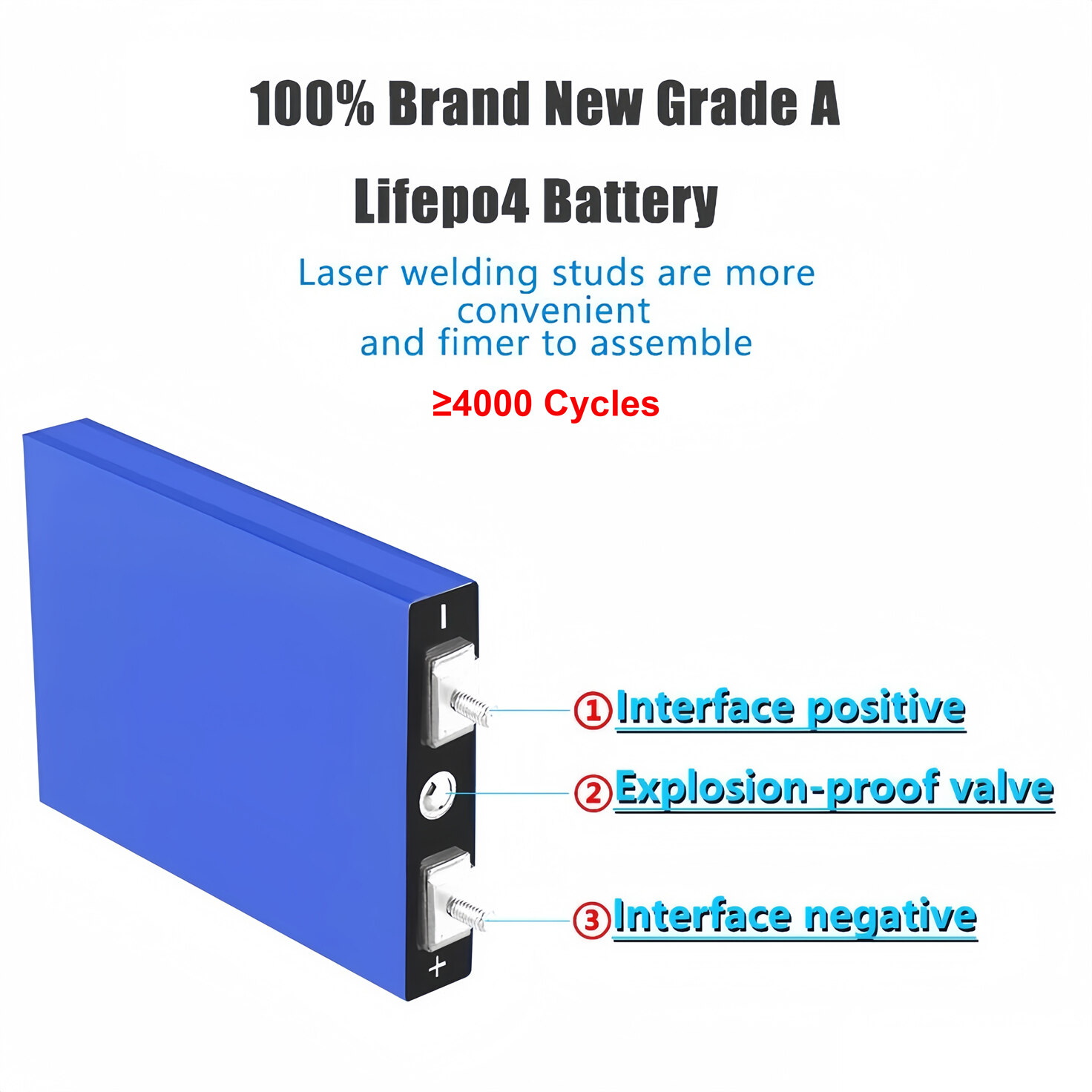
About Our Battery Cells
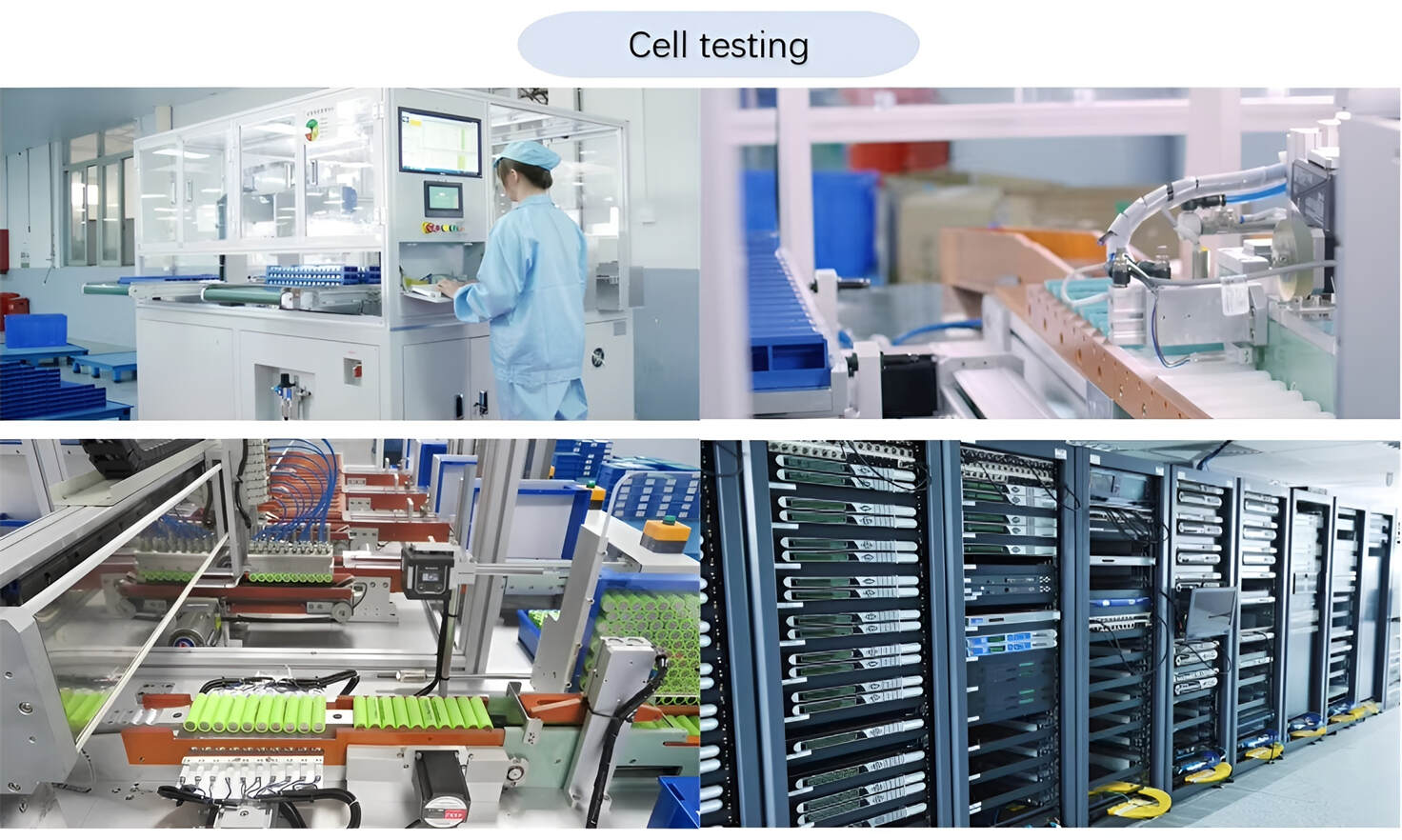
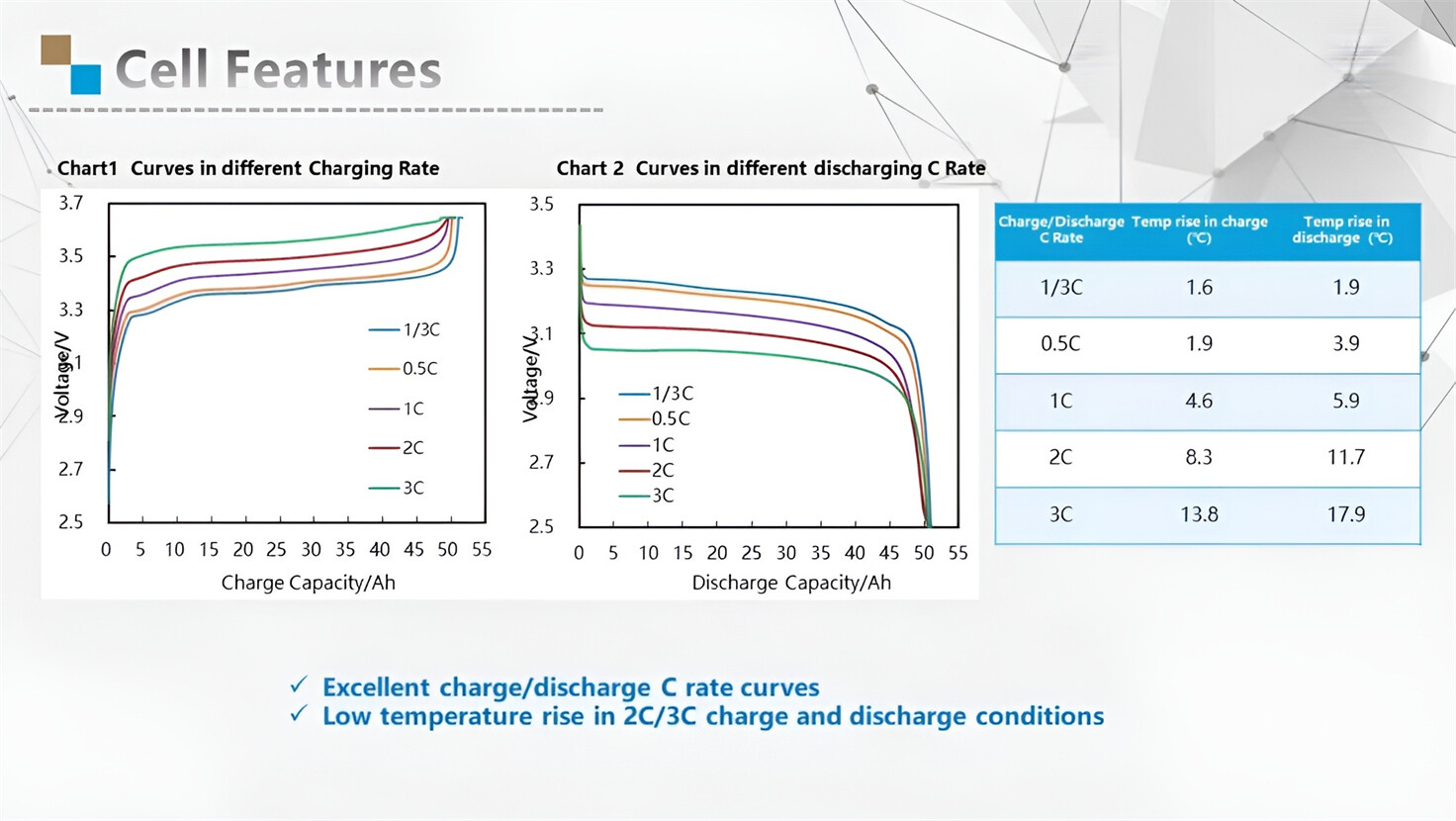
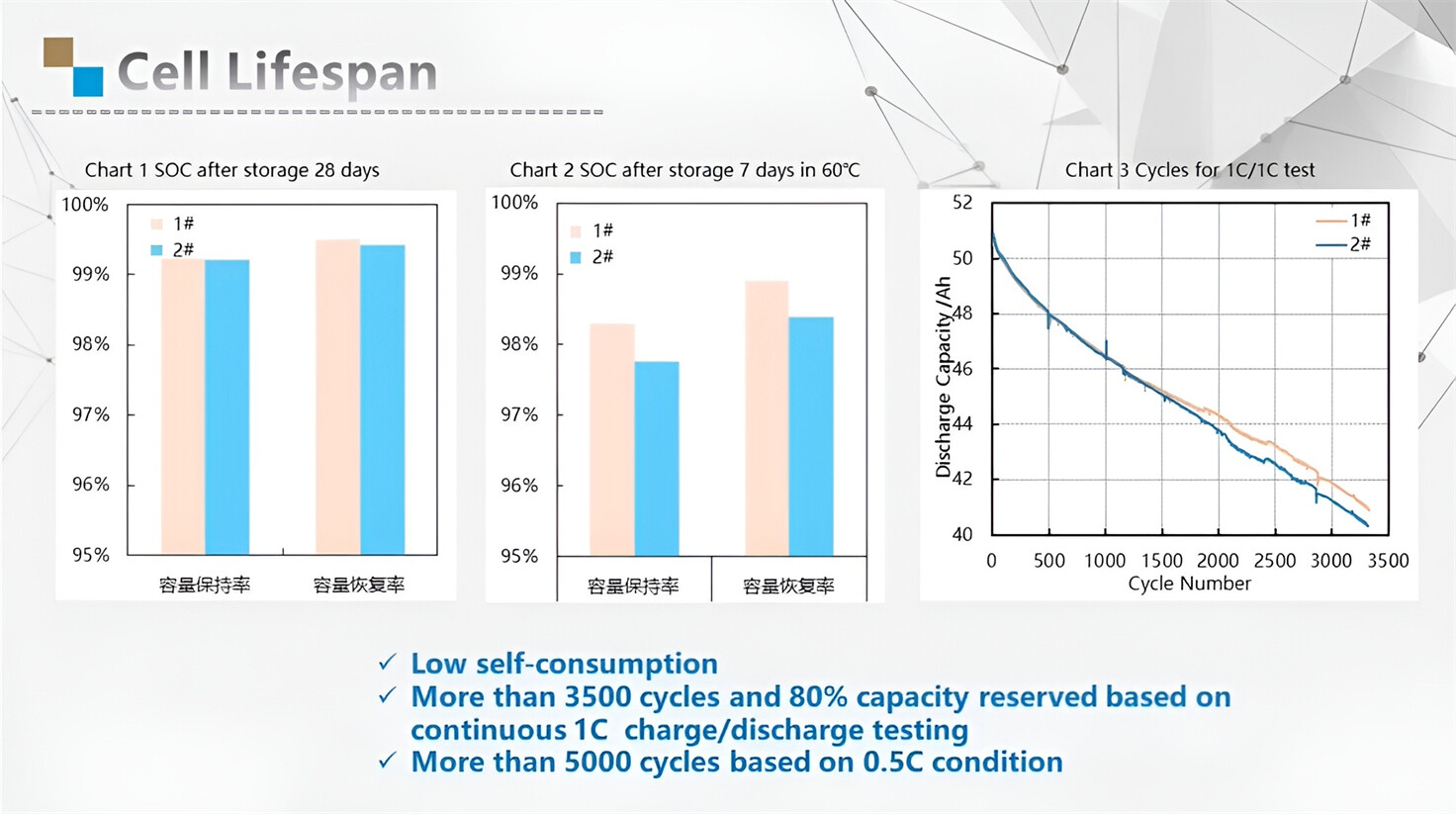
Our energy storage system products use brand new grade A LiFePO4 cells with a battery lifespan of more than 4,000 charge/discharge cycles.
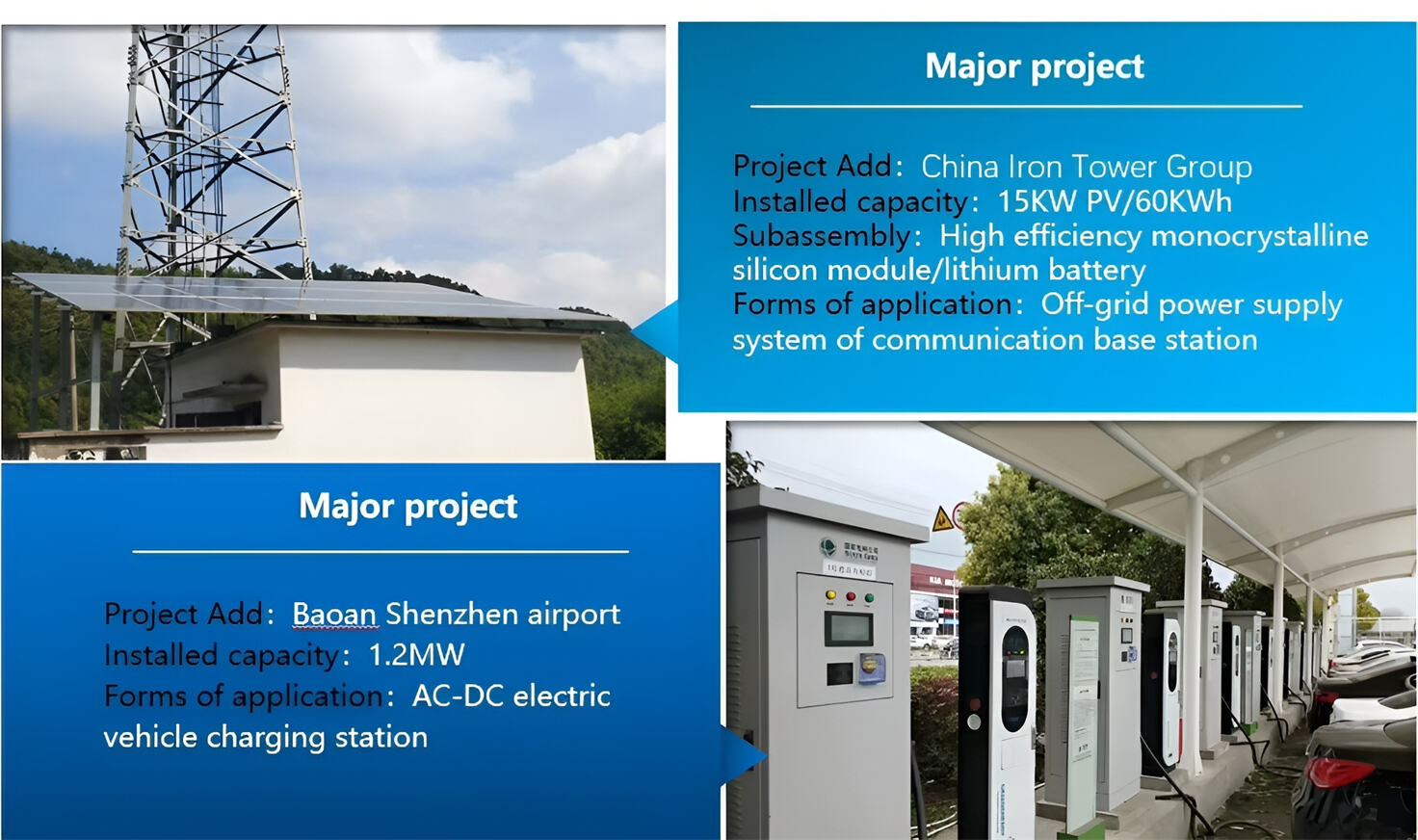
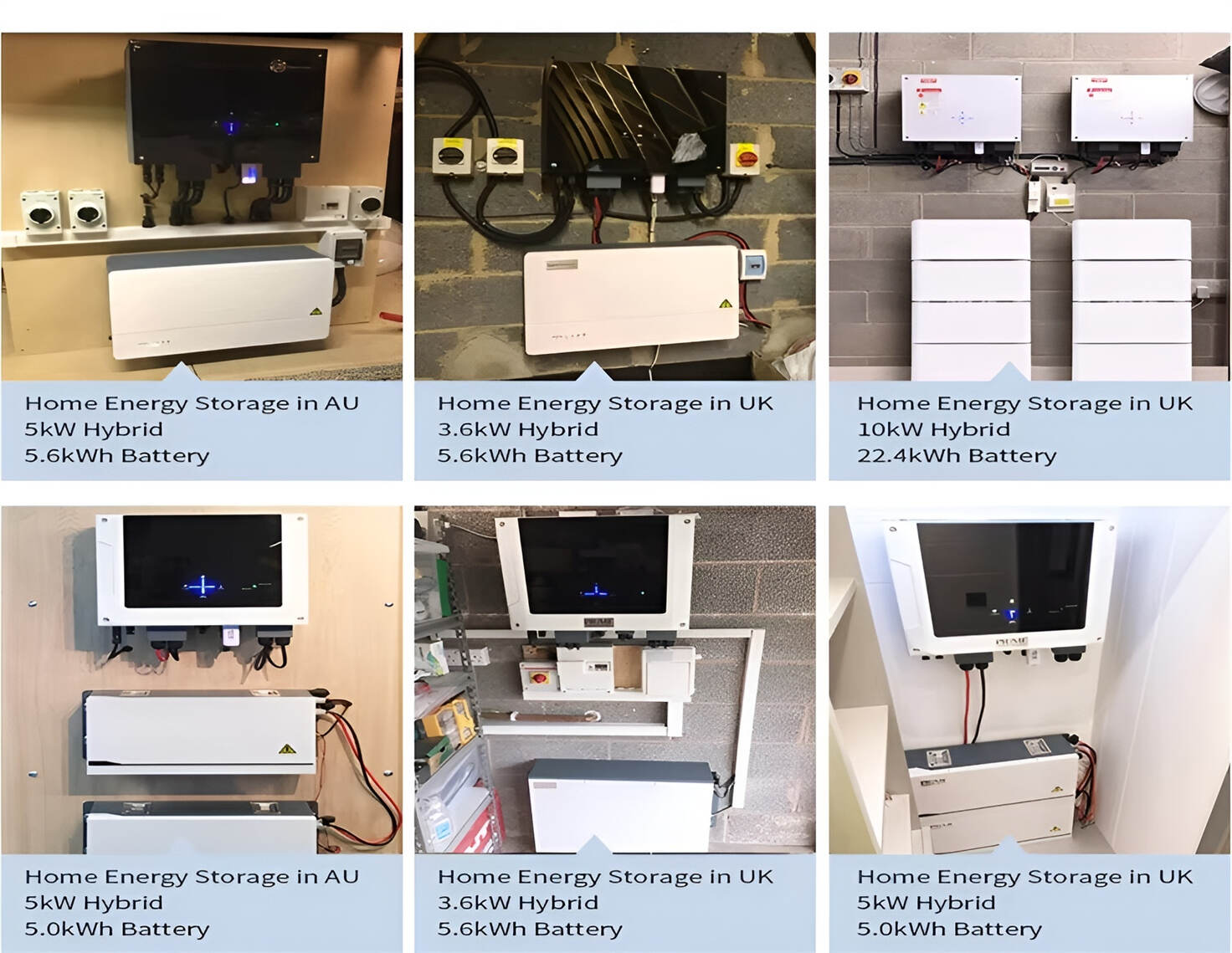
Applications in Different Industries
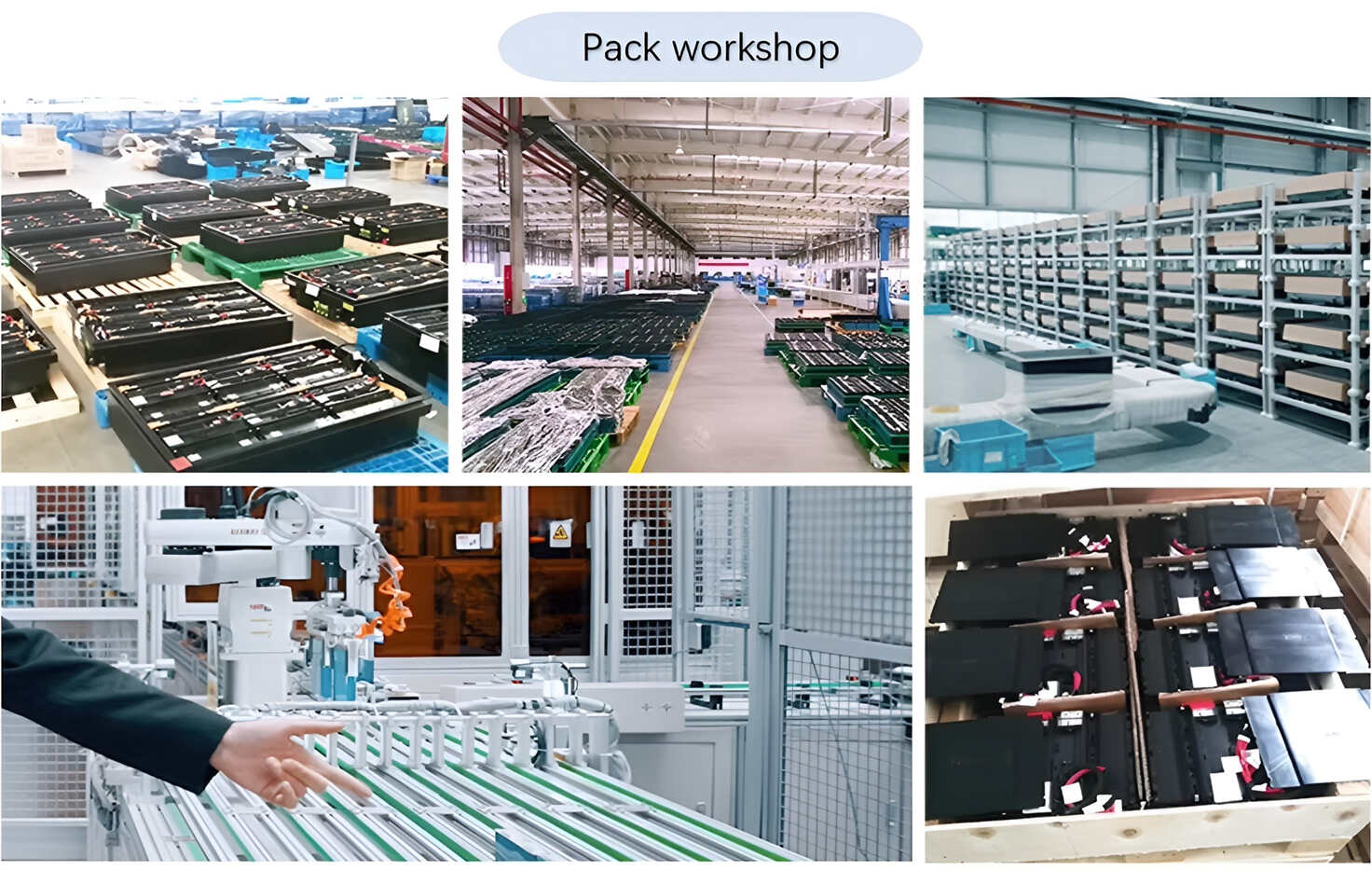
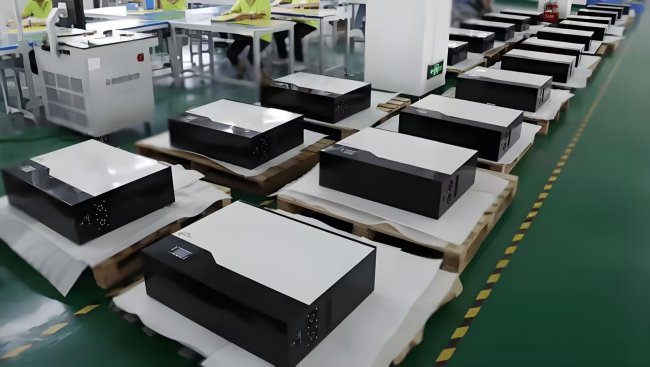
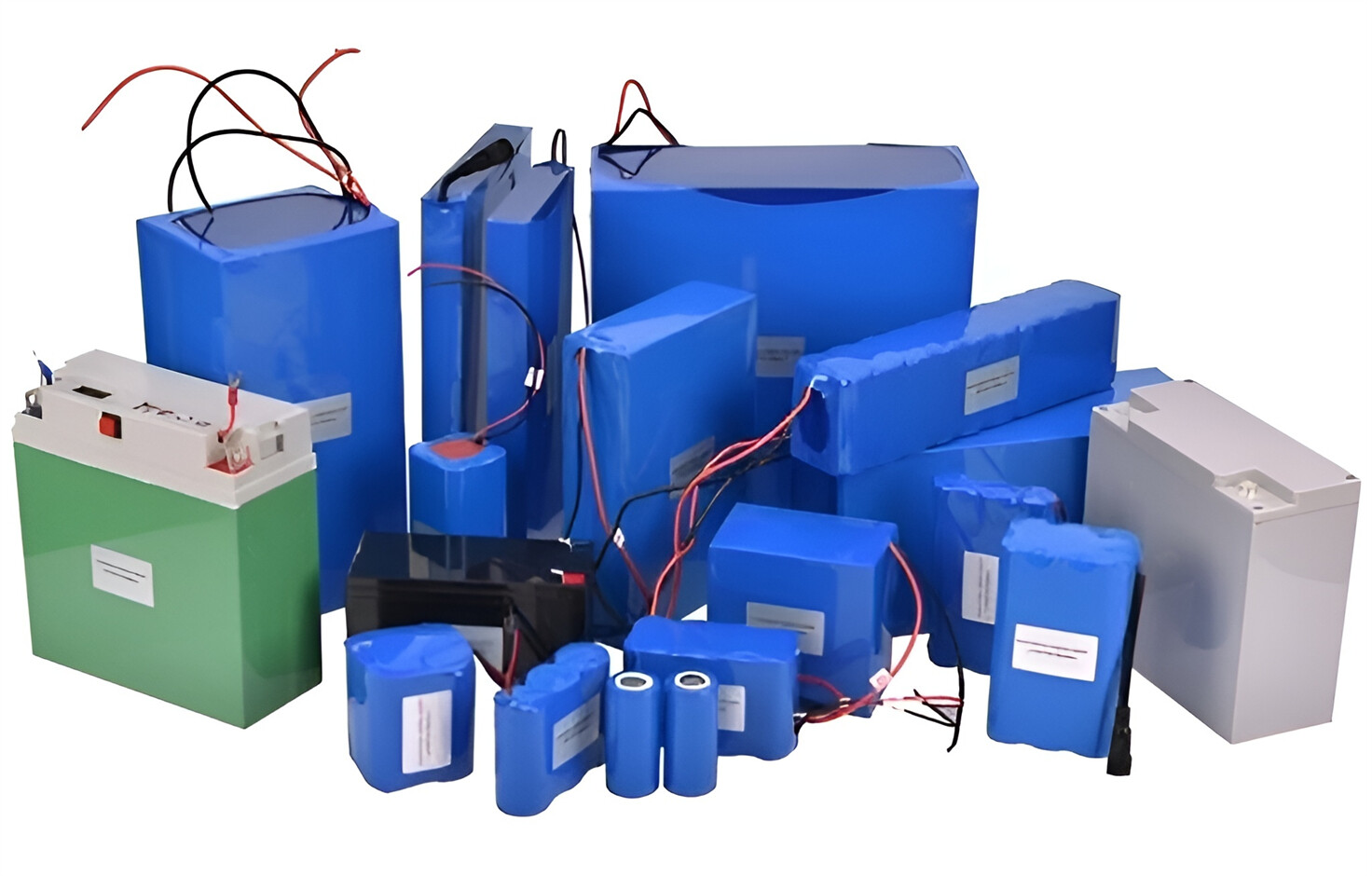
We supply customized & OEM battery pack, assemble cells with wiring, fuse and plastic cover, all the cell wires connected to PCB plug or built BMS.
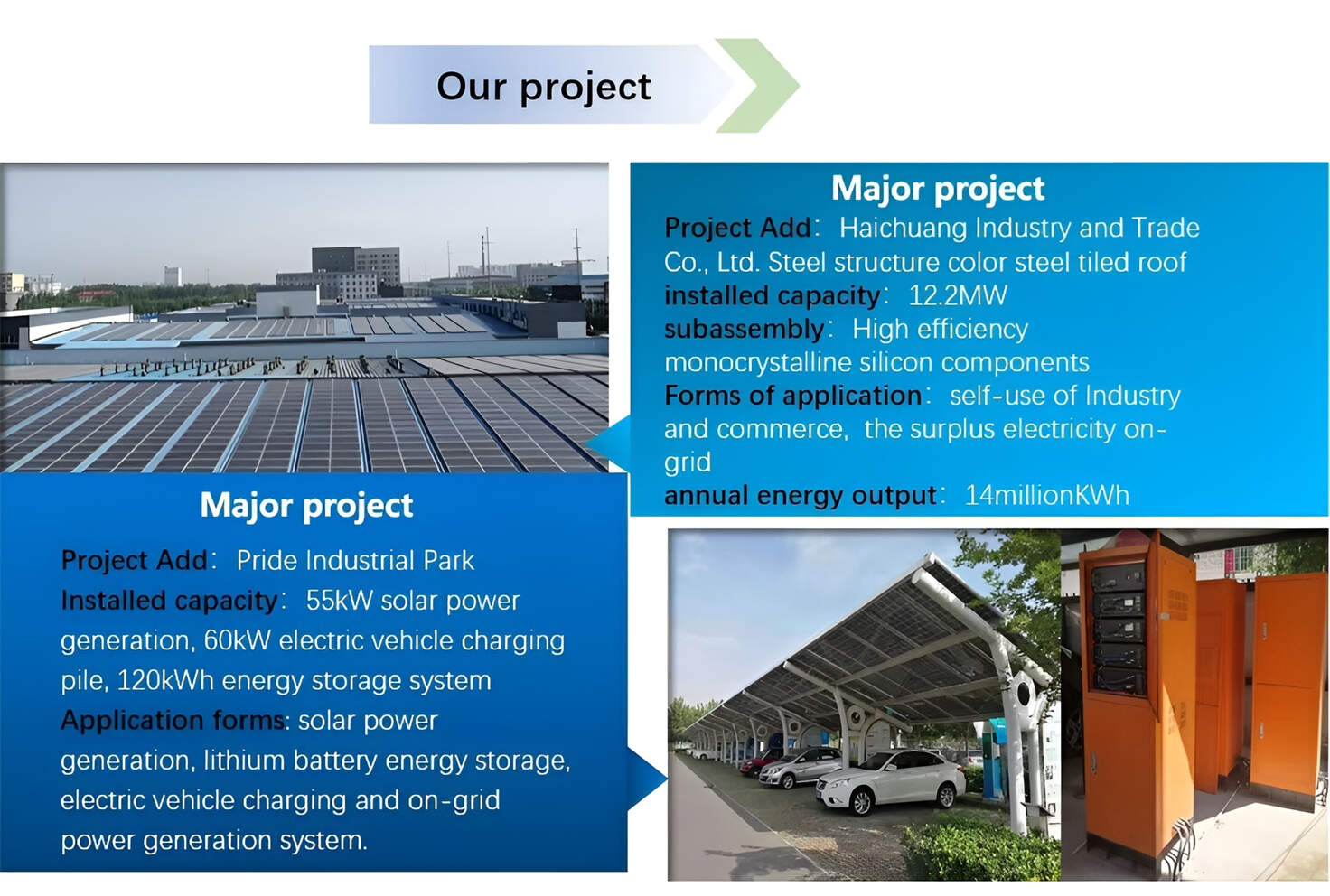
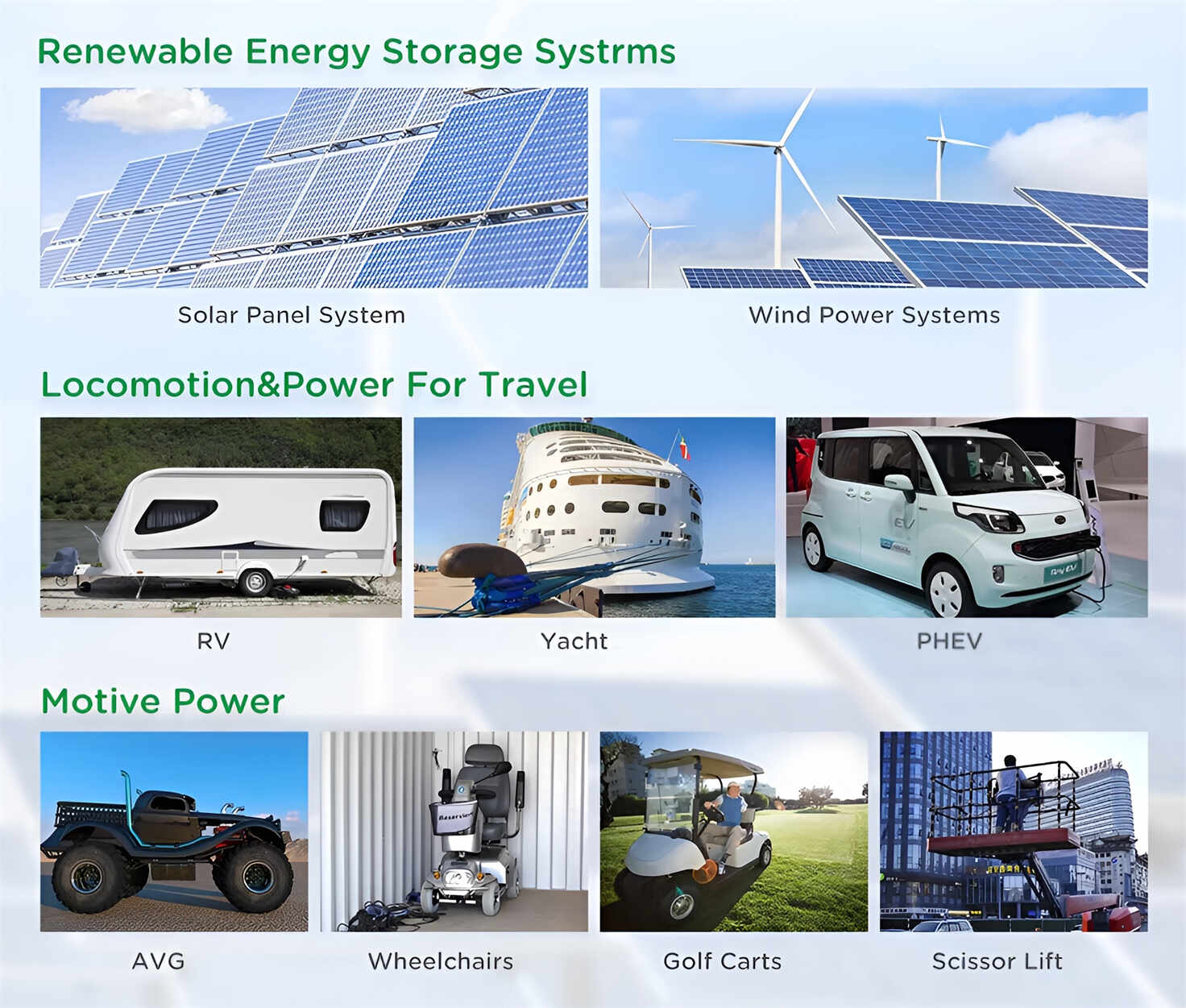
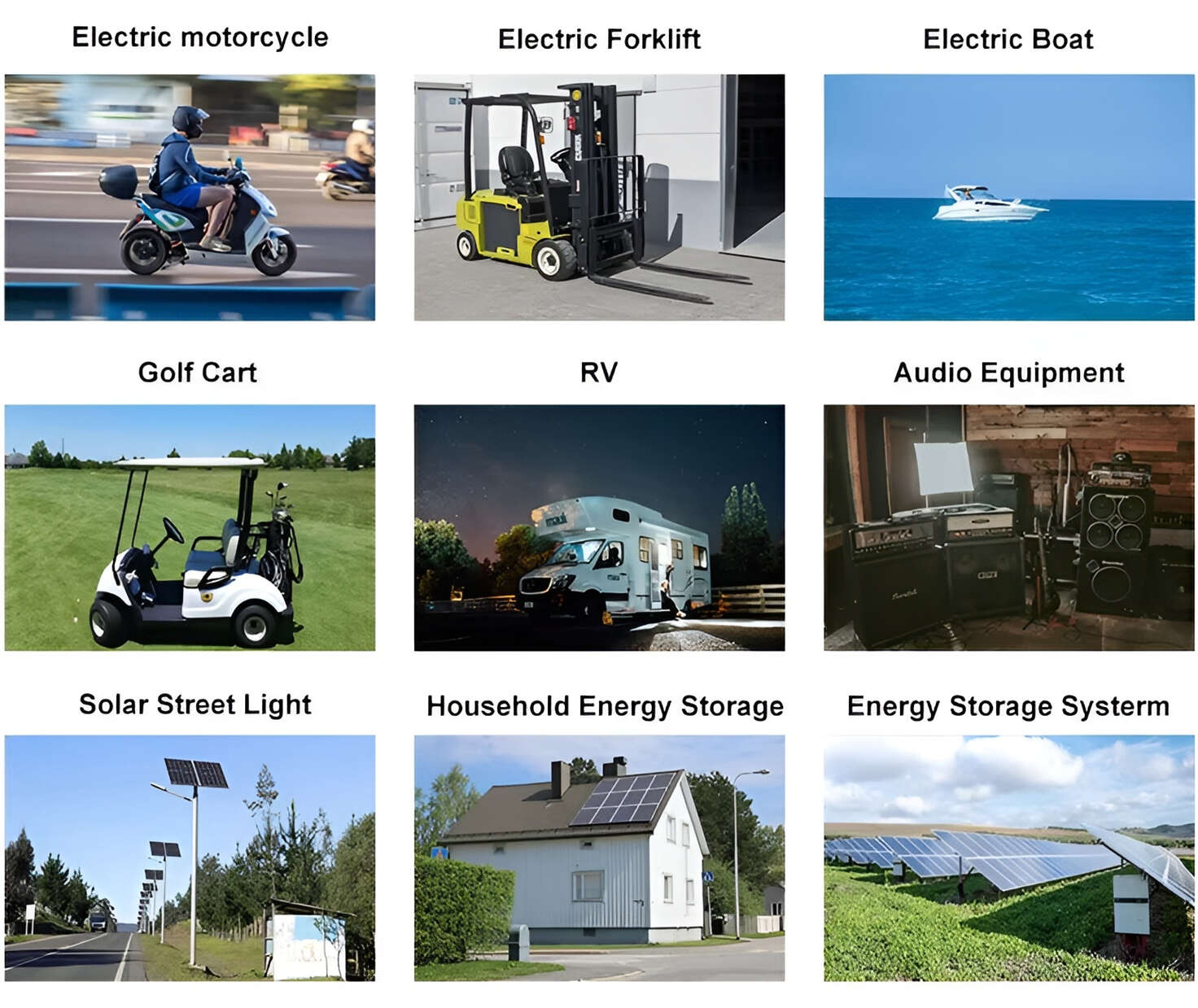
Applications: E-bike, Electric Scooter, Golf Carts, RV, Electric Wheelchair, Electric Tools, Robot Cleaner, Robot Sweeper, Solar Energy Storage System, Emergency Light, Solar Power Light, Medical Equipment, UPS Backup Power Supply.
We can provide you with customized services. We have the ability to provide a vertical supply chain, from single cells to pack/module and to a complete power solution with BMS, etc.
HomSolar (Shenzhen) Technology Co., Ltd