Supply Chain News: Navigating Disruption, Digitalization, And Deglobalization
The global supply chain, once a largely invisible backbone of commerce, has been thrust into the spotlight over the past several years. What was perceived as a linear, predictable process is now widely recognized as a complex, interconnected, and highly vulnerable web. Today, the industry stands at a critical inflection point, grappling with persistent disruptions while simultaneously accelerating a transformative journey toward resilience, transparency, and intelligence. The current landscape is defined by a trifecta of forces: ongoing geopolitical and climatic pressures, the rapid adoption of digital technologies, and a fundamental rethinking of globalized manufacturing models.
Latest Industry Dynamics: A Persistent State of Flux
Recent months have demonstrated that the era of major supply chain shocks is not over. While the extreme port congestion and freight rate spikes of 2021-2022 have eased, new challenges have emerged. The ongoing conflicts and geopolitical tensions continue to threaten critical shipping corridors, forcing reroutings that add significant time and cost to international shipments. The drought affecting the Panama Canal has served as a stark reminder of the sector's vulnerability to climate change, with vessel weight restrictions and transit slots becoming a new operational headache for logistics managers.
Furthermore, the "bullwhip effect" — where small fluctuations in consumer demand cause increasingly large swings in orders up the supply chain — remains a significant issue. Many companies are still working through inventory gluts accumulated during the pandemic, leading to a period of subdued ordering from manufacturers, particularly in the consumer electronics and apparel sectors. This has created a volatile environment where overstock and stockouts can occur simultaneously for different product categories.
Despite these challenges, there are signs of normalization in certain areas. Ocean freight rates on major East-West trade lanes have retreated from their astronomical peaks, and container availability is no longer a primary concern. However, this relative calm is tempered by the understanding that the underlying fragility of global networks remains.
Trend Analysis: The Triple-A Framework in Action
In response to these dynamics, several key trends are shaping the future of supply chain management, moving beyond mere efficiency toward a model built on Agility, Adaptability, and Alignment—the "Triple-A" framework.
1. The Digital Thread and AI Integration: The push for end-to-end visibility is accelerating the adoption of a "digital thread" that connects data from procurement, manufacturing, logistics, and sales. Artificial Intelligence (AI) and Machine Learning (ML) are being deployed to make this data actionable. AI-powered tools are now used for predictive demand forecasting, dynamic route optimization, and predictive maintenance for logistics assets. Generative AI is also finding its place, helping analysts query complex datasets in natural language to identify potential disruptions and simulate mitigation scenarios.
2. The Rise of Nearshoring and Regionalization: The vulnerabilities exposed by over-reliance on single-source, distant manufacturing hubs have prompted a strategic shift. While a full-scale retreat from globalization is unlikely, a deliberate move toward "nearshoring" and "friendshoring" is underway. Companies are diversifying their manufacturing footprints by establishing production facilities closer to key consumer markets, such as North America and Europe. This trend is not solely about risk mitigation; it is also driven by consumer demand for faster delivery, rising labor costs in traditional offshore locations, and government policies like the U.S. Inflation Reduction Act, which incentivizes local production.
3. Sustainability as a Core Component: Sustainability has evolved from a corporate social responsibility initiative to a central tenet of supply chain strategy. Regulatory pressures, like the EU's Carbon Border Adjustment Mechanism (CBAM), and investor demands are forcing companies to account for their Scope 3 emissions—those generated by their supply chain partners. This is driving investment in technologies that provide carbon footprint tracking for individual shipments. Furthermore, the circular economy model, which focuses on recycling, reusing, and remanufacturing, is gaining traction, creating new reverse-logistics challenges and opportunities.
4. Talent Transformation: The digitization of the supply chain is creating a significant skills gap. The industry now requires professionals who are not only versed in logistics and procurement but also in data analytics, AI, and cybersecurity. Companies are investing heavily in upskilling their existing workforce and competing fiercely for a new generation of tech-savvy supply chain talent.
Expert Perspectives: Cautious Optimism Tempered by Realism
Industry experts acknowledge the progress being made but caution against complacency.
"The last few years have been a painful but necessary wake-up call," says Dr. Evelyn Reed, a supply chain professor at a leading business school. "Companies that viewed their supply chain purely as a cost center are now understanding it as a strategic asset for competitive advantage. The investment in digital control towers and advanced analytics is no longer a 'nice-to-have'; it's a prerequisite for survival. However, technology is only an enabler. The real challenge is redesigning processes and fostering a culture of collaboration, both internally and with external partners."
From an operational standpoint, logistics leaders emphasize the new normal of constant disruption. "The concept of a 'steady state' is gone," notes Michael Thorne, a veteran logistics director for a multinational consumer goods company. "Our focus has shifted from optimizing a fixed network to building a dynamic and resilient one. This means dual-sourcing critical components, holding strategic buffer stock for key items, and having a portfolio of logistics options at our disposal. The cost of resilience is higher, but the cost of a standstill is incalculable."
Looking at the geopolitical landscape, trade policy analysts highlight the long-term implications. "We are entering an era of managed trade," suggests geopolitical risk advisor, James Chen. "The pure efficiency-driven model of the past is being recalibrated with national security and economic sovereignty in mind. Supply chains are becoming tools of foreign policy. For businesses, this means conducting deeper due diligence and building scenarios that account for trade sanctions, export controls, and shifting international alliances."
Conclusion
The global supply chain is undergoing its most significant transformation in decades. Buffeted by disruptions and propelled by technological innovation, the industry is moving away from a fragile, cost-focused model toward one that is more resilient, intelligent, and sustainable. While the path forward is complex and requires substantial investment, the collective focus on visibility, diversification, and talent development points toward a more robust future. The ability to navigate this period of transition will undoubtedly separate the market leaders from the laggards in the years to come.
Customized/OEM/ODM Service
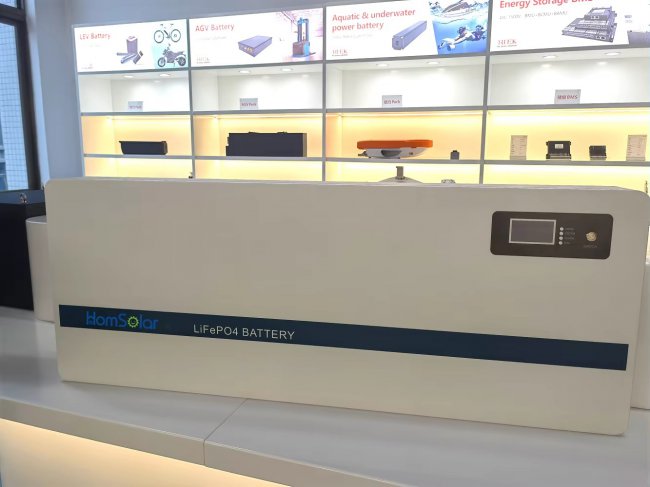
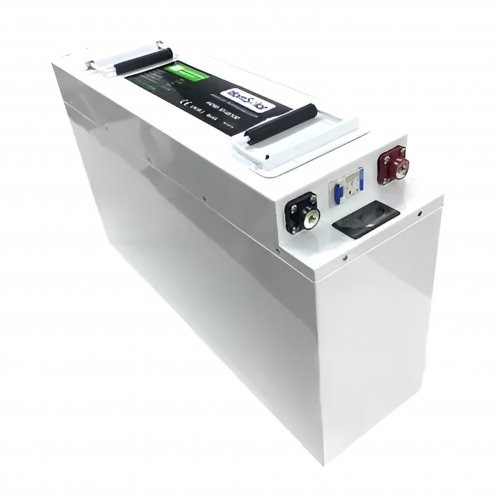
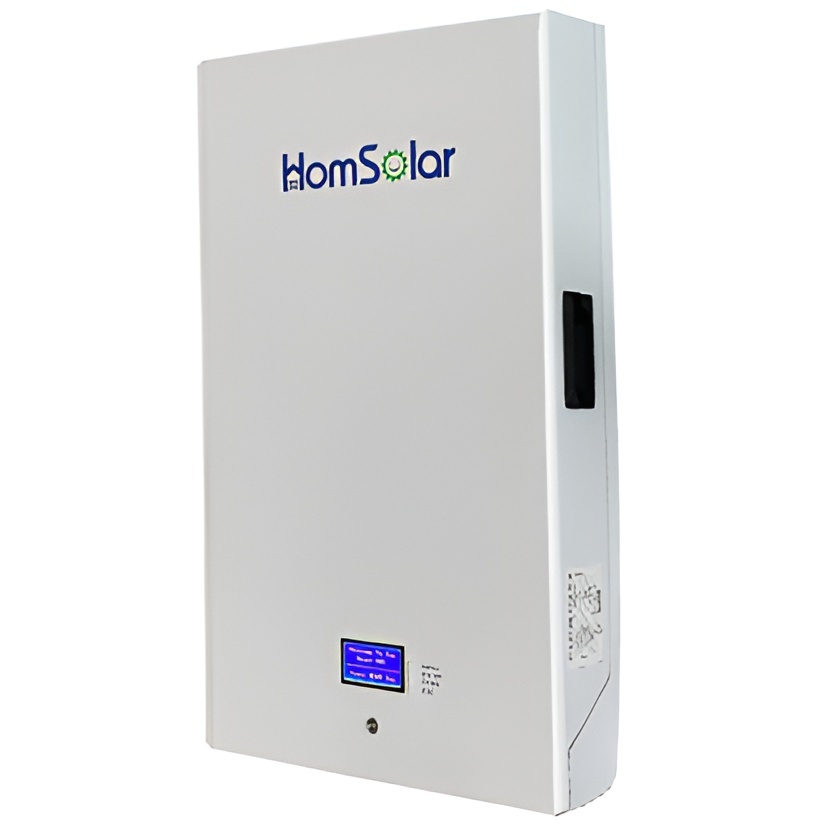
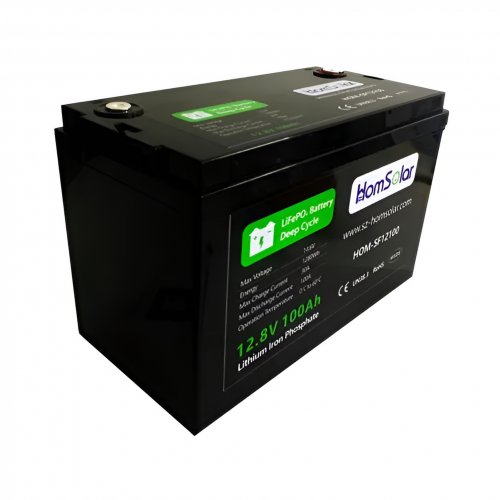
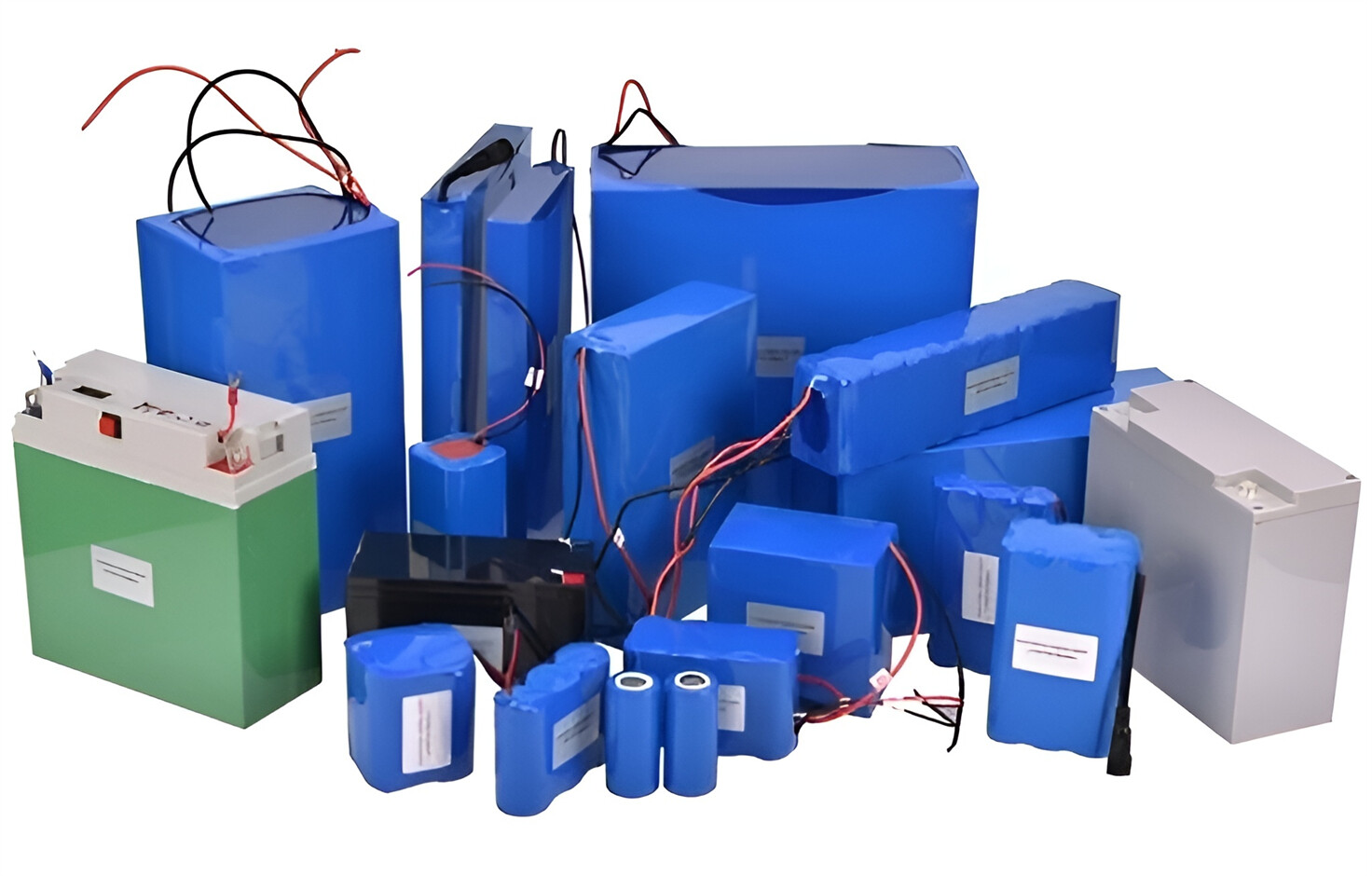
HomSolar Supports Lifepo4 battery pack customization/OEM/ODM service, welcome to contact us and tell us your needs.

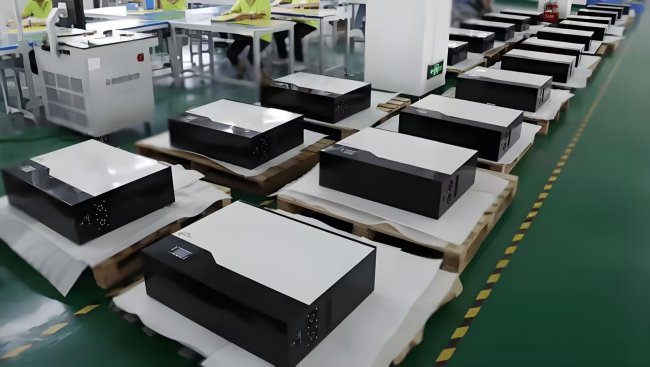
HomSolar: Your One-stop LiFePO4 Battery Pack & ESS Solution Manufacturer
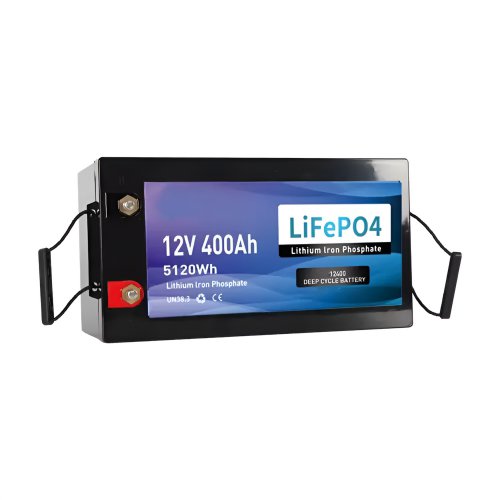
Our line of LiFePO4 (LFP) batteries offer a solution to demanding applications that require a lighter weight, longer life, and higher capacity battery. Features include advanced battery management systems (BMS), Bluetooth® communication and active intelligent monitoring.
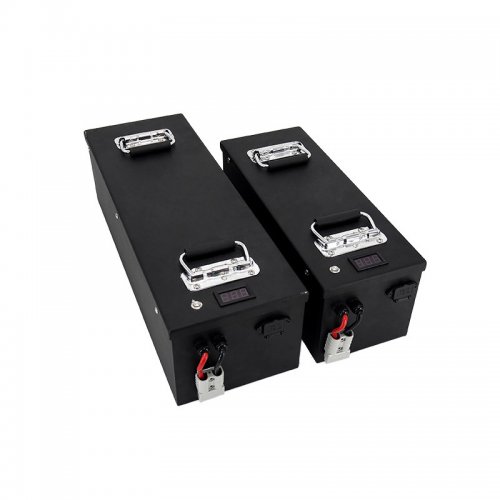
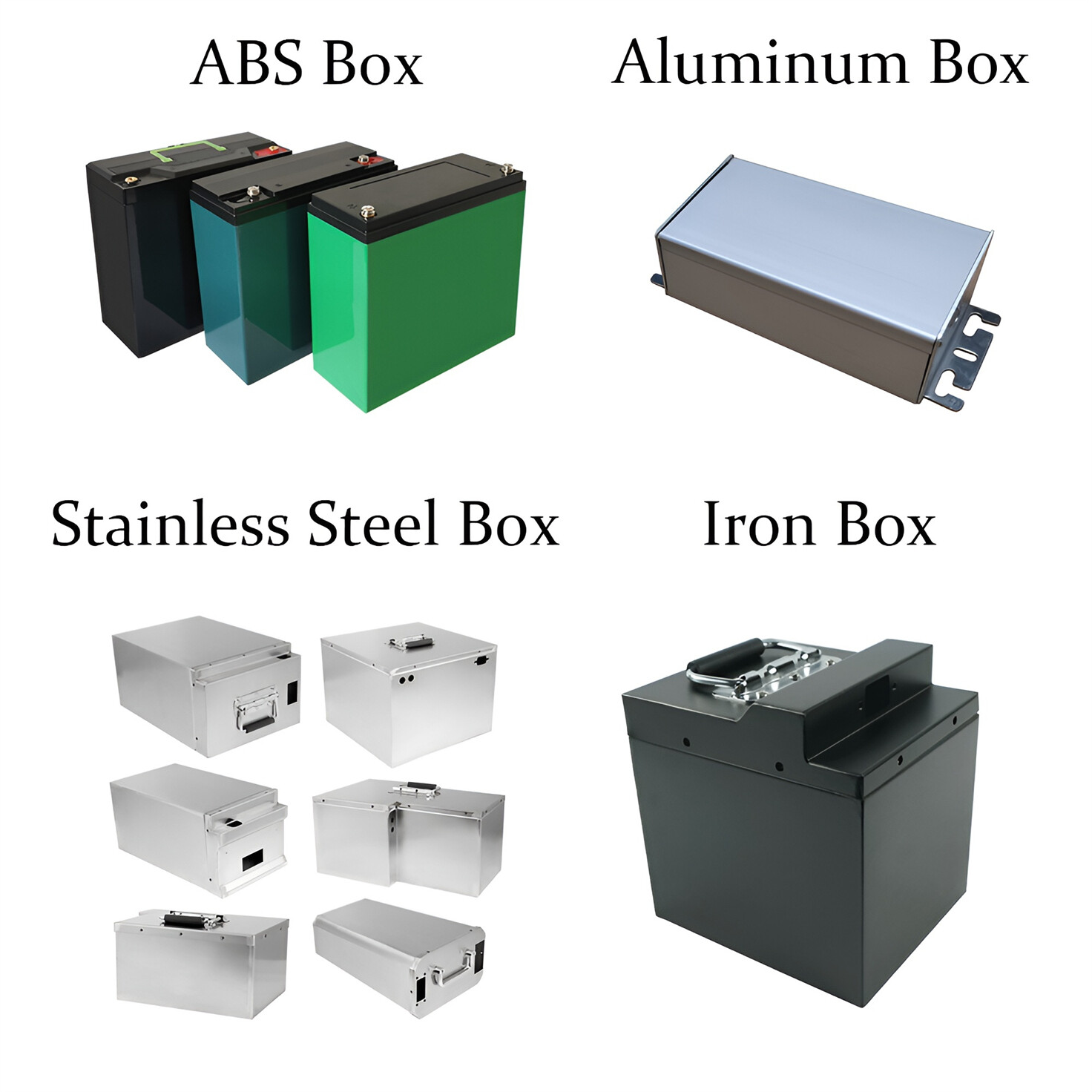
Customised Lithium Iron Phosphate Battery Casing
ABS plastic housing, aluminium housing, stainless steel housing and iron housing are available, and can also be designed and customised according to your needs.
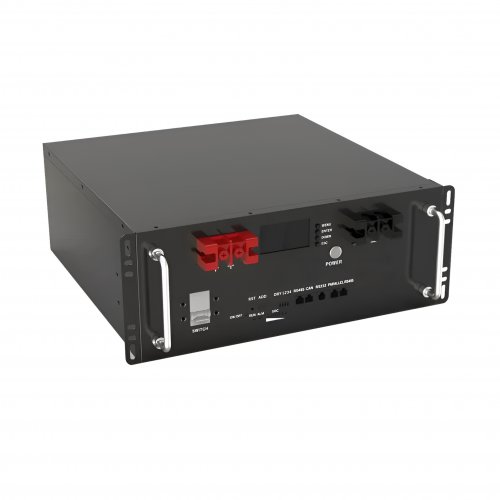
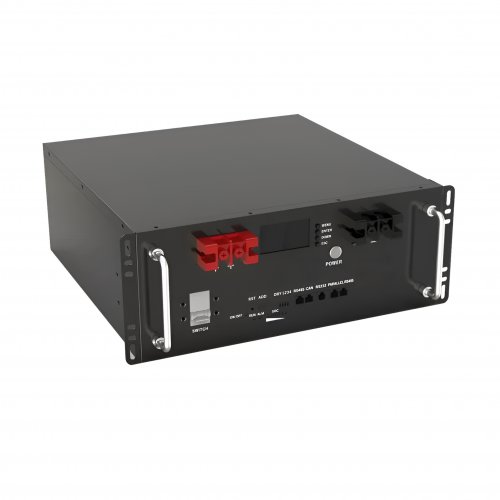
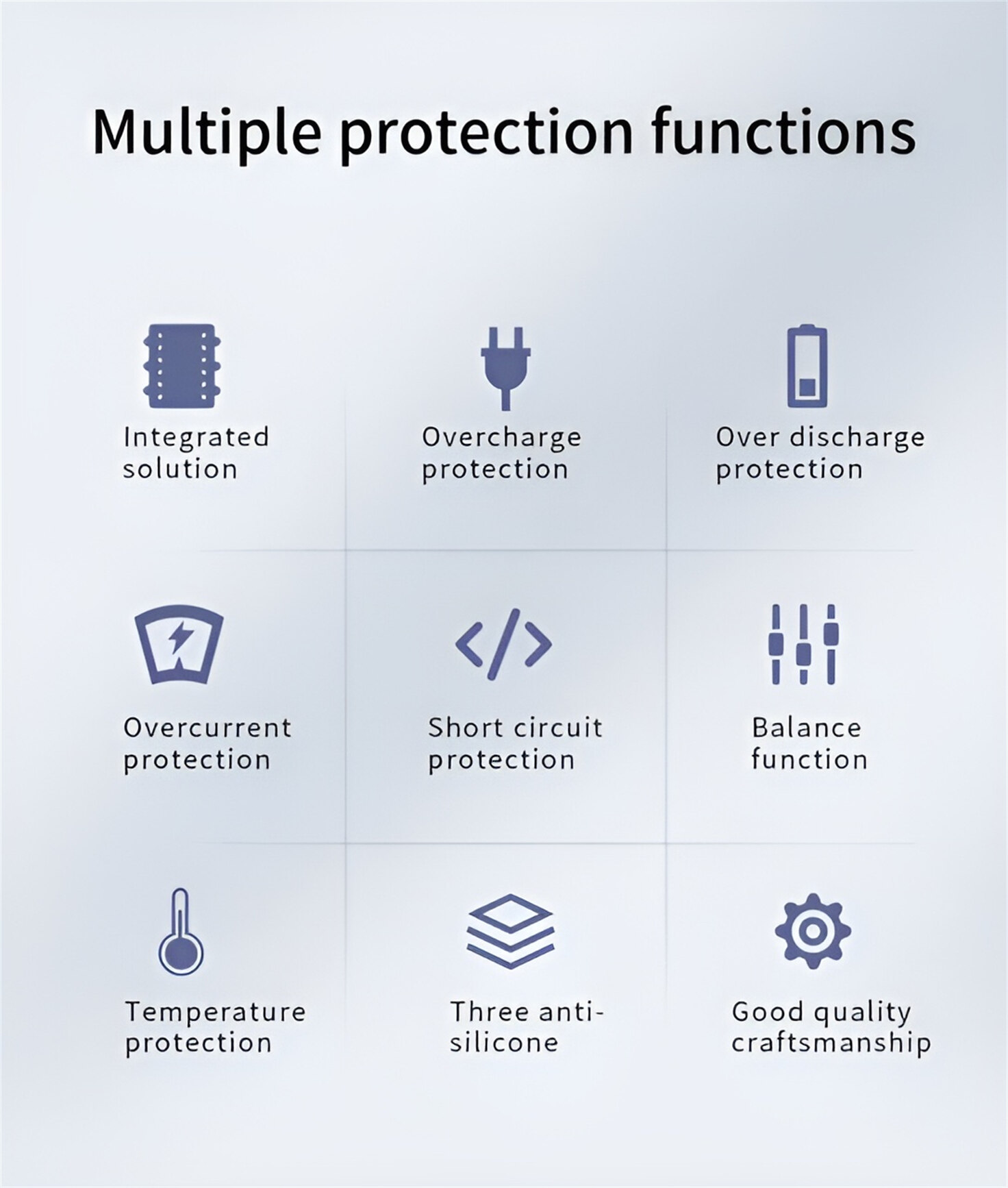
HomSolar Smart BMS
Intelligent Battery Management System for HomSolar Energy Storage System. Bluetooth, temperature sensor, LCD display, CAN interface, UART interface also available.

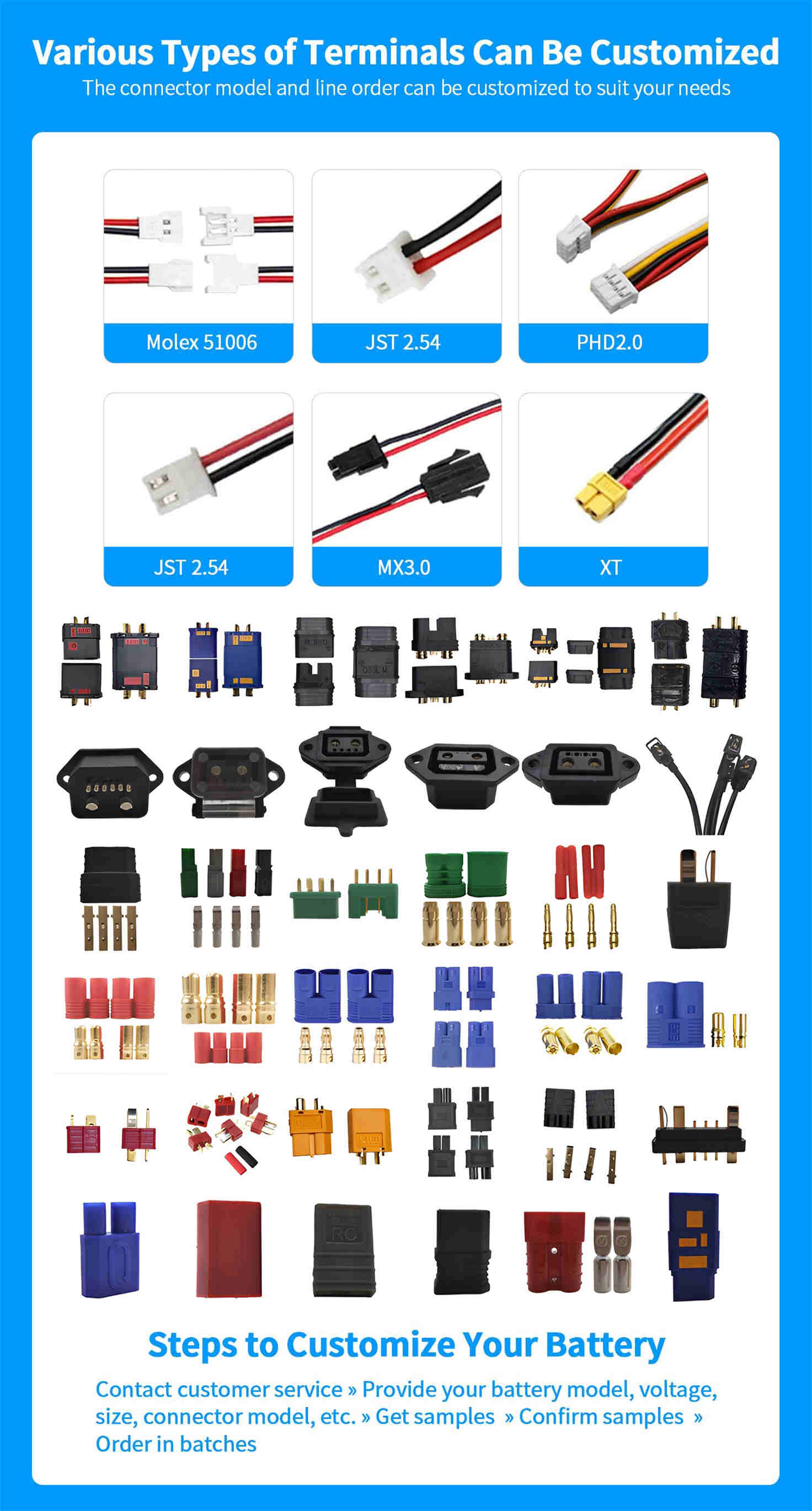
Terminals & Plugs Can Be Customized
A wide range of terminals and plugs can be customised to suit the application needs of your battery products.
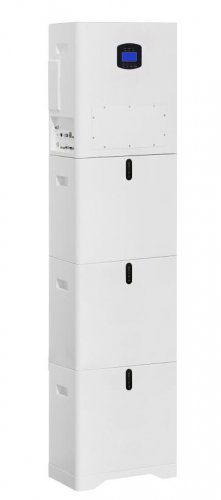
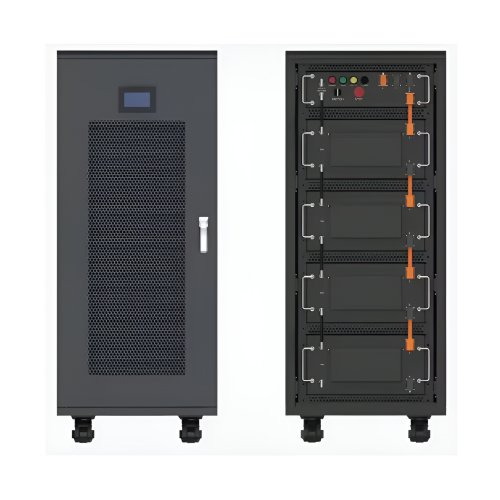
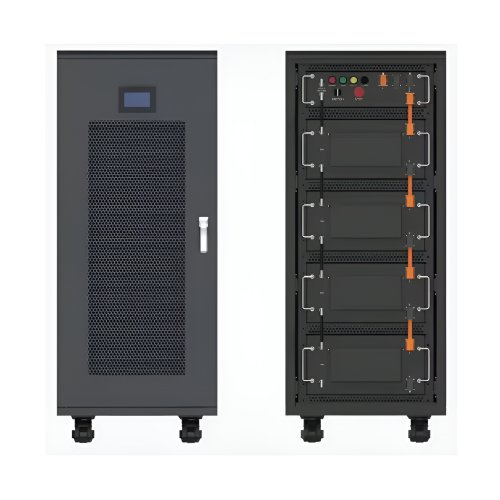
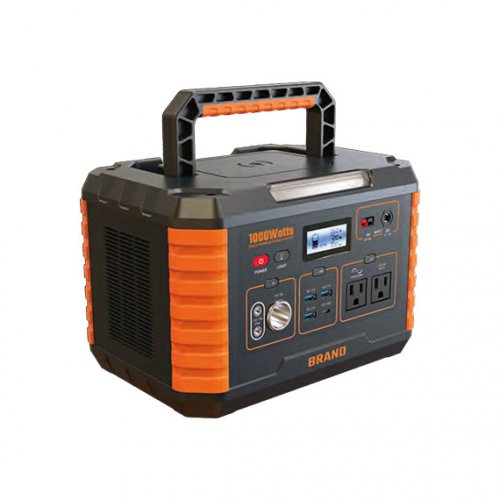
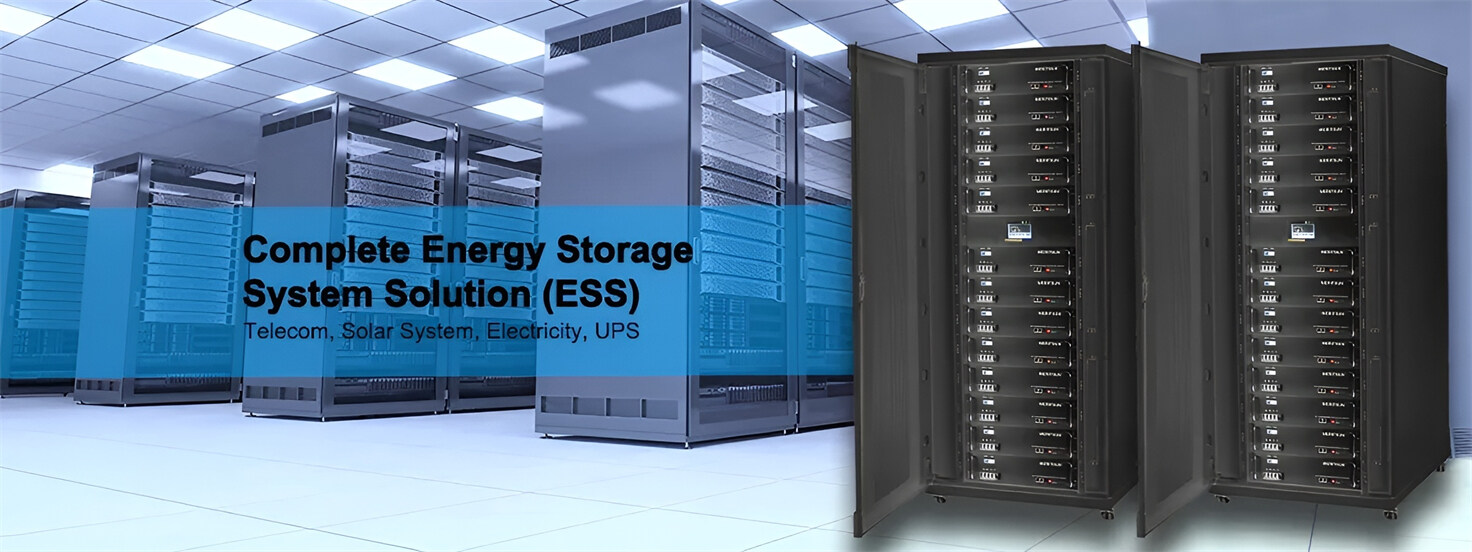
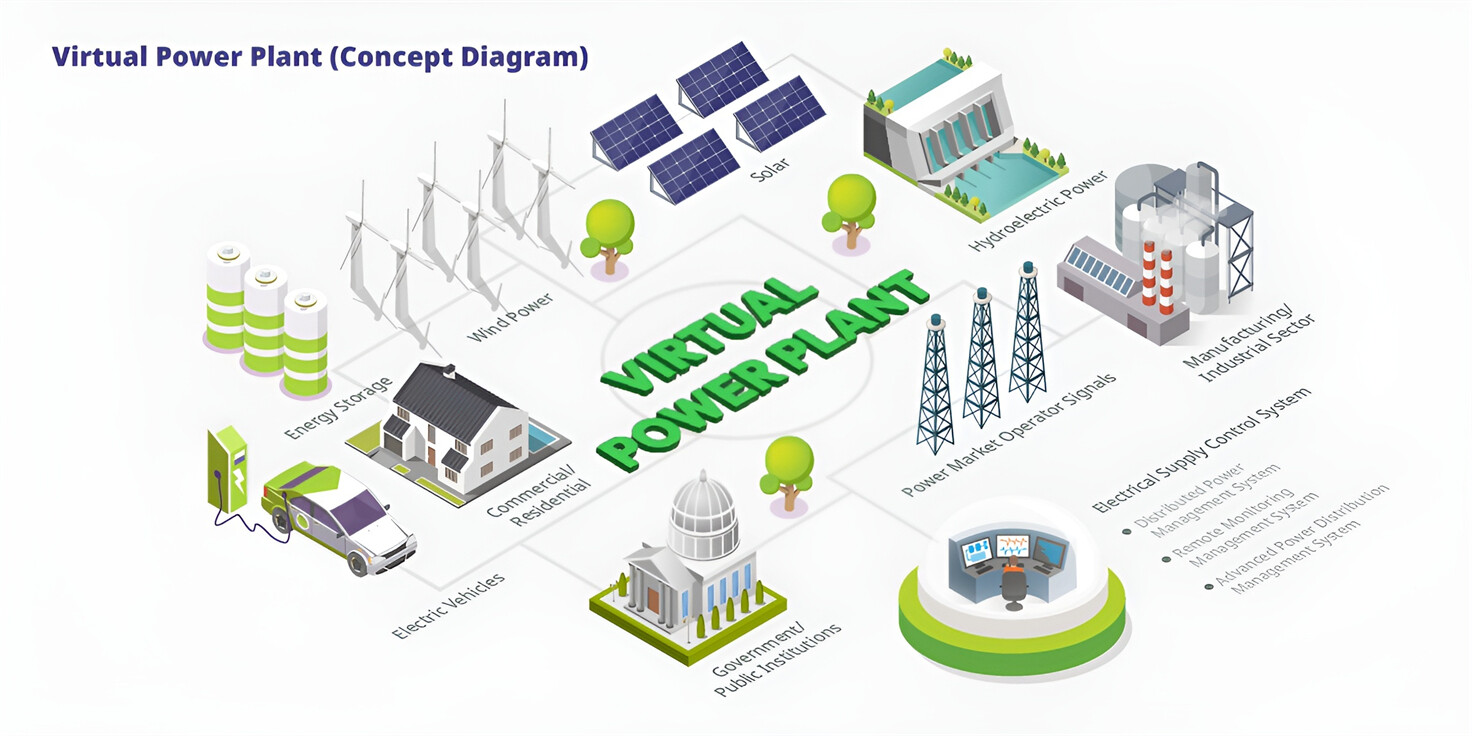
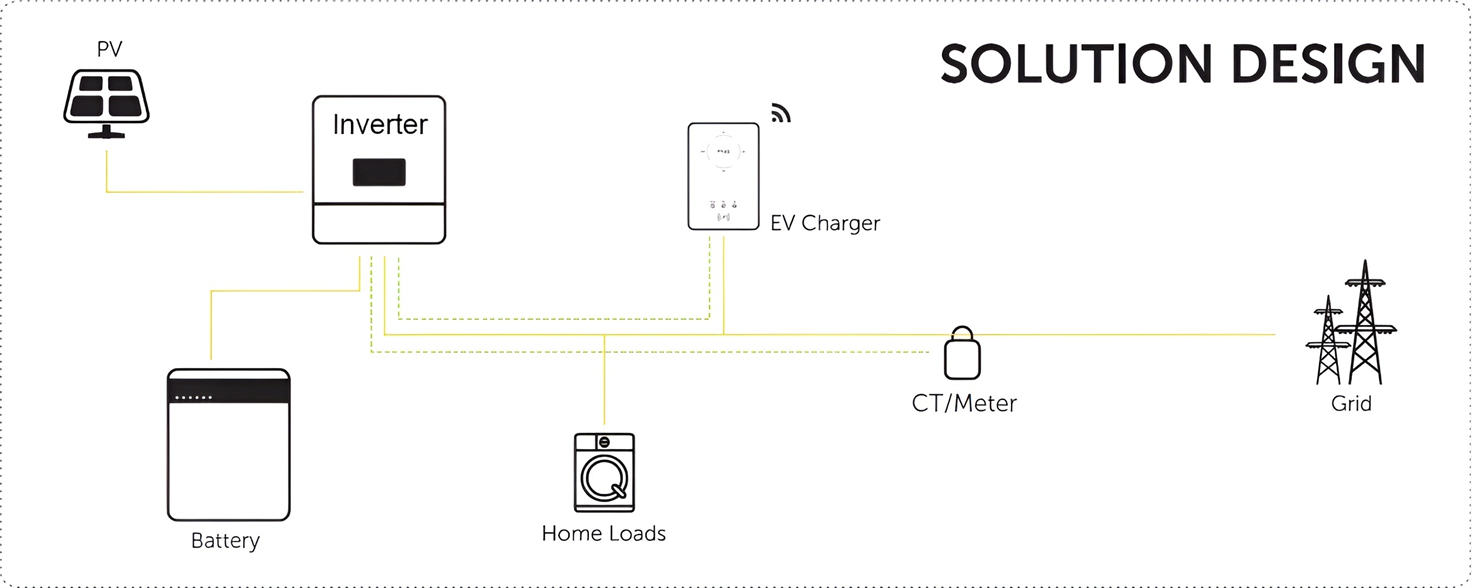
Well-designed Solutions for Energy Storage Systems
We will design the perfect energy storage system solution according to your needs, so that you can easily solve the specific industry applications of battery products.
About Our Battery Cells
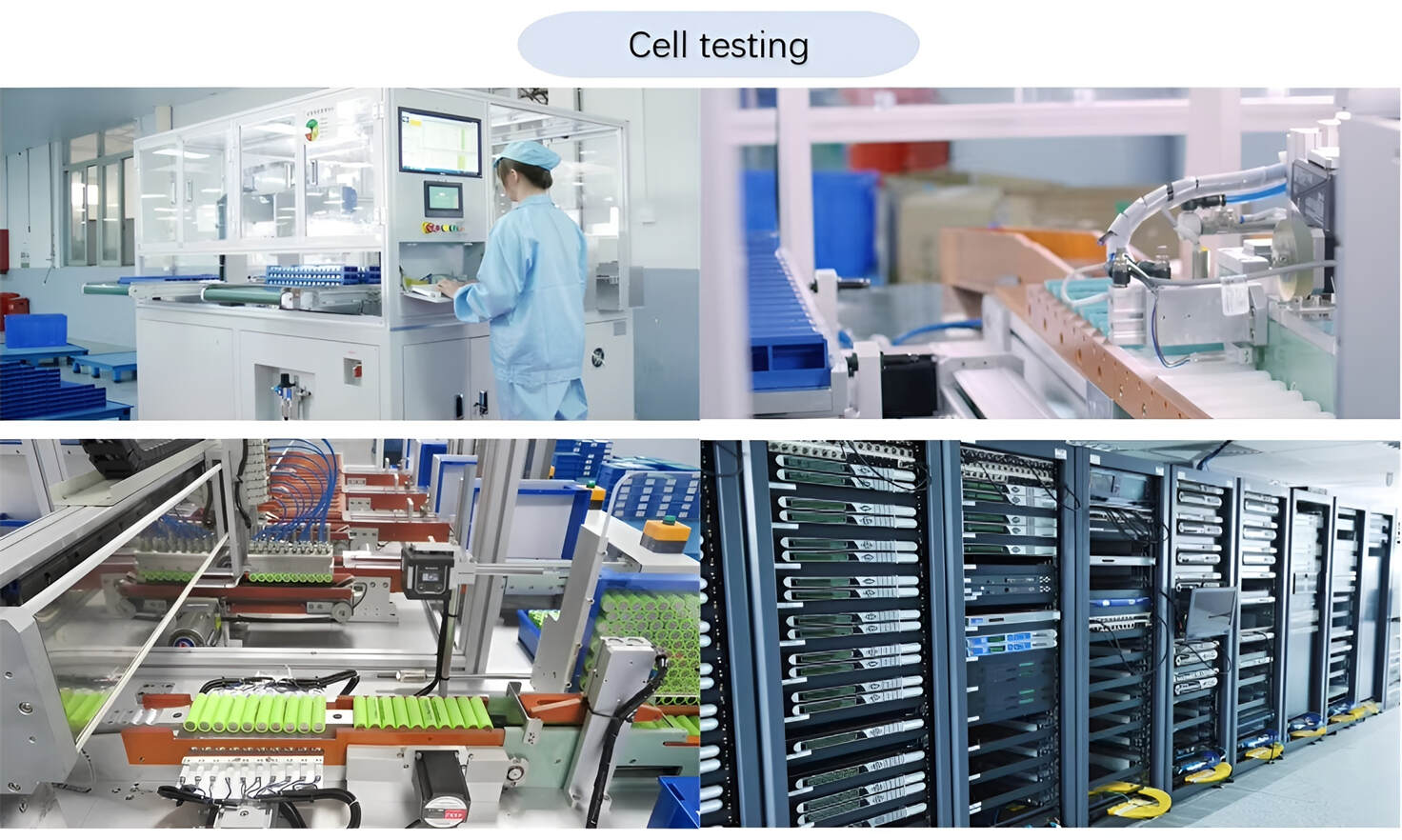
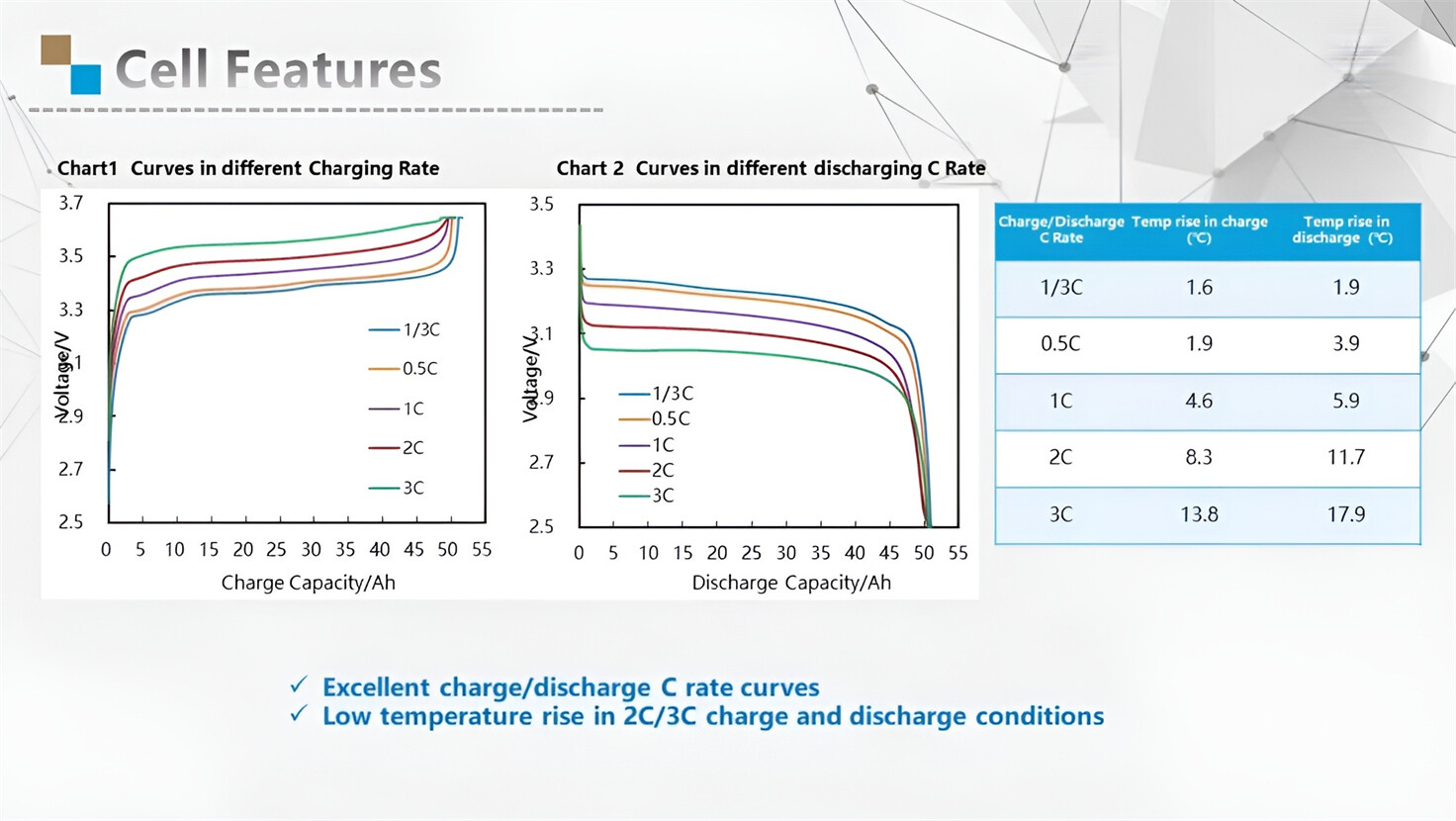
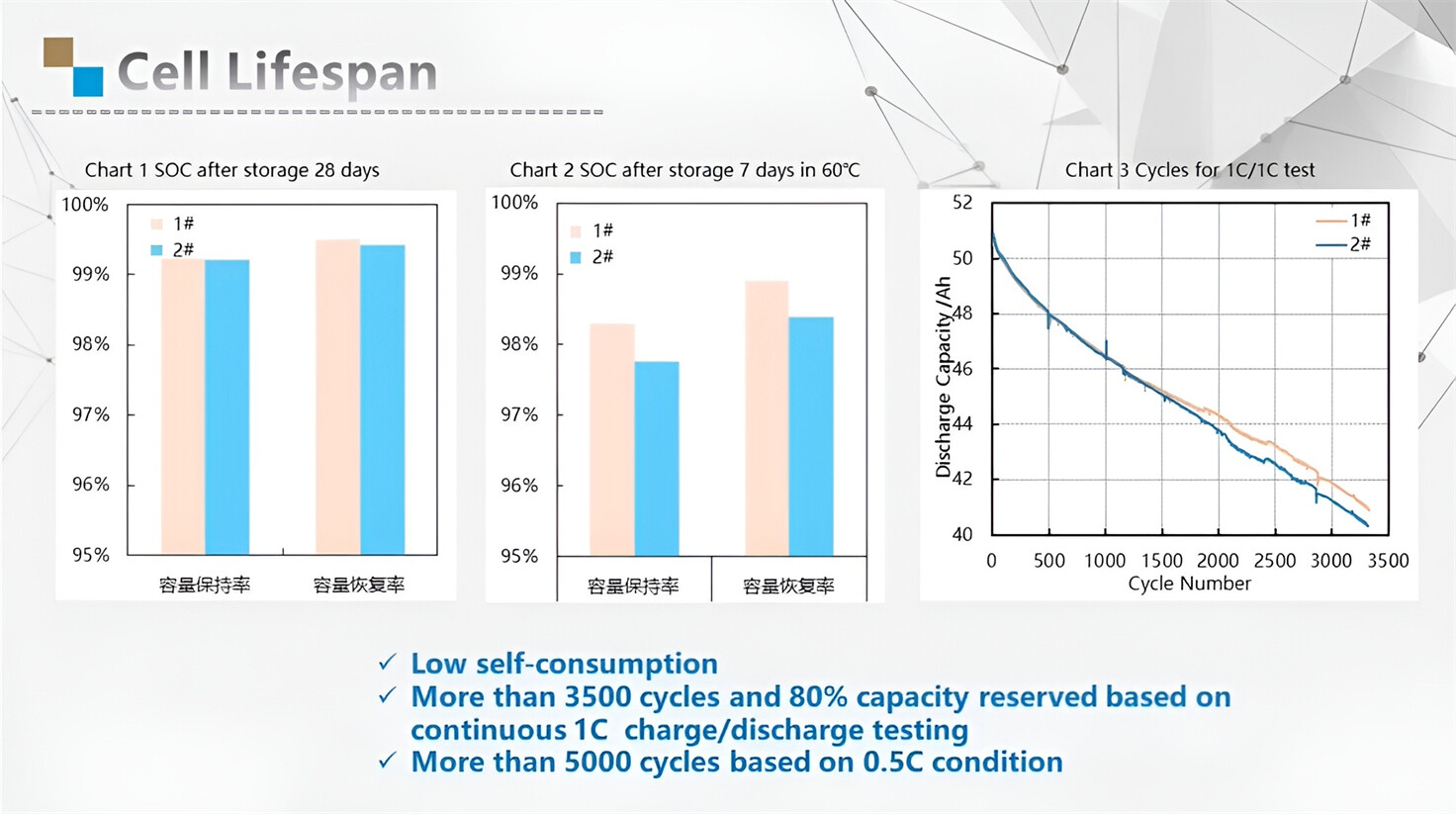
Our energy storage system products use brand new grade A LiFePO4 cells with a battery lifespan of more than 4,000 charge/discharge cycles.

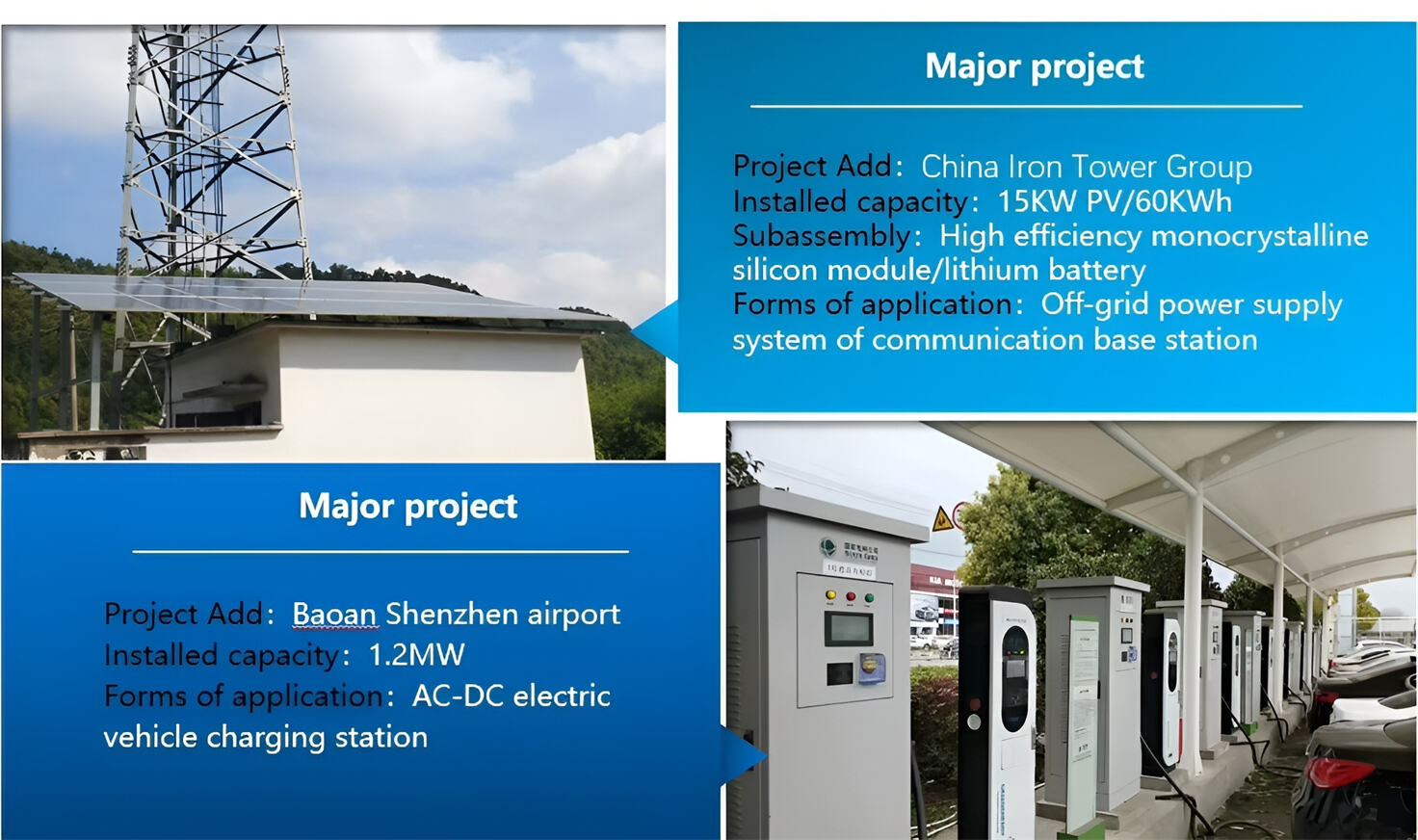
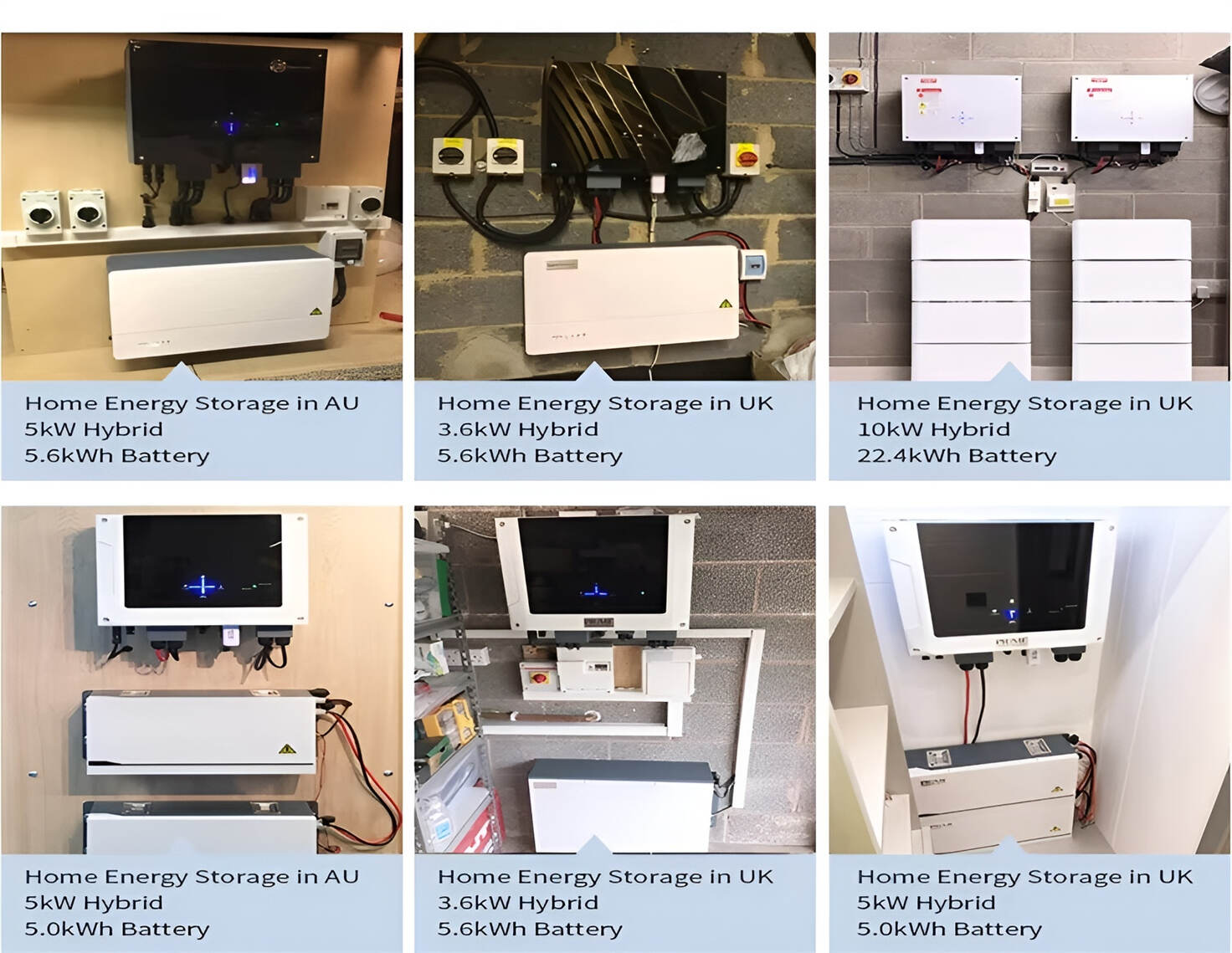
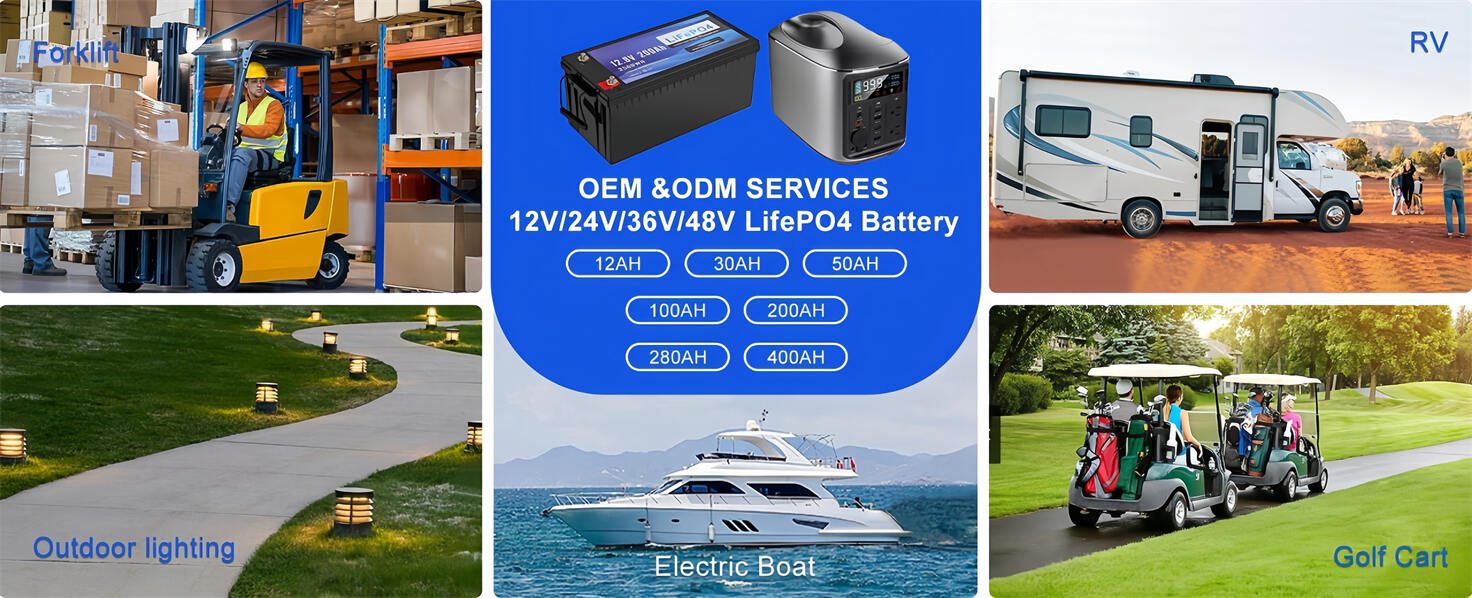
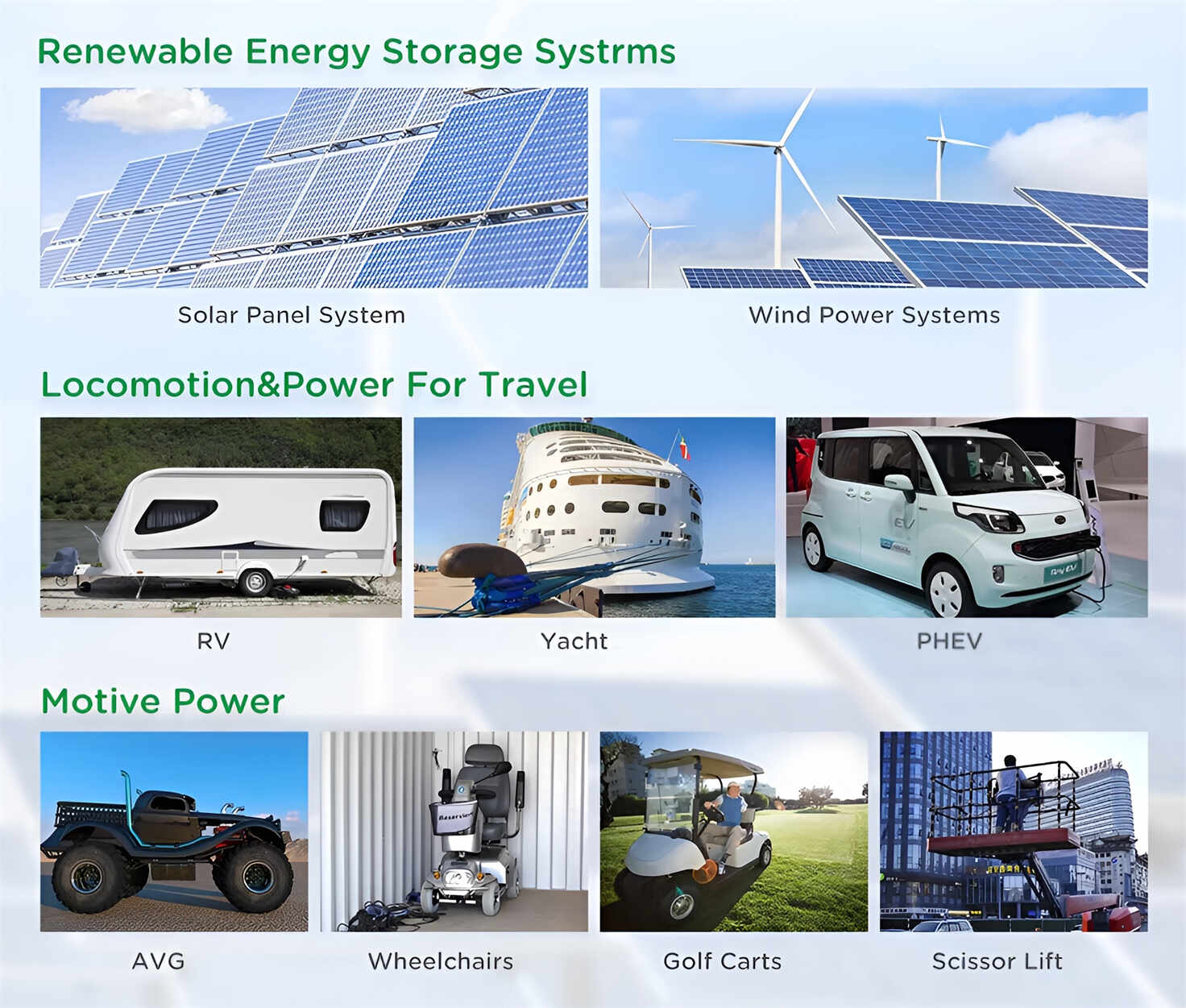
Applications in Different Industries
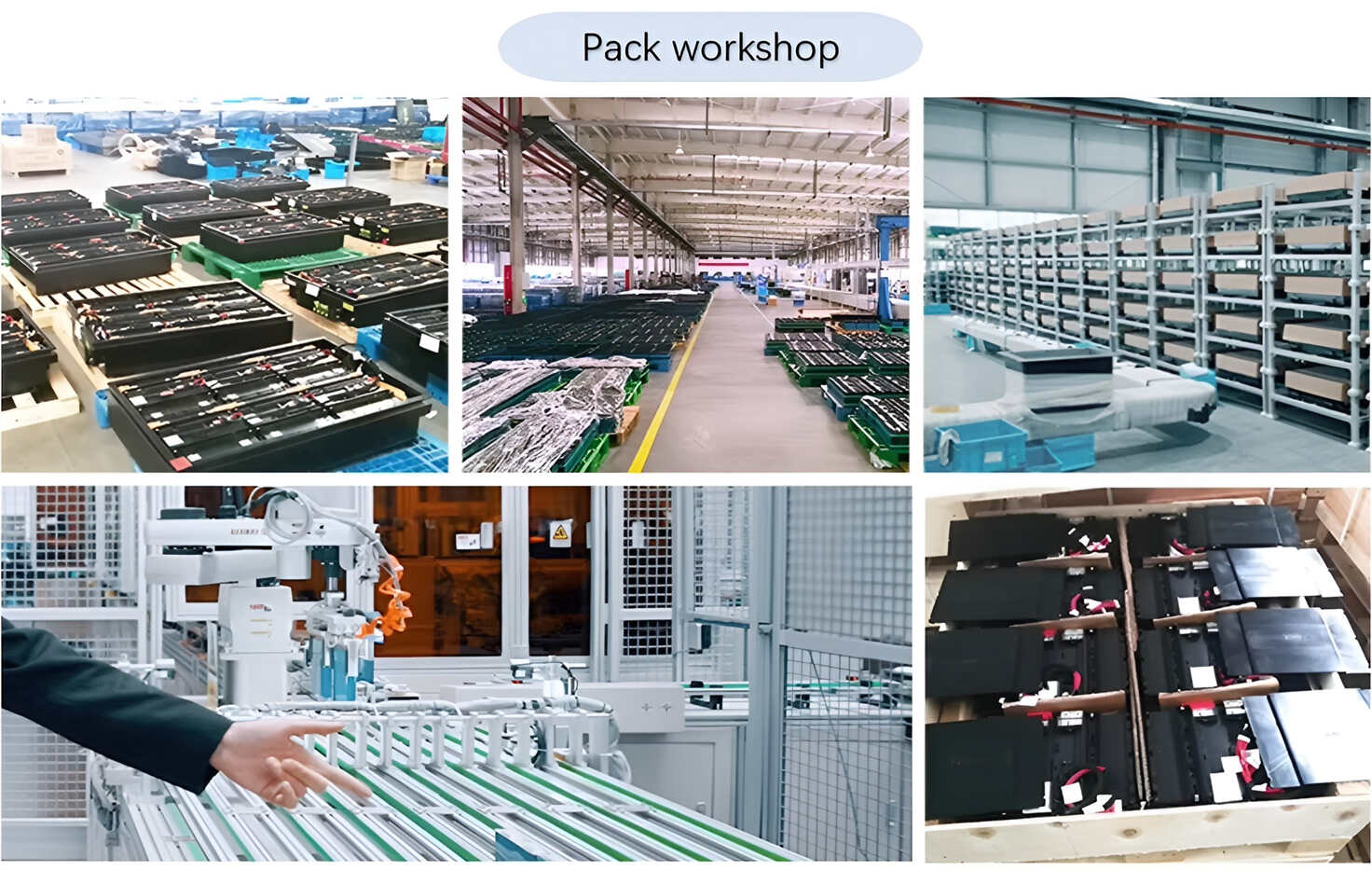
We supply customized & OEM battery pack, assemble cells with wiring, fuse and plastic cover, all the cell wires connected to PCB plug or built BMS.
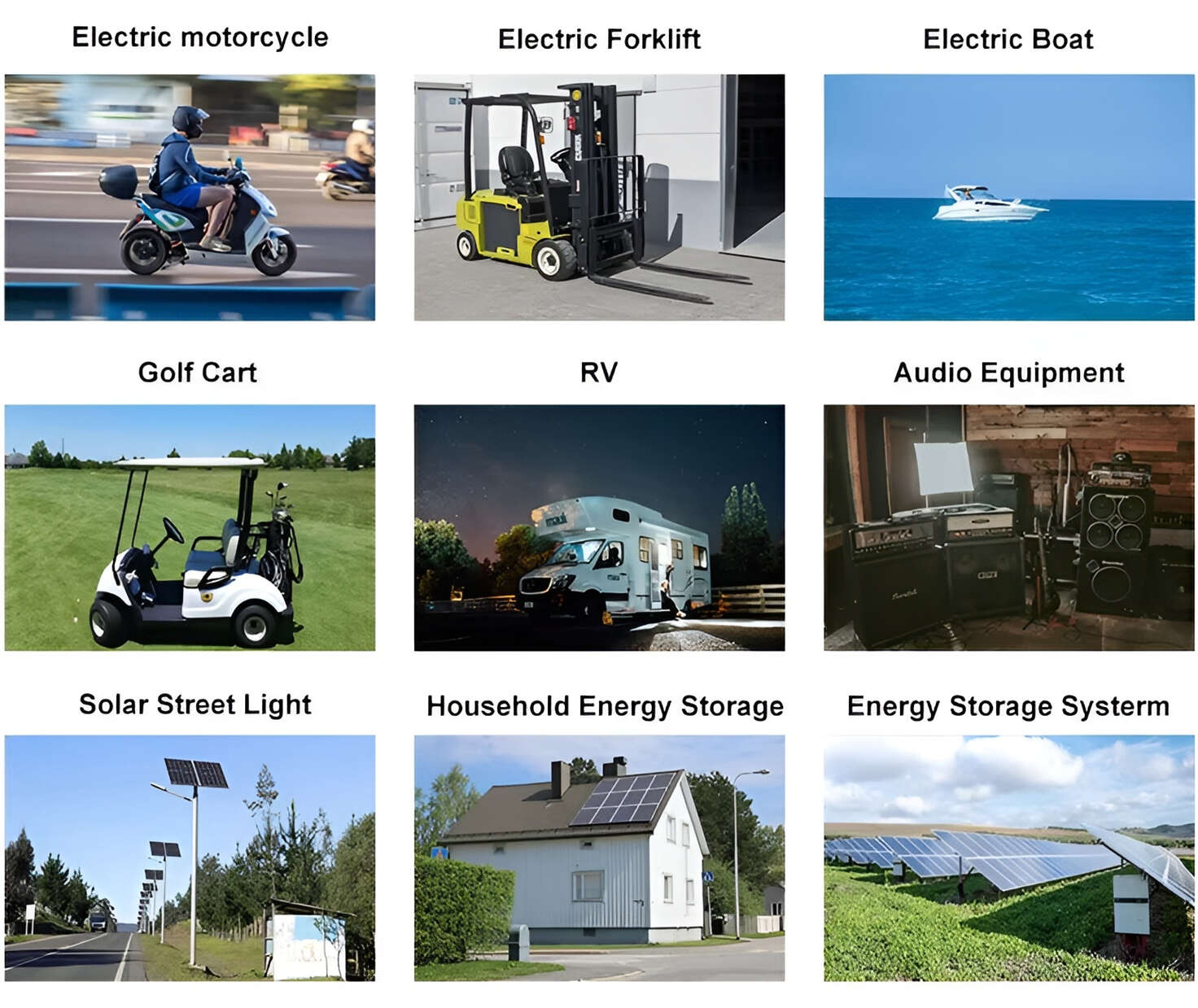
Applications: E-bike, Electric Scooter, Golf Carts, RV, Electric Wheelchair, Electric Tools, Robot Cleaner, Robot Sweeper, Solar Energy Storage System, Emergency Light, Solar Power Light, Medical Equipment, UPS Backup Power Supply.
We can provide you with customized services. We have the ability to provide a vertical supply chain, from single cells to pack/module and to a complete power solution with BMS, etc.
HomSolar (Shenzhen) Technology Co., Ltd