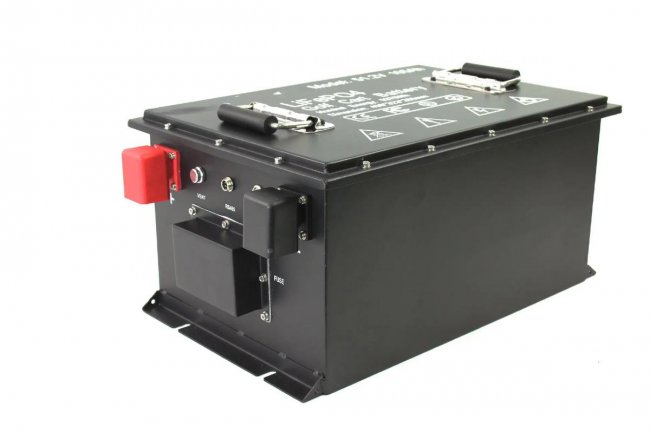
Supply Chain News: Navigating A New Era Of Resilience, Technology, And Geopolitical Shifts
The global supply chain, once a largely invisible backbone of commerce, has spent the past several years in the spotlight. From the unprecedented disruptions of the pandemic to the ongoing pressures of geopolitical tensions and climate change, the sector is undergoing a fundamental transformation. The prevailing focus is no longer solely on lean efficiency and cost optimization but on building resilient, agile, and transparent networks capable of withstanding future shocks. This shift is being driven by a confluence of advanced technologies, strategic realignments, and a renewed emphasis on risk management.
Latest Industry Dynamics: From Reactive to Proactive
Recent months have underscored that volatility is the new constant. The persistent congestion at major global ports, while improved from its peak, continues to cause sporadic delays. Furthermore, geopolitical flashpoints, such as the conflicts in Eastern Europe and tensions in key shipping lanes like the Red Sea and the Panama Canal, have forced abrupt rerouting of vessels, leading to increased transit times and freight costs. The drought-induced water level issues at the Panama Canal serve as a stark reminder of how climate-related events can directly cripple critical trade arteries.
In response, major corporations are publicly overhauling their strategies. A prominent trend is the accelerated shift from a "Just-in-Time" to a "Just-in-Case" inventory model. Companies are increasing their safety stock levels and diversifying their supplier base to avoid over-reliance on single regions. This has led to a notable rise in "nearshoring" and "friendshoring," where businesses move production closer to their primary consumer markets or to politically aligned countries. Mexico and Eastern European nations, for instance, are seeing increased investment as alternatives to manufacturing hubs in Asia.
Concurrently, regulatory pressures are mounting. The European Union’s Carbon Border Adjustment Mechanism (CBAM) and new due diligence laws requiring proof of sustainable and ethical sourcing are forcing companies to gain deeper visibility into their extended supply chains. Compliance is no longer just a legal checkbox but a complex operational challenge.
Trend Analysis: The Pillars of the Future Supply Chain
The evolution of supply chain management is crystallizing around several key trends that are expected to define the coming decade.
1. The Digital Twin and AI-Driven Orchestration: The concept of a "digital twin" – a virtual, dynamic replica of a physical supply chain – is moving from theory to practice. By feeding real-time data into these models, companies can simulate disruptions, test contingency plans, and optimize routes and inventory levels without risking real-world capital. Artificial Intelligence (AI) and Machine Learning (ML) are the engines powering this. They are being deployed for predictive analytics, forecasting demand fluctuations with greater accuracy, and automating complex decision-making processes, such as dynamically allocating inventory across a network.
2. The Visibility Revolution through IoT and Blockchain: The demand for end-to-end visibility has never been higher. Internet of Things (IoT) sensors on containers, pallets, and individual products provide real-time data on location, temperature, humidity, and shocks. This granular information allows for proactive management of perishable goods and rapid response to delays. Blockchain technology, though still in earlier stages of adoption, promises to bring immutable transparency to supply chains. It can create a secure, unchangeable ledger for tracking products from raw material to end consumer, which is crucial for verifying authenticity, ethical sourcing, and compliance.
3. The Rise of the Sustainable and Circular Supply Chain: Sustainability has transitioned from a corporate social responsibility initiative to a core business imperative. Consumers and investors are demanding greener practices. This is manifesting in the optimization of logistics for lower carbon emissions, the electrification of last-mile delivery fleets, and a growing focus on the circular economy. Companies are increasingly designing products and supply chains for reuse, repair, and recycling, creating reverse logistics networks that are as sophisticated as their forward-facing counterparts.
Expert Perspectives: A Cautious Yet Innovative Outlook
Industry experts largely agree on the direction of travel but emphasize the challenges inherent in this transformation.
"Many organizations built their supply chains for a world of predictability and globalization," says Dr. Evelyn Reed, a supply chain professor at a leading business school. "The paradigm has irrevocably shifted. The new objective is to build adaptive networks that are not just robust, meaning they can resist a shock, but are truly resilient, meaning they can anticipate, absorb, and recover quickly. This requires a significant cultural shift and investment in data capabilities."
On the technology front, Michael Thorne, a partner at a logistics consulting firm, cautions against viewing technology as a silver bullet. "AI and digital twins are powerful, but they are only as good as the data they are fed. Many companies are still grappling with data silos and poor data quality. The first step is often a less glamorous one: cleaning and integrating internal data before layering on advanced analytics. The goal is augmented intelligence, where technology empowers human decision-makers, not replaces them."
Regarding the geopolitical landscape, geopolitical risk analyst Anya Sharma notes, "Friendshoring is a prudent risk mitigation strategy, but it is not a cost-neutral one. Reconfiguring supply networks is capital-intensive and often leads to higher production costs. Companies are engaged in a complex calculus, weighing the risks of geopolitical instability against the benefits of low-cost manufacturing regions. We are likely to see a more regionalized and, in some cases, a more expensive global trade landscape emerge."
In conclusion, the global supply chain is at a pivotal juncture. The pressures of the past few years have exposed critical vulnerabilities but have also acted as a powerful catalyst for innovation. The future will belong to those organizations that successfully leverage technology to build transparency, embrace sustainability as a driver of value, and develop the strategic agility to navigate an increasingly complex and unpredictable world. The journey from a fragile, efficiency-centric model to a resilient, intelligent, and responsible one is well underway.
Customized/OEM/ODM Service
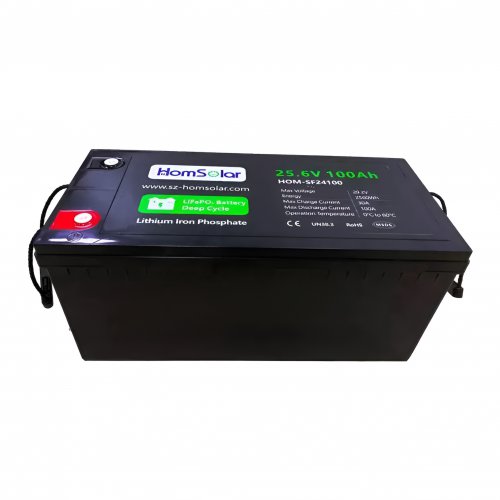
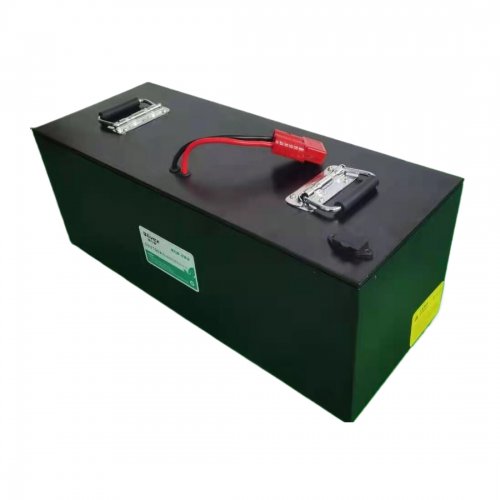
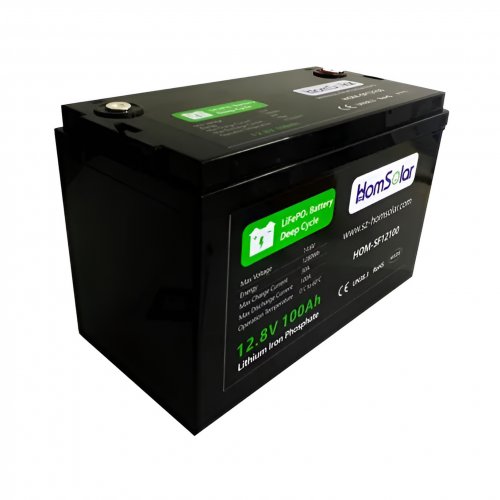
HomSolar Supports Lifepo4 battery pack customization/OEM/ODM service, welcome to contact us and tell us your needs.

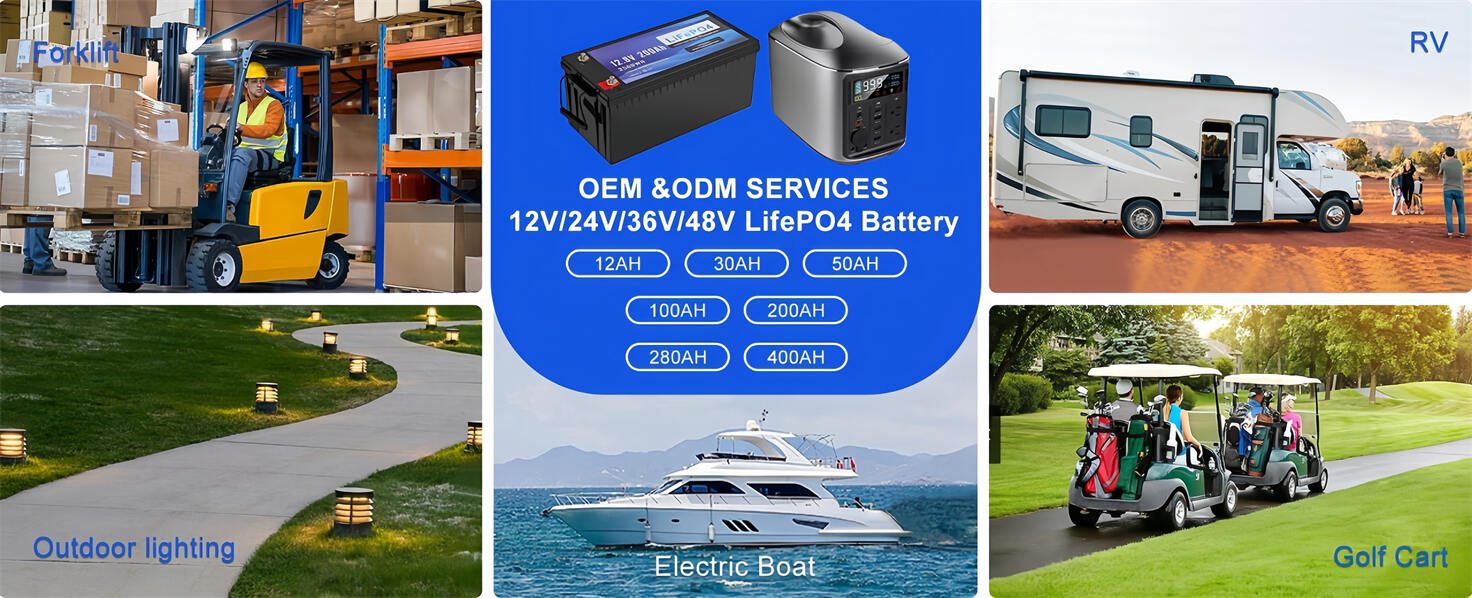
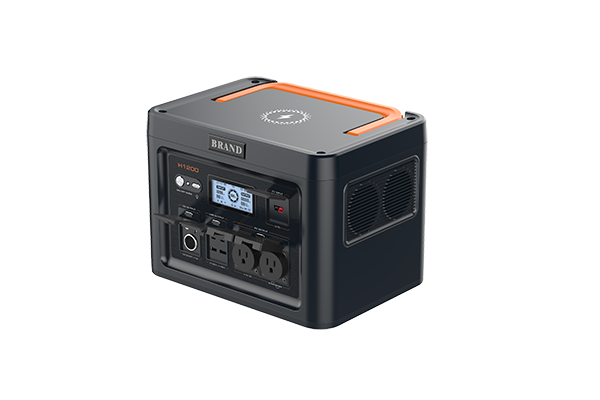
HomSolar: Your One-stop LiFePO4 Battery Pack & ESS Solution Manufacturer
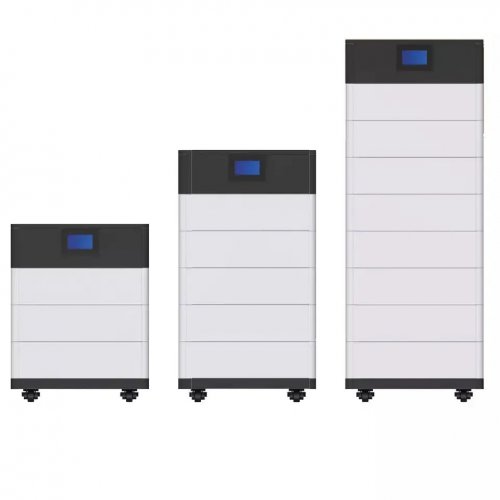
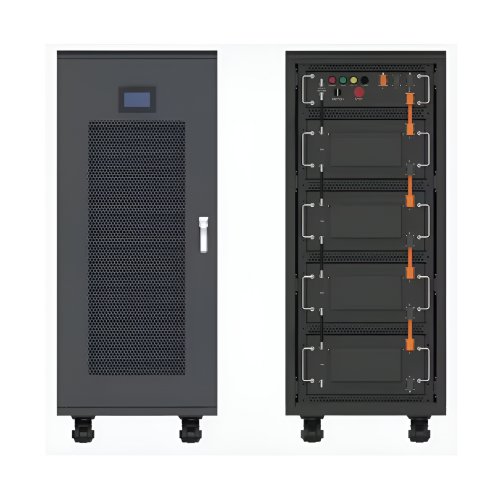
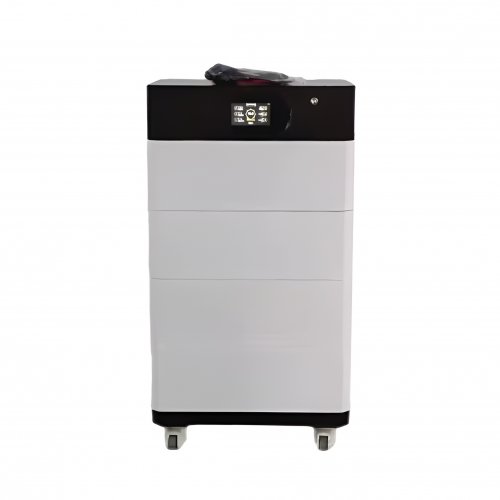
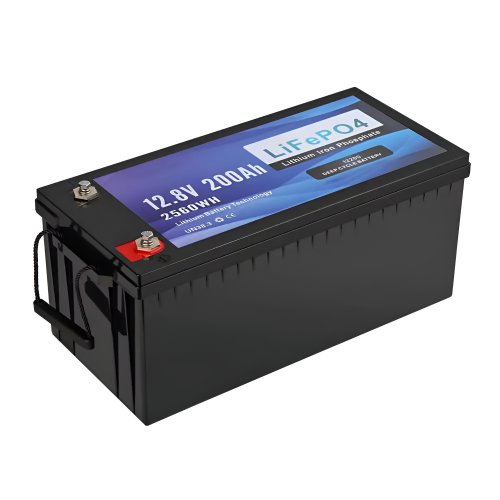
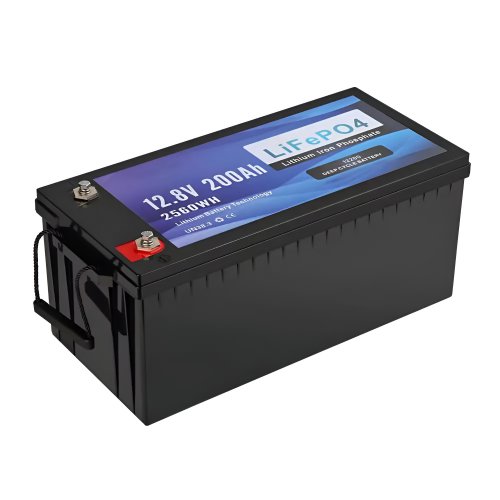
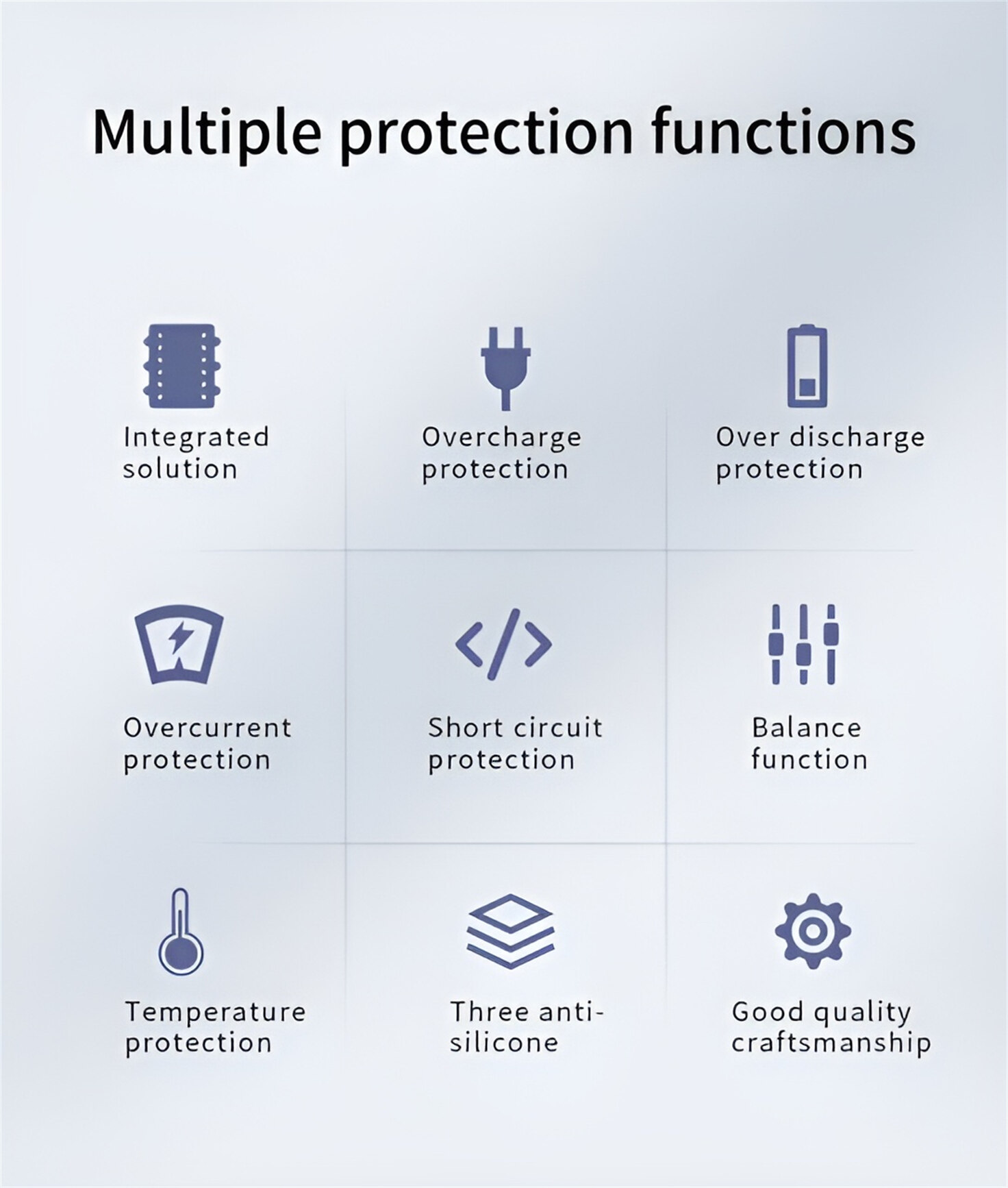
Our line of LiFePO4 (LFP) batteries offer a solution to demanding applications that require a lighter weight, longer life, and higher capacity battery. Features include advanced battery management systems (BMS), Bluetooth® communication and active intelligent monitoring.
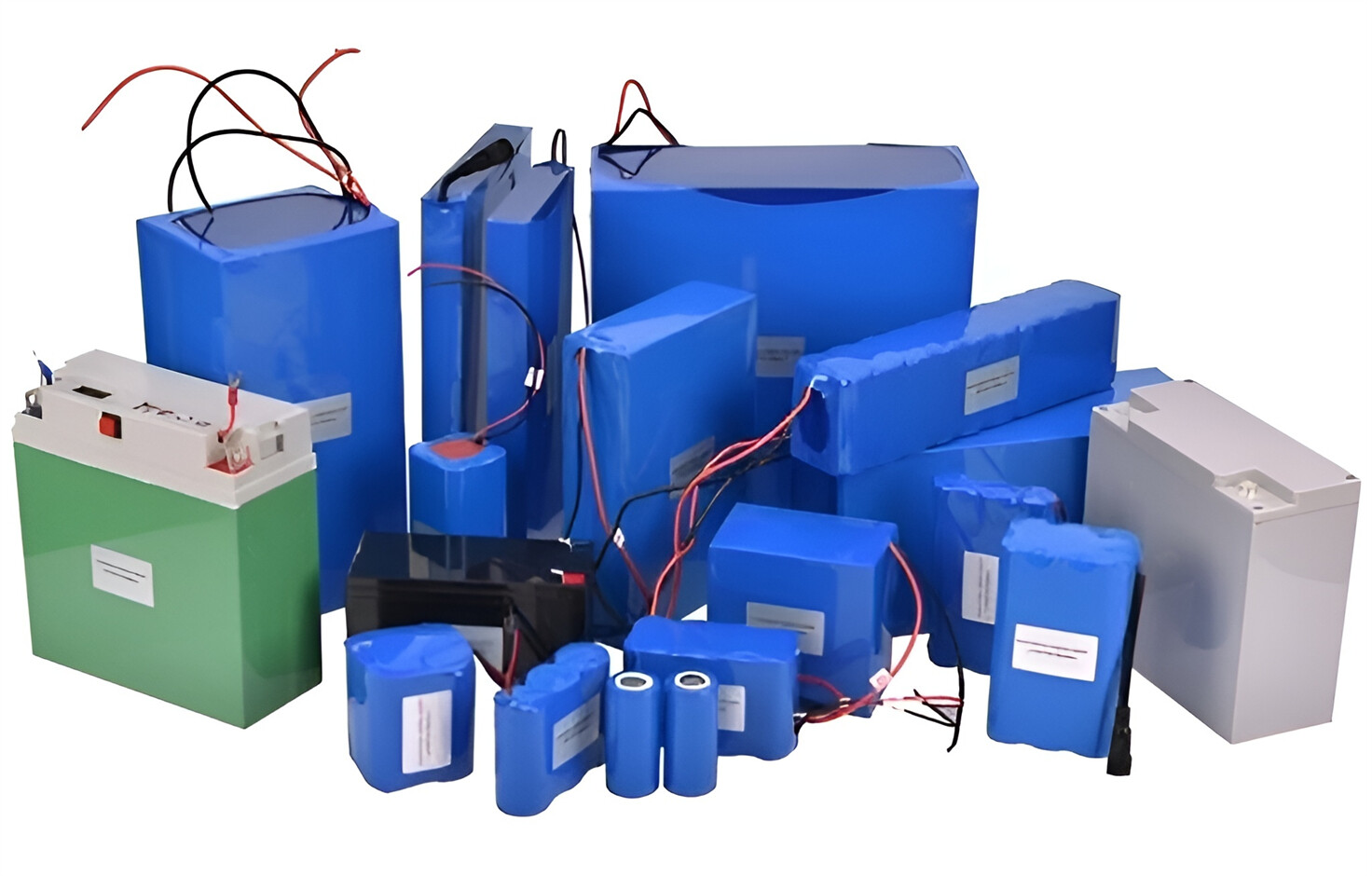
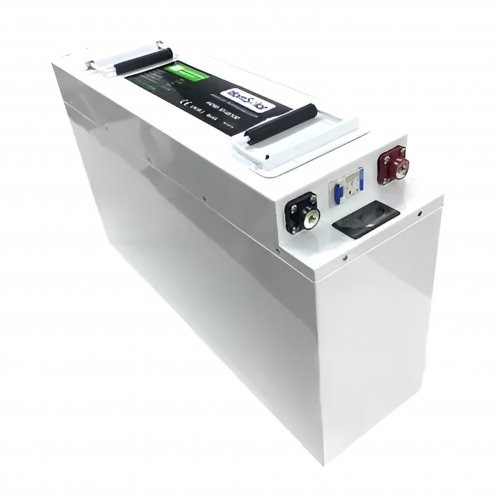
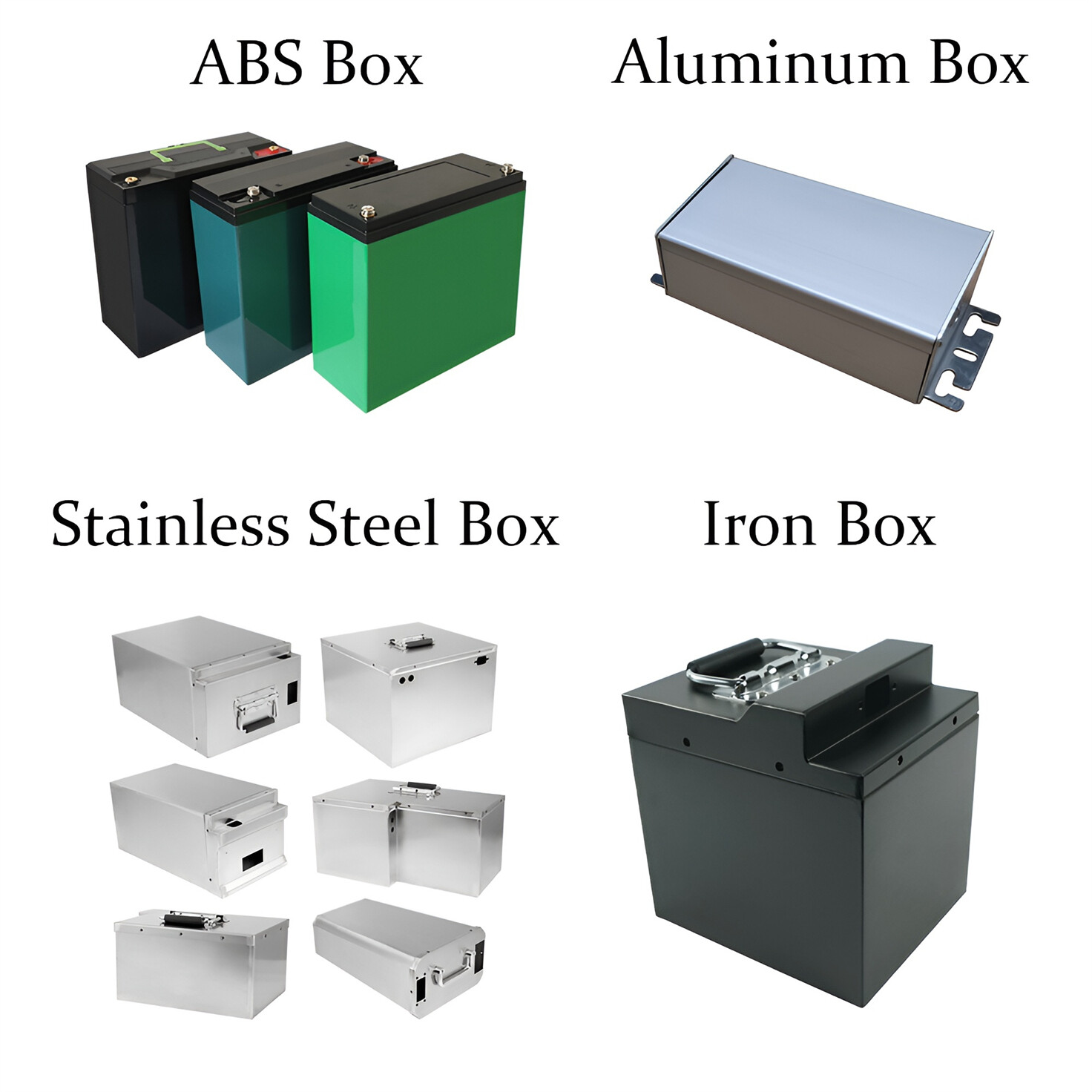
Customised Lithium Iron Phosphate Battery Casing
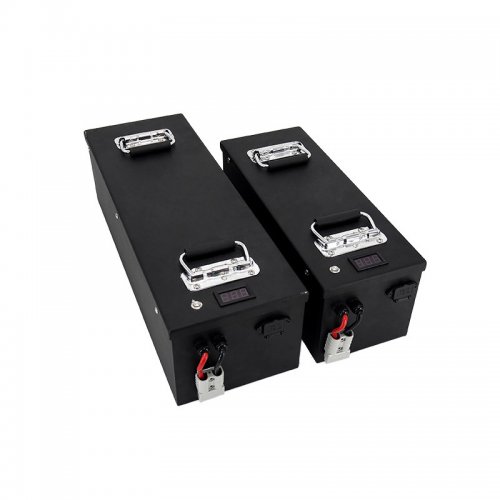
ABS plastic housing, aluminium housing, stainless steel housing and iron housing are available, and can also be designed and customised according to your needs.
HomSolar Smart BMS
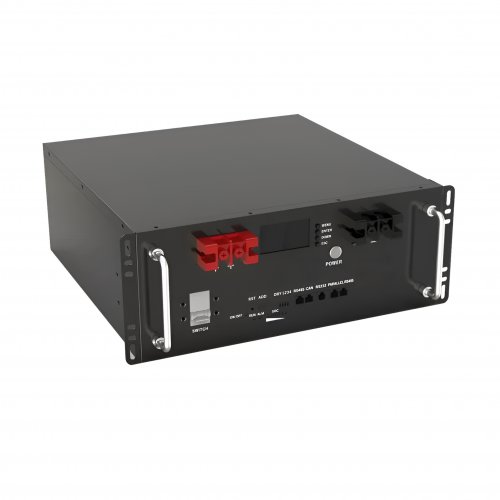
Intelligent Battery Management System for HomSolar Energy Storage System. Bluetooth, temperature sensor, LCD display, CAN interface, UART interface also available.

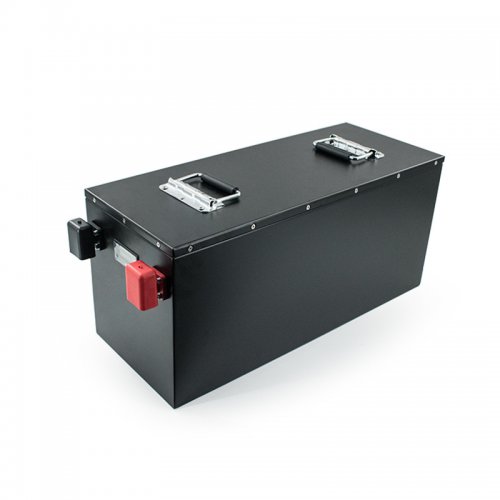
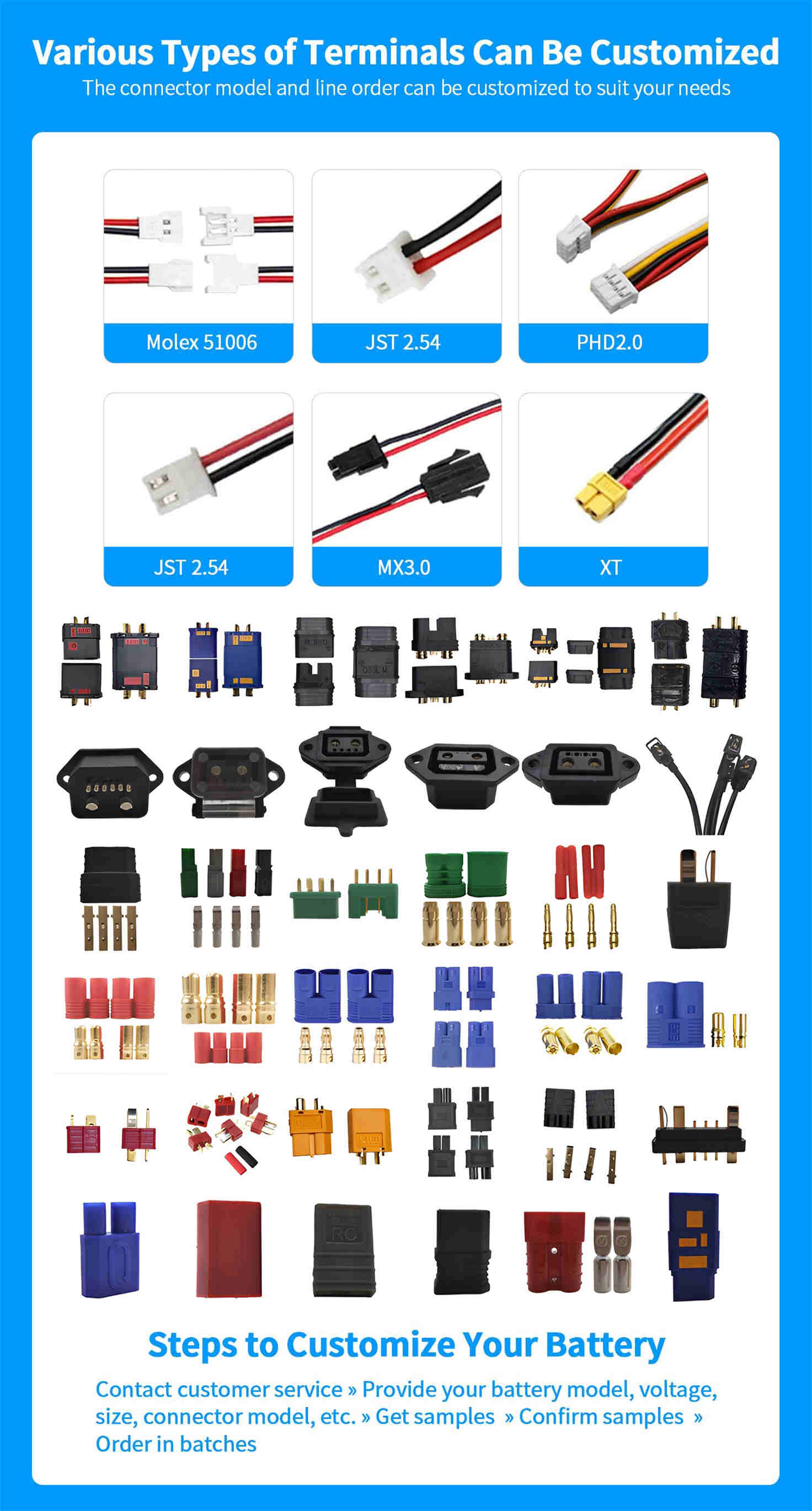
Terminals & Plugs Can Be Customized
A wide range of terminals and plugs can be customised to suit the application needs of your battery products.
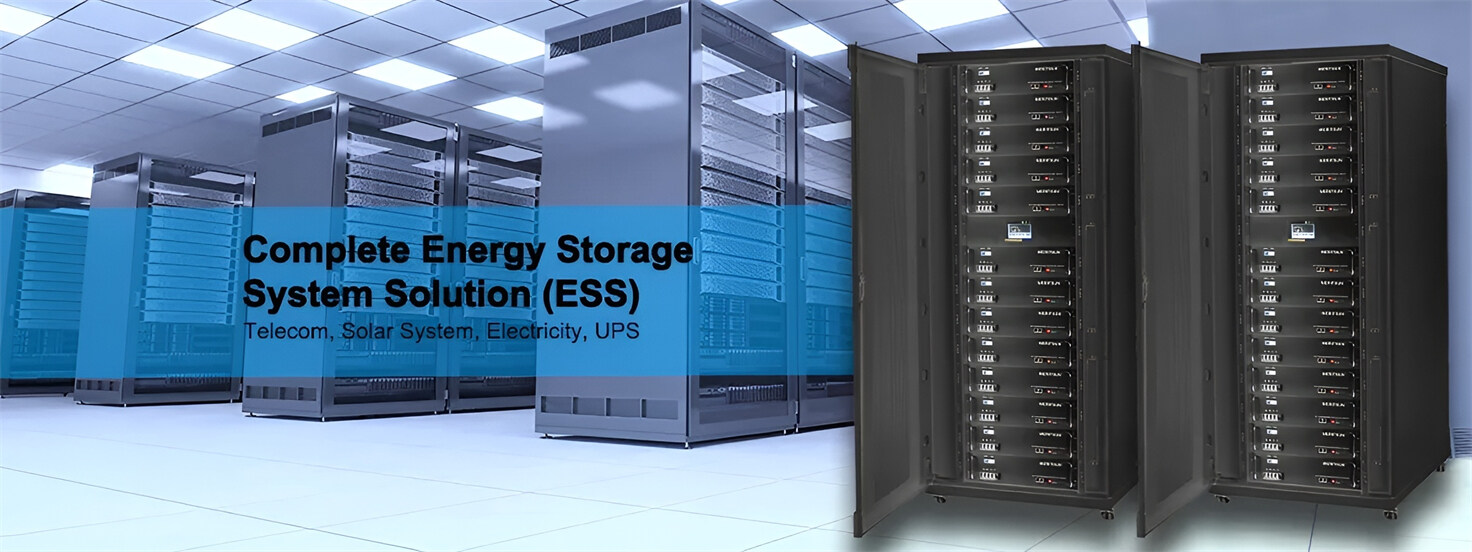
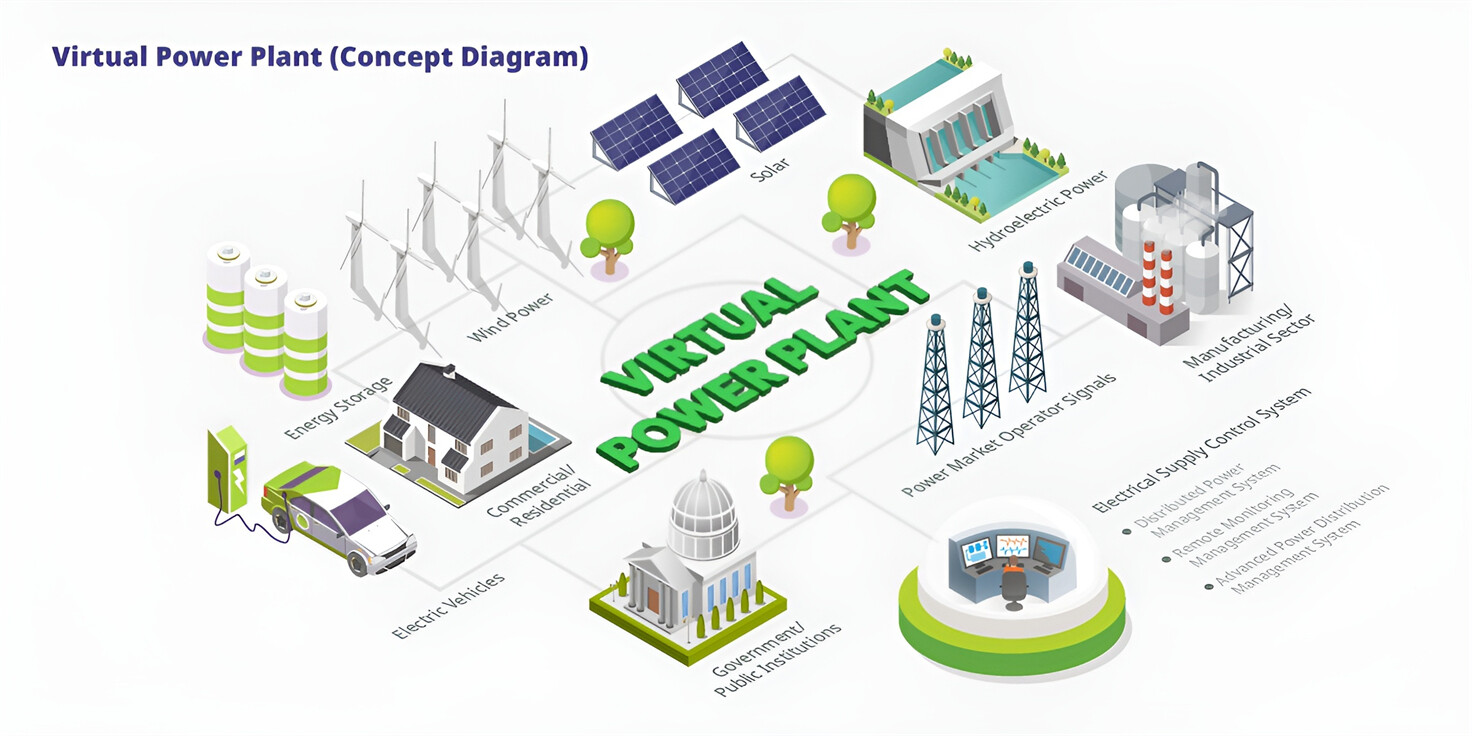
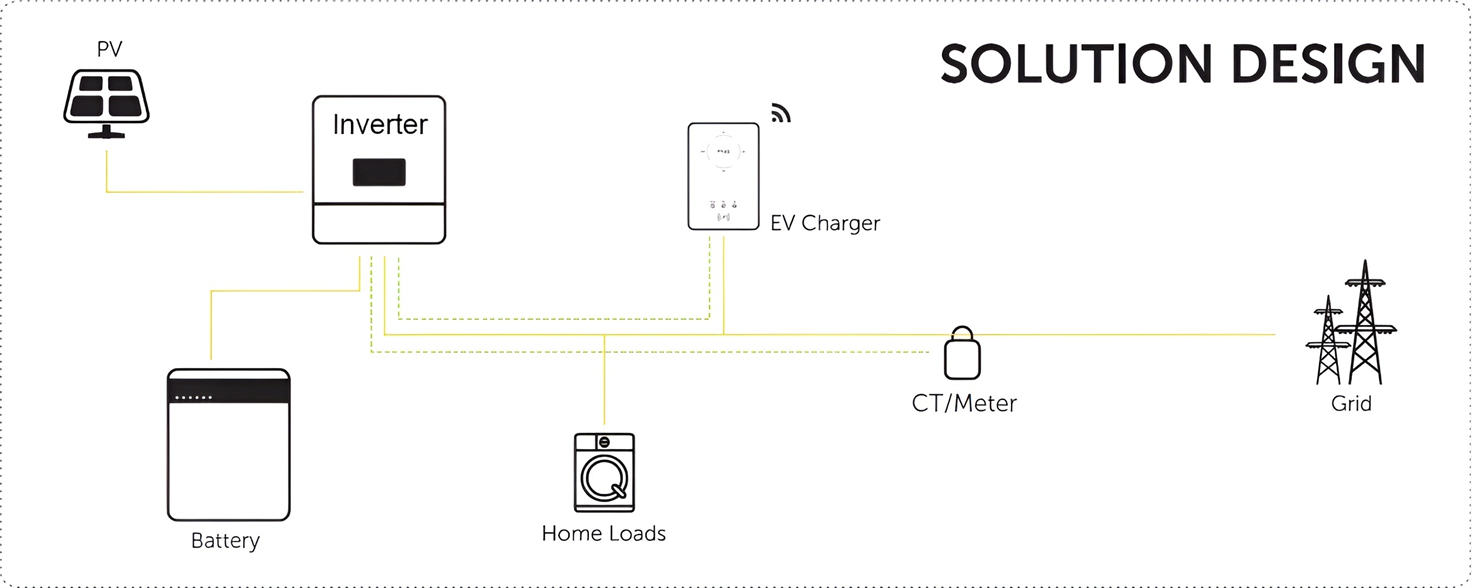
Well-designed Solutions for Energy Storage Systems
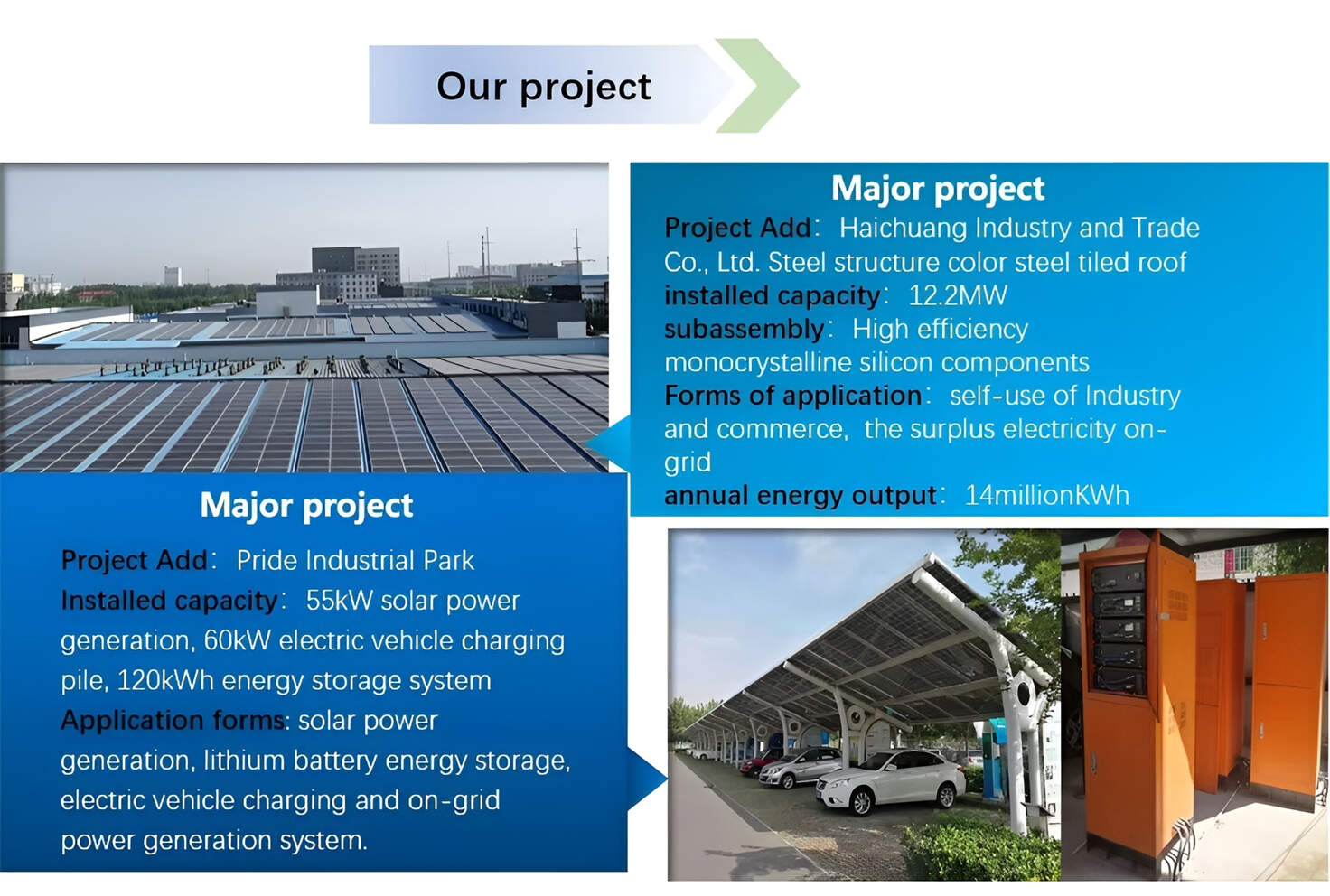
We will design the perfect energy storage system solution according to your needs, so that you can easily solve the specific industry applications of battery products.
About Our Battery Cells
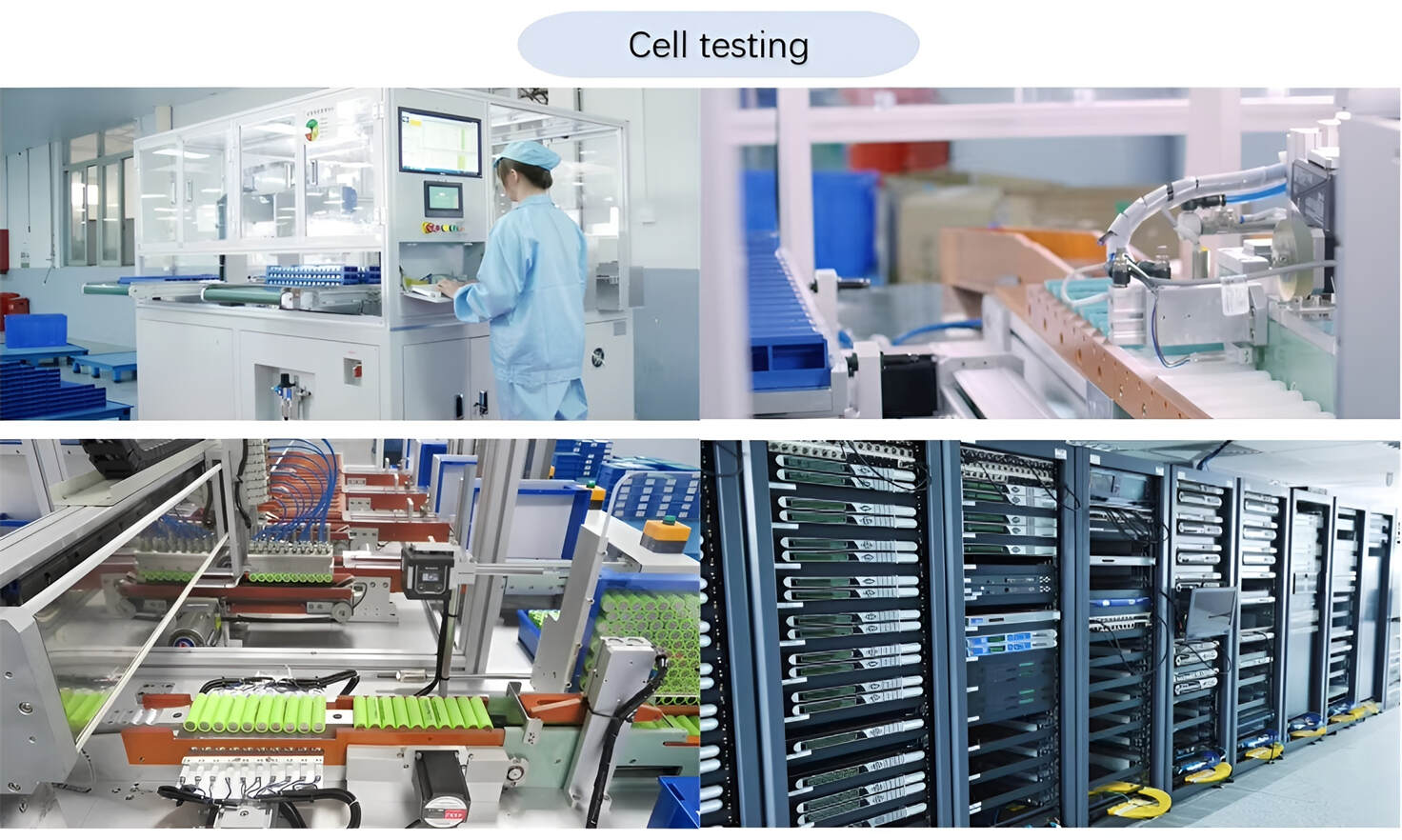
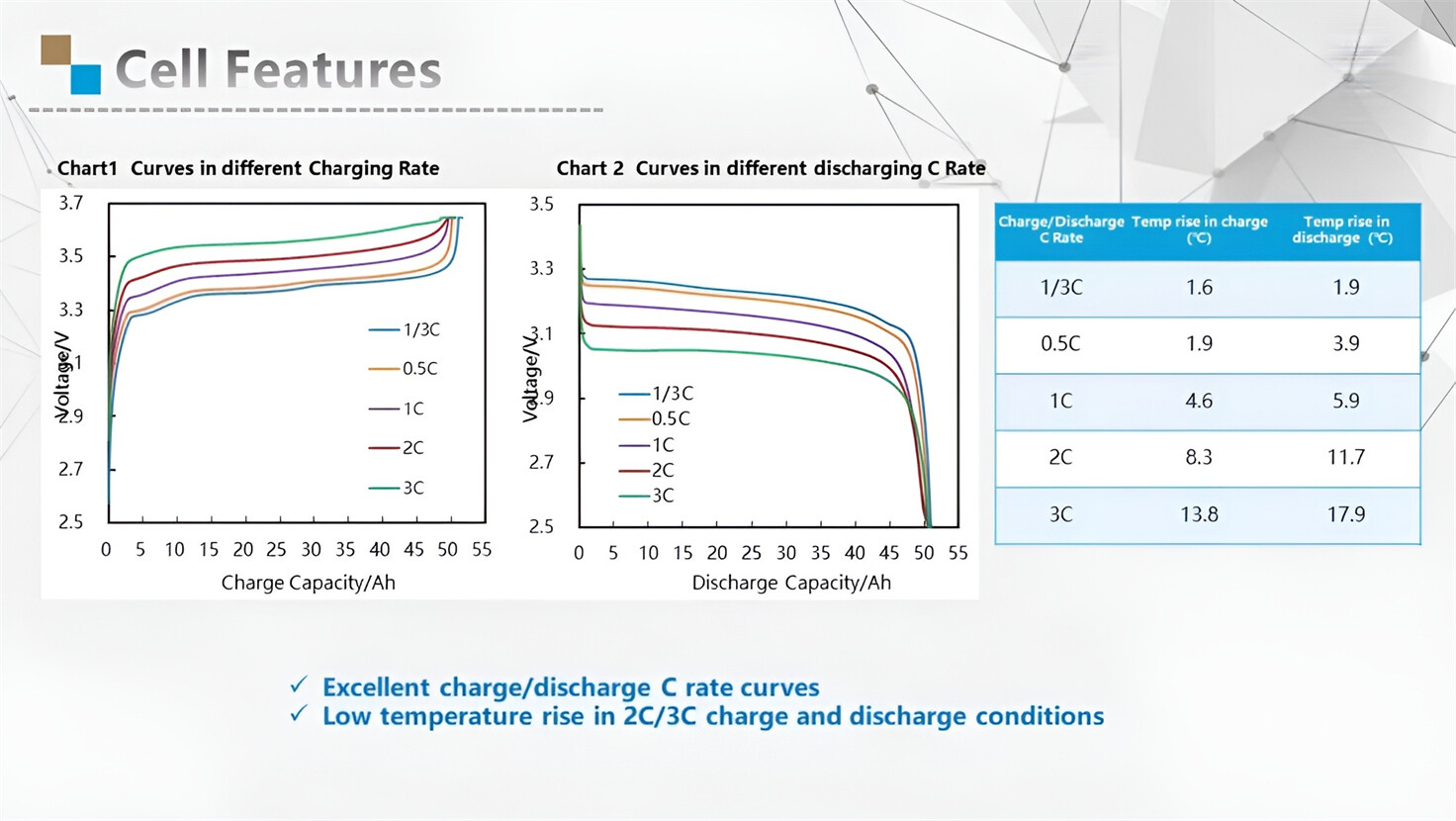
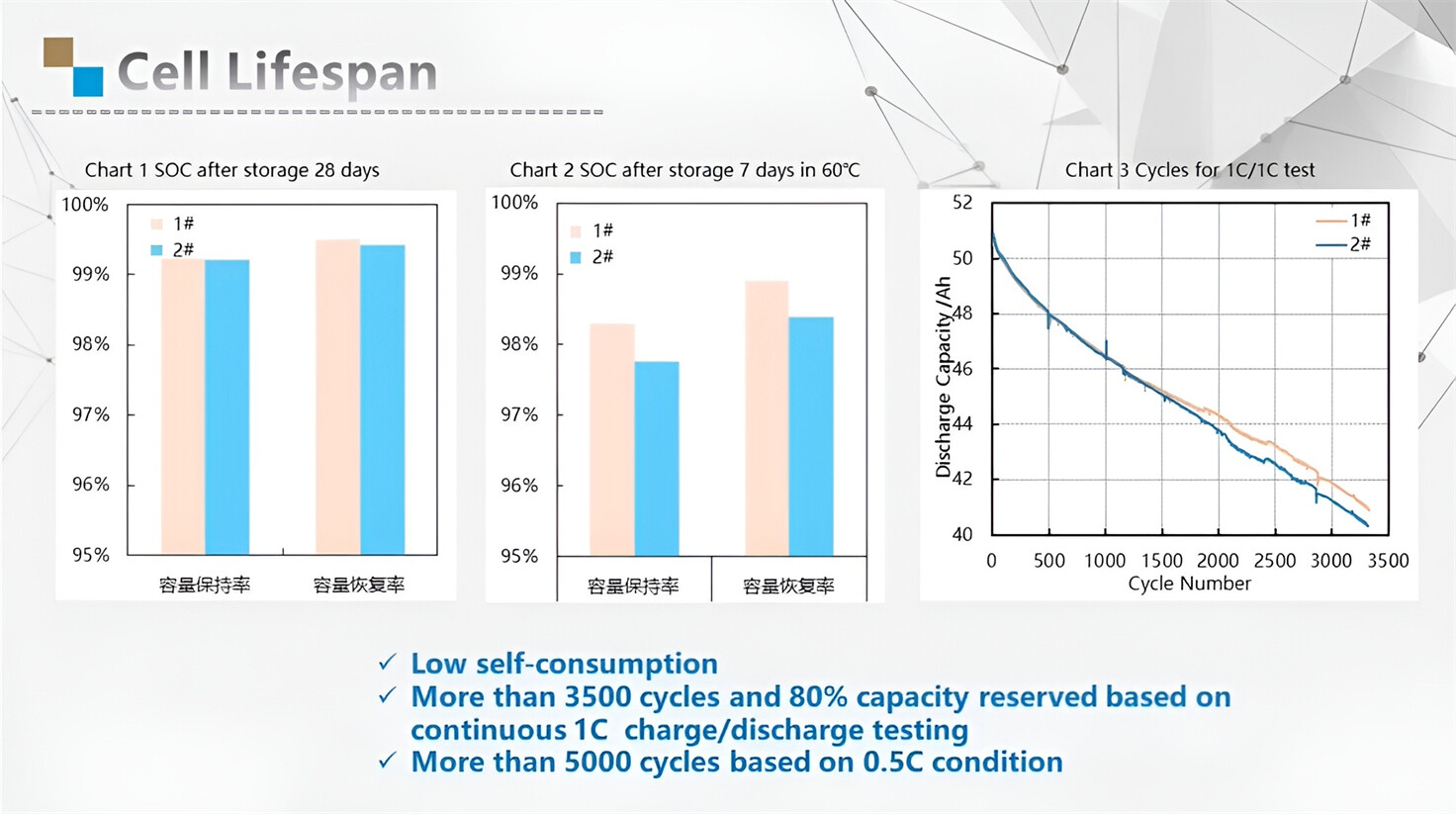
Our energy storage system products use brand new grade A LiFePO4 cells with a battery lifespan of more than 4,000 charge/discharge cycles.

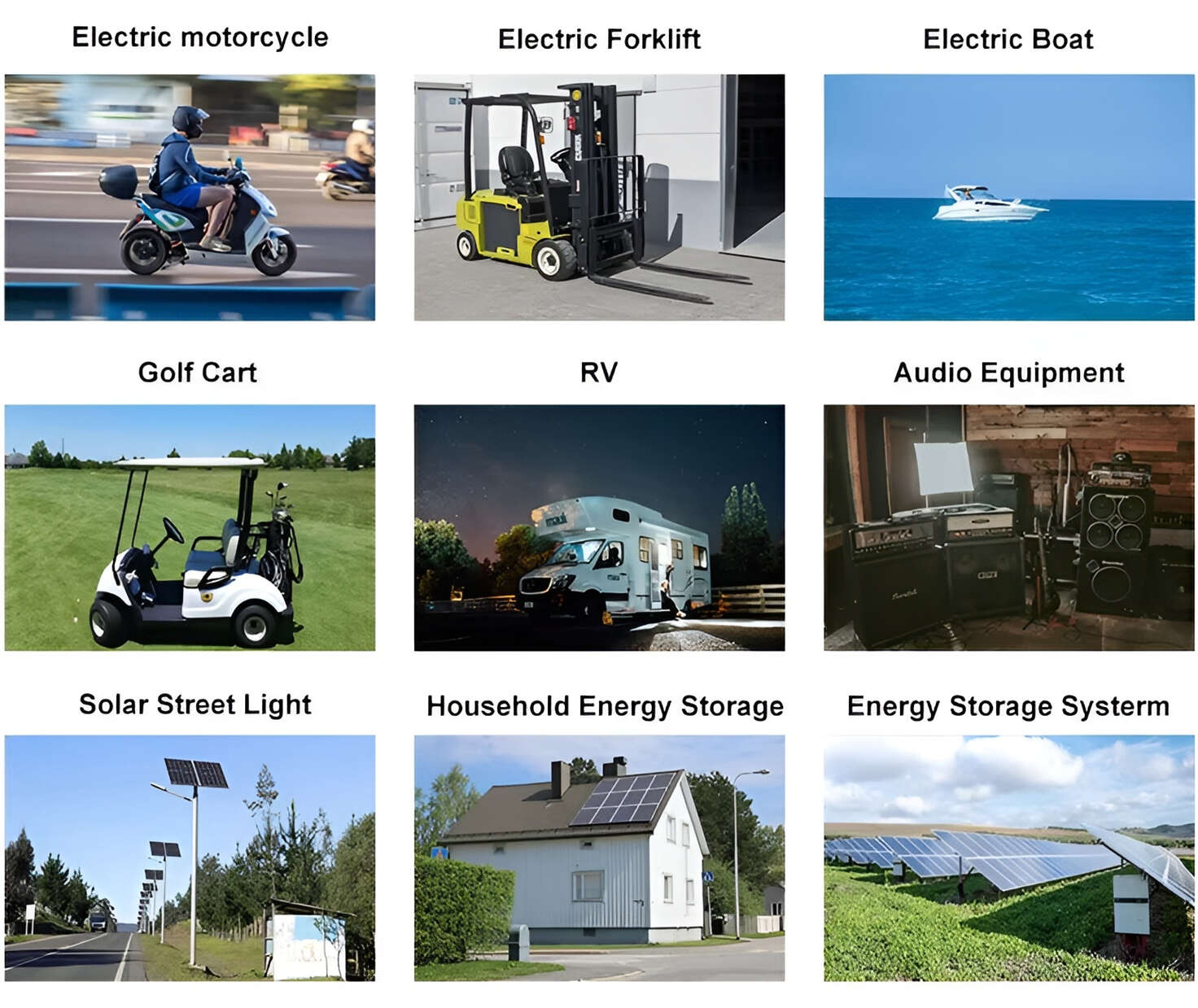
Applications in Different Industries
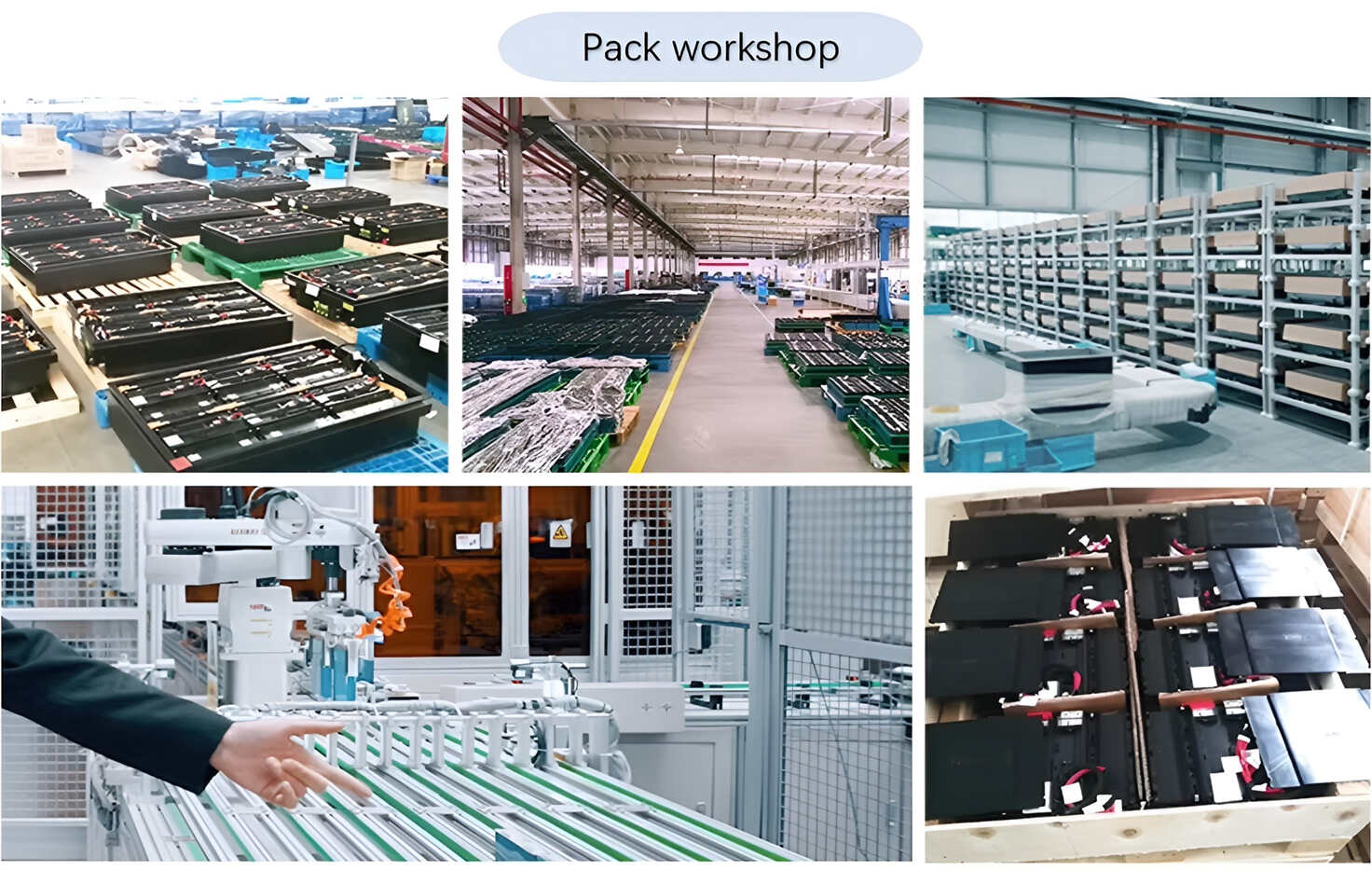
We supply customized & OEM battery pack, assemble cells with wiring, fuse and plastic cover, all the cell wires connected to PCB plug or built BMS.
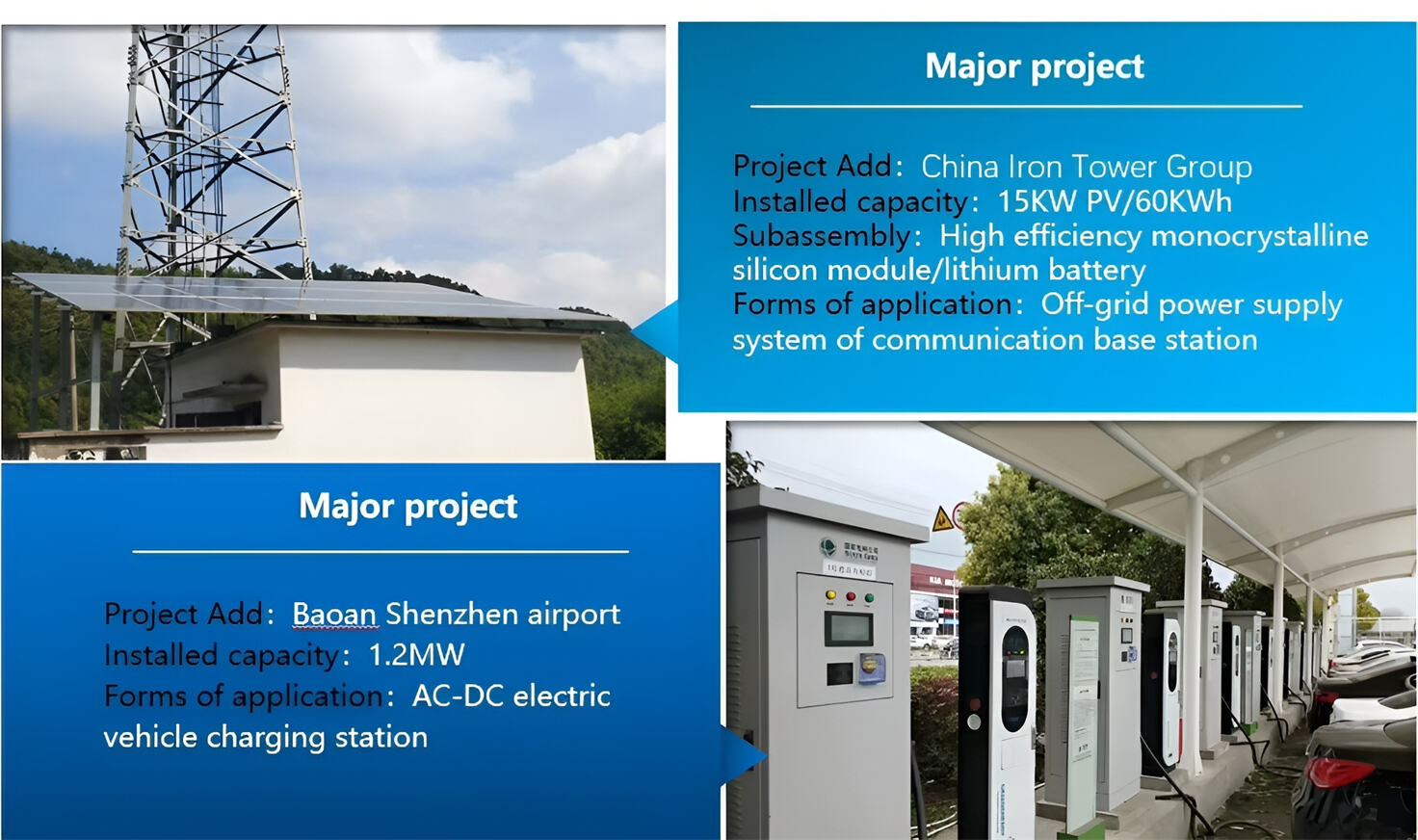
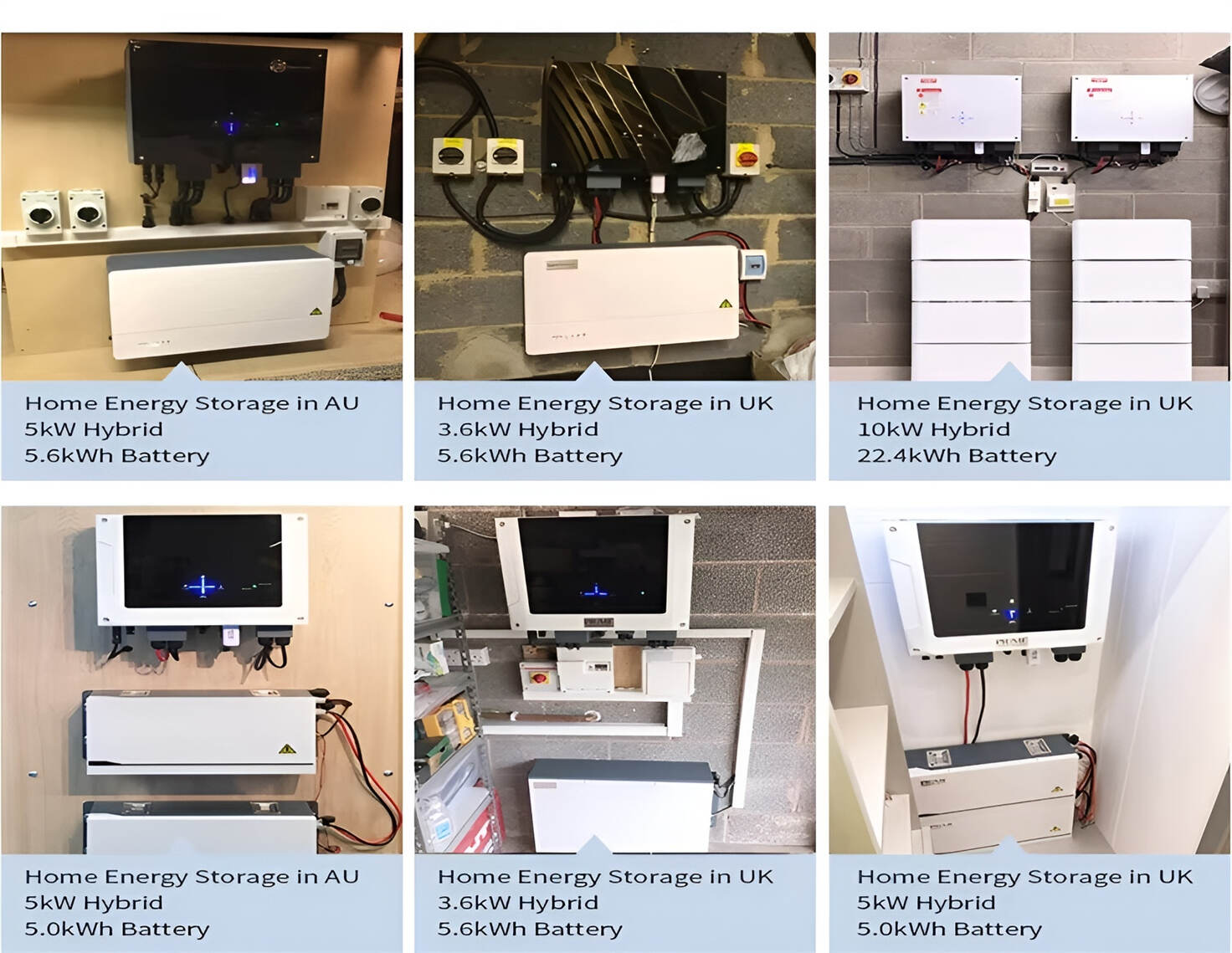
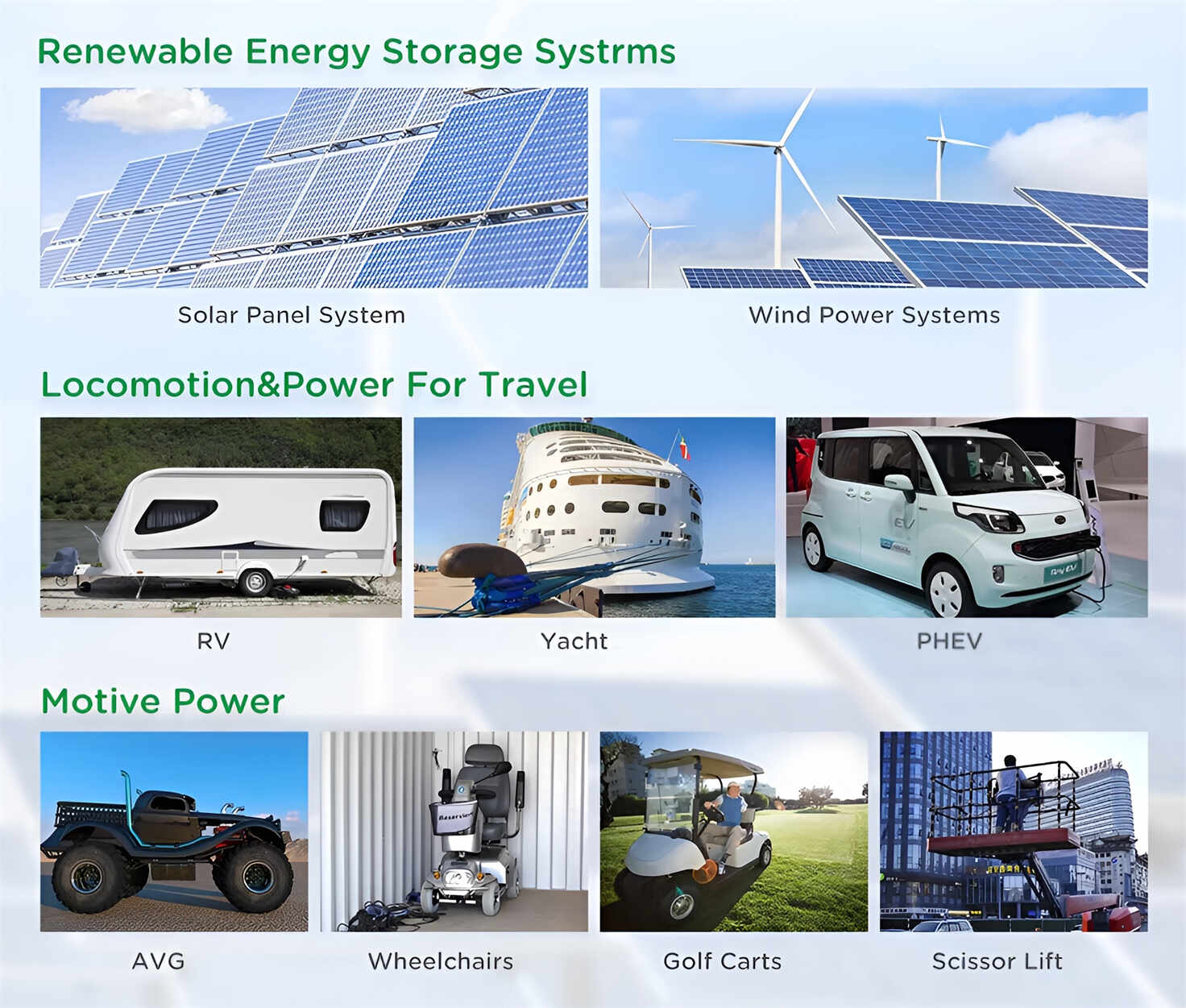
Applications: E-bike, Electric Scooter, Golf Carts, RV, Electric Wheelchair, Electric Tools, Robot Cleaner, Robot Sweeper, Solar Energy Storage System, Emergency Light, Solar Power Light, Medical Equipment, UPS Backup Power Supply.
We can provide you with customized services. We have the ability to provide a vertical supply chain, from single cells to pack/module and to a complete power solution with BMS, etc.
HomSolar (Shenzhen) Technology Co., Ltd