Research And Development News: Strategic Shifts And Global Competition Intensify
The global landscape of Research and Development (R&D) is undergoing a profound transformation. Driven by technological acceleration, geopolitical pressures, and a post-pandemic reevaluation of priorities, corporations and governments are strategically redirecting their innovation engines. The traditional model of siloed, incremental R&D is increasingly giving way to a more agile, collaborative, and purpose-driven approach, with significant implications for economic competitiveness and societal progress.
Latest Industry Dynamics: A Focus on Resilience and Specificity
Recent quarterly reports and policy announcements from major economic blocs highlight several key shifts in R&D investment patterns. The most prominent trend is the move towards securing supply chain resilience and technological sovereignty. This is particularly evident in the semiconductor and pharmaceutical industries.
The global chip shortage exposed critical vulnerabilities, prompting unprecedented public and private sector responses. The United States' CHIPS and Science Act and the European Chips Act are channeling hundreds of billions of dollars into domestic semiconductor R&D and manufacturing. This represents a strategic pivot from a purely globalized model to a "friend-shoring" approach, where R&D efforts are concentrated within allied nations to mitigate geopolitical risks. Companies like Intel and TSMC are making massive capital investments, not just in new fabrication plants, but in adjacent R&D centers focused on next-generation architectures and packaging technologies.
Similarly, the pharmaceutical industry, having demonstrated remarkable agility during the COVID-19 pandemic with mRNA vaccines, is now consolidating its R&D around platform technologies and targeted therapies. The focus is shifting from blockbuster drugs for broad populations to highly specialized treatments for rare diseases and personalized medicine. This is facilitated by advances in genomics and AI-driven biomarker discovery. Furthermore, the pandemic underscored the risks of concentrated active pharmaceutical ingredient (API) manufacturing, leading to increased R&D into more decentralized and flexible production processes, including continuous manufacturing.
Another significant dynamic is the surge in climate-tech R&D. With the global push for net-zero emissions, investments in green hydrogen, carbon capture and storage (CCUS), next-generation solar photovoltaics, and long-duration energy storage have reached record levels. Venture capital is flowing into startups focused on sustainable aviation fuel and alternative proteins, while legacy automotive giants are redirecting a significant portion of their R&D budgets from internal combustion engines to electric vehicle (EV) batteries and autonomous driving software.
Trend Analysis: The Convergence of AI, Open Innovation, and Sustainability
Looking forward, several macro-trends are set to define the R&D agenda for the coming decade.
First is the pervasive integration of Artificial Intelligence (AI) and machine learning across all R&D functions. AI is no longer just a field of research but a foundational tool that accelerates discovery. In materials science, AI models can predict the properties of new compounds, drastically reducing the time needed for lab synthesis and testing. In drug discovery, AI platforms can analyze vast biological datasets to identify novel drug targets and predict clinical trial outcomes with increasing accuracy. This "augmented R&D" allows researchers to explore a much wider design space and fail faster, thereby increasing overall innovation efficiency.
Second, the model of "Open Innovation" is maturing beyond simple university partnerships or corporate venture arms. We are seeing the rise of complex, pre-competitive consortia where even rival companies collaborate on foundational technologies. For instance, in the automotive sector, competitors are pooling resources to develop standardised EV platforms or autonomous driving systems. This allows them to share the immense R&D costs and risks associated with fundamental technological shifts while competing on product design, branding, and user experience.
Third, sustainability has transitioned from a corporate social responsibility (CSR) initiative to a core R&D driver. The concept of the "circular economy" is directly influencing R&D priorities. Companies are investing in research to design products for disassembly, develop novel recycling technologies for complex materials like plastics and electronics, and create entirely new business models based on product-as-a-service. This shift is not merely regulatory; it is increasingly seen as a source of competitive advantage and a prerequisite for long-term viability.
Expert Perspectives: Navigating the New R&D Paradigm
Industry leaders and analysts emphasize the strategic nature of these changes.
Dr. Anya Sharma, a Senior Fellow at the Global Innovation Institute, notes, "The era of treating R&D as a cost center is over. It is now recognized as the central nervous system of corporate strategy. The key challenge for Chief Technology Officers is not just increasing the R&D budget, but orchestrating a diverse innovation portfolio. This includes balancing high-risk, long-term 'moonshot' projects with shorter-term, incremental improvements, all while managing a globally distributed and often hybrid team of researchers."
Commenting on the geopolitical dimension, Michael Thorne, a partner at a venture capital firm specializing in deep tech, states, "The decoupling of certain tech ecosystems, particularly between the US and China, is creating a bifurcated R&D landscape. We are effectively seeing the parallel development of competing technology stacks in areas like 5/6G, AI, and quantum computing. This presents both a challenge, in terms of duplicated effort, and an opportunity for other regions, like Europe and Southeast Asia, to position themselves as crucial hubs in one or both ecosystems."
Finally, the human element remains critical. Dr. Ben Carter, head of a corporate AI research lab, highlights the evolving skillset required. "The most successful R&D professionals of the future will be 'T-shaped'—possessing deep expertise in one domain, but with the ability to collaborate across disciplines like data science, biology, and engineering. Fostering a culture of intellectual curiosity and psychological safety, where researchers are empowered to challenge assumptions and learn from failure, is more important than ever."
In conclusion, the world of research and development is at a pivotal juncture. The convergence of advanced computational tools, new collaborative models, and urgent global challenges is reshaping how innovation is conceived, funded, and executed. The organizations that can most effectively navigate this complex new paradigm—balancing global ambition with strategic resilience and integrating cutting-edge tools with human creativity—are the ones that will define the technological and economic landscape of the 21st century.
Customized/OEM/ODM Service
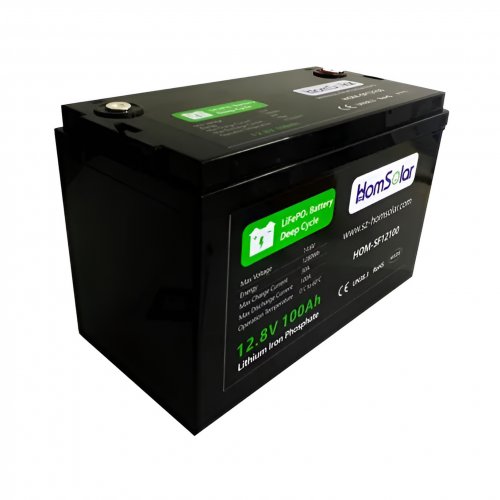
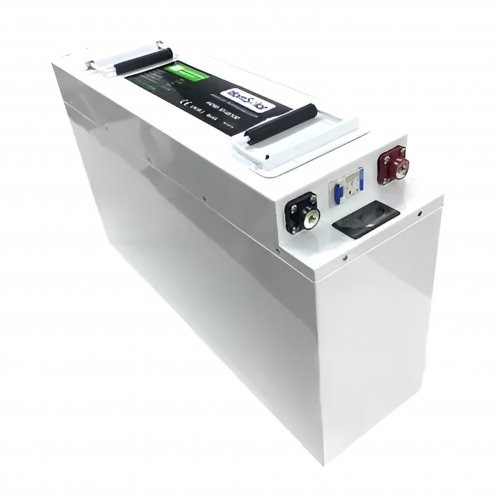
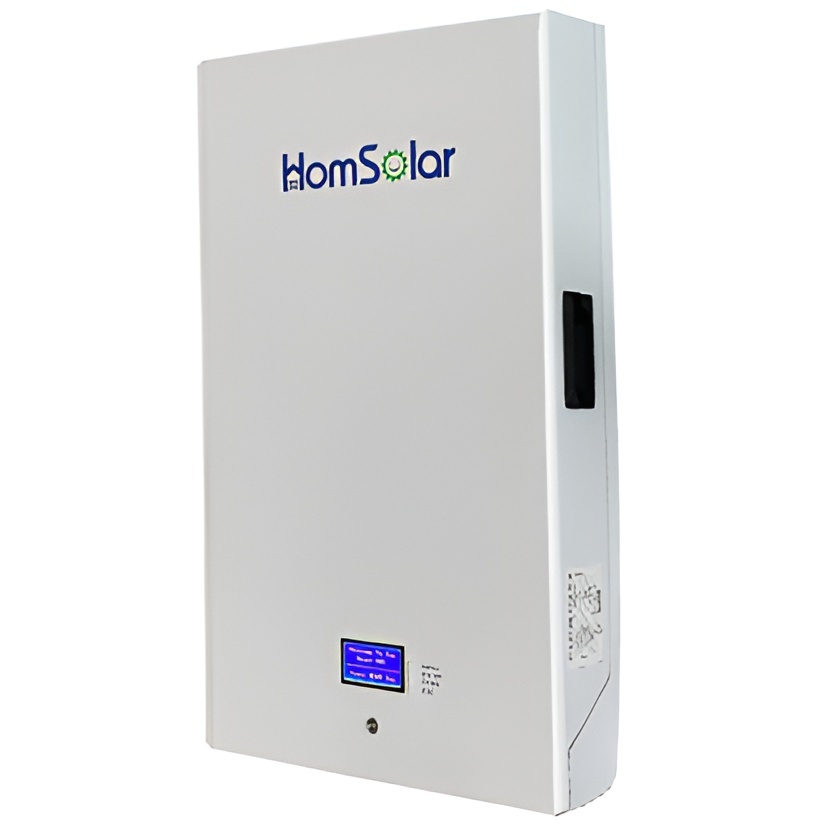
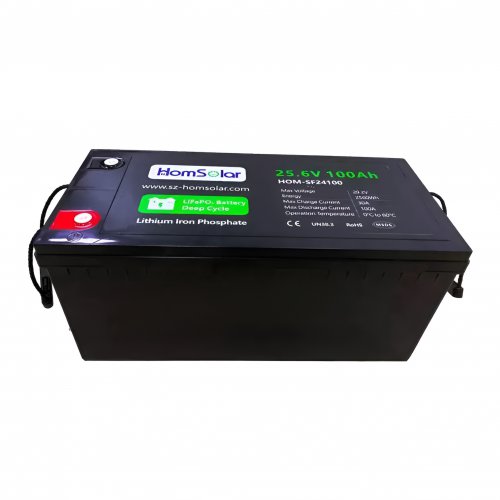
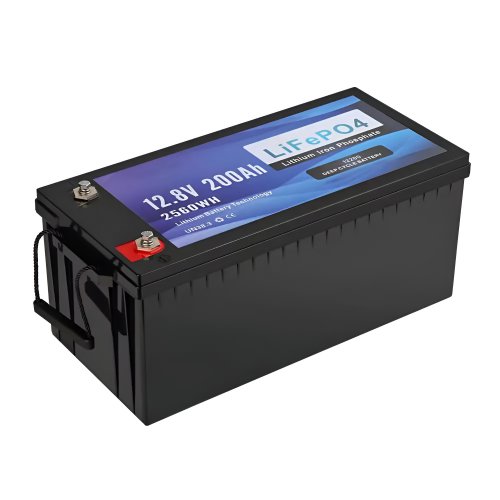
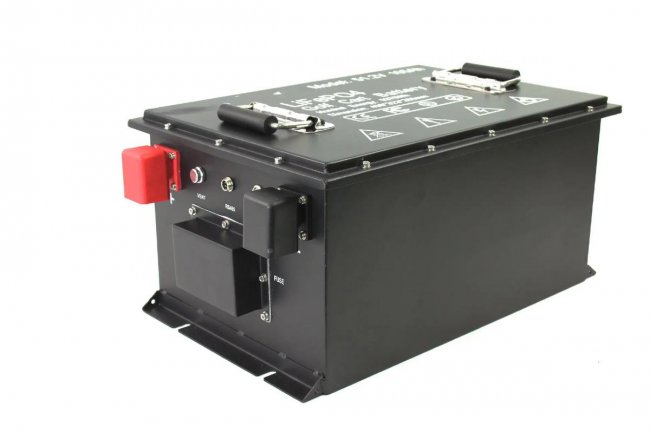
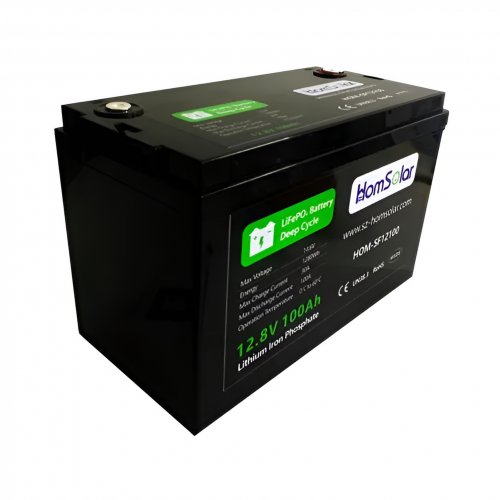
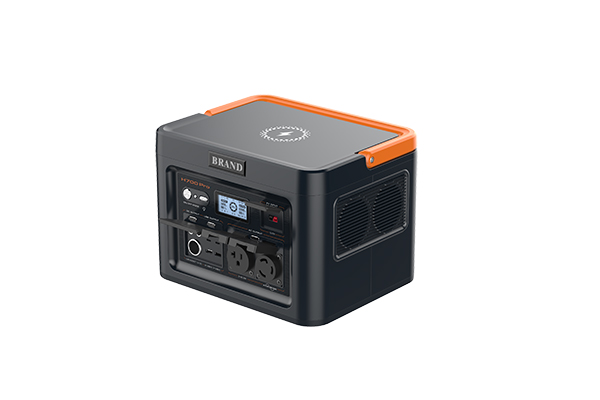
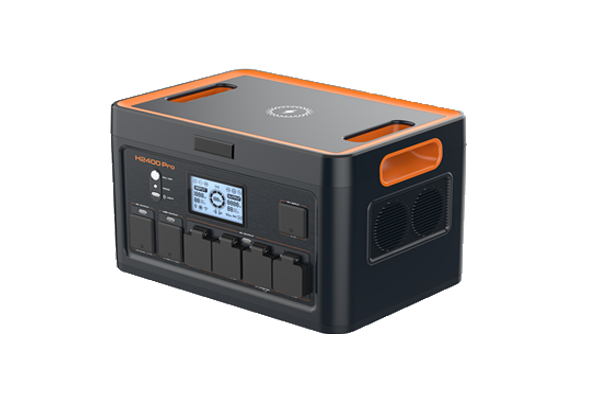
HomSolar Supports Lifepo4 battery pack customization/OEM/ODM service, welcome to contact us and tell us your needs.

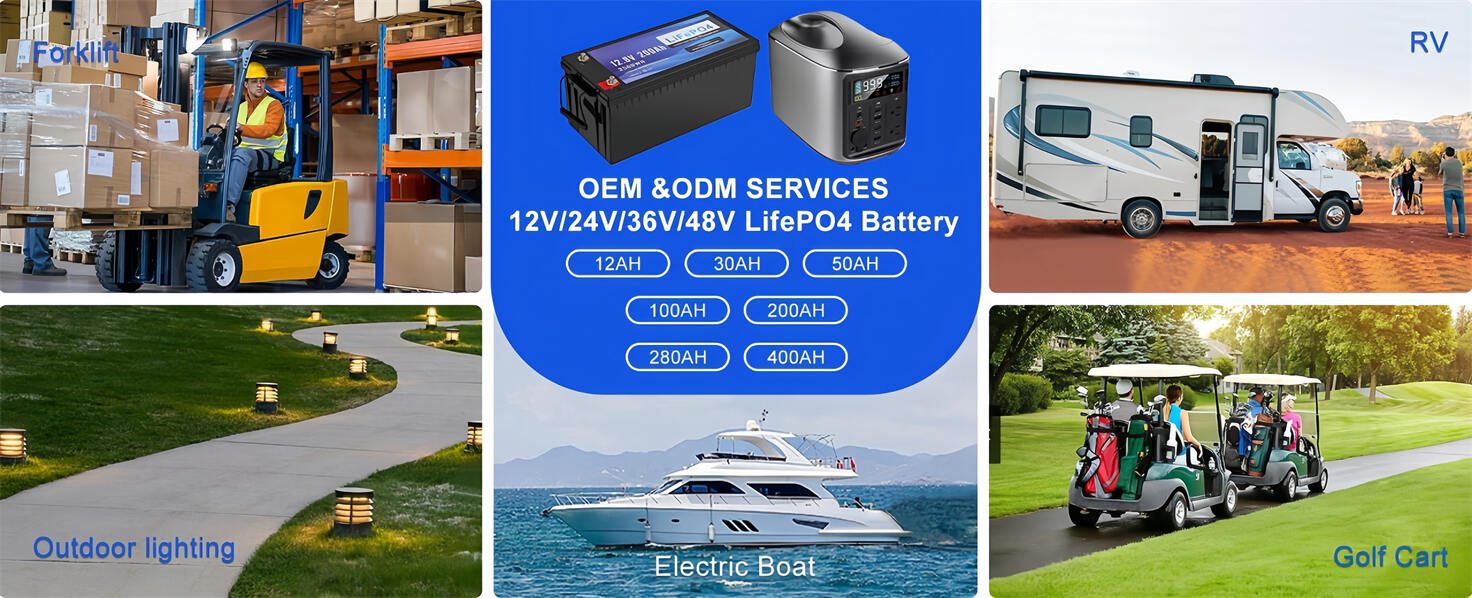
HomSolar: Your One-stop LiFePO4 Battery Pack & ESS Solution Manufacturer
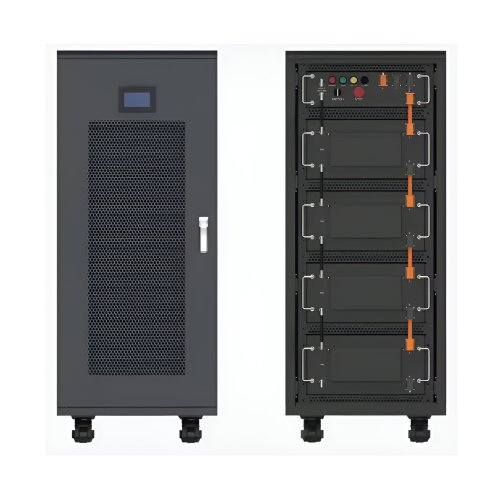
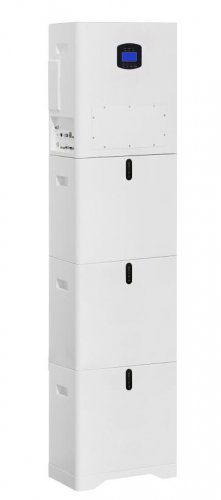
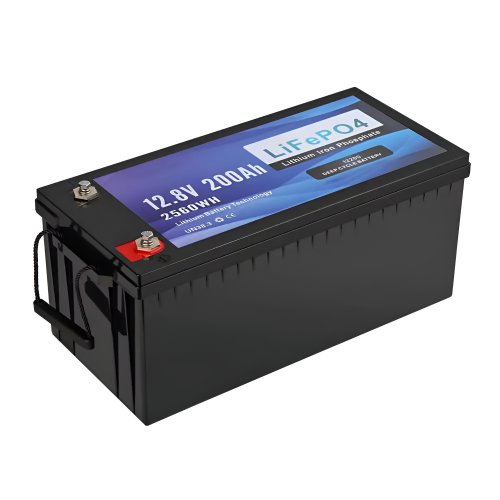
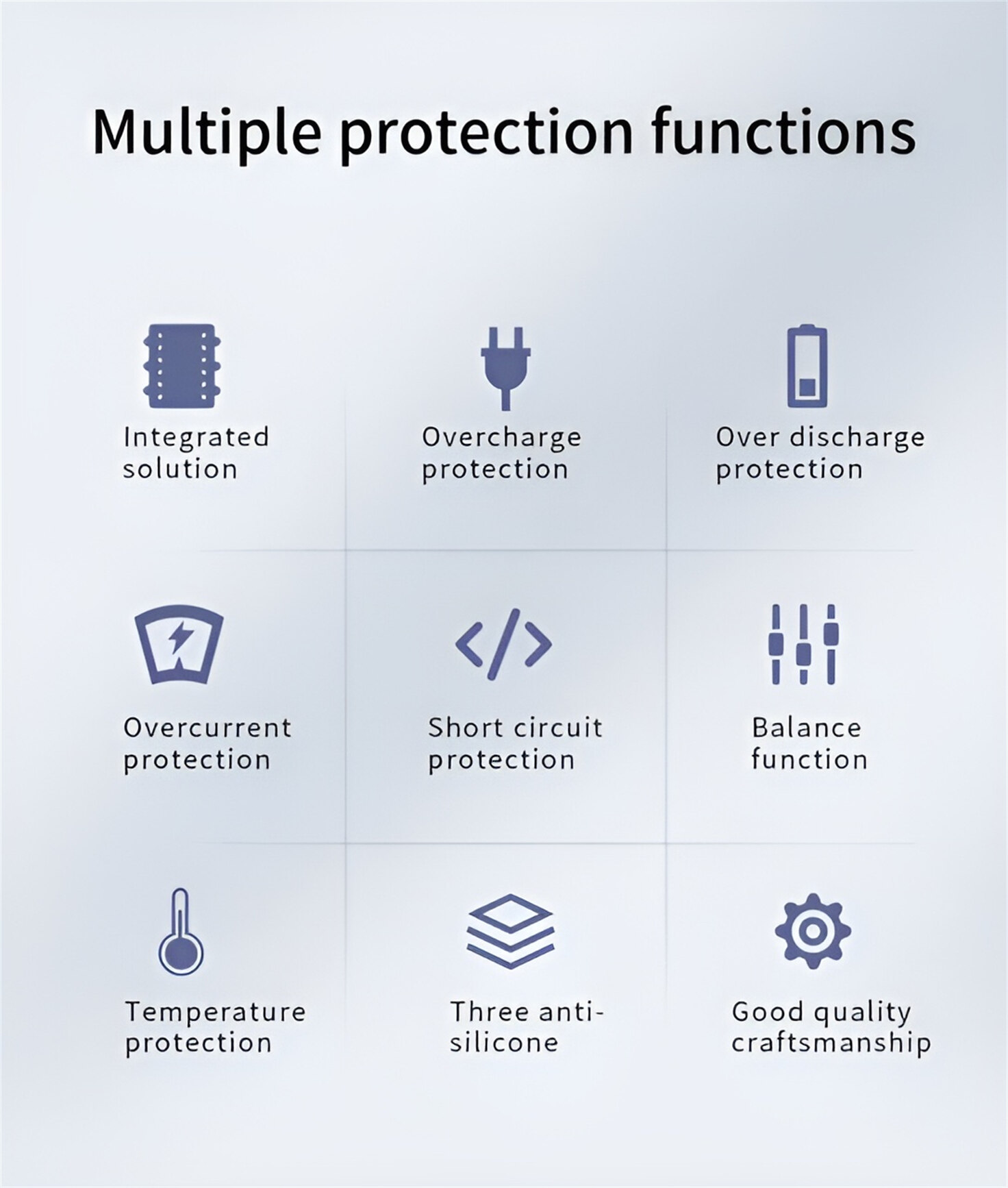
Our line of LiFePO4 (LFP) batteries offer a solution to demanding applications that require a lighter weight, longer life, and higher capacity battery. Features include advanced battery management systems (BMS), Bluetooth® communication and active intelligent monitoring.
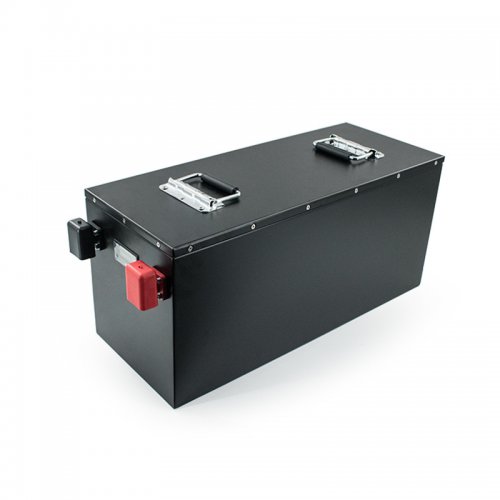
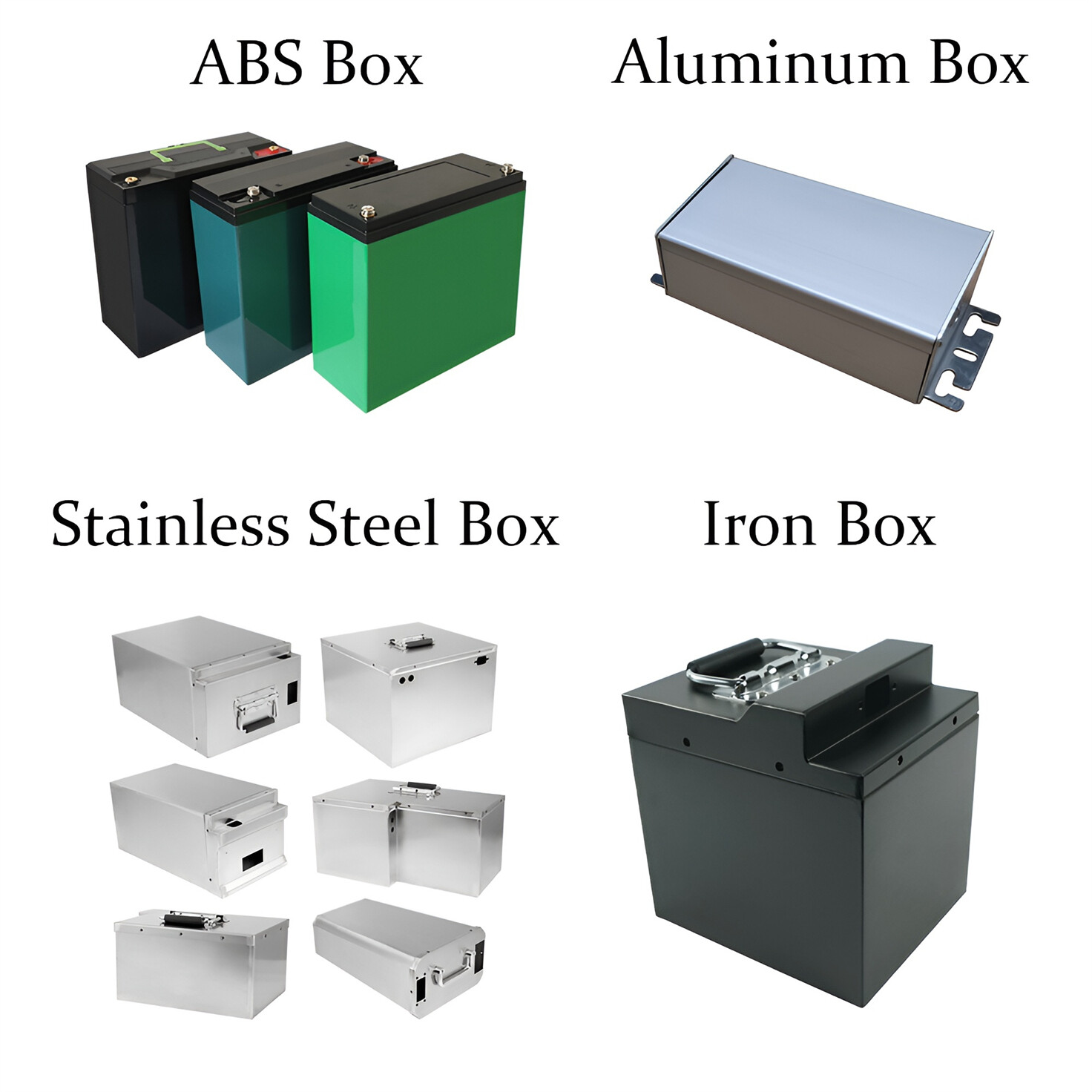
Customised Lithium Iron Phosphate Battery Casing
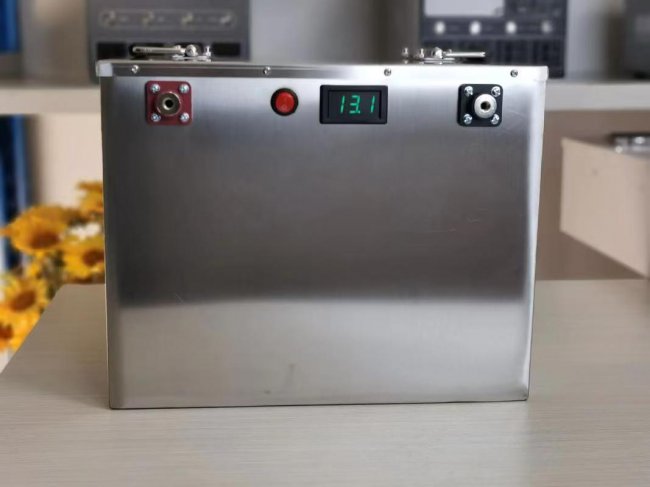
ABS plastic housing, aluminium housing, stainless steel housing and iron housing are available, and can also be designed and customised according to your needs.
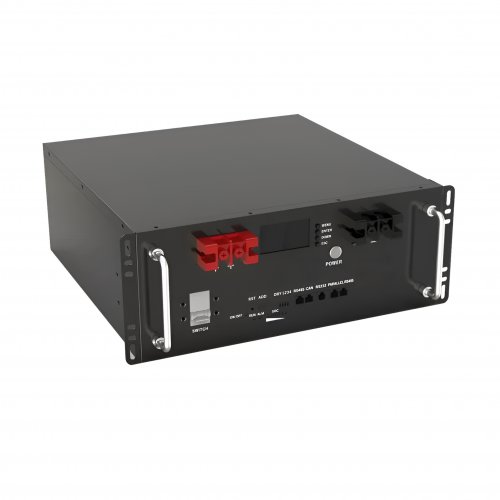
HomSolar Smart BMS
Intelligent Battery Management System for HomSolar Energy Storage System. Bluetooth, temperature sensor, LCD display, CAN interface, UART interface also available.

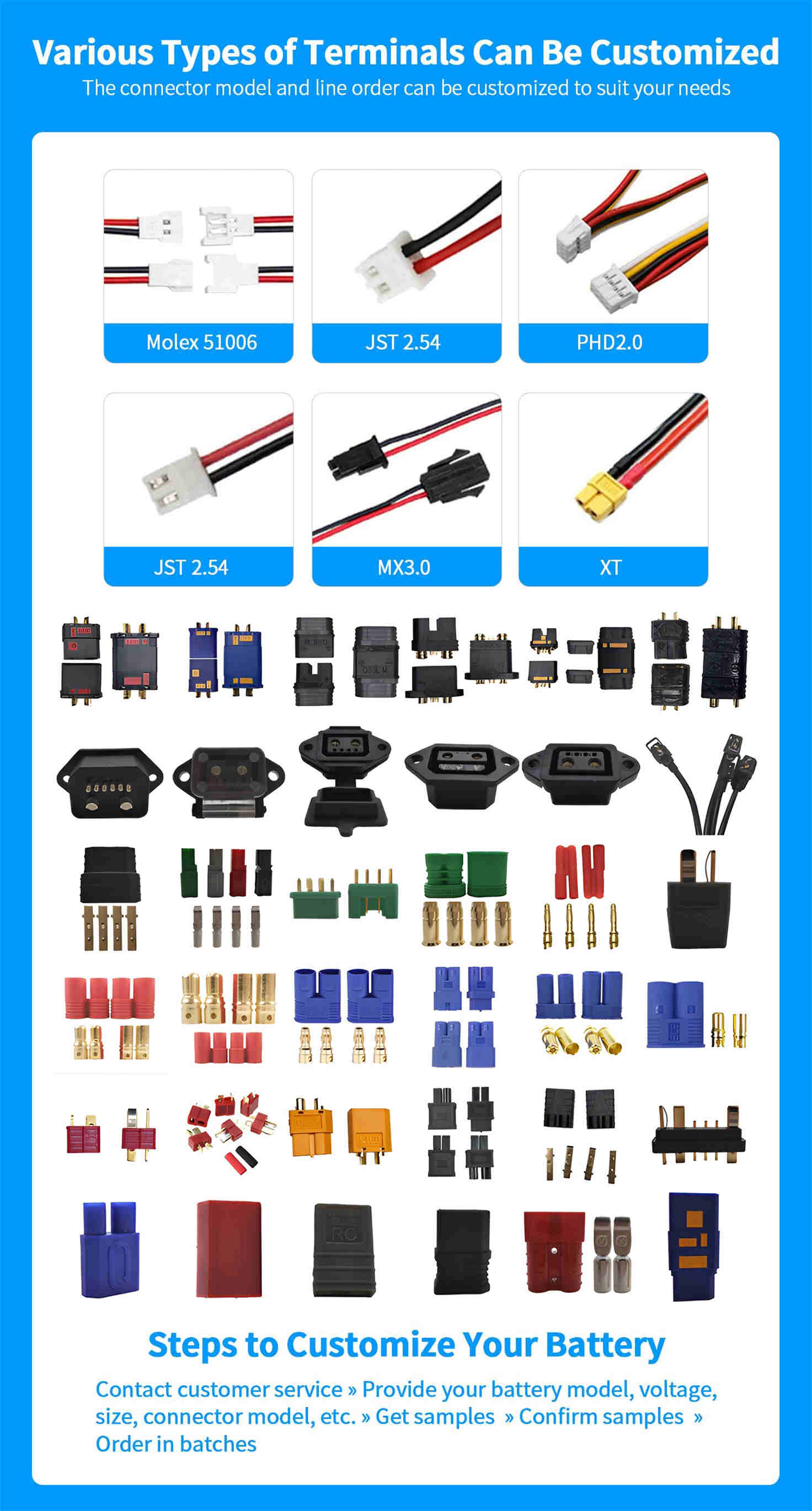
Terminals & Plugs Can Be Customized
A wide range of terminals and plugs can be customised to suit the application needs of your battery products.
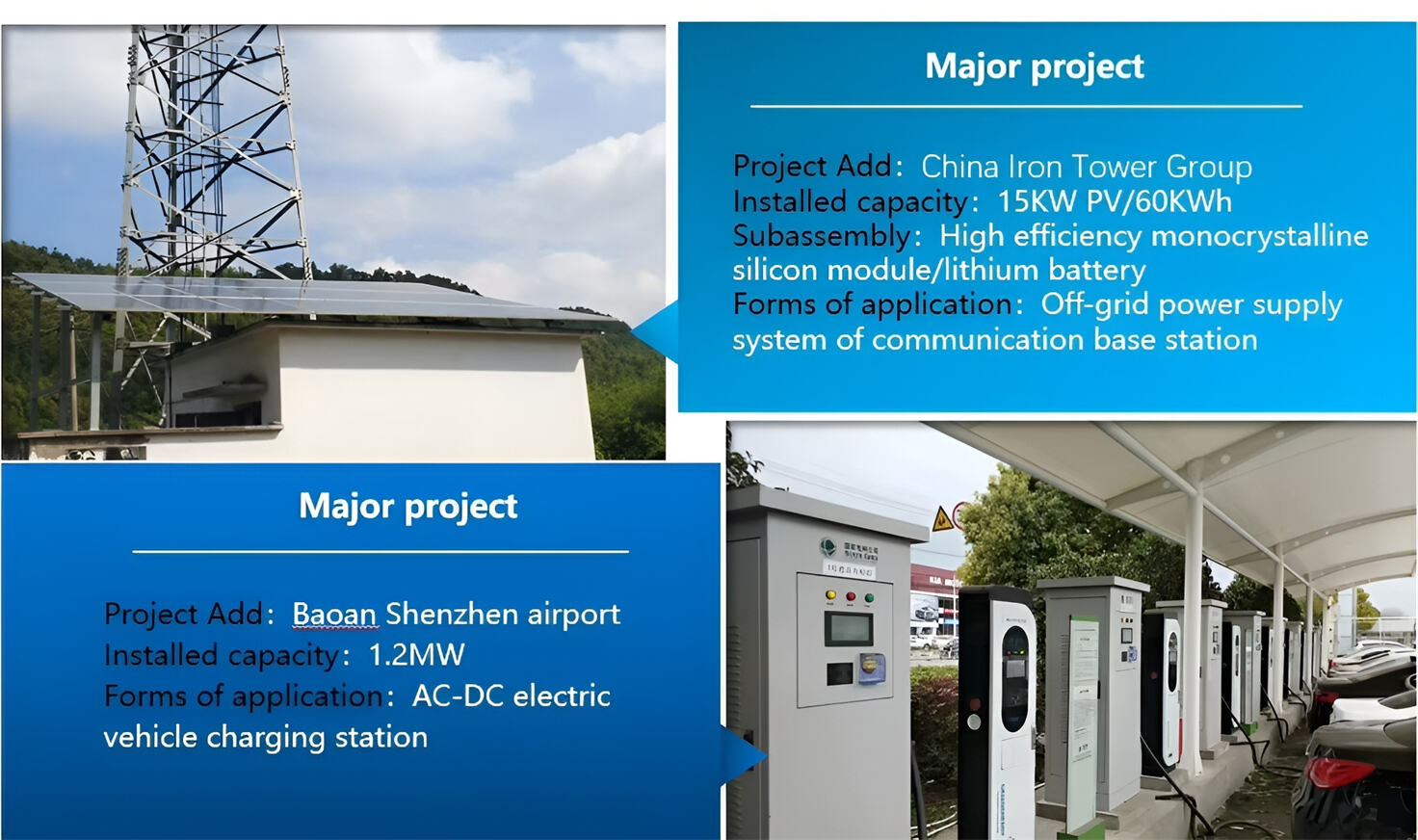
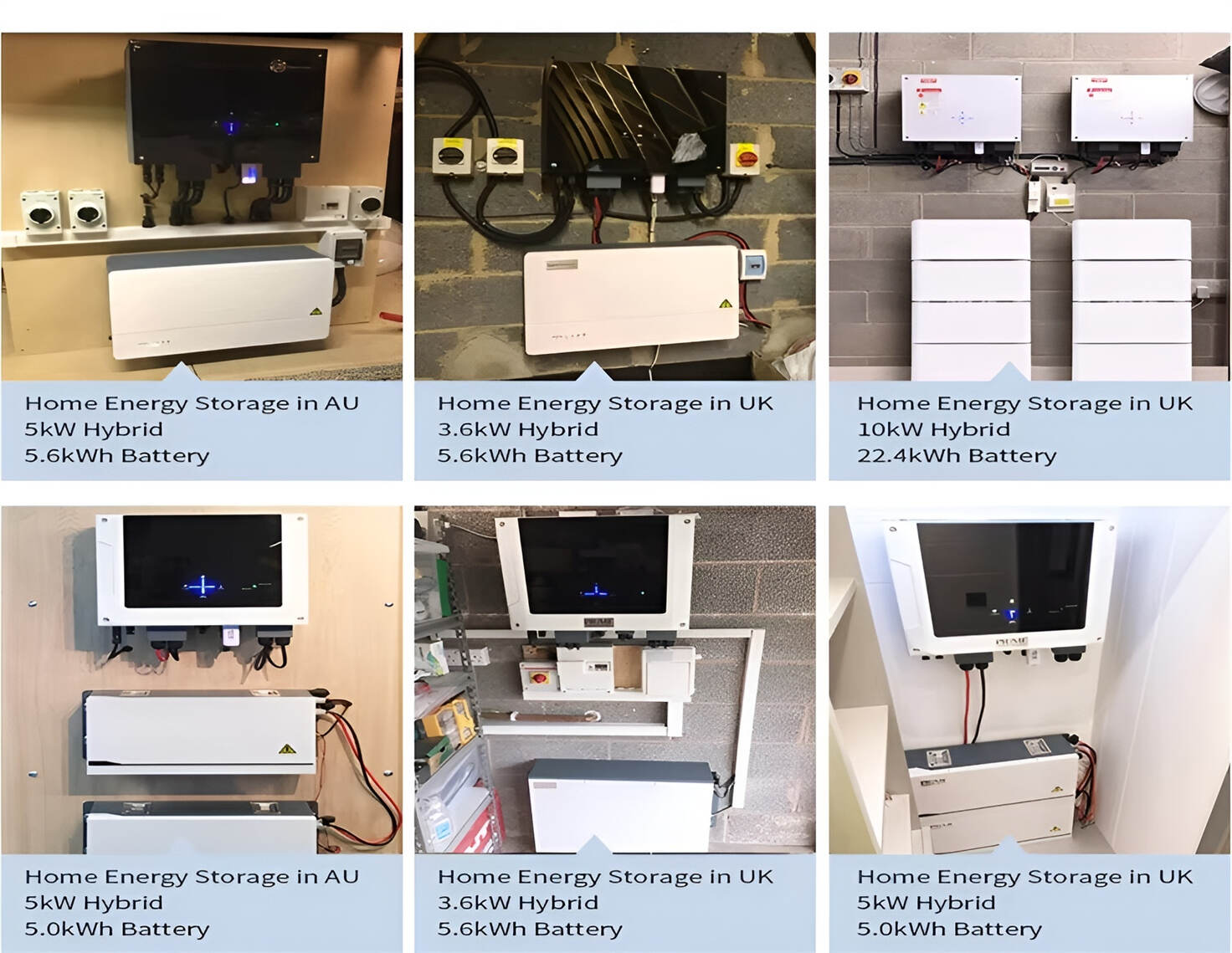
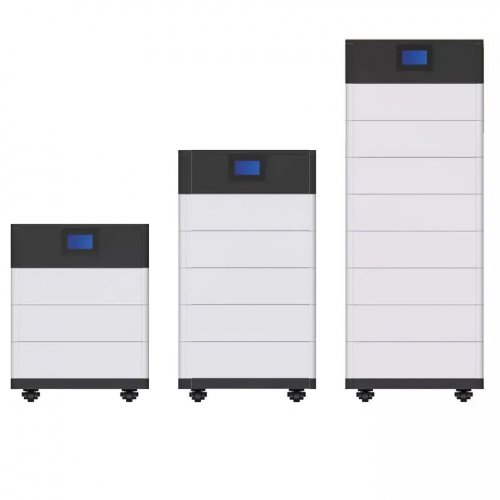
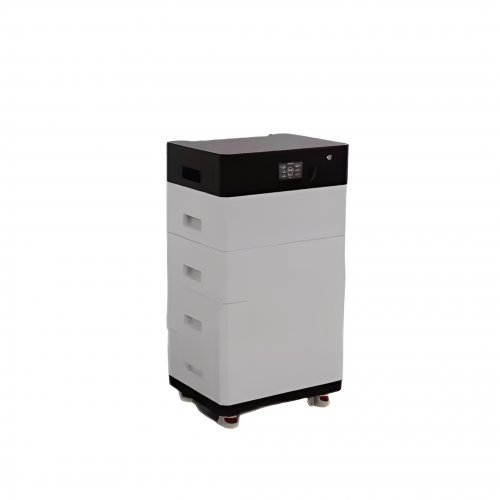
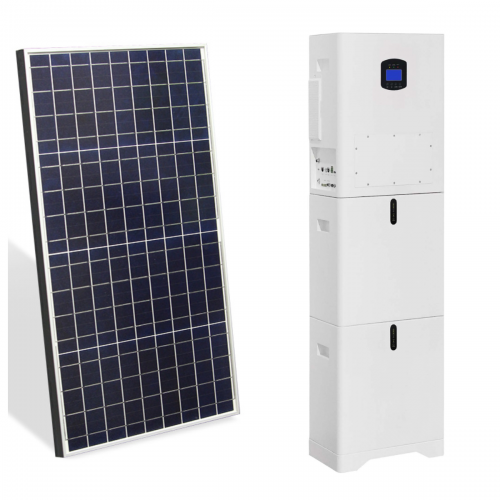
Well-designed Solutions for Energy Storage Systems
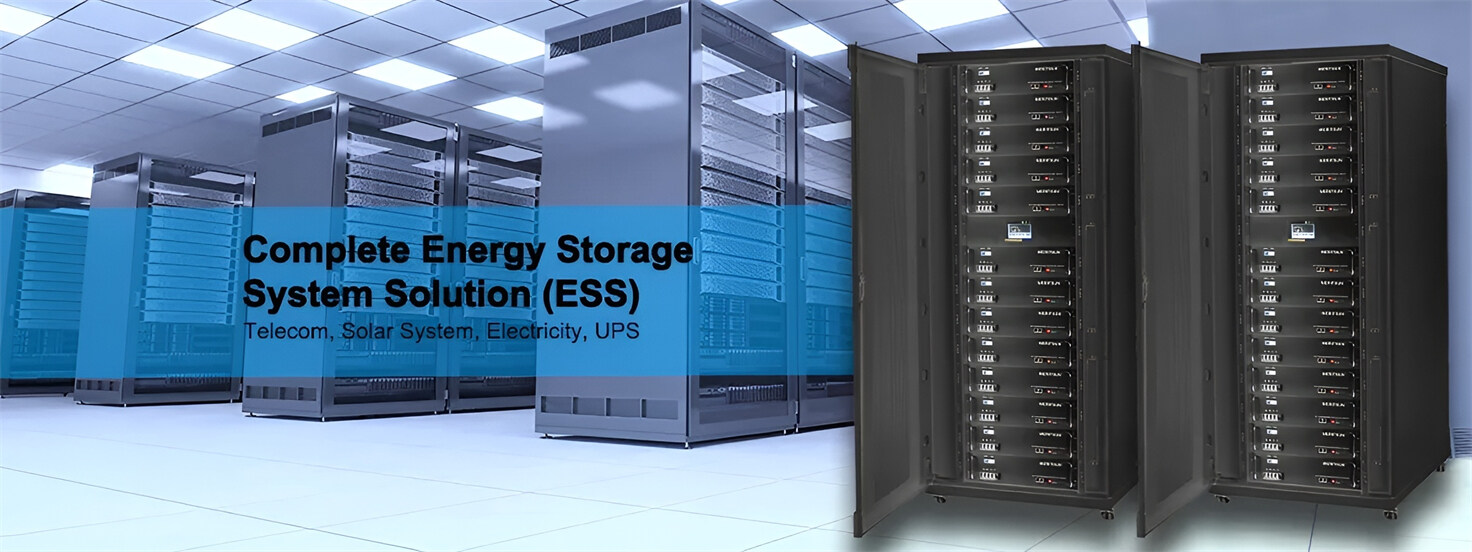
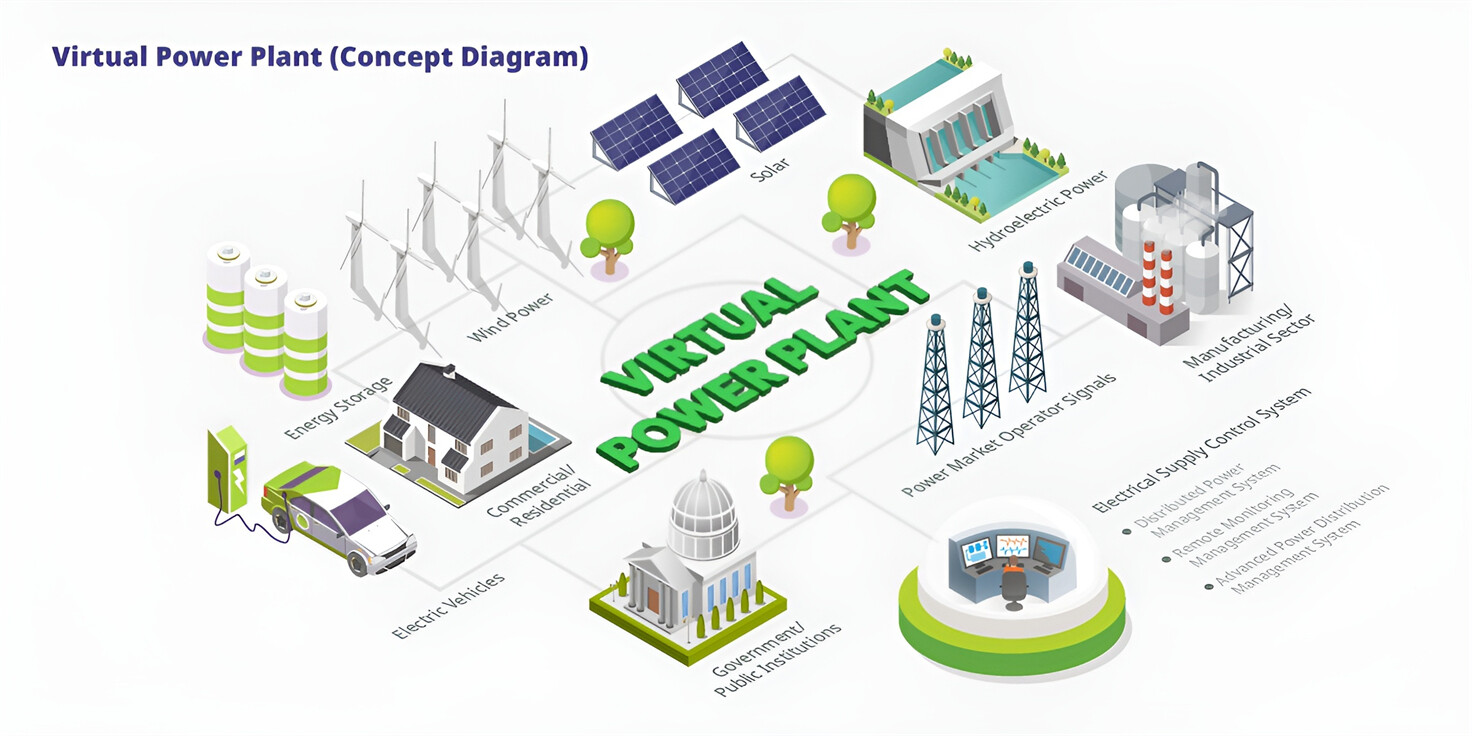
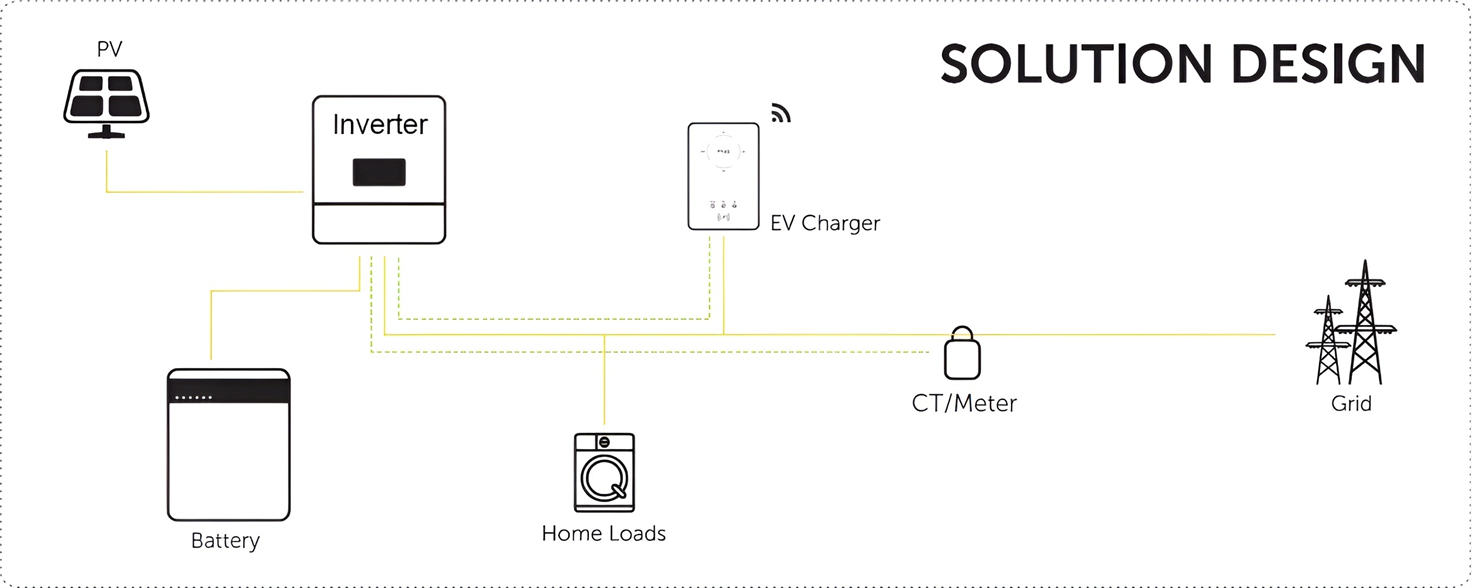
We will design the perfect energy storage system solution according to your needs, so that you can easily solve the specific industry applications of battery products.
About Our Battery Cells
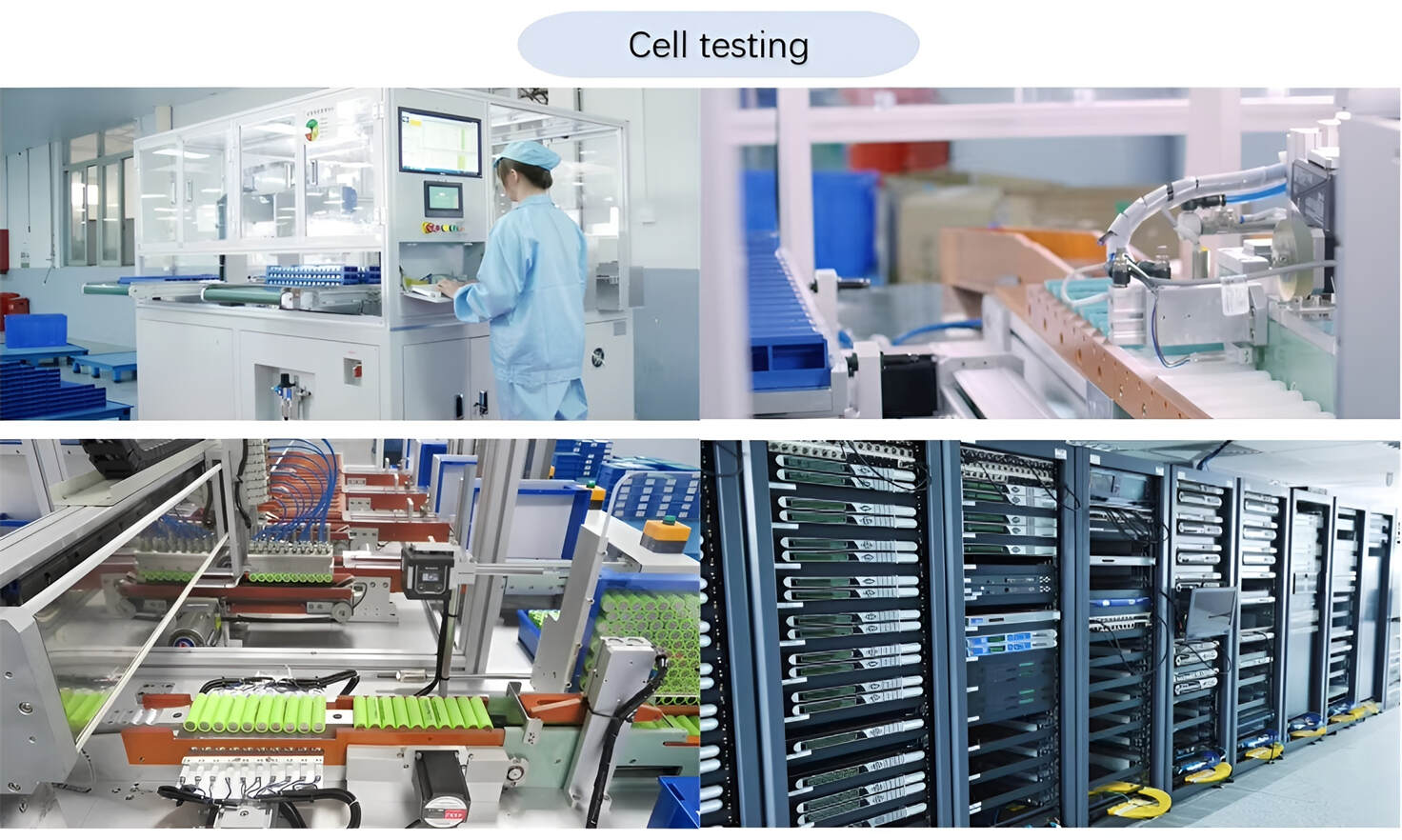
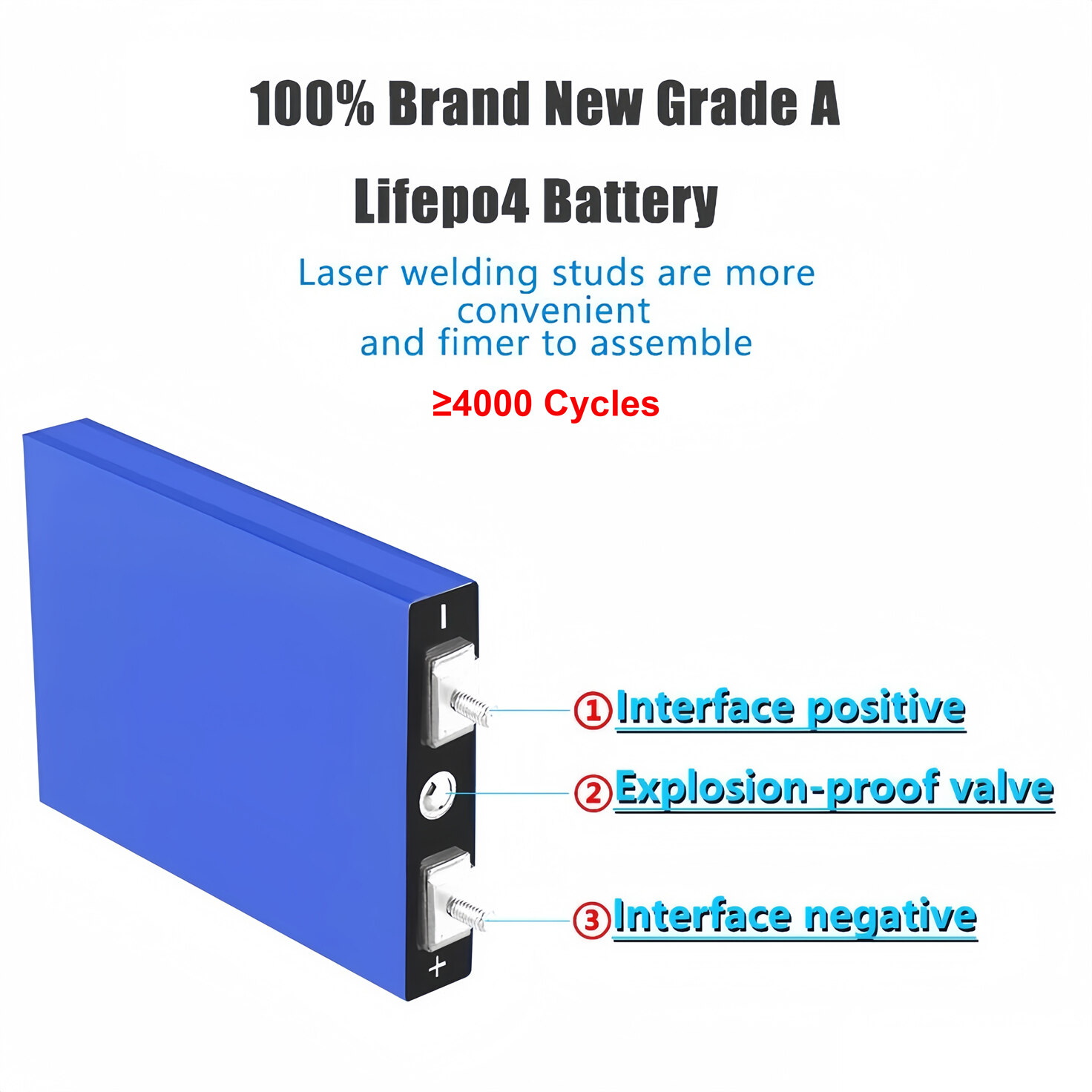
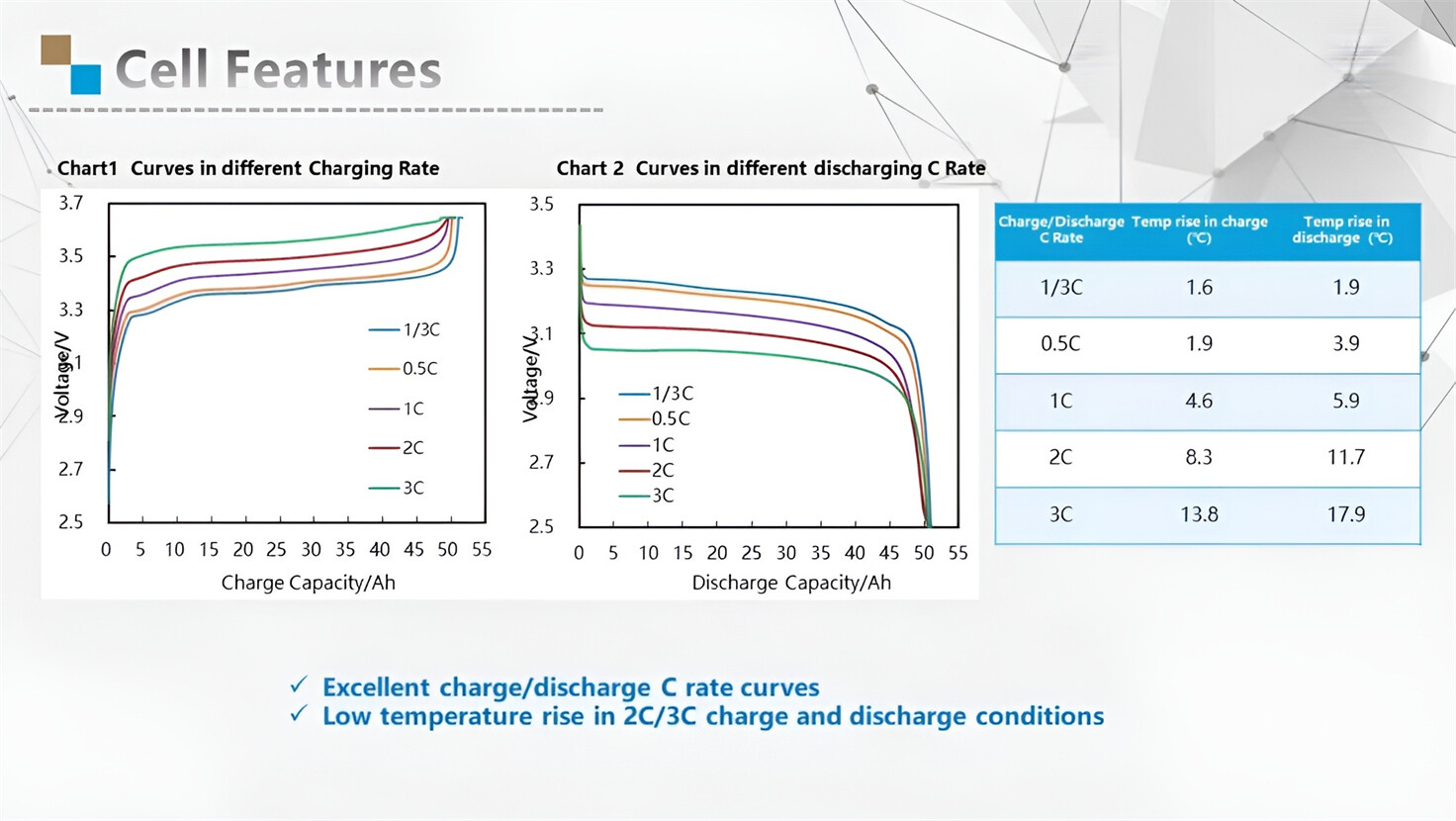
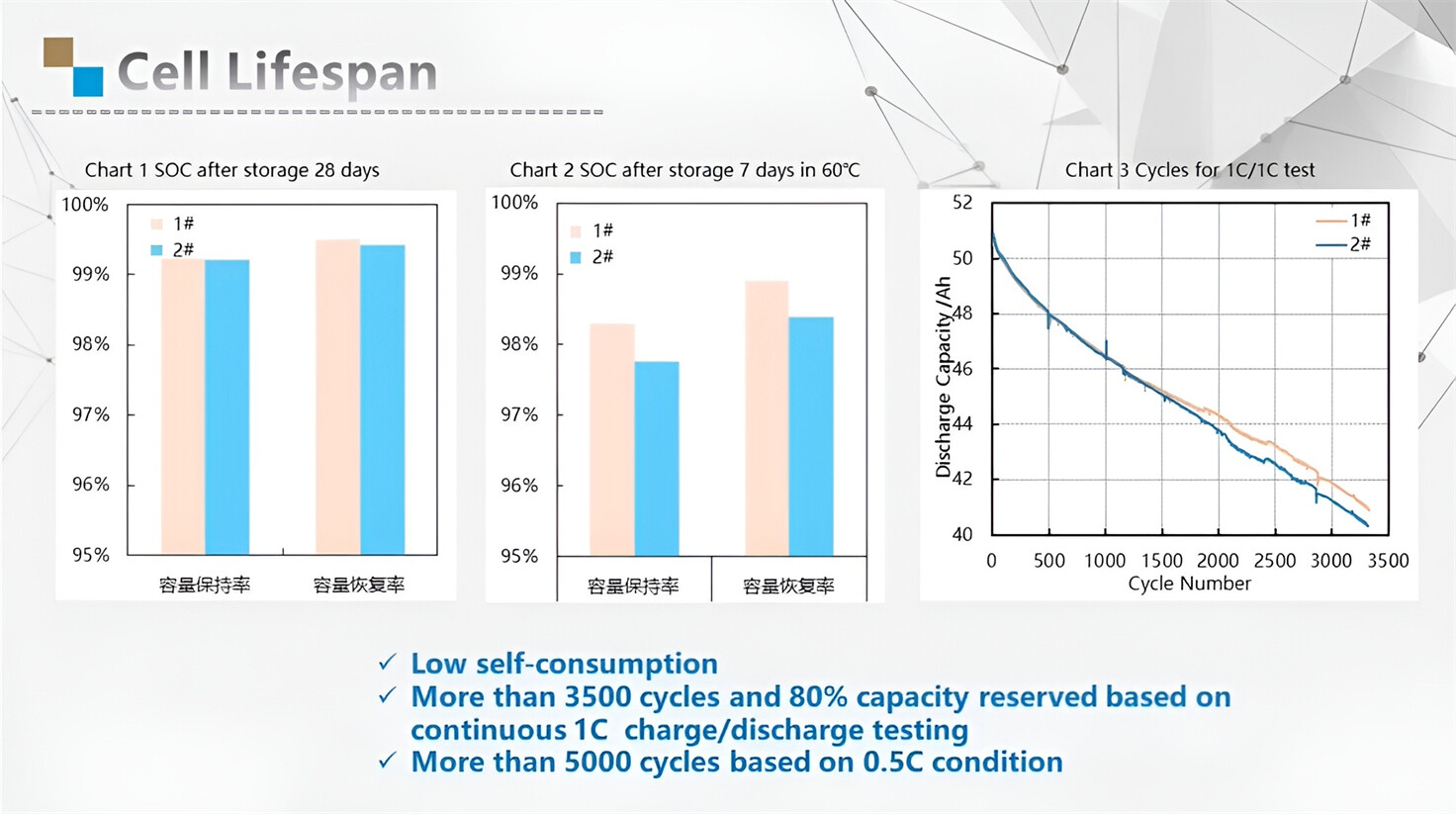
Our energy storage system products use brand new grade A LiFePO4 cells with a battery lifespan of more than 4,000 charge/discharge cycles.
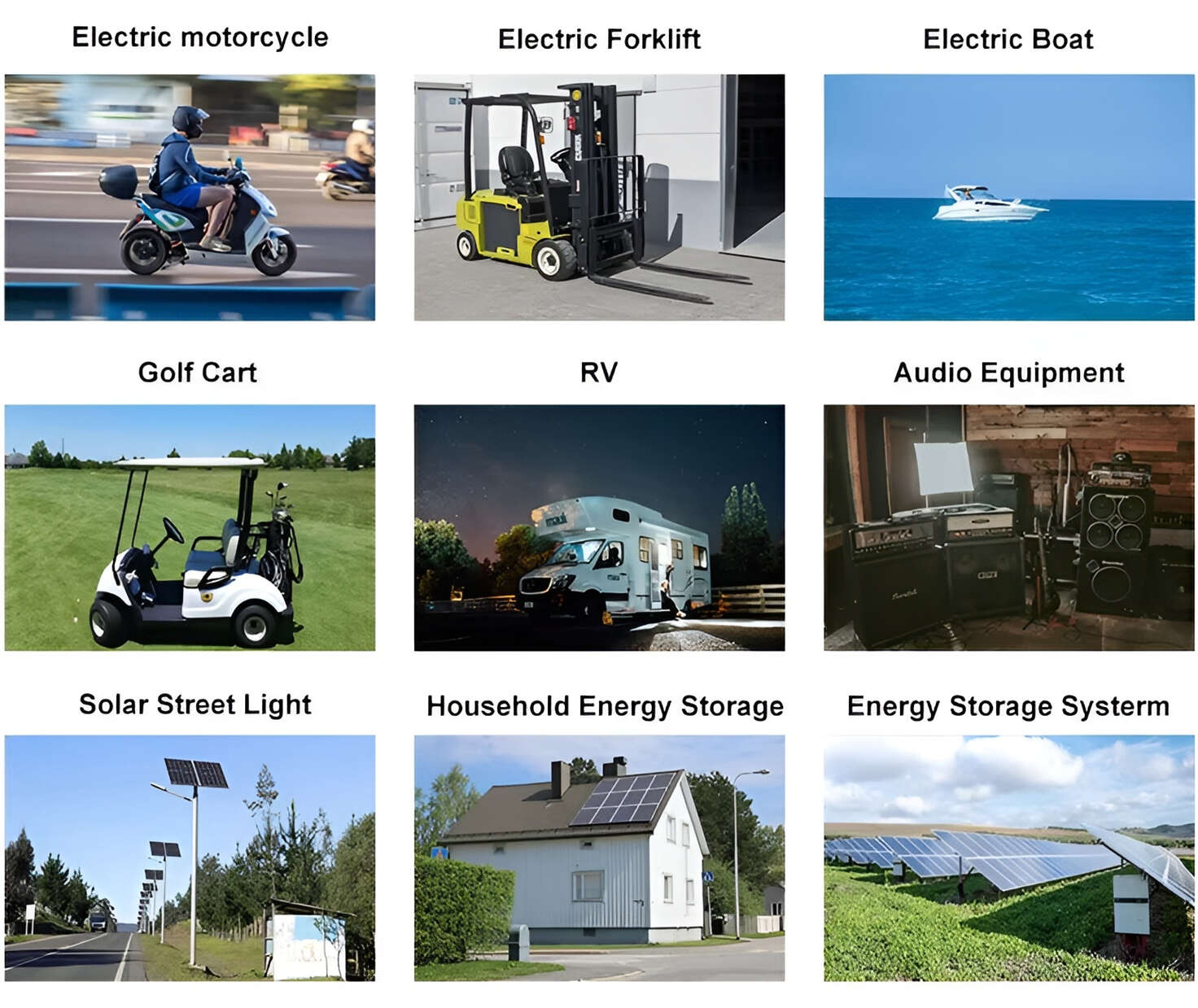
Applications in Different Industries
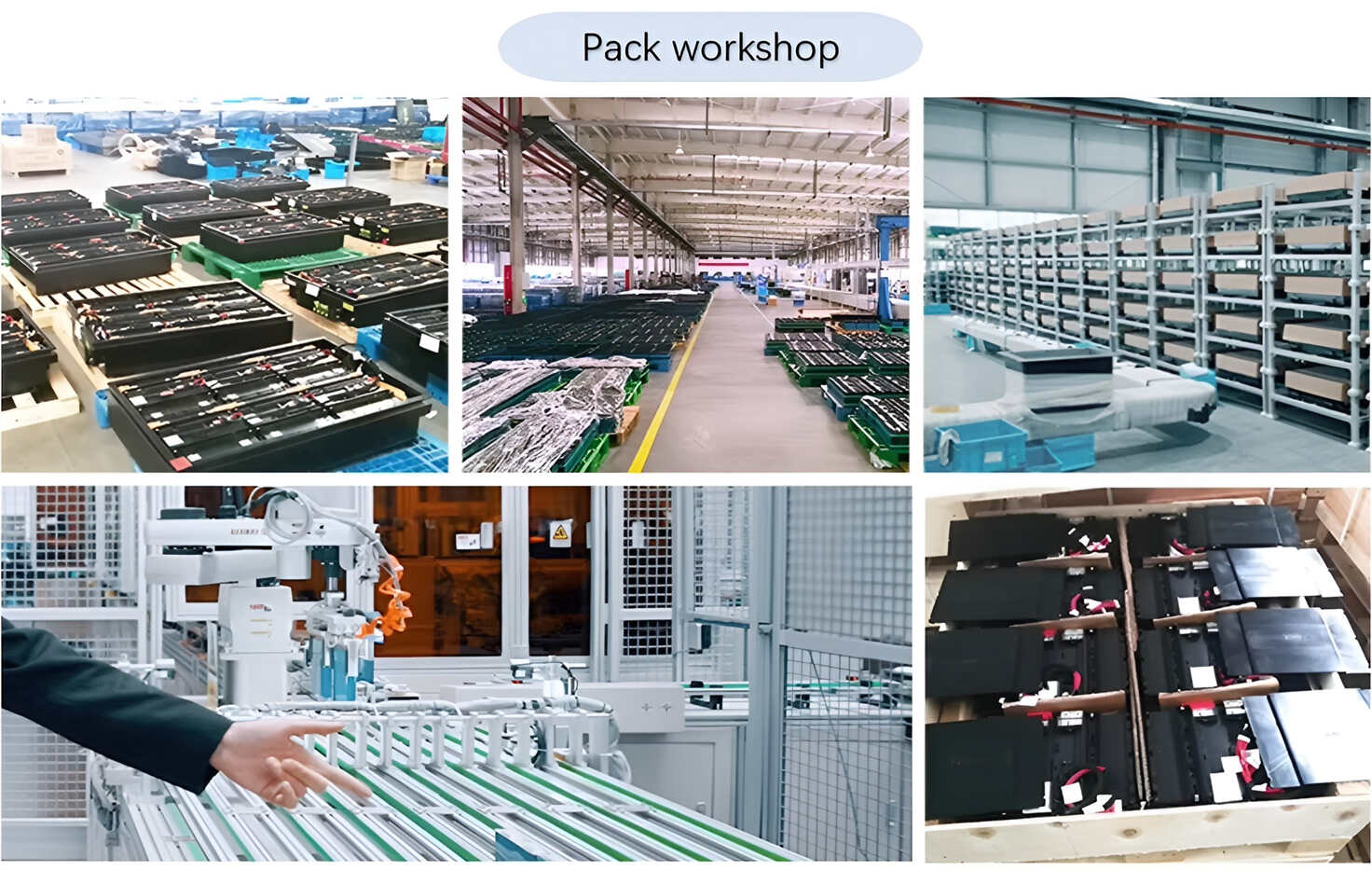
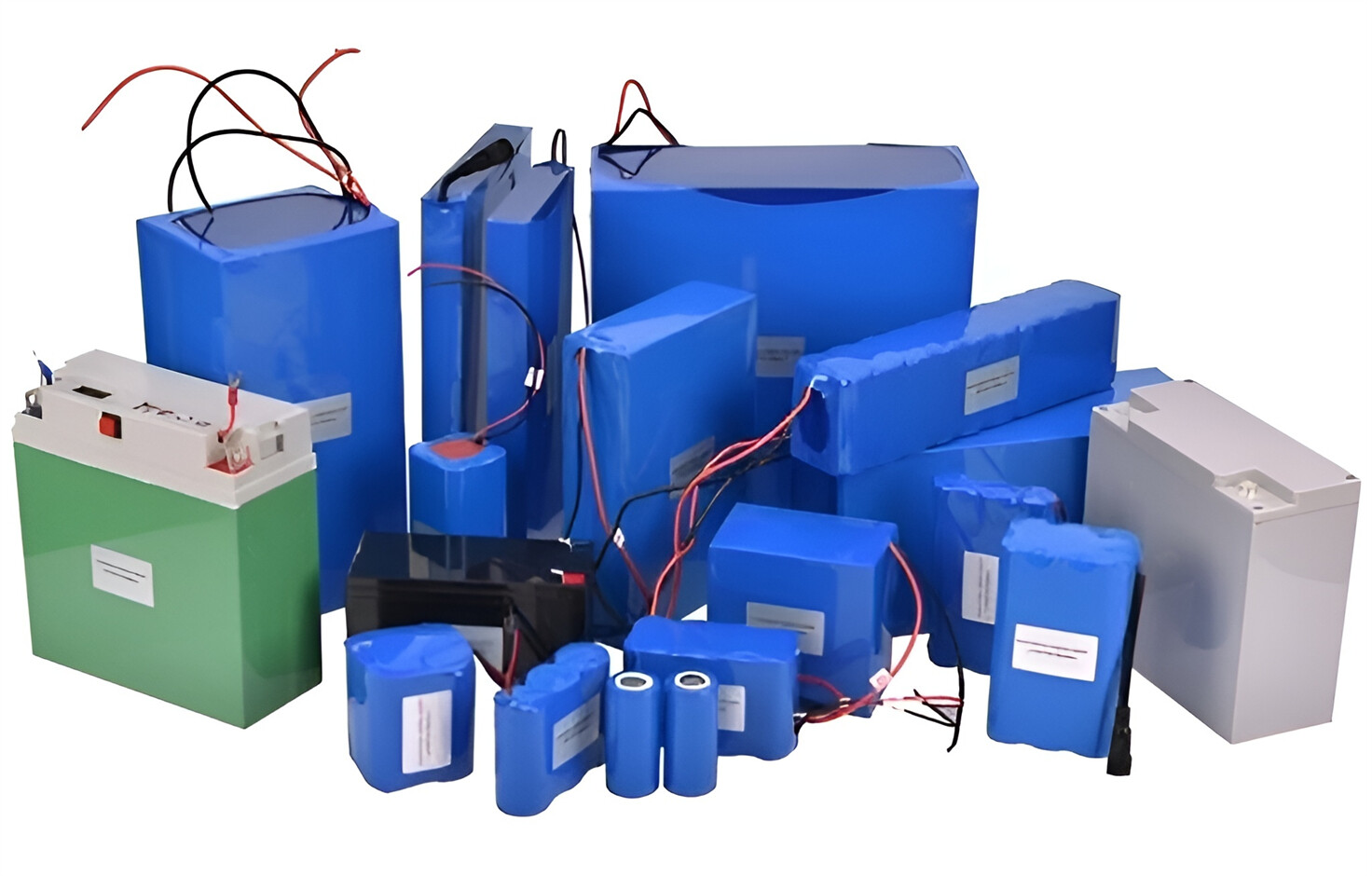
We supply customized & OEM battery pack, assemble cells with wiring, fuse and plastic cover, all the cell wires connected to PCB plug or built BMS.
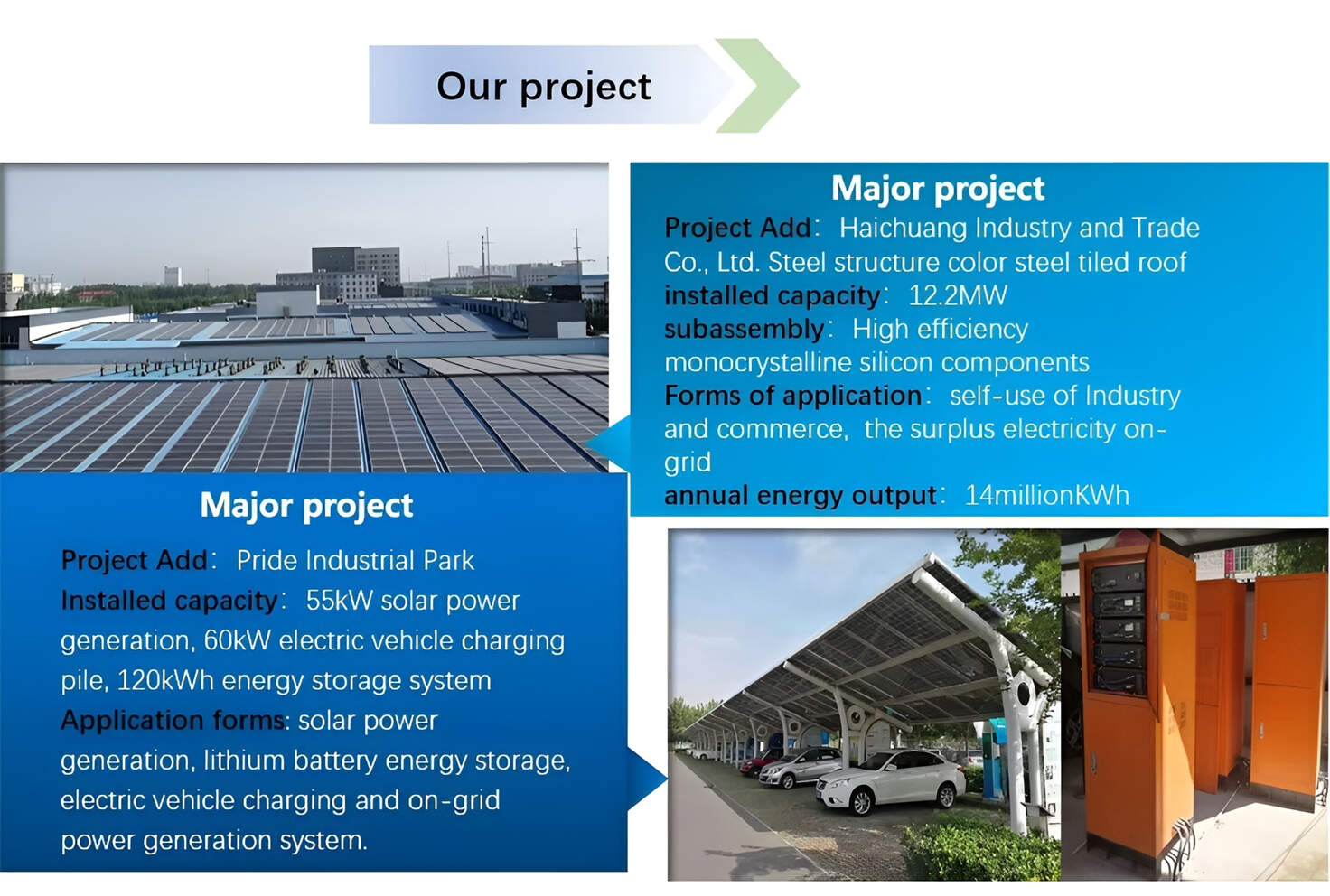
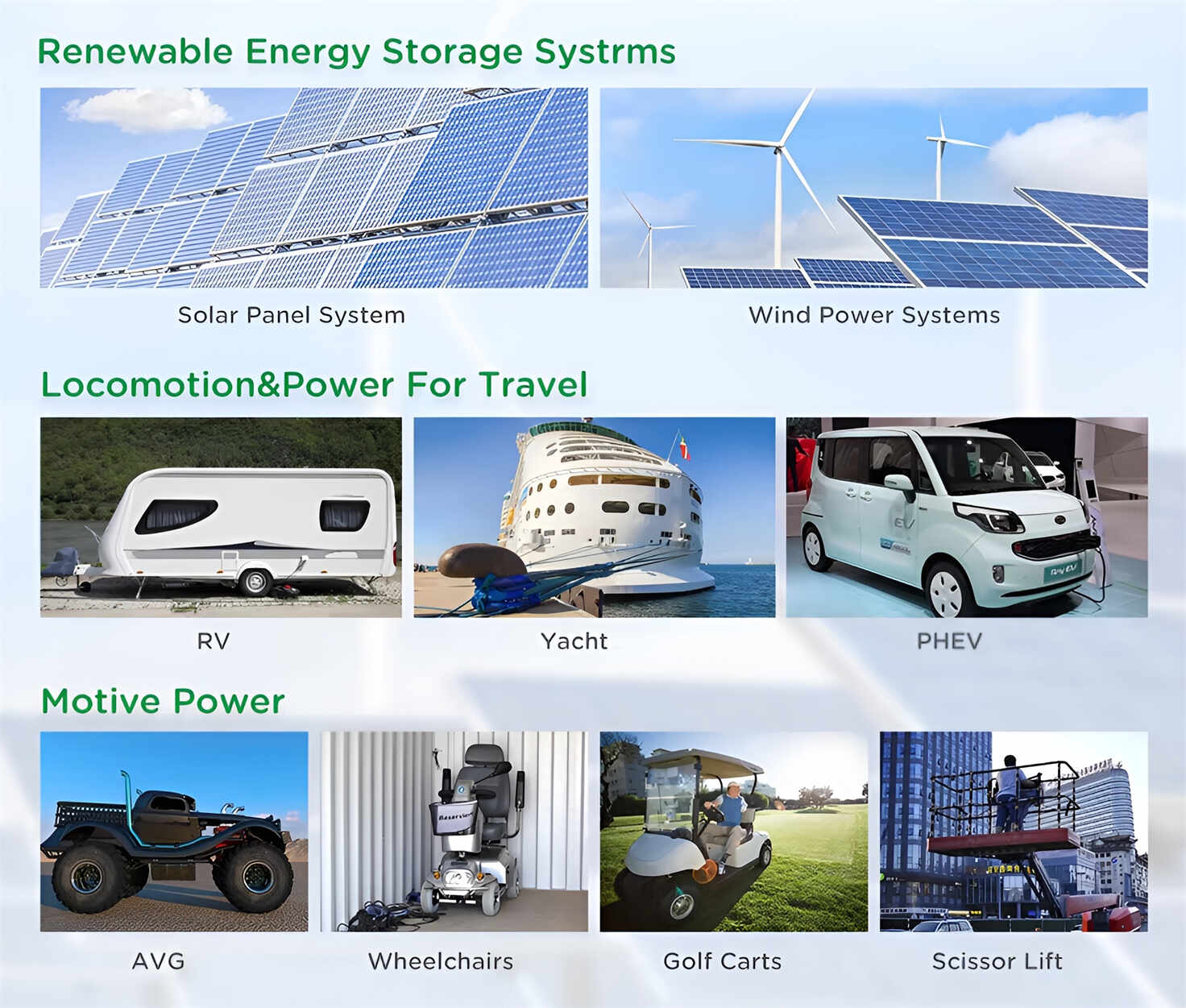
Applications: E-bike, Electric Scooter, Golf Carts, RV, Electric Wheelchair, Electric Tools, Robot Cleaner, Robot Sweeper, Solar Energy Storage System, Emergency Light, Solar Power Light, Medical Equipment, UPS Backup Power Supply.
We can provide you with customized services. We have the ability to provide a vertical supply chain, from single cells to pack/module and to a complete power solution with BMS, etc.
HomSolar (Shenzhen) Technology Co., Ltd