Renewable Energy News: Navigating The Grid Integration Challenge And The Dawn Of A New Storage Era
The global transition to renewable energy is accelerating at an unprecedented pace, driven by climate imperatives, energy security concerns, and relentless cost reductions. However, this rapid growth is revealing a critical inflection point for the industry. The conversation is evolving from simply building more capacity to a more complex challenge: seamlessly integrating vast amounts of intermittent power into existing grids and ensuring reliability when the sun doesn't shine and the wind doesn't blow. The latest industry dynamics highlight a concerted push towards technological innovation, policy adaptation, and market redesign to overcome this next frontier.
Latest Industry Dynamics: Record Growth Meets Grid Congestion
Recent data from the International Energy Agency (IEA) confirms that renewable capacity additions surged by almost 50% in 2023, the fastest growth rate in two decades. Solar PV continues to be the standout performer, accounting for three-quarters of new capacity worldwide. This boom is largely attributed to supportive government policies, particularly the U.S. Inflation Reduction Act and Europe's REPowerEU plan, which have unleashed a wave of investment in manufacturing and deployment.
Beneath these headline figures, however, lies a more nuanced reality. A significant bottleneck is emerging: grid congestion and connection queues. In markets like the United States and parts of Europe, projects ready for construction are facing multi-year delays to connect to the transmission system. "We are witnessing a paradox," says Dr. Elena Petrova, a Senior Analyst at the Global Energy Institute. "On one hand, we have record-breaking deployment. On the other, we have a grid infrastructure that was designed for a different era of centralized, fossil-fuel generation. The queue for grid connections is now the primary brake on the energy transition in many developed economies."
This has spurred urgent action. Regulators and grid operators are exploring reforms to streamline the connection process, moving from a "first-come, first-served" model to one that prioritizes "shovel-ready" projects. Furthermore, there is a renewed focus on upgrading and expanding high-voltage transmission lines to carry power from remote, resource-rich areas to population centers, though these projects often face their own lengthy permitting and social acceptance hurdles.
Trend Analysis: The Rise of Hybrid Projects and Green Hydrogen
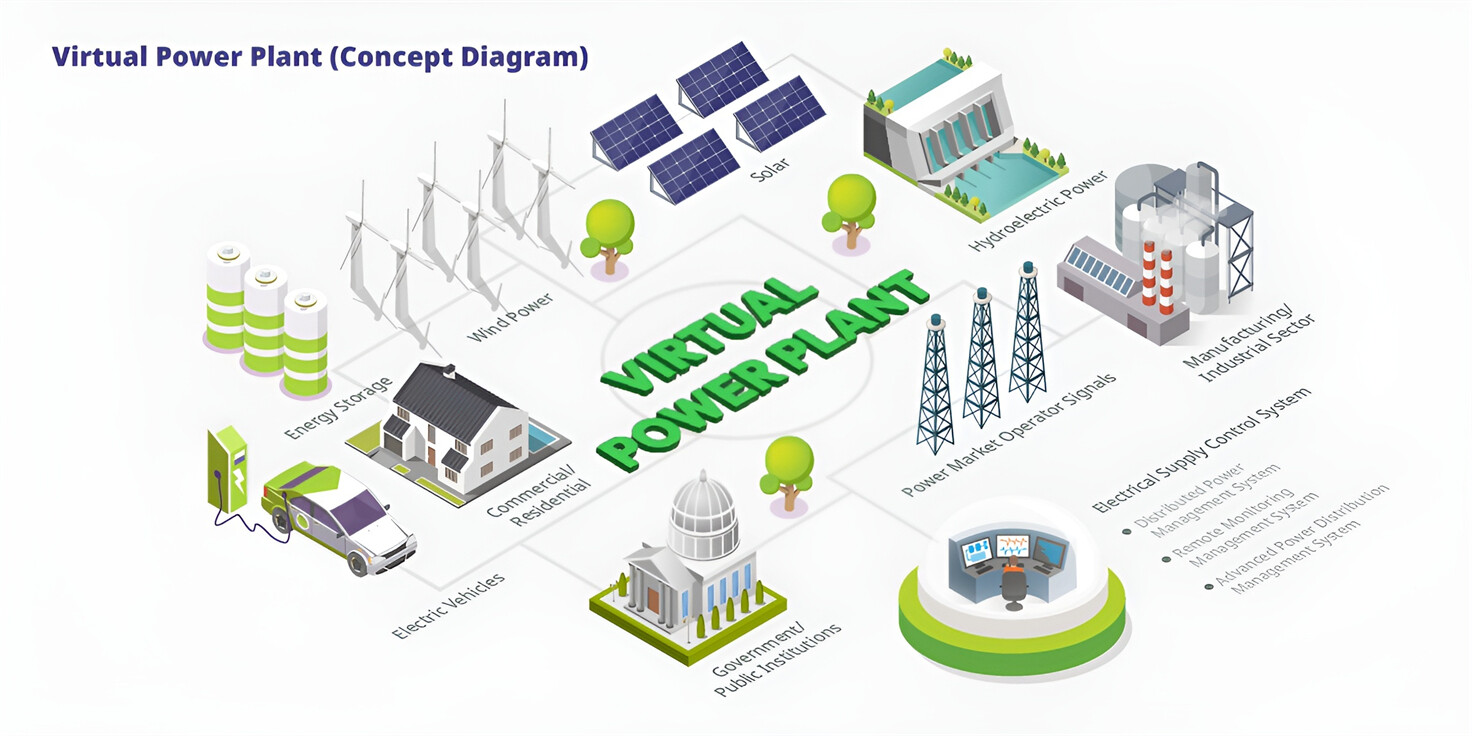
In response to integration challenges, the market is innovating. One of the most significant trends is the proliferation of hybrid power plants, which combine multiple generation sources, typically solar and wind, co-located with battery storage. By pairing technologies with complementary generation profiles, these projects can deliver a more stable and predictable output to the grid. The co-location of battery storage is particularly transformative, allowing excess energy to be stored for use during peak demand periods.
"The standalone solar or wind farm is becoming a model of the past," observes Michael Chen, CEO of a leading renewable energy developer. "The future is hybrid and storage-enabled. Our newest projects are being designed from the ground up as integrated energy systems, which not only ease the burden on the grid but also enhance their economic viability by allowing us to sell power when it's most valuable."
Beyond batteries, another long-term trend gaining momentum is the production of green hydrogen. Using renewable electricity to electrolyze water, this process creates a clean fuel that can be stored for months and used in sectors that are difficult to electrify directly, such as heavy industry, shipping, and aviation. While the industry is still in its infancy, major pilot projects are being announced globally. "Green hydrogen is the missing link for deep decarbonization," states Dr. Fatima Al-Zahra, a research fellow at the Oxford Institute for Energy Studies. "It acts as a seasonal battery, converting the summer surplus of solar energy into a storable fuel for the winter. The key challenge now is to drive down electrolyzer costs and build out the necessary infrastructure."
Expert Perspectives: A Call for Market Modernization and Realistic Timelines
Experts universally agree that technological solutions, while crucial, must be underpinned by systemic changes. The design of electricity markets, many of which were created decades ago, is now under scrutiny.
"Current energy markets primarily pay for energy, measured in megawatt-hours. We need markets that also adequately value capacity, flexibility, and ancillary services like voltage control and frequency regulation," argues David Miller, a former grid operator and current energy consultant. "This will create the revenue streams necessary to incentivize not just batteries, but also demand-response programs and other grid-balancing technologies. Without these price signals, the economics for storage and flexibility remain challenging."
Another point of consensus among experts is the need for a more holistic and realistic public discourse. The narrative of a simple, swift, and cheap transition is giving way to a more pragmatic understanding. The build-out of renewables, grid modernization, and the development of new storage vectors like green hydrogen represent a monumental industrial undertaking.
"The energy transition is not a switch flip; it's the largest re-engineering project in human history," cautions Dr. Petrova. "It requires sustained investment, political will across electoral cycles, and social license for the necessary infrastructure. We must manage expectations and communicate that this is a complex, multi-decade process that, while challenging, is essential and ultimately beneficial."
The overarching message from the industry is one of cautious optimism. The foundational work of scaling up wind and solar power has been a remarkable success. The focus is now shifting to the sophisticated task of building a resilient, intelligent, and integrated energy system around them. The path forward is clear: a combination of cutting-edge technology, forward-looking policy, and modernized market structures will be essential to harness the full potential of the renewable revolution.
Customized/OEM/ODM Service
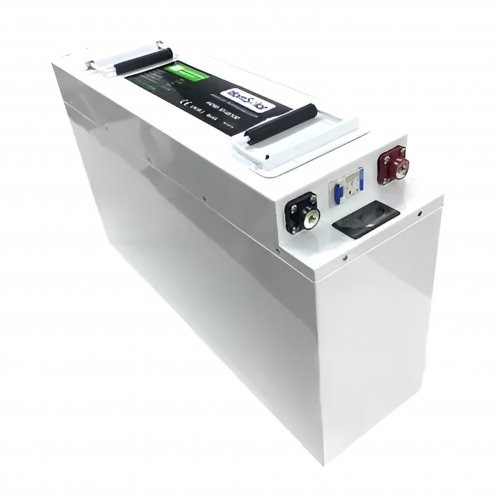
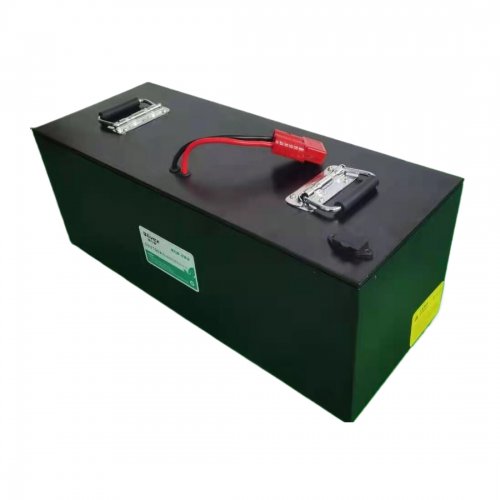
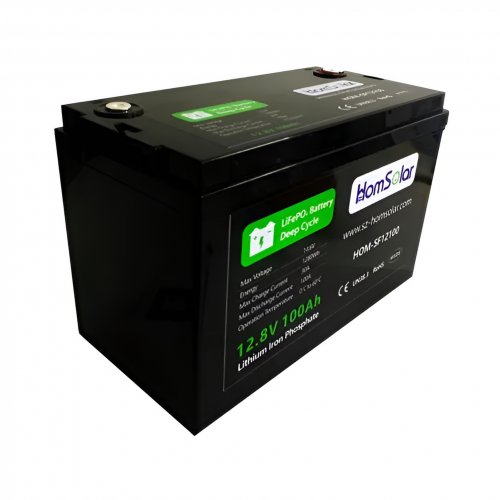
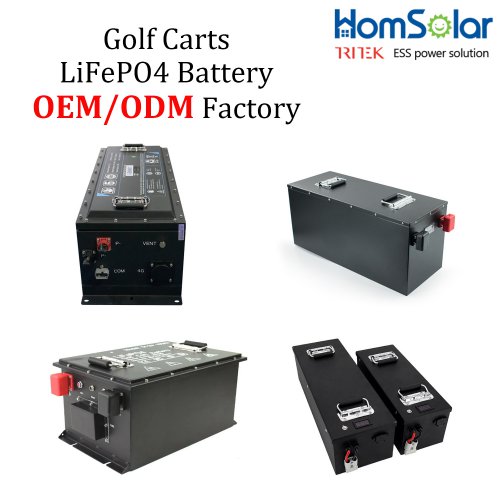
HomSolar Supports Lifepo4 battery pack customization/OEM/ODM service, welcome to contact us and tell us your needs.

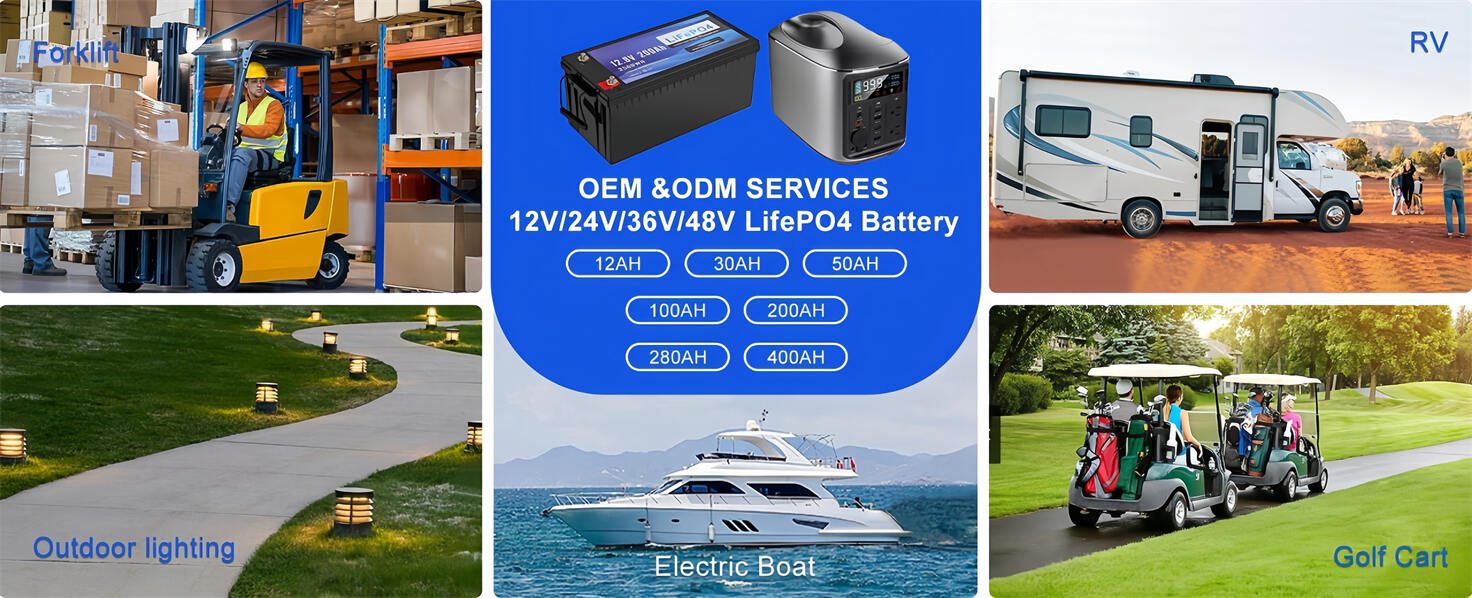
HomSolar: Your One-stop LiFePO4 Battery Pack & ESS Solution Manufacturer
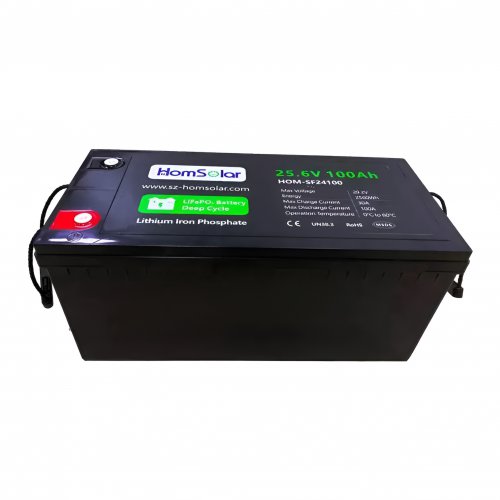
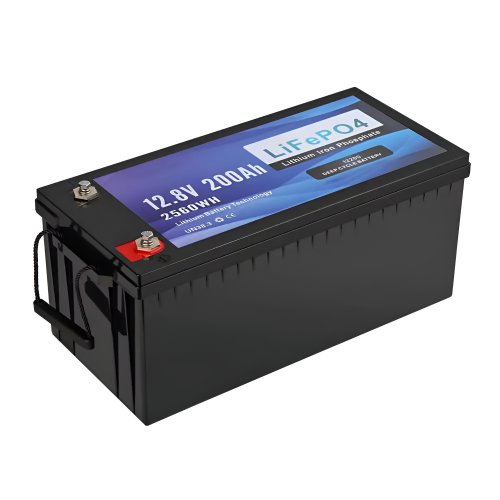
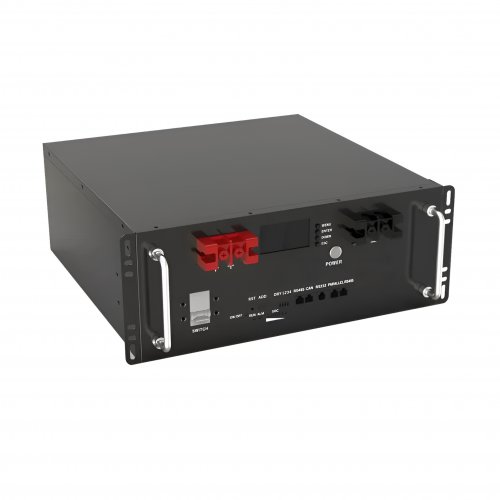
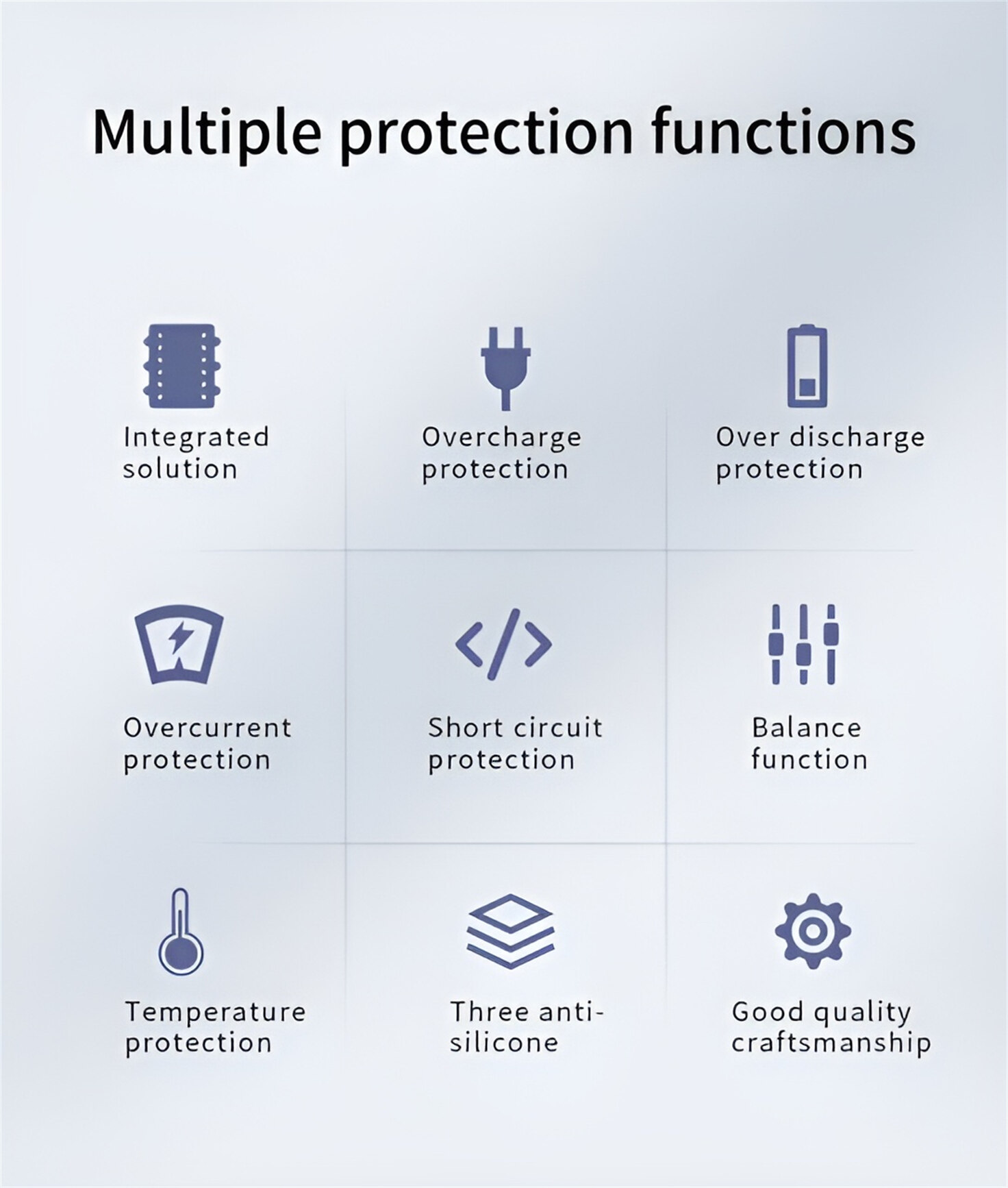
Our line of LiFePO4 (LFP) batteries offer a solution to demanding applications that require a lighter weight, longer life, and higher capacity battery. Features include advanced battery management systems (BMS), Bluetooth® communication and active intelligent monitoring.
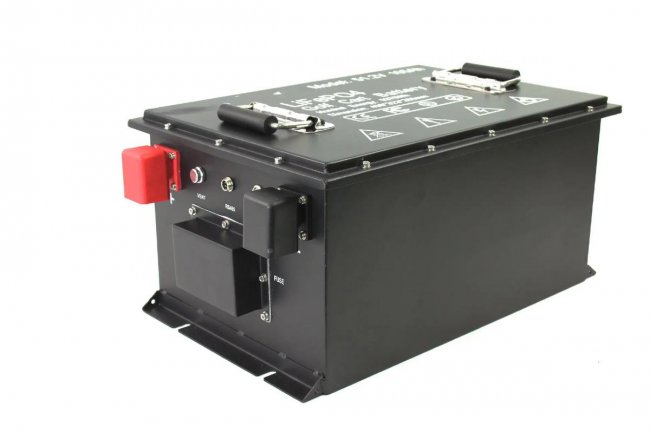
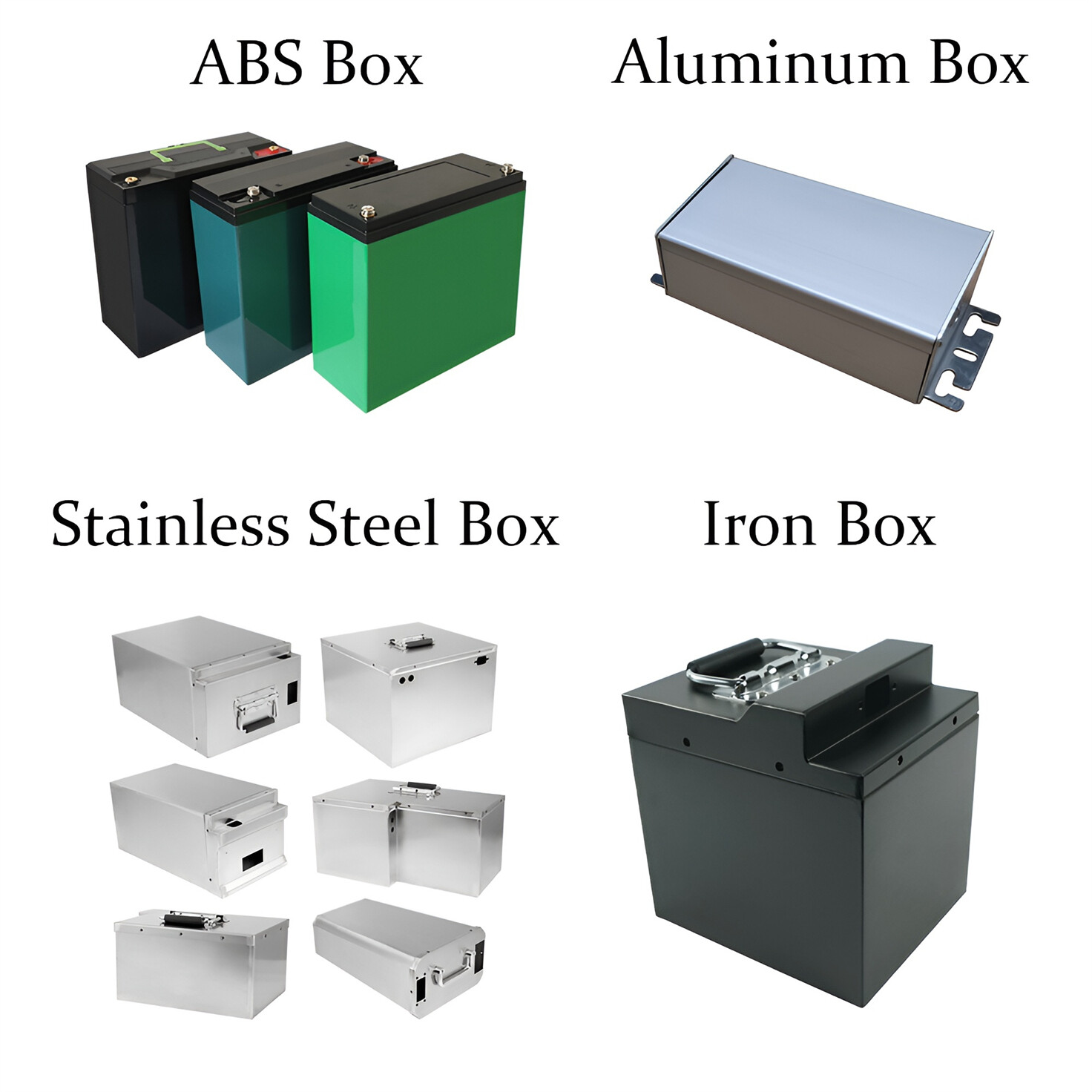
Customised Lithium Iron Phosphate Battery Casing
ABS plastic housing, aluminium housing, stainless steel housing and iron housing are available, and can also be designed and customised according to your needs.
HomSolar Smart BMS
Intelligent Battery Management System for HomSolar Energy Storage System. Bluetooth, temperature sensor, LCD display, CAN interface, UART interface also available.

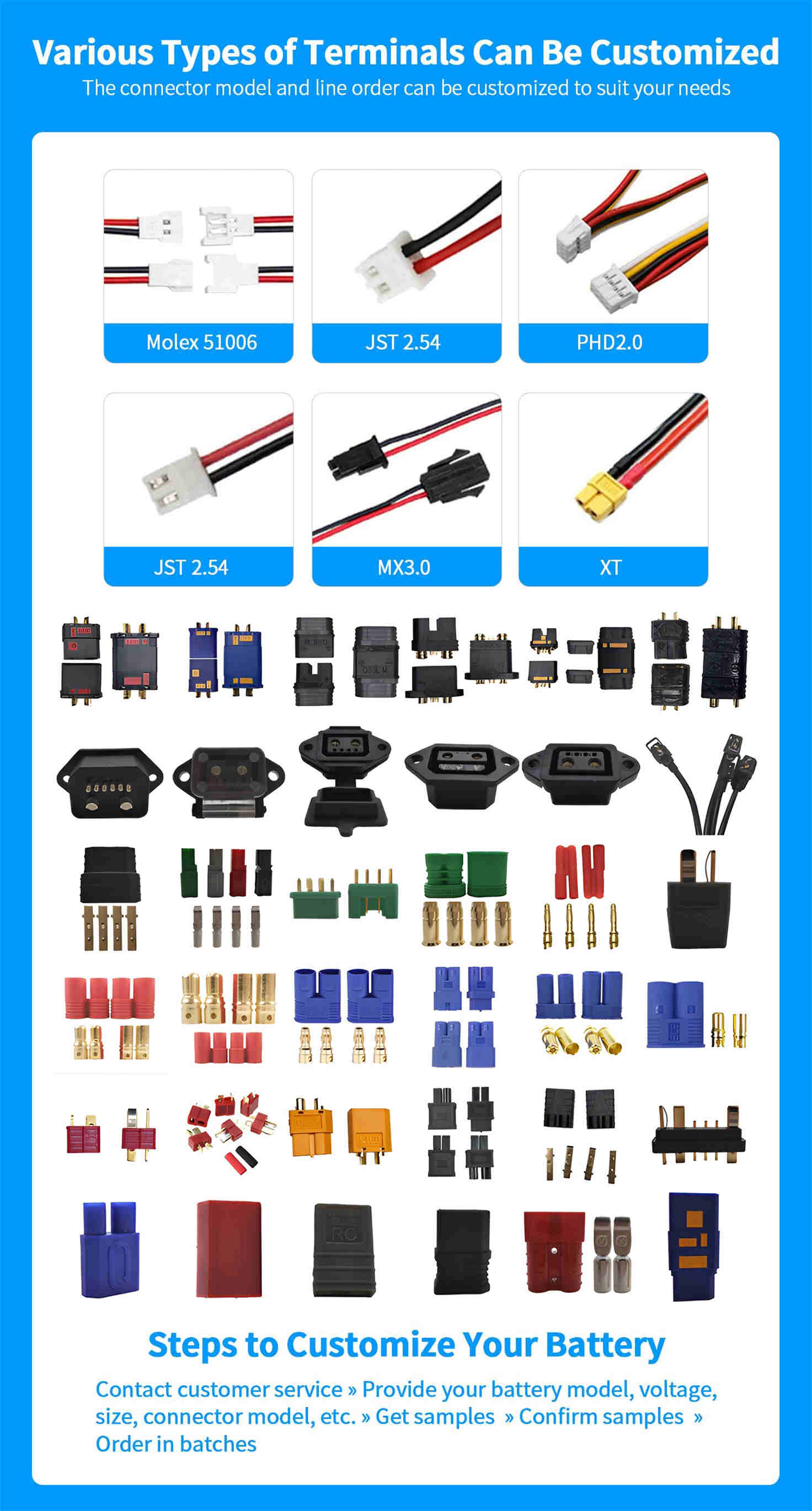
Terminals & Plugs Can Be Customized
A wide range of terminals and plugs can be customised to suit the application needs of your battery products.
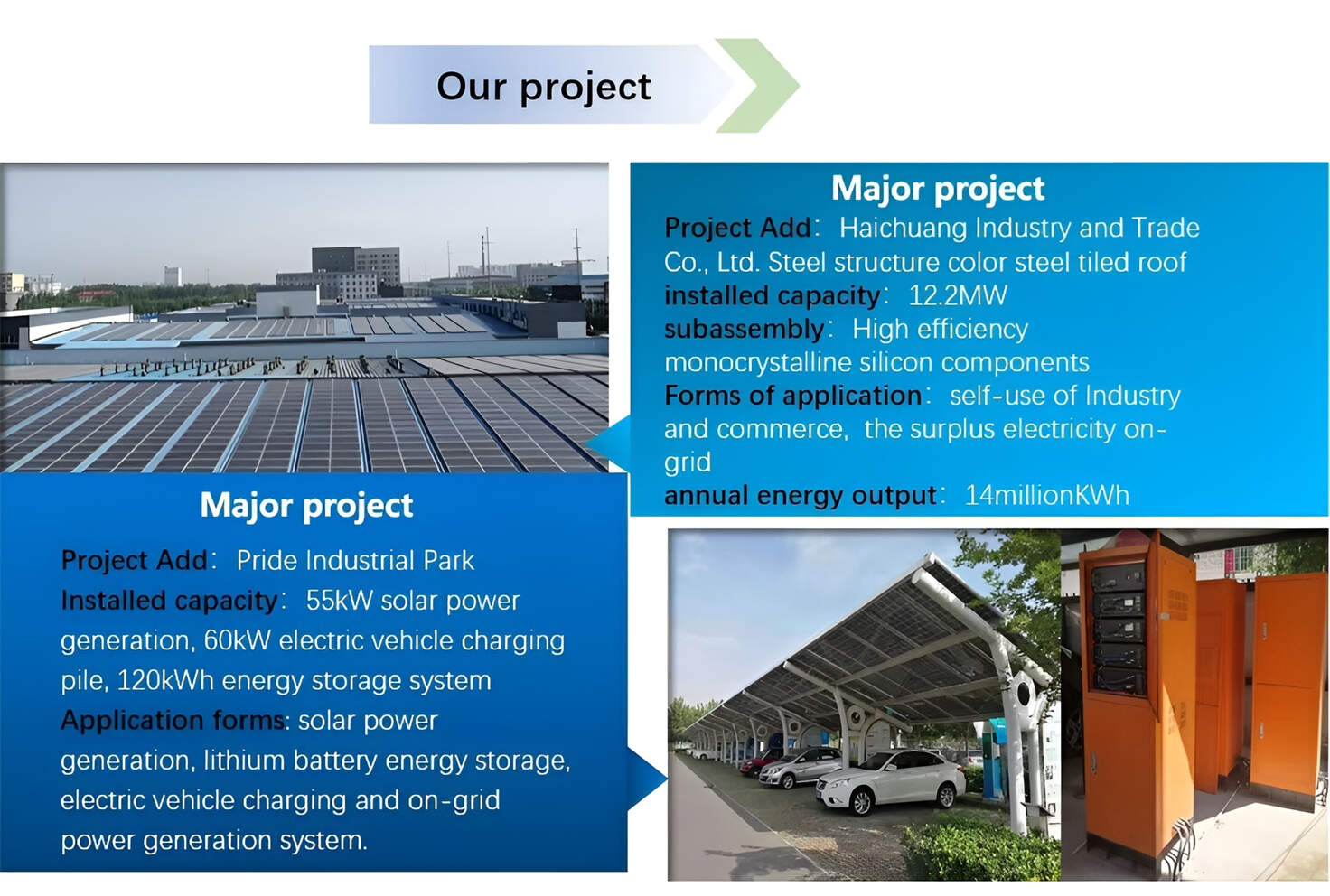
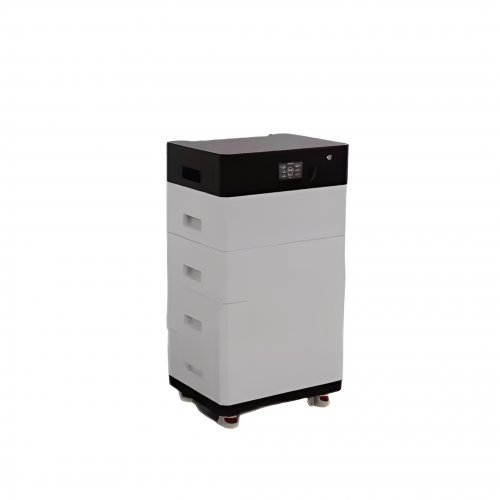
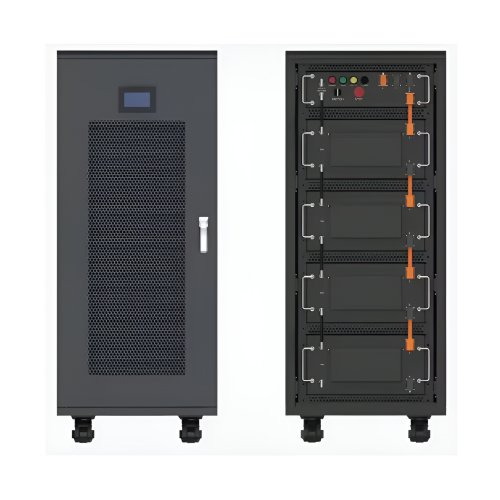
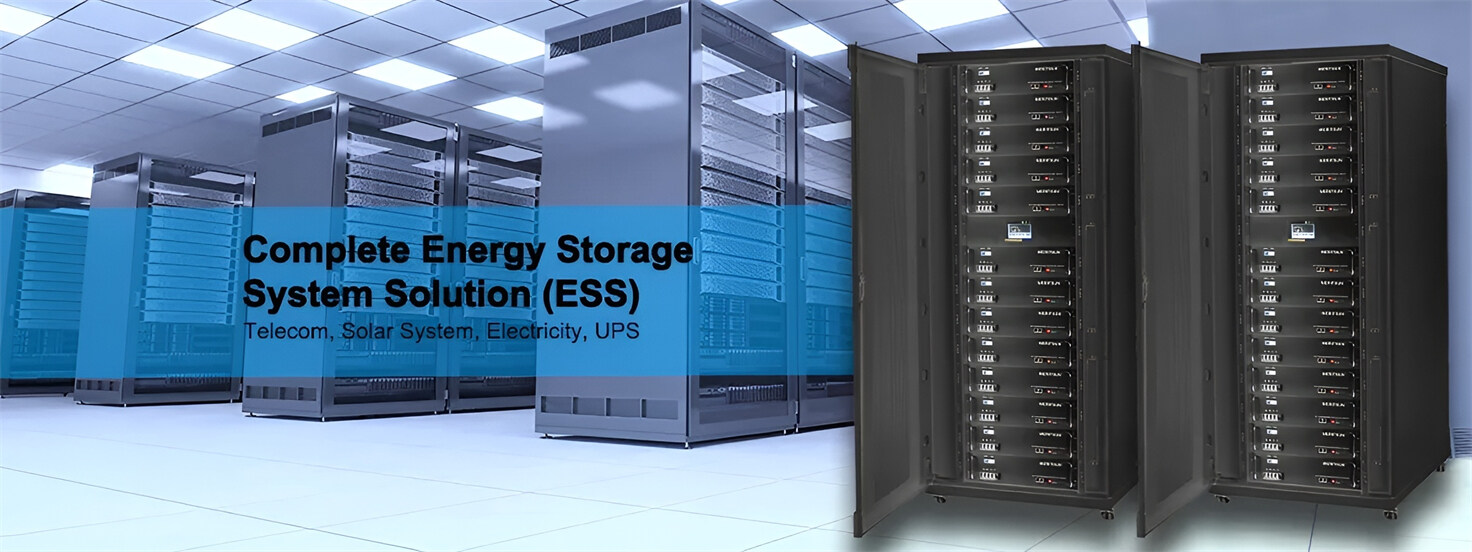
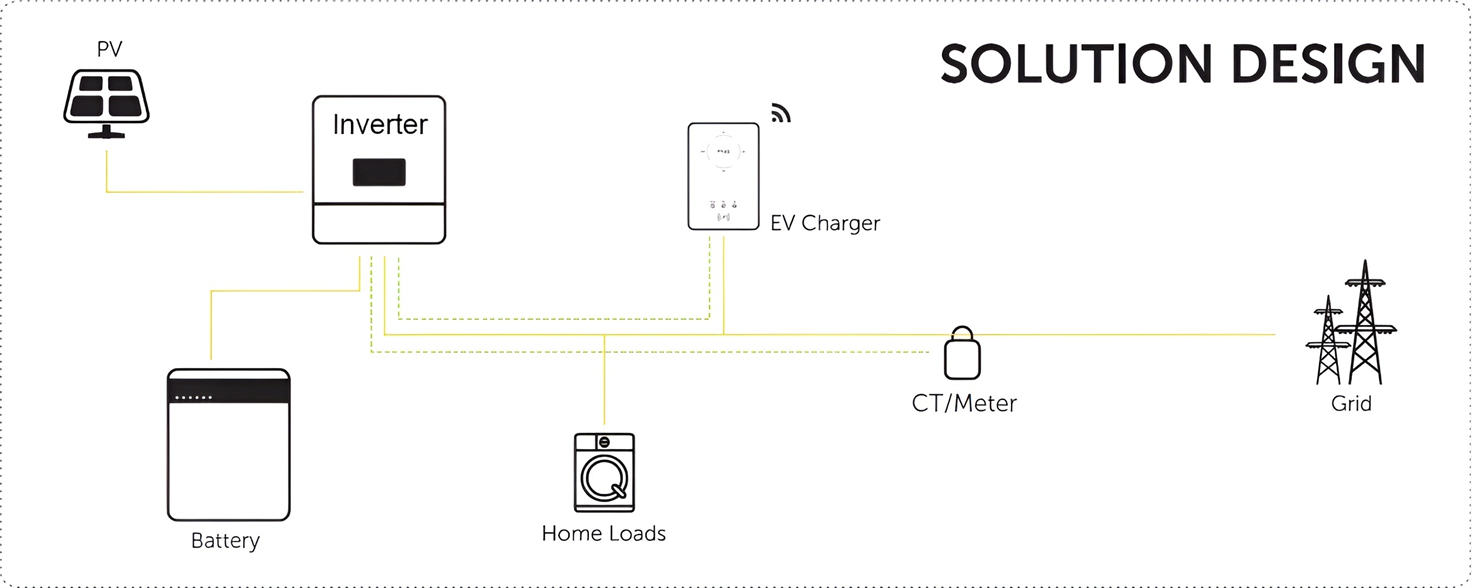
Well-designed Solutions for Energy Storage Systems
We will design the perfect energy storage system solution according to your needs, so that you can easily solve the specific industry applications of battery products.
About Our Battery Cells
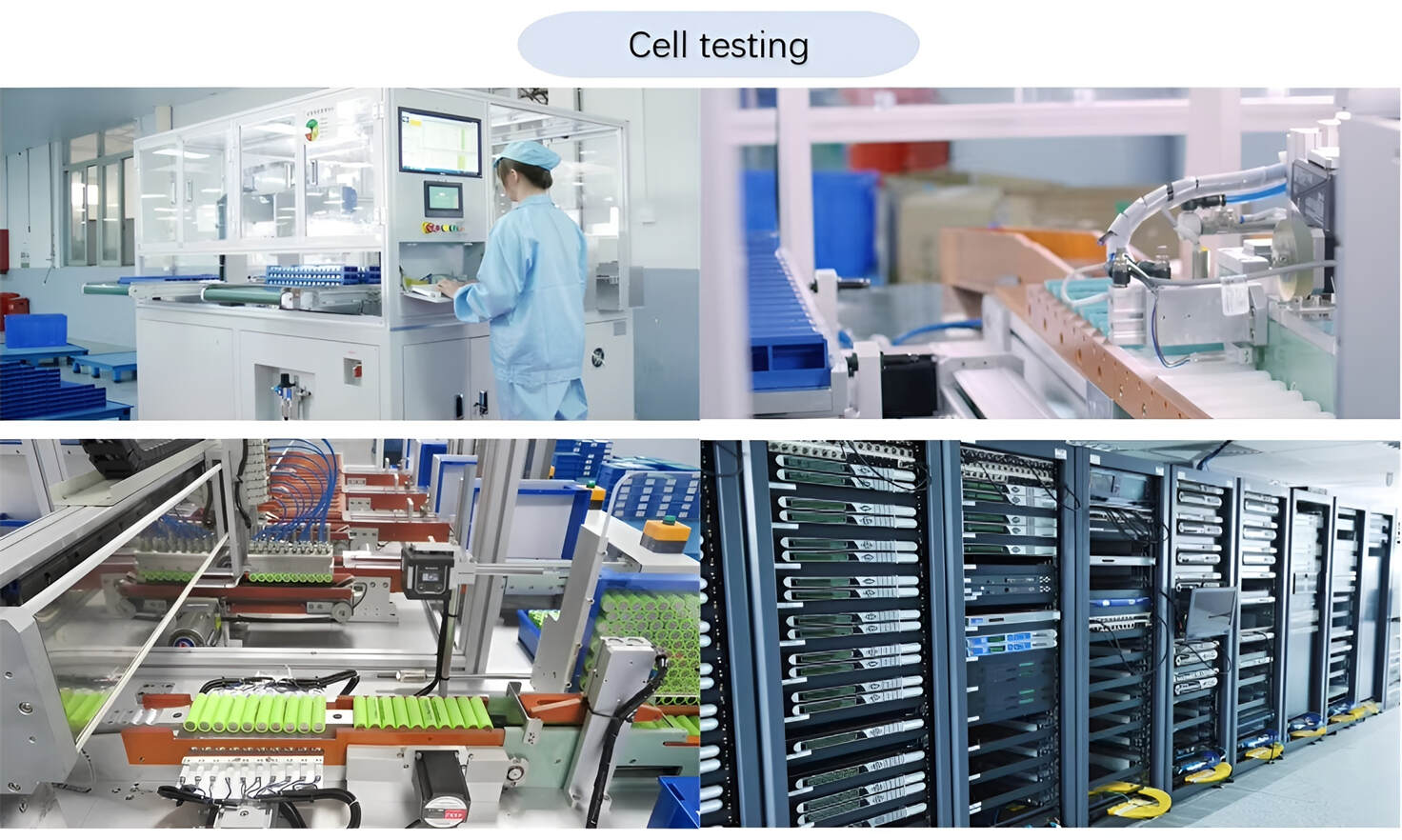
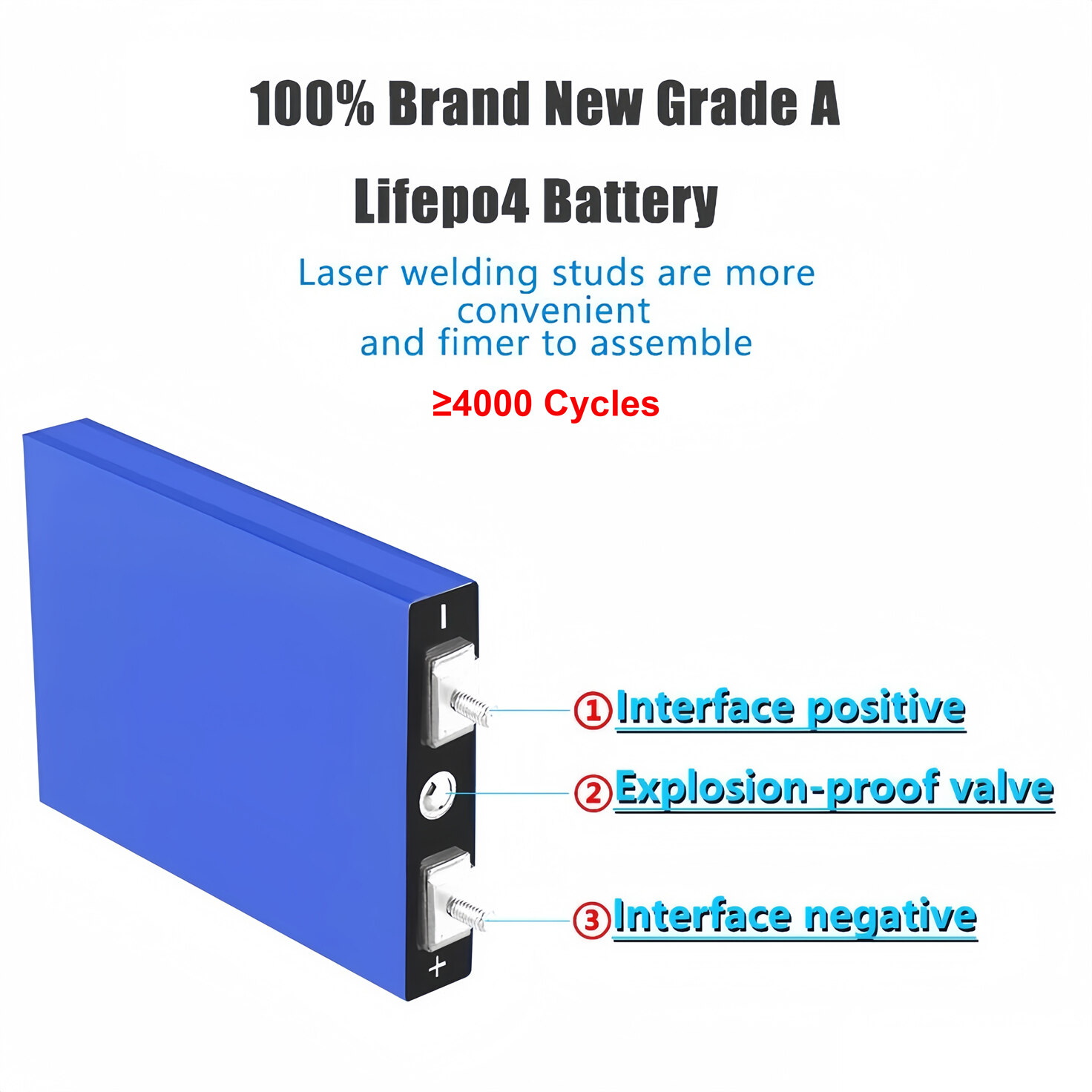
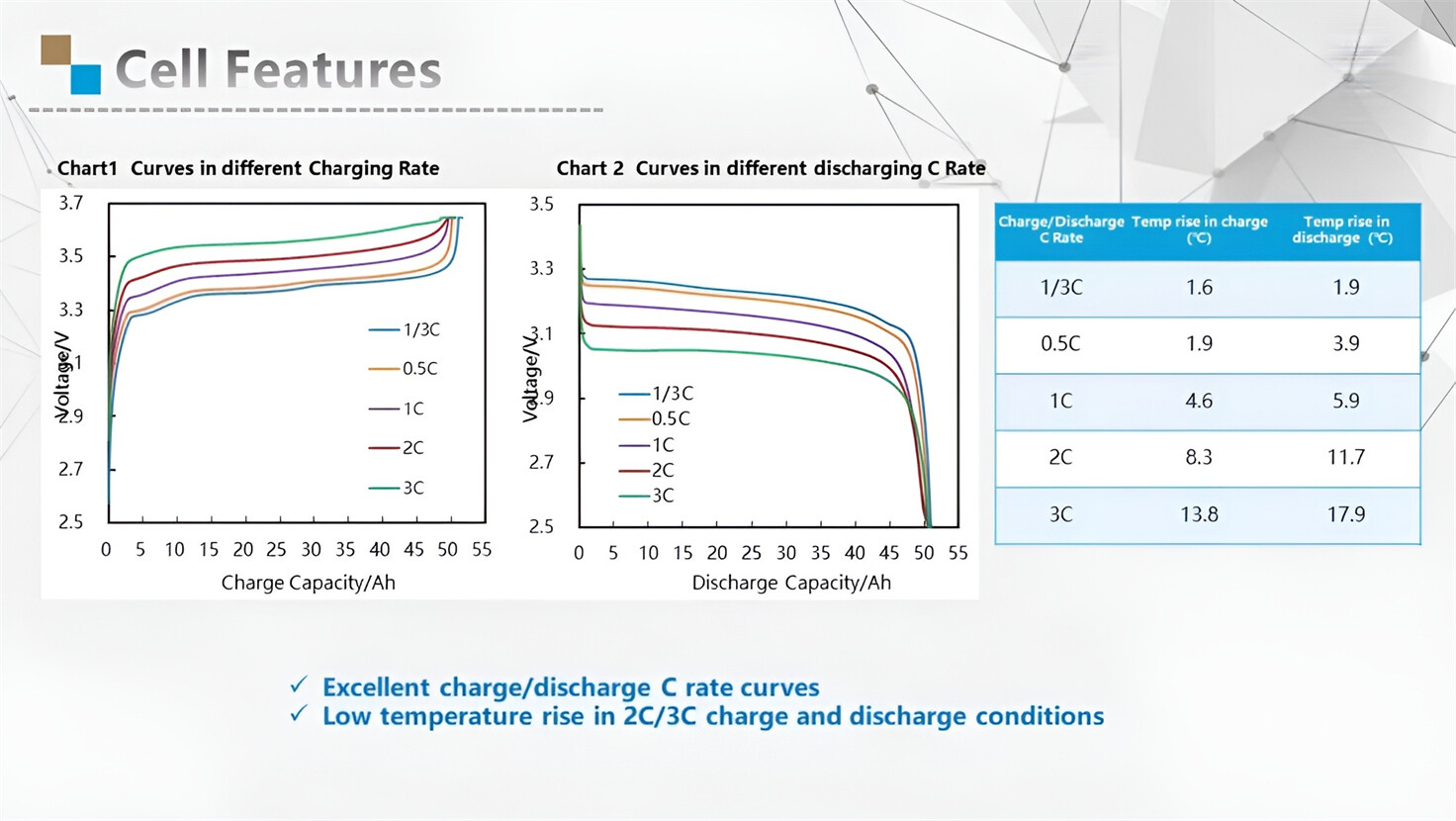
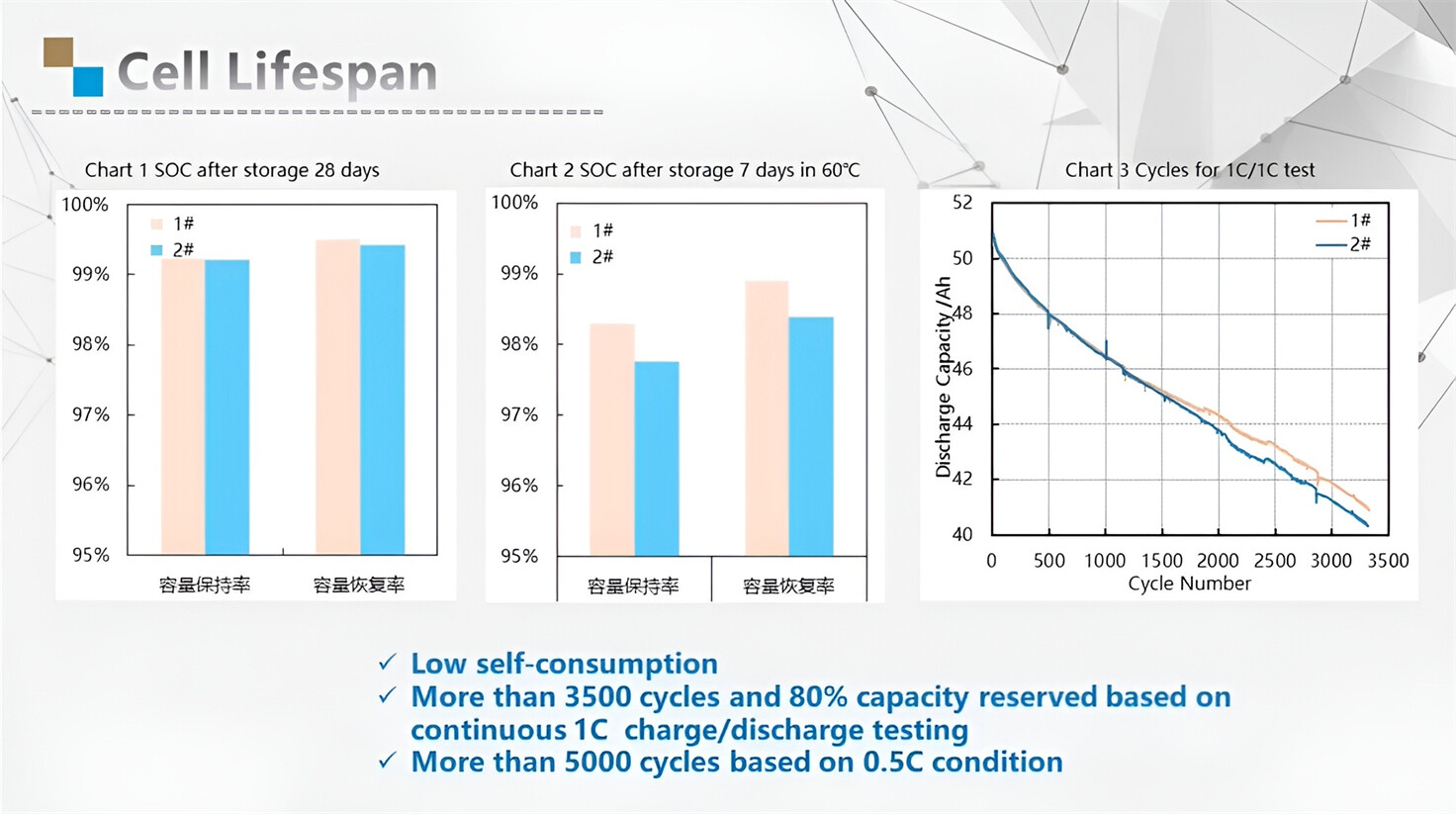
Our energy storage system products use brand new grade A LiFePO4 cells with a battery lifespan of more than 4,000 charge/discharge cycles.
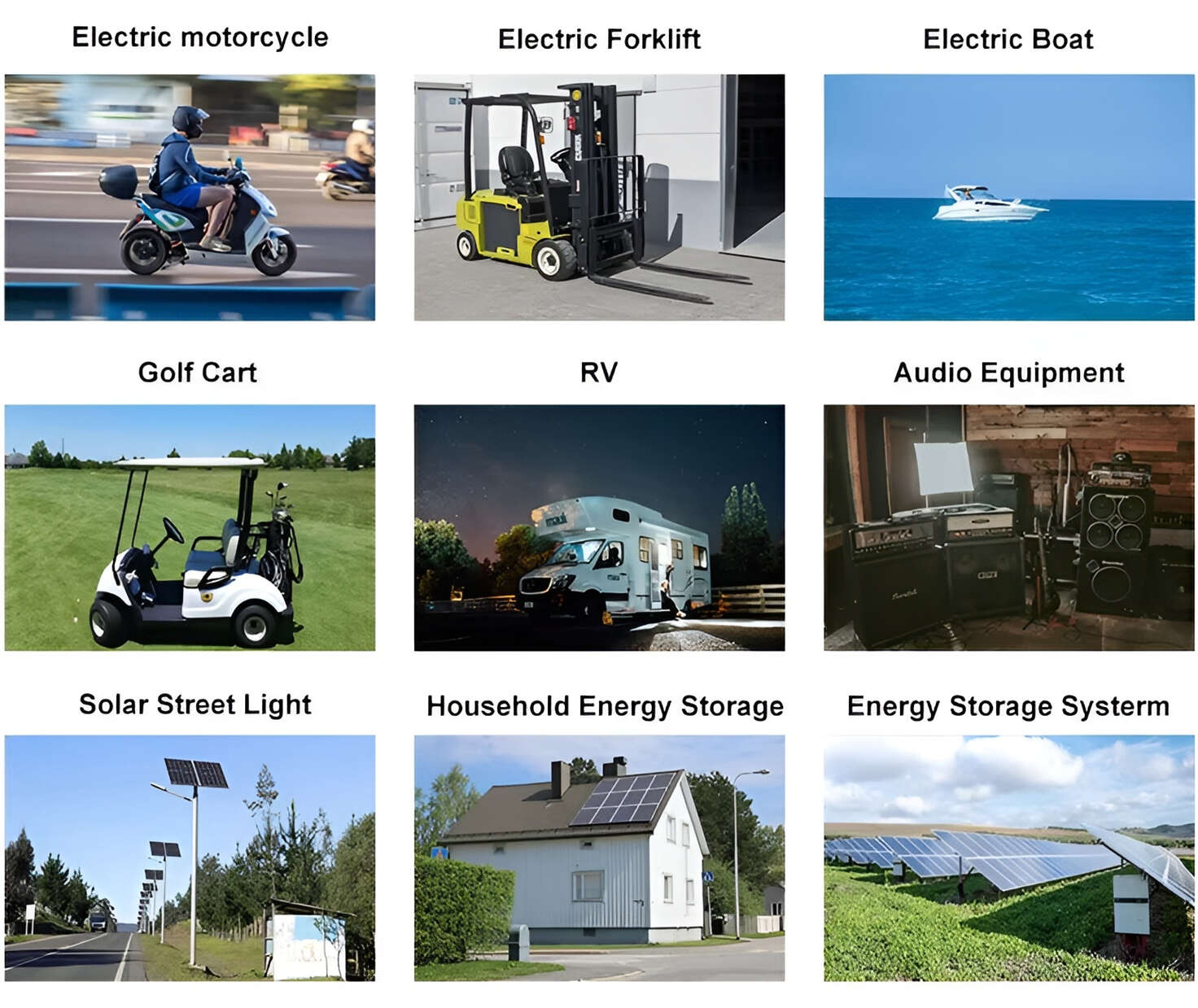
Applications in Different Industries
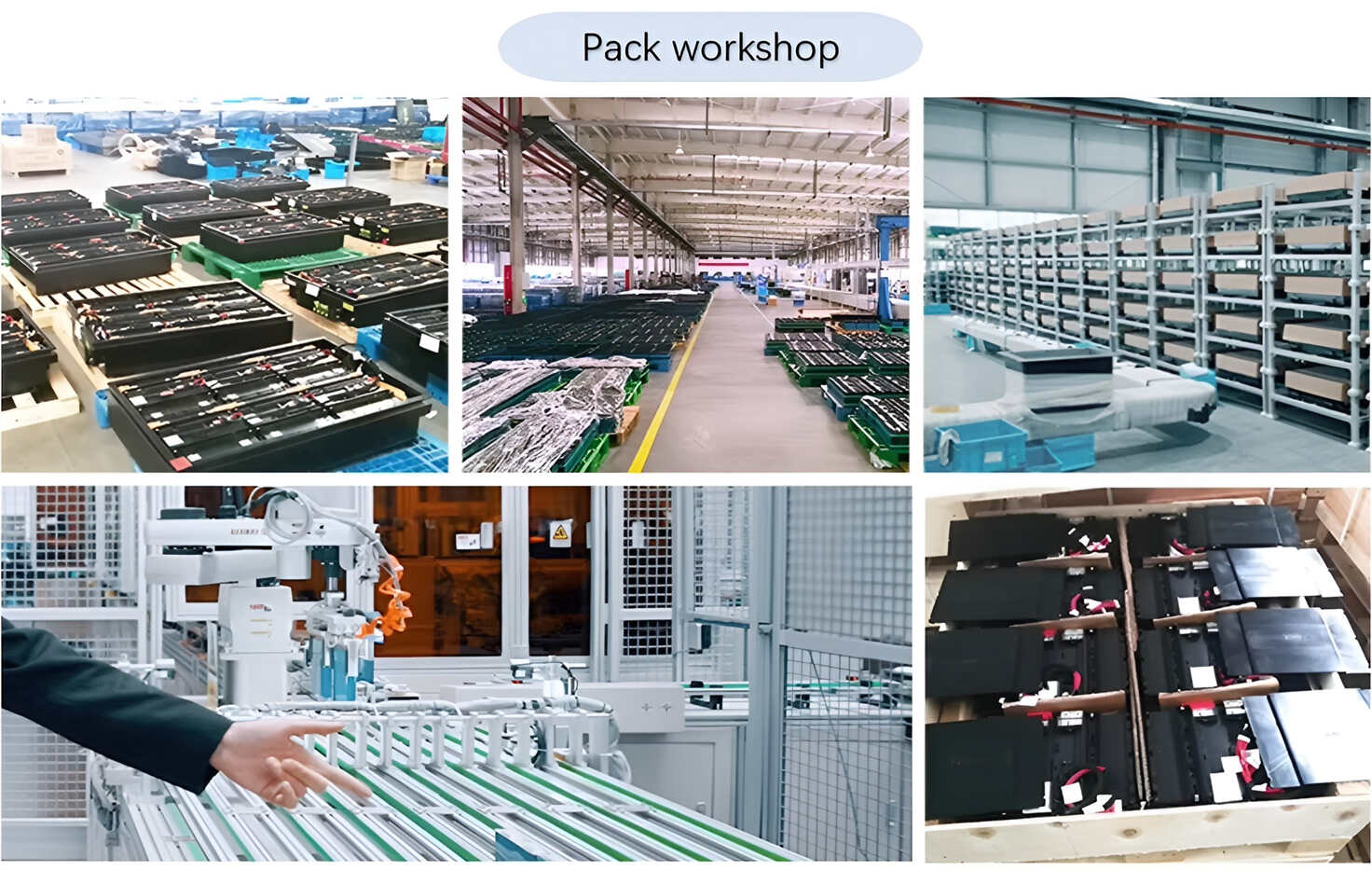
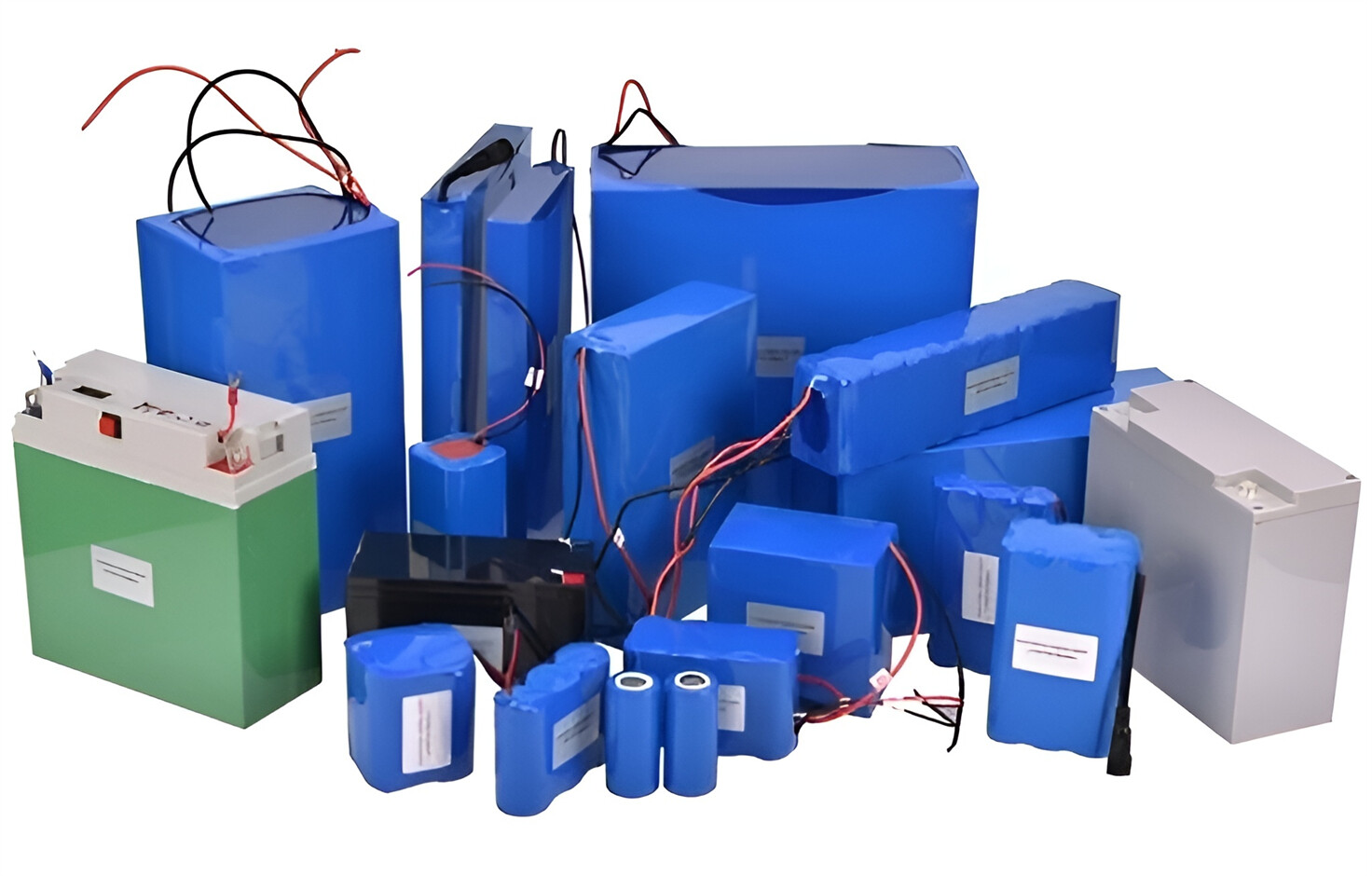
We supply customized & OEM battery pack, assemble cells with wiring, fuse and plastic cover, all the cell wires connected to PCB plug or built BMS.
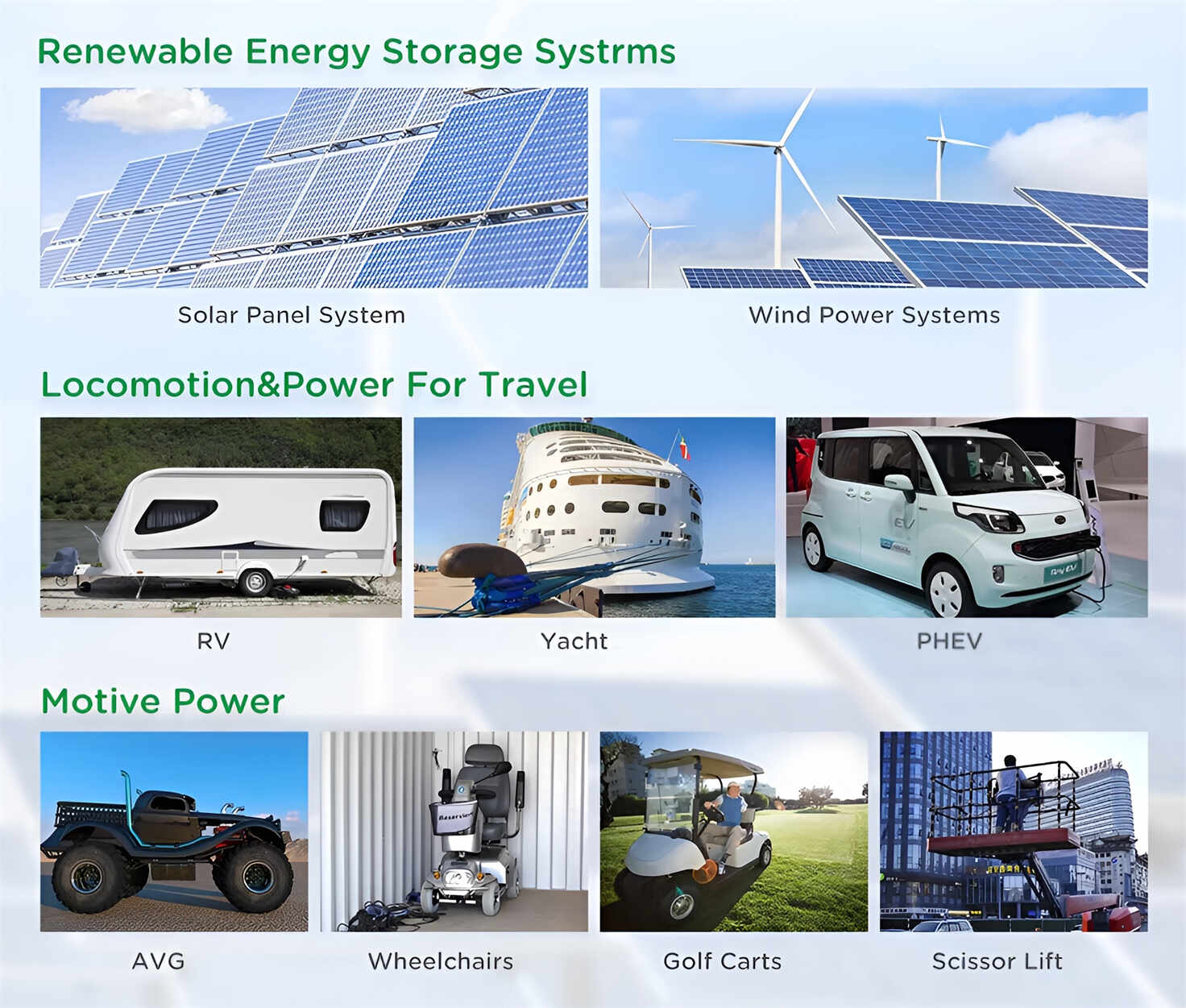
Applications: E-bike, Electric Scooter, Golf Carts, RV, Electric Wheelchair, Electric Tools, Robot Cleaner, Robot Sweeper, Solar Energy Storage System, Emergency Light, Solar Power Light, Medical Equipment, UPS Backup Power Supply.
We can provide you with customized services. We have the ability to provide a vertical supply chain, from single cells to pack/module and to a complete power solution with BMS, etc.
HomSolar (Shenzhen) Technology Co., Ltd