Policy Support News: Governments Worldwide Double Down On Strategic Industries Amid Economic Shifts
In a concerted effort to navigate a complex global economic landscape, governments across both developed and emerging economies are significantly ramping up policy support for key strategic sectors. This wave of intervention, marked by a blend of substantial financial incentives, regulatory reforms, and long-term strategic roadmaps, is fundamentally reshaping competitive dynamics in industries ranging from clean energy and semiconductors to artificial intelligence and advanced biotechnology. The overarching goal is clear: to secure national economic security, foster technological sovereignty, and capture a dominant position in the industries of the future.
Latest Industry Developments: From Chips to Clean Tech
The most prominent recent development is the continued and expansive implementation of major policy packages. In the United States, the Inflation Reduction Act (IRA) and the CHIPS and Science Act continue to be the primary vehicles for directing hundreds of billions of dollars in tax credits, grants, and loans. The Department of Energy recently announced another multi-billion-dollar loan guarantee for a new battery manufacturing facility, underscoring the administration's focus on building a domestic supply chain for electric vehicles and energy storage. Similarly, applications for funding under the CHIPS Act for semiconductor fabrication plants and research facilities are moving into the advanced stages, with several major projects breaking ground.
Across the Atlantic, the European Union’s Green Deal Industrial Plan, designed in part as a response to the IRA, is gaining traction. The Net-Zero Industry Act aims to streamline permitting for clean tech projects and set a target for the EU to manufacture 40% of its annual clean tech deployment needs by 2030. Member states are supplementing this with their own national schemes; Germany, for instance, has unveiled a new strategy to support its solar manufacturing industry with financial aid and resilience bonuses, aiming to reduce dependency on imports.
Meanwhile, in Asia, countries like South Korea and Japan are further refining their long-standing industrial policies. South Korea has announced new tax incentives for investments in strategic technologies like AI and batteries, while Japan continues to provide generous subsidies to attract semiconductor giants like TSMC and Micron to establish production hubs on its soil. This global activity indicates a shift from mere policy announcement to tangible, on-the-ground implementation and investment.
Trend Analysis: The Evolving Nature of Policy Support
The current trend in policy support is characterized by its strategic depth and a move away from purely market-correcting measures. Analysts identify several key trends:
1. A Focus on De-risking Supply Chains: The pandemic and geopolitical tensions exposed the fragility of globalized supply chains. Modern industrial policy is now heavily focused on "de-risking" or "friend-shoring" by incentivizing domestic production capacity for critical goods, from pharmaceuticals to critical minerals and semiconductors. This represents a fundamental recalibration of the relationship between efficiency and resilience.
2. The Rise of "Vertical” Industrial Policy: Unlike horizontal policies that support businesses broadly (e.g., across-the-board corporate tax cuts), today's support is highly "vertical" or sector-specific. Governments are explicitly picking winners, not based on short-term economic gains, but on long-term strategic value. This is evident in the targeted support for specific technologies like green hydrogen, quantum computing, and specific chip nodes.
3. The Blending of Climate and Industrial Goals: Climate policy is increasingly inseparable from industrial policy. The massive subsidies for renewable energy, EVs, and hydrogen are not solely about reducing emissions; they are also about capturing global market share in these rapidly growing industries. Nations are positioning their domestic companies to become the global leaders in the net-zero economy.
4. Increased Scrutiny and Potential for Trade Frictions: As the scale of subsidies grows, so does the potential for trade disputes. The European Union's concerns about the IRA's "local content" requirements are a prime example. The coming years are likely to see increased dialogue, and potentially friction, as nations negotiate the fine line between legitimate industrial strategy and protectionism that violates World Trade Organization rules.
Expert Views: A Measured but Cautious Consensus
Industry experts and economists largely acknowledge the necessity of this renewed policy push but warn of potential pitfalls.
Dr. Anya Sharma, a Senior Fellow at the Global Economics Institute, states, "The market alone was not making the necessary investments at the speed required for the energy transition or for ensuring the security of critical infrastructure like semiconductors. In this context, targeted policy support is not just beneficial; it is essential. It de-risks private investment and catalyzes innovation in areas with significant positive externalities."
However, she also sounds a note of caution. "The key challenge is in the design and execution. Poorly designed subsidies can lead to market distortions, rent-seeking behavior, and a waste of public resources. Policies must be performance-based, time-bound, and foster competition rather than entrench incumbents."
From an industry perspective, the view is largely positive, though mixed with strategic calculation. "The clarity and longevity of the IRA have been a game-changer for our investment decisions," says Michael Reynolds, CEO of a cleantech startup focused on grid-scale storage. "It provides the certainty needed to commit capital to large-scale manufacturing projects in the U.S. that we previously might have located elsewhere."
Conversely, some voices from think-tanks advocating for free markets express concern. "We are witnessing a global subsidy race that could lead to significant inefficiencies," argues Ben Carter, an analyst at the Market Policy Institute. "There is a real risk of overcapacity in certain sectors, like EVs or batteries, which could ultimately lead to corporate failures and a poor return on taxpayer investment. Governments are not always the best at picking technological winners."
In conclusion, the global surge in policy support marks a definitive shift in the economic paradigm of the past few decades. While the intent to build resilient, forward-looking economies is widely shared, the success of these ambitious policies will hinge on their intelligent design, international coordination to minimize trade conflicts, and their ability to truly stimulate innovation rather than simply subsidize it. The coming decade will serve as a critical test case for this new era of strategic industrial policy.
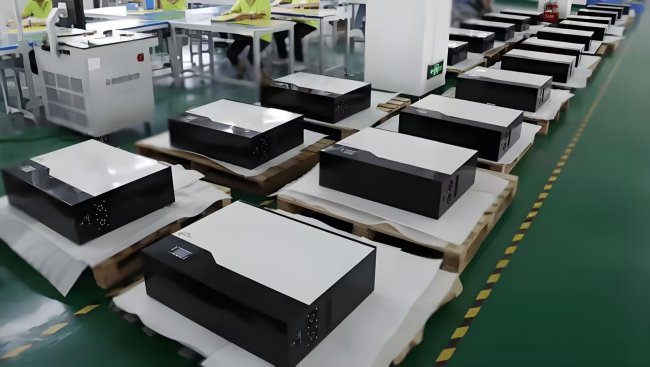
Customized/OEM/ODM Service
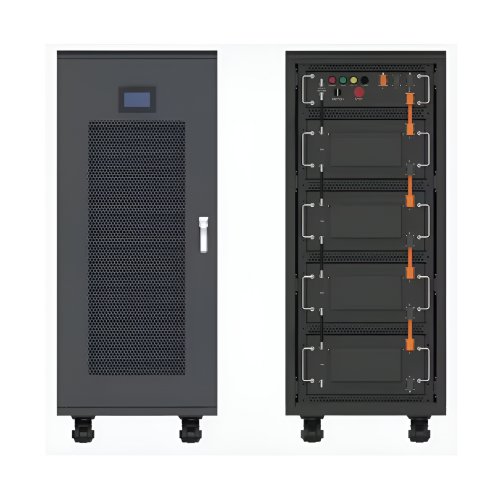
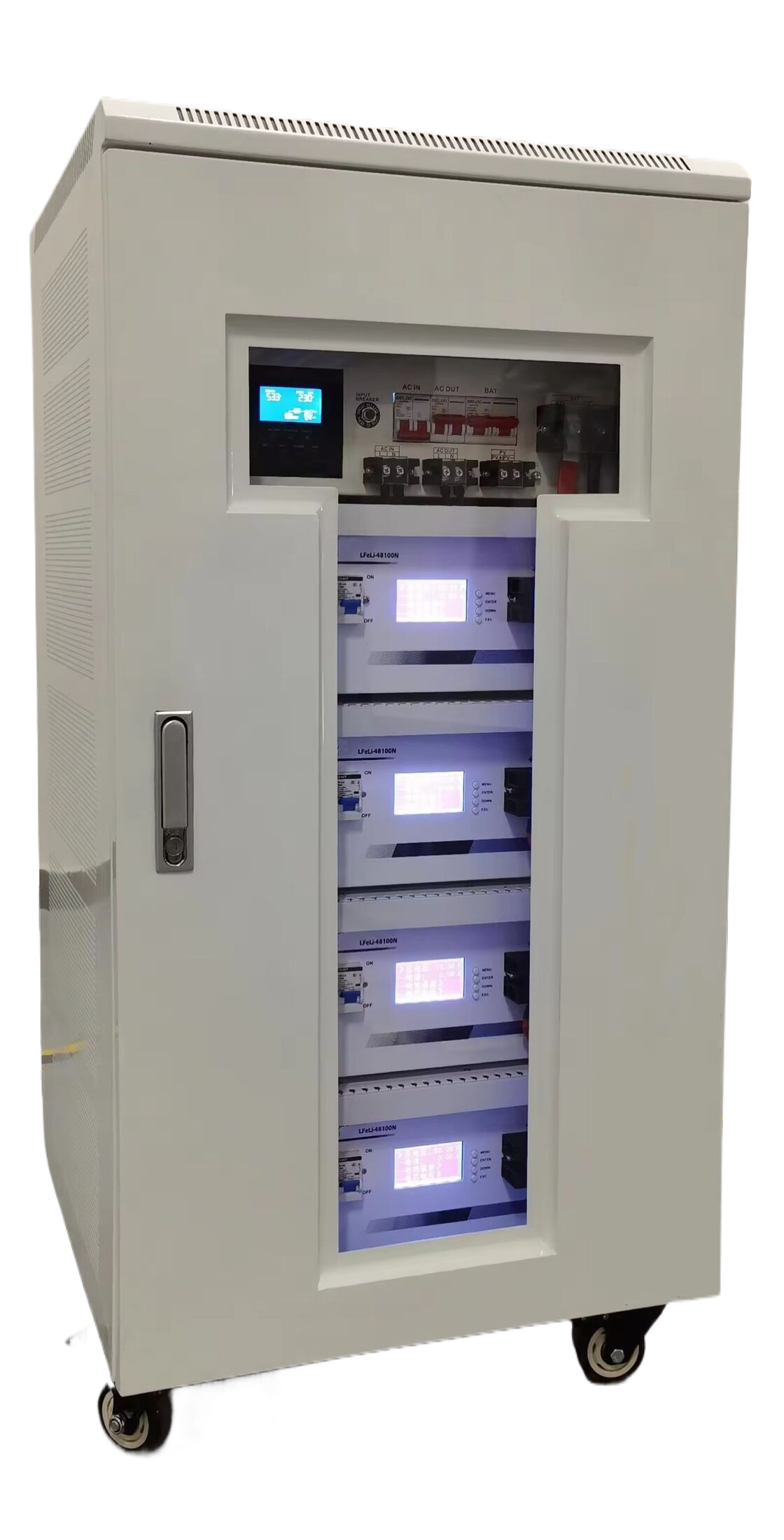
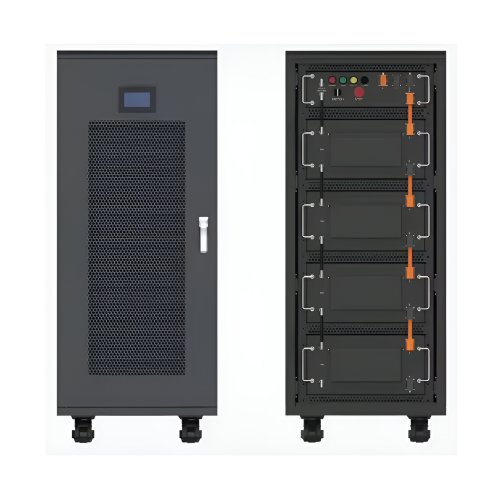
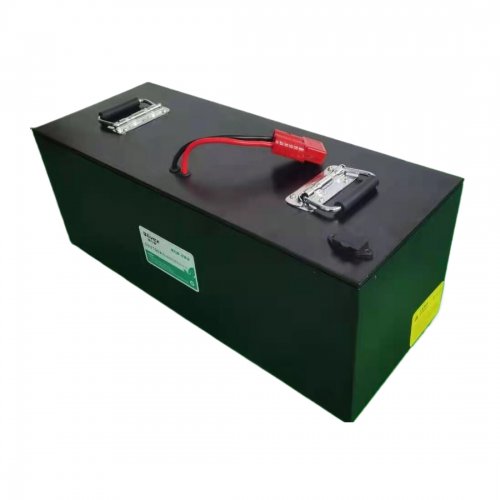
HomSolar Supports Lifepo4 battery pack customization/OEM/ODM service, welcome to contact us and tell us your needs.

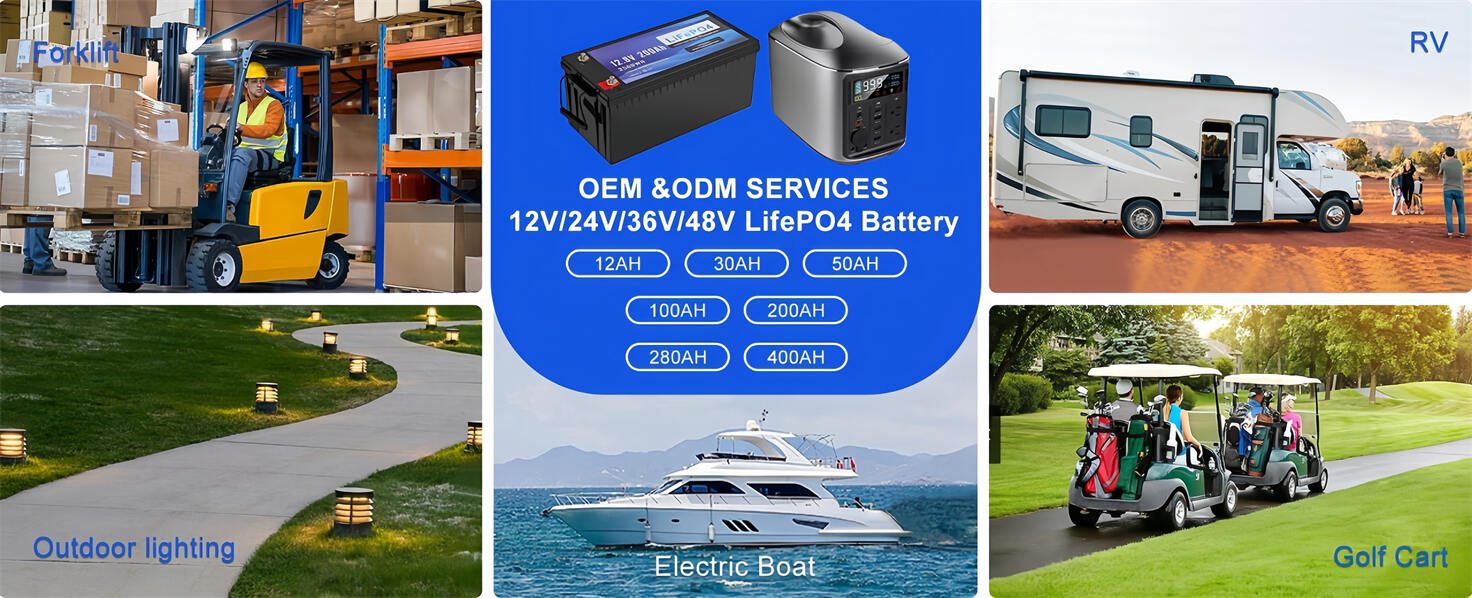
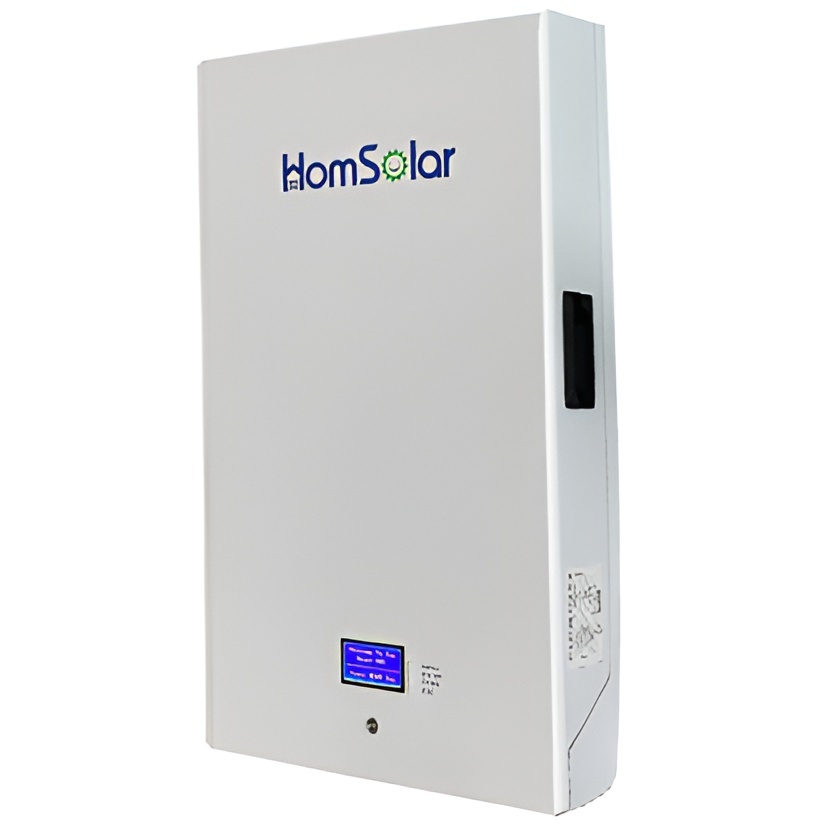
HomSolar: Your One-stop LiFePO4 Battery Pack & ESS Solution Manufacturer
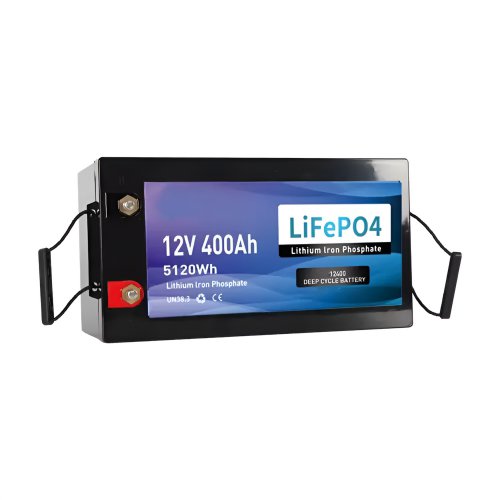
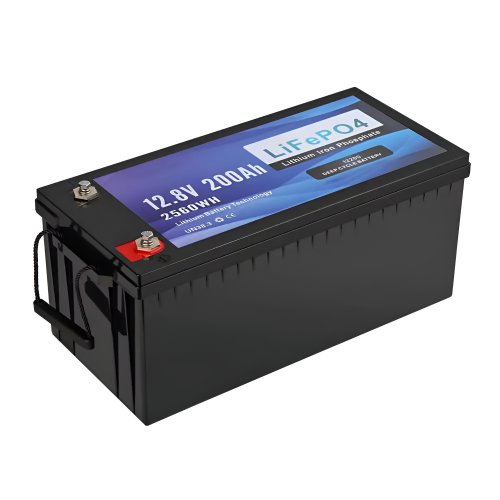
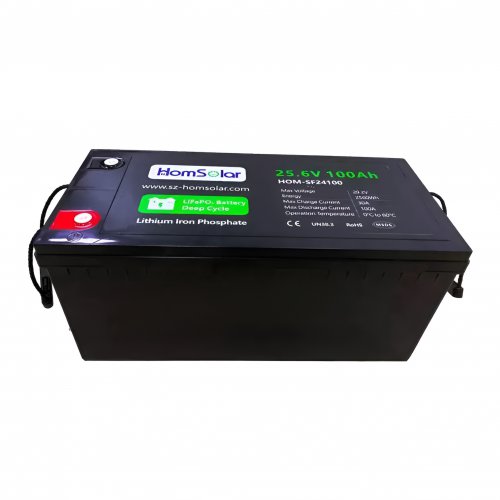
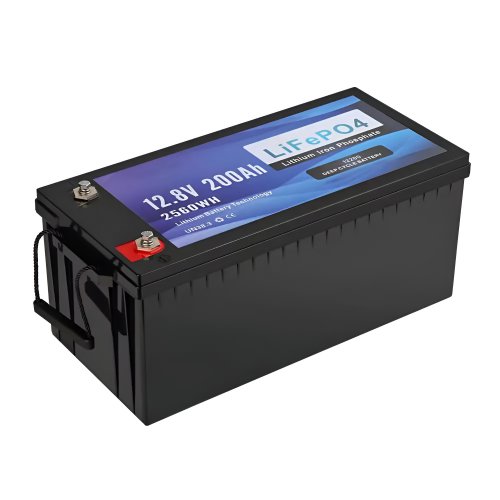
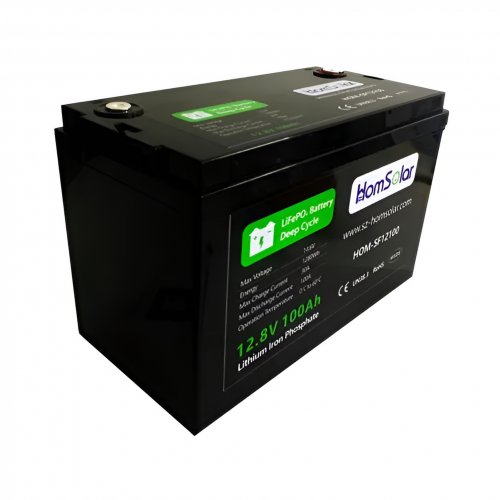
Our line of LiFePO4 (LFP) batteries offer a solution to demanding applications that require a lighter weight, longer life, and higher capacity battery. Features include advanced battery management systems (BMS), Bluetooth® communication and active intelligent monitoring.
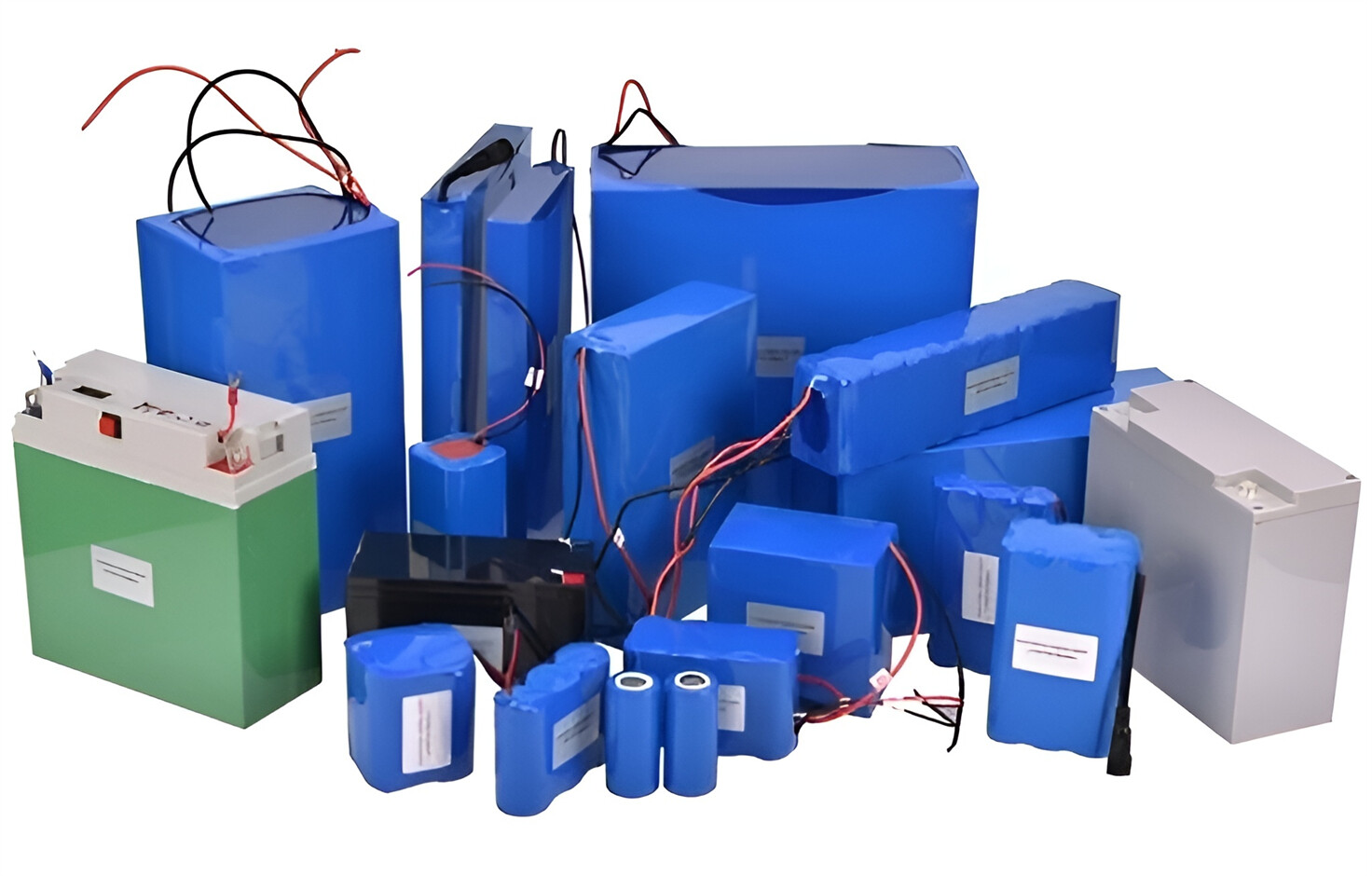
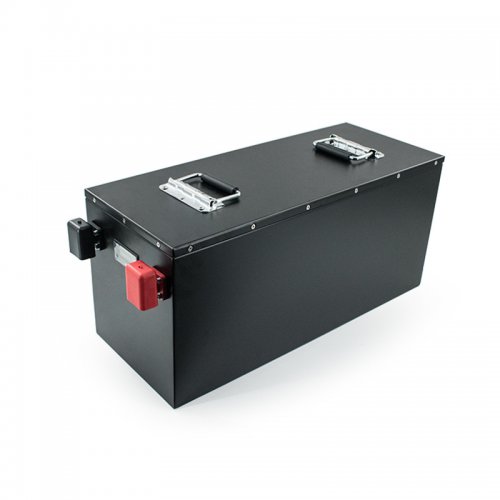
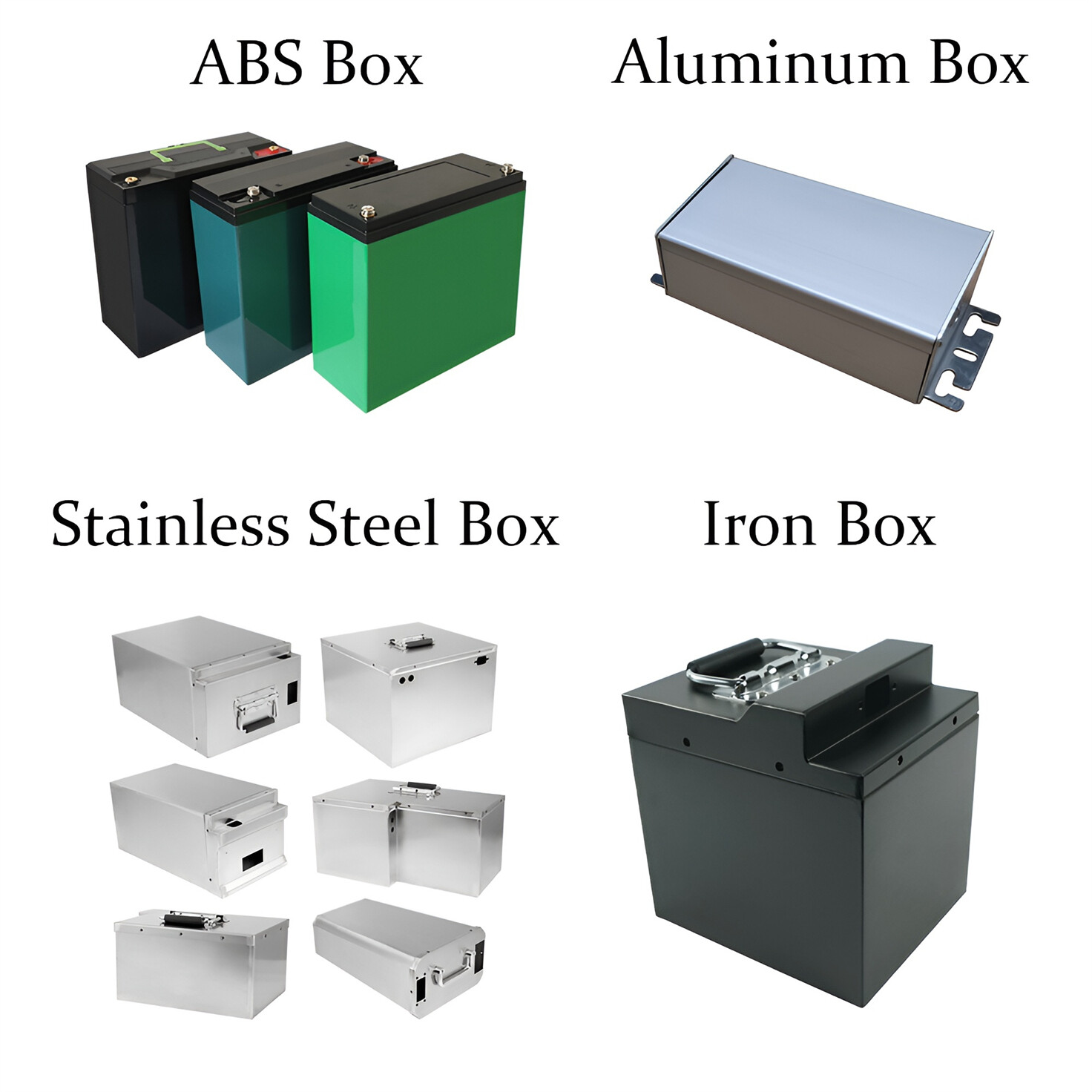
Customised Lithium Iron Phosphate Battery Casing
ABS plastic housing, aluminium housing, stainless steel housing and iron housing are available, and can also be designed and customised according to your needs.
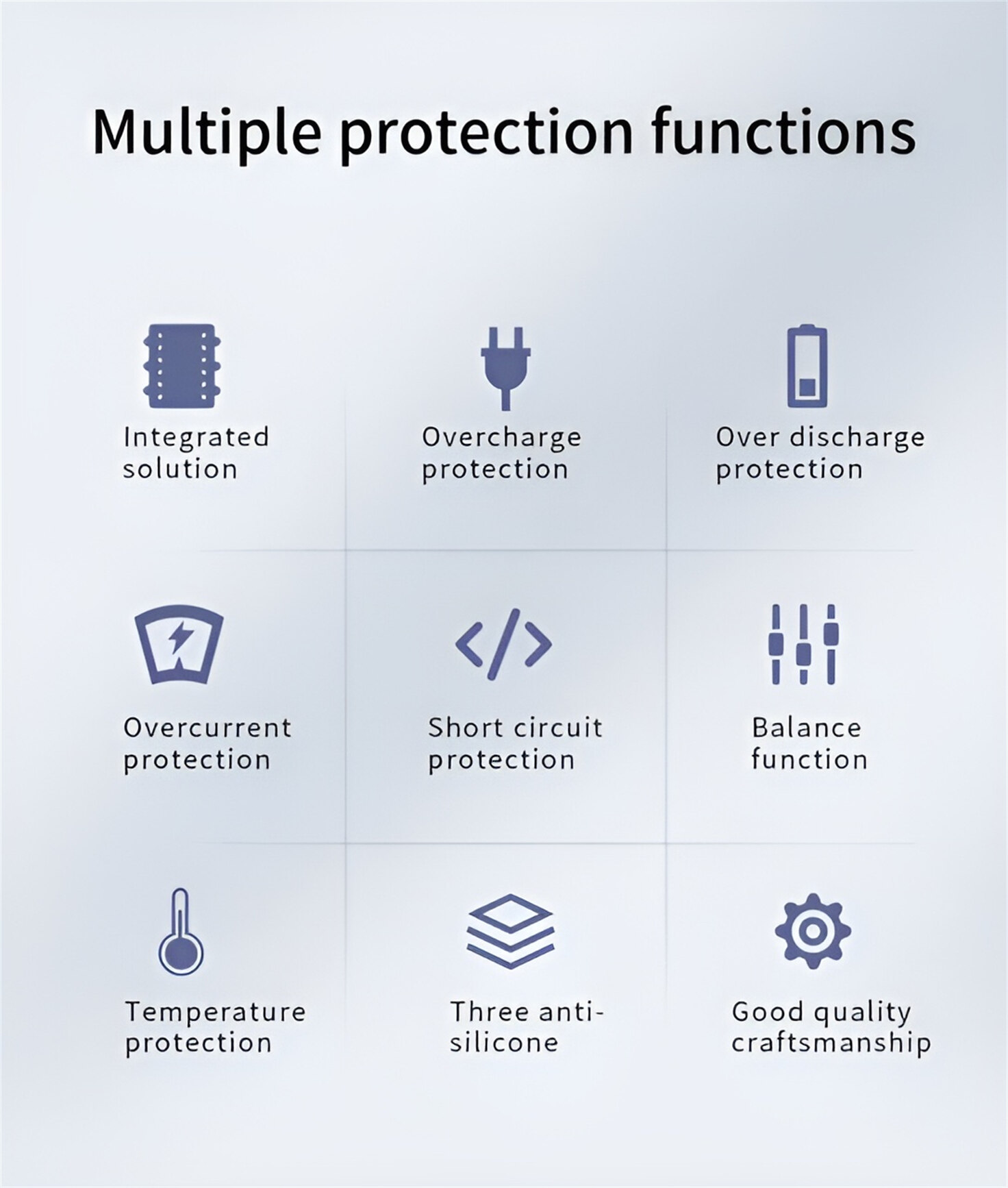
HomSolar Smart BMS
Intelligent Battery Management System for HomSolar Energy Storage System. Bluetooth, temperature sensor, LCD display, CAN interface, UART interface also available.

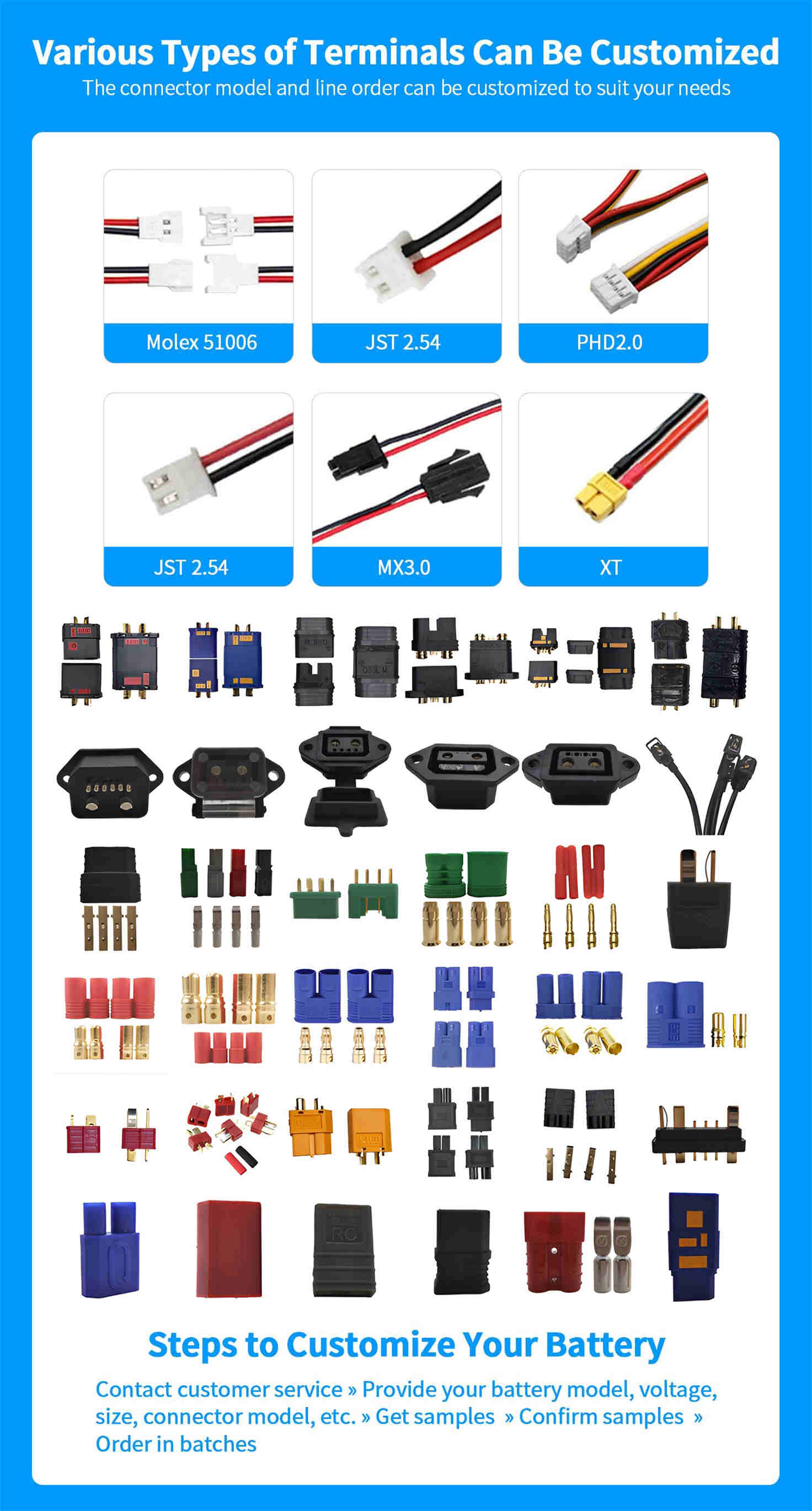
Terminals & Plugs Can Be Customized
A wide range of terminals and plugs can be customised to suit the application needs of your battery products.
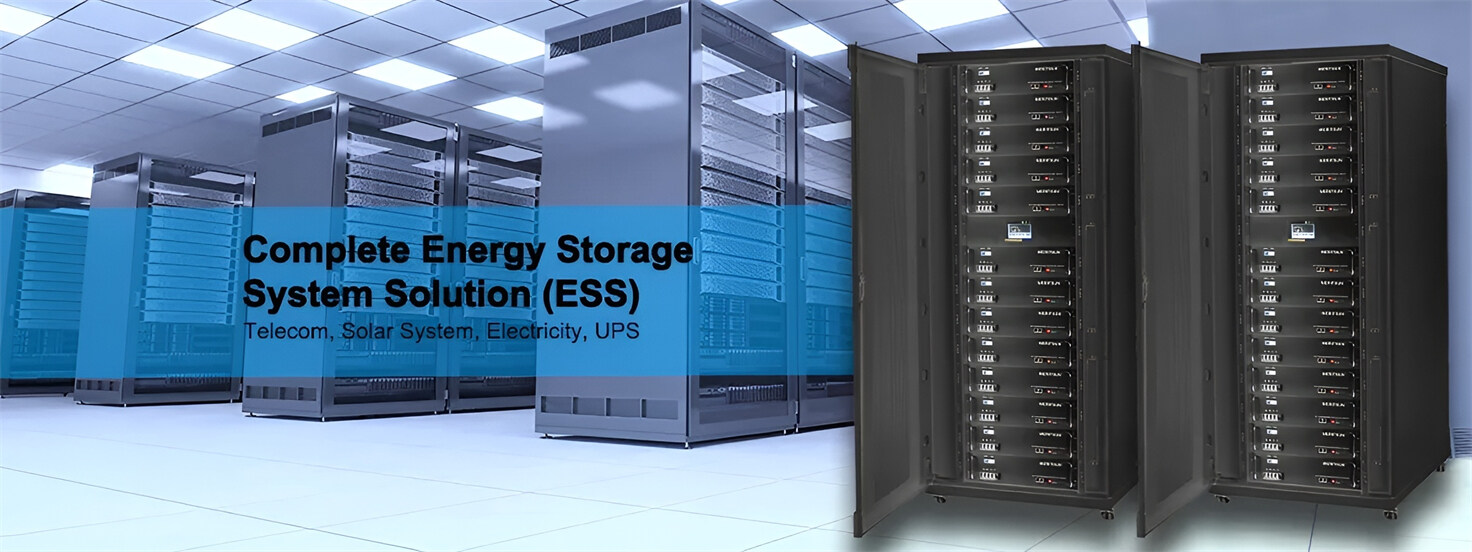
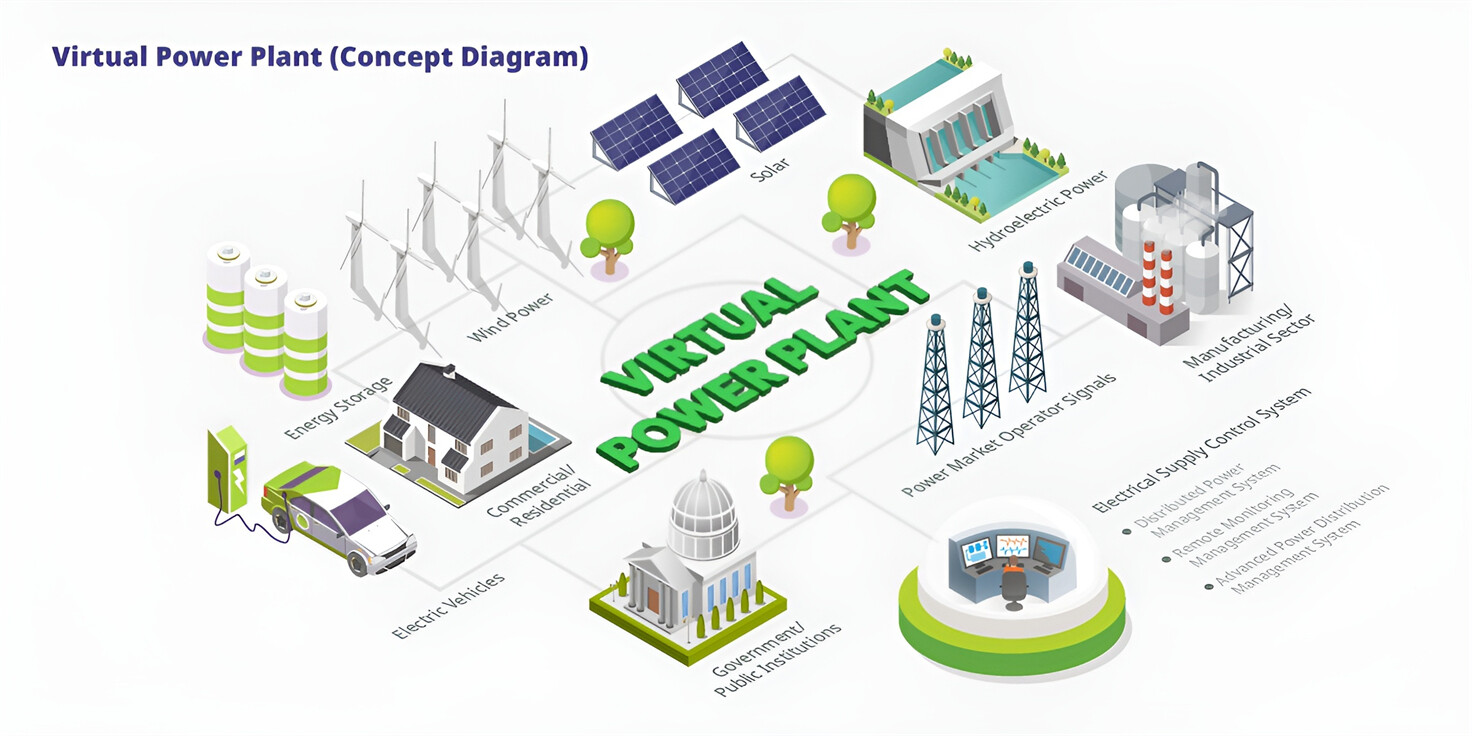
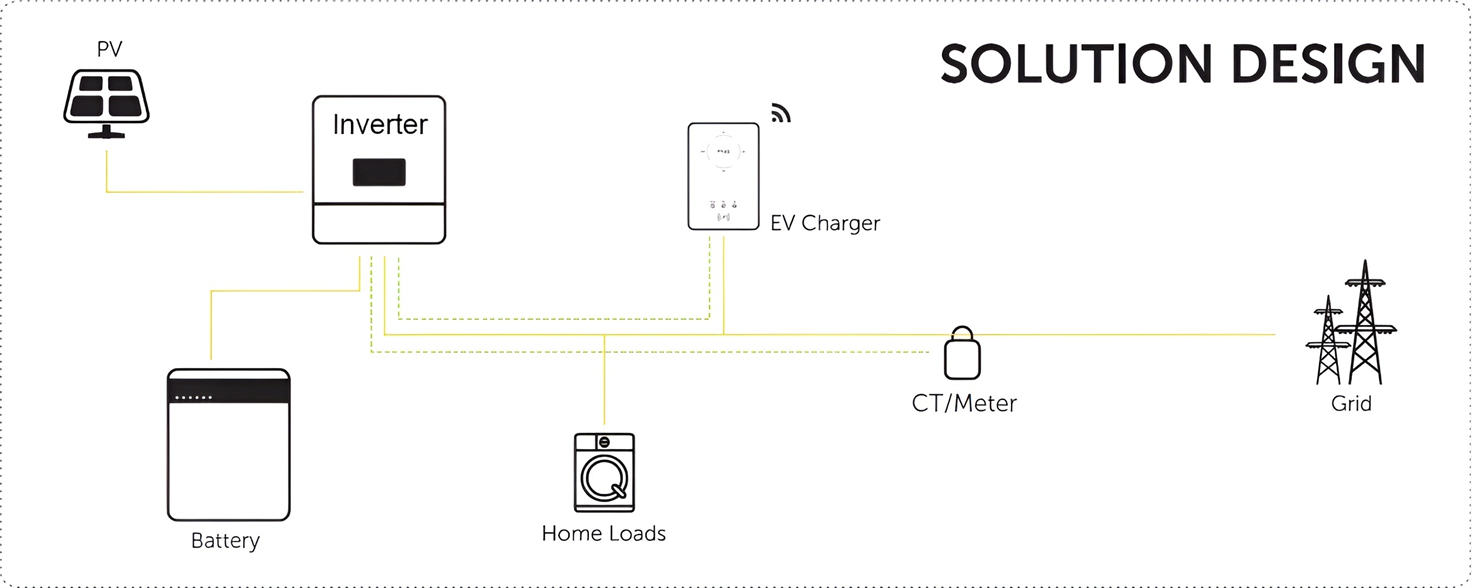
Well-designed Solutions for Energy Storage Systems
We will design the perfect energy storage system solution according to your needs, so that you can easily solve the specific industry applications of battery products.
About Our Battery Cells
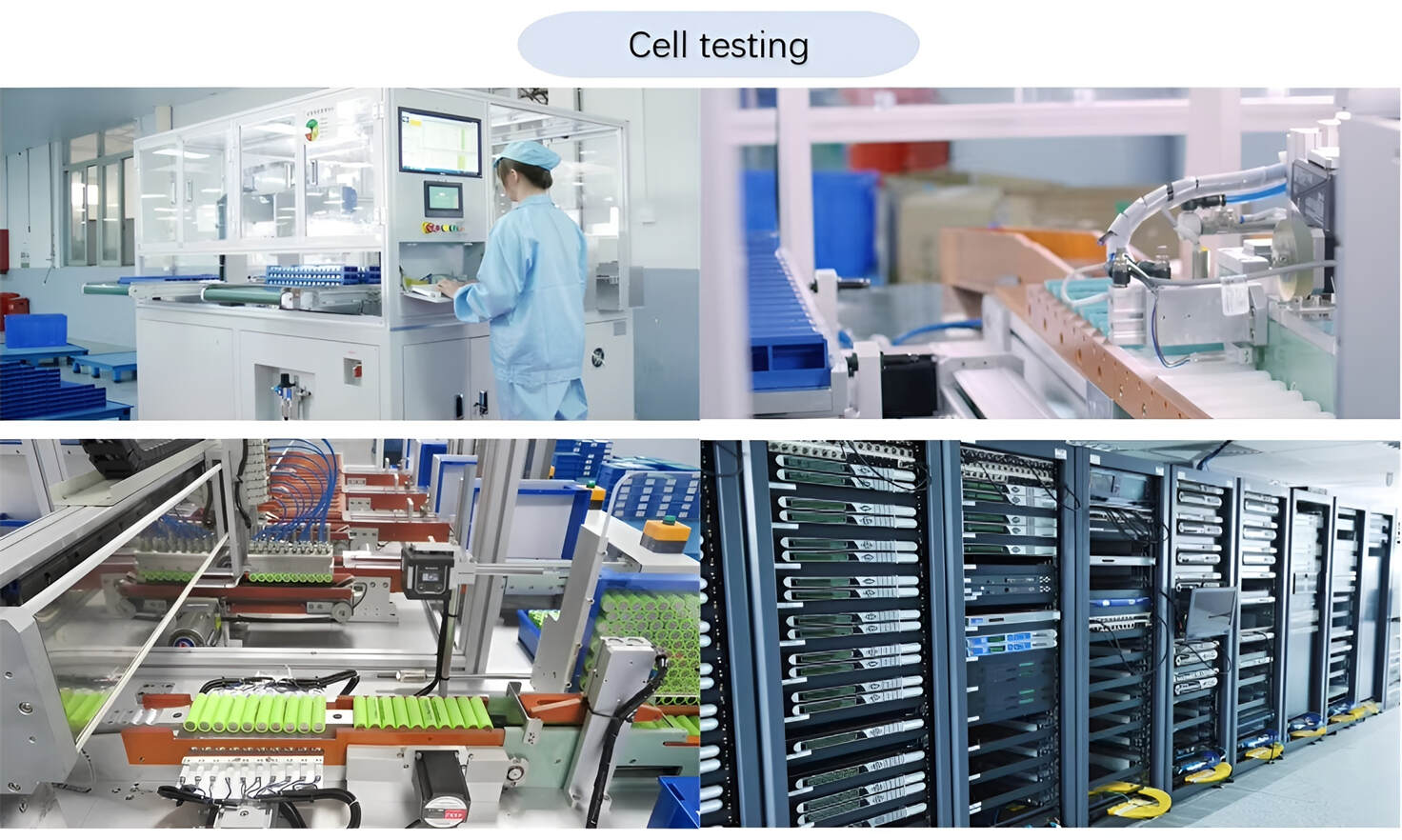
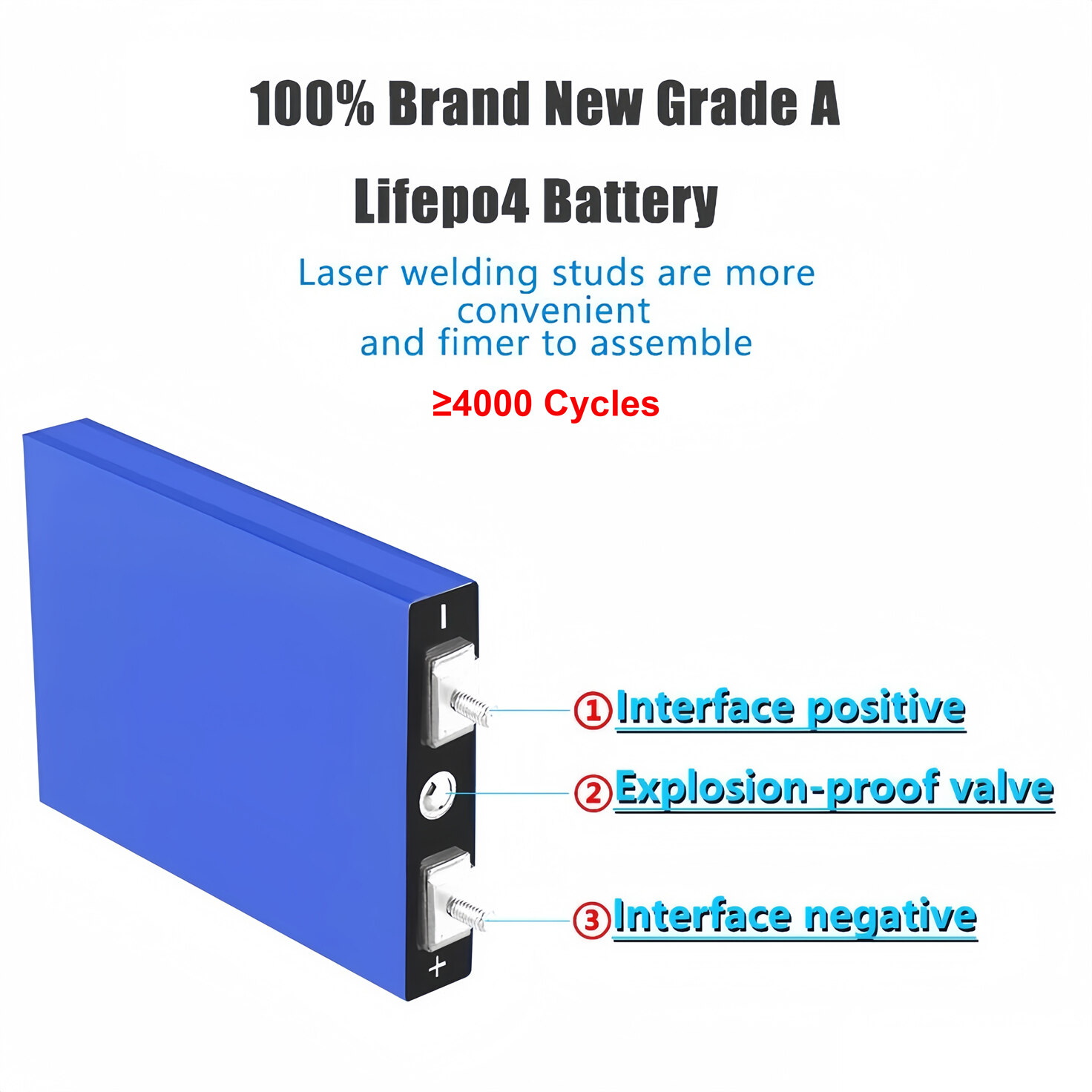
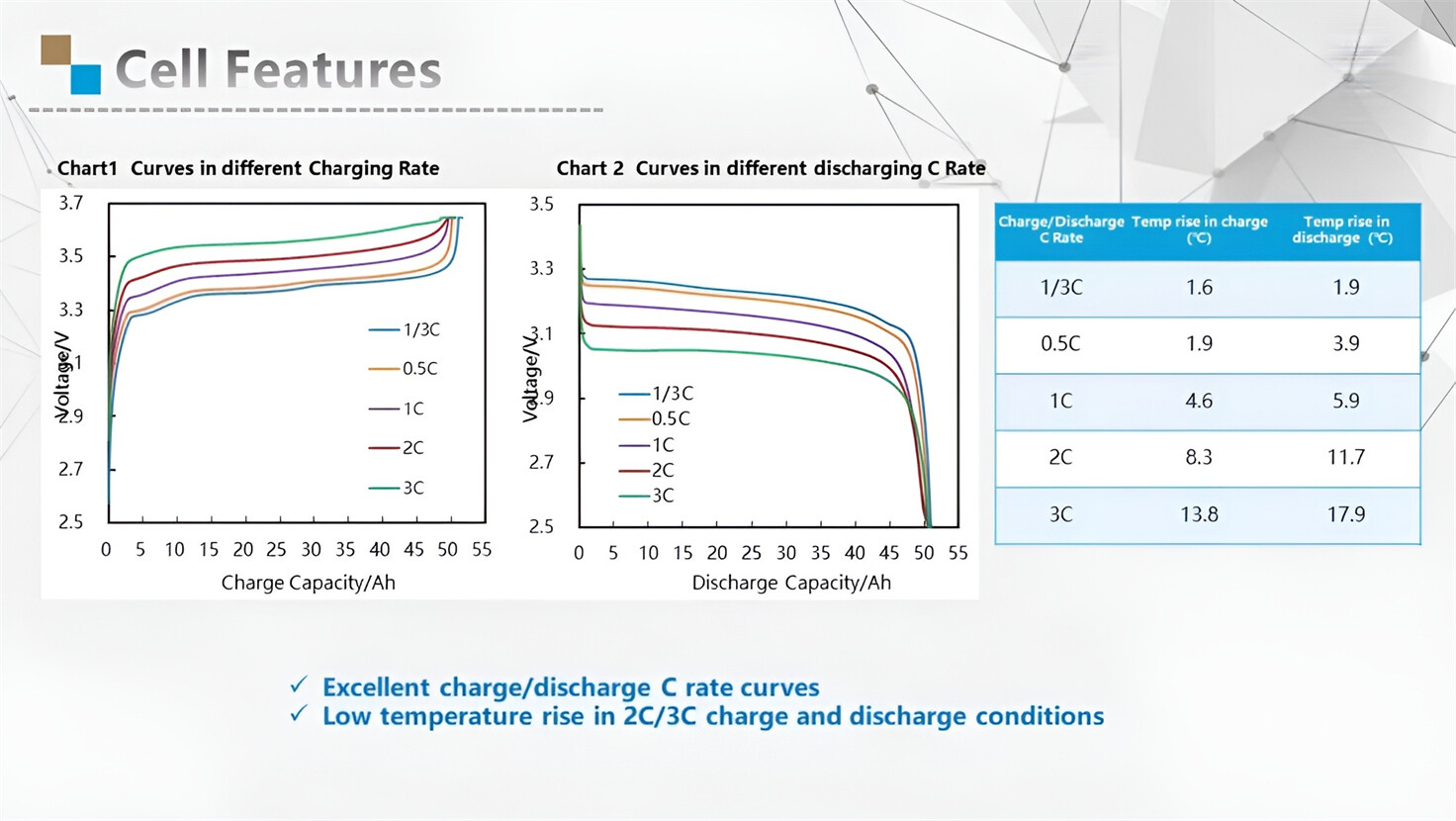
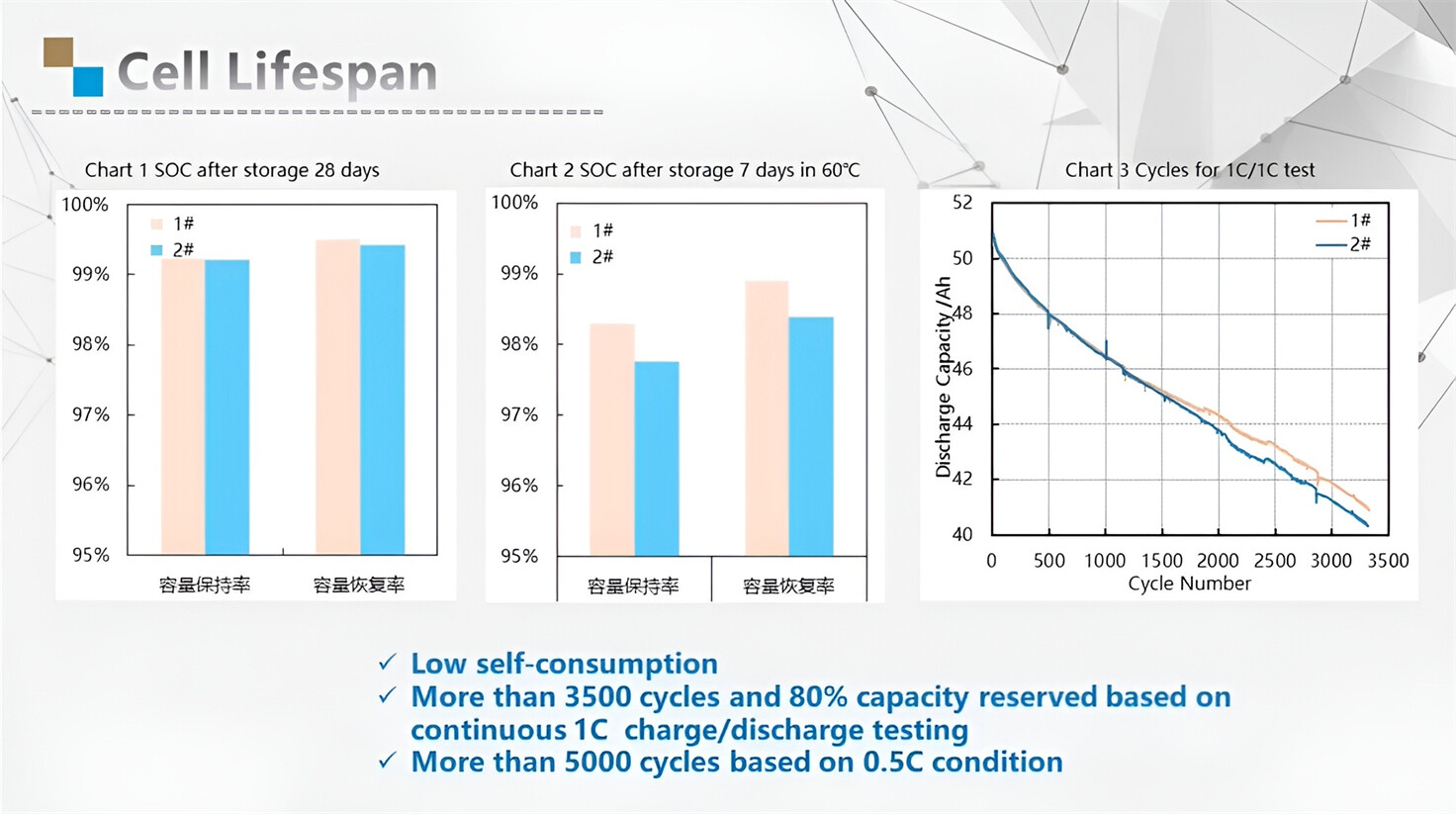
Our energy storage system products use brand new grade A LiFePO4 cells with a battery lifespan of more than 4,000 charge/discharge cycles.
Applications in Different Industries
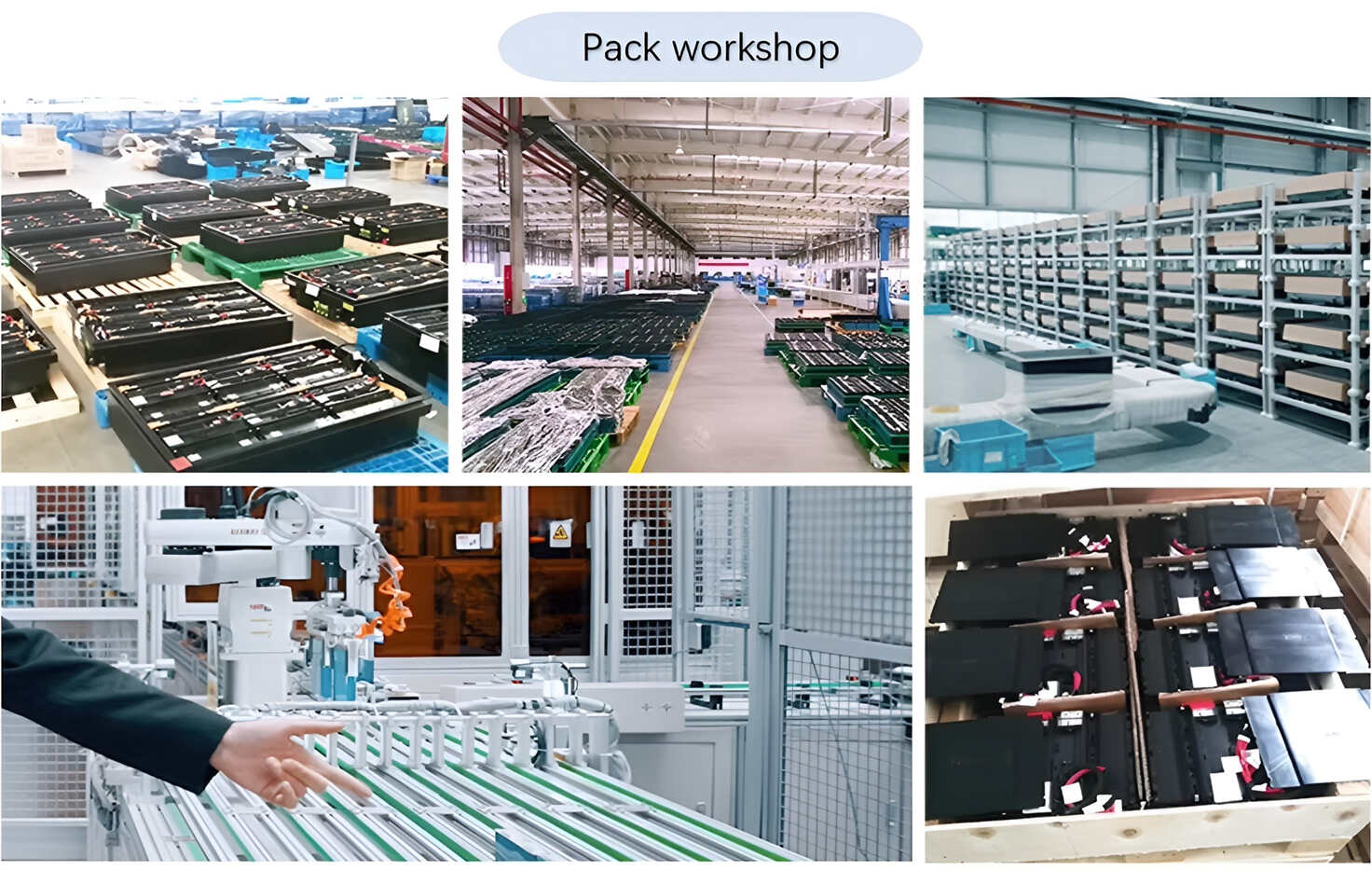
We supply customized & OEM battery pack, assemble cells with wiring, fuse and plastic cover, all the cell wires connected to PCB plug or built BMS.
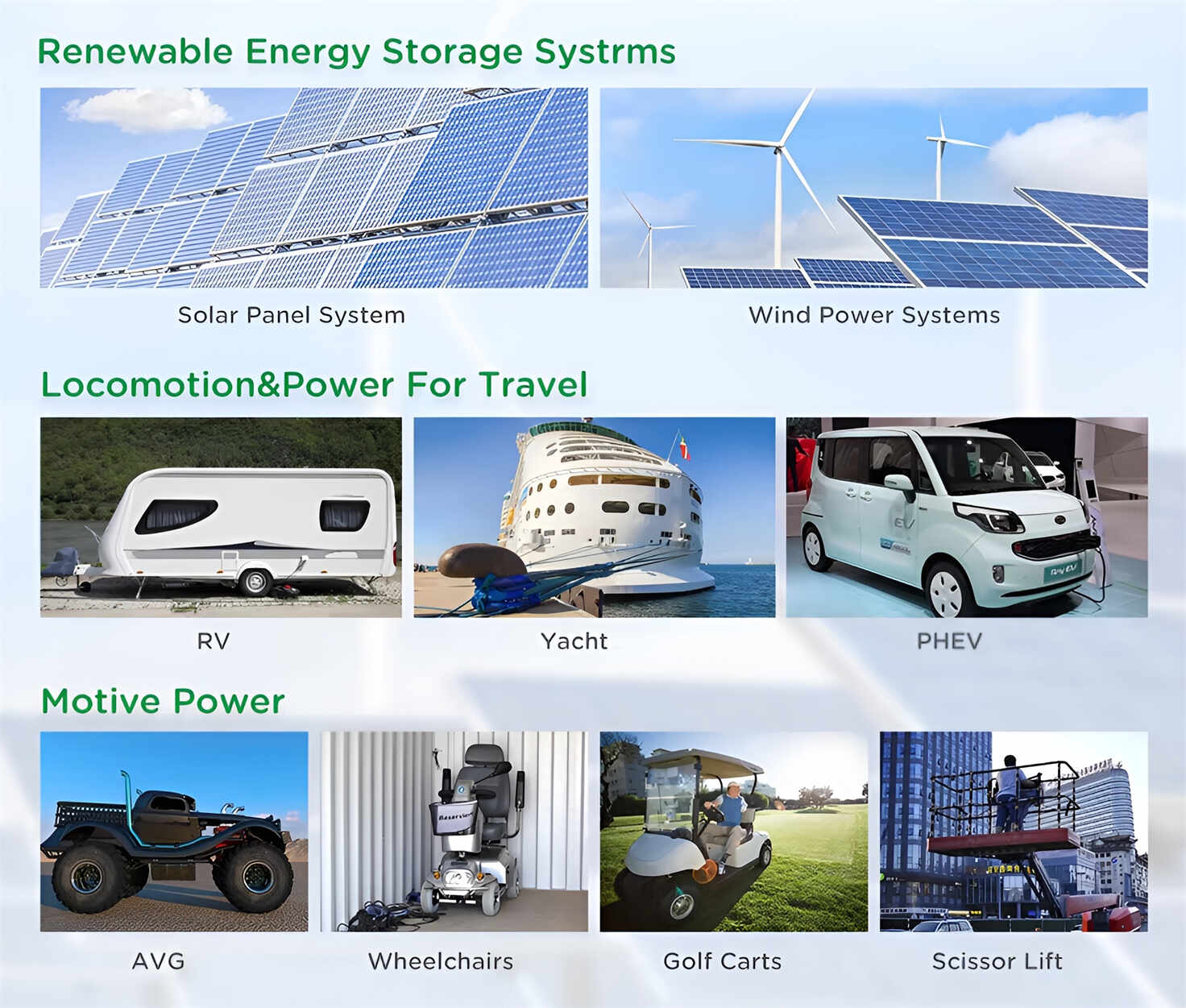
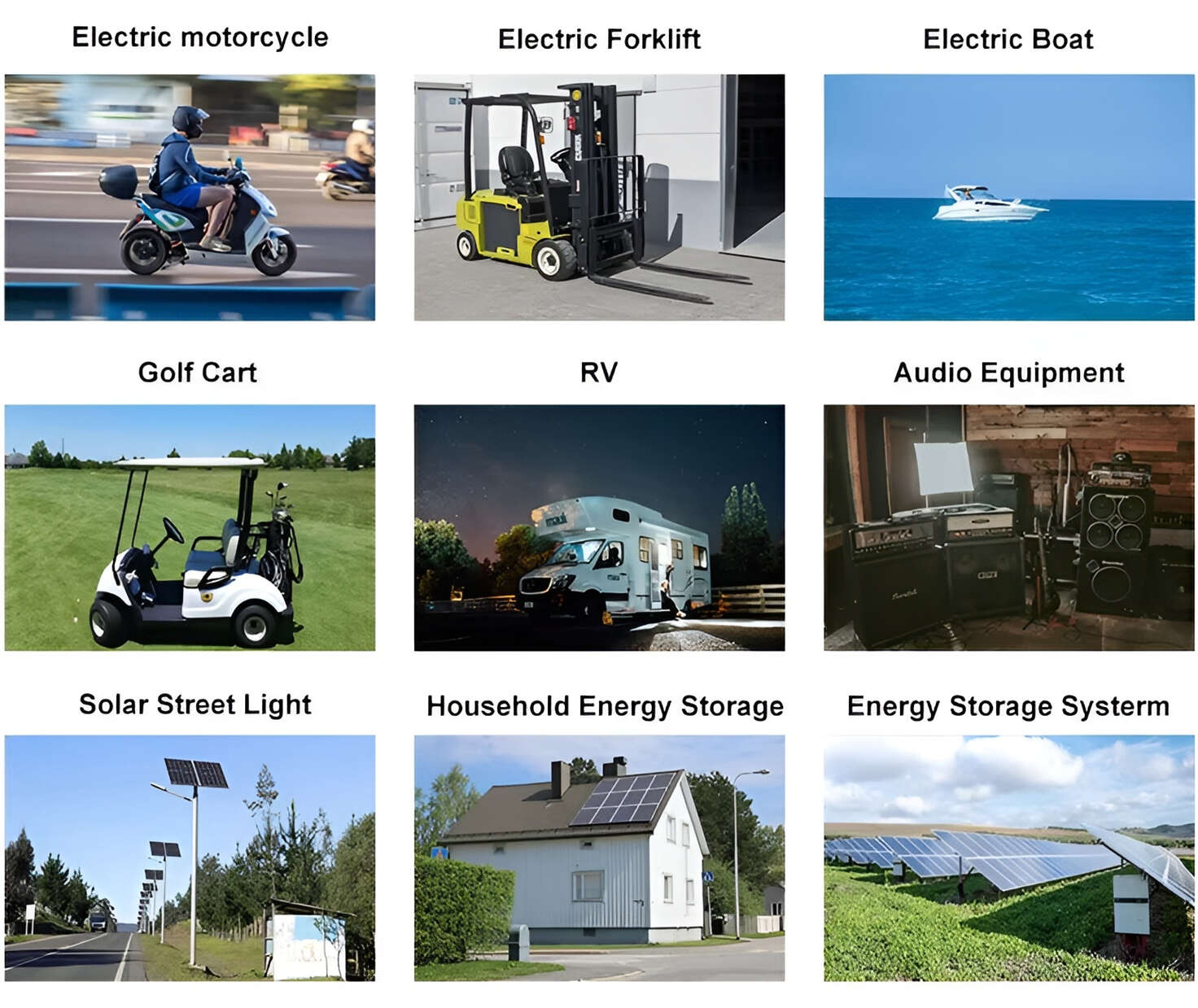
Applications: E-bike, Electric Scooter, Golf Carts, RV, Electric Wheelchair, Electric Tools, Robot Cleaner, Robot Sweeper, Solar Energy Storage System, Emergency Light, Solar Power Light, Medical Equipment, UPS Backup Power Supply.
We can provide you with customized services. We have the ability to provide a vertical supply chain, from single cells to pack/module and to a complete power solution with BMS, etc.
HomSolar (Shenzhen) Technology Co., Ltd