Manufacturing Cost News: Navigating The New Era Of Global Production Economics
The global manufacturing sector is currently navigating a period of unprecedented complexity in its cost structures. The traditional model, heavily reliant on labor arbitrage and stable supply chains, has been fundamentally disrupted, giving way to a new, more volatile cost paradigm. Industry leaders and analysts are now grappling with a confluence of persistent inflationary pressures, geopolitical realignments, and the accelerating integration of advanced technologies, all of which are redefining what it means to be cost-competitive.
Latest Industry Dynamics: A Multifaceted Squeeze
Recent quarterly reports and industry surveys from across North America, Europe, and Asia point to a continued elevation in manufacturing costs, albeit with shifting primary drivers. While the extreme spikes in energy and freight costs witnessed in the post-pandemic period have moderated, they have settled at levels significantly higher than the pre-2020 baseline.
The most pressing current dynamic is the sustained high cost of raw materials and components. This is no longer solely a story of supply chain disruption but one of structural change. Geopolitical tensions and the push for supply chain resilience have led to a phenomenon often termed "friend-shoring" or "near-shoring." While this strategy mitigates risks associated with geopolitical instability and long logistics routes, it often comes with a higher immediate price tag for materials previously sourced from lowest-cost regions. A manufacturer in Ohio sourcing electronics from Mexico instead of China, for instance, is facing a different, and often steeper, cost profile.
Furthermore, labor costs remain a significant pressure point globally. In traditionally low-cost manufacturing hubs in Southeast Asia, rising minimum wages and competition for skilled labor are eroding the labor cost advantage. Concurrently, in Western nations, a tight labor market and demands for higher wages continue to push operational expenses upward. This is compounded by the costs associated with workforce training and retention in a competitive environment.
Energy costs, while down from their peaks, continue to be a volatile and significant factor, particularly for energy-intensive industries like metals, chemicals, and heavy machinery. The transition to renewable sources, while a long-term strategy for stability, requires massive capital investment that adds to the current cost burden.
Trend Analysis: The Strategic Shift from Cost-Cutting to Cost Intelligence
In response to these persistent pressures, the industry's approach to managing manufacturing costs is evolving from reactive cost-cutting to proactive cost intelligence and strategic investment. Several key trends are defining this new approach:
1. The Acceleration of Automation and Smart Factories: The business case for automation has never been stronger. Beyond robotics for manual tasks, companies are investing heavily in Industrial Internet of Things (IIoT) sensors, AI-powered predictive maintenance, and digital twins. These technologies provide real-time visibility into production efficiency, energy consumption, and machine performance. The goal is no longer just to replace labor, but to optimize entire production systems, reducing waste, minimizing unplanned downtime, and improving yield—all of which have a direct and substantial impact on unit cost.
2. Resilience as a Cost-Saving Strategy: The last few years have demonstrated that the cheapest supplier is not always the most cost-effective when a crisis hits. The trend is now toward building resilient, diversified, and often localized supply chains. This involves holding strategic inventory buffers, dual-sourcing critical components, and leveraging advanced supply chain management software. While this increases logistical and procurement complexity, it is increasingly viewed as a necessary cost to avoid catastrophic production stoppages.
3. The Green Premium and Long-Term Value: Sustainability is increasingly intertwined with cost management. Initially perceived as a cost burden due to investments in cleaner technologies and carbon credits, a green strategy is now being reframed. Investments in energy efficiency, waste reduction, and circular economy principles (e.g., recycling and remanufacturing) are proving to lower long-term operational costs. Furthermore, with the rise of carbon border taxes and consumer preference for sustainable products, a failure to adapt could result in significant future costs and lost market share.
4. Additive Manufacturing (3D Printing) for Complex Parts: For low-volume, high-complexity components, additive manufacturing is becoming a cost-effective alternative to traditional casting or machining. It drastically reduces material waste and can consolidate multiple parts into a single, more efficient component, simplifying assembly and reducing inventory needs for spare parts.
Expert Perspectives: A Call for Agility and Data-Driven Decision Making
Industry experts emphasize that navigating this new landscape requires a fundamental shift in mindset.
"Manufacturers can no longer budget for stability; they must budget for volatility," says Dr. Elena Vance, a senior economist at the Global Manufacturing Institute. "The companies that will thrive are those that build flexibility and agility into their cost structures. This means investing in data analytics to understand the true drivers of their cost of goods sold (COGS) and being prepared to dynamically adjust sourcing and production strategies."
Michael Thorne, a partner at a supply chain consultancy, echoes this sentiment, highlighting the technological imperative. "The era of making multi-million dollar decisions based on spreadsheets and historical data is over. AI and machine learning platforms can now model countless 'what-if' scenarios—from a tariff change to a supplier bankruptcy—allowing companies to stress-test their cost structures and build more robust operational plans. This is not an IT expense; it is a core competency for cost management."
However, he also cautions against a purely technological focus. "Technology is an enabler, but the foundation is skilled people. The biggest challenge we see is the skills gap. Companies need technicians who can maintain advanced robotics, data scientists who can interpret production data, and procurement specialists who can manage a complex global supplier network. Investing in this human capital is a critical, and often overlooked, component of controlling long-term costs."
In conclusion, the narrative around manufacturing cost is shifting from a singular focus on reduction to a more nuanced pursuit of optimization, resilience, and value. The pressures are immense and multifaceted, stemming from geopolitics, labor markets, and the energy transition. The response from leading manufacturers is a strategic blend of technological adoption, supply chain redesign, and a renewed focus on human capital. In this new era, competitive advantage will belong not to those with the lowest nominal costs, but to those with the most intelligent and adaptable approach to managing them.
Customized/OEM/ODM Service
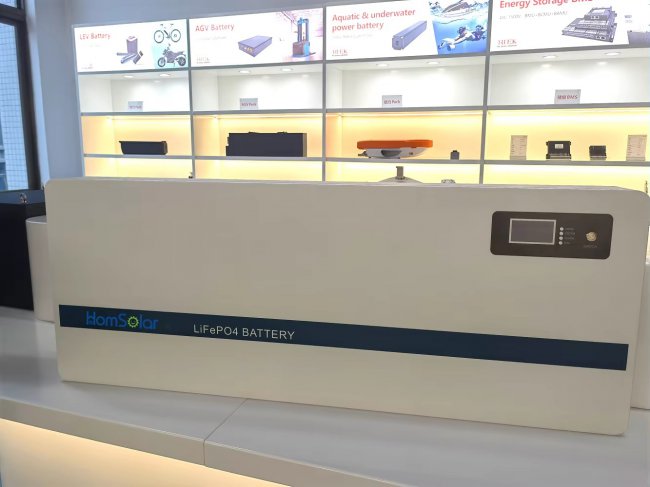
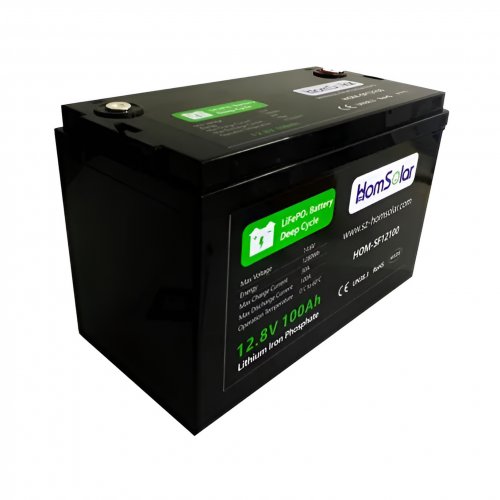
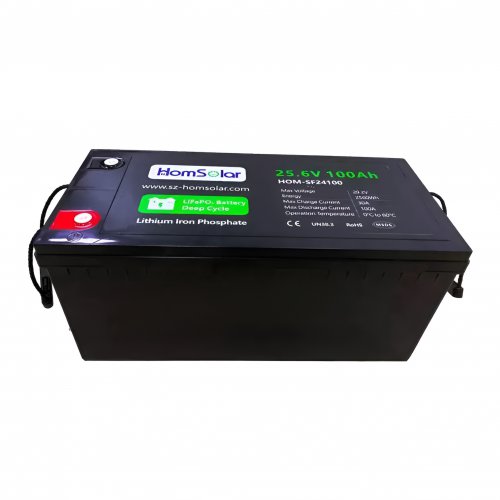
HomSolar Supports Lifepo4 battery pack customization/OEM/ODM service, welcome to contact us and tell us your needs.

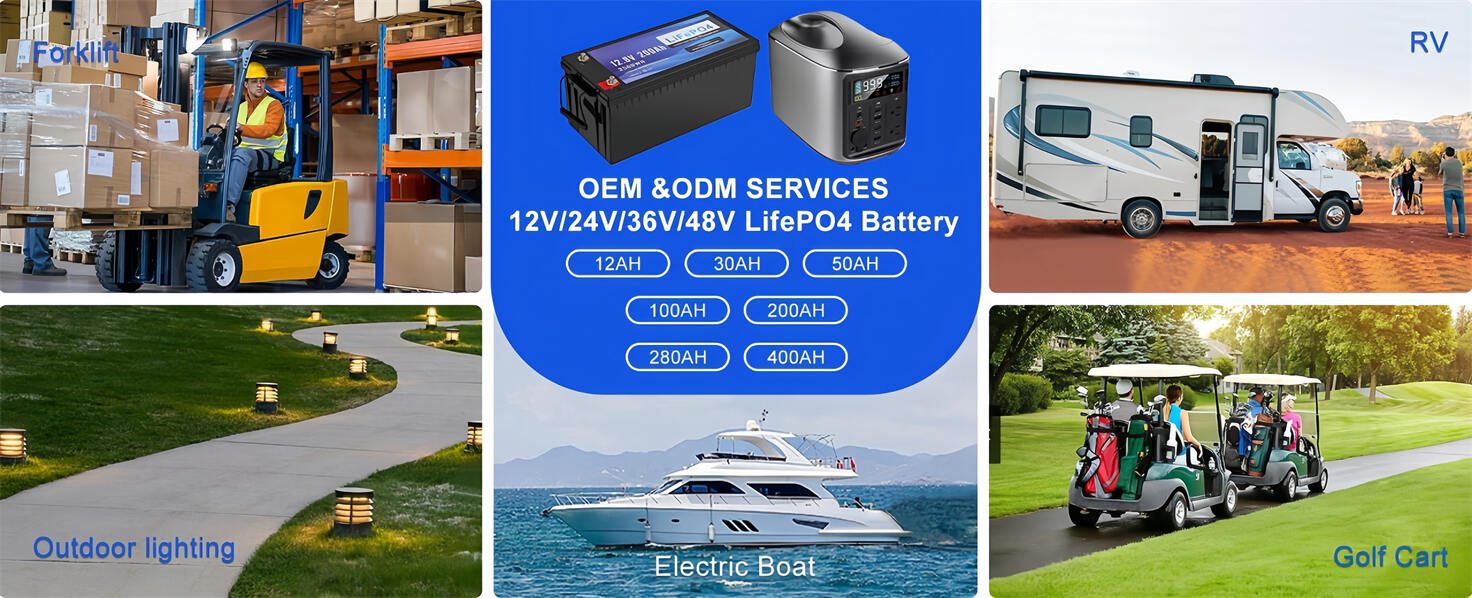
HomSolar: Your One-stop LiFePO4 Battery Pack & ESS Solution Manufacturer
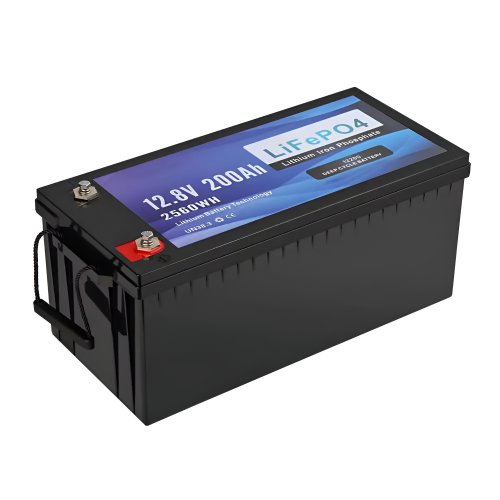
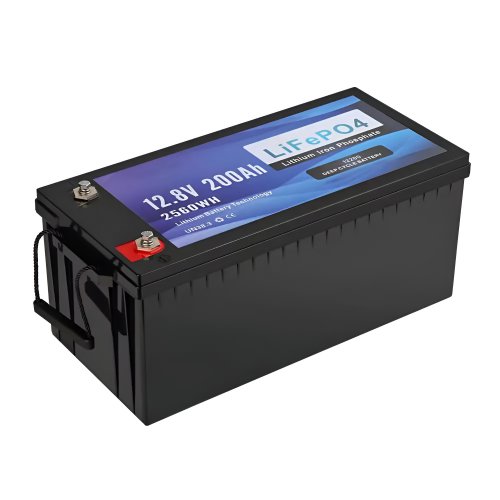
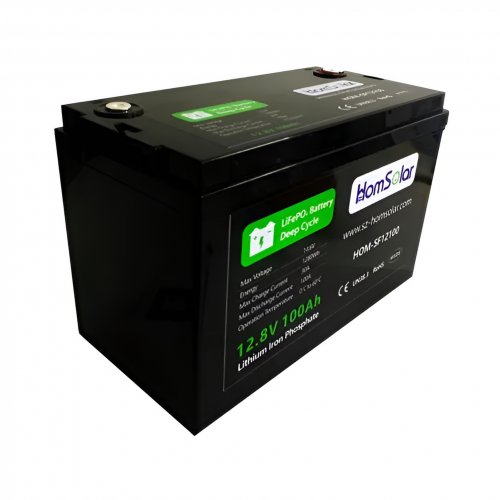
Our line of LiFePO4 (LFP) batteries offer a solution to demanding applications that require a lighter weight, longer life, and higher capacity battery. Features include advanced battery management systems (BMS), Bluetooth® communication and active intelligent monitoring.
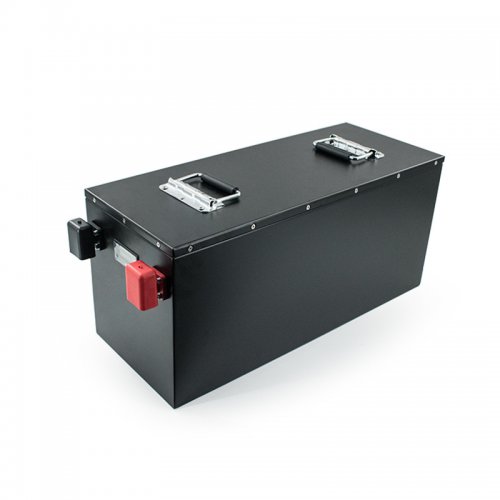
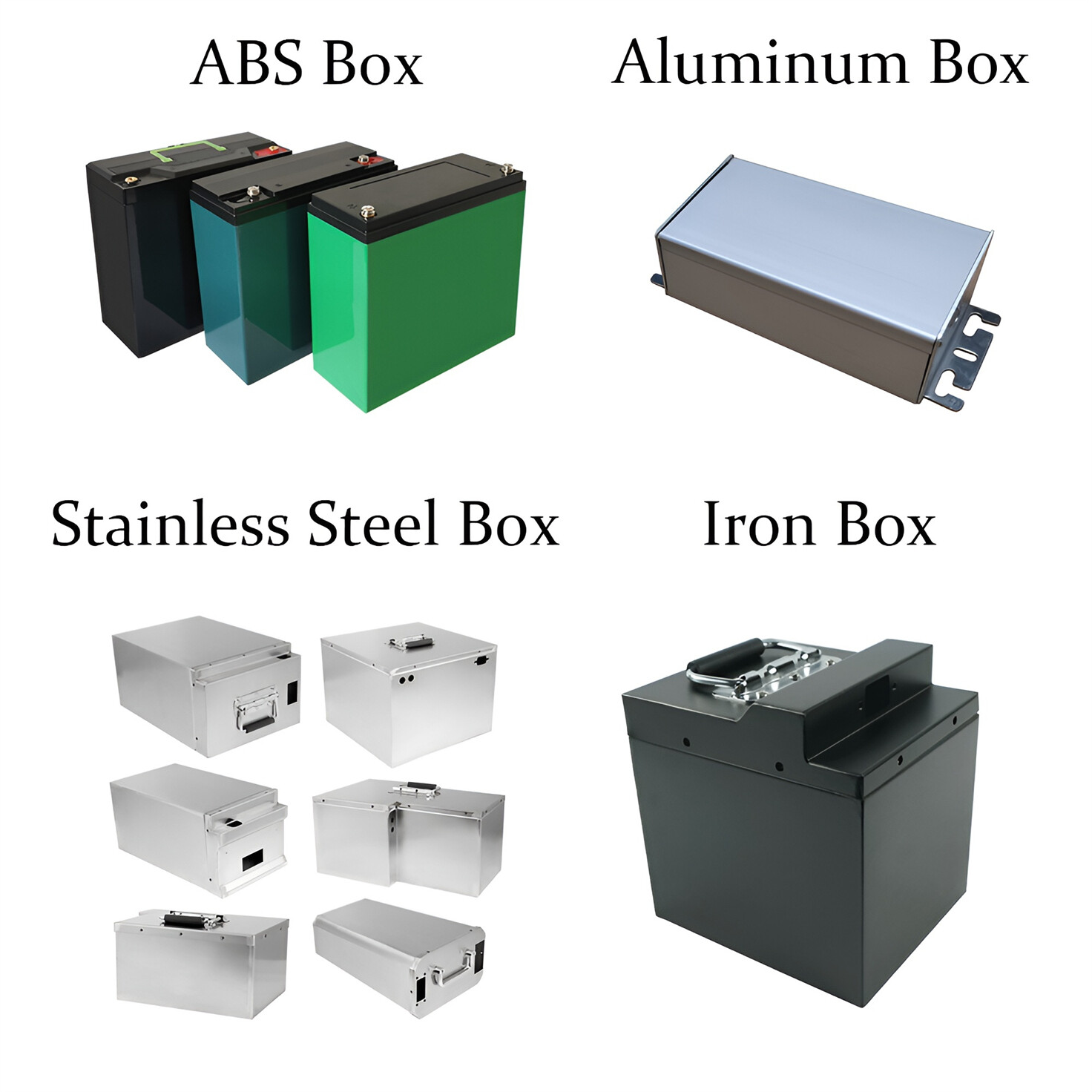
Customised Lithium Iron Phosphate Battery Casing
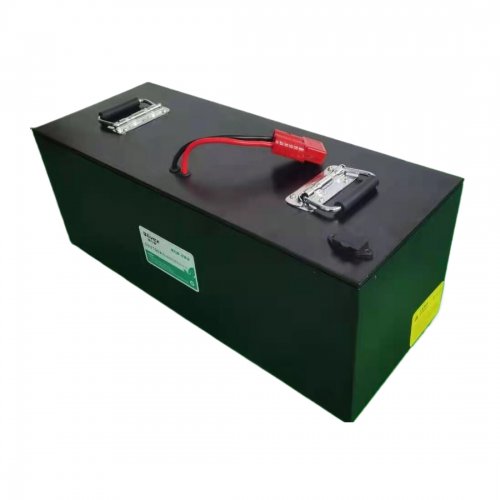
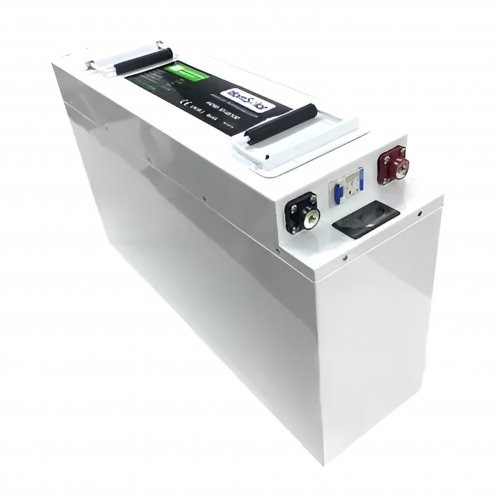
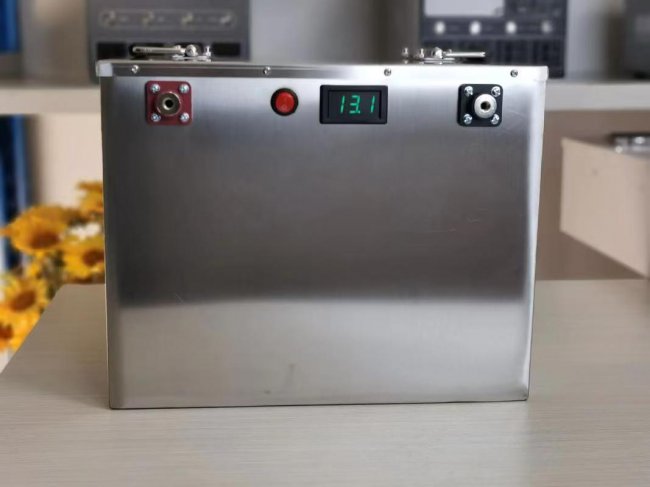
ABS plastic housing, aluminium housing, stainless steel housing and iron housing are available, and can also be designed and customised according to your needs.
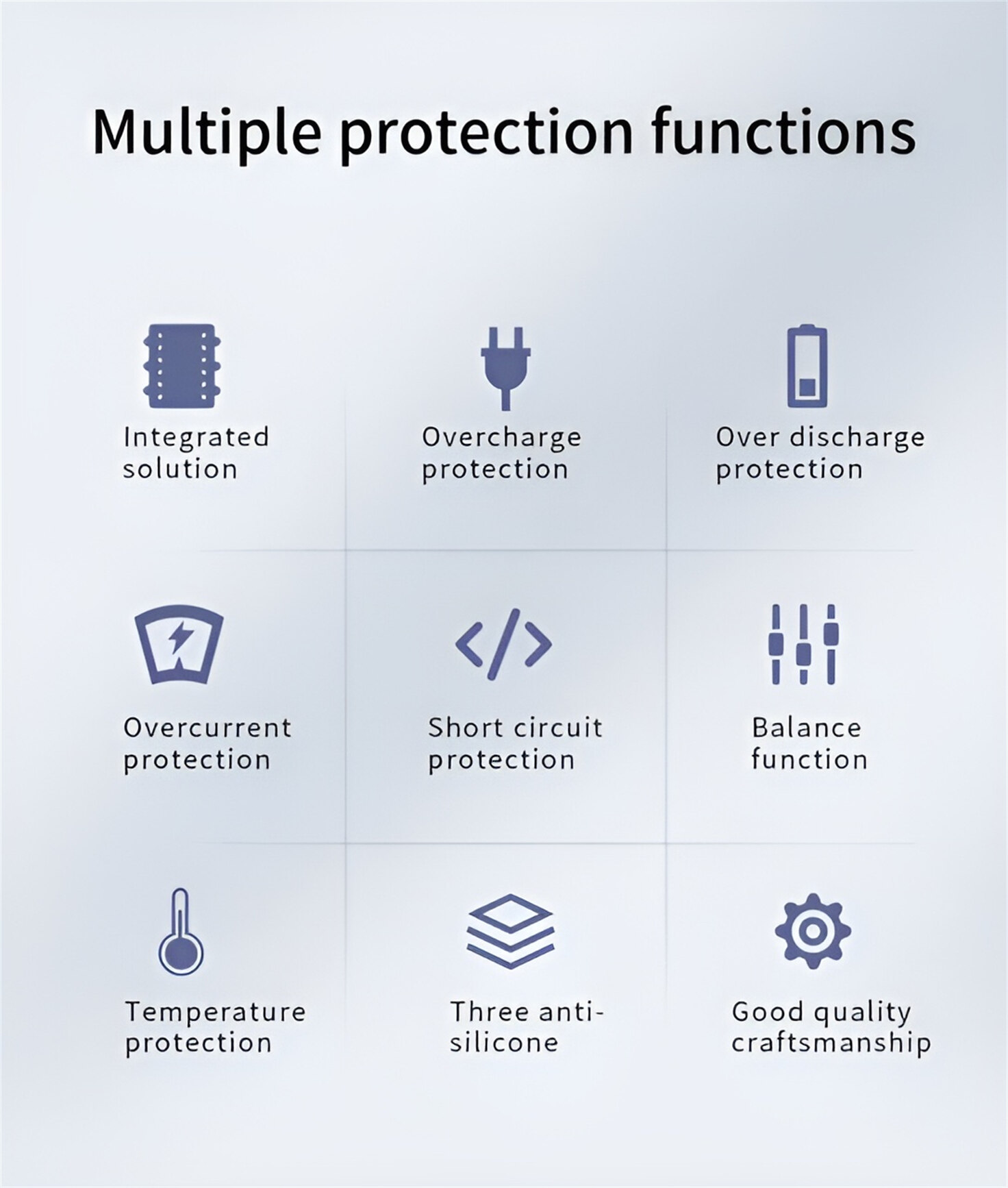
HomSolar Smart BMS
Intelligent Battery Management System for HomSolar Energy Storage System. Bluetooth, temperature sensor, LCD display, CAN interface, UART interface also available.

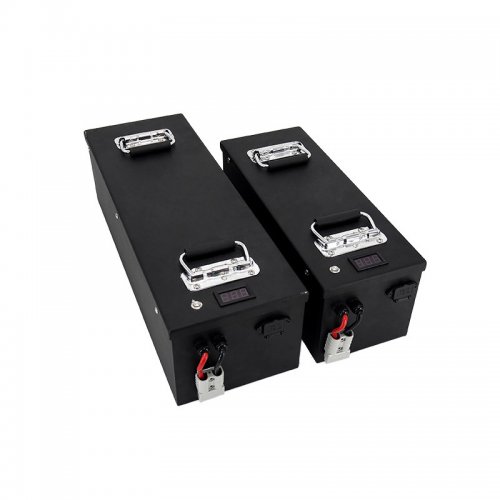
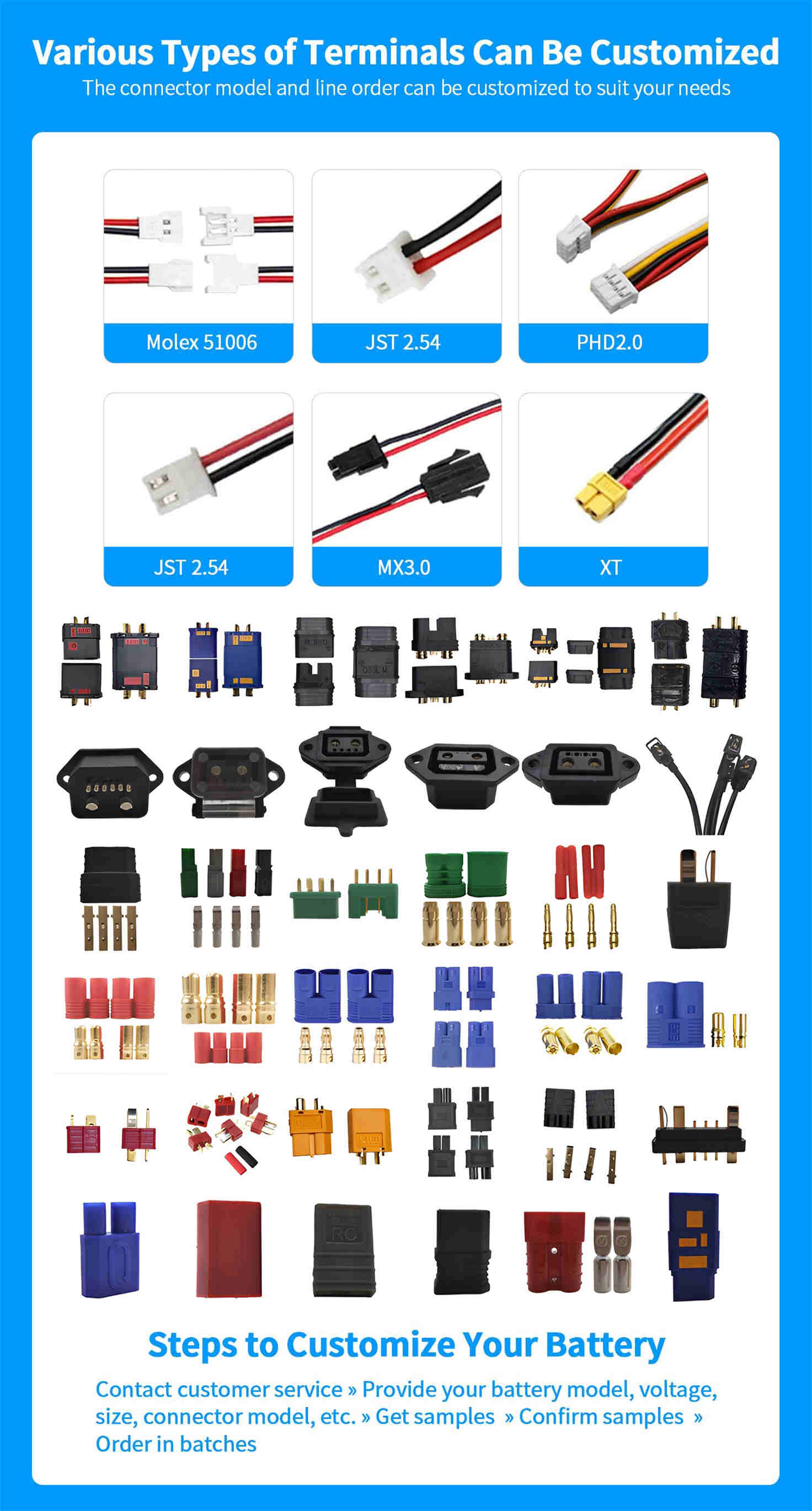
Terminals & Plugs Can Be Customized
A wide range of terminals and plugs can be customised to suit the application needs of your battery products.
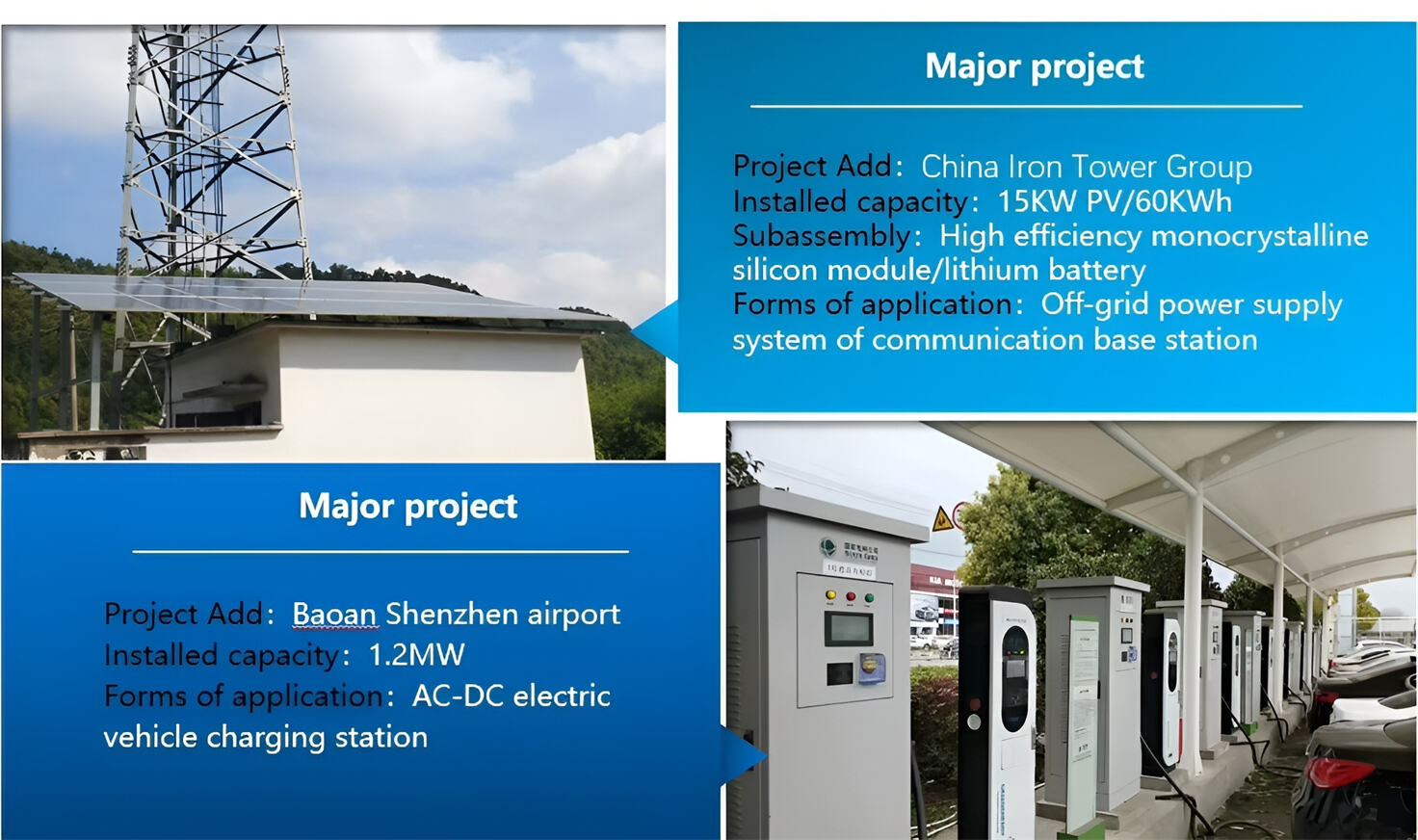
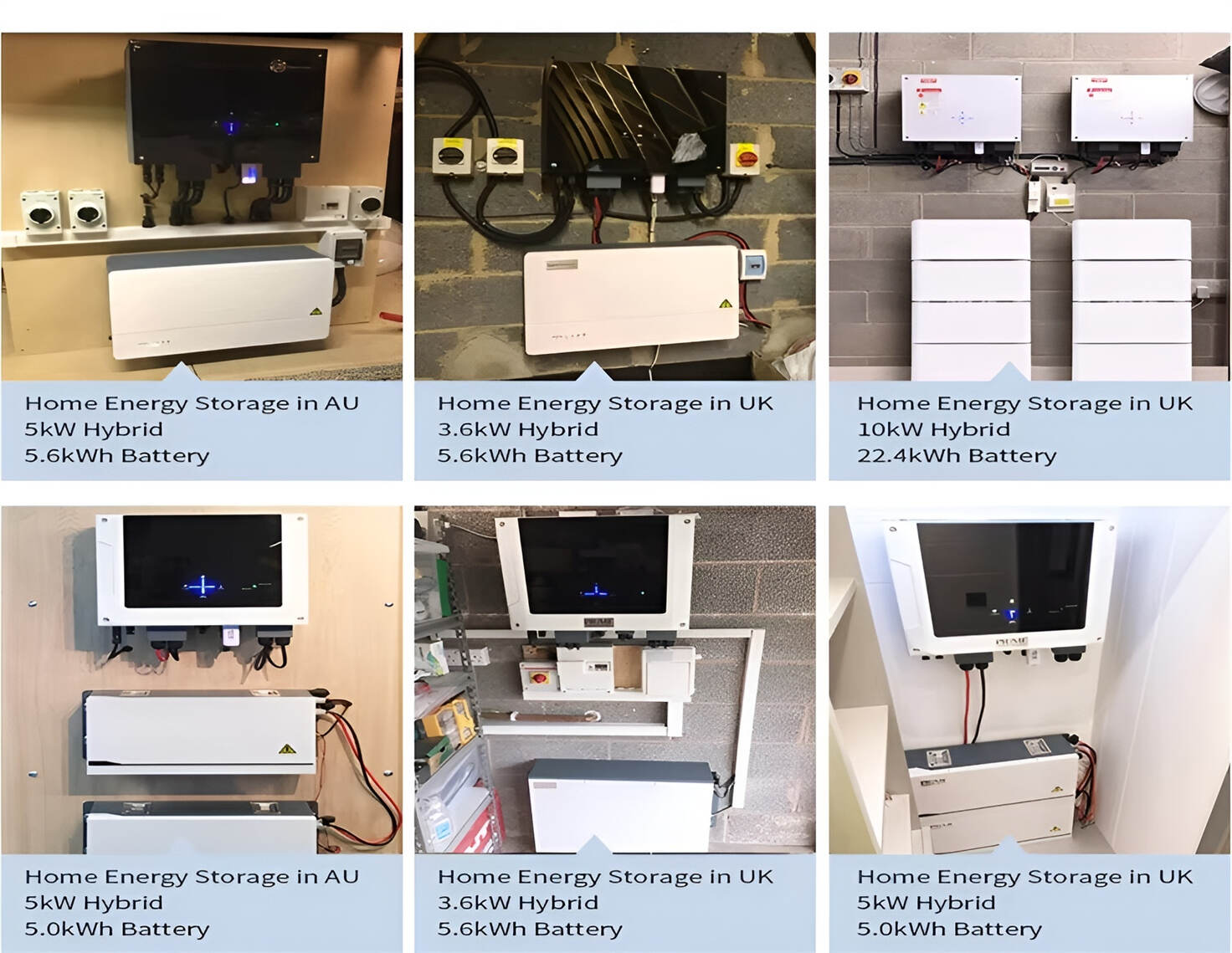
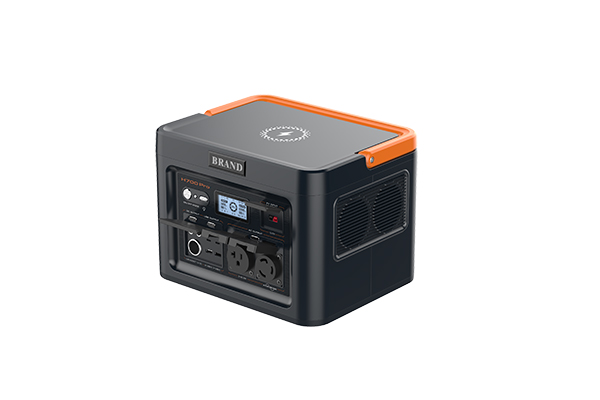
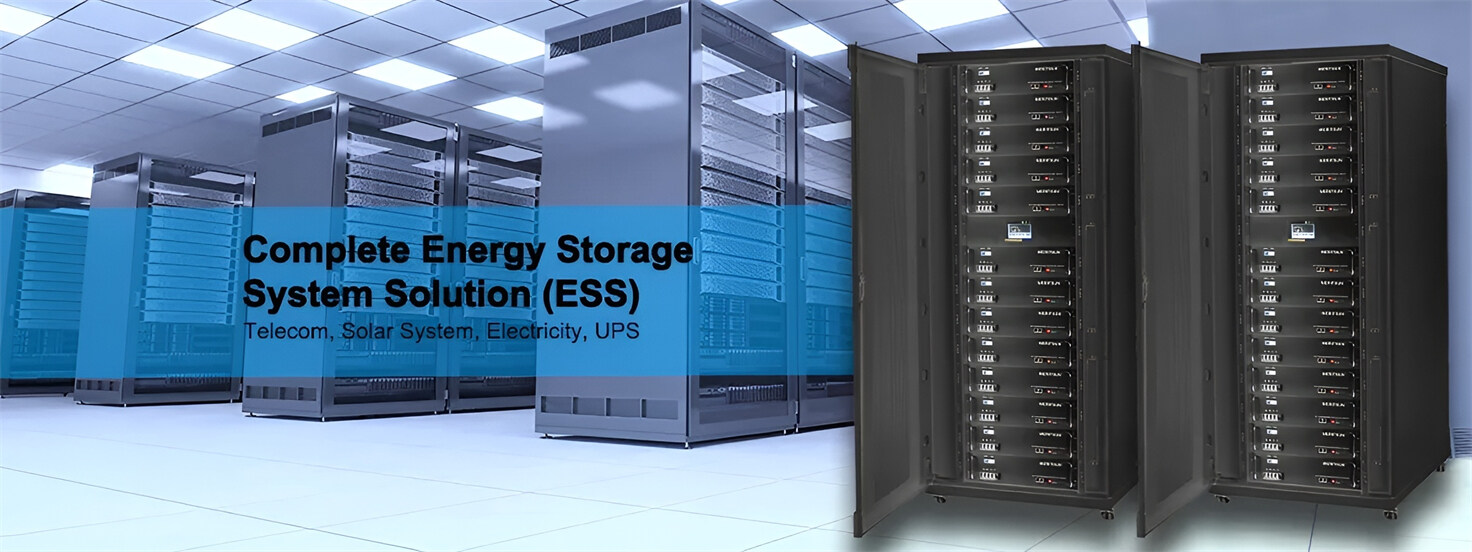
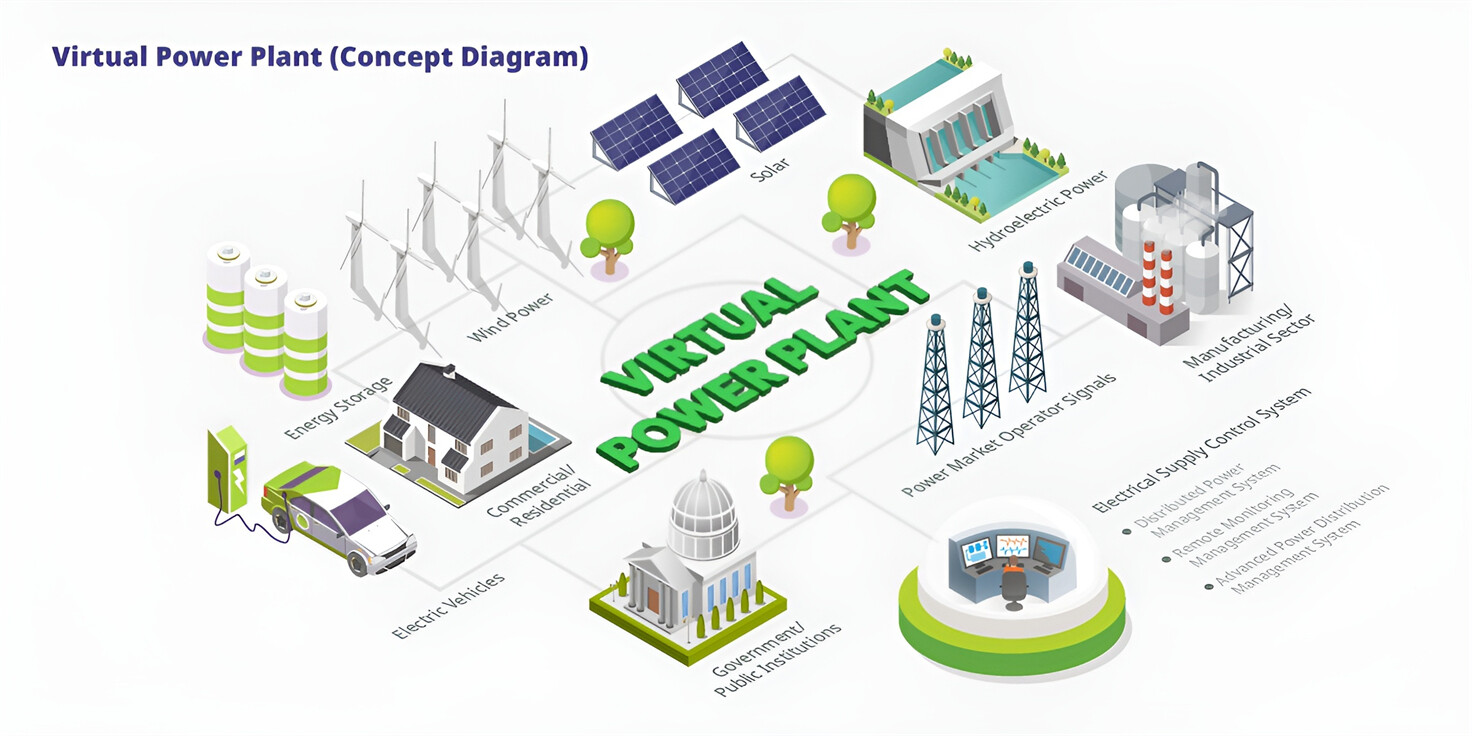
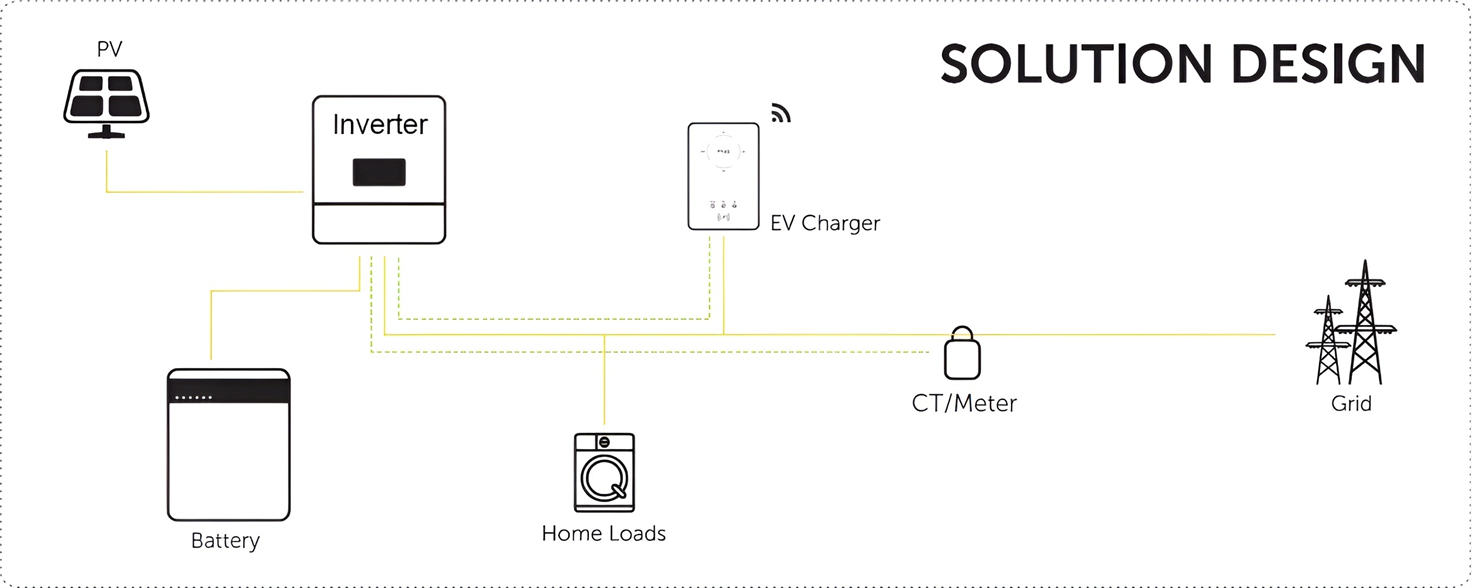
Well-designed Solutions for Energy Storage Systems
We will design the perfect energy storage system solution according to your needs, so that you can easily solve the specific industry applications of battery products.
About Our Battery Cells
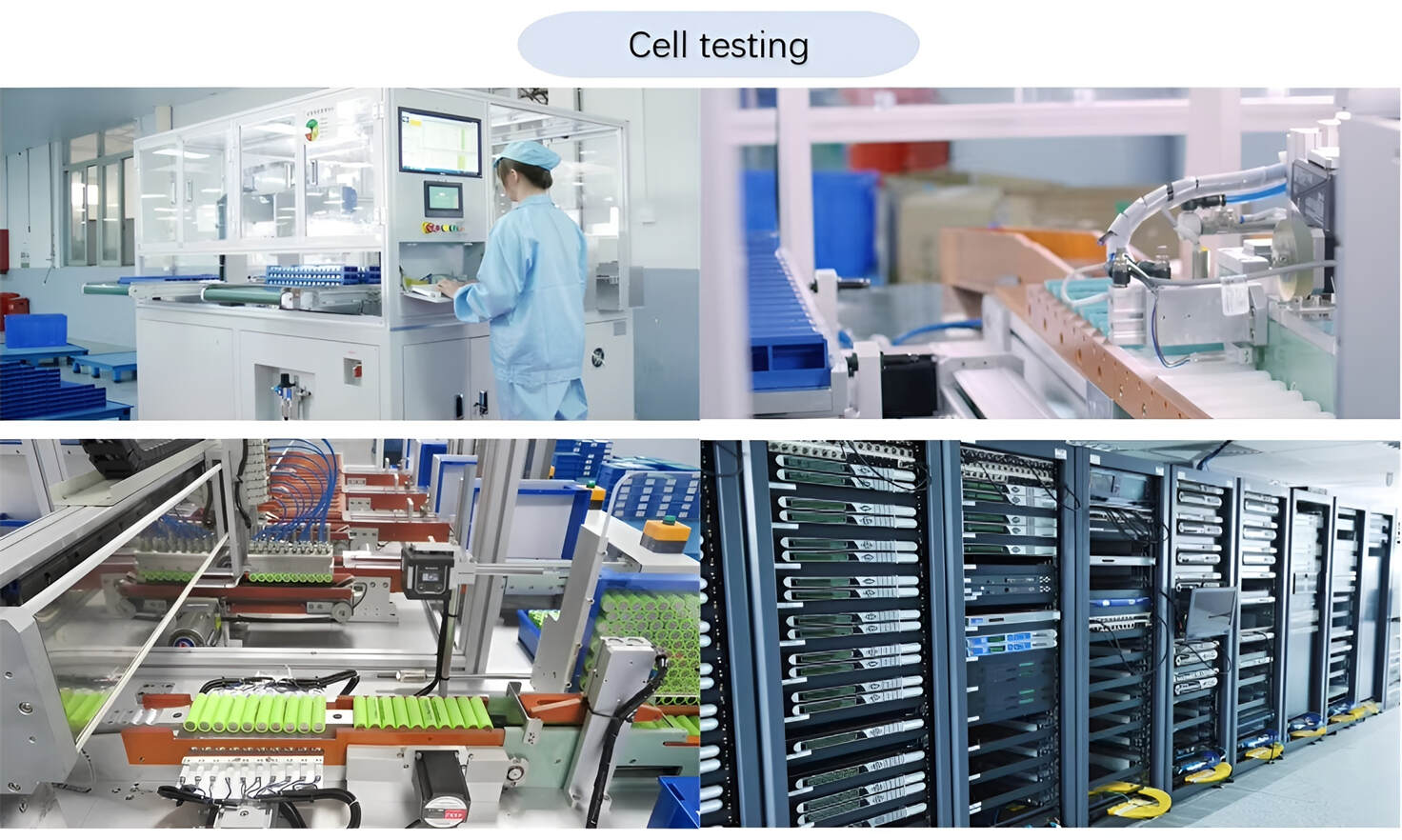
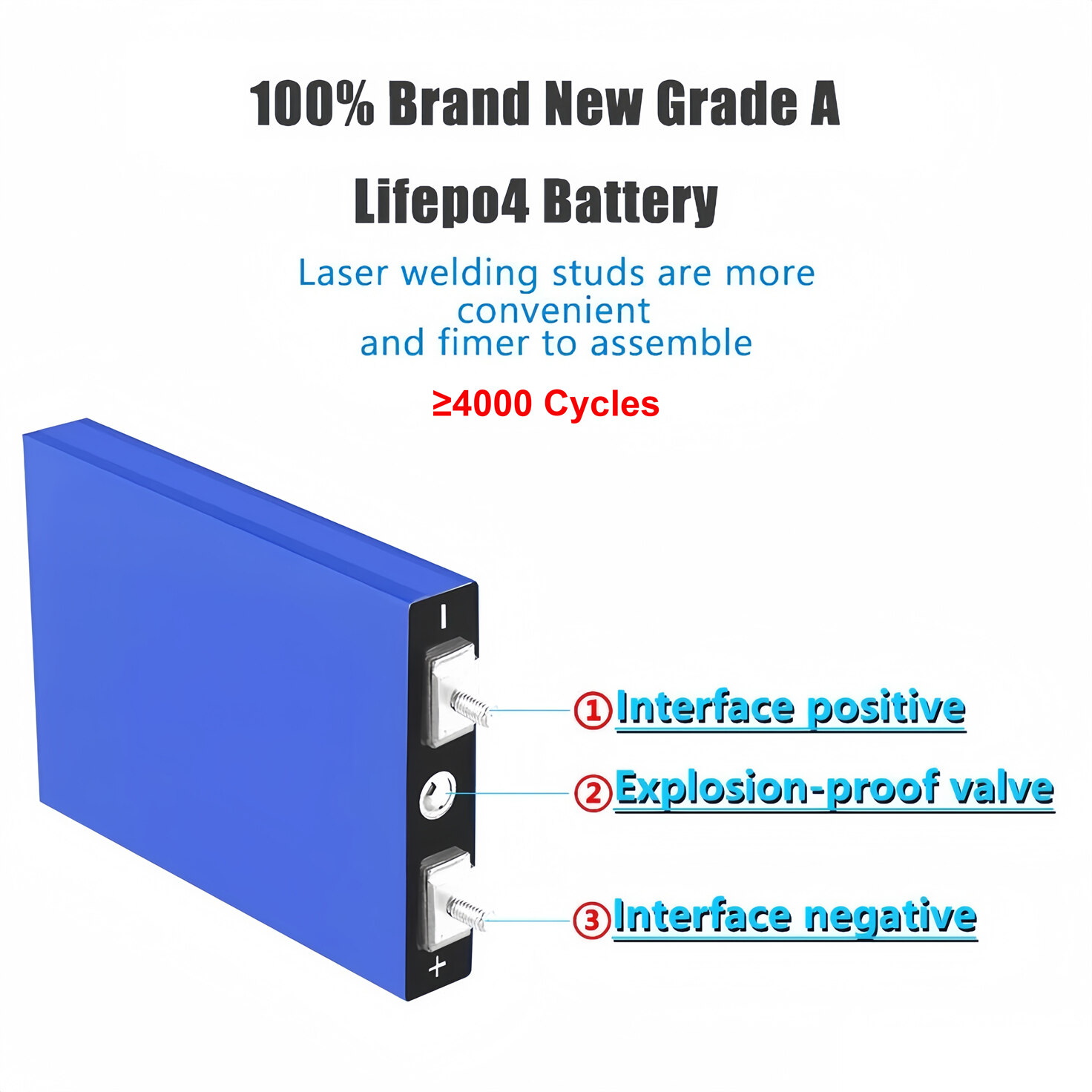
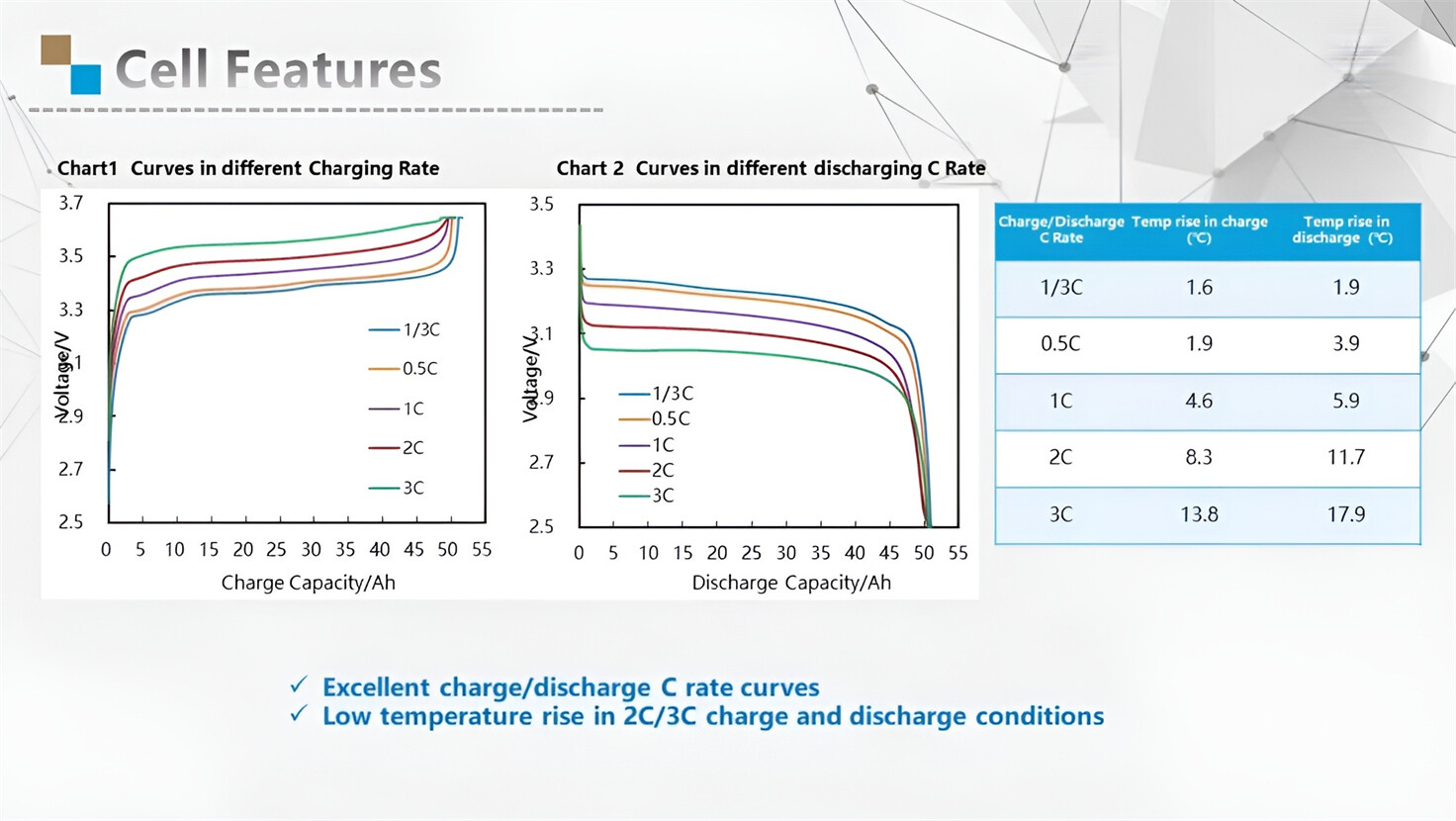
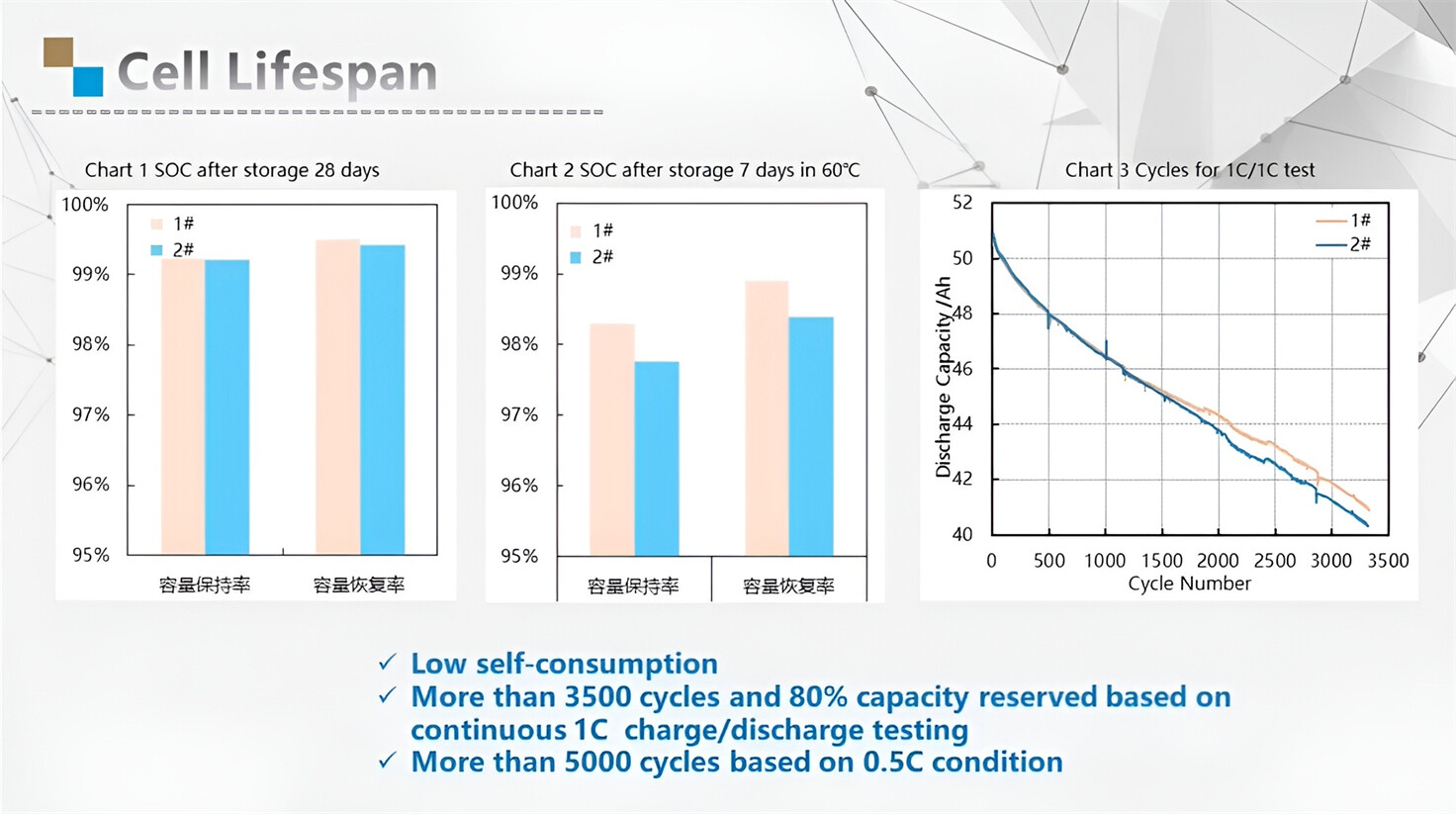
Our energy storage system products use brand new grade A LiFePO4 cells with a battery lifespan of more than 4,000 charge/discharge cycles.
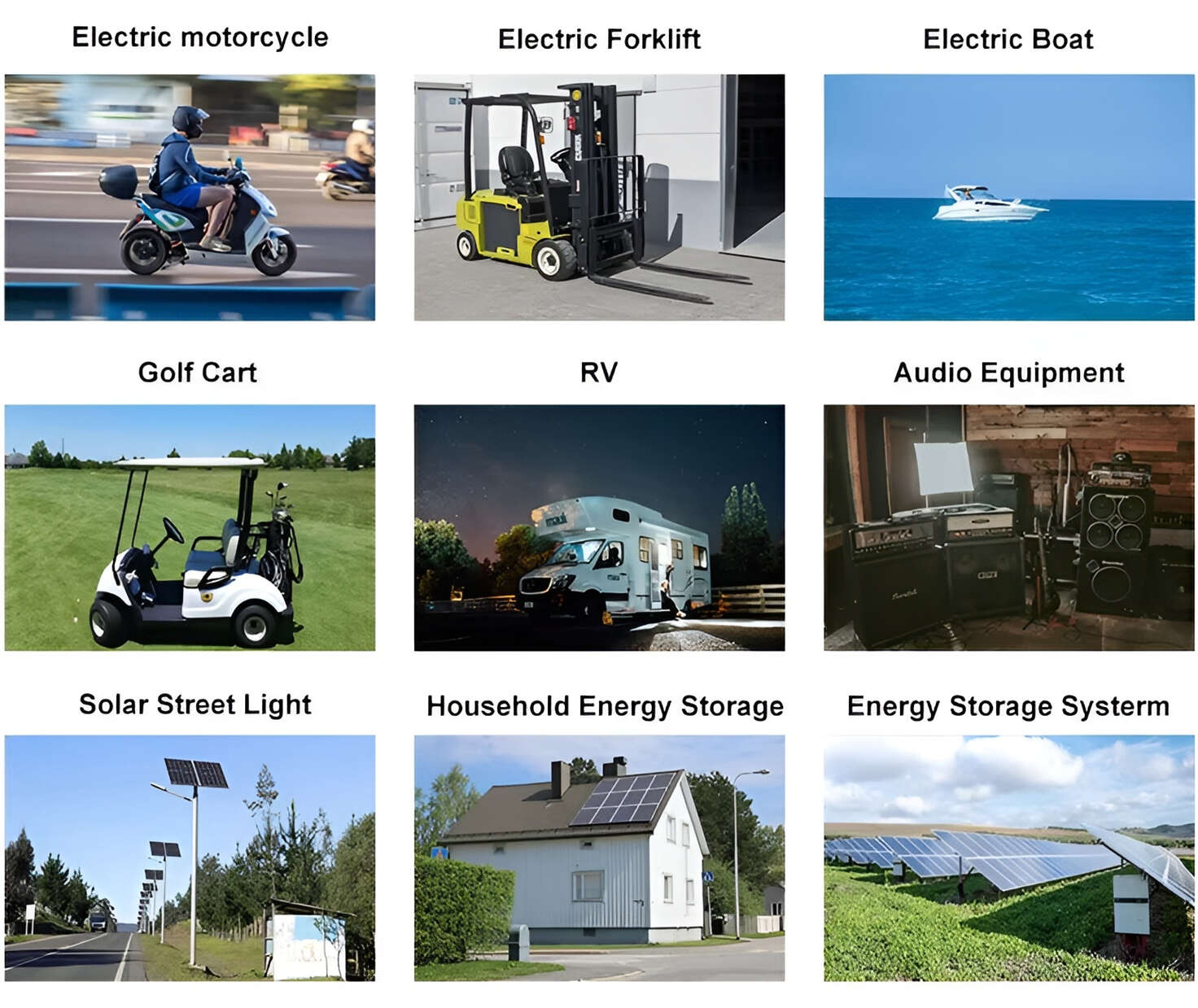
Applications in Different Industries
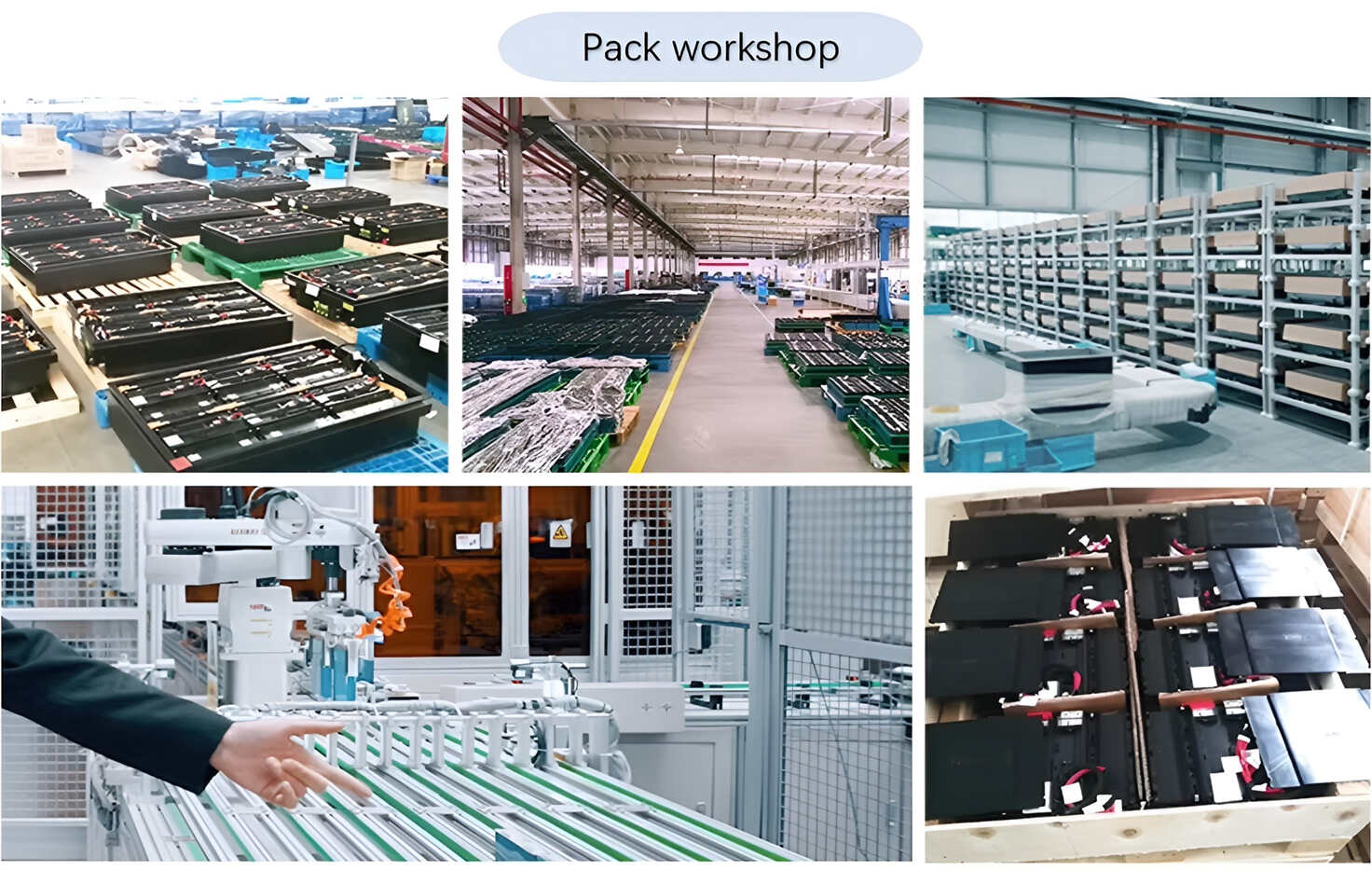
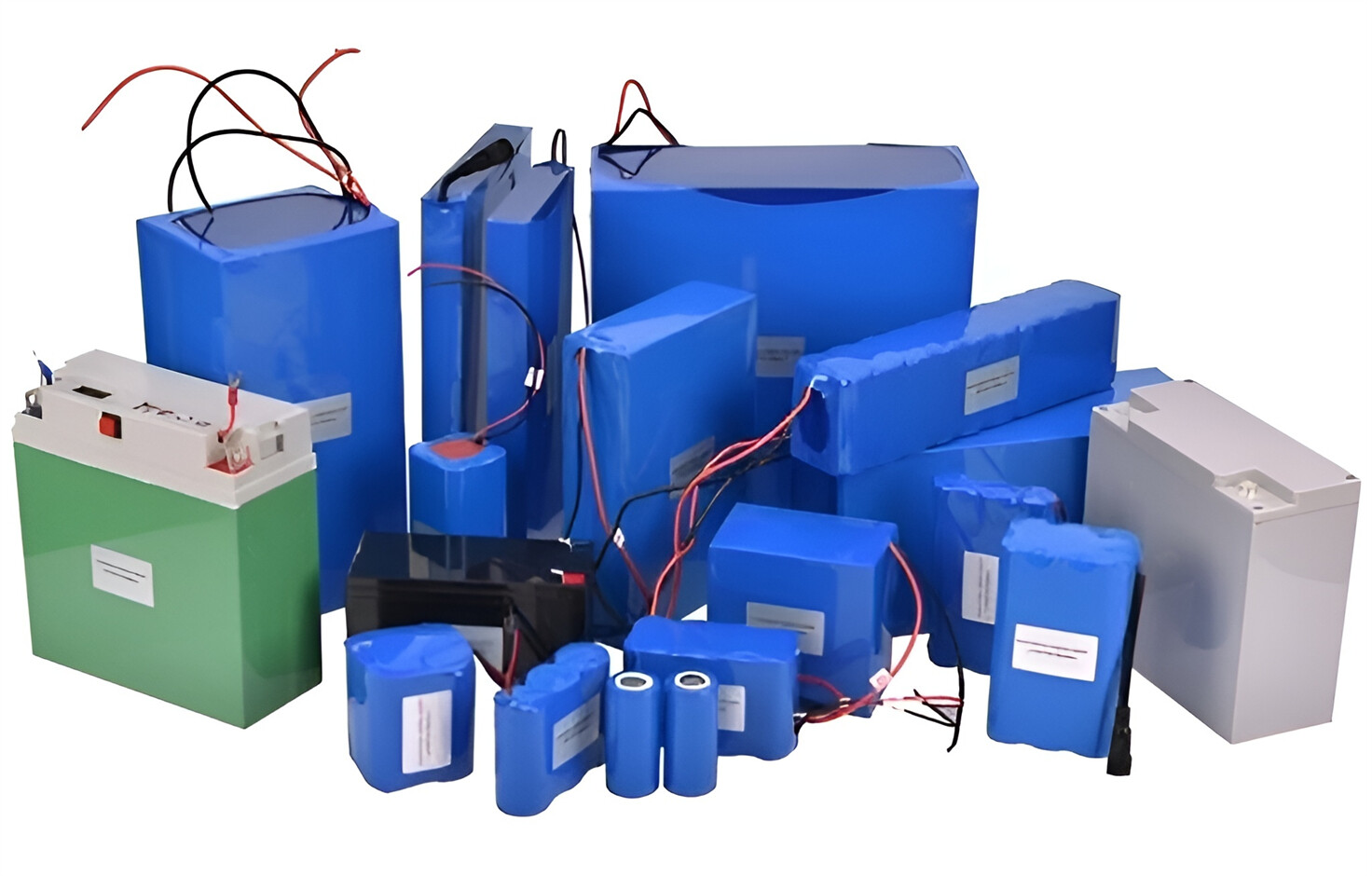
We supply customized & OEM battery pack, assemble cells with wiring, fuse and plastic cover, all the cell wires connected to PCB plug or built BMS.
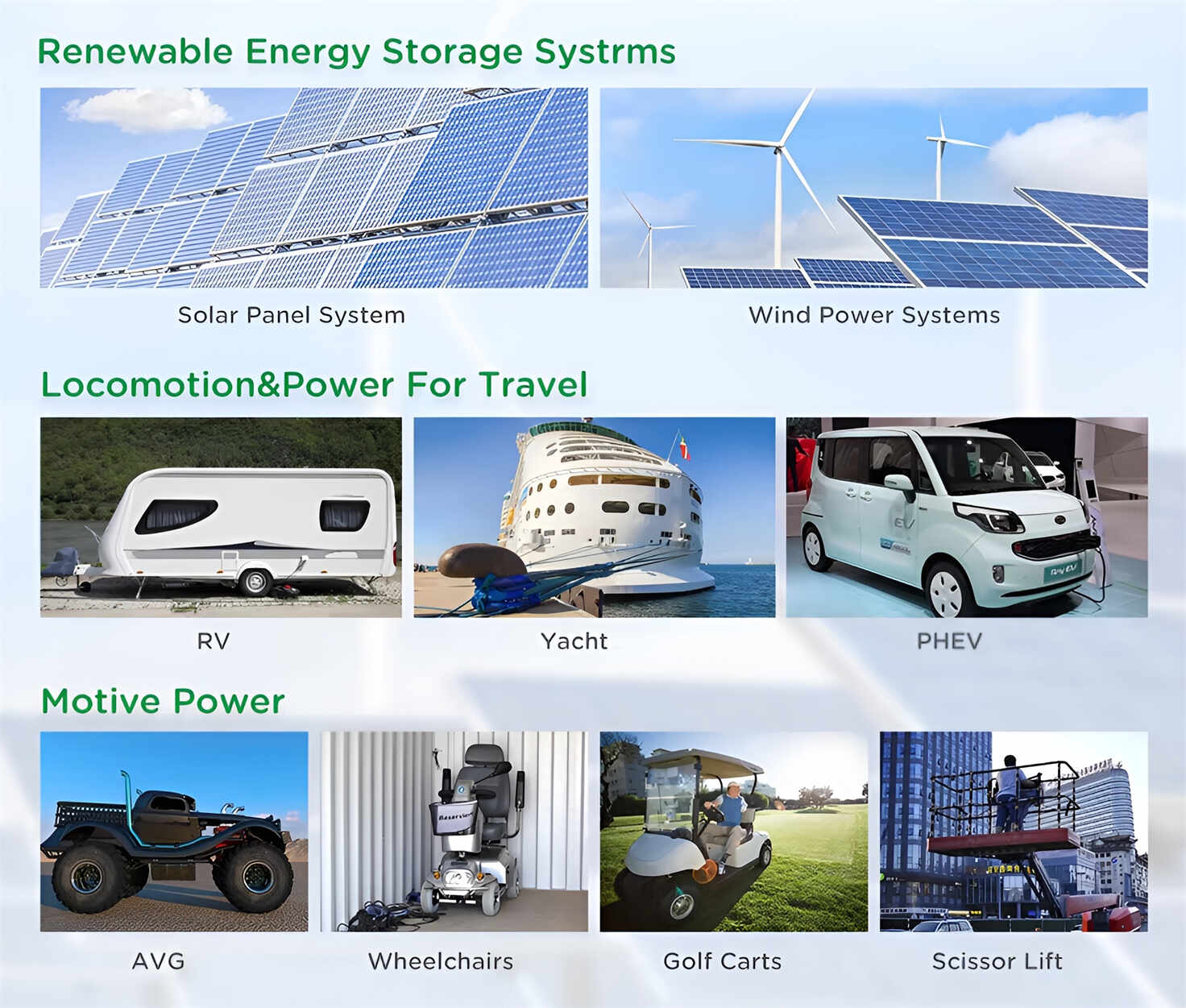
Applications: E-bike, Electric Scooter, Golf Carts, RV, Electric Wheelchair, Electric Tools, Robot Cleaner, Robot Sweeper, Solar Energy Storage System, Emergency Light, Solar Power Light, Medical Equipment, UPS Backup Power Supply.
We can provide you with customized services. We have the ability to provide a vertical supply chain, from single cells to pack/module and to a complete power solution with BMS, etc.
HomSolar (Shenzhen) Technology Co., Ltd