Lithium Iron Phosphate Charging Review: Unpacking The Efficiency And Longevity Of Modern Lfp Power Systems
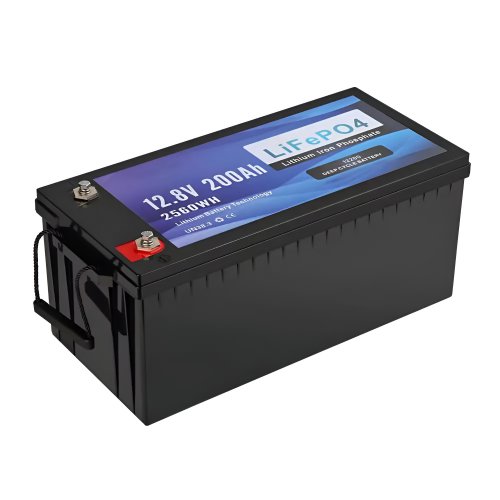
The landscape of rechargeable power has been quietly revolutionized by Lithium Iron Phosphate (LiFePO4 or LFP) chemistry. Moving beyond the hype, this review delves into the practical reality of LFP charging, evaluating it not as a single product, but as an integrated system encompassing the battery itself, its dedicated charger, and the overall user experience. For anyone powering anything from RVs and marine applications to solar storage and high-end portable electronics, understanding LFP charging is crucial.
Core Functionality: The Science Behind the Plug
At its heart, an LFP charging system is defined by its unique chemistry. Unlike traditional lithium-ion batteries that use cobalt-based cathodes, LFP batteries utilize a phosphate structure. This fundamental difference dictates a distinct charging profile centered on the Constant Current (CC) / Constant Voltage (CV) method, but with a critical simplification.
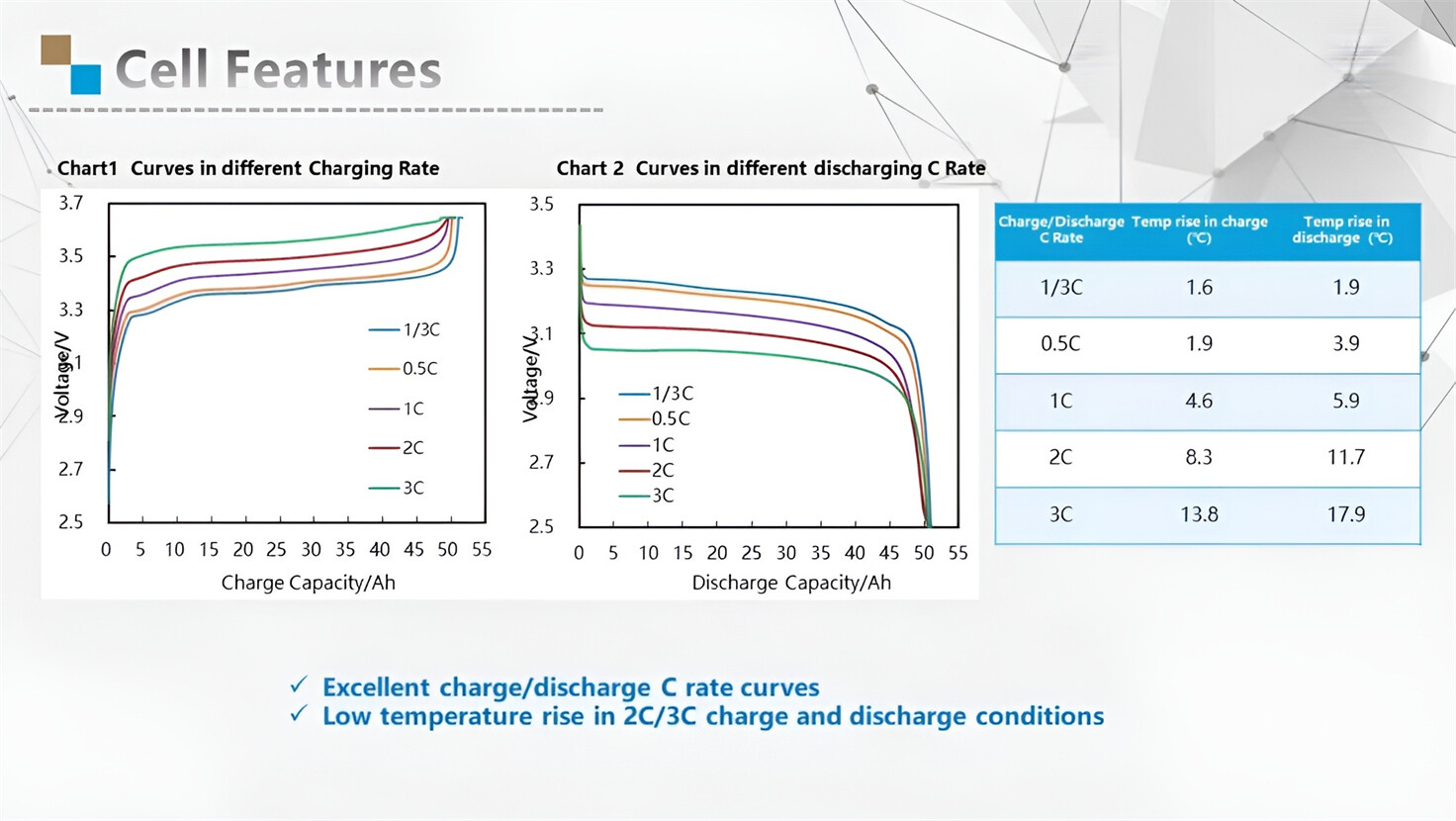
The process typically unfolds in two key stages: 1. Bulk/Constant Current Stage: The charger delivers its maximum rated current to the battery, rapidly raising the voltage. During this phase, the battery absorbs the bulk of its capacity, often up to 80-90%, remarkably quickly. 2. Absorption/Constant Voltage Stage: Once the battery reaches its peak voltage (typically 14.2V to 14.6V for a 12V system), the charger holds that voltage steady. The incoming current tapers off naturally as the battery approaches full charge.
A notable feature that sets LFP apart is the absence of a required "float" stage. While lead-acid and even some other lithium types need a continuous maintenance voltage, LFP batteries have virtually no self-discharge. Once the absorption stage is complete and current drops to a near-zero trickle, the charger can—and in smart systems, should—disconnect entirely. This prevents stress on the battery and is a key contributor to its legendary lifespan.
The Advantages: Why LFP Charging Stands Out
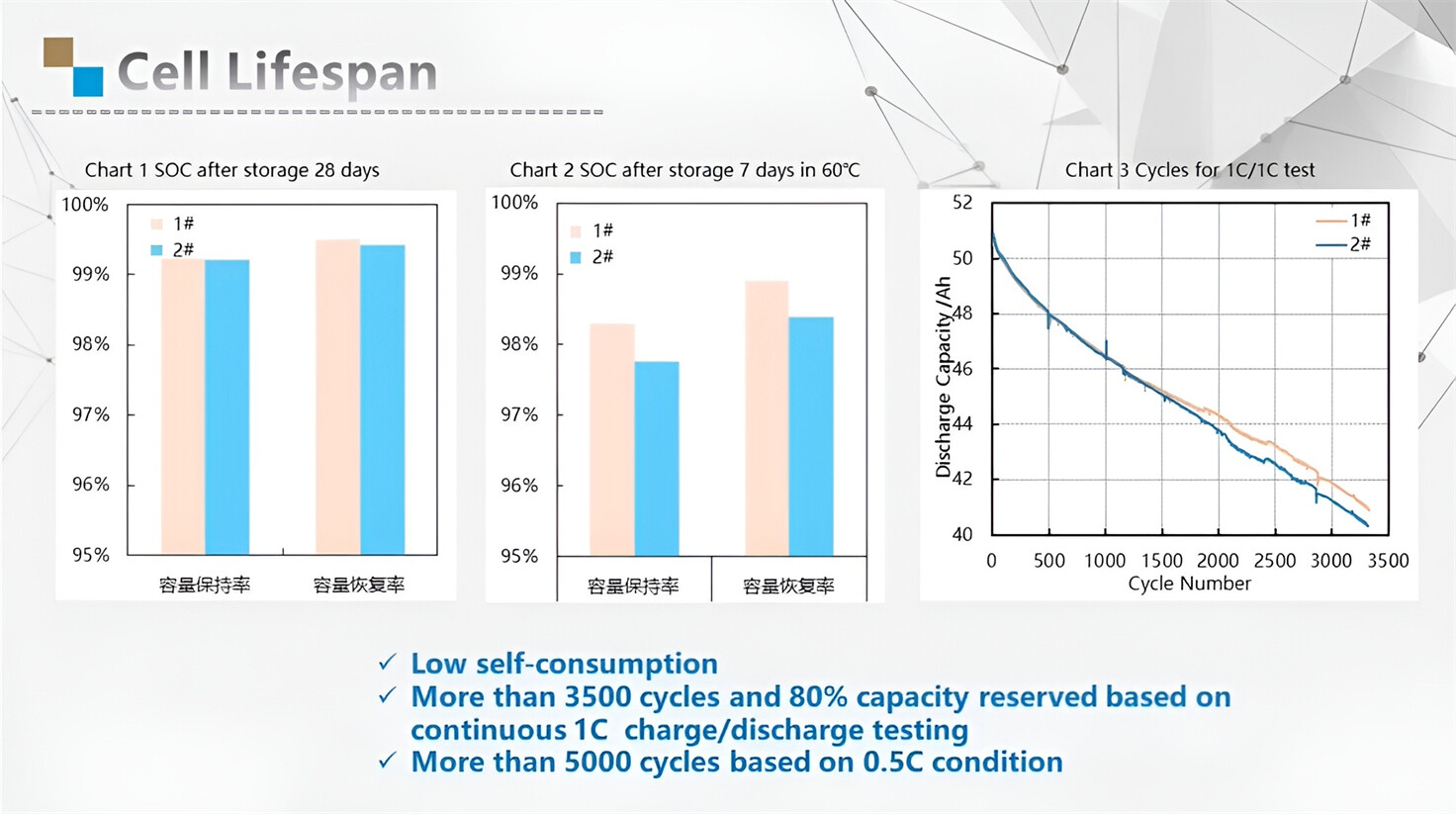
The benefits of a well-implemented LFP charging system are substantial and tangible.Exceptional Cycle Life: This is the flagship advantage. Where a lead-acid battery may offer 300-500 cycles, a quality LFP battery can reliably deliver 3,000 to 5,000 cycles while retaining 80% of its original capacity. This translates to years, even decades, of daily use.Rapid Charging Capability: LFP batteries can typically accept a charge rate of 1C (meaning a current equal to their Ah capacity). This allows a 100Ah battery to be charged from empty to near-full in about an hour, a fraction of the time required for lead-acid.Inherent Safety: The LFP chemistry is intrinsically more stable. It is highly resistant to thermal runaway, making it far less prone to overheating or combustion, even under harsh conditions or charging anomalies.High Efficiency: The charge process exhibits minimal energy loss as heat. Over 99% of the energy delivered during the bulk stage is stored, compared to the 85% or lower efficiency of lead-acid. This is critical for solar applications where every watt-hour counts.Maintenance-Free Operation: There is no memory effect, and the "set-and-forget" nature of a proper charge cycle eliminates the need for periodic equalization charges.
The Drawbacks and Considerations: A Pragmatic Look
No technology is perfect, and LFP charging comes with its own set of considerations.Higher Initial Cost: The upfront investment for an LFP battery and a compatible smart charger is significantly higher than for a comparable lead-acid setup. However, the total cost of ownership over its lifespan often makes it more economical.Precision Voltage Requirements: LFP batteries have a very flat voltage curve. This makes state-of-charge estimation via voltage alone highly inaccurate for most of the discharge cycle, necessitating a dedicated battery monitor (shunt) for precise readings.Sensitivity to Low Temperatures: While LFP handles heat well, it cannot be charged at temperatures below 0°C (32°F). Quality batteries and chargers have built-in temperature sensors that will halt the charging process to prevent irreversible damage, a critical feature that adds to the system's complexity and cost.Compatibility is Key: Using a charger not specifically designed for LFP chemistry is a recipe for poor performance and a shortened battery life. A lead-acid charger will not correctly terminate the charge cycle, leading to potential stress and undercharging.
Real-World Usage Experience
Integrating an LFP system into a camper van provided a clear, hands-on perspective. The most immediate difference was the charging speed. Where the old AGM battery would take 4-5 hours to recharge from a 50% depth of discharge via a generator, the LFP system reaches the same point in under 90 minutes. The silence—both from the shorter generator runtime and the near-silent operation of the charger itself—was a significant quality-of-life improvement.
The integration of a Bluetooth-enabled Battery Management System (BMS) and a compatible charger transformed energy management. Monitoring the state of charge via a phone app, rather than guessing based on voltage, provided unparalleled peace of mind. The system automatically handles the transition from bulk to absorption and then ceases charging, requiring zero user intervention. Over a year of daily cycling, there has been no perceptible loss of capacity or performance, living up to the promise of set-and-forget reliability. The only notable adjustment was the initial investment in a high-quality, LFP-specific DC-DC charger for the vehicle's alternator to ensure proper charging while driving.
Conclusion
Lithium Iron Phosphate charging represents a mature, high-performance solution for demanding power needs. Its strengths—unmatched cycle life, rapid charging, and robust safety—are transformative. While the initial cost and the necessity for compatible, high-quality charging equipment are legitimate hurdles, they are investments in long-term reliability and performance. For users who value durability, efficiency, and convenience, the LFP charging ecosystem delivers a profoundly superior experience compared to legacy technologies. It is a system that rewards a proper setup with years of utterly dependable service.
Customized/OEM/ODM Service
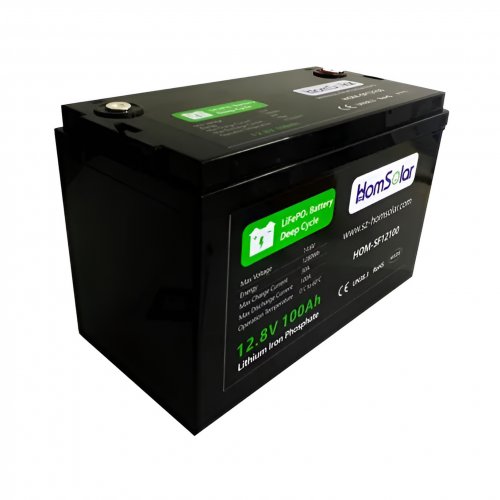
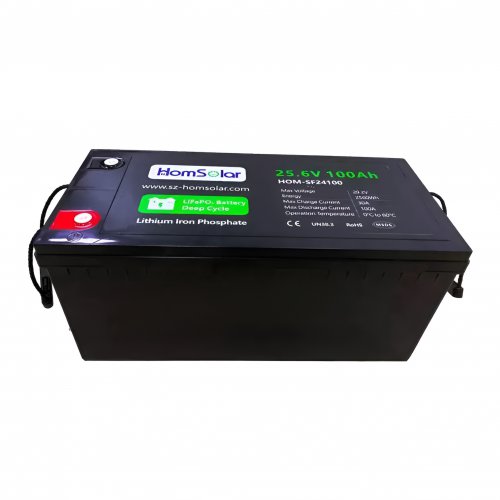
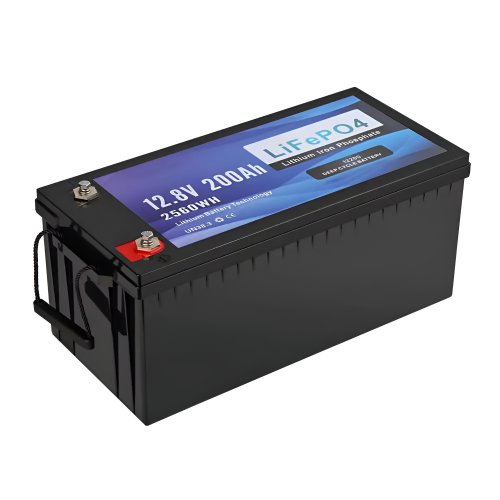
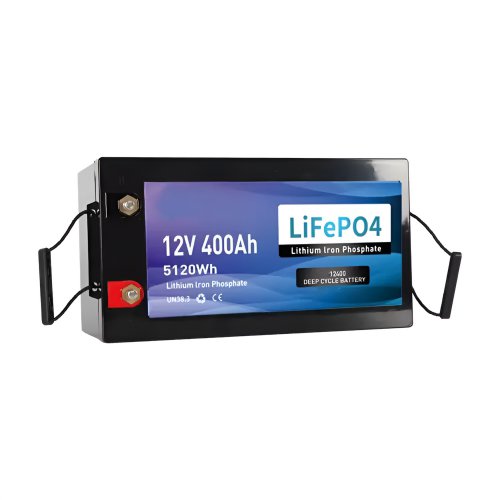
HomSolar Supports Lifepo4 battery pack customization/OEM/ODM service, welcome to contact us and tell us your needs.

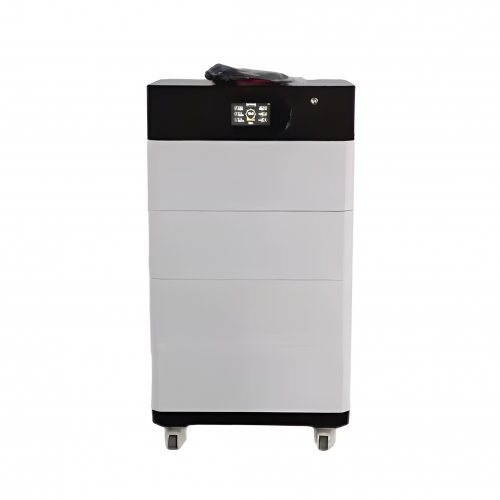
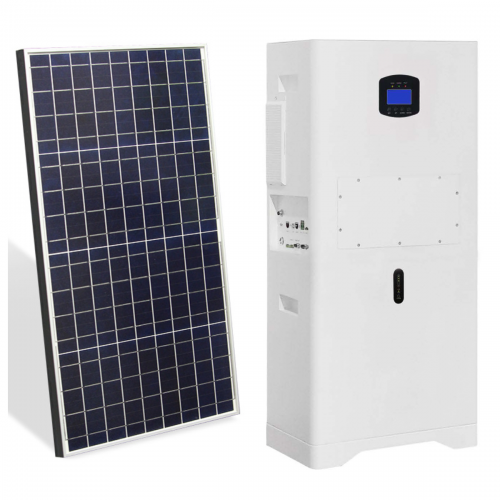
HomSolar: Your One-stop LiFePO4 Battery Pack & ESS Solution Manufacturer
Our line of LiFePO4 (LFP) batteries offer a solution to demanding applications that require a lighter weight, longer life, and higher capacity battery. Features include advanced battery management systems (BMS), Bluetooth® communication and active intelligent monitoring.
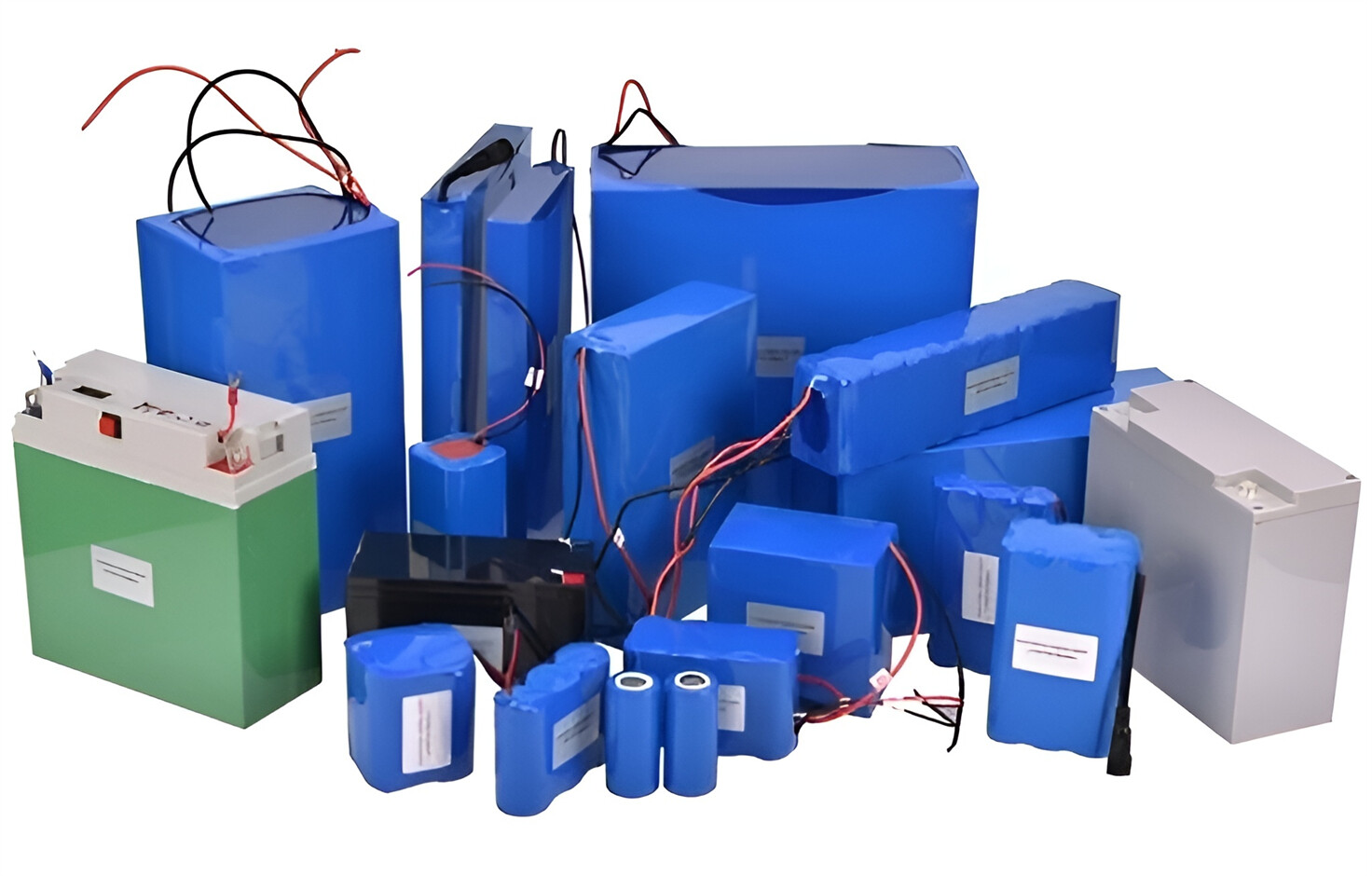
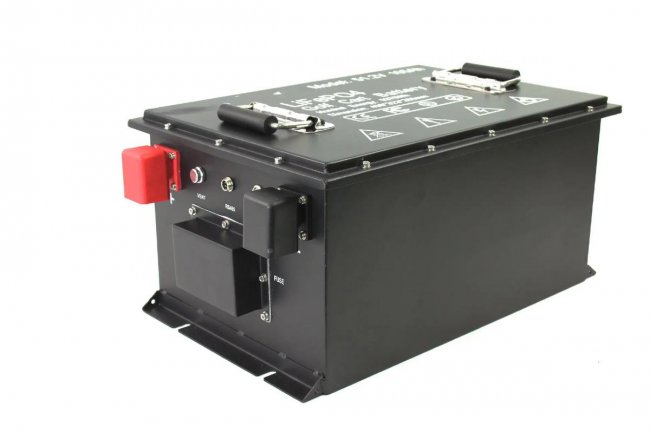
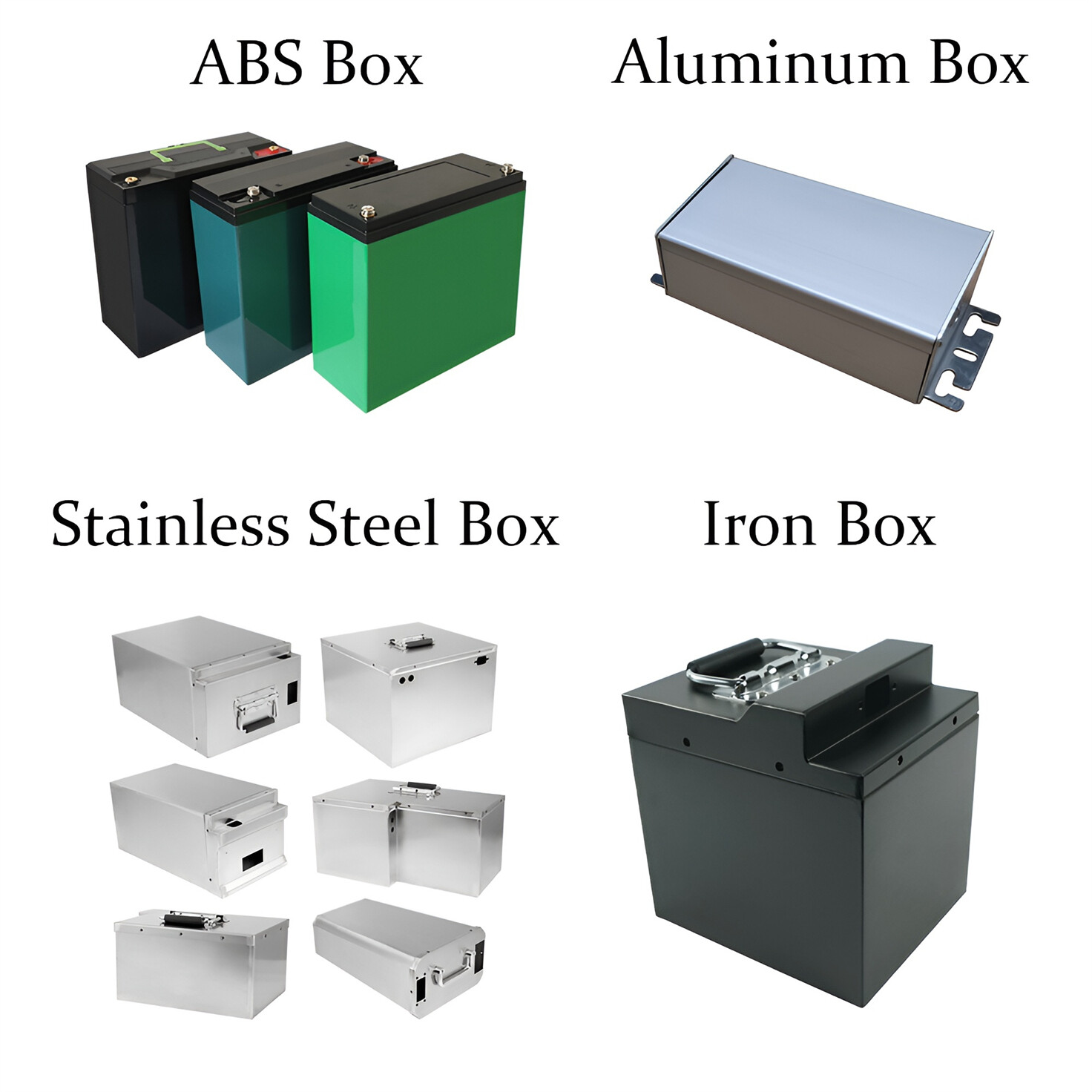
Customised Lithium Iron Phosphate Battery Casing
ABS plastic housing, aluminium housing, stainless steel housing and iron housing are available, and can also be designed and customised according to your needs.
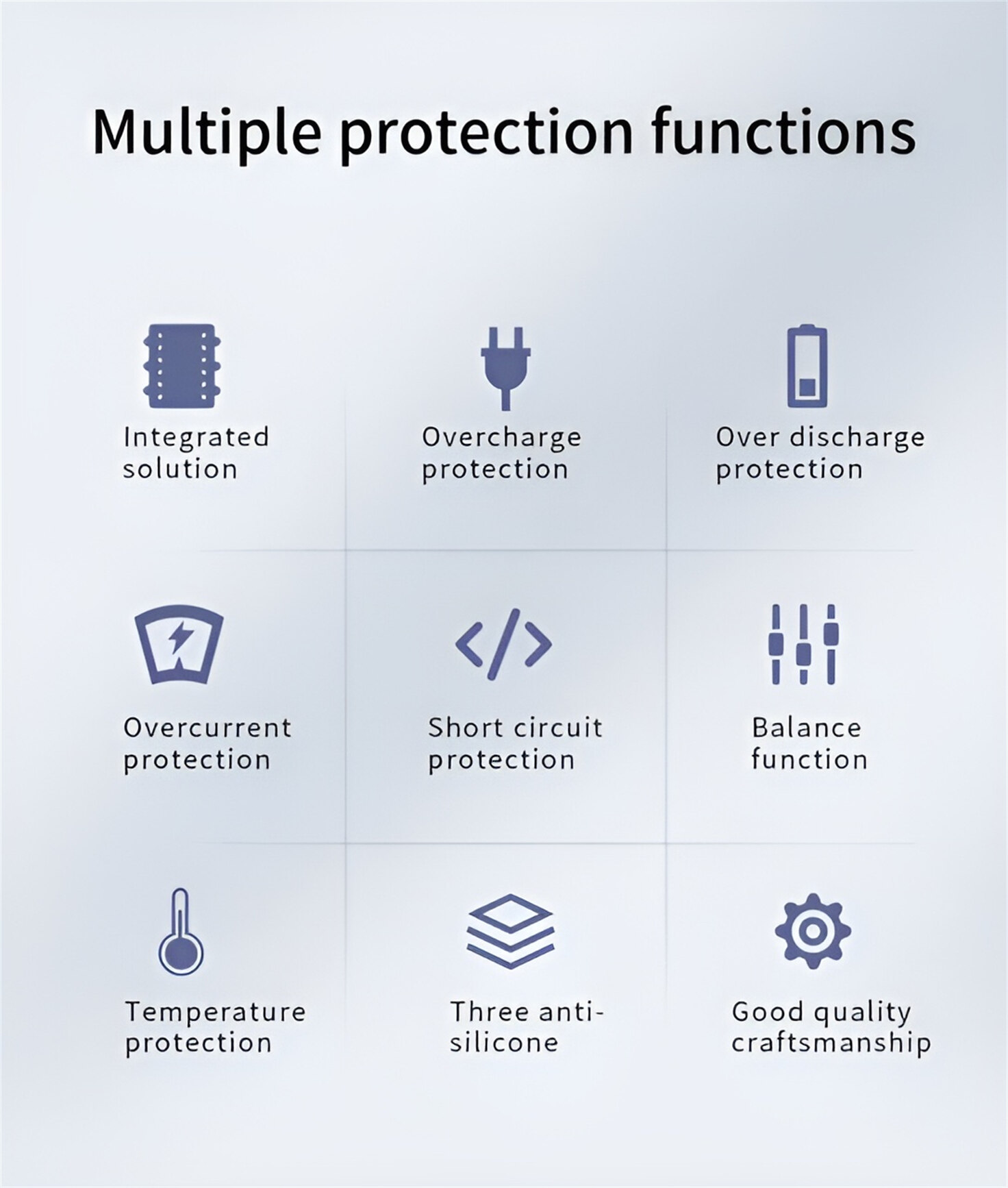
HomSolar Smart BMS
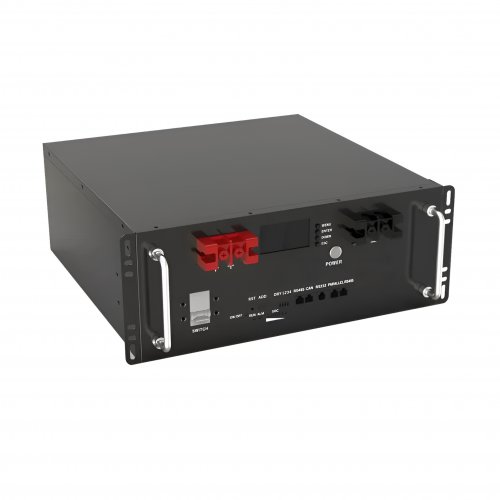
Intelligent Battery Management System for HomSolar Energy Storage System. Bluetooth, temperature sensor, LCD display, CAN interface, UART interface also available.

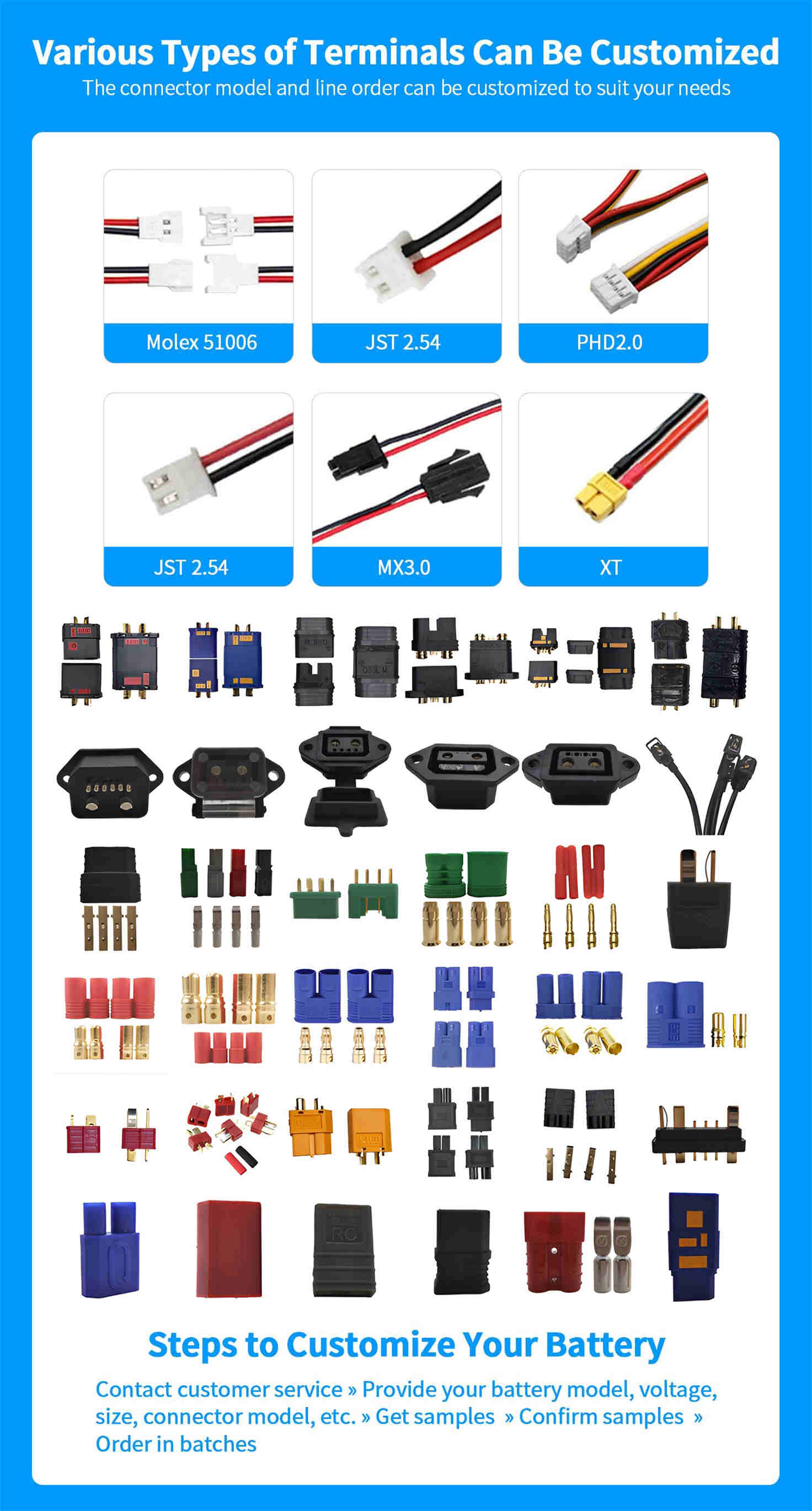
Terminals & Plugs Can Be Customized
A wide range of terminals and plugs can be customised to suit the application needs of your battery products.
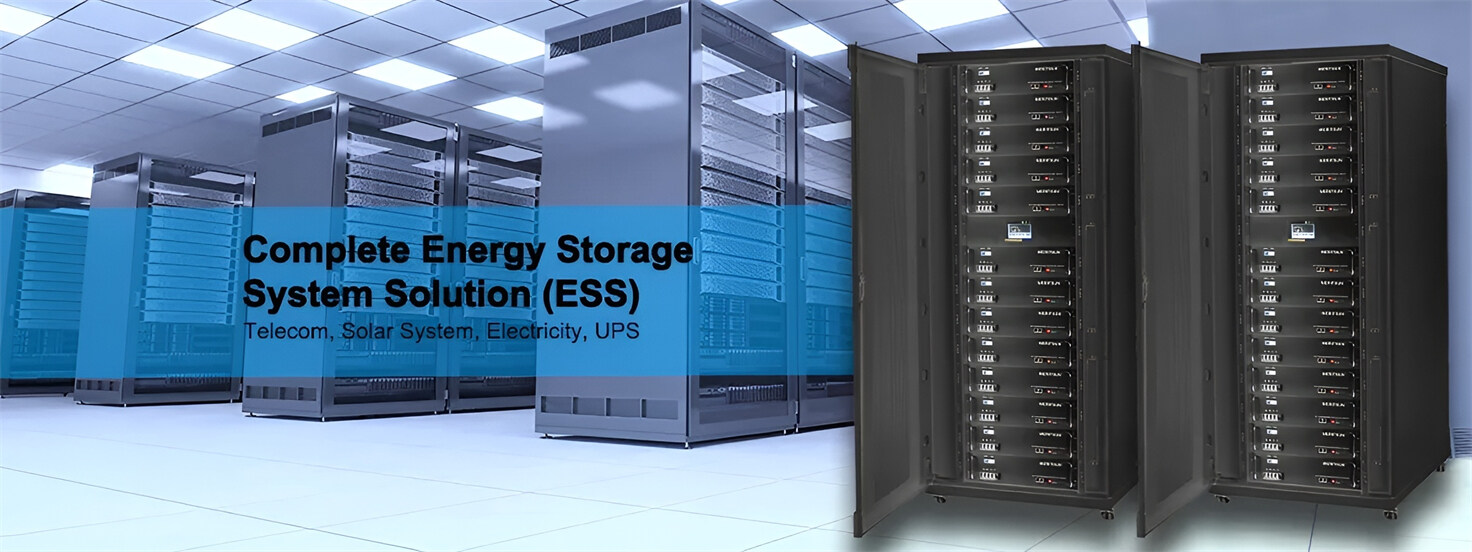
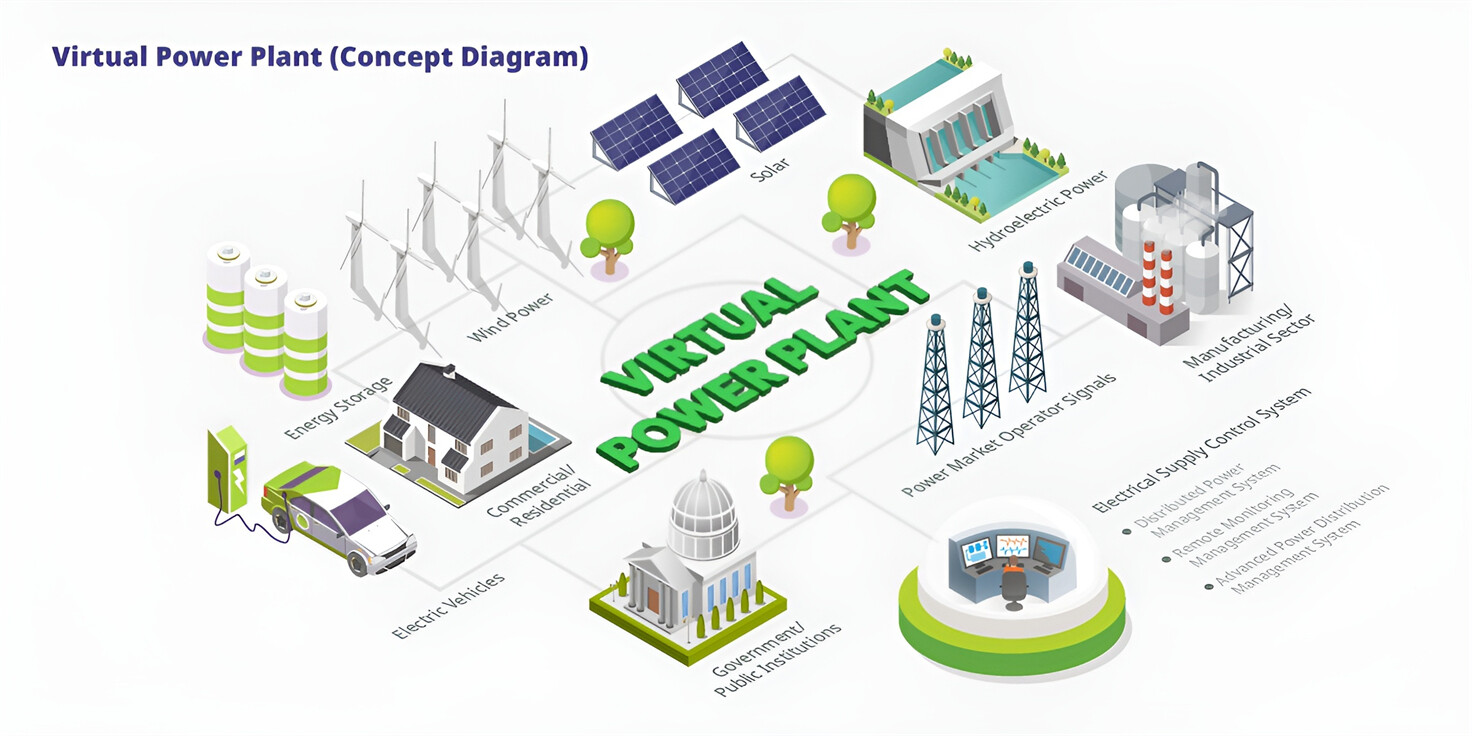
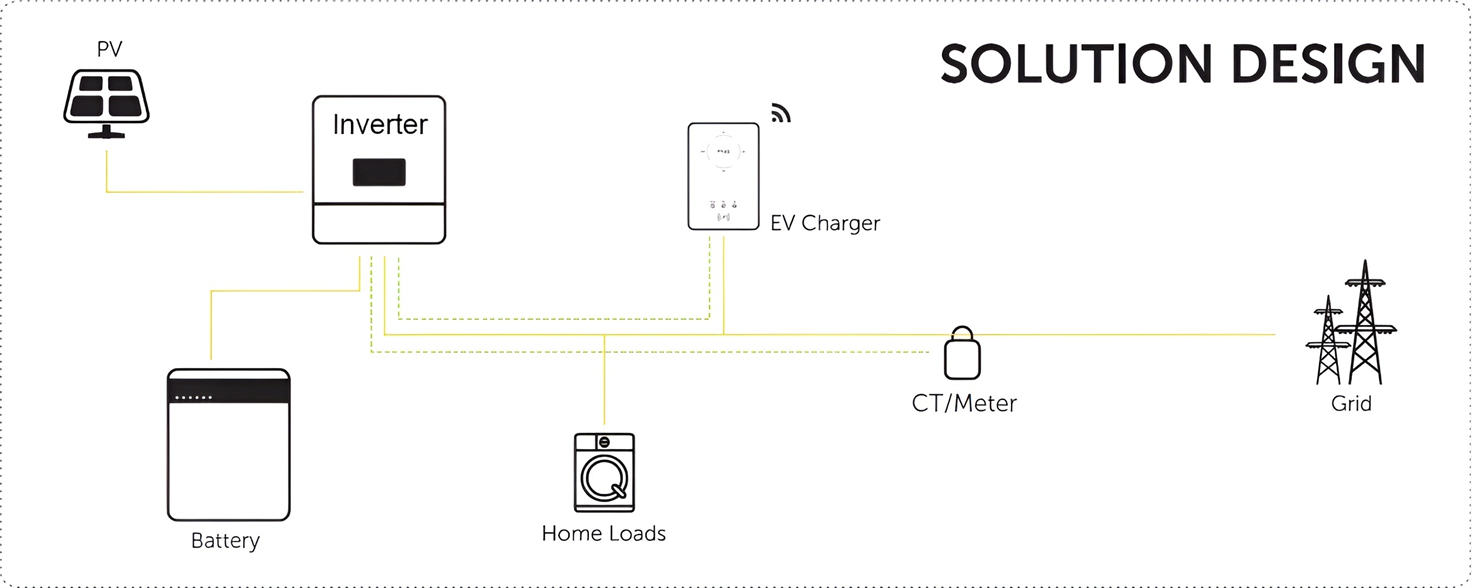
Well-designed Solutions for Energy Storage Systems
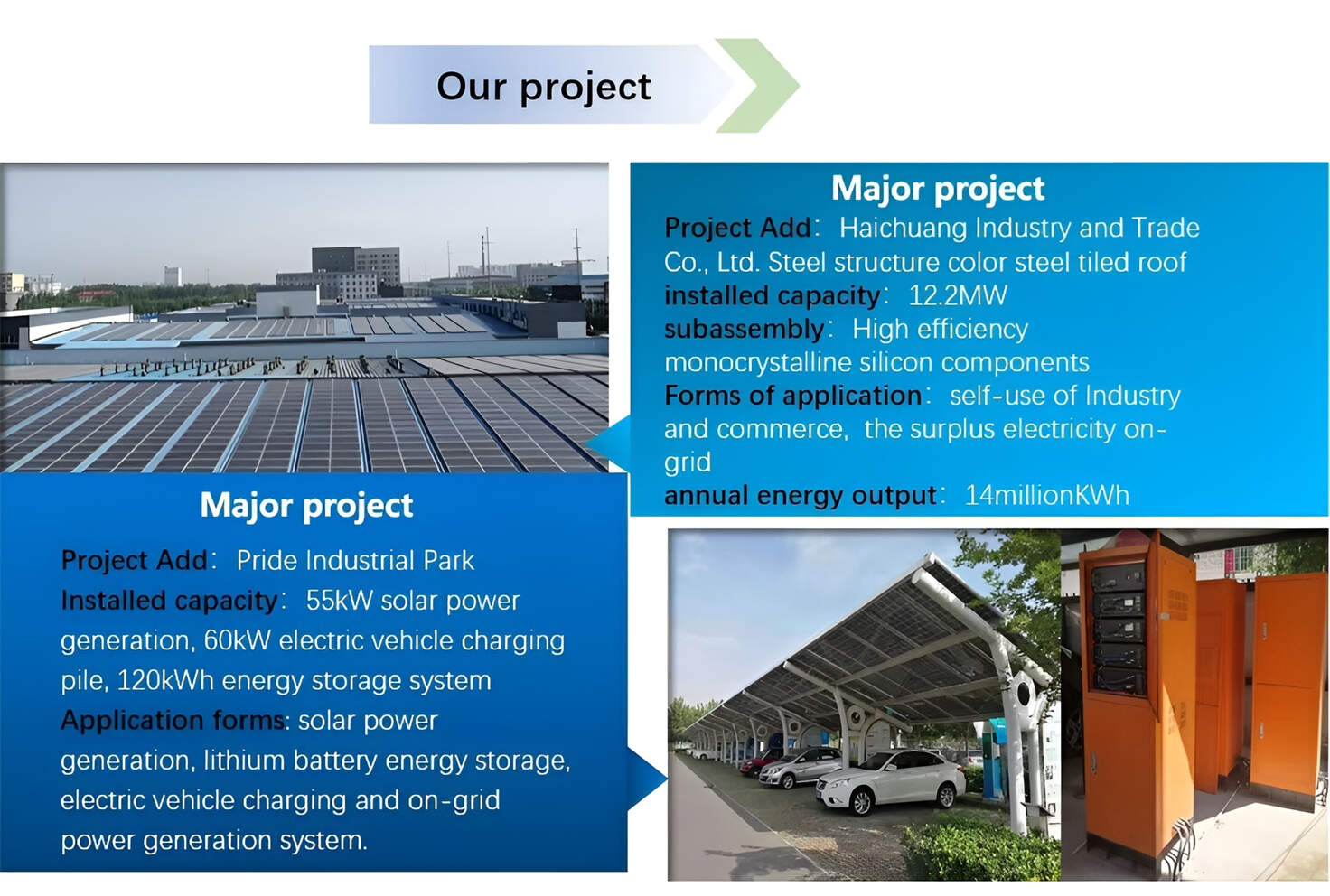
We will design the perfect energy storage system solution according to your needs, so that you can easily solve the specific industry applications of battery products.
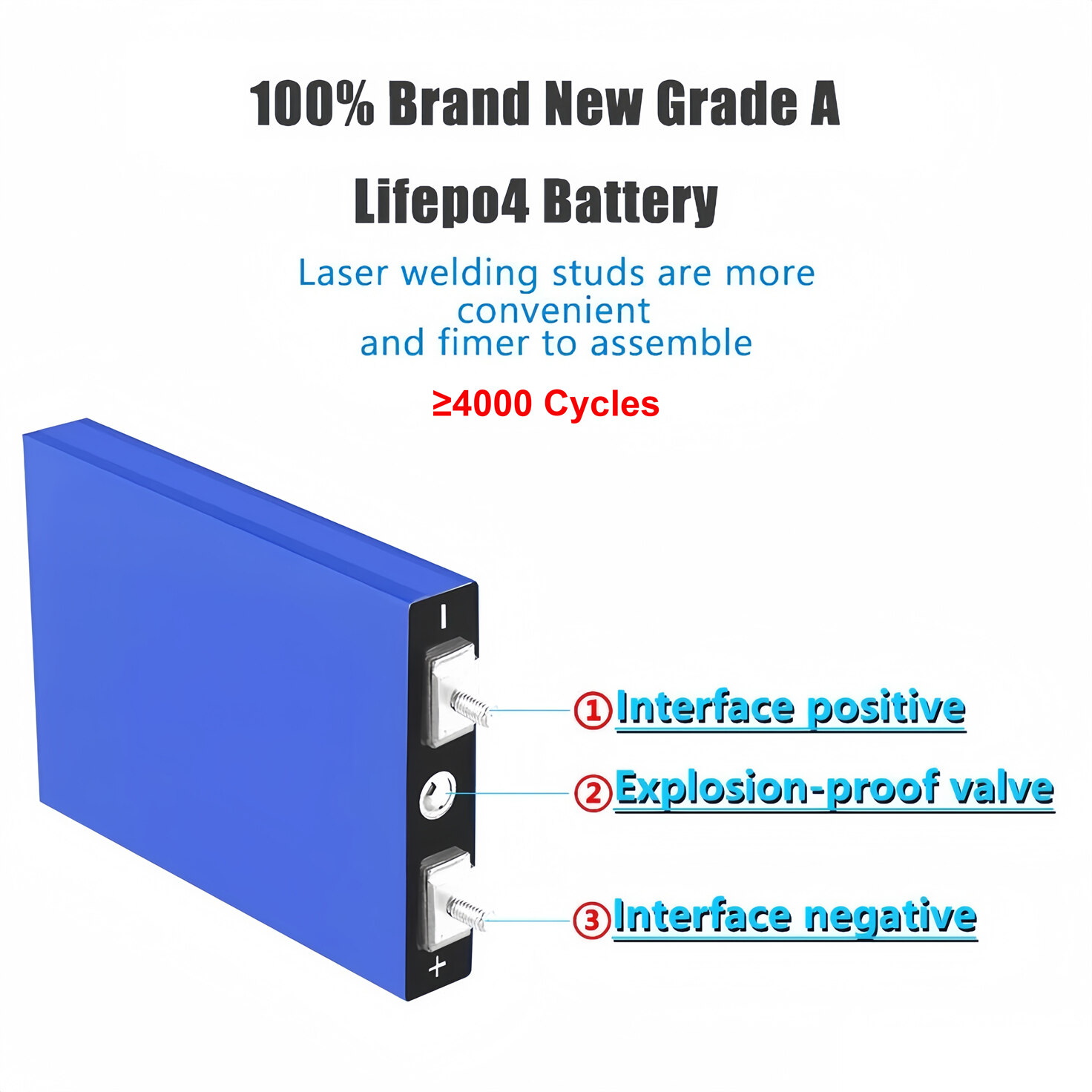
About Our Battery Cells
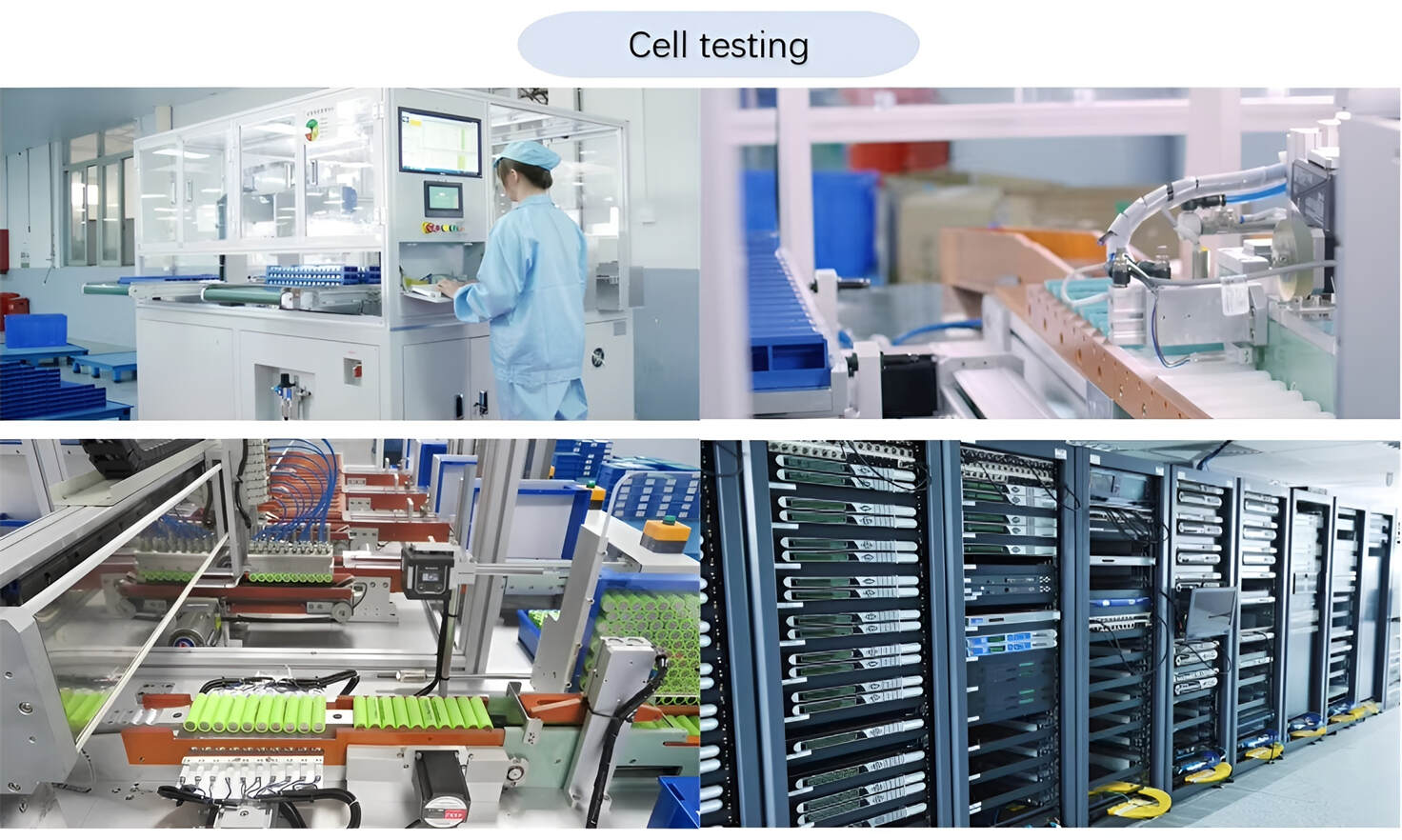
Our energy storage system products use brand new grade A LiFePO4 cells with a battery lifespan of more than 4,000 charge/discharge cycles.
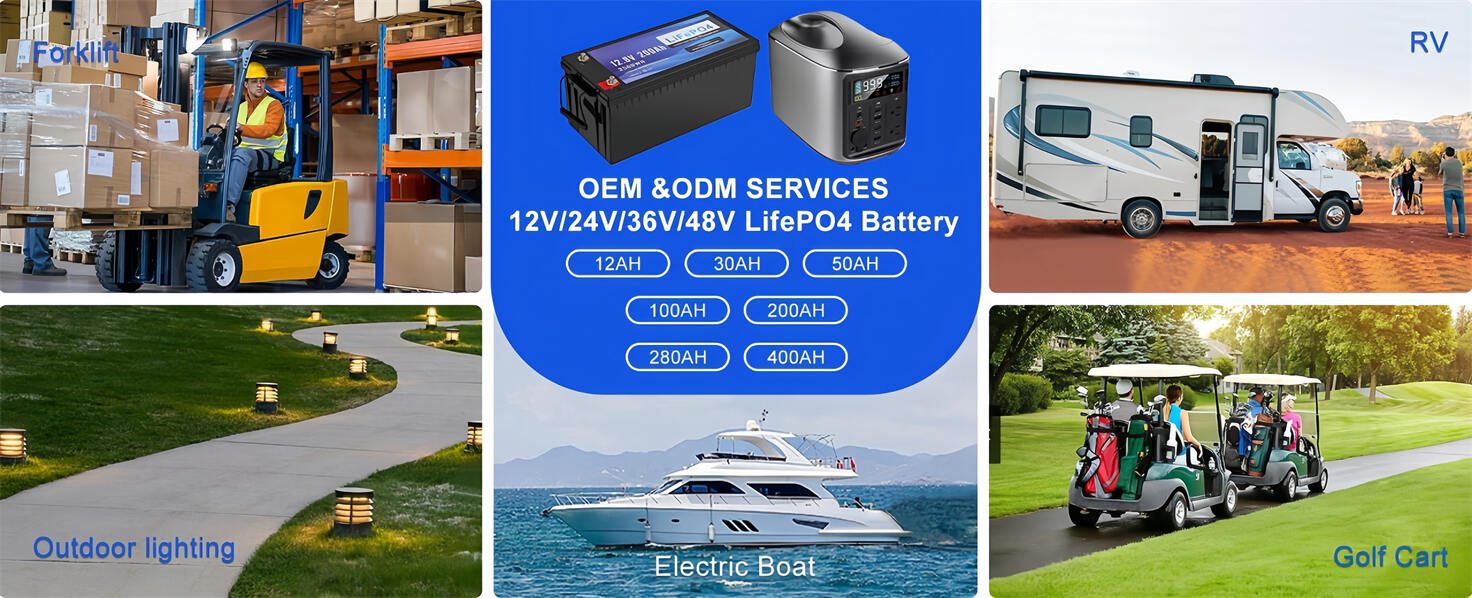
Applications in Different Industries
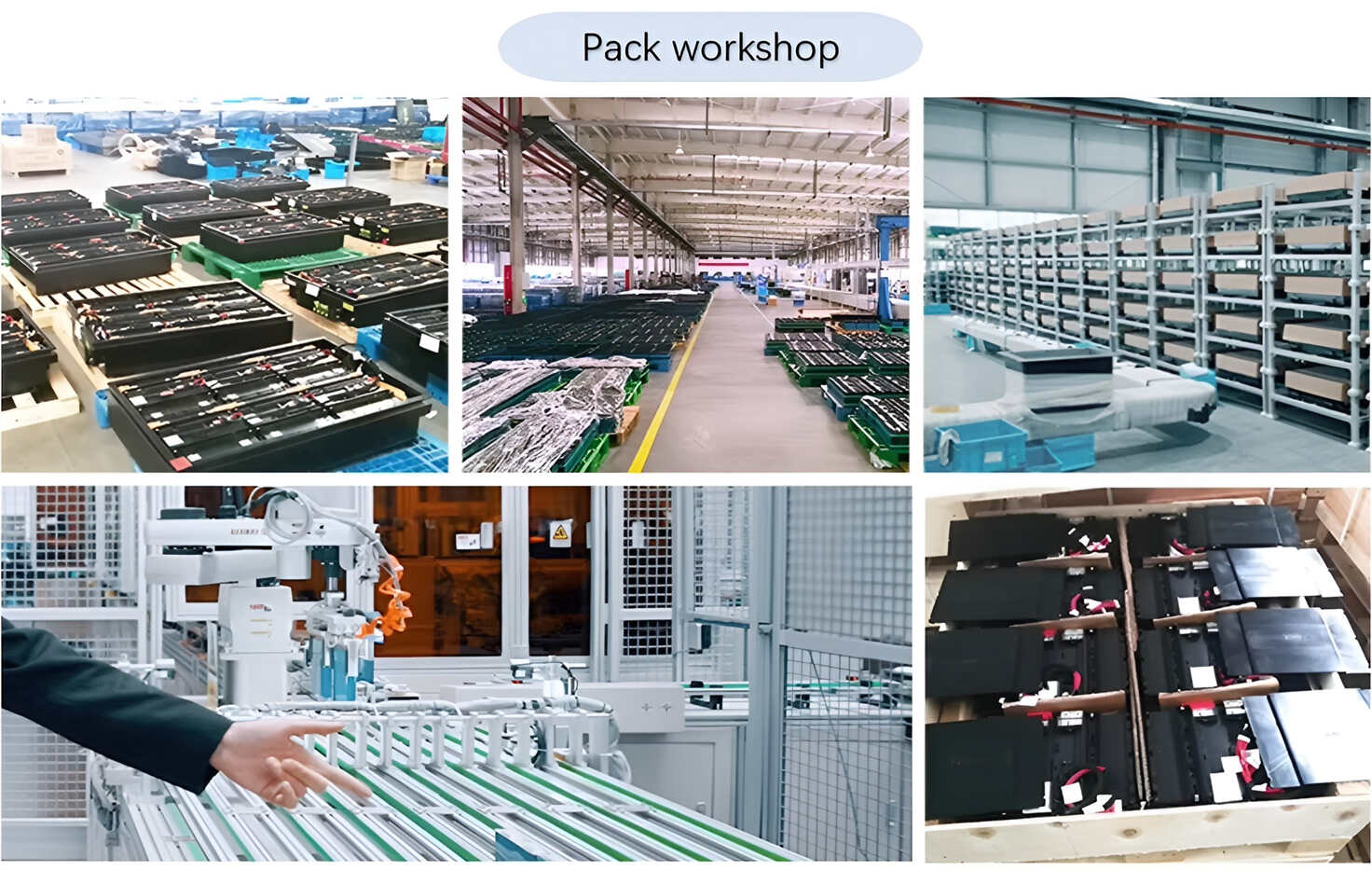
We supply customized & OEM battery pack, assemble cells with wiring, fuse and plastic cover, all the cell wires connected to PCB plug or built BMS.
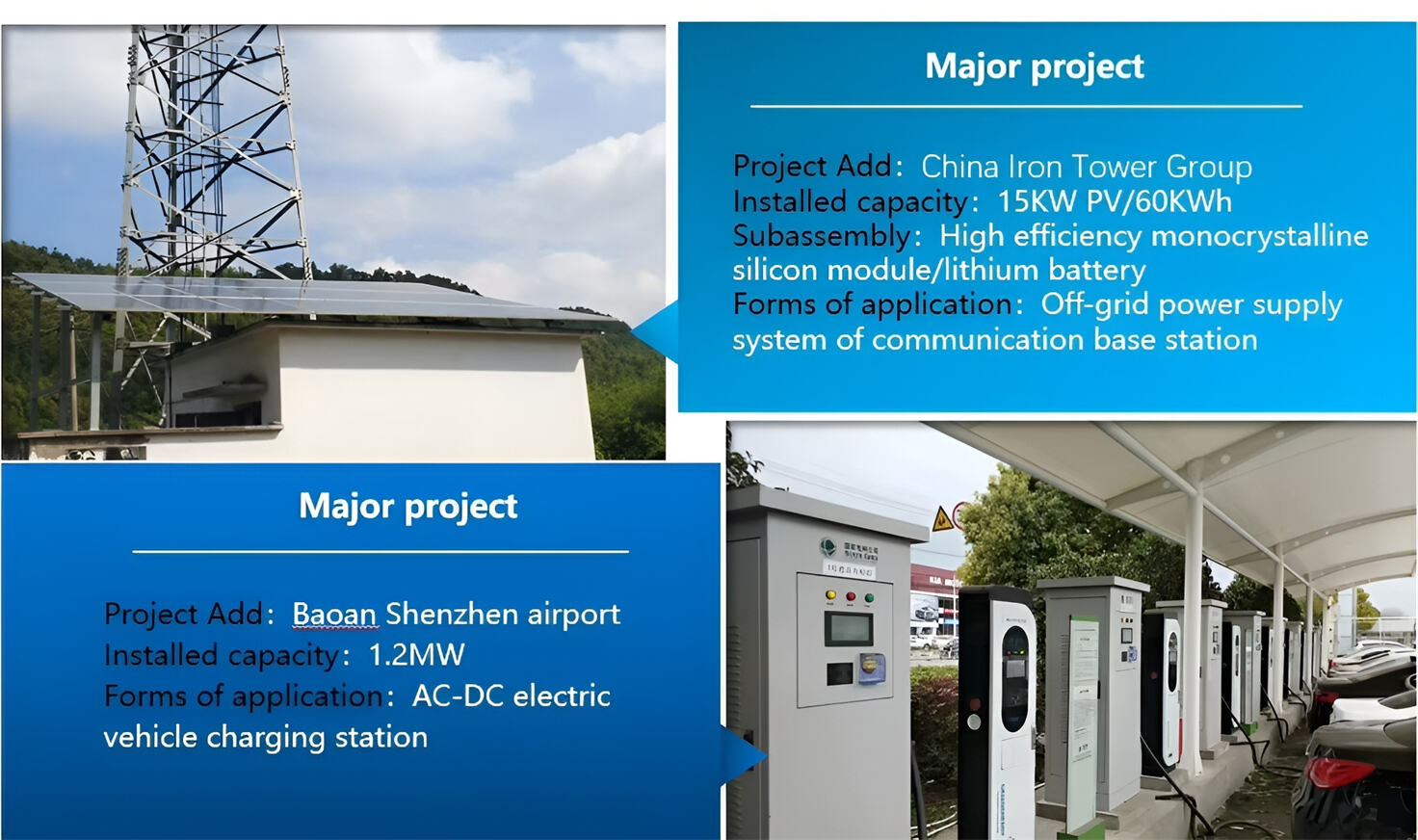
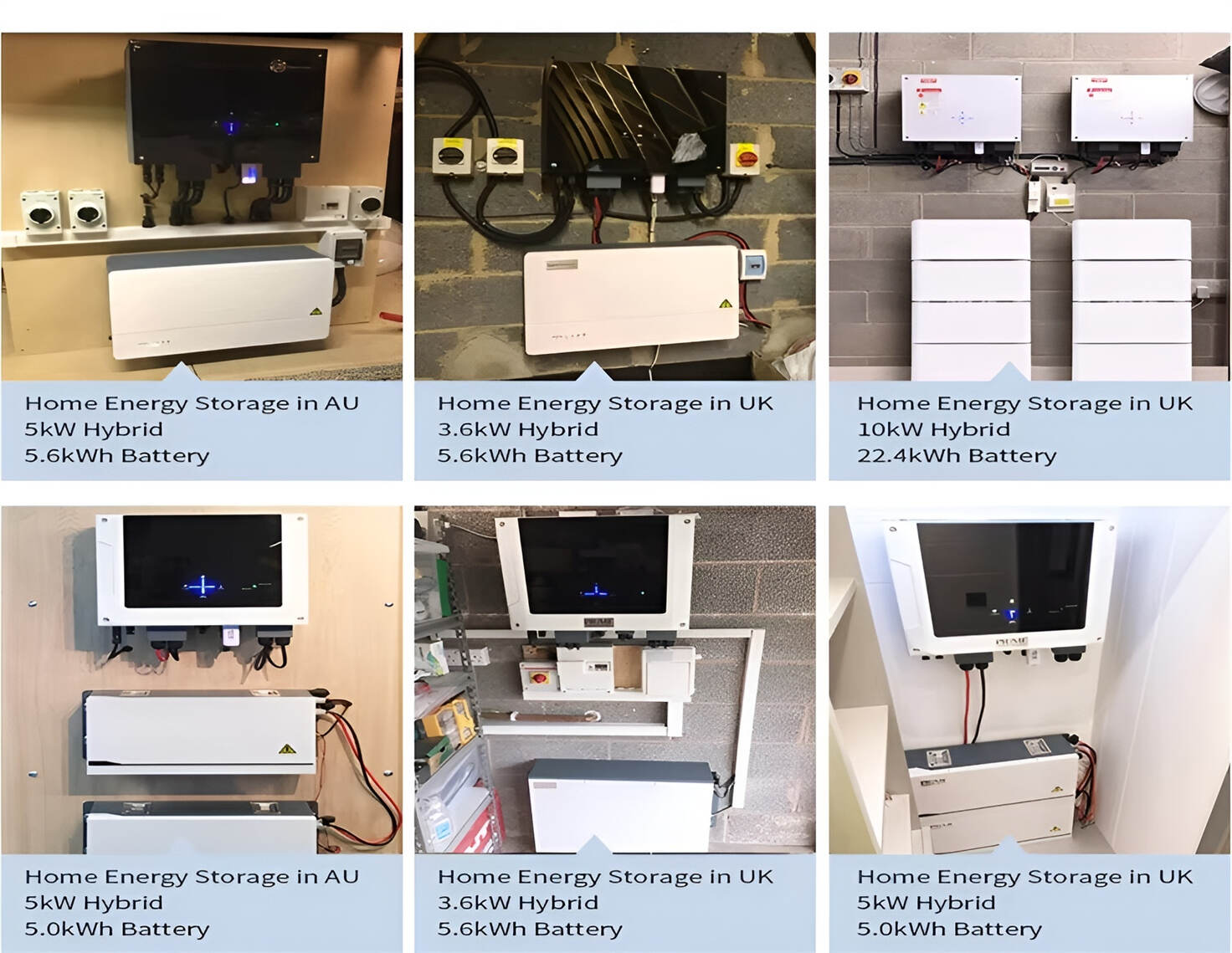
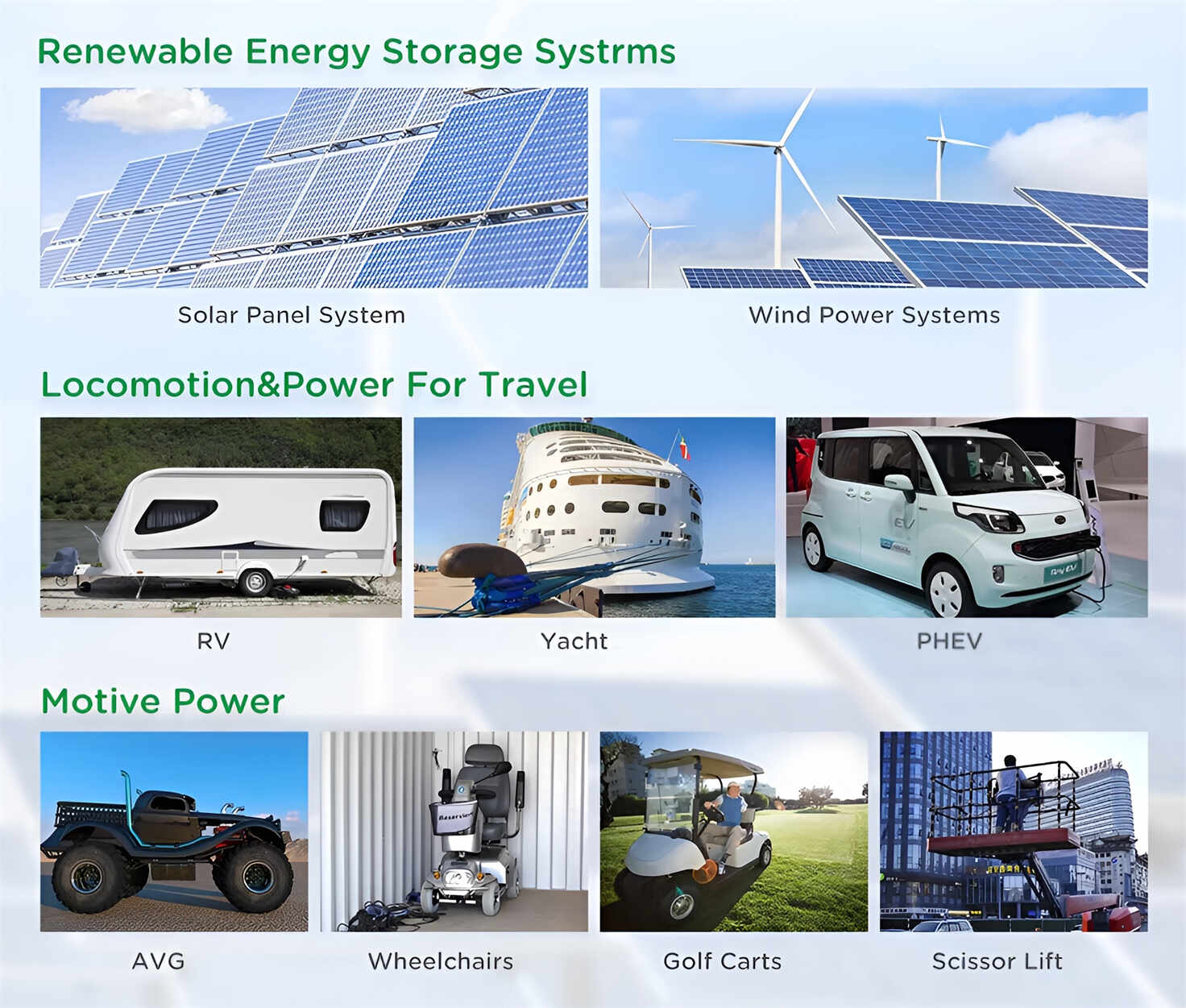
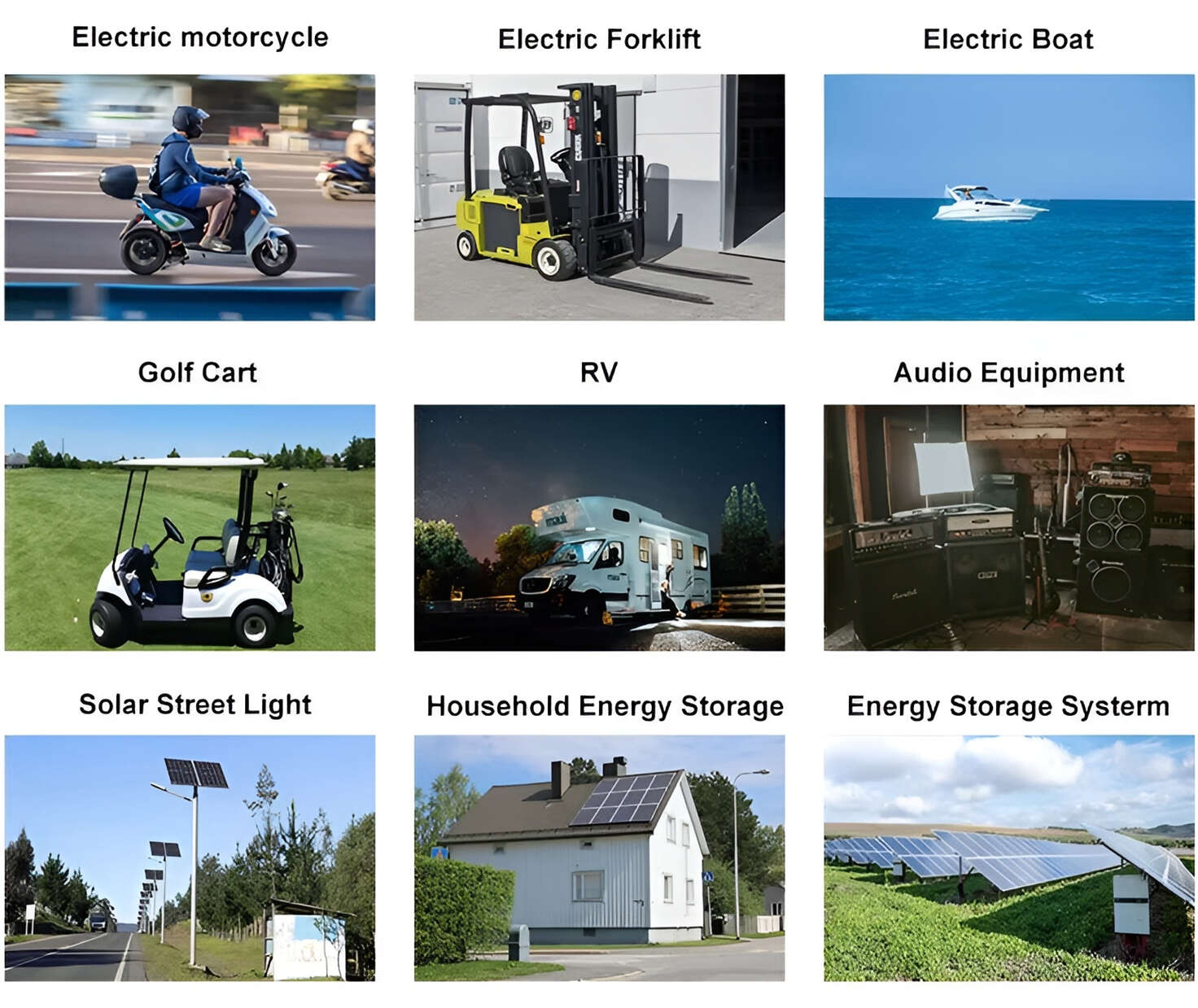
Applications: E-bike, Electric Scooter, Golf Carts, RV, Electric Wheelchair, Electric Tools, Robot Cleaner, Robot Sweeper, Solar Energy Storage System, Emergency Light, Solar Power Light, Medical Equipment, UPS Backup Power Supply.
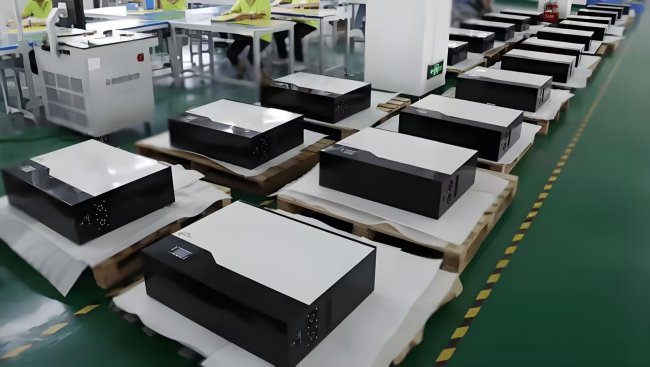
We can provide you with customized services. We have the ability to provide a vertical supply chain, from single cells to pack/module and to a complete power solution with BMS, etc.
HomSolar (Shenzhen) Technology Co., Ltd