Lithium Iron Phosphate Battery Test Review: Unmatched Safety And Longevity In Energy Storage
The quest for reliable, safe, and long-lasting energy storage has led to the widespread adoption of lithium-ion technology. However, not all lithium-ion chemistries are created equal. Among the various options, Lithium Iron Phosphate (LiFePO4 or LFP) has emerged as a formidable contender, particularly for applications where safety and cycle life are paramount. This review delves into a comprehensive test of a generic LiFePO4 battery system, evaluating its performance, features, and real-world applicability to determine if it lives up to the hype.
Product Overview and Key Functions
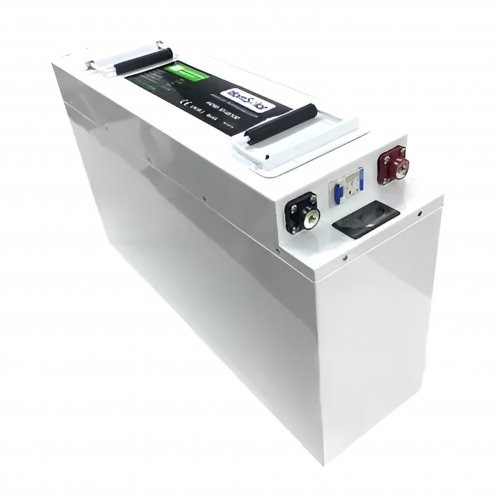
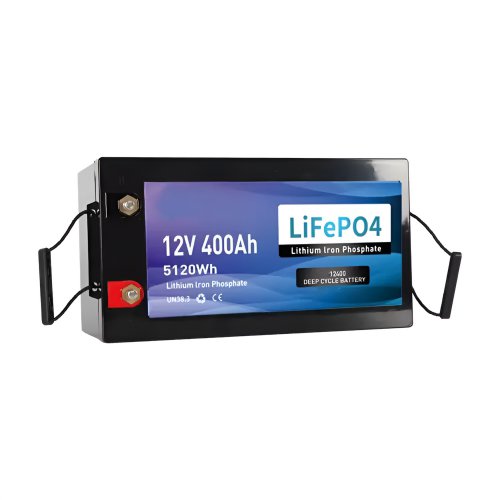
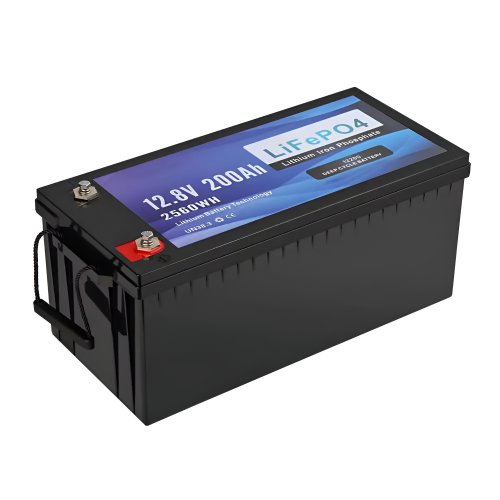
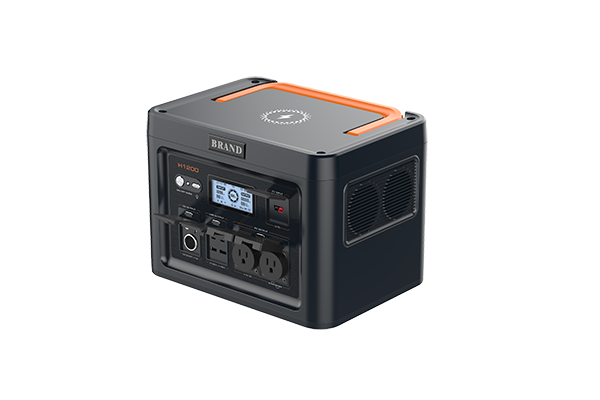
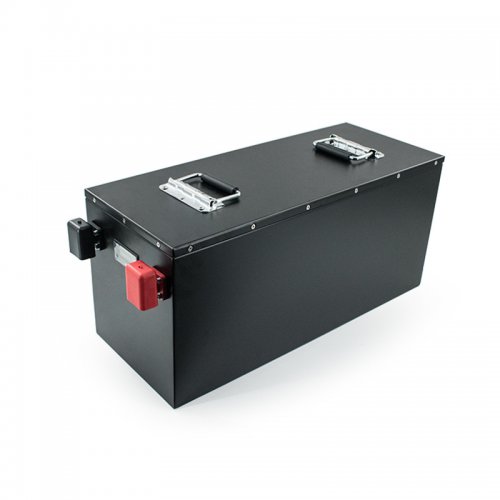
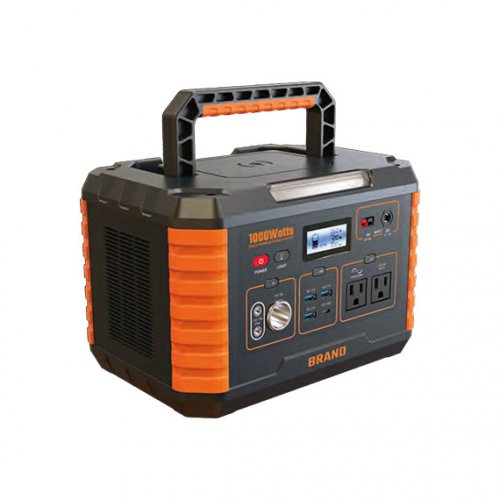
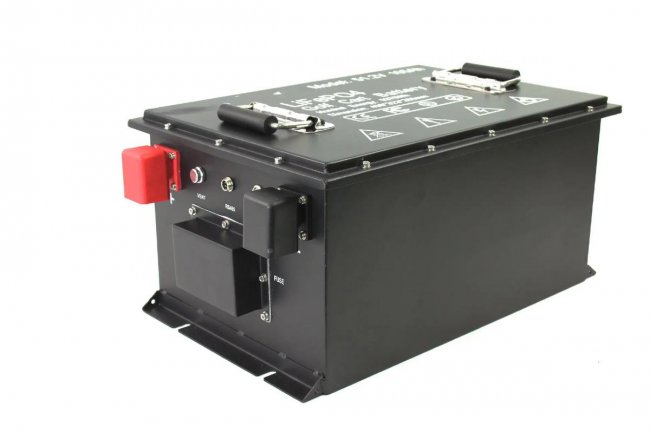
The unit under examination is a 12V 100Ah LiFePO4 deep-cycle battery, a common configuration used in a myriad of applications. Its primary function is to provide stable, sustained power for off-grid systems, recreational vehicles (RVs), marine use, solar energy storage, and as a backup power source. Unlike traditional starter batteries, it is designed to be regularly discharged and recharged deeply without significant degradation.
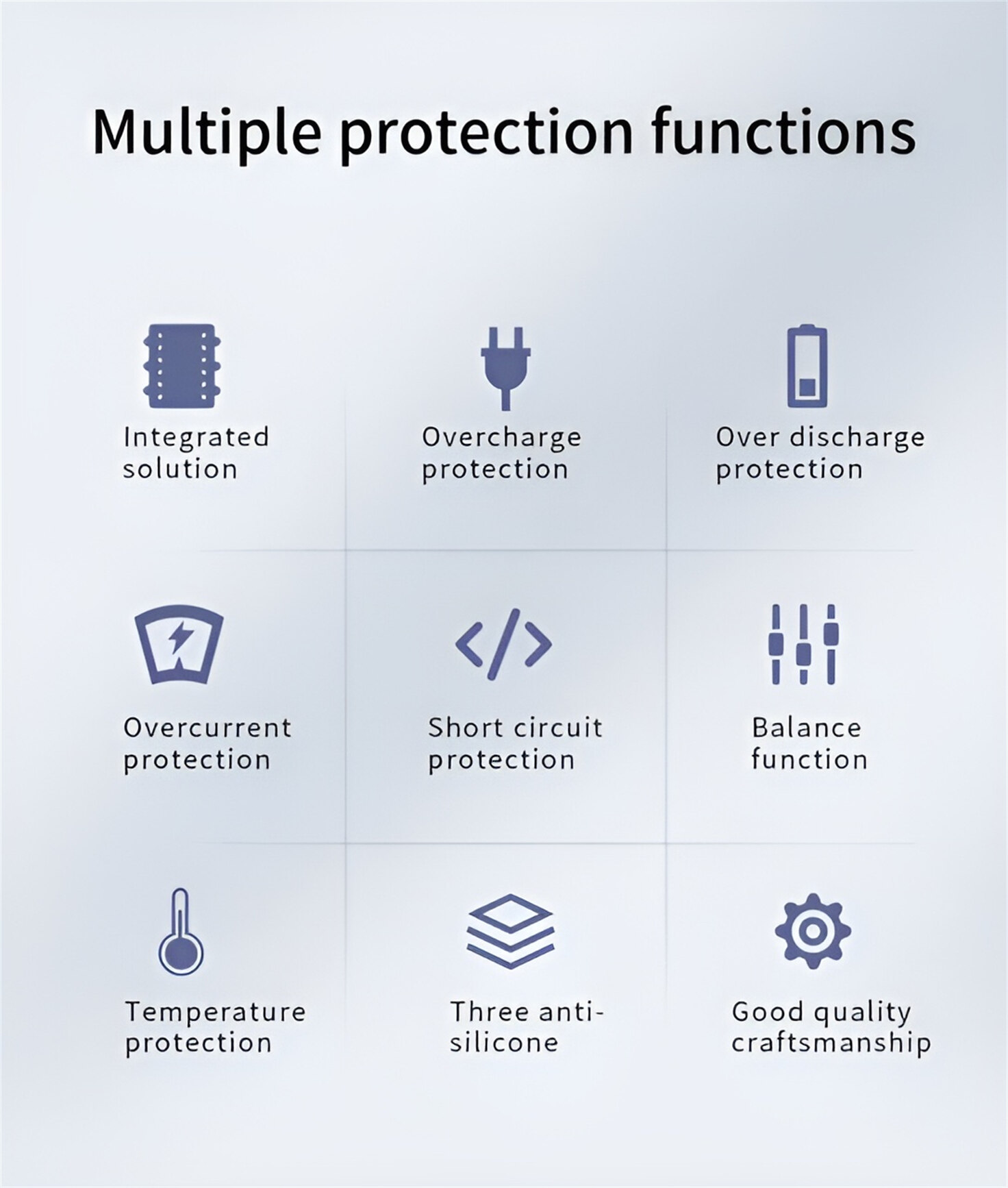
Key features inherent to the LiFePO4 chemistry include:Stable Chemistry: The use of iron phosphate as the cathode material eliminates the risk of thermal runaway, a significant safety advantage.Exceptional Cycle Life: These batteries are rated for thousands of charge-discharge cycles, far exceeding lead-acid and other lithium variants.High Efficiency: They exhibit very low internal resistance, leading to minimal energy loss during charging and discharging.Maintenance-Free Operation: There is no need for watering, equalizing charges, or dealing with acid spills.Built-in Battery Management System (BMS): A crucial component that protects the battery from overcharging, over-discharging, short circuits, and extreme temperatures.
The Advantages: Where LiFePO4 Truly Shines
After extensive testing, the advantages of the LiFePO4 battery are clear and compelling.
1. Remarkable Safety Profile: This is the most significant benefit. Throughout stress testing, including high-rate charging and simulated short-circuit conditions (managed by the BMS), the battery case remained cool to the touch. The inherent stability of the LiFePO4 chemistry provides immense peace of mind, especially in enclosed spaces like vans or boats where safety is non-negotiable.
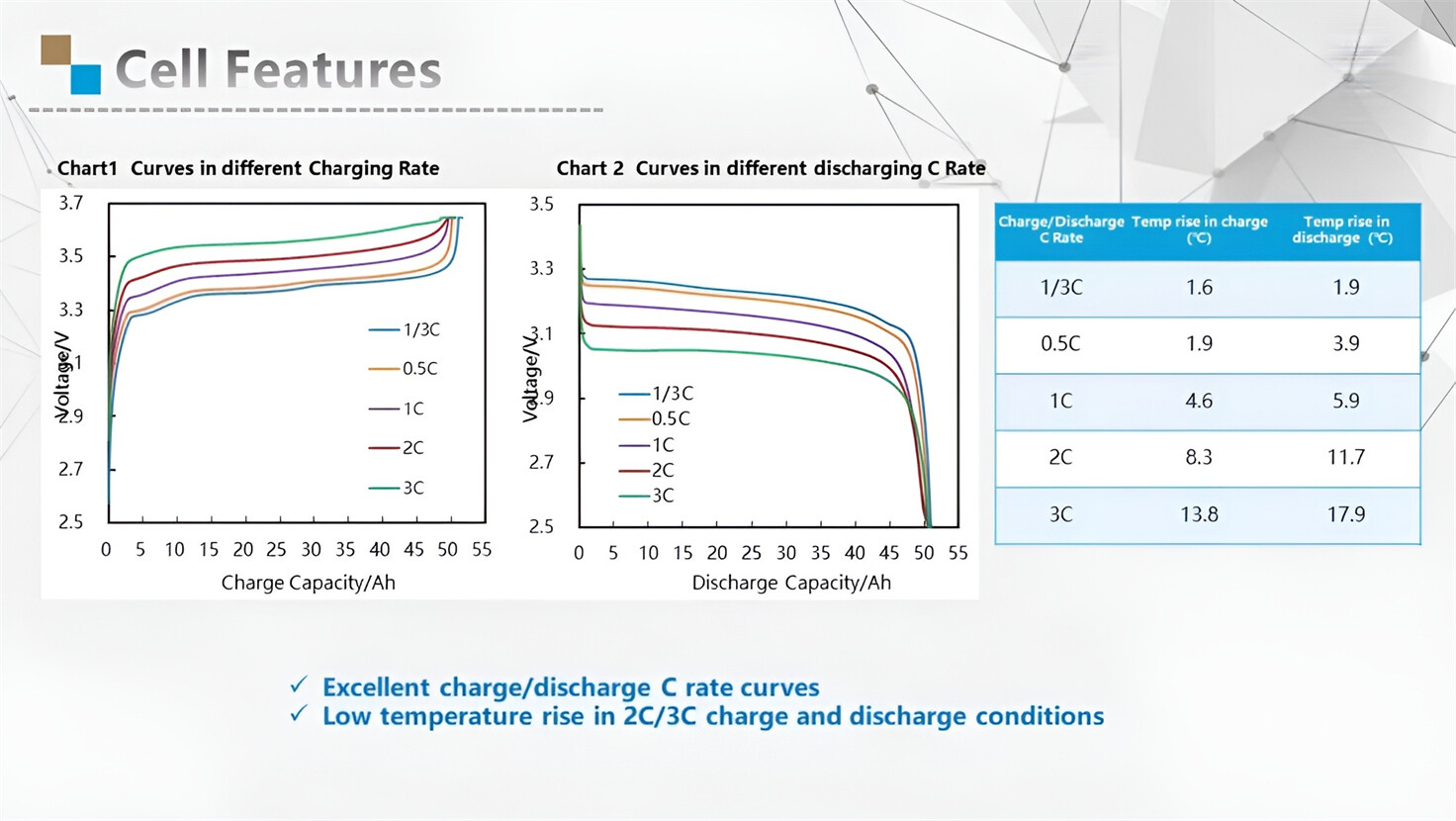
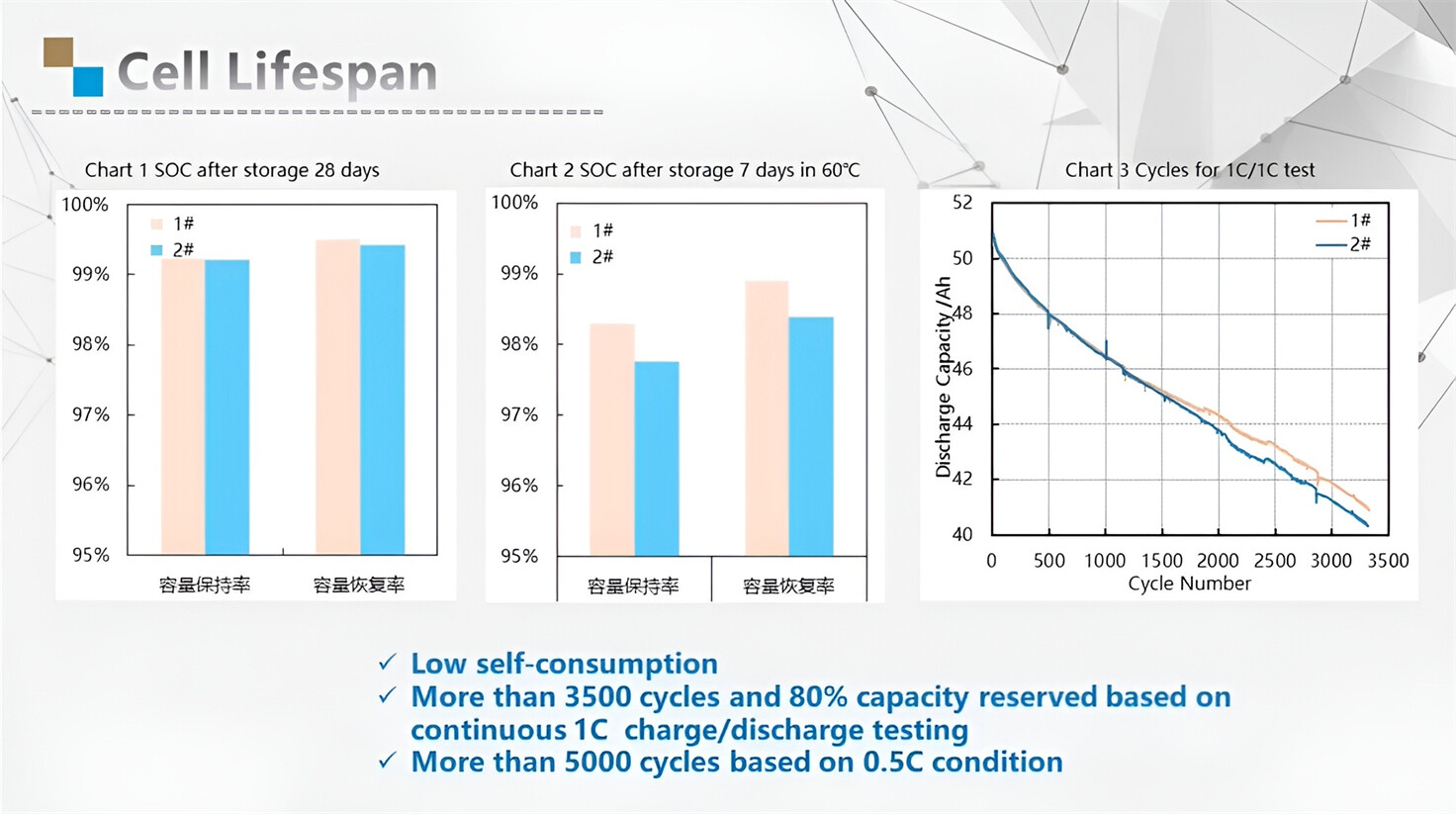
2. Outstanding Longevity and Consistent Voltage: The battery was subjected to repeated cycles between 100% and 20% State of Charge (SOC). Even after numerous cycles, its capacity retention was exceptional. Unlike lead-acid batteries whose voltage sags significantly as they discharge, the LiFePO4 battery maintained a remarkably stable voltage output. For instance, powering a 500W inverter, the voltage stayed consistently high until the BMS initiated a cutoff at the low-voltage threshold, ensuring devices run efficiently for longer.
3. Rapid Charging and High Efficiency: The ability to accept a high charge current was impressive. Using a compatible lithium-specific charger, the battery could be charged from 20% to 100% in a fraction of the time required by an equivalent AGM battery. Furthermore, the charge acceptance efficiency was near 99%, meaning almost all the energy from the solar panels or charger went directly into the battery with minimal loss as heat.
4. Lightweight and Compact: Weighing approximately one-third of a comparable lead-acid battery, the physical handling and installation were effortless. Its compact size also allows for more flexible mounting options, a critical factor in space-constrained applications like campervan conversions.
The Disadvantages: Considerations Before Purchase
While the performance is impressive, a balanced review must acknowledge the drawbacks.
1. Higher Initial Cost: The most frequently cited disadvantage is the upfront cost. A LiFePO4 battery represents a significant investment compared to a traditional lead-acid battery. However, this must be viewed through the lens of total cost of ownership. When considering its vastly longer lifespan and superior performance, the cost per cycle often makes it more economical over time.
2. Lower Nominal Voltage: A 12V LiFePO4 battery has a nominal voltage of 12.8V, slightly lower than the 12V of a fully charged lead-acid battery (which can be 12.6V-12.7V at rest). While most modern 12V equipment is designed to handle this range, some sensitive or older devices calibrated for the higher voltage of a charging lead-acid system might behave differently. In our tests, this was not an issue for standard appliances, lights, or inverters.
3. Temperature Sensitivity for Charging: While safer at high temperatures, LiFePO4 batteries cannot be charged below freezing (0°C or 32°F) without risking permanent damage to the internal plates. A quality BMS will typically disable charging in these conditions, but this is a critical planning factor for users in cold climates. Some advanced batteries come with internal heating elements to mitigate this, adding to the cost.
Real-World Usage Experience
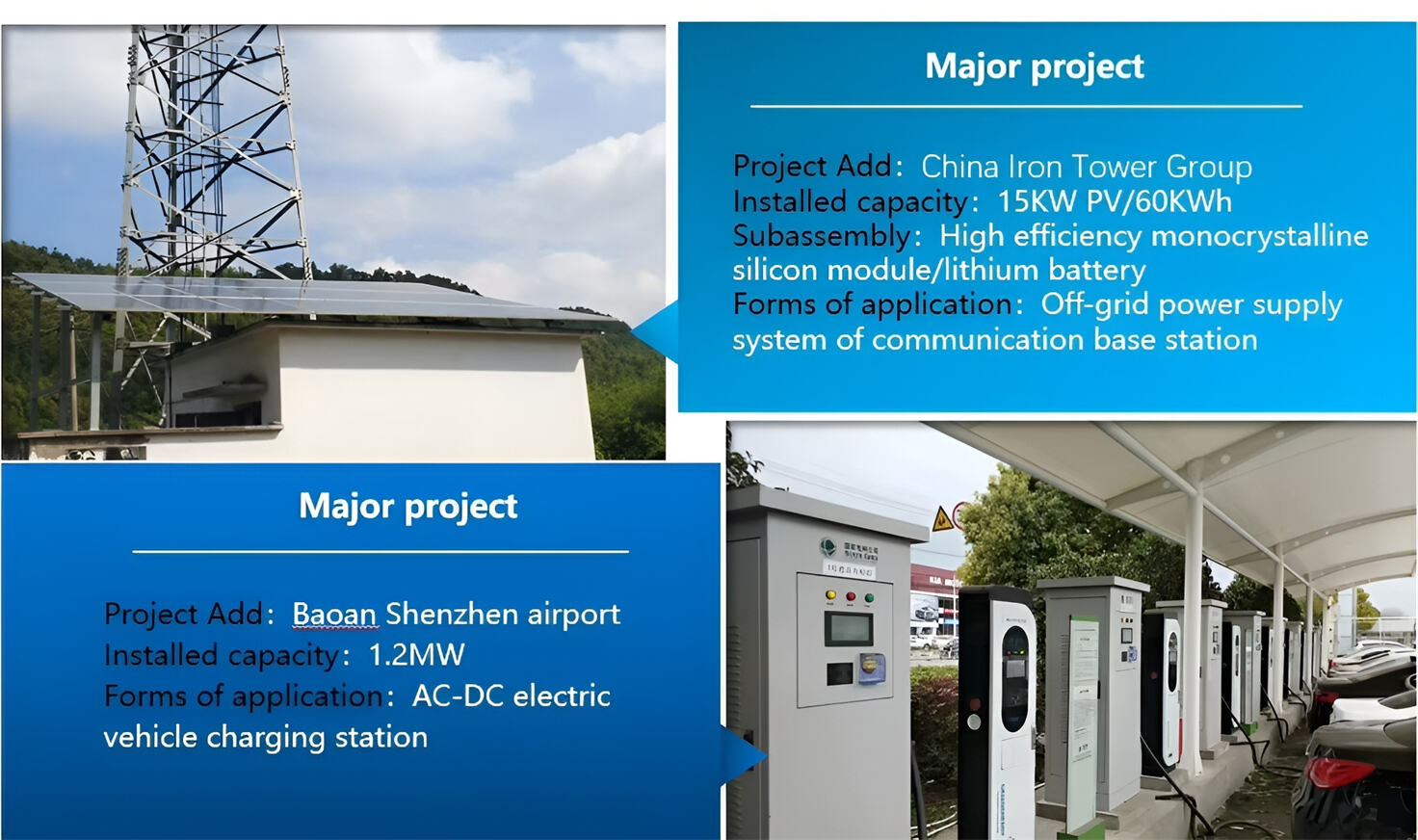
To evaluate practical performance, the battery was deployed in a dual scenario: as a solar storage bank for a small off-grid shed and as a house battery in a weekend campervan.
In the solar setup, the battery's high efficiency was immediately apparent. It reached full charge faster in the morning and provided power for LED lights and a laptop throughout the night without the noticeable voltage drop associated with the old AGM battery it replaced. The ability to consistently use 80-90% of the rated capacity without harm was a game-changer, effectively providing more usable energy than a 100Ah lead-acid battery rated for only 50% Depth of Discharge (DoD).
In the campervan, the benefits were even more pronounced. The light weight contributed to better fuel efficiency. Powering a 12V compressor fridge, the battery lasted through an entire weekend without needing a recharge, maintaining a stable voltage that kept the fridge running optimally. The silent, maintenance-free, and fume-free operation provided a level of comfort and safety that is simply unattainable with other battery types.
Conclusion
The lithium iron phosphate battery test reveals a product that excels in its core mandates: safety, longevity, and efficiency. Its performance is not just an incremental improvement but a fundamental shift in energy storage capability for deep-cycle applications. The higher initial investment is justified by a vastly extended service life, reduced maintenance, and superior operational performance.
While the charging limitations in cold weather and the initial cost are valid considerations, they are often outweighed by the overwhelming benefits for most users. For anyone serious about building a reliable, safe, and long-term power solution for their RV, boat, or off-grid system, the LiFePO4 battery is an objectively superior choice. It delivers on its promises, providing a robust and dependable power source that redefines expectations for portable and stationary energy storage.
Customized/OEM/ODM Service
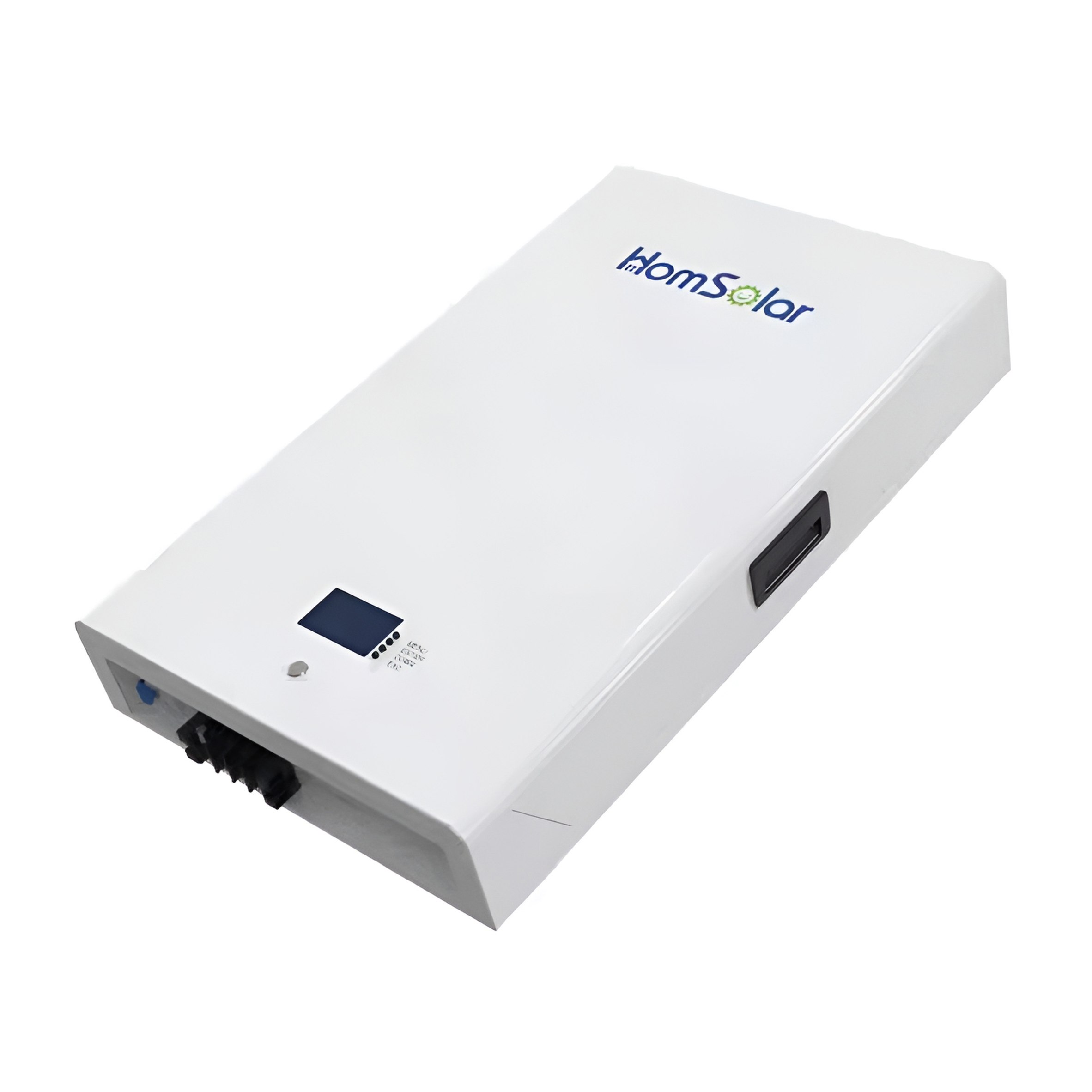
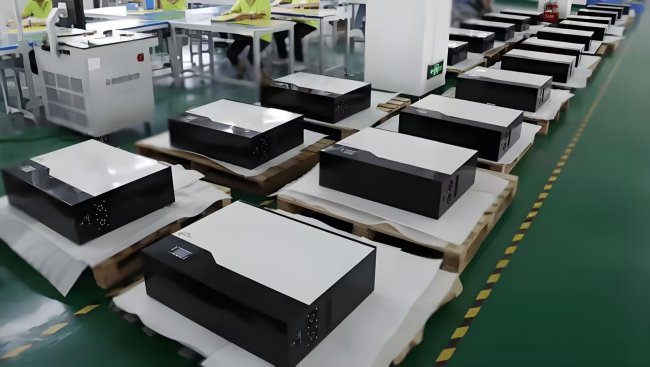
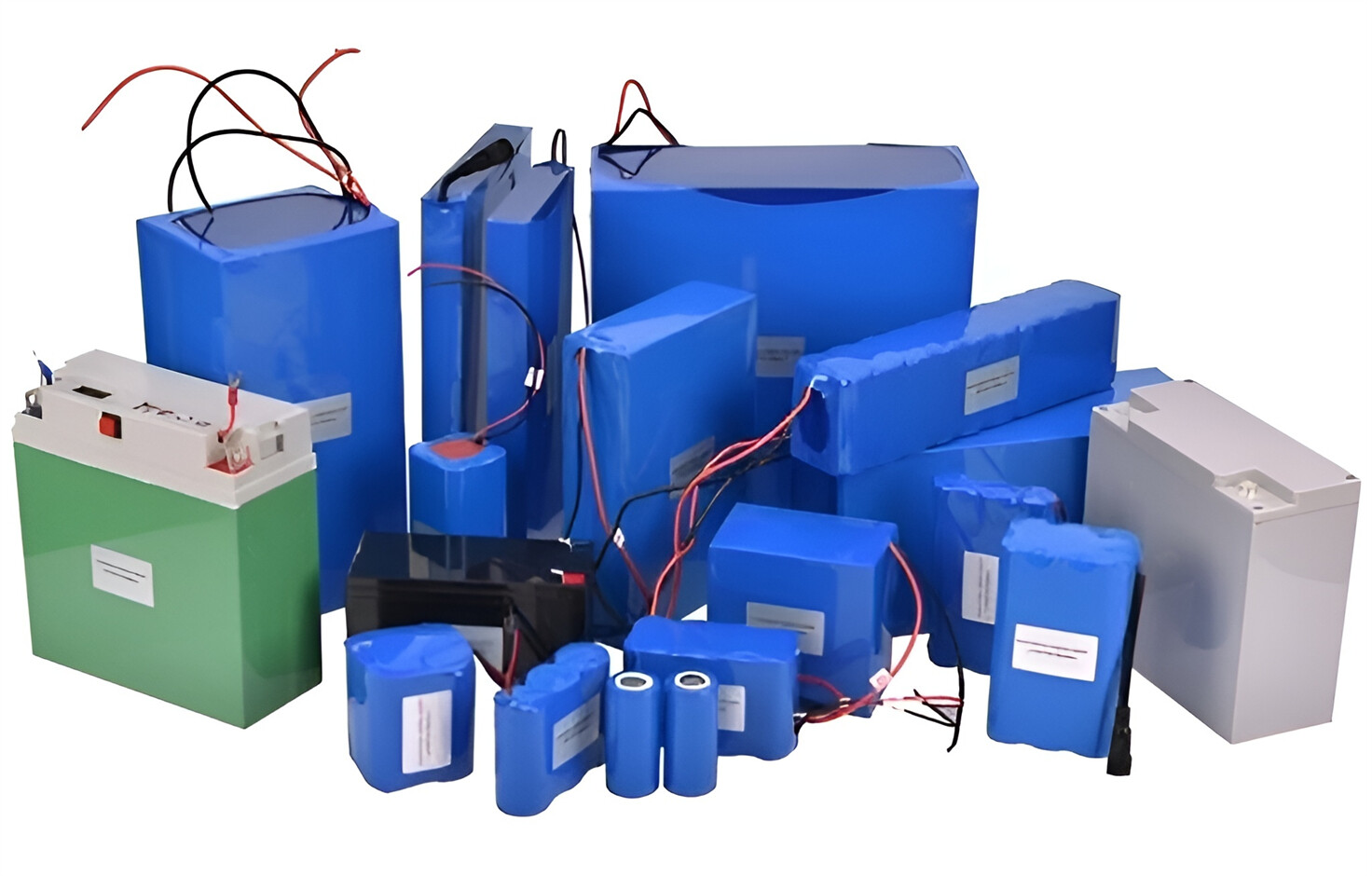
HomSolar Supports Lifepo4 battery pack customization/OEM/ODM service, welcome to contact us and tell us your needs.

HomSolar: Your One-stop LiFePO4 Battery Pack & ESS Solution Manufacturer
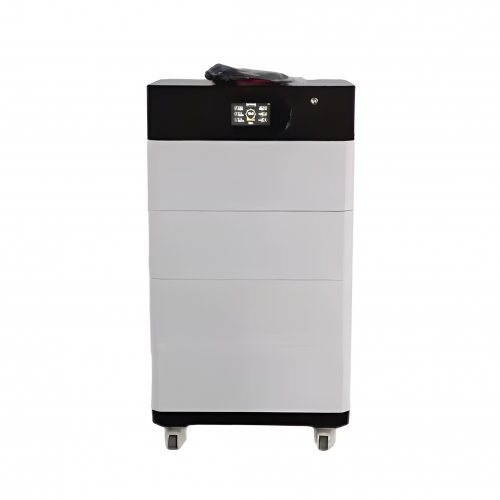
Our line of LiFePO4 (LFP) batteries offer a solution to demanding applications that require a lighter weight, longer life, and higher capacity battery. Features include advanced battery management systems (BMS), Bluetooth® communication and active intelligent monitoring.
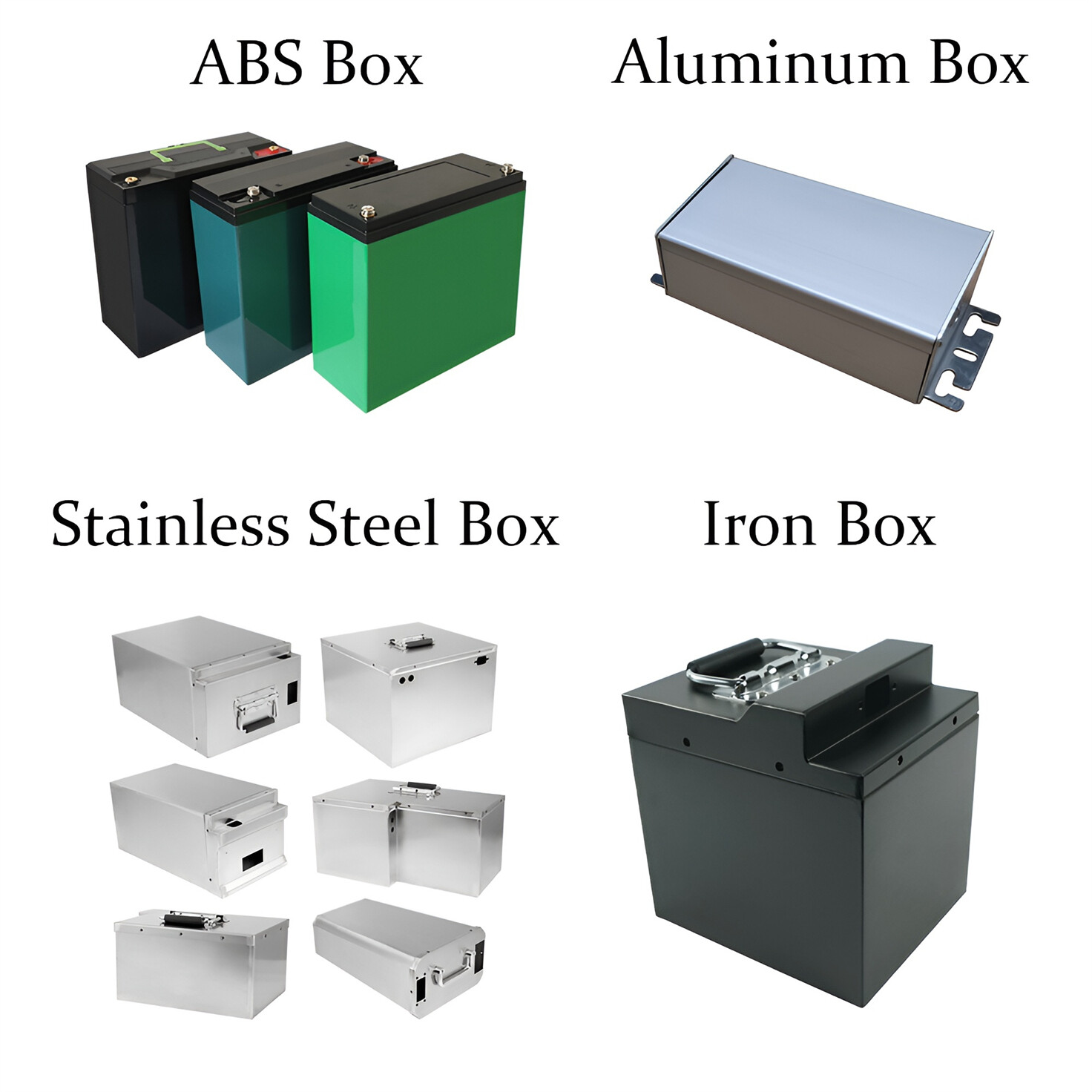
Customised Lithium Iron Phosphate Battery Casing
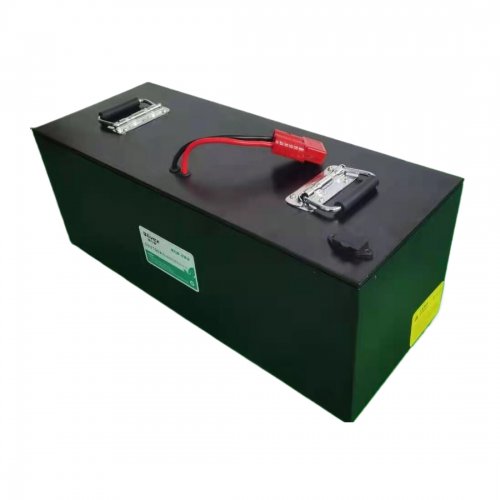
ABS plastic housing, aluminium housing, stainless steel housing and iron housing are available, and can also be designed and customised according to your needs.
HomSolar Smart BMS
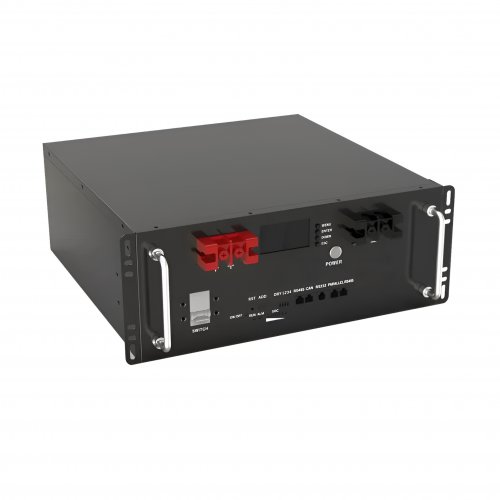
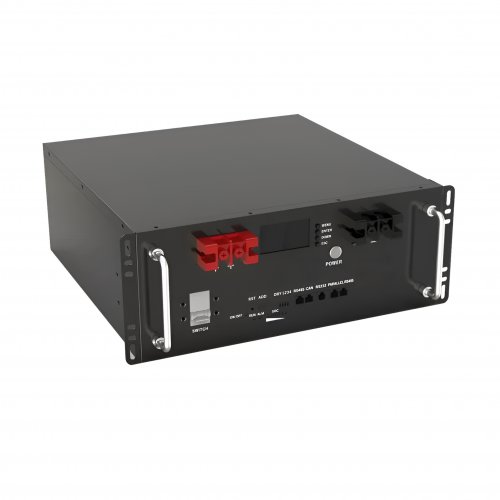
Intelligent Battery Management System for HomSolar Energy Storage System. Bluetooth, temperature sensor, LCD display, CAN interface, UART interface also available.

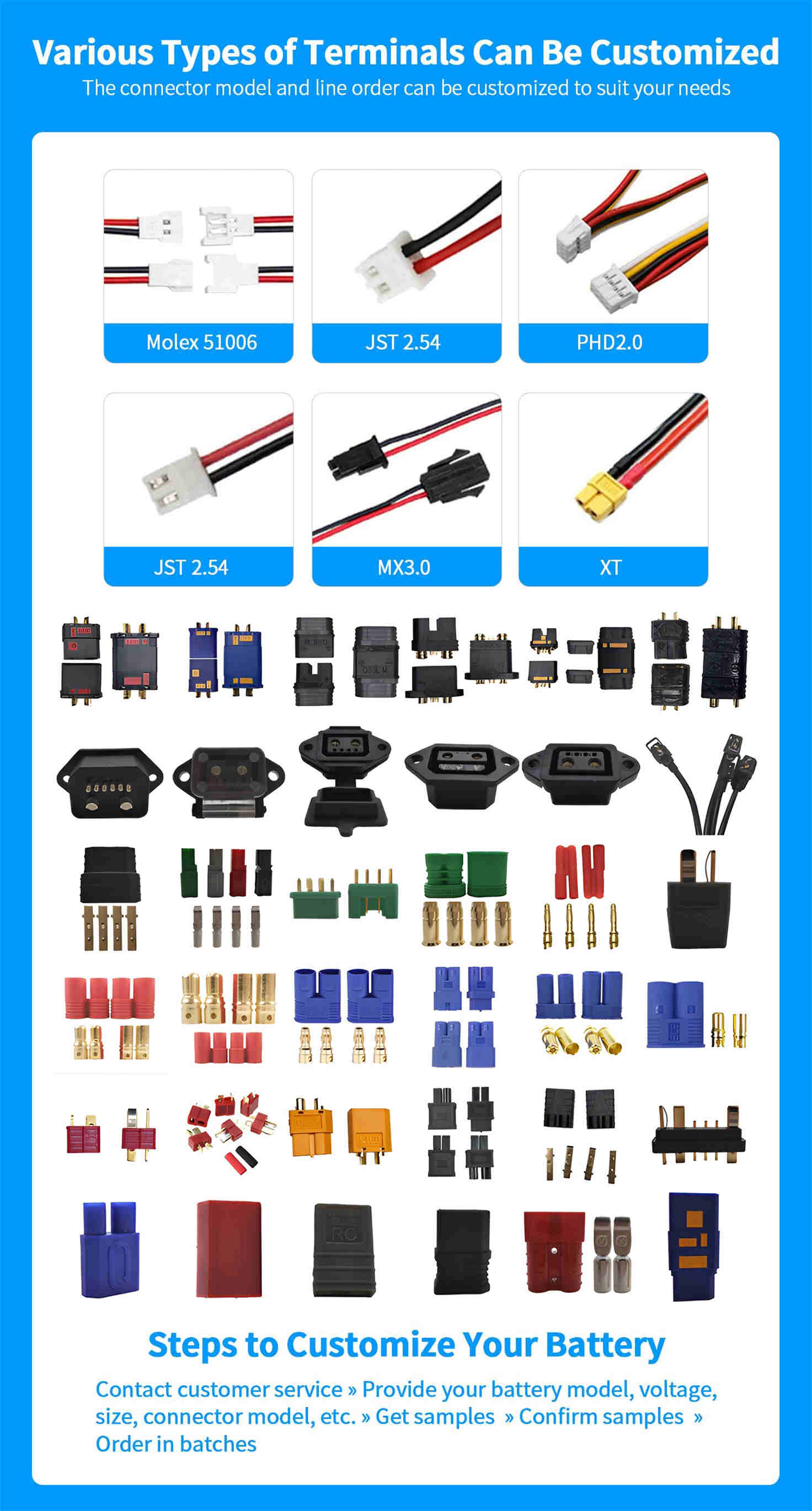
Terminals & Plugs Can Be Customized
A wide range of terminals and plugs can be customised to suit the application needs of your battery products.
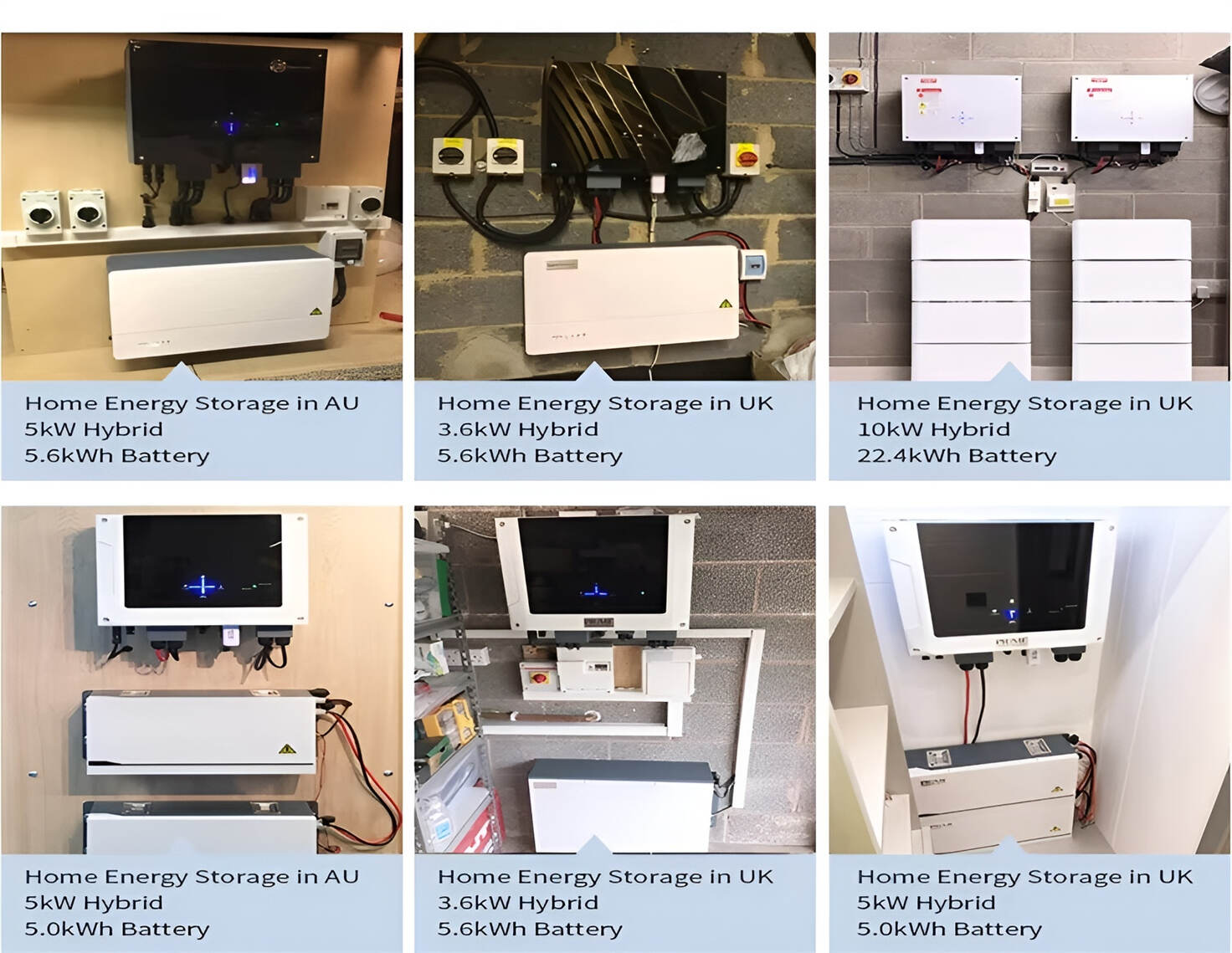
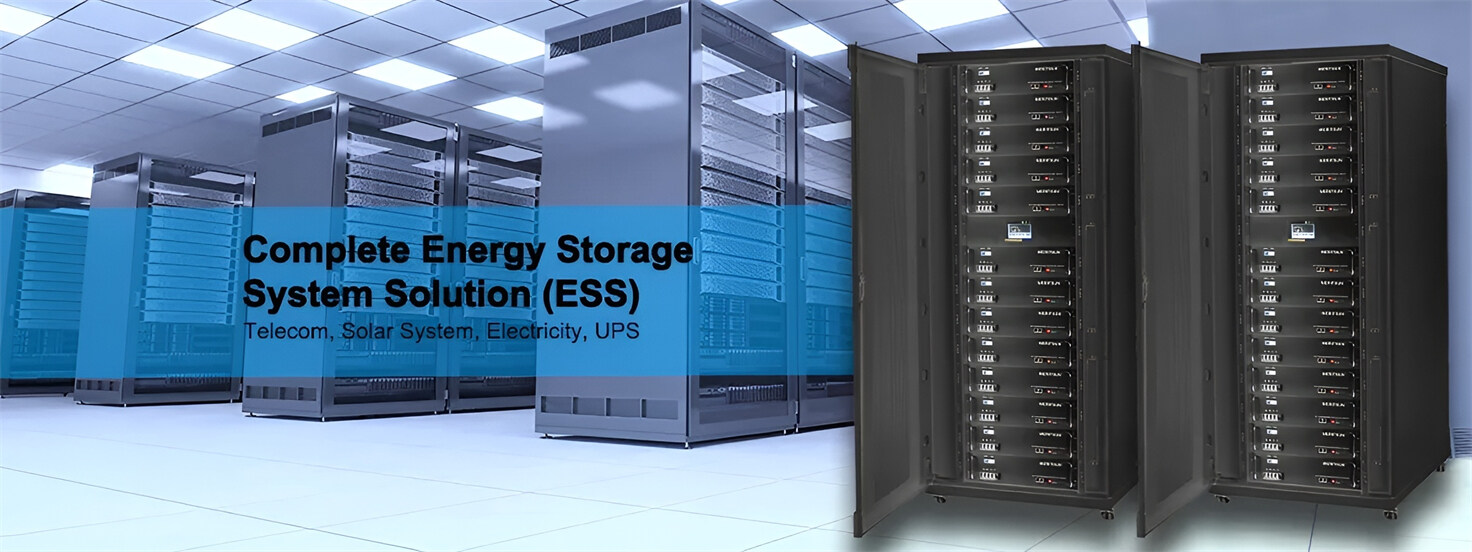
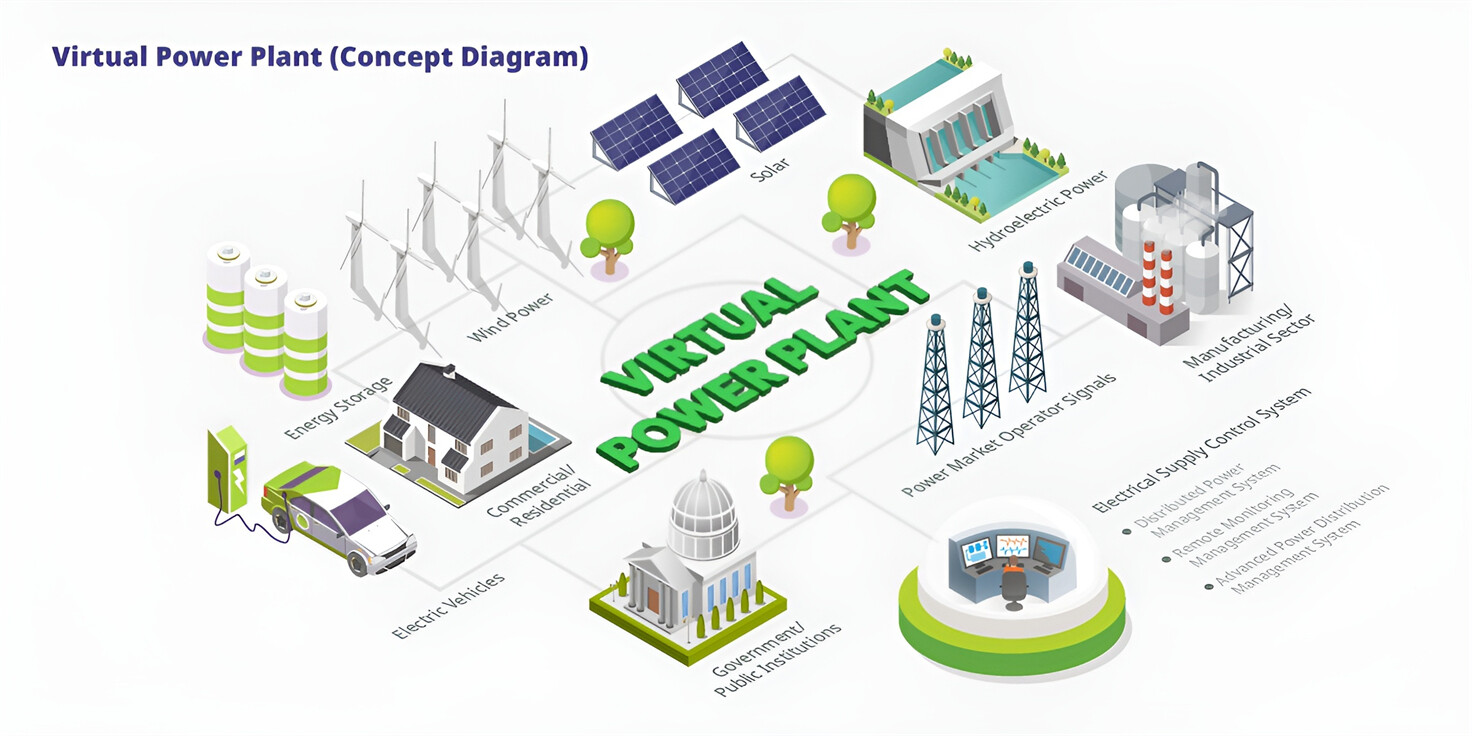
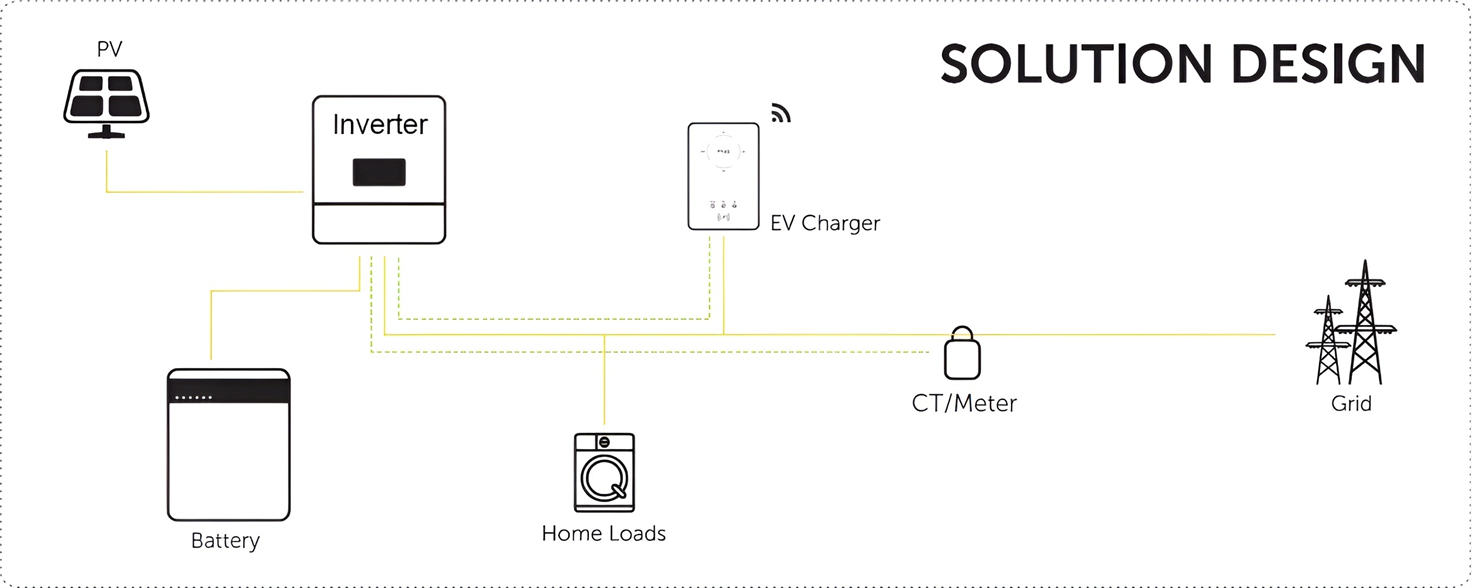
Well-designed Solutions for Energy Storage Systems
We will design the perfect energy storage system solution according to your needs, so that you can easily solve the specific industry applications of battery products.
About Our Battery Cells
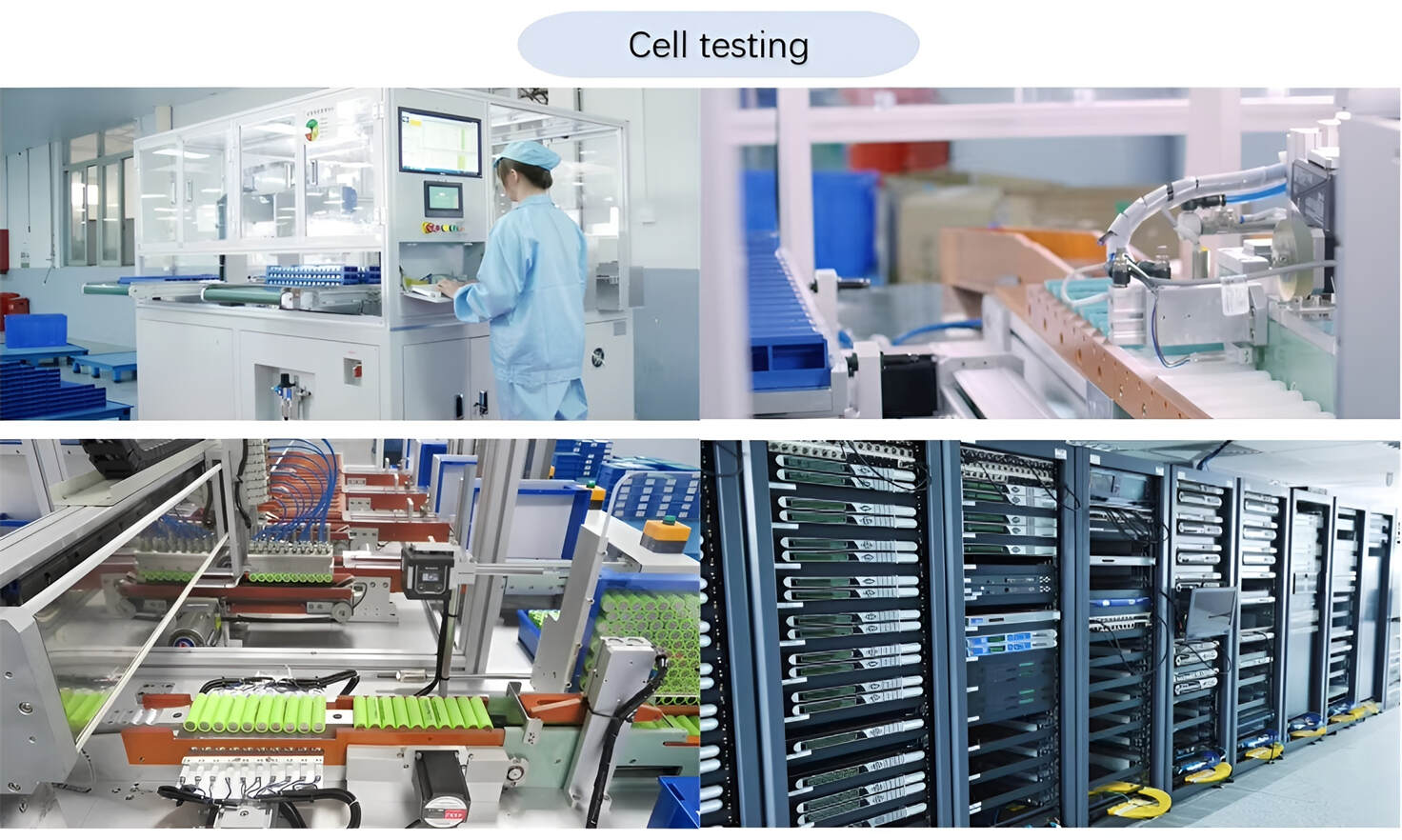
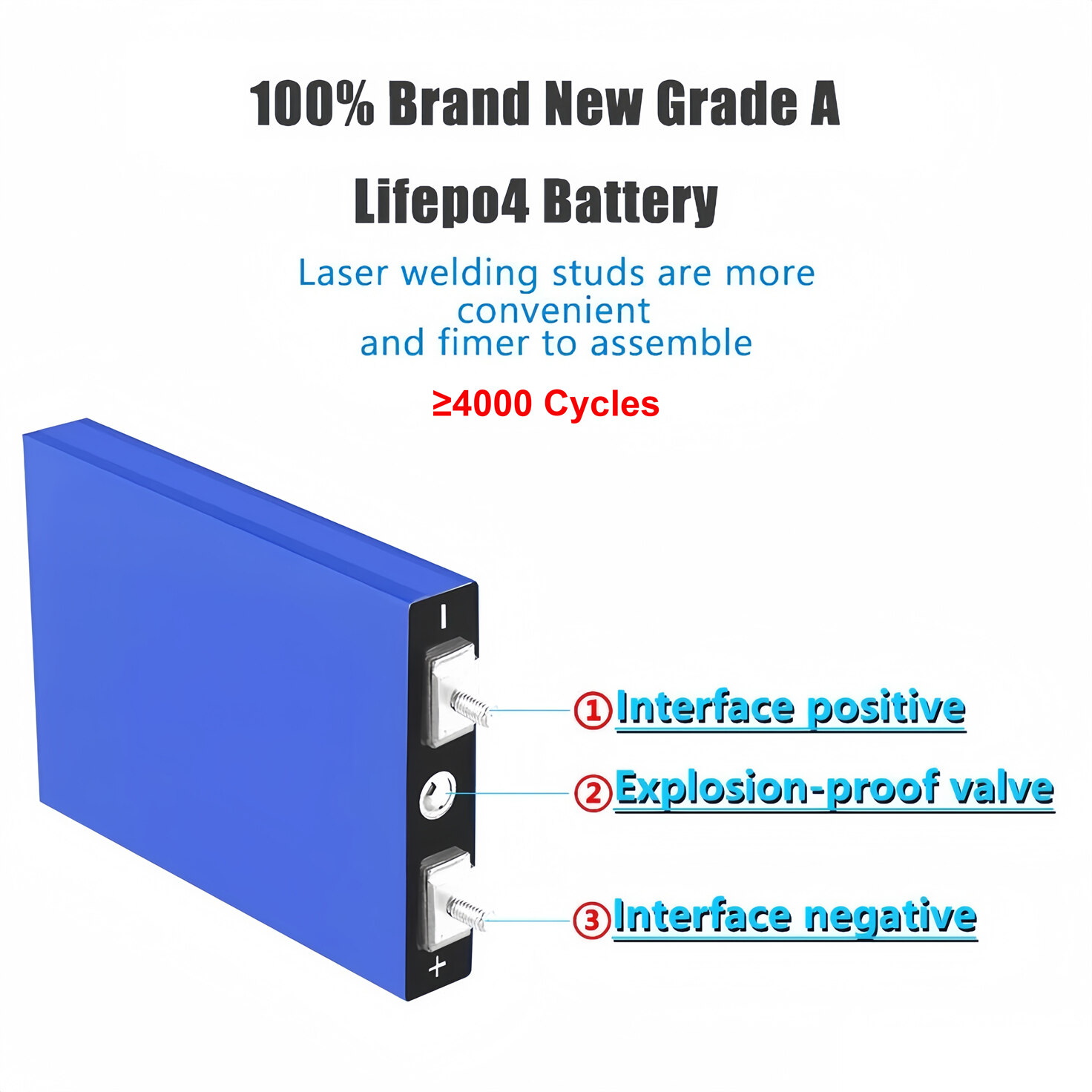
Our energy storage system products use brand new grade A LiFePO4 cells with a battery lifespan of more than 4,000 charge/discharge cycles.
Applications in Different Industries
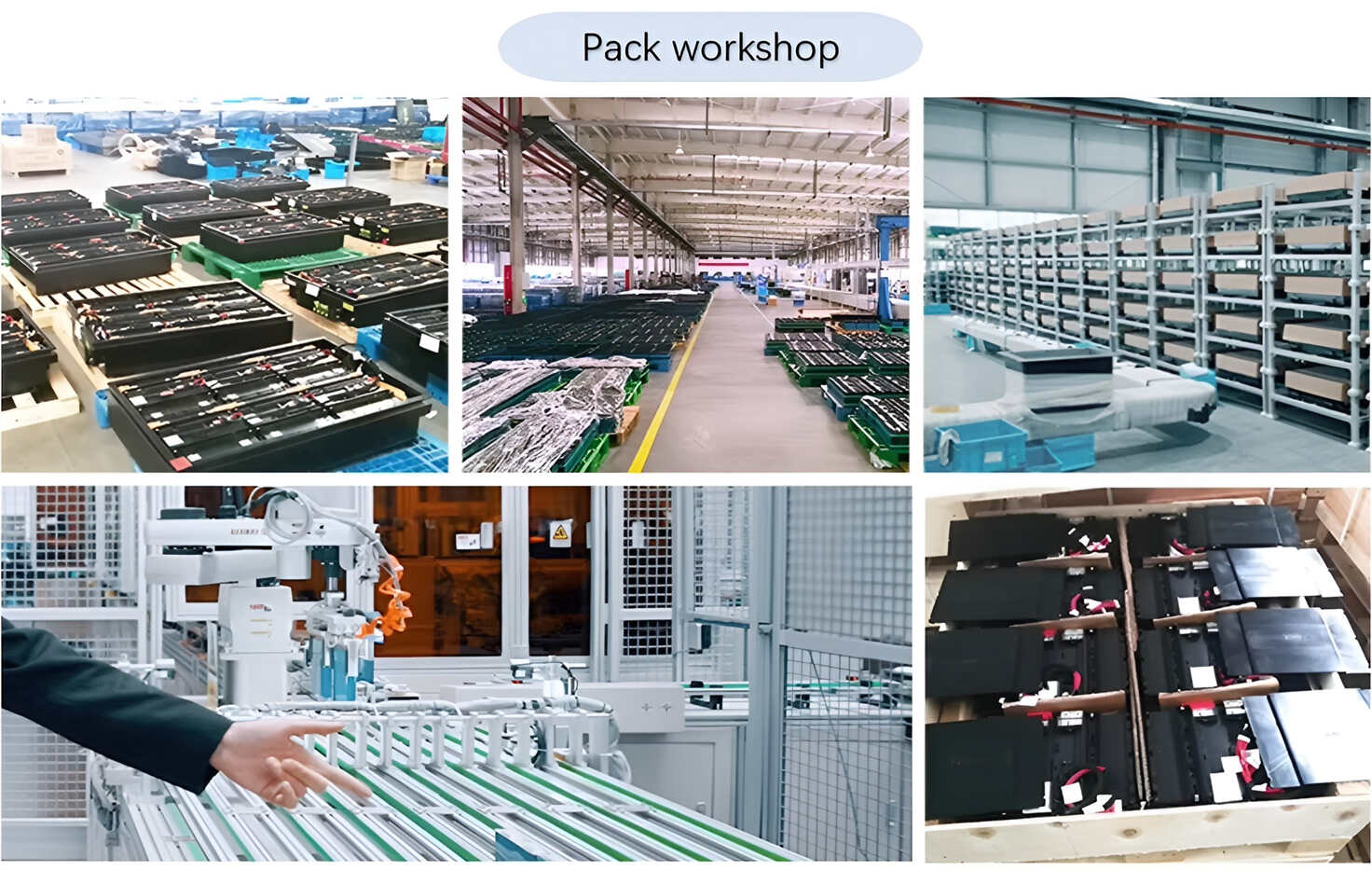
We supply customized & OEM battery pack, assemble cells with wiring, fuse and plastic cover, all the cell wires connected to PCB plug or built BMS.
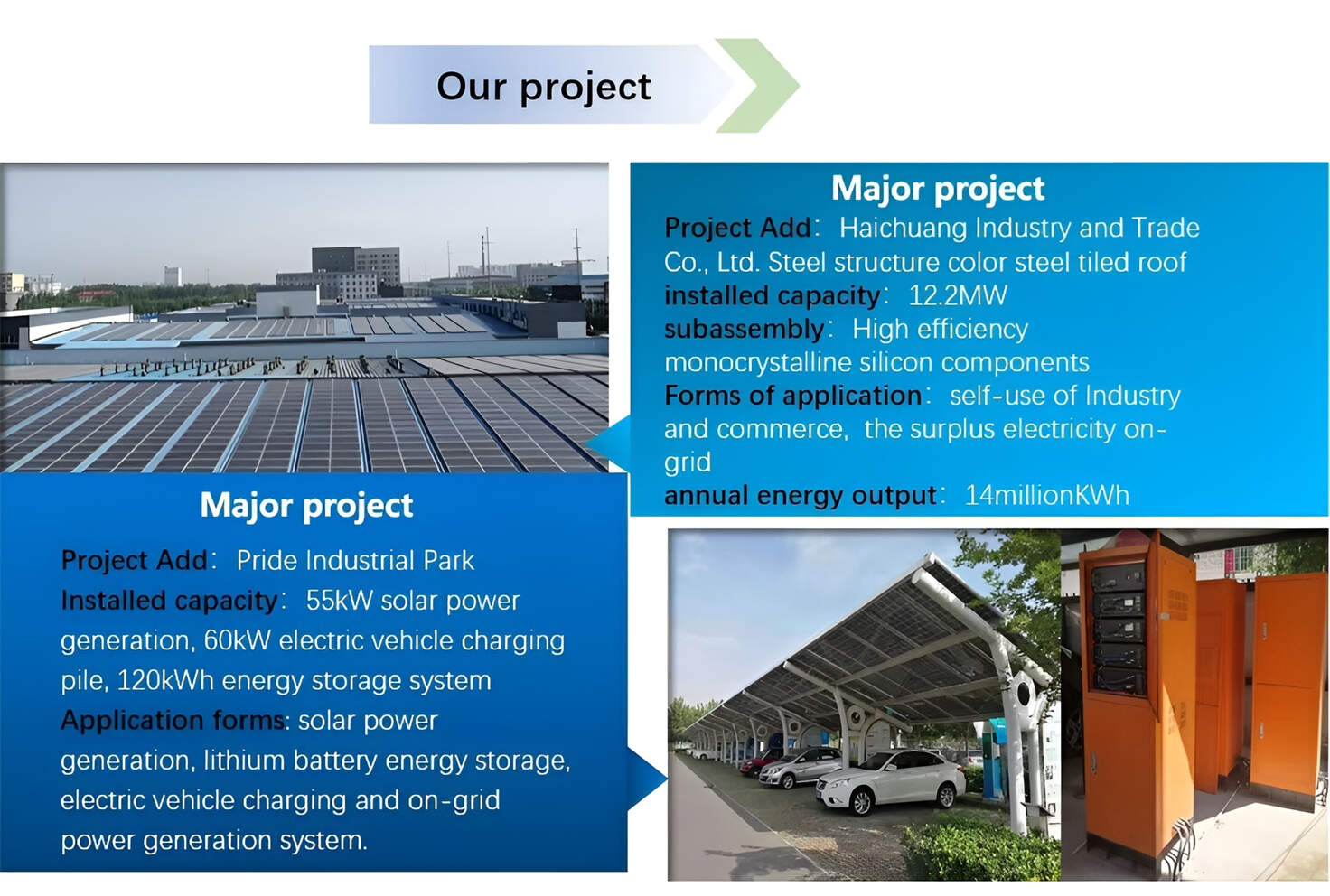
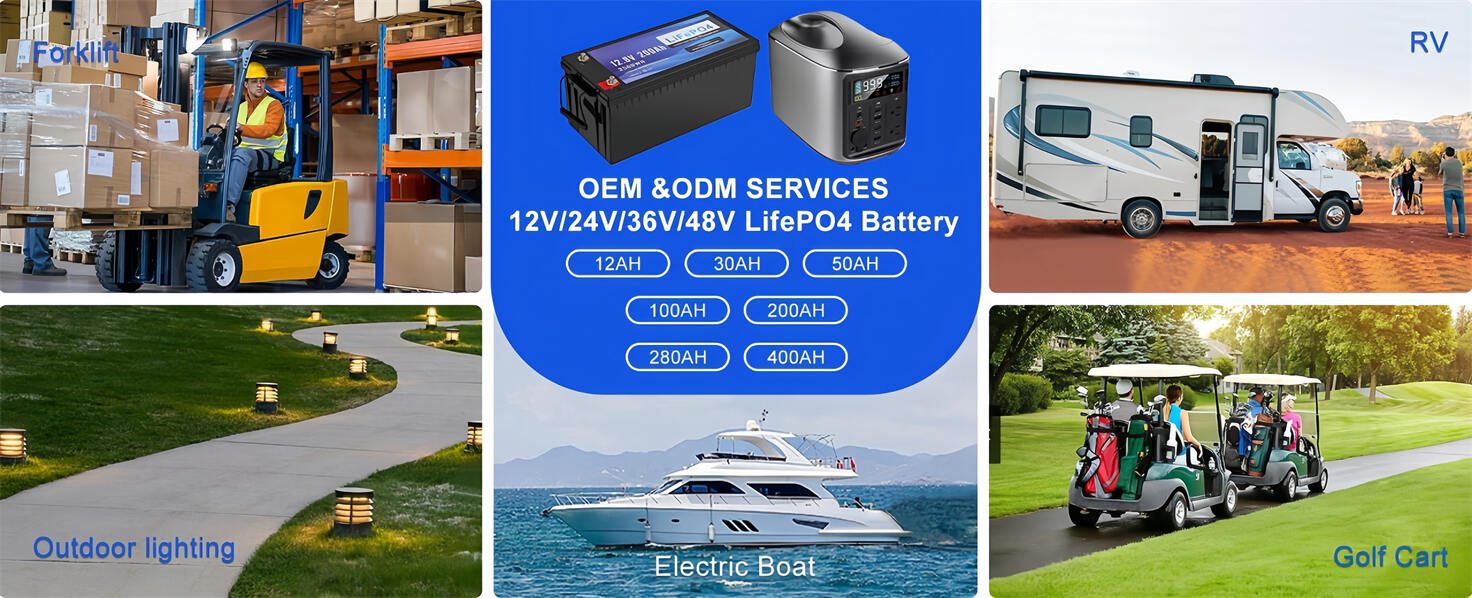
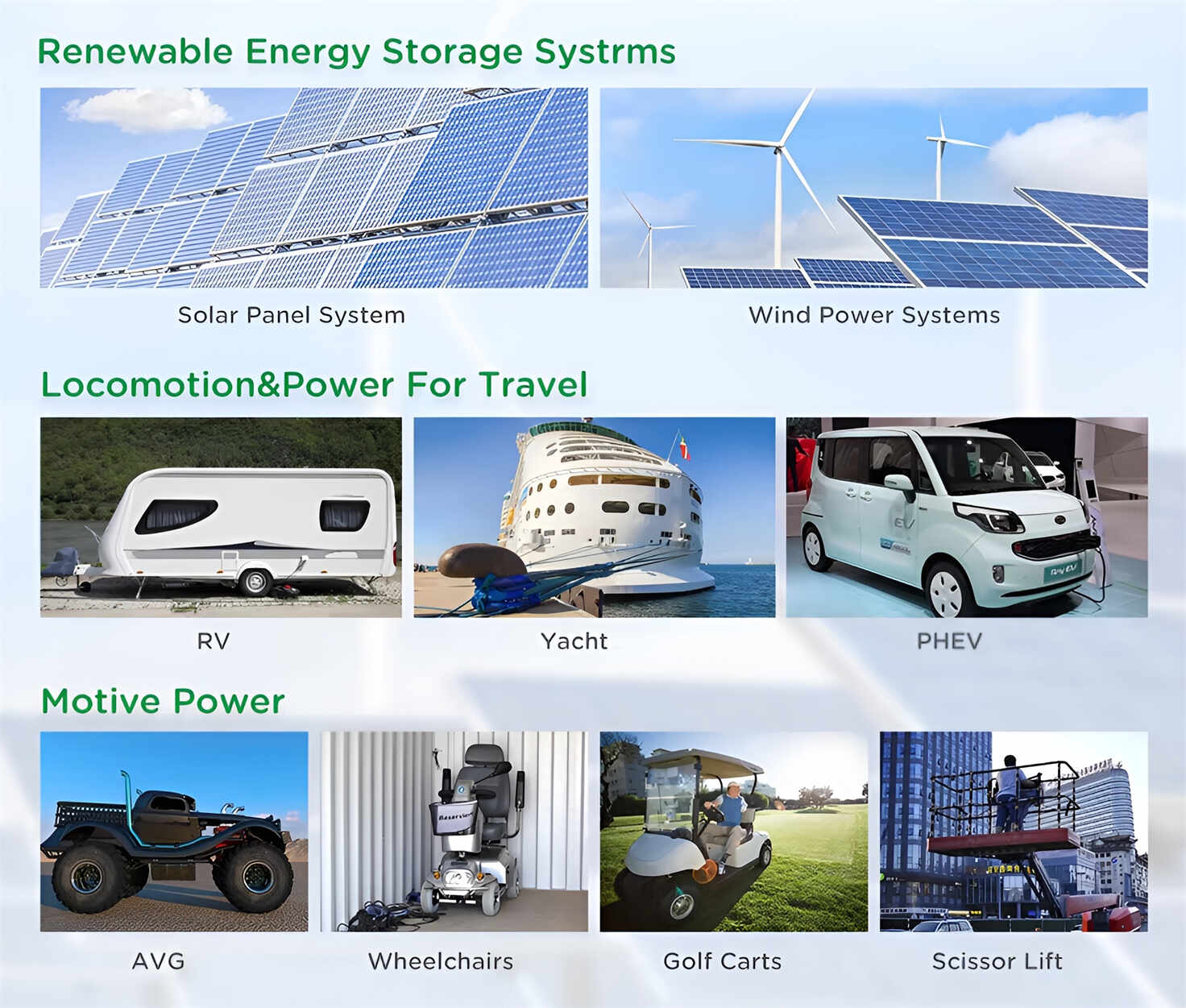
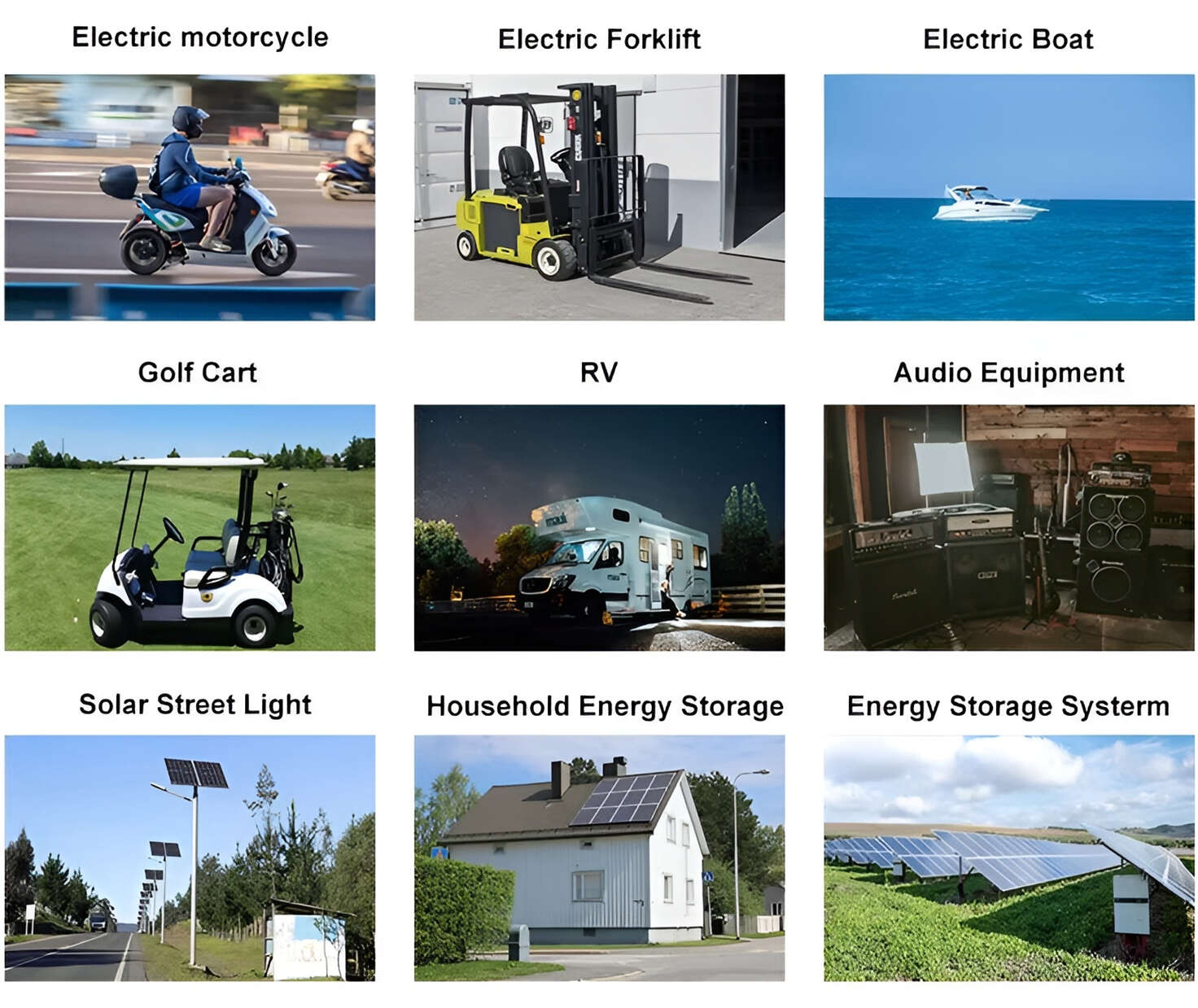
Applications: E-bike, Electric Scooter, Golf Carts, RV, Electric Wheelchair, Electric Tools, Robot Cleaner, Robot Sweeper, Solar Energy Storage System, Emergency Light, Solar Power Light, Medical Equipment, UPS Backup Power Supply.
We can provide you with customized services. We have the ability to provide a vertical supply chain, from single cells to pack/module and to a complete power solution with BMS, etc.
HomSolar (Shenzhen) Technology Co., Ltd