Lithium Iron Phosphate Battery News: Surging Demand And Innovation Reshape The Energy Storage Landscape
The global energy storage sector is witnessing a pronounced and sustained shift, with the Lithium Iron Phosphate (LiFePO4 or LFP) battery emerging as a dominant force. Once considered a niche chemistry primarily for specialized applications, LFP is now at the forefront of the electric vehicle (EV) revolution and large-scale stationary energy storage, challenging the long-held market dominance of nickel-manganese-cobalt (NMC) and other lithium-ion variants. This surge is driven by a powerful confluence of safety, cost, and longevity advantages, coupled with strategic industrial expansions and technological refinements.
Latest Industry Dynamics: Capacity Expansion and Strategic Pivots
The most visible trend in the LFP sector is the breakneck speed of manufacturing capacity expansion, predominantly led by Chinese battery giants. Companies like Contemporary Amperex Technology Co. Limited (CATL) and BYD are aggressively scaling up production, not only within China but also through strategic investments in Europe and Southeast Asia. CATL's recent announcement of its "Condensed Battery" technology, which boasts an elevated energy density while maintaining the LFP chemistry's inherent safety, signals a direct challenge to high-nickel batteries in the premium EV segment.
Simultaneously, a significant industry realignment is underway. Major automakers, who had previously standardized on NMC batteries for their longer range, are now publicly embracing LFP. Tesla has been a key proponent, integrating LFP batteries into a substantial portion of its standard-range vehicles globally. Ford has followed suit, announcing plans to use LFP packs in its Mustang Mach-E and F-150 Lightning, offering customers a lower-cost, longer-lifecycle option. This is not merely a cost-cutting measure; it is a strategic diversification of supply chains. By reducing reliance on cobalt and nickel, which have volatile prices and concerning supply chain ethics, automakers are de-risking their production and aligning with more sustainable sourcing principles.
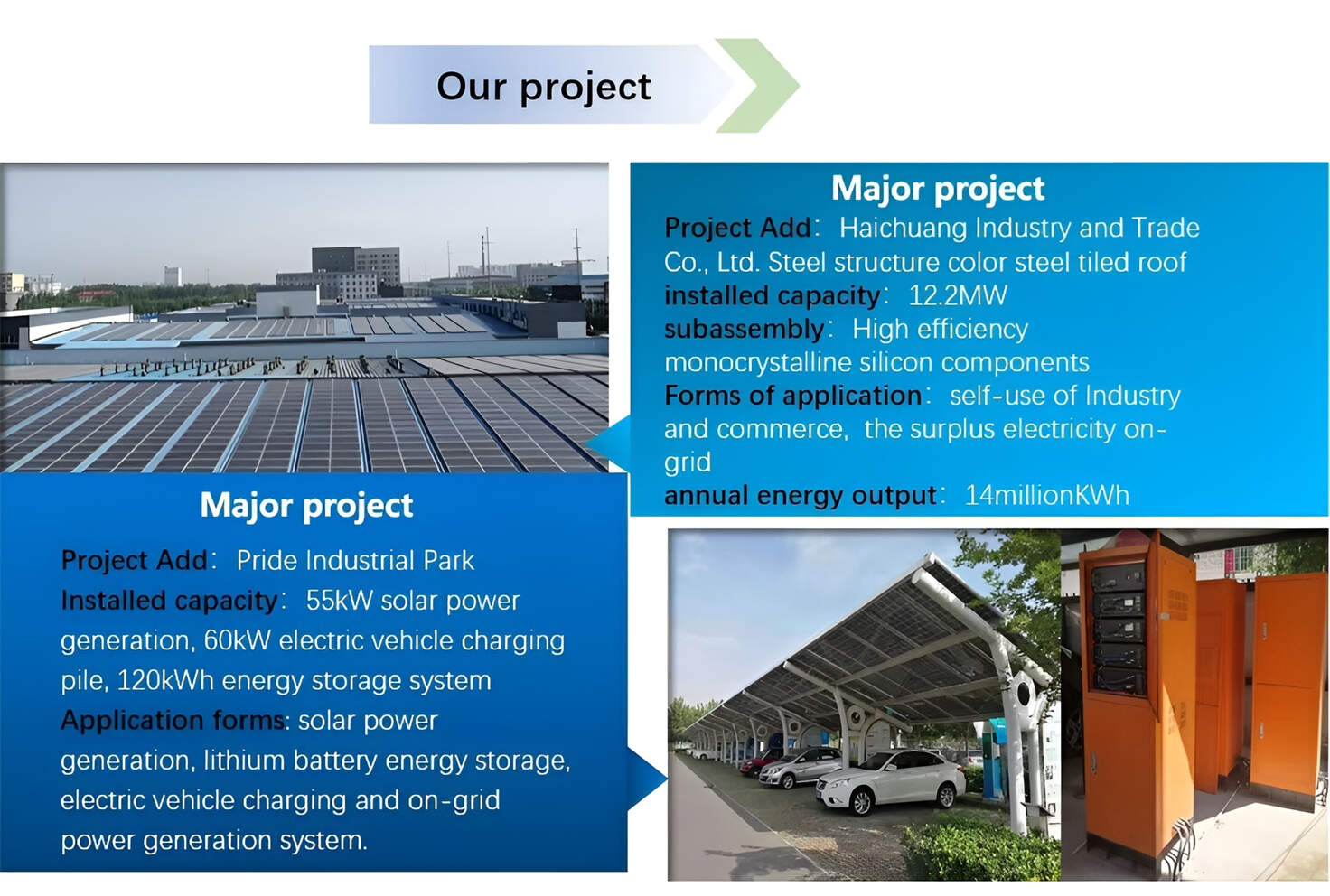
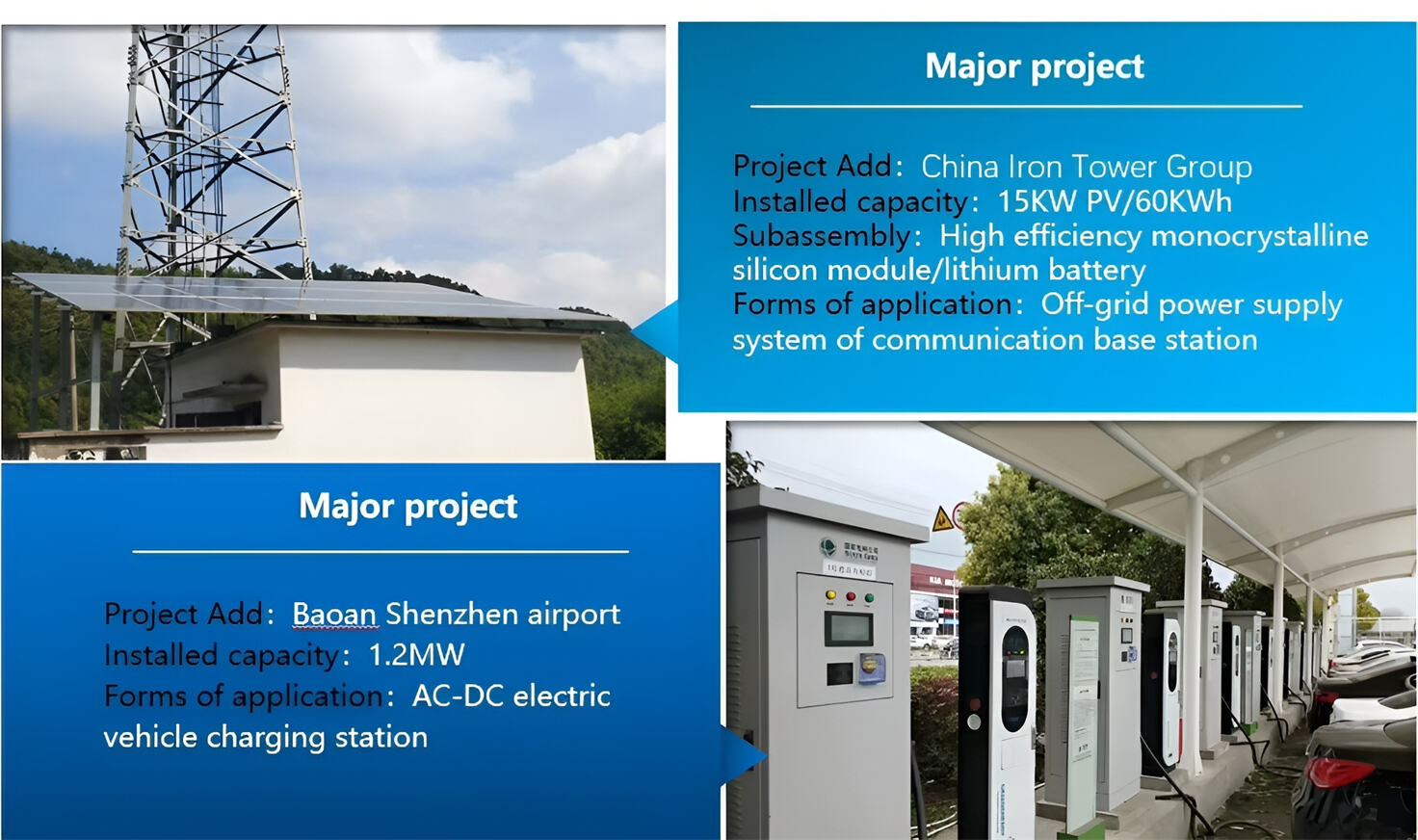
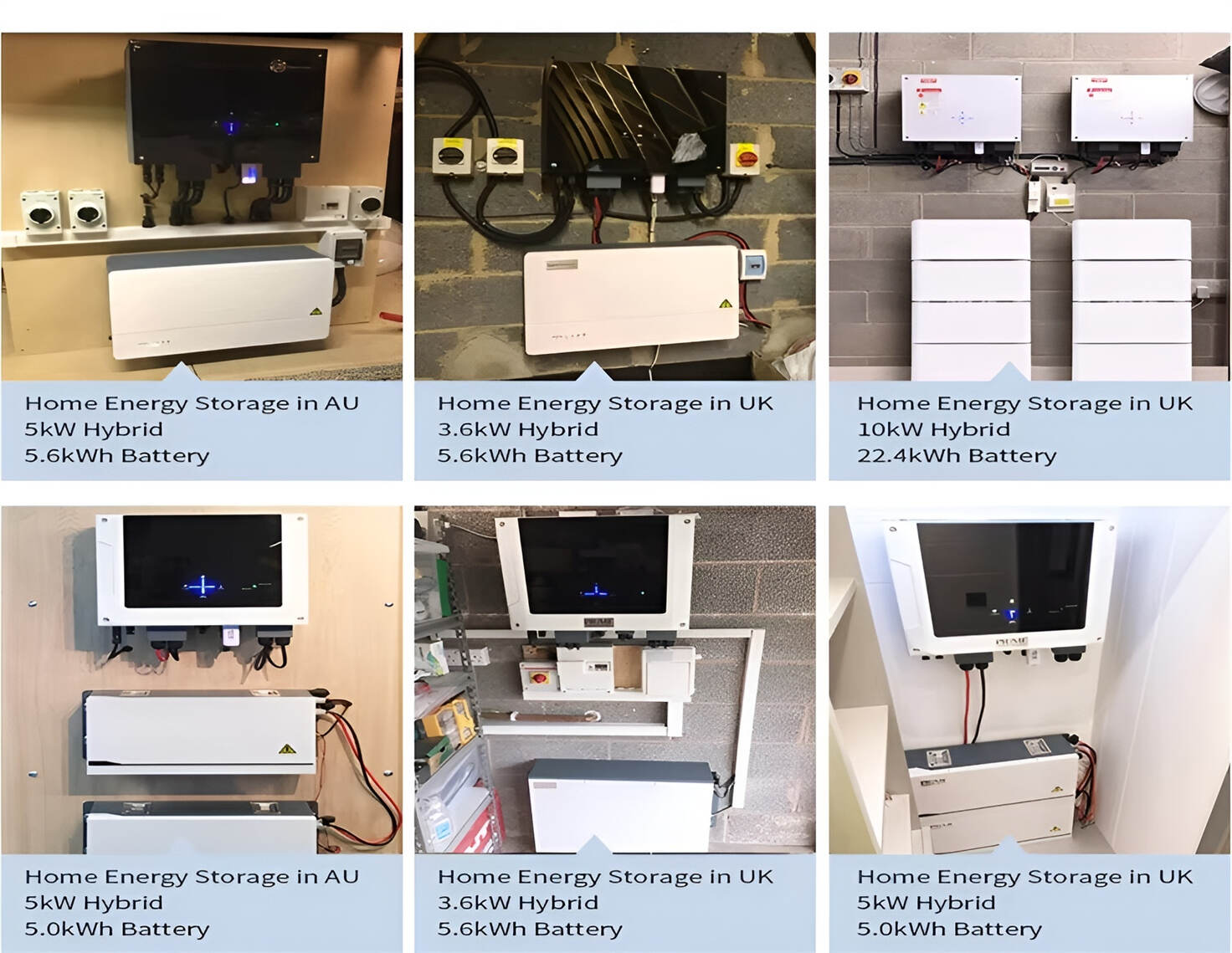
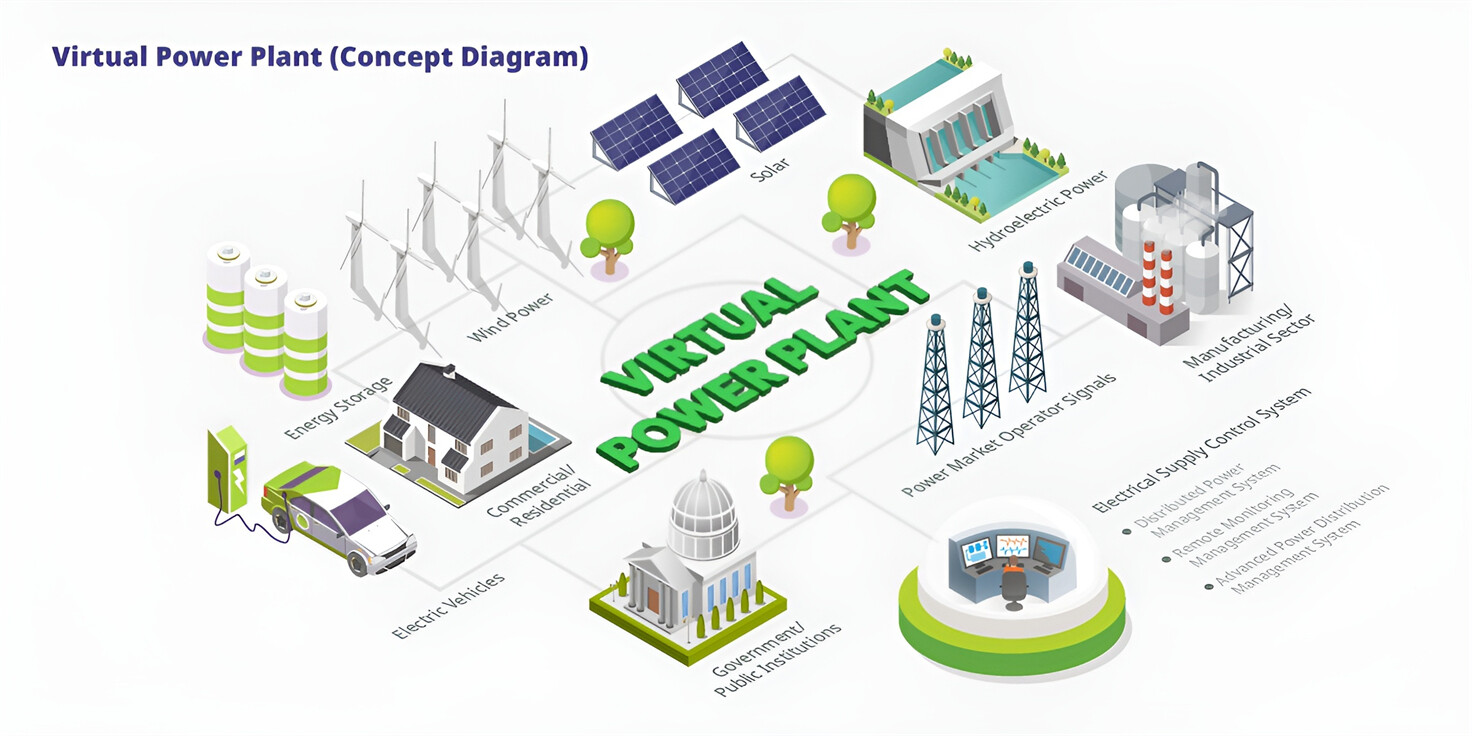
The stationary energy storage market (ESS) is another area of explosive growth for LFP. Utility-scale projects and commercial & industrial energy storage systems are increasingly standardizing on LFP technology due to its superior cycle life and non-flammability. Recent project announcements from developers like Fluence and Wärtsilä consistently feature LFP as the core technology, underscoring its status as the new benchmark for safety and lifetime value in grid storage.
Trend Analysis: Beyond Cost, Towards Performance and Material Innovation
The narrative around LFP is evolving from being solely the "low-cost, safe alternative" to a chemistry experiencing its own performance renaissance. The primary historical drawback of LFP—lower volumetric and gravimetric energy density compared to NMC—is being systematically addressed through innovation.Cell-to-Pack (CTP) and Structural Battery Technologies: By integrating cells directly into the battery pack and removing intermediary modules, companies like CATL and BYD are significantly improving the pack-level energy density of LFP batteries. This innovation means that even with a slightly less energy-dense cell, the overall battery pack can store more energy in the same space, effectively closing the range gap with NMC packs for many vehicle classes.Material and Manufacturing Refinements: Research is focused on enhancing the LFP cathode itself. Nanostructuring the cathode particles and doping them with other elements can improve lithium-ion diffusivity, boosting charge rates and overall performance. Furthermore, the development of LFMP—a manganese-enhanced variant of LFP—promises to deliver a meaningful increase in voltage and energy density while retaining much of the cost and safety benefits.Supply Chain Localization: The geopolitical landscape and policies like the U.S. Inflation Reduction Act are catalyzing efforts to build a localized LFP supply chain outside of Asia. Companies are actively exploring lithium extraction, LFP cathode production, and cell manufacturing in North America and Europe. While this process is in its early stages and faces significant hurdles, it represents a critical long-term trend to secure supply and qualify for regulatory incentives.
The second-life battery market is also poised to be heavily influenced by LFP. Their extended cycle life means that even after their useful life in an EV, LFP packs retain a high capacity, making them exceptionally well-suited for stationary storage applications. This creates a more circular and economically attractive lifecycle than for NMC batteries, which may degrade more significantly.
Expert Perspectives: Cautious Optimism and a Focus on Sustainability
Industry analysts and researchers view the LFP ascent with a sense of validated optimism but caution that challenges remain.
"LFP's value proposition is now undeniable for a wide swath of the market," says Dr. Elena Richter, a senior energy storage analyst at GreenTech Analytics. "We are forecasting that LFP will capture over 40% of the global EV battery market within the next three years. The key drivers—safety, cost, and cycle life—are precisely what the mass market prioritizes. However, the industry must now grapple with the immense pressure on the lithium supply chain and the energy intensity of manufacturing at this scale."
From an R&D perspective, the focus is on pushing the boundaries of the chemistry. "We are far from reaching the theoretical limits of LFP," notes Professor Kenji Tanaka, a materials scientist at the Tokyo Institute of Advanced Energy. "The ongoing work on novel electrolytes to widen the operating temperature range, and the integration of silicon-based anodes to create LFP/Si cells, could unlock further performance gains, making LFP competitive in even more demanding applications."
On the sustainability front, experts highlight a double-edged sword. "LFP's cobalt-free nature is a significant environmental and ethical advantage," states Maria Lopez, a lead consultant at the Sustainable Supply Chain Initiative. "However, the end-of-life management and efficient recycling of LFP batteries must be scaled in parallel with production. The economic model for recycling LFP is different from NMC due to the absence of high-value cobalt, so innovative recycling processes and regulatory frameworks are urgently needed to close the loop."
In conclusion, the Lithium Iron Phosphate battery is no longer an alternative but a mainstream pillar of the global energy transition. Its rise is reshaping automotive and energy storage strategies, driving innovation in battery design, and forcing a re-evaluation of raw material dependencies. While questions about material sourcing and recycling loom on the horizon, the current trajectory of LFP points toward a safer, more durable, and cost-effective foundation for a electrified future.
Customized/OEM/ODM Service
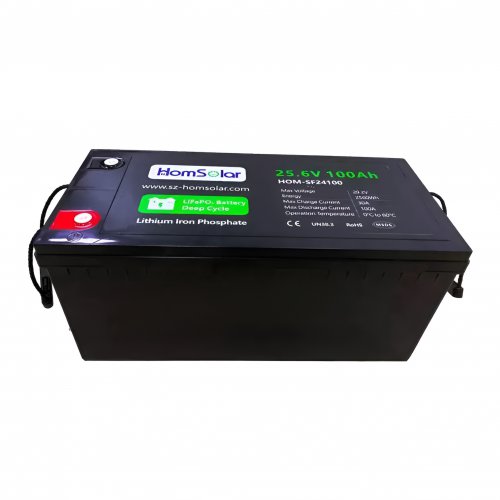
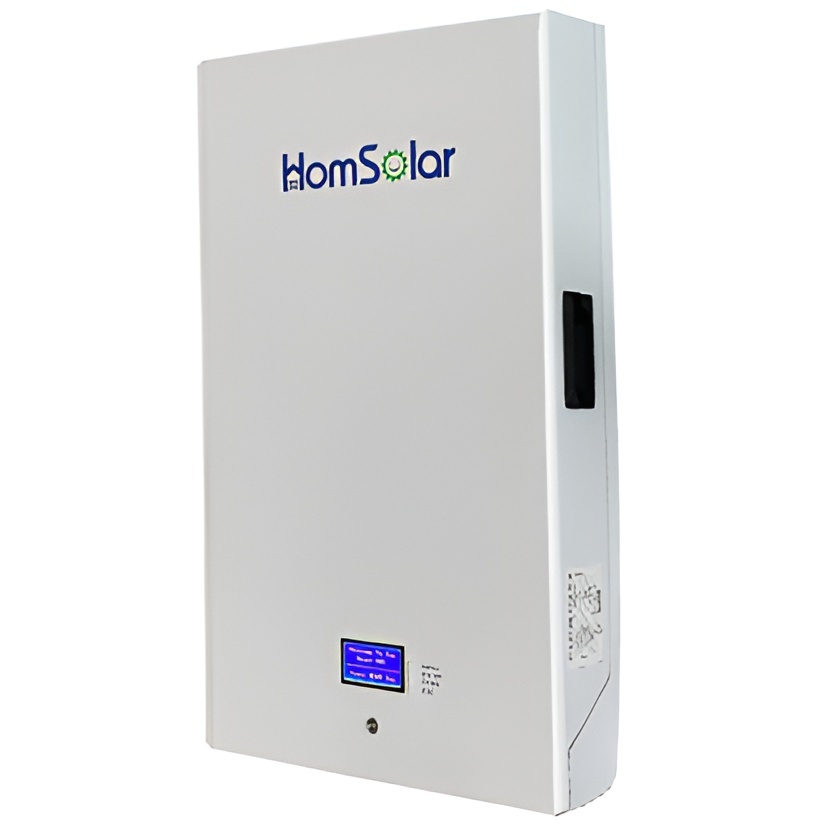
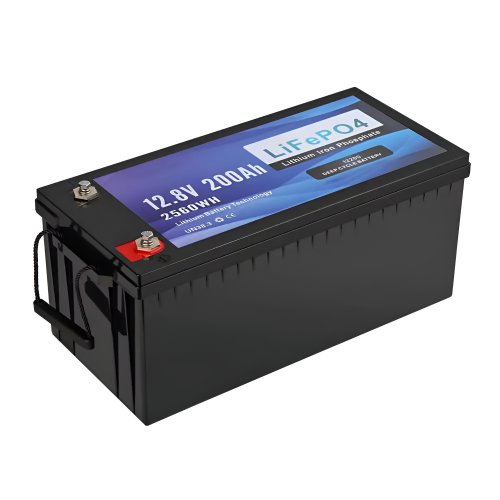
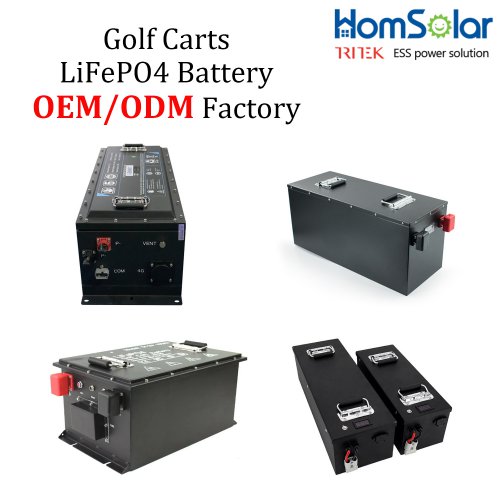
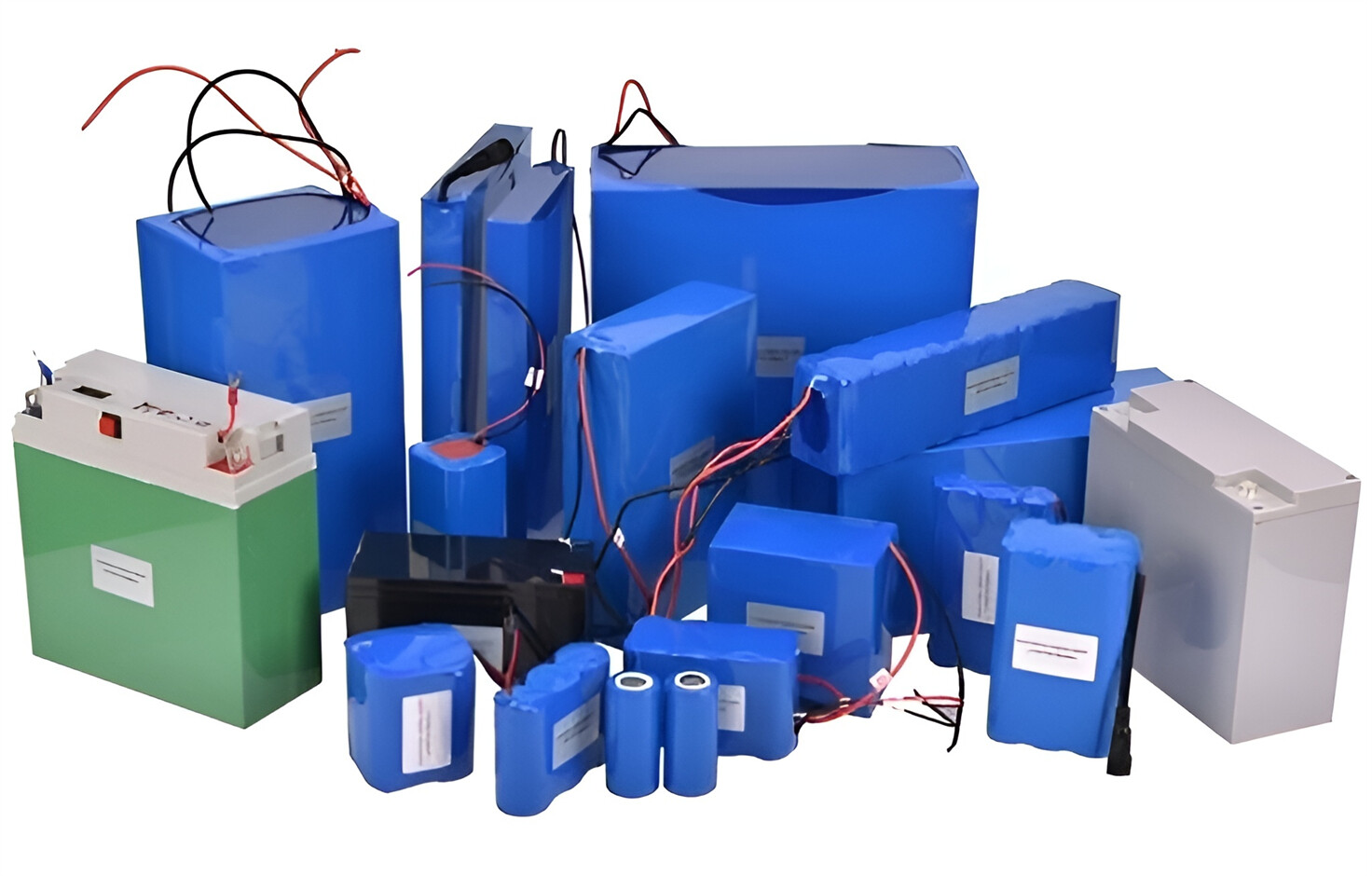
HomSolar Supports Lifepo4 battery pack customization/OEM/ODM service, welcome to contact us and tell us your needs.

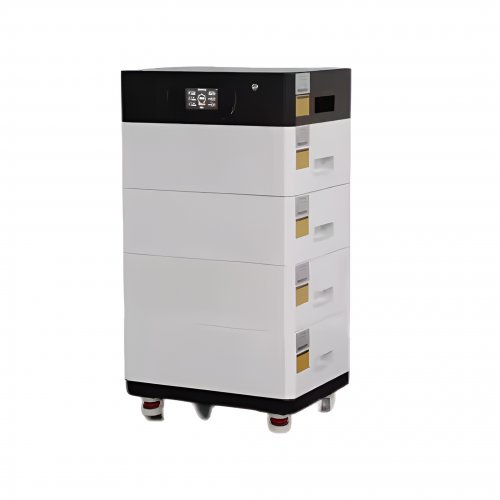
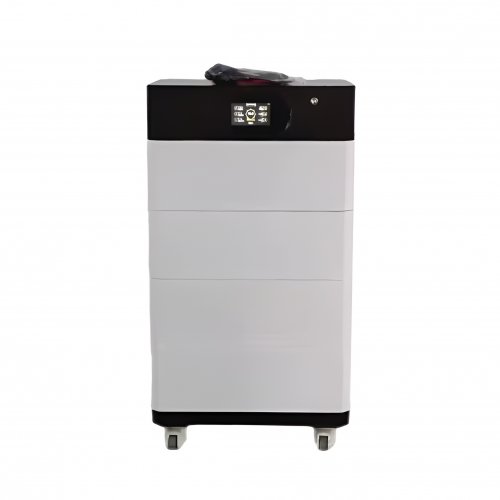
HomSolar: Your One-stop LiFePO4 Battery Pack & ESS Solution Manufacturer
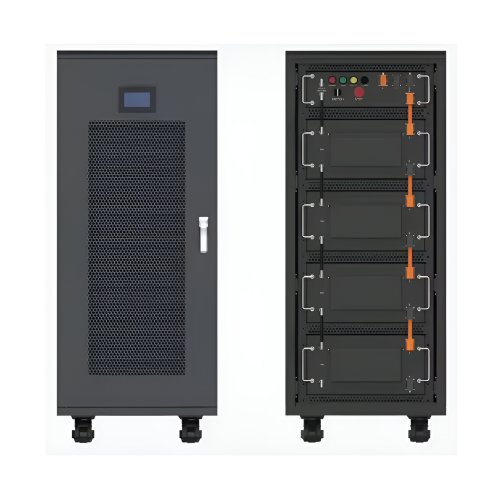
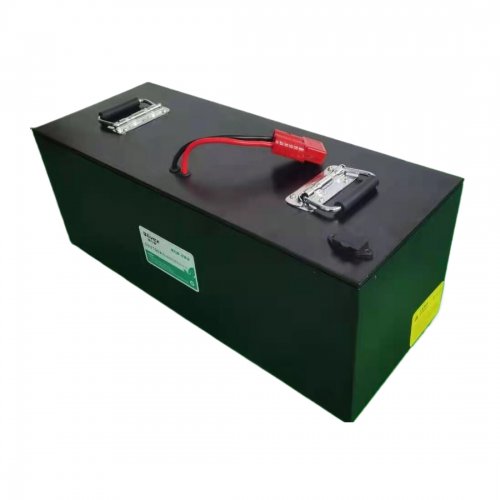
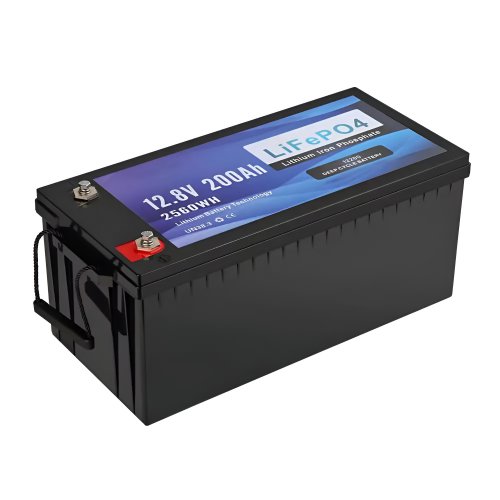
Our line of LiFePO4 (LFP) batteries offer a solution to demanding applications that require a lighter weight, longer life, and higher capacity battery. Features include advanced battery management systems (BMS), Bluetooth® communication and active intelligent monitoring.
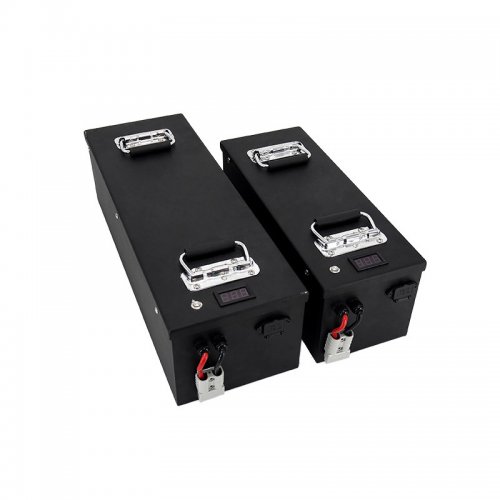
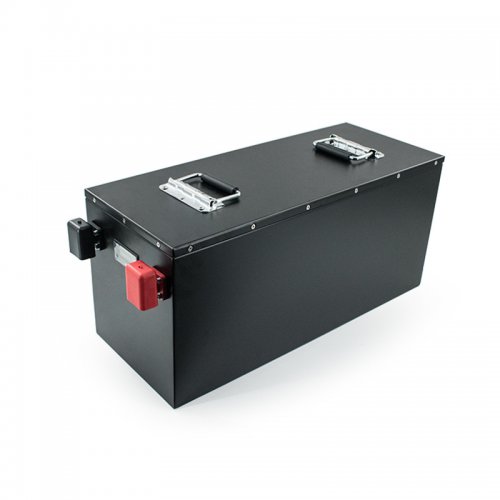
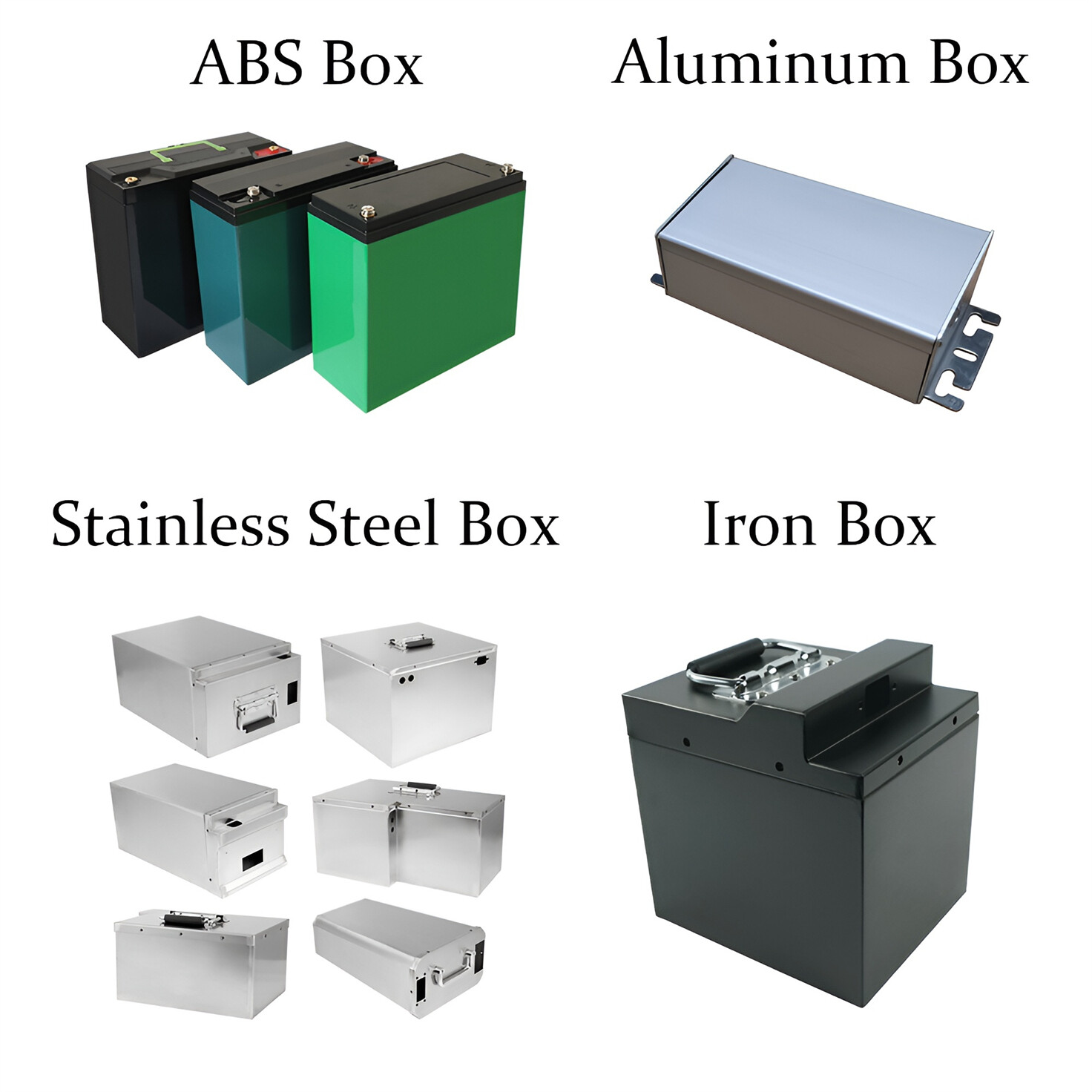
Customised Lithium Iron Phosphate Battery Casing
ABS plastic housing, aluminium housing, stainless steel housing and iron housing are available, and can also be designed and customised according to your needs.
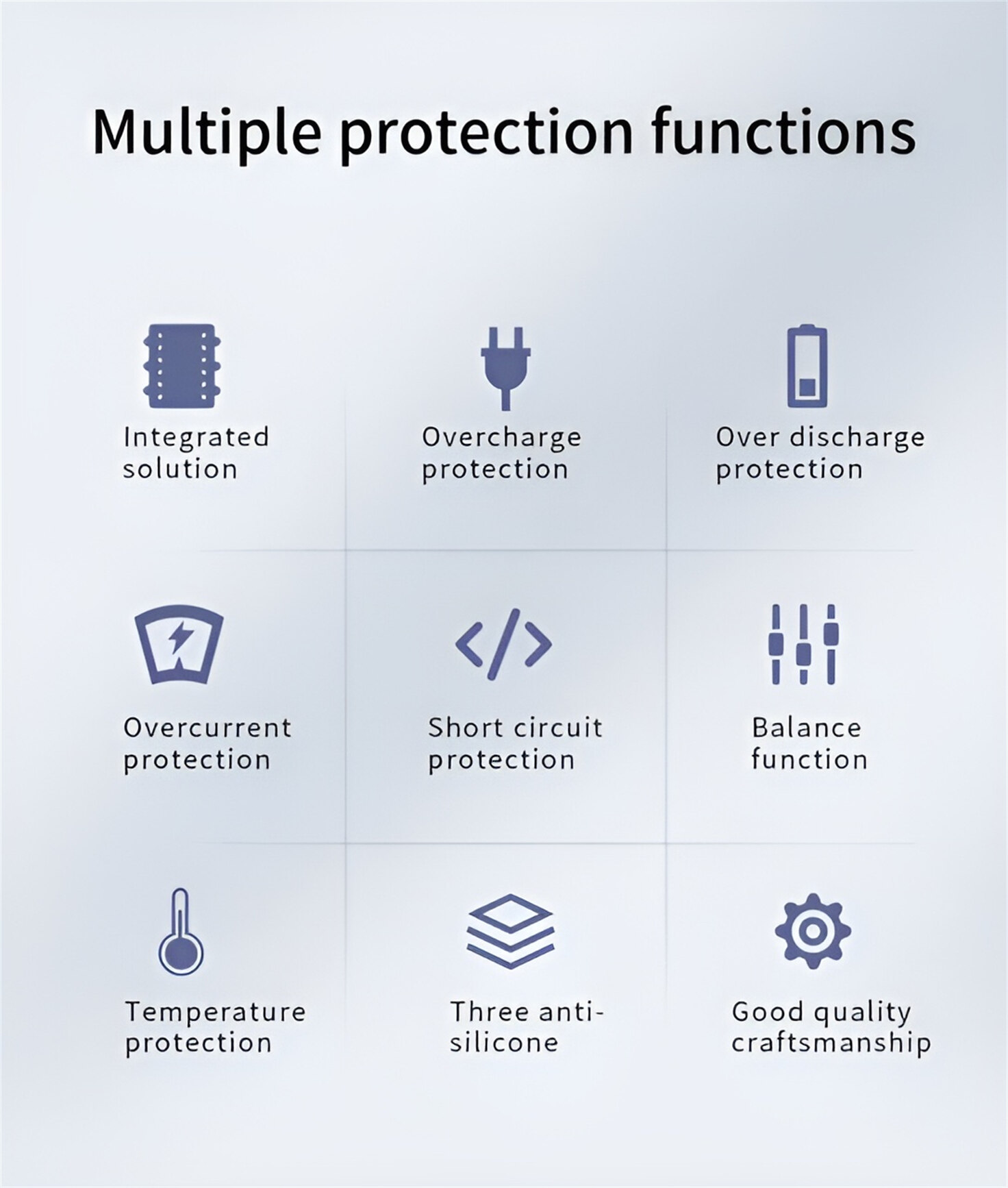
HomSolar Smart BMS
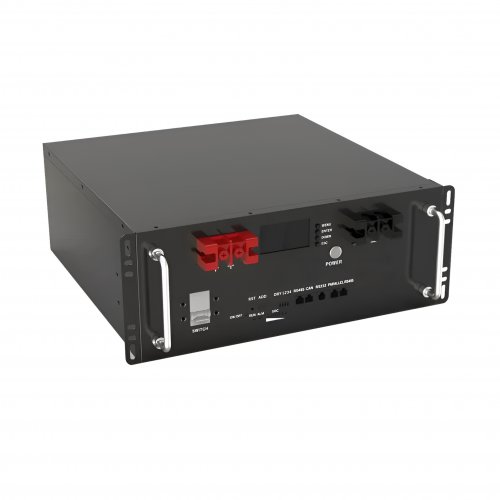
Intelligent Battery Management System for HomSolar Energy Storage System. Bluetooth, temperature sensor, LCD display, CAN interface, UART interface also available.

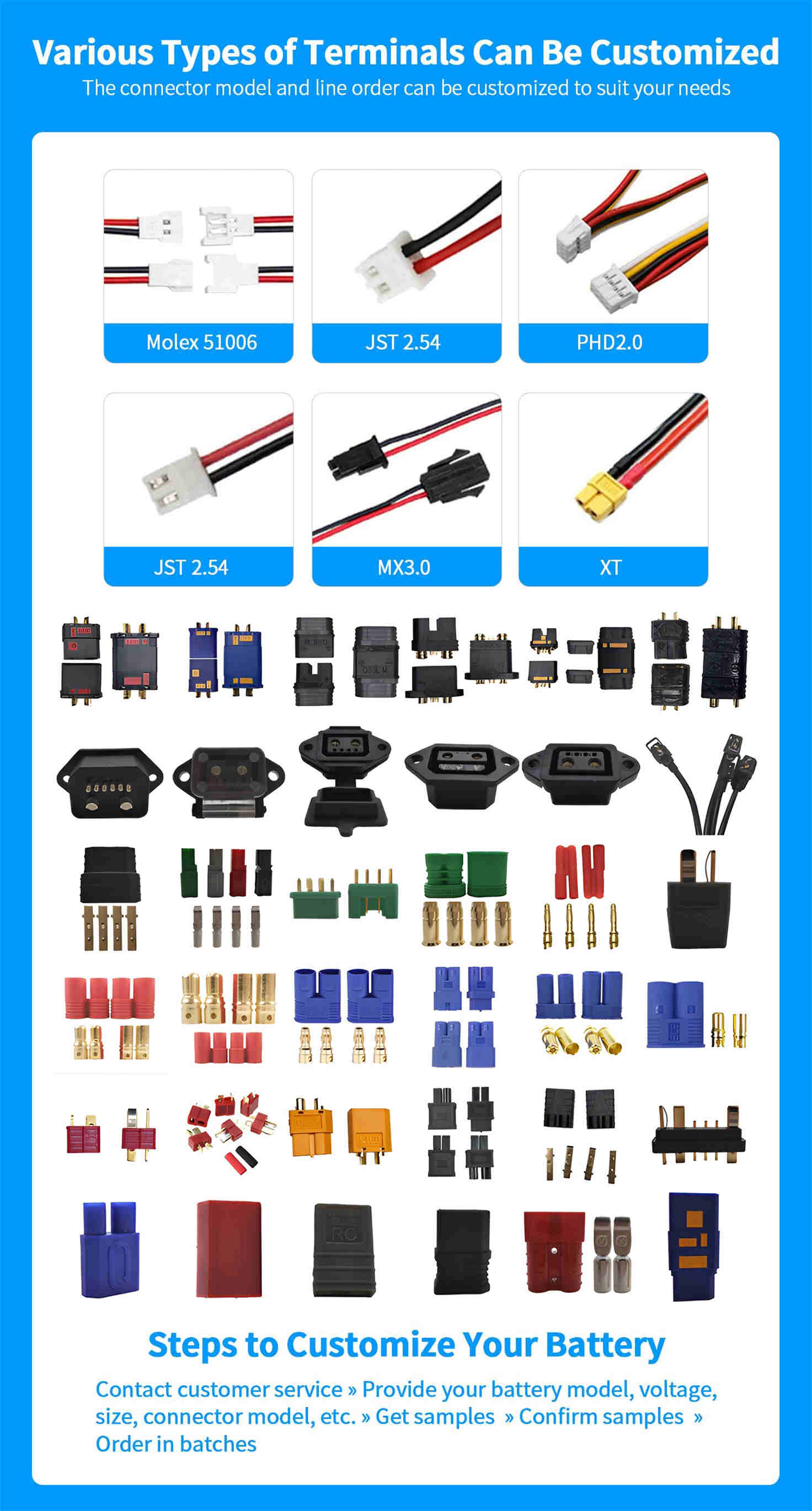
Terminals & Plugs Can Be Customized
A wide range of terminals and plugs can be customised to suit the application needs of your battery products.
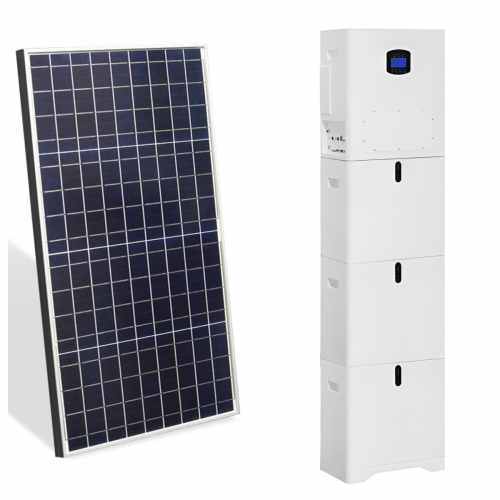
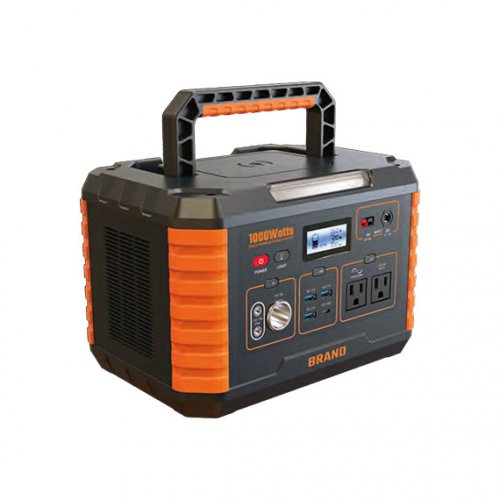
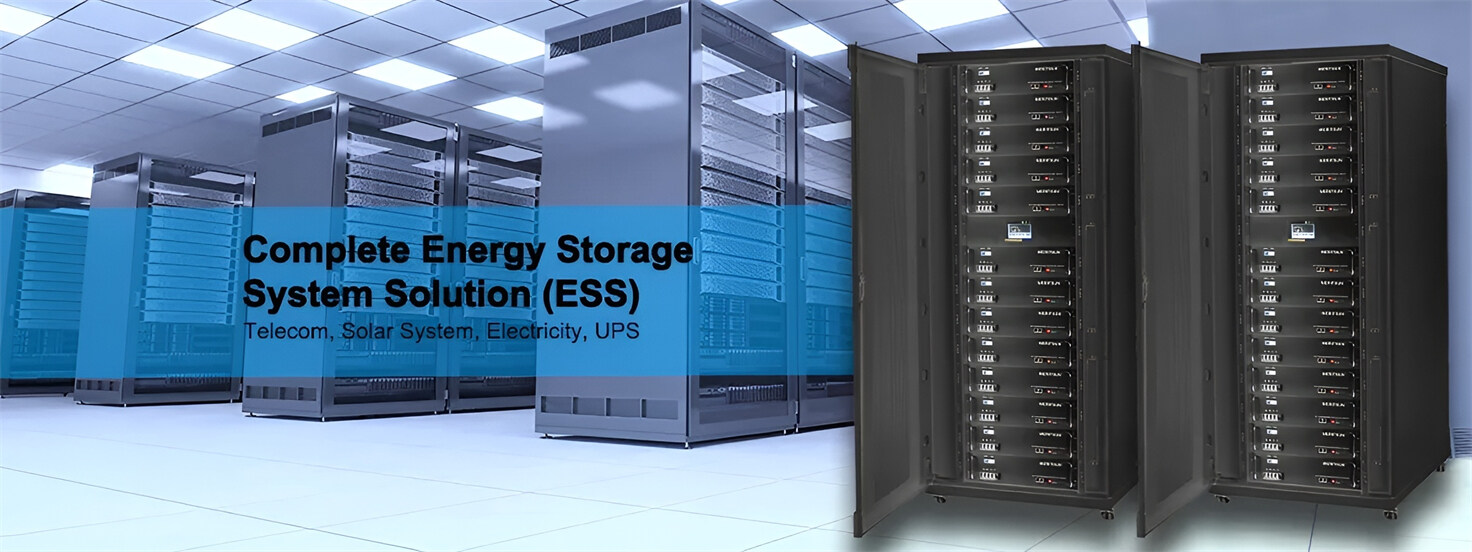
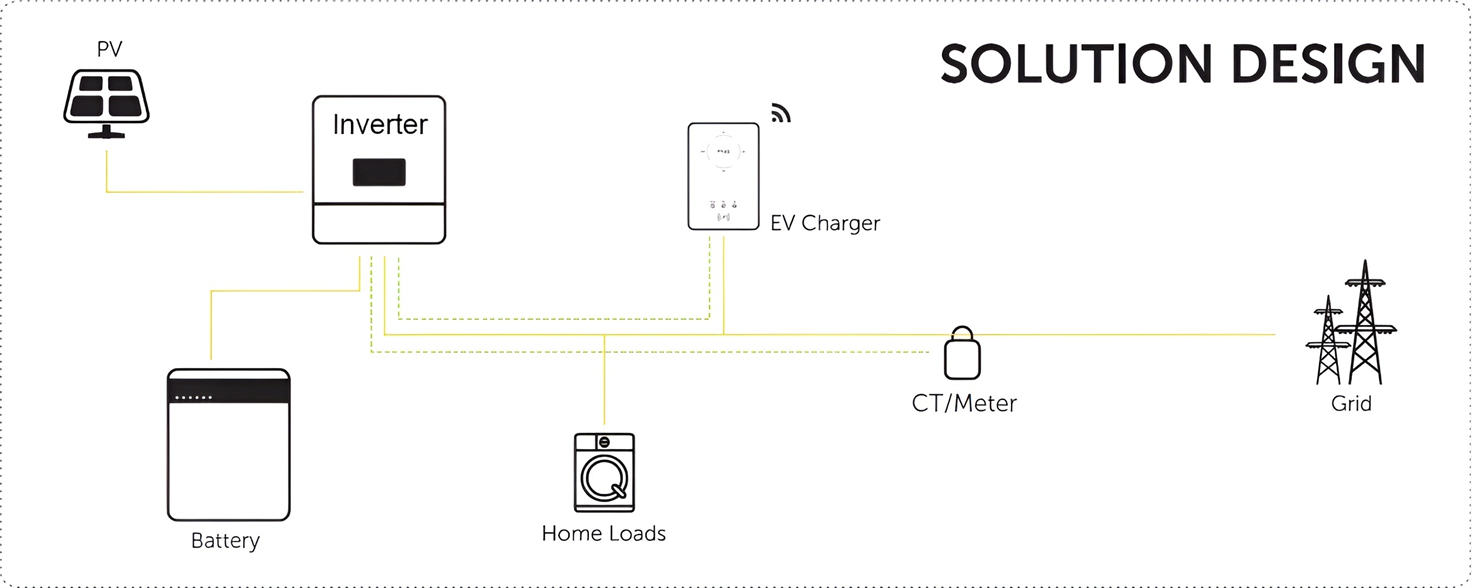
Well-designed Solutions for Energy Storage Systems
We will design the perfect energy storage system solution according to your needs, so that you can easily solve the specific industry applications of battery products.
About Our Battery Cells
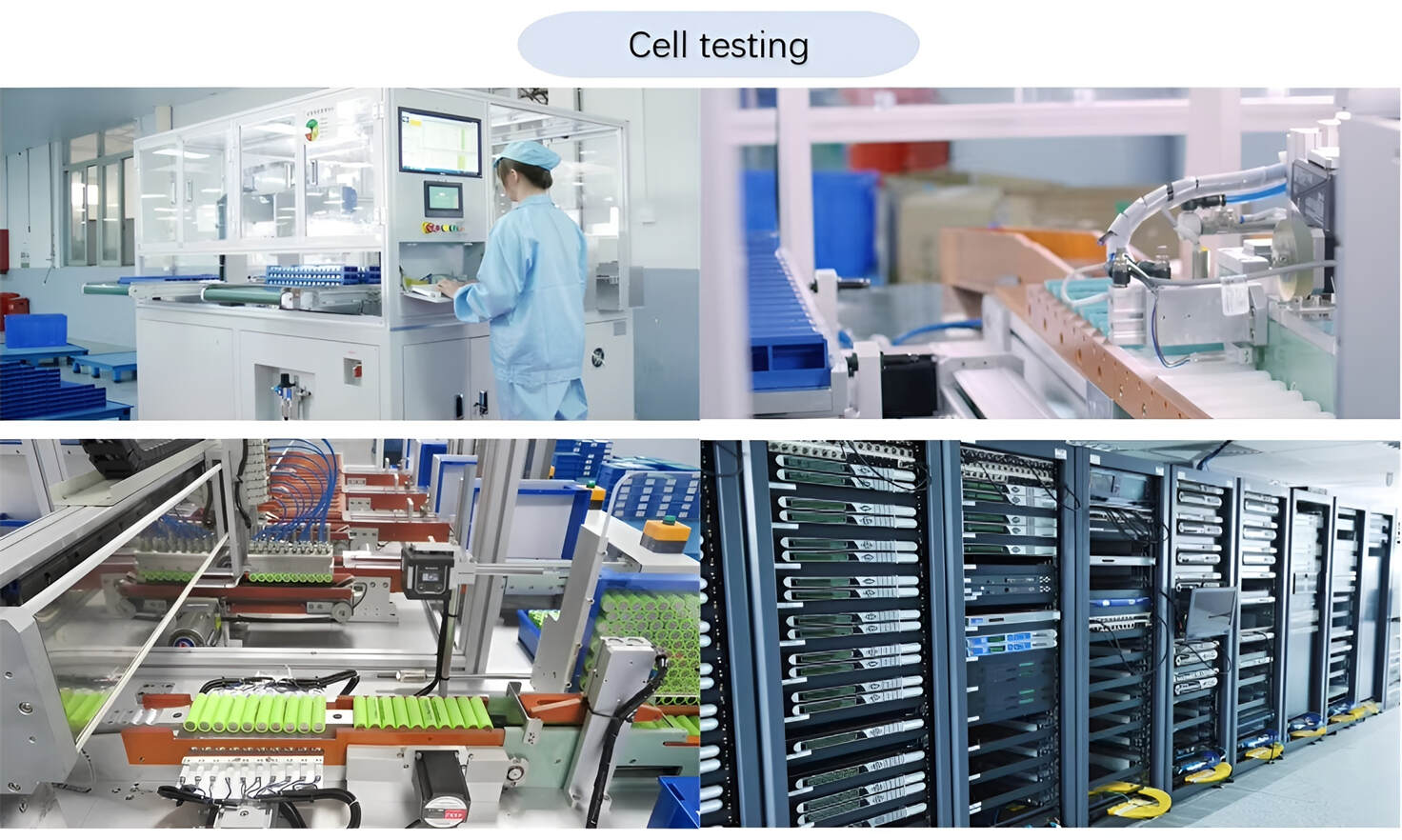
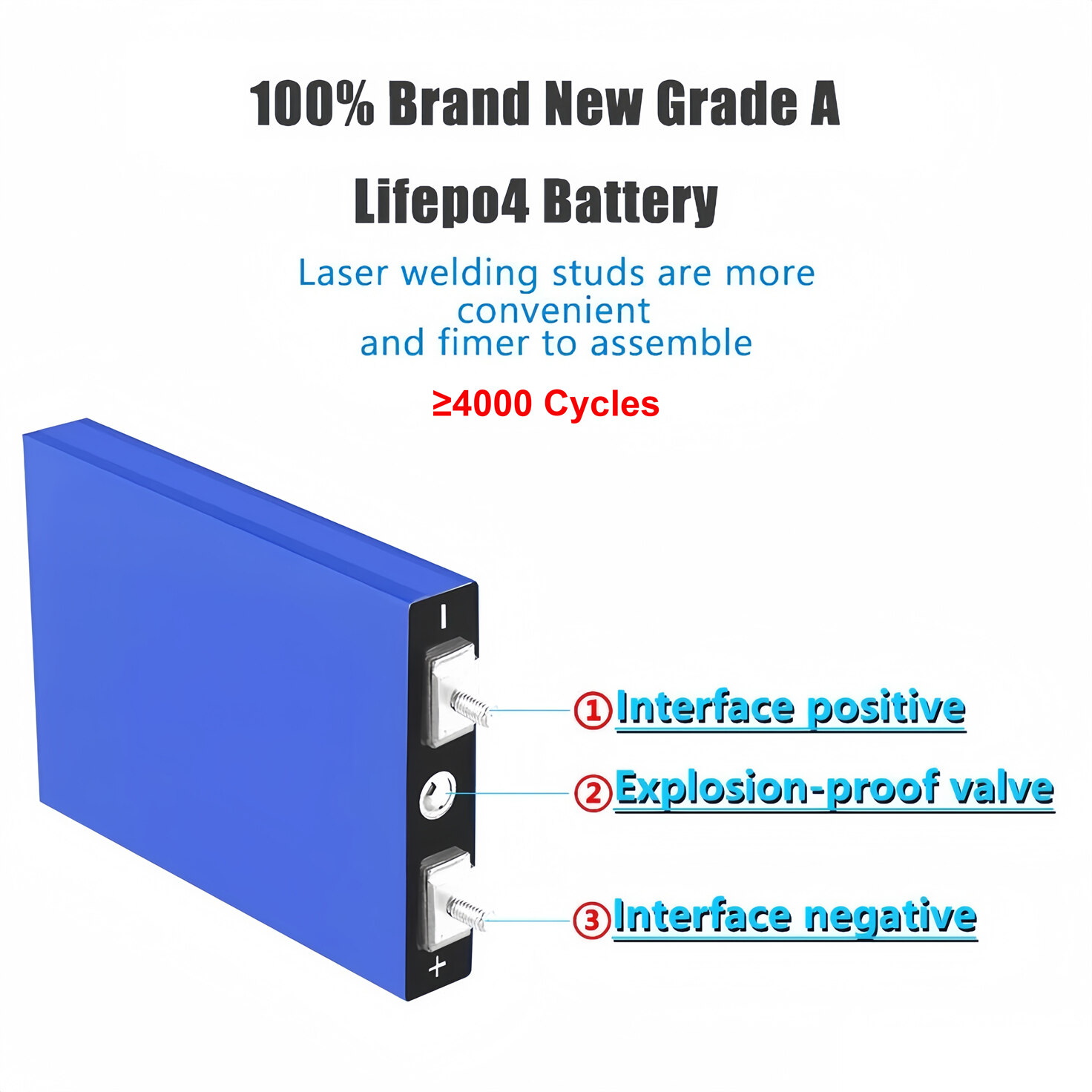
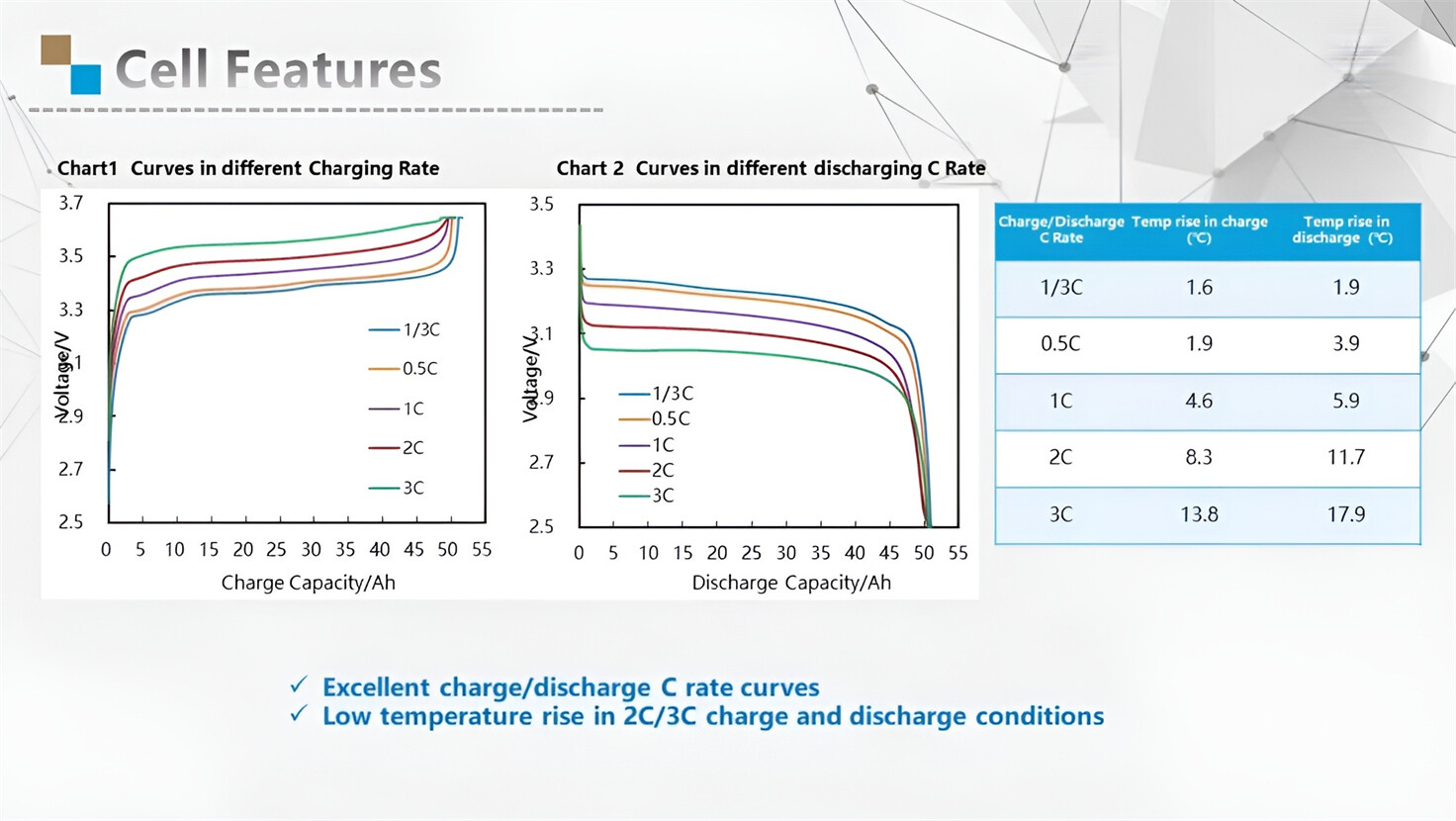
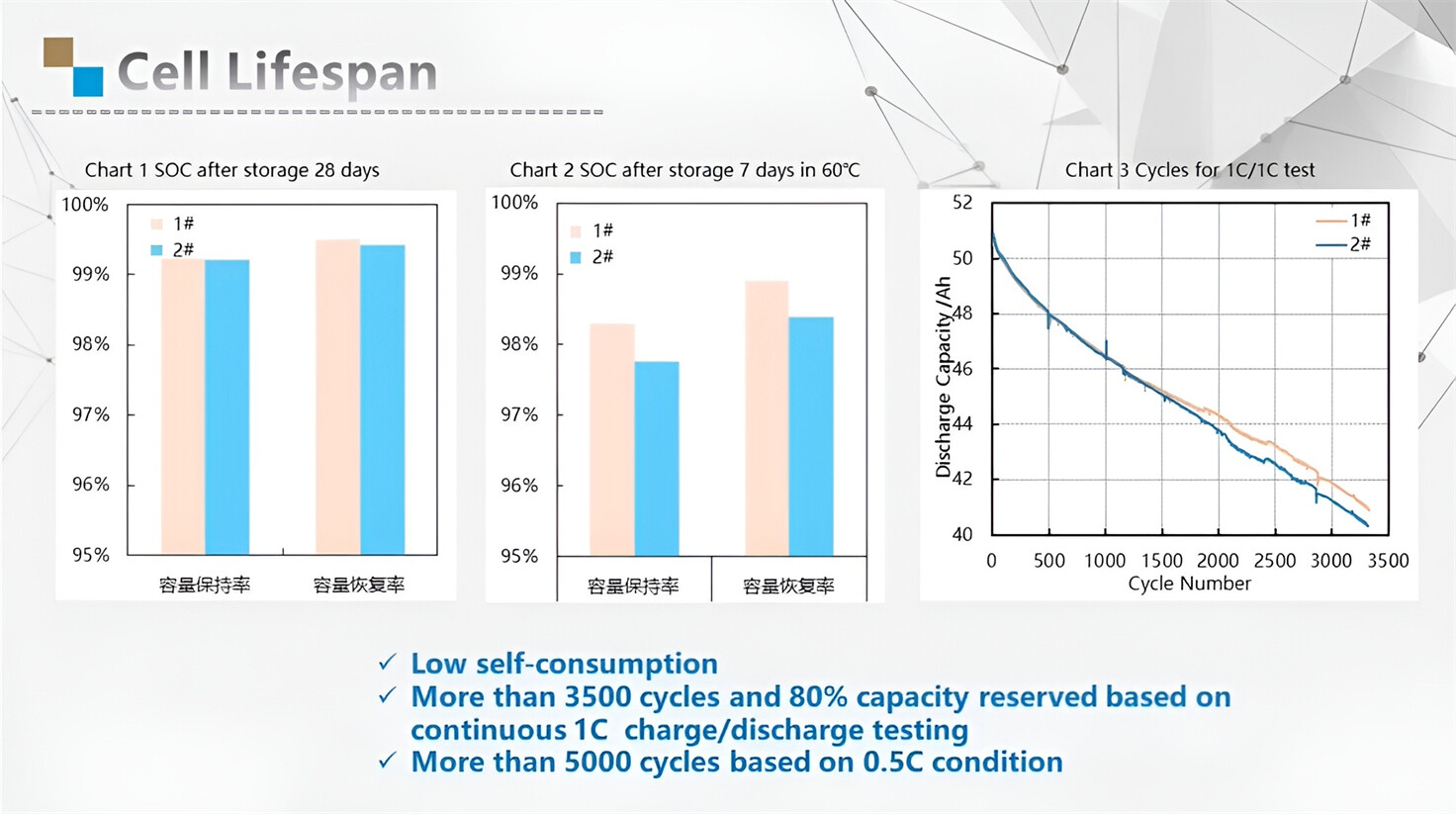
Our energy storage system products use brand new grade A LiFePO4 cells with a battery lifespan of more than 4,000 charge/discharge cycles.
Applications in Different Industries
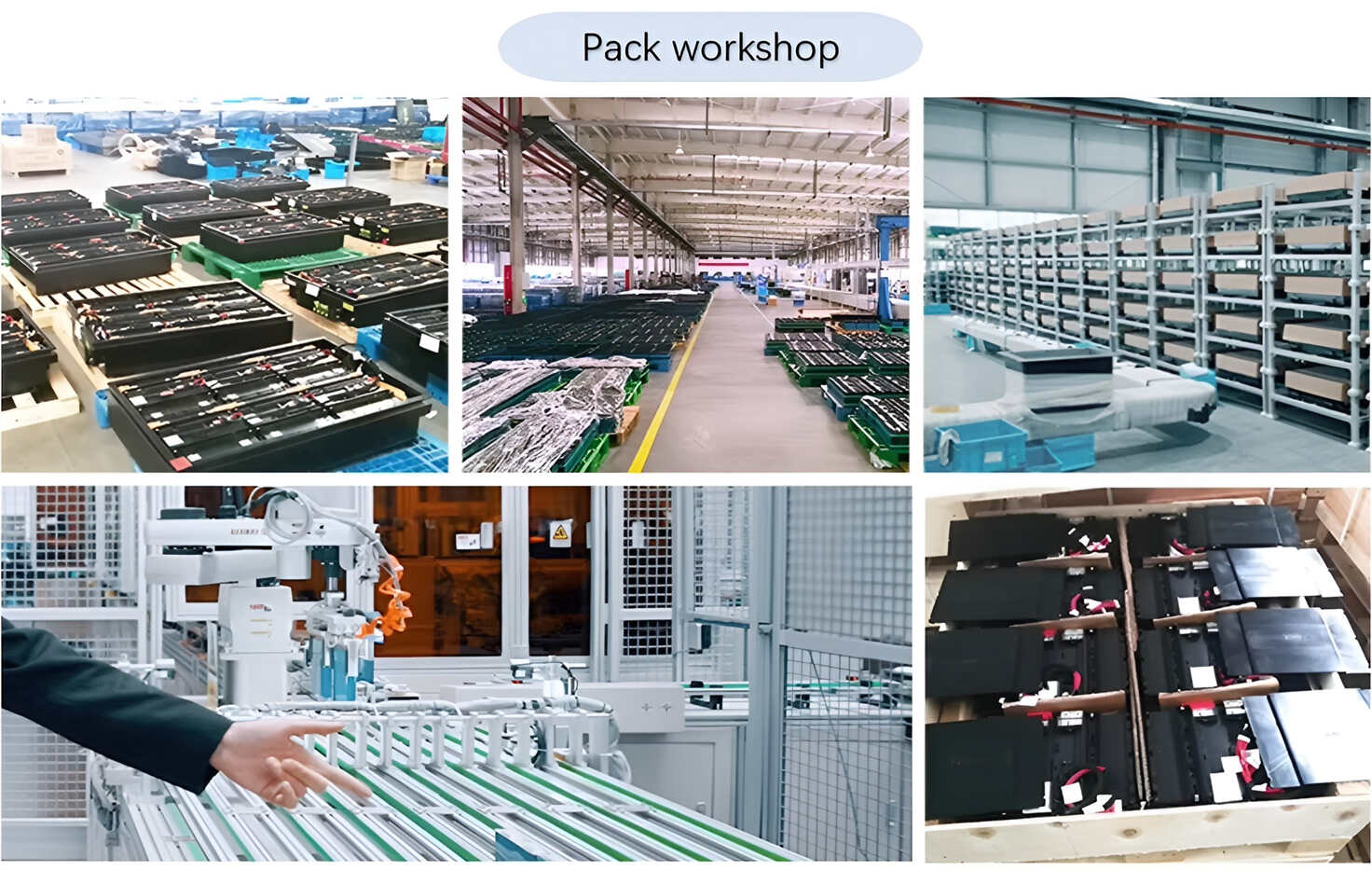
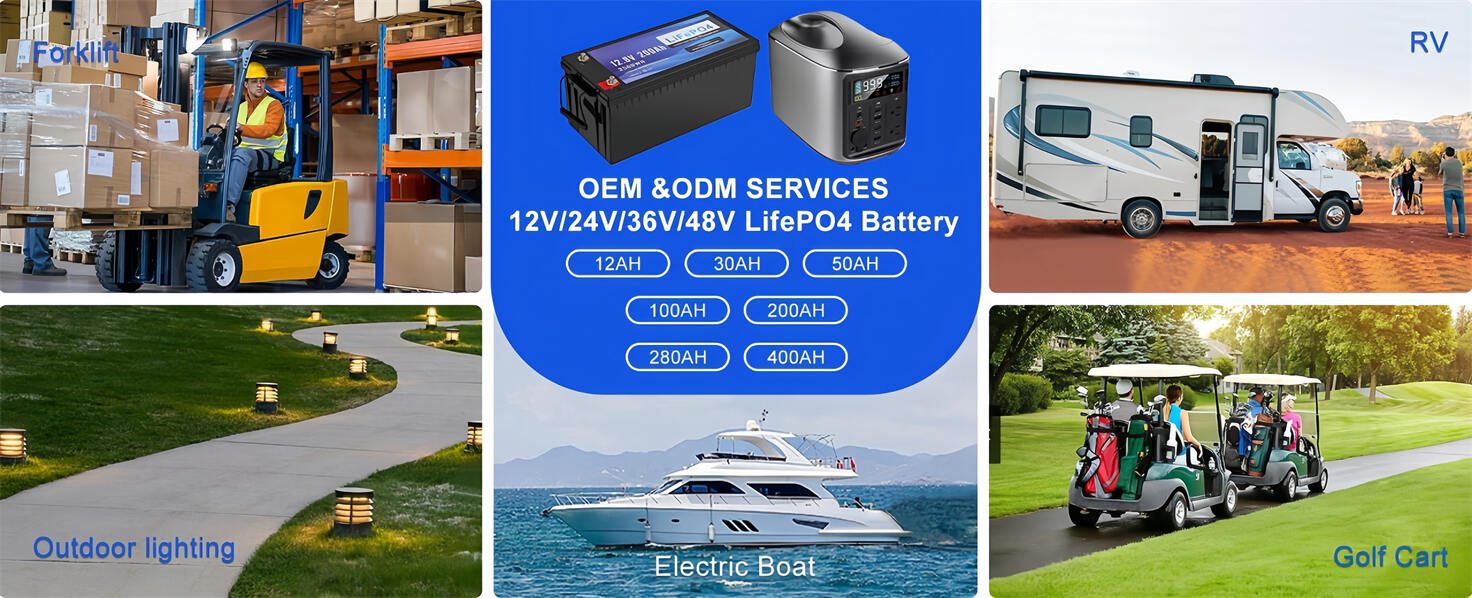
We supply customized & OEM battery pack, assemble cells with wiring, fuse and plastic cover, all the cell wires connected to PCB plug or built BMS.
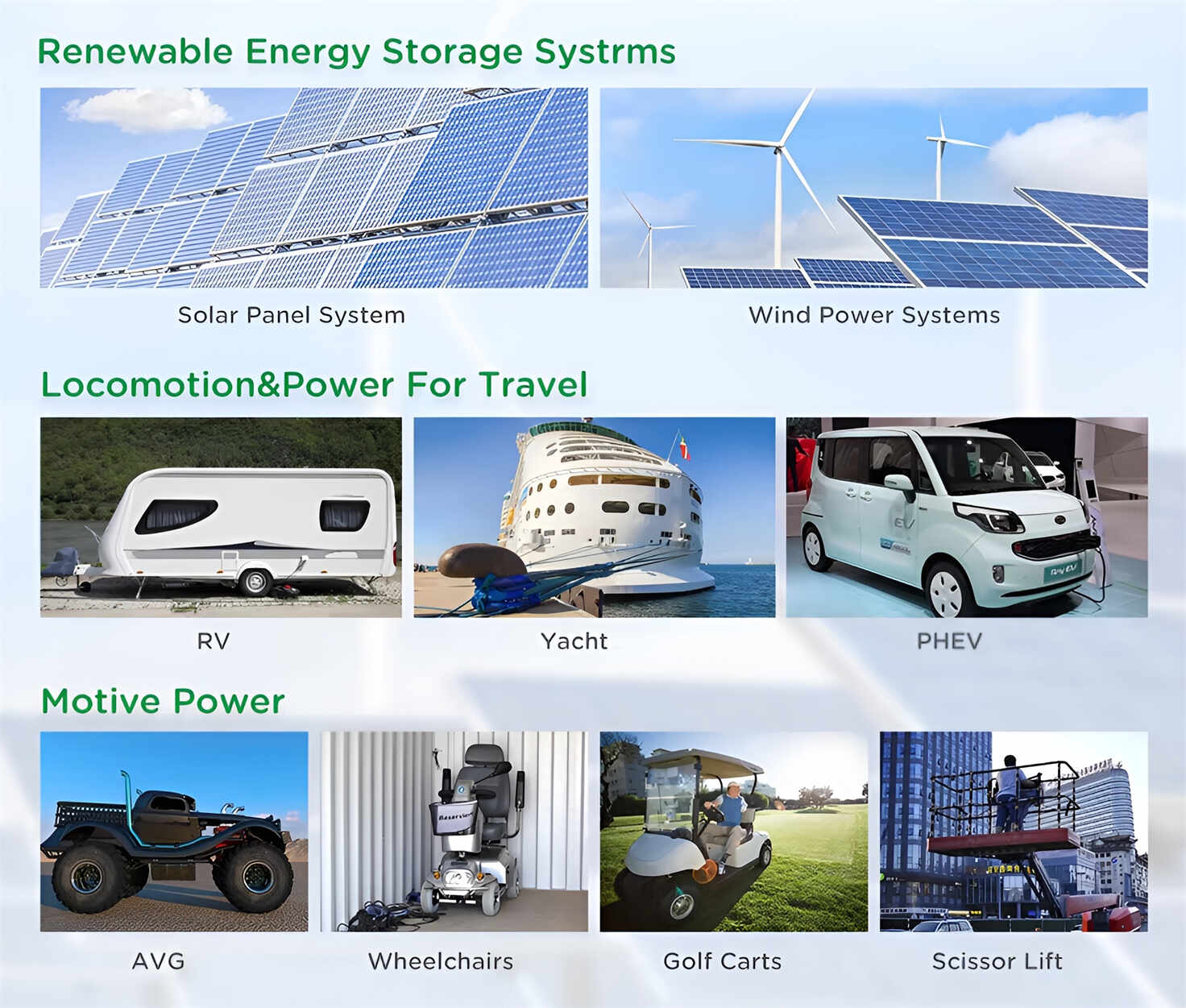
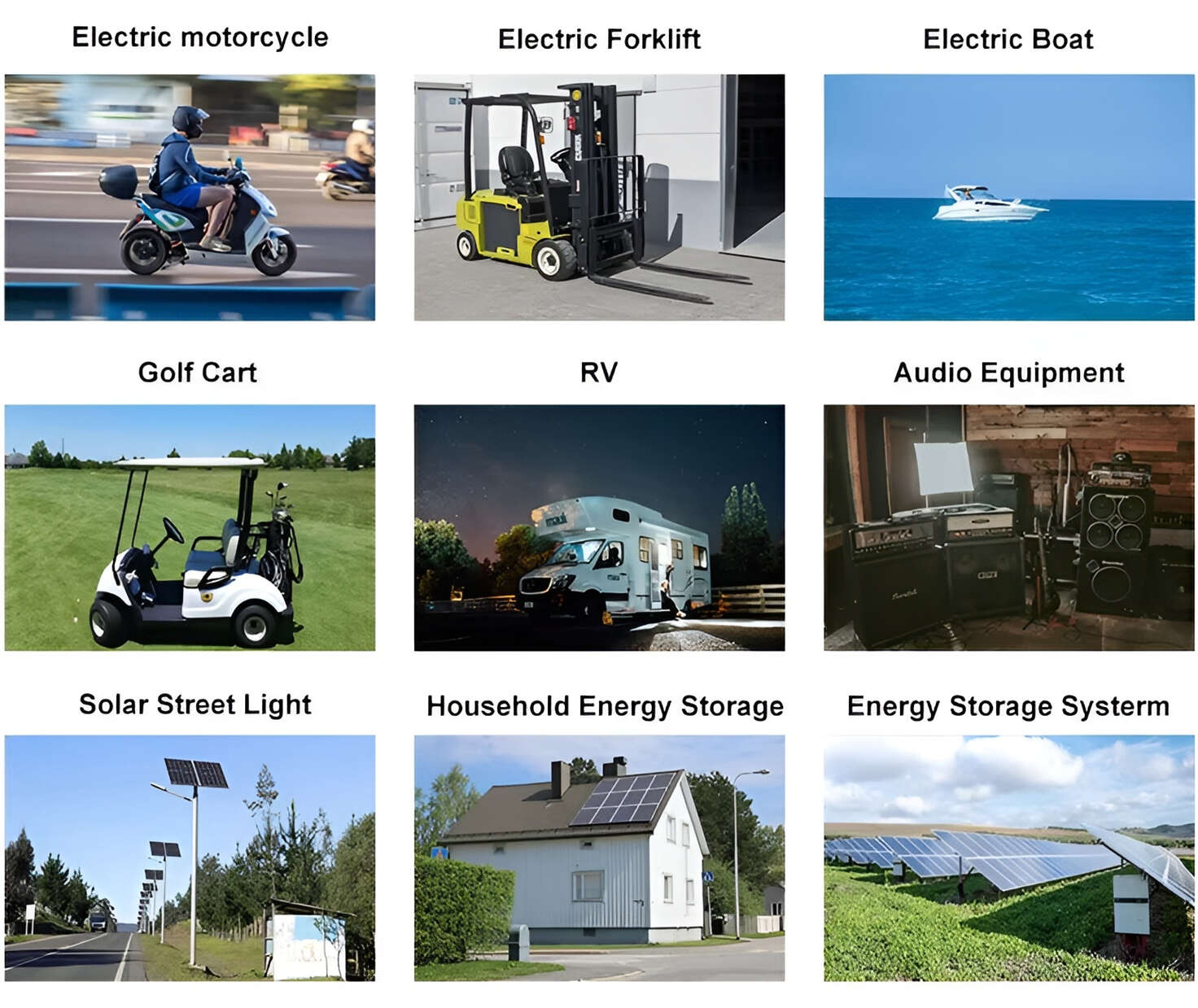
Applications: E-bike, Electric Scooter, Golf Carts, RV, Electric Wheelchair, Electric Tools, Robot Cleaner, Robot Sweeper, Solar Energy Storage System, Emergency Light, Solar Power Light, Medical Equipment, UPS Backup Power Supply.
We can provide you with customized services. We have the ability to provide a vertical supply chain, from single cells to pack/module and to a complete power solution with BMS, etc.
HomSolar (Shenzhen) Technology Co., Ltd