Lifepo4 User Experience Review: Unpacking The Real-world Performance Of Lithium Iron Phosphate Technology
For years, the quest for reliable, long-lasting, and safe energy storage has been a central concern for everyone from RV enthusiasts and boat owners to solar power adopters and homeowners seeking backup power. Enter LiFePO4, or Lithium Iron Phosphate, a battery chemistry that has moved from a niche player to a mainstream contender. Having integrated a LiFePO4 battery system into my own off-grid solar setup and daily power needs, this review delves deep into the user experience, moving beyond the spec sheets to explore the tangible benefits and compromises.
Core Functionality and Product Overview
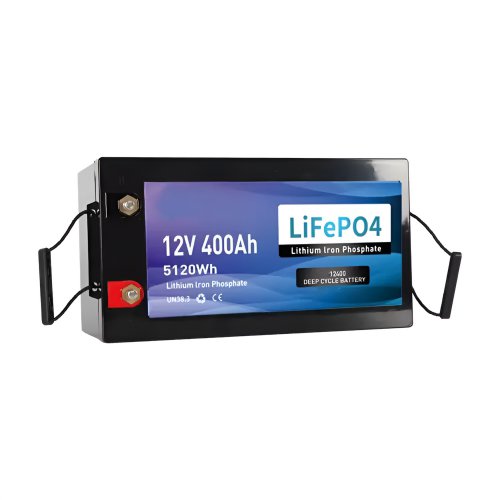
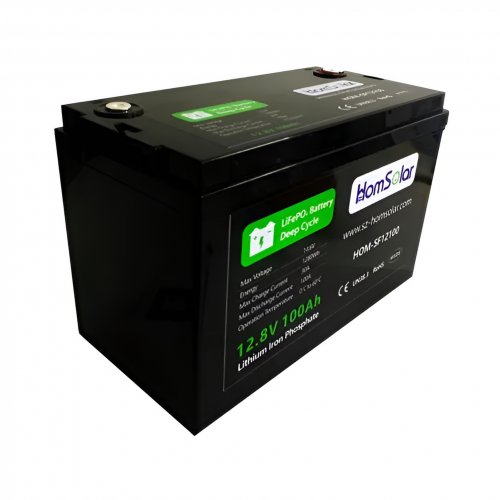
At its heart, a LiFePO4 battery is a type of lithium-ion battery, but its cathode material is lithium iron phosphate, which fundamentally changes its characteristics compared to the more common Lithium Cobalt Oxide (LiCoO2) found in smartphones and laptops. The primary function remains the same: to store electrical energy and release it on demand. However, LiFePO4 technology is engineered for applications where cycle life, safety, and stability are paramount over sheer energy density.
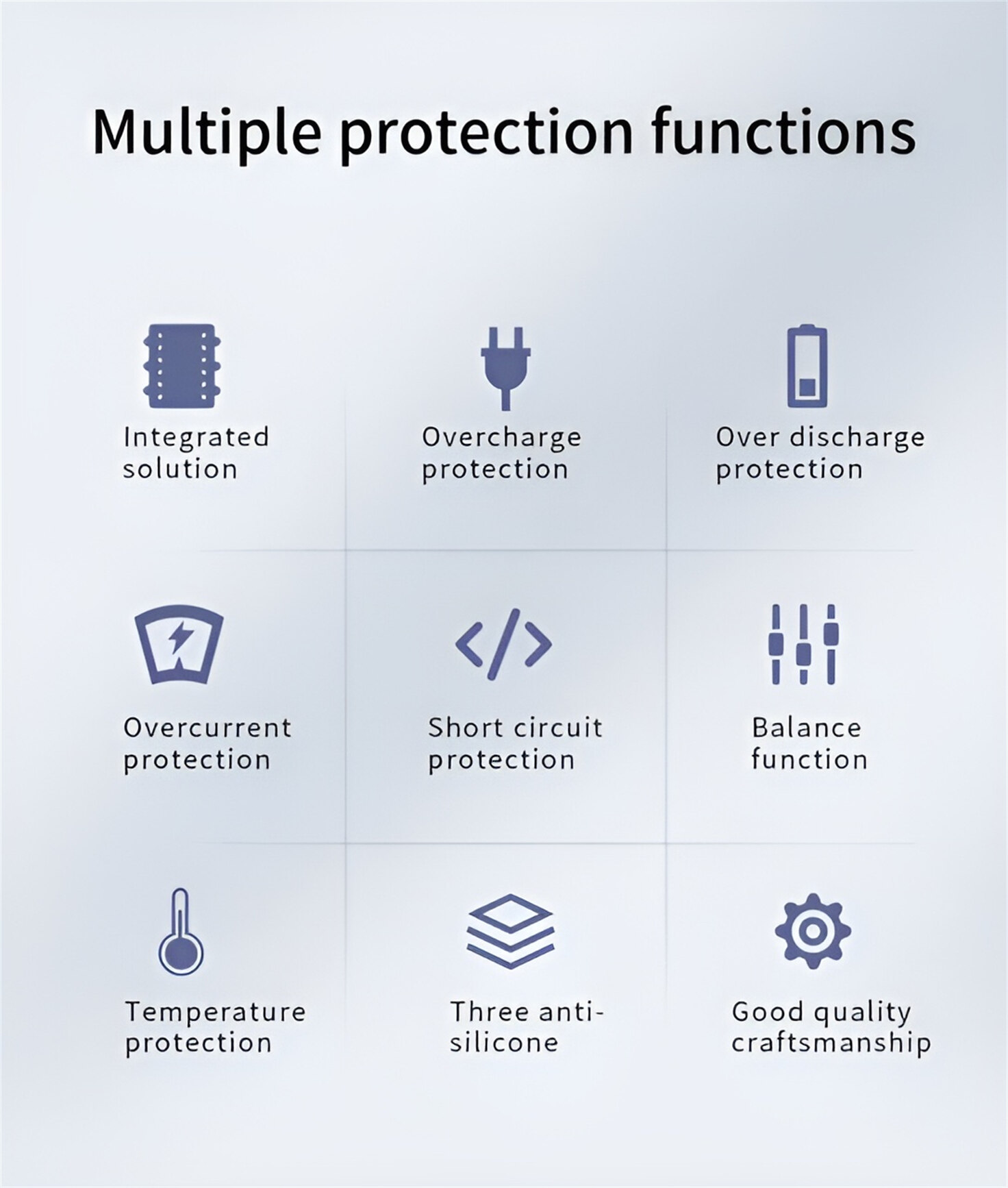
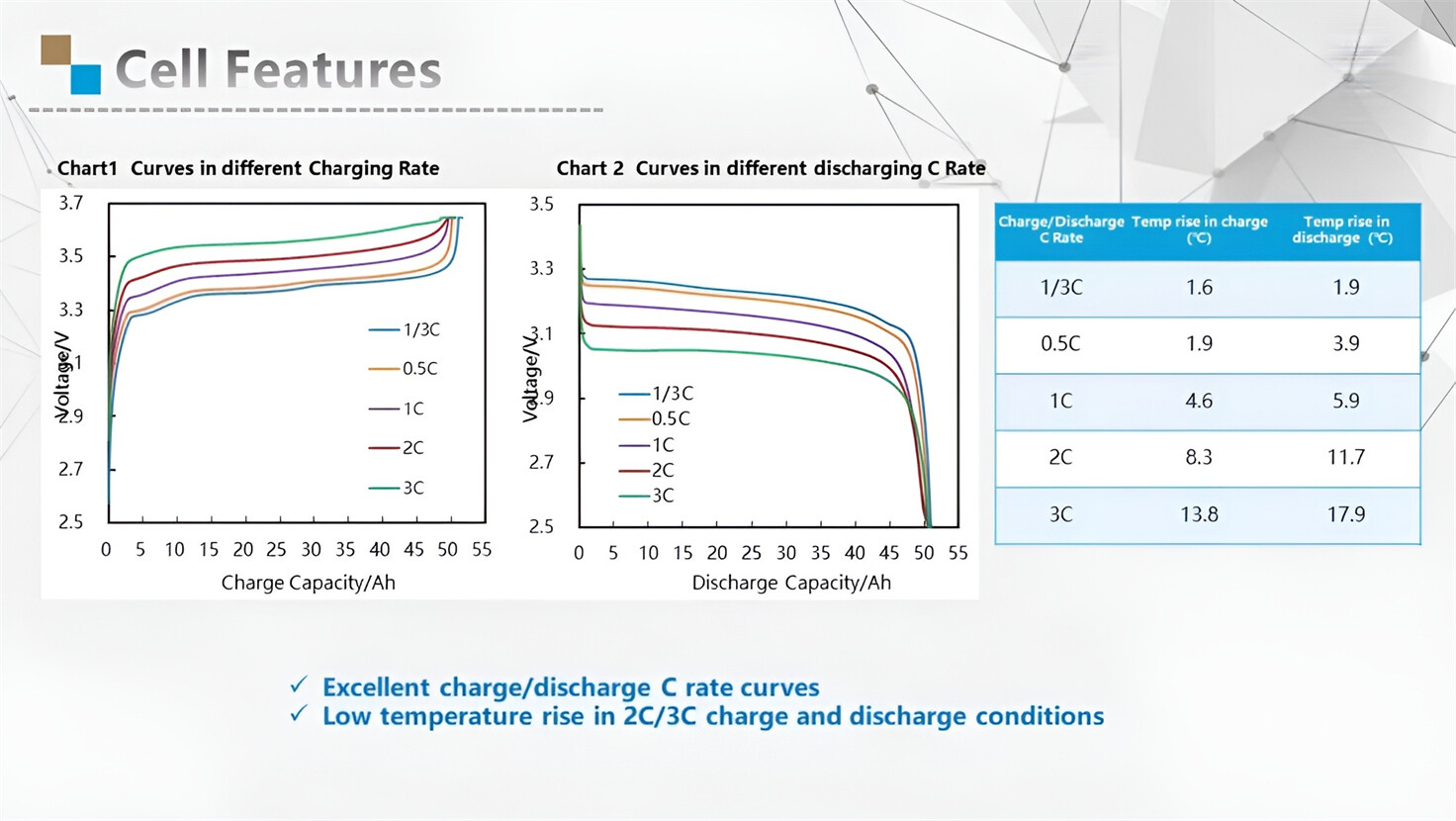
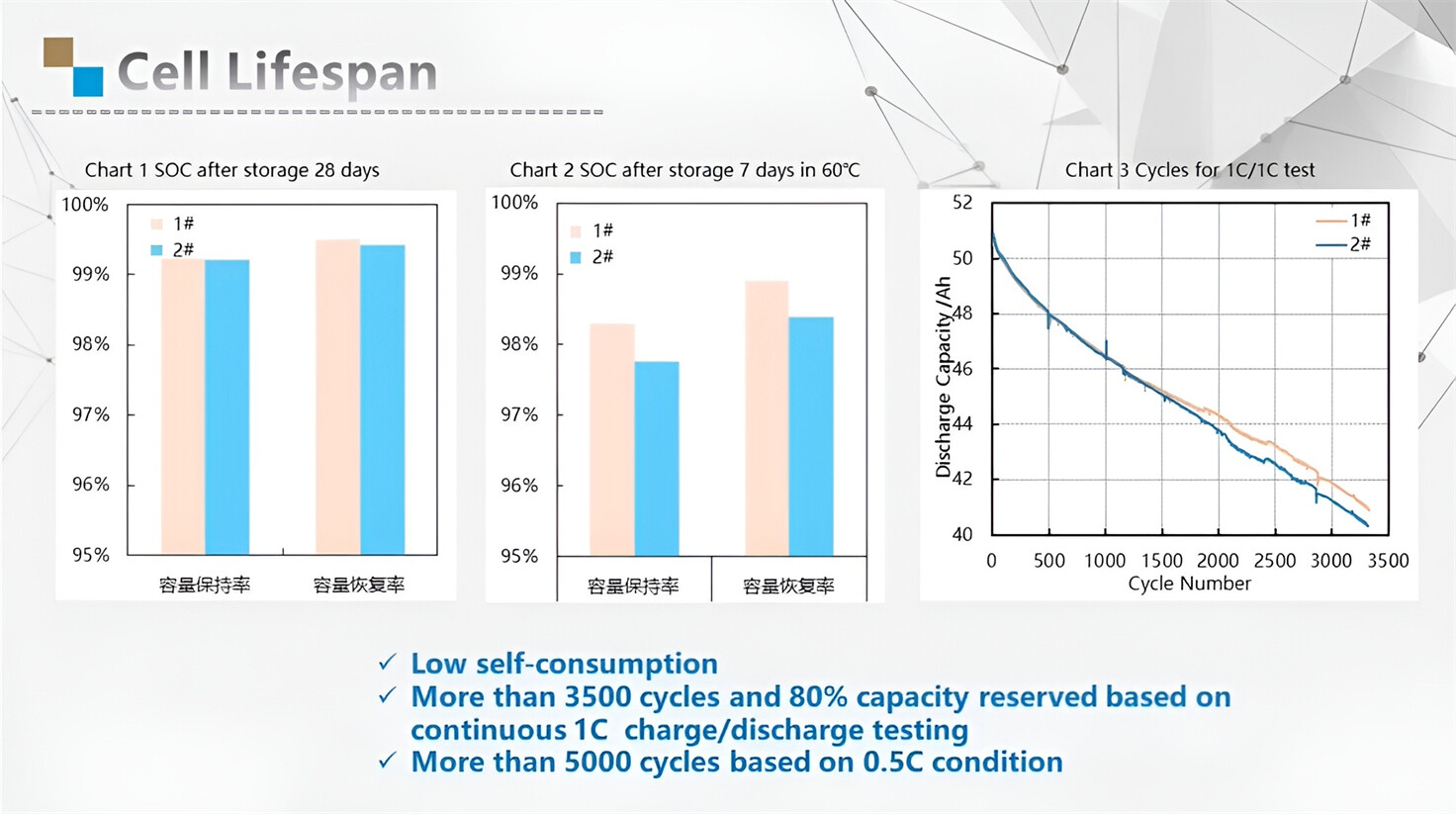
Key features that define the LiFePO4 user experience include:Exceptional Cycle Life: These batteries are renowned for their longevity, often rated for 2000 to 5000 full charge-discharge cycles before significant capacity degradation. This is a stark contrast to the 300-500 cycles typical of lead-acid batteries.Built-in Battery Management System (BMS): Virtually all modern LiFePO4 batteries come with an integrated BMS. This electronic brain is crucial, protecting the battery from over-charging, over-discharging, short circuits, and extreme temperatures. For the user, this means a significant reduction in the need for manual monitoring.Stable Voltage Output: Unlike lead-acid batteries whose voltage drops steadily as they discharge, LiFePO4 batteries maintain a remarkably consistent voltage for the vast majority of their discharge cycle. This means appliances run more efficiently and powerfully until the battery is nearly empty.High Efficiency: They boast excellent charge and discharge efficiency, typically above 95-98%. This means almost all the solar energy you harvest or the grid power you use for charging is actually stored, with very little lost as heat.
The Advantages: Where LiFePO4 Truly Shines
The practical benefits of these features are immediately noticeable in daily use.
1. The "Set and Forget" Simplicity: After the initial setup, the user experience is largely hands-off. The BMS handles the intricacies of cell balancing and protection. There's no need for the periodic equalization charges or specific gravity checks required by lead-acid batteries. For my solar setup, this has been transformative; I spend more time using the power and less time maintaining its source. 2. Unmatched Longevity and Value: The high upfront cost is the most significant barrier to entry. However, when you calculate the cost per cycle over the battery's lifespan, LiFePO4 often emerges as the more economical choice. Replacing a lead-acid battery three or four times over the life of a single LiFePO4 unit changes the value proposition dramatically. This long-term perspective is a core part of the positive user experience. 3. Consistent Power Delivery: The flat voltage discharge curve is a game-changer for powering sensitive electronics like laptops, cameras, and high-fidelity audio equipment. In my RV, the lights don't dim as the battery drains, and the water pump maintains consistent pressure. The performance is reliably strong from 100% charge down to about 20%. 4. Lightweight and Compact: For their capacity, LiFePO4 batteries are significantly lighter and more compact than their lead-acid equivalents. This is a critical advantage in mobile applications like RVs, boats, and camper vans, where every kilogram and cubic centimeter counts. 5. Safety and Peace of Mind: The lithium iron phosphate chemistry is intrinsically more stable and resistant to thermal runaway than other lithium-ion variants. It is much less prone to catching fire or exploding even under stressful conditions like overcharging or physical damage. This inherent safety provides immense peace of mind, especially when the battery is installed inside a living space or vehicle.
The Drawbacks and Practical Considerations
No technology is perfect, and a fair assessment requires acknowledging the challenges.
1. The Significant Initial Investment: This is the single biggest hurdle. A quality LiFePO4 battery can cost two to three times more than a similar capacity lead-acid battery upfront. This can be a prohibitive factor for those on a tight budget or for applications where the battery's long cycle life won't be fully utilized. 2. Temperature Sensitivity (Especially Charging): While LiFePO4 batteries operate well in a wide range of temperatures, they cannot be charged effectively below freezing (0°C / 32°F). Charging in sub-zero conditions can cause permanent, irreversible damage to the plates. This necessitates batteries with built-in low-temperature charge disconnect or external heating systems for users in cold climates—an added complexity and cost. 3. Compatibility with Existing Systems: While often marketed as "drop-in replacements," this isn't always entirely accurate. Older chargers or alternators designed for lead-acid batteries may not provide the correct charging profile (typically a constant current/constant voltage or CC/CV profile). Using an incompatible charger might not damage the BMS-protected battery immediately, but it will prevent it from reaching a full charge and achieving its rated cycle life. Users may need to invest in a LiFePO4-compatible charger or reconfigure their charge controllers. 4. State of Charge (SOC) Meter Quirks: The flat voltage curve, while great for performance, makes it difficult to estimate the state of charge using voltage alone. A voltage-based meter can be highly inaccurate. To get a precise SOC reading, one must use a battery monitor that employs a shunt to count amp-hours in and out (coulomb counting). Relying on the simple LED indicators on some models can be misleading.
Actual Usage Impressions
In practice, living with a LiFePO4 battery has been overwhelmingly positive. The reduction in mental load is its greatest asset. I no longer worry about draining the battery too deeply and causing permanent damage, as the BMS will shut it off before that happens. The ability to use a much higher percentage of the rated capacity (80-90% versus the 50% recommended for lead-acid to preserve its life) effectively doubles the usable power from a similarly rated battery.
The quiet confidence it provides during a multi-day cloudy period, knowing the battery can handle deep discharges without complaint, is invaluable. The main adjustments were upfront: ensuring my solar charge controller was programmed correctly and understanding that the simple voltage display on my inverter was now essentially useless for gauging capacity, prompting the installation of a proper battery monitor.
Conclusion
The LiFePO4 user experience is defined by a trade-off: a substantial initial financial outlay for long-term reliability, simplicity, and performance. It is not the cheapest solution, but for those who prioritize durability, safety, and a low-maintenance power source, it is arguably the best solution available today. If your use case involves regular deep cycling, weight and space constraints, or a desire for a truly modern, "install and ignore" energy storage system, the investment in LiFePO4 technology is not just justified but highly recommended. It represents a shift from seeing a battery as a consumable component to viewing it as a durable, long-term appliance for your energy needs.
Customized/OEM/ODM Service
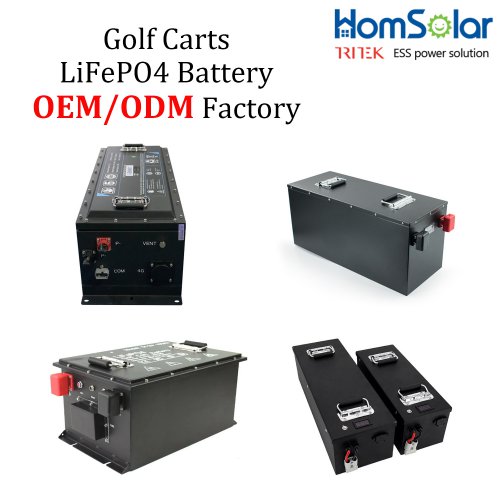
HomSolar Supports Lifepo4 battery pack customization/OEM/ODM service, welcome to contact us and tell us your needs.

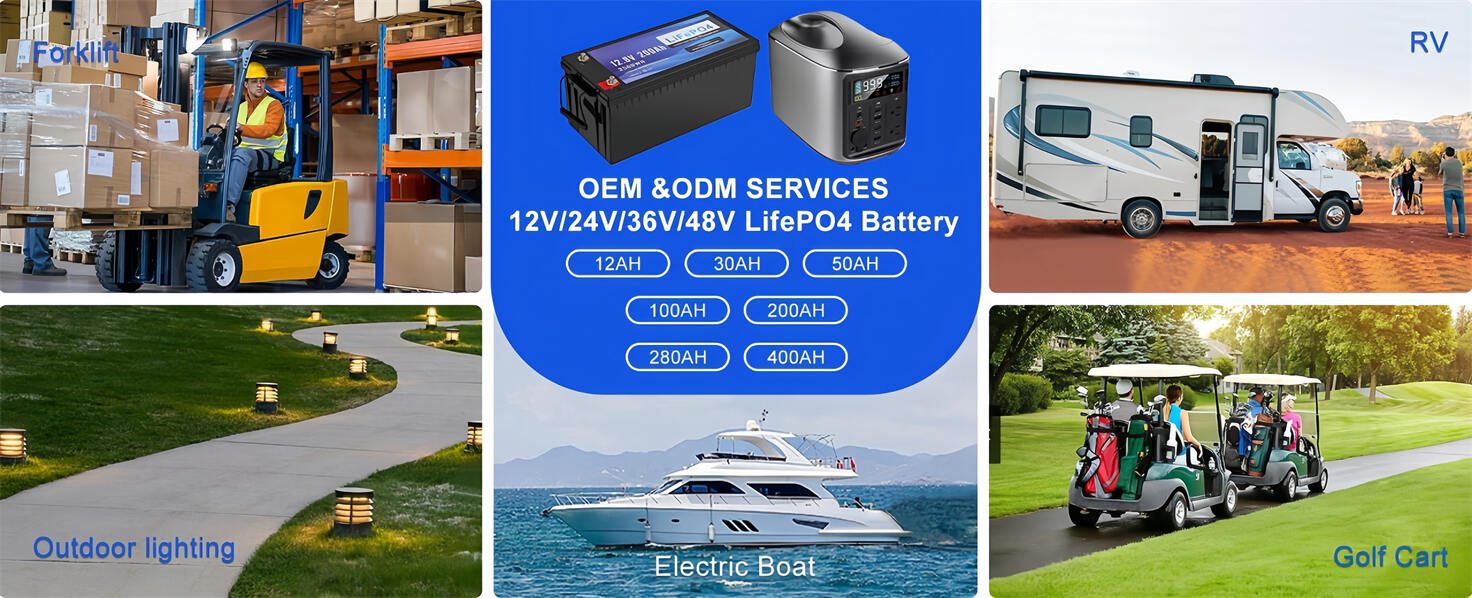
HomSolar: Your One-stop LiFePO4 Battery Pack & ESS Solution Manufacturer
Our line of LiFePO4 (LFP) batteries offer a solution to demanding applications that require a lighter weight, longer life, and higher capacity battery. Features include advanced battery management systems (BMS), Bluetooth® communication and active intelligent monitoring.
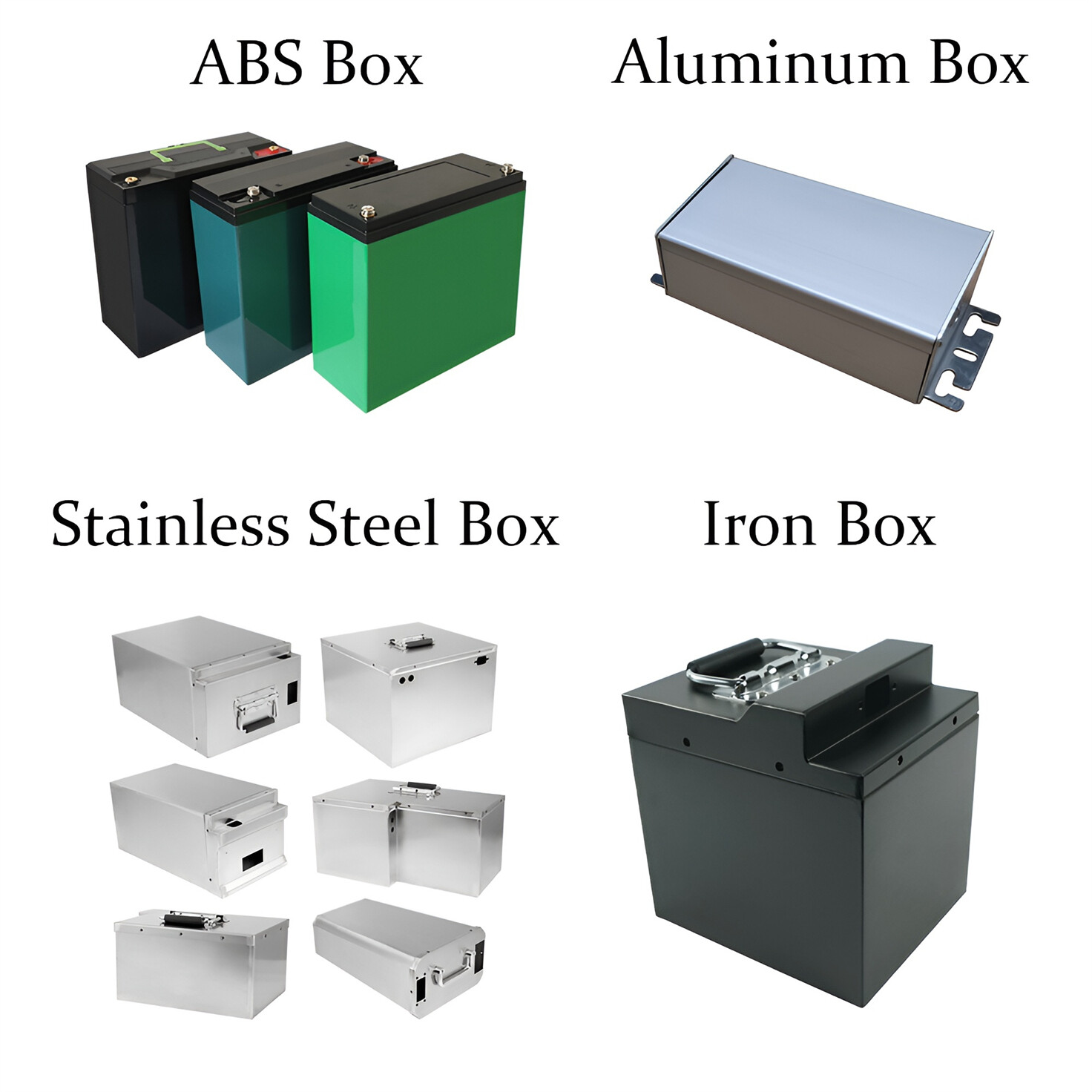
Customised Lithium Iron Phosphate Battery Casing
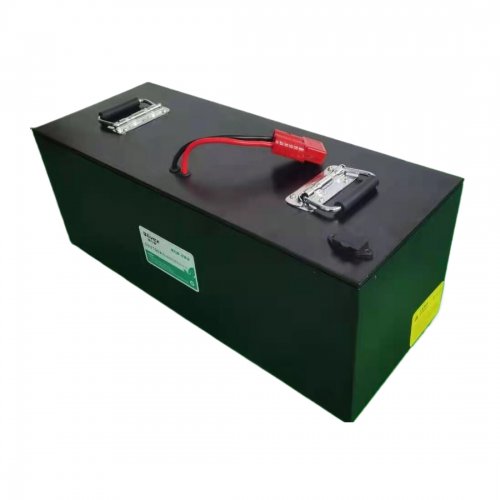
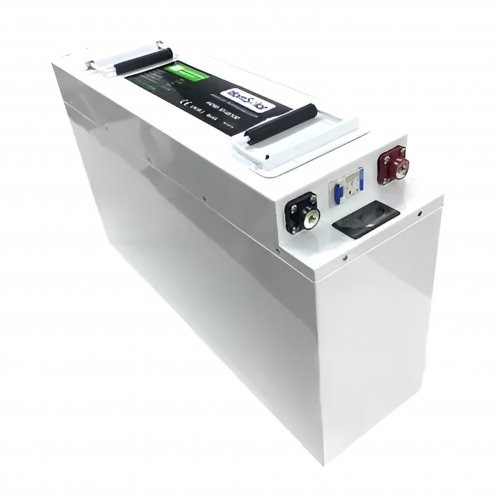
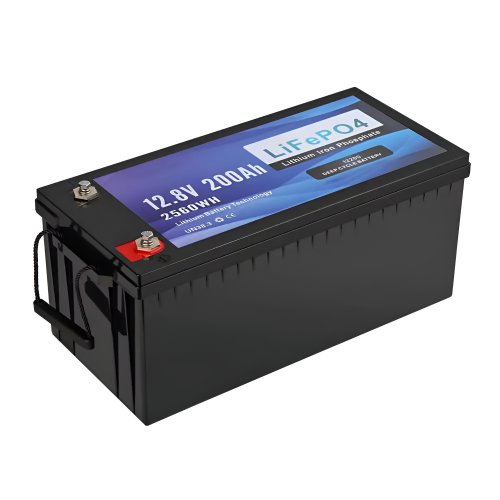
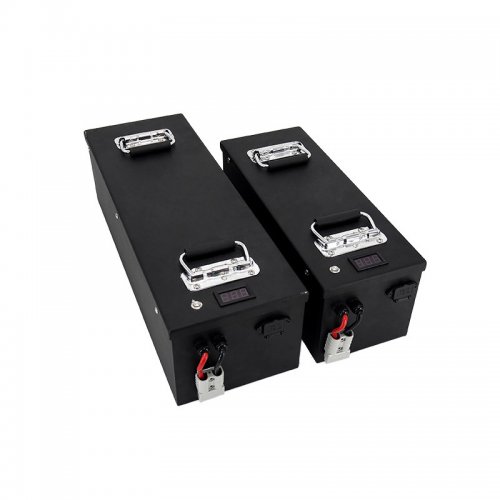
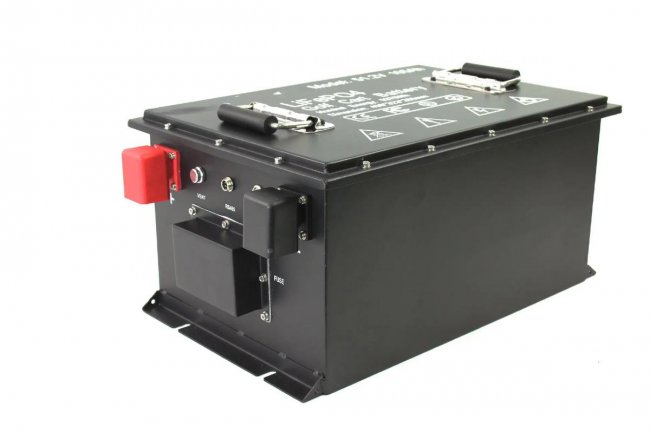
ABS plastic housing, aluminium housing, stainless steel housing and iron housing are available, and can also be designed and customised according to your needs.
HomSolar Smart BMS
Intelligent Battery Management System for HomSolar Energy Storage System. Bluetooth, temperature sensor, LCD display, CAN interface, UART interface also available.

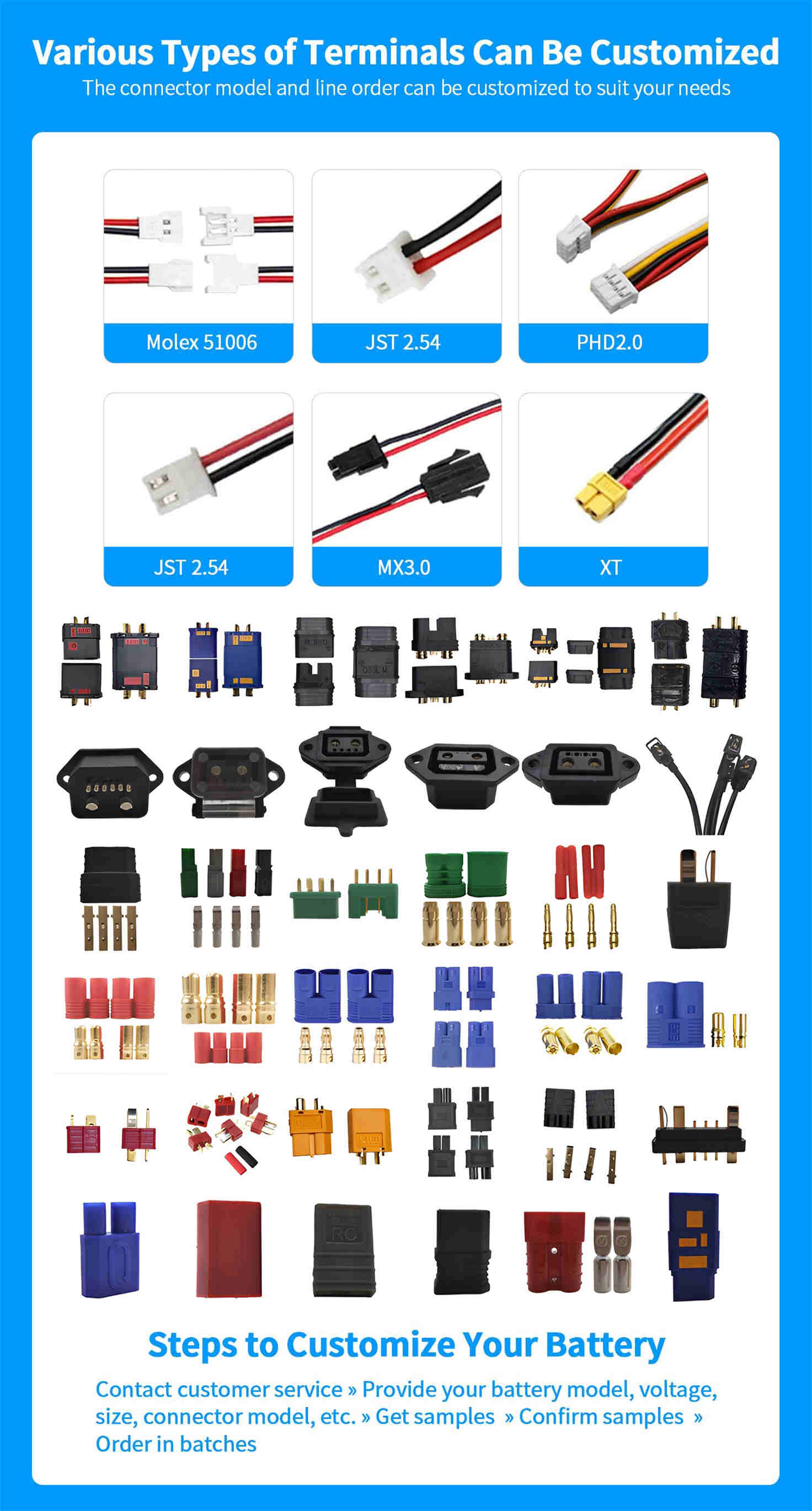
Terminals & Plugs Can Be Customized
A wide range of terminals and plugs can be customised to suit the application needs of your battery products.
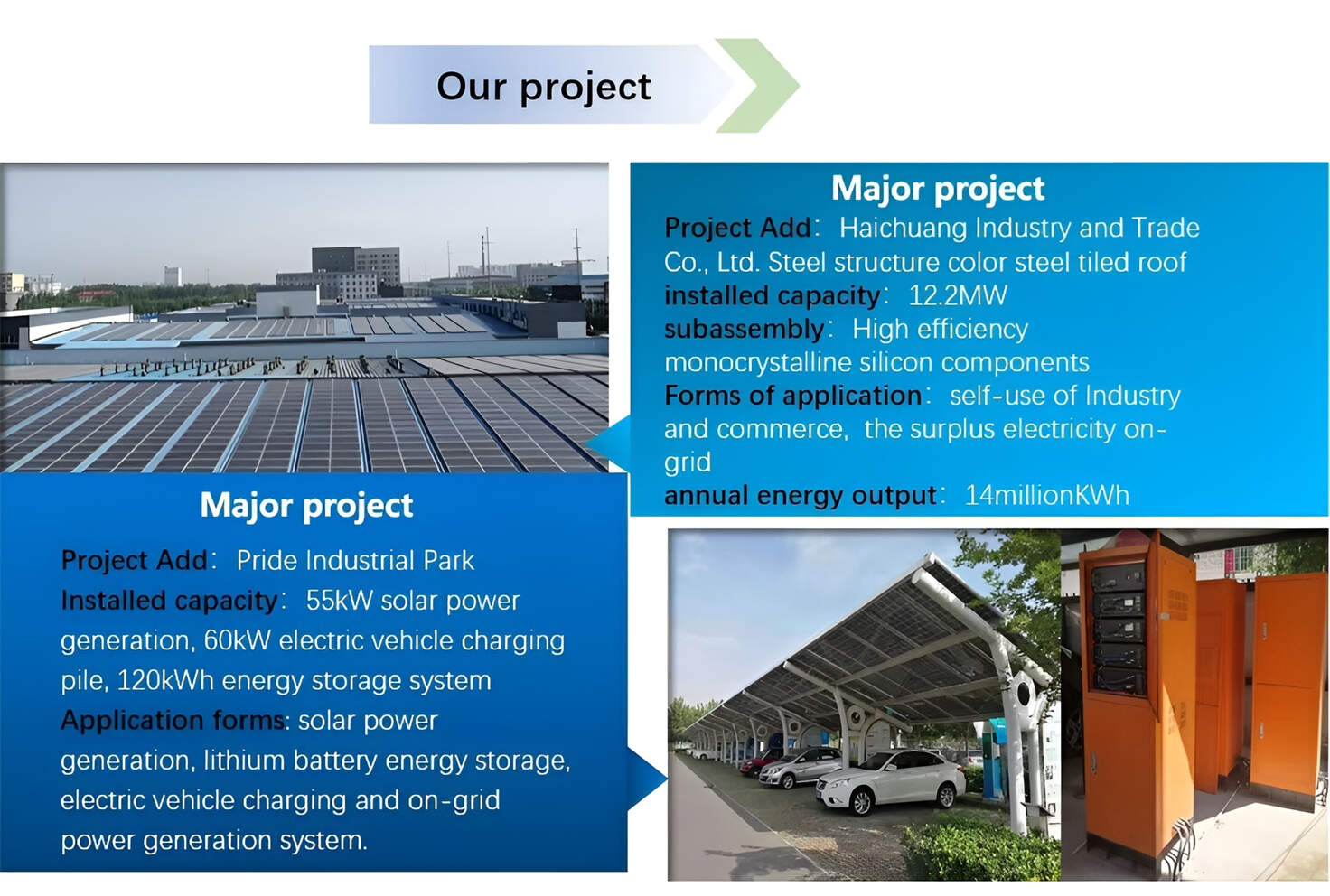
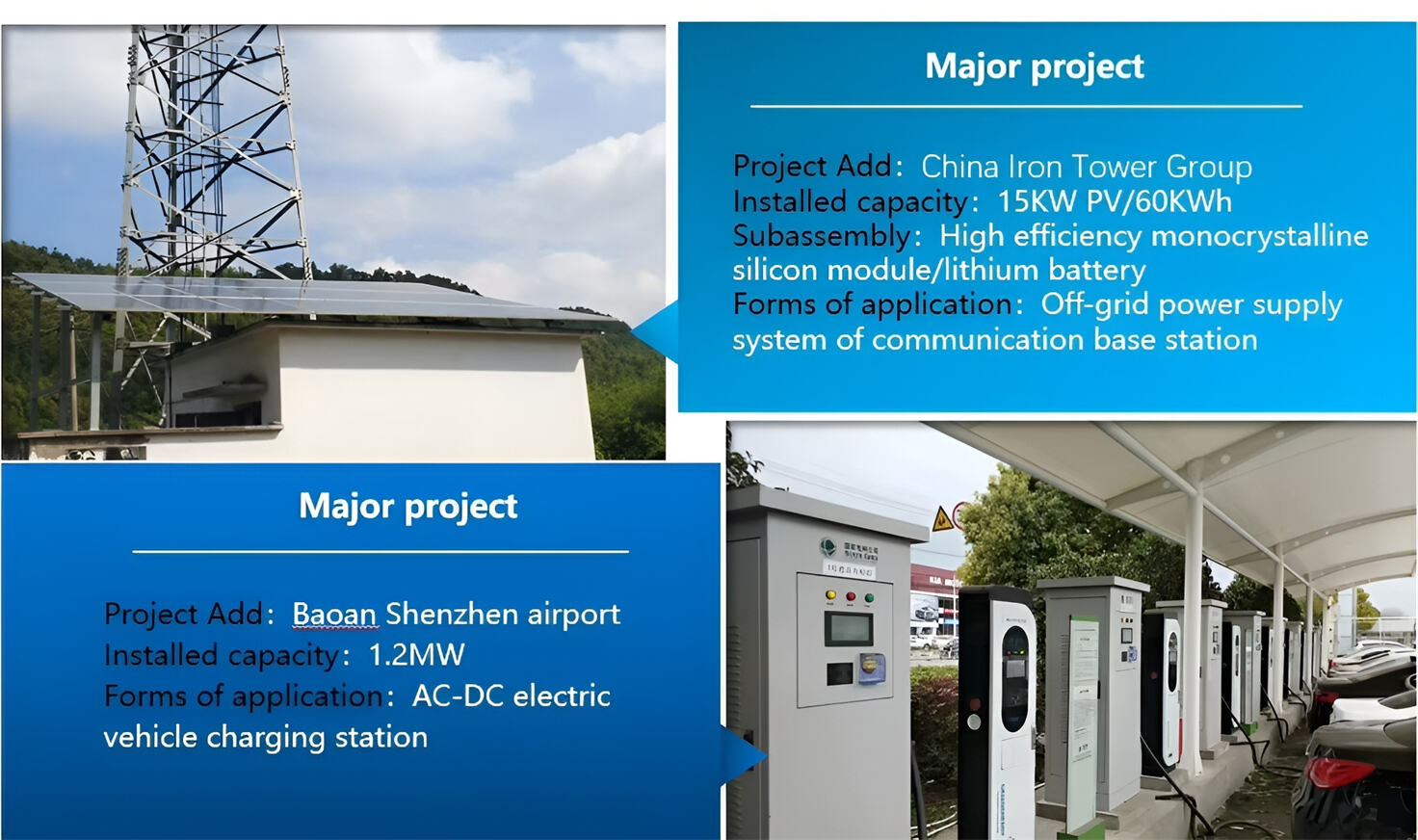
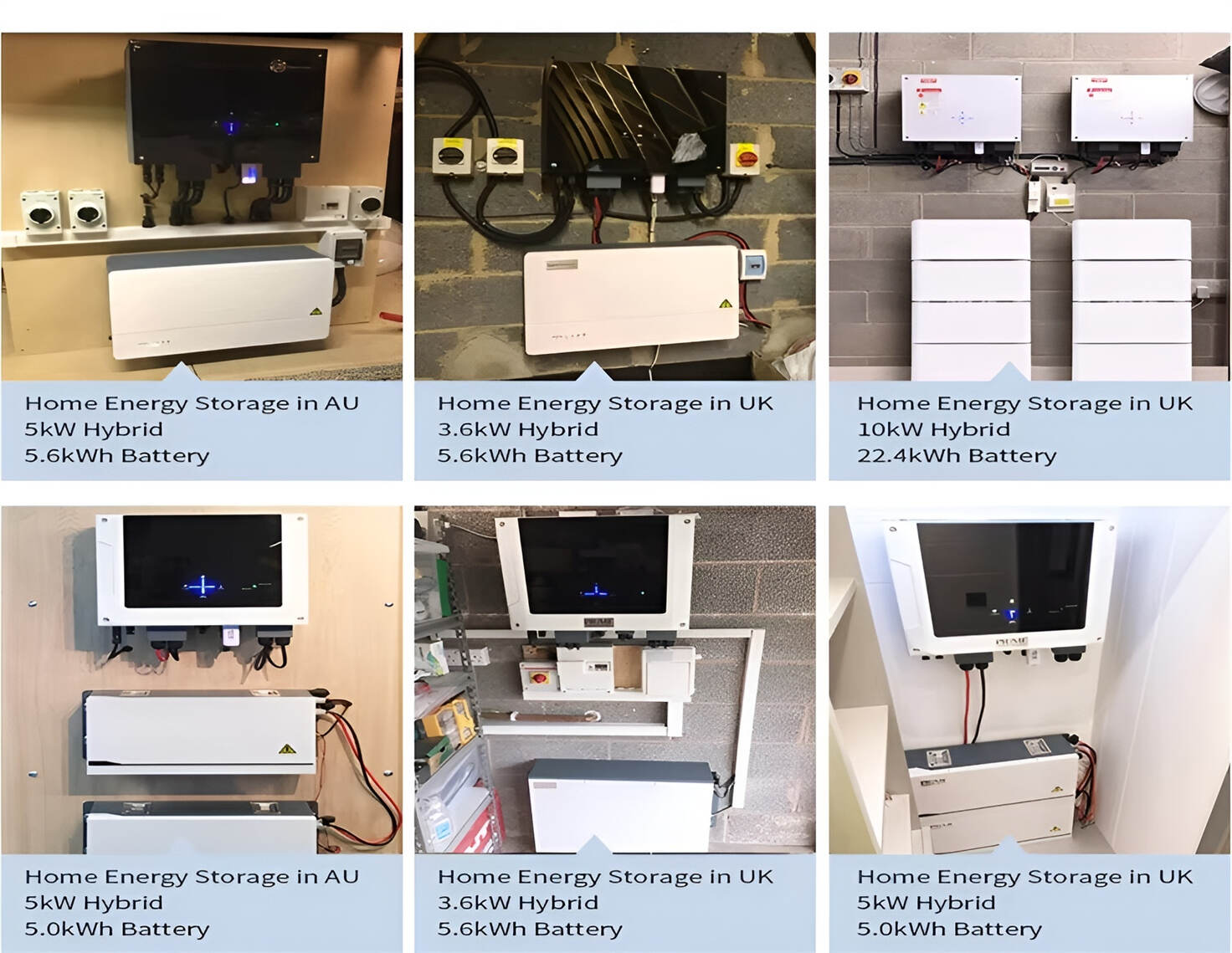
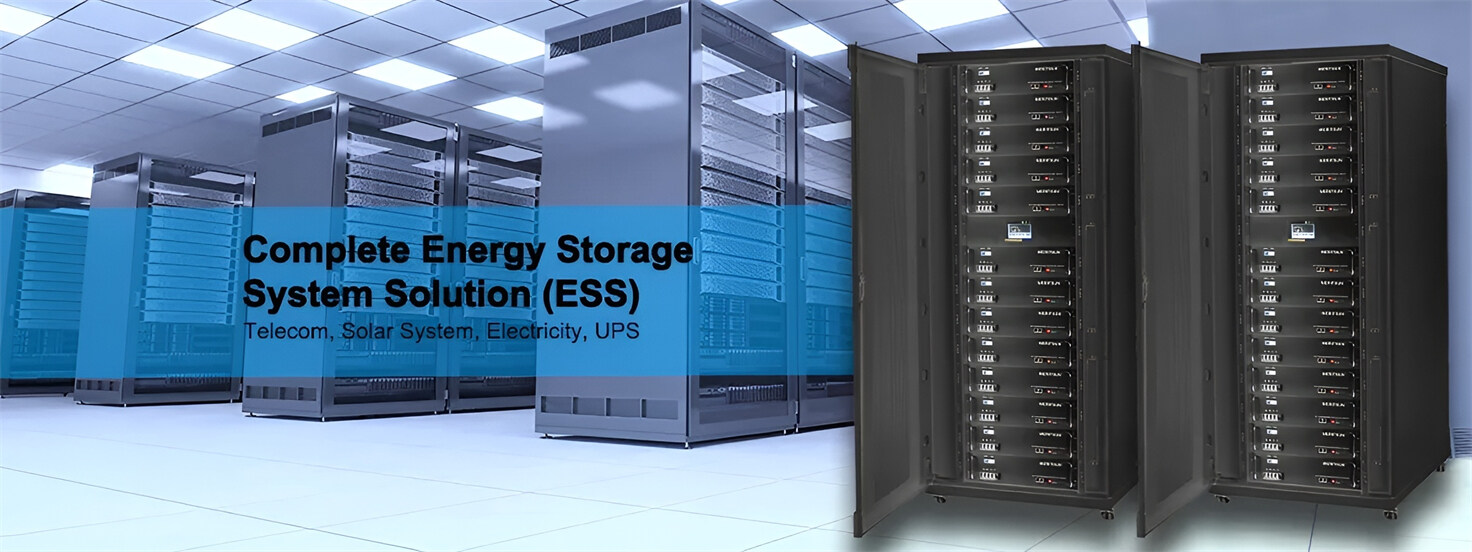
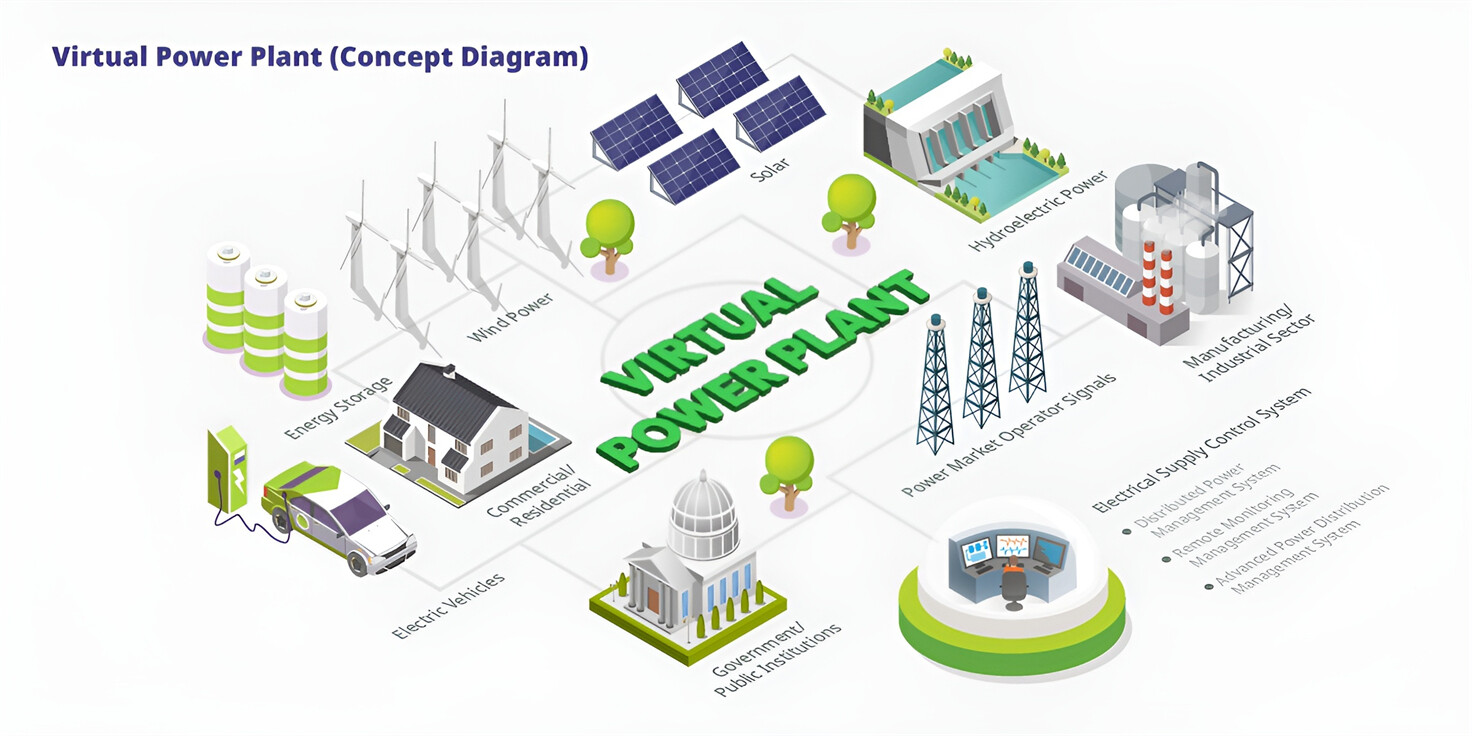
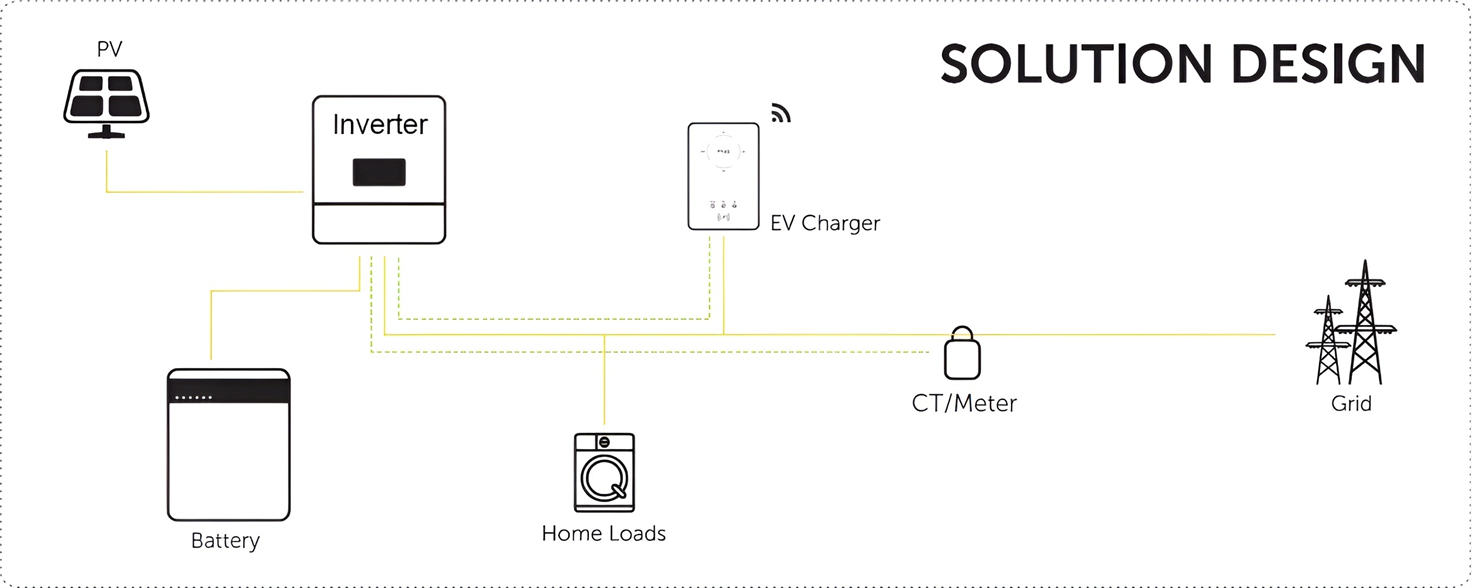
Well-designed Solutions for Energy Storage Systems
We will design the perfect energy storage system solution according to your needs, so that you can easily solve the specific industry applications of battery products.
About Our Battery Cells
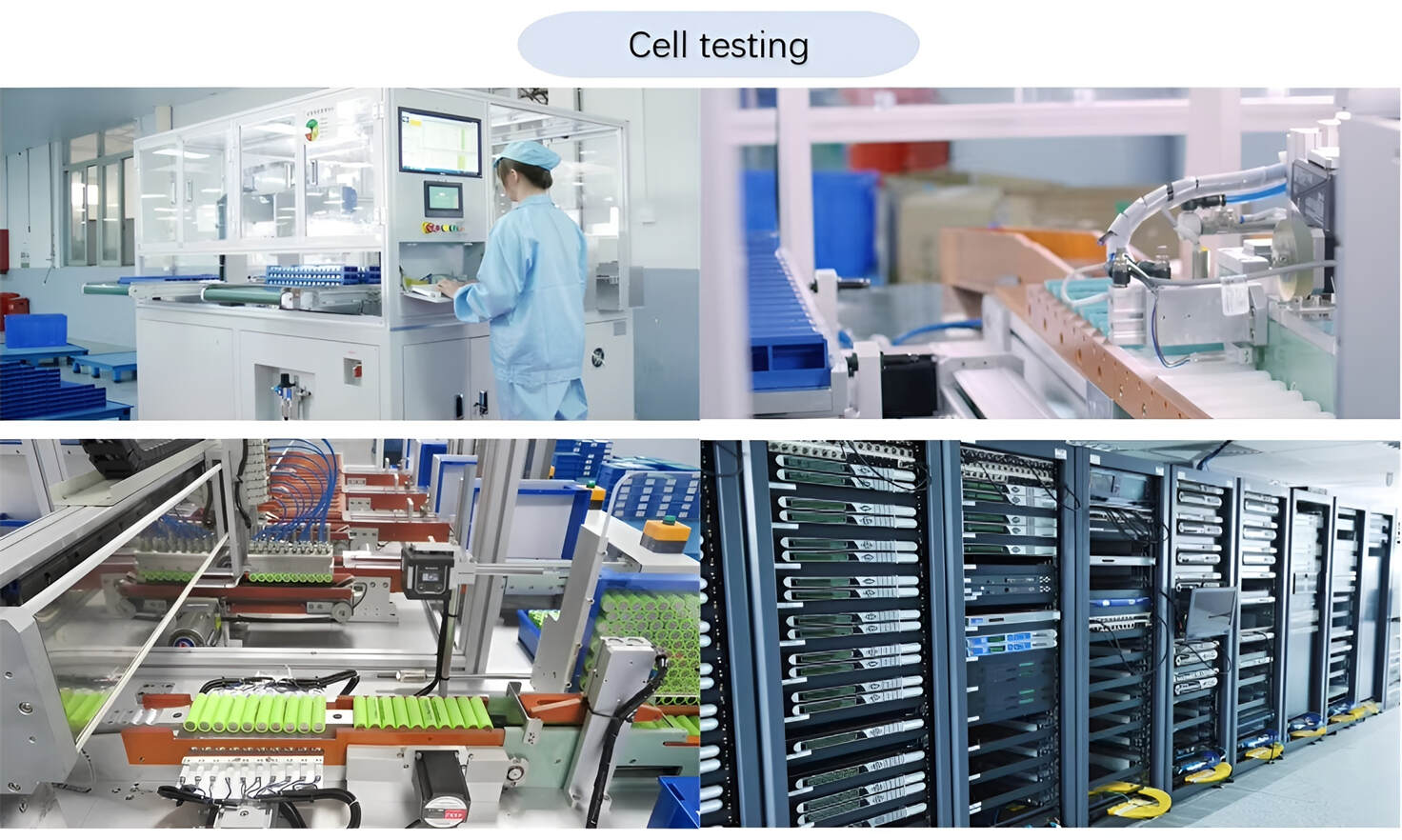
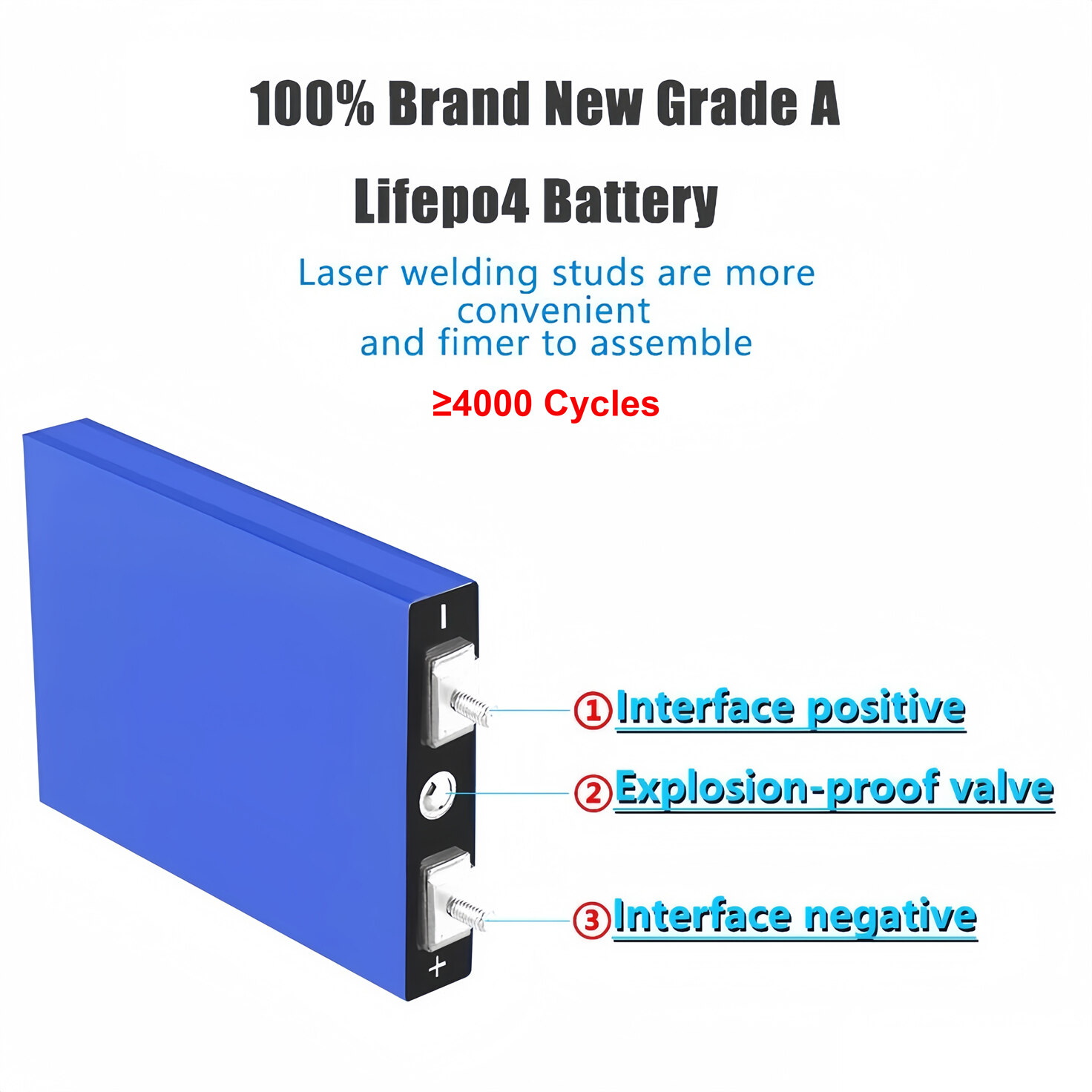
Our energy storage system products use brand new grade A LiFePO4 cells with a battery lifespan of more than 4,000 charge/discharge cycles.
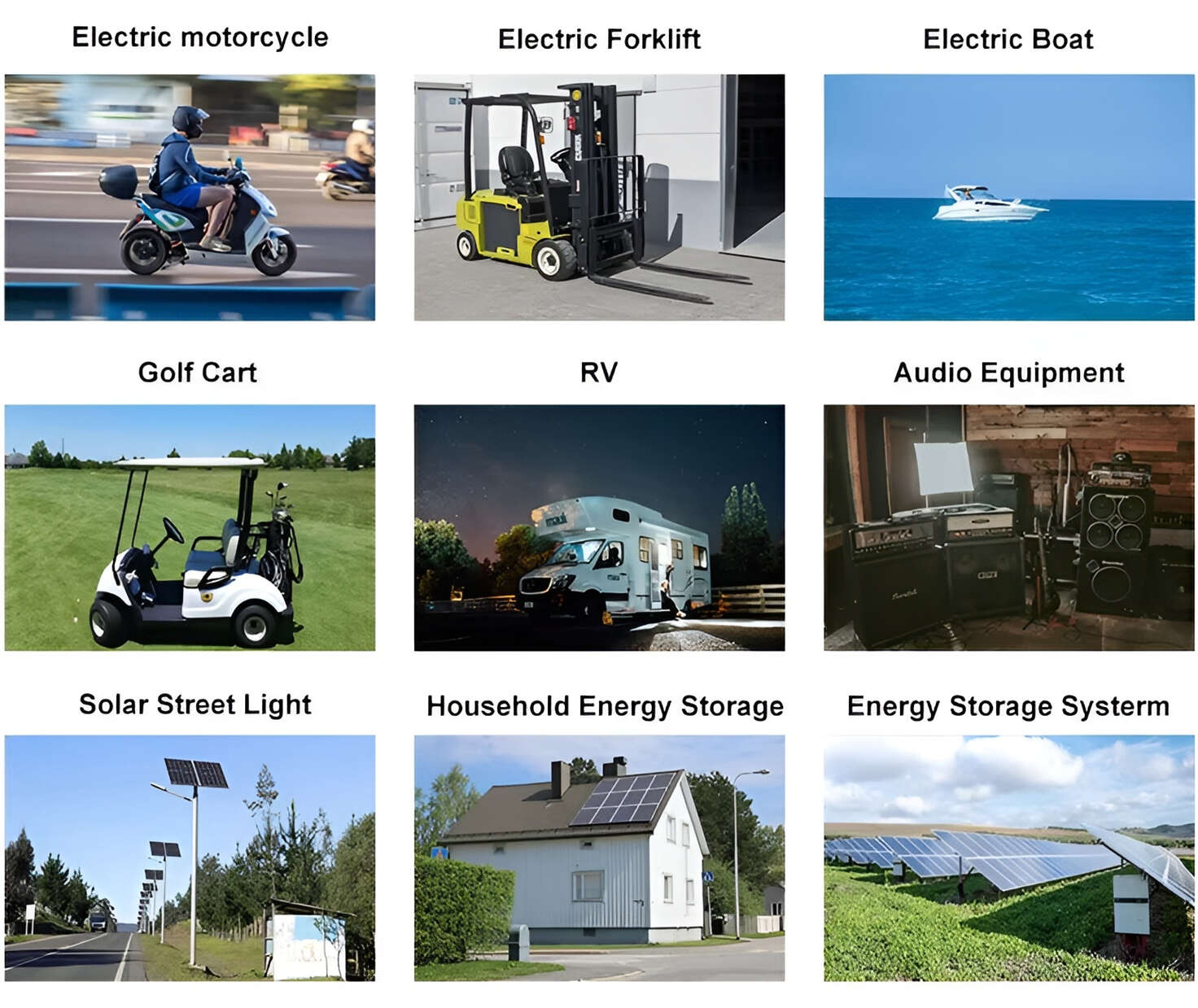
Applications in Different Industries
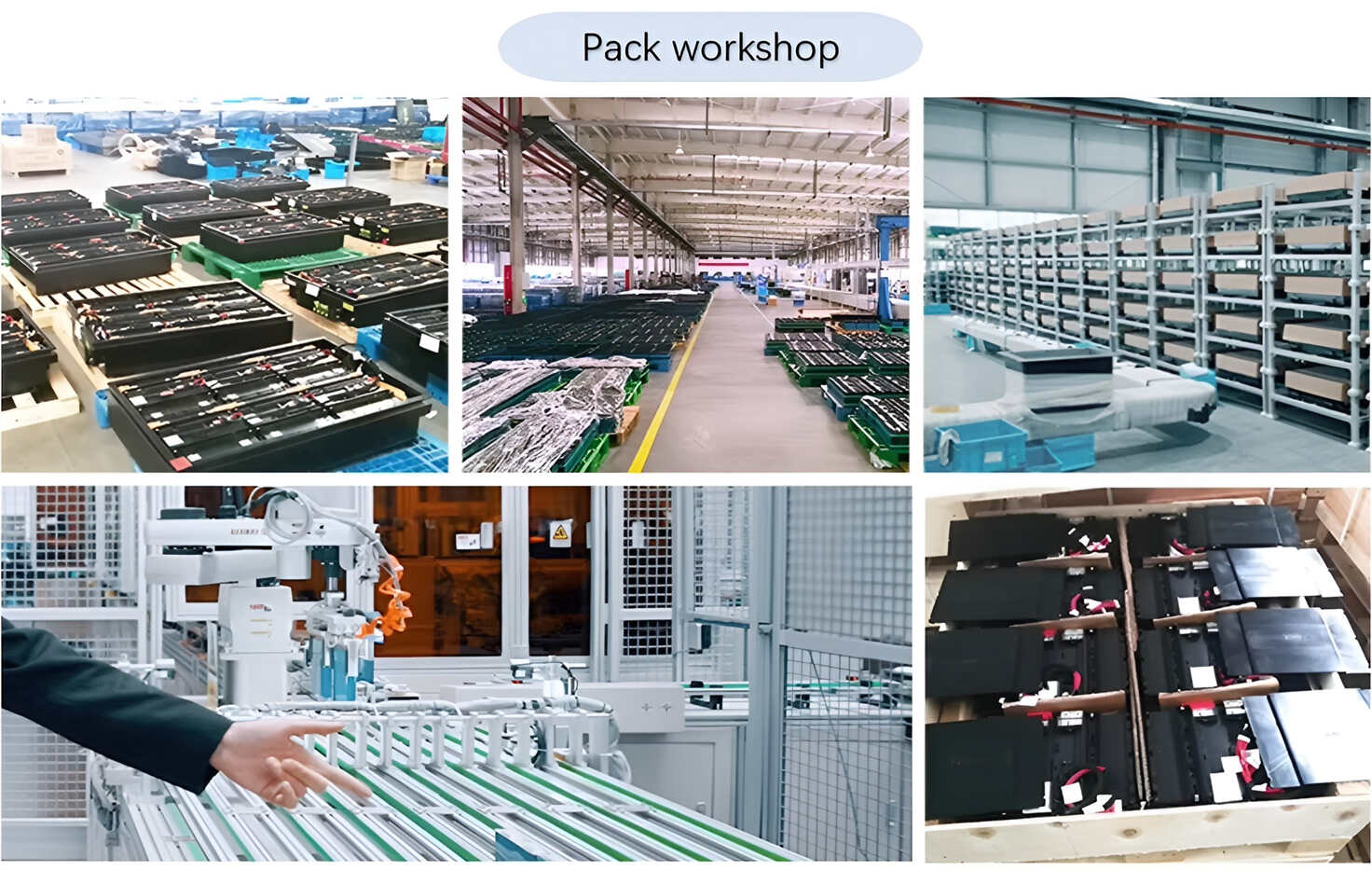
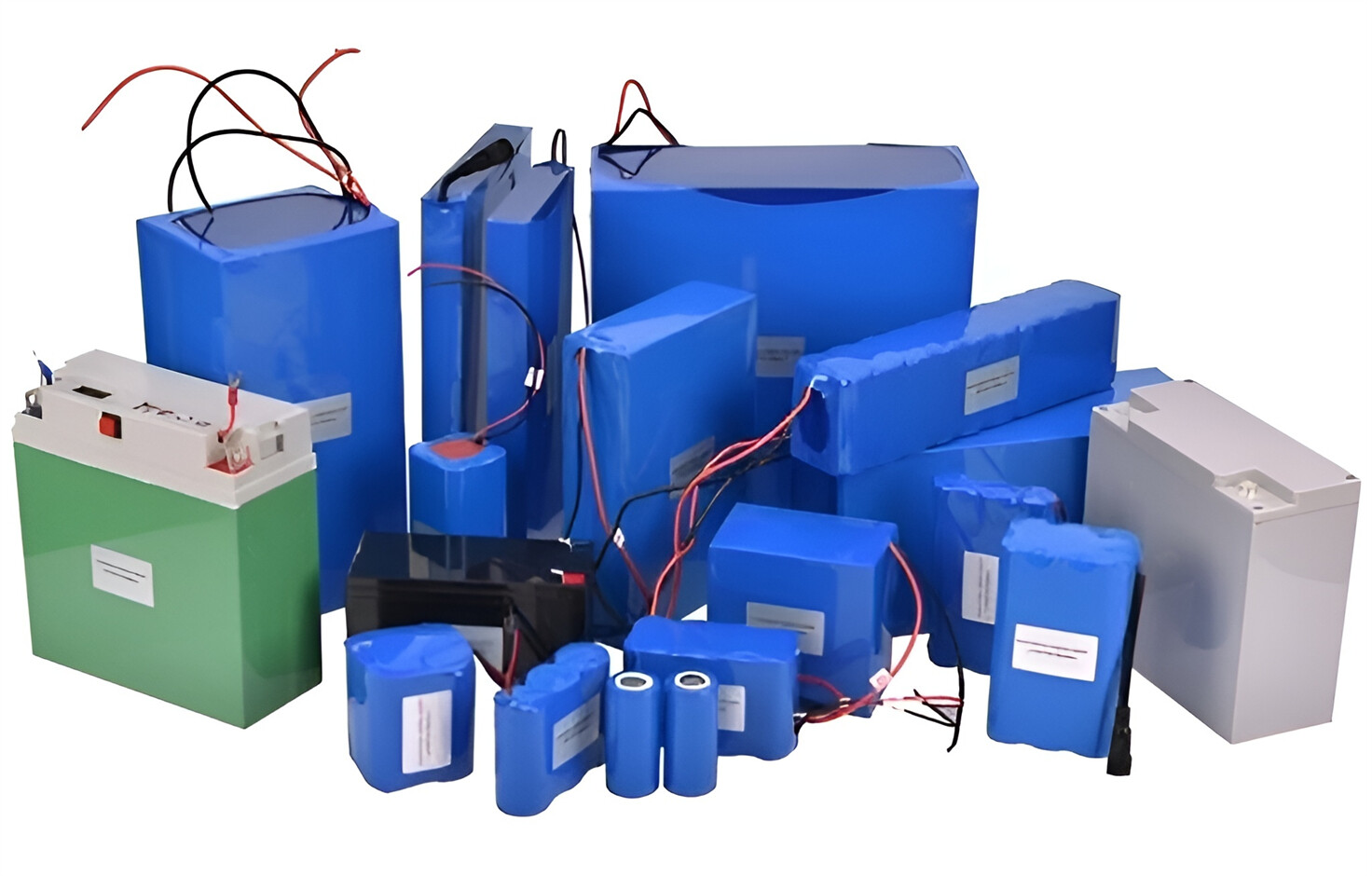
We supply customized & OEM battery pack, assemble cells with wiring, fuse and plastic cover, all the cell wires connected to PCB plug or built BMS.
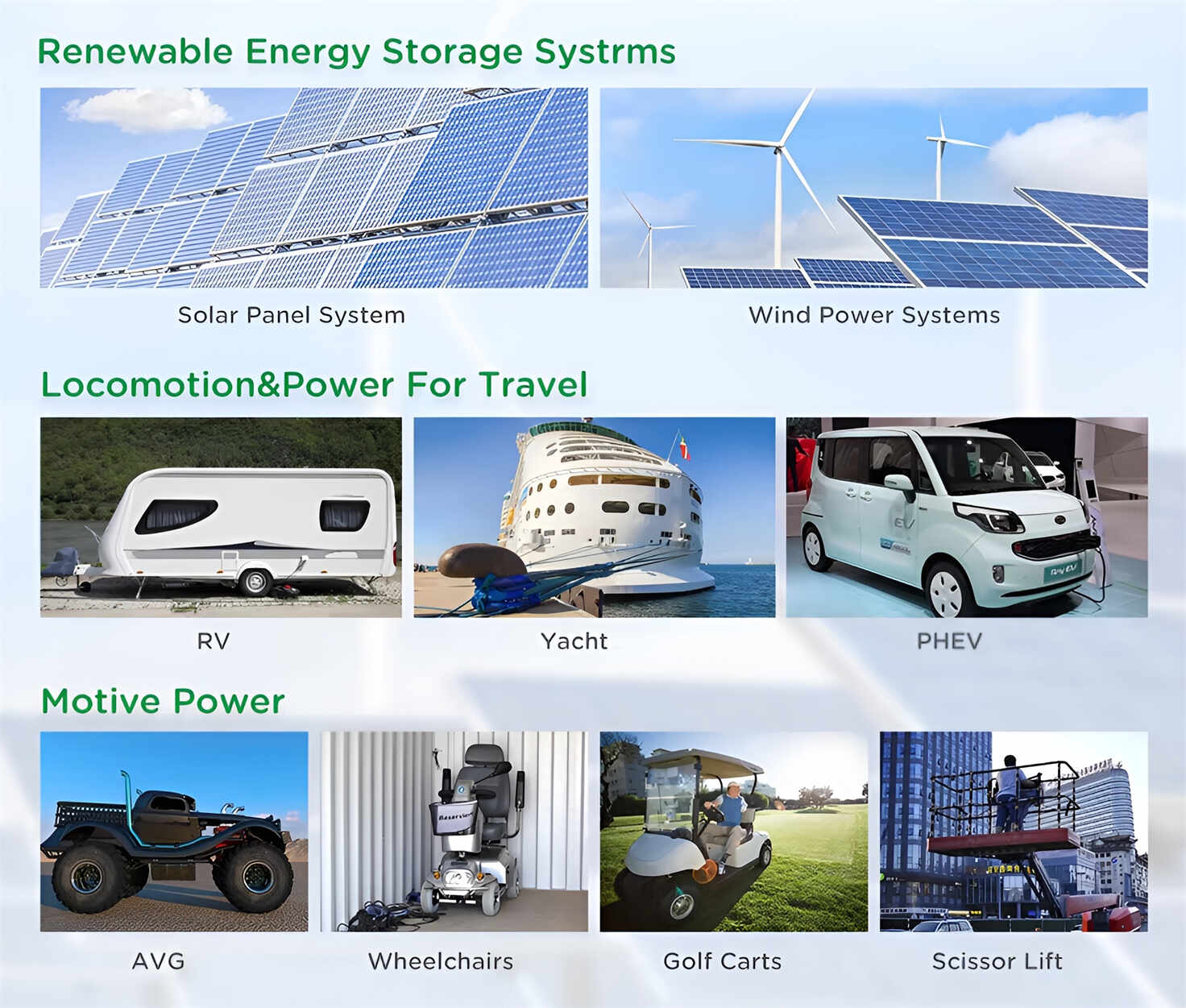
Applications: E-bike, Electric Scooter, Golf Carts, RV, Electric Wheelchair, Electric Tools, Robot Cleaner, Robot Sweeper, Solar Energy Storage System, Emergency Light, Solar Power Light, Medical Equipment, UPS Backup Power Supply.
We can provide you with customized services. We have the ability to provide a vertical supply chain, from single cells to pack/module and to a complete power solution with BMS, etc.
HomSolar (Shenzhen) Technology Co., Ltd