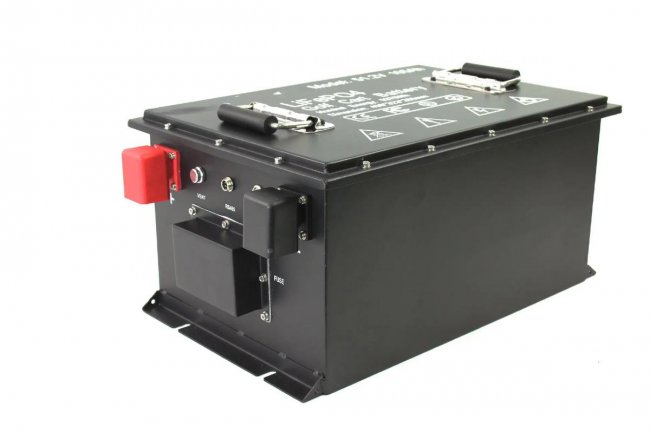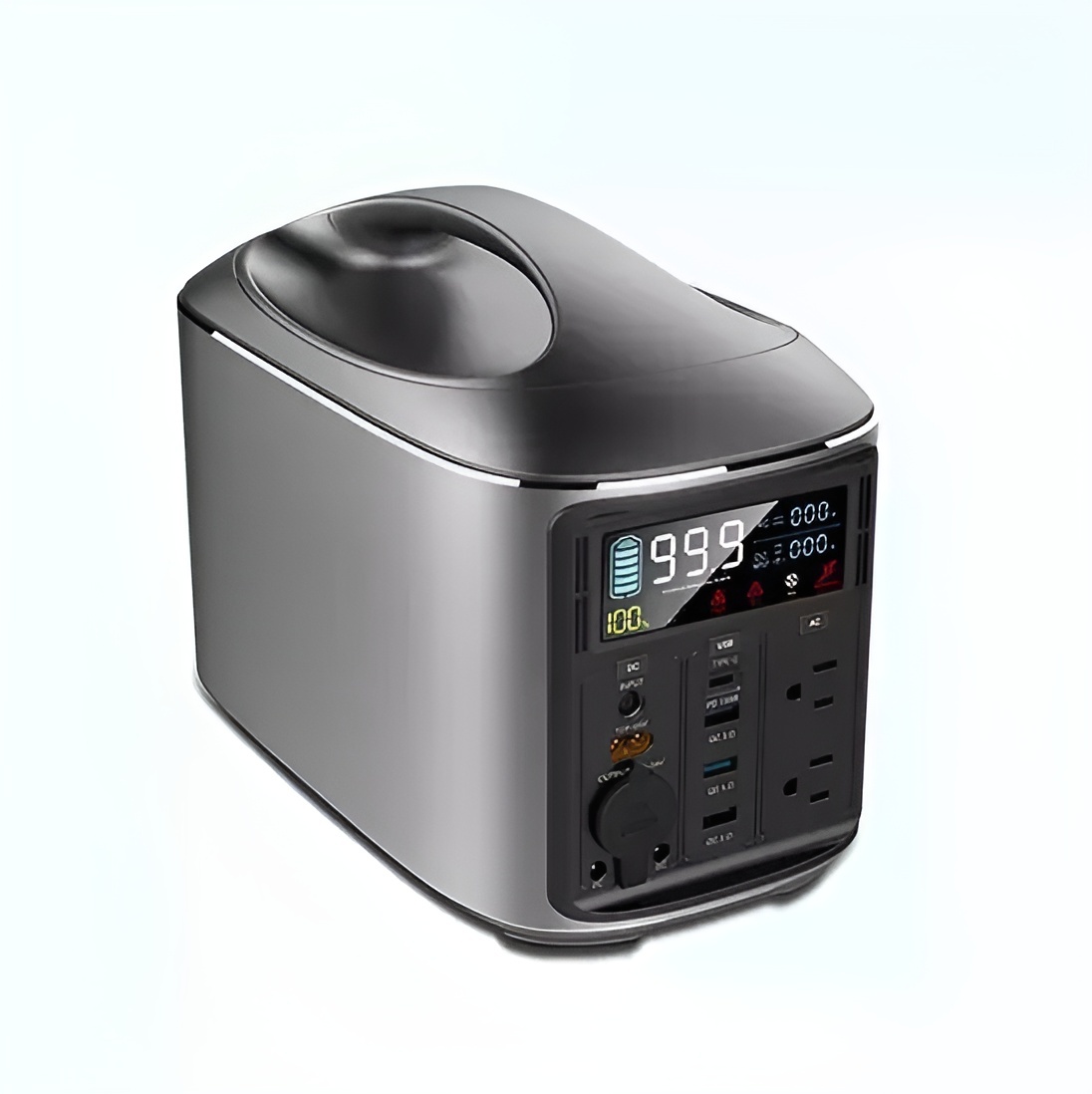
Lifepo4 Safety Review: Uncompromising Protection And Long-term Reliability
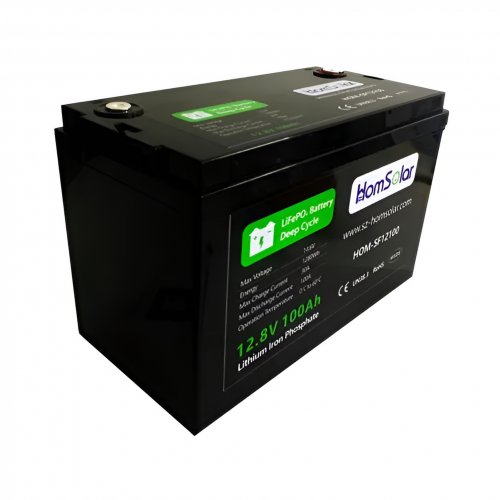
In the rapidly evolving world of energy storage, the term "battery" often conjures images of power and performance. However, for applications ranging from recreational vehicles and solar power systems to critical backup power, the most crucial attribute is often safety. This review delves into the Lithium Iron Phosphate (LiFePO4 or LFP) battery, with a specific focus on its safety profile, to provide a comprehensive analysis for potential users.
Product Function and Core Technology
At its heart, a LiFePO4 battery is a type of lithium-ion battery, but it distinguishes itself through its unique cathode material: Lithium Iron Phosphate. This chemistry is fundamentally different from the more common lithium-ion variants like Nickel Manganese Cobalt (NMC) or Lithium Cobalt Oxide (LCO). The primary function of any LiFePO4 battery is to store and deliver electrical energy efficiently. However, its design inherently prioritizes stability. The strong covalent bonds of the phosphate (PO4) structure create an olivine crystal lattice that is exceptionally resistant to breakdown, especially when compared to the more volatile oxide-based cathodes. This intrinsic stability is the cornerstone of its renowned safety.
Advantages: The Pillars of Safety and Performance
The advantages of LiFePO4 chemistry are substantial, particularly when viewed through the lens of safety and longevity.
1. Exceptional Thermal and Chemical Stability: This is the single most significant safety advantage. LiFePO4 batteries are highly resistant to thermal runaway, a dangerous chain reaction where increasing temperature leads to further heat release, potentially resulting in fire or explosion. Even under conditions of overcharging, physical damage, or short-circuiting, the phosphate cathode material remains stable and does not decompose into oxygen, effectively eliminating the risk of combustion that plagues other lithium-ion chemistries.
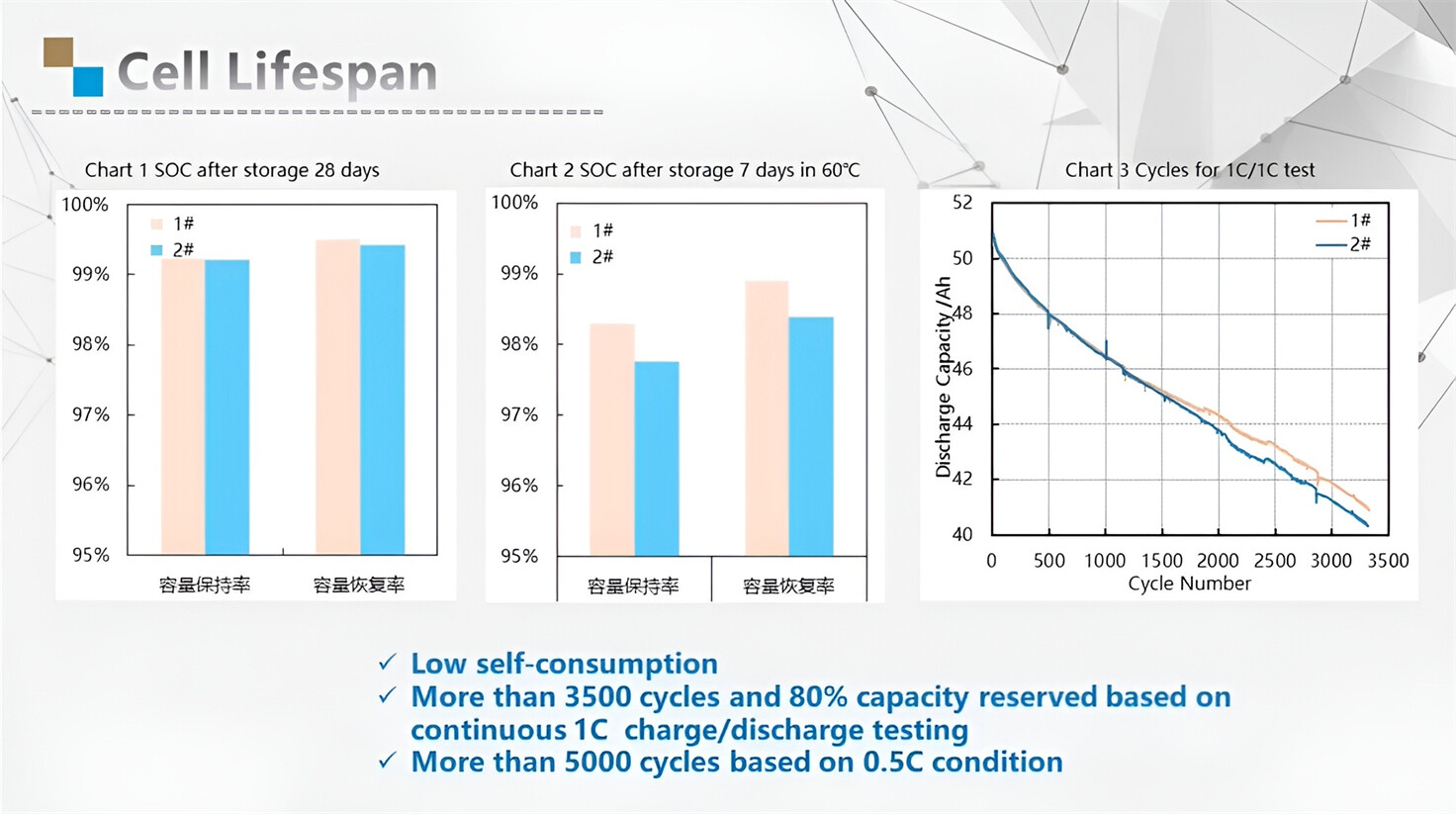
2. Long Cycle Life: LiFePO4 batteries boast an exceptionally long lifespan, typically rated for 2000 to 5000 full charge-discharge cycles—and in some cases, even more. This is often 4 to 5 times longer than a standard lead-acid battery. This longevity is not just an economic benefit; it also means the battery maintains its structural and chemical integrity over a much longer period, reducing the long-term risk of failure.
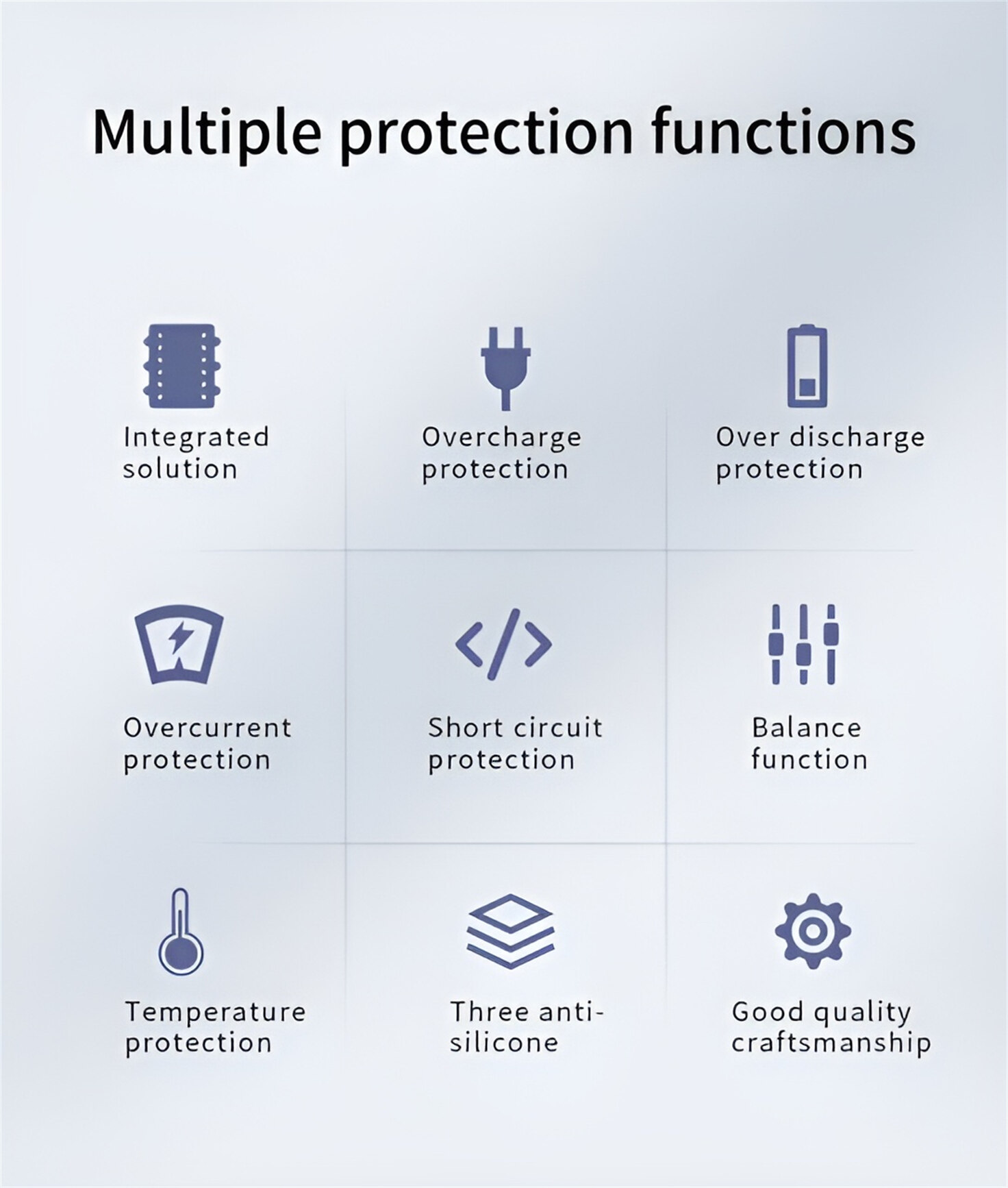
3. High Tolerance to Abuse: These batteries can withstand harsh conditions better than their counterparts. They operate effectively across a wide temperature range and are less susceptible to performance degradation or safety hazards when subjected to overcharging or deep discharging. While a quality Battery Management System (BMS) is still essential for optimal operation, the underlying chemistry provides a robust safety buffer.
4. Maintenance-Free and Non-Toxic: Unlike lead-acid batteries, LiFePO4 batteries require no maintenance, such as watering, and they can be mounted in any orientation. Furthermore, the materials used (iron, phosphate) are non-toxic, posing a lower environmental risk both in production and at the end of their life cycle.
Disadvantages: The Trade-Offs for Safety
No technology is perfect, and LiFePO4 makes certain compromises to achieve its stellar safety record.
1. Lower Energy Density: The most notable trade-off is a lower energy density compared to NMC batteries. This means that for a given physical size and weight, a LiFePO4 battery will store less energy. For applications where maximizing runtime in a minimal space is the absolute priority (e.g., high-performance electric vehicles or drones), this can be a significant drawback.
2. Higher Initial Cost: The upfront cost of a LiFePO4 battery is higher than that of a lead-acid or even some other lithium-ion batteries of equivalent capacity. However, this must be evaluated against its vastly superior cycle life, which often results in a lower total cost of ownership over many years.
3. Voltage Characteristics: The nominal voltage of a LiFePO4 cell (3.2V) is lower than that of other lithium-ion cells (typically 3.6V or 3.7V). While this is easily managed with different series configurations, it can sometimes require users to ensure their equipment is compatible with the specific voltage profile of a LiFePO4 battery bank.
Actual Use Experience
In practical terms, the safety advantages of LiFePO4 translate into profound peace of mind. For an RV owner, it means being able to leave the battery system unattended for weeks without fear of a hazardous failure. The absence of gassing eliminates the need for ventilation, allowing for more flexible installation locations inside a vehicle or boat.
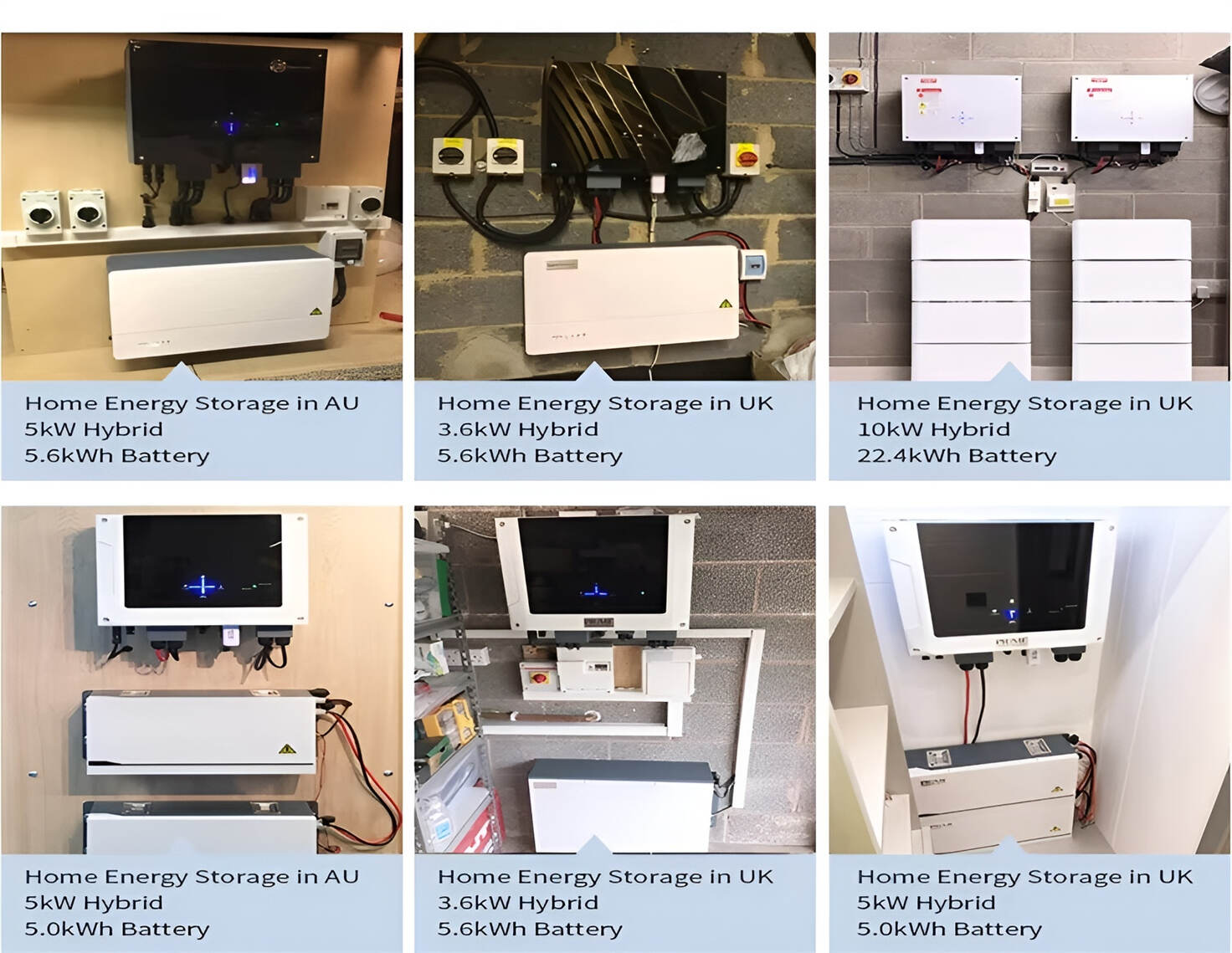
In a home solar storage setup, the stability of LiFePO4 is a critical factor. It allows homeowners to store significant amounts of energy in their garage or basement with a greatly reduced risk profile compared to less stable chemistries. The consistent performance is also notable; users report minimal voltage sag under load, meaning appliances and tools run with consistent power until the battery is nearly depleted.
The long cycle life fundamentally changes the user's relationship with the battery. Instead of replacing lead-acid batteries every few years, a LiFePO4 battery becomes a semi-permanent fixture in a system. This reliability, combined with the knowledge that the battery is inherently safe, makes the initial investment feel justified.
Conclusion
The LiFePO4 battery is not necessarily the right choice for every single application where energy density is the sole, non-negotiable king. However, for the vast majority of users in marine, RV, off-grid, and backup power scenarios, its safety profile is unparalleled. It represents a mature, reliable, and fundamentally safer energy storage technology. The trade-offs in weight and volume are a small price to pay for the assurance that the power source at the heart of one's system is robust, long-lasting, and, most importantly, highly resistant to catastrophic failure. For anyone prioritizing safety and long-term value, LiFePO4 stands as the unequivocal leader in the battery market.
Customized/OEM/ODM Service
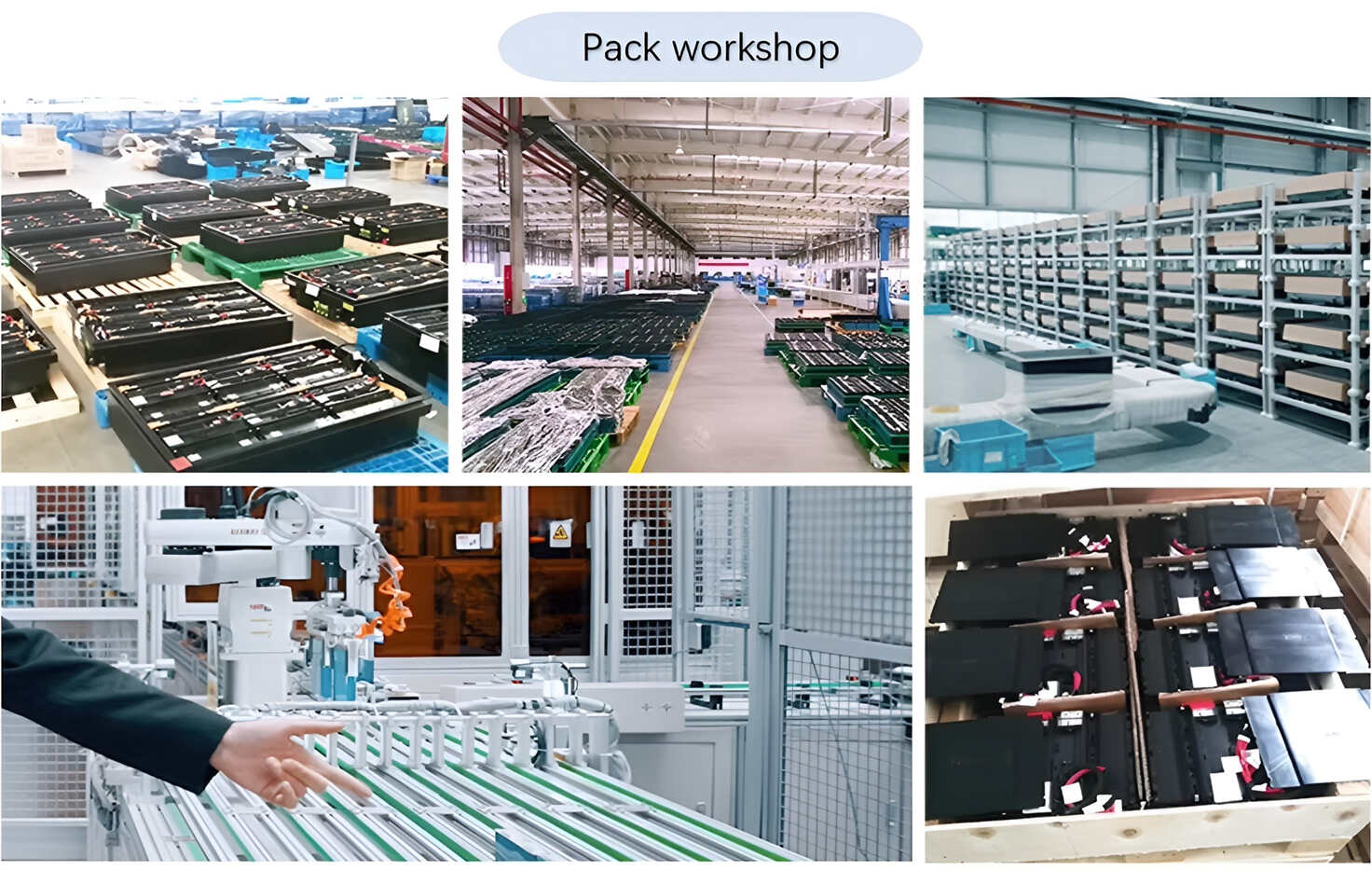
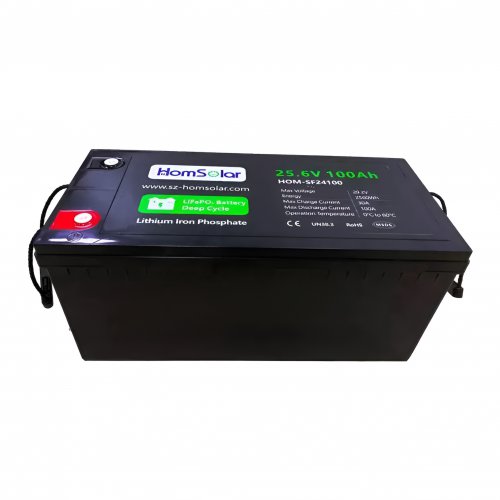
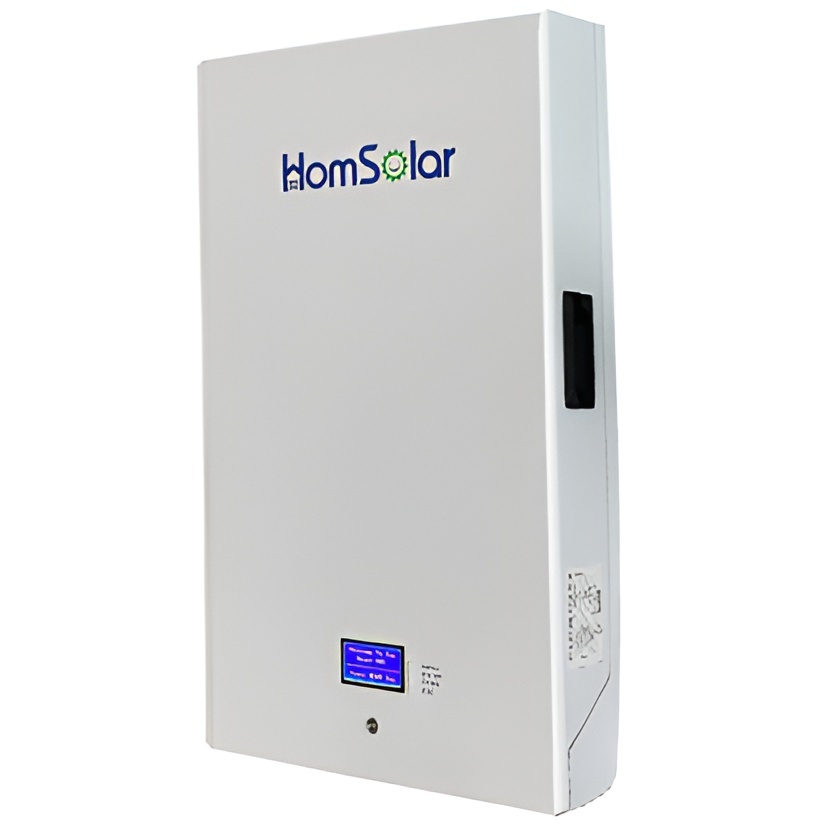
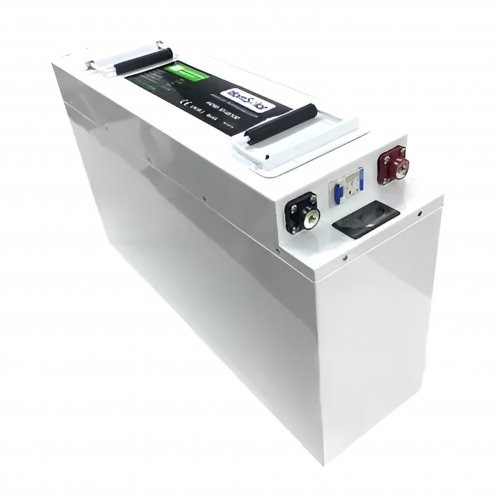
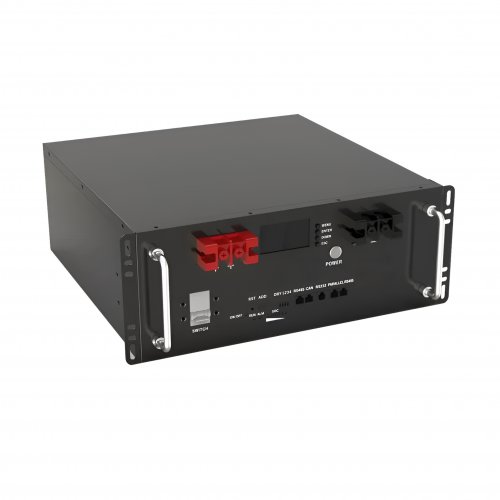
HomSolar Supports Lifepo4 battery pack customization/OEM/ODM service, welcome to contact us and tell us your needs.

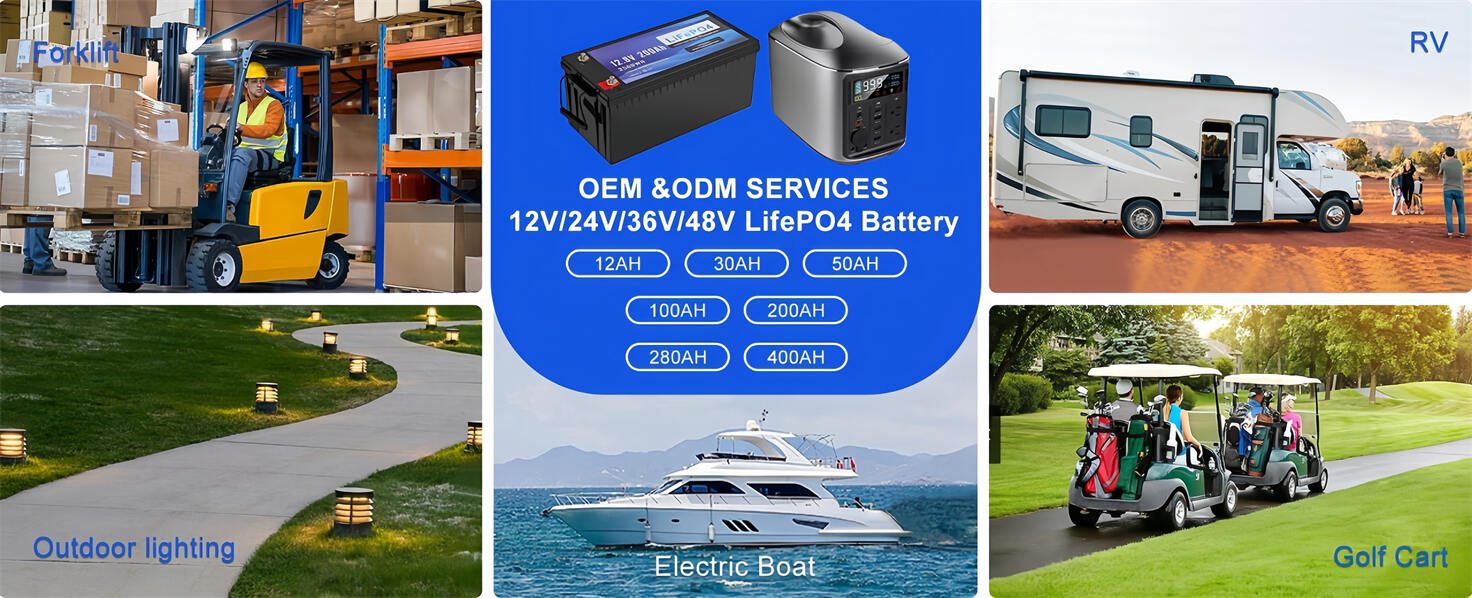
HomSolar: Your One-stop LiFePO4 Battery Pack & ESS Solution Manufacturer
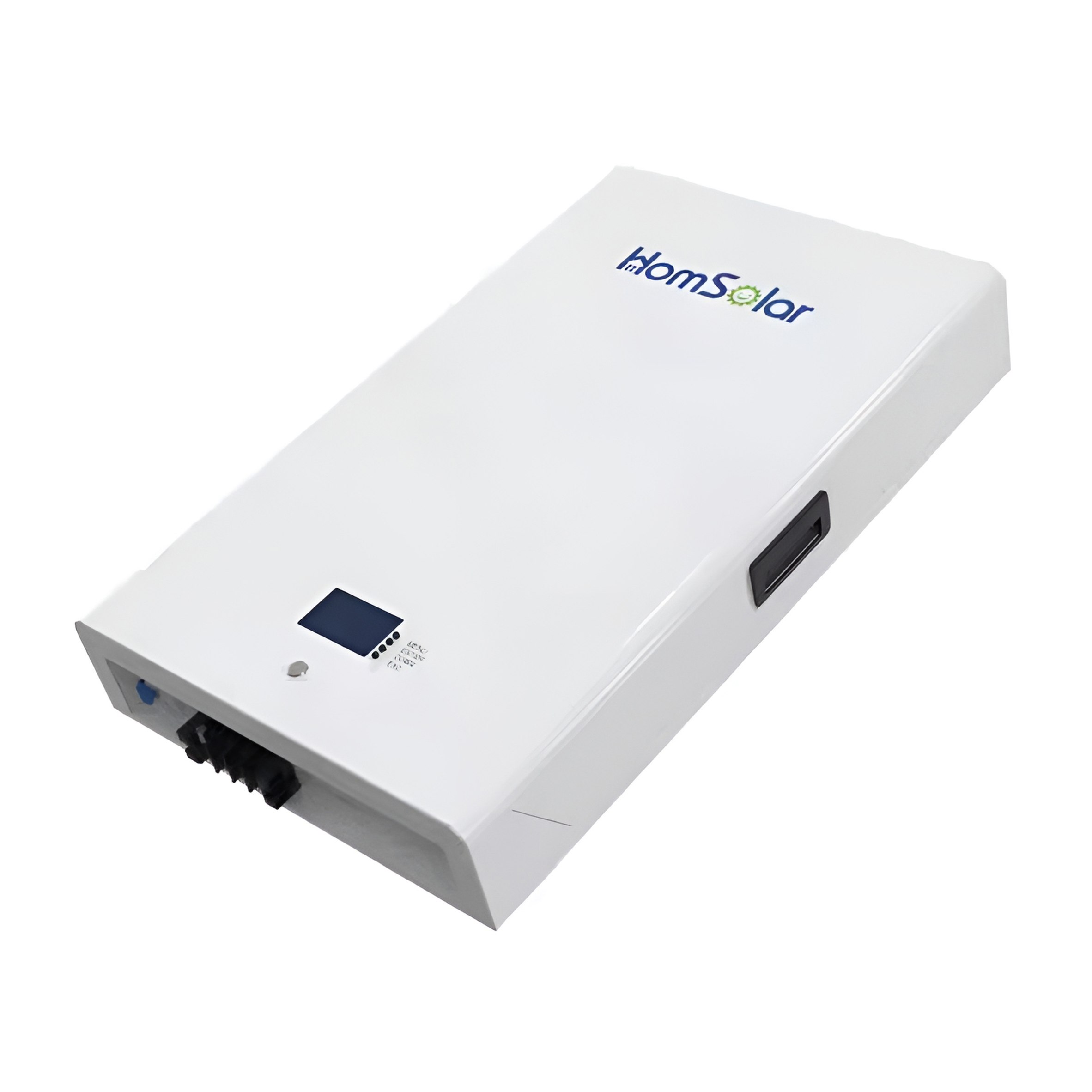
Our line of LiFePO4 (LFP) batteries offer a solution to demanding applications that require a lighter weight, longer life, and higher capacity battery. Features include advanced battery management systems (BMS), Bluetooth® communication and active intelligent monitoring.
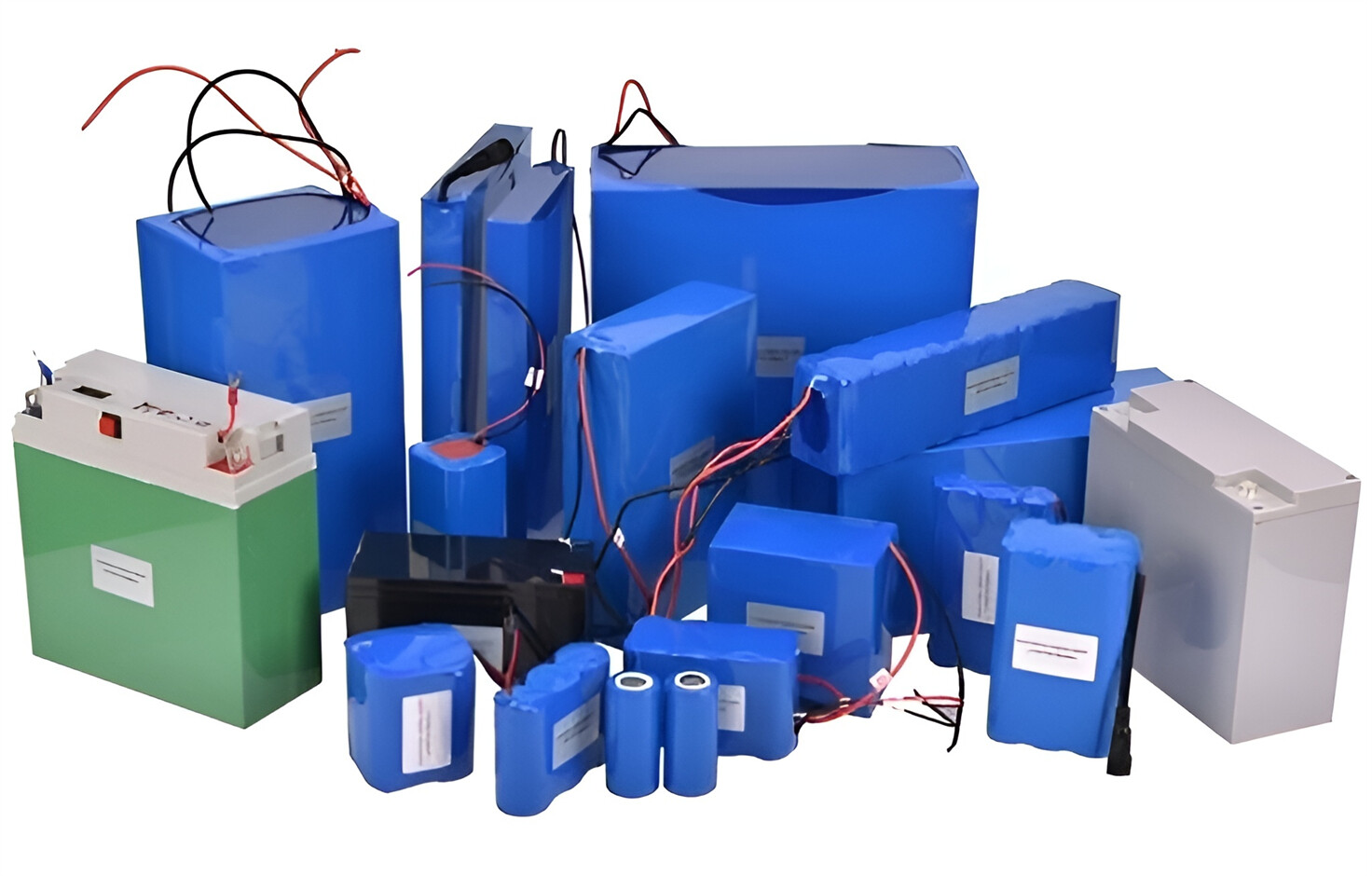
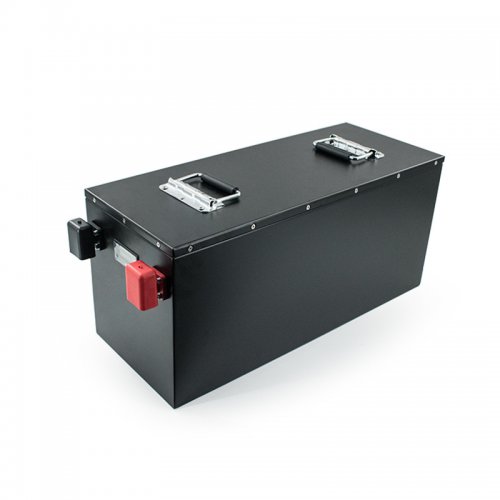
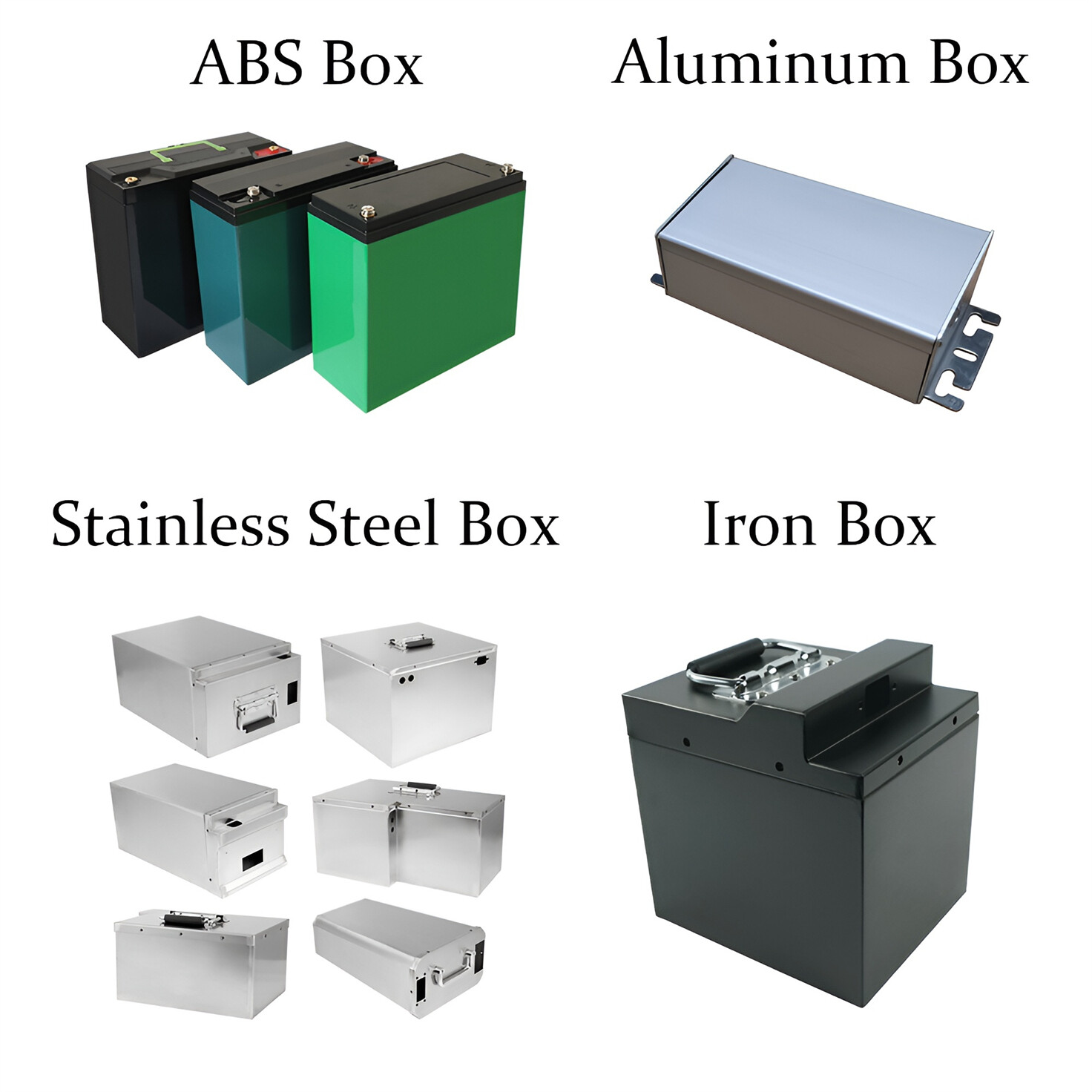
Customised Lithium Iron Phosphate Battery Casing
ABS plastic housing, aluminium housing, stainless steel housing and iron housing are available, and can also be designed and customised according to your needs.
HomSolar Smart BMS
Intelligent Battery Management System for HomSolar Energy Storage System. Bluetooth, temperature sensor, LCD display, CAN interface, UART interface also available.

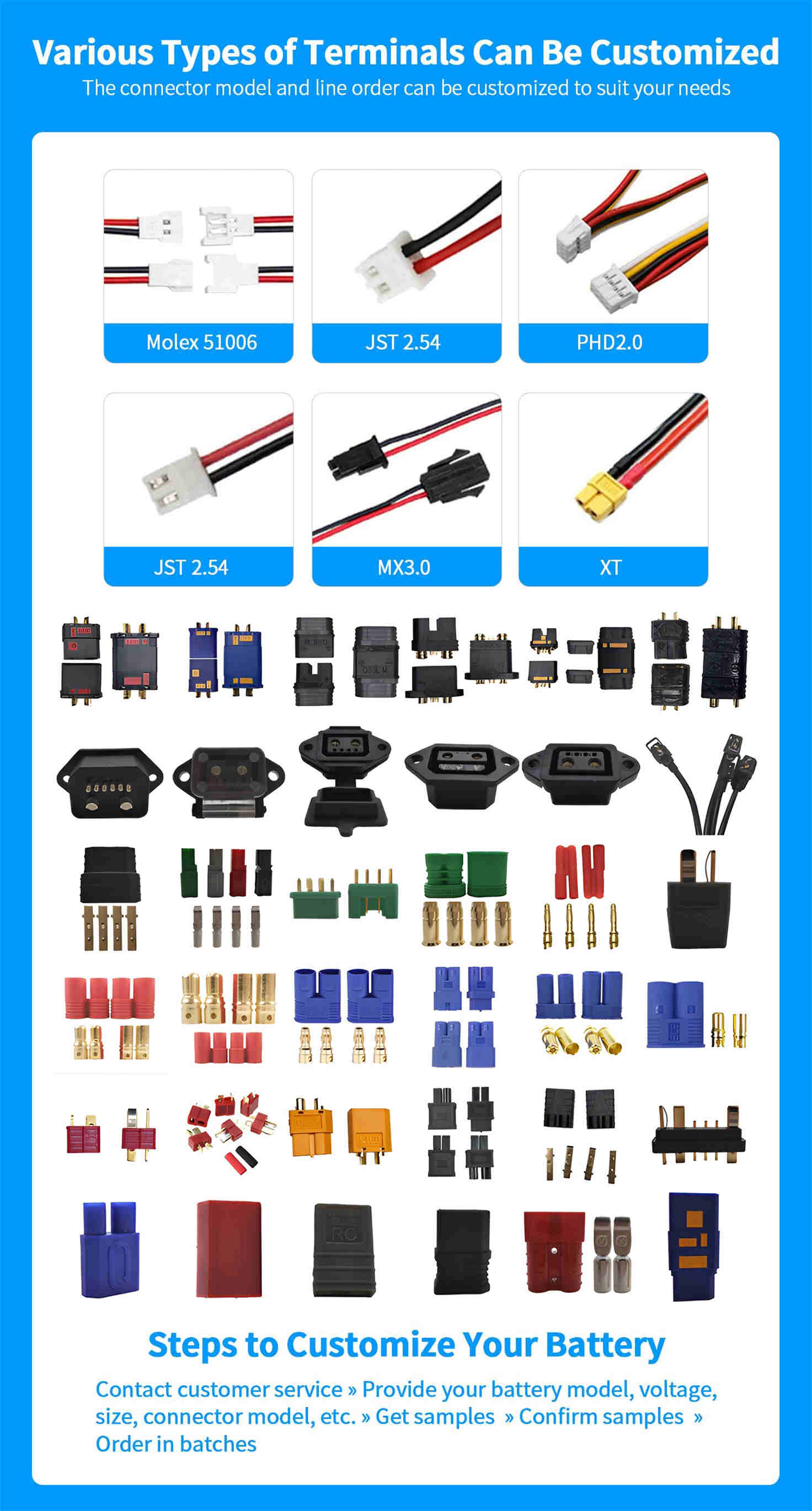
Terminals & Plugs Can Be Customized
A wide range of terminals and plugs can be customised to suit the application needs of your battery products.
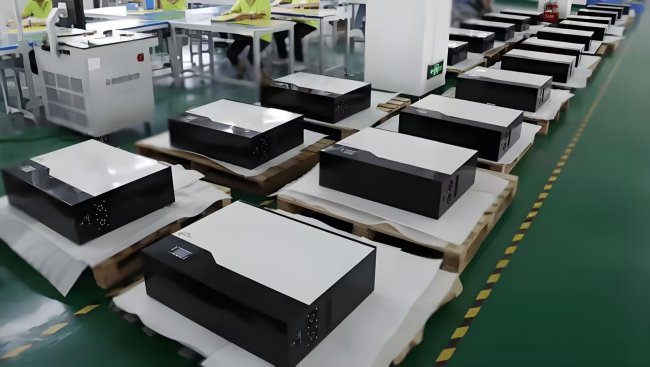
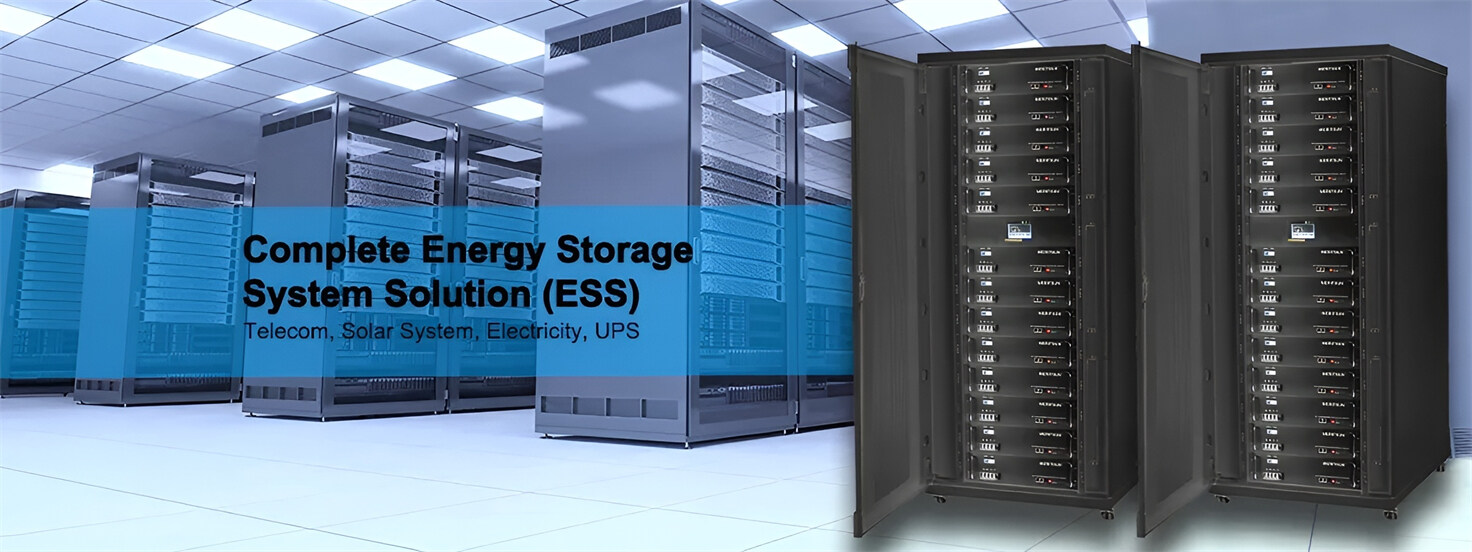
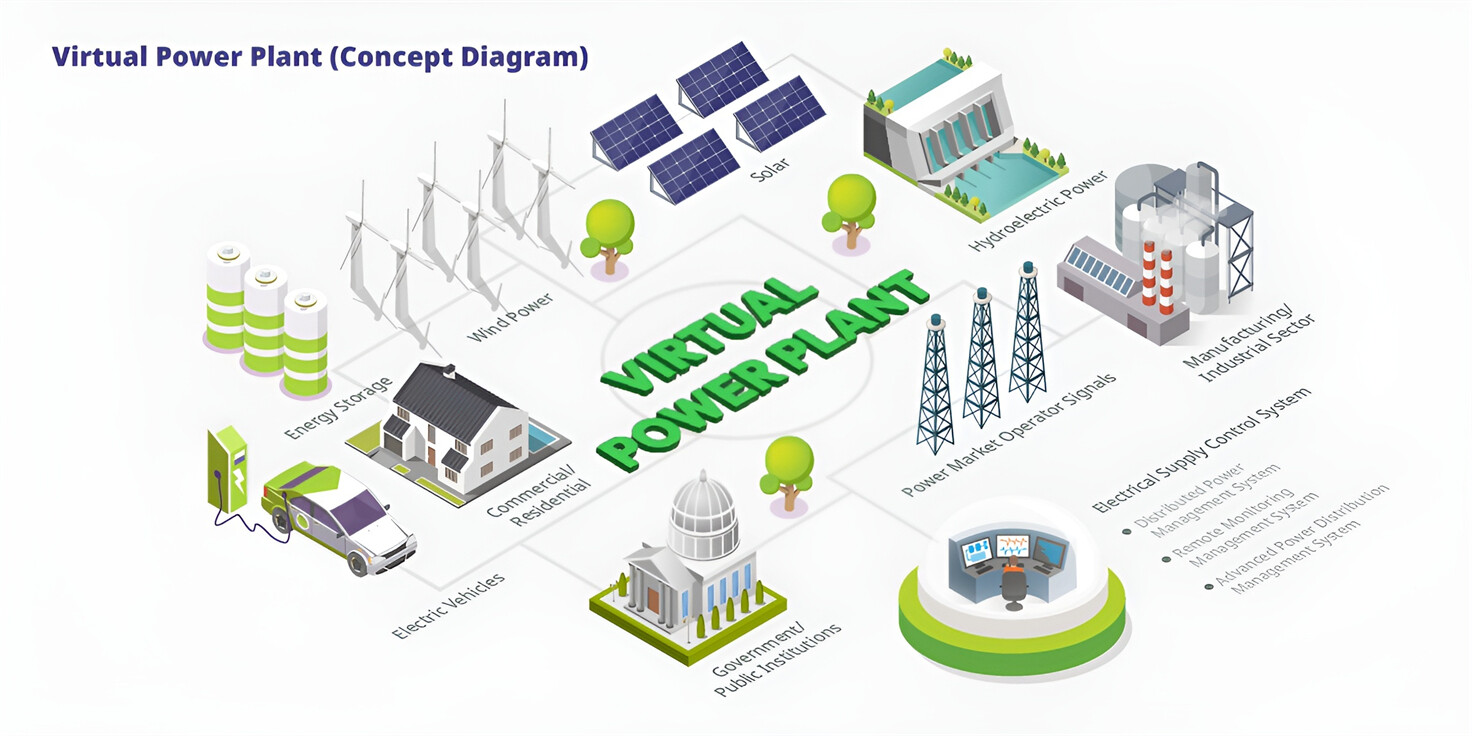
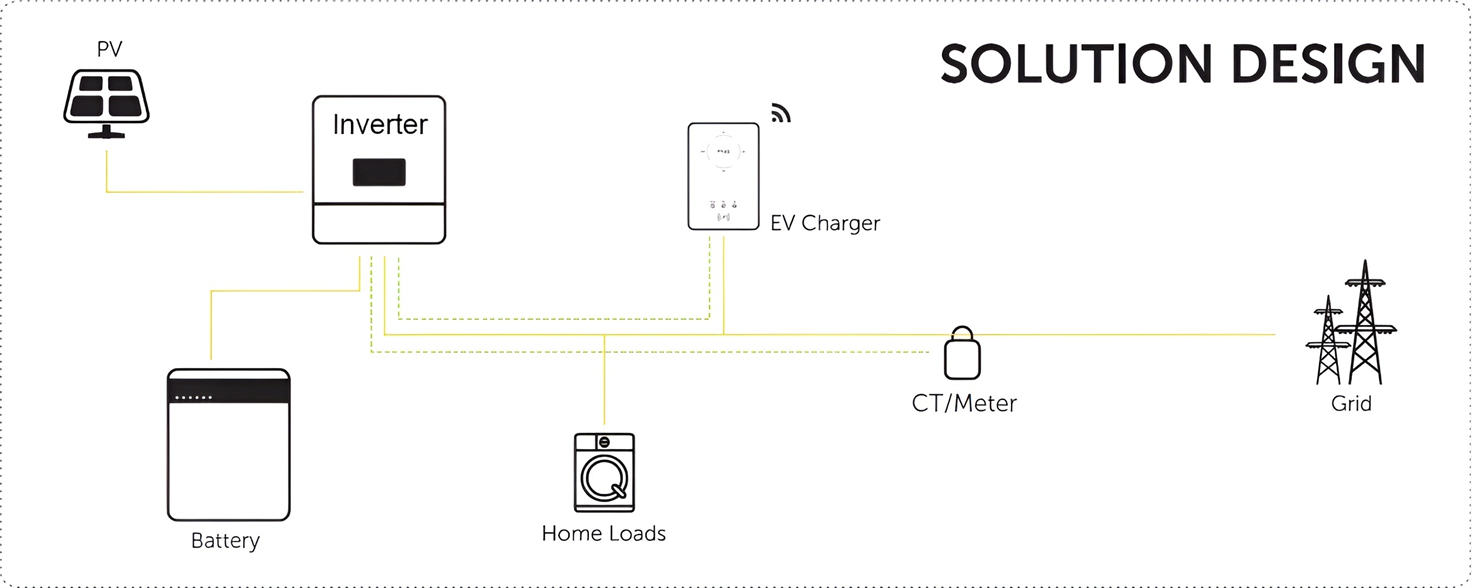
Well-designed Solutions for Energy Storage Systems
We will design the perfect energy storage system solution according to your needs, so that you can easily solve the specific industry applications of battery products.
About Our Battery Cells
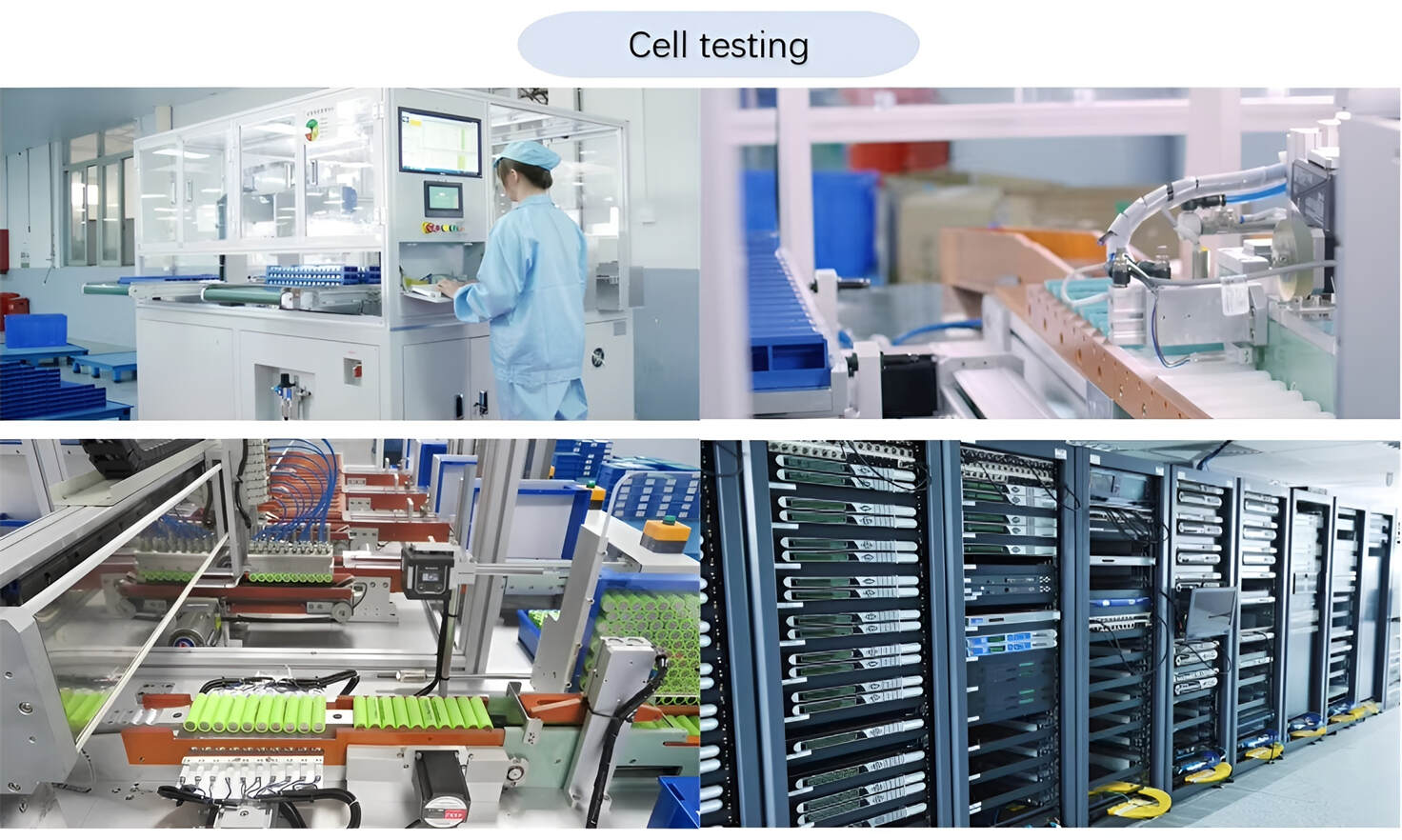
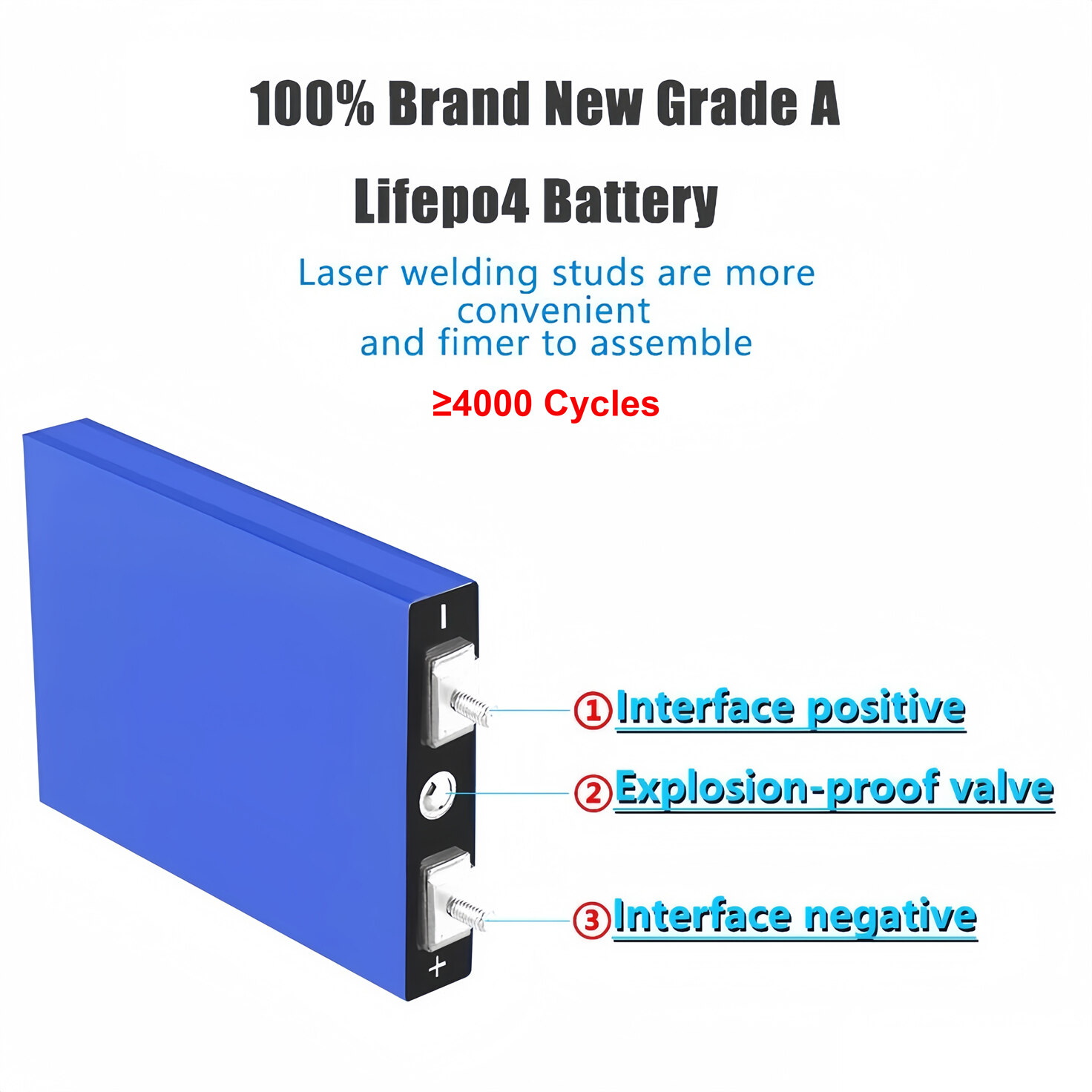
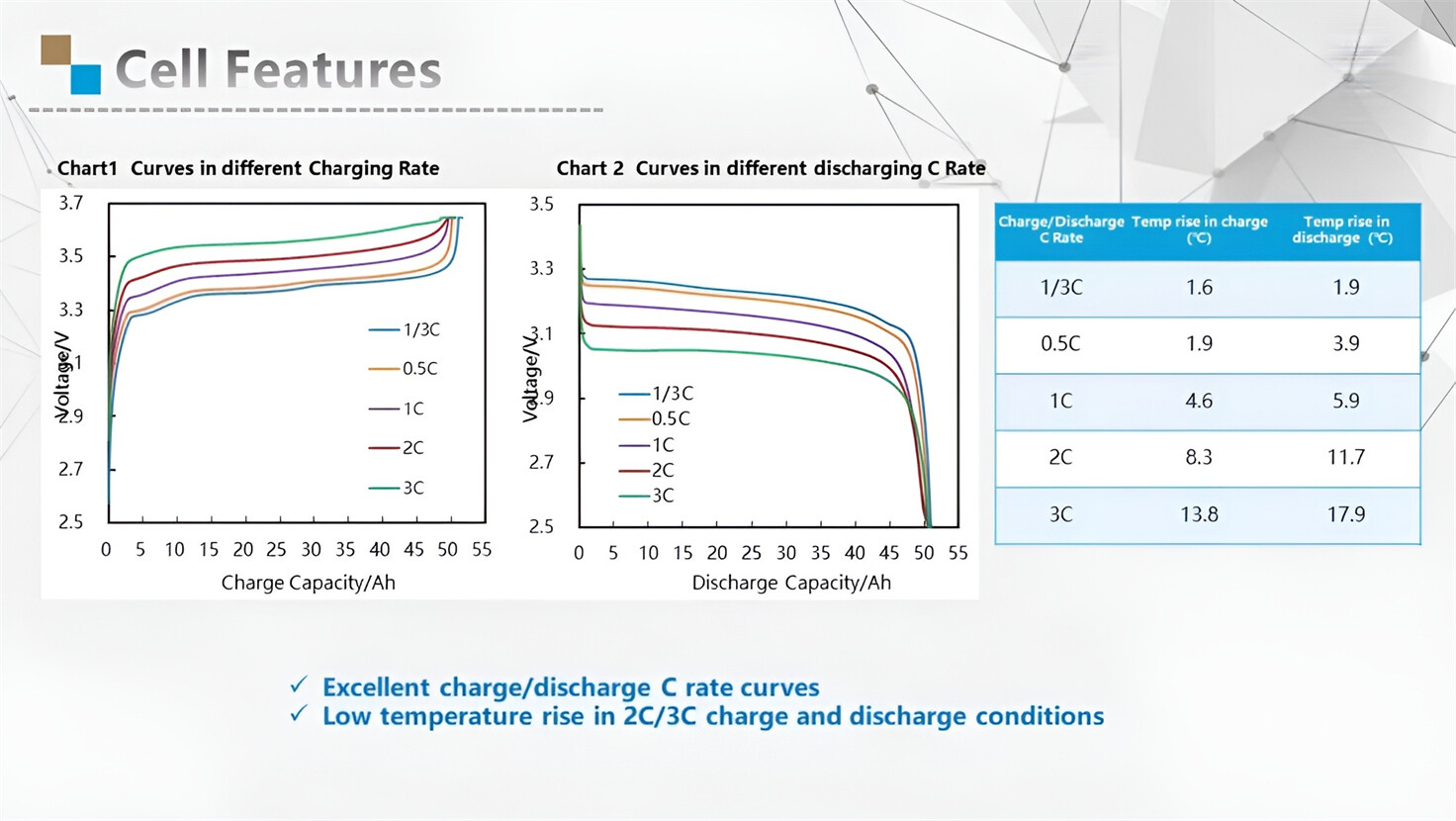
Our energy storage system products use brand new grade A LiFePO4 cells with a battery lifespan of more than 4,000 charge/discharge cycles.
Applications in Different Industries
We supply customized & OEM battery pack, assemble cells with wiring, fuse and plastic cover, all the cell wires connected to PCB plug or built BMS.
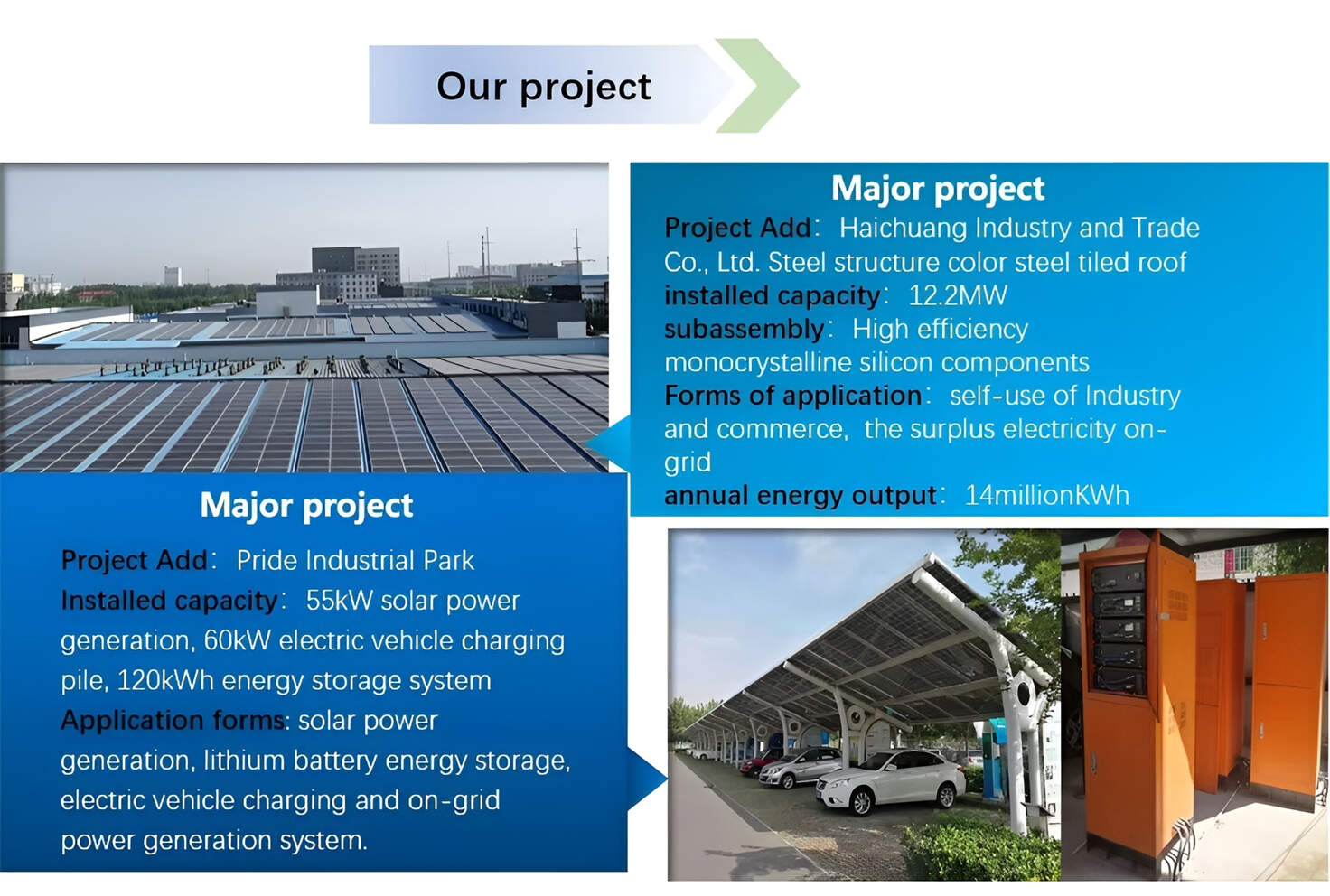
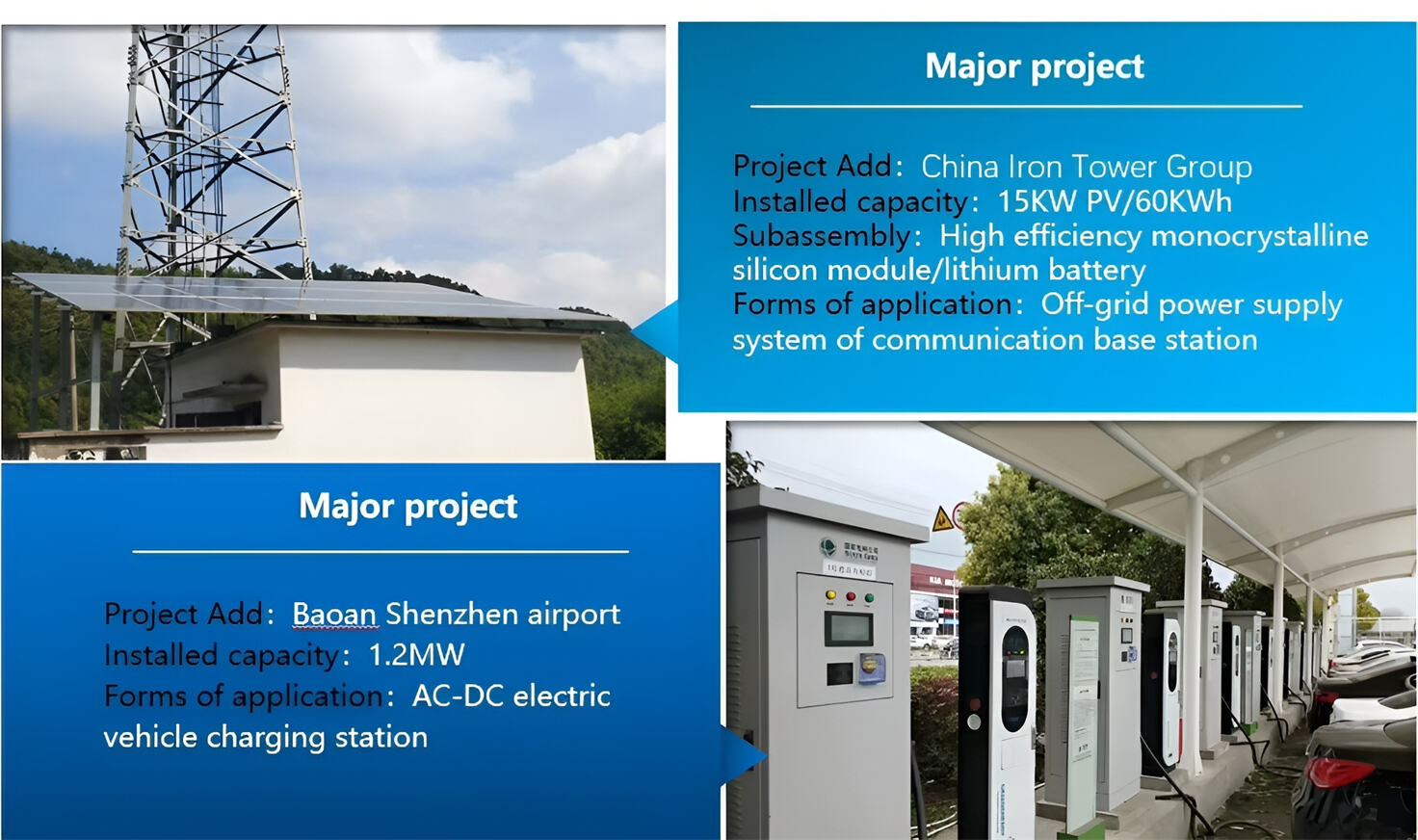
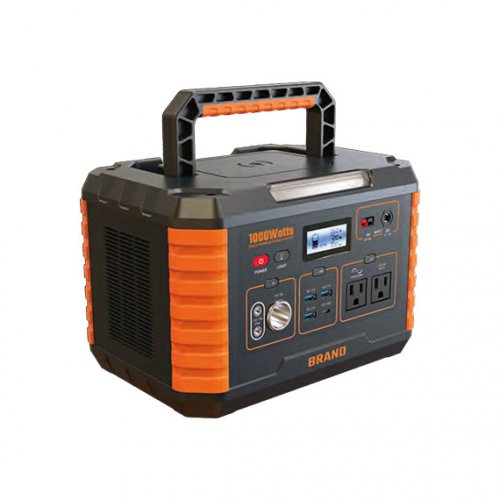
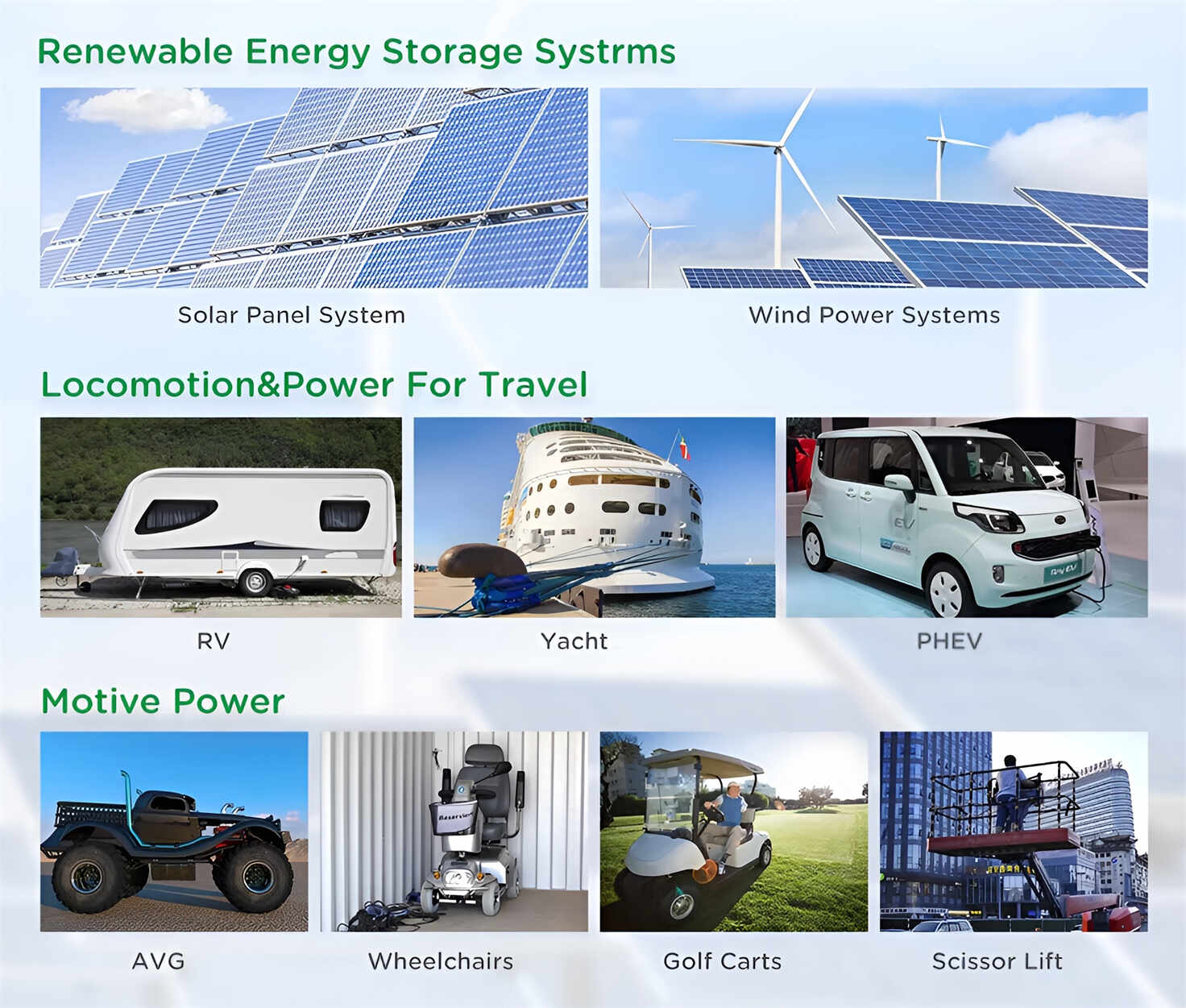
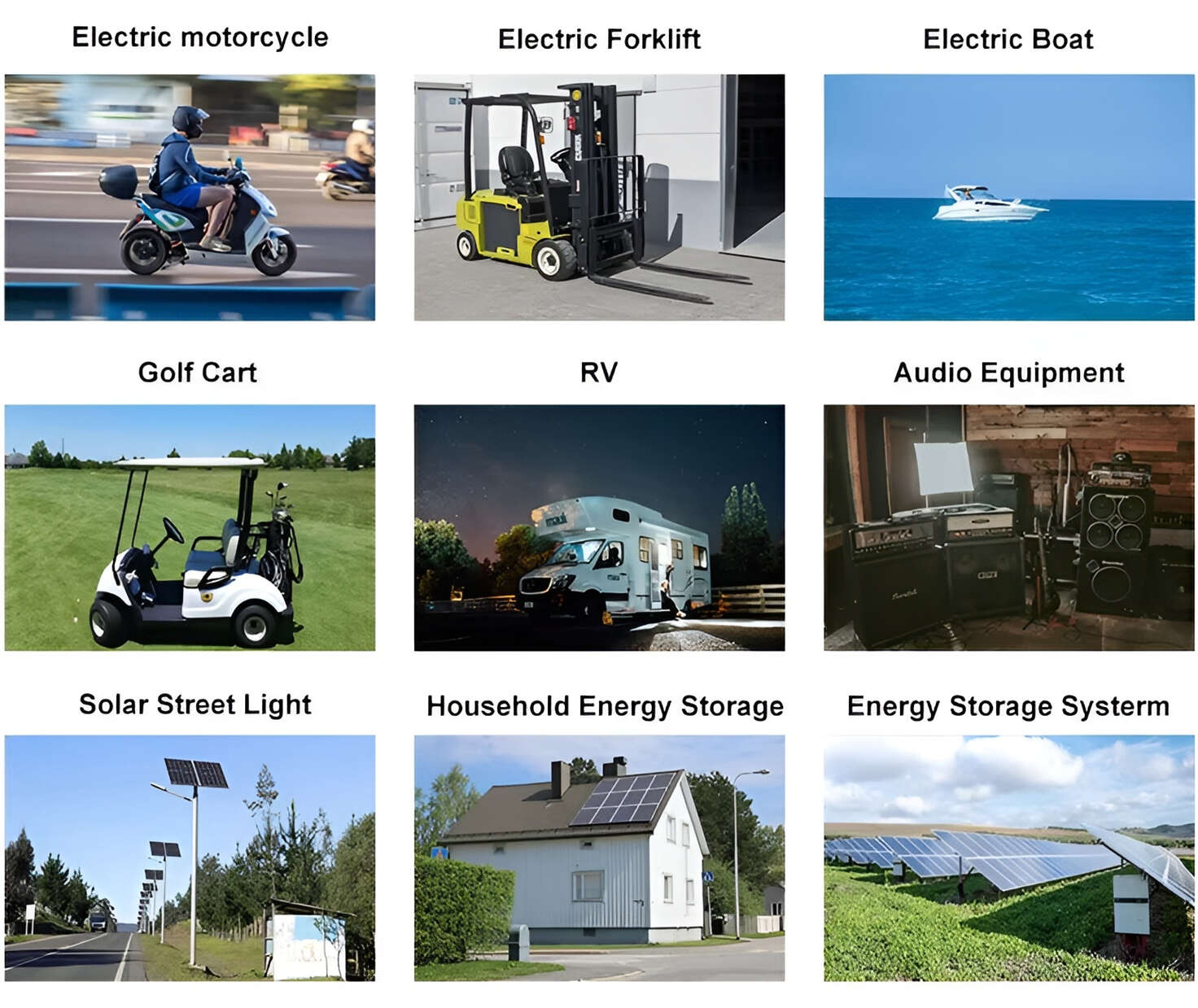
Applications: E-bike, Electric Scooter, Golf Carts, RV, Electric Wheelchair, Electric Tools, Robot Cleaner, Robot Sweeper, Solar Energy Storage System, Emergency Light, Solar Power Light, Medical Equipment, UPS Backup Power Supply.
We can provide you with customized services. We have the ability to provide a vertical supply chain, from single cells to pack/module and to a complete power solution with BMS, etc.
HomSolar (Shenzhen) Technology Co., Ltd