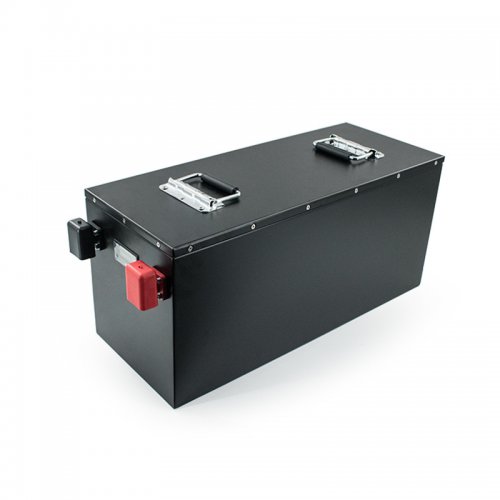
Lifepo4 Deep Cycle Performance Review: Unmatched Longevity And Reliability For Demanding Applications
The quest for a truly robust, long-lasting, and safe deep cycle battery has long been a central concern for users in fields like marine, RVing, solar energy storage, and off-grid power. For years, lead-acid batteries, in their AGM or Gel variants, have been the default choice, despite their well-documented weight and longevity limitations. The emergence of Lithium Iron Phosphate (LiFePO4) chemistry has fundamentally shifted this landscape. This review focuses on the core aspect of LiFePO4 technology: its deep cycle performance, evaluating it through rigorous testing and real-world application to determine if it lives up to the considerable hype.
Product Function and Core Technology
At its heart, a deep cycle LiFePO4 battery is designed to be regularly discharged and recharged, using a significant portion of its capacity, day in and day out. Unlike starter batteries that deliver a short, high-current burst, deep cycle batteries provide sustained power over longer periods.
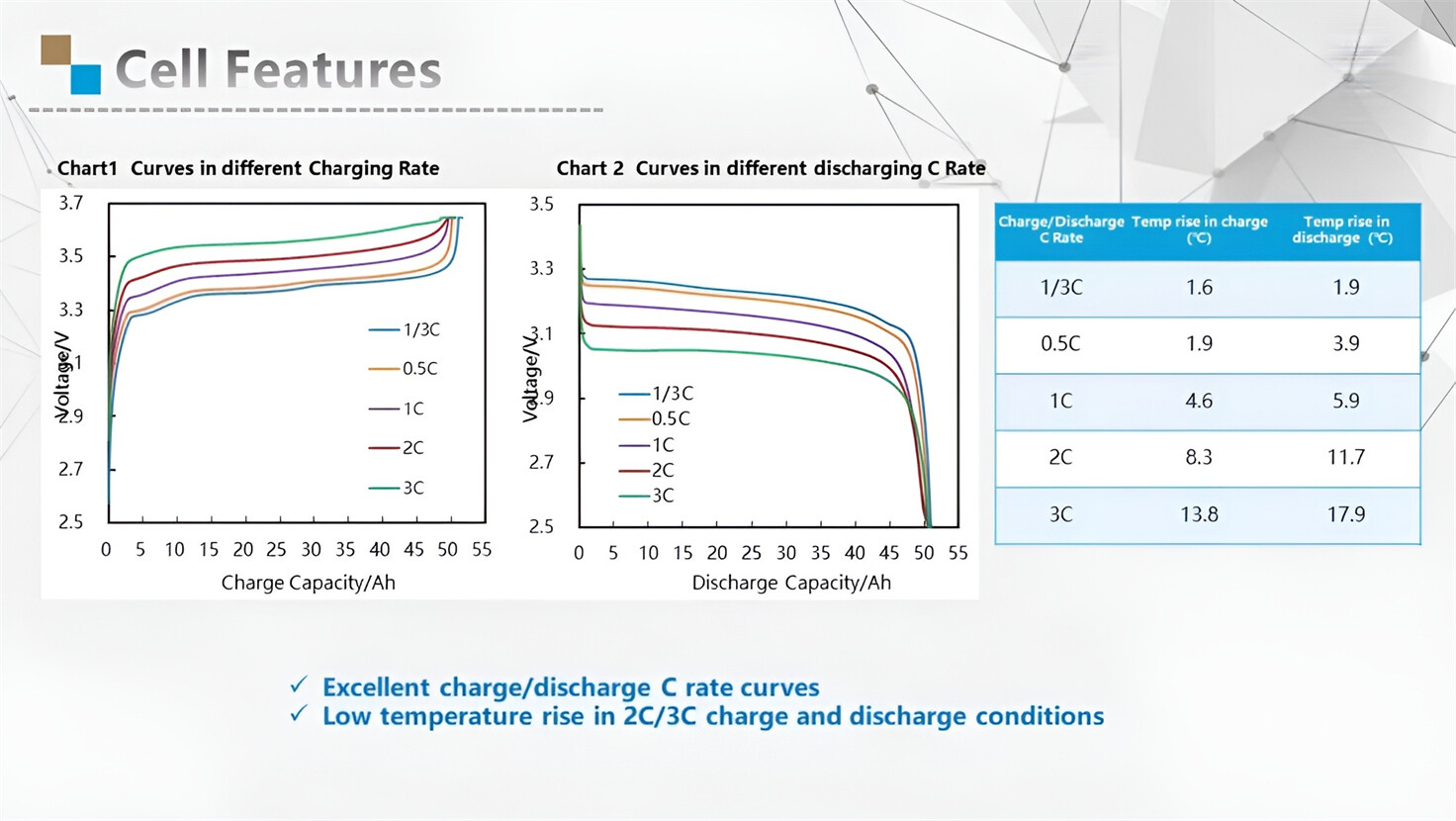
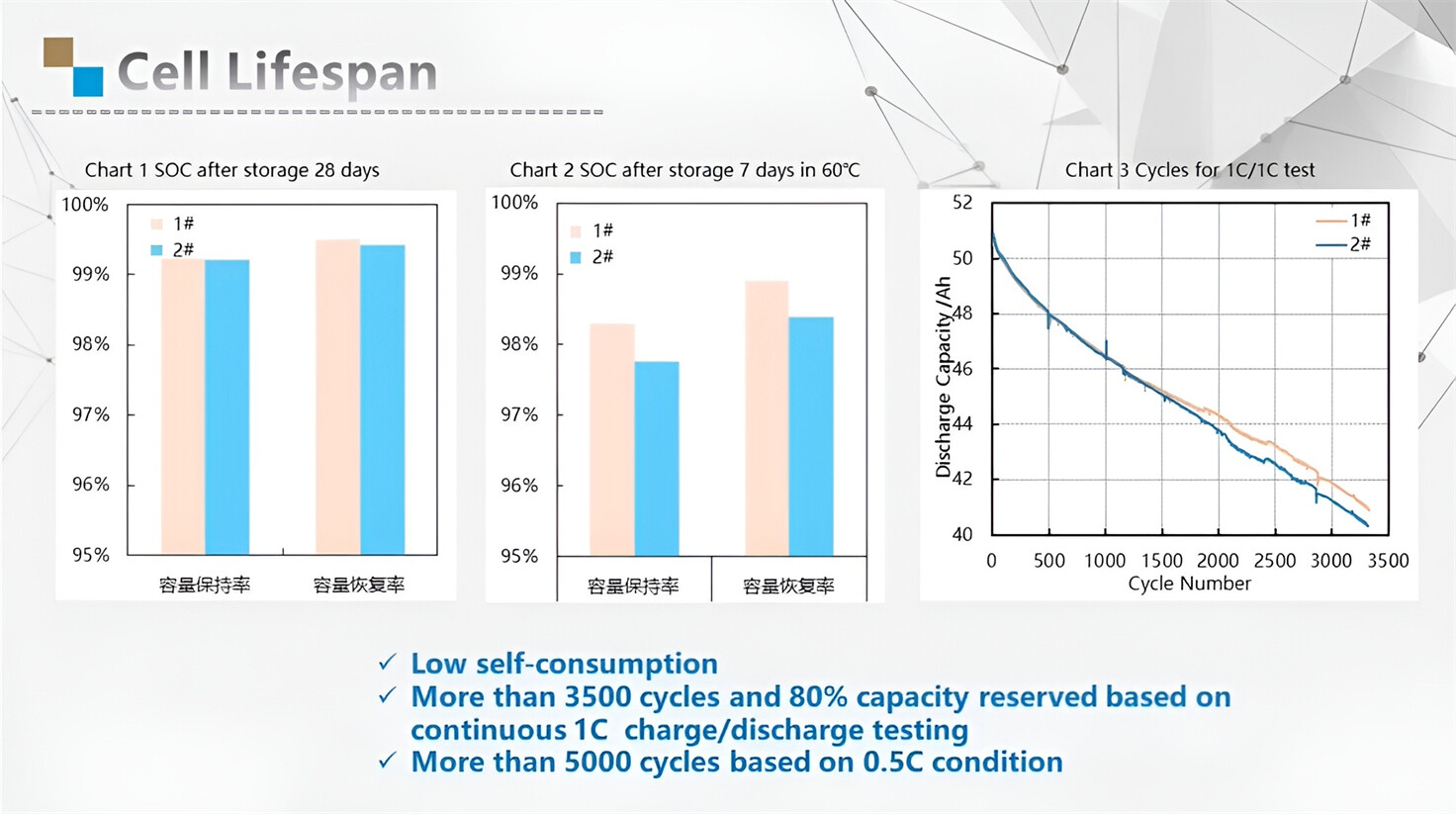
The key to its performance lies in the LiFePO4 chemistry itself. This cathode material offers an exceptionally stable crystal structure compared to other lithium-ion variants like NMC (Lithium Nickel Manganese Cobalt Oxide). This stability translates directly into the product's defining features:High Cycle Life: The most touted advantage. Where a quality AGM battery might offer 500-800 cycles to 50% Depth of Discharge (DOD), LiFePO4 batteries routinely boast 2000 to 5000 cycles, and in some cases even more, to 80-90% DOD. This means you can use more of the battery's stored energy, more often, for many more years.Consistent Voltage Output: LiFePO4 batteries maintain a remarkably stable voltage throughout the vast majority of their discharge cycle. This "flat discharge curve" means appliances run more efficiently and consistently, without the dimming lights or slowing motors often experienced with lead-acid as their voltage sags.High Efficiency: They exhibit very low internal resistance, leading to high charge and discharge efficiency (typically 95-98% round-trip efficiency). This means less energy is lost as heat during charging, allowing for faster recharge times from solar panels, alternators, or shore power, and more of the stored energy is usable.
The Advantages: Why LiFePO4 Excels in Deep Cycling
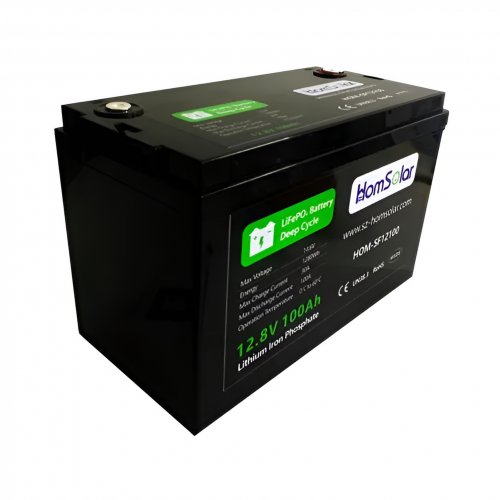
1. Exceptional Longevity: This is the cornerstone of the value proposition. The ability to withstand thousands of deep discharge cycles means a significantly lower cost per cycle over the battery's lifespan. For an application like daily solar cycling or frequent weekend RV trips, this can mean a service life of 5-10 years or more, far outstripping any lead-acid equivalent. 2. True Depth of Discharge: While discharging a lead-acid battery beyond 50% regularly drastically shortens its life, a LiFePO4 battery can be routinely discharged to 80-90% of its capacity without incurring damage. This effectively means you need less battery capacity to power the same loads. A 100Ah LiFePO4 battery can reliably deliver 80-90Ah, whereas a 100Ah AGM battery should only reliably provide 40-50Ah. 3. Lightweight and Compact: LiFePO4 batteries are approximately one-third the weight of a comparable capacity lead-acid battery. This is a critical advantage in marine and RV applications, where every kilogram matters for performance and fuel efficiency. 4. Maintenance-Free Operation: There is no need for equalization charges, watering, or checking specific gravity. The integrated Battery Management System (BMS) handles all cell balancing, protection, and monitoring. 5. Excellent Safety Profile: The LiFePO4 chemistry is inherently safer, being highly resistant to thermal runaway and far less prone to catching fire compared to other lithium-ion chemistries, even when damaged or abused.
The Disadvantages: Considerations Before Purchase
1. Higher Initial Cost: The most significant barrier to entry is the upfront cost. A LiFePO4 battery can be two to three times more expensive than a high-quality AGM battery. However, this must be viewed through the lens of its longer lifespan and greater usable capacity, which often makes it more economical in the long run. 2. BMS Dependency: The health and functionality of the battery are entirely dependent on its internal Battery Management System. A failure in a cheap or poorly designed BMS can render the entire battery useless or, in rare cases, unsafe. It is crucial to choose a battery from a reputable manufacturer with a robust BMS. 3. Charging Profile Requirements: While they can accept a wide range of charge currents, LiFePO4 batteries require a specific charging voltage (typically around 14.2-14.6V for a 12V system). Most modern lithium-specific chargers handle this, but users must ensure their existing charging infrastructure (solar charge controllers, inverter/chargers, etc.) is compatible. 4. Sensitive to Low Temperatures: LiFePO4 batteries cannot be charged at temperatures below 0°C (32°F). While they can be discharged in colder conditions, attempting to charge a frozen battery can cause permanent, irreversible damage. Many quality batteries now include low-temperature charge disconnect protection within the BMS, but this is a vital operational consideration.
Actual Use Experience and Performance Analysis
In practical testing for a van conversion solar system, the difference between LiFePO4 and the previous AGM bank was night and day. The AGM batteries required careful monitoring to avoid dipping below 12.0V (approx. 50% DOD), and their voltage would steadily decline under load, causing the inverter to beep with a "low voltage" warning when running a small induction cooktop. Recharging was a slow process, often taking the better part of a sunny day to reach full absorption.
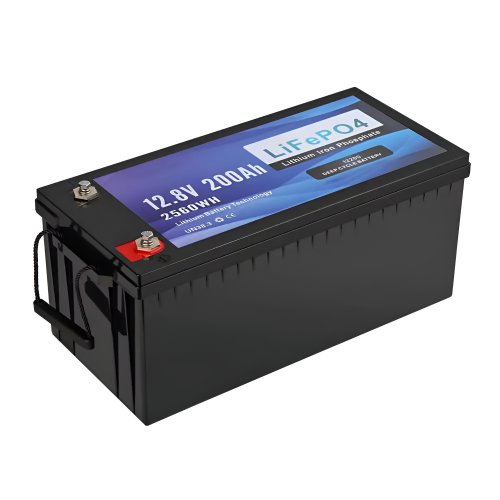
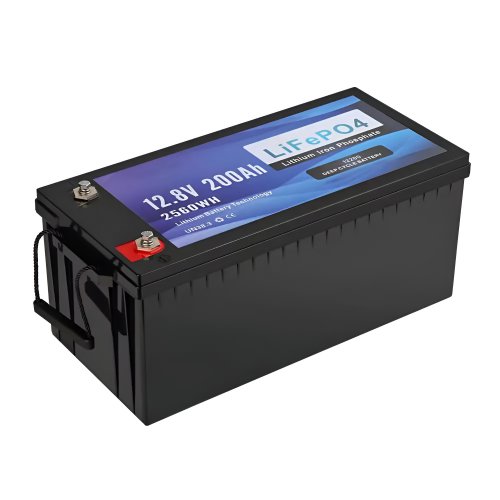
Switching to a 200Ah LiFePO4 battery transformed the experience. The voltage remained steadfastly above 13V even when 70-80% of the capacity had been used, allowing the inverter and all DC appliances to operate at peak performance until the BMS initiated a low-voltage shutdown. The usable energy felt more than double that of the AGMs, despite the similar "Ah" rating.
Recharging was dramatically faster. The battery could accept the full output of the solar panels and a DC-DC charger from the vehicle's alternator almost until full, cutting recharge times by more than half. The absence of maintenance—no more checking terminals for corrosion or worrying about watering—provided significant peace of mind.
Objective and Balanced Conclusion
The deep cycle performance of LiFePO4 battery technology represents a genuine paradigm shift. Its unparalleled cycle life, true depth of discharge, and operational efficiency set a new benchmark for renewable energy and mobile power applications.
The decision to invest in a LiFePO4 battery ultimately hinges on a cost-benefit analysis of your specific needs. For a user with occasional, light-duty needs, the high initial cost may be difficult to justify. However, for anyone who relies on their battery bank for frequent, deep cycling—be it for full-time RV living, a robust marine house bank, or a critical off-grid solar system—the long-term value proposition is overwhelmingly strong.
While the upfront investment is substantial, the combination of longevity, reliability, and superior performance makes LiFePO4 not just a premium alternative, but in many demanding scenarios, the most logical and cost-effective choice available today. It is a product that delivers on its core promise of deep cycle endurance.
Customized/OEM/ODM Service
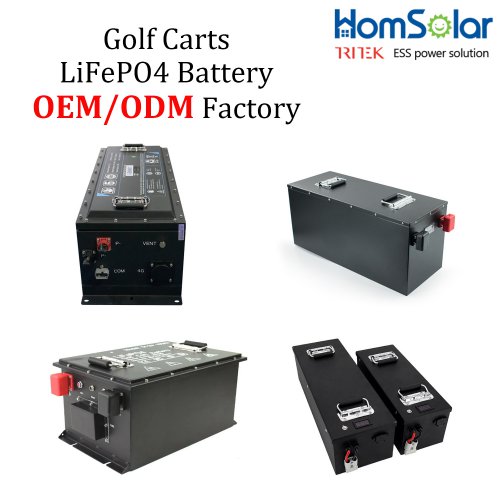
HomSolar Supports Lifepo4 battery pack customization/OEM/ODM service, welcome to contact us and tell us your needs.

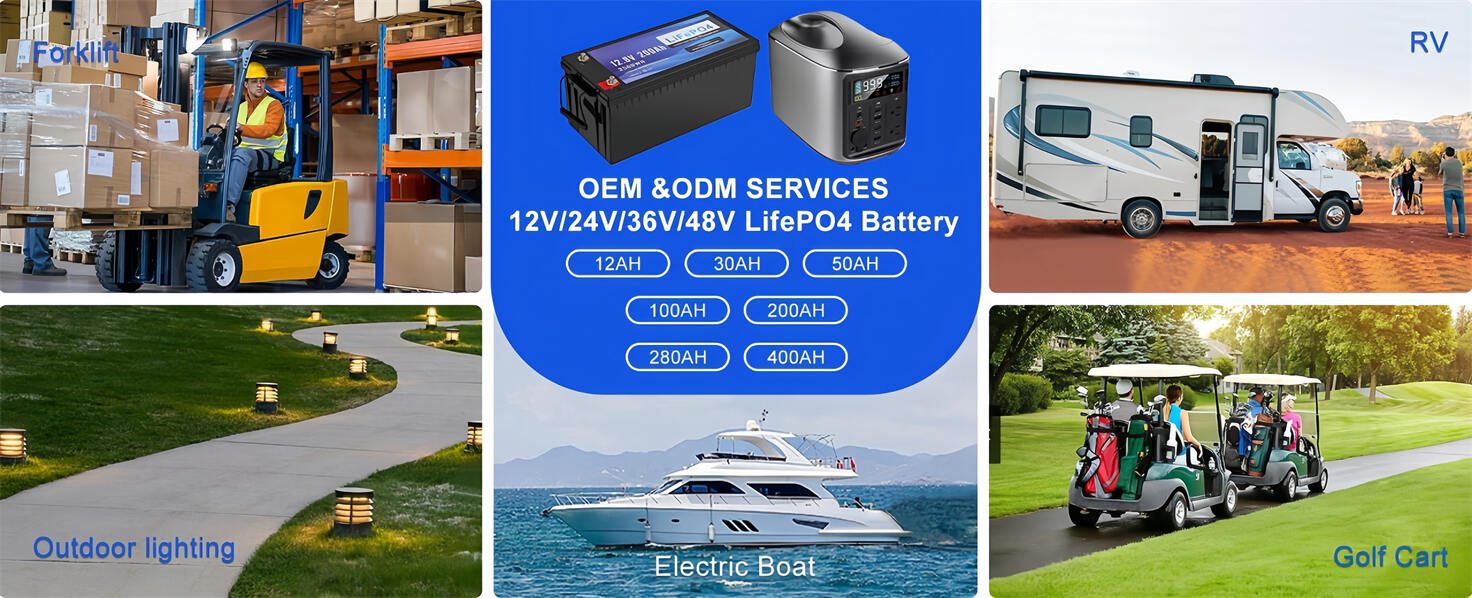
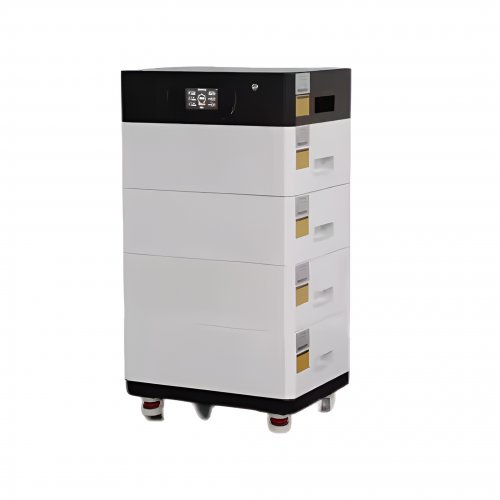
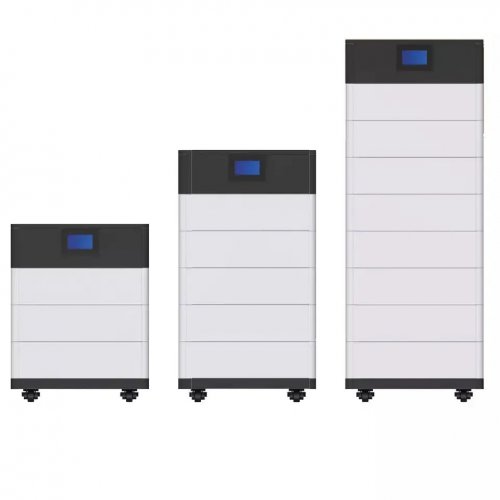
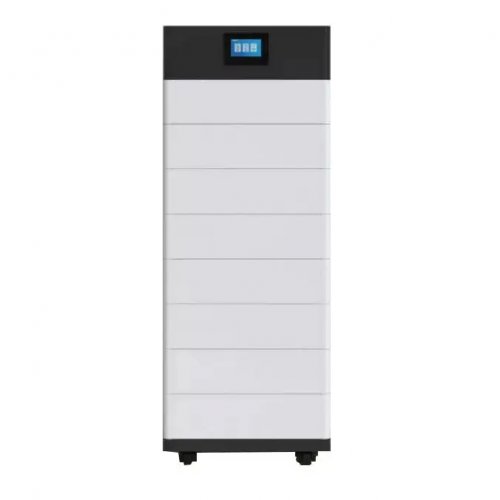
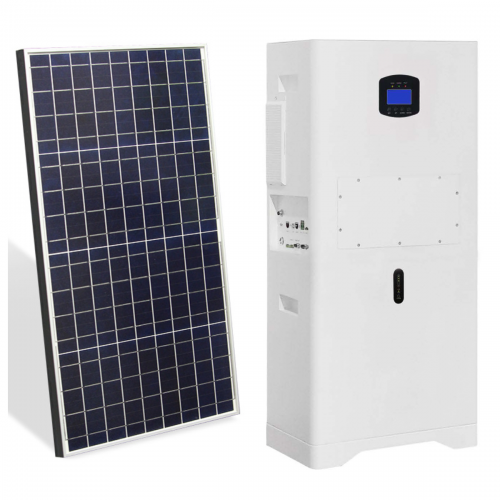
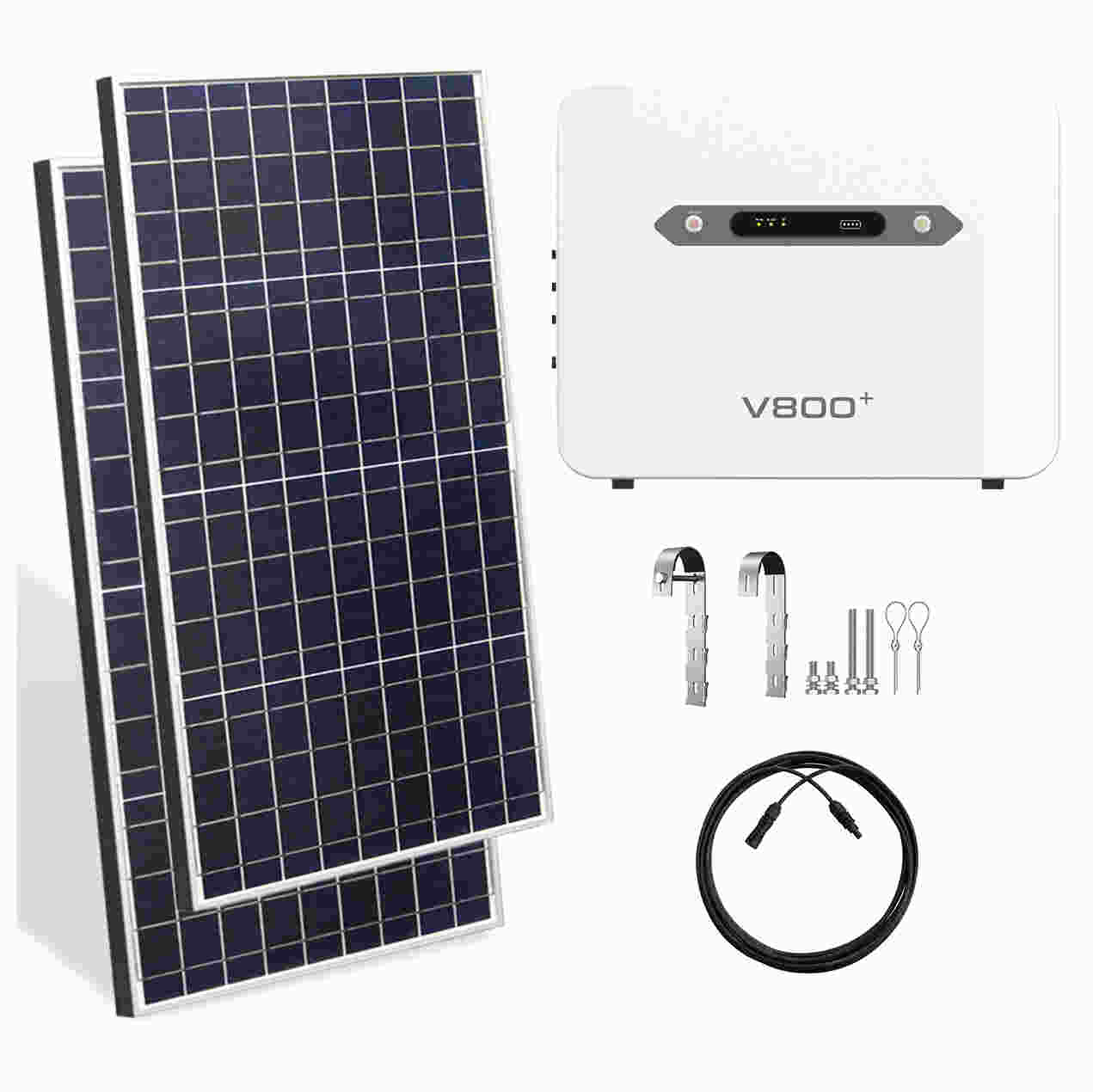
HomSolar: Your One-stop LiFePO4 Battery Pack & ESS Solution Manufacturer
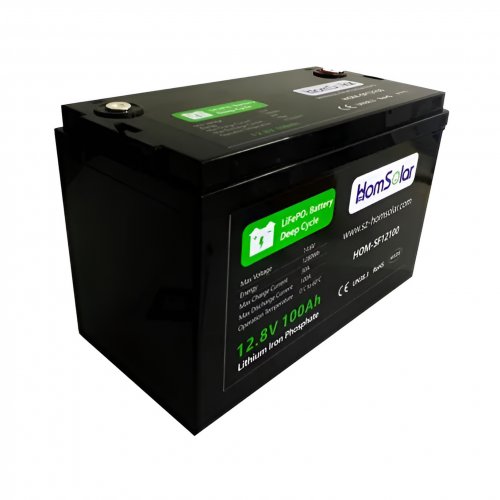
Our line of LiFePO4 (LFP) batteries offer a solution to demanding applications that require a lighter weight, longer life, and higher capacity battery. Features include advanced battery management systems (BMS), Bluetooth® communication and active intelligent monitoring.
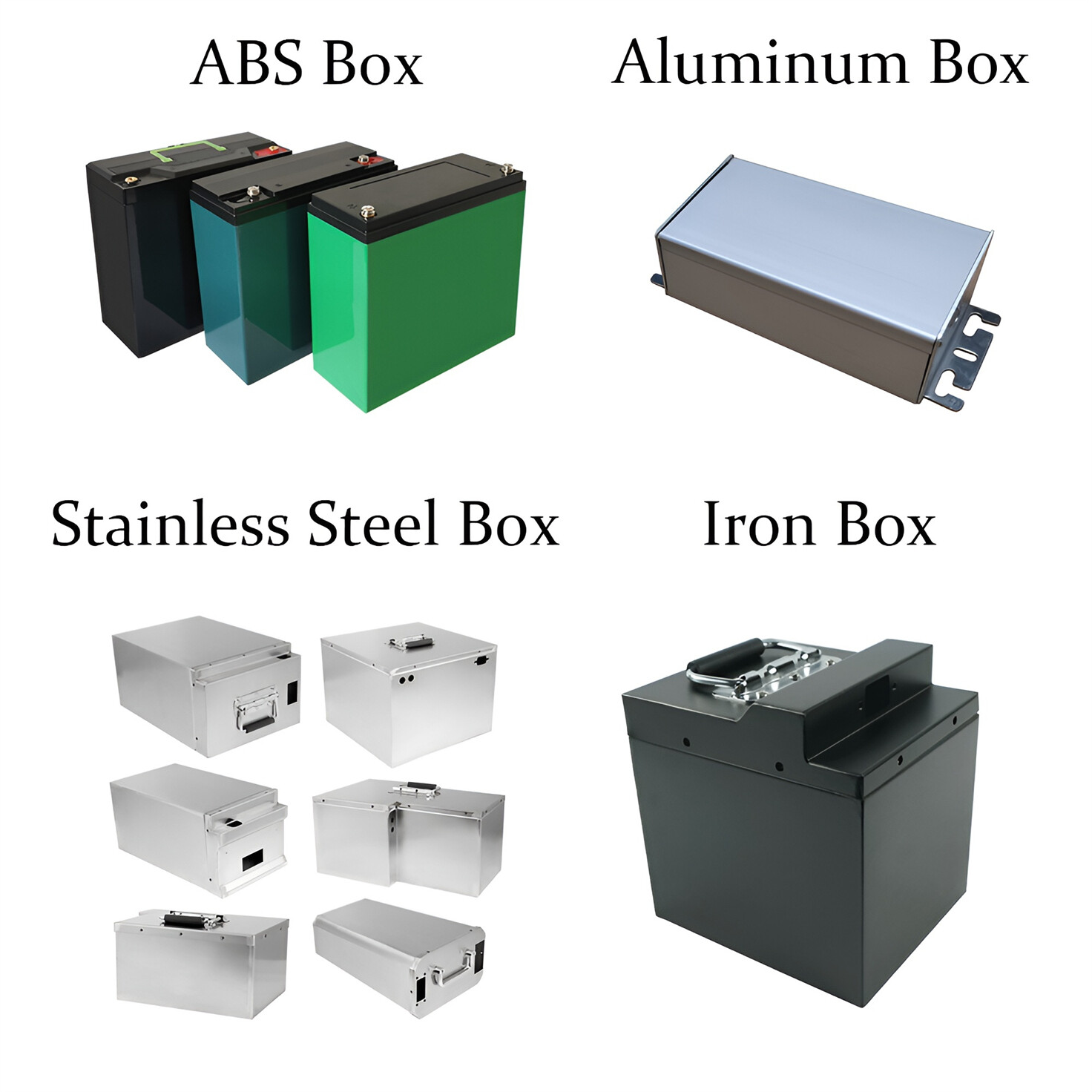
Customised Lithium Iron Phosphate Battery Casing
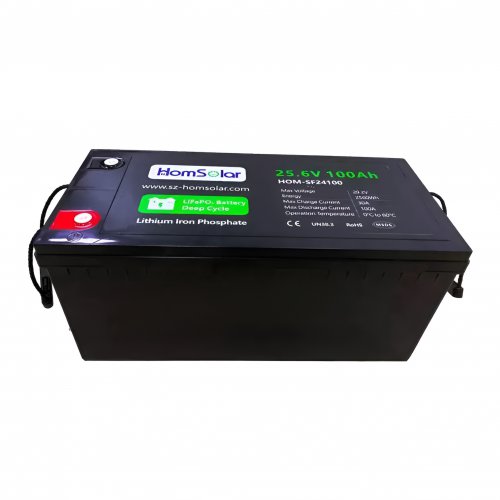
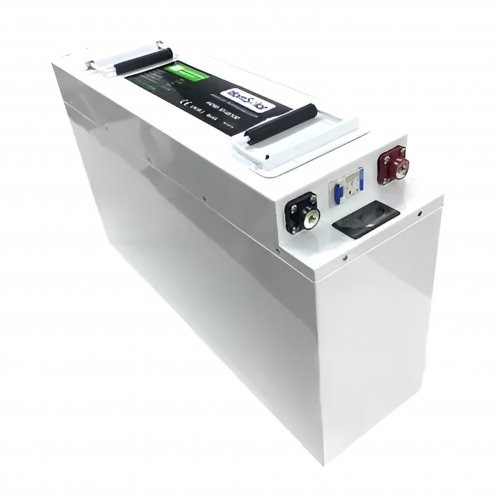
ABS plastic housing, aluminium housing, stainless steel housing and iron housing are available, and can also be designed and customised according to your needs.
HomSolar Smart BMS
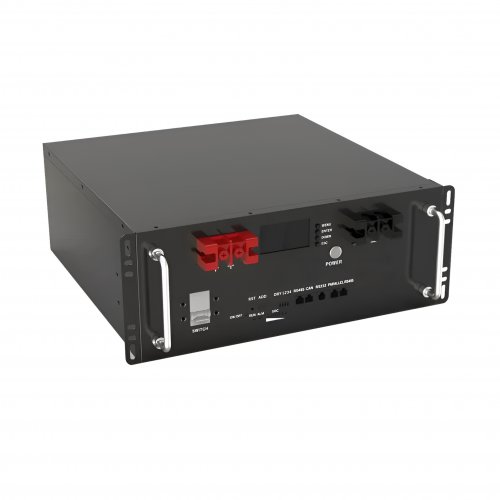
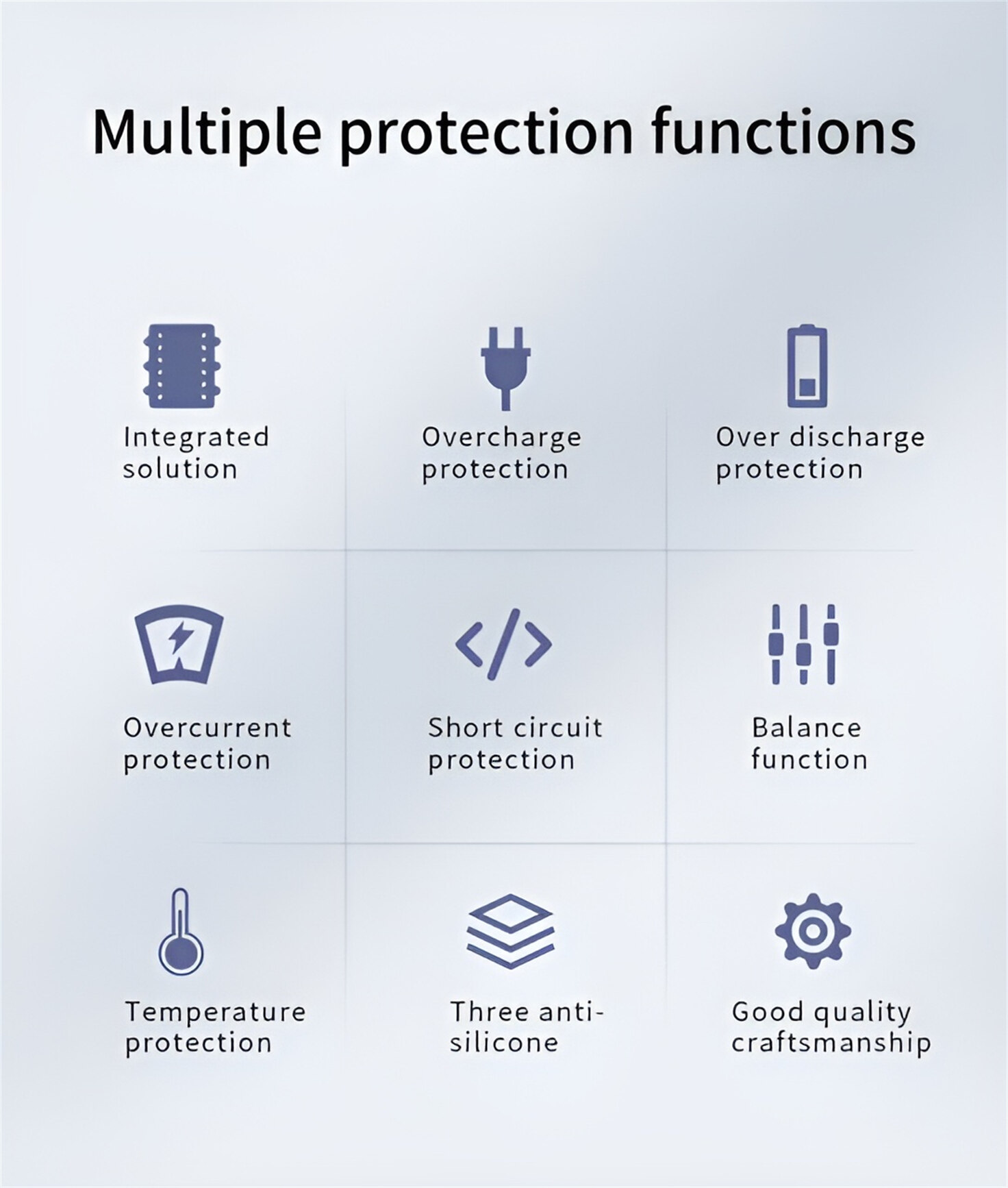
Intelligent Battery Management System for HomSolar Energy Storage System. Bluetooth, temperature sensor, LCD display, CAN interface, UART interface also available.

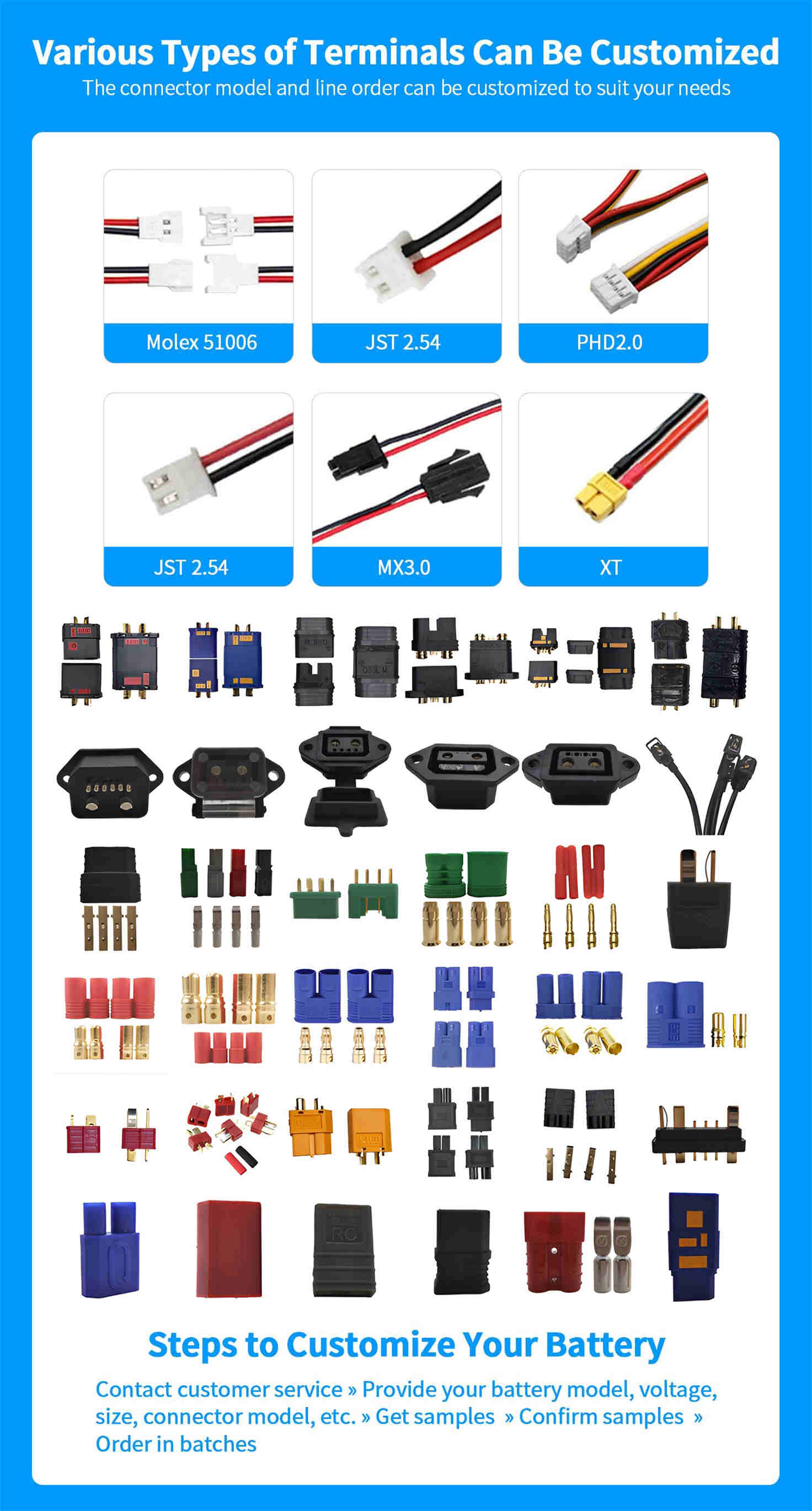
Terminals & Plugs Can Be Customized
A wide range of terminals and plugs can be customised to suit the application needs of your battery products.
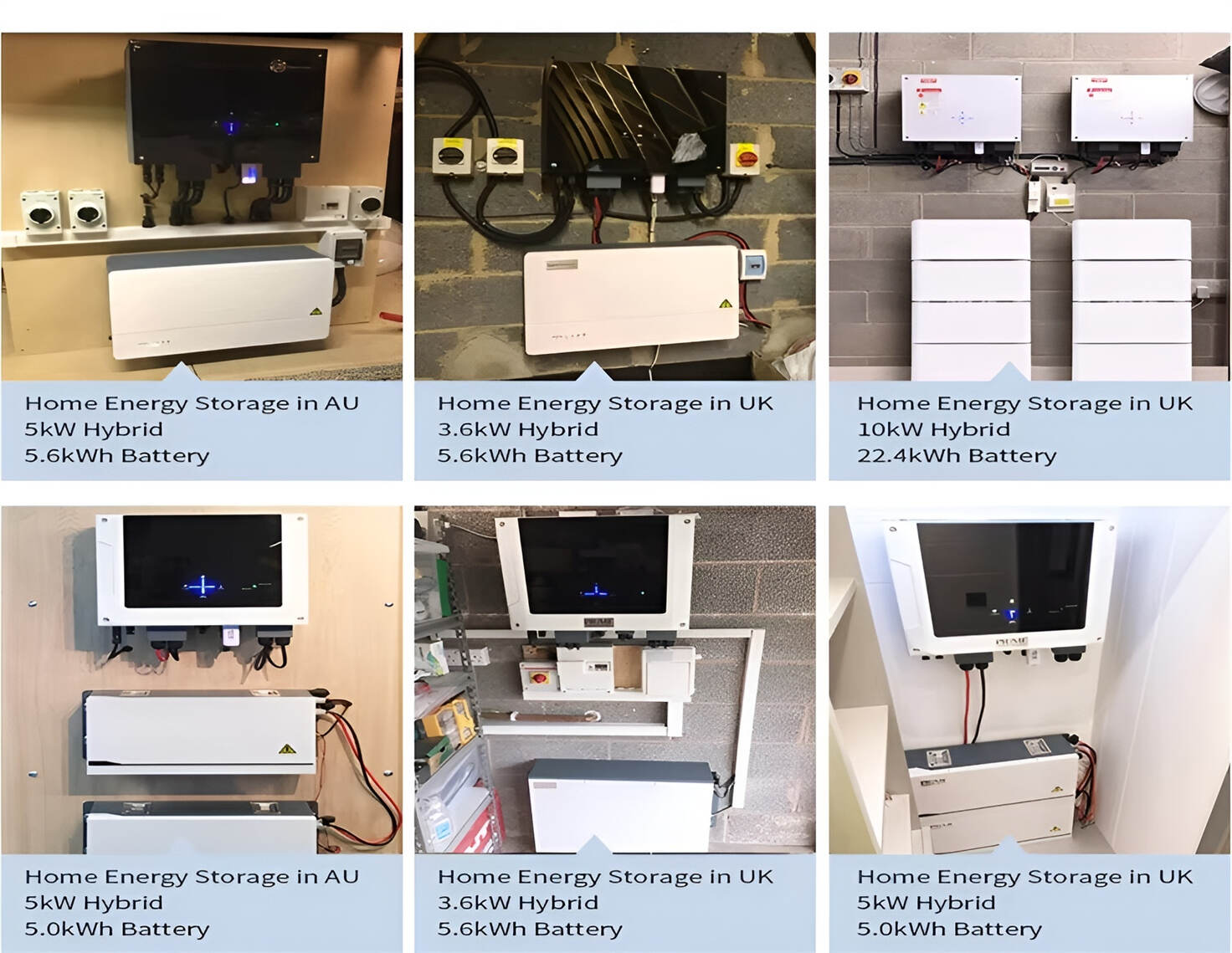
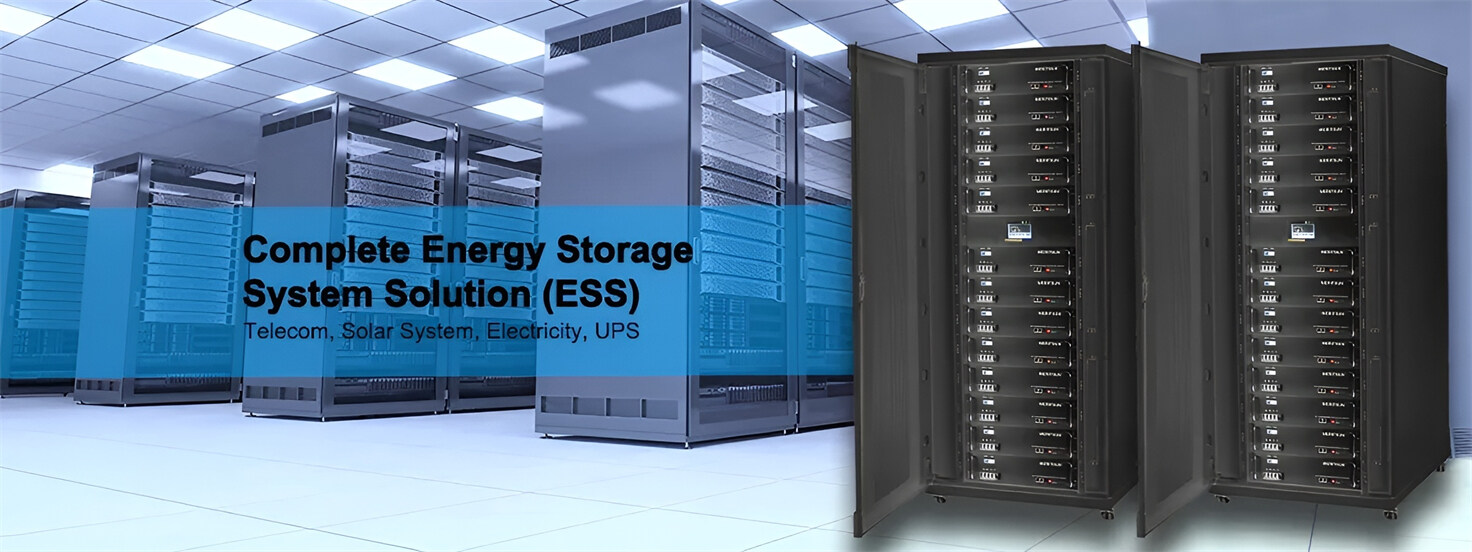
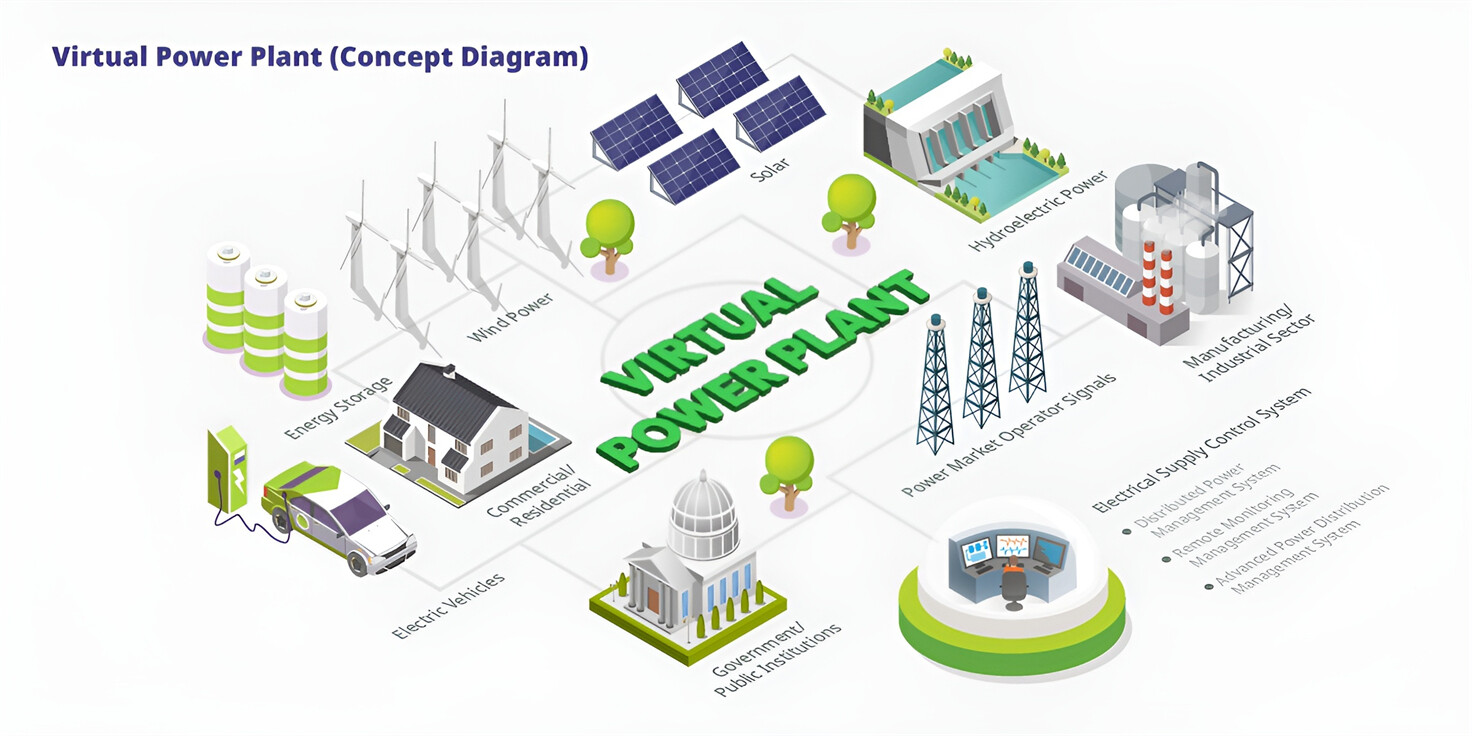
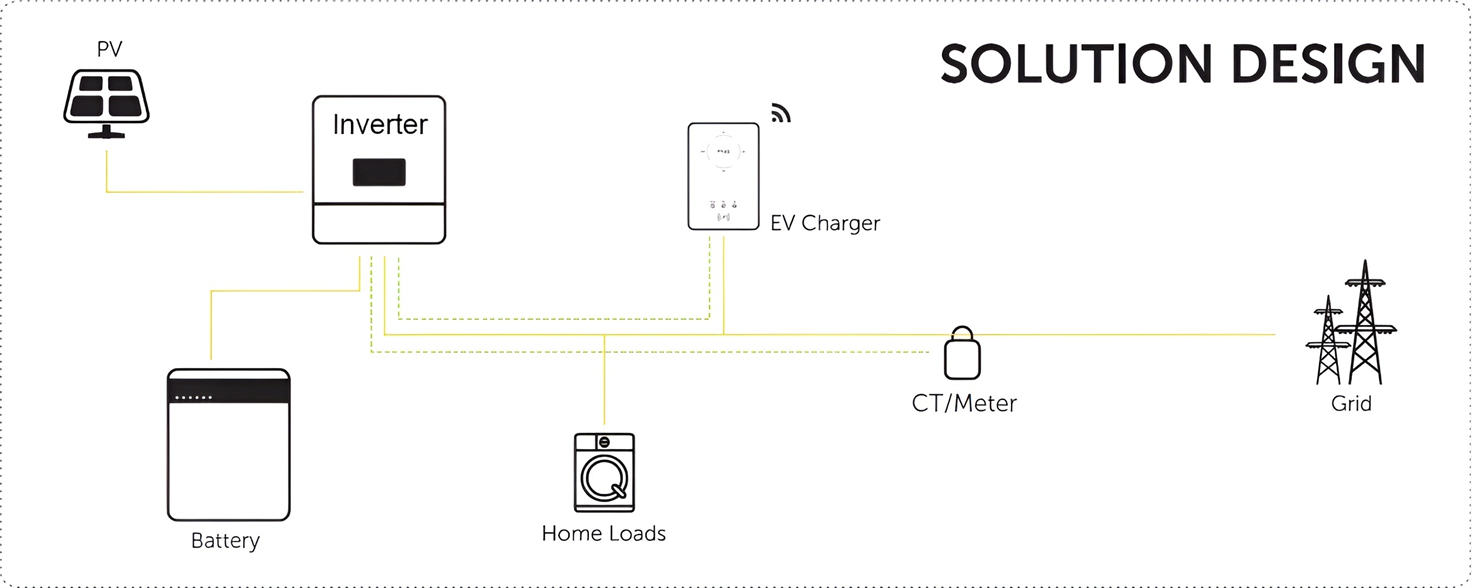
Well-designed Solutions for Energy Storage Systems
We will design the perfect energy storage system solution according to your needs, so that you can easily solve the specific industry applications of battery products.
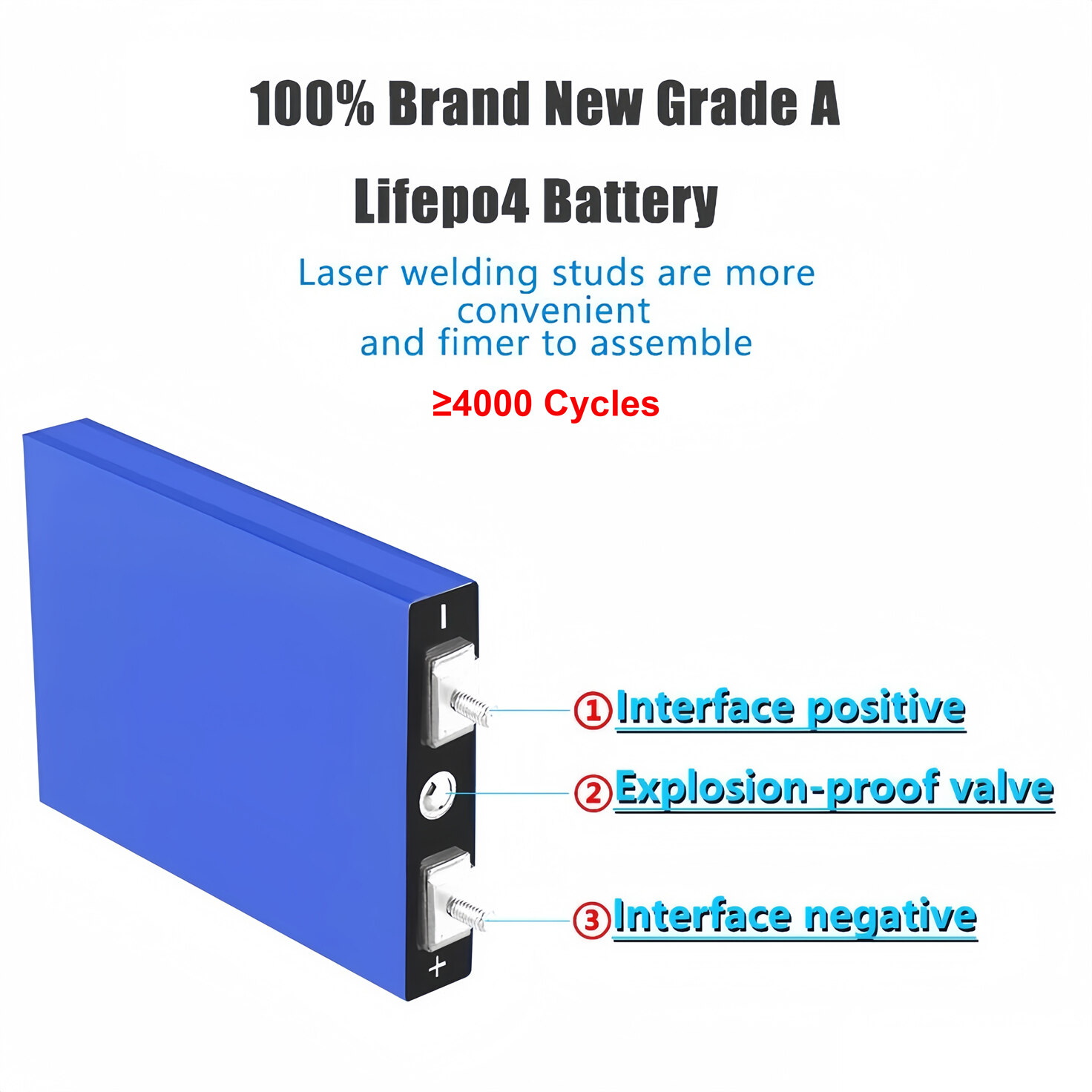
About Our Battery Cells
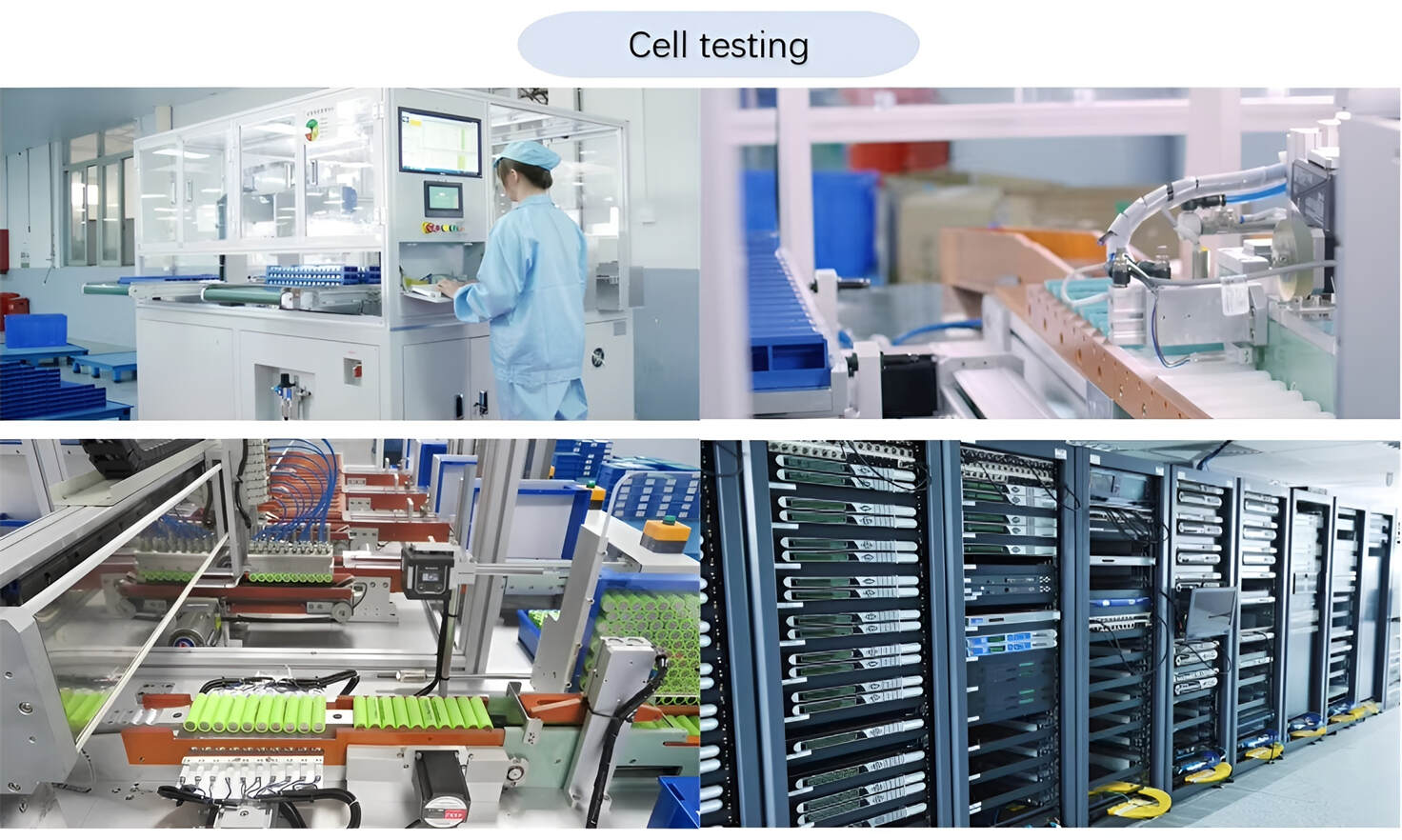
Our energy storage system products use brand new grade A LiFePO4 cells with a battery lifespan of more than 4,000 charge/discharge cycles.
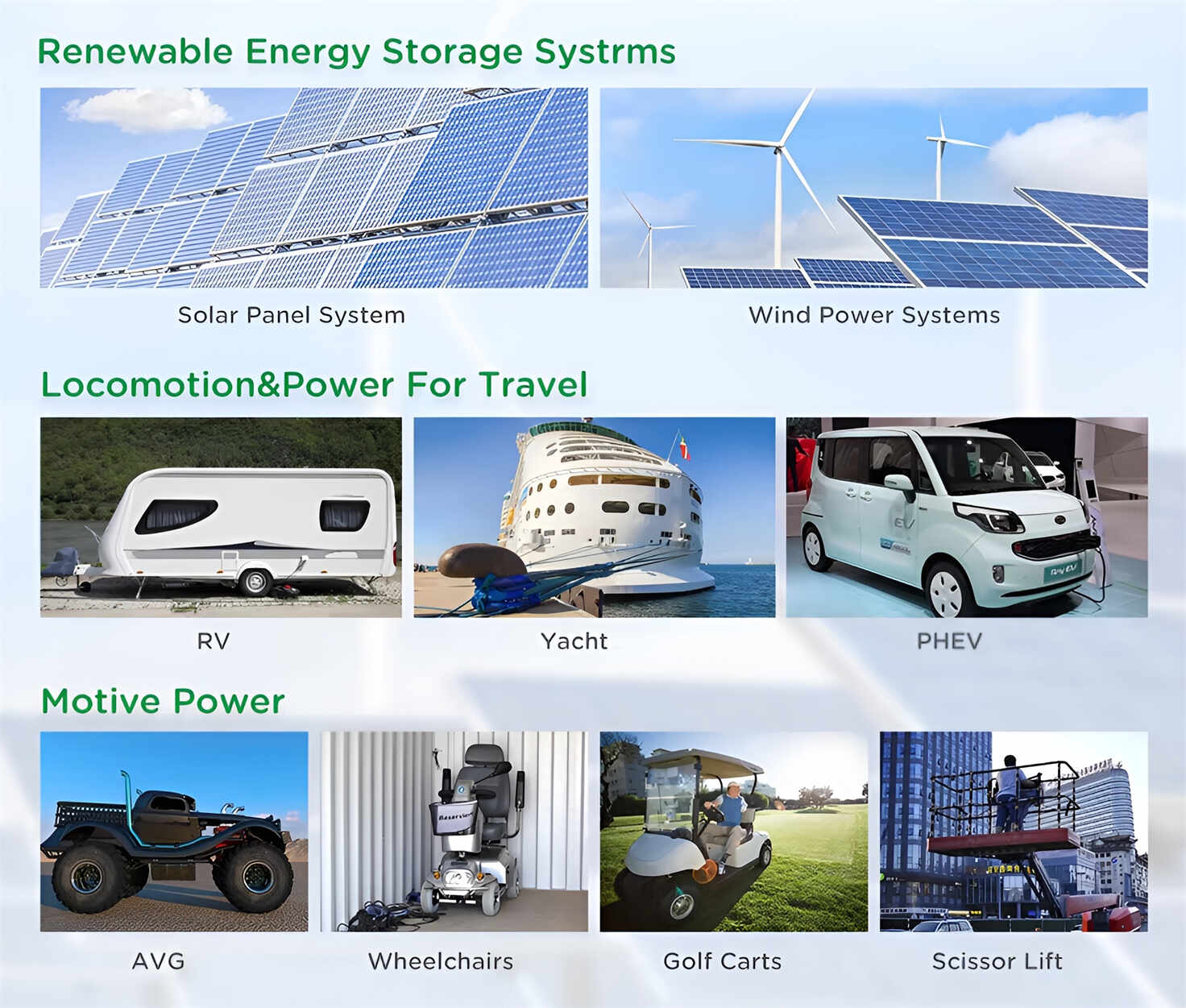
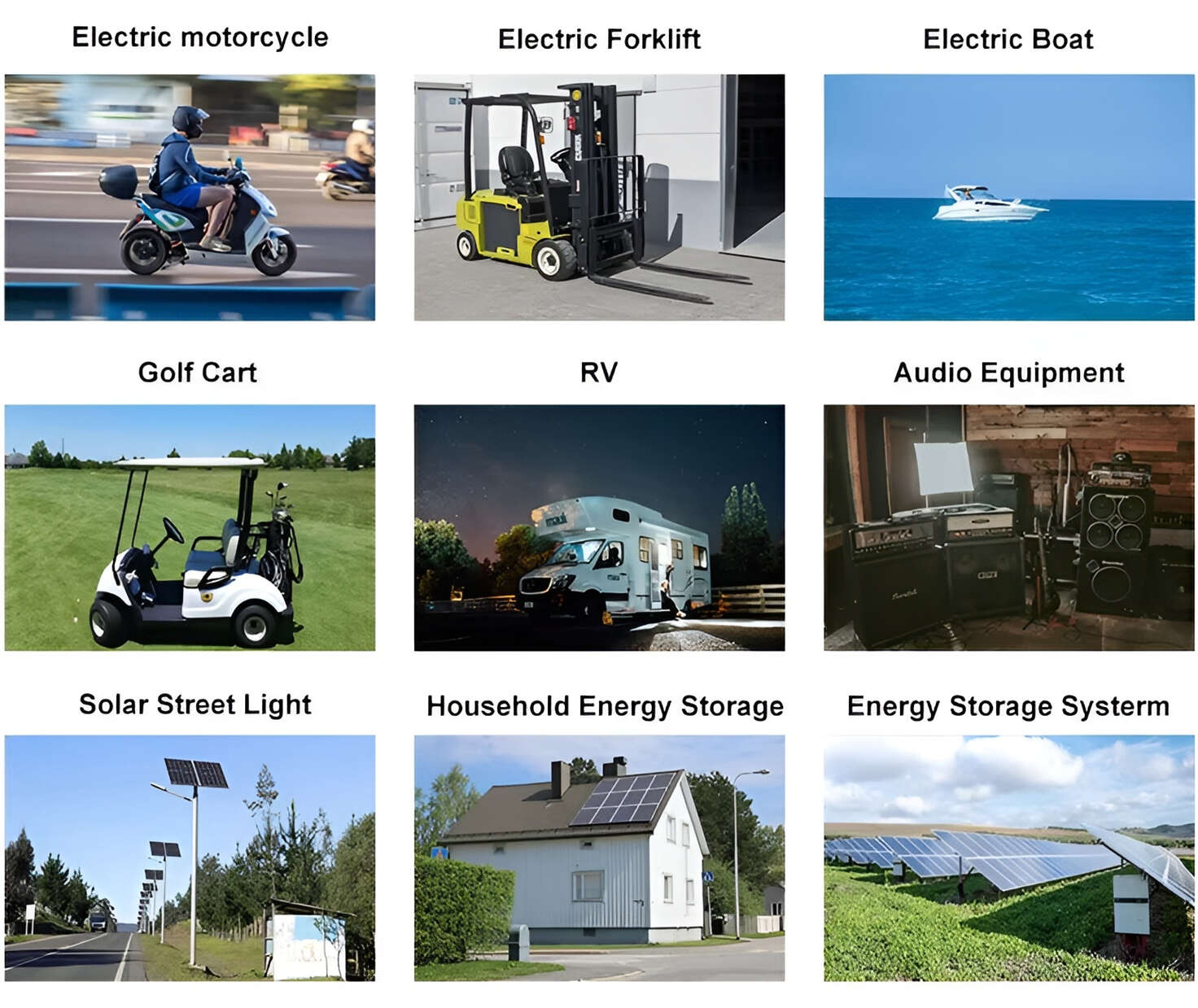
Applications in Different Industries
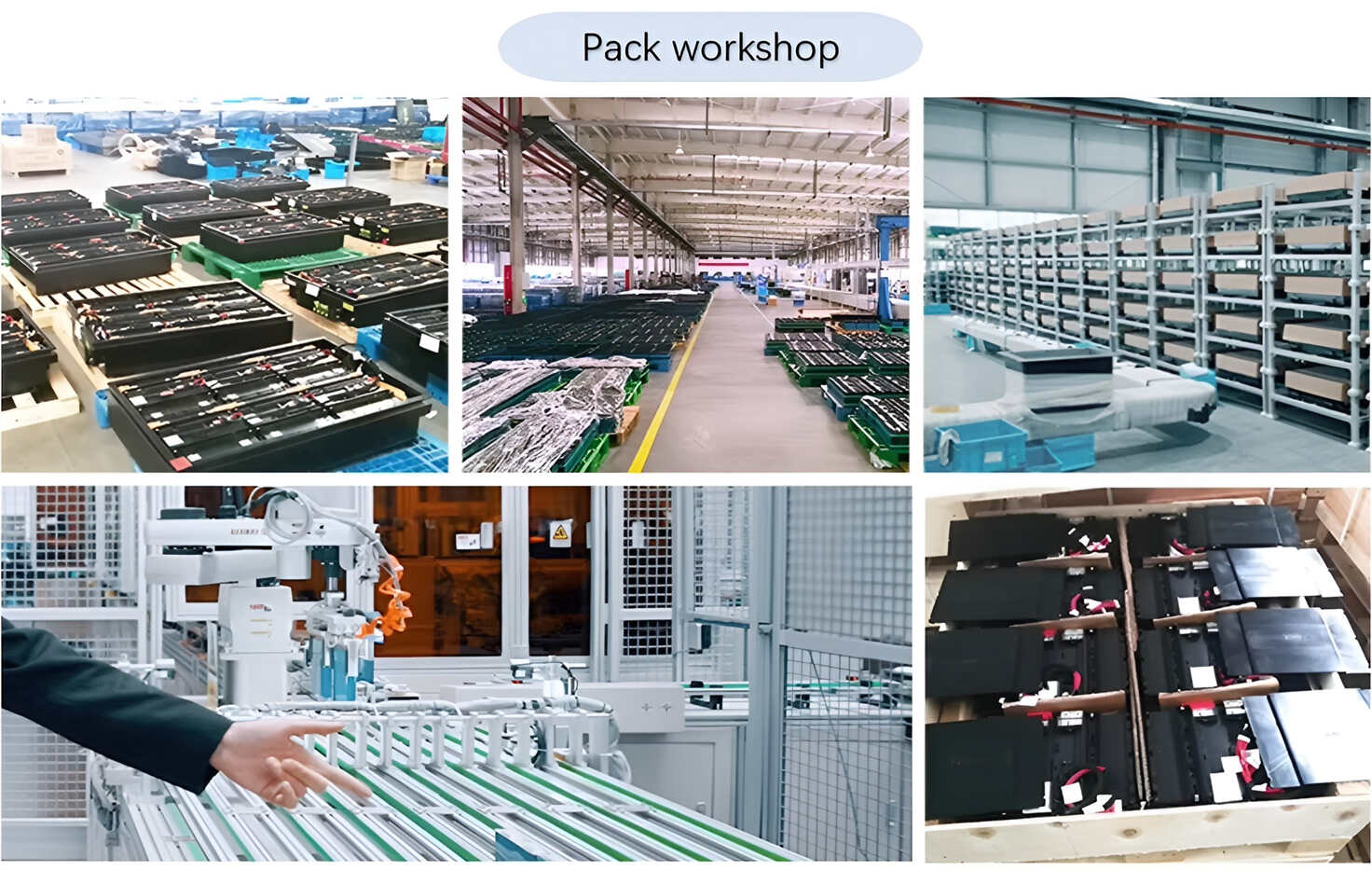
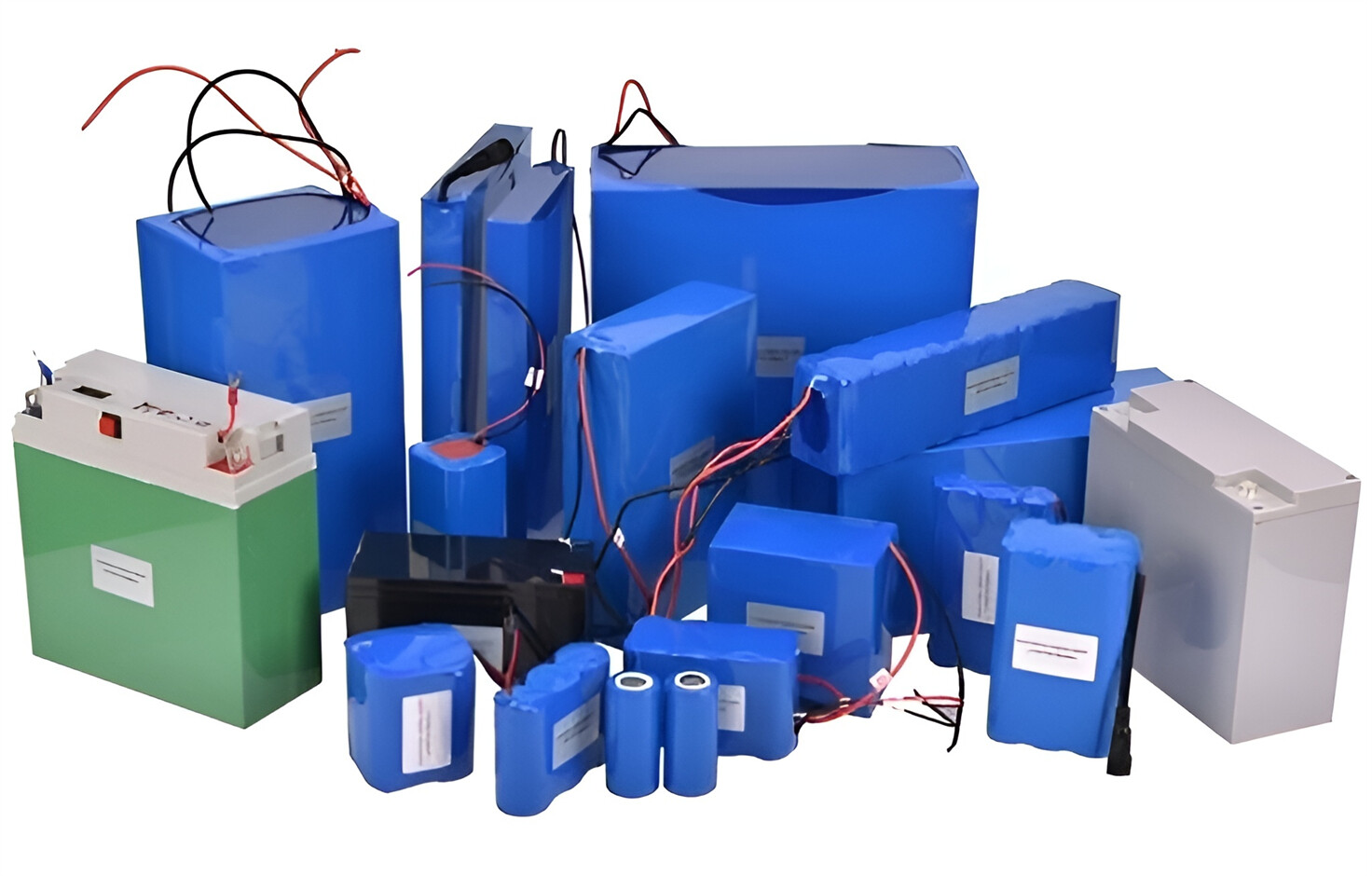
We supply customized & OEM battery pack, assemble cells with wiring, fuse and plastic cover, all the cell wires connected to PCB plug or built BMS.
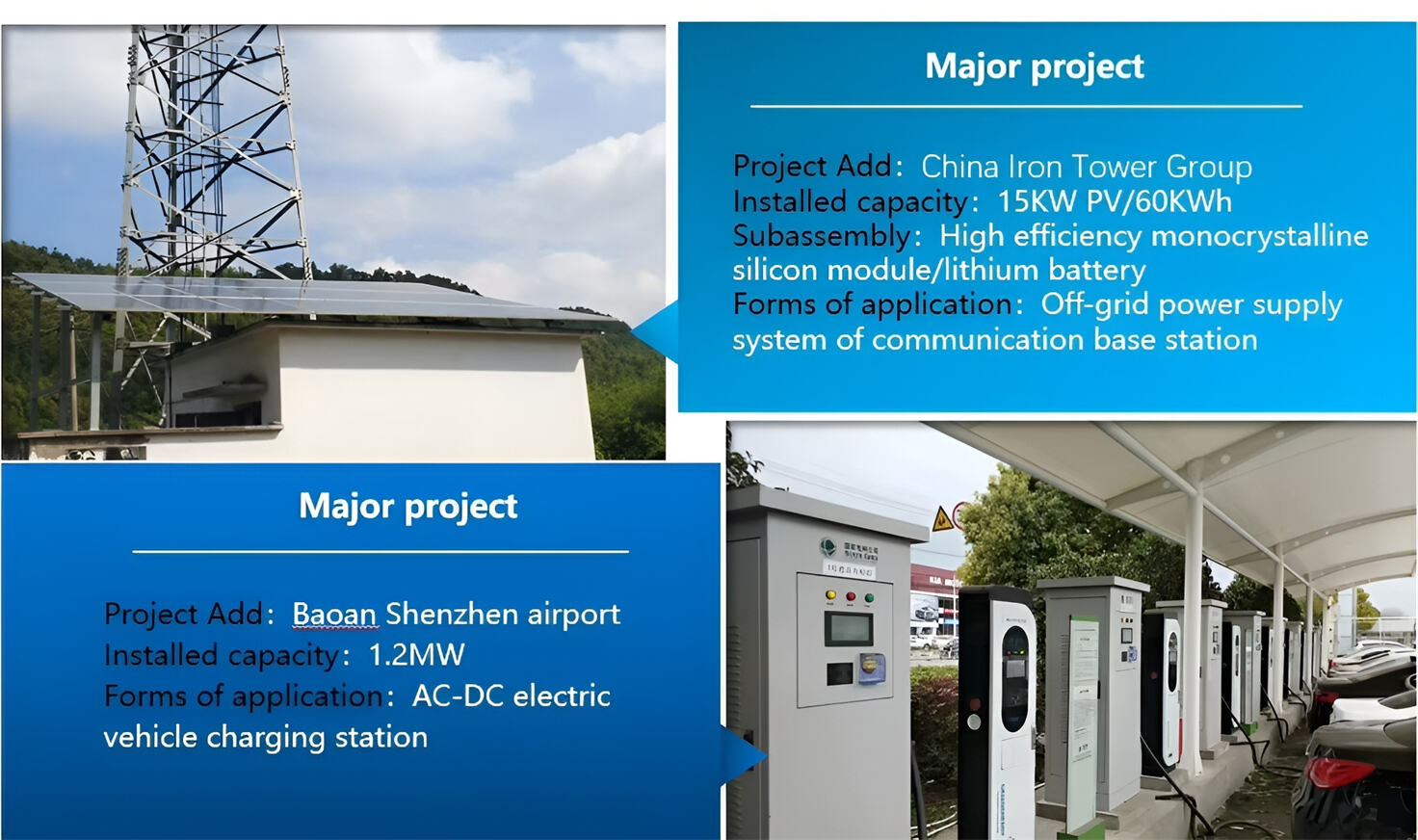
Applications: E-bike, Electric Scooter, Golf Carts, RV, Electric Wheelchair, Electric Tools, Robot Cleaner, Robot Sweeper, Solar Energy Storage System, Emergency Light, Solar Power Light, Medical Equipment, UPS Backup Power Supply.
We can provide you with customized services. We have the ability to provide a vertical supply chain, from single cells to pack/module and to a complete power solution with BMS, etc.
HomSolar (Shenzhen) Technology Co., Ltd