Lifepo4 Cost Analysis Review: Unpacking The Long-term Value Proposition
Lithium Iron Phosphate (LiFePO4) batteries have surged in popularity, moving from niche industrial applications to mainstream consumer and commercial energy storage. While the initial price tag often causes sticker shock compared to traditional lead-acid batteries, a true understanding of their value requires a deep and objective cost analysis. This review delves beyond the upfront cost to evaluate LiFePO4 batteries based on their functional performance, inherent advantages and disadvantages, and real-world financial implications over their entire lifespan.
Product Function and Core Technology
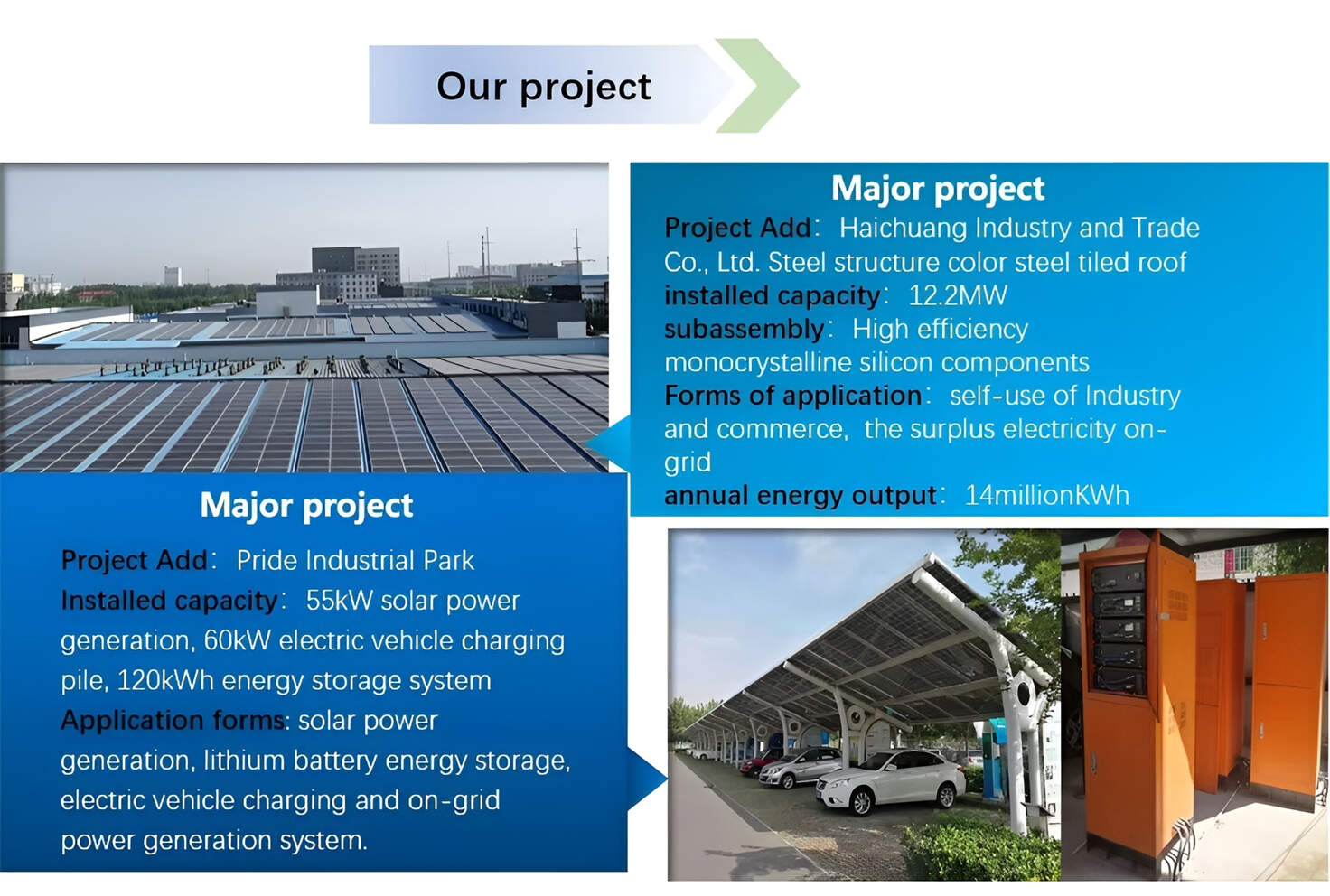
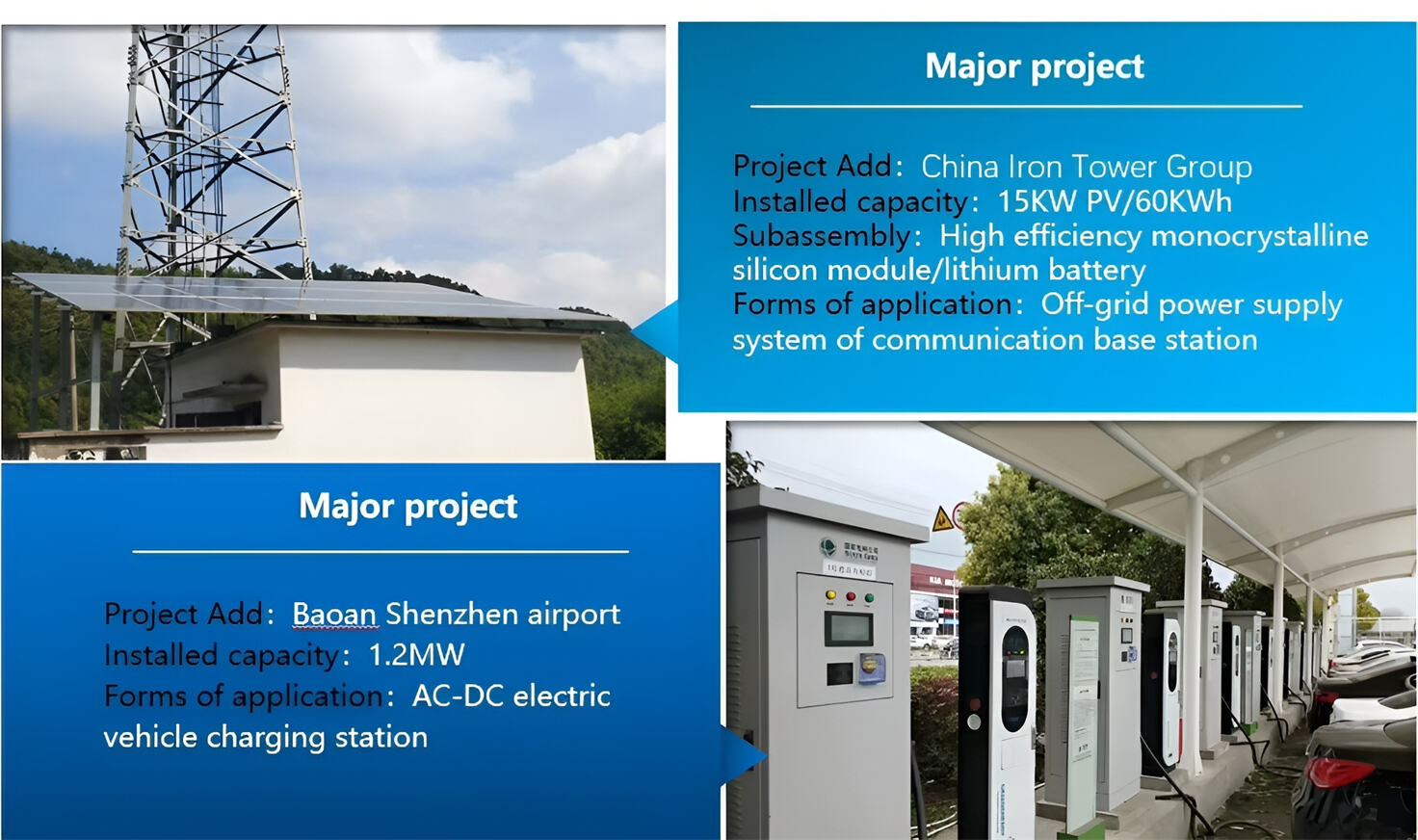
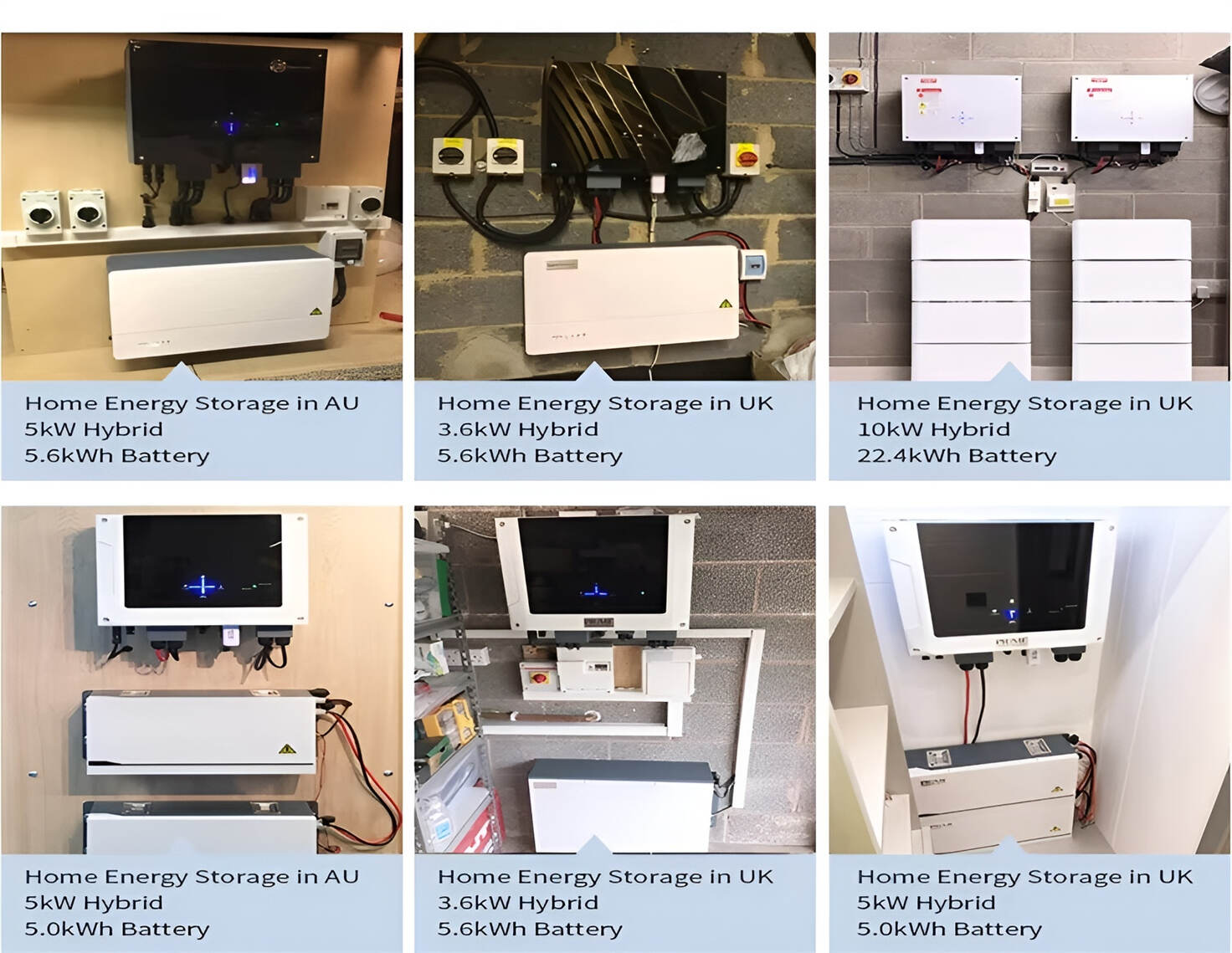
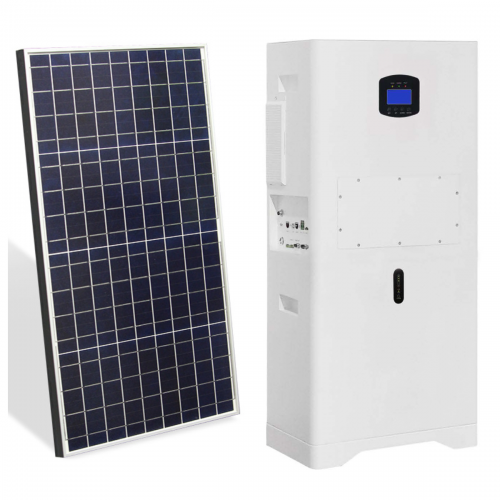
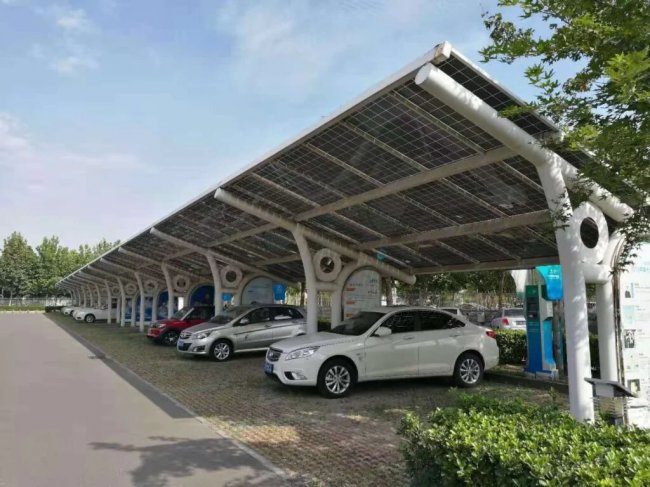
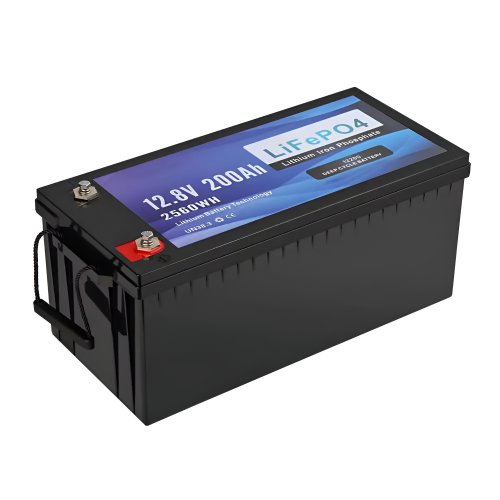
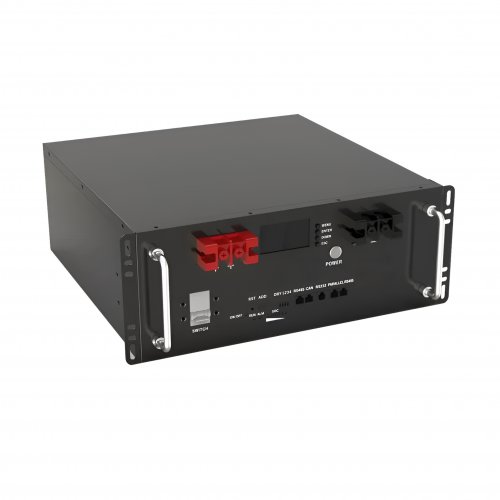
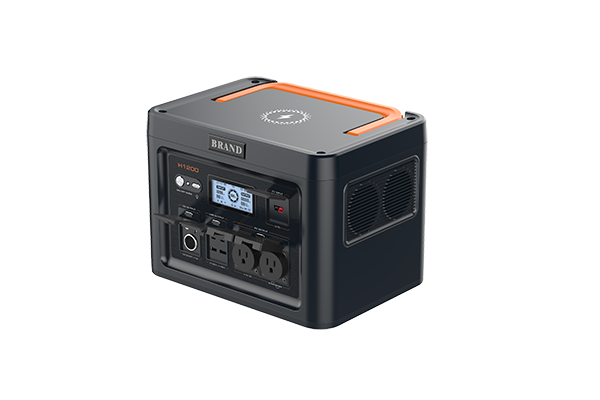
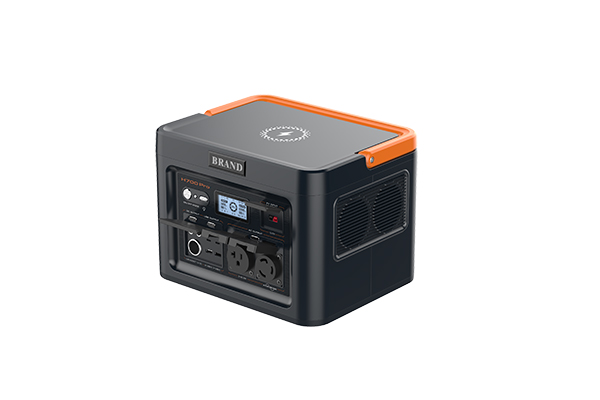
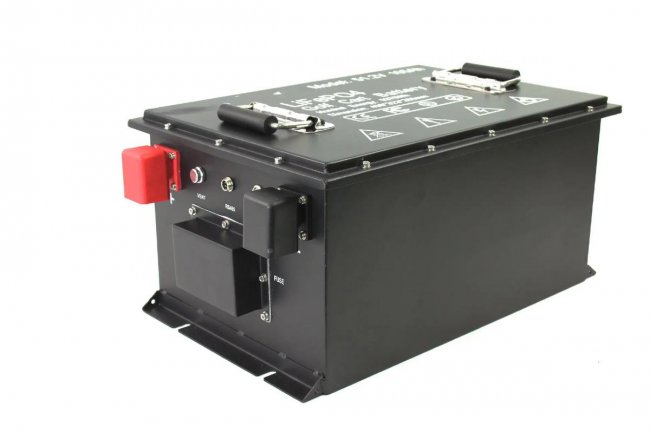
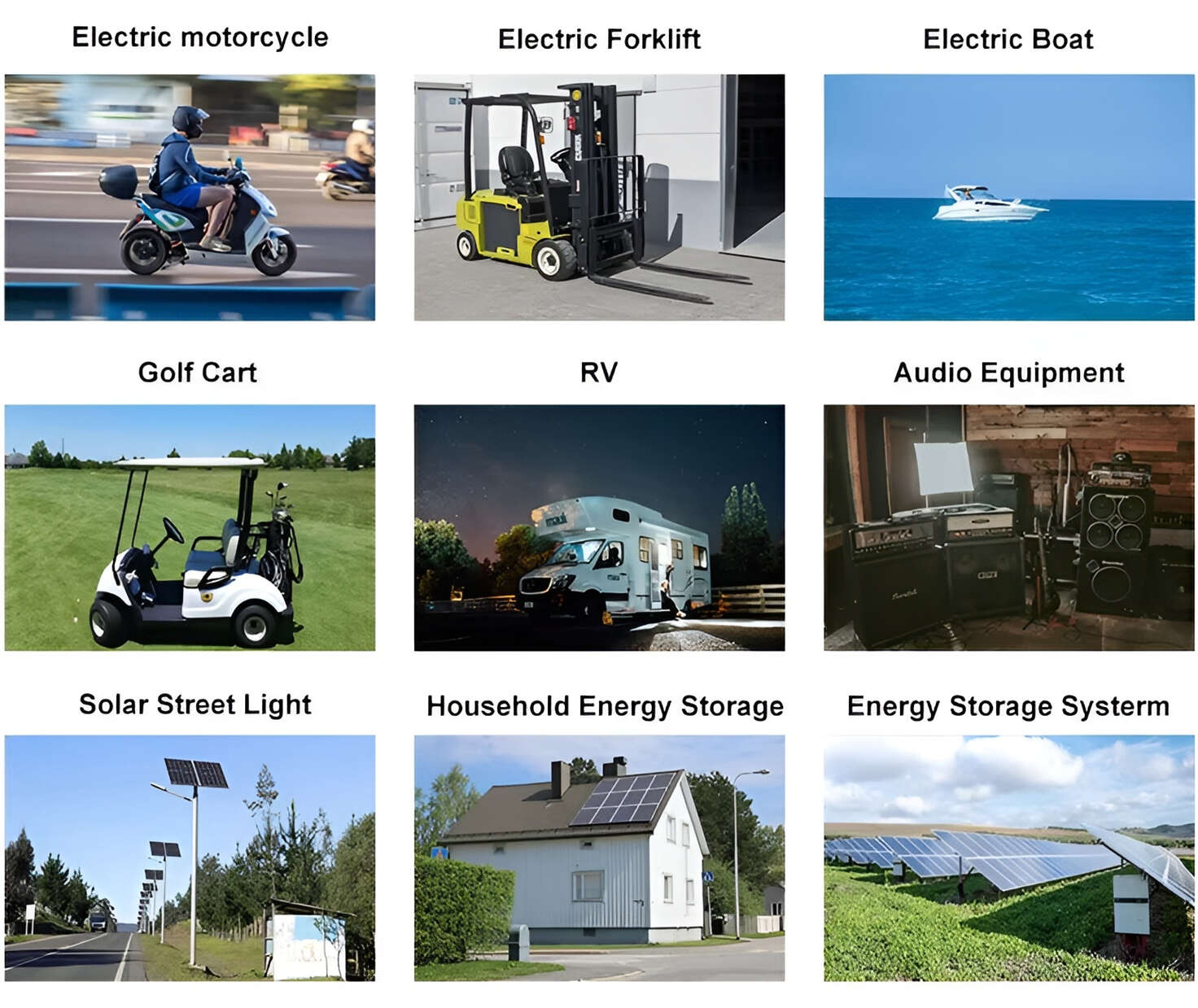
At its core, a LiFePO4 battery is a type of lithium-ion battery that uses lithium iron phosphate as the cathode material. This specific chemistry is the key to its unique characteristics. The primary function of these batteries is to store electrical energy with high efficiency and release it on demand. They are deployed in a vast array of applications, including:Solar Energy Storage: As a cornerstone for off-grid and hybrid solar systems, storing excess energy generated during the day for use at night.Recreational Vehicles (RVs) and Marine: Providing reliable house power for appliances, lighting, and electronics without the need for constant engine-driven charging or noisy generators.Uninterruptible Power Supplies (UPS): Delivering critical backup power for servers, home offices, and medical equipment.Electric Vehicles (EVs) and Golf Carts: Offering a lightweight, high-power, and safe alternative for traction applications.
The technology distinguishes itself through exceptional cycle life, superior thermal and chemical stability, and consistent performance, even under demanding discharge conditions.
The Advantages: Where LiFePO4 Justifies Its Price
The argument for LiFePO4 is built on a foundation of long-term operational benefits that directly translate into cost savings.
1. Exceptional Cycle Life: This is the single most significant factor in the cost analysis. A quality lead-acid battery, like an AGM or Gel model, may offer 500 to 800 cycles to 80% Depth of Discharge (DoD). In stark contrast, a LiFePO4 battery typically delivers 3,000 to 5,000 cycles, with some premium models rated for over 6,000 cycles. This means that over a 10-year period, you might replace a lead-acid bank three to four times, while a single LiFePO4 bank remains operational. The cost of multiple lead-acid replacements quickly eclipses the initial investment in LiFePO4.
2. High Efficiency and Reduced Energy Costs: LiFePO4 batteries boast a round-trip efficiency of 95-98%, meaning very little energy is lost as heat during charging and discharging. Lead-acid batteries, by comparison, are typically 80-85% efficient. For solar system owners, this higher efficiency means more of your harvested solar energy is actually usable, potentially allowing for a smaller solar array to meet the same energy needs. Over time, this efficiency gain compounds into significant energy savings.
3. Minimal Maintenance and Management: Unlike flooded lead-acid batteries that require regular watering and terminal cleaning, LiFePO4 batteries are virtually maintenance-free. There is no need for equalization charges or concerns about acid spills. This saves not only on supplies but, more importantly, on valuable time and labor.
4. True Deep Discharge Capability: LiFePO4 batteries can be routinely discharged to 80-90% of their capacity without incurring damage, whereas discharging a lead-acid battery beyond 50% regularly significantly shortens its life. This means that for the same usable energy capacity, a LiFePO4 battery bank can be physically smaller and lighter than its lead-acid counterpart. This "usable capacity" factor is critical; a 100Ah LiFePO4 battery effectively provides 80-90Ah, while a 100Ah lead-acid battery only reliably provides about 50Ah.
5. Longer Warranty Period: Reflecting their confidence in the product's longevity, manufacturers often provide warranties of 8 to 10 years on LiFePO4 batteries, far exceeding the 1- to 3-year warranties common with lead-acid batteries. This provides significant financial peace of mind.
The Disadvantages: The Other Side of the Ledger
No product is perfect, and an objective analysis must acknowledge the drawbacks of LiFePO4 technology.
1. Higher Initial Capital Outlay: The most immediate and obvious barrier is the upfront cost. A LiFePO4 battery can be two to three times more expensive than a comparable capacity lead-acid battery at the point of purchase. This can be a prohibitive factor for projects with tight initial budgets.
2. Battery Management System (BMS) Dependency: The safety and longevity of a LiFePO4 cell are heavily reliant on a sophisticated BMS. A failure in the BMS can render the entire battery useless or, in rare cases, create a safety hazard. The quality of the BMS varies significantly between manufacturers, making brand selection crucial.
3. Charging Profile Requirements: LiFePO4 batteries require a specific charging voltage profile. While most modern solar charge controllers and inverters are compatible, users with older equipment may need to invest in new chargers or ensure their existing gear can be programmed correctly, adding to the initial system cost.
4. Performance in Sub-Freezing Temperatures: A significant operational limitation is that LiFePO4 batteries cannot be charged at temperatures below 0°C (32°F). Doing so can cause permanent, irreversible damage to the plates. This necessitates batteries with built-in low-temperature charging protection or systems installed in temperature-controlled environments, which may not be feasible for all applications.
Actual Usage Experience and Long-Term Cost Calculation
In practical use, the benefits of LiFePO4 become tangible. An RV owner no longer needs to obsessively monitor their battery levels, confidently running appliances overnight without fear of damaging the bank. A homeowner with a solar system appreciates the "set-and-forget" nature, watching their system perform consistently year after year without degradation in capacity.
To illustrate the cost analysis, consider a scenario requiring a 5kWh usable energy bank:Lead-Acid (AGM): To get 5kWh usable at a 50% DoD, you need a 10kWh battery. With an average cycle life of 800 cycles and a cost of $300 per kWh, the initial cost is $3,000. Over 10 years, you may need to replace it 3-4 times, leading to a total cost of $9,000 - $12,000, excluding downtime and labor.LiFePO4: To get 5kWh usable at an 80% DoD, you need a 6.25kWh battery. With a cycle life of 4,000 cycles and a higher cost of $600 per kWh, the initial cost is $3,750. This single battery will likely last the entire 10-year period without replacement.
In this simplified model, the LiFePO4 system, despite its higher initial price, results in a lower total cost of ownership, potentially saving thousands of dollars over a decade.
Conclusion
The LiFePO4 cost analysis reveals a clear narrative: this is a technology where you "pay more now to save significantly later." The evaluation firmly positions LiFePO4 not as an expensive luxury, but as a financially prudent long-term investment for serious energy storage needs. Its superior cycle life, high efficiency, and minimal maintenance create a compelling value proposition that outright defeats lead-acid batteries in applications where reliability, depth of discharge, and total lifecycle cost are the primary metrics. While the high initial cost and cold-weather charging limitations are genuine considerations, for users whose projects extend beyond a couple of years, the long-term economic and practical benefits of LiFePO4 are overwhelmingly persuasive.
Customized/OEM/ODM Service
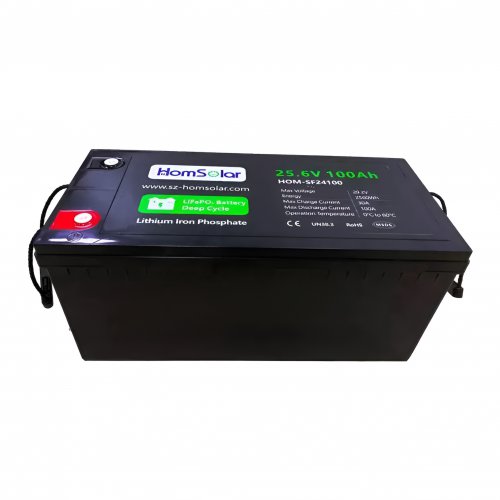
HomSolar Supports Lifepo4 battery pack customization/OEM/ODM service, welcome to contact us and tell us your needs.

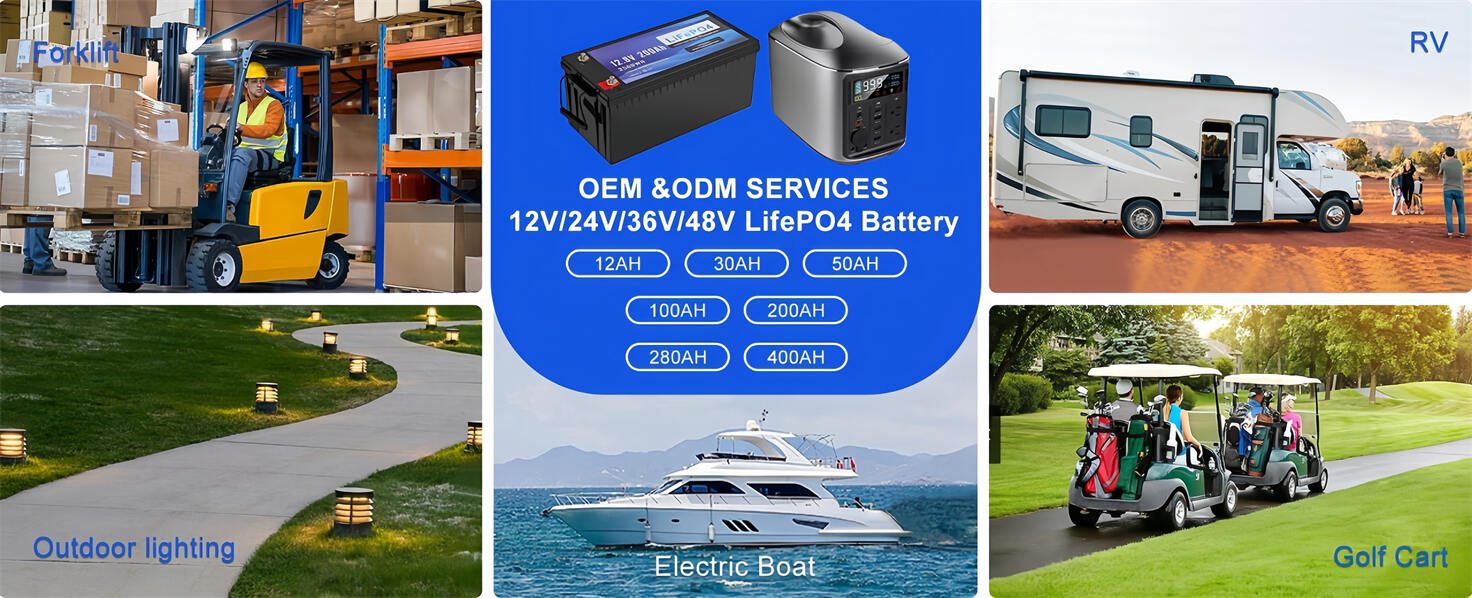
HomSolar: Your One-stop LiFePO4 Battery Pack & ESS Solution Manufacturer
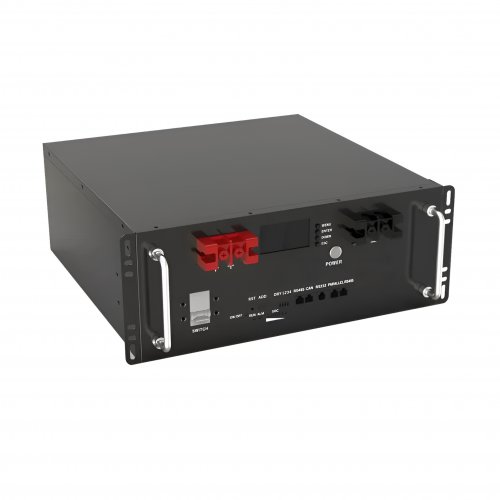
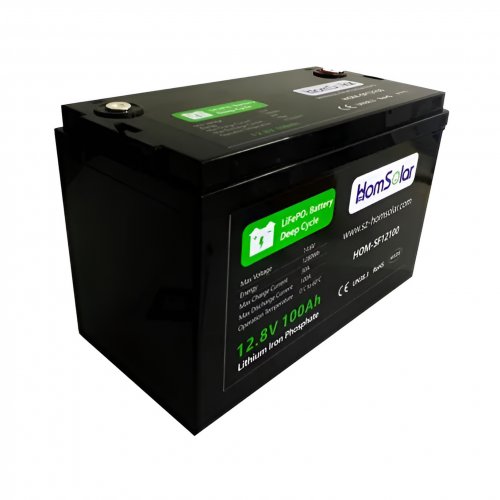
Our line of LiFePO4 (LFP) batteries offer a solution to demanding applications that require a lighter weight, longer life, and higher capacity battery. Features include advanced battery management systems (BMS), Bluetooth® communication and active intelligent monitoring.
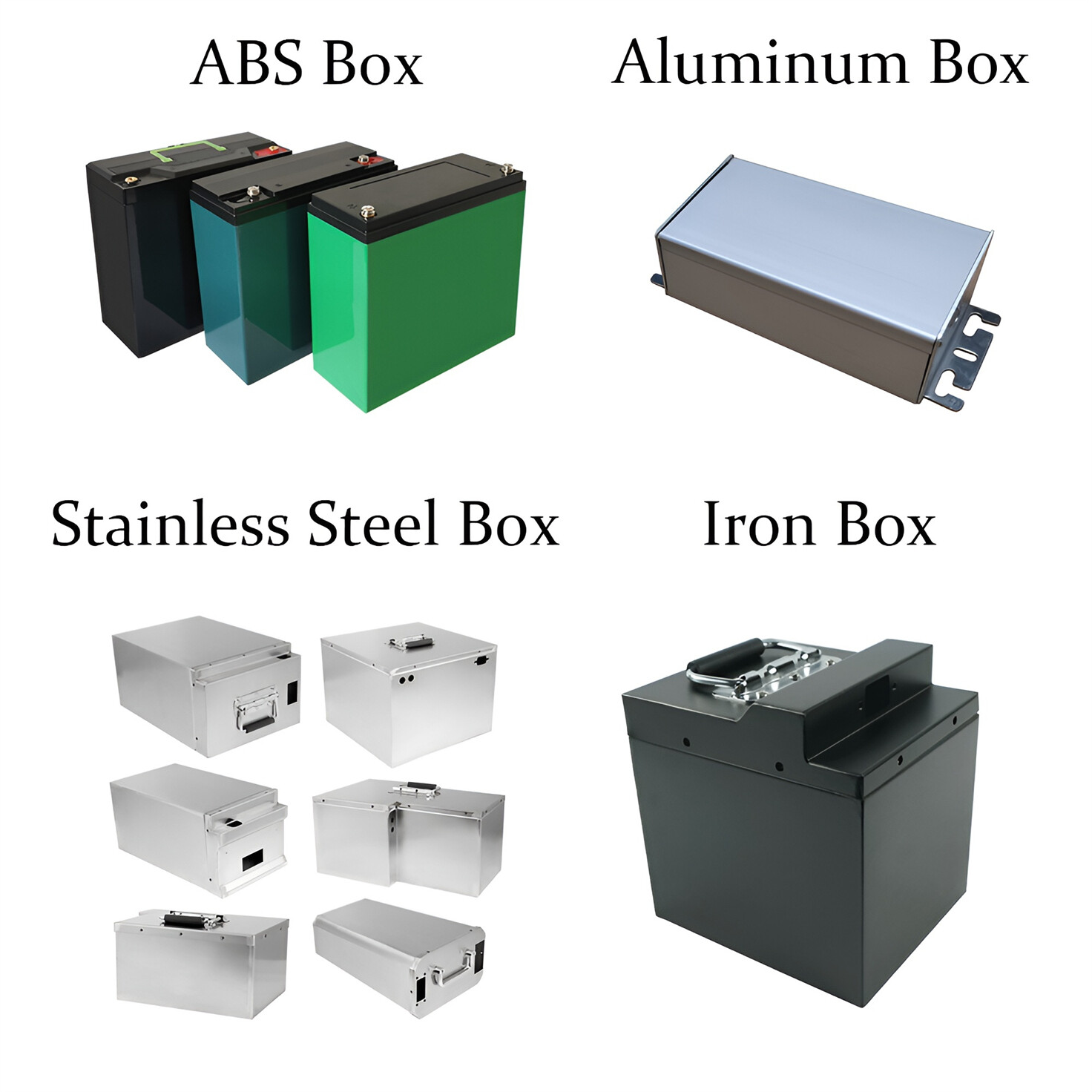
Customised Lithium Iron Phosphate Battery Casing
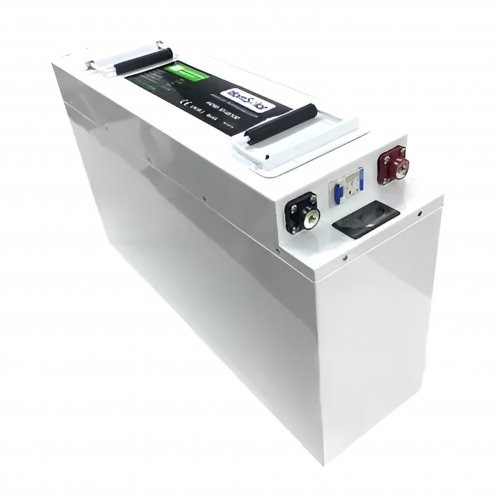
ABS plastic housing, aluminium housing, stainless steel housing and iron housing are available, and can also be designed and customised according to your needs.
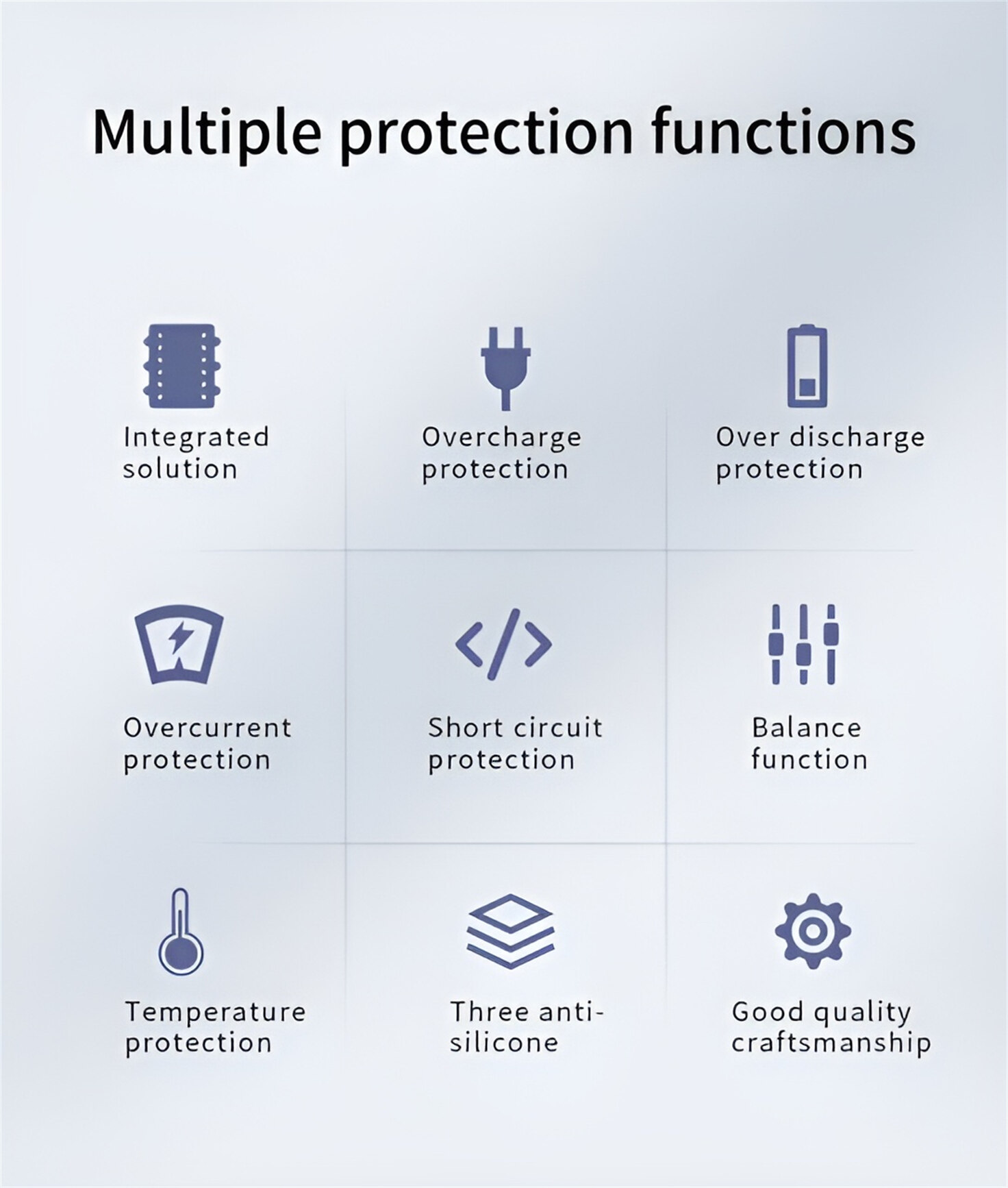
HomSolar Smart BMS
Intelligent Battery Management System for HomSolar Energy Storage System. Bluetooth, temperature sensor, LCD display, CAN interface, UART interface also available.

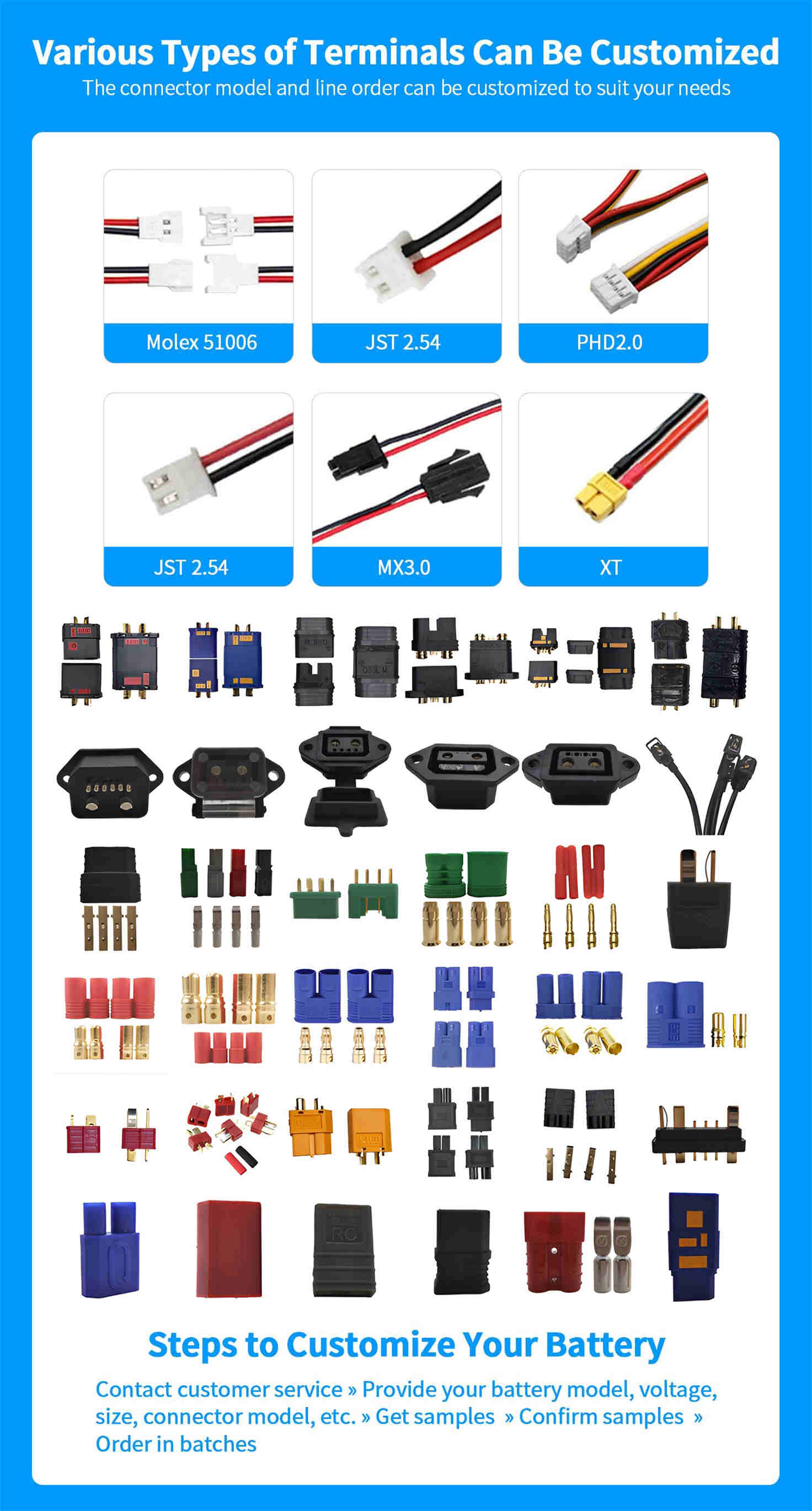
Terminals & Plugs Can Be Customized
A wide range of terminals and plugs can be customised to suit the application needs of your battery products.
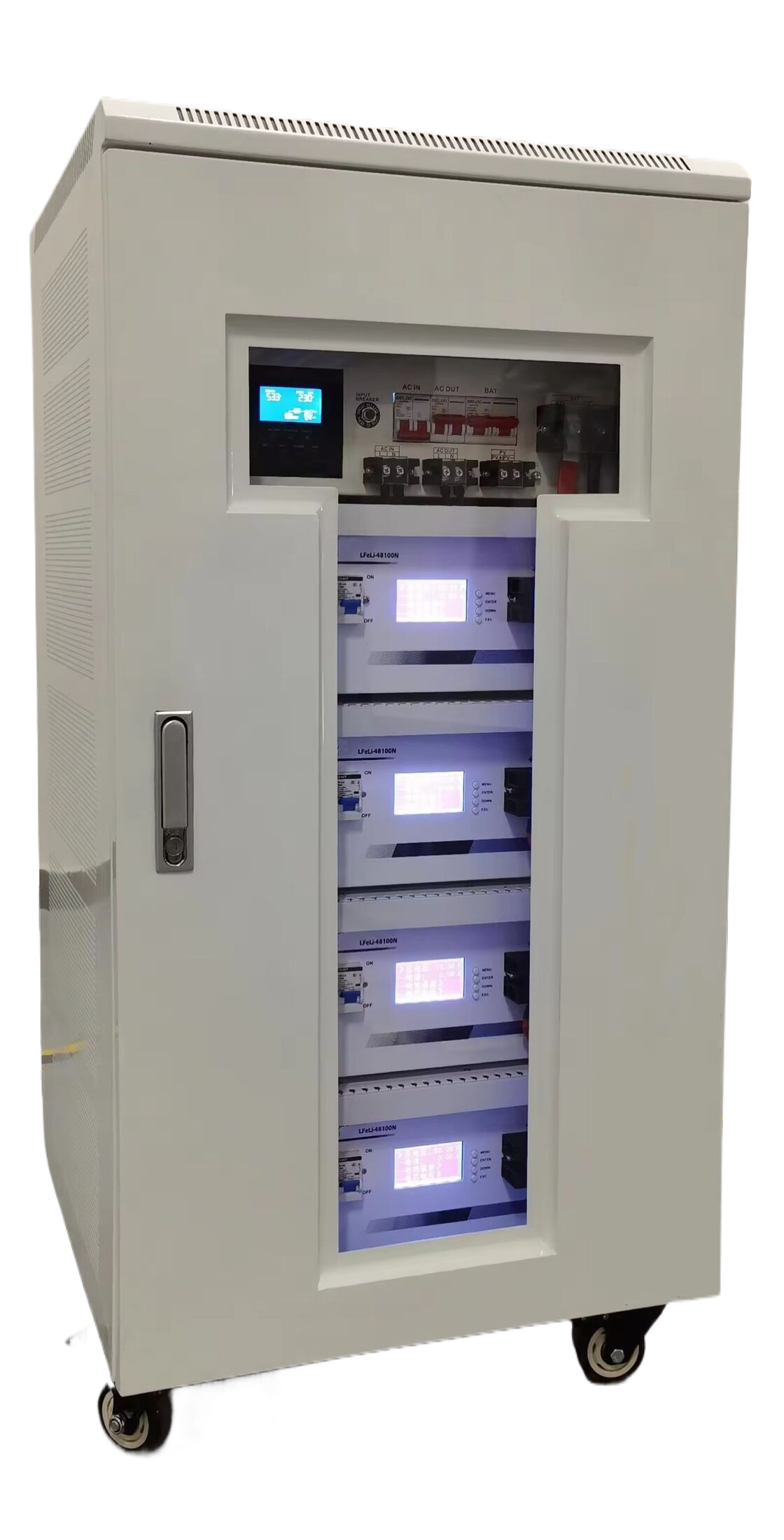
Well-designed Solutions for Energy Storage Systems
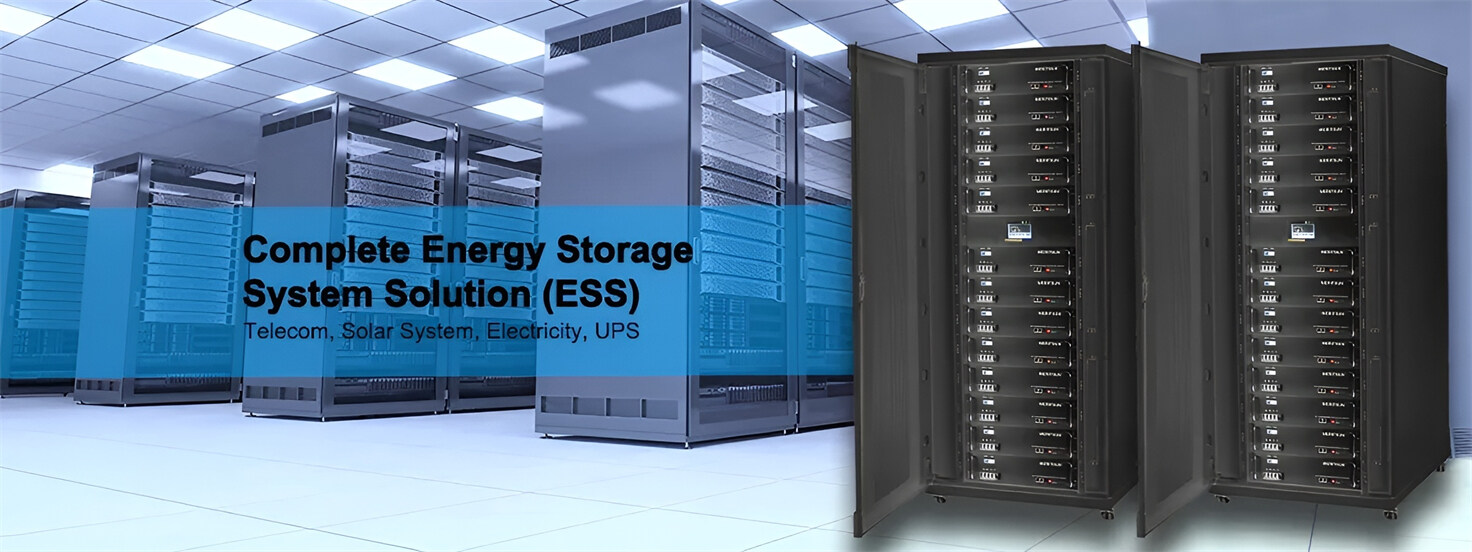
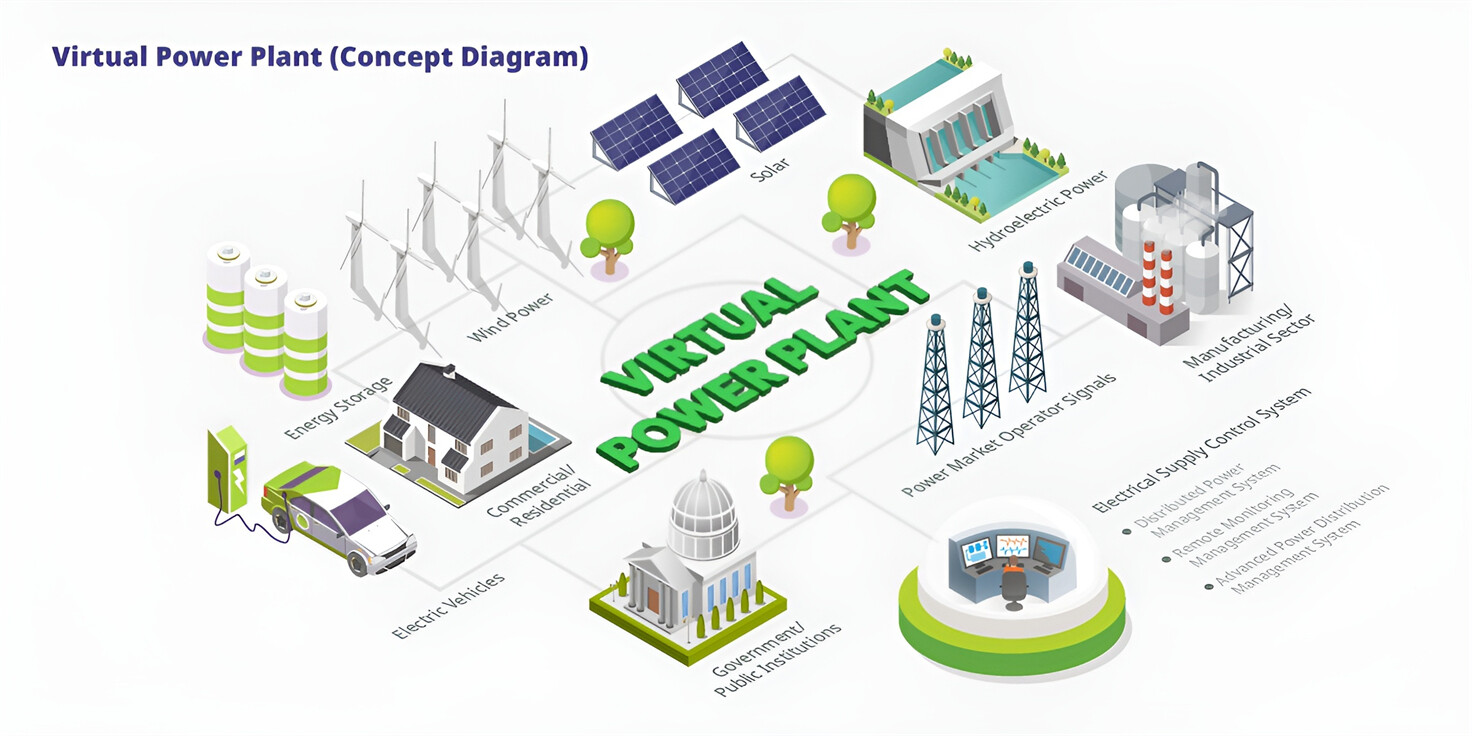
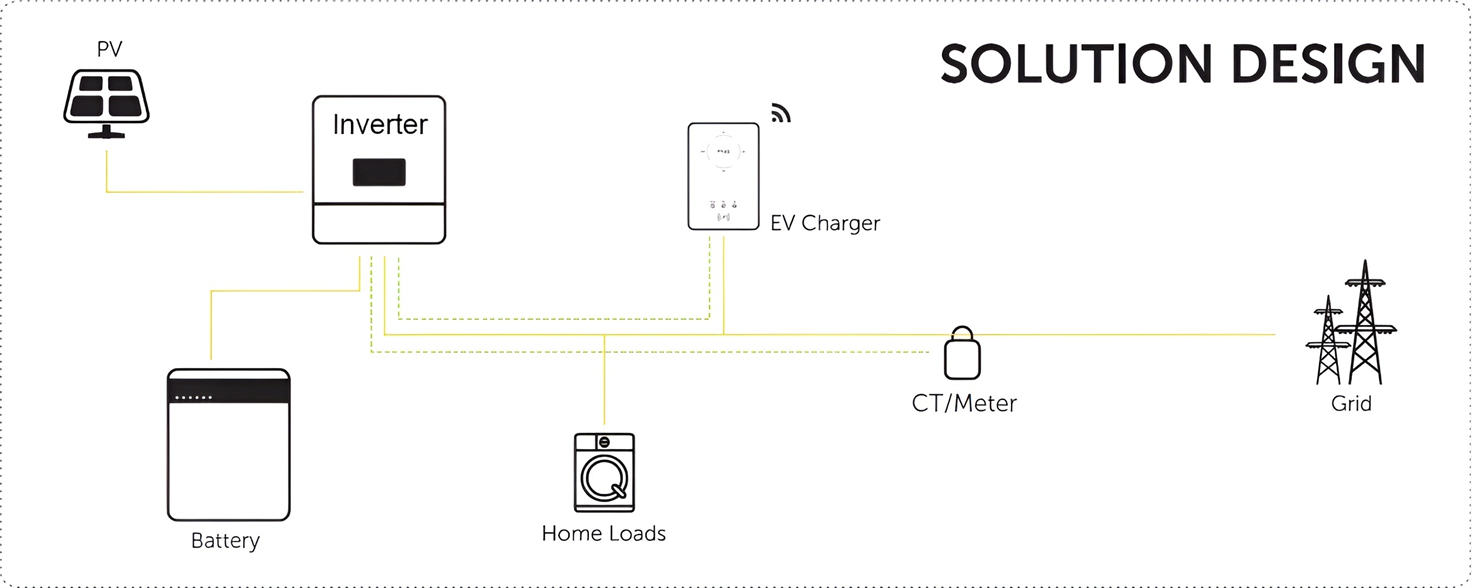
We will design the perfect energy storage system solution according to your needs, so that you can easily solve the specific industry applications of battery products.
About Our Battery Cells
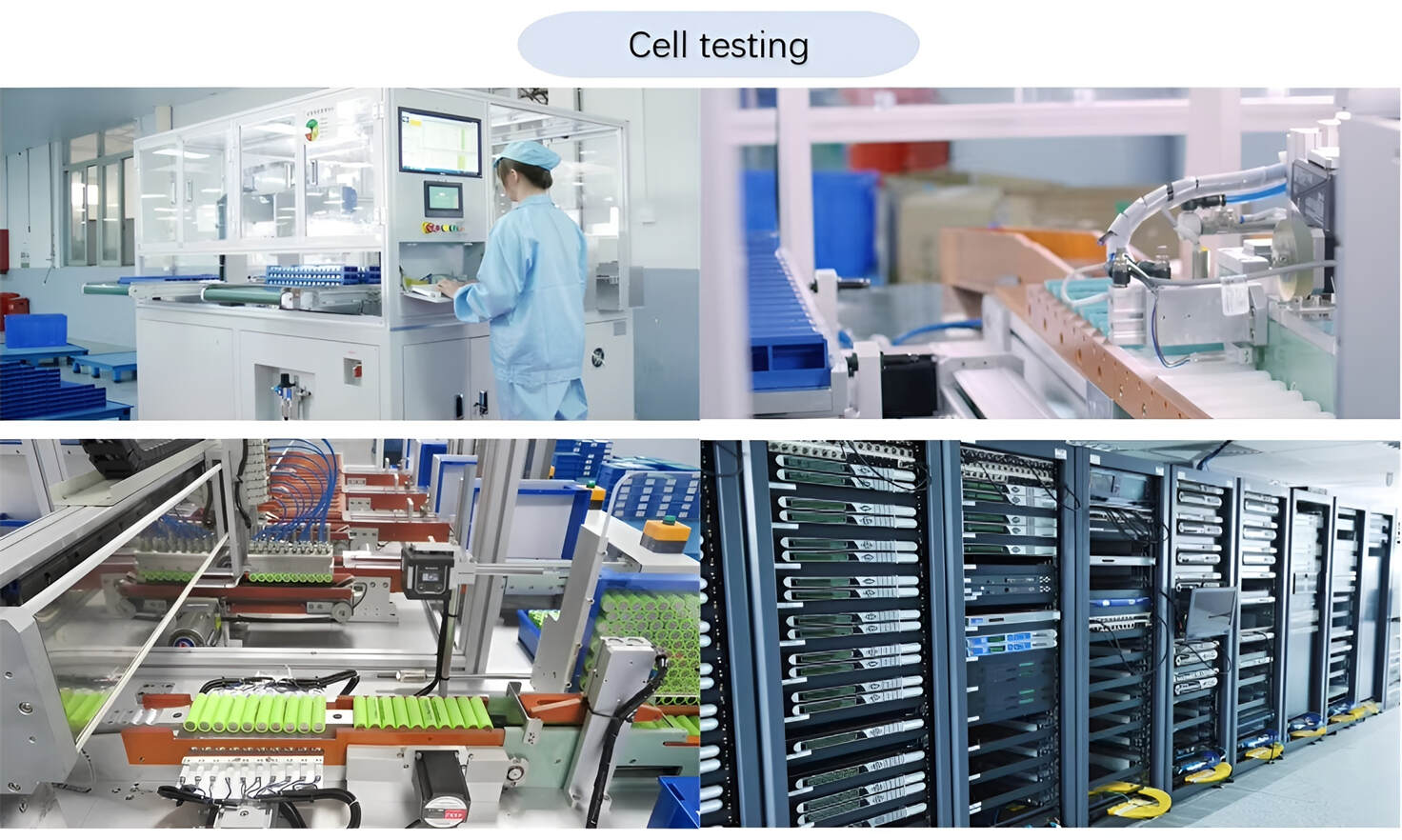
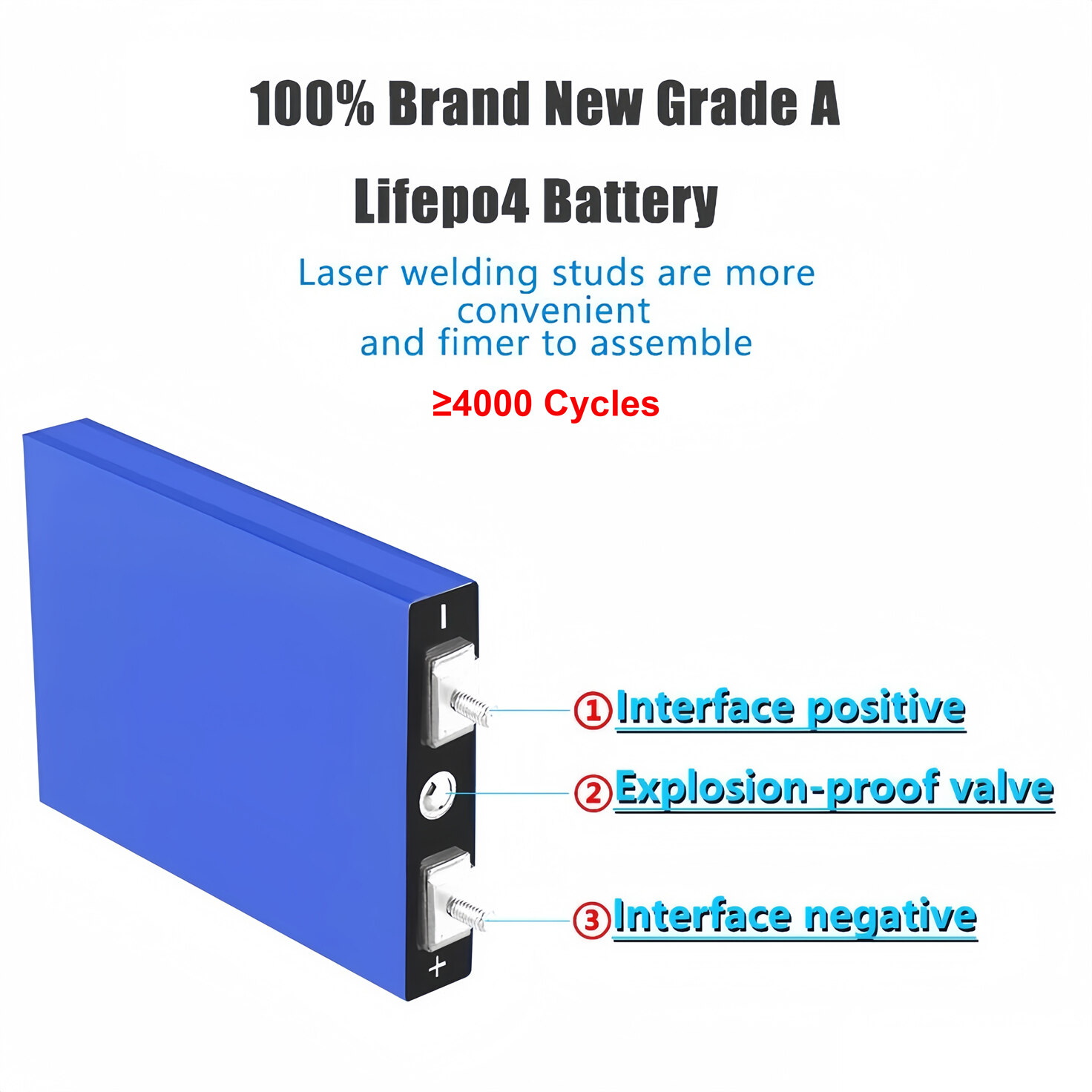
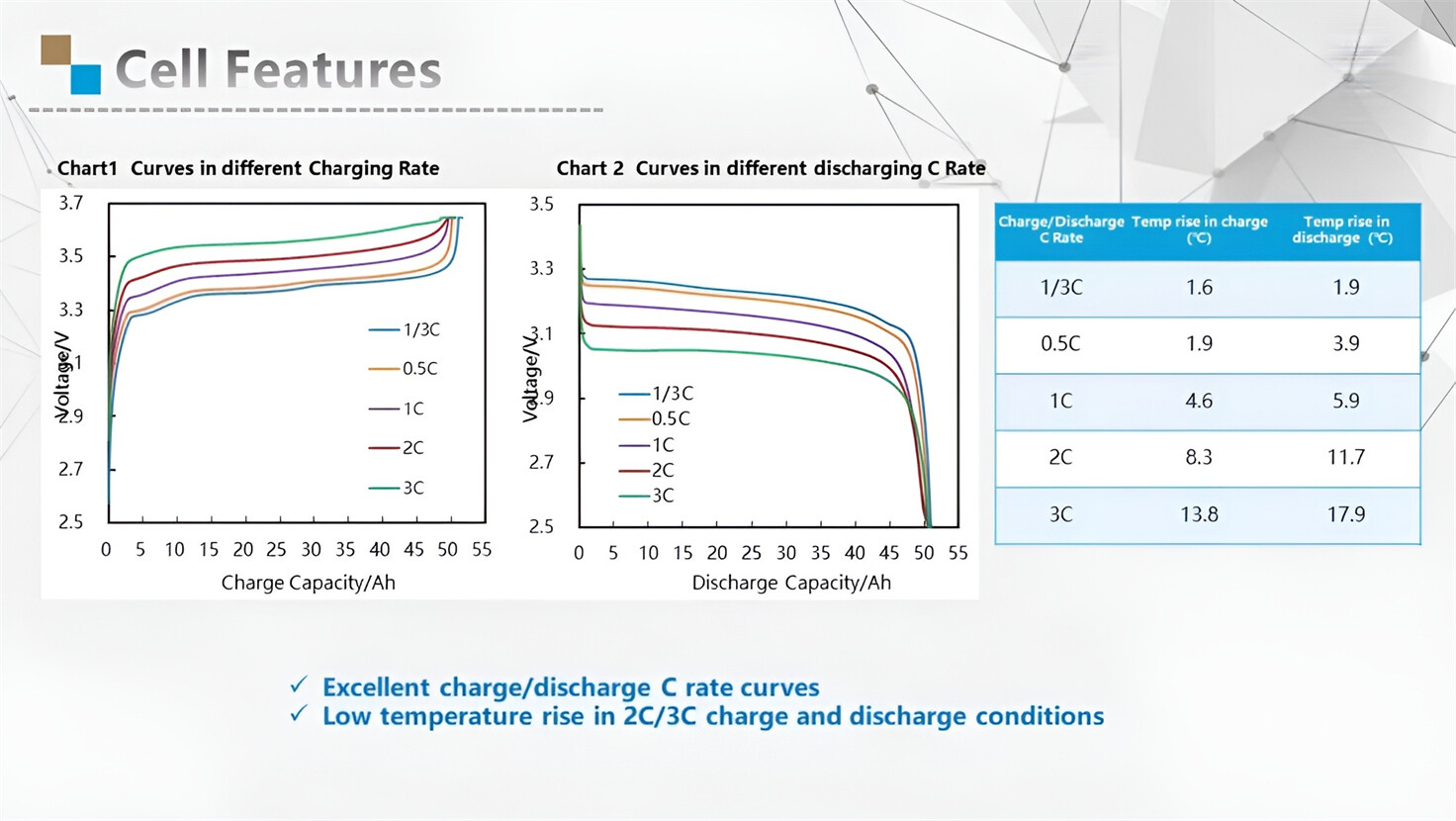
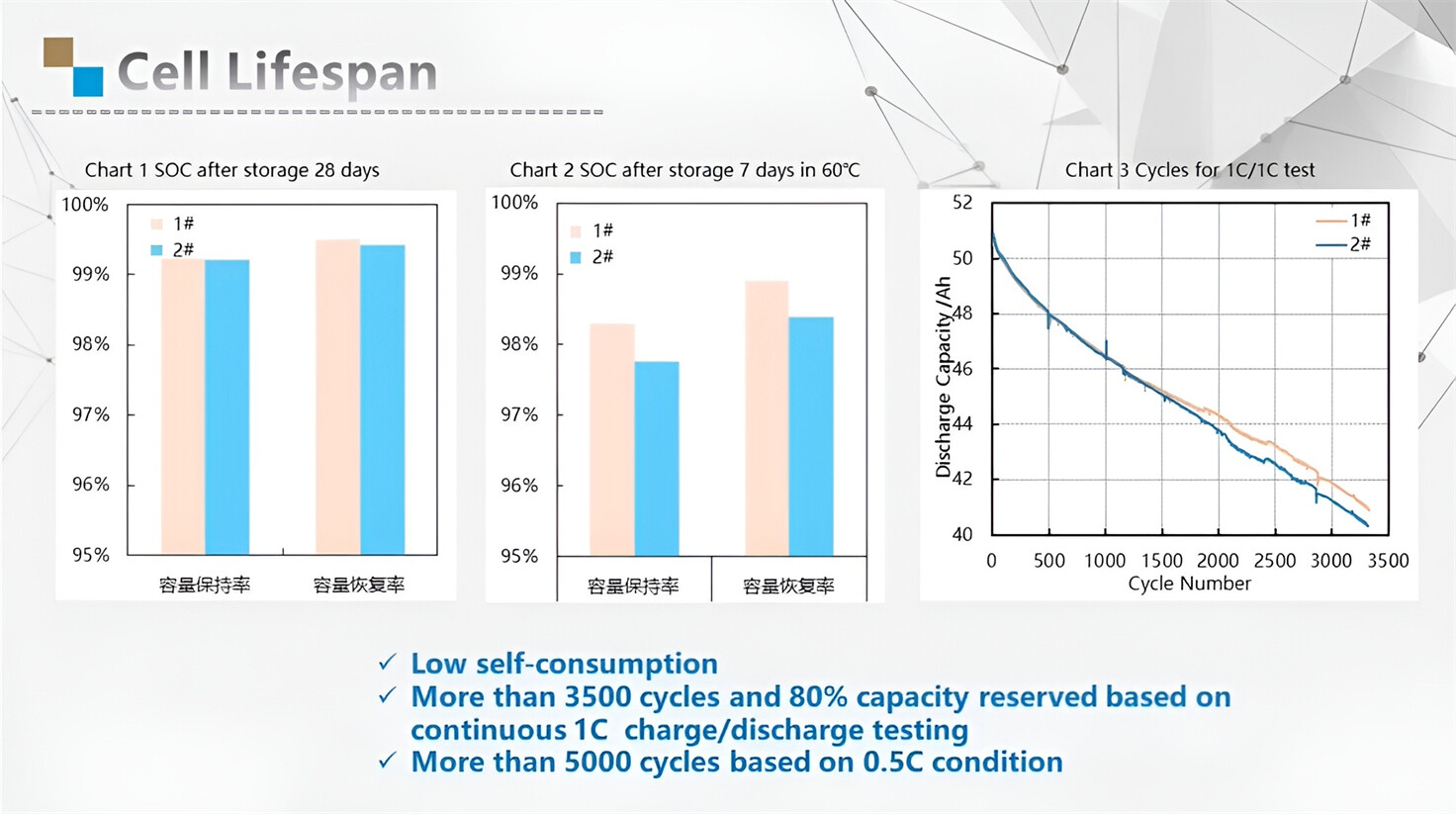
Our energy storage system products use brand new grade A LiFePO4 cells with a battery lifespan of more than 4,000 charge/discharge cycles.
Applications in Different Industries
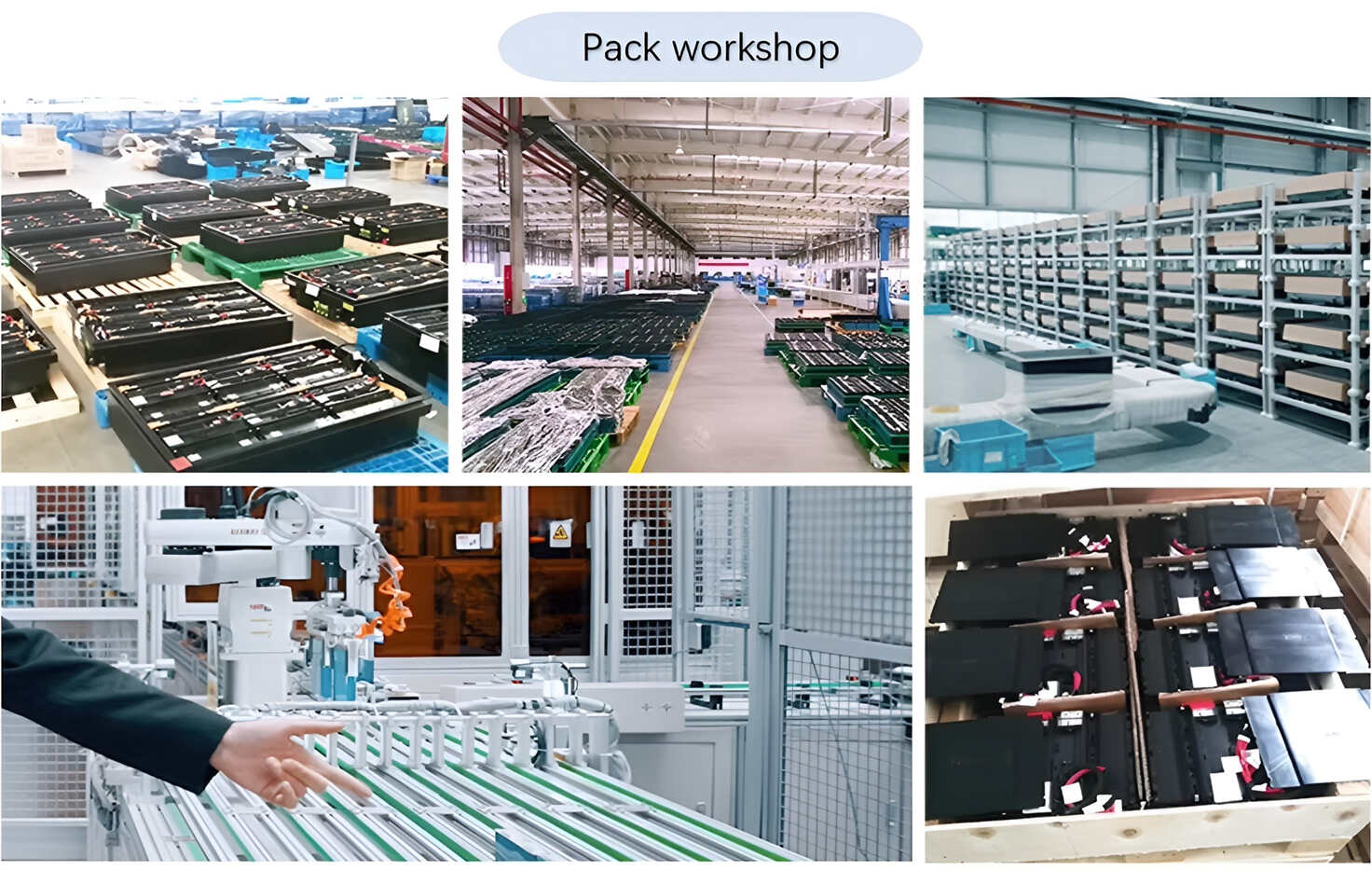
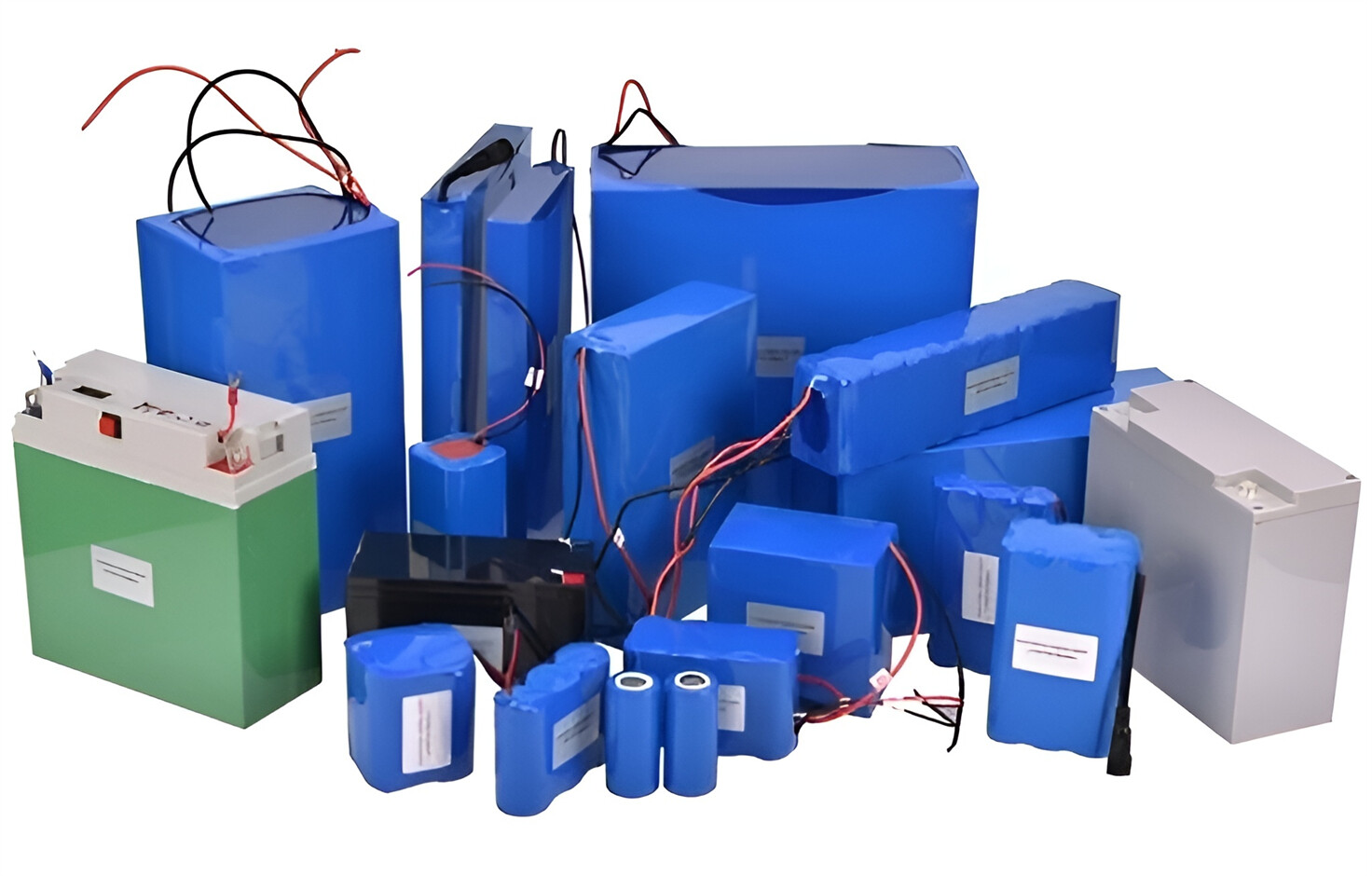
We supply customized & OEM battery pack, assemble cells with wiring, fuse and plastic cover, all the cell wires connected to PCB plug or built BMS.
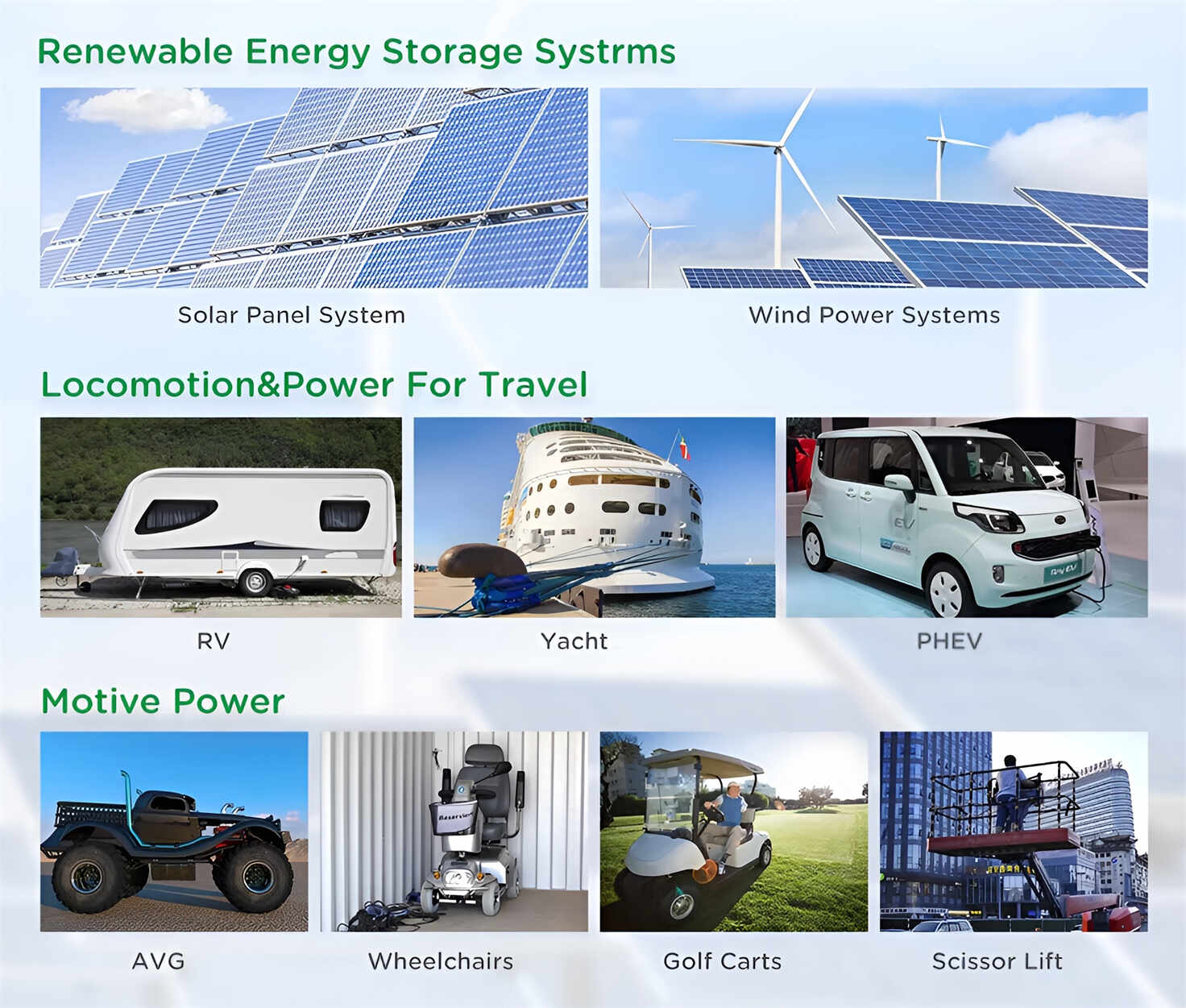
Applications: E-bike, Electric Scooter, Golf Carts, RV, Electric Wheelchair, Electric Tools, Robot Cleaner, Robot Sweeper, Solar Energy Storage System, Emergency Light, Solar Power Light, Medical Equipment, UPS Backup Power Supply.
We can provide you with customized services. We have the ability to provide a vertical supply chain, from single cells to pack/module and to a complete power solution with BMS, etc.
HomSolar (Shenzhen) Technology Co., Ltd