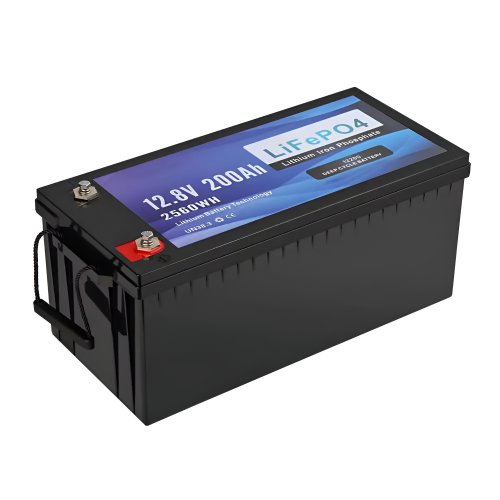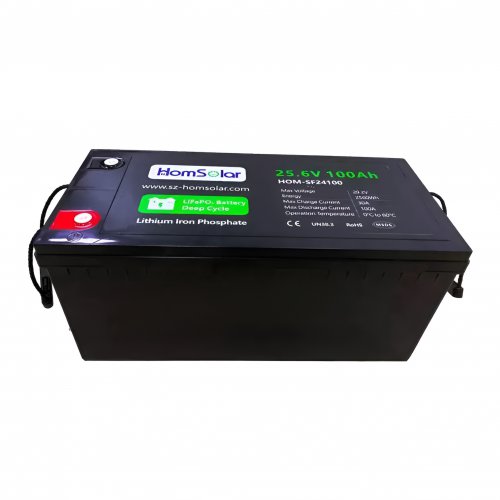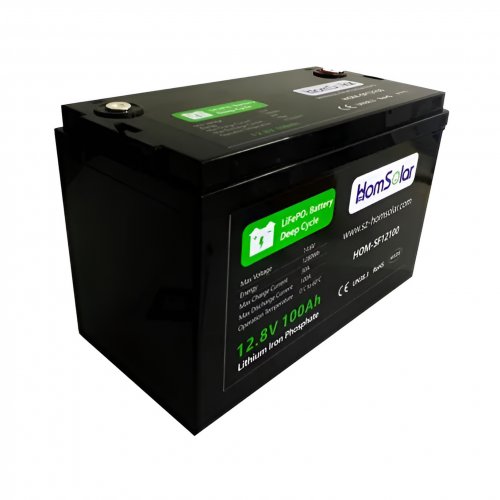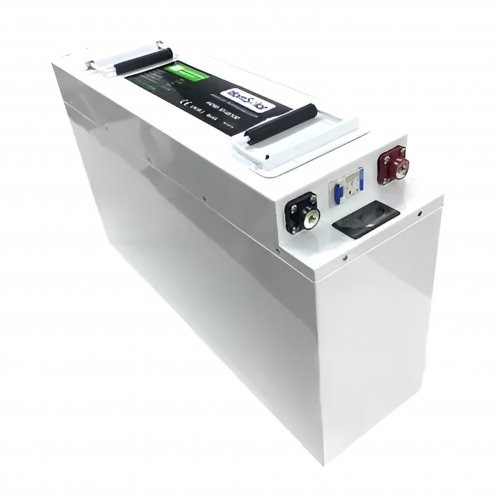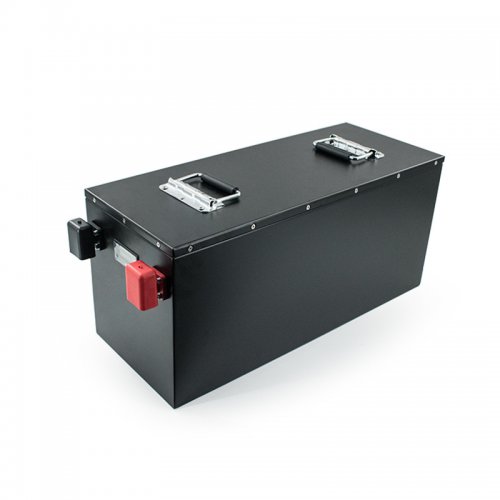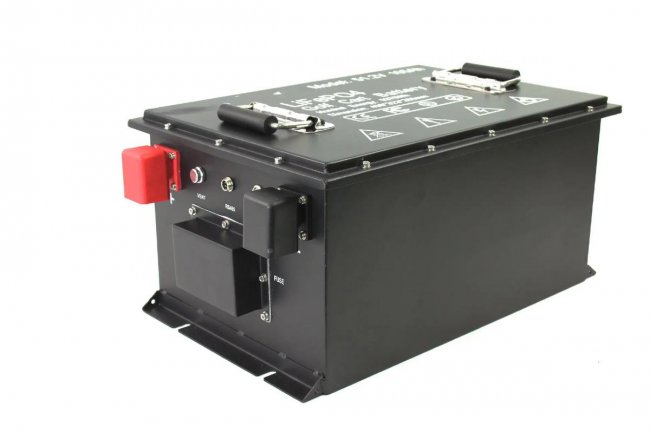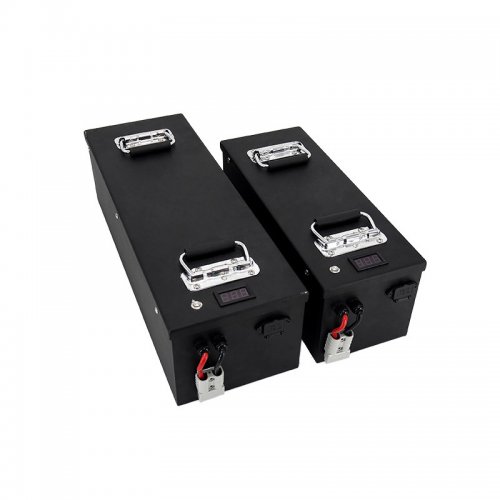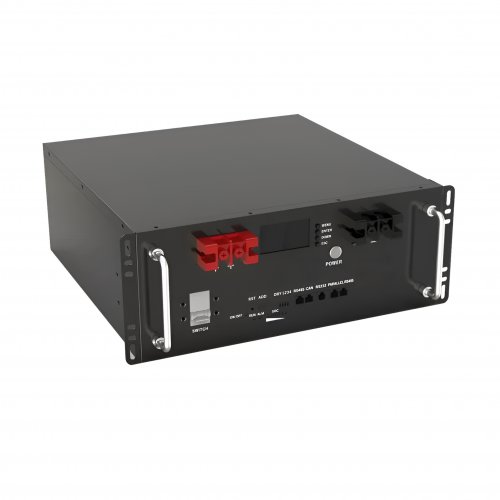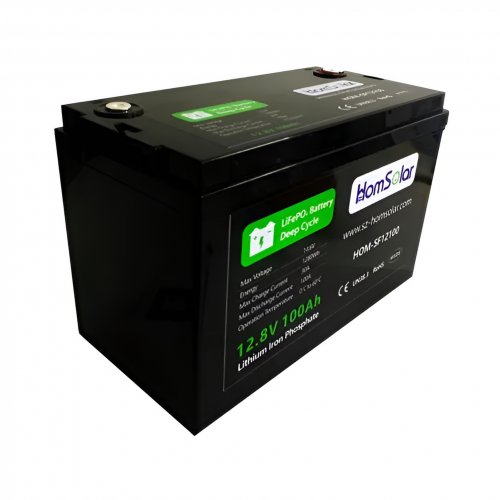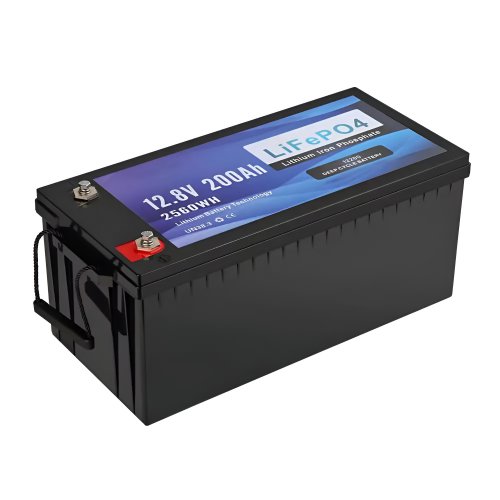
Lifepo4 Comparison Review: Unmatched Safety, Longevity, And Value
The quest for reliable, efficient, and safe energy storage is at the forefront of modern technology, powering everything from recreational vehicles and marine applications to solar energy systems and backup power. For years, lead-acid batteries were the default choice, but a significant shift is underway towards Lithium Iron Phosphate (LiFePO4 or LFP) chemistry. This review provides a comprehensive comparison of LiFePO4 batteries, not as a single product, but as a technology class, evaluating their core functions, inherent advantages, and practical performance against traditional alternatives.
Core Function and Technology Breakdown
At its heart, a LiFePO4 battery serves the same fundamental purpose as any other battery: to store electrical energy and release it on demand. However, the chemistry behind it is what sets it apart. Unlike the volatile chemistries found in some other lithium-ion batteries (like NMC or LCO), LiFePO4 uses a stable phosphate cathode. This fundamental difference dictates its entire performance profile.
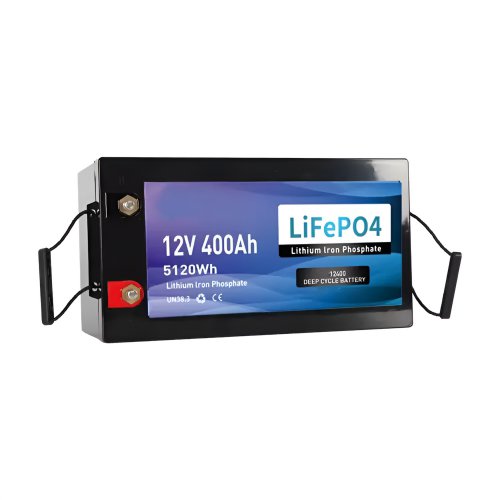
LiFePO4 batteries are designed as direct or enhanced replacements for lead-acid batteries (AGM, Gel), often coming in familiar group sizes (e.g., Group 24, Group 31) and operating at a nominal 12.8V, making them compatible with many existing systems. Their primary function is to provide deep-cycle power, meaning they can be regularly discharged and recharged significantly without damage, a key requirement for off-grid power, trolling motors, and house batteries.
The Advantages: Where LiFePO4 Truly Shines
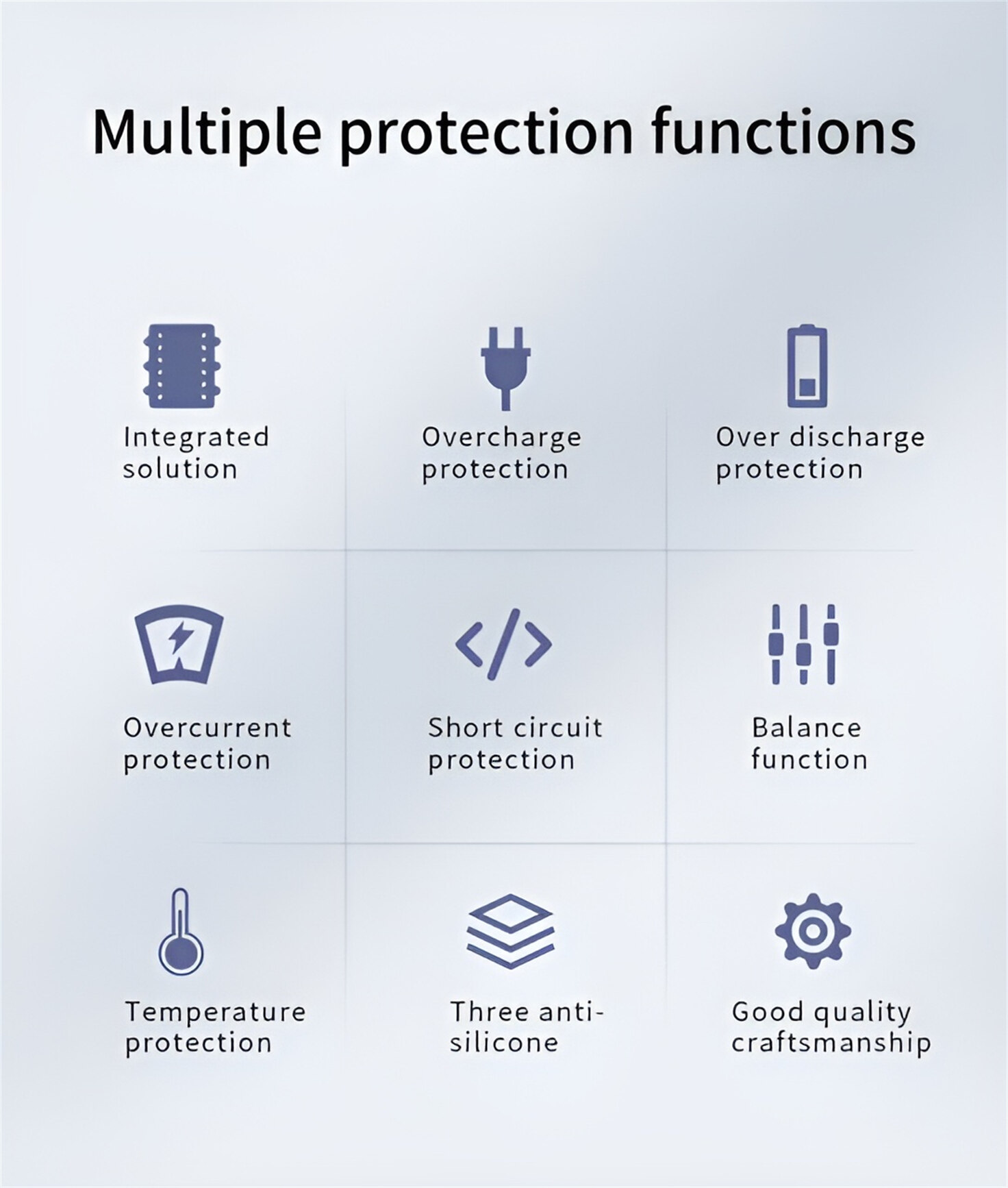
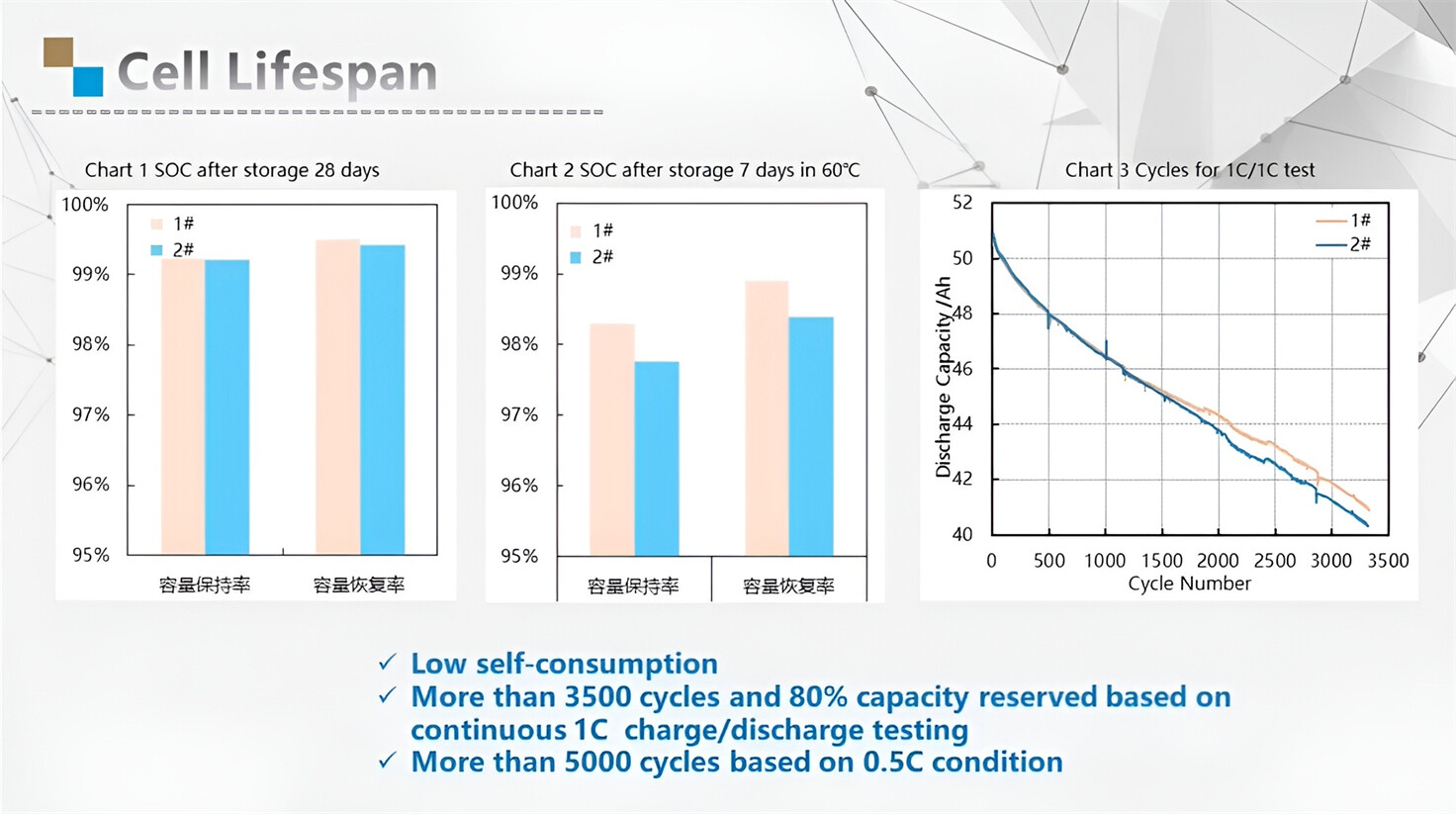
When compared to traditional battery technologies, LiFePO4 presents a compelling list of benefits.Exceptional Cycle Life: This is arguably the most significant advantage. A quality LiFePO4 battery can endure 2,000 to 5,000 complete charge-discharge cycles while retaining 80% of its original capacity. In contrast, a lead-acid battery typically manages 300-500 cycles before severe degradation. This translates to a lifespan of 5-10 years for LiFePO4 versus 1-3 years for lead-acid under similar use.Superior Depth of Discharge (DoD): LiFePO4 batteries can be safely discharged to 80-90% of their capacity regularly without harm. Using 100Ah as an example, you have access to 80-90Ah of usable energy. A lead-acid battery, however, should not be discharged beyond 50% if you wish to preserve its lifespan, meaning only 50Ah of the 100Ah is practically usable. This effectively doubles the usable capacity of a LiFePO4 battery of the same stated Amp-hour rating.Lightweight and Compact: Lithium is a much lighter element than lead. A LiFePO4 battery can be less than half the weight of a comparable lead-acid battery with similar usable capacity, a critical factor for RVs, boats, and portable power stations where every kilogram matters.High Efficiency and Fast Charging: LiFePO4 batteries exhibit very low internal resistance. They can accept a charge much faster than lead-acid, often charging at 1C (a full charge in one hour) compared to the slower absorption charging required by AGM batteries. They also have nearly 99% charge efficiency, meaning almost all the energy you put in is stored, unlike lead-acid, which can see losses of 15-20%.Maintenance-Free and Safe Operation: There is no need to check water levels or perform equalization charges. The built-in Battery Management System (BMS) protects against overcharging, over-discharging, short circuits, and extreme temperatures. The LiFePO4 chemistry is intrinsically stable and far less prone to thermal runaway compared to other lithium-ion types, making it one of the safest battery chemistries available.
The Disadvantages: Considering the Drawbacks
No technology is perfect, and LiFePO4 has its own set of limitations that must be considered.Higher Initial Cost: The most immediate barrier is the upfront price. A LiFePO4 battery can cost two to three times more than a lead-acid battery of the same nominal capacity. However, a true cost analysis must factor in its much longer lifespan and greater usable capacity, often making it cheaper in the long run (cost per cycle).BMS Dependency and Complexity: The health and safety of a LiFePO4 battery are entirely dependent on its internal BMS. A failure in this electronic component can render the entire battery useless, whereas a simple lead-acid battery has no such complex electronics.Performance in Extreme Cold: While generally robust, LiFePO4 batteries cannot bechargedat temperatures below 0°C (32°F) without risking permanent damage. The BMS in quality batteries will typically prevent this, but it is a crucial operational constraint in frigid environments. Discharging at low temperatures is still possible but with reduced capacity.Voltage Compatibility: While the nominal voltage is similar, the discharge curve of LiFePO4 is very flat, staying around 13.2V-13.4V for most of the discharge cycle before dropping sharply. Some older inverters or equipment calibrated for the steadily declining voltage of lead-acid might misinterpret the state of charge or behave unexpectedly.
Practical Usage and Real-World Experience
In daily use, the advantages of LiFePO4 become immediately apparent. For an RV owner, the ability to power appliances like a compressor fridge, induction cooktop, and lighting through the night without worrying about damaging the battery is transformative. The weight savings directly improve fuel efficiency and payload capacity. The lack of maintenance is a significant quality-of-life improvement.
In a solar power setup, the high charge efficiency means more of the precious solar energy is captured and stored. The battery reaches full charge faster in the morning, maximizing the use of available sunlight. For a boat owner, the safety aspect is paramount; the non-gassing nature of LiFePO4 eliminates the risk of hydrogen gas buildup in enclosed spaces.
The primary challenge during use is often the initial system integration. Ensuring your existing charger or solar charge controller is compatible with lithium charging profiles is essential. An upgrade to a "lithium-smart" charger may be required to fully leverage the battery's fast-charging capability.
Objective Conclusion
The LiFePO4 battery represents a mature and superior technology for deep-cycle applications. Its high initial cost is justified by an unparalleled cycle life, greater usable energy, and significant weight savings. The technology's inherent safety profile provides significant peace of mind.
However, it is not a universal, drop-in solution without consideration. Users in consistently sub-freezing environments must have provisions for battery heating during charging. The investment only makes financial sense for users who will actively utilize the battery's deep-cycle capabilities. For an application where a battery sits fully charged 95% of the time as a backup, a lead-acid battery might be a more economical, albeit less performant, choice.
Ultimately, the LiFePO4 comparison reveals a technology that delivers on its promises of longevity, power, and safety. For anyone serious about energy independence for their RV, boat, or home, and who views the purchase as a long-term investment, LiFePO4 is the unequivocal leader in the field, rendering traditional lead-acid batteries largely obsolete for demanding, cyclic use.
Customized/OEM/ODM Service
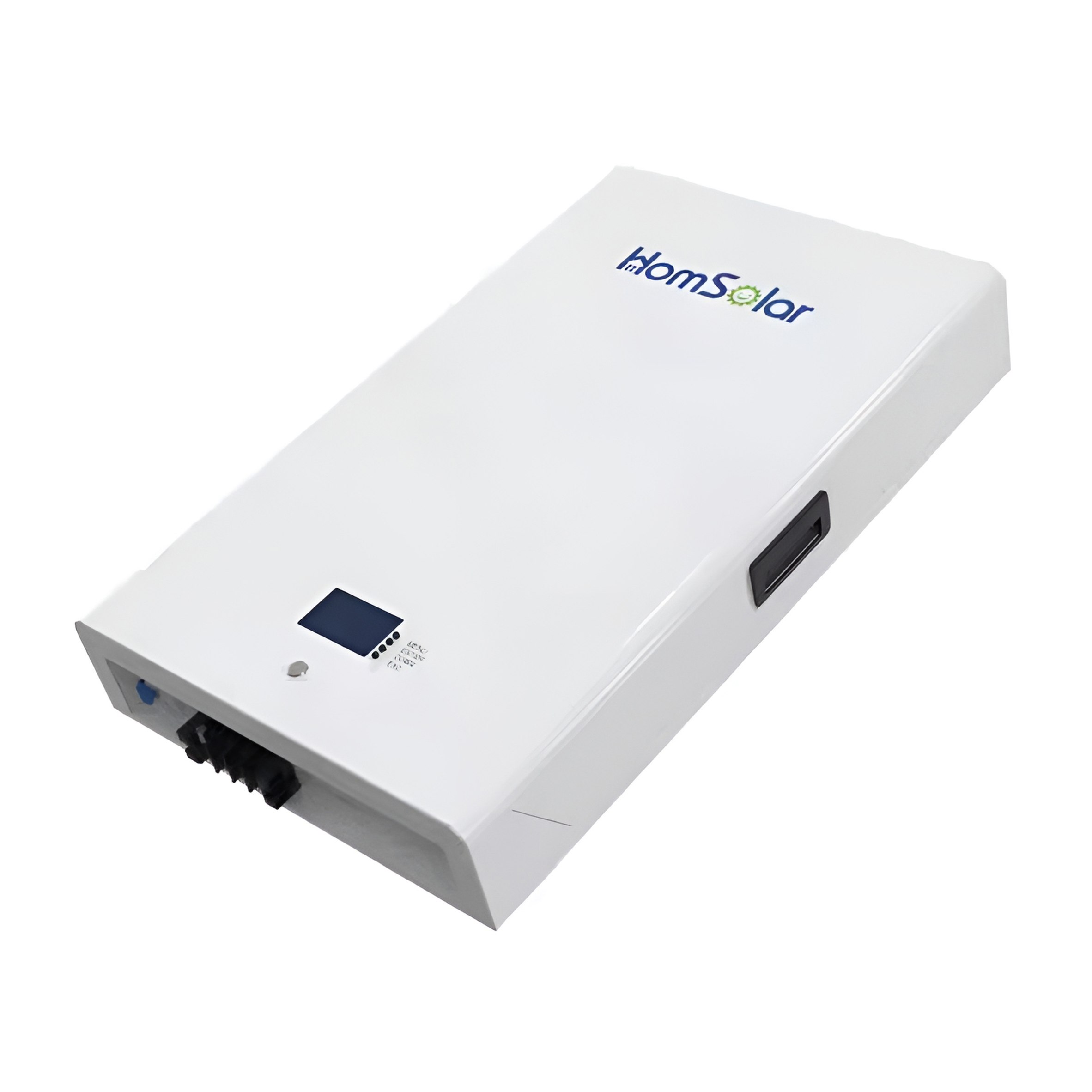
HomSolar Supports Lifepo4 battery pack customization/OEM/ODM service, welcome to contact us and tell us your needs.

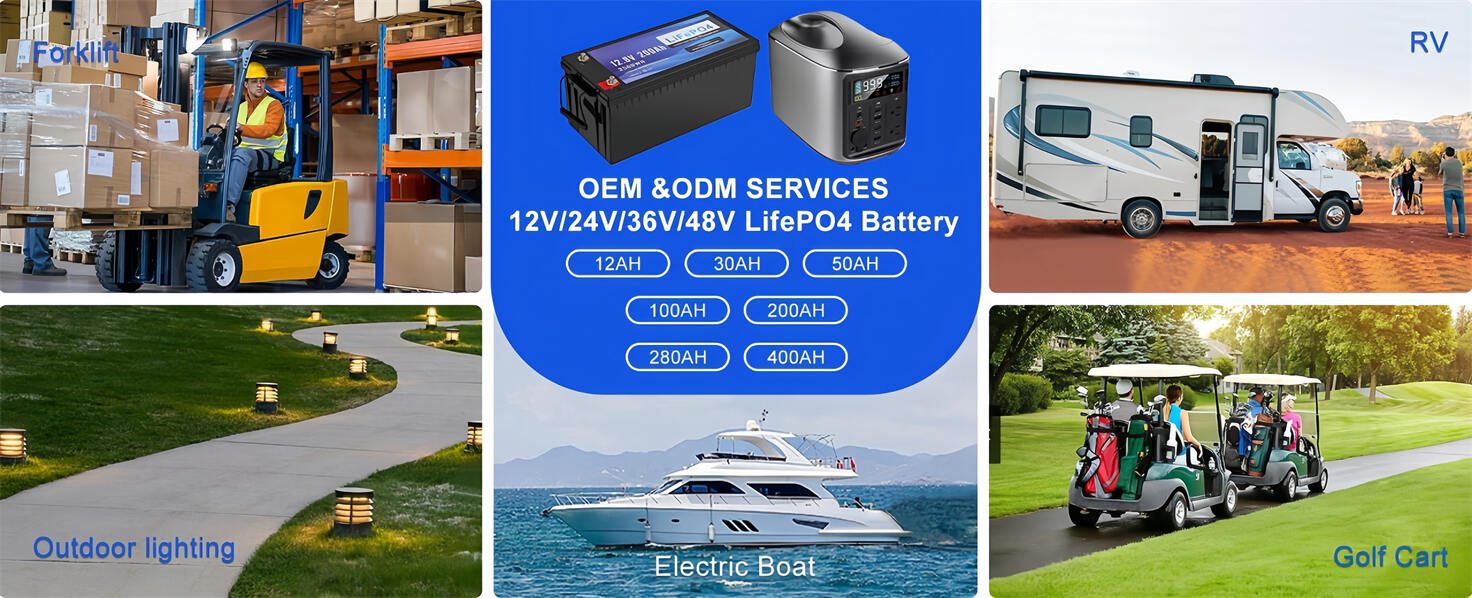
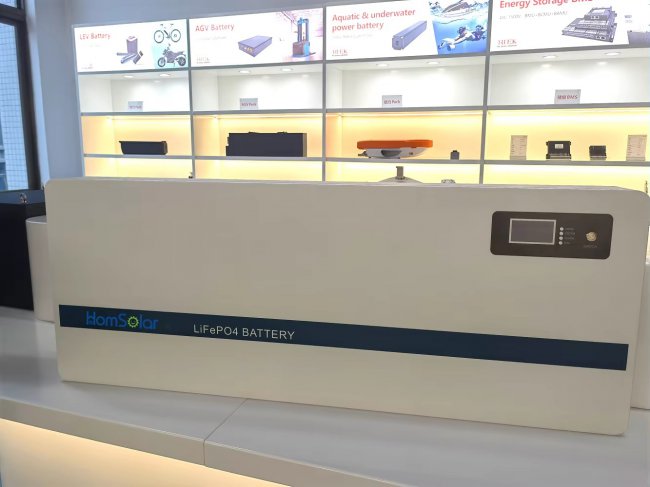
HomSolar: Your One-stop LiFePO4 Battery Pack & ESS Solution Manufacturer
Our line of LiFePO4 (LFP) batteries offer a solution to demanding applications that require a lighter weight, longer life, and higher capacity battery. Features include advanced battery management systems (BMS), Bluetooth® communication and active intelligent monitoring.
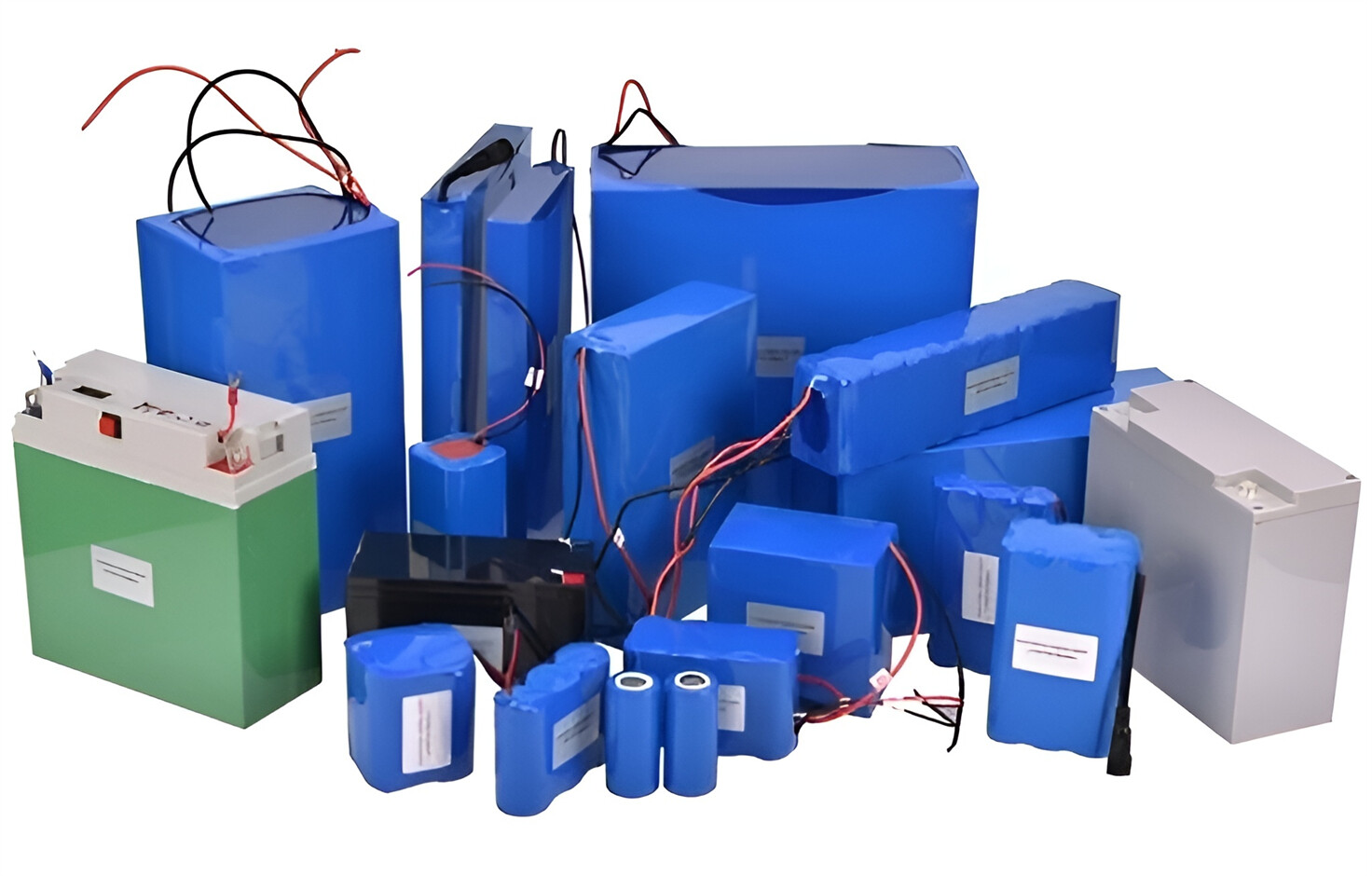
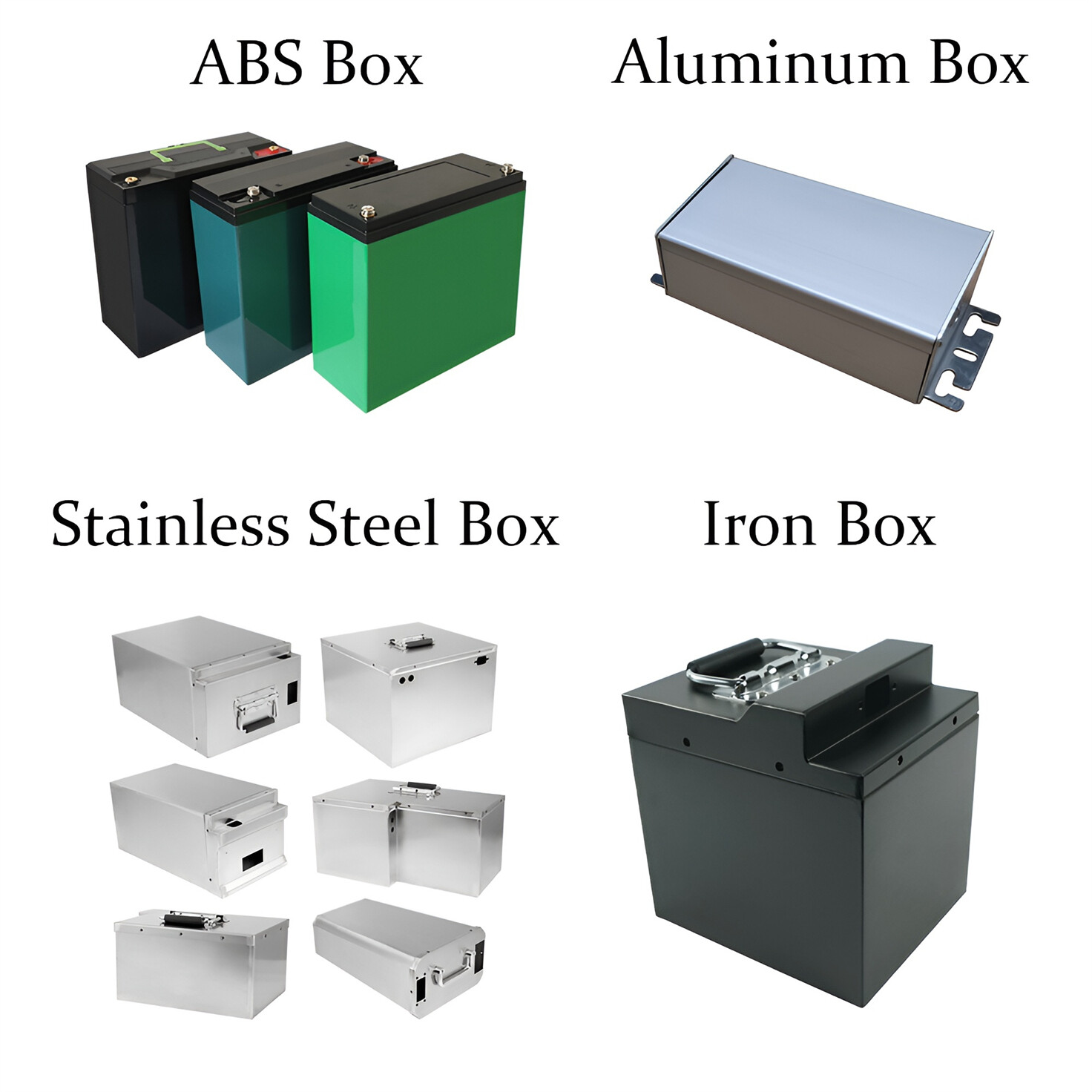
Customised Lithium Iron Phosphate Battery Casing
ABS plastic housing, aluminium housing, stainless steel housing and iron housing are available, and can also be designed and customised according to your needs.
HomSolar Smart BMS
Intelligent Battery Management System for HomSolar Energy Storage System. Bluetooth, temperature sensor, LCD display, CAN interface, UART interface also available.

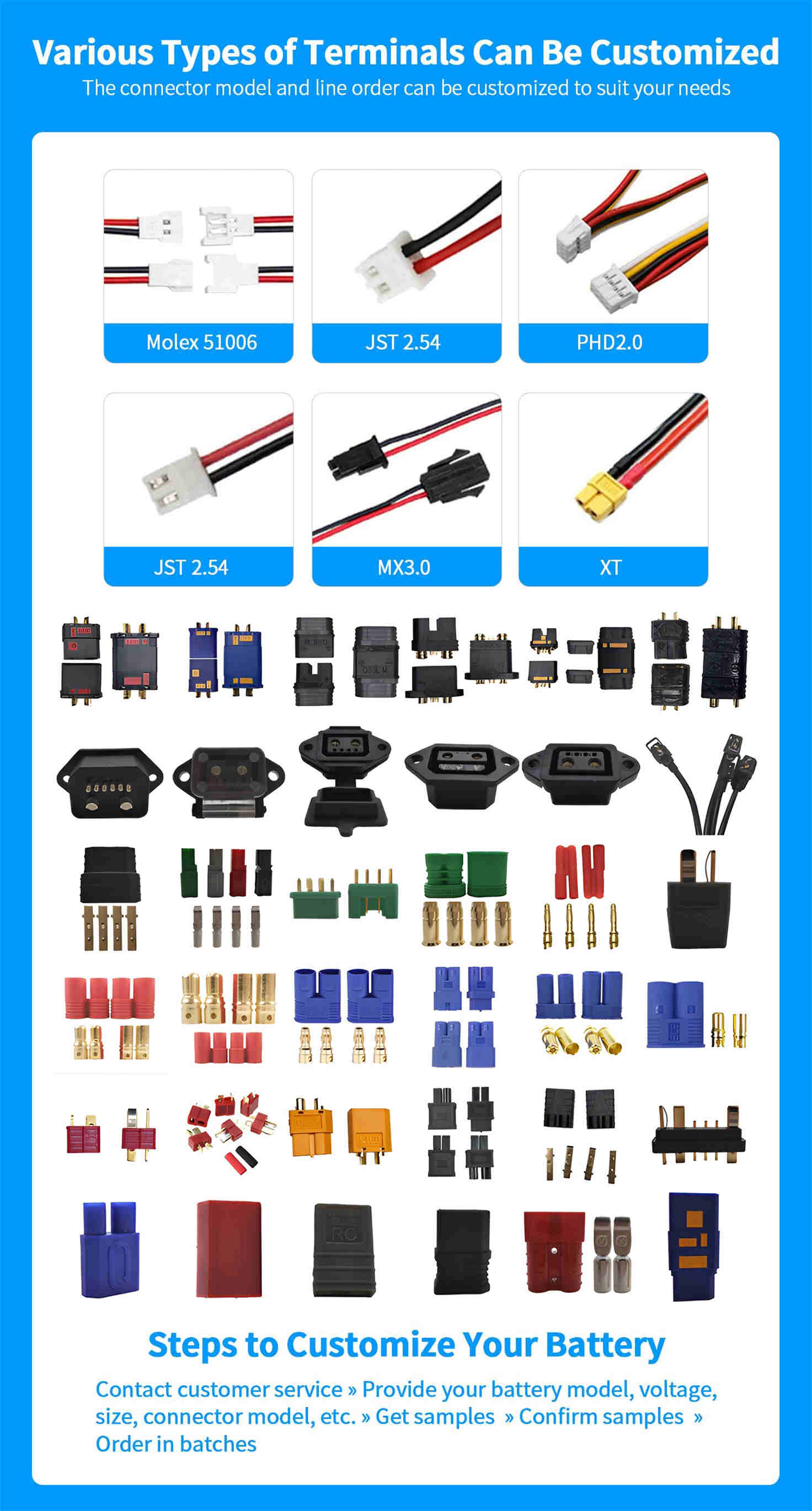
Terminals & Plugs Can Be Customized
A wide range of terminals and plugs can be customised to suit the application needs of your battery products.
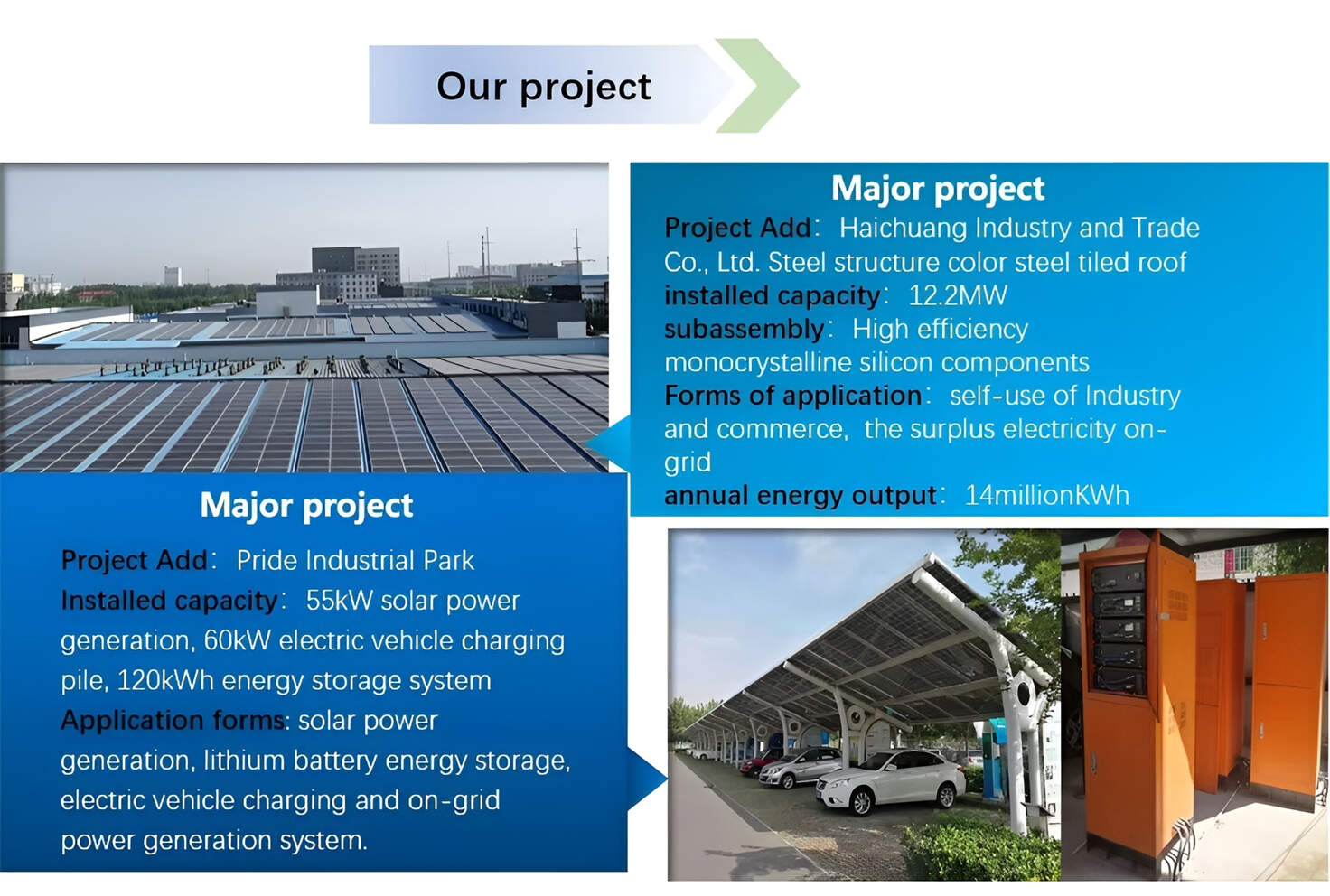
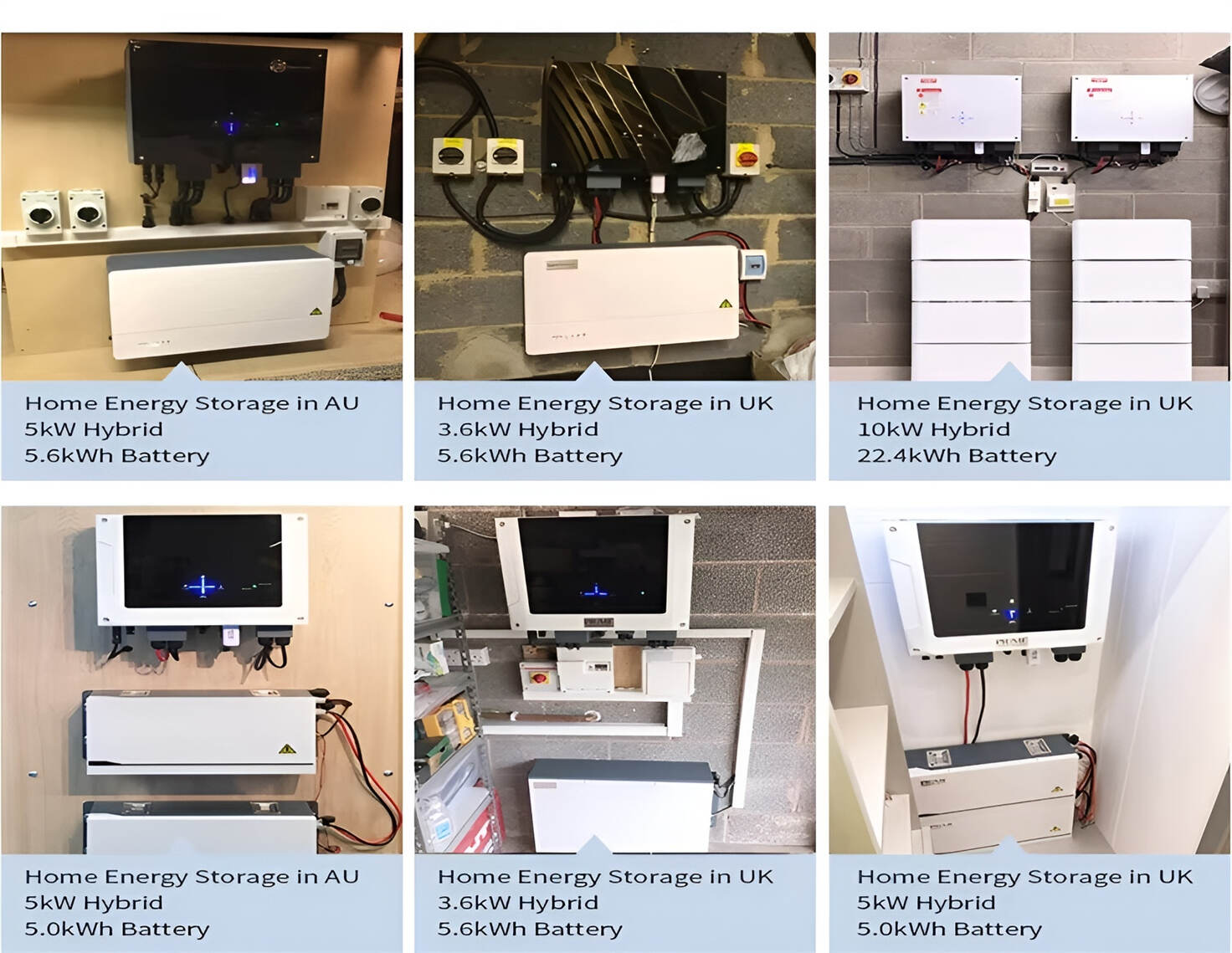
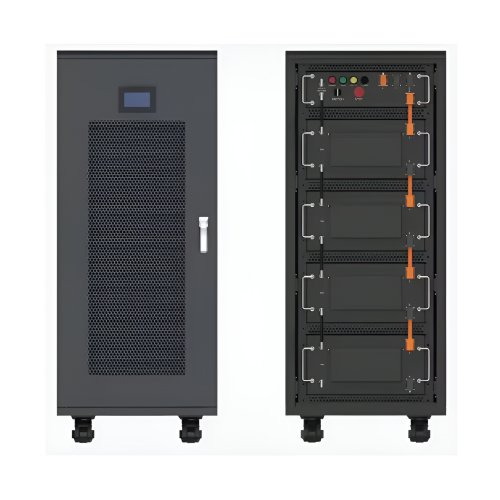
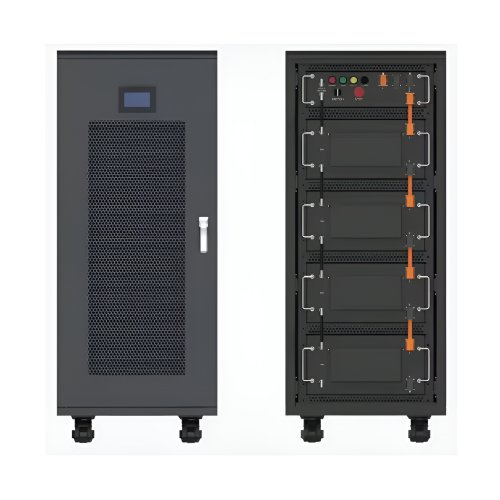
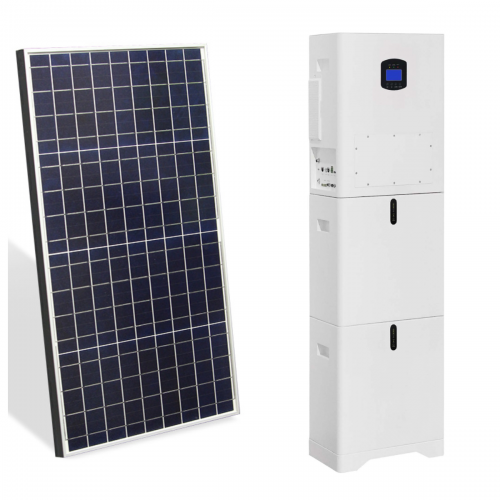
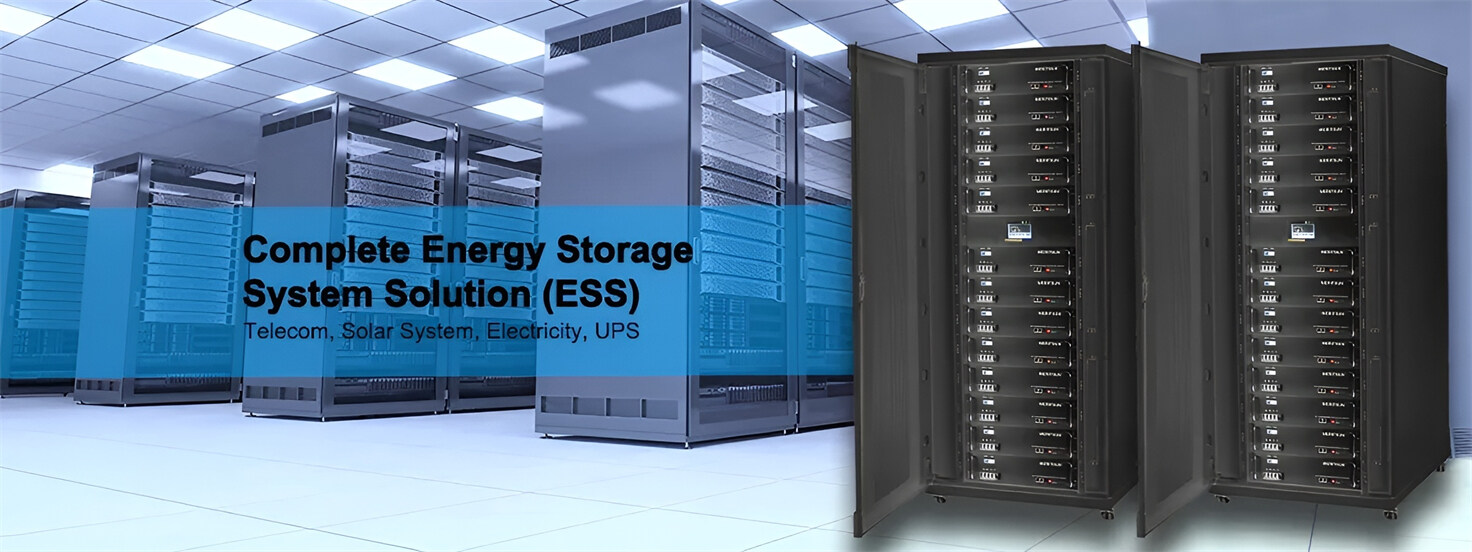
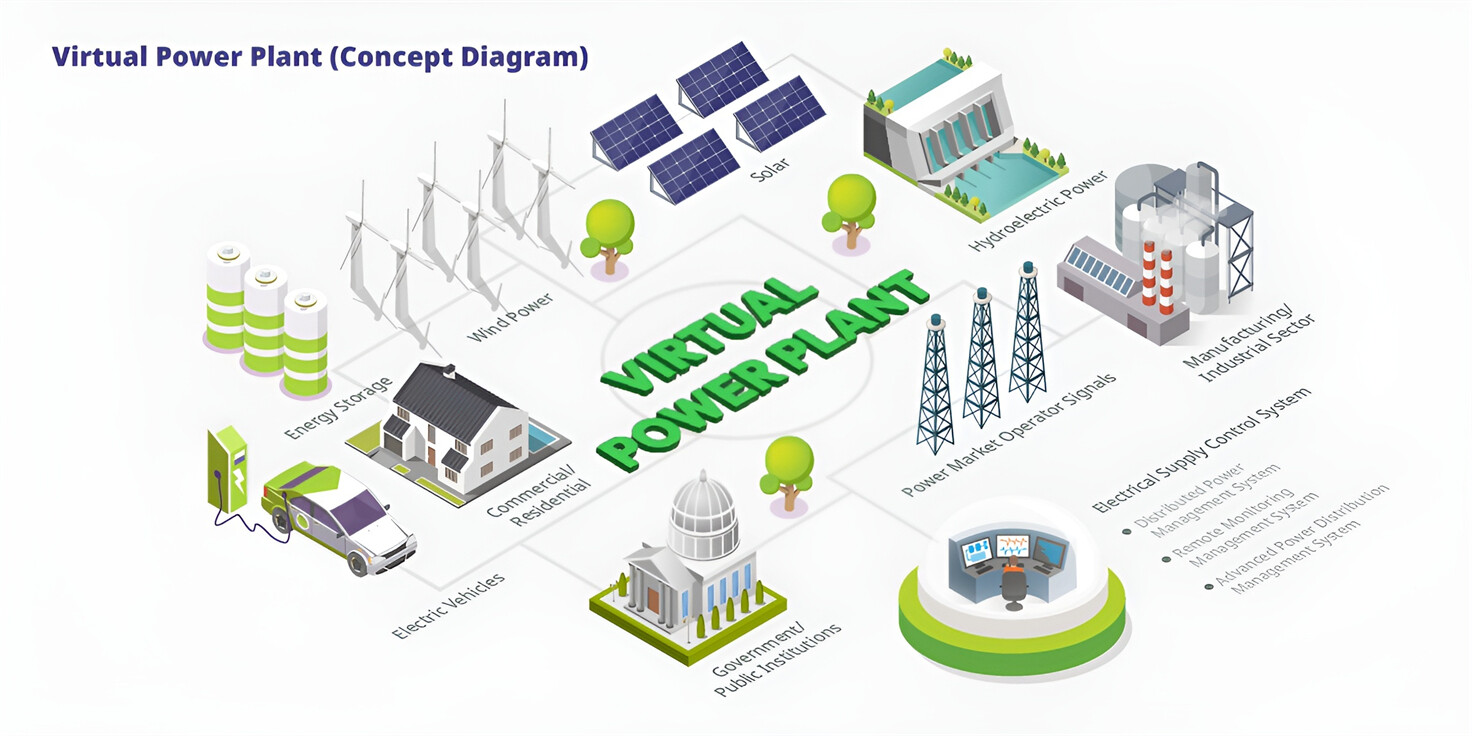
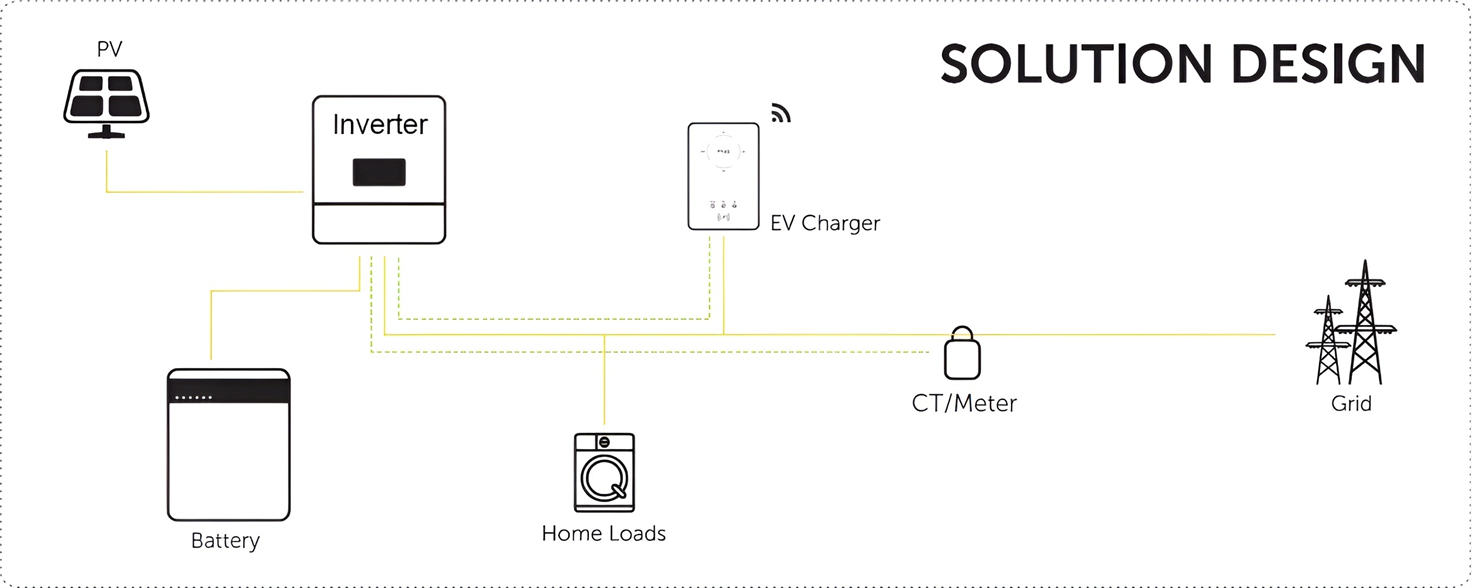
Well-designed Solutions for Energy Storage Systems
We will design the perfect energy storage system solution according to your needs, so that you can easily solve the specific industry applications of battery products.
About Our Battery Cells
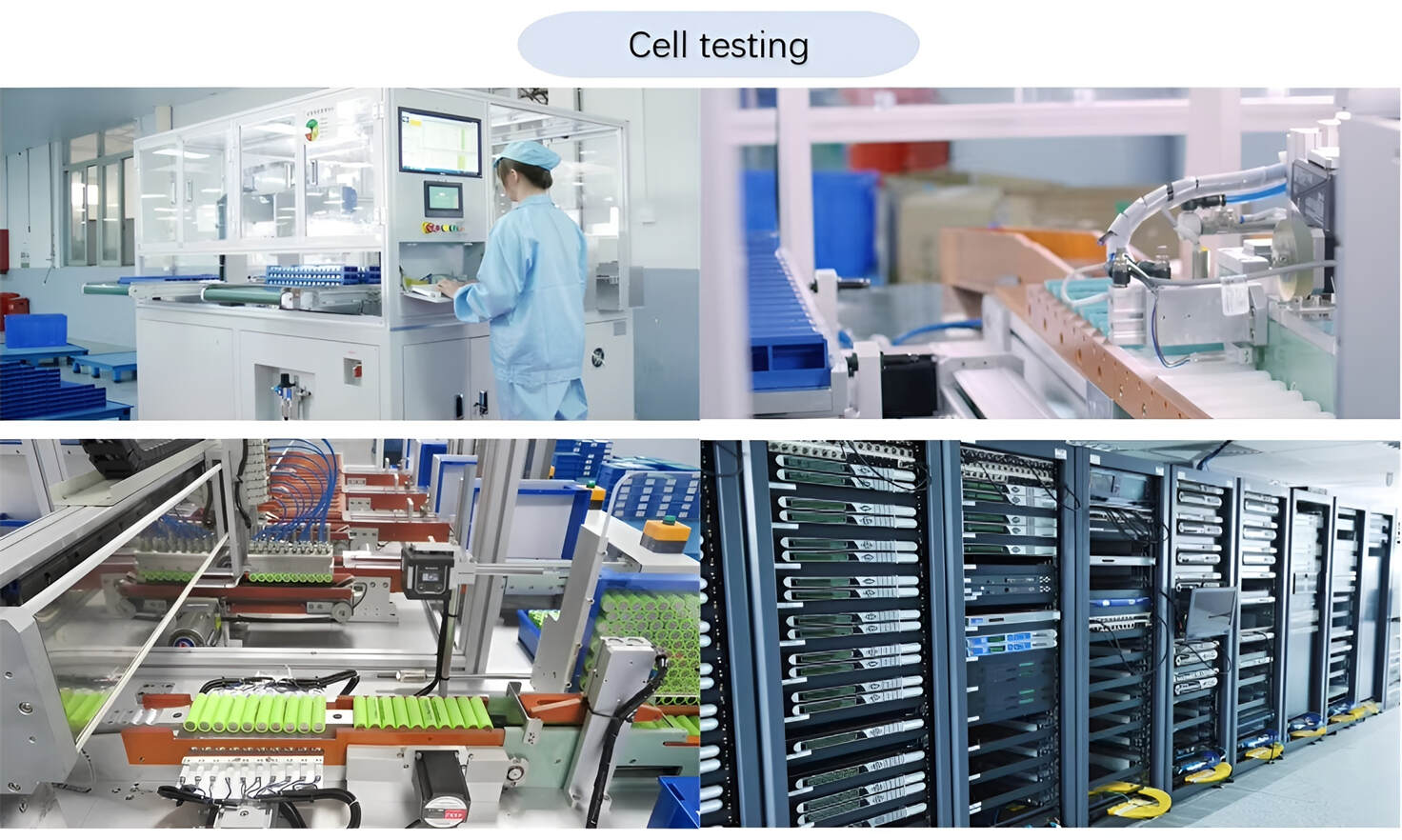
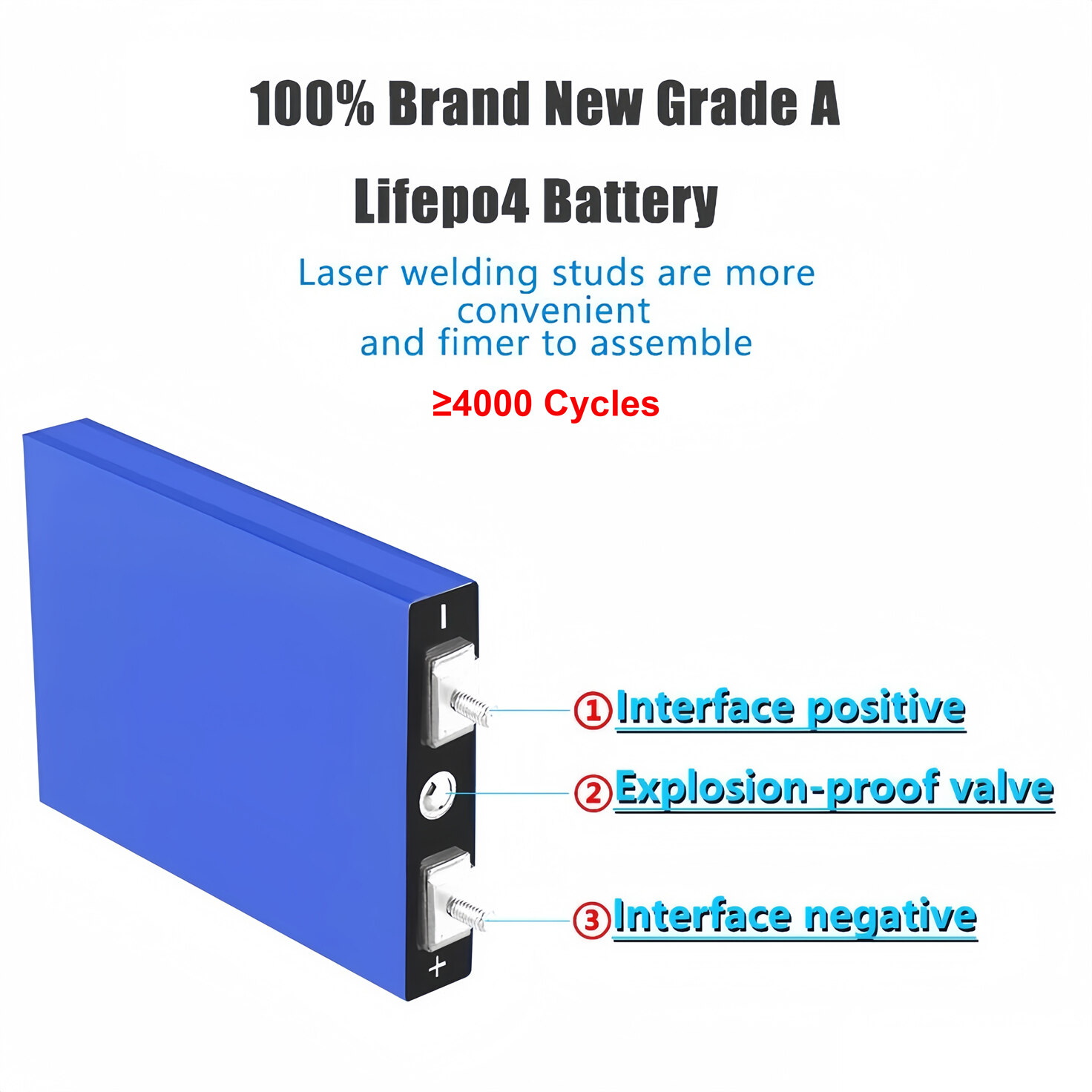
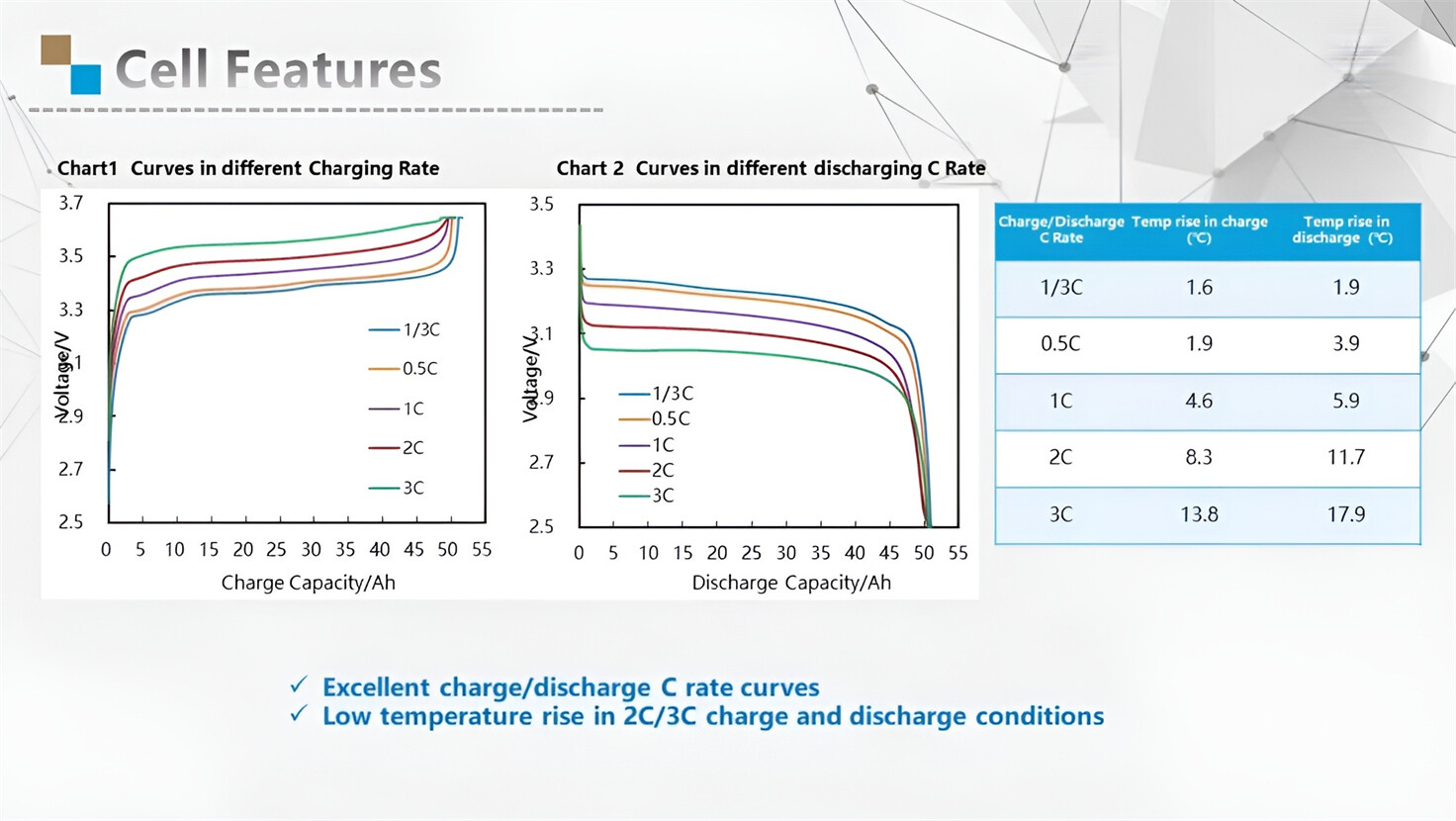
Our energy storage system products use brand new grade A LiFePO4 cells with a battery lifespan of more than 4,000 charge/discharge cycles.
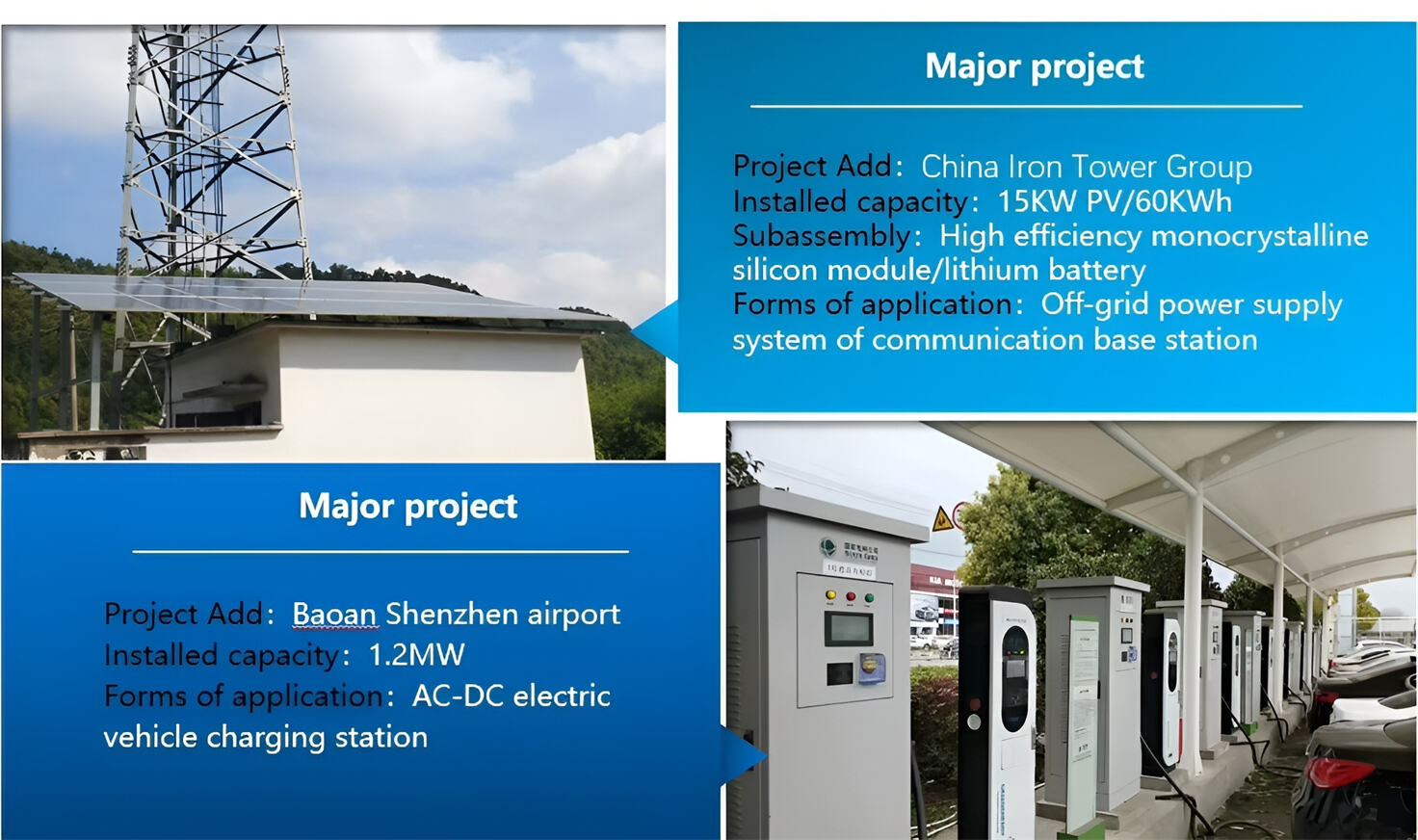
Applications in Different Industries
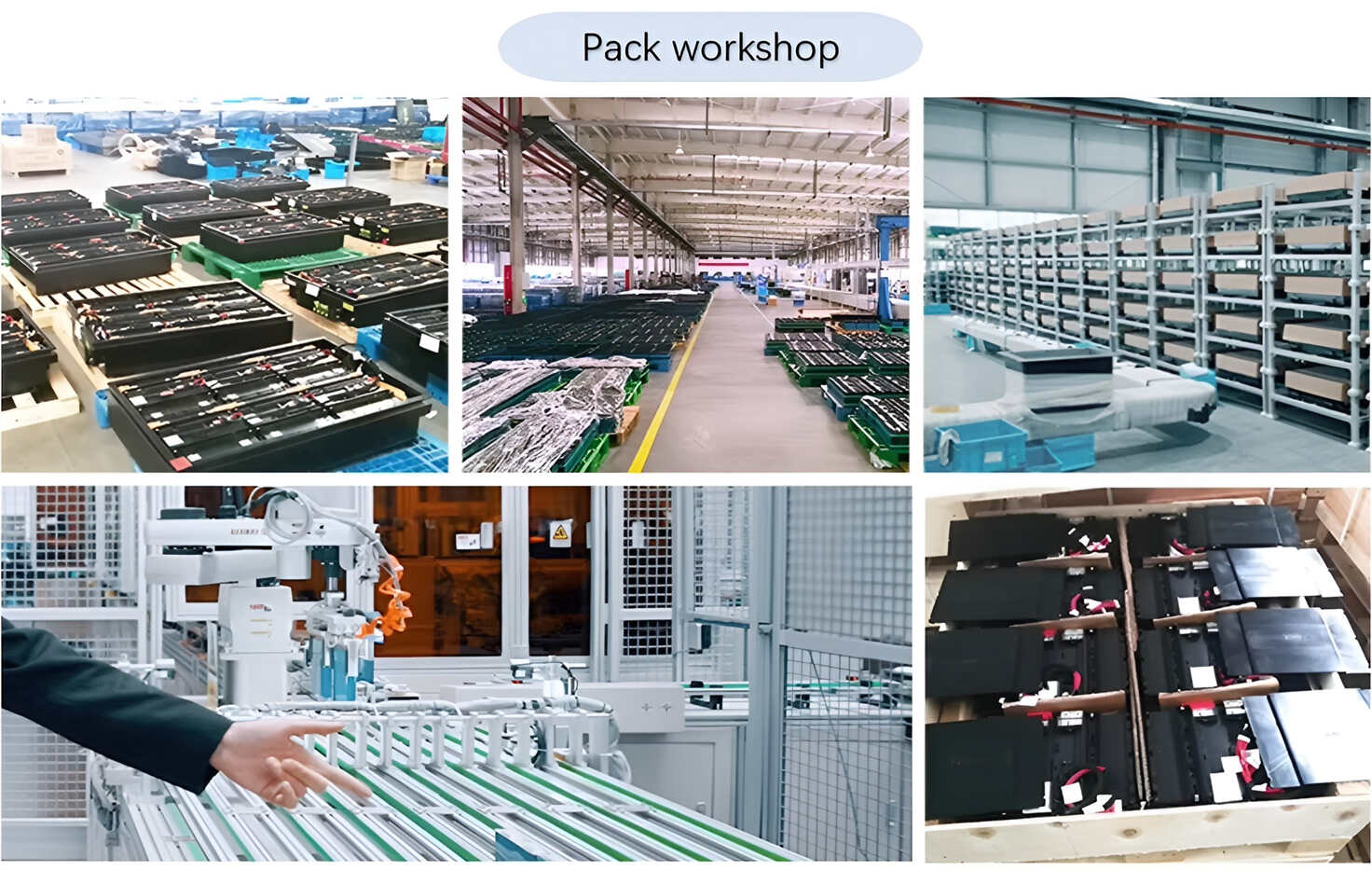
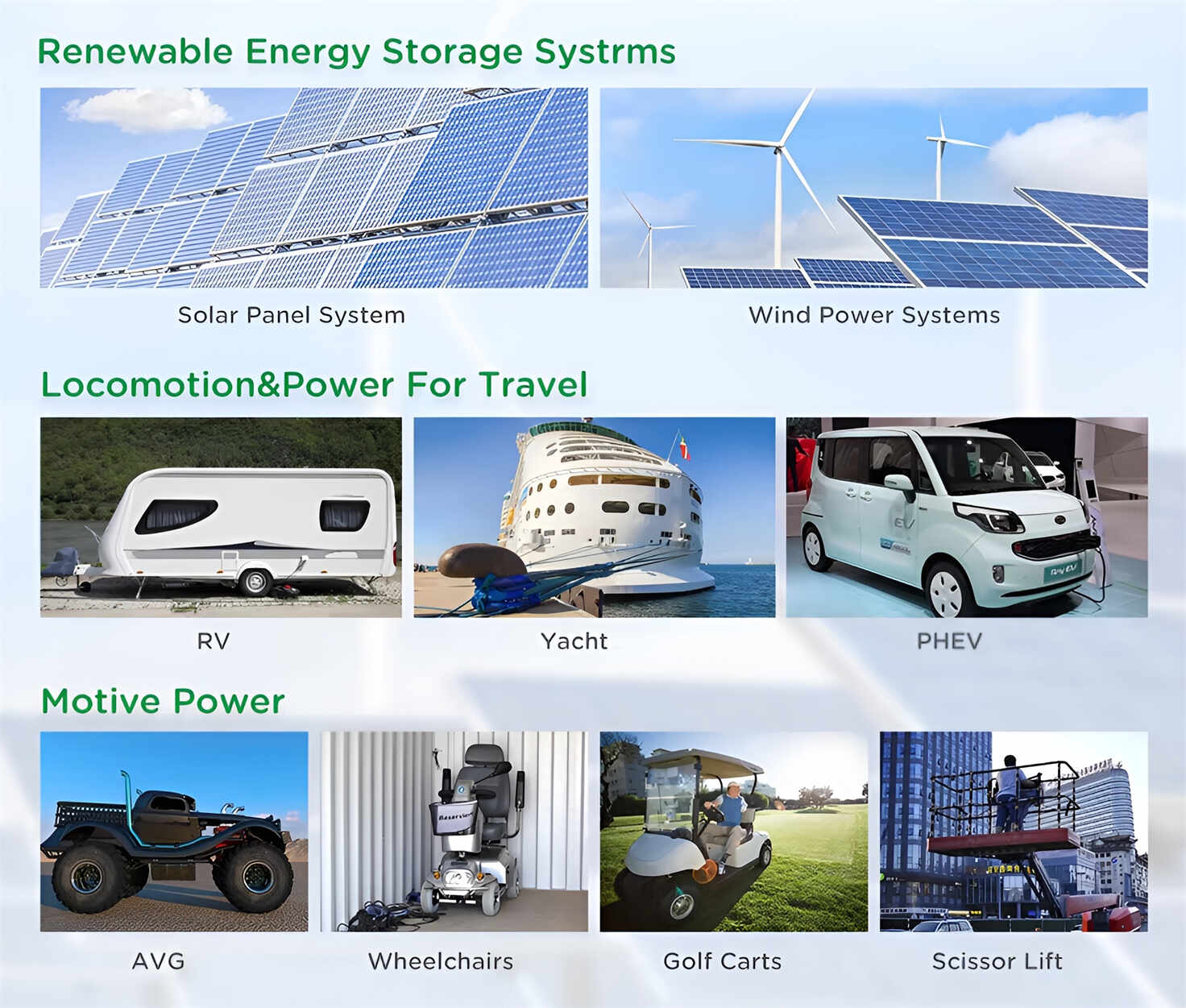
We supply customized & OEM battery pack, assemble cells with wiring, fuse and plastic cover, all the cell wires connected to PCB plug or built BMS.
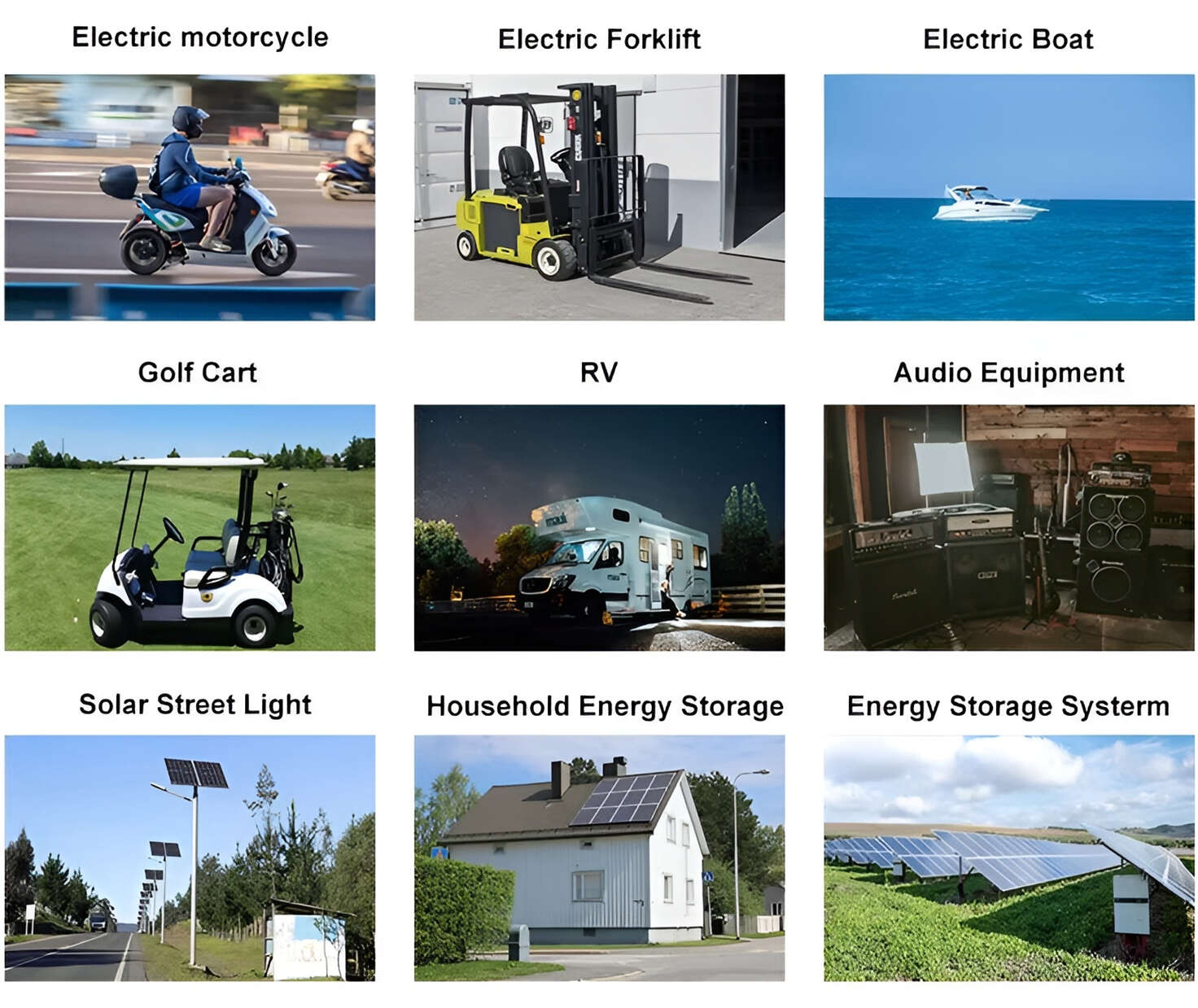
Applications: E-bike, Electric Scooter, Golf Carts, RV, Electric Wheelchair, Electric Tools, Robot Cleaner, Robot Sweeper, Solar Energy Storage System, Emergency Light, Solar Power Light, Medical Equipment, UPS Backup Power Supply.
We can provide you with customized services. We have the ability to provide a vertical supply chain, from single cells to pack/module and to a complete power solution with BMS, etc.
HomSolar (Shenzhen) Technology Co., Ltd