Lifepo4 Battery Review: Unpacking The Longevity, Safety, And Real-world Performance
The quest for reliable, safe, and long-lasting power storage has led many consumers and industries to Lithium Iron Phosphate (LiFePO4) technology. Moving beyond the hype, this review provides a comprehensive and objective look at LiFePO4 batteries, analyzing their core functions, distinct advantages, inherent limitations, and performance in practical scenarios.
Product Function and Core Technology
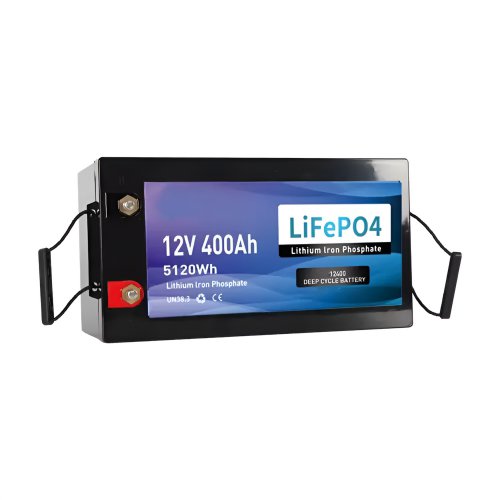
At its heart, a LiFePO4 battery is a type of lithium-ion battery, but its chemistry is fundamentally different from the more common Lithium Cobalt Oxide (LiCoO2) found in smartphones and laptops. The cathode material is composed of Lithium Iron Phosphate, which defines its key characteristics.
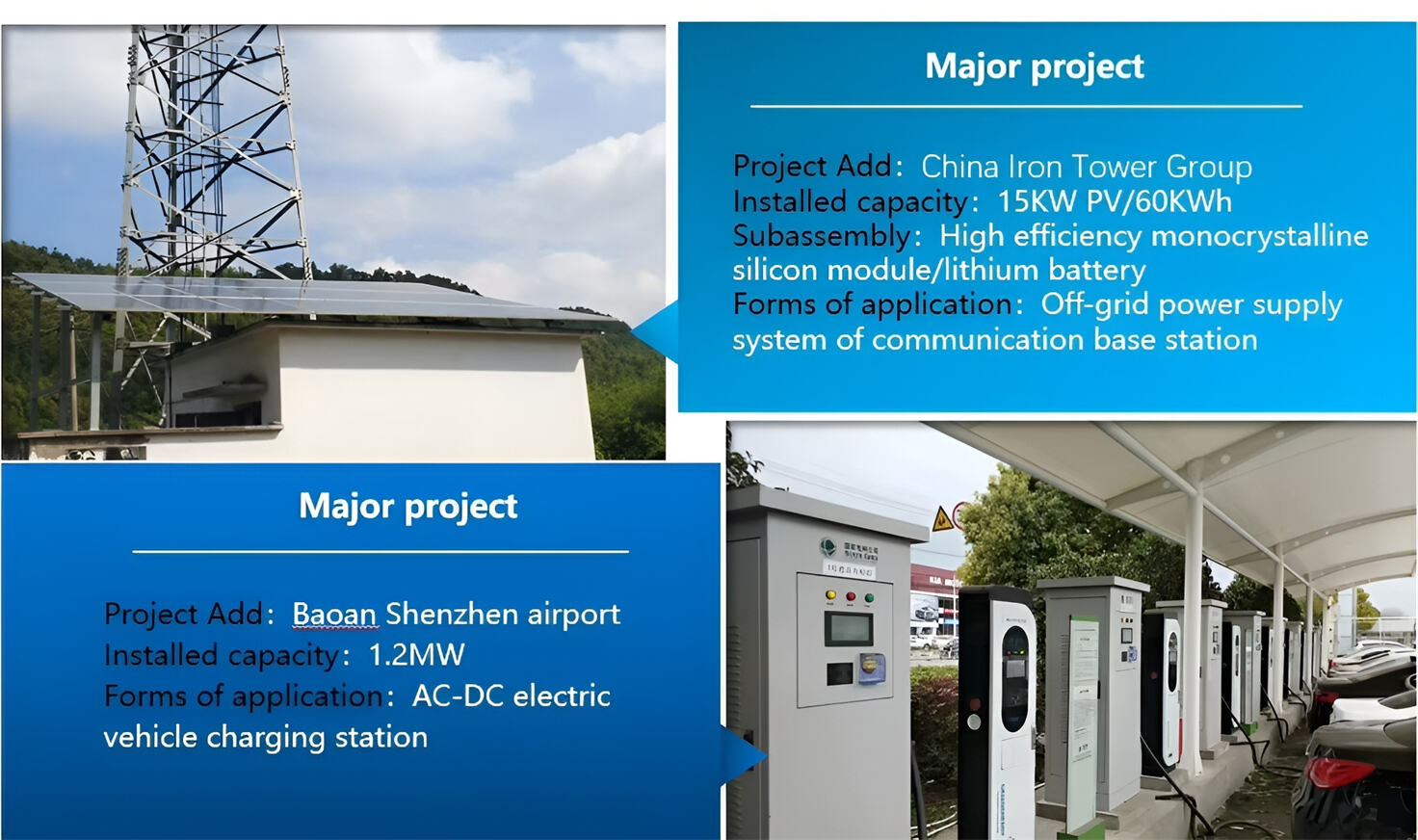
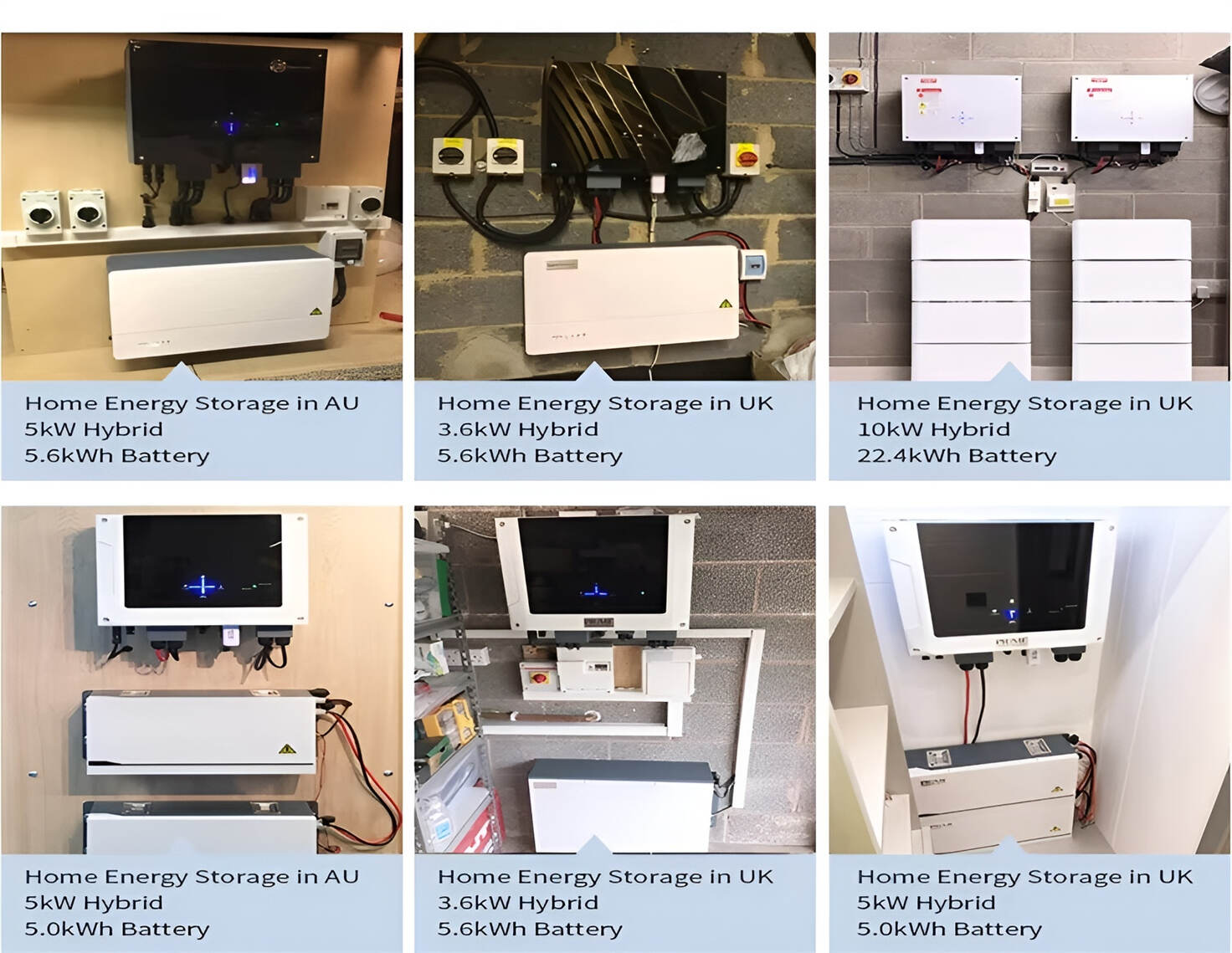
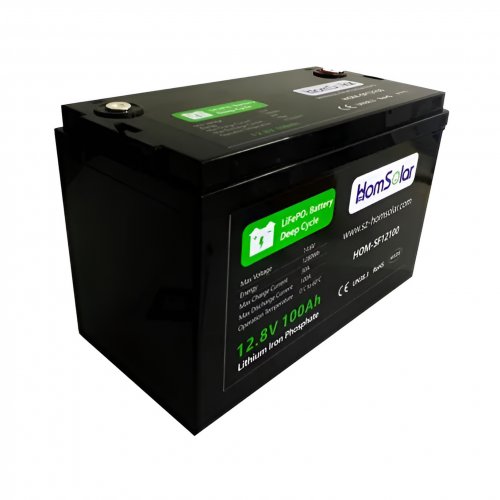
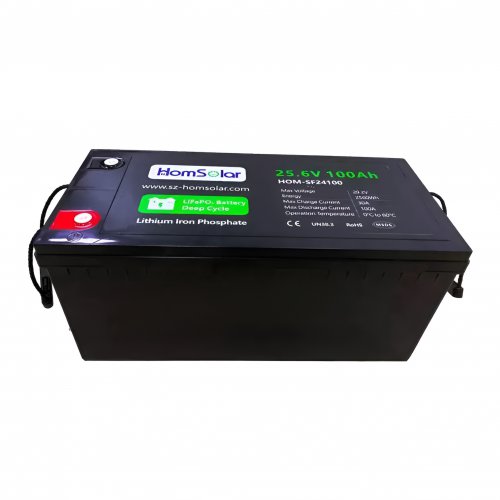
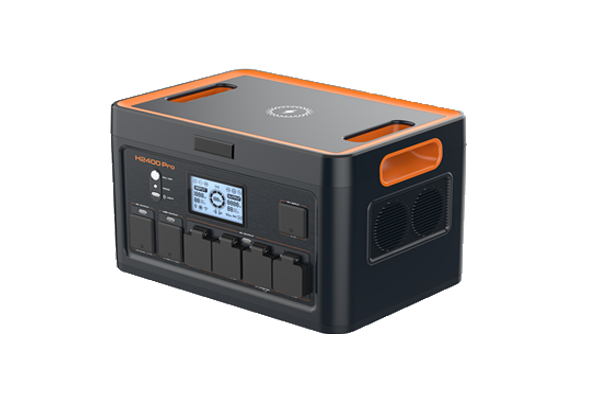
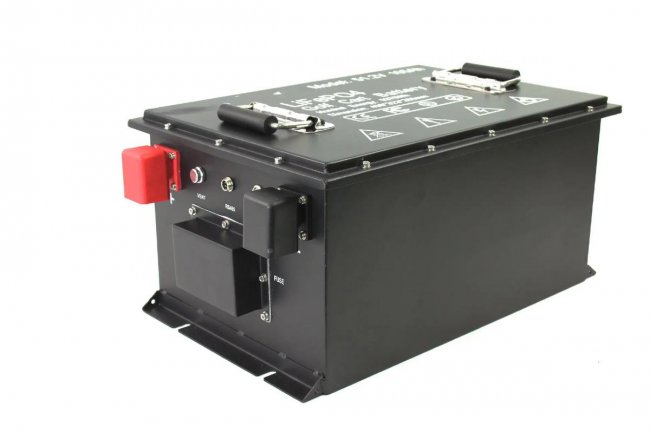
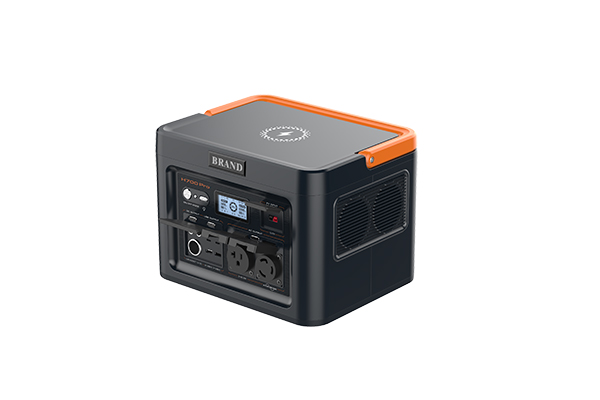
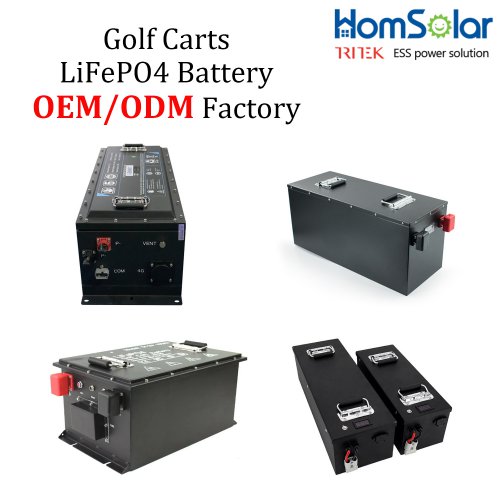
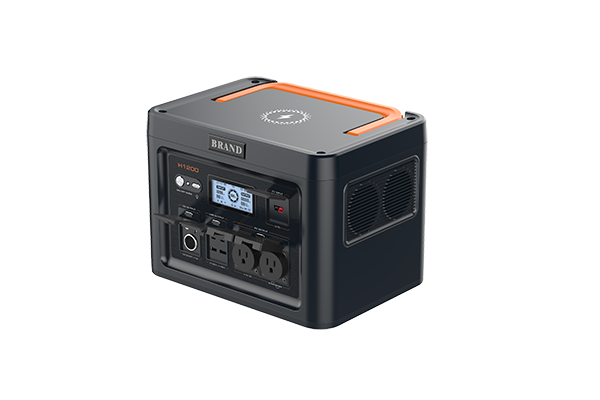
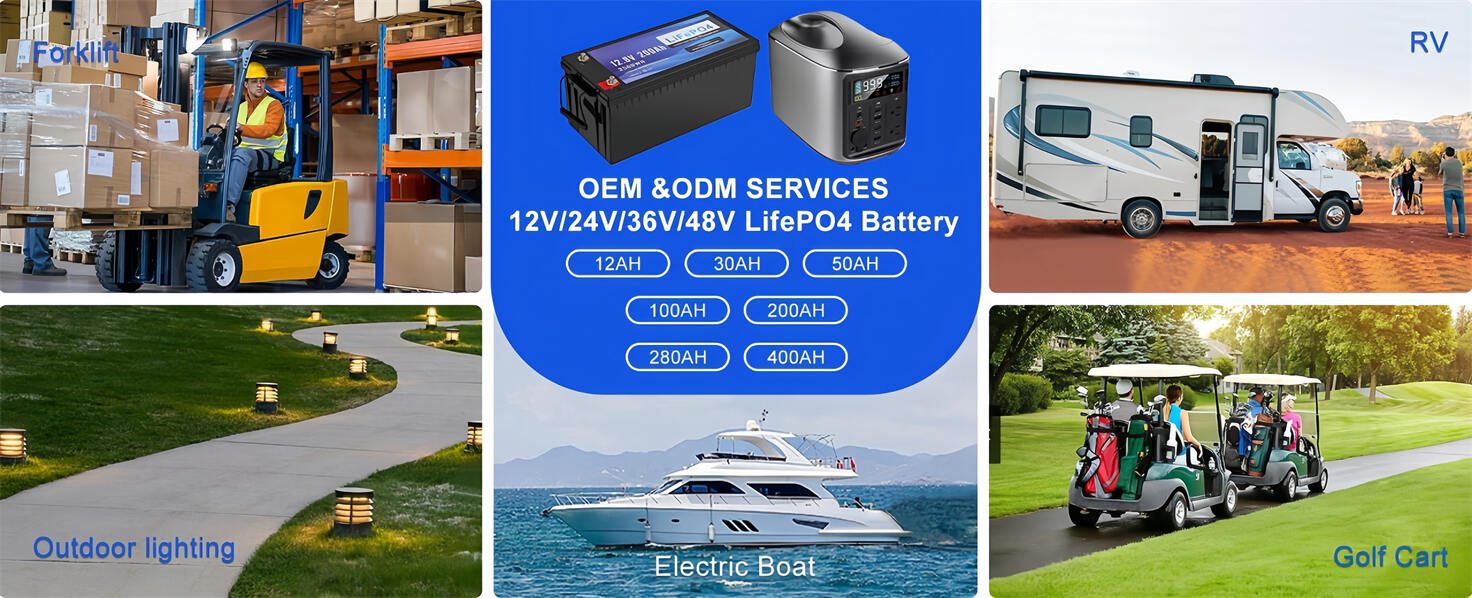
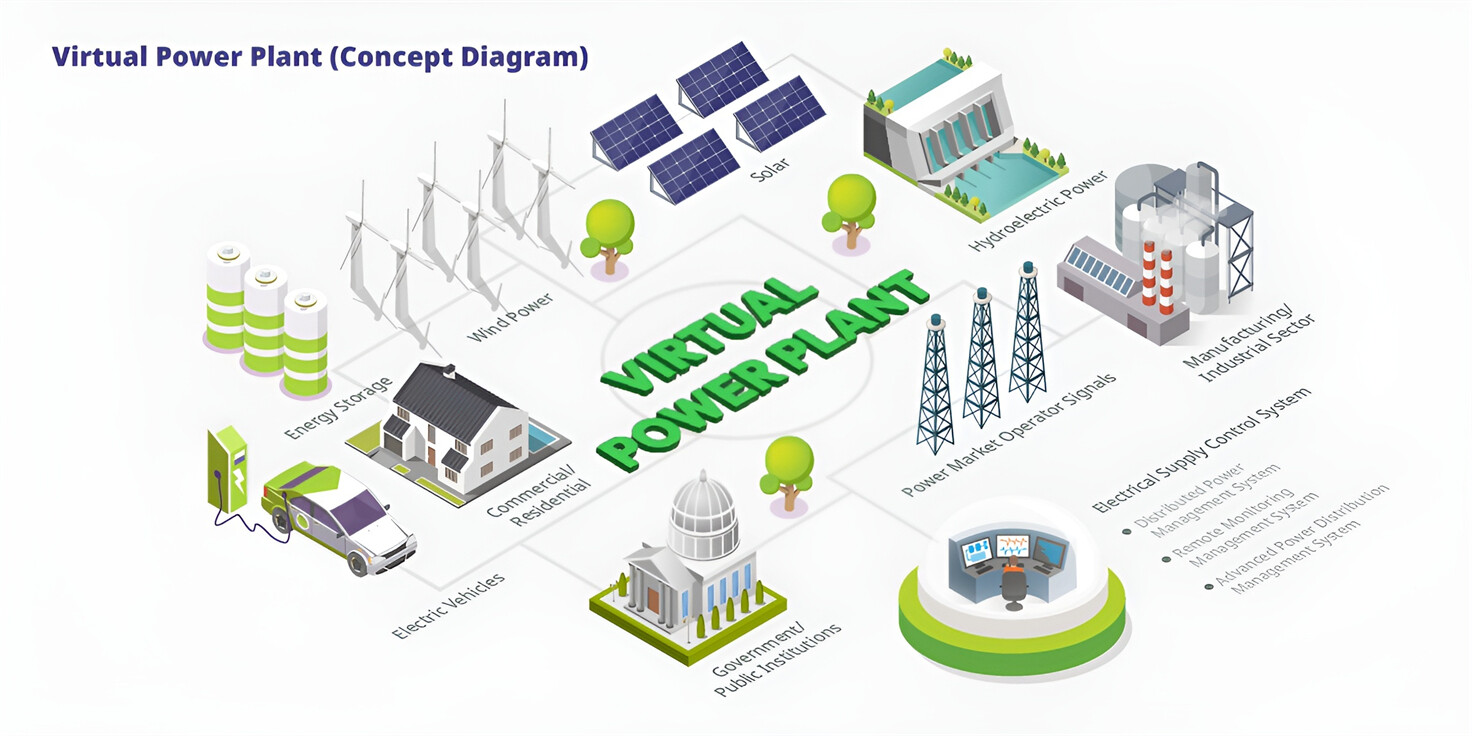
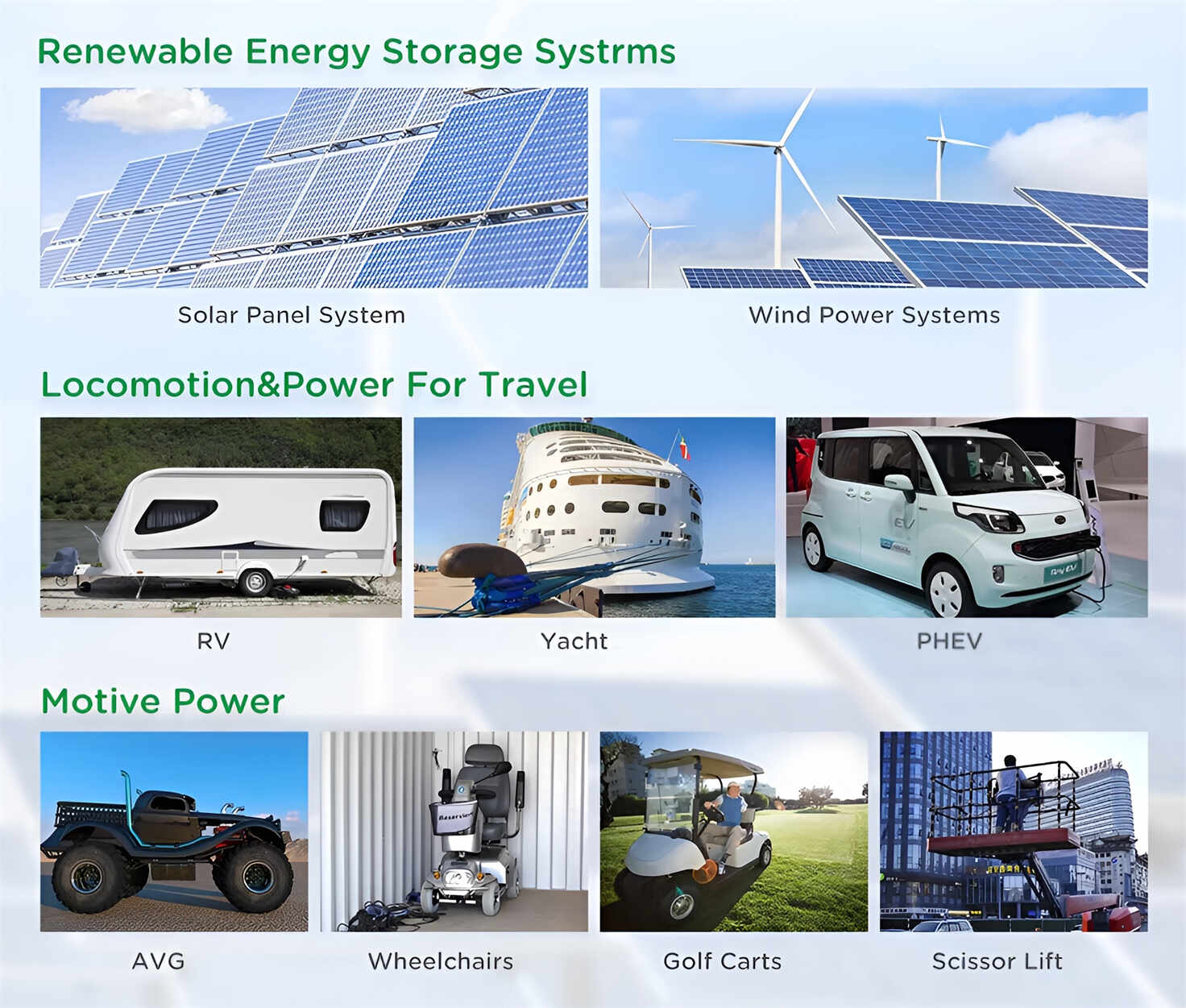
The primary function of any LiFePO4 battery is to store electrical energy efficiently and release it on demand. They are designed as direct replacements for lead-acid batteries in a vast array of applications, including:Solar Energy Storage: For off-grid and backup power systems.Recreational Vehicles (RVs) and Marine: Powering appliances, lighting, and electronics.Golf Carts and Electric Vehicles (LEVs): Providing robust motive power.Portable Power Stations: As the internal battery bank for consumer-grade power stations.Uninterruptible Power Supplies (UPS): Offering critical backup for sensitive electronics.
Their value proposition lies not in the highest energy density, but in a superior balance of safety, cycle life, and stability.
The Advantages: Where LiFePO4 Batteries Truly Shine
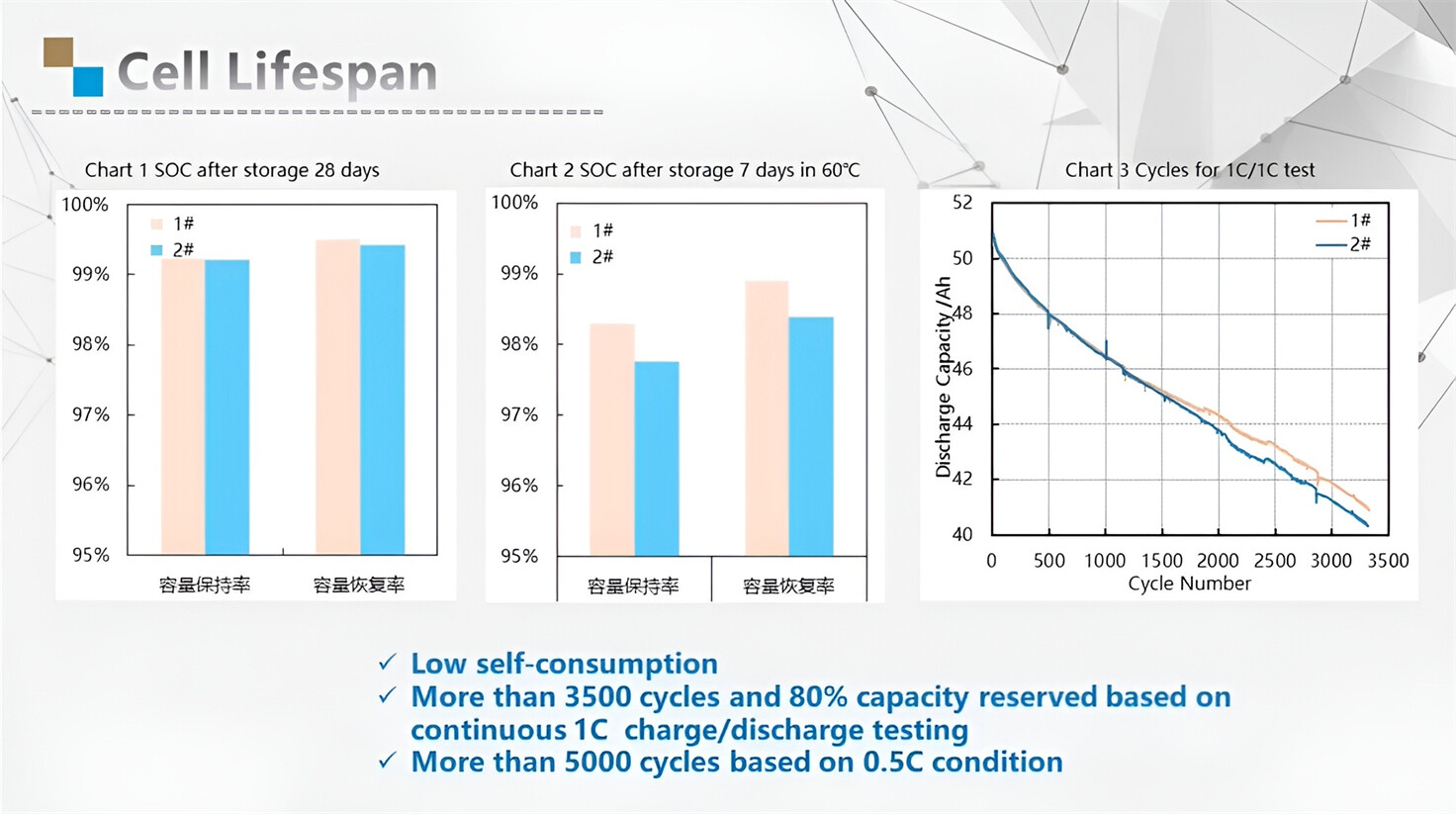
1. Exceptional Cycle Life: This is arguably the most significant advantage. A quality LiFePO4 battery can endure between 2,000 and 5,000 full charge-discharge cycles while retaining 80% of its original capacity. In comparison, a standard lead-acid battery may only last 300-500 cycles. This translates to a service life of up to a decade or more, dramatically reducing the long-term cost of ownership, even with a higher initial investment.
2. Superior Safety Profile: Safety is a cornerstone of LiFePO4 chemistry. The iron phosphate cathode is intrinsically more stable and resistant to thermal runaway—the phenomenon that can cause other lithium-ion batteries to catch fire or explode. They are far more resilient to overcharging, short-circuiting, and physical damage. This makes them a preferred choice for applications inside homes, vehicles, and marine environments where safety is paramount.
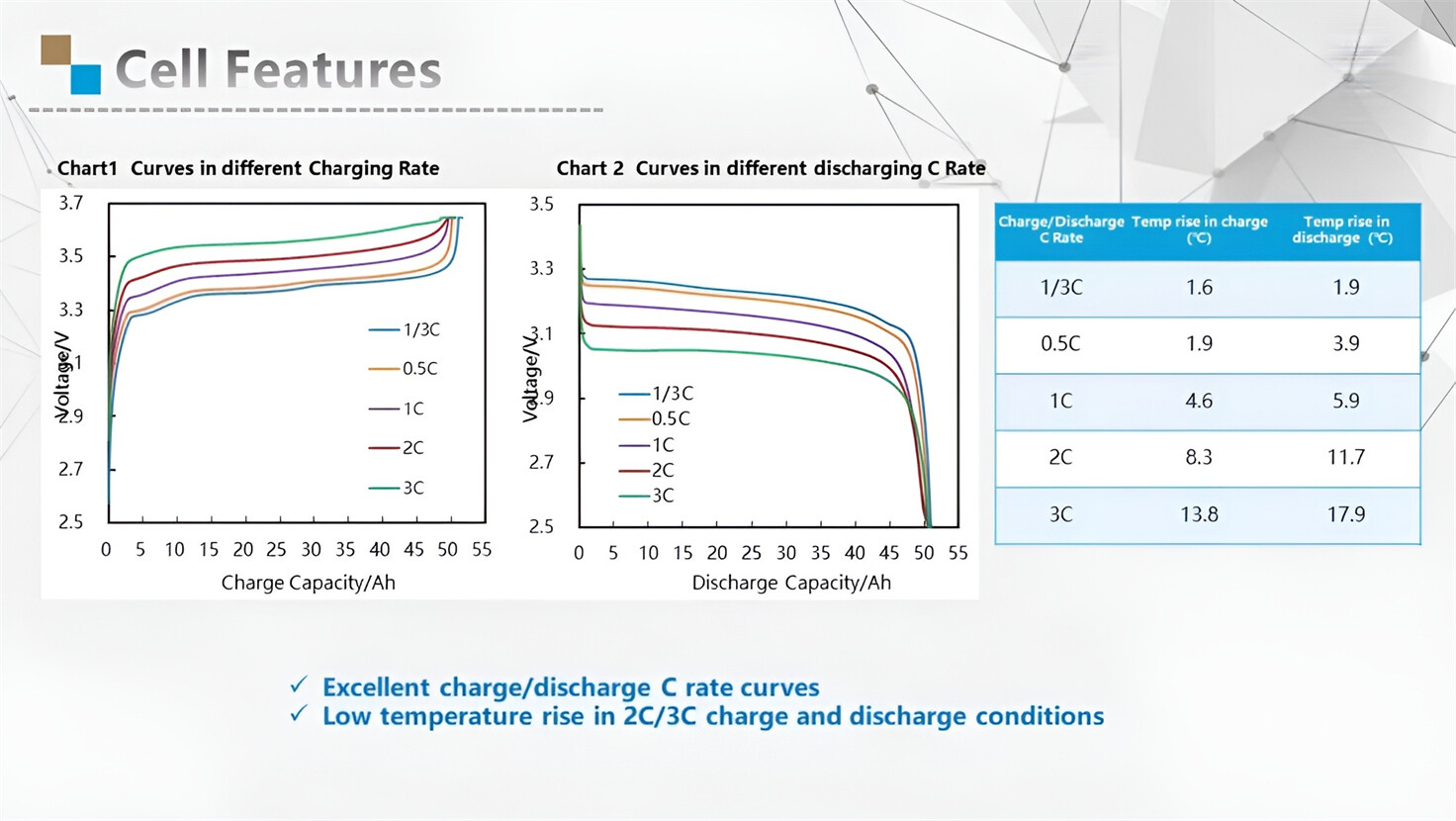
3. Stable Voltage and Power Delivery: LiFePO4 batteries maintain a remarkably consistent voltage throughout most of their discharge cycle. This "flat discharge curve" means devices and motors receive steady power without the performance drop-off associated with lead-acid batteries as they deplete. For powering sensitive electronics or requiring consistent motor RPM, this is a critical benefit.
4. Fast Charging Capability: These batteries can accept a much higher charge current than lead-acid batteries. Where a lead-acid battery might require 6-8 hours for a full charge, a LiFePO4 battery can often be charged to 100% in 2-3 hours, provided the charger has sufficient output.
5. Lightweight and Maintenance-Free: LiFePO4 batteries are significantly lighter than their lead-acid counterparts with similar capacity. They also require no periodic watering or equalization charges, making them a true "install and forget" solution.
The Disadvantages: Acknowledging the Trade-Offs
1. Higher Initial Cost: The most immediate barrier for many is the upfront cost. A LiFePO4 battery can be two to three times more expensive than a comparable lead-acid battery. However, the analysis must shift from initial price to cost-per-cycle, where LiFePO4 almost always wins over time.
2. Lower Energy Density: While better than lead-acid, LiFePO4 has a lower volumetric and gravimetric energy density than other lithium-ion chemistries like NMC (Nickel Manganese Cobalt). This means that for a given physical size or weight, an NMC battery might store more energy. For applications where maximizing runtime in the smallest possible package is the absolute priority, this can be a drawback.
3. Performance in Extreme Cold: While generally robust, LiFePO4 batteries cannot bechargedat temperatures below freezing (0°C / 32°F) without an integrated heating system or external warming. Discharging at low temperatures is still possible but with reduced capacity. This requires careful system design for users in cold climates.
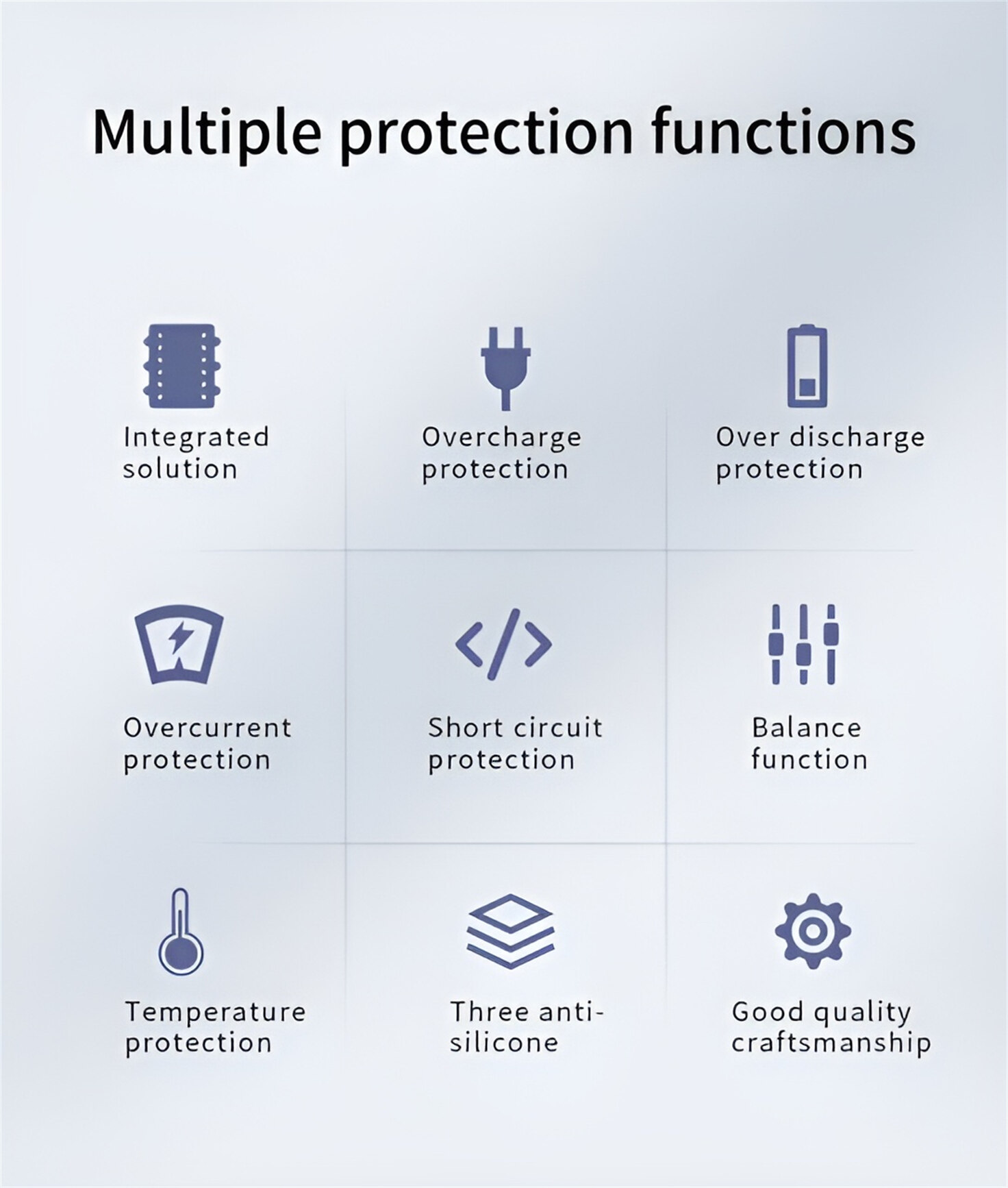
4. Requires a Specific Charger: To maximize lifespan and safety, LiFePO4 batteries must be charged with a compatible battery management system (BMS) and a charger designed for their specific voltage profile. Using an old lead-acid charger will not yield optimal results and could damage the battery.
Real-World Usage Experience
In practical terms, using a LiFePO4 battery is characterized by reliability and peace of mind. For an RV owner, the difference is night and day. The ability to power a refrigerator, lights, and a water pump throughout a weekend without worrying about battery depletion is liberating. The consistent voltage ensures that the water pump maintains strong pressure and the lights remain bright, even when the battery meter shows 30% capacity remaining.
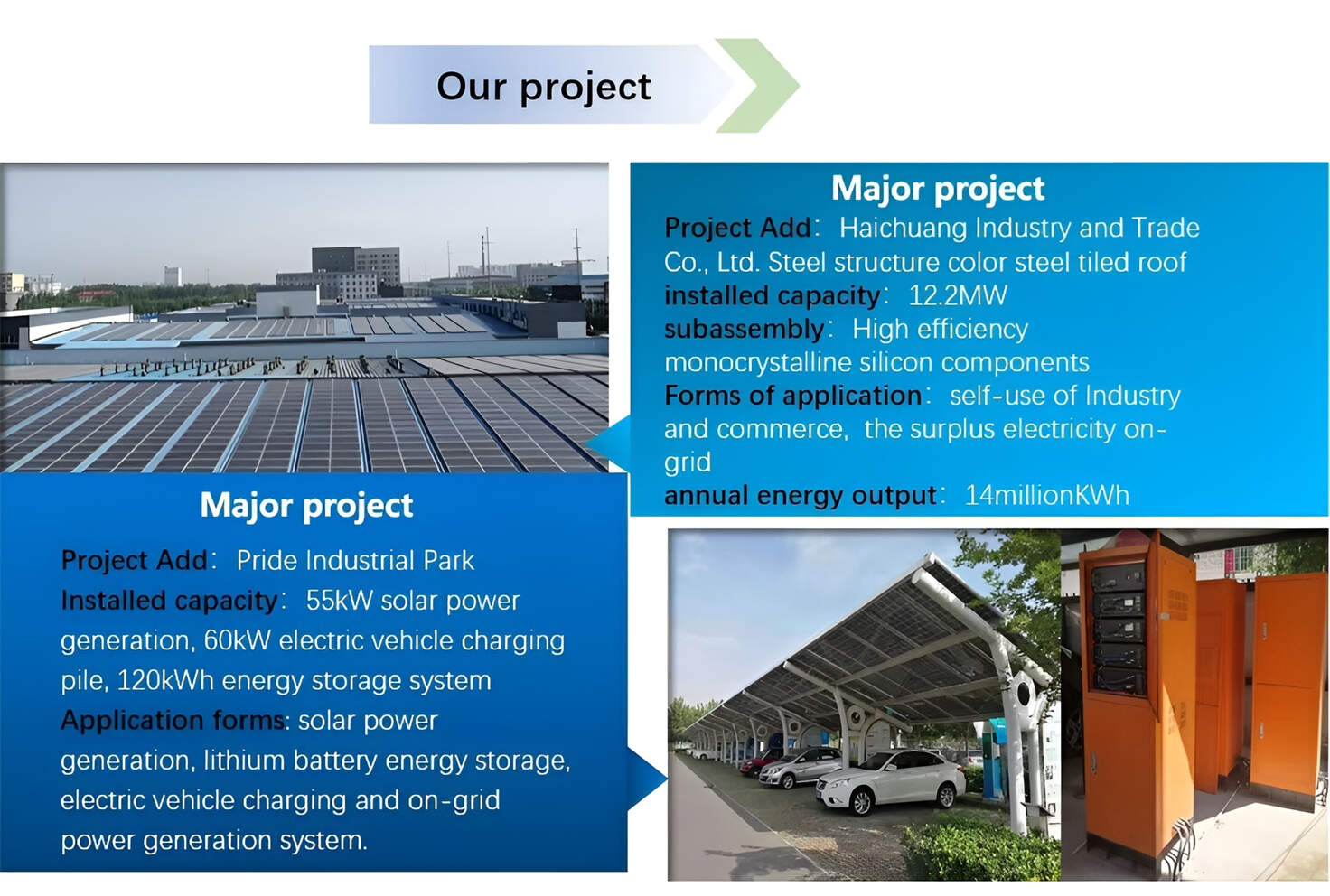
For a solar power user, the fast charging is a game-changer. On a sunny day, the battery bank can be fully replenished by midday, allowing for excess energy to be used or fed back into the grid. The deep cycling capability means you can use 80-90% of the battery's rated capacity daily without fear of damaging it, whereas with lead-acid, you are limited to 50% depth of discharge.
The lack of maintenance is another frequently praised aspect. There are no terminals to corrode and no electrolyte levels to check. The integrated BMS protects the battery from most common user errors, such as over-discharge or over-current, often shutting down the battery gracefully until the issue is resolved.
Conclusion
The LiFePO4 battery is not a one-size-fits-all solution. Its higher initial cost and slightly lower energy density make it less suitable for consumer electronics where miniaturization is key. However, for nearly every application where deep cycling, long service life, and inherent safety are the primary concerns, it represents a superior choice.
It is a technology that demands a long-term perspective. The investment is substantial upfront, but the dividends are paid out over years of dependable, maintenance-free service. For anyone powering a home, a vehicle, or a critical system, the LiFePO4 battery stands as a robust, safe, and economically sound power storage solution that truly delivers on its promises of longevity and stability.
Customized/OEM/ODM Service
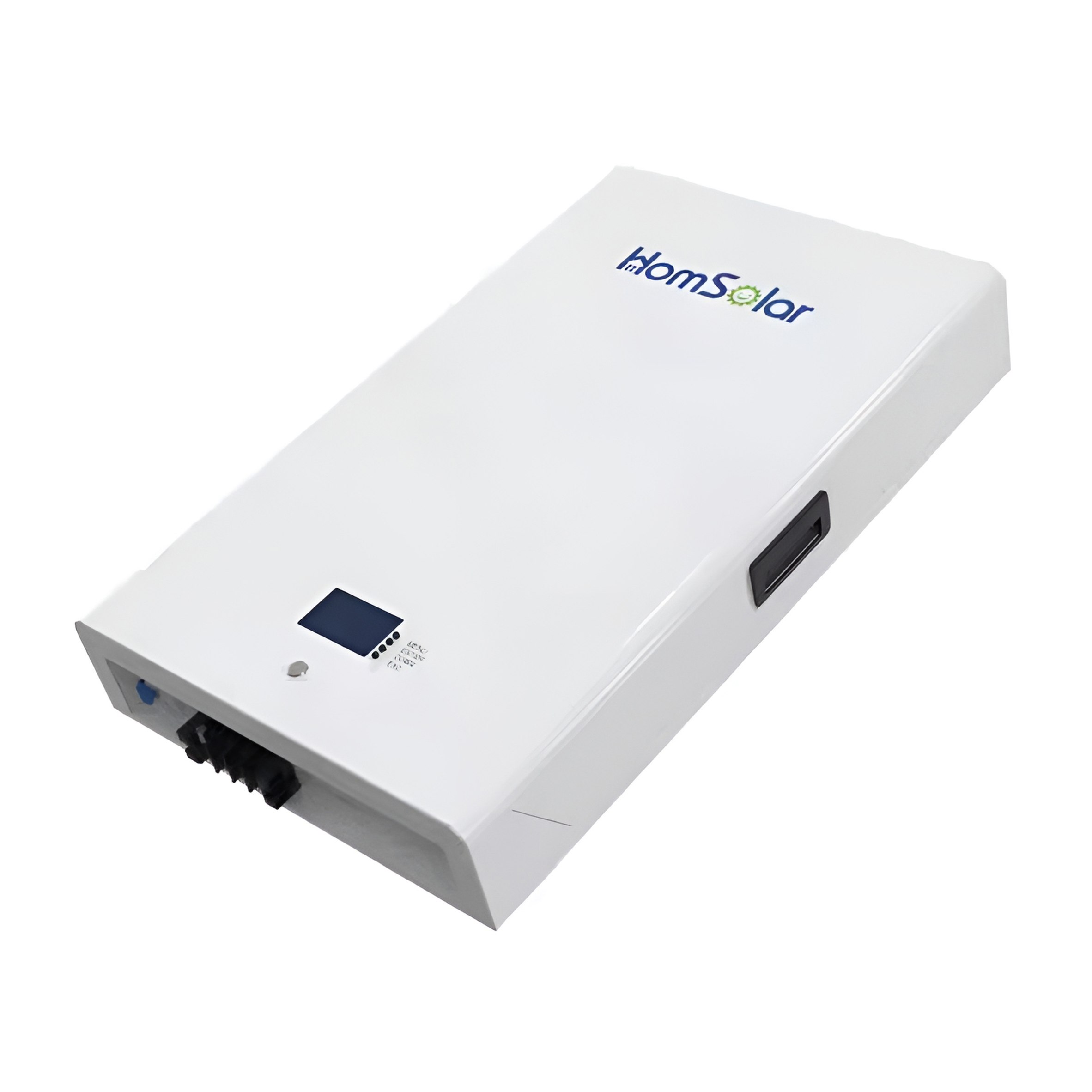
HomSolar Supports Lifepo4 battery pack customization/OEM/ODM service, welcome to contact us and tell us your needs.

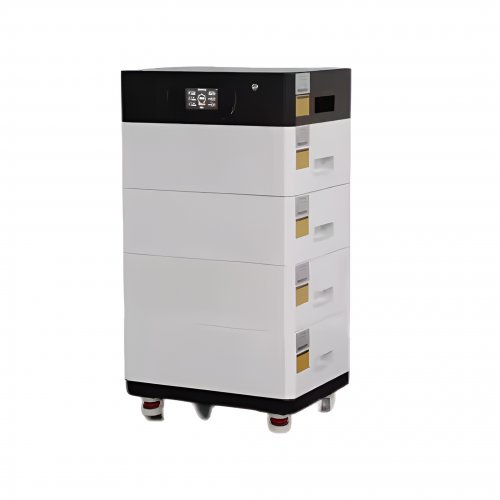
HomSolar: Your One-stop LiFePO4 Battery Pack & ESS Solution Manufacturer
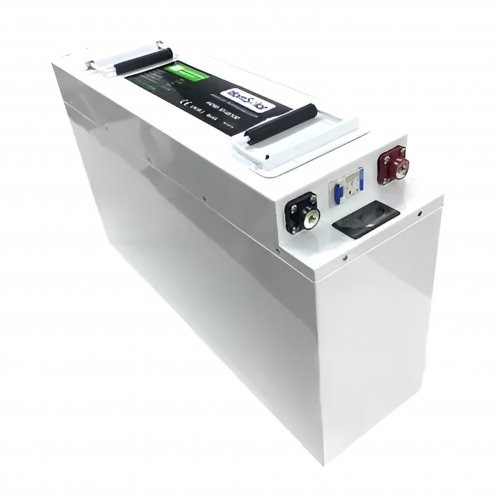
Our line of LiFePO4 (LFP) batteries offer a solution to demanding applications that require a lighter weight, longer life, and higher capacity battery. Features include advanced battery management systems (BMS), Bluetooth® communication and active intelligent monitoring.
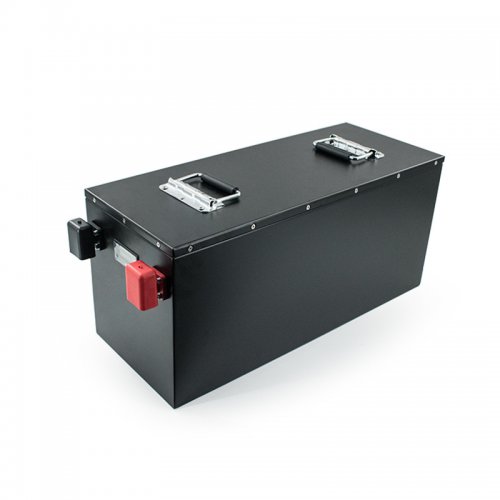
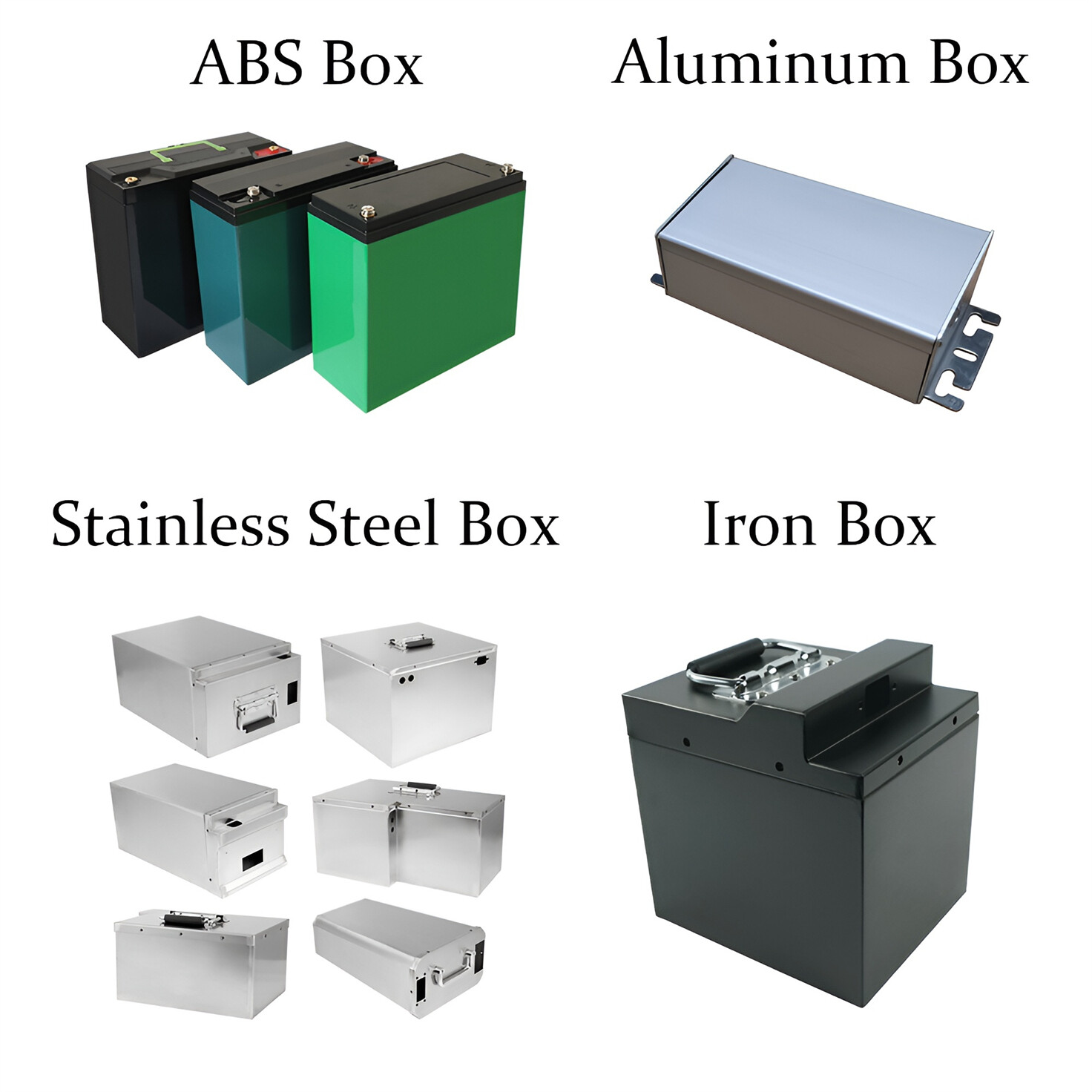
Customised Lithium Iron Phosphate Battery Casing
ABS plastic housing, aluminium housing, stainless steel housing and iron housing are available, and can also be designed and customised according to your needs.
HomSolar Smart BMS
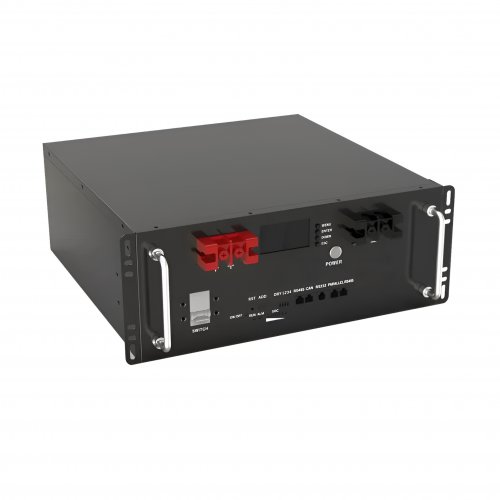
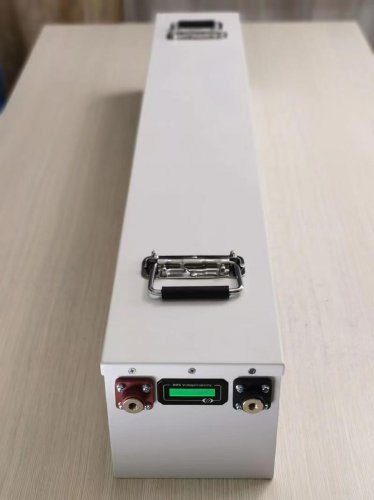
Intelligent Battery Management System for HomSolar Energy Storage System. Bluetooth, temperature sensor, LCD display, CAN interface, UART interface also available.

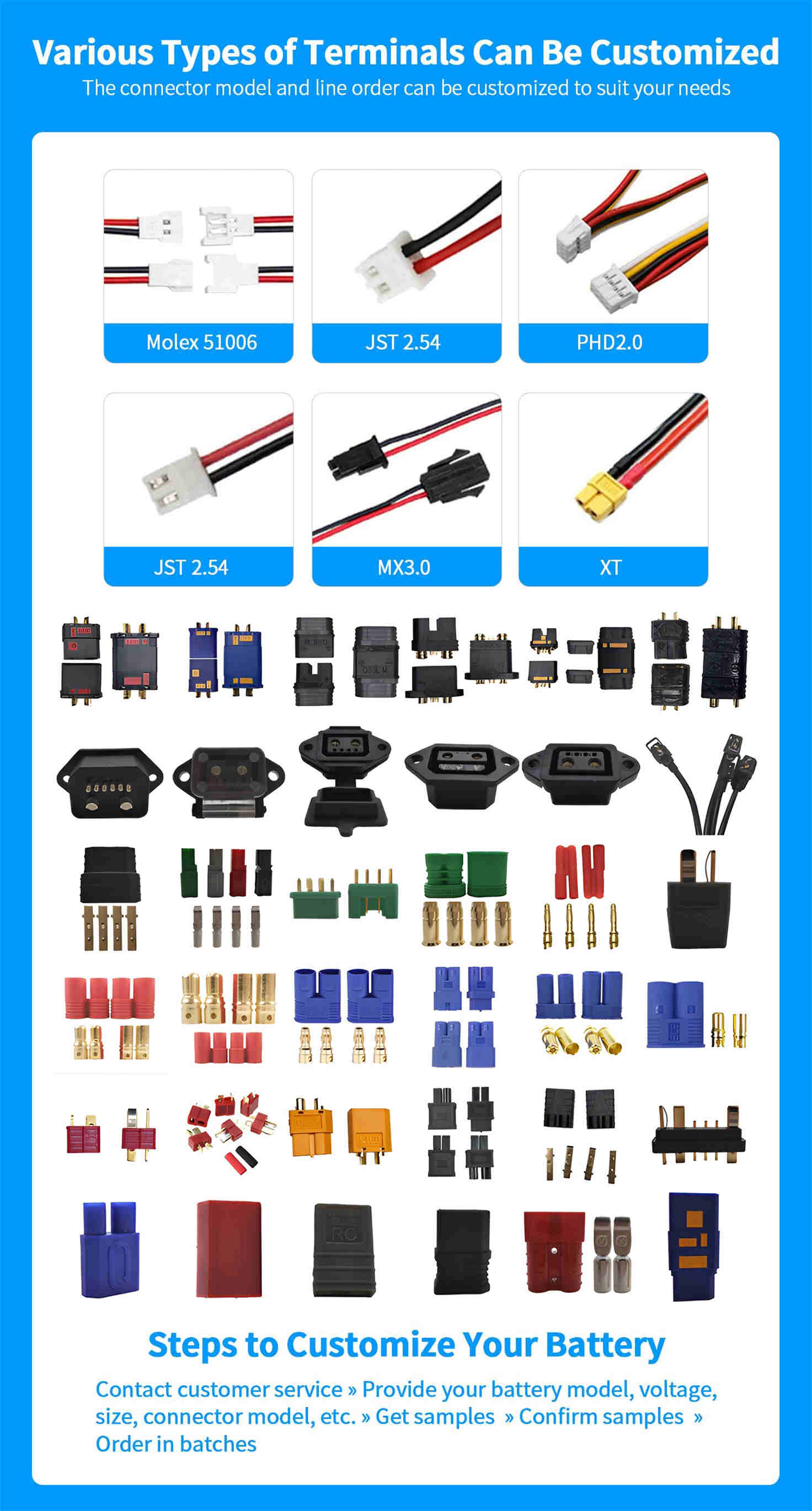
Terminals & Plugs Can Be Customized
A wide range of terminals and plugs can be customised to suit the application needs of your battery products.
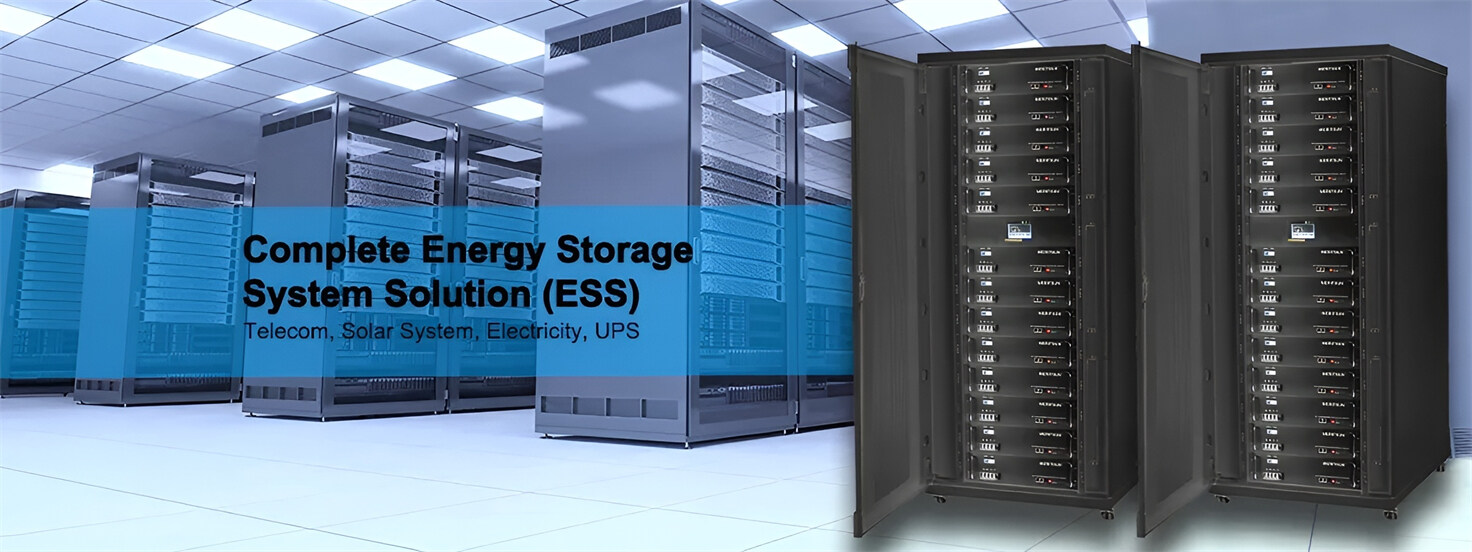
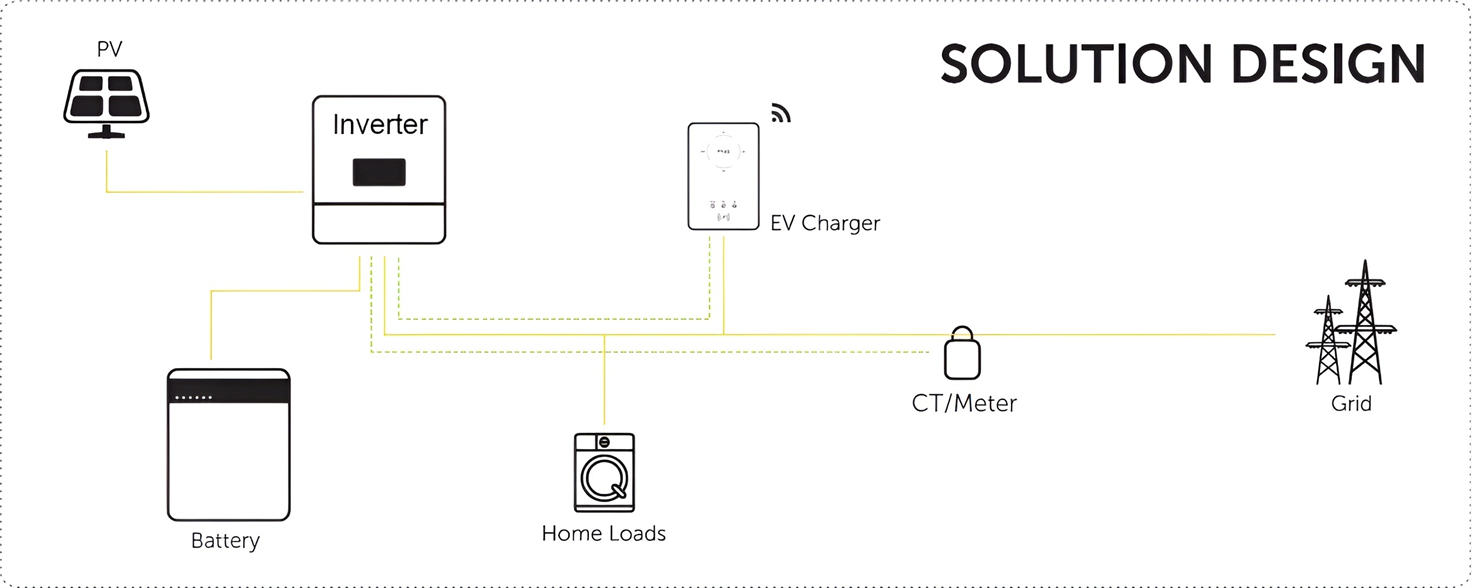
Well-designed Solutions for Energy Storage Systems
We will design the perfect energy storage system solution according to your needs, so that you can easily solve the specific industry applications of battery products.
About Our Battery Cells
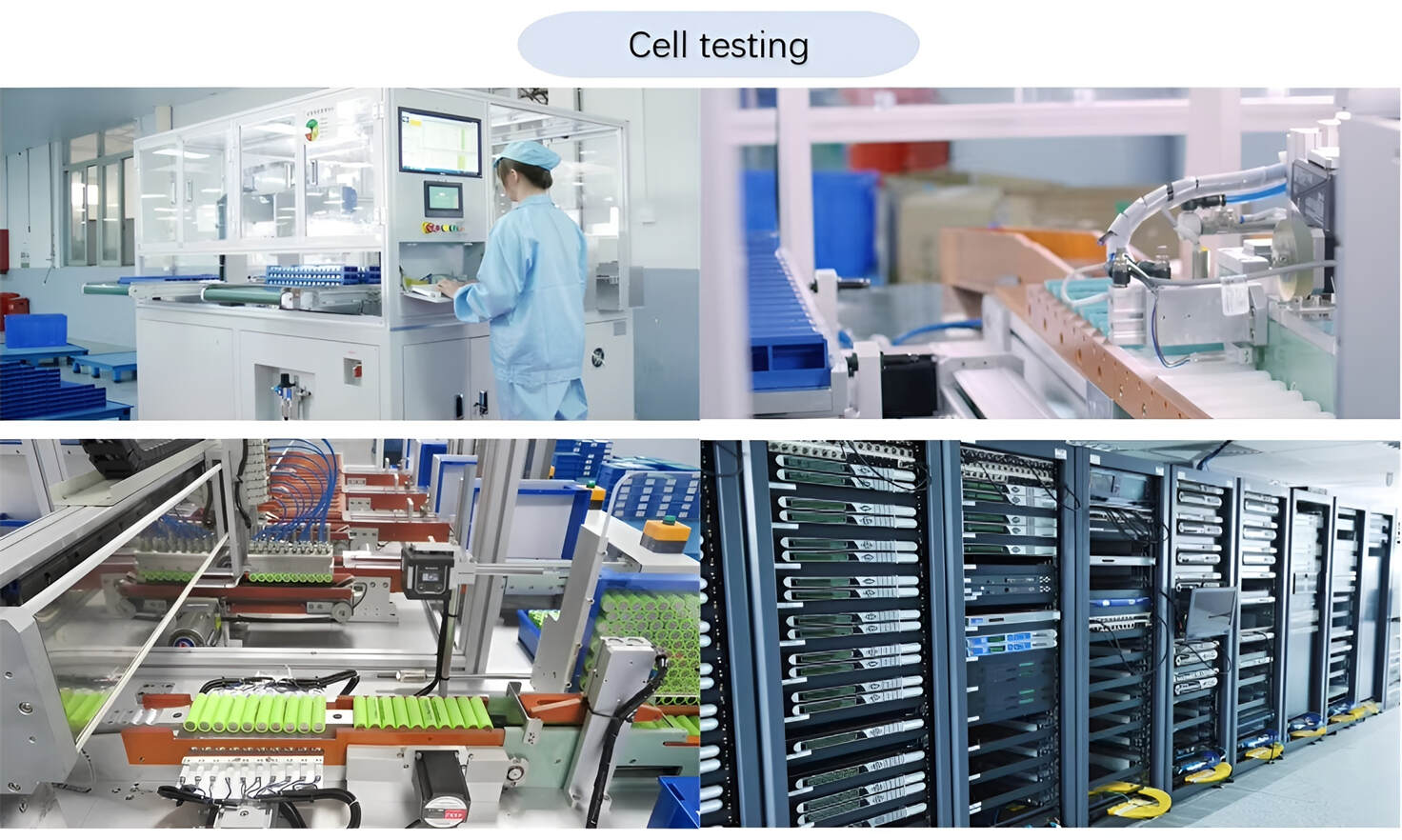
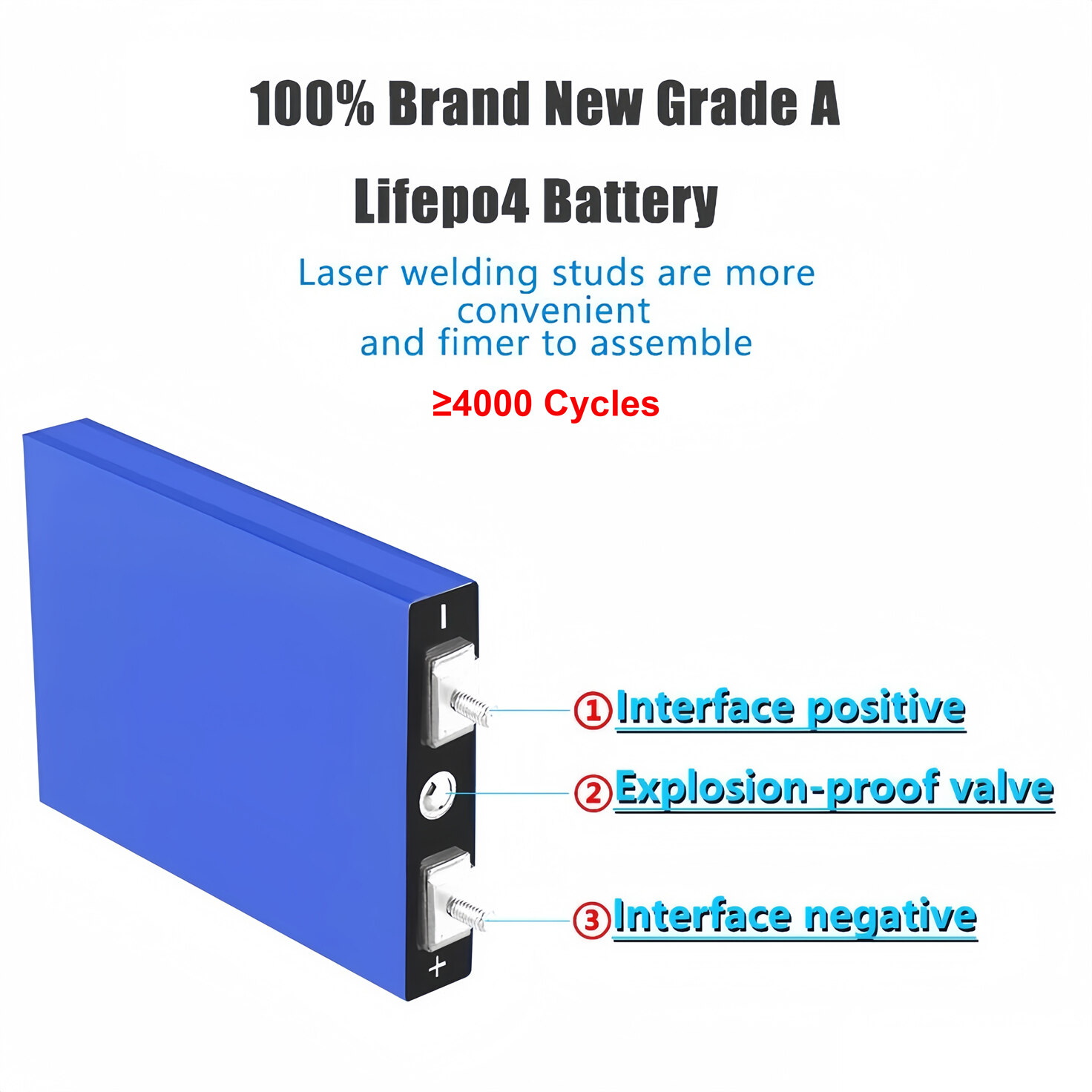
Our energy storage system products use brand new grade A LiFePO4 cells with a battery lifespan of more than 4,000 charge/discharge cycles.
Applications in Different Industries
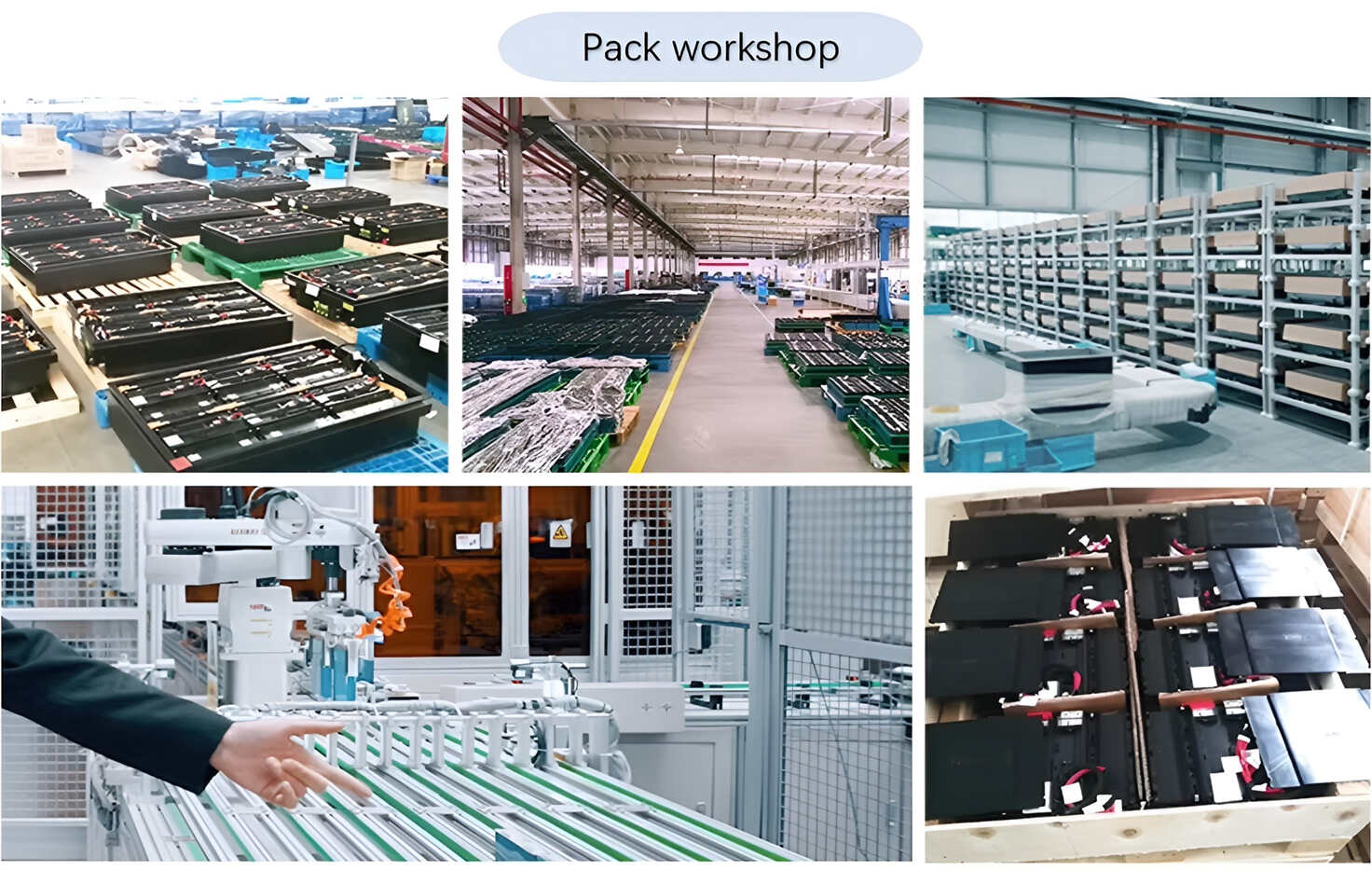
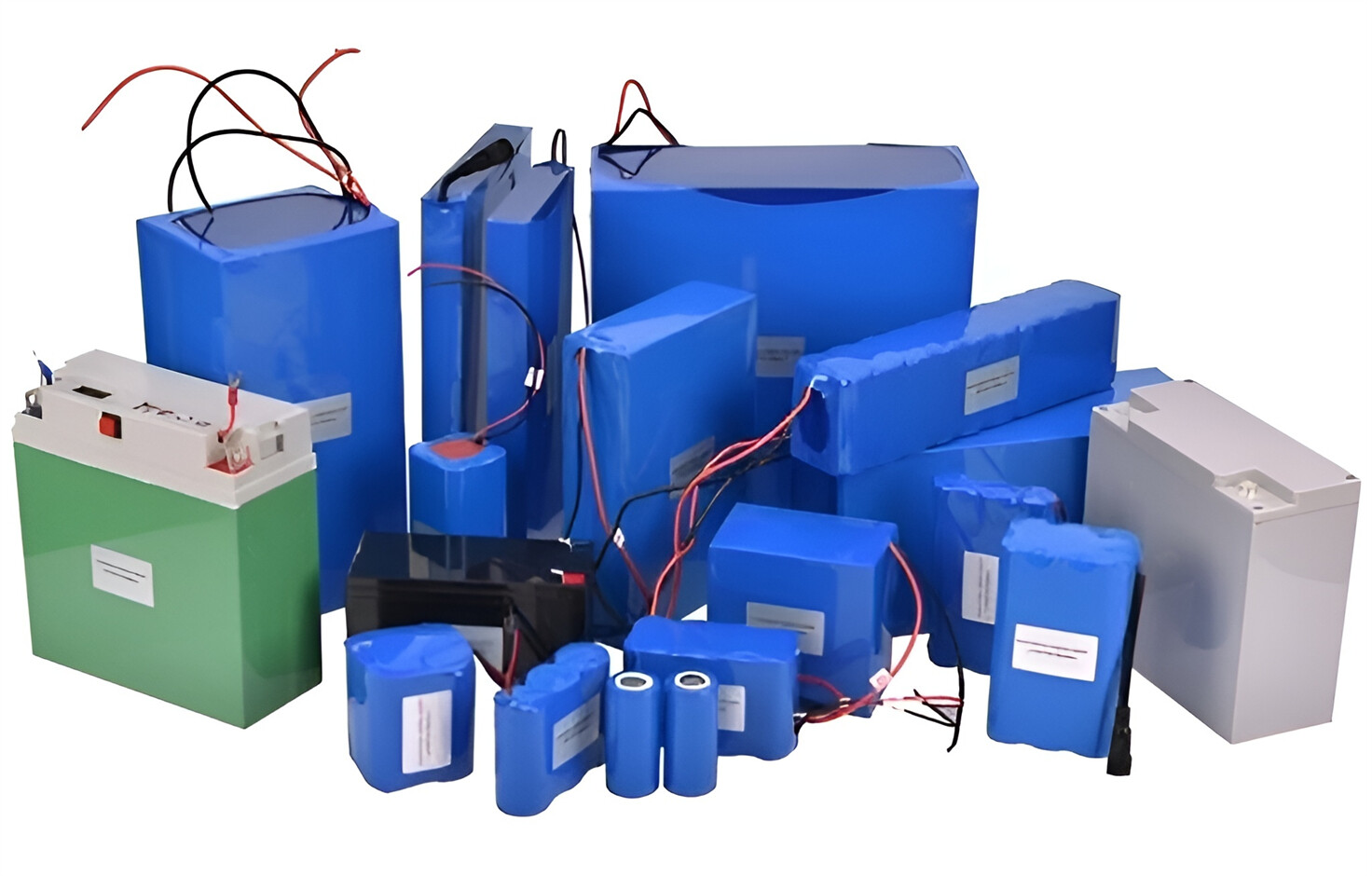
We supply customized & OEM battery pack, assemble cells with wiring, fuse and plastic cover, all the cell wires connected to PCB plug or built BMS.
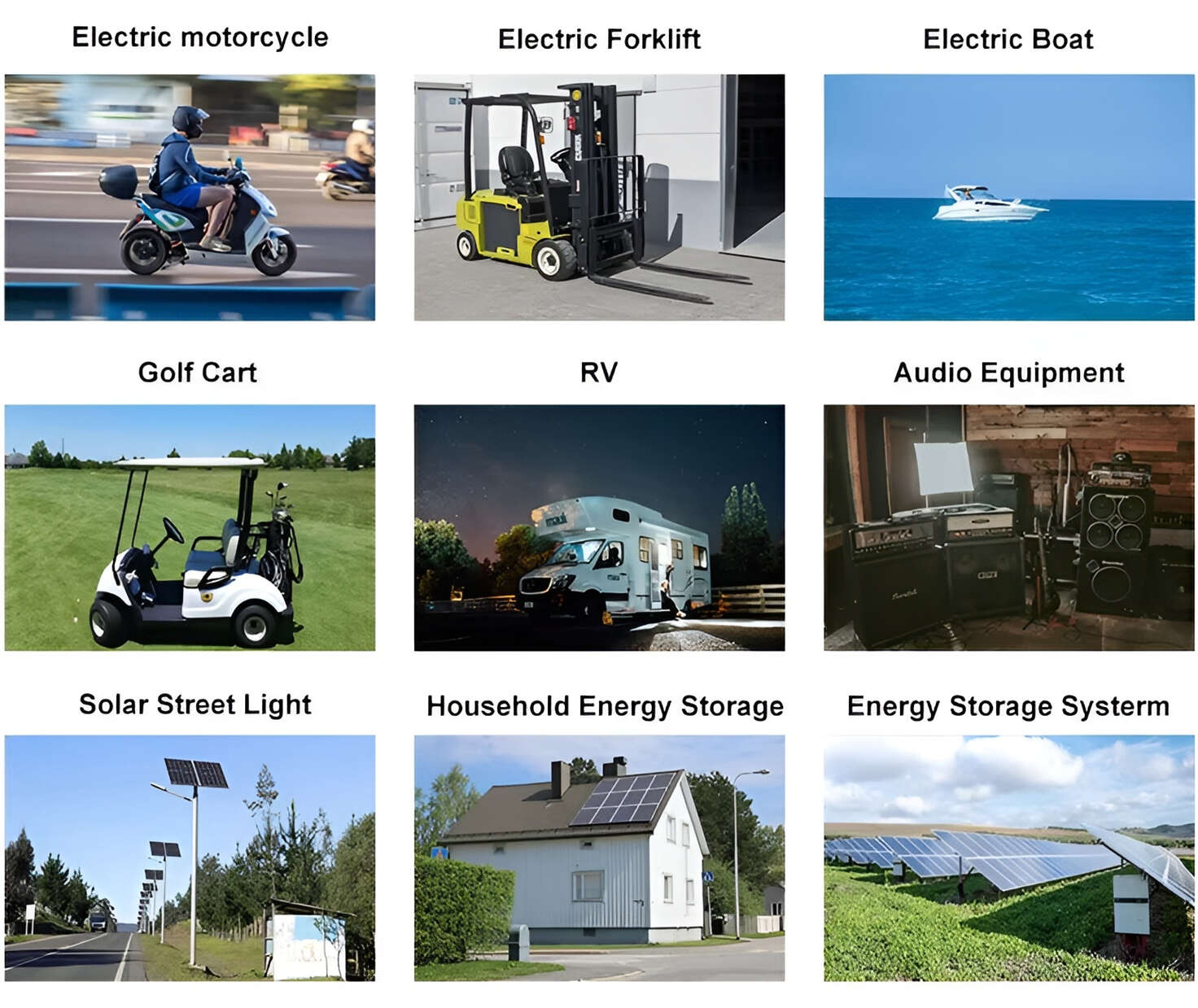
Applications: E-bike, Electric Scooter, Golf Carts, RV, Electric Wheelchair, Electric Tools, Robot Cleaner, Robot Sweeper, Solar Energy Storage System, Emergency Light, Solar Power Light, Medical Equipment, UPS Backup Power Supply.
We can provide you with customized services. We have the ability to provide a vertical supply chain, from single cells to pack/module and to a complete power solution with BMS, etc.
HomSolar (Shenzhen) Technology Co., Ltd