Lfp Battery News: Surging Demand Reshapes Global Ev And Energy Storage Markets
The lithium iron phosphate (LFP) battery, once considered a niche technology, has firmly moved into the mainstream, becoming a dominant force in the global electrification race. Driven by its compelling cost, safety, and longevity advantages, LFP chemistry is experiencing unprecedented adoption, prompting significant shifts in supply chain strategies and competitive dynamics across the electric vehicle (EV) and stationary energy storage sectors.
Latest Industry Dynamics: From China's Dominance to Global Expansion
The most significant recent development is the rapid international embrace of LFP technology by automakers outside of its traditional stronghold in China. For years, companies like BYD and CATL perfected LFP production, making it the standard for a vast portion of the Chinese EV market. Now, nearly every major global automaker has announced plans to incorporate LFP batteries into their product lines.
Tesla has been a pivotal player in this transition, already deploying LFP batteries in a significant portion of its standard-range vehicles globally. Following suit, Ford announced plans to use LFP packs in its Mustang Mach-E and F-150 Lightning, offering customers a lower-cost, more durable option. Similarly, Volkswagen, Rivian, and Hyundai have all unveiled strategies to integrate LFP technology into future models, particularly for entry-level and mid-range vehicles.
This surge in demand is catalyzing a massive scaling-up of production capacity, not just in China, but across North America and Europe. CATL and BYD are establishing manufacturing footholds in Europe, while a host of new players are emerging. In the United, companies like Our Next Energy (ONE) and American Battery Factory are planning gigafactories dedicated to LFP cell production, spurred by incentives from the Inflation Reduction Act which prioritizes domestic battery manufacturing and critical mineral sourcing.
Furthermore, the supply chain for key LFP materials is evolving rapidly. While the chemistry eliminates the need for high-cost cobalt and nickel, it relies heavily on lithium. Recent industry focus has been on diversifying lithium sources and advancing refining capabilities for lithium iron phosphate itself. There is also a growing trend of vertical integration, with battery manufacturers and automakers securing direct investments in lithium mining and processing projects to ensure supply and manage costs.
Trend Analysis: The Drivers Behind the LFP Ascendancy
Several converging trends are solidifying LFP's position as a leading battery technology for the next decade.
1. The Primacy of Cost and Accessibility: The most powerful driver remains economics. LFP batteries are significantly cheaper to produce than their Nickel Manganese Cobalt (NMC) counterparts, primarily because they do not use cobalt, an expensive and geopolitically sensitive metal. This cost advantage makes EVs more affordable, a critical factor for mass-market adoption. For grid-scale energy storage systems (ESS), where project economics are paramount, LFP's lower upfront cost is a decisive factor.
2. Safety as a Non-Negotiable Feature: LFP chemistry is inherently more stable than NMC. It has a higher thermal runaway threshold, meaning it is much less prone to catching fire under conditions of damage, overcharging, or high temperatures. This intrinsic safety reduces the complexity and cost of battery management systems and is a powerful marketing tool for both EVs and home energy storage products, where safety concerns are a top priority for consumers.
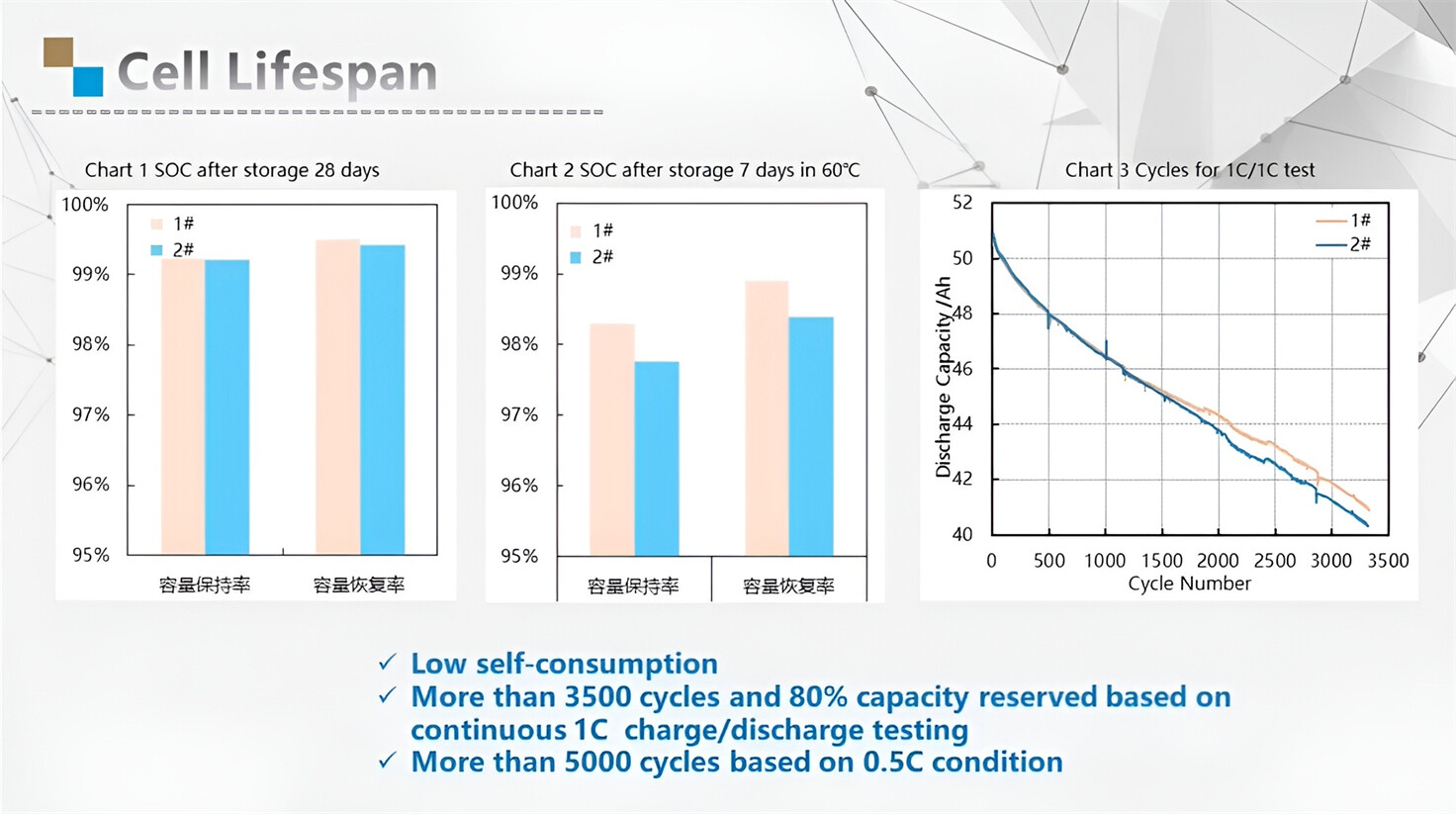
3. Longevity Fuels Second-Life Applications: LFP batteries typically offer a much longer cycle life—often exceeding 3,000 to 6,000 cycles—compared to NMC. This makes them exceptionally well-suited for ESS applications, where daily charging and discharging are the norm. The extended lifespan also opens up a robust market for second-life applications. After an LFP battery degrades to 80% of its original capacity for automotive use, it still has many years of useful life in less demanding stationary storage, enhancing its overall value proposition and sustainability.
4. Technological Improvements Closing Performance Gaps: Historically, LFP's main drawback was its lower energy density, meaning it took up more space and weight for the same amount of energy as NMC. However, continuous innovation, such as CATL's "cell-to-pack" (CTP) and BYD's "Blade Battery" designs, has dramatically improved the volumetric efficiency of LFP packs. While it may still not be the ideal choice for ultra-high-performance luxury vehicles where space is at a premium, the improved energy density is more than sufficient for the vast majority of passenger vehicles.
Expert Views: A Cautiously Optimistic Outlook
Industry experts largely agree on the continued growth of LFP but highlight challenges that need navigation.
"LFP is no longer an alternative chemistry; it is becoming the default for standard-range vehicles and a large segment of the energy storage market," says Dr. Elena Rodriguez, a battery researcher at a leading European technical university. "The R&D focus has now shifted from merely adopting LFP to optimizing its performance further, particularly in cold-weather operation and charging speeds for EVs."
Supply chain analysts point to potential bottlenecks. "The exponential demand for LFP will inevitably strain the lithium supply chain," notes Michael Chen, a partner at a clean energy consultancy. "While LFP reduces pressure on cobalt and nickel, the lithium market must scale at an unprecedented rate. The next few years will be defined by the race to secure lithium resources and develop more efficient recycling loops for LFP batteries themselves."
Finally, a note of strategic caution comes from industry strategists. "The West is playing catch-up in LFP manufacturing and IP," observes Sarah Wilkinson, an automotive industry analyst. "Chinese companies have a multi-year head start and deep expertise. For North American and European projects to be competitive, they must not only build factories but also rapidly innovate in manufacturing processes and next-generation LFP formulations to close the cost and quality gap."
In conclusion, the LFP battery market is in a phase of hyper-growth, propelled by its compelling value proposition. Its expansion beyond China is reshaping global automotive and energy strategies, fostering new supply chains, and intensifying competition. While challenges around raw material security and manufacturing scale remain, the trend is clear: LFP technology is a cornerstone of the global transition to electrification, poised to power a significant share of the world's EVs and store its renewable energy for years to come.
Customized/OEM/ODM Service
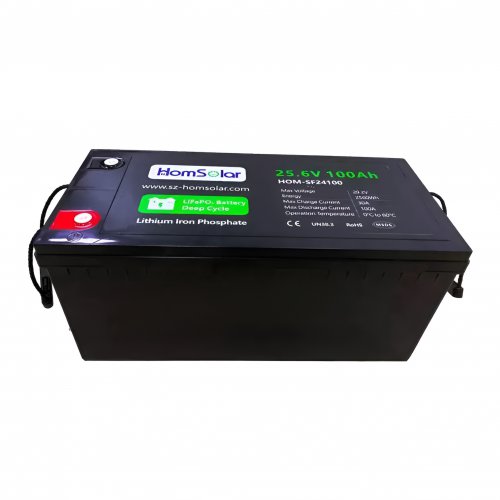
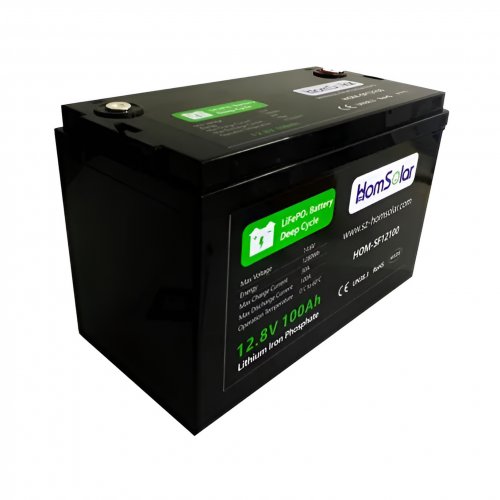
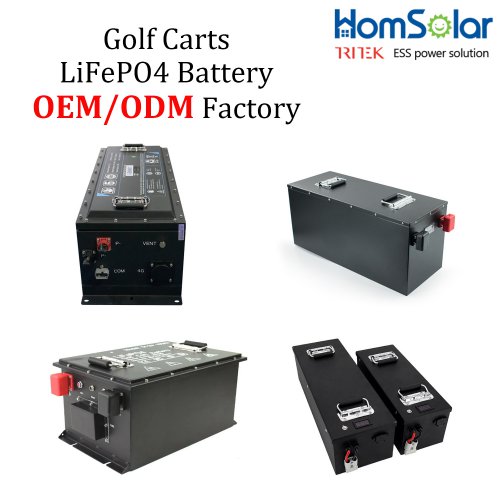
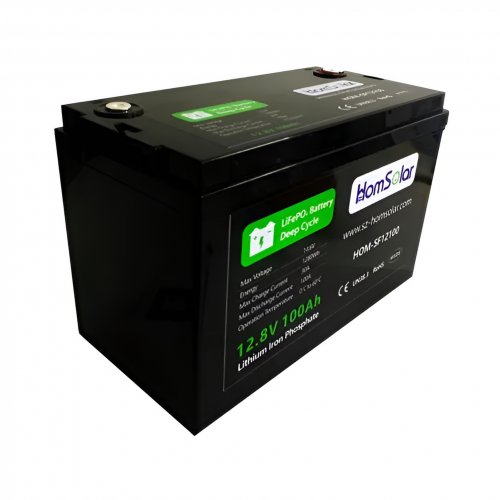
HomSolar Supports Lifepo4 battery pack customization/OEM/ODM service, welcome to contact us and tell us your needs.

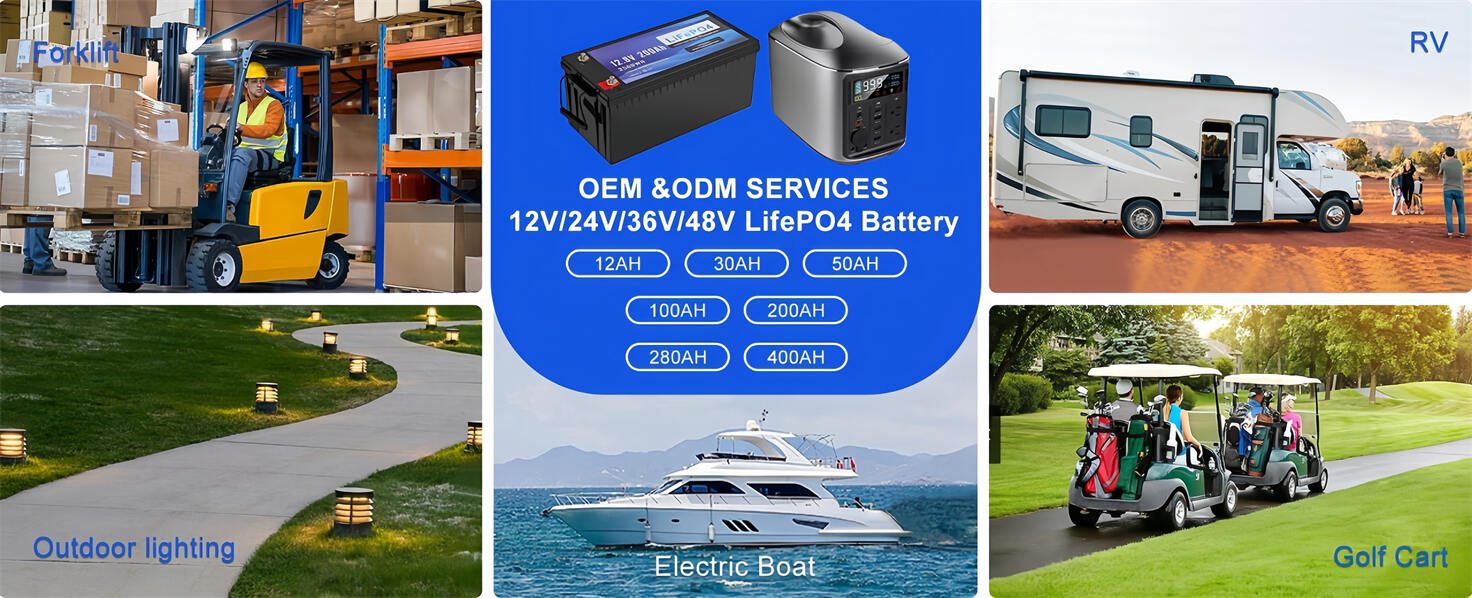
HomSolar: Your One-stop LiFePO4 Battery Pack & ESS Solution Manufacturer
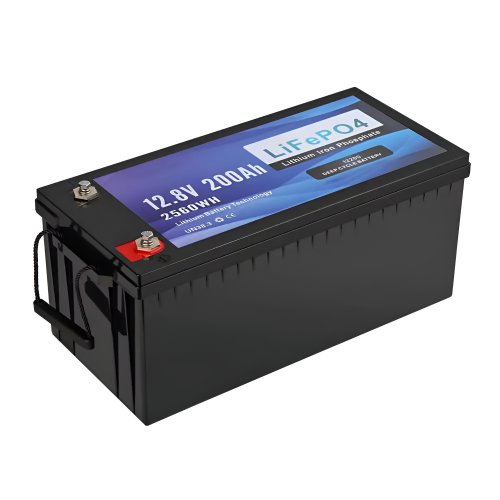
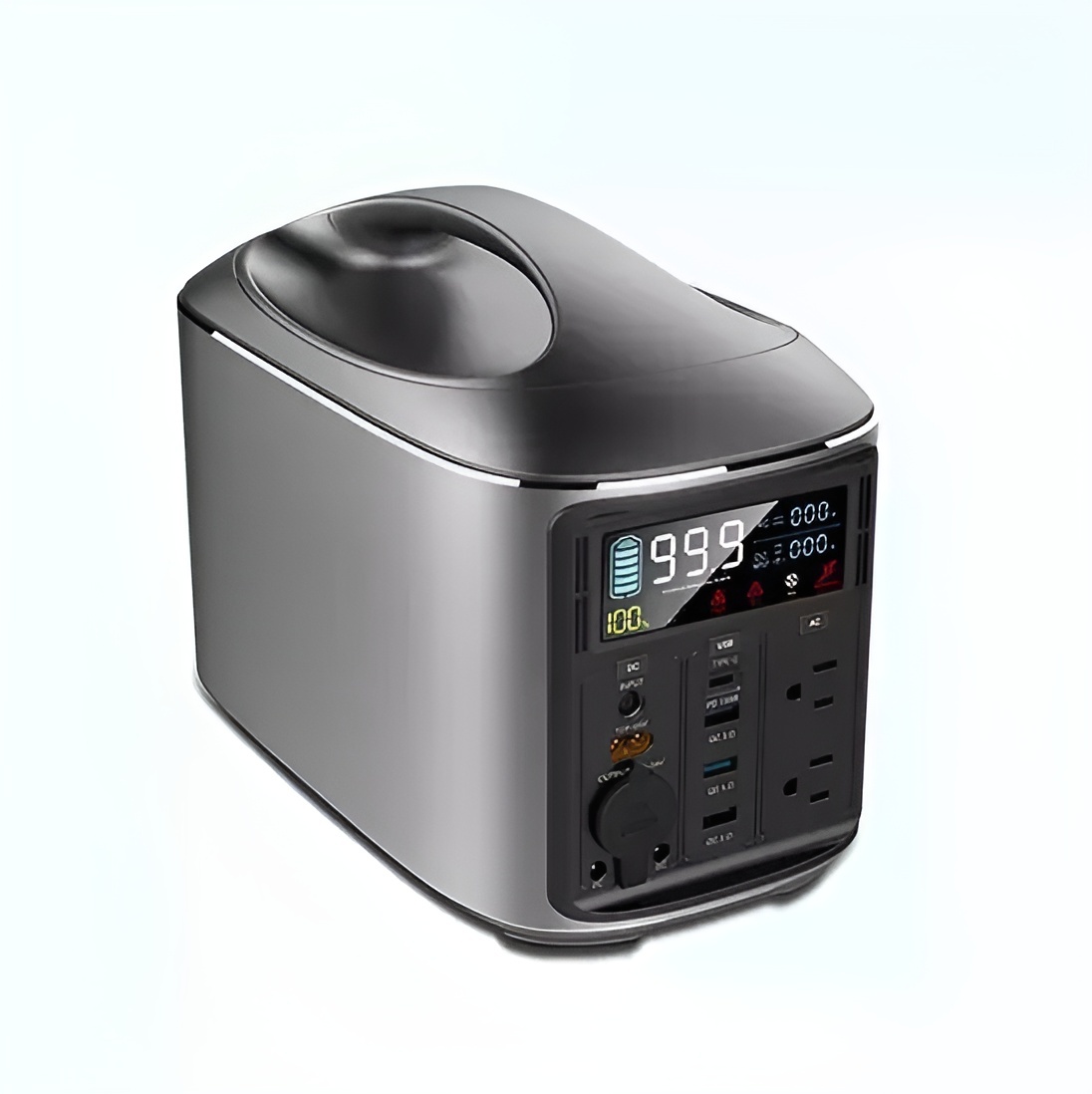
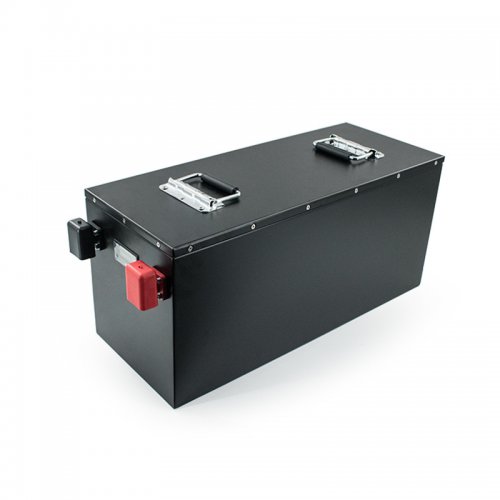
Our line of LiFePO4 (LFP) batteries offer a solution to demanding applications that require a lighter weight, longer life, and higher capacity battery. Features include advanced battery management systems (BMS), Bluetooth® communication and active intelligent monitoring.
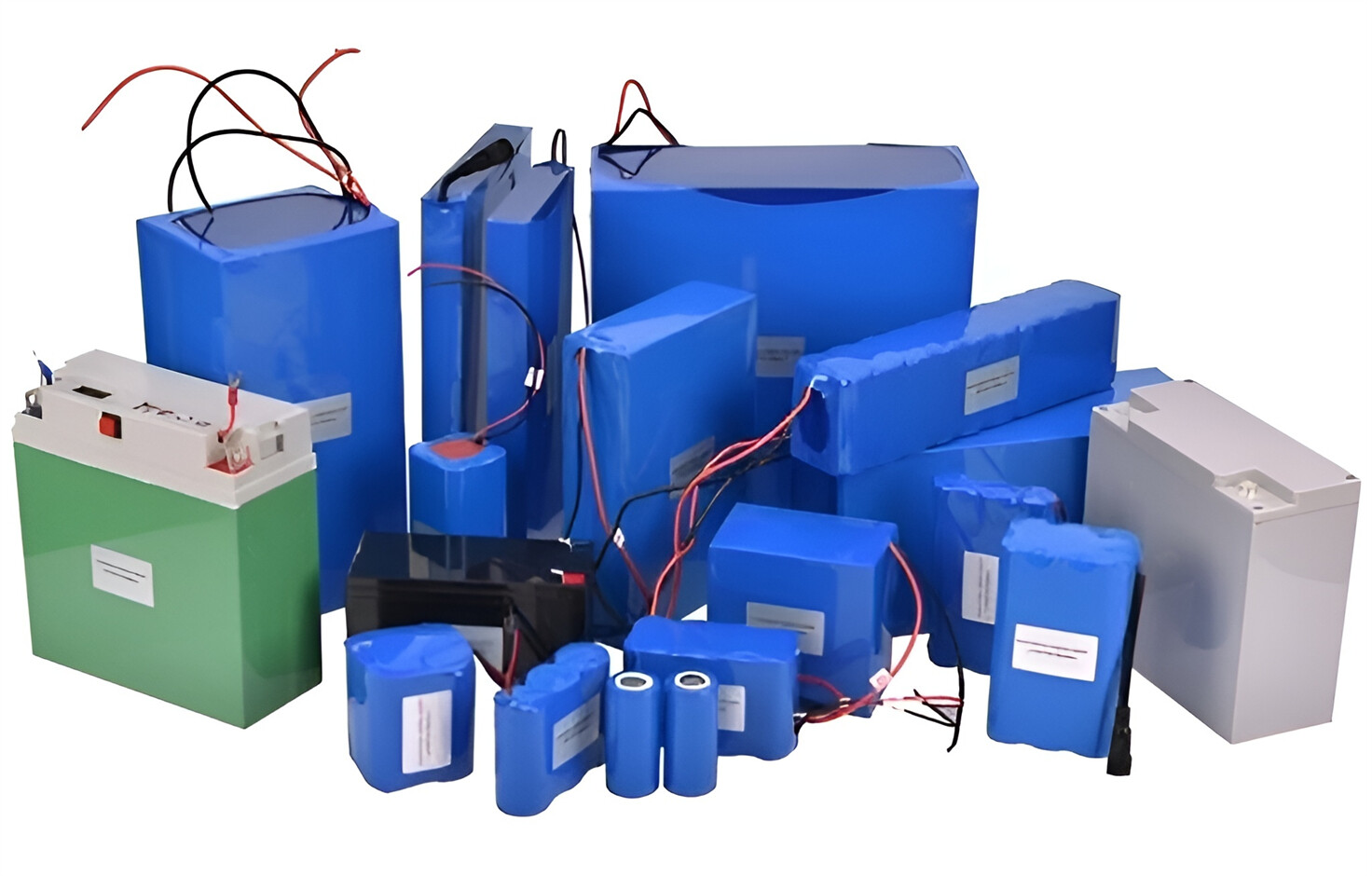
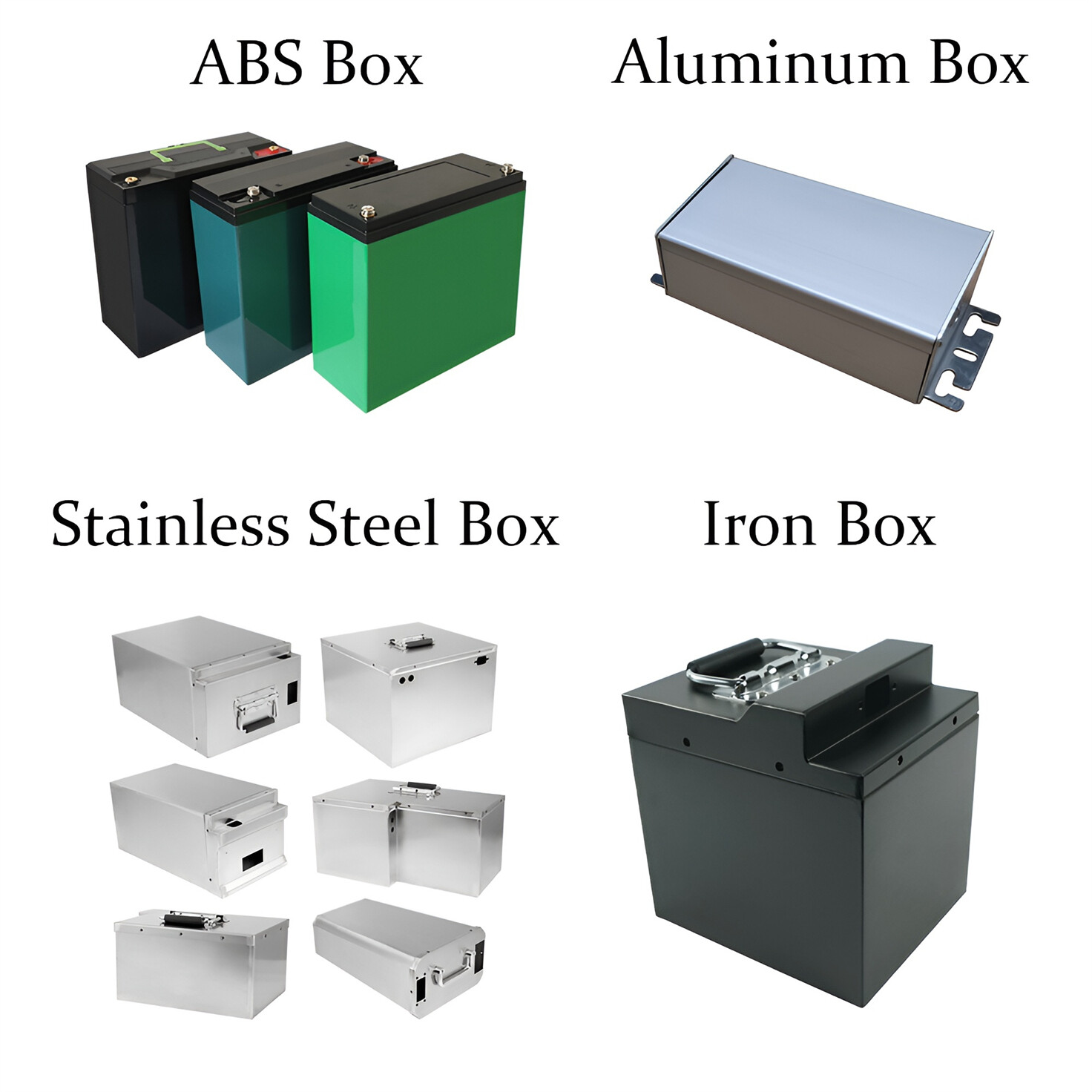
Customised Lithium Iron Phosphate Battery Casing
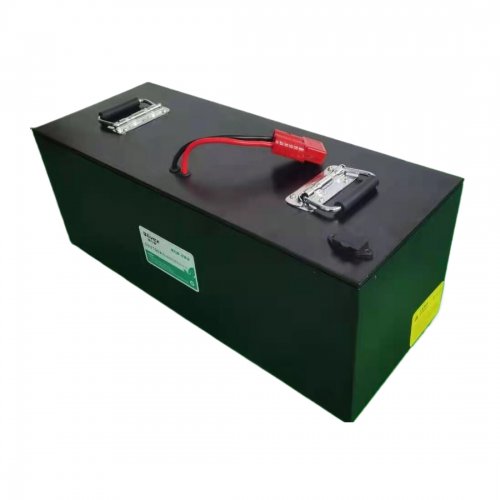
ABS plastic housing, aluminium housing, stainless steel housing and iron housing are available, and can also be designed and customised according to your needs.
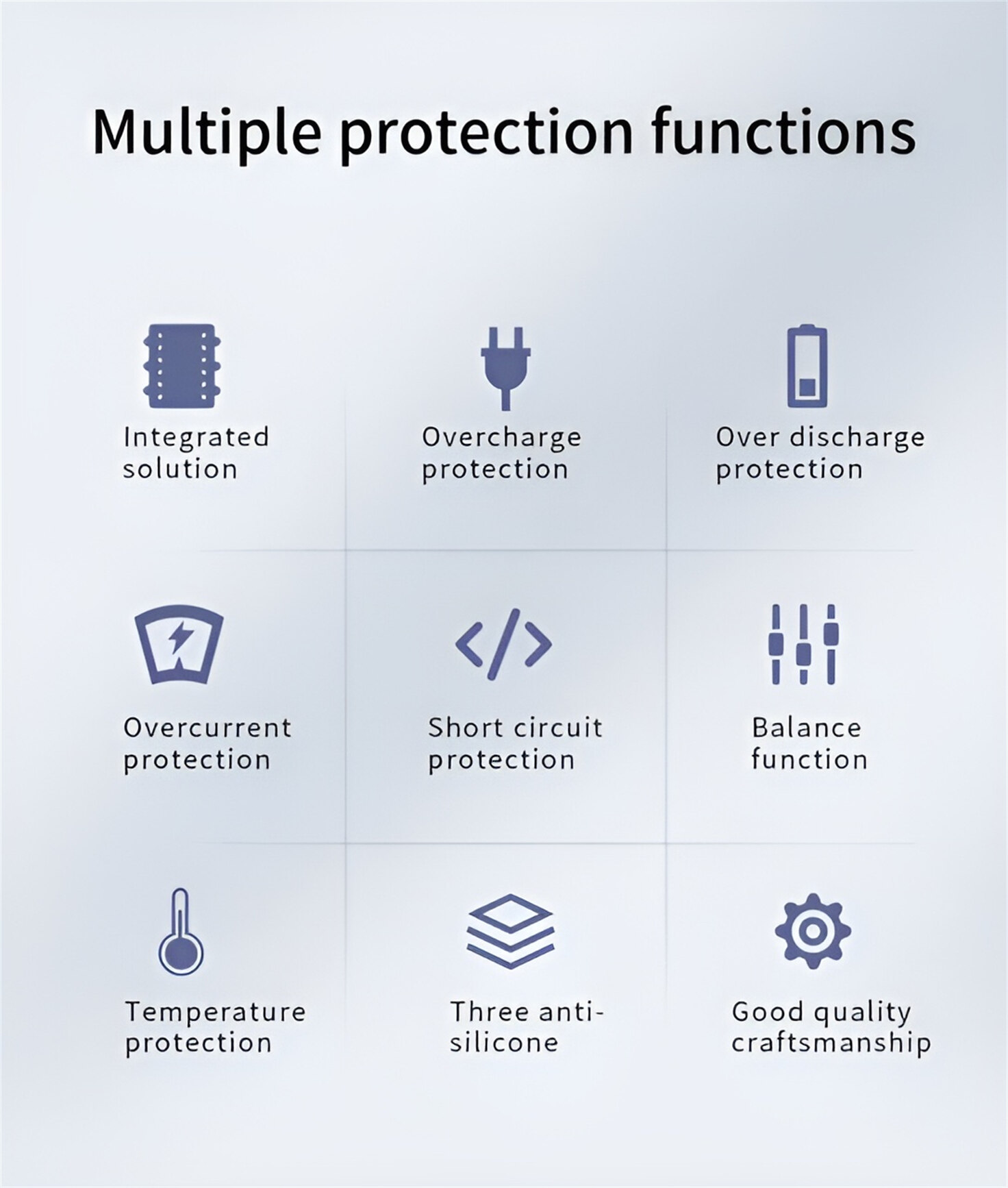
HomSolar Smart BMS
Intelligent Battery Management System for HomSolar Energy Storage System. Bluetooth, temperature sensor, LCD display, CAN interface, UART interface also available.

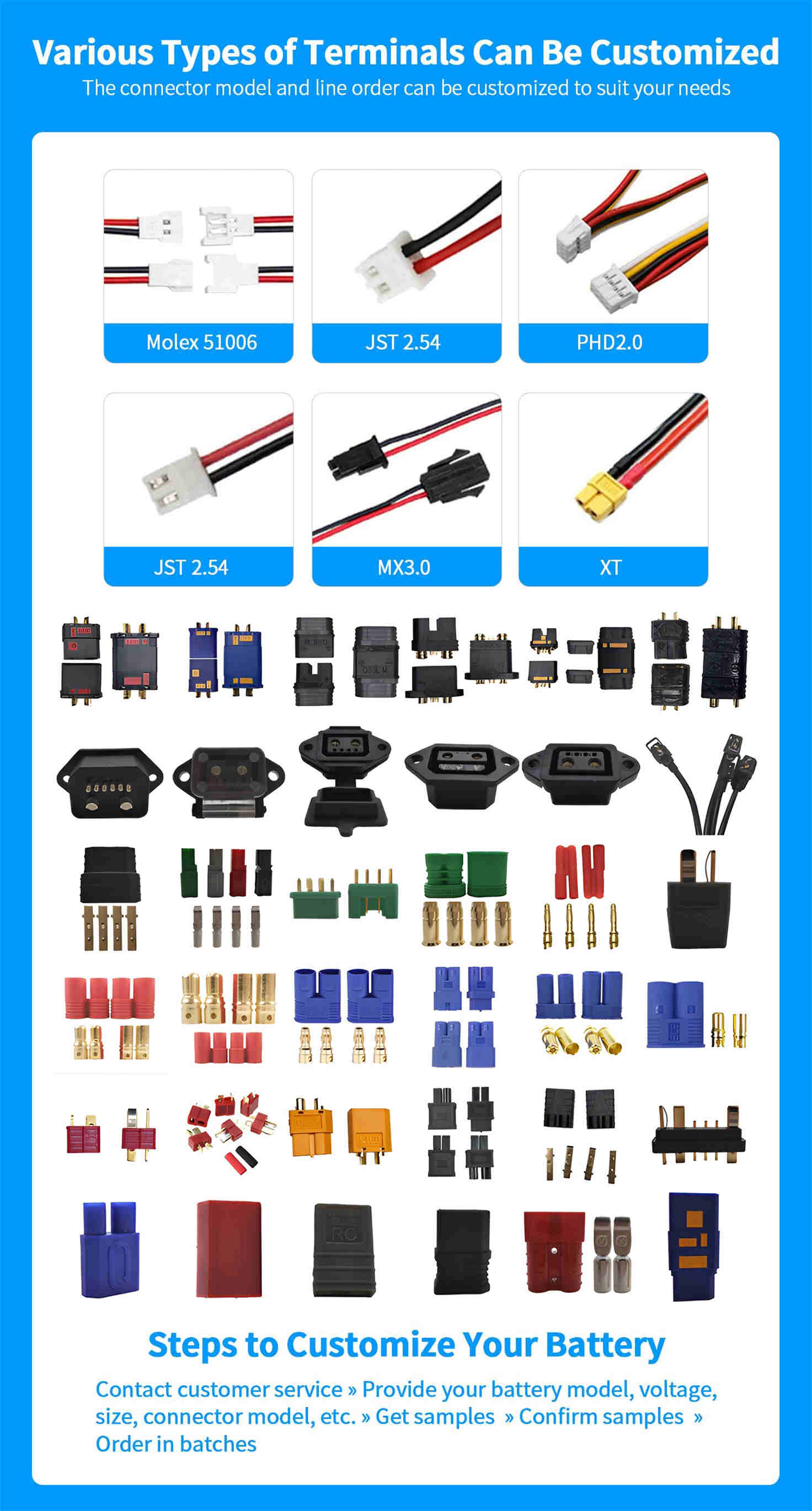
Terminals & Plugs Can Be Customized
A wide range of terminals and plugs can be customised to suit the application needs of your battery products.
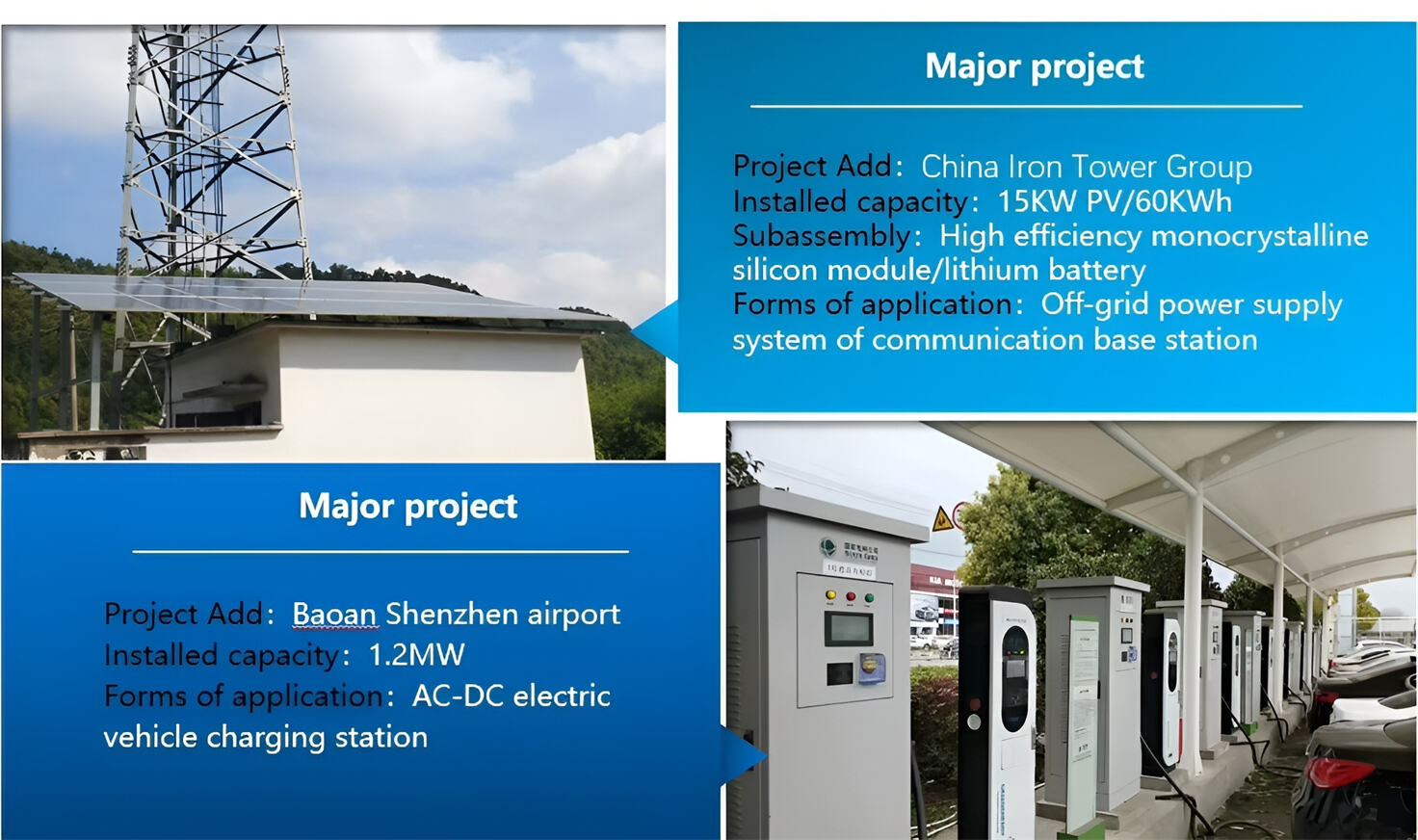
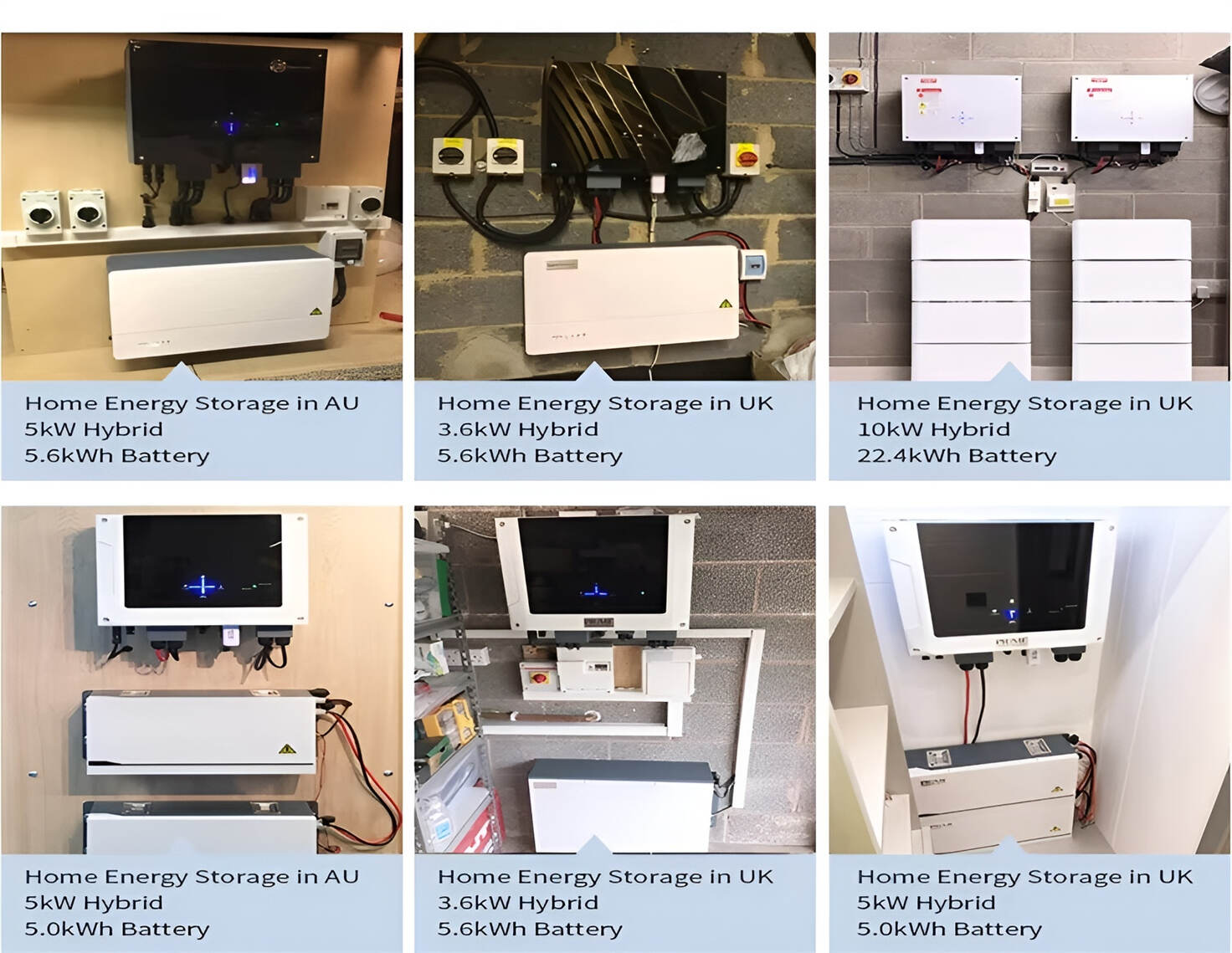
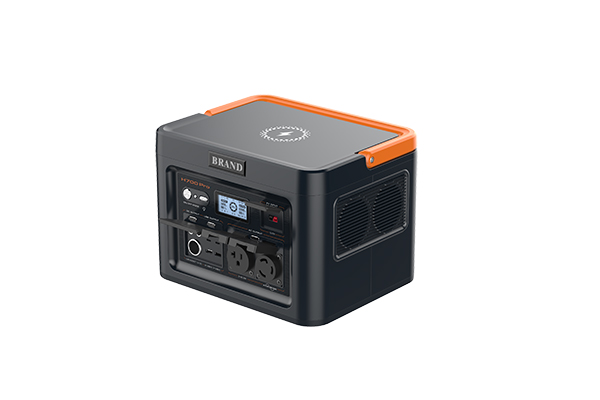
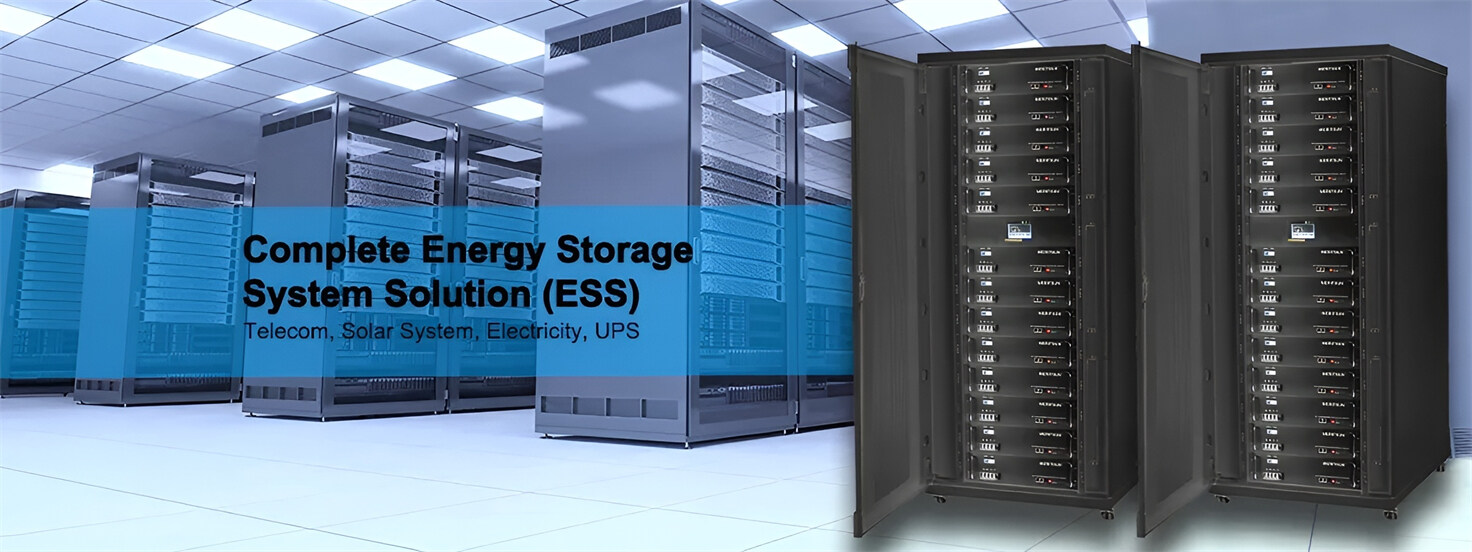
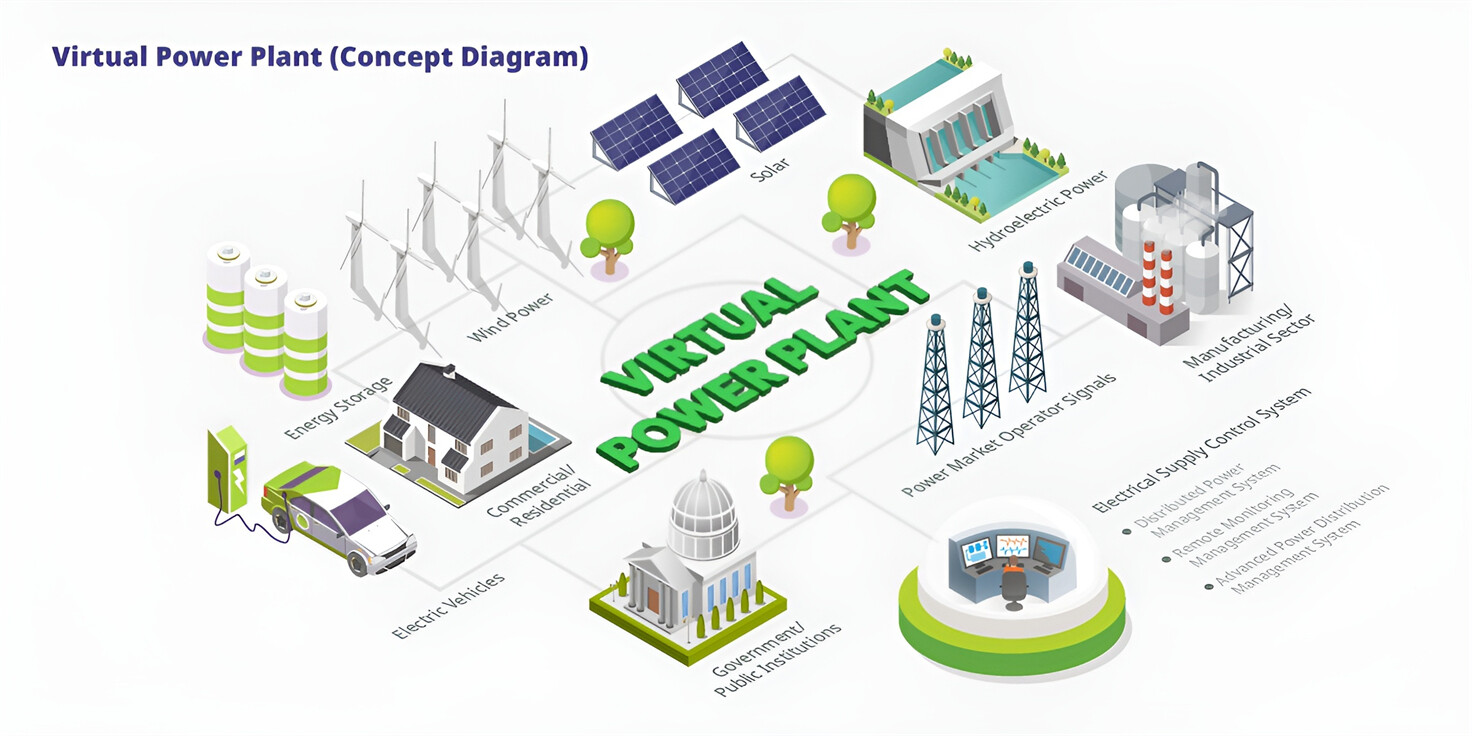
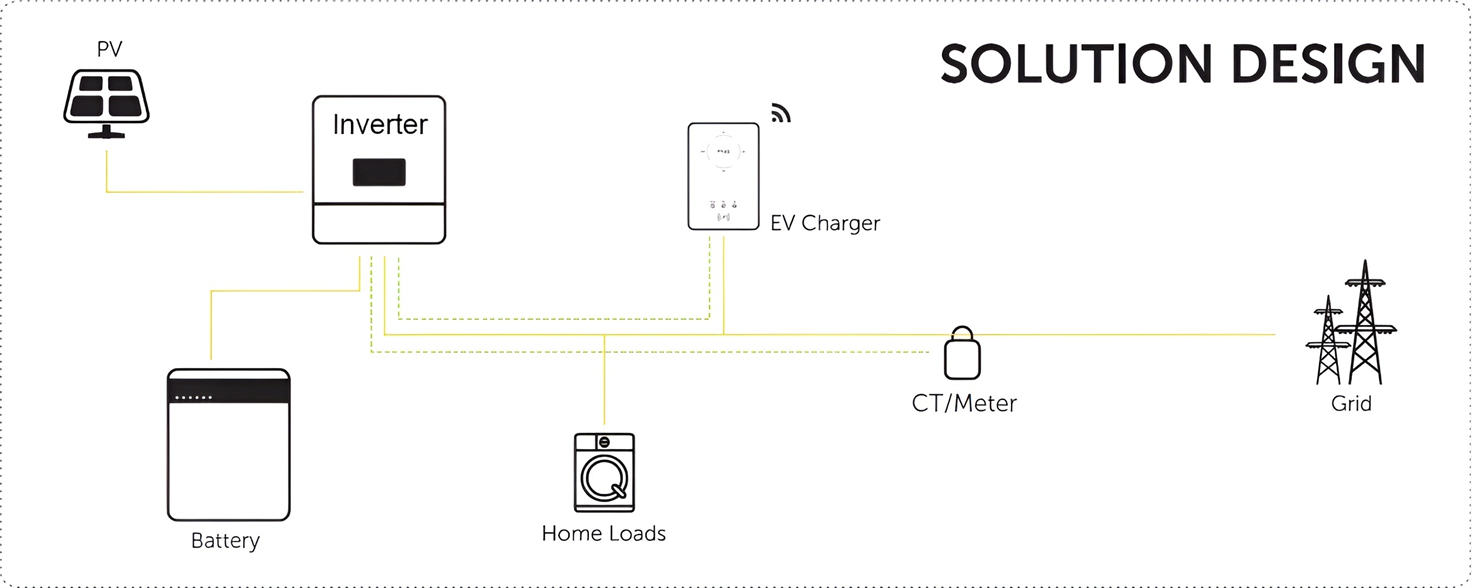
Well-designed Solutions for Energy Storage Systems
We will design the perfect energy storage system solution according to your needs, so that you can easily solve the specific industry applications of battery products.
About Our Battery Cells
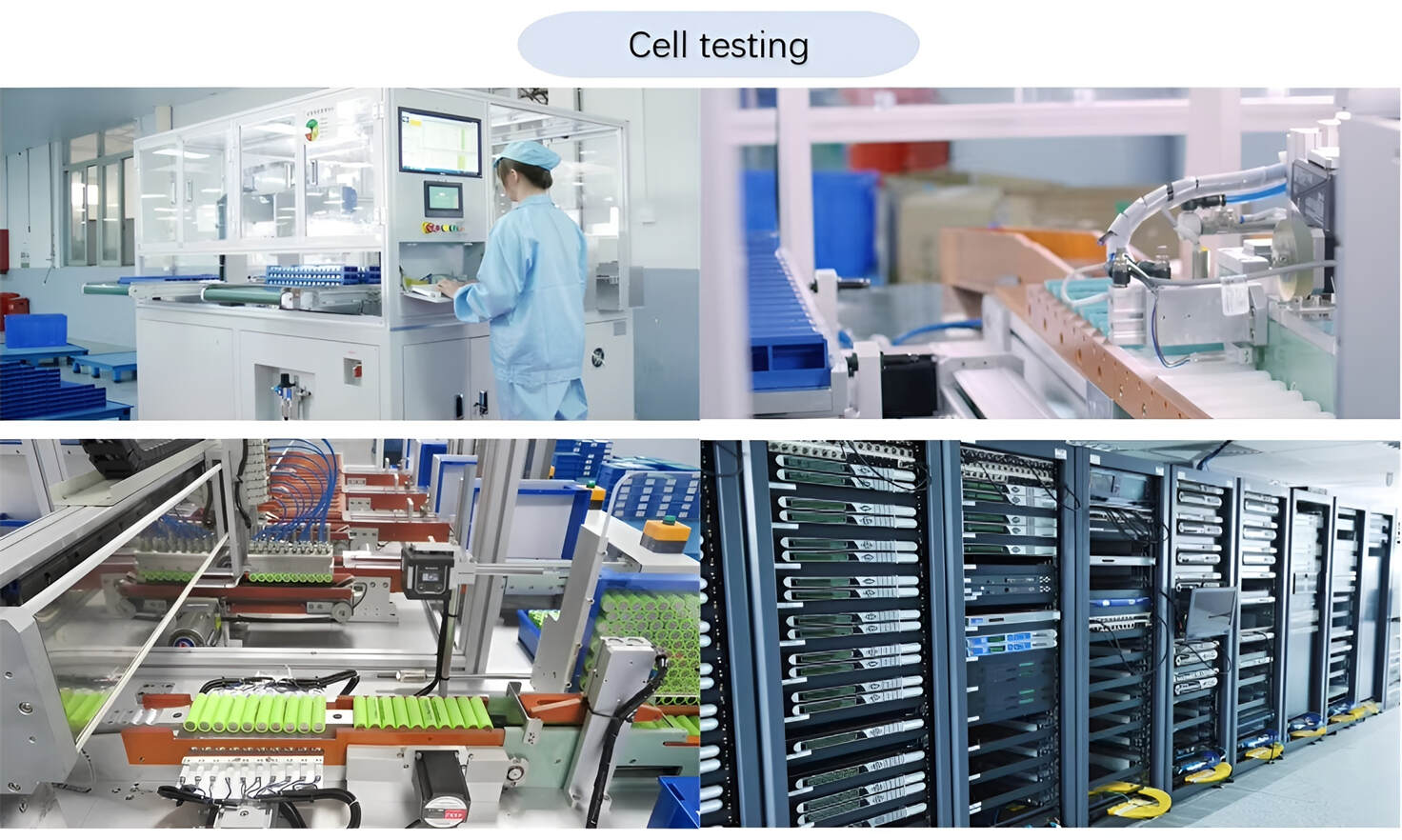
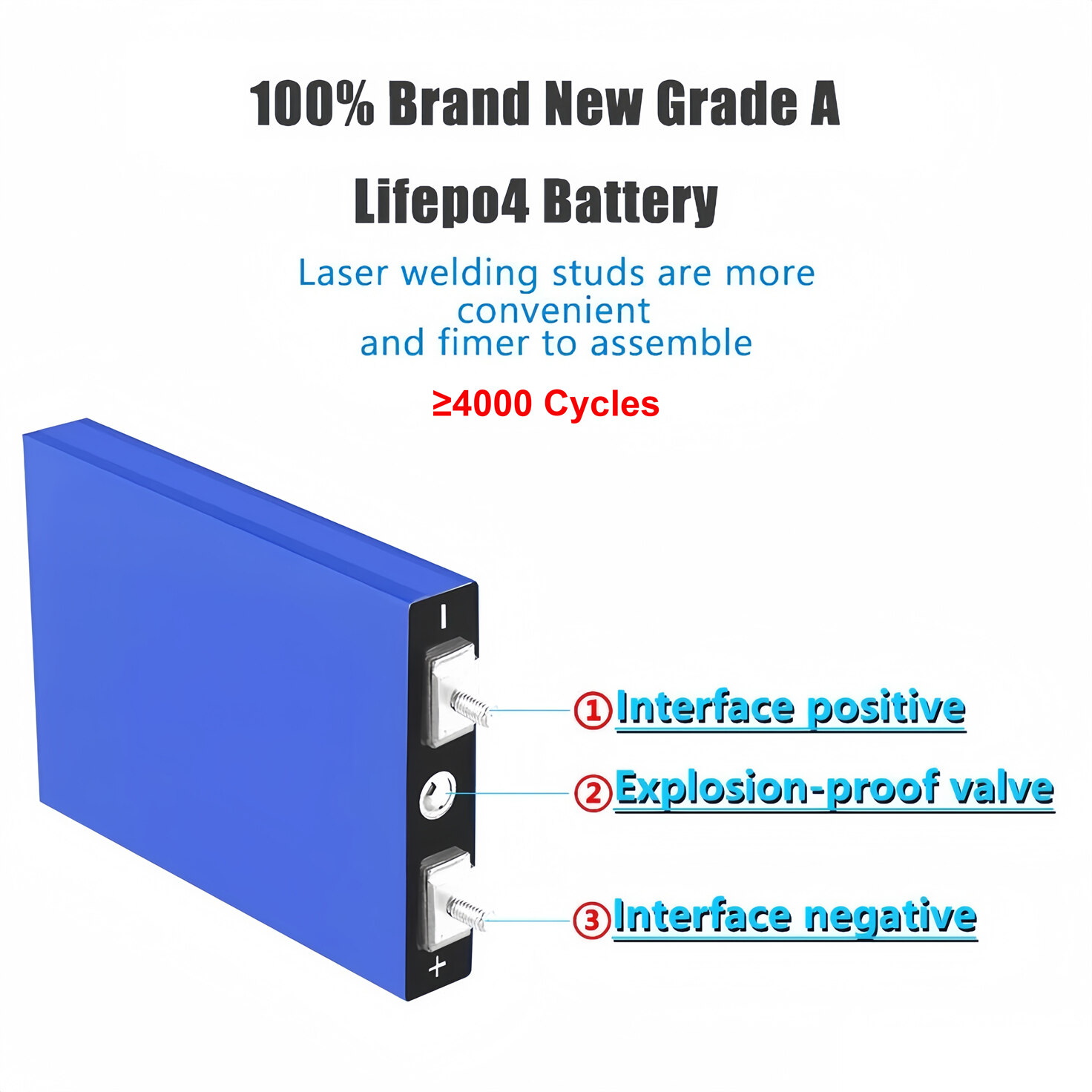
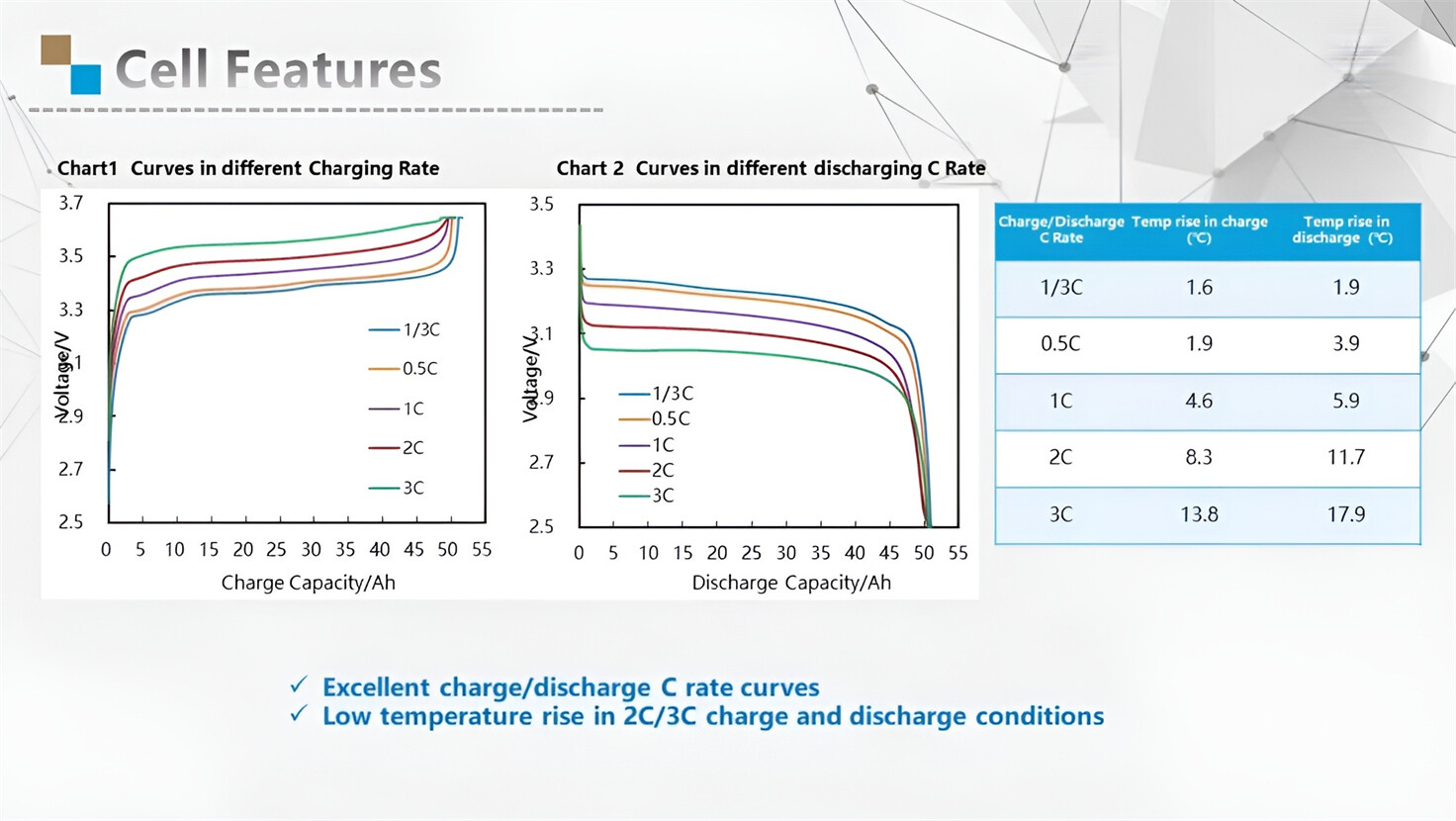
Our energy storage system products use brand new grade A LiFePO4 cells with a battery lifespan of more than 4,000 charge/discharge cycles.
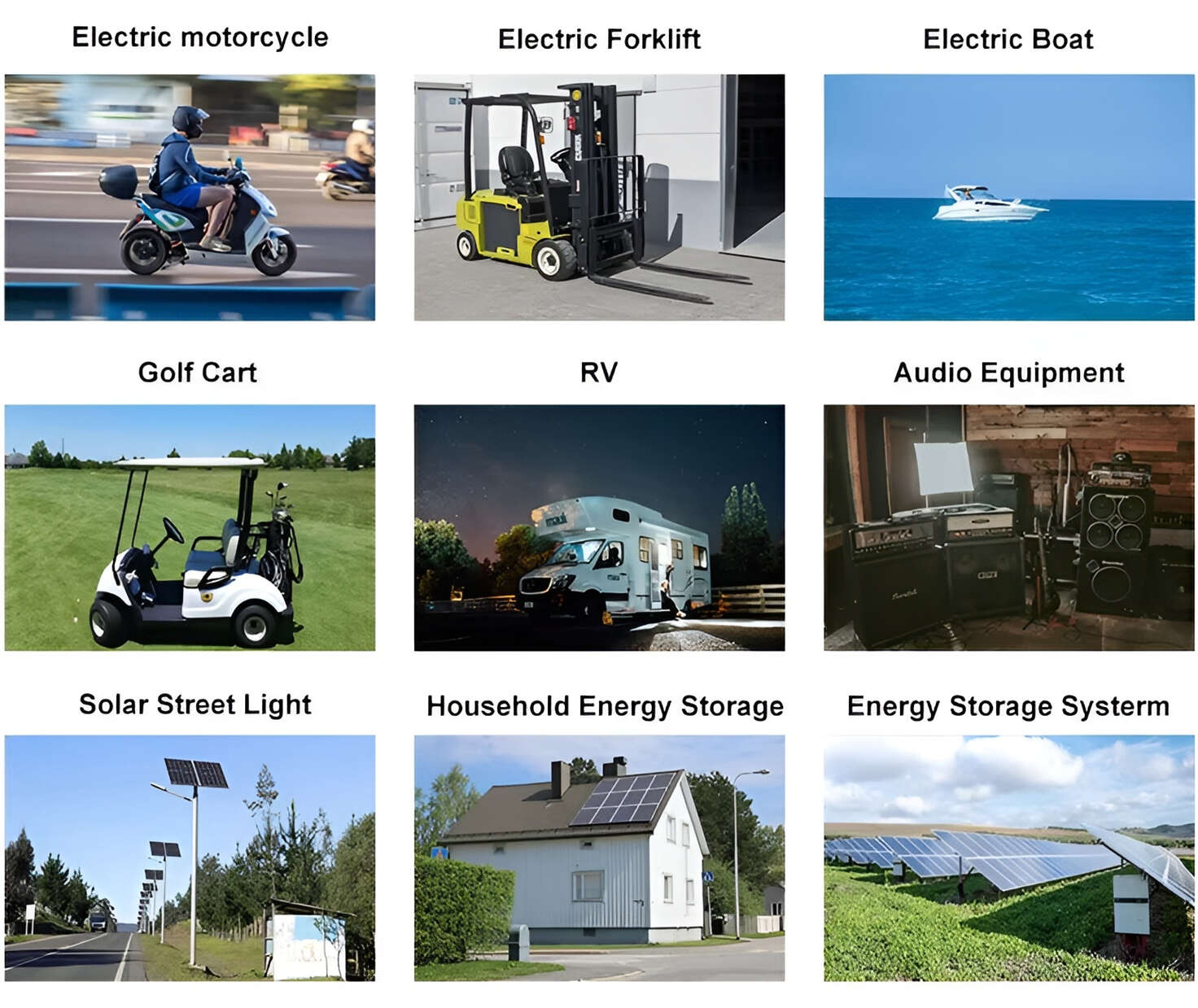
Applications in Different Industries
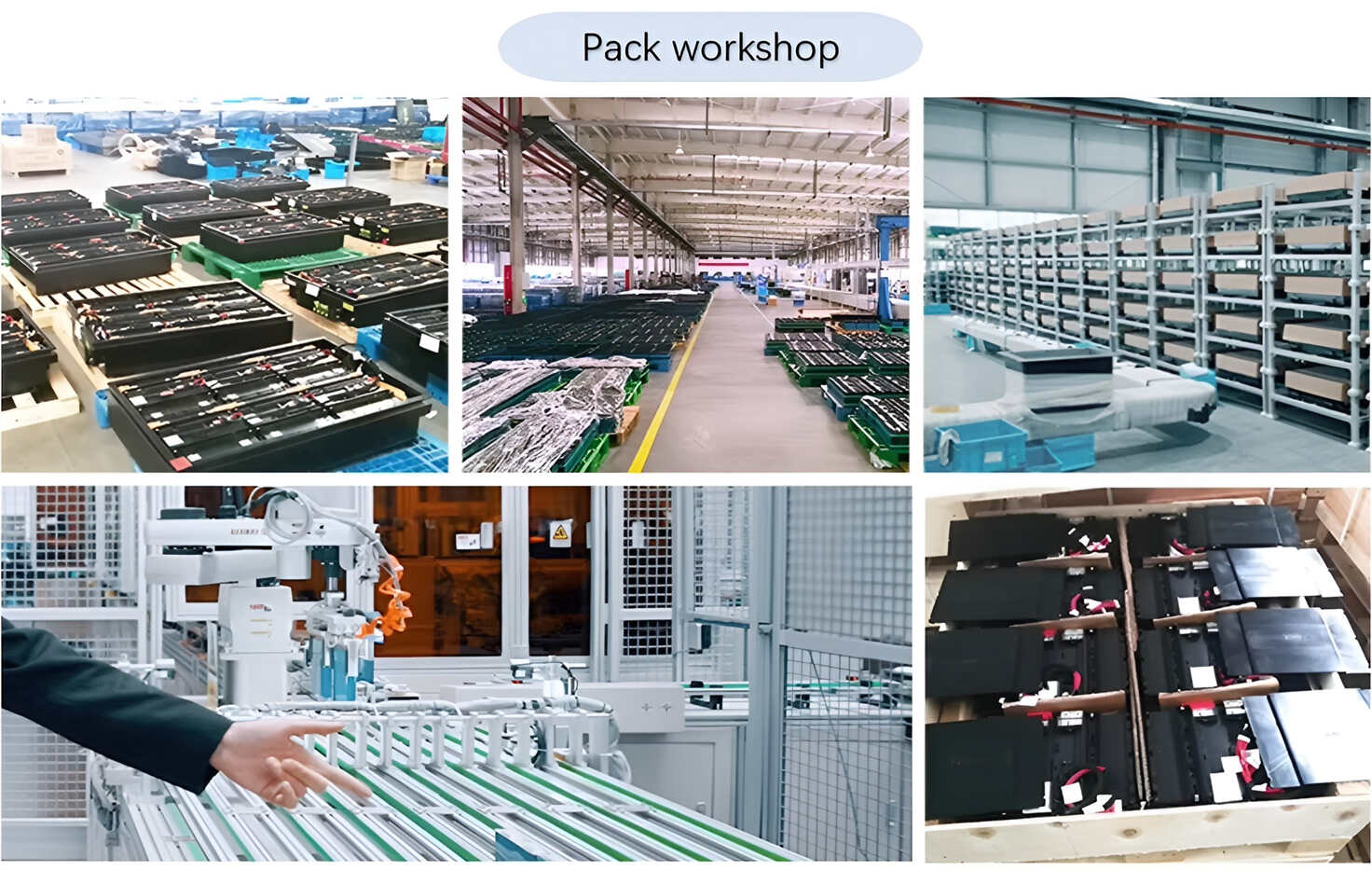
We supply customized & OEM battery pack, assemble cells with wiring, fuse and plastic cover, all the cell wires connected to PCB plug or built BMS.
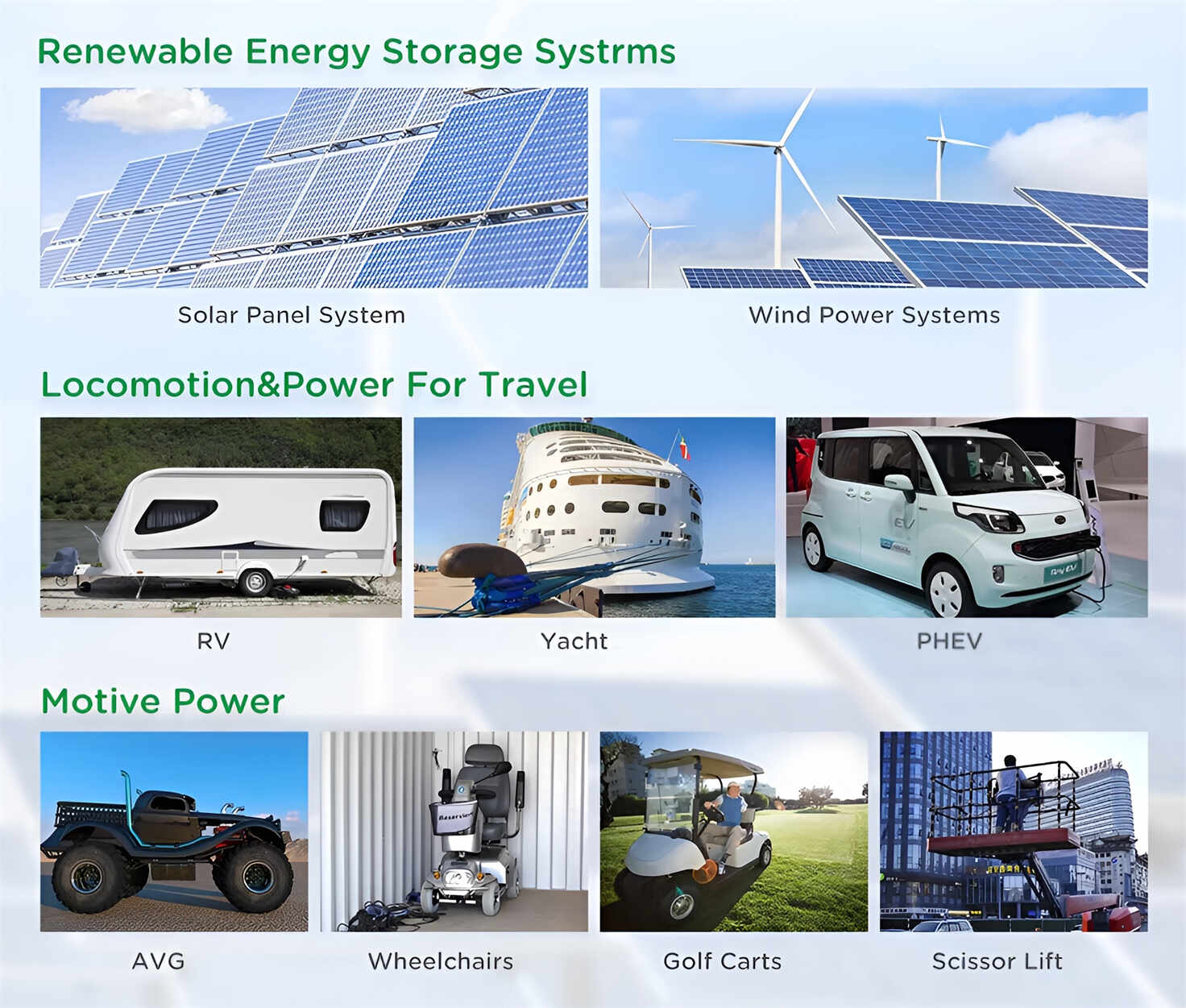
Applications: E-bike, Electric Scooter, Golf Carts, RV, Electric Wheelchair, Electric Tools, Robot Cleaner, Robot Sweeper, Solar Energy Storage System, Emergency Light, Solar Power Light, Medical Equipment, UPS Backup Power Supply.
We can provide you with customized services. We have the ability to provide a vertical supply chain, from single cells to pack/module and to a complete power solution with BMS, etc.
HomSolar (Shenzhen) Technology Co., Ltd