How To Use Usage Guide: A Comprehensive Manual For Effective Implementation
A usage guide is an indispensable tool for mastering any product, system, or software. It serves as a roadmap, translating complex features into actionable knowledge. However, the mere existence of a guide is not enough; knowing how to use the guide itself is the critical first step toward proficiency. This article provides a detailed methodology for extracting maximum value from any usage guide, ensuring you can operate your tool with confidence and efficiency.
Step 1: The Preliminary Assessment and Orientation
Before diving into specific functions, a strategic overview is essential.Identify Your Guide's Structure: Modern usage guides are rarely linear. Begin by identifying its core components. Look for a Table of Contents, an Index, a "Getting Started" section, and a Troubleshooting or FAQ area. Understanding where to find different types of information will save you immense time. A Table of Contents is perfect for learning the overall workflow, while an Index is invaluable for locating a specific setting or error message.Define Your Objective: Ask yourself, "What do I need to accomplish right now?" Your goal could be broad ("learn how to create a new project") or specific ("resolve error code 502"). A broad objective suggests starting with the "Getting Started" or core concepts chapters. A specific issue directs you immediately to the Index or Search function.Determine the Guide's Philosophy: Skim the introduction. Does the guide assume prior knowledge? Is it written for a novice or a power user? Identifying the intended audience helps you contextualize the instructions and gauge which sections will be most relevant to your skill level.
Step 2: The Systematic Learning Process
Once oriented, you can begin the hands-on learning phase.Follow the Foundational Tutorials: Resist the temptation to skip the basics. Almost every effective guide includes initial tutorials designed to familiarize you with the fundamental interface and workflows. Complete these step-by-step, even if they seem simplistic. They often introduce universal commands, navigation patterns, and terminology that are crucial for understanding more advanced topics later.Adopt a "Learn-Do" Approach: Passive reading is ineffective. The most effective way to internalize a usage guide is through simultaneous application. Have the product or software open alongside the guide. As you read a step, immediately perform the action in the live environment. This kinesthetic learning reinforces memory and provides instant feedback, helping you understand the practical outcome of each instruction.Take Notes and Annotate: While digital guides are searchable, the act of writing reinforces learning. Create a personal "cheat sheet" of frequently used commands, shortcuts, or workflows. If you are using a physical guide or a printable PDF, do not hesitate to annotate it with highlights, margin notes, and bookmarks for quick future reference.
Step 3: Mastering Advanced Features and Troubleshooting
After establishing a solid foundation, you can leverage the guide to enhance your expertise.Use the Index Proactively: The Index is your most powerful tool for moving beyond beginner status. When you have a concept in mind—like "automation," "templates," or "export options"—look it up in the Index. It will direct you to every relevant page, often revealing features and connections you didn't know existed.Decipher the Troubleshooting Section: A well-written Troubleshooting section is structured logically. Problems are typically categorized by symptom, module, or error code. When faced with an issue, describe the symptom clearly. Instead of "it doesn't work," note "the print preview displays blank pages." Then, scan the troubleshooting headings for matching descriptions. Follow the recommended steps in order, as they are often listed from the most to the least common solution.Cross-Reference Related Topics: A good usage guide will contain cross-references, such as "See also: [Related Topic]." Make a habit of following these links. They provide a more holistic understanding of how different features interact, allowing you to create more sophisticated and efficient workflows.
Practical Operational Advice and TechniquesLeverage Digital Search Effectively: When using a digital guide, master the search function. Use specific keywords and phrases. If searching for a multi-word term like "user permissions," use quotation marks to find the exact phrase. If your initial search fails, try synonyms (e.g., "access rights" instead of "user permissions").Bookmark Critical Pages: Whether you're using a web-based guide, a PDF, or a physical manual, bookmark the pages you find yourself returning to frequently. This includes the Table of Contents, the Index, the keyboard shortcuts page, and any core workflow instructions.Contextualize with Examples: Pay close attention to any provided examples, diagrams, or sample outputs. They are not just illustrations; they are integral to understanding the practical application of a feature. Try to modify the examples slightly to see how the changes affect the outcome, deepening your comprehension.
Critical Considerations and Best PracticesCheck for Version Compatibility: The single most important precaution is to ensure you are consulting the correct version of the usage guide. Using a guide for Version 3.0 with Version 4.5 of a product can lead to confusion, errors, and frustration. The version number is usually prominently displayed on the cover, introduction, or footer of the document.Heed Warnings and Notes: Usage guides often include special formatted text boxes for Warnings, Important notes, and Tips. A Warning indicates an action that could cause data loss or system instability. An Important note highlights a critical constraint or prerequisite. A Tip suggests a best practice or a shortcut. Always read these elements carefully before proceeding.Understand the "Why," Not Just the "How": While following steps will get the job done, strive to understand the rationale behind them. Why must you configure this setting before that one? Understanding the underlying logic empowers you to troubleshoot novel problems and adapt the instructions to unique scenarios that may not be explicitly covered in the guide.Know When to Go Beyond the Guide: A usage guide has limits. It may not cover third-party integrations, highly specific edge cases, or brand-new community-discovered techniques. Use the guide as your primary source of truth, but be prepared to supplement it with official knowledge bases, community forums, or technical support for exceptionally complex issues.
In conclusion, a usage guide is a dynamic tool for empowerment, not a static document to be shelved. By approaching it with a structured strategy—assessing its layout, applying its lessons actively, and mastering its advanced lookup features—you transform it from a mere reference into a personal tutor. This disciplined approach ensures you not only complete your immediate tasks but also build a deep, lasting mastery of your tools.
Customized/OEM/ODM Service
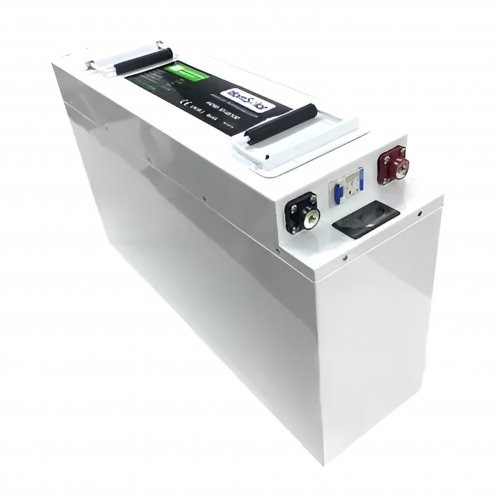
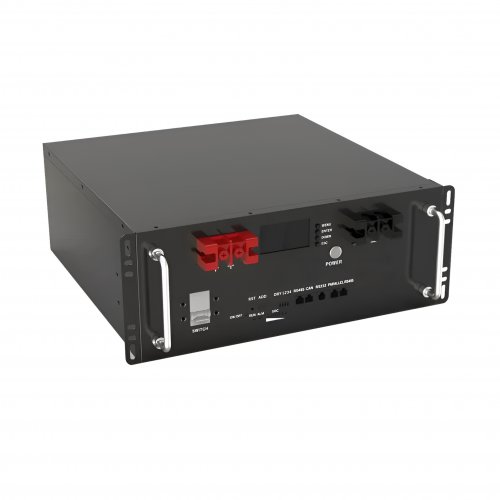
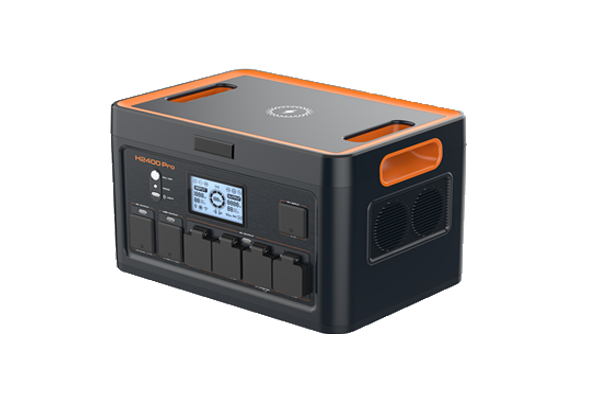
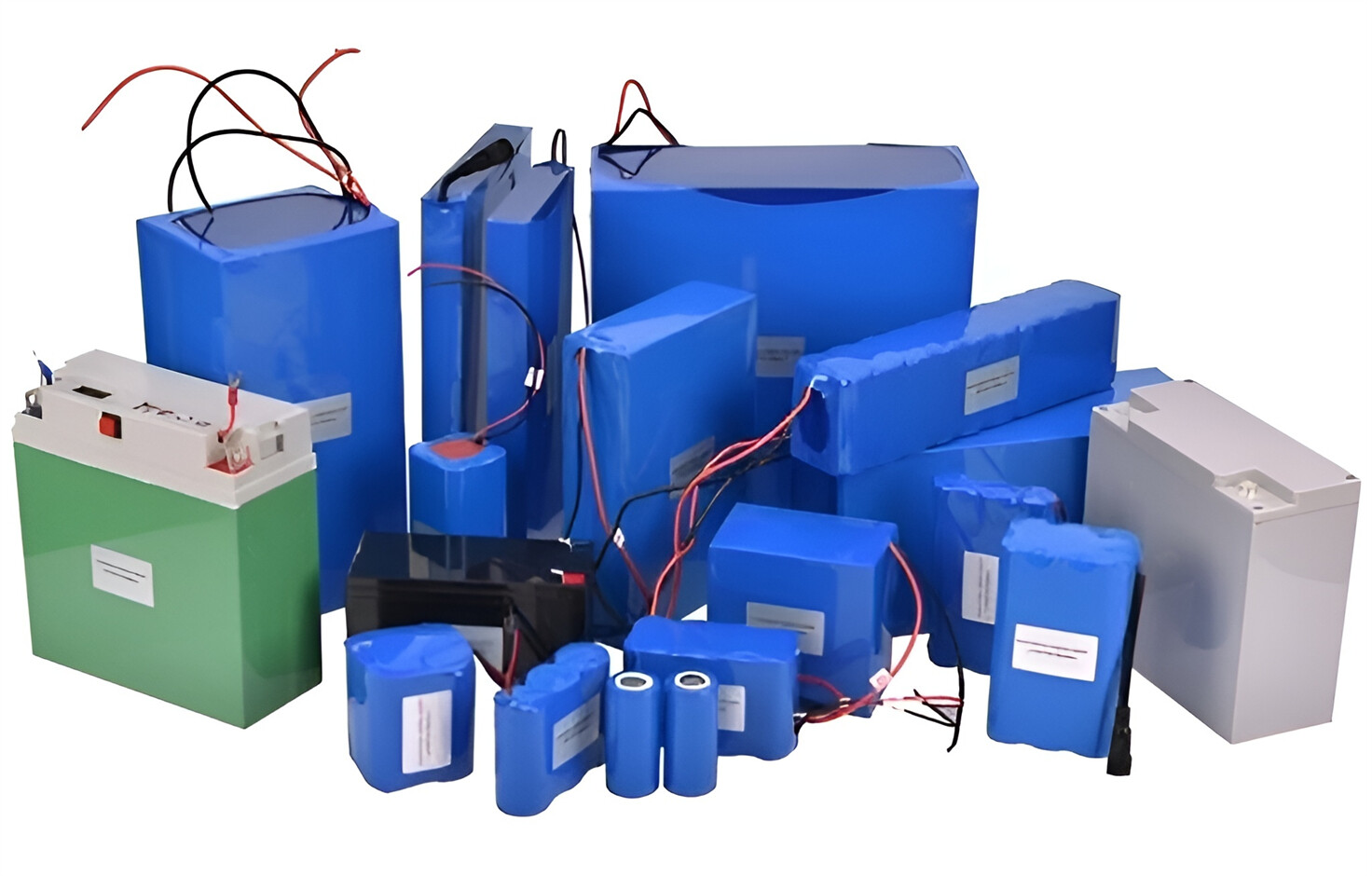
HomSolar Supports Lifepo4 battery pack customization/OEM/ODM service, welcome to contact us and tell us your needs.


HomSolar: Your One-stop LiFePO4 Battery Pack & ESS Solution Manufacturer
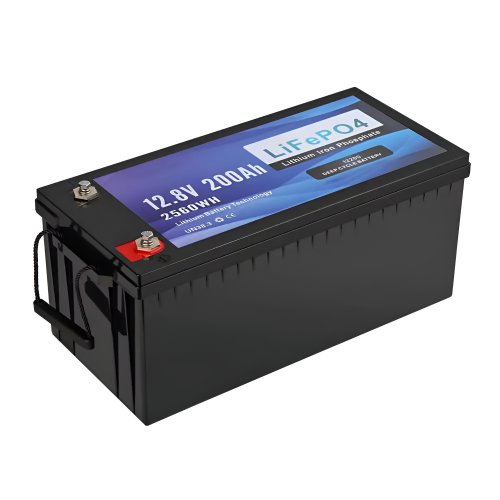
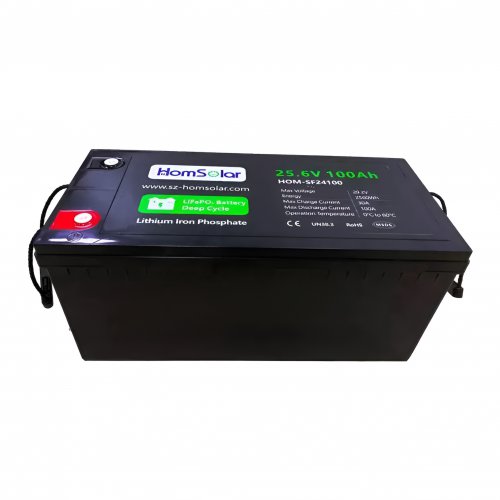
Our line of LiFePO4 (LFP) batteries offer a solution to demanding applications that require a lighter weight, longer life, and higher capacity battery. Features include advanced battery management systems (BMS), Bluetooth® communication and active intelligent monitoring.
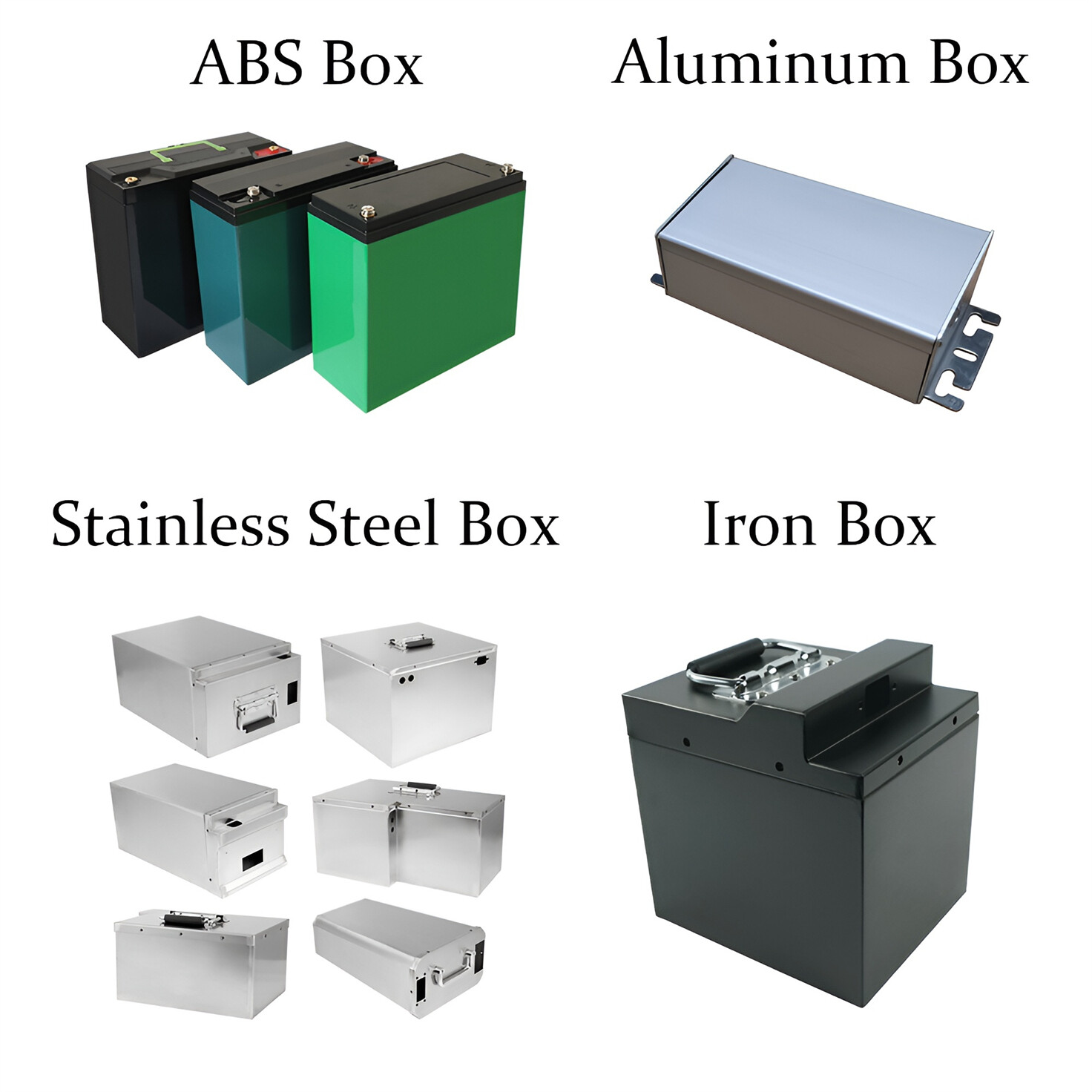
Customised Lithium Iron Phosphate Battery Casing
ABS plastic housing, aluminium housing, stainless steel housing and iron housing are available, and can also be designed and customised according to your needs.
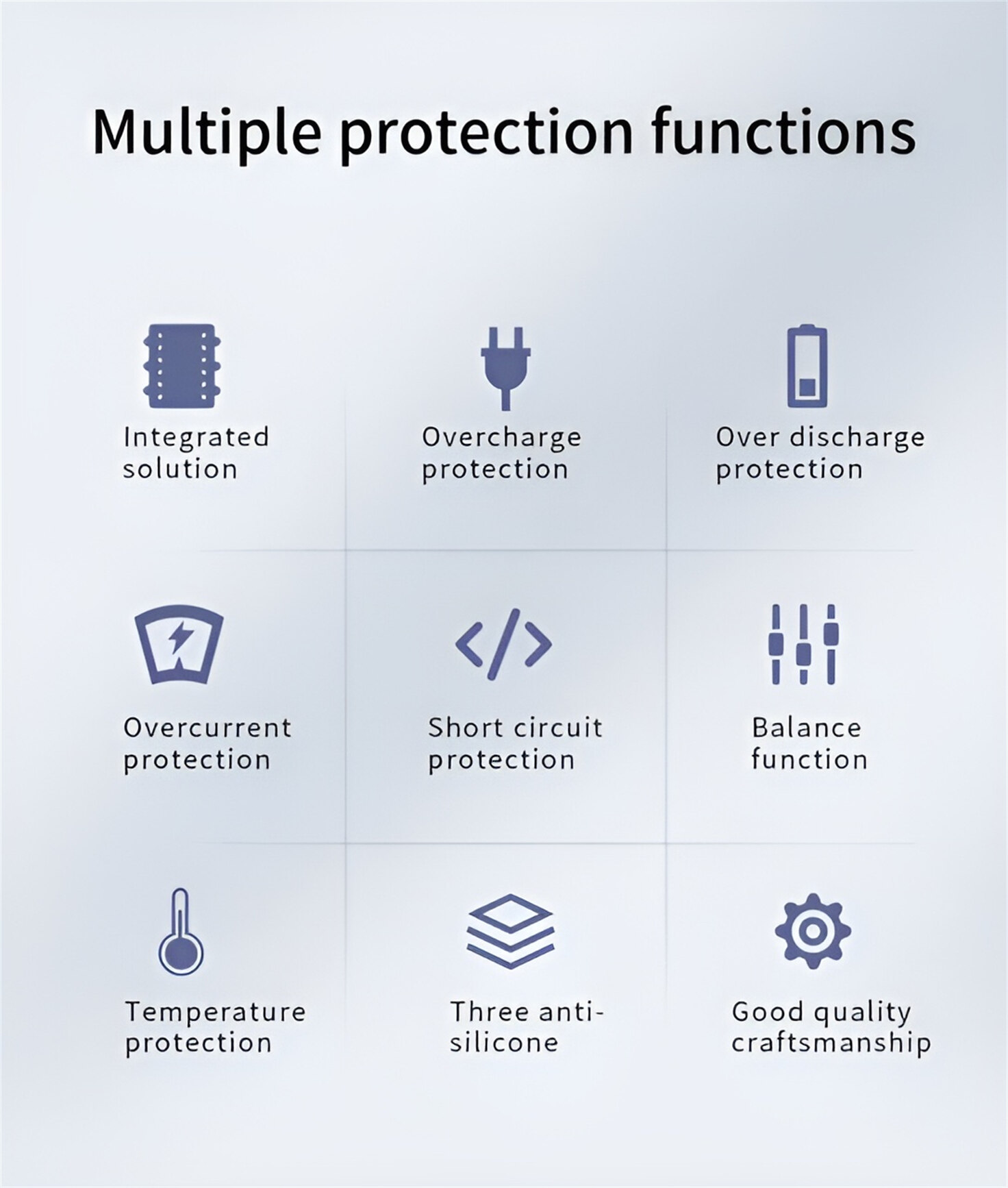
HomSolar Smart BMS
Intelligent Battery Management System for HomSolar Energy Storage System. Bluetooth, temperature sensor, LCD display, CAN interface, UART interface also available.

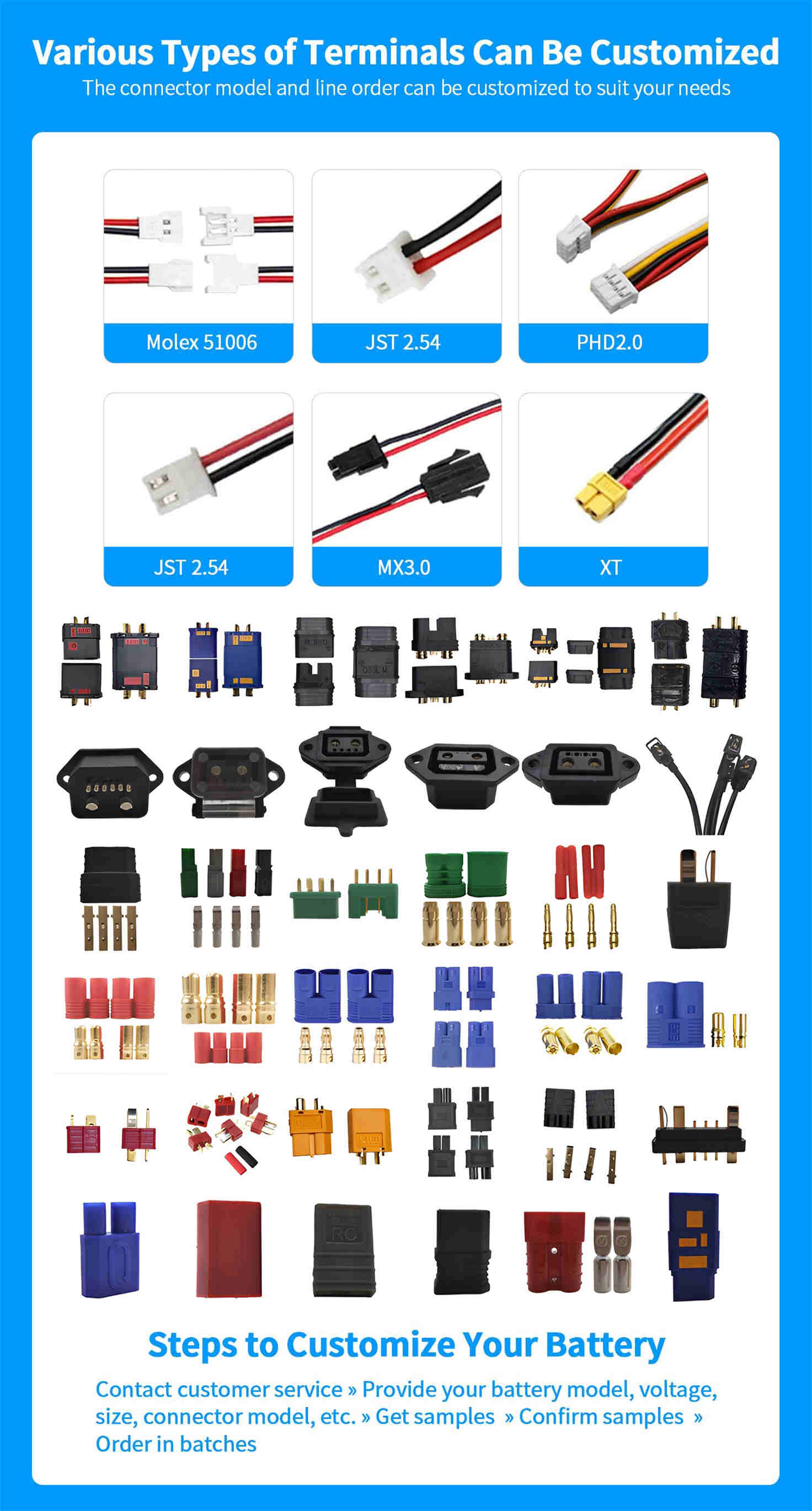
Terminals & Plugs Can Be Customized
A wide range of terminals and plugs can be customised to suit the application needs of your battery products.
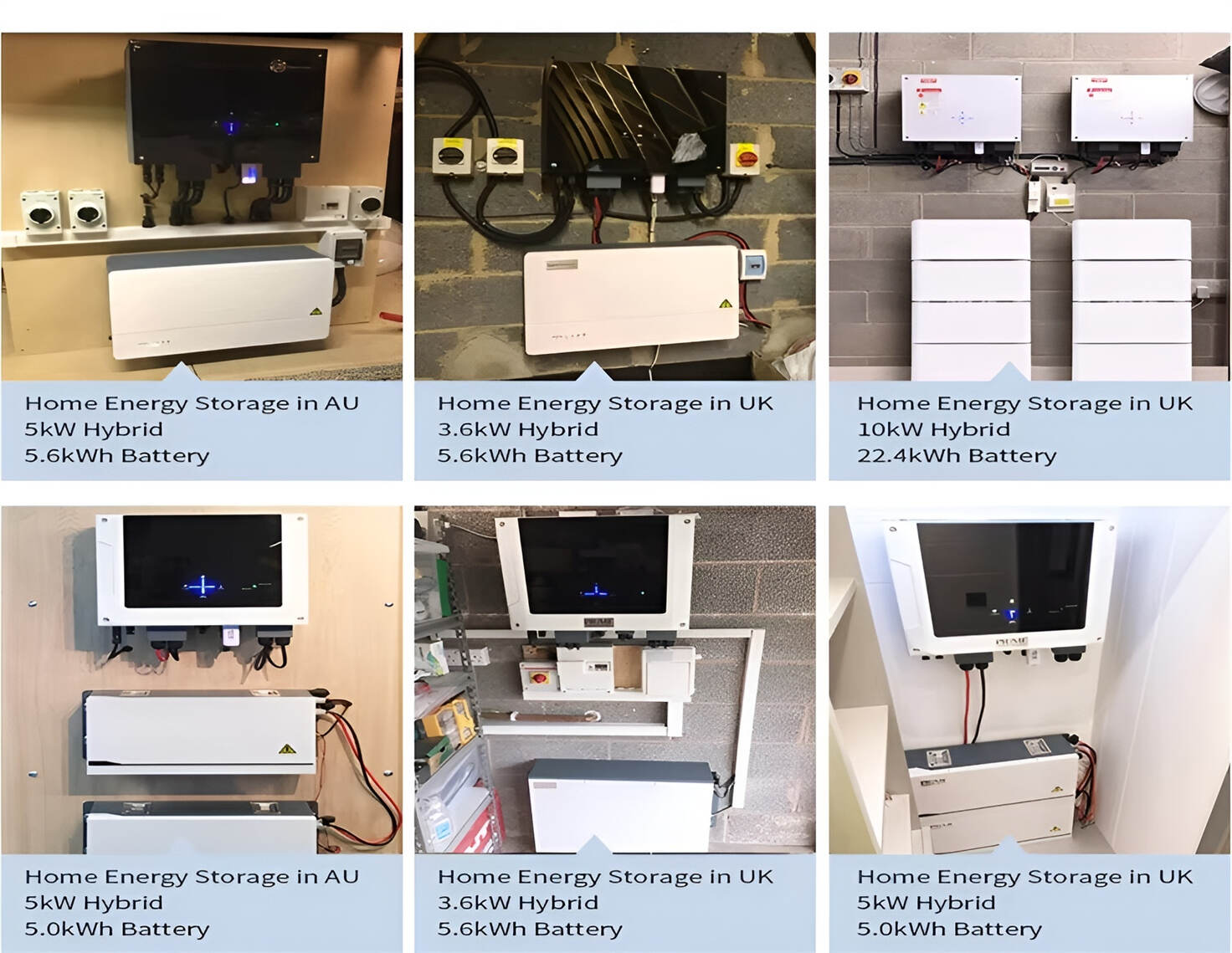
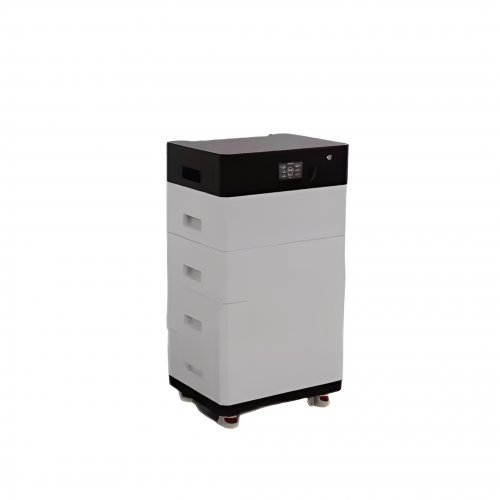
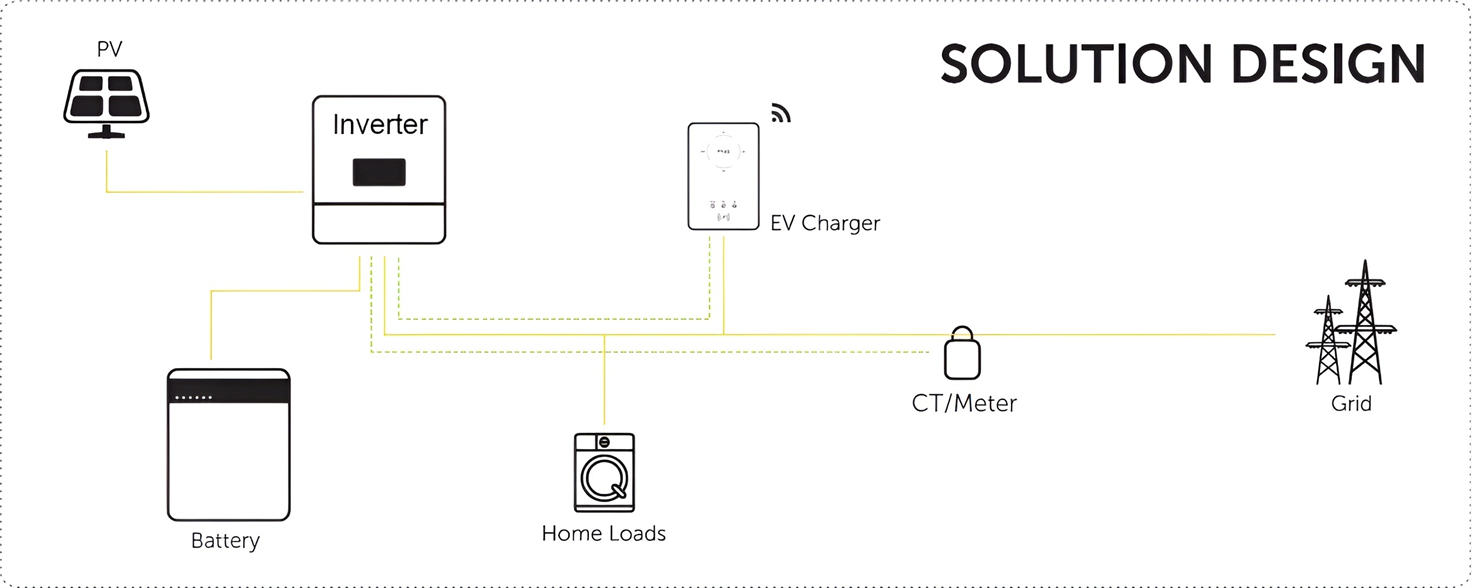
Well-designed Solutions for Energy Storage Systems
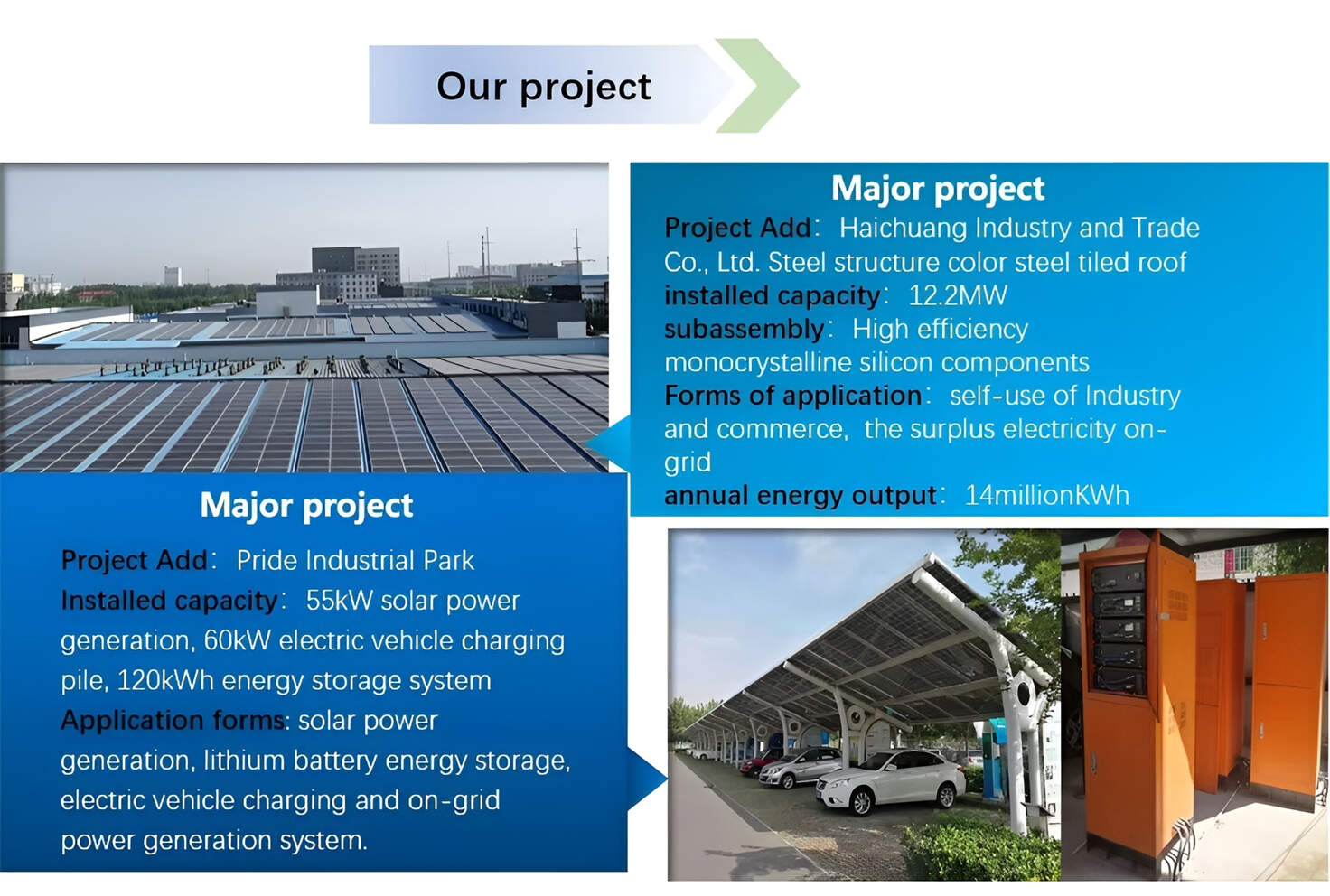
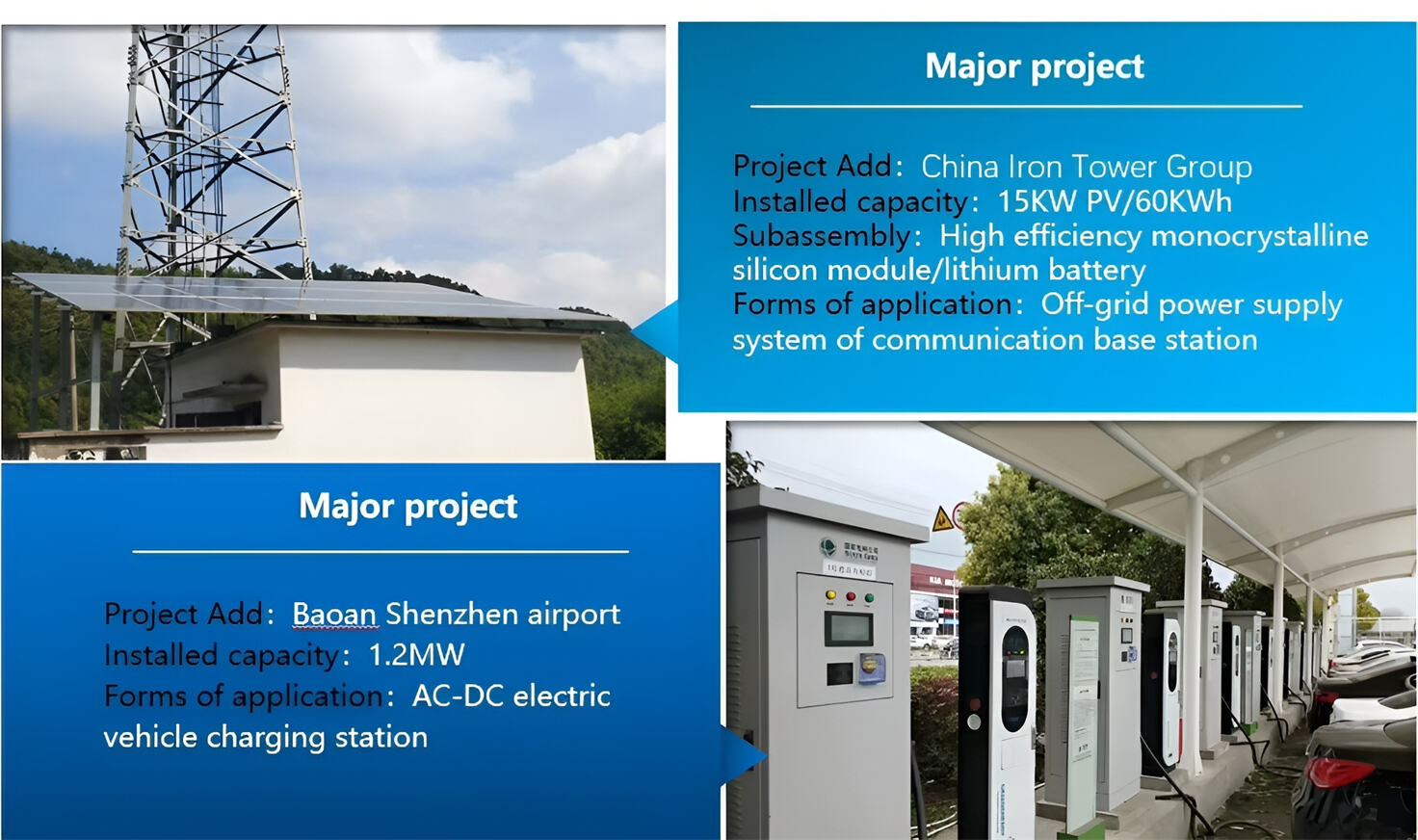
We will design the perfect energy storage system solution according to your needs, so that you can easily solve the specific industry applications of battery products.


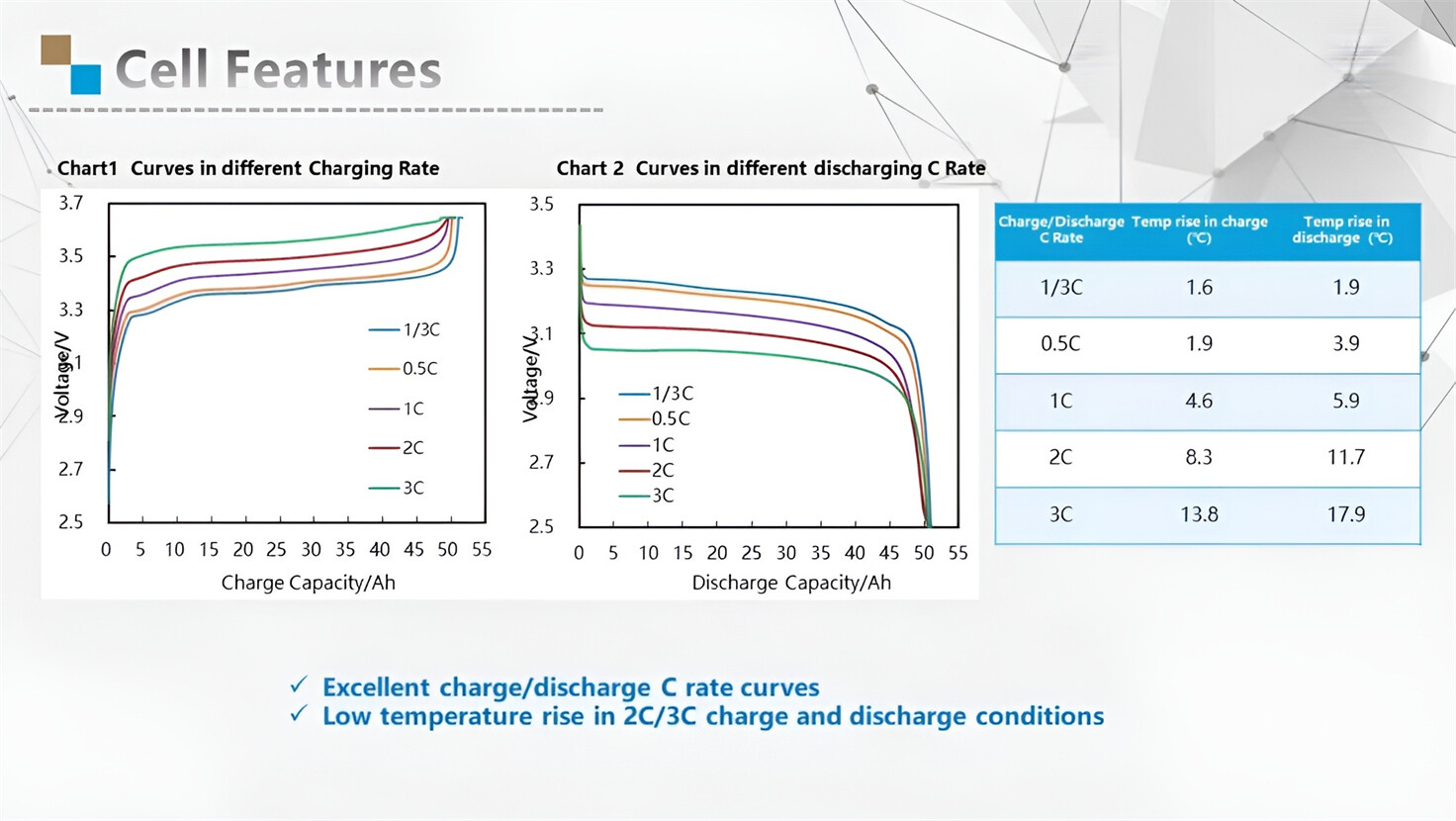
About Our Battery Cells
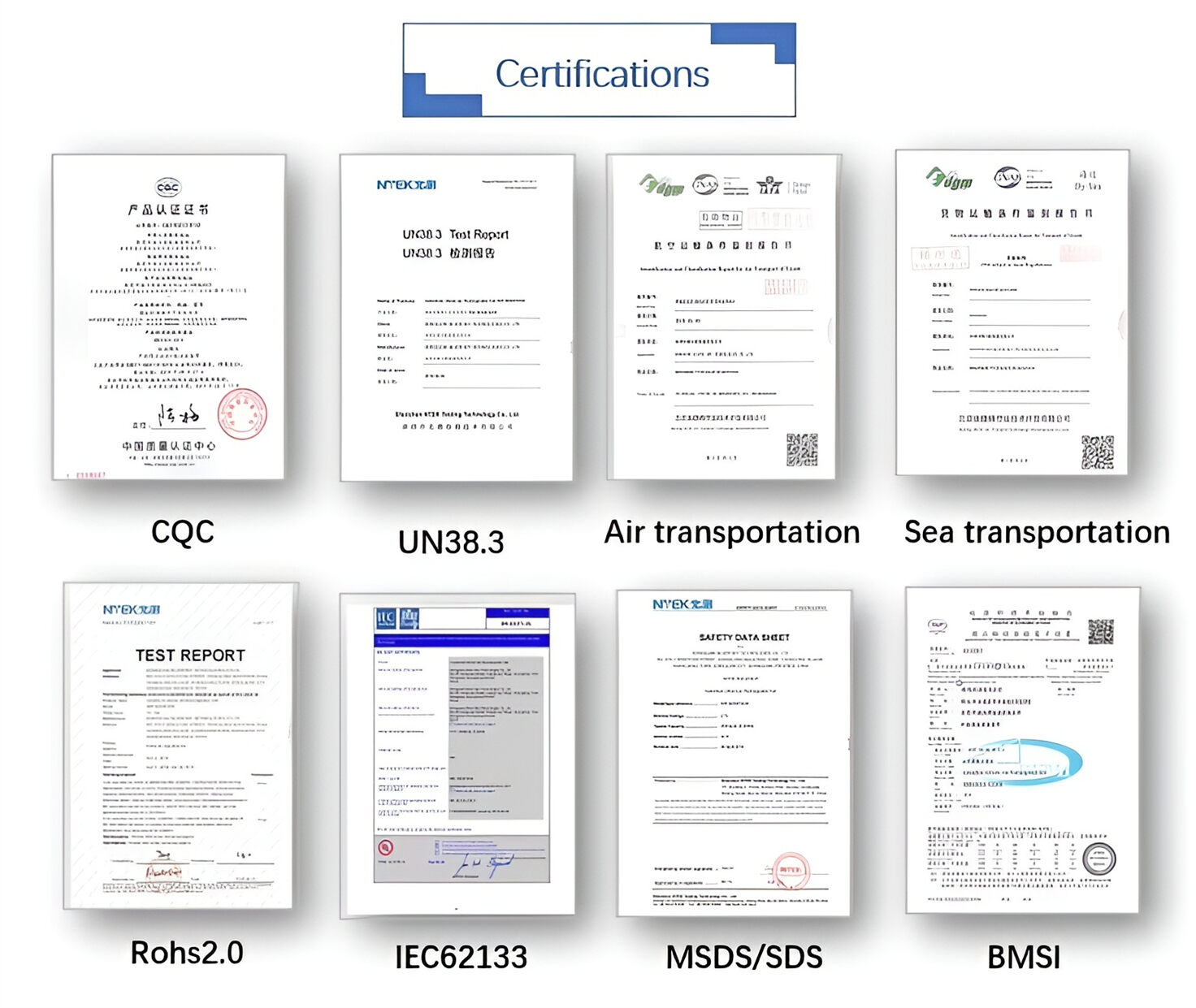
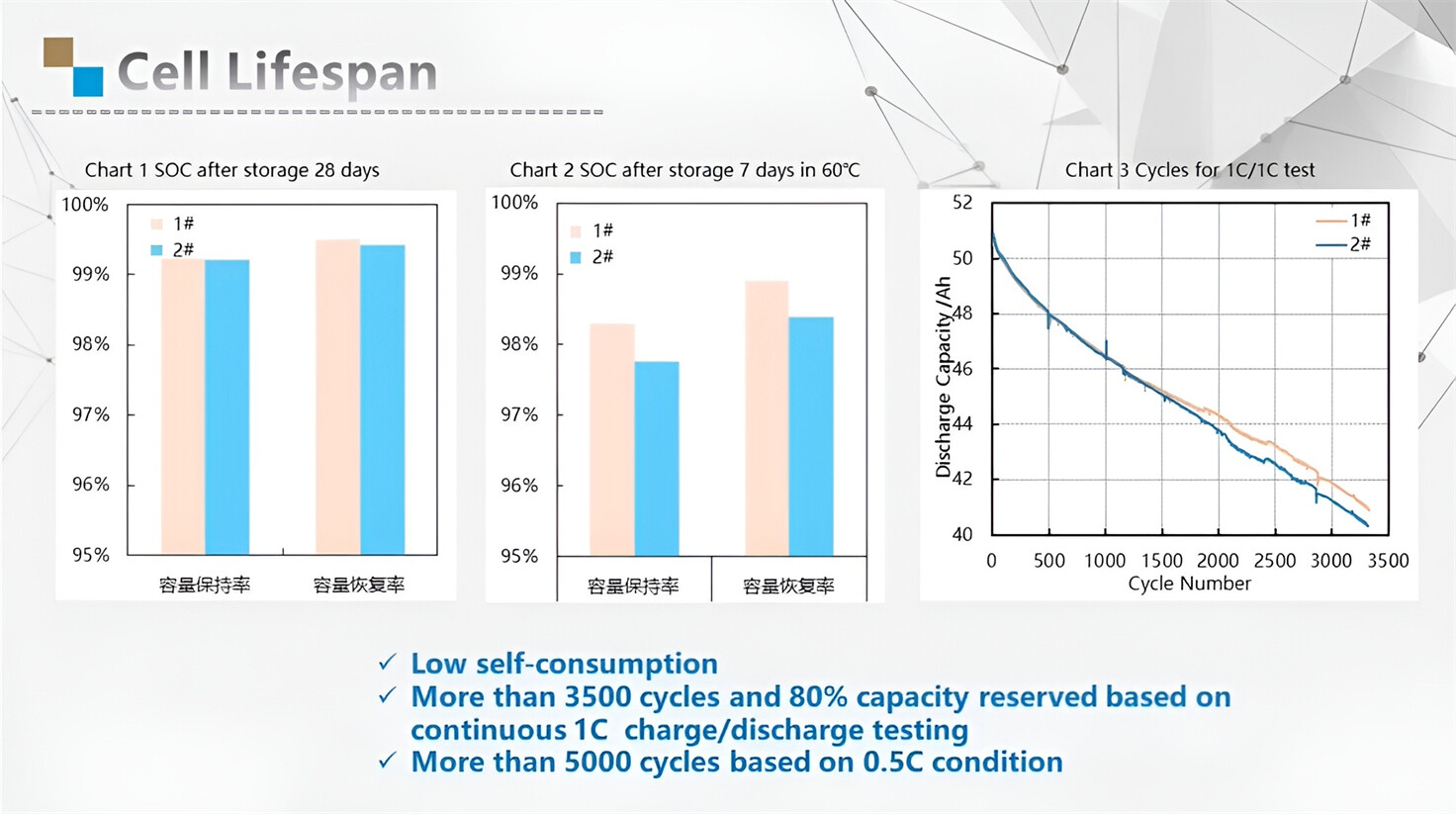
Our energy storage system products use brand new grade A LiFePO4 cells with a battery lifespan of more than 4,000 charge/discharge cycles.

Applications in Different Industries
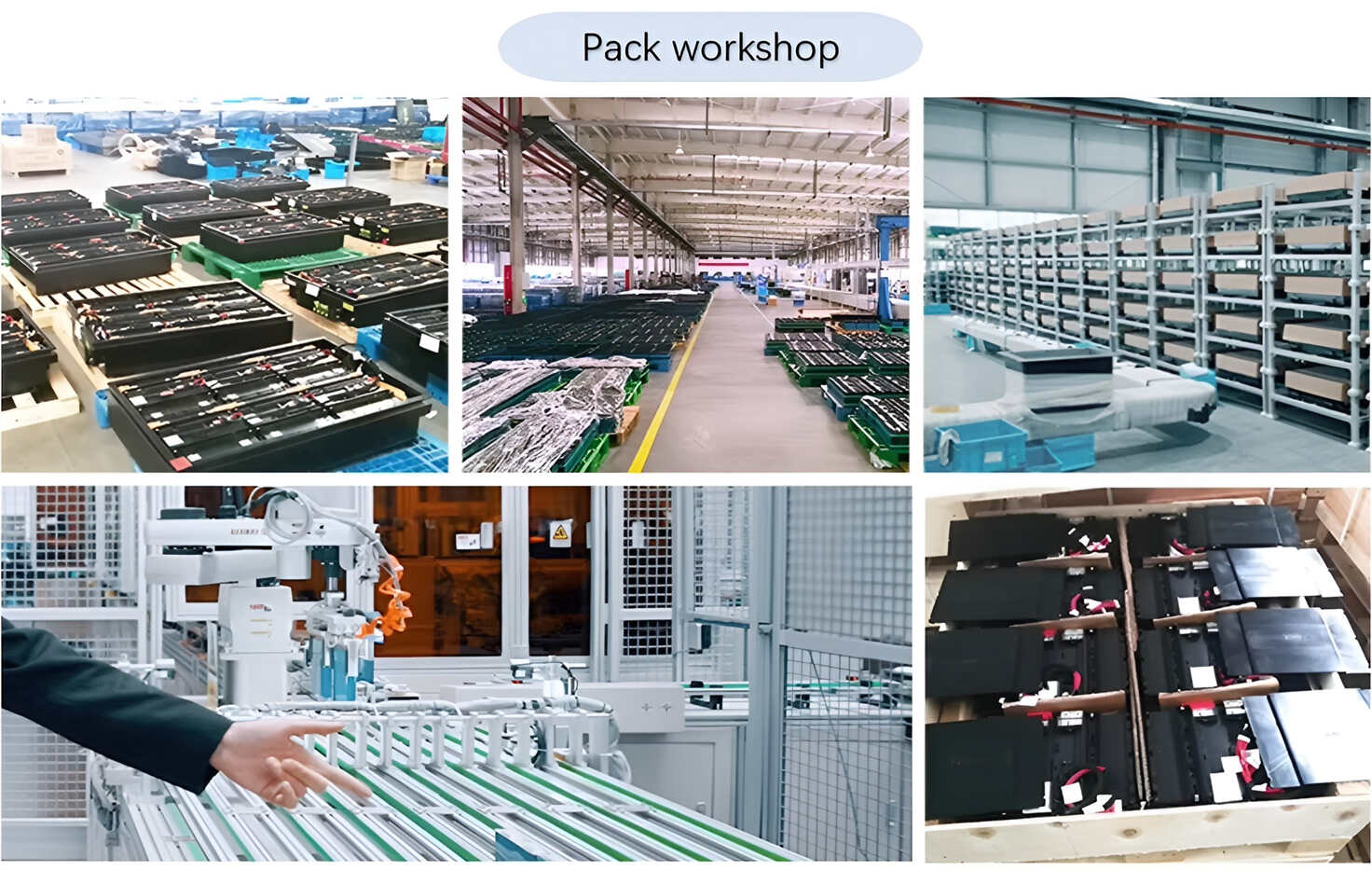
We supply customized & OEM battery pack, assemble cells with wiring, fuse and plastic cover, all the cell wires connected to PCB plug or built BMS.
Applications: E-bike, Electric Scooter, Golf Carts, RV, Electric Wheelchair, Electric Tools, Robot Cleaner, Robot Sweeper, Solar Energy Storage System, Emergency Light, Solar Power Light, Medical Equipment, UPS Backup Power Supply.
We can provide you with customized services. We have the ability to provide a vertical supply chain, from single cells to pack/module and to a complete power solution with BMS, etc.


HomSolar (Shenzhen) Technology Co., Ltd