How To Use Temperature Range: A Practical Guide For Optimal Performance And Safety
The concept of a "temperature range" is fundamental across countless fields, from cooking and gardening to electronics management and industrial processes. It refers to the specific span of temperatures, defined by a minimum and a maximum, within which a system, material, or organism is designed to operate safely, efficiently, or effectively. Understanding and correctly applying this parameter is not merely a technical detail; it is often the key to achieving desired outcomes, ensuring longevity, and preventing costly failures. This guide will provide a comprehensive walkthrough on how to interpret, implement, and manage temperature ranges in various practical contexts.
Understanding the Core Components
Before diving into application, it's crucial to grasp what a temperature range represents. It is rarely a single, ideal number but rather a spectrum with different zones:Optimal Range: The sweet spot where performance, growth, or efficiency is at its peak. For example, the optimal range for a yeast fermentation might be 25-30°C.Operational Range (Safe Operating Range): The broader span within which the system will function without immediate damage, though not necessarily at peak performance. Operating at the extremes of this range for prolonged periods can still be detrimental.Survival Range: The absolute minimum and maximum temperatures beyond which irreversible damage or failure occurs. Venturing outside this range, even briefly, can be catastrophic.
Step-by-Step Guide to Applying a Temperature Range
Step 1: Identify and Locate the Specified Range Your first task is to find the official temperature range for your specific application. This information is typically found in:Product Manuals/Datasheets: For electronics, appliances, laboratory equipment, and chemicals.Technical Data Sheets (TDS): For industrial materials, lubricants, and coatings.Plant Tags or Gardening Guides: For seeds, seedlings, and mature plants.Recipes and Food Safety Guidelines: For cooking, baking, and food storage.
Do not guess or assume. If the information is not readily available, contact the manufacturer or consult a reliable, authoritative source.
Step 2: Contextualize the Range for Your Environment A specified range is often determined under controlled laboratory conditions. You must consider your real-world environment.For Electronics: Is the device in a well-ventilated room or an enclosed cabinet? Ambient room temperature directly affects the device's internal temperature. A computer's CPU might have an operational range up to 100°C, but the room it's in should be kept below 35°C to allow for adequate cooling.For Plants: A plant's hardiness range refers to outdoor air temperature. However, you must also consider microclimates, wind chill, pot material (which can heat up or cool down), and sunlight intensity, which can significantly raise the temperature of the leaves and soil beyond the air temperature.For Chemicals: Storage ranges can be affected by humidity, light, and proximity to heat sources like ovens or direct sunlight through a window.
Step 3: Implement Monitoring and Control Systems Knowing the range is useless without the ability to measure and maintain it.Select the Right Tool: Use an appropriate thermometer or sensor. An oven thermometer is more accurate than the oven's built-in dial. A soil moisture and temperature probe is better for plants than an air thermometer. For sensitive electronics or scientific samples, a data-logging thermometer is essential.Calibrate Regularly: Ensure your measuring devices are accurate. A few degrees of deviation can make a significant difference.Employ Controllers: For critical applications, use thermostats, environmental controllers, or smart plugs connected to heating/cooling devices (e.g., space heaters, heat mats, fans, air conditioners) to automatically maintain the temperature within your set parameters.
Step 4: Establish a Buffer Zone A best practice is to create a buffer between your target operating temperature and the absolute limits of the range. If the safe operating range for a lithium-ion battery is 0°C to 45°C, aim to charge and use it between 10°C and 35°C. This buffer accounts for:Measurement Inaccuracy: Your sensor might be slightly off.Temperature Fluctuations: The environment is rarely perfectly stable.Stress Reduction: Operating consistently near the edge of a range accelerates wear and tear.
Practical Tips and Operational AdviceUnderstand Thermal Mass: Objects with high thermal mass (e.g., a large pot of water, a concrete floor) change temperature slowly. When adjusting a thermostat, be patient. Rapid, frequent adjustments can lead to a cycle of overshooting and undershooting the target range.Prioritize Consistency: For many biological and chemical processes, a consistent temperature within the optimal range is better than a fluctuating one that occasionally hits the perfect mark. Sudden temperature swings can cause stress, condensation, or thermal shock.Consider the Full Thermal Pathway: When cooking, the "internal temperature" range is what matters for safety and doneness, not just the oven temperature. Use a meat thermometer to ensure the core of the food reaches the required safe temperature.Document and Adjust: Keep a log of temperatures and outcomes. If your sourdough bread is over-proofing too quickly, you might adjust your proofing temperature downward within the yeast's viable range. This turns a generic guideline into a customized, optimized process.
Critical Precautions and Common PitfallsDo Not Confuse Air and Surface Temperature: This is a common error. The surface of an electronic component can be much hotter than the surrounding air. A plant leaf in direct sun can be 10-15°C hotter than the ambient air. Always measure the temperature at the point that matters most.Account for Self-Generated Heat: Electronics, composting materials, and active cultures generate their own heat. The internal temperature of a CPU or a compost pile will be higher than the environment it's in. Your cooling strategy must account for this internal heat load.Beware of Averaging: An average temperature within the range can be misleading. If a system cycles between extreme highs and lows that are both within the operational range, the thermal expansion and contraction can cause mechanical fatigue and failure over time.Respect the Limits, Not Just the Averages: A common mistake is to focus on the average temperature. A pharmaceutical product might be stored in a warehouse that averages 5°C, which sounds acceptable for a 2-8°C range. However, if daytime temperatures spike to 10°C, the product is degraded, even if the nightly low is 0°C. It is the peak and trough temperatures that must stay within the range.
By meticulously following these steps—identifying the correct range, contextualizing it for your environment, implementing robust monitoring, and establishing safety buffers—you transform a simple two-number specification into a powerful tool for success. Mastering the use of temperature ranges empowers you to protect your investments, enhance your results, and operate with greater confidence and safety.
Customized/OEM/ODM Service
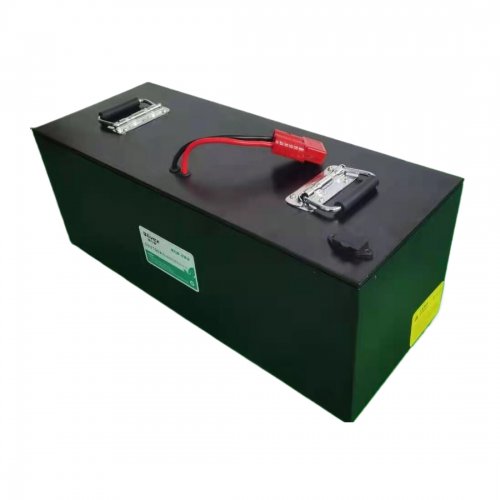
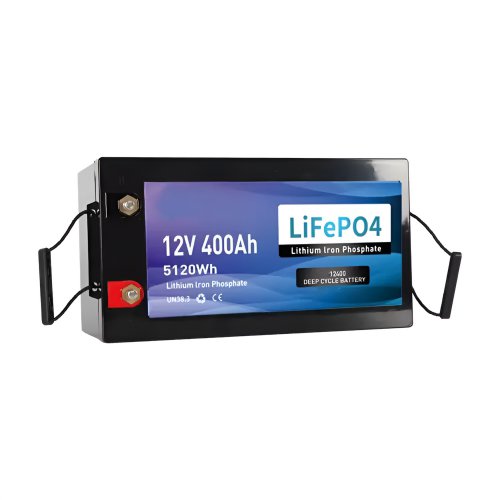
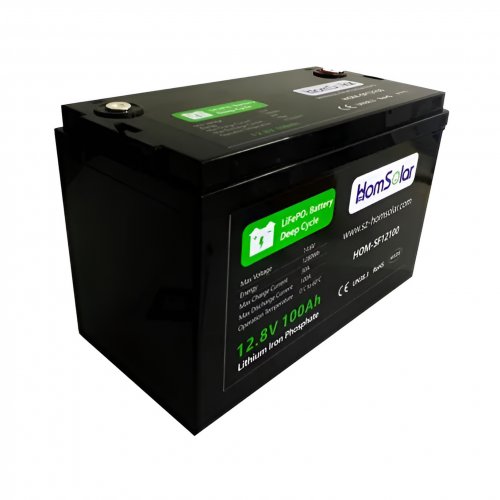
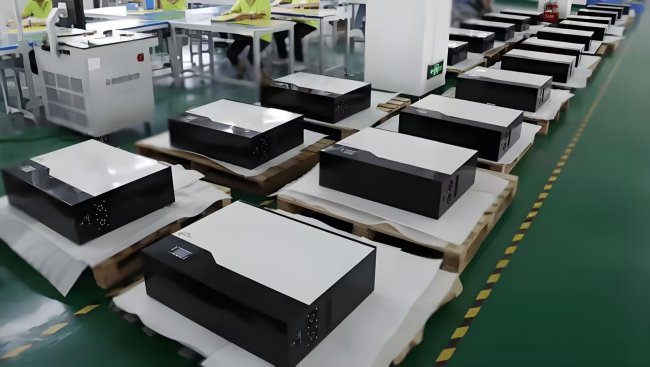
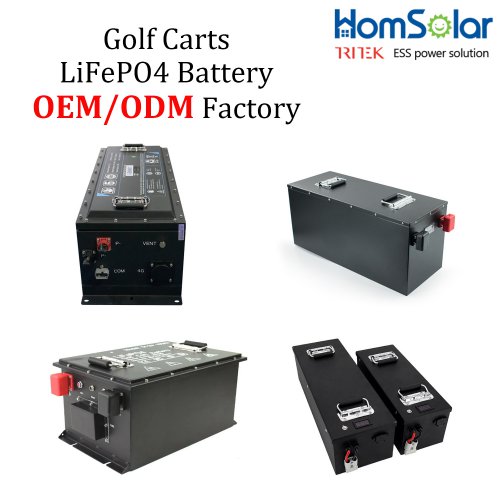
HomSolar Supports Lifepo4 battery pack customization/OEM/ODM service, welcome to contact us and tell us your needs.


HomSolar: Your One-stop LiFePO4 Battery Pack & ESS Solution Manufacturer
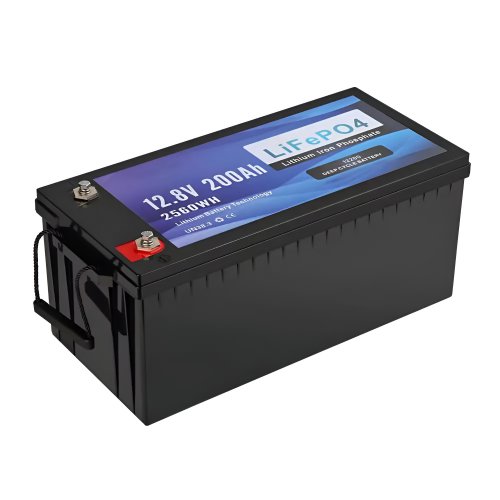
Our line of LiFePO4 (LFP) batteries offer a solution to demanding applications that require a lighter weight, longer life, and higher capacity battery. Features include advanced battery management systems (BMS), Bluetooth® communication and active intelligent monitoring.
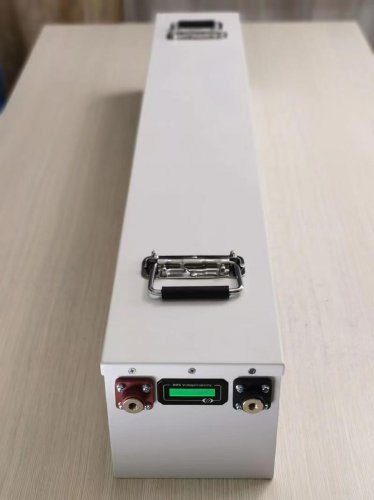
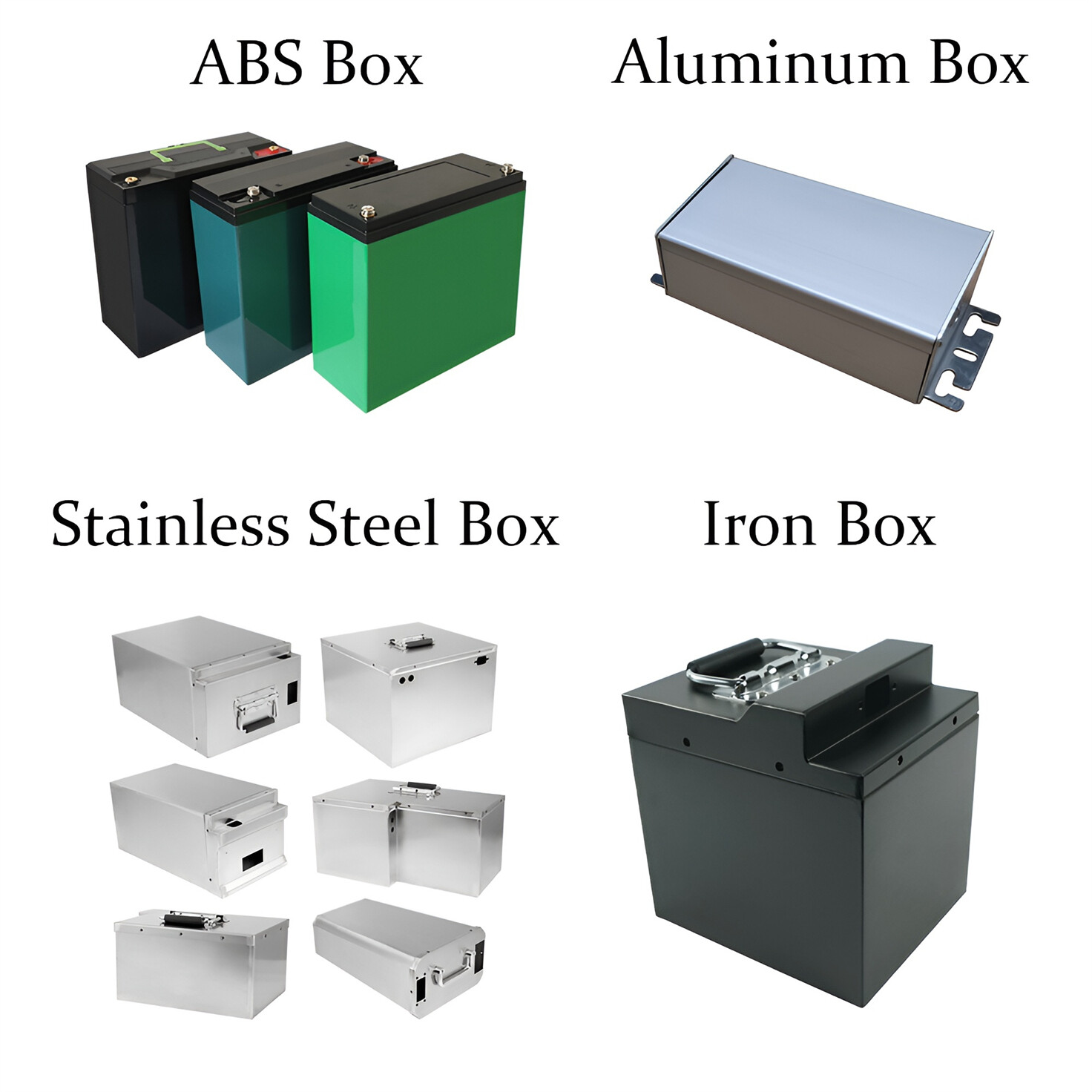
Customised Lithium Iron Phosphate Battery Casing
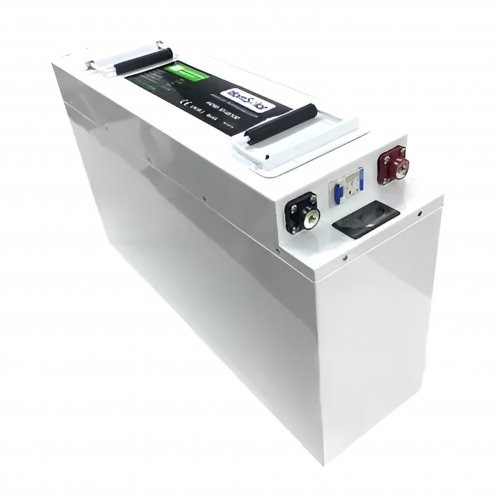
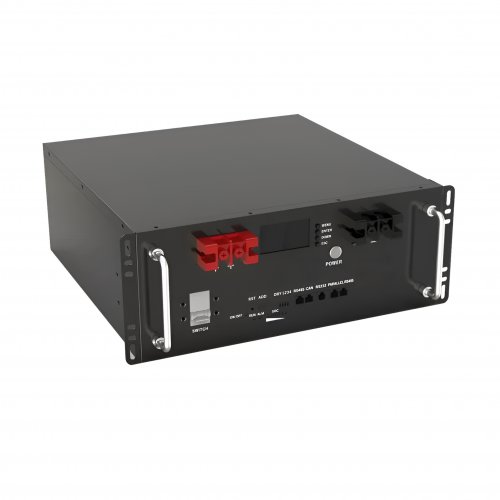
ABS plastic housing, aluminium housing, stainless steel housing and iron housing are available, and can also be designed and customised according to your needs.
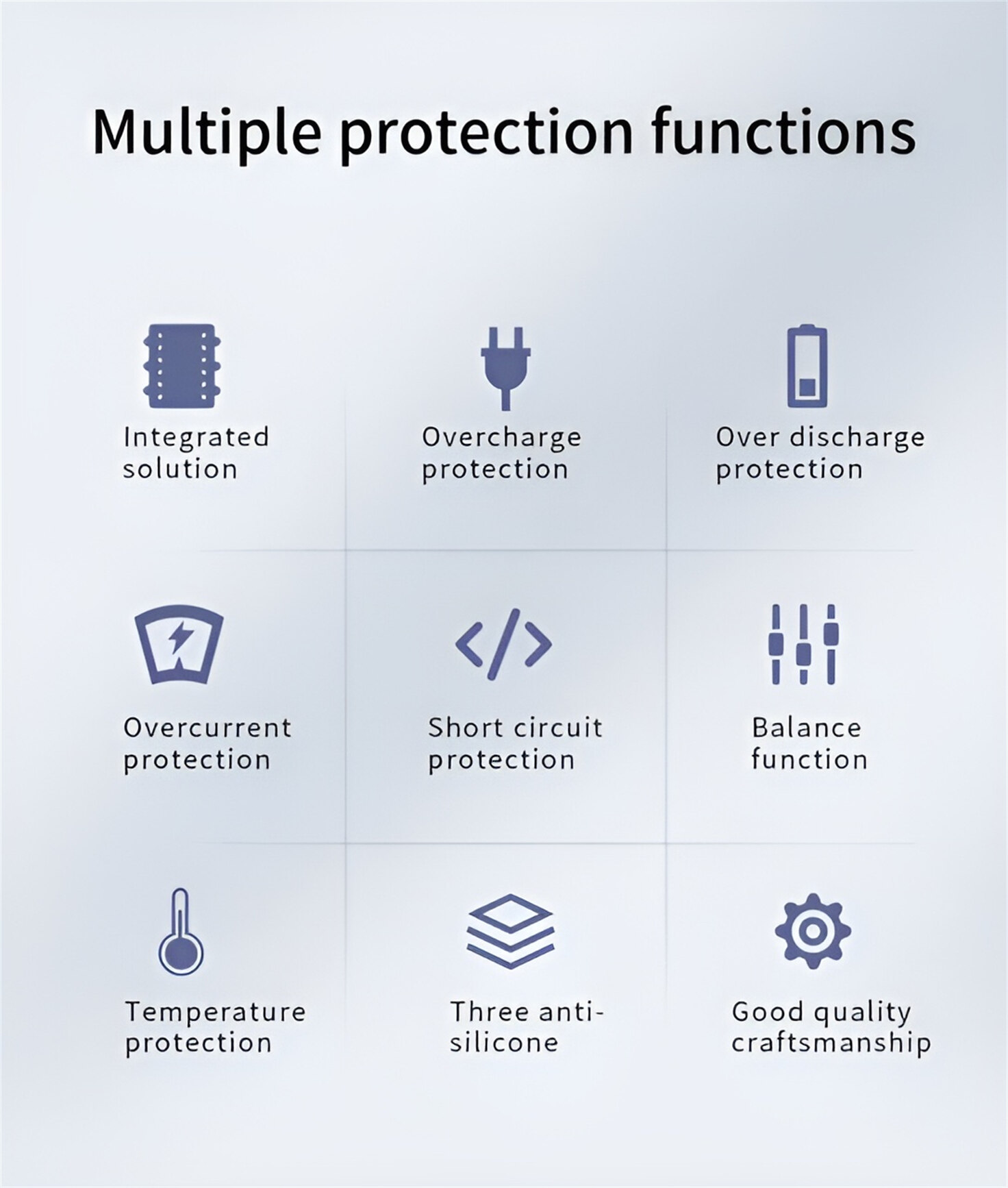
HomSolar Smart BMS
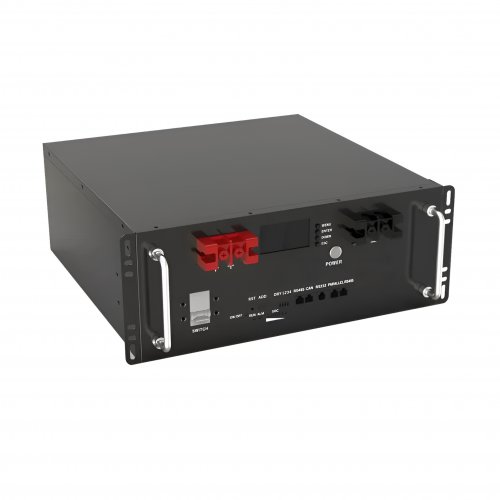
Intelligent Battery Management System for HomSolar Energy Storage System. Bluetooth, temperature sensor, LCD display, CAN interface, UART interface also available.

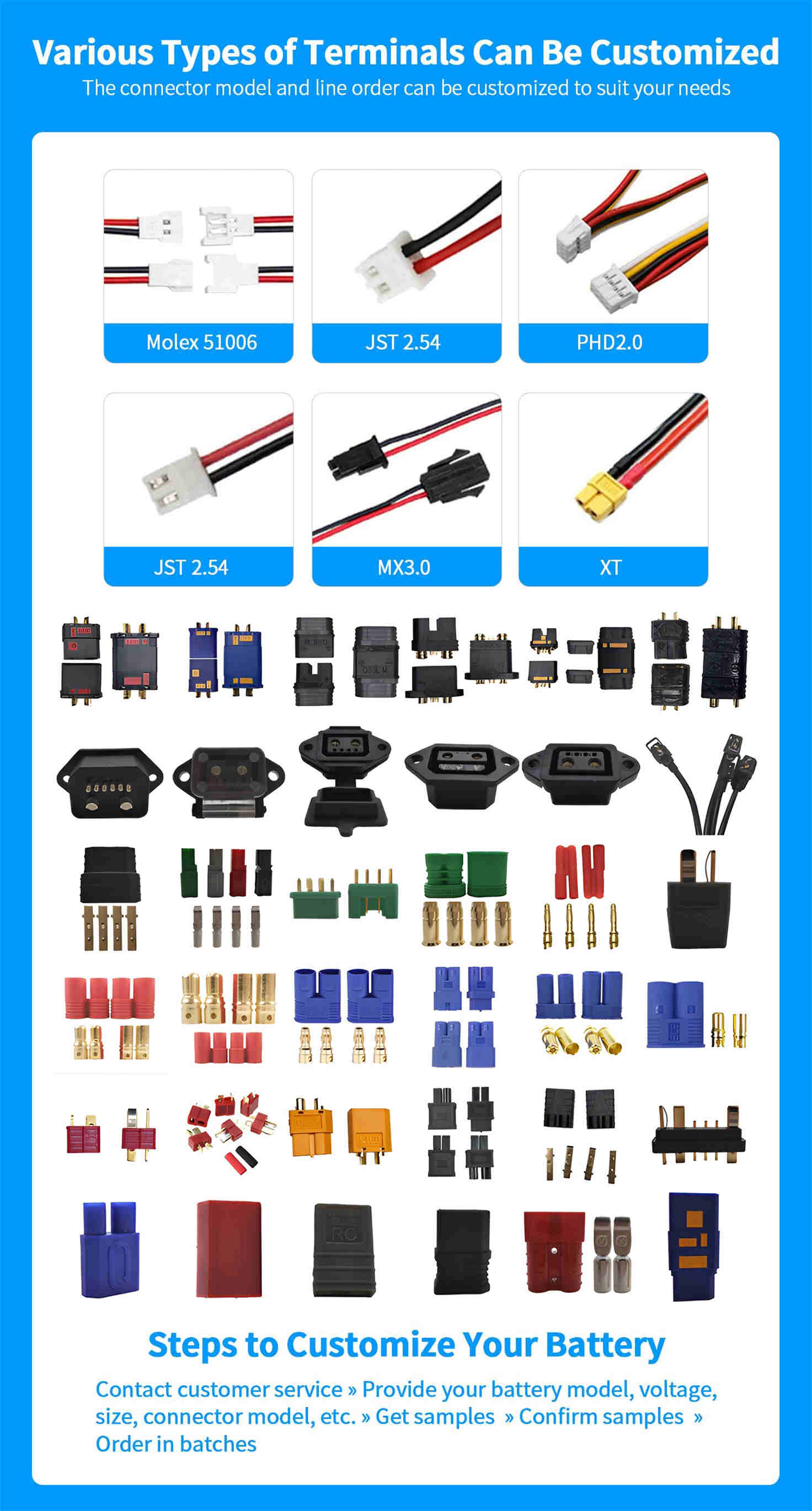
Terminals & Plugs Can Be Customized
A wide range of terminals and plugs can be customised to suit the application needs of your battery products.
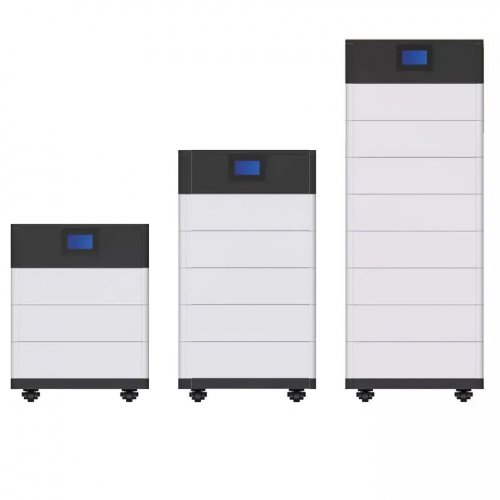
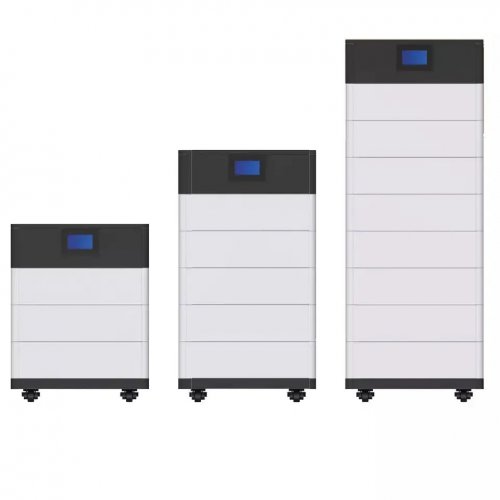
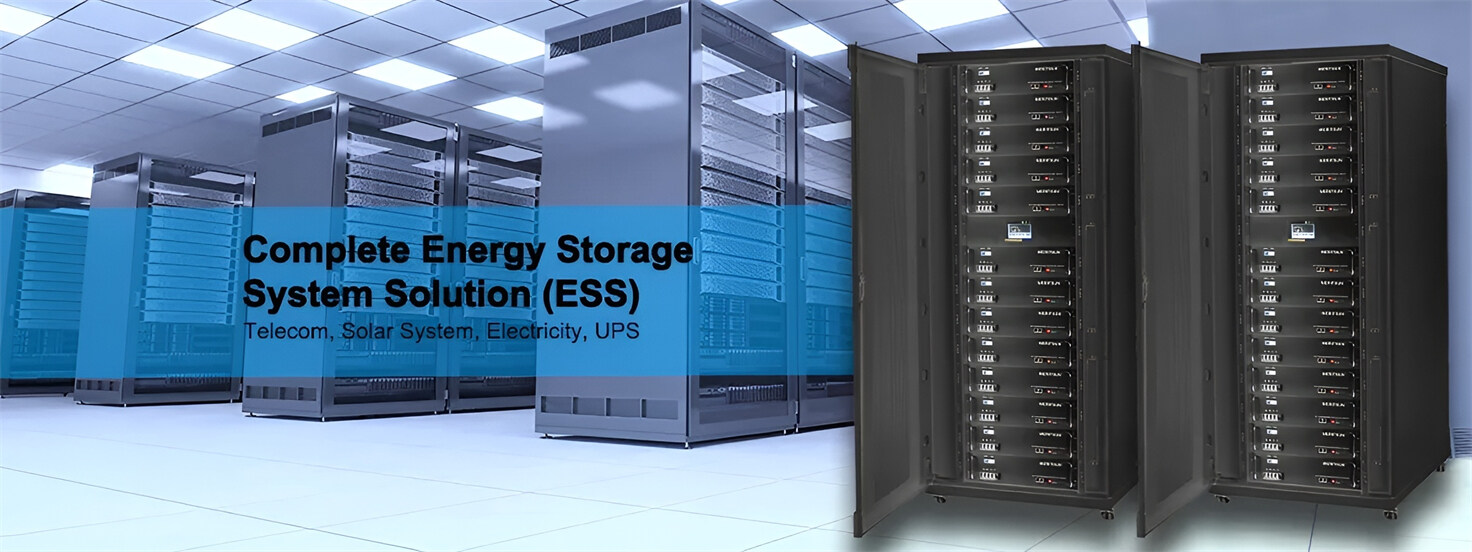
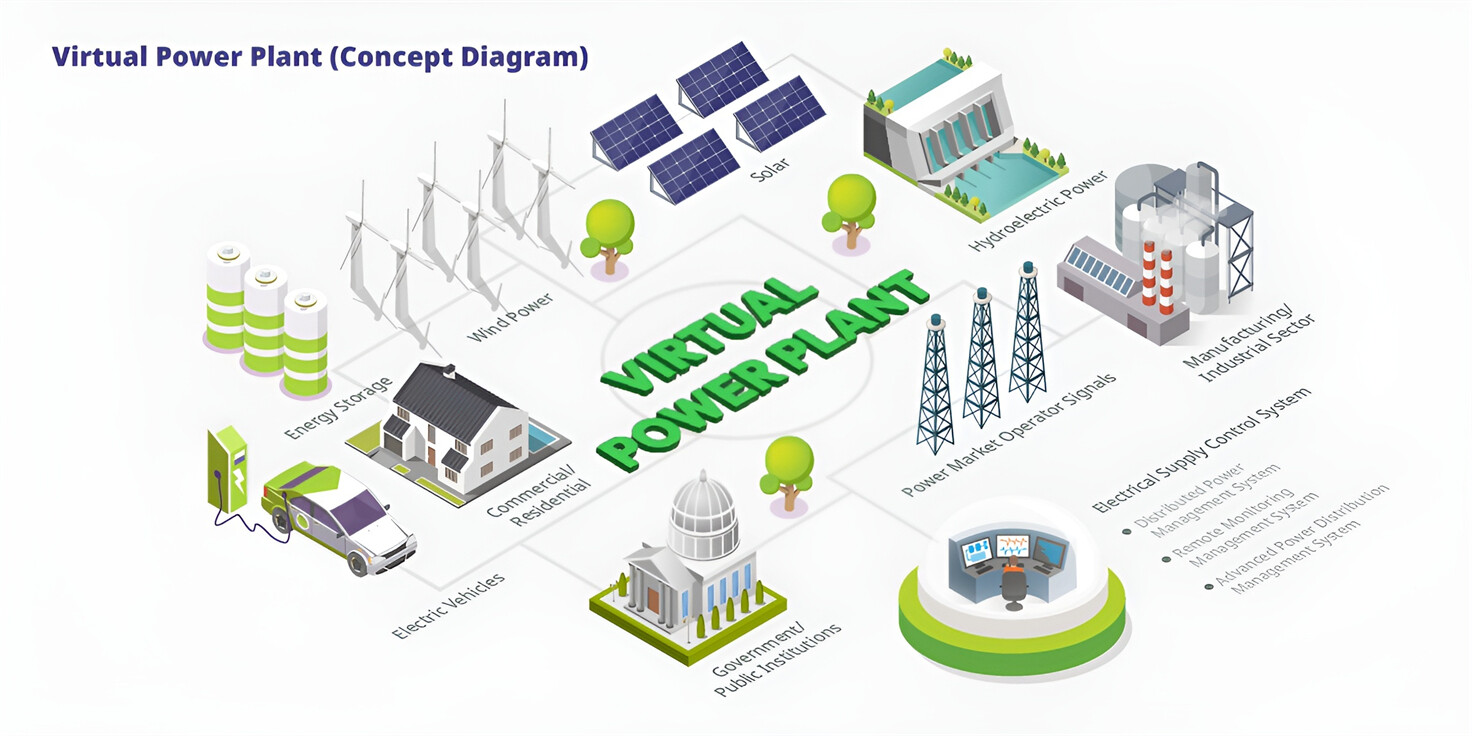
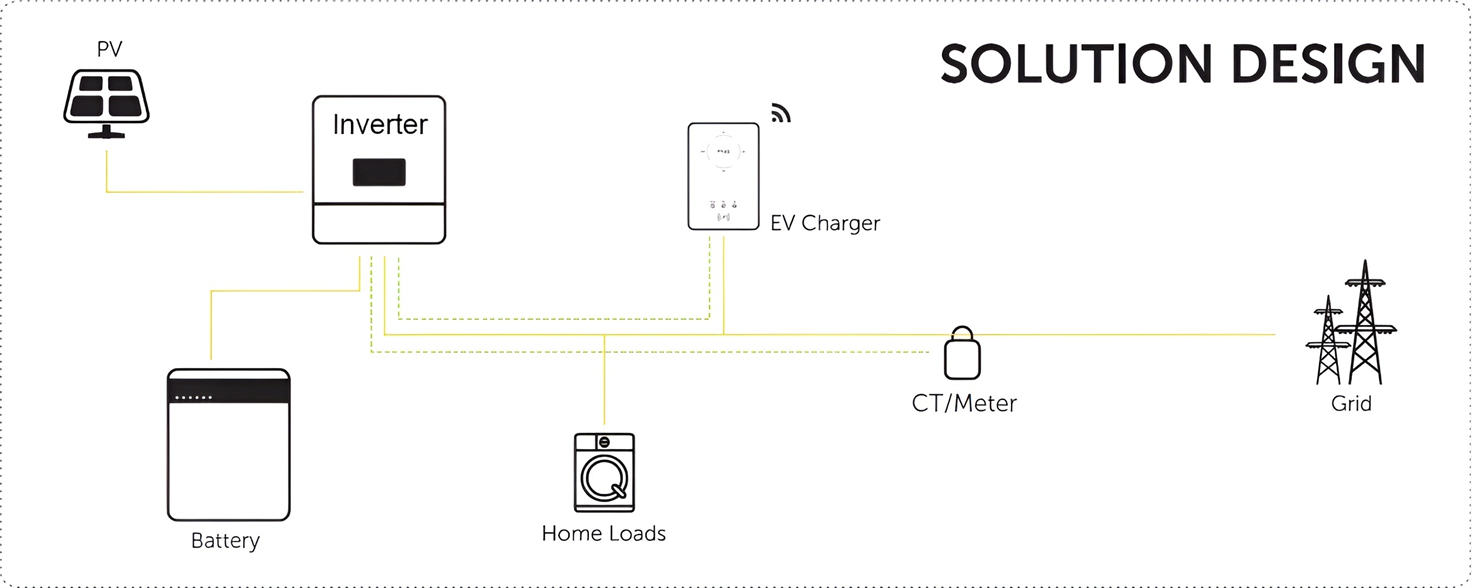
Well-designed Solutions for Energy Storage Systems
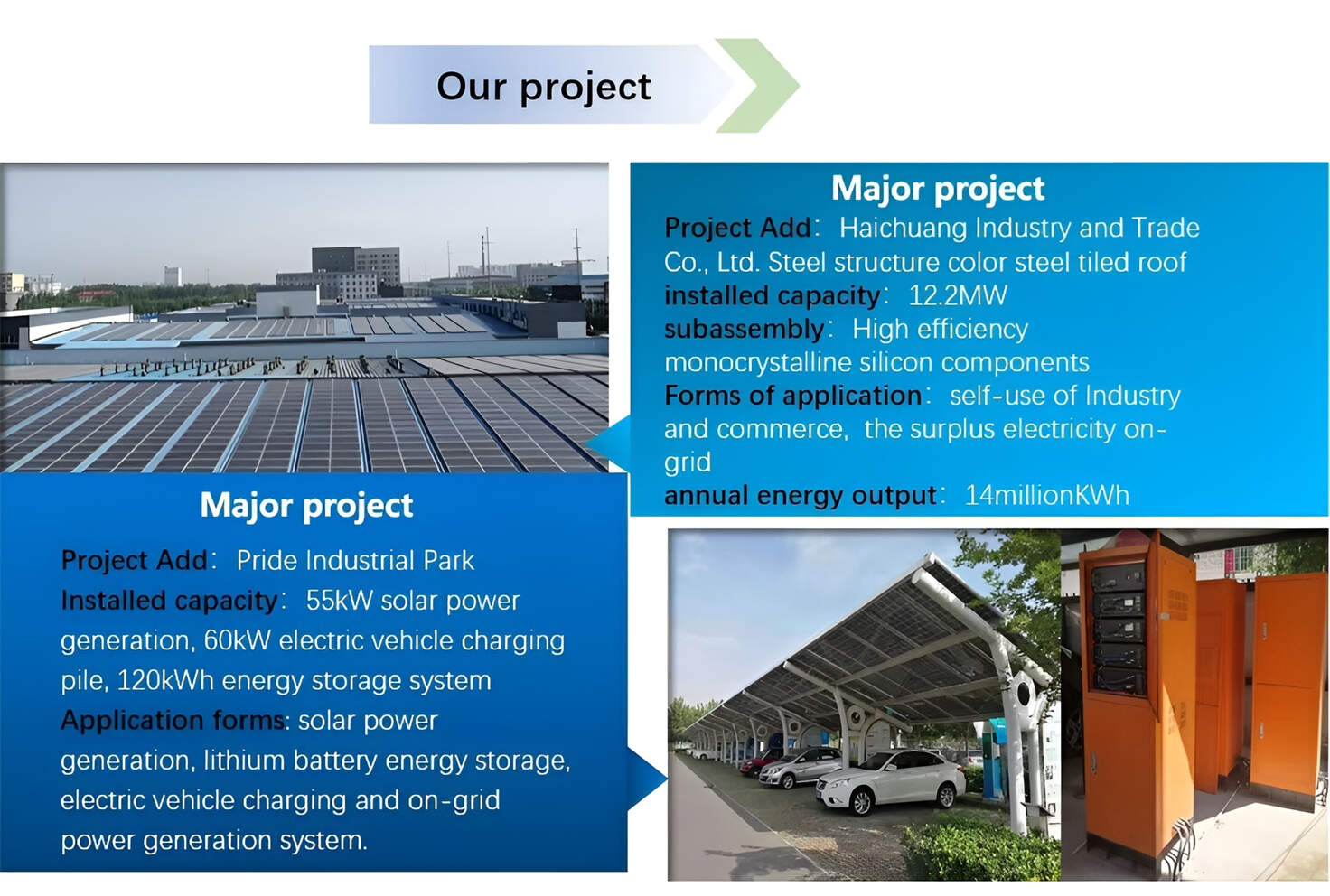
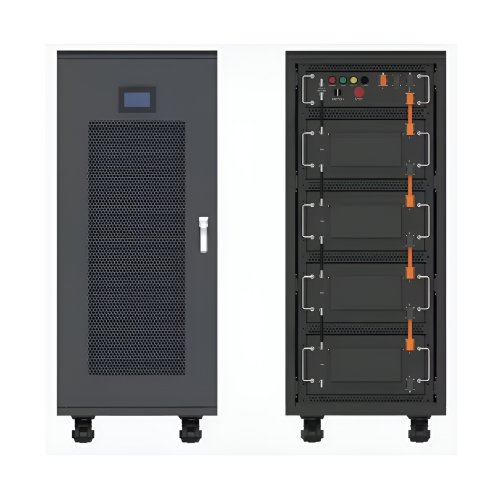
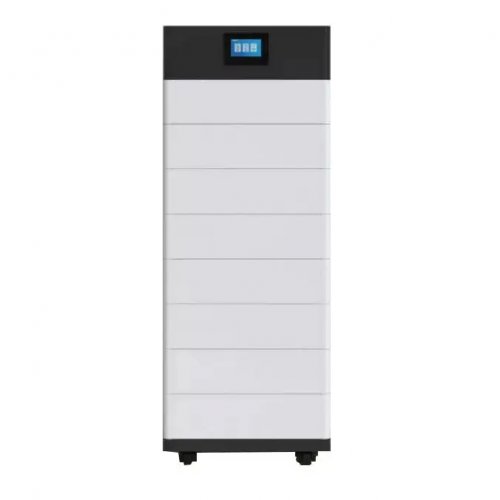
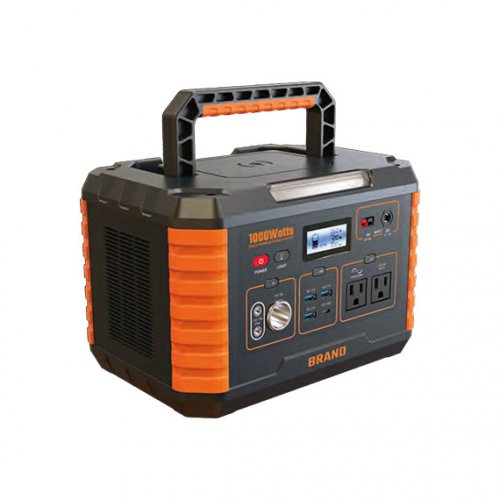
We will design the perfect energy storage system solution according to your needs, so that you can easily solve the specific industry applications of battery products.
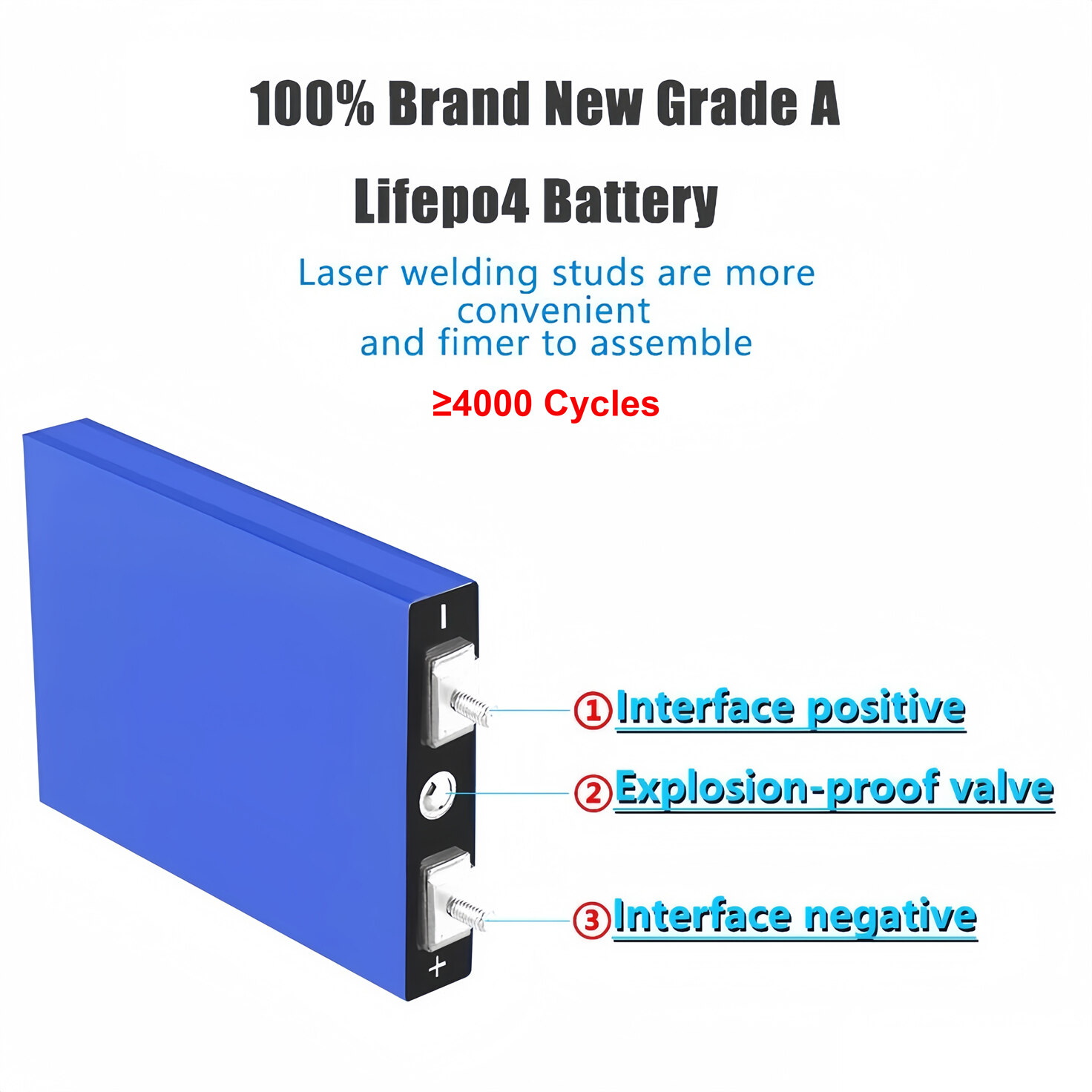
About Our Battery Cells
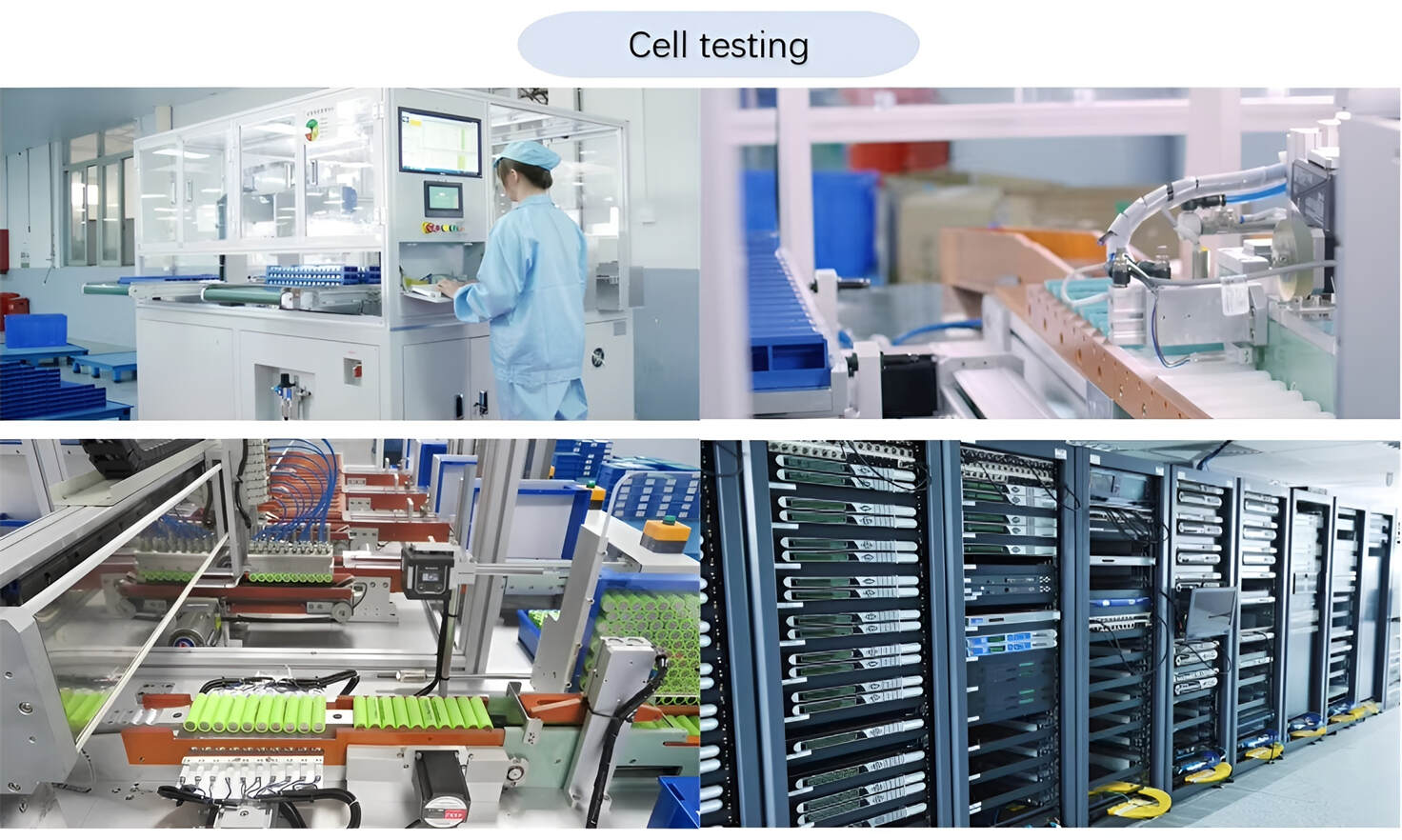
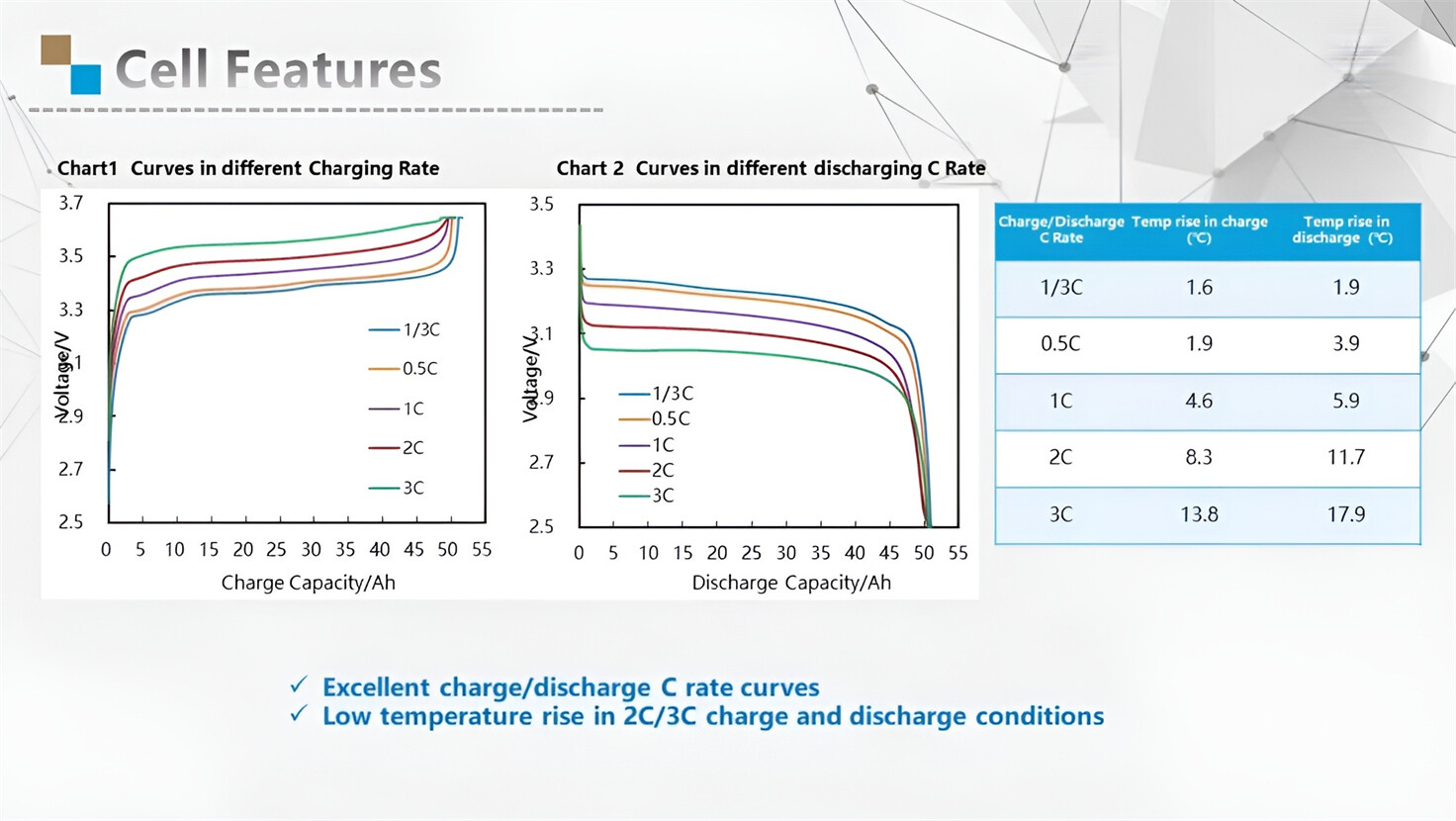
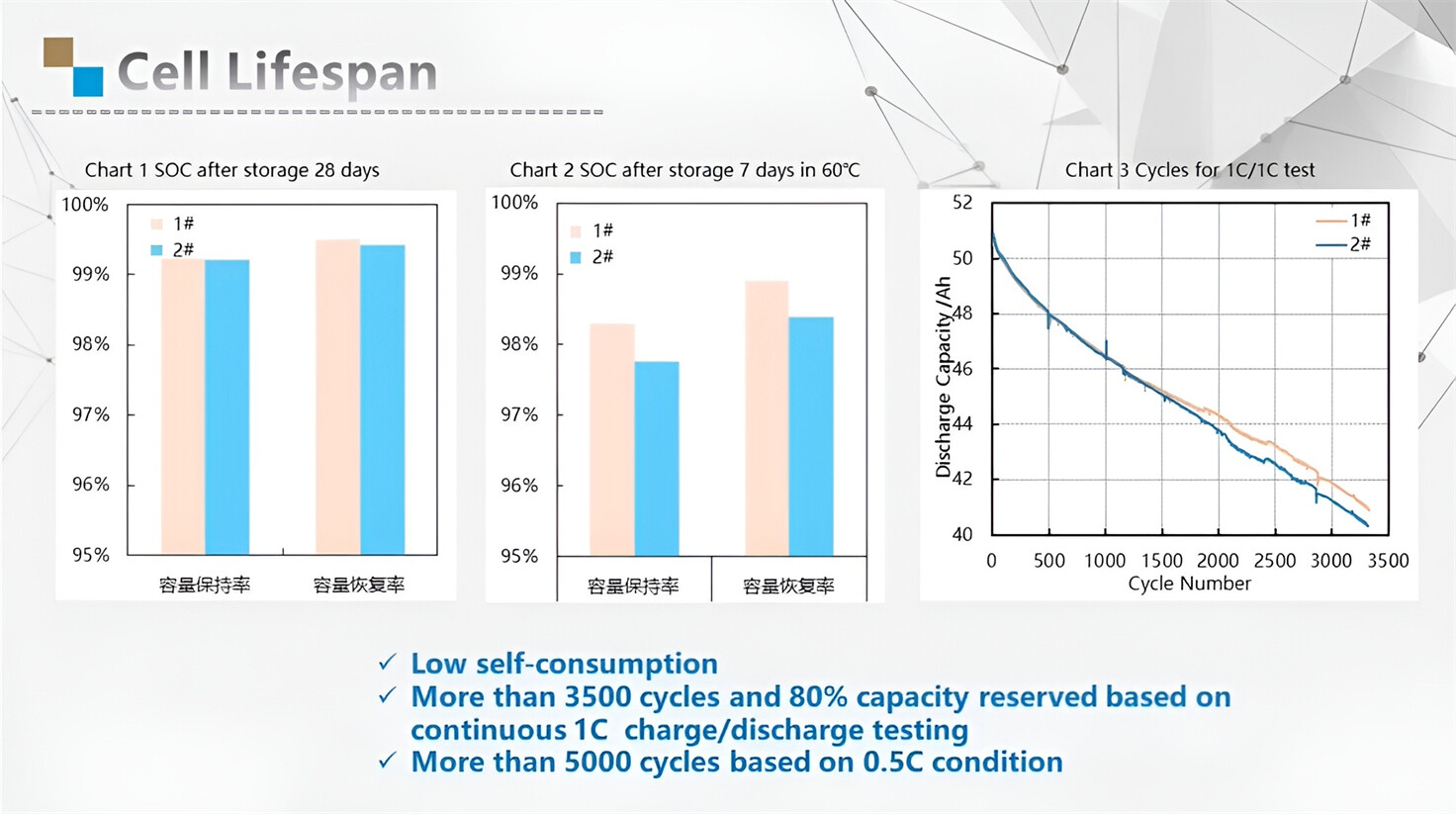
Our energy storage system products use brand new grade A LiFePO4 cells with a battery lifespan of more than 4,000 charge/discharge cycles.
Applications in Different Industries
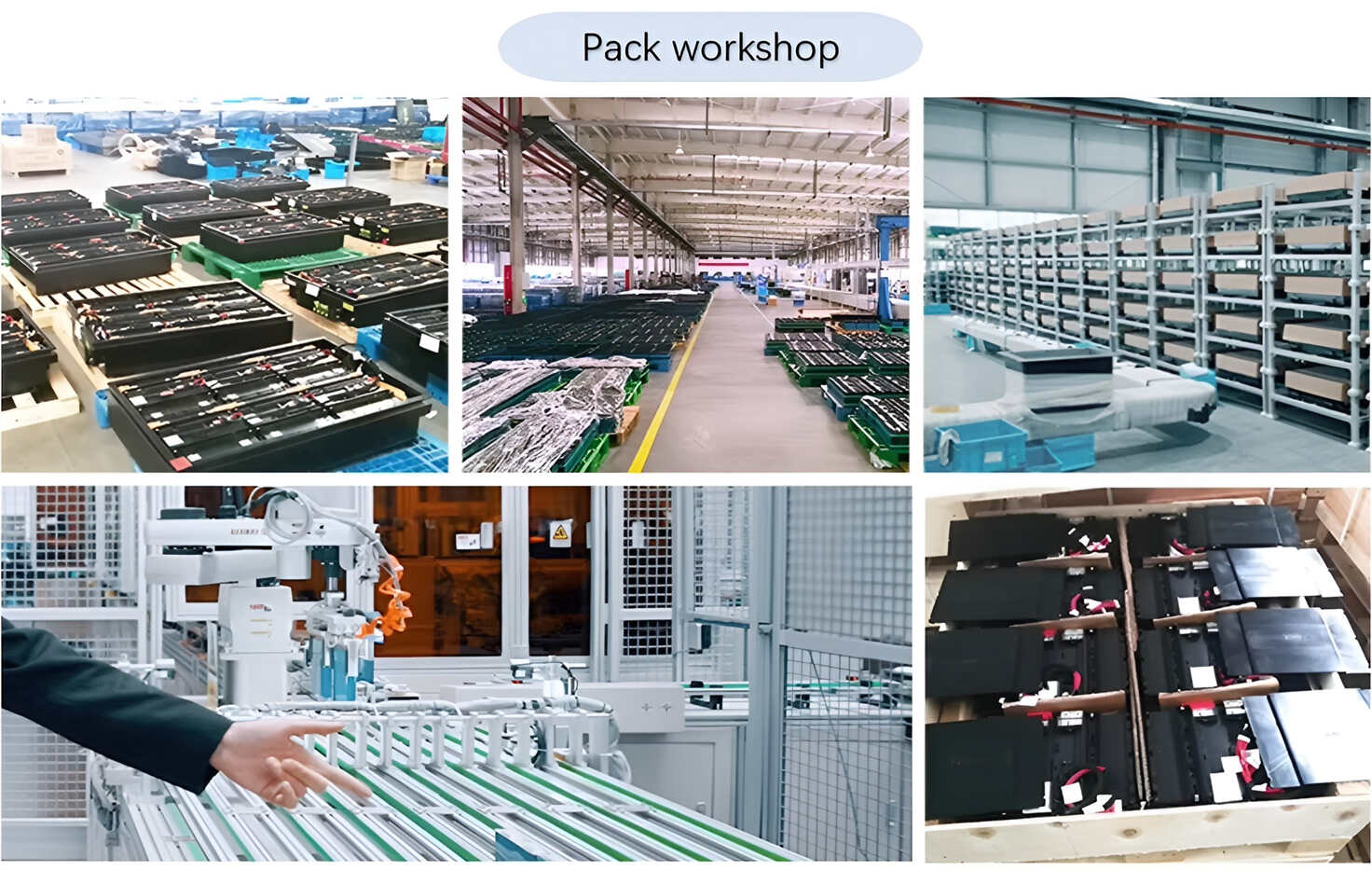
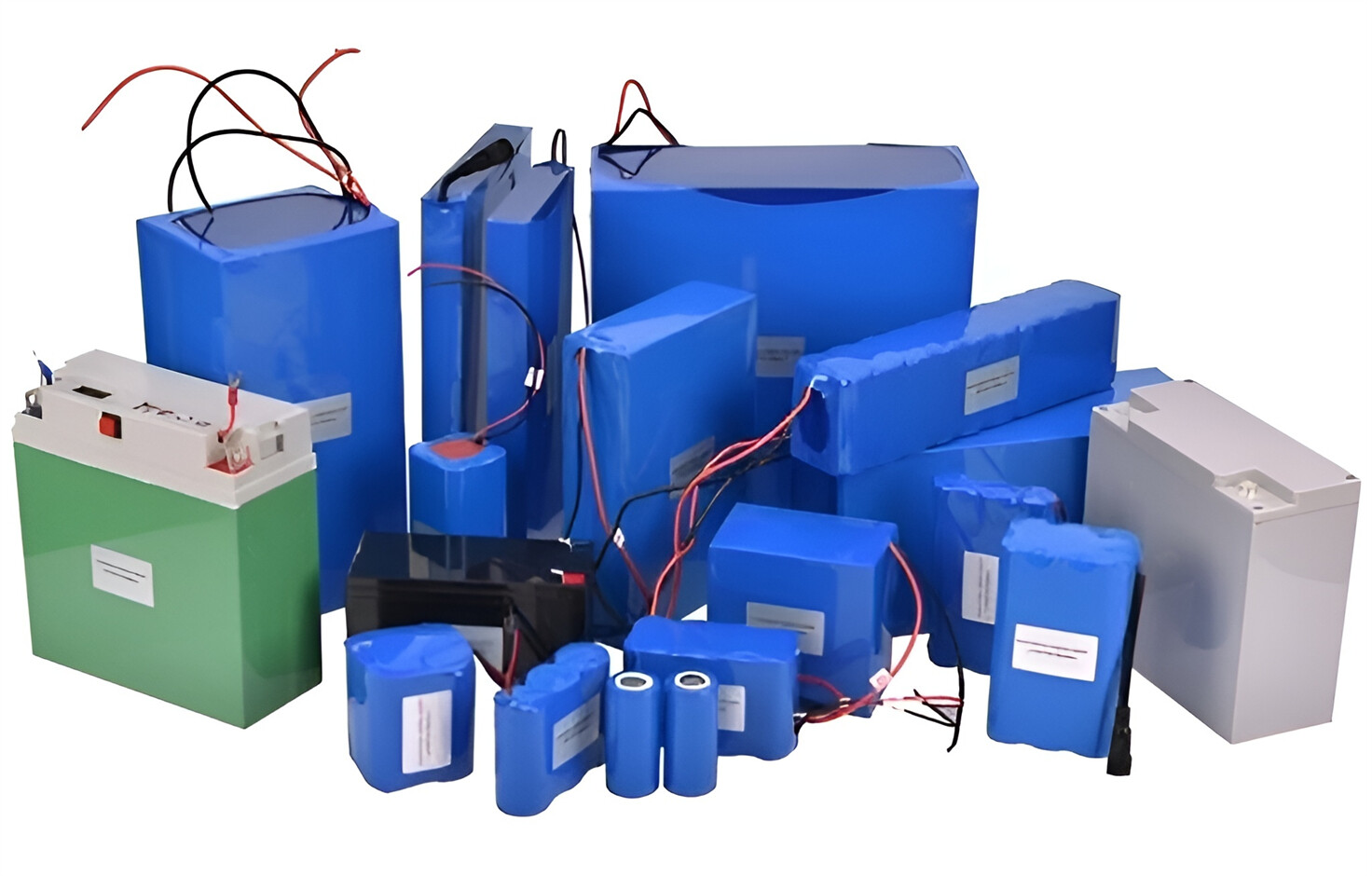
We supply customized & OEM battery pack, assemble cells with wiring, fuse and plastic cover, all the cell wires connected to PCB plug or built BMS.
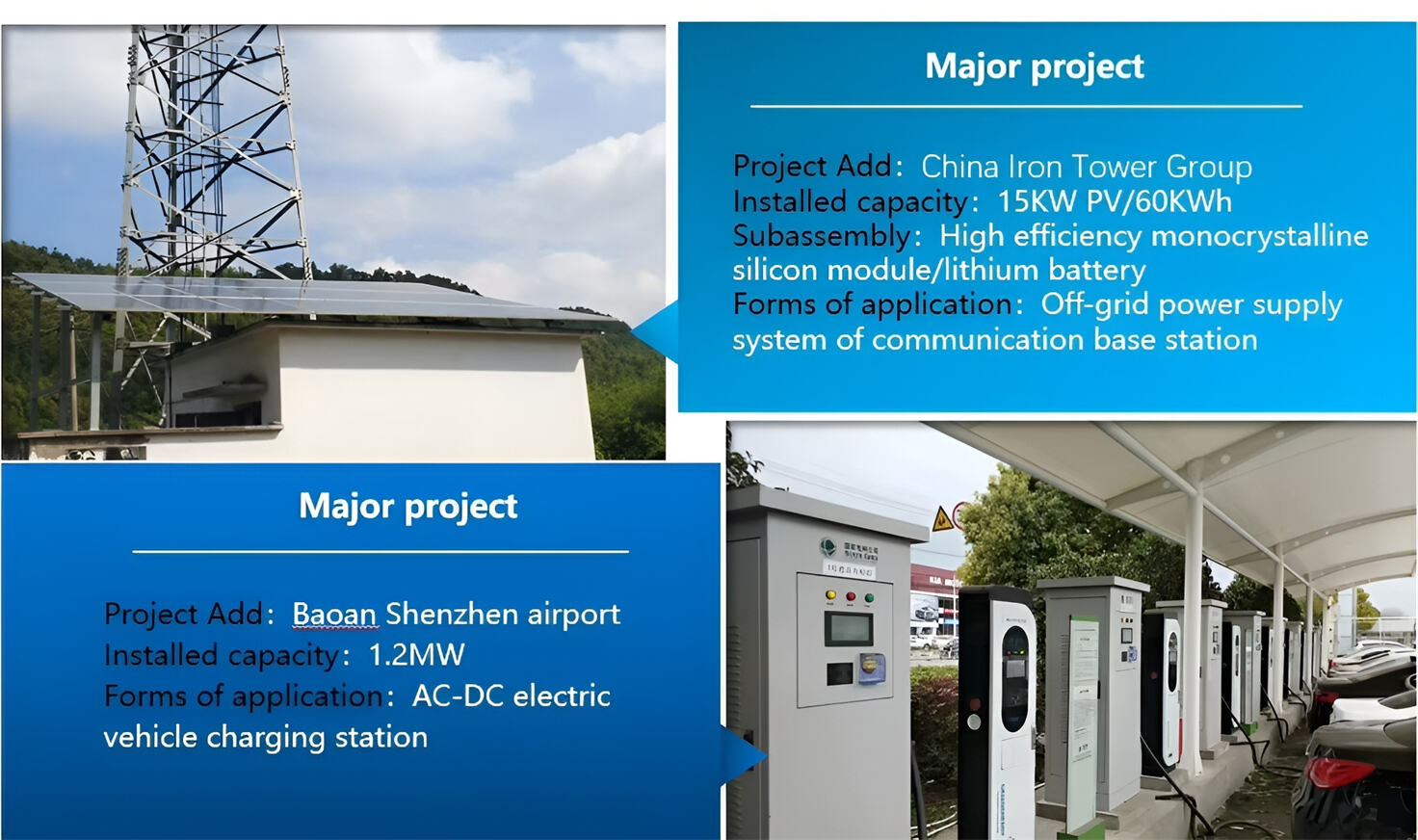
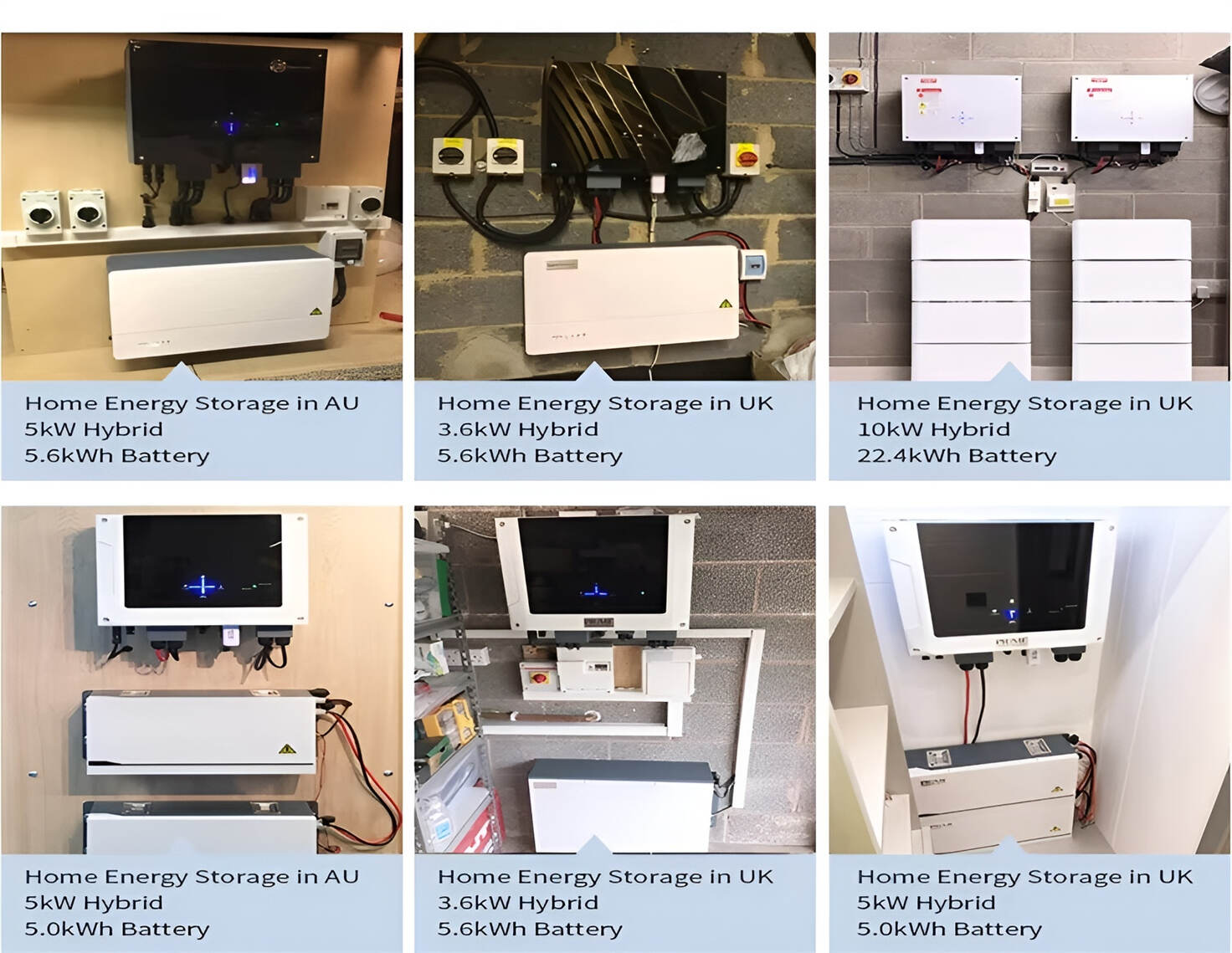
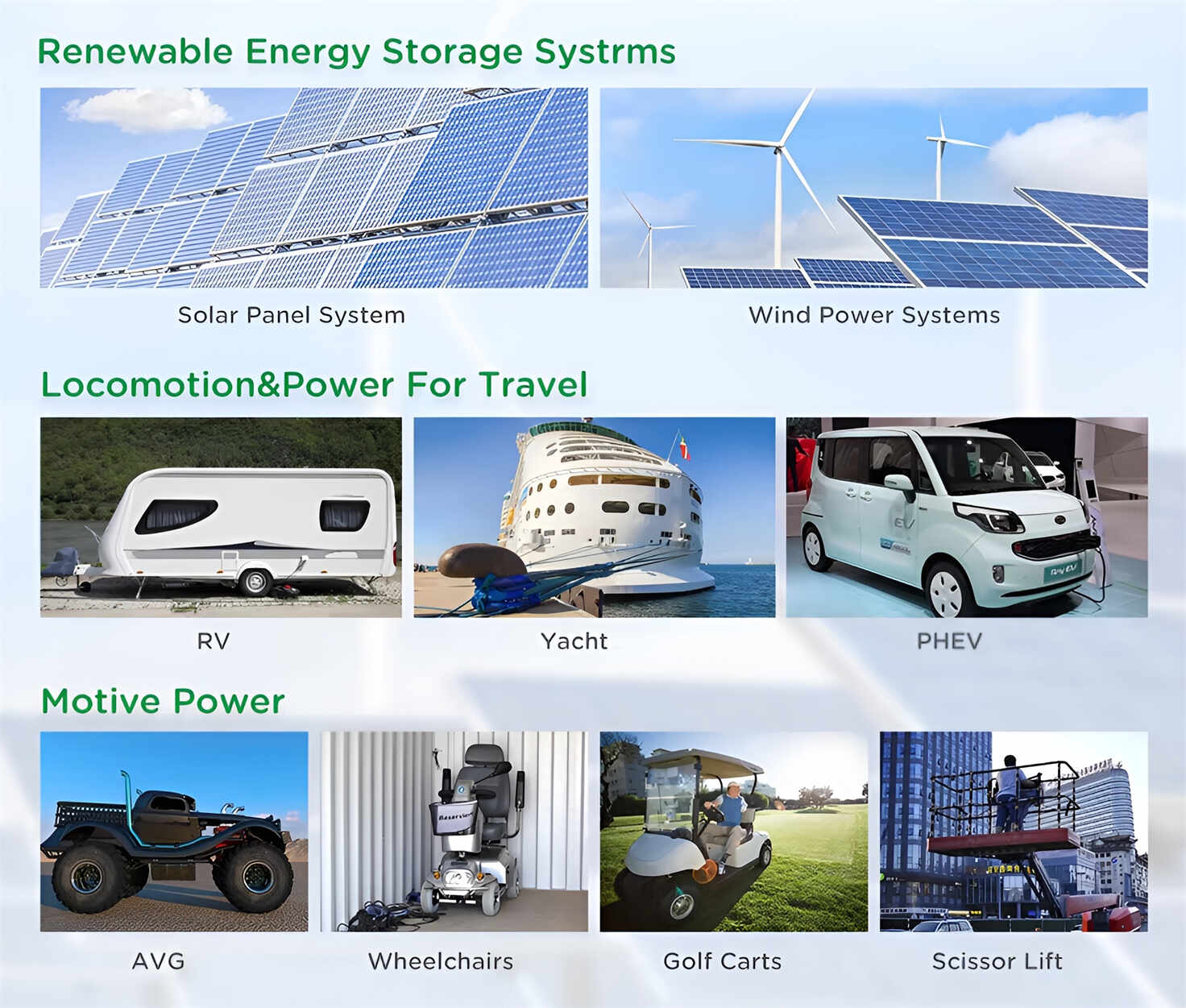
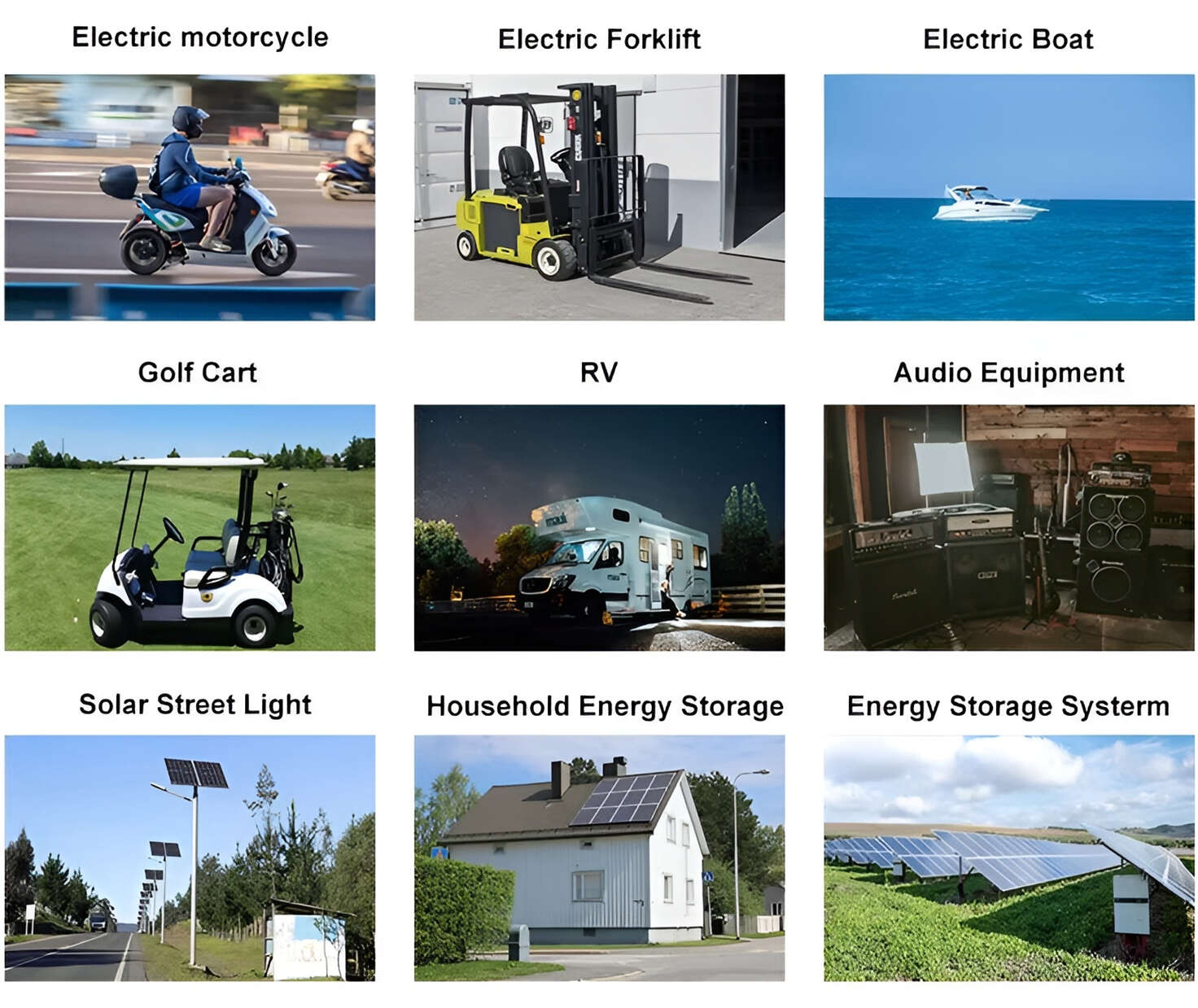
Applications: E-bike, Electric Scooter, Golf Carts, RV, Electric Wheelchair, Electric Tools, Robot Cleaner, Robot Sweeper, Solar Energy Storage System, Emergency Light, Solar Power Light, Medical Equipment, UPS Backup Power Supply.
We can provide you with customized services. We have the ability to provide a vertical supply chain, from single cells to pack/module and to a complete power solution with BMS, etc.
HomSolar (Shenzhen) Technology Co., Ltd