How To Use Temperature Limits: A Practical Guide For Safety And Efficiency
The concept of temperature limits is fundamental across a vast spectrum of activities, from industrial manufacturing and food safety to computing and home appliance management. Properly understanding and implementing these limits is not merely a technical formality; it is a critical practice for ensuring safety, optimizing performance, prolonging equipment lifespan, and maintaining product quality. This guide provides a comprehensive, step-by-step approach to effectively using temperature limits in various contexts.
Understanding the Core Concept
A temperature limit is a predefined threshold, either a maximum (high limit) or a minimum (low limit), that should not be exceeded by a system, substance, or environment. Exceeding these boundaries can lead to catastrophic outcomes, including:Safety Hazards: Fires, explosions, or the release of toxic substances.Equipment Failure: Overheating can cause permanent damage to mechanical and electronic components.Product Degradation: Spoilage of food, pharmaceuticals, or chemicals.Reduced Efficiency: Systems operating outside their ideal temperature range often consume more energy and perform poorly.
Step-by-Step Guide to Implementing Temperature Limits
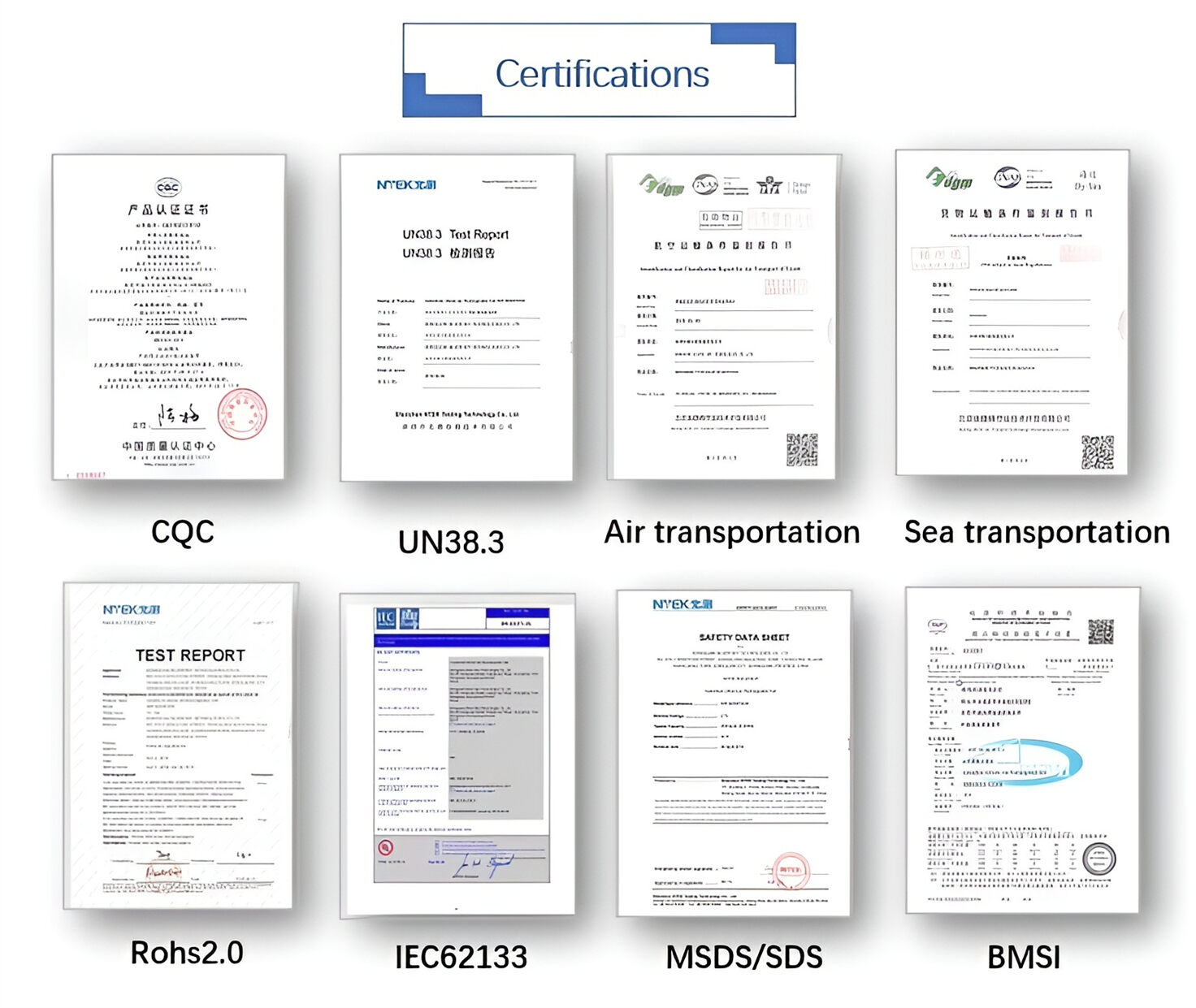
Step 1: Identify and Define the Limits The first and most crucial step is to determine the correct temperature limits for your specific application. This is not a guessing game.Consult Official Documentation: Always start with the manufacturer's specifications for any equipment (e.g., ovens, industrial machinery, computer processors, servers). These documents provide the safe operating parameters.Refer to Regulatory Standards: For food safety (e.g., HACCP plans), pharmaceuticals, and industrial processes, legal standards often dictate strict temperature limits. Organizations like the FDA, OSHA, or other local regulatory bodies provide these guidelines.Understand Material Properties: If you are working with chemicals, batteries, or other materials, their material safety data sheets (MSDS/SDS) will list critical temperature thresholds like flash points or thermal decomposition points.Define Process Requirements: In manufacturing or scientific processes, the ideal temperature range for a specific reaction or procedure must be established through research and testing.Actionable Tip:Create a master list or database of all critical assets and their corresponding temperature limits. This becomes your single source of truth.
Step 2: Select the Right Monitoring and Control Equipment Once you know the limits, you need the right tools to monitor and enforce them.Sensors: Choose appropriate temperature sensors (thermocouples, RTDs, thermistors, infrared sensors) based on the required accuracy, range, and environment.Controllers: A simple thermostat is a basic controller. For more complex systems, a Programmable Logic Controller (PLC) or a dedicated temperature controller is necessary. These devices take the sensor input and compare it to your set limits.Alarms and Alerts: The system must be capable of providing an immediate and unambiguous warning when a limit is approached or breached. This can be an audible siren, a flashing light, an email, or an SMS notification.Actionable Tip:For critical systems, implement redundancy. Use multiple sensors and ensure alarm systems have a backup power source.
Step 3: Configure the System Correctly Proper configuration is where theory meets practice. This involves setting the parameters on your control device.Setpoint: This is the target temperature you want the system to maintain (e.g., 4°C for a refrigerator).High/Low Limits: These are your absolute "do not cross" lines. They should be set with a safety margin from the point where actual damage or danger occurs. For example, if a motor is rated to 90°C, you might set the high-temperature alarm at 85°C.Alarm Delay: To prevent nuisance alarms from brief, insignificant fluctuations, a short delay (e.g., 30 seconds) can be programmed.Hysteresis: This setting prevents the system from rapidly cycling on and off. It defines a range around the setpoint where the controller is inactive. For instance, a fridge with a setpoint of 4°C and a hysteresis of 2°C will turn on at 5°C and off at 3°C.Actionable Tip:Clearly label controllers and document all setpoints and limits. This prevents accidental changes and aids in troubleshooting.
Step 4: Establish a Routine Monitoring and Calibration Schedule Setting the system is not the end; it's the beginning of an ongoing process.Regular Monitoring: Manually check digital displays or data logs regularly, even if automated alarms are in place. Look for trends, such as a gradual increase in operating temperature, which can be an early warning of a future problem.Data Logging: Use data loggers to record temperature over time. This is essential for compliance in food and pharmaceutical industries and for diagnosing intermittent issues.Scheduled Calibration: All sensors and controllers drift over time. Establish a schedule to calibrate them against a known standard (a NIST-certified reference thermometer) annually or semi-annually, depending on criticality.Actionable Tip:Keep a maintenance log that records all checks, calibrations, and any alarm events. This creates a valuable history for the system.
Step 5: Develop and Practice Response Protocols An alarm is useless if no one knows how to respond. A clear response plan is essential.Immediate Actions: What is the first thing an operator should do? This might be shutting down equipment, transferring product to a backup cooler, or activating a fire suppression system.Escalation Procedures: Who needs to be notified if the immediate action doesn't resolve the issue? Define the chain of command for off-hours and emergencies.Containment and Recovery: Outline steps to contain the impact of a limit excursion and how to safely restore normal operations.Actionable Tip:Conduct regular drills for common temperature excursion scenarios to ensure everyone is prepared and the procedures are effective.
Crucial Tips and Important ConsiderationsContext is King: The "correct" temperature limit is entirely dependent on the context. The limit for a household freezer is different from that for a nuclear reactor coolant. Never assume.Understand the Difference Between Warning and Alarm: A good practice is to set two tiers: a warning limit (e.g., 80°C) that alerts you that conditions are approaching a dangerous zone, and a critical alarm limit (e.g., 85°C) that requires immediate emergency action.Environmental Factors: Consider the environment where the sensor is placed. Is it exposed to direct sunlight, drafts, or heat from other equipment? Improper sensor placement will give false readings and lead to poor control.Human Factors: Ensure that controls are password-protected or physically guarded to prevent unauthorized tampering. Training for all personnel is non-negotiable.Plan for Failure: What happens during a power outage? Critical systems may require Uninterruptible Power Supplies (UPS) or backup generators to maintain temperature control.
By methodically following these steps—defining limits, selecting the right tools, configuring them correctly, monitoring diligently, and having a clear response plan—you transform the abstract concept of "temperature limits" into a powerful, proactive tool for managing risk and ensuring operational excellence.
Customized/OEM/ODM Service
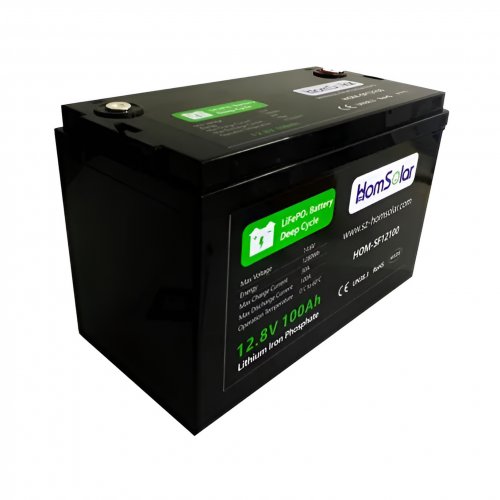
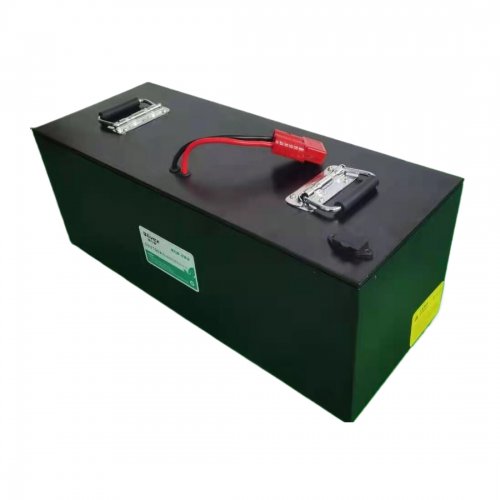
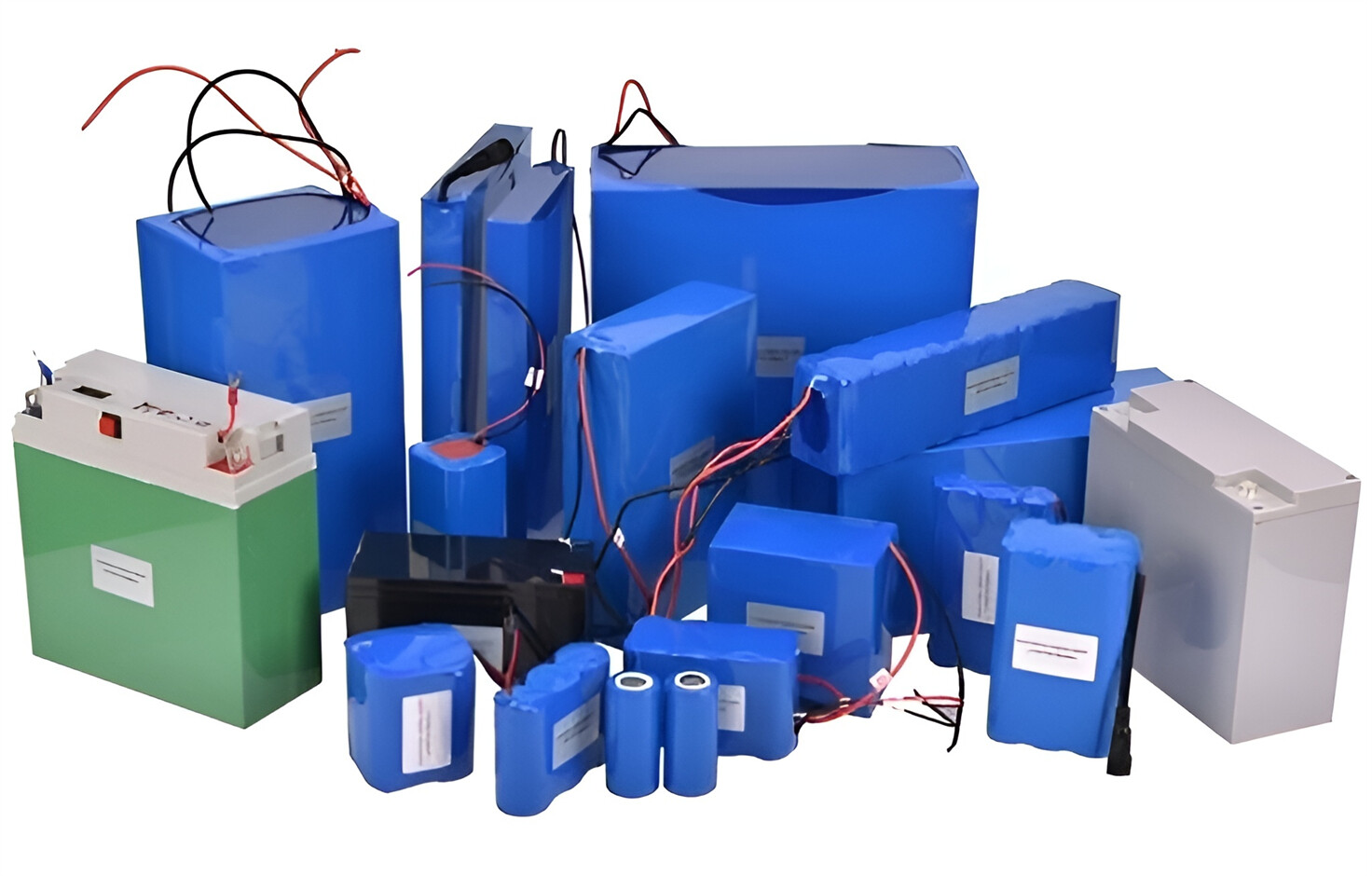
HomSolar Supports Lifepo4 battery pack customization/OEM/ODM service, welcome to contact us and tell us your needs.


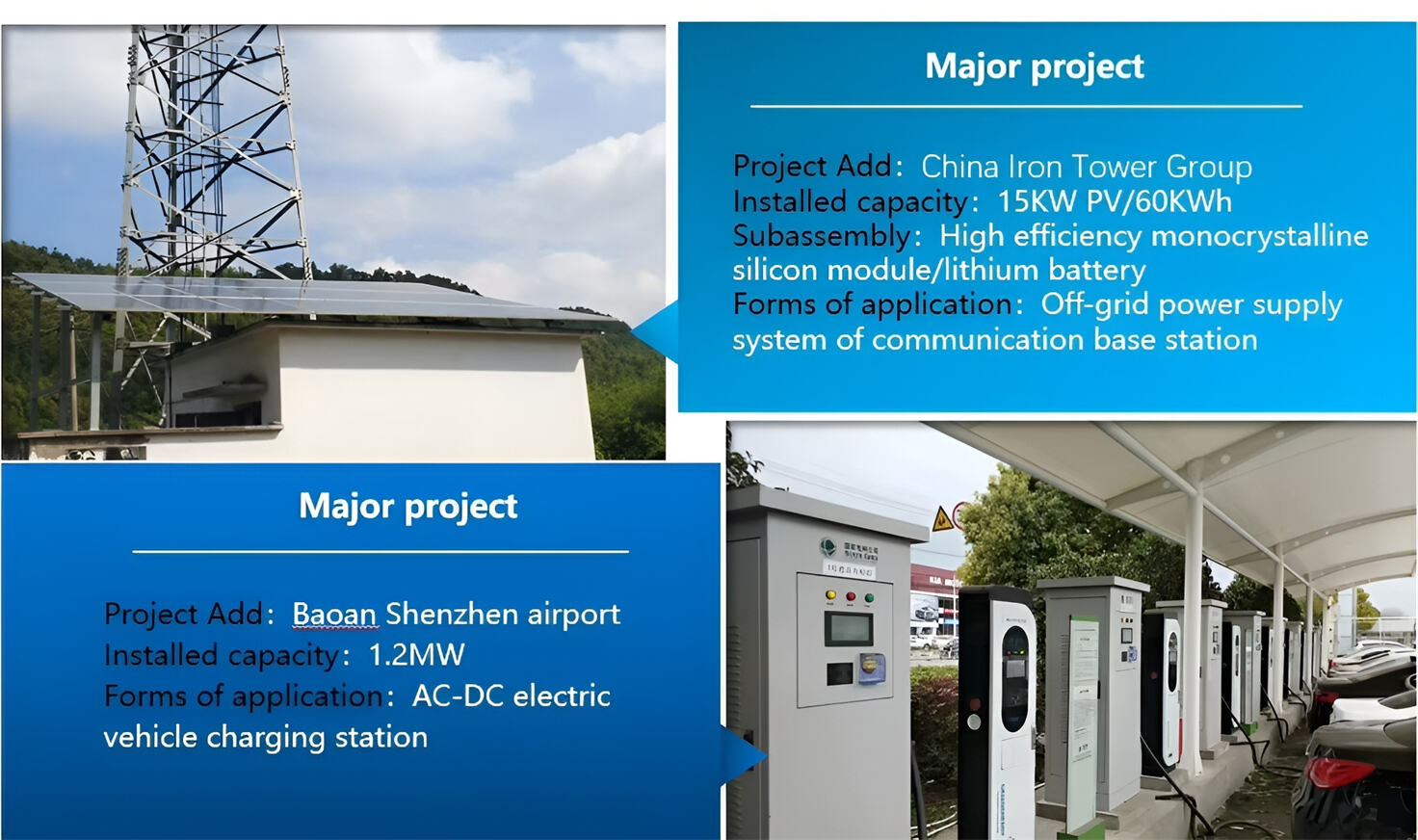
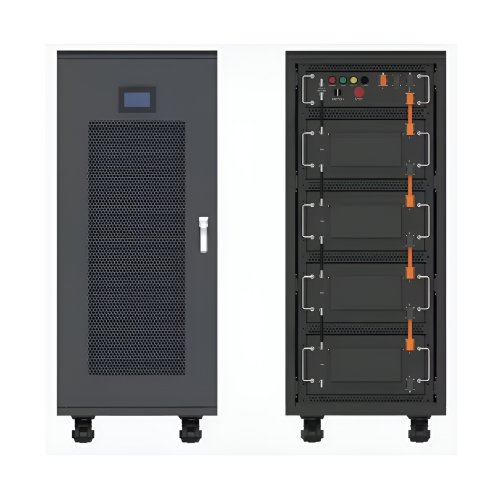
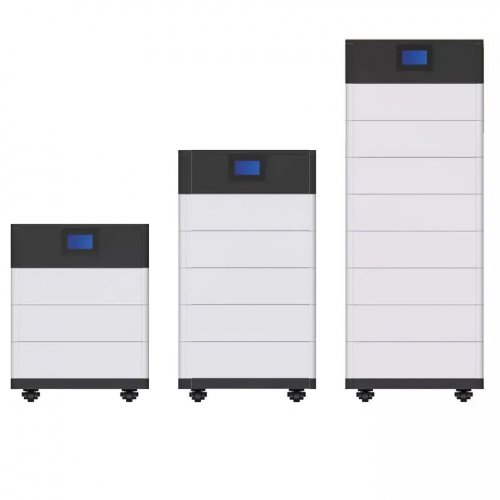
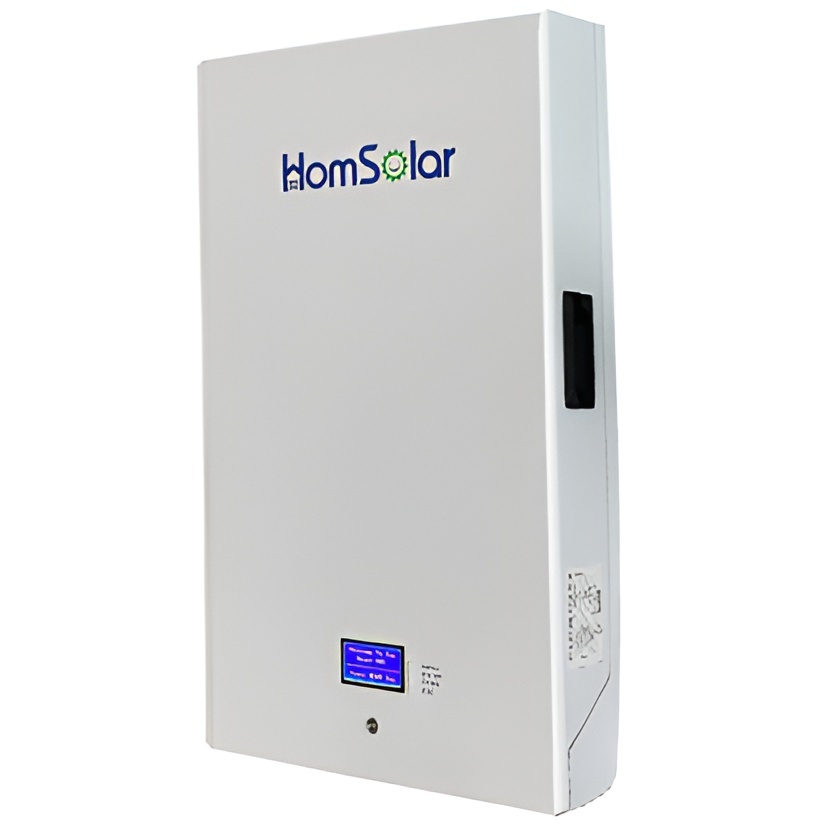
HomSolar: Your One-stop LiFePO4 Battery Pack & ESS Solution Manufacturer
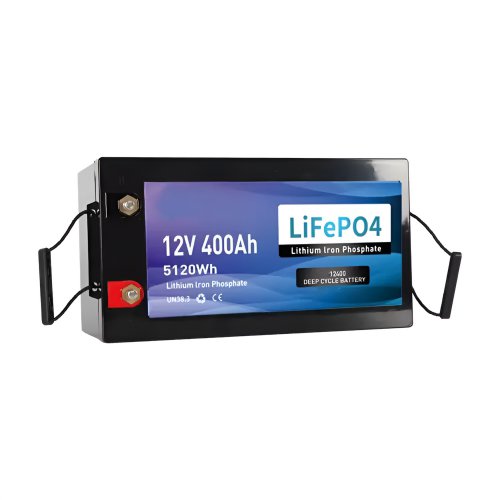
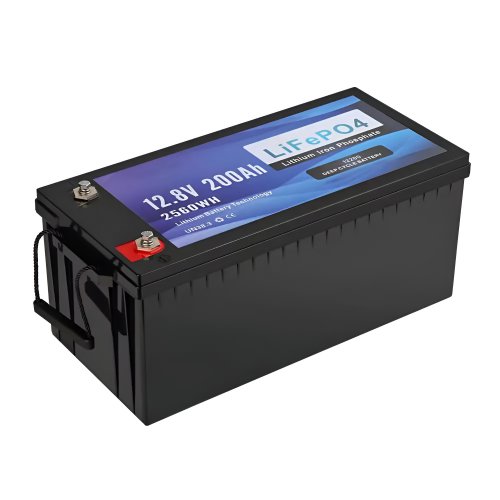
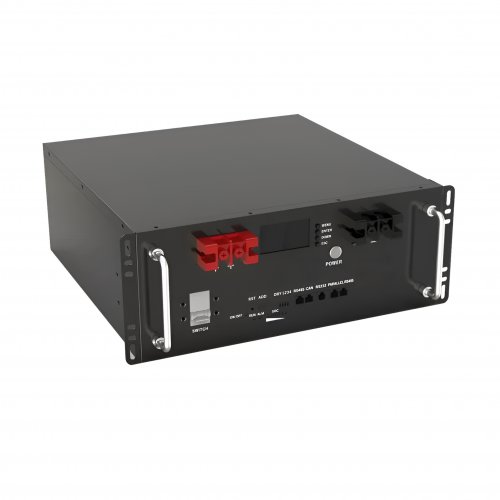
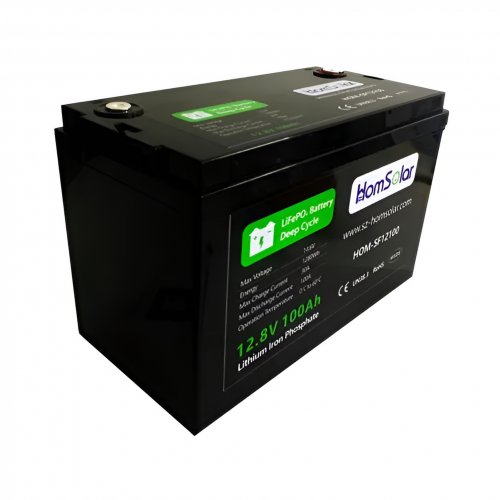
Our line of LiFePO4 (LFP) batteries offer a solution to demanding applications that require a lighter weight, longer life, and higher capacity battery. Features include advanced battery management systems (BMS), Bluetooth® communication and active intelligent monitoring.
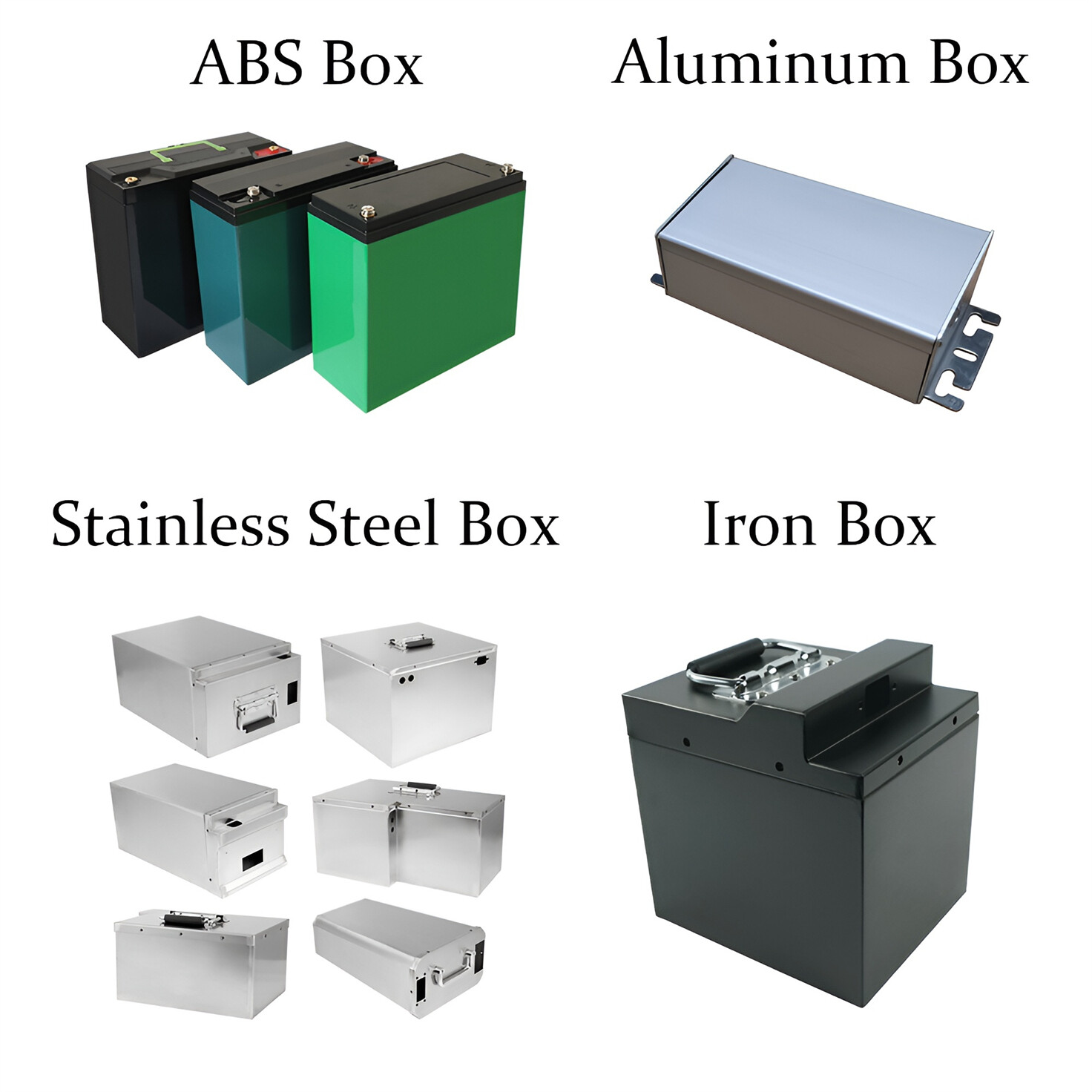
Customised Lithium Iron Phosphate Battery Casing
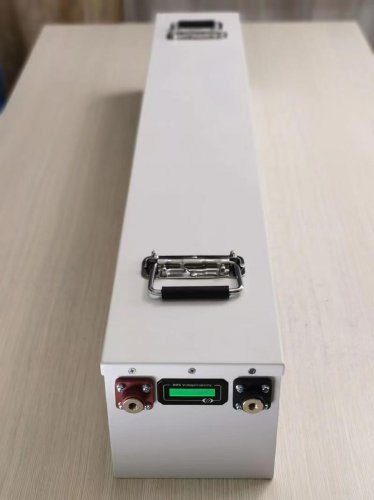
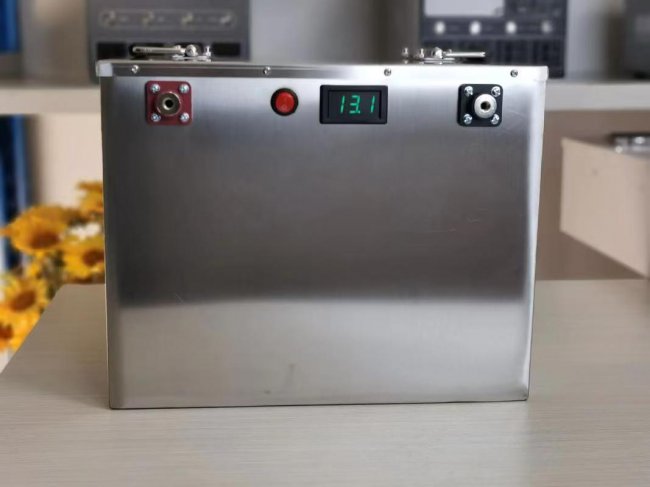
ABS plastic housing, aluminium housing, stainless steel housing and iron housing are available, and can also be designed and customised according to your needs.
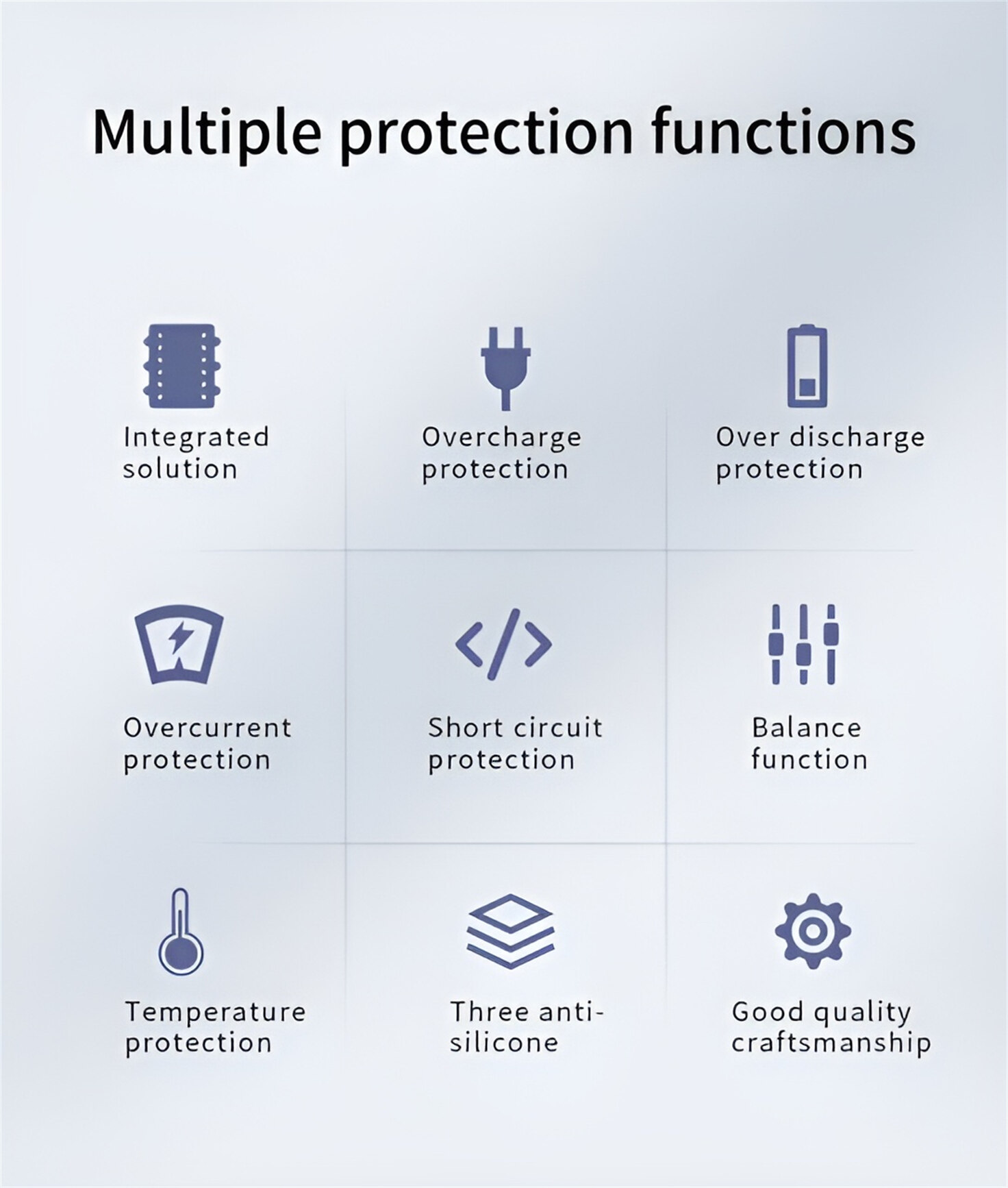
HomSolar Smart BMS
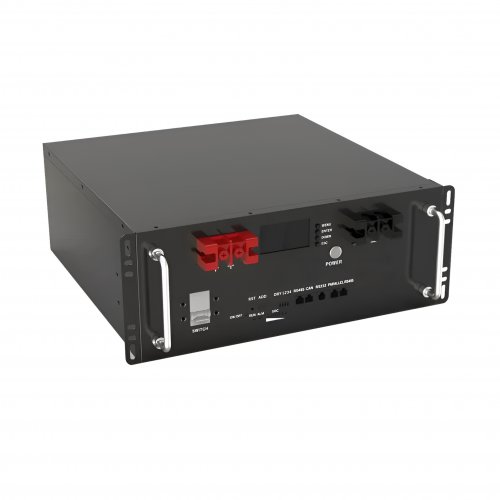
Intelligent Battery Management System for HomSolar Energy Storage System. Bluetooth, temperature sensor, LCD display, CAN interface, UART interface also available.

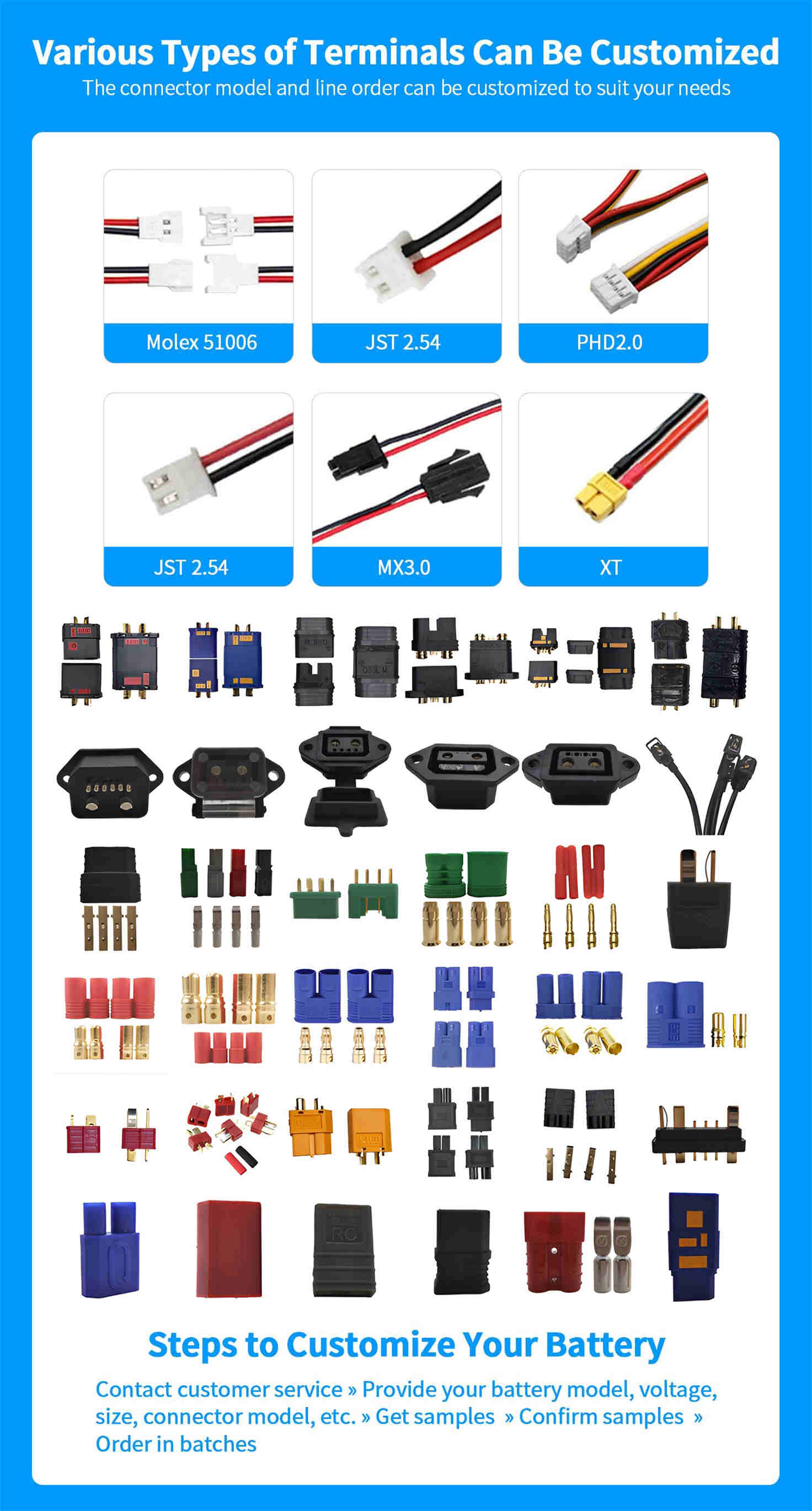
Terminals & Plugs Can Be Customized
A wide range of terminals and plugs can be customised to suit the application needs of your battery products.
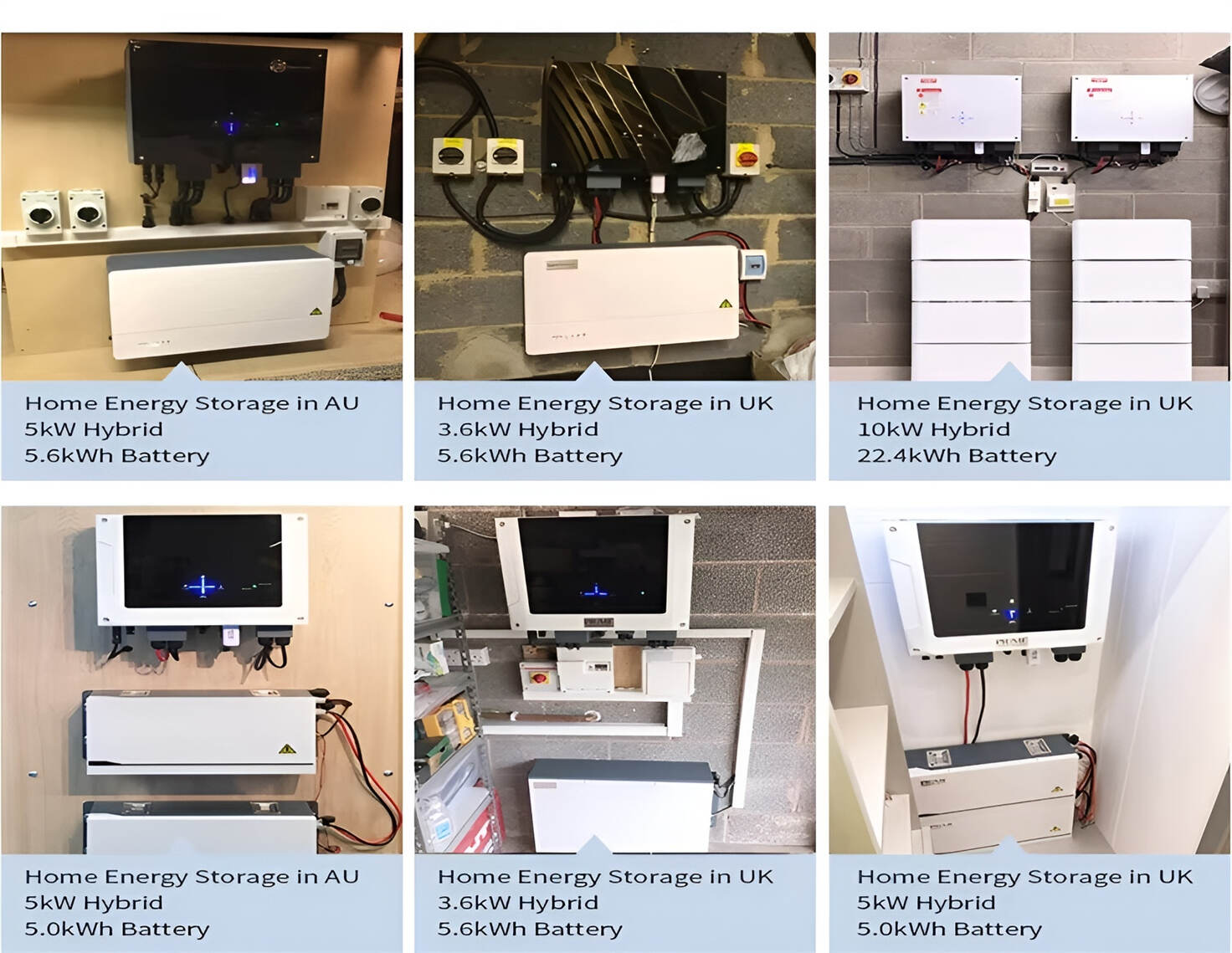
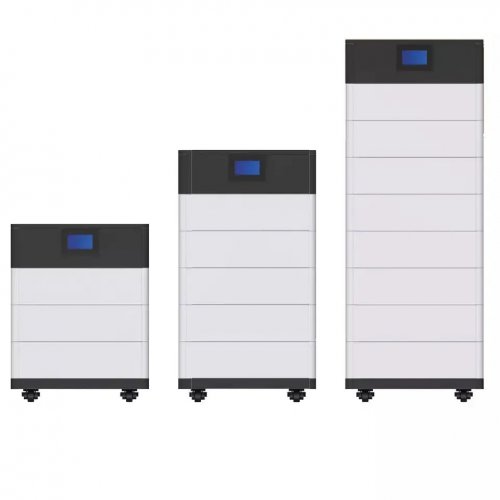
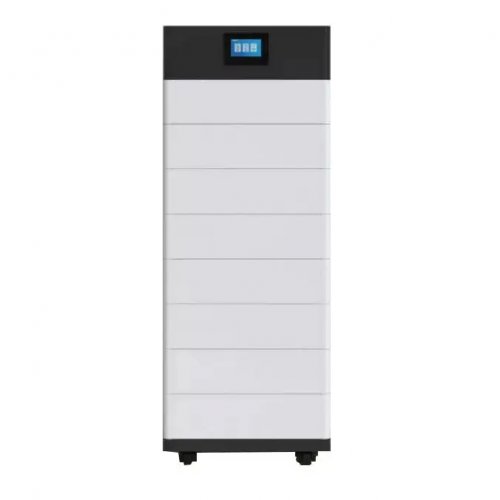
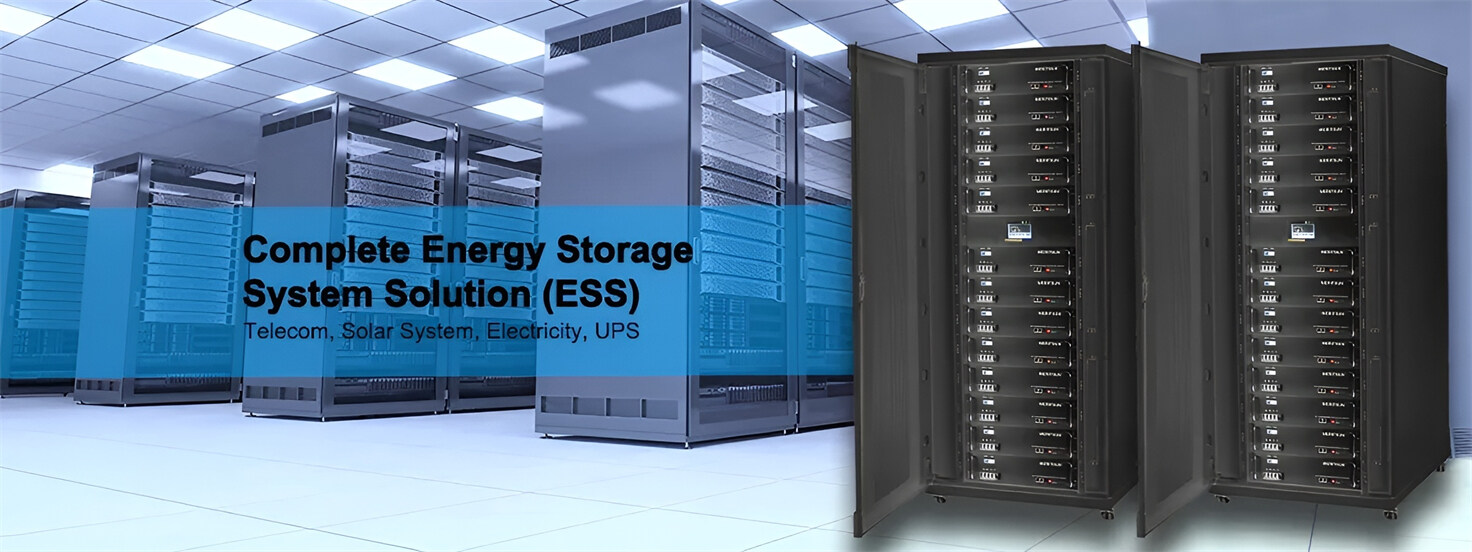
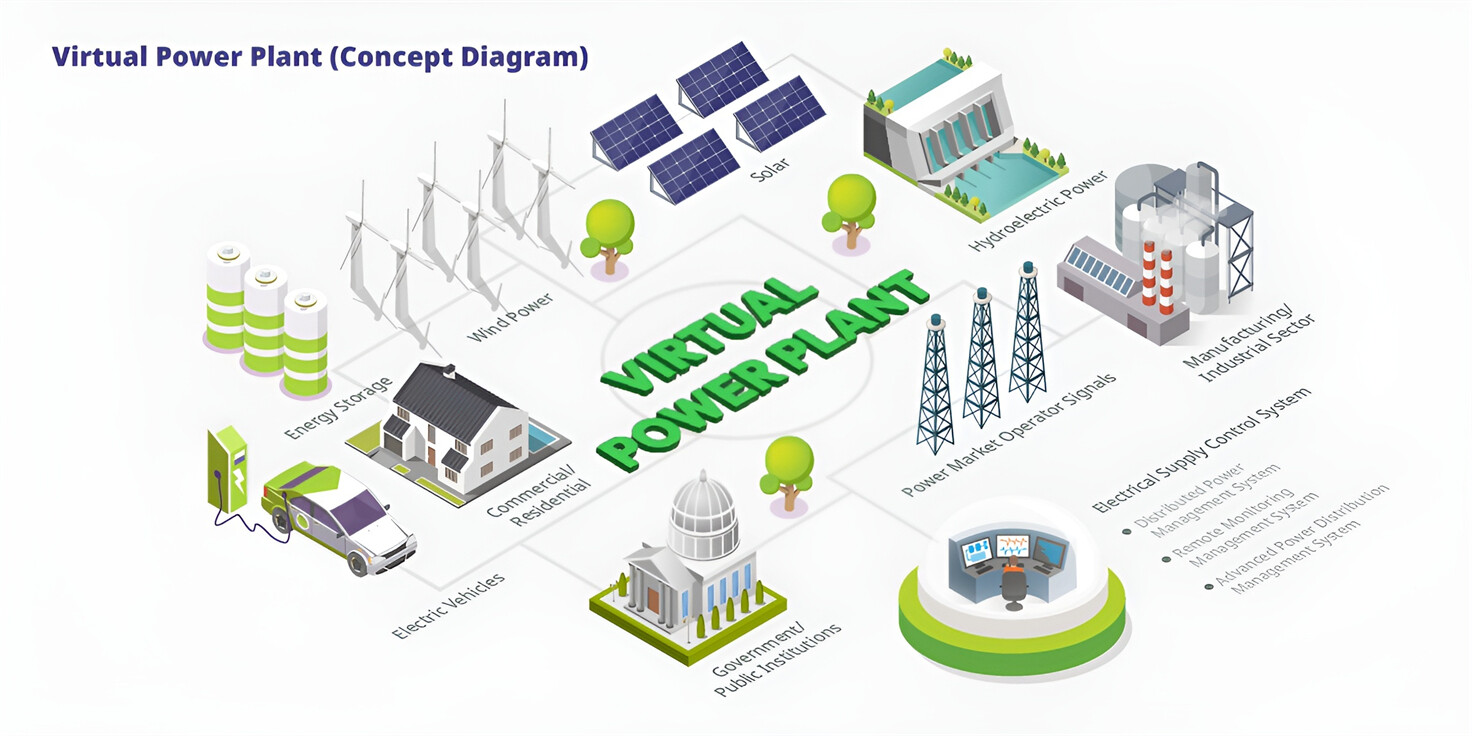
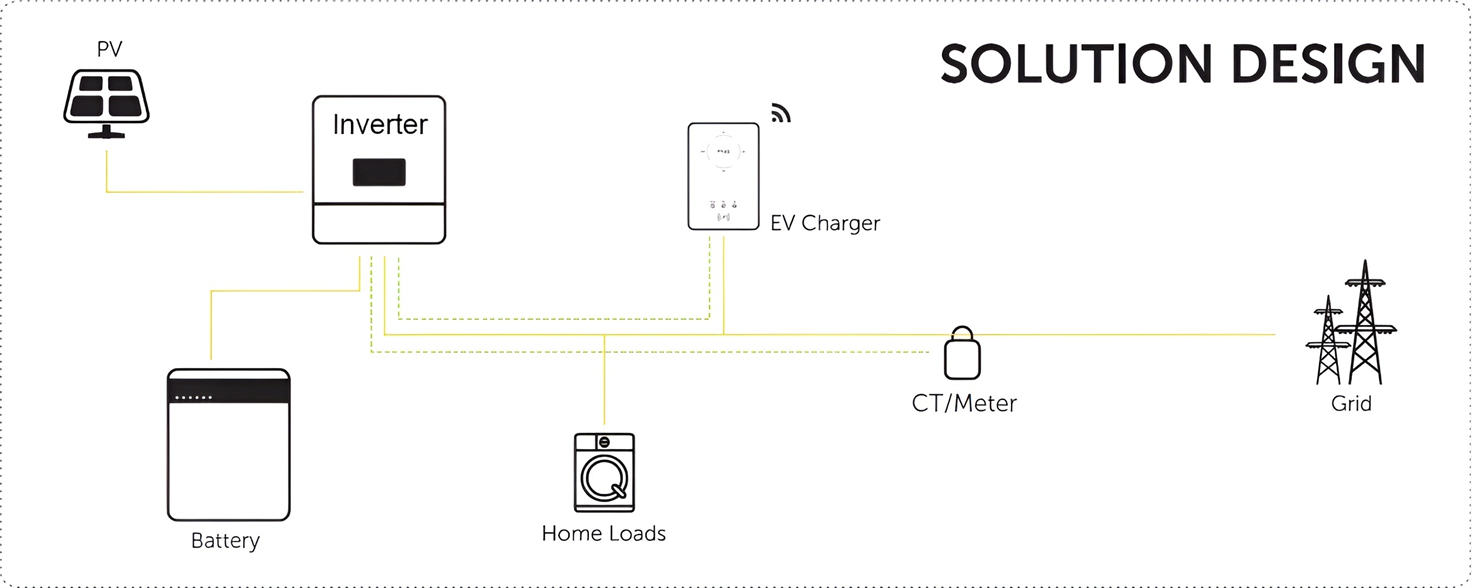
Well-designed Solutions for Energy Storage Systems
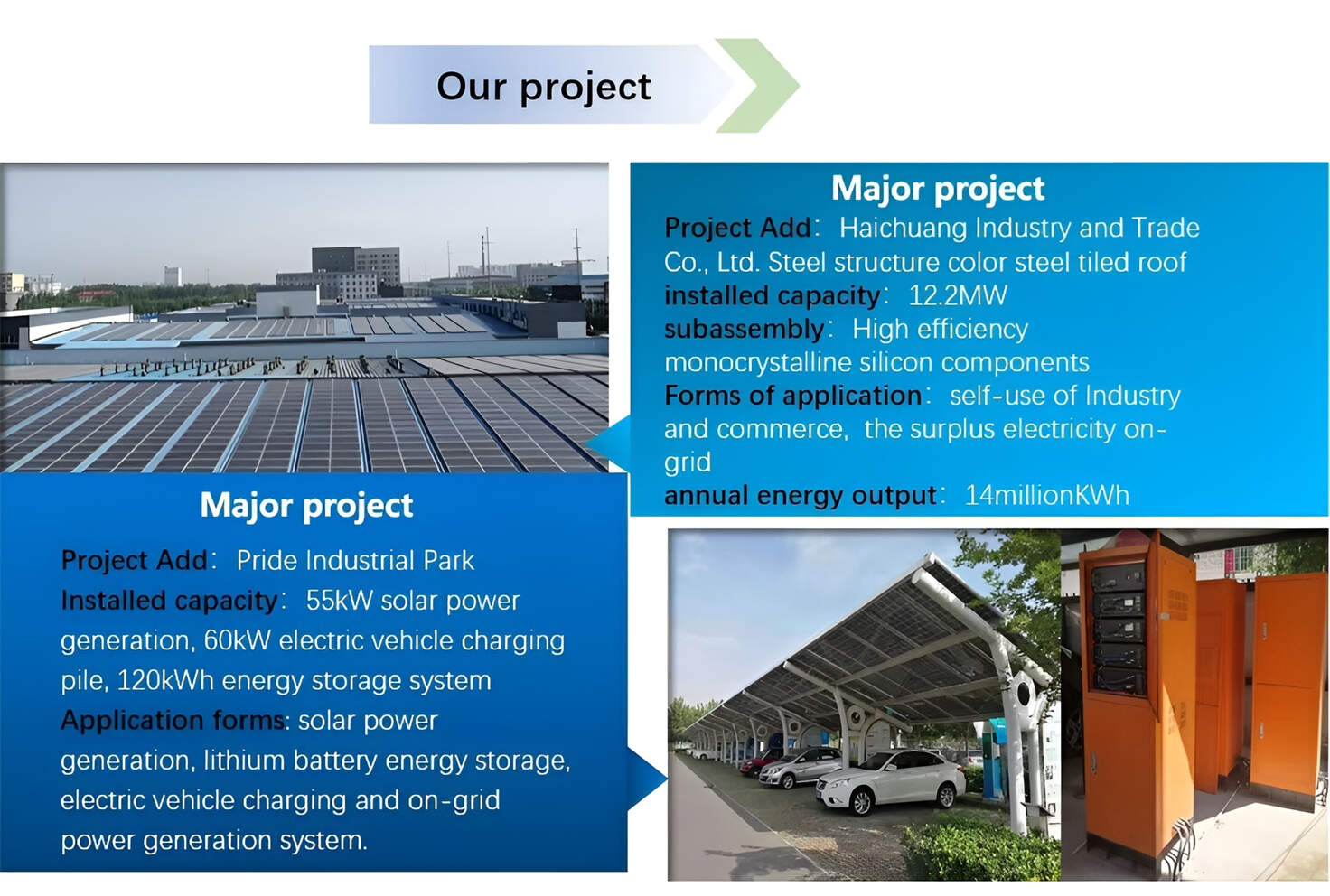
We will design the perfect energy storage system solution according to your needs, so that you can easily solve the specific industry applications of battery products.
About Our Battery Cells
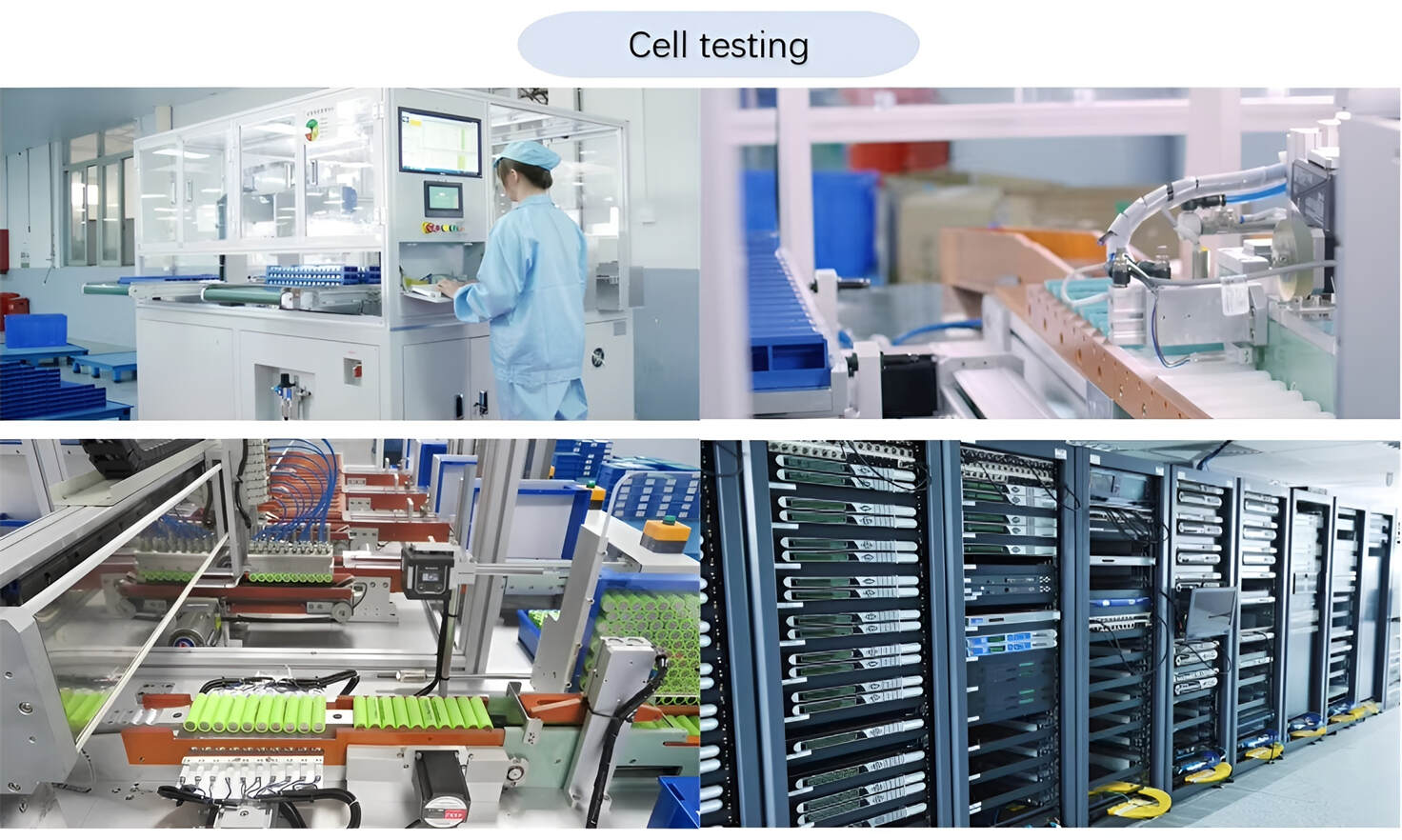
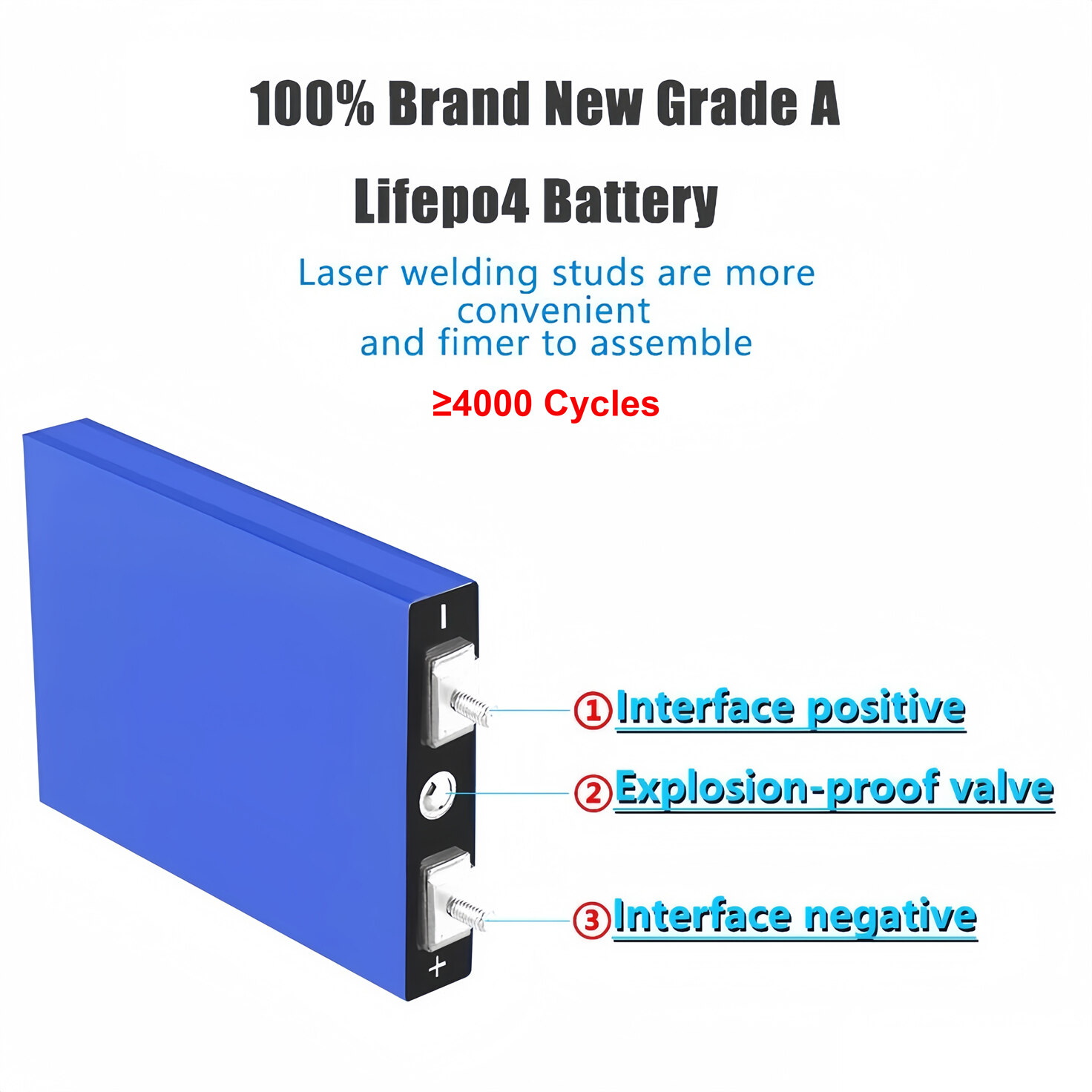
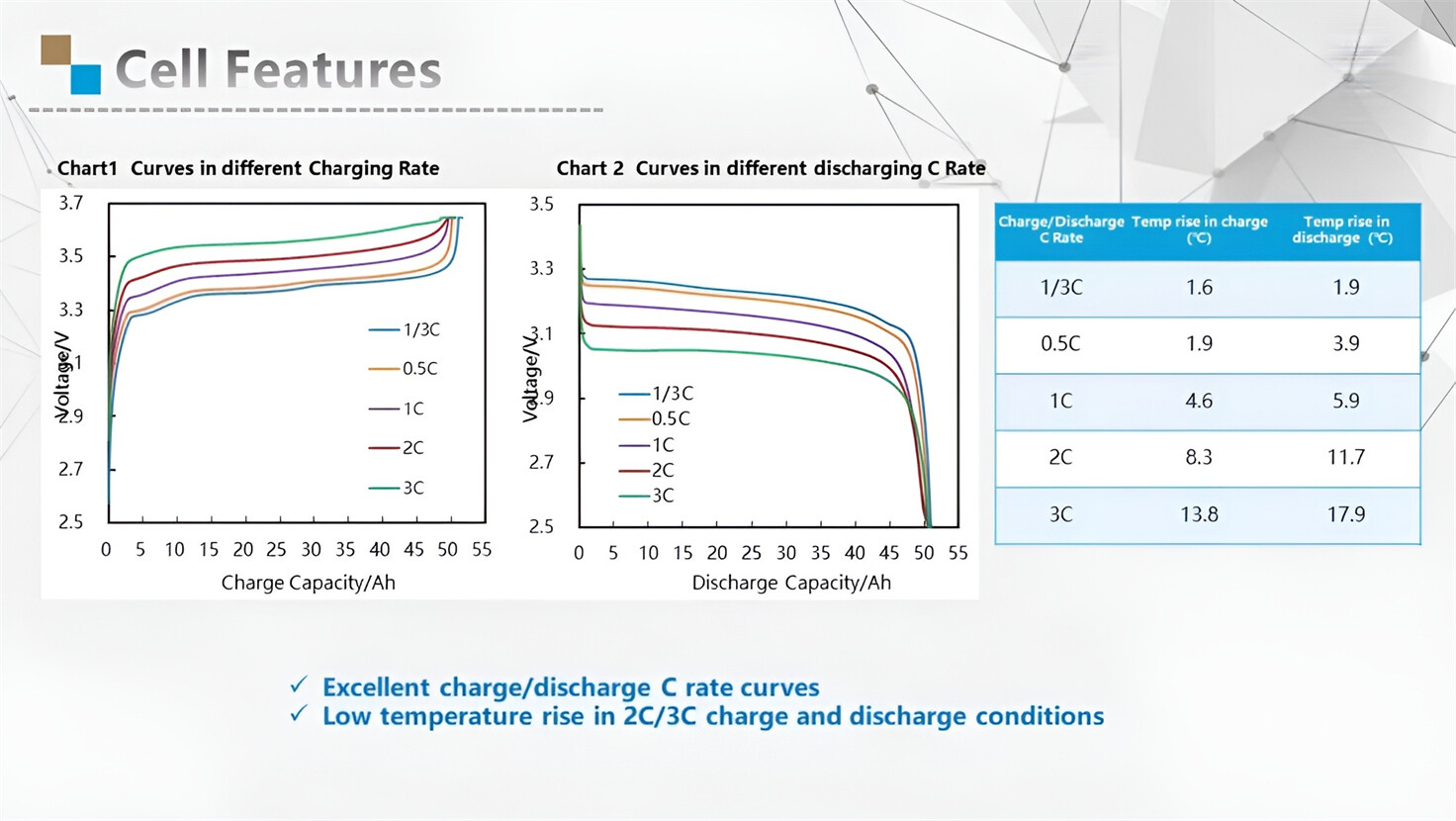
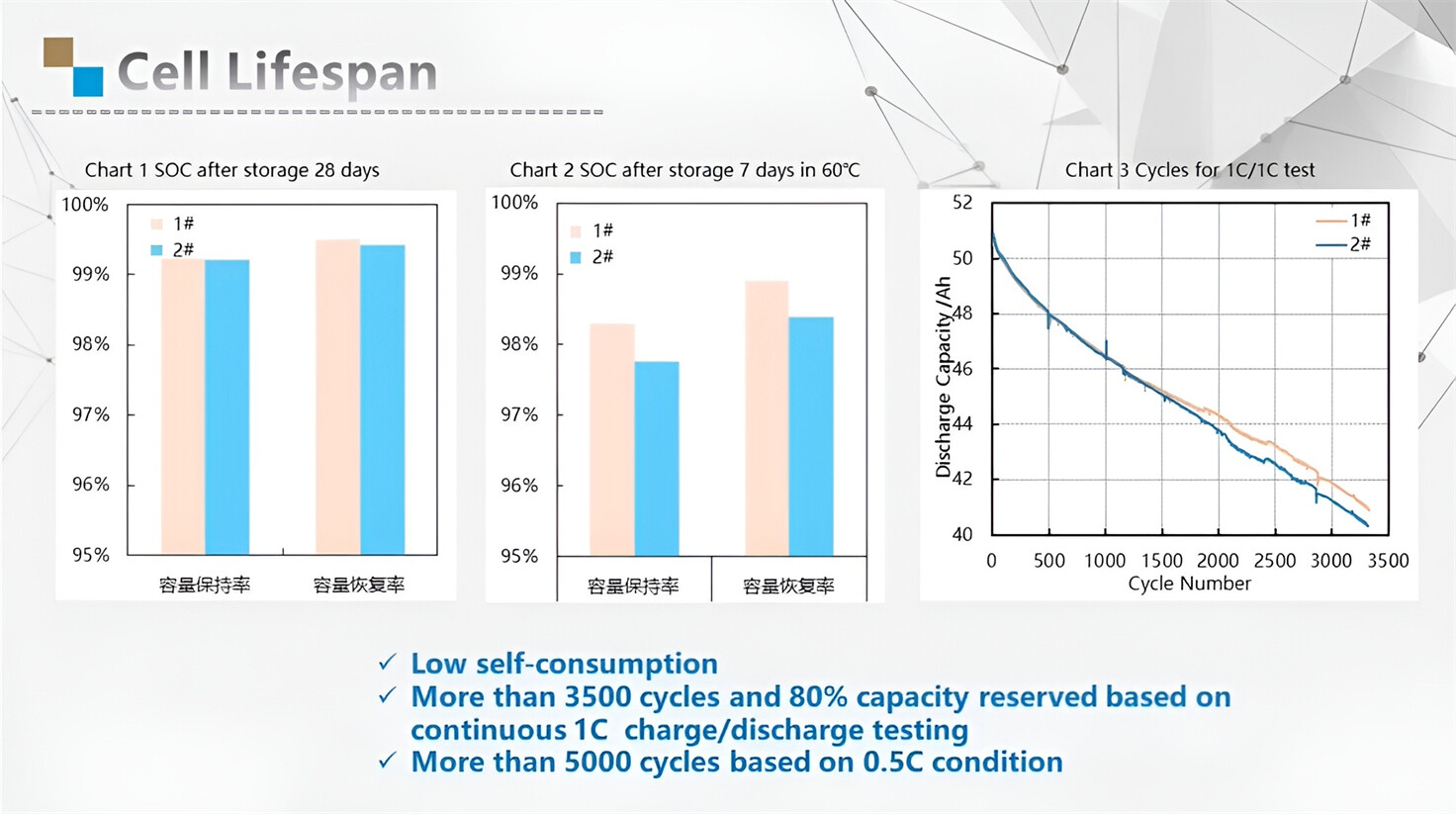
Our energy storage system products use brand new grade A LiFePO4 cells with a battery lifespan of more than 4,000 charge/discharge cycles.
Applications in Different Industries
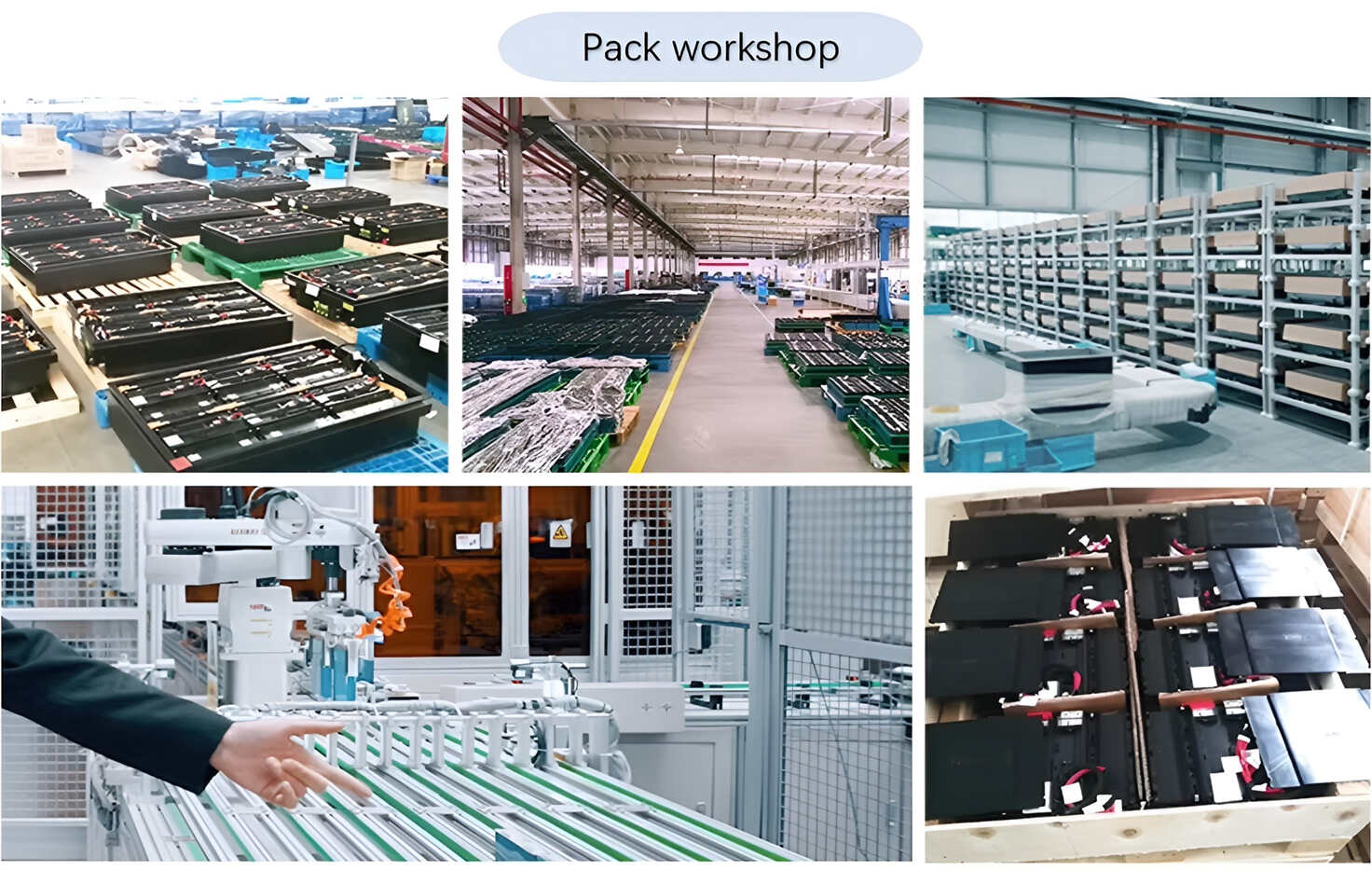
We supply customized & OEM battery pack, assemble cells with wiring, fuse and plastic cover, all the cell wires connected to PCB plug or built BMS.
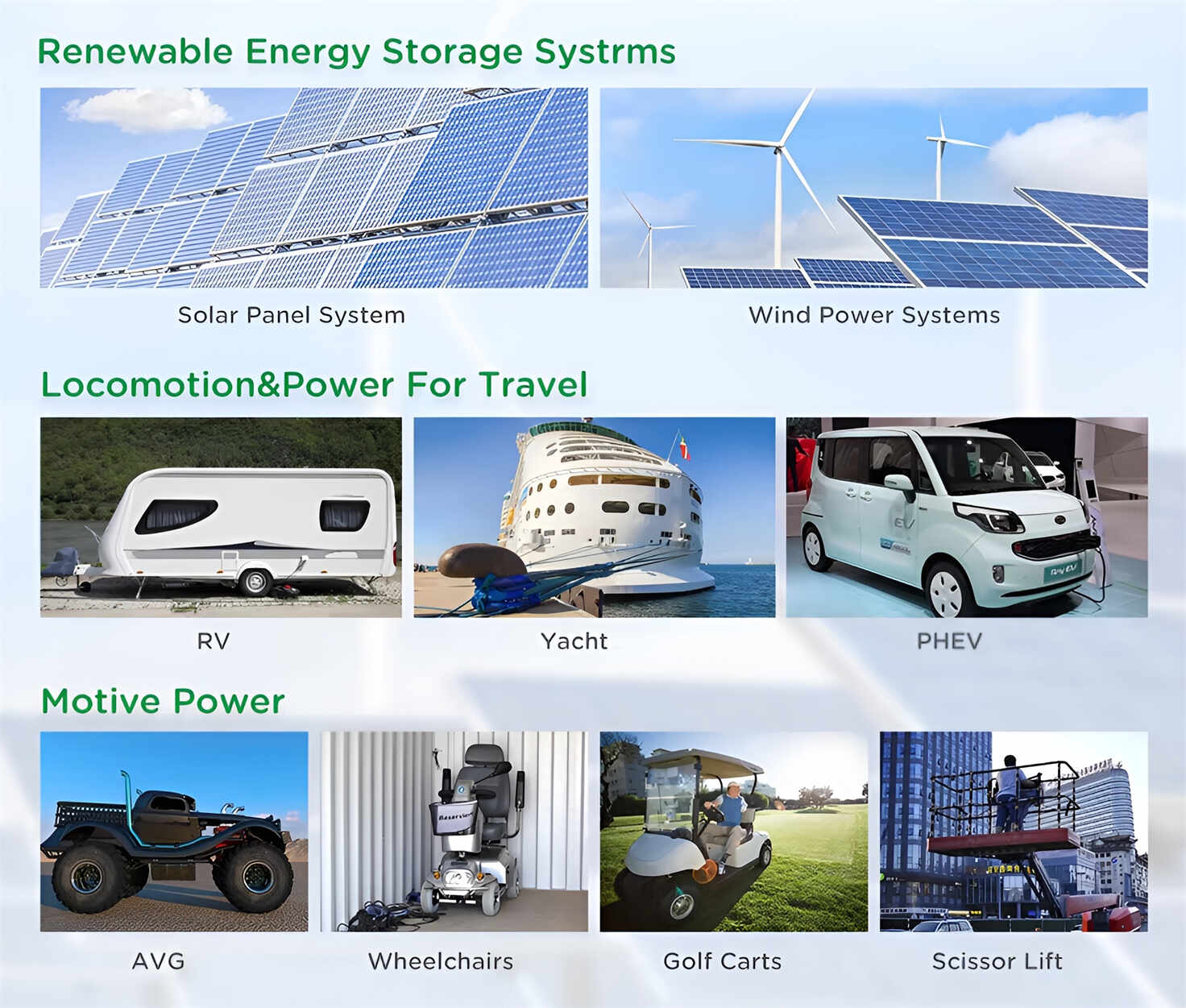
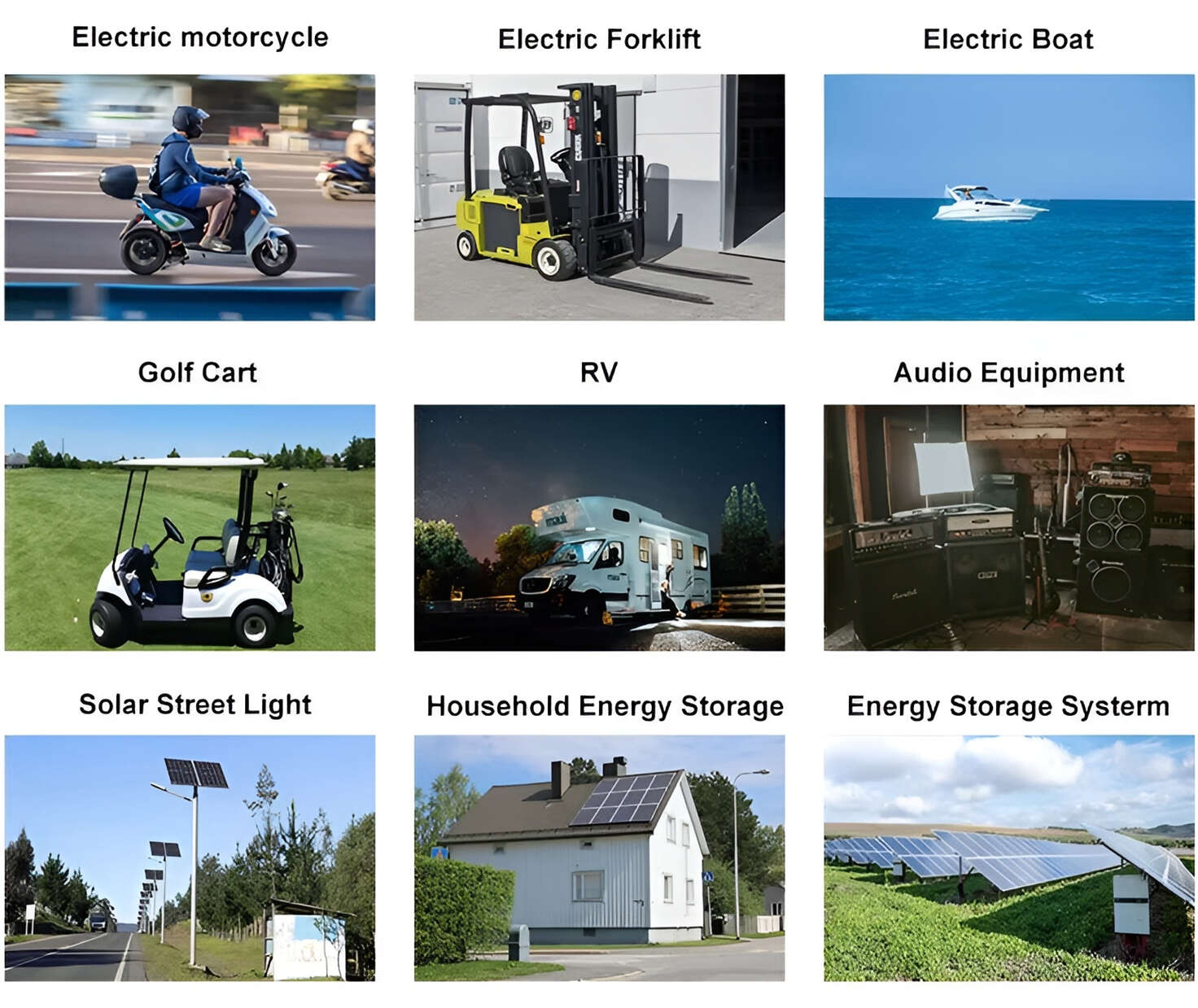
Applications: E-bike, Electric Scooter, Golf Carts, RV, Electric Wheelchair, Electric Tools, Robot Cleaner, Robot Sweeper, Solar Energy Storage System, Emergency Light, Solar Power Light, Medical Equipment, UPS Backup Power Supply.
We can provide you with customized services. We have the ability to provide a vertical supply chain, from single cells to pack/module and to a complete power solution with BMS, etc.
HomSolar (Shenzhen) Technology Co., Ltd