How To Use State Of Charge: A Practical Guide For Battery Management
The term "State of Charge" (SoC) is a fundamental metric for anyone who uses battery-powered devices, from smartphones and laptops to electric vehicles (EVs) and home energy storage systems. Expressed as a percentage, it represents the remaining energy capacity in a battery, akin to a fuel gauge. However, effectively using and interpreting SoC goes far beyond simply glancing at a percentage readout. Proper understanding and management are critical for maximizing battery lifespan, ensuring device reliability, and planning your energy usage efficiently. This guide will provide a comprehensive overview of how to use State of Charge in your daily life.
Understanding the Basics: What SoC Really Means
Before diving into usage, it's crucial to understand what SoC is and, just as importantly, what it isn't. SoC is a relative measure, indicating the charge level relative to the battery's total available capacity at that moment. It is not an absolute measure of energy (like watt-hours). A key concept to grasp is that a battery's total capacity degrades over time and with use. Therefore, 100% SoC on a two-year-old smartphone does not represent the same amount of energy as 100% did when it was new.
SoC is typically estimated by the device's Battery Management System (BMS) using a combination of methods, including voltage measurement, coulomb counting (tracking current flow in and out), and complex algorithms. This estimation is why SoC can sometimes be inaccurate, especially in older batteries or under extreme temperatures.
A Step-by-Step Guide to Utilizing State of Charge
Effectively using SoC involves a continuous cycle of monitoring, interpreting, and acting.
Step 1: Accurate Monitoring and Calibration The first step is to ensure you are getting a reliable SoC reading.Use the Built-in Gauge: Most modern devices provide a numerical percentage or a graphical bar. Prefer the percentage for more precise information.Calibrate Periodically: Over time, the BMS's SoC estimation can drift. To recalibrate it, periodically perform a full cycle: discharge the device to 0% (or until it shuts down) and then charge it uninterrupted to 100%. This helps the BMS relearn the true endpoints of the battery's capacity. For most devices, doing this once every 1-3 months is sufficient.Utilize Advanced Tools: For EVs, drones, or solar power systems, delve into the advanced diagnostics menus or companion apps. These often provide more detailed data, such as the battery's health (State of Health) and energy consumption history, which puts the SoC into a more meaningful context.
Step 2: Interpretation and Contextualization A raw SoC number is just data; interpretation turns it into useful information.Consider the Application: The implication of 20% SoC is very different for a smartphone versus an EV. For a phone, it might mean finding a charger within an hour. For an EV, it means you need to plan a charging stop in the next 30-50 miles, depending on the vehicle and driving conditions.Factor in Environmental Conditions: Be aware that SoC readings and battery performance are highly temperature-dependent. A battery might show 50% SoC in cold weather but deliver power less effectively. Conversely, in very hot conditions, the actual capacity might be temporarily reduced.Understand Load Impact: A high power draw can cause a temporary voltage sag, making the BMS report a lower SoC than what is truly available. For example, an EV accelerating hard up a hill might see its displayed range drop, which will stabilize once the load decreases.
Step 3: Actionable Planning and Management This is the most critical step—using your interpreted SoC data to make decisions.Trip Planning (for EVs): Use your EV's SoC and its associated range estimate to plan your journey. Always aim to arrive at your destination or next charger with a comfortable buffer (e.g., 10-20%). Use in-car navigation or apps that factor in elevation, speed, and weather to predict SoC consumption accurately.Charging Routines: Instead of letting your device drop to 0% or constantly charging to 100%, use SoC to guide healthier charging habits. For long-term battery health, the optimal range for most lithium-ion batteries is between 20% and 80%. Set charging limits if your device supports it.Storage Preparation: If you plan to store a device (e.g., a drone, camera, or EV for a long period), use the SoC to charge or discharge it to the recommended level, typically around 40-60%. This minimizes stress on the battery during inactivity.
Practical Tips and Best PracticesThe 20-80 Rule: Make this your default charging mantra for daily use. Avoiding the extremes of 0% and 100% significantly reduces chemical stress on lithium-ion batteries, dramatically extending their service life.Avoid "Deep Discharges": Frequently draining a battery to 0% is one of the fastest ways to degrade it. Treat low SoC warnings as a serious prompt to recharge.Mind the Temperature: Never charge a device at 0% SoC in freezing conditions, and avoid exposing high-SoC devices to extreme heat (like a dashboard on a sunny day). Both scenarios accelerate permanent capacity loss.Use a "Time-to-Empty" Estimate: For laptops and EVs, pay attention to the time estimate based on your current usage. This is a more dynamic and practical interpretation of SoC than a static percentage.
Important Precautions and LimitationsSoC is an Estimate, Not a Perfect Measurement: Accept that there is always a margin of error, usually between 1-5%. Do not base critical decisions on the last 1-2% of the reading.Batteries Age: As a battery's State of Health declines, its total capacity shrinks. A 100% SoC on an aged battery will not last as long as it used to. Adjust your expectations and usage patterns accordingly.Different Chemistries, Different Behaviors: Lead-acid batteries (used in many cars) prefer to be kept at a high SoC (near 100%) and are damaged by deep discharges, unlike lithium-ion. Always understand the technology you are using.Safety First: A physically damaged battery is unsafe at any State of Charge. If you suspect damage, do not attempt to charge or discharge it; seek professional help.
In conclusion, State of Charge is a powerful tool when used correctly. By moving beyond a superficial glance and adopting a practice of mindful monitoring, intelligent interpretation, and proactive management, you can unlock longer battery life, greater device reliability, and a more efficient and predictable experience with all your electronic assets.
Customized/OEM/ODM Service
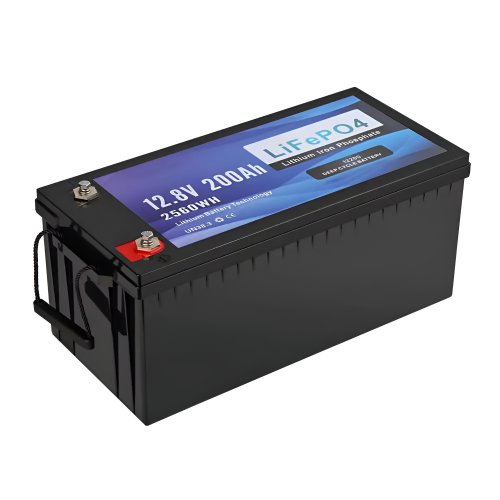
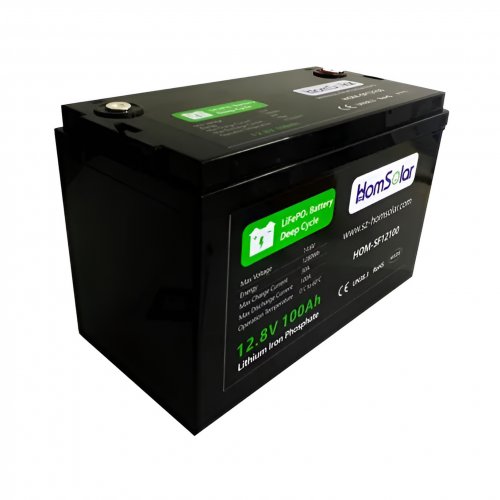
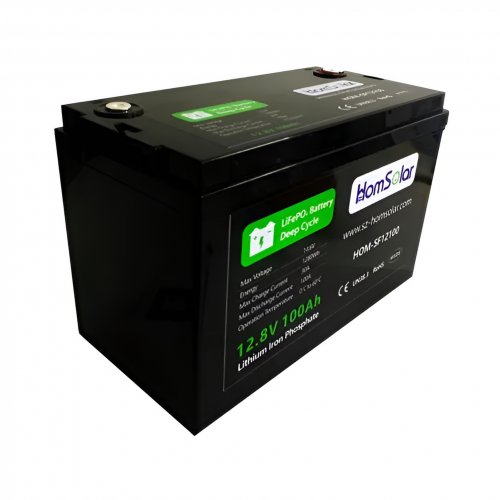
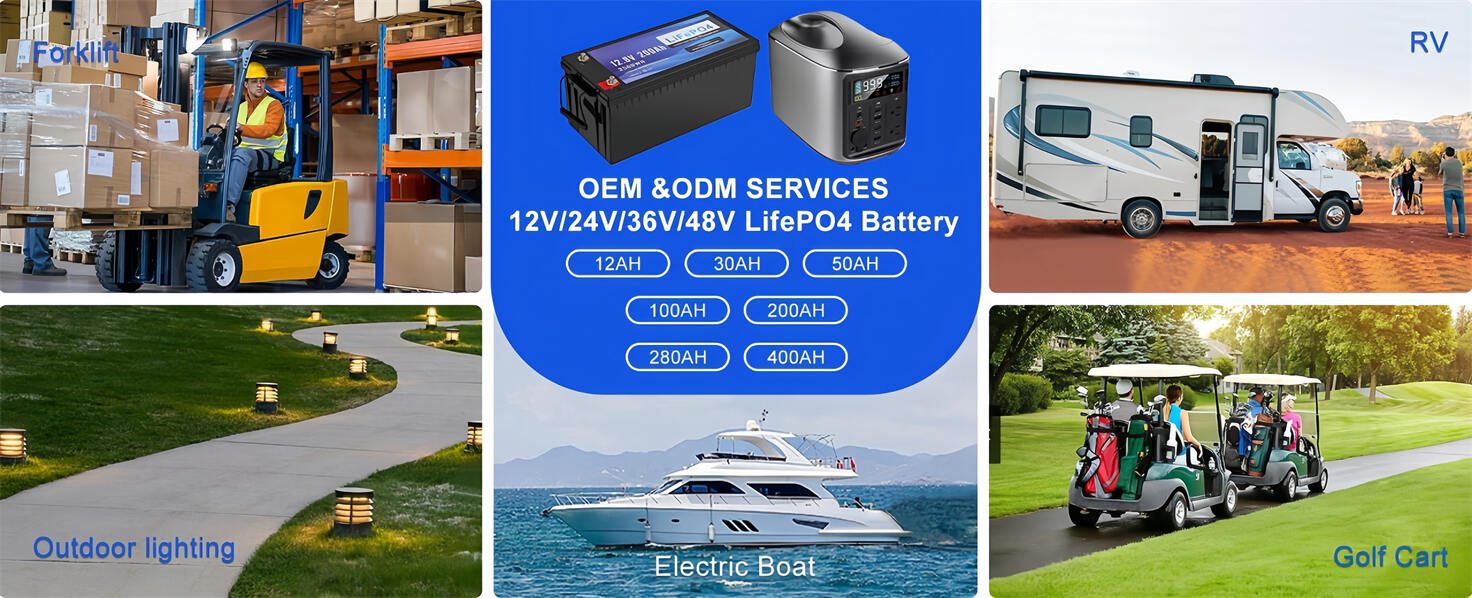
HomSolar Supports Lifepo4 battery pack customization/OEM/ODM service, welcome to contact us and tell us your needs.

HomSolar: Your One-stop LiFePO4 Battery Pack & ESS Solution Manufacturer
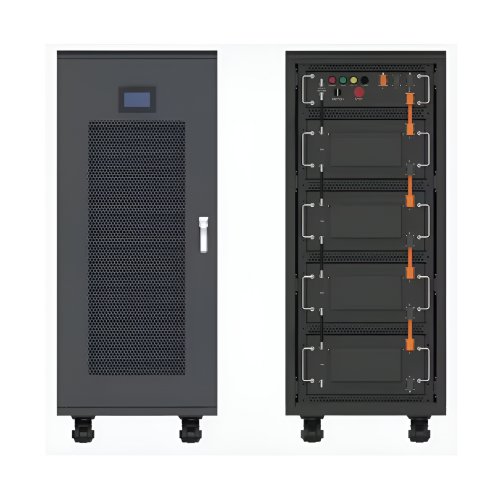
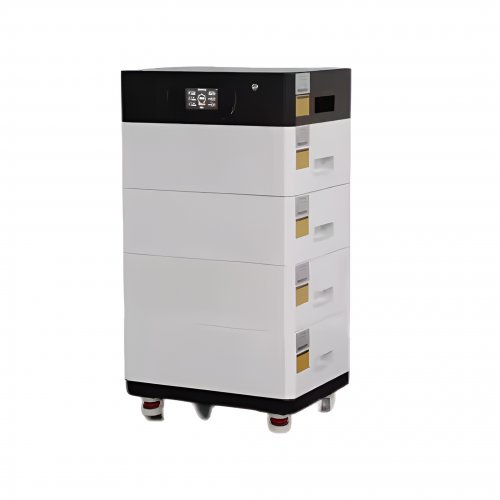
Our line of LiFePO4 (LFP) batteries offer a solution to demanding applications that require a lighter weight, longer life, and higher capacity battery. Features include advanced battery management systems (BMS), Bluetooth® communication and active intelligent monitoring.
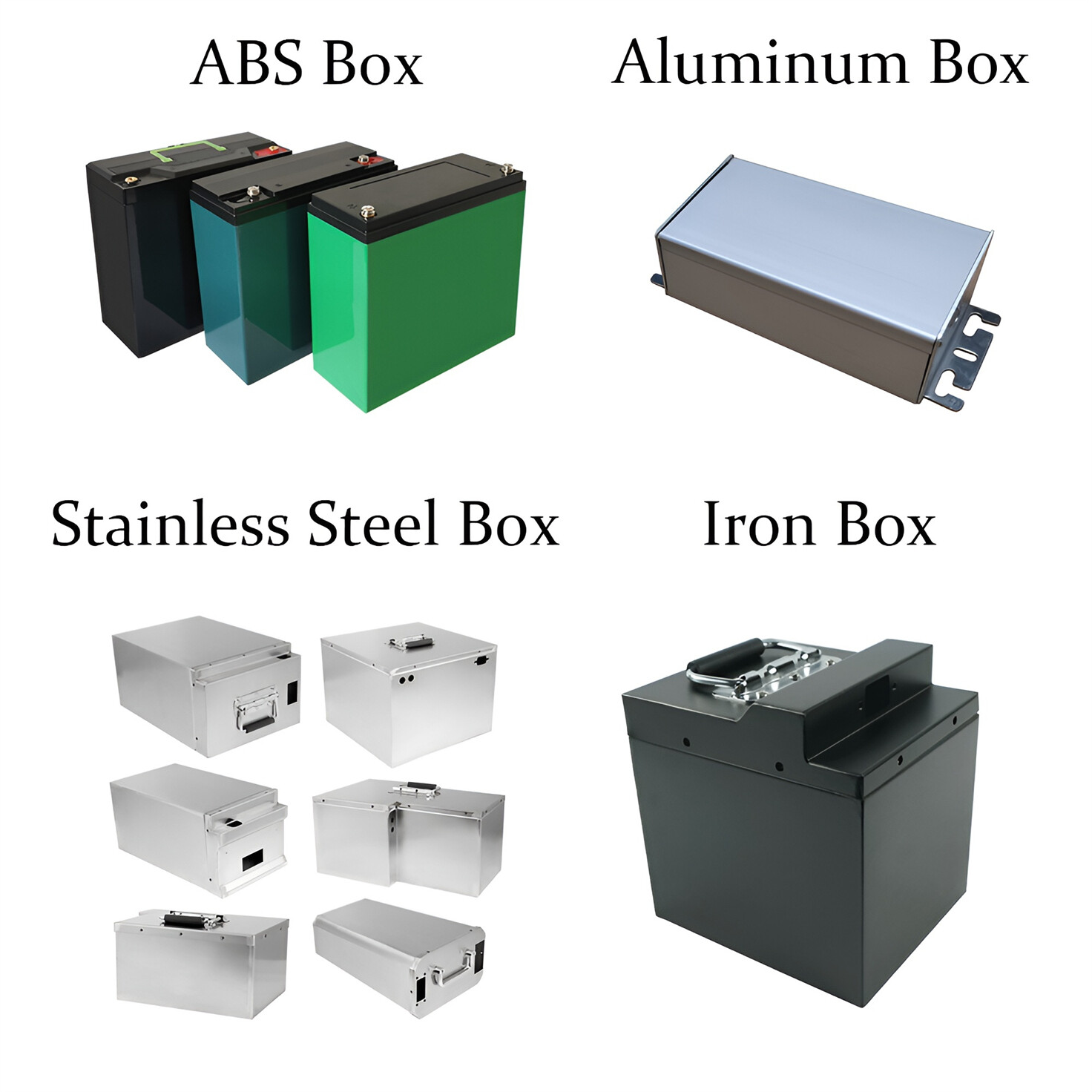
Customised Lithium Iron Phosphate Battery Casing
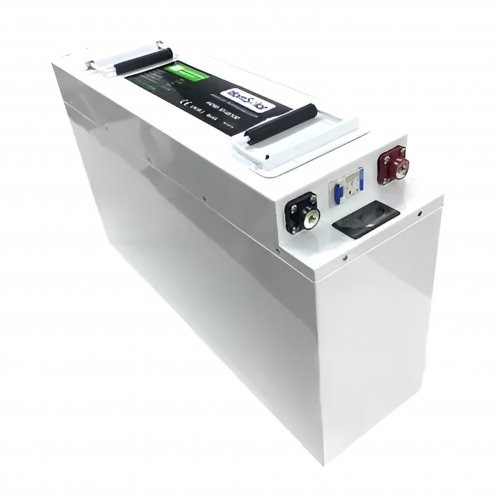
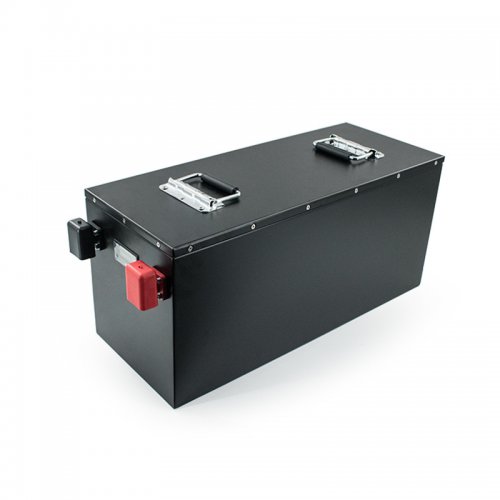
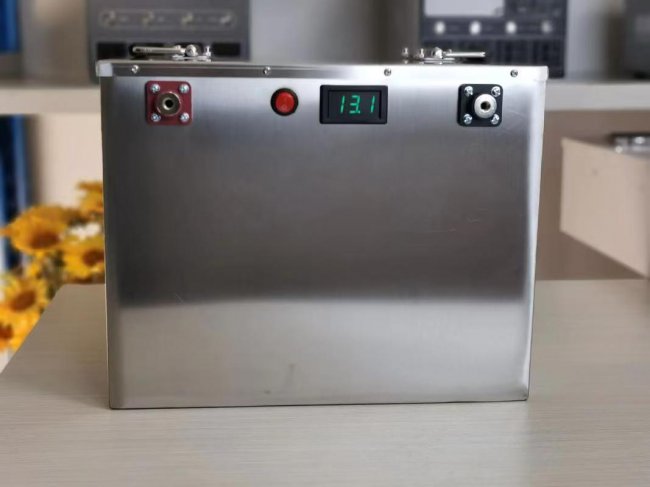
ABS plastic housing, aluminium housing, stainless steel housing and iron housing are available, and can also be designed and customised according to your needs.
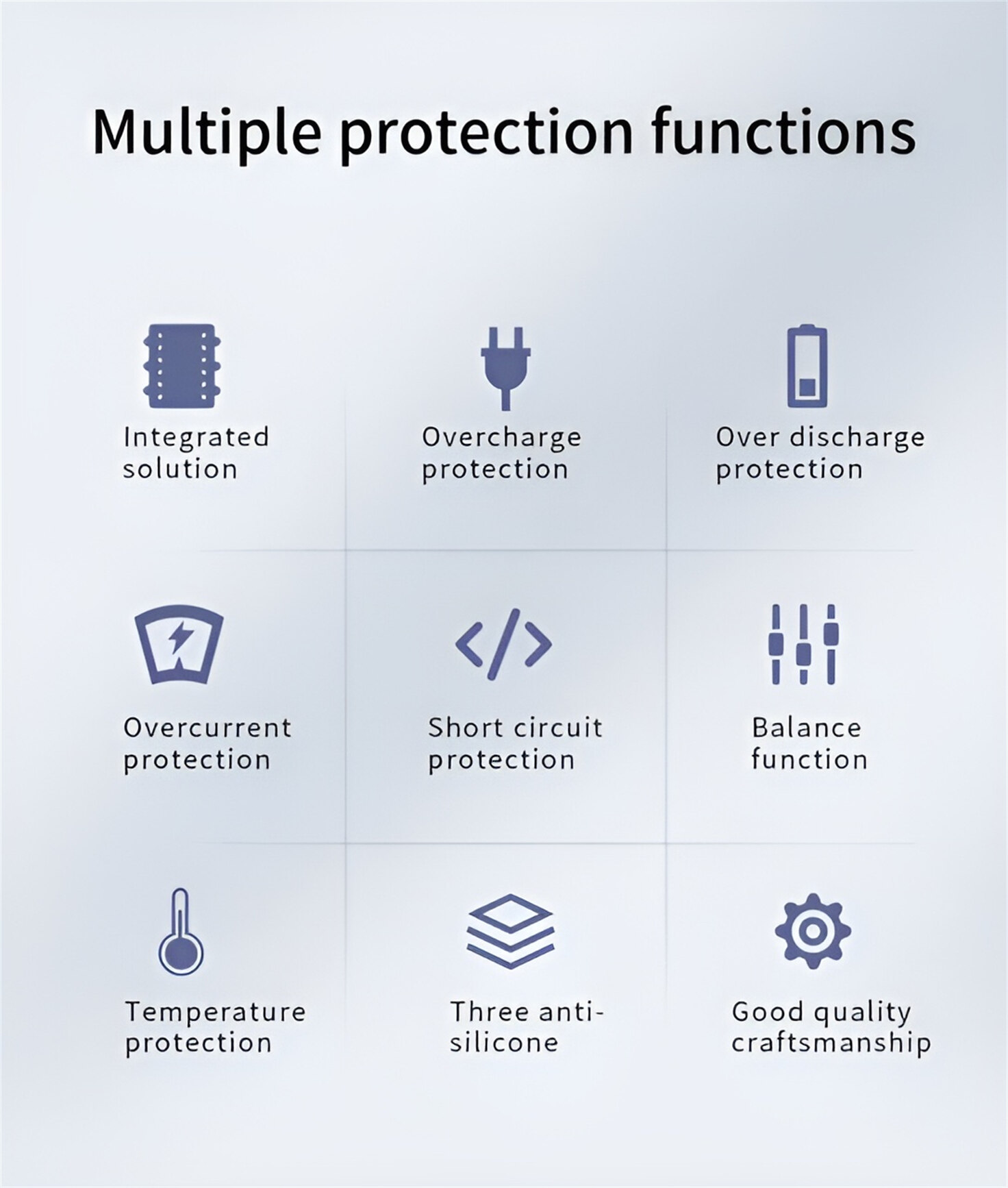
HomSolar Smart BMS
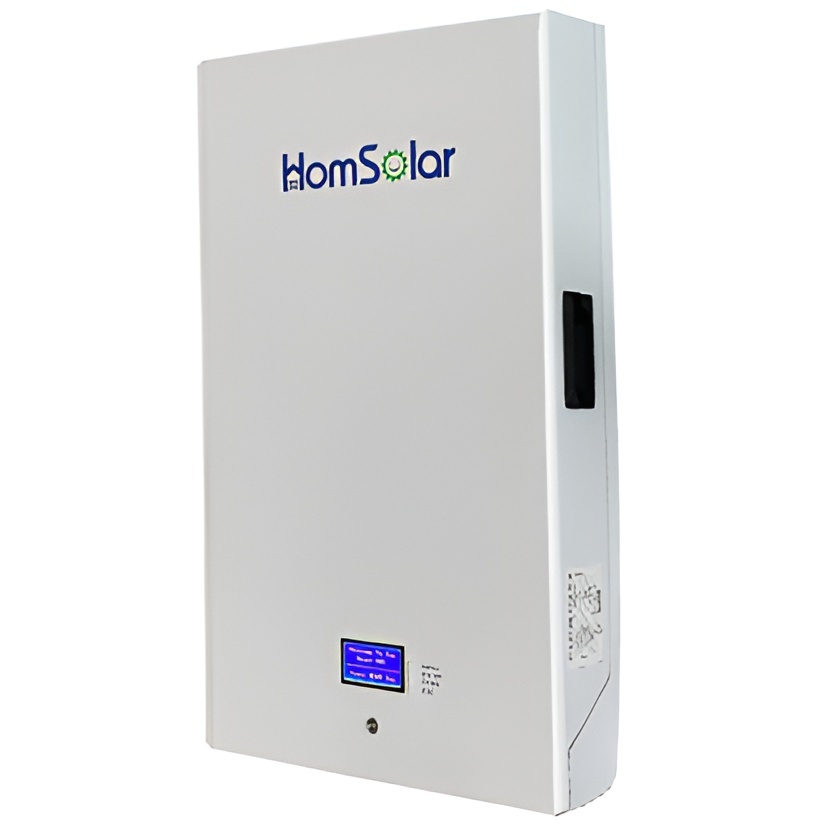
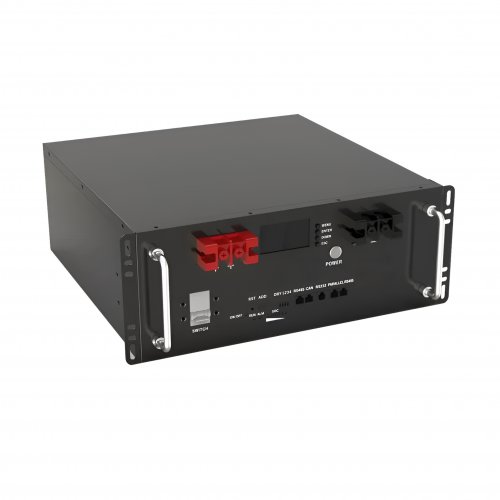
Intelligent Battery Management System for HomSolar Energy Storage System. Bluetooth, temperature sensor, LCD display, CAN interface, UART interface also available.

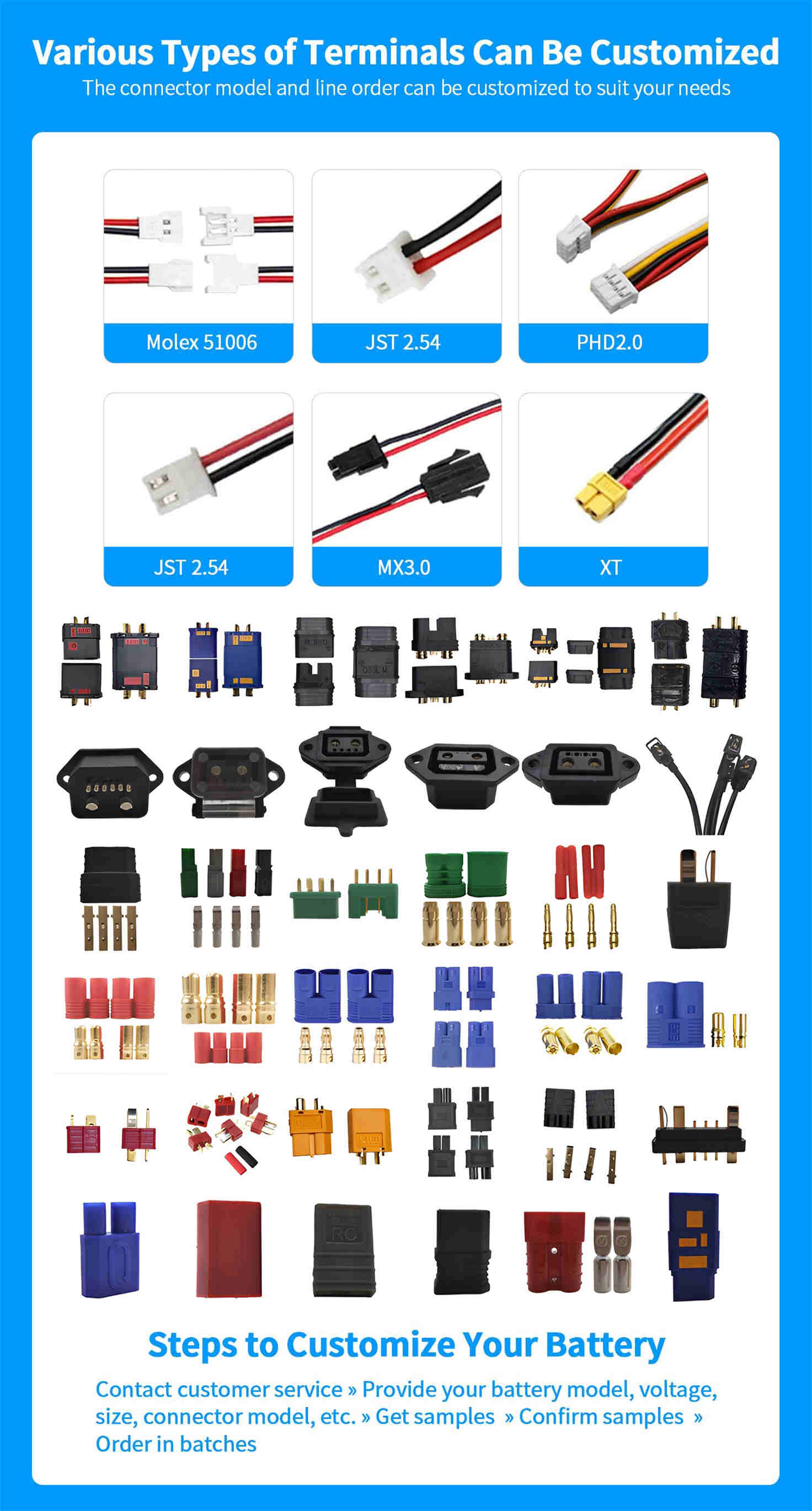
Terminals & Plugs Can Be Customized
A wide range of terminals and plugs can be customised to suit the application needs of your battery products.
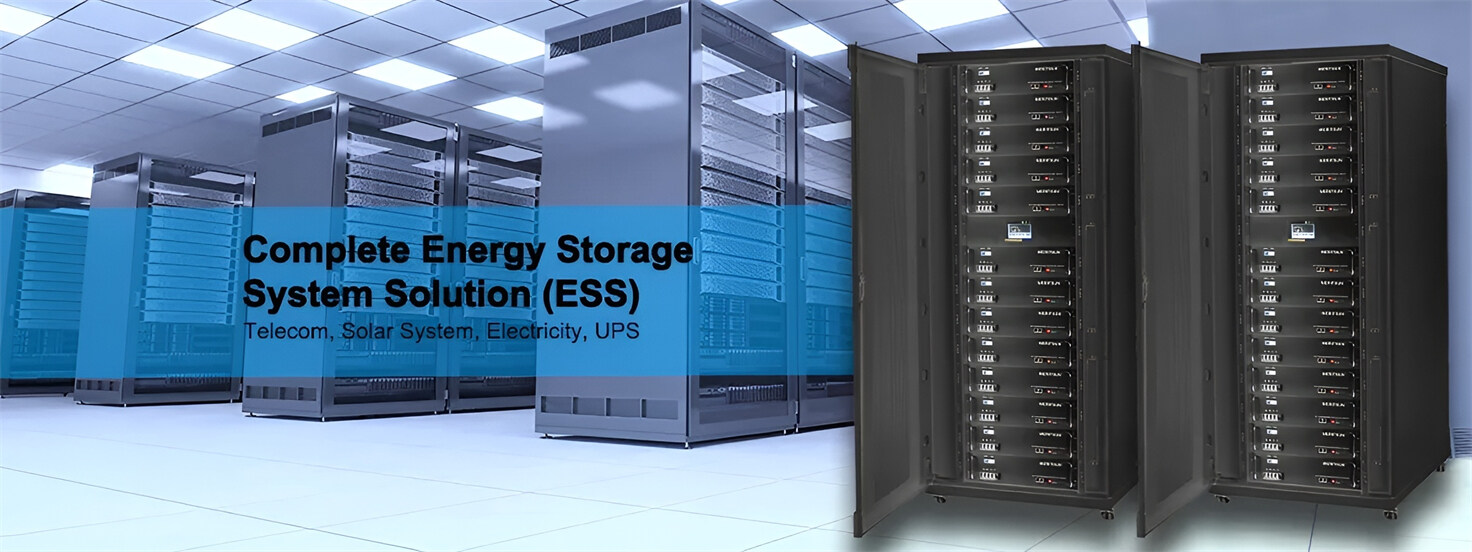
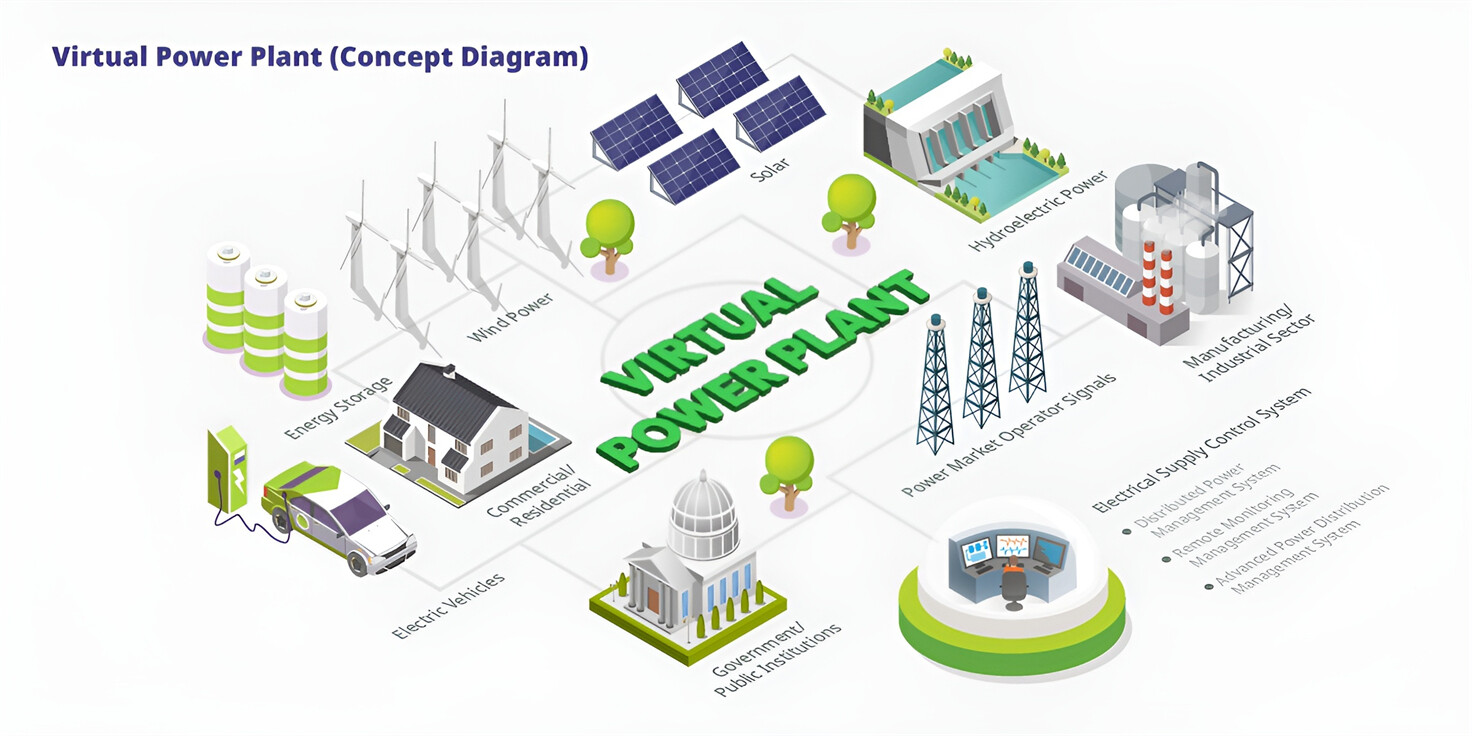
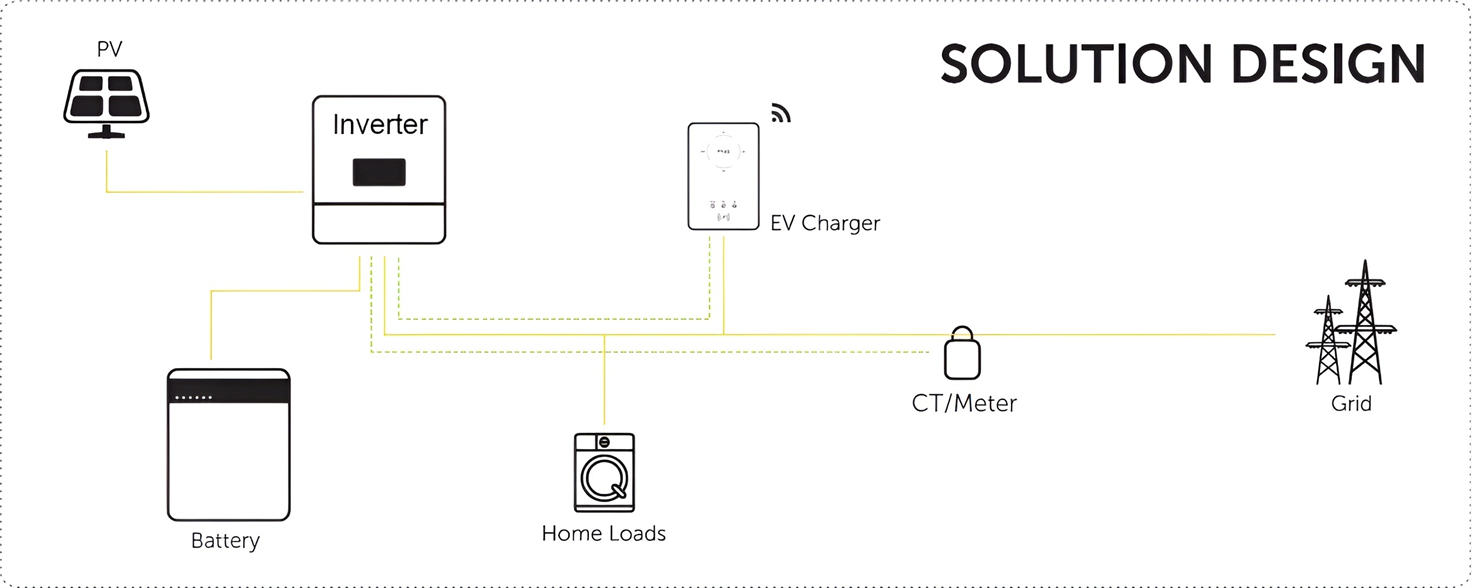
Well-designed Solutions for Energy Storage Systems
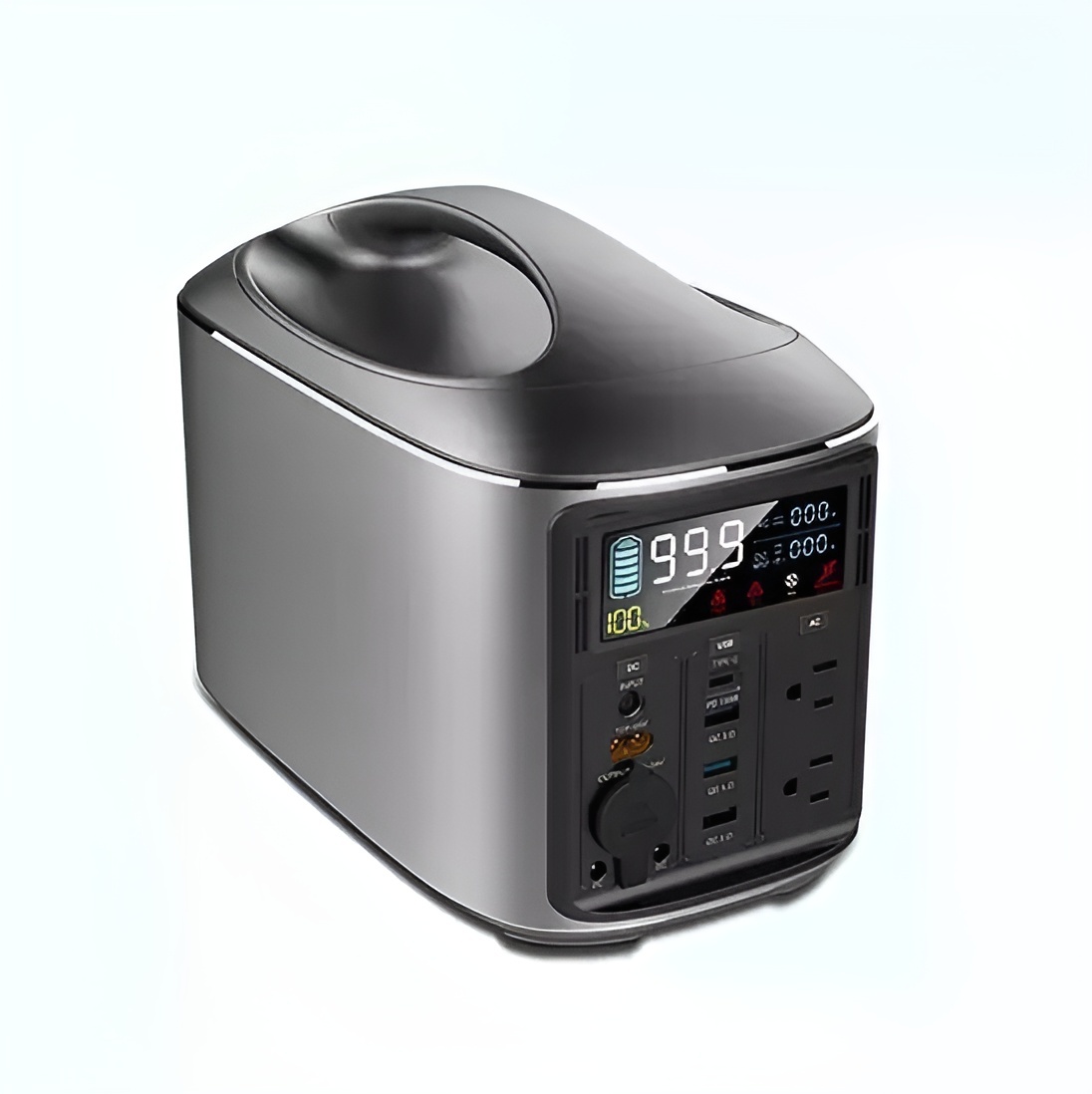
We will design the perfect energy storage system solution according to your needs, so that you can easily solve the specific industry applications of battery products.
About Our Battery Cells
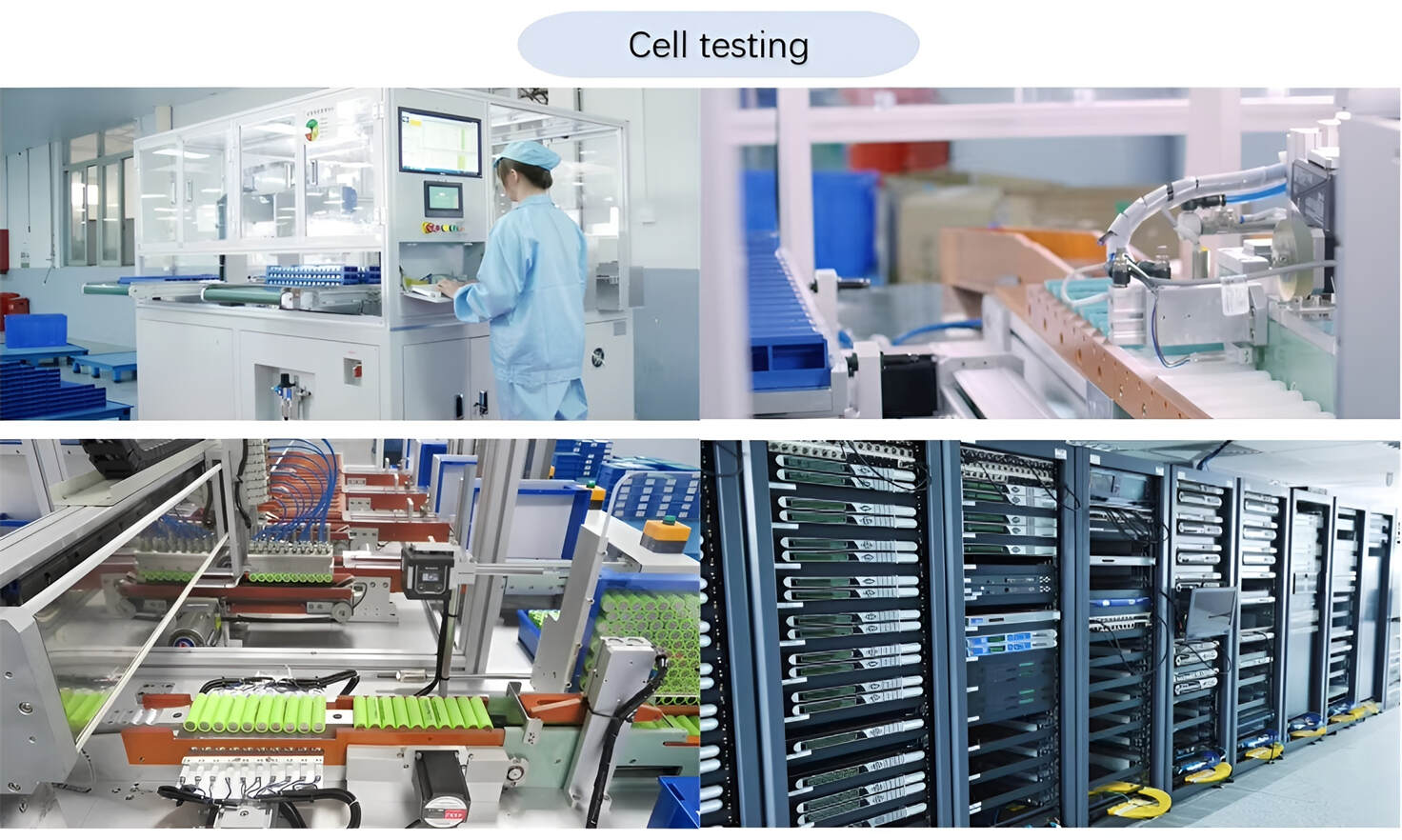
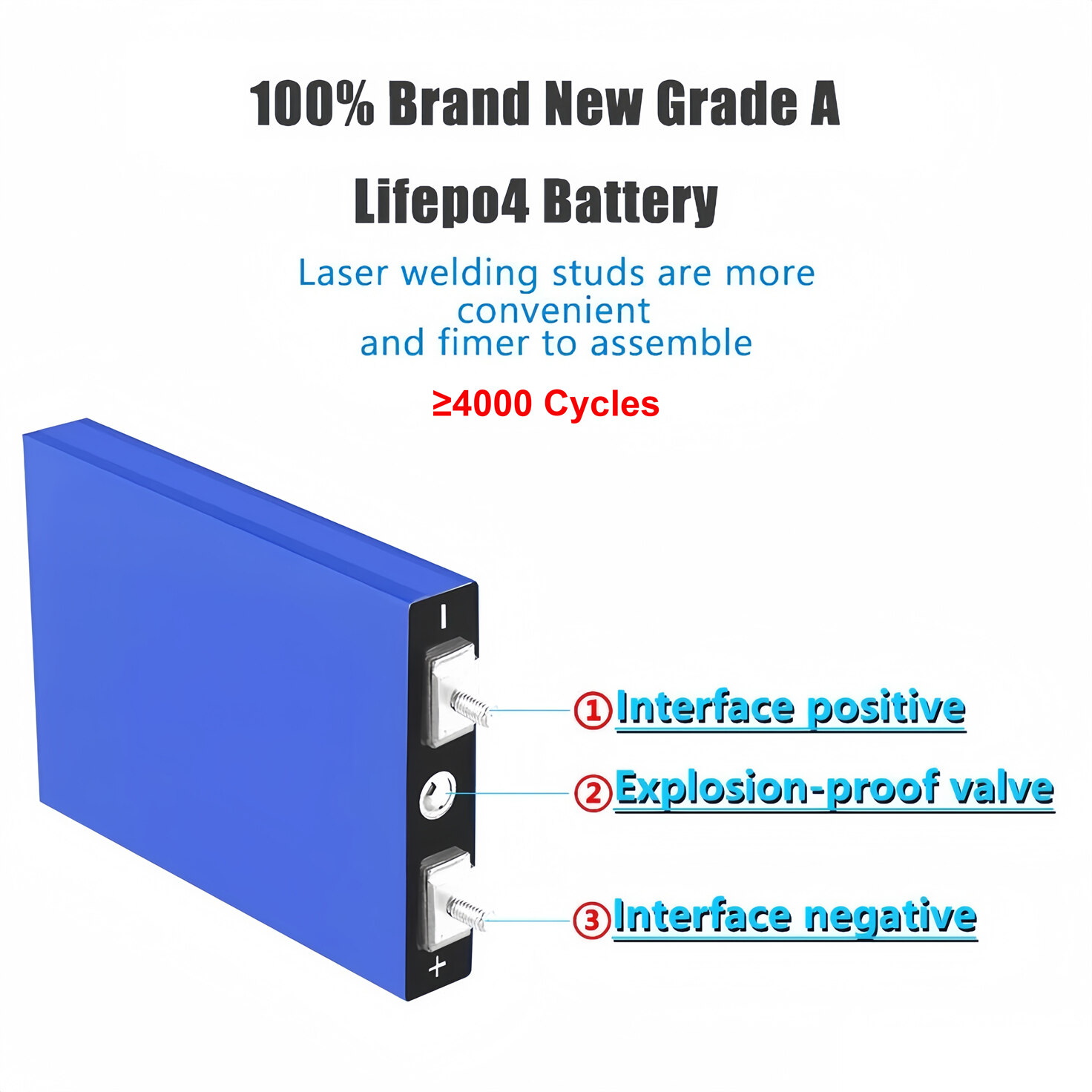
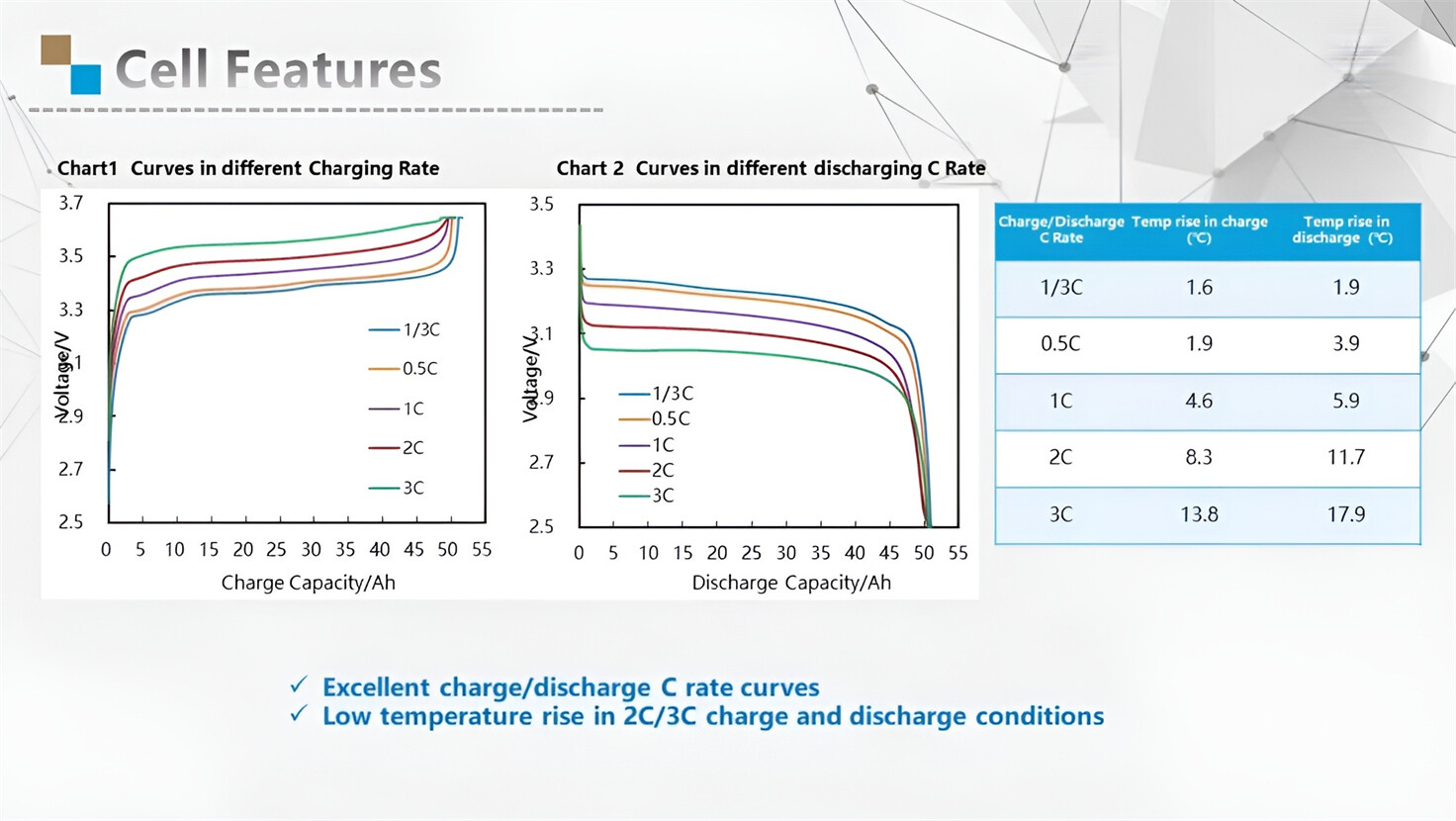
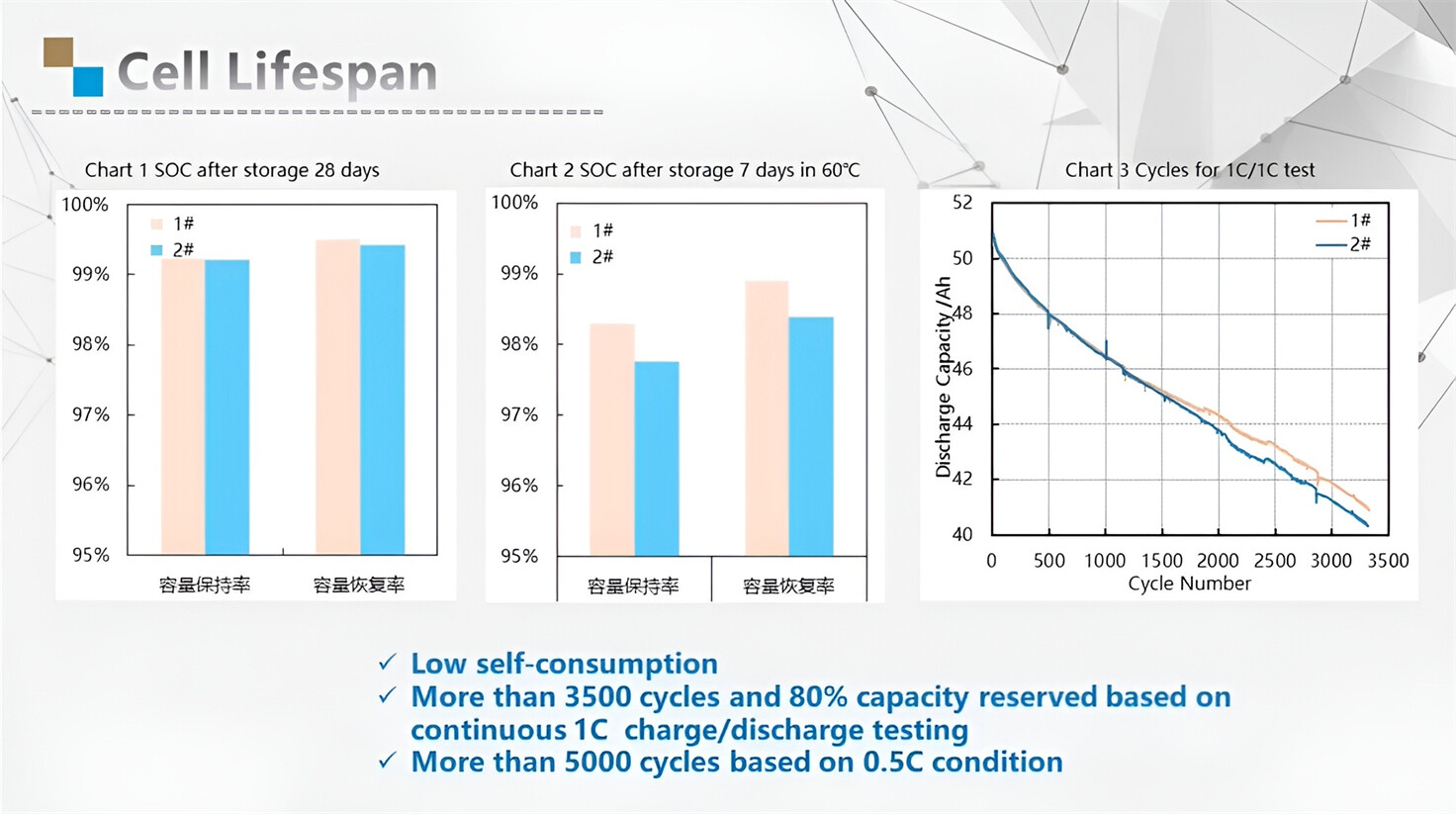
Our energy storage system products use brand new grade A LiFePO4 cells with a battery lifespan of more than 4,000 charge/discharge cycles.
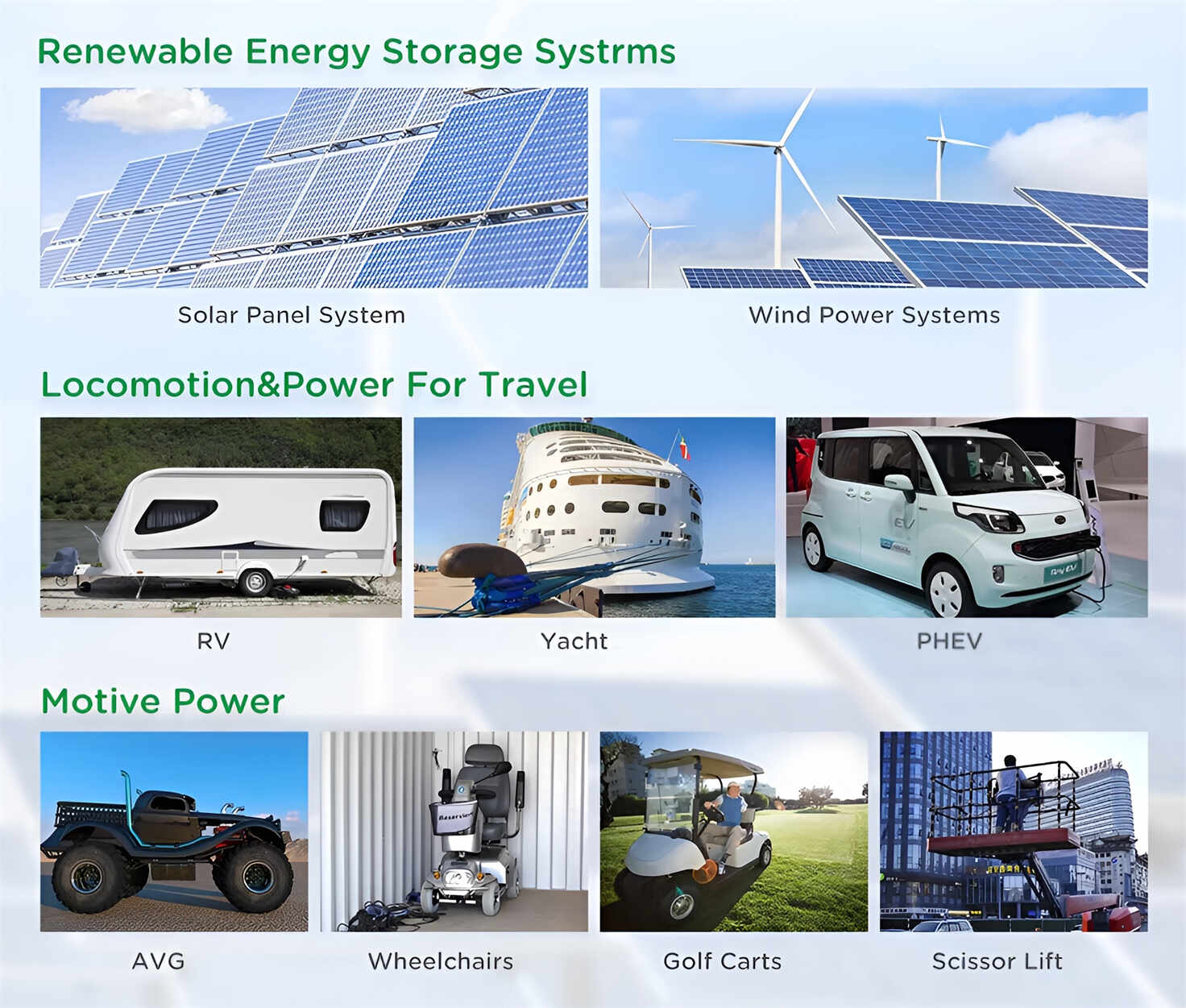
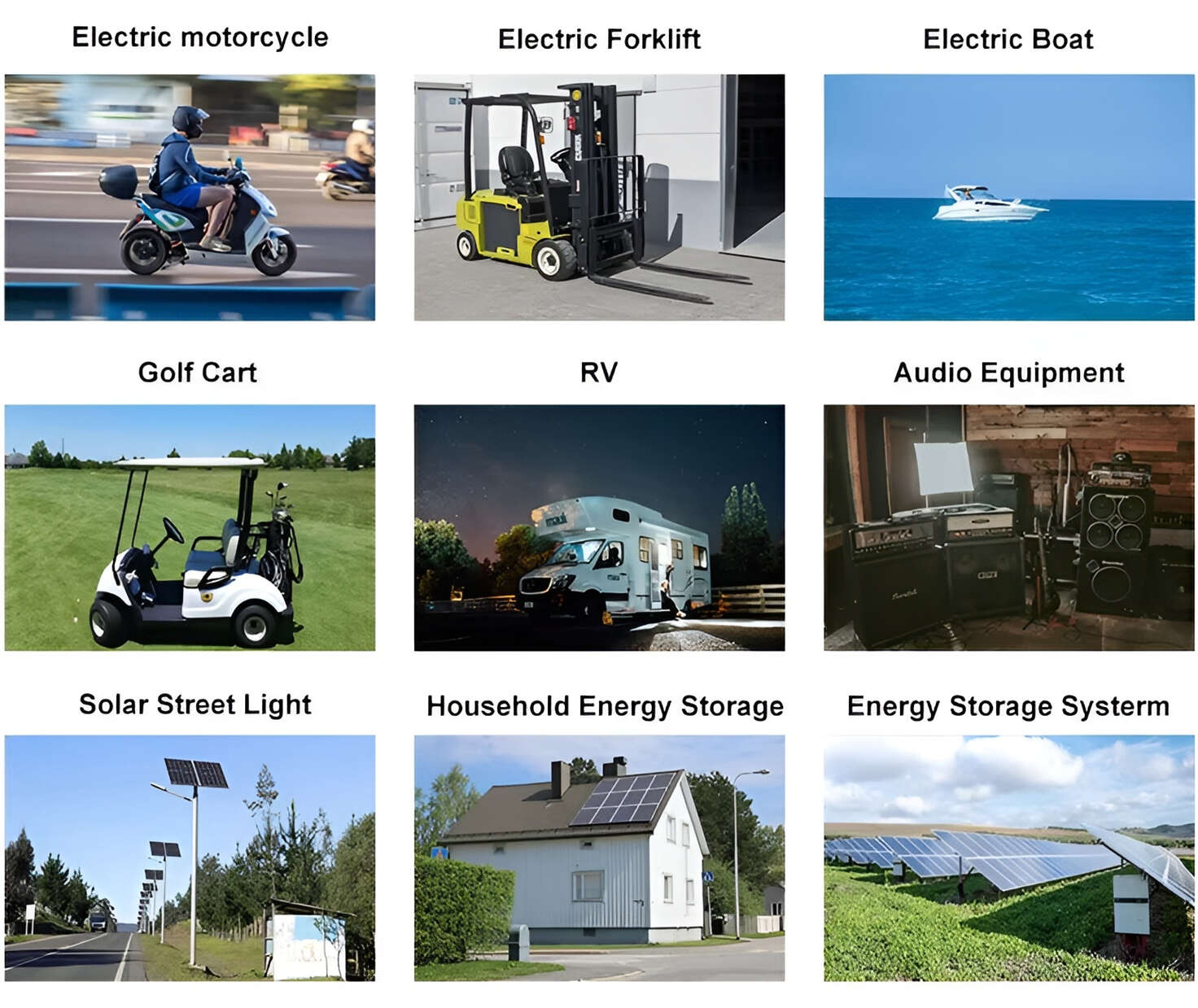
Applications in Different Industries
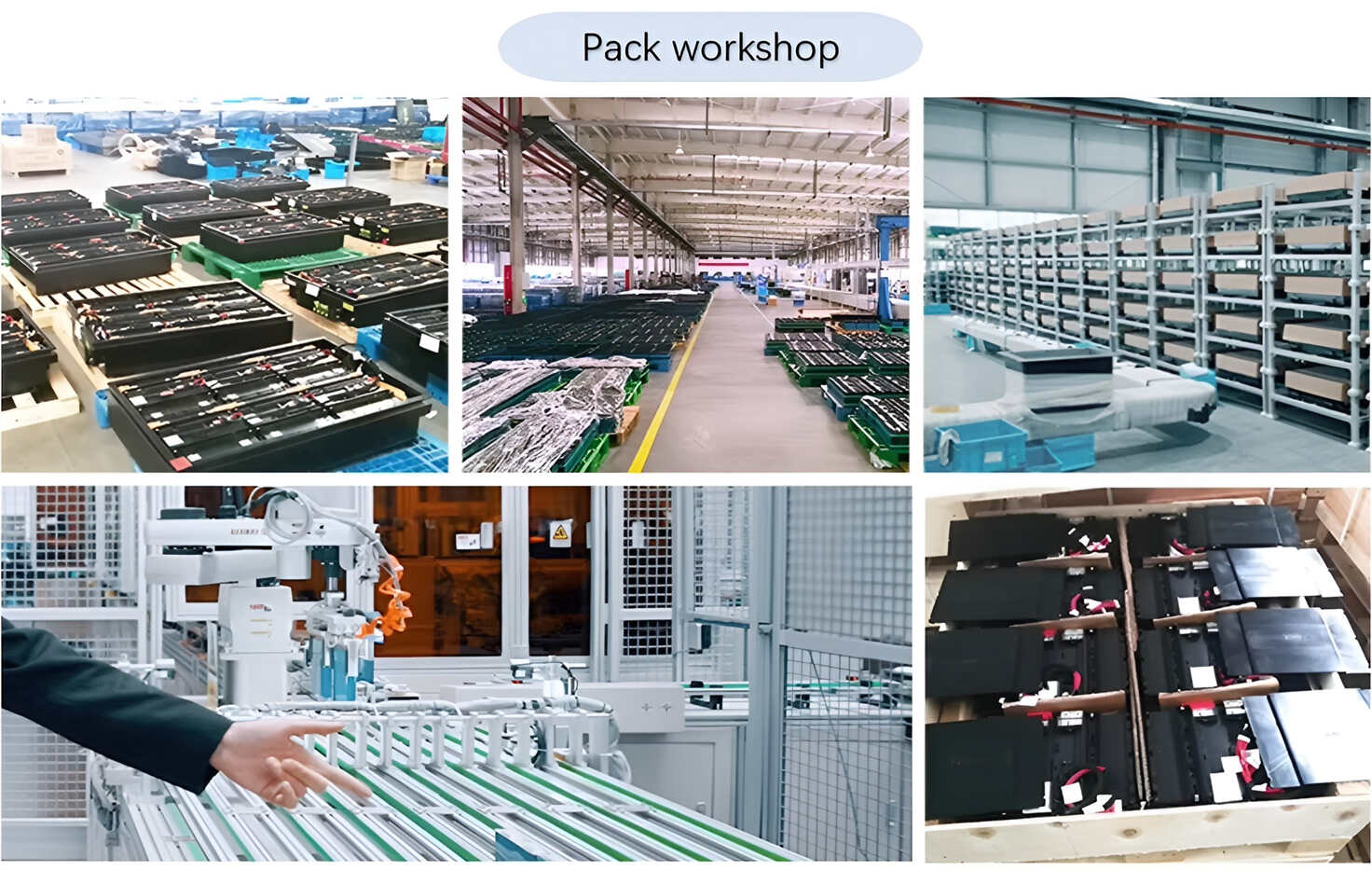
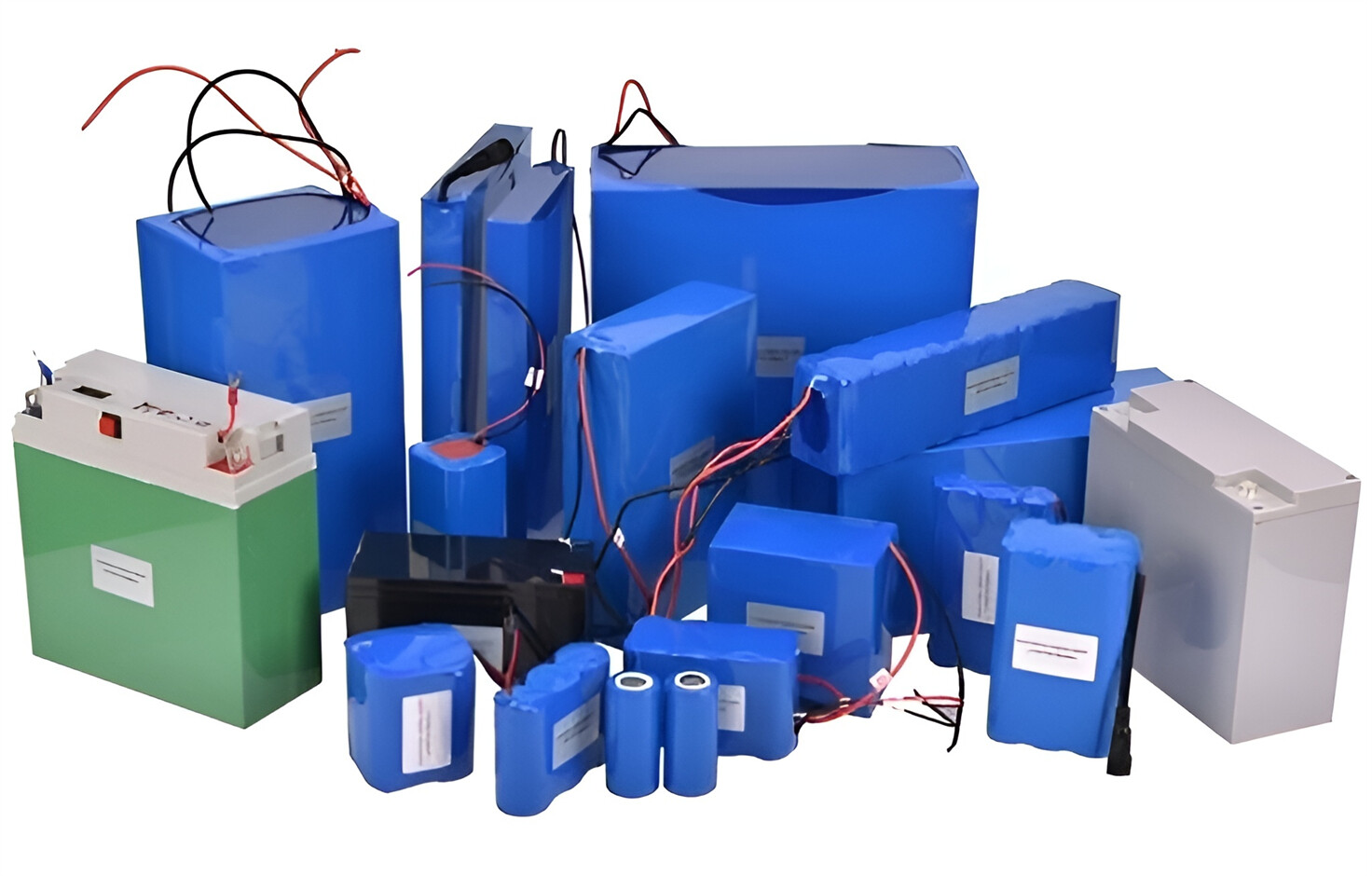
We supply customized & OEM battery pack, assemble cells with wiring, fuse and plastic cover, all the cell wires connected to PCB plug or built BMS.
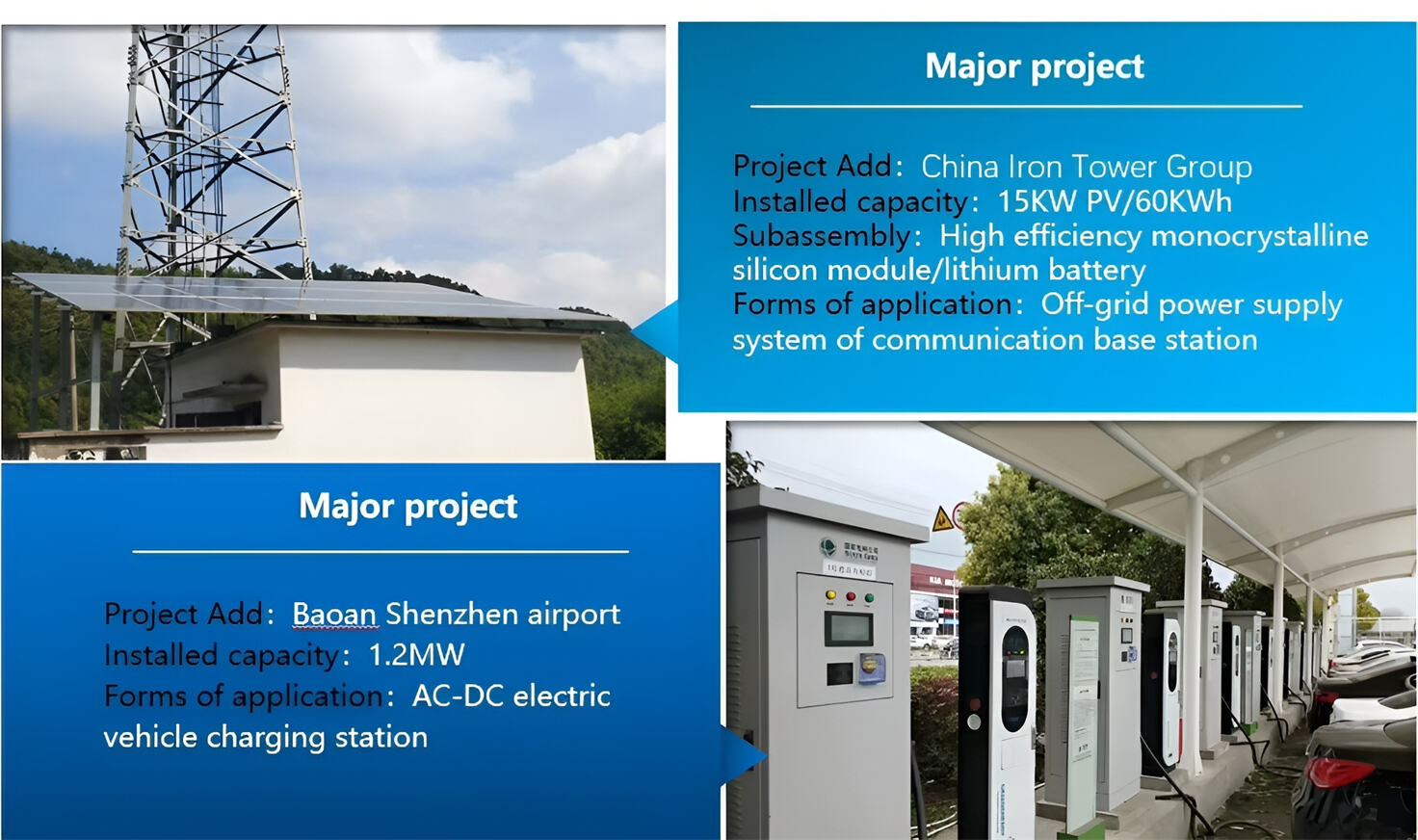
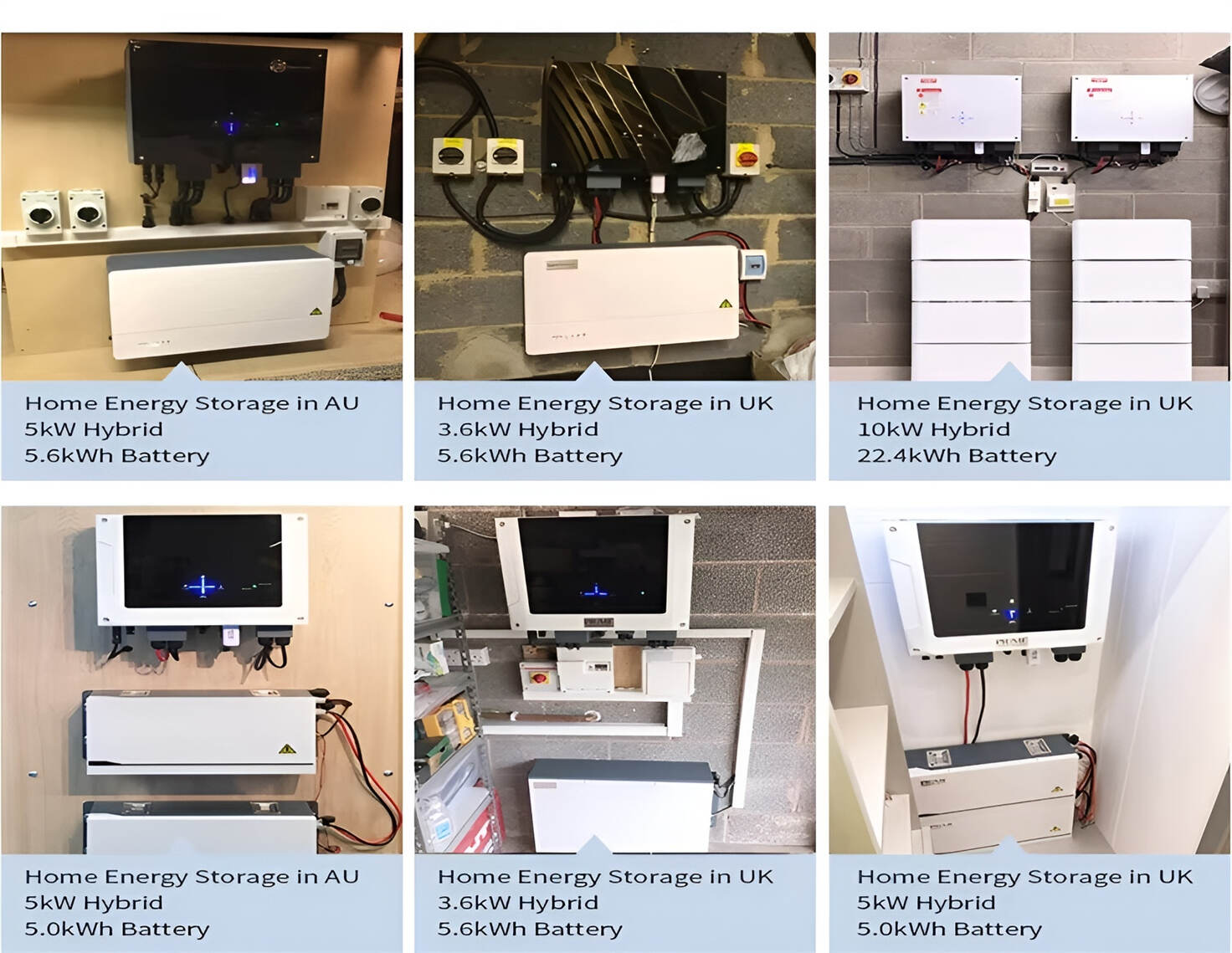
Applications: E-bike, Electric Scooter, Golf Carts, RV, Electric Wheelchair, Electric Tools, Robot Cleaner, Robot Sweeper, Solar Energy Storage System, Emergency Light, Solar Power Light, Medical Equipment, UPS Backup Power Supply.
We can provide you with customized services. We have the ability to provide a vertical supply chain, from single cells to pack/module and to a complete power solution with BMS, etc.
HomSolar (Shenzhen) Technology Co., Ltd