How To Use State Of Charge: A Practical Guide For Battery Management
The term "State of Charge" (SoC) is a fundamental metric for anyone who uses battery-powered devices, from smartphones and laptops to electric vehicles (EVs) and home energy storage systems. Simply put, SoC is the equivalent of a fuel gauge for a battery; it indicates the percentage of remaining energy capacity relative to its full capacity. Understanding and correctly utilizing the State of Charge is not just about knowing when to plug in your device; it's about optimizing battery health, maximizing lifespan, and ensuring reliable performance. This guide will provide a comprehensive overview of how to use SoC effectively.
Understanding the Basics
Before diving into usage, it's crucial to grasp what SoC represents. A 100% SoC means the battery is fully charged, while 0% indicates it is fully discharged (though most devices will shut down before reaching a true 0% to prevent damage). It's important to distinguish SoC from "State of Health" (SoH), which describes the battery's overall condition and ability to hold a charge compared to its original state.
Step-by-Step Guide to Using State of Charge
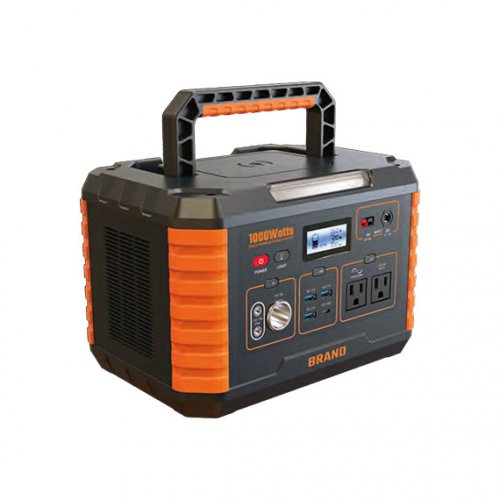
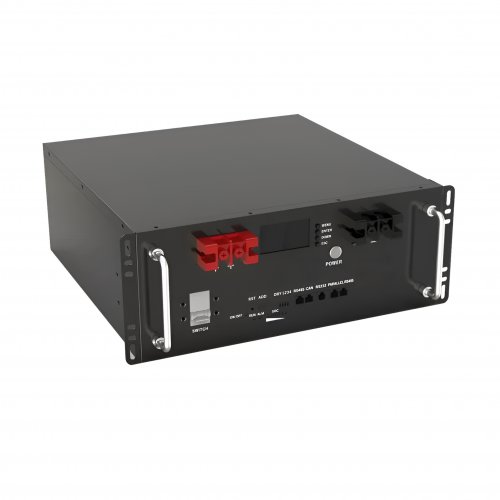
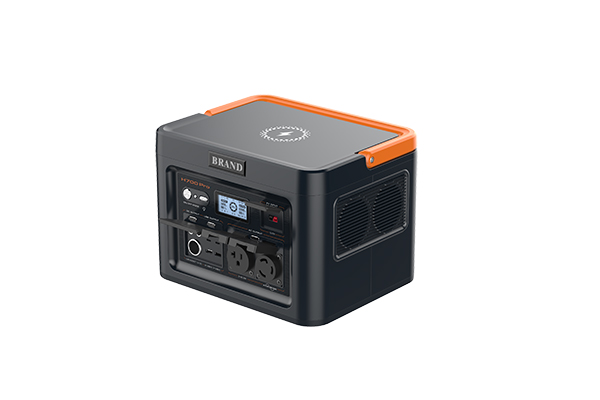
Step 1: Locate and Interpret the SoC Display The first step is to find where your device displays its State of Charge.EVs & E-bikes: The SoC is typically shown as a prominent percentage on the main dashboard or infotainment screen, often alongside a estimated range.Laptops & Smartphones: Usually, you can find a percentage indicator in the status bar or within the battery settings. Some devices require you to enable this display in the settings menu.Solar Batteries & Power Stations: This information is available via a dedicated display panel, a mobile app, or a web interface.
Interpret the percentage in context. For example, an EV showing 50% SoC doesn't tell you the actual energy left in kilowatt-hours (kWh); it tells you that you have half of theavailablebattery capacity remaining.
Step 2: Establish Healthy Charging Routines Your daily charging habits, dictated by your understanding of SoC, have a profound impact on long-term battery health.The 20-80% Rule: For most lithium-ion batteries, the sweet spot for longevity is keeping the SoC between 20% and 80%. Avoid regularly charging to 100% and letting it drain to 0%. The stress on the battery is highest at the extreme top and bottom of its capacity.Avoid Deep Discharges: Try not to let your device's SoC consistently fall below 20%. Deep discharges can accelerate chemical degradation within the battery cells.Top-Up Charging: Instead of doing a full 0-100% cycle, get into the habit of topping up your battery throughout the day. For an EV, this means plugging in whenever you park, even for short periods. For a phone, a quick charge from 40% to 80% is less stressful than a full overnight charge.
Step 3: Utilize Advanced Features Modern devices offer features that leverage SoC to protect your battery.Charge Limiting: Many EVs and some laptops and smartphones allow you to set a maximum charge limit. You can cap the charge at 80% or 90% for daily use, reserving a 100% charge for when you specifically need the maximum range for a long trip.Scheduled Charging: Use this feature to ensure your device finishes charging just before you need it. For an EV, this means you can plug it in at night, but the system will only draw power and reach your set limit (e.g., 80%) right before your morning departure. This prevents the battery from sitting at a high SoC for extended periods.
Practical Tips and Operational Advice
1. Calibrate Your Battery Periodically: The SoC percentage is an estimate calculated by the device's Battery Management System (BMS). Over time, this estimate can drift. To recalibrate it, about once every three months, perform a full cycle: discharge the device to a low SoC (around 10-20%) and then charge it uninterrupted to 100%. This helps the BMS relearn the true capacity limits. 2. Understand the Impact of Environment: SoC is temperature-sensitive. A battery will show a lower available SoC in cold weather and may recover when warmed up. Conversely, charging at a very high SoC in hot weather can be particularly damaging. Try to charge and store devices in moderate temperatures. 3. Plan for Depth of Discharge in Stationary Storage: For home solar batteries or large power stations, your daily "Depth of Discharge" (DoD) is the inverse of your SoC. If you cycle your battery between 100% and 20% SoC daily, your DoD is 80%. A shallower DoD (e.g., cycling between 100% and 50%) will significantly extend the battery's service life. 4. Trust the System, But Be Aware: The BMS is designed to protect the battery. When your phone shows 0% and shuts down, the battery itself is not truly at zero voltage. This is a safety buffer. Similarly, when an EV shows 100%, the BMS typically leaves a small "buffer" at the top to prevent overcharging.
Important Precautions and WarningsDo Not Rely Solely on SoC for Critical Range Estimation: In an EV, the SoC percentage is a key data point, but your actual range is also heavily influenced by driving speed, terrain, climate control usage, and outside temperature. Always plan your journey with a buffer.Avoid Permanent High States of Charge: Storing a device or vehicle at 100% SoC for weeks or months can lead to irreversible capacity loss. If you need to store a battery (e.g., an EV during a long vacation), aim for a SoC of around 50-60%.Fast Charging at Extreme SoCs: Using DC fast chargers for an EV is most efficient when the battery is at a lower SoC (e.g., 10-30%). The charging rate will naturally slow down as the SoC increases above 80% to protect the battery. It is often impractical and stressful for the battery to fast-charge from 80% to 100%.Different Chemistries, Different Rules: While this guide focuses on the prevalent lithium-ion technology, other batteries like Lead-Acid have different requirements (e.g., they should be kept fully charged and avoid deep discharges). Always consult your device's manual for specific recommendations.
In conclusion, the State of Charge is more than just a number on a screen. It is the primary interface between you and your device's most critical and expensive component: its battery. By actively managing your SoC through mindful charging routines, utilizing built-in protection features, and understanding the underlying principles, you can unlock significantly better performance and a much longer service life from all your electronic investments.
Customized/OEM/ODM Service
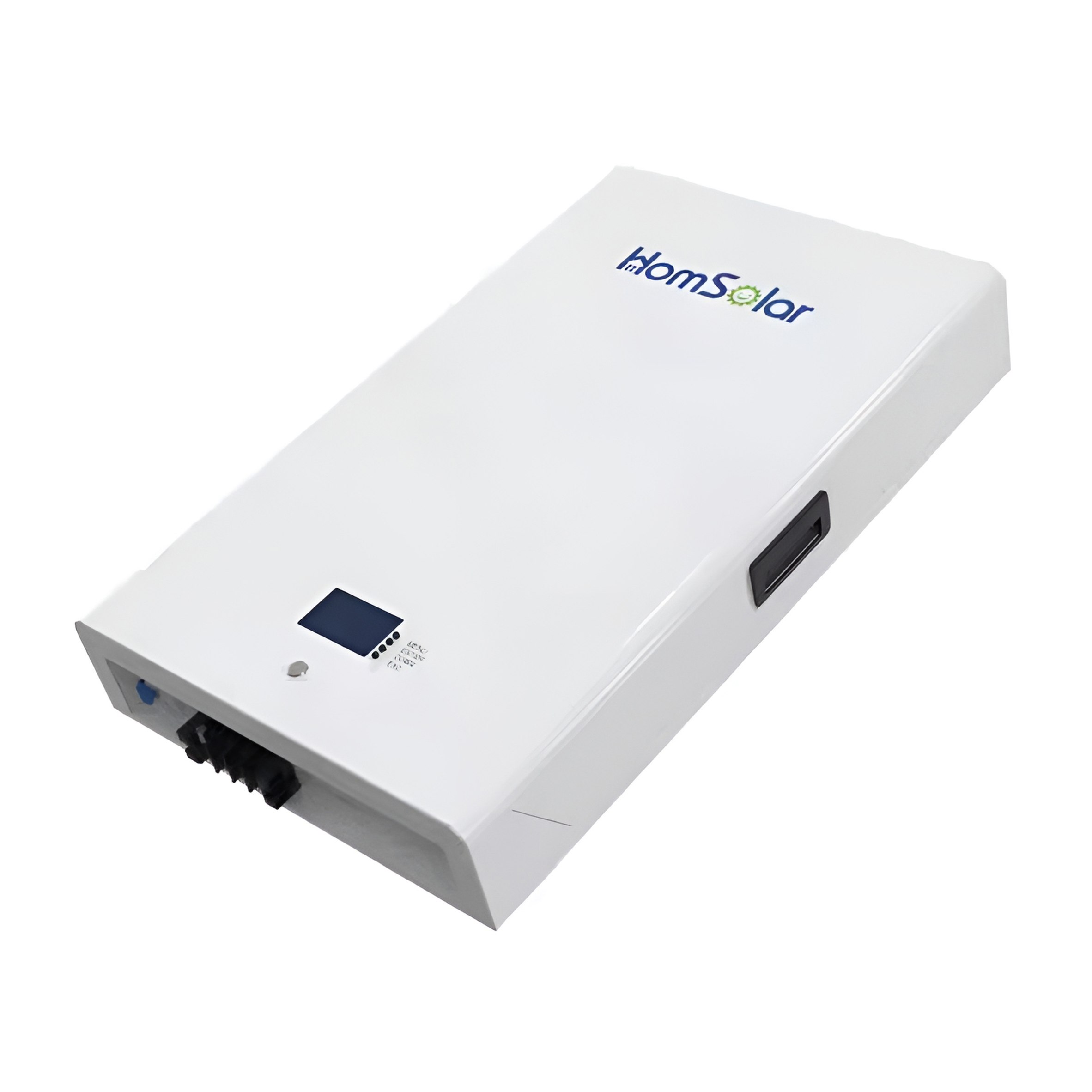
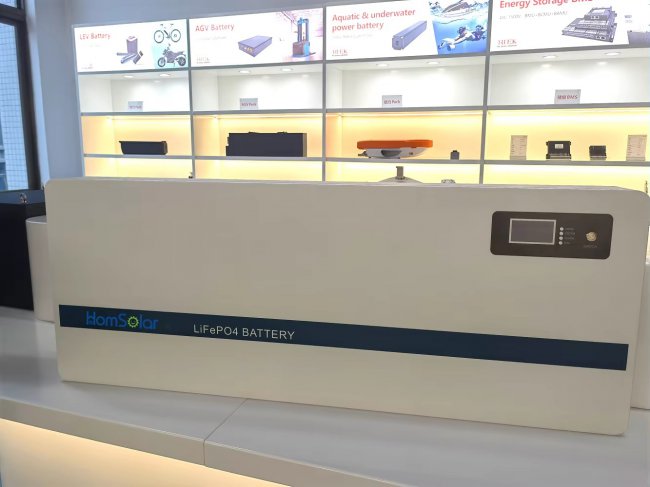
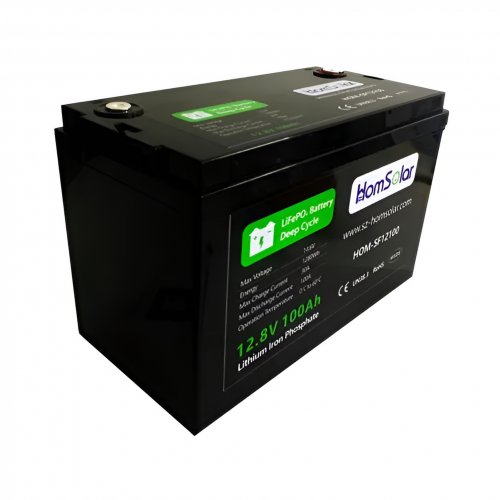
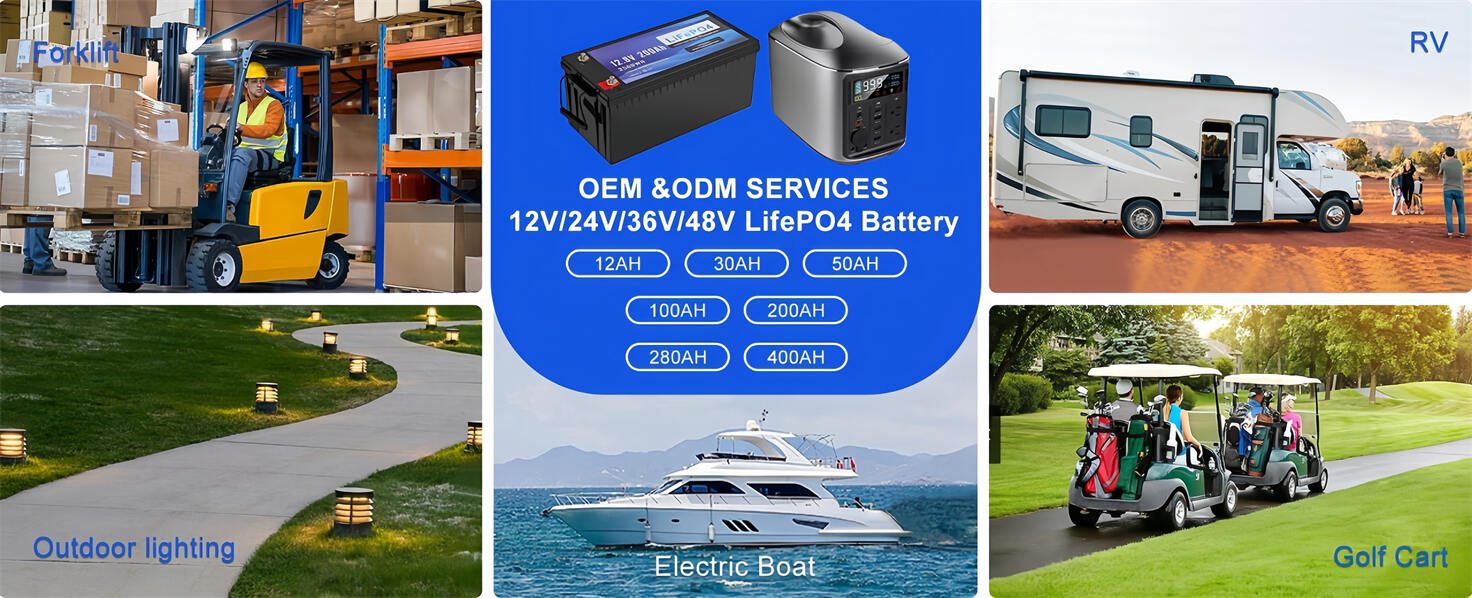
HomSolar Supports Lifepo4 battery pack customization/OEM/ODM service, welcome to contact us and tell us your needs.

HomSolar: Your One-stop LiFePO4 Battery Pack & ESS Solution Manufacturer
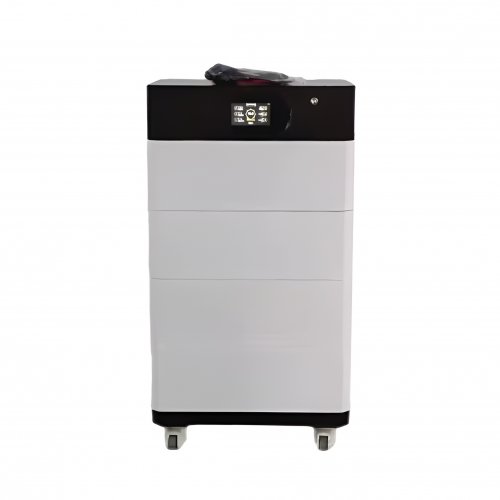
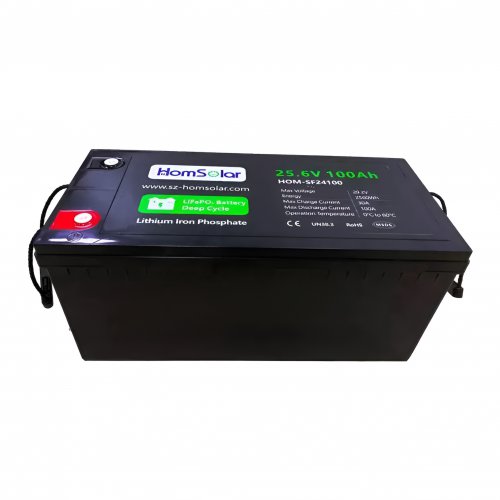
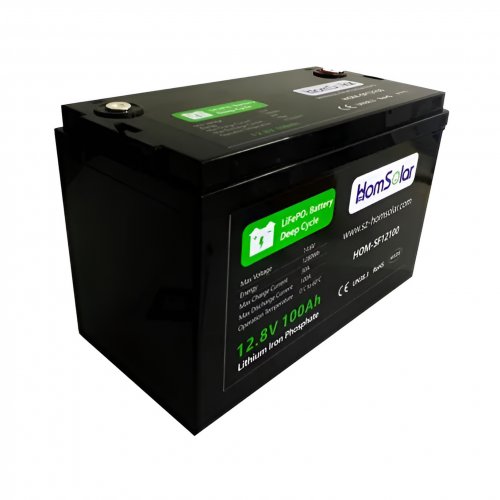
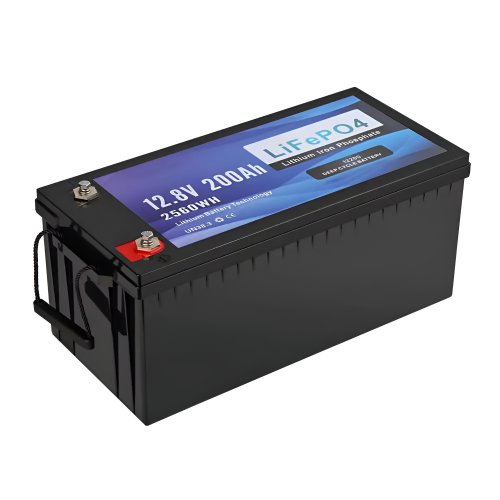
Our line of LiFePO4 (LFP) batteries offer a solution to demanding applications that require a lighter weight, longer life, and higher capacity battery. Features include advanced battery management systems (BMS), Bluetooth® communication and active intelligent monitoring.
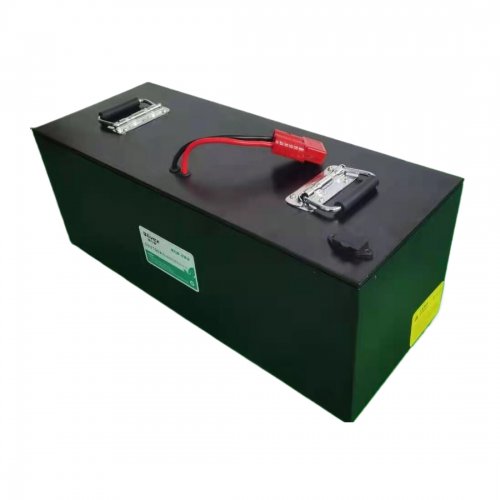
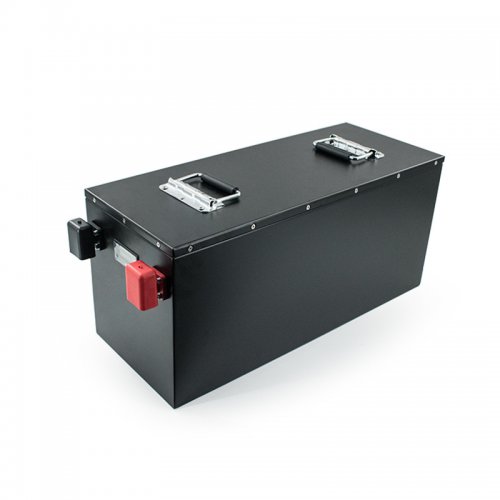
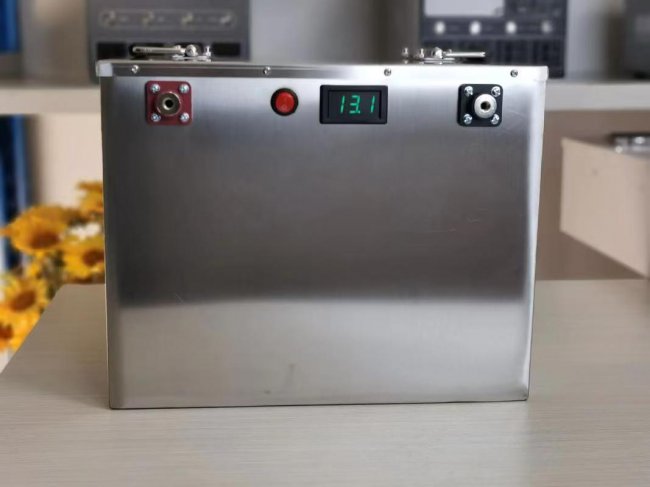
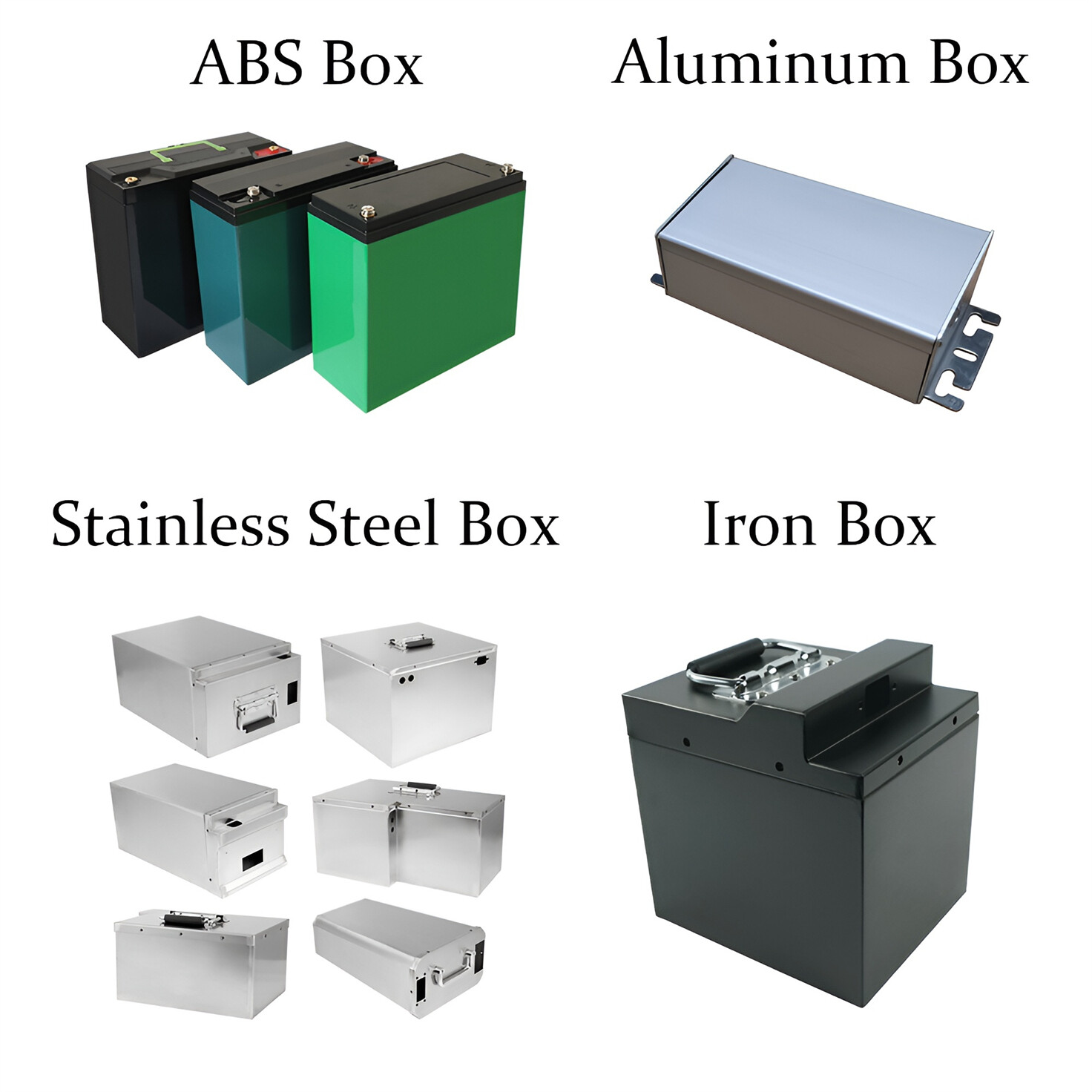
Customised Lithium Iron Phosphate Battery Casing
ABS plastic housing, aluminium housing, stainless steel housing and iron housing are available, and can also be designed and customised according to your needs.
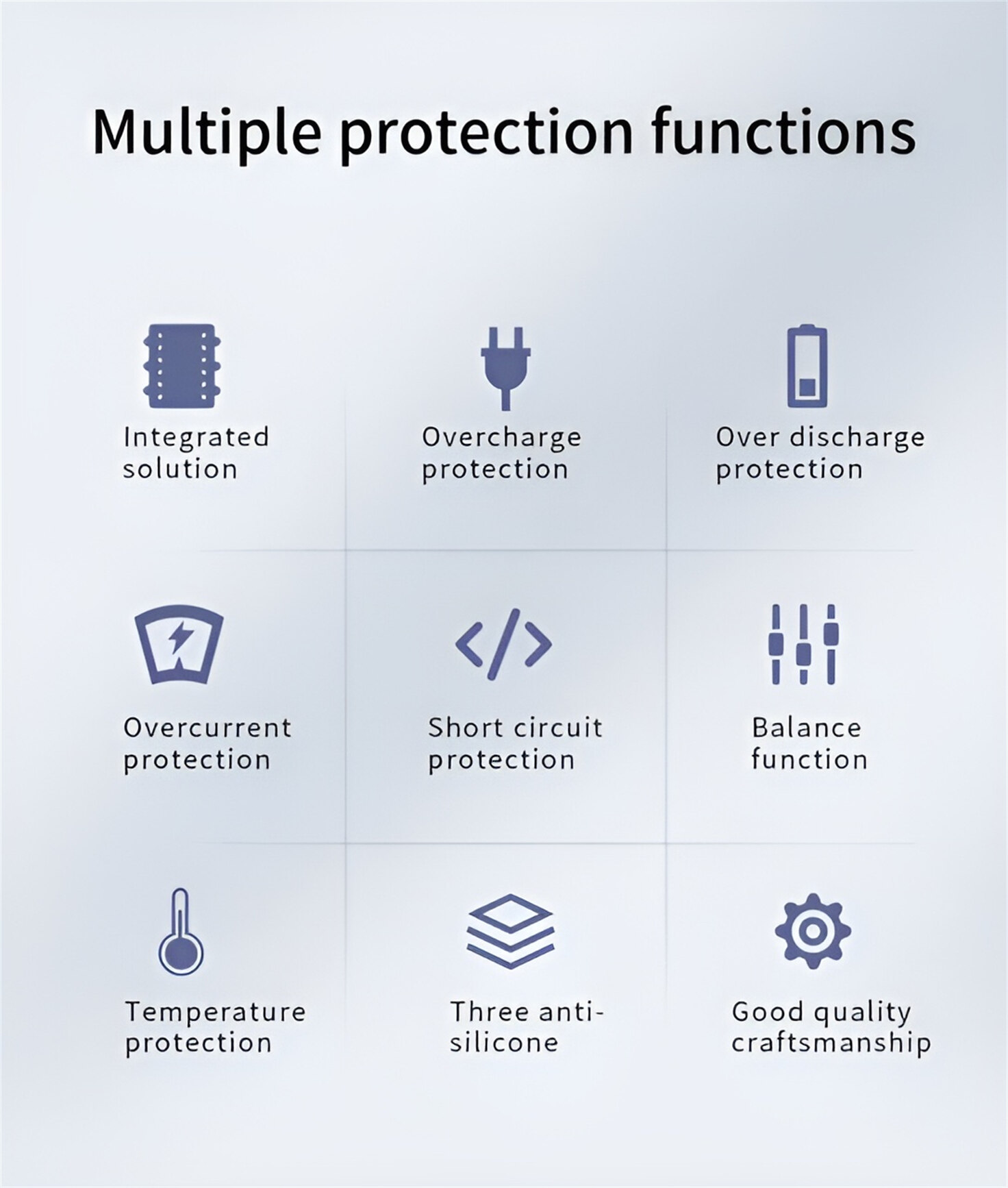
HomSolar Smart BMS
Intelligent Battery Management System for HomSolar Energy Storage System. Bluetooth, temperature sensor, LCD display, CAN interface, UART interface also available.

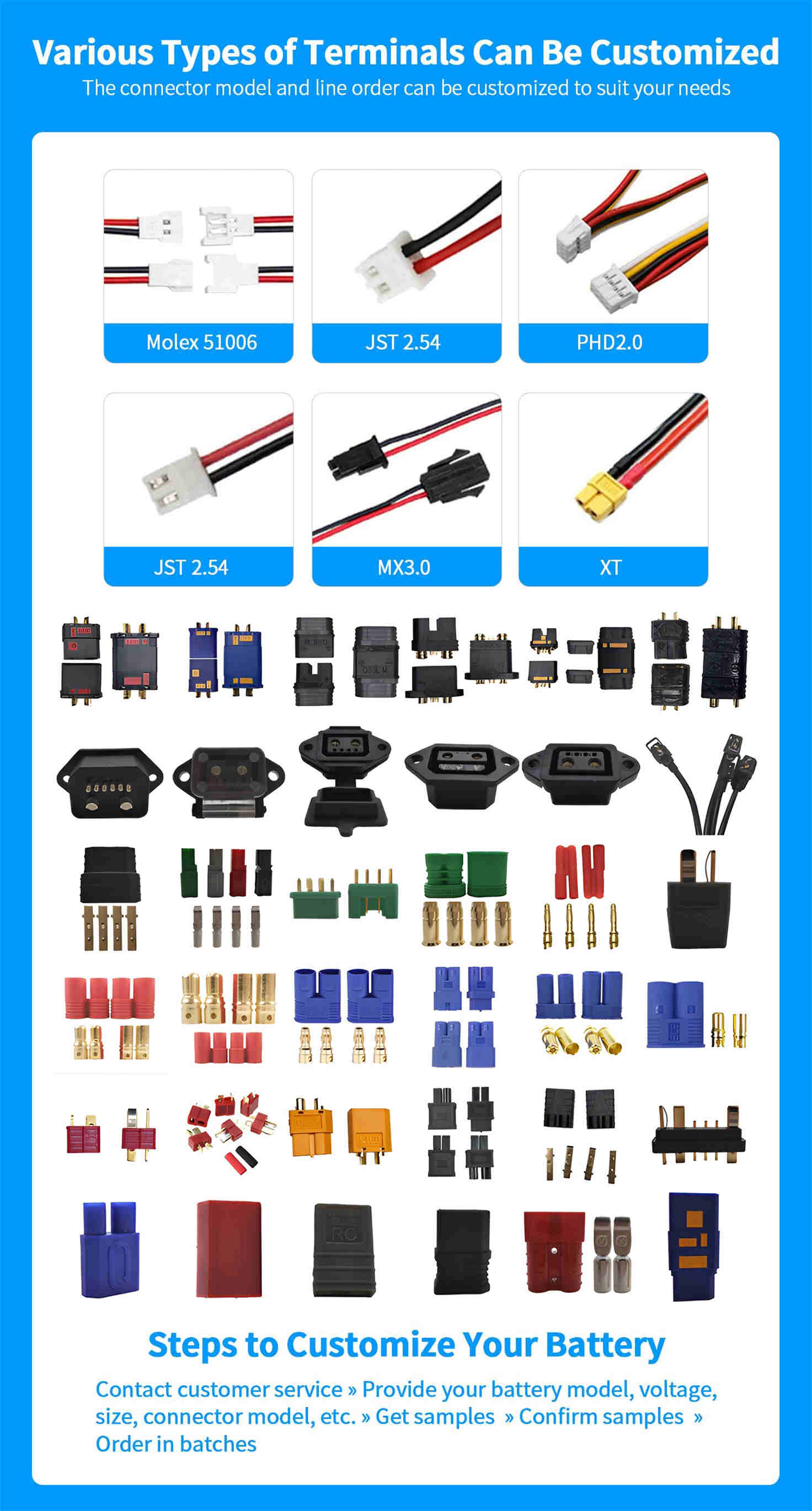
Terminals & Plugs Can Be Customized
A wide range of terminals and plugs can be customised to suit the application needs of your battery products.
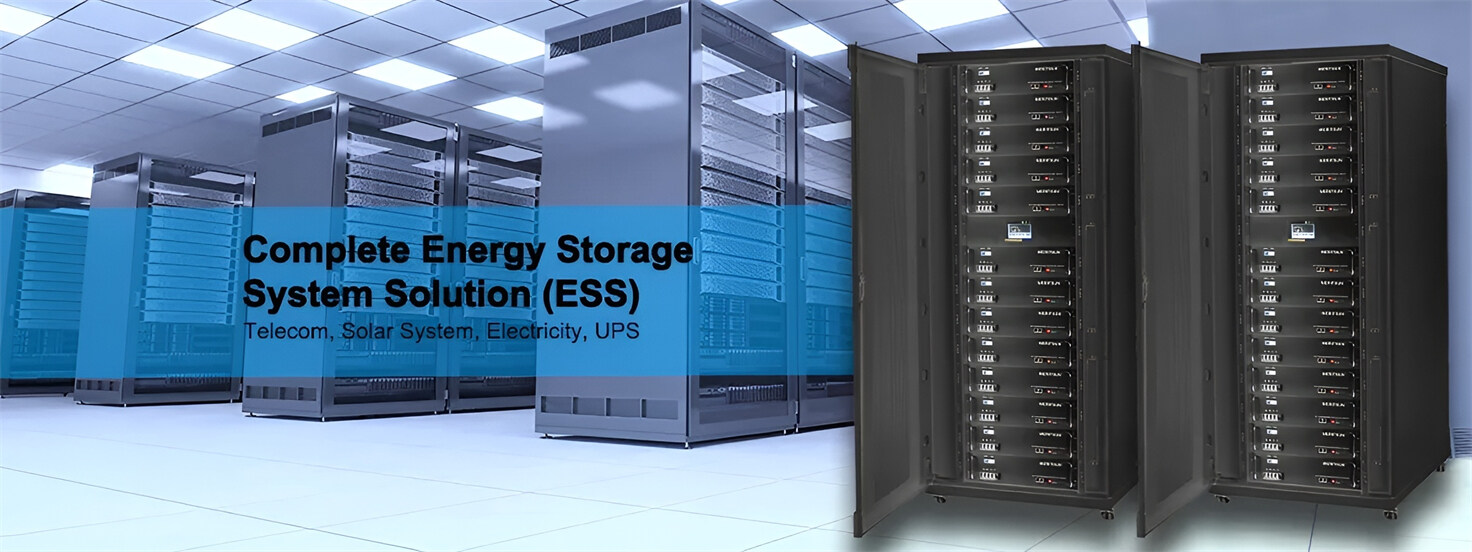
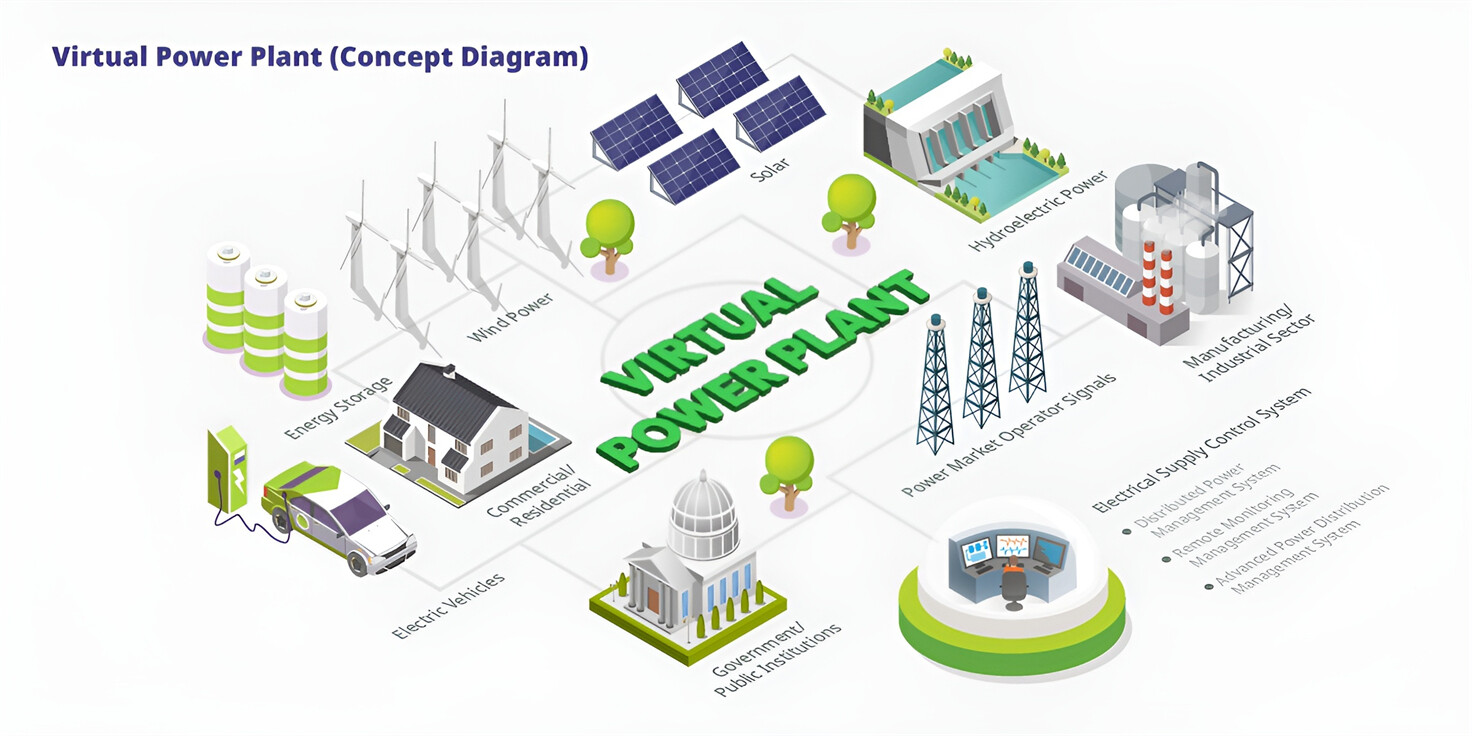
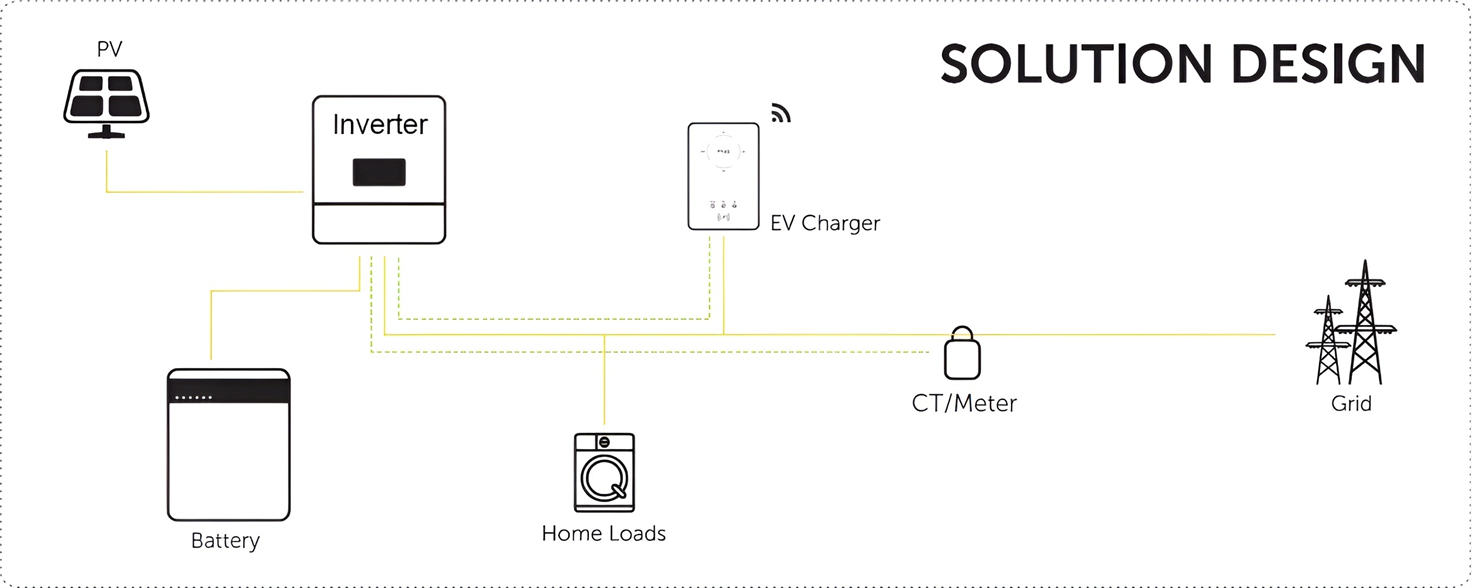
Well-designed Solutions for Energy Storage Systems
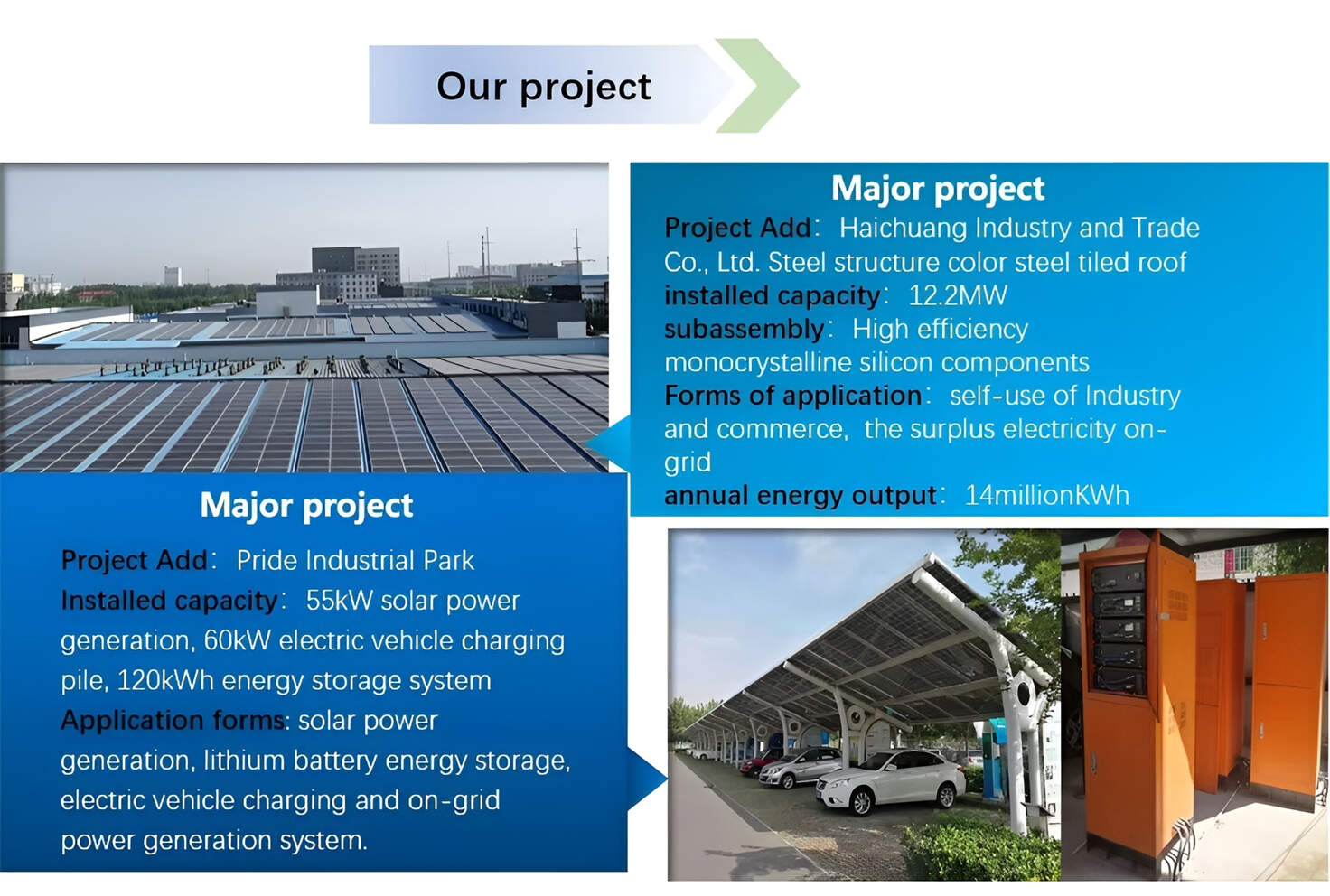
We will design the perfect energy storage system solution according to your needs, so that you can easily solve the specific industry applications of battery products.
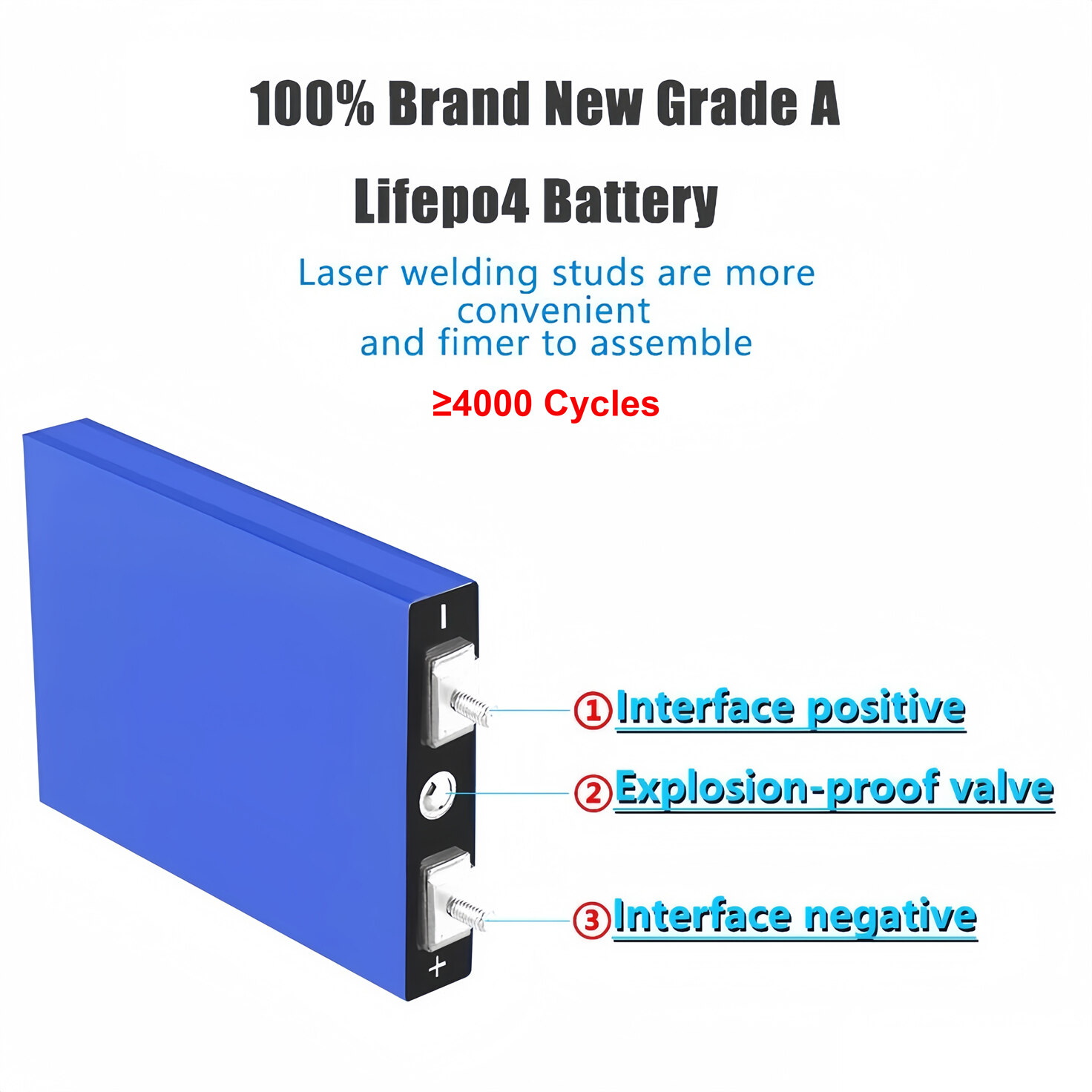
About Our Battery Cells
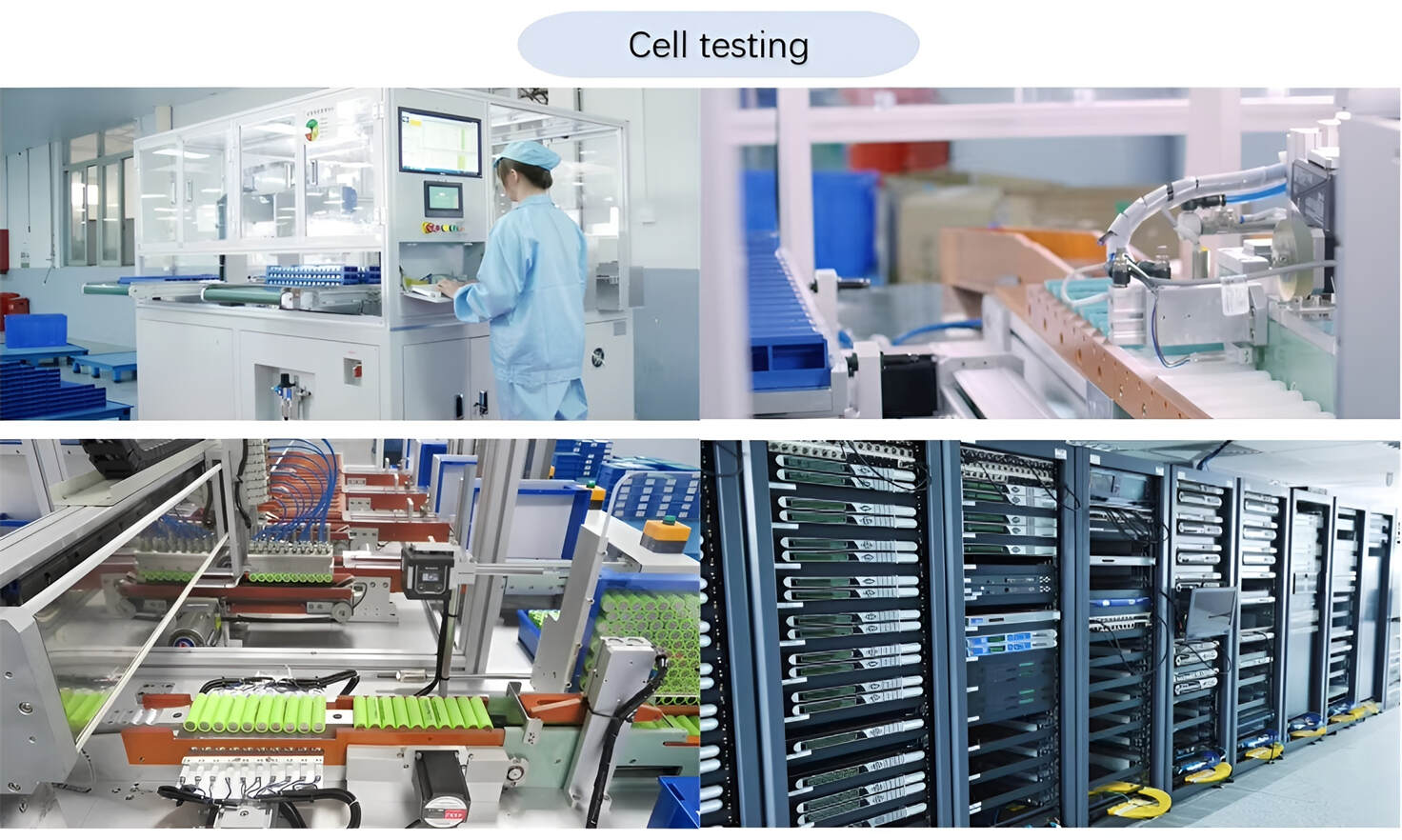
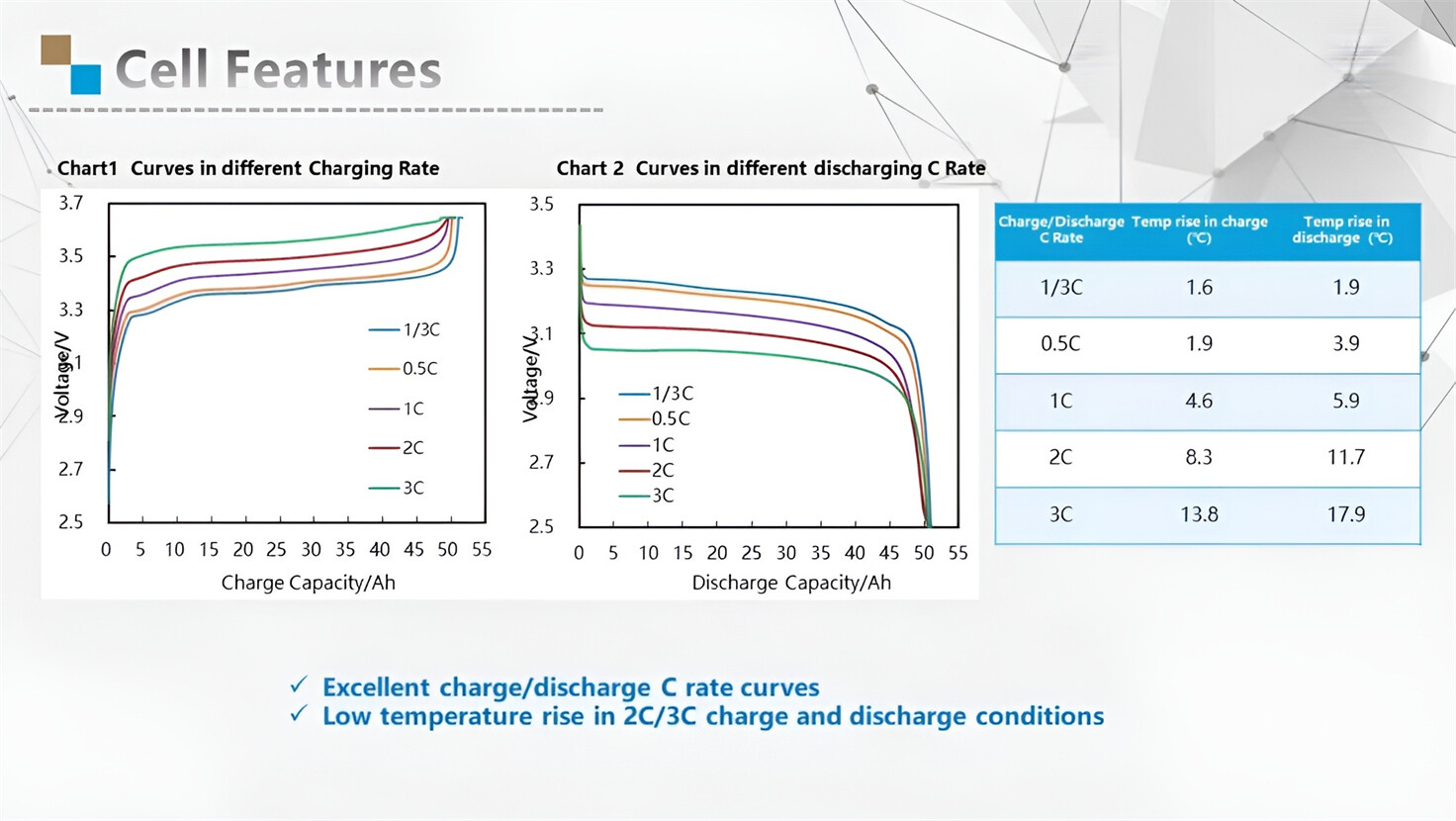
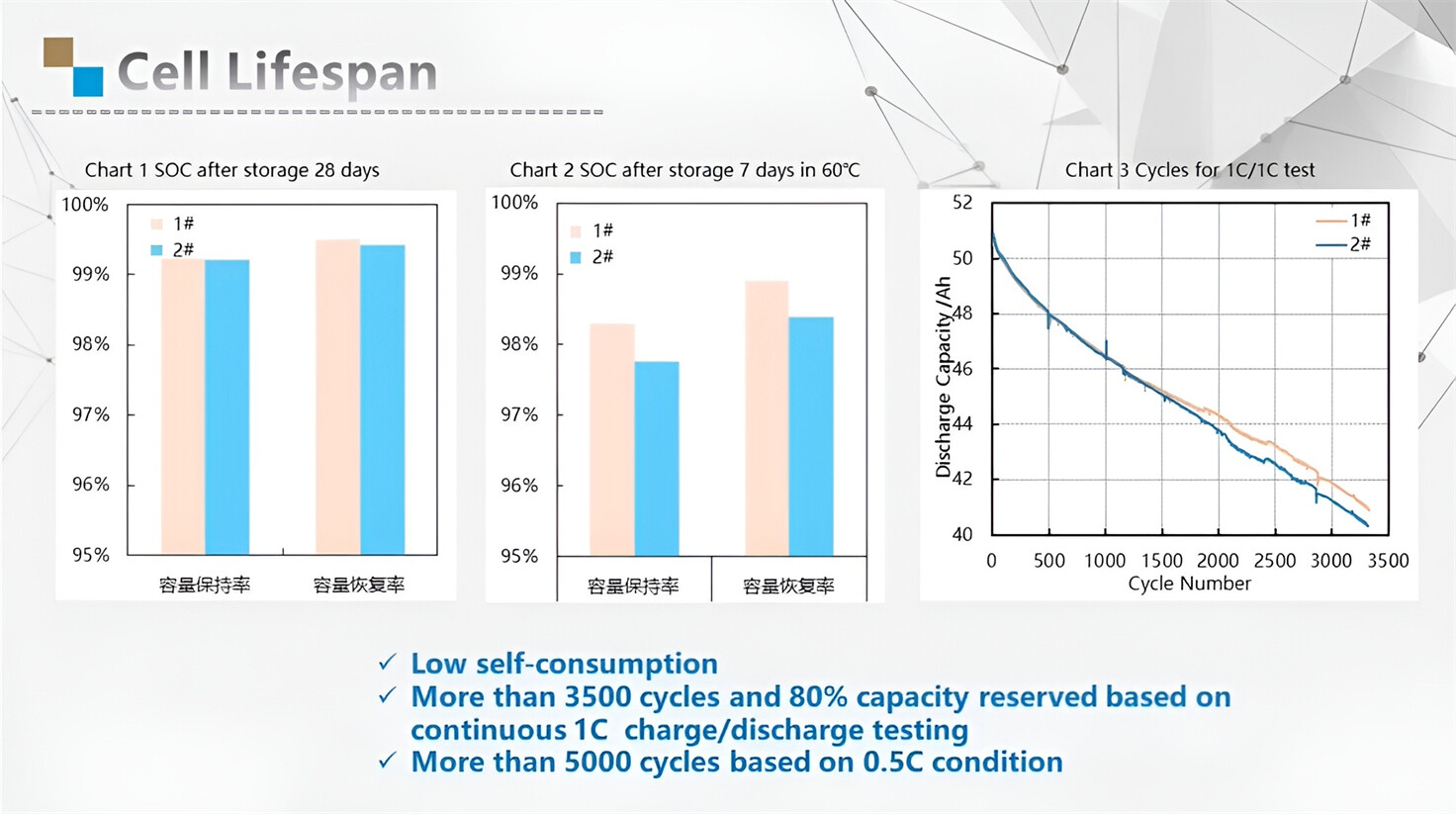
Our energy storage system products use brand new grade A LiFePO4 cells with a battery lifespan of more than 4,000 charge/discharge cycles.
Applications in Different Industries
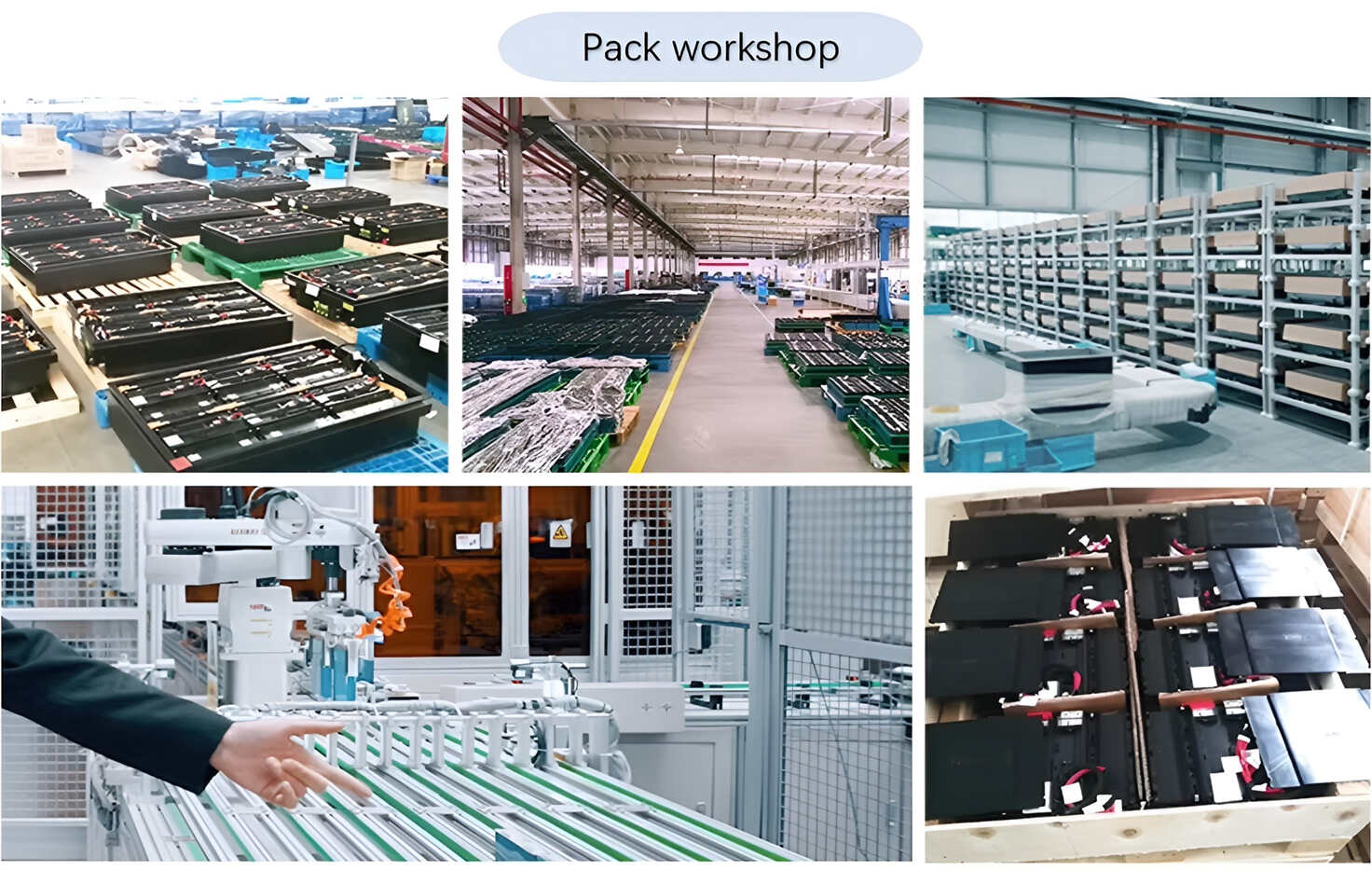
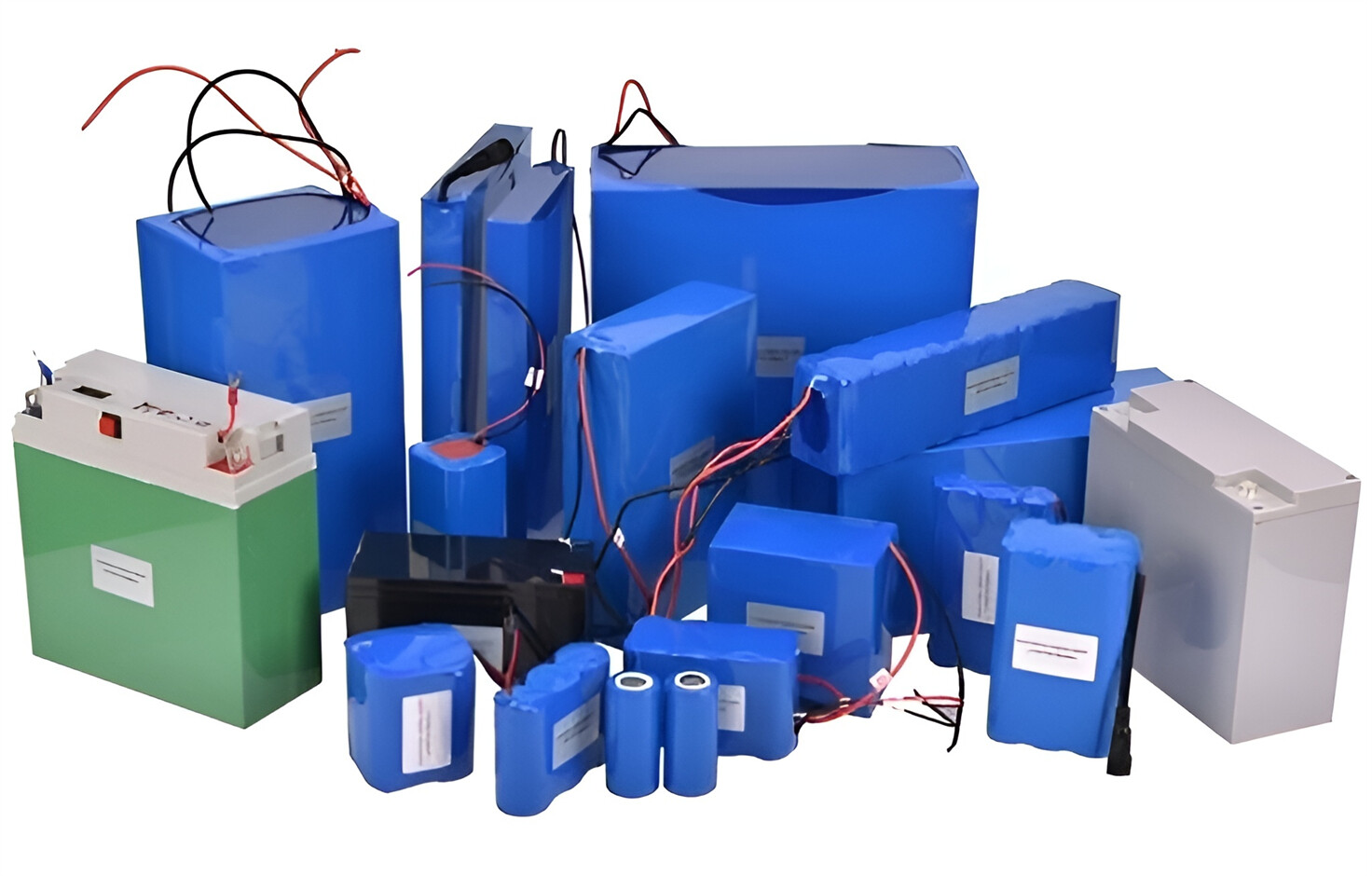
We supply customized & OEM battery pack, assemble cells with wiring, fuse and plastic cover, all the cell wires connected to PCB plug or built BMS.
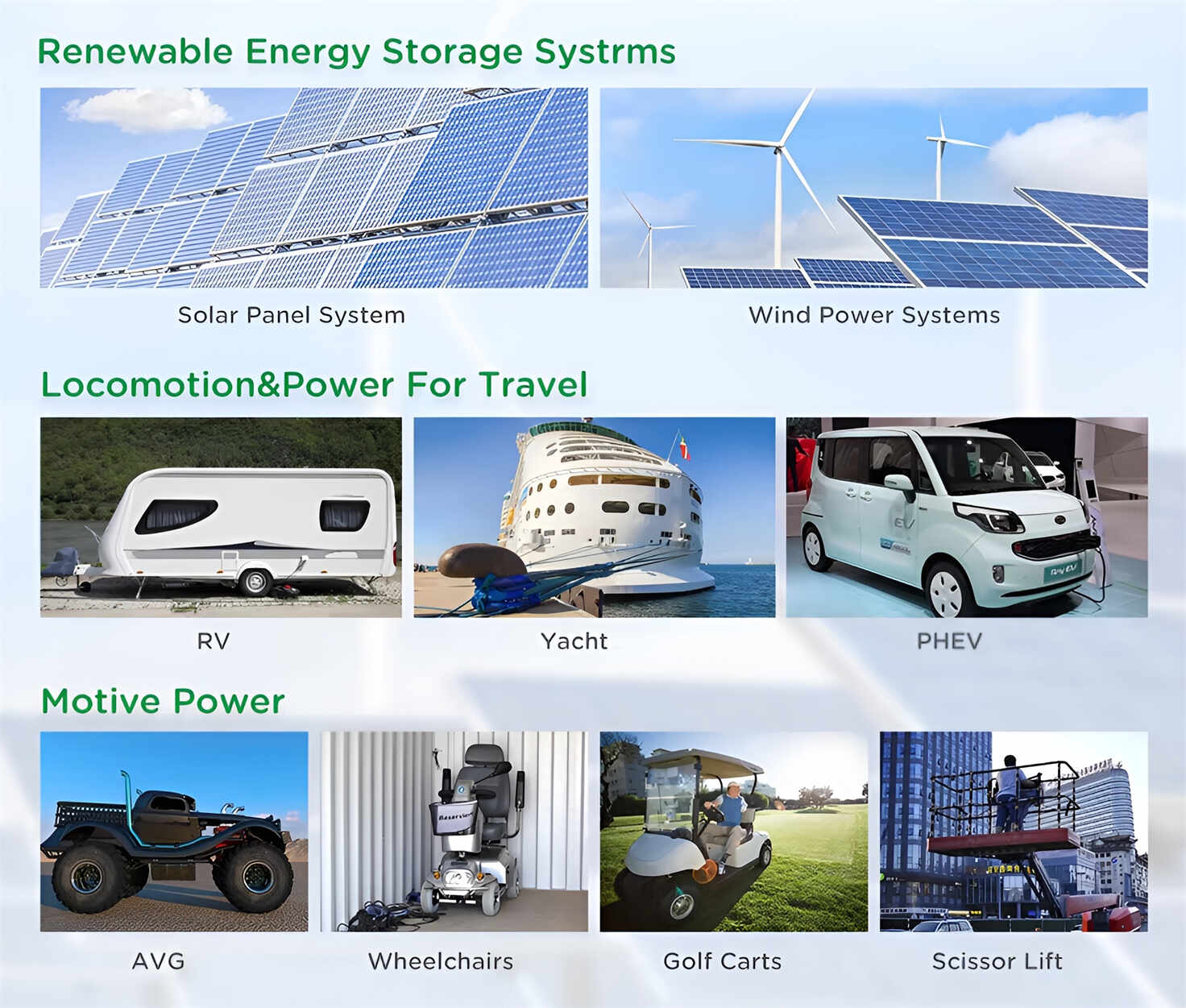
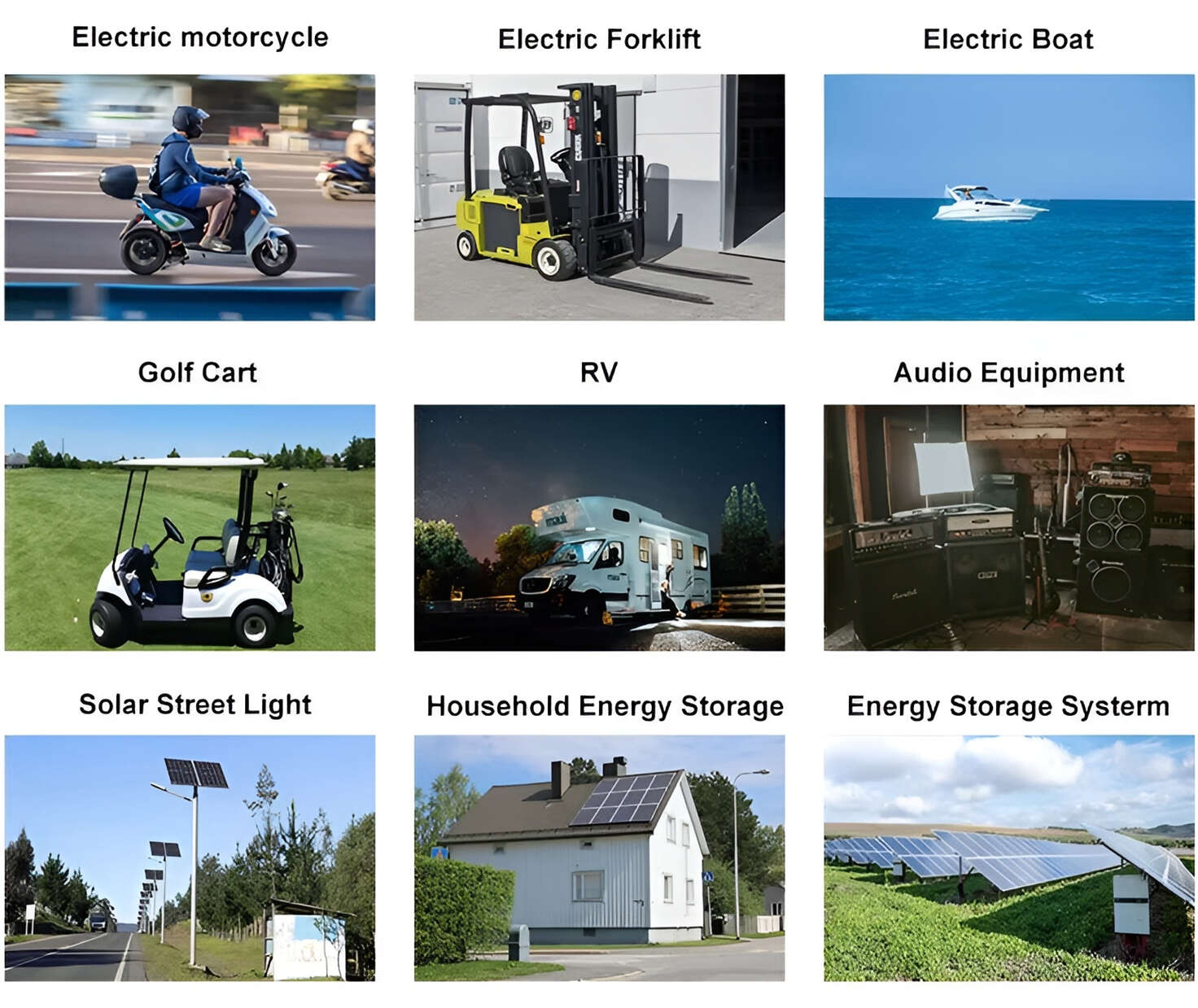
Applications: E-bike, Electric Scooter, Golf Carts, RV, Electric Wheelchair, Electric Tools, Robot Cleaner, Robot Sweeper, Solar Energy Storage System, Emergency Light, Solar Power Light, Medical Equipment, UPS Backup Power Supply.
We can provide you with customized services. We have the ability to provide a vertical supply chain, from single cells to pack/module and to a complete power solution with BMS, etc.
HomSolar (Shenzhen) Technology Co., Ltd