How To Use Safety Precautions: A Comprehensive Guide For Everyday And Workplace Safety
Safety precautions are not merely a set of rules; they are a proactive mindset and a systematic approach to identifying, assessing, and mitigating risks in any environment. Whether you are operating machinery at a factory, handling chemicals in a laboratory, or simply using a ladder at home, the correct application of safety precautions is the difference between a task completed successfully and a life-altering incident. This guide provides a detailed framework for understanding and implementing safety precautions effectively.
The Foundation: A Proactive Safety Mindset
Before diving into specific steps, it is crucial to adopt a proactive safety mindset. This involves shifting from reacting to accidents to preventing them. Cultivate a habit of situational awareness—constantly scan your environment for potential hazards. Ask yourself, "What could go wrong here?" This mental preparation is the first and most important safety precaution you can take.
A Step-by-Step Guide to Implementing Safety Precautions
Implementing safety is a process, not a single action. Follow these steps to ensure a thorough approach.
Step 1: Risk Assessment and Hazard Identification You cannot protect against a risk you haven't identified. Begin every task with a formal or informal risk assessment.Scan the Environment: Look for physical hazards like slippery floors, exposed wires, cluttered walkways, or trip hazards.Analyze the Tools and Materials: Are you using sharp tools, heavy equipment, or toxic chemicals? Understand their inherent dangers.Consider the Process: How will the task be performed? Are there steps involving high force, repetitive motion, or elevated work?Identify Human Factors: Are you tired, stressed, or rushed? These states significantly increase the likelihood of error.
Step 2: Selection and Use of Personal Protective Equipment (PPE) PPE is your last line of defense when other controls are not feasible or sufficient. Its effectiveness depends entirely on correct usage.Right Tool for the Job: Match the PPE to the hazard. Safety glasses protect against impacts, while chemical goggles protect against splashes. A dust mask filters particles, but a respirator is needed for vapors and gases.Proper Fit and Inspection: Before use, inspect all PPE for damage, such as cracks, tears, or worn straps. Ensure it fits snugly and comfortably. Ill-fitting equipment can be as dangerous as wearing none at all.Correct Donning and Doffing: Learn the proper order for putting on and taking off PPE to avoid self-contamination, especially when dealing with hazardous substances. For example, gloves should be put on last and removed first.
Step 3: Environmental and Engineering Controls Where possible, eliminate or isolate the hazard at its source. This is always more effective than relying on PPE.Ventilation: Use local exhaust ventilation (like fume hoods) to remove harmful dust, mist, or vapors from the air.Machine Guarding: Ensure all moving parts of machinery are properly guarded to prevent contact.Workspace Organization: Keep work areas clean, tidy, and well-lit. Implement clear labeling for hazardous materials and designated walkways.
Step 4: Adherence to Safe Work Procedures Established procedures exist for a reason—they encapsulate lessons learned from past incidents.Follow Instructions: Read and understand the operator's manual or standard operating procedure (SOP) before starting any equipment.No Shortcuts: Never bypass safety mechanisms or take shortcuts to save time. The few seconds saved are never worth the potential consequence.Use Tools Correctly: Use tools only for their intended purpose. A screwdriver is not a chisel, and a chair is not a ladder.
Step 5: Communication and Emergency Preparedness Safety is a team effort. Clear communication ensures everyone is protected.Clear Signage: Post clear warning signs for known hazards like high voltage, confined spaces, or falling object zones.Verbal Confirmation: In team environments, use clear verbal commands and confirm that messages are understood.Know Emergency Procedures: Be familiar with the location and operation of emergency equipment like fire extinguishers, eyewash stations, and emergency showers. Know the evacuation routes and assembly points.
Practical Tips and Advanced TechniquesThe "What If?" Game: Regularly play out scenarios in your head. "What if this wrench slips?" "What if that chemical spills?" This mental rehearsal prepares you to react calmly and correctly.The Three-Point Contact Rule: When climbing a ladder or into a vehicle, always maintain three points of contact (two hands and one foot, or two feet and one hand) for stability.Pre-Task Planning for Complex Jobs: For non-routine tasks, conduct a formal pre-task planning session. Write down the steps, identify the hazards for each step, and document the precautions required.Regular Breaks: Fatigue impairs judgment and reaction time. Take scheduled breaks to maintain focus, especially during long or monotonous tasks.
Critical Considerations and Common PitfallsComplacency is the Enemy: The most dangerous moment is often when you are most familiar with a task. Complacency leads to a relaxation of your safety guard. Treat a routine task with the same respect as a new one.Don't Ignore "Minor" Discomfort: Persistent aches, pains, or irritation from equipment are your body's early warning system. Address them immediately before they lead to a chronic injury or a major accident.Substance Impairment: Never operate machinery or perform hazardous tasks under the influence of alcohol, illicit drugs, or even certain prescription medications that cause drowsiness.Housekeeping is a Continuous Precaution: A cluttered workspace is a hazardous workspace. Make tidying up a part of your regular routine, not just an end-of-day chore.Report All Hazards and Near-Misses: A near-miss is a free lesson. Reporting it allows for the hazard to be corrected before it results in a serious injury. Foster a culture where reporting is encouraged, not punished.
In conclusion, using safety precautions effectively is an active and continuous process of awareness, planning, and action. It integrates knowledge, the right equipment, and a vigilant attitude. By embedding these steps and considerations into your daily routine, you move beyond simply following rules and begin building an intrinsic culture of safety that protects not only yourself but everyone around you.
Customized/OEM/ODM Service
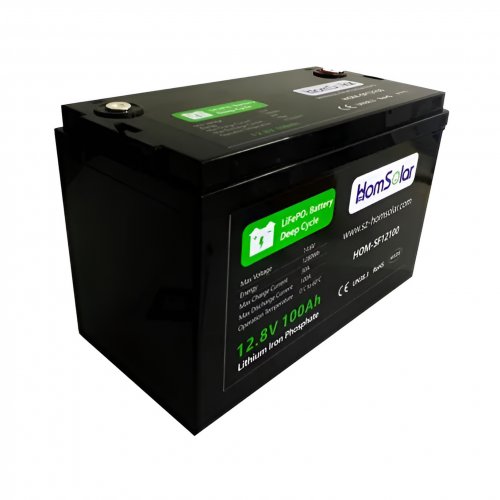
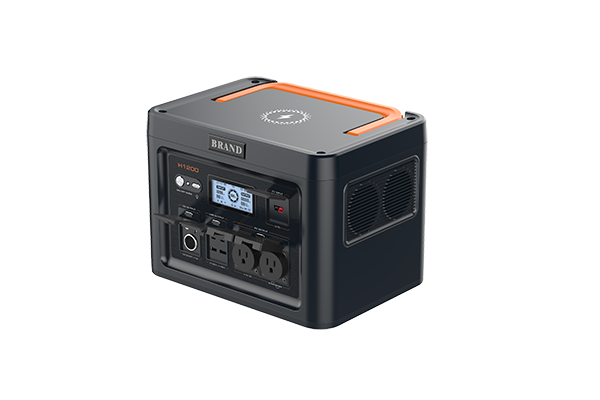
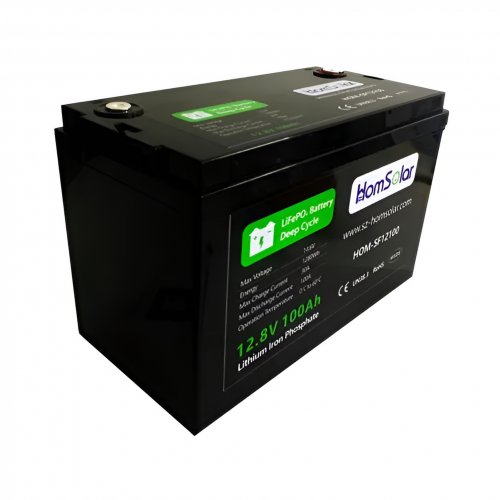
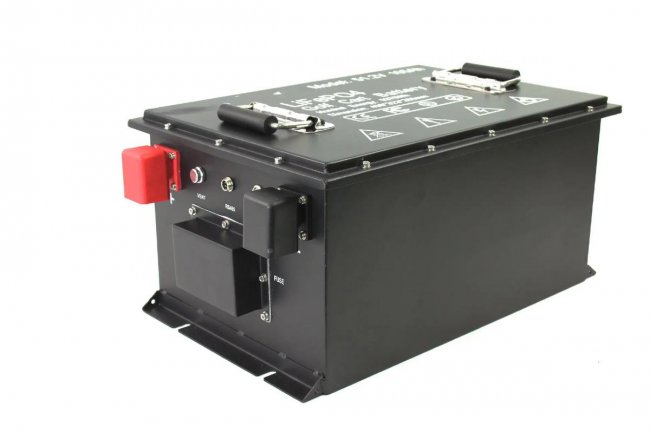
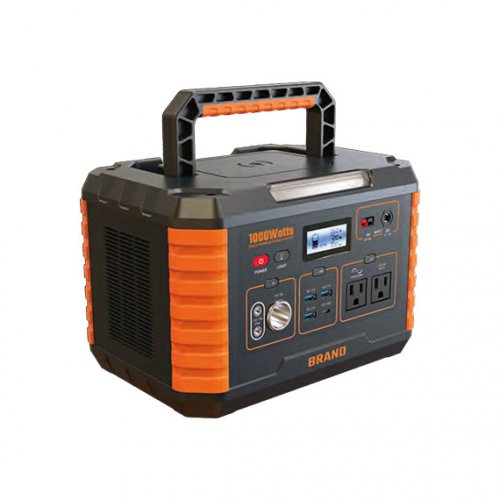
HomSolar Supports Lifepo4 battery pack customization/OEM/ODM service, welcome to contact us and tell us your needs.


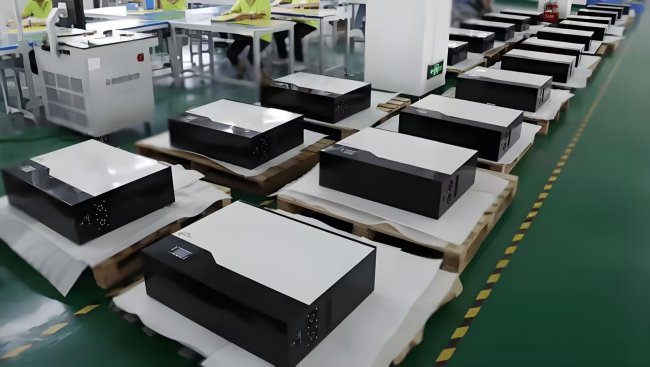
HomSolar: Your One-stop LiFePO4 Battery Pack & ESS Solution Manufacturer
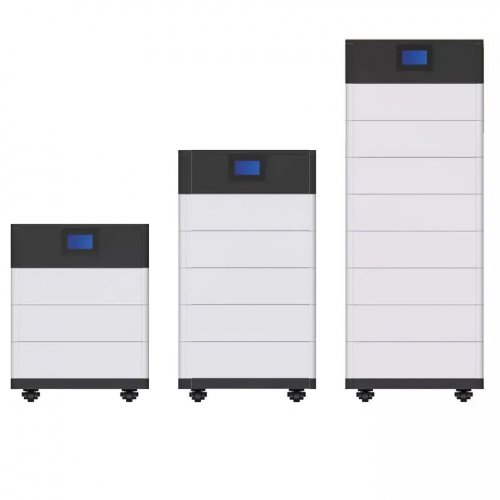
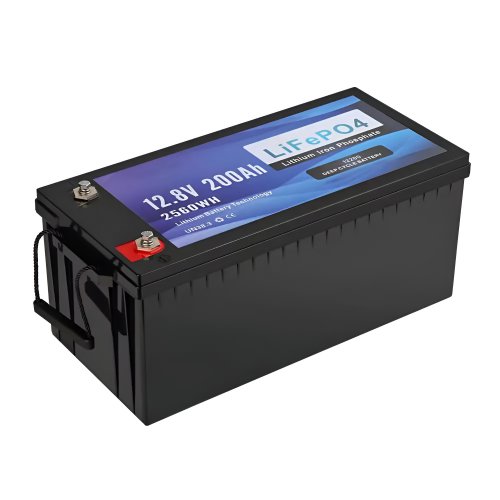
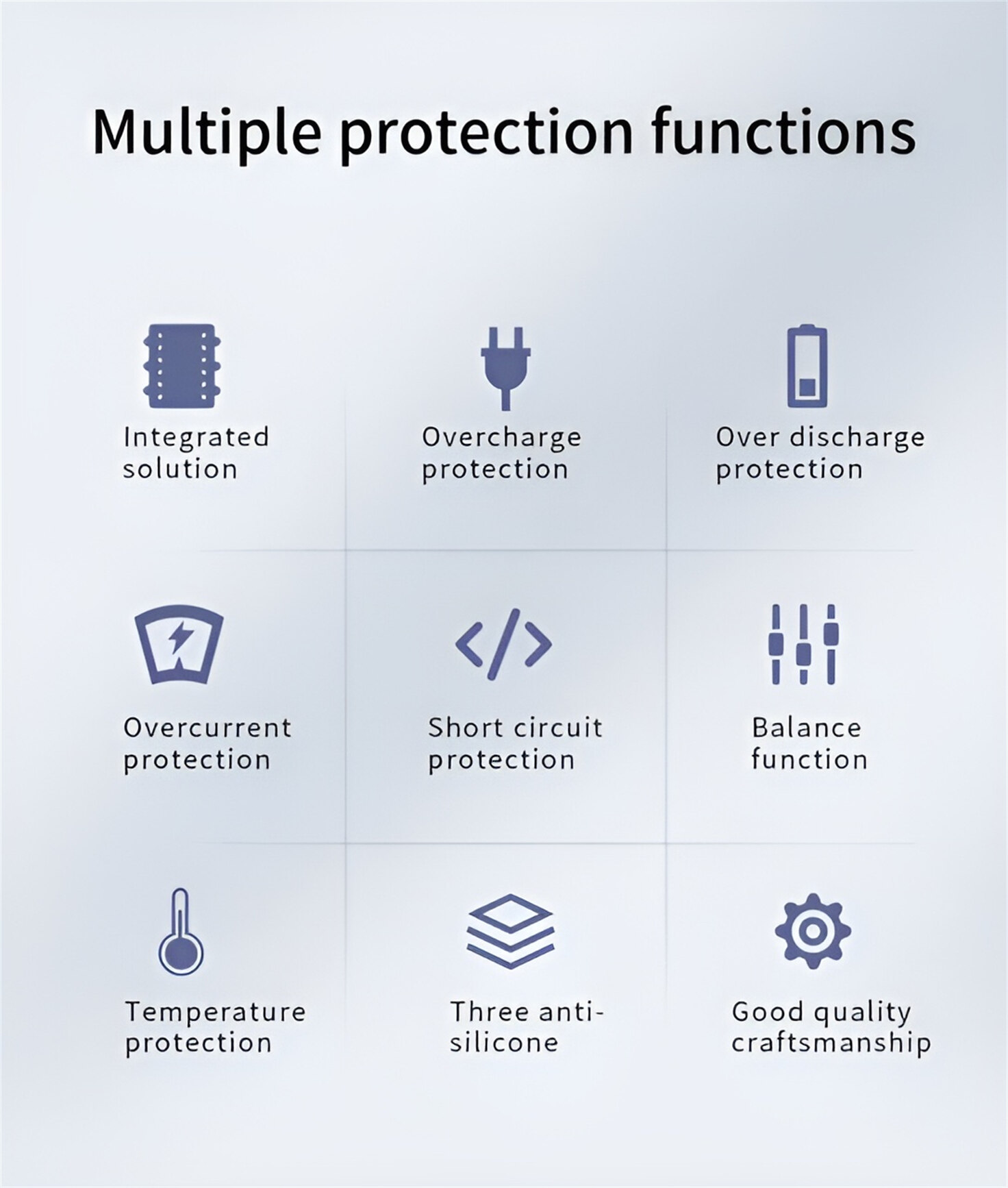
Our line of LiFePO4 (LFP) batteries offer a solution to demanding applications that require a lighter weight, longer life, and higher capacity battery. Features include advanced battery management systems (BMS), Bluetooth® communication and active intelligent monitoring.
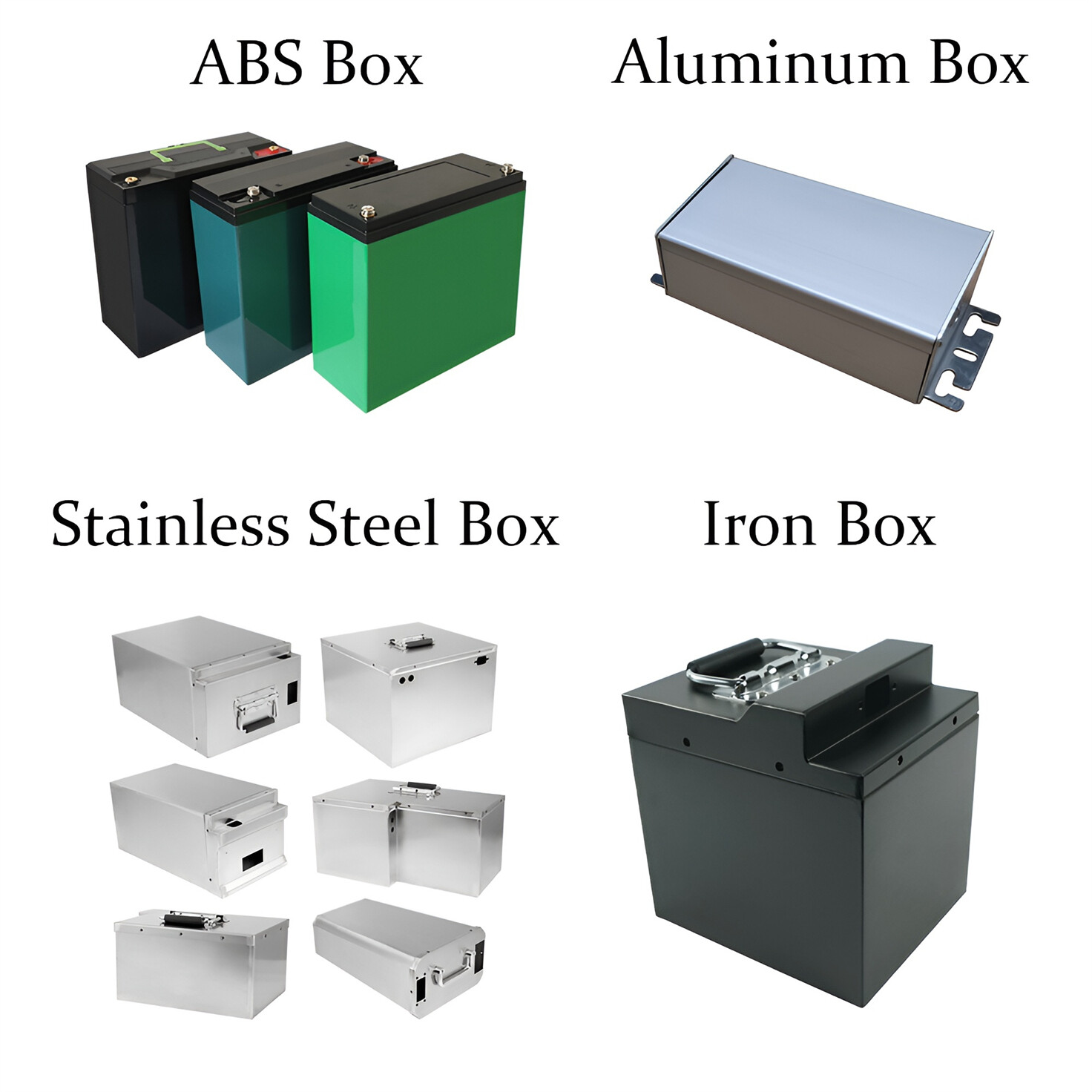
Customised Lithium Iron Phosphate Battery Casing
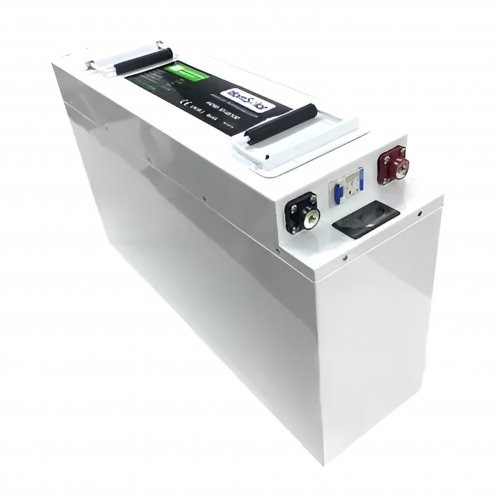
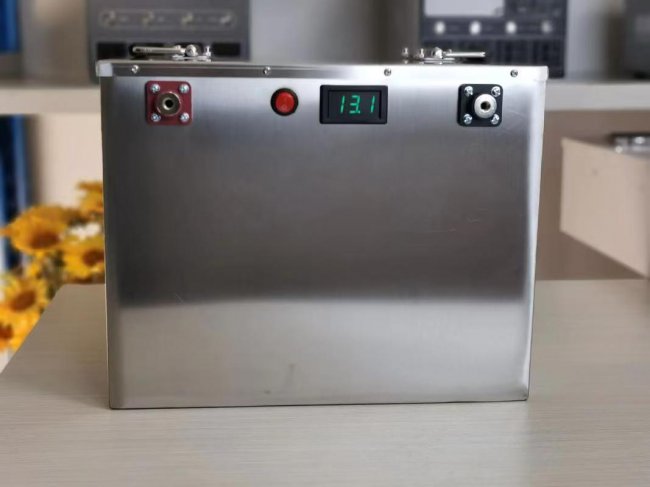
ABS plastic housing, aluminium housing, stainless steel housing and iron housing are available, and can also be designed and customised according to your needs.
HomSolar Smart BMS
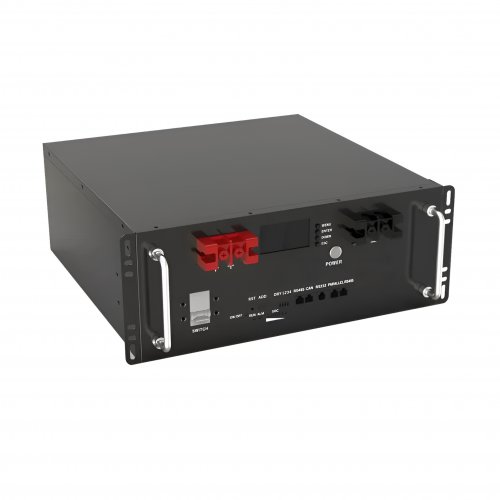
Intelligent Battery Management System for HomSolar Energy Storage System. Bluetooth, temperature sensor, LCD display, CAN interface, UART interface also available.

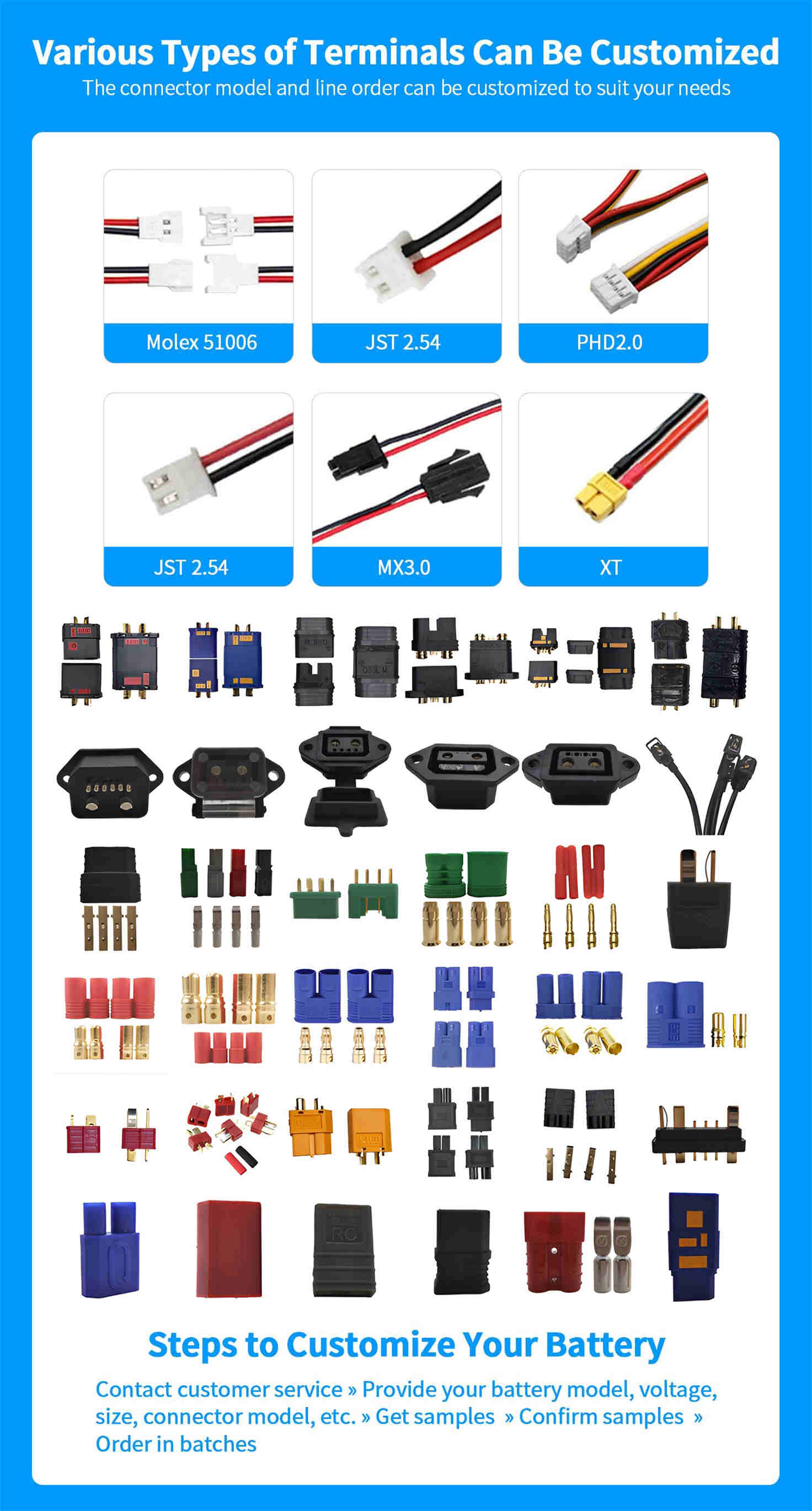
Terminals & Plugs Can Be Customized
A wide range of terminals and plugs can be customised to suit the application needs of your battery products.
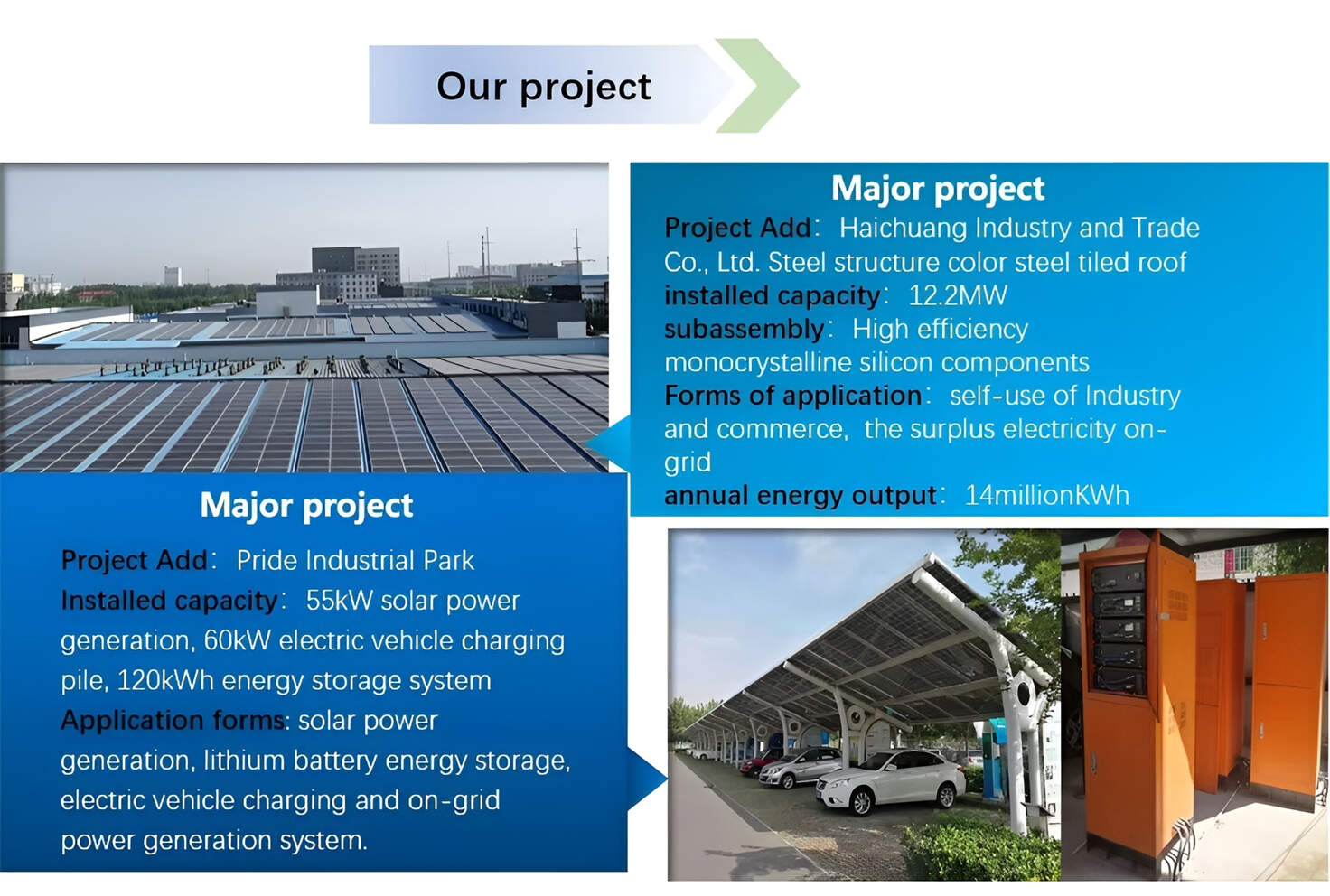
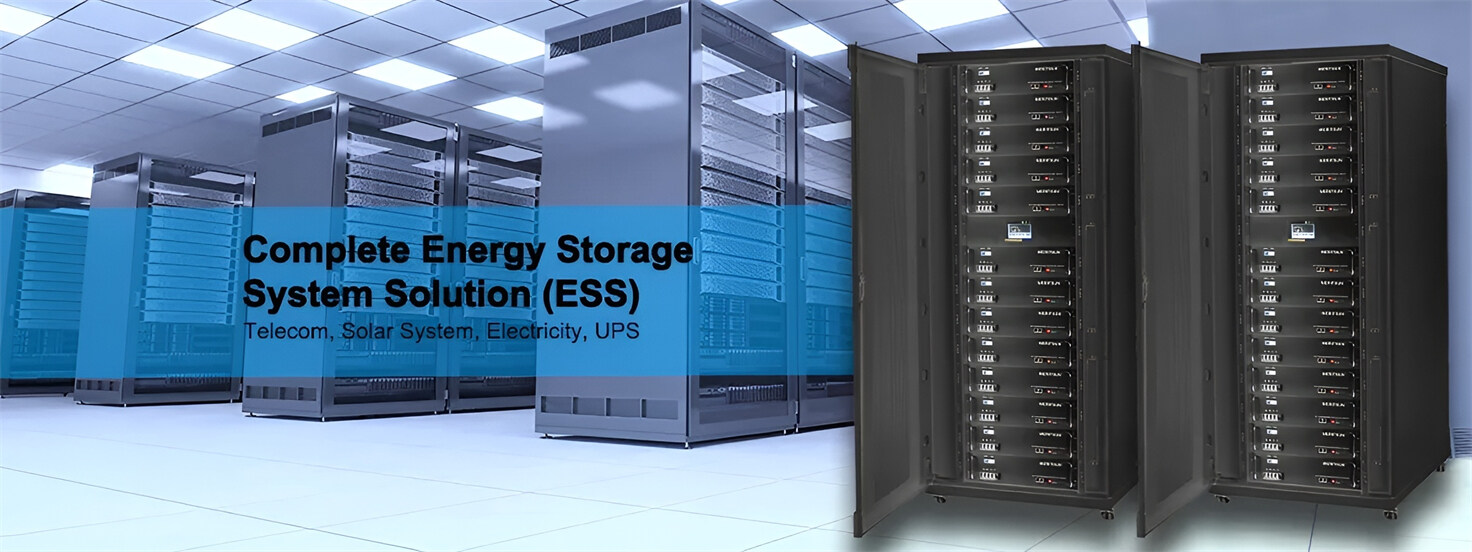
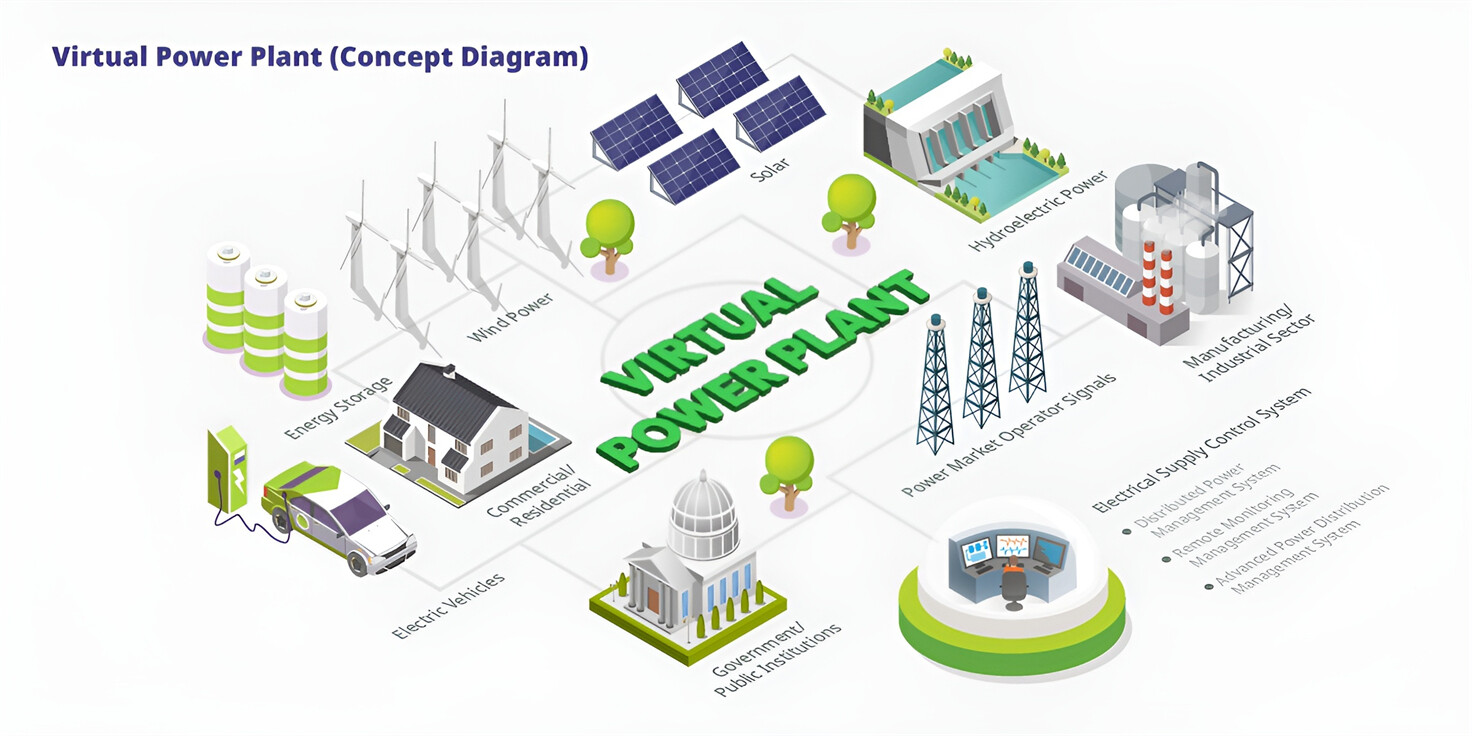
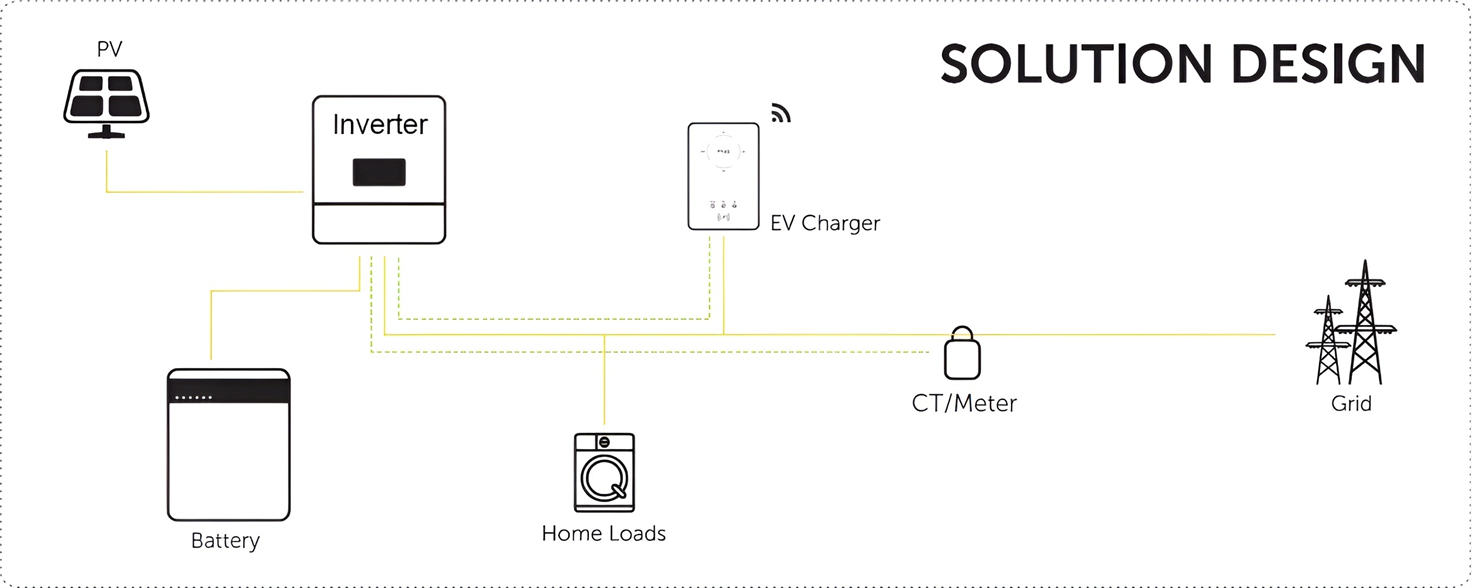
Well-designed Solutions for Energy Storage Systems
We will design the perfect energy storage system solution according to your needs, so that you can easily solve the specific industry applications of battery products.
About Our Battery Cells
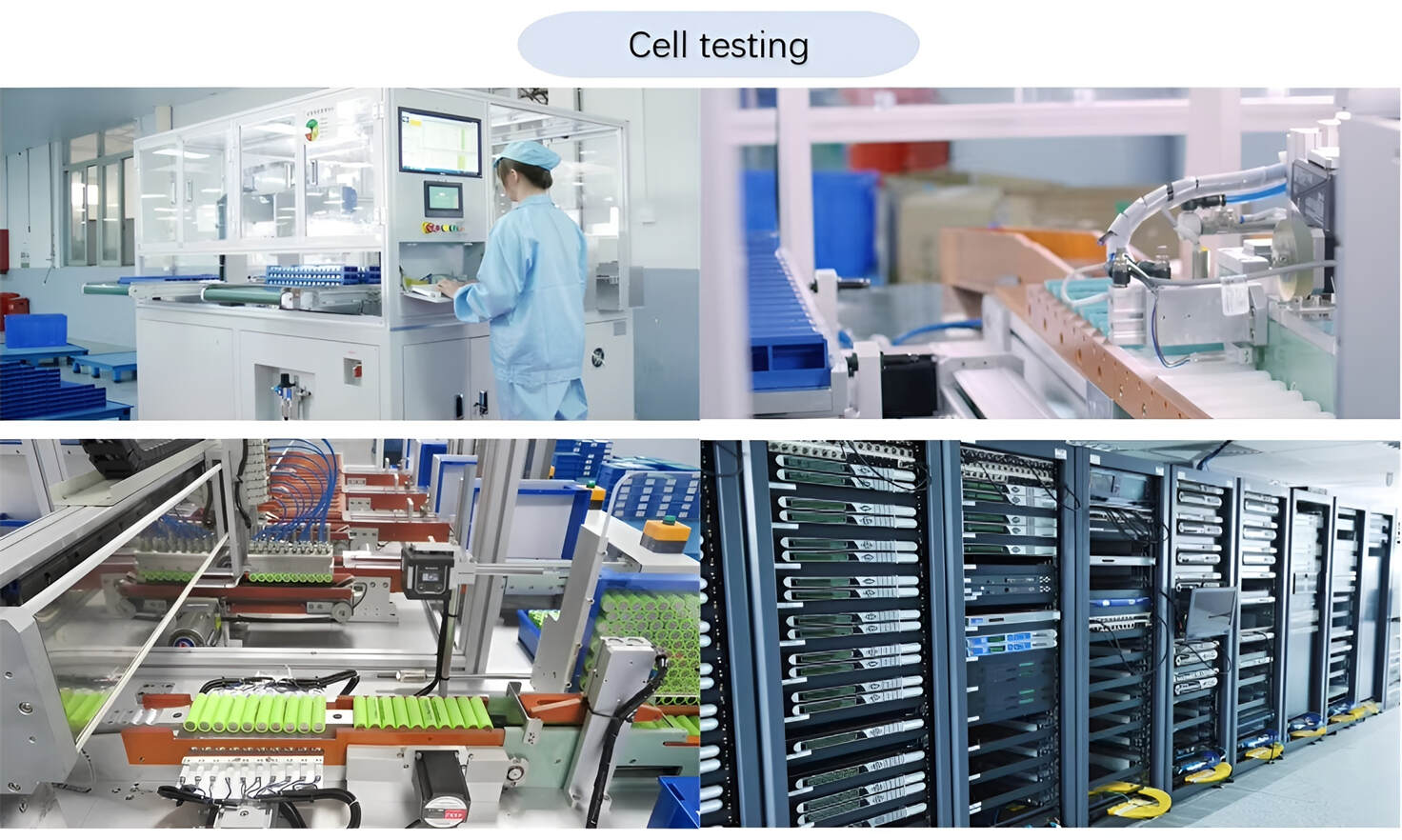
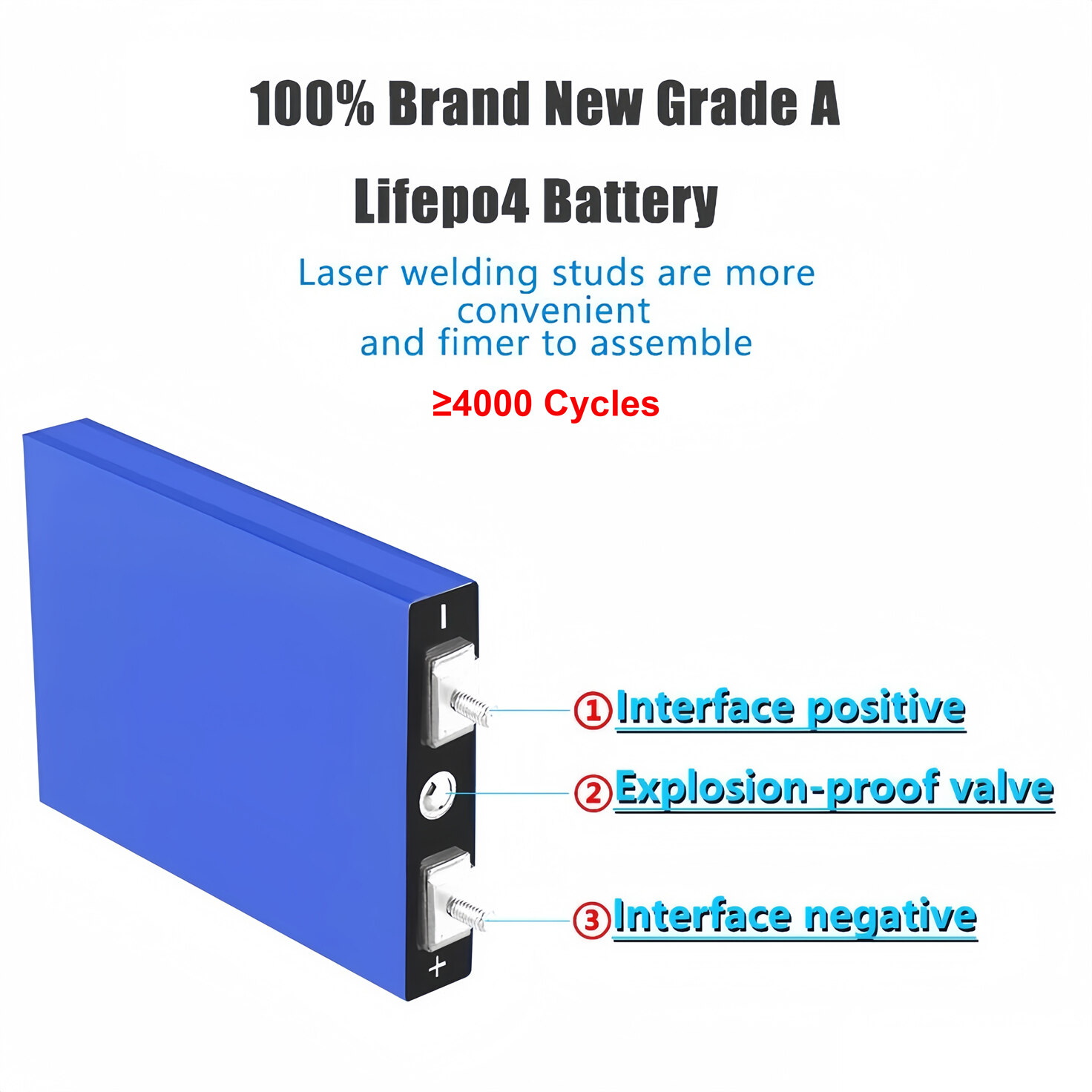
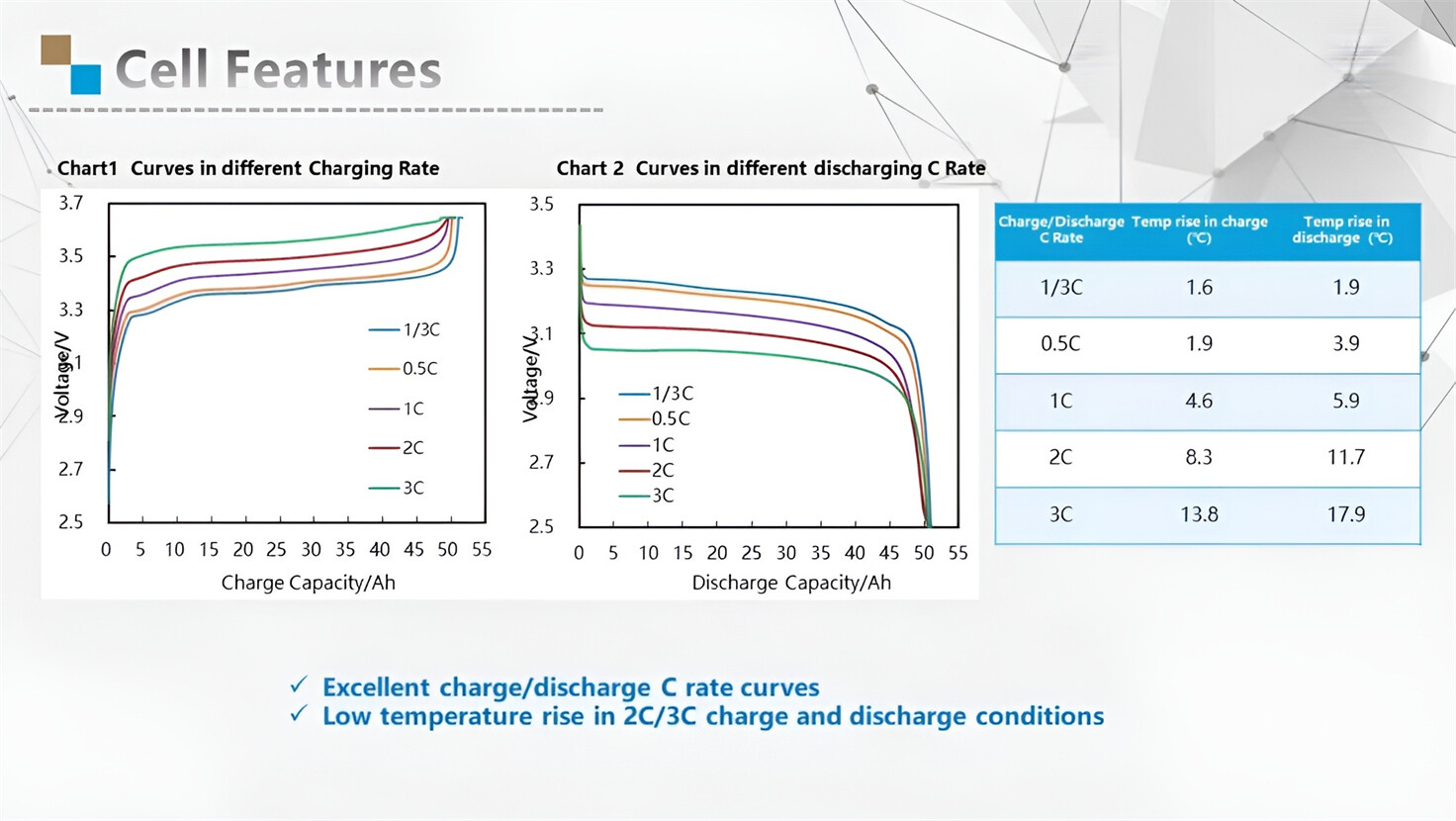
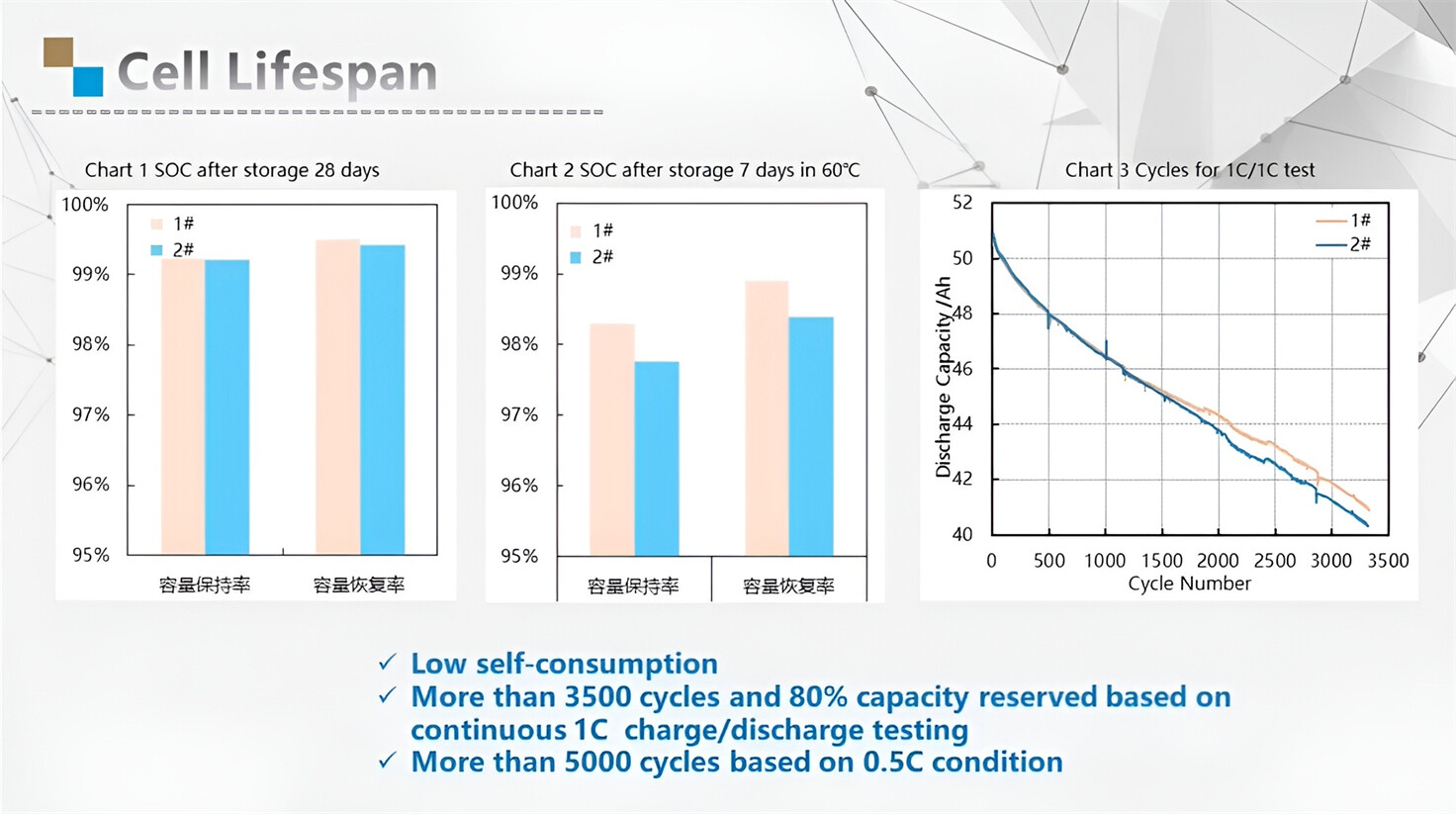
Our energy storage system products use brand new grade A LiFePO4 cells with a battery lifespan of more than 4,000 charge/discharge cycles.
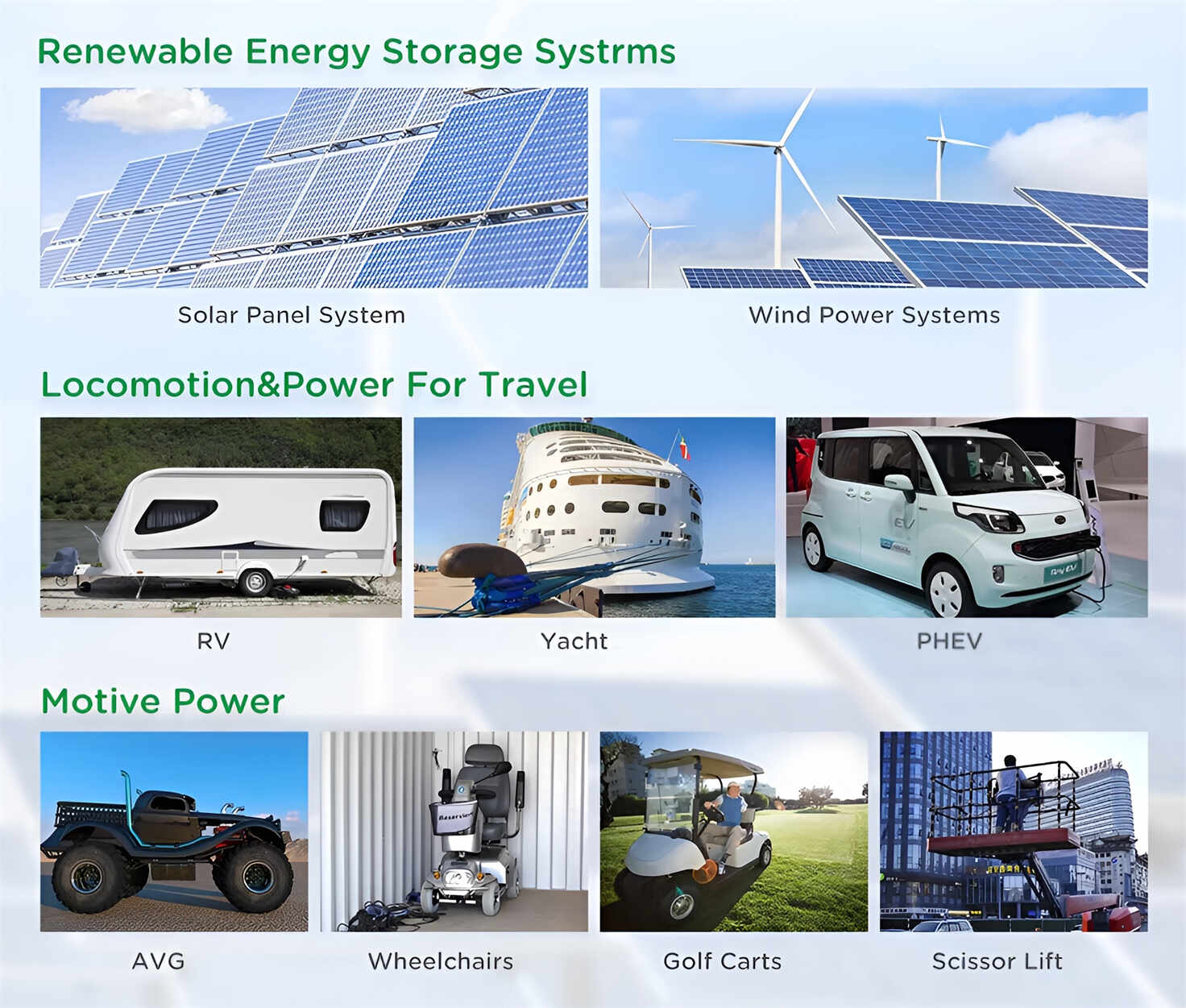
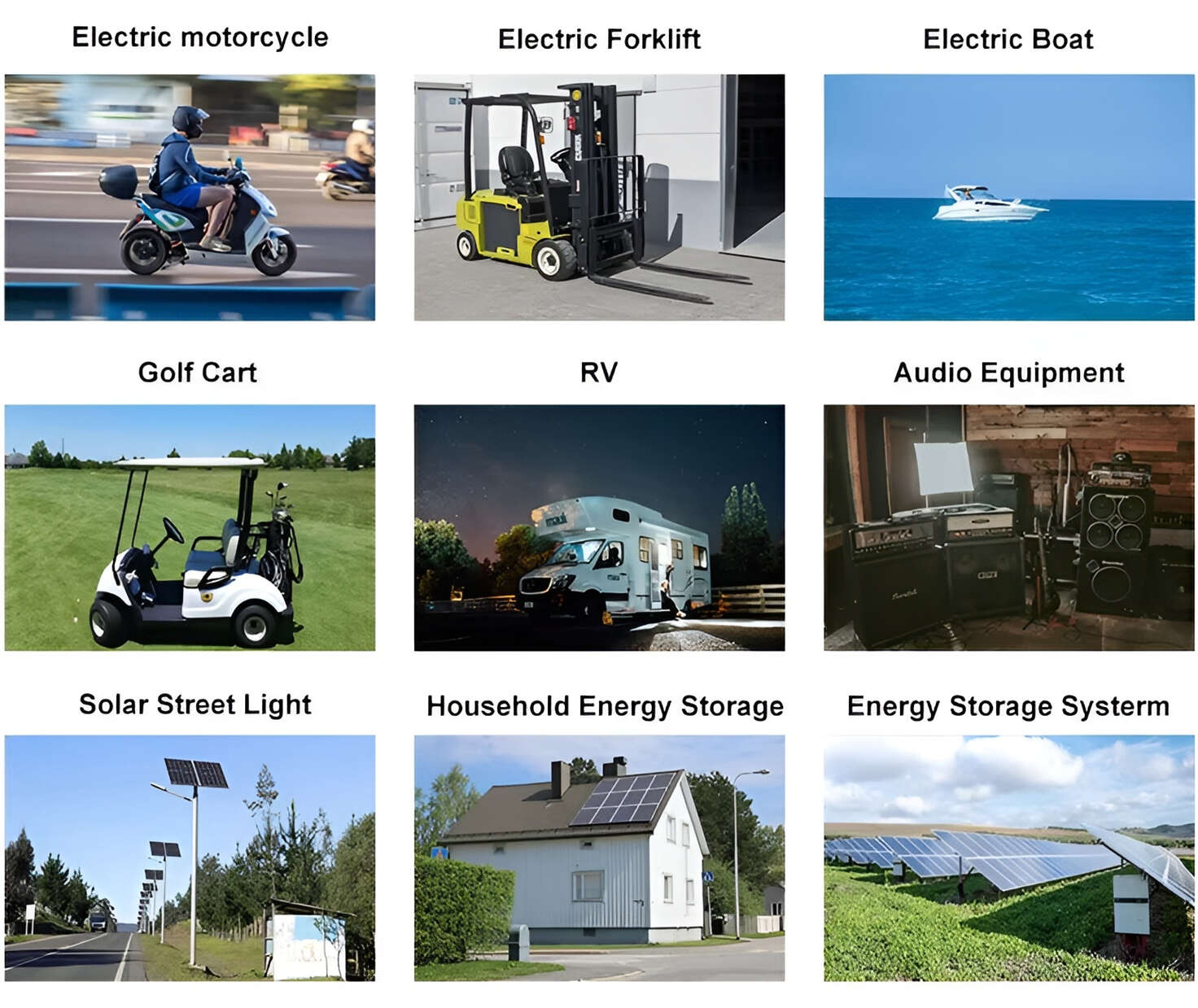
Applications in Different Industries
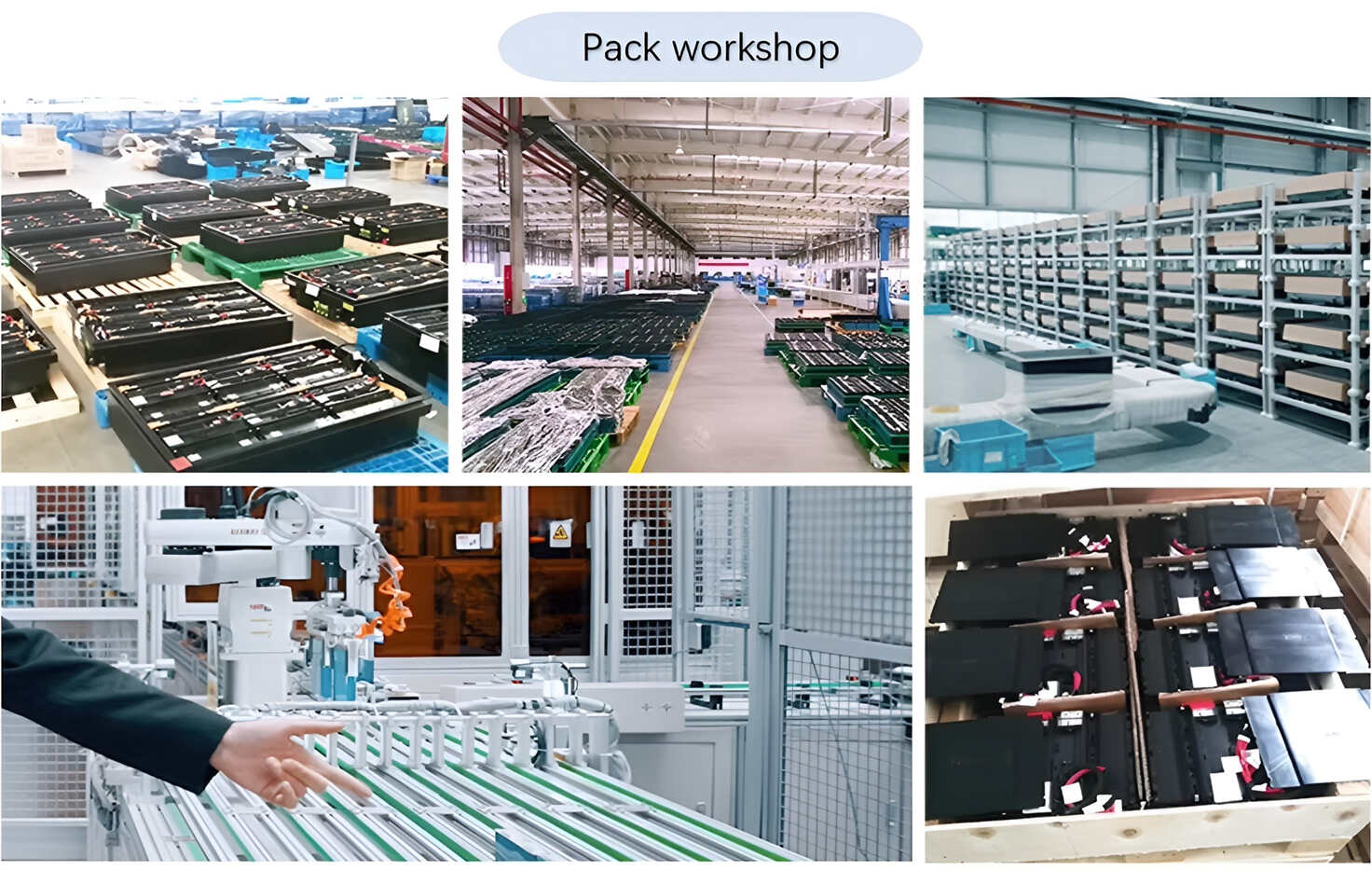
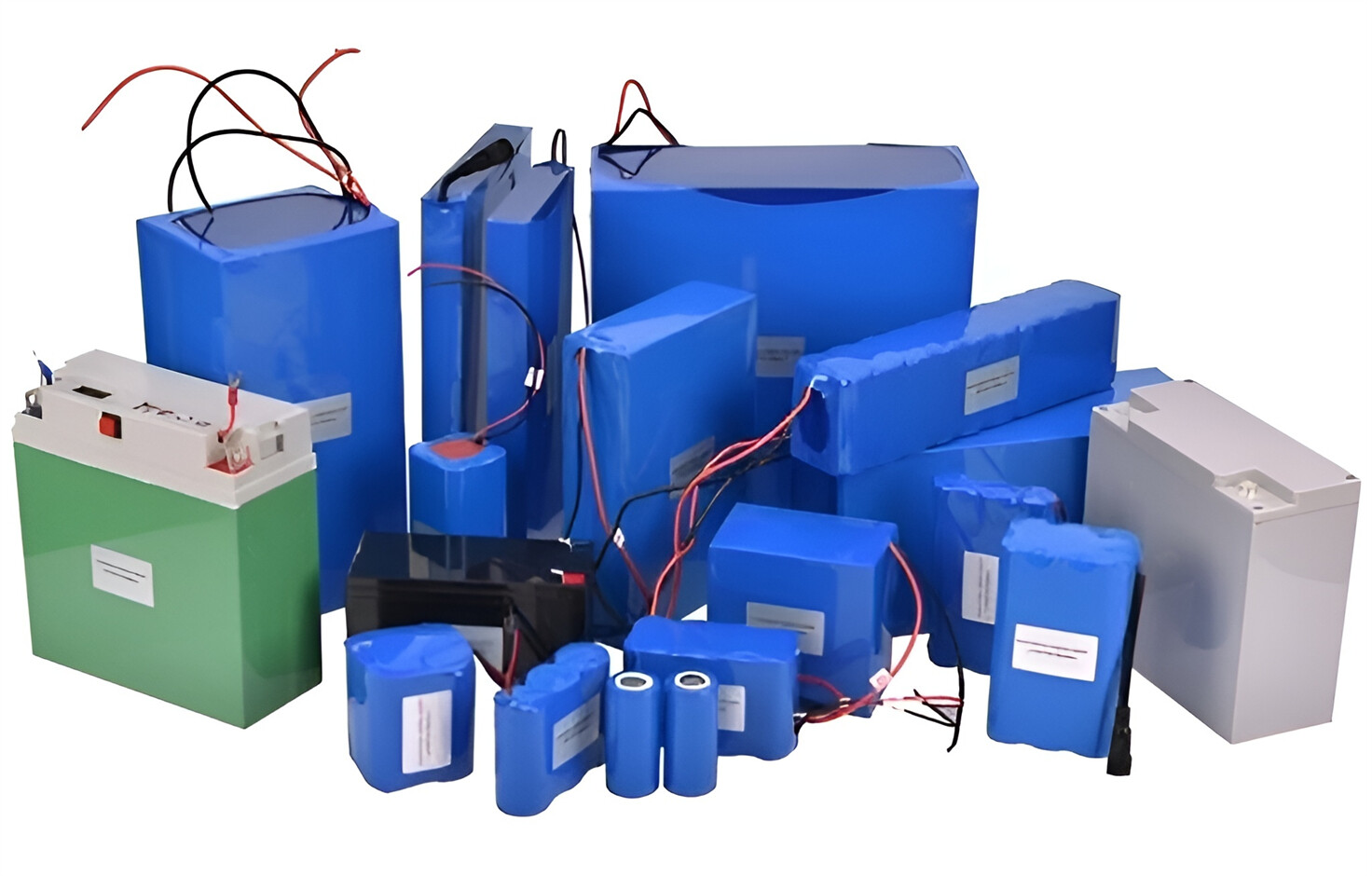
We supply customized & OEM battery pack, assemble cells with wiring, fuse and plastic cover, all the cell wires connected to PCB plug or built BMS.
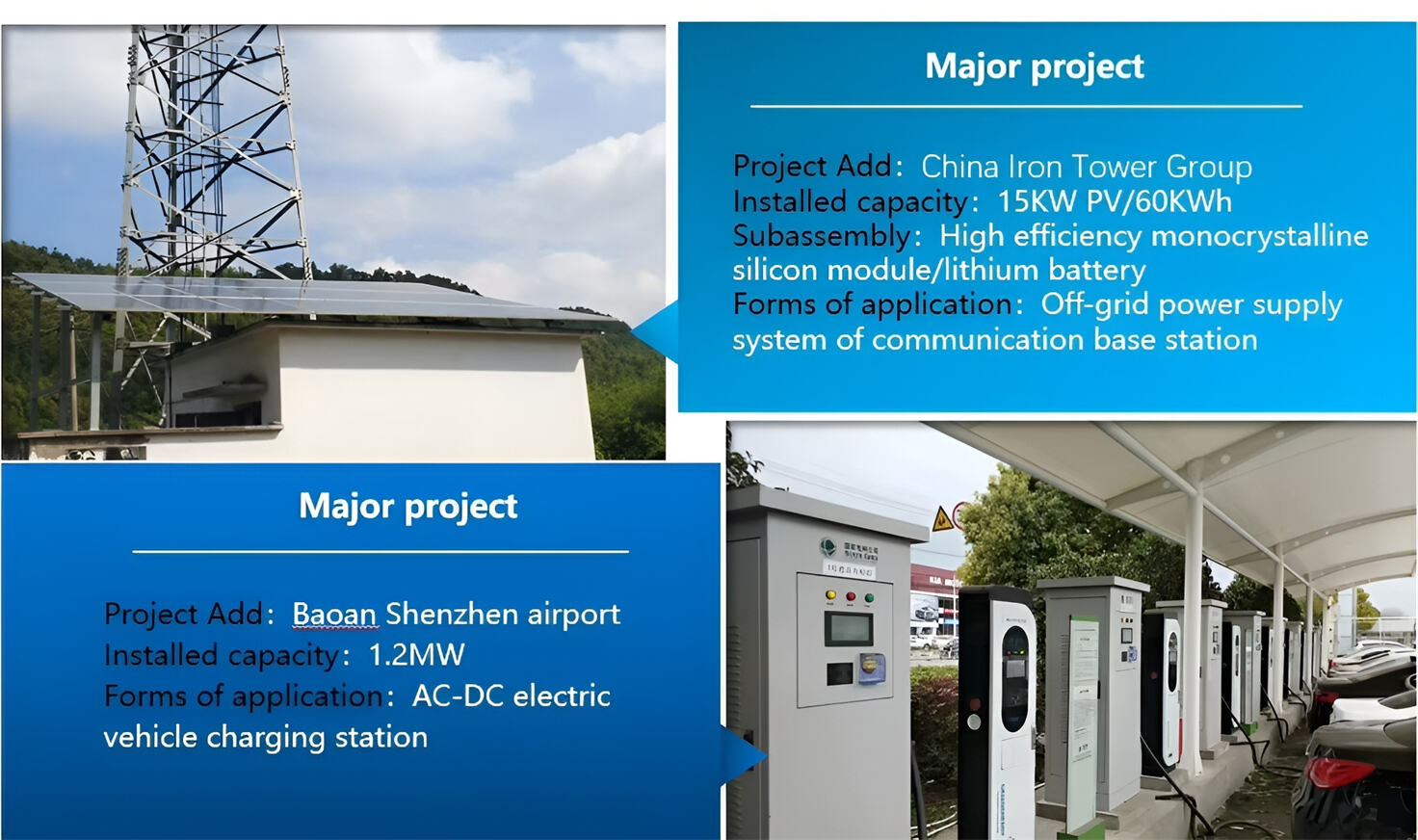
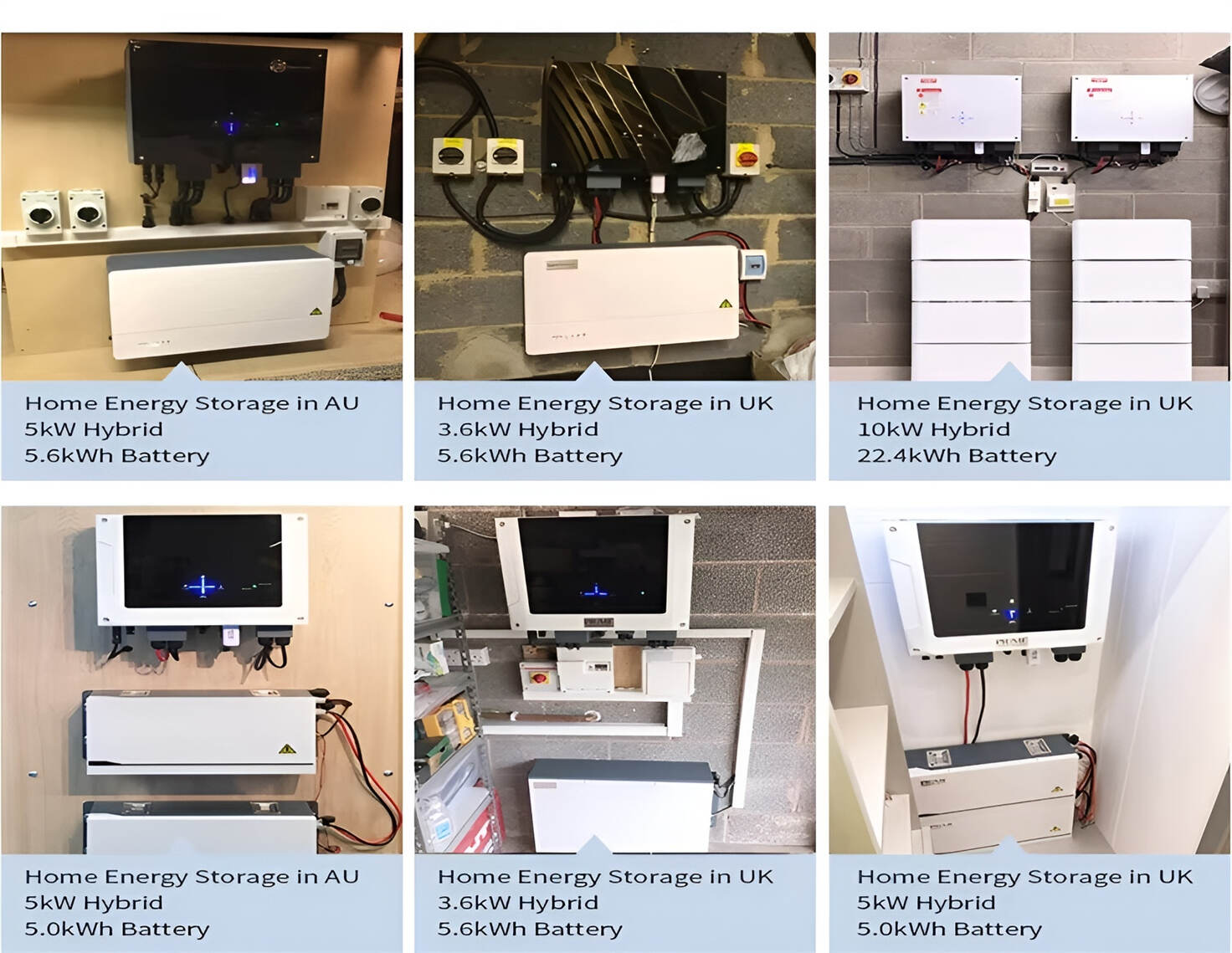
Applications: E-bike, Electric Scooter, Golf Carts, RV, Electric Wheelchair, Electric Tools, Robot Cleaner, Robot Sweeper, Solar Energy Storage System, Emergency Light, Solar Power Light, Medical Equipment, UPS Backup Power Supply.
We can provide you with customized services. We have the ability to provide a vertical supply chain, from single cells to pack/module and to a complete power solution with BMS, etc.
HomSolar (Shenzhen) Technology Co., Ltd