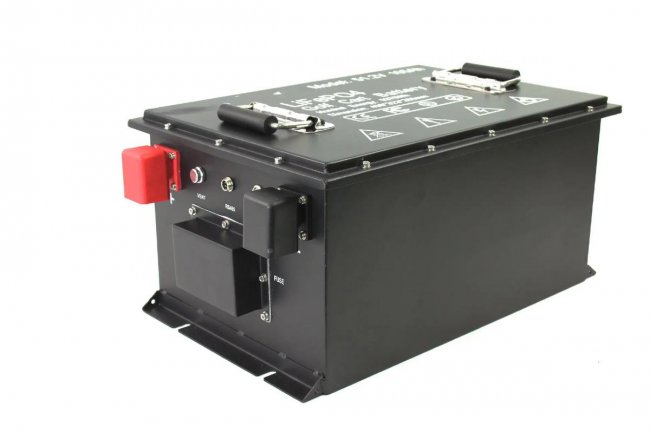
How To Use Maintenance: A Comprehensive Guide To Preserving Value And Ensuring Reliability
Maintenance is not merely a reactive task performed when something breaks; it is a proactive and strategic philosophy crucial for preserving the functionality, safety, and value of any asset, from software and vehicles to industrial machinery and personal relationships. Effective maintenance is the disciplined practice of preventing failure before it occurs. This guide will walk you through the fundamental principles, steps, and best practices for implementing a robust maintenance strategy.
Understanding the Core Types of Maintenance
Before diving into steps, it's vital to understand the primary approaches:
1. Reactive Maintenance (Run-to-Failure): This involves fixing items only after they have broken down. While it requires no upfront planning, it often leads to higher long-term costs, prolonged downtime, and emergency repairs. 2. Preventive Maintenance (PM): This is a scheduled, time-based or usage-based approach. Tasks are performed at regular intervals (e.g., weekly, monthly, every 10,000 miles) to prevent unexpected failures. Examples include oil changes, software updates, and filter replacements. 3. Predictive Maintenance (PdM): This is a more advanced, condition-based approach. It uses data and monitoring tools (like vibration analysis, thermal imaging, or performance metrics) to predict when a failure might occur, allowing maintenance to be scheduled just in time. This minimizes unnecessary maintenance and maximizes asset uptime.
For a comprehensive strategy, a blend of Preventive and Predictive Maintenance is most effective.
A Step-by-Step Guide to Implementing a Maintenance Plan
Step 1: Inventory and Identify Critical Assets Begin by creating a complete list of all assets that require maintenance. This could be physical (cars, HVAC systems, production machines) or digital (software, databases). Not all assets are equal. Use an Asset Criticality Analysis to rank them based on:Impact on safety.Cost of downtime.Effect on product or service quality.Repair or replacement cost.
This helps you prioritize your efforts and resources on what matters most.
Step 2: Develop Detailed Maintenance Procedures For each critical asset, create a Standard Operating Procedure (SOP). This document should be clear and accessible, containing:Asset Description: Make, model, serial number.Required Tasks: Specific actions to be taken (e.g., "lubricate bearing X," "check fluid levels," "run diagnostic script").Required Tools and Parts: List all necessary equipment and spare parts.Safety Precautions: Lockout/Tagout procedures, required Personal Protective Equipment (PPE).Step-by-Step Instructions: A detailed, numbered list of actions.Frequency: How often the task must be performed (e.g., daily, 500 hours of operation, with every software patch).
Step 3: Establish a Scheduling and Tracking System A plan is useless without execution. Implement a system to schedule and track all maintenance activities. This can range from simple (a well-organized calendar or spreadsheet) to complex (a dedicated Computerized Maintenance Management System - CMMS). Key elements to track include:Upcoming scheduled maintenance.Work orders and their completion status.Maintenance history for each asset.Parts and labor costs.
Step 4: Execute the Plan and Collect Data This is the action phase. Technicians or users perform the tasks as outlined in the SOPs. Crucially, they must document everything. After each task, record:Date and time of service.Who performed the work.Any observations or abnormalities.Parts used.Time taken to complete the task.
This data is the lifeblood for improving your maintenance strategy.
Step 5: Analyze, Review, and Improve Regularly review the data collected in Step 4. Are certain assets failing more often than expected? Are you performing maintenance too frequently or not enough? Use this analysis to:Adjust maintenance frequencies.Identify recurring problems for root cause analysis.Optimize inventory of spare parts.Justify investments in predictive technologies or asset replacement.
Practical Tips and Best PracticesStart Small and Scale: Don't try to create a perfect plan for every asset at once. Begin with your most critical one or two assets, refine the process, and then expand.Leverage the 5S Methodology: A foundational lean tool, 5S (Sort, Set in order, Shine, Standardize, Sustain) creates an organized, clean, and efficient work environment. This makes maintenance tasks easier, safer, and faster to perform.Embrace the "Maintenance Window": For systems that cannot be shut down during normal operations (e.g., websites, production lines), schedule dedicated "maintenance windows." Communicate these schedules clearly to all stakeholders in advance.Use the Right Tools for the Job: Using incorrect tools can damage equipment and cause injury. Ensure your team has access to and is trained on the proper tools, including diagnostic software for digital assets.Prioritize Training: A maintenance plan is only as good as the people executing it. Invest in continuous training for your team on new procedures, technologies, and safety protocols.
Critical Considerations and WarningsSafety First, Always: Never bypass safety procedures to save time. Always de-energize, lock out, and tag out equipment before performing maintenance. Assume all circuits are live until proven otherwise.Beware of Over-Maintenance: Performing maintenance too frequently can be as detrimental as not performing it enough. It wastes resources and can introduce new failure points through unnecessary human interaction. Let data guide your intervals.Documentation is Non-Negotiable: Incomplete or missing records make it impossible to track history, diagnose recurring issues, or improve your processes. Make documentation a mandatory part of every task.Plan for the Unplanned: Even the best preventive plan cannot stop every failure. Maintain a critical spares inventory and have a clear contingency plan for unexpected breakdowns to minimize disruption.Don't Ignore the Human Element: Maintenance can be perceived as a mundane chore. Foster a culture where maintenance is valued as a critical, skilled function. Encourage feedback from technicians—they are often the first to spot potential issues.
In conclusion, mastering maintenance transforms it from a cost center into a strategic advantage. It is a continuous cycle of planning, doing, checking, and acting. By adopting a structured, proactive approach, you can significantly enhance reliability, extend asset life, ensure safety, and ultimately save valuable time and resources.
Customized/OEM/ODM Service
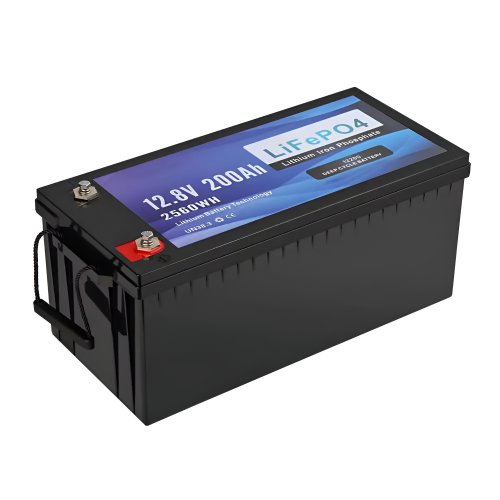
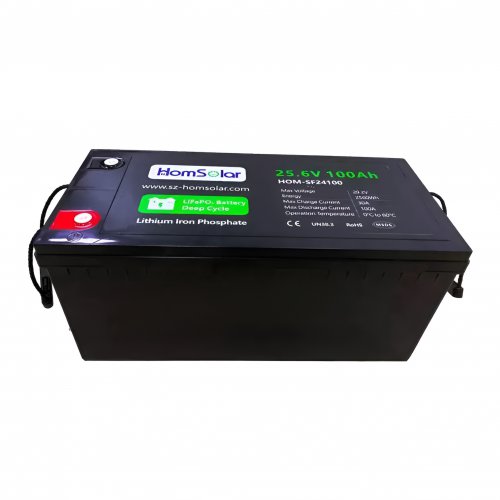
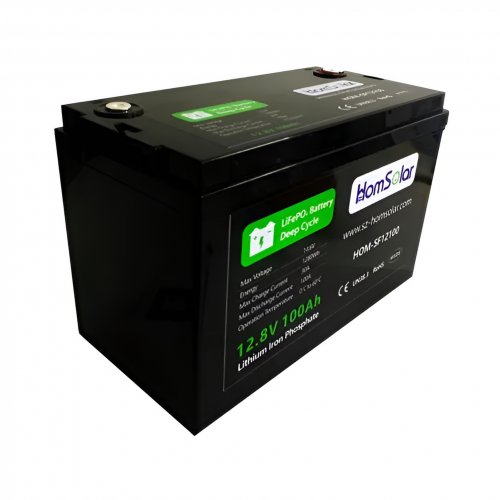
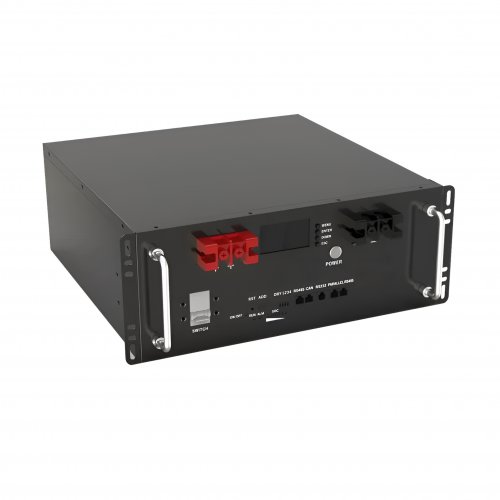
HomSolar Supports Lifepo4 battery pack customization/OEM/ODM service, welcome to contact us and tell us your needs.


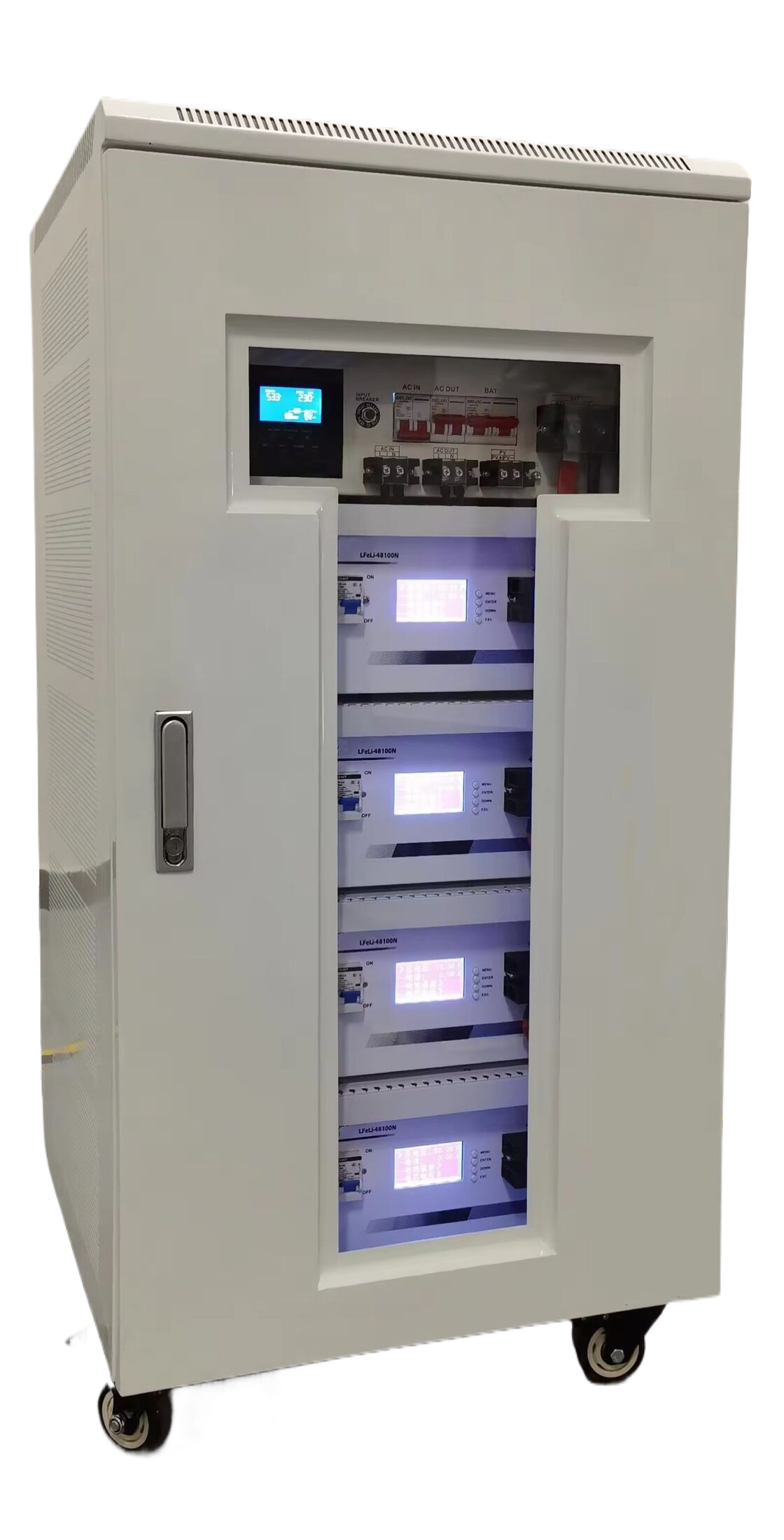
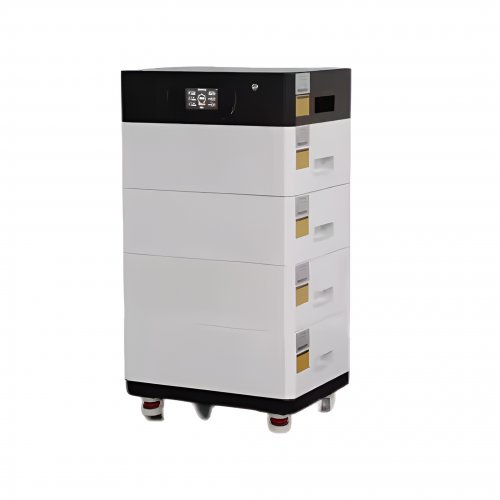
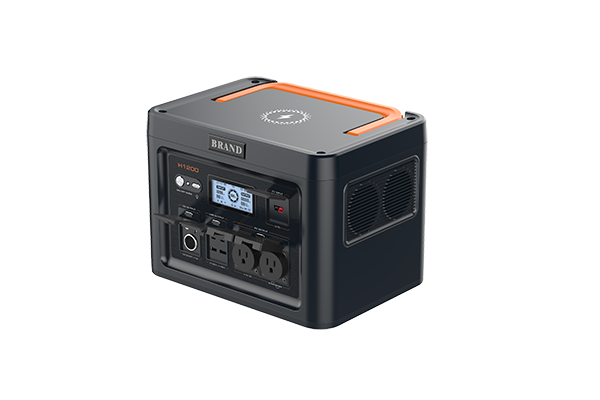
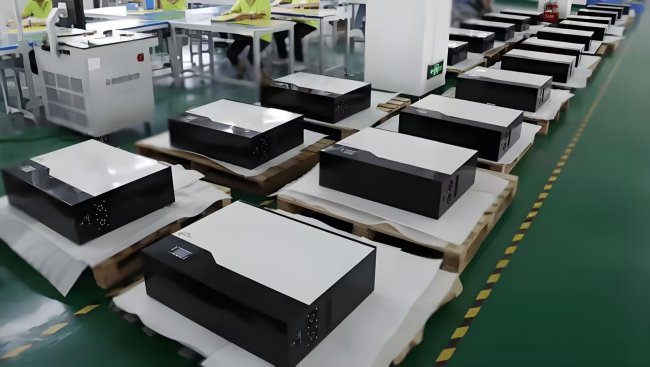
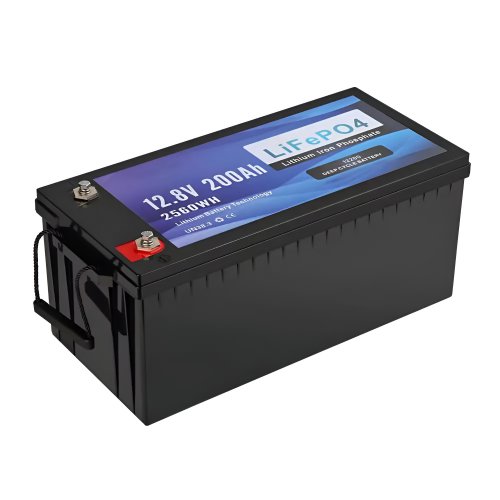
HomSolar: Your One-stop LiFePO4 Battery Pack & ESS Solution Manufacturer
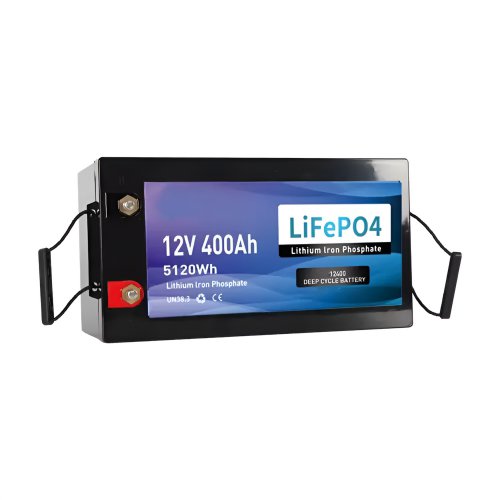
Our line of LiFePO4 (LFP) batteries offer a solution to demanding applications that require a lighter weight, longer life, and higher capacity battery. Features include advanced battery management systems (BMS), Bluetooth® communication and active intelligent monitoring.
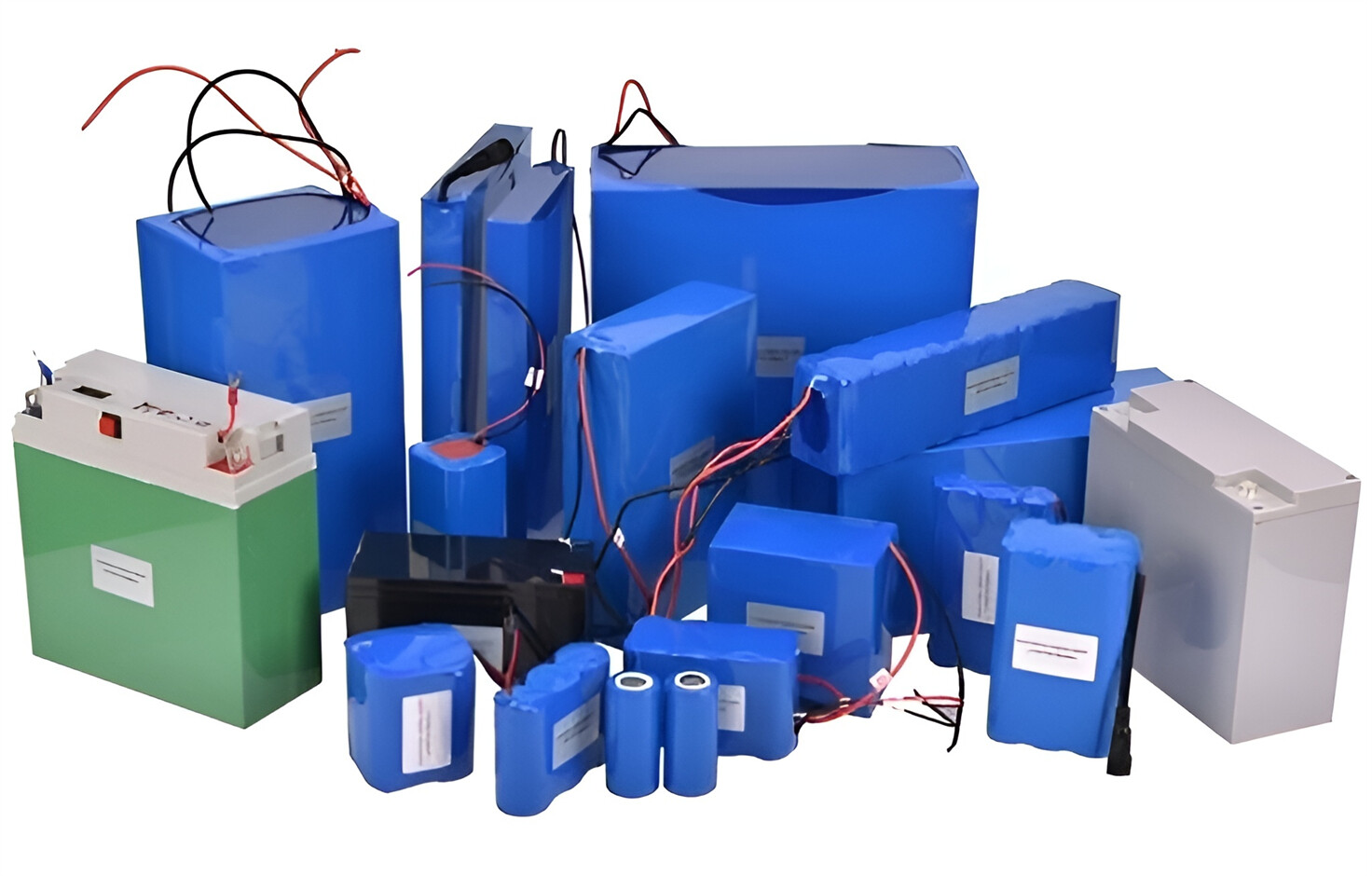
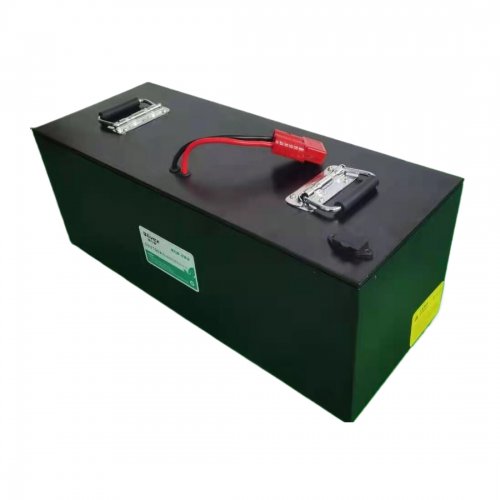
Customised Lithium Iron Phosphate Battery Casing
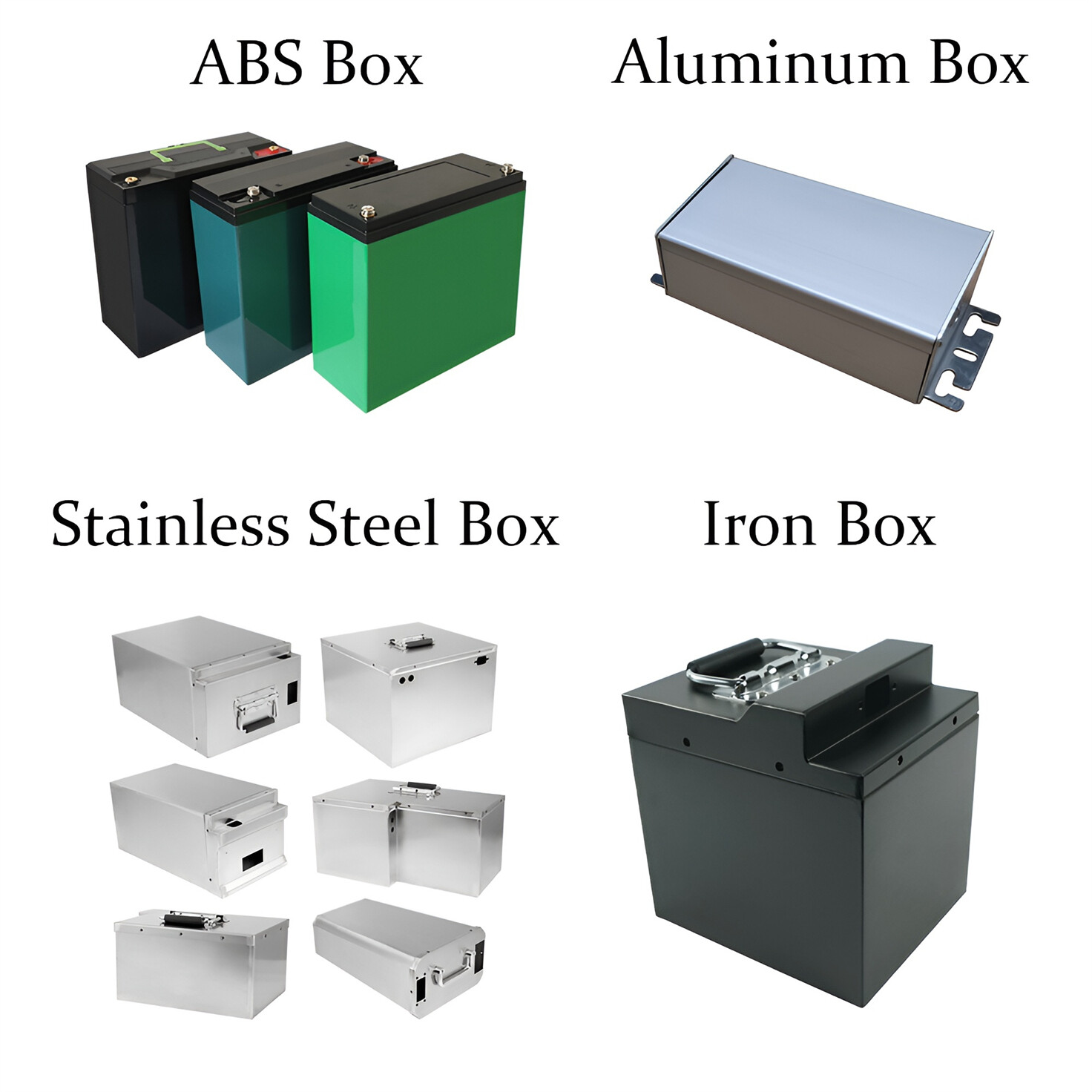
ABS plastic housing, aluminium housing, stainless steel housing and iron housing are available, and can also be designed and customised according to your needs.
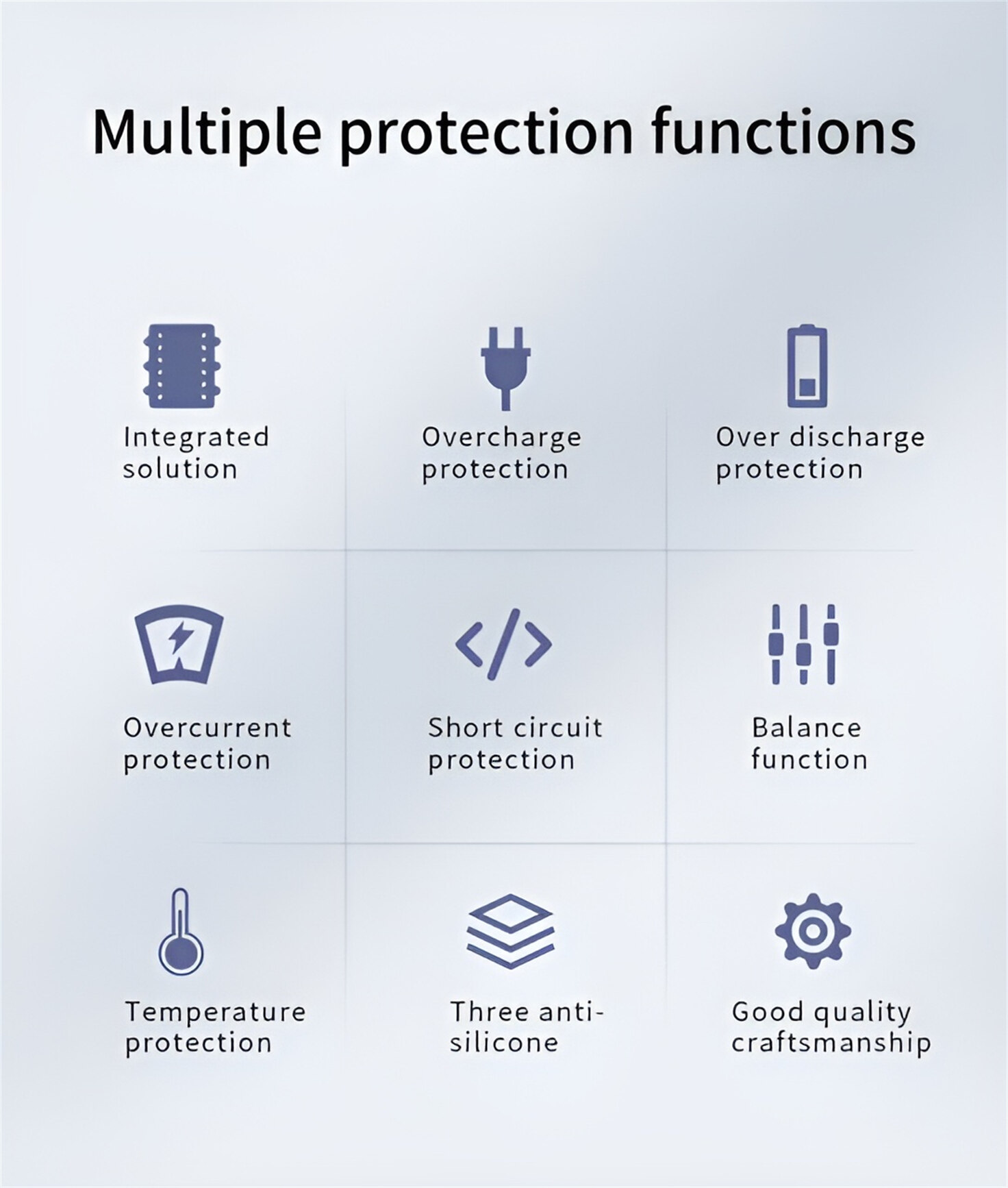
HomSolar Smart BMS
Intelligent Battery Management System for HomSolar Energy Storage System. Bluetooth, temperature sensor, LCD display, CAN interface, UART interface also available.

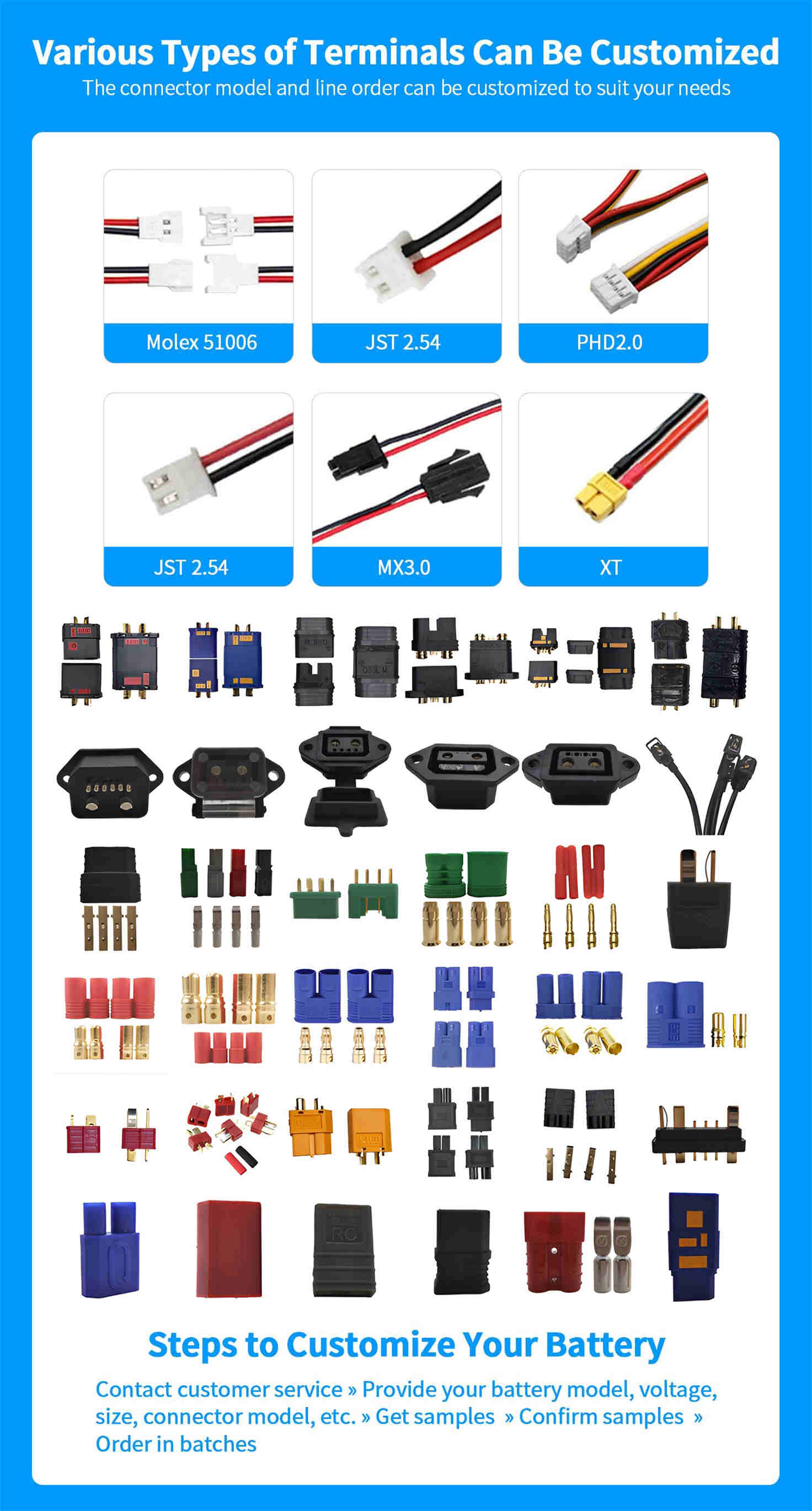
Terminals & Plugs Can Be Customized
A wide range of terminals and plugs can be customised to suit the application needs of your battery products.
Well-designed Solutions for Energy Storage Systems
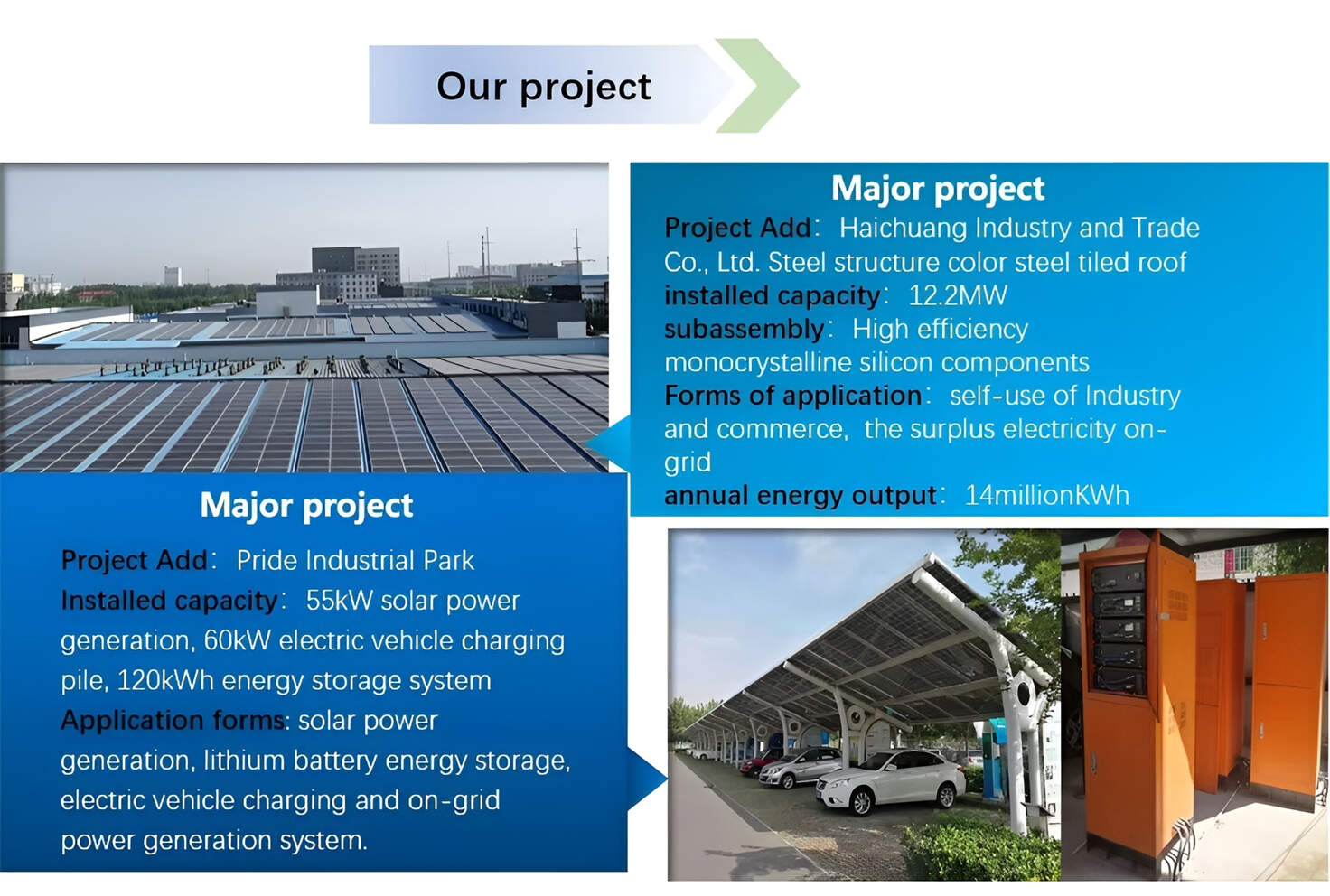
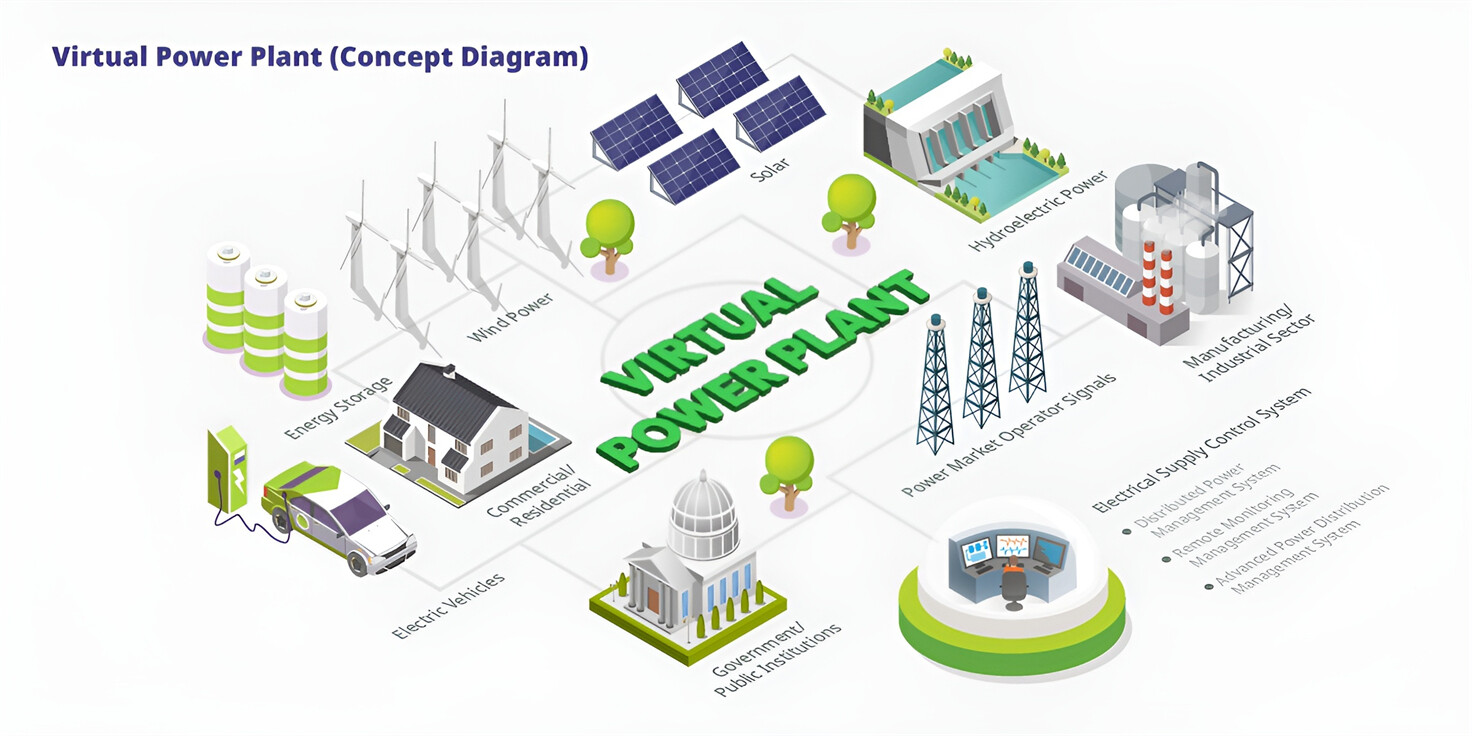
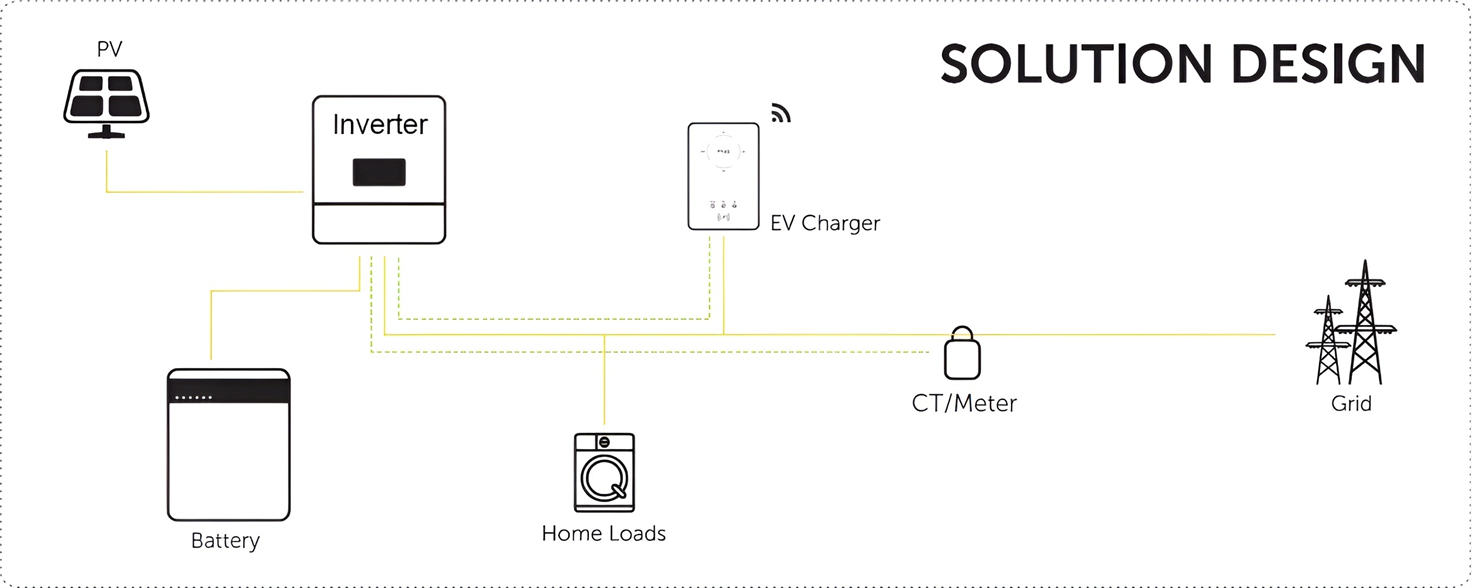
We will design the perfect energy storage system solution according to your needs, so that you can easily solve the specific industry applications of battery products.

About Our Battery Cells
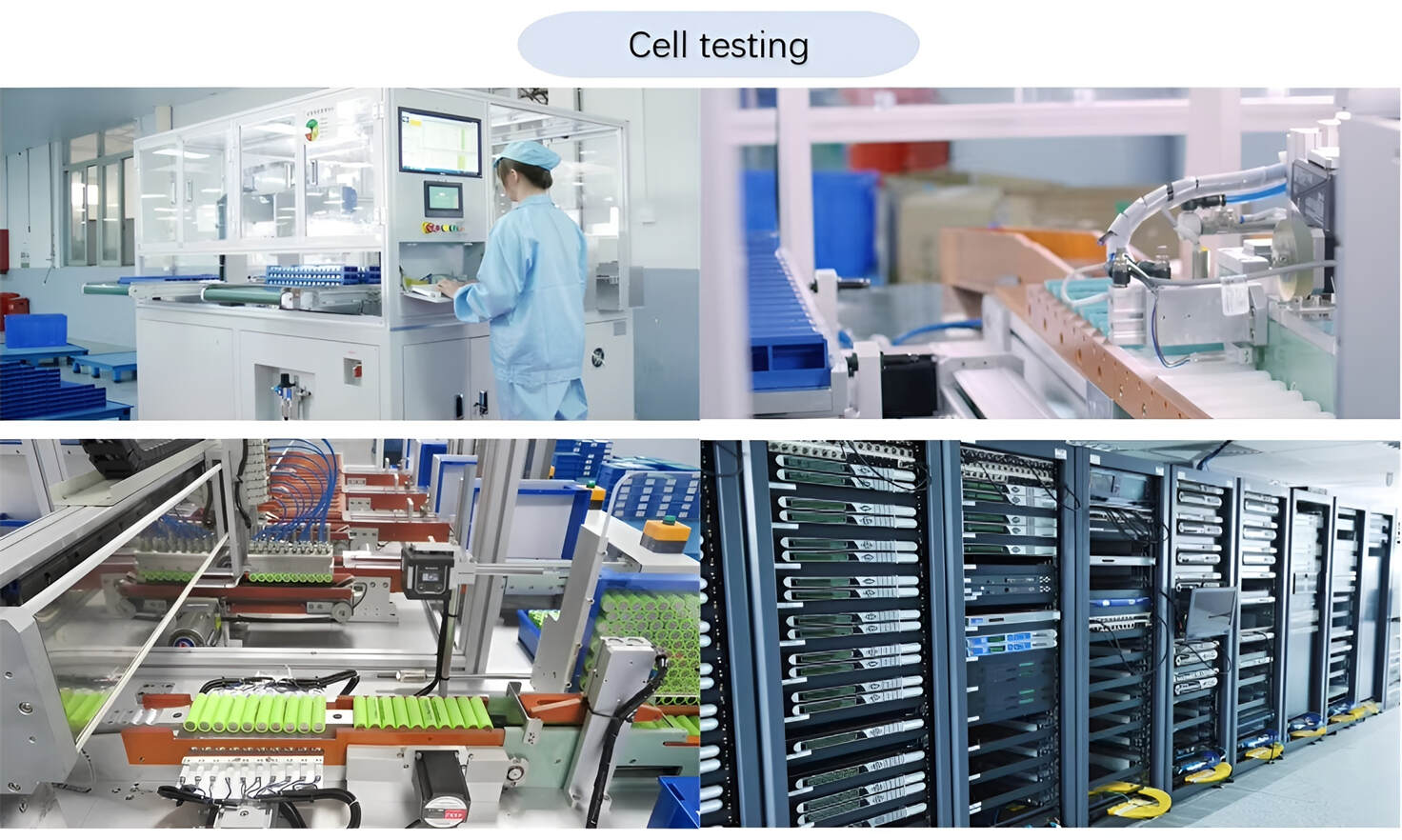
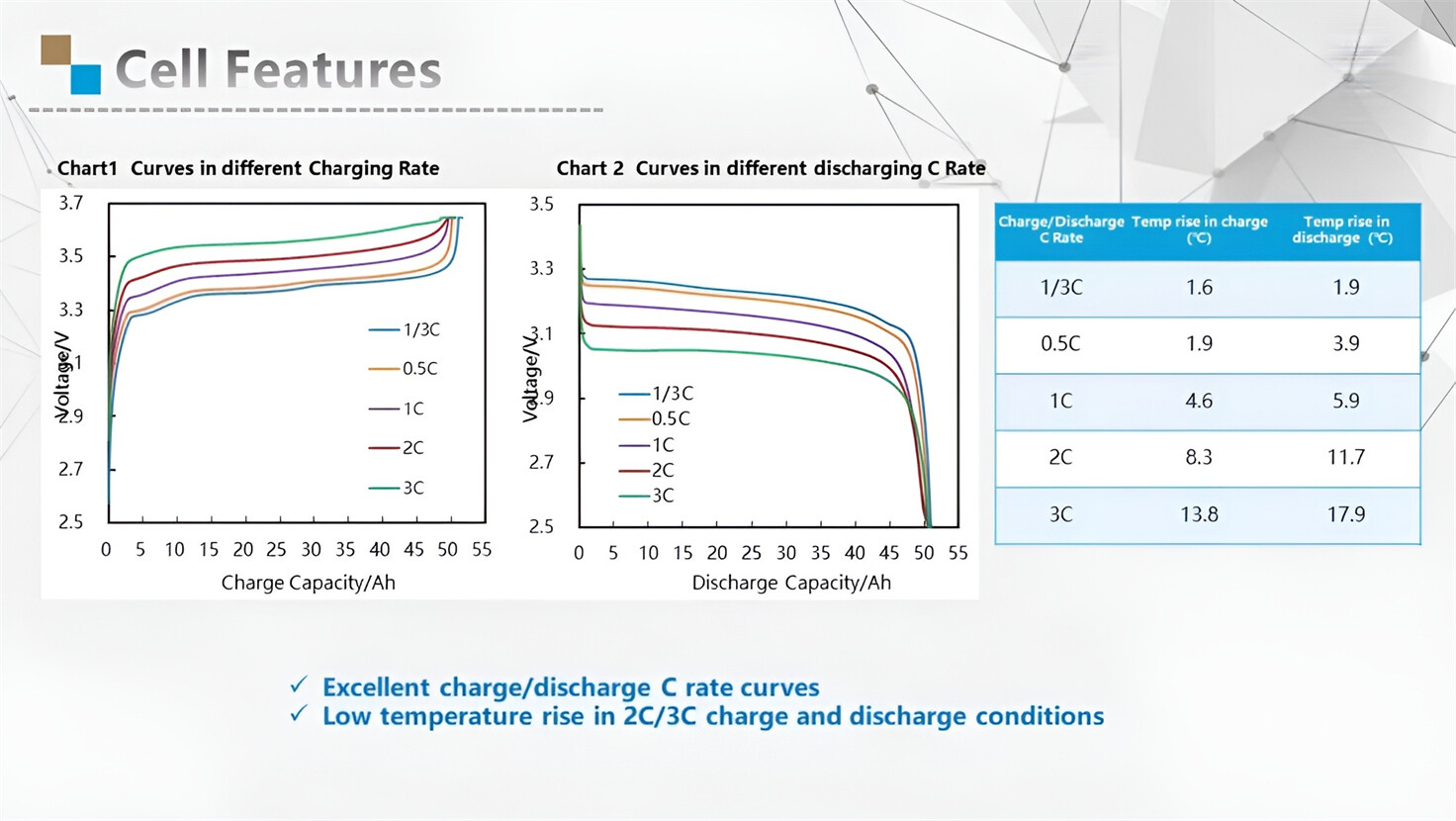
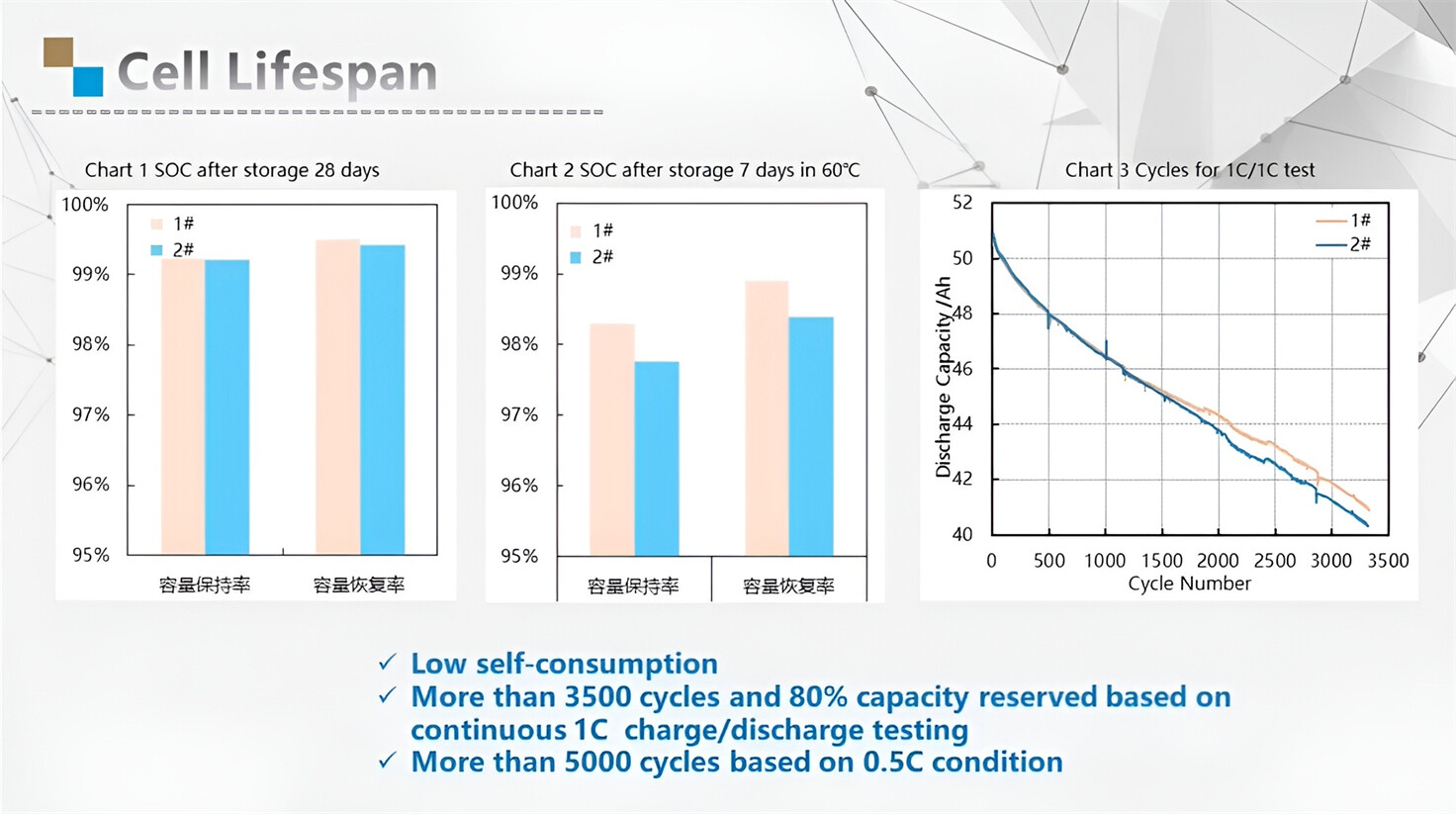
Our energy storage system products use brand new grade A LiFePO4 cells with a battery lifespan of more than 4,000 charge/discharge cycles.

Applications in Different Industries
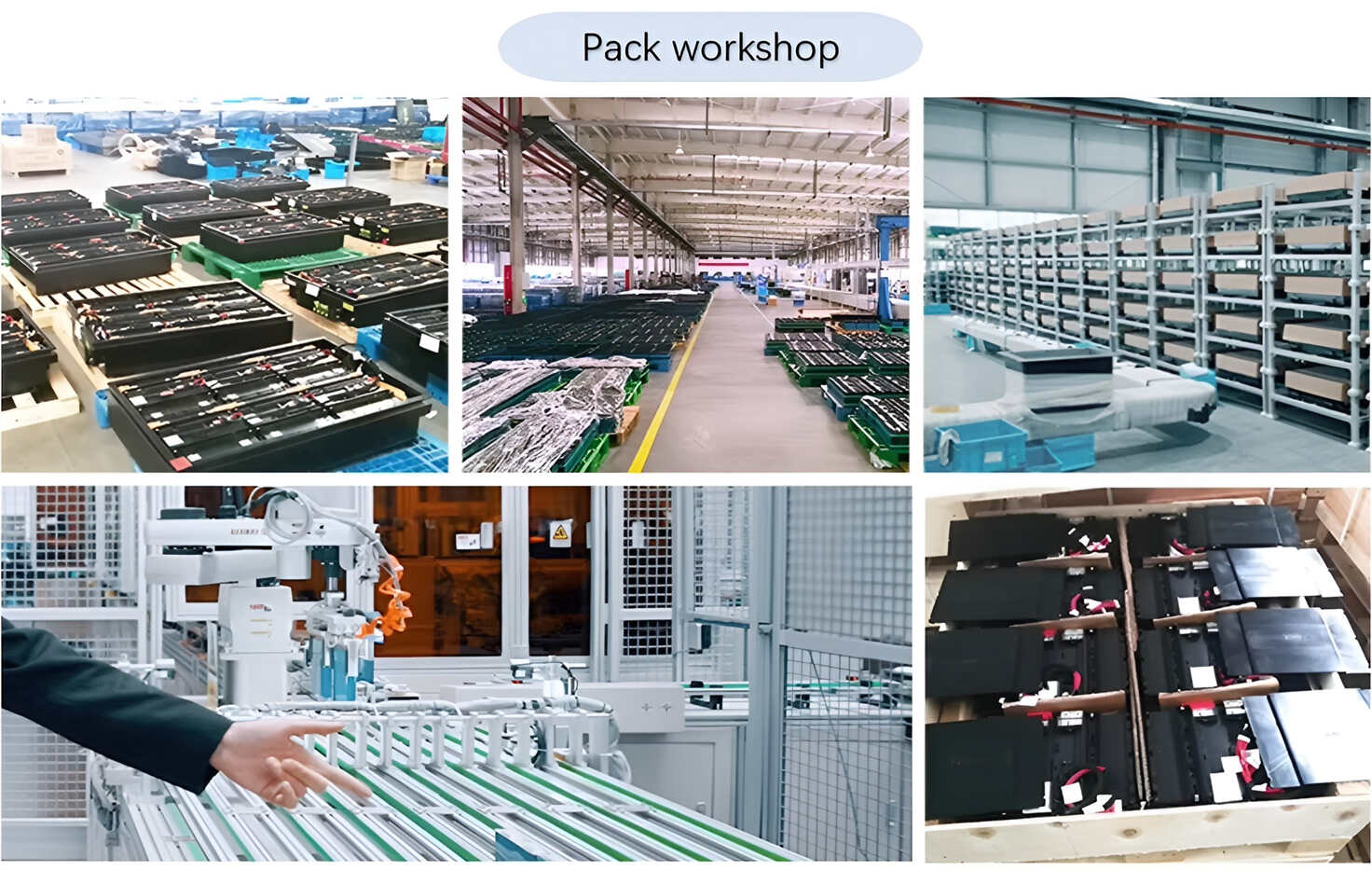
We supply customized & OEM battery pack, assemble cells with wiring, fuse and plastic cover, all the cell wires connected to PCB plug or built BMS.
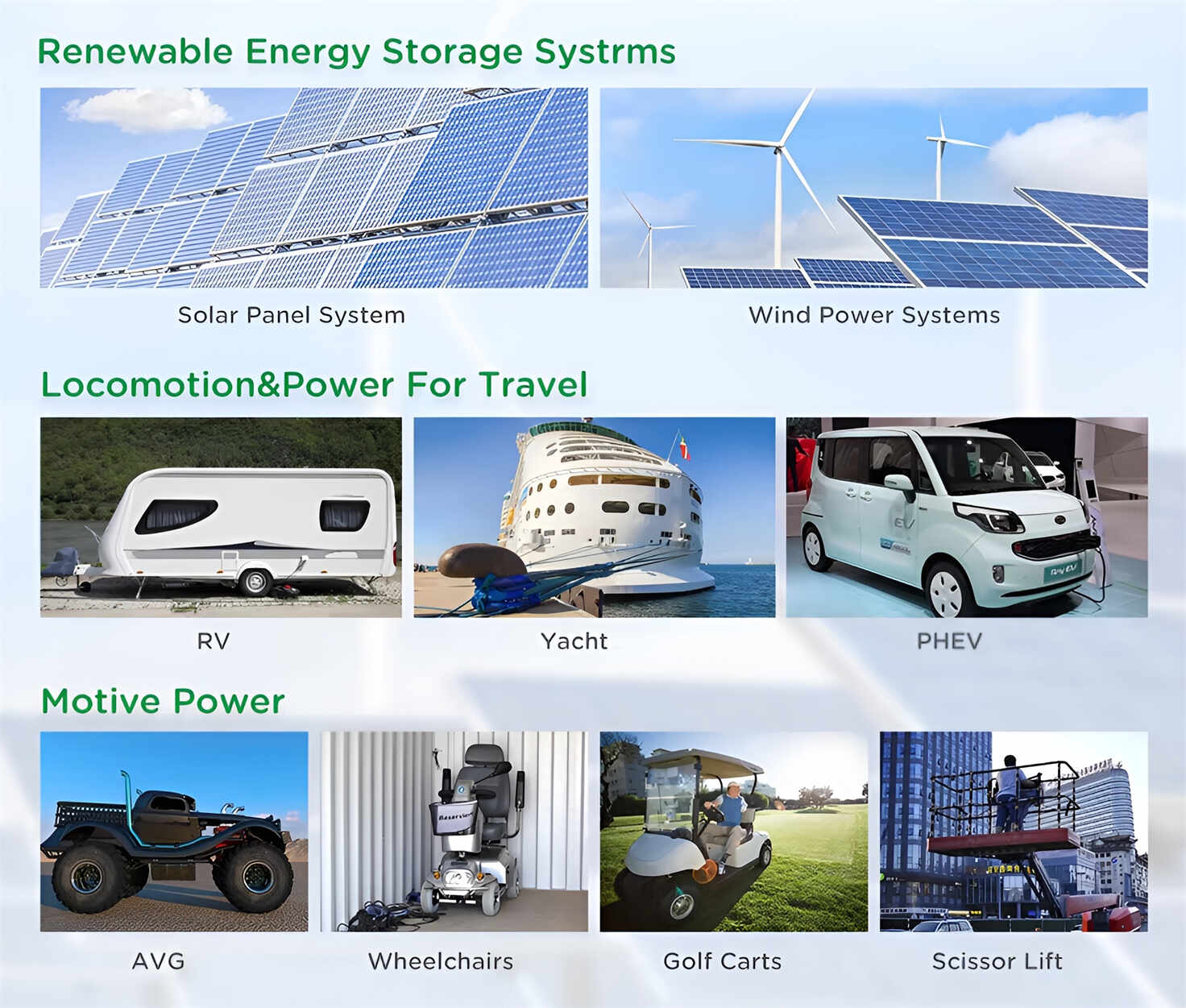
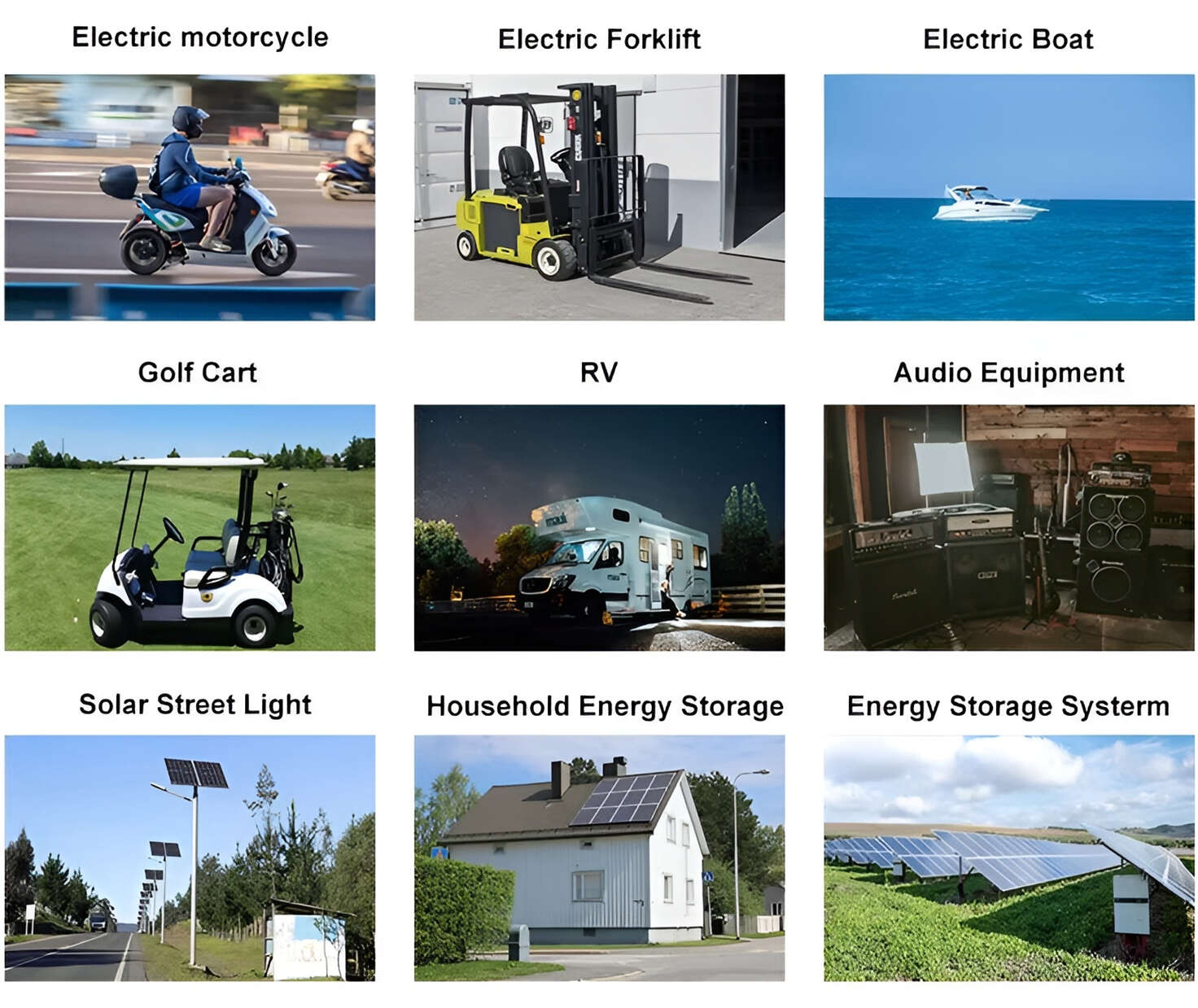
Applications: E-bike, Electric Scooter, Golf Carts, RV, Electric Wheelchair, Electric Tools, Robot Cleaner, Robot Sweeper, Solar Energy Storage System, Emergency Light, Solar Power Light, Medical Equipment, UPS Backup Power Supply.
We can provide you with customized services. We have the ability to provide a vertical supply chain, from single cells to pack/module and to a complete power solution with BMS, etc.
HomSolar (Shenzhen) Technology Co., Ltd