How To Use Handling: A Comprehensive Guide To Mastering Control And Precision
In both professional and personal contexts, the concept of "handling" is fundamental to achieving desired outcomes with efficiency and finesse. Whether it refers to handling data, handling a vehicle, handling a delicate object, or handling a difficult conversation, the core principles remain consistent. This guide will delve into the systematic process, essential techniques, and critical precautions necessary for mastering any form of handling, transforming a potentially chaotic task into a controlled and successful operation.
Understanding the Core of Handling
At its essence, handling is the art and science of managing, controlling, and manipulating a system, object, or situation with skill and care. Effective handling is not about brute force; it is about precision, anticipation, and adaptability. It involves a deep understanding of the subject being handled and the environment in which the interaction occurs. Before any action is taken, a foundational assessment is crucial.
Step-by-Step Guide to Effective HandlingStep 1: Preparation and AssessmentThe first and most critical step is preparation. Rushing into a task without proper setup is a primary cause of poor handling.
Identify the Object/System: Clearly define what you are handling. Is it a fragile piece of equipment, a complex dataset, or a sensitive interpersonal issue?
Gather Information: Research its properties, limitations, and requirements. For a physical object, this means understanding its weight distribution, fragile points, and material. For data, it involves knowing its format, size, and sensitivity.
Inspect the Environment: Assess the surroundings. Is the space clear of obstacles? Is the software environment stable? Are the conditions appropriate for the task (e.g., lighting, temperature, privacy)?
Assemble Necessary Tools: Ensure you have the right equipment. This could be gloves for handling artifacts, specific software for data processing, or a clear agenda for a meeting.
Step 2: Initial Contact and EngagementThis phase involves the first point of interaction. The goal is to establish control gently and confidently.
Adopt a Stable Stance/Position: For physical handling, position your body to maintain balance. For abstract handling, ensure your mental or digital workspace is organized.
Apply the Correct Grip/Interface: Use a grip that is firm yet gentle, avoiding excessive pressure. In data handling, this means using the correct software commands or APIs to access the information without corrupting it.
Lift/Secure with Control: If movement is required, use your core muscles, not just your limbs. Move smoothly and deliberately. In digital terms, this is the secure transfer or loading of data.
Step 3: The Active Handling PhaseThis is the core of the operation where the main task is performed.
Maintain Continuous Awareness: Keep your focus on the subject and the environment. Be aware of any feedback. For instance, when driving, feel the feedback through the steering wheel; when managing a project, monitor team morale and progress metrics.
Make Precise Adjustments: Handling is a dynamic process. Be prepared to make small, calculated corrections to your approach based on real-time feedback. Avoid sudden, jerky movements or decisions.
Prioritize Smoothness: Whether it's a physical motion or a workflow, smooth, consistent actions are more efficient and less likely to cause errors or damage than rapid, erratic ones.
Step 4: Conclusion and Post-Handling ProtocolHow you conclude the handling process is as important as how you start it.
Secure the Final Position: Place the object in its designated, safe location. For a task, this means ensuring all data is saved, backups are made, and all parties are informed of the outcome.
Conduct a Post-Operation Check: Verify that everything is as it should be. Is the object undamaged? Is the data integrity intact? Were the project goals met?
Clean and Reset: Tidy your workspace and prepare your tools for the next use. This promotes a culture of good handling habits.
Essential Techniques and Pro-Tips
The Two-Handed Approach: Whenever possible, use both hands. This provides greater stability and control, distributing force evenly.
Leverage Mechanical Advantage: Use tools like levers, dollies, or software automation to reduce the strain and increase precision. Don't rely on raw strength or manual effort when a tool can do it better.
Practice Predictive Handling: Anticipate what will happen next. A skilled driver looks far down the road, not just at the car immediately ahead. A good manager anticipates potential project bottlenecks. This foresight allows for proactive rather than reactive adjustments.
Minimize Unnecessary Motion: Every extra movement introduces a potential for error. Streamline your actions. Use the most direct and efficient path, whether it's a physical route or a data processing workflow.
Critical Precautions and What to Avoid
Never Assume; Always Verify: Do not assume you know the weight of an object, the state of a system, or the mood of a person. A quick verification can prevent a major mishap.
Avoid Distractions: Handling, especially of delicate or high-stakes matters, requires your full attention. A momentary lapse can lead to significant consequences.
Know Your Limits: Do not attempt to handle something beyond your physical capability, technical skill, or authority. Asking for help or using proper equipment is a sign of professionalism, not weakness.
Respect the Subject's Limits: Every object and system has a breaking point. Exceeding the load limit of a shelf, the processing capacity of a server, or the emotional tolerance of a colleague is a fundamental handling failure. Always operate within the known safe parameters.
Do Not Skip Safety Protocols: Always wear appropriate Personal Protective Equipment (PPE) when handling hazardous materials. Always use cybersecurity measures when handling sensitive data. These protocols exist for a reason.
By internalizing this structured approach and integrating these techniques and precautions into your routine, you will significantly enhance your ability to handle any task with confidence, control, and superior results. Mastery of handling is a continuous journey of learning and refinement, leading to greater efficiency and success in all your endeavors.
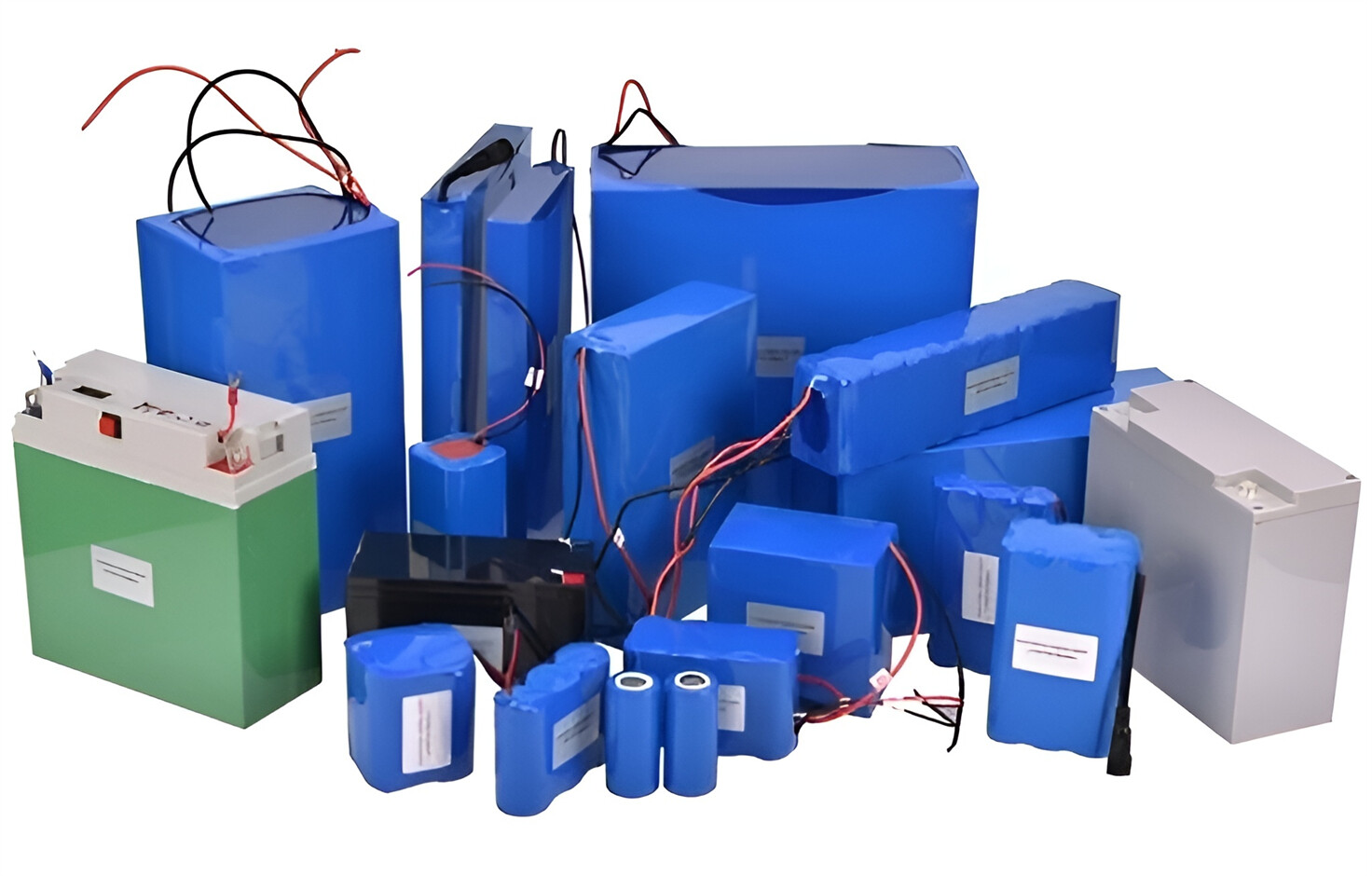
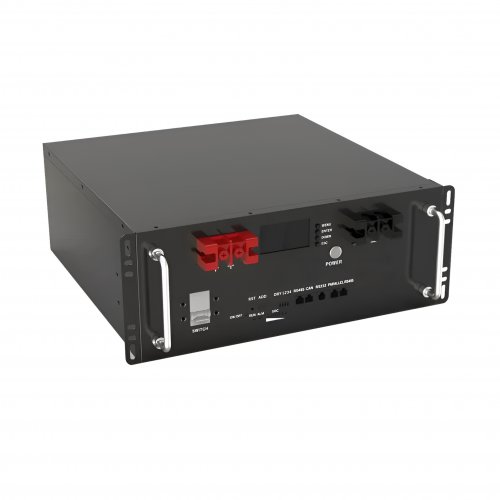
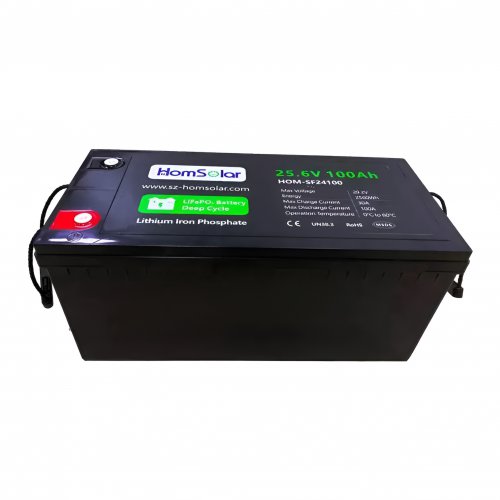
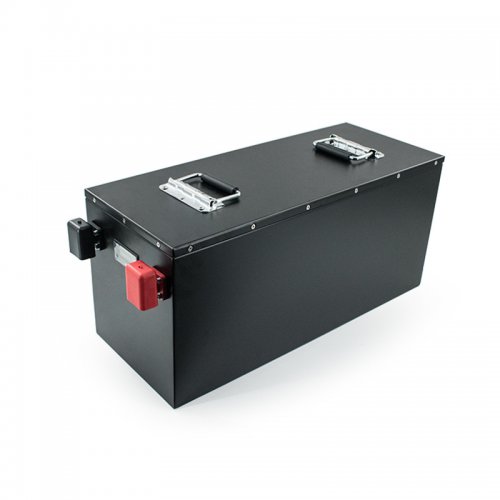
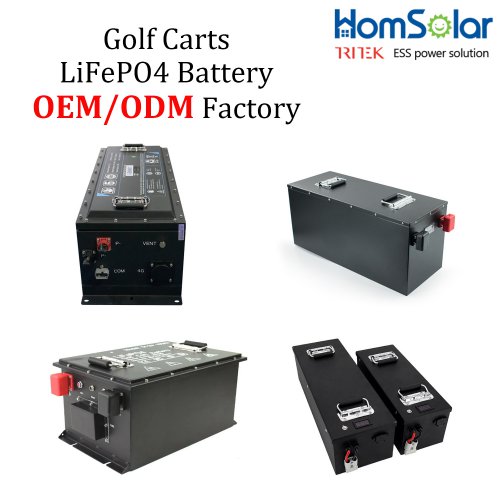
HomSolar Supports Lifepo4 battery pack customization/OEM/ODM service, welcome to contact us and tell us your needs.
HomSolar: Your One-stop LiFePO4 Battery Pack & ESS Solution Manufacturer
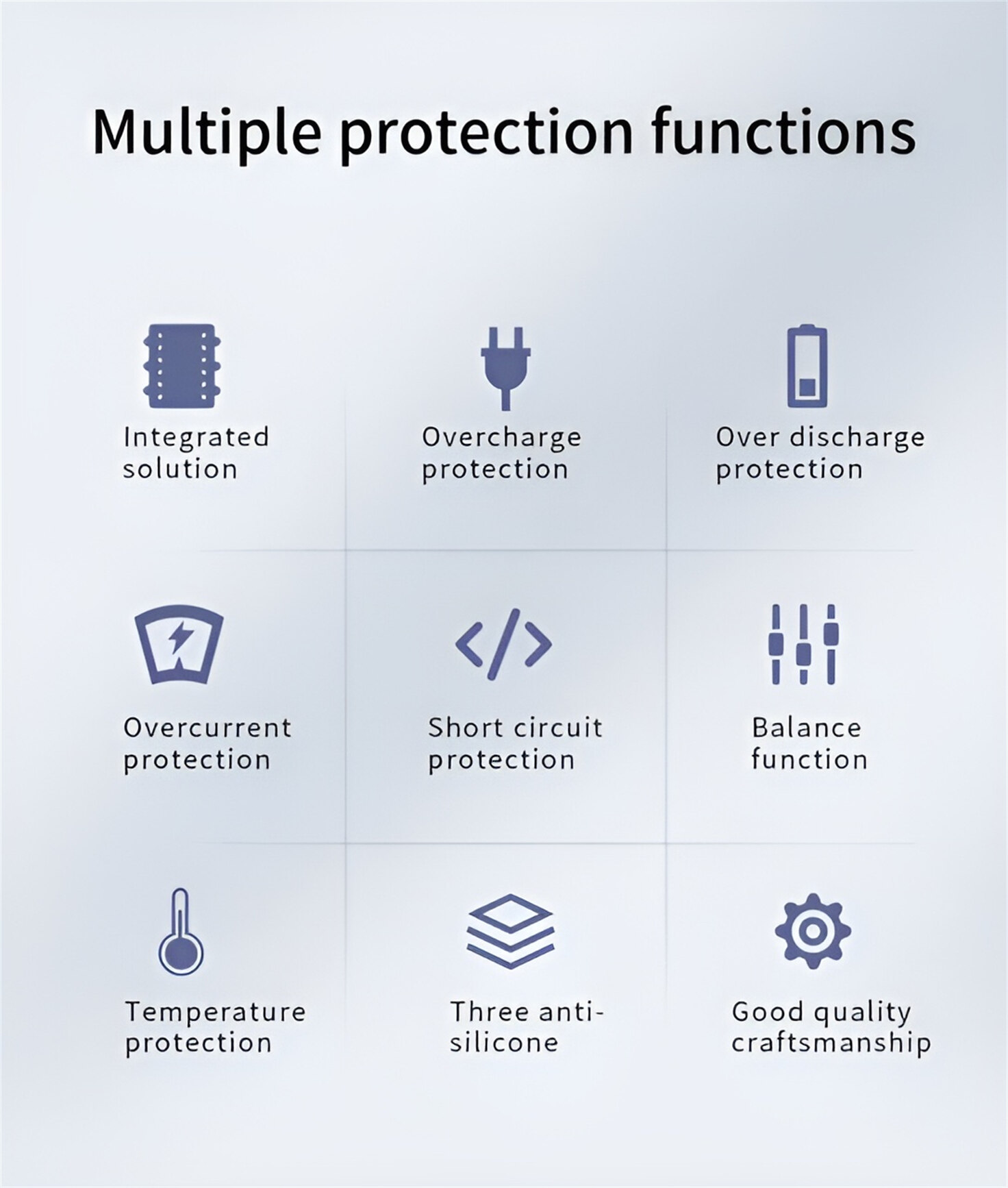
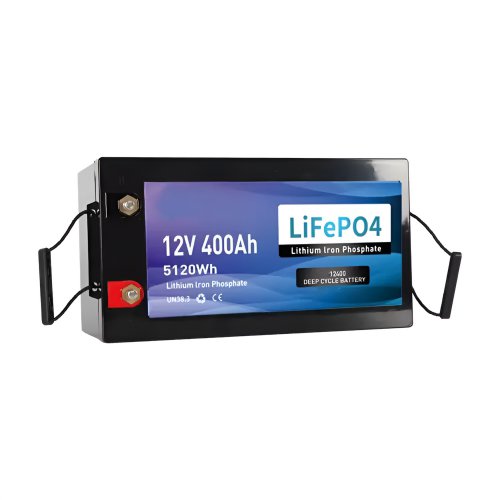
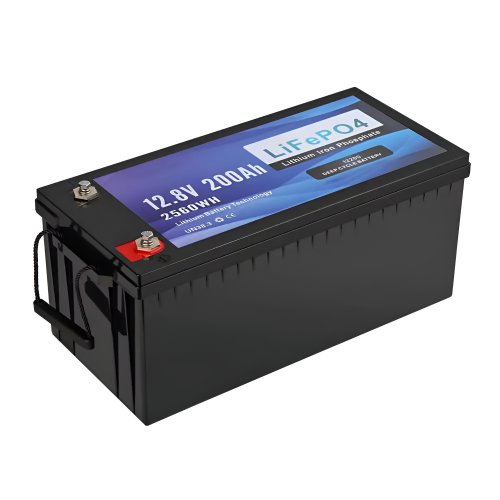
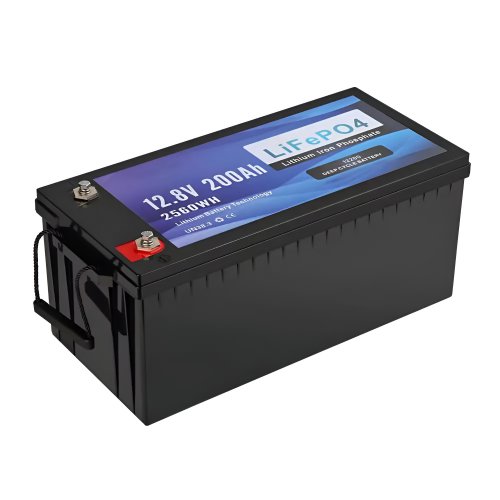
Our line of LiFePO4 (LFP) batteries offer a solution to demanding applications that require a lighter weight, longer life, and higher capacity battery. Features include advanced battery management systems (BMS), Bluetooth® communication and active intelligent monitoring.
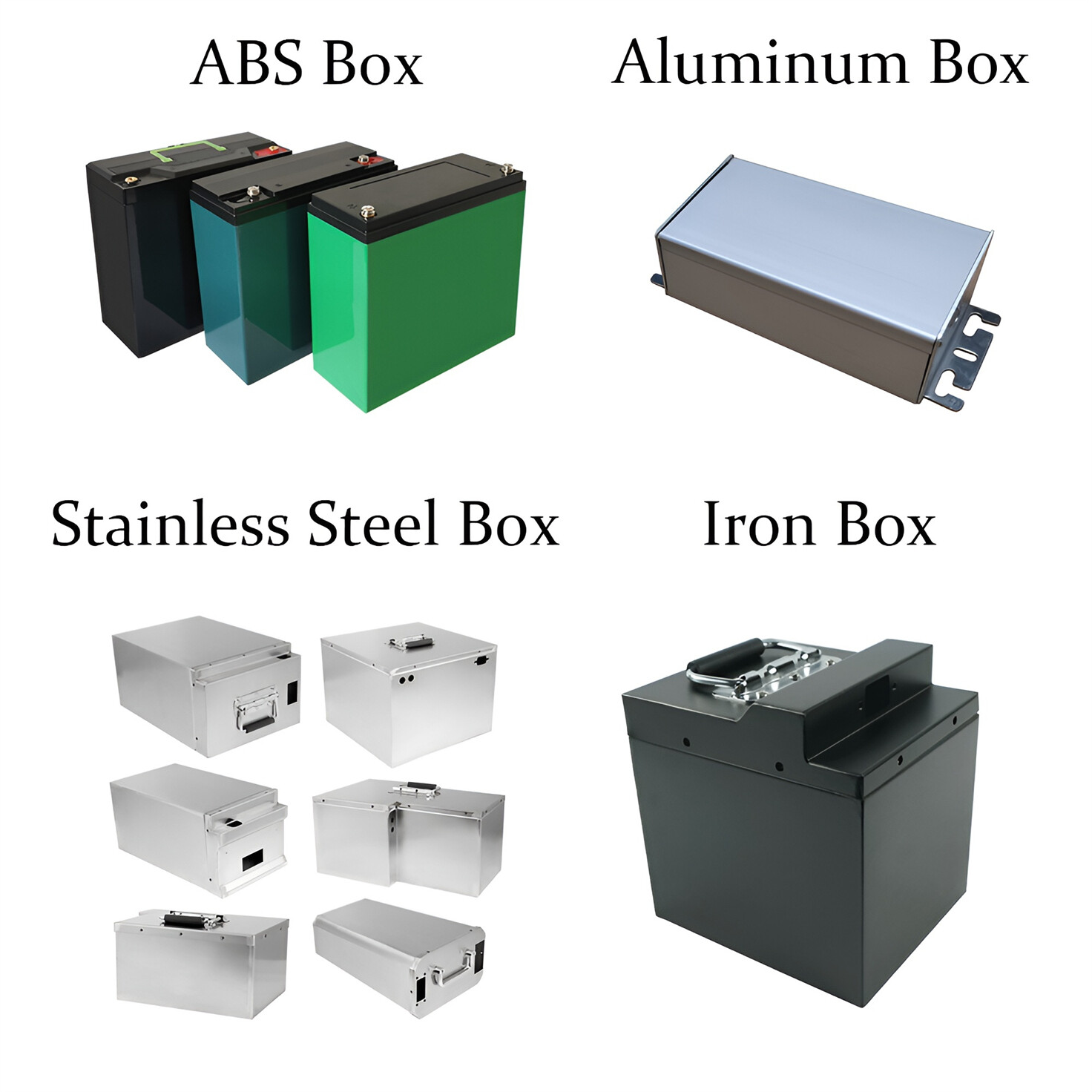
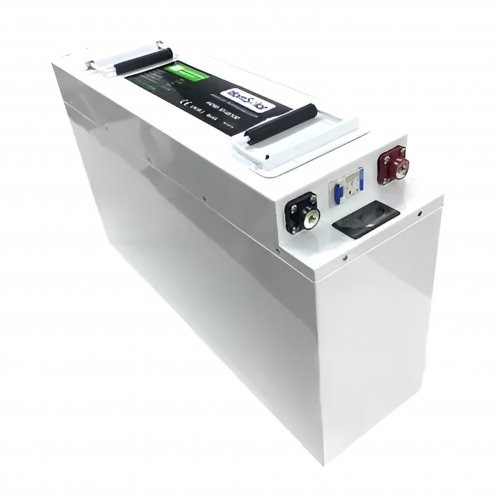
Customised Lithium Iron Phosphate Battery Casing
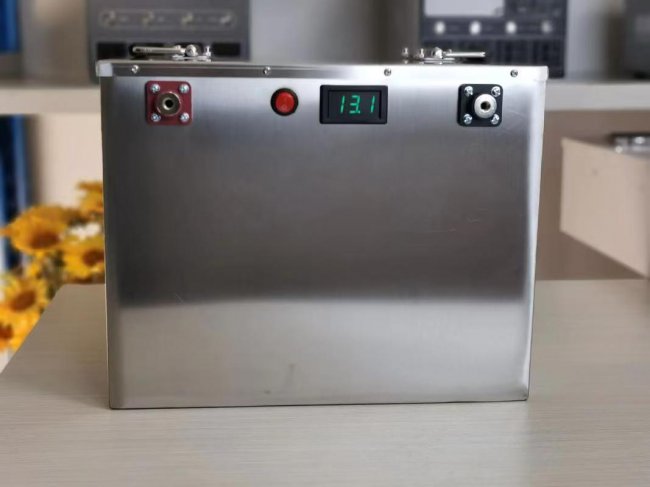
ABS plastic housing, aluminium housing, stainless steel housing and iron housing are available, and can also be designed and customised according to your needs.
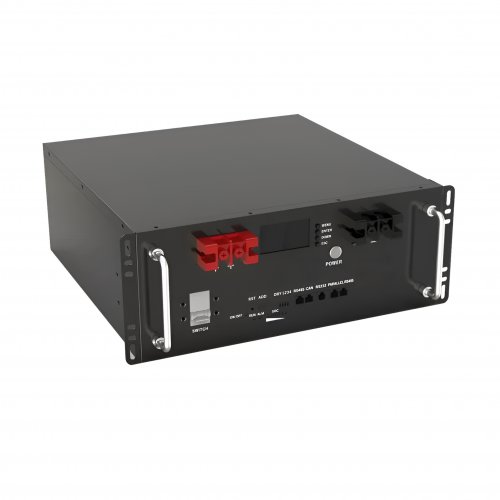
HomSolar Smart BMS
Intelligent Battery Management System for HomSolar Energy Storage System. Bluetooth, temperature sensor, LCD display, CAN interface, UART interface also available.
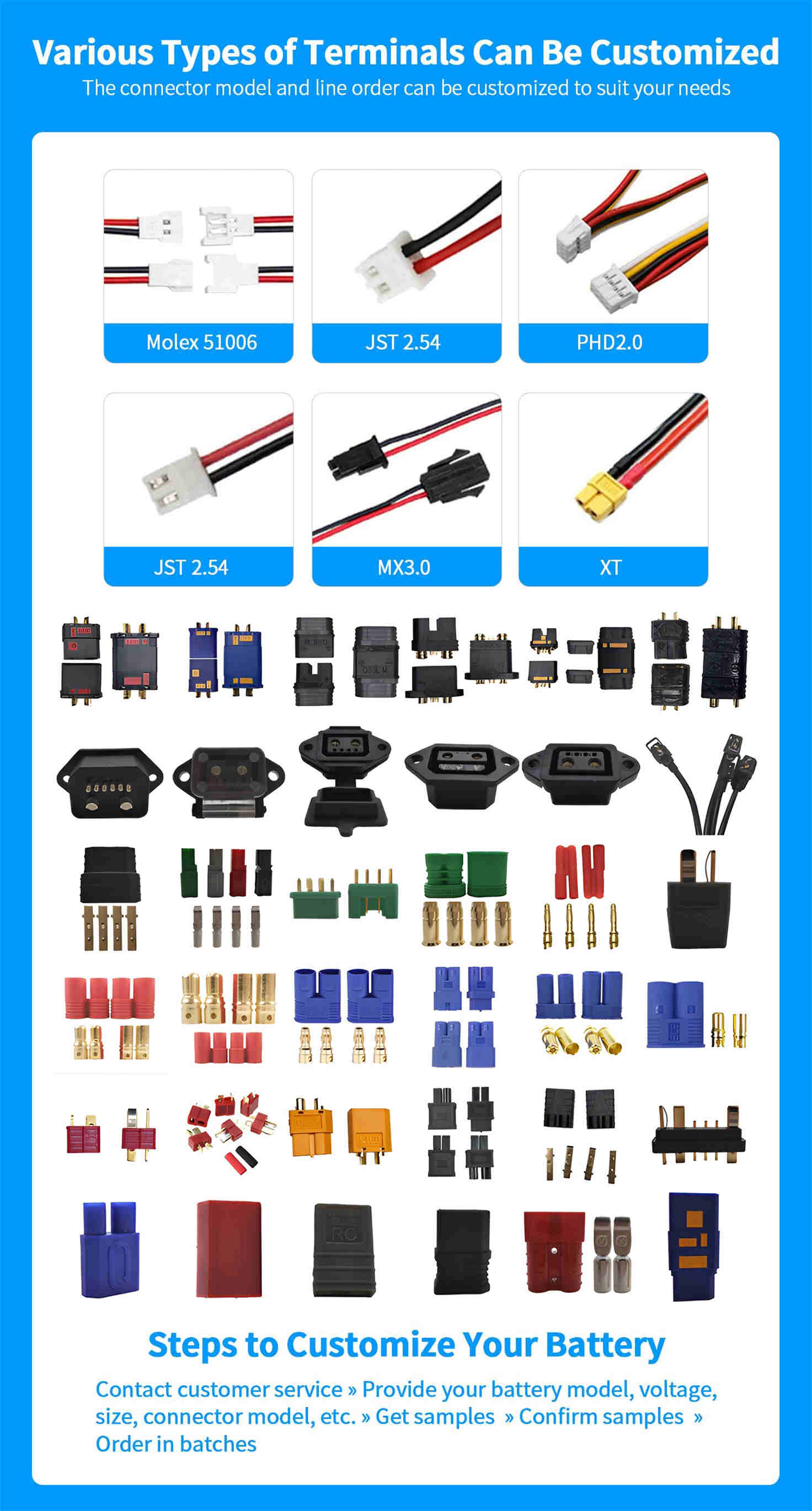
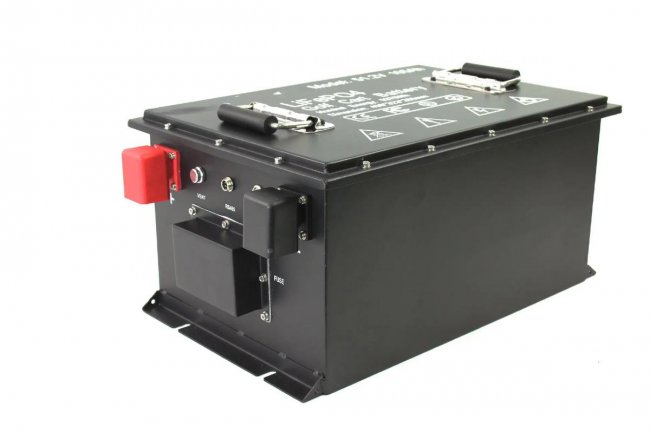
Terminals & Plugs Can Be Customized
A wide range of terminals and plugs can be customised to suit the application needs of your battery products.
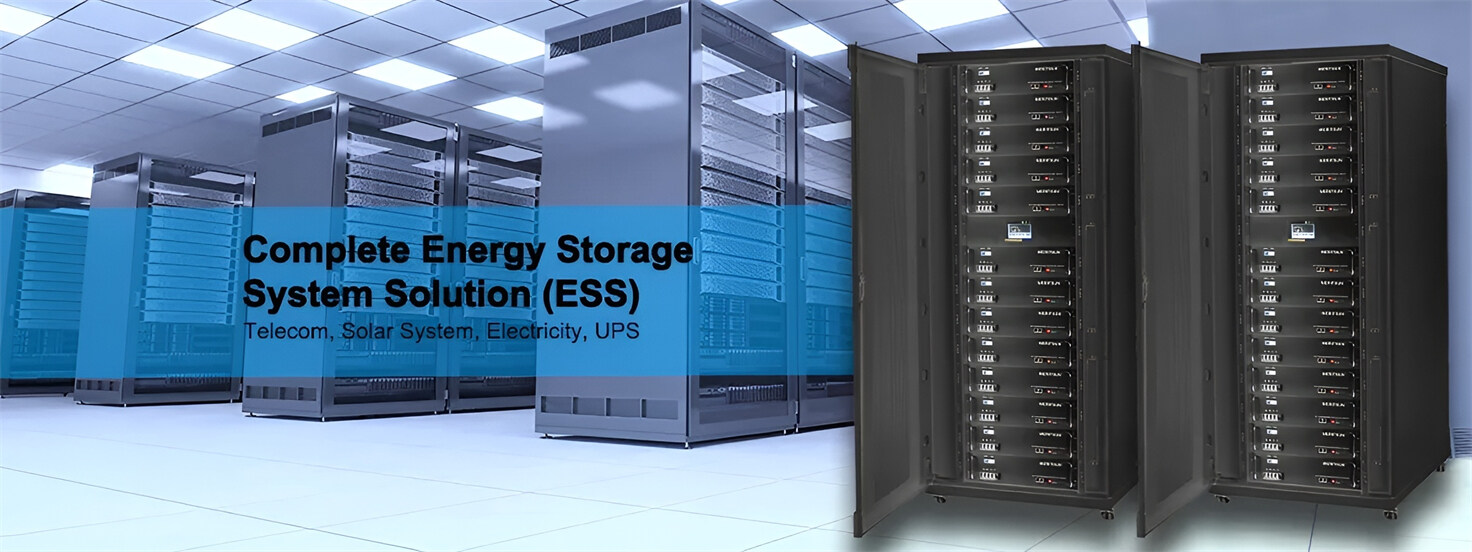
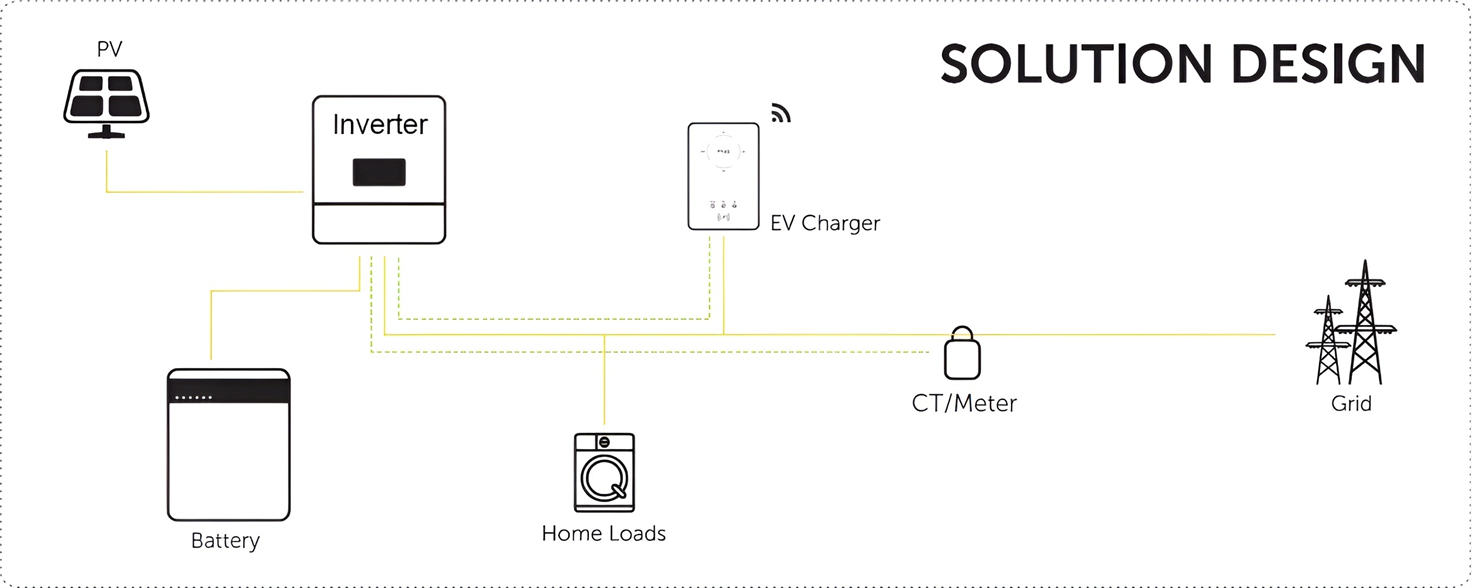
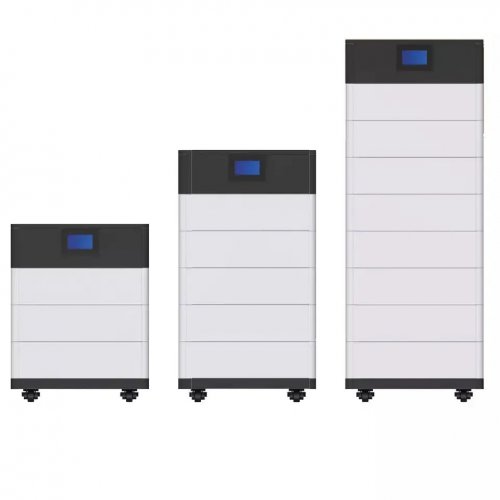
Well-designed Solutions for Energy Storage Systems
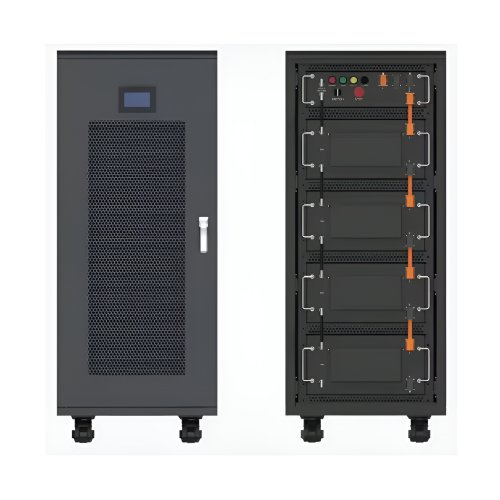
We will design the perfect energy storage system solution according to your needs, so that you can easily solve the specific industry applications of battery products.
About Our Battery Cells
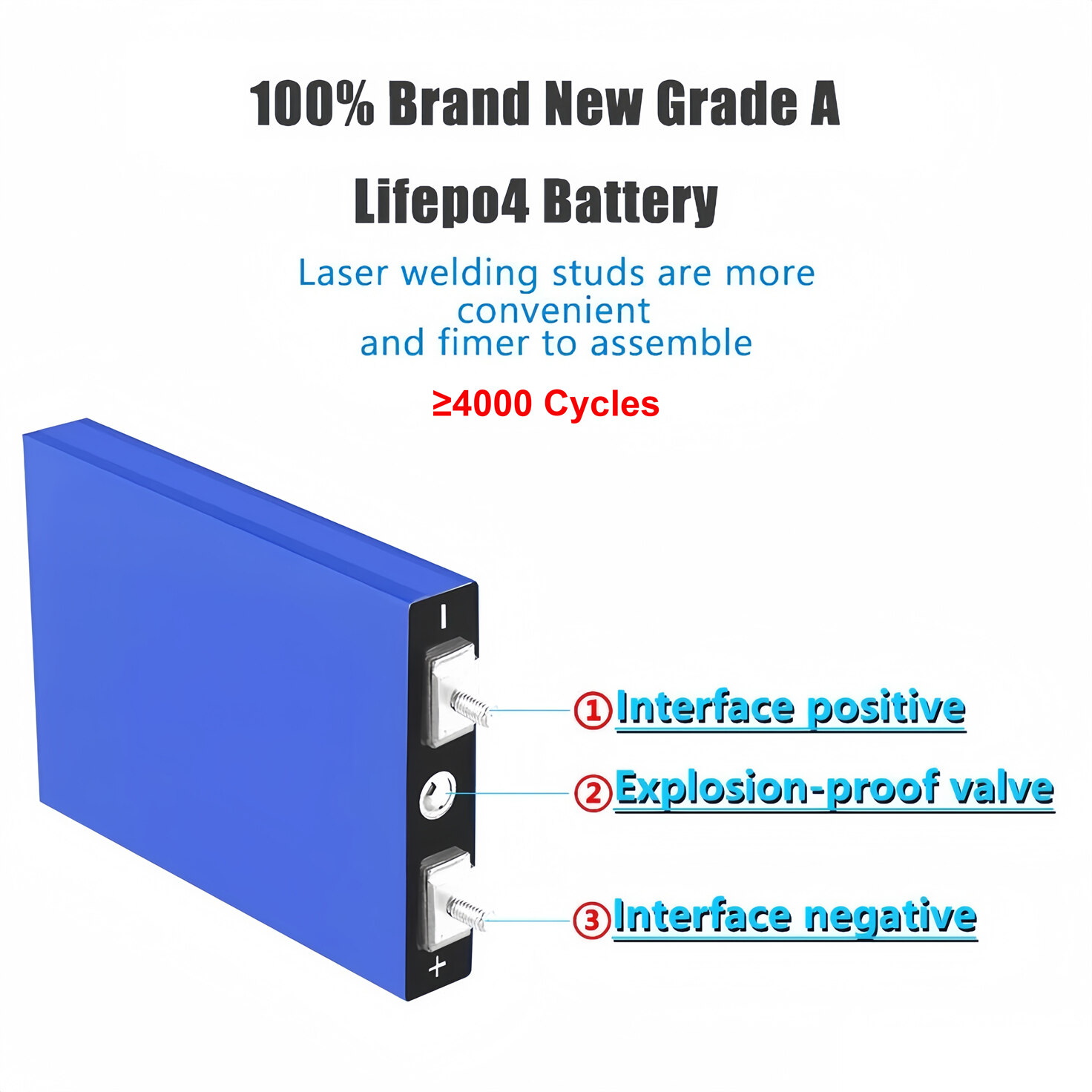
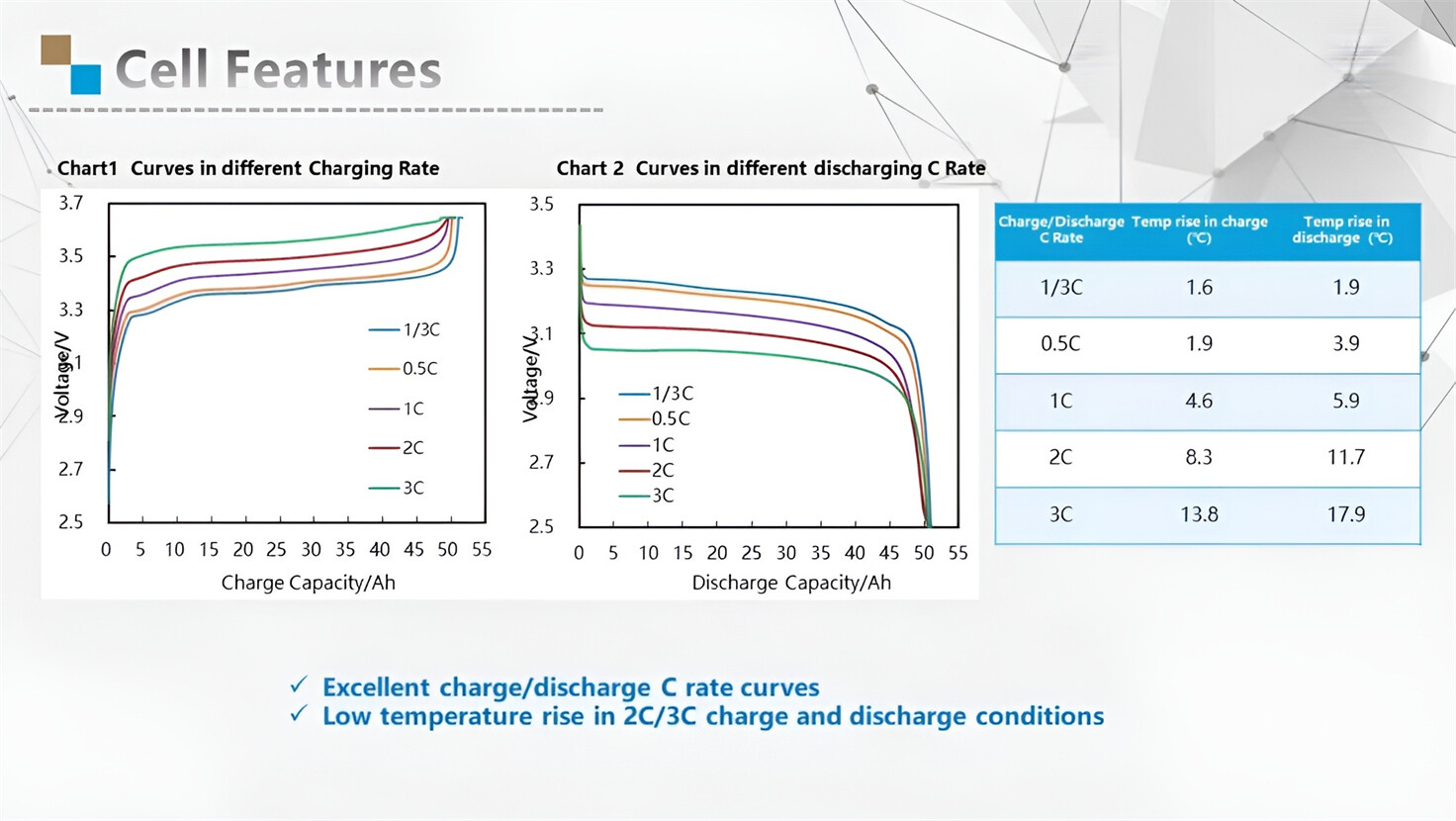
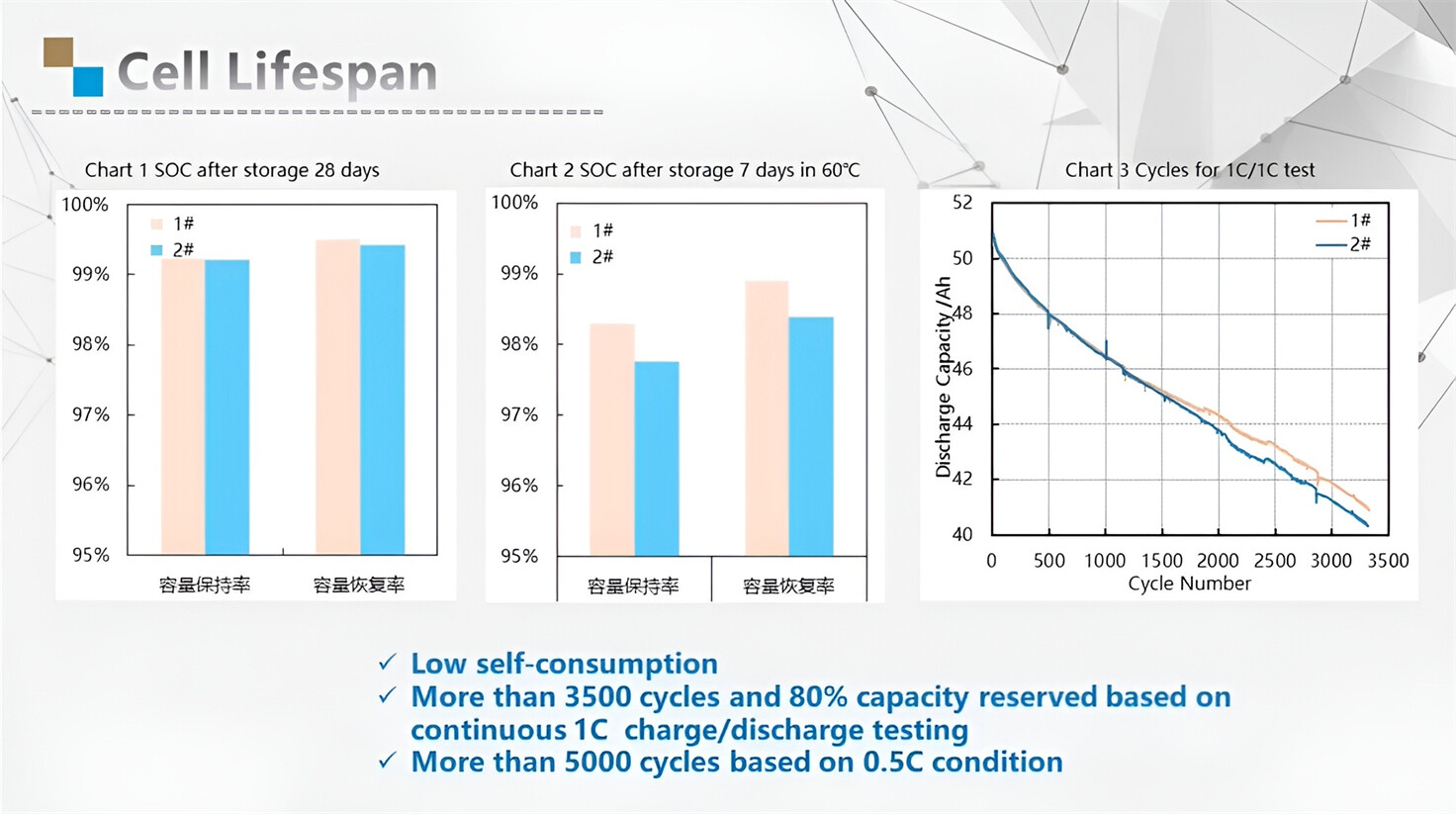
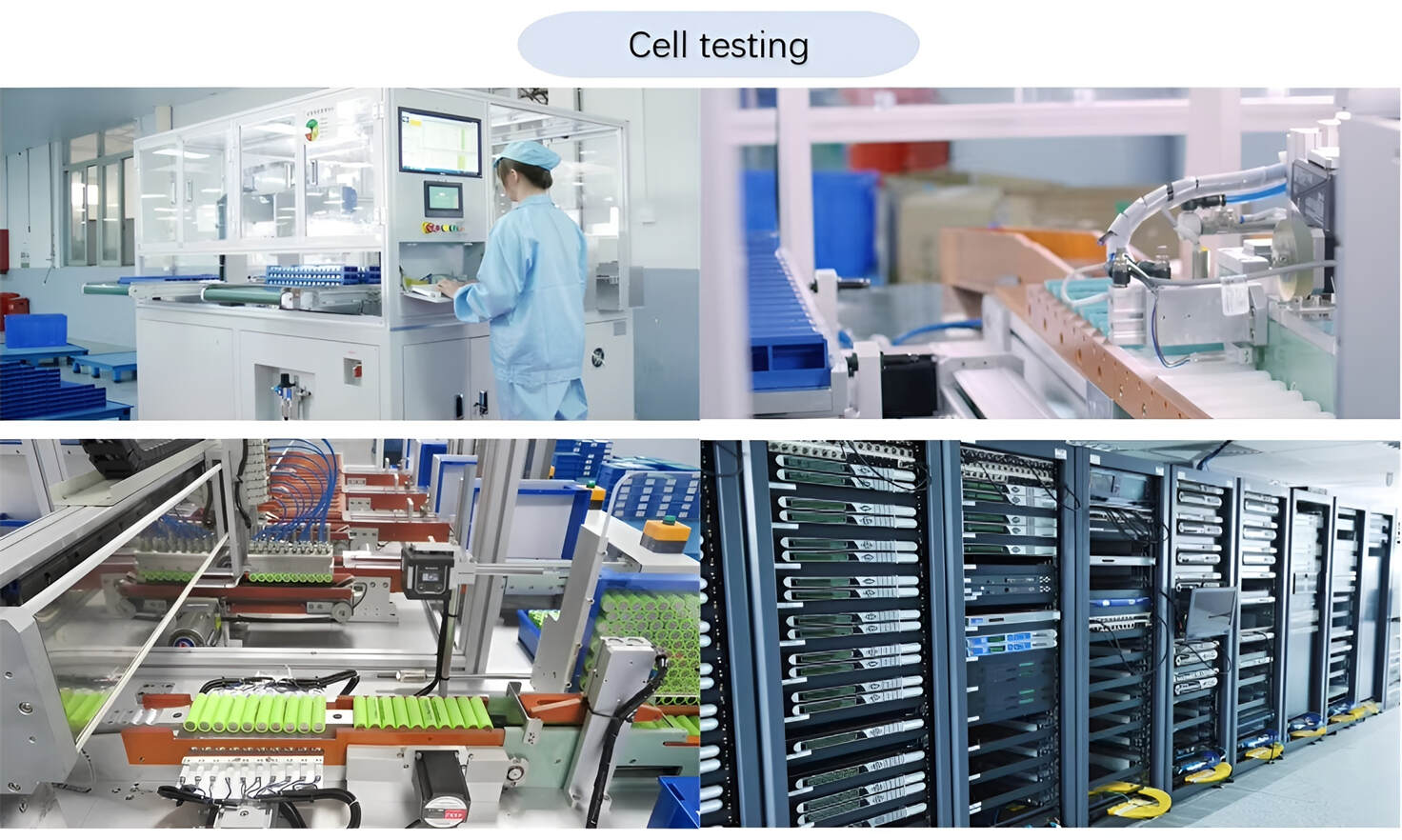
Our energy storage system products use brand new grade A LiFePO4 cells with a battery lifespan of more than 4,000 charge/discharge cycles.
Applications in Different Industries
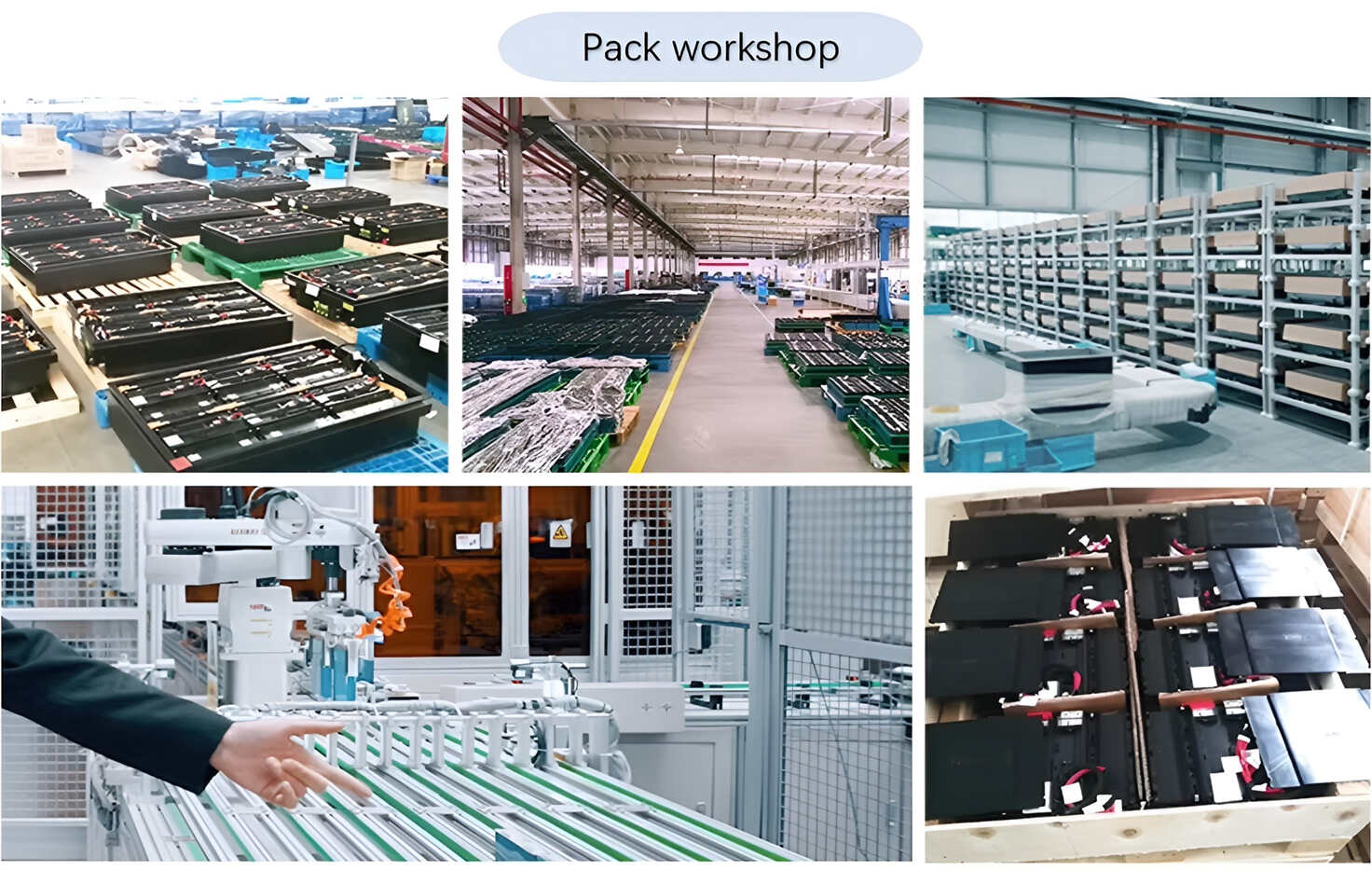
We supply customized & OEM battery pack, assemble cells with wiring, fuse and plastic cover, all the cell wires connected to PCB plug or built BMS.
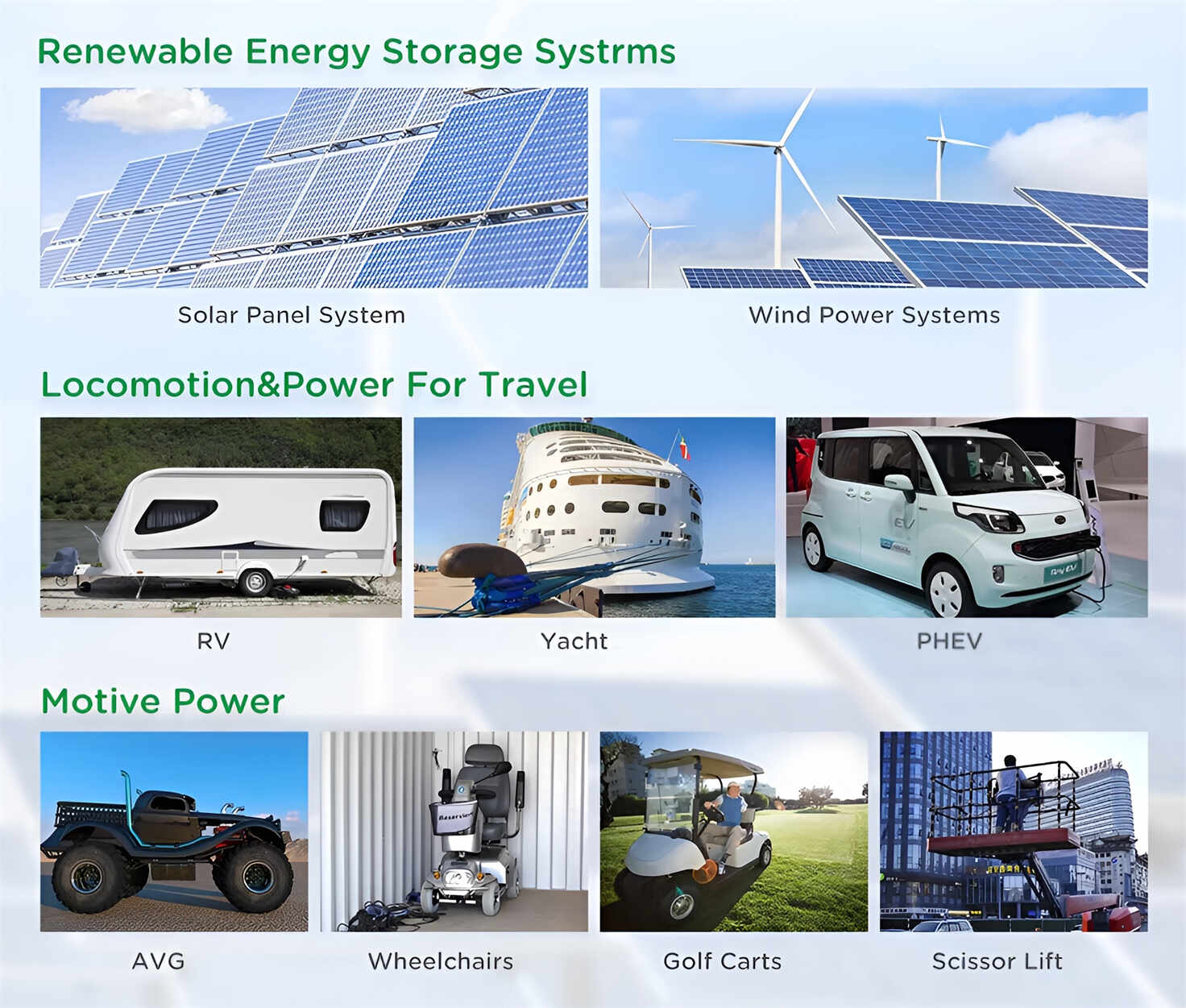
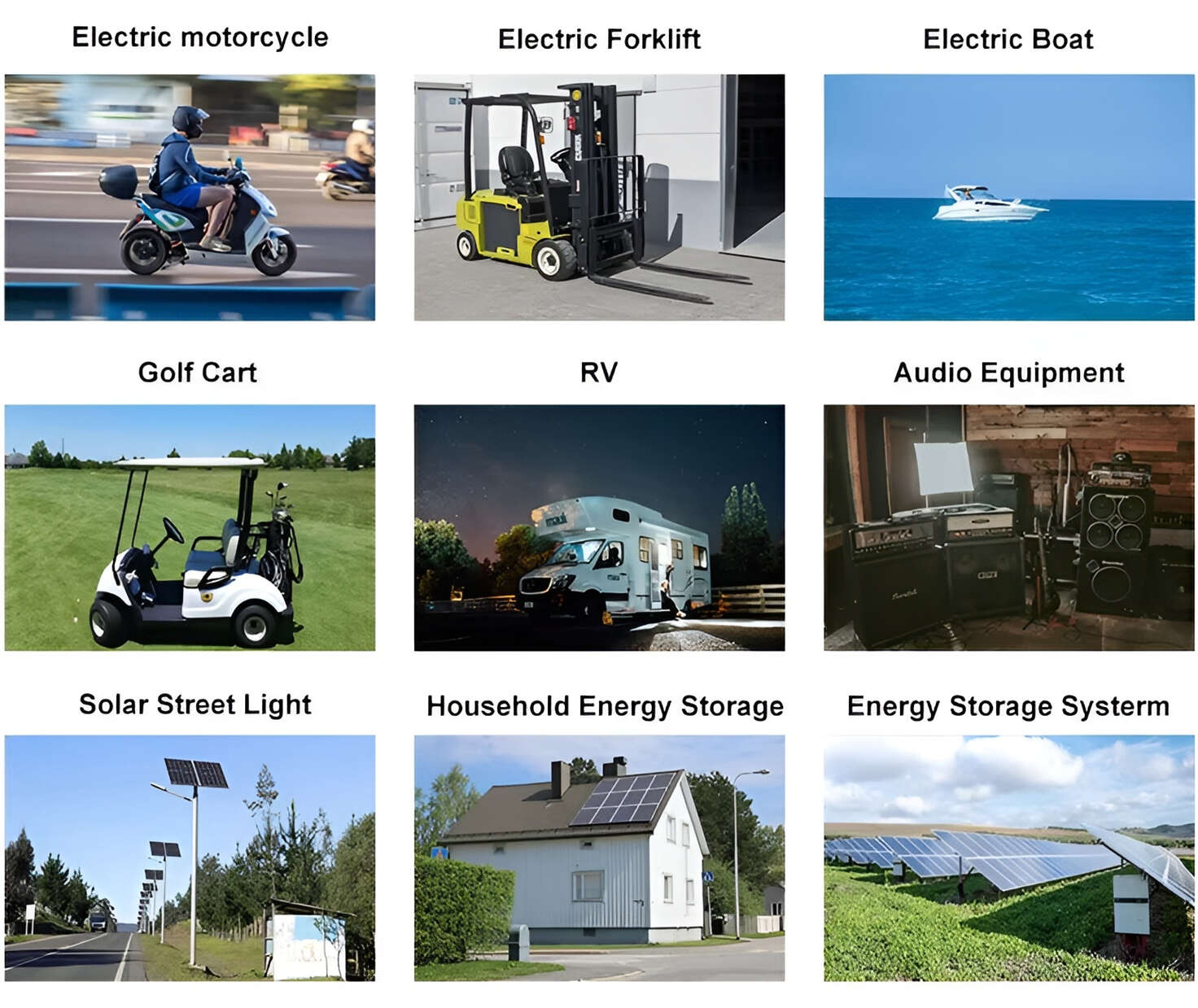
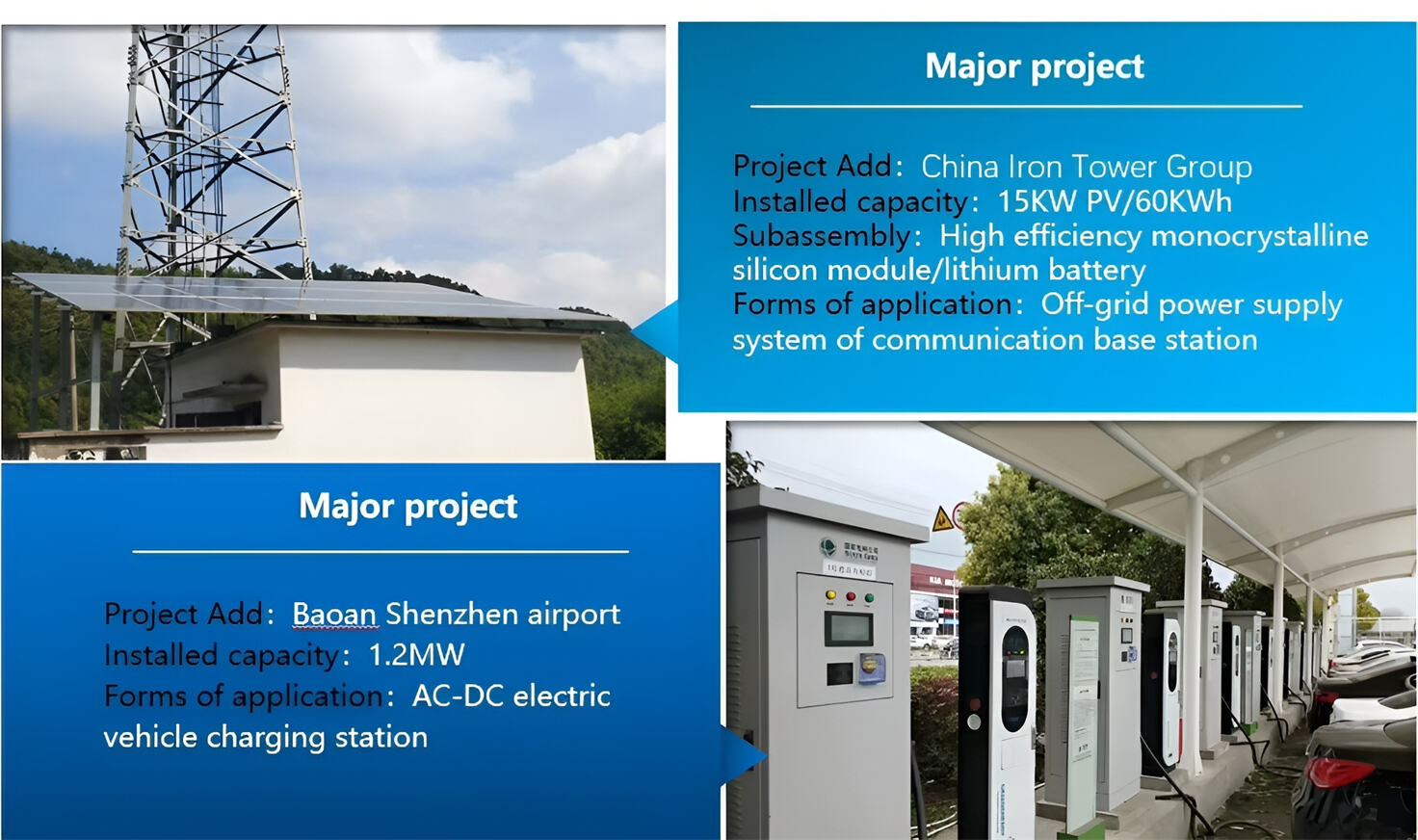
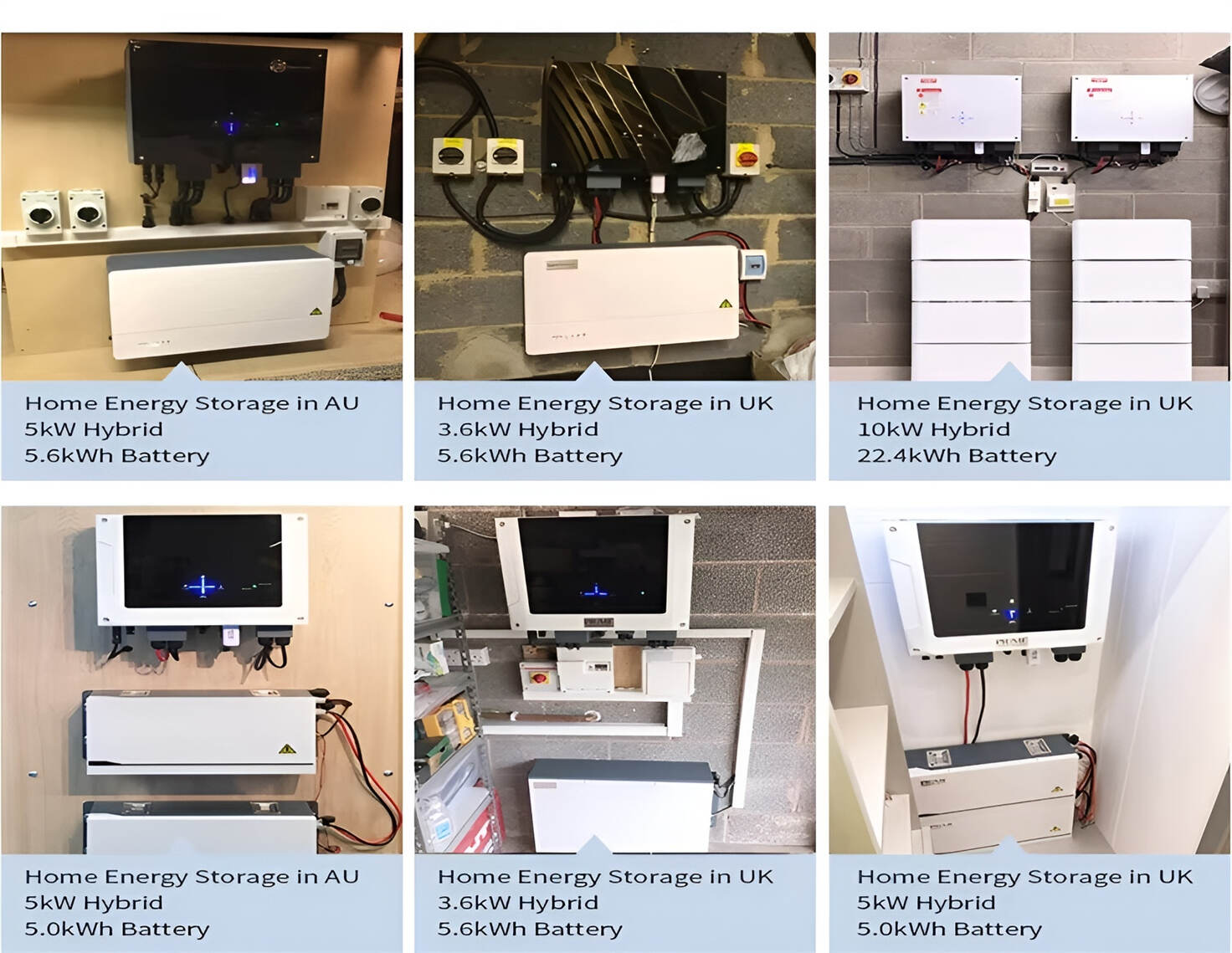
Applications: E-bike, Electric Scooter, Golf Carts, RV, Electric Wheelchair, Electric Tools, Robot Cleaner, Robot Sweeper, Solar Energy Storage System, Emergency Light, Solar Power Light, Medical Equipment, UPS Backup Power Supply.
We can provide you with customized services. We have the ability to provide a vertical supply chain, from single cells to pack/module and to a complete power solution with BMS, etc.