How To Use Equalization Charge: A Comprehensive Guide To Restoring Battery Health
The term "equalization charge" often surfaces in discussions about lead-acid battery maintenance, yet it remains one of the most misunderstood and misapplied procedures. An equalization charge is a controlled overcharge applied to a flooded or wet lead-acid battery after it has been fully charged. Its primary purpose is not to charge the battery for daily use, but to correct imbalances in the electrolyte's specific gravity and to de-sulfate the battery plates. Over time, repeated charge and discharge cycles cause the battery cells to develop slight voltage and chemical differences. Some cells become weaker than others, leading to underperformance and a buildup of sulfate crystals on the plates—a process known as sulfation. If left unchecked, this sulfation becomes permanent, drastically reducing the battery's capacity and lifespan. An equalization charge is a deliberate, controlled intervention to combat this.
This guide will walk you through the entire process, from understanding when it's needed to executing it safely and effectively.
Step-by-Step Guide to Performing an Equalization Charge
Before beginning, it is crucial to confirm that your battery is a flooded lead-acid type. Sealed AGM or Gel batteries are not designed for this process, and attempting it can cause severe damage, pressure buildup, or even rupture. Always consult your battery manufacturer's manual first.
Step 1: Preparation and Safety First Safety is paramount. You are dealing with acidic electrolyte and flammable hydrogen gas.Personal Protective Equipment (PPE): Always wear safety glasses, acid-resistant gloves, and protective clothing.Ventilation: Perform the procedure in a very well-ventilated area, preferably outdoors or in a garage with the door open. Hydrogen gas released during charging is highly explosive.Tools: You will need a digital voltmeter, a hydrometer (for measuring specific gravity), a battery charger with a dedicated equalization mode, and distilled water.
Step 2: Initial Inspection and CleaningVisual Check: Inspect the battery for any physical damage, cracks, or leaks. Do not proceed if the battery is damaged.Clean Terminals: Clean the battery terminals and case with a baking soda and water solution to neutralize any acid. This prevents poor connections and electrical leakage.Check Electrorolyte Levels: Remove the vent caps and check the fluid level in each cell. The electrolyte should cover the battery plates. If it is low, top up each cellonlywith distilled water to just below the bottom of the fill well. Do not overfill, as the electrolyte will expand during charging.
Step 3: Perform a Full Charge An equalization charge must be applied to a fully charged battery. Connect your battery charger and perform a standard, complete charge cycle. Most modern chargers will indicate when the battery has reached a full state of charge, often signaled by the amp meter dropping to a very low level or a "float" mode indicator.
Step 4: Measure Specific Gravity and Voltage Once the battery is fully charged, let it rest for an hour or two to allow the surface charge to dissipate.Use a Hydrometer: Carefully draw electrolyte from each cell and measure its specific gravity. Record the reading for each cell. A healthy, fully charged cell typically reads between 1.265 and 1.275, but refer to your battery's specifications.Use a Voltmeter: Measure the voltage across the battery terminals.Analyze the Data: You are looking for variation. If the specific gravity readings between the highest and lowest cell differ by more than 0.030 points, an equalization charge is definitely needed. Similarly, if the battery voltage is significantly lower than its rated voltage for a full charge, it may be sulfated.
Step 5: Initiate the Equalization ChargeSet Up: Ensure the vent caps are off. Connect your charger if it isn't already.Activate Equalization Mode: Switch your charger to its "Equalization" setting. If your charger does not have a dedicated mode, you may need a manual charger. In this case, you will set the voltage to the manufacturer's recommended equalization voltage, typically between 15.5 and 16.2 volts for a 12-volt battery.Let it Run: The charger will now apply a higher voltage than normal. This will cause the battery to gas and bubble vigorously—this is normal and is a key part of the process, as it stirs the electrolyte. The equalization cycle can last from 1 to 8 hours, depending on the battery's condition and size.
Step 6: Monitor the Process Do not simply "set it and forget it." This is a critical phase.Check Temperature: Feel the battery case periodically. If it becomes too hot to touch (over 125°F or 52°C), stop the process immediately and allow the battery to cool.Check Electrolyte Levels: The vigorous gassing will consume water. Check the levels every 30-60 minutes and add distilled water as needed to keep the plates covered. Never let the plates become exposed to air during this process.
Step 7: Completion and Final Check The equalization charge is complete when the specific gravity values stop rising and become stable across all cells. There are two ways to determine this: 1. Specific Gravity Method: Periodically stop the charge, let the battery rest for an hour, and take hydrometer readings. Resume if the readings are not uniform and stable. 2. Charger/Timed Method: Many smart chargers with an equalization mode will run for a pre-set time (e.g., 2-3 hours) and then shut off automatically. After the charger stops, let the battery rest for several hours.
Once complete, take a final set of specific gravity and voltage readings. The cell-to-cell variation should now be within 0.010 points. Top off the electrolyte levels with distilled water one final time, replace the vent caps, and clean any acid residue from the top of the battery.
Practical Tips and Important WarningsFrequency is Key: Do not equalize too often. For batteries in cyclic use (like golf carts or solar systems), a monthly equalization might be appropriate. For standby batteries (like in UPS or emergency lighting), a quarterly or semi-annual schedule is sufficient. Over-equalization accelerates grid corrosion and water loss.Listen to Your Battery: If a battery requires very frequent equalization to hold a charge, it is likely nearing the end of its life.Never on Sealed Batteries: This bears repeating. Applying an equalization charge to an AGM, Gel, or any sealed "maintenance-free" battery will cause internal damage and is a safety hazard.Invest in a Smart Charger: A quality battery charger with an automatic equalization function is a worthwhile investment. It simplifies the process and provides built-in safety timers.Keep a Log: Maintain a simple logbook of your equalization dates, final specific gravity readings, and the amount of water added. This data is invaluable for tracking the health and decline of your battery over time.
By understanding and correctly applying the equalization charge, you move from being a mere user of a battery to a true custodian of it. This proactive maintenance step is one of the most powerful tools at your disposal to maximize the performance and extend the service life of your valuable lead-acid battery investments.
Customized/OEM/ODM Service
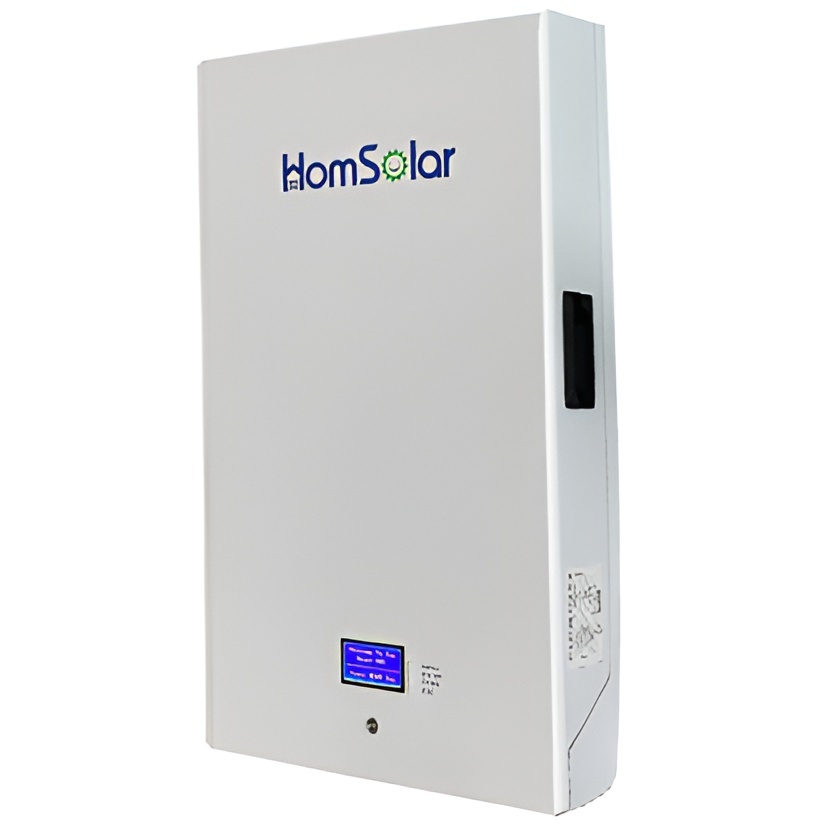
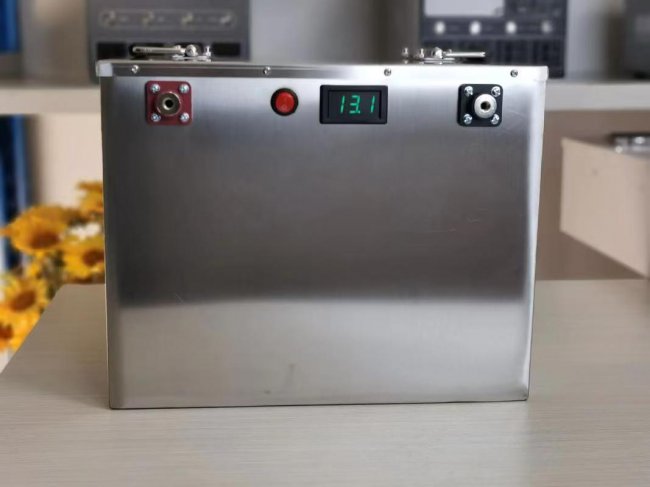
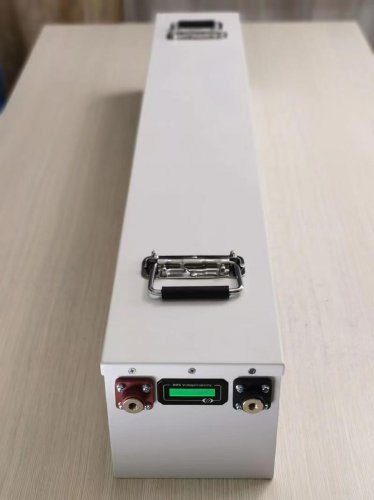
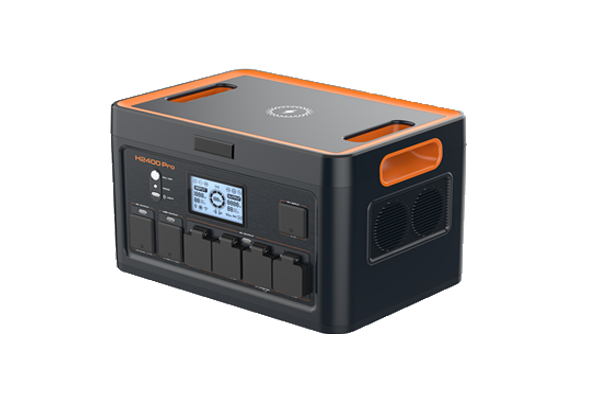
HomSolar Supports Lifepo4 battery pack customization/OEM/ODM service, welcome to contact us and tell us your needs.


HomSolar: Your One-stop LiFePO4 Battery Pack & ESS Solution Manufacturer
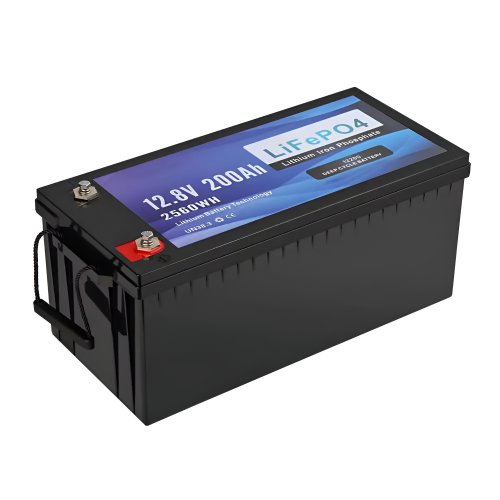
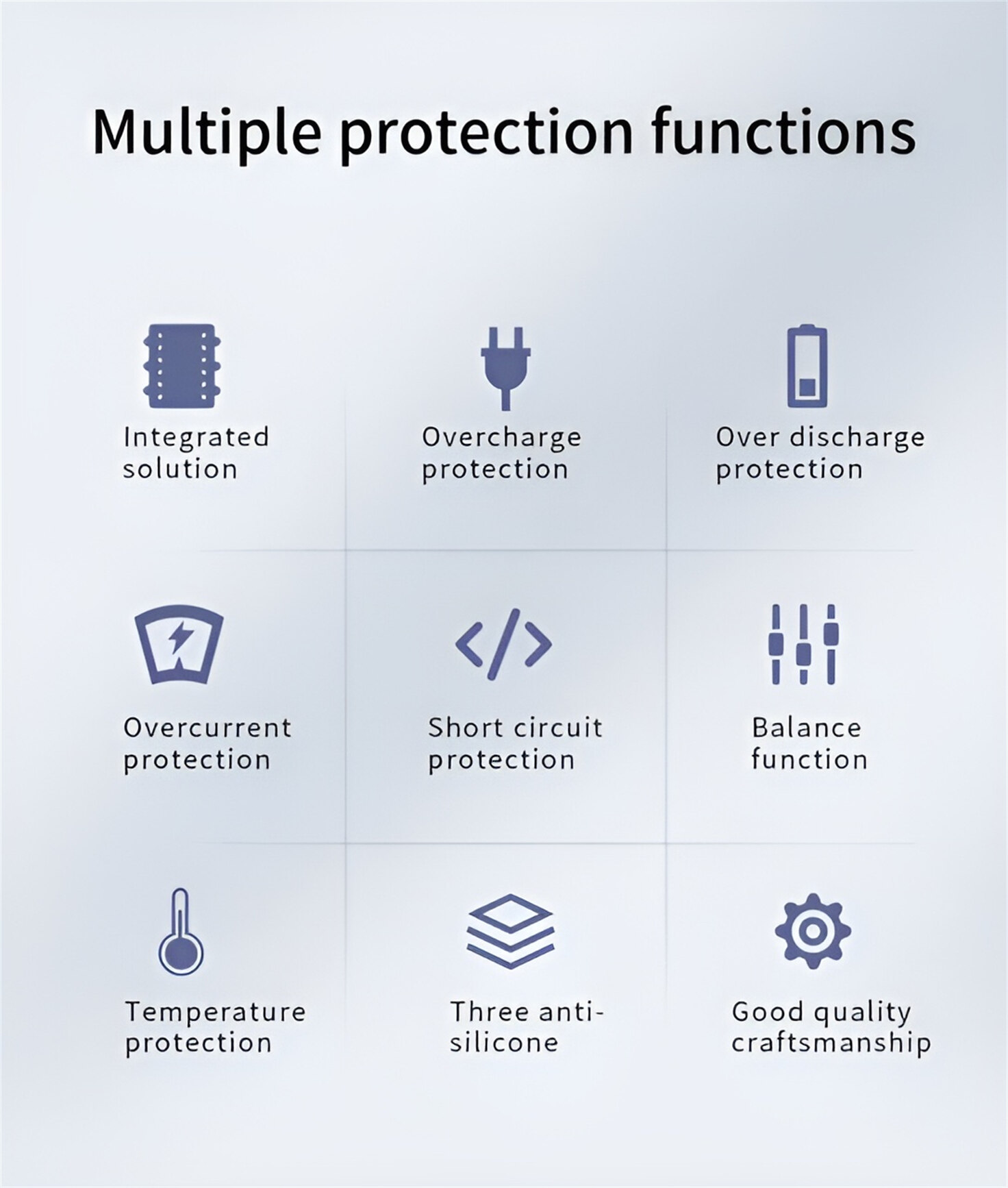
Our line of LiFePO4 (LFP) batteries offer a solution to demanding applications that require a lighter weight, longer life, and higher capacity battery. Features include advanced battery management systems (BMS), Bluetooth® communication and active intelligent monitoring.
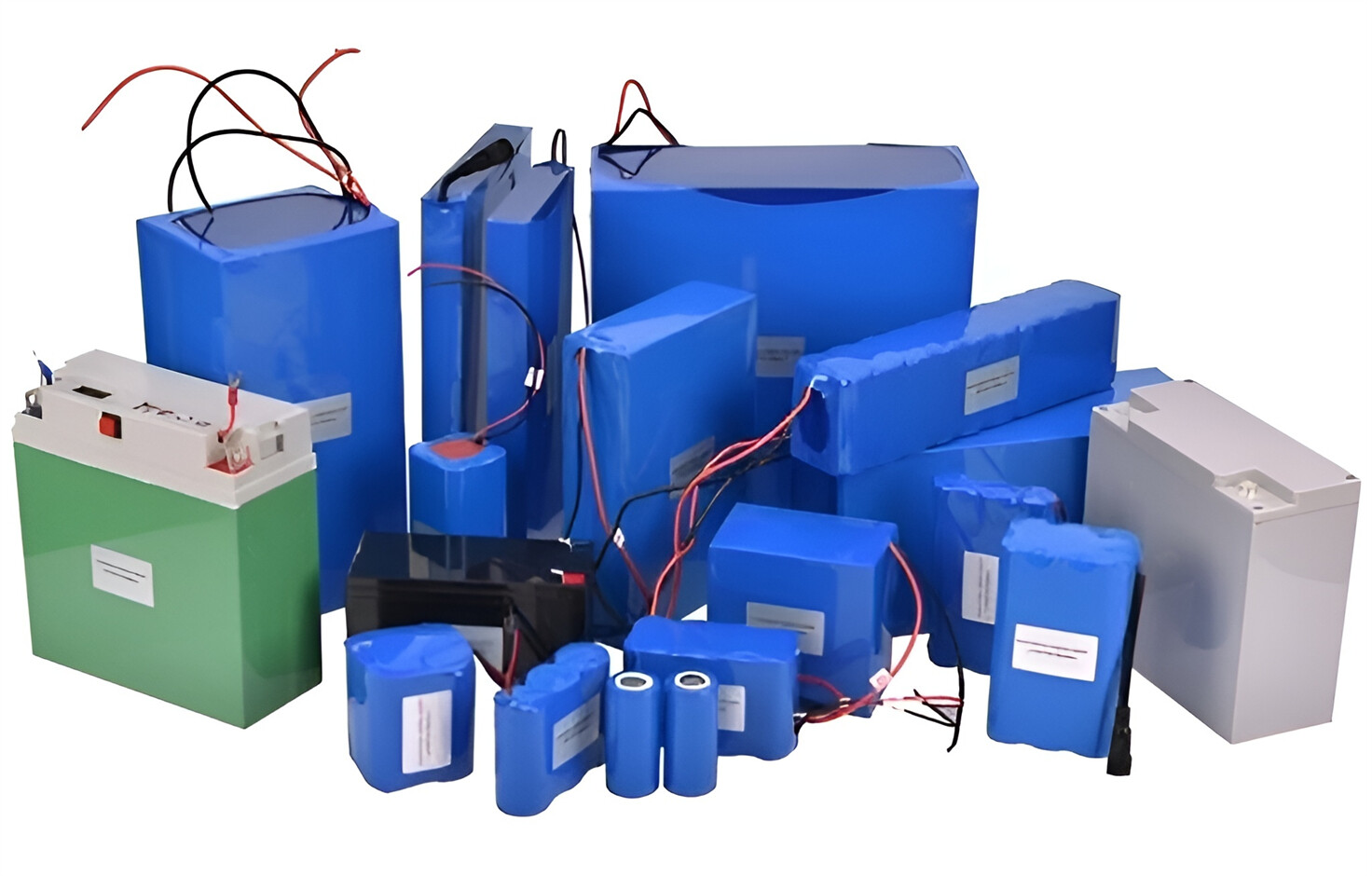
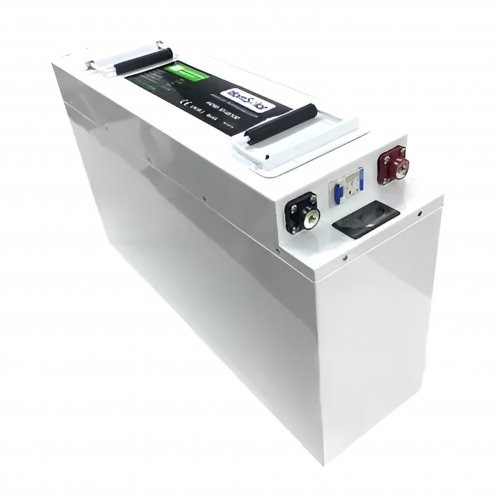
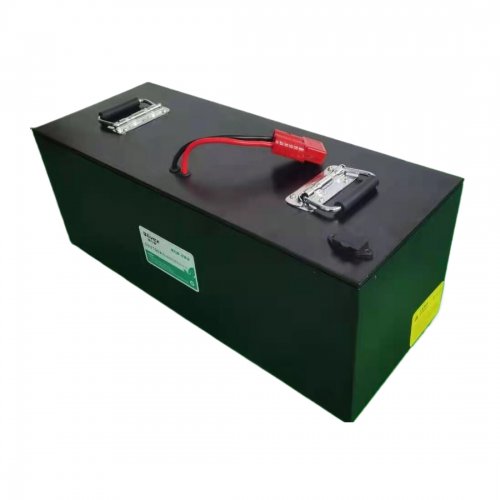
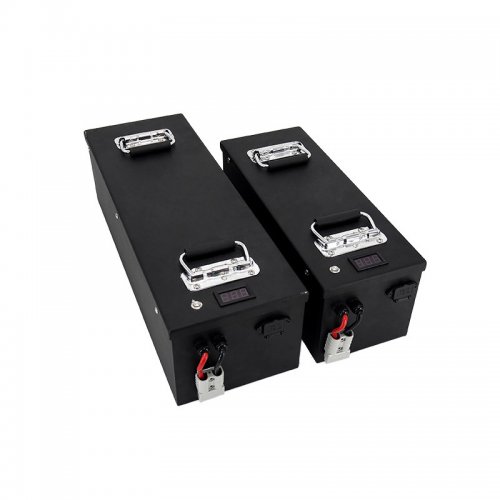
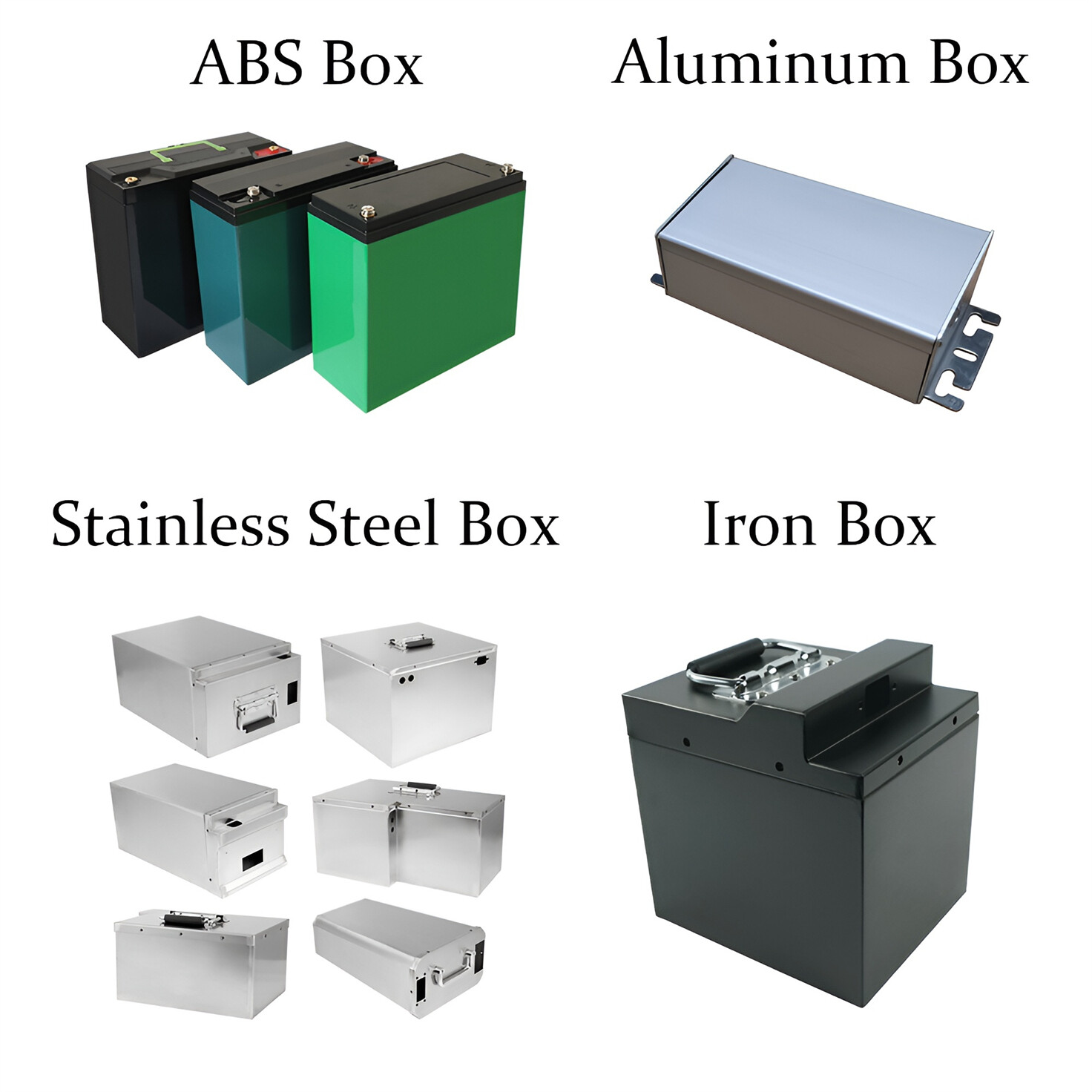
Customised Lithium Iron Phosphate Battery Casing
ABS plastic housing, aluminium housing, stainless steel housing and iron housing are available, and can also be designed and customised according to your needs.
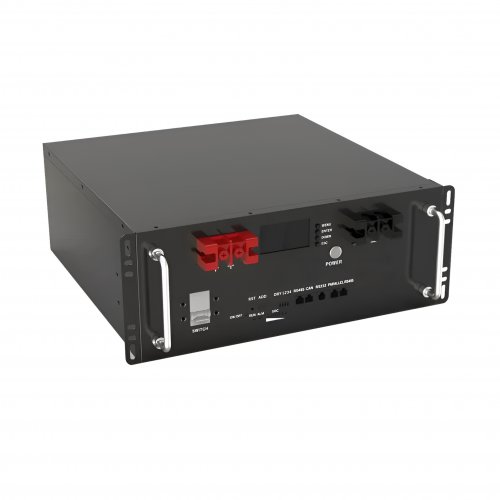
HomSolar Smart BMS
Intelligent Battery Management System for HomSolar Energy Storage System. Bluetooth, temperature sensor, LCD display, CAN interface, UART interface also available.

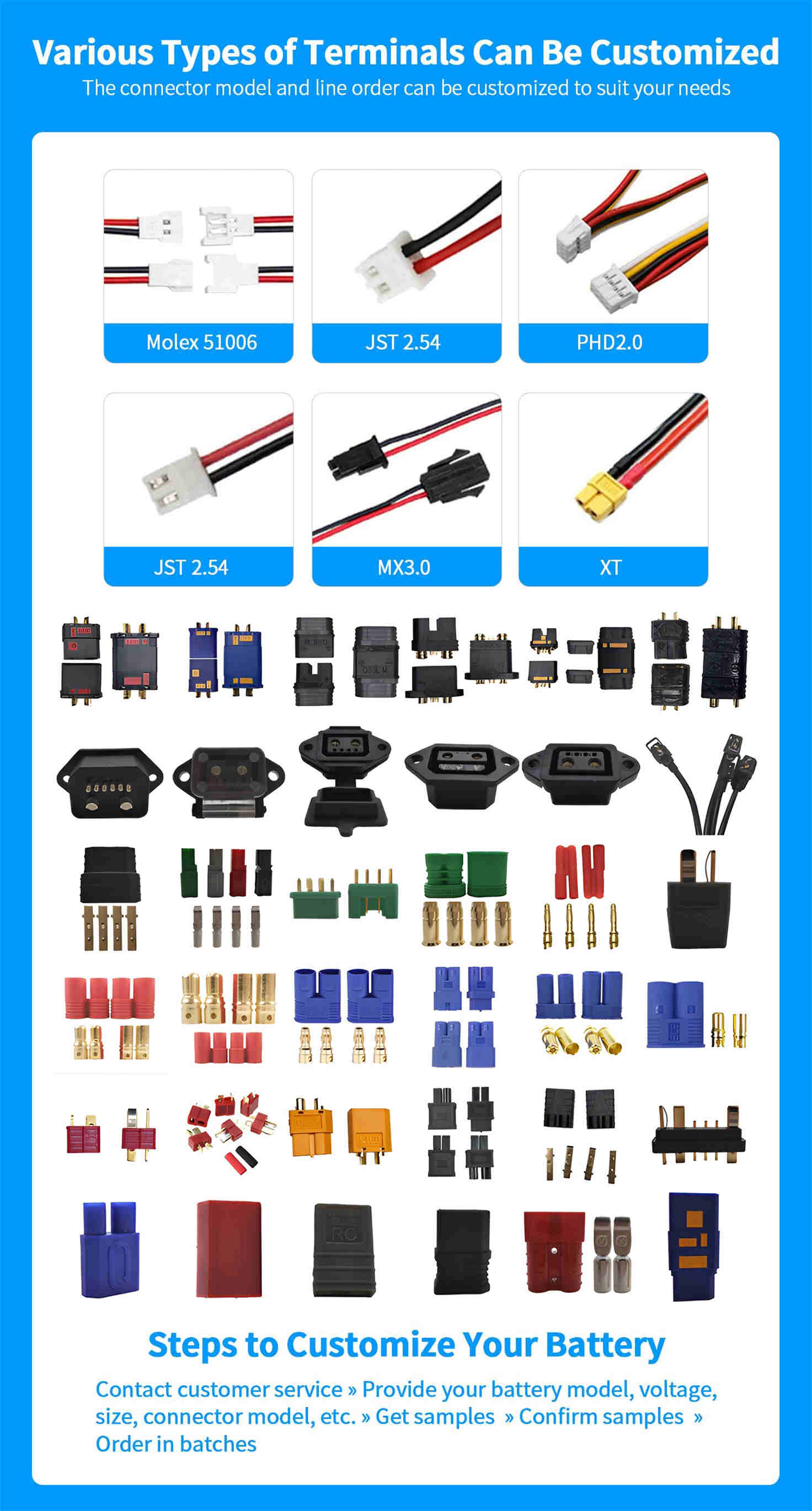
Terminals & Plugs Can Be Customized
A wide range of terminals and plugs can be customised to suit the application needs of your battery products.
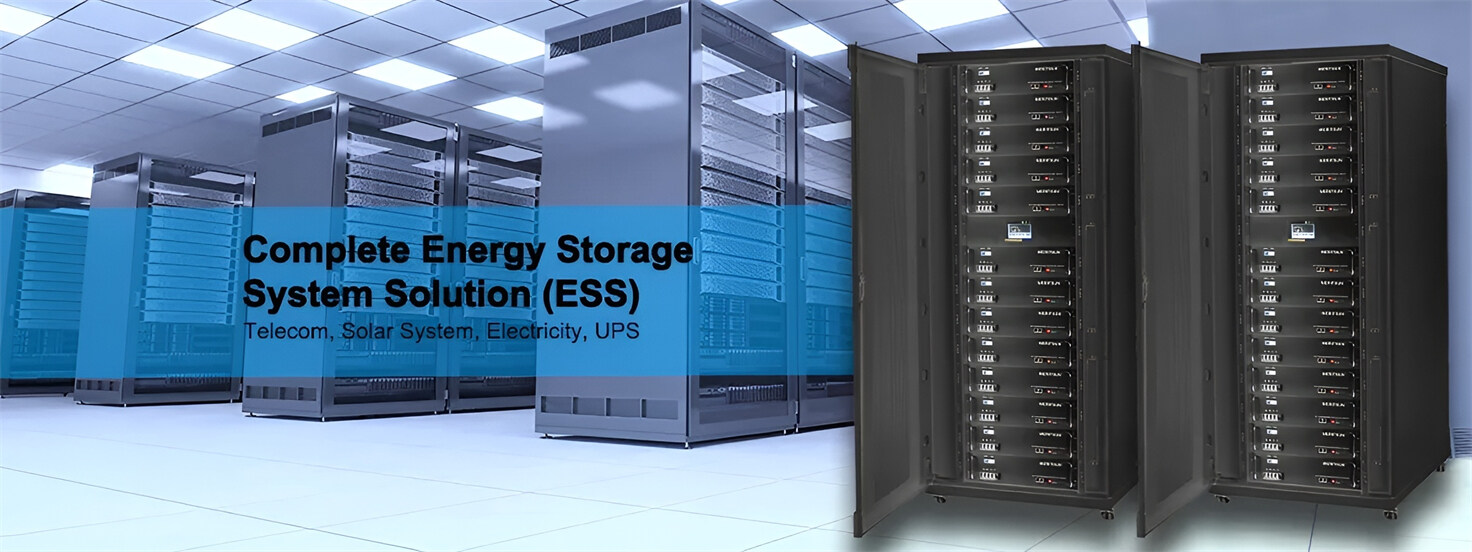
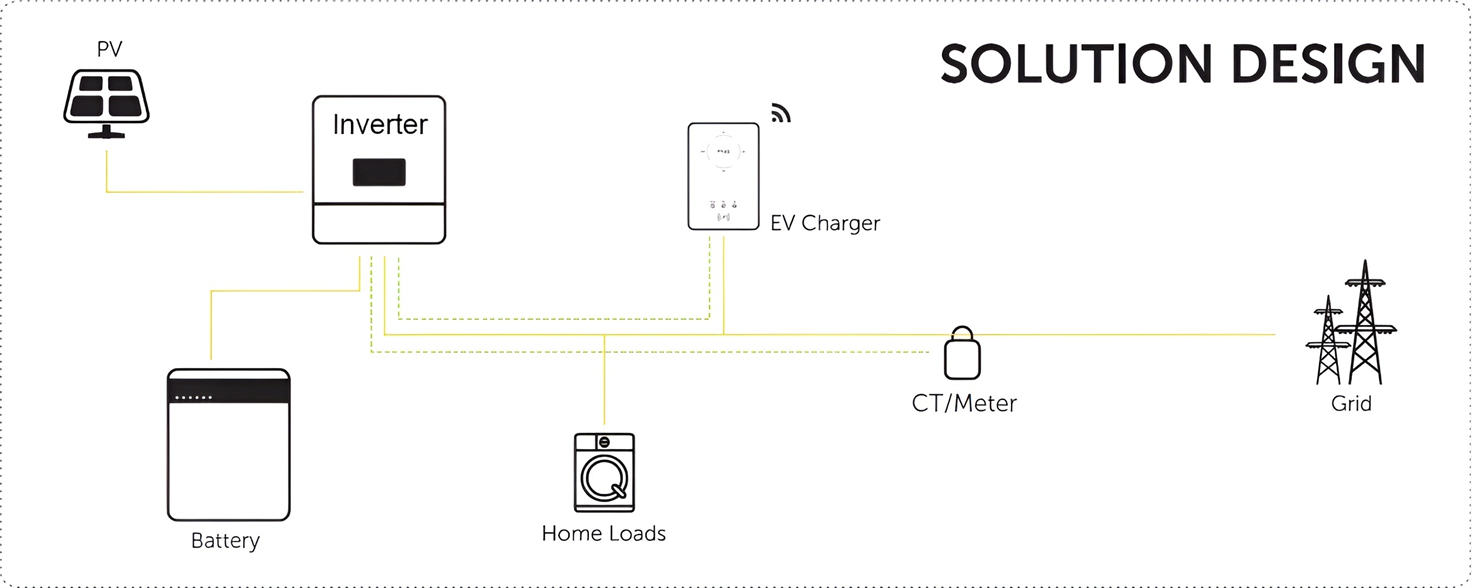
Well-designed Solutions for Energy Storage Systems
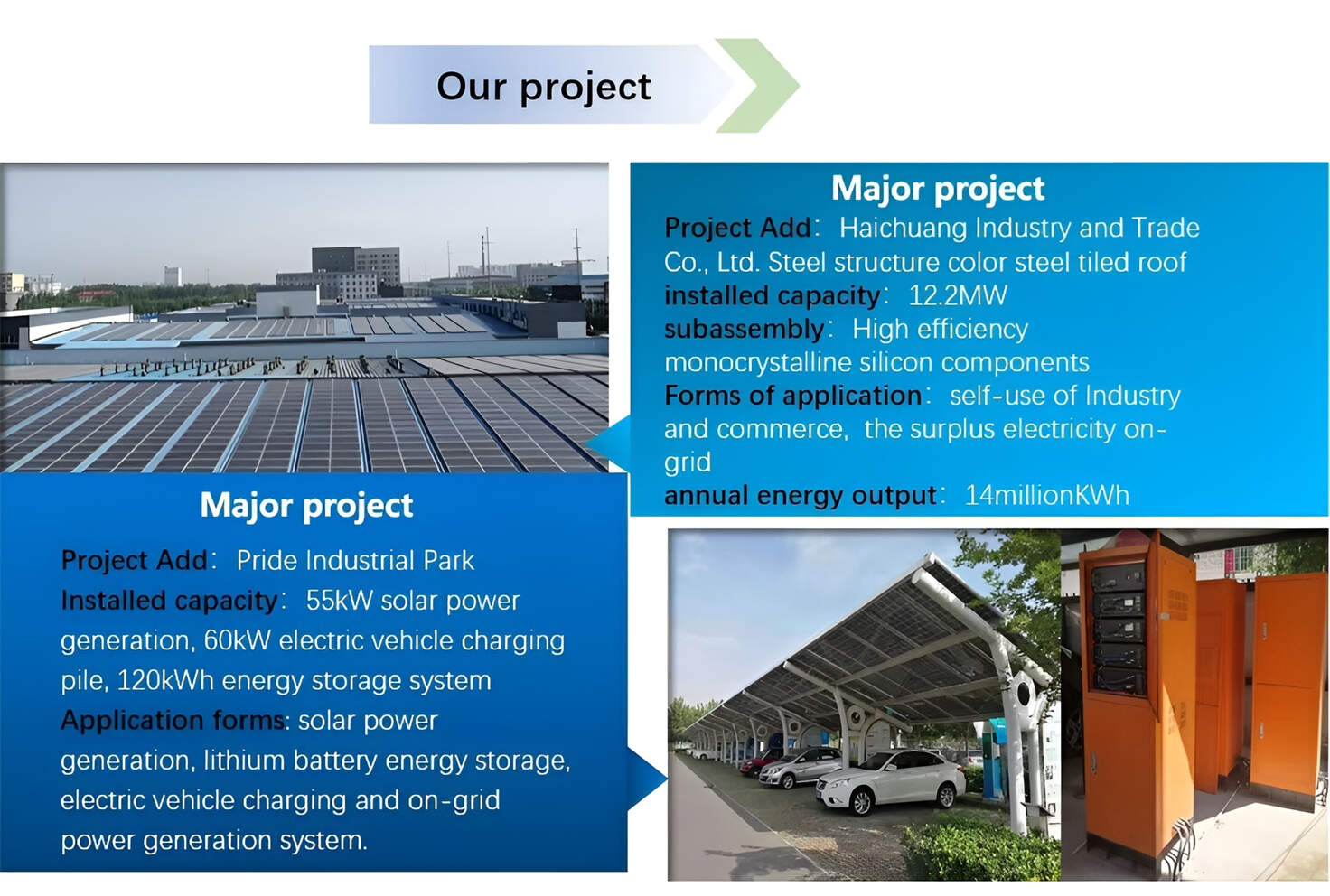
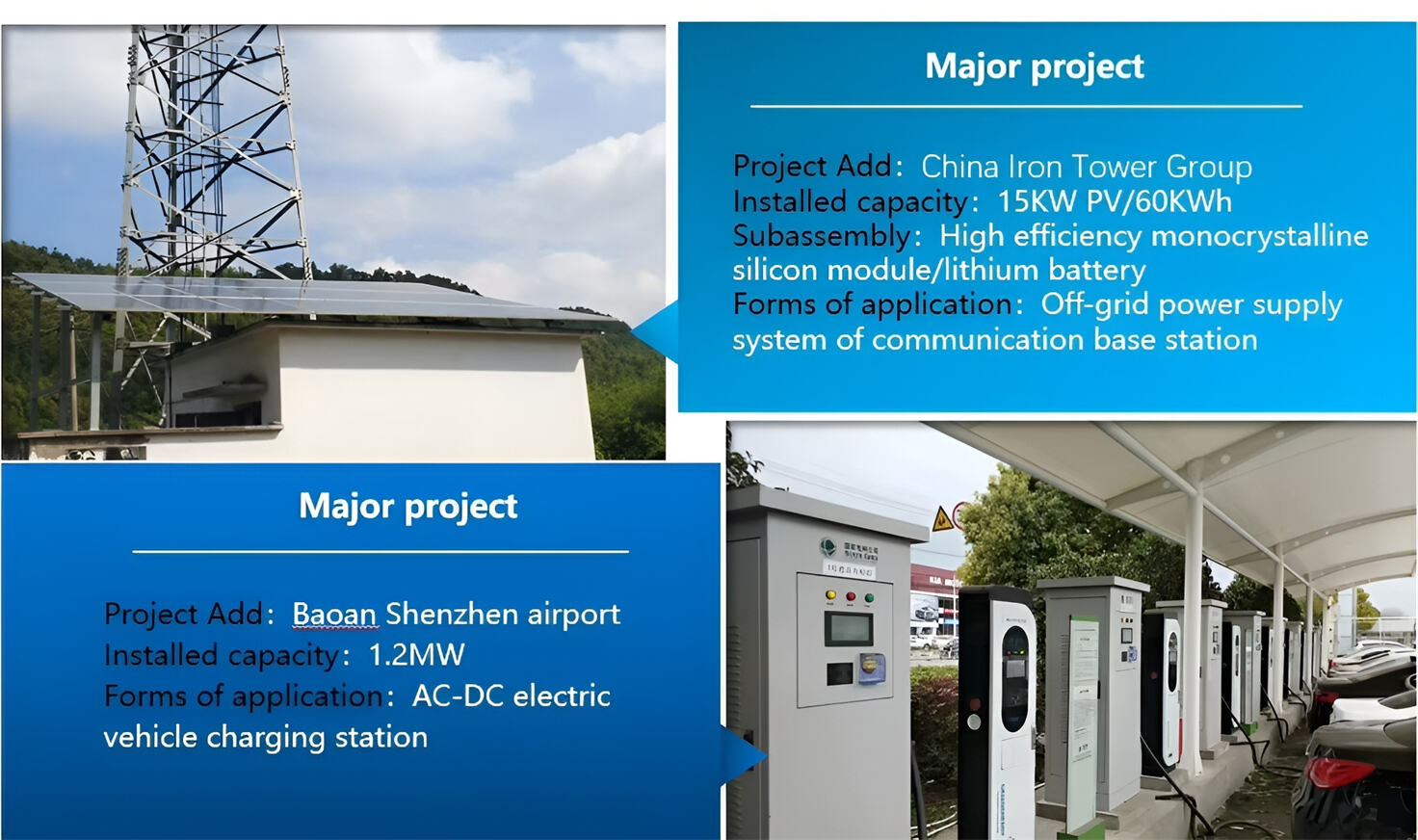
We will design the perfect energy storage system solution according to your needs, so that you can easily solve the specific industry applications of battery products.

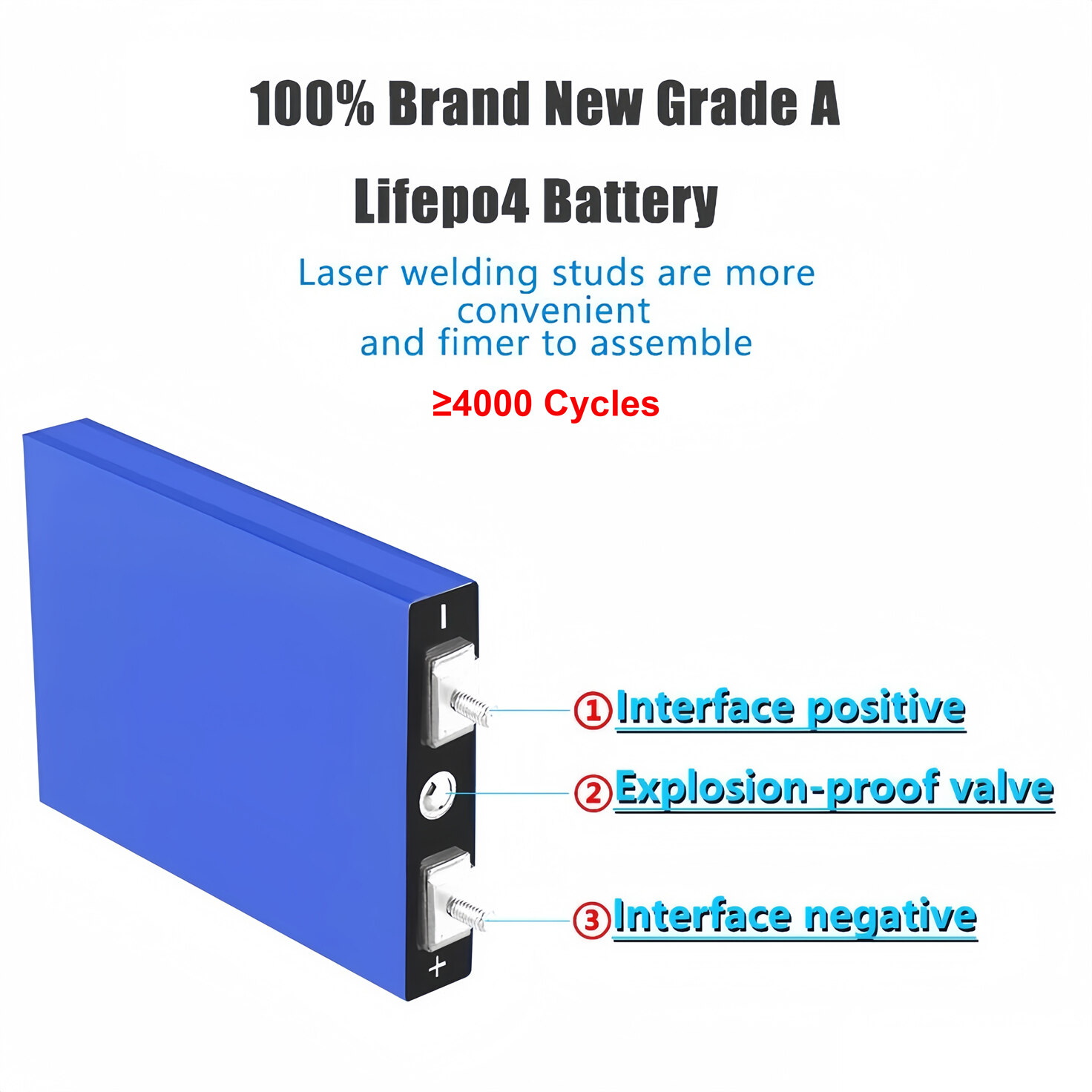
About Our Battery Cells
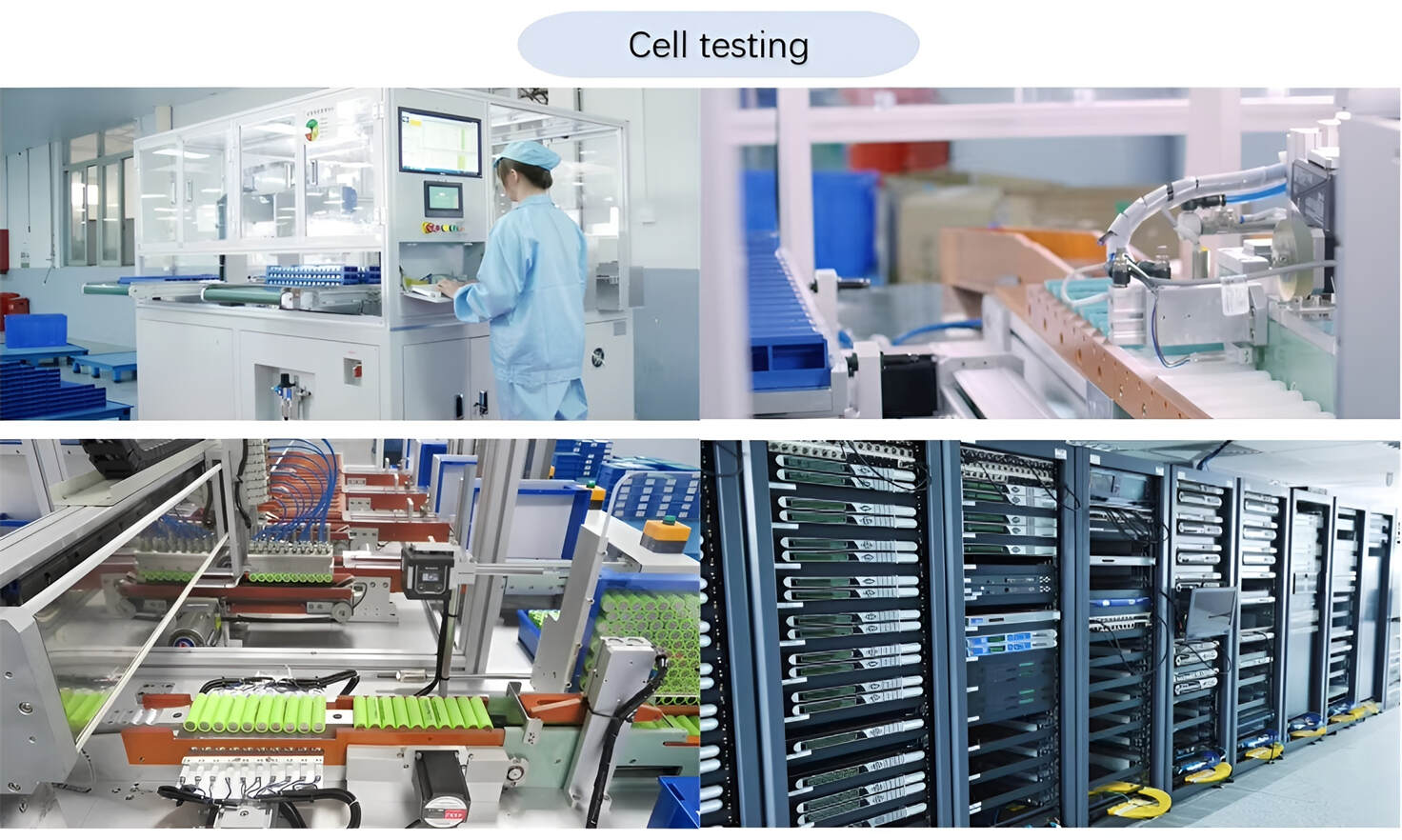
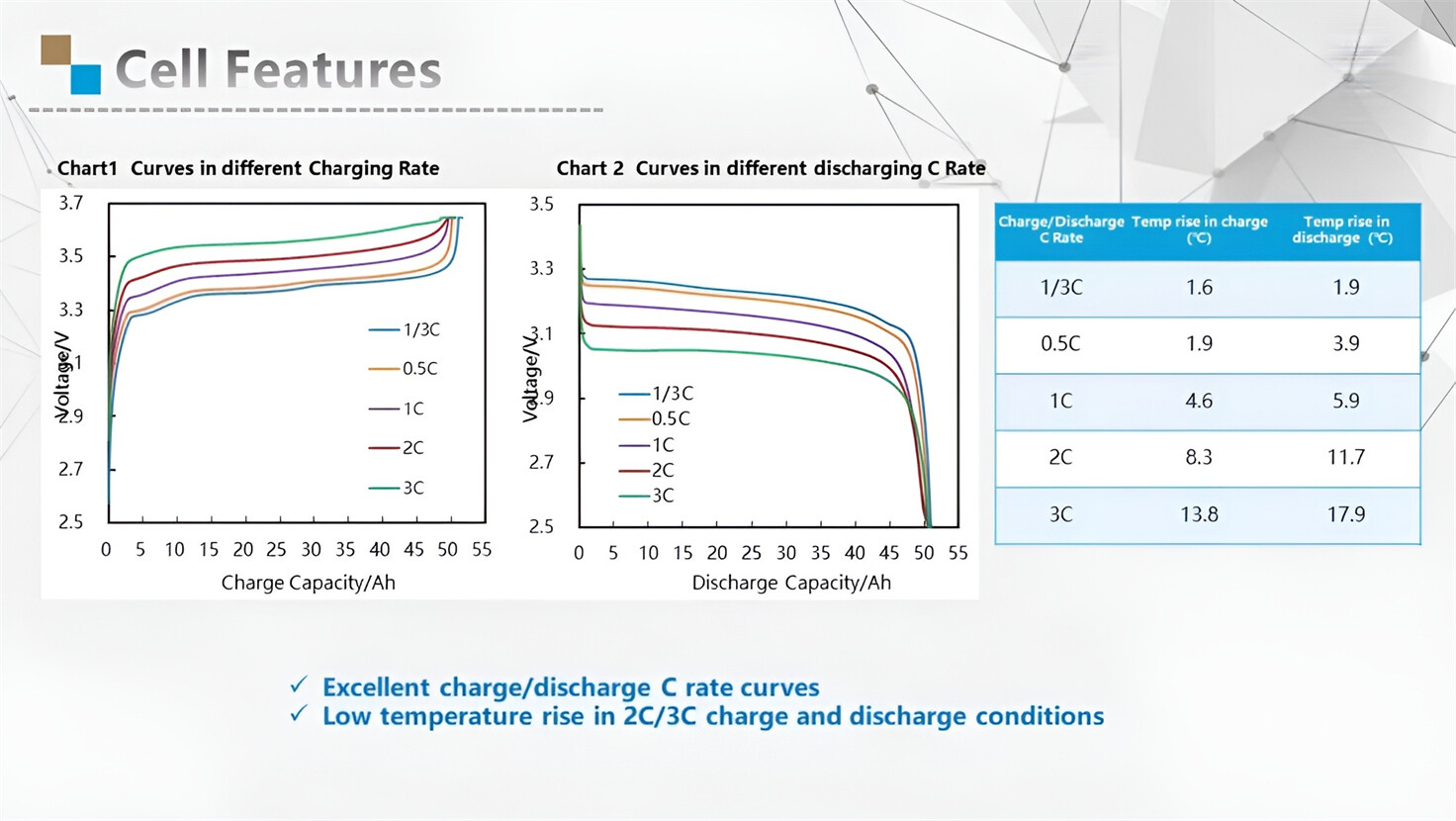
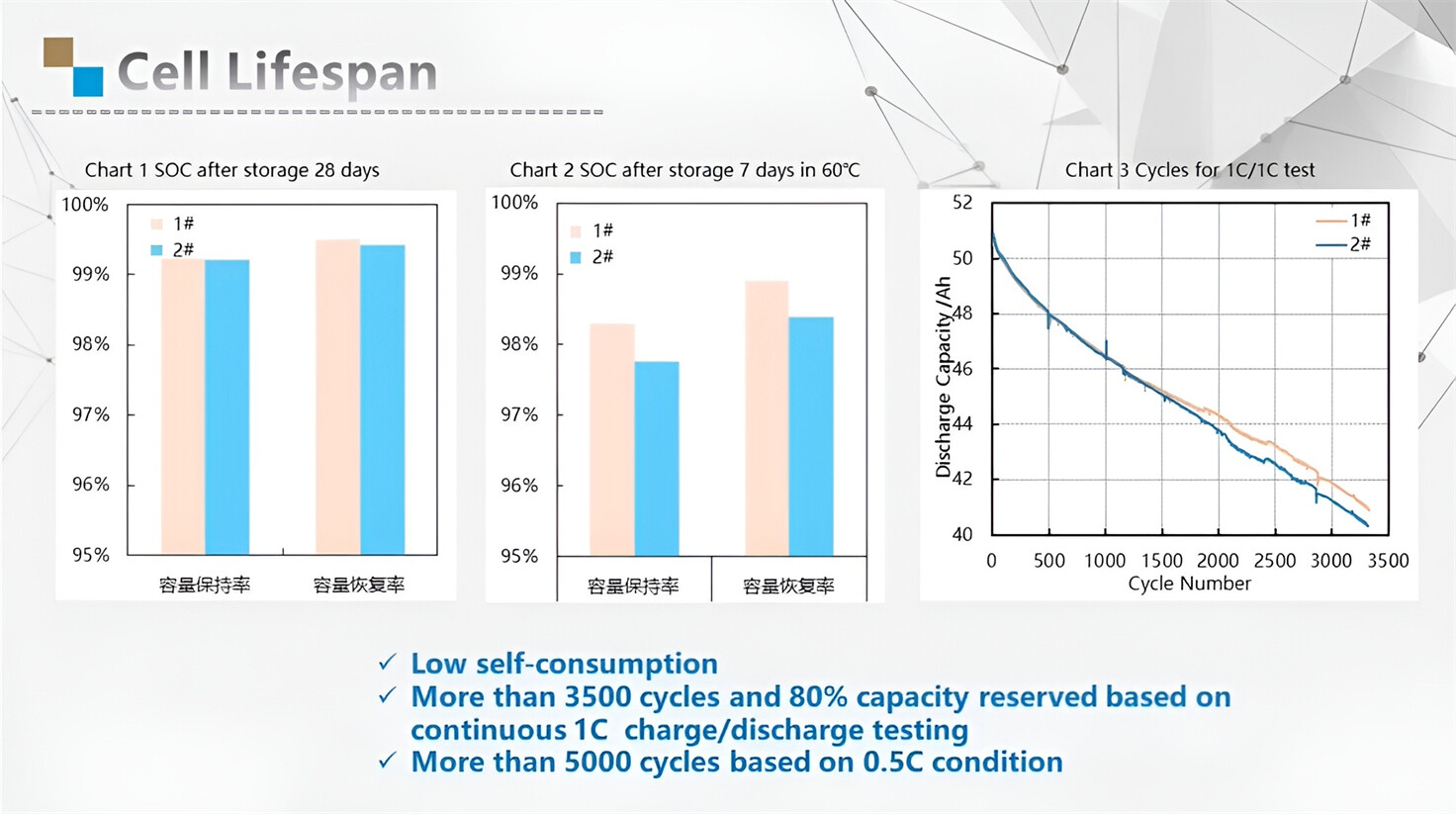
Our energy storage system products use brand new grade A LiFePO4 cells with a battery lifespan of more than 4,000 charge/discharge cycles.
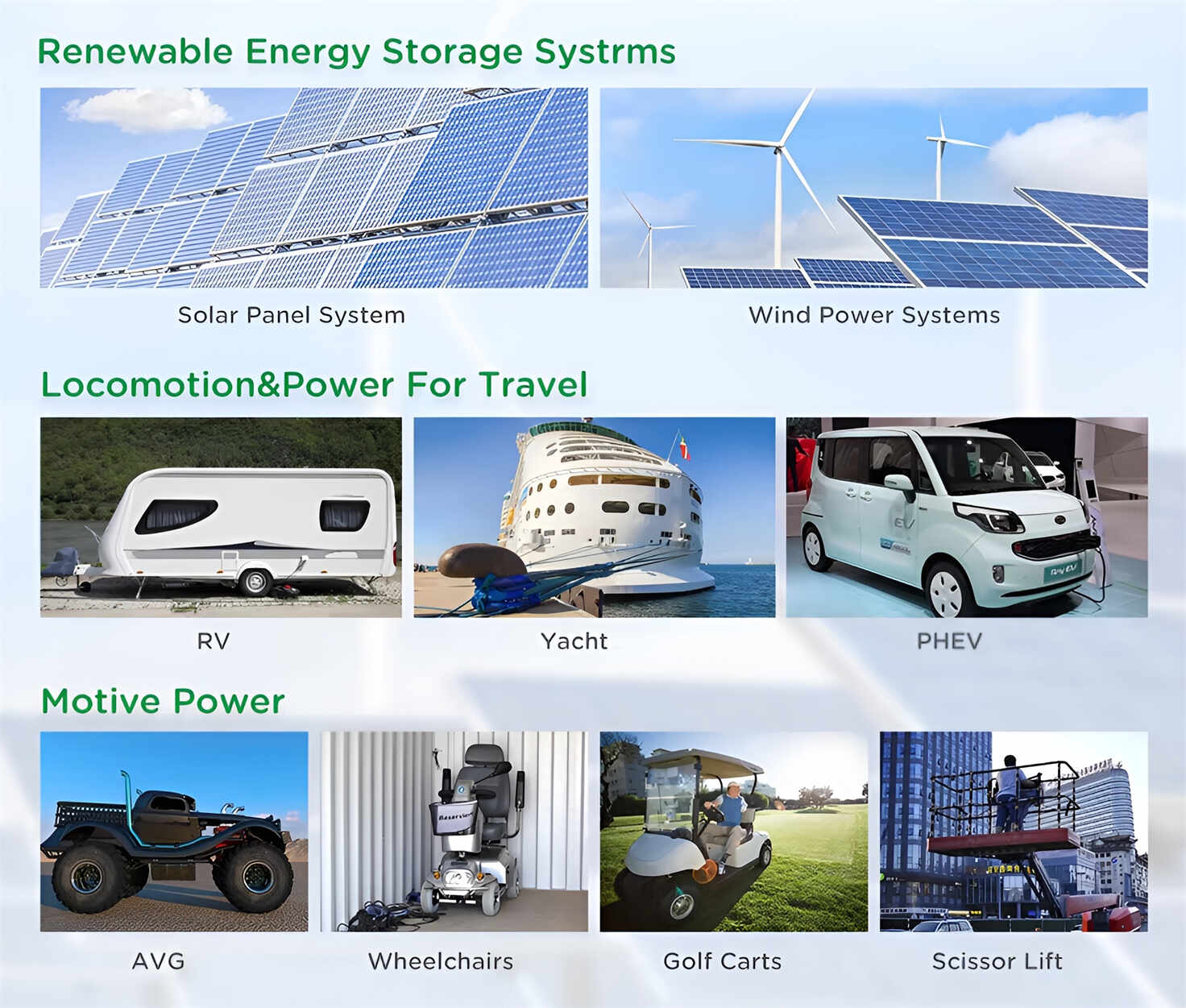
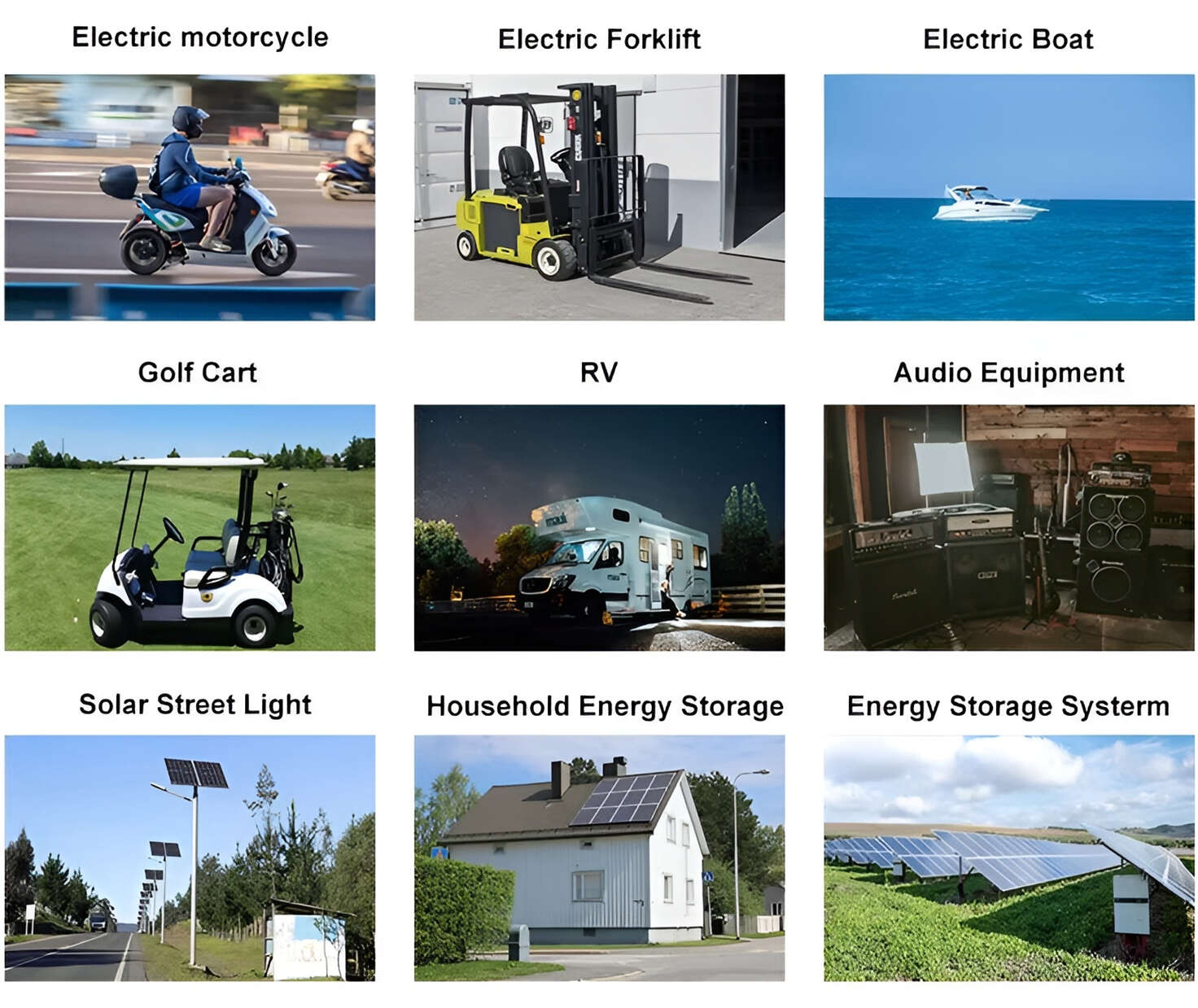
Applications in Different Industries
We supply customized & OEM battery pack, assemble cells with wiring, fuse and plastic cover, all the cell wires connected to PCB plug or built BMS.
Applications: E-bike, Electric Scooter, Golf Carts, RV, Electric Wheelchair, Electric Tools, Robot Cleaner, Robot Sweeper, Solar Energy Storage System, Emergency Light, Solar Power Light, Medical Equipment, UPS Backup Power Supply.
We can provide you with customized services. We have the ability to provide a vertical supply chain, from single cells to pack/module and to a complete power solution with BMS, etc.
HomSolar (Shenzhen) Technology Co., Ltd