How To Use Dod: A Practical Guide To Defining And Implementing Your Definition Of Done
In the world of Agile and Scrum, few concepts are as universally acknowledged yet frequently misunderstood as the Definition of Done (DoD). It is the cornerstone of quality, the guardian of professionalism, and the key to predictable, shippable increments of work. A well-defined and consistently applied DoD transforms a team from a group of individuals performing tasks into a cohesive unit delivering genuine value. This guide will walk you through the steps of creating, refining, and leveraging a powerful DoD for your team.
Understanding the Core Concept
Before diving into the "how," it's crucial to grasp the "what." The Definition of Done is a formal, shared checklist of criteria that a product backlog item (e.g., a user story) must meet for the team to consider it complete. It is a binary state; an item is either "Done" or it is "Not Done." There is no in-between. This checklist goes beyond simple code completion, encompassing aspects like testing, documentation, integration, and security. The primary purpose of the DoD is to create a transparent and unified understanding of what "finished" truly means, preventing the accumulation of technical debt and ensuring that every increment is potentially releasable.
Step-by-Step Guide to Creating Your DoD
Creating an effective DoD is a collaborative and iterative process. Follow these steps to establish your first version.
1. Assemble the Right Team: The DoD is a team agreement. Therefore, the entire Scrum Team—Developers, Product Owner, and Scrum Master—must be involved. The Developers are responsible for meeting the criteria, the Product Owner understands the value of a truly "Done" feature, and the Scrum Master facilitates the process.
2. Start with a Brainstorming Session: Hold a dedicated workshop. Using a whiteboard or a digital collaboration tool, ask the team: "What must be true for us to be confident enough to ship this piece of work to a user?" Encourage everyone to contribute from their perspective. Common starting points include:Code is written and peer-reviewed.Unit tests are written and passing.Integration tests are passing.Code is merged into the main branch.User documentation is updated.Performance benchmarks are met.Security checks are completed.
3. Categorize and Formalize: Group the brainstormed items into logical categories (e.g., Code Quality, Testing, Documentation, Deployment). Transform them into clear, actionable, and verifiable statements. For example, change "Code is tested" to "All automated tests pass in the continuous integration pipeline."
4. Establish a Baseline: For a new team, it's unrealistic to adopt the DoD of a mature, high-performing team. Start with a minimal, achievable version. It's better to have a simple DoD that is consistently applied than an ambitious one that is constantly ignored. Your initial DoD might only include code review, merging to main, and basic testing.
5. Gain Consensus and Commitment: Once the list is drafted, ensure every team member explicitly agrees and commits to it. This commitment is non-negotiable; if an item meets the DoD criteria, it is considered shippable. The Product Owner must also trust that a "Done" item has met all agreed-upon standards.
Practical Tips and Techniques for SuccessMake it Visible: Print your DoD and display it prominently in your team area. Include it in your team's wiki and link it to every user story in your project management tool (e.g., Jira). Constant visibility reinforces its importance.Reference it Relentlessly: During Sprint Planning, ask: "Can we meet the DoD for these stories?" In the Daily Scrum, questions like "Is your work on track to meet the DoD?" are powerful. During the Sprint Review, the DoD is your proof of quality.Refine and Evolve: The DoD is a living document. In your Sprint Retrospectives, dedicate time to discuss it. Ask: "Was our DoD sufficient? Did we miss anything? Can we add a new criterion to improve quality?" Perhaps you can now add "zero known critical bugs" or "successful deployment to a staging environment." This continuous improvement is a hallmark of a mature Agile team.Distinguish DoD from Acceptance Criteria (AC): This is a critical distinction. Acceptance Criteria are specific to a single user story and define its functionality from the user's perspective (the "what"). The DoD is global to all stories and defines the quality standards for the workmanship (the "how well"). A story must satisfy both its specific AC and the universal DoD to be considered complete.
Important Considerations and Pitfalls to AvoidDon't Confuse "Done" with "In Progress": Avoid states like "Dev Done" or "Code Complete." These undermine the DoD by creating a false sense of progress. Work is either "Done" (meets all criteria) or it is not. Work that is "almost done" is a liability.Avoid Vague Language: Criteria like "code is well-tested" or "documentation is sufficient" are subjective and open to interpretation. Replace them with objective measures: "Test coverage is above 80%" or "API endpoints are documented in the shared wiki."Don't Set an Unrealistic Bar: As mentioned, start small. If your initial DoD is too demanding, the team will be forced to cut corners, rendering it meaningless. It's a tool for building quality in, not for causing burnout.The Whole Team is Accountable: The DoD is not just the developer's checklist. The entire team shares responsibility for upholding it. If a tester finds a story hasn't met the "code reviewed" criterion, they should not begin testing. This collective ownership is vital.Beware of Organizational Constraints: Sometimes, a team's DoD is hampered by external factors, such as a separate QA team or a cumbersome deployment process. In such cases, the Scrum Team should work to expose these impediments and create an "Organizational Definition of Done" over time, while maintaining the strictest possible "Team DoD."
By treating your Definition of Done with the seriousness it deserves, you invest in the long-term health of your product and the professionalism of your team. It is not merely a checklist but a pact—a shared commitment to excellence that ensures every Sprint delivers tangible, high-quality value.
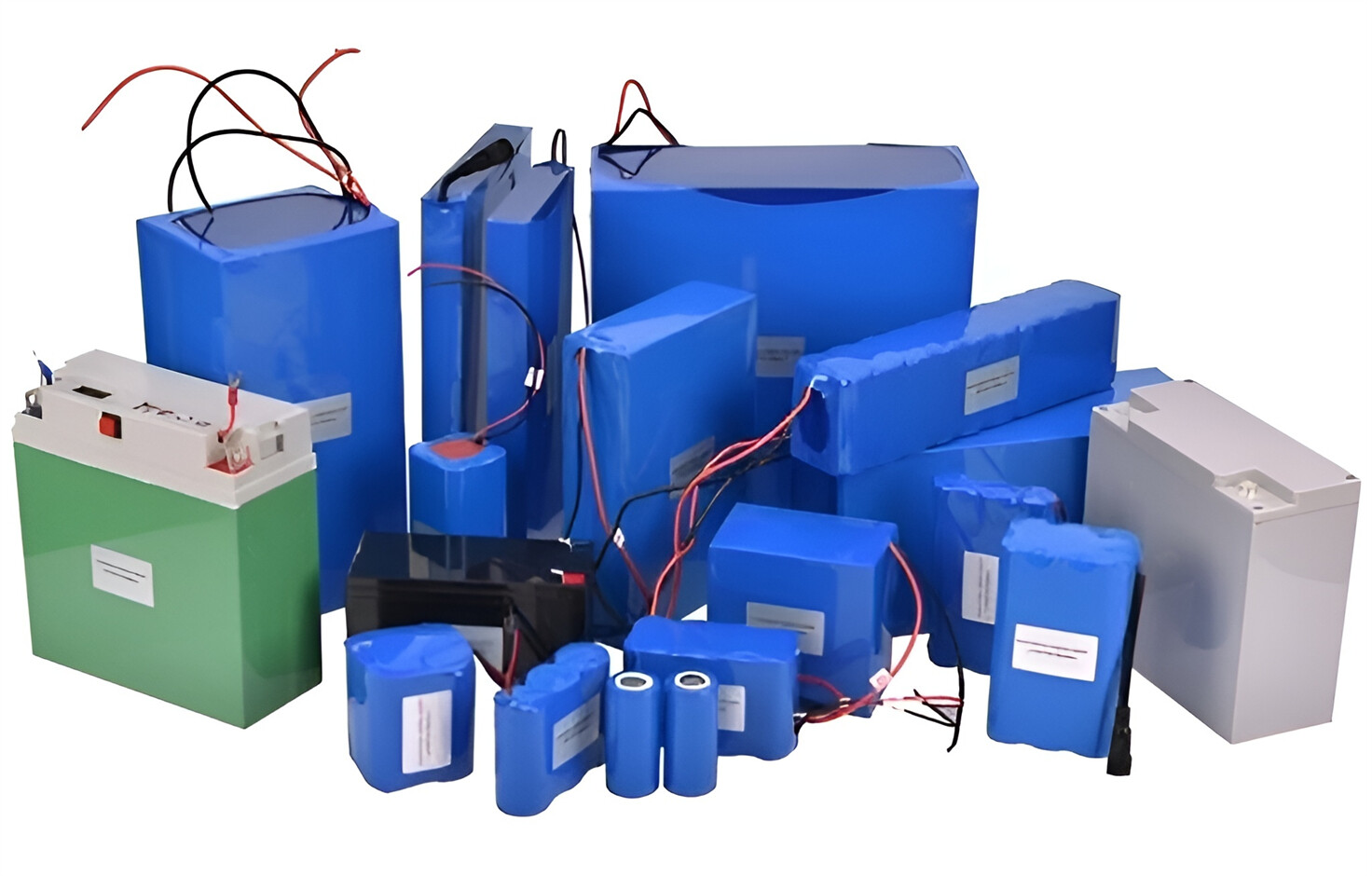
Customized/OEM/ODM Service
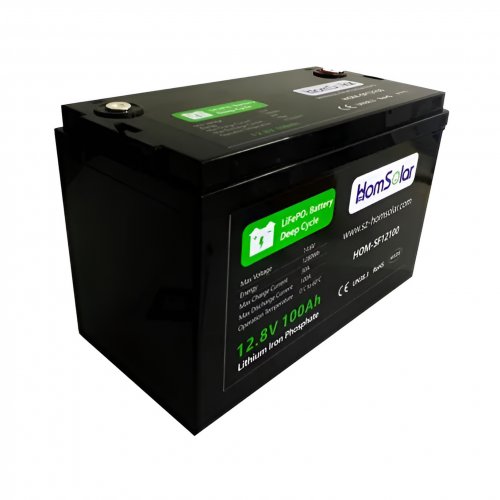
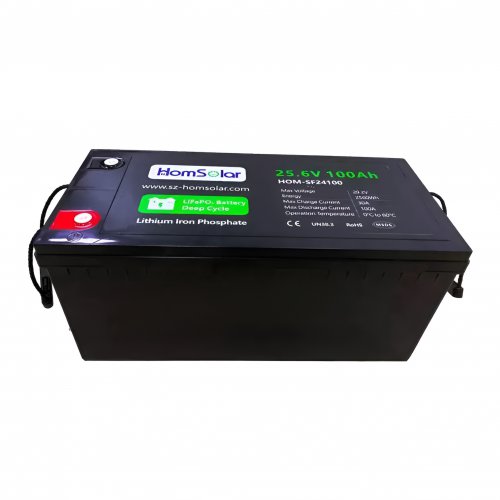
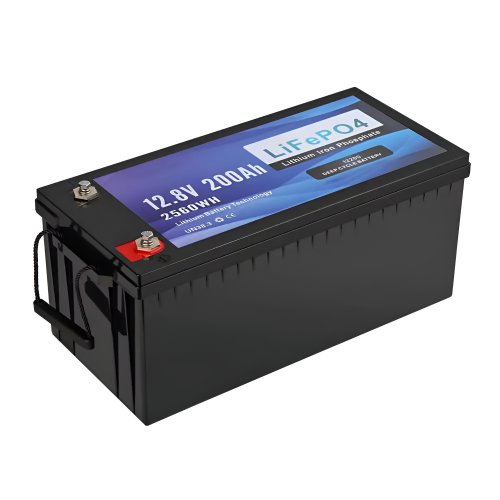
HomSolar Supports Lifepo4 battery pack customization/OEM/ODM service, welcome to contact us and tell us your needs.


HomSolar: Your One-stop LiFePO4 Battery Pack & ESS Solution Manufacturer
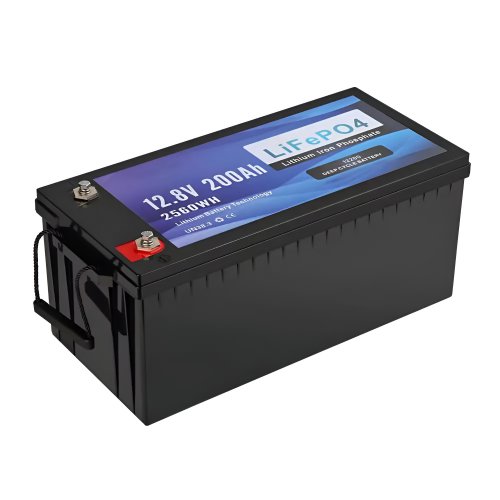
Our line of LiFePO4 (LFP) batteries offer a solution to demanding applications that require a lighter weight, longer life, and higher capacity battery. Features include advanced battery management systems (BMS), Bluetooth® communication and active intelligent monitoring.
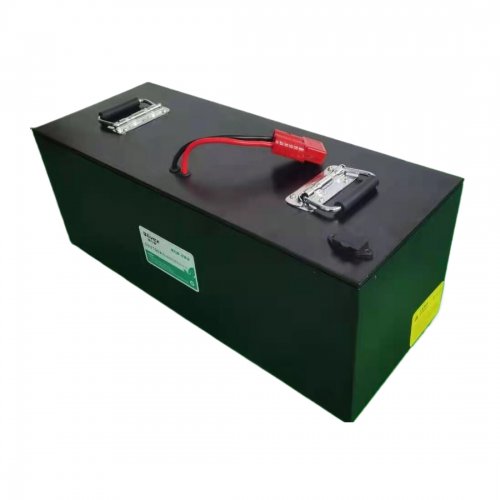
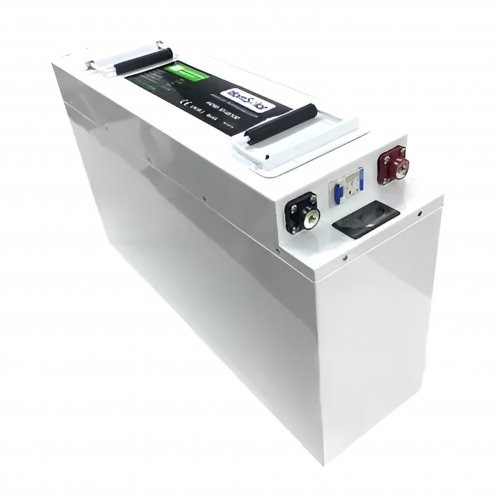
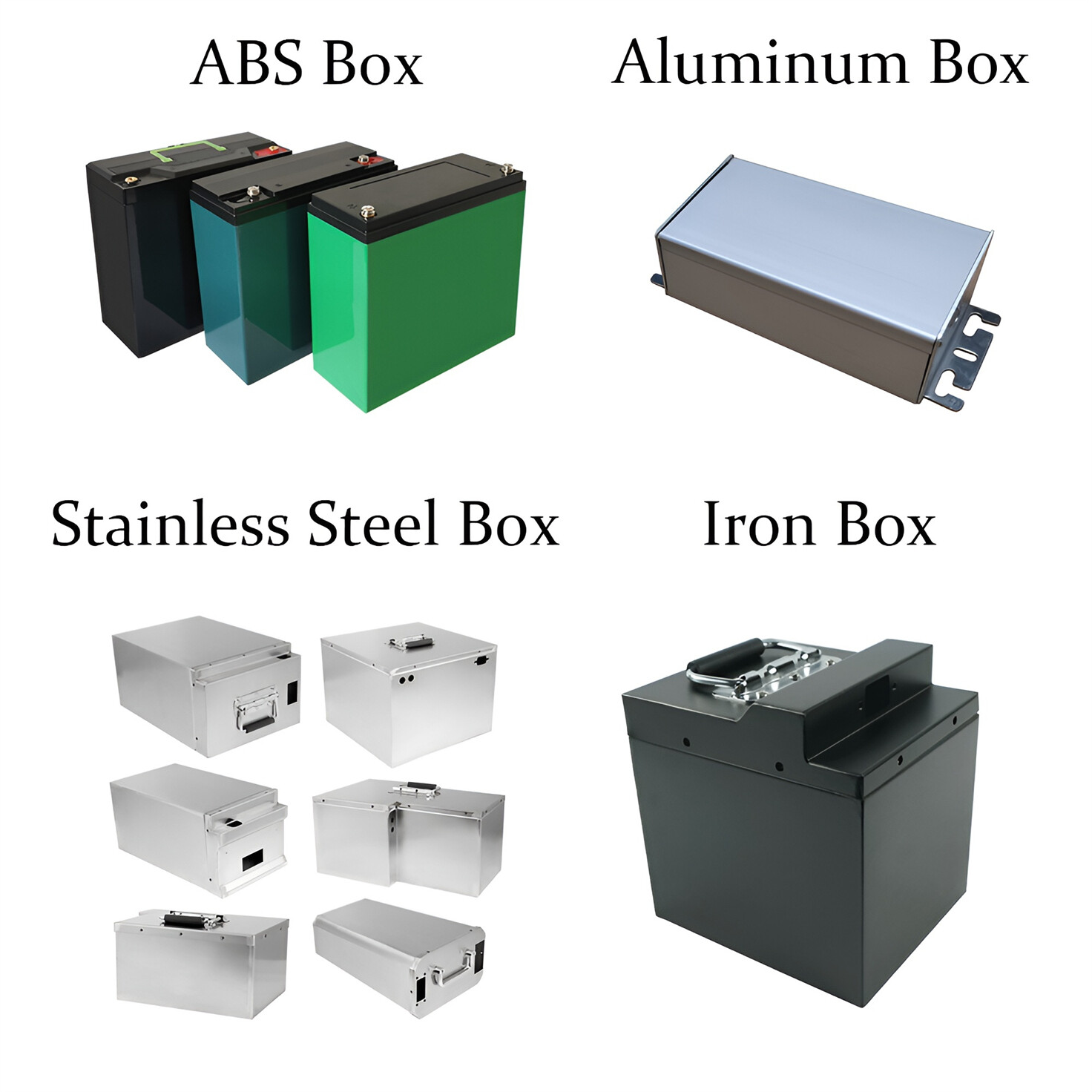
Customised Lithium Iron Phosphate Battery Casing
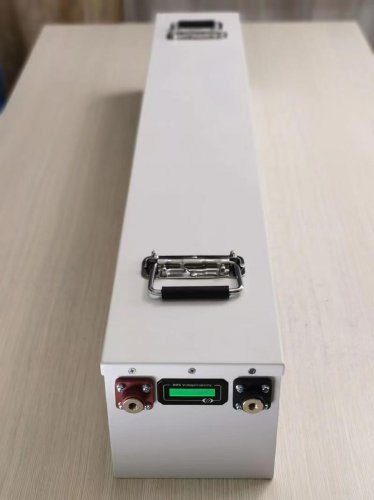
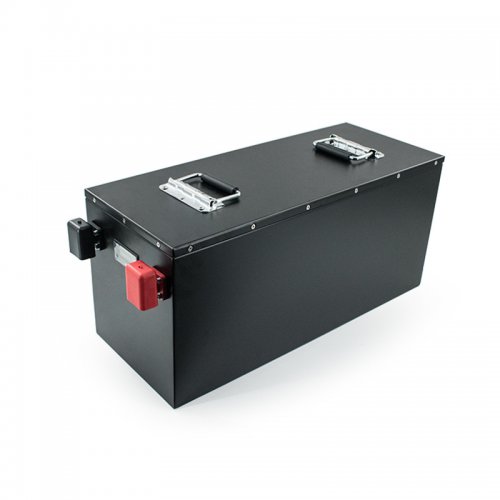
ABS plastic housing, aluminium housing, stainless steel housing and iron housing are available, and can also be designed and customised according to your needs.
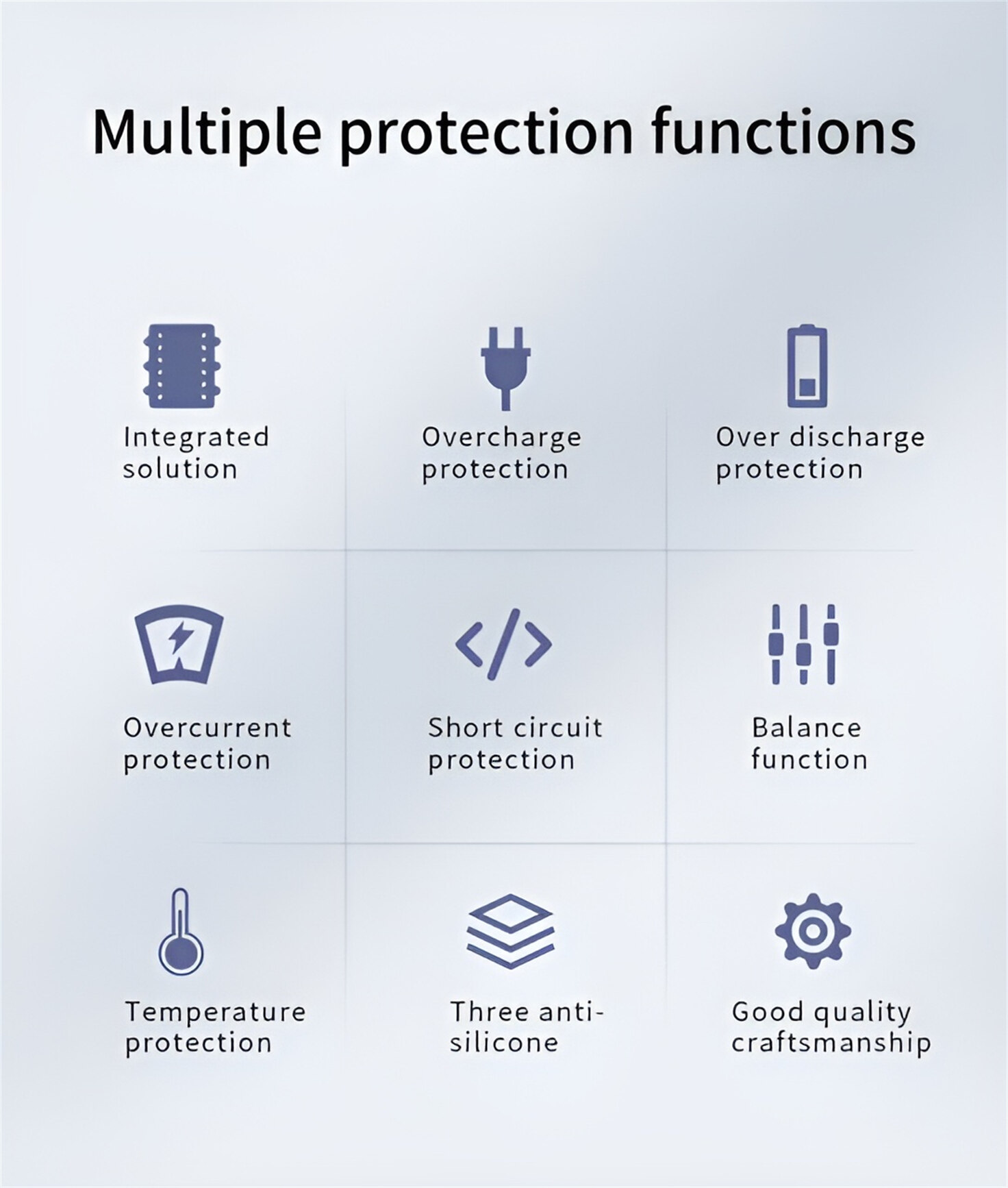
HomSolar Smart BMS
Intelligent Battery Management System for HomSolar Energy Storage System. Bluetooth, temperature sensor, LCD display, CAN interface, UART interface also available.

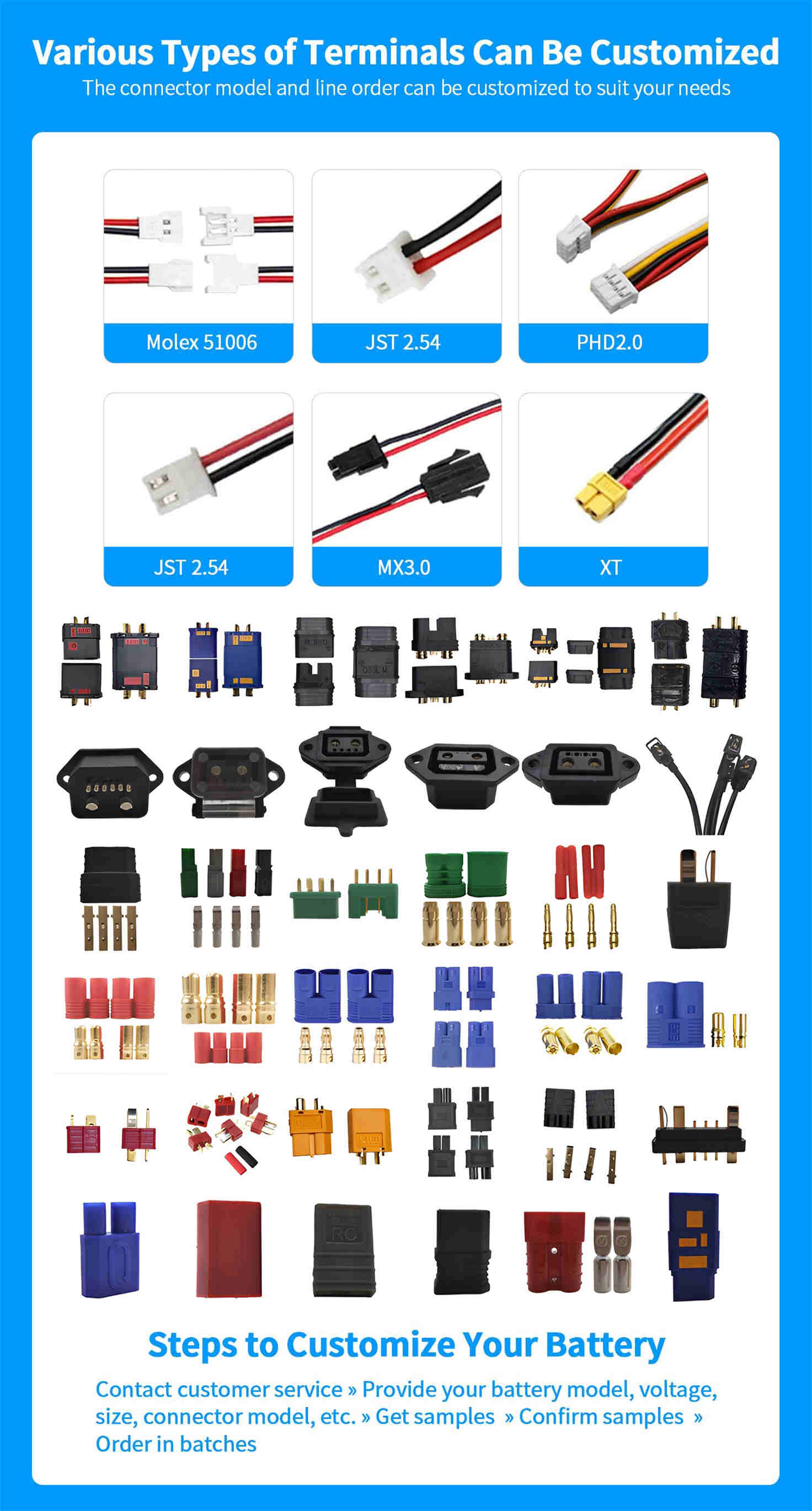
Terminals & Plugs Can Be Customized
A wide range of terminals and plugs can be customised to suit the application needs of your battery products.
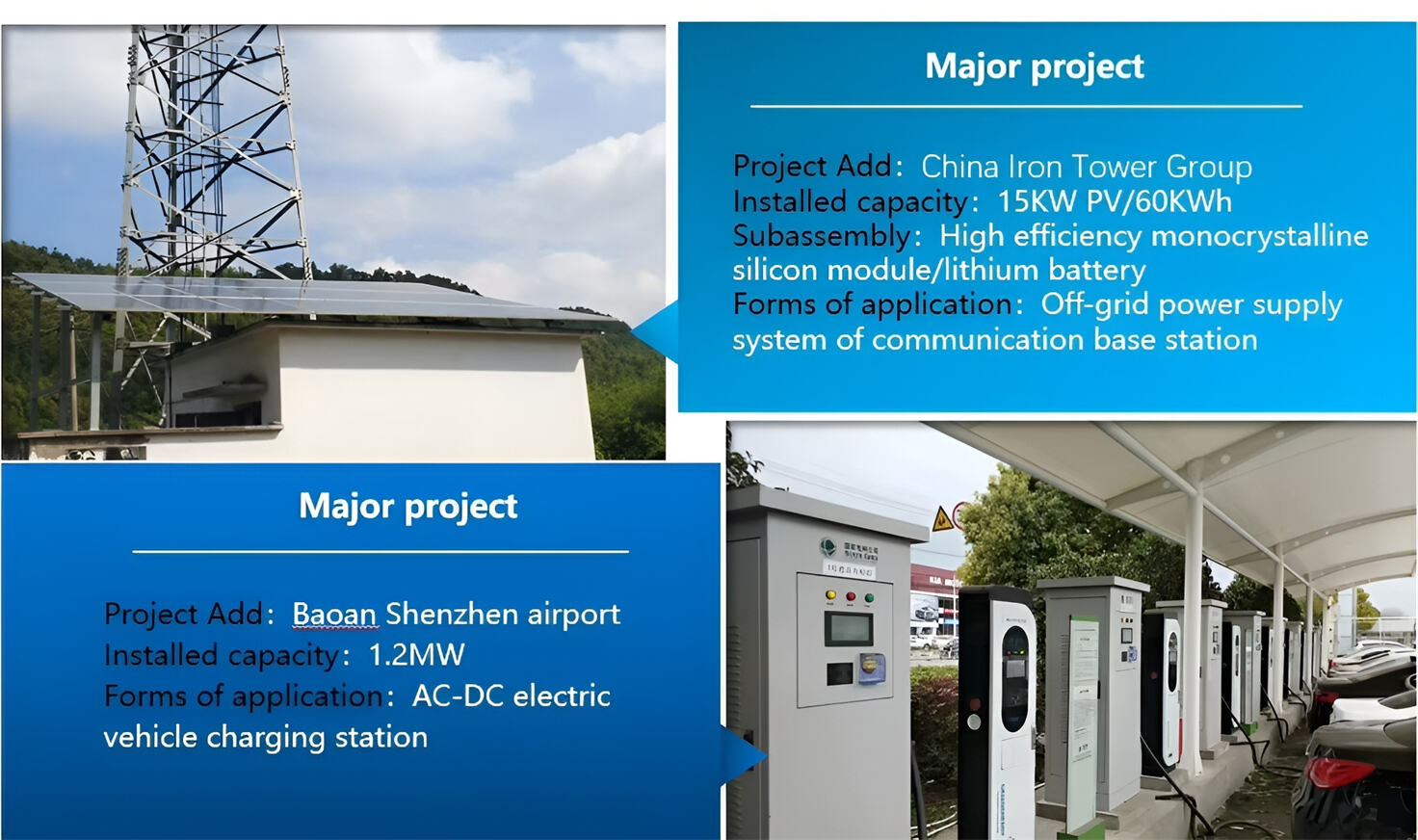
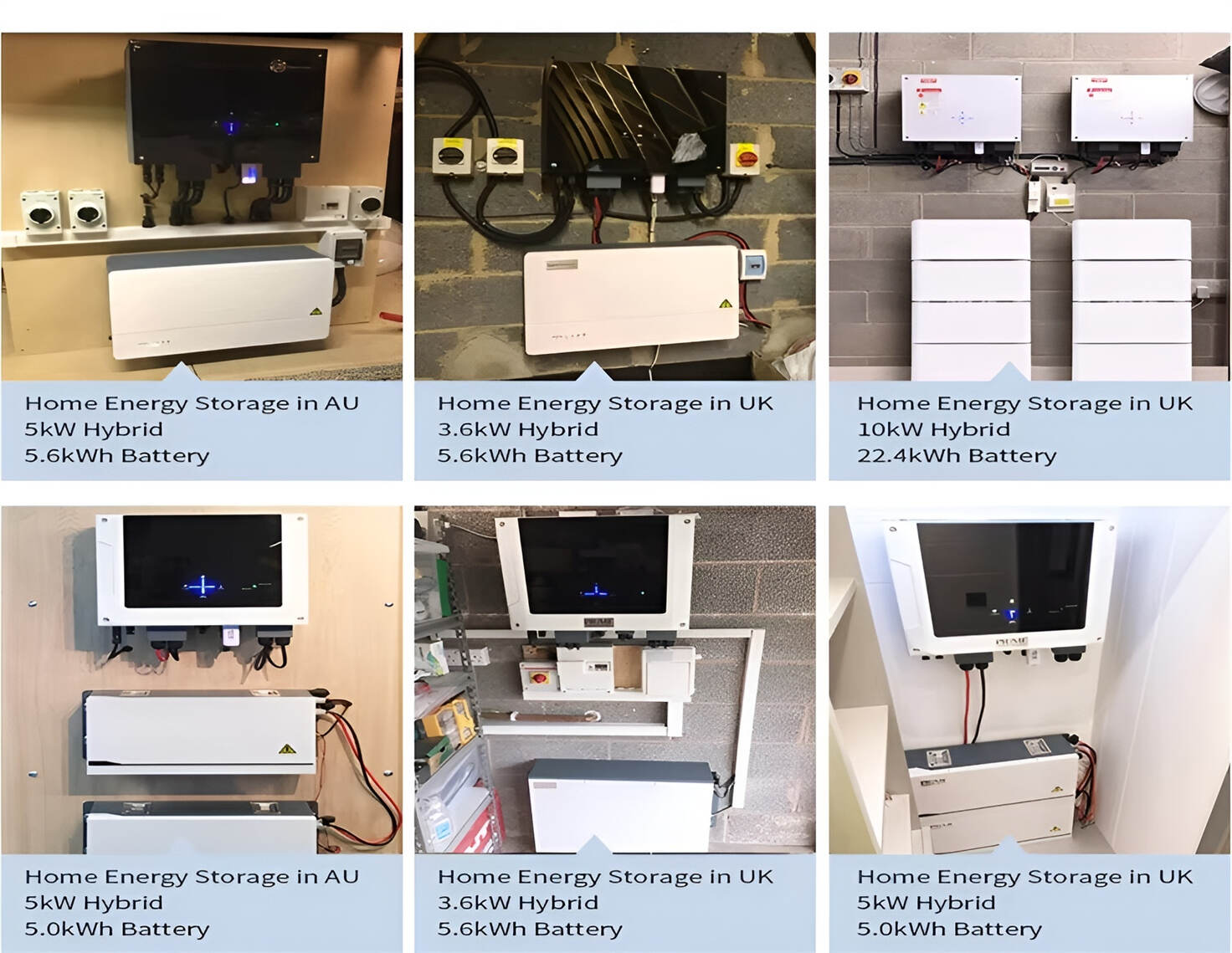
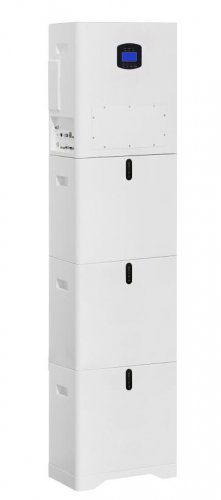
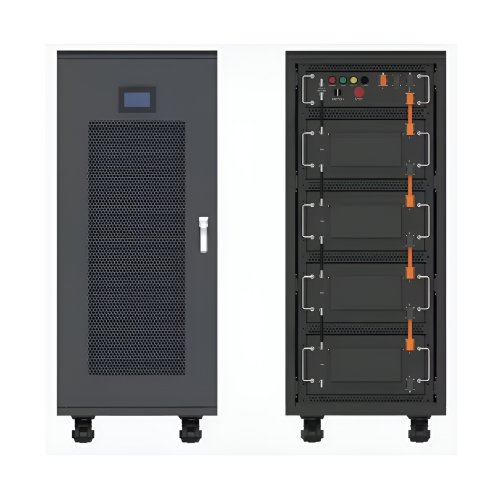
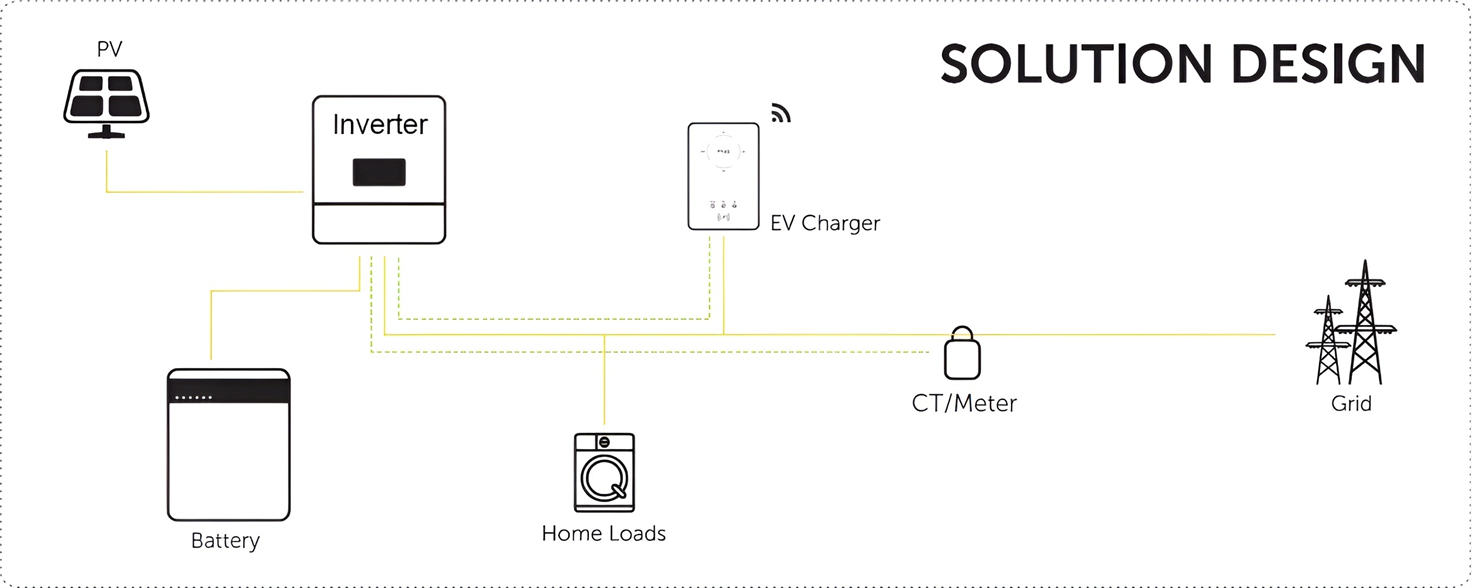
Well-designed Solutions for Energy Storage Systems
We will design the perfect energy storage system solution according to your needs, so that you can easily solve the specific industry applications of battery products.


About Our Battery Cells
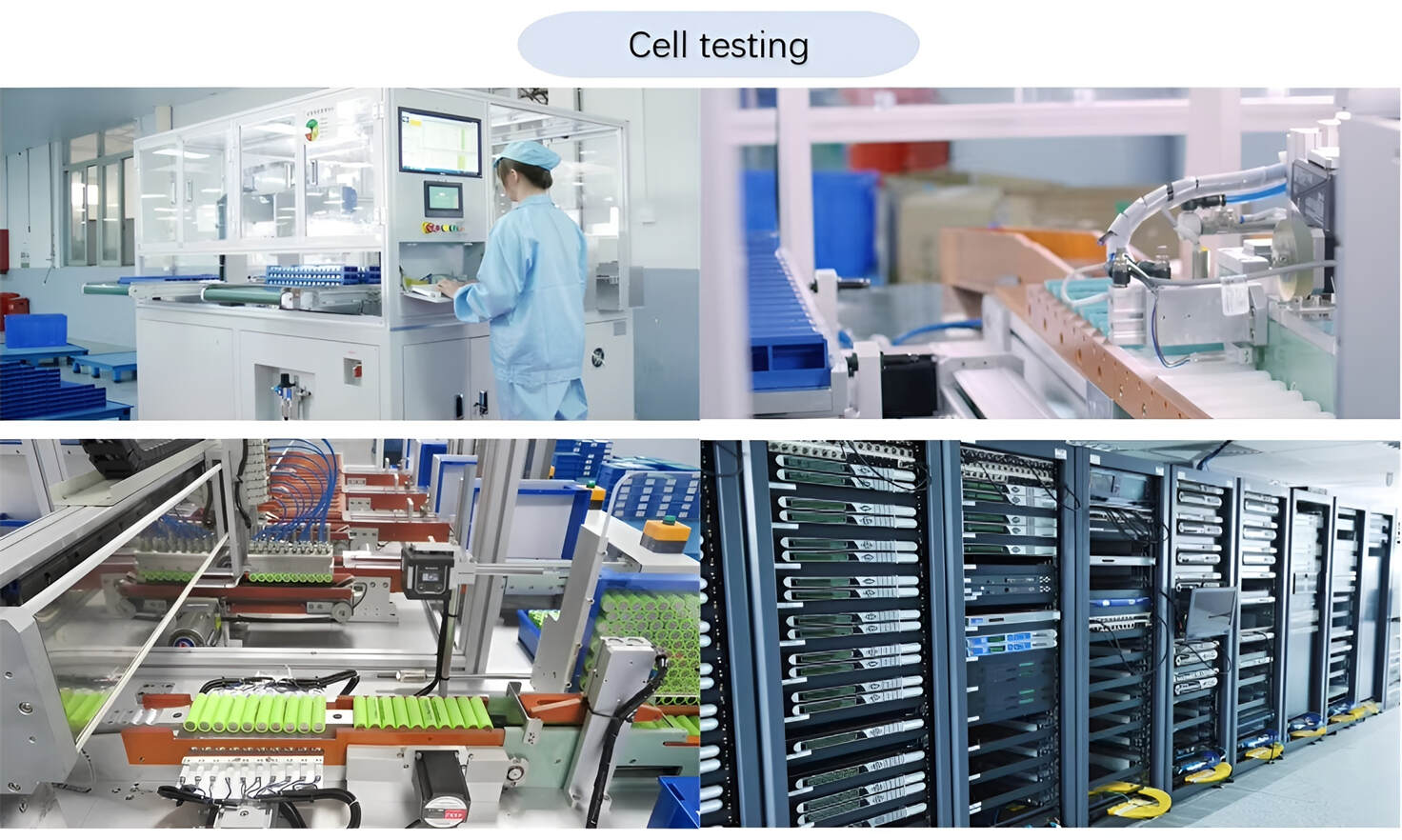
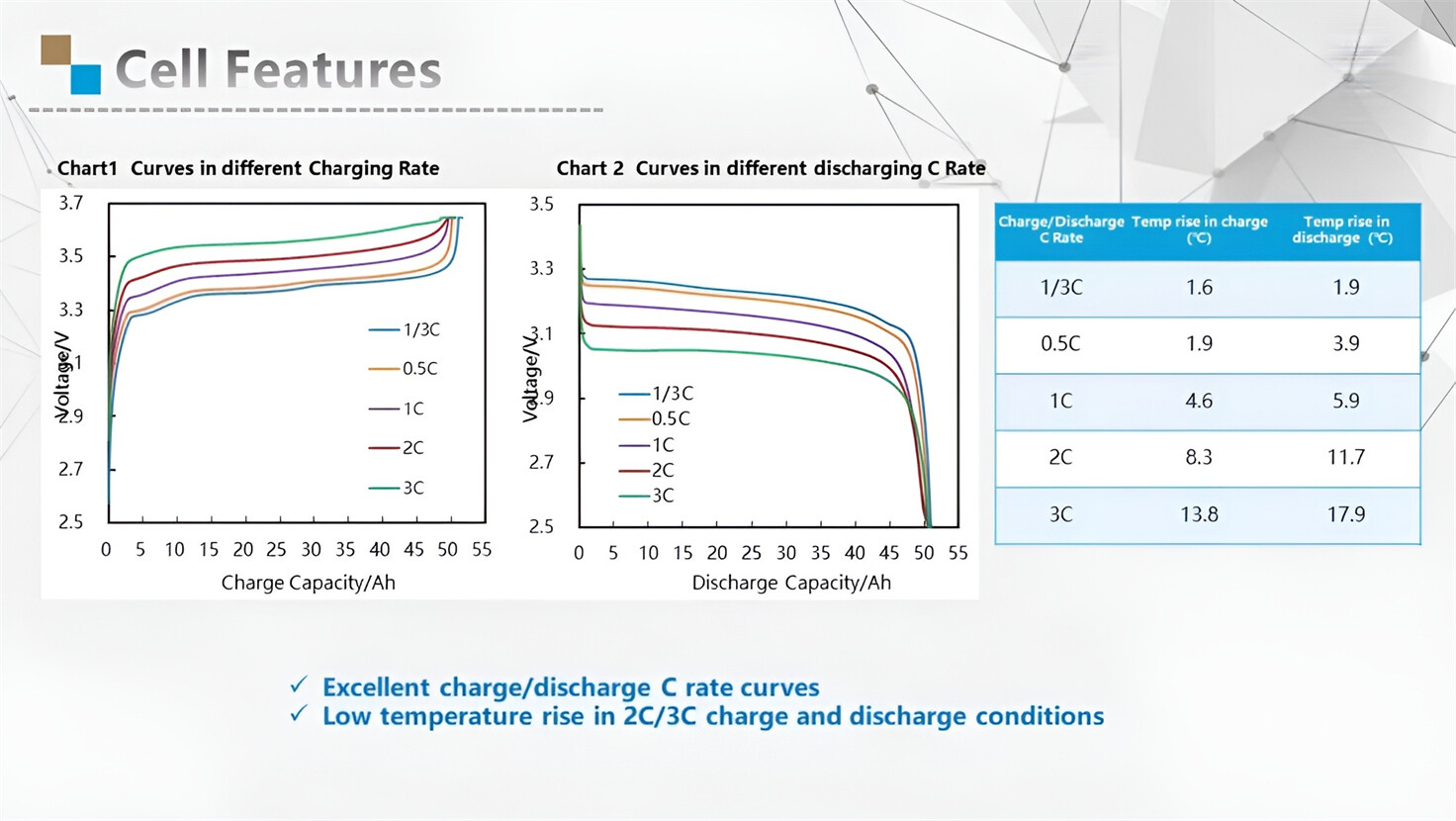
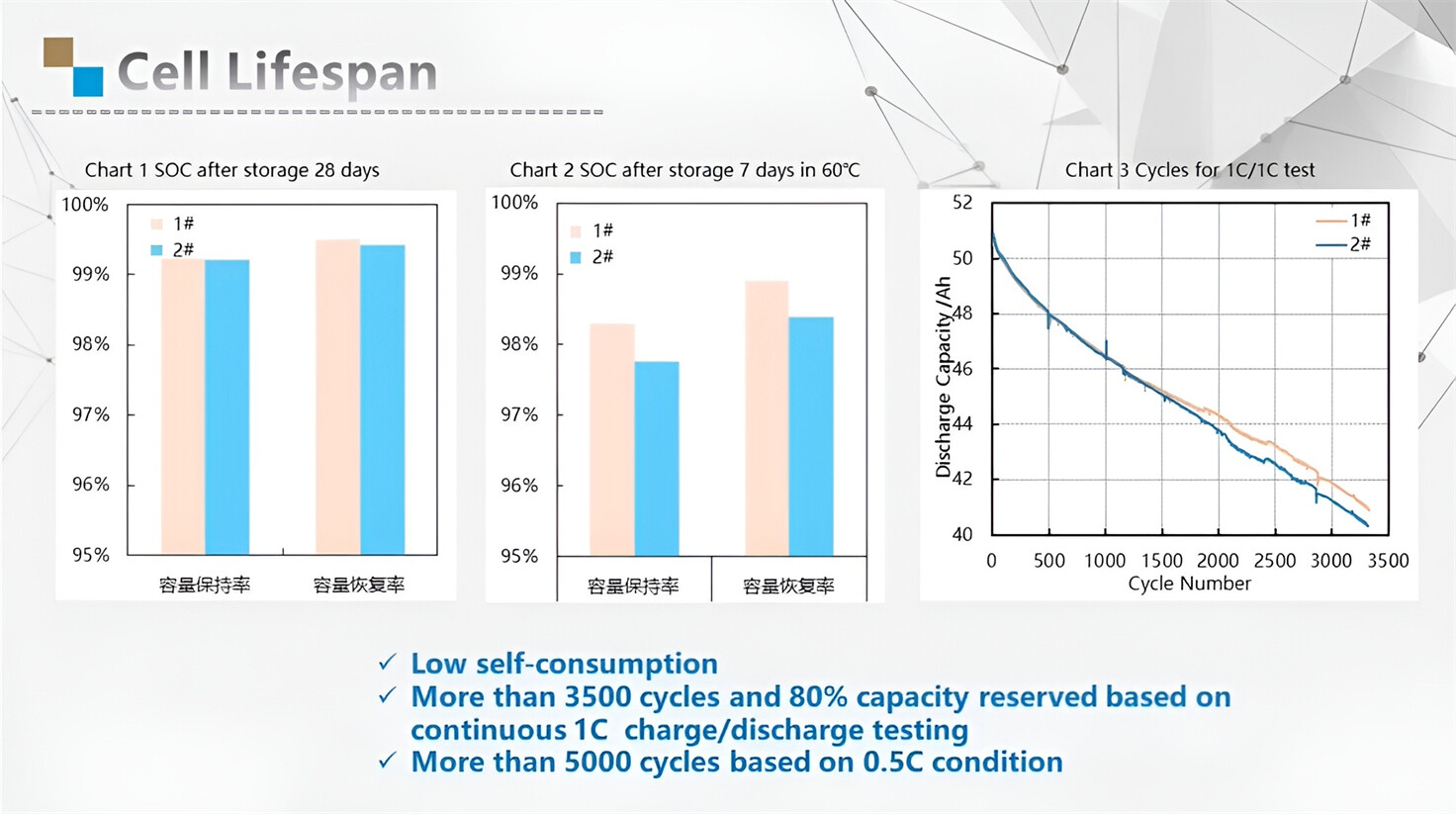
Our energy storage system products use brand new grade A LiFePO4 cells with a battery lifespan of more than 4,000 charge/discharge cycles.

Applications in Different Industries
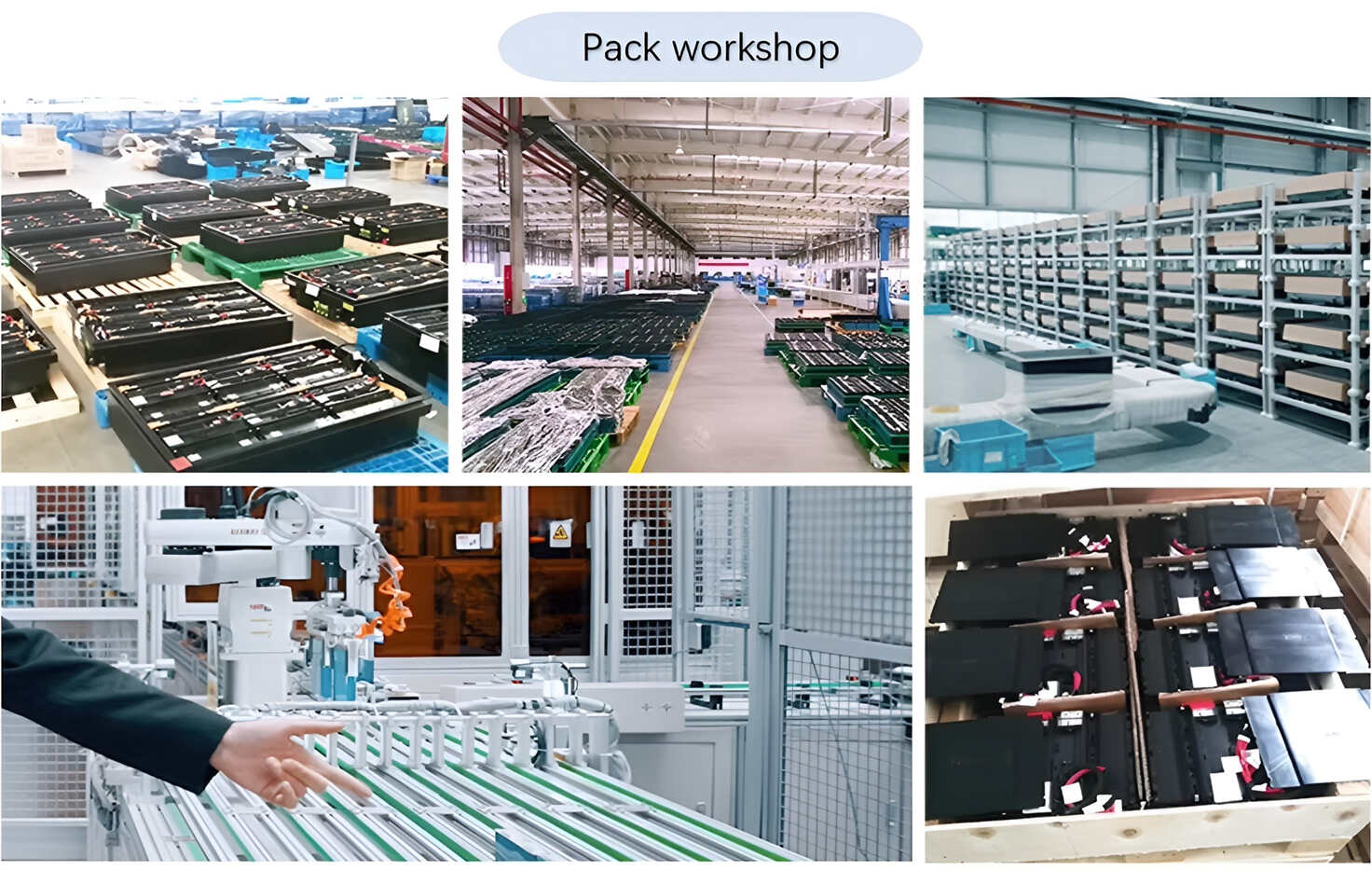
We supply customized & OEM battery pack, assemble cells with wiring, fuse and plastic cover, all the cell wires connected to PCB plug or built BMS.
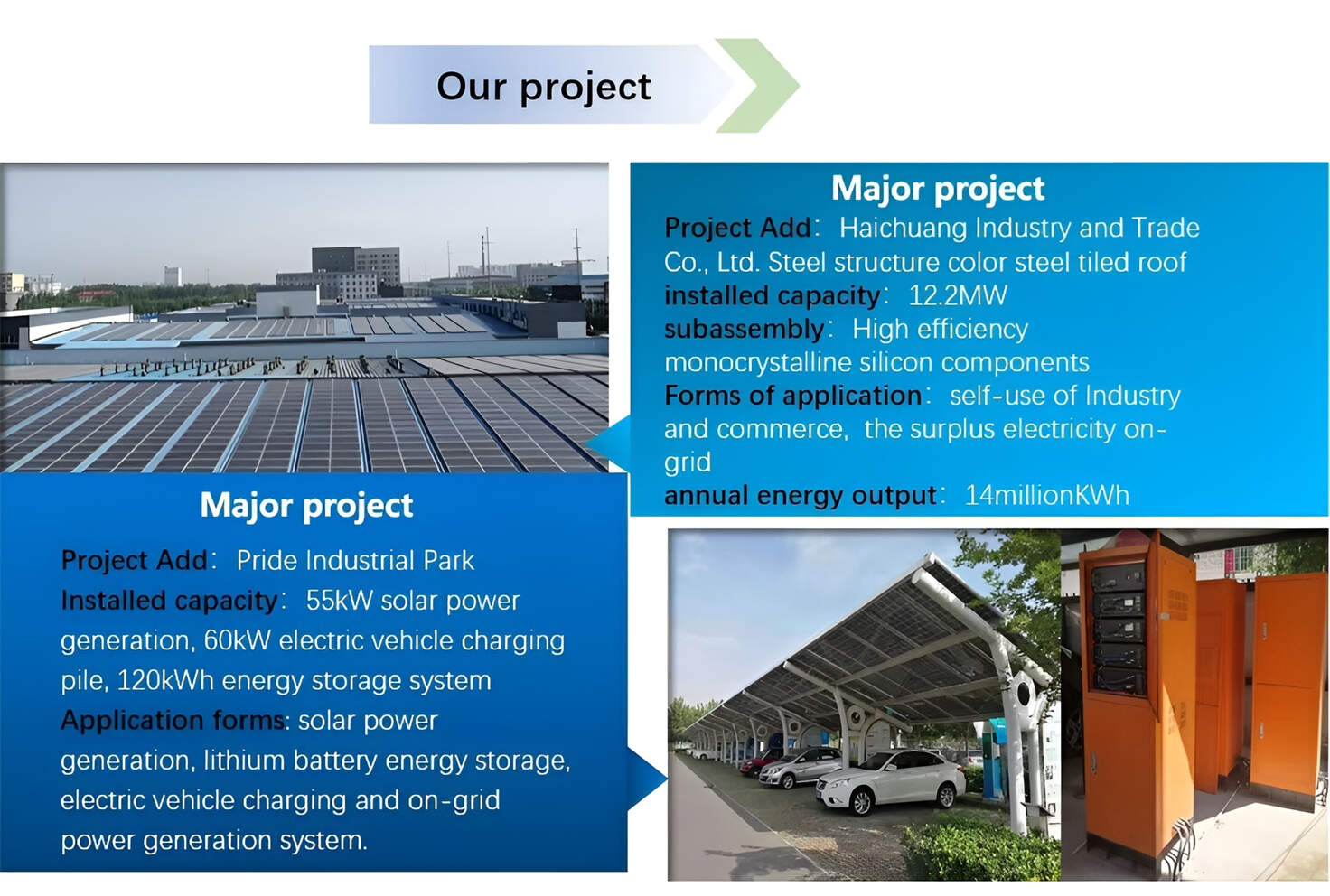
Applications: E-bike, Electric Scooter, Golf Carts, RV, Electric Wheelchair, Electric Tools, Robot Cleaner, Robot Sweeper, Solar Energy Storage System, Emergency Light, Solar Power Light, Medical Equipment, UPS Backup Power Supply.
We can provide you with customized services. We have the ability to provide a vertical supply chain, from single cells to pack/module and to a complete power solution with BMS, etc.


HomSolar (Shenzhen) Technology Co., Ltd