How To Use Depth Of Discharge: A Practical Guide To Maximizing Battery Life And Performance
The term "Depth of Discharge" (DoD) is one of the most critical, yet often misunderstood, concepts in battery management. Whether you're managing a home energy storage system, an electric vehicle, a boat, or a simple solar setup, understanding and correctly applying DoD principles is the key to unlocking long-term battery health, reliability, and value. This guide will demystify Depth of Discharge and provide you with a clear, actionable framework for using it to your advantage.
Understanding Depth of Discharge
Depth of Discharge (DoD) represents the percentage of a battery's total capacity that has been used. It is the inverse of the State of Charge (SoC). For example, if a 100 kWh battery has 40 kWh of energy remaining, its State of Charge is 40%, and its Depth of Discharge is 60%. A higher DoD means you have used more of the battery's stored energy.
The central principle is this: the deeper you regularly discharge a battery, the faster it chemically degrades and loses its ability to hold a full charge. Managing DoD is essentially about finding the optimal balance between your daily energy needs and your desire for the battery to last for many years.
A Step-by-Step Guide to Implementing DoD Management
Follow these steps to effectively integrate Depth of Discharge management into your energy system.
Step 1: Identify Your Battery Chemistry
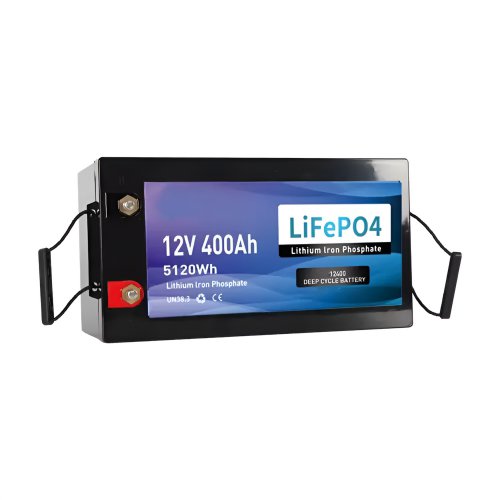
The first and most crucial step is to know what type of battery you have. Different chemistries have vastly different tolerances for deep discharging.Lithium-ion (Li-ion, NMC, LFP): These are the most common in modern applications. They tolerate deeper discharges well. However, there's a significant difference:Lithium Iron Phosphate (LFP): The champion of cycle life. Can often be discharged to 80-90% DoD regularly with minimal degradation. Some can even be taken to 100% DoD, though it's not generally recommended for daily use.Other Li-ion (NMC): Prefer a more conservative DoD. For longevity, keeping daily cycles to 80-90% DoD is advisable.Lead-Acid (Flooded, AGM, Gel): These are very sensitive to deep discharges. Regularly discharging beyond 50% DoD will drastically shorten their lifespan.Nickel-based (NiCd, NiMH): More resilient than lead-acid but less so than lithium. A 70-80% DoD is a common target.Consult your battery's user manual or manufacturer's datasheet for specific recommendations.Step 2: Determine Your Daily Energy Needs
Calculate how much energy you typically consume in a 24-hour period. This will be in kilowatt-hours (kWh). For example, your home might use 15 kWh per day. This calculation is essential for sizing your system correctly and setting appropriate DoD limits.
Step 3: Set Your System's DoD Threshold
This is the core of the practice. Using the information from Steps 1 and 2, you will program your system's charge controller or inverter to stop discharging the battery once it reaches a predetermined DoD.Example for a Lead-Acid System: You have a 20 kWh lead-acid battery bank. To preserve its life, you decide on a 50% maximum DoD. This means you have 10 kWh of usable energy. You would program your controller to stop powering loads when the battery reaches 50% State of Charge (or 50% DoD).Example for an LFP System: You have a 10 kWh LFP battery. You choose a conservative 80% maximum DoD for daily use, giving you 8 kWh of usable energy. Your system is set to cease discharge at 20% State of Charge.
Step 4: Configure Your Battery Management System (BMS) or Controller
Most modern systems allow you to set these parameters through a digital interface (app or display). Locate the settings for "Depth of Discharge," "State of Charge Cut-off," or "Low Voltage Disconnect." Input your chosen threshold from Step 3.
Step 5: Monitor and Adjust
Regularly check your system's performance. Monitor how close you get to your DoD limit each day. If you consistently hit the limit early in the evening, you may need to reduce consumption or consider expanding your storage capacity. If you never come close, you might be able to use a slightly more conservative DoD setting to gain even more lifespan.
Practical Tips and Best Practices
1. Prioritize Longevity Over Total Capacity: It's tempting to use 100% of your battery's capacity. Resist this. Using only 80% of a lithium battery can often double or triple its cycle life compared to using 100%. Think of it as a small, daily sacrifice for a much longer and more reliable service life. 2. The "Shallow Cycle" Advantage: Whenever possible, keep your daily cycles shallow. For instance, cycling a lithium battery between 40% and 60% SoD (i.e., 40% to 60% SoC) is far less stressful than a 0% to 80% cycle, even though the same amount of energy is used. 3. Factor in Peukert's Law (for Lead-Acid): This law states that the higher the current draw from a lead-acid battery, the less effective capacity you have. If you have a high-power device, you will reach your voltage-based DoD cutoff faster than expected. Always oversize lead-acid banks for high-draw applications. 4. Seasonal Adjustments: In winter, when solar harvest may be lower, you might need to temporarily adjust your DoD limit to access more energy, accepting a bit more wear. In summer, you can revert to a more protective setting. 5. Calibration Cycles: Periodically (e.g., once every 3-6 months), allow the battery to go through a full, controlled cycle (e.g., from 100% to your set DoD limit and back to 100%). This helps the BMS recalibrate its State of Charge readings for greater accuracy.
Critical Precautions and WarningsNever Exceed Manufacturer Limits: The absolute maximum DoD specified in the battery's datasheet is a hard line. Crossing it, even occasionally, can cause immediate and irreversible damage, void warranties, and create safety hazards.Avoid Constant Float at 100% SoC (for Li-ion): Just as deep discharge is harmful, keeping a lithium-ion battery (especially NMC) constantly at 100% State of Charge also stresses it. If you won't be using the battery for a long time (e.g., for a seasonal home), store it at a partial state of charge, typically around 50-60%.Temperature Matters: Battery capacity and the stress of discharging are highly dependent on temperature. Discharging a battery in freezing conditions can cause damage. Ensure your system's temperature compensation settings are active.Understand Your Inverter's Low-Voltage Cutoff: If your BMS fails, the inverter's low-voltage cutoff is the last line of defense. Ensure it is set to a safe voltage that corresponds to your battery chemistry's minimum DoD.
By treating your battery not just as a simple bucket of energy but as a sophisticated electrochemical device with specific needs, you can dramatically improve your investment. Mastering Depth of Discharge is not about restriction; it is about intelligent optimization for performance that endures.
Customized/OEM/ODM Service
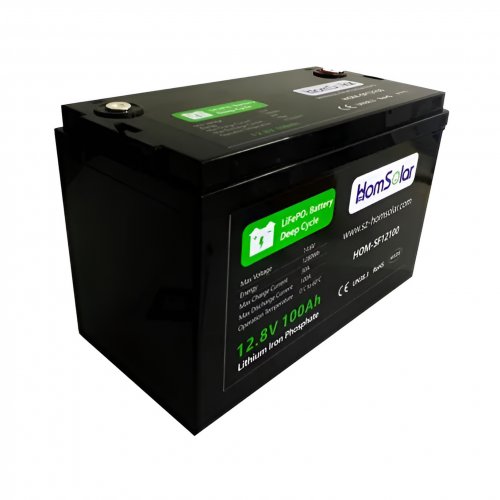
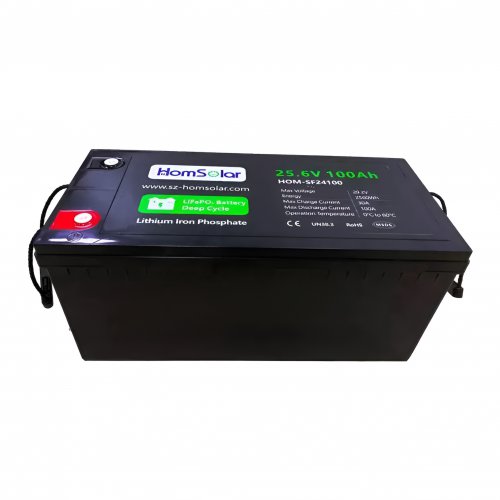
HomSolar Supports Lifepo4 battery pack customization/OEM/ODM service, welcome to contact us and tell us your needs.

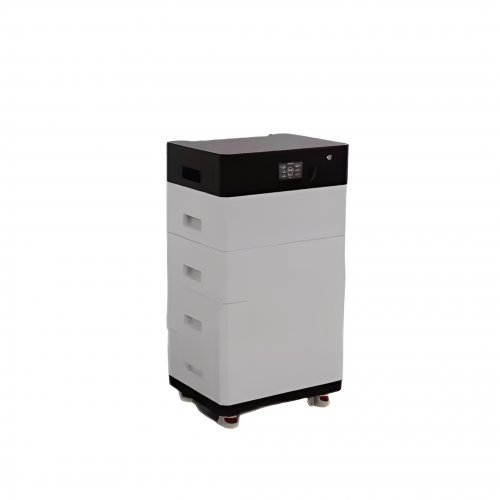
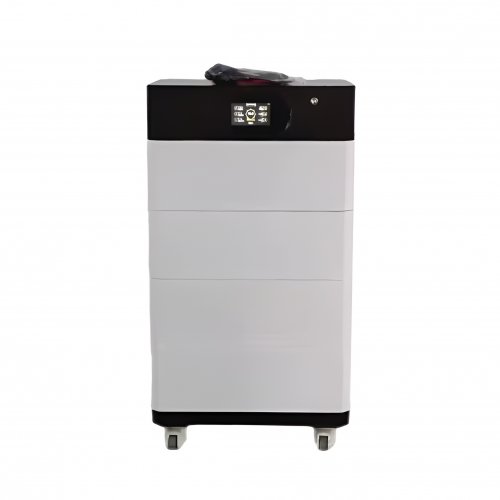
HomSolar: Your One-stop LiFePO4 Battery Pack & ESS Solution Manufacturer
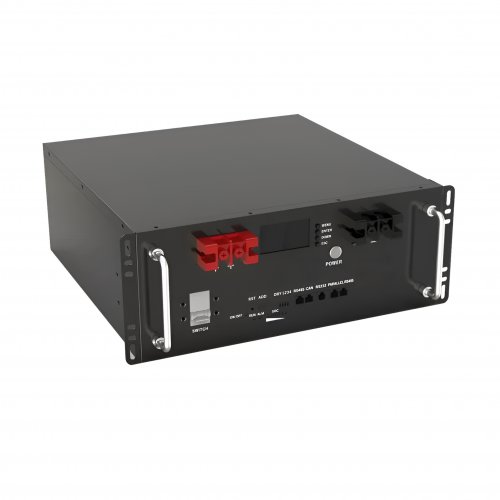
Our line of LiFePO4 (LFP) batteries offer a solution to demanding applications that require a lighter weight, longer life, and higher capacity battery. Features include advanced battery management systems (BMS), Bluetooth® communication and active intelligent monitoring.
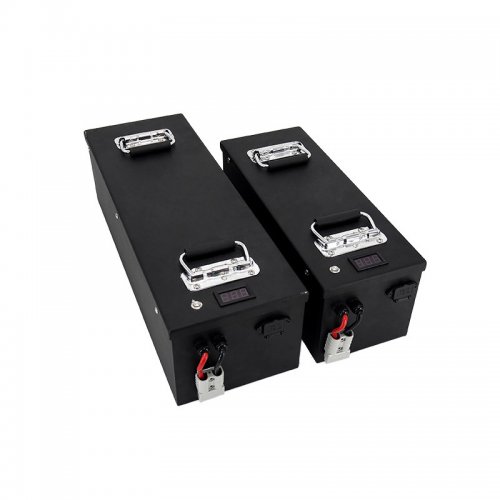
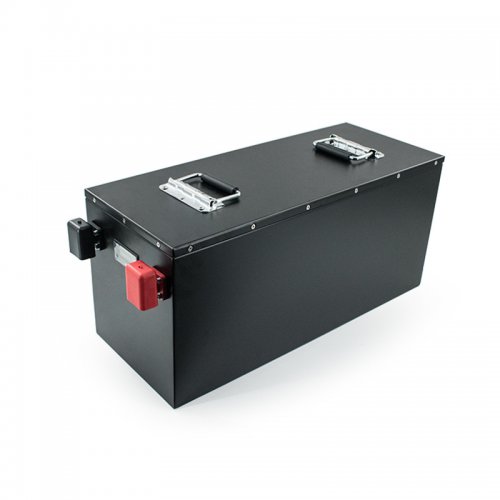
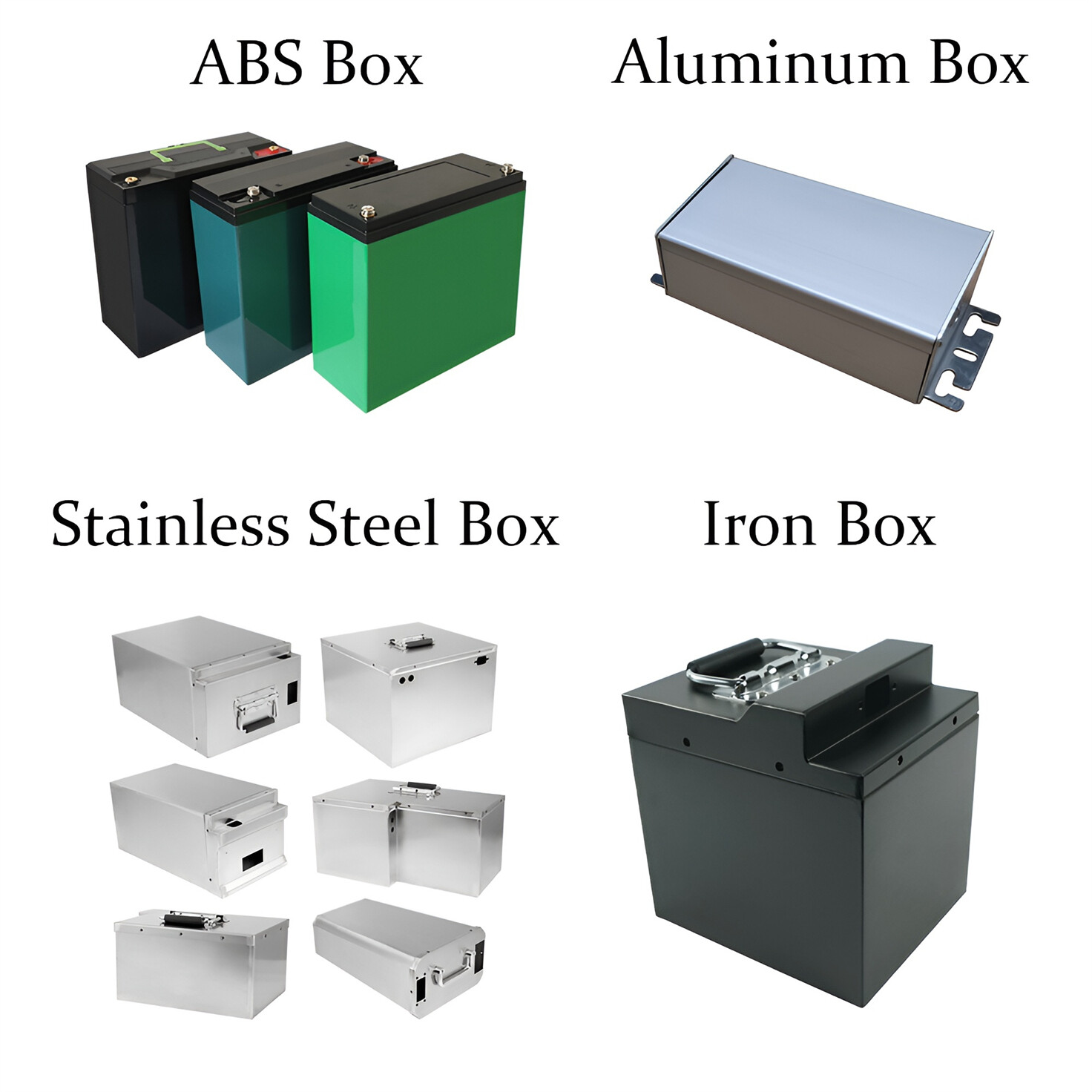
Customised Lithium Iron Phosphate Battery Casing
ABS plastic housing, aluminium housing, stainless steel housing and iron housing are available, and can also be designed and customised according to your needs.
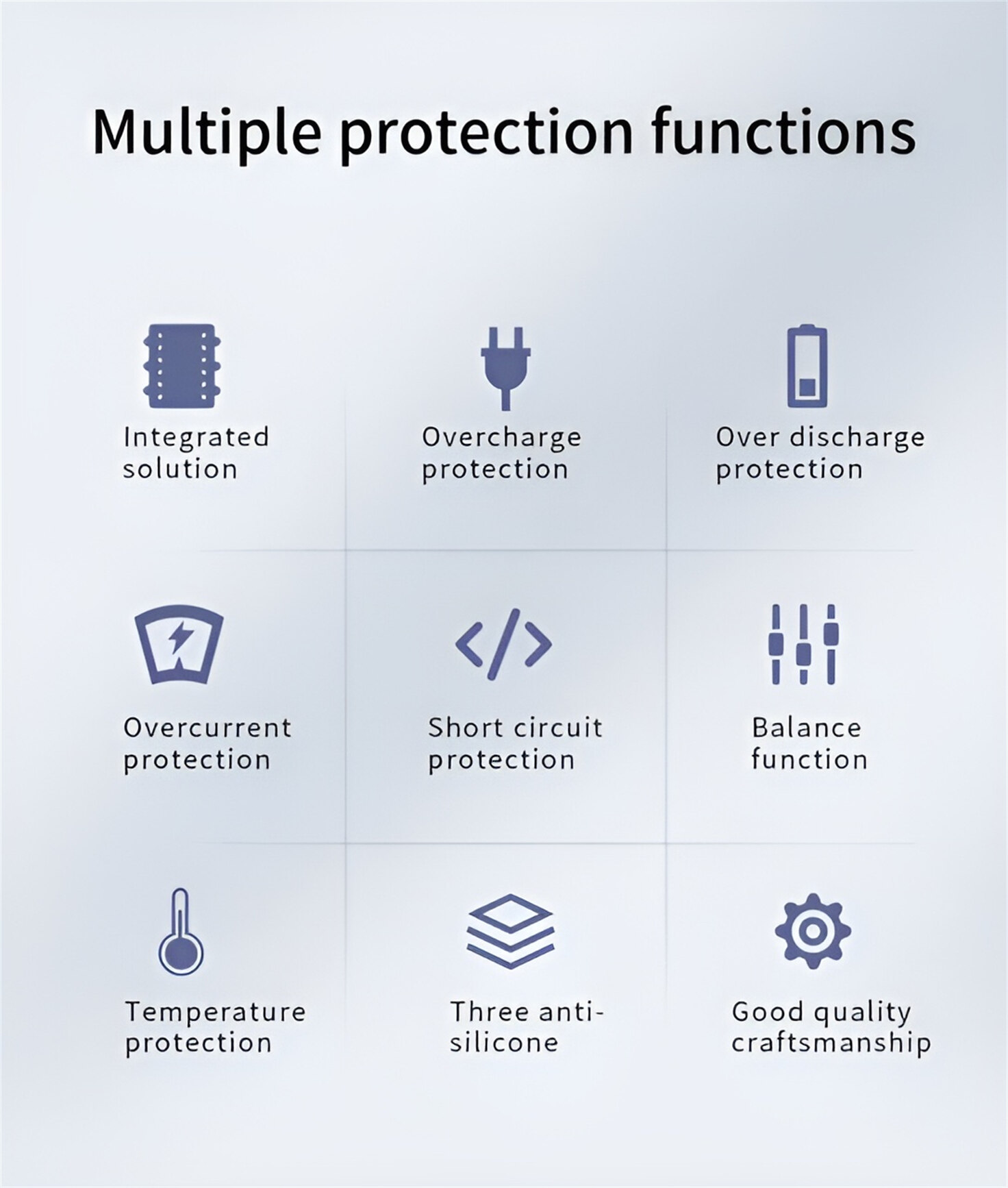
HomSolar Smart BMS
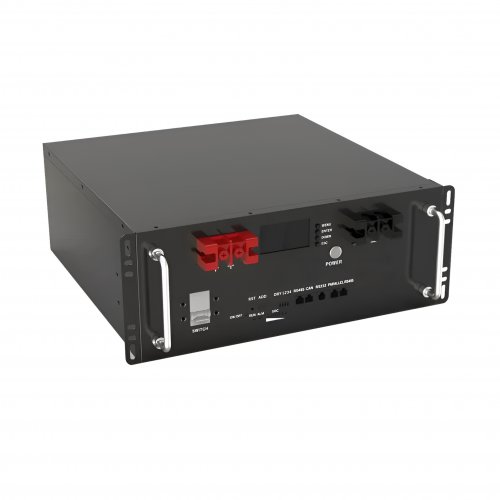
Intelligent Battery Management System for HomSolar Energy Storage System. Bluetooth, temperature sensor, LCD display, CAN interface, UART interface also available.

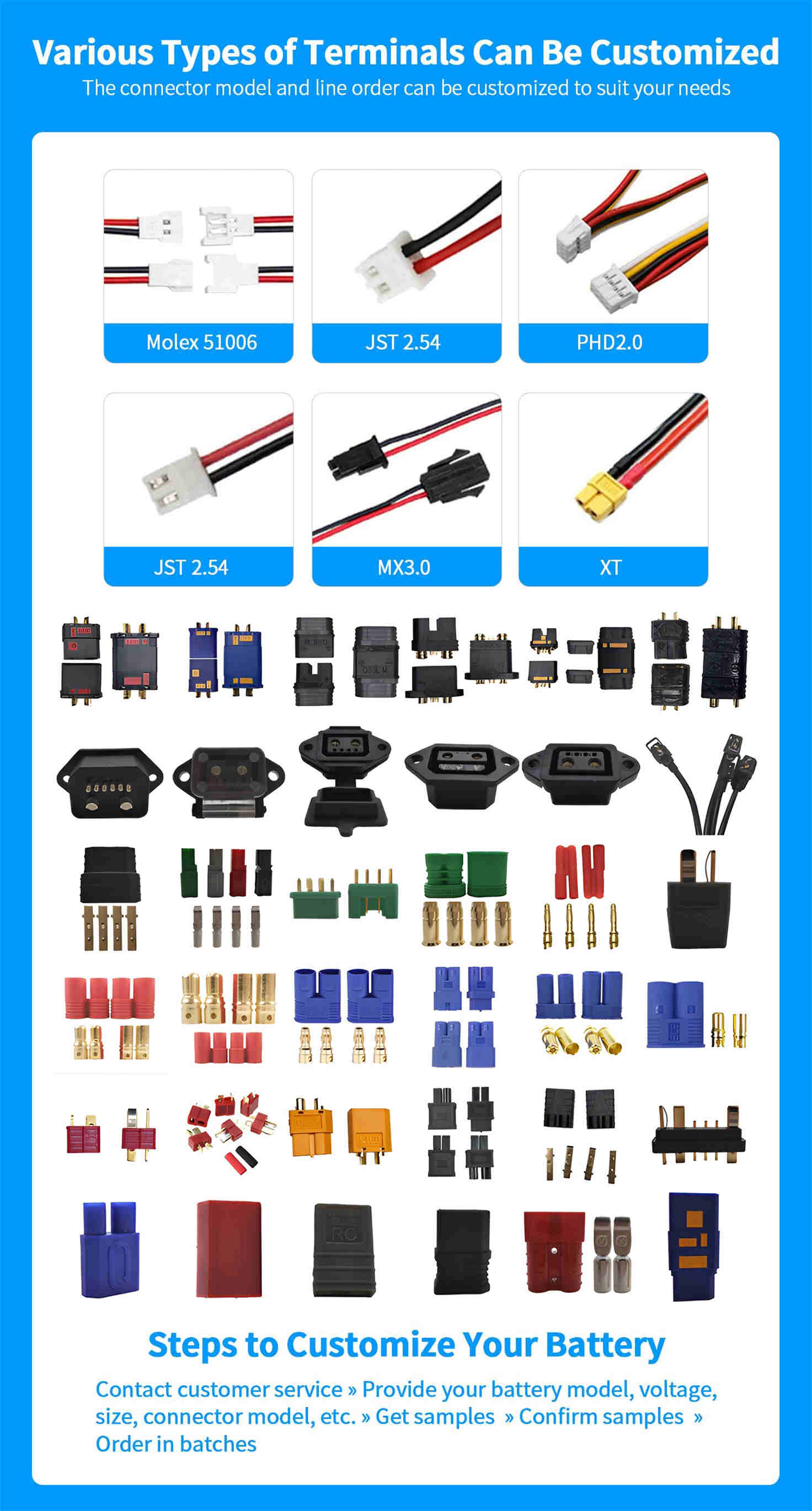
Terminals & Plugs Can Be Customized
A wide range of terminals and plugs can be customised to suit the application needs of your battery products.
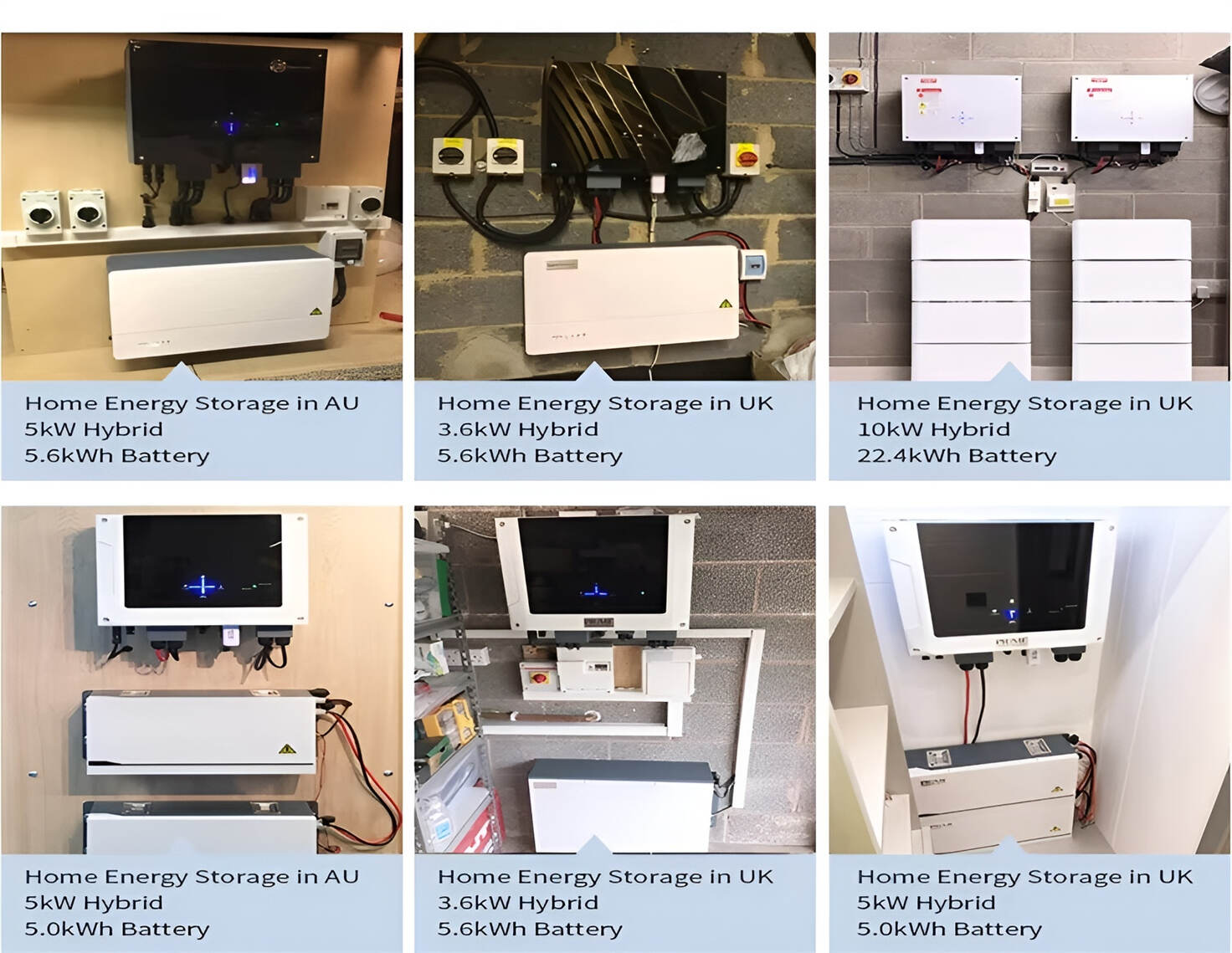
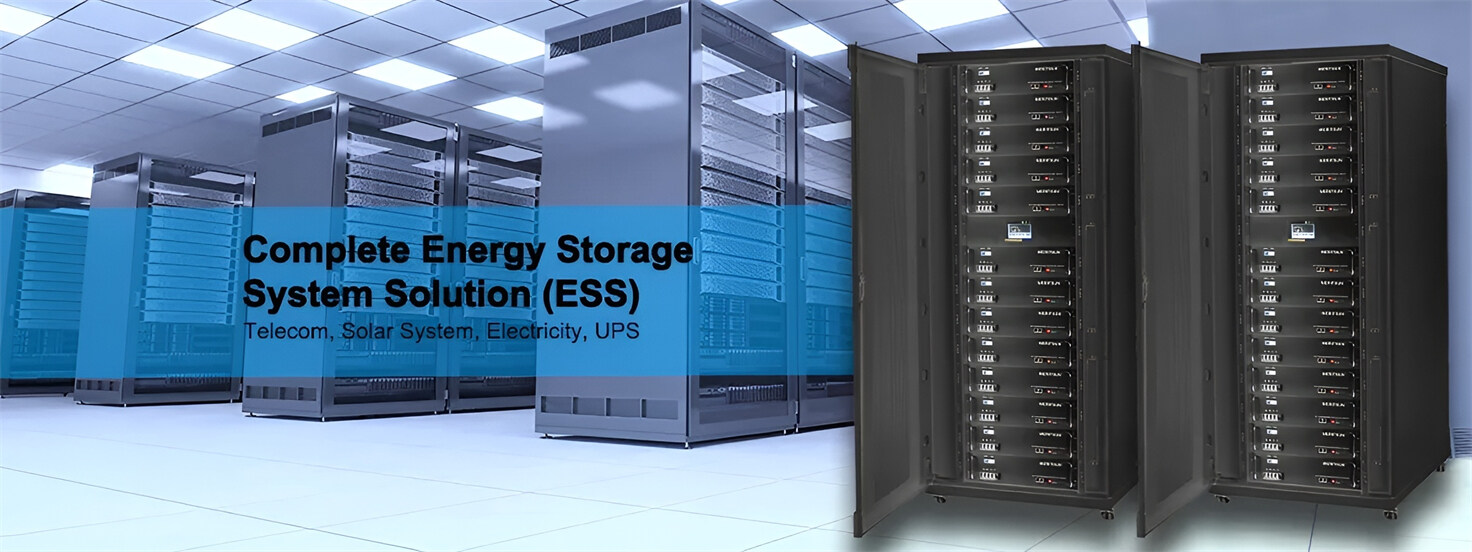
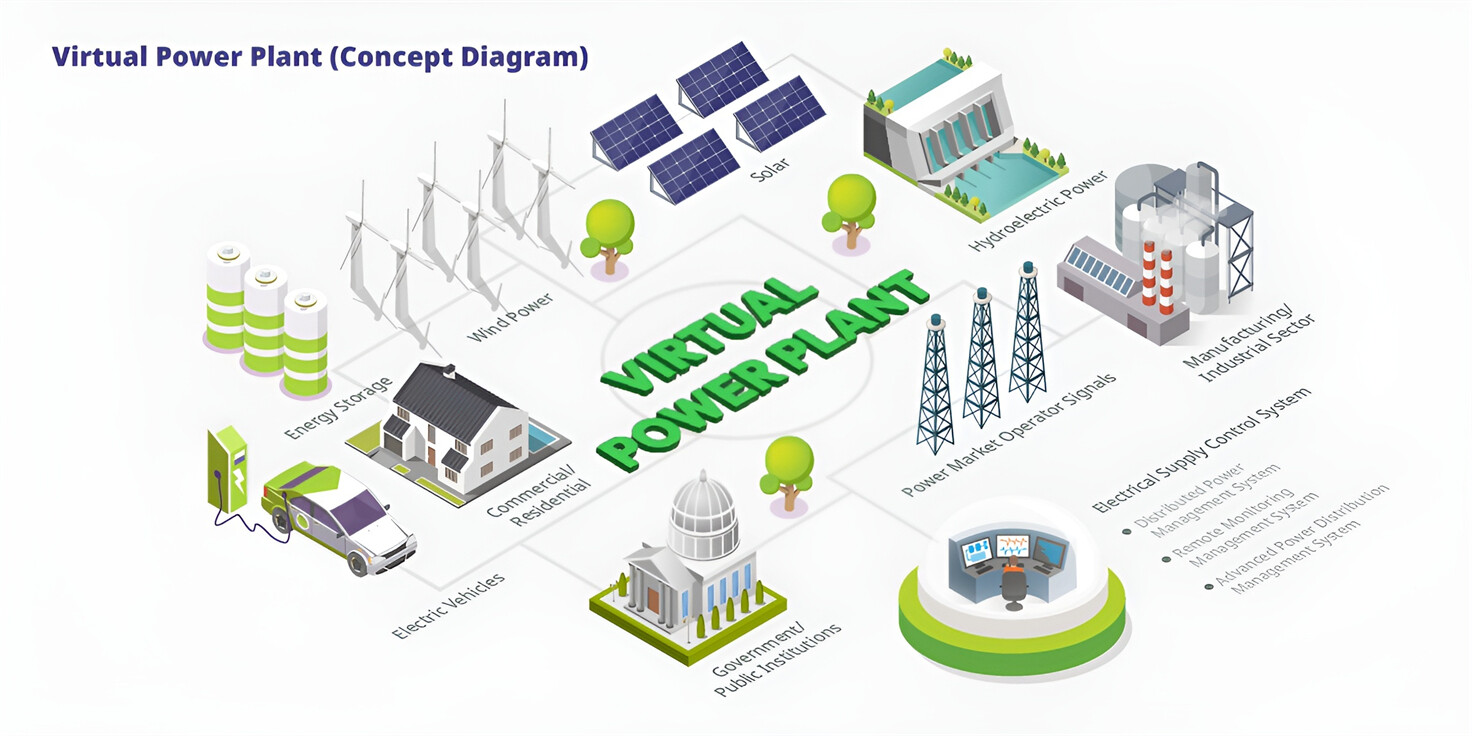
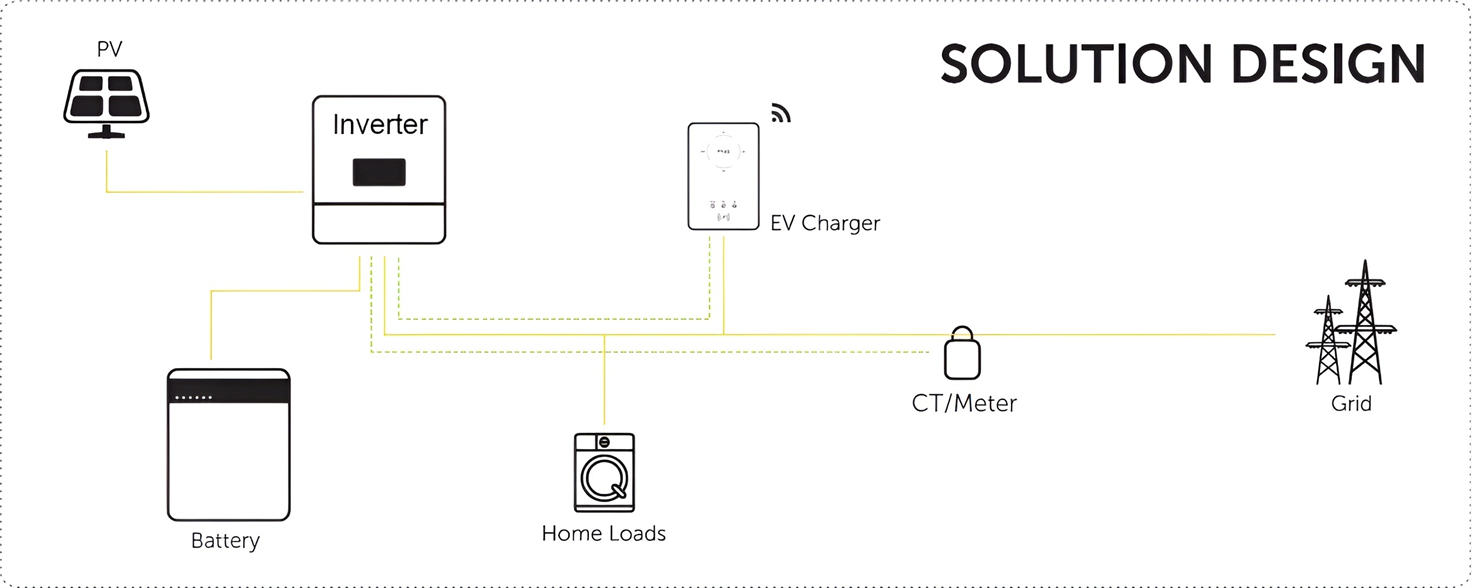
Well-designed Solutions for Energy Storage Systems
We will design the perfect energy storage system solution according to your needs, so that you can easily solve the specific industry applications of battery products.
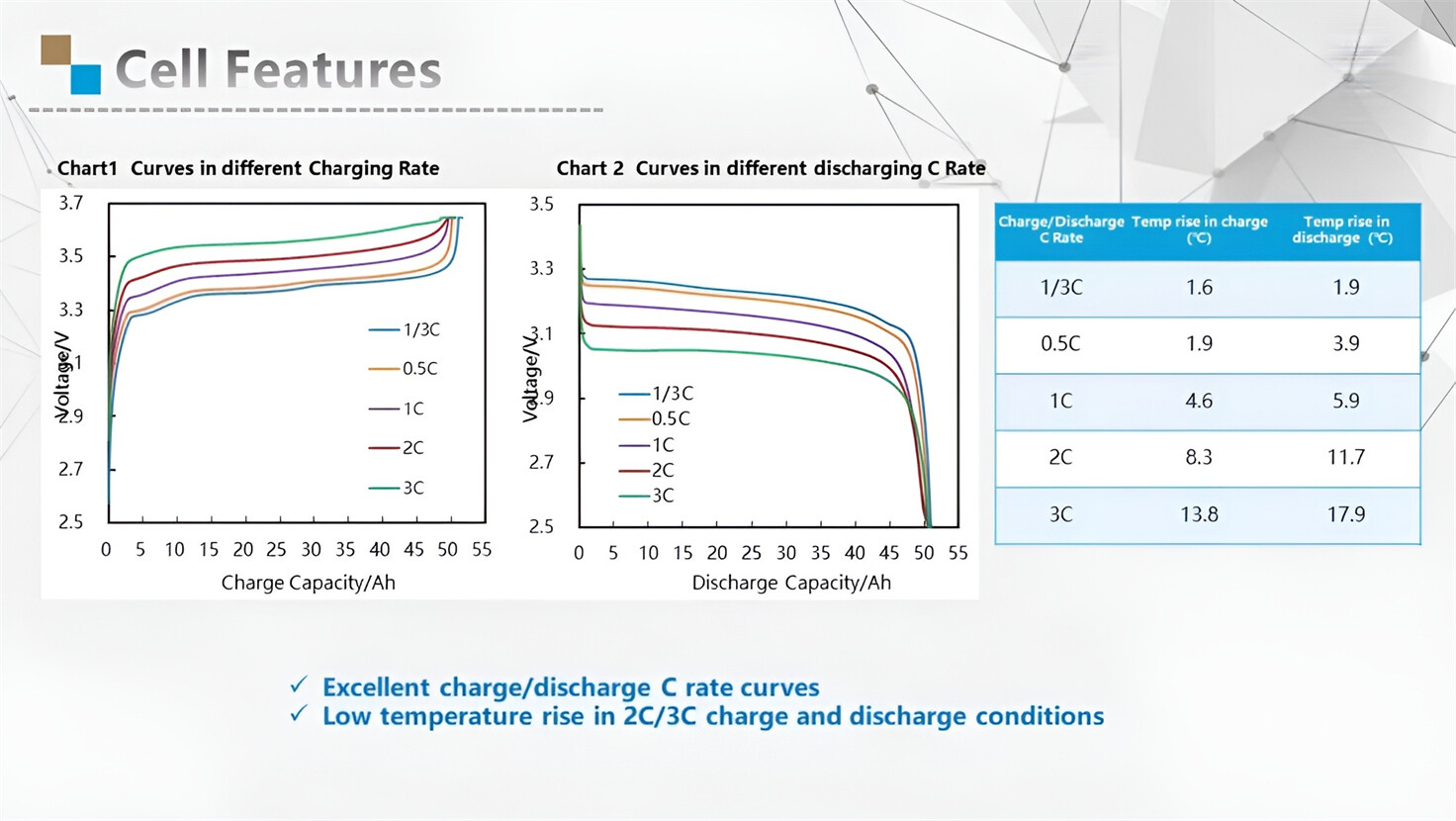
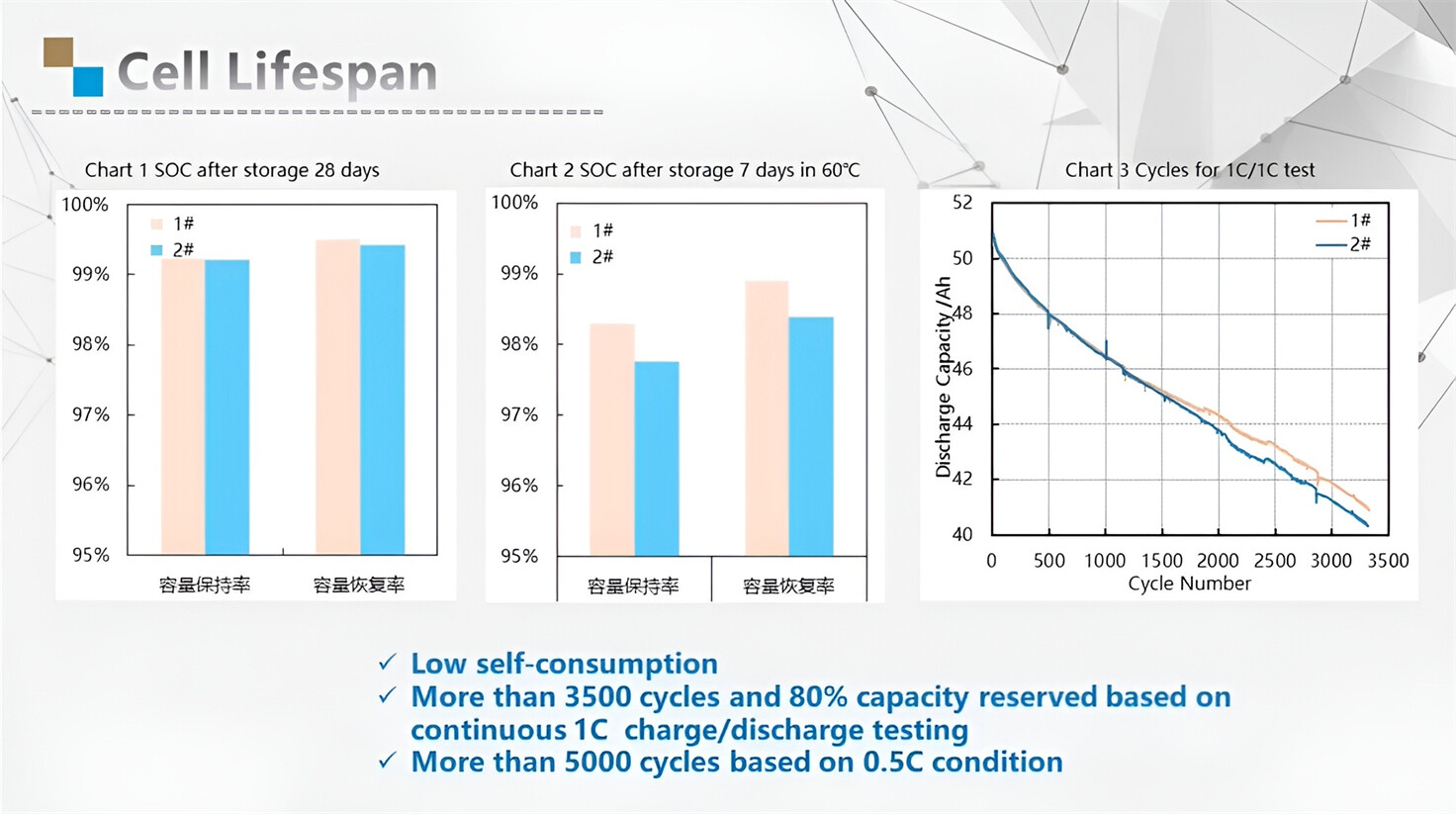
About Our Battery Cells
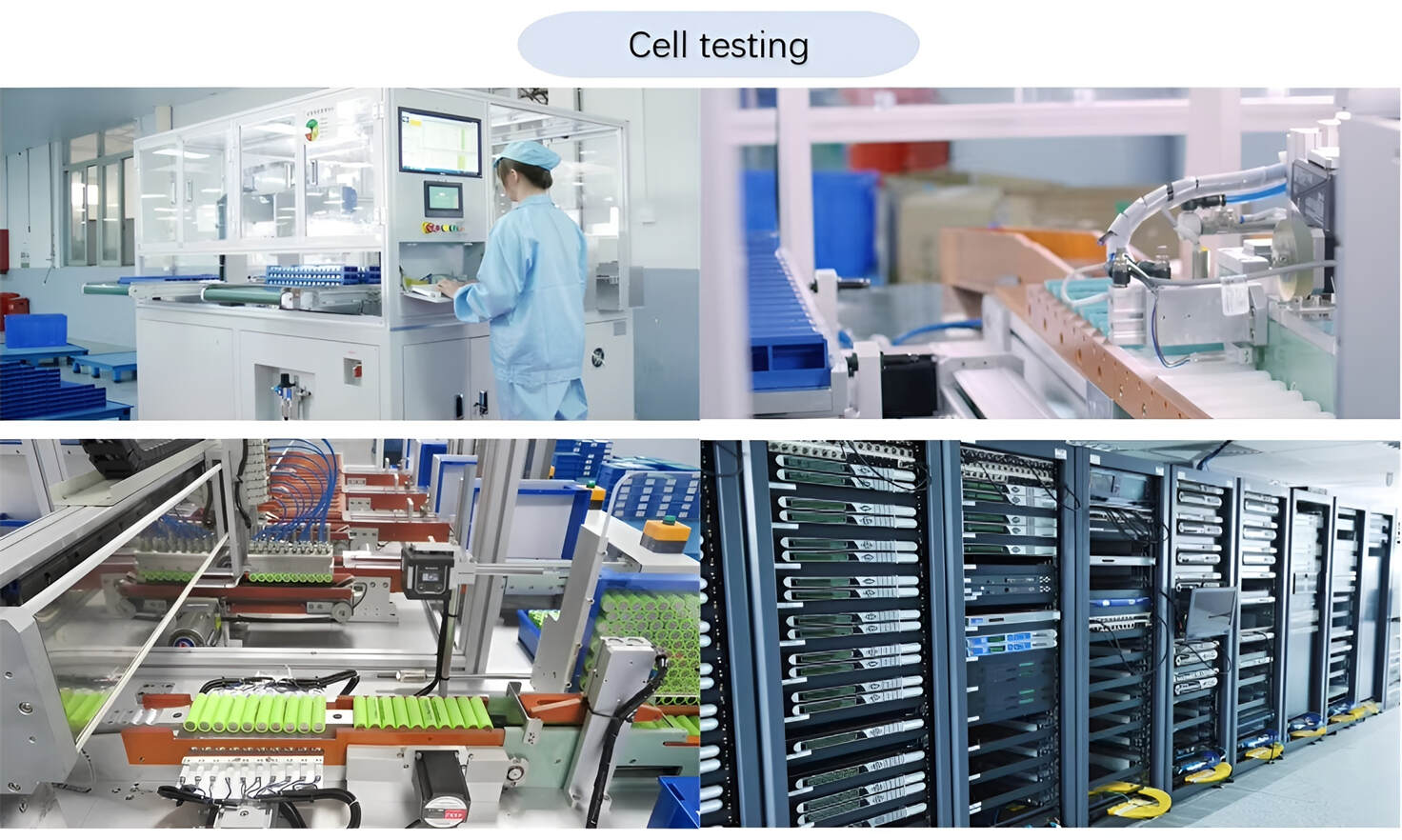
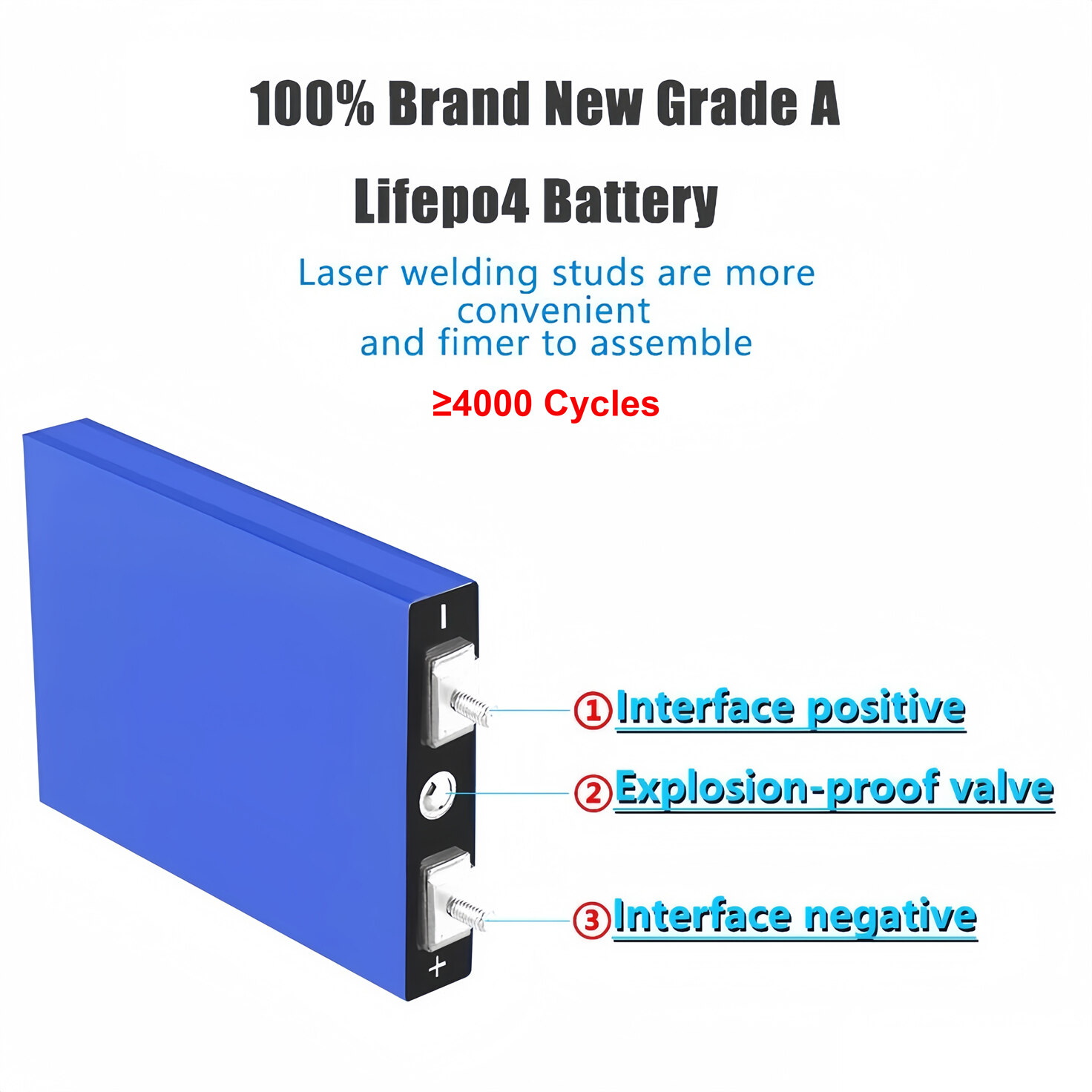
Our energy storage system products use brand new grade A LiFePO4 cells with a battery lifespan of more than 4,000 charge/discharge cycles.
Applications in Different Industries
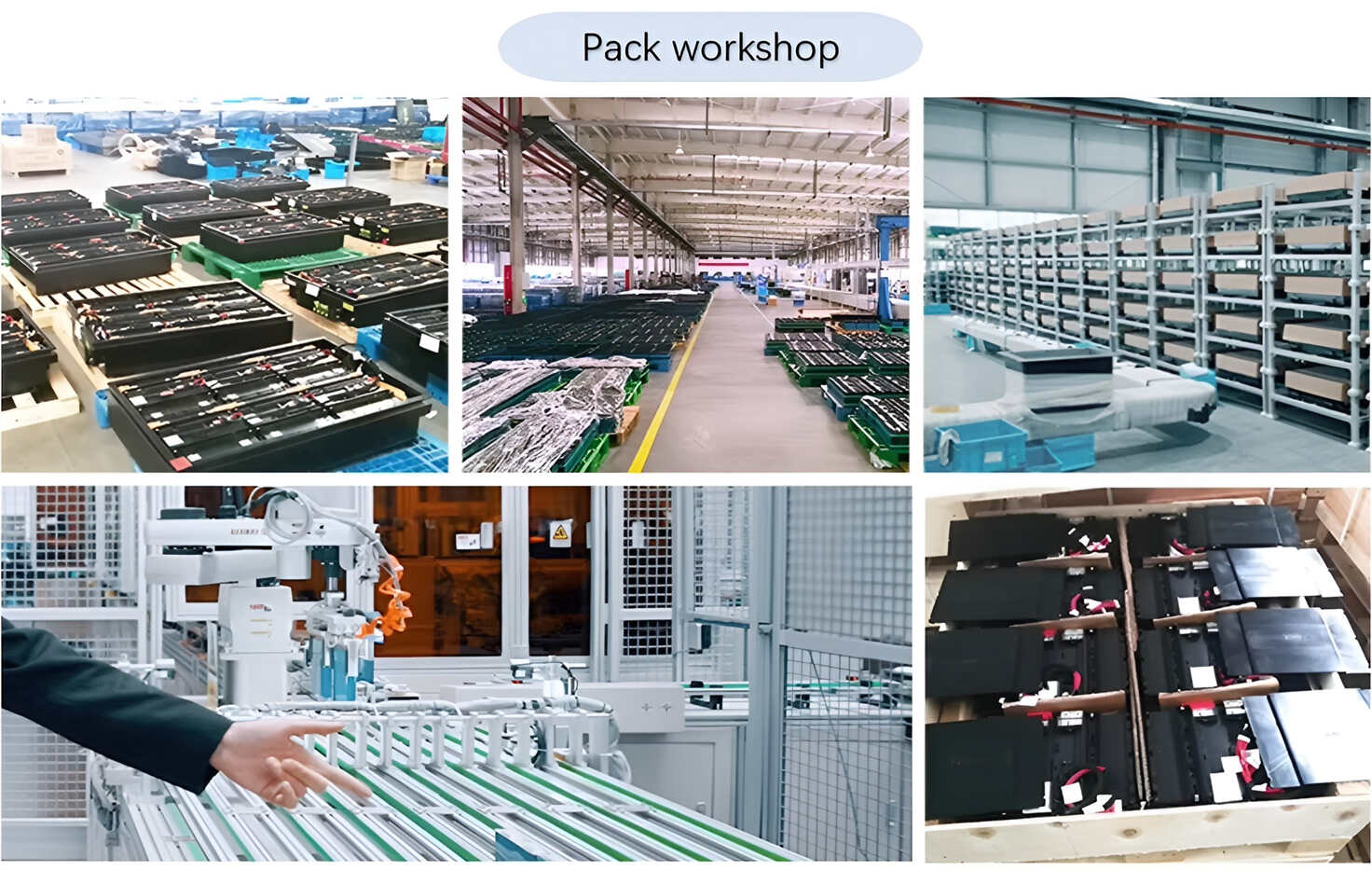
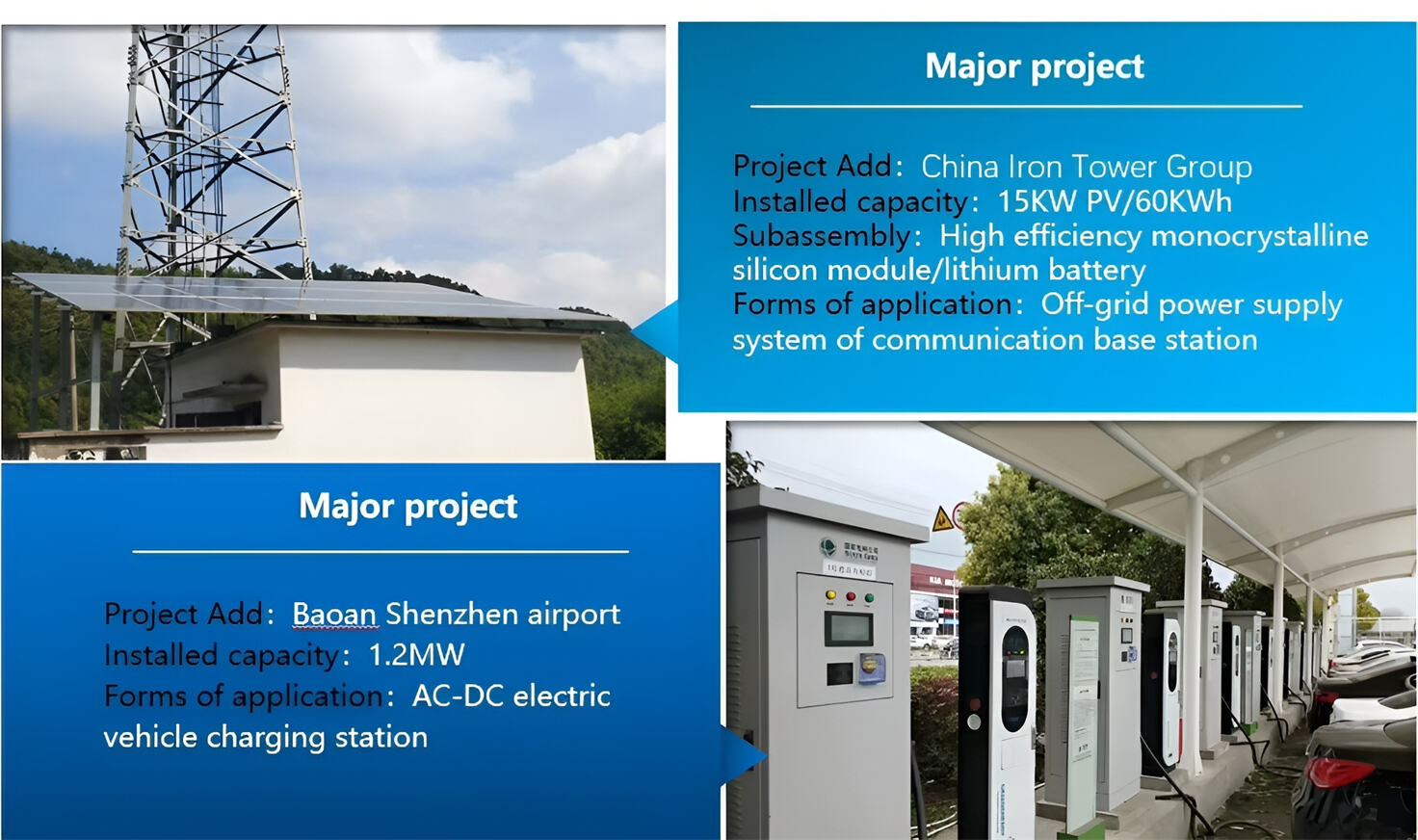
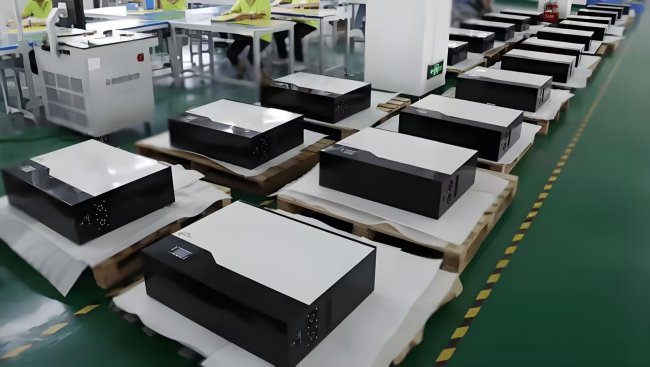
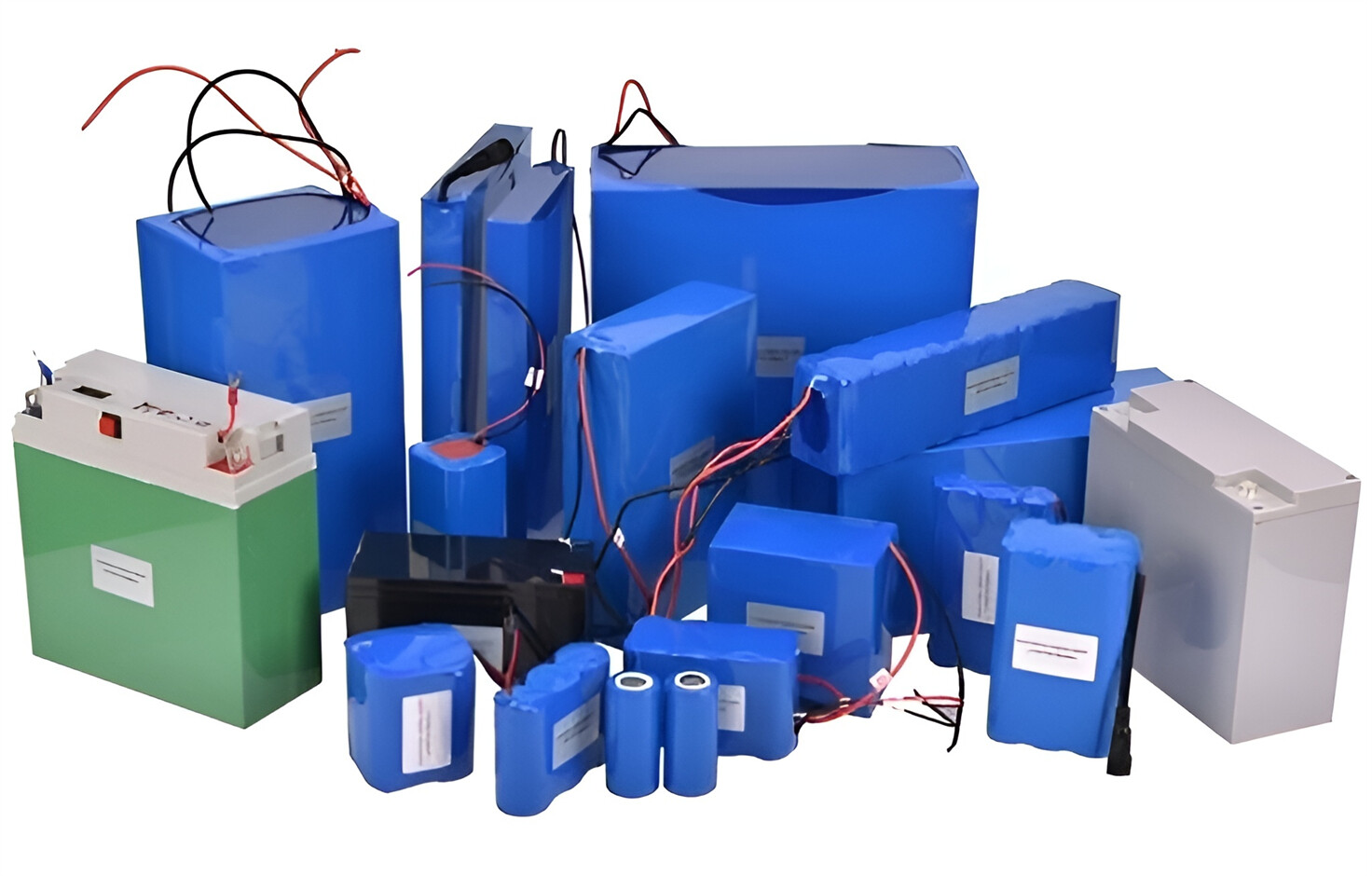
We supply customized & OEM battery pack, assemble cells with wiring, fuse and plastic cover, all the cell wires connected to PCB plug or built BMS.
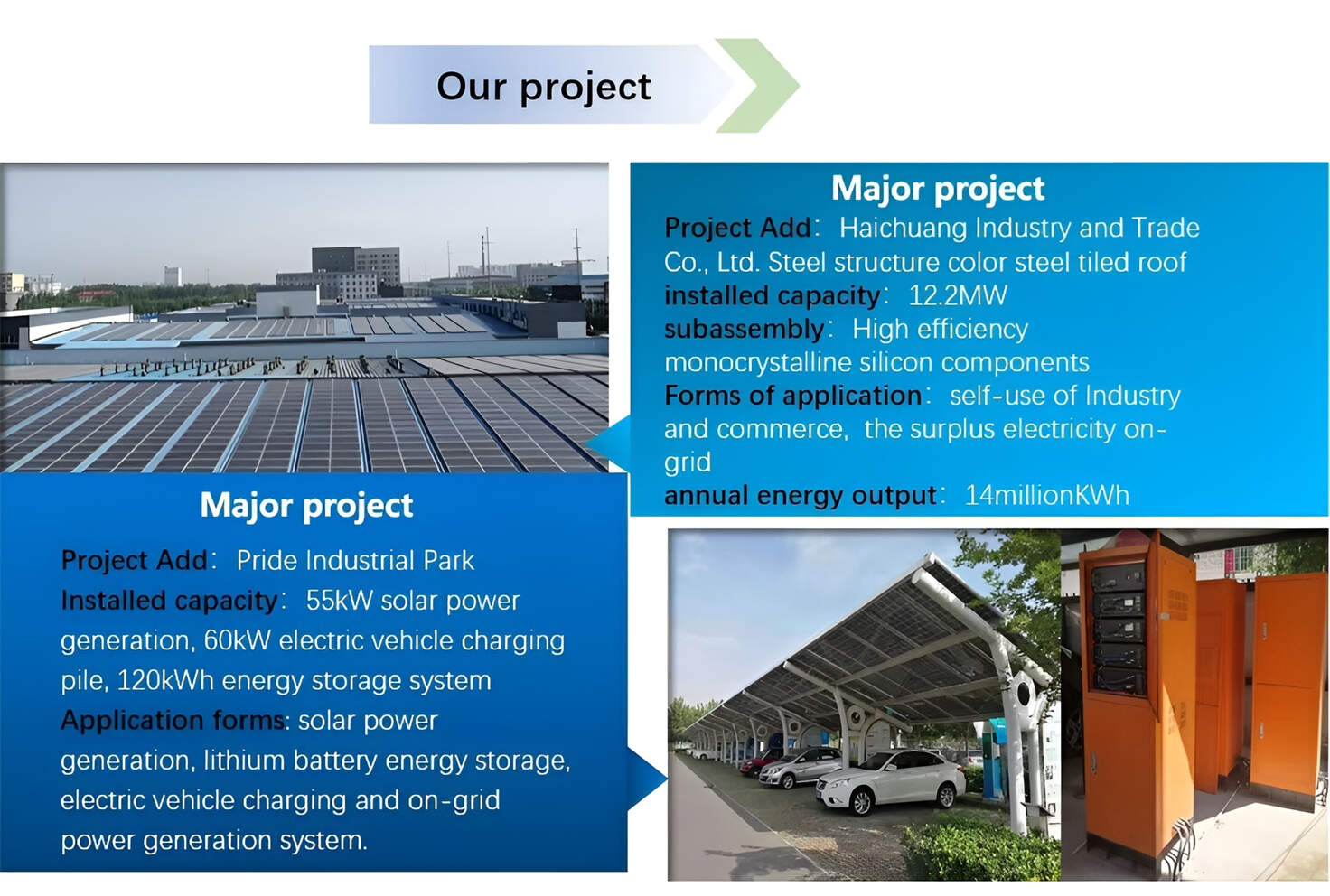
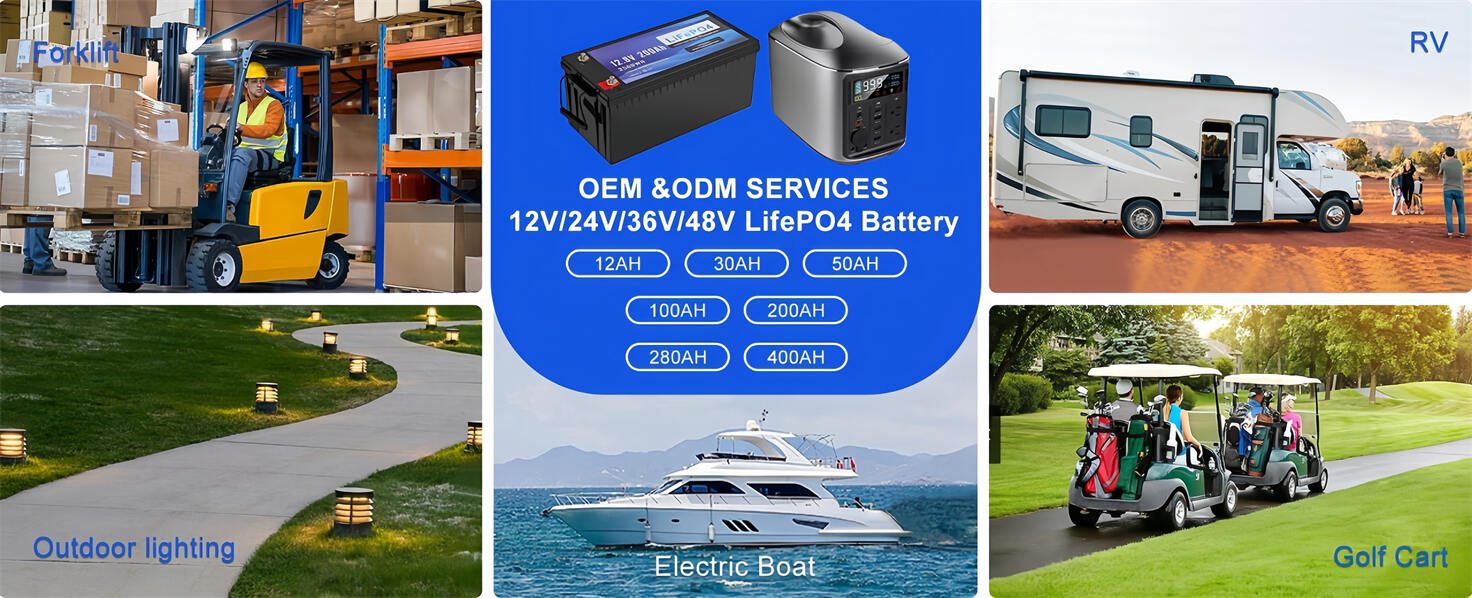
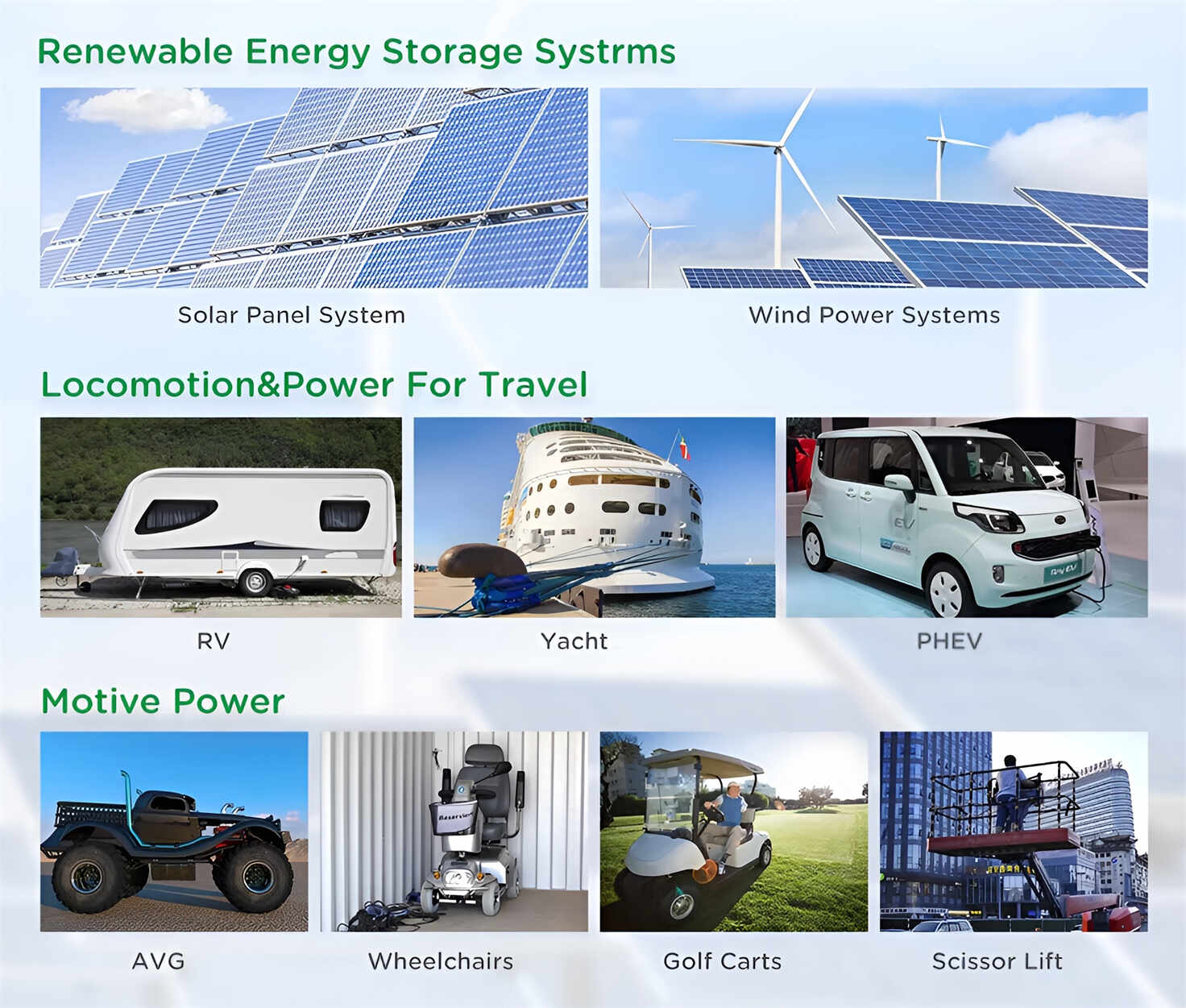
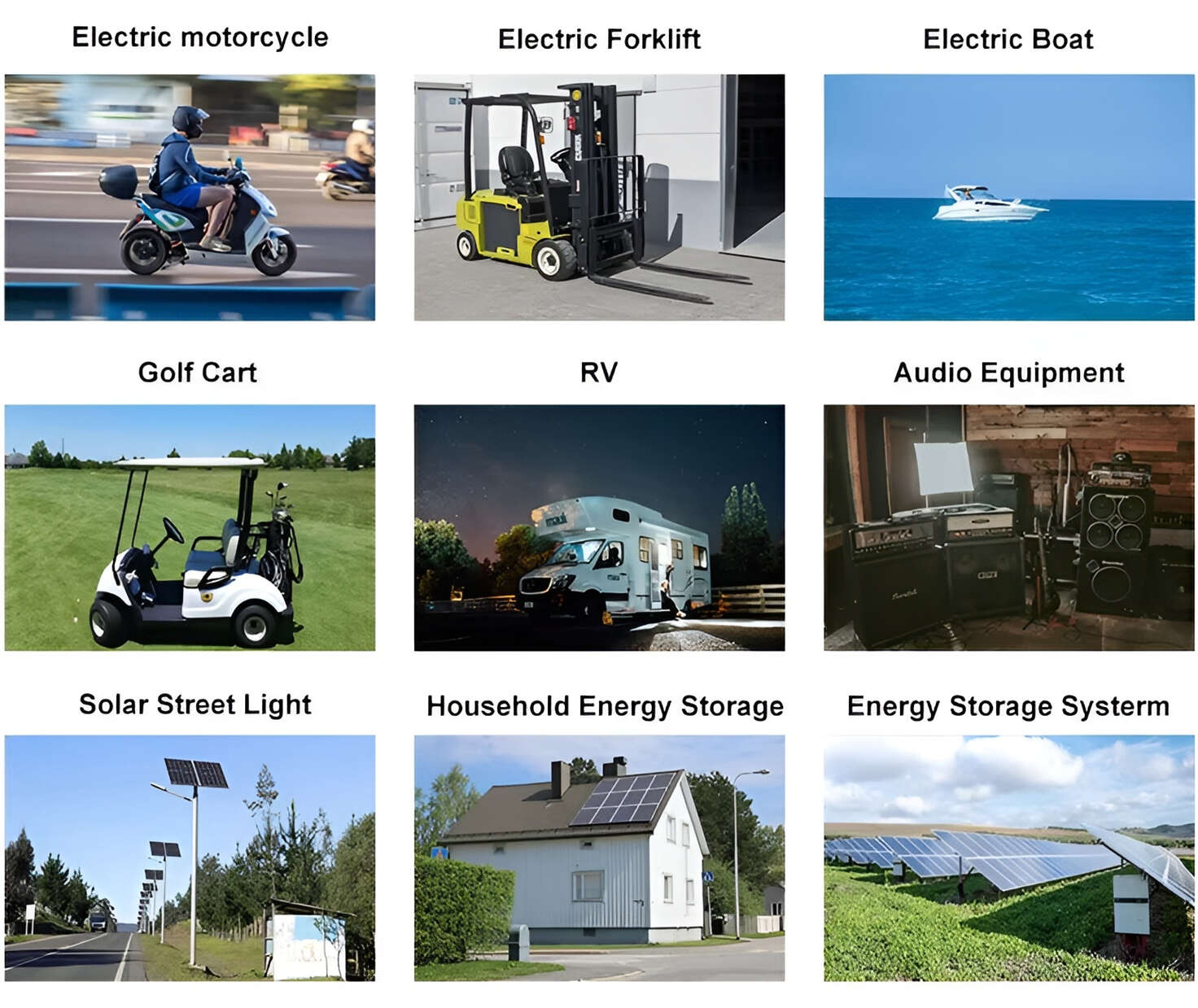
Applications: E-bike, Electric Scooter, Golf Carts, RV, Electric Wheelchair, Electric Tools, Robot Cleaner, Robot Sweeper, Solar Energy Storage System, Emergency Light, Solar Power Light, Medical Equipment, UPS Backup Power Supply.
We can provide you with customized services. We have the ability to provide a vertical supply chain, from single cells to pack/module and to a complete power solution with BMS, etc.
HomSolar (Shenzhen) Technology Co., Ltd