How To Use Depth Of Discharge: A Practical Guide To Maximizing Battery Life And Performance
The term "Depth of Discharge" (DoD) is a cornerstone concept for anyone who uses rechargeable batteries, from the casual smartphone owner to the engineer managing a large-scale solar energy storage system. In simple terms, Depth of Discharge refers to the percentage of a battery's total capacity that has been used. For example, if you have a 100 Ah battery and you use 40 Ah from it, the DoD is 40%. Understanding and actively managing DoD is not just a technical exercise; it is the single most impactful practice for extending the lifespan, maintaining the reliability, and ensuring the safety of your battery investments. This guide will provide a comprehensive, step-by-step approach to effectively using the concept of Depth of Discharge in real-world applications.
Understanding the Core Principle: The Lifespan Trade-Off
At the heart of DoD management is a fundamental trade-off: the deeper you regularly discharge a battery, the fewer charge cycles it will deliver over its lifetime. A "cycle" is one complete discharge and recharge. Battery cycle life is inversely proportional to the average Depth of Discharge.High DoD (e.g., 80-100%): You get maximum usable energy per cycle but drastically reduce the total number of cycles. This is like sprinting everywhere; you get there fast, but you'll be exhausted quickly.Low DoD (e.g., 20-50%): You use less energy per cycle, but the battery will endure thousands more cycles over its life. This is like a steady, energy-efficient walk, allowing you to last much longer.
Manufacturers often provide cycle life charts in their datasheets, showing this relationship explicitly. For instance, a Lithium Iron Phosphate (LiFePO4) battery might be rated for 2000 cycles at 100% DoD, but over 6000 cycles at 50% DoD.
Step-by-Step Guide to Implementing DoD Management
Step 1: Identify Your Battery Chemistry The first and most critical step is to know your battery type, as different chemistries have vastly different tolerances for depth of discharge.Lead-Acid (Flooded, AGM, Gel): These are the most sensitive to deep discharges. A 100% DoD can cause immediate and irreversible sulfation, severely damaging the plates. For long life, they should typically be kept above 50% State of Charge (SoC), meaning a DoD of no more than 50%.Lithium-Ion (NMC, LCO, etc.): Common in consumer electronics and EVs, these can handle deeper discharges but still benefit from moderation. Avoiding consistent 100% DoD is recommended. A DoD of 80-90% is often a good balance for daily use.Lithium Iron Phosphate (LiFePO4): This chemistry is renowned for its robustness. It can regularly be discharged to 80-100% DoD with minimal degradation, making it ideal for applications requiring deep, daily cycling, like solar power systems.
Step 2: Define Your Application's Goal Your usage pattern dictates your optimal DoD strategy.Cyclical Use (Daily/Regular): This includes solar energy storage, electric vehicles, golf carts, and daily-use power tools. The primary goal is to maximize cycle life. Therefore, you should aim for a shallow or moderate DoD.Practical Sizing:If your daily energy need is 5 kWh, do not install a 5.5 kWh battery. Instead, install a 10 kWh battery. This allows you to use only 50% of its capacity (50% DoD), dramatically extending its service life.Standby/Backup Power: This includes UPS for computers or backup generators. The goal is to have full power available during an outage, but the battery sits at a full charge for most of its life. Here, the focus is less on daily DoD and more on the float voltage and periodic maintenance. However, when used, avoid a 100% DoD if possible to preserve the battery for a longer runtime.
Step 3: Set and Monitor Your DoD Limits Once you know your battery type and goal, you must set operational limits. 1. Calculate Your Needs: Determine your daily energy consumption in watt-hours (Wh) or amp-hours (Ah). 2. Size Your Battery Bank: Choose a battery bank with a total capacity that is significantly larger than your daily need. A good rule of thumb is to have a battery bank that is 2 to 3 times your average daily consumption. This built-in buffer is your primary tool for managing DoD. 3. Use a Smart Battery Management System (BMS) or Charge Controller: For modern systems, this is non-negotiable. Program your BMS or solar charge controller with high and low voltage cut-offs that correspond to your desired DoD.Example for a LiFePO4 System:You might set the low-voltage disconnect at 3.0V per cell (approx. 13.2V for a 12V system), which corresponds to about 20% State of Charge, or an 80% DoD. The BMS will then shut off the output before the battery is drained further.
Practical Tips and Operational AdviceThe 80% Rule for Lithium-Ion: A simple and effective habit for consumer electronics and even some EVs is to avoid charging to 100% and discharging to 0%. Instead, keep your device between 20% and 80% charge. This effectively limits the DoD to 60% and significantly reduces stress on the battery.Partial Discharges are Beneficial: You do not need to fully discharge a battery before recharging it. Modern batteries prefer partial, shallow discharges. "Topping off" your phone or laptop throughout the day is better than running it down to 5% and then charging it to 100%.Monitor Temperature: High ambient temperatures accelerate chemical degradation inside the battery. This effect is compounded by high DoD. If your battery operates in a hot environment, adopting a more conservative (shallower) DoD strategy is highly advisable.Periodic Full Cycles: For lead-acid batteries, a periodic equalization charge (a controlled overcharge) is necessary to prevent stratification and sulfation. For some battery monitors based on voltage, a periodic full cycle (0%-100%) can help re-calibrate the State of Charge meter for accuracy. Check your manufacturer's guidelines.
Critical Precautions and WarningsNever Exceed the Manufacturer's Maximum DoD: The absolute minimum voltage specified in the datasheet is a hard limit. Discharging beyond this point can cause permanent damage, safety hazards like thermal runaway, and will void the warranty.Avoid Chronic High DoD: Consistently running your battery down to its lowest "safe" limit is still stressful. For the best longevity, operate in the middle range of the battery's capacity as your standard practice.Understand the Difference Between DoD and SoC: Depth of Discharge and State of Charge are two sides of the same coin. If the State of Charge is 30%, the Depth of Discharge is 70%. Always be clear about which metric you are tracking.Factor in Peukert's Law (for Lead-Acid): In lead-acid batteries, a higher discharge current will effectively reduce the available capacity. A battery rated for 100Ah at a 20-hour discharge rate might only deliver 80Ah at a 5-hour rate. Your DoD calculations must account for this if your loads are high-power.
In conclusion, treating Depth of Discharge not as a fixed limit to be hit, but as a flexible parameter to be optimized, is the key to superior battery performance. By investing time in understanding your battery's chemistry, thoughtfully sizing your system, and using modern electronics to enforce gentle usage habits, you can ensure your batteries deliver reliable power for years, or even decades, to come. The upfront cost of a larger battery or a smart controller is almost always offset by the dramatically extended service life and reduced long-term cost of ownership.
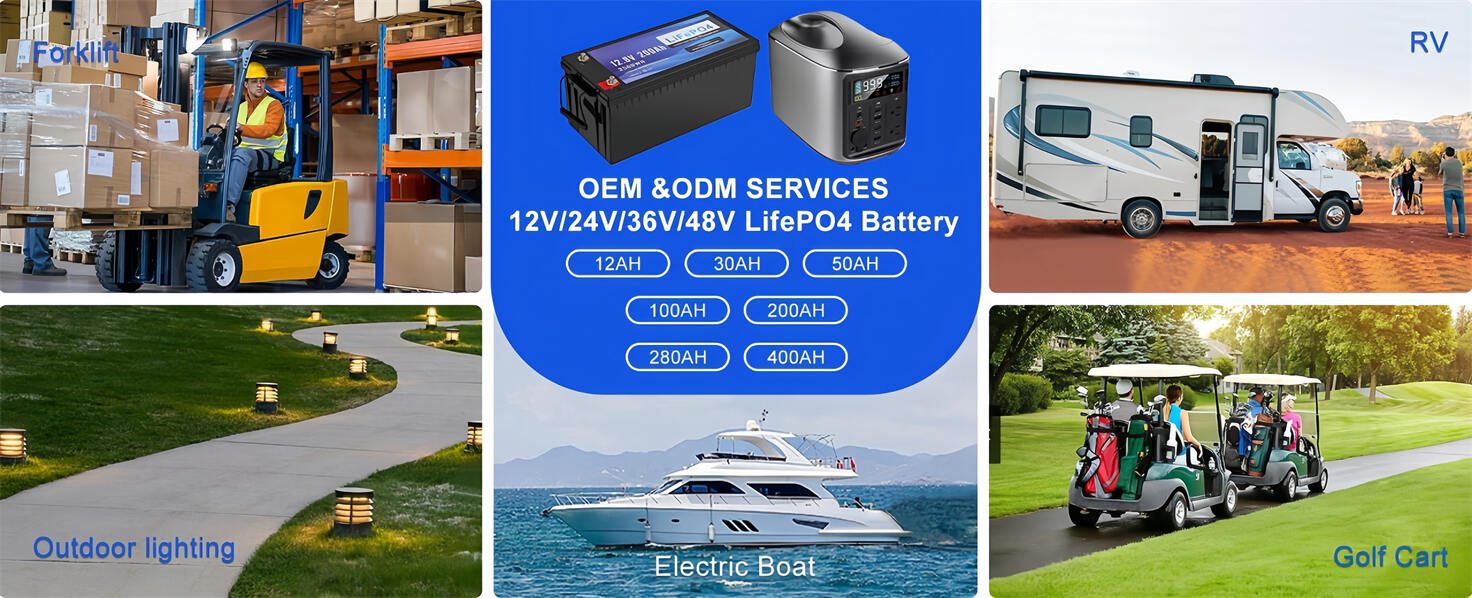
Customized/OEM/ODM Service
HomSolar Supports Lifepo4 battery pack customization/OEM/ODM service, welcome to contact us and tell us your needs.

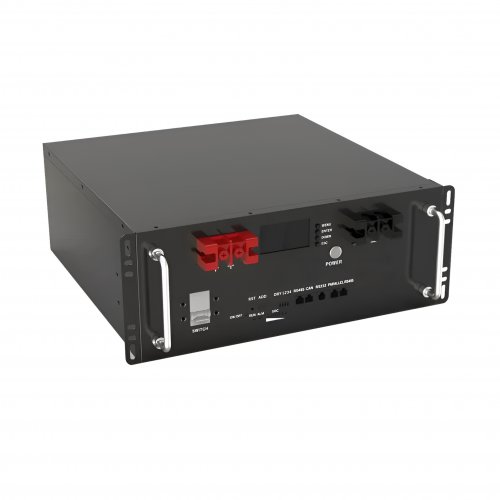
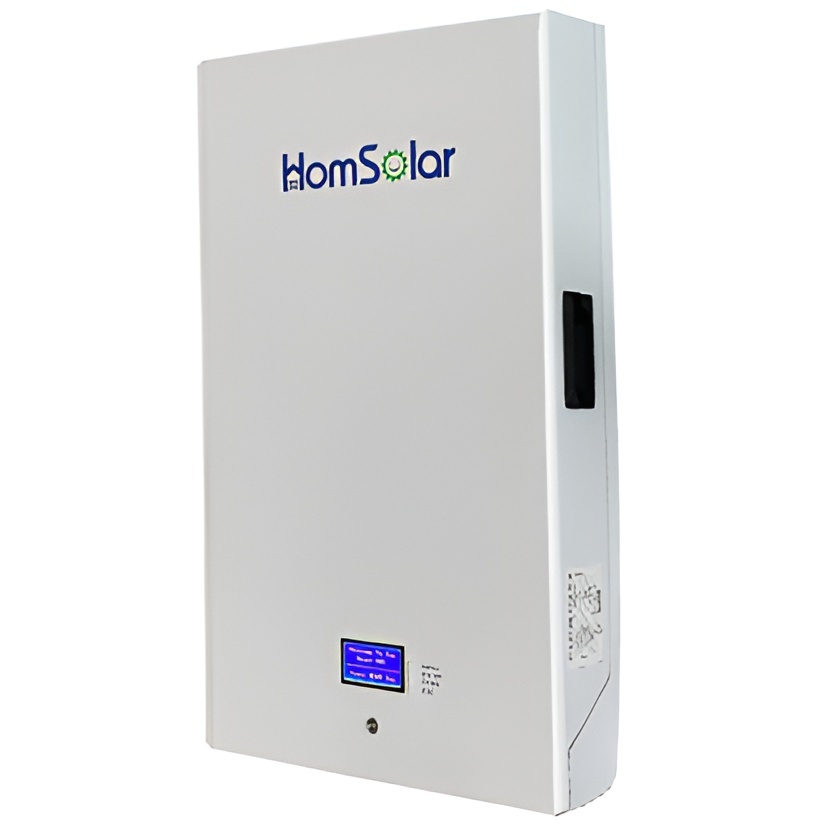
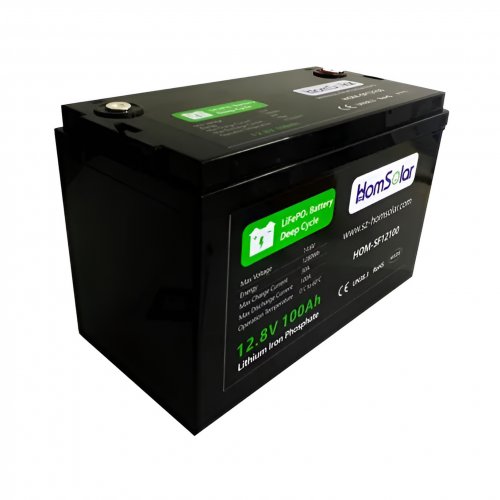
HomSolar: Your One-stop LiFePO4 Battery Pack & ESS Solution Manufacturer
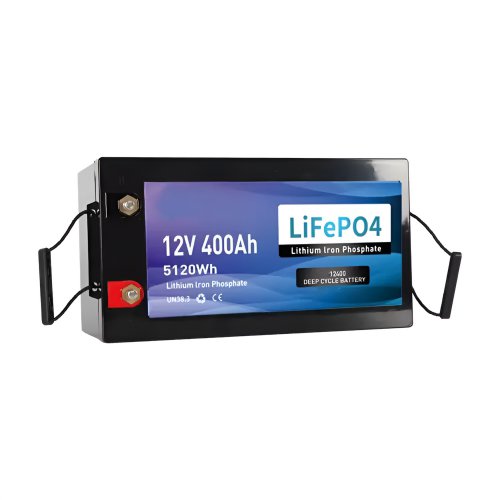
Our line of LiFePO4 (LFP) batteries offer a solution to demanding applications that require a lighter weight, longer life, and higher capacity battery. Features include advanced battery management systems (BMS), Bluetooth® communication and active intelligent monitoring.
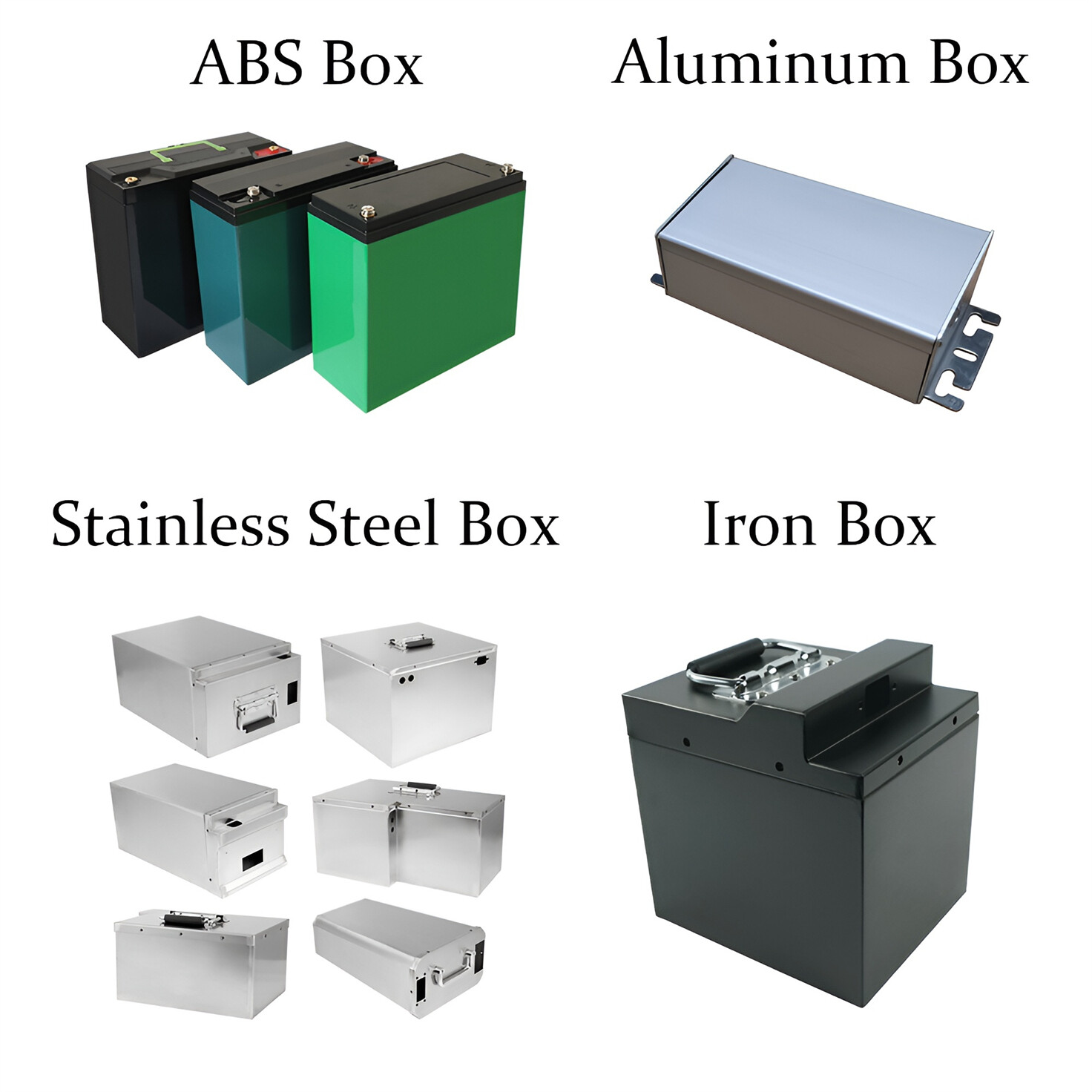
Customised Lithium Iron Phosphate Battery Casing
ABS plastic housing, aluminium housing, stainless steel housing and iron housing are available, and can also be designed and customised according to your needs.
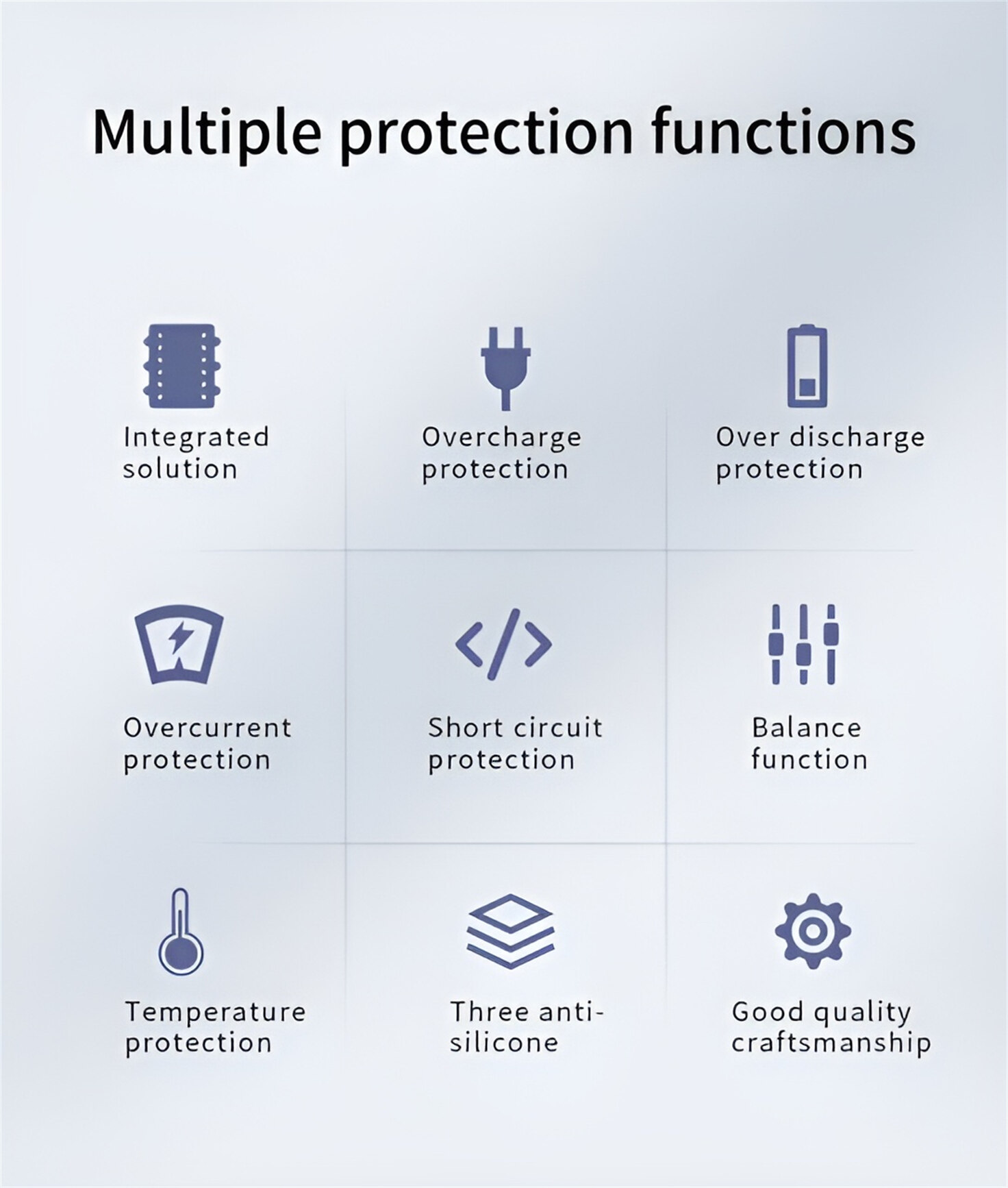
HomSolar Smart BMS
Intelligent Battery Management System for HomSolar Energy Storage System. Bluetooth, temperature sensor, LCD display, CAN interface, UART interface also available.

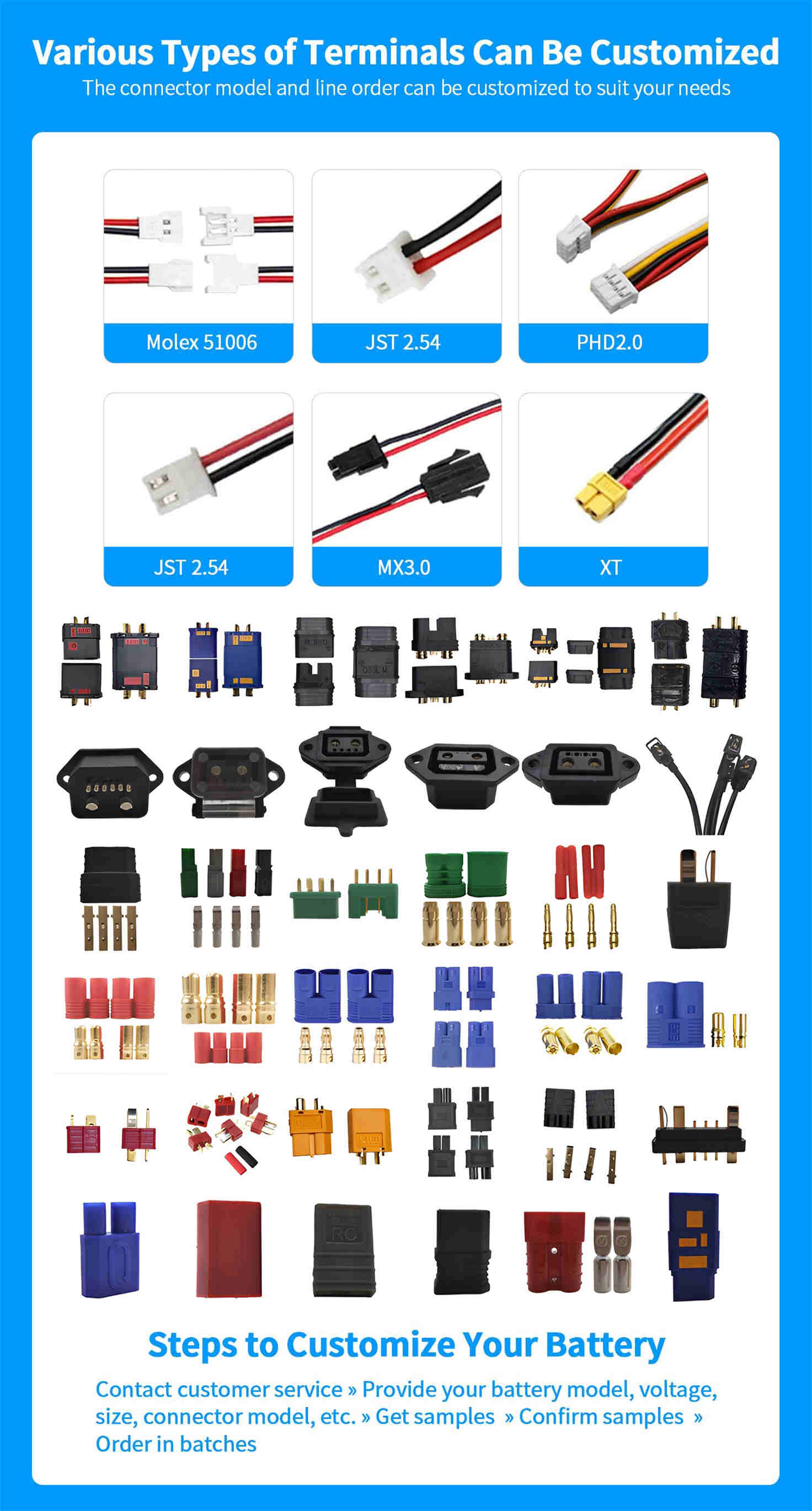
Terminals & Plugs Can Be Customized
A wide range of terminals and plugs can be customised to suit the application needs of your battery products.
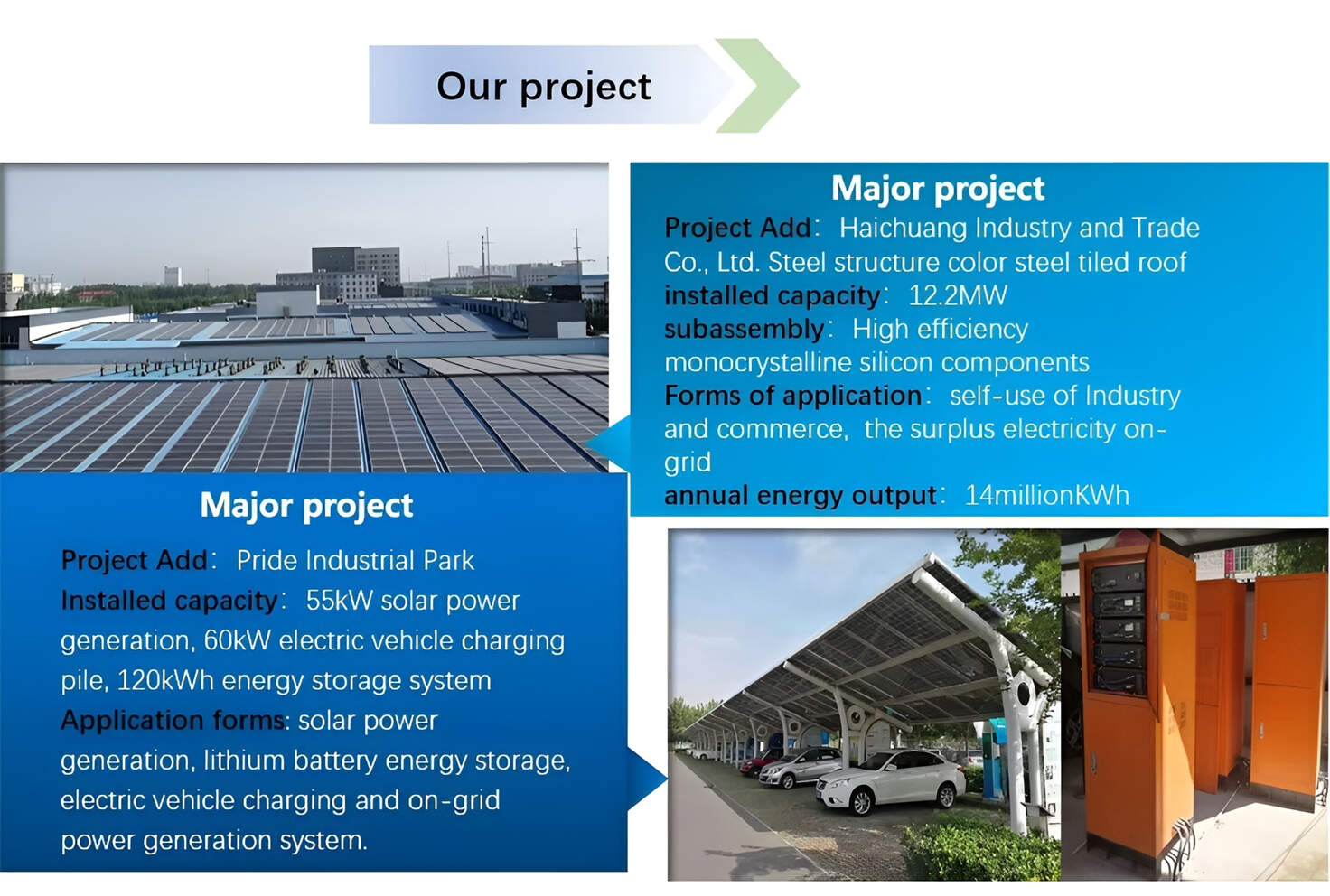
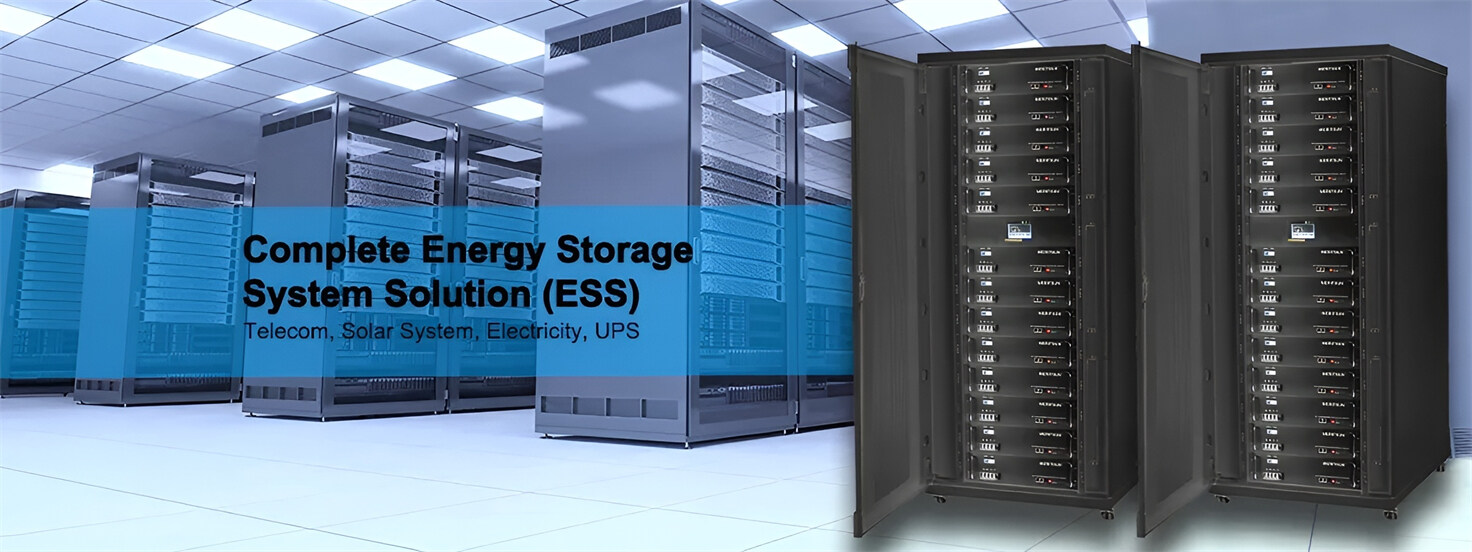
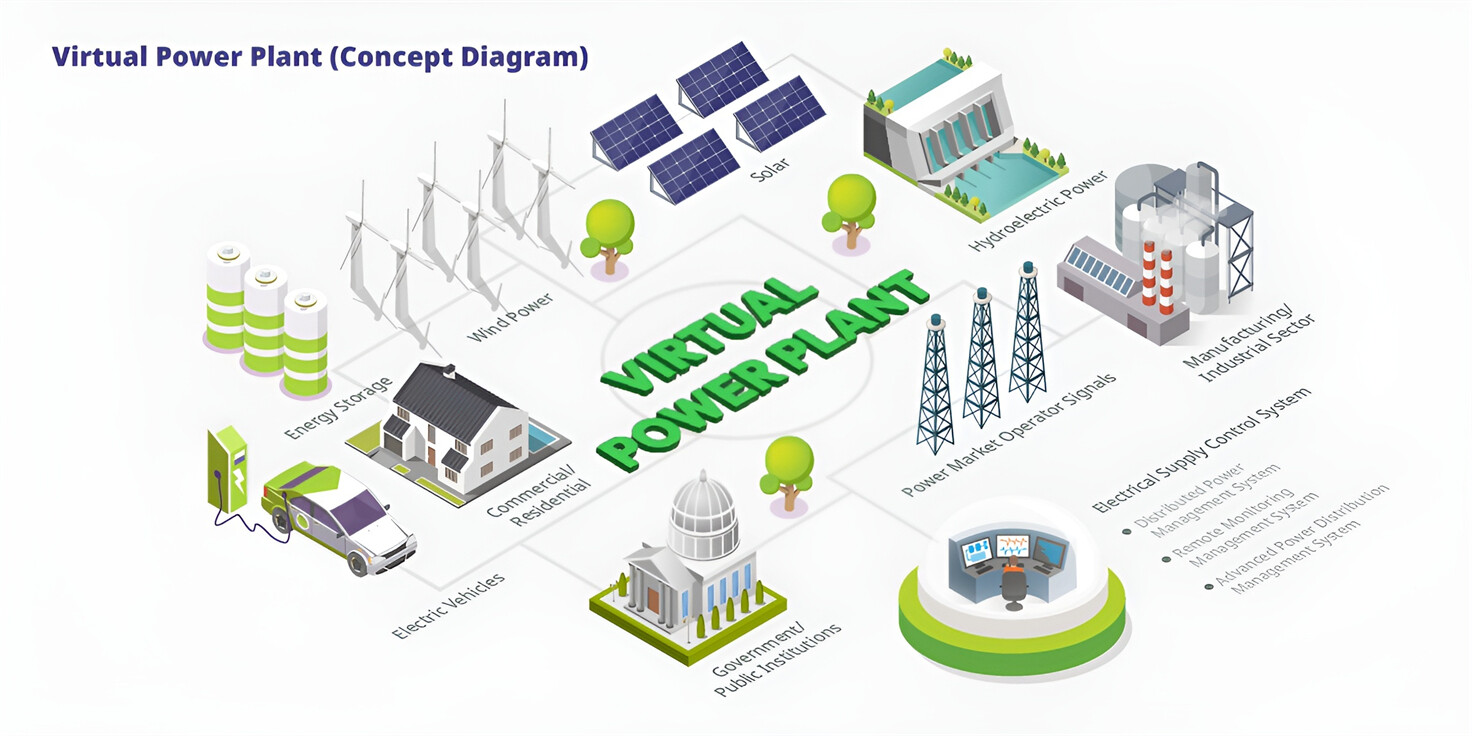
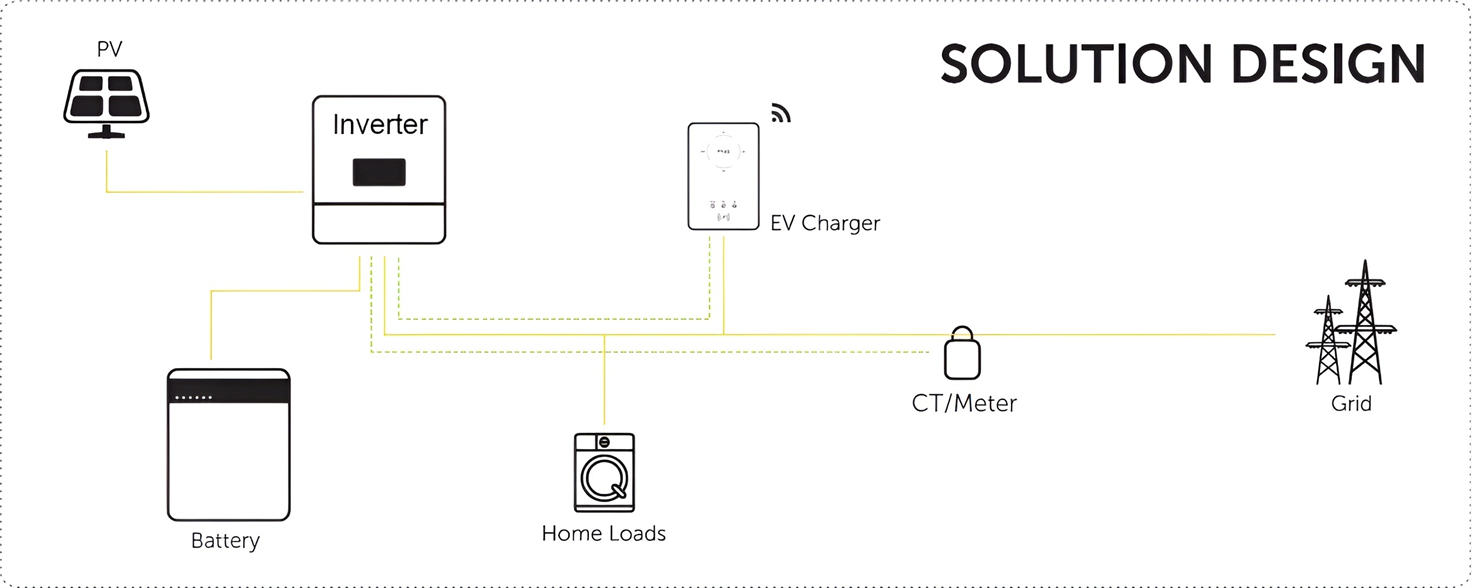
Well-designed Solutions for Energy Storage Systems
We will design the perfect energy storage system solution according to your needs, so that you can easily solve the specific industry applications of battery products.
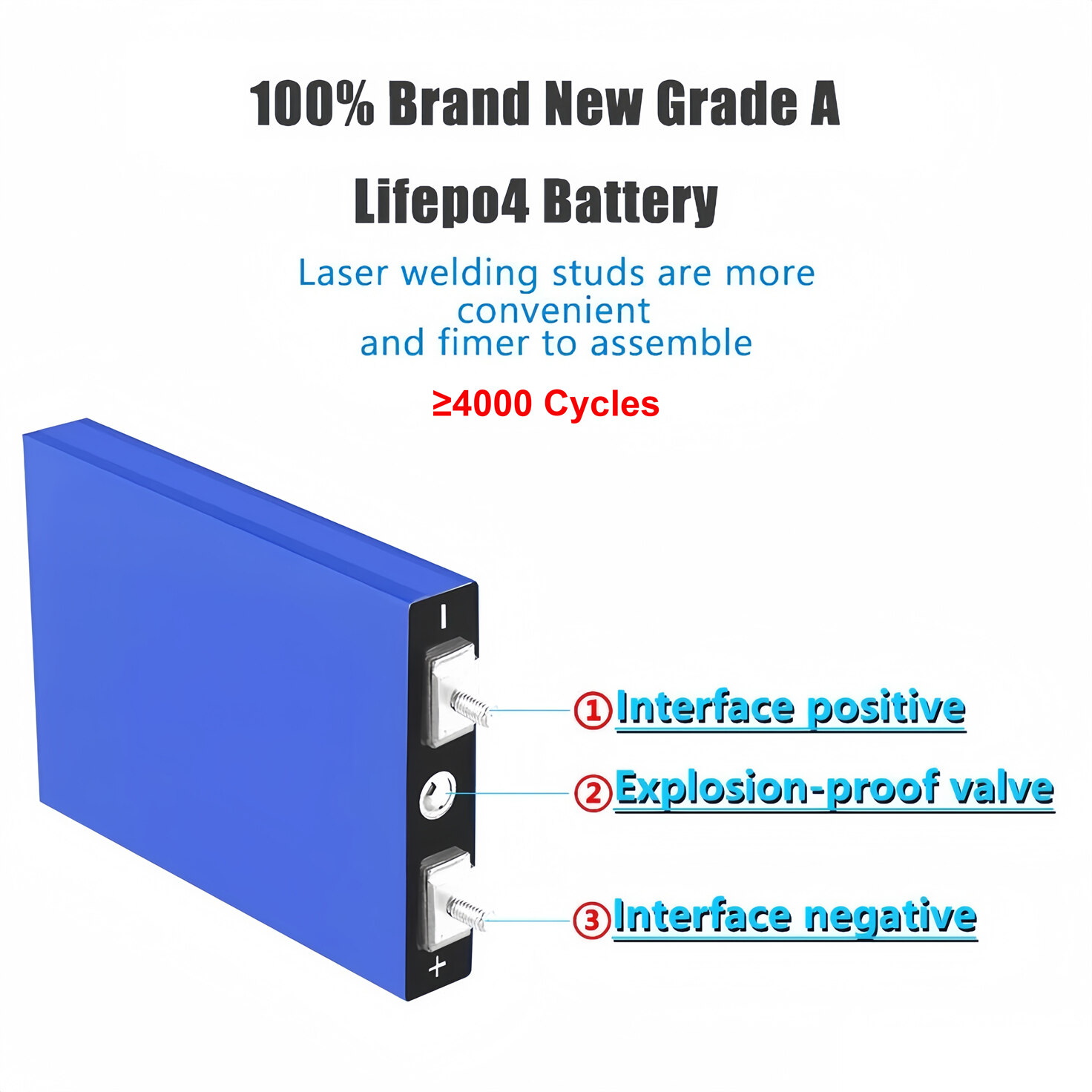
About Our Battery Cells
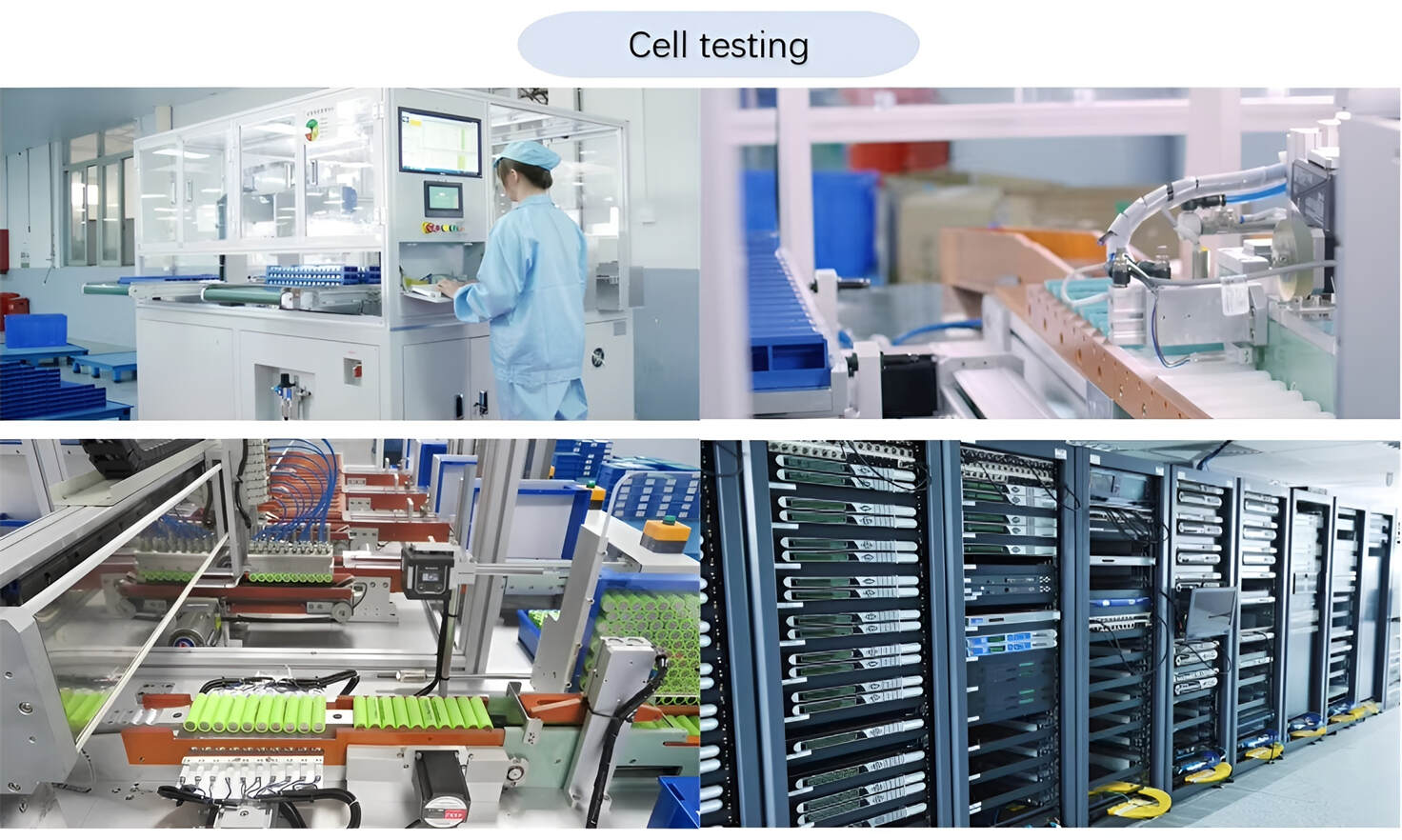
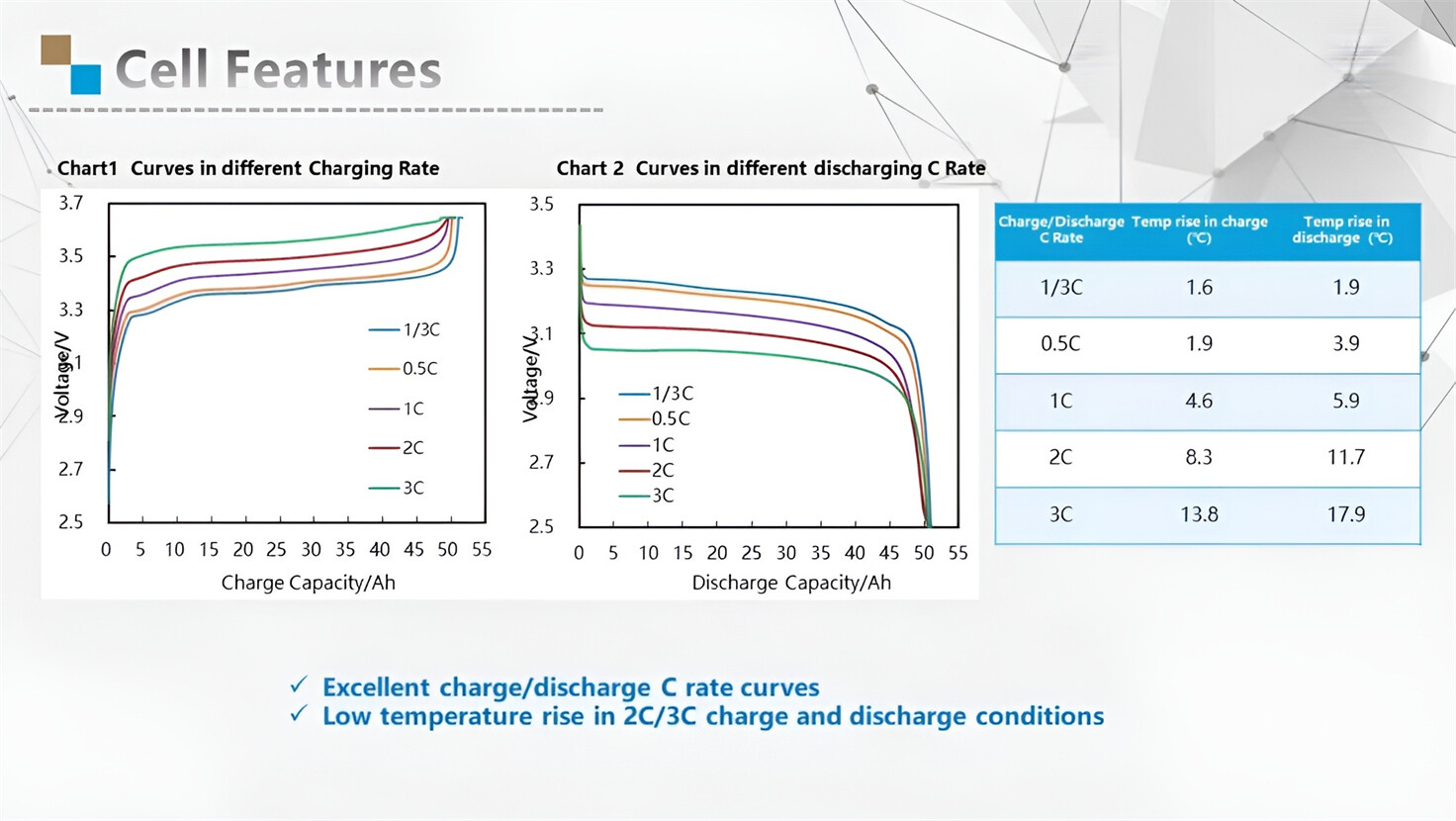
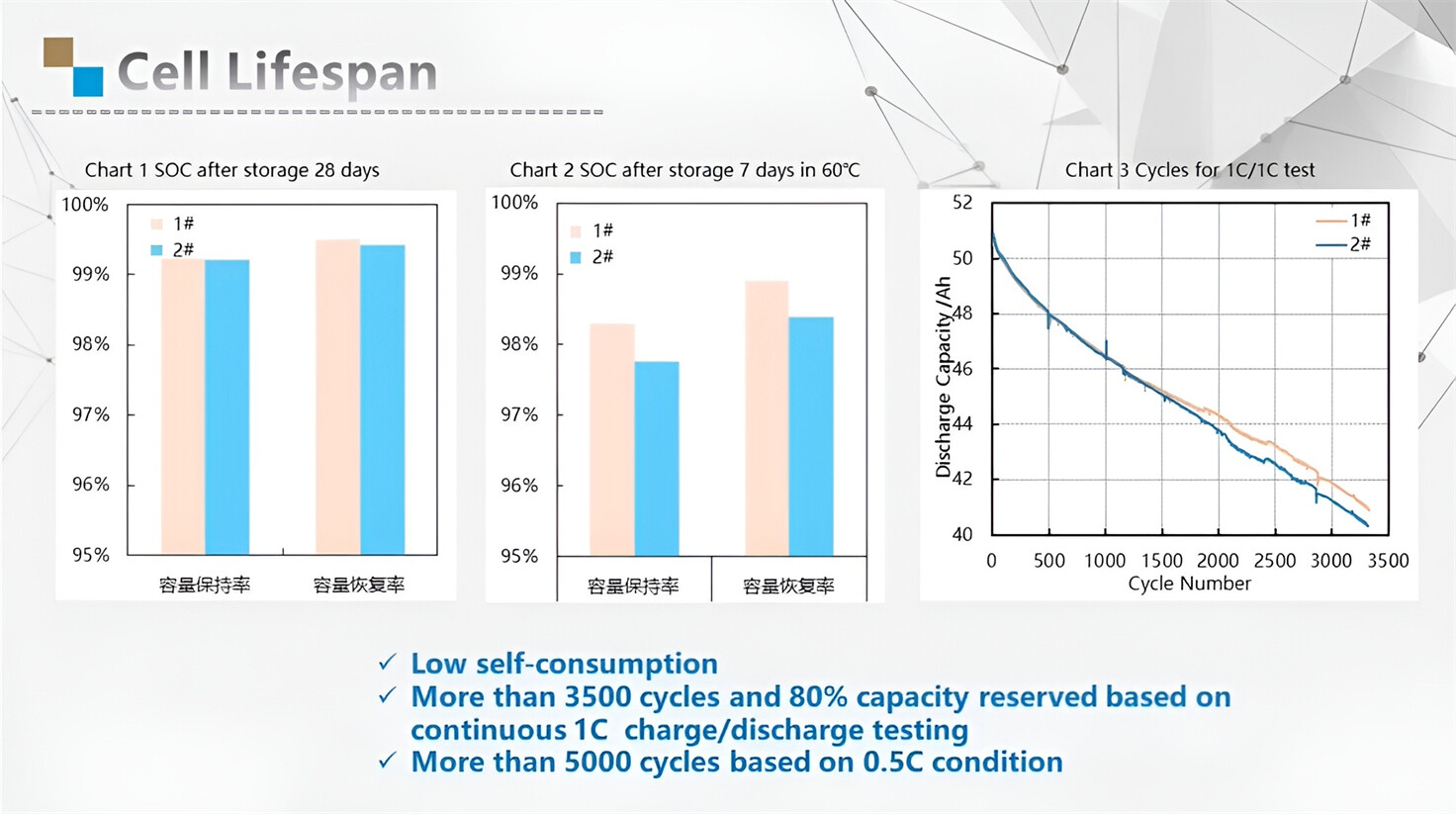
Our energy storage system products use brand new grade A LiFePO4 cells with a battery lifespan of more than 4,000 charge/discharge cycles.
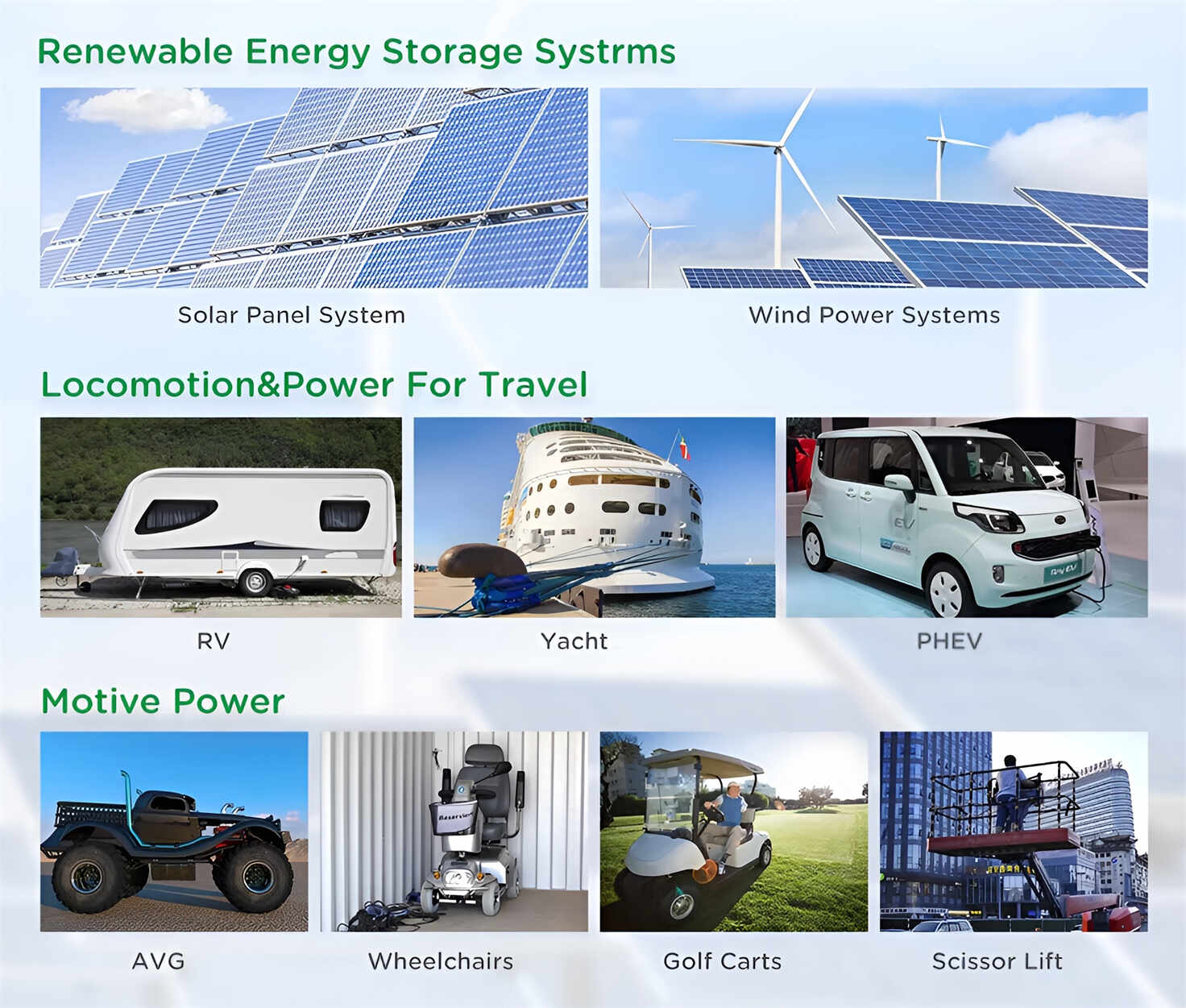
Applications in Different Industries
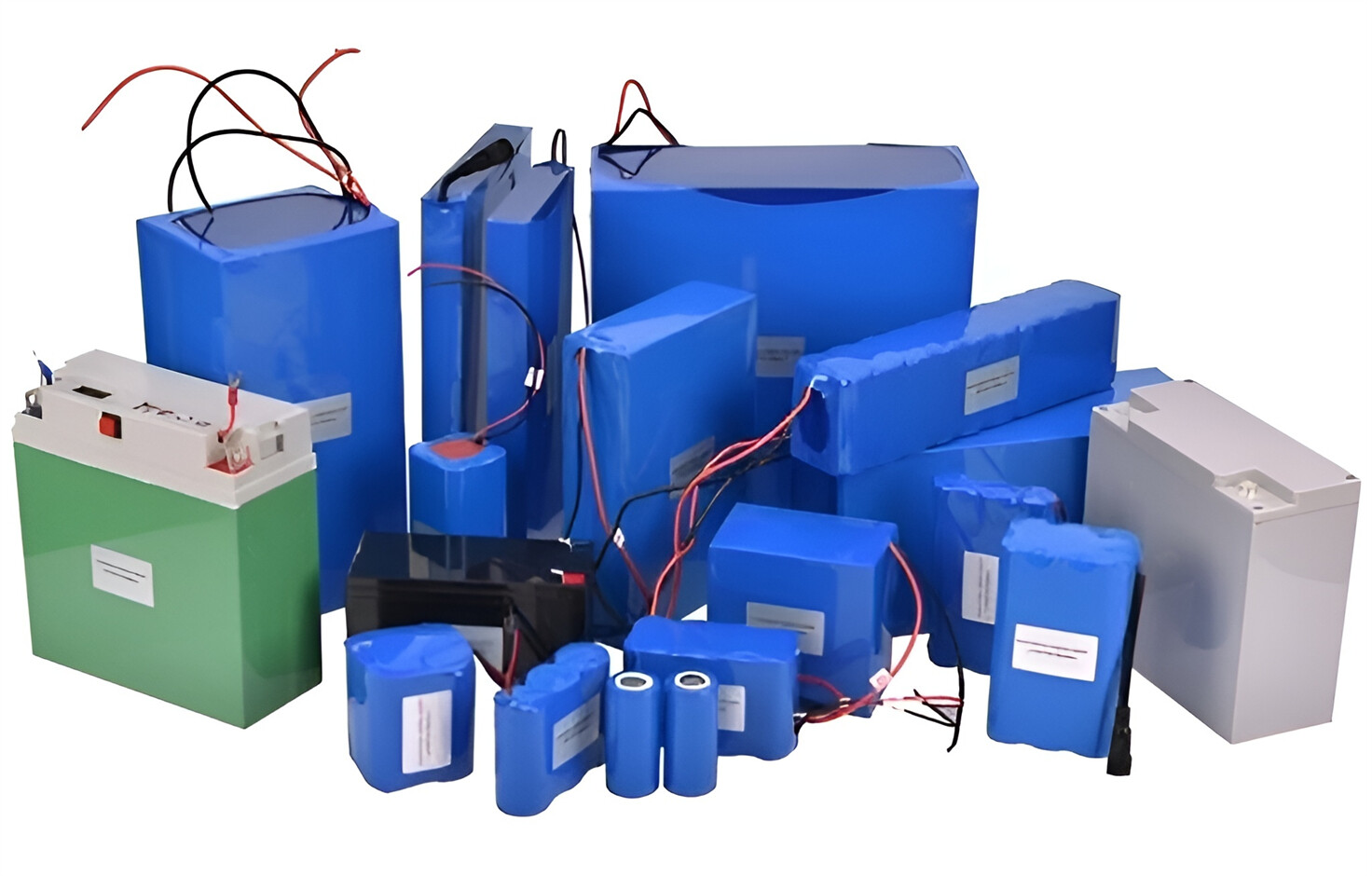
We supply customized & OEM battery pack, assemble cells with wiring, fuse and plastic cover, all the cell wires connected to PCB plug or built BMS.
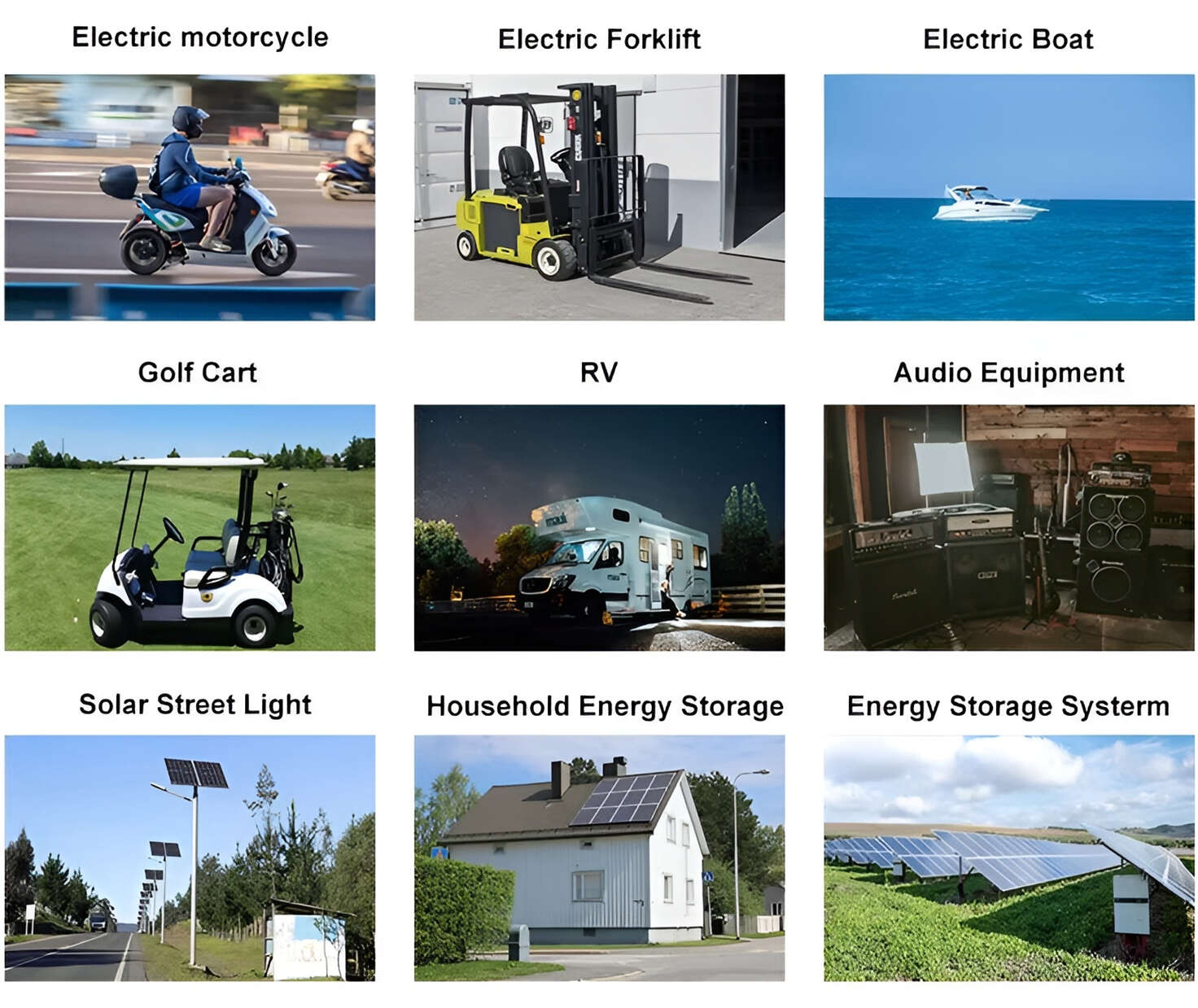
Applications: E-bike, Electric Scooter, Golf Carts, RV, Electric Wheelchair, Electric Tools, Robot Cleaner, Robot Sweeper, Solar Energy Storage System, Emergency Light, Solar Power Light, Medical Equipment, UPS Backup Power Supply.
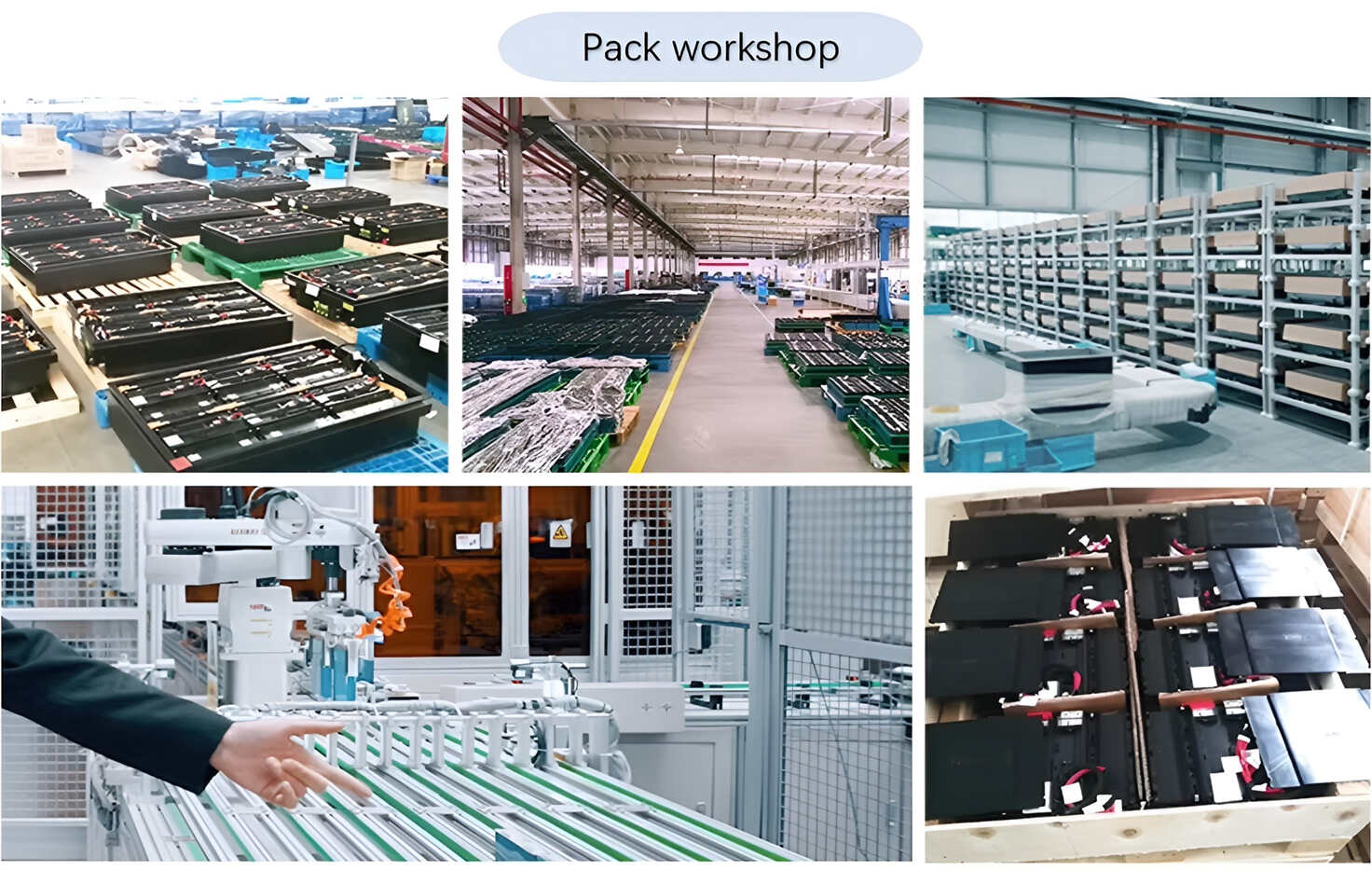
We can provide you with customized services. We have the ability to provide a vertical supply chain, from single cells to pack/module and to a complete power solution with BMS, etc.
HomSolar (Shenzhen) Technology Co., Ltd