How To Use Depth Of Discharge: A Practical Guide To Maximizing Battery Life And Performance
The longevity and reliable performance of any rechargeable battery system, from your smartphone to a home solar installation, are profoundly influenced by one critical, yet often overlooked, parameter: Depth of Discharge (DoD). Expressed as a percentage, DoD indicates how much of a battery's total capacity has been used. For instance, if you consume 8 kWh from a 10 kWh battery, the DoD is 80%. Understanding and actively managing the Depth of Discharge is not just a technical nuance; it is the single most impactful practice for extending a battery's operational lifespan. This guide will provide you with a comprehensive, step-by-step approach to effectively using DoD to your advantage.
Understanding the Core Principle: Stress vs. Longevity
At its heart, the relationship between DoD and battery life is about stress. A deeper discharge (a high DoD) places significant mechanical and chemical stress on the battery's internal components. For Lithium-ion batteries, this involves greater expansion and contraction of the electrodes and accelerated degradation of the electrolyte. For lead-acid batteries, deep cycles can cause irreversible sulfation on the plates.
The inverse is also true. Consistently operating a battery at a shallow Depth of Discharge (a low DoD) dramatically reduces this stress. A battery cycled between 20% and 80% State of Charge (SoC) will endure far less wear and tear than one routinely drained from 100% down to 20%. Therefore, the fundamental goal of using DoD is to find the optimal balance between your daily energy needs and the long-term preservation of your battery investment.
Step-by-Step Guide to Implementing DoD Management
Step 1: Identify Your Battery Chemistry and Manufacturer's Specifications
The first and most crucial step is to know your battery. Different chemistries have vastly different tolerances for depth of discharge.Lithium-ion (LiFePO4, NMC, etc.): Modern lithium-ion batteries, particularly LiFePO4, are renowned for their high cycle life even at higher DoDs. Manufacturers often specify a "recommended DoD" for optimal cycle life, commonly around 80-90%. However, for maximum longevity, a more conservative 70-80% is advisable.Lead-Acid (Flooded, AGM, Gel): These batteries are far more sensitive to deep discharges. Regularly discharging beyond 50% DoD can severely shorten their lifespan. For daily cycling, a DoD of 30-50% is the standard recommendation.Nickel-based (NiMH, NiCd): These are more resilient to full cycling but are less common in large-scale energy storage.
Action: Locate your battery's technical data sheet. Identify the manufacturer's stated "Cycle Life" at different DoDs. You will typically see a chart showing thousands of cycles at 50% DoD, but only hundreds at 80% or 100% DoD.
Step 2: Define Your Application and Performance Goals
How you use your battery dictates how you should manage its DoD.Primary Power Source (e.g., Off-grid Solar): You may need to use a deeper DoD to get through nights or cloudy days. The trade-off is a shorter overall battery life.Backup Power (e.g., UPS, Generator Starter): These batteries spend most of their time fully charged. The priority is to maintain a high state of charge (low DoD) for immediate availability, with occasional shallow cycles for testing.Cyclic Application (e.g., EV, Golf Cart, Daily Solar): This is where DoD management is most critical. Your goal is to size your system and set your usage habits to stay within a conservative DoD range for daily use.
Step 3: Configure Your Battery Management System (BMS) or Charge Controller
For effective DoD management, you must automate the process. This is done through your system's controller.Set the Low Voltage Disconnect (LVD) or Minimum State of Charge: This is your primary tool. Based on your research in Step 1, calculate the voltage or SoC level that corresponds to your target maximum DoD. For example, if you have a LiFePO4 battery and wish to limit discharge to 80% DoD, you would set the LVD to the voltage that corresponds to 20% State of Charge. This setting will automatically disconnect the load before the battery is over-discharged.Set the High Voltage Charge Limit: While not directly DoD, limiting the top-end charge to 90-95% (for lithium) further reduces stress and complements your low-end DoD strategy, effectively keeping the battery in a "comfort zone."
Step 4: Monitor and Adjust Your Usage
After configuration, active monitoring is key.Use a battery monitor or your system's app to track daily DoD.Observe your energy consumption patterns. If you find yourself consistently hitting your LVD, it means your daily DoD is too high. You must either reduce your consumption or increase your battery capacity.Periodically check your settings against manufacturer updates.
Practical Tips and Operational Advice
1. The 80/20 Rule for Longevity: A simple and highly effective rule of thumb for cyclic applications is to operate your battery between 20% and 80% State of Charge. This means using only 60% of its total rated capacity, which minimizes stress and can often double or triple the battery's cycle life compared to 100% DoD cycles.
2. Oversizing Your Bank: When designing a system, consider oversizing your battery bank by 20-30%. This allows you to meet your daily energy needs while staying within a shallow, longevity-boosting DoD. The initial higher cost is offset by significantly lower long-term replacement costs.
3. Avoid "Topping Off" After Shallow Discharges: If you've only used 10% of your battery's capacity, there is no need to immediately recharge it to 100%. For lithium batteries, it's better to wait until you have a more substantial amount of energy to replace, avoiding constant micro-cycles at the top of the charge curve.
4. Plan for Occasional Equalization: For certain systems, a periodic full cycle (down to the manufacturer's recommended low SoC and back to 100%) can be beneficial. For lead-acid, this is a regular equalization charge. For lithium with a BMS, it can help the BMS recalibrate its SoC readings. However, this should be an occasional, planned event, not a daily practice.
Critical Precautions and What to AvoidNEVER Exceed the Maximum Recommended DoD: This is the most important rule. Consistently discharging beyond the manufacturer's specified limit will lead to rapid, irreversible capacity loss and may void the warranty.Do Not Confuse DoD with State of Charge (SoC): They are inversely related. A 90% SoC means a 10% DoD. Always be clear about which metric you are tracking.Avoid Storing Batteries at Extreme DoDs: Long-term storage at either 100% DoD (fully drained) or 100% SoC (fully charged) is damaging. For storage, most manufacturers recommend a partial charge, typically around 50-60% SoC.Temperature Matters: High ambient temperatures exacerbate the stress caused by deep discharges. If your battery operates in a hot environment, adopting an even more conservative DoD strategy is wise.
By integrating these principles and steps, you transition from being a passive user to an active manager of your energy storage system. Mastering the depth of discharge is a powerful strategy that pays dividends in the form of enhanced reliability, predictable performance, and ultimately, a much lower total cost of ownership over the life of your battery.
Customized/OEM/ODM Service
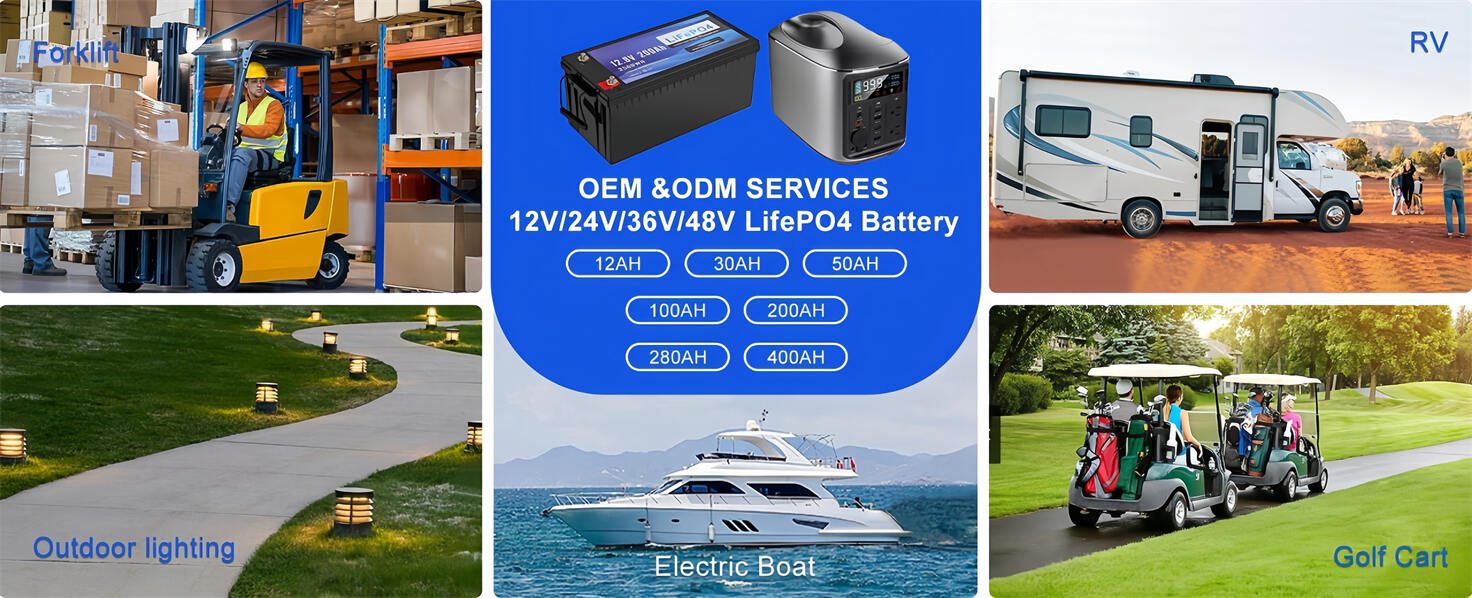
HomSolar Supports Lifepo4 battery pack customization/OEM/ODM service, welcome to contact us and tell us your needs.

HomSolar: Your One-stop LiFePO4 Battery Pack & ESS Solution Manufacturer
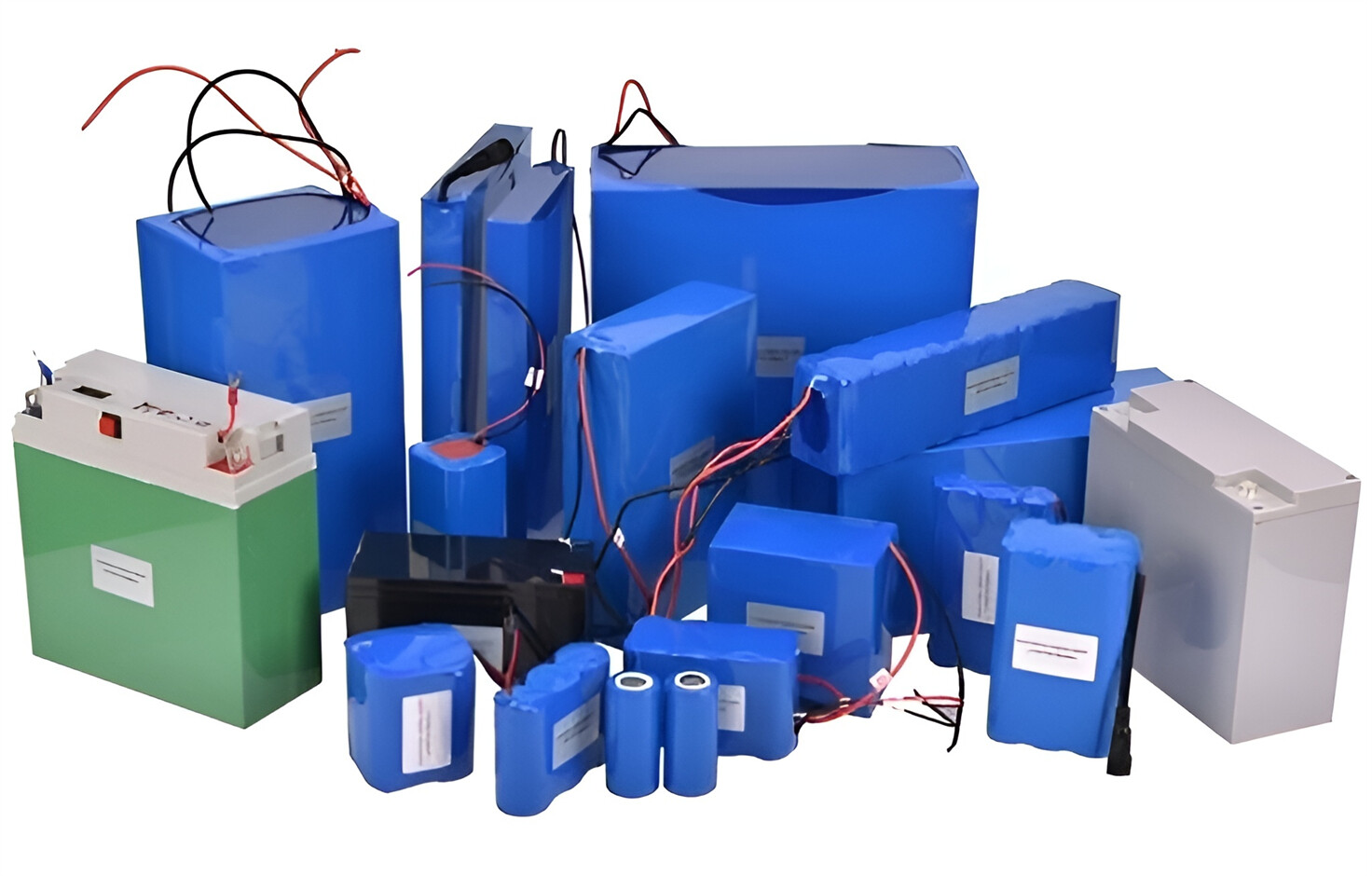
Our line of LiFePO4 (LFP) batteries offer a solution to demanding applications that require a lighter weight, longer life, and higher capacity battery. Features include advanced battery management systems (BMS), Bluetooth® communication and active intelligent monitoring.
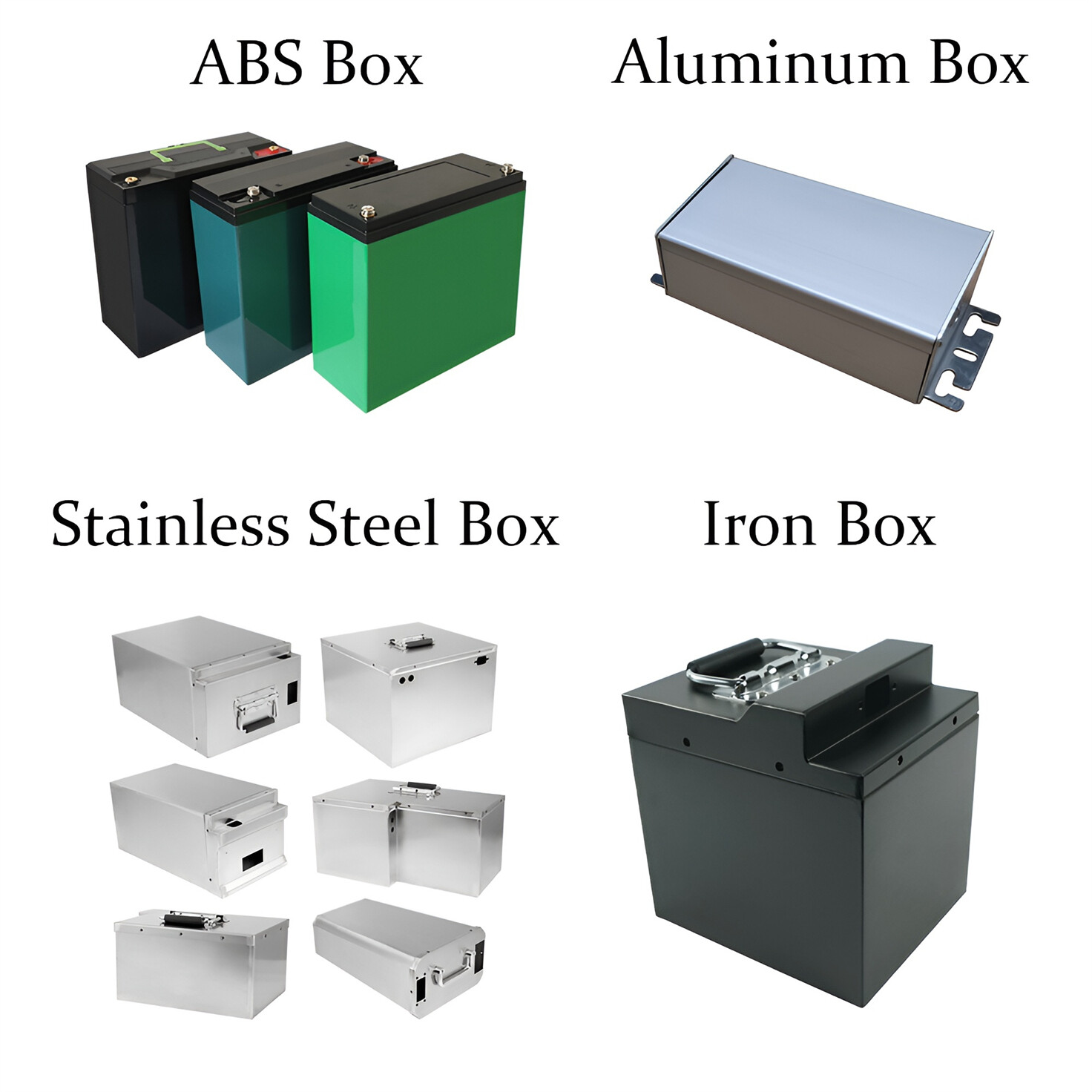
Customised Lithium Iron Phosphate Battery Casing
ABS plastic housing, aluminium housing, stainless steel housing and iron housing are available, and can also be designed and customised according to your needs.
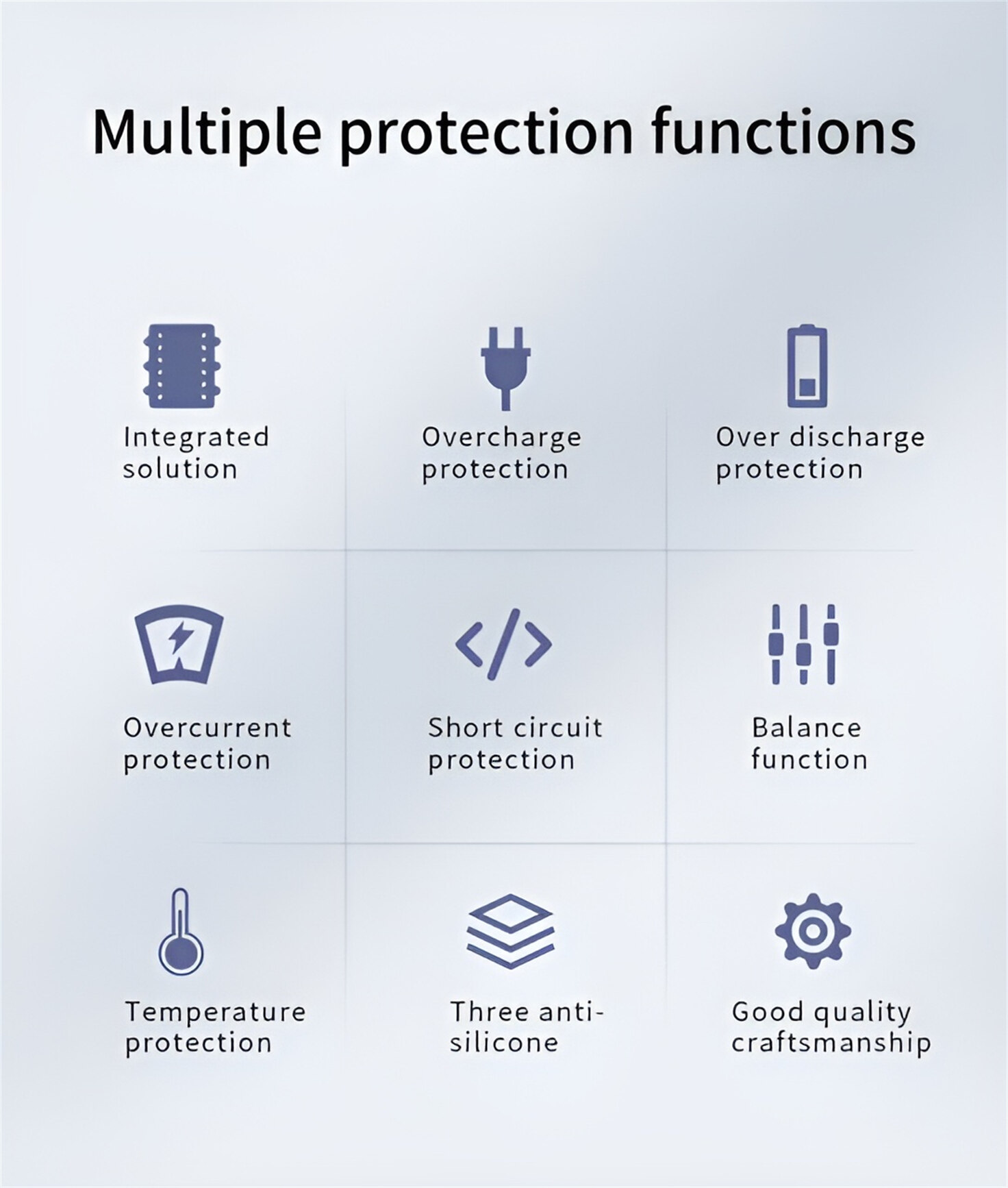
HomSolar Smart BMS
Intelligent Battery Management System for HomSolar Energy Storage System. Bluetooth, temperature sensor, LCD display, CAN interface, UART interface also available.

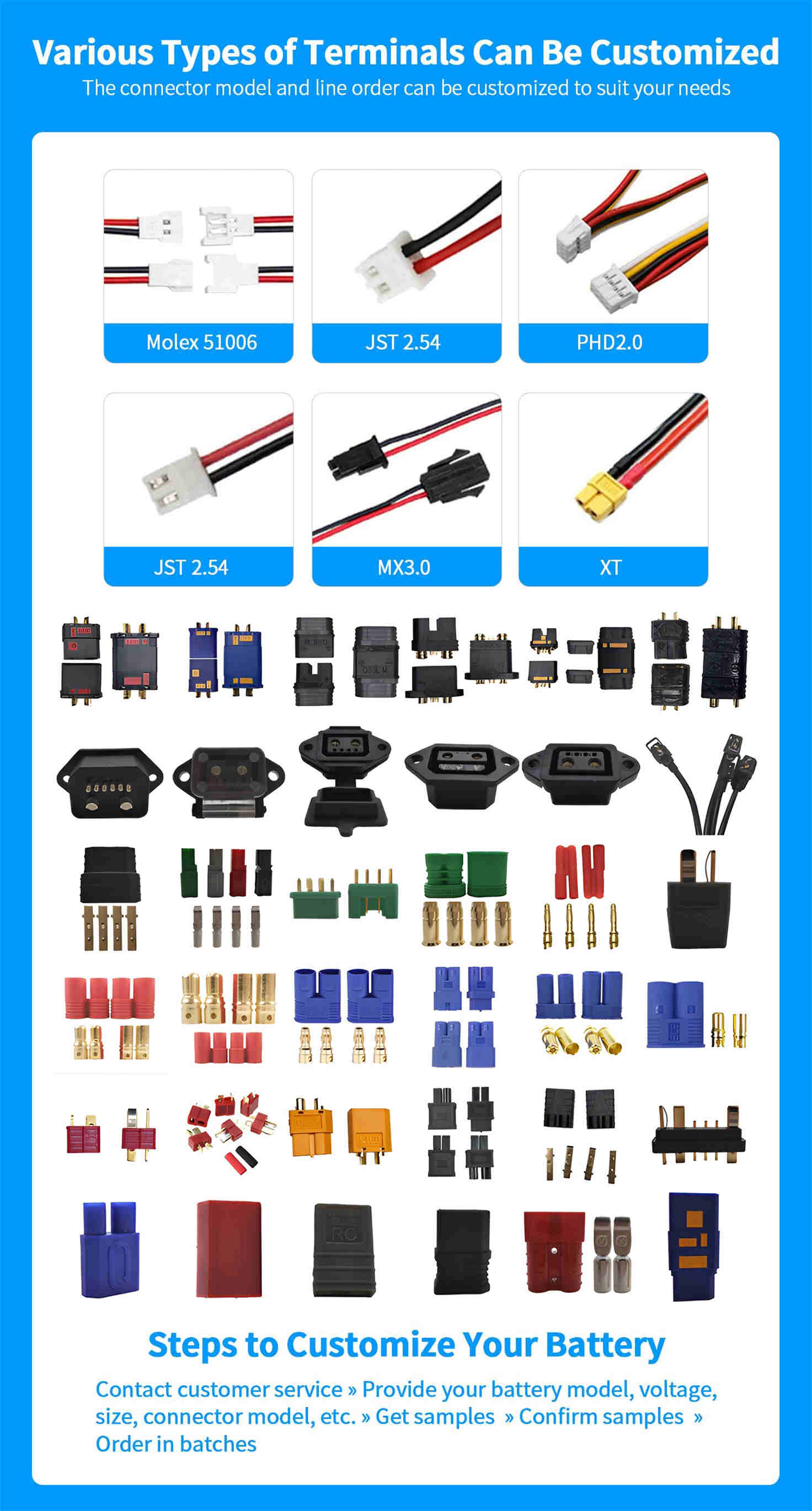
Terminals & Plugs Can Be Customized
A wide range of terminals and plugs can be customised to suit the application needs of your battery products.
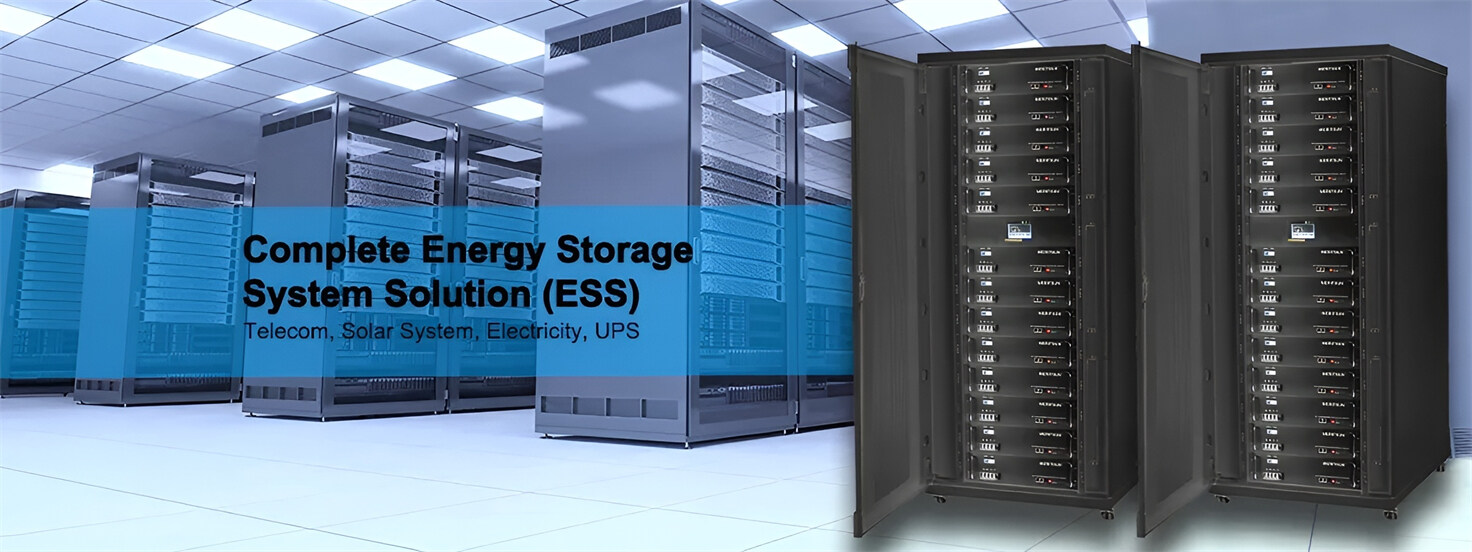
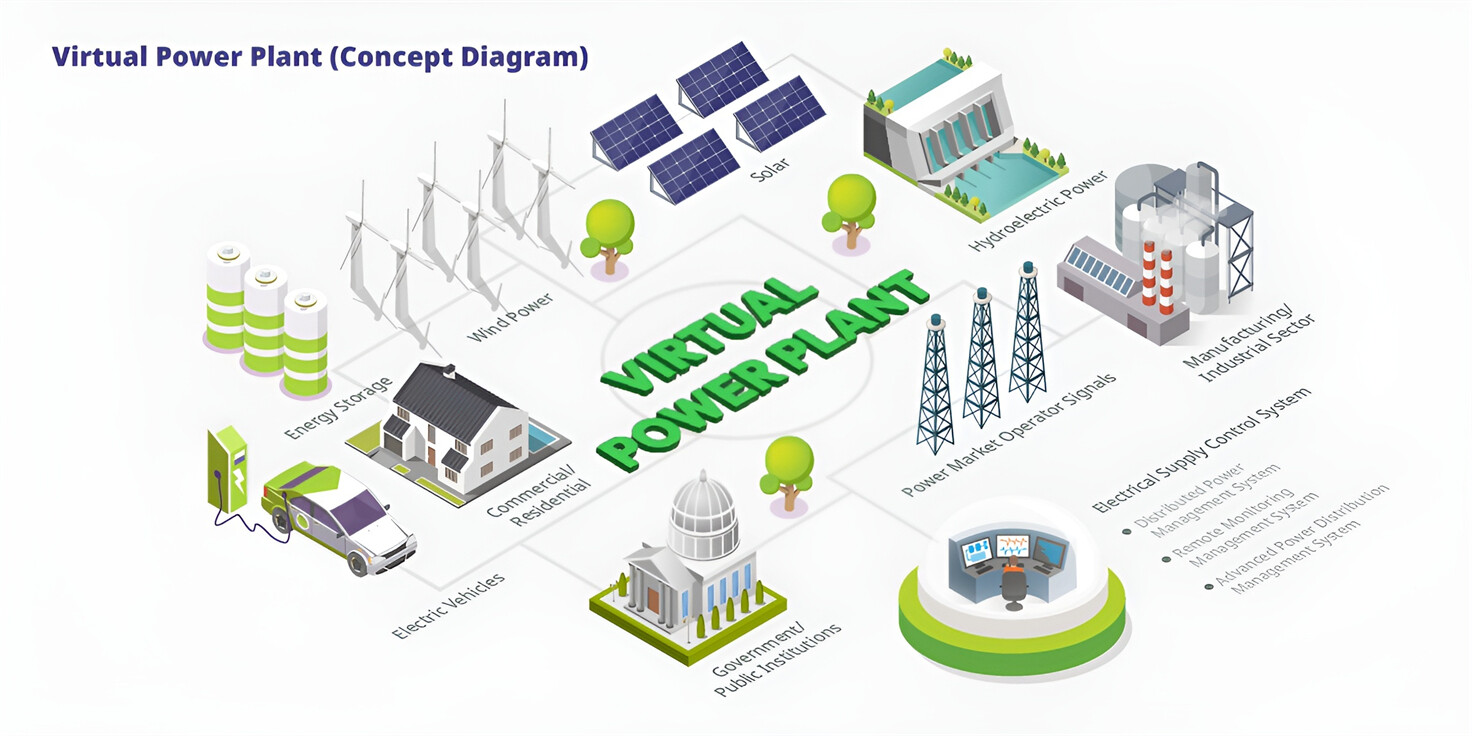
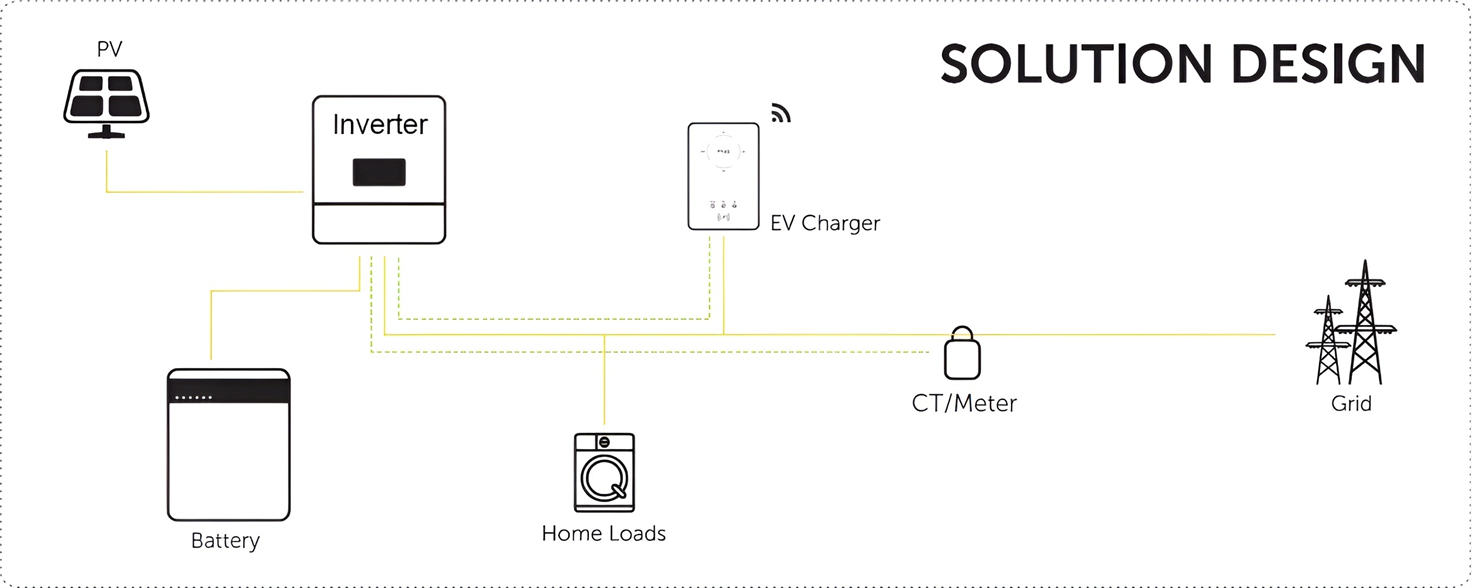
Well-designed Solutions for Energy Storage Systems
We will design the perfect energy storage system solution according to your needs, so that you can easily solve the specific industry applications of battery products.
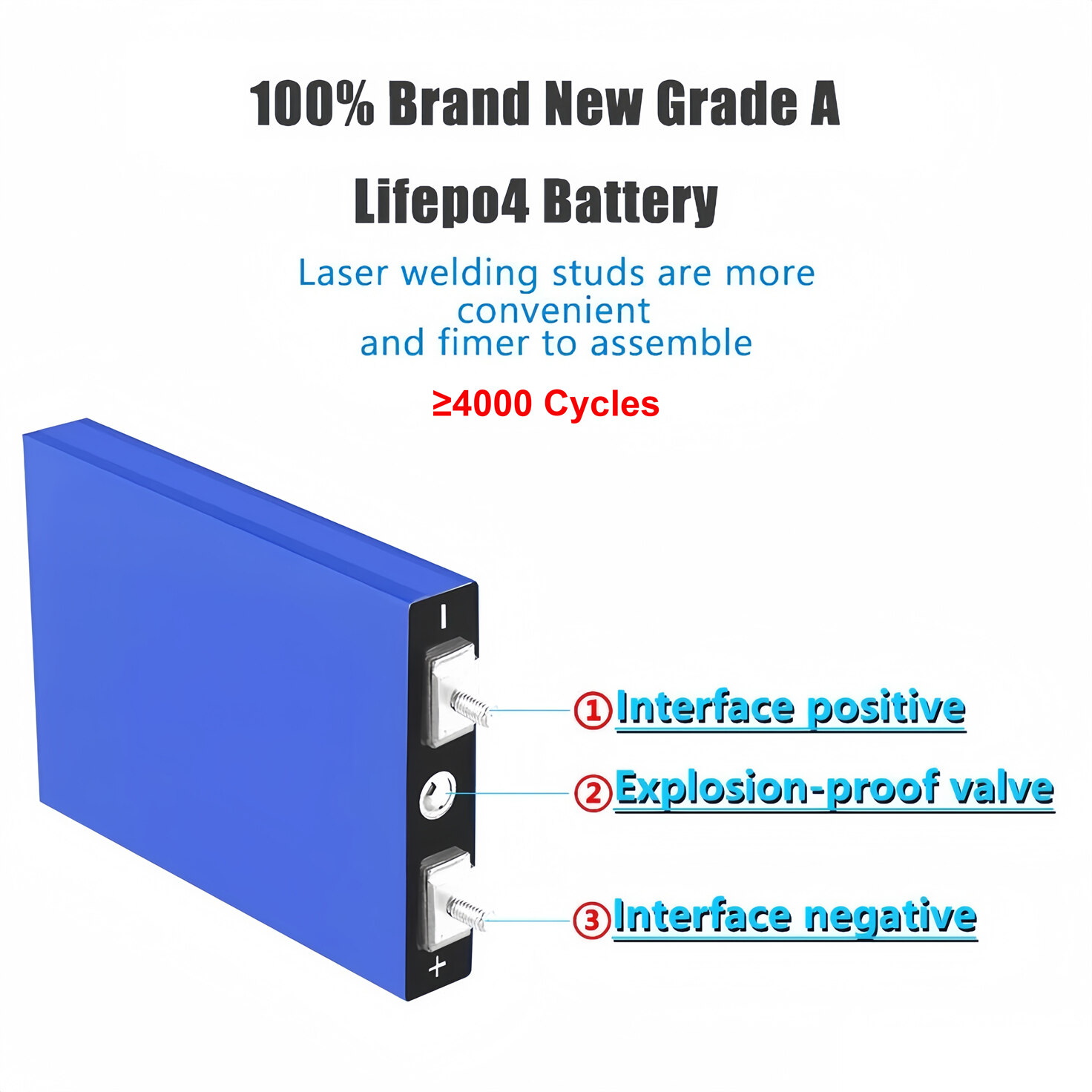
About Our Battery Cells
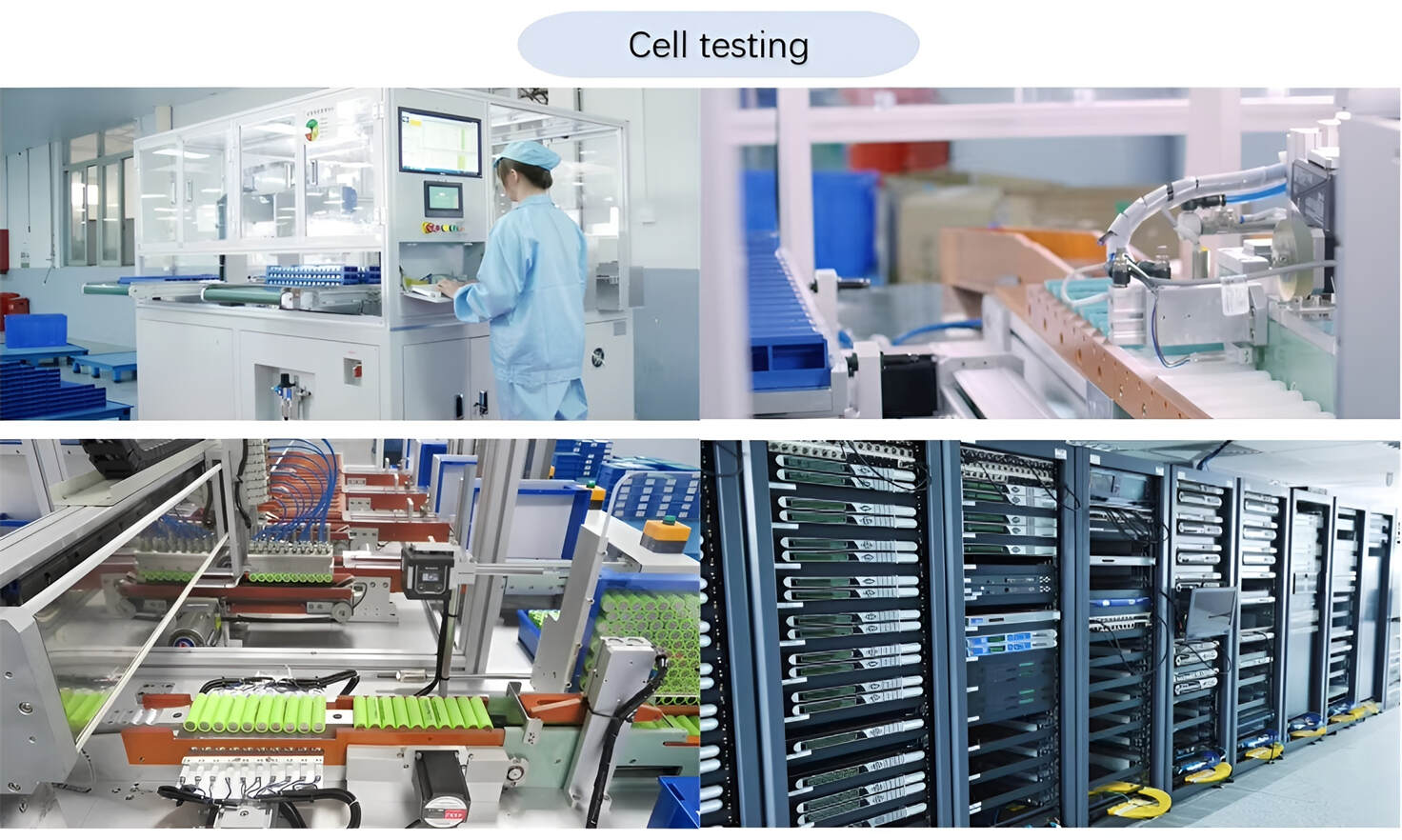
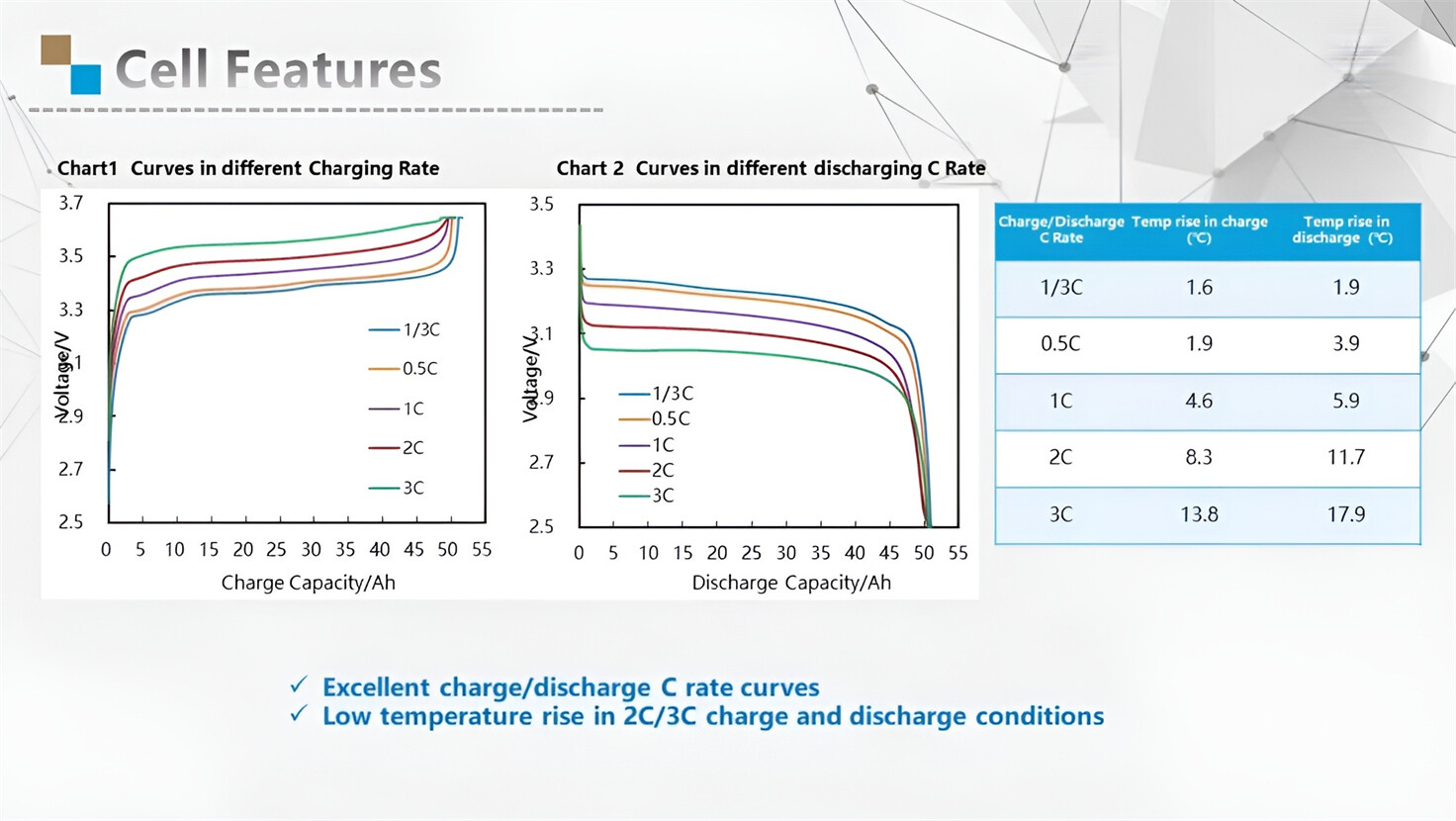
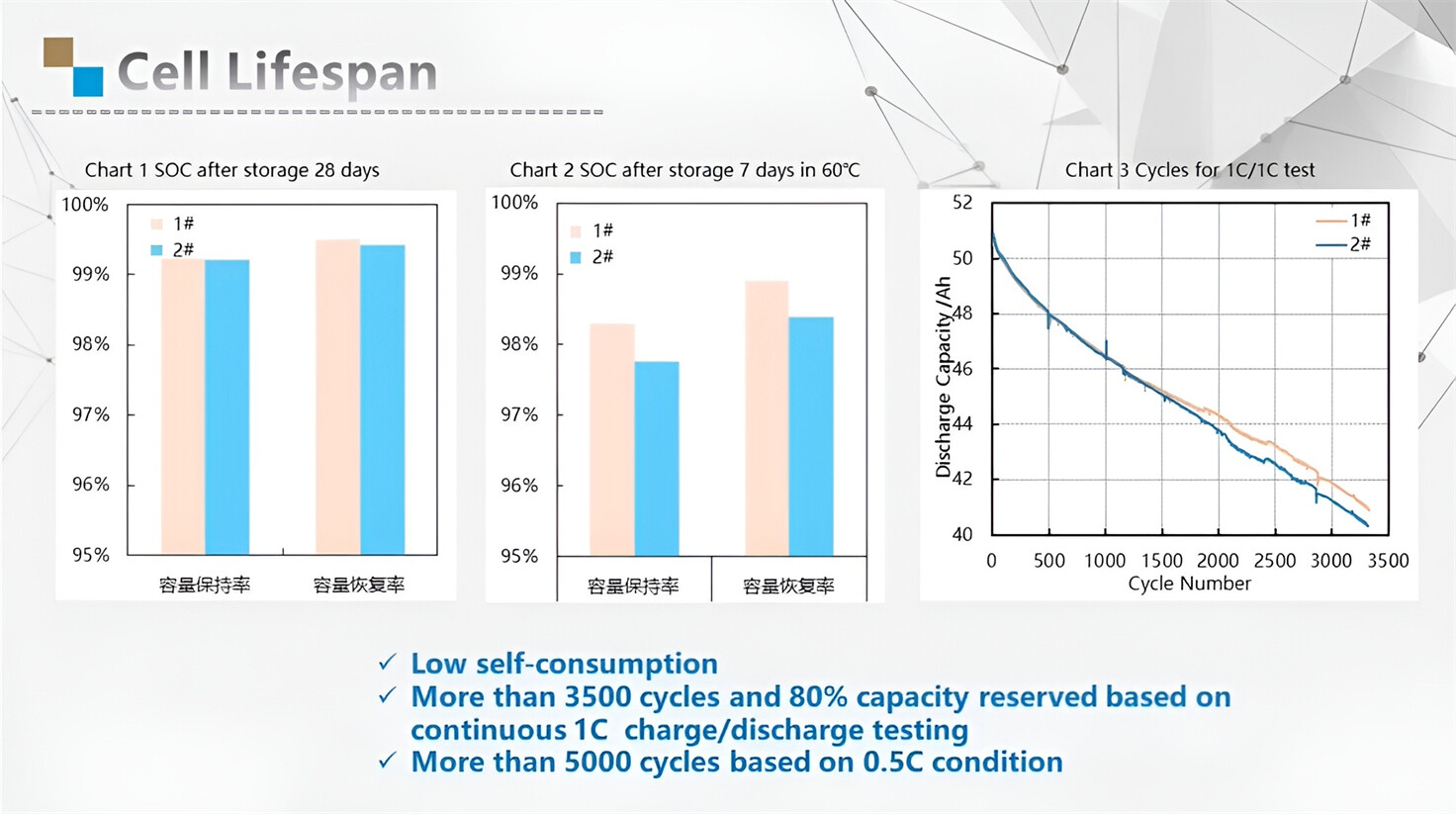
Our energy storage system products use brand new grade A LiFePO4 cells with a battery lifespan of more than 4,000 charge/discharge cycles.
Applications in Different Industries
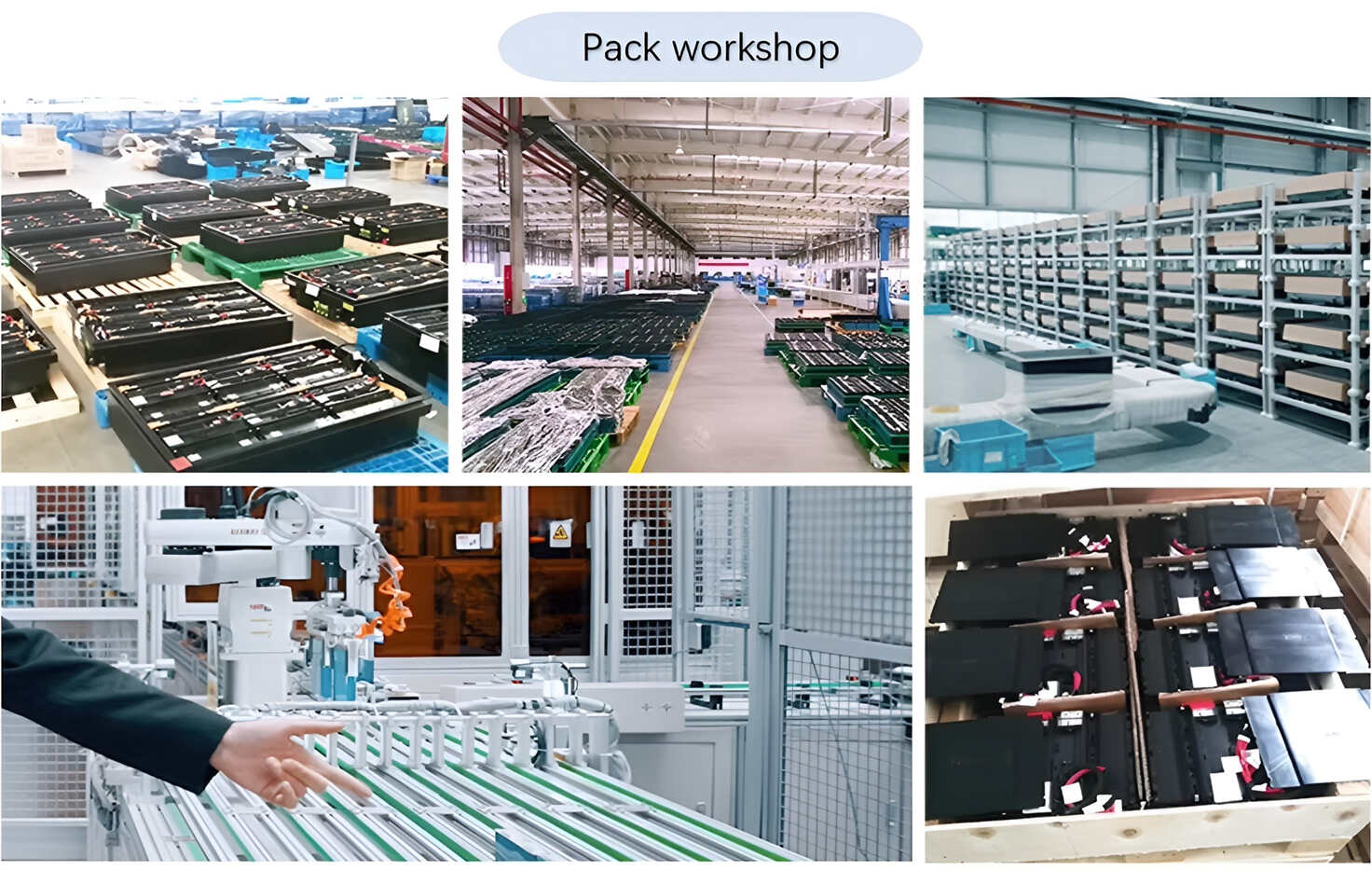
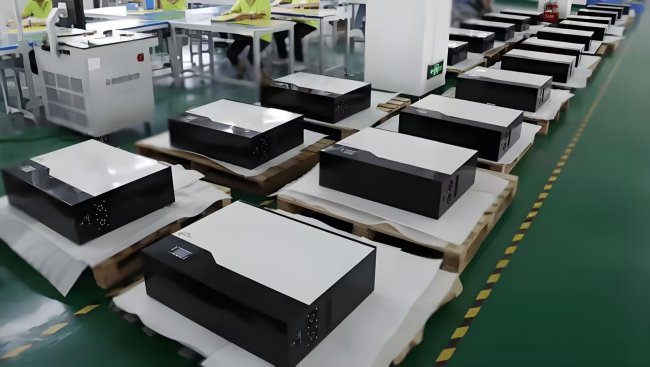
We supply customized & OEM battery pack, assemble cells with wiring, fuse and plastic cover, all the cell wires connected to PCB plug or built BMS.
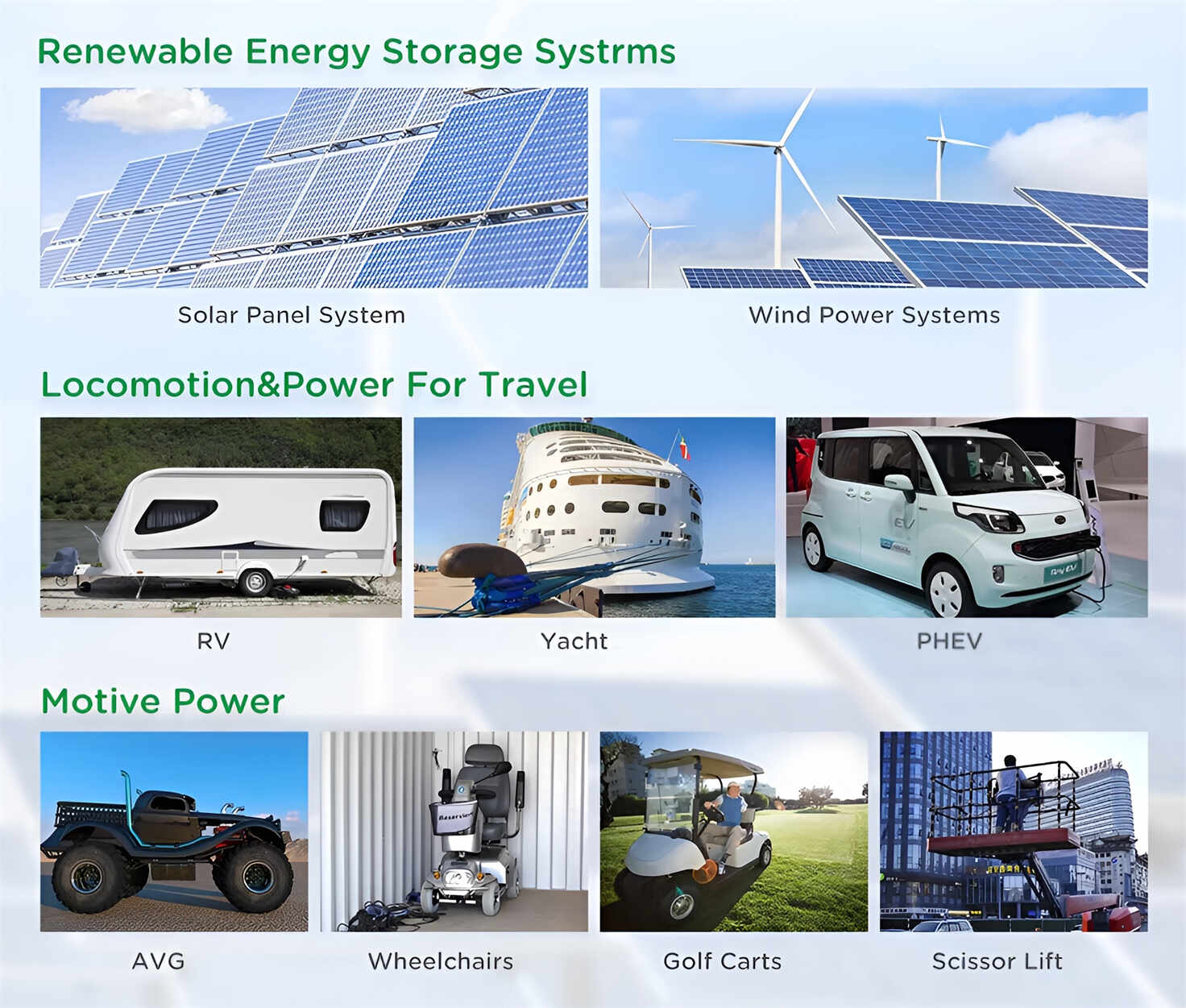
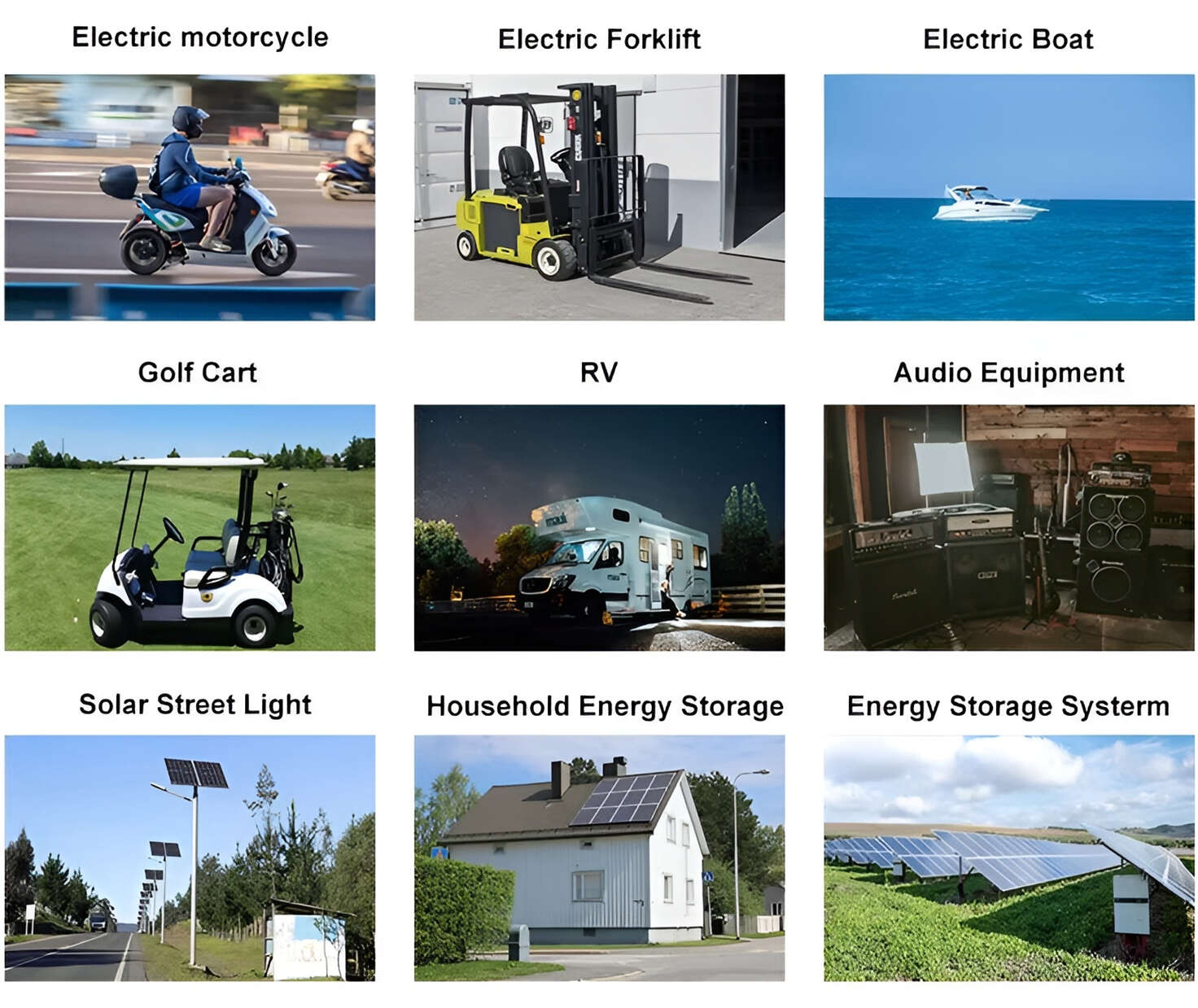
Applications: E-bike, Electric Scooter, Golf Carts, RV, Electric Wheelchair, Electric Tools, Robot Cleaner, Robot Sweeper, Solar Energy Storage System, Emergency Light, Solar Power Light, Medical Equipment, UPS Backup Power Supply.
We can provide you with customized services. We have the ability to provide a vertical supply chain, from single cells to pack/module and to a complete power solution with BMS, etc.
HomSolar (Shenzhen) Technology Co., Ltd