How To Use Cycle Life: A Practical Guide To Extending Battery Longevity
The term "cycle life" is a fundamental concept for anyone who uses rechargeable batteries, from smartphone owners to electric vehicle drivers. It refers to the number of complete charge and discharge cycles a battery can undergo before its capacity significantly degrades below a specified percentage, typically 80% of its original capacity. Understanding and actively managing cycle life is not about preventing its eventual decline, but about maximizing the health and longevity of your battery over its entire usable lifespan. This guide provides a detailed, step-by-step approach to using the concept of cycle life to your advantage.
Understanding the Core Principle
A "cycle" is officially counted when you use 100% of the battery's capacity, though not necessarily in one go. For example, using 50% of the charge one day, recharging it fully, and then using 50% the next day, constitutes one full cycle. Every battery has a finite number of these cycles. By optimizing how you charge and discharge your device, you can spread these cycles out more effectively, preserving the battery's ability to hold a charge for much longer.
Step-by-Step Usage Guide
Step 1: Know Your Battery's "Comfort Zone" The single most important factor in preserving cycle life is managing the State of Charge (SoC). Lithium-ion batteries, which power most modern electronics, experience the least stress when kept in a middle charge range.Practical Implementation: Avoid letting your battery drop to 0% or consistently charging it to 100%. Instead, aim to keep it between 20% and 80%. For daily use, unplugging your device once it reaches 80-90% and plugging it in before it falls below 20% is the ideal practice. This minimizes the chemical stress that depletes cycle life.
Step 2: Implement Partial, Topping-Up Charges Forget the old "memory effect" advice from the nickel-cadmium era. For lithium-ion batteries, frequent, shallow discharges are far less damaging than deep, full discharges.Practical Implementation: Treat charging like hydration. Take small sips throughout the day rather than waiting to be completely parched. If you have access to a charger at your desk or in your car, plug in for short periods to keep the battery level in its 20-80% "comfort zone." This approach uses only a fraction of a full cycle, thereby conserving your total cycle count.
Step 3: Manage Heat and Environmental Stress Heat is the arch-nemesis of cycle life. High temperatures accelerate the chemical reactions inside the battery that lead to permanent capacity loss.Practical Implementation:During Charging: Remove thick cases from phones and tablets while charging, as they can trap heat.Avoid Direct Sunlight: Never leave your device (especially an EV or e-scooter) in direct sunlight on a hot day.Demanding Tasks: If you are performing intensive tasks like gaming or video editing on a laptop, ensure the ventilation is not blocked. Consider using a cooling pad for extended sessions.
Step 4: Utilize Software and Hardware Features Modern devices come with built-in features designed to protect the battery, but they often require user activation.Practical Implementation:Optimized Charging: On smartphones and laptops, enable features like "Optimized Battery Charging" (iOS) or "Battery Health Management" (macOS). These systems learn your usage patterns and delay charging past 80% until just before you typically need a full charge.Charge Limiters: Many laptops (e.g., from Lenovo, Dell, ASUS) and electric vehicles allow you to set a maximum charge threshold, often at 80% or 90%. Use this feature if you primarily use your device plugged in or don't need the full range for your daily commute.
Advanced Tips and TechniquesFor Long-Term Storage: If you plan not to use a device or a spare battery for a month or more, do not store it fully charged or completely empty. The ideal storage charge is between 40% and 60%. Store the device in a cool, dry place.Use the Right Charger: Whenever possible, use the manufacturer's original charger or a certified high-quality third-party alternative. Cheap, uncertified chargers can provide unstable voltage and generate excess heat, damaging the battery.Understand Your Actual Needs: You don't always need a 100% charge. If your daily smartphone usage only consumes 60% of the battery, there is no need to charge it to 100% every night. Charging to 80% is perfectly adequate and puts far less strain on the battery.
Critical Precautions and What to Avoid
1. Avoid Extreme Temperatures: As critical as managing heat is, extreme cold is also damaging. Do not charge a battery that is below freezing (0°C / 32°F), as this can cause irreversible internal damage. 2. Avoid Consistent Fast Charging: While incredibly convenient, frequent use of fast-charging technologies generates more heat and can accelerate cycle life depletion. Use standard charging for your daily overnight routine and reserve fast charging for when you truly need a quick power boost. 3. Do Not Obsess Over Perfection: The goal is to adopt better habits, not to create anxiety. Occasionally charging to 100% for a long trip or letting the battery run low will not ruin it. The cumulative effect of long-term habits is what matters most. 4. Ignore "Battery Calibration" Myths: The idea that you need to regularly fully discharge and recharge a lithium-ion battery to "calibrate" it is a myth. Modern battery management systems are sophisticated and do not require this. In fact, this practice is a form of deep cycling that unnecessarily consumes cycle life.
By integrating these principles into your daily routine, you move from being a passive user to an active manager of your battery's health. Using the concept of cycle life effectively means making small, conscious decisions that add up to years of reliable performance, saving you money and reducing electronic waste. It is the key to ensuring your devices remain powered for as long as possible.
Customized/OEM/ODM Service
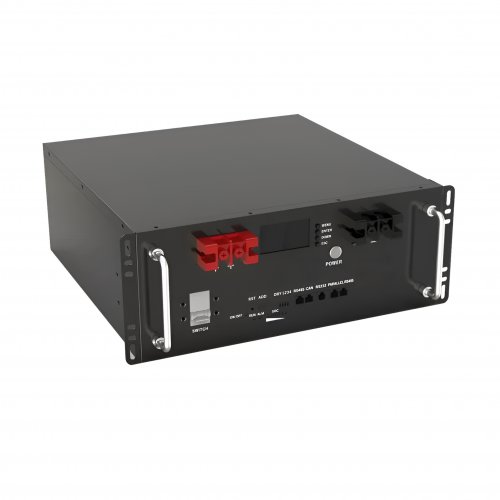
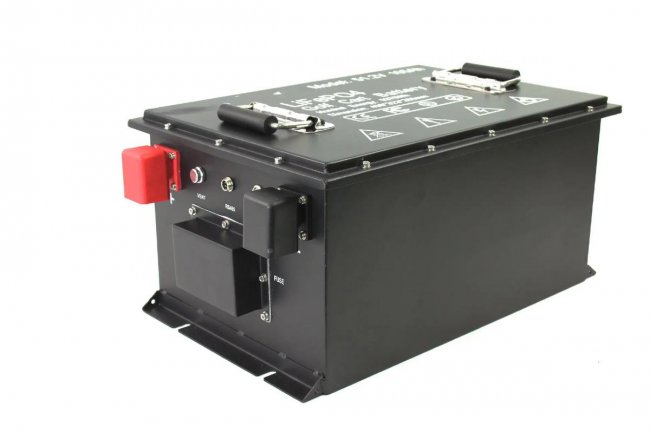
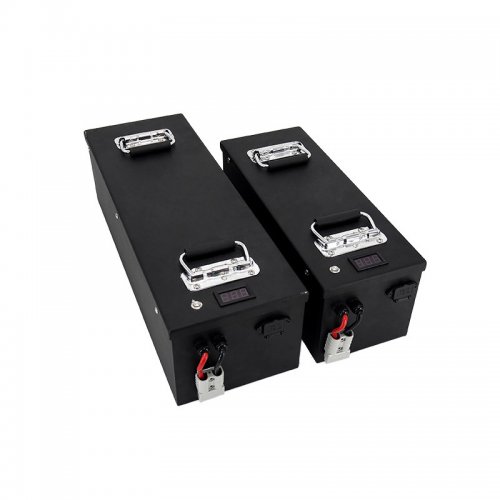
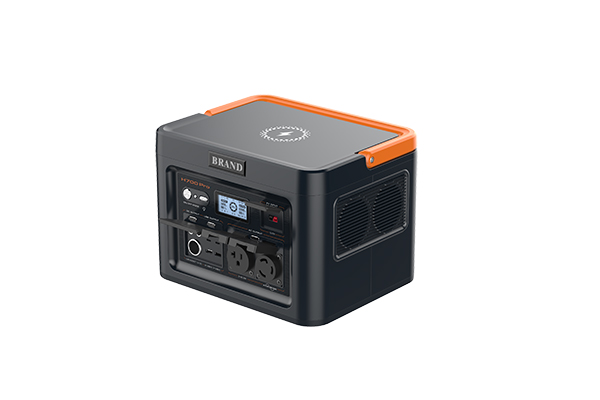
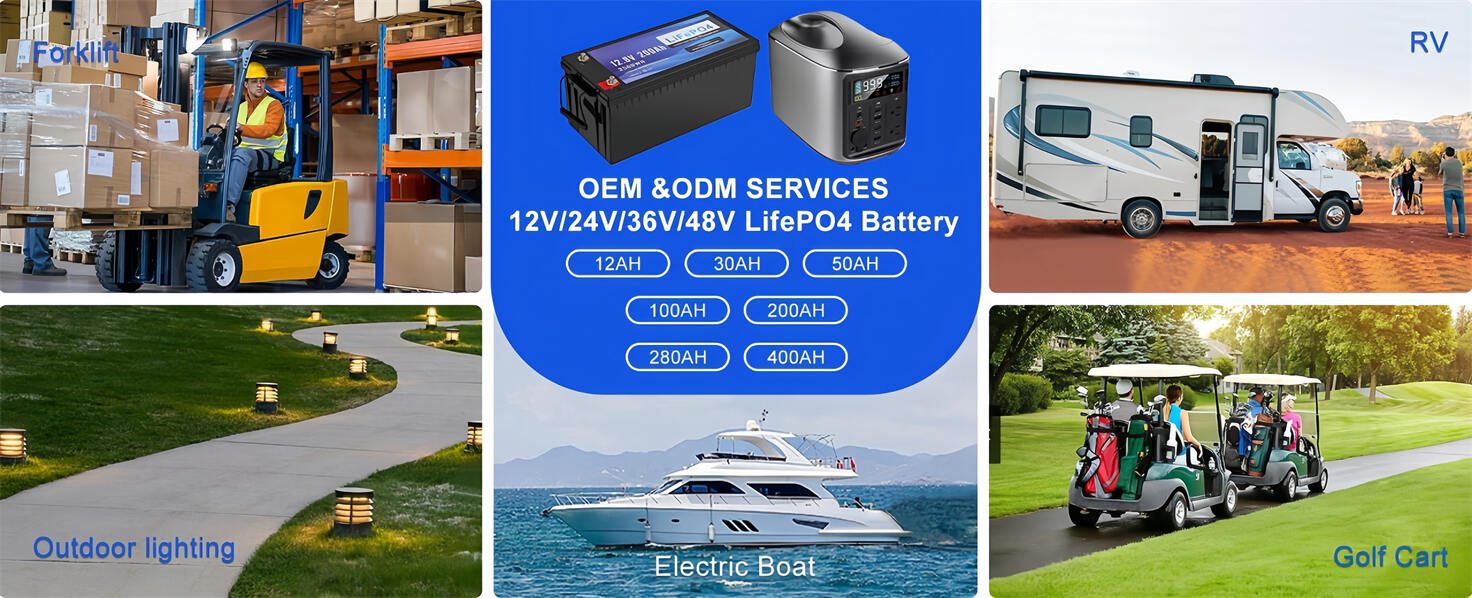
HomSolar Supports Lifepo4 battery pack customization/OEM/ODM service, welcome to contact us and tell us your needs.

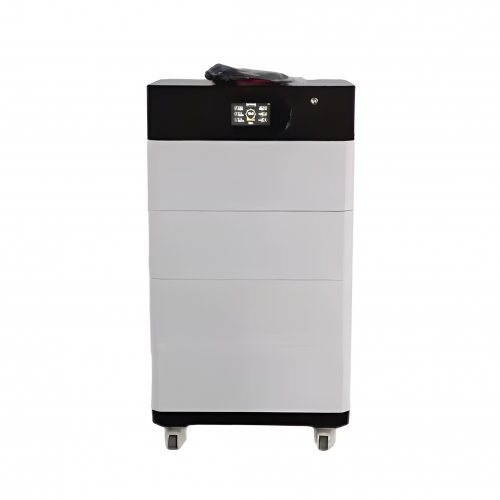
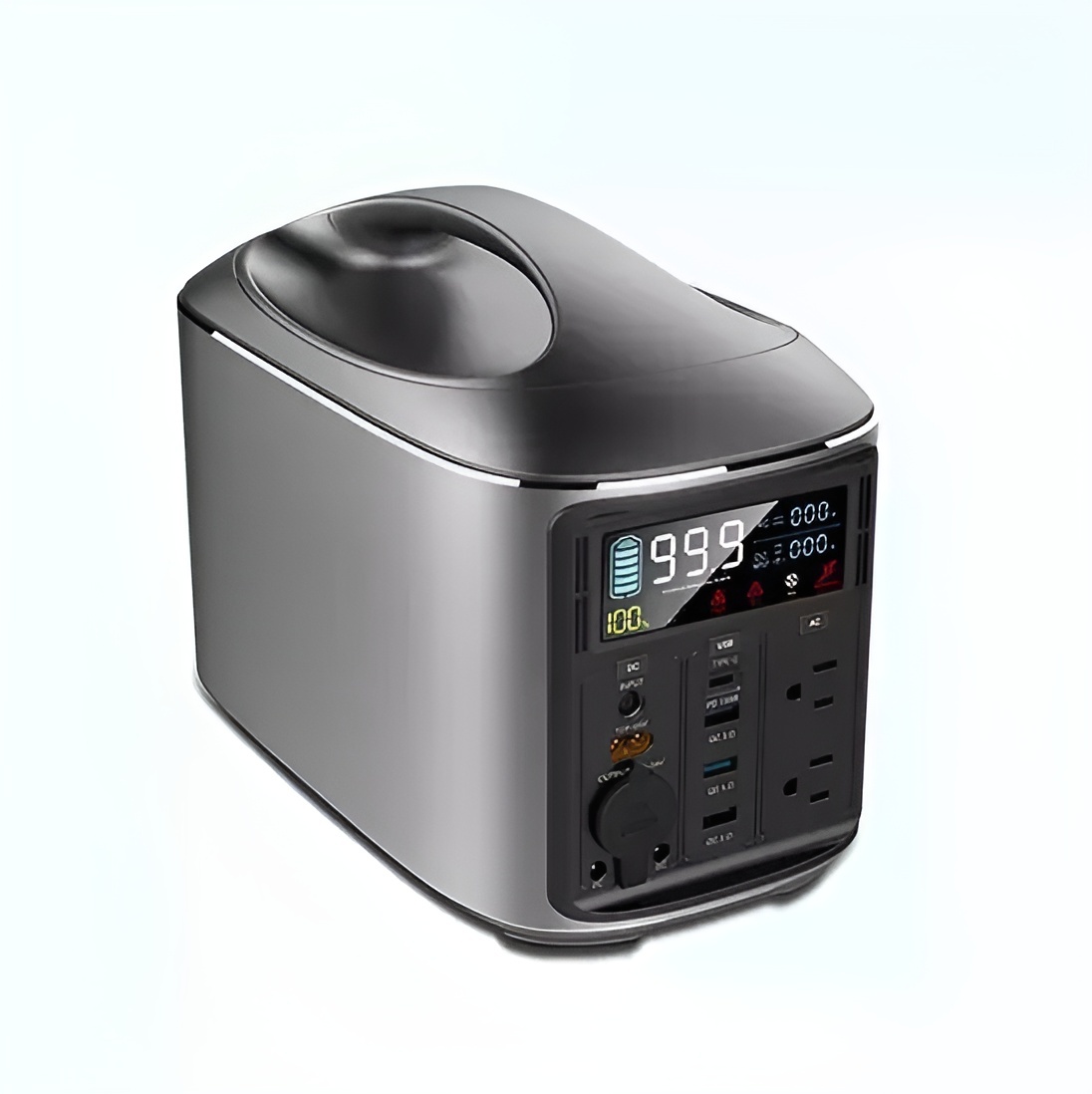
HomSolar: Your One-stop LiFePO4 Battery Pack & ESS Solution Manufacturer
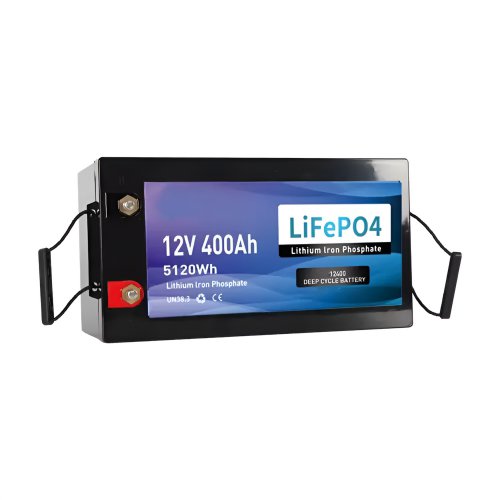
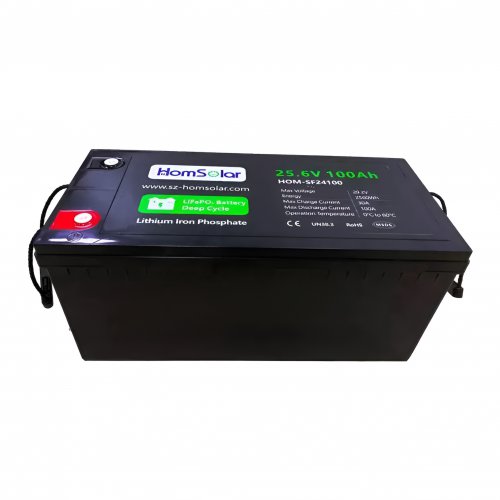
Our line of LiFePO4 (LFP) batteries offer a solution to demanding applications that require a lighter weight, longer life, and higher capacity battery. Features include advanced battery management systems (BMS), Bluetooth® communication and active intelligent monitoring.
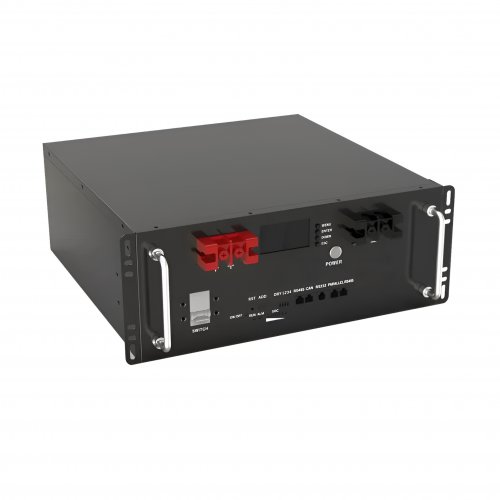
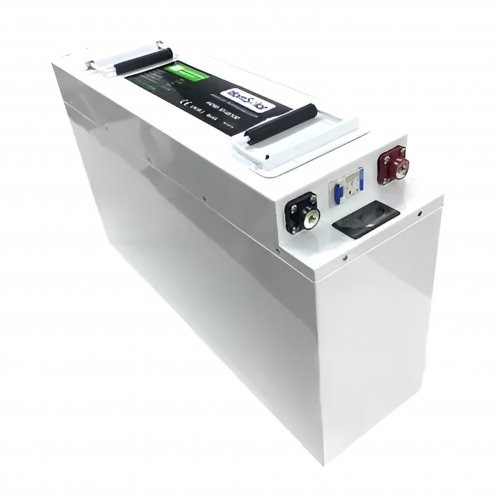
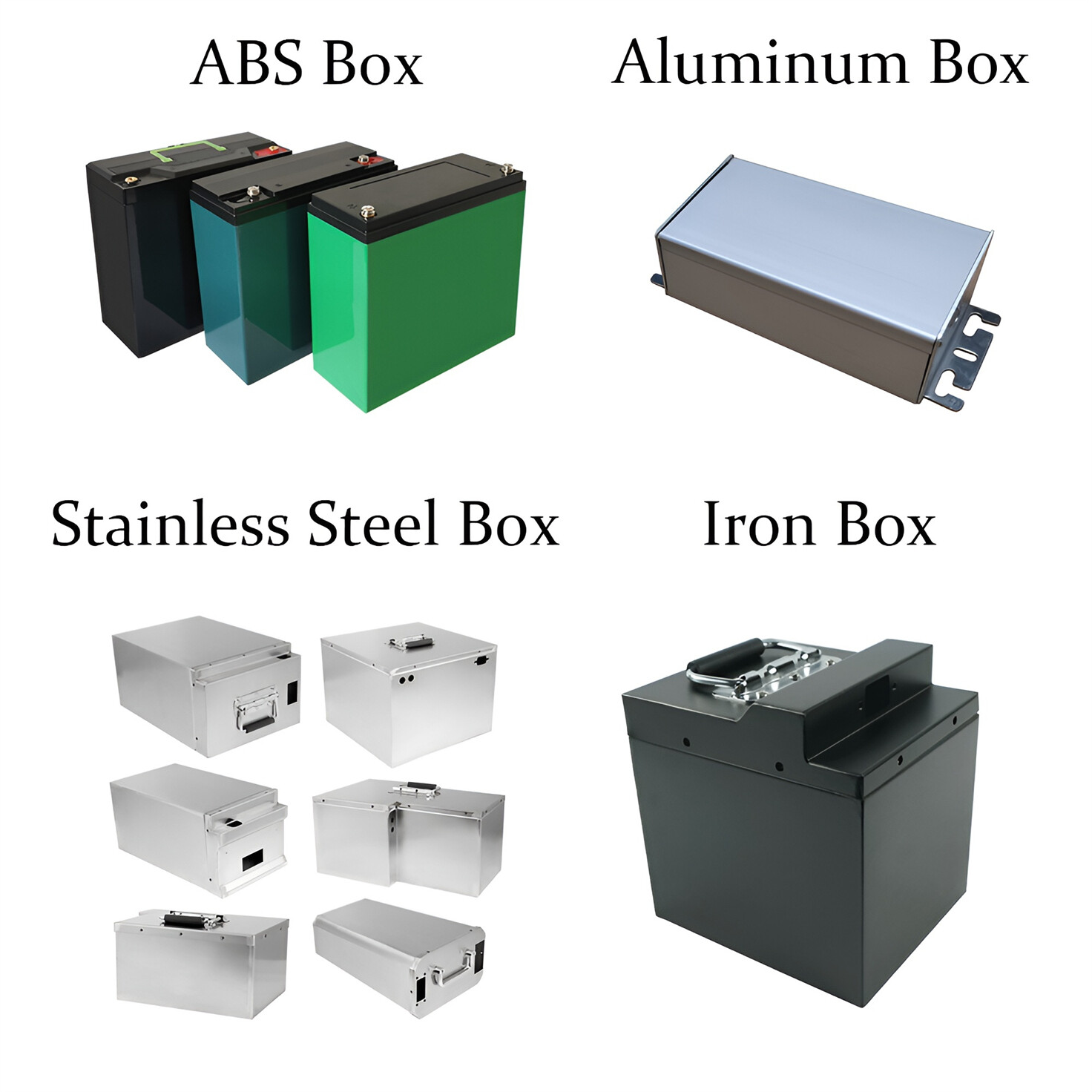
Customised Lithium Iron Phosphate Battery Casing
ABS plastic housing, aluminium housing, stainless steel housing and iron housing are available, and can also be designed and customised according to your needs.
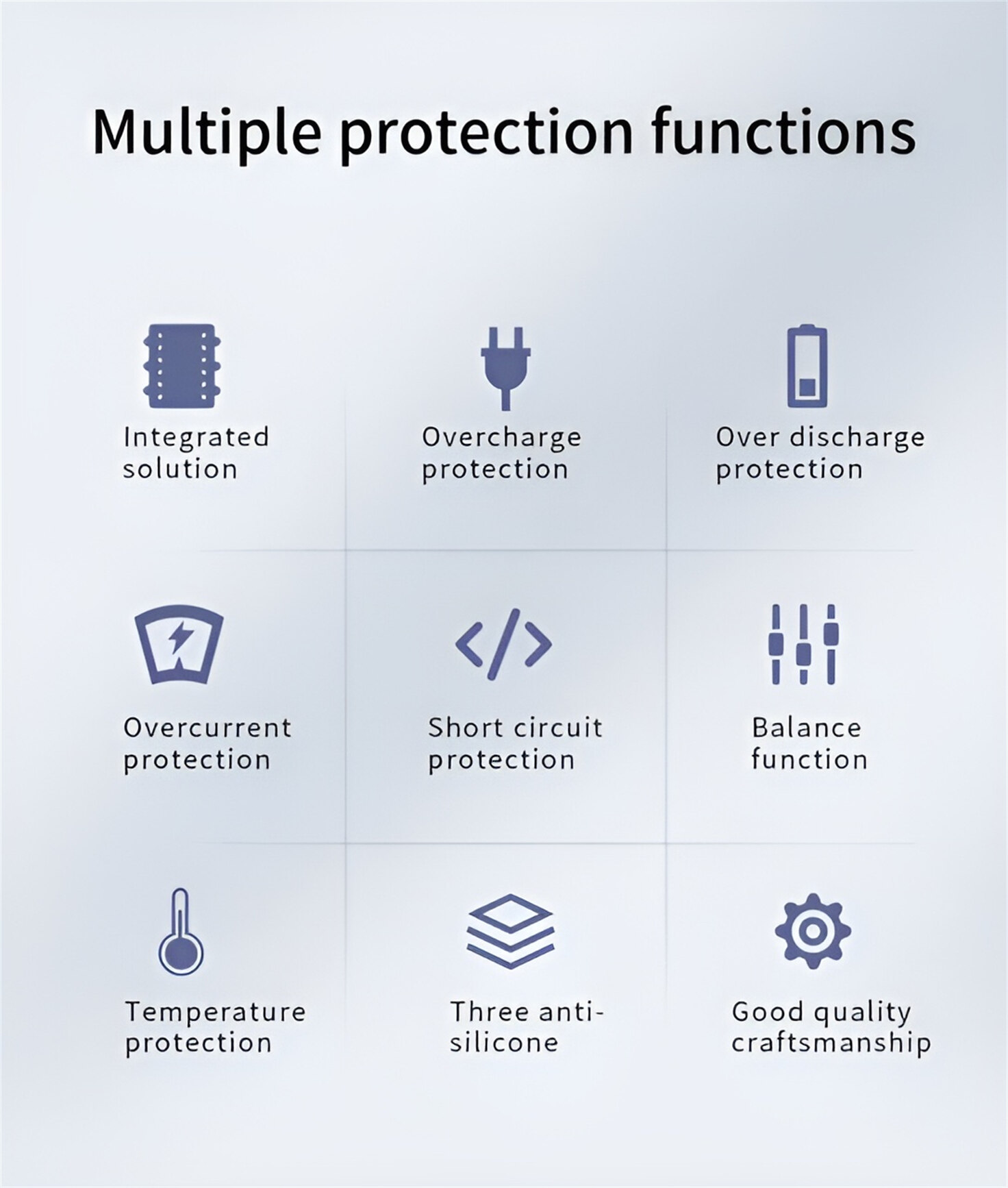
HomSolar Smart BMS
Intelligent Battery Management System for HomSolar Energy Storage System. Bluetooth, temperature sensor, LCD display, CAN interface, UART interface also available.

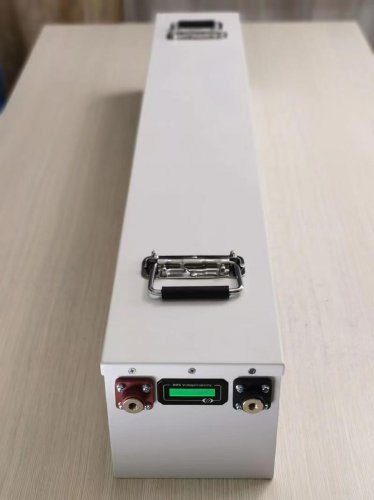
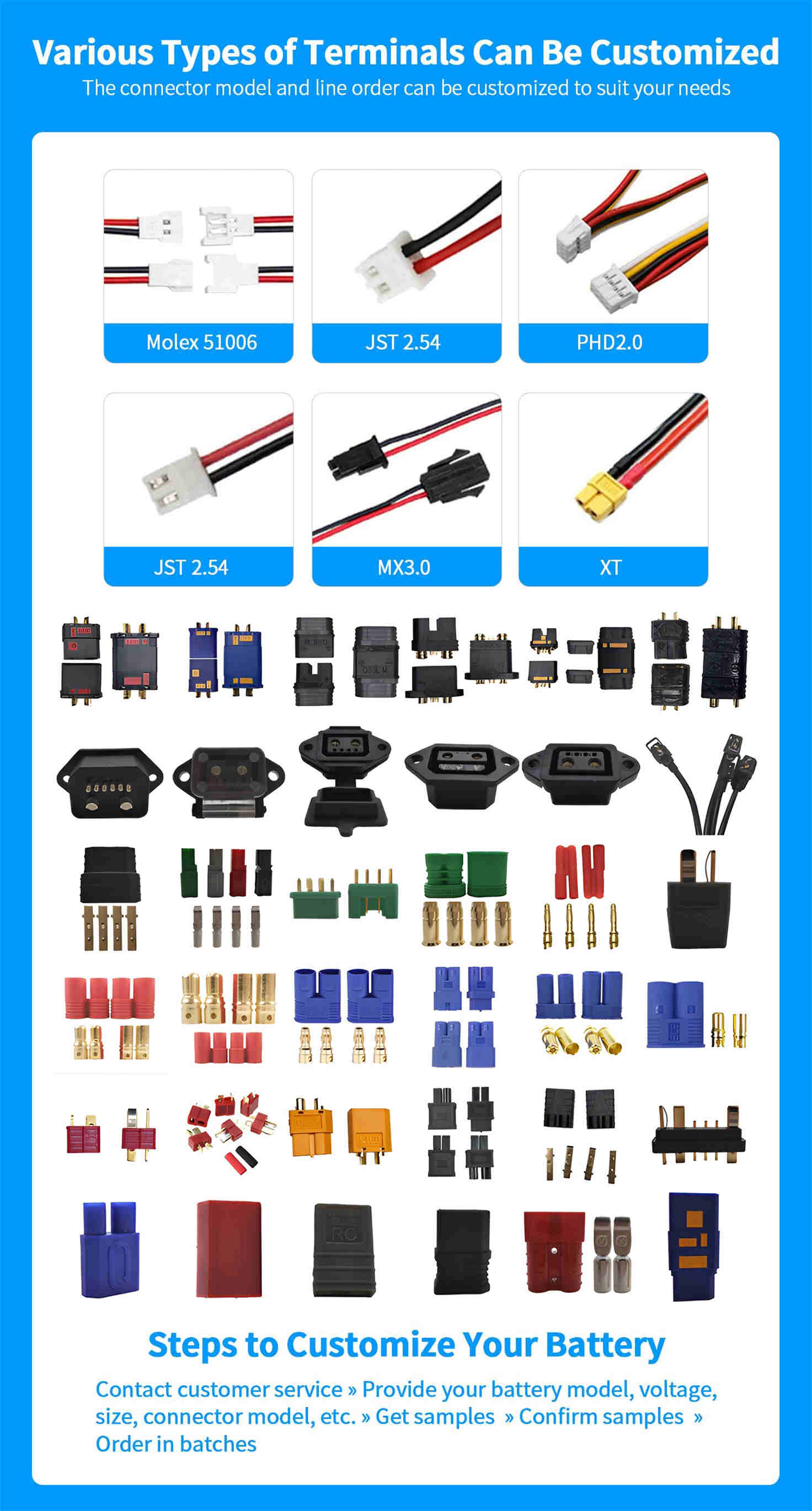
Terminals & Plugs Can Be Customized
A wide range of terminals and plugs can be customised to suit the application needs of your battery products.
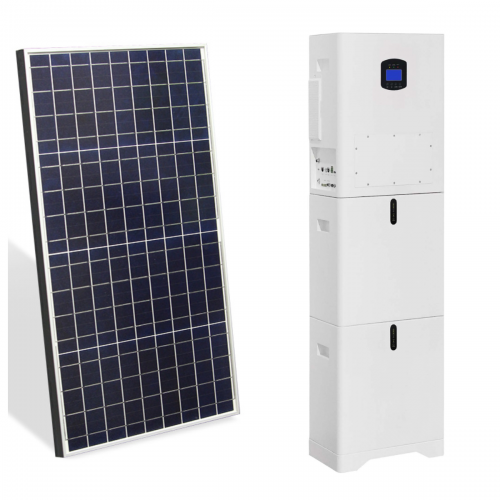
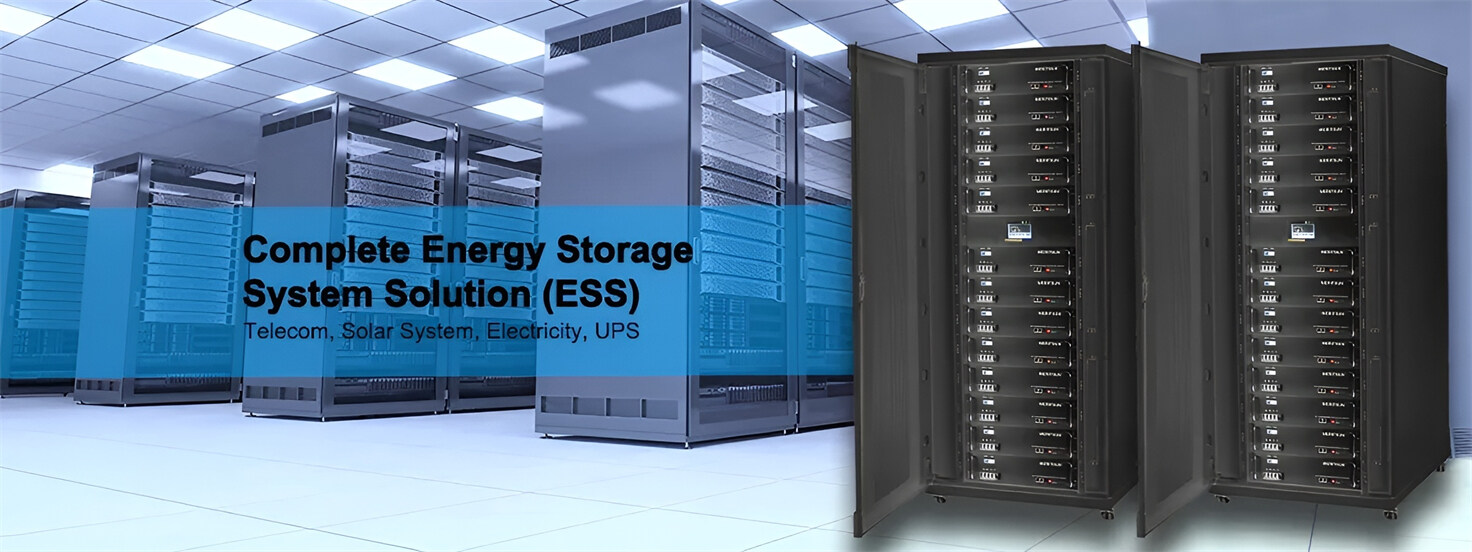
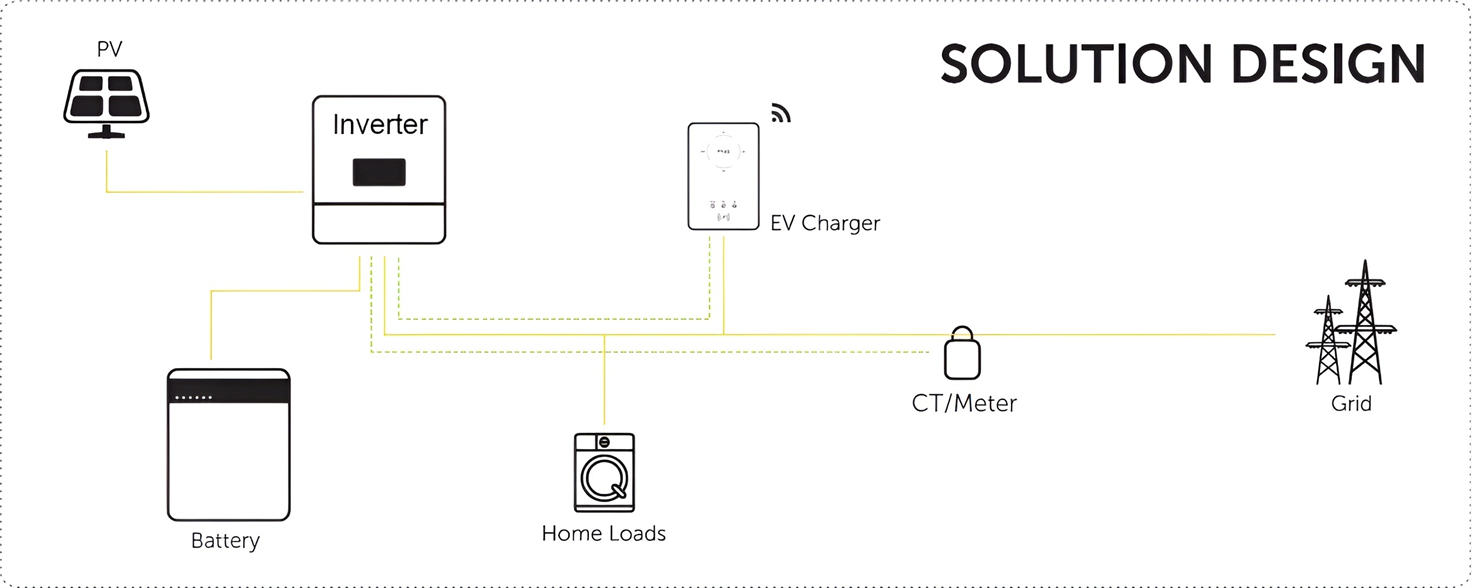
Well-designed Solutions for Energy Storage Systems
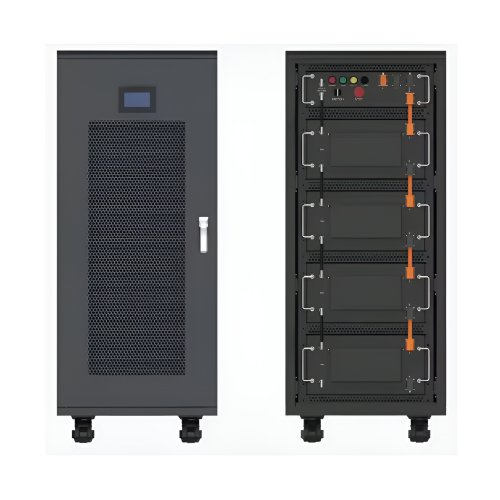
We will design the perfect energy storage system solution according to your needs, so that you can easily solve the specific industry applications of battery products.

About Our Battery Cells
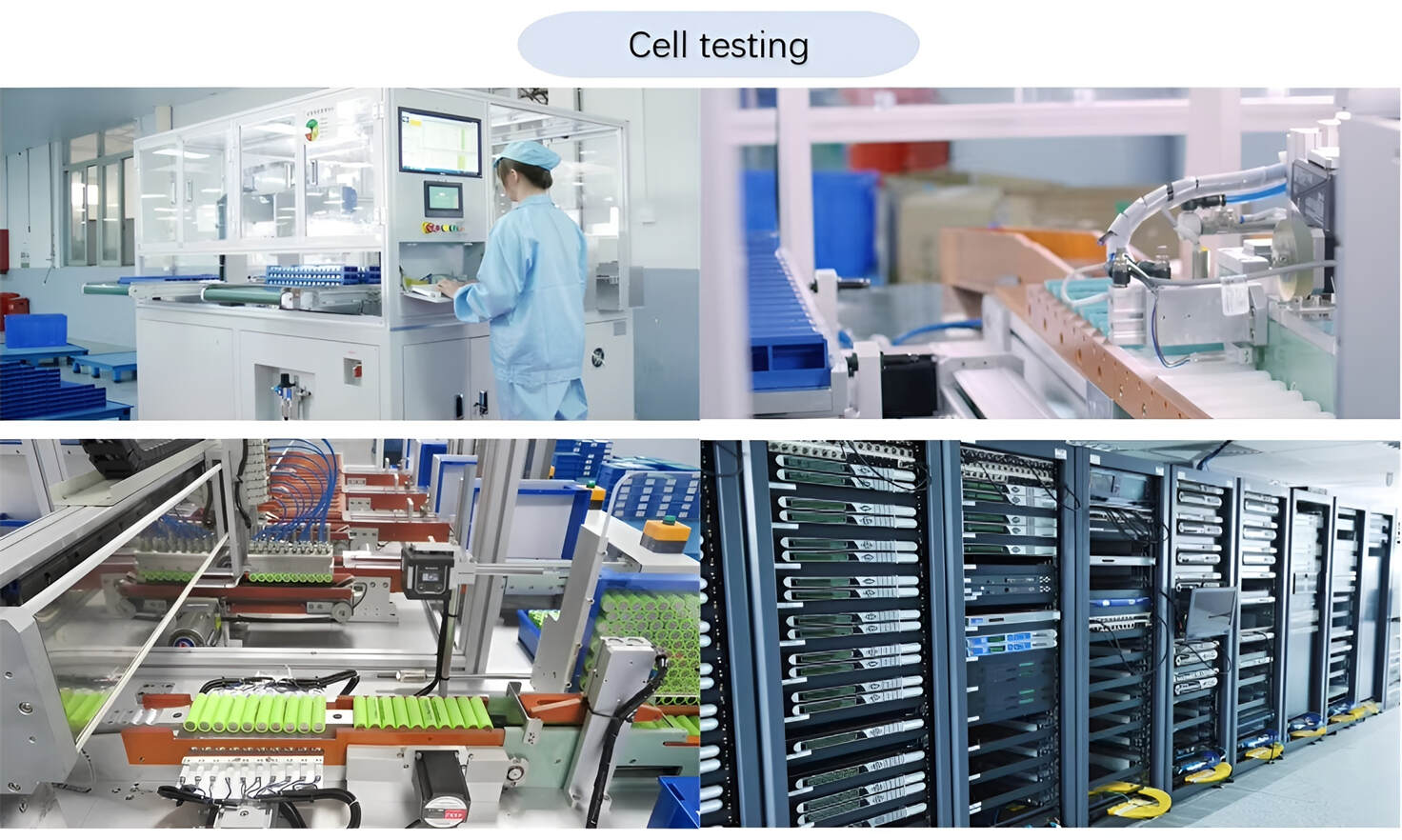
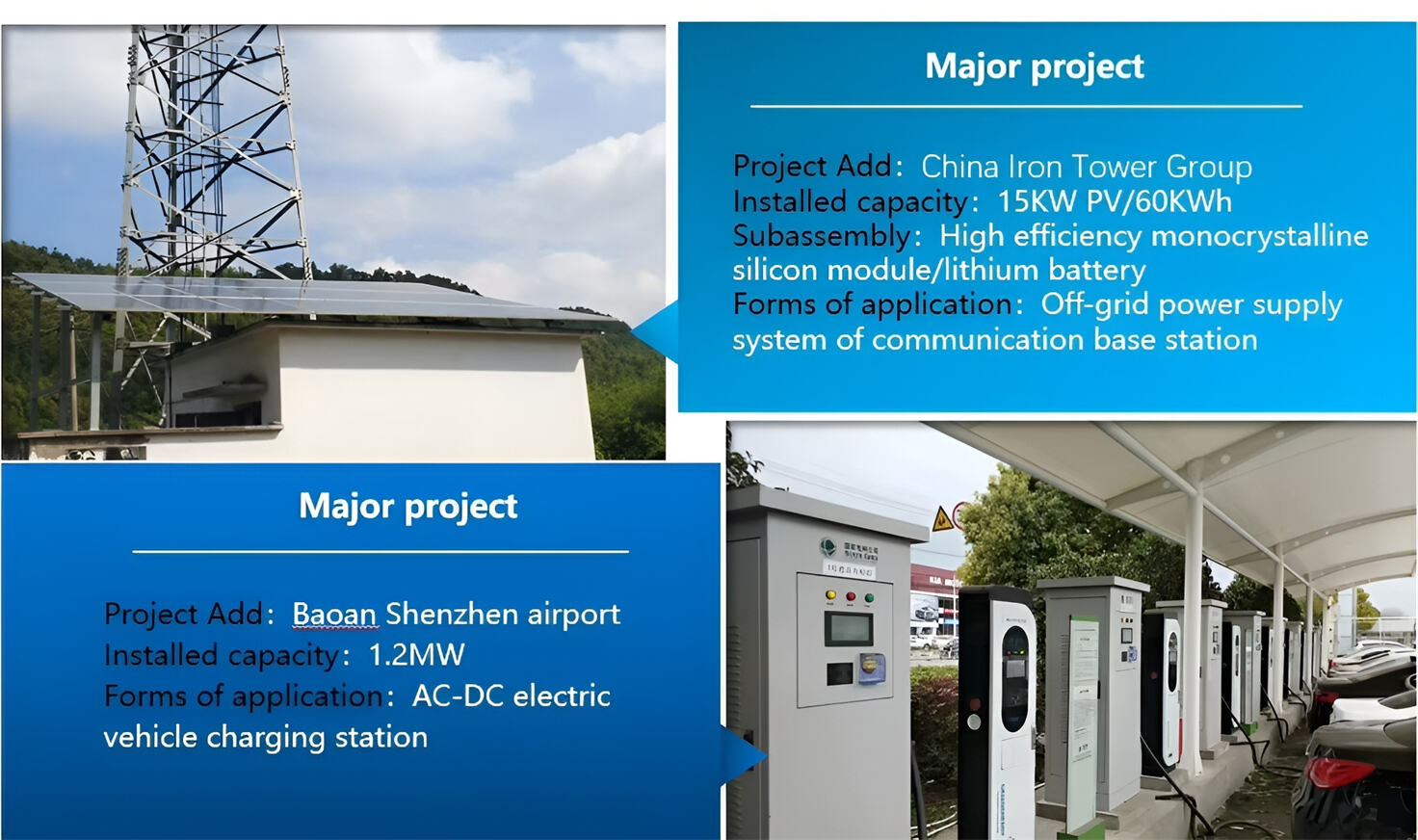
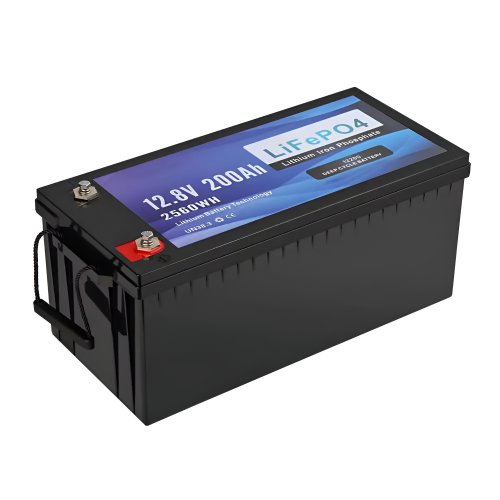
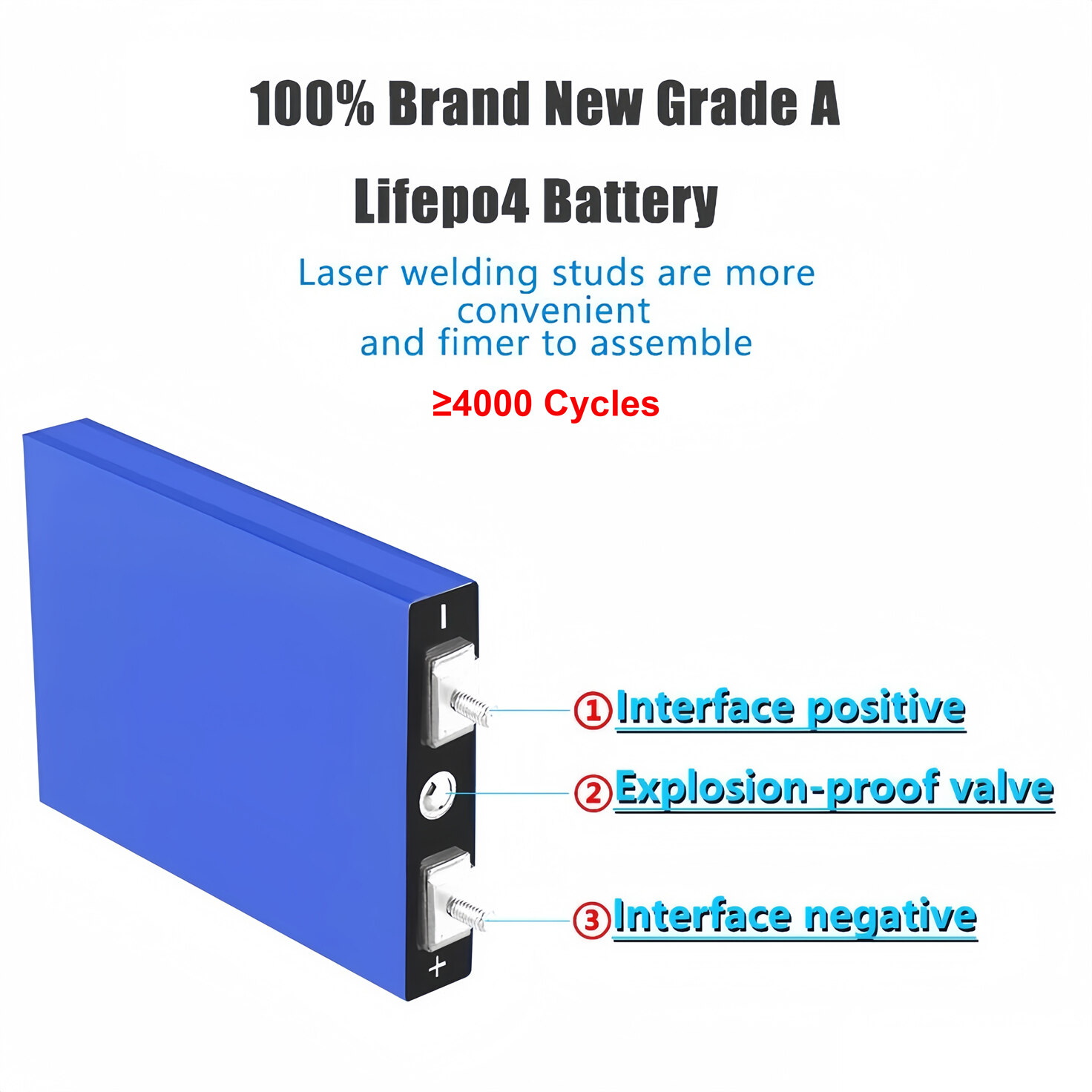
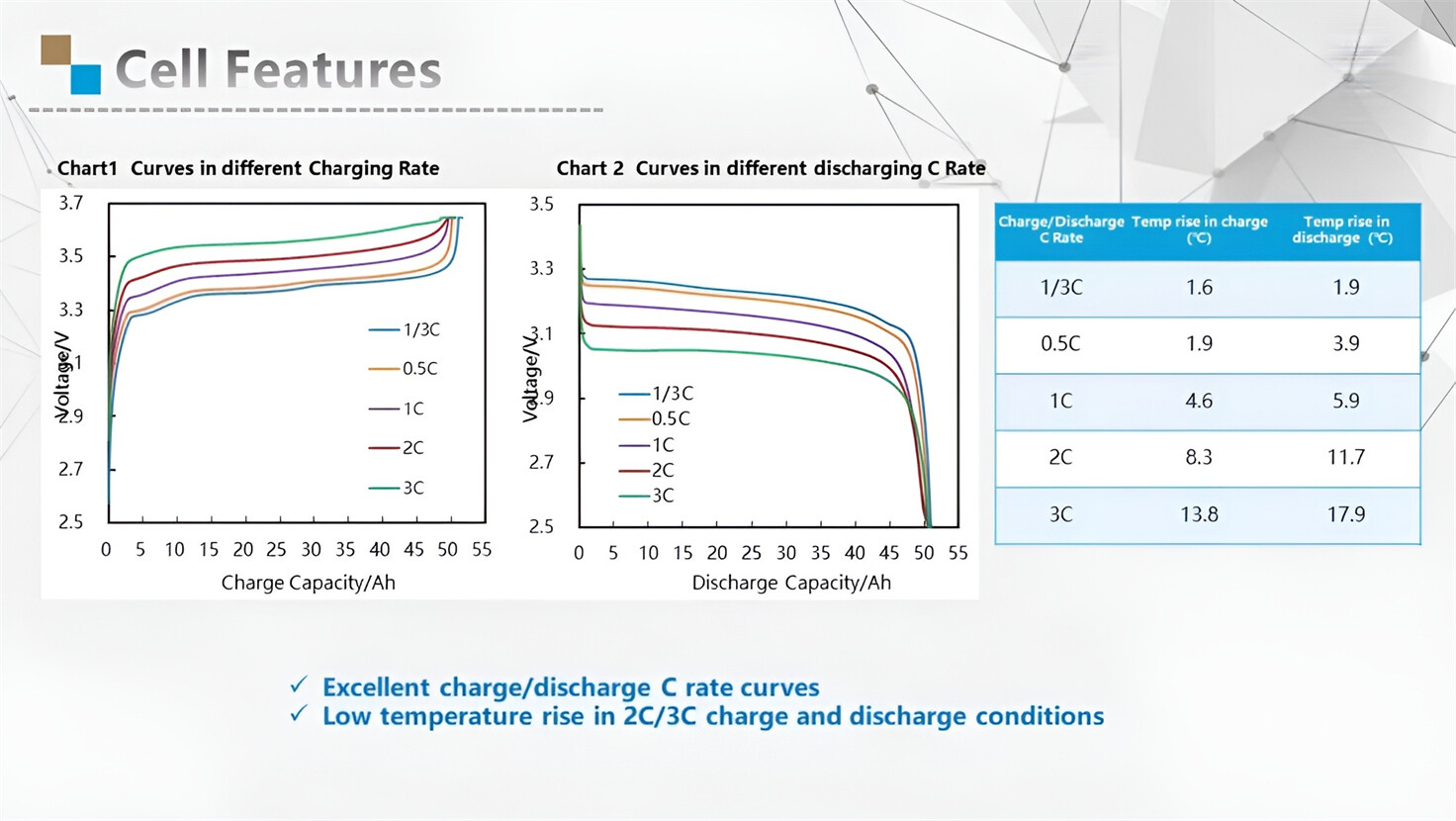
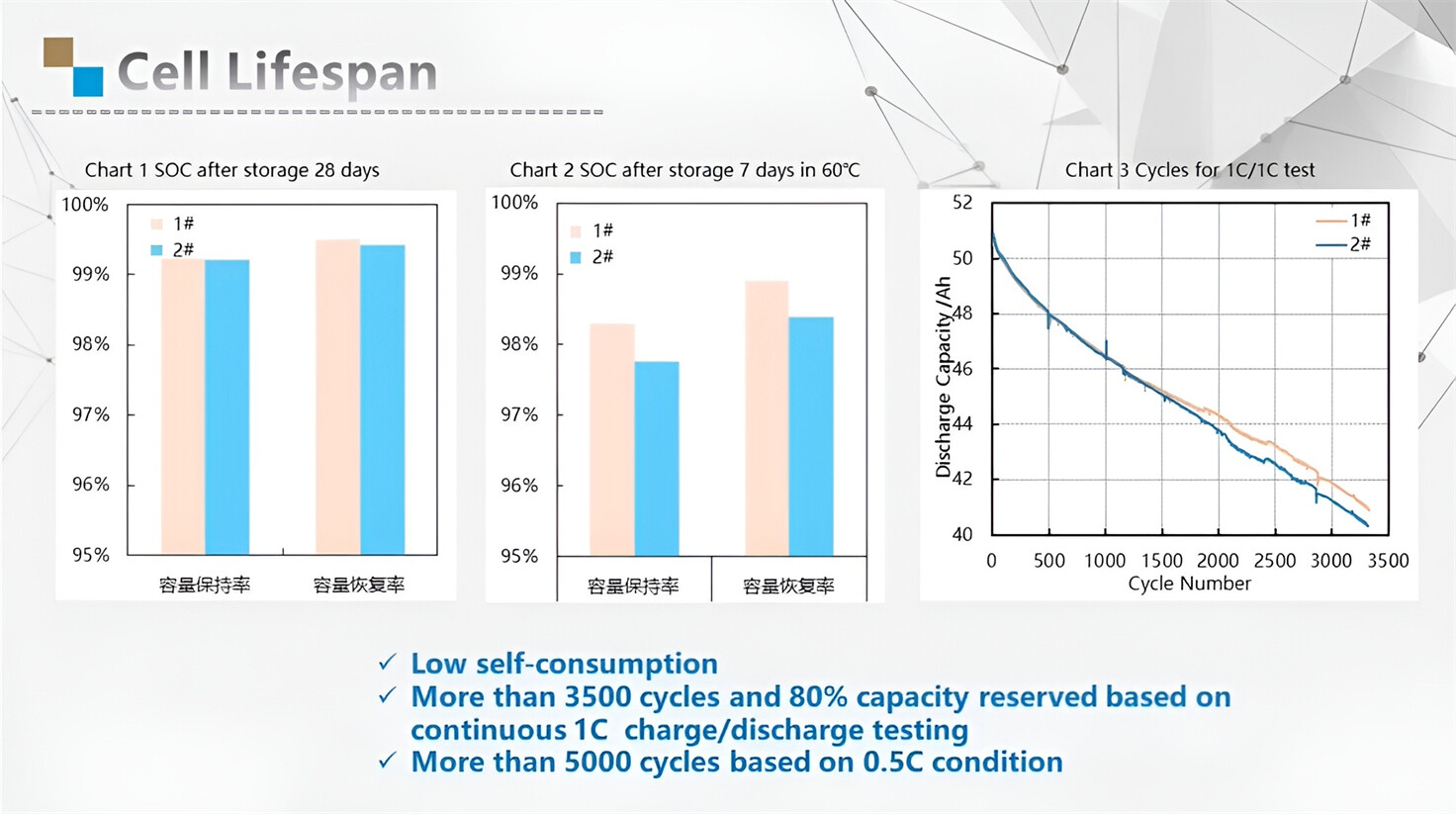
Our energy storage system products use brand new grade A LiFePO4 cells with a battery lifespan of more than 4,000 charge/discharge cycles.
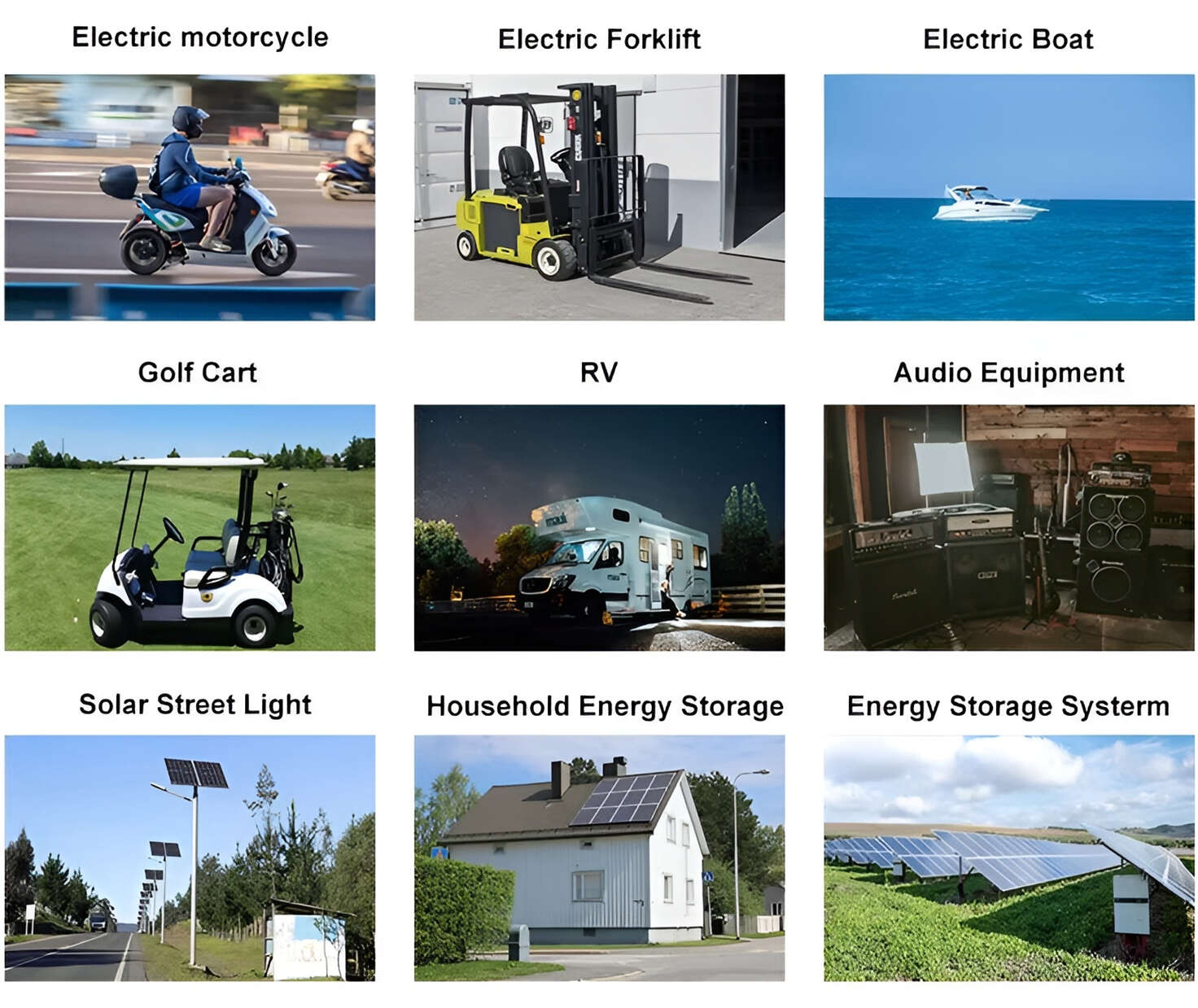
Applications in Different Industries
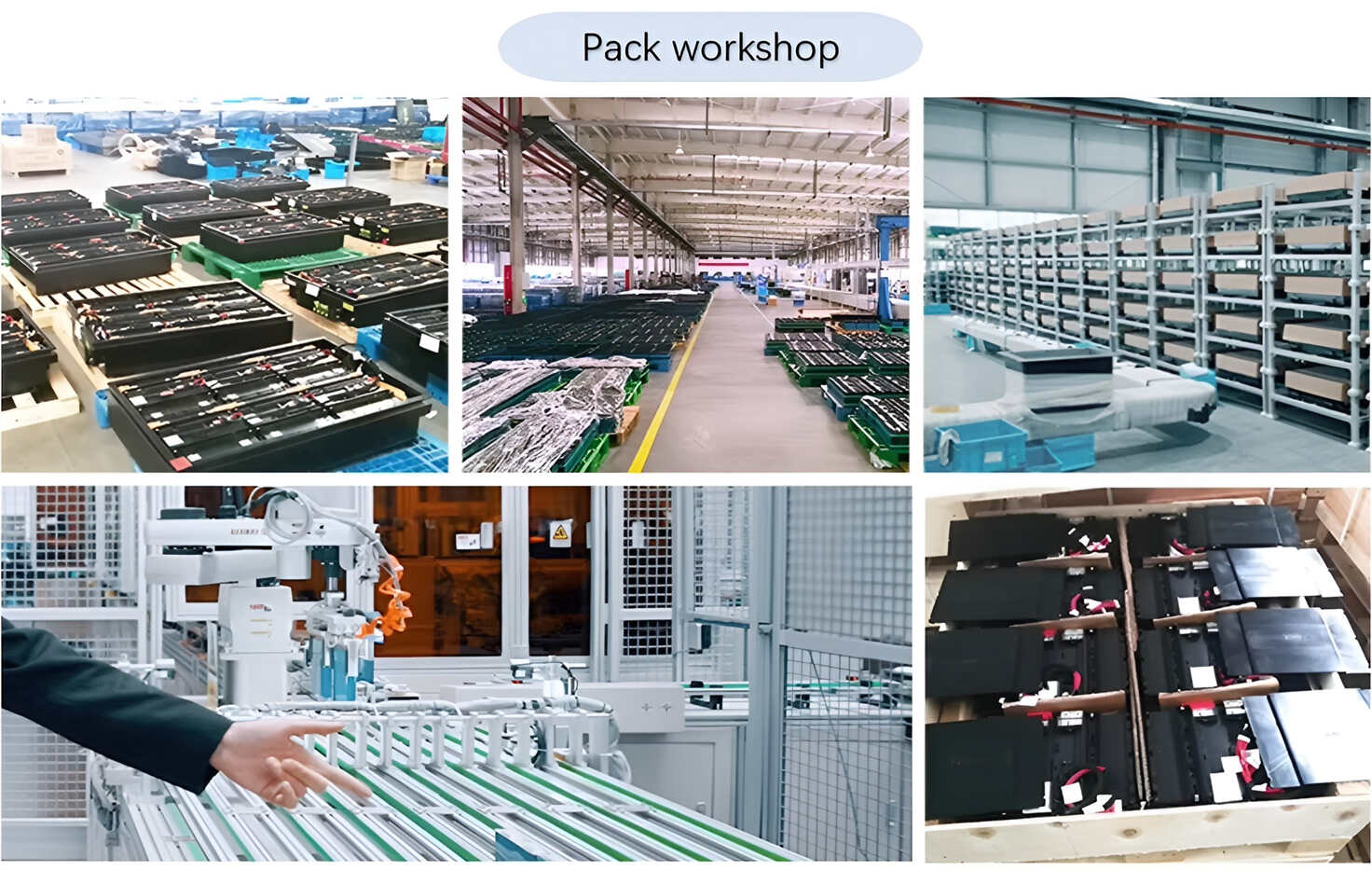
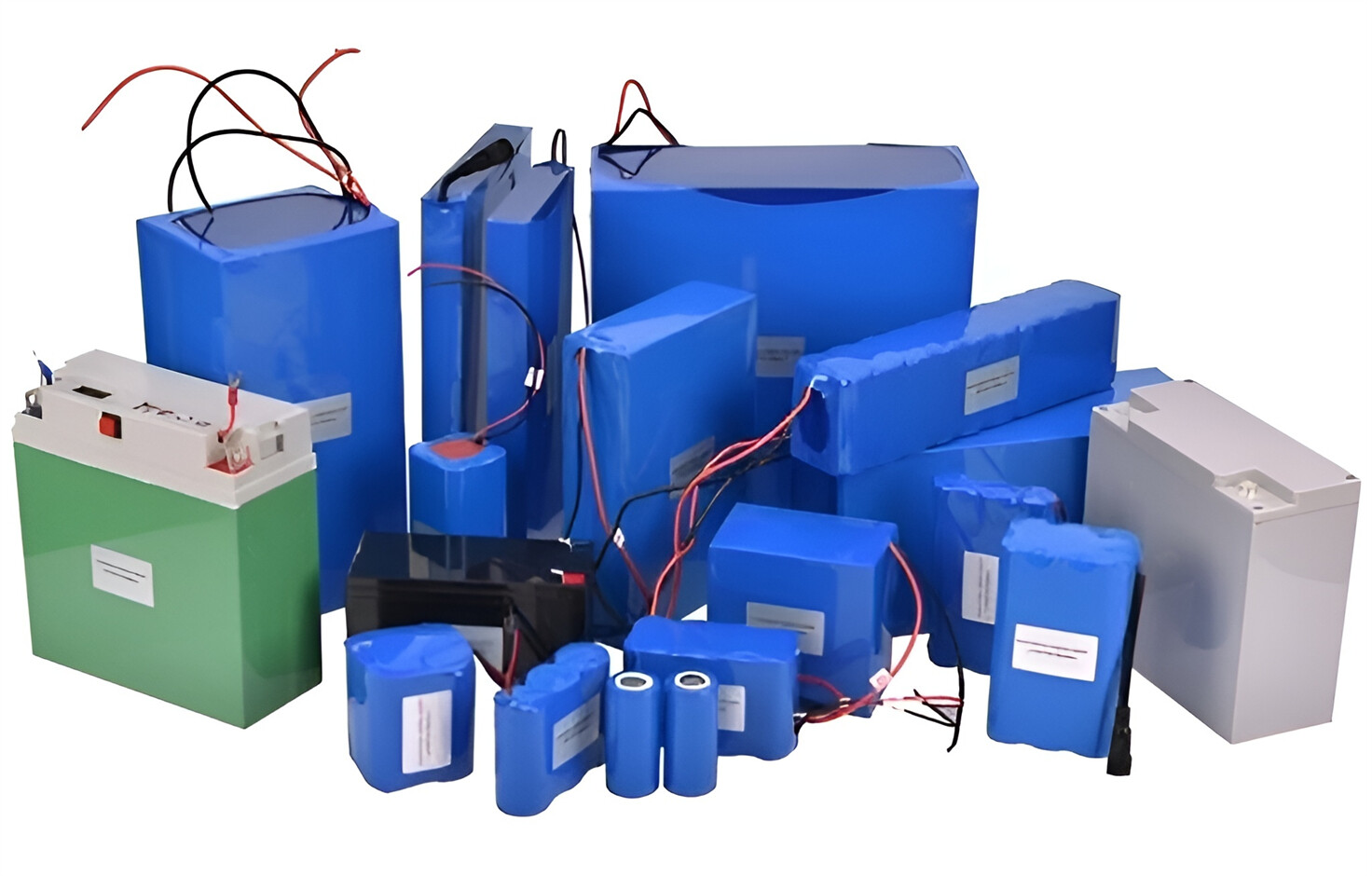
We supply customized & OEM battery pack, assemble cells with wiring, fuse and plastic cover, all the cell wires connected to PCB plug or built BMS.
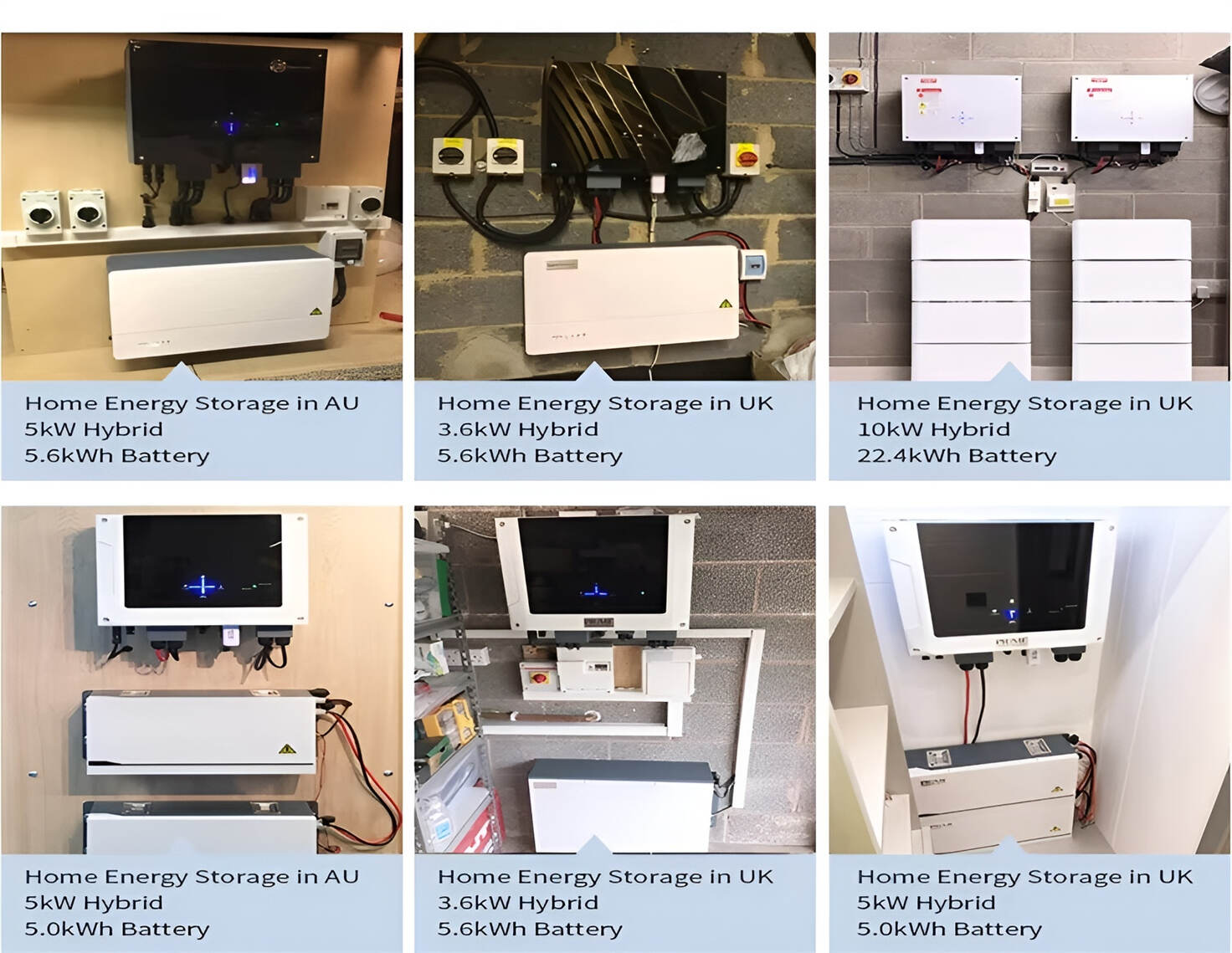
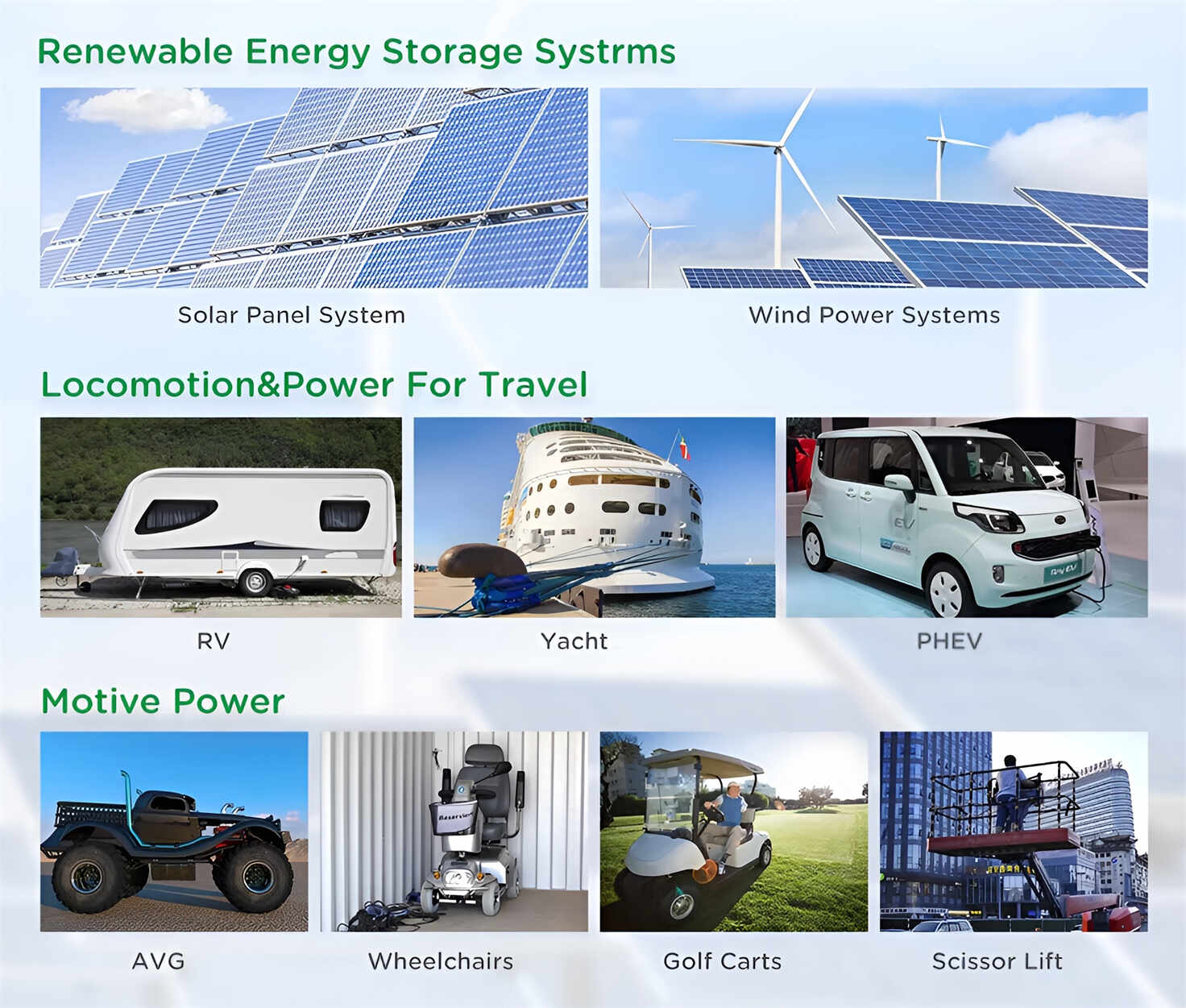
Applications: E-bike, Electric Scooter, Golf Carts, RV, Electric Wheelchair, Electric Tools, Robot Cleaner, Robot Sweeper, Solar Energy Storage System, Emergency Light, Solar Power Light, Medical Equipment, UPS Backup Power Supply.
We can provide you with customized services. We have the ability to provide a vertical supply chain, from single cells to pack/module and to a complete power solution with BMS, etc.
HomSolar (Shenzhen) Technology Co., Ltd