How To Use Capacity: A Practical Guide To Maximizing Potential
The term "capacity" is deceptively simple. It refers to the maximum amount that something can contain, produce, or achieve. However, effectively understanding and utilizing capacity—whether it's personal bandwidth, team output, or system throughput—is a critical skill for success in any field. This guide will walk you through the steps, techniques, and precautions necessary to not just measure capacity, but to actively manage and expand it for optimal performance.
Before diving into usage, it's essential to recognize that capacity is not a single, static number. It exists in several states:Theoretical Capacity: The absolute maximum possible output under ideal, perfect conditions. This is your "best-case scenario" number.Effective Capacity: The realistic maximum that can be achieved given current constraints like scheduled maintenance, staff availability, or known inefficiencies.Actual Output: What is genuinely being produced or achieved. The gap between Effective Capacity and Actual Output represents your opportunity for improvement.
The goal of capacity management is to bring your Actual Output as close as possible to your Effective Capacity, and then systematically work on raising the level of your Effective Capacity over time.
Follow this structured process to apply capacity thinking to any project, team, or system.
Step 1: Define and Measure First, you must define what "full capacity" means in your specific context.For a person: It could be hours of focused work per day, the number of projects one can manage simultaneously, or emotional bandwidth for complex tasks.For a team: It might be the number of features shipped per sprint, customer tickets resolved per day, or units produced per hour.For a system: This could be data processing speed, server requests per second, or manufacturing output.
Once defined, measure your current Actual Output and your estimated Effective Capacity. Use tools like time-tracking software (e.g., Toggl, RescueTime), project management dashboards (e.g., Jira, Asana), or performance monitoring systems to gather objective data.
Step 2: Analyze the Gap Compare your Actual Output with your Effective Capacity. Ask critical questions:Where are the bottlenecks?What tasks are consuming disproportionate time or resources?Are there recurring interruptions or low-value activities?Is the workload evenly distributed across a team?
This analysis will reveal the "capacity leaks" that are preventing you from reaching your full potential.
Step 3: Plan and Optimize Based on your analysis, create an action plan to close the gap. This involves:Eliminating Waste: Remove unnecessary steps in a process, automate repetitive tasks, or cut down on unproductive meetings.Improving Flow: Re-sequence tasks for better efficiency, improve communication channels, or provide better tools.Managing Load: For individuals and teams, this means prioritization. Use frameworks like the Eisenhower Matrix (Urgent/Important) to ensure high-capacity hours are dedicated to high-impact work.
Step 4: Monitor and Adapt Capacity is dynamic. Regularly revisit your measurements and analysis. A process that was optimized last quarter may be inefficient today due to new challenges or opportunities. Establish a regular cadence (e.g., weekly, monthly) for a quick capacity review.
1. Buffer for the Unexpected: Never plan to use 100% of your Effective Capacity. Always leave a buffer (e.g., 15-20%) for unexpected tasks, creative thinking, emergencies, and learning. A system running at 100% capacity has no room to adapt and will break under stress. 2. Focus on Deep Work: For personal capacity, guard your time for deep, focused work. Schedule it in your calendar and treat it as an unbreakable appointment. This is when you operate at your highest cognitive capacity. 3. Use the "Stop-Doing" List: Increasing capacity isn't just about doing more; it's about stopping what isn't serving you. Regularly identify and eliminate tasks, projects, or even commitments that have a low return on your energy investment. 4. Measure Lead and Lag Indicators: A lag indicator (e.g., projects completed this month) tells you about past capacity. A lead indicator (e.g., hours of focused work this week) predicts future capacity. Track both to proactively manage your output. 5. Conduct Pre-Mortems: Before starting a project, ask your team: "What could cause us to exceed our capacity?" This proactive exercise helps identify potential overruns and plan contingencies before they happen.
Avoid Confusing Activity with Productivity: A full calendar or a constantly busy team does not mean they are operating at effective capacity. They could be busy with low-impact work. Always tie activity back to meaningful output.Beware of the Burnout Threshold: Pushing consistently beyond 80-90% of human capacity for prolonged periods leads to burnout, decreased quality, and high turnover. Sustainable performance is more valuable than short-term, maximum output.Don't Ignore Diminishing Returns: Throwing more resources (like people or money) at a problem does not always linearly increase capacity. Be mindful of the point where additional investment yields very little extra output and creates coordination overhead.Resist the Urge to Multitask: For cognitive tasks, multitasking is a myth. It fractures focus, increases cognitive load, and significantly reduces your effective mental capacity. Encourage single-tasking.Do Not Set and Forget: As emphasized earlier, capacity management is not a one-time exercise. The environment, team composition, and personal energy levels change. A static capacity plan quickly becomes obsolete.By treating capacity as a dynamic and manageable resource, you move from being reactive to proactive. You gain the ability to make informed decisions about what to take on, when to say no, and where to focus your improvement efforts. Start by applying these principles to a single project or your own workweek, and you will quickly see the benefits of working smarter within your true potential.
Customized/OEM/ODM Service
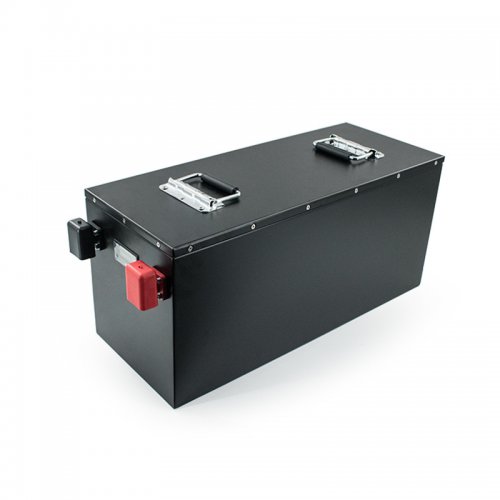
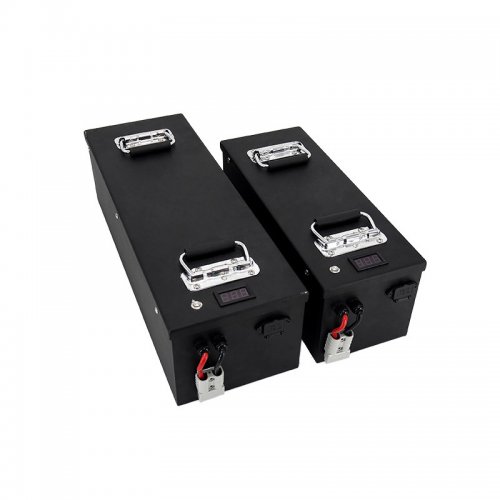
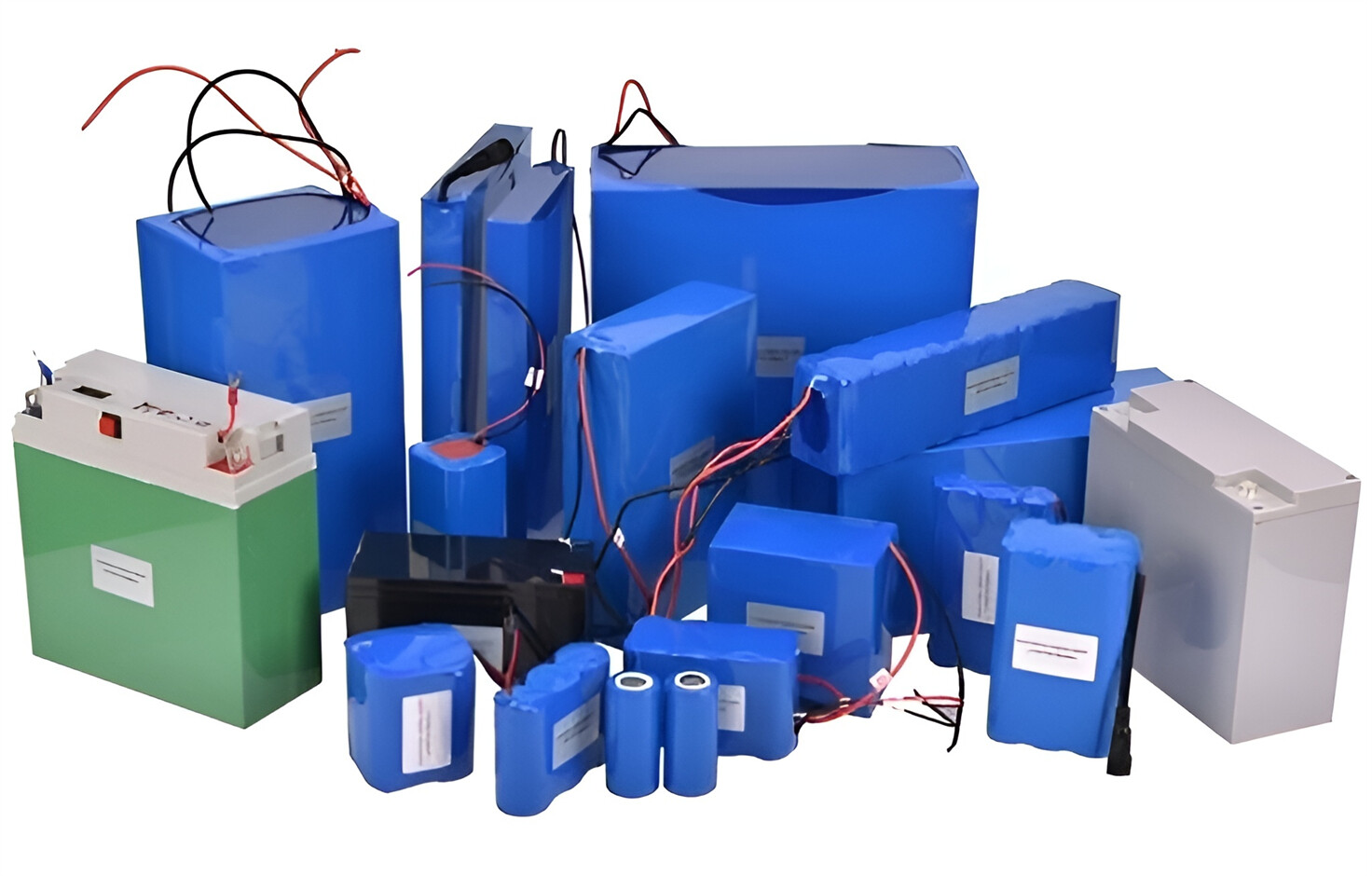
HomSolar Supports Lifepo4 battery pack customization/OEM/ODM service, welcome to contact us and tell us your needs.


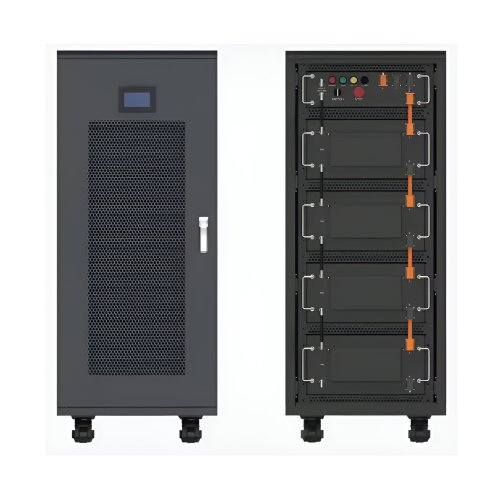
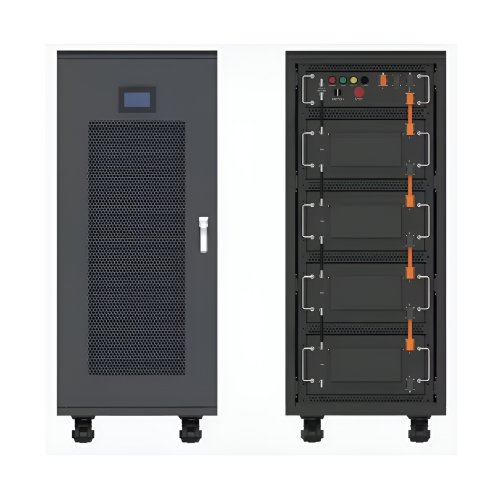
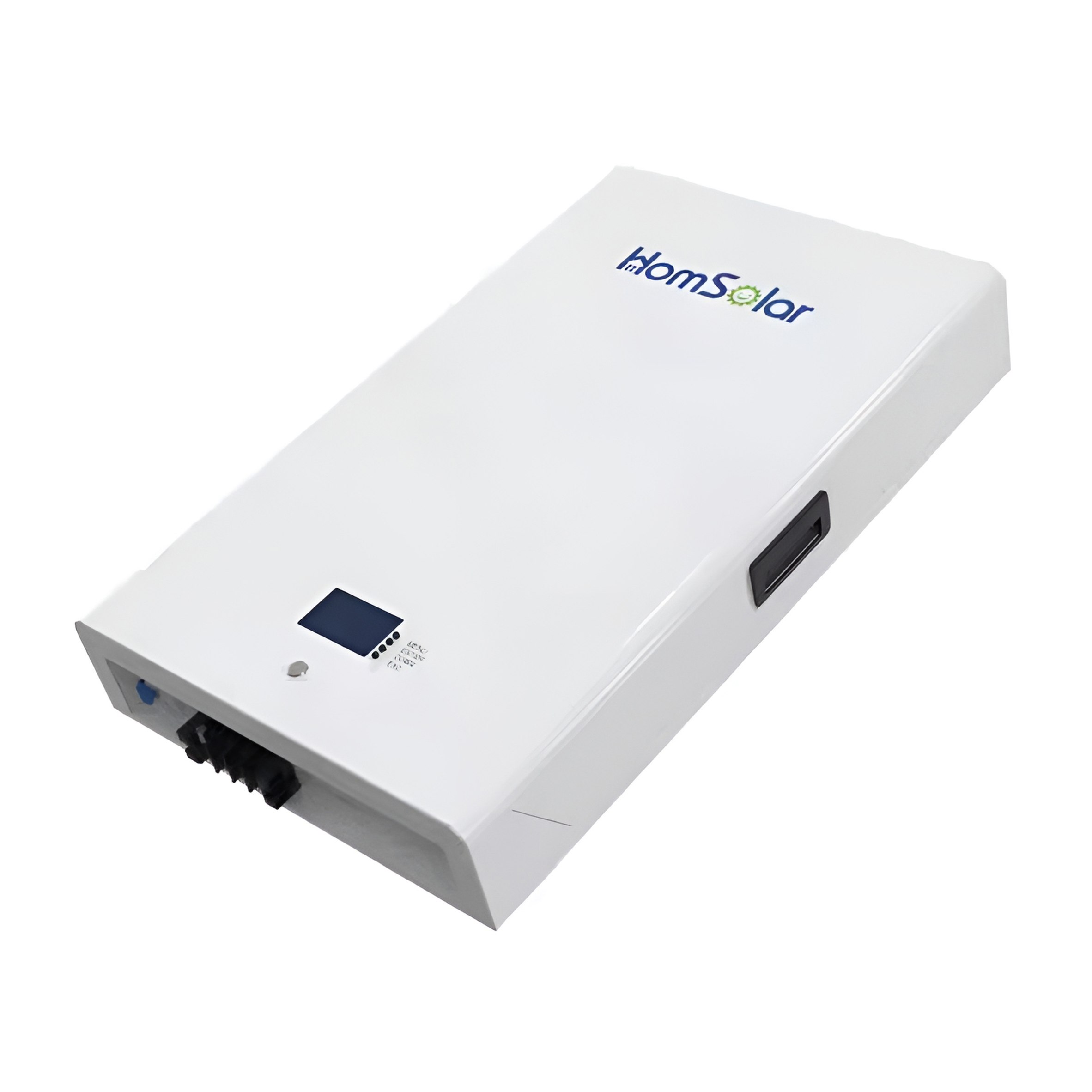
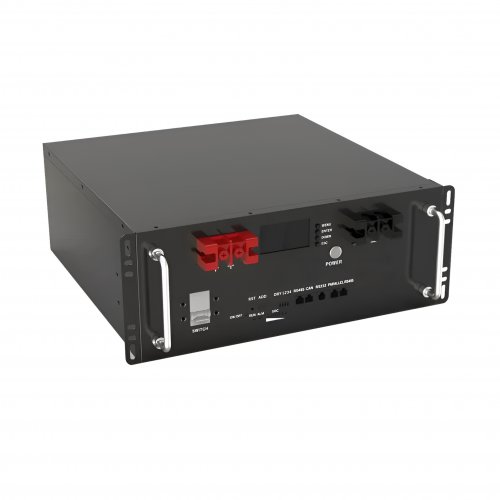
HomSolar: Your One-stop LiFePO4 Battery Pack & ESS Solution Manufacturer
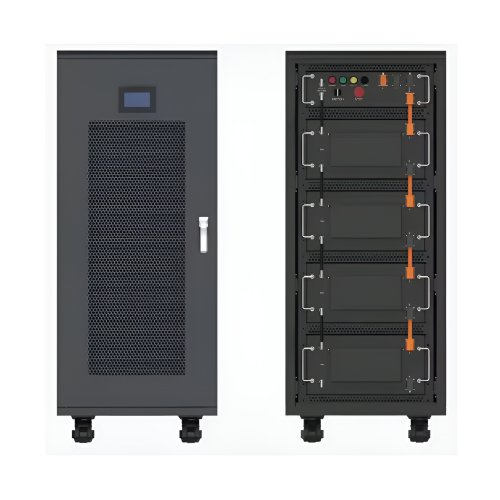
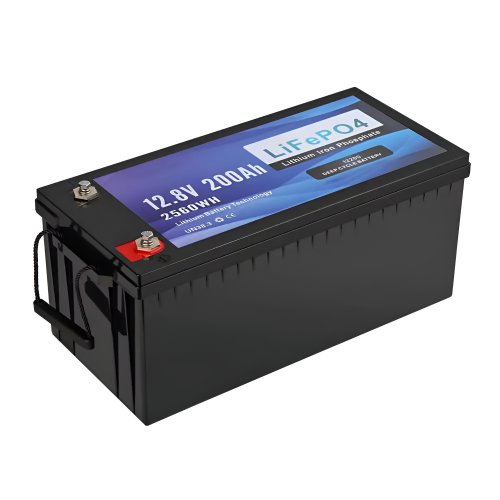
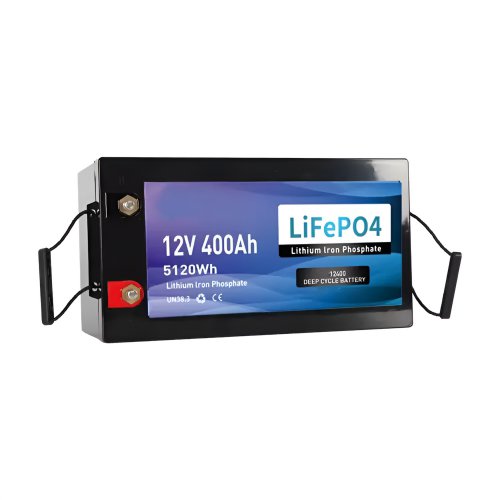
Our line of LiFePO4 (LFP) batteries offer a solution to demanding applications that require a lighter weight, longer life, and higher capacity battery. Features include advanced battery management systems (BMS), Bluetooth® communication and active intelligent monitoring.
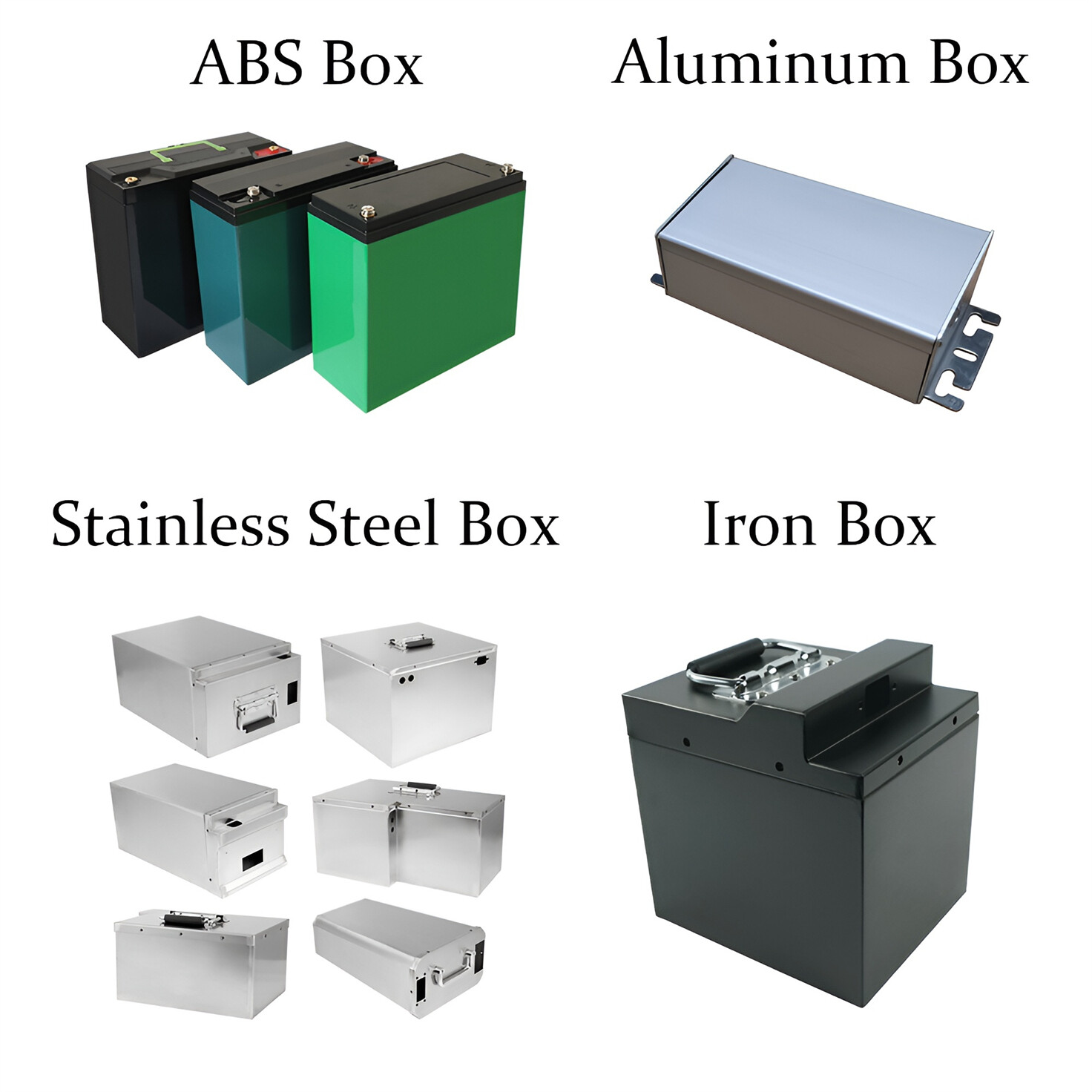
Customised Lithium Iron Phosphate Battery Casing
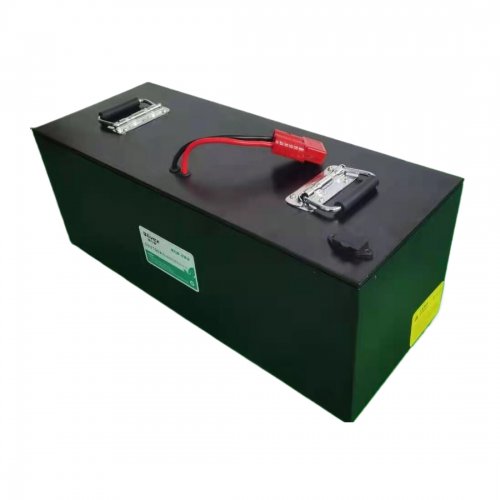
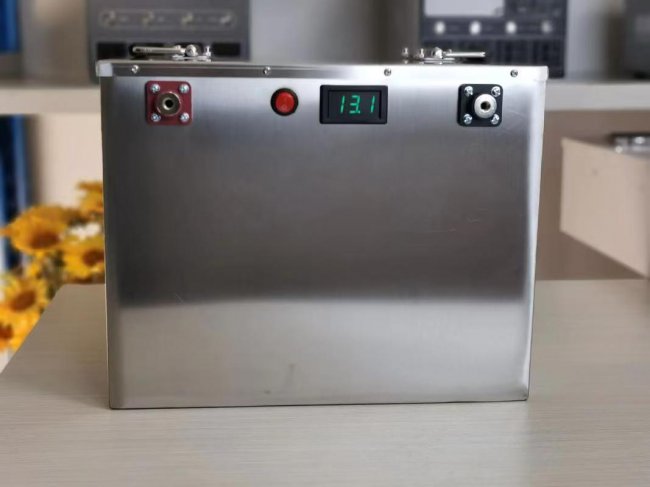
ABS plastic housing, aluminium housing, stainless steel housing and iron housing are available, and can also be designed and customised according to your needs.
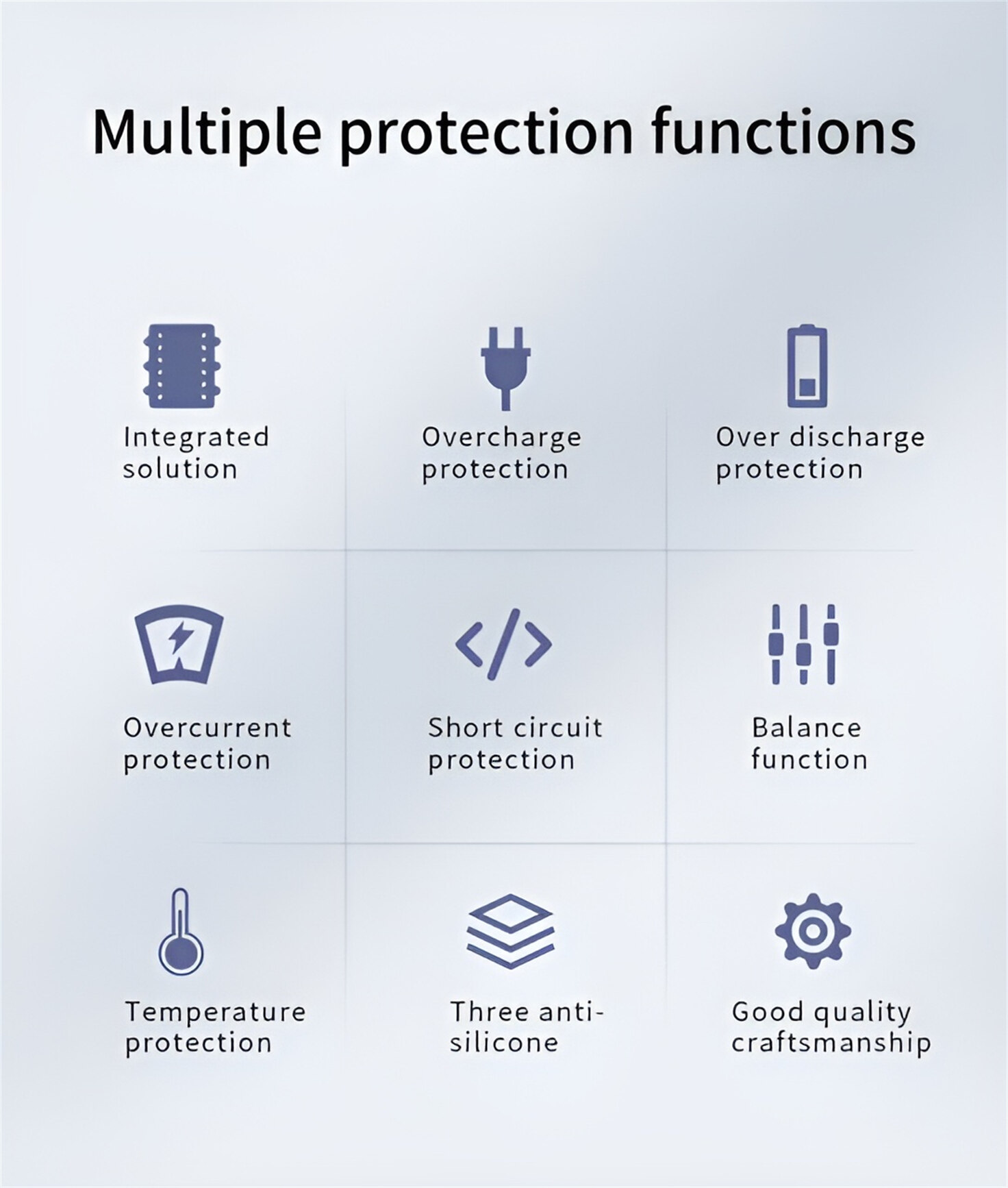
HomSolar Smart BMS
Intelligent Battery Management System for HomSolar Energy Storage System. Bluetooth, temperature sensor, LCD display, CAN interface, UART interface also available.

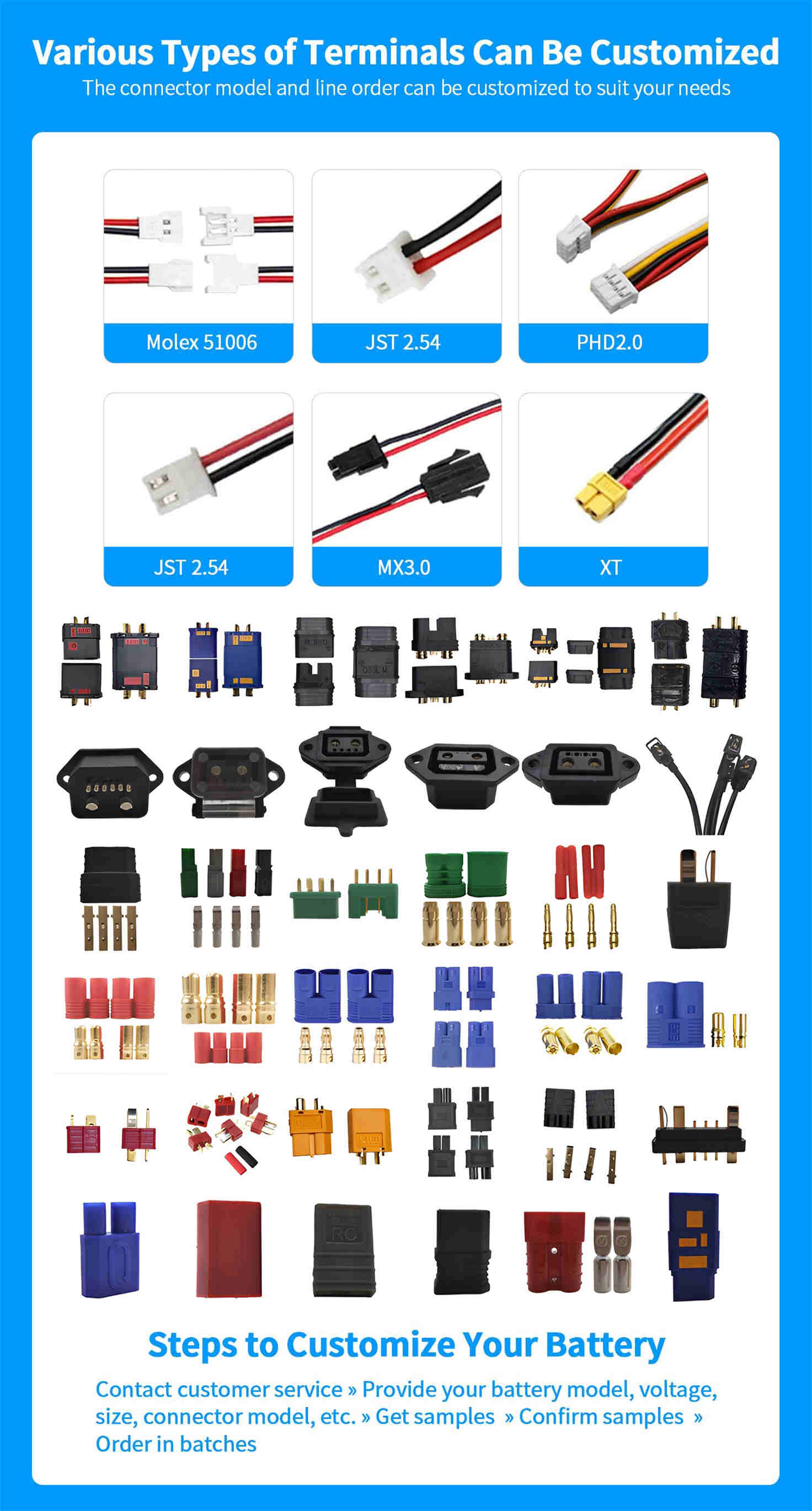
Terminals & Plugs Can Be Customized
A wide range of terminals and plugs can be customised to suit the application needs of your battery products.
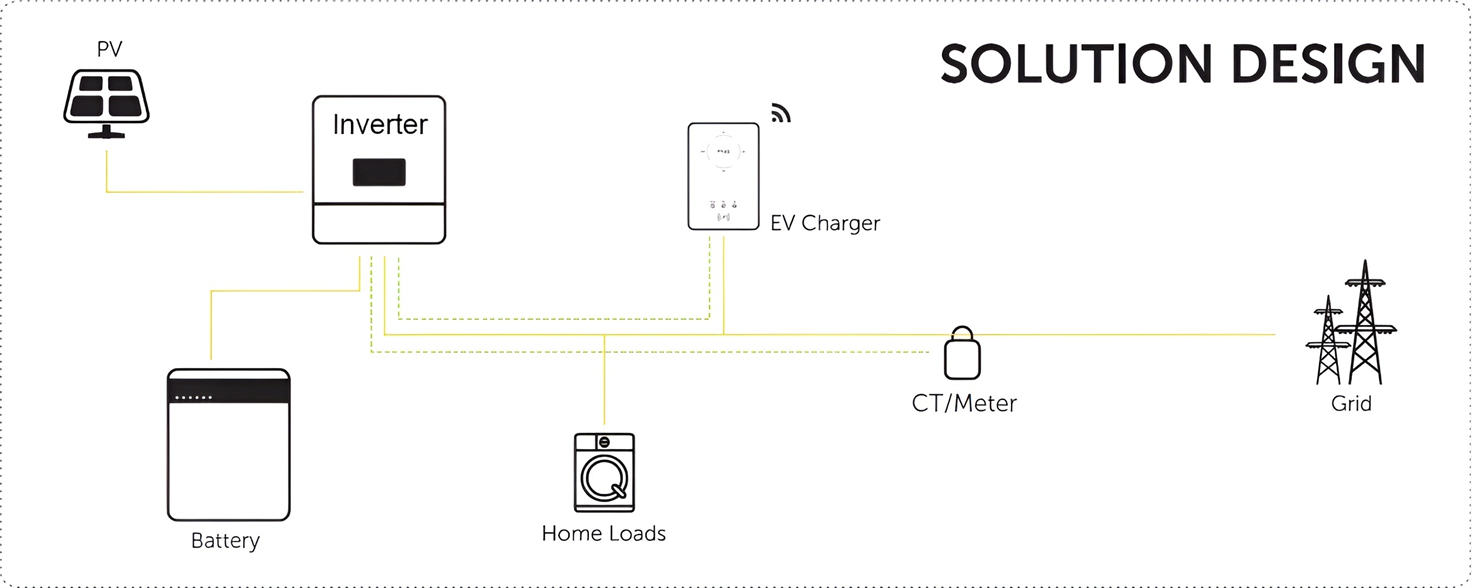
Well-designed Solutions for Energy Storage Systems
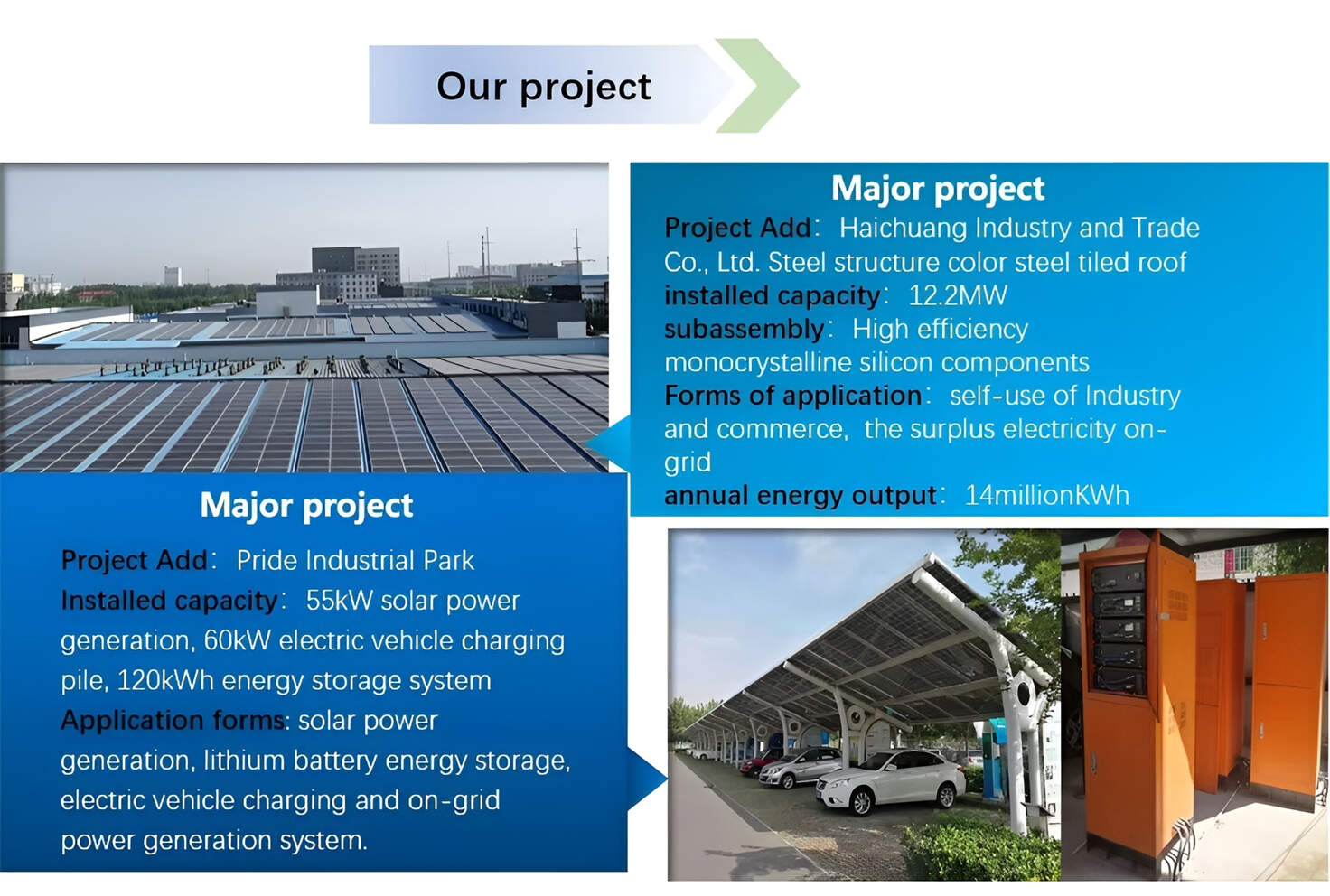
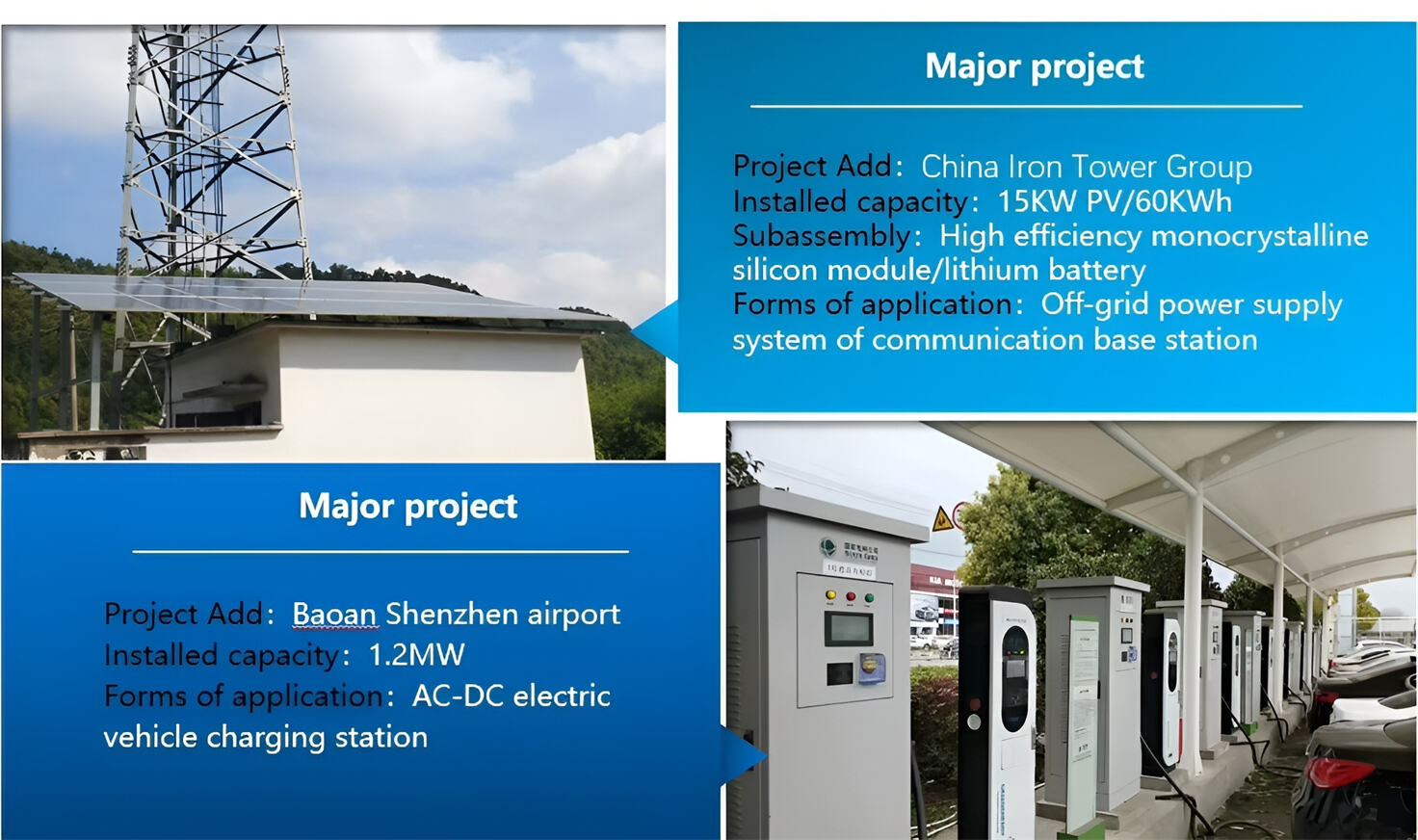
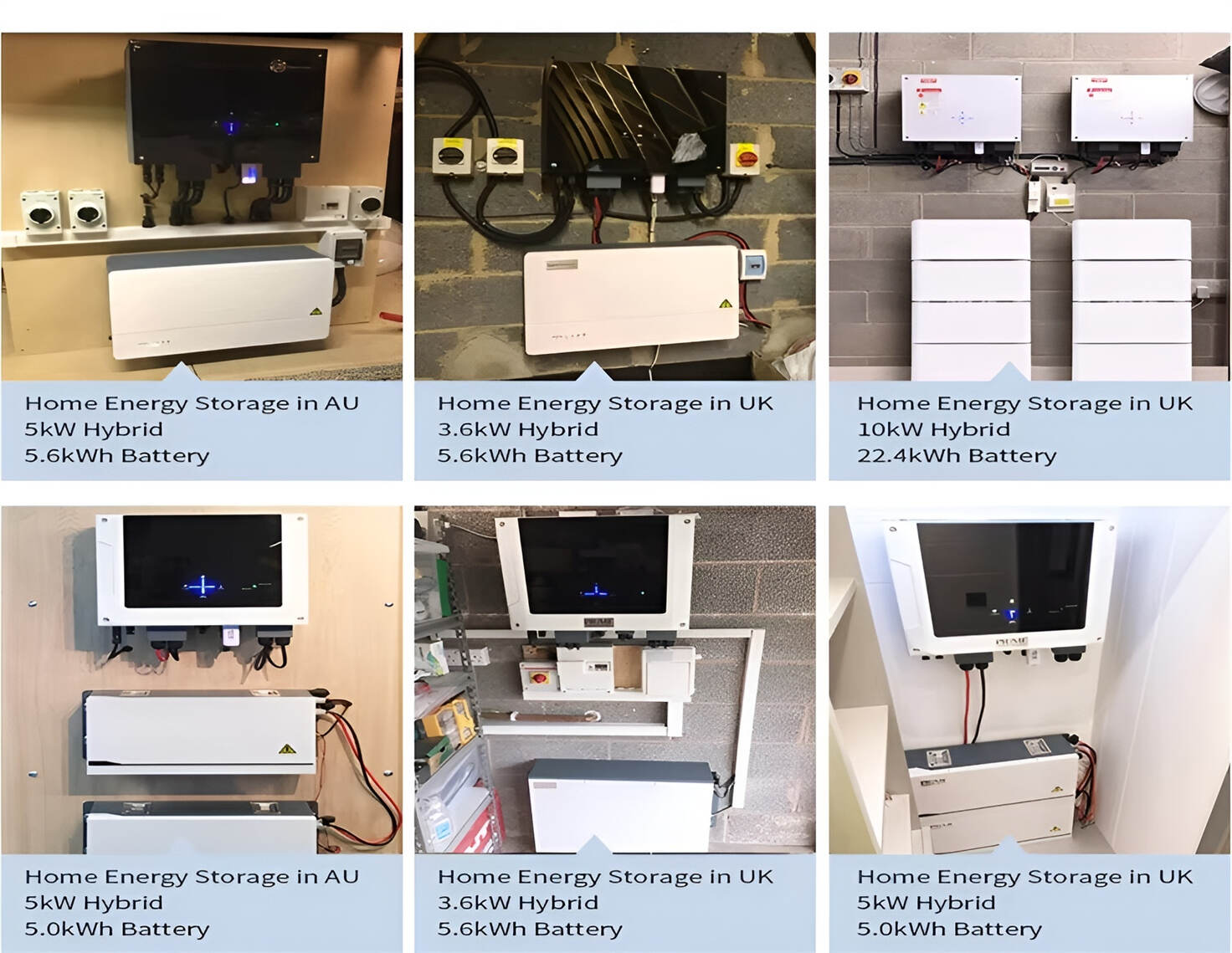
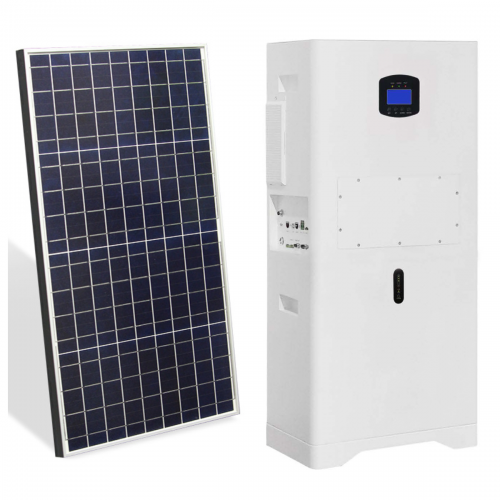
We will design the perfect energy storage system solution according to your needs, so that you can easily solve the specific industry applications of battery products.


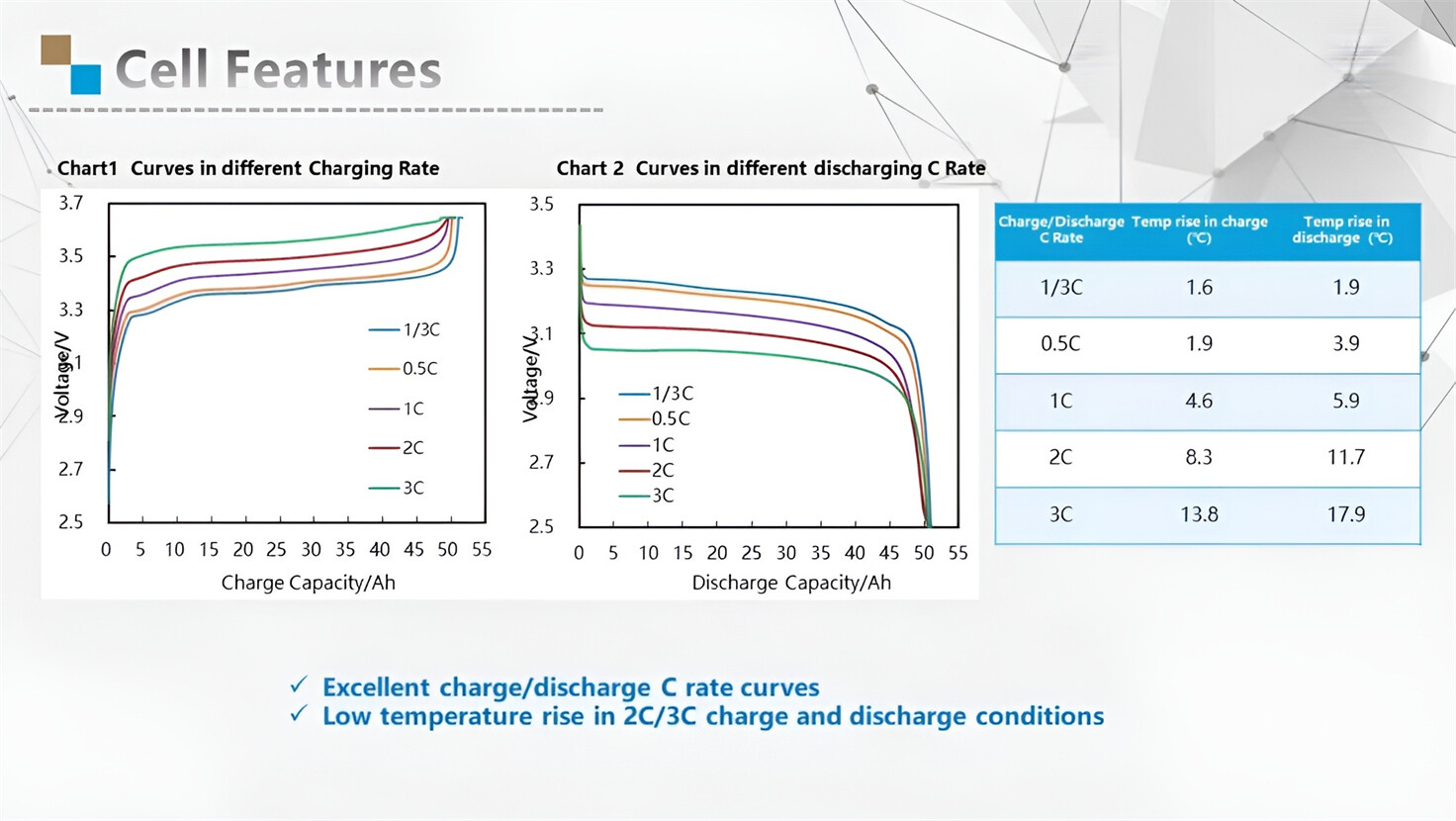
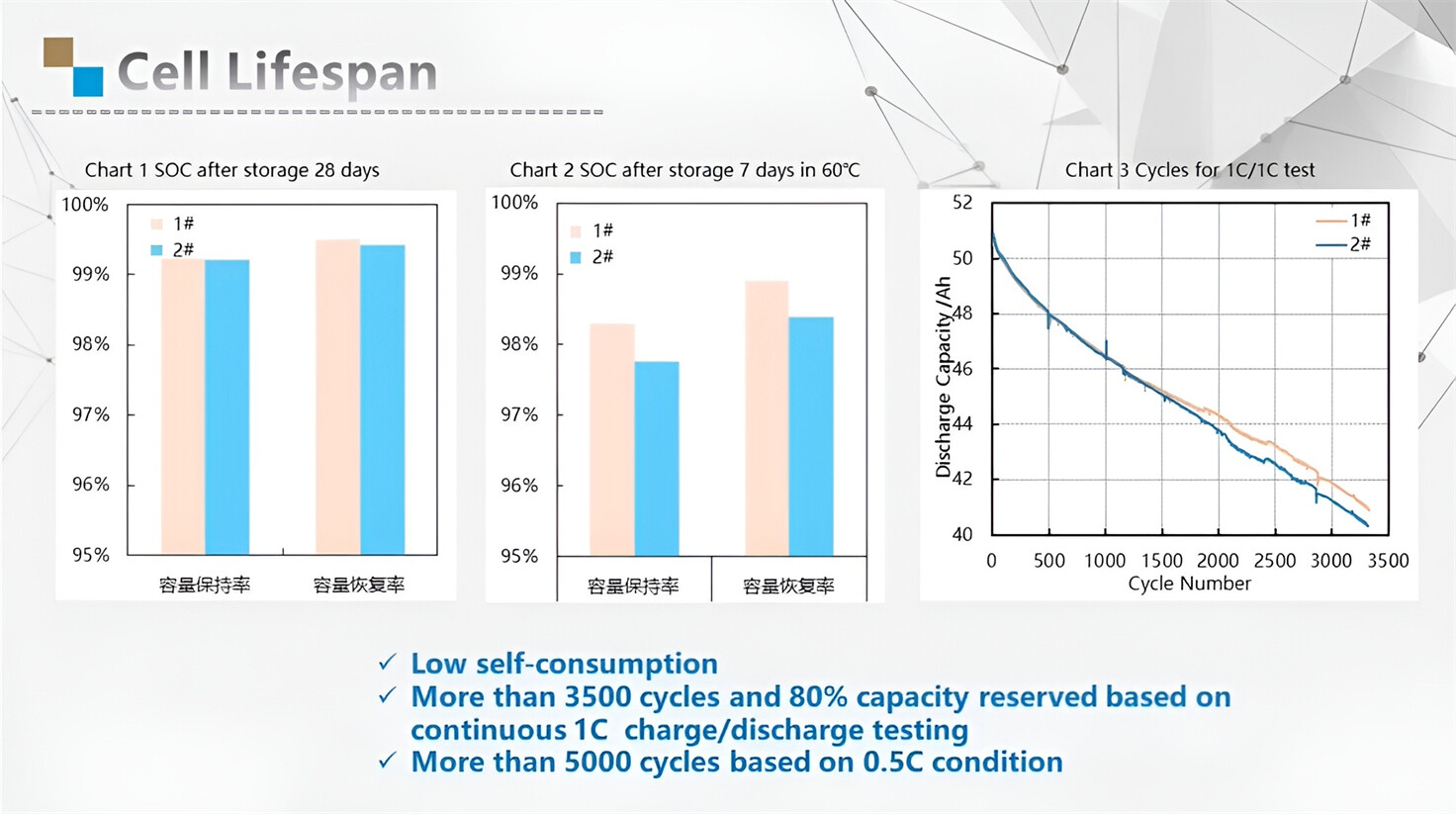
About Our Battery Cells
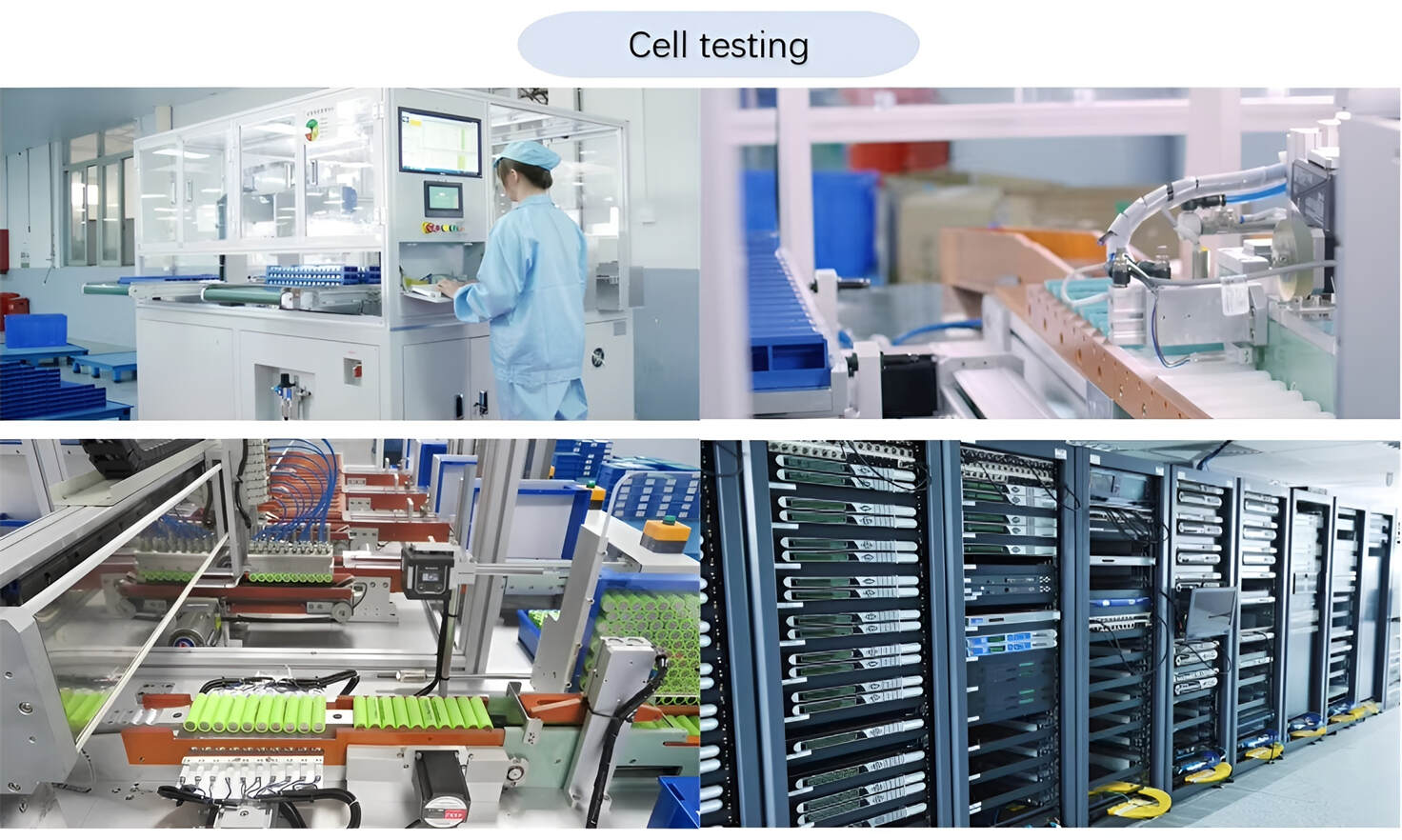
Our energy storage system products use brand new grade A LiFePO4 cells with a battery lifespan of more than 4,000 charge/discharge cycles.

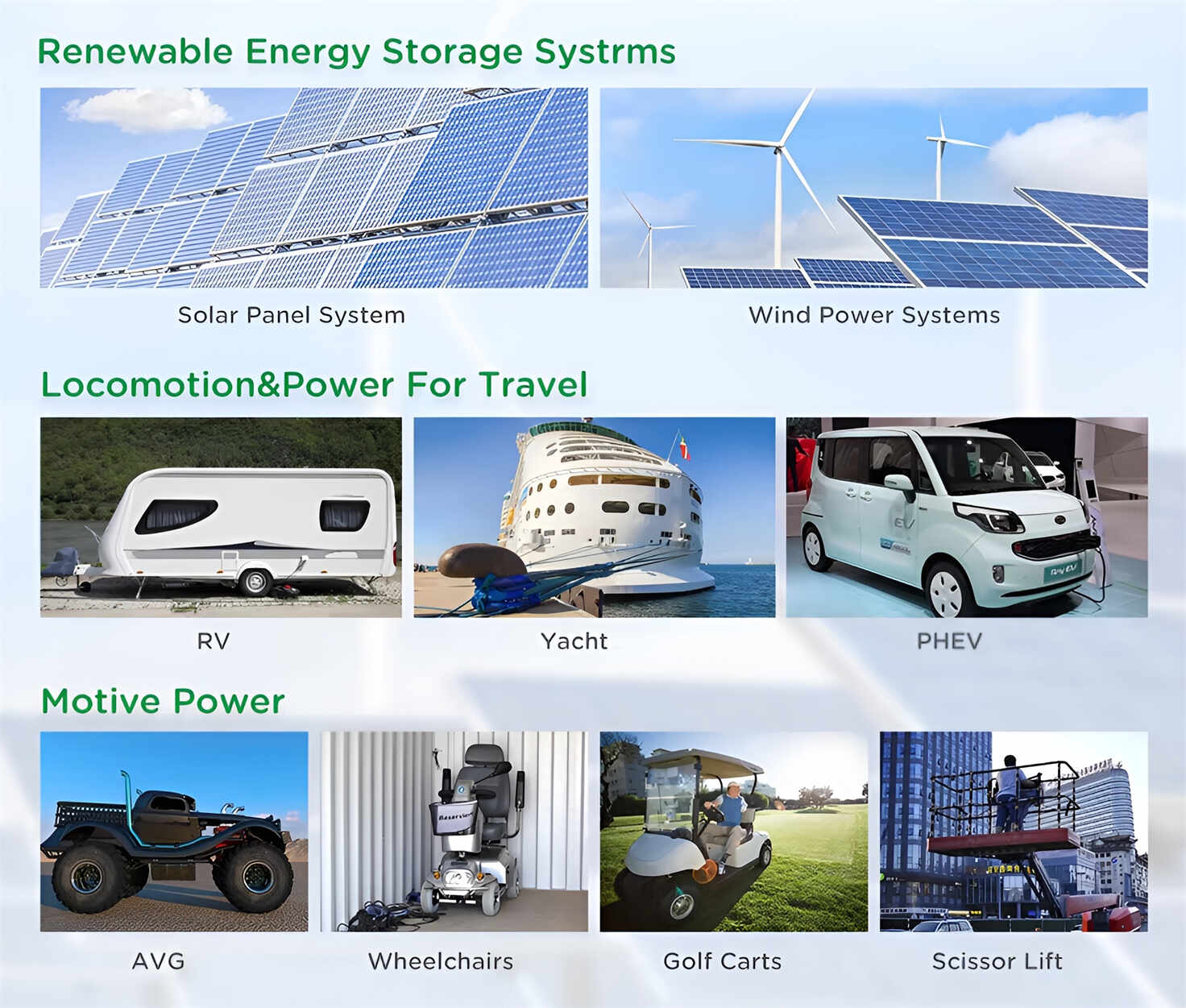
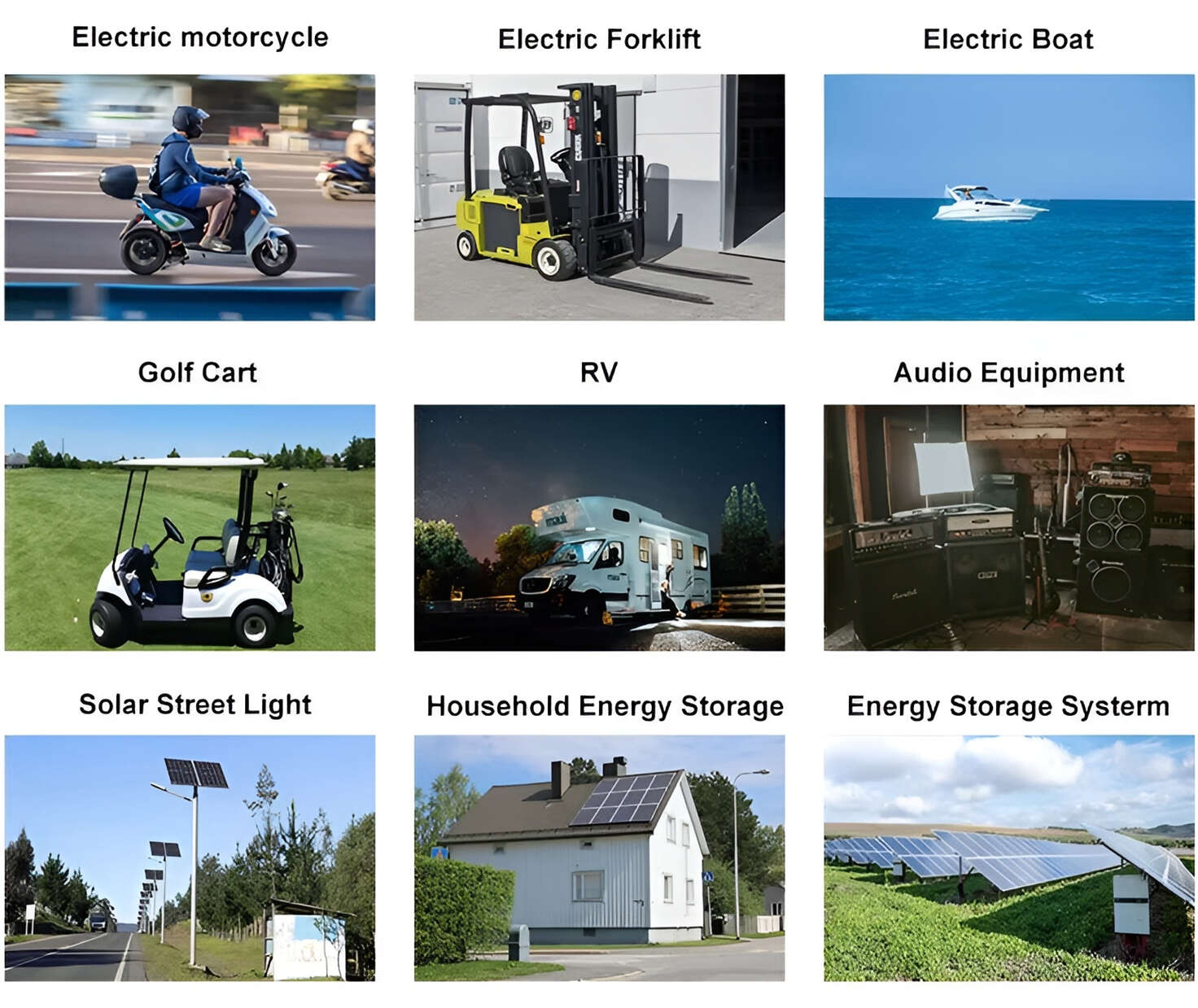
Applications in Different Industries
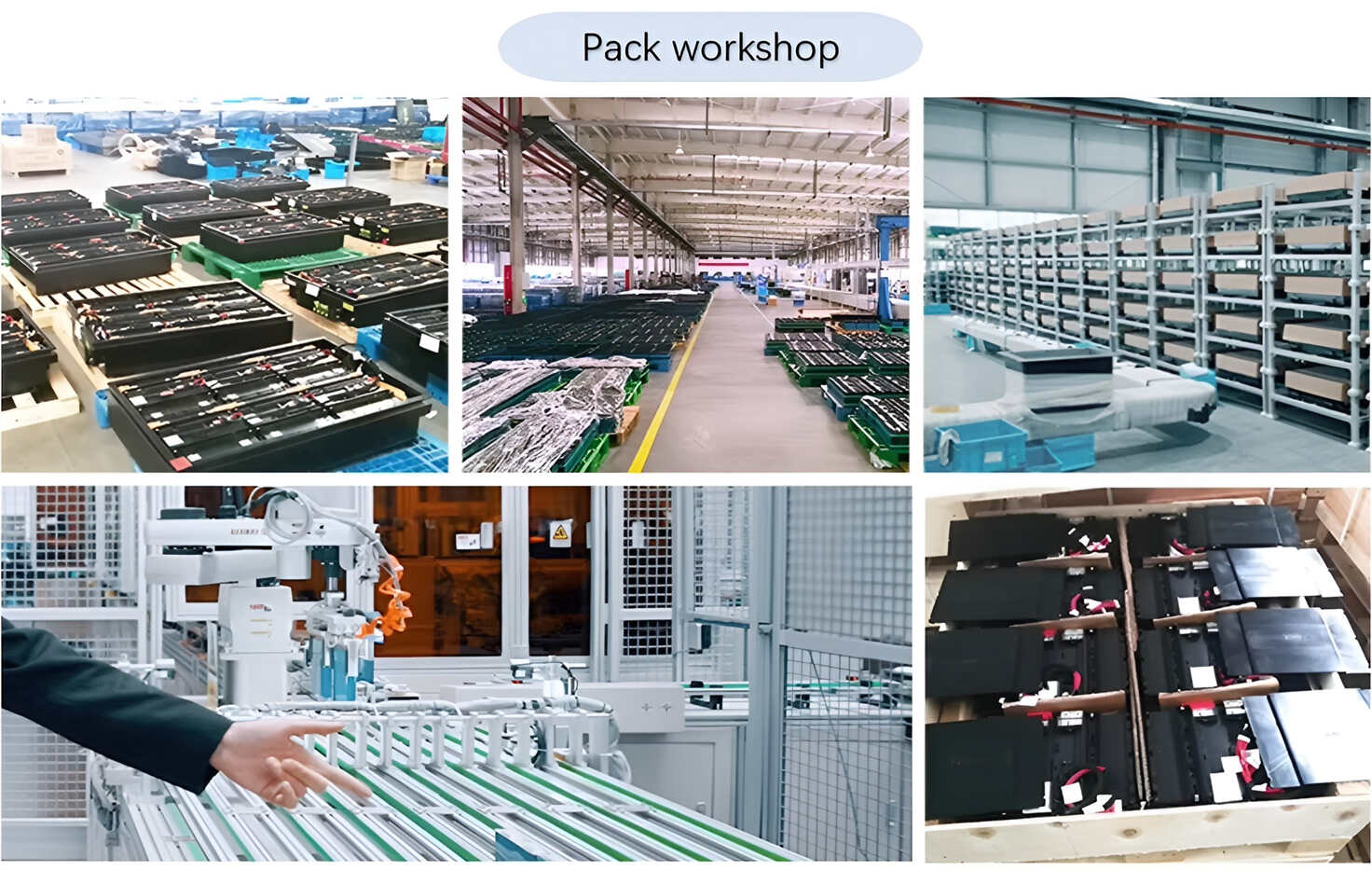
We supply customized & OEM battery pack, assemble cells with wiring, fuse and plastic cover, all the cell wires connected to PCB plug or built BMS.
Applications: E-bike, Electric Scooter, Golf Carts, RV, Electric Wheelchair, Electric Tools, Robot Cleaner, Robot Sweeper, Solar Energy Storage System, Emergency Light, Solar Power Light, Medical Equipment, UPS Backup Power Supply.
We can provide you with customized services. We have the ability to provide a vertical supply chain, from single cells to pack/module and to a complete power solution with BMS, etc.
HomSolar (Shenzhen) Technology Co., Ltd