How To Use Capacity: A Practical Guide To Maximizing Potential
The term "capacity" is deceptively simple. At its core, it refers to the maximum amount that something can contain, produce, or achieve. However, applying this concept effectively—whether to a person, a team, a machine, or a system—is a critical skill for success in any field. Understanding and managing capacity is not about pushing limits to the breaking point; it's about optimizing performance sustainably and intelligently. This guide will walk you through the steps, techniques, and precautions necessary to harness the full power of capacity in both professional and personal contexts.
Understanding the Dimensions of Capacity
Before you can manage capacity, you must first understand its multifaceted nature. It is rarely a single, static number.Theoretical Capacity: This is the absolute maximum possible output under ideal, perfect conditions. Think of a factory running 24/7 with no downtime or a person working 16-hour days without fatigue. It's a useful benchmark but an unsustainable target.Effective Capacity: This is the realistic output that can be achieved under normal, real-world constraints, such as scheduled maintenance, breaks, software limitations, or average human focus levels. This is the figure you should primarily plan with.Bandwidth vs. Throughput: In many contexts, especially digital ones, it's crucial to distinguish between bandwidth (the potential data transfer rate) and throughput (the actual data successfully transferred). Your internet plan might have a 100 Mbpscapacity(bandwidth), but your actual download speed (throughput) is lower due to network congestion and distance from the server.
A Step-by-Step Guide to Capacity Management
Effective capacity management is a cyclical process of assessment, planning, execution, and review.
Step 1: Measure and Assess Your Current State You cannot manage what you do not measure. Begin by gathering quantitative data.For Projects/Work: Track time spent on various tasks over a significant period (e.g., two weeks). Use time-tracking tools or simple logs. Calculate the average hours available for core work after meetings and administrative tasks.For Systems/Technology: Use monitoring tools to track CPU usage, memory consumption, network traffic, and storage I/O over time. Identify peak usage periods and bottlenecks.For Teams: Conduct a skills inventory. List each team member's core competencies and current project allocations. This helps visualize not just time capacity, but also skill-set capacity.
Step 2: Define and Forecast Demand Look forward to understand what will be required of your capacity.Analyze Historical Data: Review past cycles (last quarter, same period last year) to identify patterns.Gather Future Requirements: What new projects, clients, or data loads are on the horizon? Consult with sales, marketing, and leadership to get a clear picture of anticipated demand.Create Scenarios: Develop best-case, worst-case, and most-likely scenarios for future demand. This prepares you for uncertainty.
Step 3: Analyze the Gap and Identify Constraints Compare your current effective capacity (Step 1) with your forecasted demand (Step 2). The difference is your capacity gap.Is there a surplus? This is an opportunity for innovation, professional development, or pursuing new projects.Is there a deficit? This is a risk that must be addressed. Identify the primary constraint—is it a specific person's time, a server's processing power, a lack of a particular skill, or a budgetary limit? The Theory of Constraints teaches us that improving anything other than the bottleneck is an illusion of progress.
Step 4: Develop and Implement a Strategy Based on your analysis, choose a course of action.For a Deficit:Prioritize Ruthlessly: Use a framework like the Eisenhower Matrix to categorize tasks by urgency and importance. Delegate or eliminate low-priority work.Increase Efficiency: Can processes be streamlined? Can automation tools handle repetitive tasks? A 10% efficiency gain effectively increases your capacity without adding resources.Augment Capacity: This is the "buy more" option. It could mean hiring new staff, upgrading hardware, or outsourcing work. This is often the most expensive solution and should be a last resort after efficiency gains.For a Surplus:Invest in the Future: Use the extra capacity for training, research and development, refining processes, or building strategic buffers for unexpected work.Proactive Work: Tackle important but non-urgent tasks like writing documentation, improving code quality, or building customer relationships.
Step 5: Monitor, Review, and Adapt Capacity management is not a one-time event. The environment is constantly changing.Set up regular reviews (e.g., weekly for teams, monthly for systems) to reassess your capacity and demand forecasts.Use dashboards to visualize key capacity metrics in real-time.Be prepared to pivot your strategy as new information emerges.
Practical Tips and TechniquesBuild in a Buffer: Never plan to use 100% of your effective capacity. Always leave a 15-20% buffer for the unexpected—sick leave, urgent requests, or technical failures. This buffer is what makes a system resilient.Time-Blocking for Personal Capacity: Block out focused work time in your calendar and treat it as an unbreakable appointment. This protects your cognitive capacity from being fragmented by meetings and interruptions.The "Two-Pizza Team" Rule: Popularized by Amazon, this rule suggests that no team should be so large that it cannot be fed with two pizzas. Smaller teams often have clearer communication and a better understanding of their collective capacity.Measure Utilization, Not Just Availability: A server might be available, but if it's running at 95% CPU, it has no usable capacity for new tasks. Focus on utilization rates to understand true headroom.
Crucial Precautions and Common PitfallsAvoid Burnout at All Costs: Consistently operating at or near 100% capacity is a recipe for burnout in individuals and team failure. Sustainable performance requires respecting limits and encouraging rest. High utilization often leads to diminishing returns due to increased errors and fatigue.Beware of the Halo Effect of Multitasking: Context-switching between tasks dramatically reduces your effective mental capacity. What feels productive is often inefficient. Encourage deep, single-tasking whenever possible.Don't Confuse Activity with Productivity: A full calendar or a constantly busy team is not necessarily a productive one. Focus on output and outcomes, not just on keeping resources occupied.Quantify Intangible Costs: Increasing system capacity might involve a clear financial cost, but increasing team capacity by adding a new member has intangible costs like training time and increased communication overhead, which can temporarilyreducecapacity.
Mastering capacity is a continuous journey of refinement. By moving from a reactive stance to a proactive, data-informed approach, you can transform capacity from a vague concept into a powerful lever for achieving goals, maintaining well-being, and building systems that are both high-performing and resilient. Start by measuring, embrace the buffer, and always keep the human element at the forefront of your strategy.
Customized/OEM/ODM Service
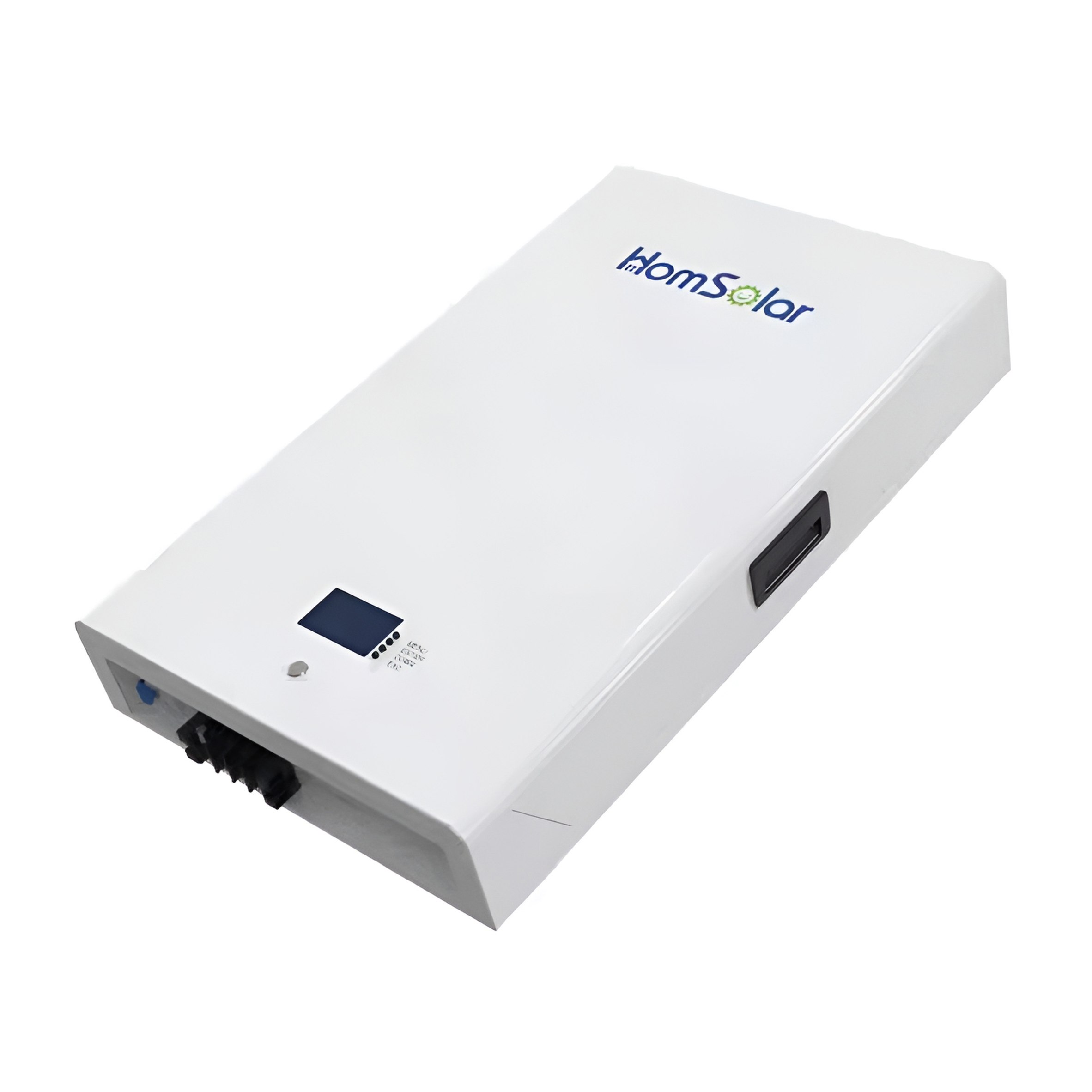
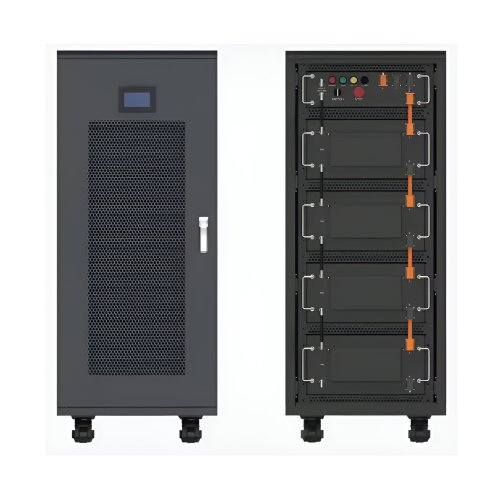
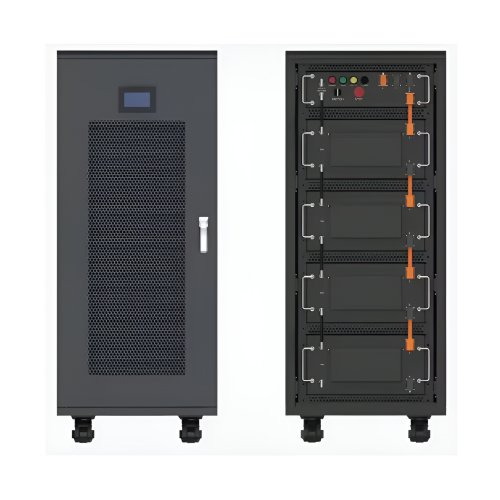
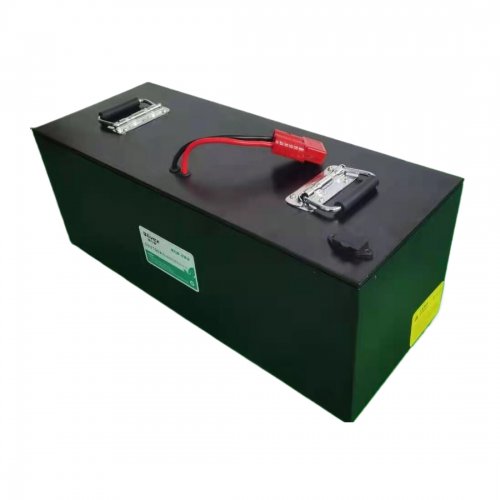
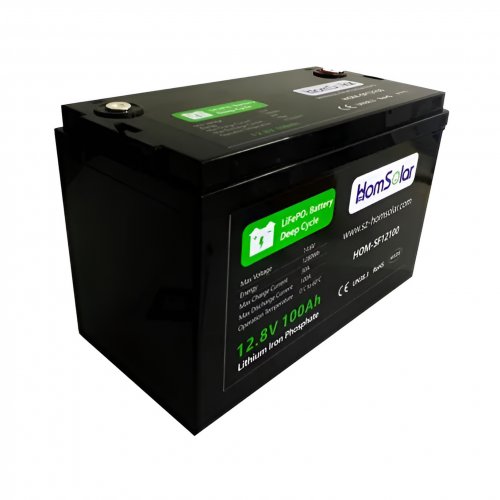
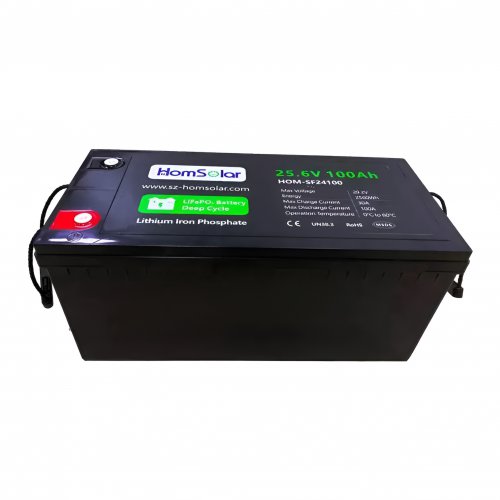
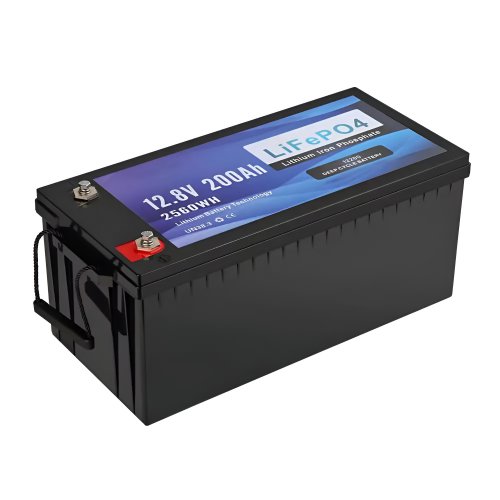
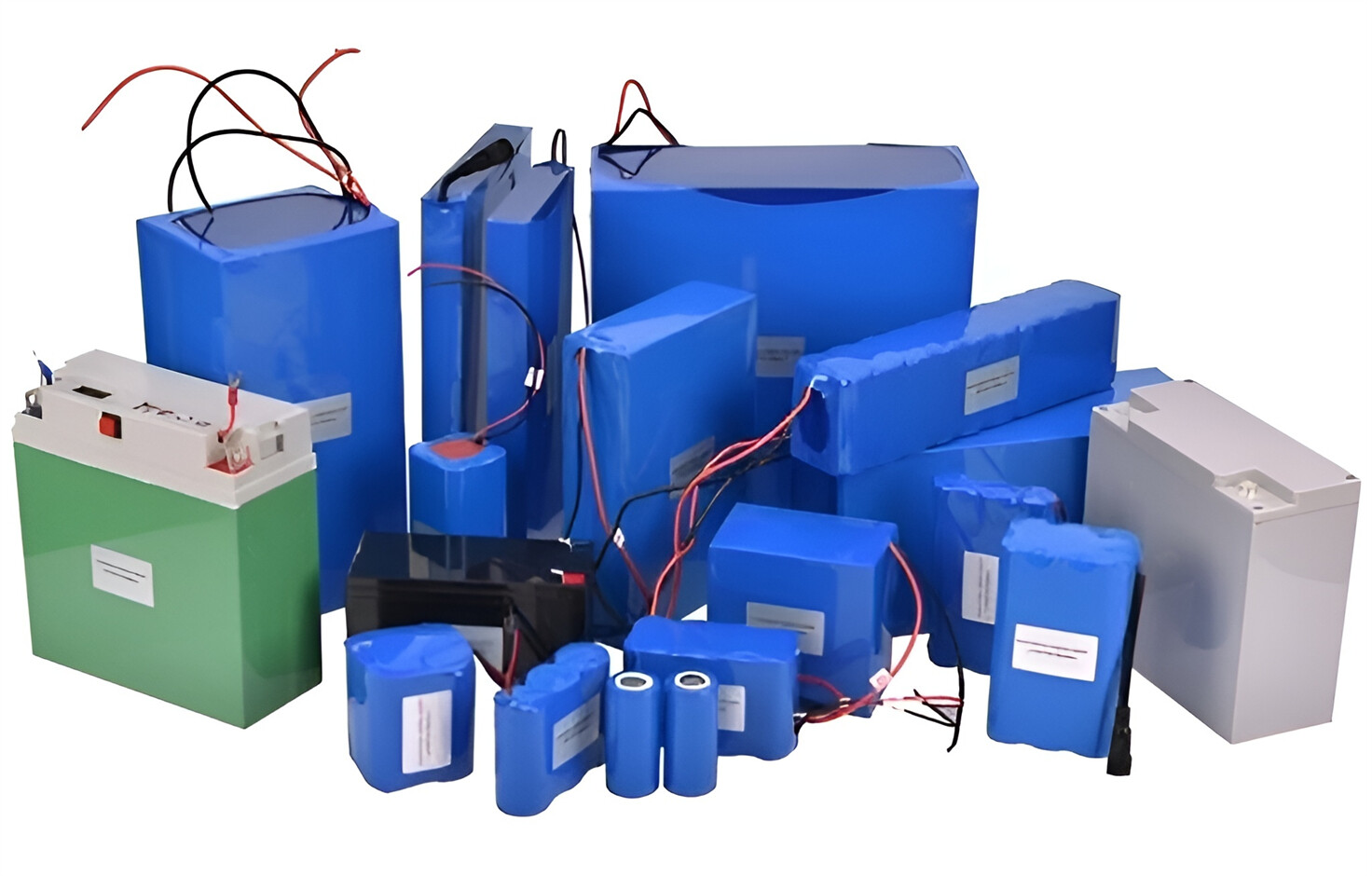
HomSolar Supports Lifepo4 battery pack customization/OEM/ODM service, welcome to contact us and tell us your needs.


HomSolar: Your One-stop LiFePO4 Battery Pack & ESS Solution Manufacturer
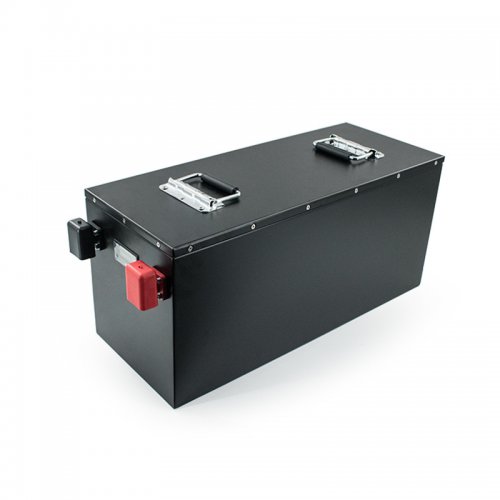
Our line of LiFePO4 (LFP) batteries offer a solution to demanding applications that require a lighter weight, longer life, and higher capacity battery. Features include advanced battery management systems (BMS), Bluetooth® communication and active intelligent monitoring.
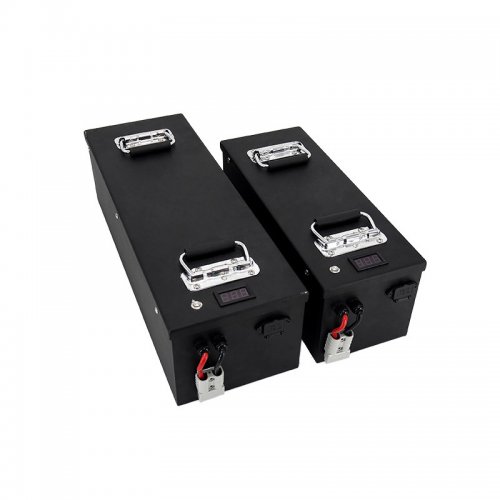
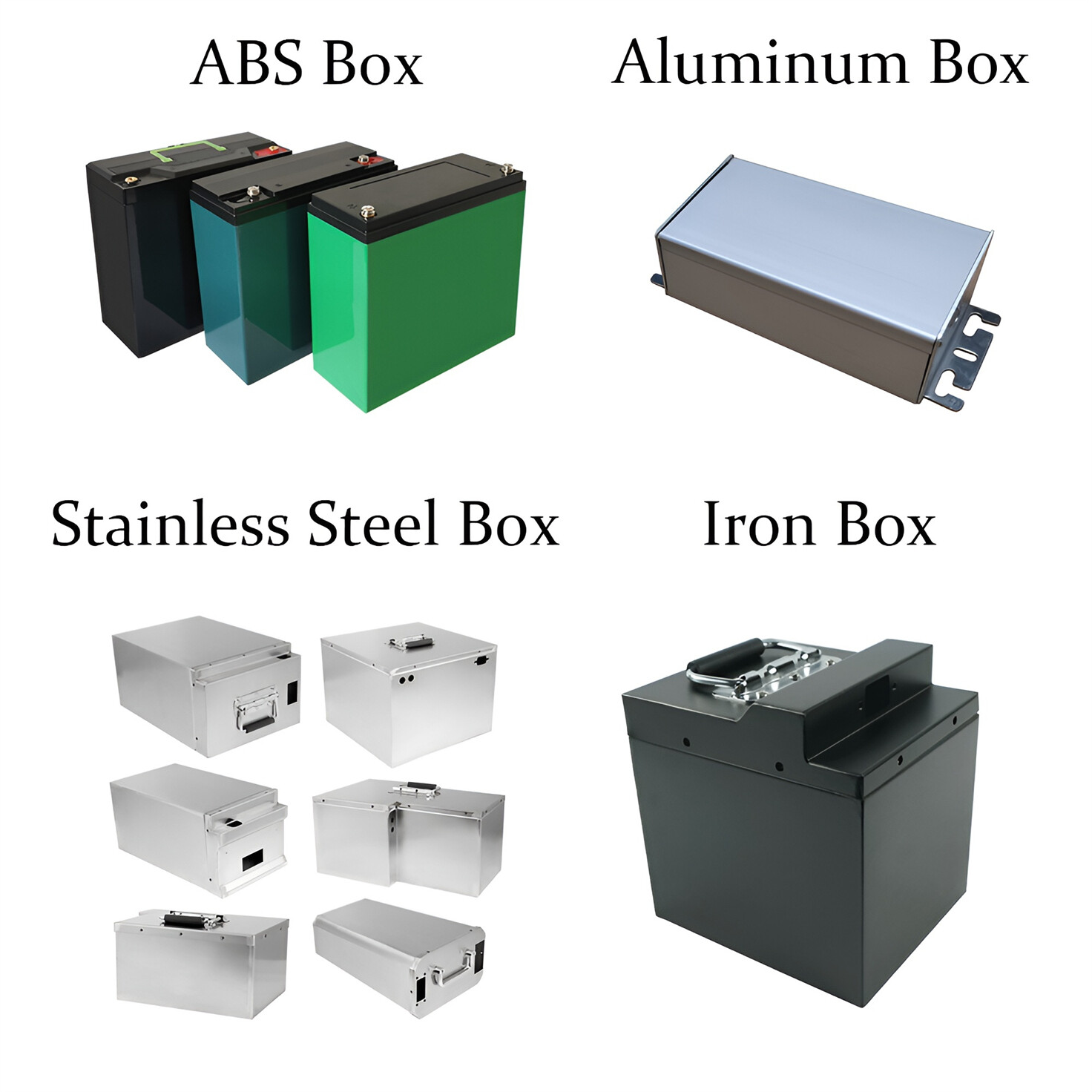
Customised Lithium Iron Phosphate Battery Casing
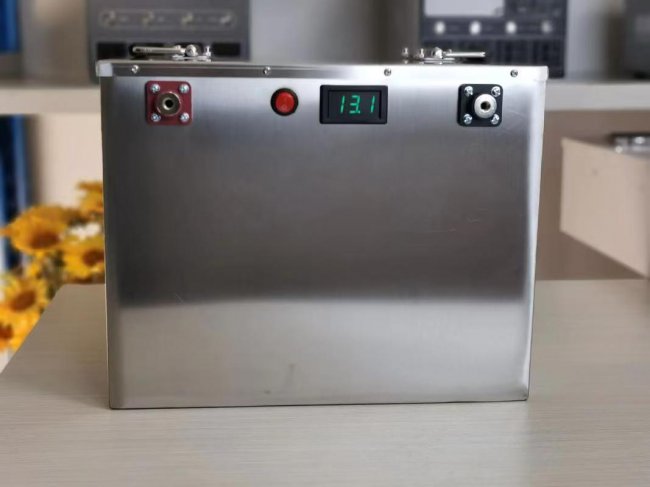
ABS plastic housing, aluminium housing, stainless steel housing and iron housing are available, and can also be designed and customised according to your needs.
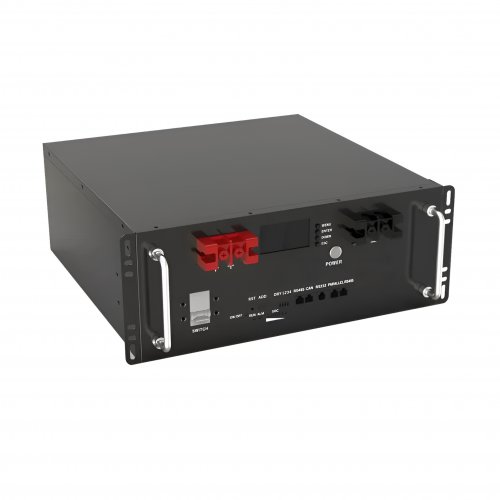
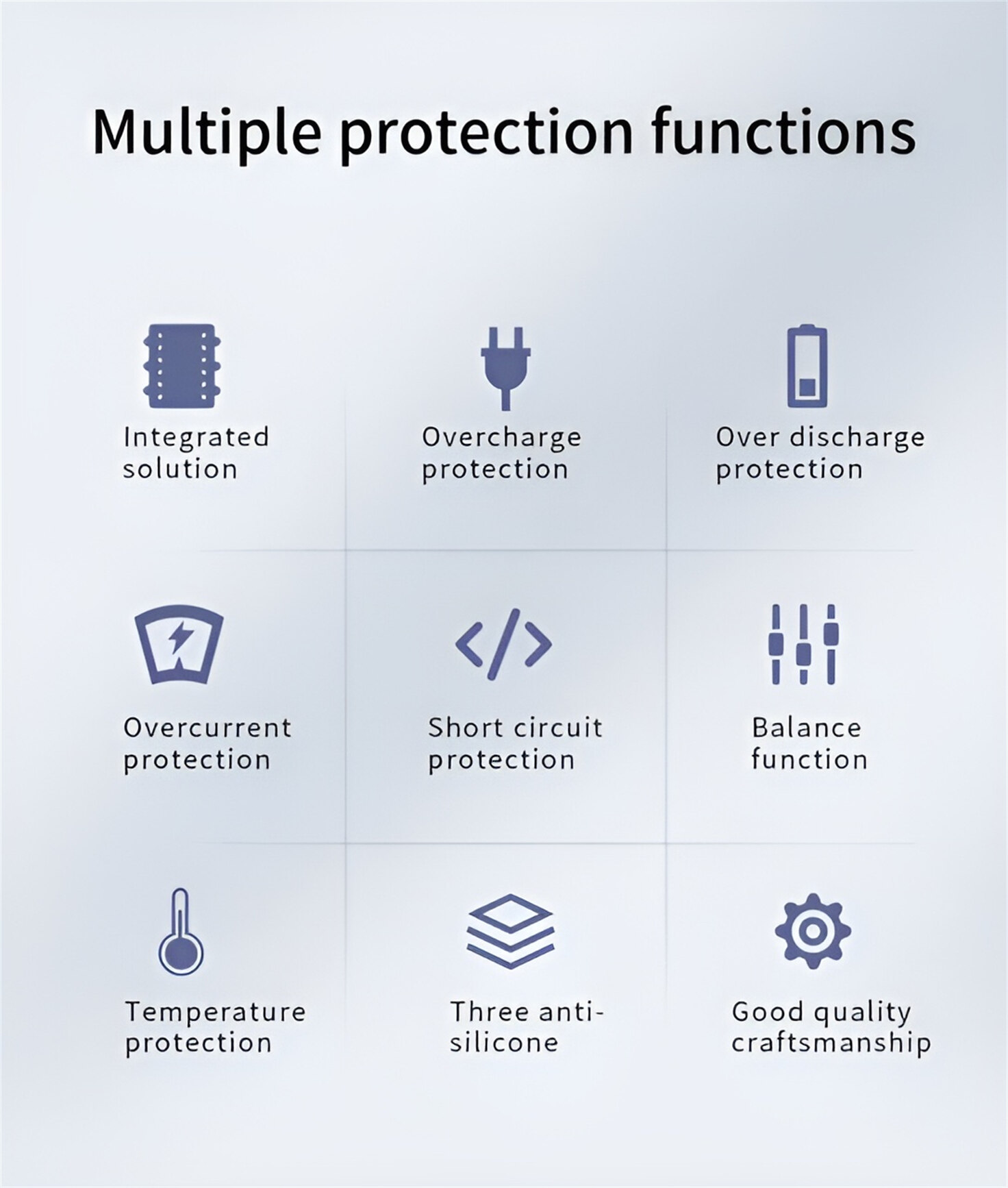
HomSolar Smart BMS
Intelligent Battery Management System for HomSolar Energy Storage System. Bluetooth, temperature sensor, LCD display, CAN interface, UART interface also available.

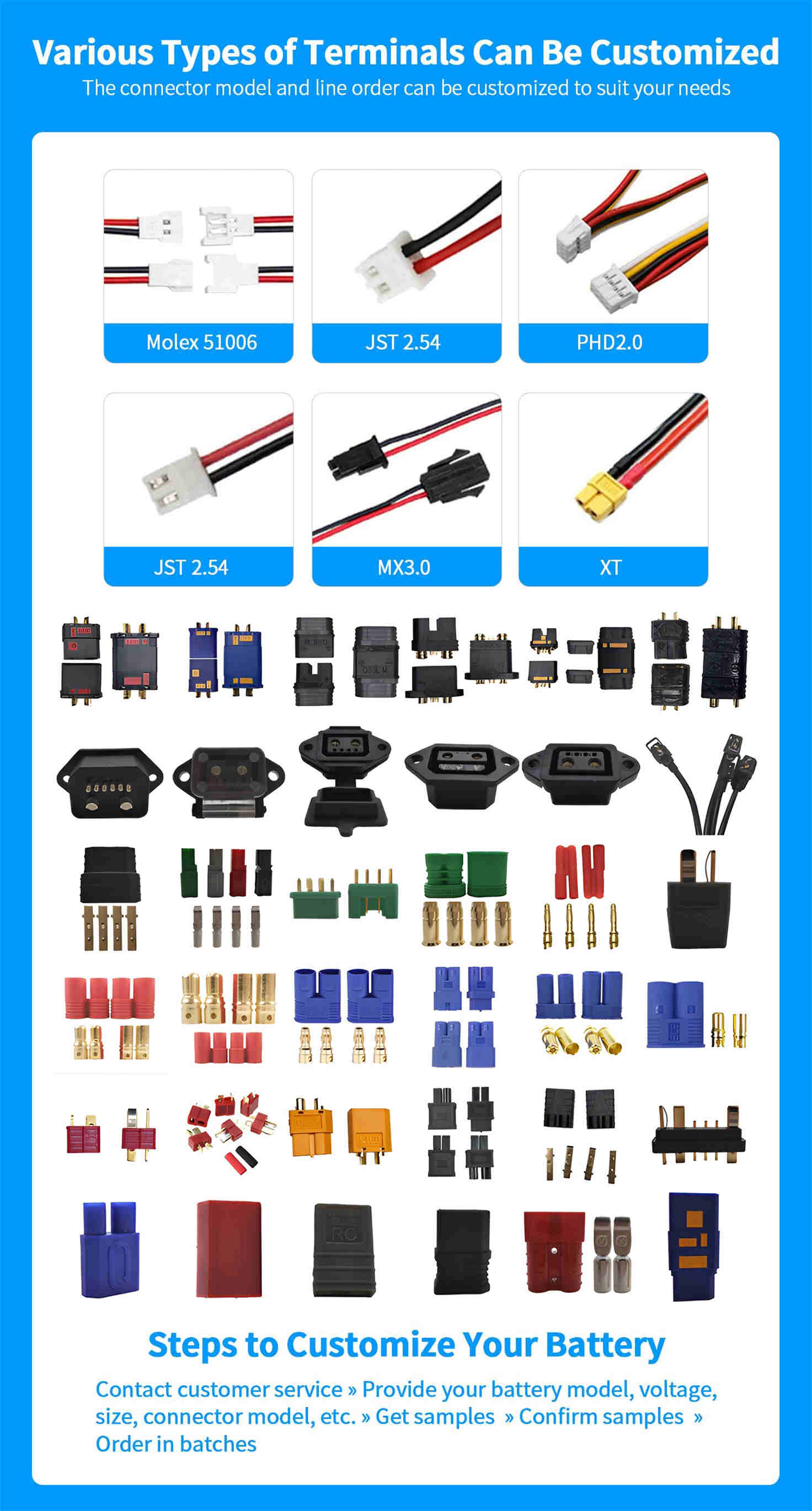
Terminals & Plugs Can Be Customized
A wide range of terminals and plugs can be customised to suit the application needs of your battery products.
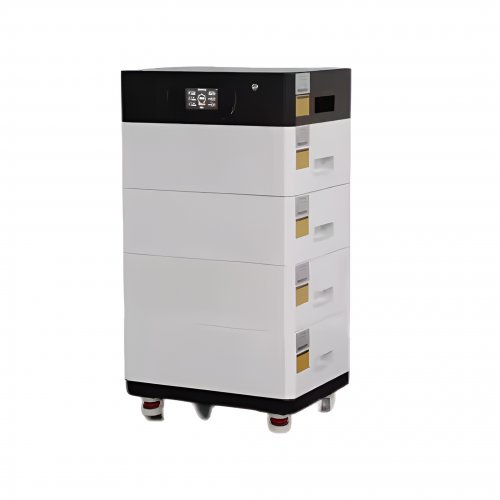
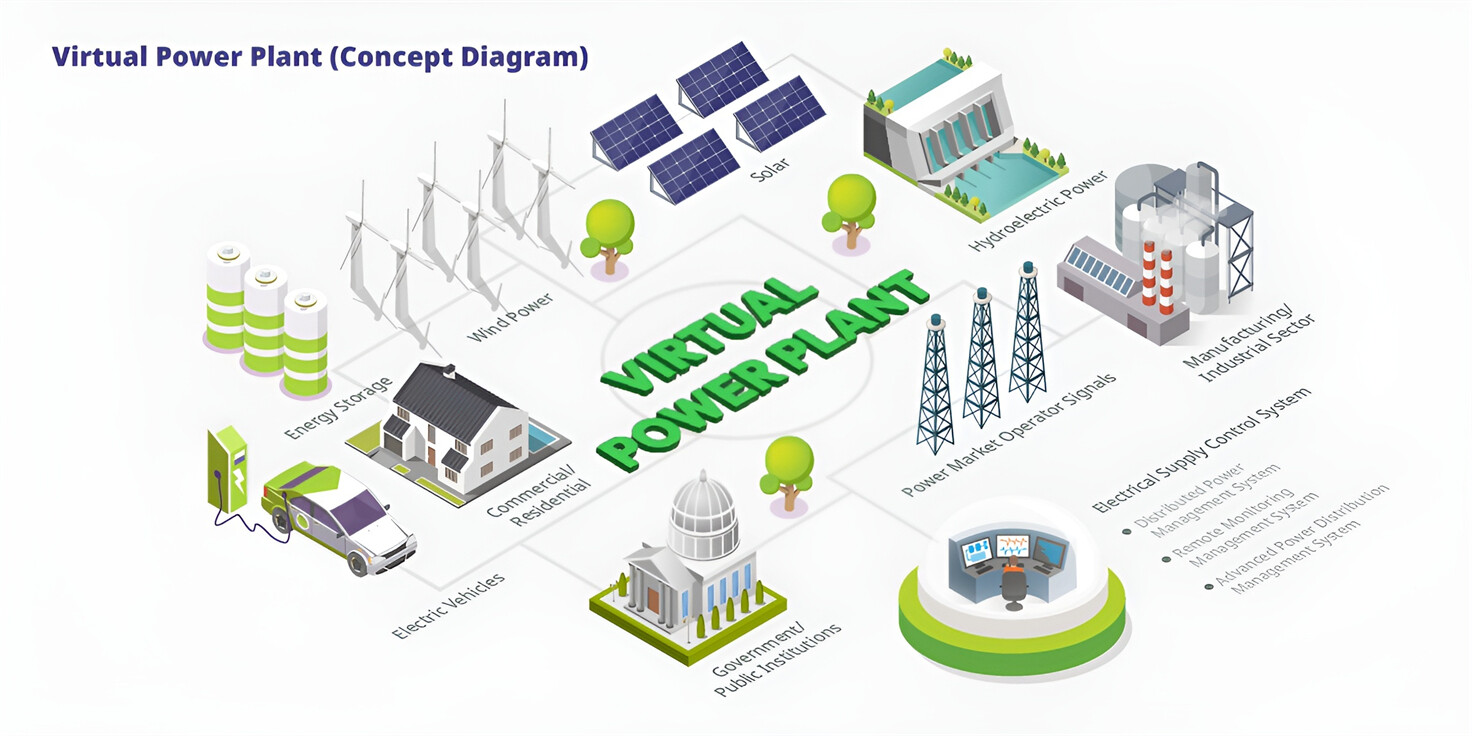
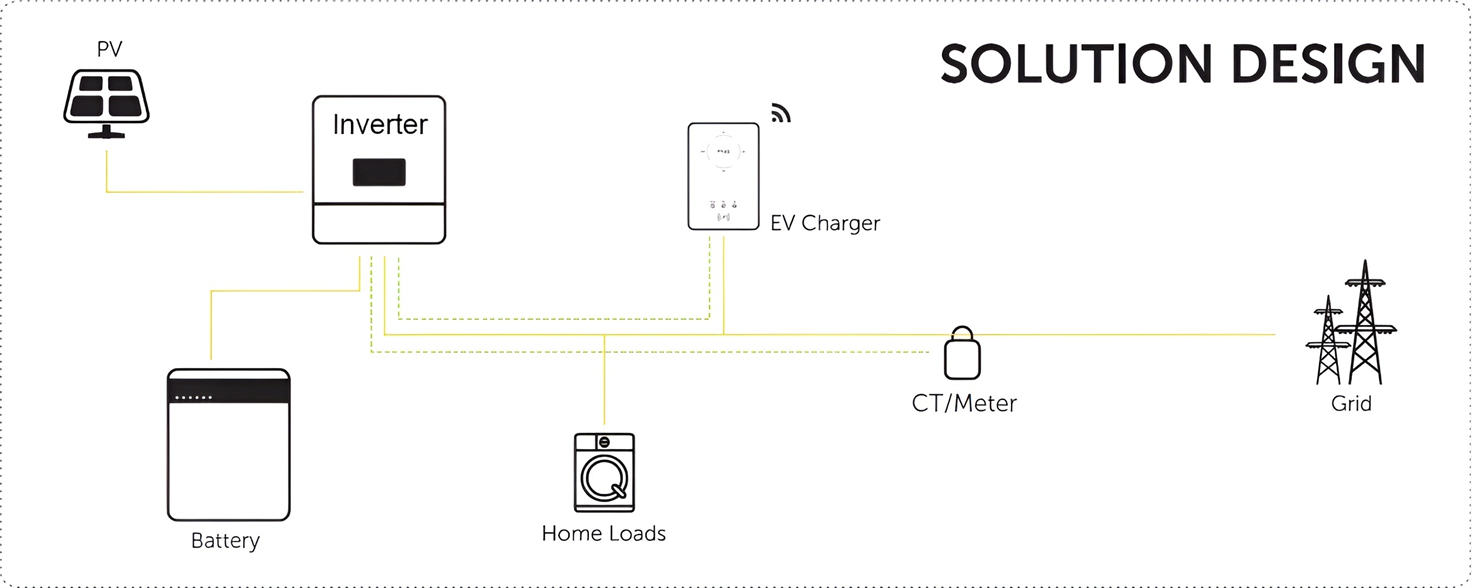
Well-designed Solutions for Energy Storage Systems
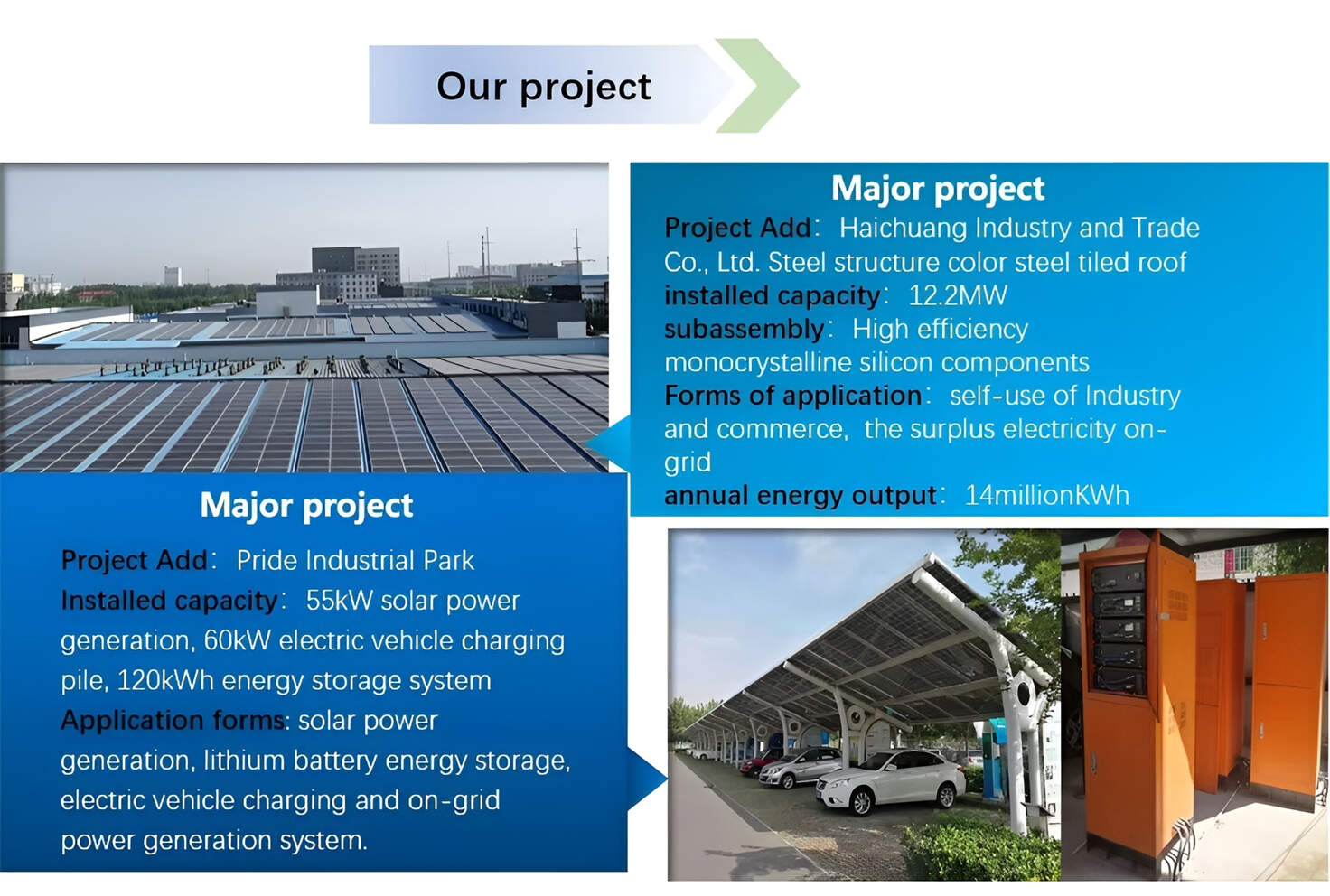
We will design the perfect energy storage system solution according to your needs, so that you can easily solve the specific industry applications of battery products.

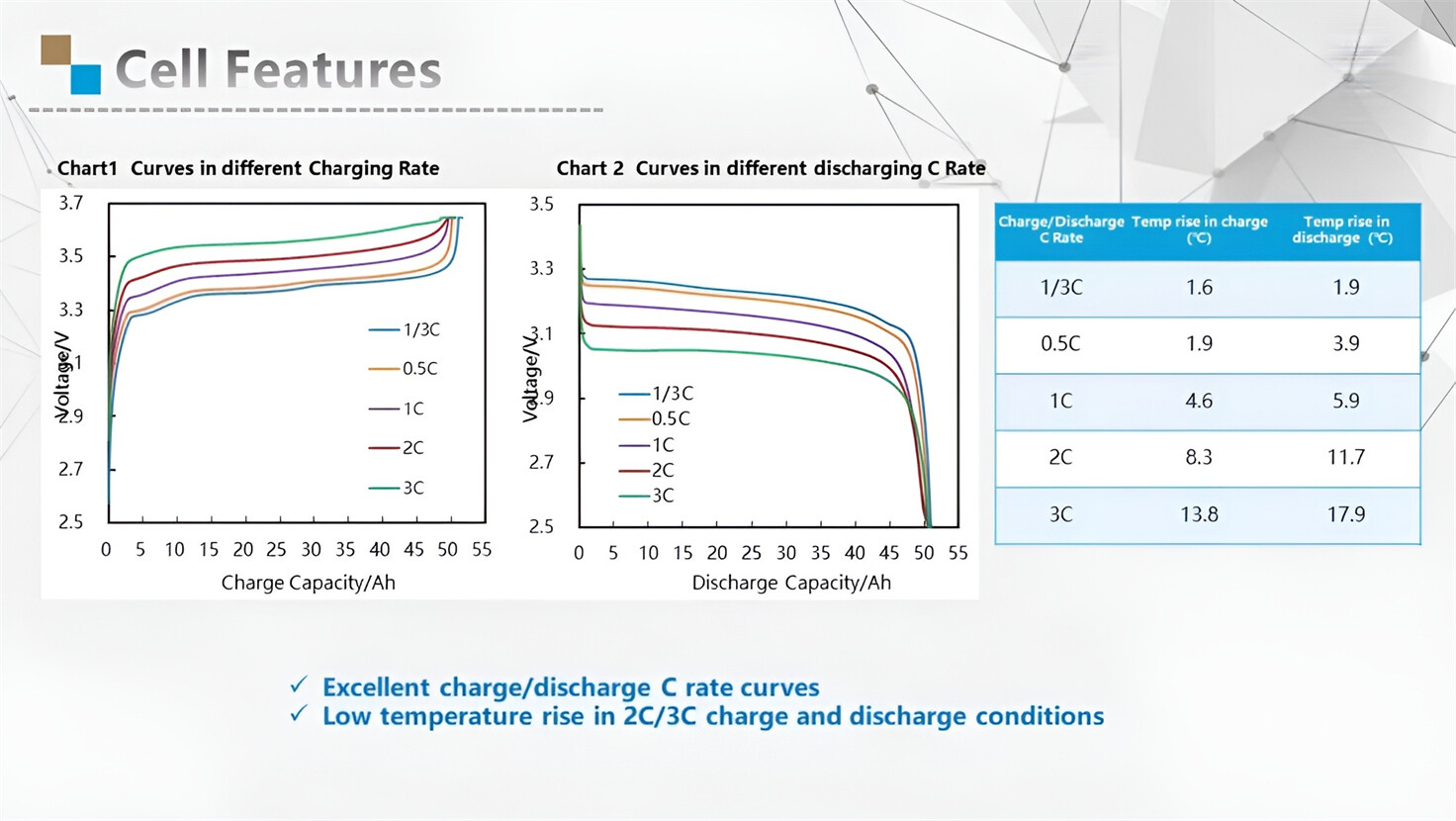
About Our Battery Cells
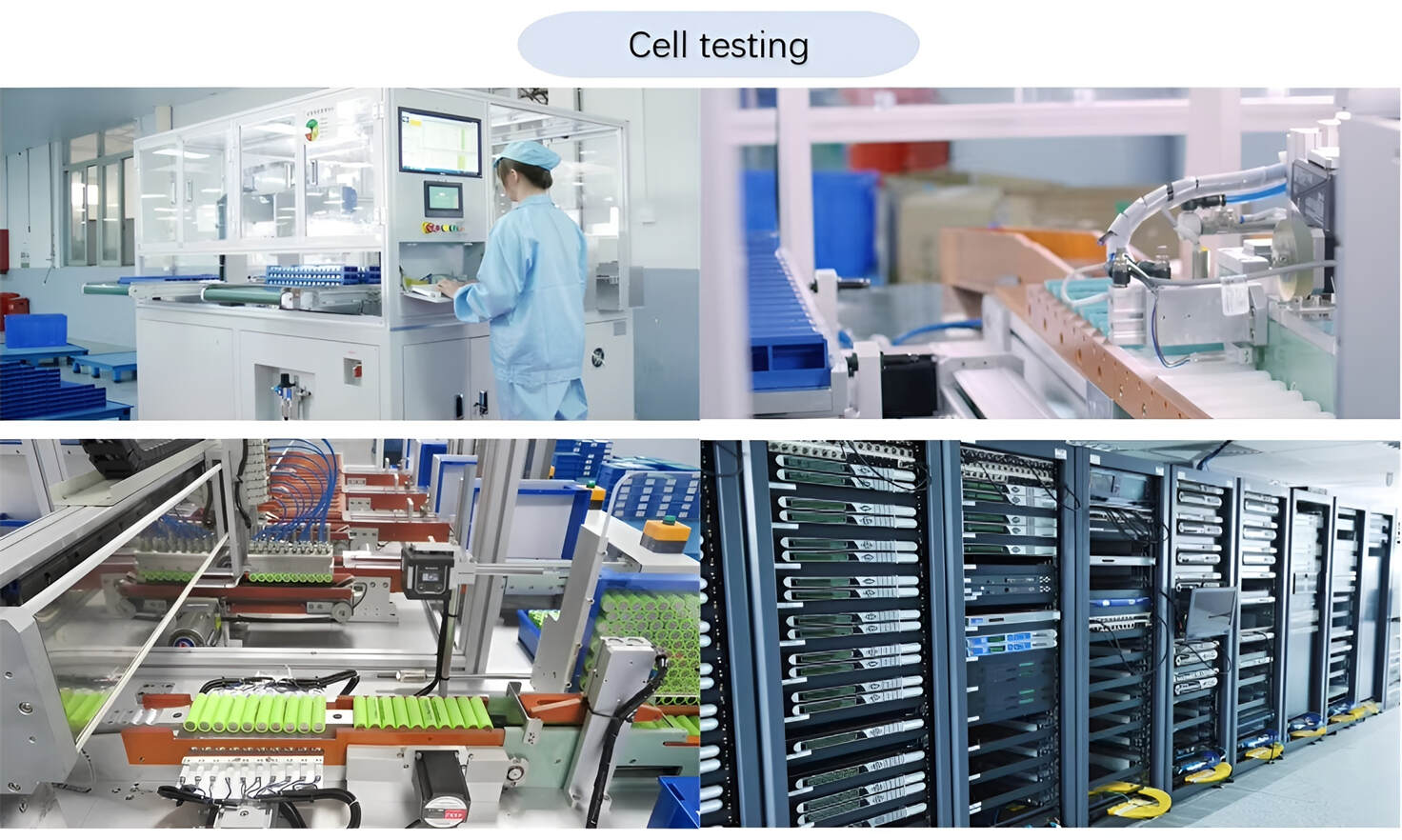
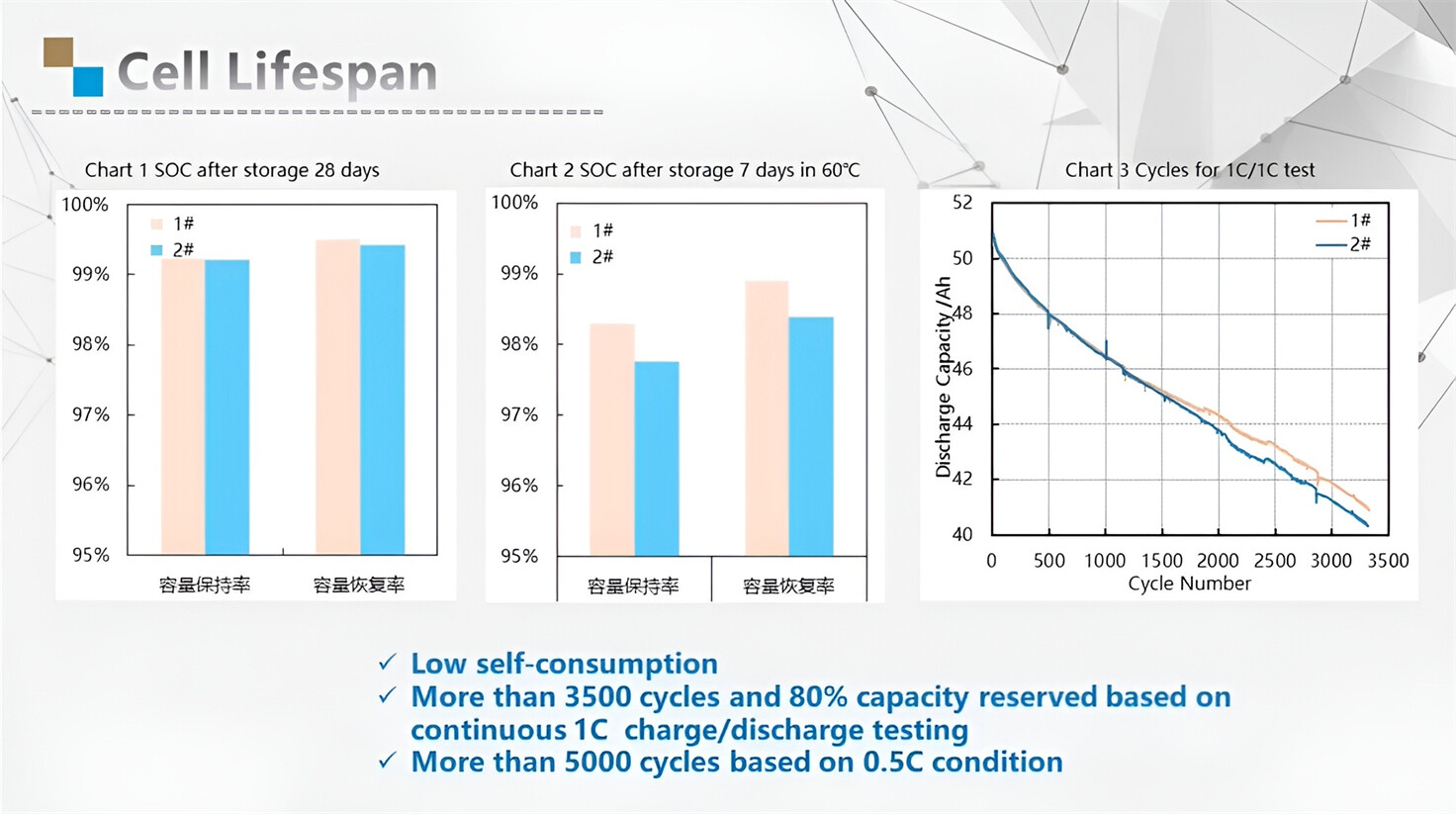
Our energy storage system products use brand new grade A LiFePO4 cells with a battery lifespan of more than 4,000 charge/discharge cycles.

Applications in Different Industries
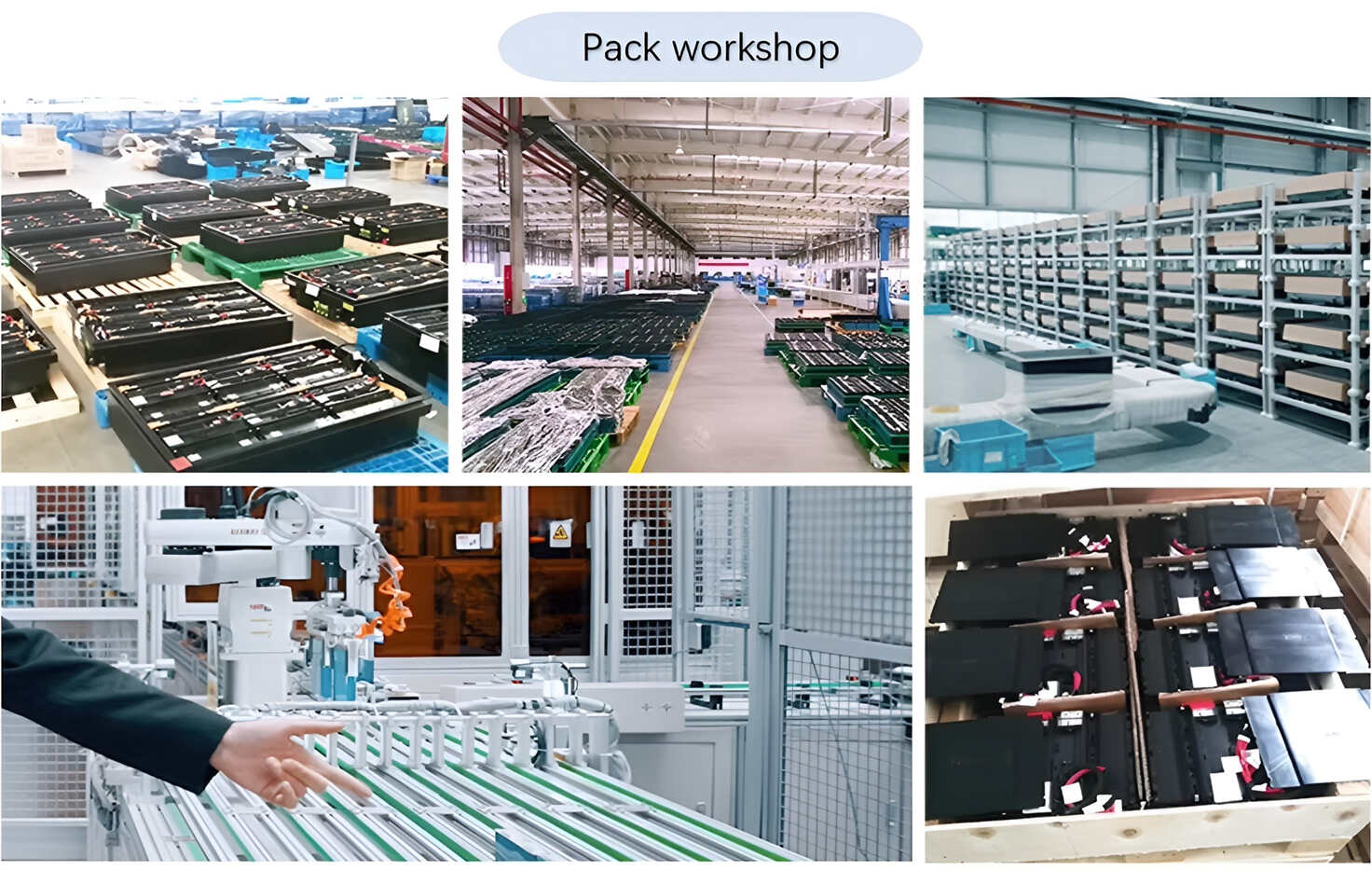
We supply customized & OEM battery pack, assemble cells with wiring, fuse and plastic cover, all the cell wires connected to PCB plug or built BMS.
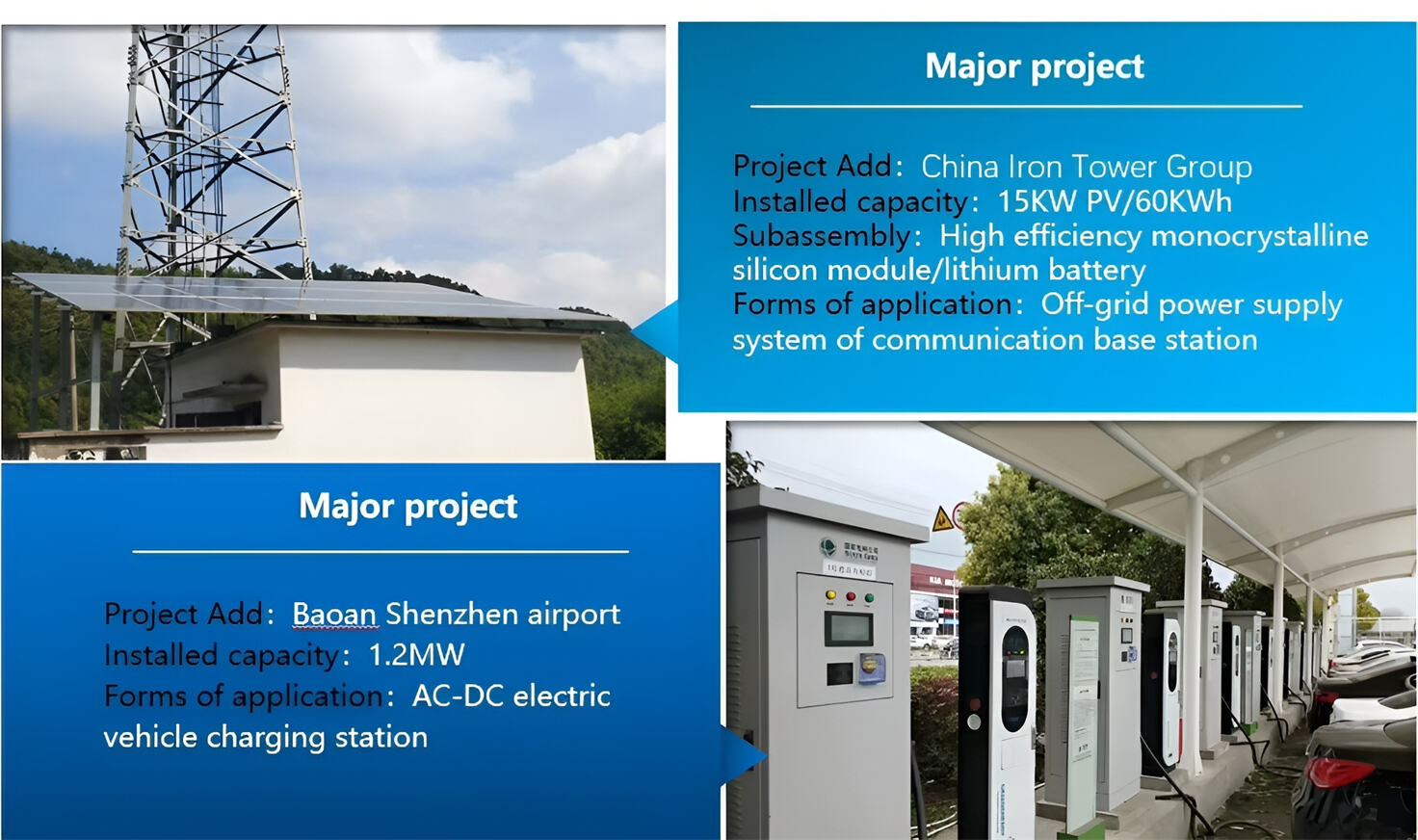
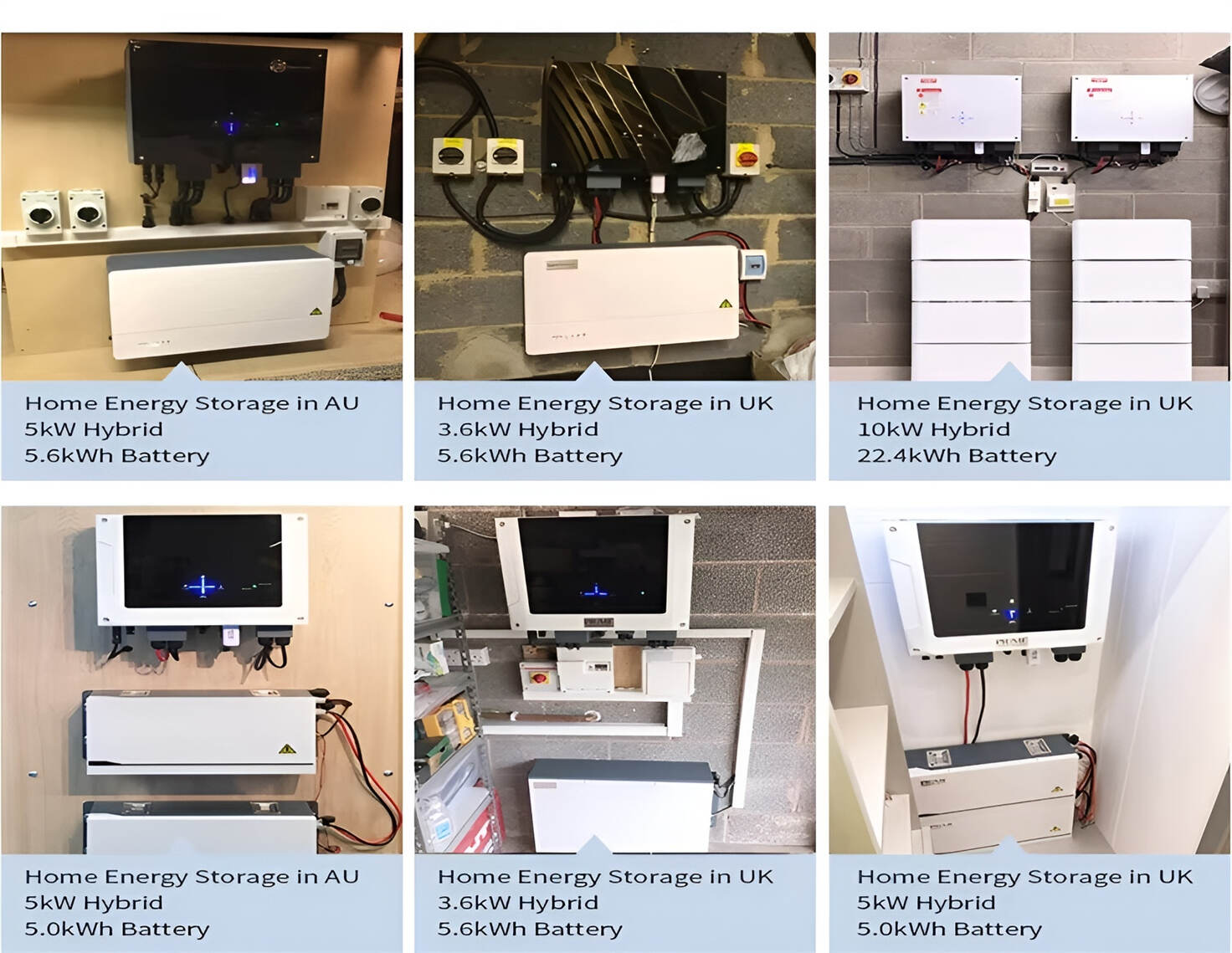
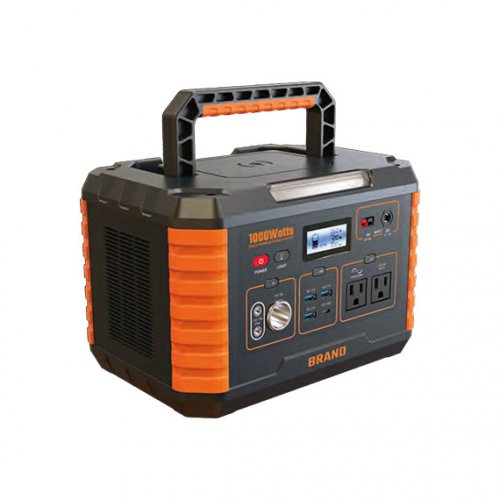
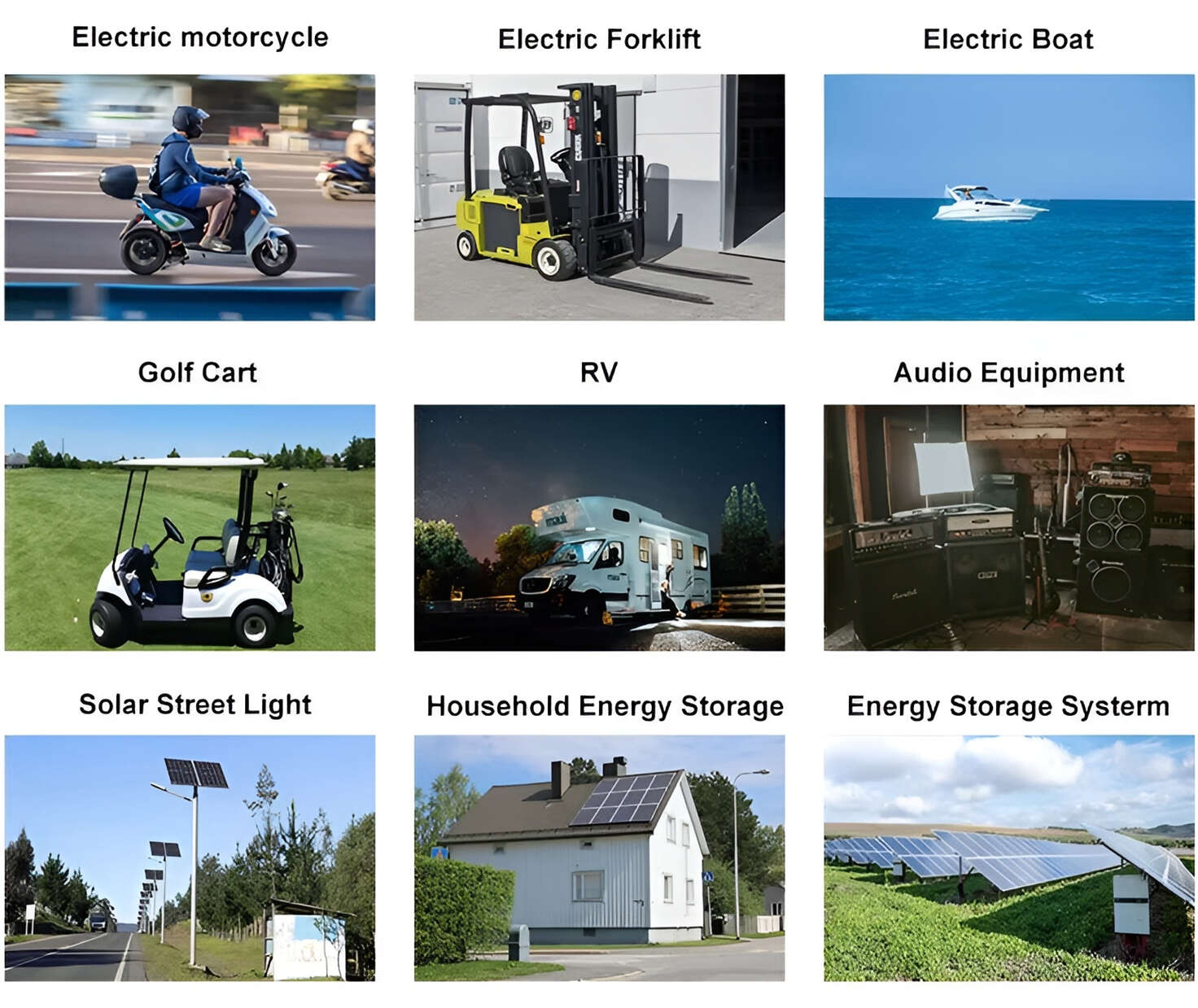
Applications: E-bike, Electric Scooter, Golf Carts, RV, Electric Wheelchair, Electric Tools, Robot Cleaner, Robot Sweeper, Solar Energy Storage System, Emergency Light, Solar Power Light, Medical Equipment, UPS Backup Power Supply.
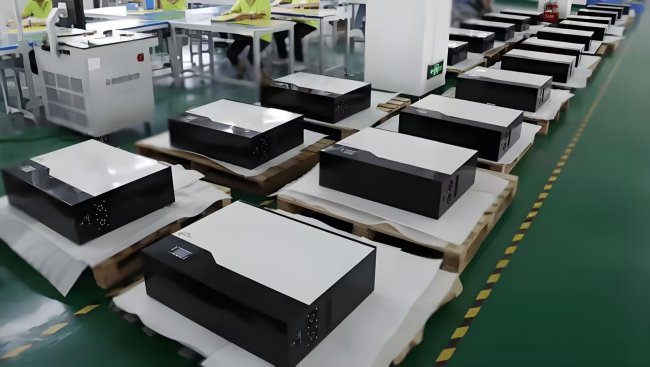
We can provide you with customized services. We have the ability to provide a vertical supply chain, from single cells to pack/module and to a complete power solution with BMS, etc.

HomSolar (Shenzhen) Technology Co., Ltd