How To Use Best Practices: A Practical Guide For Sustainable Implementation
The term "best practices" is ubiquitous in the professional world, yet its true meaning and application are often misunderstood. A best practice is not a rigid, unchangeable rule but a methodology, technique, or process that has consistently shown superior results and is therefore recommended as a model. The real challenge lies not in identifying these practices but in effectively and sustainably integrating them into your unique context. This guide provides a structured approach to selecting, adapting, and implementing best practices to drive meaningful improvement.
A Step-by-Step Guide to Implementation
Successfully leveraging best practices requires a disciplined, phased approach. Rushing adoption without proper groundwork is a common reason for failure.
Phase 1: Assessment and Selection
Before you even look for a solution, you must deeply understand your own problem.
1. Diagnose Your Needs: Clearly define the challenge you are facing. Use data to quantify the problem. For instance, instead of "our project deliveries are slow," state "our last three projects exceeded deadlines by an average of 25% due to scope creep and unclear requirements." This precision is crucial for finding a relevant best practice. 2. Research Potential Best Practices: Look for proven methods within your industry and, sometimes, from adjacent fields. Sources include industry publications, academic journals, professional associations, and case studies from leading companies. Don't just look for what they did, butwhyit worked and in what environment. 3. Evaluate and Select: Critically assess each candidate practice against your specific context. Create a simple evaluation matrix with criteria such as:Relevance: How well does it address your diagnosed problem?Resource Requirements: Do you have the budget, tools, and personnel?Cultural Fit: Is it compatible with your organization's values and work style?Evidence of Success: What tangible results have others achieved?
Phase 2: Adaptation and Planning
A best practice is a template, not a finished product. Forcing it to fit your organization without modification is a recipe for resistance and failure.
1. Customize the Practice: Analyze the core principles of the best practice versus its specific implementation details. Your goal is to preserve the principle while adapting the details. For example, theprincipleof Agile is iterative development and customer feedback. Theimplementationmight be daily stand-up meetings, which you could adapt to be held three times a week if your team is geographically dispersed, as long as the principle of frequent communication is upheld. 2. Develop an Action Plan: Create a detailed implementation roadmap. This should include:Clear Objectives: What are the specific, measurable goals for this initiative?Pilot Program: Identify a small, manageable project or team to test the adapted practice. This minimizes risk and provides valuable early feedback.Roles and Responsibilities: Designate a champion and define who is responsible for each part of the rollout.Timeline: Set realistic milestones and deadlines.
Phase 3: Execution and Roll-out
This is where theory meets reality. Communication and support are paramount.
1. Communicate the "Why": Roll out the practice to your pilot team by explaining the rationale behind it. Focus on the benefits for them and the organization. How will it make their work easier, more efficient, or higher quality? People support what they help create, so involve them in the process. 2. Provide Adequate Training: Do not assume understanding. Provide comprehensive training, hands-on workshops, and detailed documentation. Ensure everyone has the knowledge and skills to succeed. 3. Run the Pilot: Execute the plan with the pilot group. The primary goal here is not just to achieve a result, but to learn.
Phase 4: Monitoring and Refinement
Implementation is not the finish line; it's the beginning of a cycle of continuous improvement.
1. Gather Data and Feedback: Continuously monitor the pilot against the objectives you set. Use both quantitative data (e.g., time saved, error rates) and qualitative feedback from the team (e.g., surveys, interviews). 2. Analyze and Iterate: Identify what is working well and what is not. Be prepared to make further adjustments to the practice. The feedback from the pilot is invaluable for refining the practice before a wider roll-out. 3. Scale and Standardize: Once the adapted practice has proven successful in the pilot, you can develop a plan for a broader organizational rollout. Update official documentation and training materials to reflect the new, refined standard.
Essential Tips and Practical AdviceStart Small, Think Big: The pilot program is your most powerful tool. It builds confidence, demonstrates value, and uncovers unforeseen challenges on a manageable scale.Focus on Principles, Not Just Procedures: Understand the underlyingwhyof a best practice. This allows for intelligent adaptation rather than mindless copying. If the principle is "continuous feedback," the procedure could be a complex tool or a simple weekly check-in.Secure a Champion: A motivated and respected individual who can advocate for the change, answer questions, and drive adoption is critical for success.Use Technology Wisely: Leverage tools that facilitate the new practice. If implementing a new project management framework, use software that supports it. However, remember that technology enables the practice; it is not the practice itself.
Critical Considerations and Pitfalls to AvoidBeware of "Copy-Paste" Implementation: The most significant mistake is assuming a best practice that worked flawlessly in another company will work exactly the same in yours. Context is everything.Don't Ignore Organizational Culture: A highly collaborative best practice will fail in a culture that rewards individual silos. You must either adapt the practice to the culture or be prepared to invest in changing the cultural elements that hinder it.Avoid Analysis Paralysis: It is possible to spend too much time researching and evaluating without ever taking action. Set a deadline for the selection and pilot phases to maintain momentum.Plan for Resistance: Change is often met with resistance. Anticipate it. Listen to concerns, address them transparently, and highlight early wins to build momentum and win over skeptics.Remember: Best Practices Evolve: What is considered a best practice today may be obsolete tomorrow. Continuously seek feedback and be open to refining or even replacing practices as new information, technologies, and methodologies emerge.
In conclusion, best practices are powerful tools for achieving excellence, but they are not magic bullets. Their value is unlocked not through blind adoption, but through a thoughtful process of diagnosis, customization, and continuous refinement. By treating them as a dynamic framework for improvement rather than a static set of rules, you can harness their power to drive sustainable success.
Customized/OEM/ODM Service
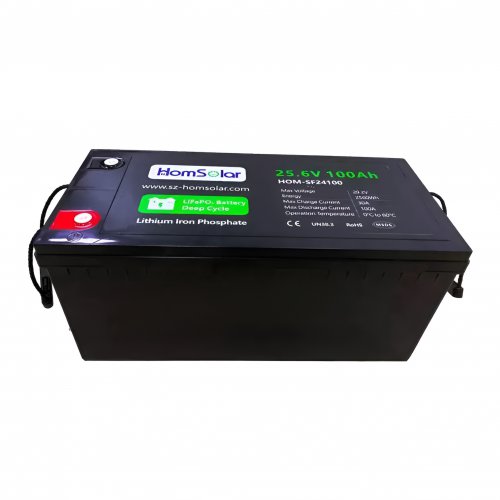
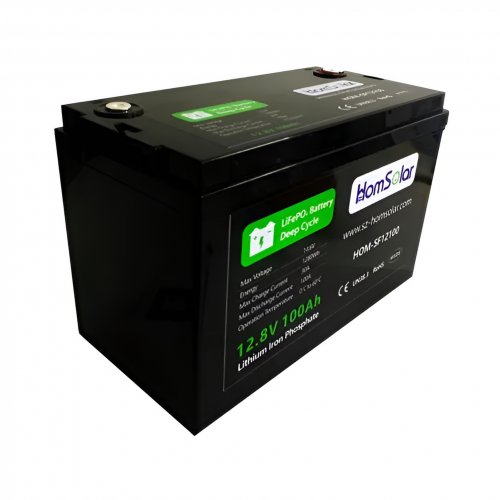
HomSolar Supports Lifepo4 battery pack customization/OEM/ODM service, welcome to contact us and tell us your needs.


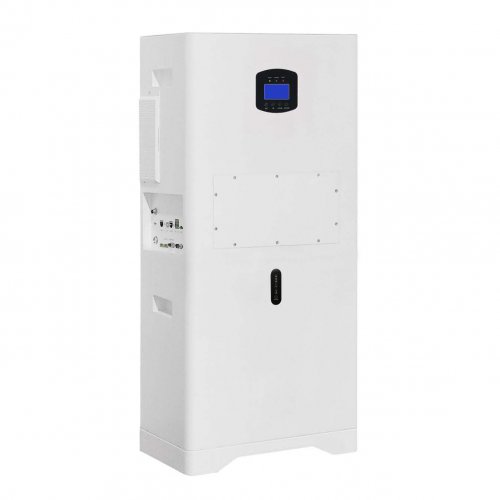
HomSolar: Your One-stop LiFePO4 Battery Pack & ESS Solution Manufacturer
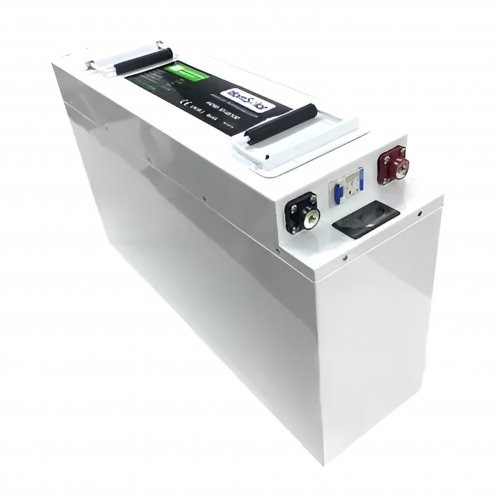
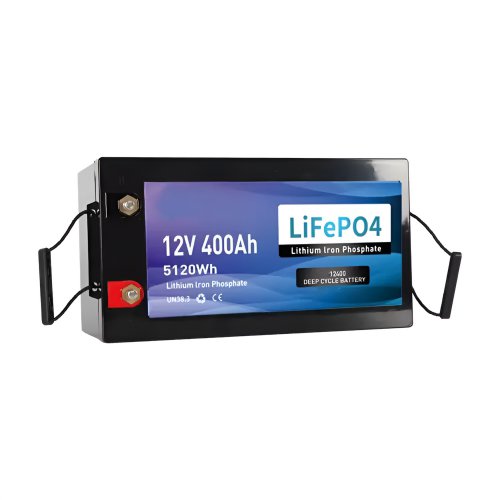
Our line of LiFePO4 (LFP) batteries offer a solution to demanding applications that require a lighter weight, longer life, and higher capacity battery. Features include advanced battery management systems (BMS), Bluetooth® communication and active intelligent monitoring.
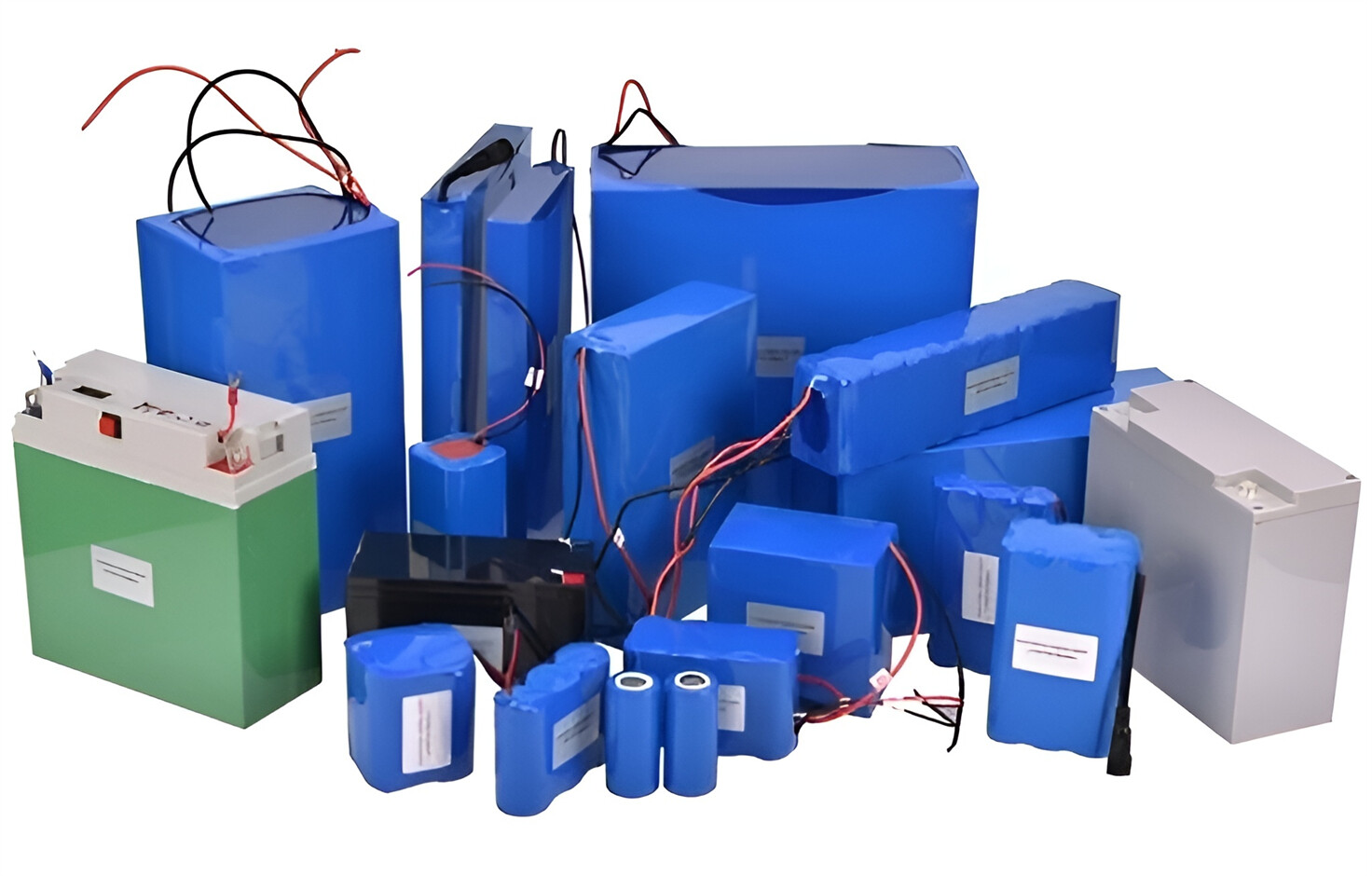
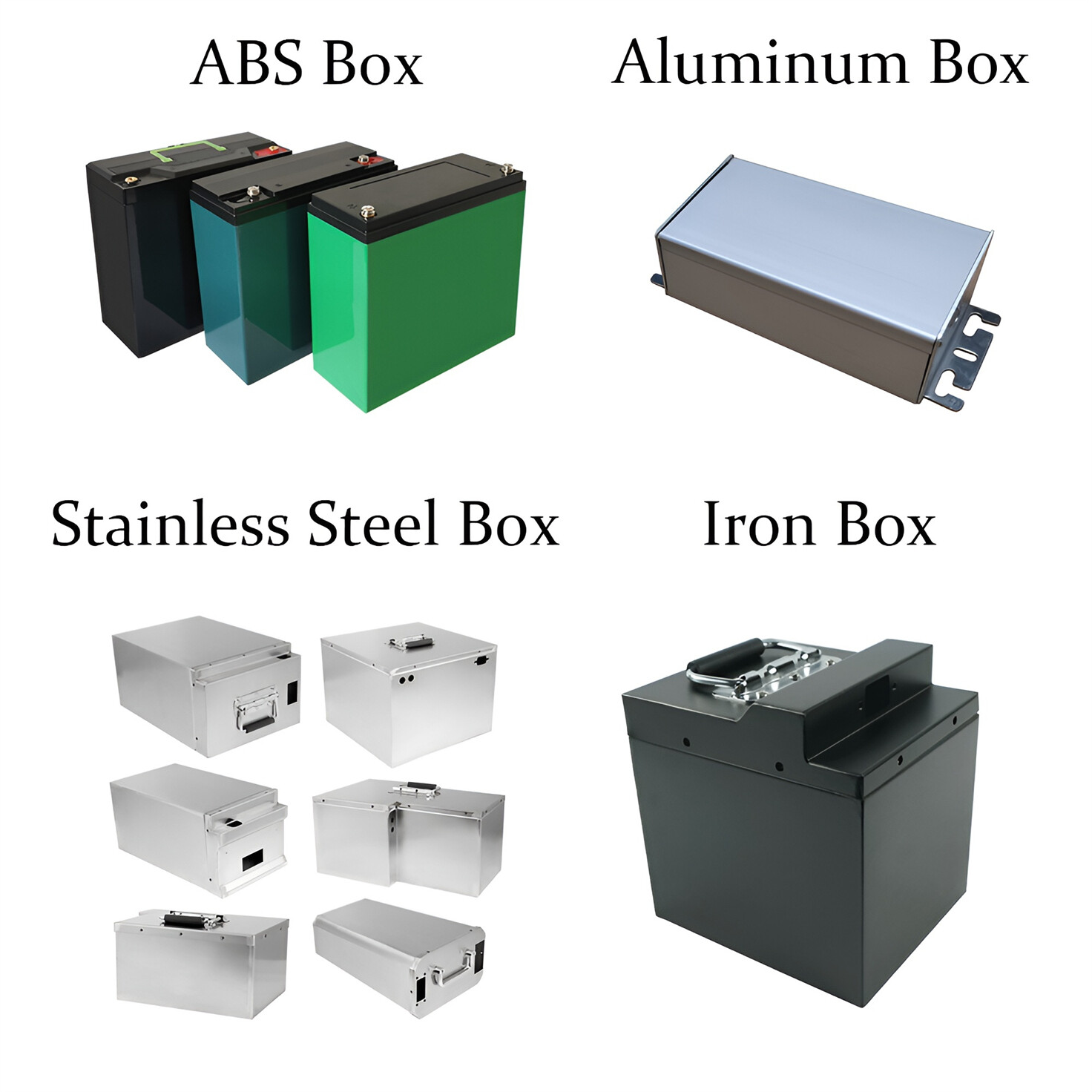
Customised Lithium Iron Phosphate Battery Casing
ABS plastic housing, aluminium housing, stainless steel housing and iron housing are available, and can also be designed and customised according to your needs.
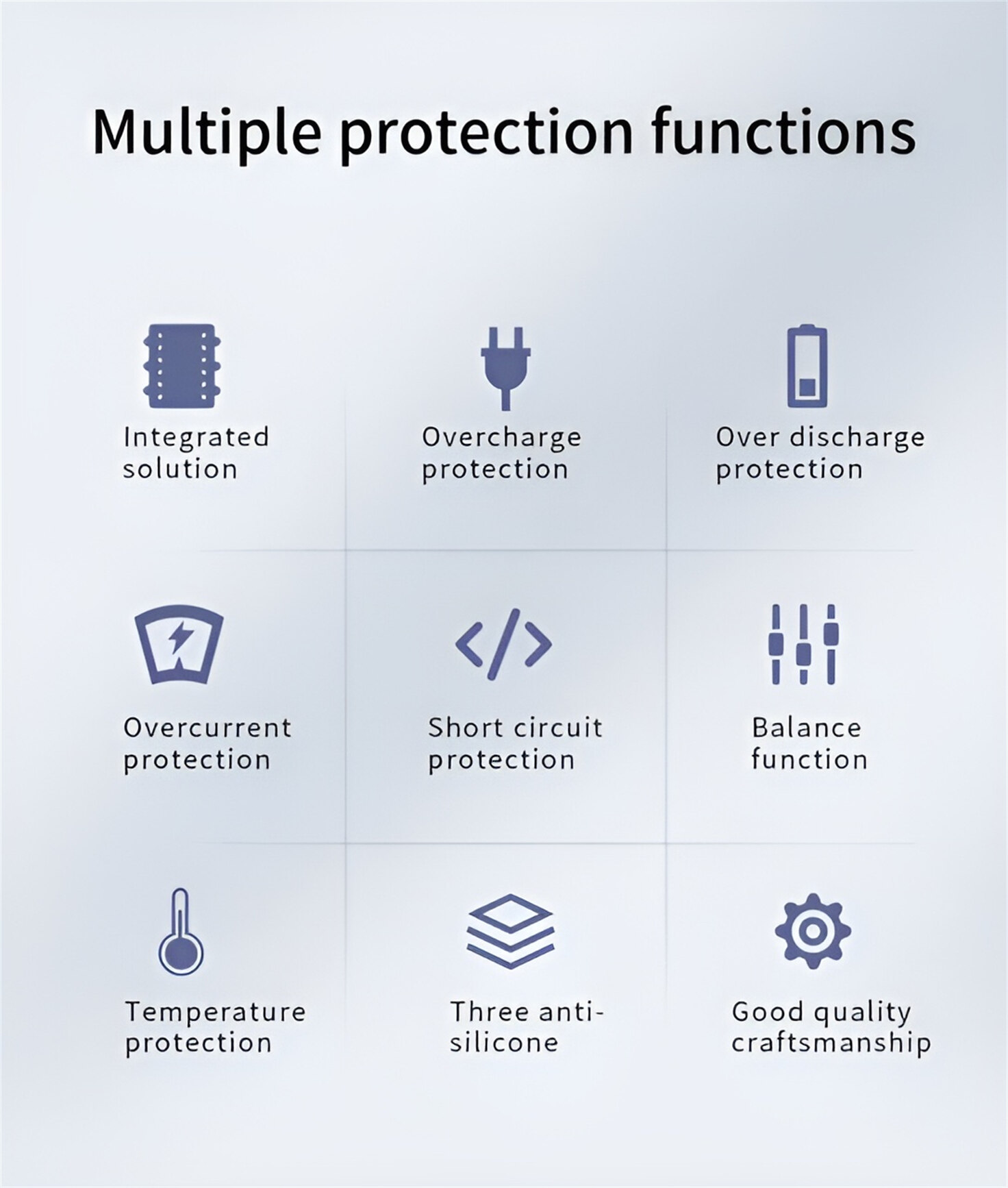
HomSolar Smart BMS
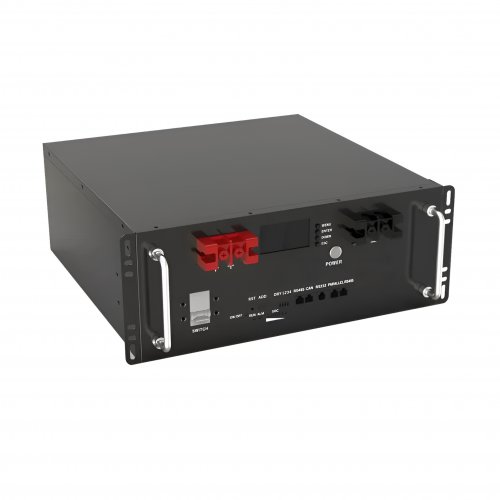
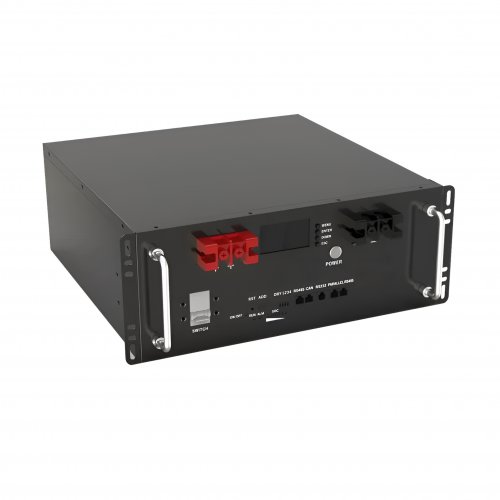
Intelligent Battery Management System for HomSolar Energy Storage System. Bluetooth, temperature sensor, LCD display, CAN interface, UART interface also available.

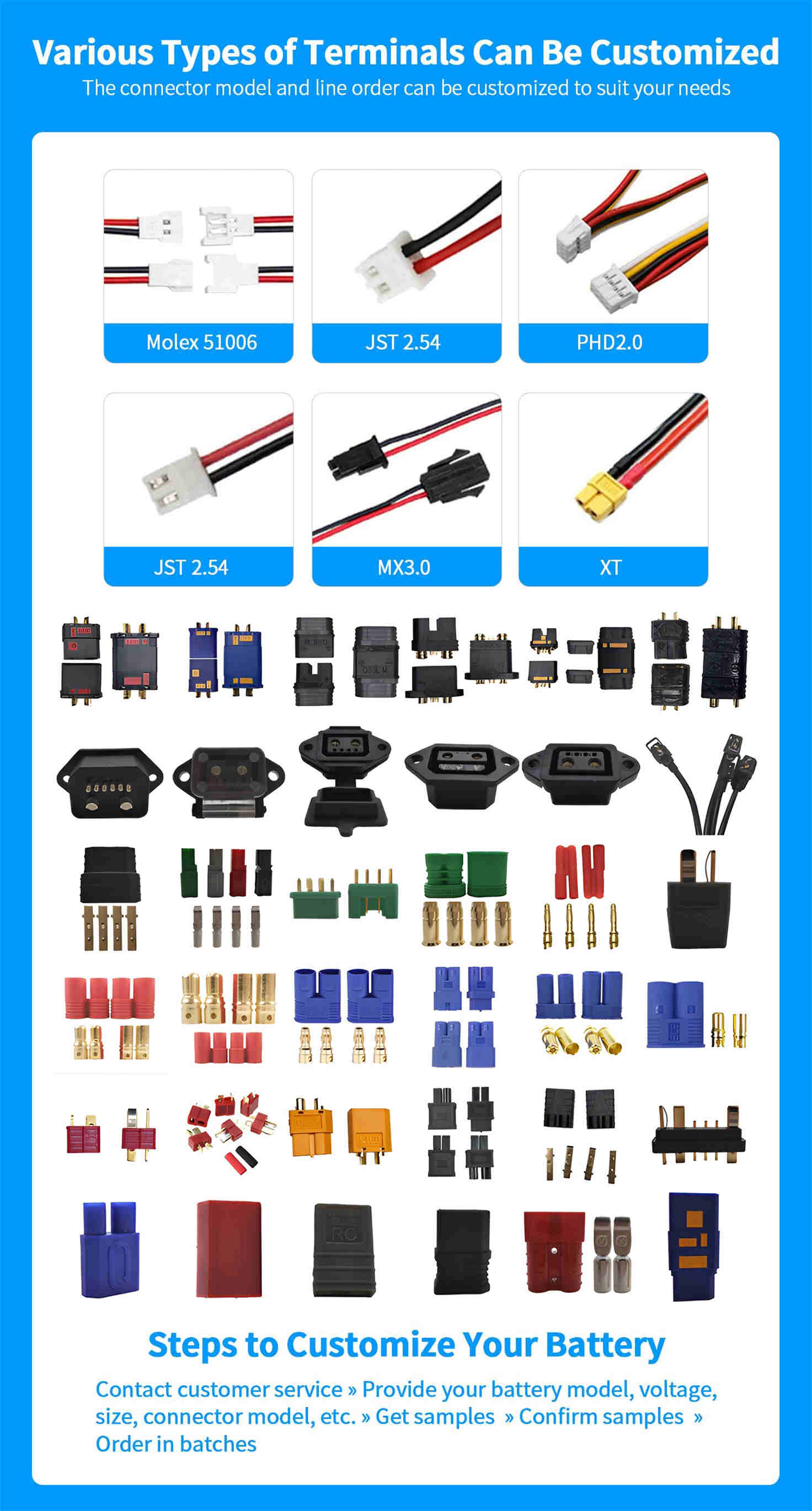
Terminals & Plugs Can Be Customized
A wide range of terminals and plugs can be customised to suit the application needs of your battery products.
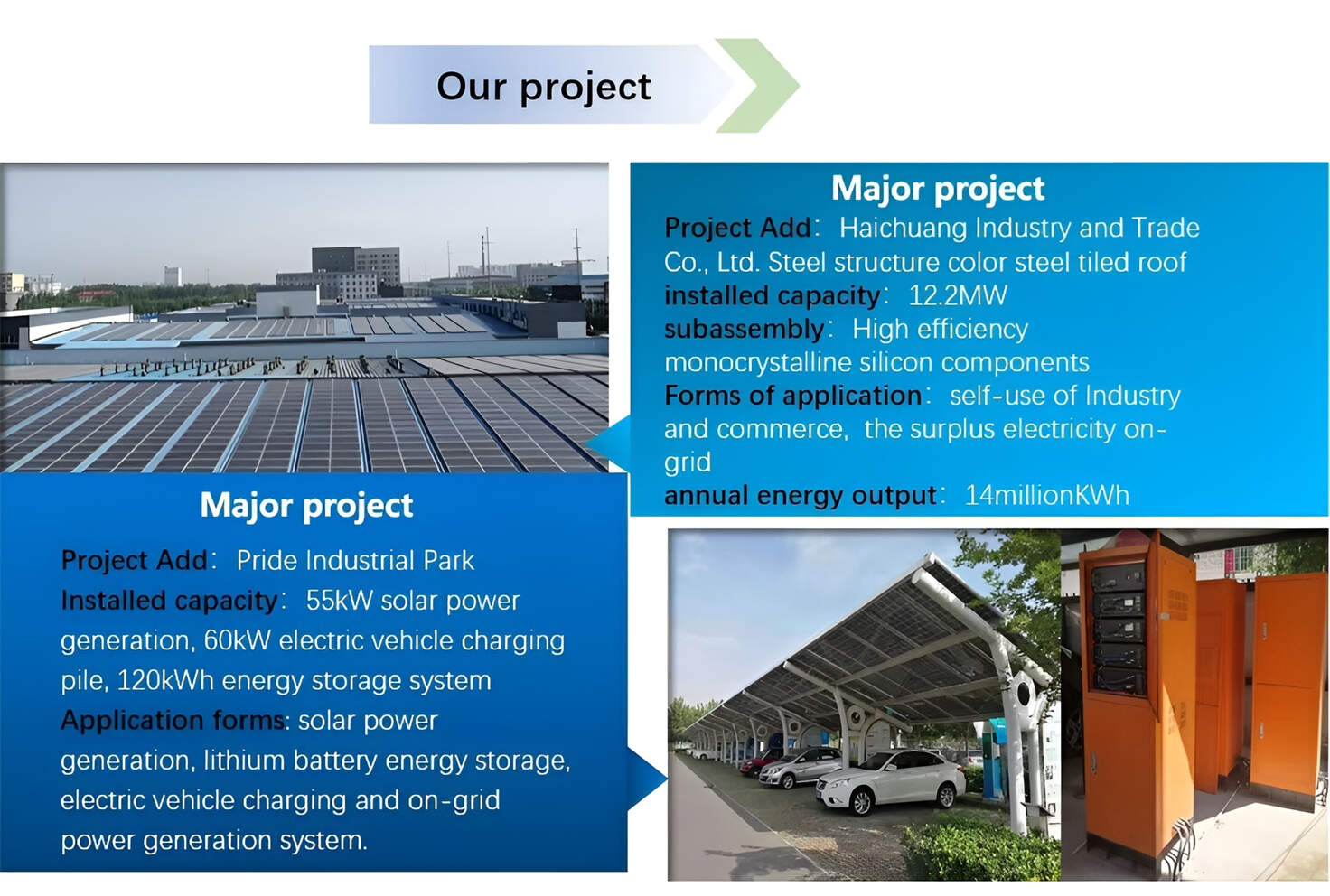
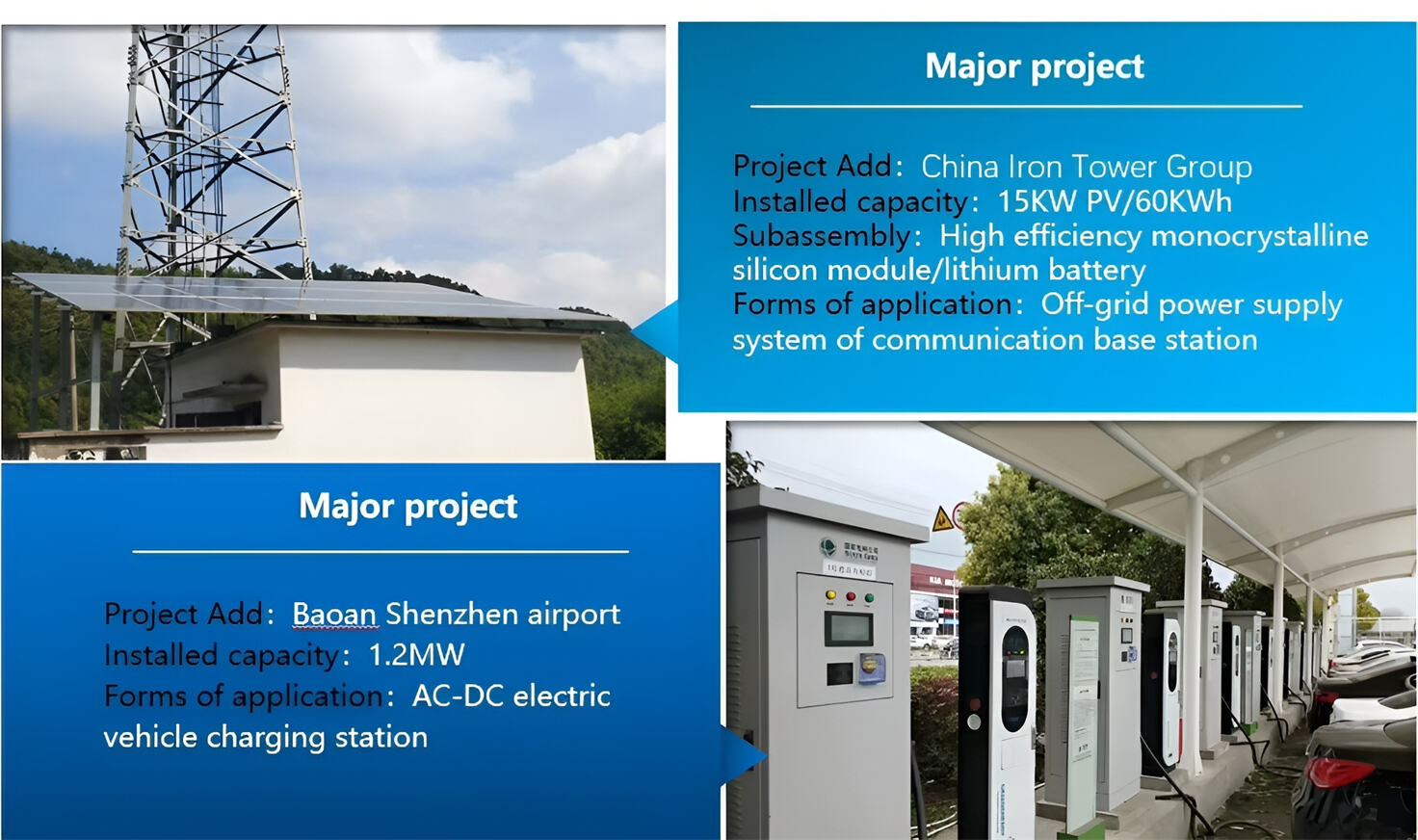
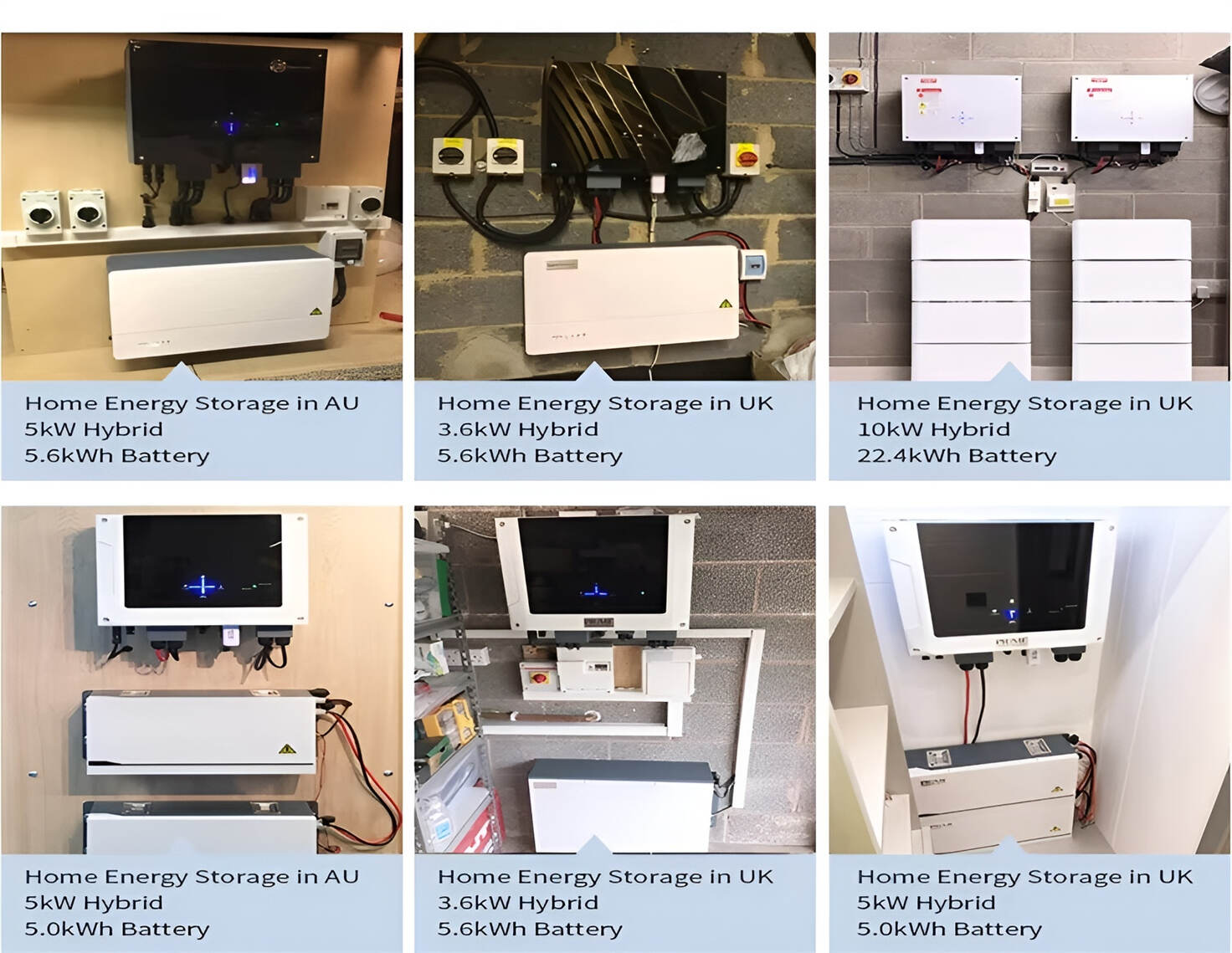
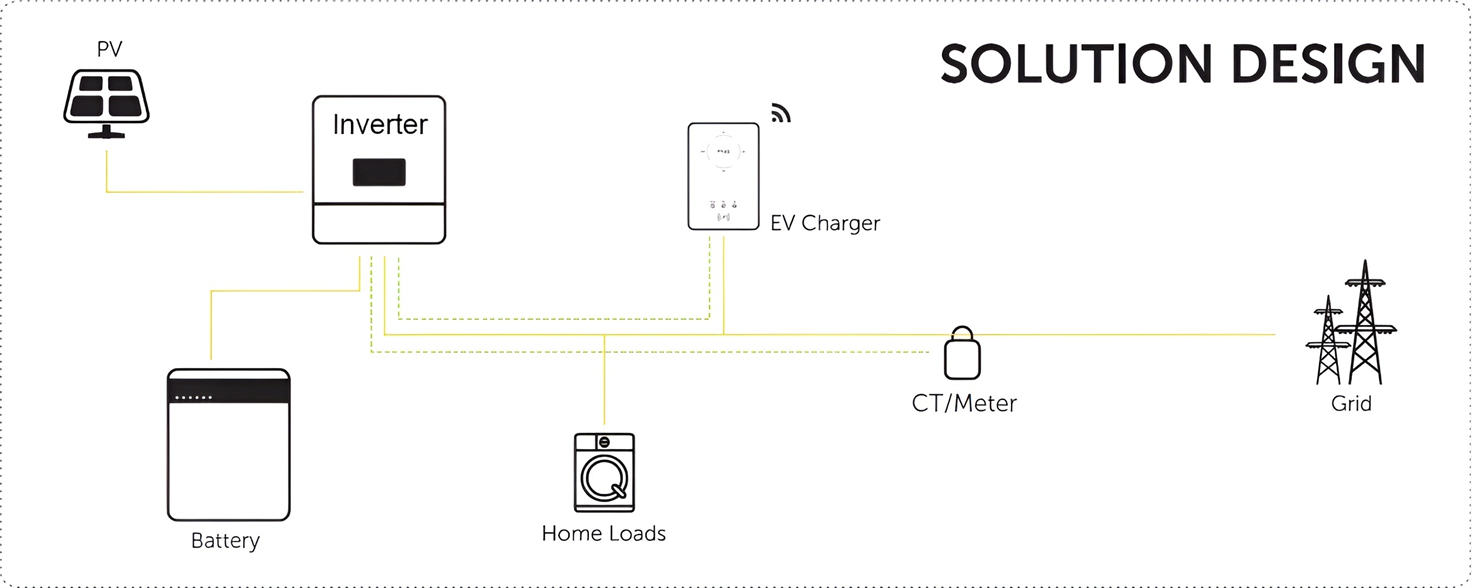
Well-designed Solutions for Energy Storage Systems
We will design the perfect energy storage system solution according to your needs, so that you can easily solve the specific industry applications of battery products.


About Our Battery Cells
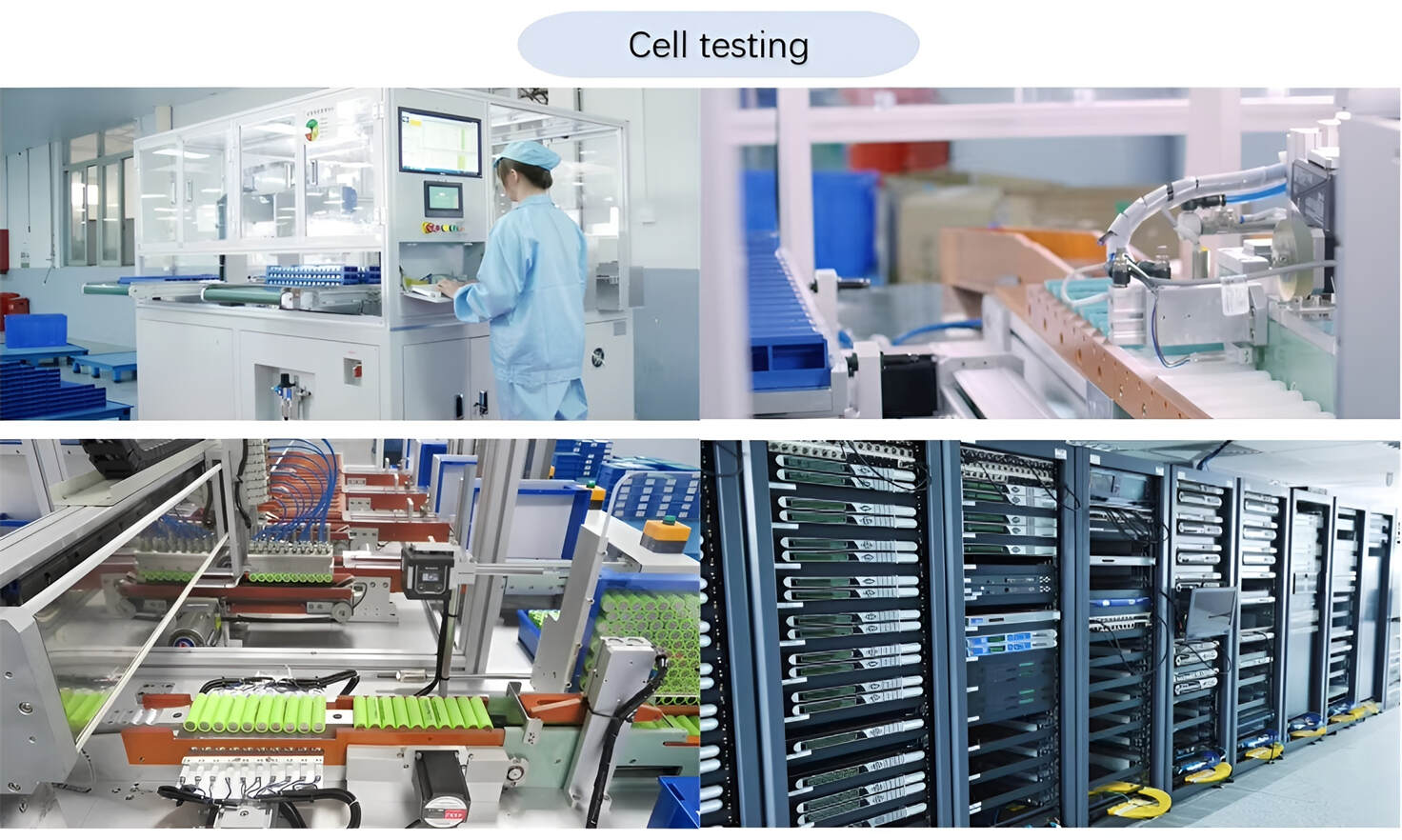
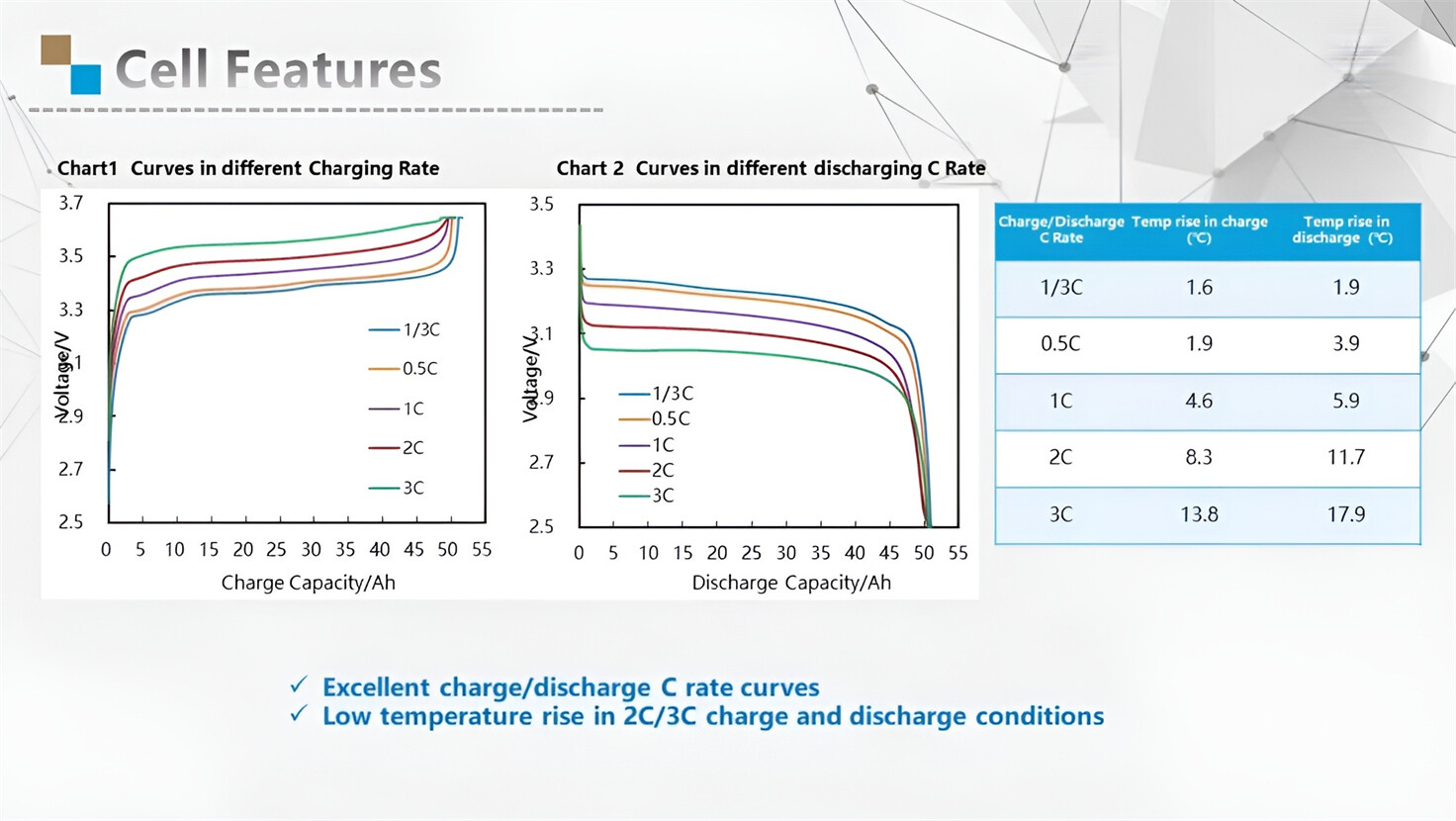
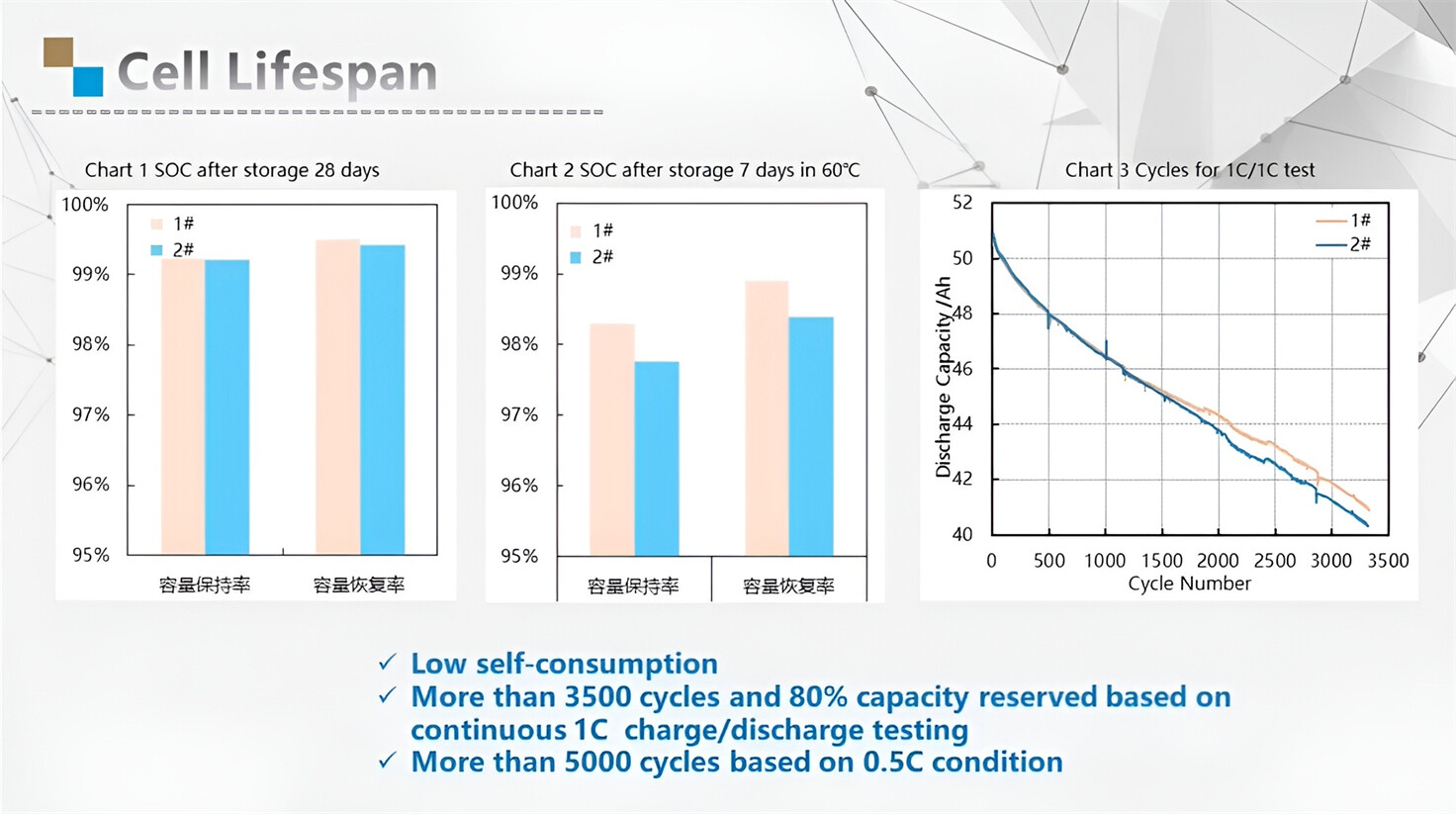
Our energy storage system products use brand new grade A LiFePO4 cells with a battery lifespan of more than 4,000 charge/discharge cycles.

Applications in Different Industries
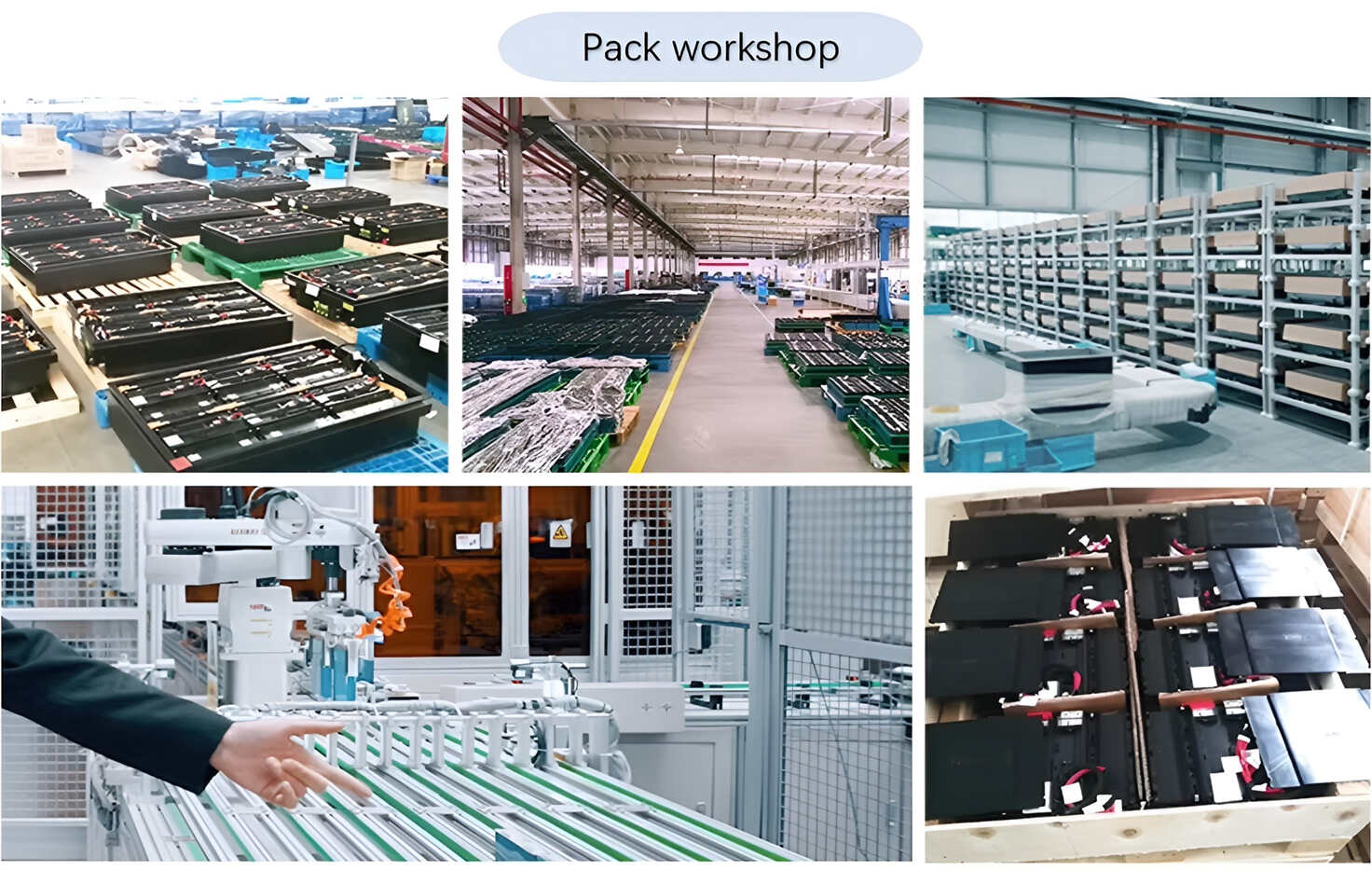
We supply customized & OEM battery pack, assemble cells with wiring, fuse and plastic cover, all the cell wires connected to PCB plug or built BMS.
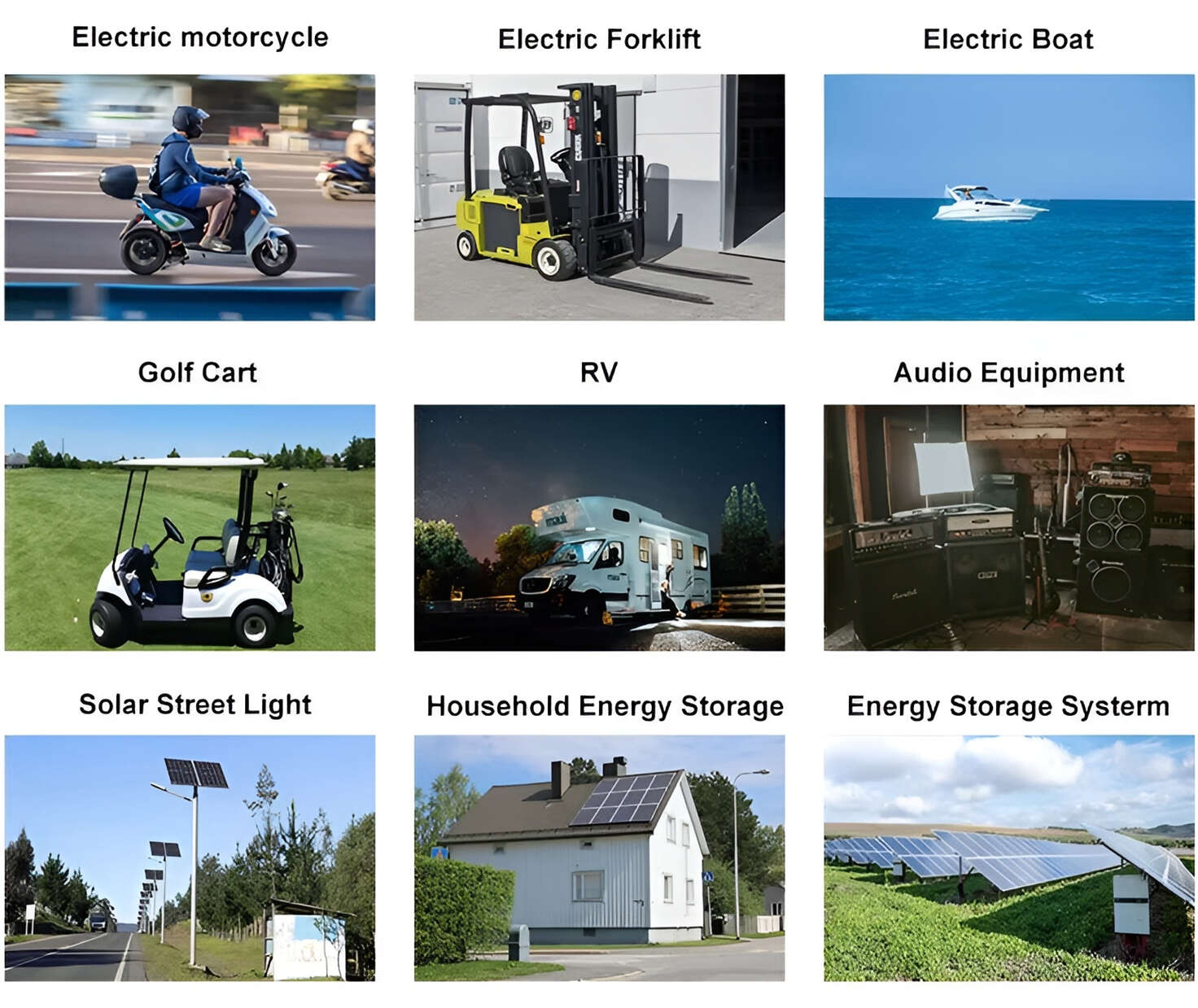
Applications: E-bike, Electric Scooter, Golf Carts, RV, Electric Wheelchair, Electric Tools, Robot Cleaner, Robot Sweeper, Solar Energy Storage System, Emergency Light, Solar Power Light, Medical Equipment, UPS Backup Power Supply.
We can provide you with customized services. We have the ability to provide a vertical supply chain, from single cells to pack/module and to a complete power solution with BMS, etc.

HomSolar (Shenzhen) Technology Co., Ltd