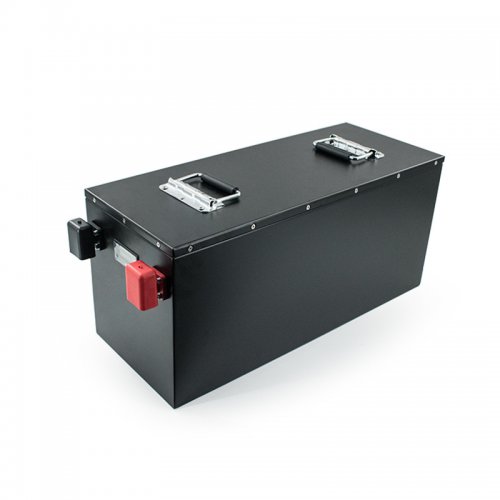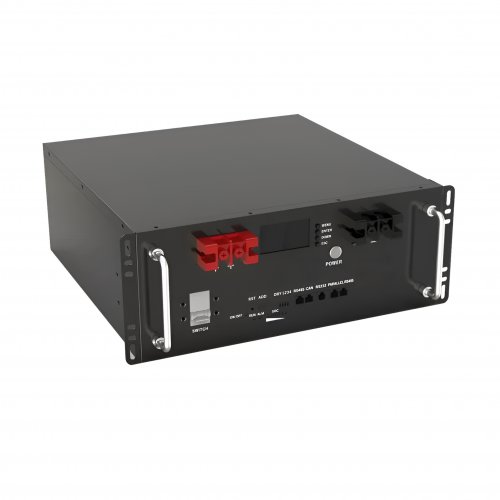
Cycle Life News: Advancements And Challenges In Battery Longevity Reshape Industries
The concept of 'cycle life'—the number of complete charge-discharge cycles a battery can undergo before its capacity falls below a specified threshold—has moved from an engineering specification sheet to a central pillar of strategy for industries ranging from electric mobility to grid storage. Recent developments indicate a concerted global effort to push the boundaries of battery endurance, driven by economic imperatives and environmental goals. The focus is no longer solely on energy density but increasingly on creating cells that can last for decades and thousands of cycles, a shift that promises to redefine product lifecycles and sustainability metrics.
Latest Industry Dynamics: From Breakthrough Chemistries to Second-Life Markets
The industry is witnessing a multi-pronged approach to enhancing cycle life. In the realm of electric vehicles (EVs), major automakers are now publicly touting battery warranties that extend to eight years or 160,000 kilometers, a direct reflection of improved confidence in cell longevity. Behind the scenes, the transition to silicon-dominant anodes and high-nickel cathodes is accelerating. While these materials boost energy density, their instability has historically limited cycle life. Recent breakthroughs in electrolyte formulations and advanced binder systems are mitigating these issues, allowing next-generation cells to target lifetimes exceeding 2,000 cycles while maintaining high performance.
Simultaneously, the stationary energy storage system (ESS) market is emerging as the most demanding frontier for cycle life. Unlike EVs, where daily cycling may not be the norm, grid-scale batteries are often charged and discharged daily. Companies like CATL and BYD are promoting lithium iron phosphate (LFP) battery systems with a cycle life of over 10,000 cycles, a figure that was unimaginable a decade ago. The inherent stability and cobalt-free chemistry of LFP make it particularly suited for these high-cycle applications, even as its lower energy density remains a trade-off for passenger EVs.
A direct consequence of improved cycle life is the nascent but rapidly growing second-life battery market. As EV batteries degrade to 70-80% of their original capacity, they become unsuitable for vehicle use but remain perfectly functional for less demanding ESS applications. Startups and established energy companies are now creating business models around repurposing these batteries. This trend not only extends the useful life of the battery materials but also creates a new value stream, effectively reducing the total cost of ownership for the initial EV battery. Regulatory frameworks, particularly in the European Union, are beginning to mandate recycled content and sustainability reporting, further fueling this sector.
Trend Analysis: The Interplay of Technology, Economics, and Sustainability
Several key trends are shaping the cycle life landscape. The first is the shift from reactive to predictive management. Advanced Battery Management Systems (BMS) are no longer just about preventing overcharge; they now use artificial intelligence and machine learning to model individual cell degradation in real-time. By tailoring charge rates and depths of discharge to specific usage patterns, these smart BMS can actively prolong the battery's cycle life, a feature becoming standard in premium EVs and ESS.
Secondly, the economics of longevity are becoming paramount. The levelized cost of storage (LCOS), a critical metric for energy projects, is heavily influenced by cycle life. A battery that lasts 5,000 cycles instead of 3,000 dramatically lowers the cost per megawatt-hour over its lifetime. This economic reality is driving massive R&D investments into solid-state batteries, which promise not only improved safety but also significantly longer cycle lives by physically suppressing lithium dendrite formation. While commercial viability for mass-market applications is still estimated to be several years away, prototypes have demonstrated exceptional cycle life retention.
Finally, the sustainability imperative is inextricably linked to cycle life. A battery that lasts twice as long halves the environmental impact of manufacturing its replacement and reduces the strain on raw material supply chains. This is pushing the industry toward "green chemistry"—-developing batteries with more abundant, less toxic materials that are also inherently long-lasting. The circular economy model for batteries, where long life, reuse, and efficient recycling are integrated, is becoming a core strategic goal for corporations and policymakers alike.
Expert Perspectives: Cautious Optimism and Pragmatic Challenges
Industry experts acknowledge the rapid progress but caution against over-optimism. Dr. Elena Vance, a senior researcher at the Electrochemical Energy Storage Institute, notes, "The published cycle life data from labs is impressive, often showing 80% capacity retention after 3,000 or even 5,000 cycles. However, the real-world conditions—variable temperatures, inconsistent charging habits, and complex load profiles—present a much harsher environment. Accelerated aging tests are useful, but the correlation to field performance remains an area of active research."
On the business side, Michael Thorson, a partner at a clean-tech venture capital firm, highlights the investment shift. "We are seeing a clear pivot. Five years ago, pitches were all about energy density. Today, the most compelling battery startups are those with a compelling story on cycle life, supported by robust data and a clear path to low-cost manufacturing. Durability is the new disruptive metric."
However, challenges remain. The standardization of cycle life testing is a significant issue. Different manufacturers use different protocols (C-rates, depth of discharge, temperature), making direct comparisons difficult for consumers and businesses. Furthermore, the recycling infrastructure for end-of-life batteries, especially with diverse chemistries, is still playing catch-up with the projected volumes.
In conclusion, the focus on cycle life marks a maturation of the energy storage industry. It is a complex challenge sitting at the intersection of materials science, data analytics, and economic modeling. The relentless push for longer-lasting batteries is not just a technical race; it is a fundamental driver for a more sustainable and economically viable electrified future, impacting everything from the car we drive to the resilience of our power grid. The coming years will likely see cycle life become a key differentiator, as central to a battery's value proposition as its price and power.
Customized/OEM/ODM Service
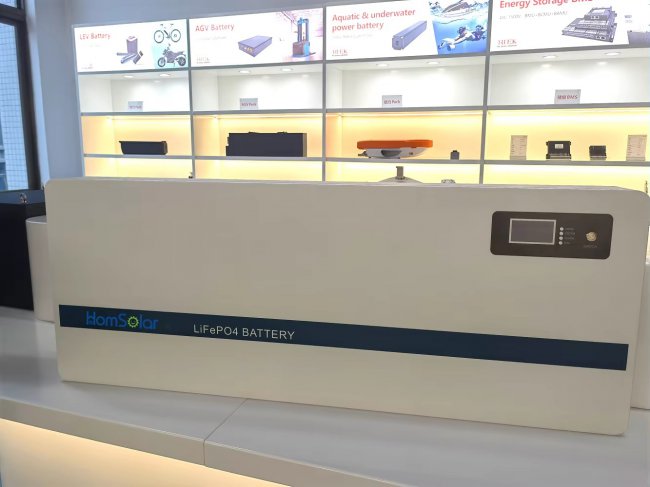
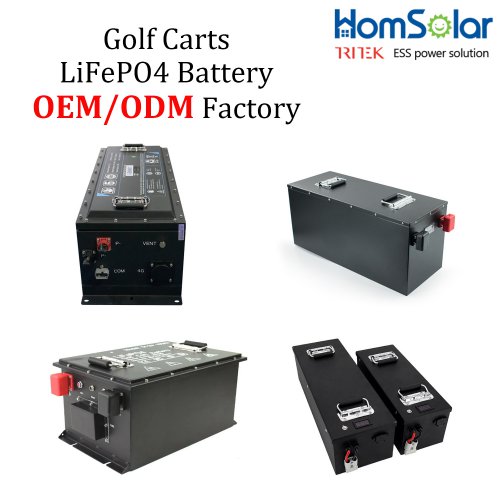
HomSolar Supports Lifepo4 battery pack customization/OEM/ODM service, welcome to contact us and tell us your needs.

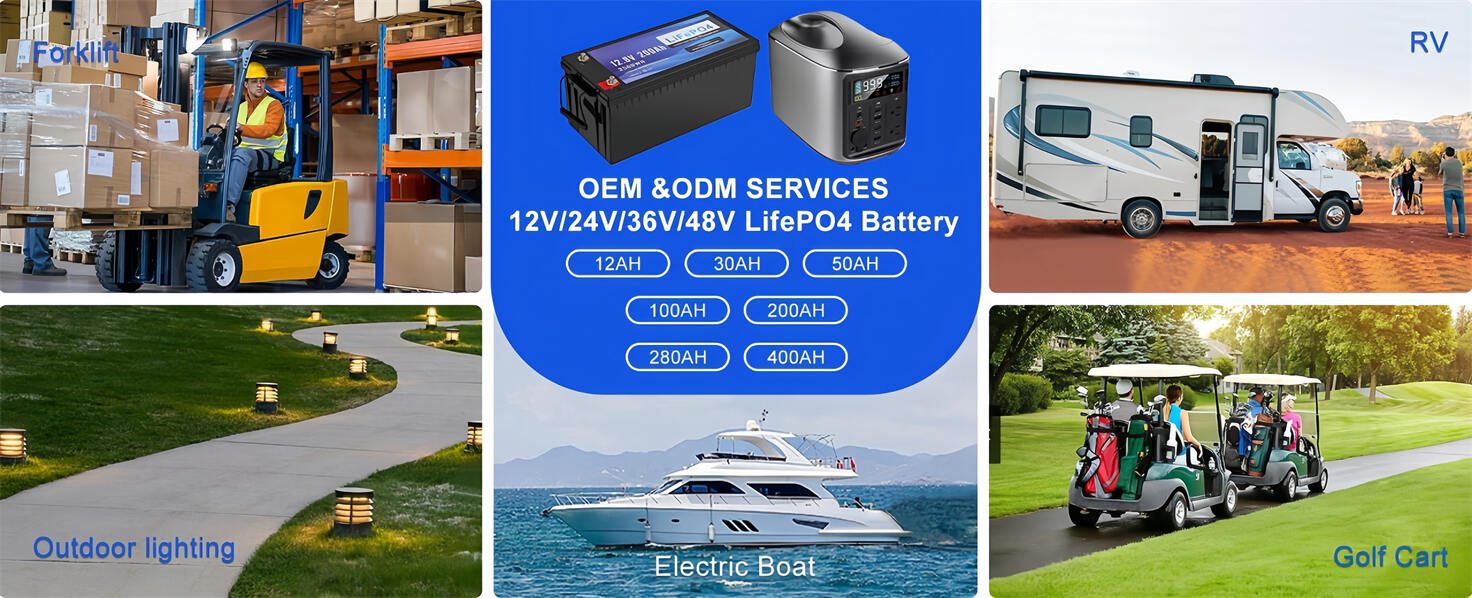
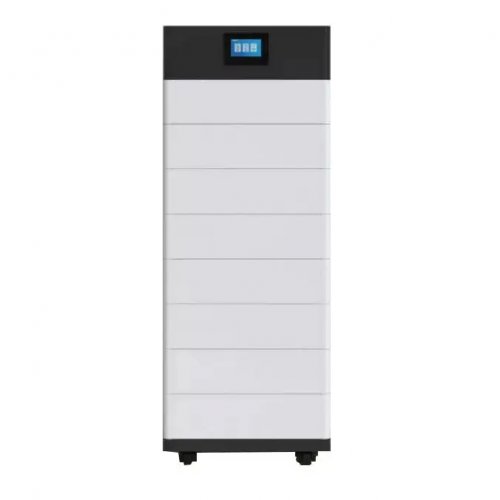
HomSolar: Your One-stop LiFePO4 Battery Pack & ESS Solution Manufacturer
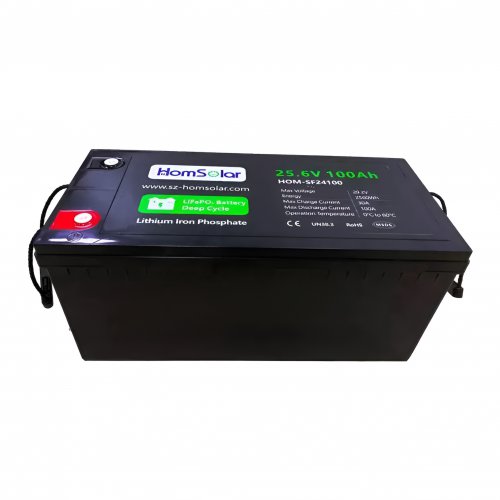
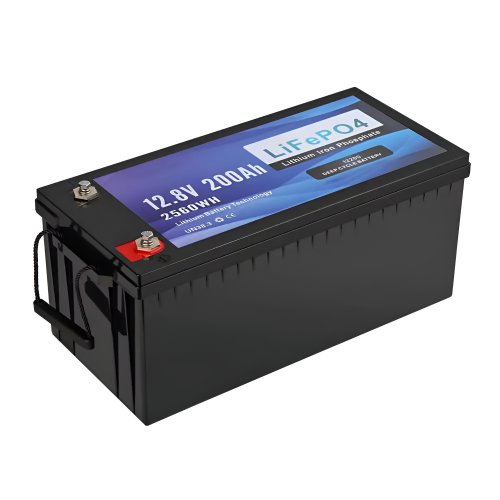
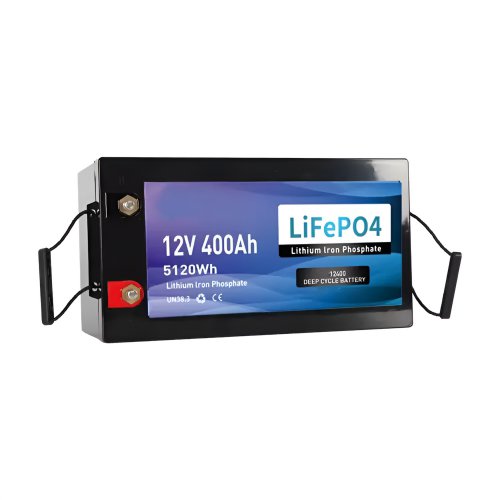
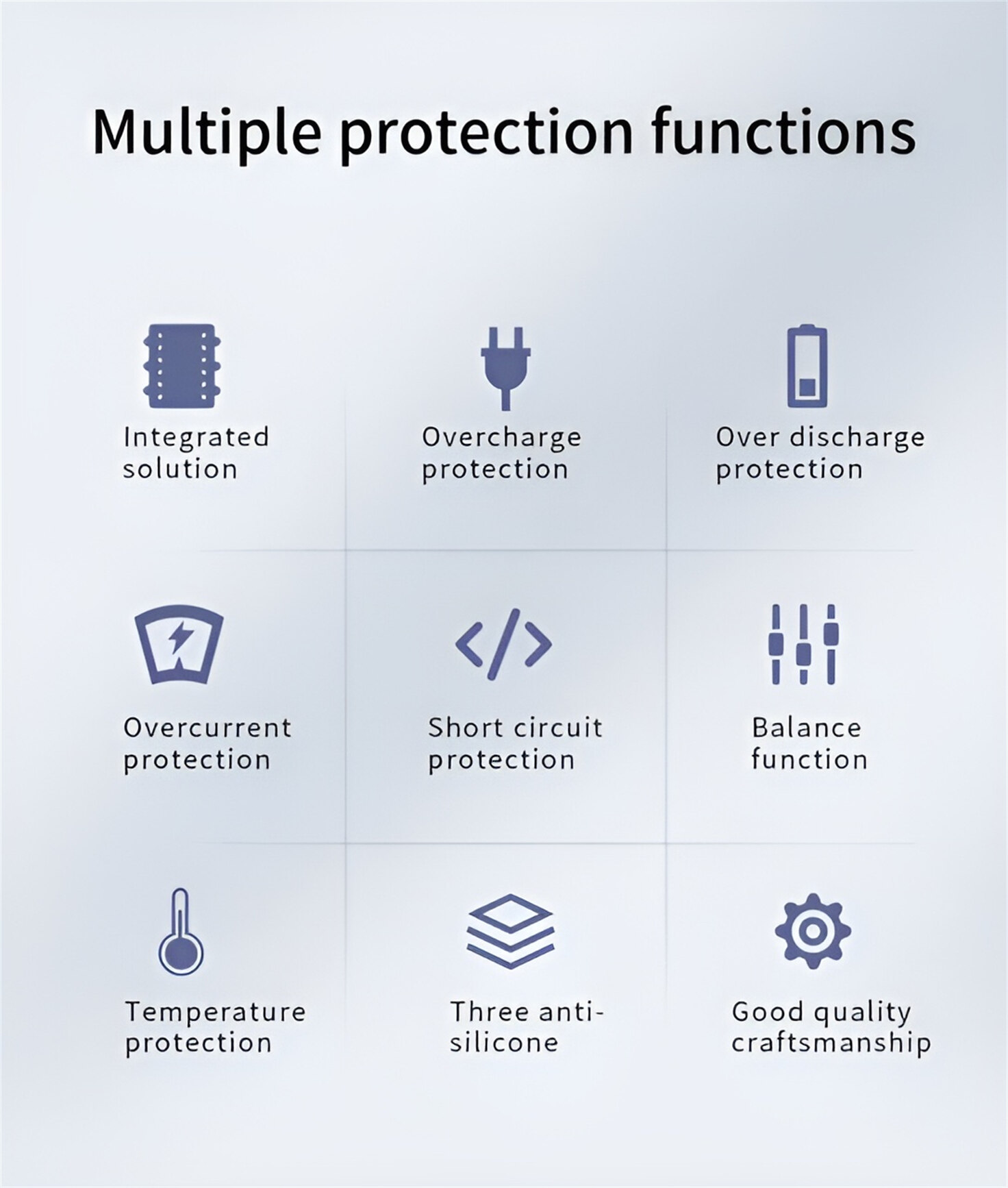
Our line of LiFePO4 (LFP) batteries offer a solution to demanding applications that require a lighter weight, longer life, and higher capacity battery. Features include advanced battery management systems (BMS), Bluetooth® communication and active intelligent monitoring.
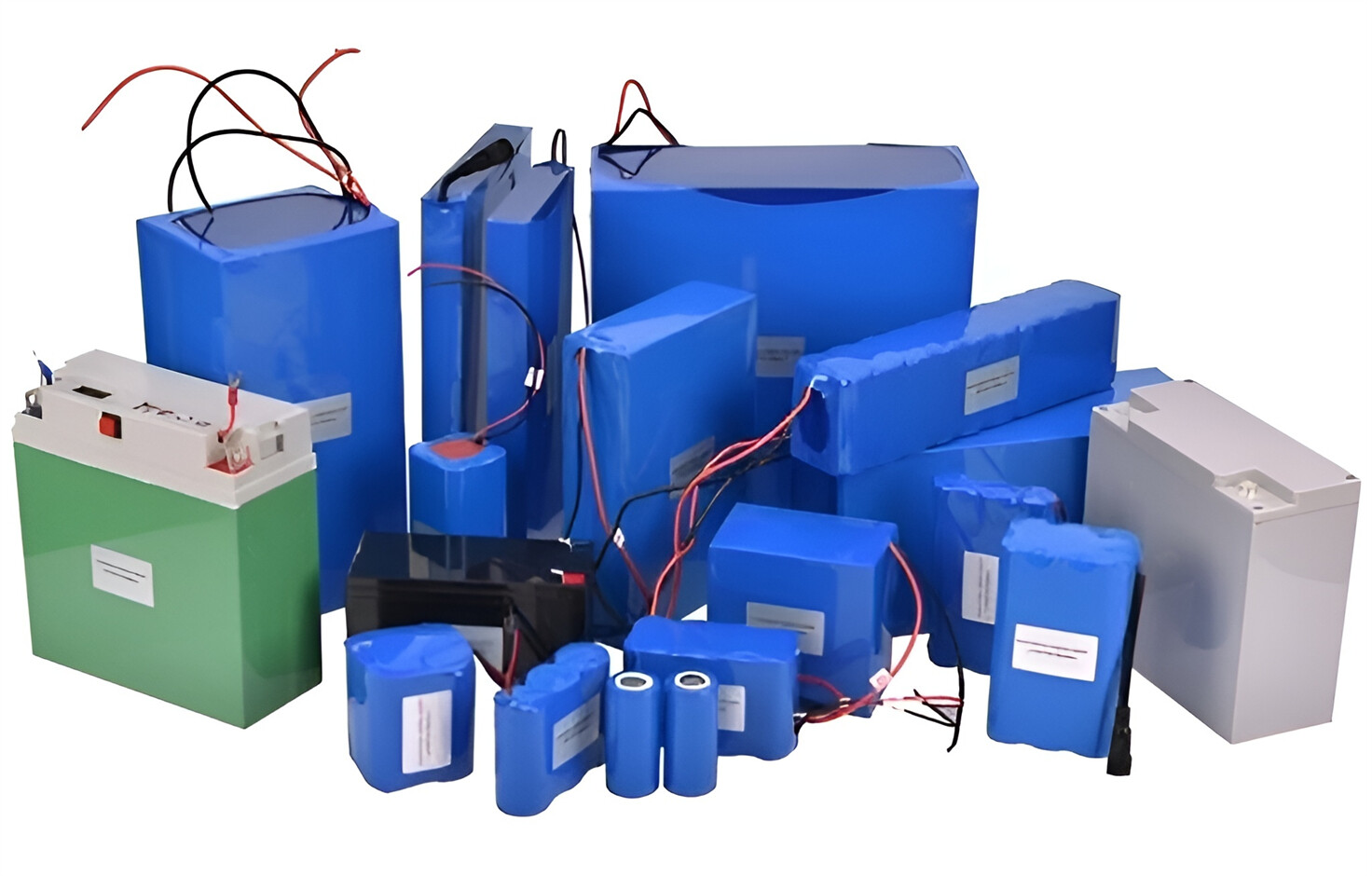
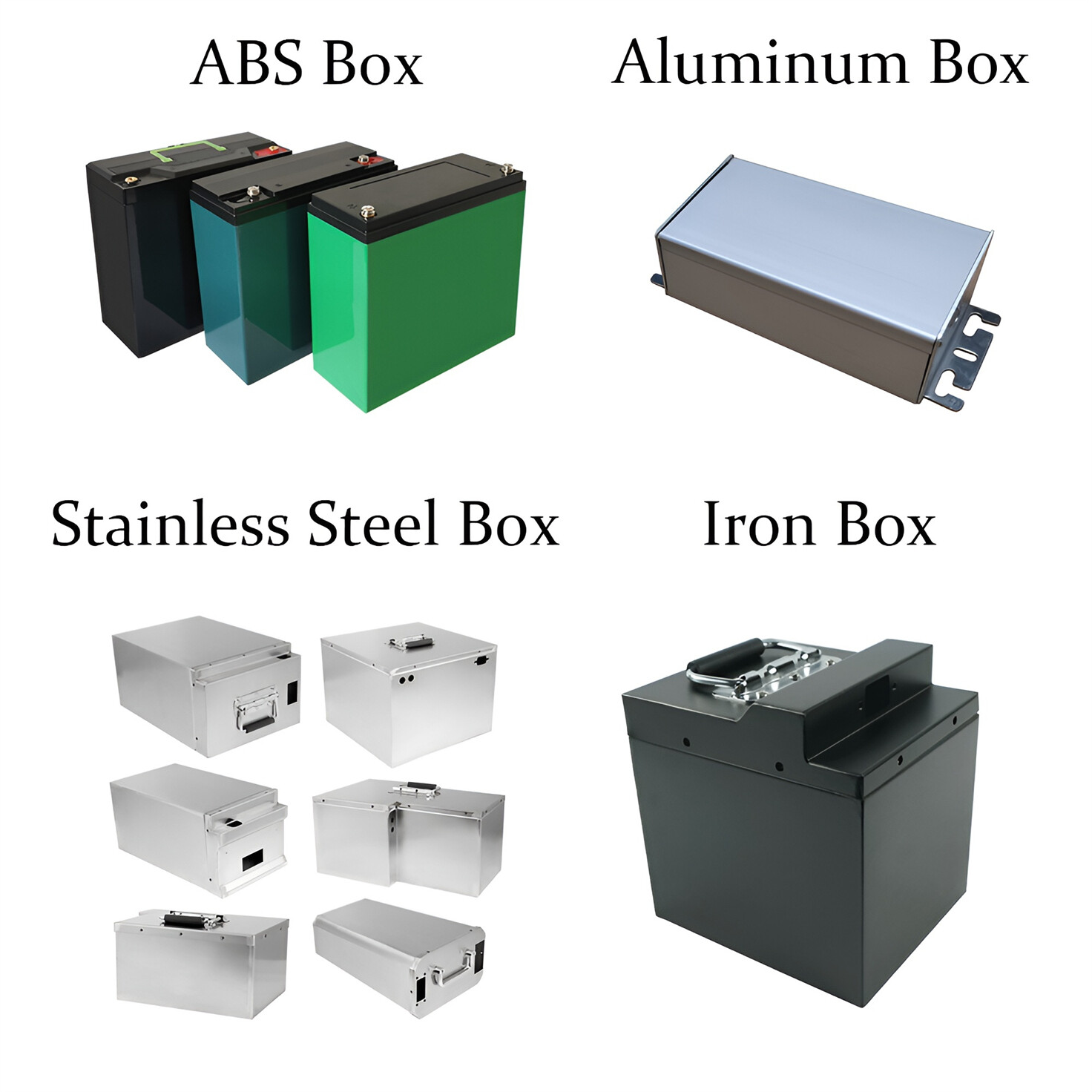
Customised Lithium Iron Phosphate Battery Casing
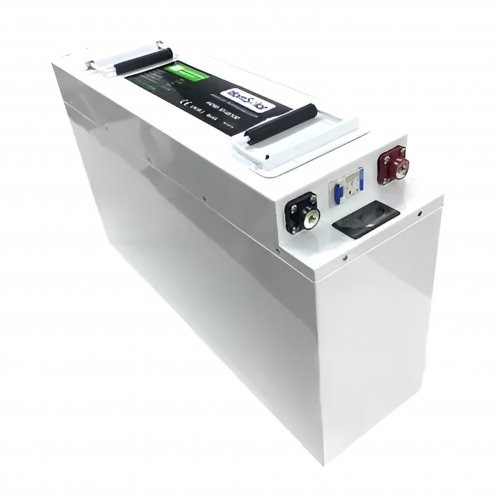
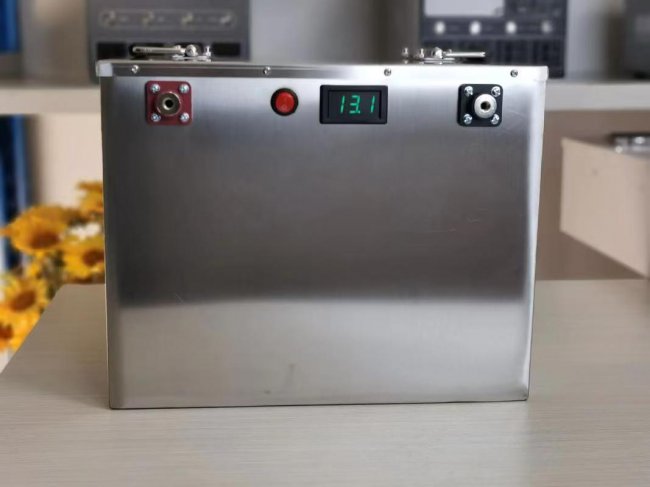
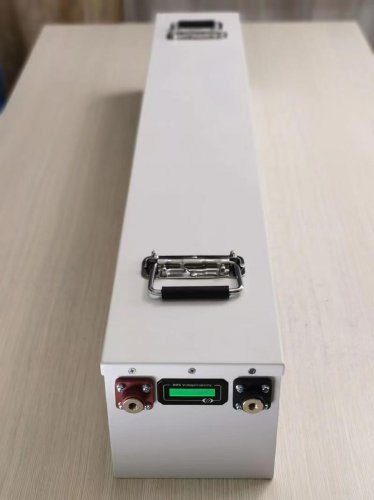
ABS plastic housing, aluminium housing, stainless steel housing and iron housing are available, and can also be designed and customised according to your needs.
HomSolar Smart BMS
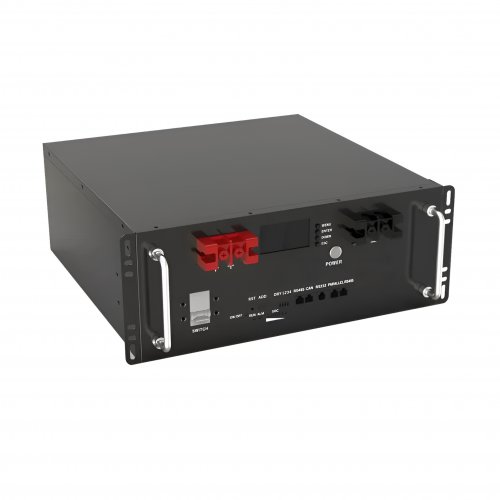
Intelligent Battery Management System for HomSolar Energy Storage System. Bluetooth, temperature sensor, LCD display, CAN interface, UART interface also available.

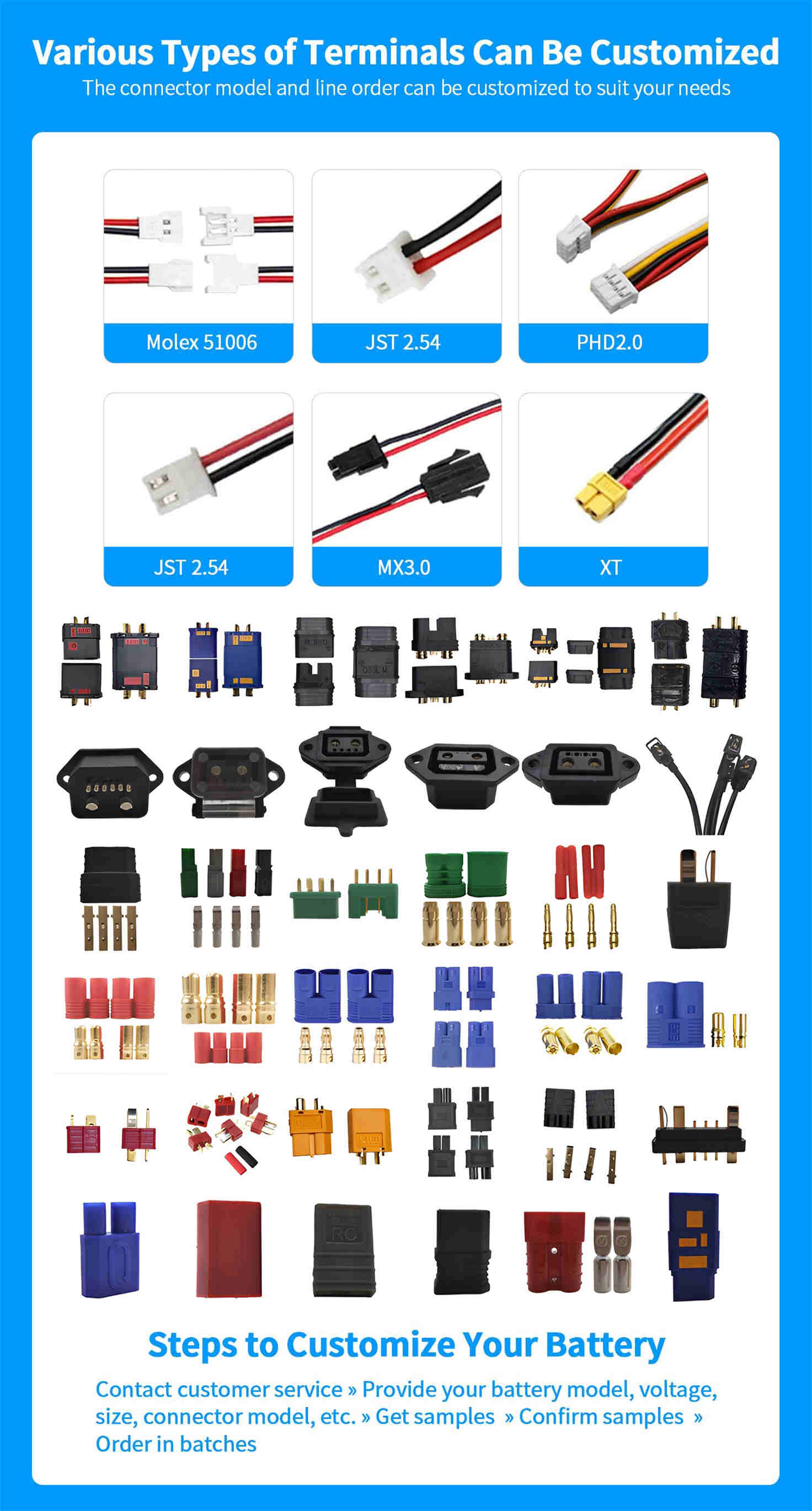
Terminals & Plugs Can Be Customized
A wide range of terminals and plugs can be customised to suit the application needs of your battery products.
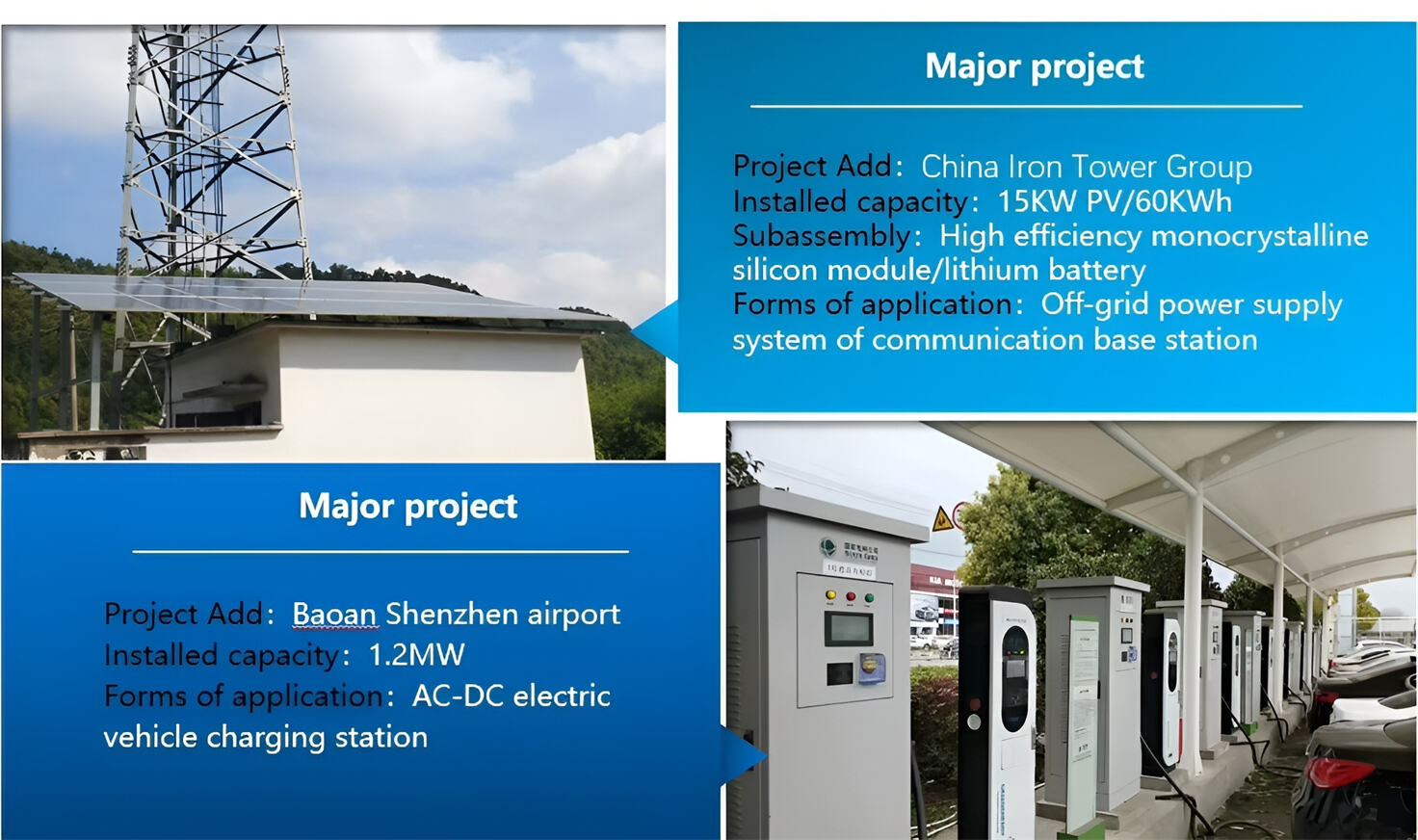
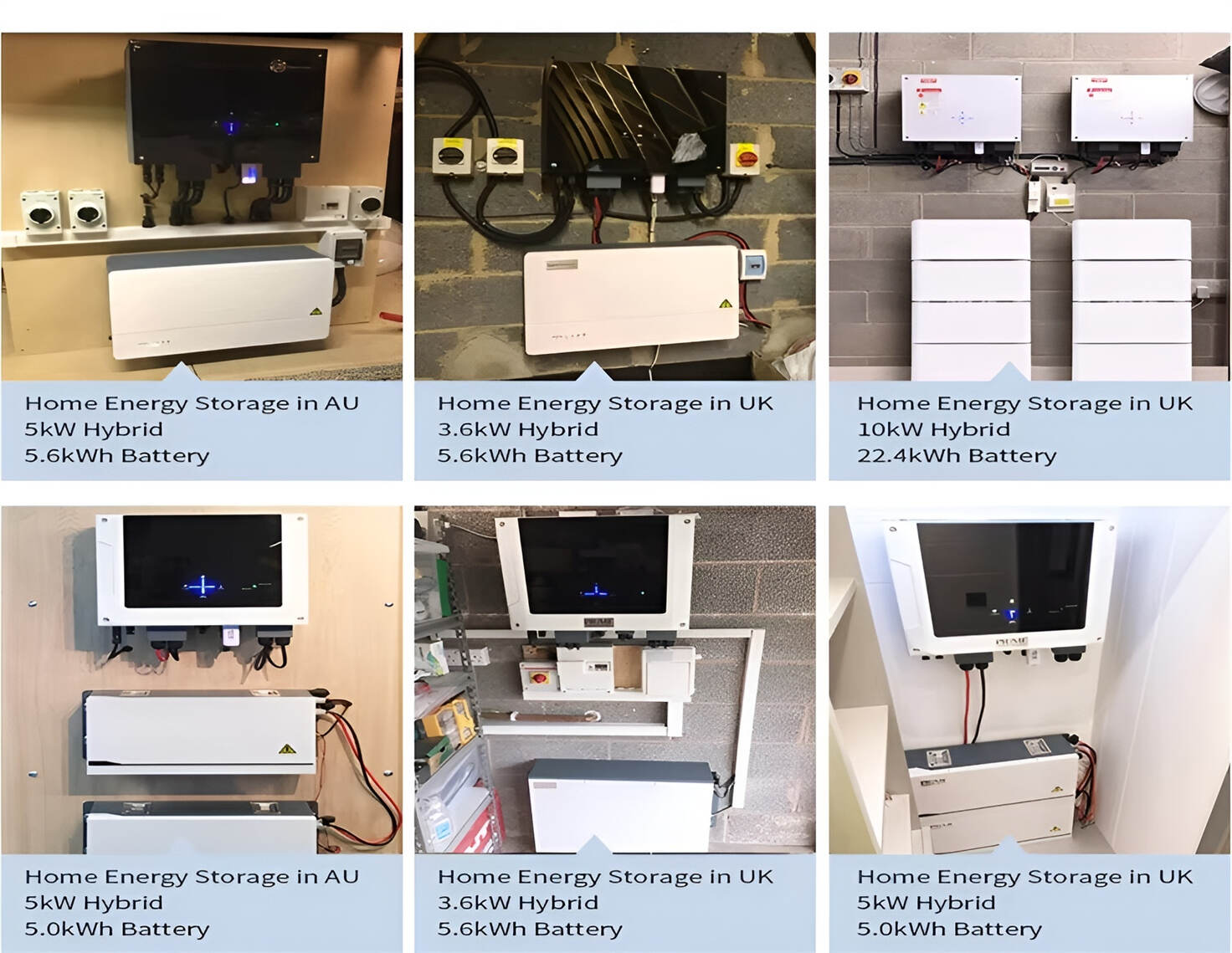
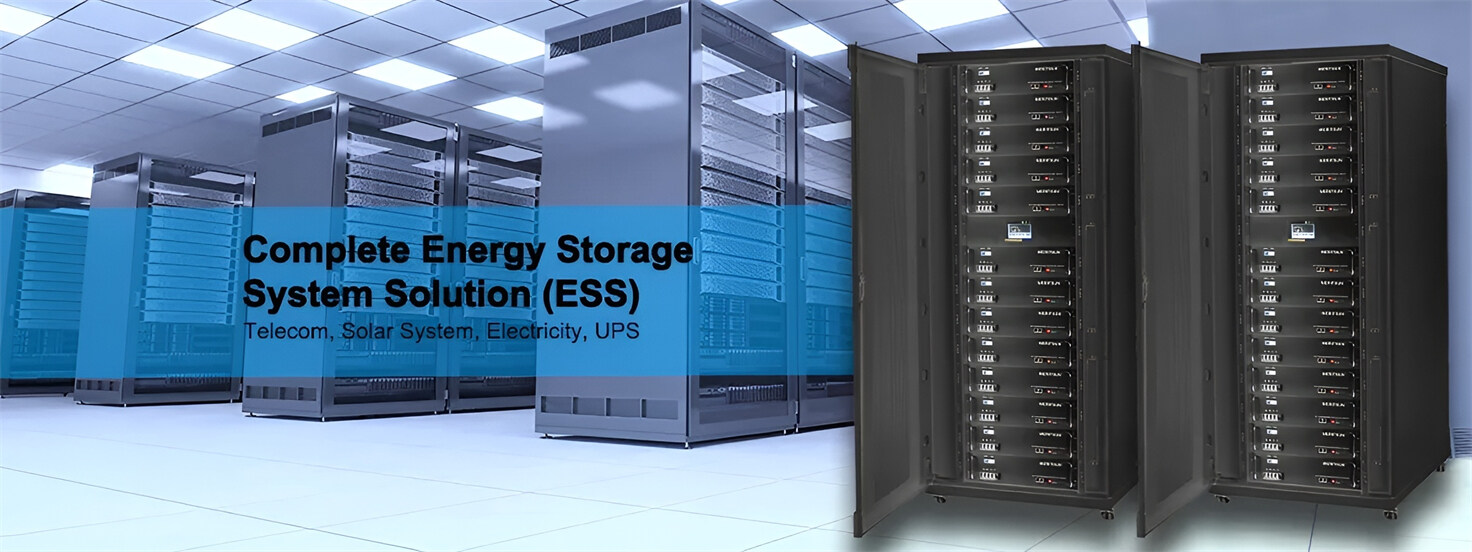
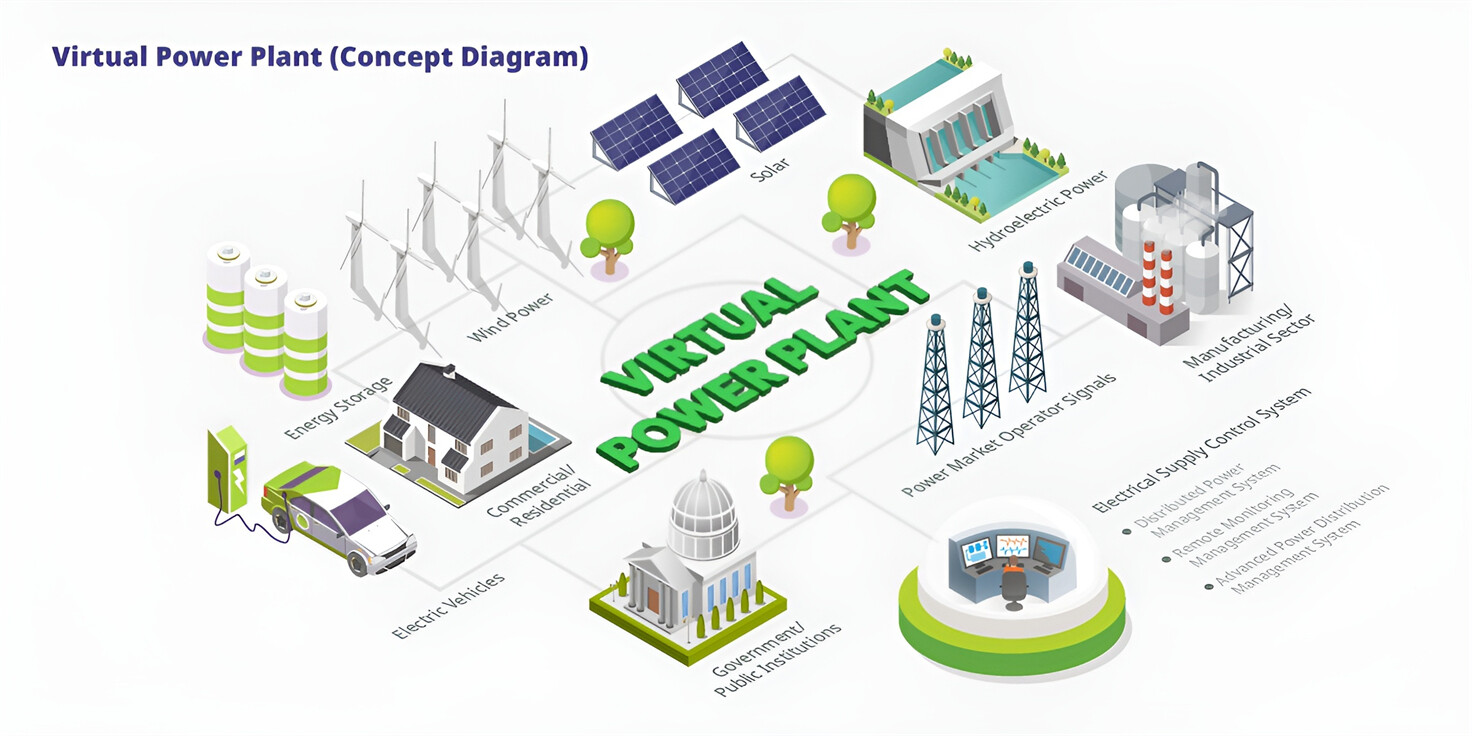
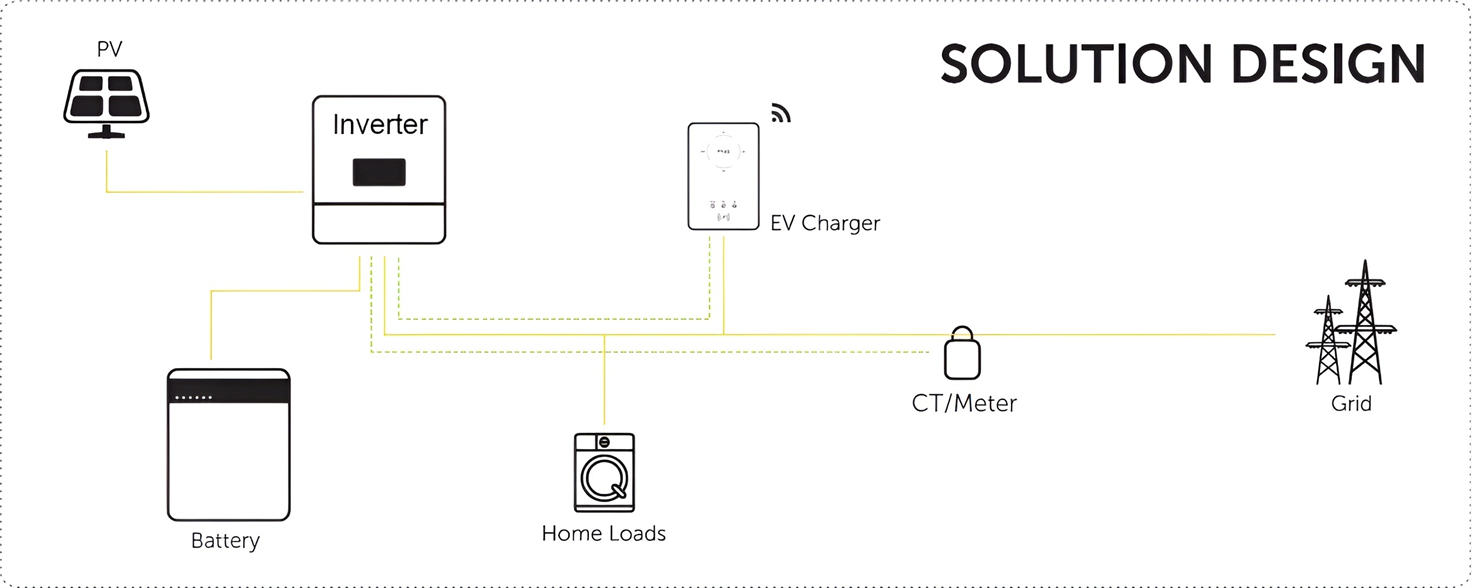
Well-designed Solutions for Energy Storage Systems
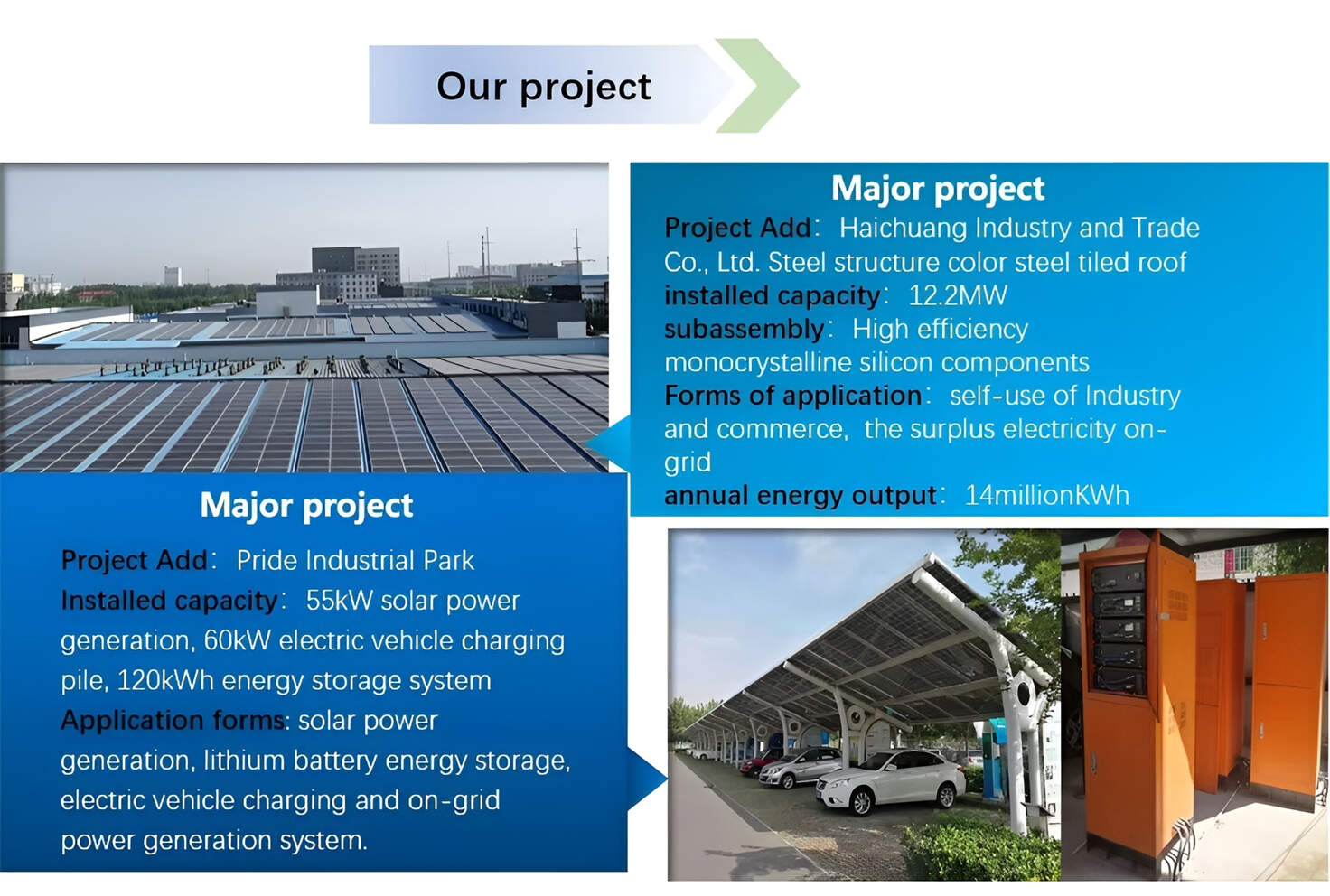
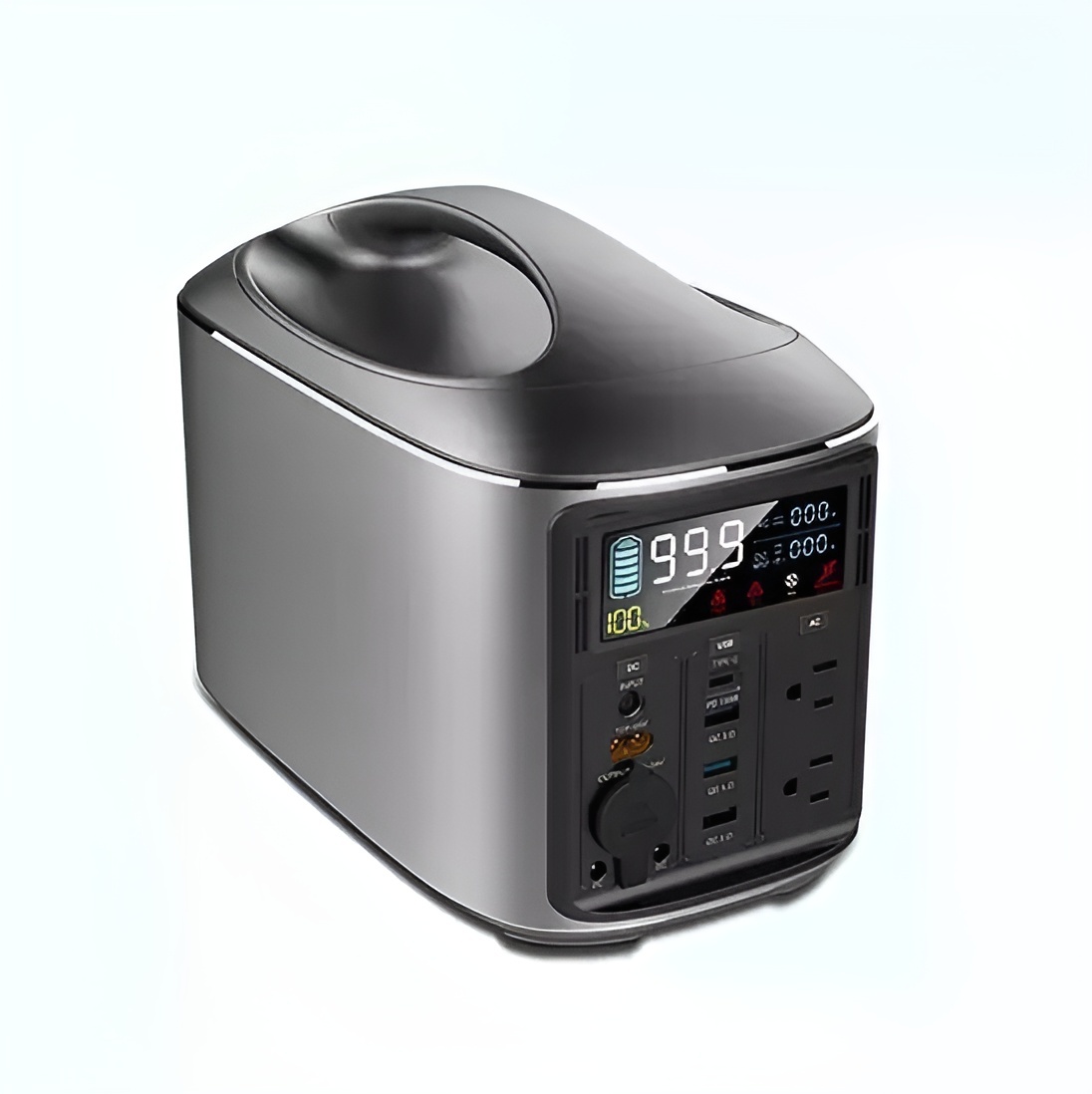
We will design the perfect energy storage system solution according to your needs, so that you can easily solve the specific industry applications of battery products.
About Our Battery Cells
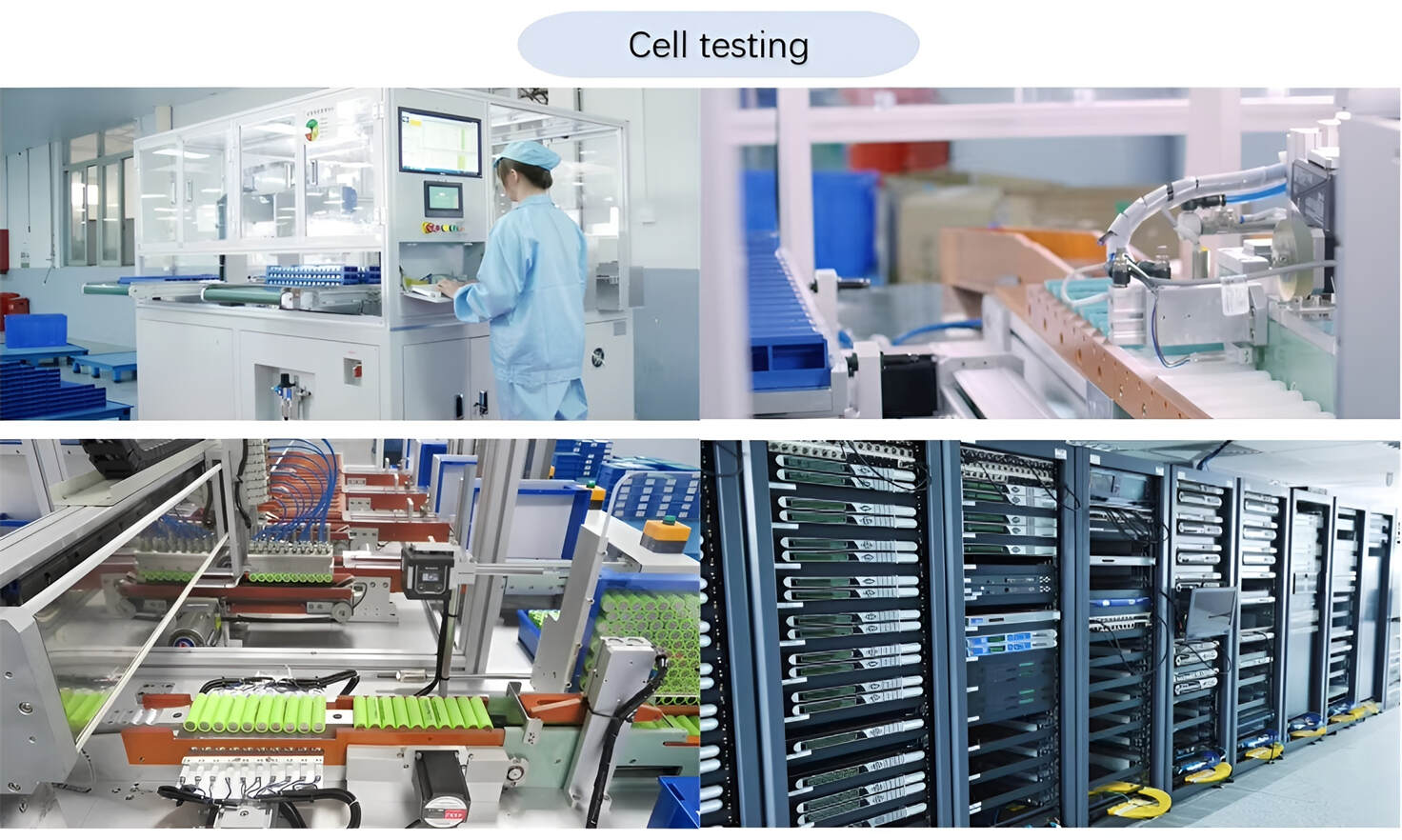
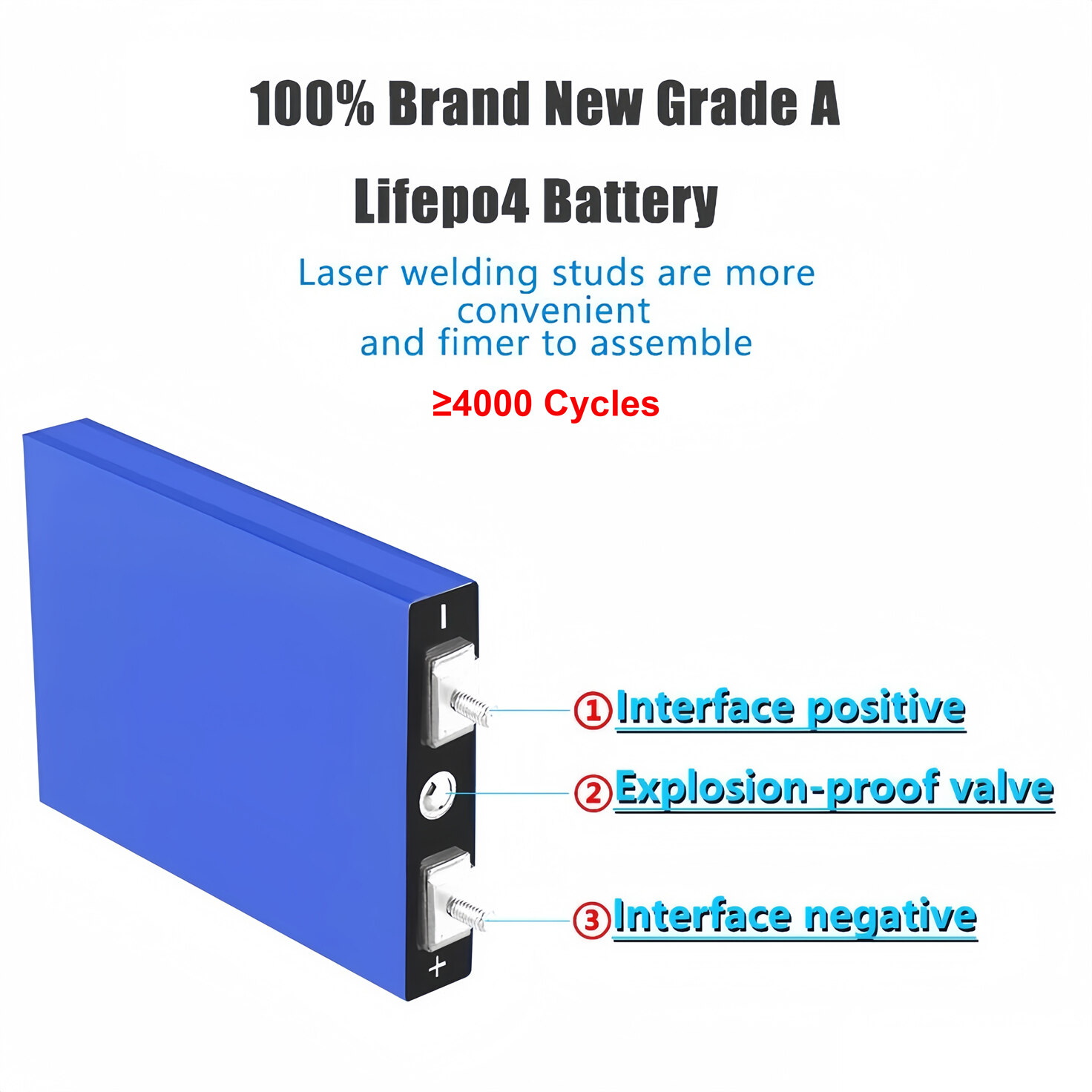
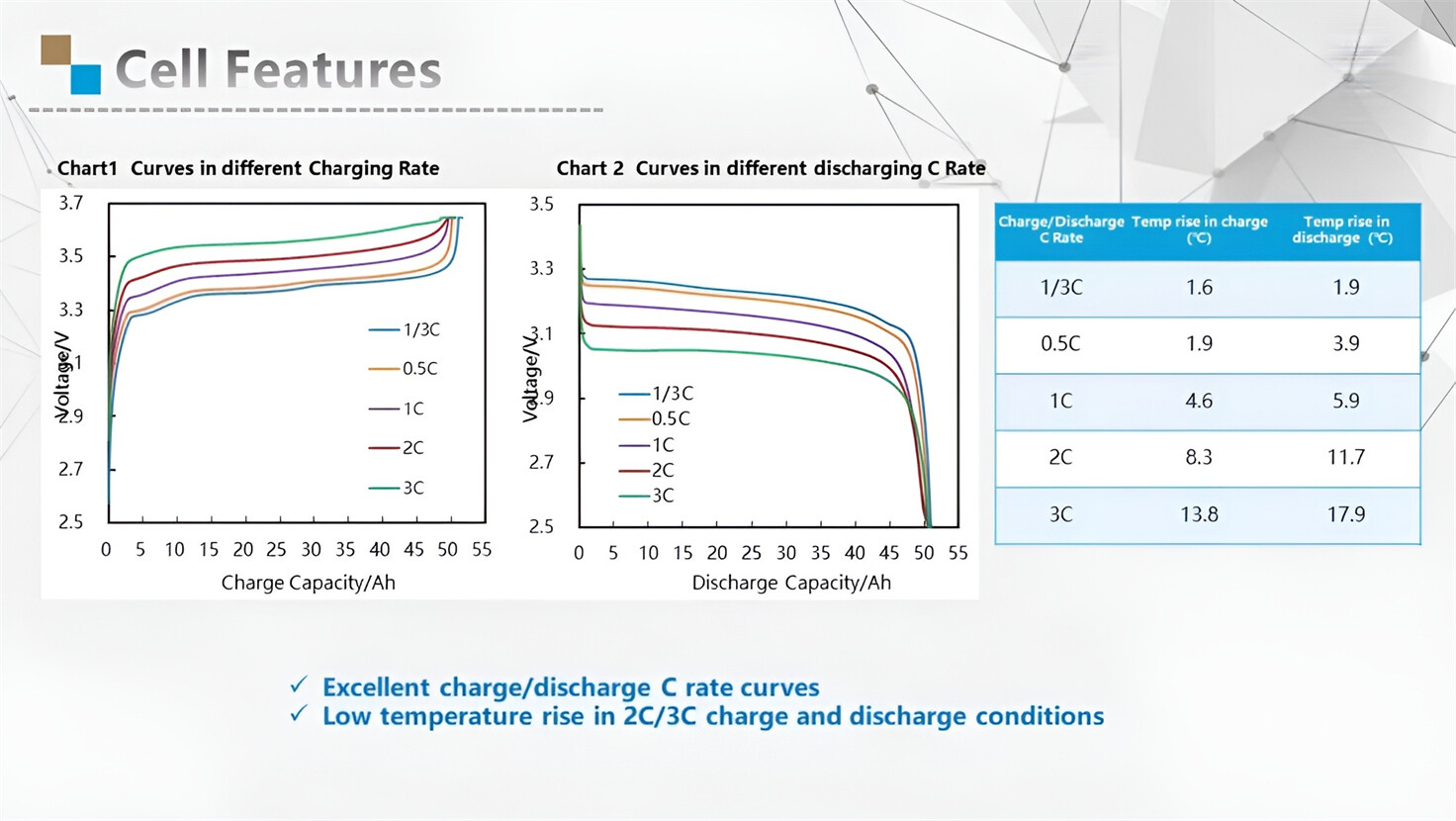
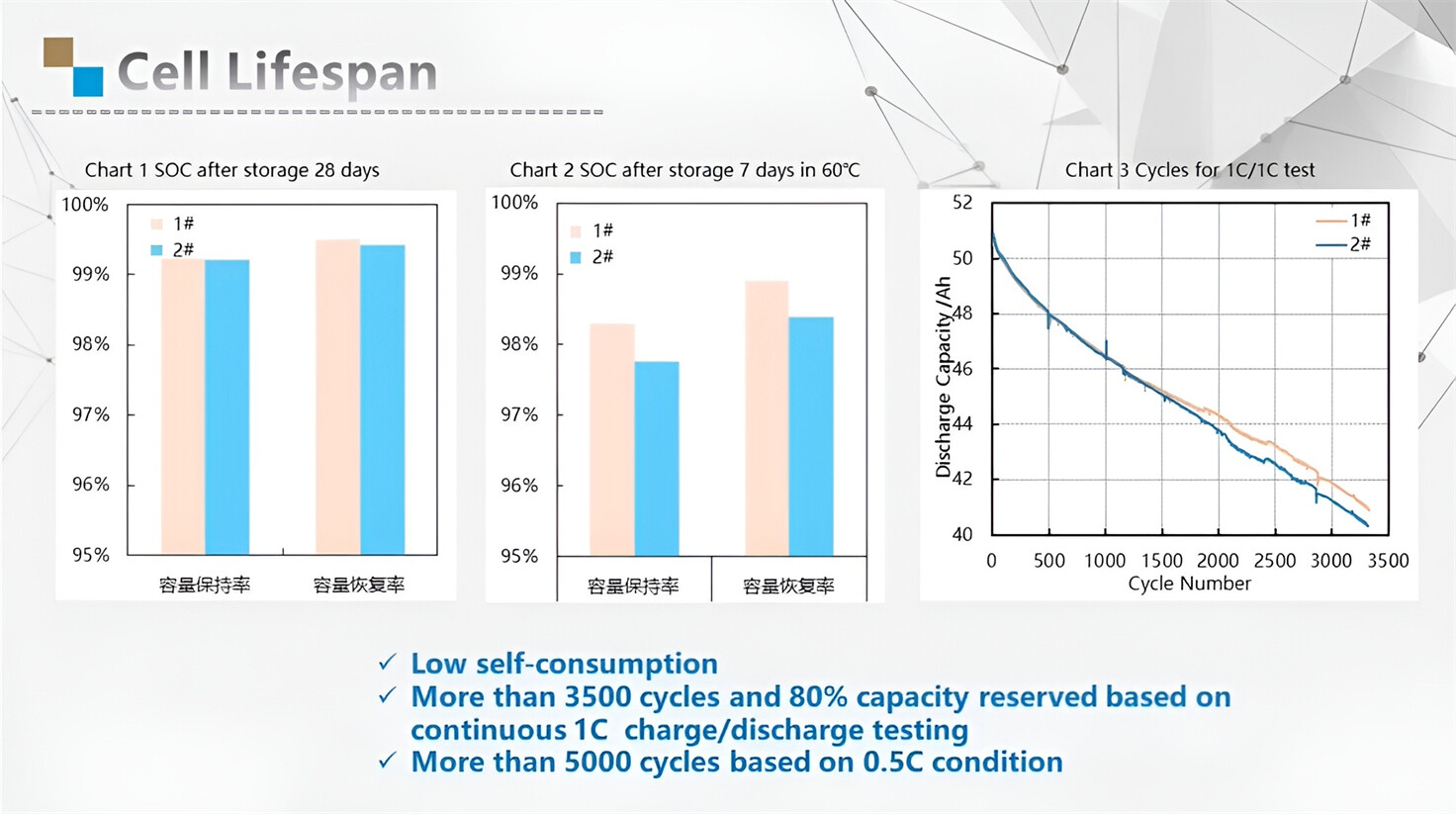
Our energy storage system products use brand new grade A LiFePO4 cells with a battery lifespan of more than 4,000 charge/discharge cycles.
Applications in Different Industries
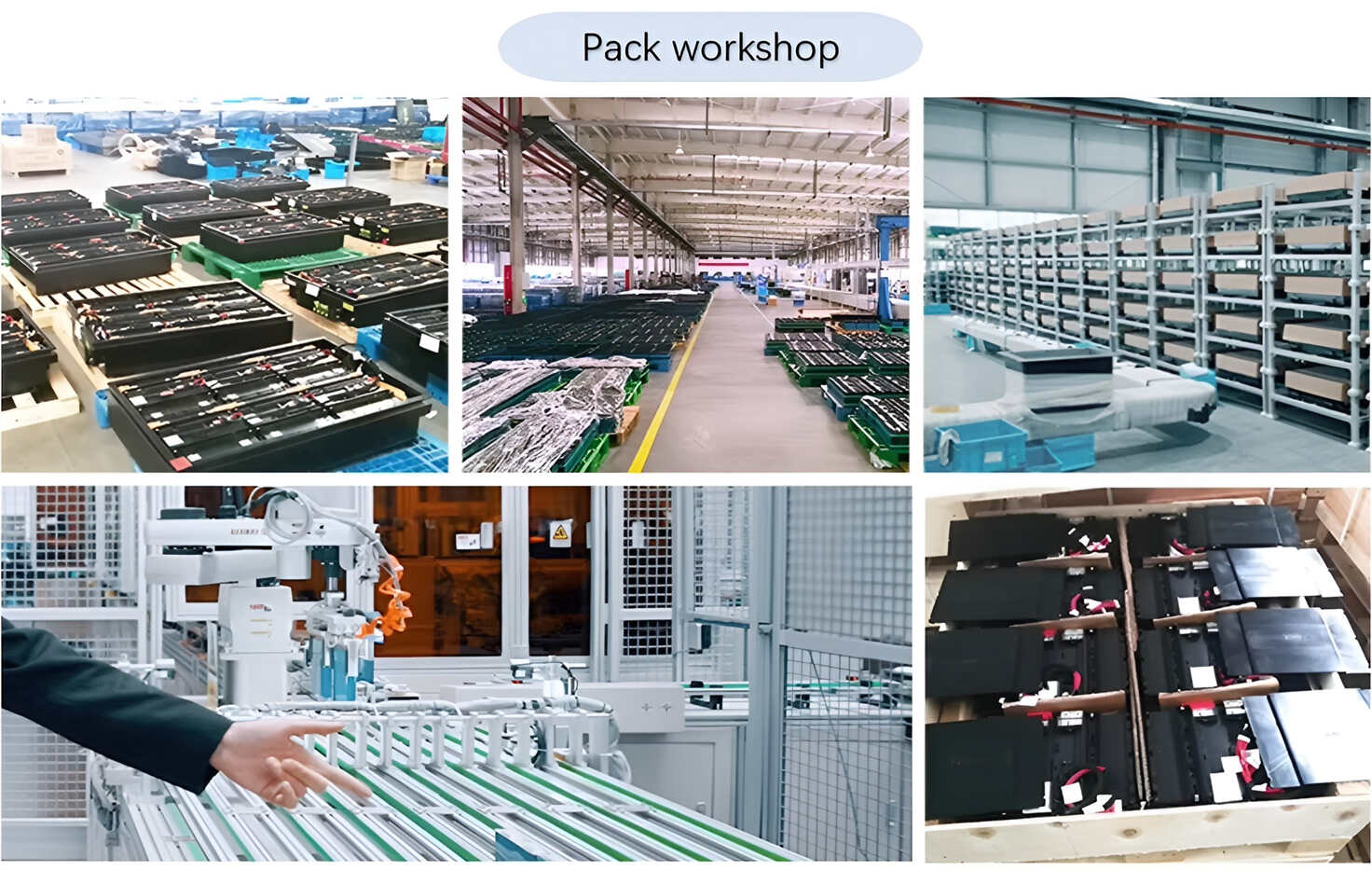
We supply customized & OEM battery pack, assemble cells with wiring, fuse and plastic cover, all the cell wires connected to PCB plug or built BMS.
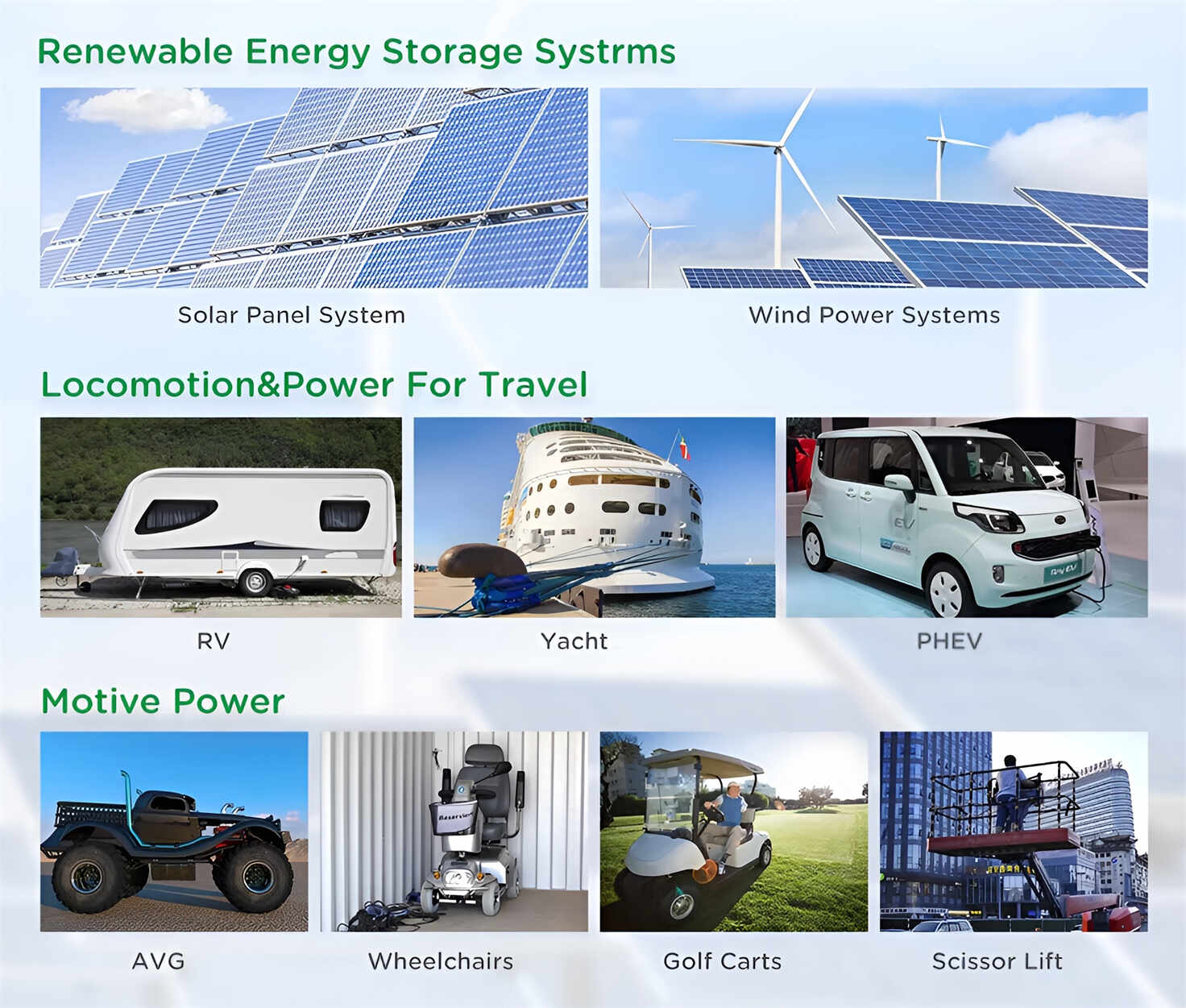
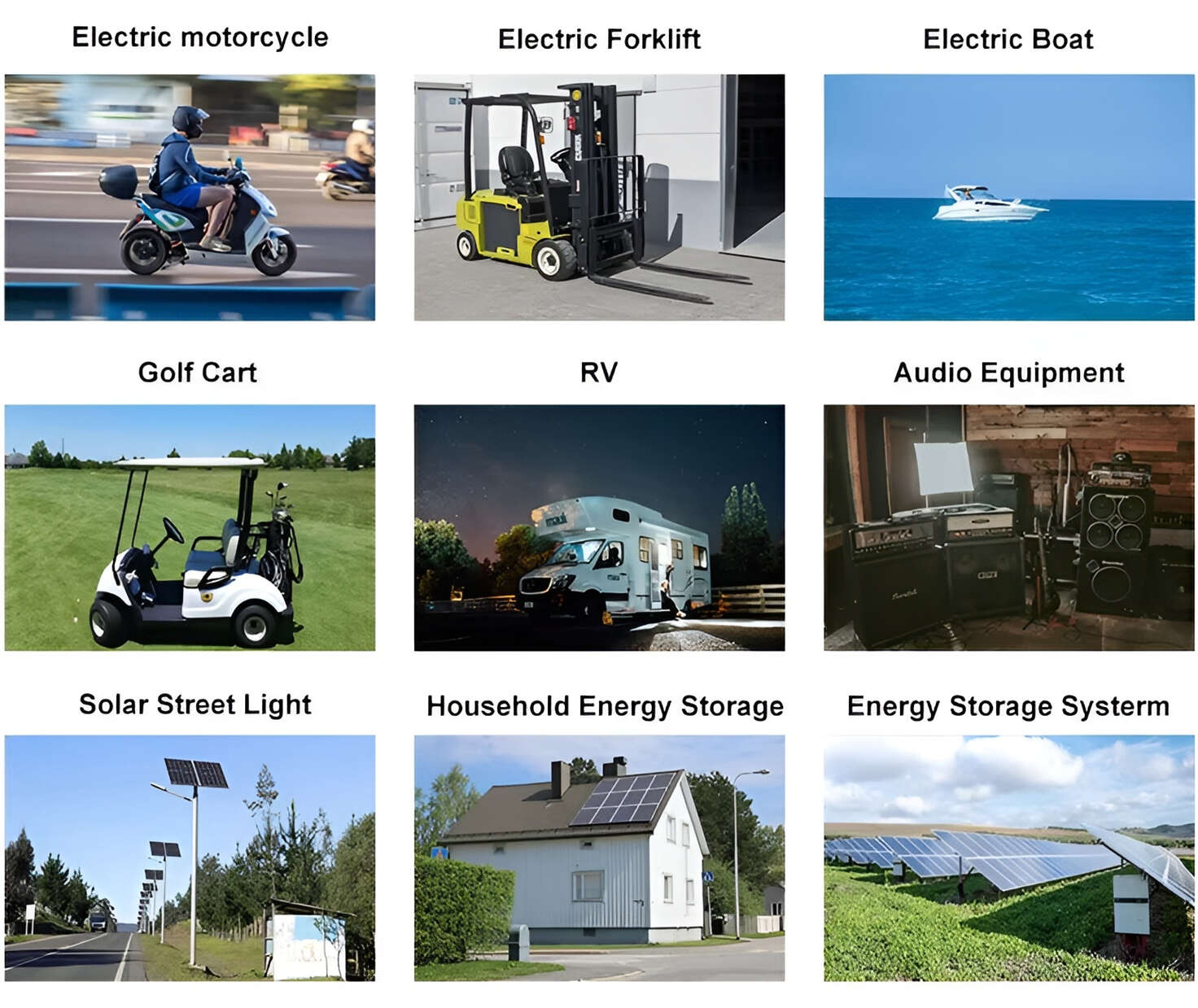
Applications: E-bike, Electric Scooter, Golf Carts, RV, Electric Wheelchair, Electric Tools, Robot Cleaner, Robot Sweeper, Solar Energy Storage System, Emergency Light, Solar Power Light, Medical Equipment, UPS Backup Power Supply.
We can provide you with customized services. We have the ability to provide a vertical supply chain, from single cells to pack/module and to a complete power solution with BMS, etc.
HomSolar (Shenzhen) Technology Co., Ltd