Cost Reduction News: Strategic Shifts And Technological Innovation Drive Efficiency In A Volatile Economy
In an economic landscape characterized by persistent inflation, geopolitical tensions, and supply chain recalibration, the corporate mandate for cost reduction has evolved from a periodic exercise to a continuous, strategic imperative. Companies are moving beyond traditional austerity measures, embracing a new paradigm where cost-cutting is intrinsically linked with technological adoption, operational resilience, and long-term value creation. The current wave of cost-reduction strategies is less about slashing budgets and more about intelligent optimization, data-driven decision-making, and investing to save.
Latest Industry Dynamics: From Reactive to Proactive Cost Management
The post-pandemic era has exposed the vulnerabilities of lean, just-in-time supply chains, forcing a strategic rethink. The latest dynamic in cost reduction is the significant investment in supply chain diversification and nearshoring. While initially more expensive than relying on single-source, offshore manufacturing, companies like those in the automotive and consumer electronics sectors are now quantifying the long-term cost benefits of reduced logistics delays, lower import tariffs, and mitigated geopolitical risks. This shift is not merely a cost but a calculated investment in stability, which, in turn, reduces the financial impact of future disruptions.
Concurrently, the rapid maturation of Generative AI and advanced automation is creating a tangible impact on operational expenditures. A recent trend observed across the banking, insurance, and tech sectors is the deployment of AI for complex back-office functions. AI algorithms are now handling tasks from invoice processing and fraud detection to generating initial drafts of legal and marketing documents. This is not just about replacing manual labor; it's about augmenting human capability, reducing error rates, and freeing up skilled employees for higher-value strategic work, thereby improving the cost-to-income ratio.
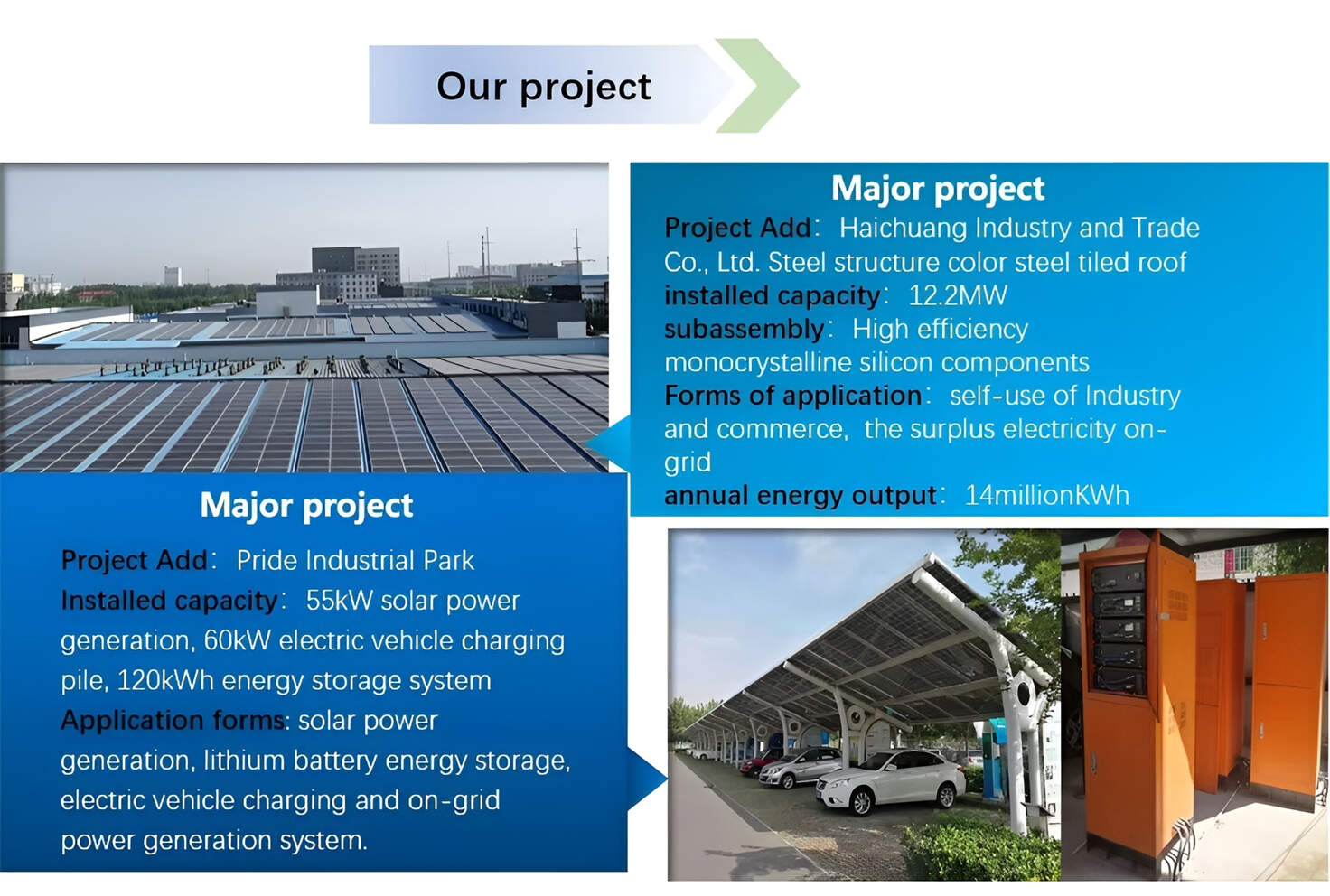
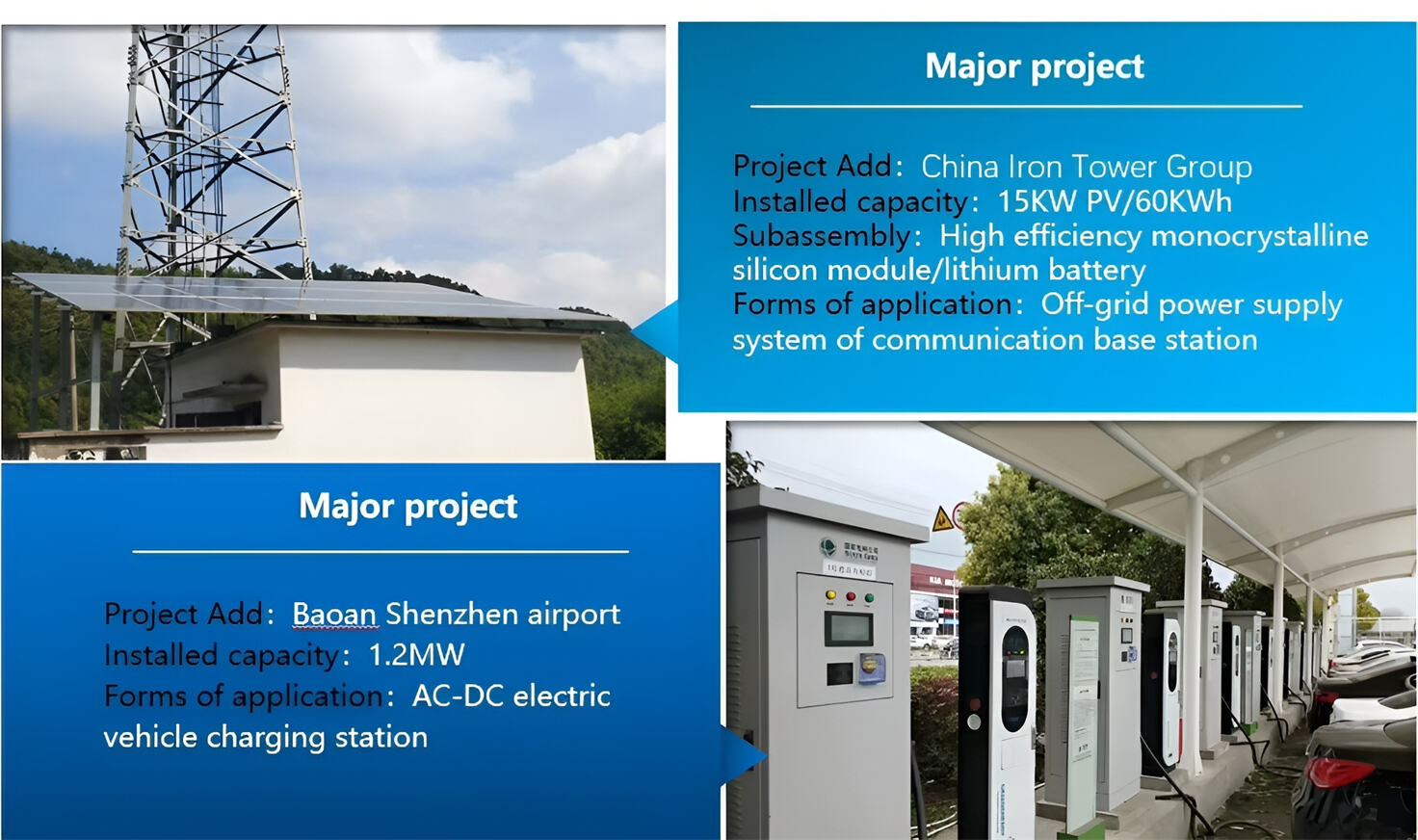
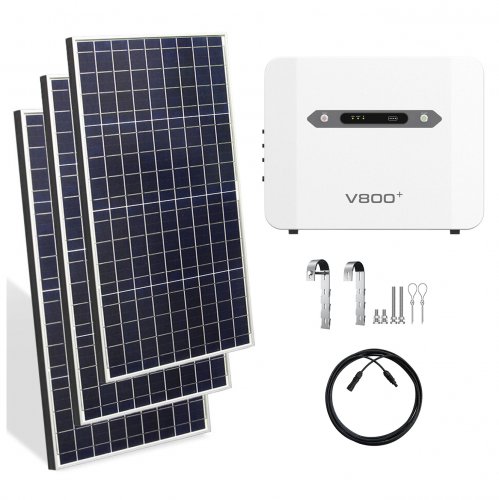
Furthermore, the global push for sustainability is serendipitously aligning with cost-reduction goals. The rising cost of energy has made investments in renewable sources, such as solar panels for corporate campuses, and energy-efficient infrastructure financially compelling. Companies are discovering that "going green" directly translates to reducing a significant and volatile operational cost, while also enhancing brand reputation and complying with increasingly stringent regulatory requirements.
Trend Analysis: The Key Pillars of Modern Cost Reduction
Analysis of these dynamics reveals several dominant trends that are shaping corporate strategy:
1. The Rise of 'Cost Intelligence': Companies are moving away from generic budget cuts towards precision-based cost management. This involves using sophisticated data analytics and AI tools to gain granular visibility into spending across the organization. By analyzing everything from SaaS subscription utilization to travel and expense patterns, businesses can identify redundancies, negotiate better with suppliers, and eliminate wasteful spending with surgical precision. The era of across-the-board cuts is giving way to a targeted, data-informed approach.
2. Cloud Optimization as a Central Battleground: The mass migration to the cloud was initially driven by agility and scalability. However, as cloud expenditures (often referred to as "cloud sprawl") have ballooned, "FinOps" has emerged as a critical discipline. This practice brings financial accountability to the variable spend model of the cloud, enabling engineering, finance, and business teams to collaborate on data-driven spending decisions. Trends show companies are aggressively rightsizing their cloud services, deleting unused storage ("zombie" assets), and leveraging reserved instances to significantly lower their IT infrastructure costs without compromising performance.
3. Strategic Outsourcing and the Hybrid Workforce: The trend is no longer about outsourcing for the lowest price, but for the best expertise. Companies are building hybrid workforce models that blend core in-house teams with specialized external partners for functions like software development, digital marketing, and customer support. This model offers flexibility, access to a global talent pool, and converts fixed labor costs into more manageable variable costs. The focus is on outcome-based partnerships that deliver efficiency and innovation, rather than simply reducing headcount.
Expert Perspectives: A Strategic, Long-Term View
Industry experts underscore this strategic shift, cautioning against short-sighted cost-cutting.
"Historically, cost reduction was often a blunt instrument, leading to eroded employee morale and damaged innovation capacity," notes Dr. Eleanor Vance, a senior analyst at a global management consultancy. "The companies succeeding today are those that view cost reduction through the lens of operational transformation. They are asking not 'How can we spend less?' but 'How can we spend smarter?' The goal is to build a more agile and resilient operating model that can thrive in uncertainty."
On the technological front, Michael Thorne, a partner at a venture firm specializing in enterprise software, highlights the transformative potential of AI. "Generative AI is the most powerful deflationary tool we have seen in a decade. Its ability to automate complex cognitive tasks is unprecedented. We are already seeing a 30-40% increase in productivity in specific workflows for our portfolio companies. This isn't about job elimination; it's about job transformation and massive operational leverage. The cost savings from even partial automation of knowledge work will be profound."
However, experts also warn of potential pitfalls. Sarah Chen, a supply chain strategist, advises a balanced approach to reshoring. "While nearshoring reduces certain risks, it introduces others, such as higher labor costs and a less mature supplier ecosystem. A truly resilient strategy involves multi-sourcing and a deep understanding of total landed cost, not just unit price. Blindly reshoring without a full cost-benefit analysis can be a costly mistake."
In conclusion, the narrative around cost reduction is being rewritten. It is no longer a defensive tactic but a core component of strategic agility. The most forward-thinking organizations are leveraging data analytics, intelligent automation, and sustainable practices not just to cut expenses, but to fundamentally reengineer their operations for efficiency, resilience, and future growth. In the current economic climate, strategic cost reduction is not merely an option; it is a prerequisite for competitive survival and long-term success.
Customized/OEM/ODM Service
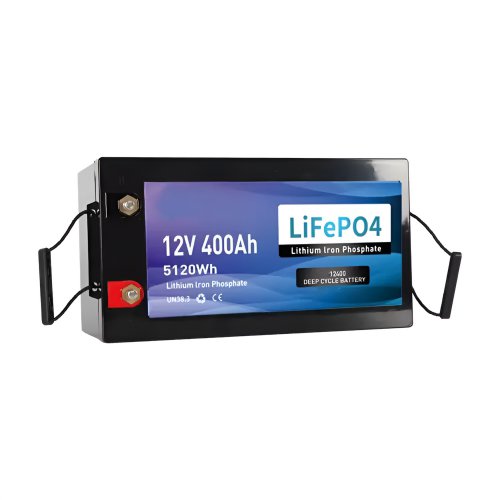
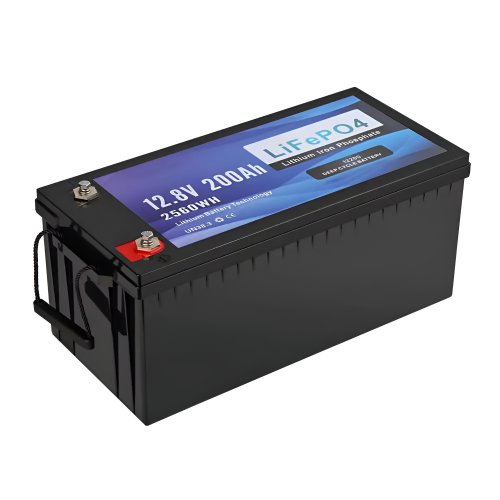
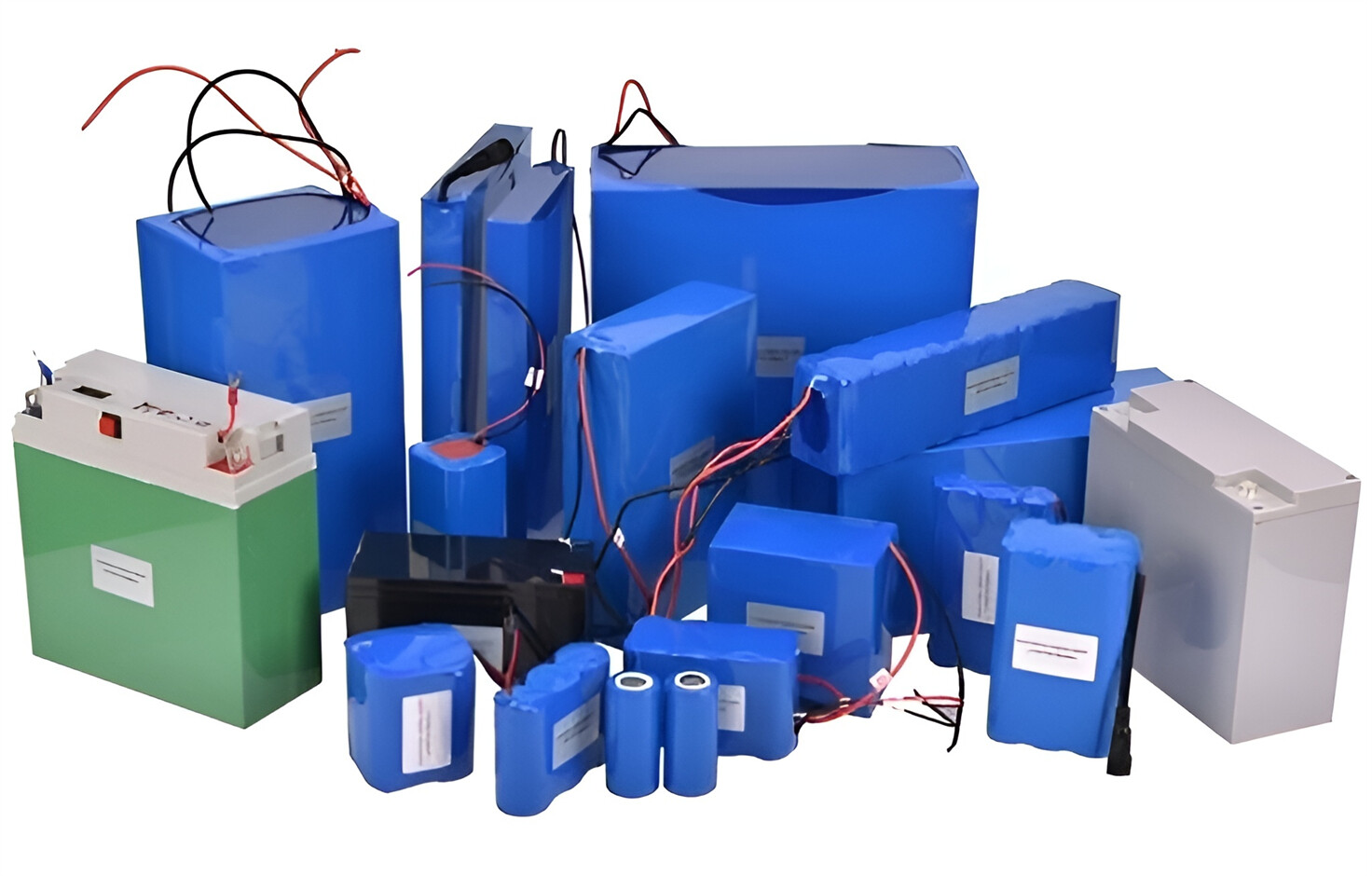
HomSolar Supports Lifepo4 battery pack customization/OEM/ODM service, welcome to contact us and tell us your needs.

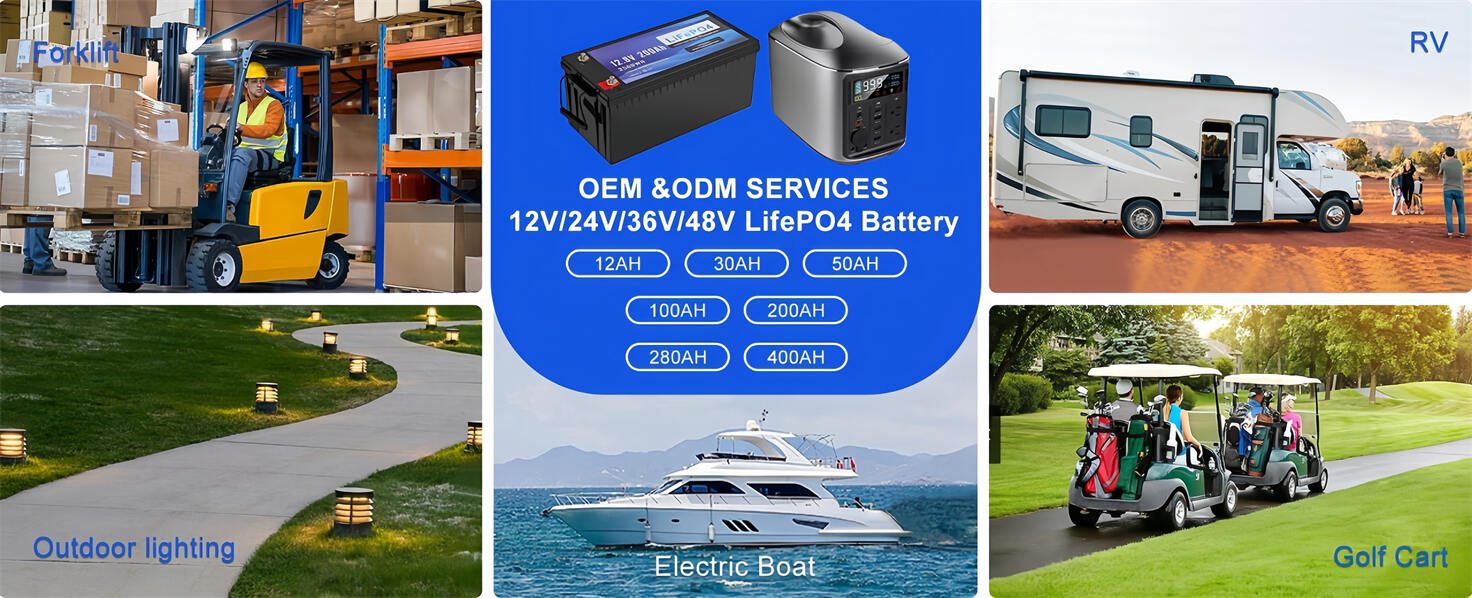
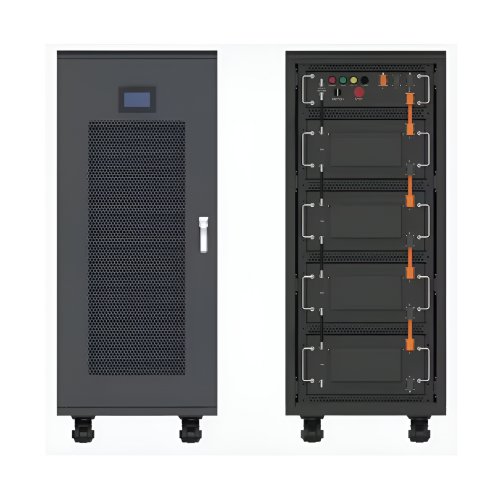
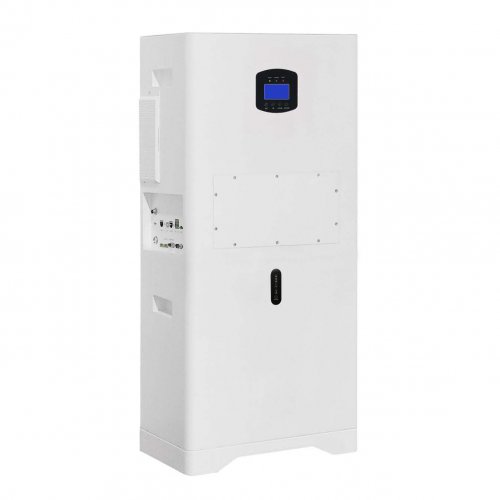
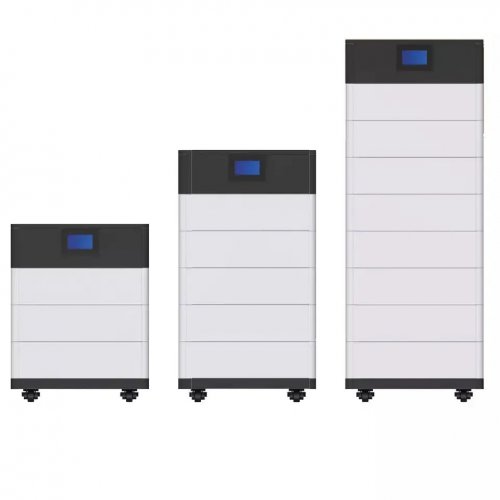
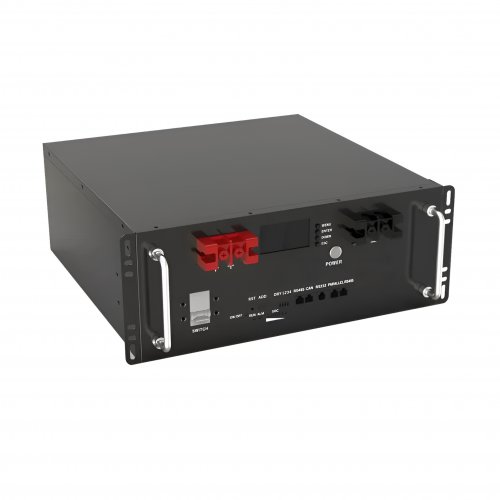
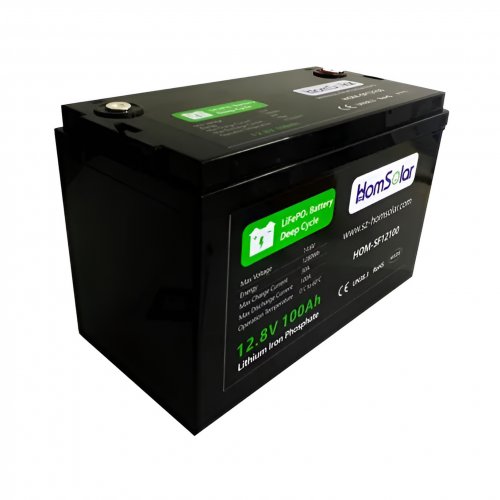
HomSolar: Your One-stop LiFePO4 Battery Pack & ESS Solution Manufacturer
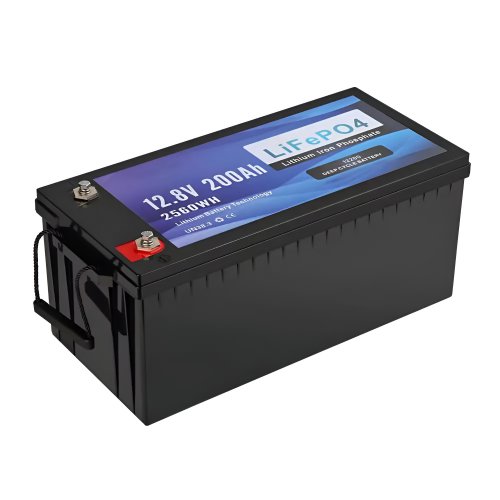
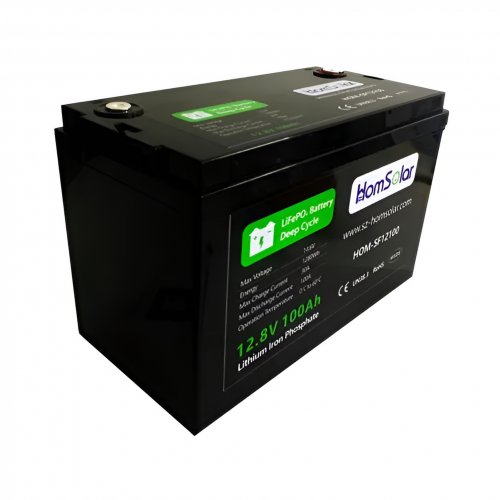
Our line of LiFePO4 (LFP) batteries offer a solution to demanding applications that require a lighter weight, longer life, and higher capacity battery. Features include advanced battery management systems (BMS), Bluetooth® communication and active intelligent monitoring.
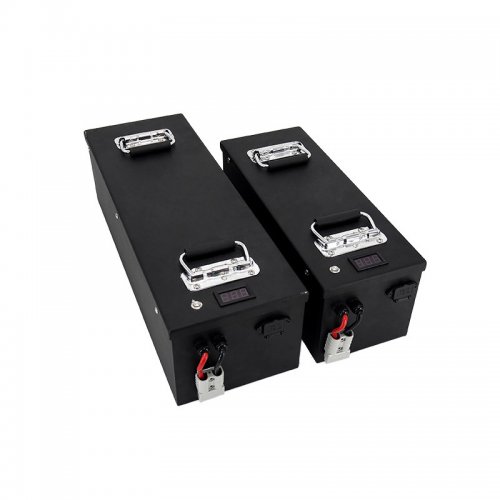
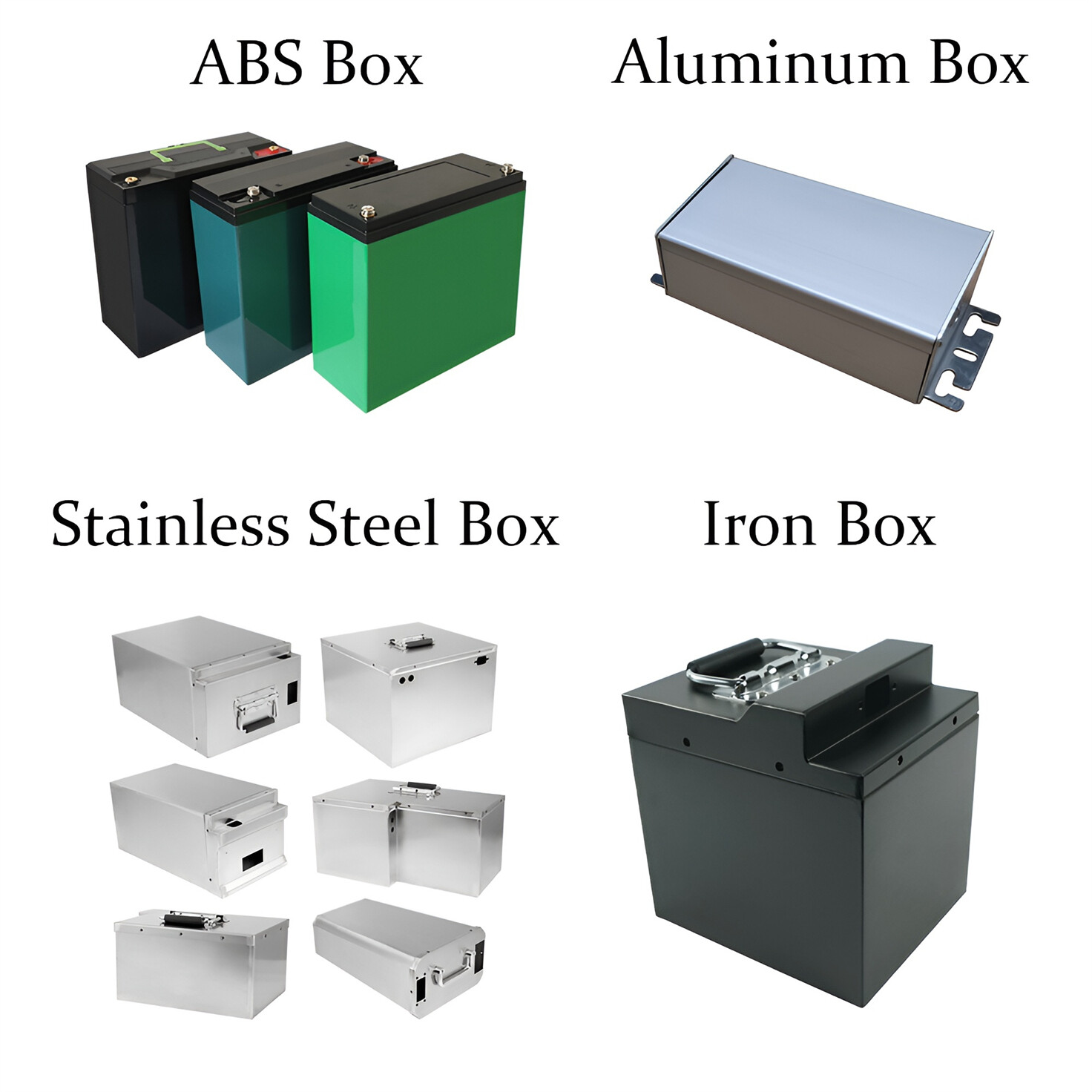
Customised Lithium Iron Phosphate Battery Casing
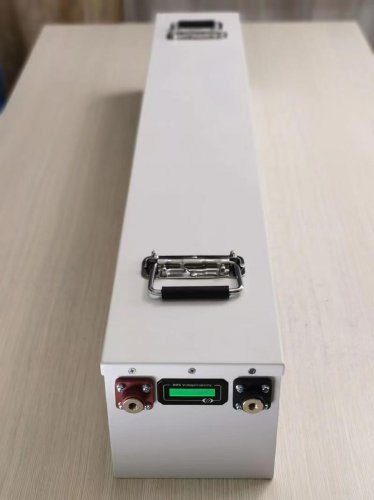
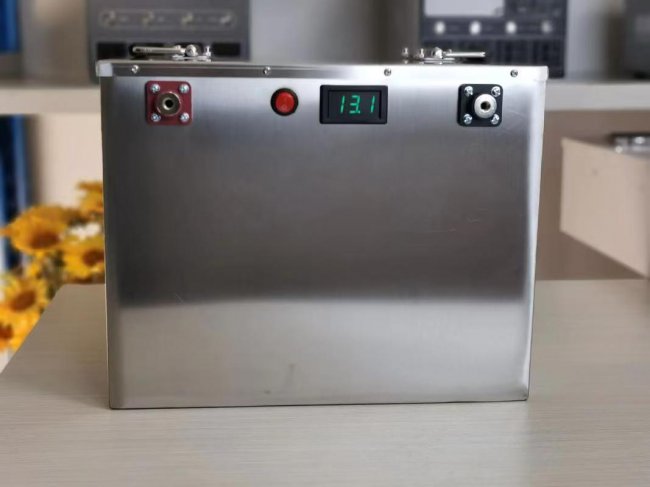
ABS plastic housing, aluminium housing, stainless steel housing and iron housing are available, and can also be designed and customised according to your needs.
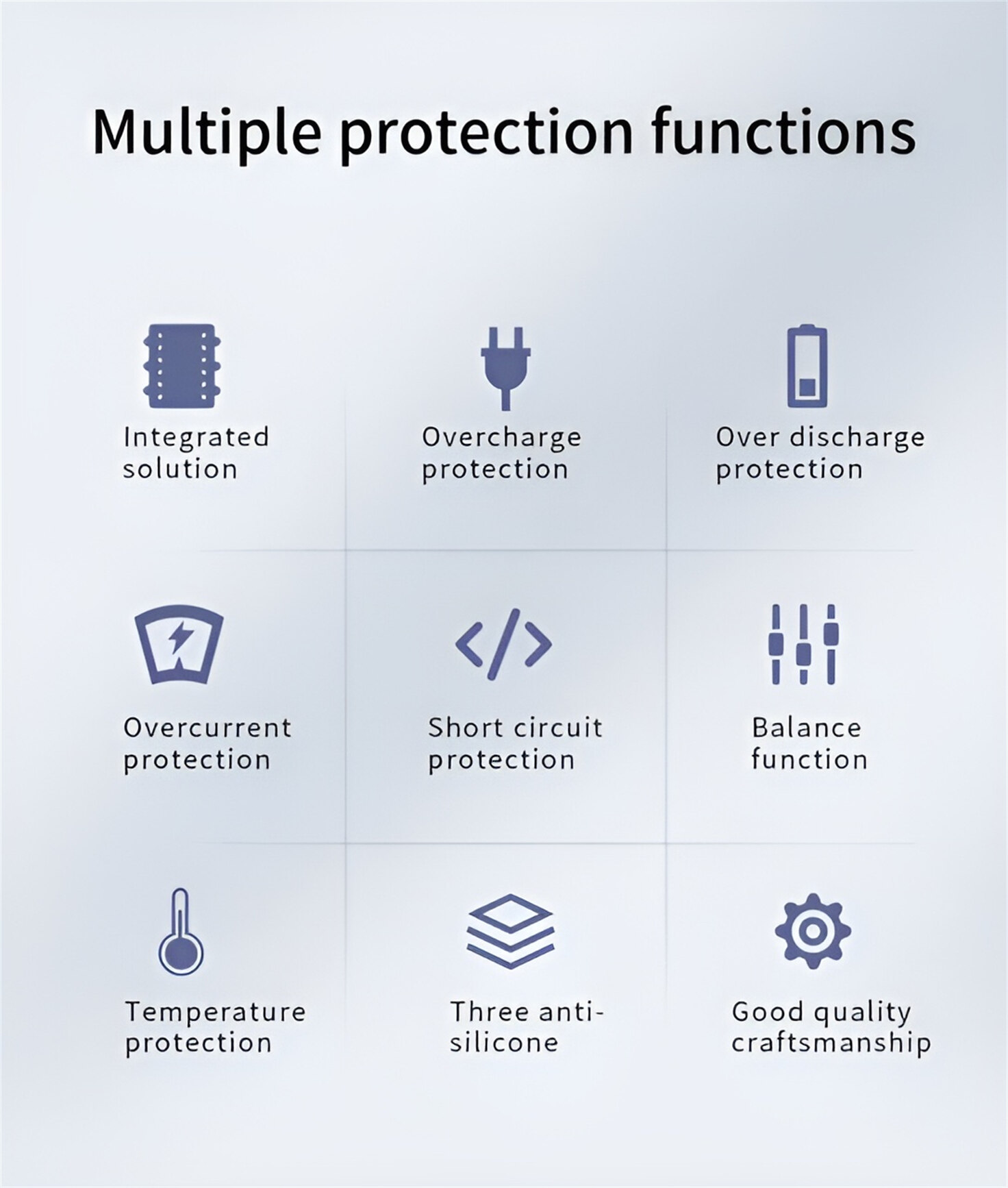
HomSolar Smart BMS
Intelligent Battery Management System for HomSolar Energy Storage System. Bluetooth, temperature sensor, LCD display, CAN interface, UART interface also available.

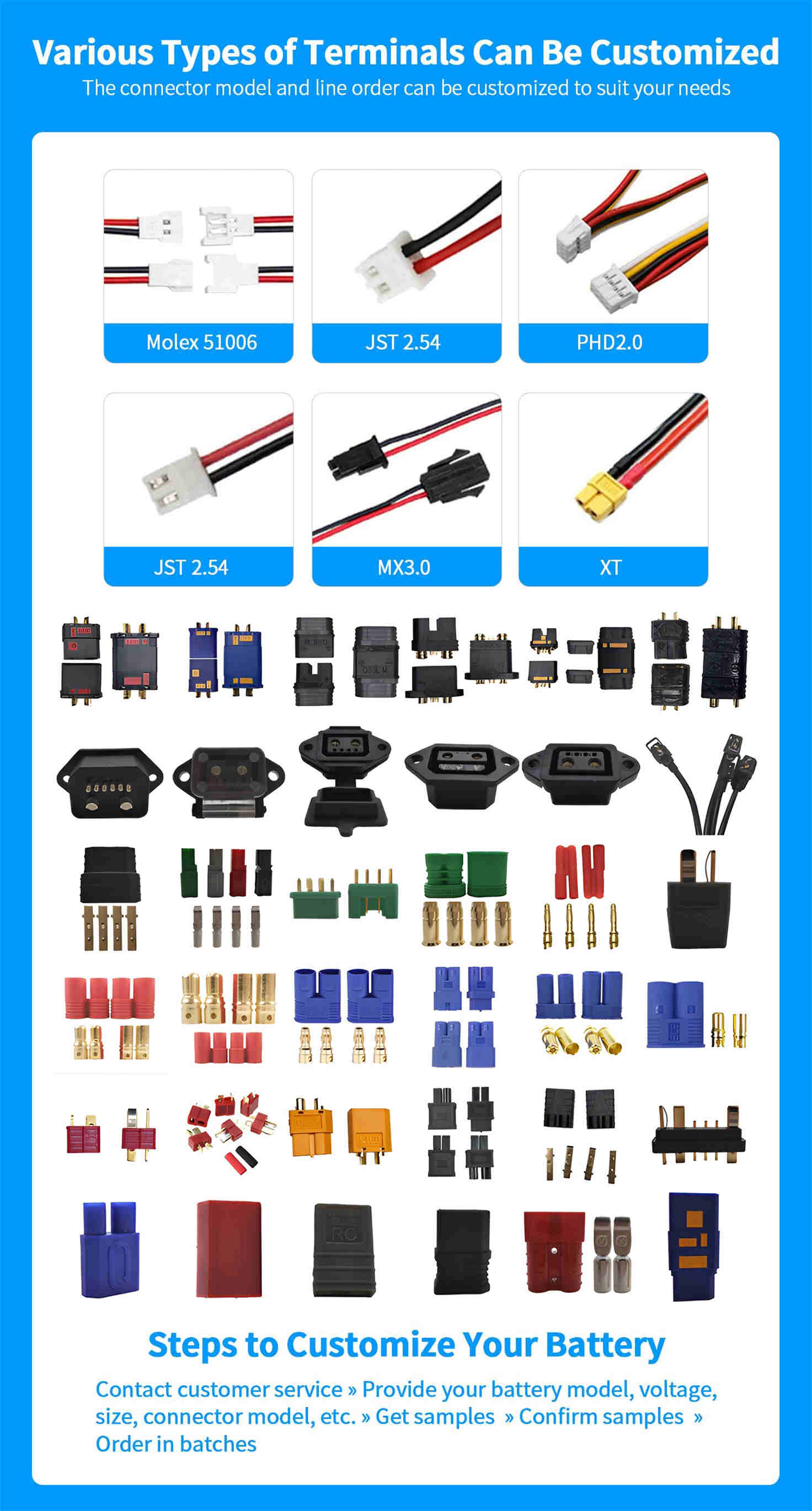
Terminals & Plugs Can Be Customized
A wide range of terminals and plugs can be customised to suit the application needs of your battery products.
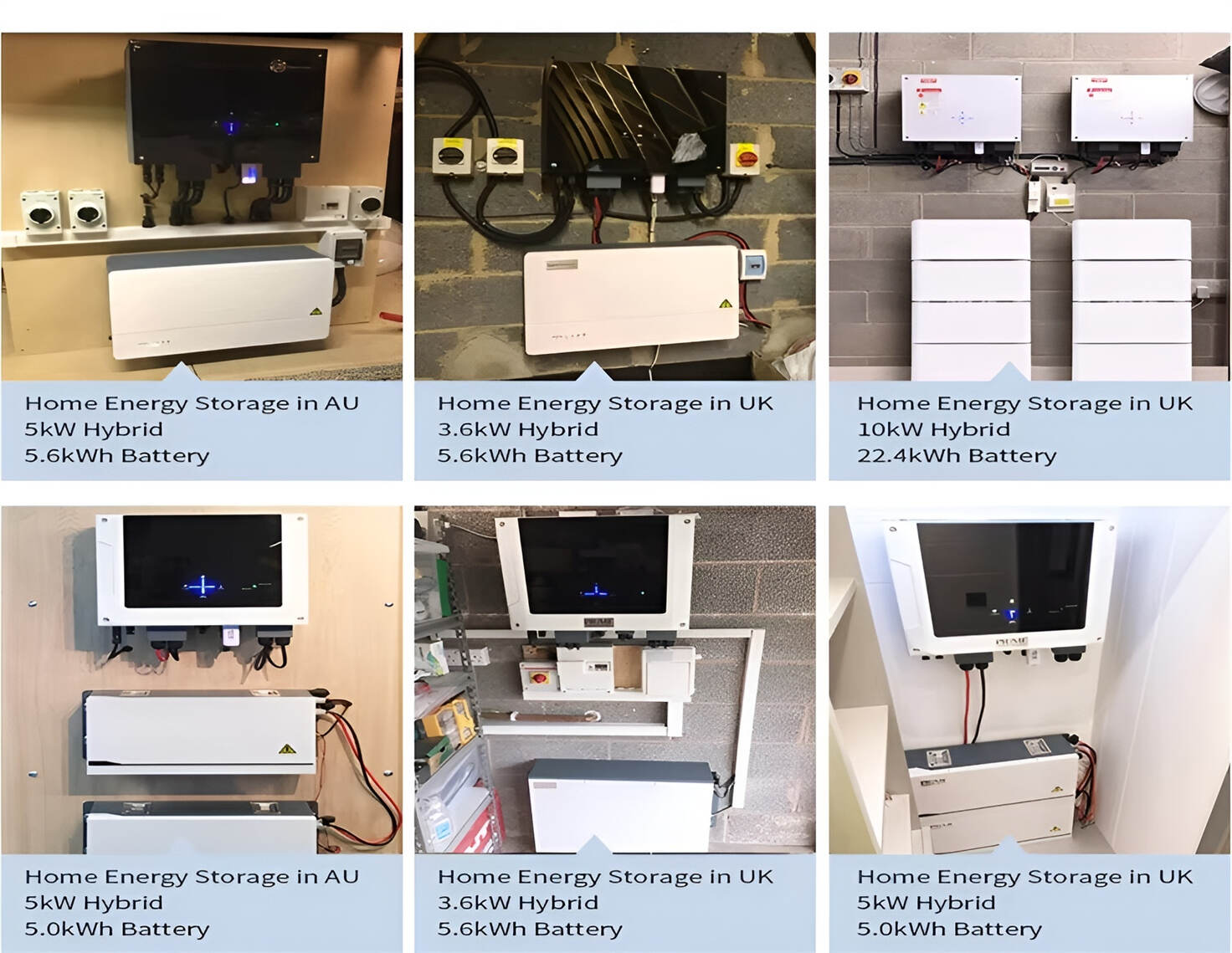
Well-designed Solutions for Energy Storage Systems
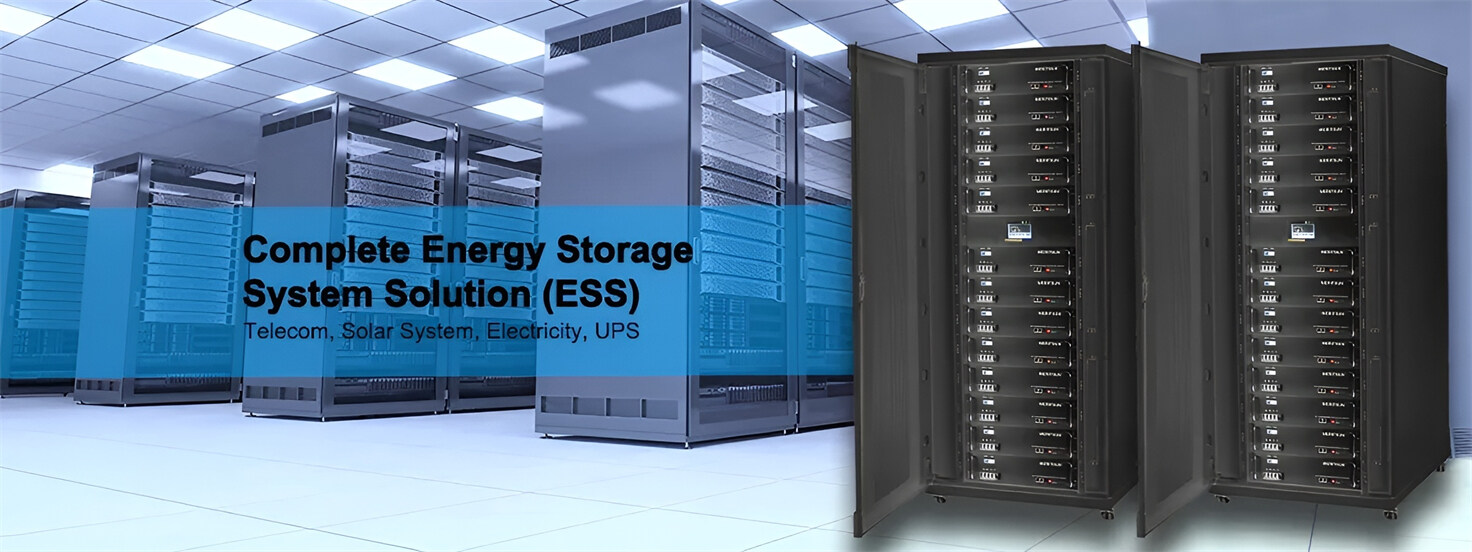
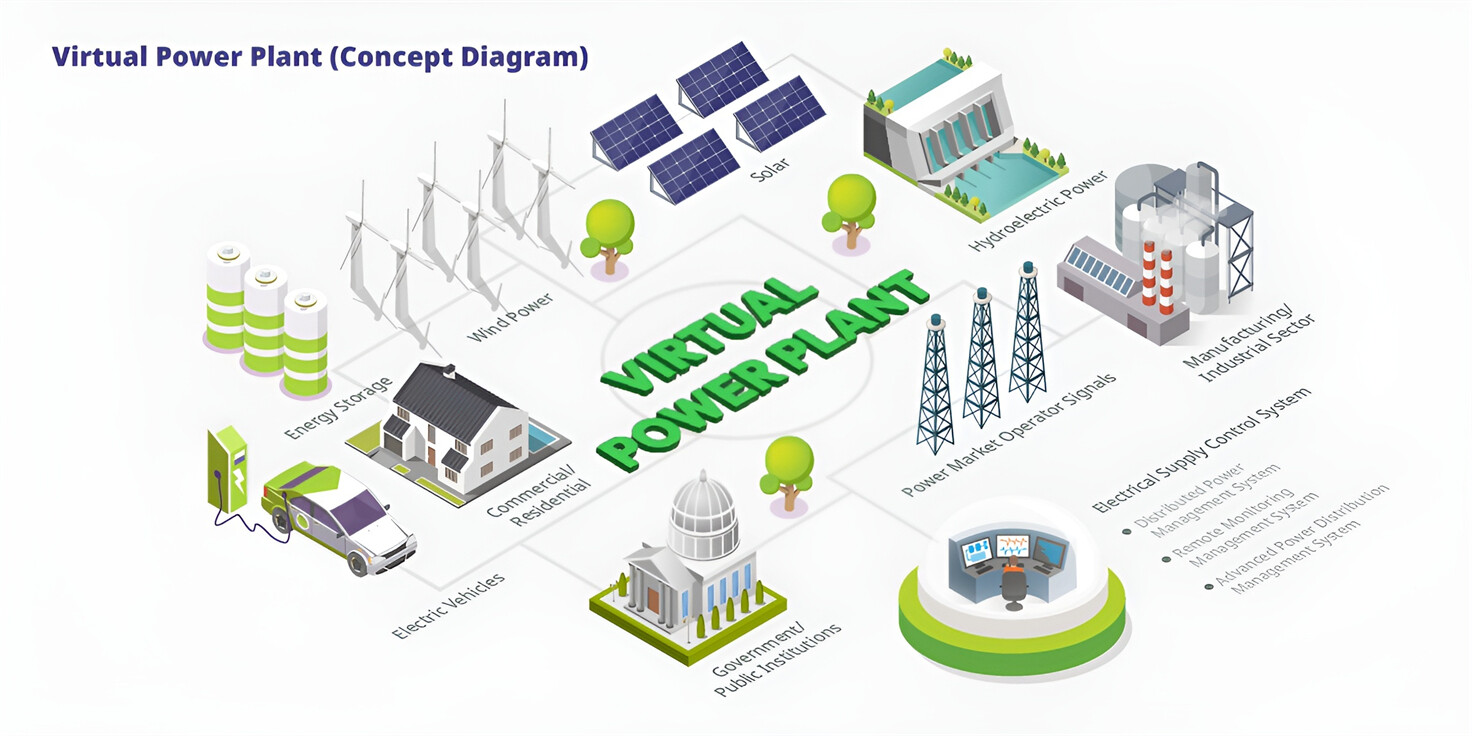
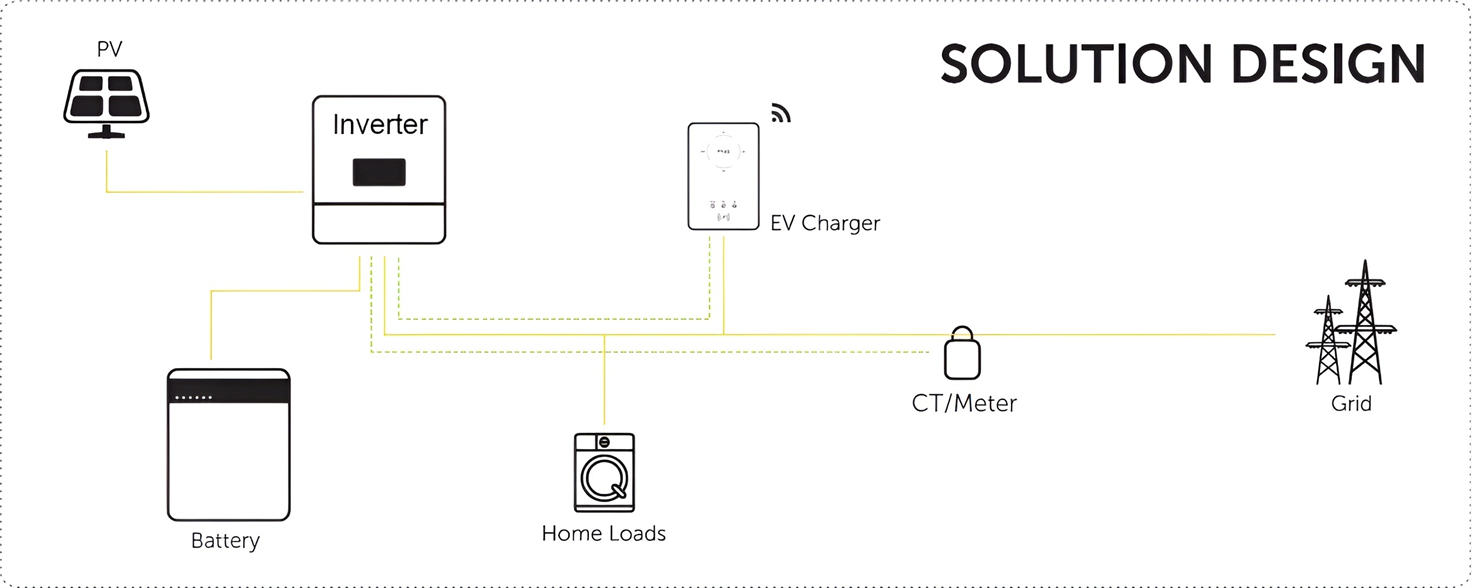
We will design the perfect energy storage system solution according to your needs, so that you can easily solve the specific industry applications of battery products.
About Our Battery Cells
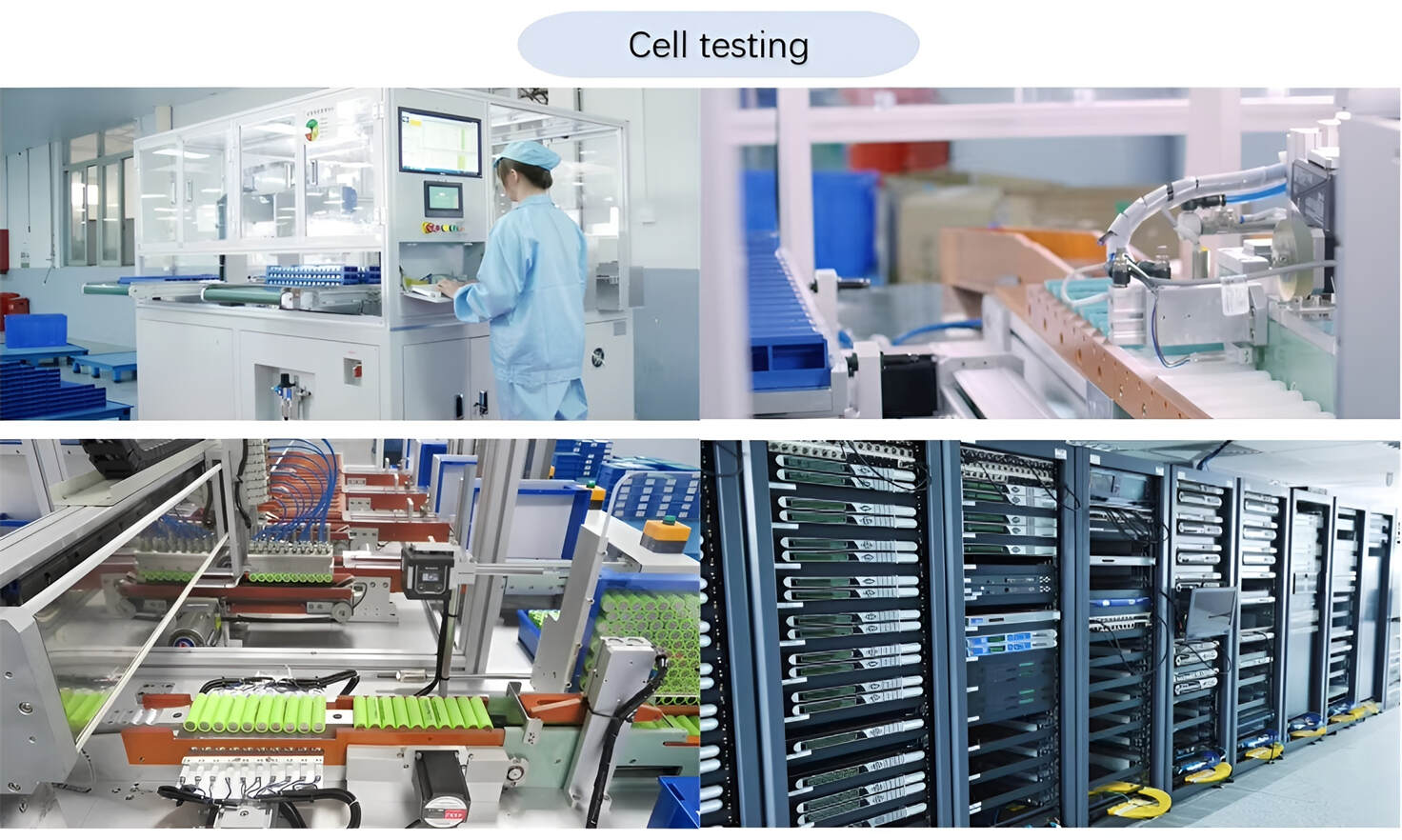
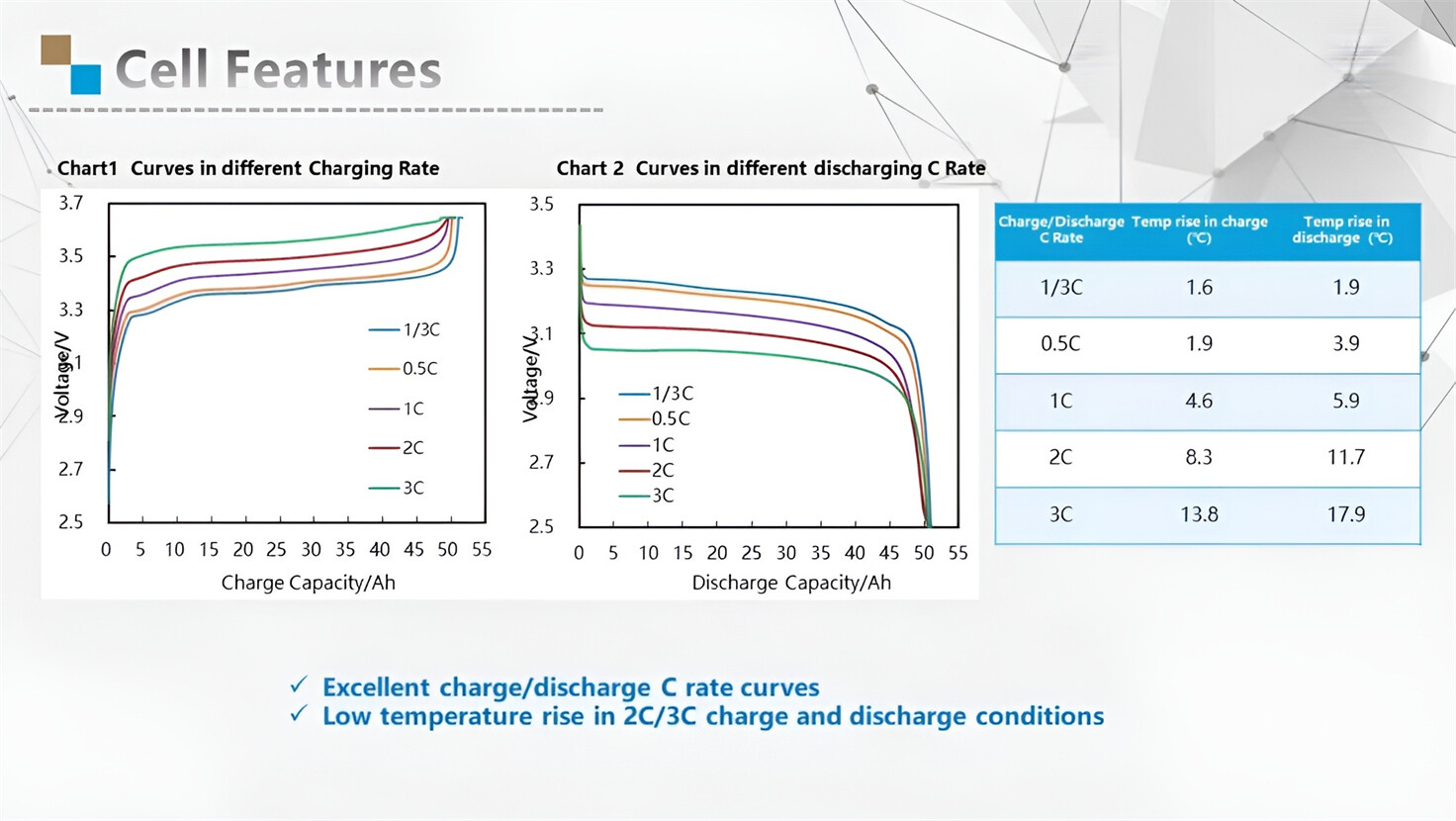
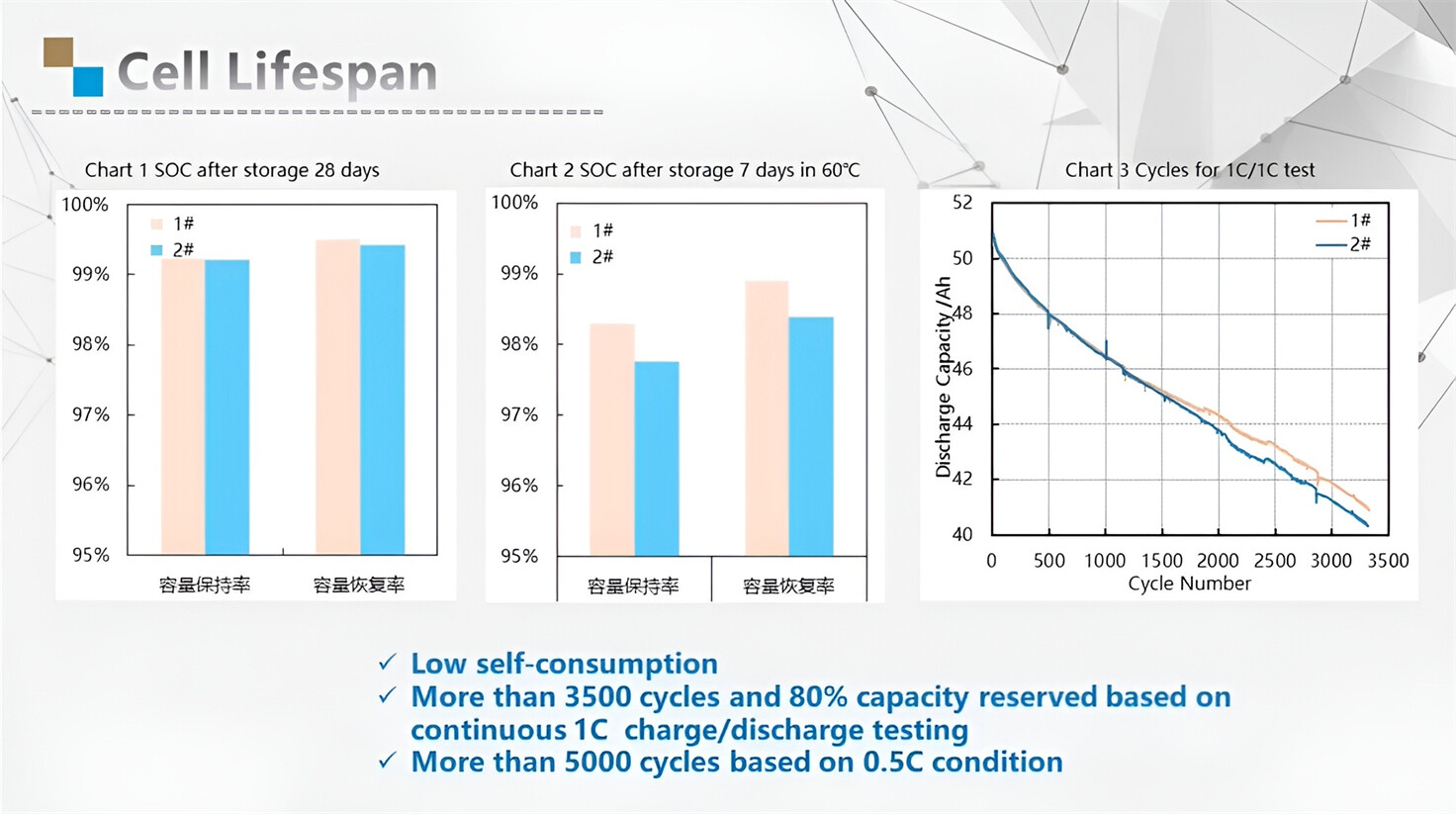
Our energy storage system products use brand new grade A LiFePO4 cells with a battery lifespan of more than 4,000 charge/discharge cycles.

Applications in Different Industries
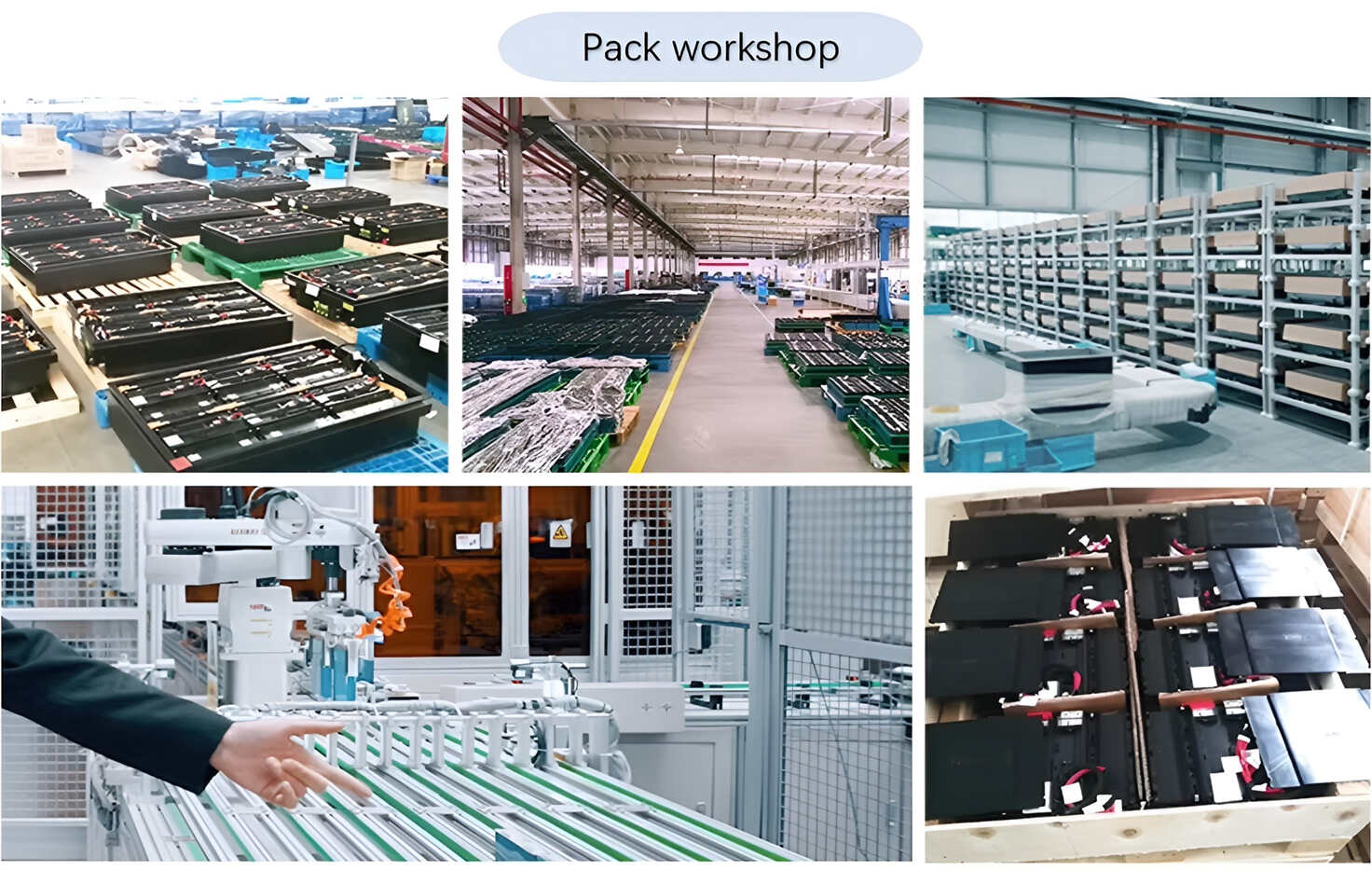
We supply customized & OEM battery pack, assemble cells with wiring, fuse and plastic cover, all the cell wires connected to PCB plug or built BMS.
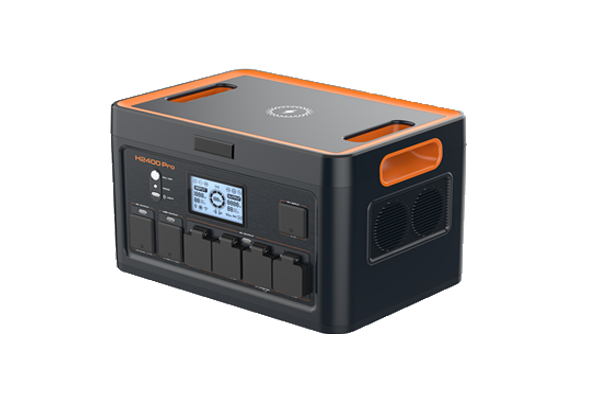
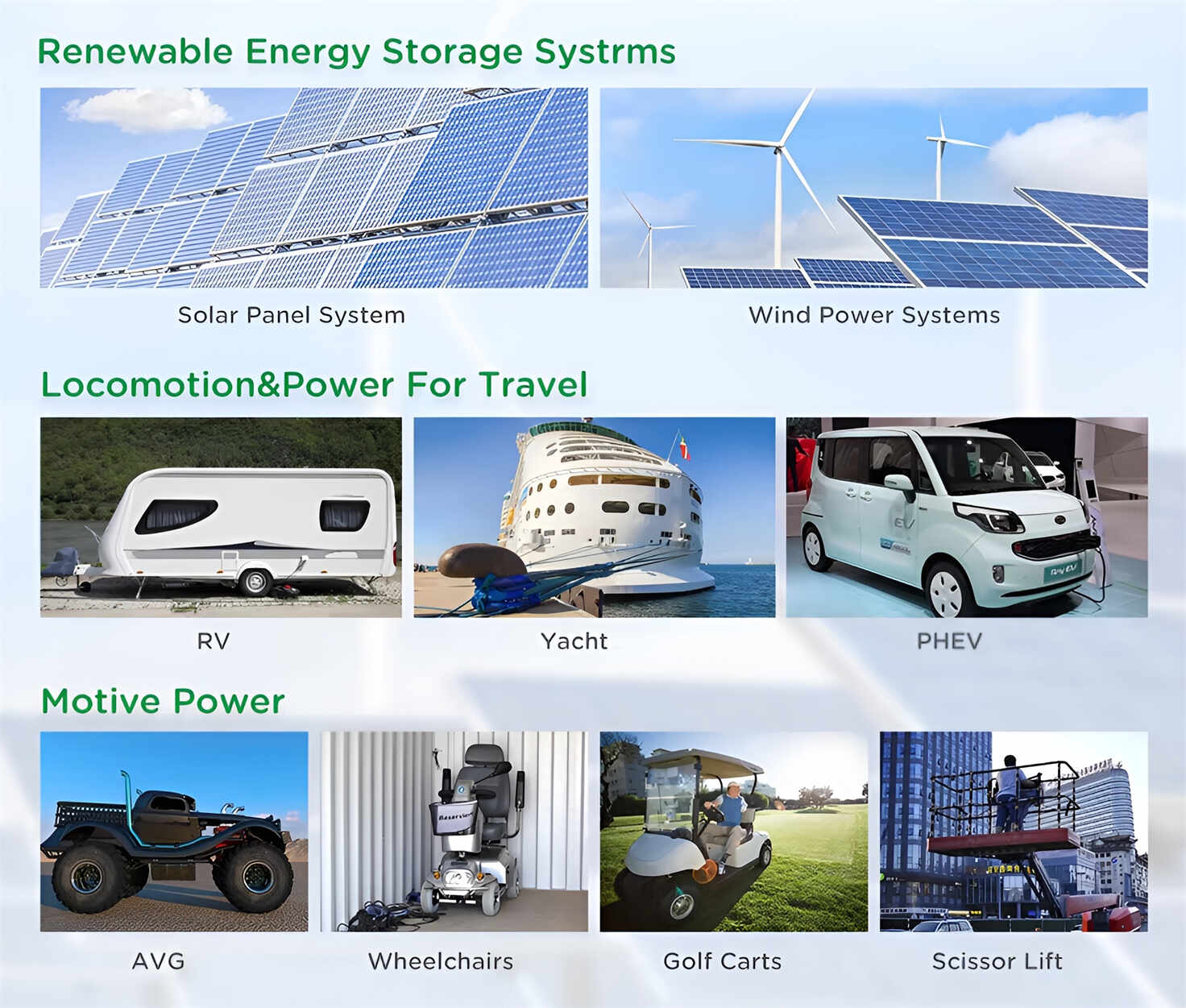
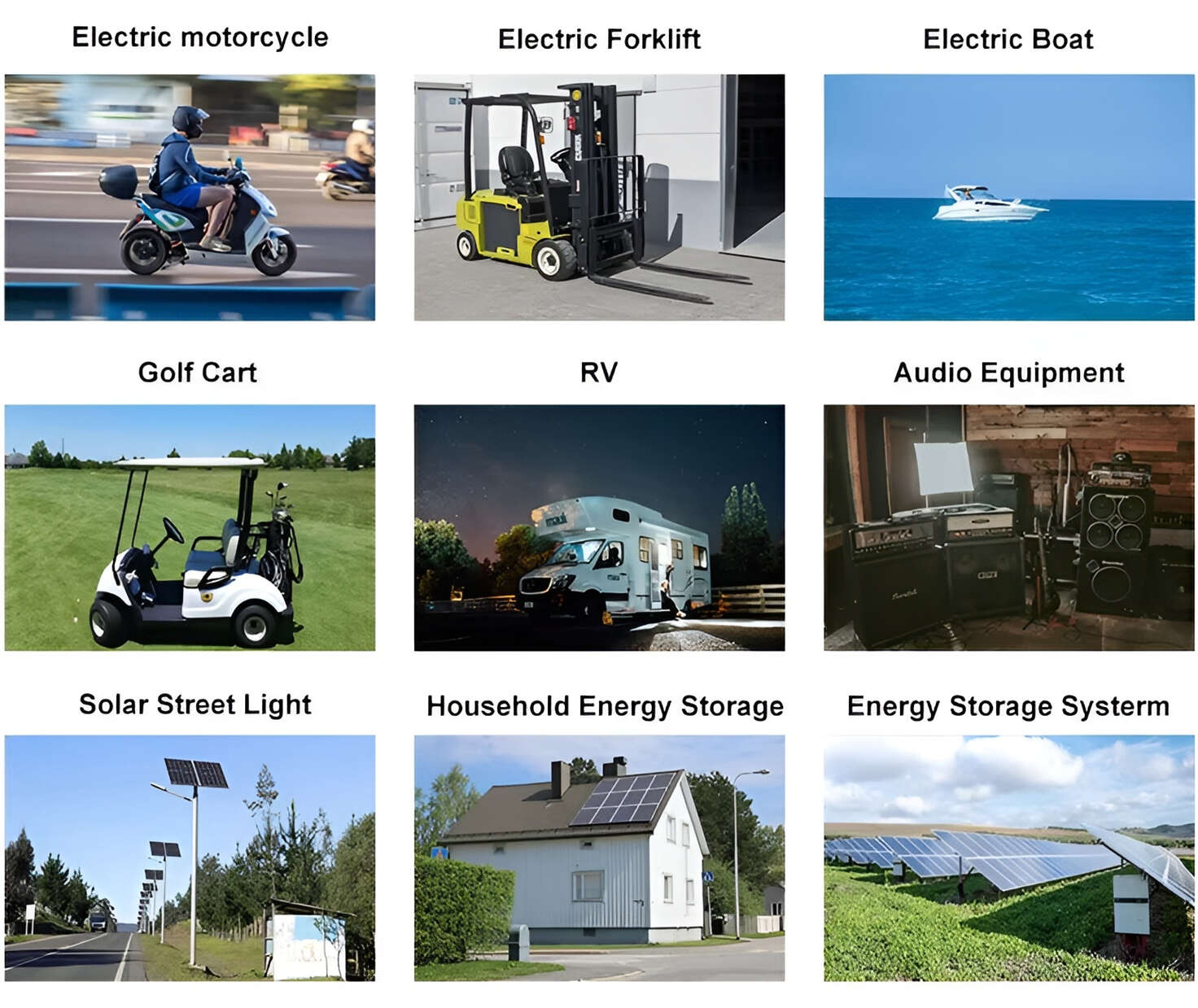
Applications: E-bike, Electric Scooter, Golf Carts, RV, Electric Wheelchair, Electric Tools, Robot Cleaner, Robot Sweeper, Solar Energy Storage System, Emergency Light, Solar Power Light, Medical Equipment, UPS Backup Power Supply.
We can provide you with customized services. We have the ability to provide a vertical supply chain, from single cells to pack/module and to a complete power solution with BMS, etc.
HomSolar (Shenzhen) Technology Co., Ltd