Cathode Material News: Innovations And Supply Chain Dynamics Reshaping The Battery Industry
The global push towards electrification and renewable energy integration has placed unprecedented focus on the heart of most energy storage systems: the lithium-ion battery. Within this complex device, the cathode material is a critical determinant of performance, cost, and sustainability. Recent developments in this sector reveal a landscape of intense innovation, strategic supply chain maneuvers, and a continuous search for the optimal balance between energy density, resource availability, and ethical sourcing.
Latest Industry Developments: Beyond Conventional Lithium-Ion
The industry is witnessing a significant shift from a primary focus on Nickel-Cobalt-Manganese (NCM) and Lithium Iron Phosphate (LFP) chemistries to more advanced and specialized materials.
A prominent trend is the rapid scaling of Manganese-rich cathode materials. Companies like BASF and Toda America are aggressively commercializing High-Manganese (HNMO) and Lithium Manganese Iron Phosphate (LMFP) chemistries. These materials aim to offer a "best-of-both-worlds" solution, bridging the performance gap between NCM and LFP. By leveraging manganese, an abundant and low-cost metal, these cathodes promise higher energy density than LFP and significantly lower cost and improved safety compared to high-nickel NCM. A recent announcement from a leading Asian battery manufacturer regarding a new LMFP-based cell for the mass-market EV segment underscores the commercial viability of this pathway.
Simultaneously, the solid-state battery ecosystem is driving innovation in next-generation cathodes. While much attention is on the solid electrolyte, the cathode interface remains a formidable challenge. Companies like Solid Power and QuantumScape are developing proprietary cathode configurations and composite cathodes designed to work optimally with their solid electrolytes. The goal is to enable the use of ultra-high-energy-density lithium metal anodes. Recent partnerships between these startups and legacy automakers indicate that the development of bespoke cathode materials is a critical, albeit less publicized, part of the solid-state roadmap.
On the supply chain front, there is a flurry of activity to localize and secure cathode production outside of Asia. In the United, the Department of Energy's grants and loans are catalyzing the construction of large-scale cathode material plants. For instance, the recent funding for a new facility in Tennessee focuses on producing CAM (Cathode Active Material) for NCM batteries, aiming to create a fully domestic supply chain from raw material processing to cell manufacturing. Similar initiatives are underway in the European Union, driven by the European Battery Alliance, to reduce dependency on imported materials and foster regional technological sovereignty.
Trend Analysis: The Evolving Competitive Landscape
Several key trends are shaping the strategic direction of the cathode material market.
First is the intensifying chemistry diversification. The era of a one-size-fits-all cathode is over. The market is fragmenting into specialized applications. LFP continues its dominance in grid storage, entry-level EVs, and applications where cycle life and safety are paramount. High-nickel NCM (e.g., NCM 811) remains the choice for premium electric vehicles requiring long range, despite ongoing concerns about thermal stability and cobalt price volatility. The emergence of LMFP and sodium-ion cathodes is now creating a compelling middle ground for mid-range EVs and energy storage, putting pressure on incumbent technologies to lower costs and improve further.
Second, sustainability and circularity are transitioning from buzzwords to core business requirements. The environmental footprint of cathode production, particularly the water and energy-intensive nature of precursor synthesis, is under scrutiny. Lifecycle assessment (LCA) is becoming a standard tool for battery manufacturers when selecting cathode suppliers. Consequently, cathode producers are investing in energy-efficient calcination processes, using more renewable energy in production, and developing direct recycling methods. The ability to recover and repurpose nickel, cobalt, and lithium from end-of-life batteries back into new cathode material is increasingly seen as a future competitive advantage, with several pilot-scale recycling facilities now integrating cathode re-synthesis into their operations.
Third, the geopolitics of raw materials continues to be a dominant risk factor. The concentration of cobalt supply in the Democratic Republic of Congo and China's dominance in graphite processing have spurred massive investments in alternative sources and refining capabilities. This is evident in the growing interest in developing nickel laterite mines outside of Southeast Asia and new lithium extraction projects in North America and Europe. The cathode industry's strategy is increasingly about de-risking the supply chain through geographic diversification and long-term offtake agreements, directly influencing the economic feasibility of new cathode plants.
Expert Perspectives: A Cautiously Optimistic Outlook
Industry experts acknowledge the rapid pace of change while highlighting the challenges that remain.
Dr. Elena Rodriguez, a materials scientist at a leading European research institute, comments on the materials innovation race: "The theoretical promise of new cathode chemistries like disordered rock salts or lithium sulfur is immense. However, the journey from a stable lab-scale coin cell to a commercially viable, thousand-cycle pouch cell is a marathon, not a sprint. The key challenges are often not just energy density, but scalability of synthesis, interfacial stability, and managing gas evolution during cycling. The industry is learning that incremental improvements in existing systems often have a faster path to market than revolutionary new chemistries."
On the supply chain and cost front, Michael Chen, a battery market analyst, offers his perspective: "The volatility in lithium and nickel prices over the past two years was a wake-up call. It has accelerated the adoption of LFP in the West and forced a re-evaluation of what 'performance' means. Cost and supply security are now performance metrics as important as watt-hours per kilogram. We are seeing cathode manufacturers vertically integrating into precursor production to better control margins and ensure quality. The companies that can master the complex, multi-step supply chain from mine to active material will be the long-term winners."
Finally, regarding sustainability, Dr. Sarah Wilkinson, an environmental lifecycle assessment specialist, states, "The next frontier for cathode materials is a truly closed-loop system. While recycling is advancing, the 'greenness' of a cathode is largely determined at the design stage. We need to design cathodes not just for high performance, but also for easy disassembly and material recovery. This means considering particle morphology, binder systems, and the types of elements used. The cathodes of the future will be evaluated on a full lifecycle cost and carbon footprint basis, which will favor materials that are abundant, low-energy to process, and readily recyclable."
In conclusion, the cathode material sector is in a state of dynamic flux. Driven by the dual engines of technological advancement and supply chain realignment, the industry is moving towards a more diversified, sustainable, and strategically secure future. The choices made in cathode development today will fundamentally shape the performance, cost, and environmental impact of the energy storage systems that power tomorrow's world.
Customized/OEM/ODM Service
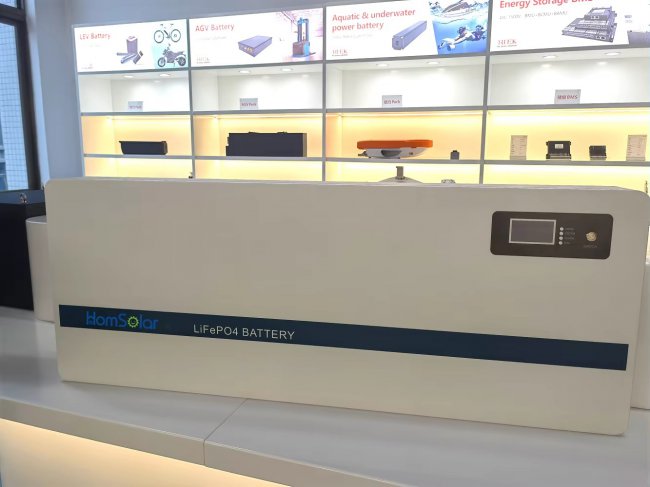
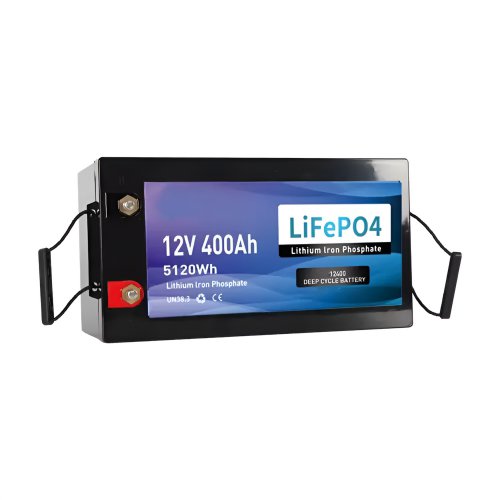
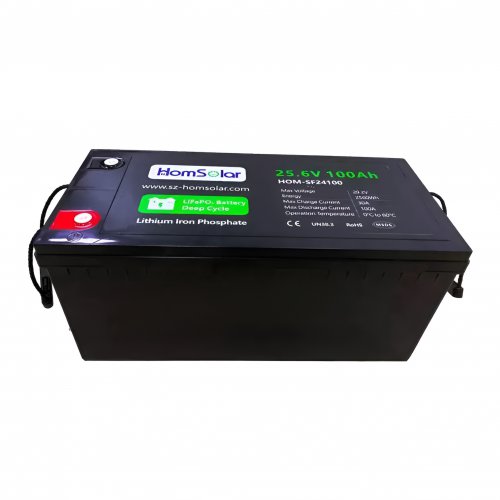
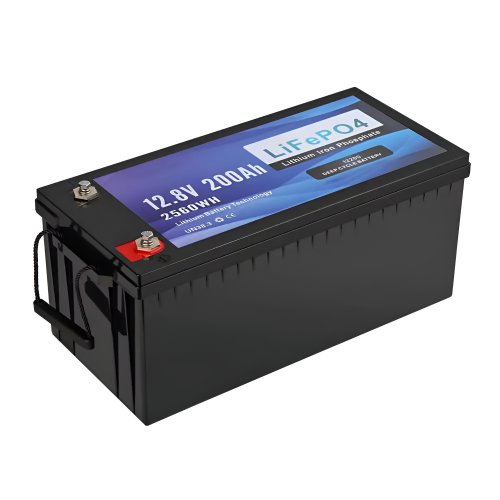
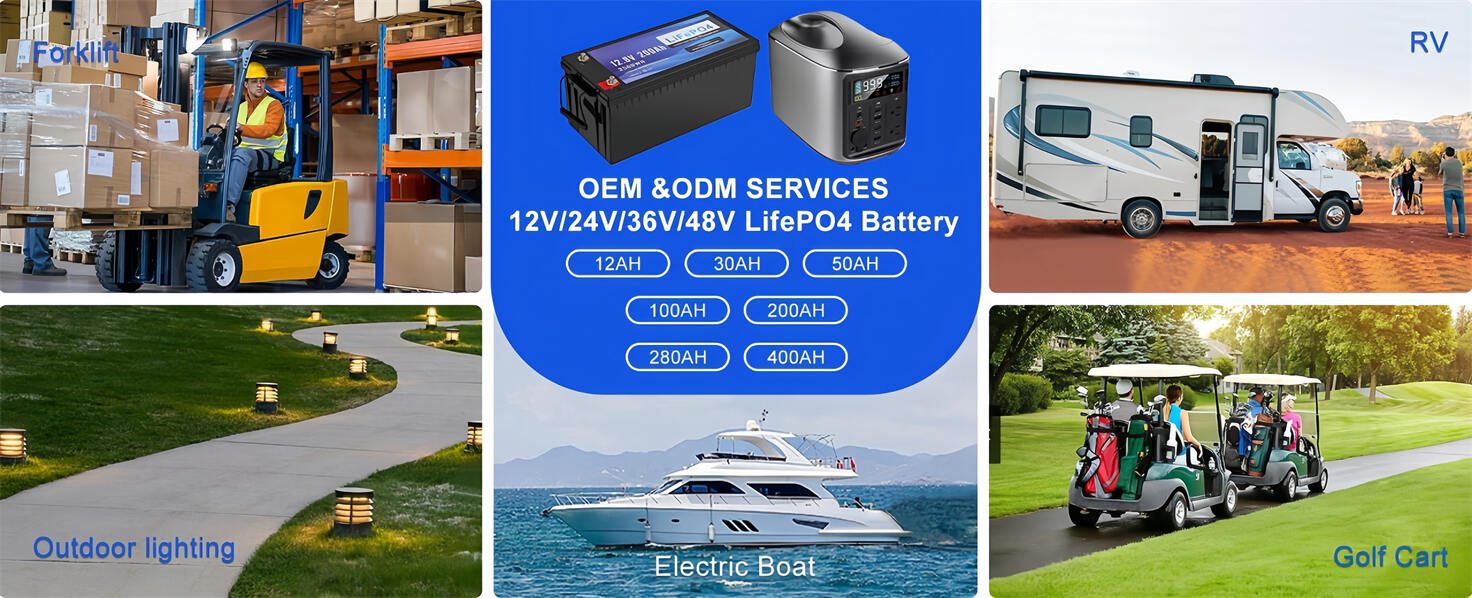
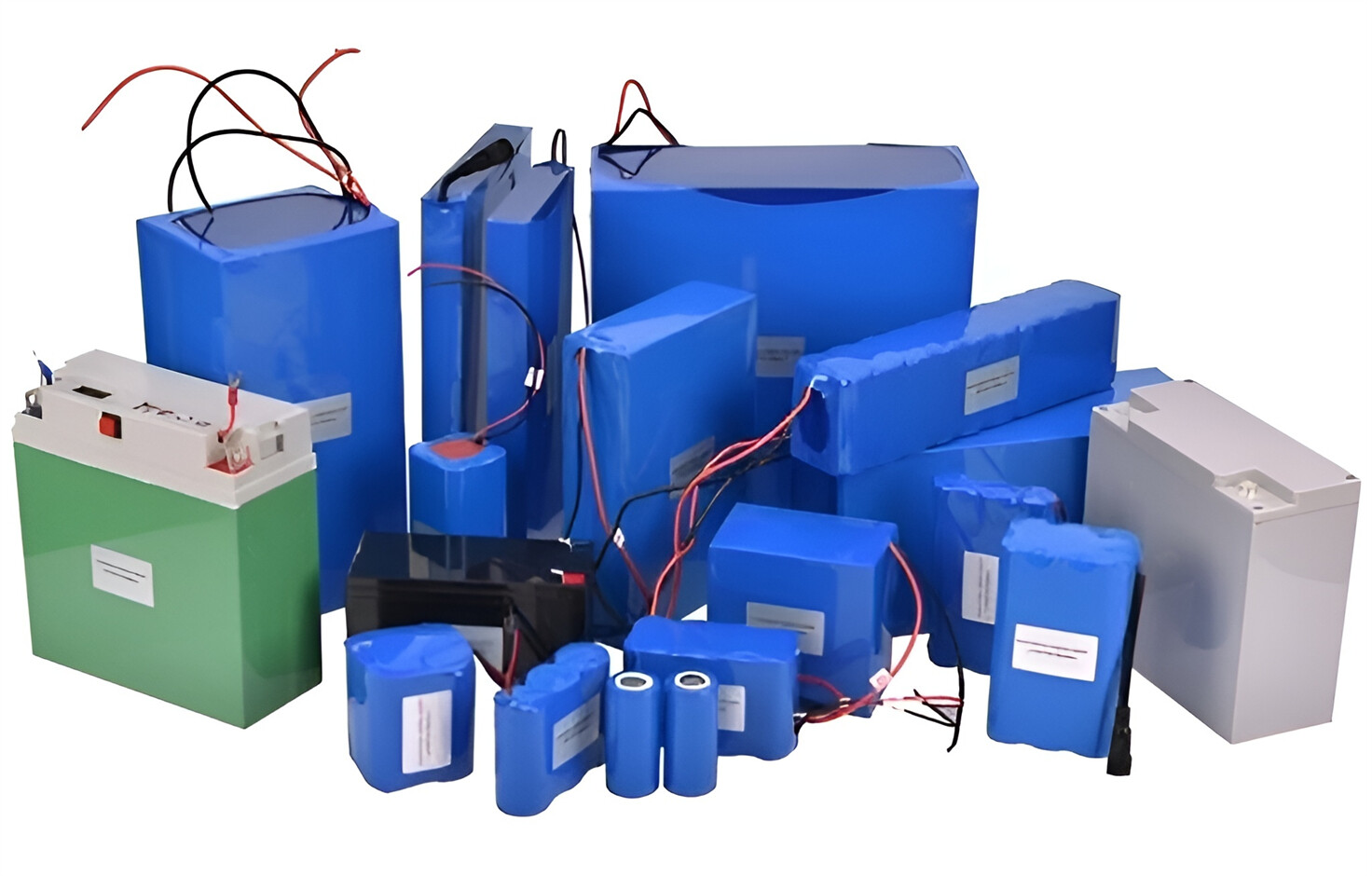
HomSolar Supports Lifepo4 battery pack customization/OEM/ODM service, welcome to contact us and tell us your needs.

HomSolar: Your One-stop LiFePO4 Battery Pack & ESS Solution Manufacturer
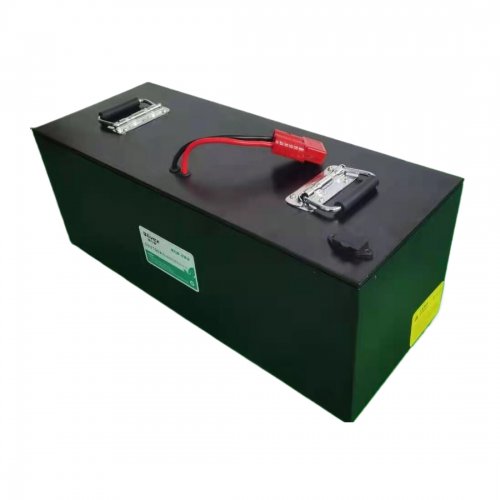
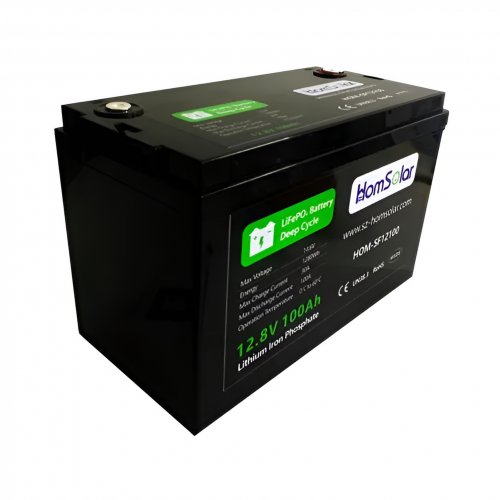
Our line of LiFePO4 (LFP) batteries offer a solution to demanding applications that require a lighter weight, longer life, and higher capacity battery. Features include advanced battery management systems (BMS), Bluetooth® communication and active intelligent monitoring.
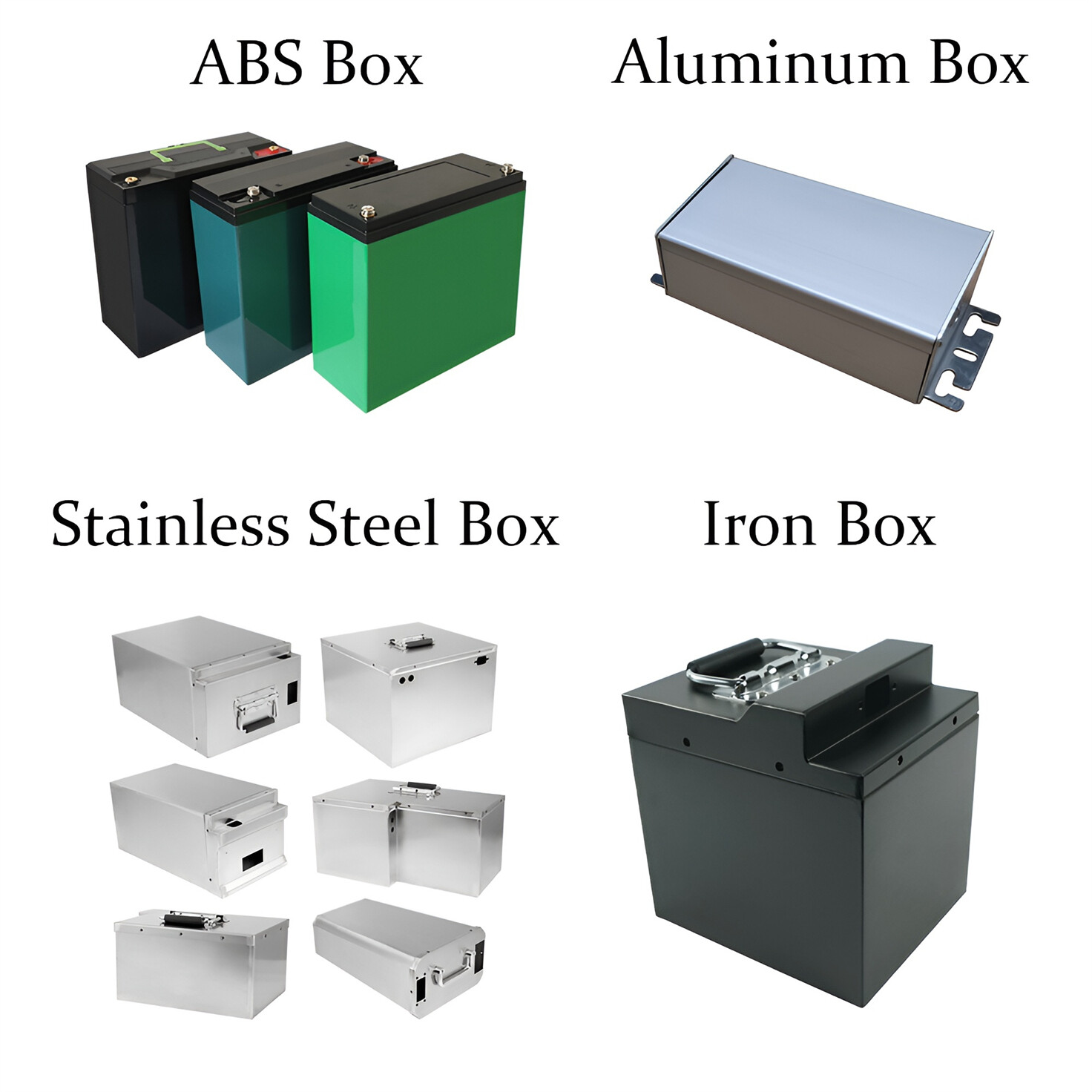
Customised Lithium Iron Phosphate Battery Casing
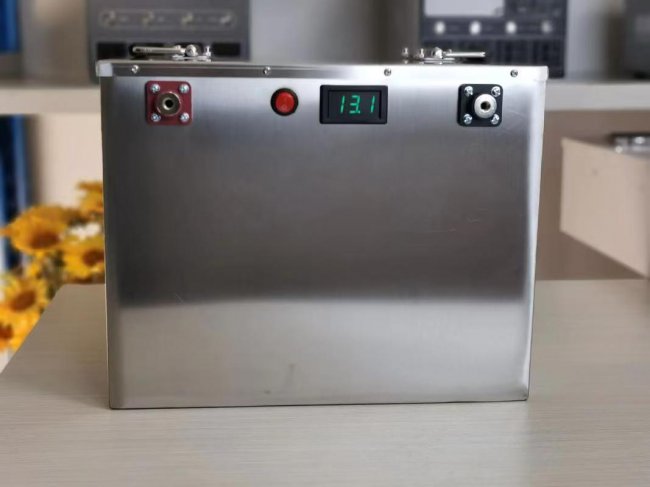
ABS plastic housing, aluminium housing, stainless steel housing and iron housing are available, and can also be designed and customised according to your needs.
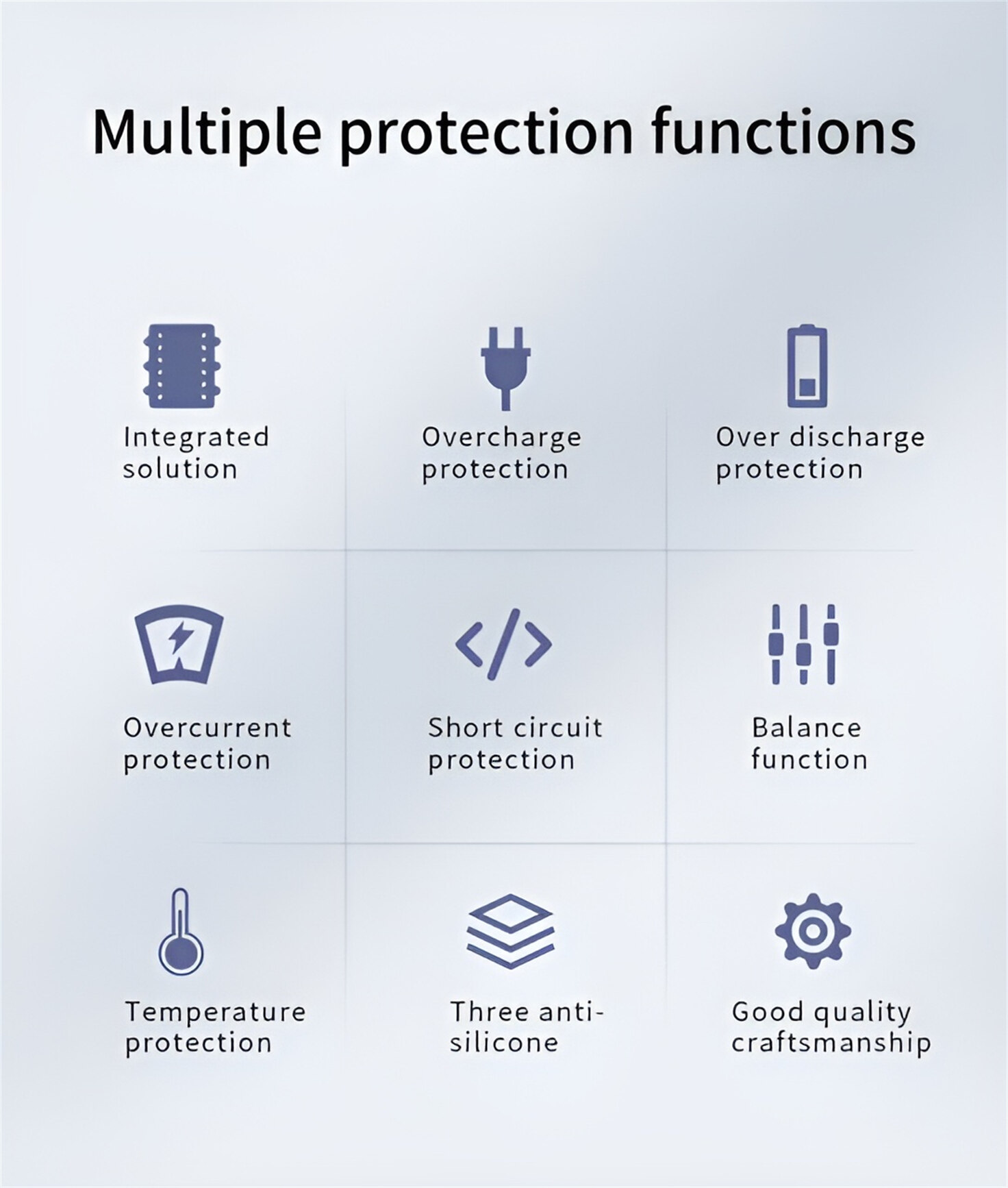
HomSolar Smart BMS
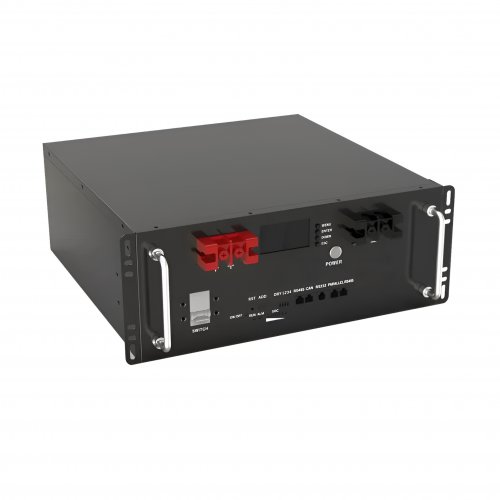
Intelligent Battery Management System for HomSolar Energy Storage System. Bluetooth, temperature sensor, LCD display, CAN interface, UART interface also available.

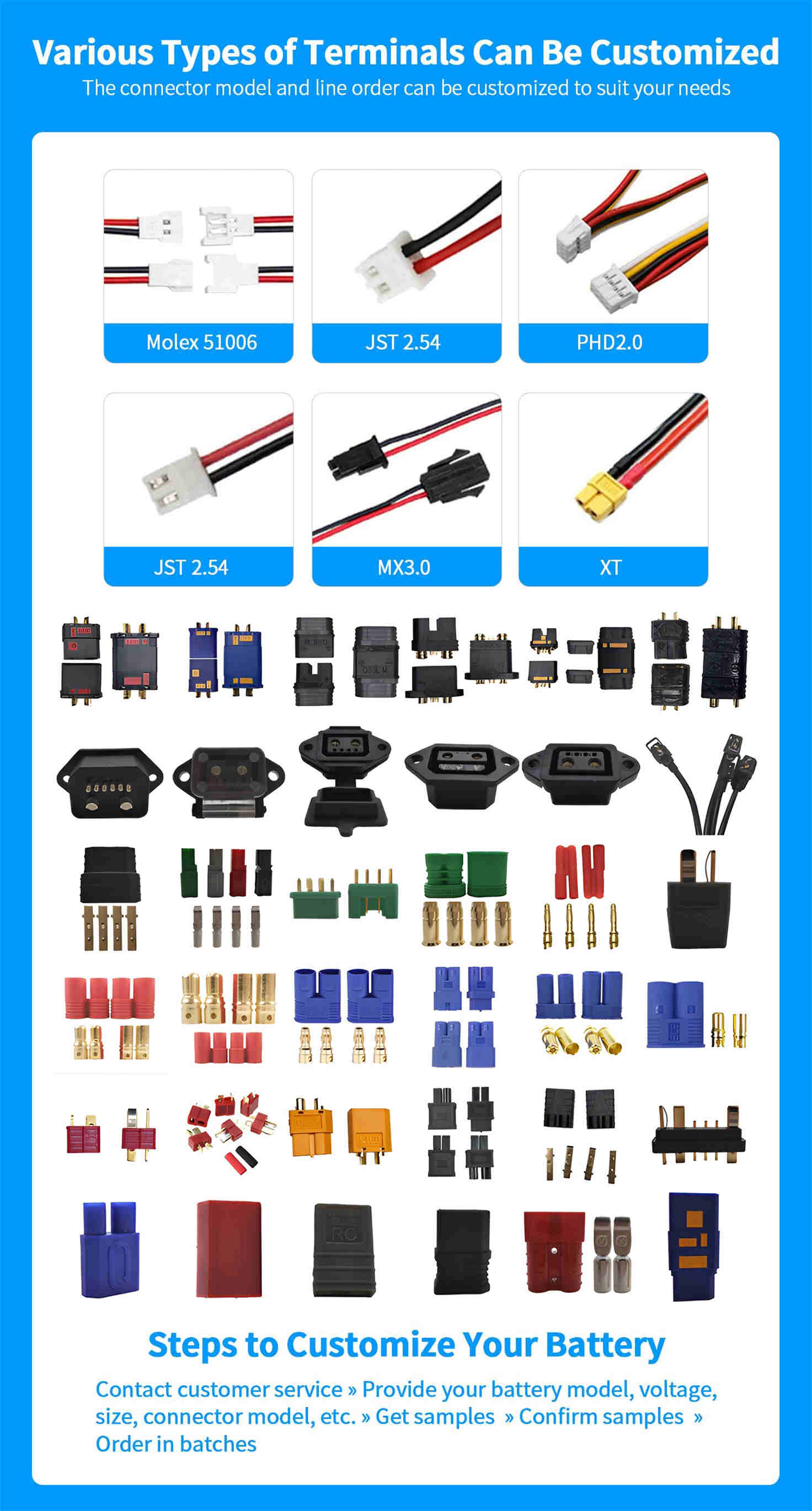
Terminals & Plugs Can Be Customized
A wide range of terminals and plugs can be customised to suit the application needs of your battery products.
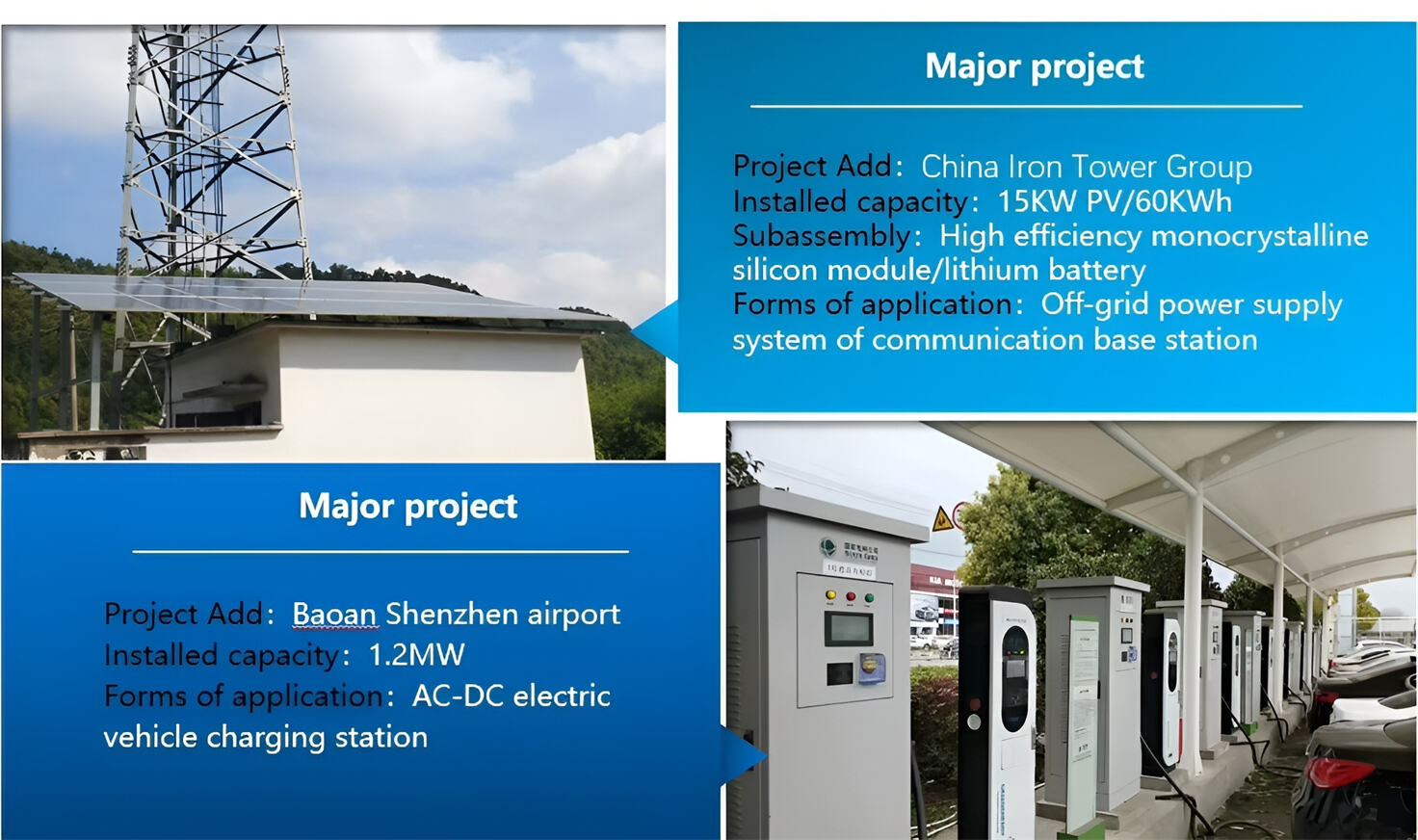
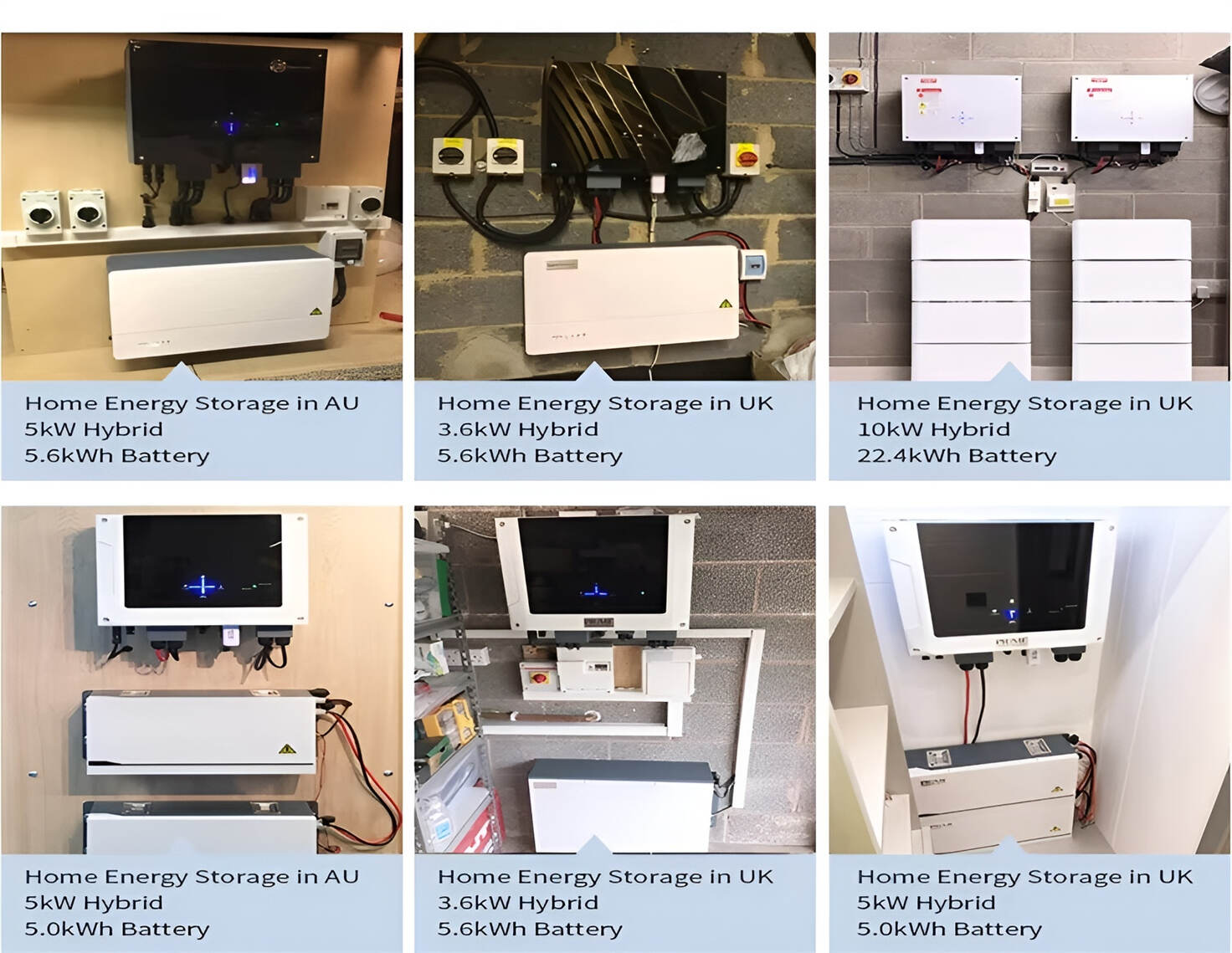
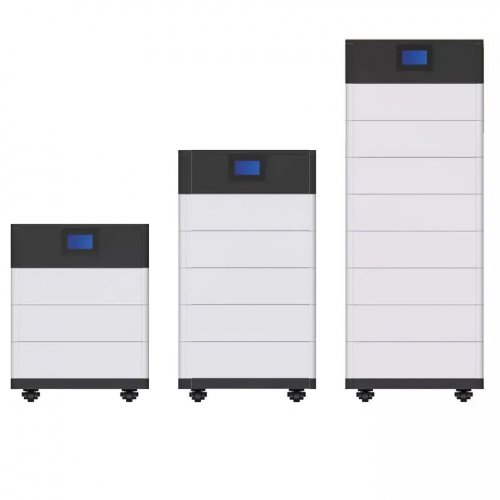
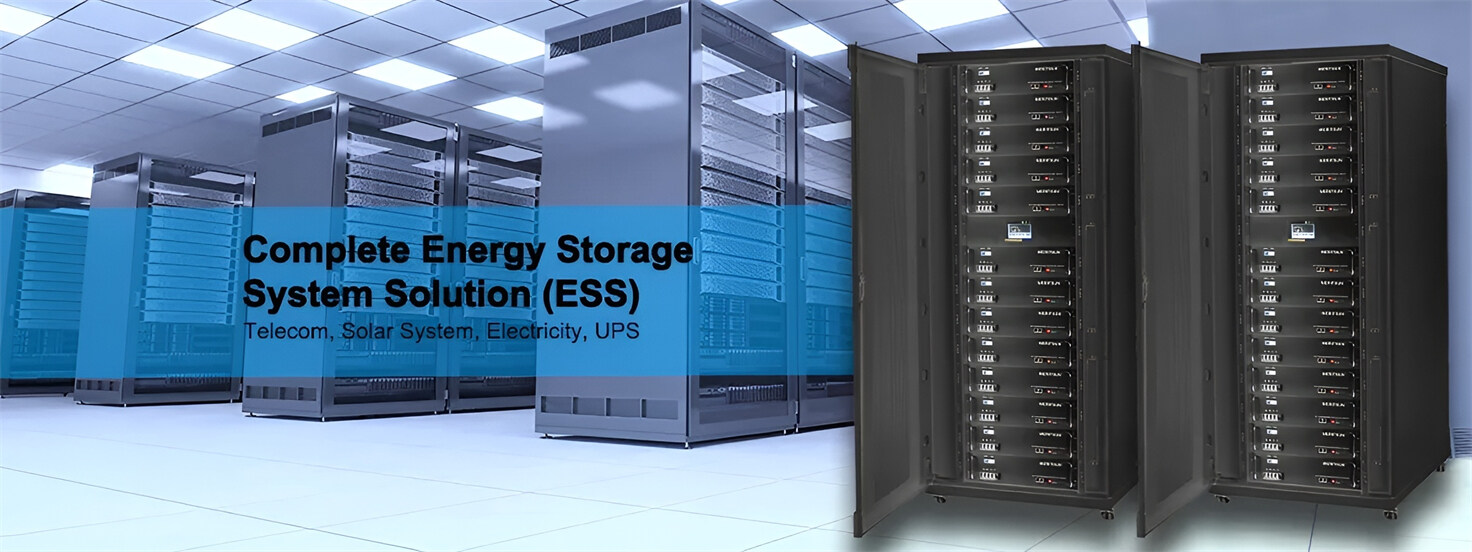
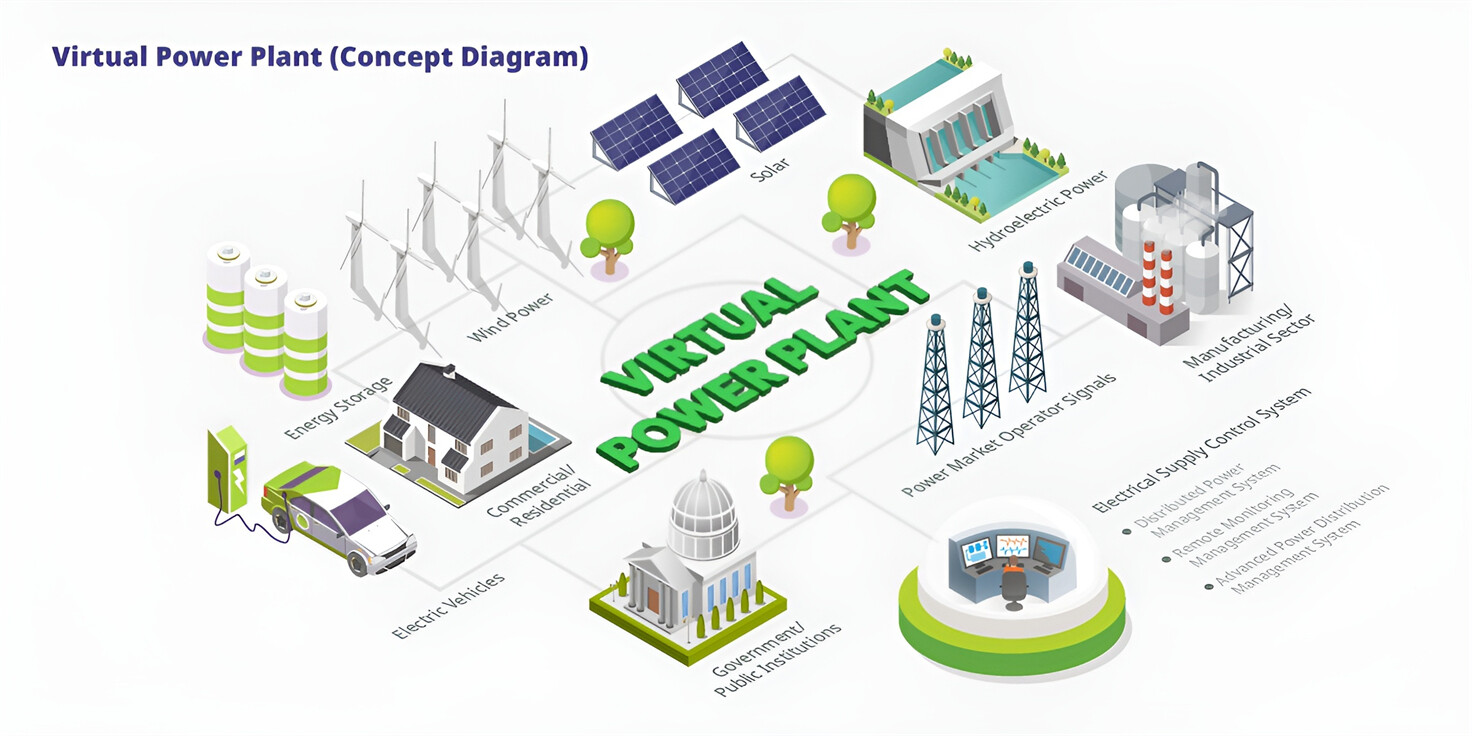
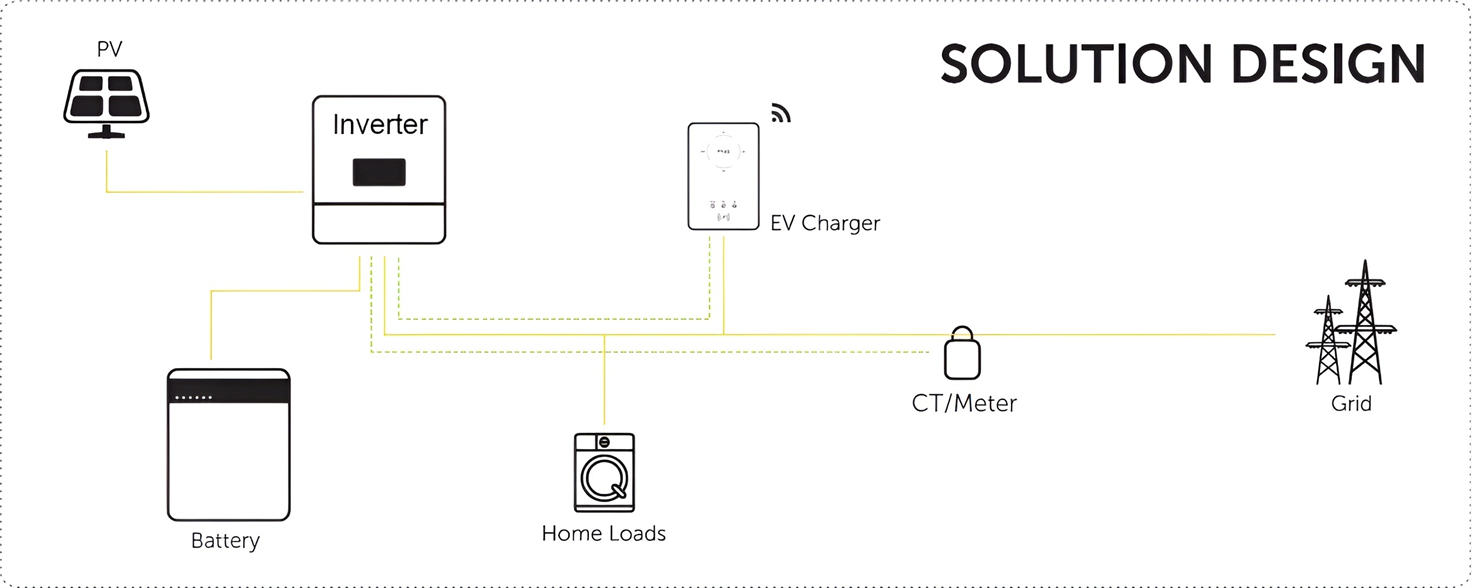
Well-designed Solutions for Energy Storage Systems
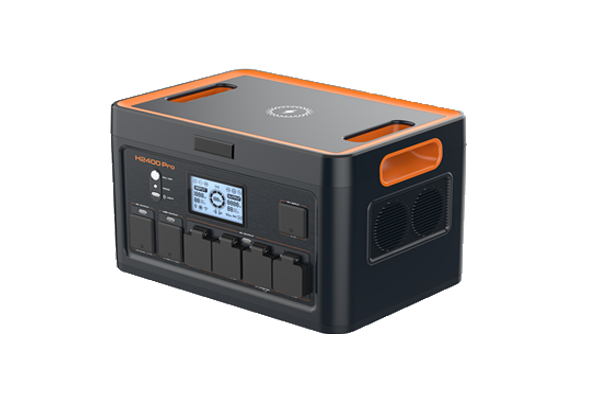
We will design the perfect energy storage system solution according to your needs, so that you can easily solve the specific industry applications of battery products.
About Our Battery Cells
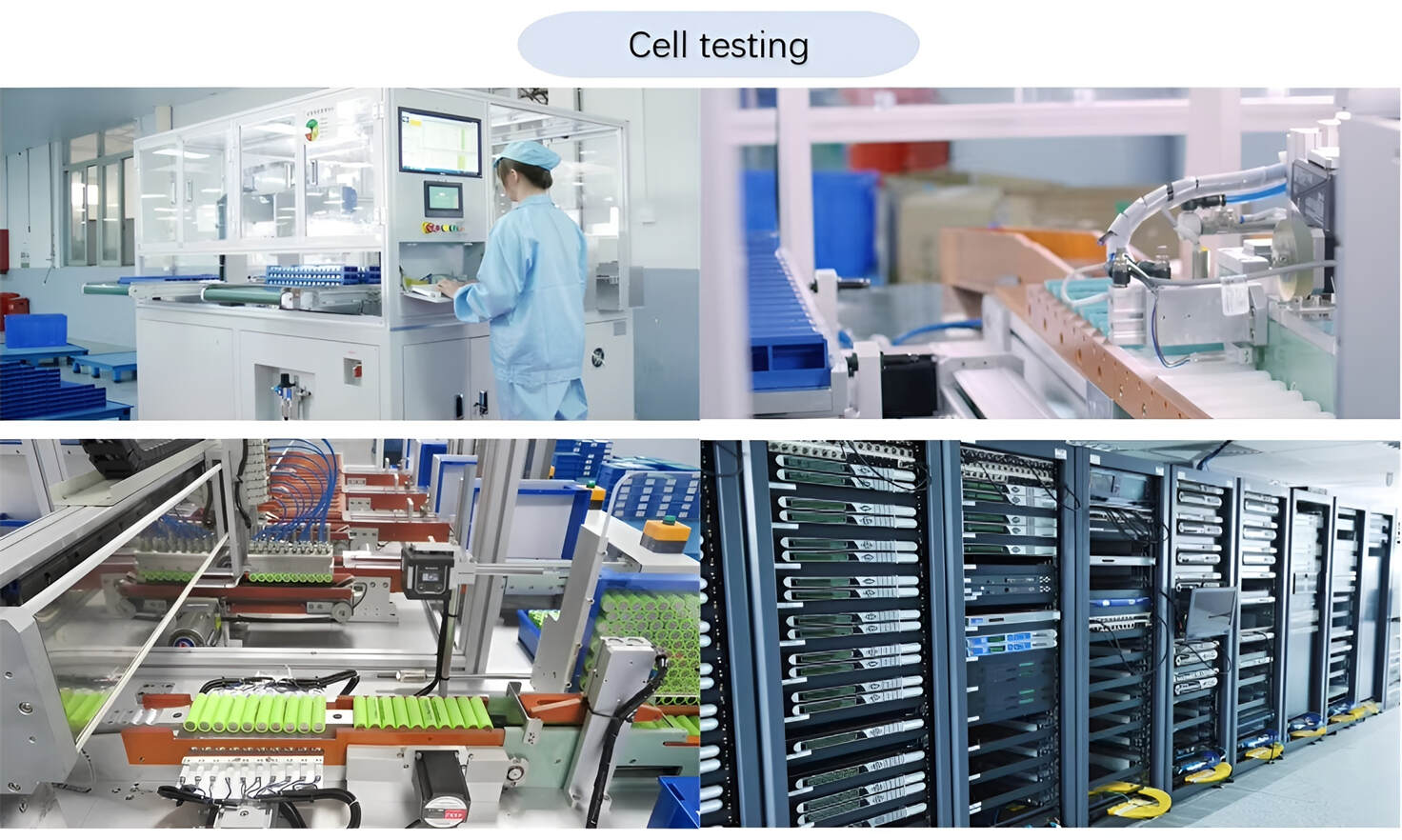
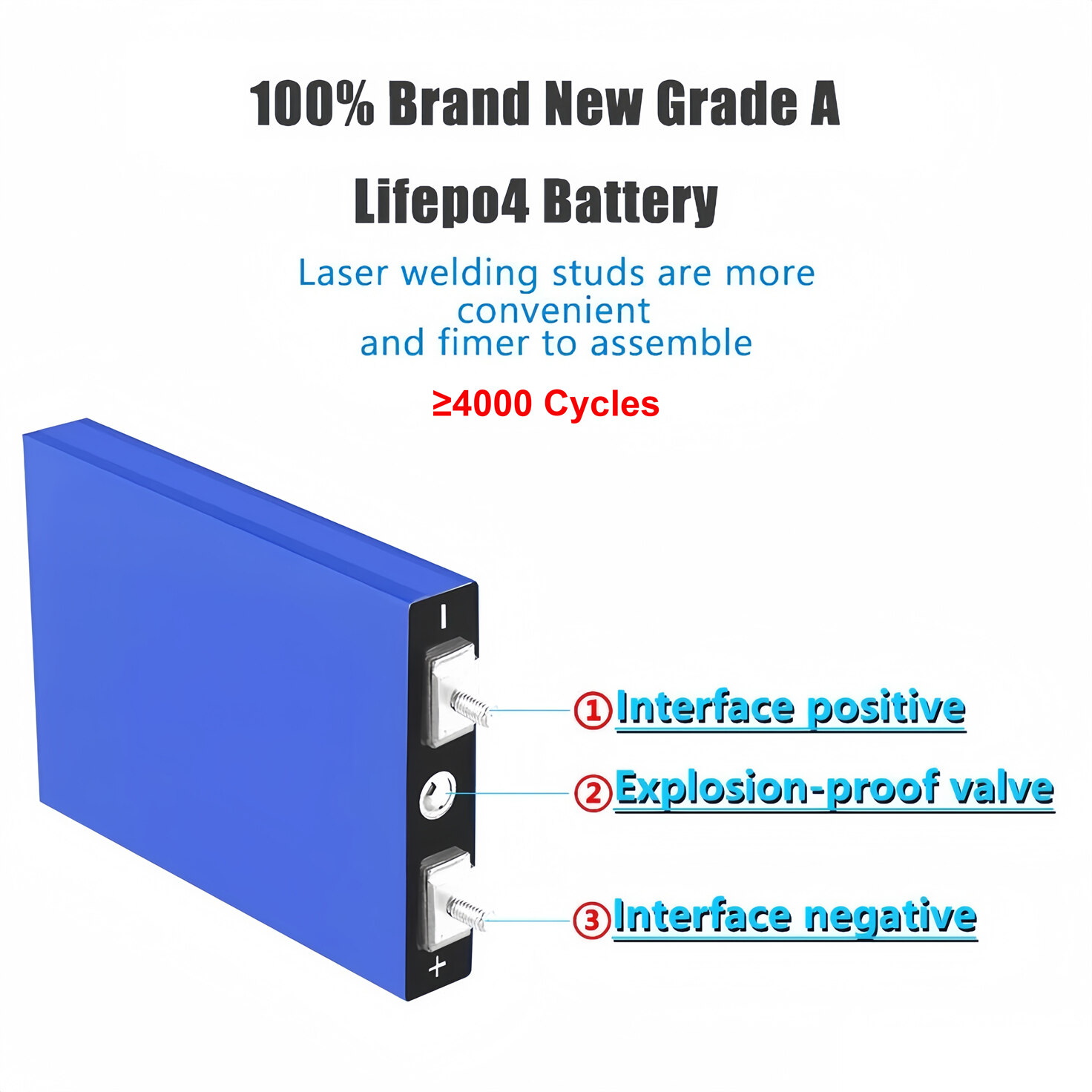
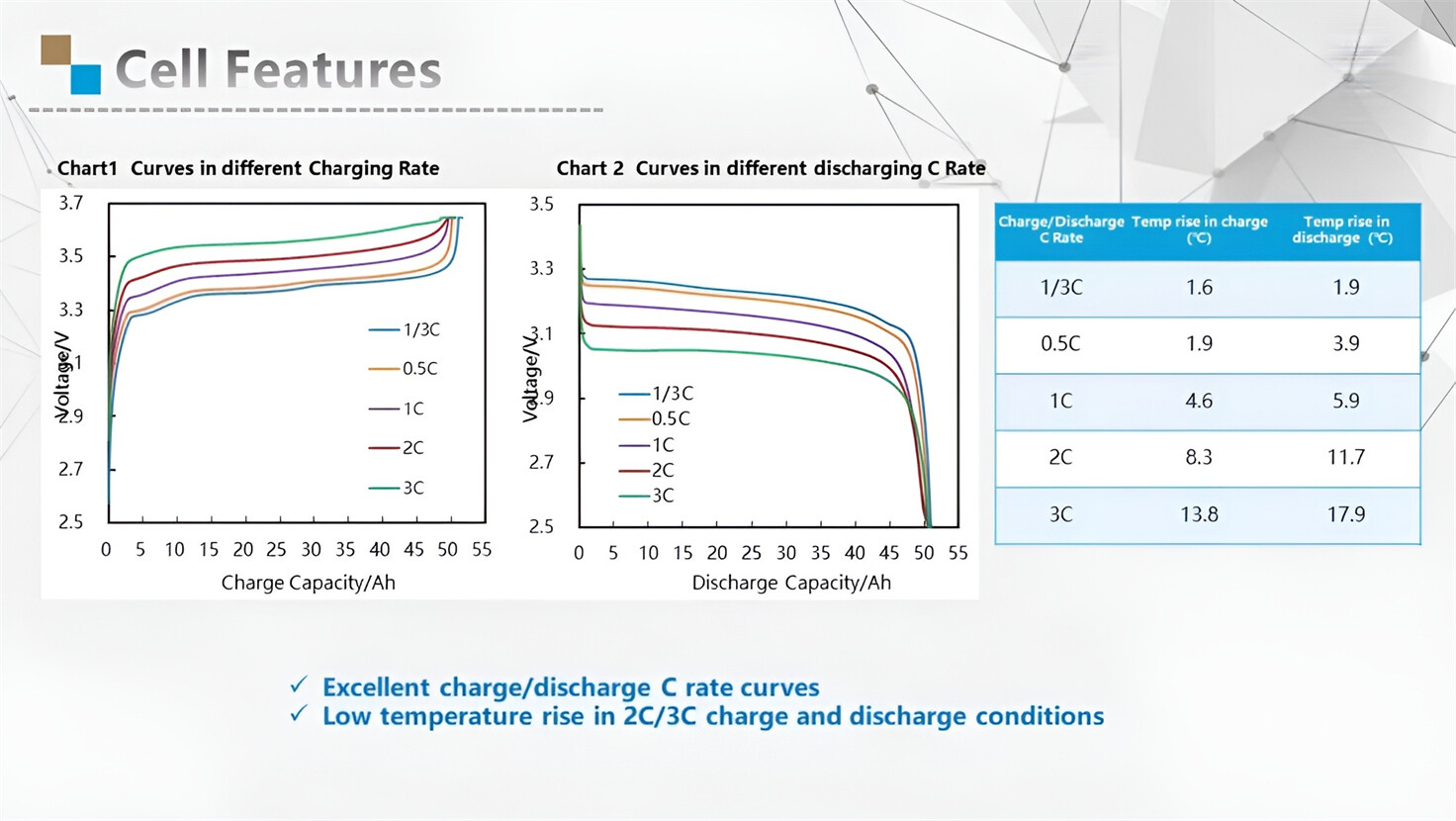
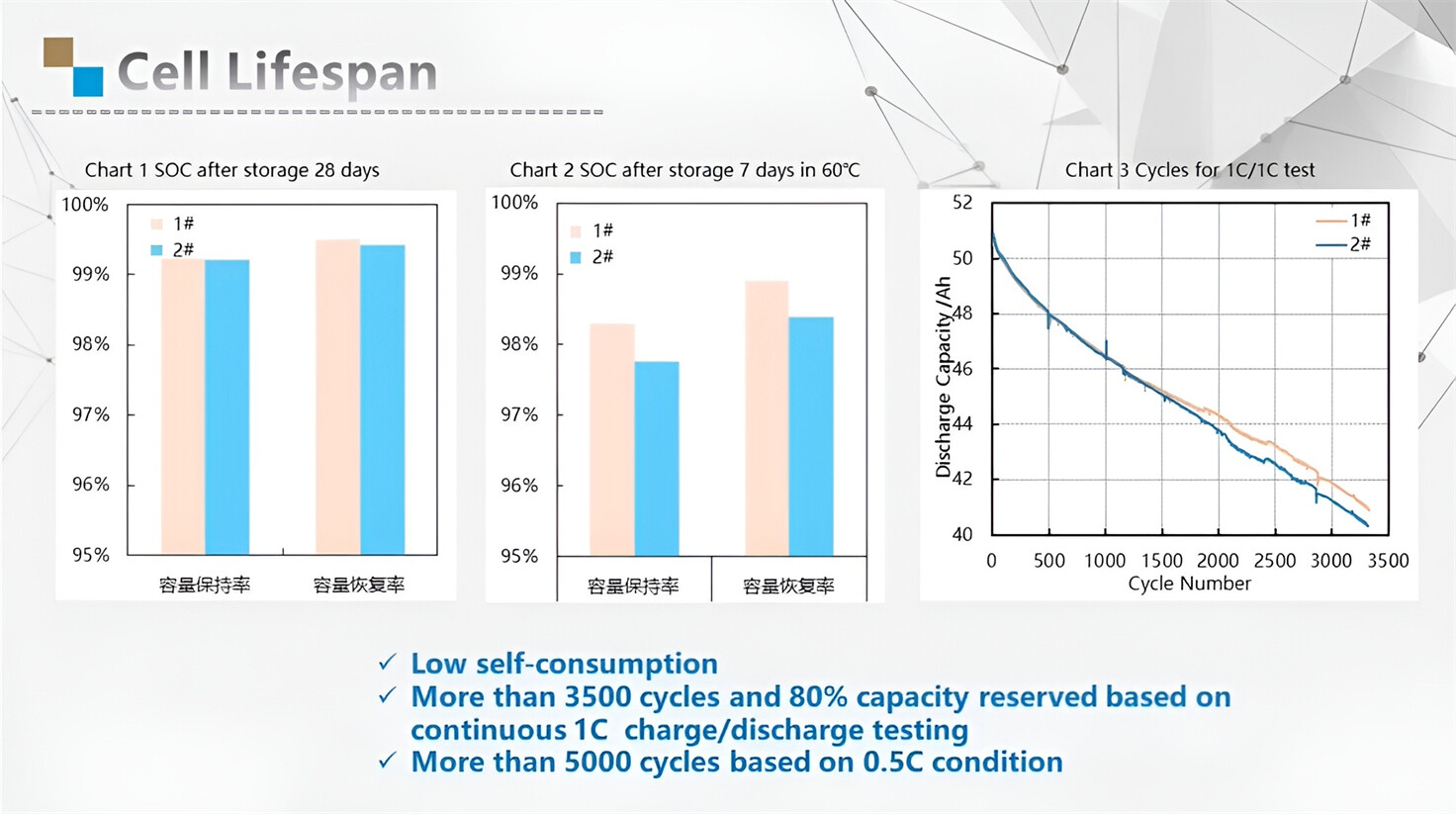
Our energy storage system products use brand new grade A LiFePO4 cells with a battery lifespan of more than 4,000 charge/discharge cycles.
Applications in Different Industries
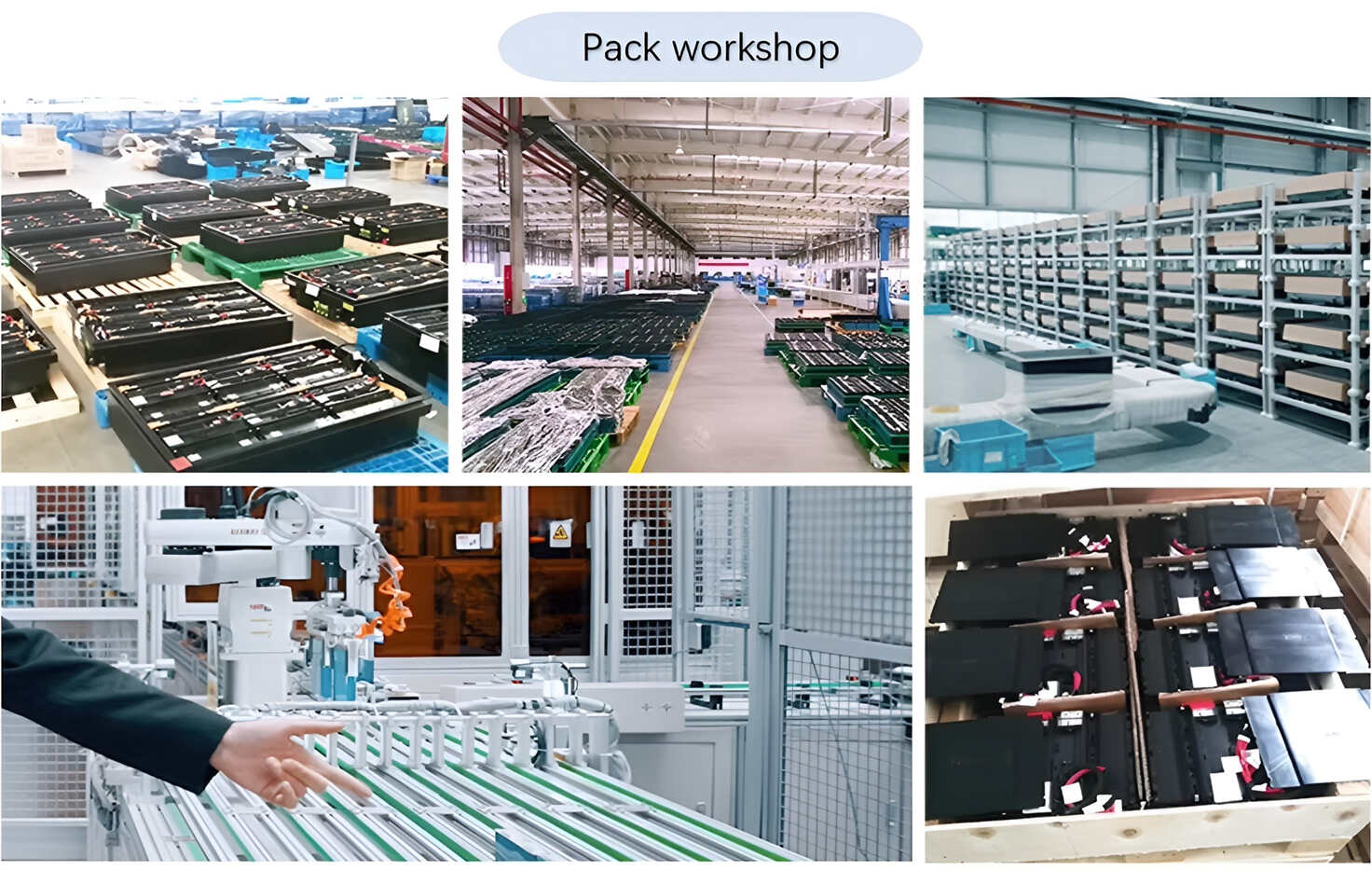
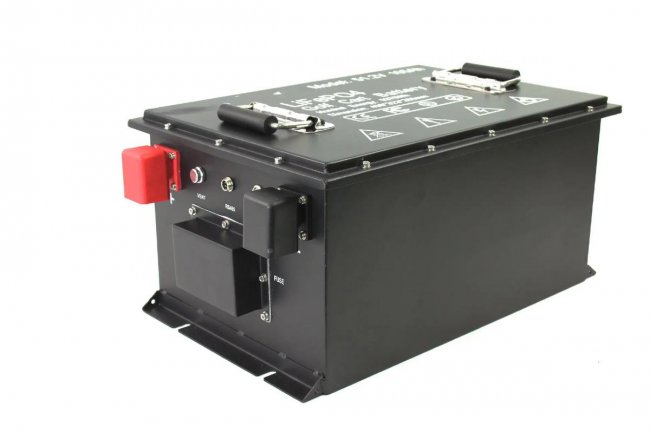
We supply customized & OEM battery pack, assemble cells with wiring, fuse and plastic cover, all the cell wires connected to PCB plug or built BMS.
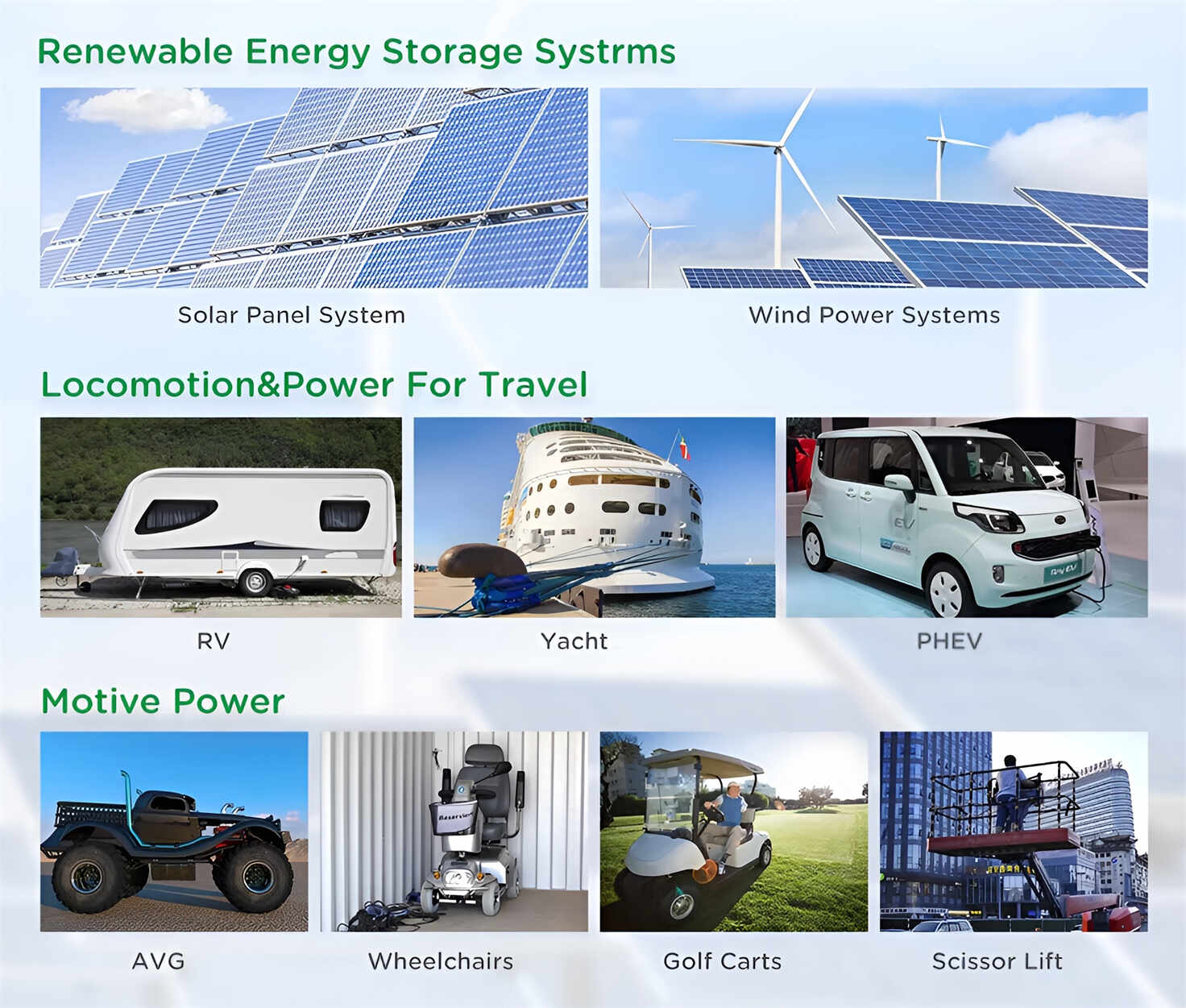
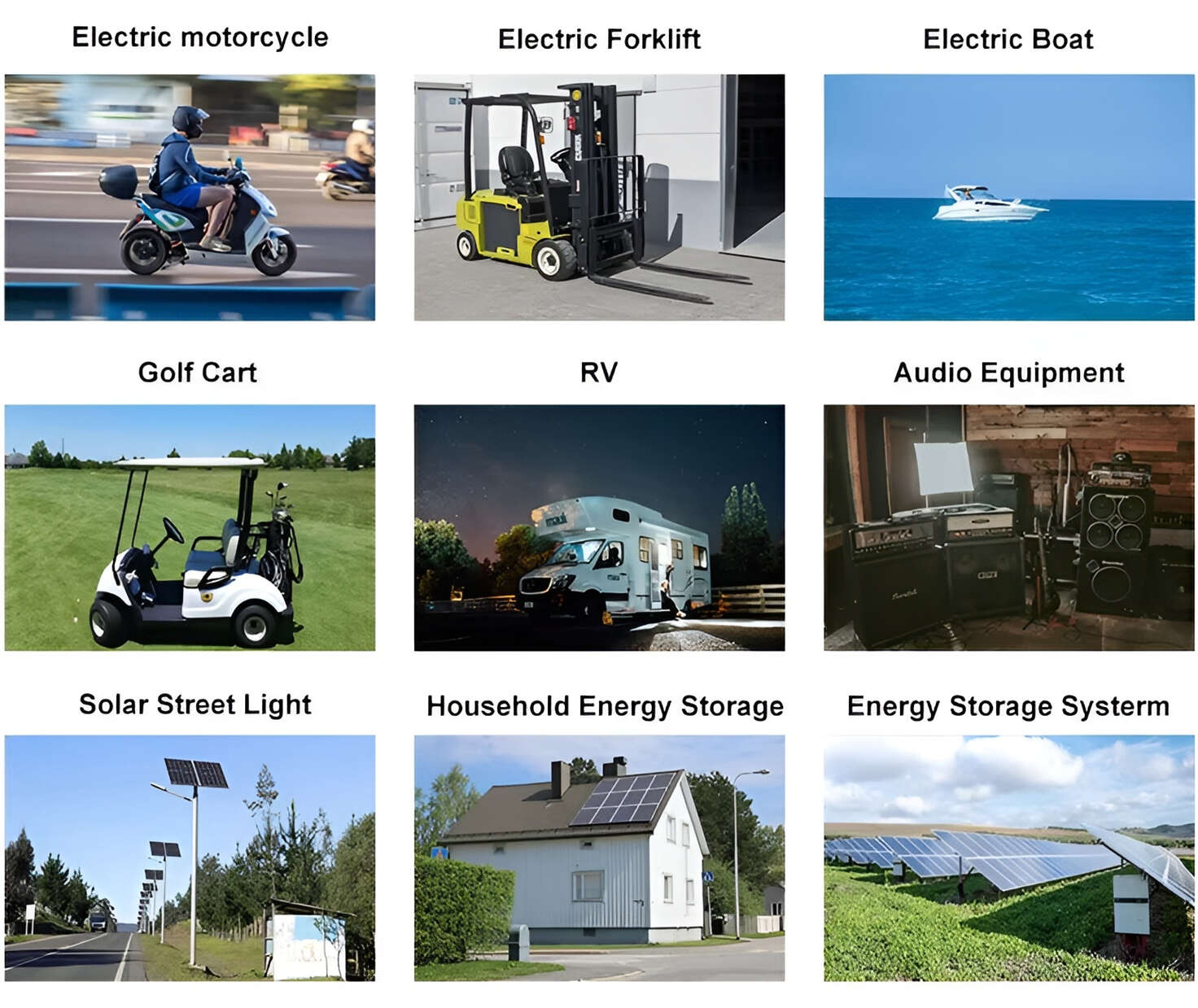
Applications: E-bike, Electric Scooter, Golf Carts, RV, Electric Wheelchair, Electric Tools, Robot Cleaner, Robot Sweeper, Solar Energy Storage System, Emergency Light, Solar Power Light, Medical Equipment, UPS Backup Power Supply.
We can provide you with customized services. We have the ability to provide a vertical supply chain, from single cells to pack/module and to a complete power solution with BMS, etc.
HomSolar (Shenzhen) Technology Co., Ltd