Cathode Material News: Innovations And Supply Chain Dynamics Reshaping The Battery Industry
The global push towards electrification and renewable energy integration has placed unprecedented focus on the heart of most energy storage systems: the lithium-ion battery. Within this critical component, the cathode material is not only a primary determinant of a battery's performance, energy density, and cost but also a major focal point for innovation and geopolitical strategy. Recent developments indicate a period of intense transformation, driven by material science breakthroughs, ambitious manufacturing scale-ups, and evolving supply chain policies.
Latest Industry Developments: Beyond NMC Dominance
The industry standard for electric vehicles (EVs) has long been the nickel-manganese-cobalt (NMC) family of cathodes, prized for their high energy density. The prevailing trend within this category has been the relentless drive towards higher nickel content, exemplified by NMC 811 (80% nickel, 10% manganese, 10% cobalt). This formulation maximizes energy output while reducing the costly and geopolitically sensitive cobalt. Major cathode producers in Asia and their partners in Europe and North America are now pushing the boundaries even further, with pilot production of NMC 9-0.5-0.5 and other ultra-high-nickel formulations.
Concurrently, lithium iron phosphate (LFP) cathode technology has staged a remarkable comeback in market share. Once considered a technology for lower-range applications, improvements in LFP cell design and manufacturing have closed the gap on energy density. Its compelling advantages—low cost, superior safety, and long cycle life—have made it the cathode of choice for a growing segment of the global EV market, particularly for standard-range vehicles and energy storage systems (ESS). Recent announcements from several leading automakers, including expansions of LFP-based models in North America and Europe, underscore its enduring relevance.
Perhaps the most anticipated development is the gradual progression of solid-state batteries from the laboratory to pilot production lines. Start-ups and established battery giants are investing billions in solving the manufacturing challenges associated with this technology. The cathode in a solid-state system is often a critical differentiator, with many designs utilizing high-capacity, stable nickel-rich cathodes (NMC or NCA) in a new, solid electrolyte environment. Recent months have seen notable milestones, including the delivery of the first prototype vehicles featuring semi-solid-state batteries to partners for real-world testing, signaling a cautious but tangible step towards commercialization.
Trend Analysis: The Trifecta of Sustainability, Supply, and Sodium
Looking forward, several key trends are set to define the cathode market.
First, the diversification of supply chains is accelerating. Policy initiatives like the U.S. Inflation Reduction Act (IRA) and Europe's Critical Raw Materials Act are creating powerful incentives for localized cathode material and precursor production. This has triggered a wave of new investment in processing facilities outside of Asia. The goal is to establish a secure, traceable supply of battery-grade materials, reducing reliance on a single geographic region. This trend is not just about geopolitics; it's about building resilient logistics and meeting stringent ESG (Environmental, Social, and Governance) criteria demanded by end consumers and investors.
Second, the sustainability imperative is moving from a talking point to a core R&D driver. The energy and water intensity of cathode production is under scrutiny. In response, companies are developing novel, lower-energy synthesis methods, such as hydrothermal synthesis for certain precursor materials. Furthermore, the race to commercialize efficient and economically viable recycling processes for cathode materials is intensifying. "Closed-loop" systems, where end-of-life battery materials are directly fed back into the production of new cathodes, are seen as the ultimate goal to mitigate raw material demand and environmental footprint.
Third, a new frontier is emerging with sodium-ion (Na-ion) batteries. While not a direct replacement for high-performance lithium-ion in all applications, Na-ion technology presents a compelling alternative for specific markets, notably low-speed EVs and large-scale ESS. The cathode materials for Na-ion—such as layered metal oxides and polyanionic compounds—utilize abundant sodium, eliminating the need for lithium and cobalt. Recent announcements of gigawatt-scale Na-ion battery production facilities, particularly in China, indicate that this chemistry is transitioning from a research curiosity to a tangible part of the broader energy storage landscape, potentially reshaping demand for traditional cathode materials in certain segments.
Expert Perspectives: A Cautiously Optimistic Outlook
Industry experts acknowledge both the promise and the pitfalls of the current cathode evolution.
Dr. Elena Vance, a materials scientist at a leading European research institute, comments on the high-nickel trajectory: "While NMC 9xx cathodes offer a clear path to higher energy density, they introduce significant manufacturing challenges. Their high surface reactivity requires sophisticated coating technologies and controlled atmospheric conditions during production. The stability gains promised by solid-state electrolytes could unlock their full potential, but we are still solving fundamental interface issues between the solid electrolyte and these aggressive cathode materials."
On the supply chain front, Michael Thorson, a partner at a clean-tech advisory firm, highlights the scale of the challenge. "The IRA has been a catalyst unlike any other, spurring dozens of announced cathode and battery plants in North America. However, building a secure supply chain is more than just building factories. It requires developing a skilled workforce, establishing consistent local sources of precursor materials, and creating a robust recycling ecosystem from the ground up. This is a decade-long project, not a two-year turnaround."
Regarding alternative chemistries, Professor Kenji Tanaka of a Japanese university, a leading voice on next-generation batteries, offers a measured view. "Sodium-ion is a crucial diversification play. It won't replace lithium-ion in your premium electric sedan, but for grid storage where cost, safety, and cycle life are paramount, its value proposition is strong. The success of LFP has already proven that the market can support multiple cathode chemistries for different applications. We are moving away from a one-size-fits-all paradigm towards a more nuanced, application-specific battery ecosystem."
In conclusion, the cathode material sector is in a state of dynamic flux. The competition is no longer just about incremental improvements to existing formulas but encompasses a broader struggle over supply chain security, environmental responsibility, and the definition of the next dominant chemistry. The outcomes of these parallel developments will ultimately determine the cost, performance, and sustainability of the batteries that power our future.
Customized/OEM/ODM Service
HomSolar Supports Lifepo4 battery pack customization/OEM/ODM service, welcome to contact us and tell us your needs.

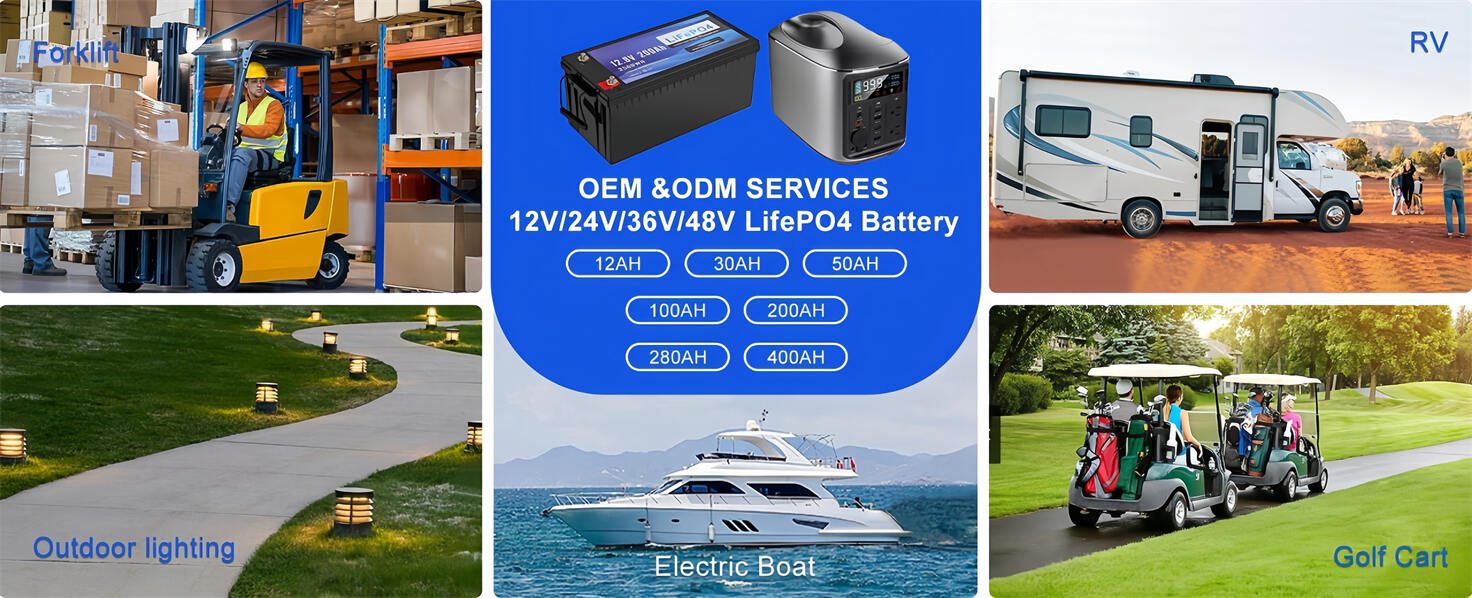
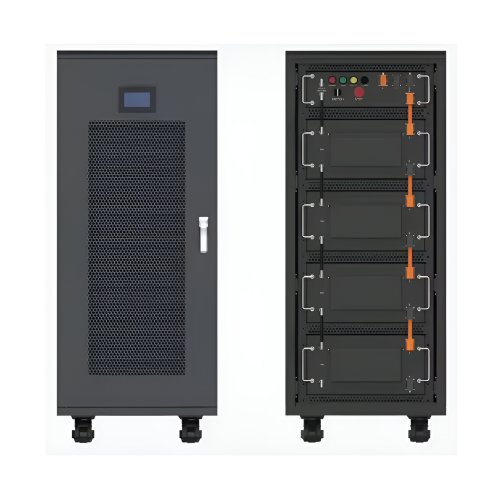
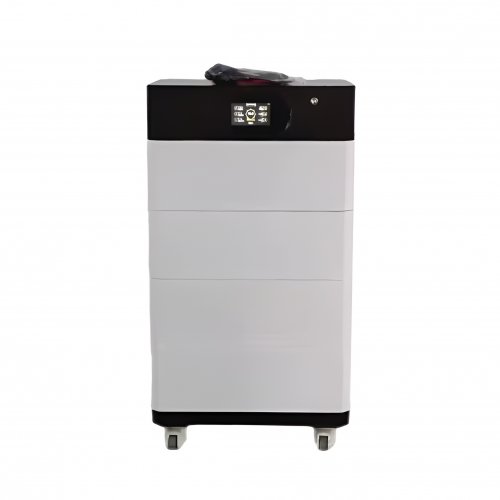
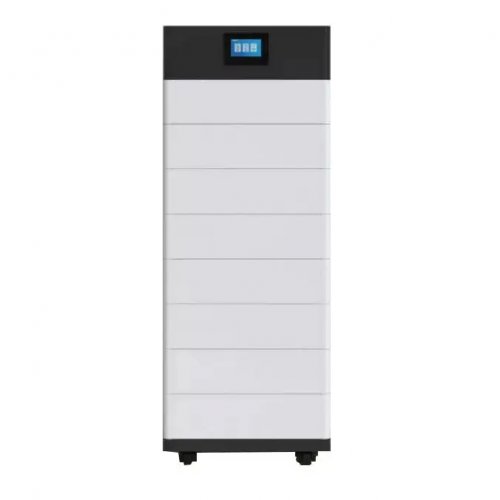
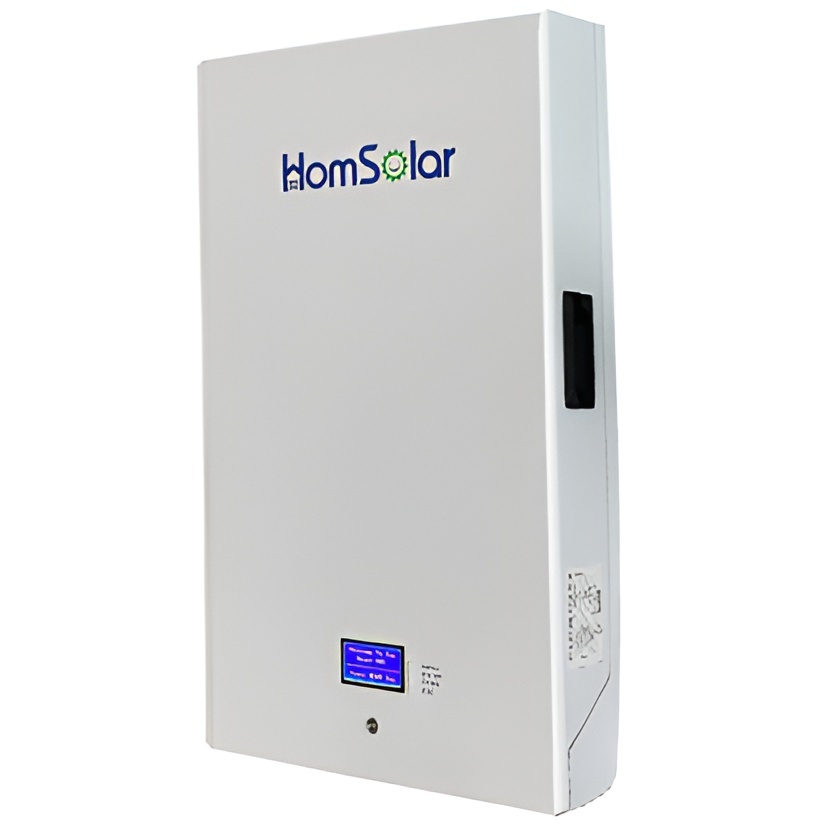
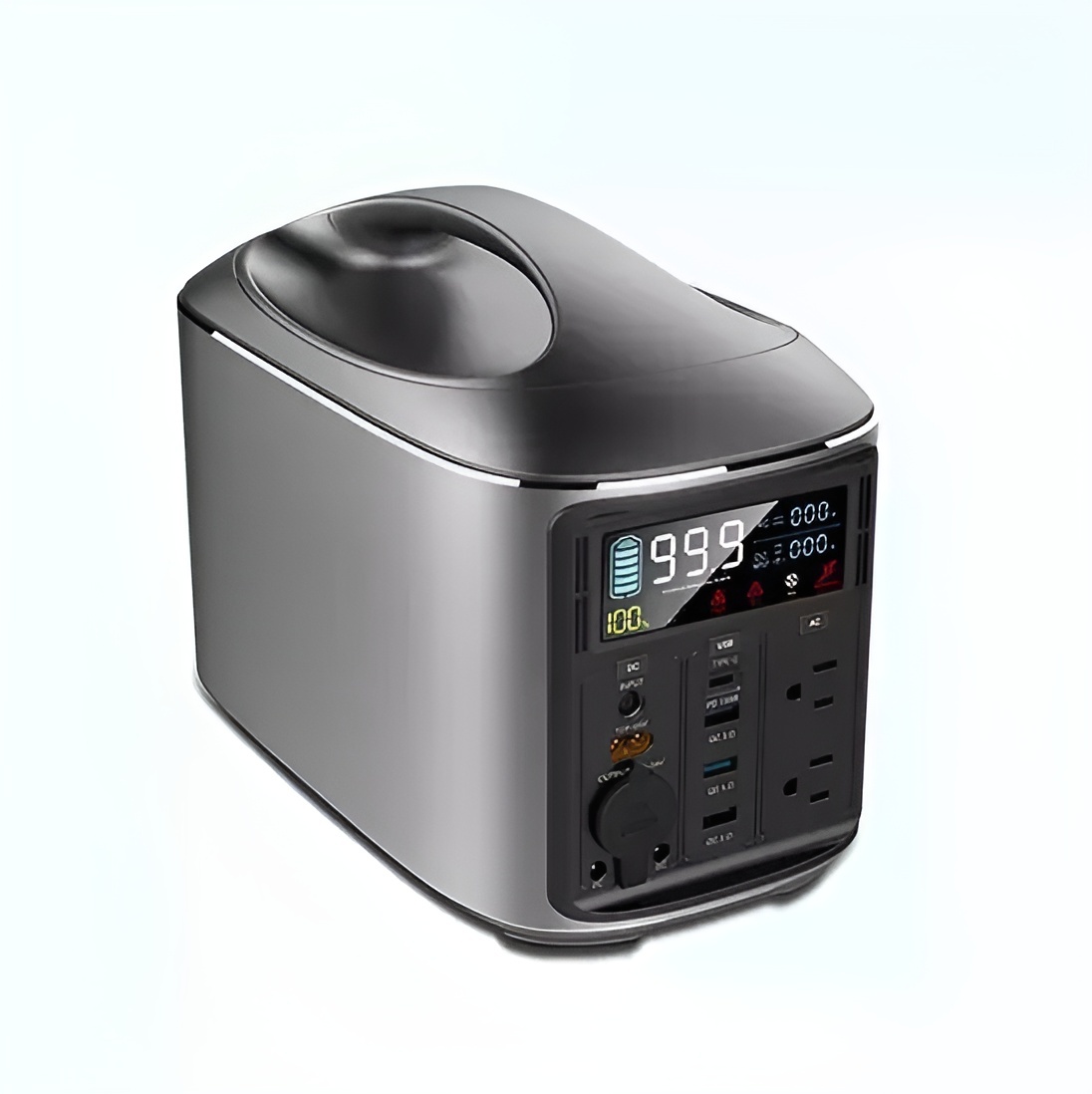
HomSolar: Your One-stop LiFePO4 Battery Pack & ESS Solution Manufacturer
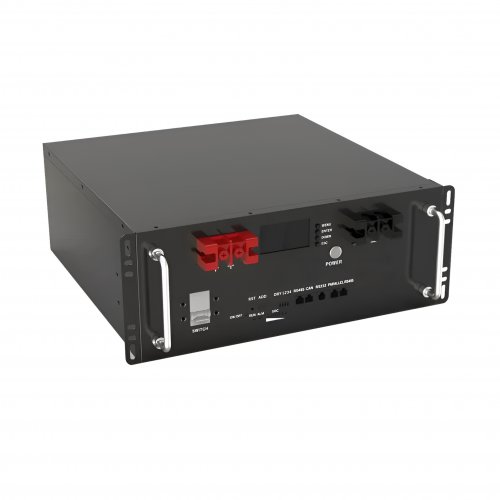
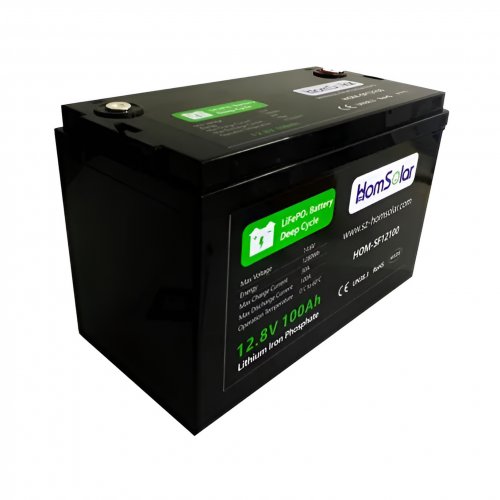
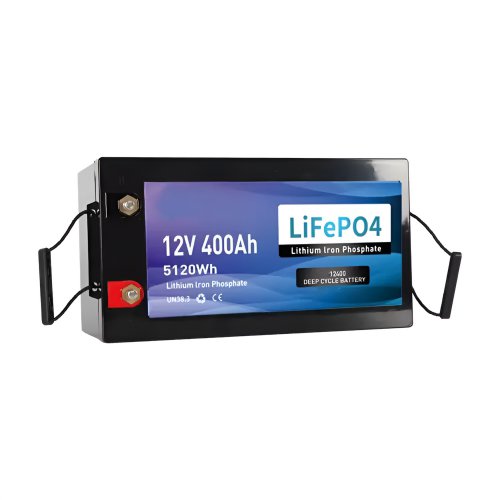
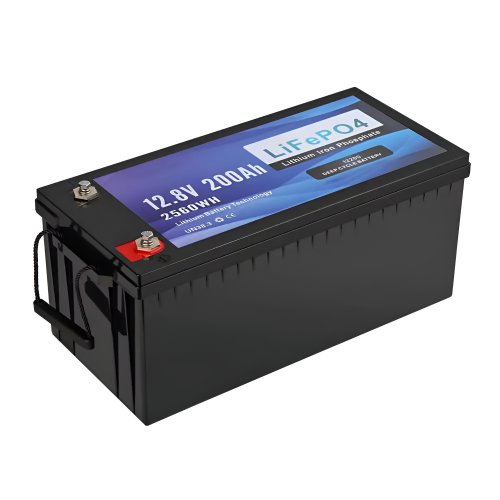
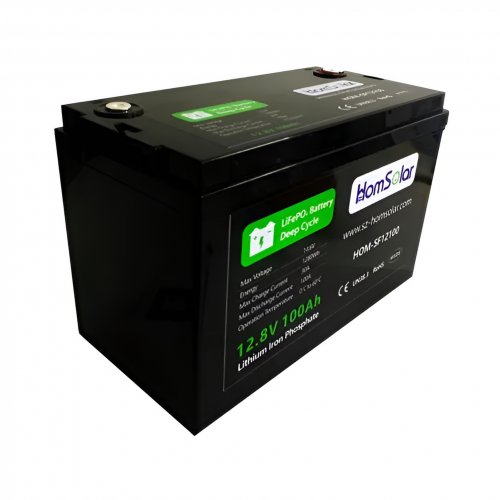
Our line of LiFePO4 (LFP) batteries offer a solution to demanding applications that require a lighter weight, longer life, and higher capacity battery. Features include advanced battery management systems (BMS), Bluetooth® communication and active intelligent monitoring.
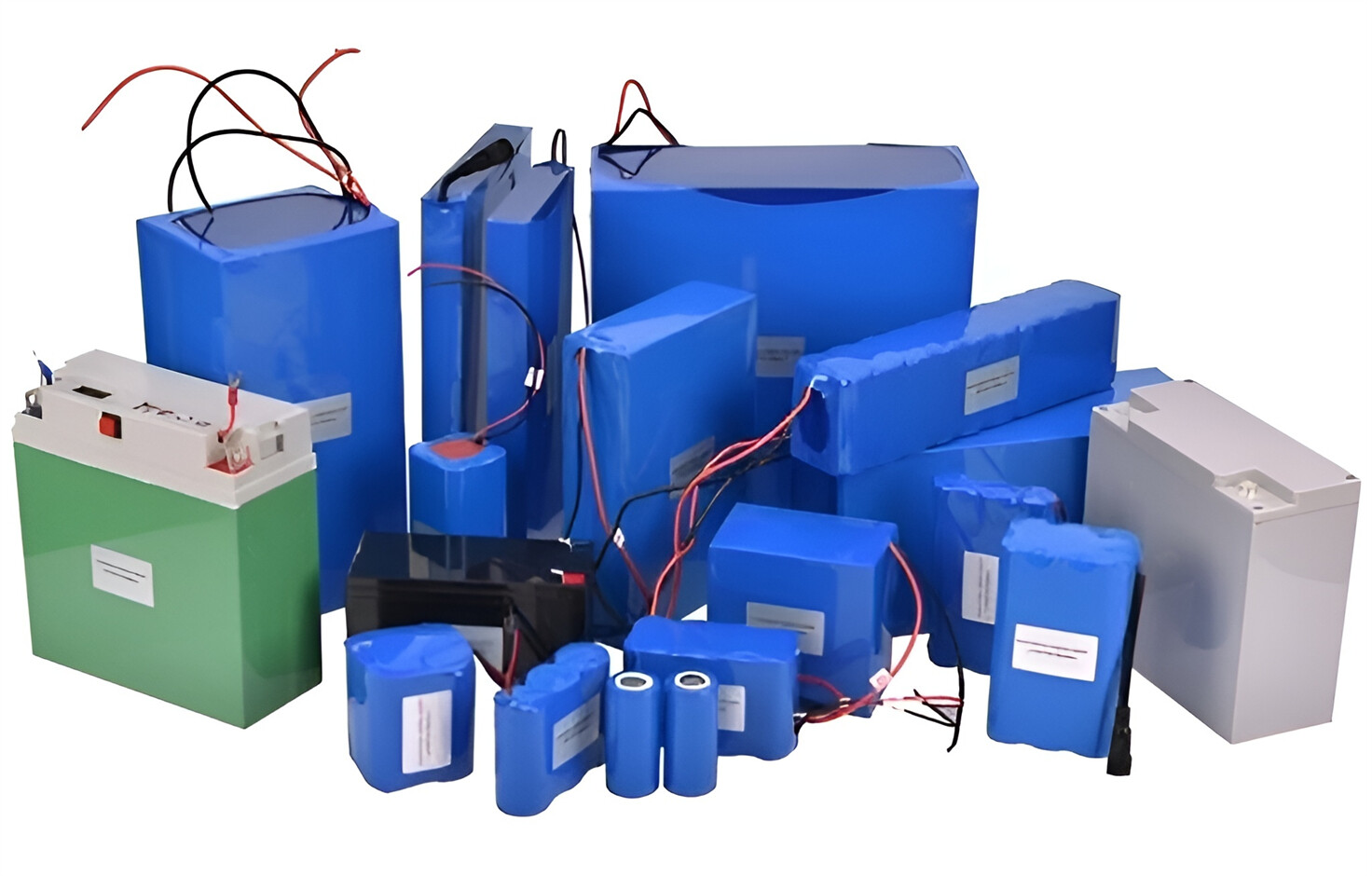
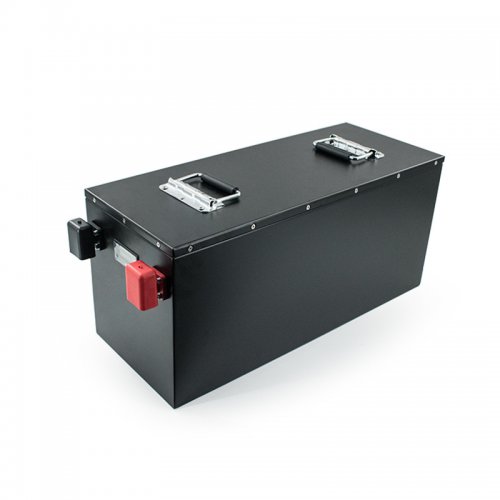
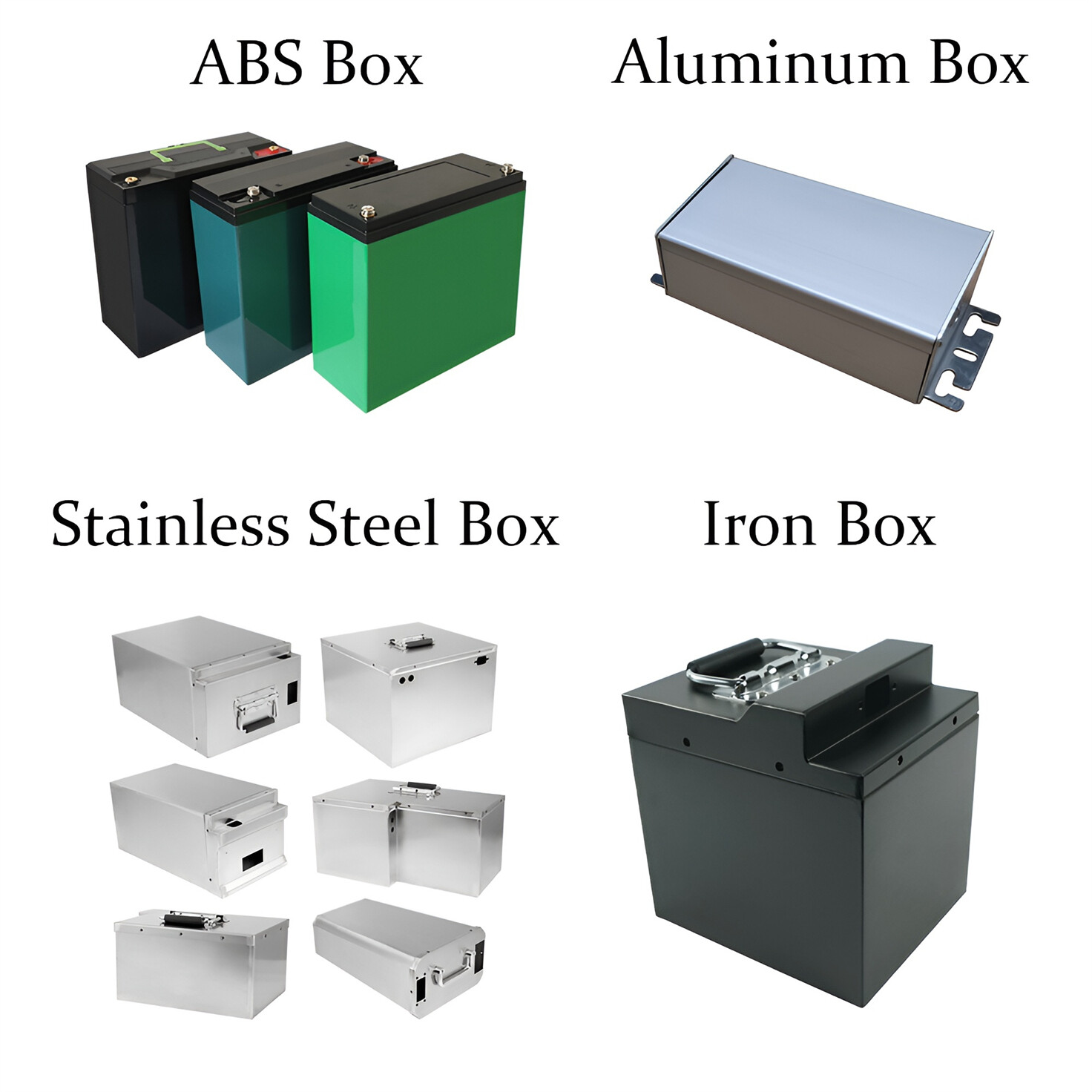
Customised Lithium Iron Phosphate Battery Casing
ABS plastic housing, aluminium housing, stainless steel housing and iron housing are available, and can also be designed and customised according to your needs.
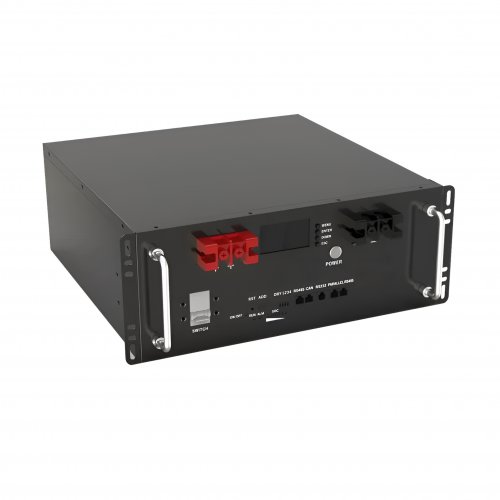
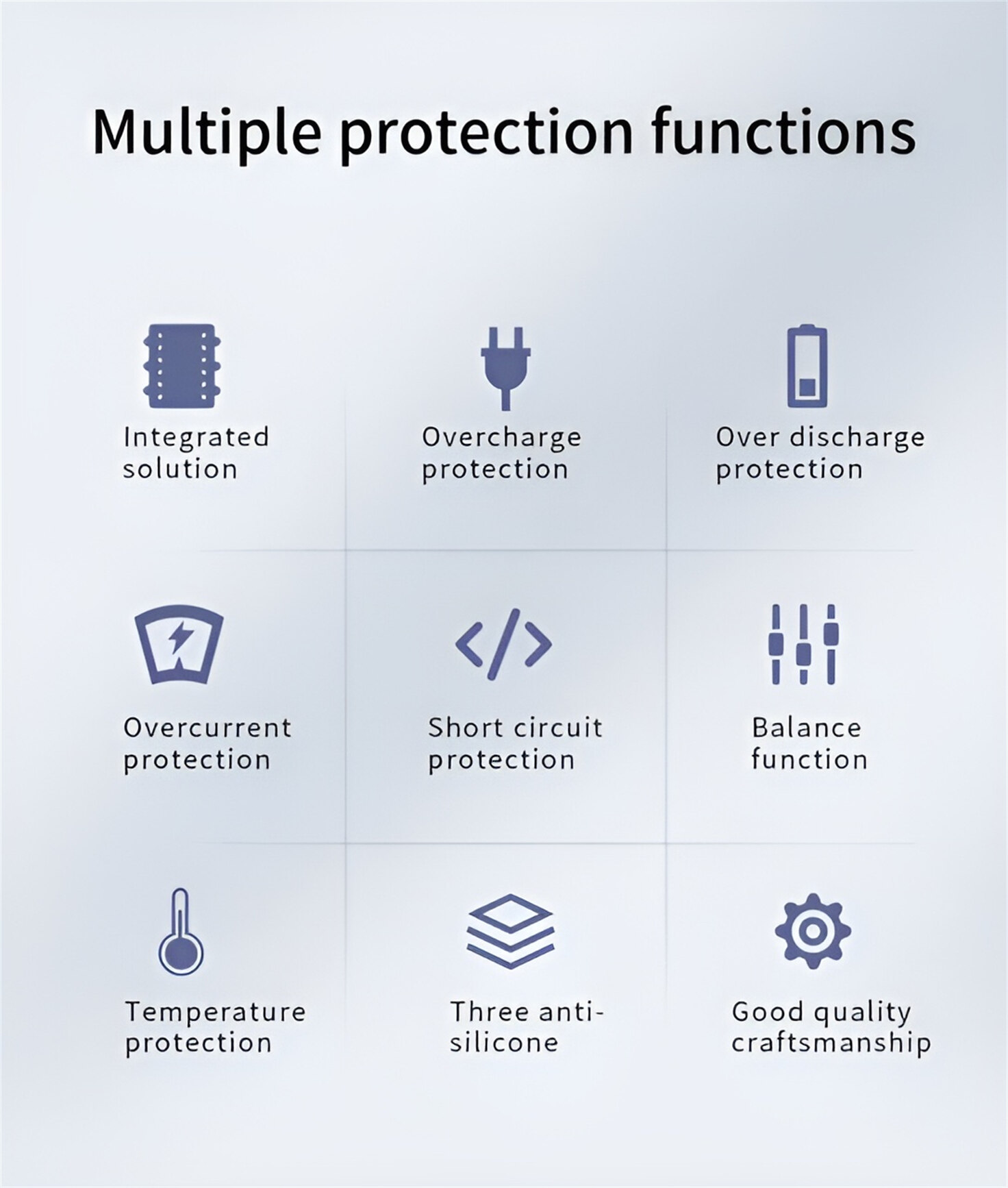
HomSolar Smart BMS
Intelligent Battery Management System for HomSolar Energy Storage System. Bluetooth, temperature sensor, LCD display, CAN interface, UART interface also available.

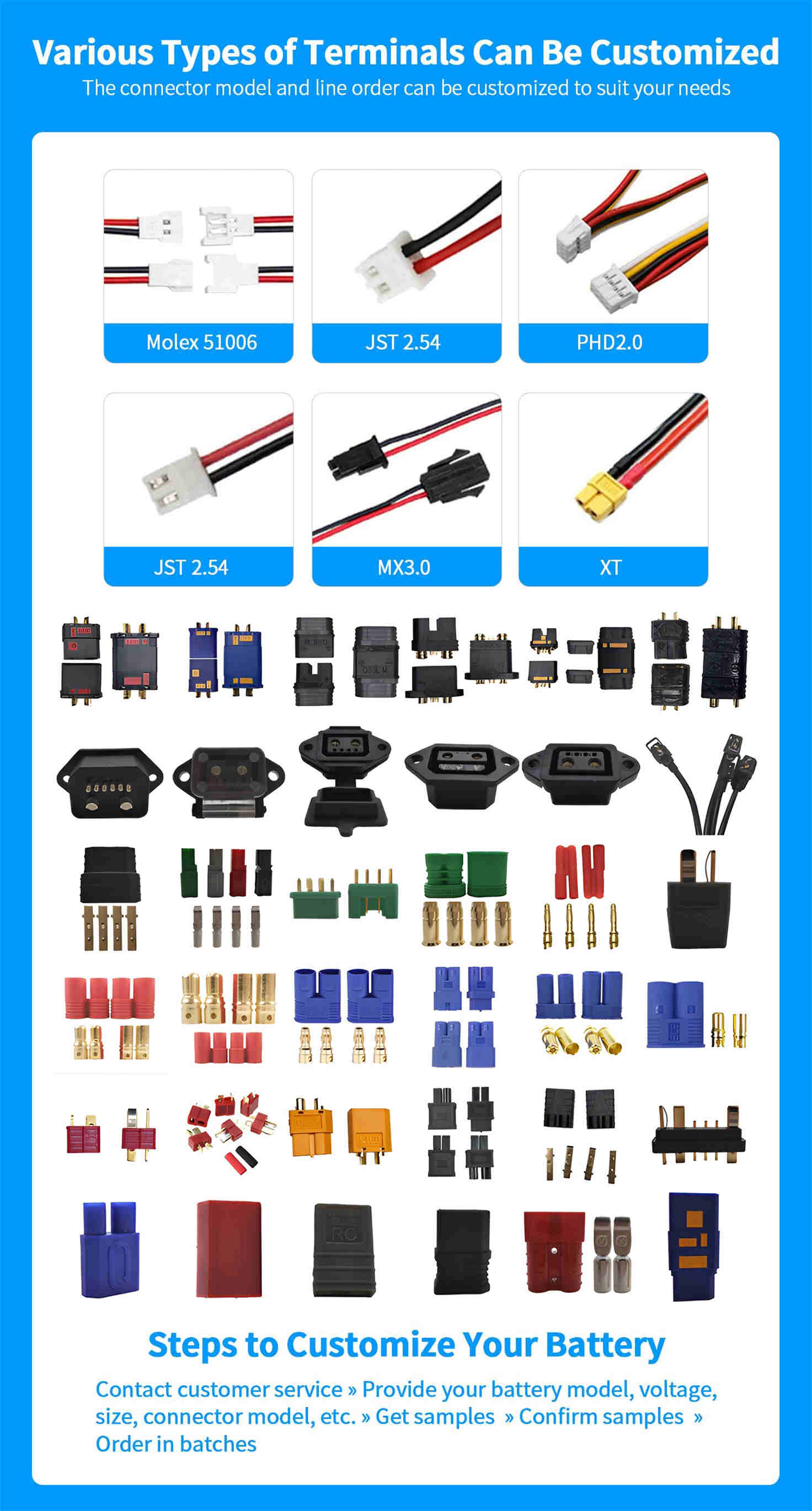
Terminals & Plugs Can Be Customized
A wide range of terminals and plugs can be customised to suit the application needs of your battery products.
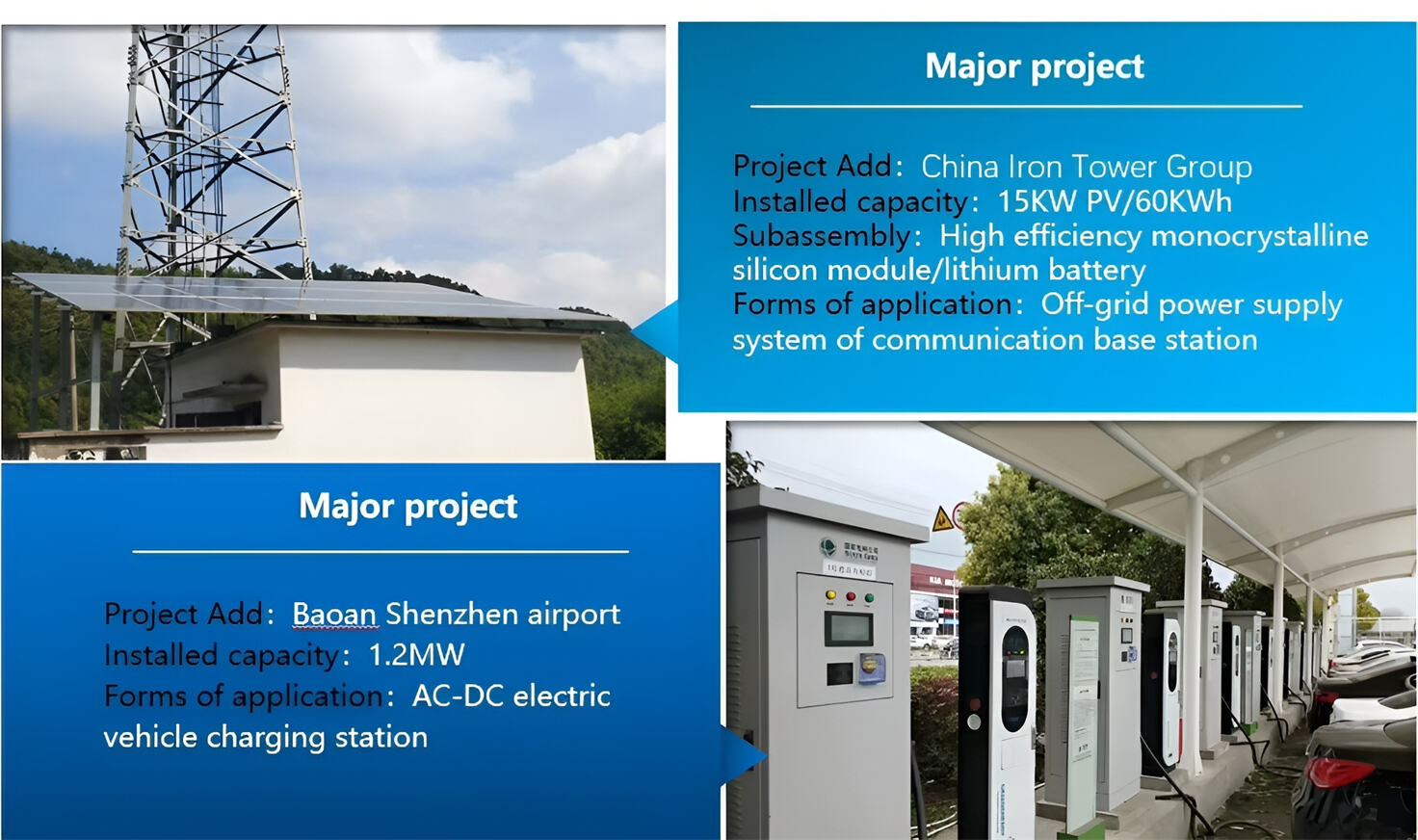
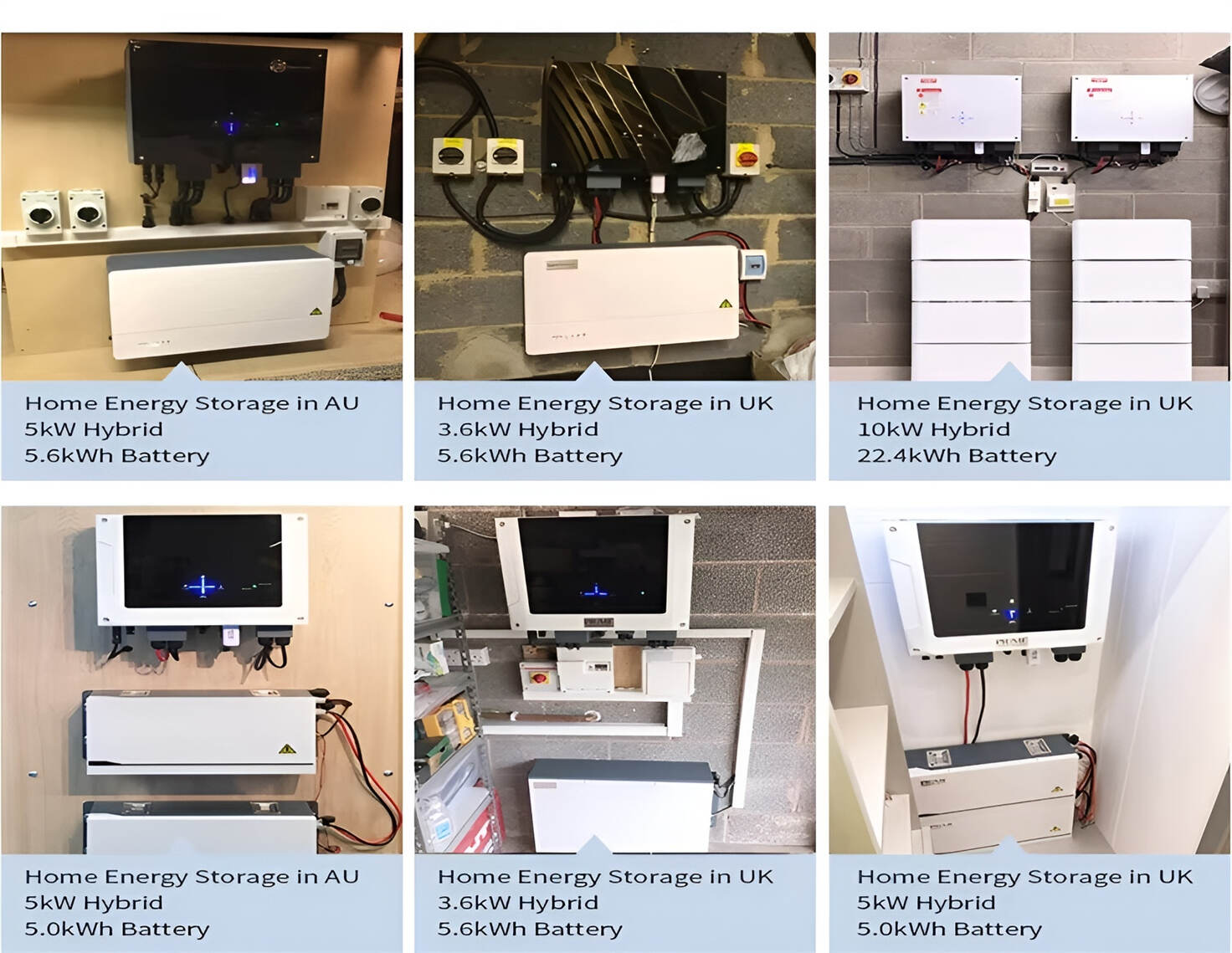
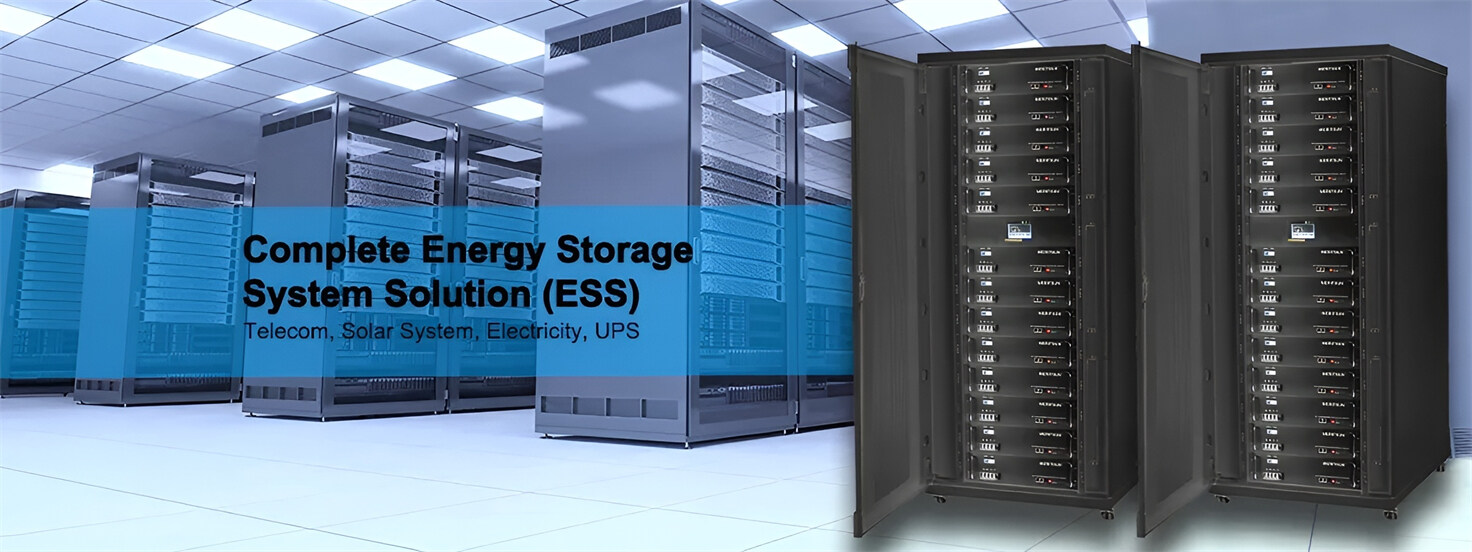
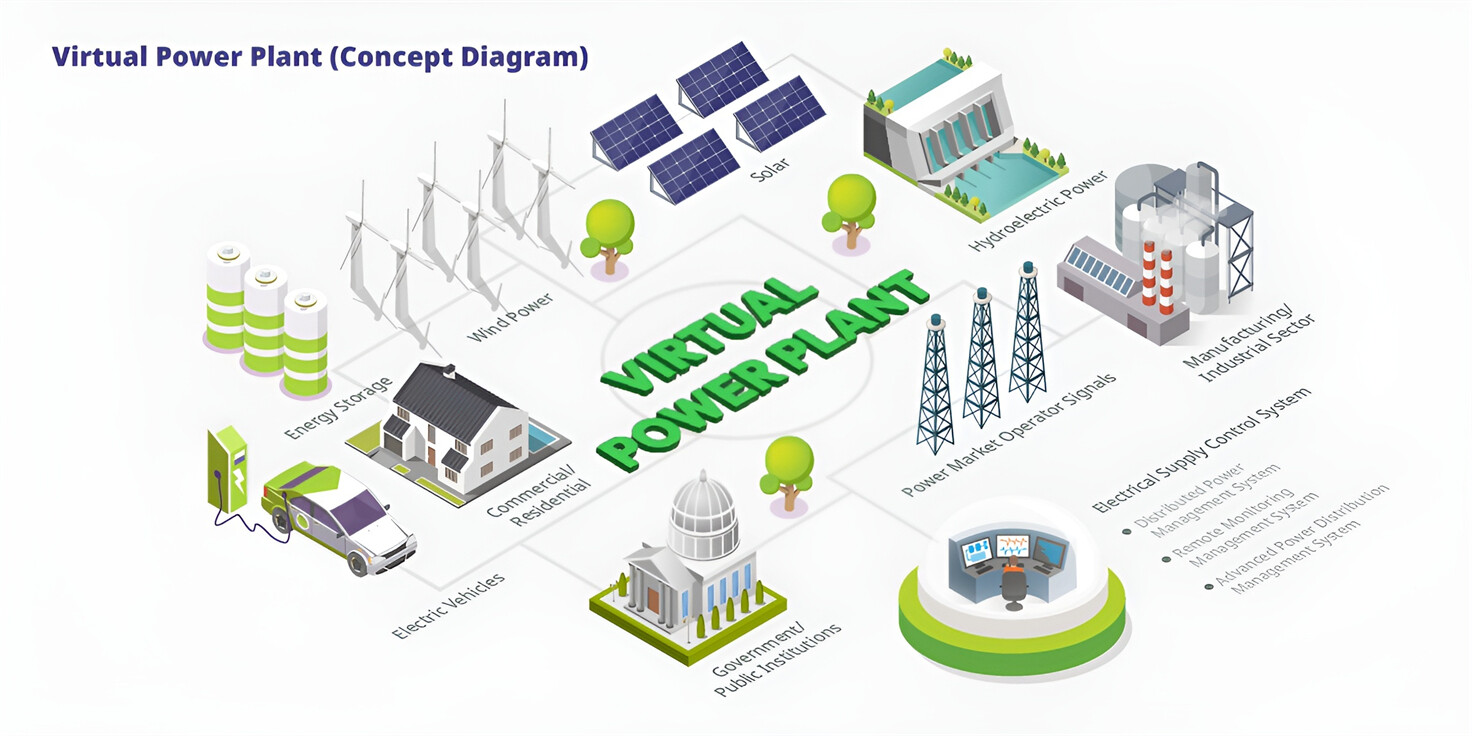
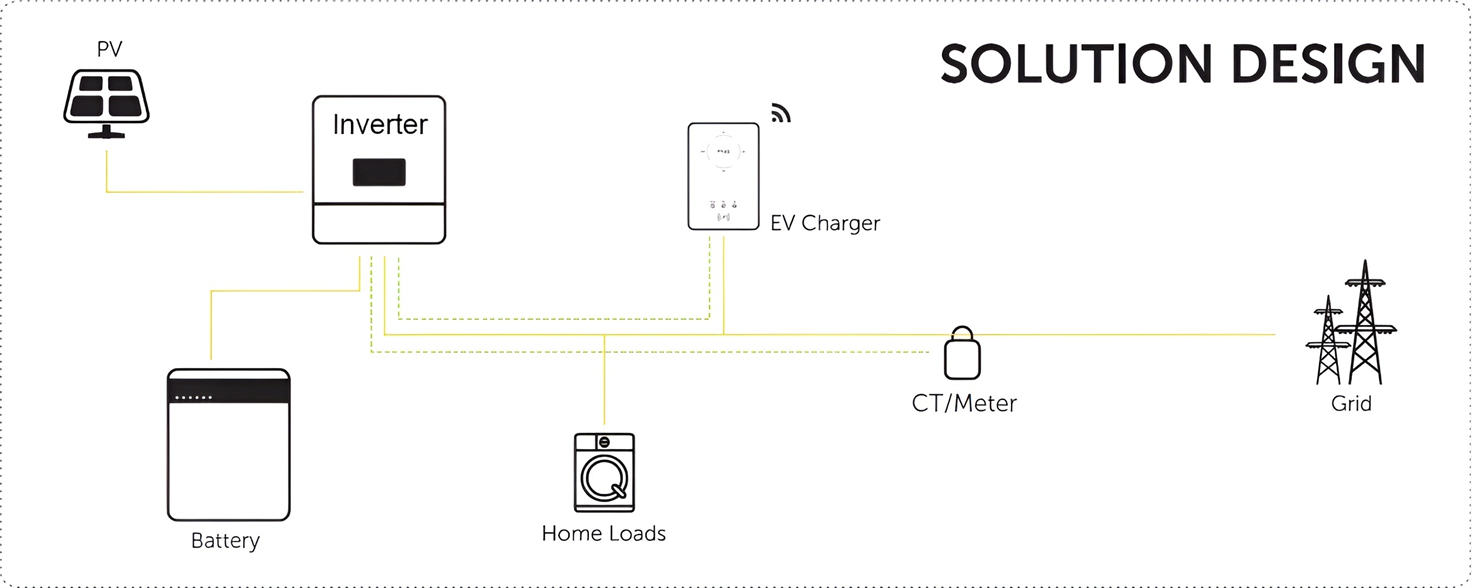
Well-designed Solutions for Energy Storage Systems
We will design the perfect energy storage system solution according to your needs, so that you can easily solve the specific industry applications of battery products.
About Our Battery Cells
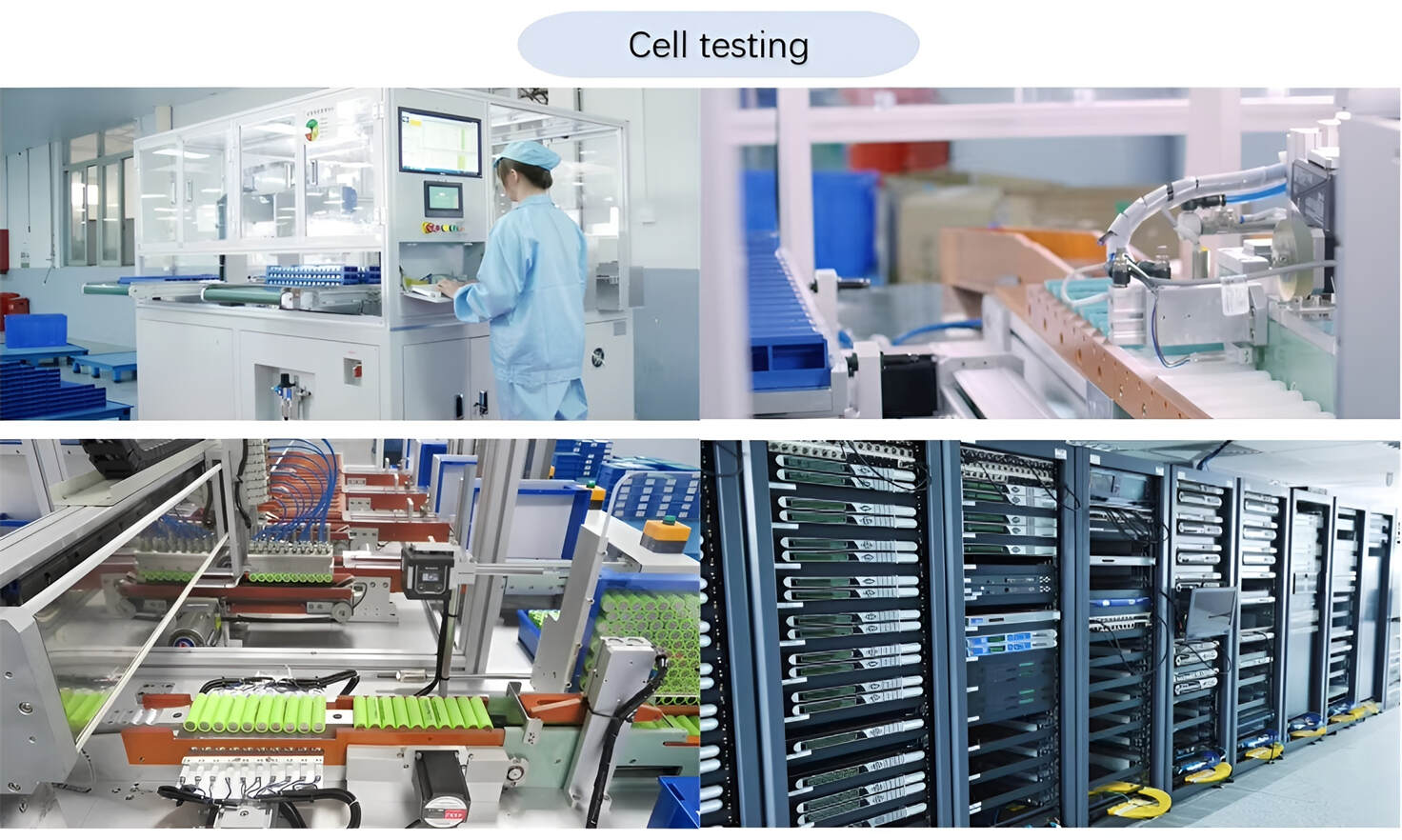
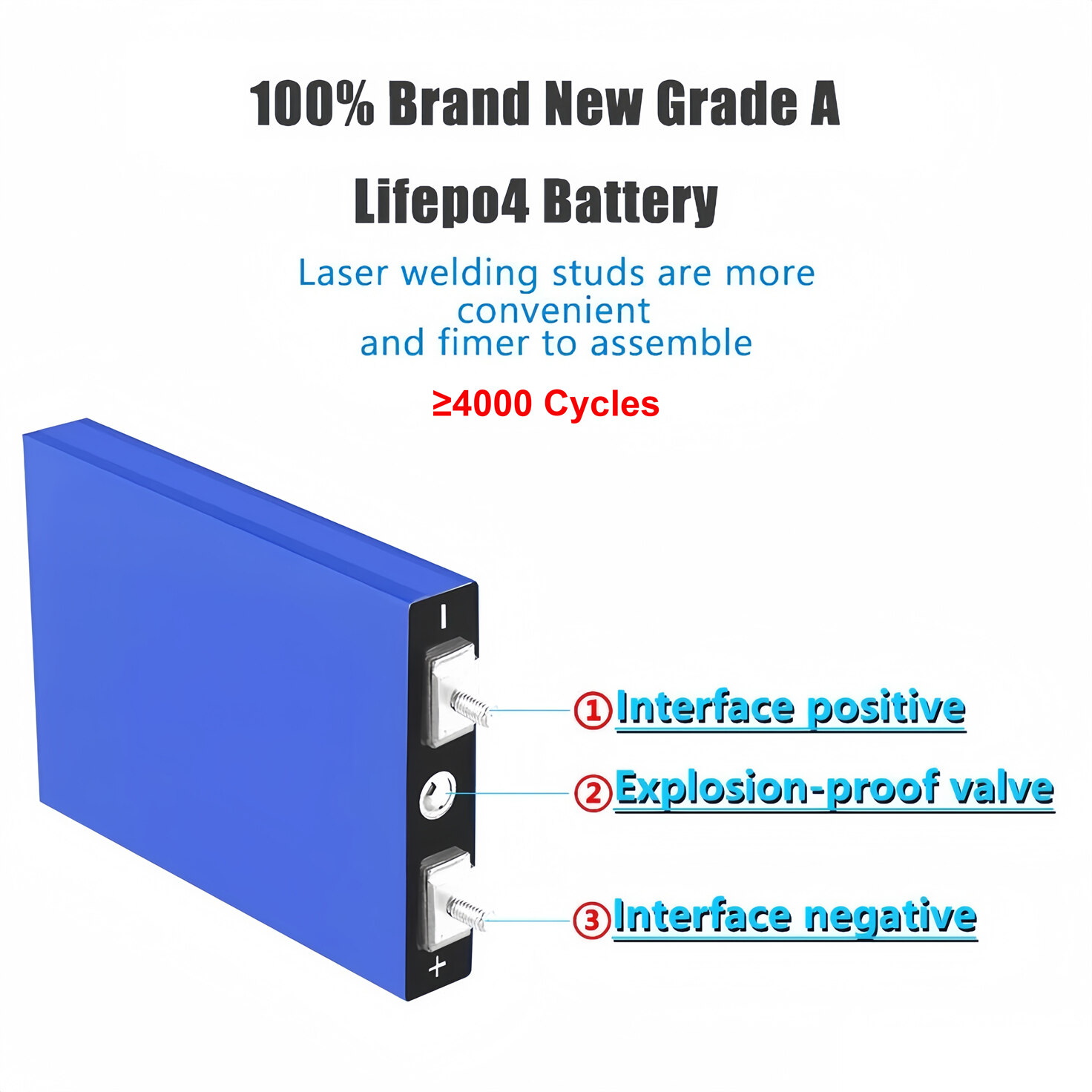
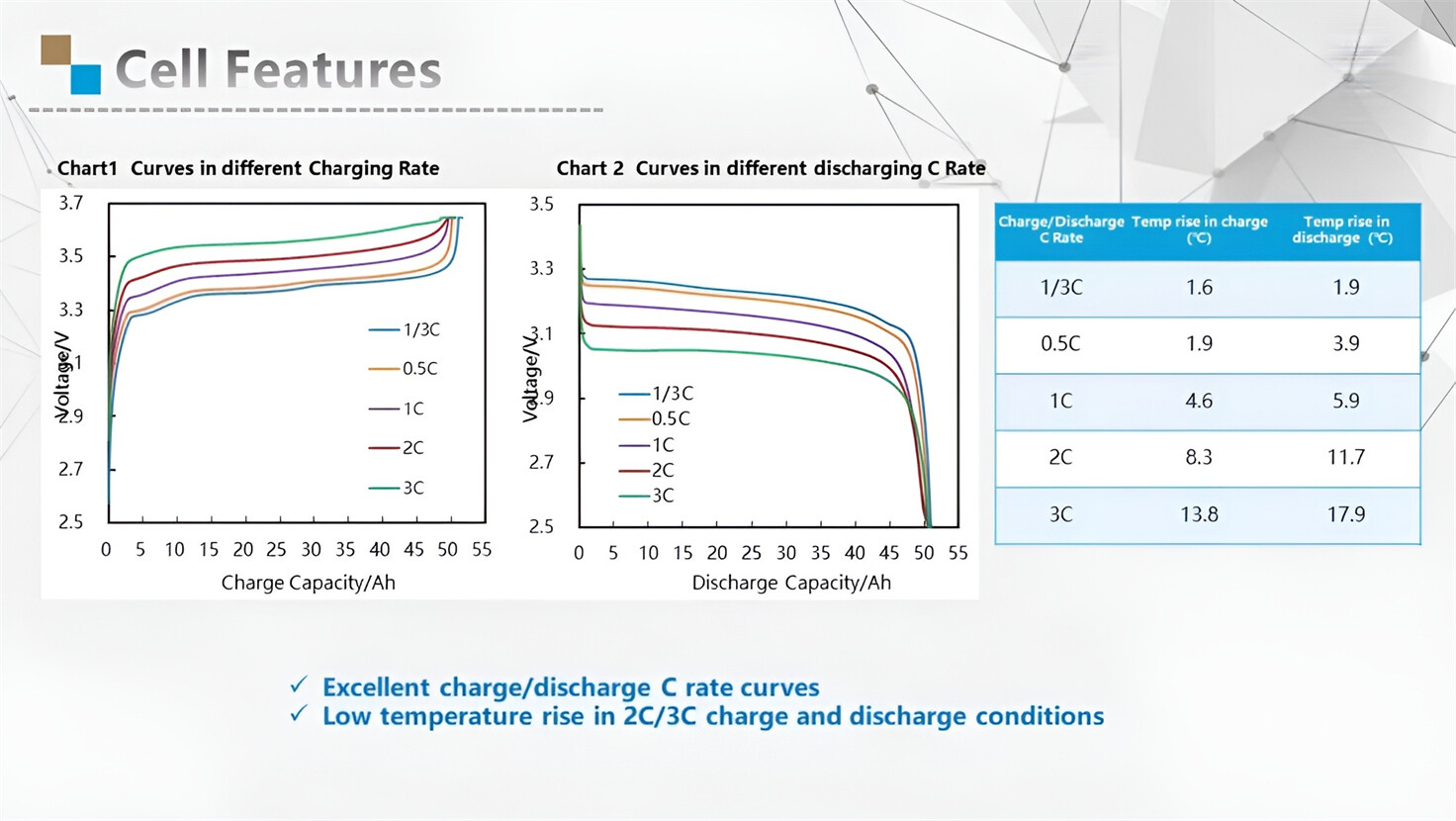
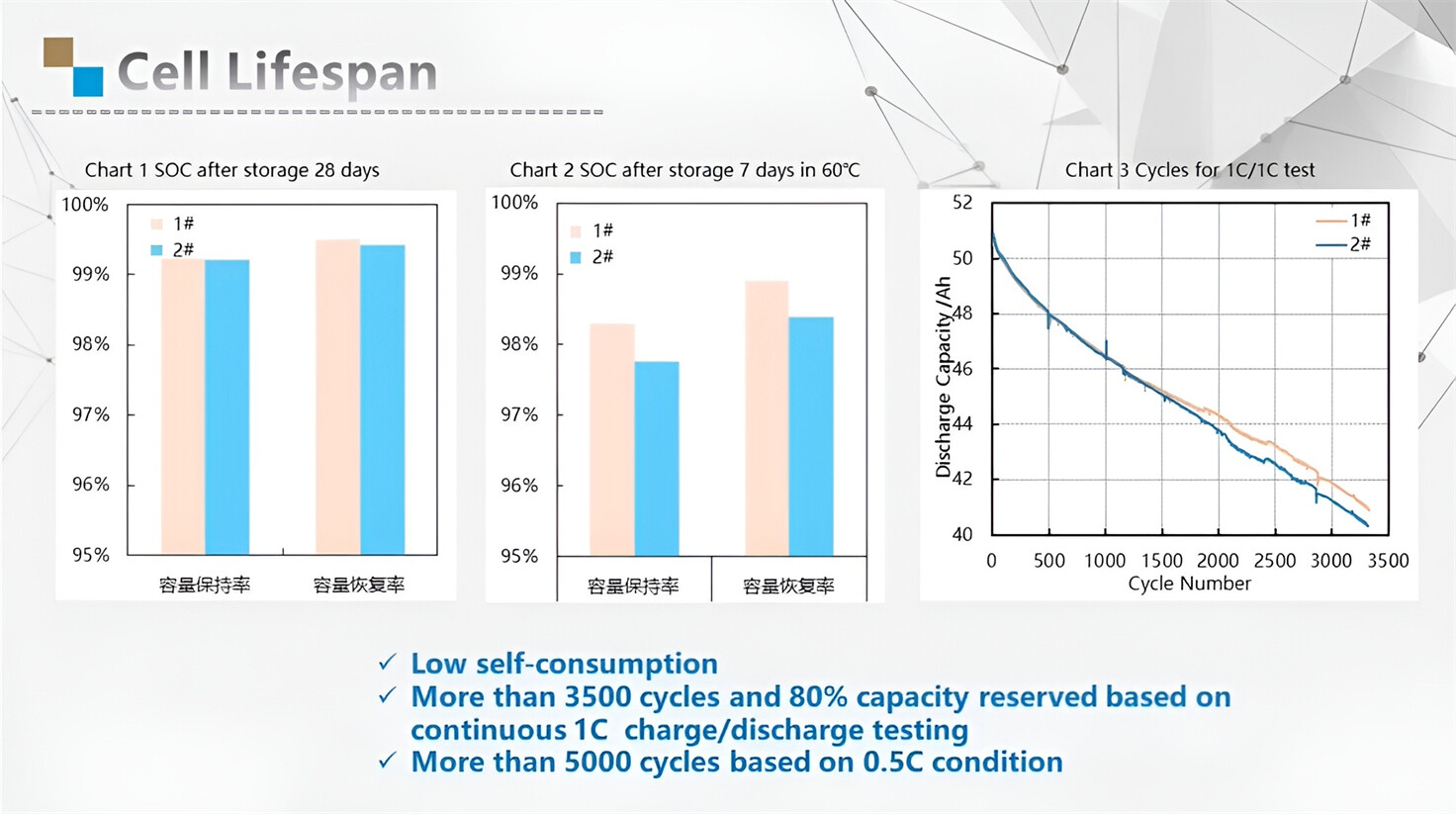
Our energy storage system products use brand new grade A LiFePO4 cells with a battery lifespan of more than 4,000 charge/discharge cycles.
Applications in Different Industries
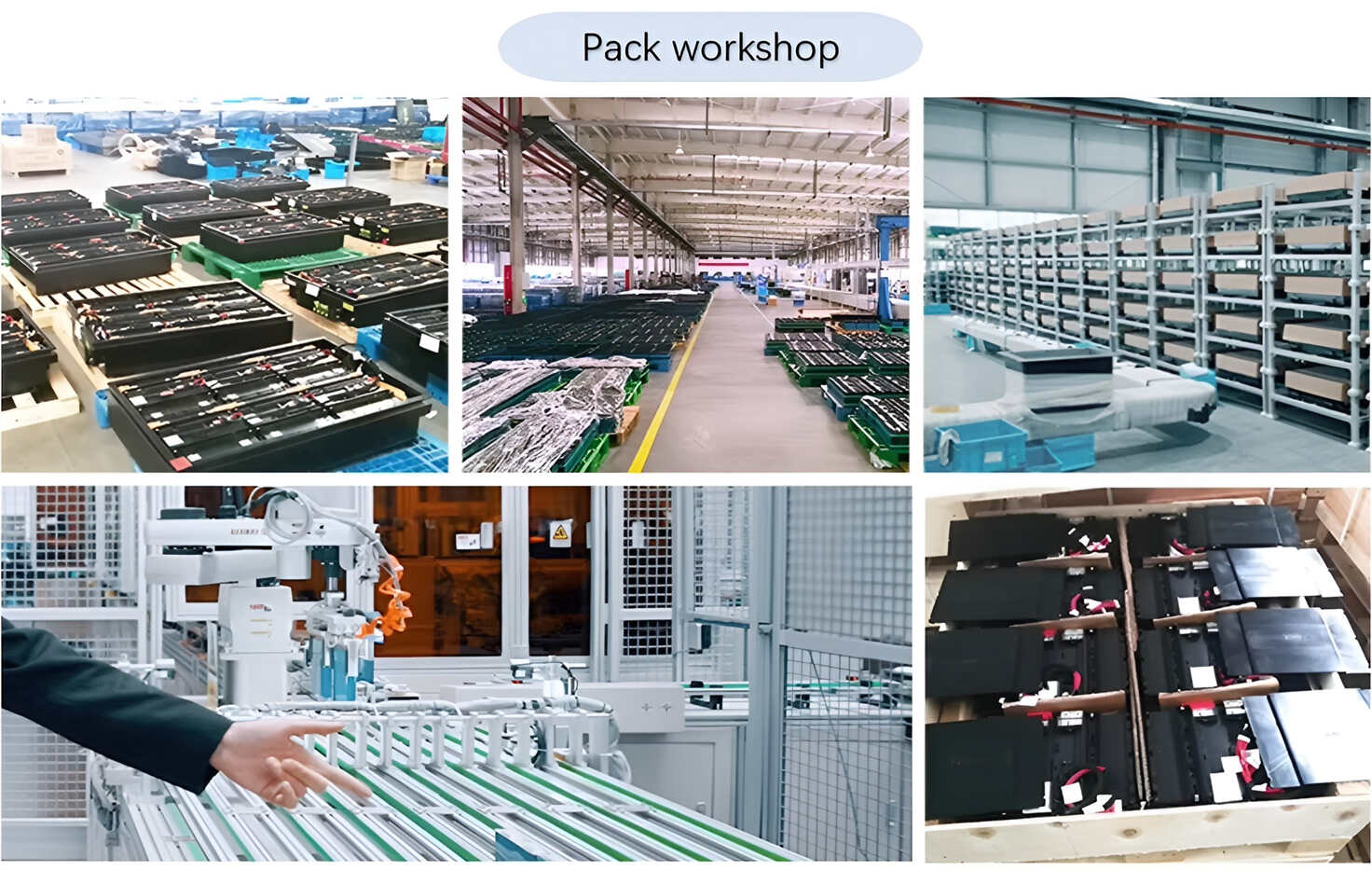
We supply customized & OEM battery pack, assemble cells with wiring, fuse and plastic cover, all the cell wires connected to PCB plug or built BMS.
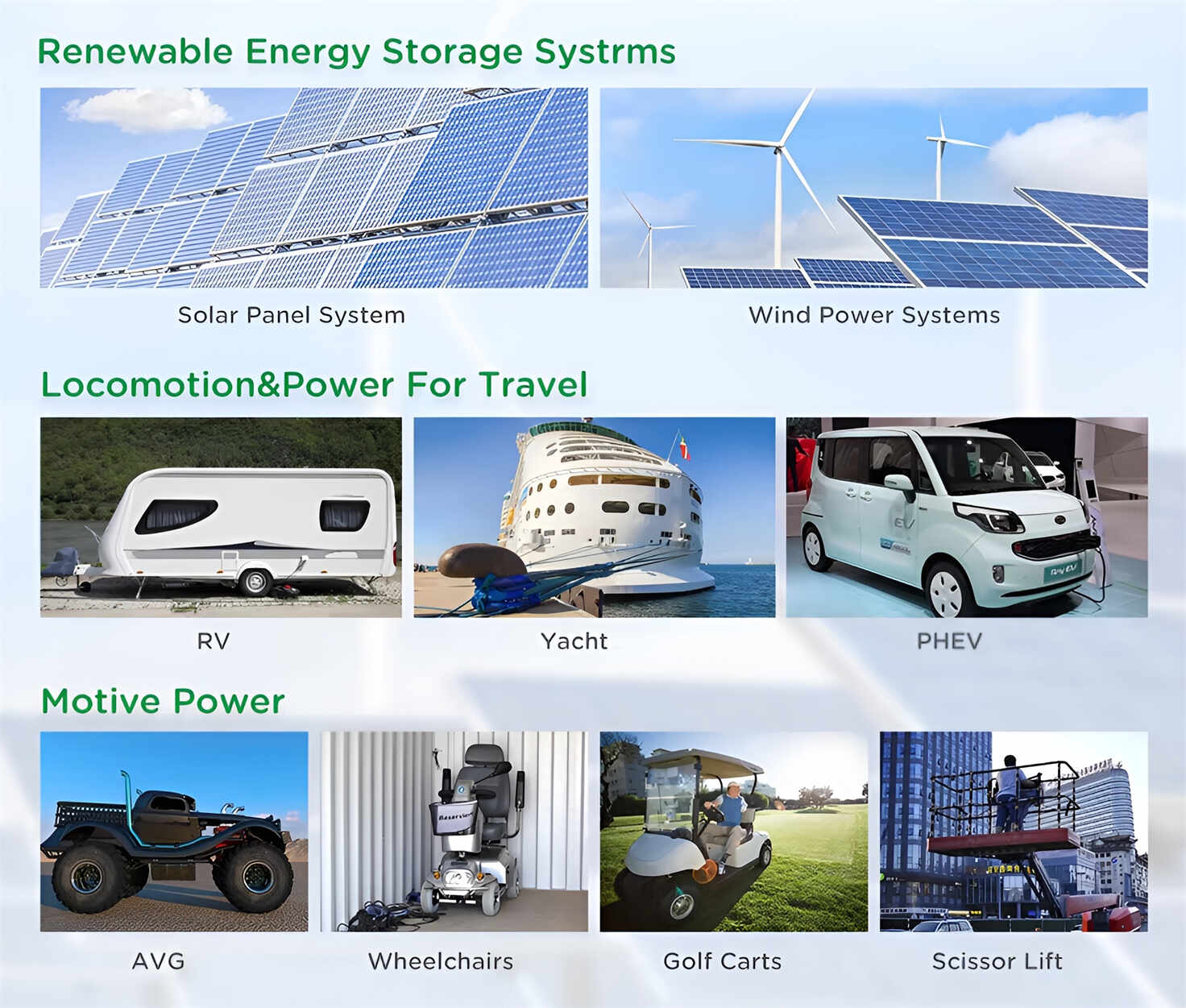
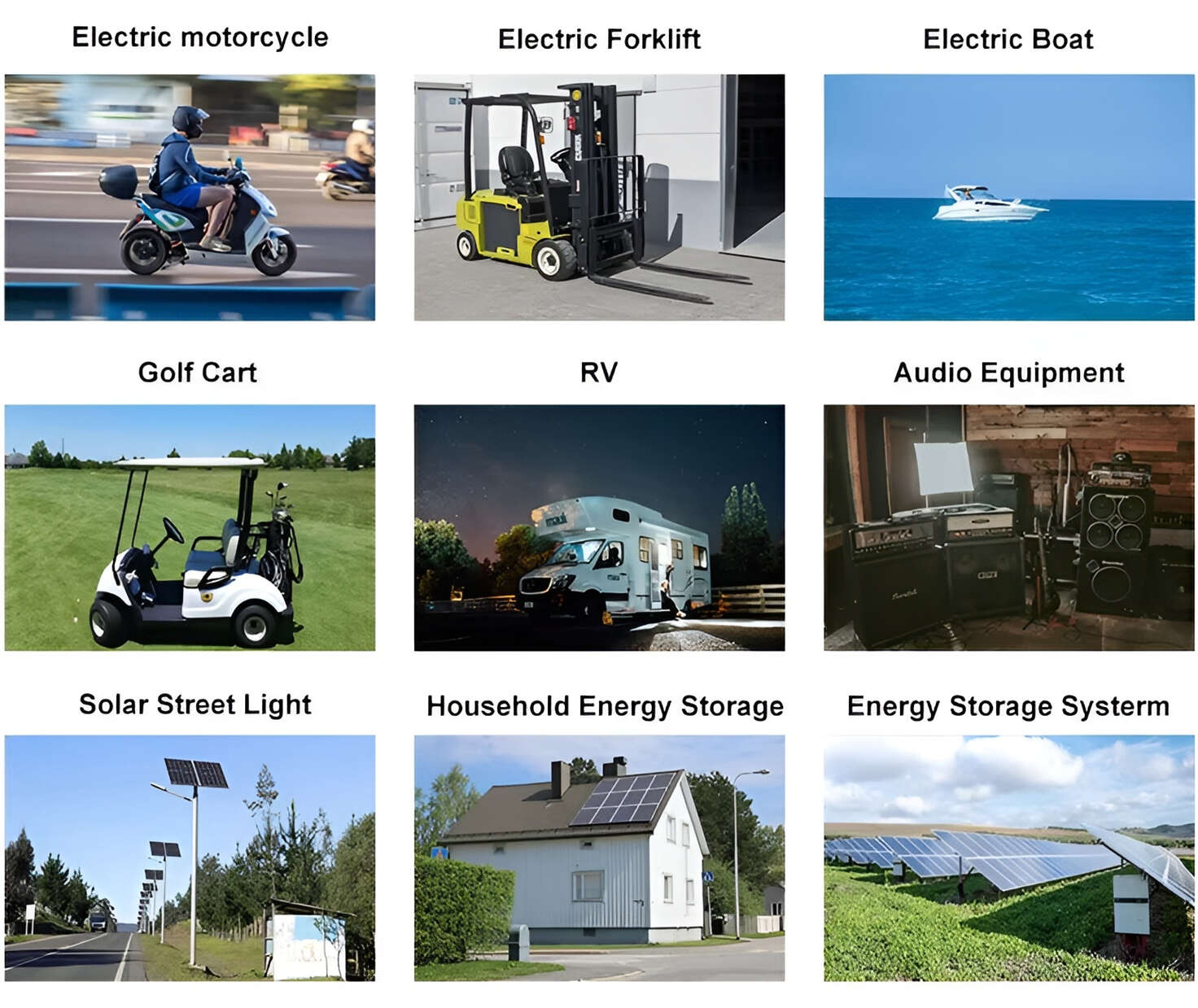
Applications: E-bike, Electric Scooter, Golf Carts, RV, Electric Wheelchair, Electric Tools, Robot Cleaner, Robot Sweeper, Solar Energy Storage System, Emergency Light, Solar Power Light, Medical Equipment, UPS Backup Power Supply.
We can provide you with customized services. We have the ability to provide a vertical supply chain, from single cells to pack/module and to a complete power solution with BMS, etc.
HomSolar (Shenzhen) Technology Co., Ltd