Advances In Voltage Plateau: Unraveling Mechanisms And Engineering Strategies For Next-generation Batteries
The voltage plateau, a fundamental electrochemical signature observed during the galvanostatic charge and discharge of batteries, represents a region where the cell potential remains relatively constant despite significant changes in composition. This phenomenon is intrinsically linked to first-order phase transitions within the electrode materials. While long exploited in commercial lithium-ion batteries (e.g., in LiFePO₄ or graphite), a deep understanding and precise control of voltage plateaus have become a central focus in the quest for higher energy density, longer cycle life, and safer energy storage systems, particularly for sodium-ion, lithium-sulfur, and all-solid-state batteries.
Recent Mechanistic Insights: Beyond Simple Two-Phase Models
Traditionally, voltage plateaus were explained by classical two-phase coexistence models, akin to the constant potential during a liquid-gas transition. However, recent advancedin situandoperandocharacterization techniques have revealed a far more complex picture. For instance, in layered oxide cathode materials (NMC for Li-ion, NVP for Na-ion), the plateau regions are now understood to involve intricate multi-stage phase transformations, solid-solution regimes, and the generation of stacking faults.
A pivotal breakthrough has been the visualization of phase boundary propagation. Usingoperandosynchrotron X-ray diffraction and transmission electron microscopy, researchers like Lim et al. (2022) directly observed the nucleation and movement of phase boundaries within single-crystal NMC particles. Their work demonstrated that the flatness and stability of the voltage plateau are highly sensitive to the particle morphology and crystallographic orientation. Defects and cation disorder can lead to incoherent phase boundary movement, resulting in voltage hysteresis and capacity fade, which manifests as a gradual shortening of the plateau over cycles. Similarly, for anode materials like hard carbon in sodium-ion batteries, the complex plateau region, comprising a sloping and a flat section, has been deconvoluted. The high-voltage plateau is now attributed to the pore-filling mechanism of sodium ions, while the low-voltage slope corresponds to intercalation into graphitic domains (Xiao et al., 2023). This mechanistic understanding is critical for designing carbons with optimized pore structures to enhance plateau capacity and initial Coulombic efficiency.
Technological Breakthroughs in Plateau Engineering
Leveraging these mechanistic insights, significant technological breakthroughs have been achieved through deliberate "plateau engineering."
1. Surface Modulation and Doping: To mitigate the strain associated with phase transitions and stabilize the voltage plateau, atomic-scale surface coatings and bulk doping have proven highly effective. For example, the application of a nanoscale Al₂O₃ or LiZr₂(PO₄)₃ coating on high-nickel NMC cathodes suppresses parasitic side reactions at the high voltages corresponding to the main charge plateau, thereby reducing impedance growth and gas evolution (Park et al., 2023). Doping with elements like Mg or Al into the transition metal layer can widen the lithium diffusion pathways, facilitating smoother phase transitions and minimizing voltage hysteresis.
2. Morphology and Architecture Control: The move from polycrystalline agglomerates to single-crystal or radially aligned primary particles represents a paradigm shift in cathode engineering. Single-crystal NMC811 exhibits a much more stable voltage plateau with lower hysteresis compared to its polycrystalline counterpart because it eliminates the detrimental intergranular cracking that disrupts coherent phase transformation (Qian et al., 2023). This directly translates to superior capacity retention and a slower decay of the plateau length.
3. Electrolyte and Interphase Engineering for Sulfur and Silicon: The voltage plateau is equally critical in next-generation systems. In lithium-sulfur (Li-S) batteries, the long, flat discharge plateau at around 2.1 V corresponds to the conversion of long-chain lithium polysulfides (Li₂Sₓ, 4≤x≤8) to Li₂S₂/Li₂S. The primary challenge is the "shuttle effect," which causes self-discharge and a rapidly fading plateau. Recent breakthroughs involve designing catalytic hosts, such as single-atom catalysts embedded in porous carbon, that kinetically accelerate the conversion reaction and strongly adsorb polysulfides. This "anchoring and catalyzing" strategy effectively suppresses the shuttle effect, leading to an exceptionally stable voltage plateau over hundreds of cycles (Zhao et al., 2022). For silicon anodes, which exhibit a distinct plateau during lithiation/delithiation, the focus has been on creating robust solid-electrolyte interphases (SEI). Fluoroethylene carbonate (FEC)-based electrolytes and novel binders have been developed to form a flexible, LiF-rich SEI that can accommodate the massive volume change of silicon, thus preserving the integrity of the voltage plateau.
4. Probing Plateaus in Solid-State Systems: The emergence of all-solid-state batteries (ASSBs) has introduced new complexities to voltage plateaus. The plateau is now not only a reflection of the thermodynamics of the active material but also of the kinetics at the solid-solid interface.Operandopressure measurements and electrochemical strain microscopy are being used to correlate mechanical stress with the voltage profile. It has been found that a stable plateau in an ASSB requires not only electro-chemical compatibility but also mechanical compliance at the interface to maintain contact during the volume changes of the phase transition.
Future Outlook and Challenges
The research on voltage plateaus is poised to enter a new era of predictive design and multi-scale control. Several key directions are emerging:AI and Multi-scale Modeling: The integration of machine learning with multi-physics models will enable the prediction of voltage profiles for novel material compositions and microstructures before synthesis. This will accelerate the discovery of materials with optimal plateau voltages and minimal hysteresis.Dynamic Interface Management: Future strategies will move from static coatings to dynamic interface layers that can self-heal or adapt their properties in response to the state of charge, ensuring a stable plateau throughout the battery's lifetime.Decoding Complex Reaction Pathways: For conversion-type electrodes (e.g., S, O₂) and multi-electron reactions, the voltage plateau often encompasses multiple intermediate steps. Advanced spectroscopic techniques will be needed to fully resolve these pathways and identify the rate-limiting steps that govern plateau polarization.Application-Specific Plateau Design: Depending on the application—from fast-charging EVs to grid storage—the ideal voltage profile may differ. Engineering materials to have a specific plateau slope or length could become a target for tailoring power density, energy efficiency, and state-of-charge estimation accuracy.
In conclusion, the voltage plateau, once a simple feature on a discharge curve, is now recognized as a rich source of information and a critical lever for performance optimization. The convergence of advanced characterization, computational materials science, and novel synthesis is enabling unprecedented control over the phase transitions that underpin this phenomenon. The continued unraveling of the mysteries of the voltage plateau will undoubtedly be a cornerstone in the development of the high-performance, sustainable batteries required for the future global energy landscape.
References (Illustrative):Lim, J., et al. (2022). "Origin and hysteresis of lithium concentration gradients in single-crystal NMC cathodes."Nature Energy, 7, 231-239.Xiao, B., et al. (2023). "Decoupling the charge storage mechanisms in hard carbon anodes for sodium-ion batteries."Advanced Energy Materials, 13(15), 2204366.Park, G., et al. (2023). "A multifunctional LiZr₂(PO₄)₃ coating for stabilizing the voltage plateau of Ni-rich cathodes at 4.5 V."ACS Energy Letters, 8, 1250-1258.Qian, G., et al. (2023). "Single-crystal versus polycrystalline NMC811: A comparative study of phase transition behavior and cycling stability."Joule, 7(4), 1-15.Zhao, M., et al. (2022). "A sulfur host based on cobalt single-atom catalysts for stable plateau operation of Li-S batteries."Nature Catalysis, 5, 485-493.
Customized/OEM/ODM Service
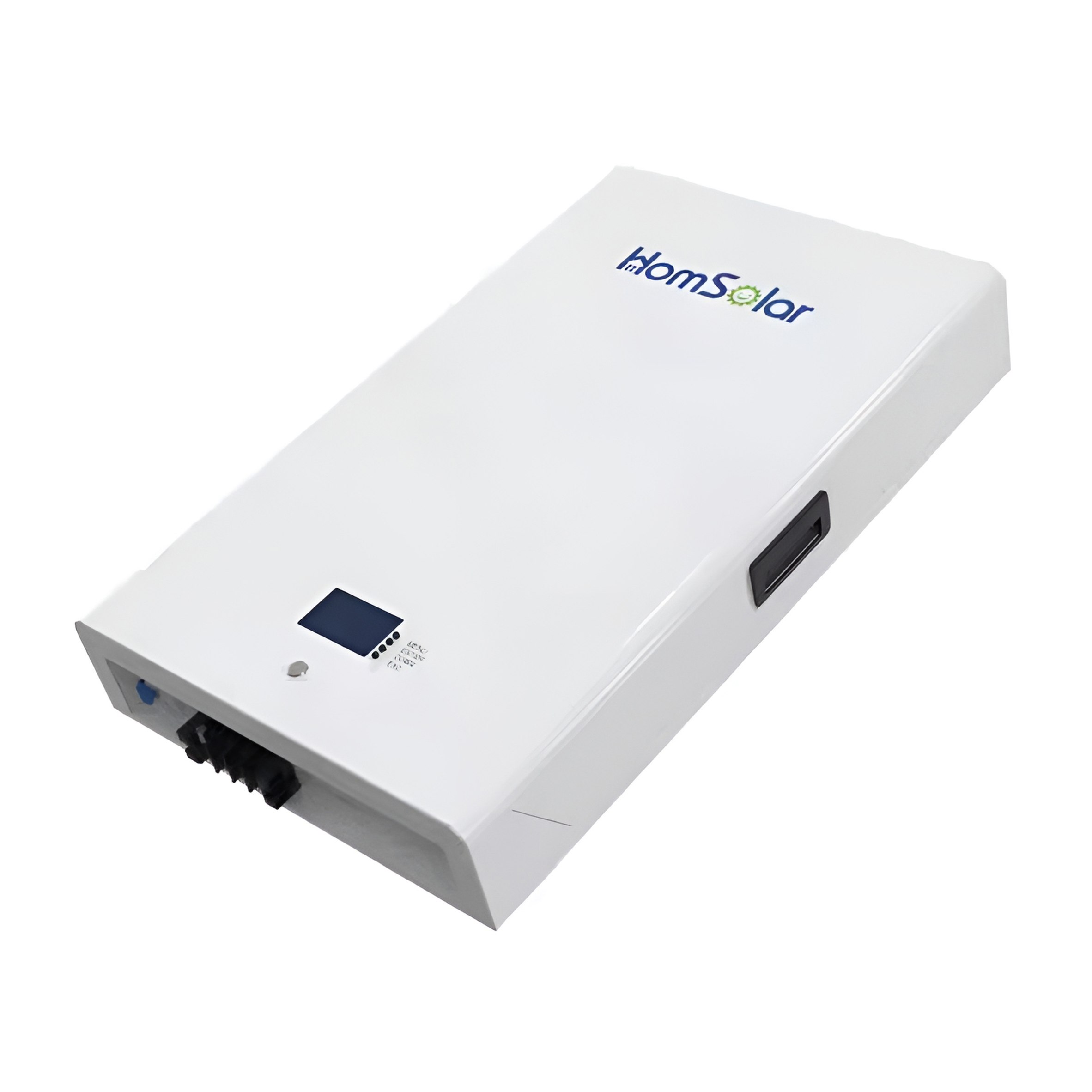
HomSolar Supports Lifepo4 battery pack customization/OEM/ODM service, welcome to contact us and tell us your needs.


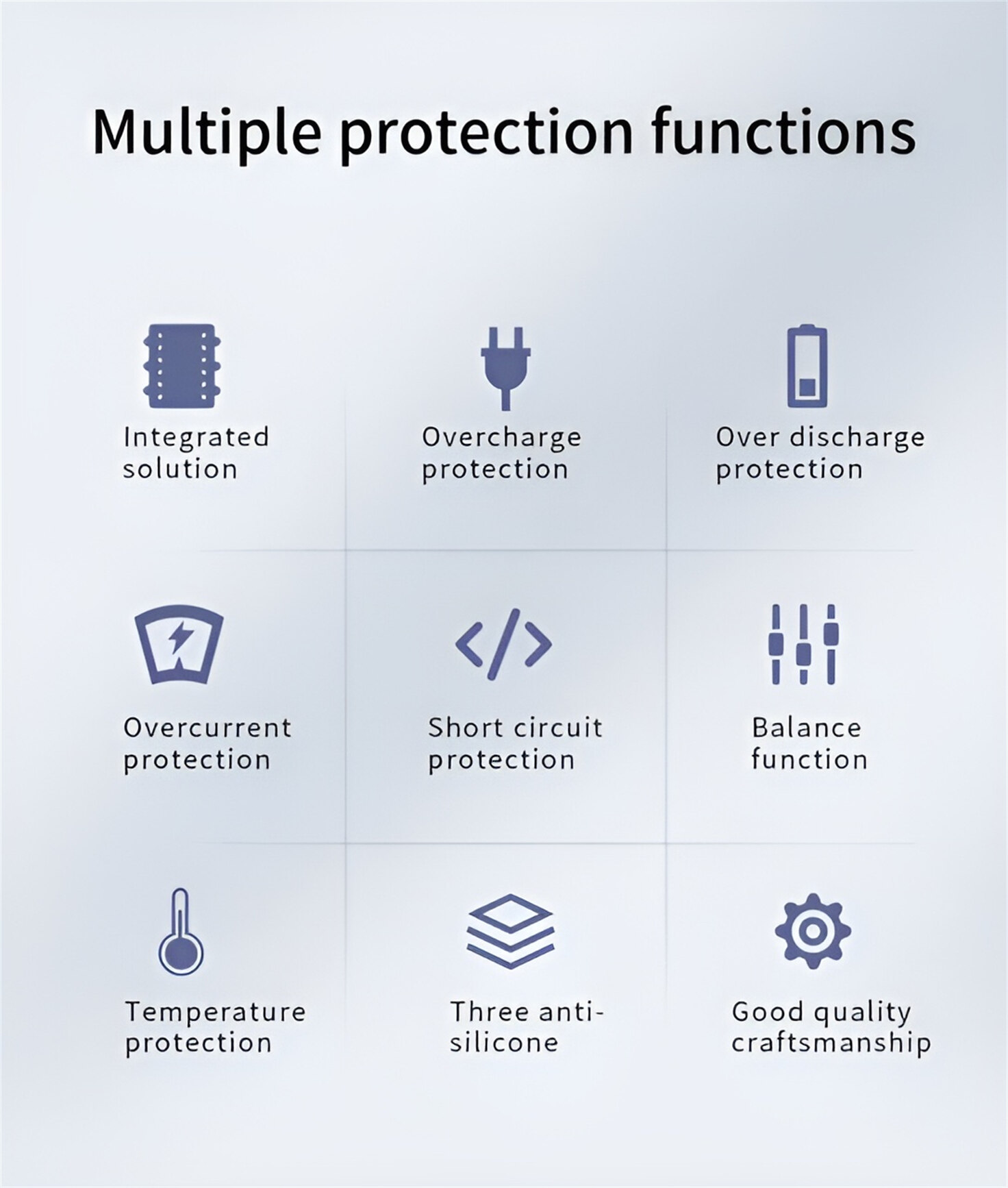
HomSolar: Your One-stop LiFePO4 Battery Pack & ESS Solution Manufacturer
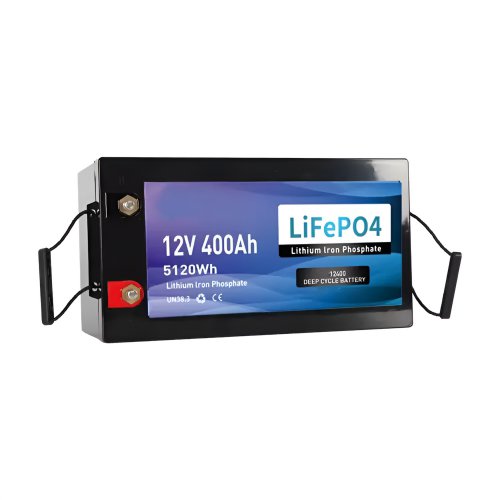
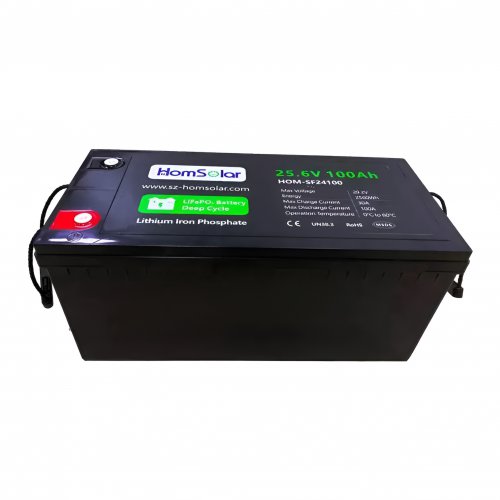
Our line of LiFePO4 (LFP) batteries offer a solution to demanding applications that require a lighter weight, longer life, and higher capacity battery. Features include advanced battery management systems (BMS), Bluetooth® communication and active intelligent monitoring.
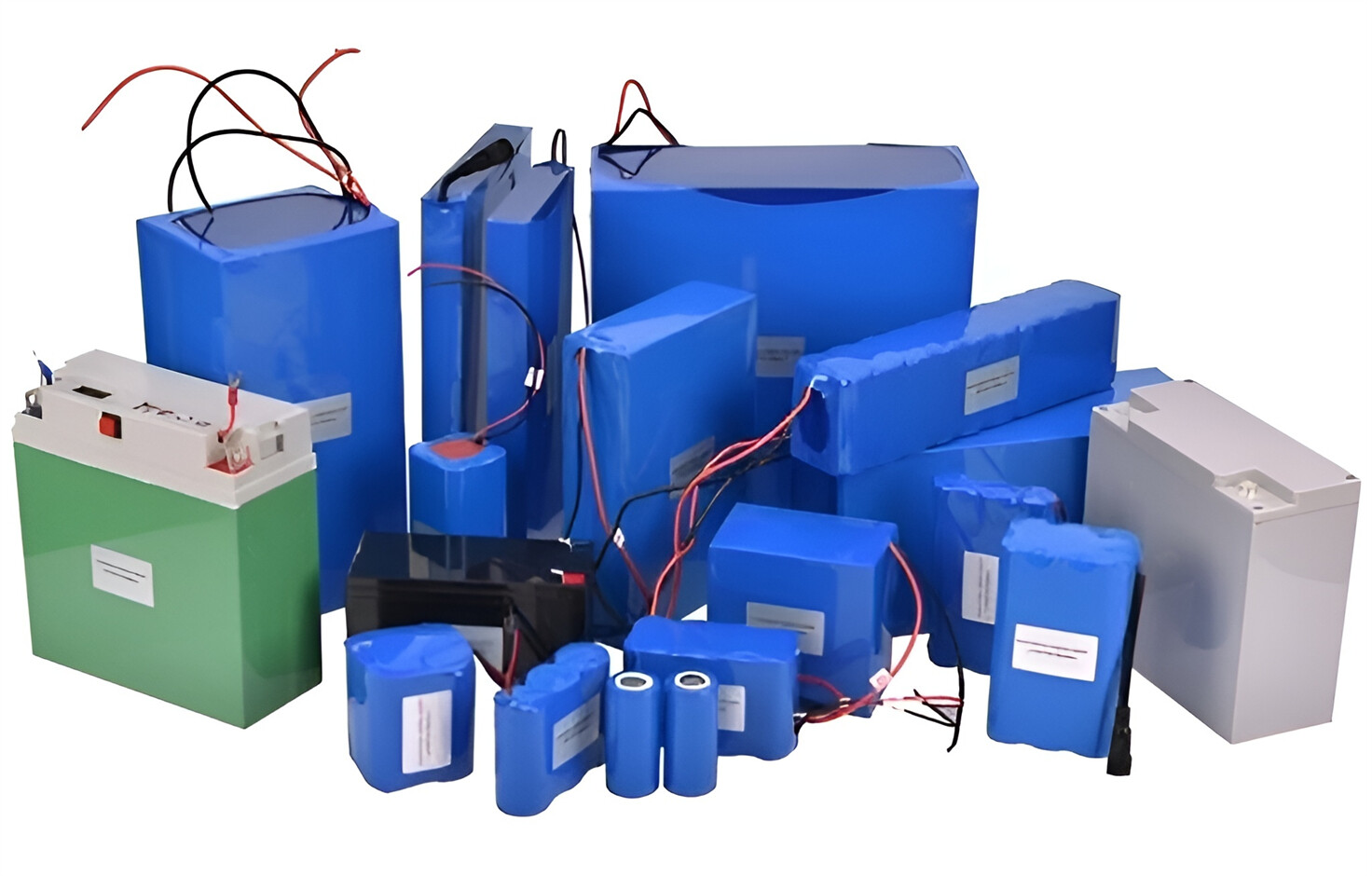
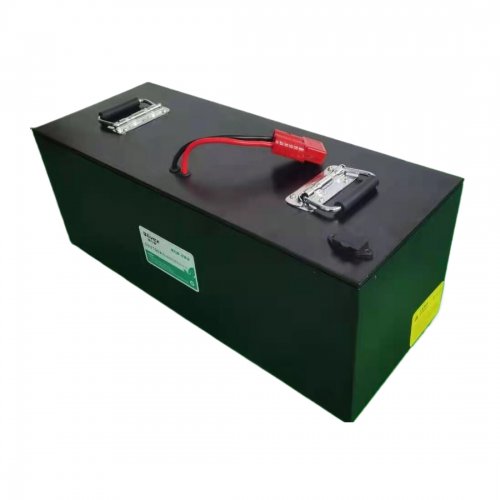
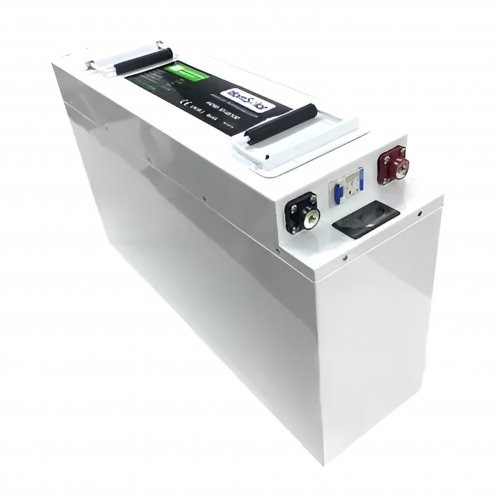
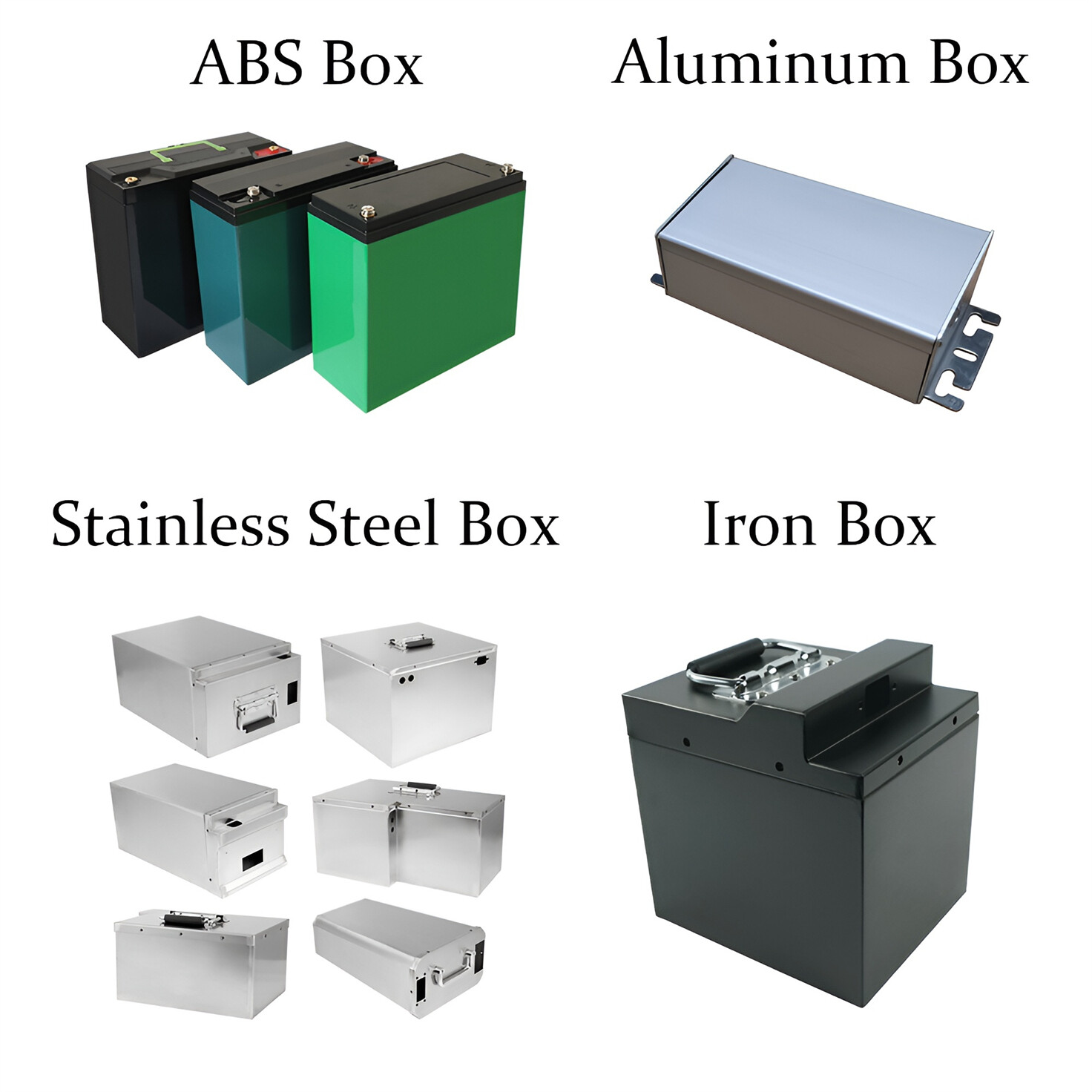
Customised Lithium Iron Phosphate Battery Casing
ABS plastic housing, aluminium housing, stainless steel housing and iron housing are available, and can also be designed and customised according to your needs.
HomSolar Smart BMS
Intelligent Battery Management System for HomSolar Energy Storage System. Bluetooth, temperature sensor, LCD display, CAN interface, UART interface also available.

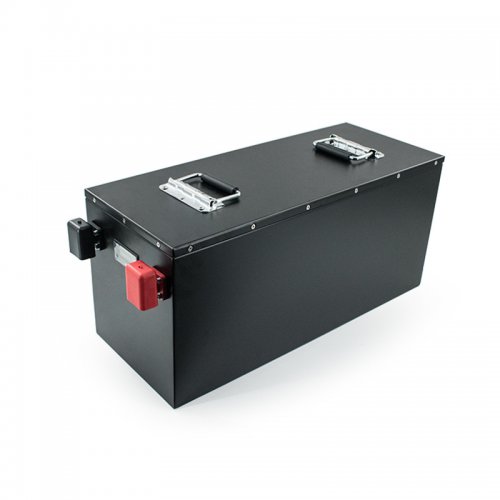
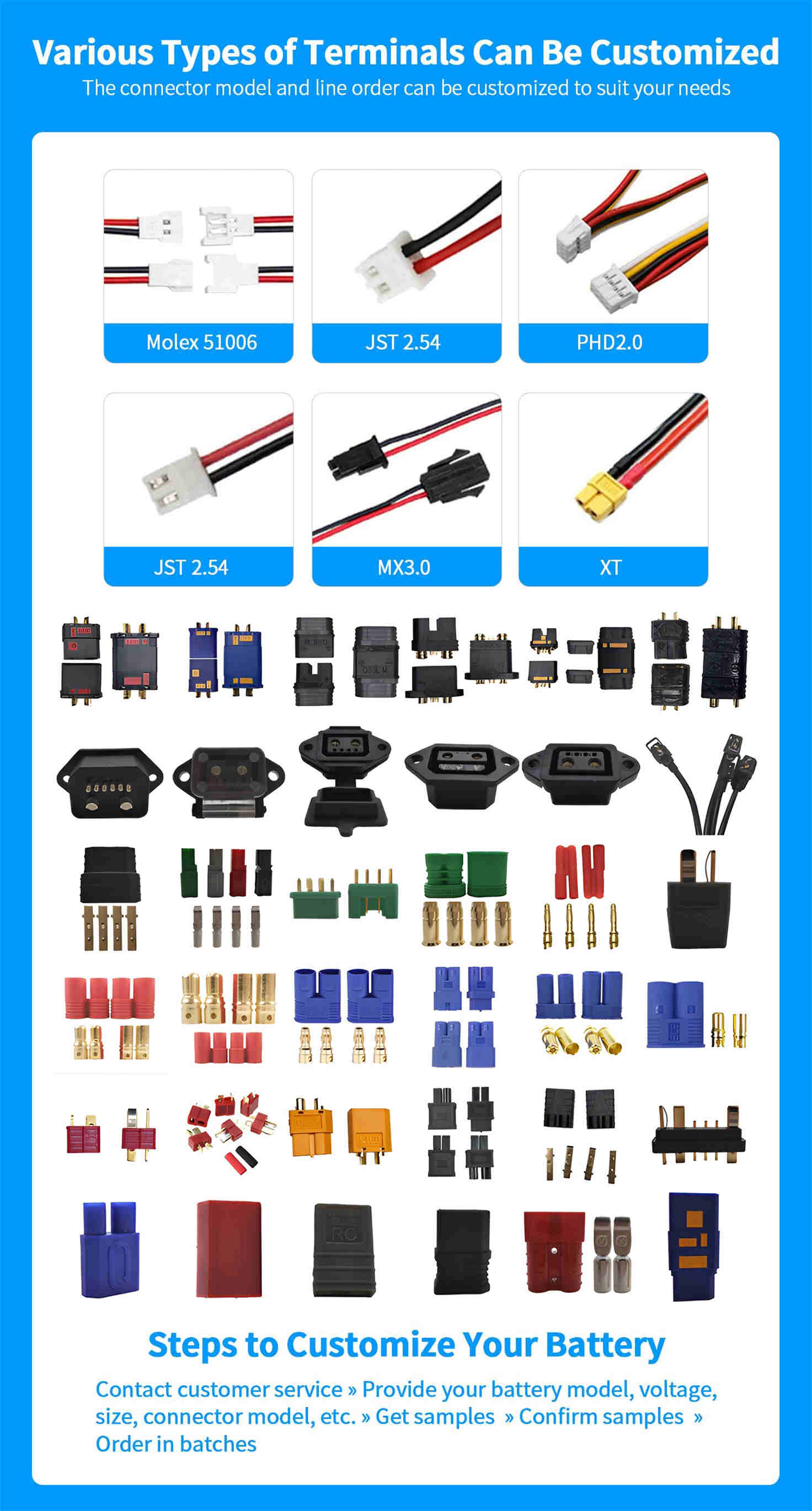
Terminals & Plugs Can Be Customized
A wide range of terminals and plugs can be customised to suit the application needs of your battery products.
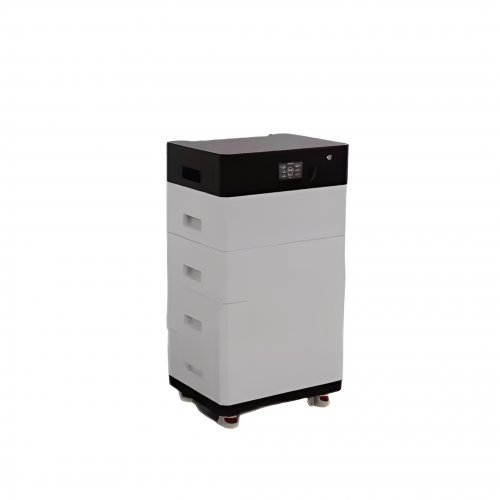
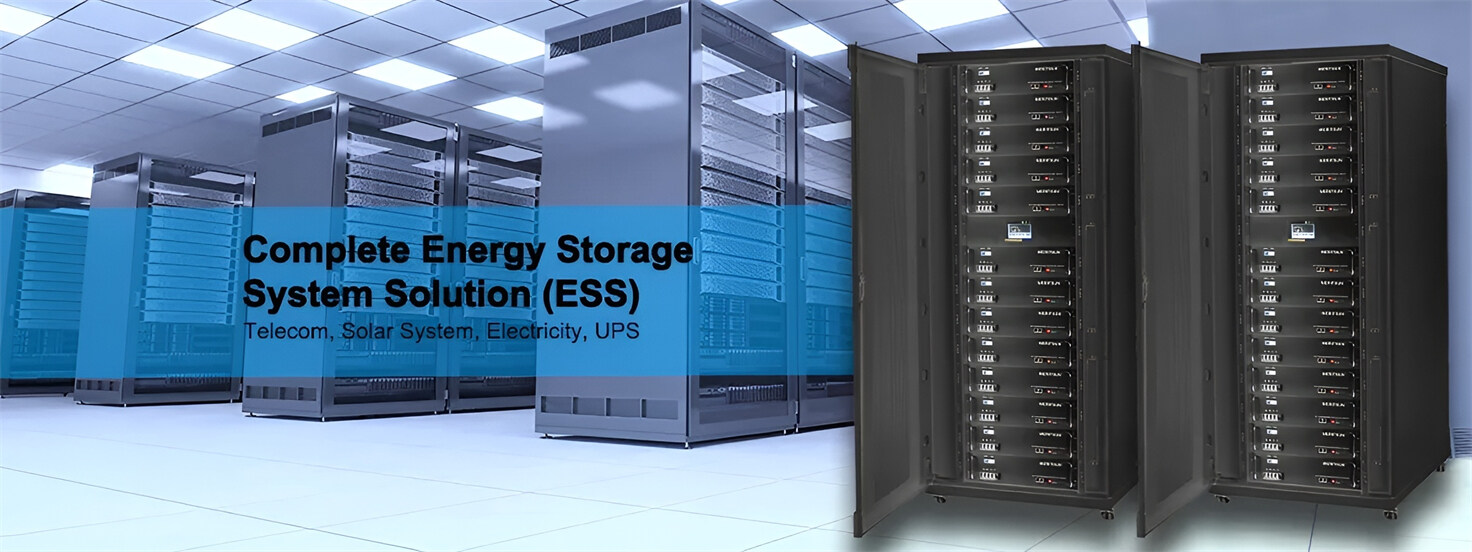
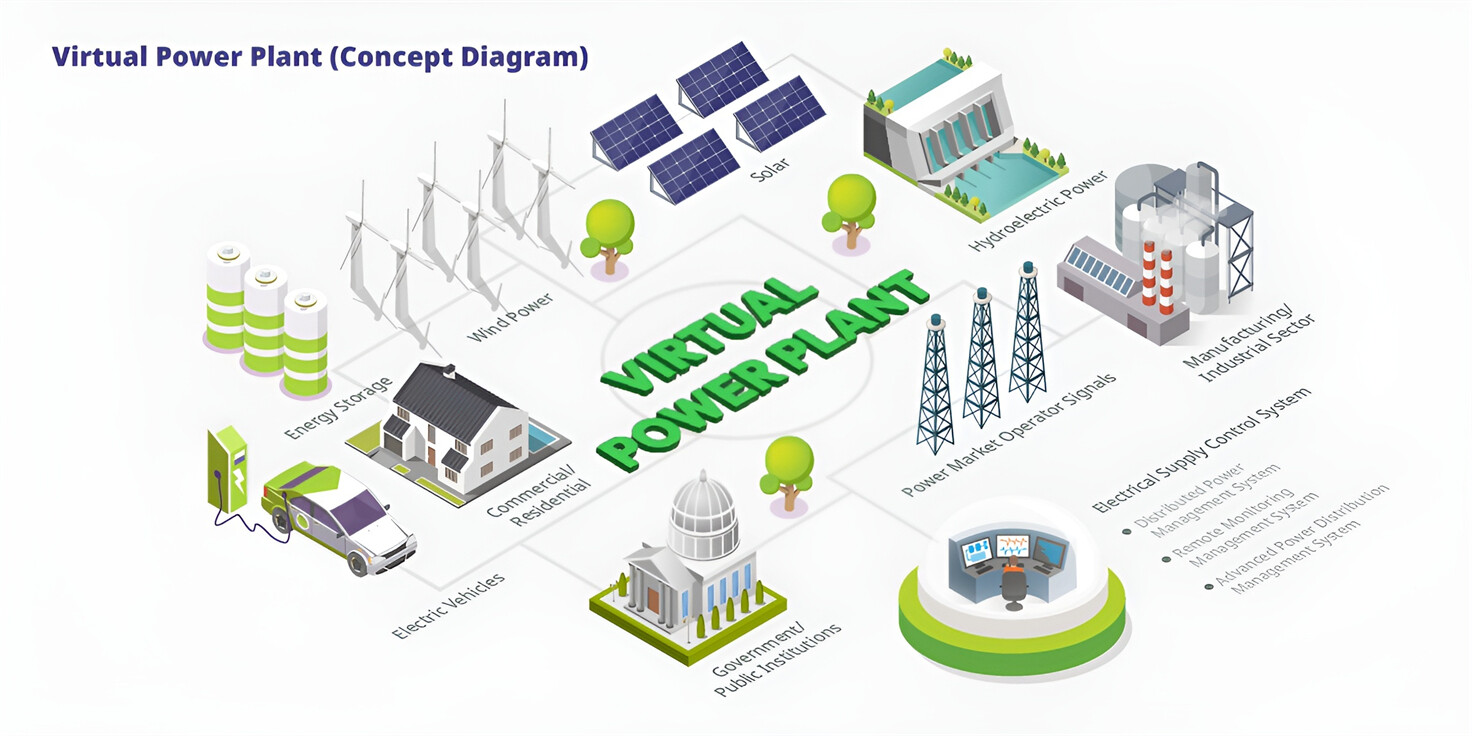
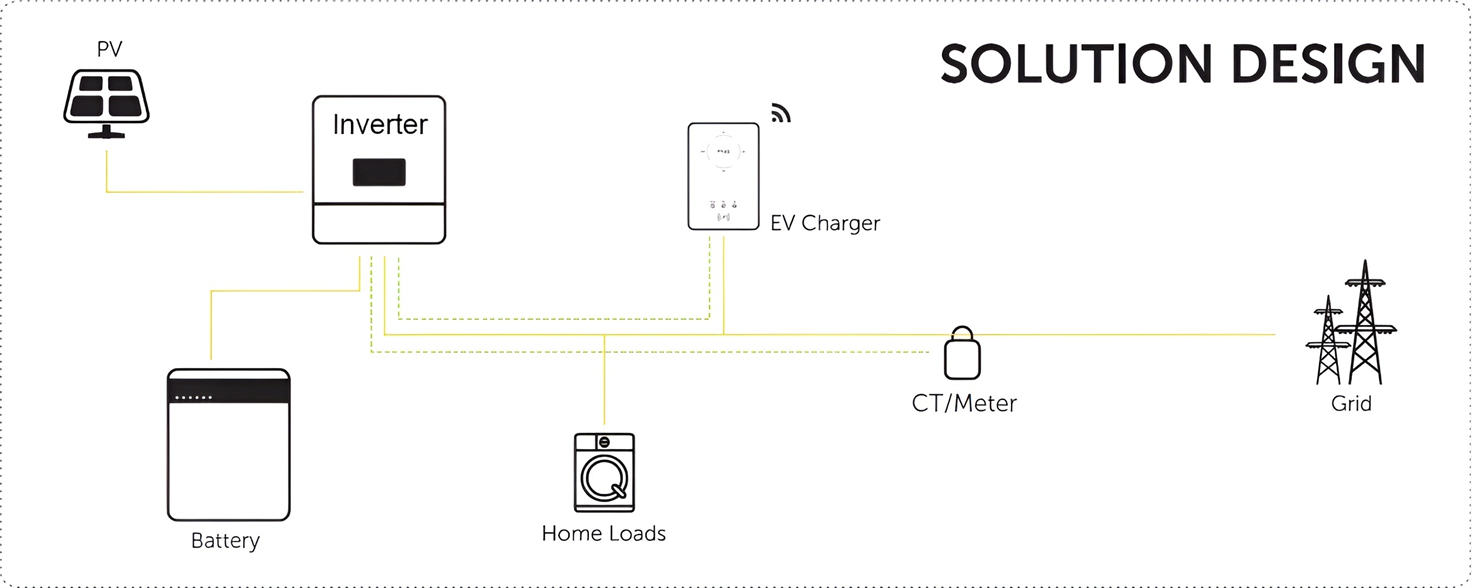
Well-designed Solutions for Energy Storage Systems
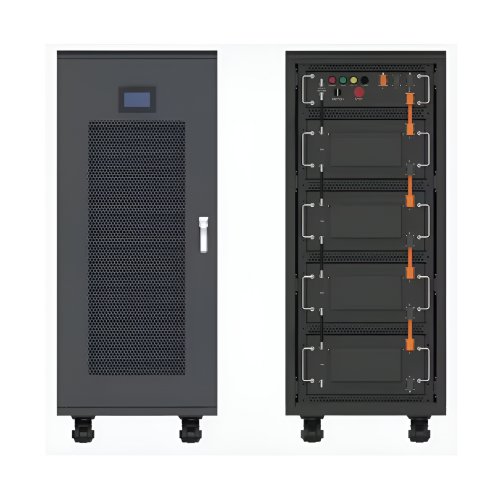
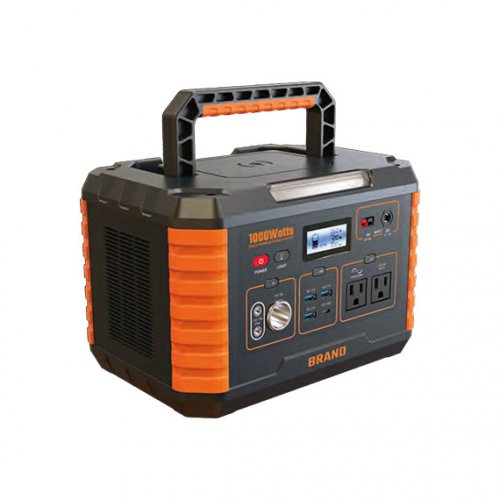
We will design the perfect energy storage system solution according to your needs, so that you can easily solve the specific industry applications of battery products.
About Our Battery Cells
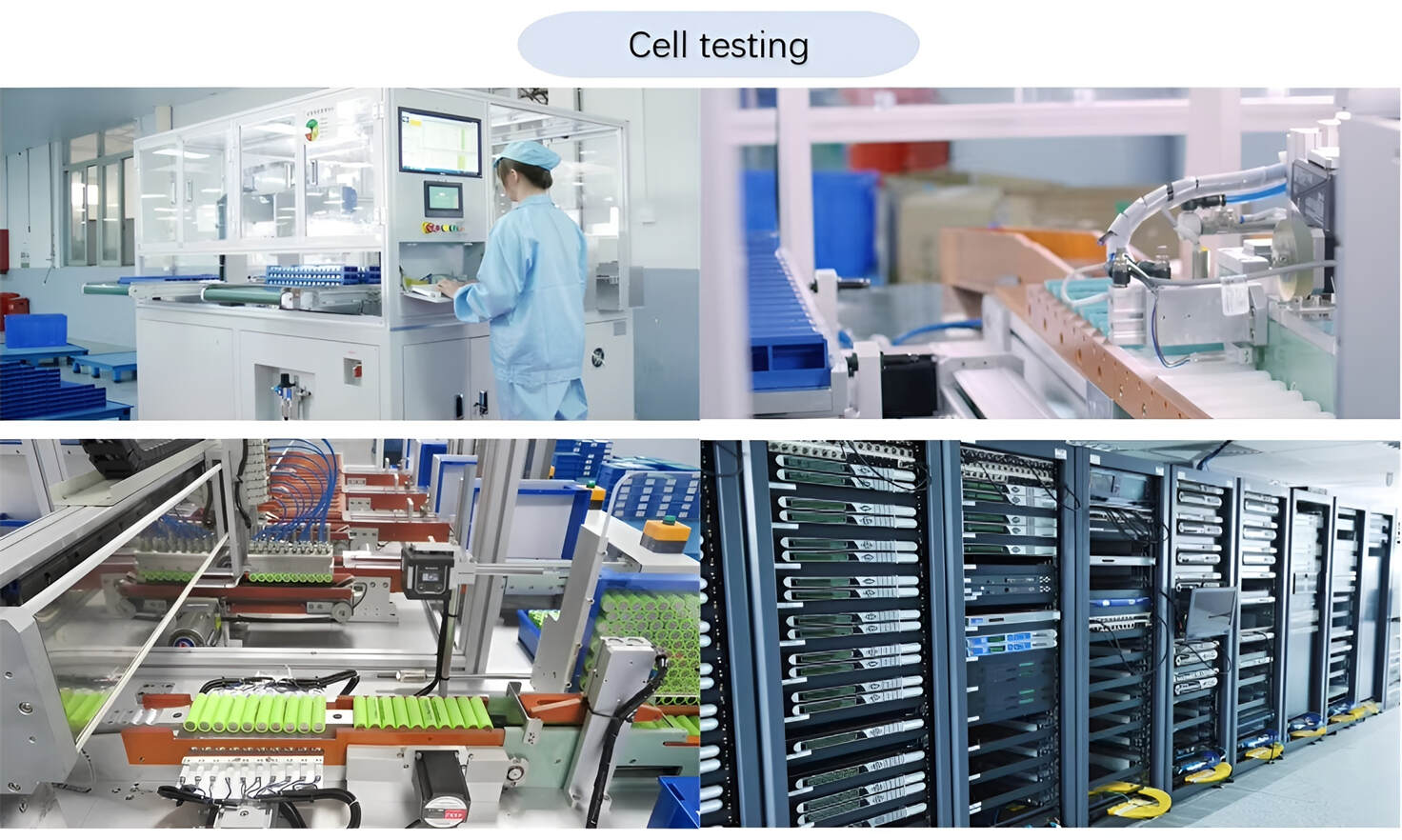
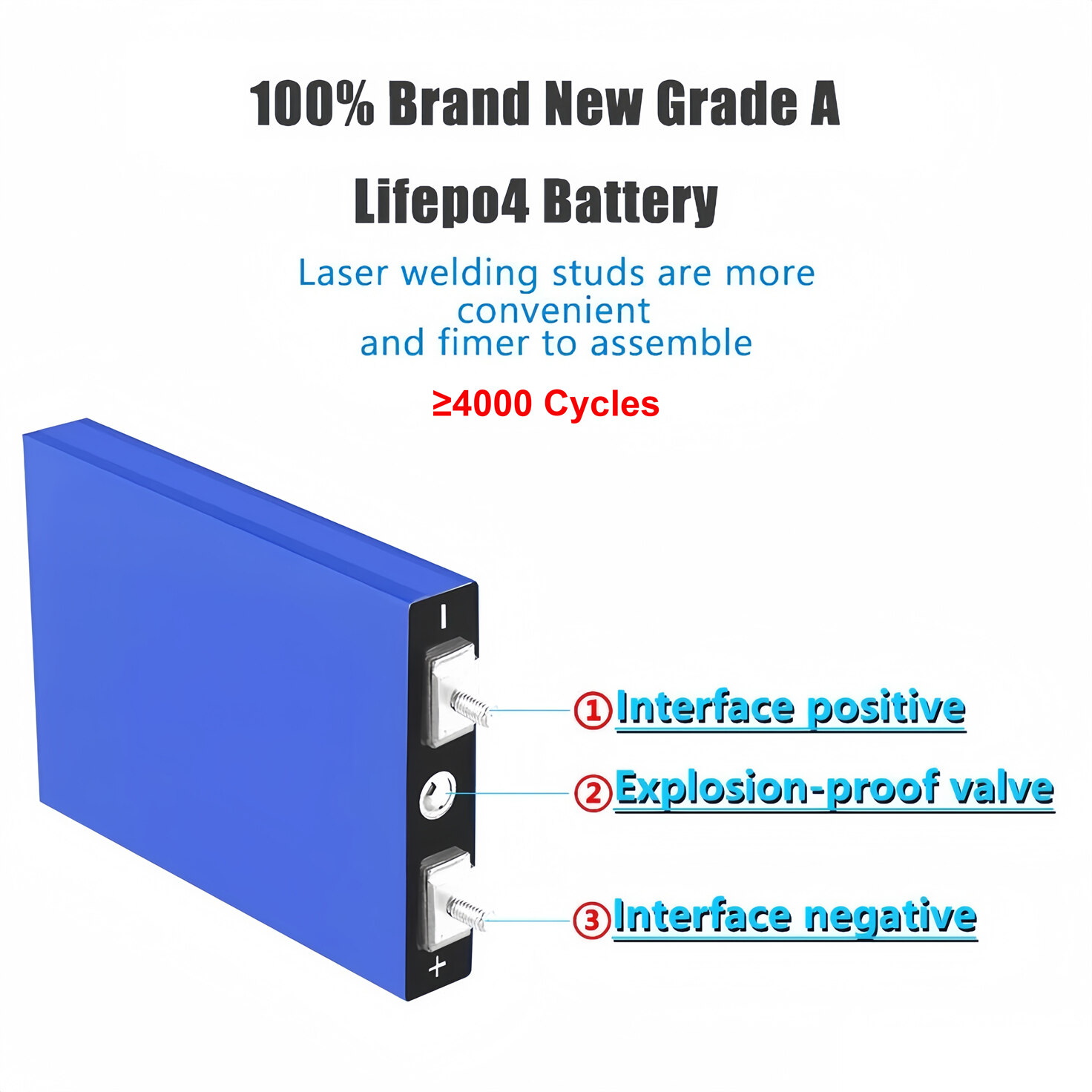
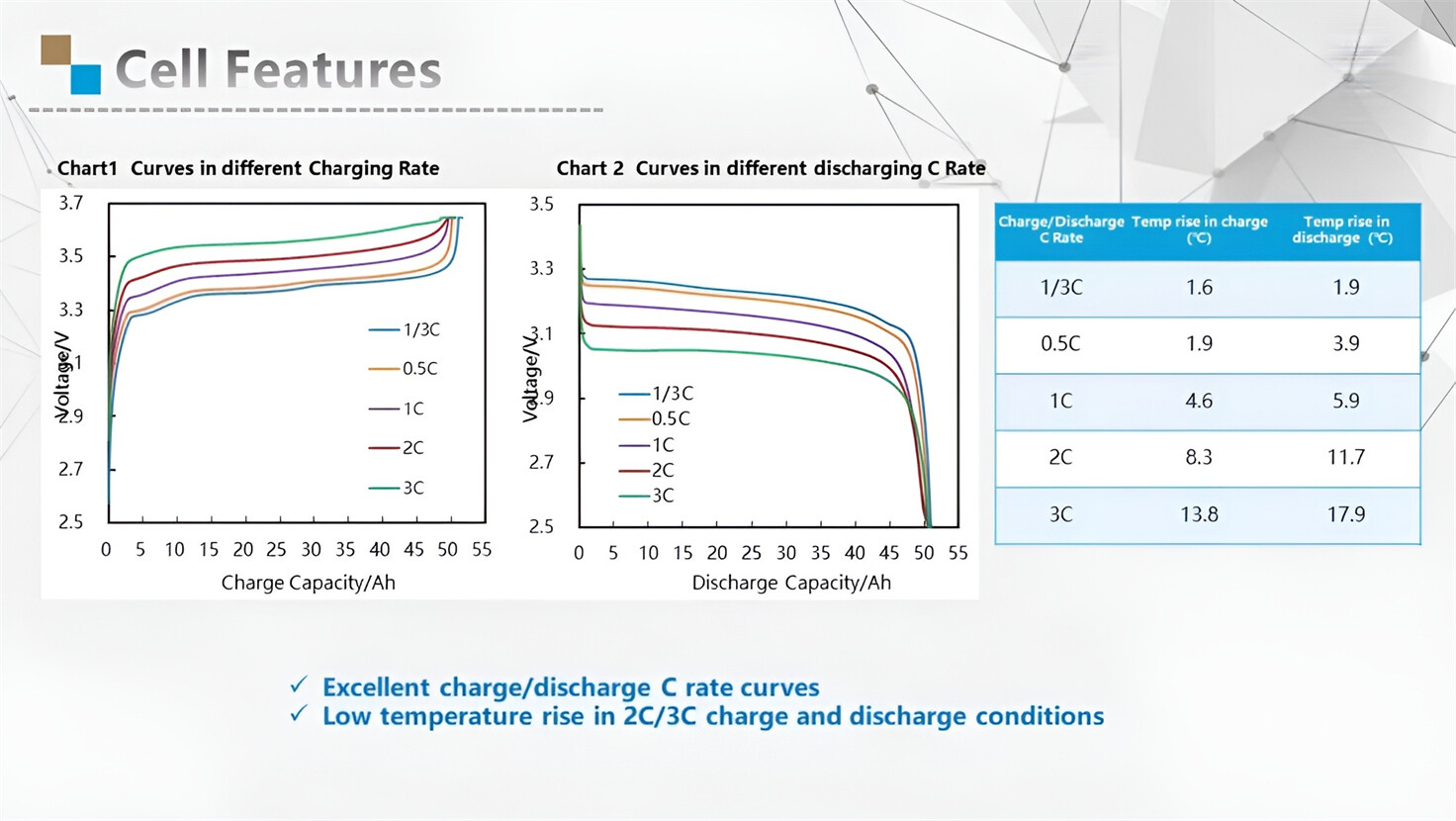
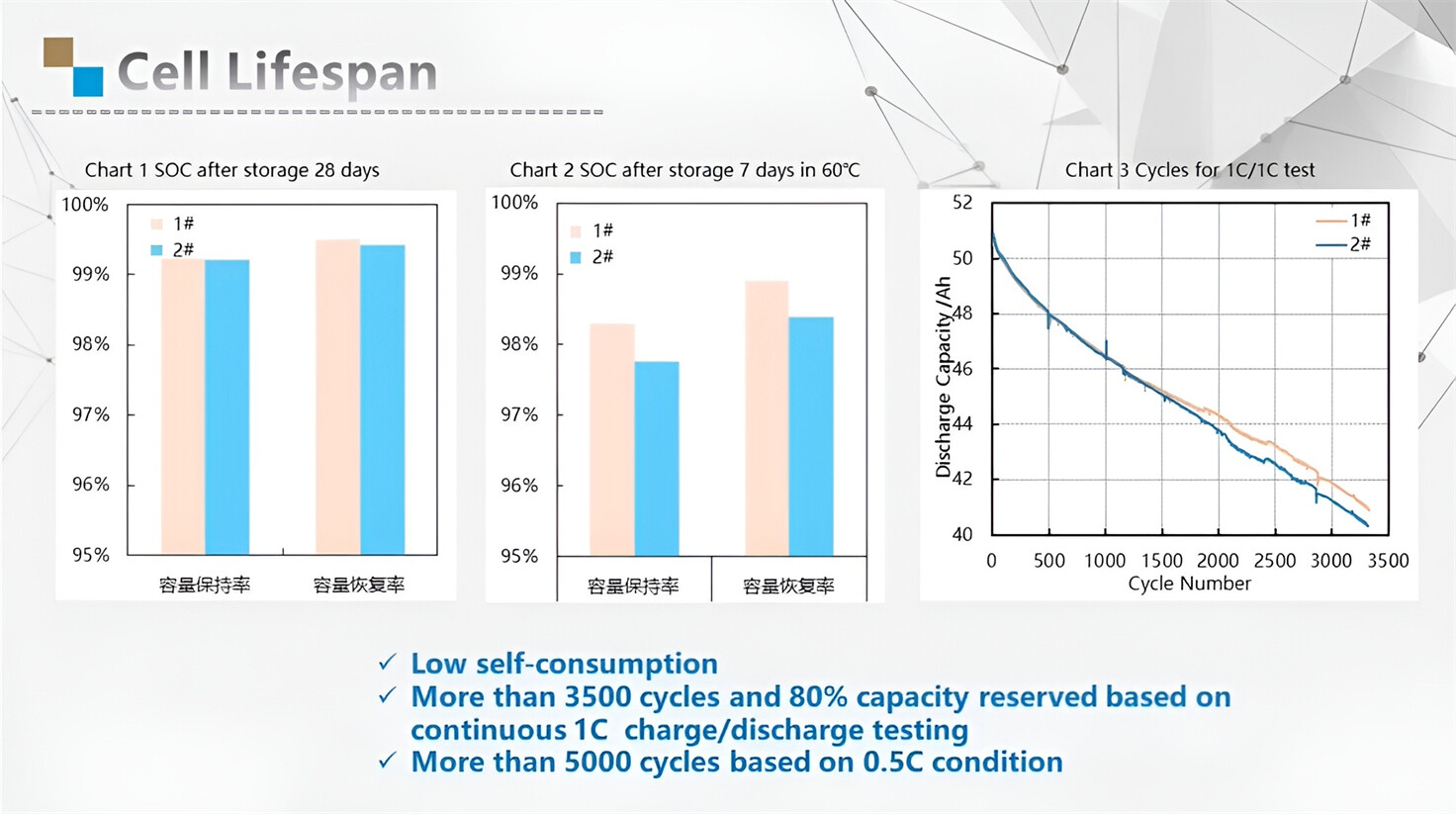
Our energy storage system products use brand new grade A LiFePO4 cells with a battery lifespan of more than 4,000 charge/discharge cycles.
Applications in Different Industries
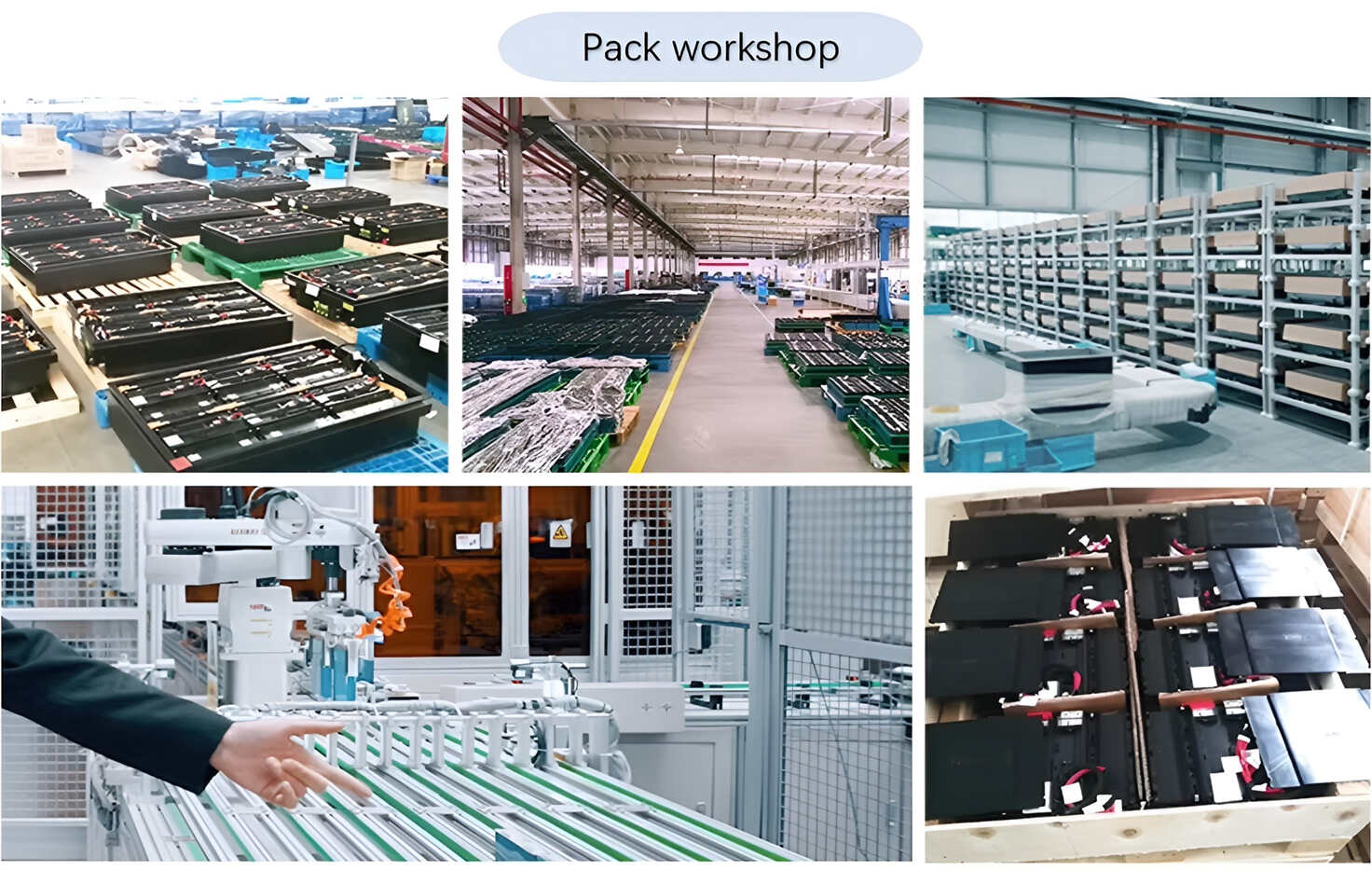
We supply customized & OEM battery pack, assemble cells with wiring, fuse and plastic cover, all the cell wires connected to PCB plug or built BMS.
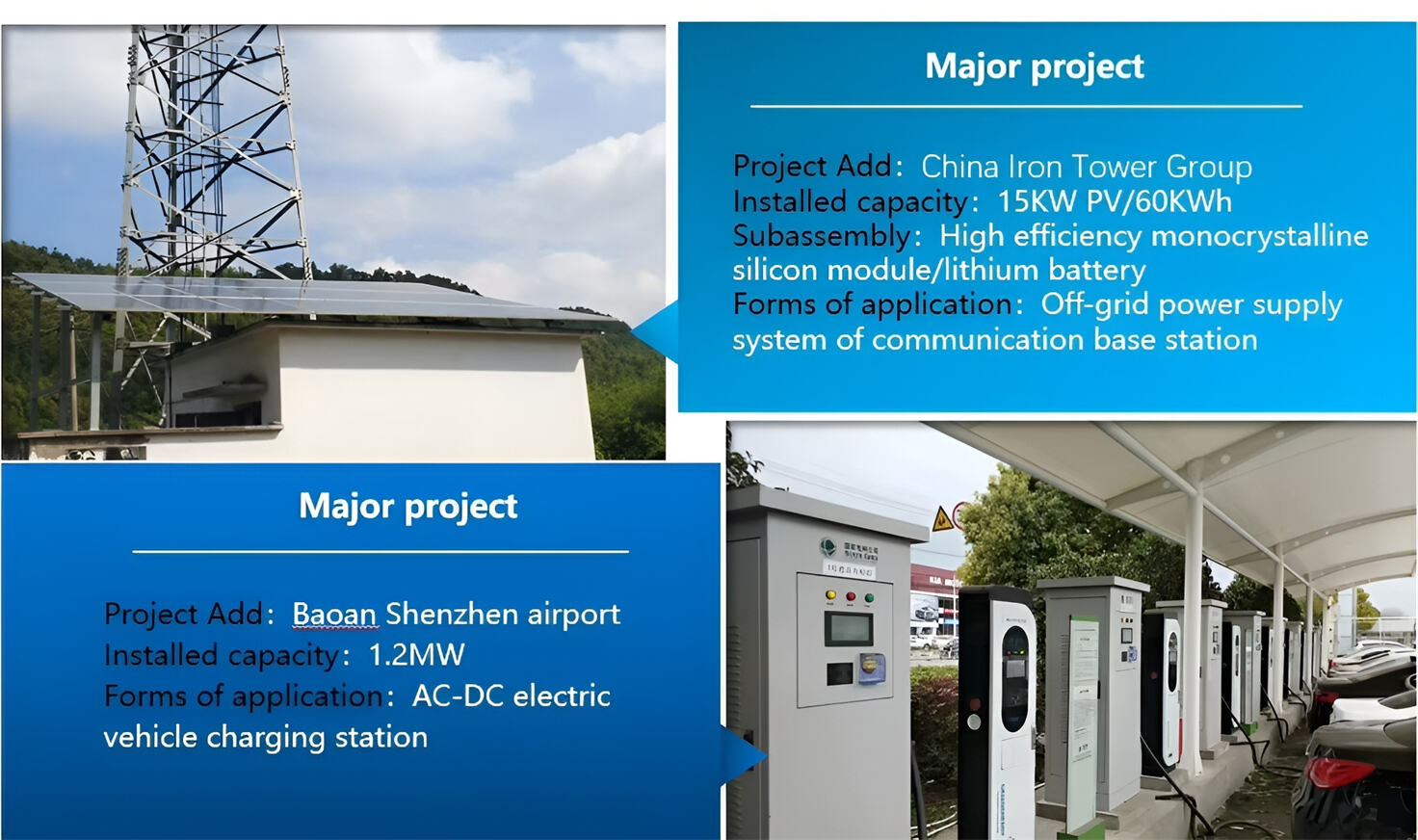
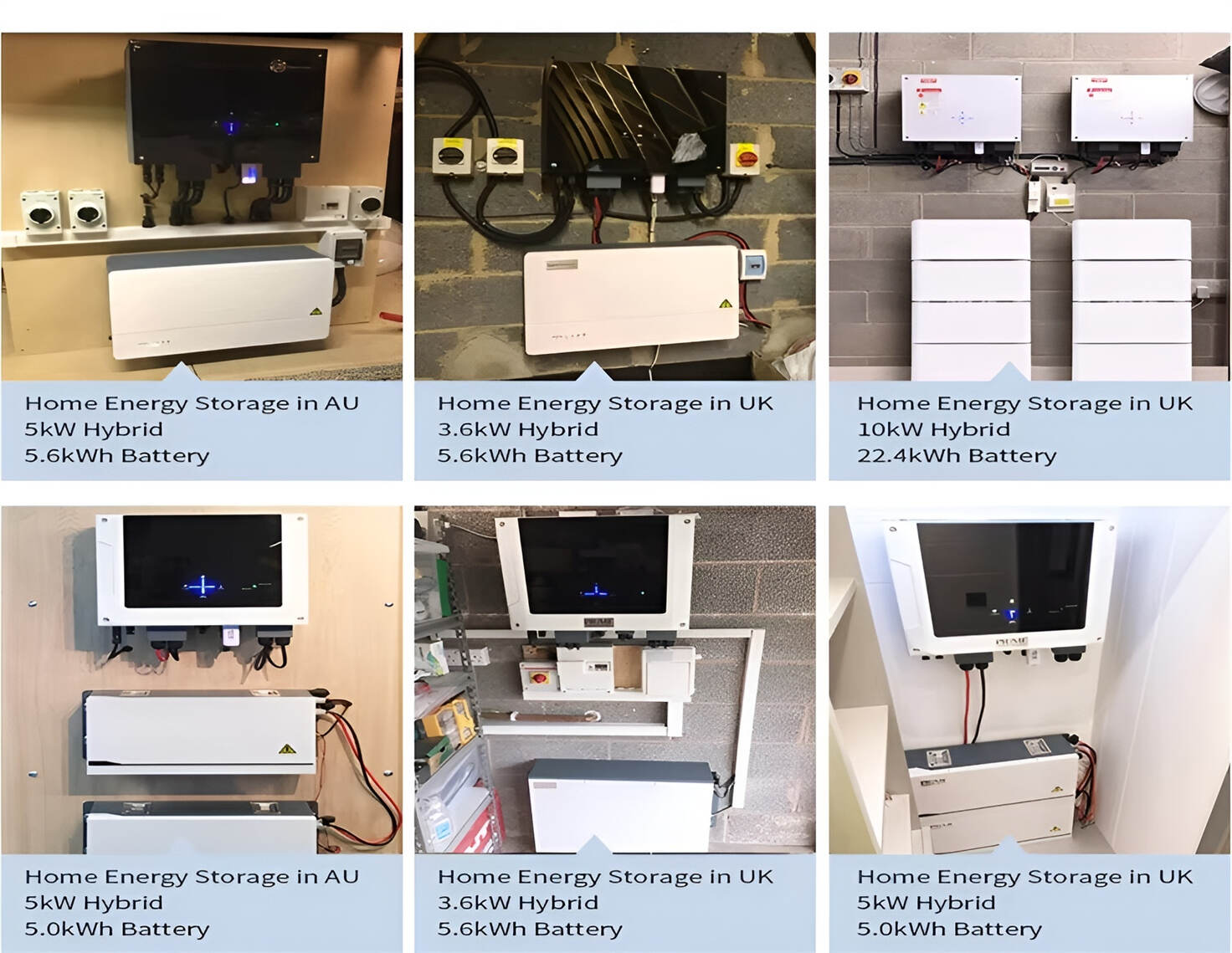
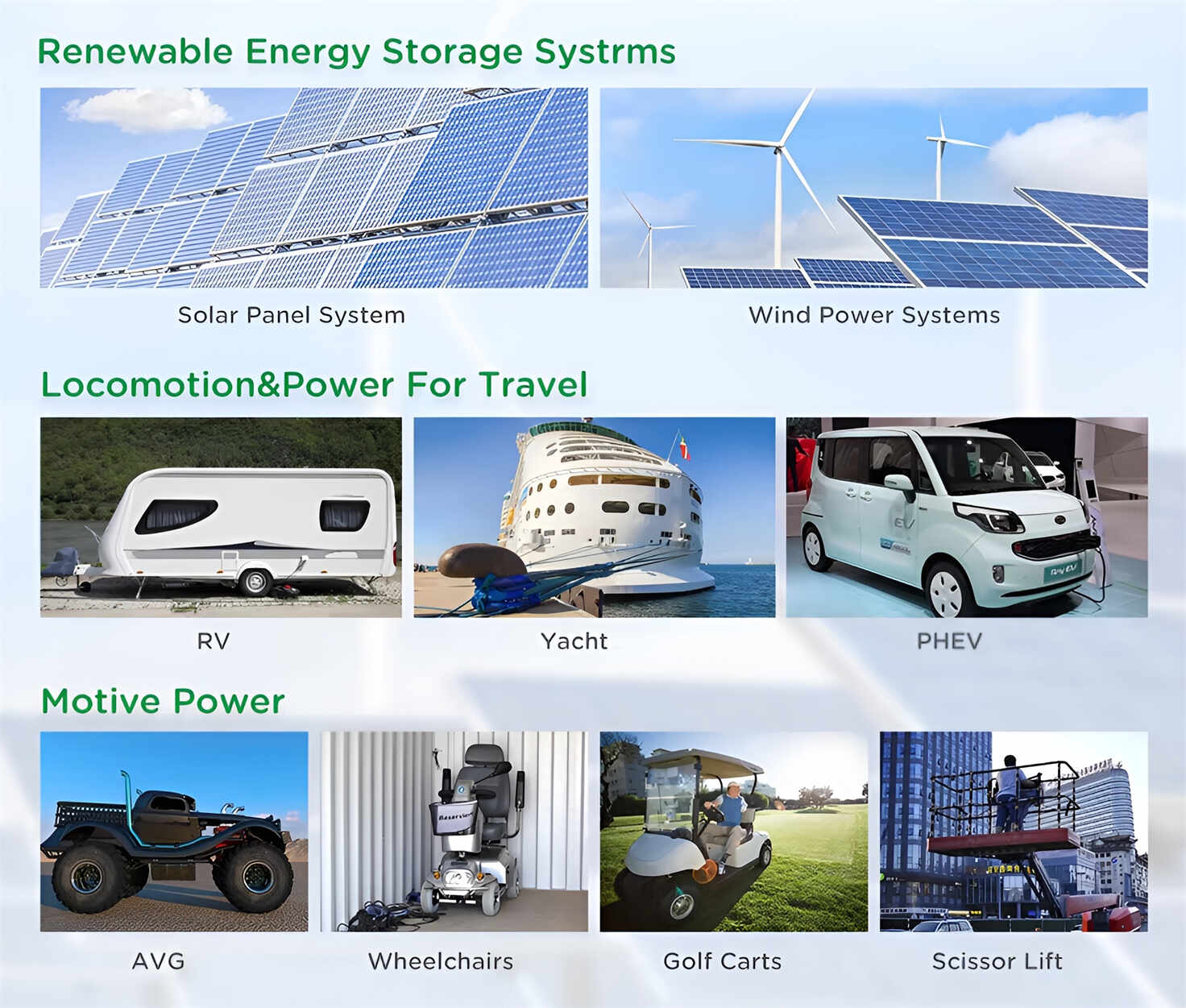
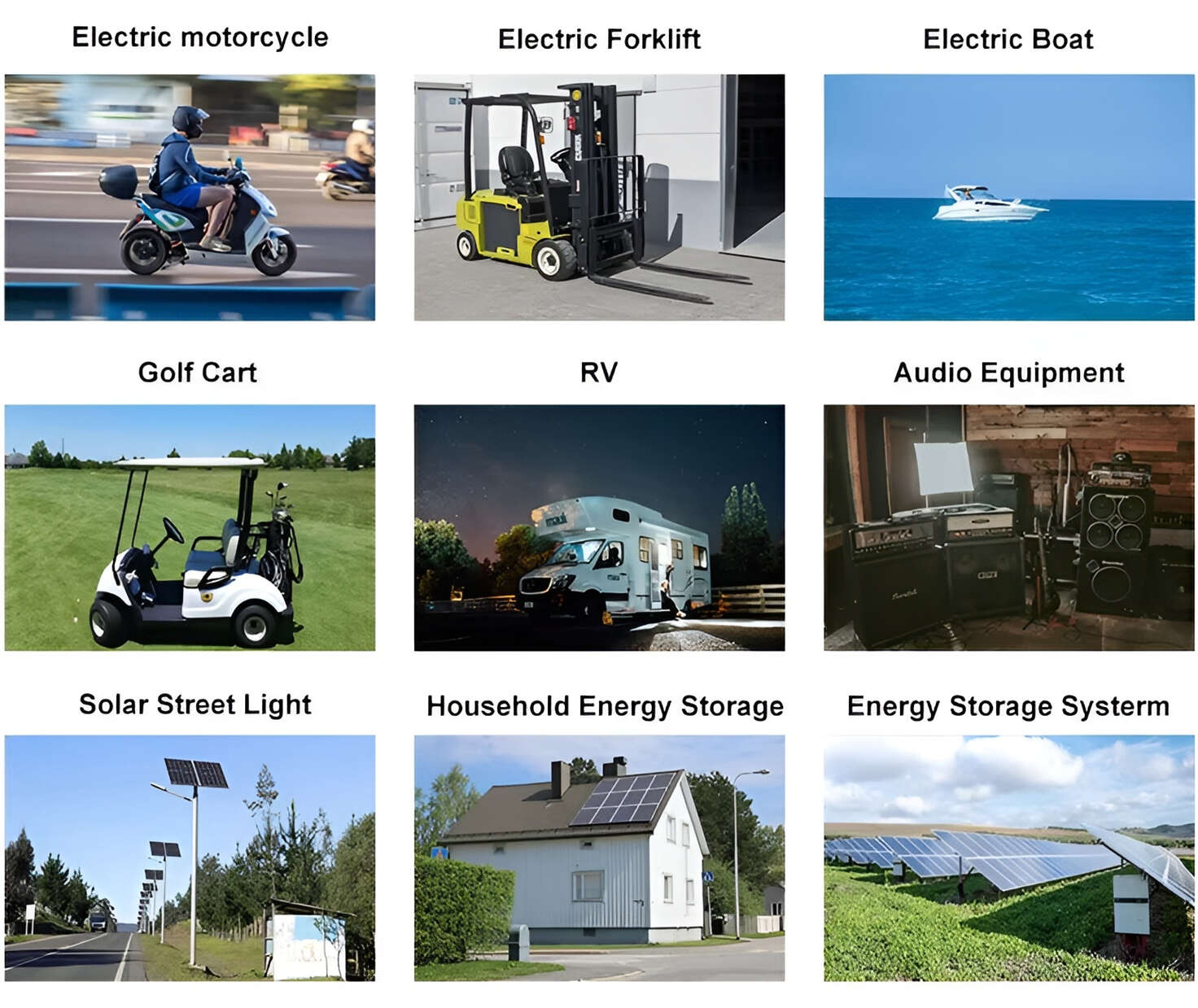
Applications: E-bike, Electric Scooter, Golf Carts, RV, Electric Wheelchair, Electric Tools, Robot Cleaner, Robot Sweeper, Solar Energy Storage System, Emergency Light, Solar Power Light, Medical Equipment, UPS Backup Power Supply.
We can provide you with customized services. We have the ability to provide a vertical supply chain, from single cells to pack/module and to a complete power solution with BMS, etc.
HomSolar (Shenzhen) Technology Co., Ltd