Advances In Thermal Stability: From Molecular Engineering To Macroscopic Materials
The pursuit of thermal stability—the ability of a material to retain its structural integrity and functional properties at elevated temperatures—is a cornerstone of modern science and engineering. This property is critical for applications ranging from aerospace alloys and energy conversion systems to microelectronics and drug formulation. Recent years have witnessed a paradigm shift, moving from empirical, trial-and-error approaches to a more fundamental, multi-scale understanding of degradation mechanisms. This has been coupled with groundbreaking technological breakthroughs in material design and characterization, pushing the boundaries of what materials can endure.
Molecular-Level Insights and Nano-Engineering
At the forefront of recent progress is the ability to manipulate thermal stability at the atomic and molecular levels. For polymers, long susceptible to chain scission and oxidation at high temperatures, the development of novel monomers with intrinsically robust backbones has been revolutionary. The incorporation of aromatic heterocycles, such as benzimidazole and oxadiazole, into polymer chains has yielded polyimides and polybenzazoles that exhibit glass transition temperatures (Tg) exceeding 400°C. Research by groups like those at the University of Science and Technology of China has focused on creating ladder polymers, where the backbone consists of fused rings, effectively distributing thermal energy and resisting depolymerization [1]. Furthermore, the strategic inclusion of nanofillers like graphene oxide (GO) or carbon nanotubes (CNTs) creates a tortuous path for oxygen and heat diffusion, significantly enhancing the thermal oxidative stability of composite materials.
In the realm of inorganic materials, metal-organic frameworks (MOFs), once notorious for their poor thermal resilience, have seen remarkable improvements. The key has been the move from labile coordination bonds to more robust, high-valency metal clusters and the use of all-inorganic ligands. For instance, the substitution of organic linkers with polyoxometalates (POMs) has resulted in POMOFs that remain crystalline and porous at temperatures above 500°C [2]. This breakthrough opens new avenues for high-temperature catalysis and gas separation. Similarly, for perovskite solar cells, whose rapid degradation under heat has hampered commercialization, molecular engineering has provided solutions. Partial substitution of A-site cations with more thermally stable alternatives like formamidinium and the introduction of multidimensional perovskites (mixing 2D and 3D phases) have been shown to suppress ion migration and phase segregation, a significant step forward documented by the National Renewable Energy Laboratory [3].
Technological Breakthroughs in Characterization and Manufacturing
Understanding degradation is as crucial as preventing it. The advent of in-situ and operando characterization techniques has been a game-changer. Advanced environmental transmission electron microscopy (ETEM) allows scientists to observe microstructural changes, such as grain growth or void formation, in real-time while the material is subjected to extreme heat. Similarly, synchrotron-based X-ray diffraction and spectroscopy can probe phase transitions and chemical state changes under thermal stress, providing an unprecedented view of failure mechanisms.
On the manufacturing front, additive manufacturing (AM), or 3D printing, of high-temperature materials has emerged as a major technological breakthrough. The development of selective laser sintering (SLS) and direct energy deposition (DED) techniques for high-performance alloys, such as nickel-based superalloys and refractory metals, enables the creation of components with complex internal cooling channels that were previously impossible to fabricate. These geometries are essential for managing thermal loads in turbine blades and rocket nozzles. Furthermore, cold spray additive manufacturing, a solid-state process, allows for the deposition of temperature-sensitive materials without inducing significant thermal degradation during the build process itself.
Another significant advancement is in the field of thermal barrier coatings (TBCs). The standard yttria-stabilized zirconia (YSZ) is limited by phase instability above 1200°C. Recent research has yielded novel rare-earth zirconates (e.g., Gd2Zr2O7) and magnetoplumbite-based coatings that offer lower thermal conductivity and superior phase stability up to 1400°C [4]. These coatings are being engineered with graded microstructures and embedded sensors for real-time health monitoring, pushing the limits of gas turbine efficiency.
Future Outlook and Emerging Frontiers
The future of thermal stability research is intrinsically linked to the challenges of sustainability and digitalization. One promising frontier is the integration of machine learning (ML) and artificial intelligence (AI) into material discovery. By training models on vast materials databases, researchers can predict the thermal decomposition pathways of novel polymer structures or the melting points of complex multi-principal element alloys (MPEAs) before any synthesis is attempted, dramatically accelerating the design cycle.
The demand for sustainable high-temperature materials will also drive innovation. This includes the development of bio-derived polymers with exceptional thermal stability, reducing reliance on petrochemical feedstocks. Similarly, the quest for next-generation nuclear reactors, both fission and fusion, necessitates materials that can withstand extreme neutron irradiation and temperatures simultaneously, a field where advanced ceramics and tungsten-based composites are showing great promise.
Furthermore, the concept of "adaptive" or "self-healing" thermal protection systems is gaining traction. Inspired by biological systems, researchers are exploring materials that can autonomously respond to thermal damage. For example, polymers containing microcapsules of healing agents that rupture upon crack formation, or coatings that form a protective glassy layer upon oxidation, could create a new class of resilient materials for aerospace applications.
In conclusion, the field of thermal stability is undergoing a profound transformation. The convergence of molecular-level design, advanced characterization, and intelligent manufacturing is enabling the creation of materials that can operate reliably in ever more extreme thermal environments. As we look to the future, the synergy between computational prediction, sustainable chemistry, and bio-inspired design will undoubtedly unlock new paradigms, ensuring that thermal stability remains a key enabler for technological progress across the globe.
References
[1] Wang, S., et al. (2022). "Ladder-Structured Polybenzoxazoles with Ultra-High Thermal Stability and Mechanical Strength for Extreme Environments."Advanced Materials, 34(15), 2109102.
[2] Li, N., et al. (2021). "Constructing Robust Polyoxometalate-Based Metal-Organic Frameworks for High-Temperature Catalytic Oxidative Desulfurization."Journal of the American Chemical Society, 143(27), 10112-10119.
[3] McGehee, M. D., et al. (2023). "Pathways to Commercial Lifetimes and Efficiencies for Perovskite Photovoltaics: A NREL Perspective."Joule, 7(5), 932-951.
[4] Clarke, D. R., & Levi, C. G. (2020). "Materials Design for the Next Generation of Thermal Barrier Coatings."Annual Review of Materials Research, 50, 1-29.
Customized/OEM/ODM Service
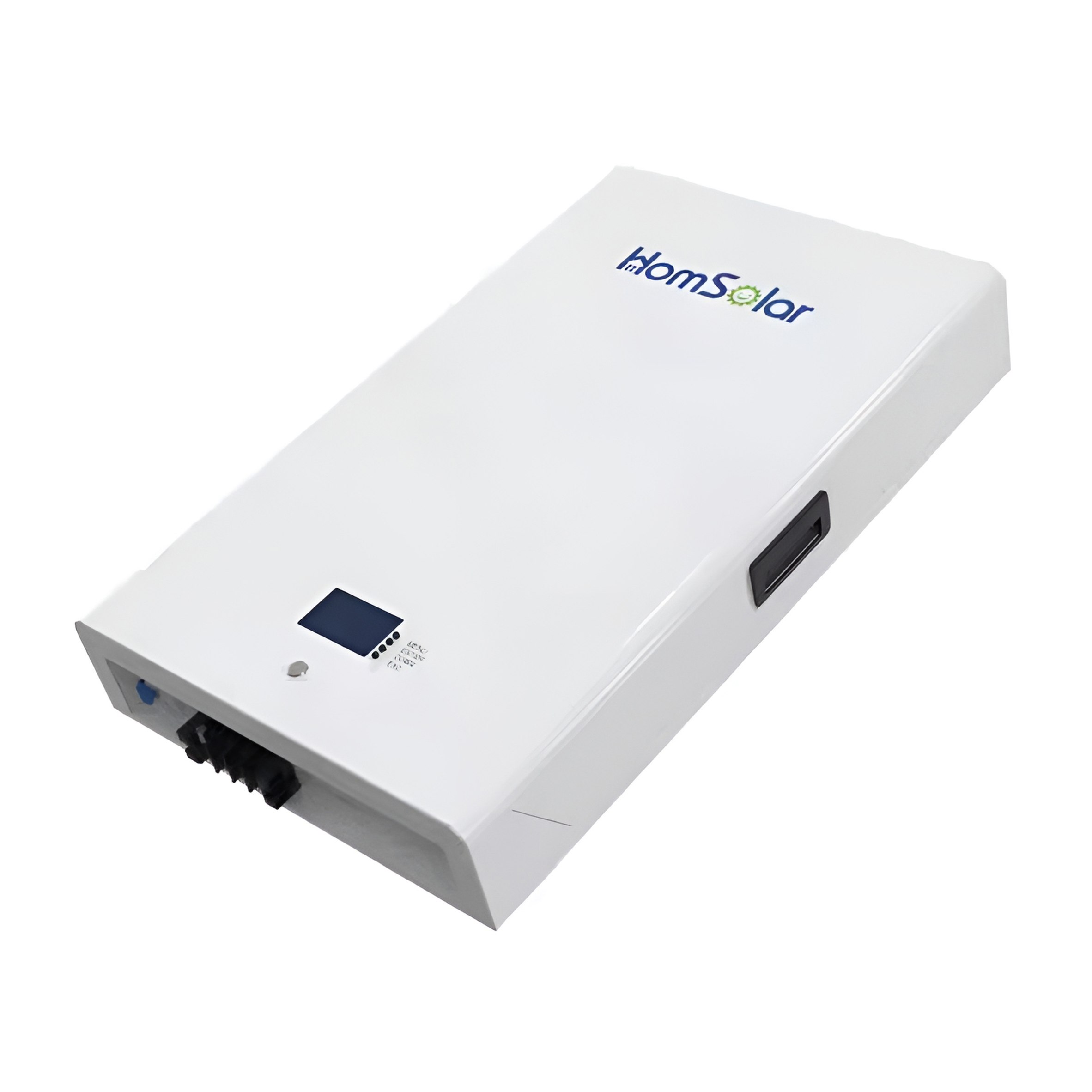
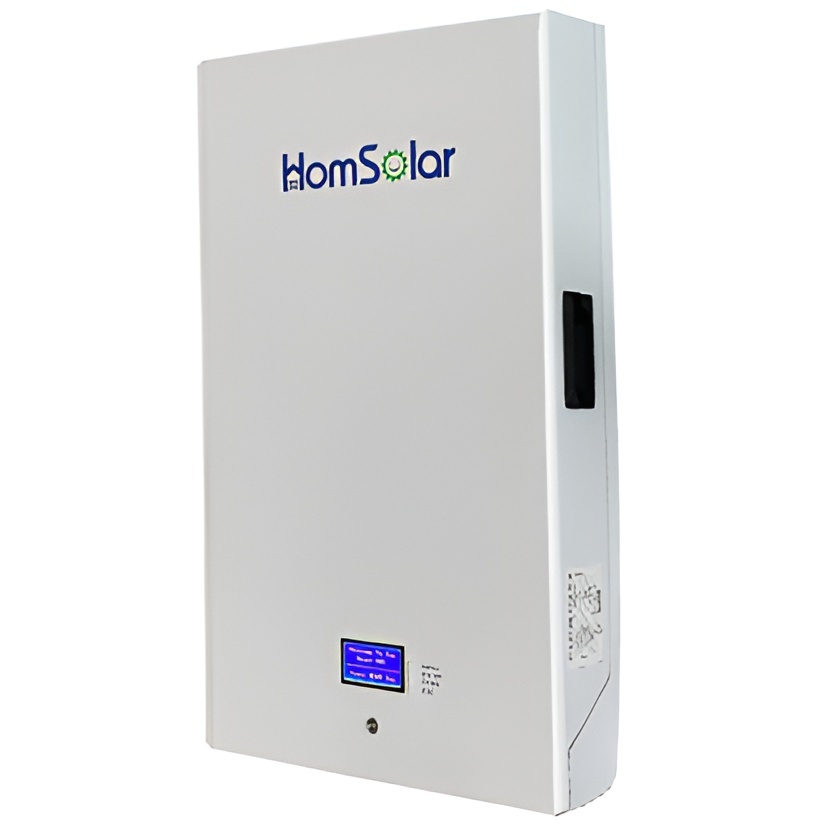
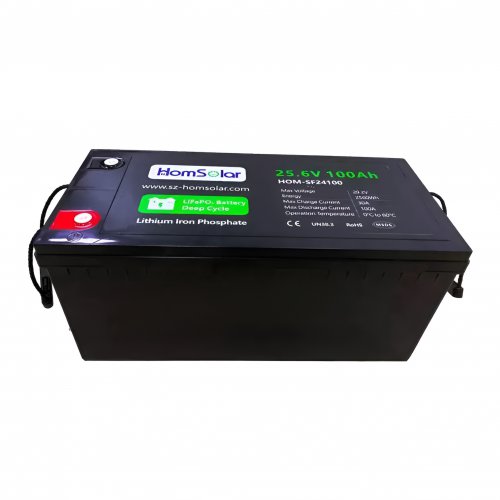
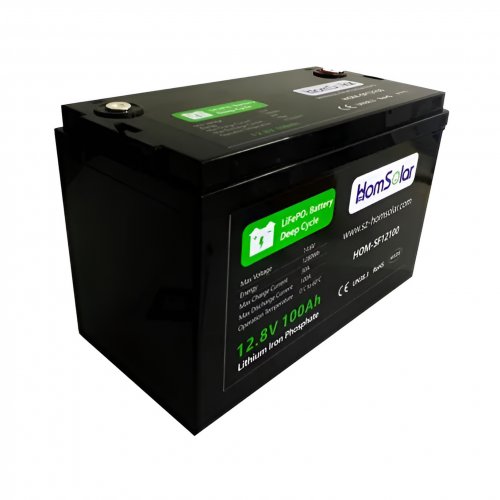
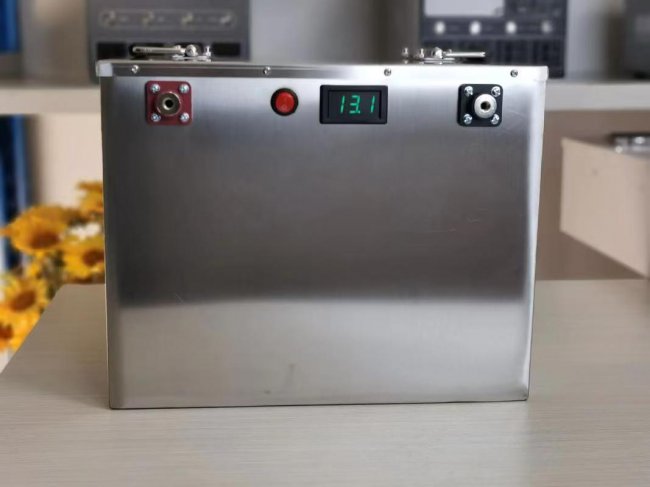
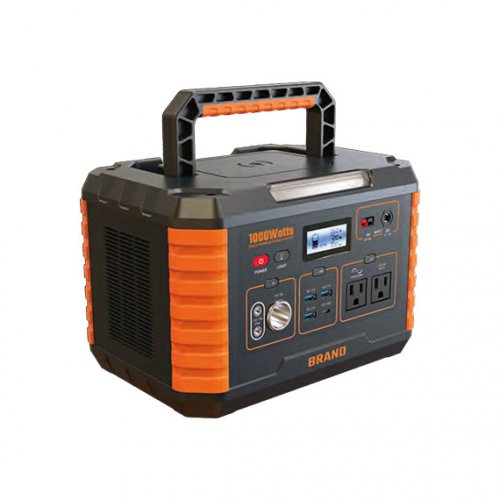
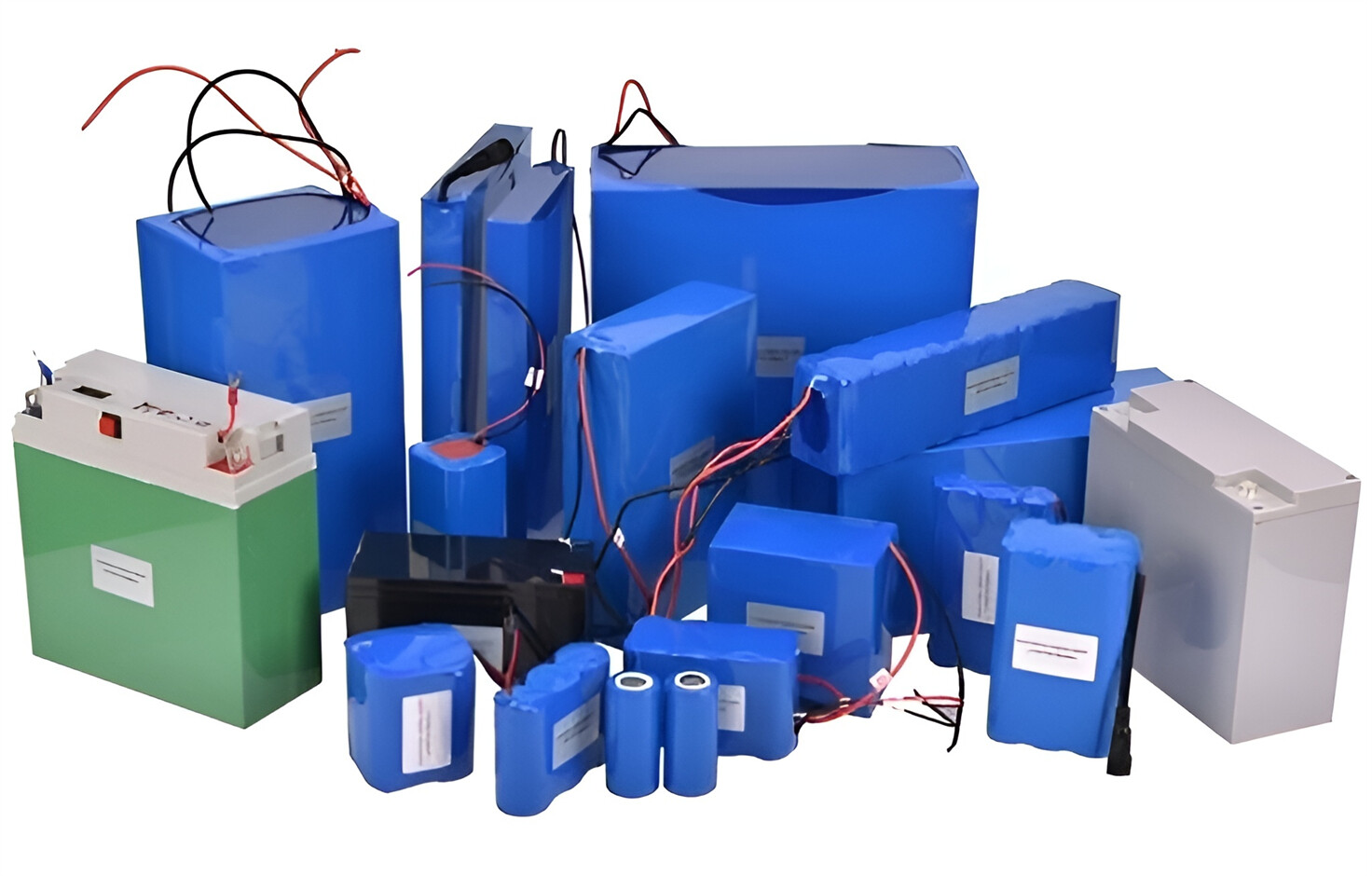
HomSolar Supports Lifepo4 battery pack customization/OEM/ODM service, welcome to contact us and tell us your needs.


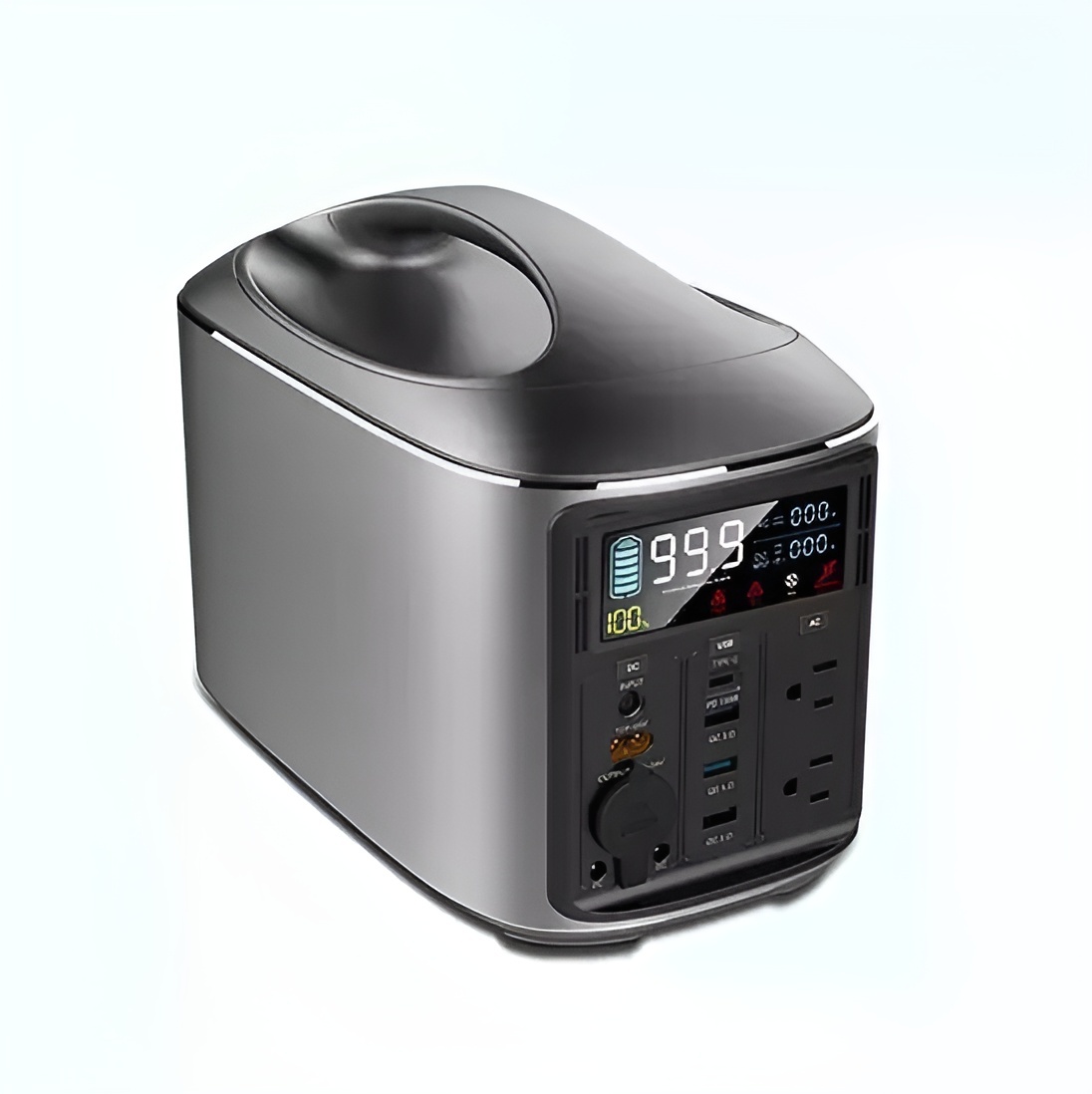
HomSolar: Your One-stop LiFePO4 Battery Pack & ESS Solution Manufacturer
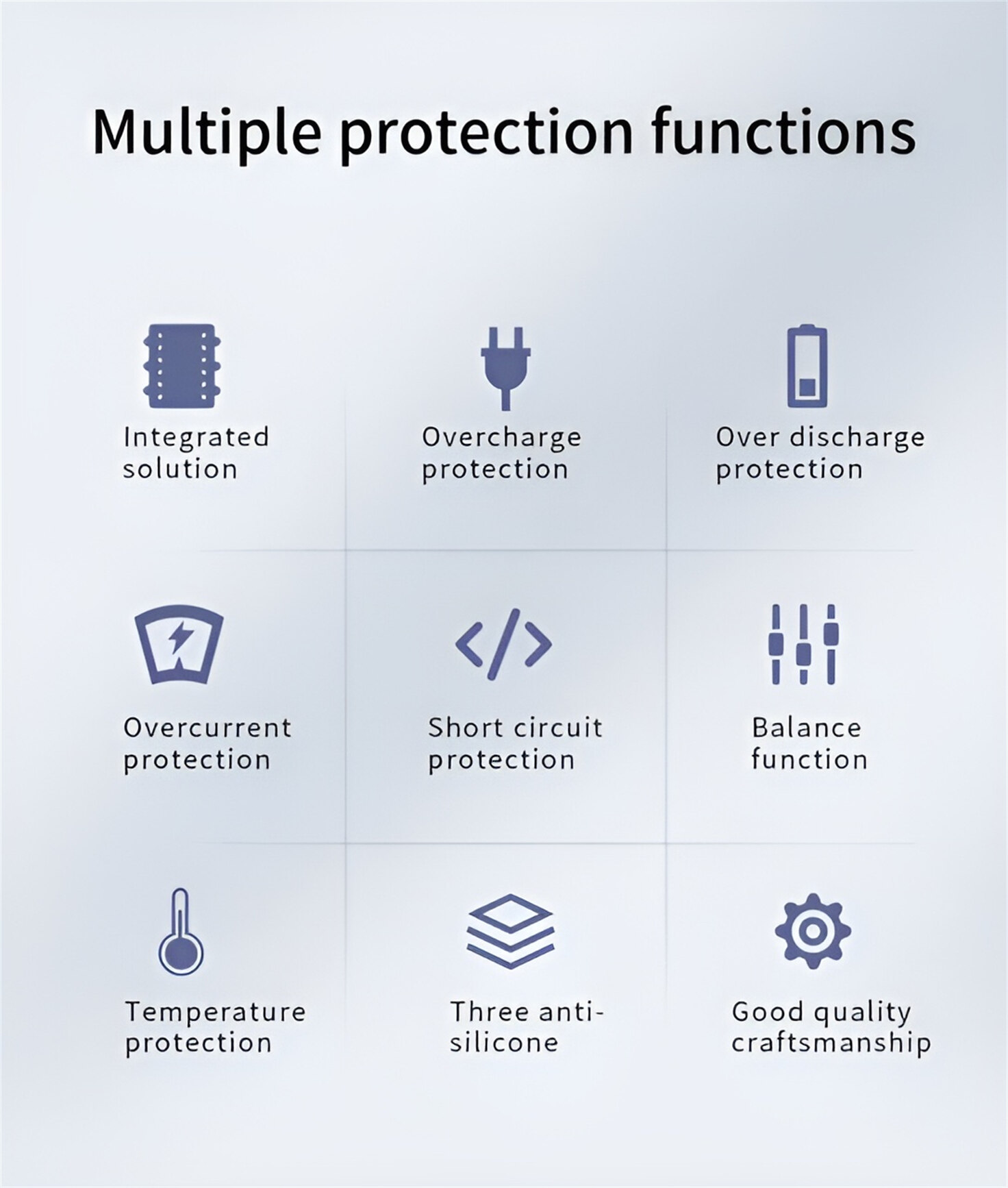
Our line of LiFePO4 (LFP) batteries offer a solution to demanding applications that require a lighter weight, longer life, and higher capacity battery. Features include advanced battery management systems (BMS), Bluetooth® communication and active intelligent monitoring.
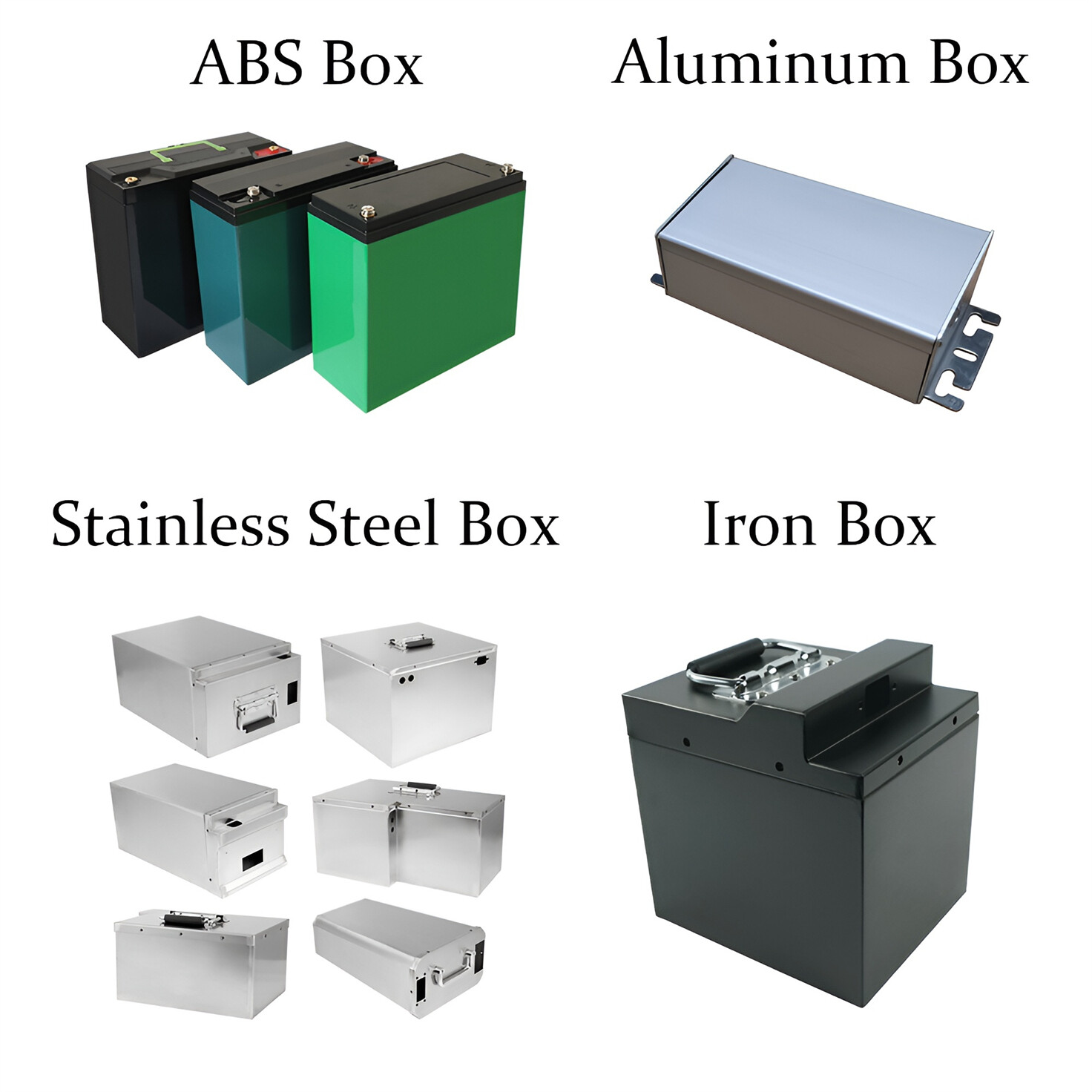
Customised Lithium Iron Phosphate Battery Casing
ABS plastic housing, aluminium housing, stainless steel housing and iron housing are available, and can also be designed and customised according to your needs.
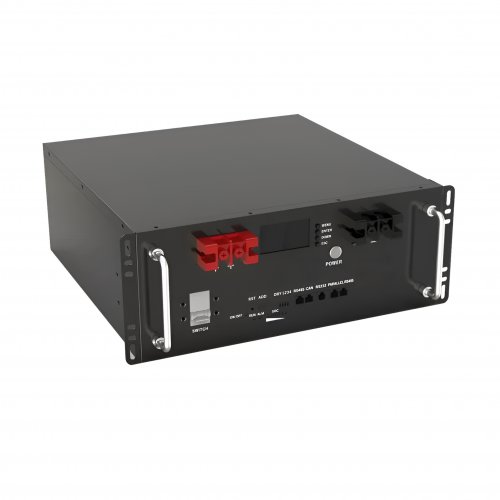
HomSolar Smart BMS
Intelligent Battery Management System for HomSolar Energy Storage System. Bluetooth, temperature sensor, LCD display, CAN interface, UART interface also available.

Terminals & Plugs Can Be Customized
A wide range of terminals and plugs can be customised to suit the application needs of your battery products.

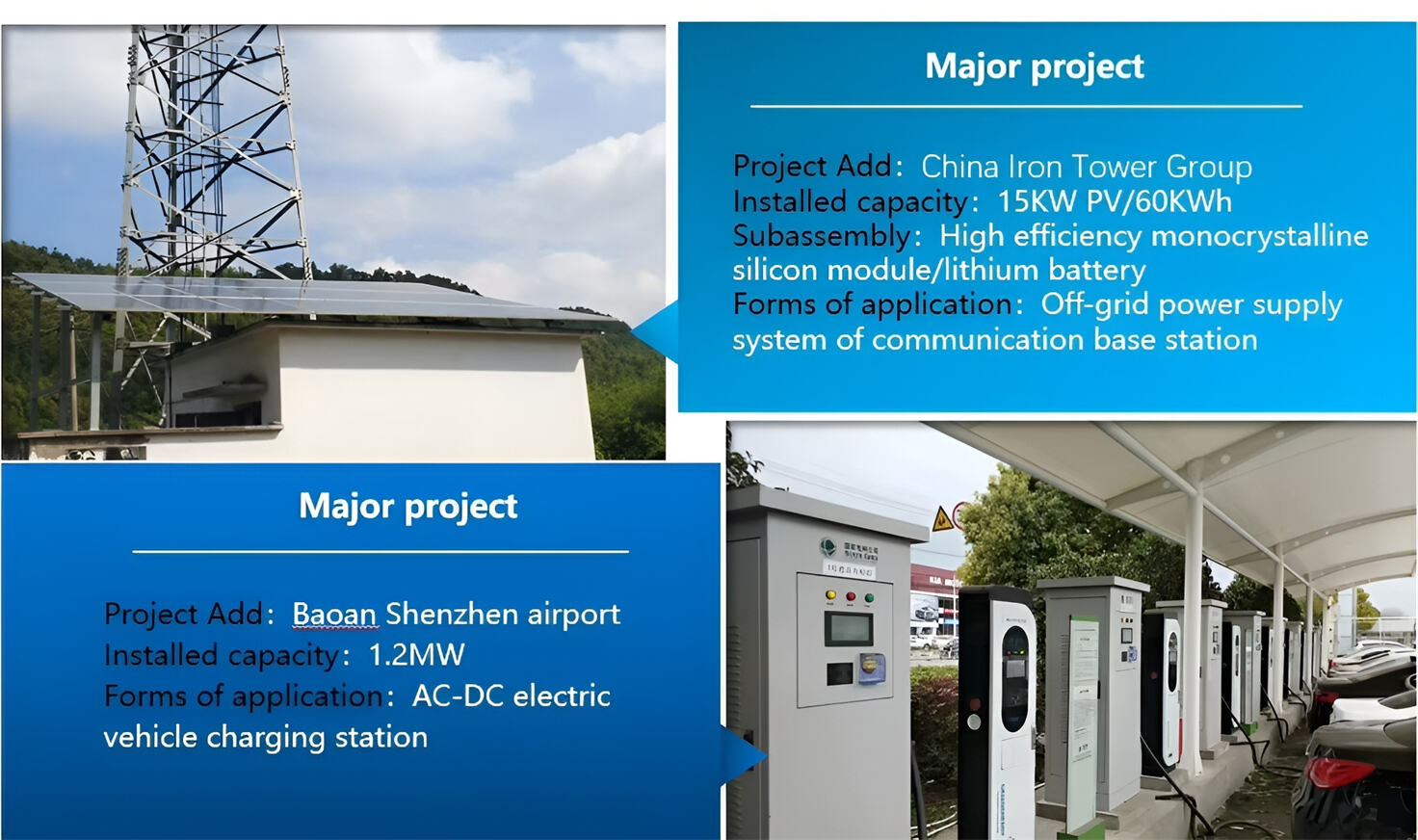
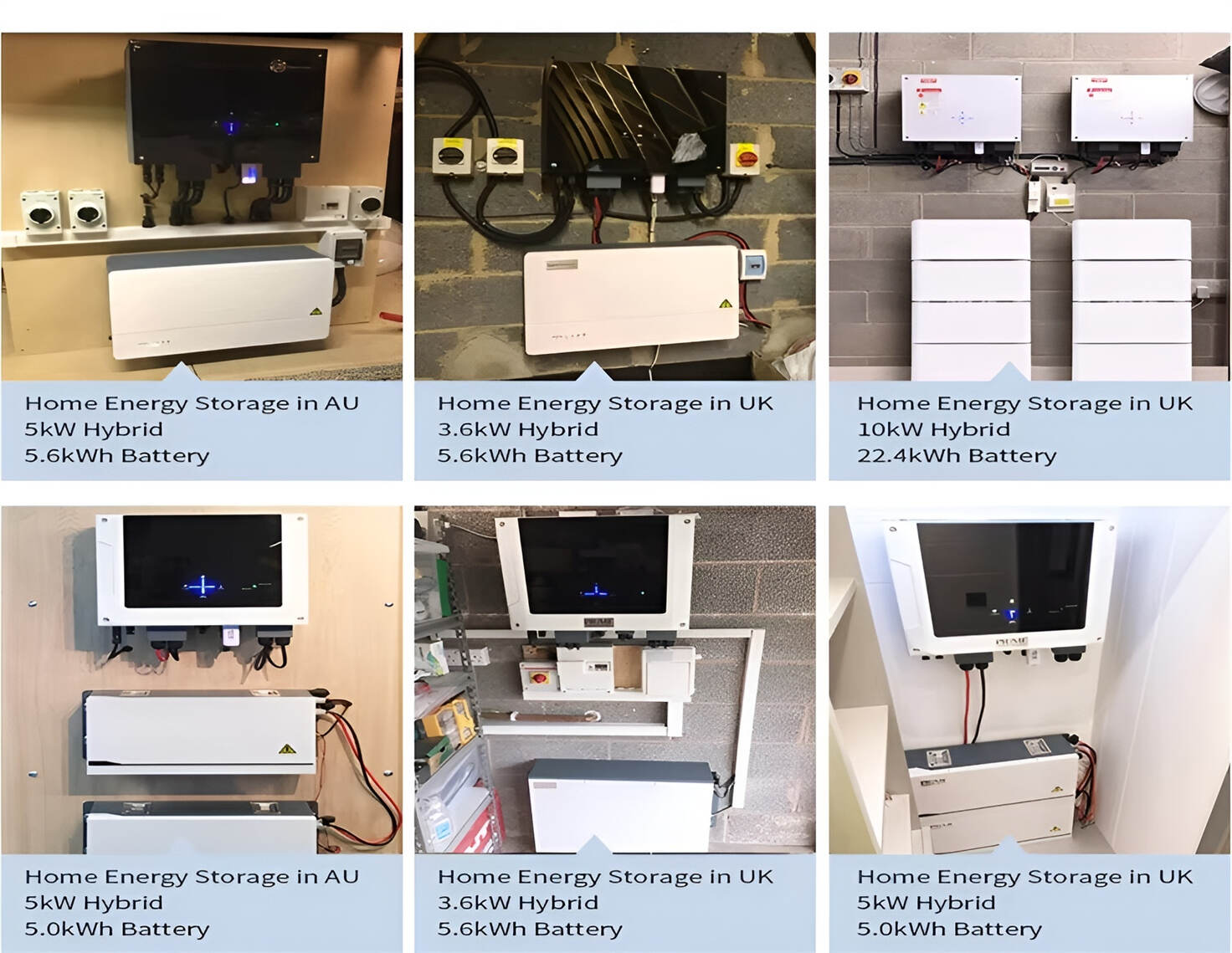
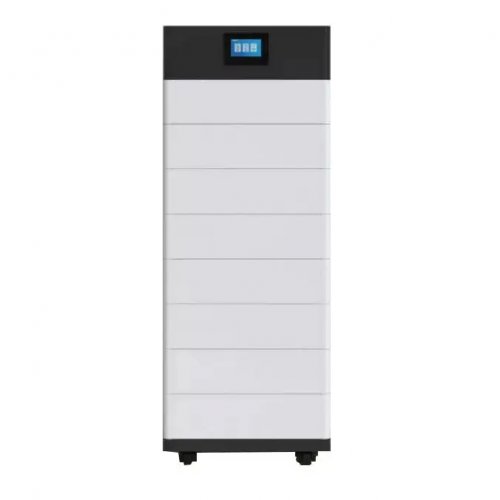
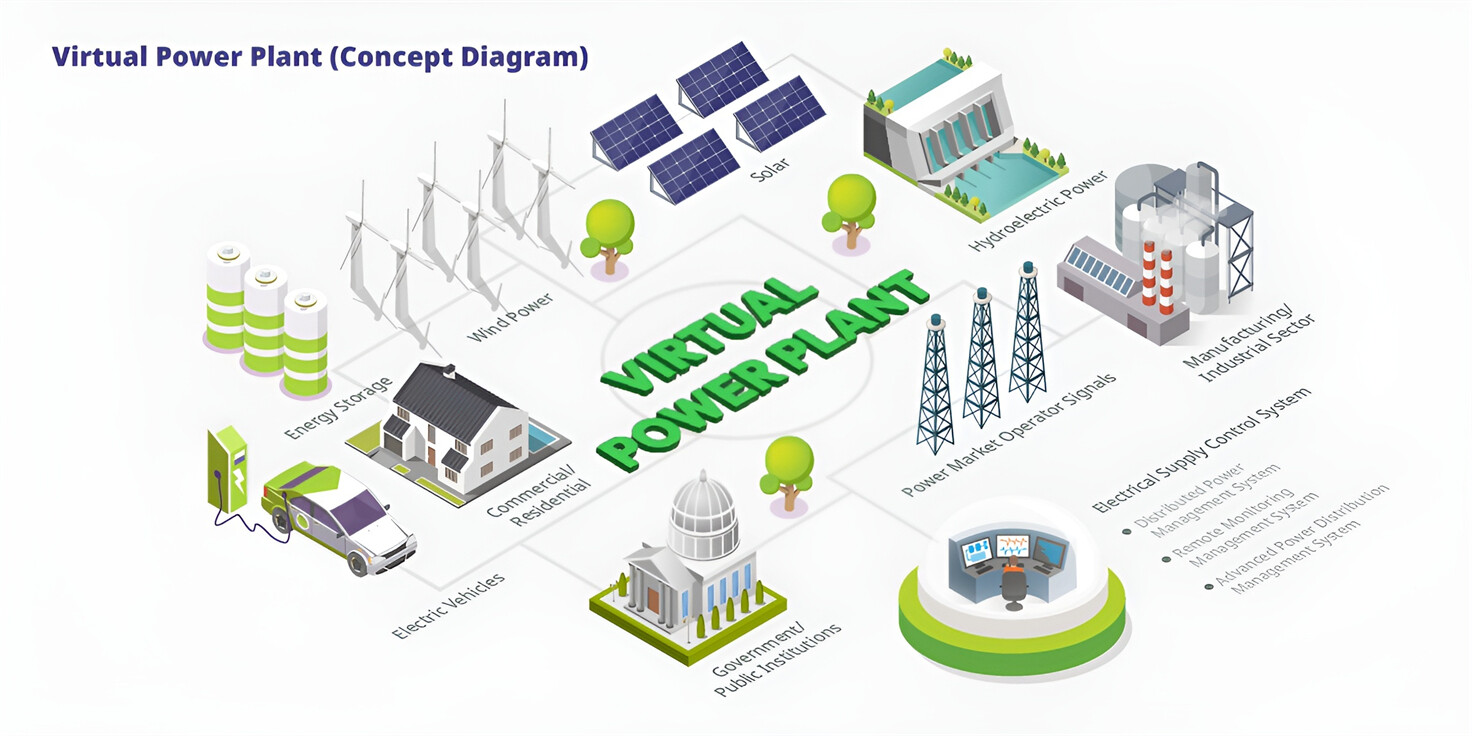
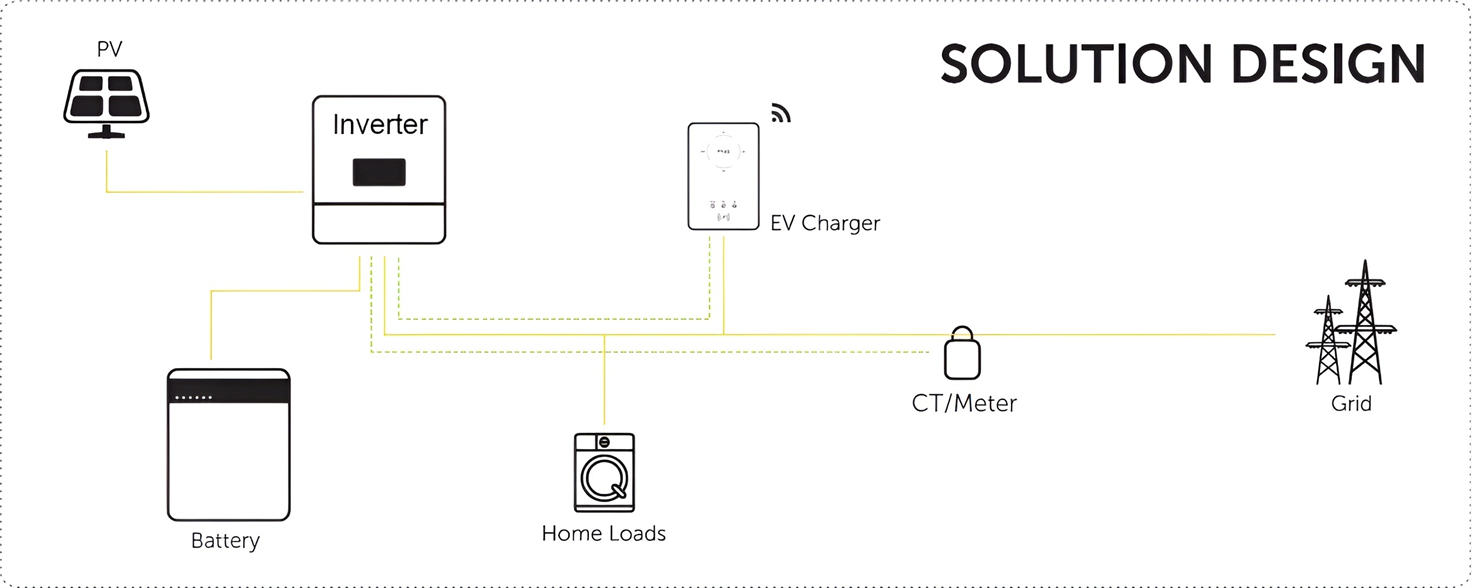
Well-designed Solutions for Energy Storage Systems
We will design the perfect energy storage system solution according to your needs, so that you can easily solve the specific industry applications of battery products.

About Our Battery Cells
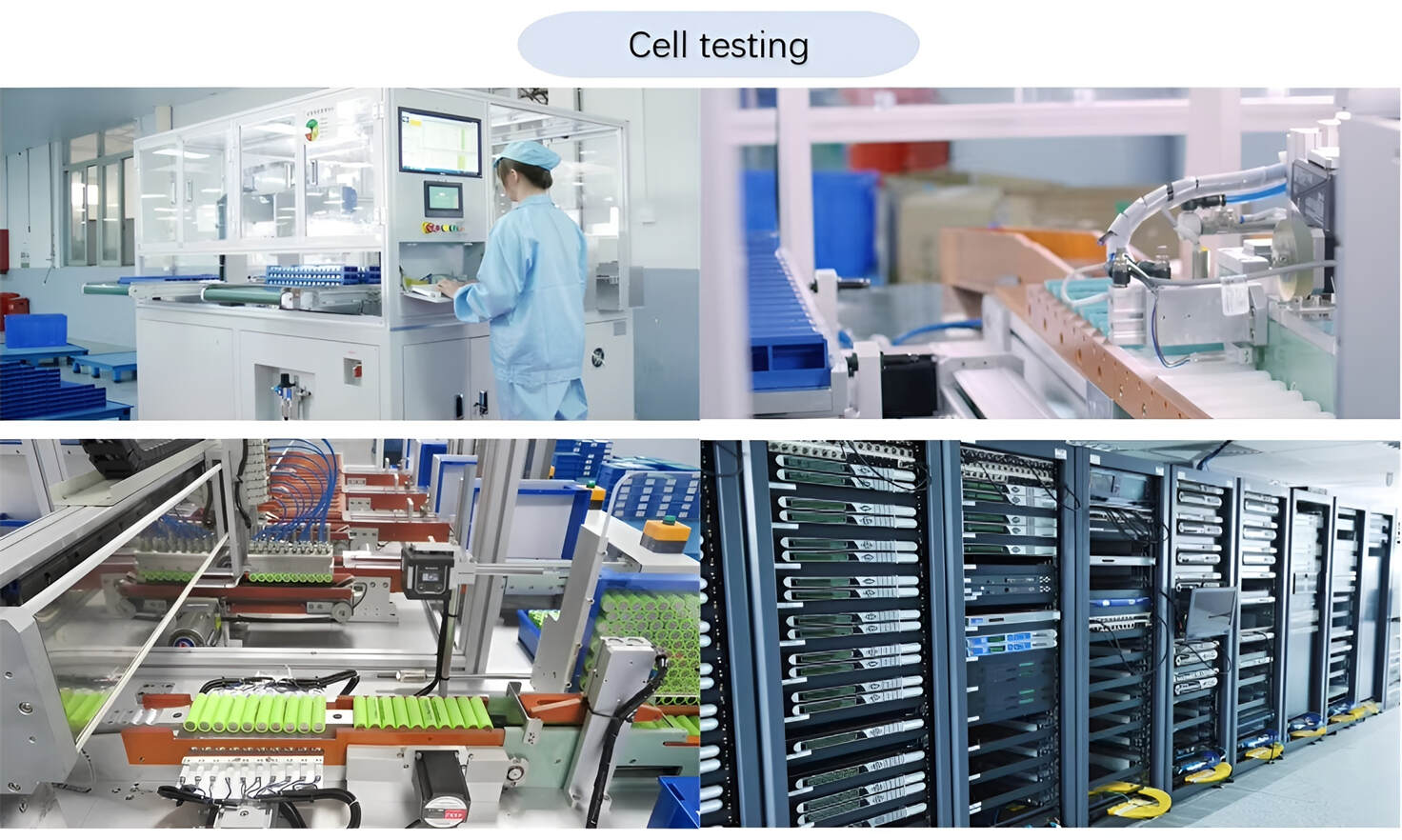
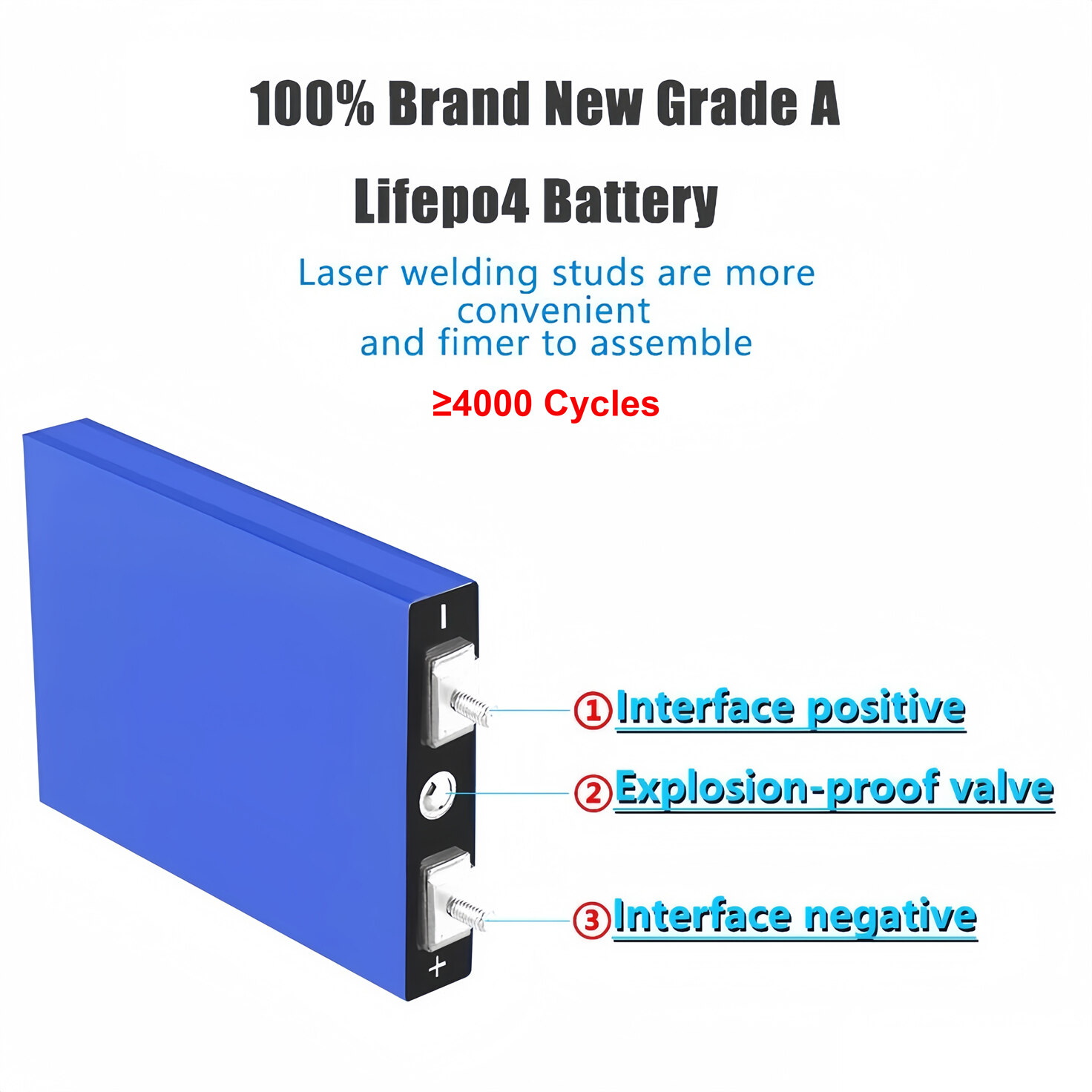
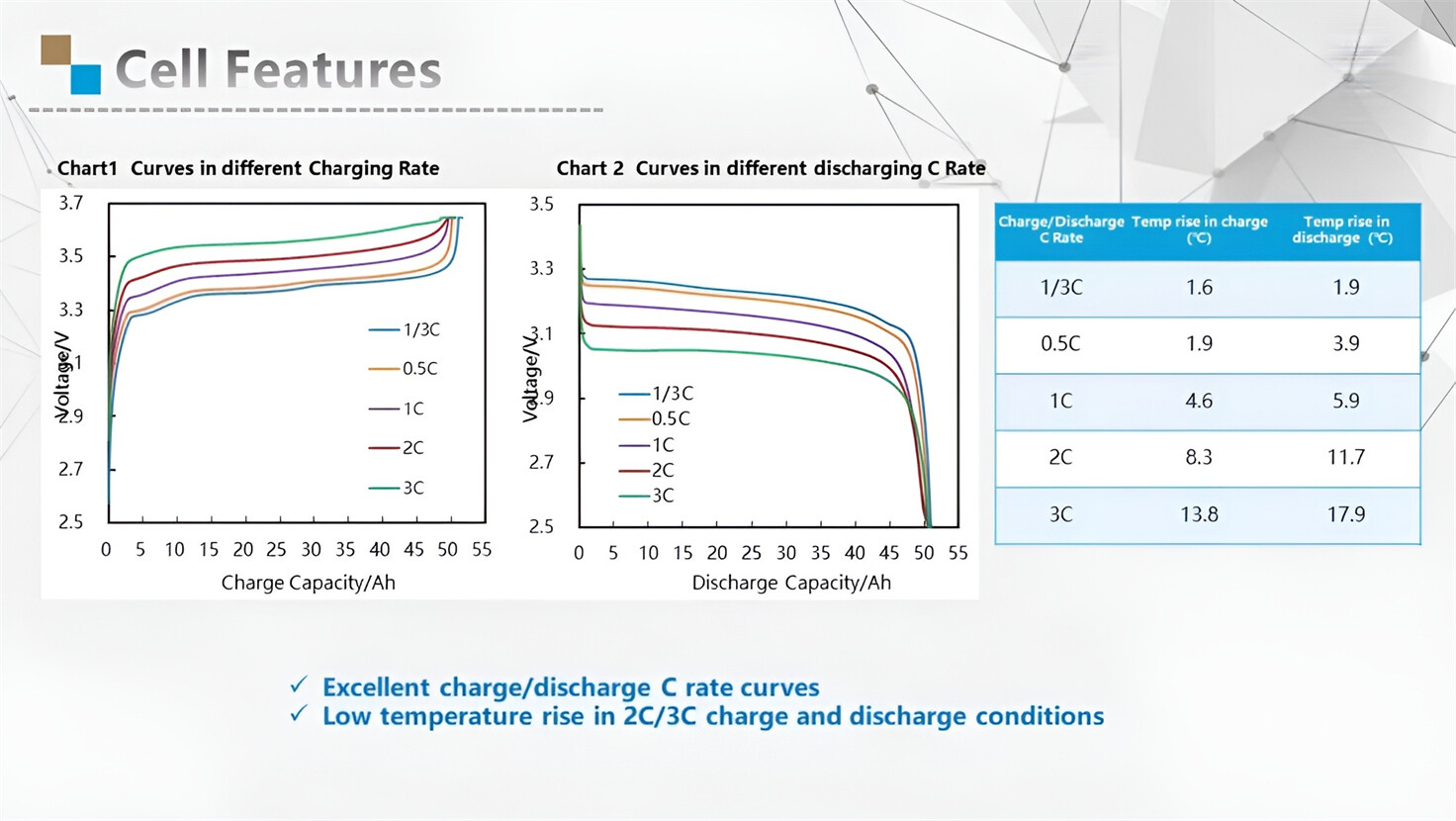
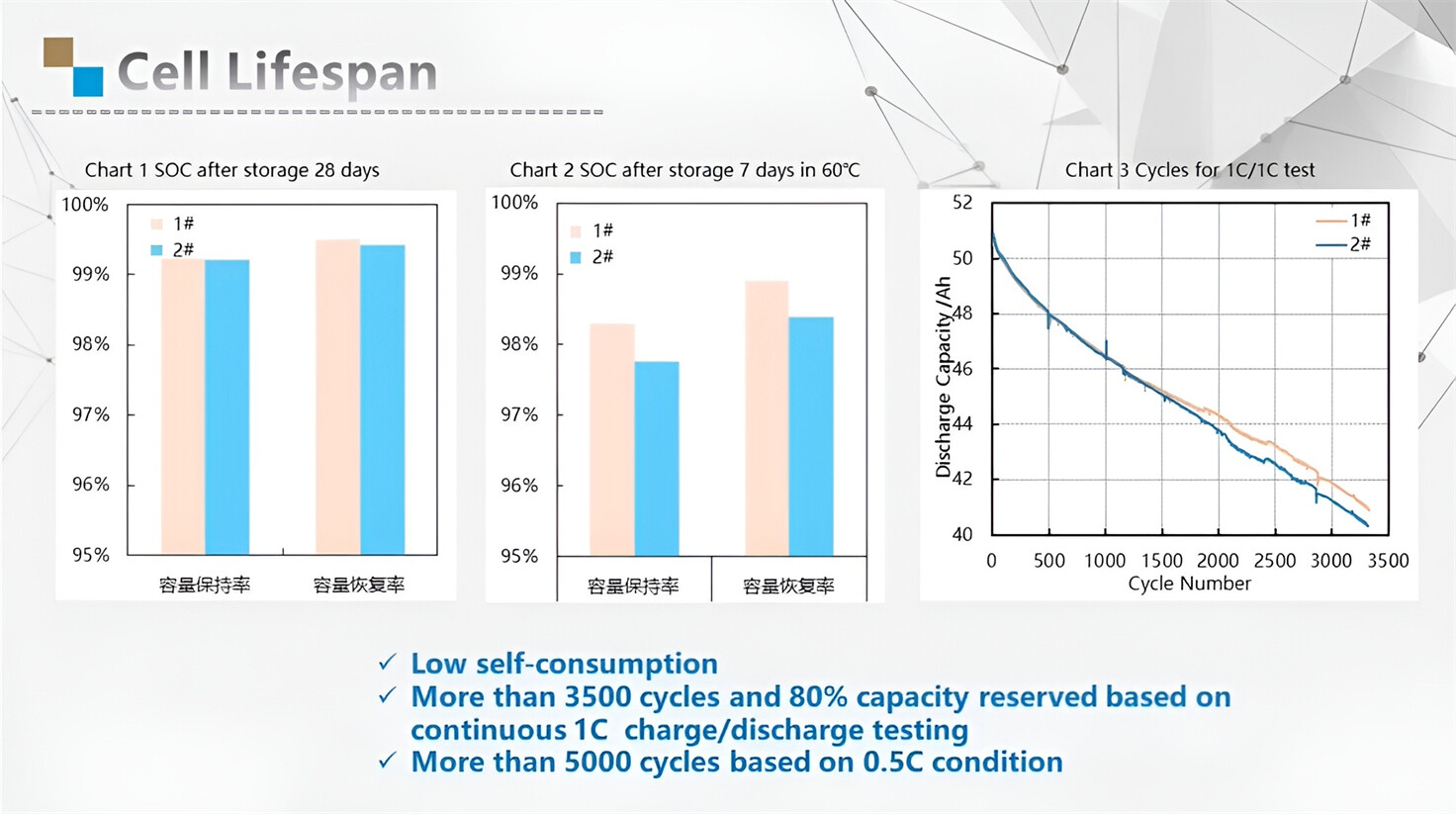
Our energy storage system products use brand new grade A LiFePO4 cells with a battery lifespan of more than 4,000 charge/discharge cycles.
Applications in Different Industries
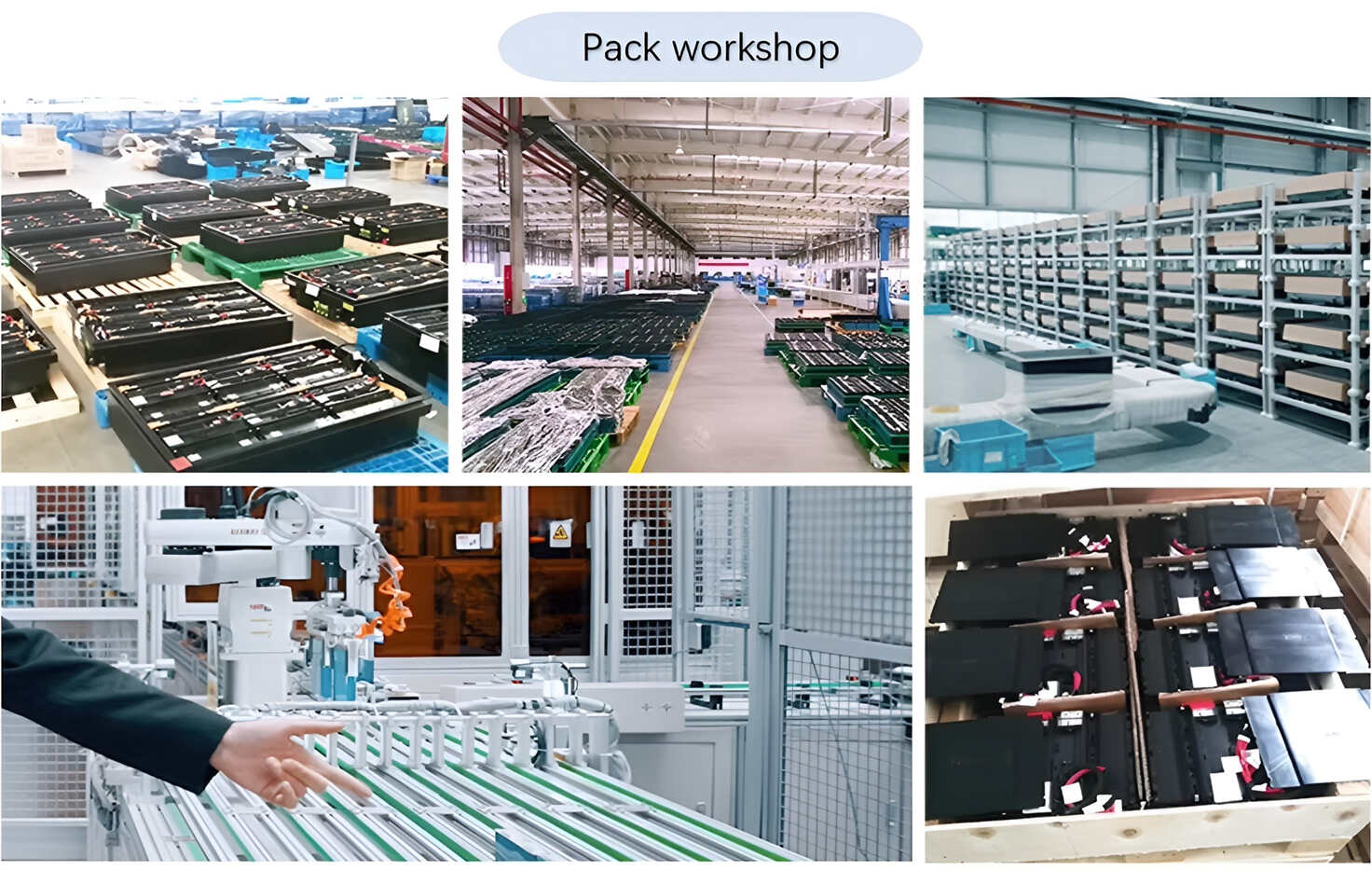
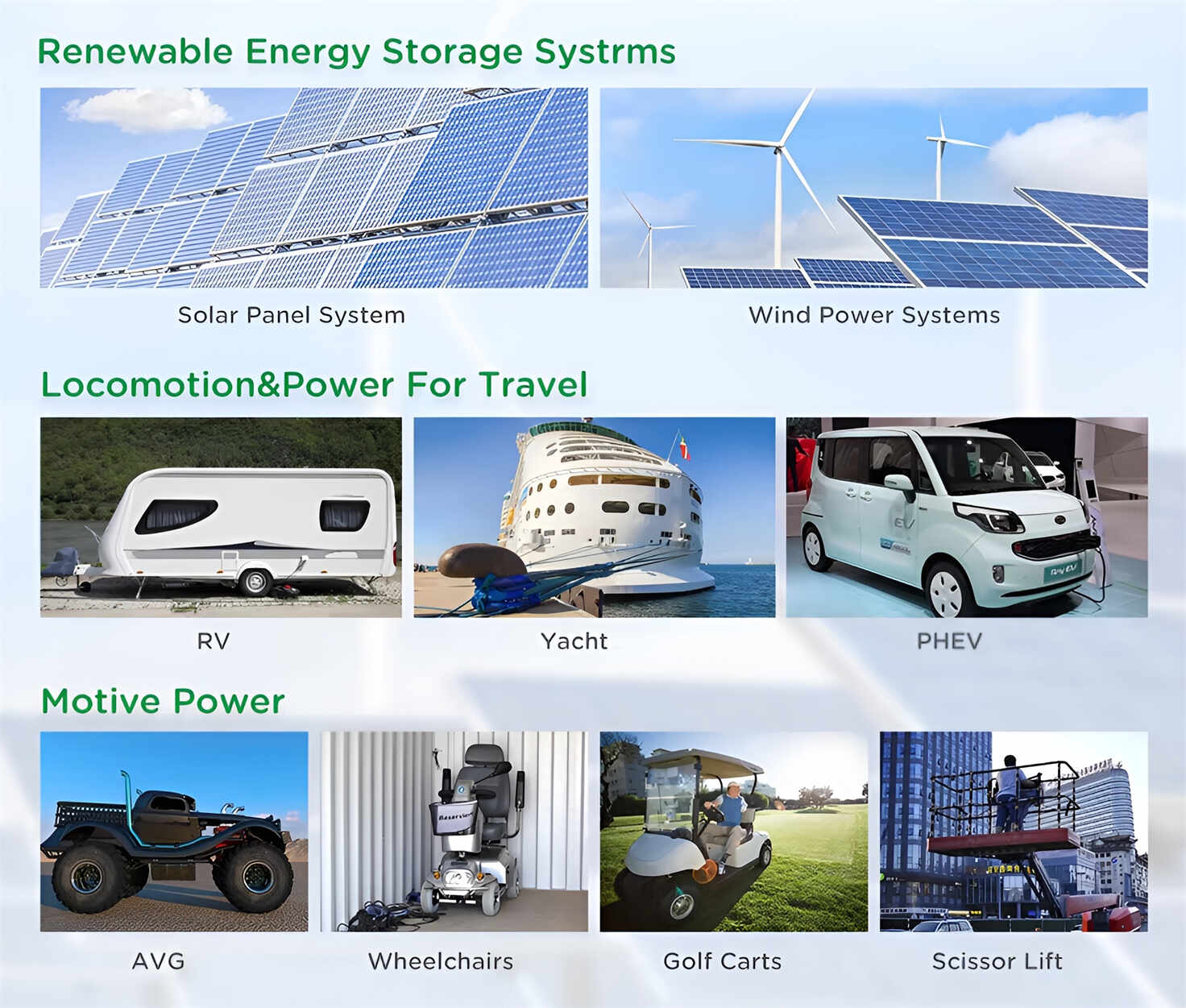
We supply customized & OEM battery pack, assemble cells with wiring, fuse and plastic cover, all the cell wires connected to PCB plug or built BMS.
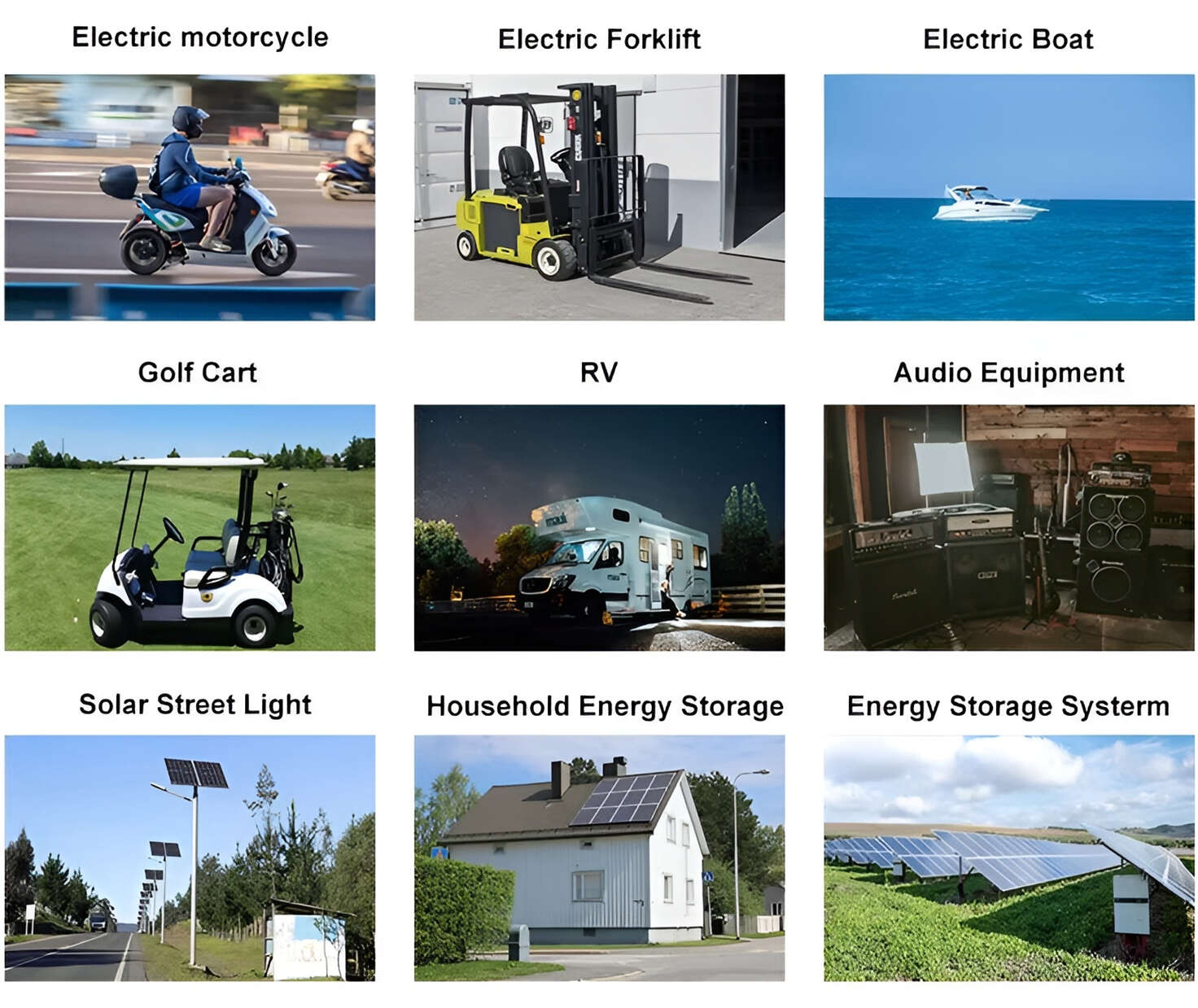
Applications: E-bike, Electric Scooter, Golf Carts, RV, Electric Wheelchair, Electric Tools, Robot Cleaner, Robot Sweeper, Solar Energy Storage System, Emergency Light, Solar Power Light, Medical Equipment, UPS Backup Power Supply.
We can provide you with customized services. We have the ability to provide a vertical supply chain, from single cells to pack/module and to a complete power solution with BMS, etc.
HomSolar (Shenzhen) Technology Co., Ltd