Advances In Thermal Stability: From Molecular Engineering To High-tech Applications
The pursuit of materials and systems capable of withstanding extreme temperatures remains a cornerstone of modern science and engineering. Thermal stability—the ability of a substance to resist decomposition, phase change, or significant property degradation under high thermal stress—is a critical parameter dictating the performance, safety, and longevity of technologies ranging from aerospace propulsion to microelectronics and energy storage. Recent years have witnessed remarkable progress in this field, driven by a synergistic combination of advanced characterization techniques, sophisticated computational modeling, and innovative material design strategies at the atomic and molecular levels.
Molecular Engineering and Computational Frontiers
A significant breakthrough has been the shift from empirical, trial-and-error approaches to a rational design paradigm. The integration of high-throughput computational screening and machine learning (ML) has accelerated the discovery of thermally robust materials. For instance, researchers are using ML algorithms trained on vast crystallographic databases to predict the decomposition temperatures and phase transition behaviors of novel organic molecules and inorganic compounds with surprising accuracy. This allows for thein silicodesign of molecules with tailored bond dissociation energies and optimized intermolecular interactions before any synthesis is attempted.
At the molecular level, research on organic electronics provides a compelling example. The thermal instability of organic semiconductors, particularly non-fullerene acceptors (NFAs) used in organic photovoltaics (OPVs), has long been a bottleneck for their commercial viability. Recent work has focused on enhancing the rigidity of the molecular backbone and strengthening the donor-acceptor interactions within the bulk heterojunction. A landmark study by Xu et al. (2023) demonstrated that by fusing the central core of a popular NFA and engineering its end-group stacking, they achieved a material that retained over 95% of its initial efficiency after 1000 hours of thermal aging at 85°C, a significant improvement over previous generations. This molecular locking strategy effectively suppresses detrimental phase separation and morphological degradation under heat.
Similarly, in the realm of polymers, the development of vitrimers has represented a paradigm shift. Unlike traditional thermosets, which are brittle and cannot be repaired, vitrimers possess dynamic covalent networks that can rearrange their topology under heat without losing network integrity. This grants them thermal stability akin to thermosets while offering malleability and self-healing properties. Recent advances have focused on tailoring the exchangeable bonds (e.g., transesterification, dioxaborolane metathesis) to achieve a higher dissociation energy, thereby pushing the service temperature of these reprocessable polymers well beyond 300°C (Montarnal et al., 2023). This opens new avenues for sustainable, high-performance composites in the automotive and aerospace industries.
Nanostructured and High-Entropy Materials
The manipulation of materials at the nanoscale has yielded another class of thermally stable systems. Nanocomposites, where nanoparticles like carbon nanotubes, graphene, or hexagonal boron nitride (h-BN) are dispersed within a matrix, can significantly improve thermal endurance. The nanoparticles act as robust scaffolds, hindering polymer chain mobility and providing a tortuous path for oxidative degradation. Furthermore, two-dimensional materials like graphene and h-BN are themselves subjects of intense study. Their ultra-high intrinsic thermal conductivity is leveraged for thermal management in electronics, but their stability under oxidizing conditions is a challenge. Recent breakthroughs involve the covalent functionalization or the creation of multilayer van der Waals heterostructures sealed at the edges, which effectively shield the internal layers from oxidation, maintaining stability up to 800°C in air (Li et al., 2022).
Perhaps the most revolutionary concept in structural materials is the emergence of high-entropy alloys (HEAs) and high-entropy ceramics (HECs). These materials consist of multiple principal elements in near-equimolar ratios, creating a configurationally high-entropy state that dramatically slows atomic diffusion and phase separation at elevated temperatures. While early HEAs focused on metallic systems, recent progress has been spectacular in HECs, such as borides, carbides, and oxides. For example, high-entropy diborides, combining four or five transition metals, have demonstrated exceptional resistance to ablation and structural integrity at temperatures exceeding 2500°C, making them prime candidates for next-generation hypersonic vehicle leading edges and ultra-high-temperature reactors (Castle et al., 2024). The "entropy stabilization" effect effectively pins the microstructure, suppressing the nucleation and growth of deleterious phases that would normally cause embrittlement or creep failure.
Advanced Characterization and Future Outlook
Underpinning these material advances are powerful characterization tools.In situandoperandotechniques, such as environmental transmission electron microscopy (ETEM) and synchrotron-based X-ray diffraction, allow scientists to observe degradation mechanisms in real-time under controlled temperature and atmosphere. This provides direct, unambiguous evidence of how and when a material fails, guiding the refinement of synthesis and processing protocols.
Looking forward, the field of thermal stability is poised to evolve in several key directions. First, the integration of AI and multiscale modeling will become more seamless, enabling the predictive design of materials with targeted thermal properties for specific operational envelopes. Second, the exploration of bio-inspired designs, such as nacre-like layered structures or heat-resistant proteins found in extremophiles, may offer novel pathways to achieve toughness alongside stability. Third, as the demand for electrification and renewable energy grows, the thermal stability of battery components—particularly solid-state electrolytes and high-voltage cathodes—will be a critical research frontier. Preventing thermal runaway through intrinsically stable cell chemistry is paramount.
Furthermore, the sustainability aspect will gain prominence. The development of thermally stable materials from bio-based sources or those that are easily recyclable, like advanced vitrimers, will be essential for a circular economy. The challenge will be to achieve this without compromising performance.
In conclusion, the advances in thermal stability are a testament to the power of interdisciplinary research. By converging insights from chemistry, materials science, physics, and data analytics, we are no longer merely searching for stable materials but are actively engineering them from the ground up. This progress is fundamentally enabling the next generation of technology, pushing the boundaries of what is possible in the most demanding thermal environments.
References (Examples):Castle, E. G., et al. (2024). "Ultra-High-Temperature Oxidation Behavior of a (Hf, Zr, Ta, Nb, Ti)B2 High-Entropy Ceramic."Acta Materialia, 265, 119612.Li, X., et al. (2022). "Edge-Sealed Hexagonal Boron Nitride Membranes with Enhanced Thermal Oxidation Stability."Advanced Materials, 34(15), 2108356.Montarnal, D., et al. (2023). "Engineering the Topology Exchange Kinetics in Vitrimers for High-Temperature Applications."Science, 379(6634), eadg8090.Xu, T., et al. (2023). "A Fused-Ring Electron Acceptor with Enhanced Thermal Stability for Efficient Organic Photovoltaics."Nature Energy, 8, 73-83.
Customized/OEM/ODM Service
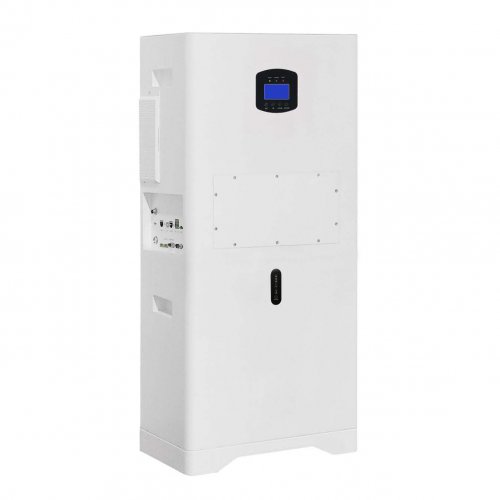
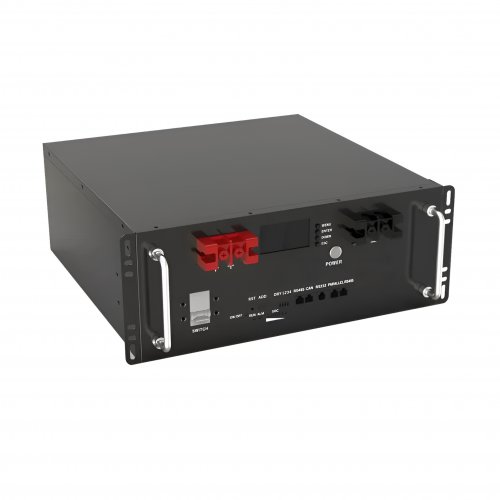
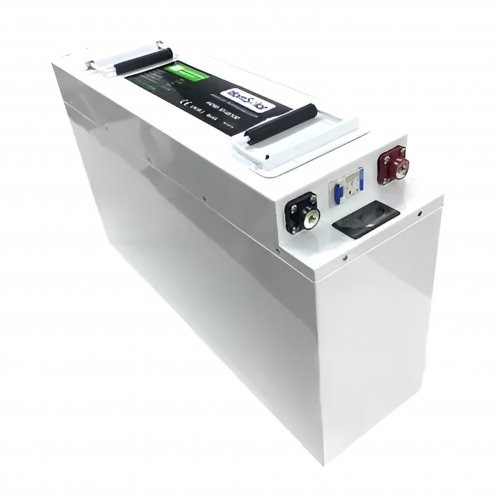
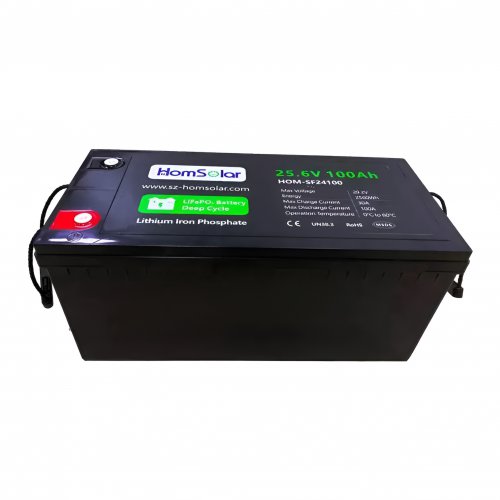
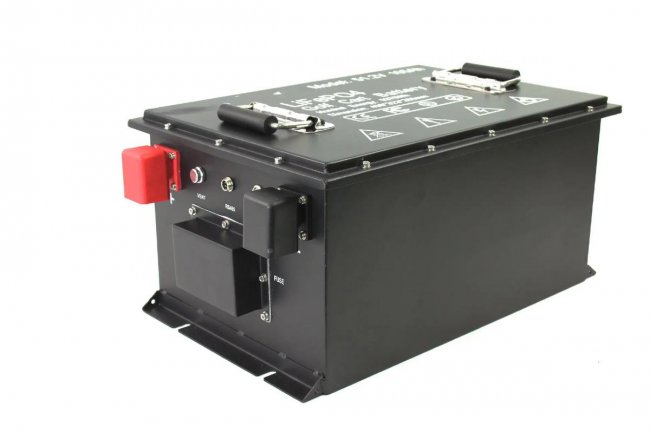
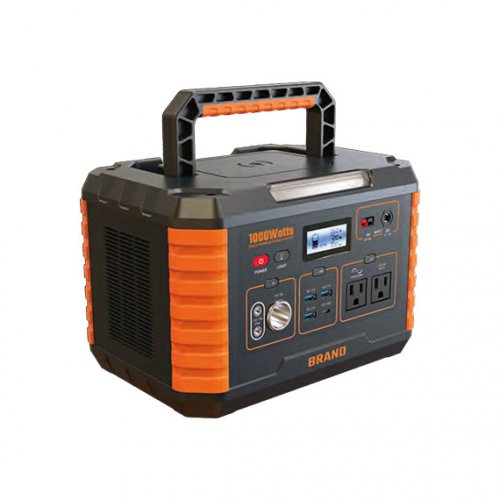
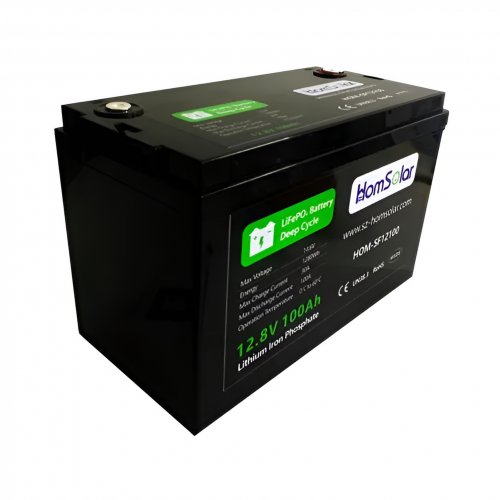
HomSolar Supports Lifepo4 battery pack customization/OEM/ODM service, welcome to contact us and tell us your needs.

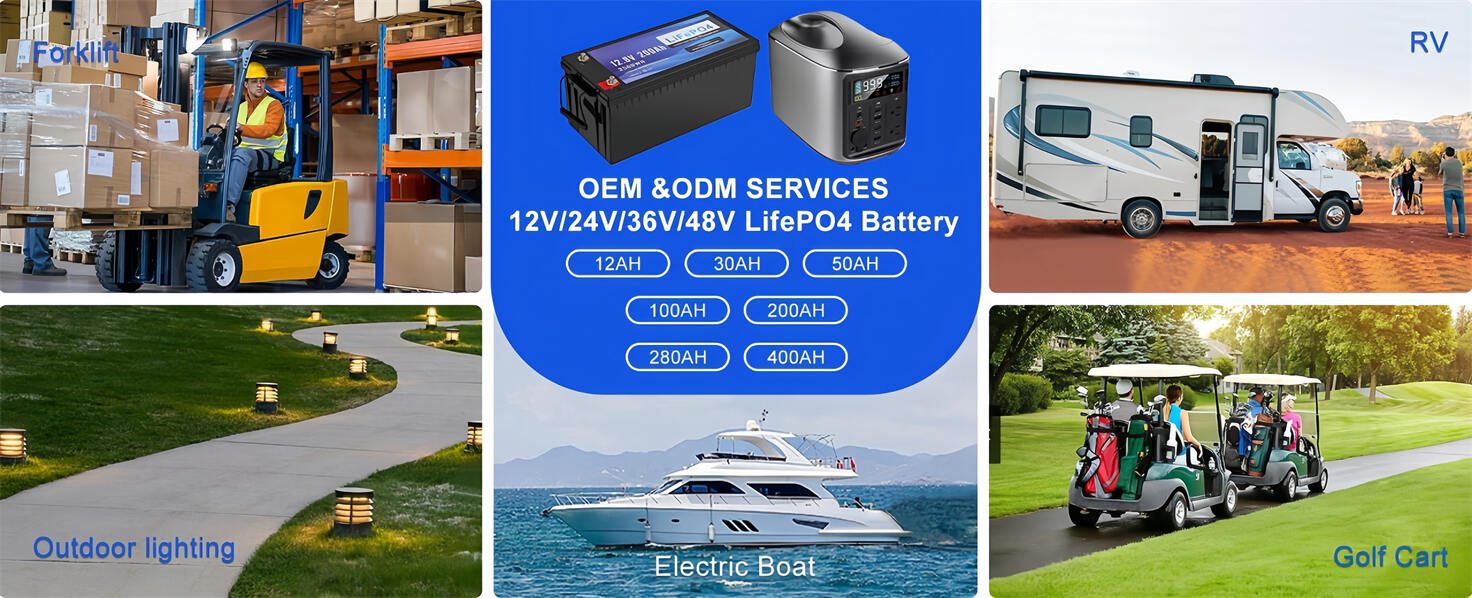
HomSolar: Your One-stop LiFePO4 Battery Pack & ESS Solution Manufacturer
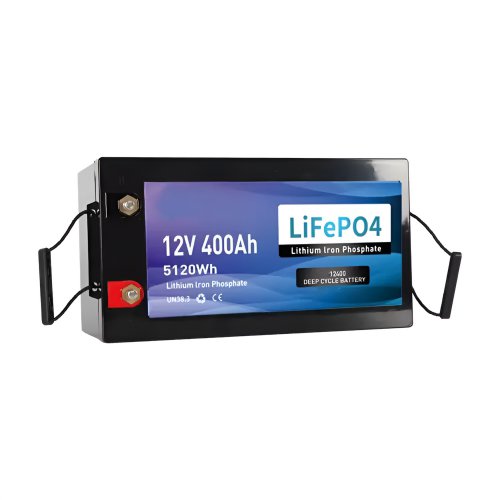
Our line of LiFePO4 (LFP) batteries offer a solution to demanding applications that require a lighter weight, longer life, and higher capacity battery. Features include advanced battery management systems (BMS), Bluetooth® communication and active intelligent monitoring.
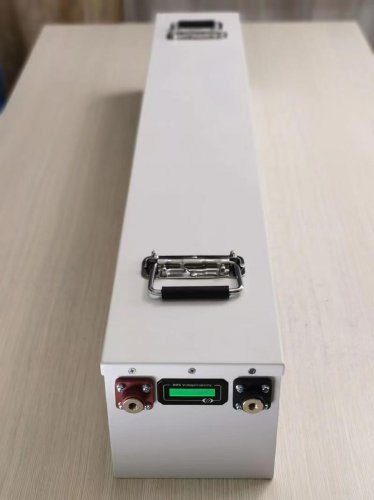
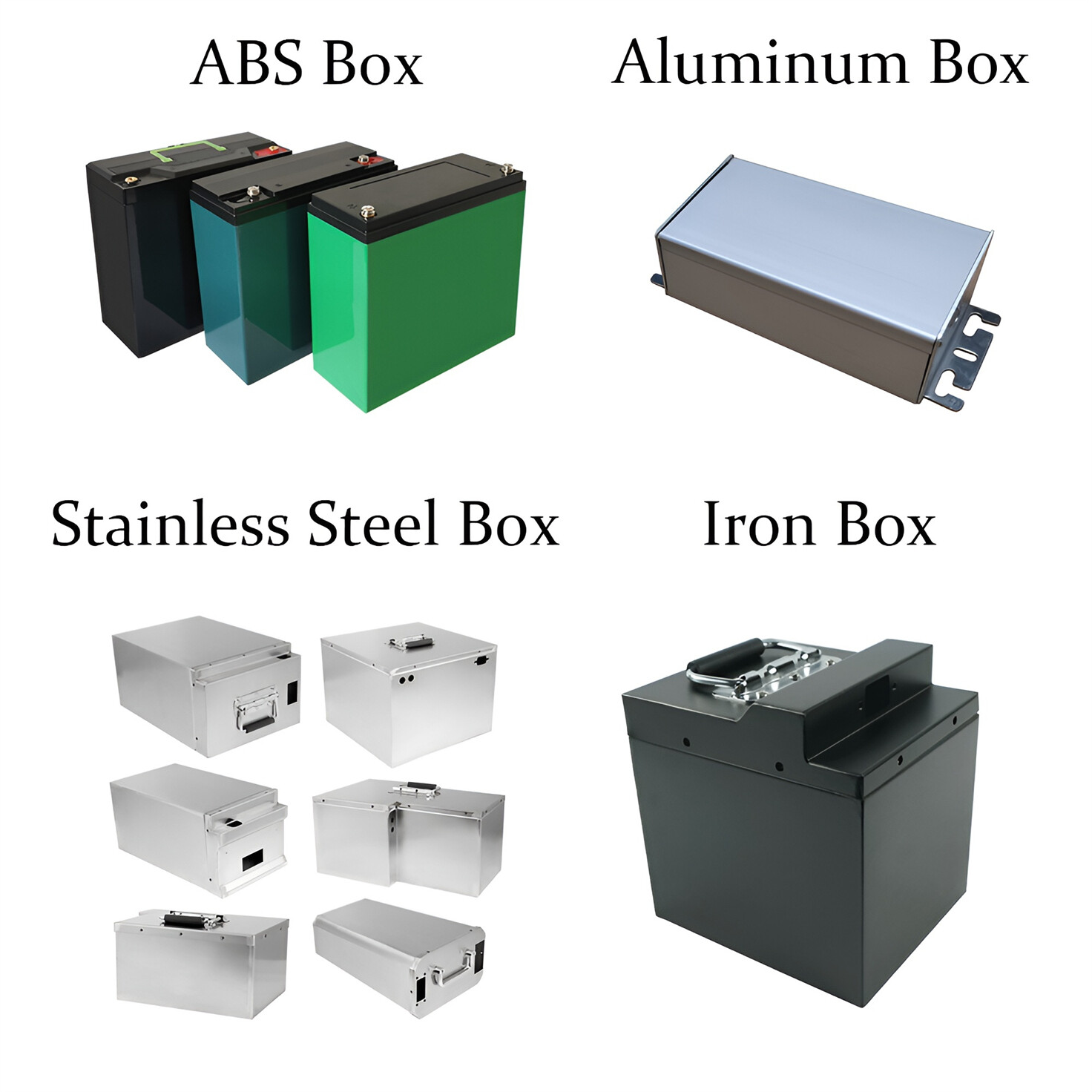
Customised Lithium Iron Phosphate Battery Casing
ABS plastic housing, aluminium housing, stainless steel housing and iron housing are available, and can also be designed and customised according to your needs.
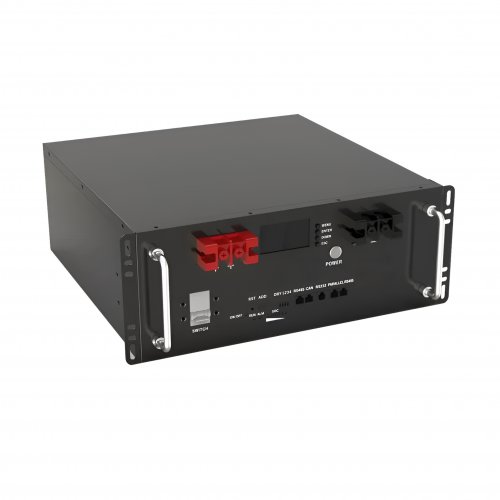
HomSolar Smart BMS
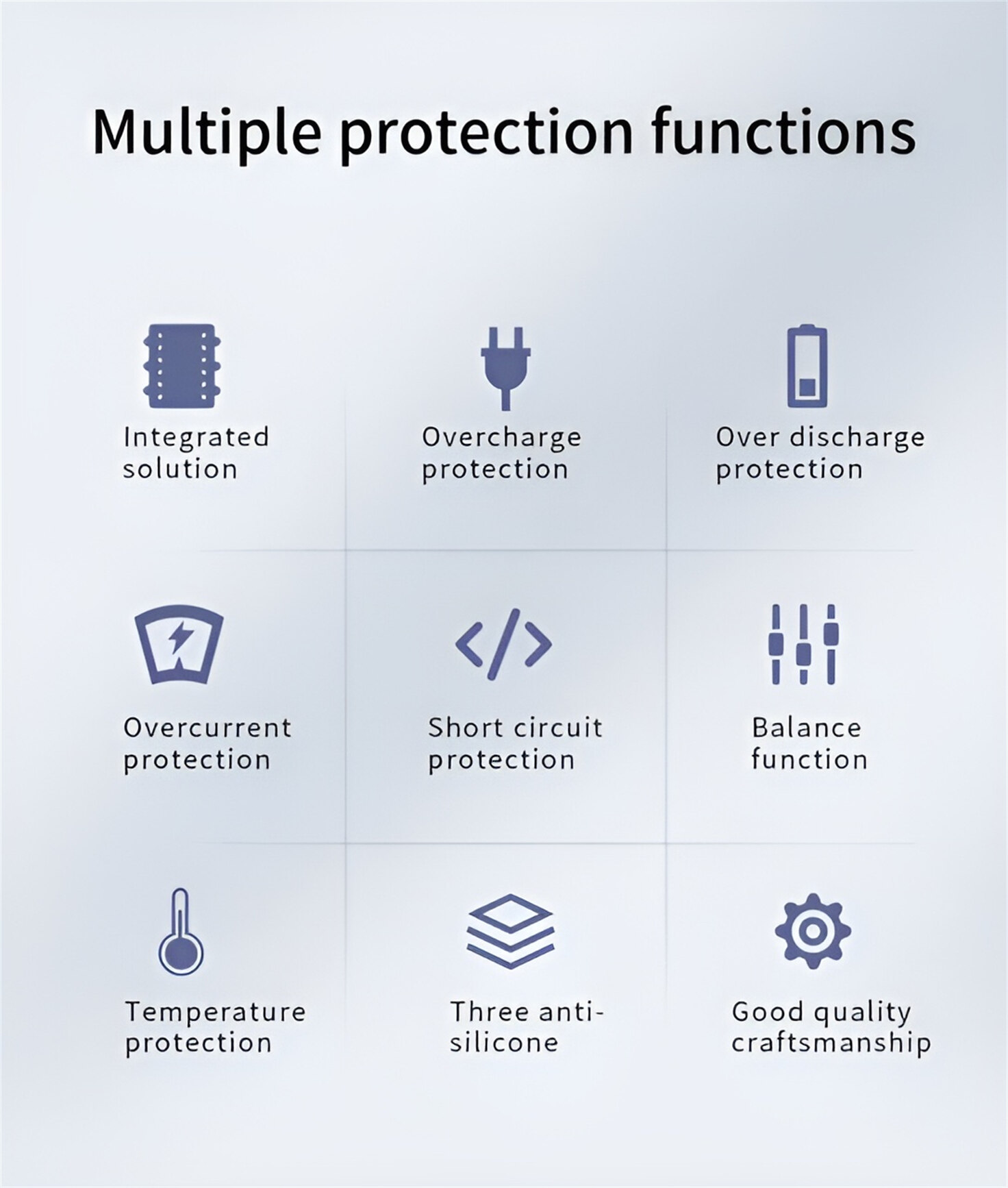
Intelligent Battery Management System for HomSolar Energy Storage System. Bluetooth, temperature sensor, LCD display, CAN interface, UART interface also available.

Terminals & Plugs Can Be Customized
A wide range of terminals and plugs can be customised to suit the application needs of your battery products.

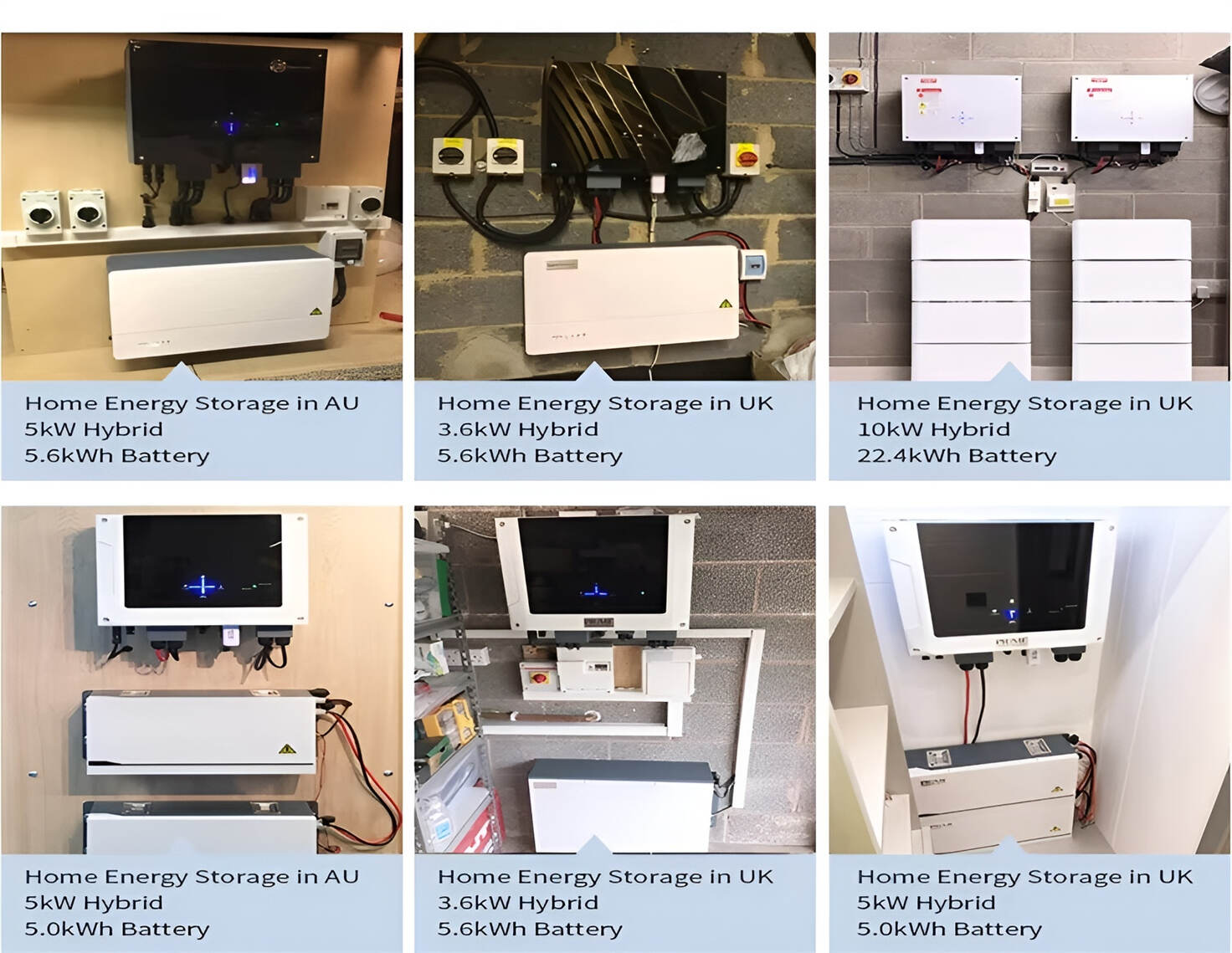
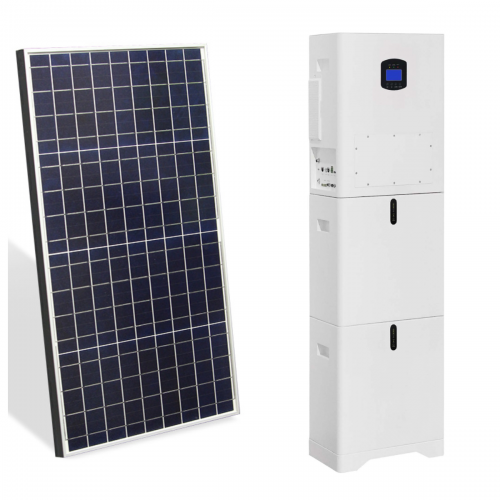
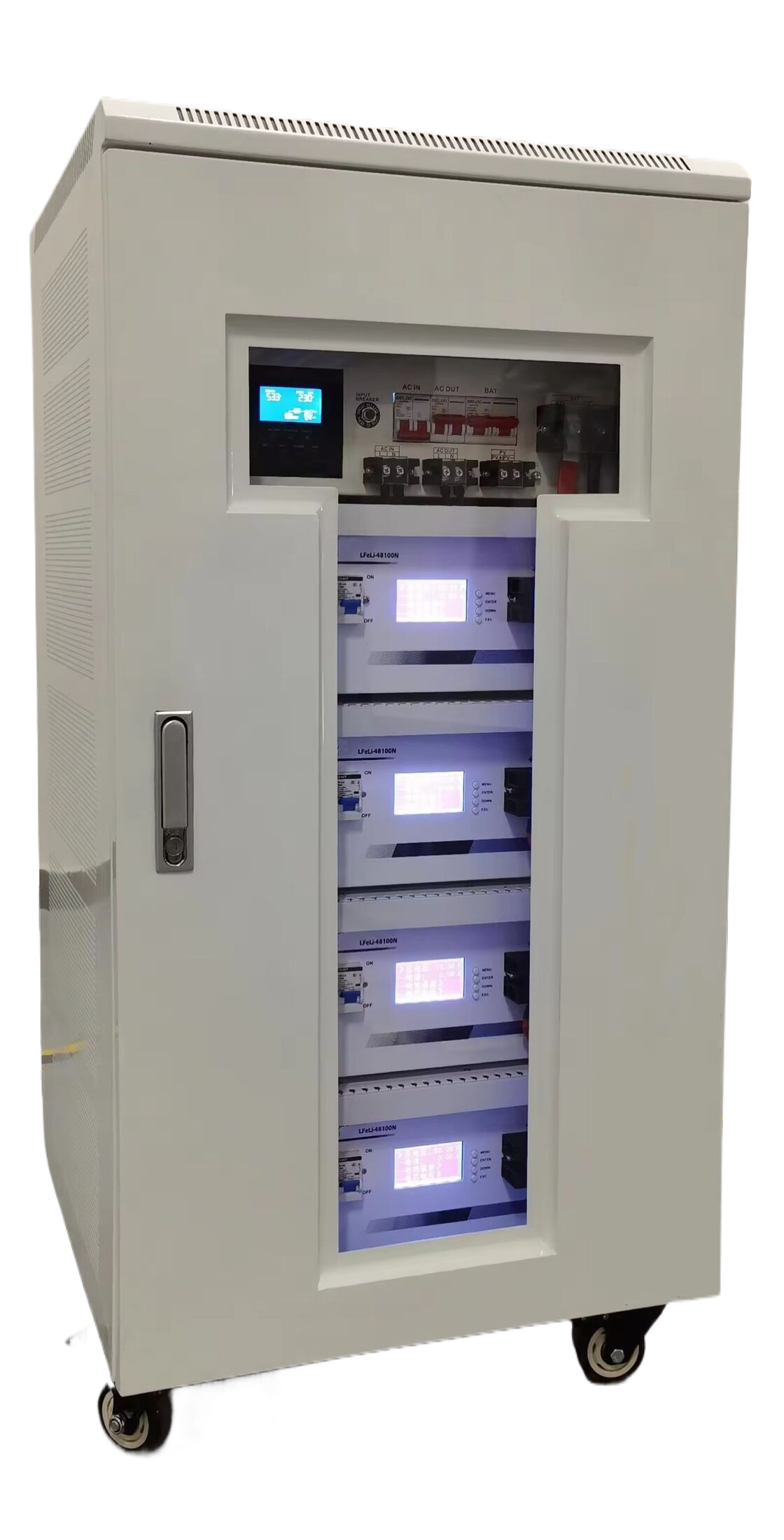
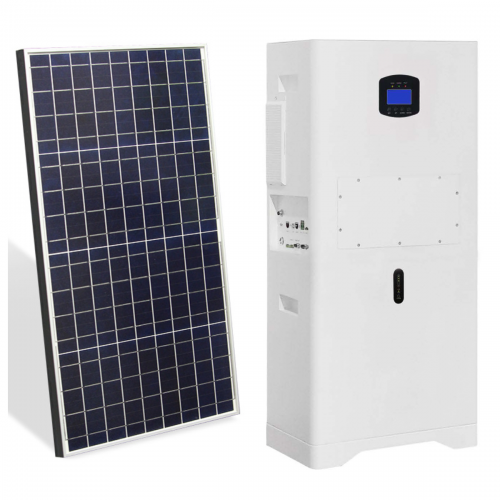
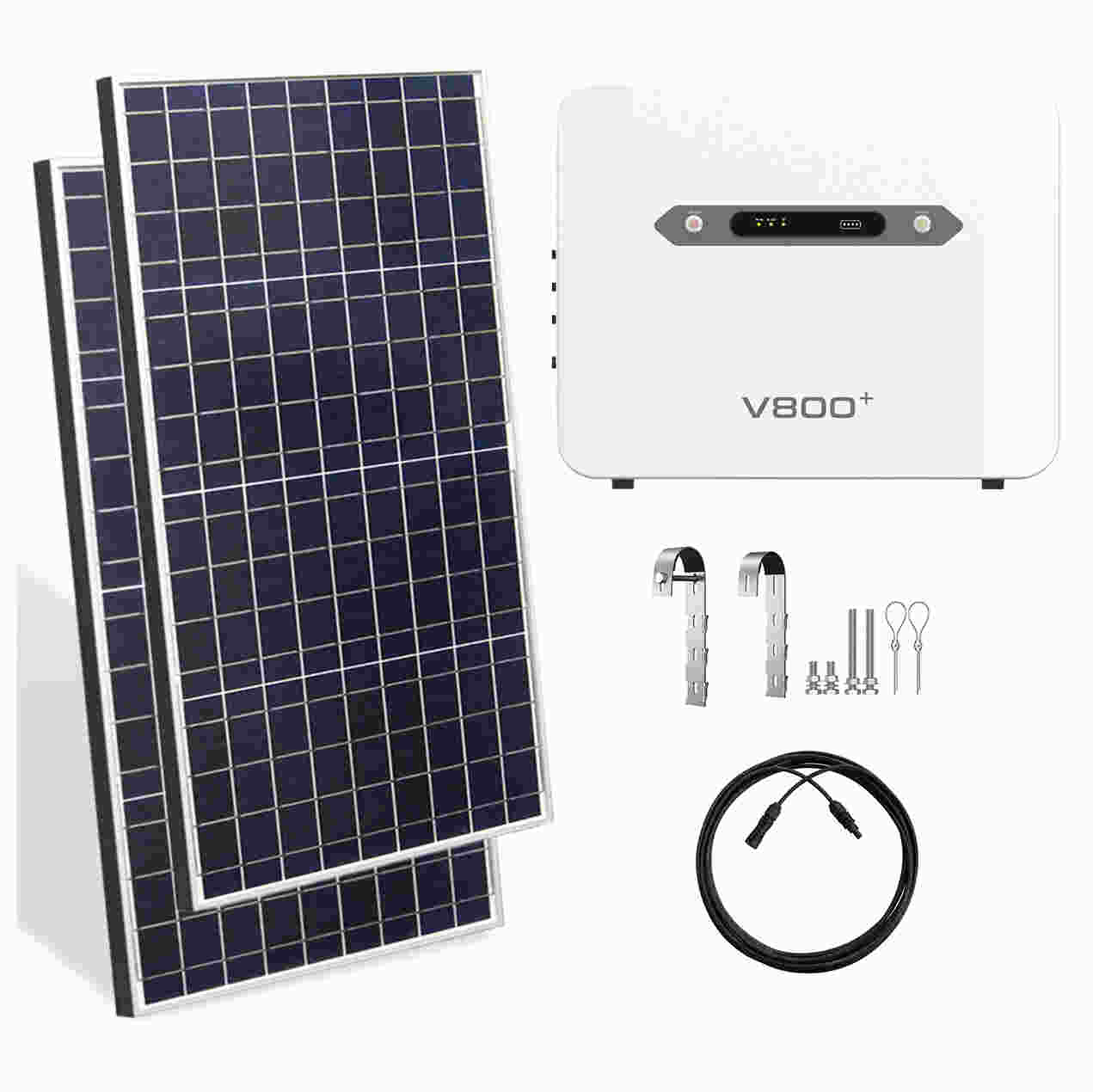
Well-designed Solutions for Energy Storage Systems
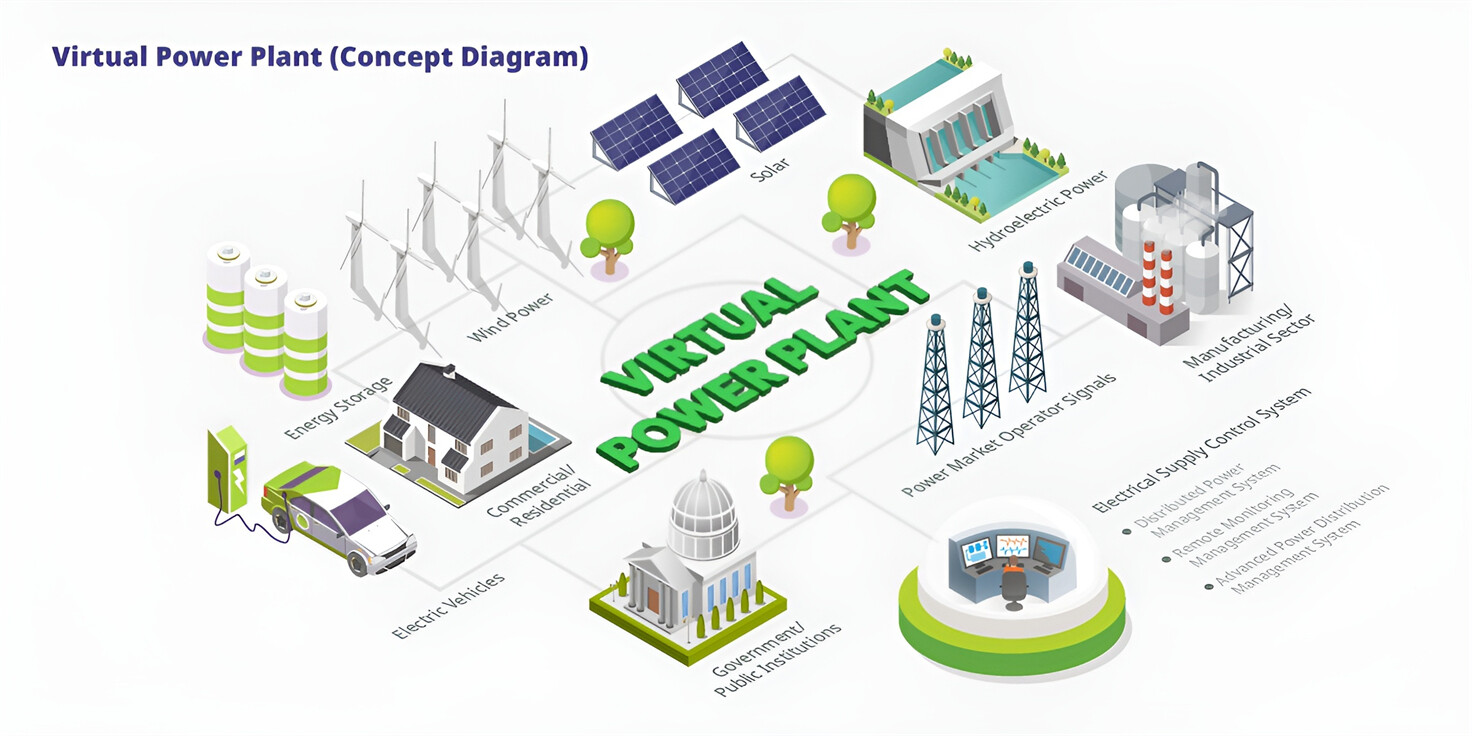
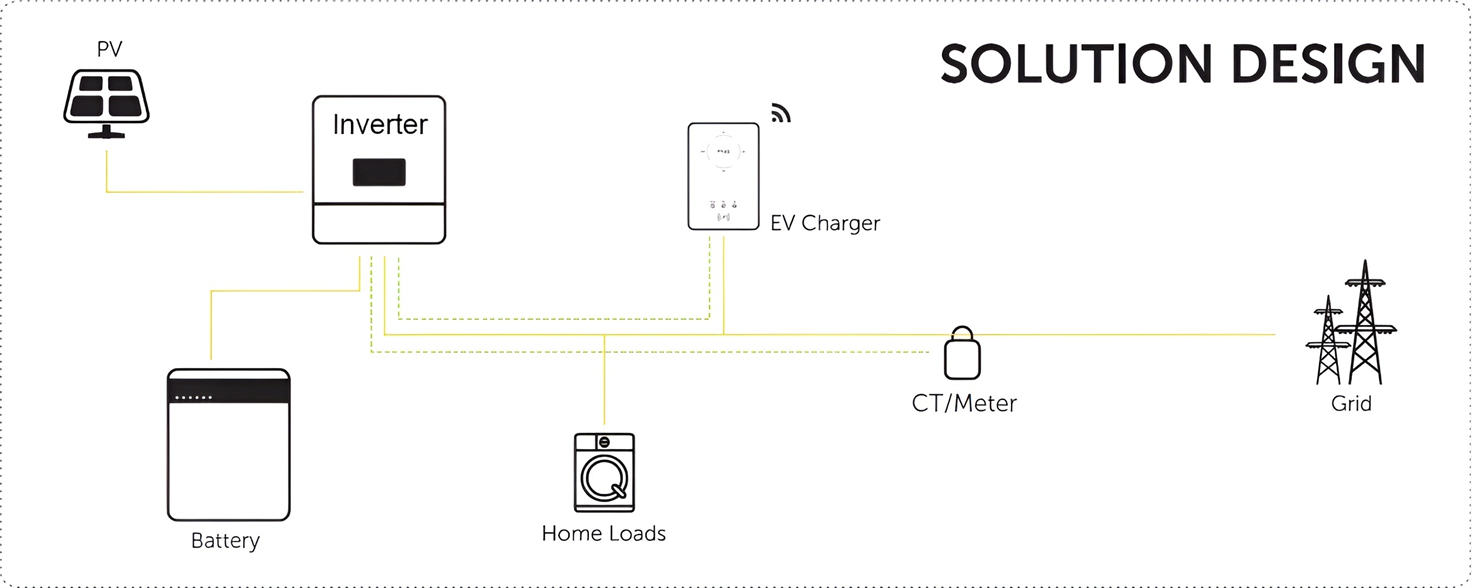
We will design the perfect energy storage system solution according to your needs, so that you can easily solve the specific industry applications of battery products.

About Our Battery Cells
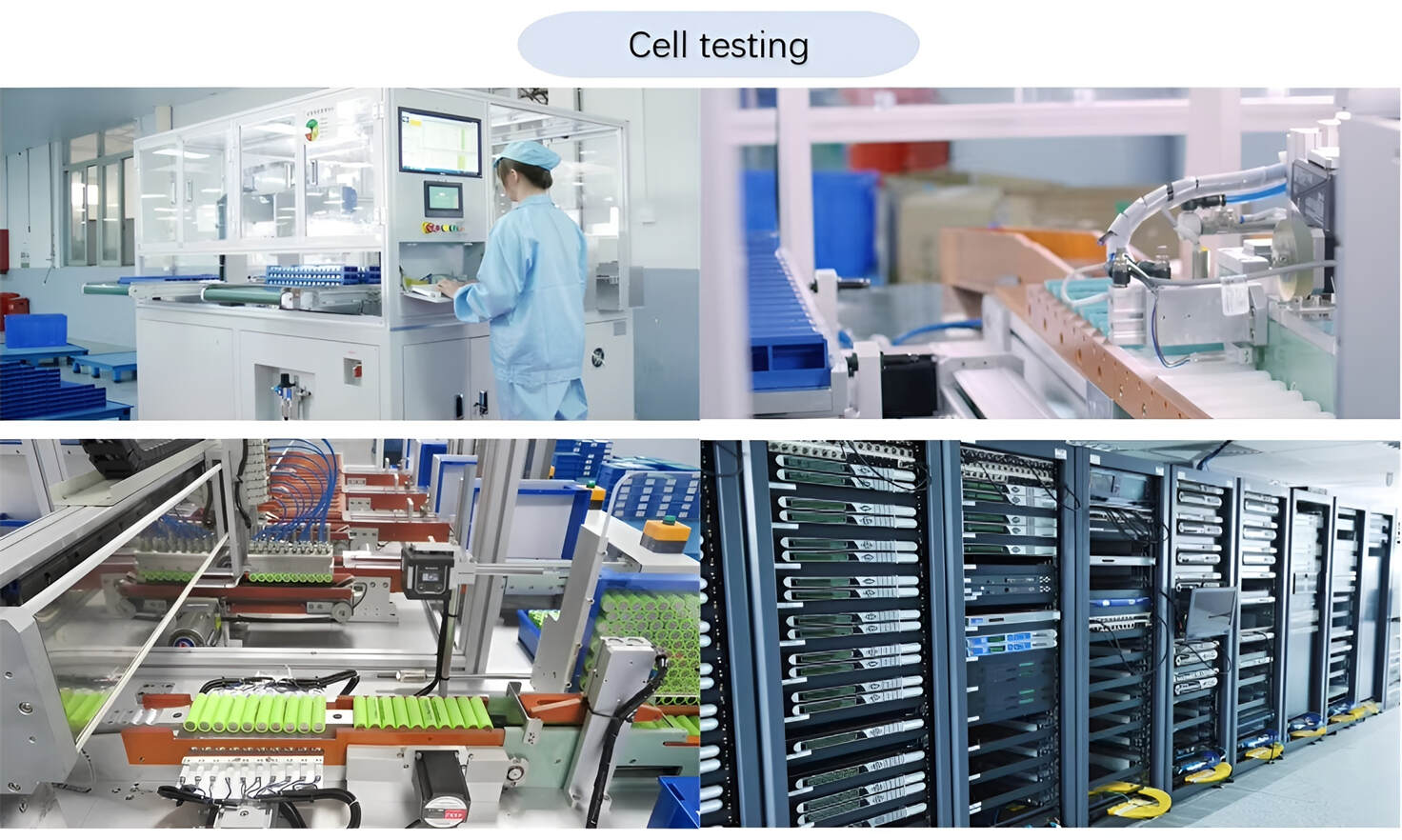
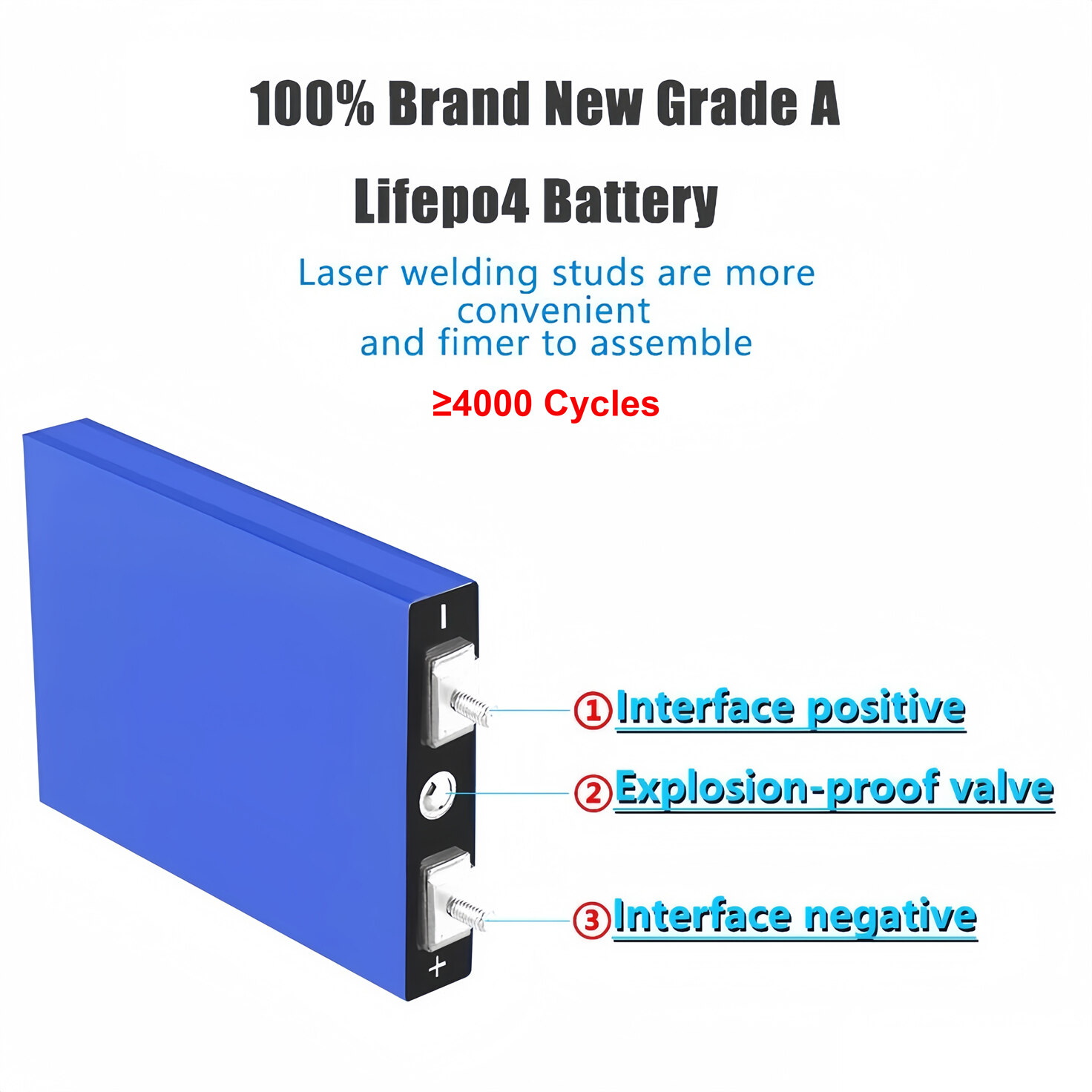
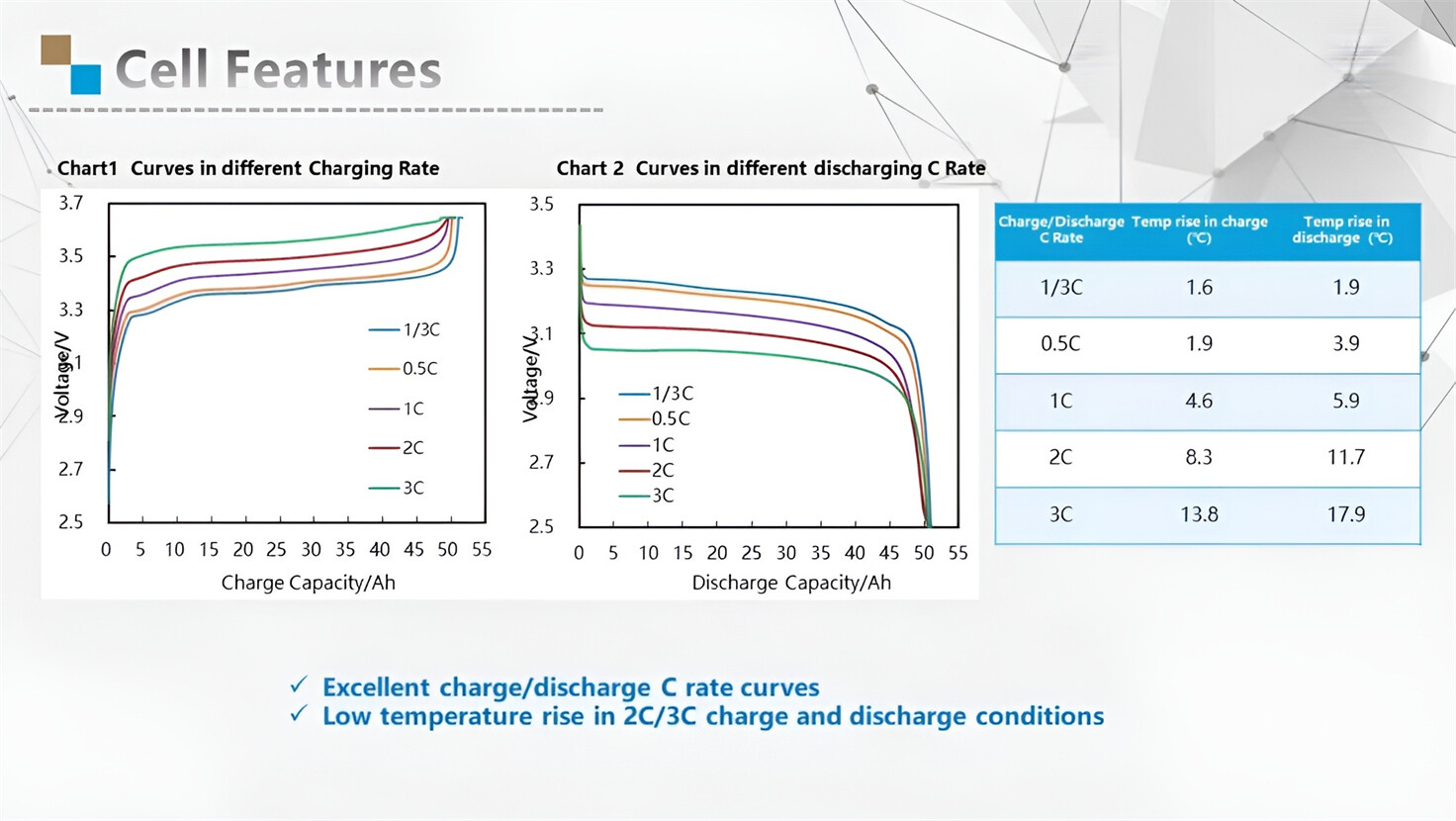
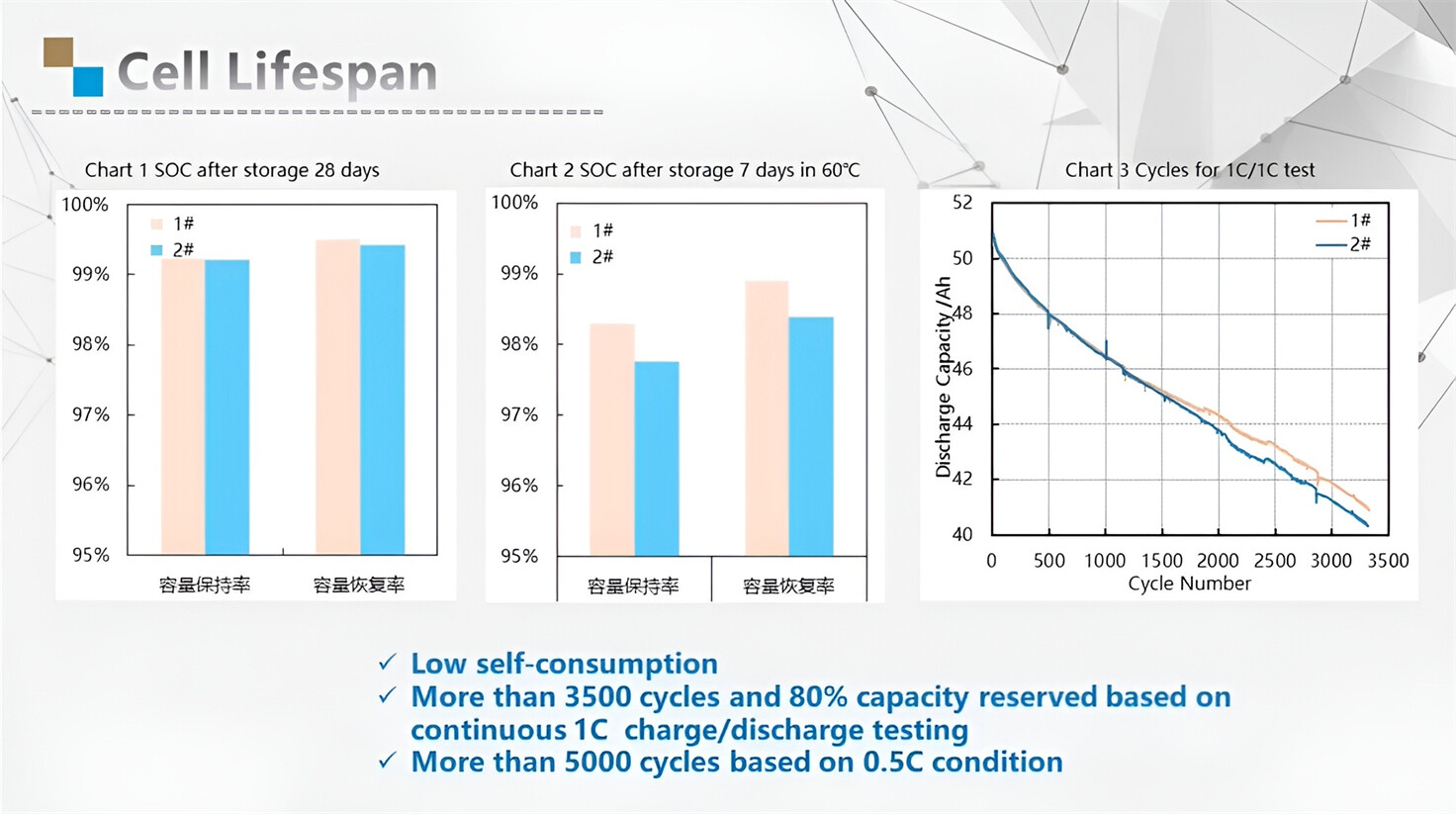
Our energy storage system products use brand new grade A LiFePO4 cells with a battery lifespan of more than 4,000 charge/discharge cycles.
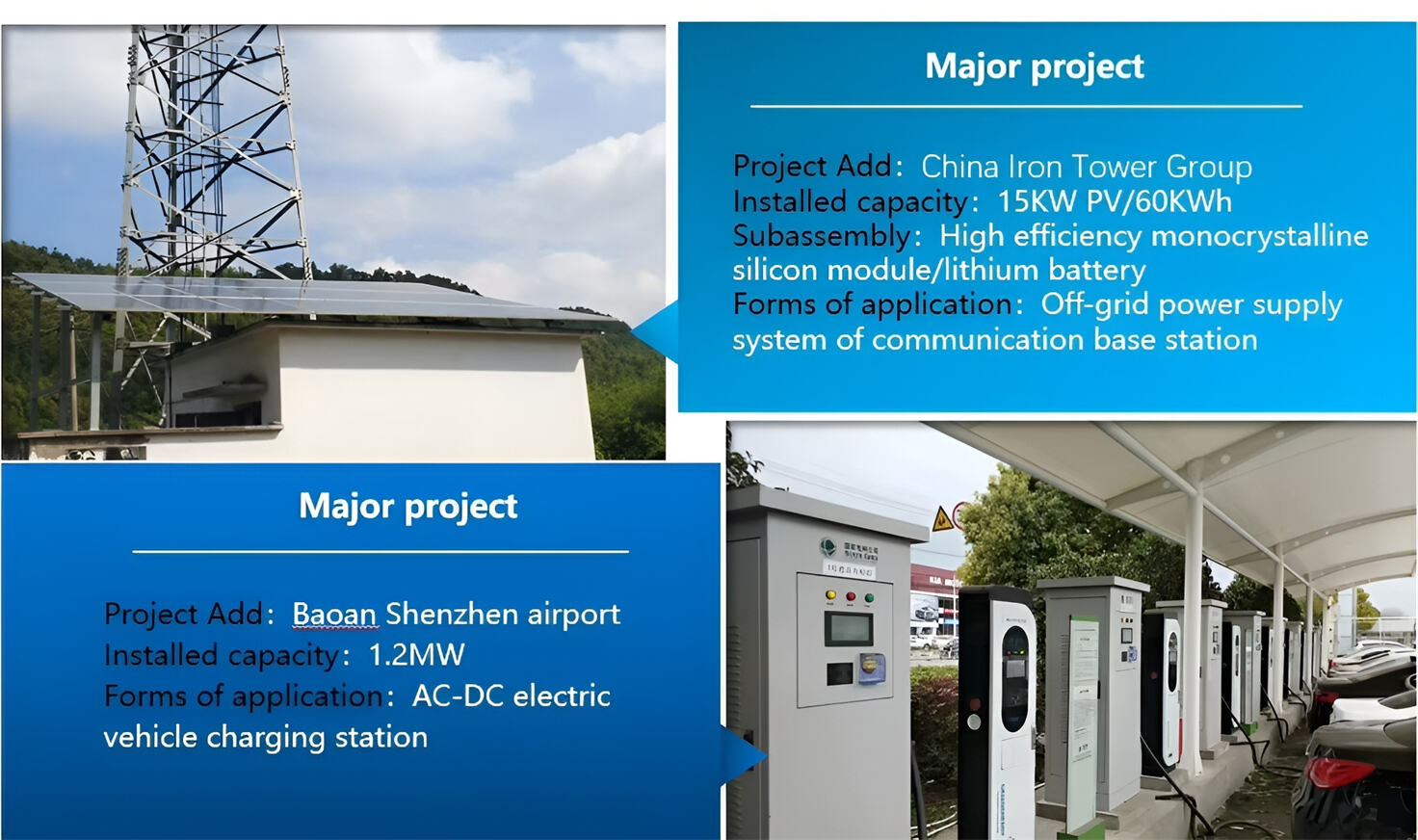
Applications in Different Industries
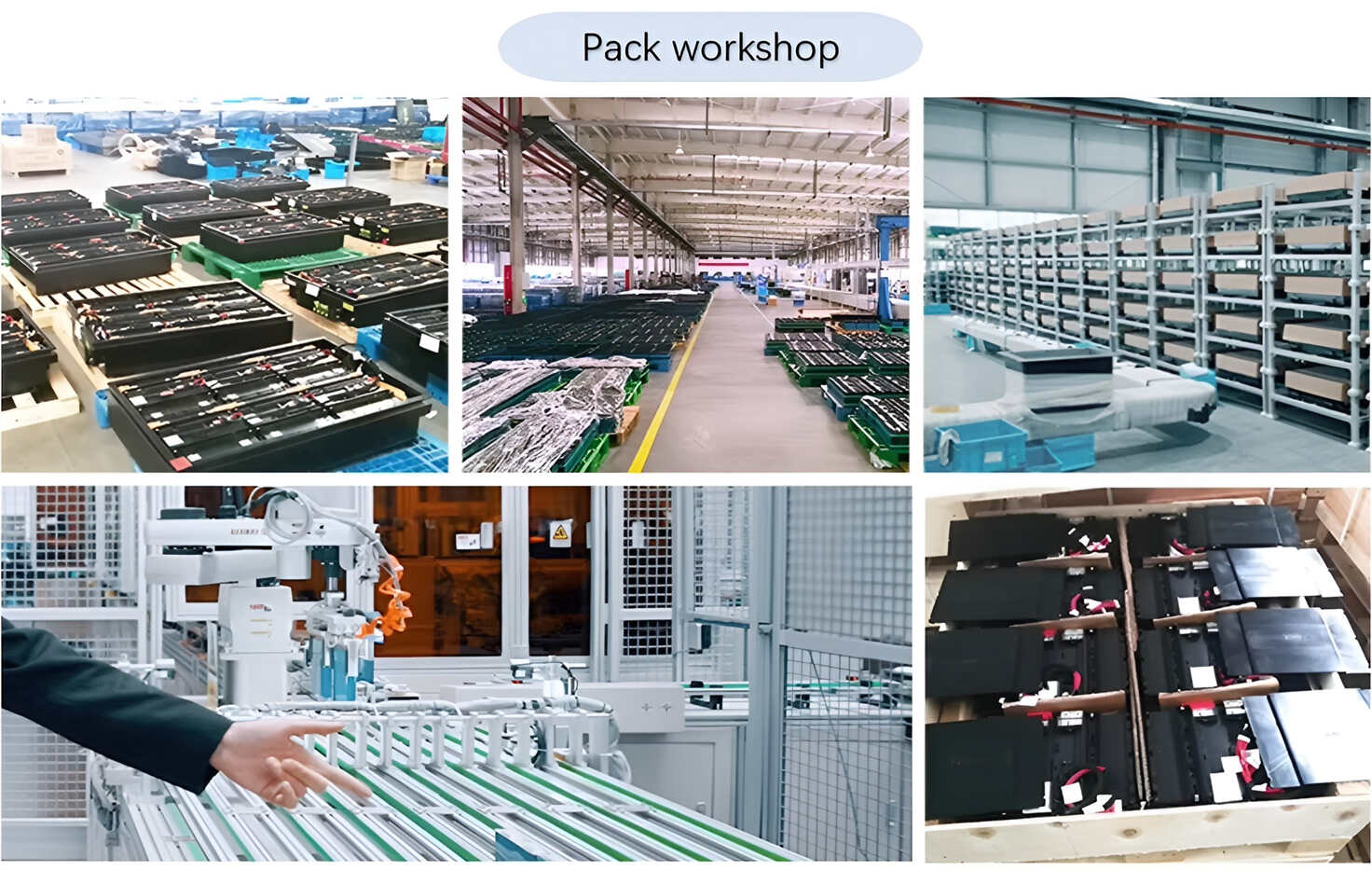
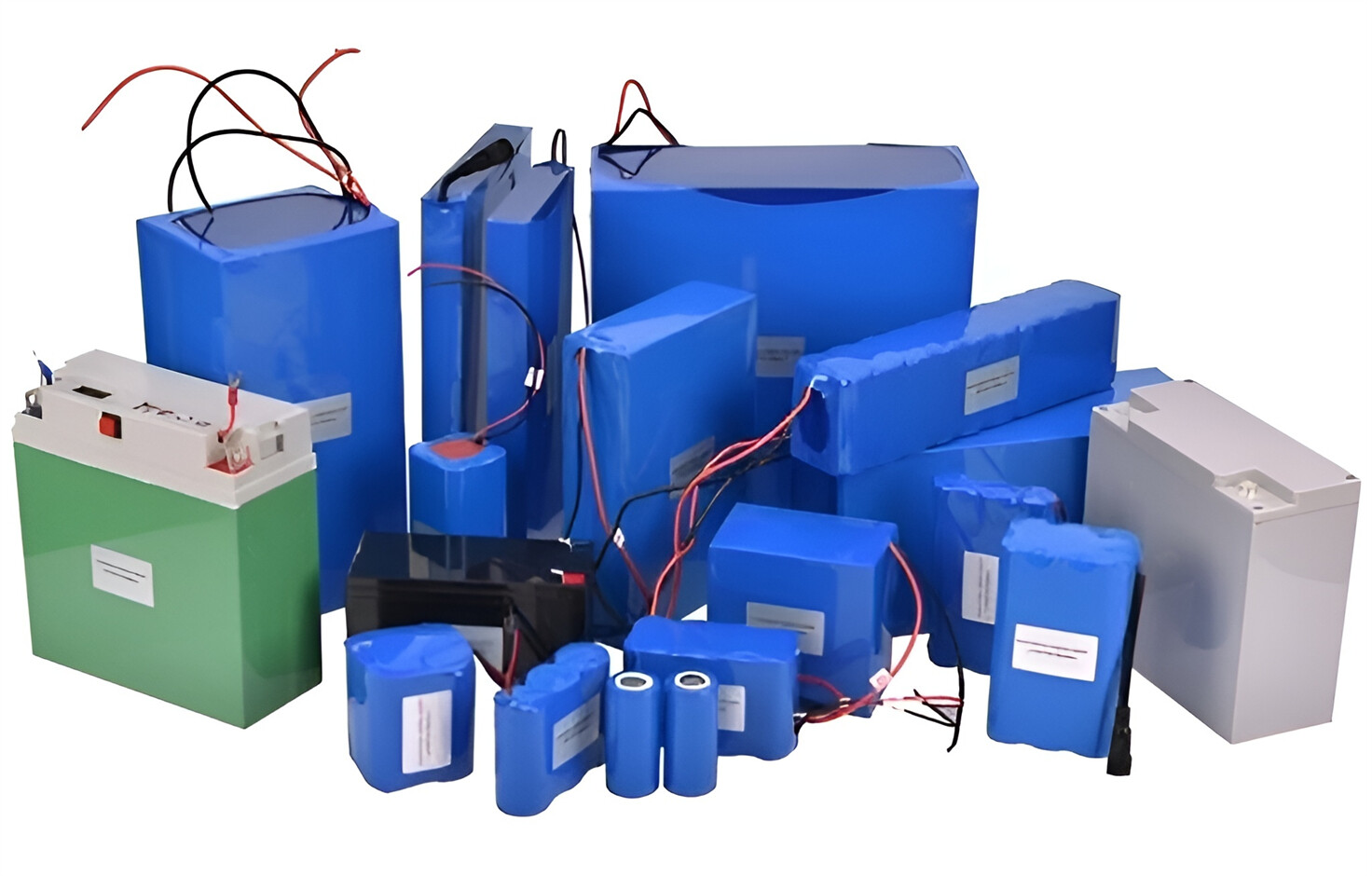
We supply customized & OEM battery pack, assemble cells with wiring, fuse and plastic cover, all the cell wires connected to PCB plug or built BMS.
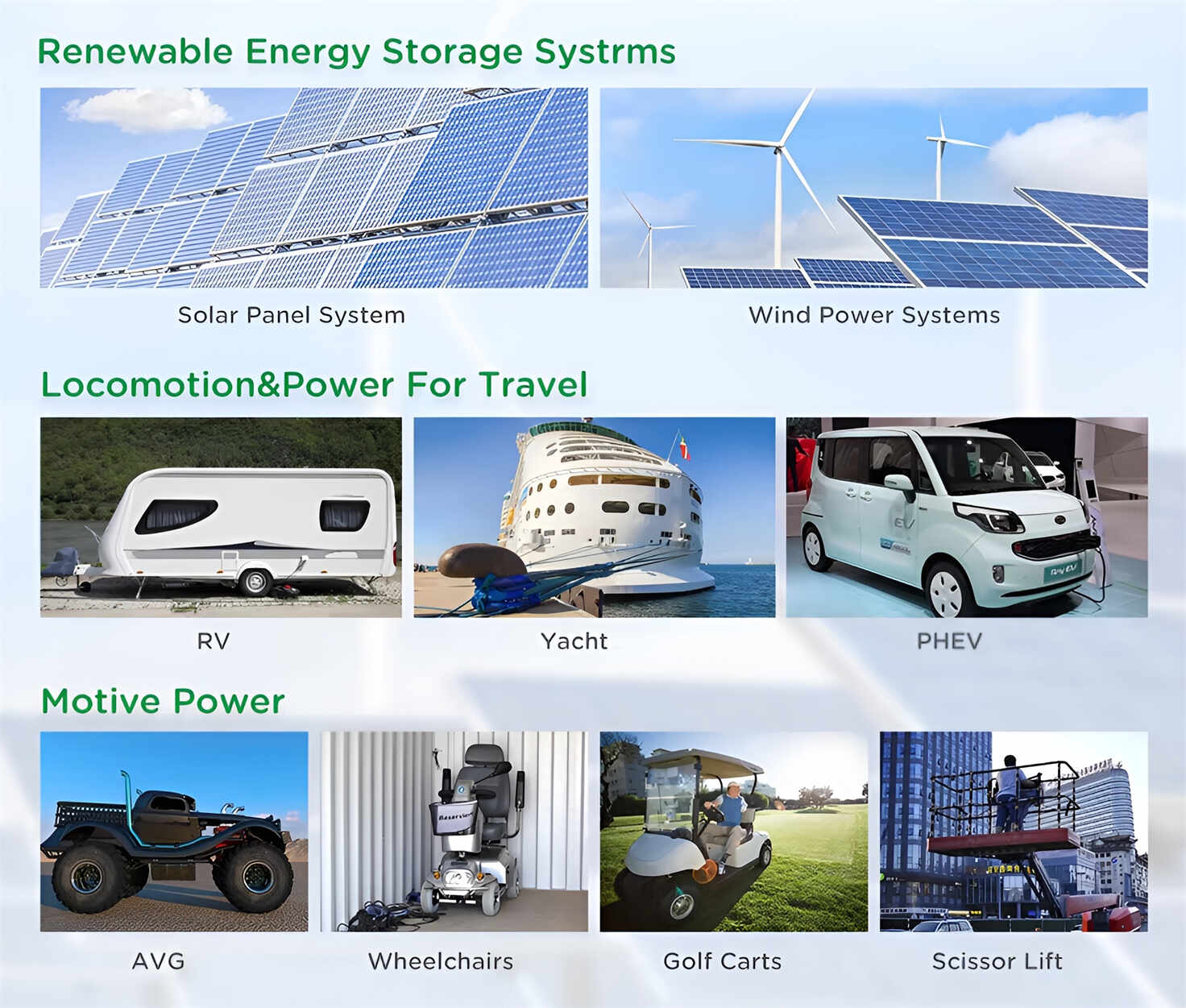
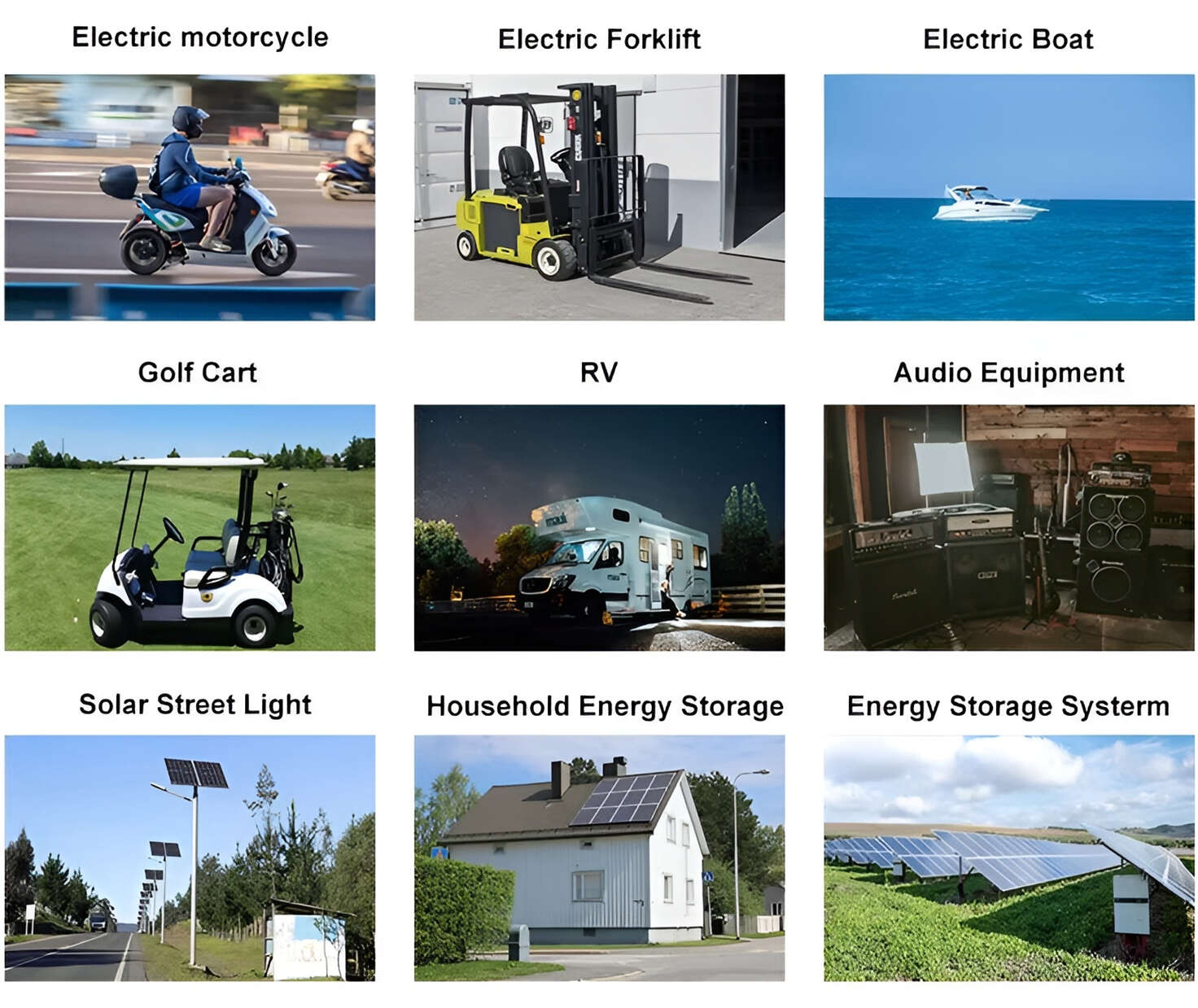
Applications: E-bike, Electric Scooter, Golf Carts, RV, Electric Wheelchair, Electric Tools, Robot Cleaner, Robot Sweeper, Solar Energy Storage System, Emergency Light, Solar Power Light, Medical Equipment, UPS Backup Power Supply.
We can provide you with customized services. We have the ability to provide a vertical supply chain, from single cells to pack/module and to a complete power solution with BMS, etc.
HomSolar (Shenzhen) Technology Co., Ltd