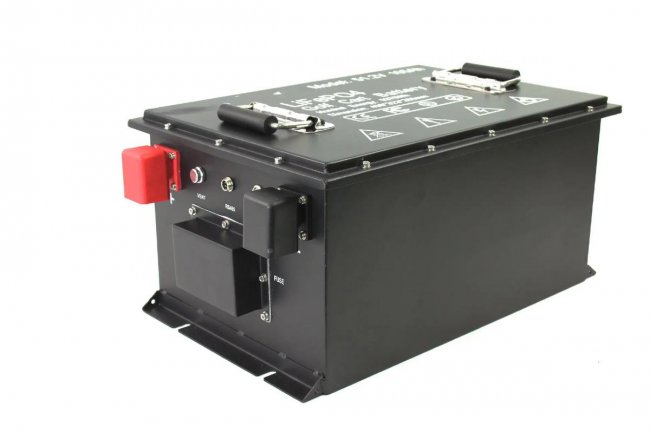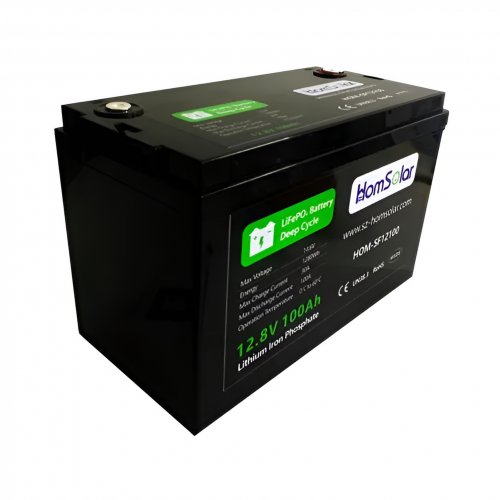
Advances In Sol-gel Method: From Tailored Nanostructures To Multifunctional Applications
The sol-gel method, a cornerstone of soft chemistry, continues to be a remarkably versatile and dynamic platform for materials synthesis. This transformative process, involving the transition of a system from a colloidal "sol" into a solid "gel" network, has evolved far beyond its traditional roots in silica glass and ceramic production. Recent years have witnessed significant breakthroughs in tailoring nanostructures, expanding into novel material classes, and integrating with advanced manufacturing technologies, solidifying its role as an indispensable tool for addressing contemporary challenges in energy, environment, and healthcare.
Refinement in Synthesis and Nanostructural Control
A primary area of intense research is the exquisite control over the size, morphology, and porosity of the resulting materials. The conventional hydrolysis and condensation of metal alkoxide precursors are now routinely augmented with sophisticated templating strategies and precise reaction control. For instance, the use of multi-component surfactants and block copolymers as structure-directing agents has enabled the synthesis of mesoporous materials with highly ordered, tunable pore architectures, such as the ubiquitous SBA-15 and KIT-6 silicas, and their non-siliceous counterparts. Recent work has pushed this further, achieving complex hierarchical structures that mimic nature, combining macro-, meso-, and microporosity within a single monolith. This is crucial for applications requiring rapid mass transport, such as in catalysis or as electrodes for energy storage.
Moreover, the development of non-aqueous sol-gel routes, often in organic solvents, has opened new avenues for metal oxide nanomaterials. As demonstrated by Niederberger and colleagues, these pathways offer superior control over crystallization and particle growth, leading to a plethora of well-defined nanocrystals, nanowires, and complex multi-metal oxides that are difficult to obtain via aqueous chemistry. The ability to precisely dope or create solid solutions at the molecular level remains a key advantage of sol-gel. Recent studies have focused on co-condensation techniques to incorporate multiple metal centers with atomic-scale precision, creating highly active single-atom catalysts dispersed within an oxide matrix, a feat challenging for traditional solid-state methods.
Expansion into Novel Material Systems
The sol-gel method's versatility is brilliantly displayed in its recent application to material classes beyond conventional oxides. A prominent example is the synthesis of metal-organic frameworks (MOFs) and hybrid perovskites. While typically grown from solution, MOFs can be fabricated via sol-gel processes, leading to amorphous, porous gels or shaped monoliths with retained porosity, which are highly desirable for industrial handling and device integration. Similarly, the sol-gel technique is pivotal in processing hybrid organic-inorganic perovskites for next-generation photovoltaics. By carefully controlling the precursor chemistry and film deposition conditions (e.g., anti-solvent engineering), researchers have achieved high-quality, pinhole-free perovskite layers with exceptional optoelectronic properties, pushing the power conversion efficiency of solar cells to new heights.
Another frontier is the synthesis of carbon-based materials. The carbonization of resorcinol-formaldehyde gels, a classic organic sol-gel process, is a well-established route to produce monolithic carbon aerogels. Recent innovations involve using sustainable biomass-derived precursors, such as cellulose or lignin, to create "green" carbon aerogels with exceptional properties for CO2 capture and water purification. Furthermore, the incorporation of graphene oxide or carbon nanotubes into the initial sol has led to a new class of reinforced hybrid gels, exhibiting enhanced electrical conductivity and mechanical robustness.
Technological Breakthroughs and Advanced Manufacturing
Perhaps the most transformative progress lies in the integration of sol-gel chemistry with advanced manufacturing techniques. The ability to formulate sols with tailored rheological properties has enabled their use as "inks" for additive manufacturing. 3D printing of sol-gel derived materials, from bioactive glass scaffolds for bone regeneration to intricate ceramic components for aerospace, is now a reality. This synergy allows for the creation of complex, patient-specific implants with controlled porosity that promotes tissue ingrowth and vascularization, as evidenced by recent in vivo studies on 3D-printed silicate bioactive glasses.
Similarly, the combination of sol-gel with spin-coating, dip-coating, and spray pyrolysis remains the workhorse for depositing high-quality functional thin films. Recent breakthroughs include the development of flexible, transparent conducting oxides for wearable electronics and high-performance dielectric layers for transistors. A notable technical achievement is the low-temperature processing of dense, high-κ oxide films (e.g., ZrO2, HfO2) on plastic substrates, which was previously unattainable with high-temperature methods. This opens the door to flexible, low-power electronics and displays.
Future Outlook and Challenges
The future of the sol-gel method appears exceptionally bright, yet it is not without challenges. The drive towards sustainability will necessitate a stronger focus on green chemistry principles: replacing toxic solvents and alkoxide precursors with water-based, bio-derived, or deep eutectic solvent systems. The quest for scalability will require a deeper understanding of the gelation kinetics and drying processes to prevent cracking during the industrial-scale production of monolithic aerogels and large-area coatings.
Interdisciplinary convergence will be key. We anticipate a deeper integration of sol-gel synthesis with artificial intelligence and machine learning for the high-throughput discovery and optimization of new precursor formulations and processing parameters. The field of bio-sol-gel, where biological entities like enzymes, antibodies, or even whole cells are encapsulated within the growing gel network, holds immense promise for creating next-generation biosensors, bioactive coatings, and drug delivery systems with unprecedented functionality.
In conclusion, the sol-gel method has firmly transitioned from a laboratory curiosity to a powerful, enabling technology at the heart of modern materials science. Its inherent flexibility for molecular-level design, compatibility with a vast range of precursors, and synergy with advanced manufacturing positions it as a critical tool for engineering the multifunctional materials that will define the technological landscape of the coming decades. From energy harvesting and storage to smart implants and environmental remediation, the sol-gel process will continue to be a fertile ground for scientific discovery and technological innovation.
References:
1. Brinker, C. J., & Scherer, G. W. (2013).Sol-Gel Science: The Physics and Chemistry of Sol-Gel Processing. Academic Press. 2. Sanchez, C., Julián, B., Belleville, P., & Popall, M. (2005). Applications of hybrid organic–inorganic nanocomposites.Journal of Materials Chemistry,15(35-36), 3559-3592. 3. Niederberger, M., & Pinna, N. (2009).Metal Oxide Nanoparticles in Organic Solvents: Synthesis, Formation, Assembly and Application. Springer. 4. Zu, G., Shen, J., Zou, L., Wang, W., Lian, Y., Zhang, Z., & Du, A. (2020). Nanoengineering of carbon aerogels for energy and environmental applications.Journal of Materials Chemistry A,8(40), 20867-20886. 5. Jones, J. R. (2013). Review of bioactive glass: from Hench to hybrids.Acta Biomaterialia,9(1), 4457-4486. 6. Dou, B., Whitaker, J. B., Bruening, K., Moore, D. T., Wheeler, L. M., Ryter, J., ... & van Hest, M. F. (2018). Roll-to-roll printing of perovskite solar cells.ACS Energy Letters,3(11), 2558-2565.
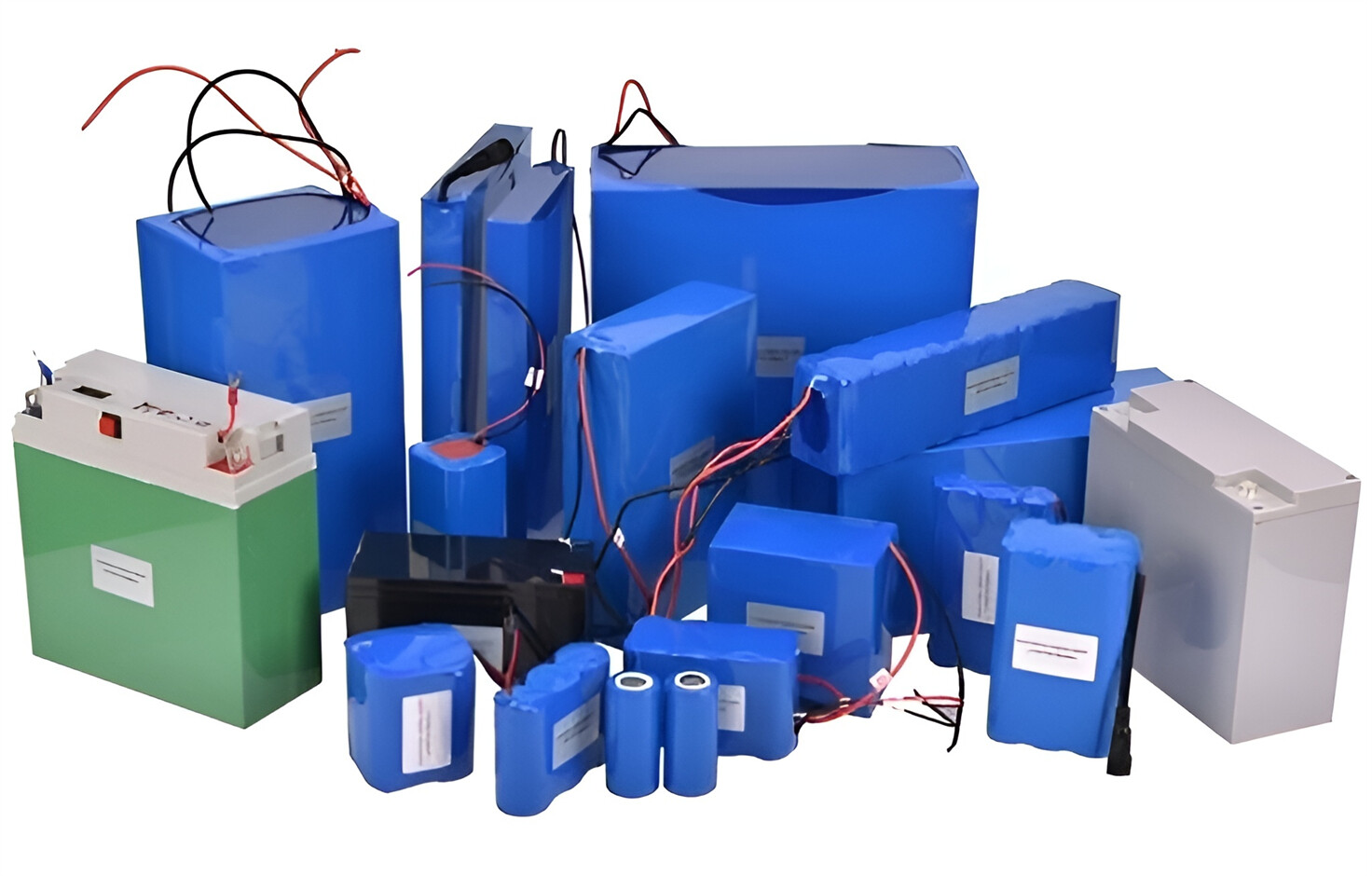
Customized/OEM/ODM Service
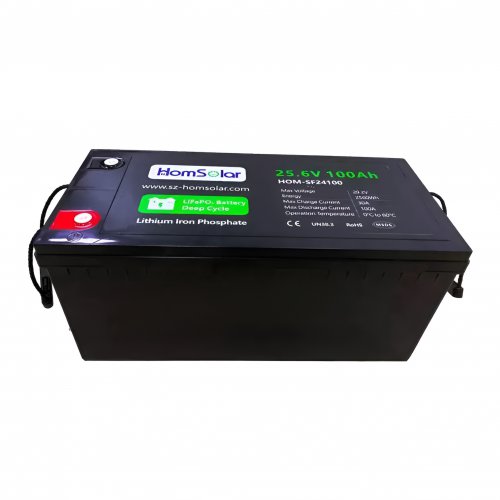
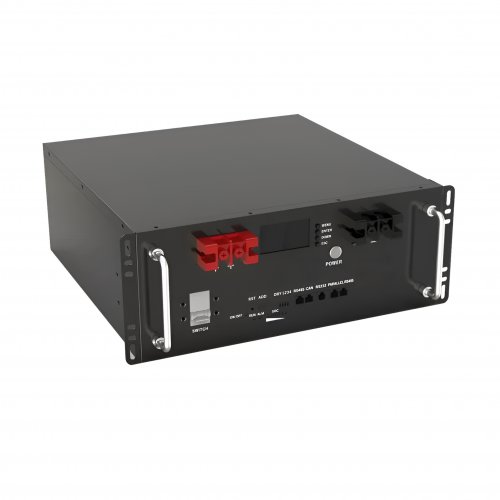
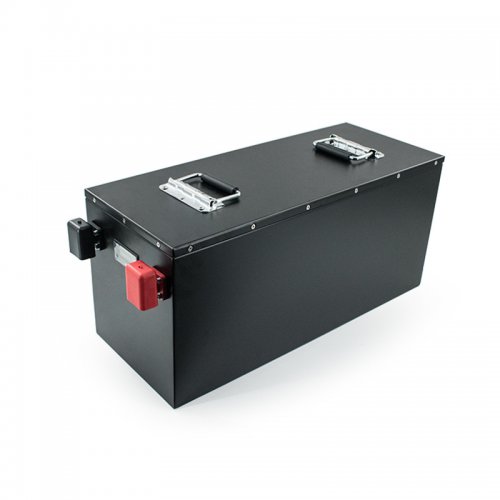
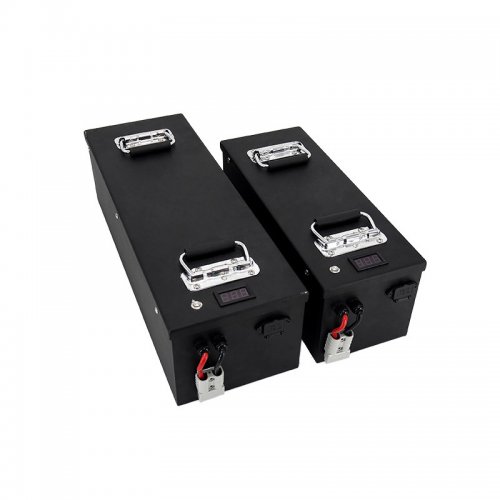
HomSolar Supports Lifepo4 battery pack customization/OEM/ODM service, welcome to contact us and tell us your needs.


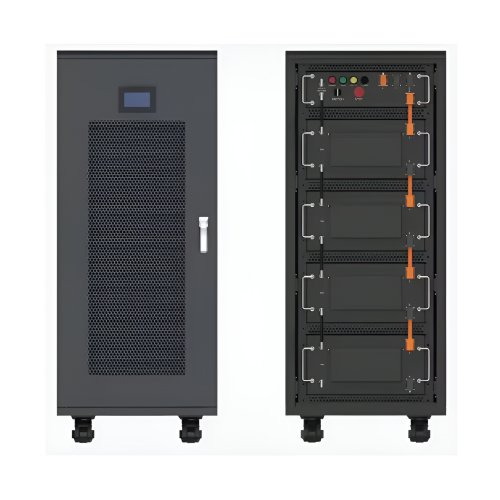
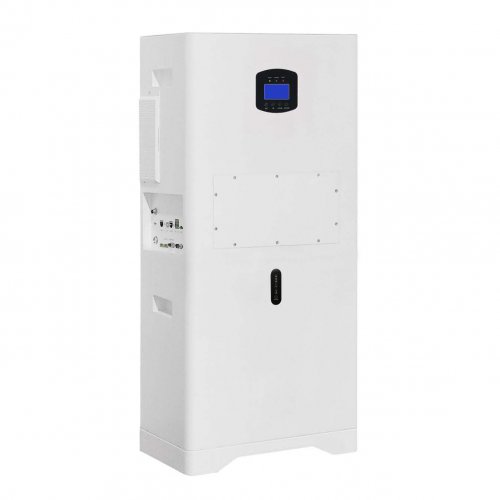
HomSolar: Your One-stop LiFePO4 Battery Pack & ESS Solution Manufacturer
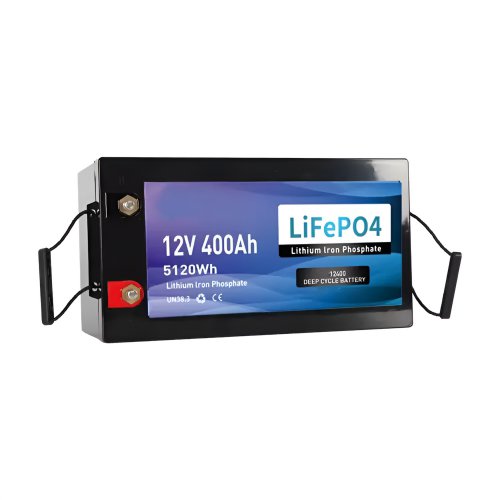
Our line of LiFePO4 (LFP) batteries offer a solution to demanding applications that require a lighter weight, longer life, and higher capacity battery. Features include advanced battery management systems (BMS), Bluetooth® communication and active intelligent monitoring.
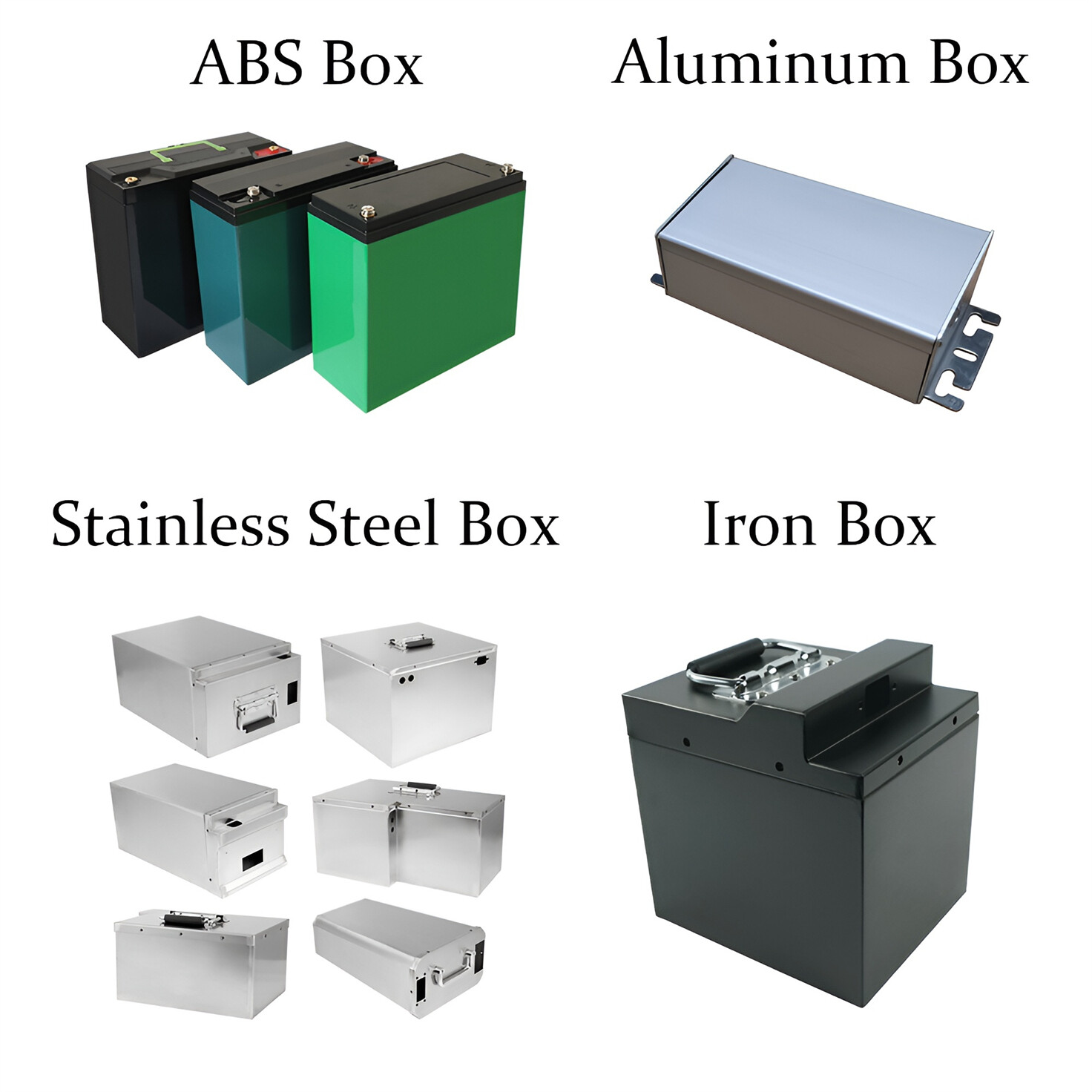
Customised Lithium Iron Phosphate Battery Casing
ABS plastic housing, aluminium housing, stainless steel housing and iron housing are available, and can also be designed and customised according to your needs.
HomSolar Smart BMS
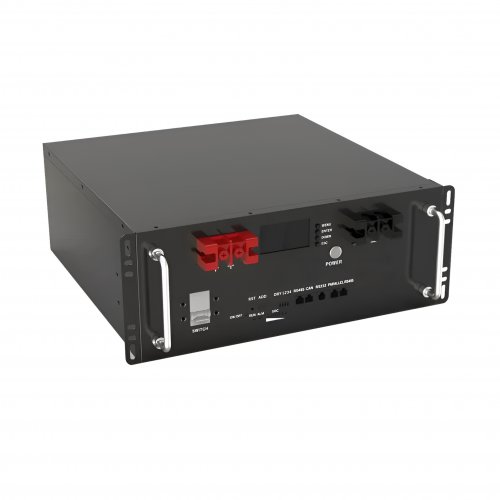
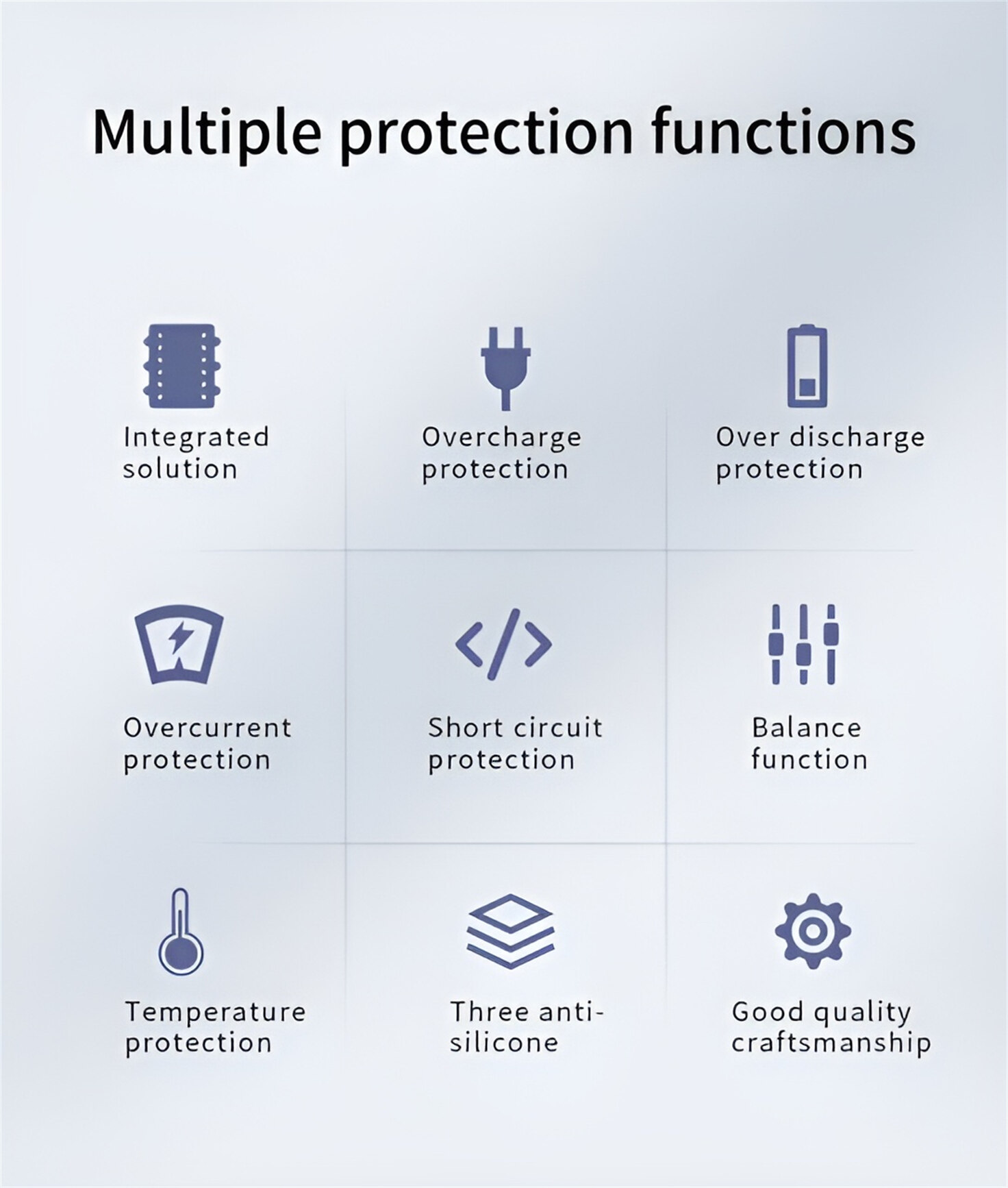
Intelligent Battery Management System for HomSolar Energy Storage System. Bluetooth, temperature sensor, LCD display, CAN interface, UART interface also available.

Terminals & Plugs Can Be Customized
A wide range of terminals and plugs can be customised to suit the application needs of your battery products.

Well-designed Solutions for Energy Storage Systems
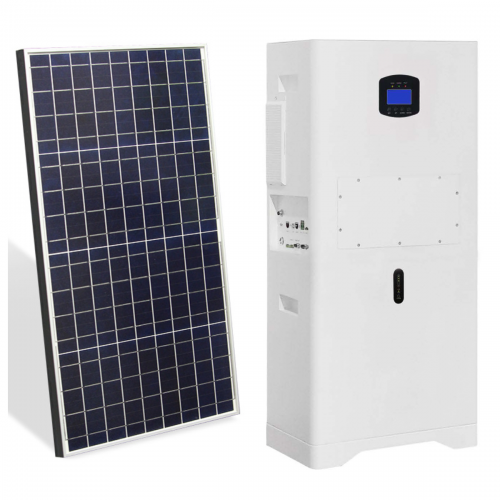
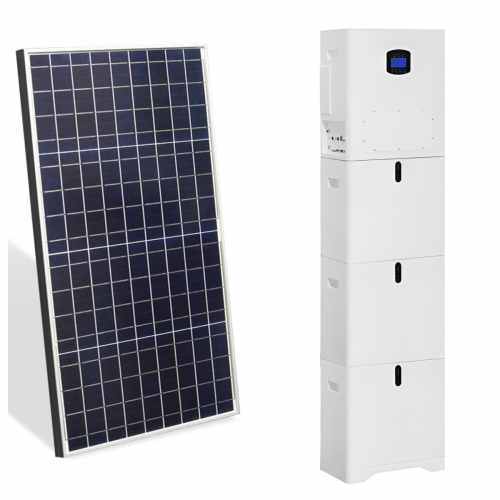
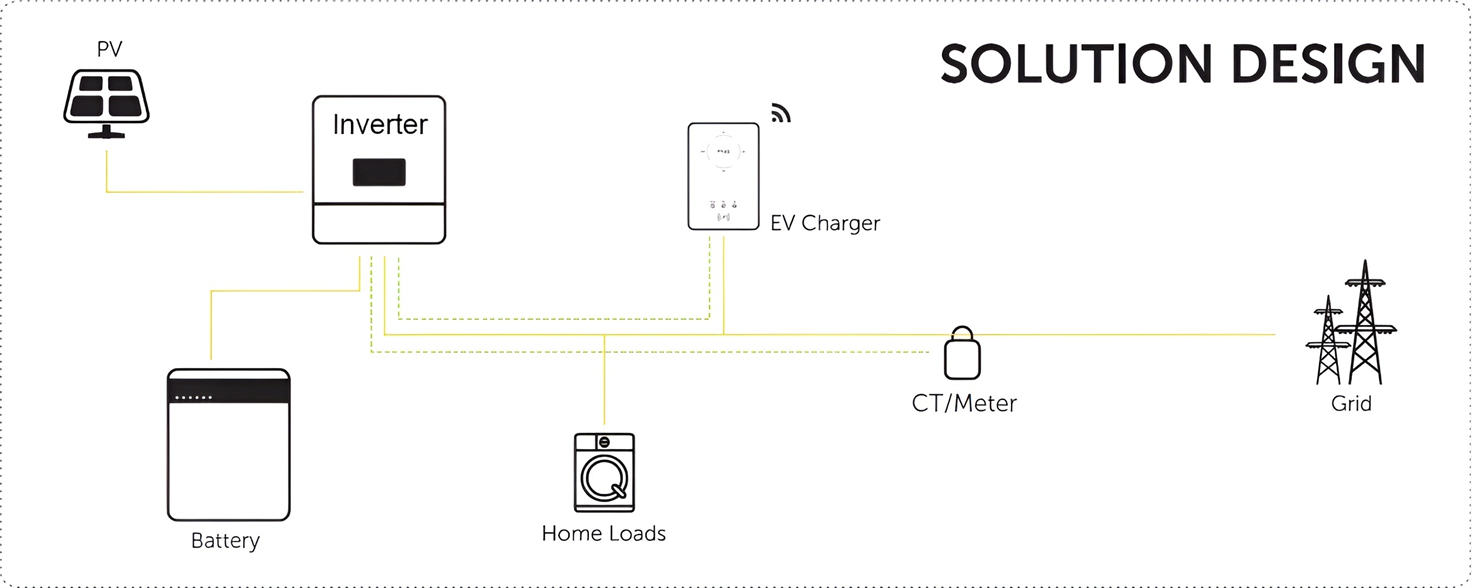
We will design the perfect energy storage system solution according to your needs, so that you can easily solve the specific industry applications of battery products.


About Our Battery Cells
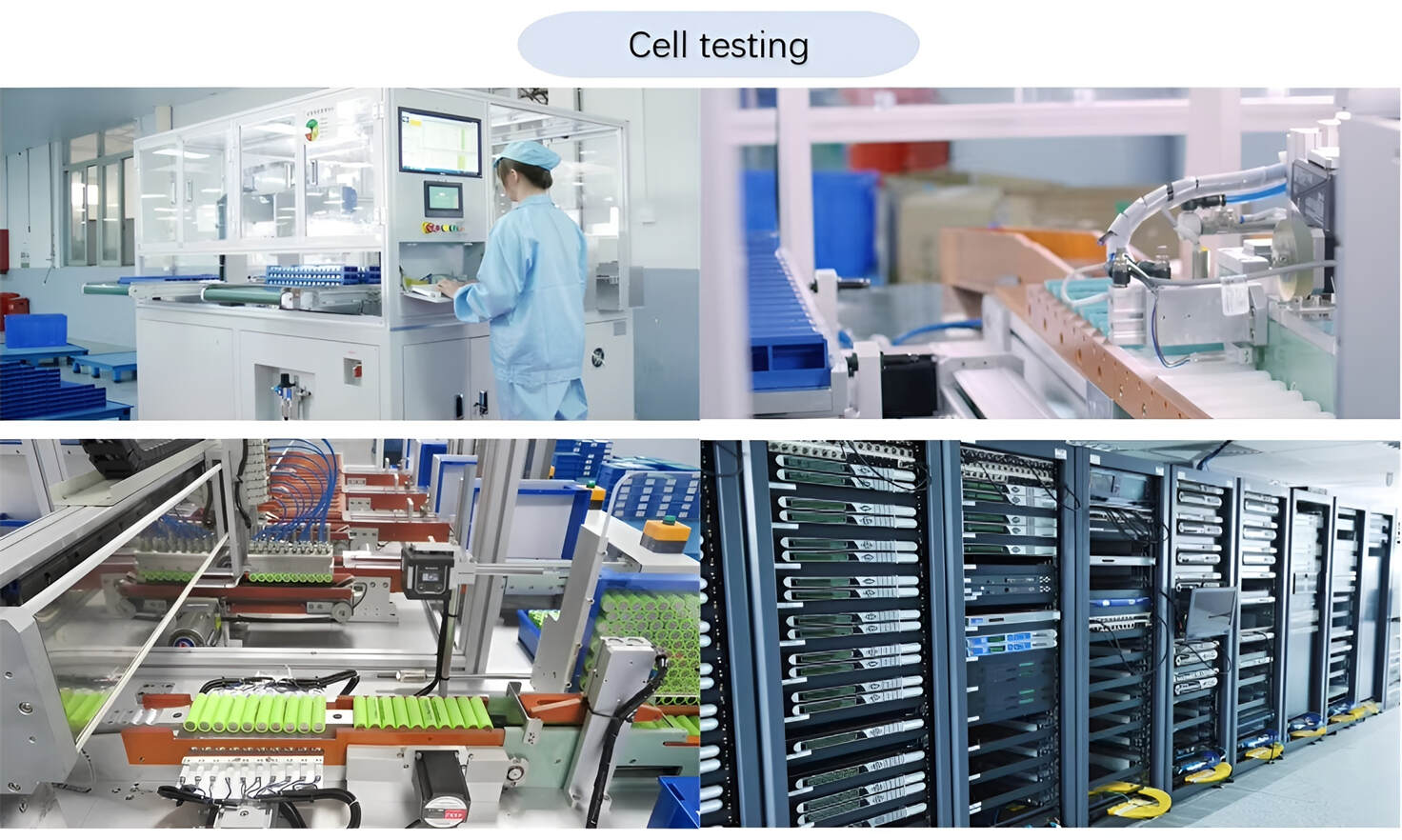
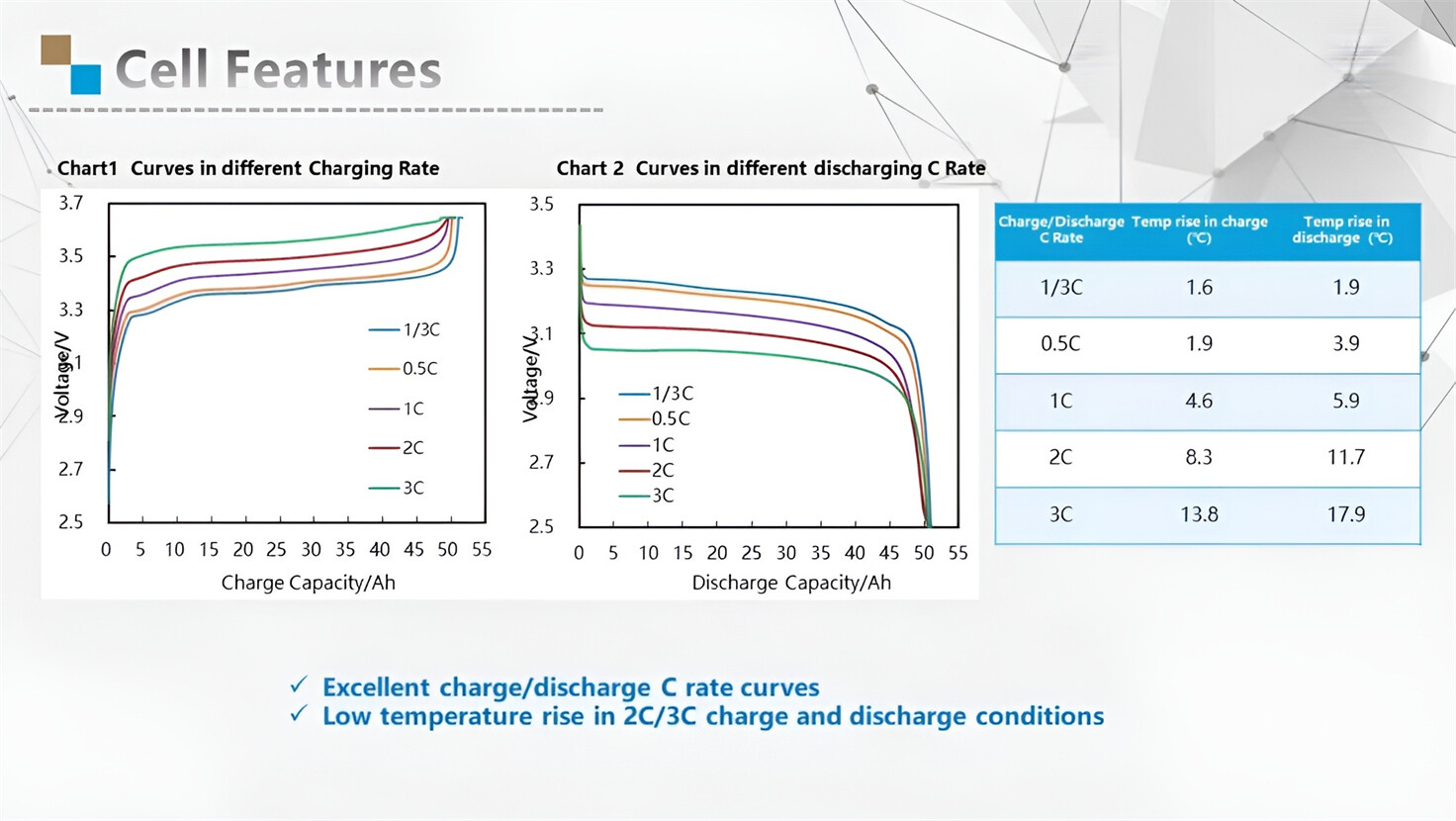
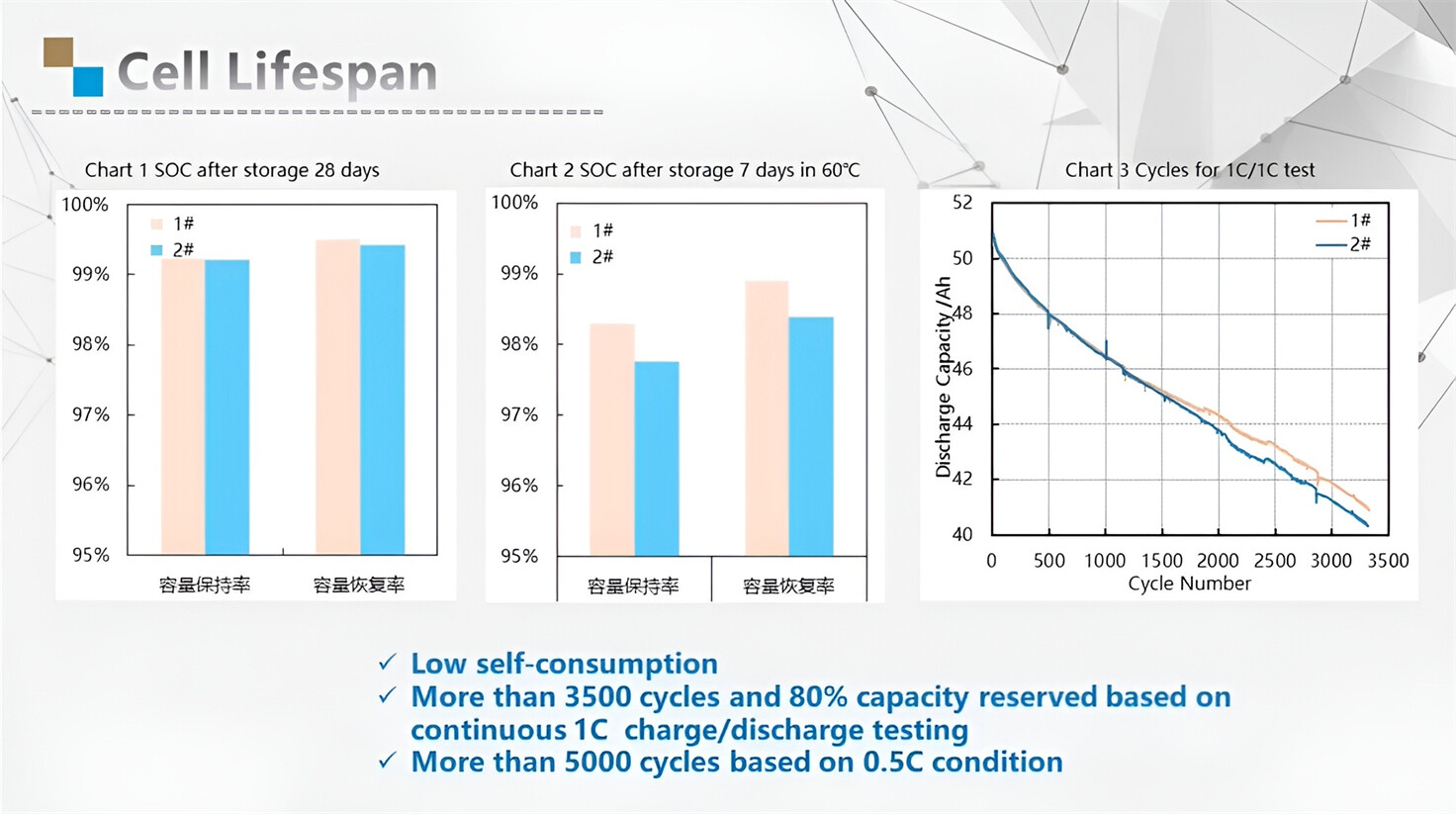
Our energy storage system products use brand new grade A LiFePO4 cells with a battery lifespan of more than 4,000 charge/discharge cycles.

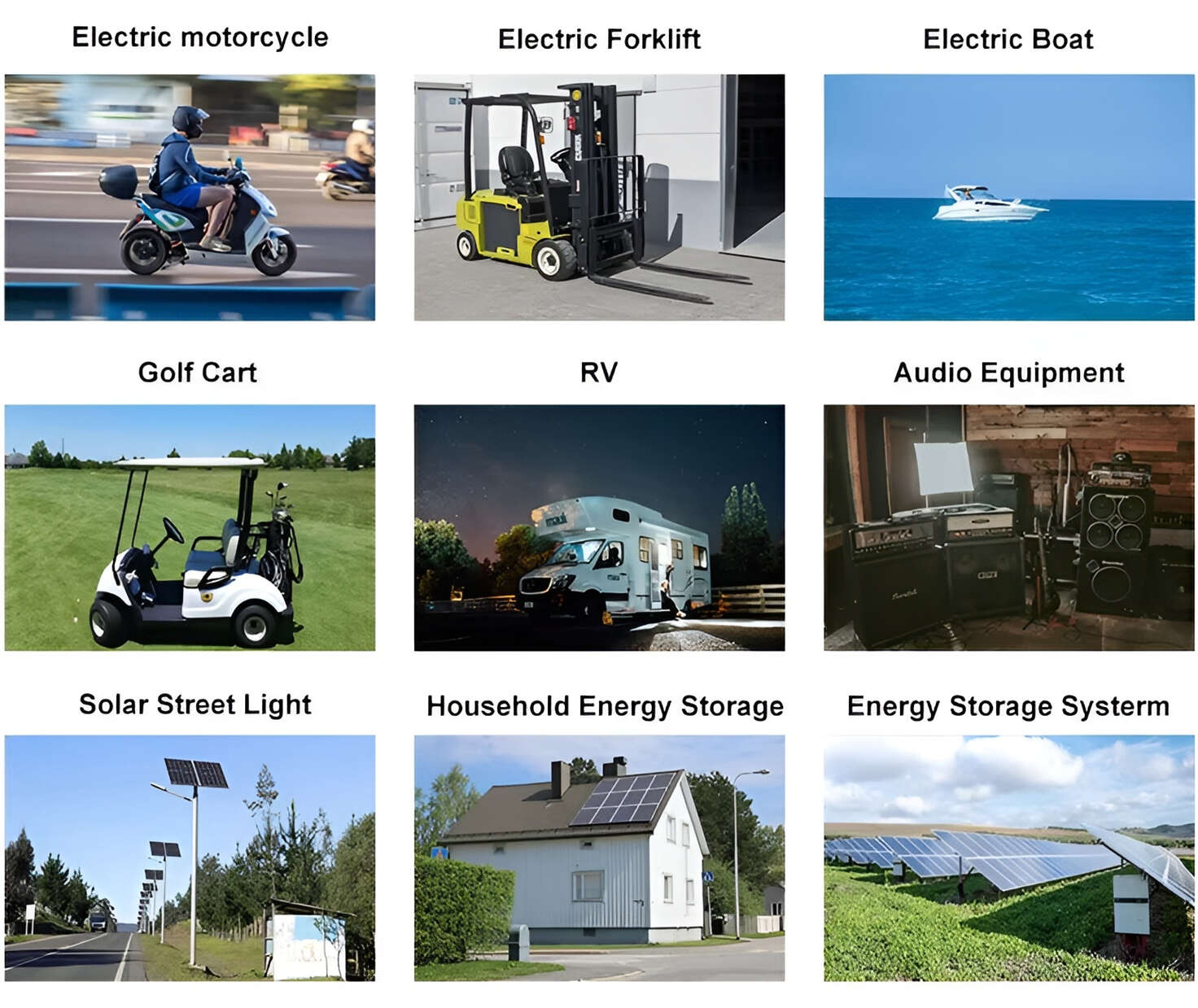
Applications in Different Industries
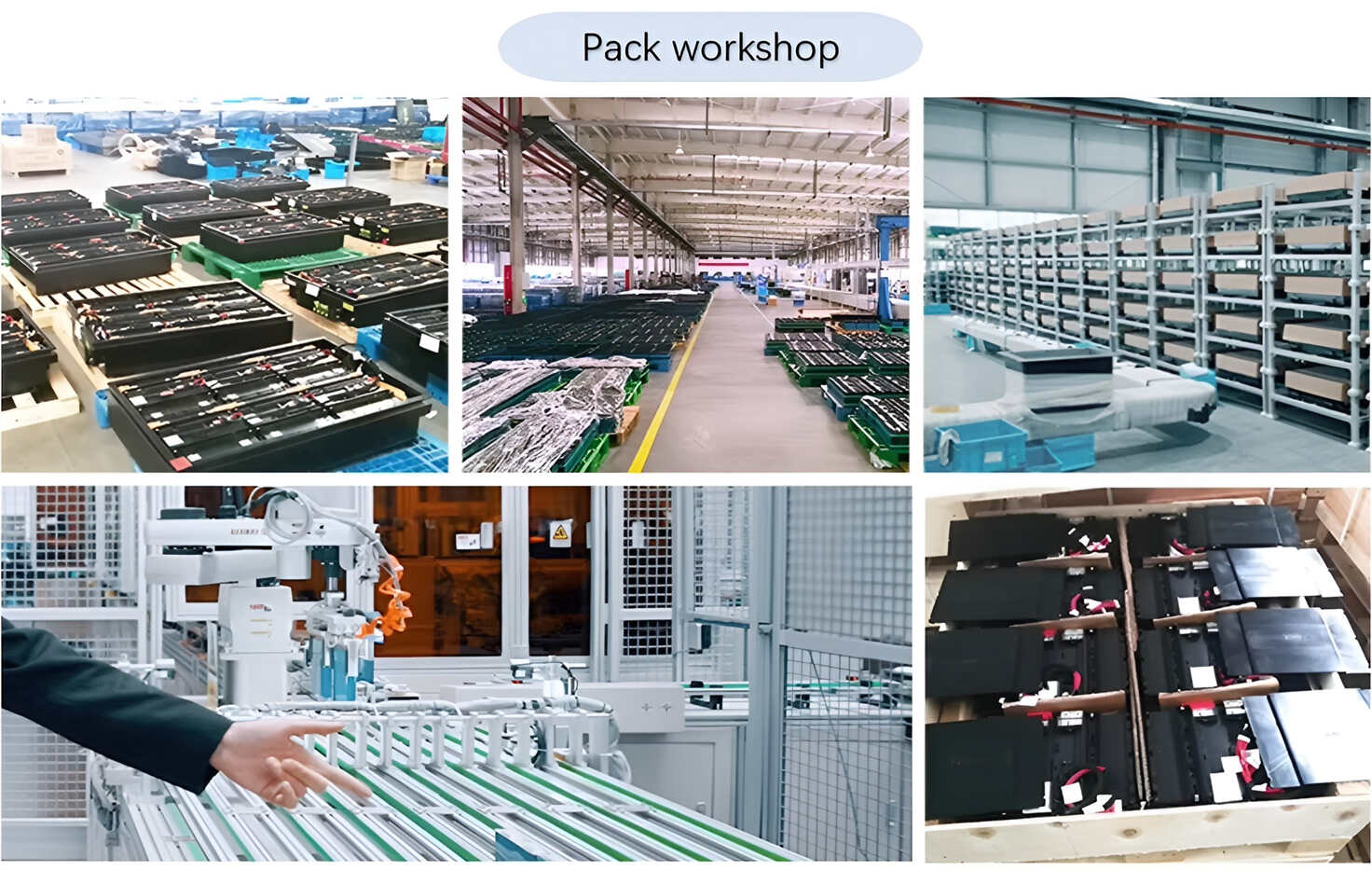
We supply customized & OEM battery pack, assemble cells with wiring, fuse and plastic cover, all the cell wires connected to PCB plug or built BMS.
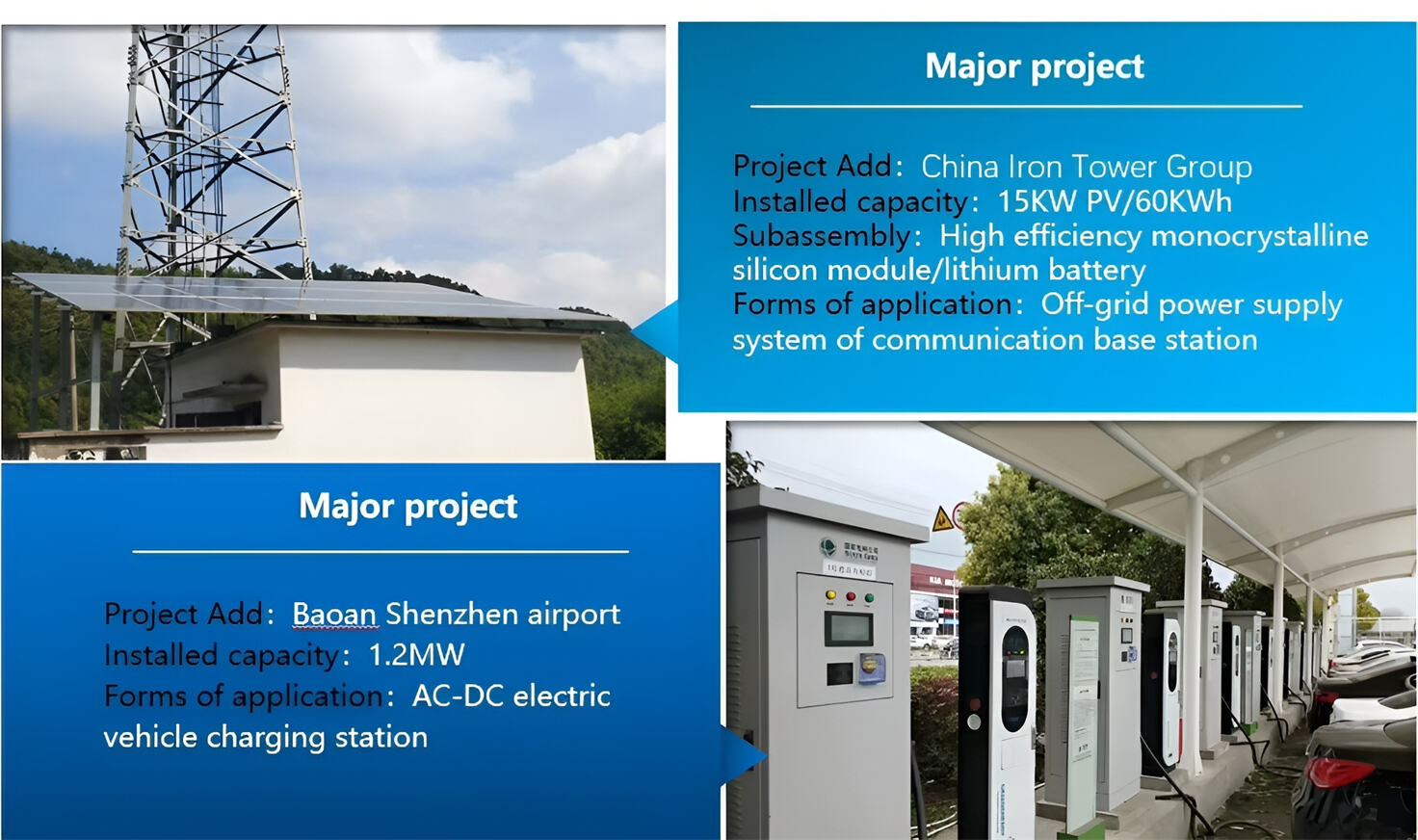
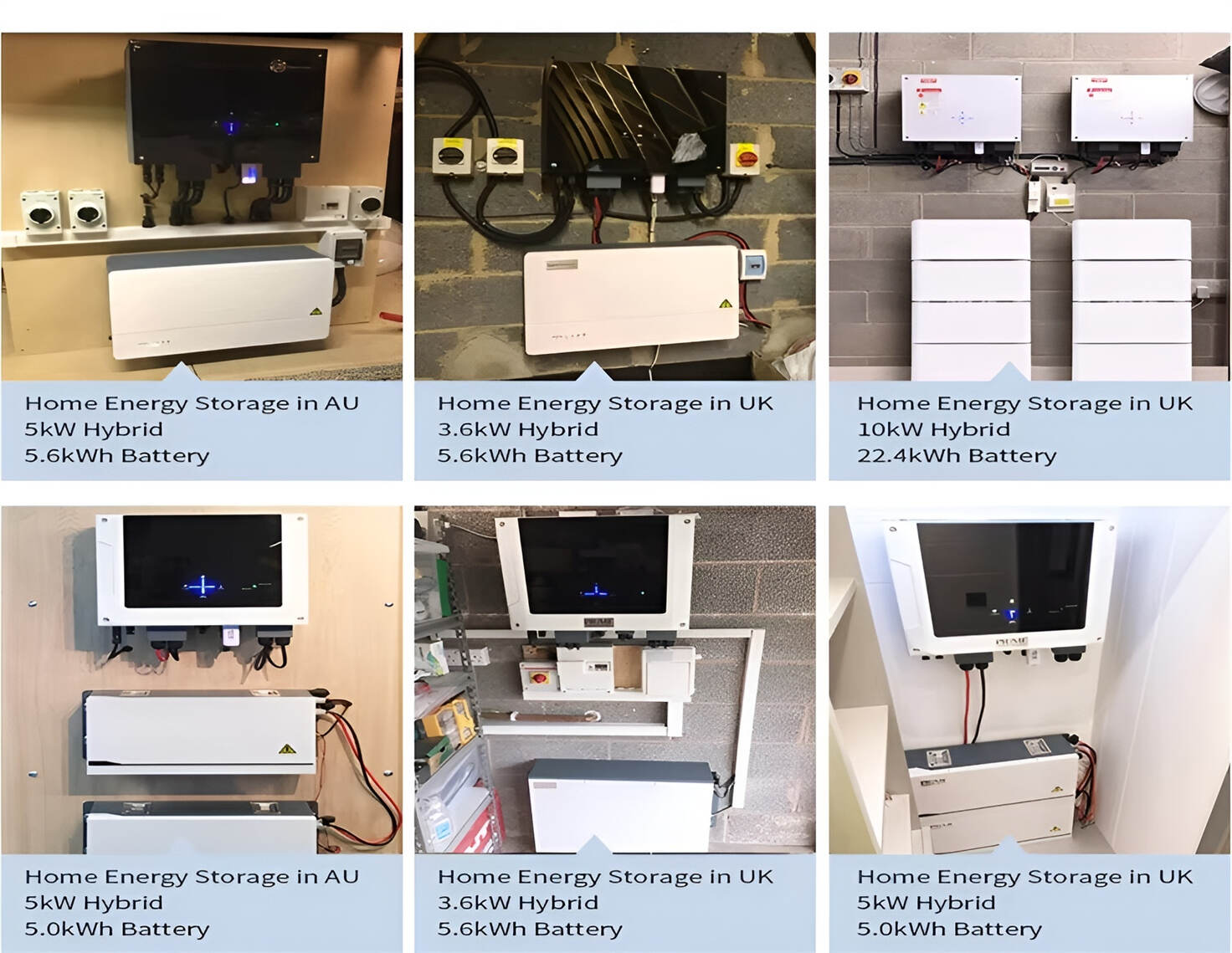
Applications: E-bike, Electric Scooter, Golf Carts, RV, Electric Wheelchair, Electric Tools, Robot Cleaner, Robot Sweeper, Solar Energy Storage System, Emergency Light, Solar Power Light, Medical Equipment, UPS Backup Power Supply.
We can provide you with customized services. We have the ability to provide a vertical supply chain, from single cells to pack/module and to a complete power solution with BMS, etc.

HomSolar (Shenzhen) Technology Co., Ltd