Advances In Recycling Methods: Integrating Technology And Systems For A Circular Economy
The global waste crisis, exacerbated by rising consumption and complex material flows, has thrust recycling into the spotlight as a critical component of sustainable materials management. However, traditional recycling methods, often reliant on manual sorting and mechanical processes, are increasingly proving inadequate for modern, multi-material waste streams. Recent scientific progress is fundamentally reshaping the recycling landscape, moving beyond simple re-melting to sophisticated processes that integrate advanced sorting, chemical deconstruction, and biological transformation. These advances promise to enhance efficiency, recover higher-value materials, and close the loop for previously unrecyclable products.
The Digital and Automated Frontier in Waste Sorting
The initial and most critical step in any recycling chain is the accurate separation of materials. The era of manual picking is rapidly giving way to a new generation of automated, intelligent sorting facilities. The most significant breakthrough in this domain is the integration of hyperspectral imaging (HSI) and artificial intelligence (AI). Unlike traditional near-infrared (NIR) sensors, HSI captures a vast spectrum of light for each pixel in an image, creating a unique chemical "fingerprint" for each material. When coupled with AI and machine learning algorithms, these systems can distinguish between not only different polymer types (e.g., PET, HDPE, PP) but also between different colors, food-grade and non-food-grade plastics, and even materials with similar visual and physical properties.
For instance, researchers at the University of Eastern Finland have demonstrated that HSI systems can effectively separate black plastics, which have historically been non-recyclable due to carbon black pigments absorbing NIR signals. By utilizing the mid-wavelength infrared (MWIR) range, these systems can now identify and eject black plastics from the waste stream, a development with profound implications for electronics and automotive waste recycling (Serranti et al., 2022). Furthermore, AI-driven robotic sorters, equipped with high-resolution cameras and grippers, are being deployed to handle complex tasks, such as disassembling electronic waste or picking specific items from a conveyor belt with human-like dexterity, thereby increasing purity and reducing contamination.
Chemical Recycling: Deconstructing the Unrecyclable
While mechanical recycling grinds, washes, and re-melts plastics, it often leads to downcycled, lower-quality materials, particularly for mixed or contaminated streams. Chemical recycling has emerged as a revolutionary alternative, breaking down polymers into their fundamental monomers or other valuable chemicals. This field has seen remarkable progress in several key areas:
1. Enzymatic Depolymerization: A landmark achievement has been the engineering of highly efficient enzymes capable of digesting specific plastics. The French company Carbios has pioneered a enzymatic process that depolymerizes PET (polyethylene terephthalate) into its monomers, terephthalic acid (PTA) and ethylene glycol (EG), with a reported depolymerization rate of over 90% within 10 hours (Tournier et al., 2020). The resulting monomers are of virgin-quality, allowing them to be repolymerized into new, food-grade PET bottles—a true closed-loop solution. Research is now focused on discovering and engineering enzymes for other major polymers like PU (polyurethane) and even PE (polyethylene).
2. Solvent-Based Purification and Targeted Depolymerization: For complex multi-layer packaging, which combines different plastics and aluminum, selective solvent processes show great promise. The CreaSolv® process, developed by the Fraunhofer Institute, uses a customized solvent to selectively dissolve the target polymer (e.g., the polyolefin layer) from a multi-layer film, leaving other components intact. The polymer is then precipitated from the solution, resulting in a high-purity recyclate. Similarly, hydrothermal processes are being refined to convert mixed plastic waste directly into fuels or chemical feedstocks through processes like pyrolysis and gasification, with recent catalysts improving the selectivity and yield of desired outputs.
Biological and Urban Mining: Closing New Loops
The principles of recycling are also being applied to non-traditional waste streams. Bio-recycling, particularly for organic waste, is evolving from simple composting to advanced anaerobic digestion with biogas upgrading and the extraction of bio-based chemicals. Meanwhile, "urban mining"—the systematic recovery of precious and critical metals from electronic waste (e-waste)—has become a field of intense research.
Novel hydrometallurgical processes, which use environmentally friendly leaching agents like organic acids or chelators, are replacing traditional, highly polluting pyrometallurgical methods. For example, research is focused on developing selective bio-leaching using specific bacteria or fungi that can solubilize gold, copper, or rare-earth elements from circuit boards (Isildar et al., 2019). These biotechnological approaches offer a lower-energy, less toxic pathway to secure valuable resources, reducing the need for environmentally destructive virgin mining.
Future Outlook and Systemic Integration
The future of recycling lies not in standalone technological fixes but in the synergistic integration of these methods within a holistic circular economy framework. The concept of "smart" or "intelligent" sorting will be extended upstream through digital product passports (DPPs). These DPPs would contain detailed information about a product's material composition, disassembly instructions, and chemical additives, readable by sorting facilities to achieve near-perfect separation (European Commission, 2020).
Furthermore, the field of polymer design is converging with recycling needs. The development of "design-for-recycling" principles and novel chemically recyclable polymers, such as vitrimers that can be reshaped upon heating, will create waste streams that are inherently more compatible with advanced recycling infrastructures. The economic viability of these advanced methods, particularly chemical recycling, will depend on supportive policy measures, such as extended producer responsibility (EPR) schemes that internalize the end-of-life cost into product pricing, and standardized life-cycle assessments (LCAs) to ensure genuine environmental benefits.
In conclusion, the scientific advances in recycling methods are transformative, shifting the paradigm from waste management to resource harvesting. The integration of AI-driven sorting, precise chemical deconstruction, and innovative biological processes is unlocking the potential to handle the complexity of 21st-century waste. The challenge ahead is no longer purely technical but systemic, requiring collaboration across industries, governments, and consumers to build an economic and regulatory ecosystem where these technological breakthroughs can be scaled to create a truly circular and sustainable materials economy.
ReferencesIsildar, A., van Hullebusch, E. D., Lenz, M., Du Laing, G., Marra, A., Cesaro, A., ... & Esposito, G. (2019). Biotechnological strategies for the recovery of valuable and critical raw materials from waste electrical and electronic equipment (WEEE) – A review.Journal of Hazardous Materials, 362, 467-481.Serranti, S., Bonifazi, G., & Pohl, R. (2022). Hyperspectral Imaging for Black Plastic Sorting. InProceedings of the 2022 Symposium on Circular Economy and Sustainability.Tournier, V., Topham, C. M., Gilles, A., David, B., Folgoas, C., Moya-Leclair, E., ... & Marty, A. (2020). An engineered PET-depolymerase to break down and recycle plastic bottles.Nature, 580(7802), 216-219.European Commission. (2020).Circular Economy Action Plan: For a cleaner and more competitive Europe.
Customized/OEM/ODM Service
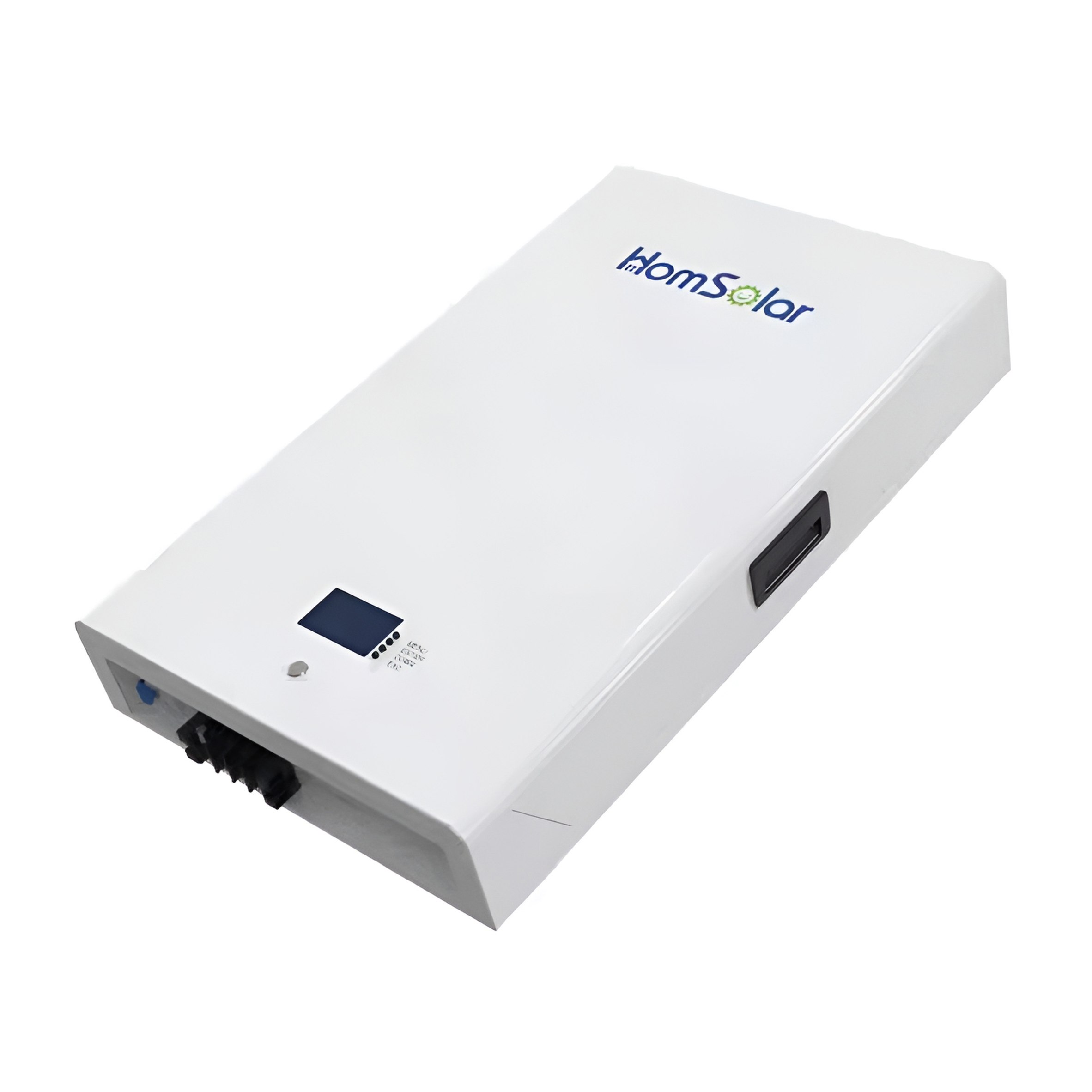
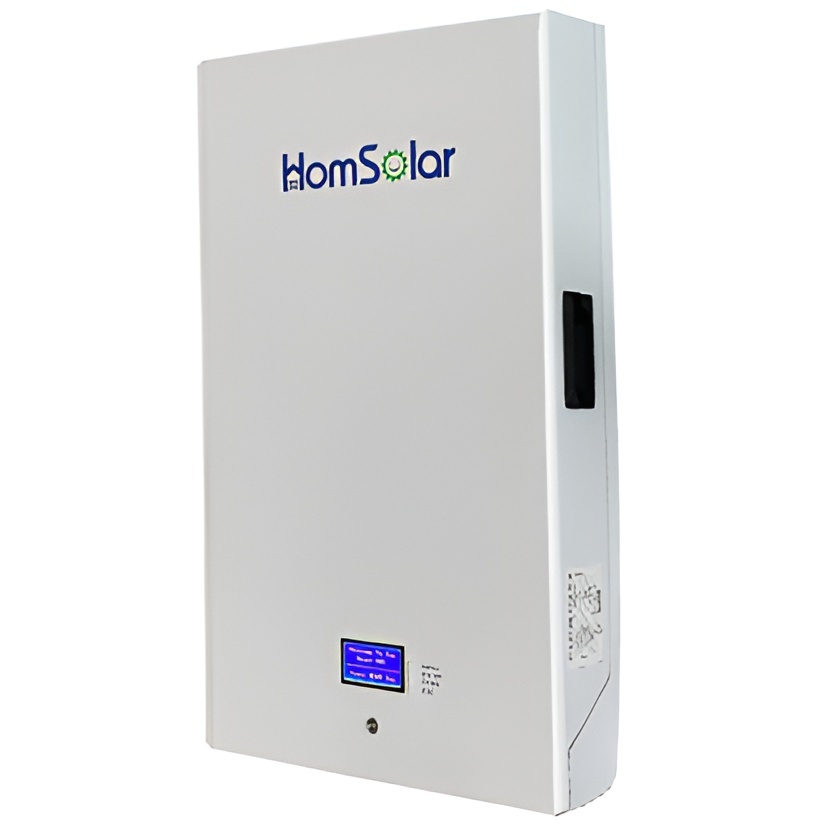
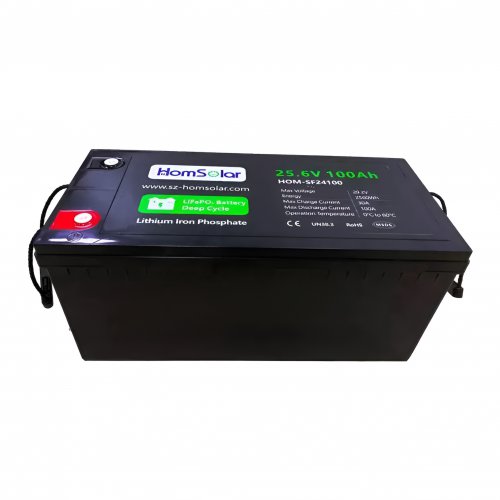
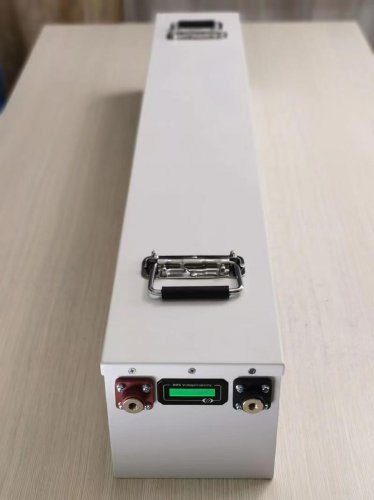
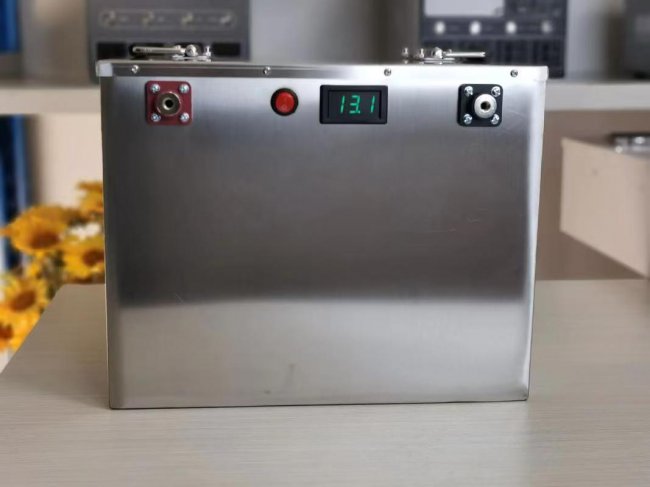
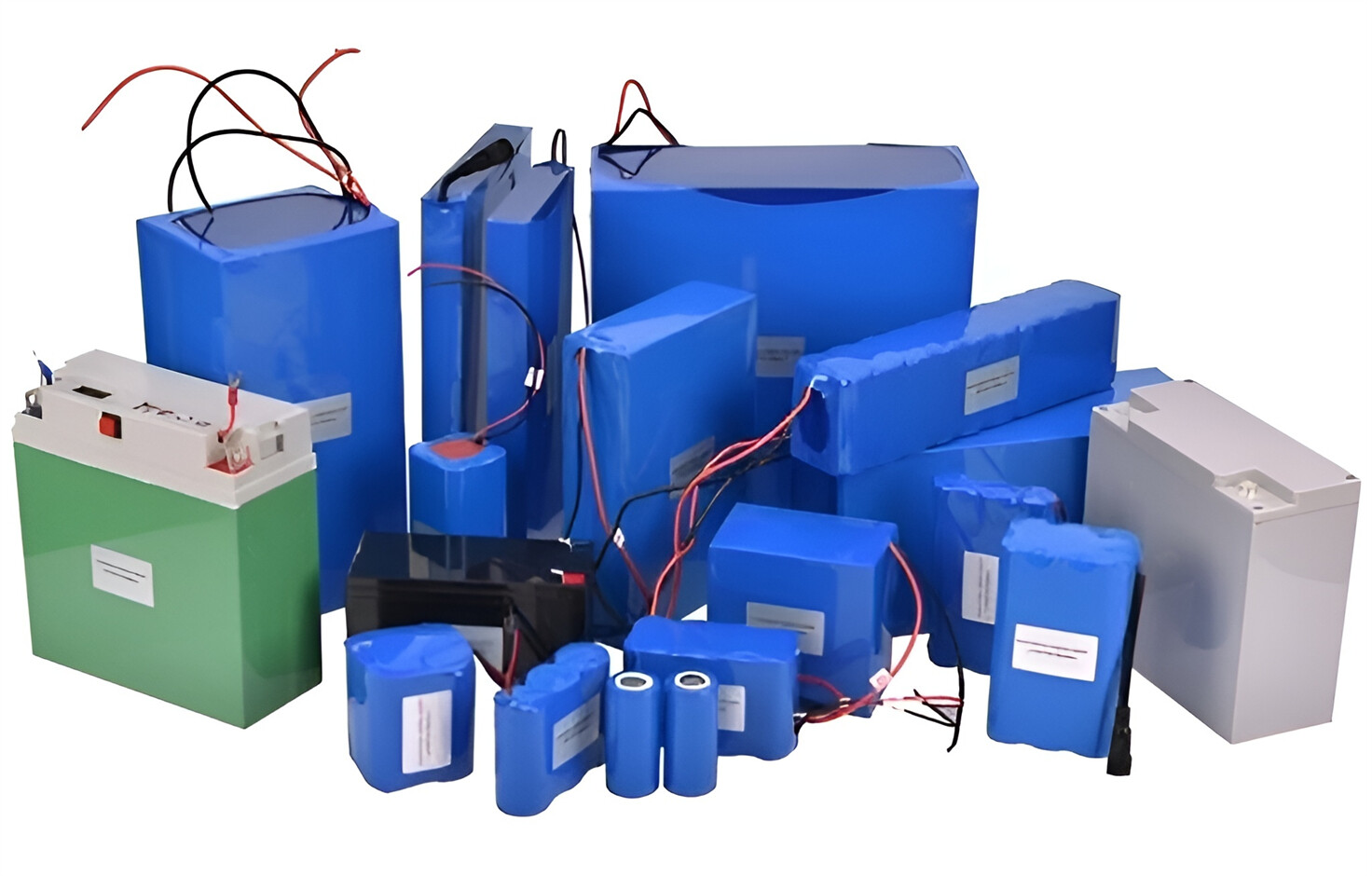
HomSolar Supports Lifepo4 battery pack customization/OEM/ODM service, welcome to contact us and tell us your needs.


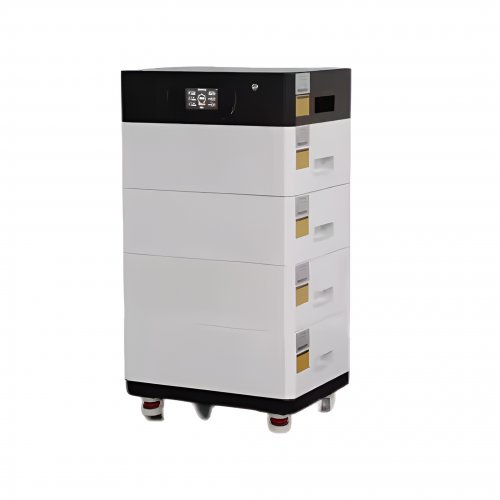
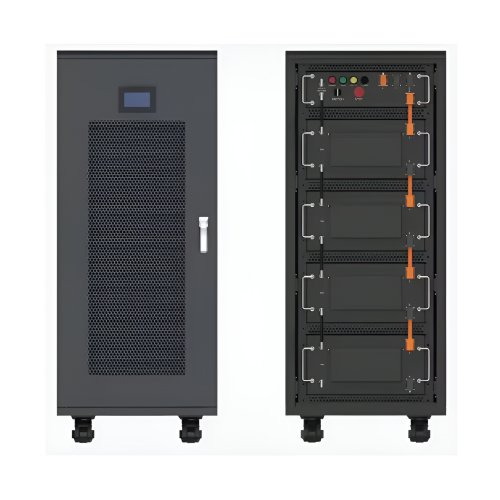
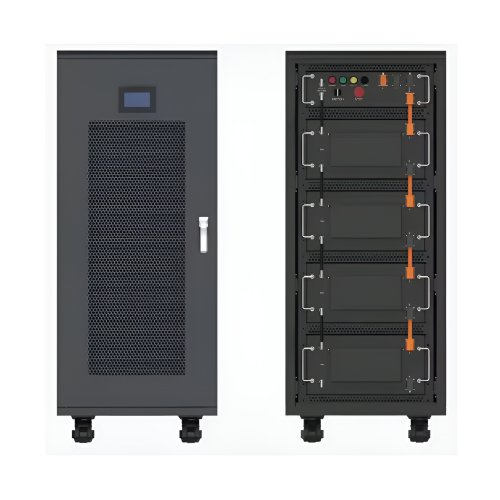
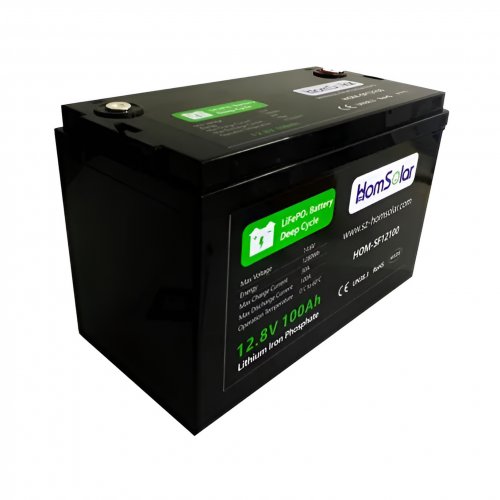
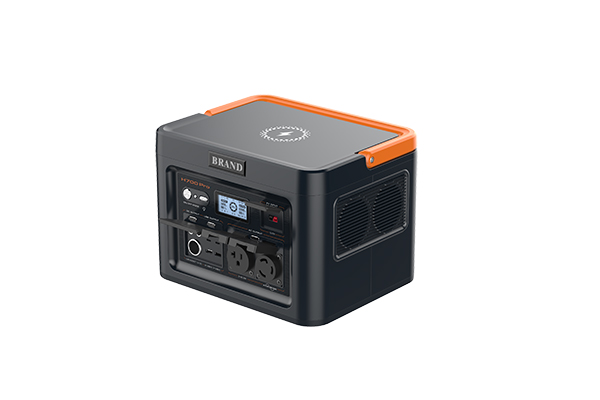
HomSolar: Your One-stop LiFePO4 Battery Pack & ESS Solution Manufacturer
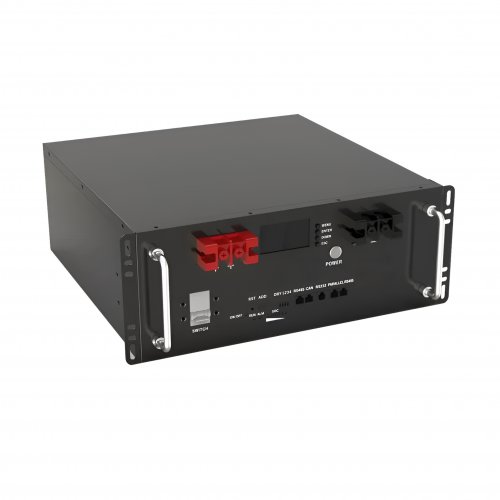
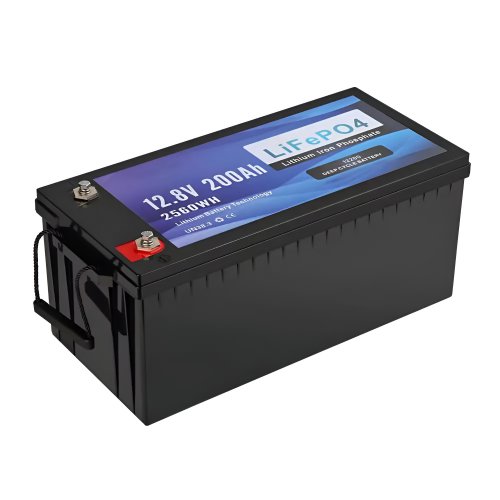
Our line of LiFePO4 (LFP) batteries offer a solution to demanding applications that require a lighter weight, longer life, and higher capacity battery. Features include advanced battery management systems (BMS), Bluetooth® communication and active intelligent monitoring.
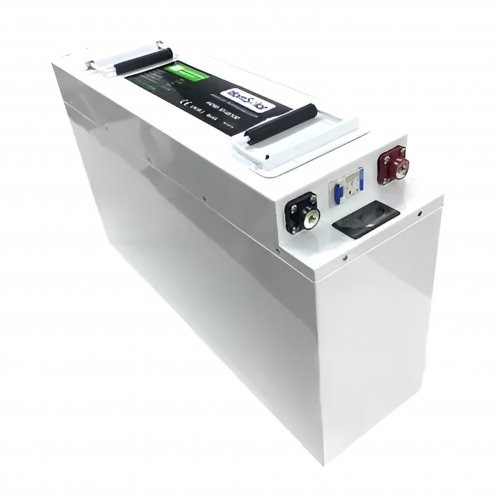
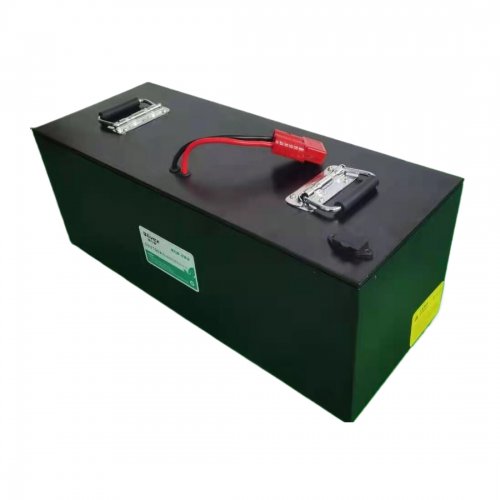
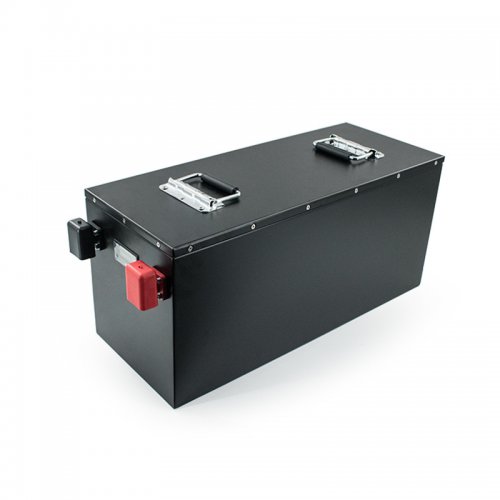
Customised Lithium Iron Phosphate Battery Casing
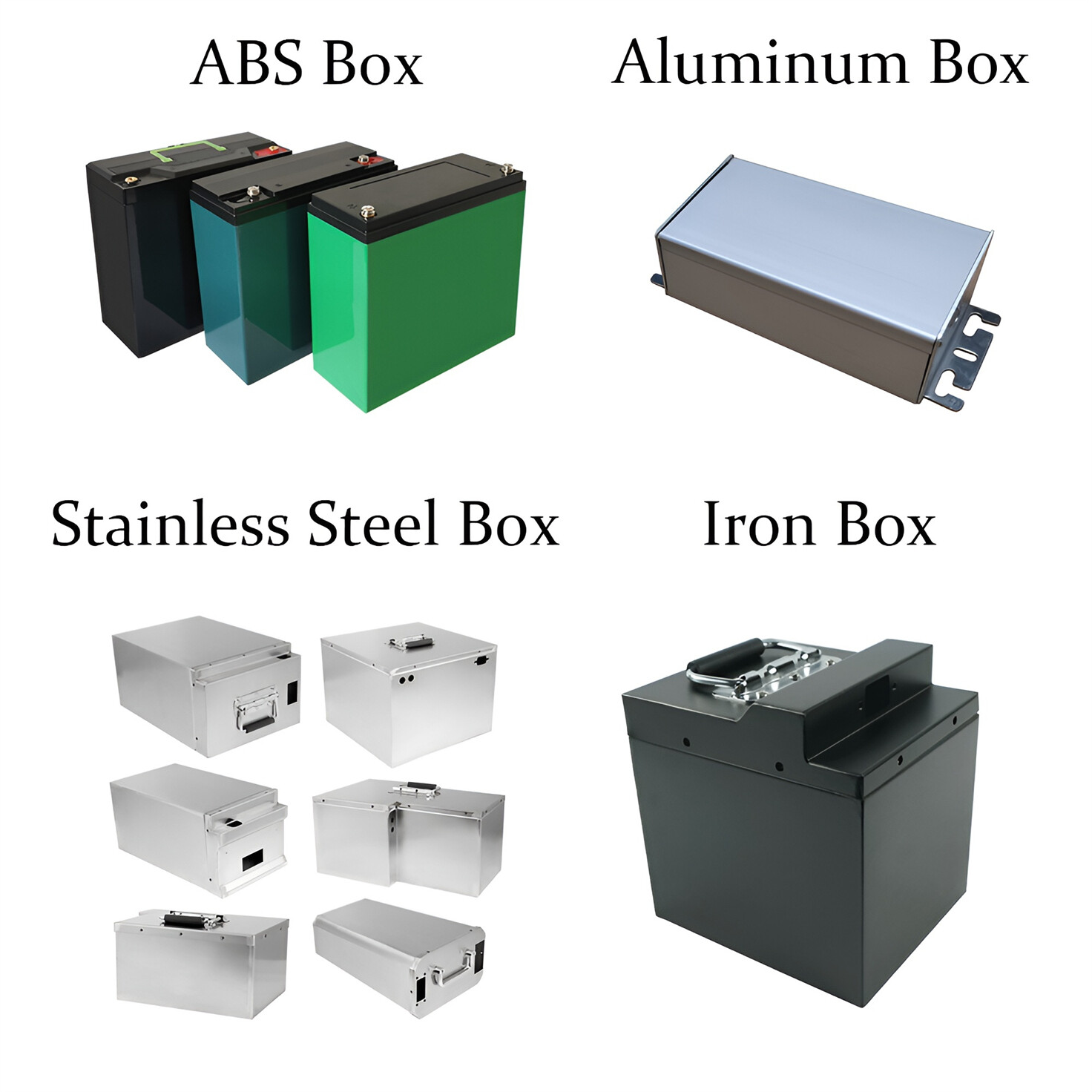
ABS plastic housing, aluminium housing, stainless steel housing and iron housing are available, and can also be designed and customised according to your needs.
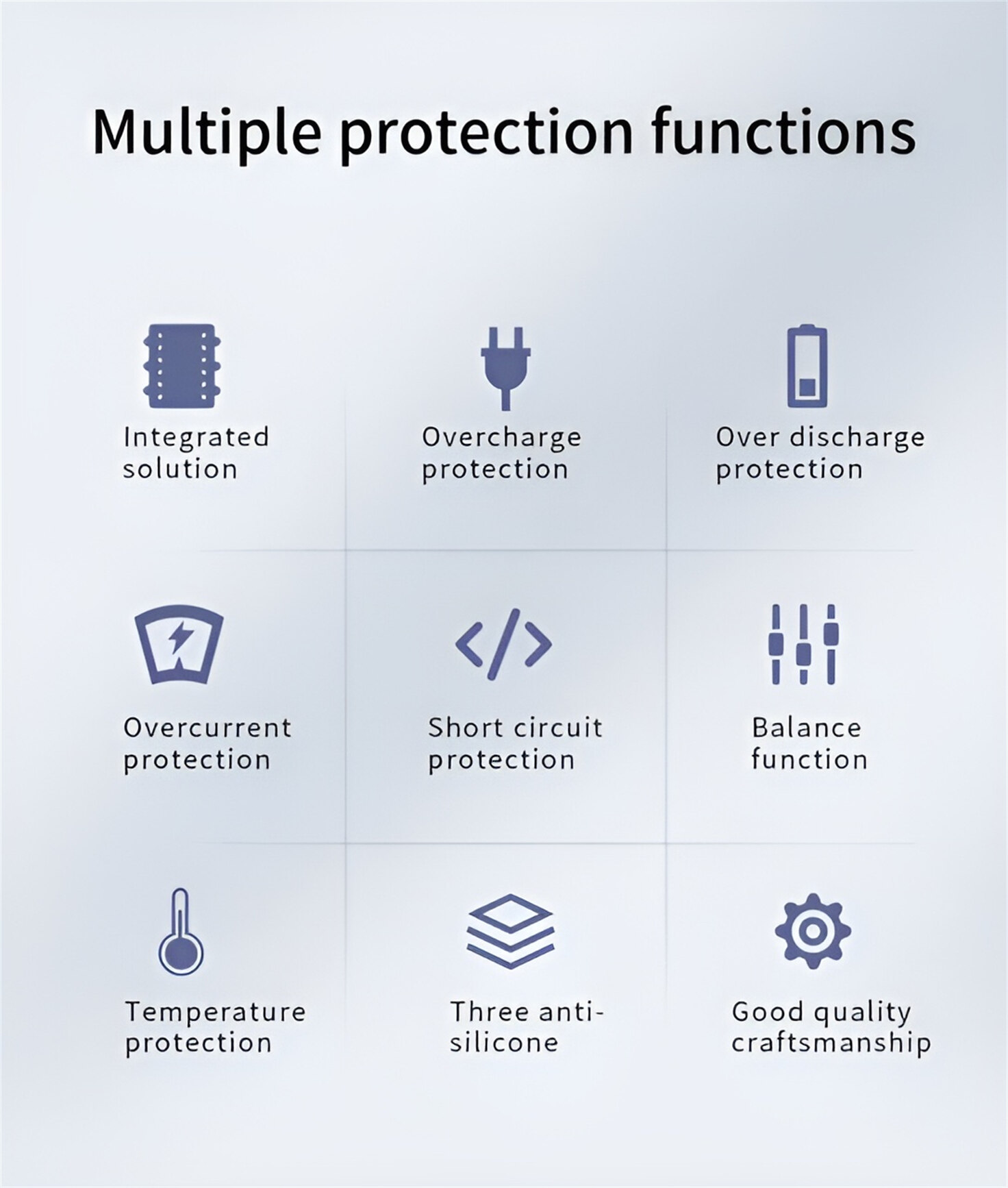
HomSolar Smart BMS
Intelligent Battery Management System for HomSolar Energy Storage System. Bluetooth, temperature sensor, LCD display, CAN interface, UART interface also available.

Terminals & Plugs Can Be Customized
A wide range of terminals and plugs can be customised to suit the application needs of your battery products.

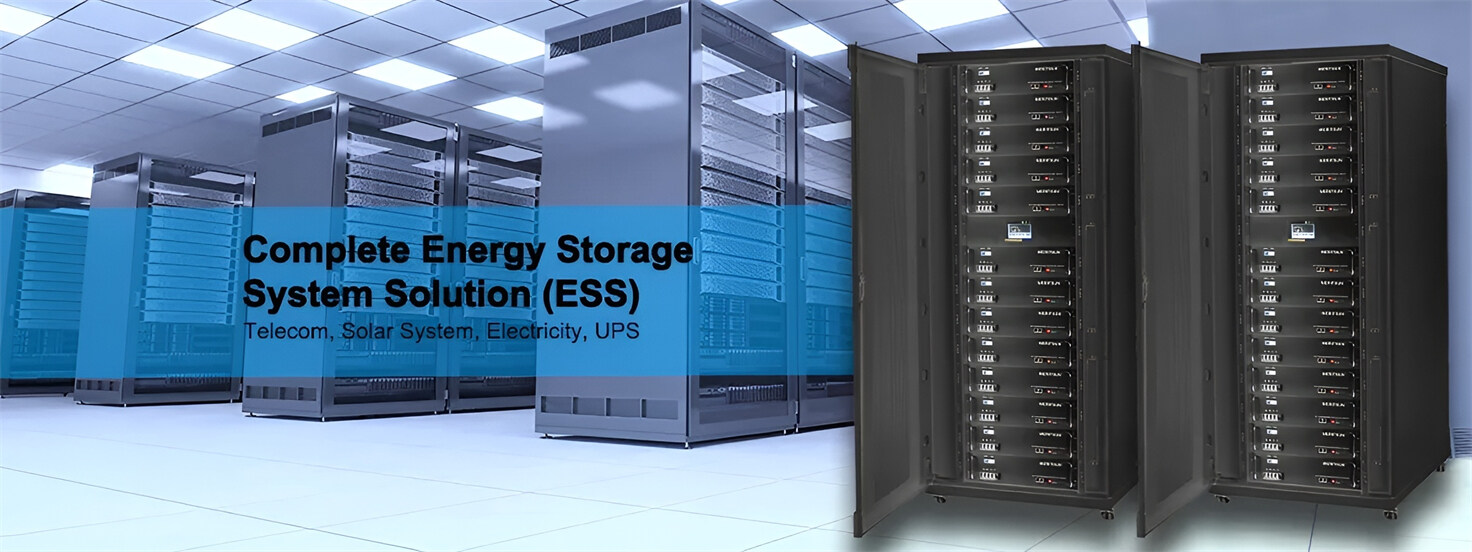
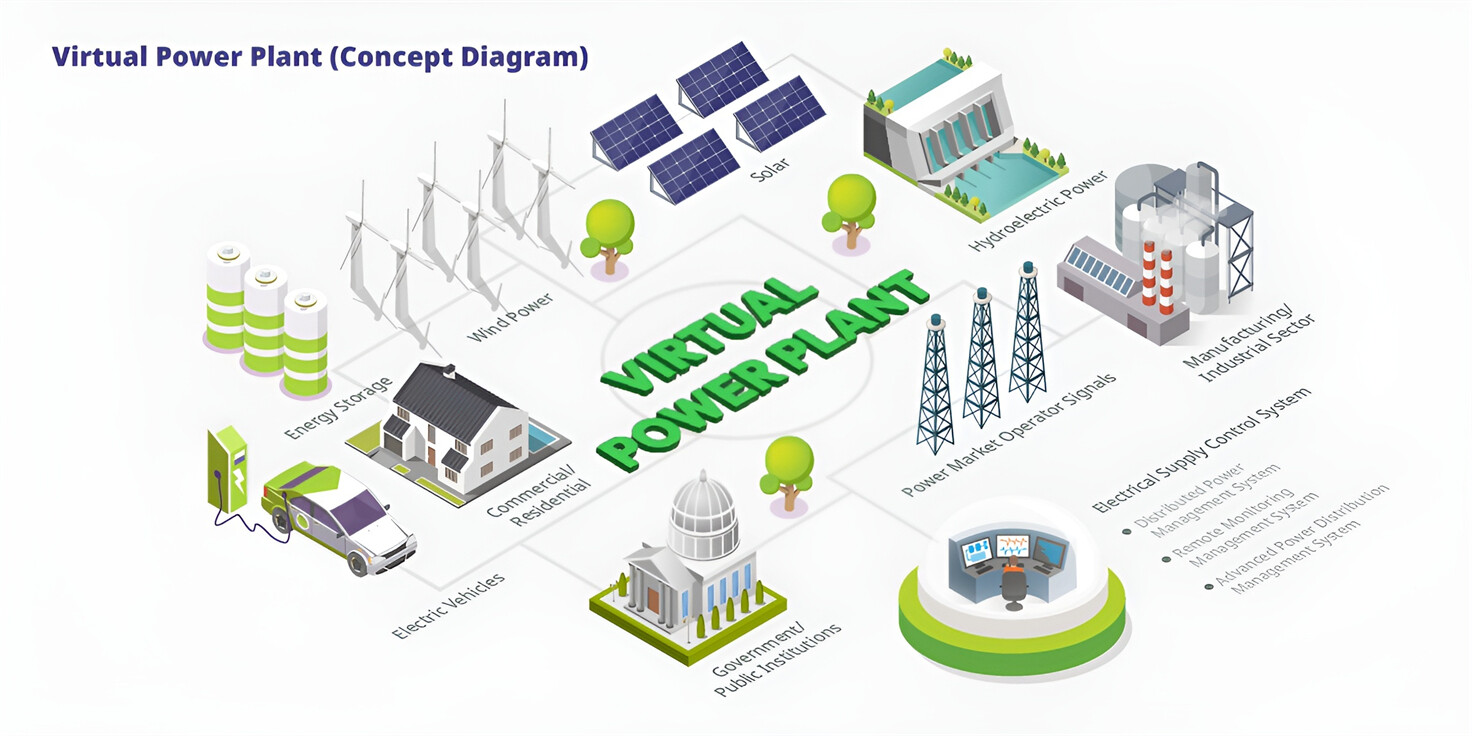
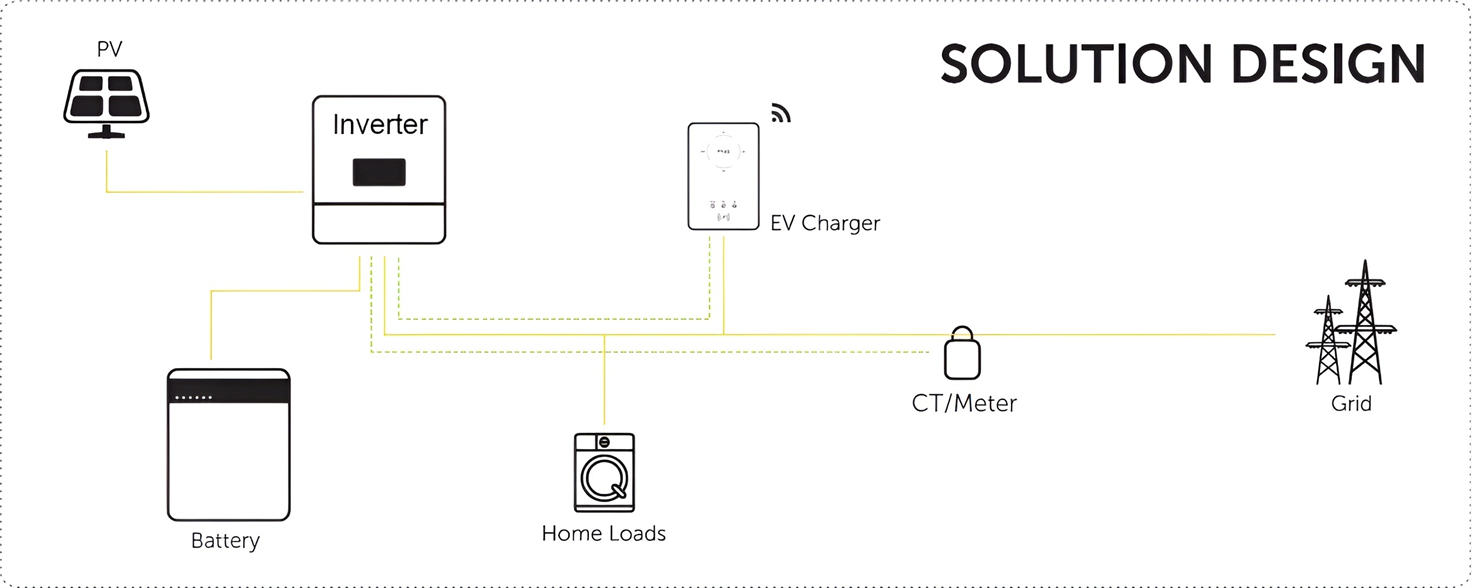
Well-designed Solutions for Energy Storage Systems
We will design the perfect energy storage system solution according to your needs, so that you can easily solve the specific industry applications of battery products.
About Our Battery Cells
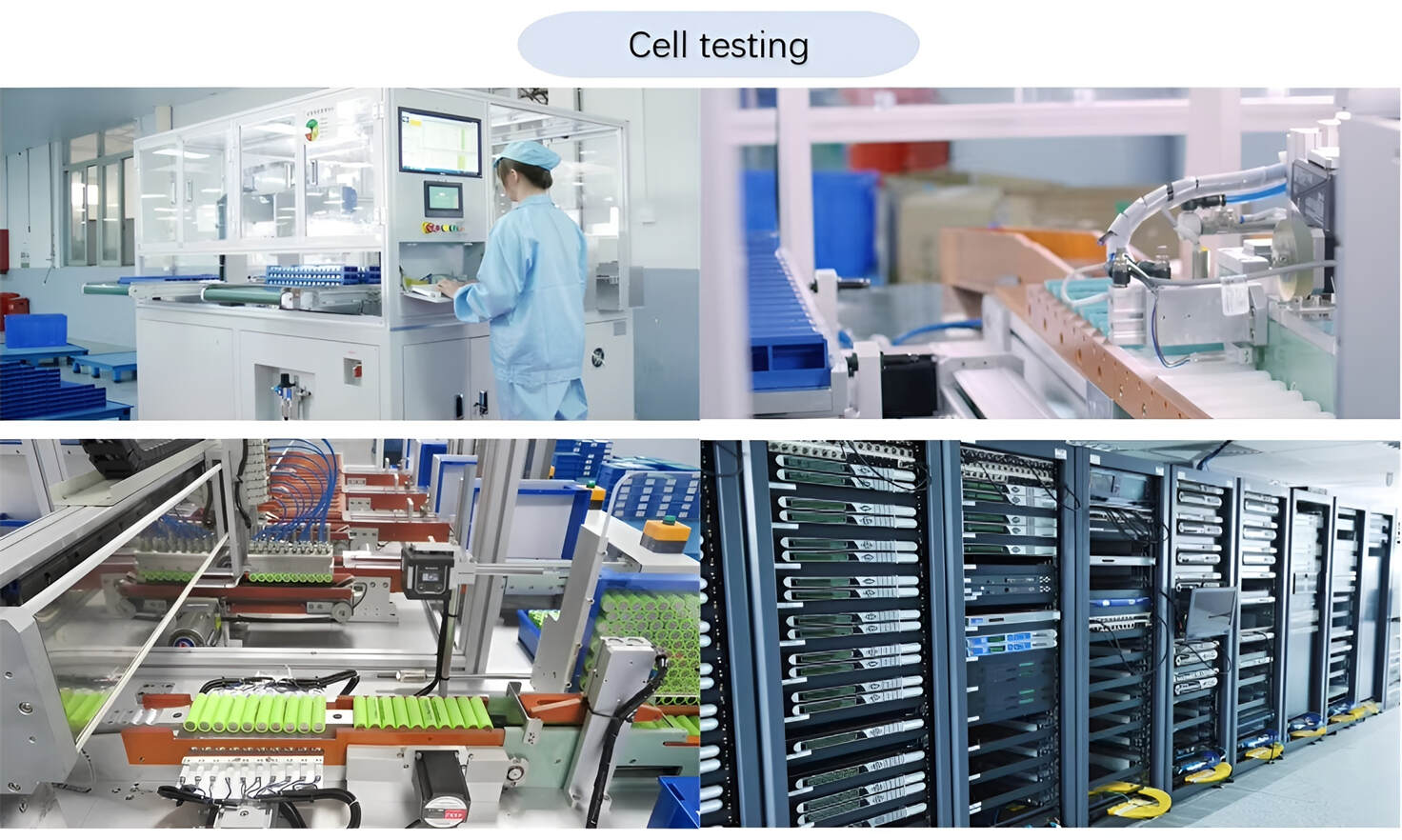
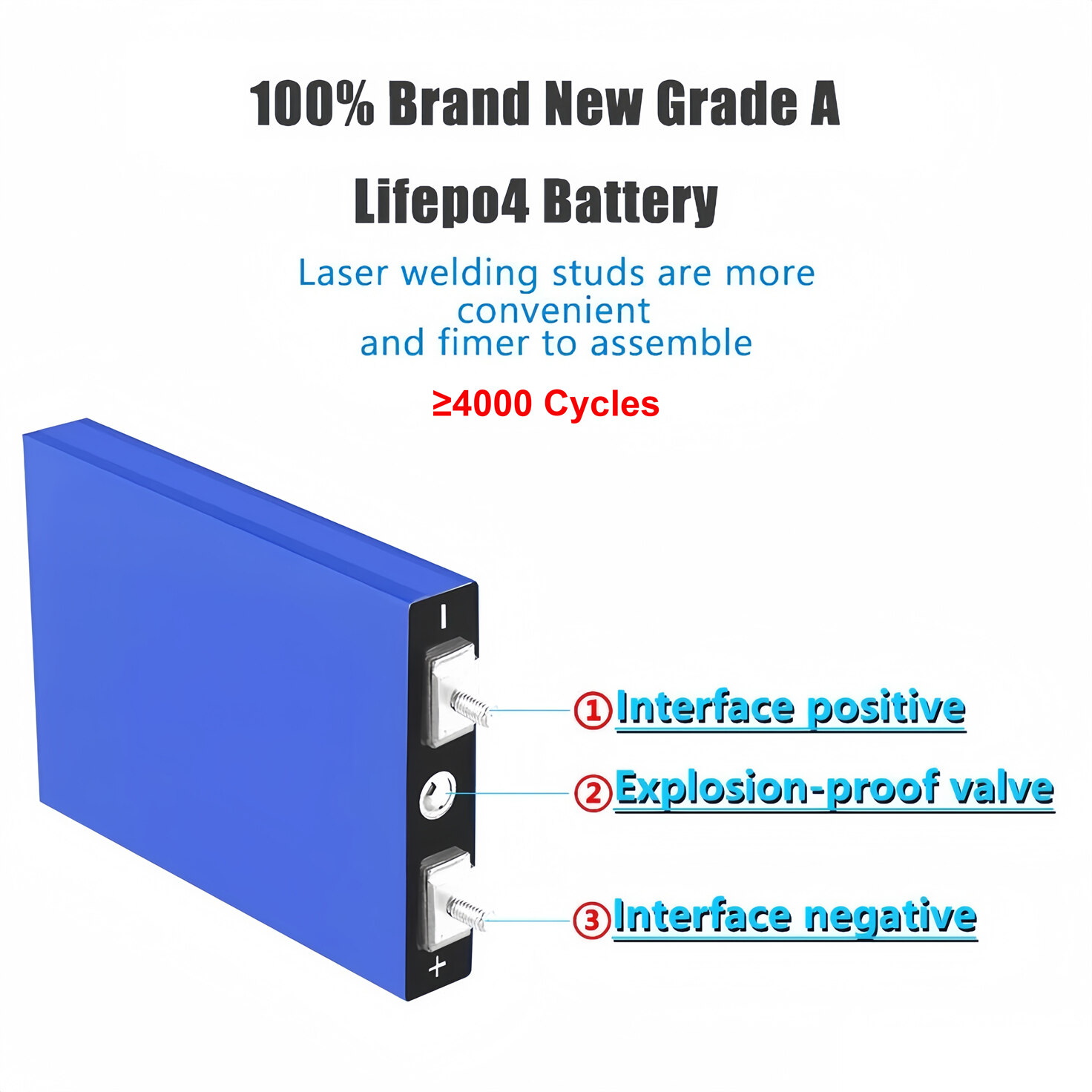
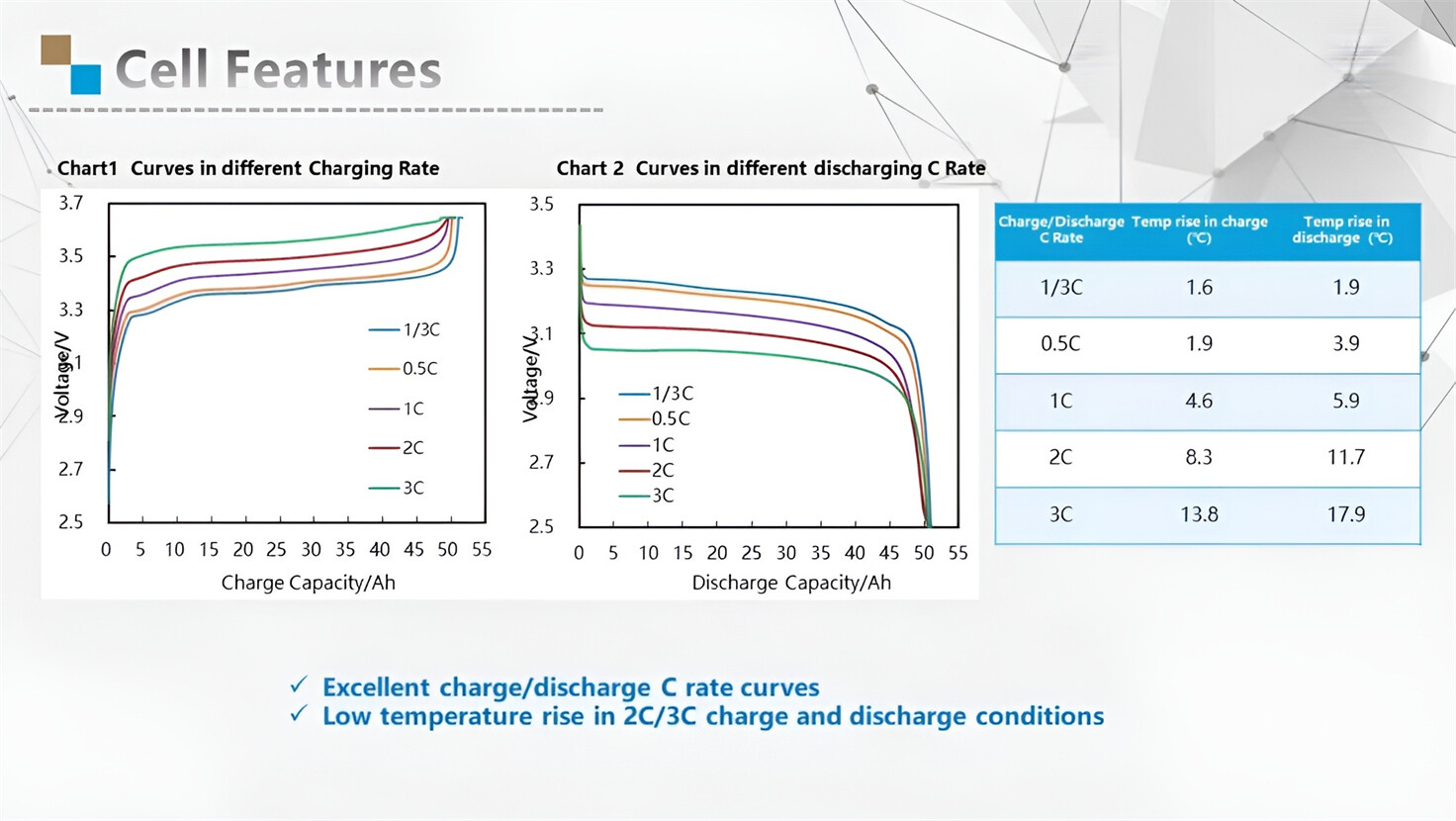
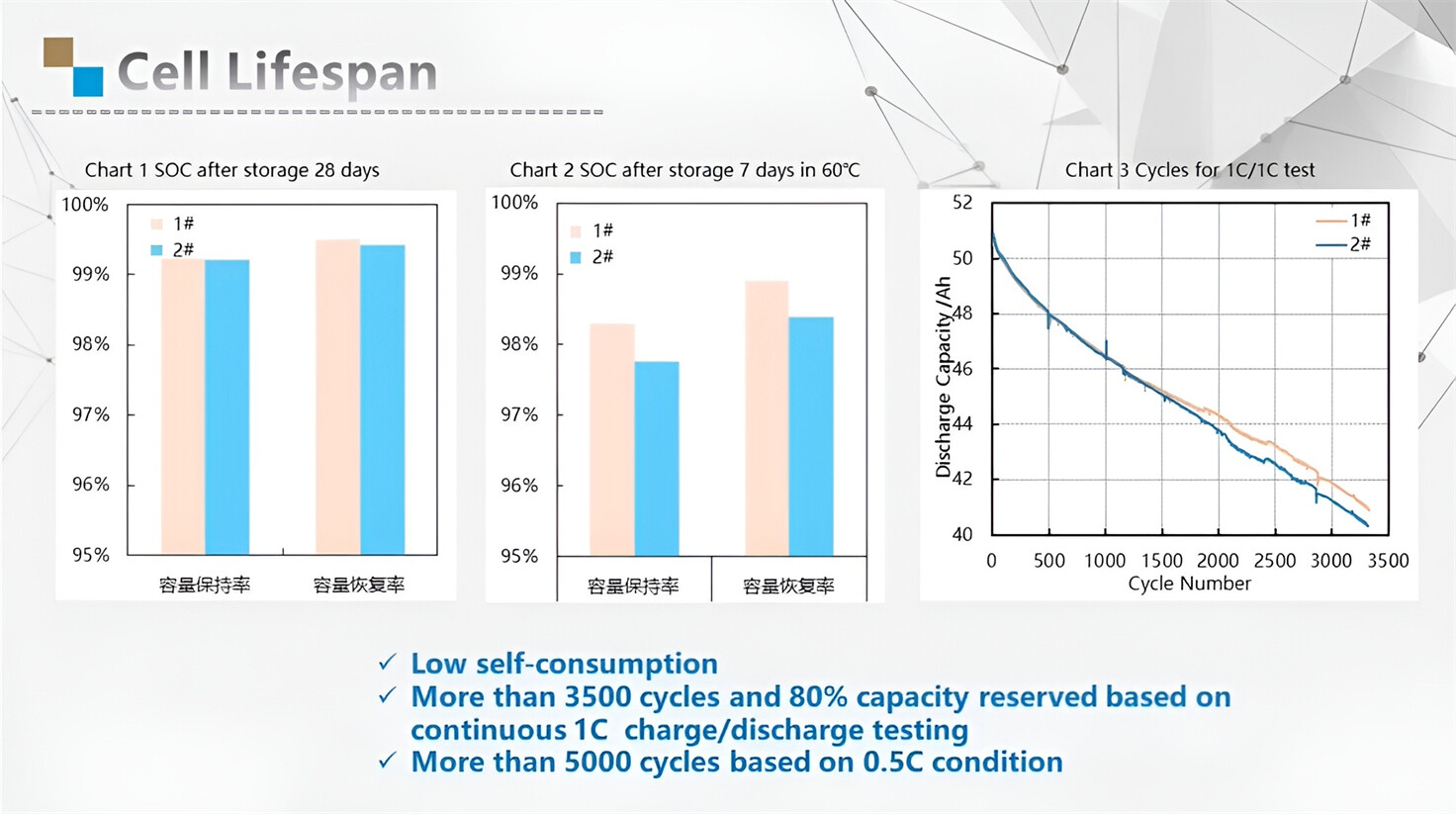
Our energy storage system products use brand new grade A LiFePO4 cells with a battery lifespan of more than 4,000 charge/discharge cycles.
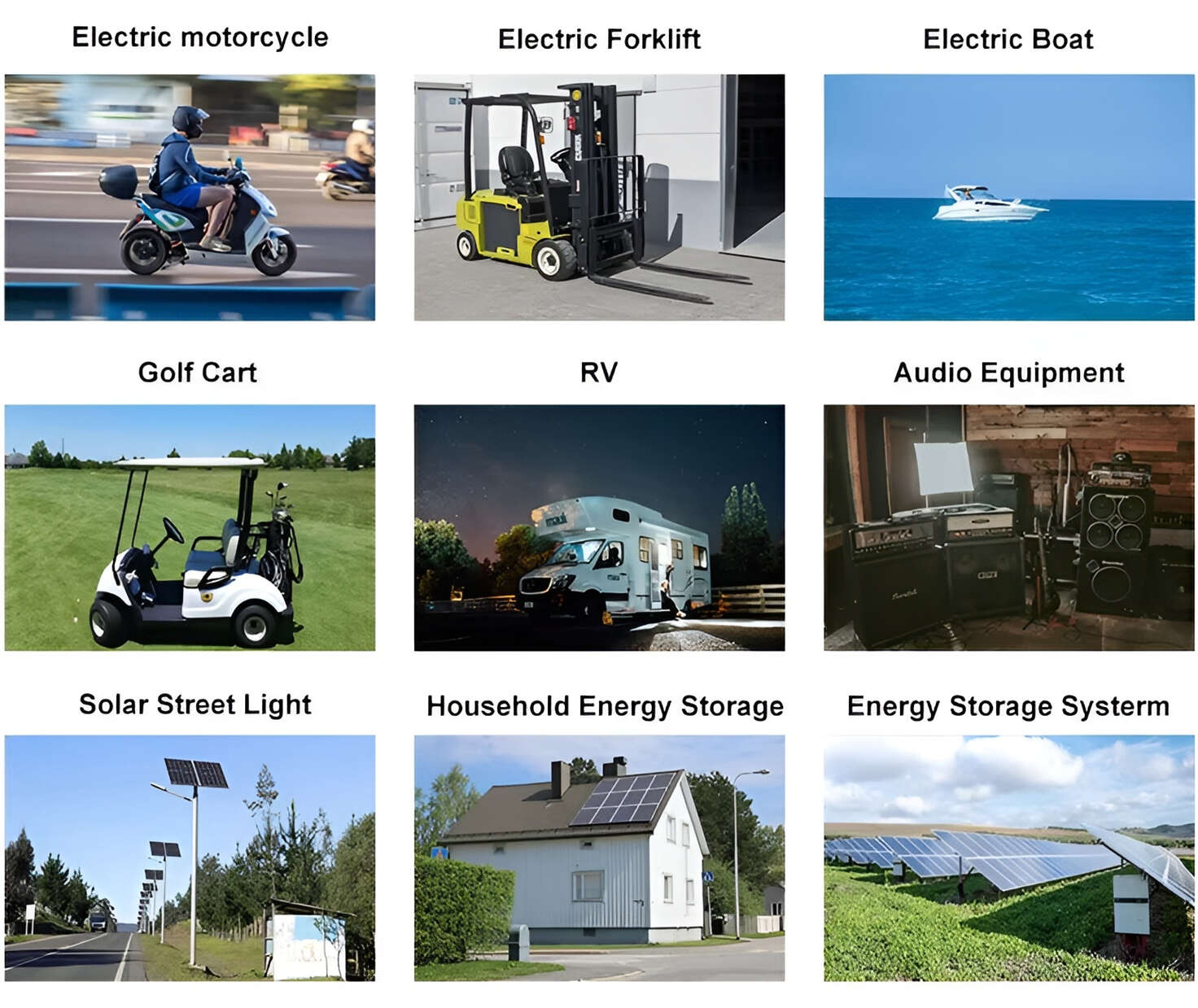
Applications in Different Industries
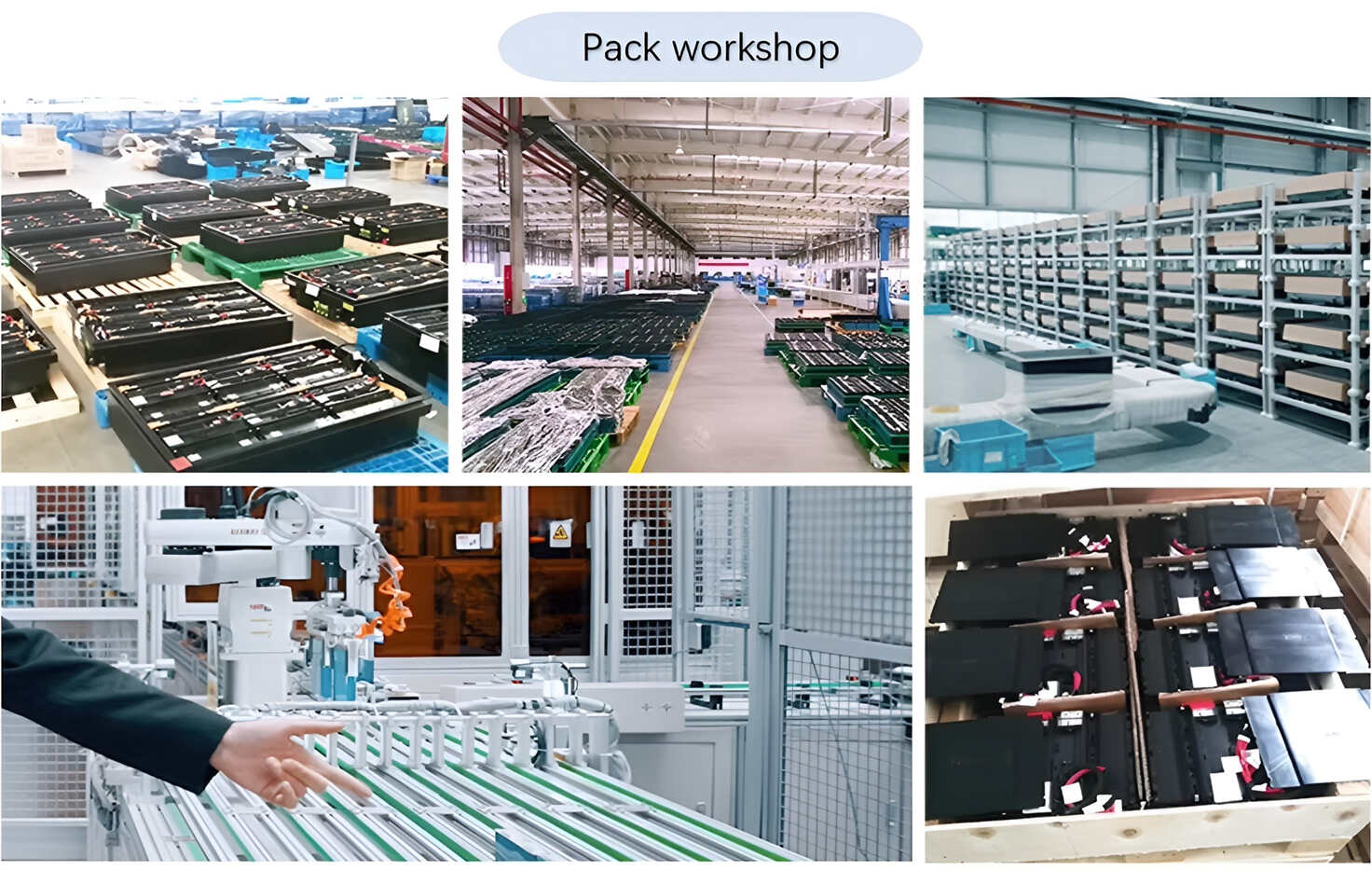
We supply customized & OEM battery pack, assemble cells with wiring, fuse and plastic cover, all the cell wires connected to PCB plug or built BMS.
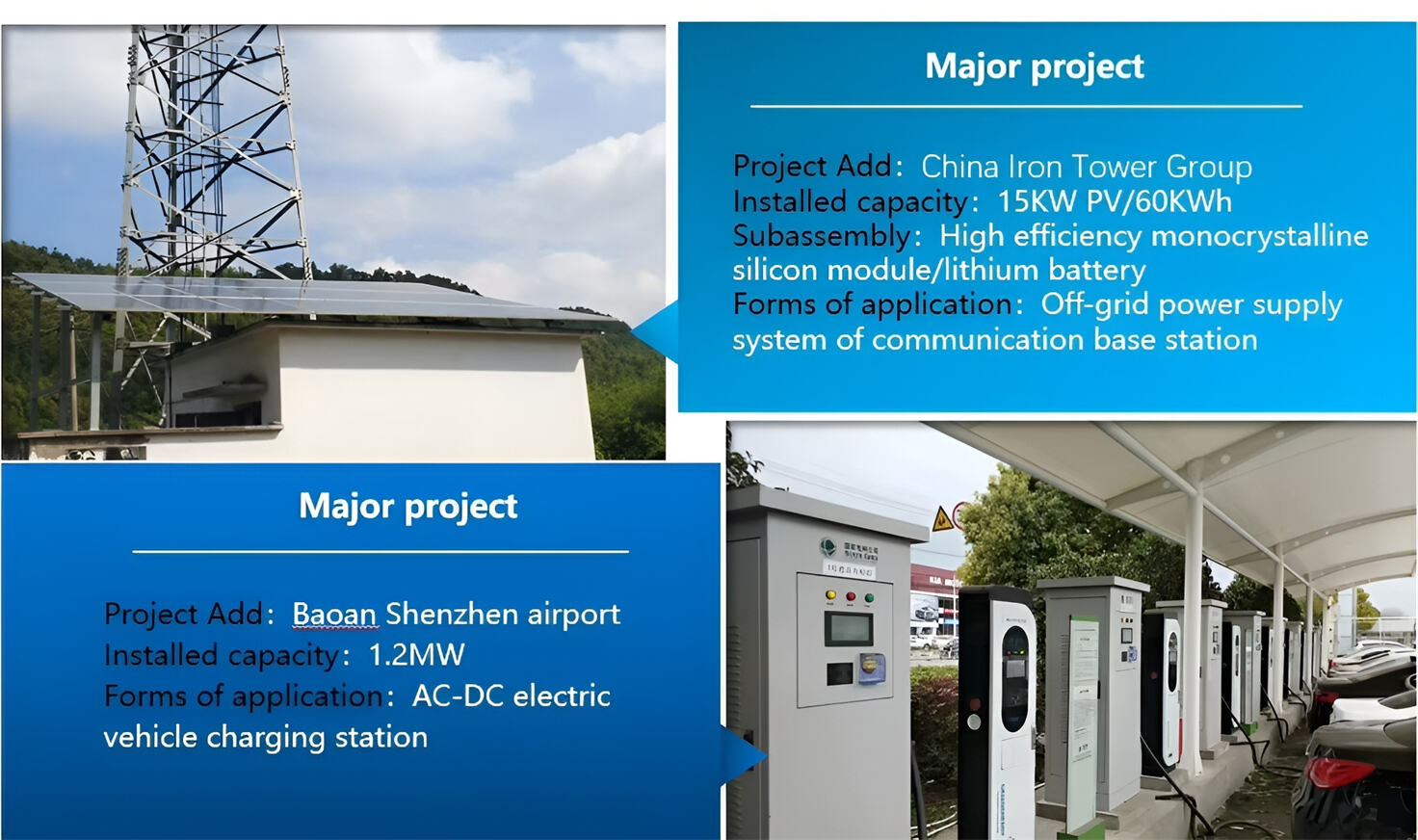
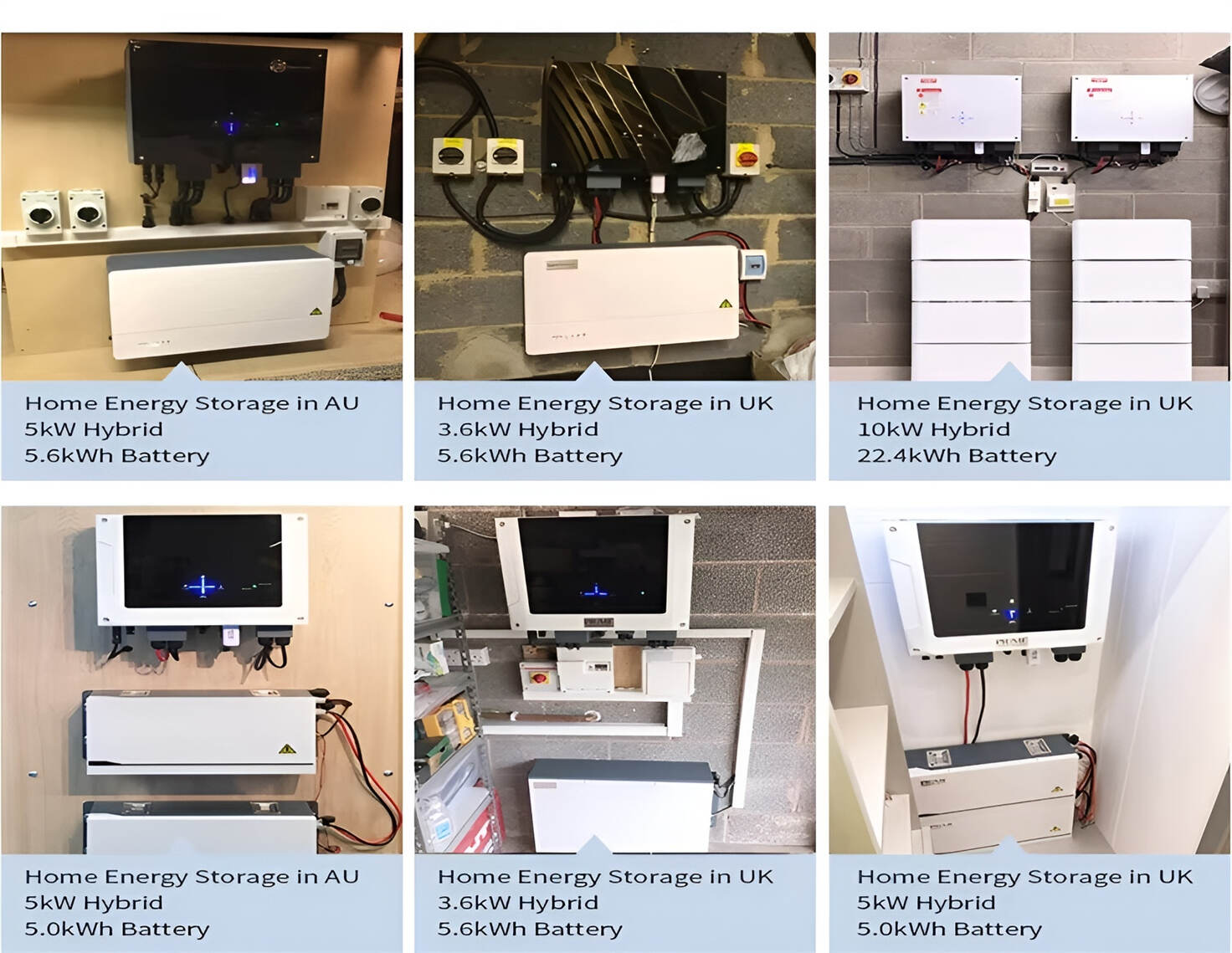
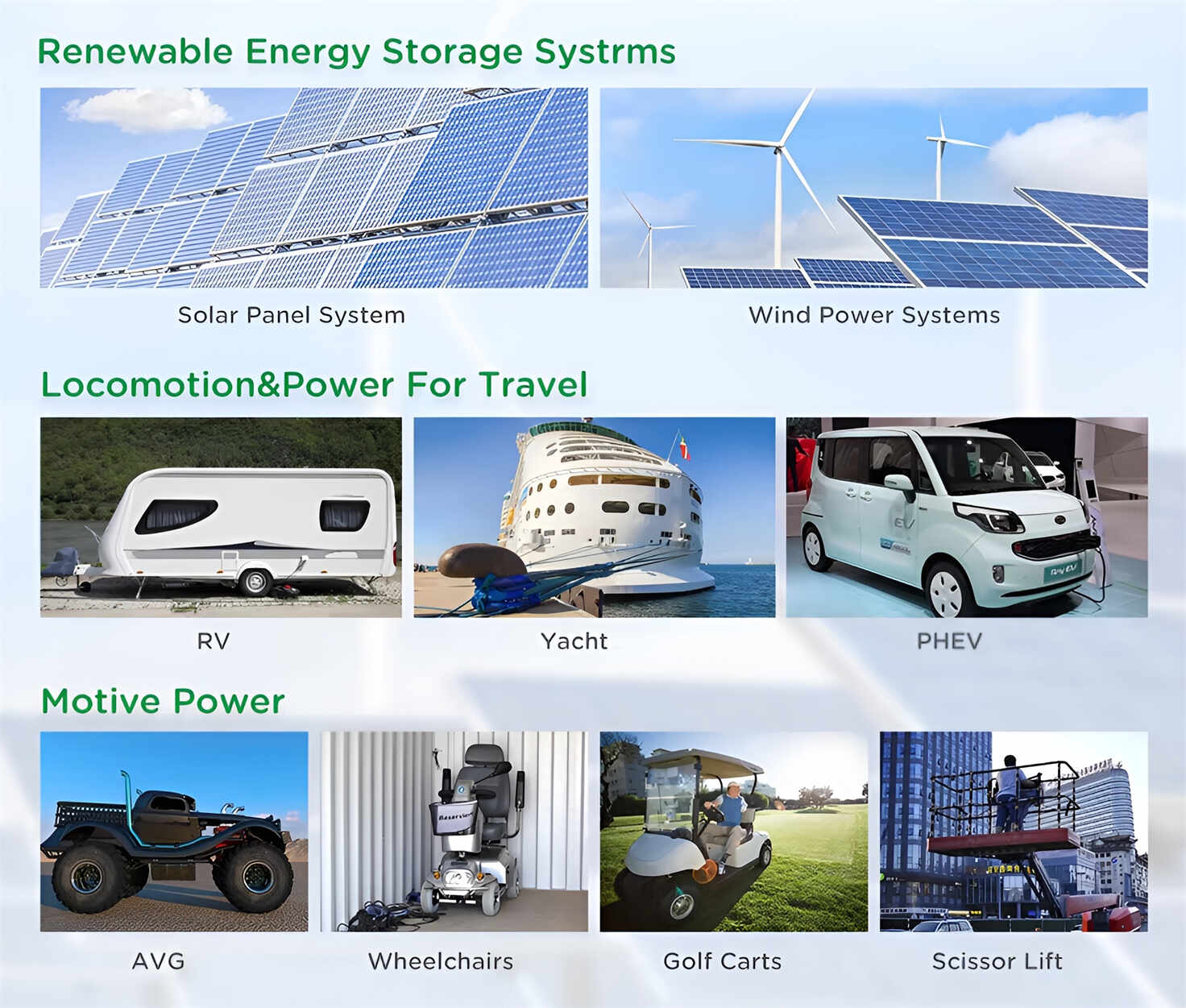
Applications: E-bike, Electric Scooter, Golf Carts, RV, Electric Wheelchair, Electric Tools, Robot Cleaner, Robot Sweeper, Solar Energy Storage System, Emergency Light, Solar Power Light, Medical Equipment, UPS Backup Power Supply.
We can provide you with customized services. We have the ability to provide a vertical supply chain, from single cells to pack/module and to a complete power solution with BMS, etc.
HomSolar (Shenzhen) Technology Co., Ltd