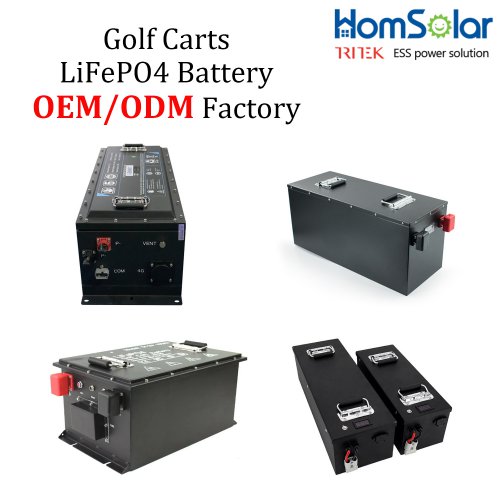
Advances In Rate Capability: From Material Engineering To Architectural Design
The relentless pursuit of high-performance energy storage systems, particularly lithium-ion batteries (LIBs) and emerging post-lithium technologies, has placed the concept of rate capability at the forefront of electrochemical research. Rate capability, defined as the ability of a battery to maintain its capacity and voltage stability under high charge and discharge currents, is a critical metric for applications ranging from electric vehicles (EVs) requiring rapid acceleration and fast charging to grid-scale storage that must respond to fluctuating energy demands. Recent years have witnessed remarkable progress in enhancing this property, moving beyond conventional material substitutions to sophisticated, multi-scale engineering strategies that target the fundamental kinetic limitations of electrochemical cells.
Material-Level Innovations: Engineering Kinetics at the Atomic Scale
The intrinsic rate capability of an electrode is governed by the sluggish kinetics of ion and electron transport within the active materials. A significant breakthrough has been the development and optimization of two-dimensional (2D) materials and their heterostructures. For instance, MXenes, a family of transition metal carbides and nitrides, exhibit metallic conductivity and hydrophilic surfaces that facilitate rapid ion access. Recent work by Lukatskaya et al. demonstrated that clay-like Ti₃C₂Tₓ MXene electrodes could deliver capacities of over 300 mAh g⁻¹ at a charging rate of just 18 seconds, showcasing exceptional power density [1]. Similarly, research into graphene and its composites continues to evolve, with 3D porous graphene scaffolds serving as both a conductive backbone and a buffer layer to accommodate volume changes in high-capacity materials like silicon or sulfur.
For lithium-ion battery cathodes, the rate-limiting step often lies in the solid-state diffusion of Li⁺ within the crystal lattice. The advent of single-crystal, high-nickel layered oxides (e.g., LiNi₀.8Mn₀.1Co₀.1O₂ or NMC811) represents a pivotal advancement. Unlike their polycrystalline counterparts, which suffer from intergranular cracking and subsequent impedance growth, single-crystal particles provide a more robust and direct pathway for lithium-ion diffusion, significantly improving capacity retention at high C-rates [2]. Concurrently, surface coating with fast-ion conductors, such as LiNbO₃ or Li₃PO₄, has proven effective in suppressing undesirable side reactions at the electrode-electrolyte interface while simultaneously enhancing surface Li⁺ transport.
At the anode, the replacement of graphitic carbon with lithium titanate (LTO) has long been known for its superb rate performance due to its zero-strain characteristic and high operating voltage, which avoids solid-electrolyte interphase (SEI) formation. More recently, niobium-based oxides like TiNb₂O₇ have emerged as promising high-rate alternatives, offering a higher theoretical capacity than LTO while maintaining a safe operating potential and excellent Li⁺ diffusion coefficients [3].
Architectural and Electrolyte Design: Bridging the Micro to Macro Gap
While material chemistry is foundational, the overall rate capability of a cell is equally determined by the architecture of the electrode and the properties of the electrolyte. The traditional slurry-cast electrode, comprising a random mixture of active material, conductive carbon, and binder, creates tortuous pathways for ion transport, which becomes a critical bottleneck at high currents.
To address this, researchers have pioneered the design of "bottom-up" electrode architectures. 3D printing, or additive manufacturing, allows for the precise fabrication of electrode structures with tailored porosity and channel alignment, drastically reducing ion transport distances. Ice-templating is another elegant technique for creating vertically aligned microchannels within electrodes, which act as ion highways for rapid electrolyte penetration and mass transport. A study by Cheng et al. showed that such aligned structures in LiCoO₂ cathodes could deliver a capacity of 120 mAh g⁻¹ at an ultra-high rate of 30C, far exceeding the performance of conventional electrodes [4].
The electrolyte, as the medium for ionic conduction, is another critical area of innovation. The development of highly concentrated "solvent-in-salt" electrolytes has been a game-changer, particularly for systems like lithium-sulfur and lithium-metal batteries. These electrolytes not only improve safety by suppressing lithium dendrite growth but also enhance kinetics by forming more stable and conductive interphases. Furthermore, the exploration of novel salts (e.g., LiFSI, LiFTFSI) and fluorinated solvents has led to electrolytes with higher ionic conductivity and wider electrochemical stability windows, enabling stable high-rate cycling.
Future Outlook and Emerging Frontiers
The trajectory of research points towards an increasingly holistic approach where material synthesis, electrode architecture, and electrolyte formulation are co-designed as an integrated system. Several frontiers hold particular promise:
1. Multiscale Computational Design: The integration of multi-physics modeling and artificial intelligence will accelerate the discovery of optimal material compositions and electrode structures tailored for specific rate performance requirements, moving from trial-and-error to predictive design. 2. All-Solid-State Batteries (ASSBs): While solid-state electrolytes currently face challenges with low ionic conductivity at room temperature and high interfacial resistance, breakthroughs in sulfide and halide-based conductors are promising. The ultimate goal is to design stable interfaces that allow for ultra-fast ion transport without the safety concerns of liquid electrolytes, potentially unlocking unprecedented rate capabilities. 3. Sodium-Ion and Multivalent Batteries: As the field expands beyond lithium, understanding and engineering rate capability in systems based on Na⁺, Mg²⁺, Zn²⁺, and Al³⁺ is crucial. The larger ionic radii and higher charge densities present unique kinetic challenges that require novel host structures and electrolyte chemistries. Recent work on Prussian blue analogues and organic electrodes for sodium-ion batteries has shown exceptionally high rate performance due to their open framework structures and fast pseudocapacitive storage mechanisms [5]. 4. Operando and In-situ Characterization: Advanced techniques such as in-situ transmission electron microscopy and synchrotron X-ray diffraction are providing unprecedented real-time insights into the structural evolution and degradation mechanisms of electrodes under high-rate operation. This fundamental understanding is essential for guiding the next generation of material and interface designs.
In conclusion, the advancement of rate capability is no longer a singular challenge but a multi-faceted endeavor spanning atomic-scale doping, nano-structuring, meso-scale electrode engineering, and device-level optimization. The synergy between these disciplines is paving the way for a new era of energy storage devices that can be charged in minutes and deliver immense power on demand, thereby accelerating the transition to a sustainable energy future.
References
[1] Lukatskaya, M. R., et al. "Conductive two-dimensional titanium carbide 'clay' with high volumetric capacitance."Nature516.7529 (2014): 78-81.
[2] Li, H., et al. "Single-crystal Ni-rich layered oxide cathodes for high-energy lithium-ion batteries."Nature Energy5.1 (2020): 26-34.
[3] Han, J., et al. "A review of niobium-based oxides as anode materials for lithium-ion batteries."Energy Storage Materials10 (2018): 155-171.
[4] Cheng, Q., et al. "Vertically aligned LiCoO₂ electrodes with enhanced high-rate performance enabled by ice-templating."Advanced Functional Materials28.34 (2018): 1802831.
[5] Xie, M., et al. "High-rate and long-life organic sodium-ion batteries using a pseudocapacitive dihydrophenazine-based anode."Nature Communications12.1 (2021): 1-10.
Customized/OEM/ODM Service
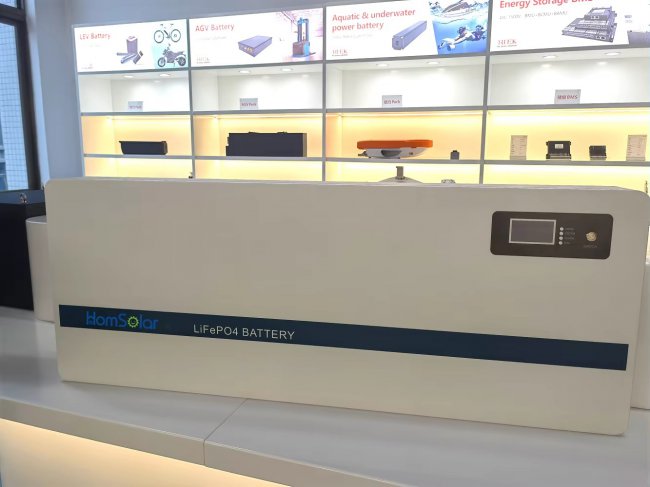
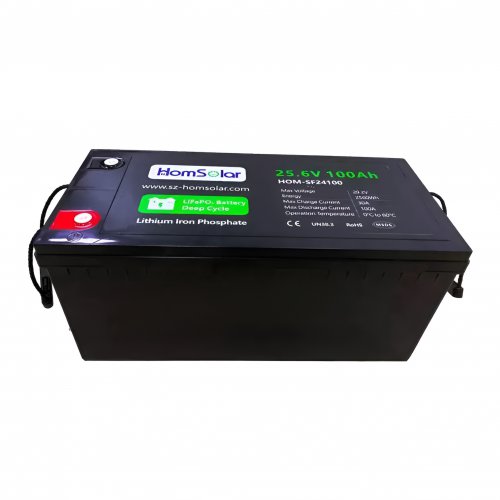
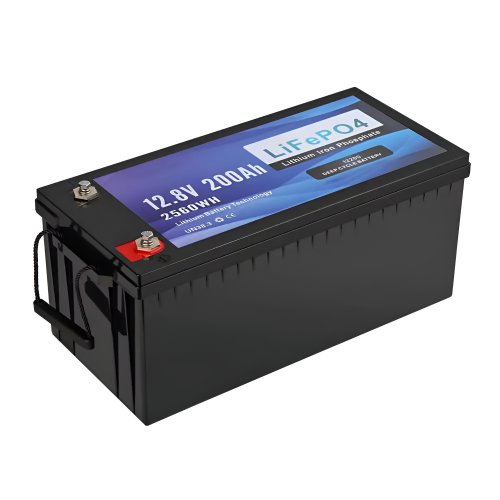
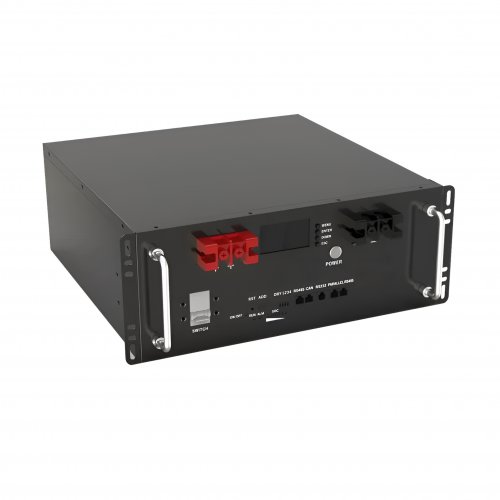
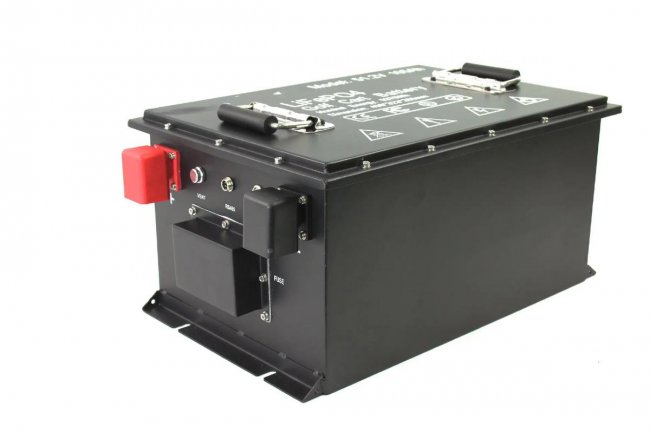
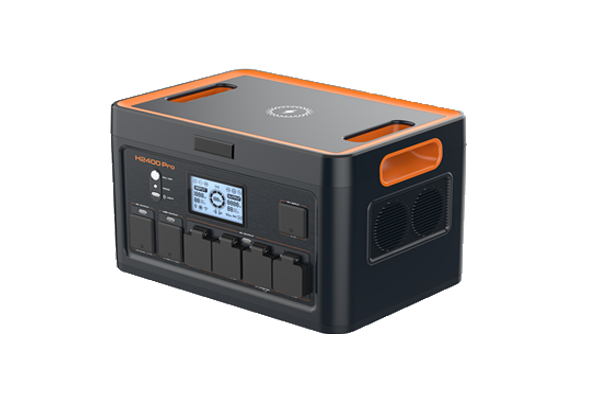
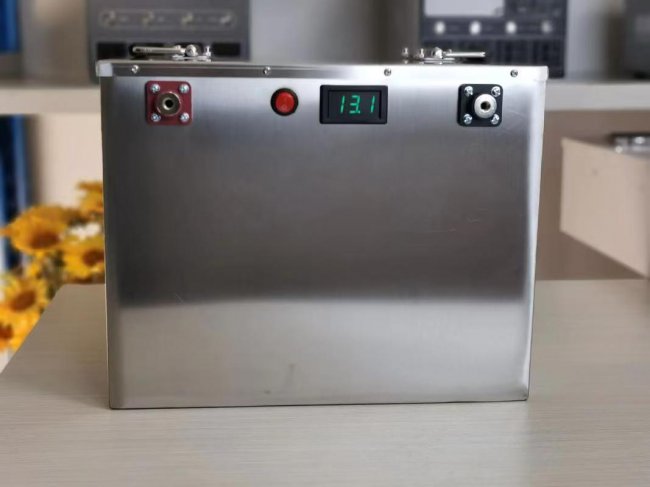
HomSolar Supports Lifepo4 battery pack customization/OEM/ODM service, welcome to contact us and tell us your needs.


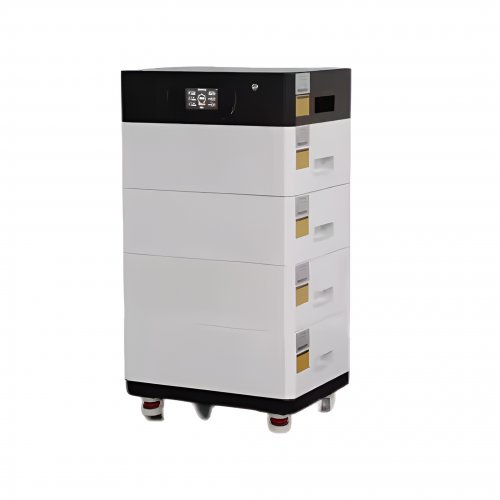
HomSolar: Your One-stop LiFePO4 Battery Pack & ESS Solution Manufacturer
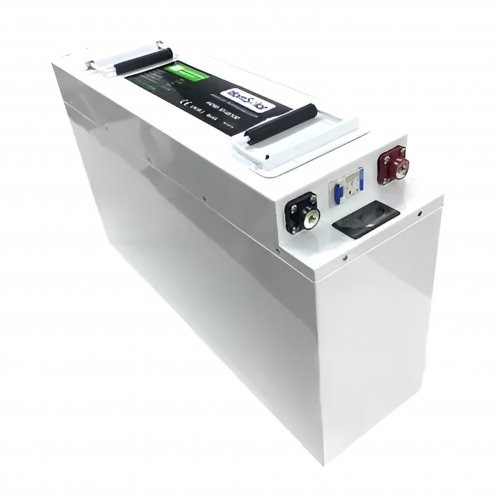
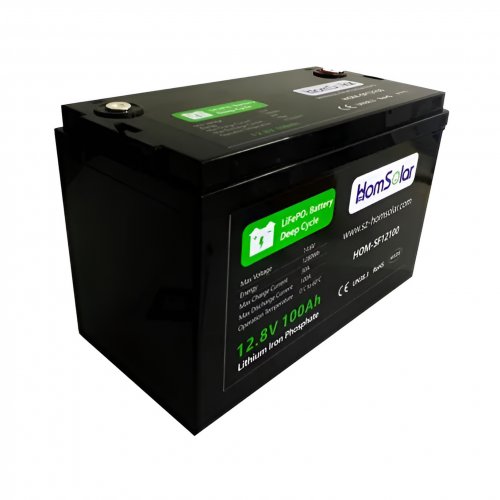
Our line of LiFePO4 (LFP) batteries offer a solution to demanding applications that require a lighter weight, longer life, and higher capacity battery. Features include advanced battery management systems (BMS), Bluetooth® communication and active intelligent monitoring.
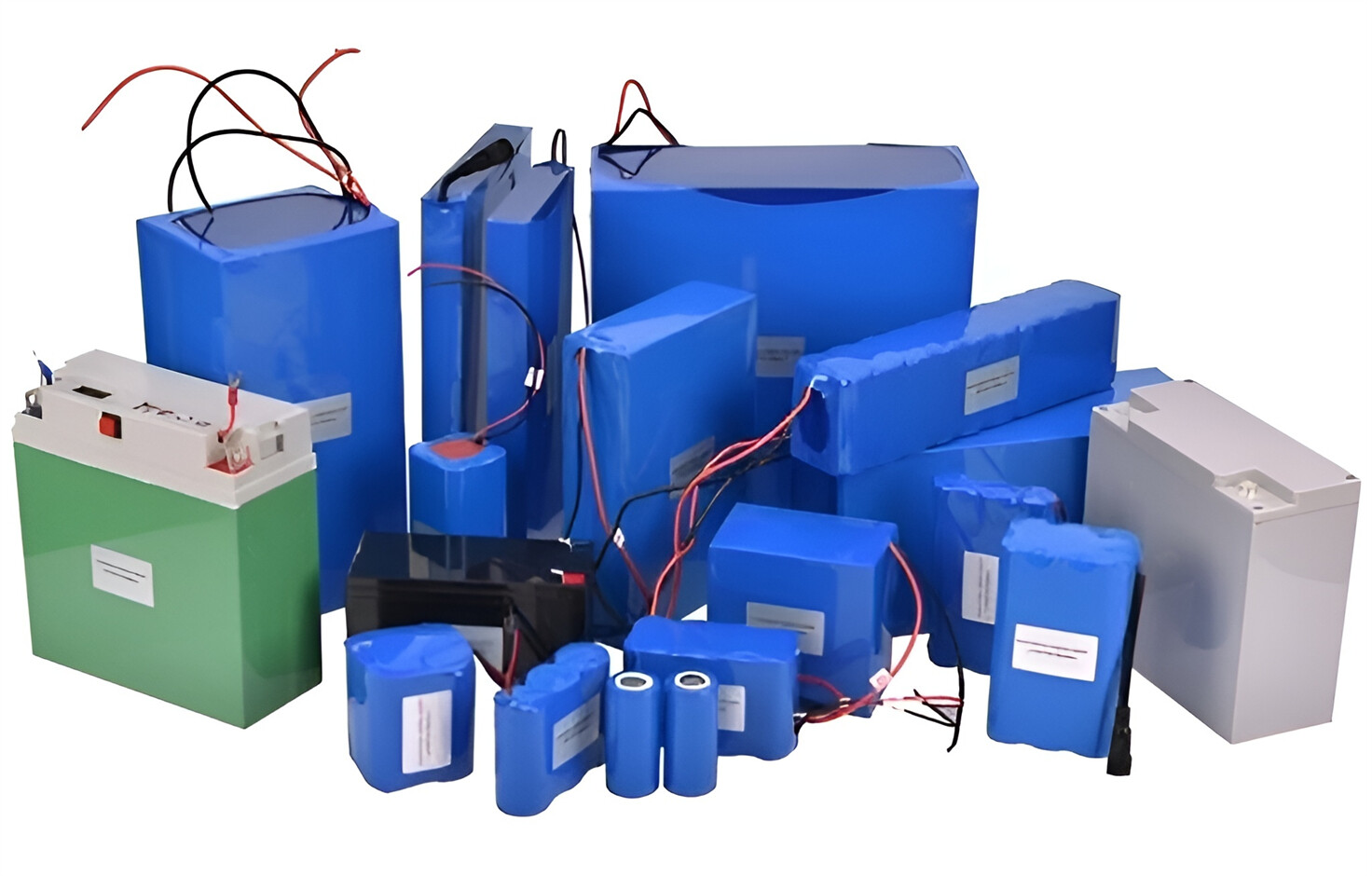
Customised Lithium Iron Phosphate Battery Casing
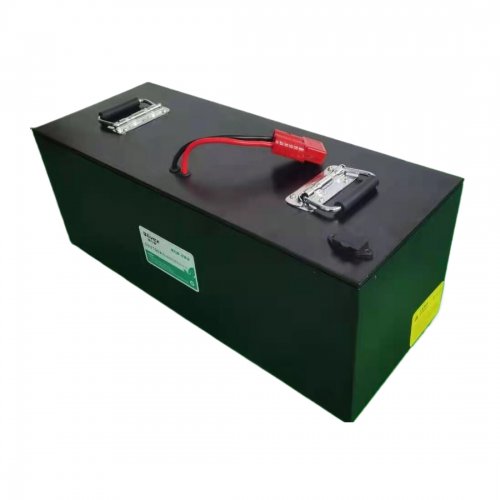
ABS plastic housing, aluminium housing, stainless steel housing and iron housing are available, and can also be designed and customised according to your needs.
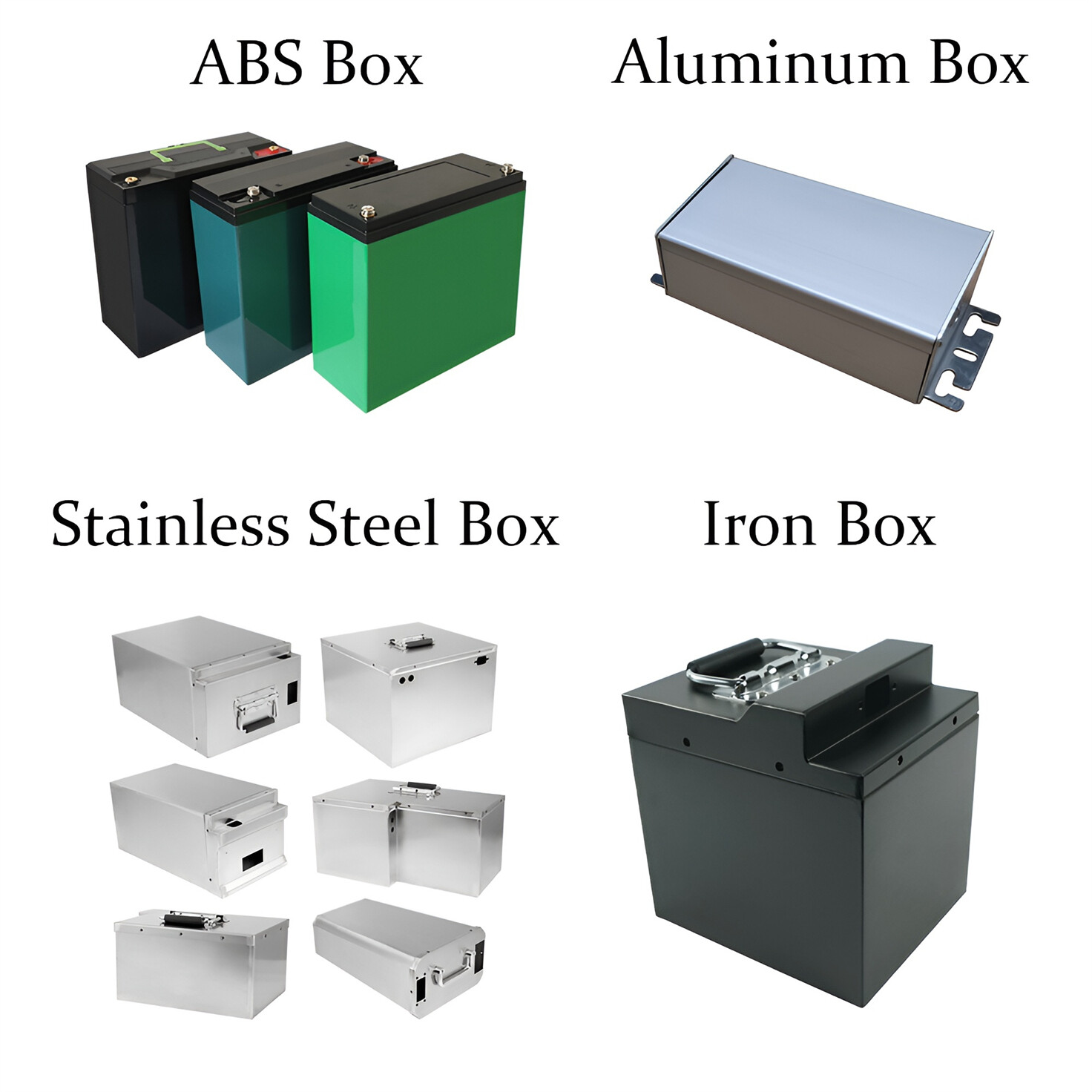
HomSolar Smart BMS
Intelligent Battery Management System for HomSolar Energy Storage System. Bluetooth, temperature sensor, LCD display, CAN interface, UART interface also available.

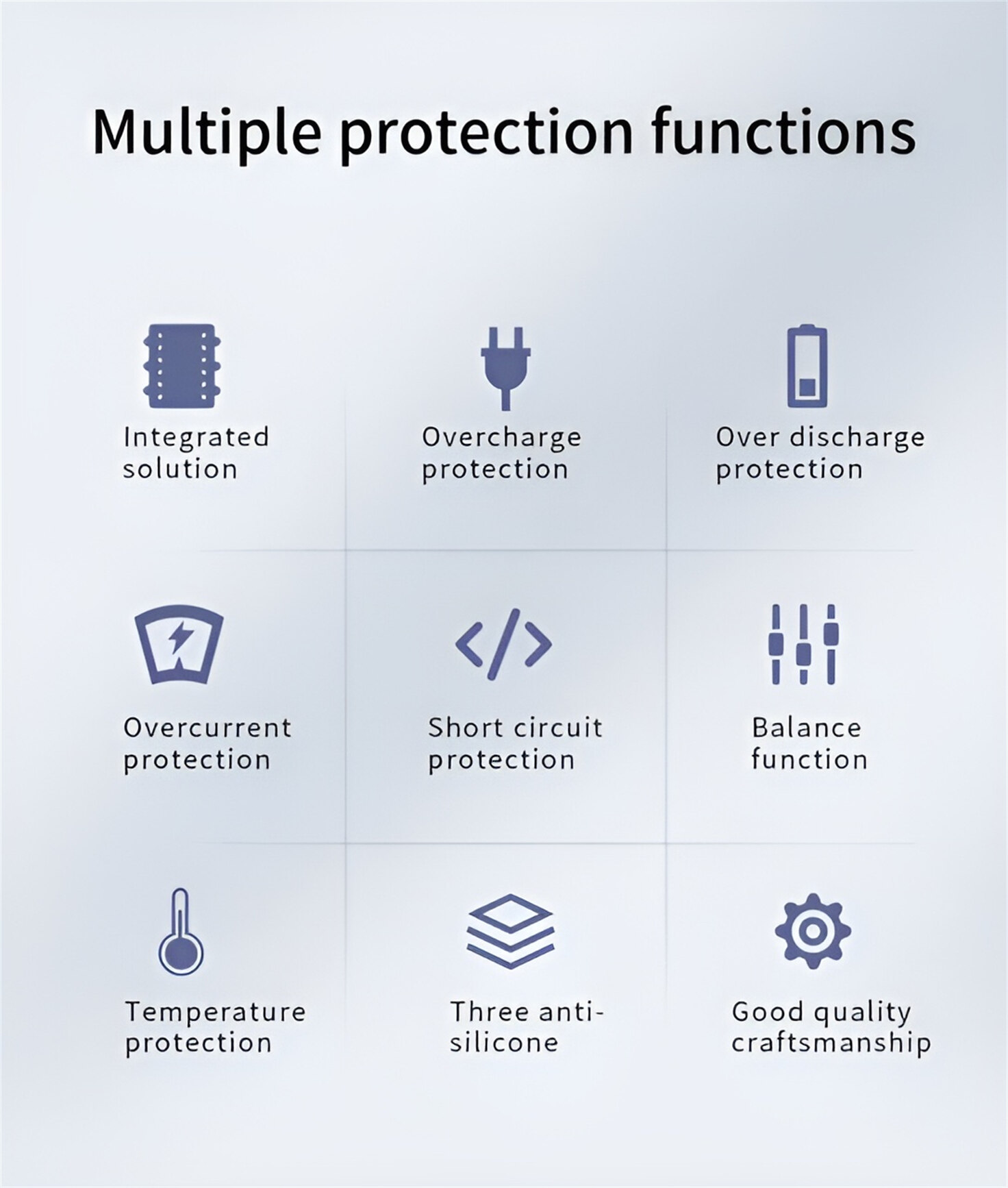
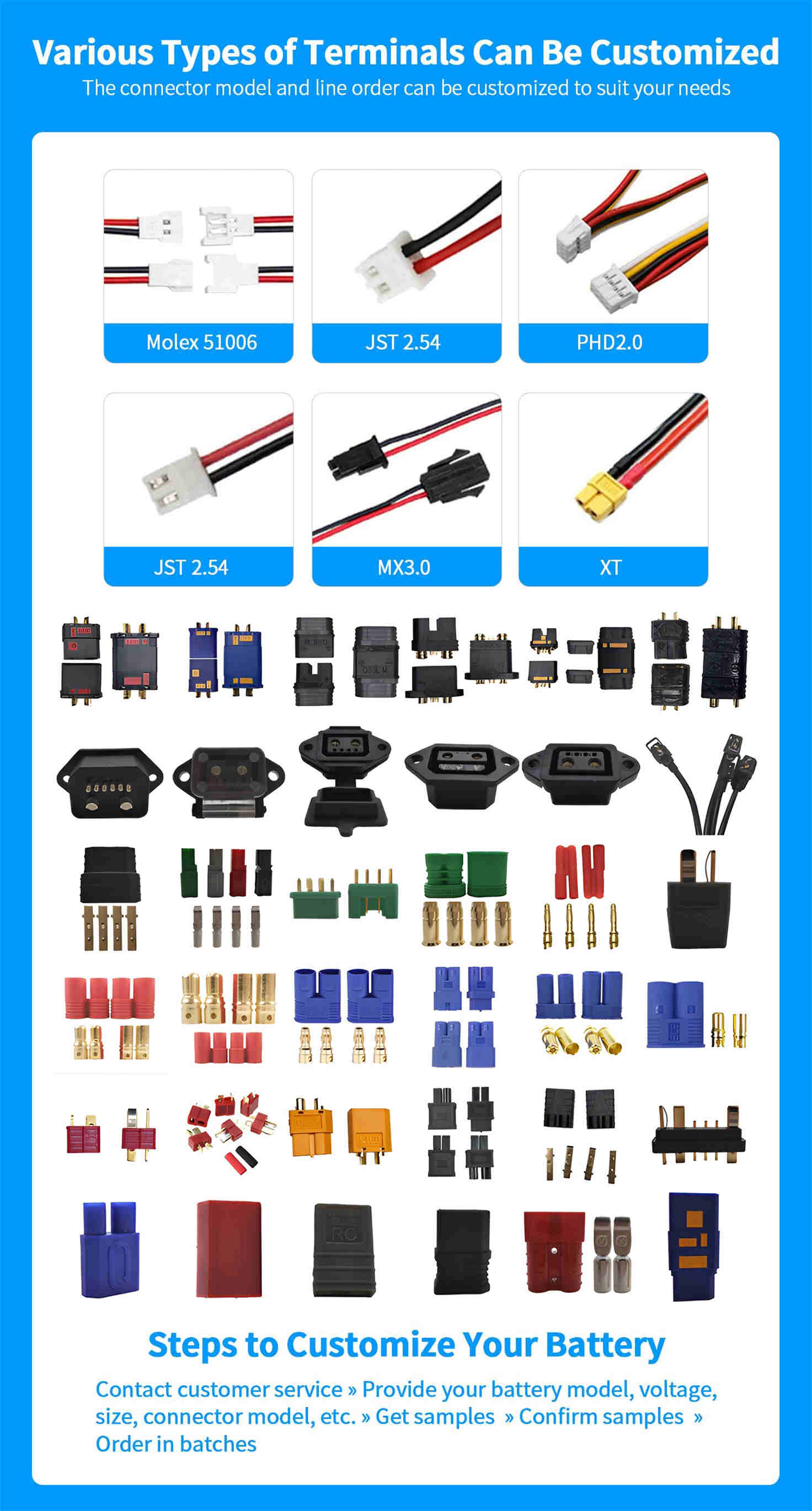
Terminals & Plugs Can Be Customized
A wide range of terminals and plugs can be customised to suit the application needs of your battery products.
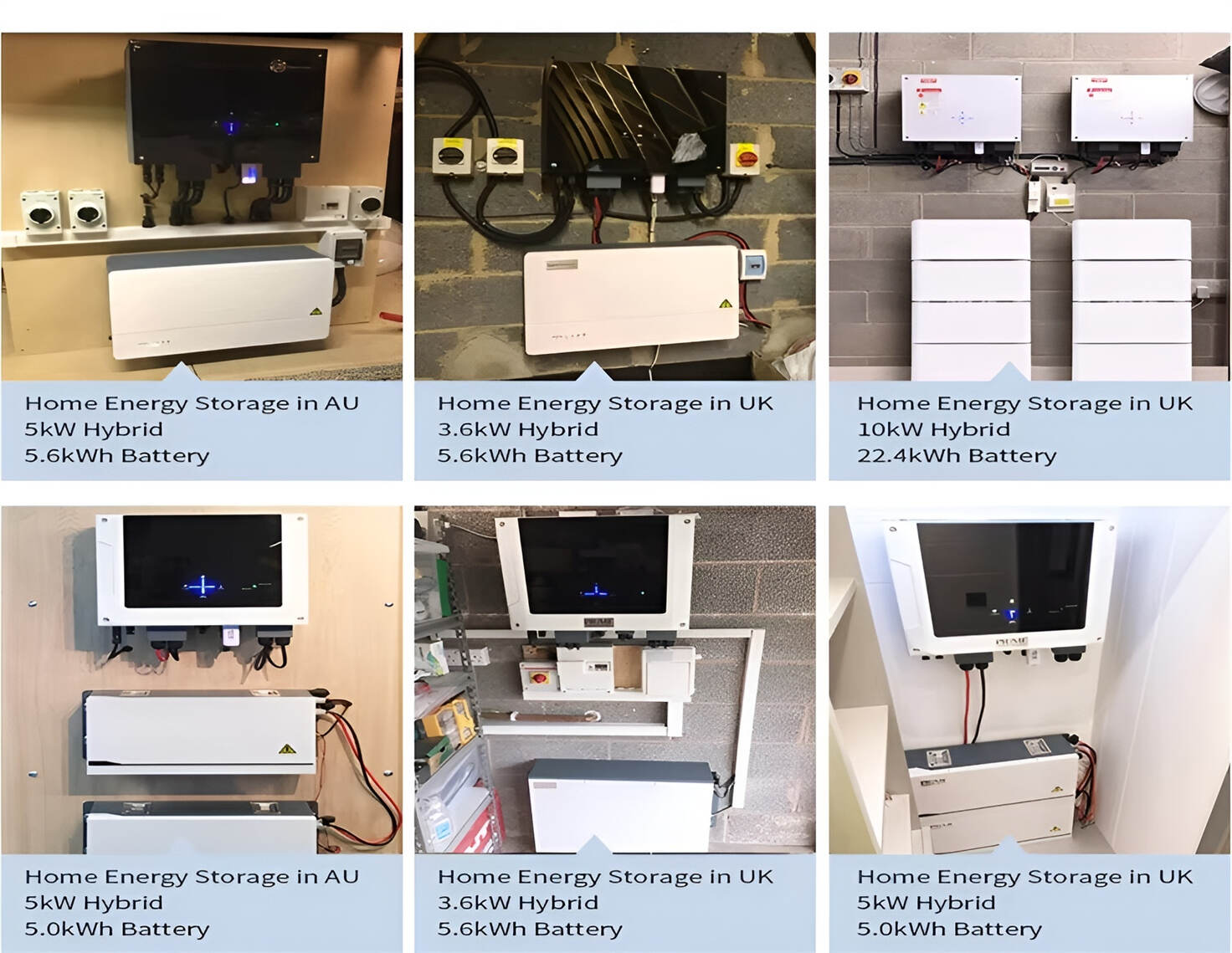
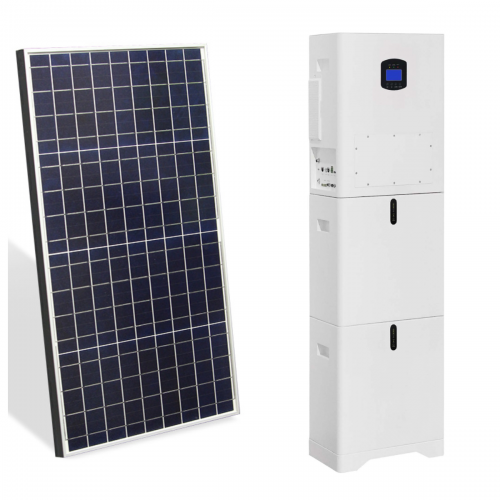
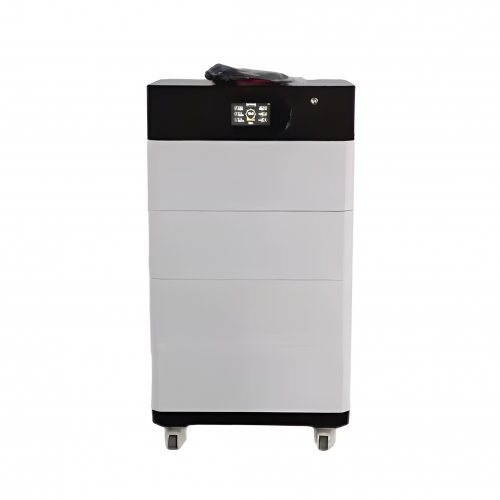
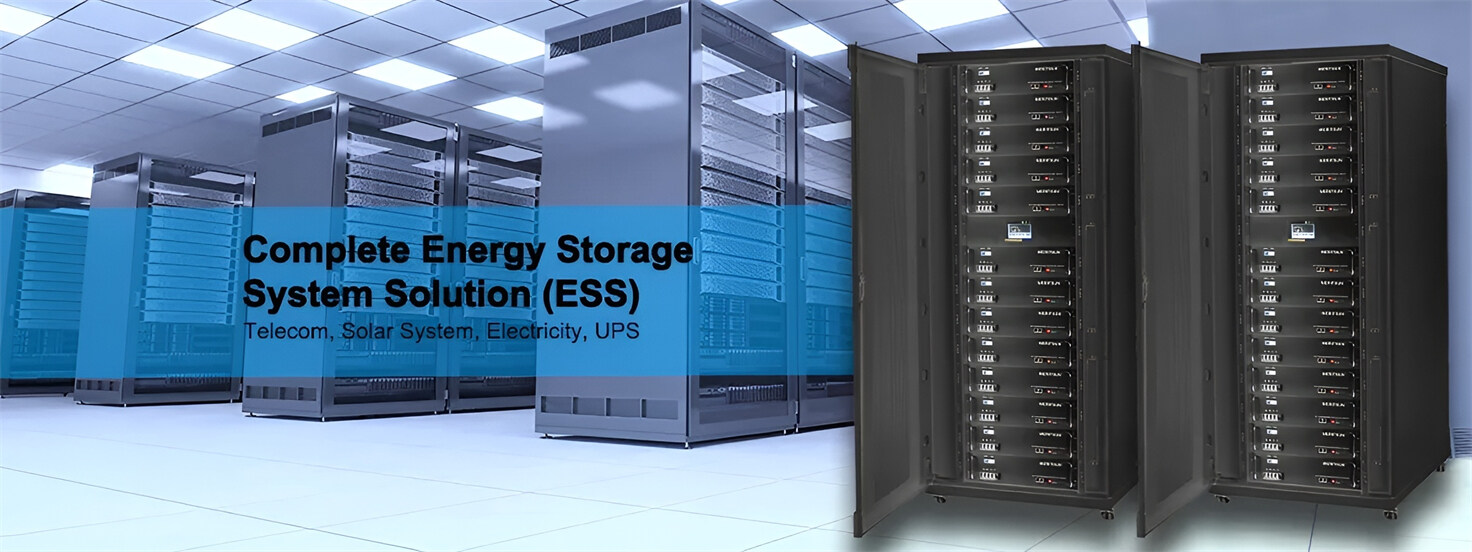
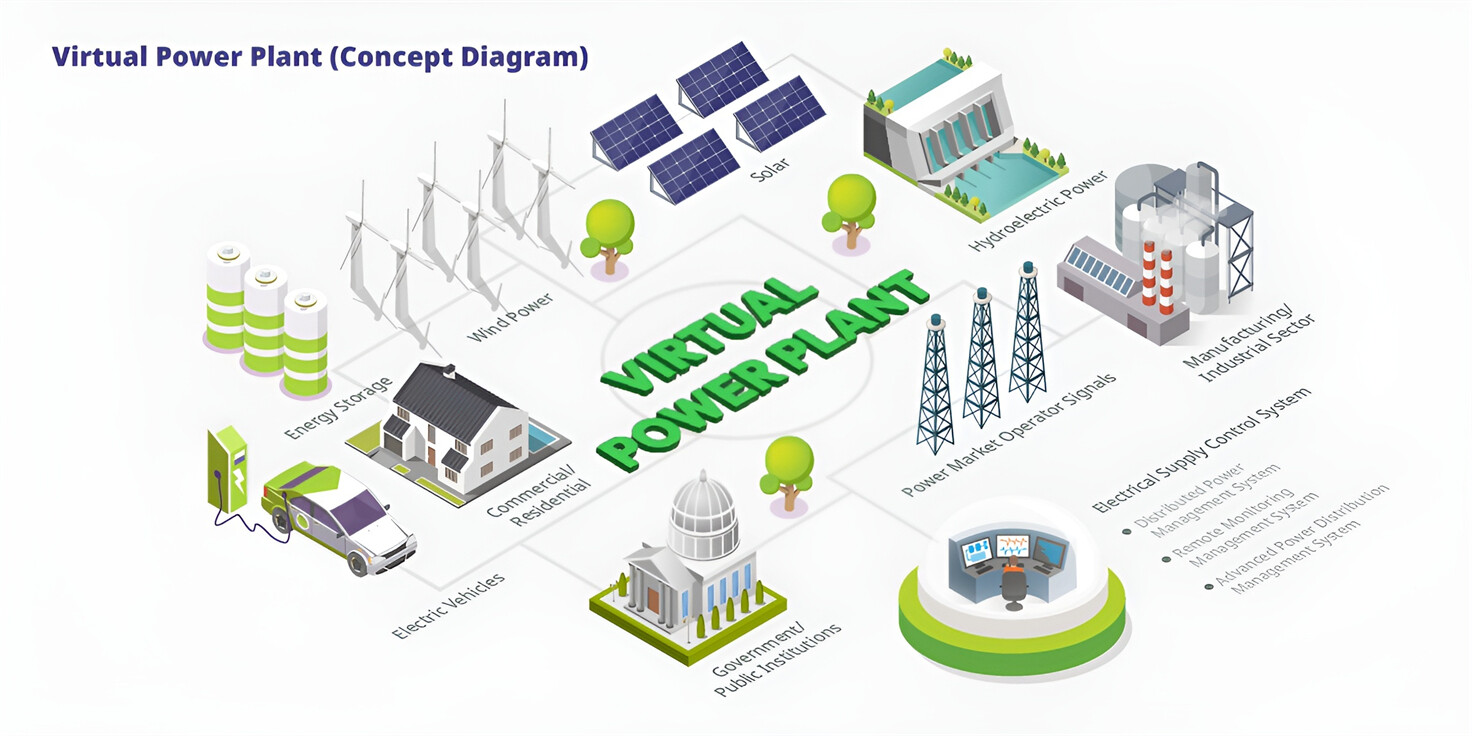
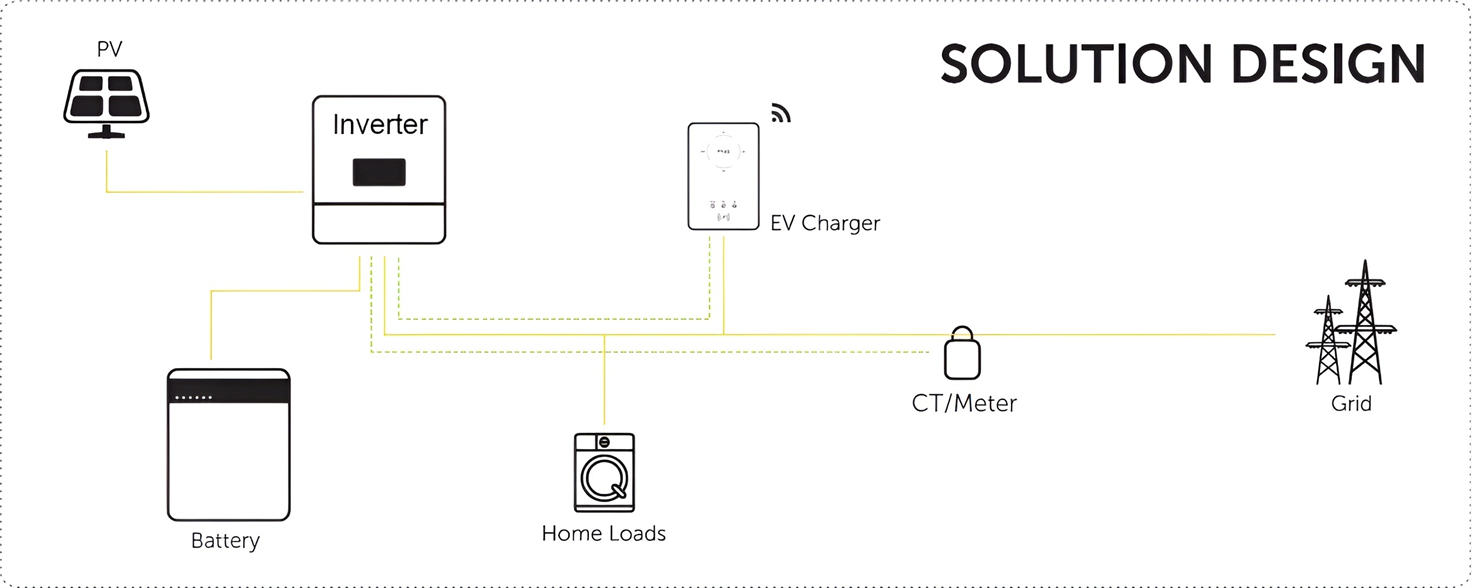
Well-designed Solutions for Energy Storage Systems
We will design the perfect energy storage system solution according to your needs, so that you can easily solve the specific industry applications of battery products.
About Our Battery Cells
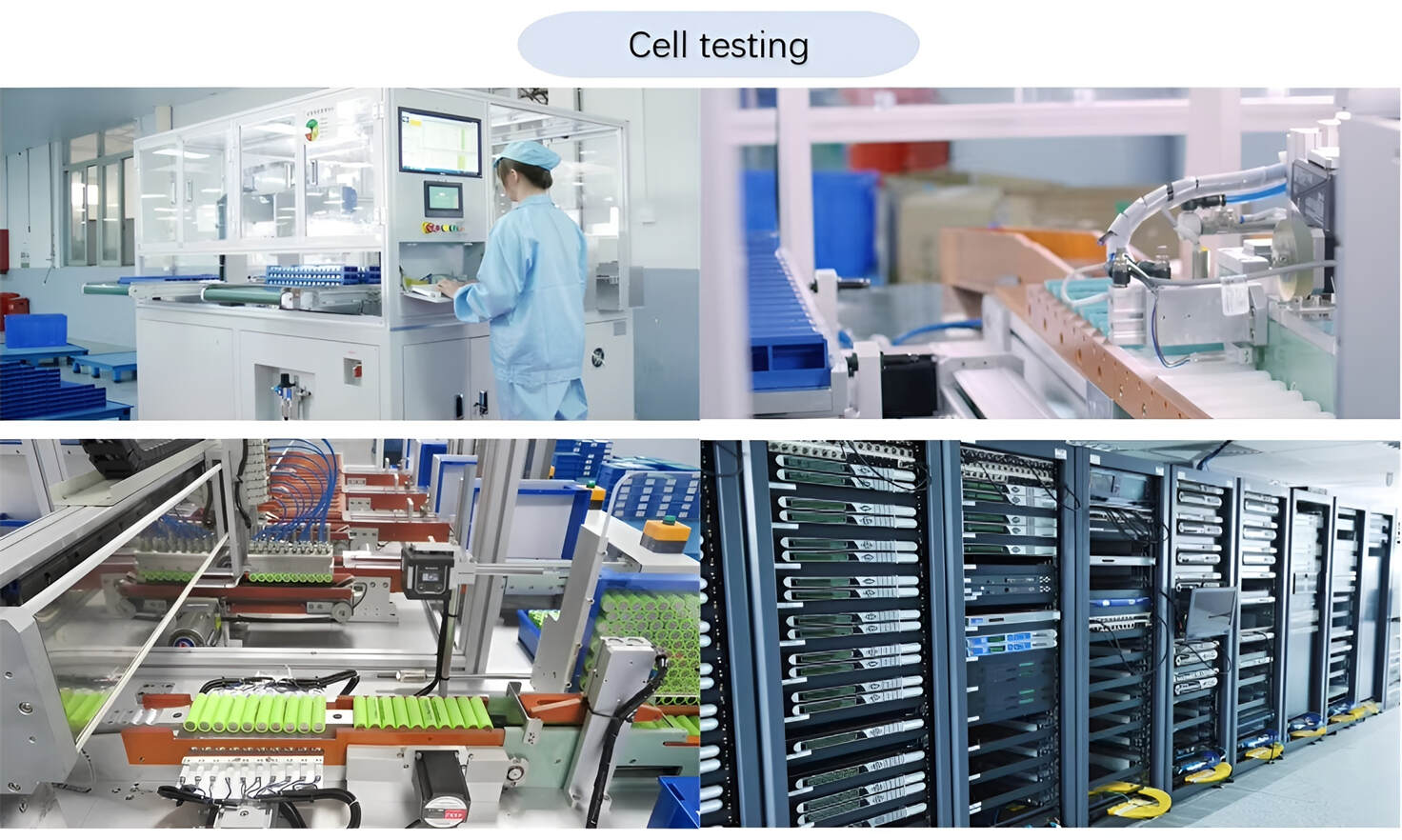
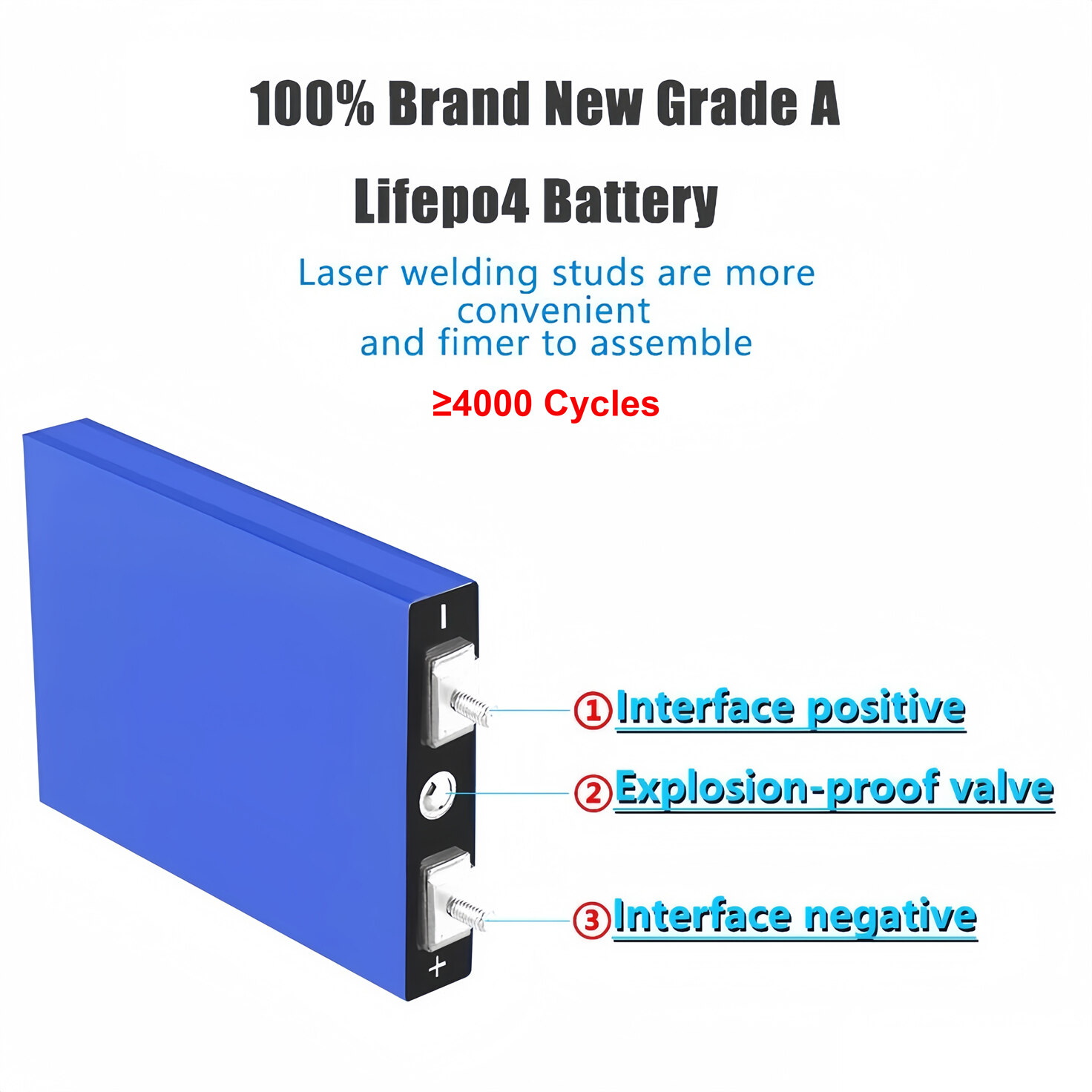
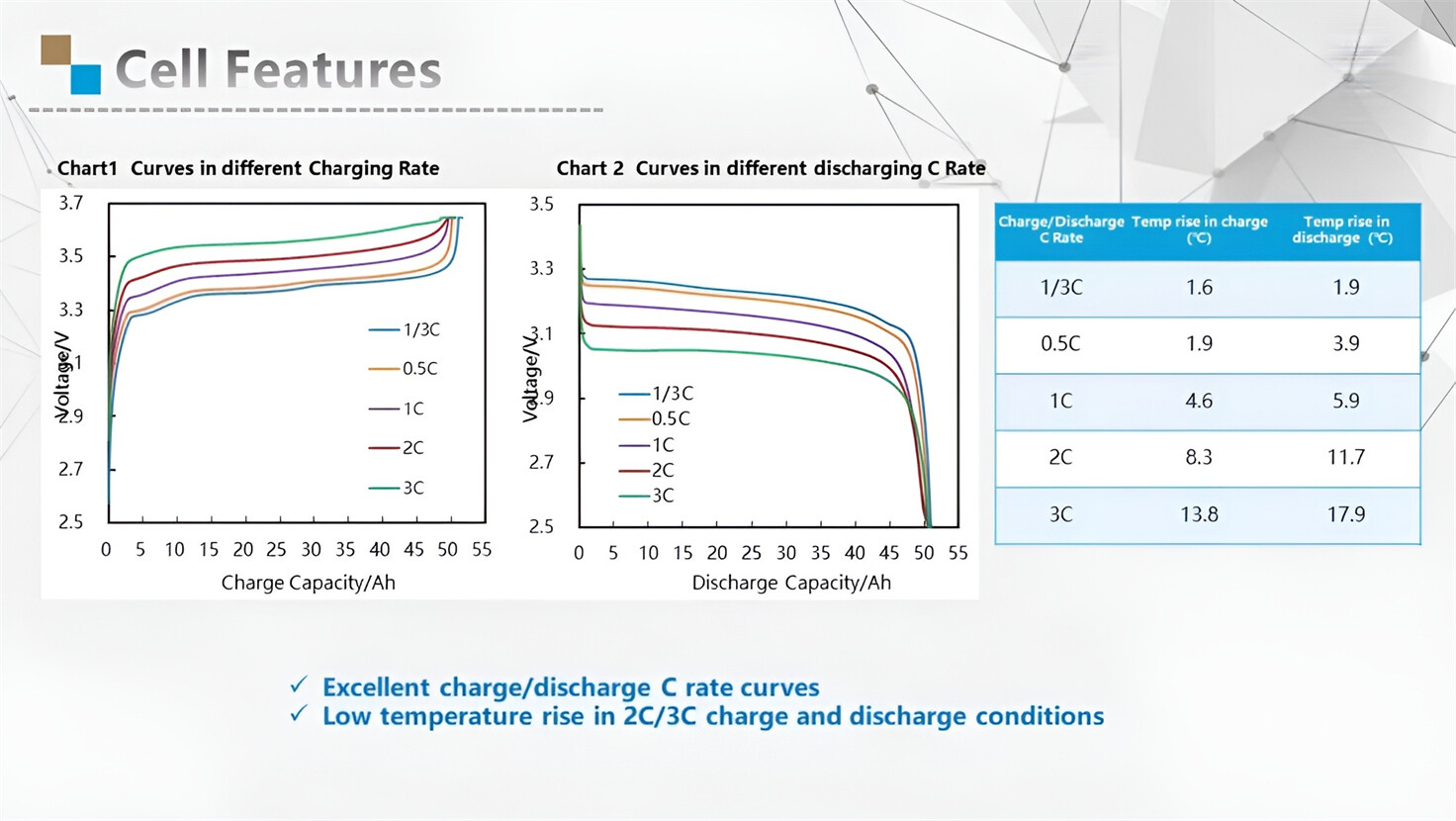
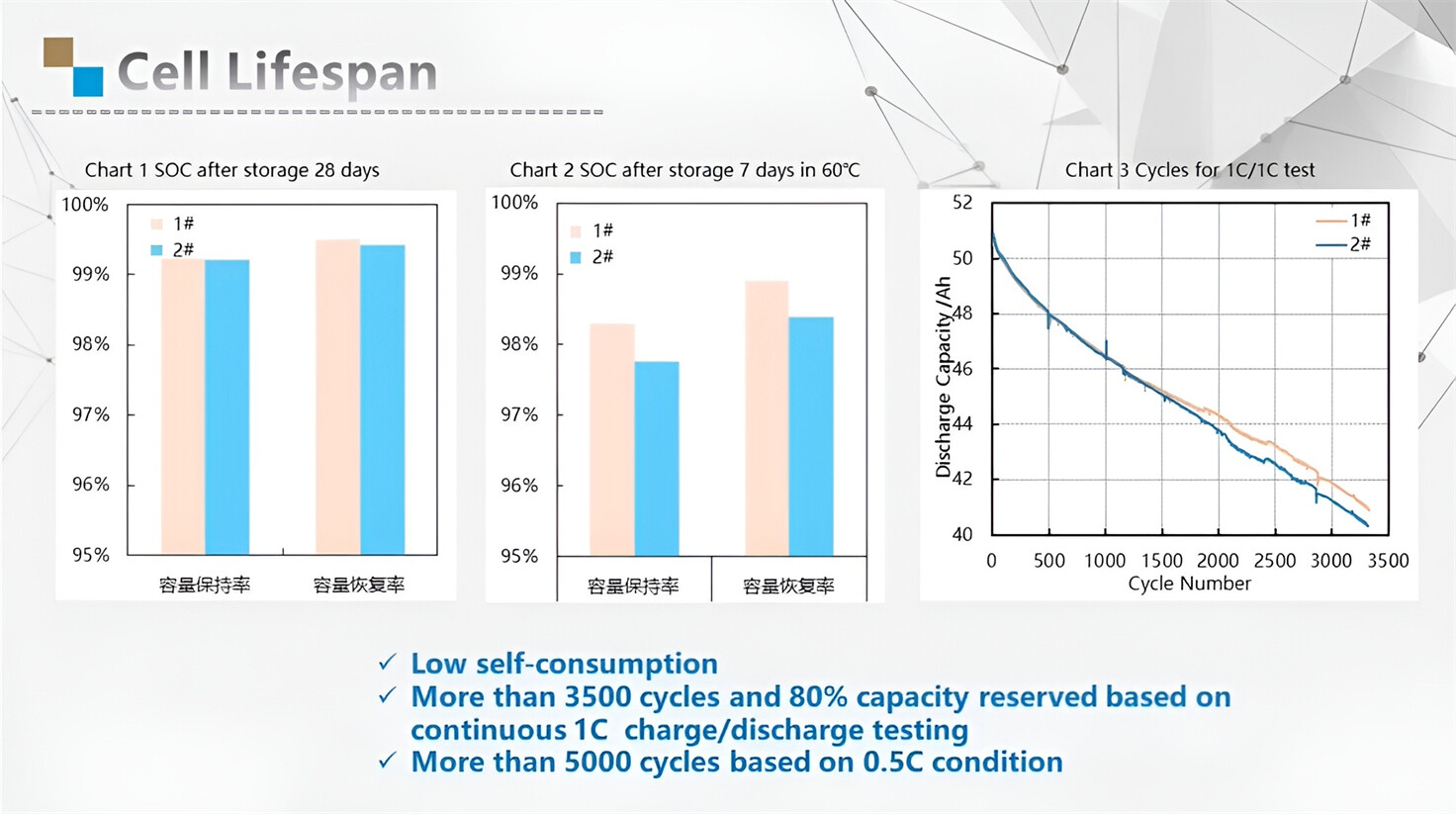
Our energy storage system products use brand new grade A LiFePO4 cells with a battery lifespan of more than 4,000 charge/discharge cycles.
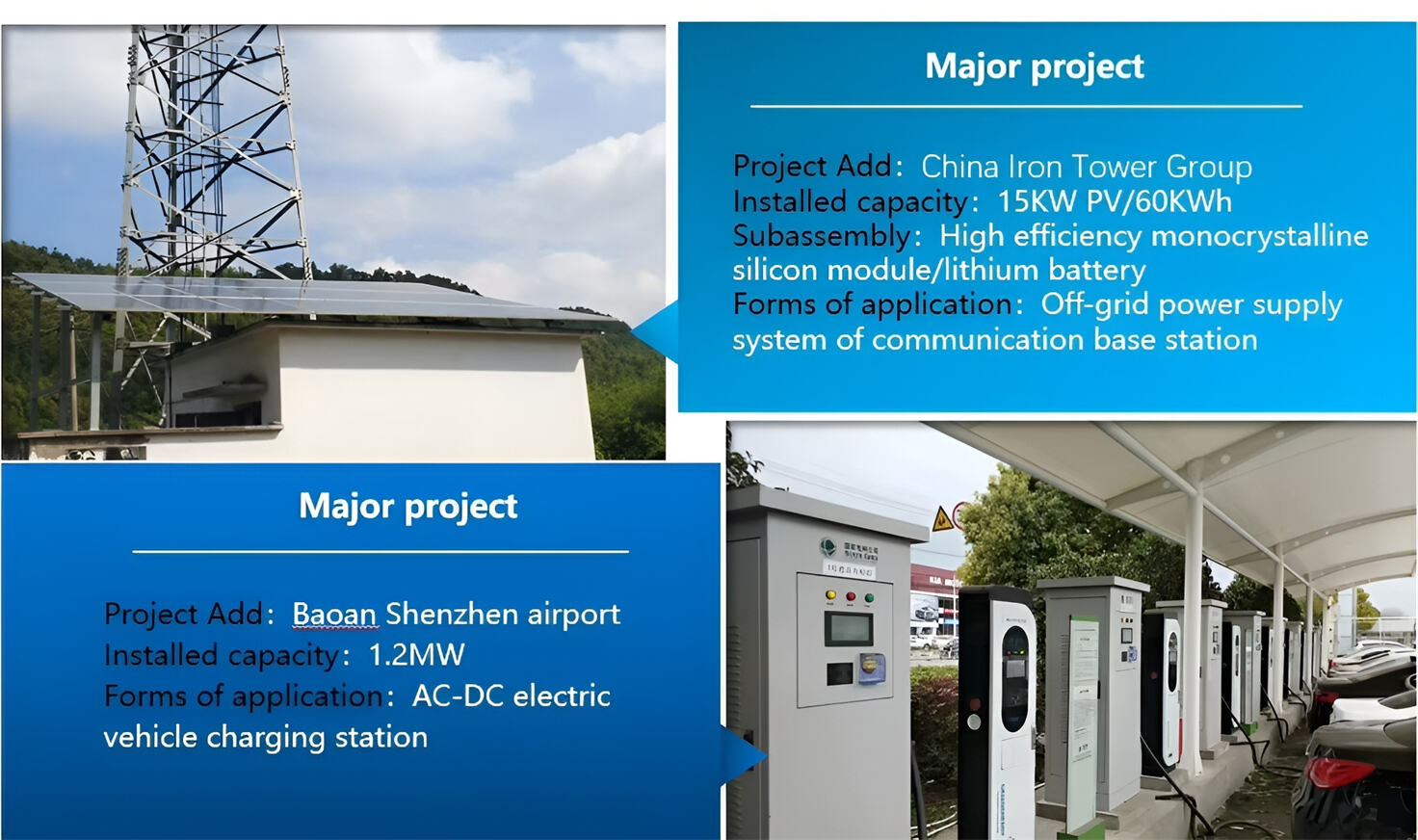
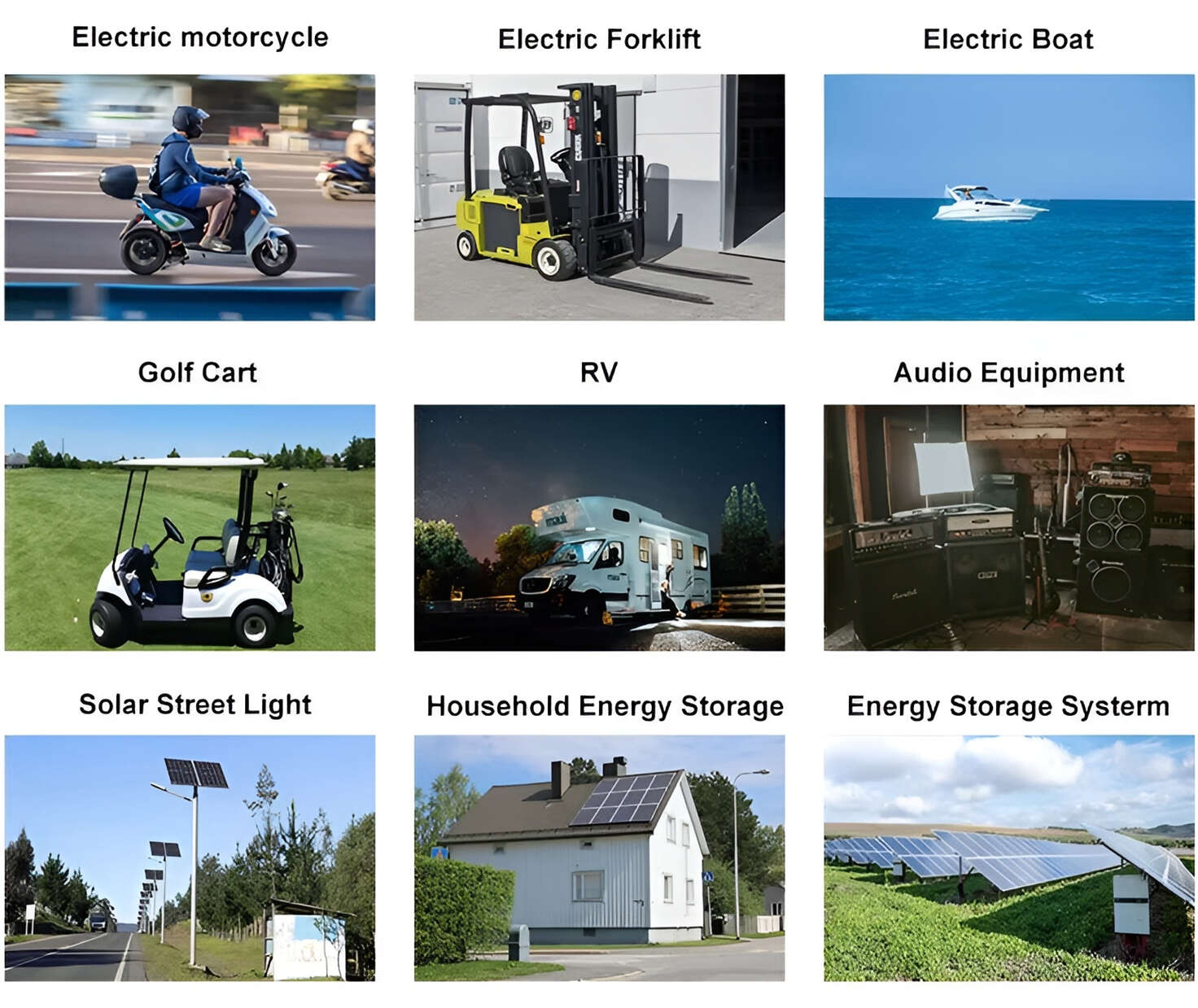
Applications in Different Industries
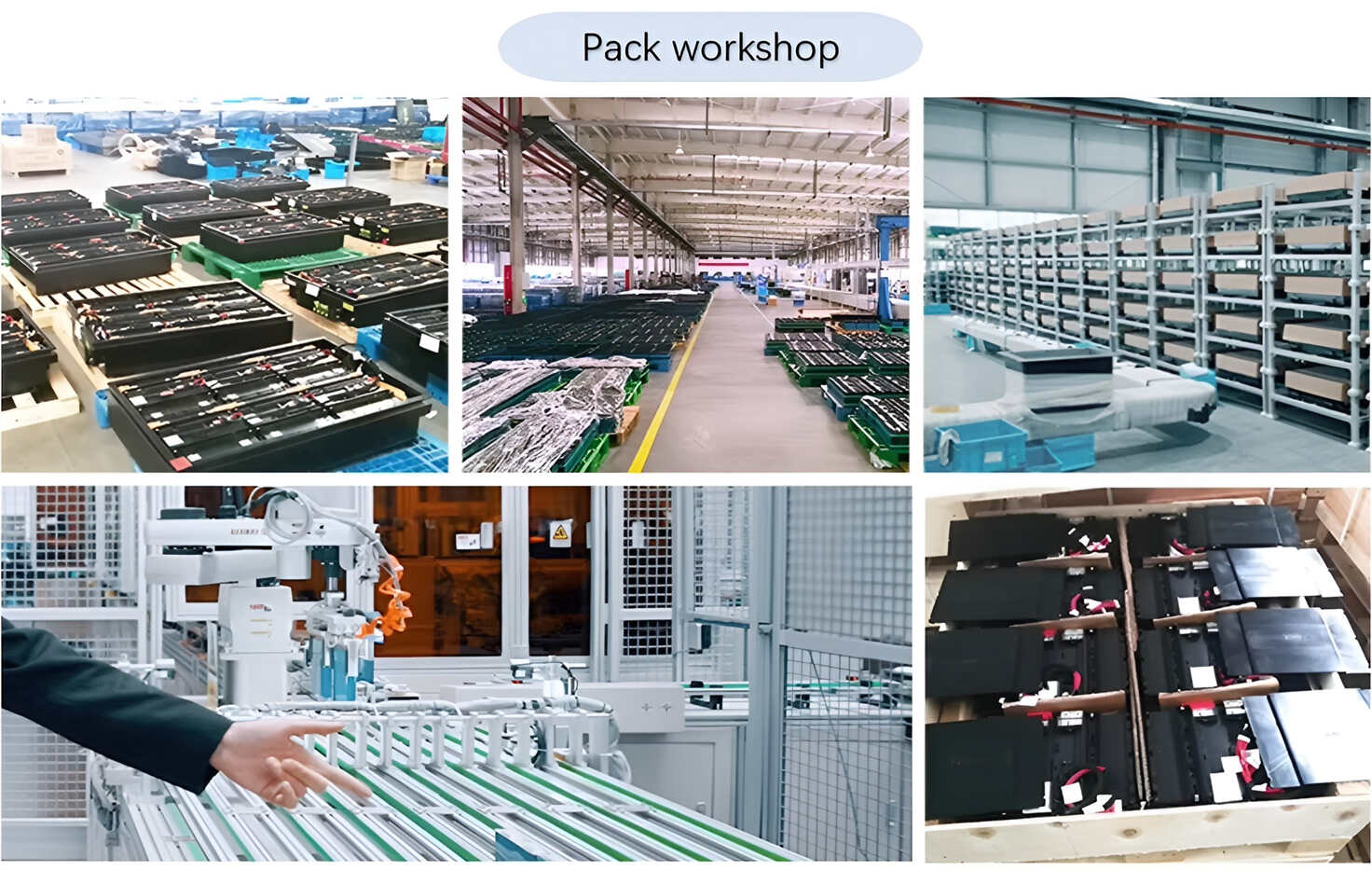
We supply customized & OEM battery pack, assemble cells with wiring, fuse and plastic cover, all the cell wires connected to PCB plug or built BMS.
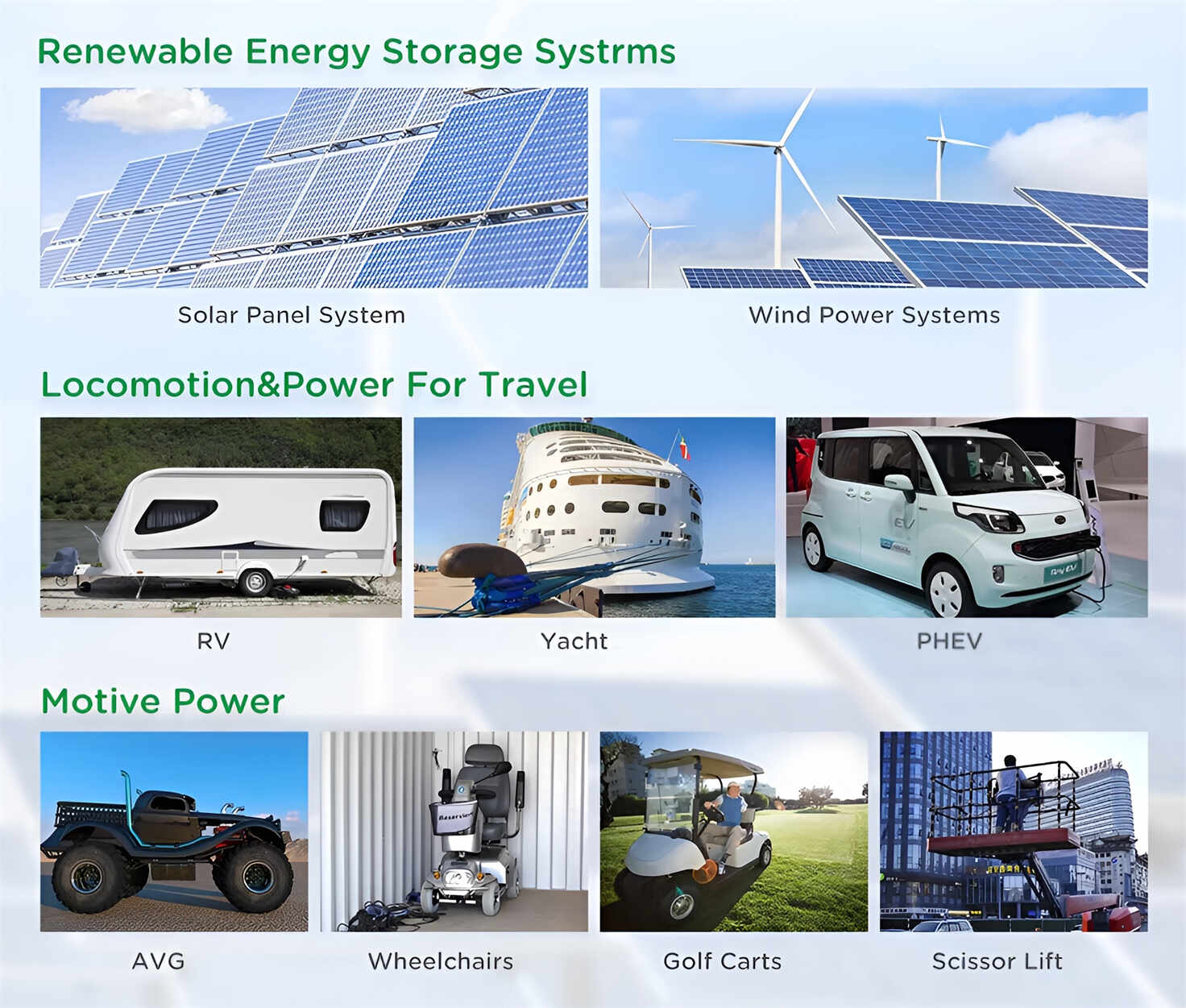
Applications: E-bike, Electric Scooter, Golf Carts, RV, Electric Wheelchair, Electric Tools, Robot Cleaner, Robot Sweeper, Solar Energy Storage System, Emergency Light, Solar Power Light, Medical Equipment, UPS Backup Power Supply.
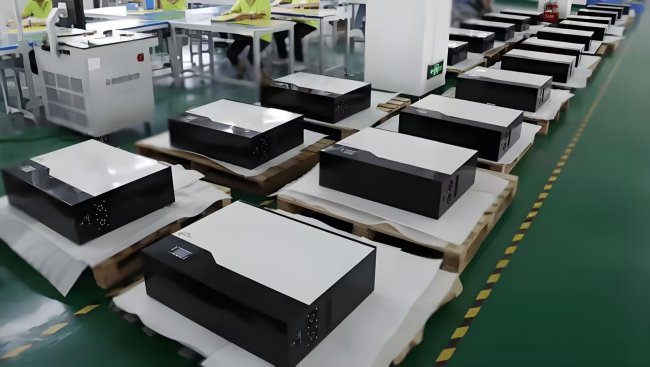
We can provide you with customized services. We have the ability to provide a vertical supply chain, from single cells to pack/module and to a complete power solution with BMS, etc.
HomSolar (Shenzhen) Technology Co., Ltd