Advances In Next-generation Lithium-ion Batteries: Pioneering Materials And Architectures For Enhanced Performance
The relentless global demand for high-performance energy storage, driven by the proliferation of electric vehicles (EVs), portable electronics, and grid-scale renewable energy systems, has pushed conventional lithium-ion battery (LIB) technology towards its fundamental limits. While graphite anodes and layered oxide cathodes have served as the bedrock of the commercial battery industry for decades, their specific capacity and intrinsic safety concerns present significant bottlenecks. Consequently, the scientific community is engaged in a vigorous pursuit of next-generation lithium-ion batteries, a term that now signifies a transformative leap beyond incremental improvements, focusing on novel electrode materials, advanced electrolytes, and disruptive cell architectures.
Revolutionizing the Anode: Beyond Intercalation
The most prominent frontier in next-generation LIBs is the replacement of the graphite anode. Silicon (Si) has long been identified as the most promising successor due to its theoretical capacity of approximately 4200 mAh g⁻¹, over ten times that of graphite (372 mAh g⁻¹). However, the colossal challenge of silicon is its drastic volume change (>300%) during lithiation and delithiation, leading to rapid pulverization of the active material and unstable solid-electrolyte interphase (SEI) formation. Recent breakthroughs have moved beyond simple nanostructuring to sophisticated composite designs.
One significant advancement involves the creation of structurally pre-lithiated silicon or silicon-oxygen composites. For instance, researchers have developed porous Si structures where internal pores are engineered to accommodate the expansion, effectively mitigating mechanical stress. Furthermore, the integration of silicon with graphene or carbon nanotubes creates a conductive, mechanically resilient scaffold that enhances electronic conductivity and structural integrity. A notable study by Liu et al. (2022,Nature Energy) demonstrated a yolk-shell structured Si-C composite where the silicon nanoparticle "yolk" has room to expand within a conductive carbon "shell," resulting in exceptional cycling stability with over 80% capacity retention after 1000 cycles. Beyond silicon, lithium metal is the ultimate anode, offering the highest theoretical capacity (3860 mAh g⁻¹) and the lowest electrochemical potential. The revival of lithium metal anodes hinges on stabilizing the interface. Innovations such as artificial SEI layers, solid-state electrolytes, and three-dimensional host structures are showing promise in suppressing dendritic lithium growth, a major safety hazard.
Cathode Innovations: Towards Higher Energy and Cobalt-Free Chemistries
On the cathode side, the quest is for materials that offer higher specific capacity, higher operating voltage, and reduced reliance on costly and ethically contentious cobalt. Lithium-rich layered oxides (LRLOs), represented as xLi₂MnO₃·(1-x)LiMO₂ (M = Mn, Ni, Co), are a key focus. They can deliver capacities exceeding 250 mAh g⁻¹ by leveraging both cationic and anionic (oxygen) redox chemistry. However, they suffer from voltage decay, capacity fade, and oxygen release. Recent research has employed surface coatings (e.g., AlF₃, Li₃PO₄) and bulk doping (e.g., with Mg, Al) to suppress the structural evolution and parasitic reactions at high voltages, as detailed in work by Assat and Tarascon (2018,Science).
Another major trend is the development of high-nickel, low-cobalt (NMC, NCA) and ultimately cobalt-free cathodes like lithium nickel manganese oxide (LNMO). These materials, particularly the spinel-structured LNMO, operate at a high voltage (~4.7 V vs. Li/Li⁺), which boosts the energy density of the full cell. The primary challenge lies in electrolyte stability at such high potentials. This has spurred the development of new electrolyte formulations, high-voltage additives, and cathode coatings that protect the surface from degradation. The successful commercialization of these cathodes would significantly reduce battery cost and geopolitical supply chain risks.
The Electrolyte Evolution: Solid-State and Beyond
The electrolyte, traditionally a flammable organic liquid, is a critical safety concern. The most transformative shift in next-generation LIBs is the move towards solid-state batteries (SSBs). Replacing the liquid electrolyte with a solid ion conductor eliminates the risk of leakage and fire, while potentially enabling the safe use of lithium metal anodes.
Research is concentrated on three classes of solid electrolytes: oxides (e.g., LLZO - Li₇La₃Zr₂O₁₂), sulfides (e.g., LGPS - Li₁₀GeP₂S₁₂), and polymers (e.g., PEO - Polyethylene oxide). Sulfides offer superb ionic conductivity rivaling liquid electrolytes but suffer from instability against lithium metal and moisture sensitivity. Oxides are more stable but face challenges with interfacial resistance and brittleness. A recent breakthrough involves the development of composite solid electrolytes and engineered interfaces. For instance, introducing a thin, flexible polymer interlayer between a ceramic electrolyte and the lithium metal anode can dramatically reduce interfacial resistance and prevent dendrite penetration, a concept validated by Fan et al. (2023,Nature Nanotechnology). Hybrid systems that combine the best properties of different solid electrolytes are also gaining traction.
For conventional liquid systems, the development of localized high-concentration electrolytes (LHCEs) and fluorinated solvents has improved stability at high voltages and with reactive anodes like silicon and lithium metal, extending cycle life and enhancing safety.
Advanced Characterization and Manufacturing
Progress is not limited to materials discovery. The understanding and control of battery interfaces have been revolutionized by advancedin-situandoperandocharacterization techniques. Methods such asin-situtransmission electron microscopy (TEM), X-ray photoelectron spectroscopy (XPS), and neutron depth profiling allow researchers to observe structural and chemical evolution at electrodes and interfaces in real-time during battery operation. This provides invaluable insights into degradation mechanisms, SEI formation, and the dynamics of lithium plating, guiding the rational design of more robust materials.
Furthermore, novel manufacturing techniques like thick electrode designs, multi-modal architecture printing, and dry electrode processing are being explored to increase the volumetric energy density of cells and reduce manufacturing costs and environmental impact, a crucial step for mass adoption.
Future Outlook and Challenges
The pathway to commercializing next-generation LIBs is one of integration and scaling. The most promising systems will likely be hybrid solutions: silicon-dominant anodes paired with high-nickel or lithium-rich cathodes in a liquid or semi-solid electrolyte system for the near term, gradually transitioning to all-solid-state configurations with lithium metal anodes in the longer term.
Key challenges remain. For solid-state batteries, scaling up the production of thin, defect-free solid electrolyte layers and achieving low-resistance, durable interfaces at a competitive cost is paramount. For high-capacity electrodes like silicon and lithium metal, achieving long-term cyclability under realistic conditions (high loading, low excess lithium) is essential. The sustainability of the supply chain for new materials (e.g., germanium in LGPS, lithium itself) and the development of efficient recycling processes for these new chemistries are also critical areas for future research.
In conclusion, the field of next-generation lithium-ion batteries is witnessing an unprecedented convergence of materials science, electrochemistry, and engineering. The shift from incremental optimization to fundamental re-engineering of battery components promises to deliver the step-change in energy density, safety, and sustainability required to power a clean energy future. The continued collaboration between fundamental research and industrial development will be the catalyst that turns these laboratory breakthroughs into the power sources of tomorrow.
Customized/OEM/ODM Service
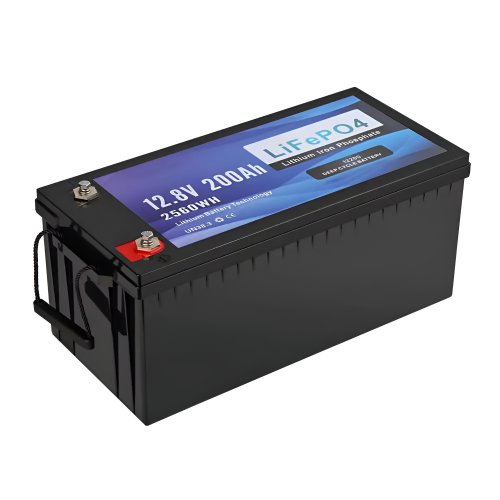
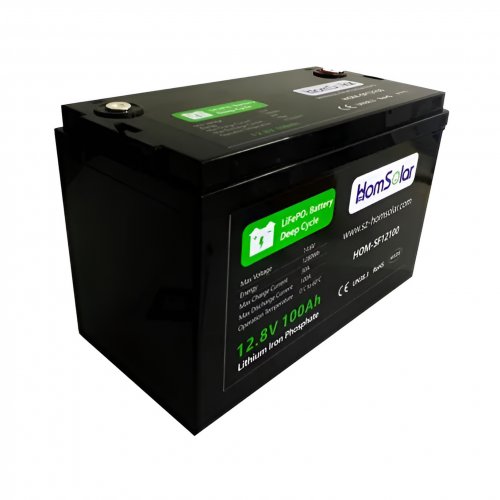
HomSolar Supports Lifepo4 battery pack customization/OEM/ODM service, welcome to contact us and tell us your needs.


HomSolar: Your One-stop LiFePO4 Battery Pack & ESS Solution Manufacturer
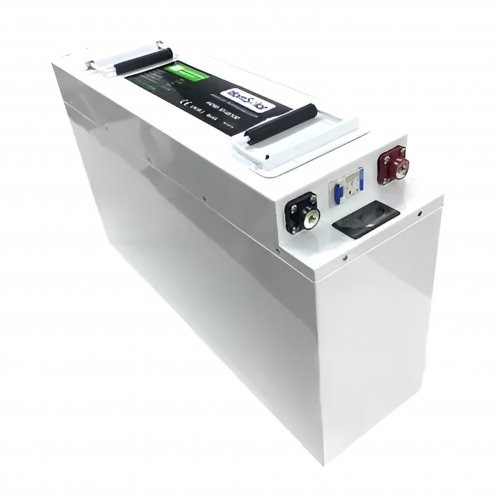
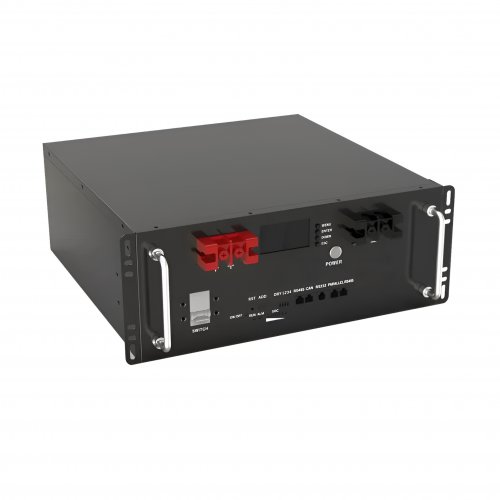
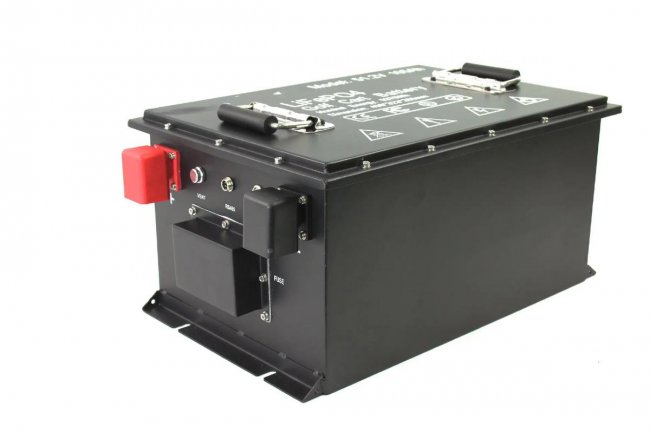
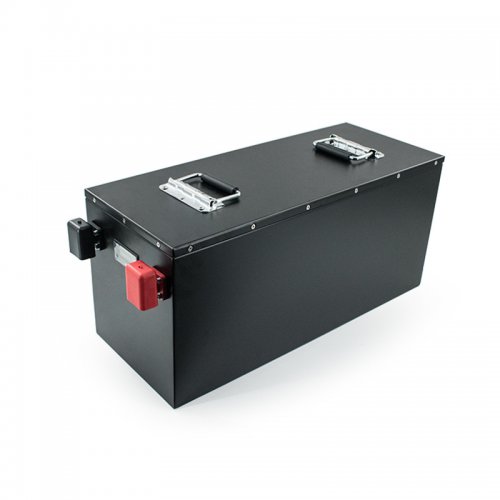
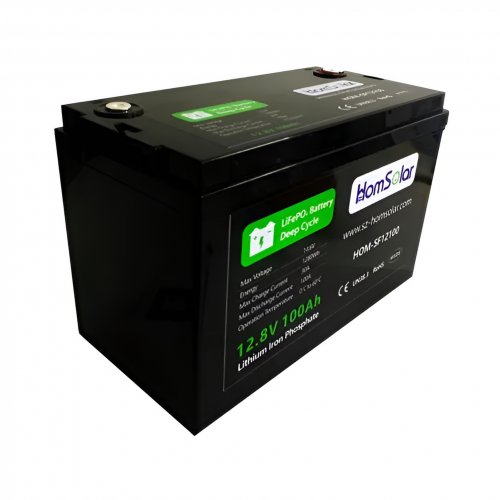
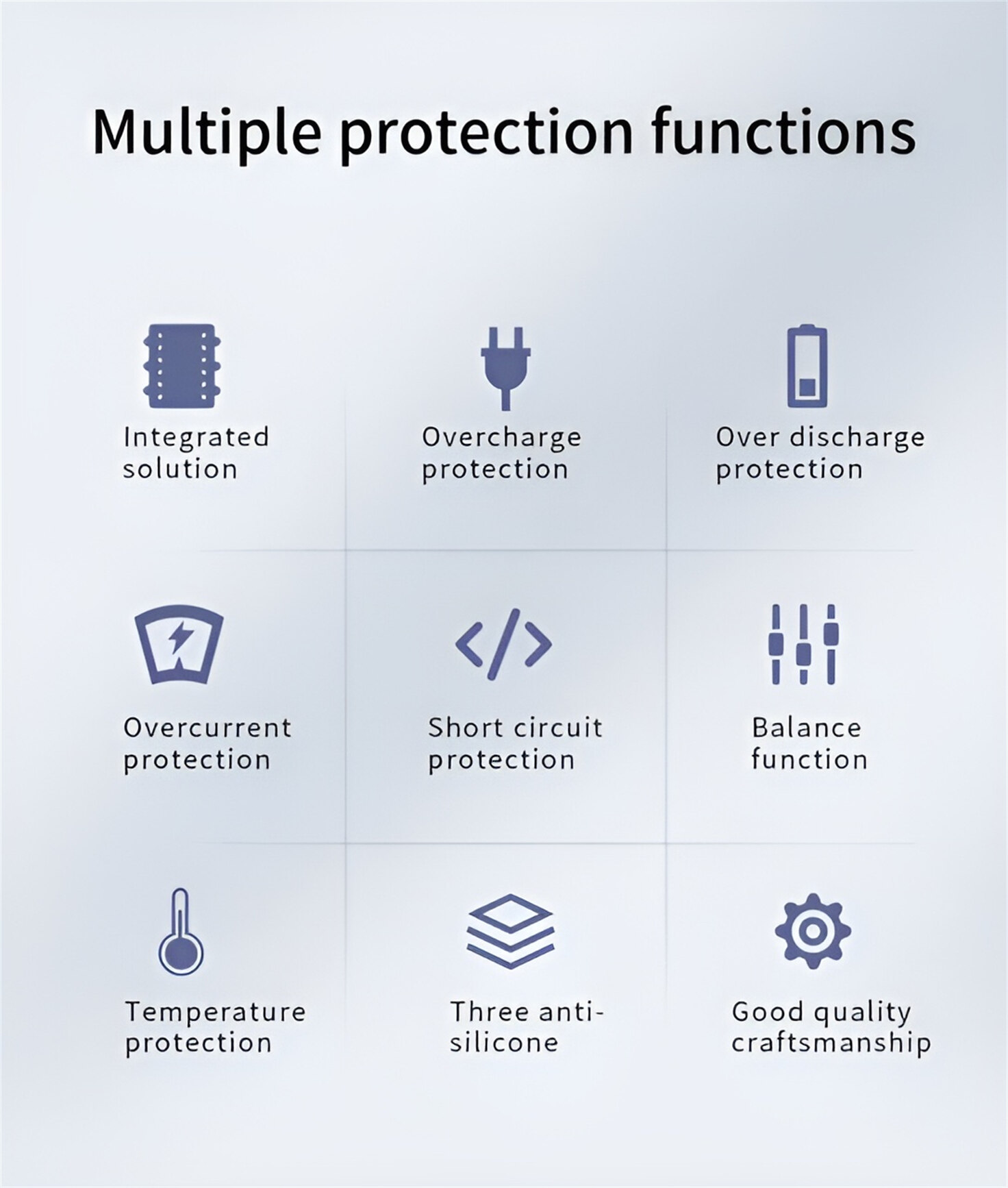
Our line of LiFePO4 (LFP) batteries offer a solution to demanding applications that require a lighter weight, longer life, and higher capacity battery. Features include advanced battery management systems (BMS), Bluetooth® communication and active intelligent monitoring.
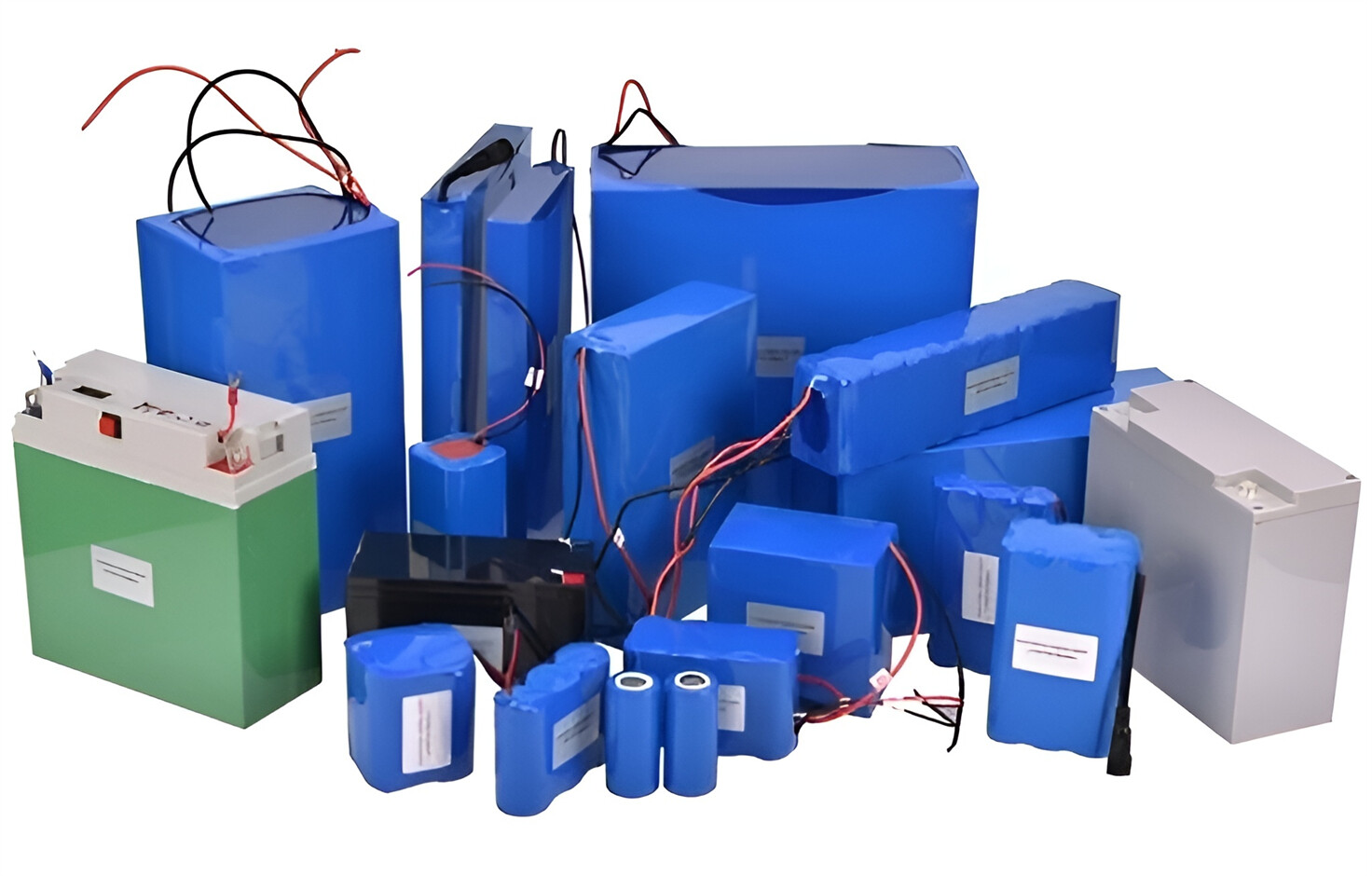
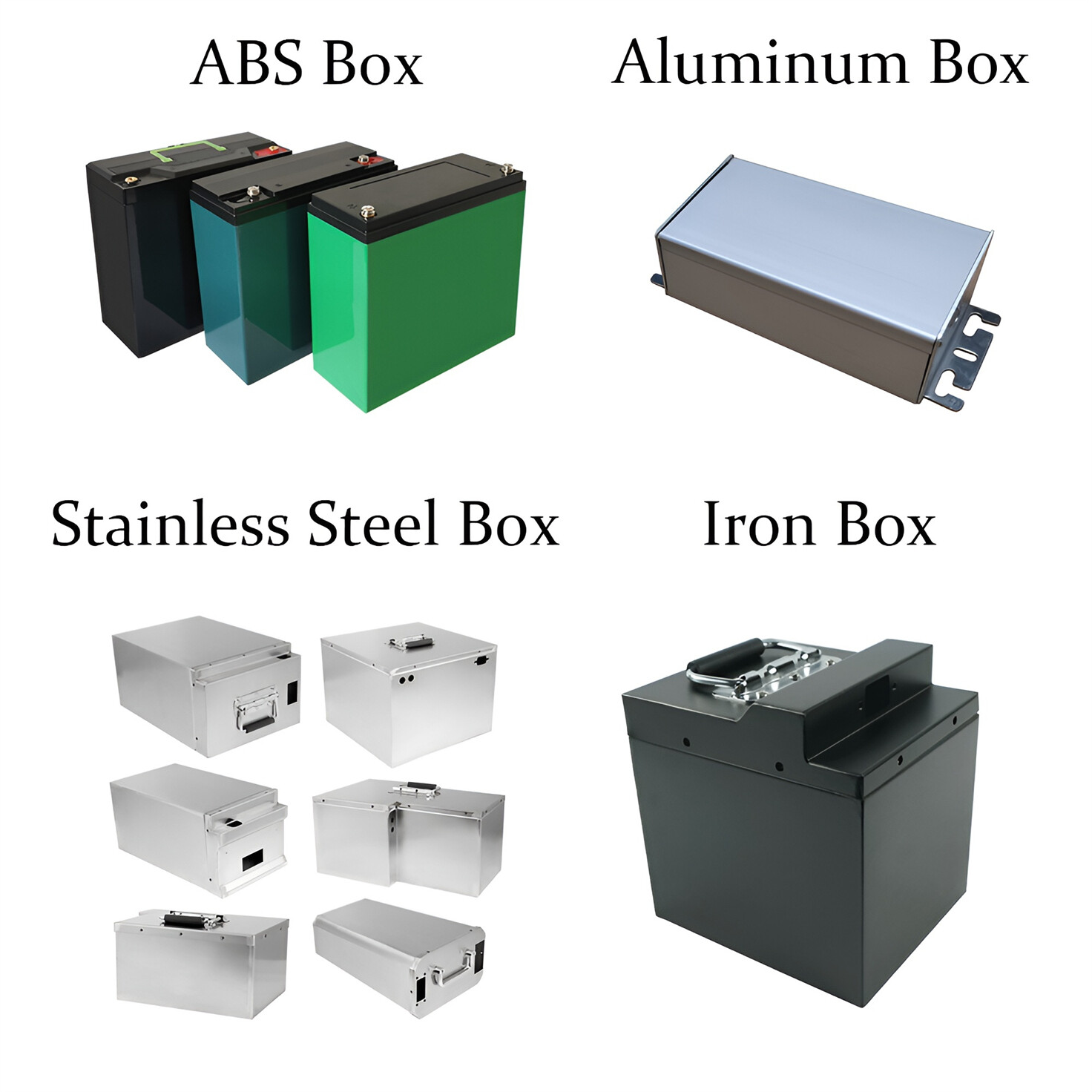
Customised Lithium Iron Phosphate Battery Casing
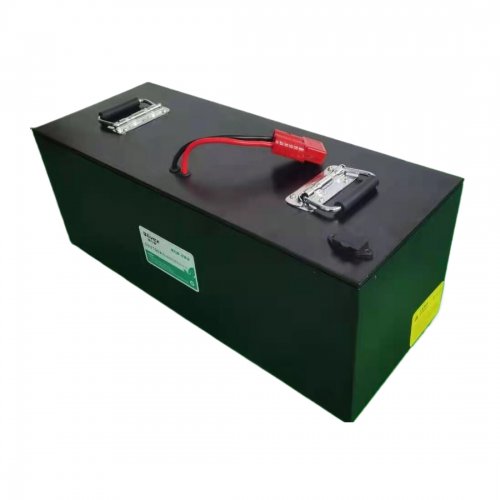
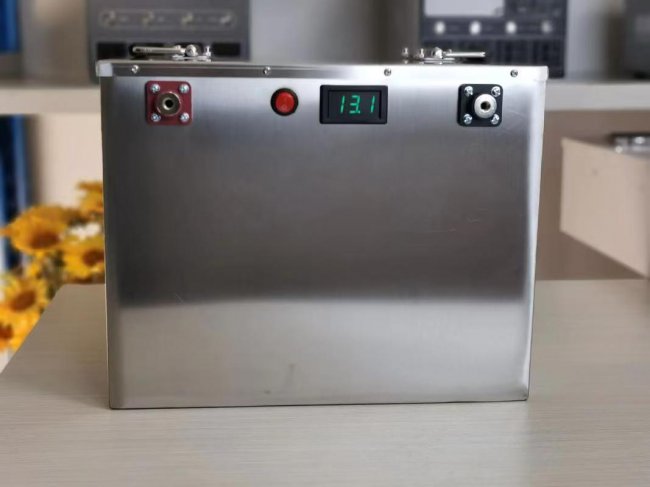
ABS plastic housing, aluminium housing, stainless steel housing and iron housing are available, and can also be designed and customised according to your needs.
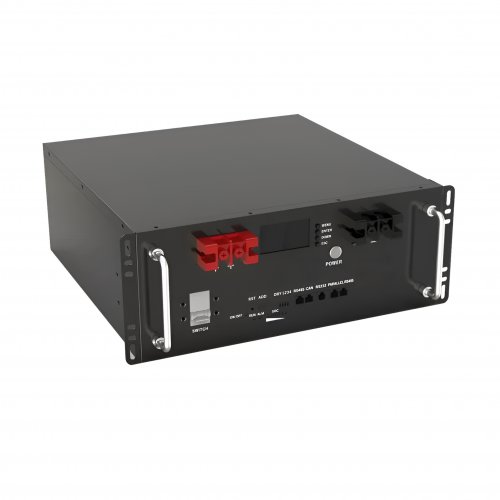
HomSolar Smart BMS
Intelligent Battery Management System for HomSolar Energy Storage System. Bluetooth, temperature sensor, LCD display, CAN interface, UART interface also available.

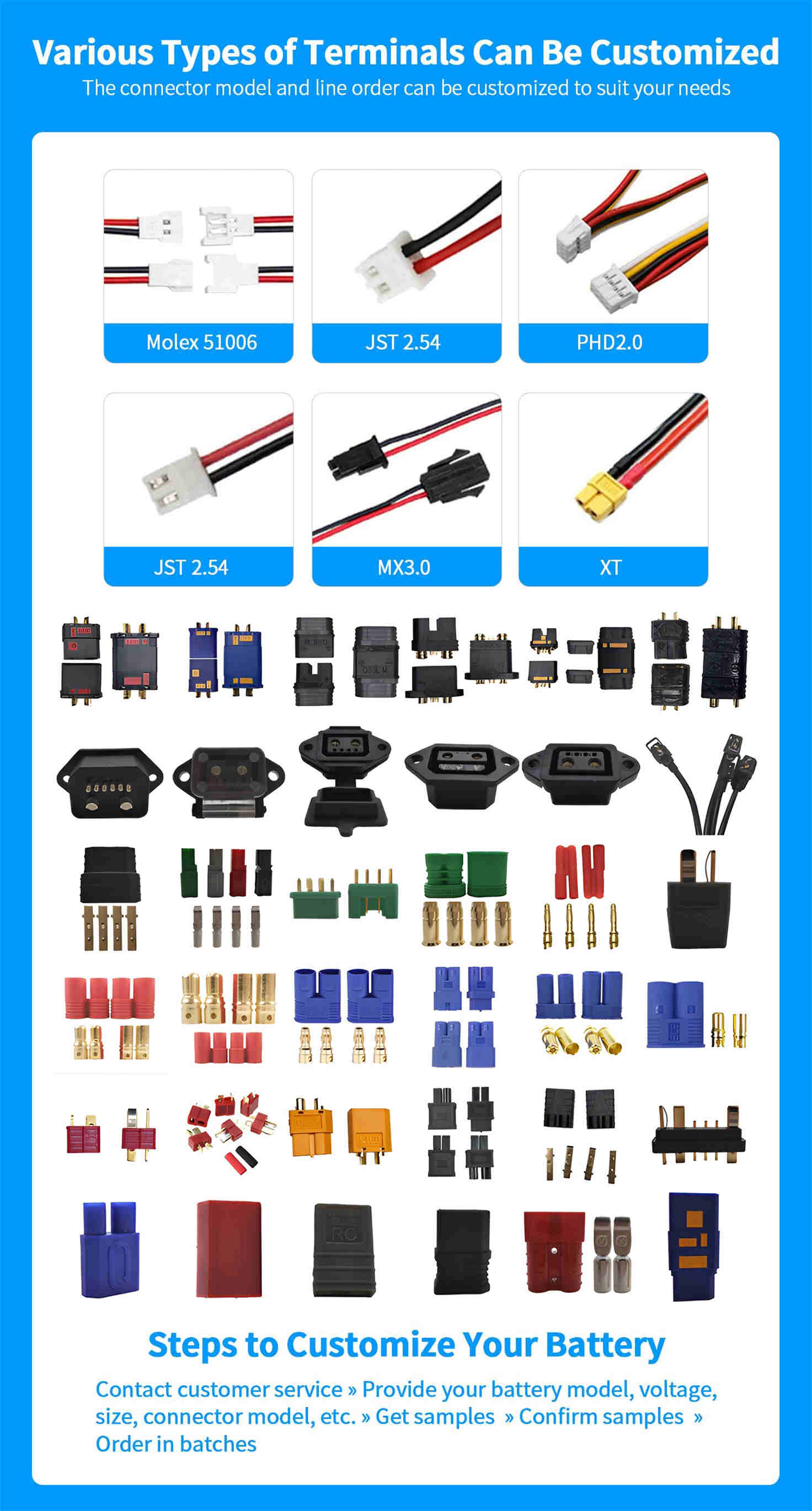
Terminals & Plugs Can Be Customized
A wide range of terminals and plugs can be customised to suit the application needs of your battery products.
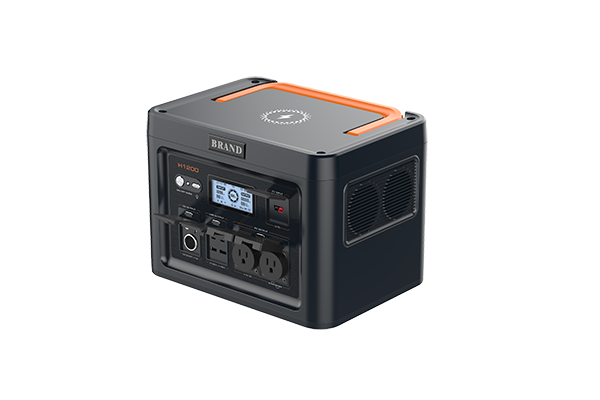
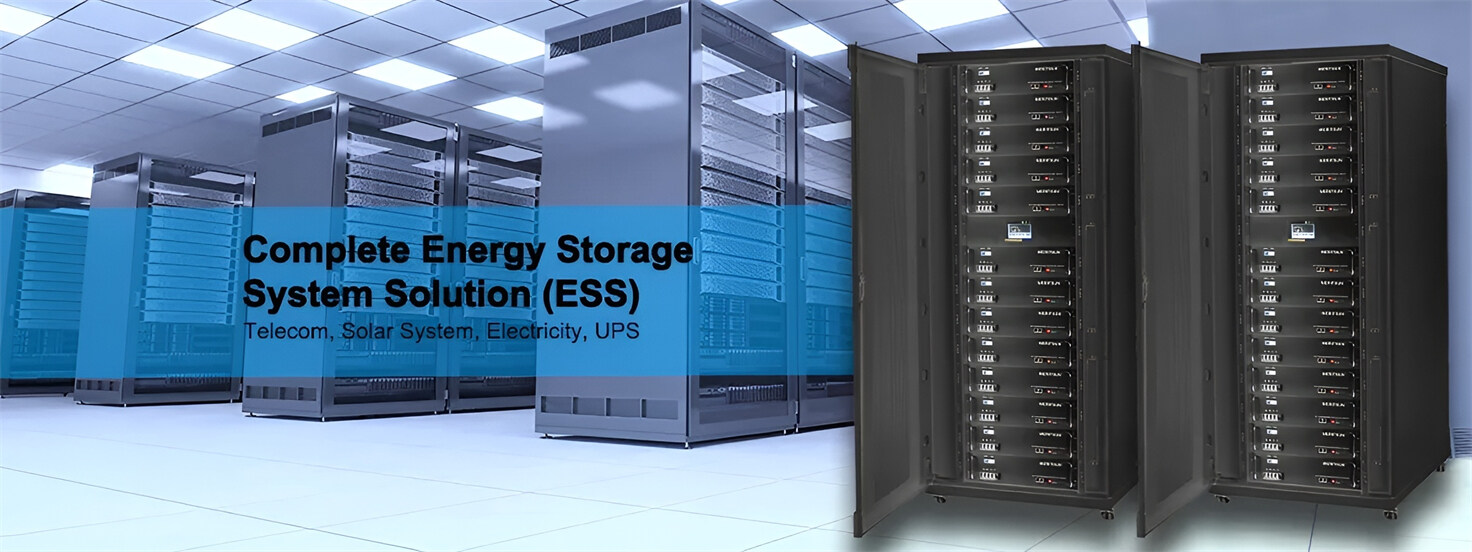
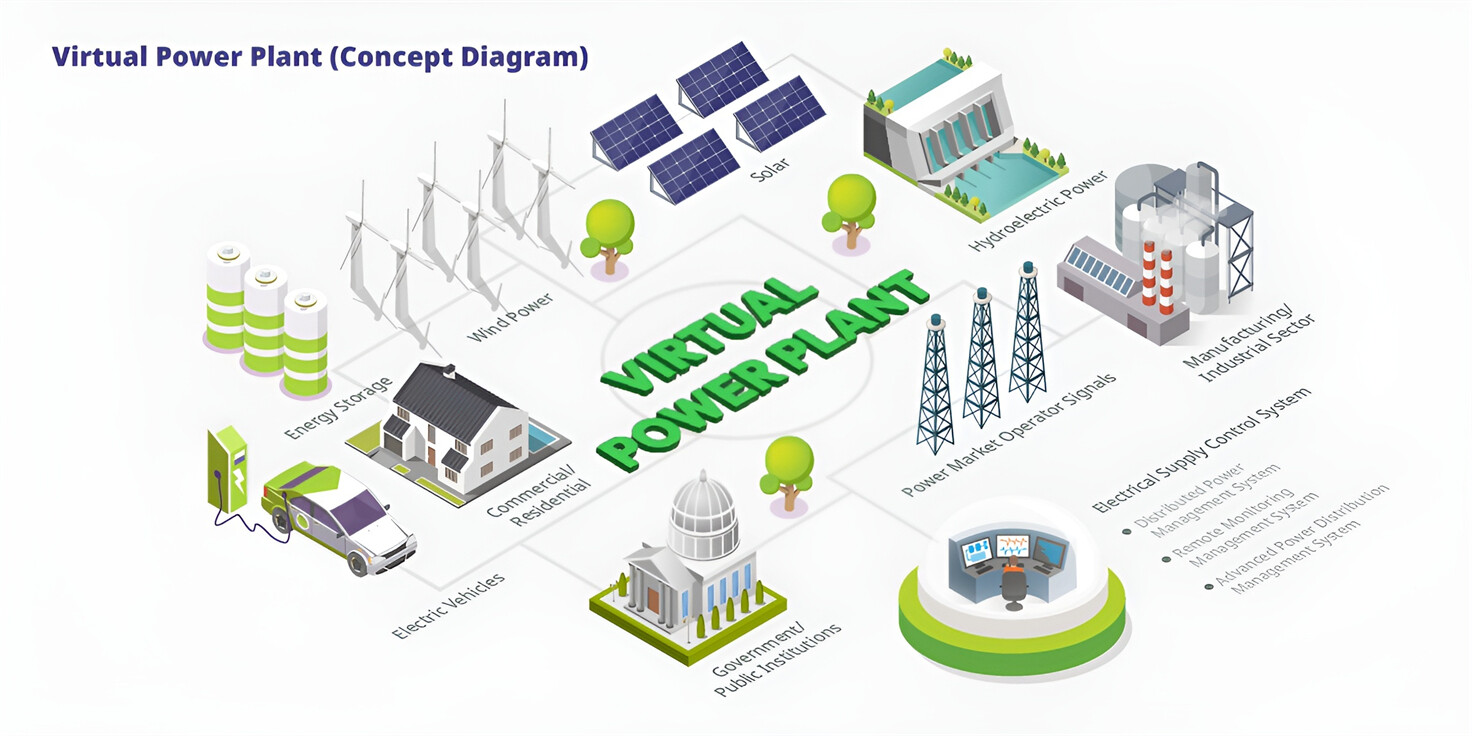
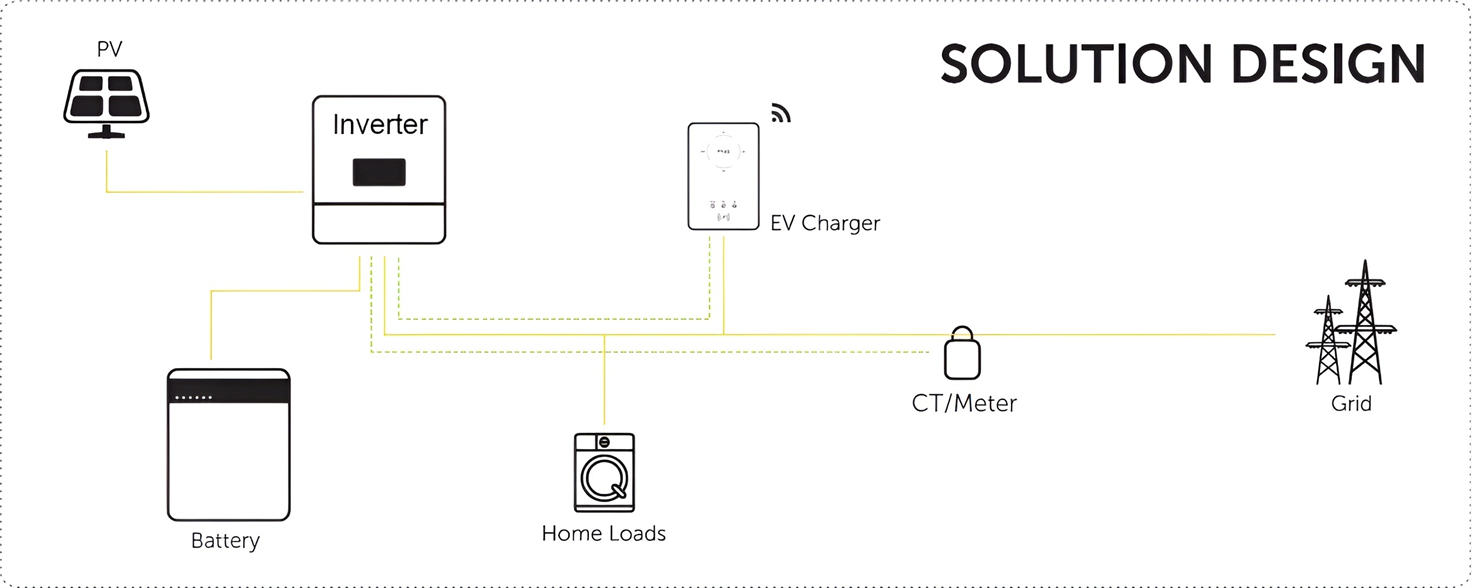
Well-designed Solutions for Energy Storage Systems
We will design the perfect energy storage system solution according to your needs, so that you can easily solve the specific industry applications of battery products.
About Our Battery Cells
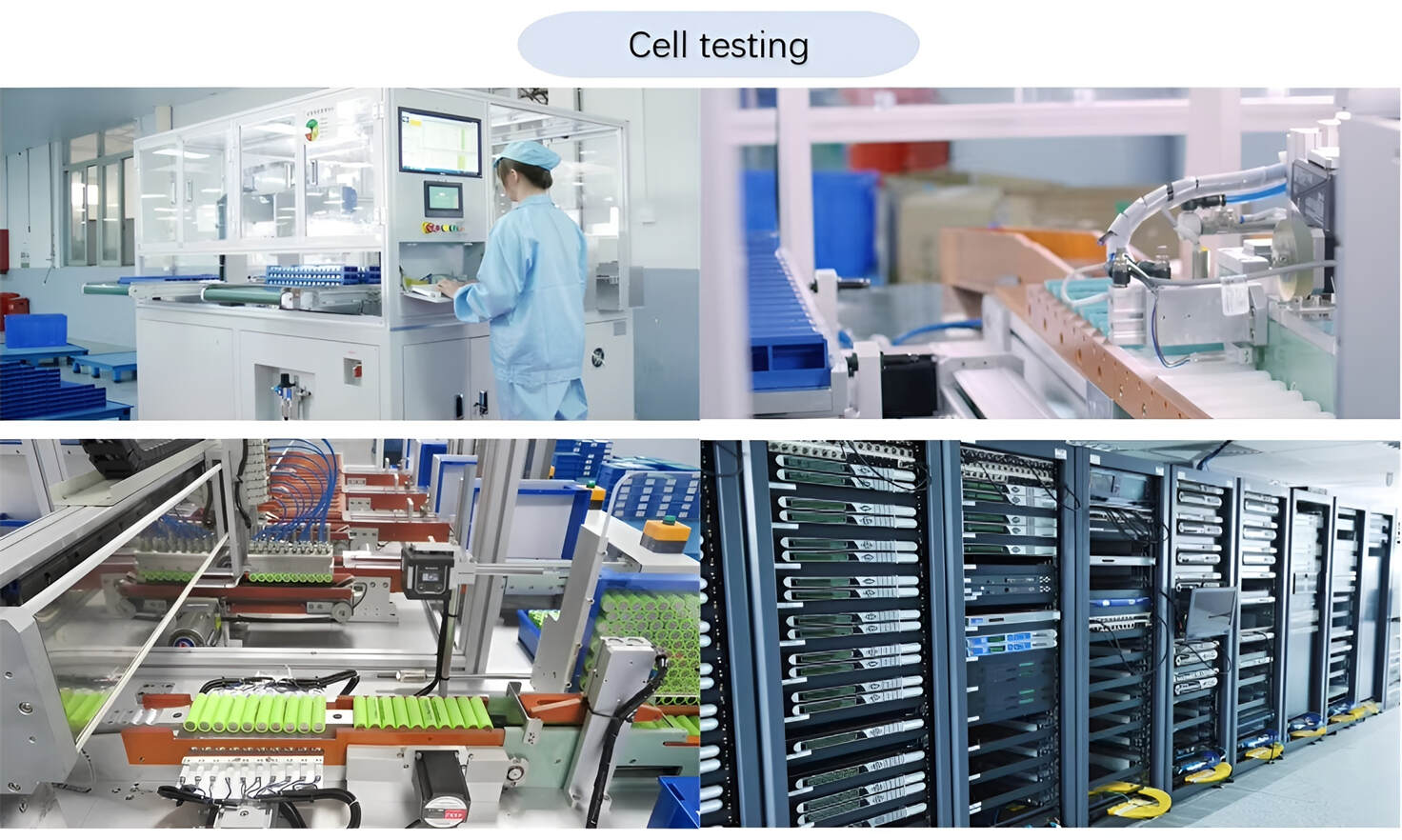
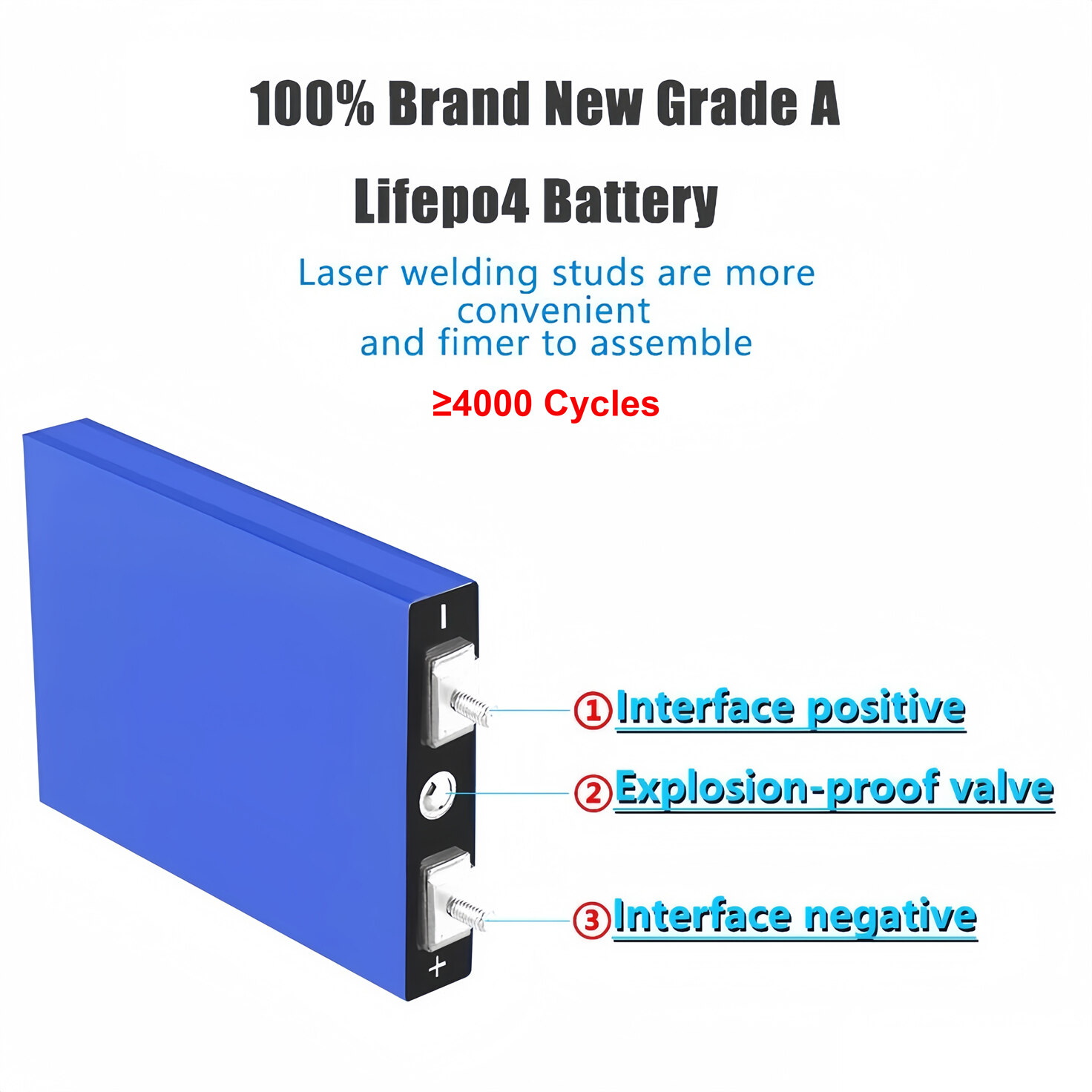
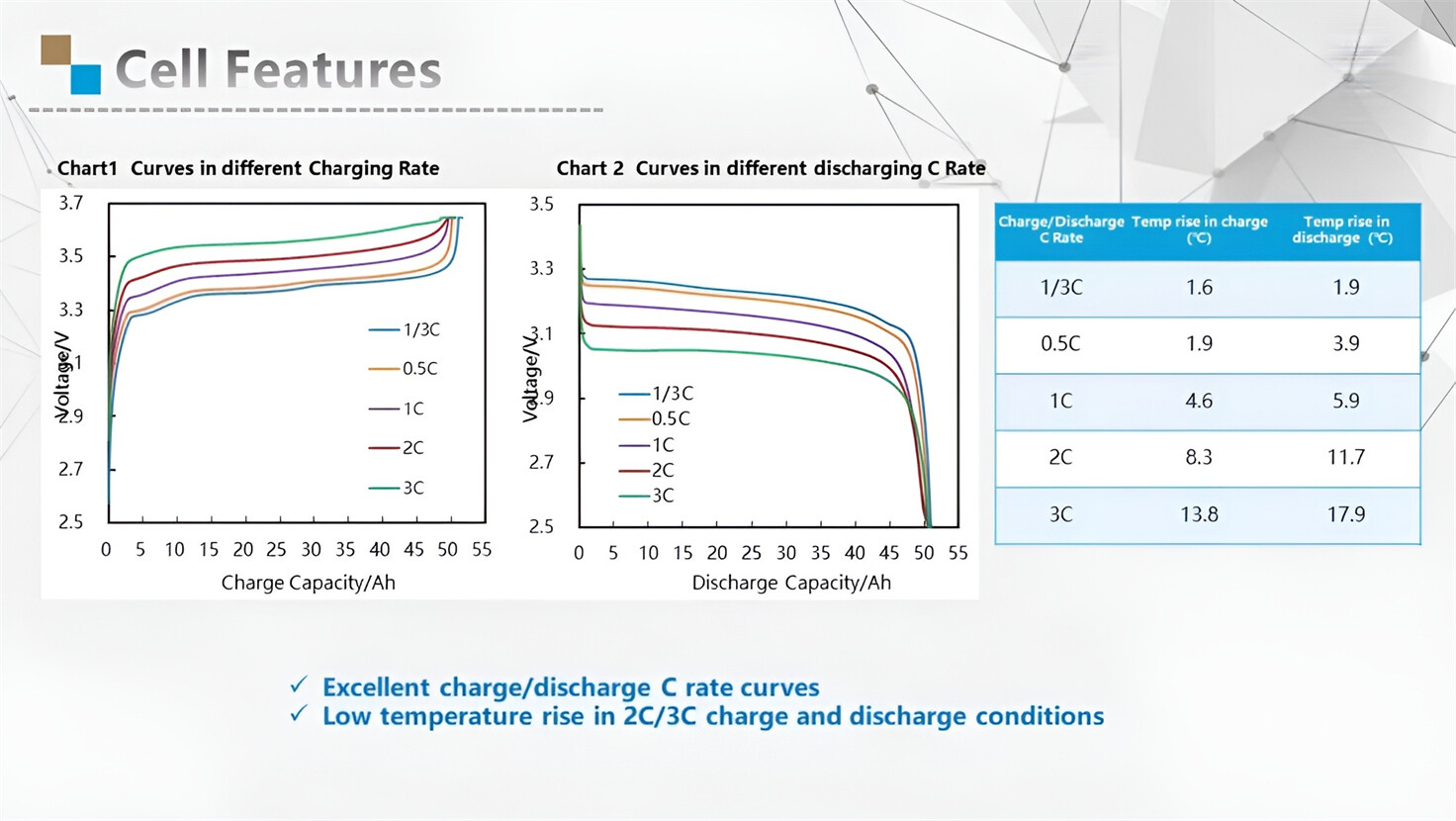
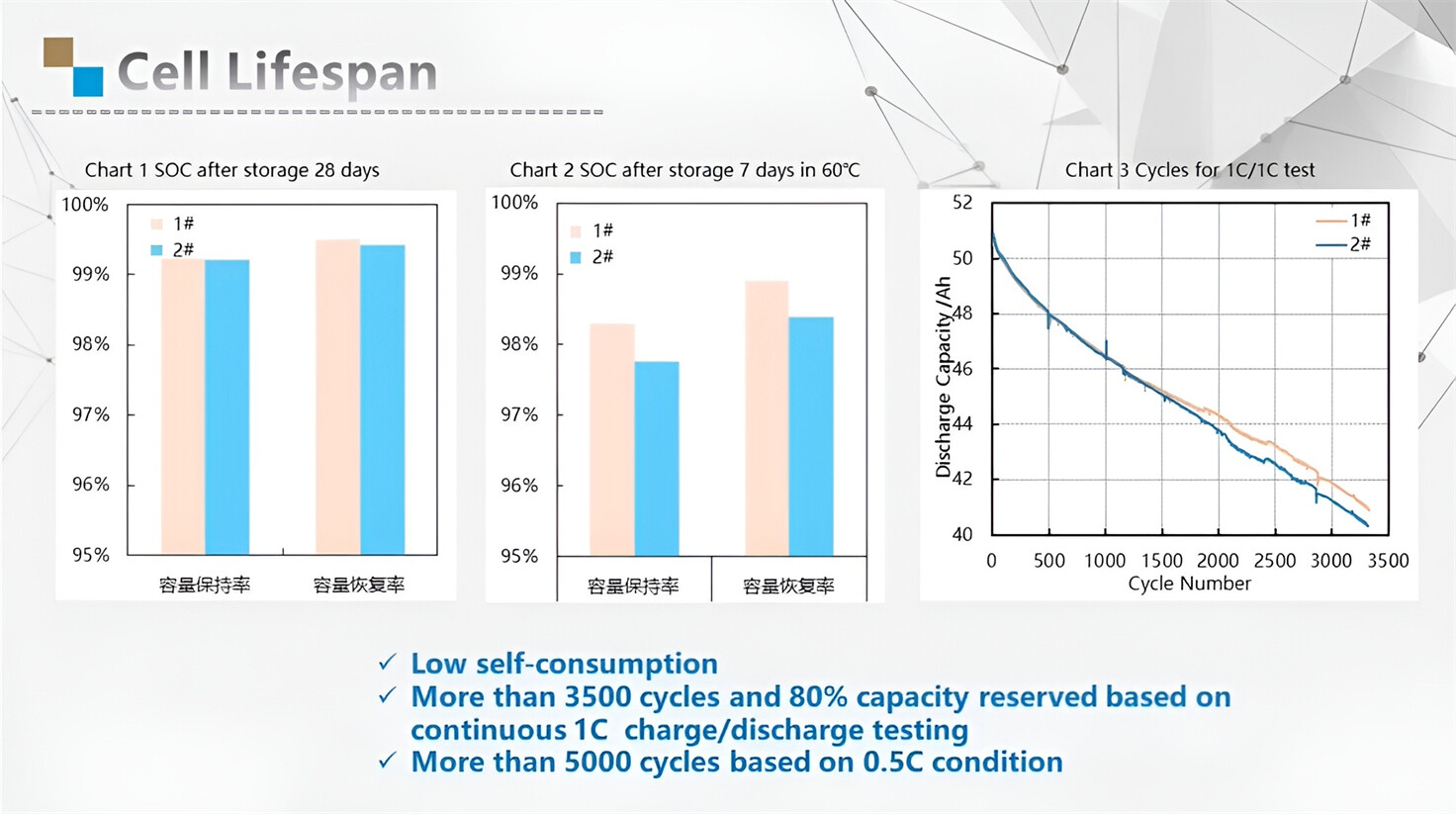
Our energy storage system products use brand new grade A LiFePO4 cells with a battery lifespan of more than 4,000 charge/discharge cycles.
Applications in Different Industries
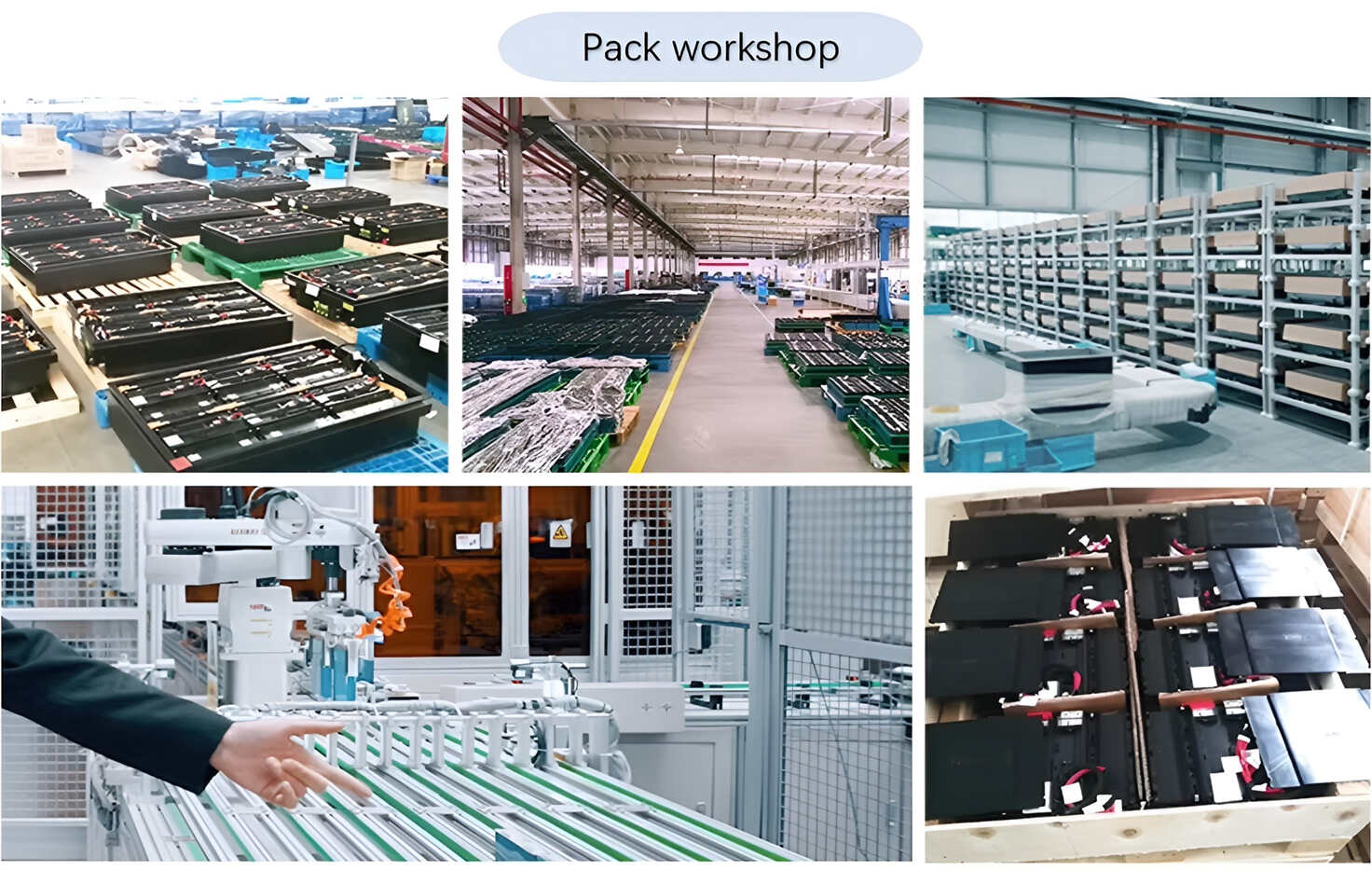
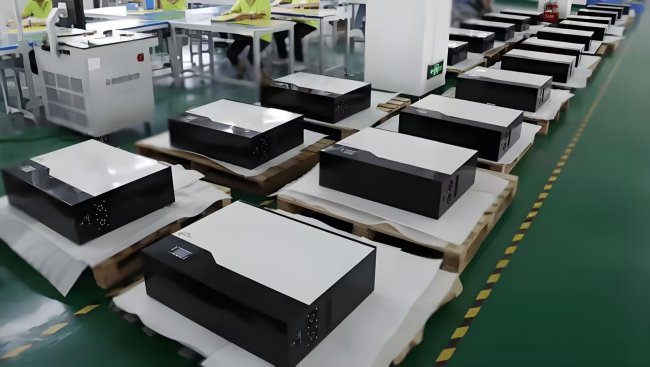
We supply customized & OEM battery pack, assemble cells with wiring, fuse and plastic cover, all the cell wires connected to PCB plug or built BMS.
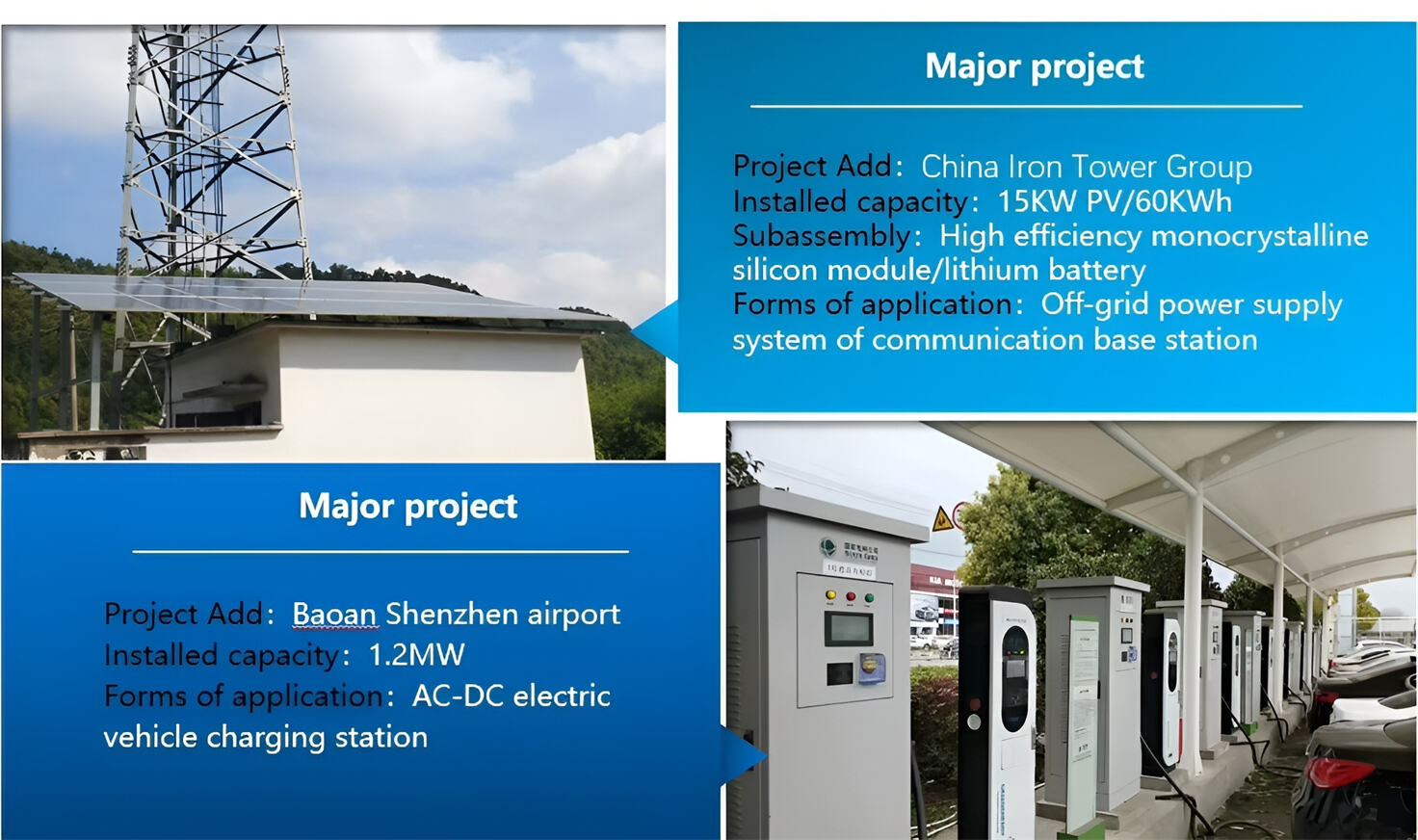
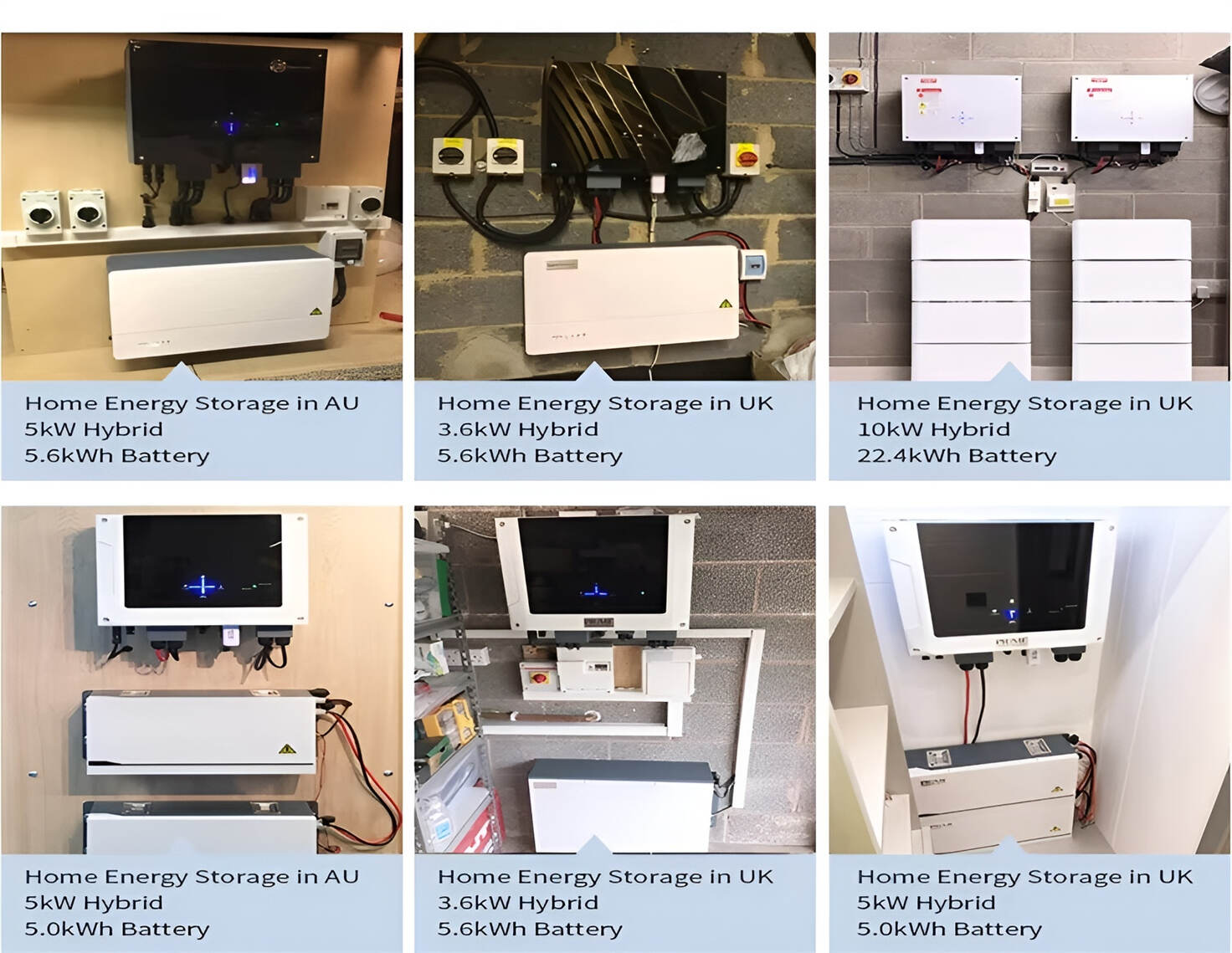
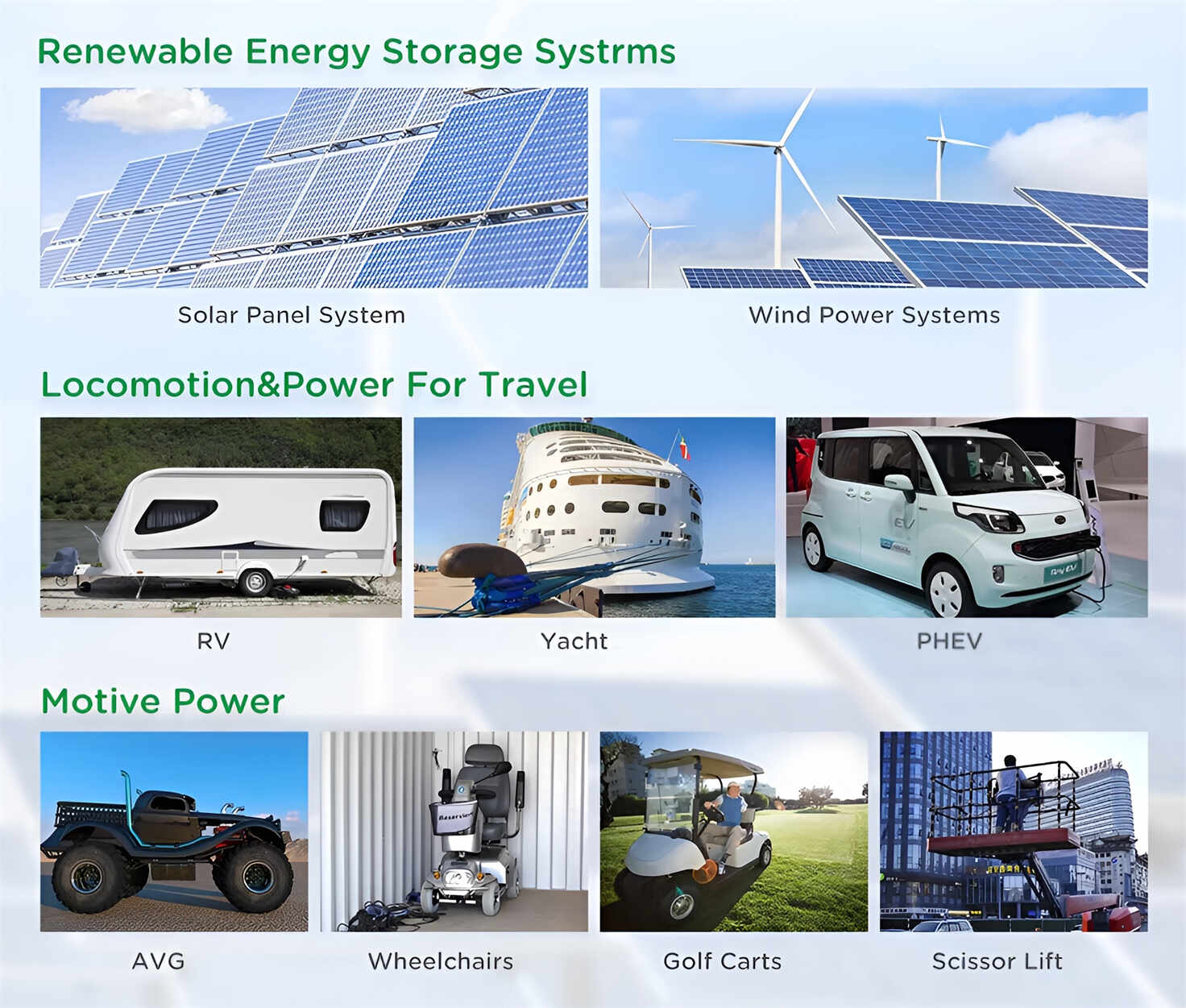
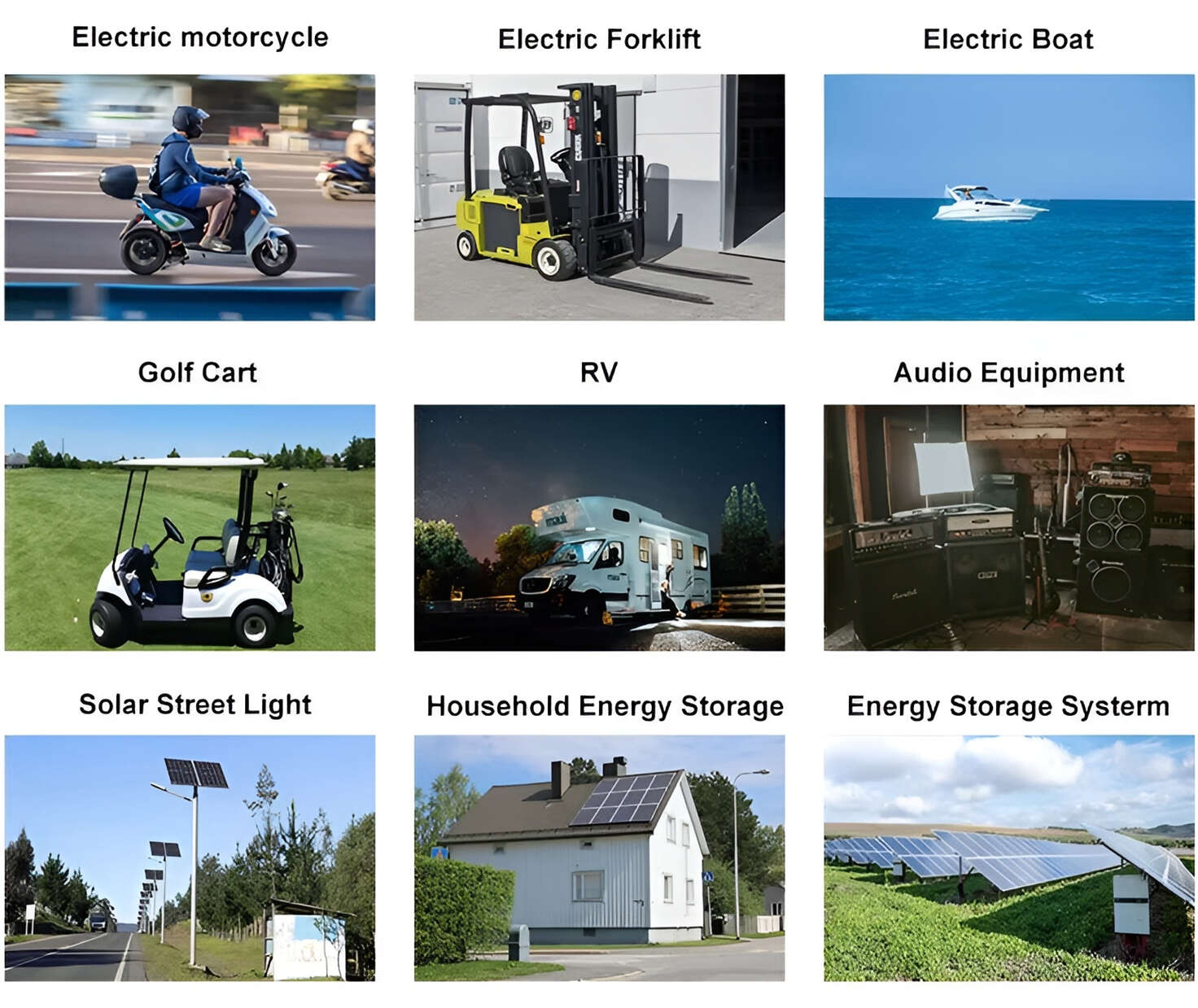
Applications: E-bike, Electric Scooter, Golf Carts, RV, Electric Wheelchair, Electric Tools, Robot Cleaner, Robot Sweeper, Solar Energy Storage System, Emergency Light, Solar Power Light, Medical Equipment, UPS Backup Power Supply.
We can provide you with customized services. We have the ability to provide a vertical supply chain, from single cells to pack/module and to a complete power solution with BMS, etc.
HomSolar (Shenzhen) Technology Co., Ltd