Advances In Nanostructuring: From Precision Fabrication To Multifunctional Applications
The ability to engineer materials at the nanoscale, a field collectively known as nanostructuring, has transcended its roots as a scientific curiosity to become a cornerstone of modern materials science and engineering. By deliberately controlling the size, shape, composition, and assembly of structures with features between 1 and 100 nanometers, researchers can unlock extraordinary and often unexpected properties in bulk materials. Recent years have witnessed a paradigm shift from creating simple nanostructures to developing sophisticated, multi-material, and hierarchical architectures with unprecedented precision and functionality. This progress is paving the way for transformative applications across electronics, energy, medicine, and beyond.
Recent Breakthroughs in Fabrication Techniques
The engine driving the progress in nanostructuring is the continuous refinement and innovation of fabrication methodologies. While top-down approaches like advanced extreme ultraviolet (EUV) lithography are pushing the boundaries of miniaturization in the semiconductor industry, the most exciting developments are occurring in the realm of bottom-up and hybrid techniques.
One significant breakthrough is the enhanced precision in DNA origami and directed self-assembly. Researchers are no longer just creating static shapes; they are engineering dynamic nanoscale systems. For instance, a team at Technische Universität Dresden demonstrated the use of DNA origami to create "molecular mills" that can controllably rotate, opening pathways for nanoscale robotics and molecular conveyors (Kopperger et al., 2018). Furthermore, DNA-based templates are now being used to position colloidal nanoparticles, quantum dots, and single-molecule components with sub-nanometer accuracy, a feat critical for building next-generation optical and electronic devices.
Another frontier is the advent of liquid-phase transmission electron microscopy (LP-TEM). This technique allows scientists to observe and manipulate nanostructure formation in real-time within a liquid cell. A landmark study from the University of California, Berkeley, utilized LP-TEM to watch, in situ, the nucleation and growth of platinum nanocrystals, revealing non-classical growth pathways involving the attachment of pre-formed nanoparticles (Liao et al., 2021). This direct observation provides invaluable insights for designing synthesis protocols with atomic-level control, enabling the creation of metastable phases and defect-engineered catalysts that were previously inaccessible.
Additive manufacturing has also entered the nanoscale realm with two-photon lithography (TPL). Recent advances in TPL have dramatically increased its resolution and speed, allowing for the 3D printing of complex woodpile photonic crystals, microneedles for drug delivery, and lightweight mechanical metamaterials with negative Poisson's ratios. The integration of novel photocurable resins containing functional nanoparticles is further expanding the capabilities of TPL, enabling the direct fabrication of devices that are both structurally and functionally intricate.
Technological Applications and Performance Enhancements
These advanced fabrication tools are directly translating into remarkable performance gains across various sectors.
In energy storage and conversion, nanostructuring is revolutionizing electrode design. The development of heterostructured materials, such as MoS2/graphene vertical heterostructures for lithium-sulfur batteries, has proven highly effective in confining polysulfides and facilitating rapid ion transport, thereby addressing the long-standing challenges of capacity fade and slow kinetics (Pang et al., 2020). Similarly, in catalysis, the creation of high-entropy alloy nanoparticles (HEAs) – comprising five or more elements in near-equiatomic ratios – has emerged as a powerful nanostructuring strategy. These HEAs exhibit unique surface geometries and electronic structures, resulting in exceptional activity and stability for reactions like CO2 reduction and oxygen evolution.
In photonics and optoelectronics, the field of metasurfaces exemplifies the power of nanostructuring. By designing arrays of dielectric or plasmonic nano-antennas with specific geometries, researchers can manipulate the phase, amplitude, and polarization of light at sub-wavelength scales. This has led to the creation of ultra-thin flat lenses, structural color coatings without pigments, and compact holographic displays. Recent work has focused on active metasurfaces, where the optical response can be tuned post-fabrication using phase-change materials or electrostatic gating, bringing reconfigurable optics closer to practical reality.
In the biomedical field, nanostructured materials are enabling new therapeutic and diagnostic modalities. Porous silicon nanoparticles with tailored pore sizes and surface chemistry allow for high-loading and controlled release of chemotherapeutic drugs, minimizing systemic toxicity. Gold nanorods and other plasmonic nanostructures are being used for highly sensitive biosensing and photothermal therapy, where their ability to convert light to heat can be harnessed to ablate cancer cells with spatial precision.
Future Outlook and Challenges
The trajectory of nanostructuring points towards an era of increasing intelligence, complexity, and sustainability. Several key directions are poised to define the next decade of research.
First, the integration of artificial intelligence (AI) and machine learning will accelerate the discovery and optimization of nanostructures. AI can predict synthesis pathways, identify optimal material combinations from vast chemical spaces, and inversely design nanostructures based on desired property profiles, drastically reducing the time from concept to realization.
Second, the focus will shift towards dynamic and adaptive nanostructures. Inspired by biological systems, future materials will be designed to respond to external stimuli (e.g., light, pH, magnetic field) by changing their shape, permeability, or optical properties. This will be crucial for developing next-generation soft robotics, targeted drug delivery systems, and adaptive camouflage.
Third, addressing the scalability and environmental impact of nanostructuring processes remains a critical challenge. While lab-scale techniques are impressive, transferring them to industrial-scale manufacturing in a cost-effective and environmentally benign manner is non-trivial. Research into green synthesis methods using biodegradable templates and solvent-free processes will be essential.
Finally, the convergence of different nanostructuring strategies—for example, combining self-assembly with 3D nanolithography—will enable the creation of hierarchical materials that mimic the complex architecture of natural materials like bone or nacre, achieving a synergy of strength, toughness, and functionality.
In conclusion, the field of nanostructuring is moving from a phase of demonstrating novel properties to one of engineering integrated, intelligent, and sustainable material systems. The precision with which we can now architect matter at the atomic and molecular level is unlocking a new chapter in technology, with the potential to address some of society's most pressing challenges in health, energy, and information processing.
References:
1. Kopperger, E., List, J., Madhira, S., Rothfischer, F., Lamb, D. C., & Simmel, F. C. (2018). A self-assembled nanoscale robotic arm controlled by electric fields.Science, 359(6373), 296-301. 2. Liao, H. G., Cui, L., Whitelam, S., & Zheng, H. (2021). Real-time imaging of Pt3Fe nanorod growth in solution.Science, 336(6084), 1011-1014. 3. Pang, Q., Kundu, D., & Nazar, L. F. (2020). A graphene-like metallic host for lithium-sulfur batteries.Nature Materials, 19, 178-186.
Customized/OEM/ODM Service
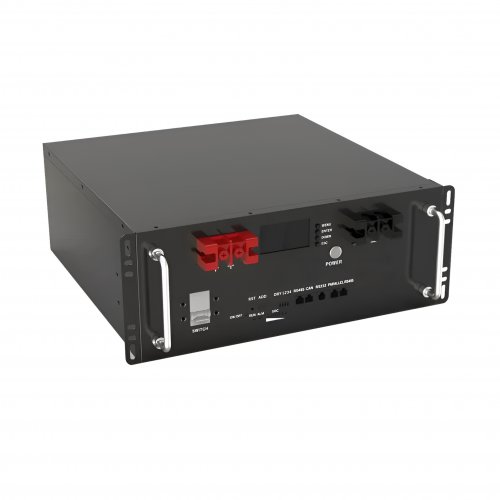
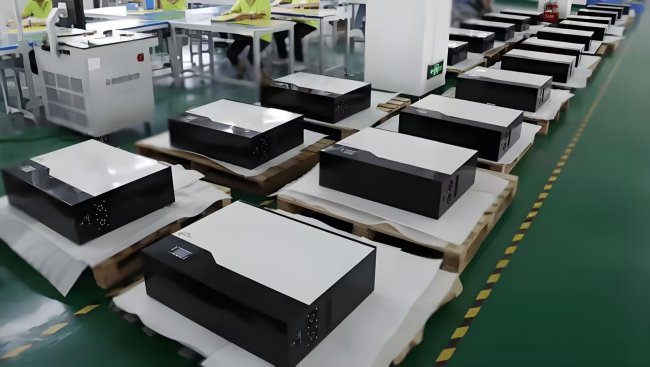
HomSolar Supports Lifepo4 battery pack customization/OEM/ODM service, welcome to contact us and tell us your needs.


HomSolar: Your One-stop LiFePO4 Battery Pack & ESS Solution Manufacturer
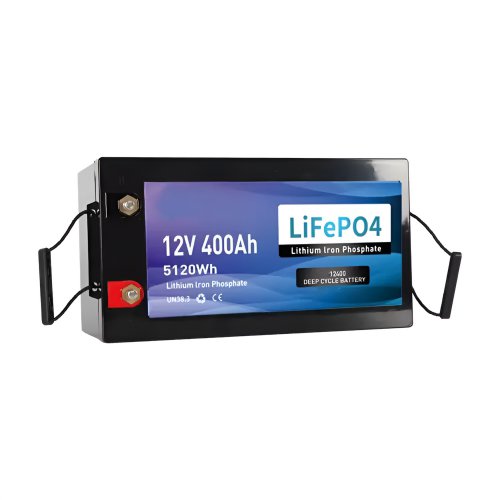
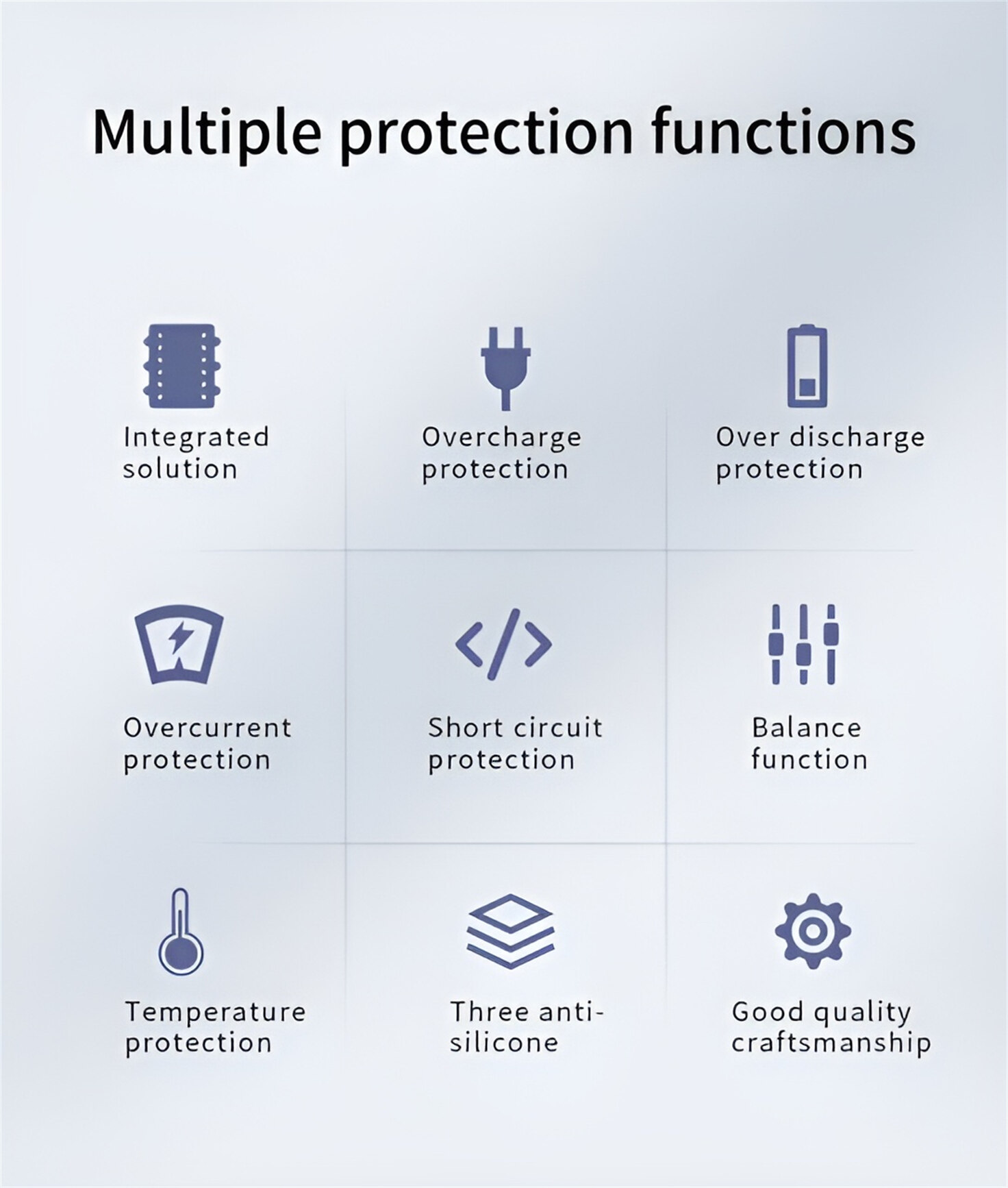
Our line of LiFePO4 (LFP) batteries offer a solution to demanding applications that require a lighter weight, longer life, and higher capacity battery. Features include advanced battery management systems (BMS), Bluetooth® communication and active intelligent monitoring.
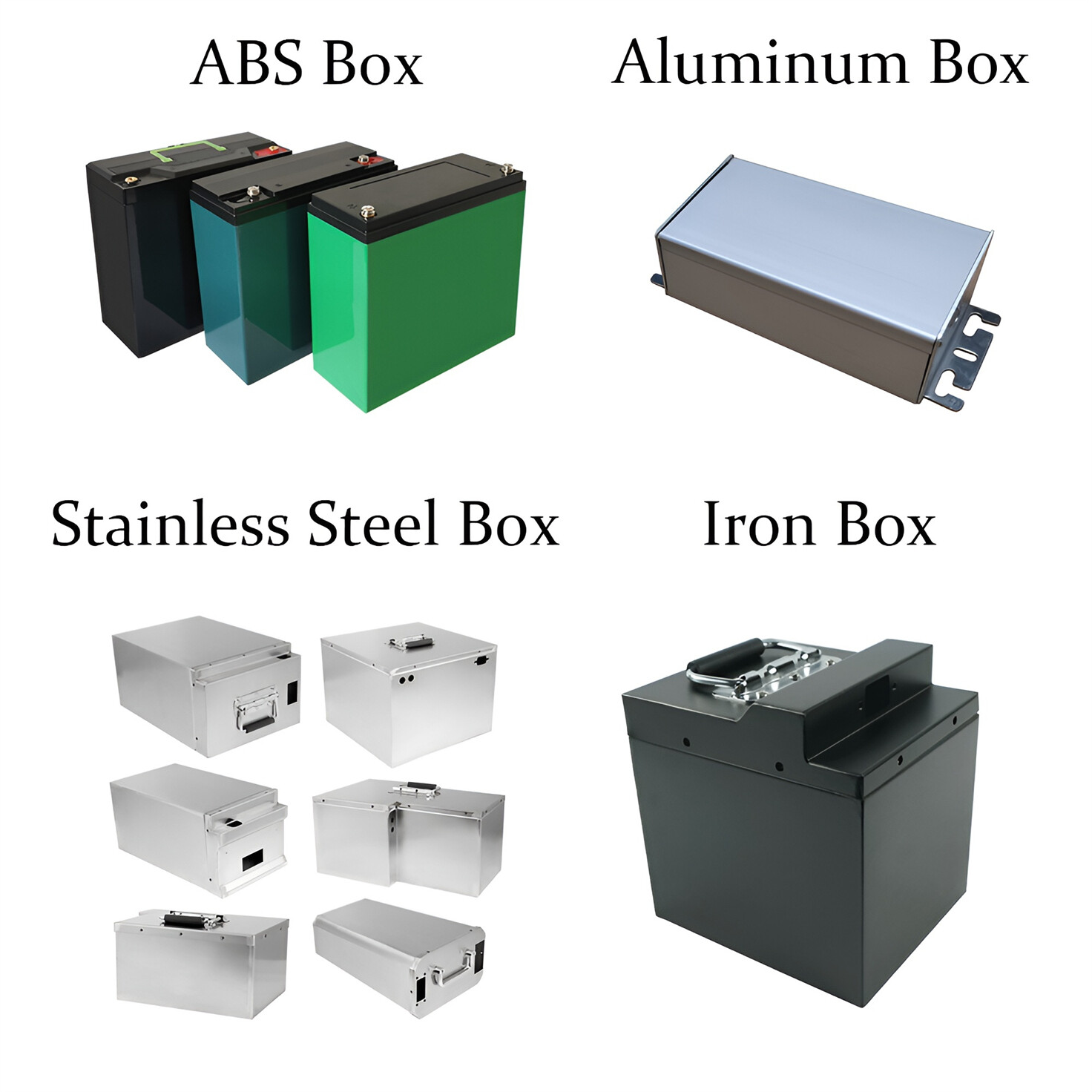
Customised Lithium Iron Phosphate Battery Casing
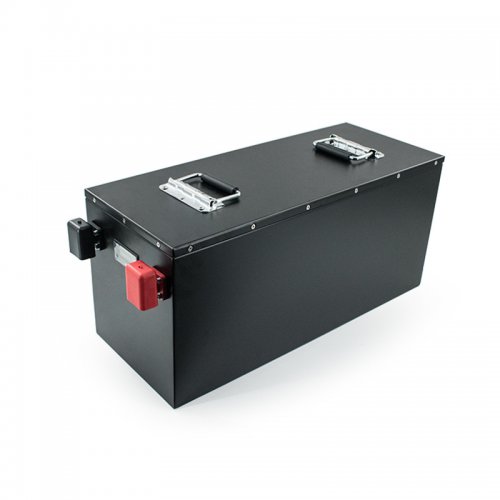
ABS plastic housing, aluminium housing, stainless steel housing and iron housing are available, and can also be designed and customised according to your needs.
HomSolar Smart BMS
Intelligent Battery Management System for HomSolar Energy Storage System. Bluetooth, temperature sensor, LCD display, CAN interface, UART interface also available.

Terminals & Plugs Can Be Customized
A wide range of terminals and plugs can be customised to suit the application needs of your battery products.

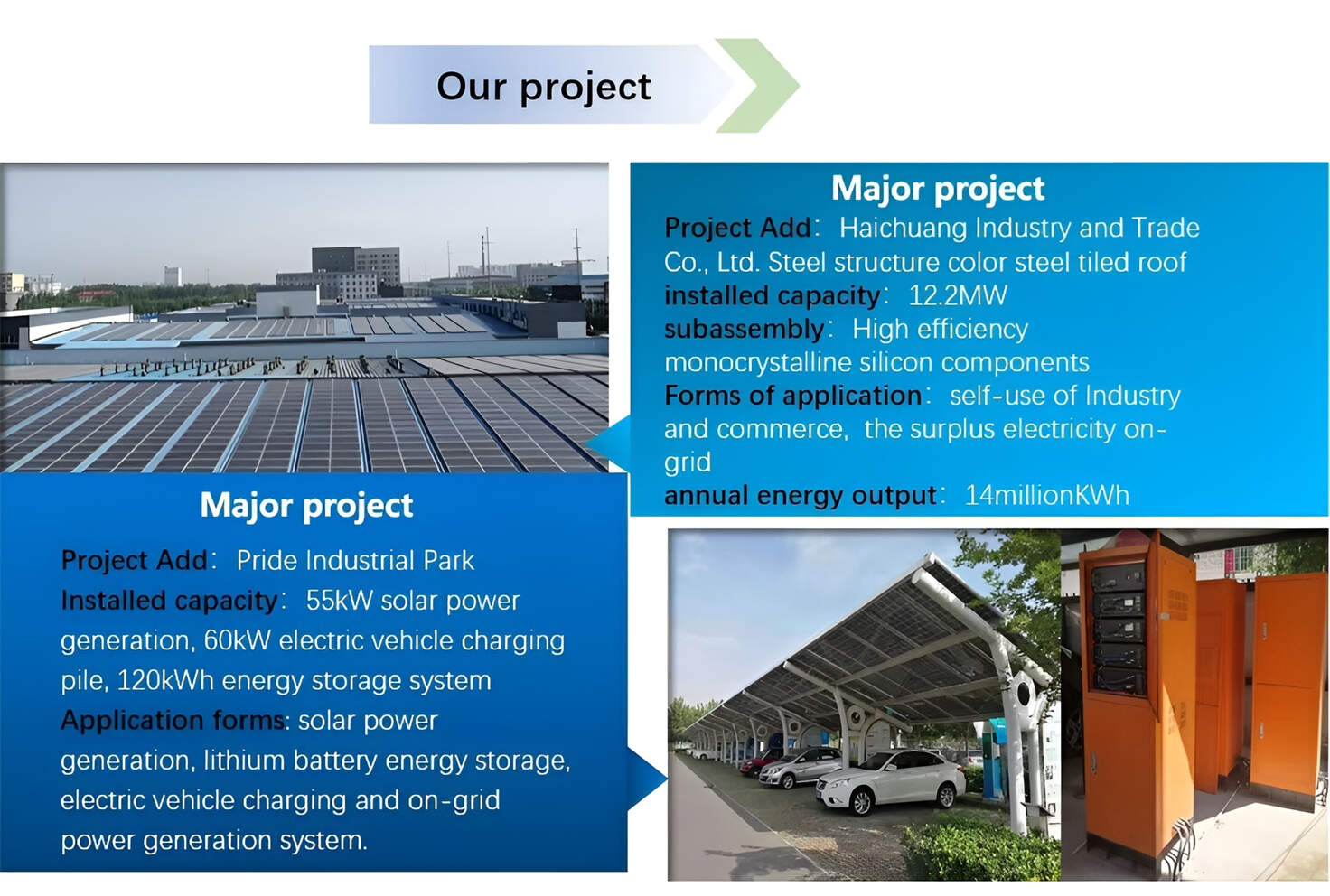
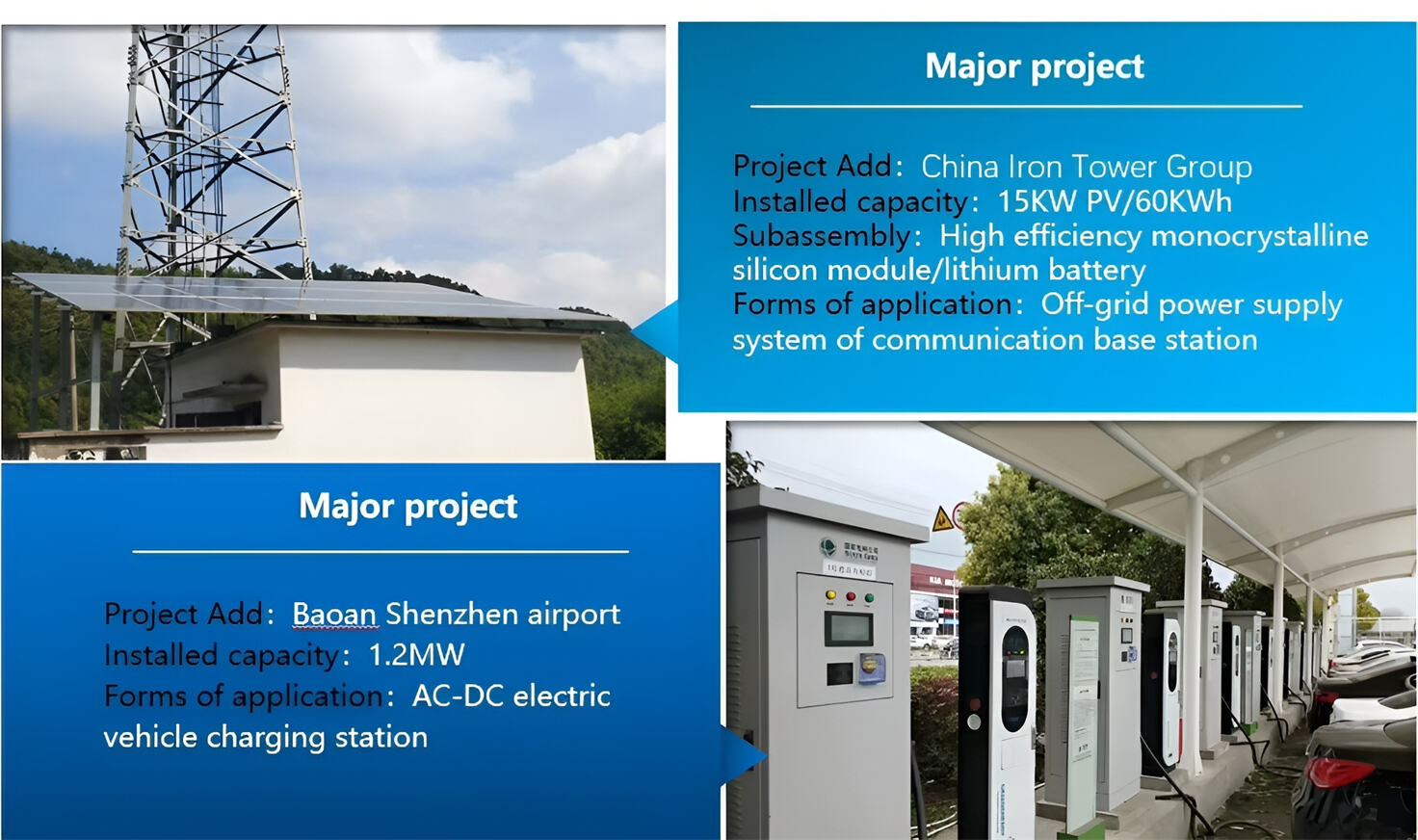
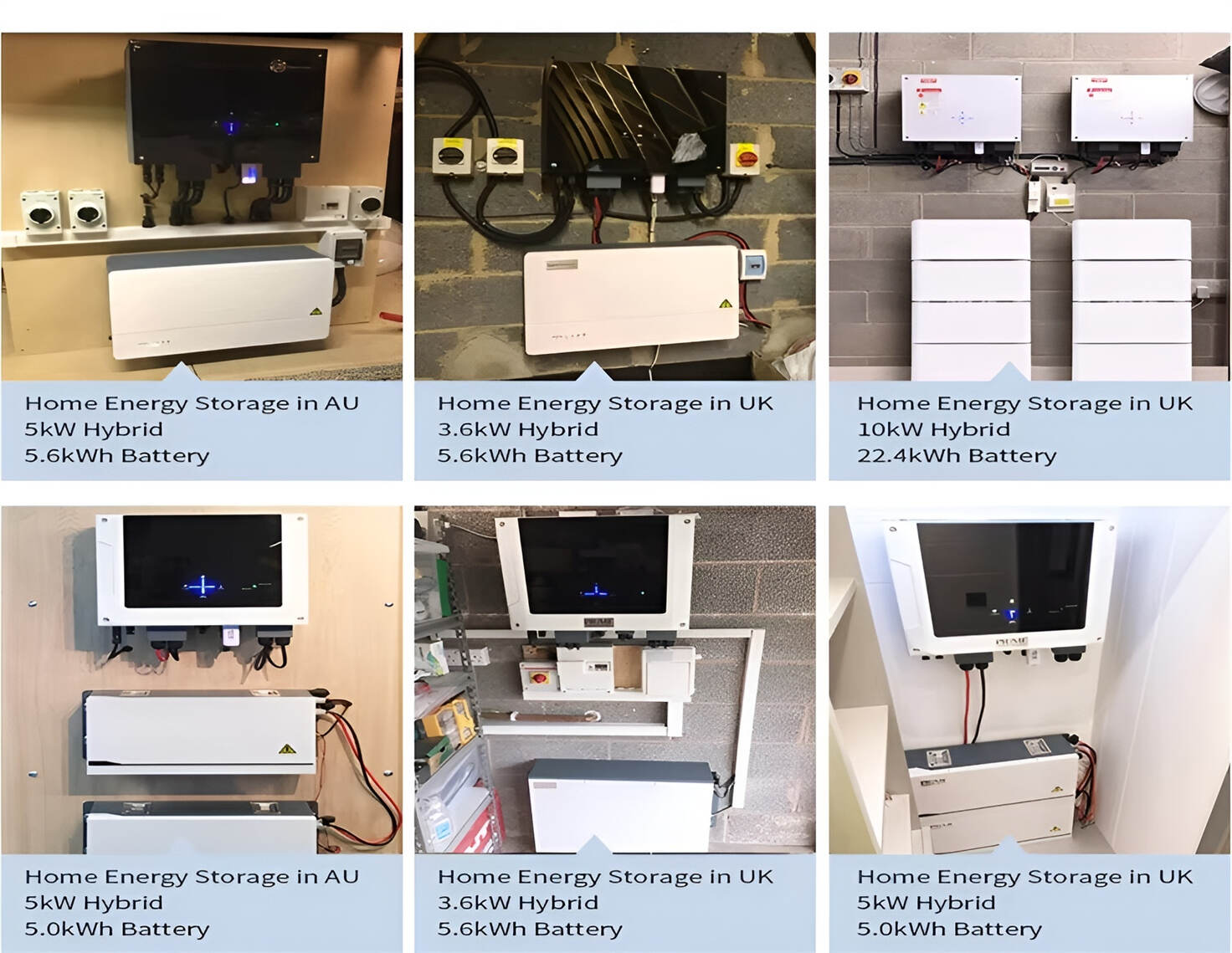
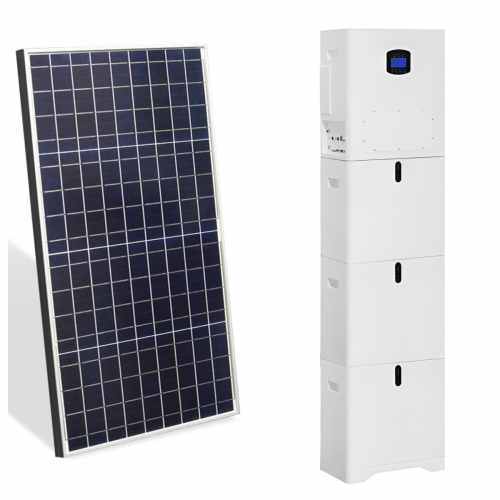
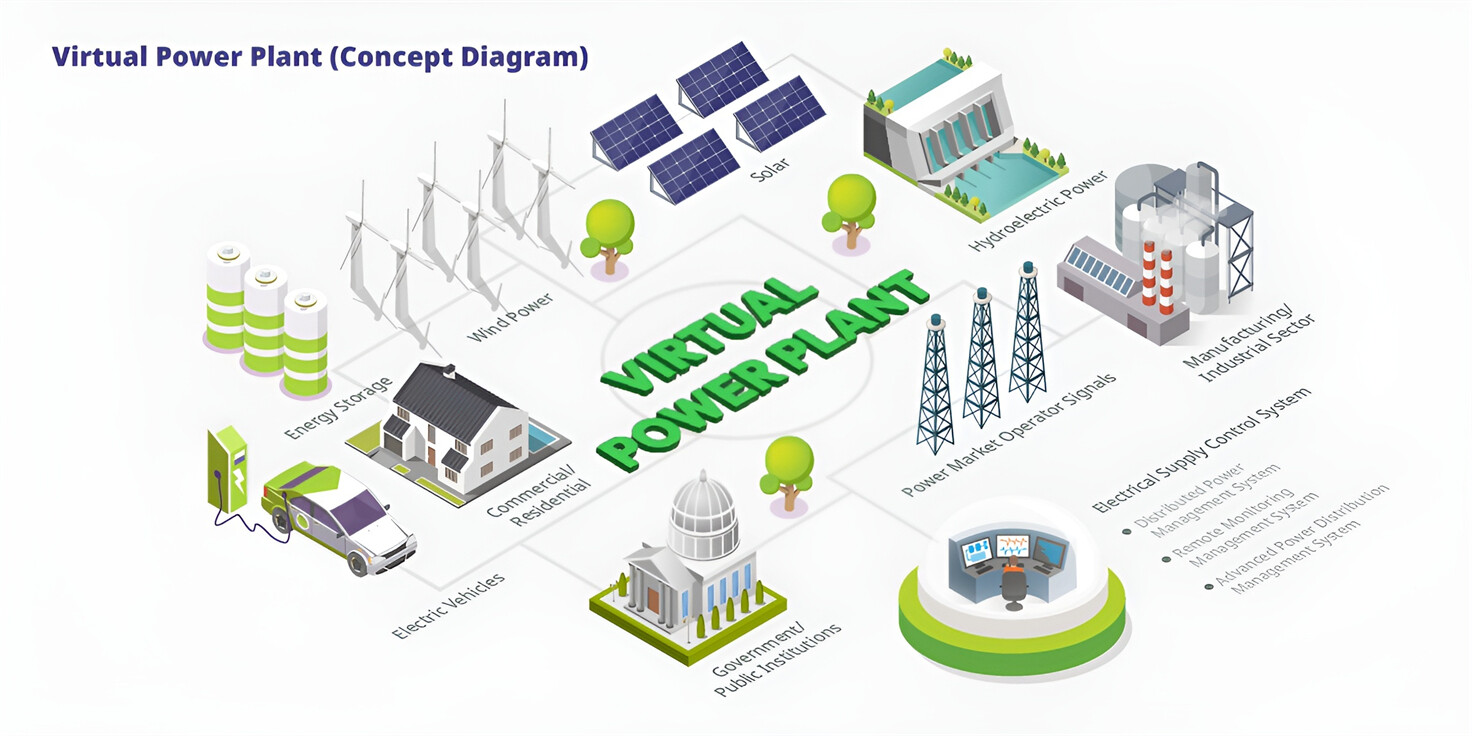
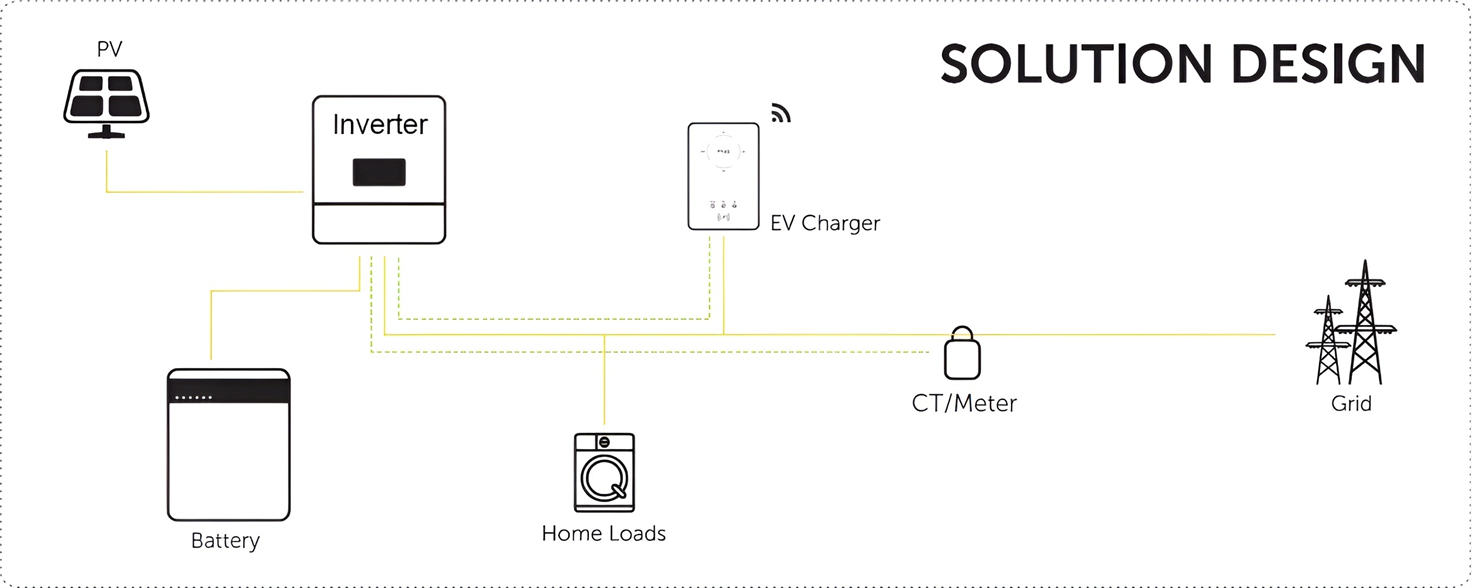
Well-designed Solutions for Energy Storage Systems
We will design the perfect energy storage system solution according to your needs, so that you can easily solve the specific industry applications of battery products.

About Our Battery Cells
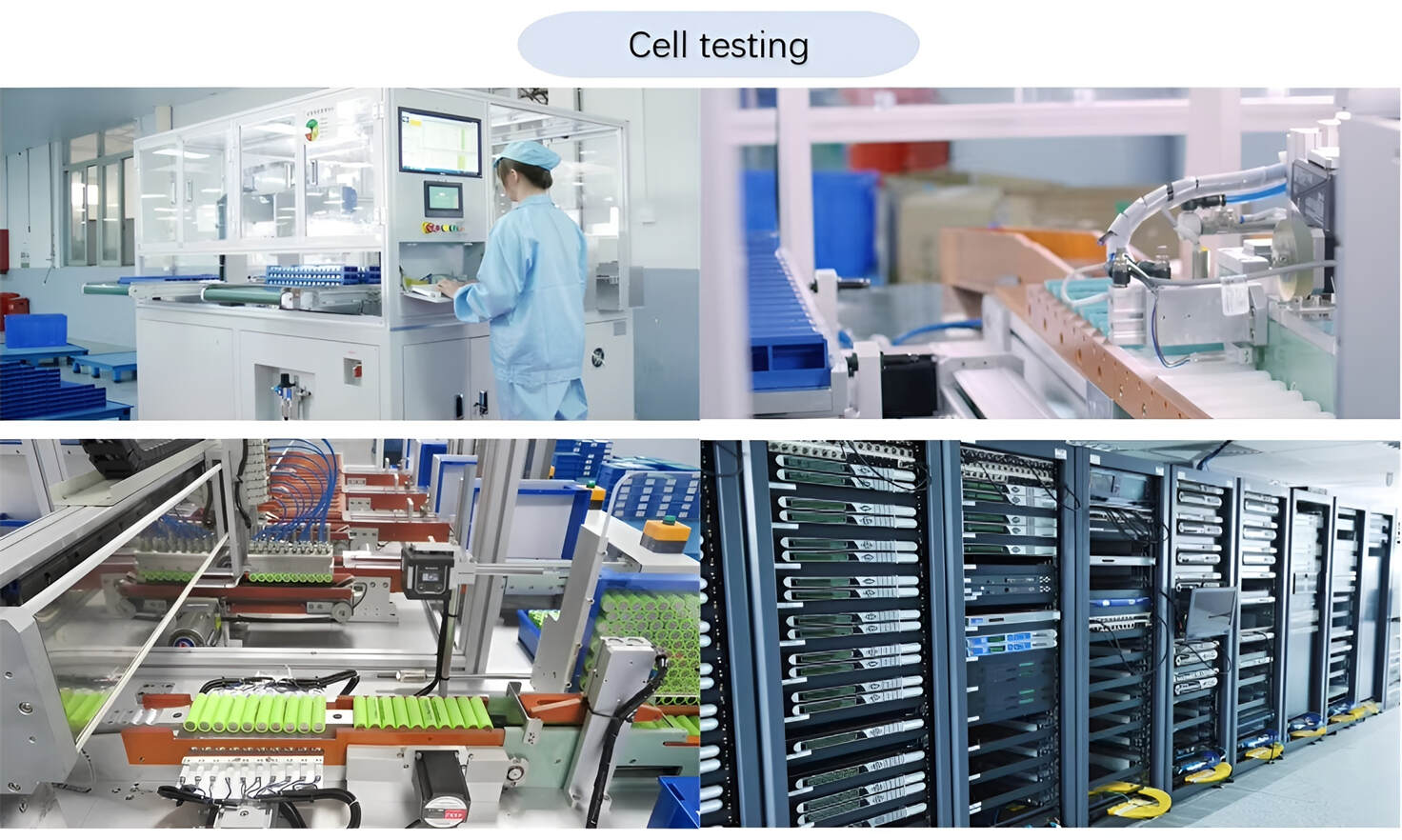
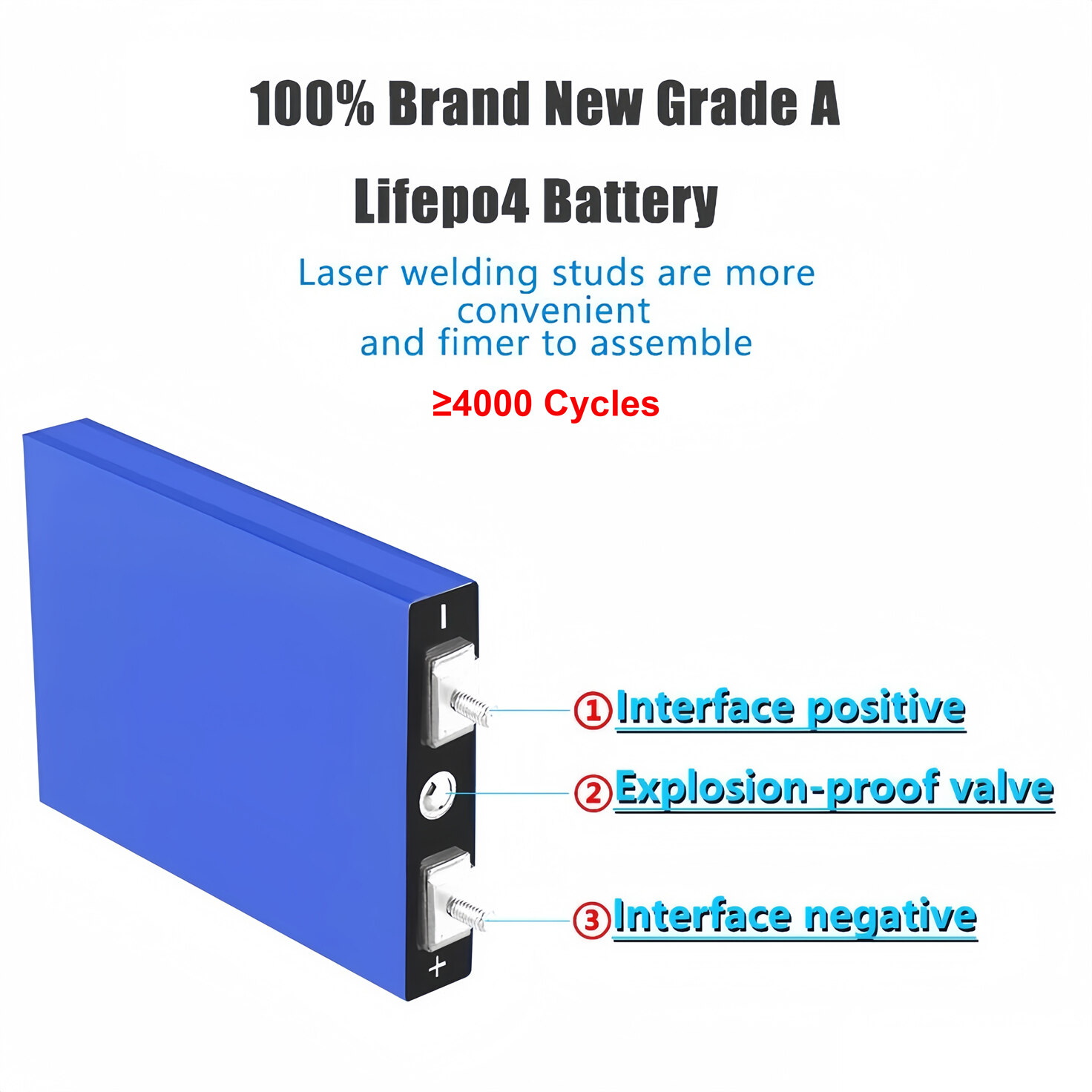
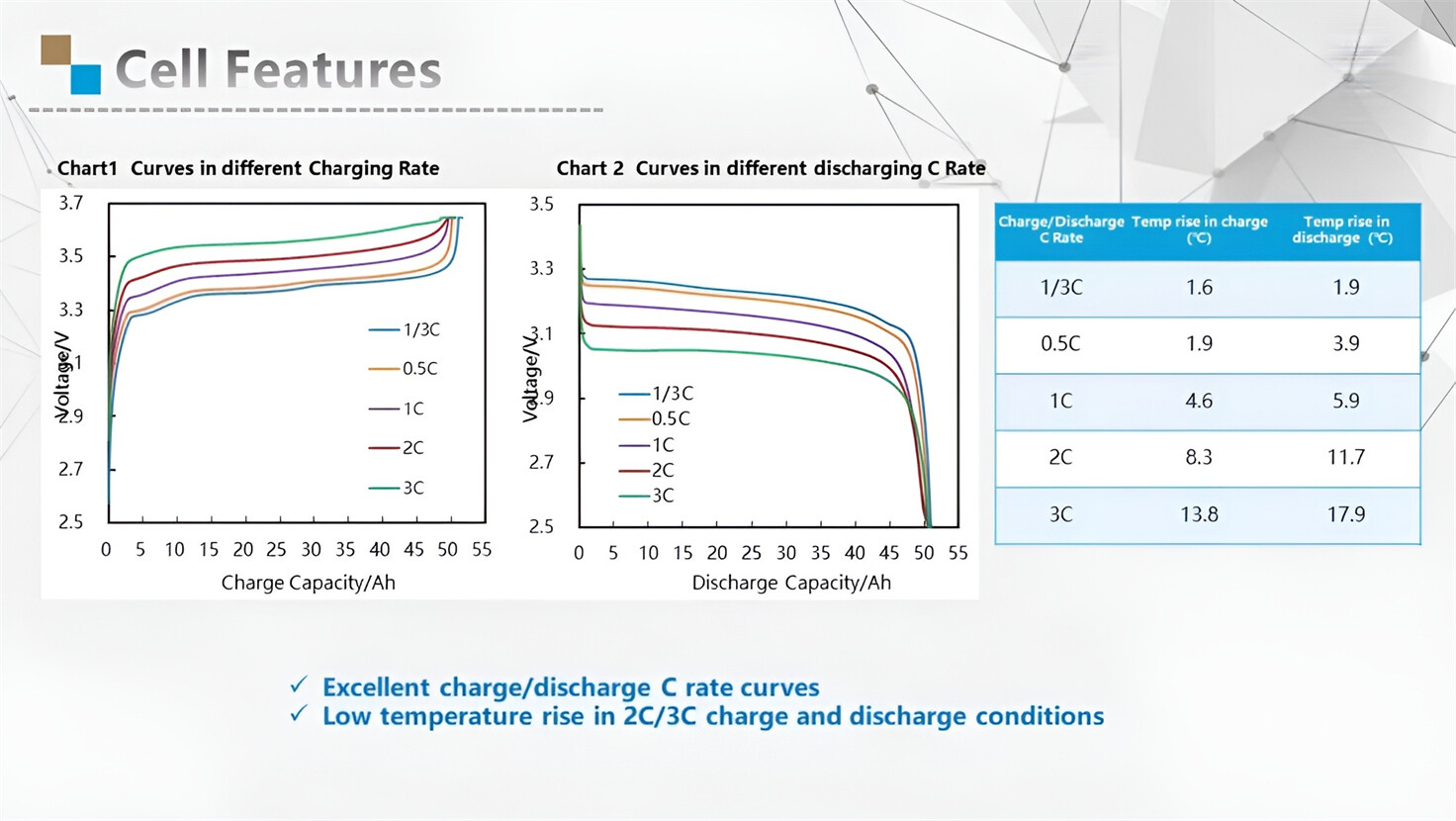
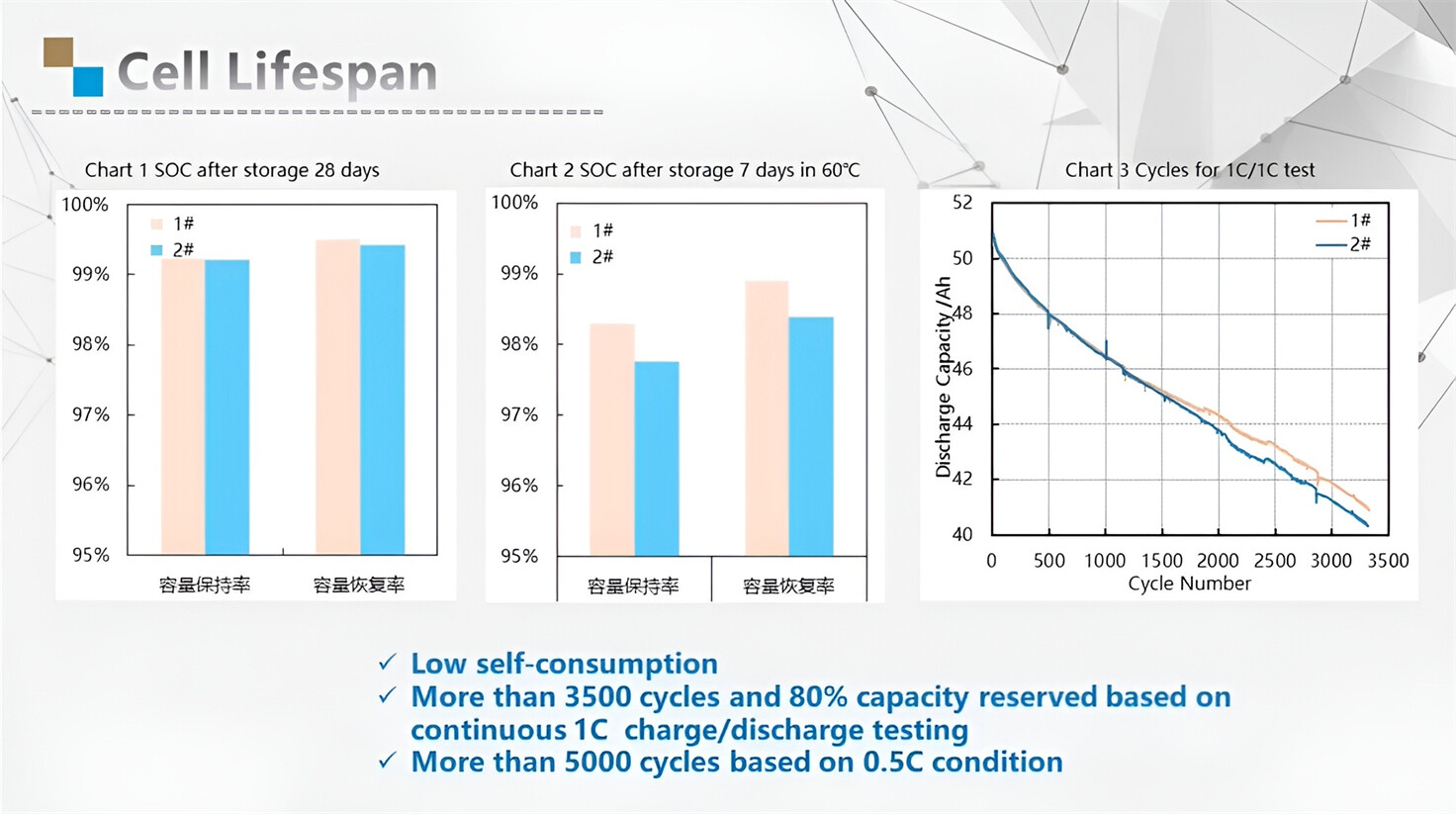
Our energy storage system products use brand new grade A LiFePO4 cells with a battery lifespan of more than 4,000 charge/discharge cycles.
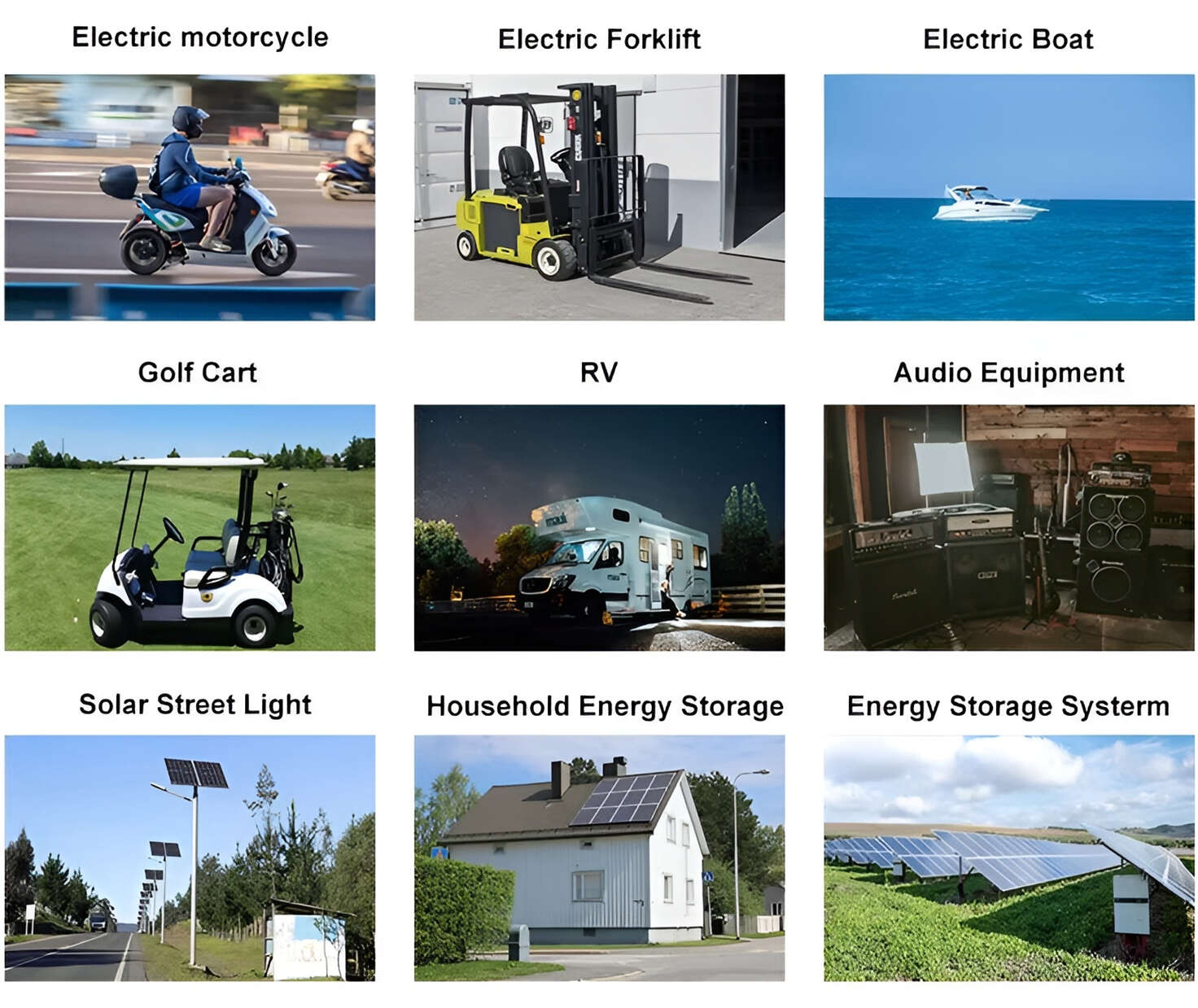
Applications in Different Industries
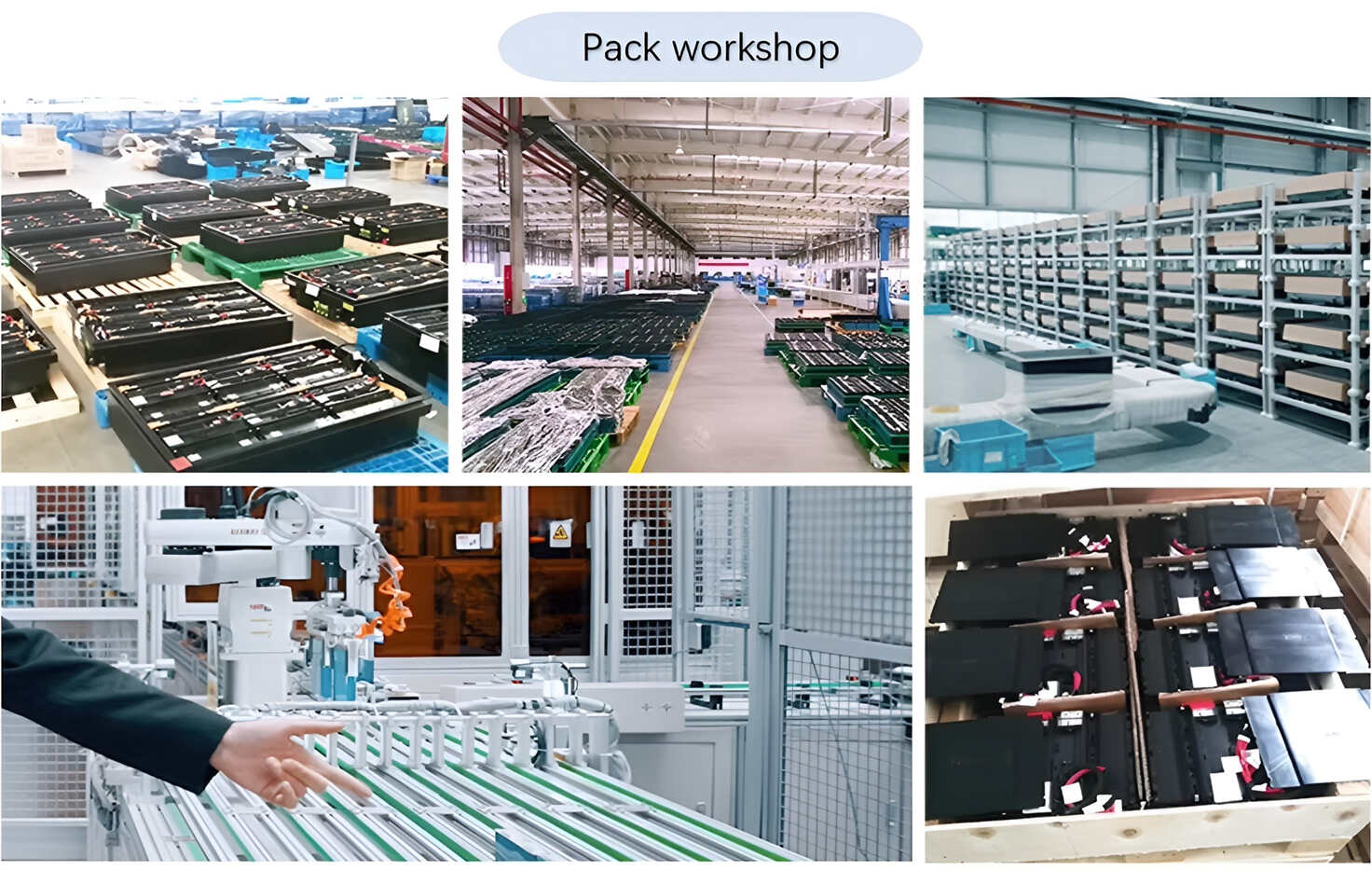
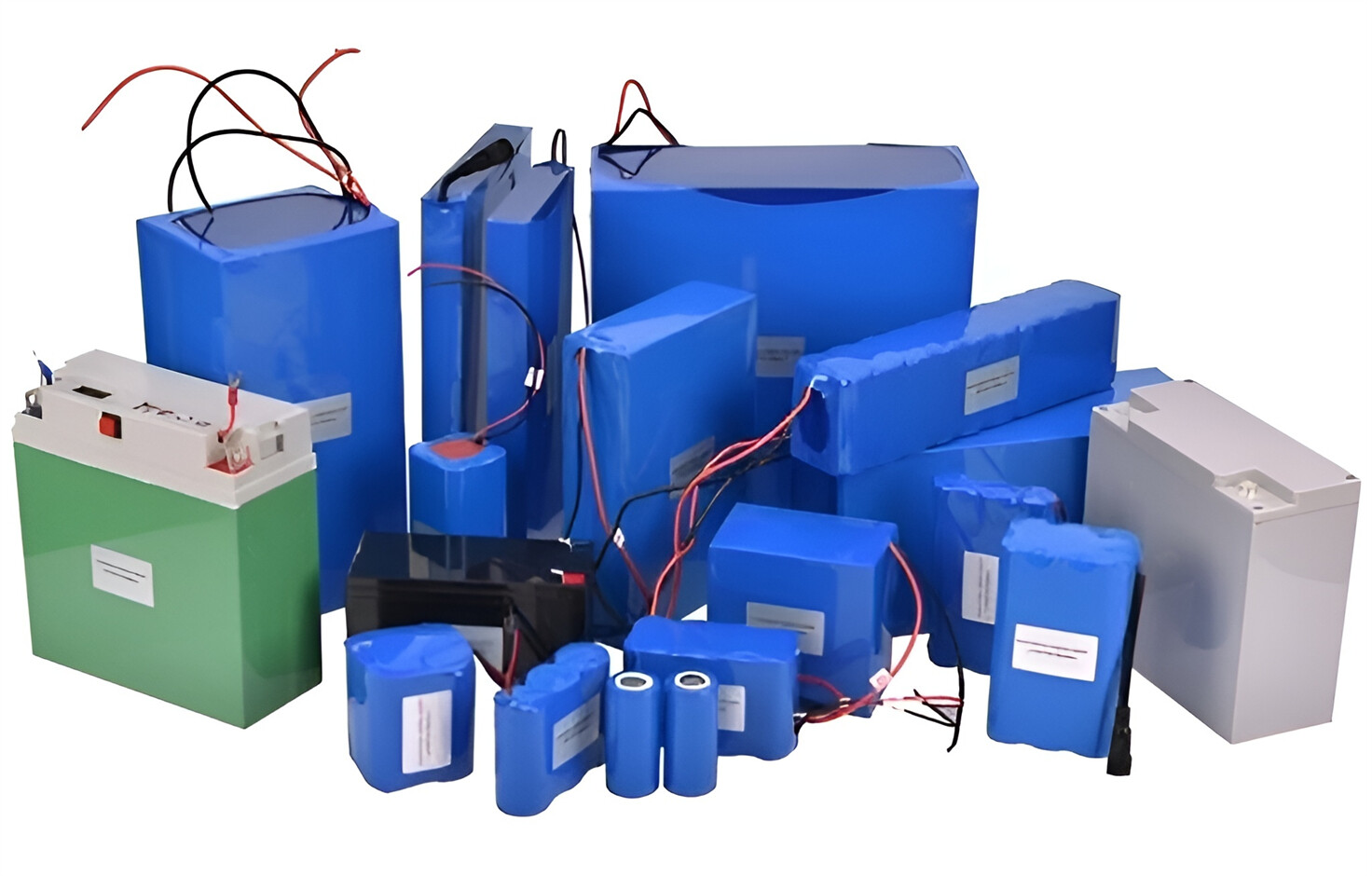
We supply customized & OEM battery pack, assemble cells with wiring, fuse and plastic cover, all the cell wires connected to PCB plug or built BMS.
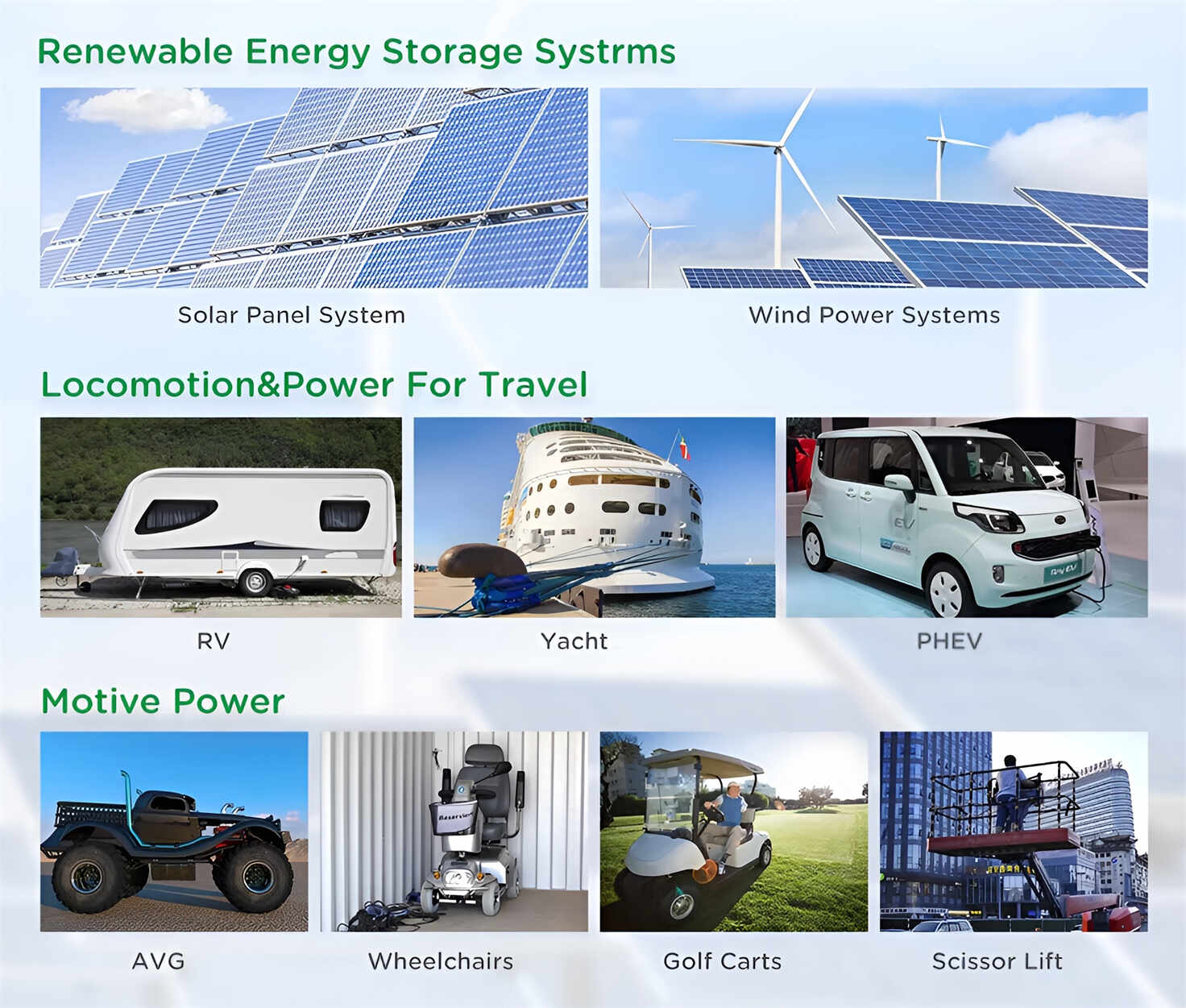
Applications: E-bike, Electric Scooter, Golf Carts, RV, Electric Wheelchair, Electric Tools, Robot Cleaner, Robot Sweeper, Solar Energy Storage System, Emergency Light, Solar Power Light, Medical Equipment, UPS Backup Power Supply.
We can provide you with customized services. We have the ability to provide a vertical supply chain, from single cells to pack/module and to a complete power solution with BMS, etc.
HomSolar (Shenzhen) Technology Co., Ltd