Advances In Lithium Diffusion: Unlocking Next-generation Energy Storage Through Interfacial Engineering And Atomic-scale Insights
The relentless pursuit of higher energy density, faster charging rates, and longer cycle life in lithium-ion batteries (LIBs) hinges on a fundamental physical process: lithium diffusion. The rate at which Li+ ions can traverse electrode materials and cross interfaces directly dictates the power performance and efficiency of the entire device. Recent years have witnessed a paradigm shift in the research on lithium diffusion, moving from bulk material design to the precise engineering of interfaces and the exploitation of atomic-scale phenomena. This article explores the latest breakthroughs in understanding and enhancing lithium diffusion, highlighting progress in interfacial engineering, novel characterization techniques, and emerging material paradigms.
The Interphase: From Passive Layer to Active Diffusion Highway
For decades, the solid-electrolyte interphase (SEI) was viewed as a necessary but resistive barrier, a passive layer formed from electrolyte decomposition. The prevailing goal was to simply stabilize it. The new paradigm, however, recognizes the SEI as a critical component for lithium diffusion. Its chemical composition, nanostructure, and mechanical properties govern the kinetics of Li+ ion transport from the electrolyte into the electrode.
A major breakthrough has been the development ofartificial SEIlayers. Researchers are no longer solely reliant onin-situformation. For instance, designing ultra-thin, uniform layers of lithium fluoride (LiF) or lithium phosphate (Li3PO4) on anode surfaces has shown remarkable results. A study by Fan et al. (2021) demonstrated that an artificial LiF-rich SEI on a lithium metal anode facilitates exceptionally fast Li+ diffusion, with a high diffusion coefficient (D~Li+) on the order of 10^-11 cm²/s, while simultaneously suppressing dendritic growth. This is because LiF, while ionically conductive for Li+, possesses high electronic resistivity, preventing continuous electrolyte reduction. Similarly, for silicon anodes, which suffer from massive volume expansion, conformal polymer-based or hybrid artificial interphases have been engineered to remain intact during cycling, maintaining a stable and fast diffusion pathway where a naturally formed SEI would continuously crack and reform, consuming lithium and increasing impedance.
On the cathode side, the interface between the cathode active material and the liquid electrolyte is equally critical. High-voltage cathodes (e.g., LiNi0.8Mn0.1Co0.1O2 - NMC811) suffer from surface degradation and transition metal dissolution, which poisons the anode and forms a cation-disordered rock-salt layer that severely impedes Li+ diffusion. The latest strategy involves the use ofconformal coatingtechniques, such as atomic layer deposition (ALD), to apply nanoscale-thin protective layers of Al2O3, LiAlO2, or LiZrO2. These coatings act as a physical barrier against corrosive species while allowing Li+ ions to tunnel through, effectively preserving the high diffusion coefficient of the pristine cathode surface. Work by Li et al. (2022) showed that a 2-nm LiAlO2 coating on NMC811 significantly reduced charge transfer resistance and maintained over 90% capacity after 500 cycles at high voltage, a direct consequence of sustained interfacial lithium diffusion kinetics.
Probing the Unseen: Atomic-Scale Insights from Advanced Characterization
Our ability to understand lithium diffusion has been revolutionized by advancedin-situ/operandocharacterization techniques. Traditional methods provided averaged information, but new tools allow for the direct observation of dynamic diffusion processes.Cryo-electron microscopy (cryo-EM), borrowed from structural biology, has been a game-changer for studying beam-sensitive battery materials. It enables the atomic-resolution imaging of the SEI and electrode interfaces in their native state, revealing their true nanostructure. For example, cryo-EM studies have revealed that a good SEI is often a mosaic of nanocrystalline inorganic phases (like Li2O and LiF) embedded in an amorphous organic matrix, creating multiple, interconnected pathways for rapid Li+ hopping (Li et al., 2017).
Furthermore,neutron scatteringandsolid-state nuclear magnetic resonance (ssNMR)spectroscopy are providing unprecedented insights into Li+ transport mechanisms within bulk materials. Neutron diffraction is uniquely sensitive to lithium atoms, allowing for the direct mapping of Li occupancy and diffusion pathways in crystalline structures. Meanwhile, advanced ssNMR techniques, such as pulsed-field gradient (PFG) NMR, can measure Li+ diffusion coefficients directly in operating batteries, correlating dynamic transport properties with electrochemical performance in real-time. These techniques have been instrumental in validating computational models and revealing how local structural distortions or point defects act as bottlenecks or facilitators for Li+ mobility.
Beyond Intercalation: New Diffusion Mechanisms in Next-Generation Chemistries
The focus on lithium diffusion is also intensifying in beyond-lithium-ion technologies, where the mechanisms can be radically different.
Inall-solid-state batteries (ASSBs), lithium diffusion across the solid-solid interface between the electrode and the solid electrolyte (SE) is the primary challenge. The high resistance at this point is often due to poor physical contact and chemical incompatibility. Recent breakthroughs involve the creation ofinterlayers. For instance, introducing a soft, lithophilic layer (e.g., a thin film of germanium or silicon) between a lithium metal anode and a sulfide-based SE (like Li10GeP2S12) dramatically reduces the interfacial resistance. This layer promotes intimate contact and provides a favorable surface for lithium nucleation and plating/stripping, enhancing the effective diffusion rate. Research is also exploringsinteringandfield-assistedtechniques to create seamless, grain-boundary-free interfaces that offer minimal resistance to Li+ flow.
Forlithium-sulfur (Li-S) batteries, the diffusion challenge is multifaceted, involving the dissolution and shuttling of lithium polysulfides (LiPS). The latest strategies focus on designing "capturing-catalyzing-converting" hosts for sulfur. Materials like single-atom catalysts (SACs) dispersed on graphene or MXene substrates not only chemically bind LiPS but also significantly lower the energy barrier for the liquid-solid conversion reaction from Li2S4 to Li2S. This catalytic effect accelerates the reaction kinetics, which is intrinsically linked to the surface diffusion of Li+ and polysulfide species, leading to higher utilization of active material and suppression of the shuttle effect (Pang et al., 2023).
Future Outlook and Challenges
The future of enhancing lithium diffusion lies in moving from empirical optimization topredictive design. The integration of multi-scale modeling—fromab-initiocalculations predicting diffusion energy barriers to phase-field simulations of interface evolution—with high-throughput experimentation will accelerate the discovery of optimal interfacial compositions and architectures.
Key challenges remain: 1. Scalability: Techniques like ALD and the synthesis of complex nanostructures must be adapted for cost-effective, large-scale battery manufacturing. 2. Multi-ion Systems: As we explore sodium, potassium, and multivalent ion batteries, the principles learned from lithium diffusion must be re-evaluated due to different ionic radii and charge densities. 3. Dynamic Evolution: Interfaces are not static. Developing operando tools with higher temporal and spatial resolution to monitor theevolutionof diffusion pathways during thousands of cycles is crucial for designing truly durable batteries.
In conclusion, the field of lithium diffusion has matured from a focus on bulk properties to a sophisticated science of interface control and atomic-scale manipulation. By consciously designing the pathways that Li+ ions travel—be it through artificial interphases, catalytic surfaces, or seamless solid-solid contacts—we are systematically dismantling the kinetic barriers that have long constrained electrochemical energy storage. The continued unraveling of lithium diffusion mysteries promises to be the cornerstone for powering the next generation of electric vehicles, grid storage, and portable electronics.
References (Examples):Fan, X., et al. (2021). A Universal Strategy for Constructing a Robust LiF-rich Solid-Electrolyte Interphase.Nature Energy, 6(7), 653-662.Li, Y., et al. (2017). Atomic structure of sensitive battery materials and interfaces revealed by cryo-electron microscopy.Science, 358(6362), 506-510.Li, J., et al. (2022). Ultrathin LiAlO2 Layer Modified NMC811 Cathode with Enhanced Electrochemical Performance.Advanced Energy Materials, 12(15), 2103678.Pang, Y., et al. (2023). Single-Atom Catalysis for Accelerated Polysulfide Conversion in Lithium-Sulfur Batteries.Joule, 7(2), 352-367.
Customized/OEM/ODM Service
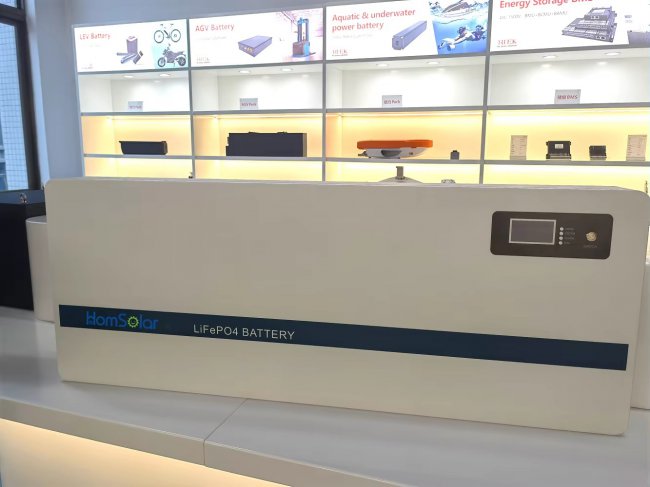
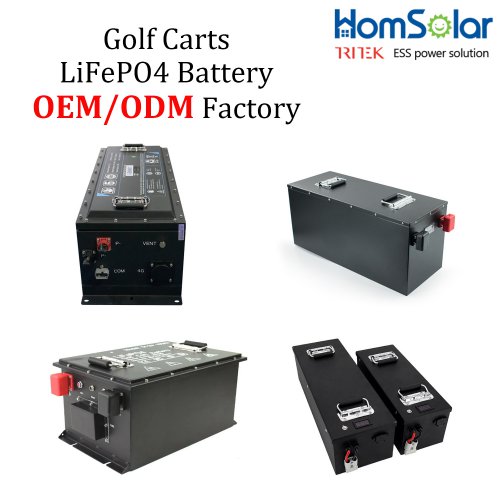
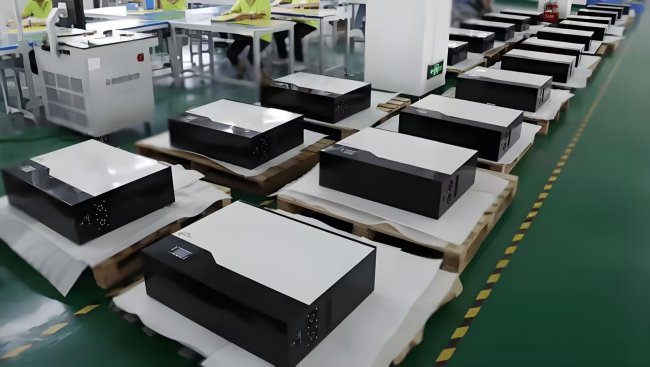
HomSolar Supports Lifepo4 battery pack customization/OEM/ODM service, welcome to contact us and tell us your needs.


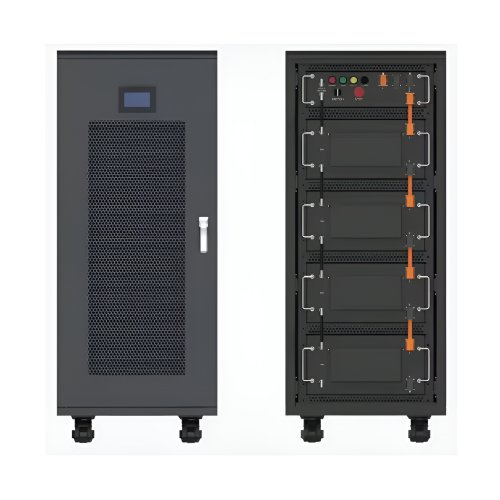
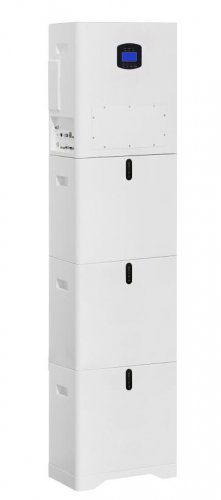
HomSolar: Your One-stop LiFePO4 Battery Pack & ESS Solution Manufacturer
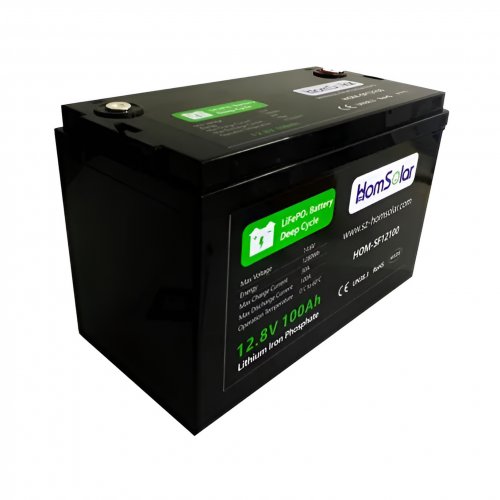
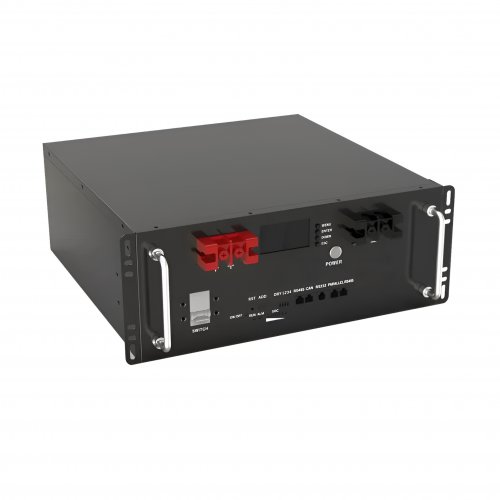
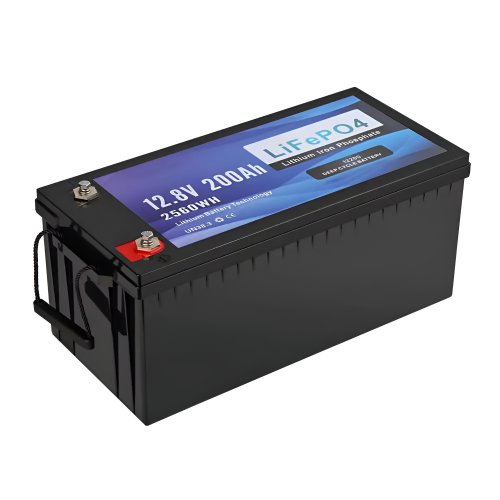
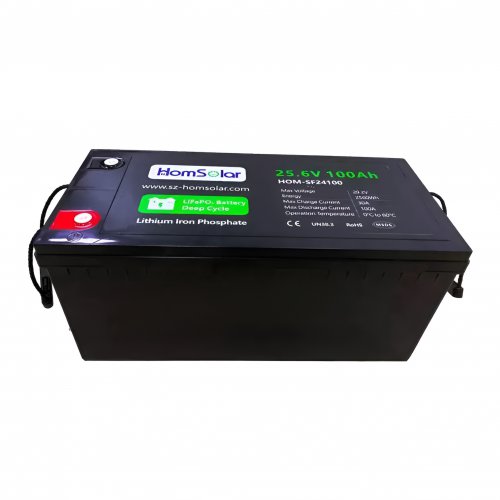
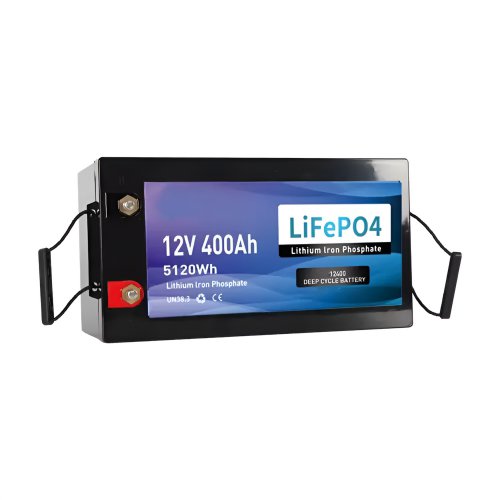
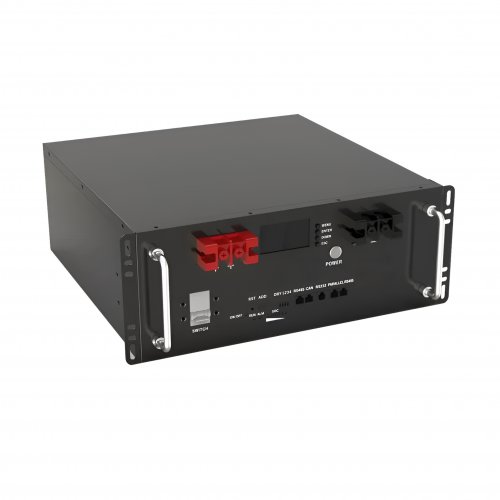
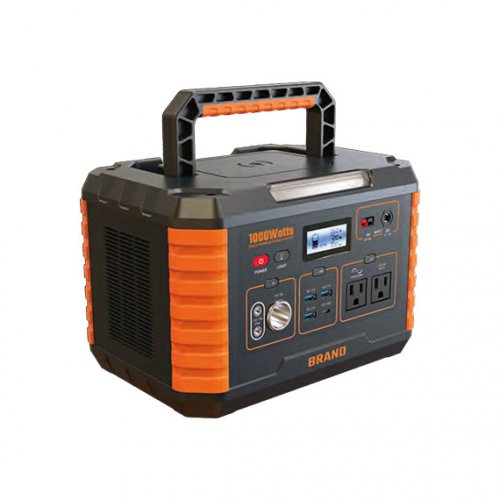
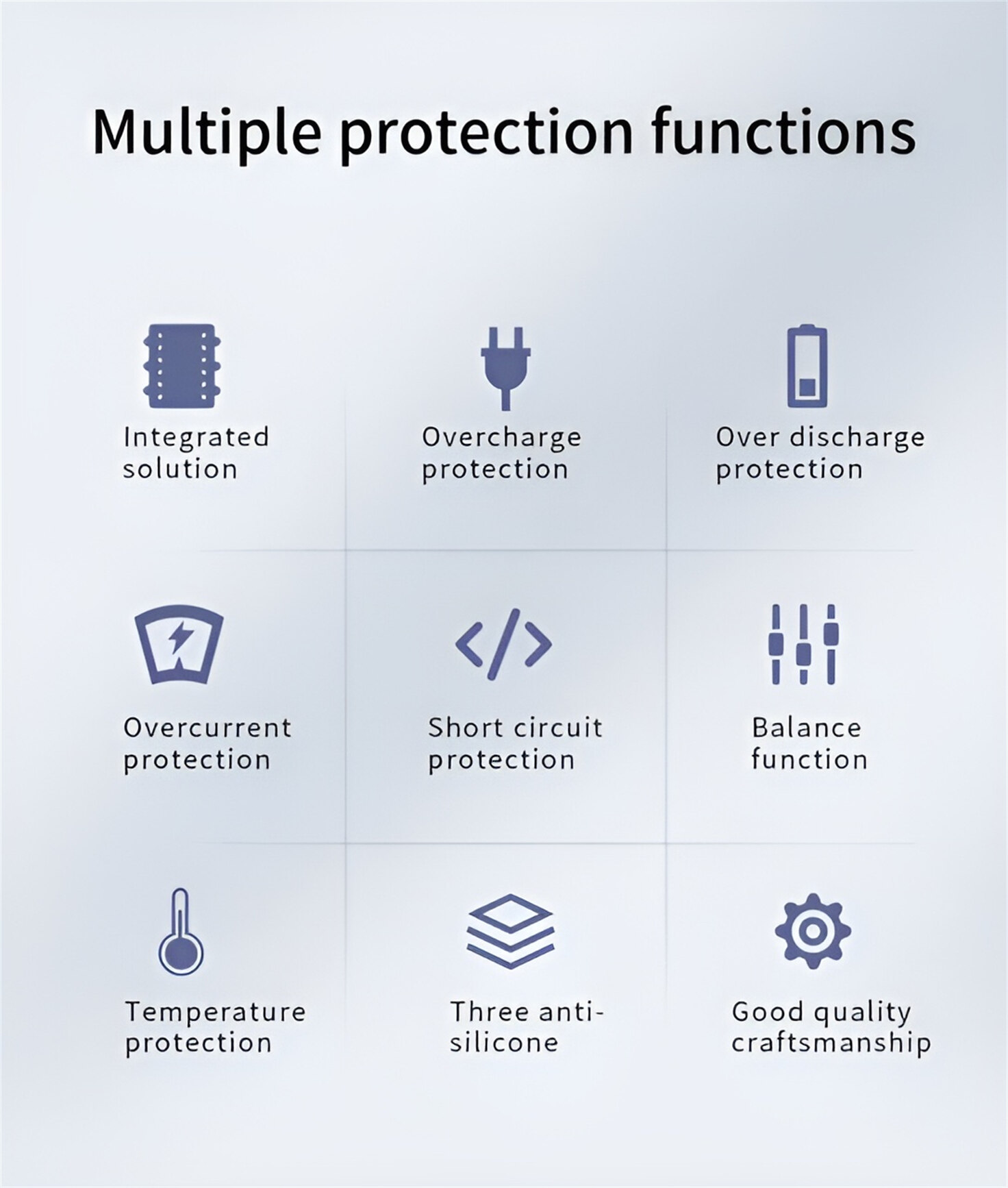
Our line of LiFePO4 (LFP) batteries offer a solution to demanding applications that require a lighter weight, longer life, and higher capacity battery. Features include advanced battery management systems (BMS), Bluetooth® communication and active intelligent monitoring.
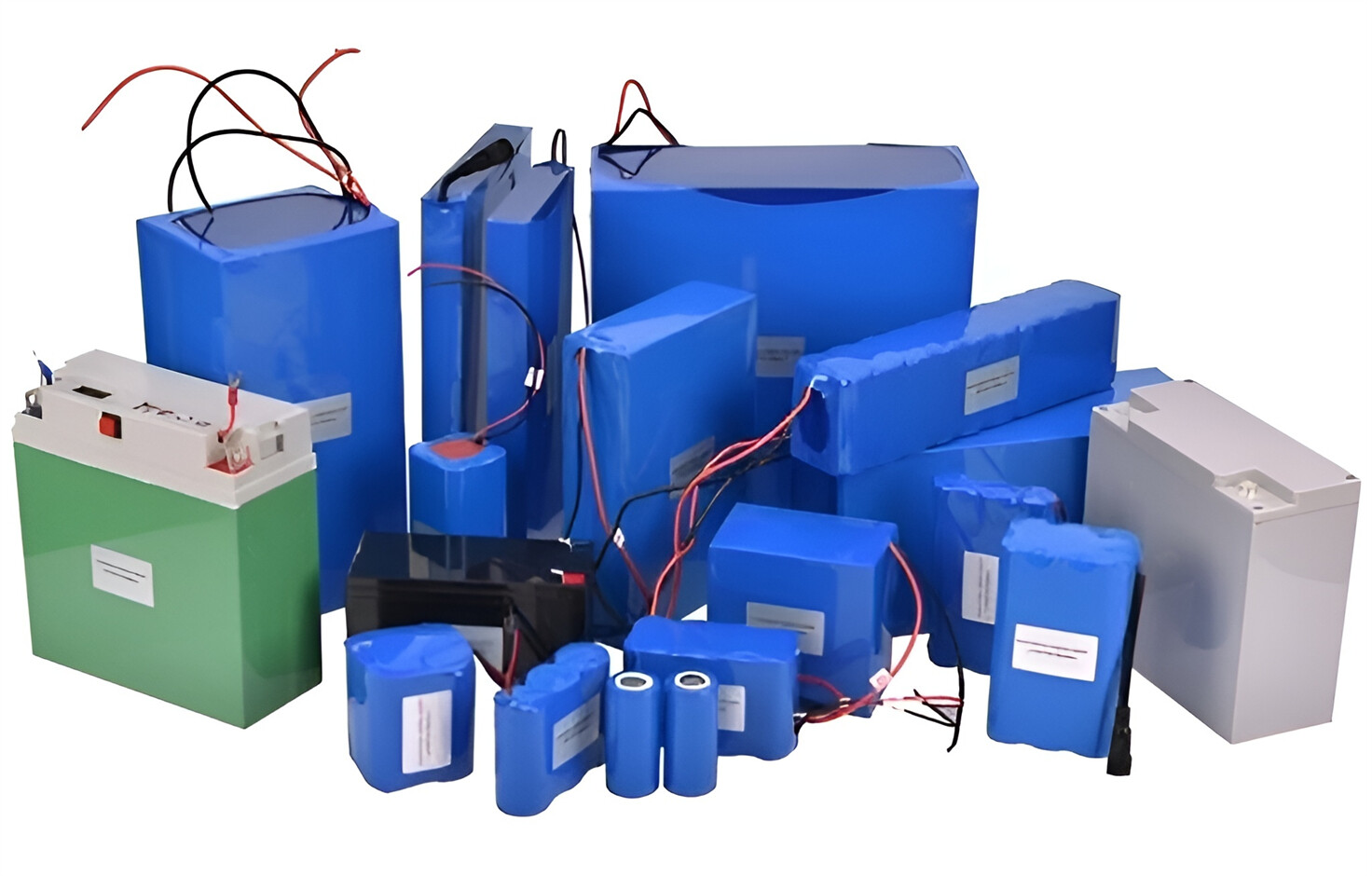
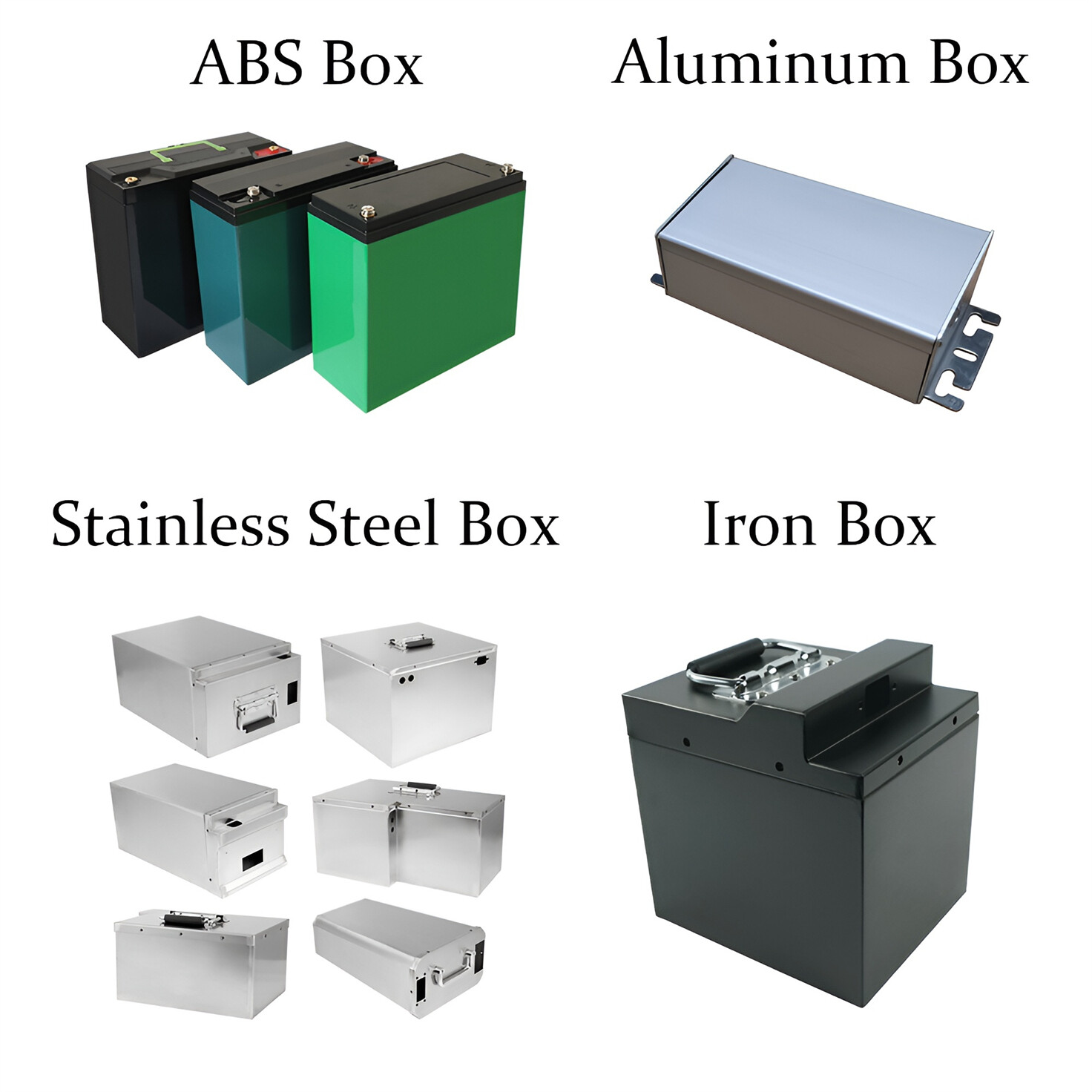
Customised Lithium Iron Phosphate Battery Casing
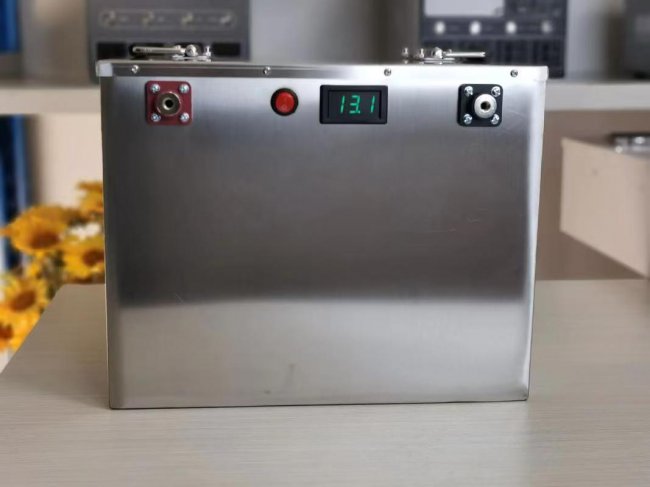
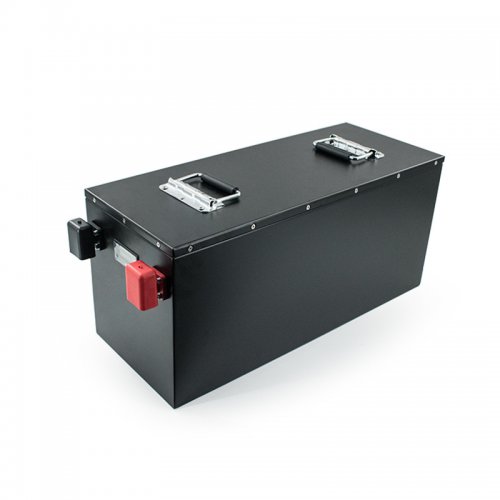
ABS plastic housing, aluminium housing, stainless steel housing and iron housing are available, and can also be designed and customised according to your needs.
HomSolar Smart BMS
Intelligent Battery Management System for HomSolar Energy Storage System. Bluetooth, temperature sensor, LCD display, CAN interface, UART interface also available.

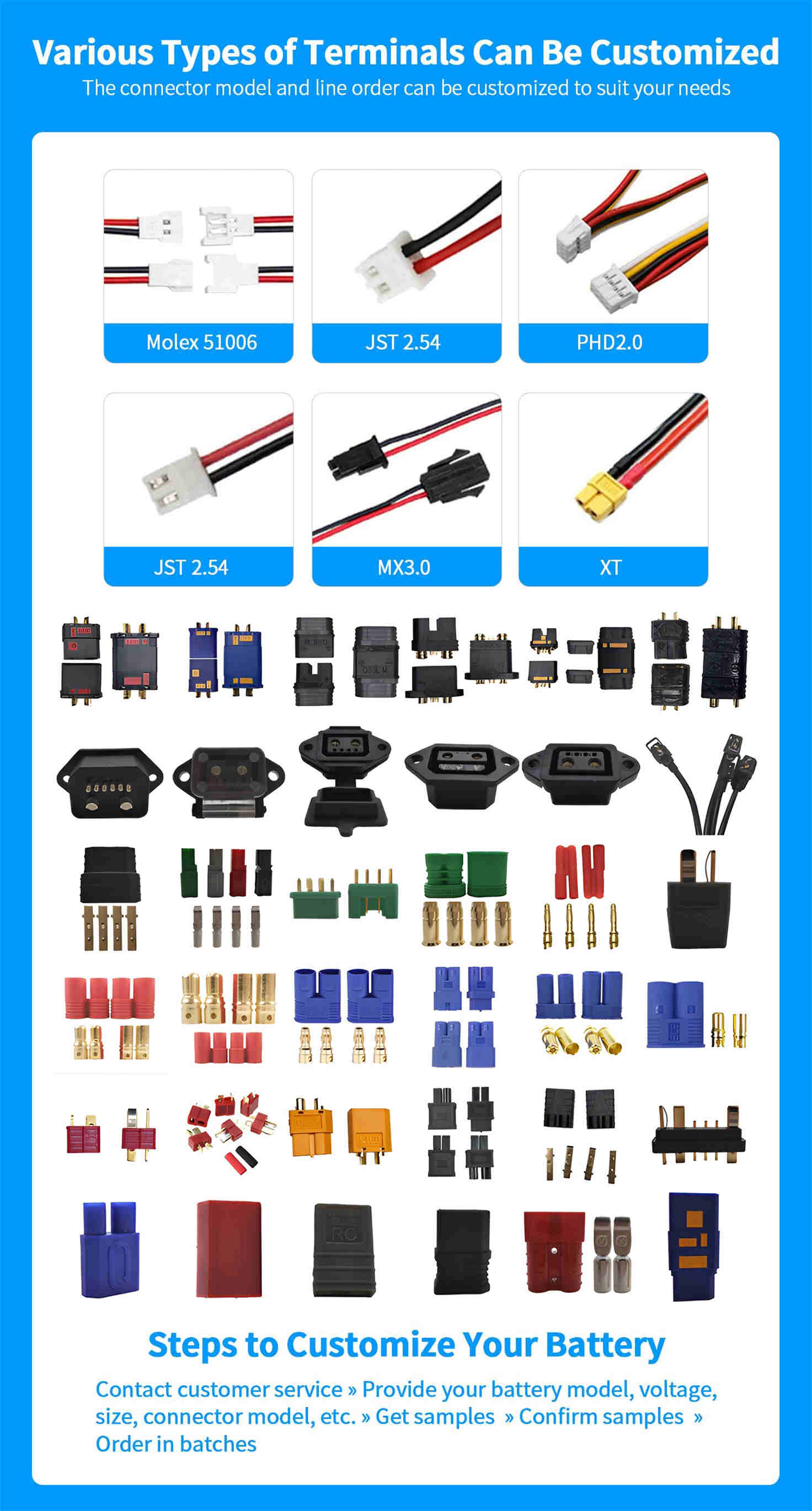
Terminals & Plugs Can Be Customized
A wide range of terminals and plugs can be customised to suit the application needs of your battery products.
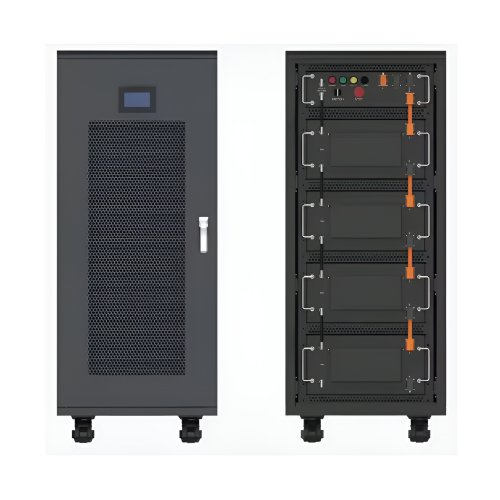
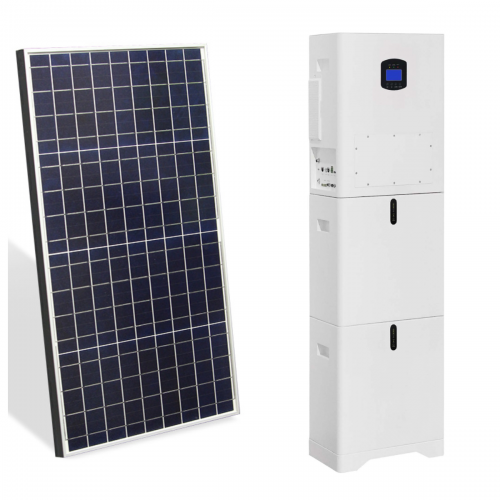
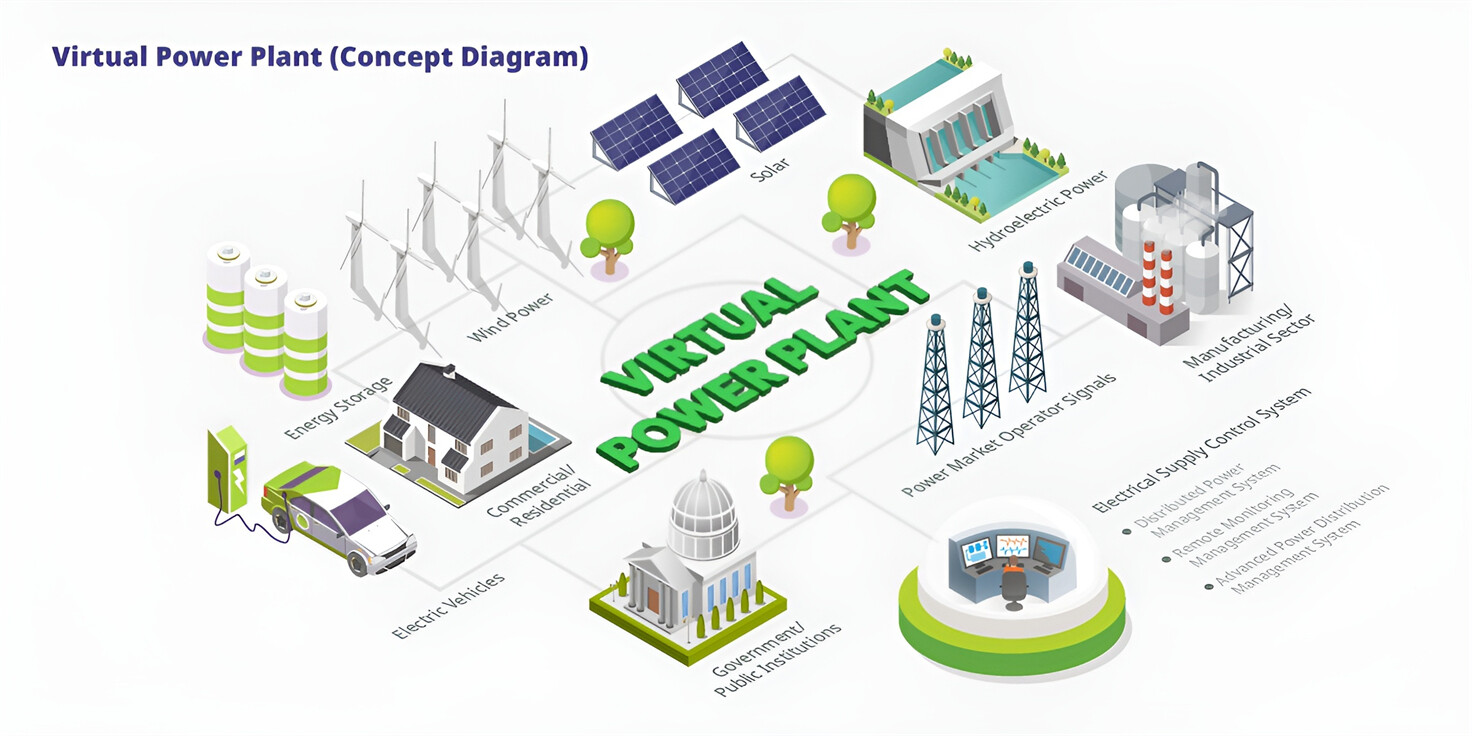
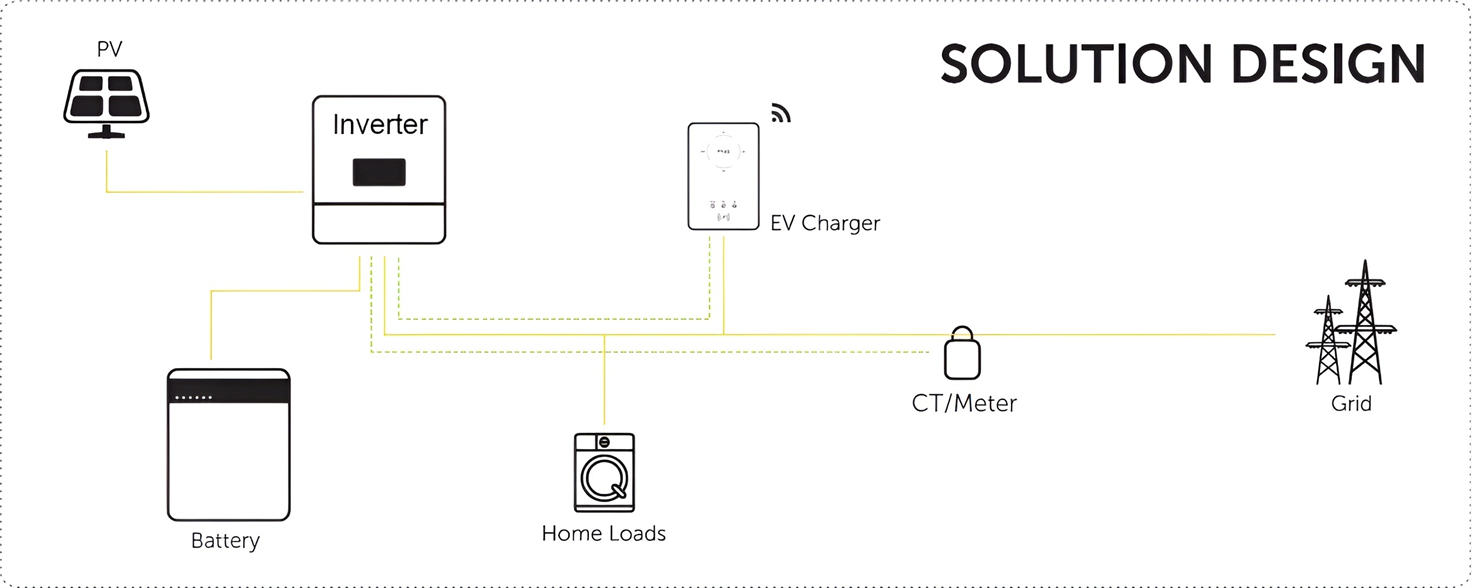
Well-designed Solutions for Energy Storage Systems
We will design the perfect energy storage system solution according to your needs, so that you can easily solve the specific industry applications of battery products.

About Our Battery Cells
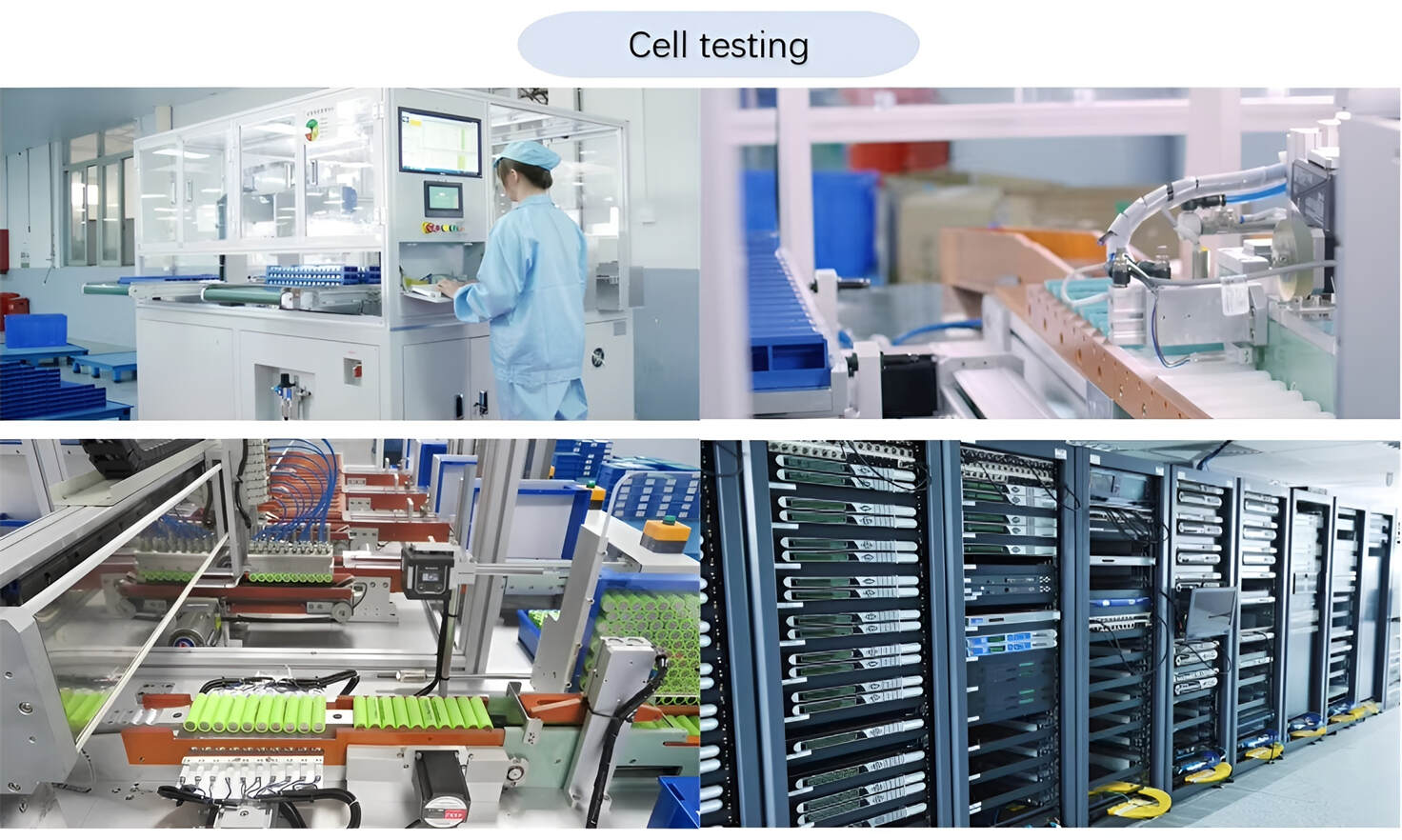
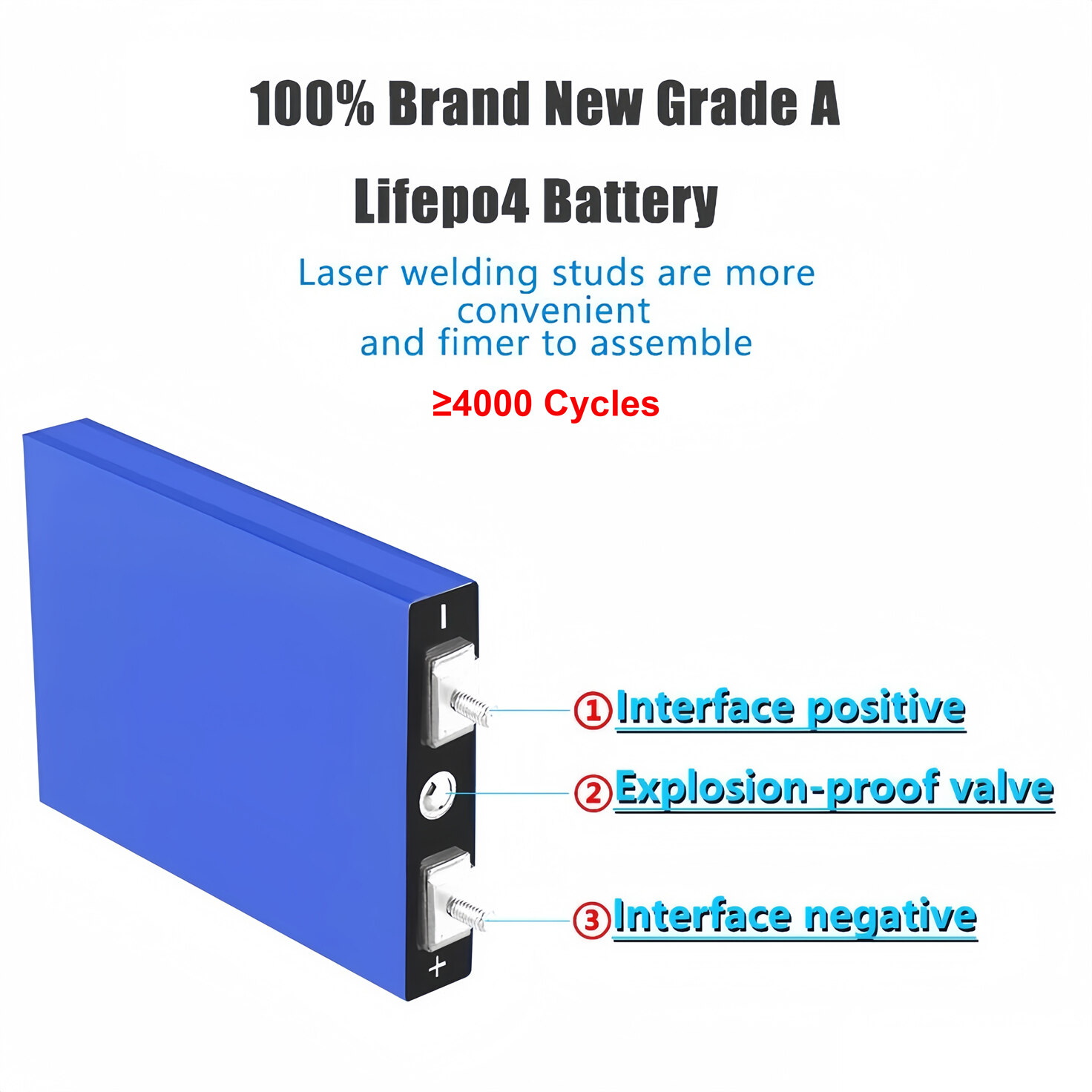
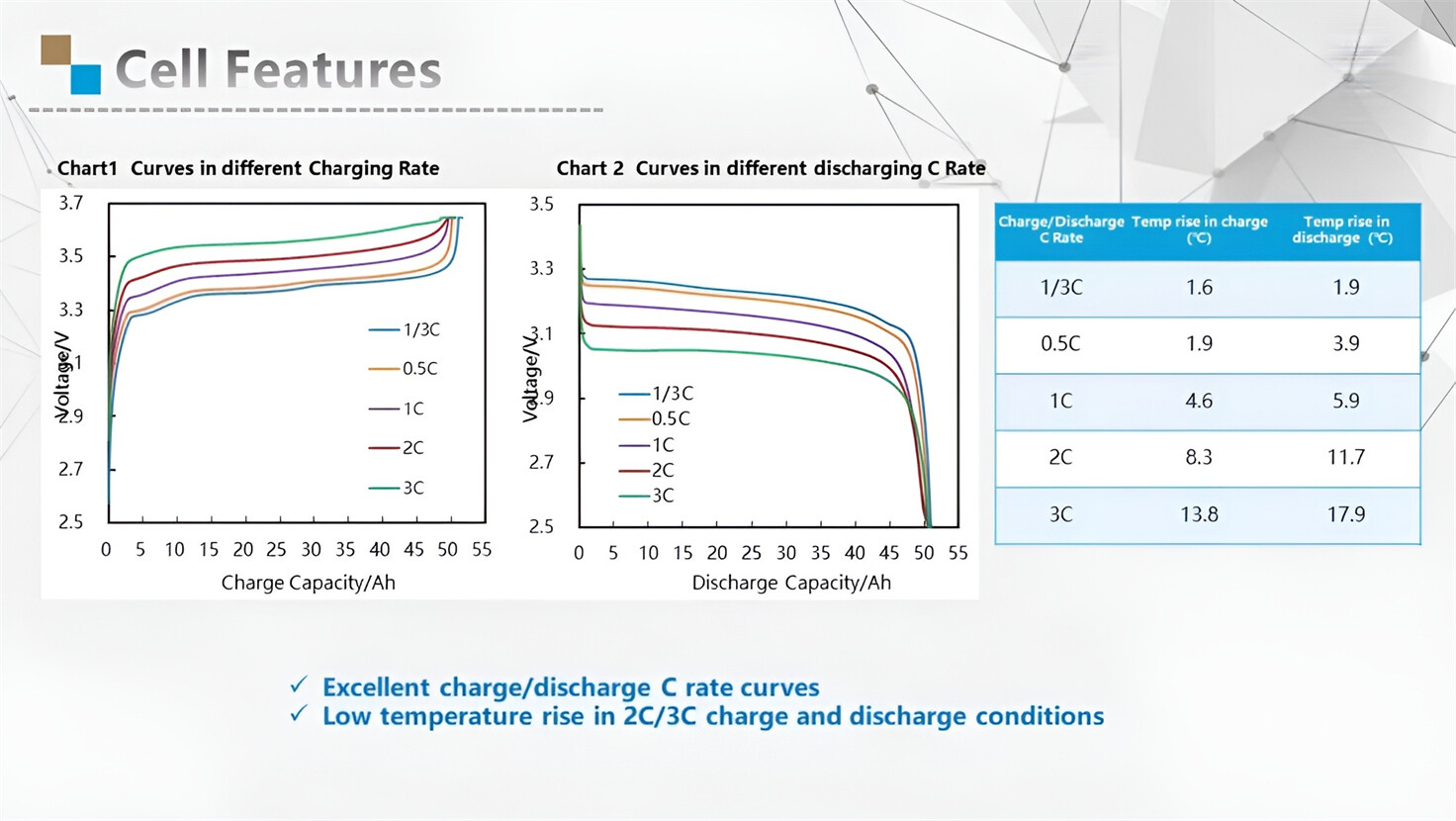
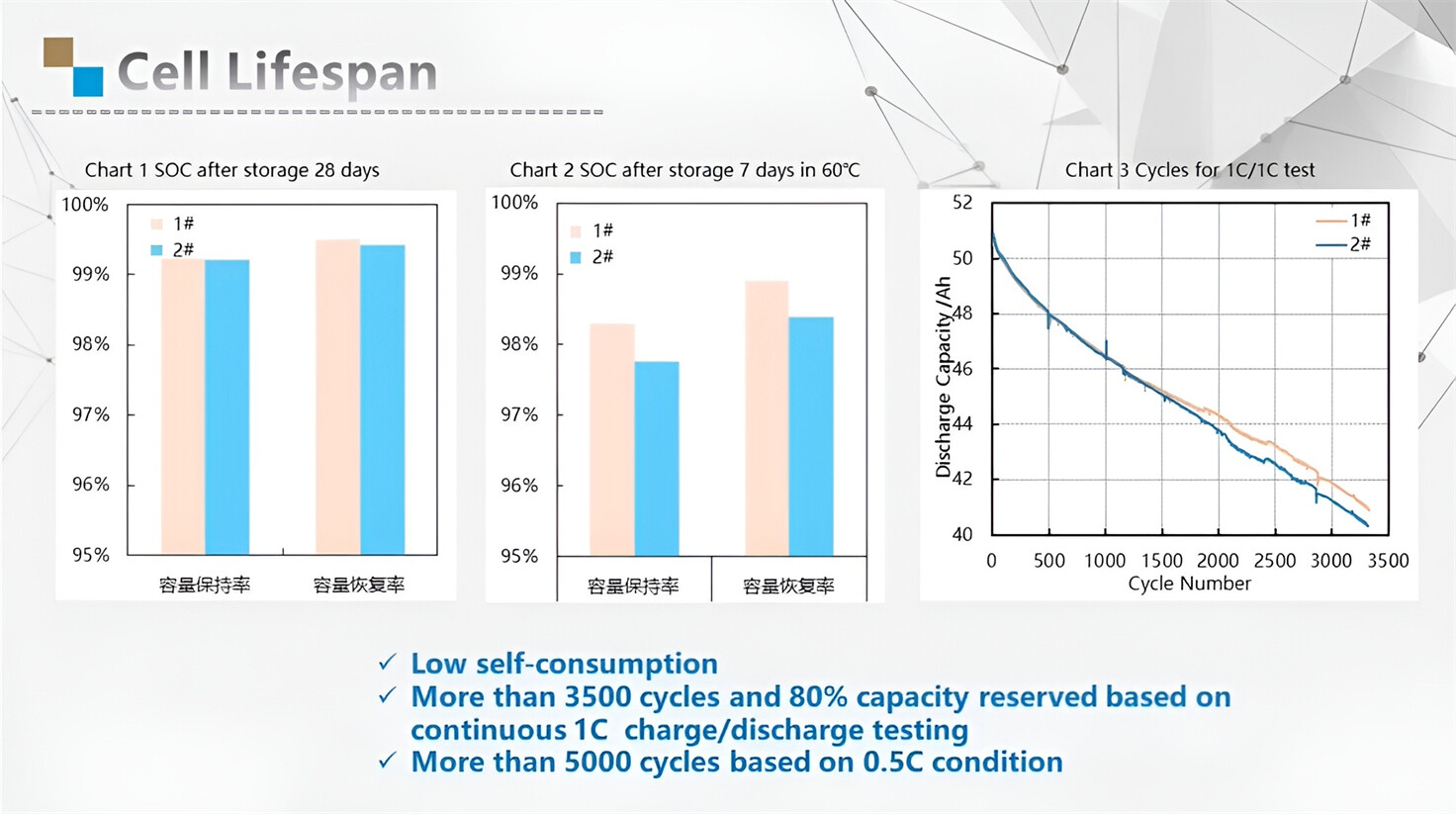
Our energy storage system products use brand new grade A LiFePO4 cells with a battery lifespan of more than 4,000 charge/discharge cycles.
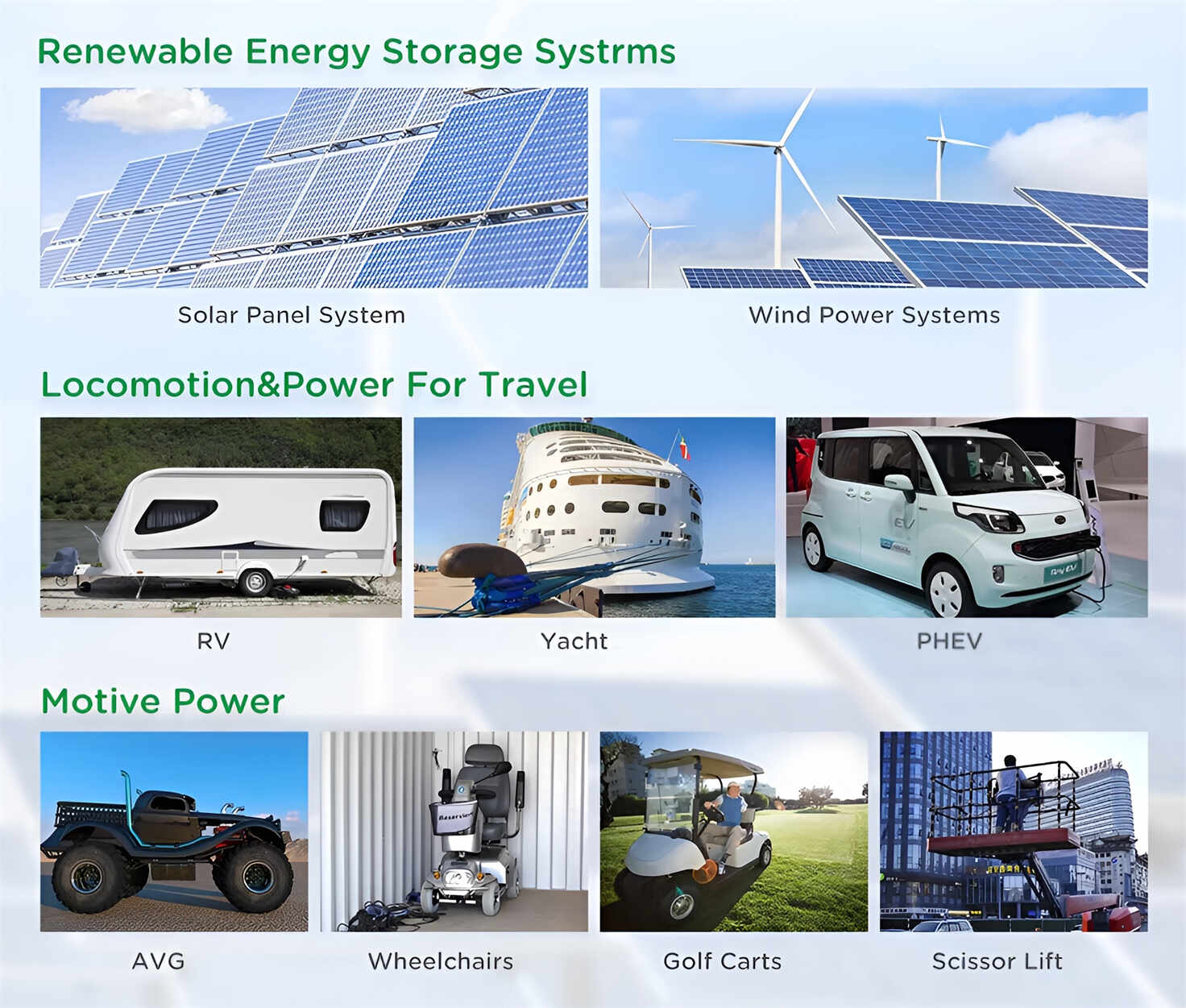
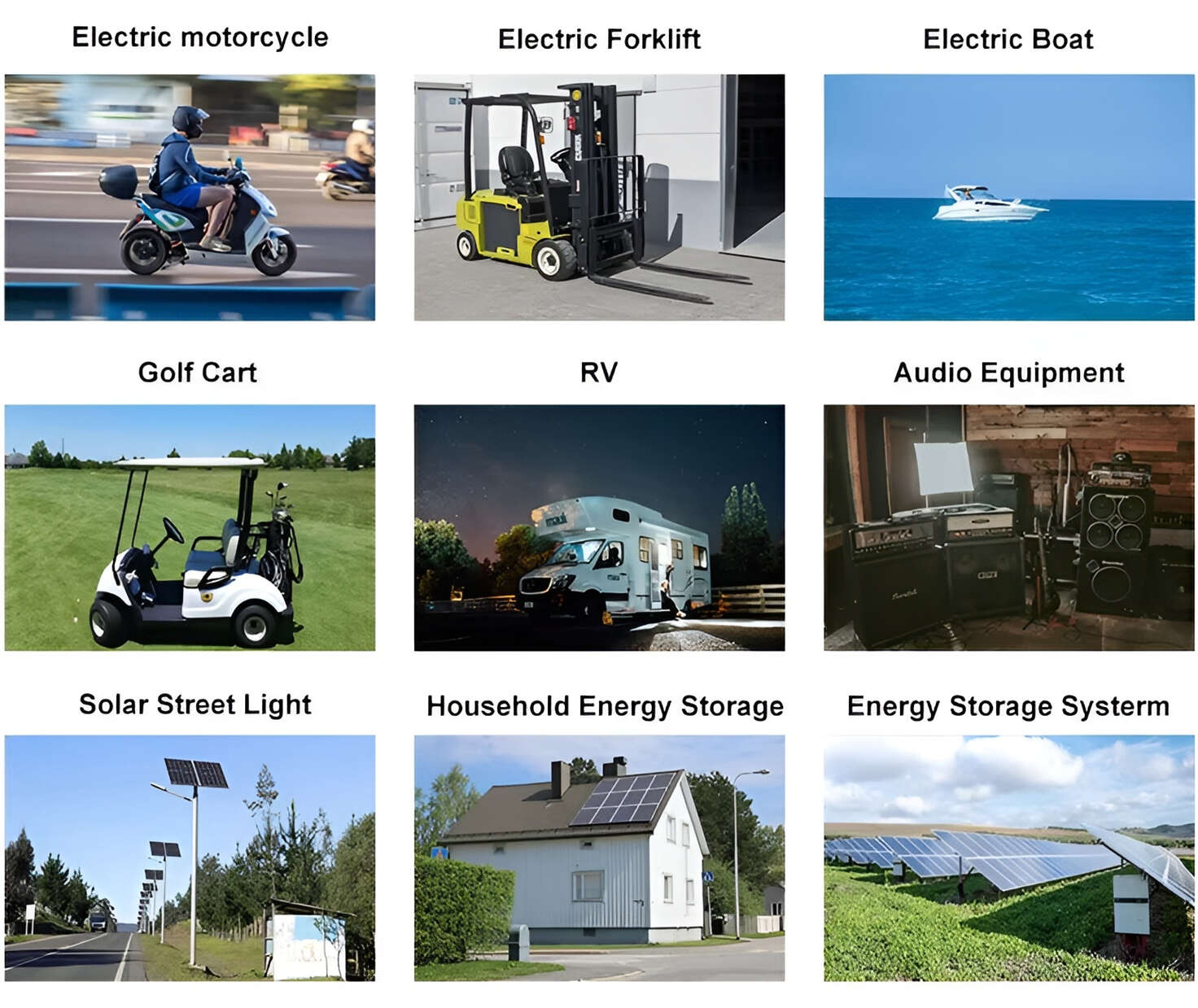
Applications in Different Industries
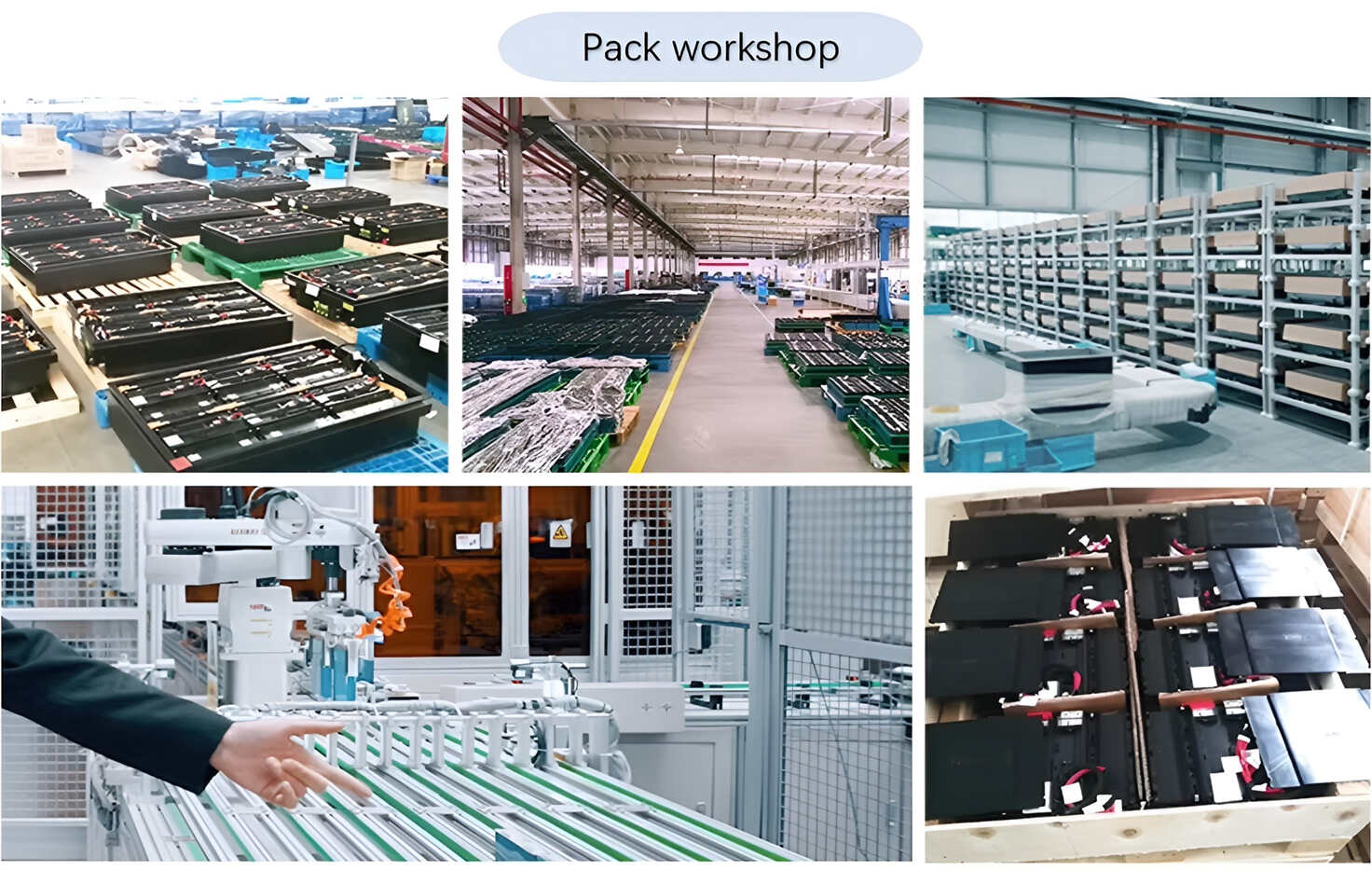
We supply customized & OEM battery pack, assemble cells with wiring, fuse and plastic cover, all the cell wires connected to PCB plug or built BMS.
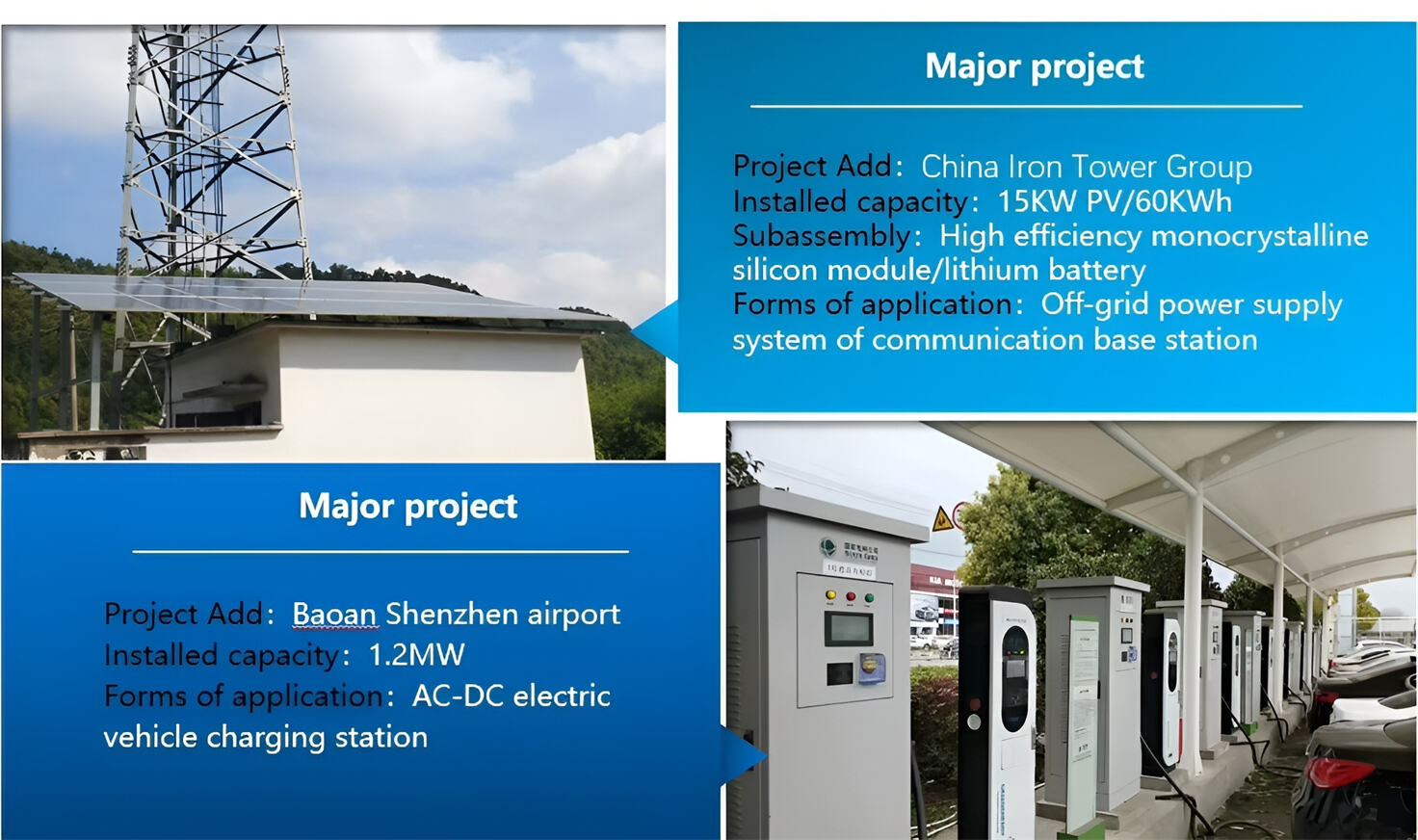
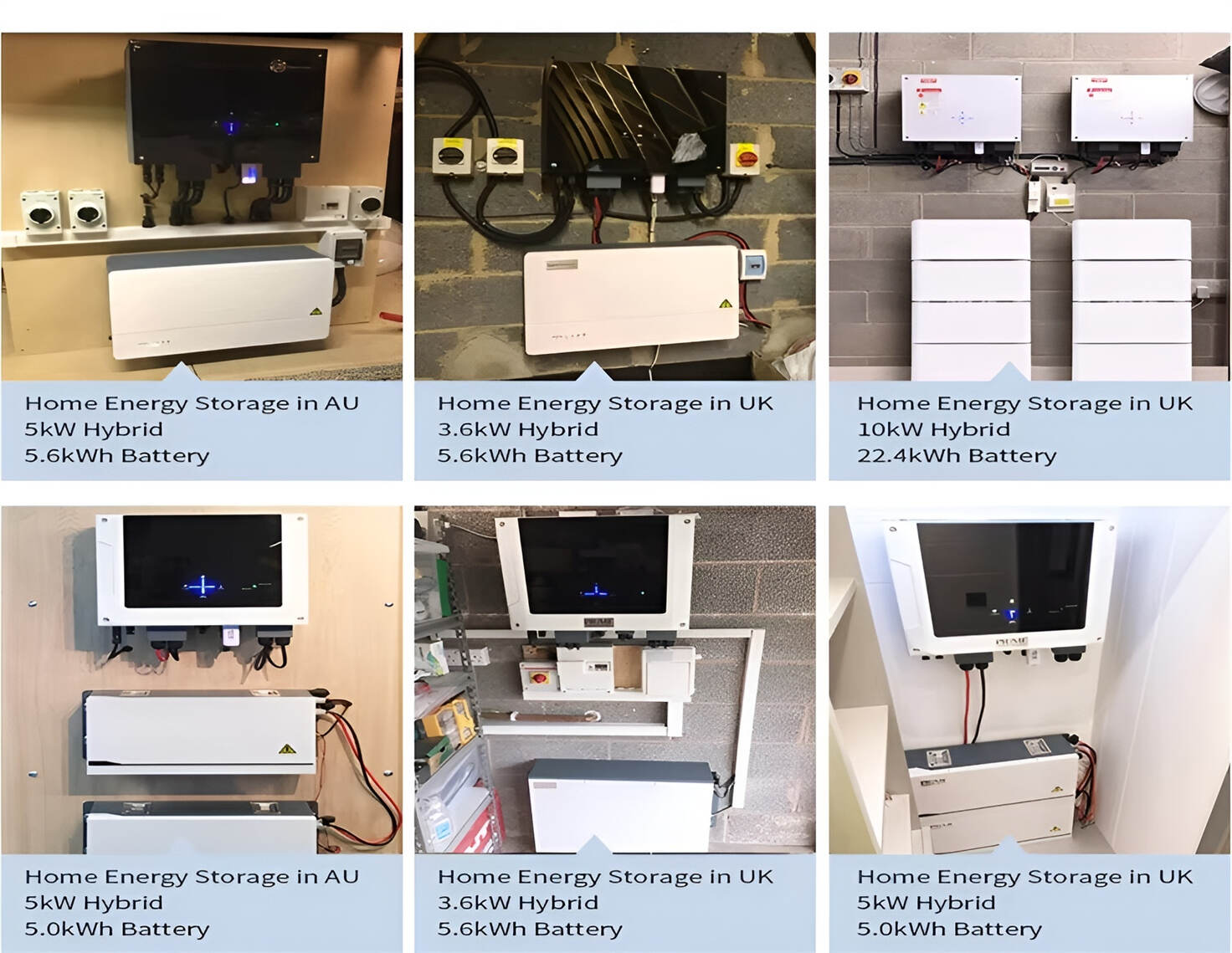
Applications: E-bike, Electric Scooter, Golf Carts, RV, Electric Wheelchair, Electric Tools, Robot Cleaner, Robot Sweeper, Solar Energy Storage System, Emergency Light, Solar Power Light, Medical Equipment, UPS Backup Power Supply.
We can provide you with customized services. We have the ability to provide a vertical supply chain, from single cells to pack/module and to a complete power solution with BMS, etc.
HomSolar (Shenzhen) Technology Co., Ltd