Advances In Interface Modification: Pioneering Control Over Material Properties And Device Performance
The performance and reliability of virtually all advanced materials and devices are dictated by the physical and chemical processes occurring at their interfaces. Whether in photovoltaic cells, lithium-ion batteries, catalytic systems, or bio-electronic implants, the interface is the critical juncture where charge transfer, molecular recognition, and energy conversion take place. For decades, the inability to precisely control these interfacial regions has been a fundamental bottleneck. Recent years, however, have witnessed a paradigm shift, moving from coarse, bulk-level treatments to atomically precise, rationally designed interface modification strategies. This article explores the latest breakthroughs in this field, highlighting how sophisticated chemical, physical, and biological techniques are unlocking unprecedented control over material properties and device functionalities.
Recent Breakthroughs in Modification Techniques
The frontier of interface modification is being pushed by the development of ultra-precise and multifunctional techniques. A significant leap has been made in the realm of two-dimensional (2D) materials and their heterostructures. Researchers have successfully demonstrated the use of plasma-assisted and chemical vapour deposition (CVD) methods to introduce specific atomic defects or dopants at the interface between graphene and transition metal dichalcogenides (TMDs) like MoS₂. For instance, nitrogen-plasma treatment can create tailored vacancies in graphene, which then act as covalent anchoring points for the subsequent layer of MoS₂. This covalent interlayer bonding drastically enhances electron transport compared to the weak van der Waals interactions in pristine stacks, leading to transistors with significantly higher mobility and on/off ratios (Zhang et al., 2023).
Concurrently, in the field of energy storage, the modification of solid-electrolyte interphases (SEI) in batteries has seen revolutionary progress. The traditional SEI in lithium-metal batteries is inherently unstable and heterogeneous, leading to dendrite growth and rapid capacity fade. A groundbreaking approach involves the in-situ formation of an artificial SEI through electrolyte engineering. By introducing additives like lithium nitrate (LiNO₃) in combination with fluoroethylene carbonate (FEC) and novel halogenated salts, researchers have fostered the formation of a hybrid SEI. This engineered layer features a rigid, inorganic inner part (rich in LiF and Li₃N) for mechanical strength against dendrites, and a flexible organic outer part to accommodate volume changes. This multi-component, gradient architecture has enabled lithium-metal anodes to achieve Coulombic efficiencies exceeding 99.5% over hundreds of cycles, a critical milestone for next-generation batteries (Lee et al., 2022).
In bioelectronics, the challenge of creating a seamless interface between rigid, synthetic electronics and soft, dynamic biological tissues is being addressed through bio-inspired and dynamic polymers. The latest hydrogels for neural interfaces incorporate motifs that mimic the extracellular matrix, such as laminin-derived peptides, within a conductive polymer network like PEDOT:PSS. Furthermore, "smart" interfaces that can change their properties in response to the local physiological environment are emerging. For example, hydrogels with enzymatically cleavable crosslinks can gently degrade and release anti-inflammatory drugs upon detecting inflammatory signals, thereby suppressing the foreign body response and maintaining a high-quality signal recording from neurons for extended periods (Chen & Gu, 2023).
Technological Innovations Driving Progress
Underpinning these material-level advances are powerful characterization and fabrication technologies. In-situ and operando techniques have become indispensable. Cryo-electron microscopy (cryo-EM) is now being used to vitrify and image the fragile SEI in batteries at atomic resolution, revealing its true native structure without air exposure artifacts. Similarly, in-situ X-ray photoelectron spectroscopy (XPS) and electrochemical impedance spectroscopy (EIS) allow researchers to observe the evolution of an interface under operating conditions, providing real-time feedback on degradation mechanisms.
On the fabrication side, atomic layer deposition (ALD) and molecular layer deposition (MLD) have matured into workhorse techniques for depositing ultra-thin, conformal, and pinhole-free layers on complex nanostructures. The combination of ALD (for inorganic layers) and MLD (for organic or hybrid layers) enables the creation of sophisticated multi-functional coatings with sub-nanometer precision. This is crucial for applying protective interfacial layers on high-surface-area electrodes in batteries or catalysts. Moreover, machine learning (ML) is beginning to accelerate the discovery of optimal modification strategies. ML models can screen vast chemical spaces of potential molecular linkers, polymer brushes, or electrolyte additives, predicting their binding energies, ionic conductivities, and stability before costly and time-consuming experimental trials are undertaken.
Future Outlook and Challenges
The trajectory of interface modification research points towards even greater complexity, dynamism, and intelligence. The future lies in developing "active" or "living" interfaces that can autonomously sense damage, such as the formation of a micro-crack or the initiation of corrosion, and trigger a self-healing response. This could involve microcapsules containing healing agents or reversible chemical bonds that re-form upon mechanical stress.
Another promising direction is the creation of multi-modal interfaces that perform several functions simultaneously. A single interfacial layer in a biosensor, for instance, could be designed to repel non-specific protein adsorption, specifically capture a target biomarker, and transduce the binding event into an electrical signal with high gain. Achieving this requires a deep integration of supramolecular chemistry, polymer science, and nanoelectronics.
However, significant challenges remain. Scaling up atomically precise modification techniques for industrial-level manufacturing, such as for square-meter-sized perovskite solar panels or ton-scale battery electrode production, is a formidable engineering hurdle. The long-term stability of these sophisticated interfaces under harsh operational conditions—high voltage, extreme temperatures, or fluctuating pH—must be rigorously validated. Furthermore, as interfaces become more complex, so does the task of characterizing them comprehensively, necessitating the continued development of multi-modal, in-situ analytical platforms.
In conclusion, the field of interface modification has evolved from a secondary consideration to a primary discipline for enabling next-generation technologies. Through the strategic application of advanced chemical synthesis, physical deposition, and bio-inspired design, scientists are now engineering interfaces with an unprecedented level of control. These advances are not merely incremental improvements but are foundational to overcoming the most pressing limitations in energy, electronics, and medicine, paving the way for a new era of high-performance and reliable functional devices.
References:Chen, X., & Gu, Z. (2023). Dynamic hydrogels for bio-interfacing.Nature Reviews Materials, 8(4), 245-260.Lee, S., Park, K., & Manthiram, A. (2022). A hybrid artificial solid electrolyte interphase for high-performance lithium metal batteries.Nature Energy, 7(5), 424-434.Zhang, Y., Li, H., Wang, H., & Liu, Z. (2023). Covalently interconnected van der Waals heterostructures via plasma-enabled linkers.Science, 379(6634), 654-659.
Customized/OEM/ODM Service
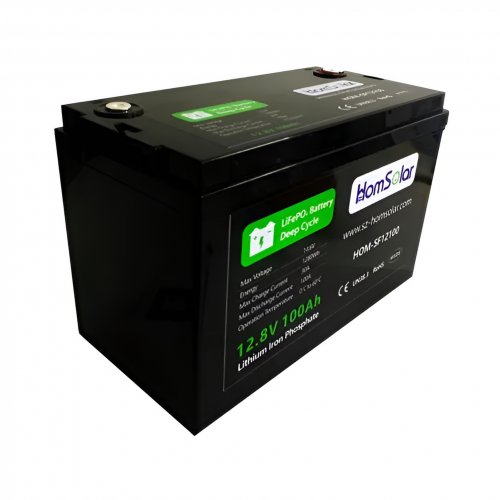
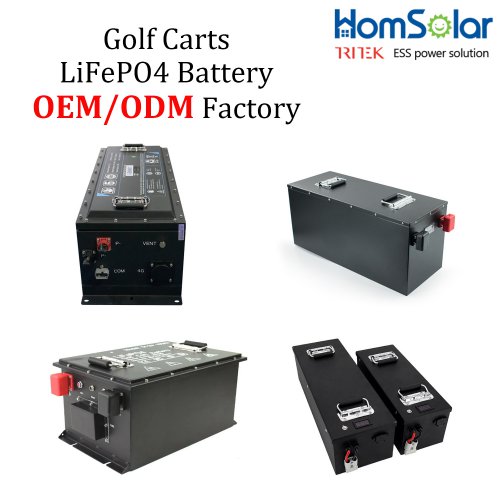
HomSolar Supports Lifepo4 battery pack customization/OEM/ODM service, welcome to contact us and tell us your needs.


HomSolar: Your One-stop LiFePO4 Battery Pack & ESS Solution Manufacturer
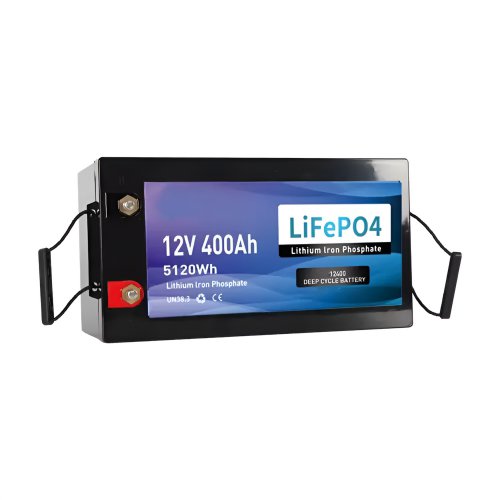
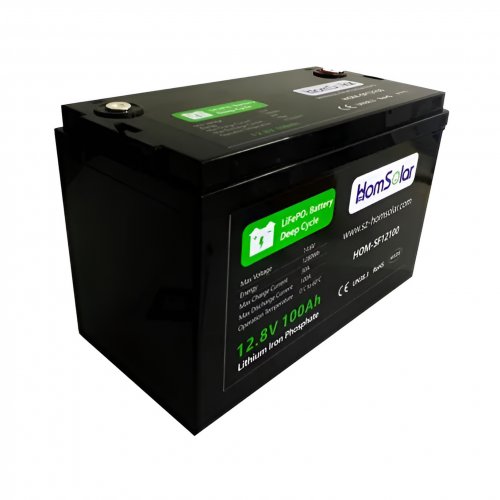
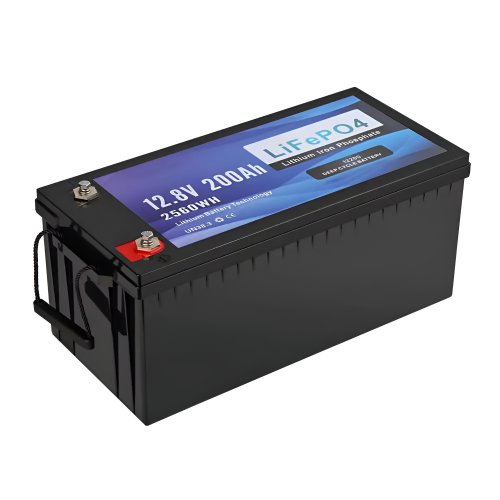
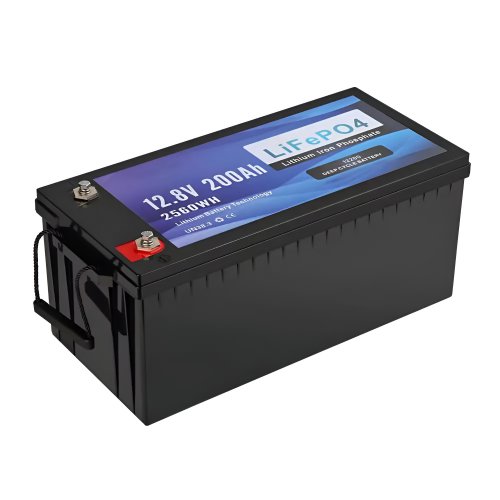
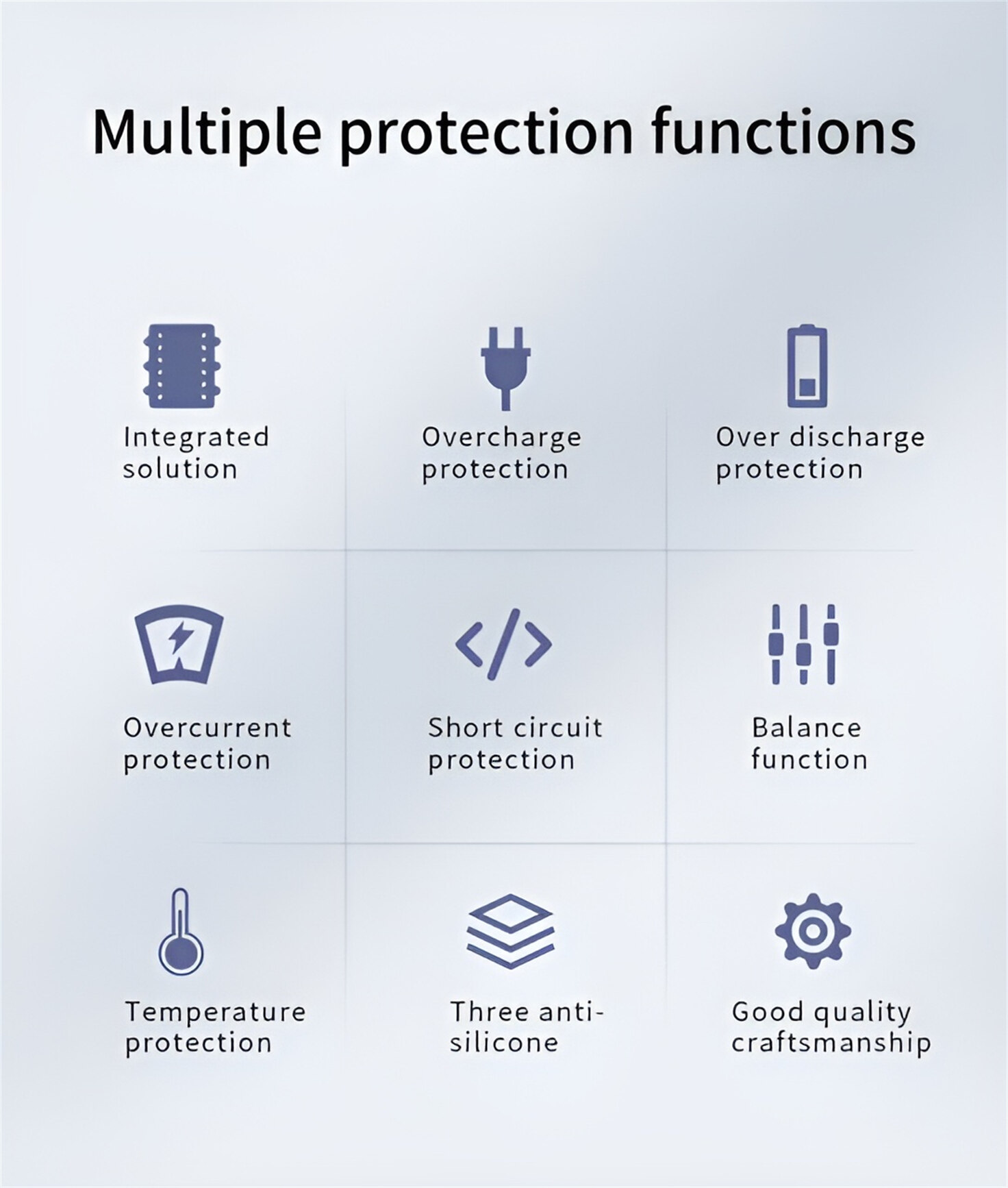
Our line of LiFePO4 (LFP) batteries offer a solution to demanding applications that require a lighter weight, longer life, and higher capacity battery. Features include advanced battery management systems (BMS), Bluetooth® communication and active intelligent monitoring.
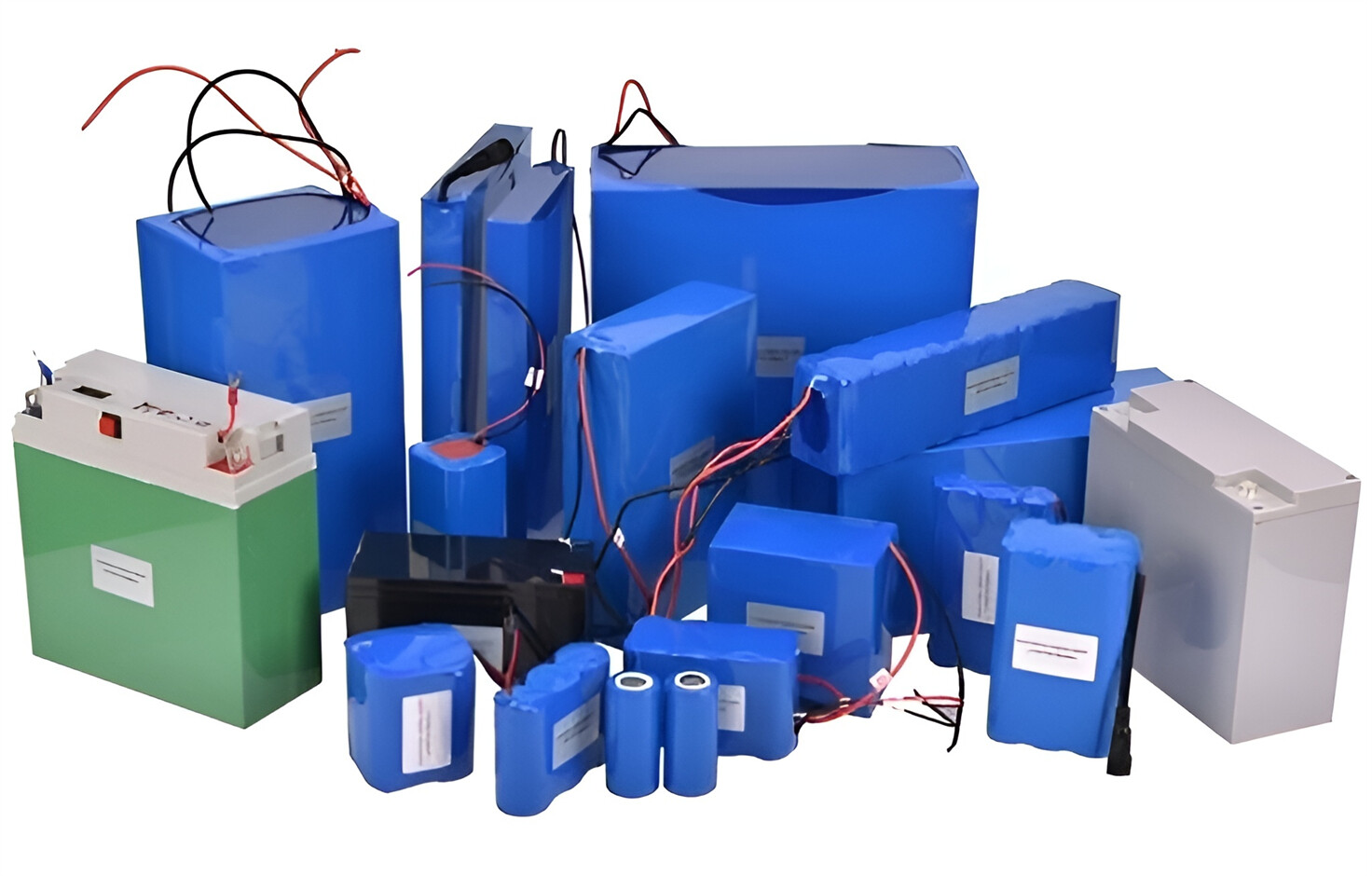
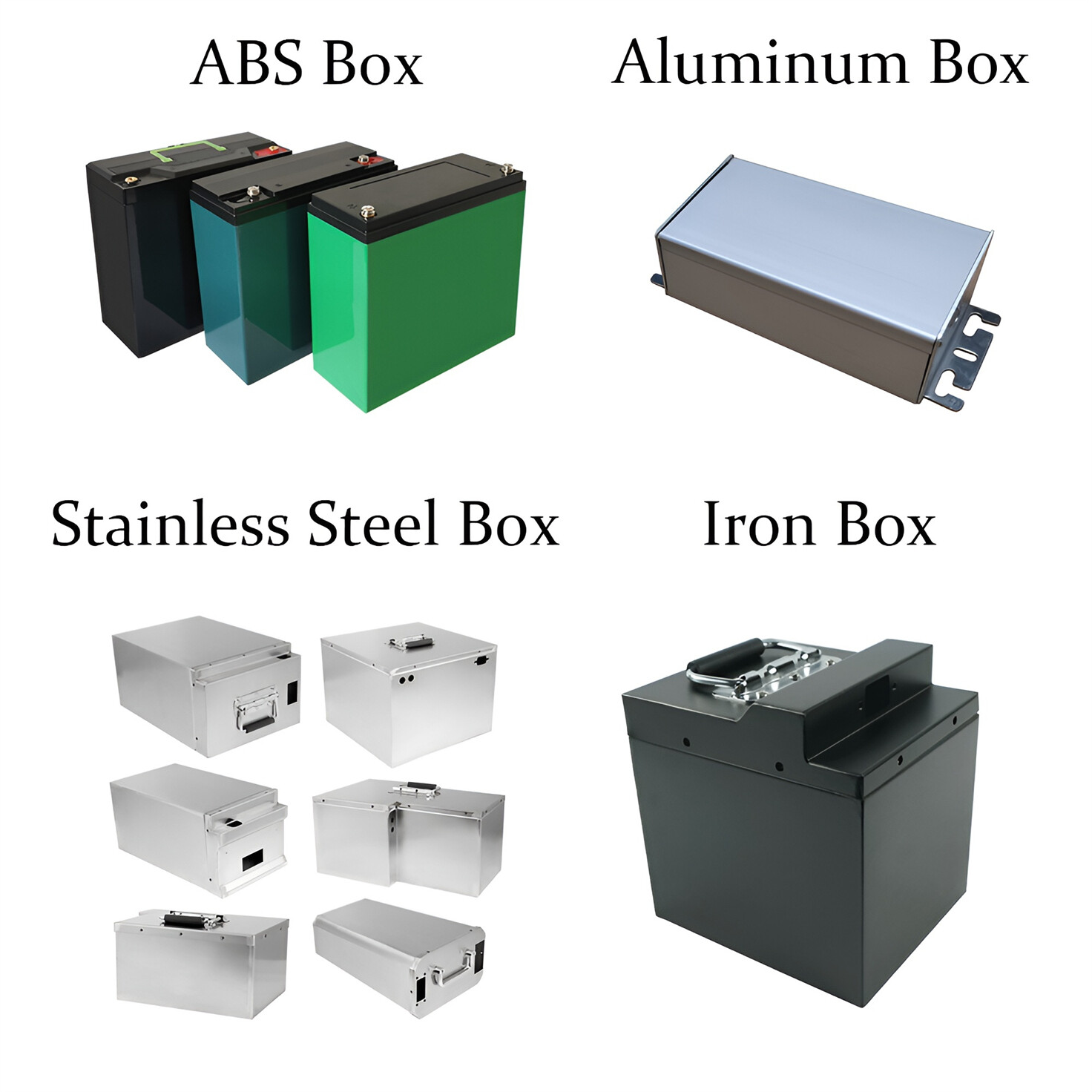
Customised Lithium Iron Phosphate Battery Casing
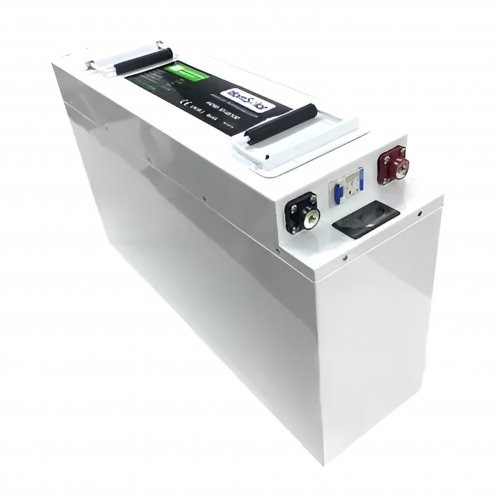
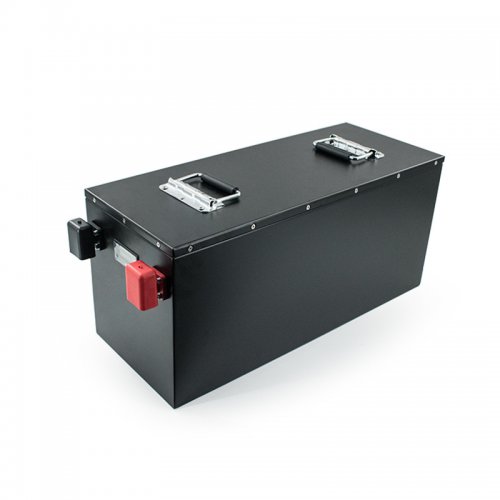
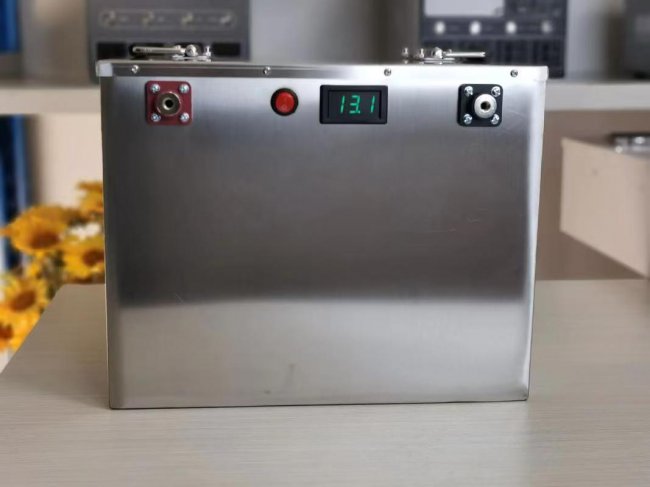
ABS plastic housing, aluminium housing, stainless steel housing and iron housing are available, and can also be designed and customised according to your needs.
HomSolar Smart BMS
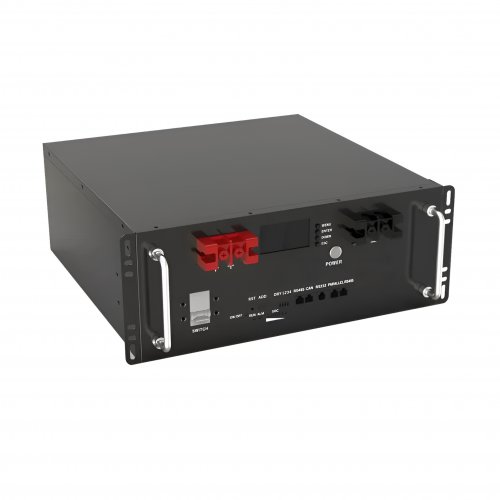
Intelligent Battery Management System for HomSolar Energy Storage System. Bluetooth, temperature sensor, LCD display, CAN interface, UART interface also available.

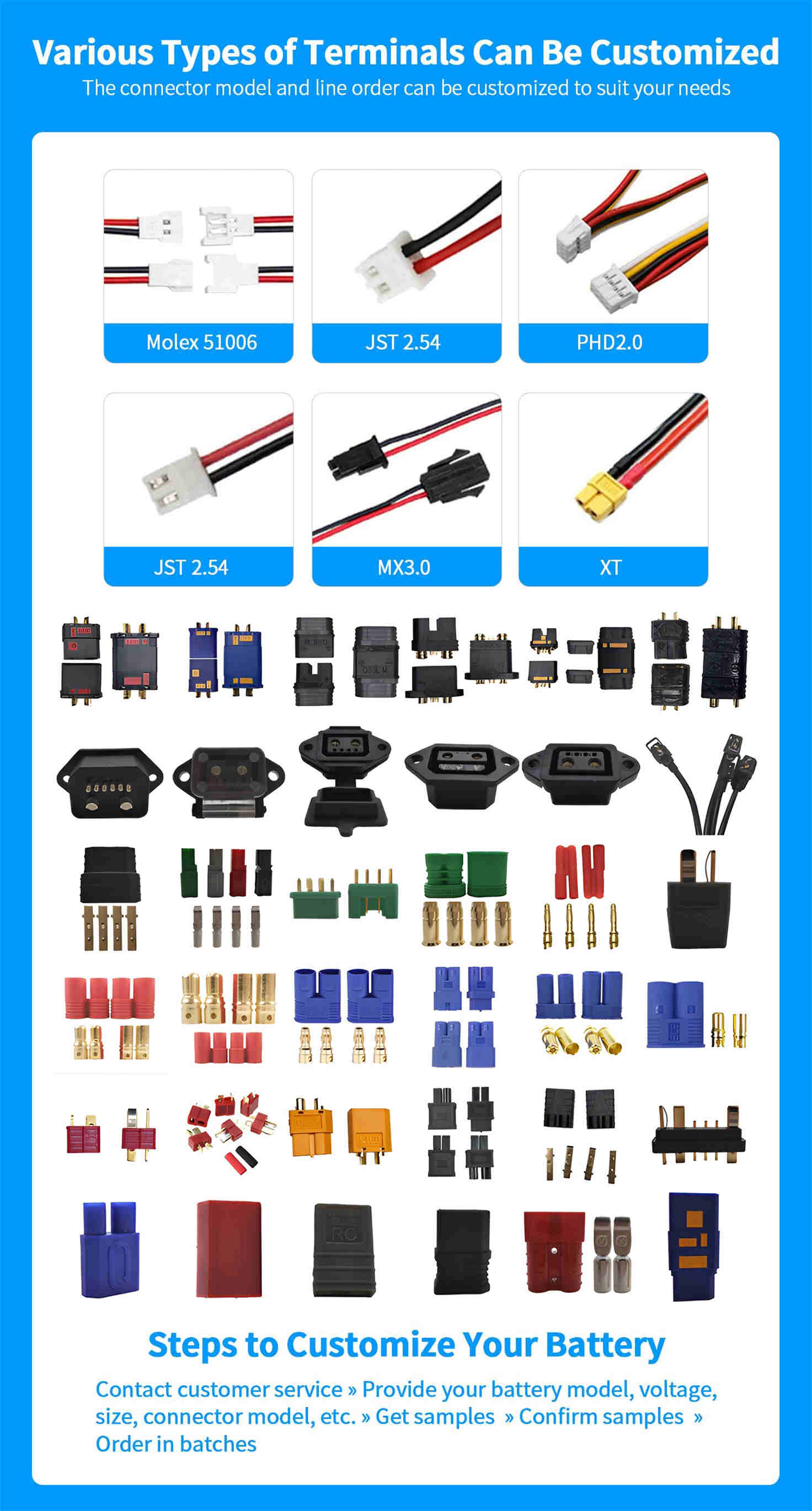
Terminals & Plugs Can Be Customized
A wide range of terminals and plugs can be customised to suit the application needs of your battery products.
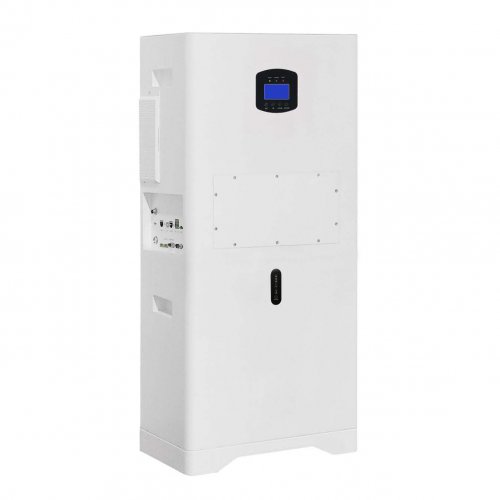
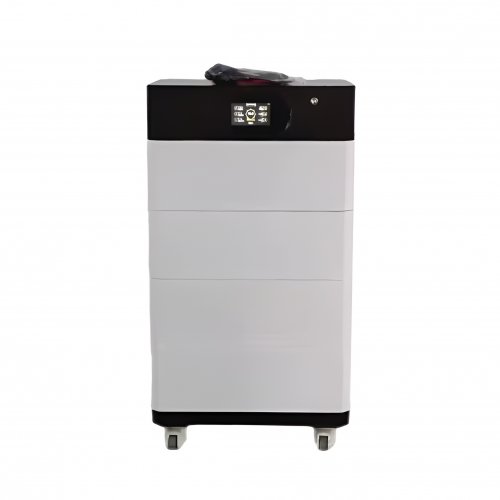
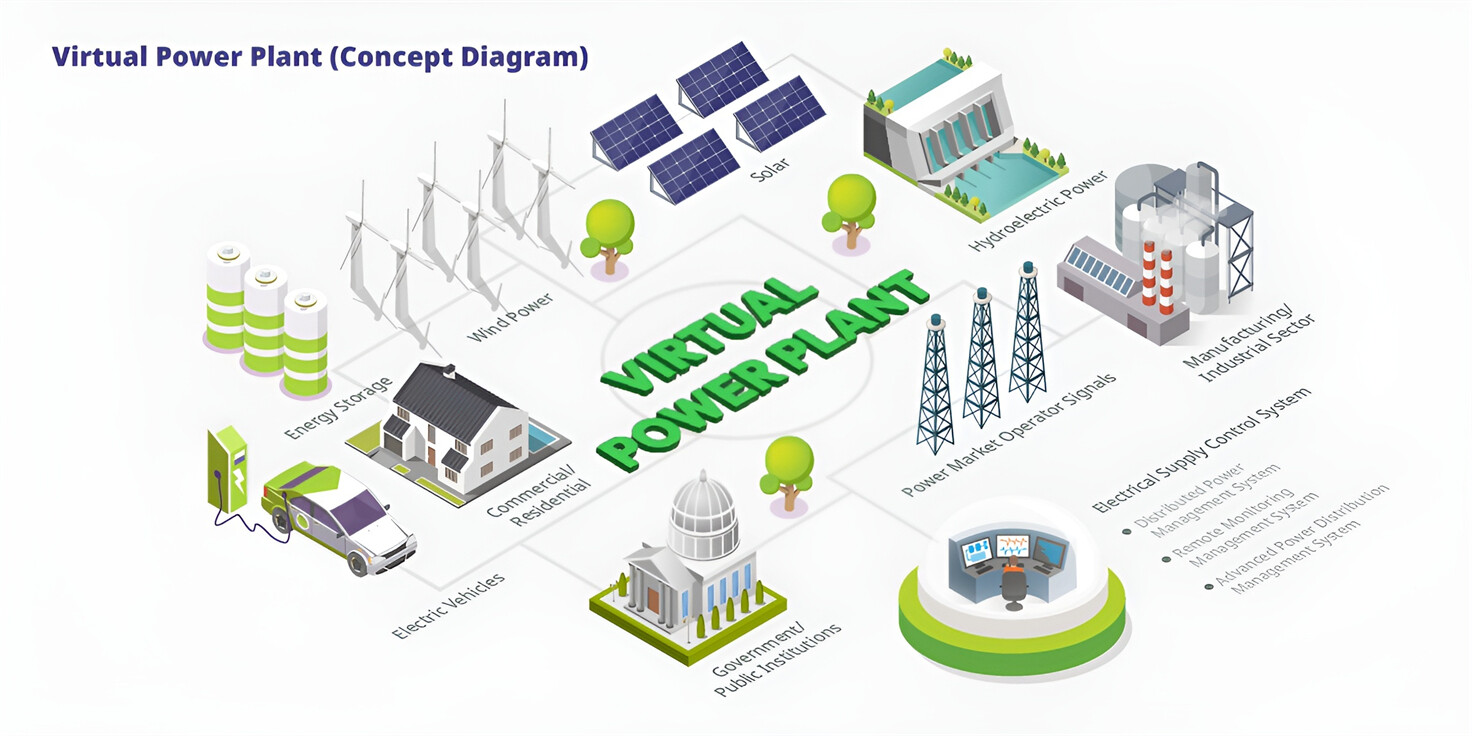
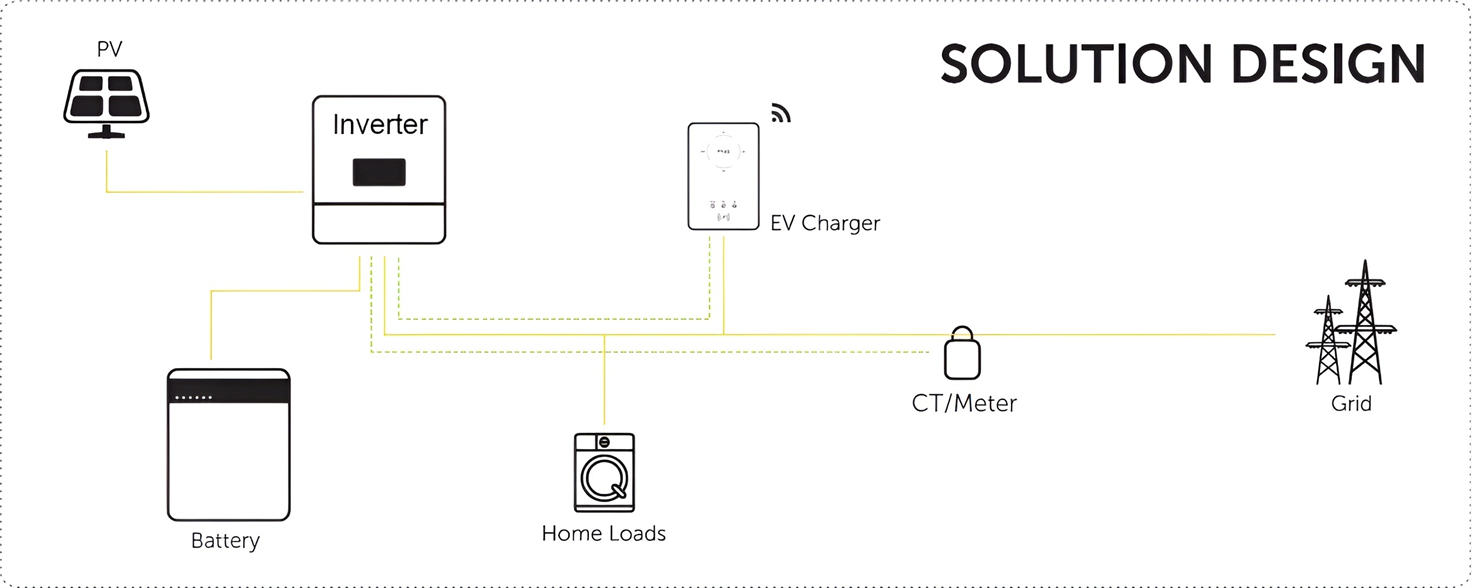
Well-designed Solutions for Energy Storage Systems
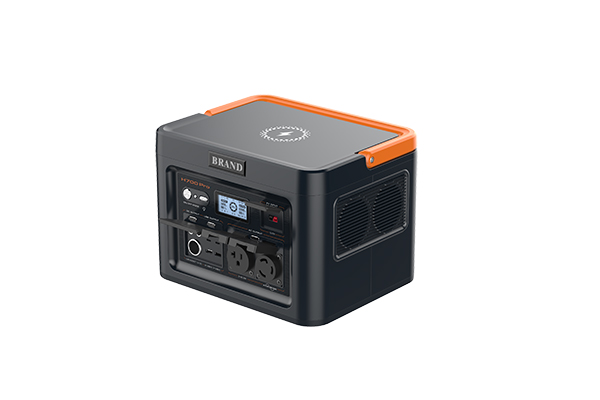
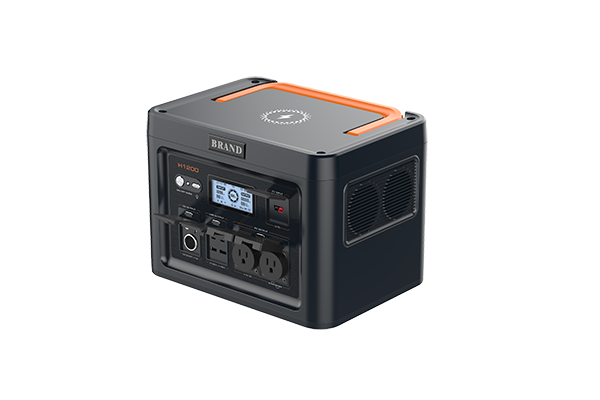
We will design the perfect energy storage system solution according to your needs, so that you can easily solve the specific industry applications of battery products.

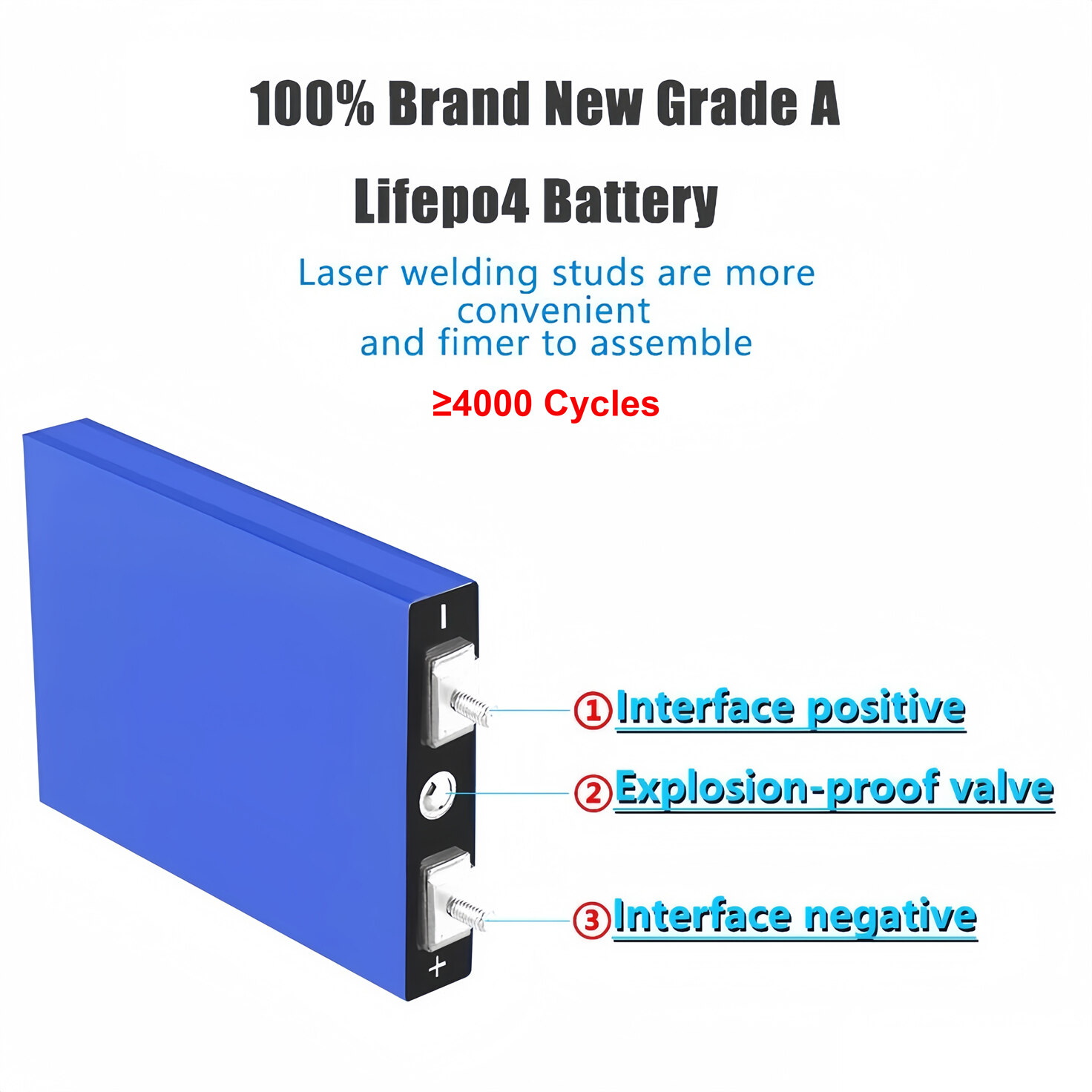
About Our Battery Cells
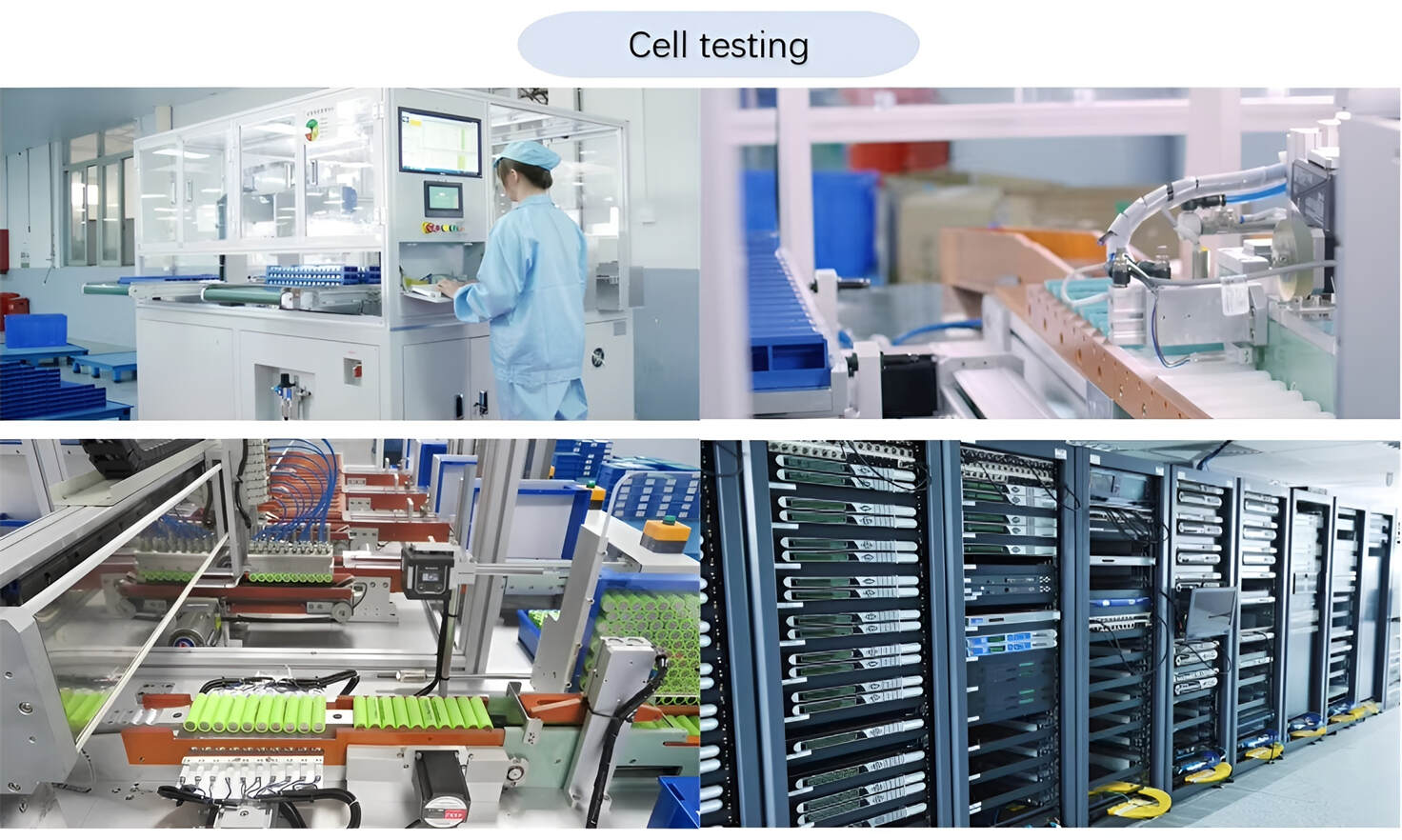
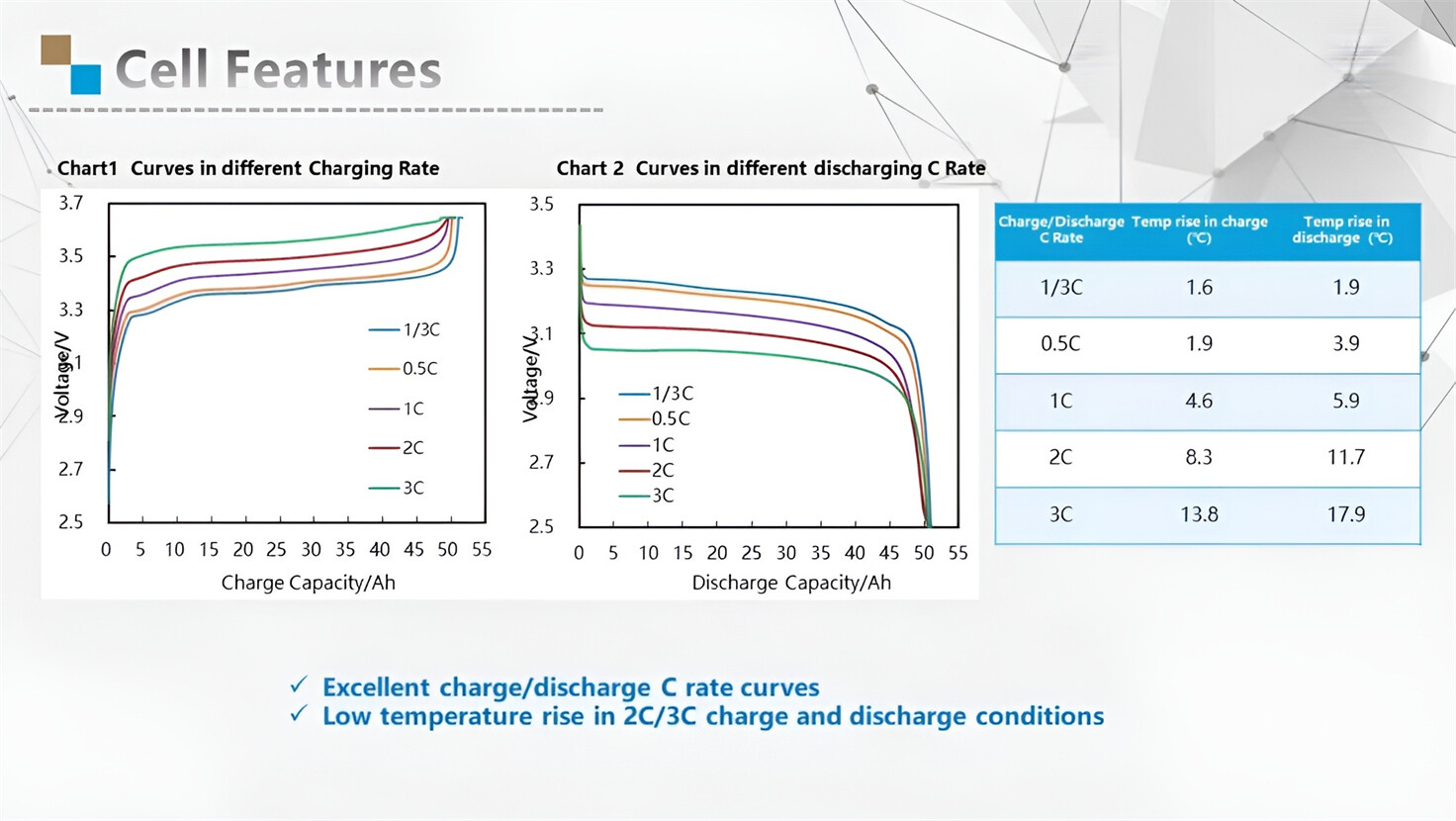
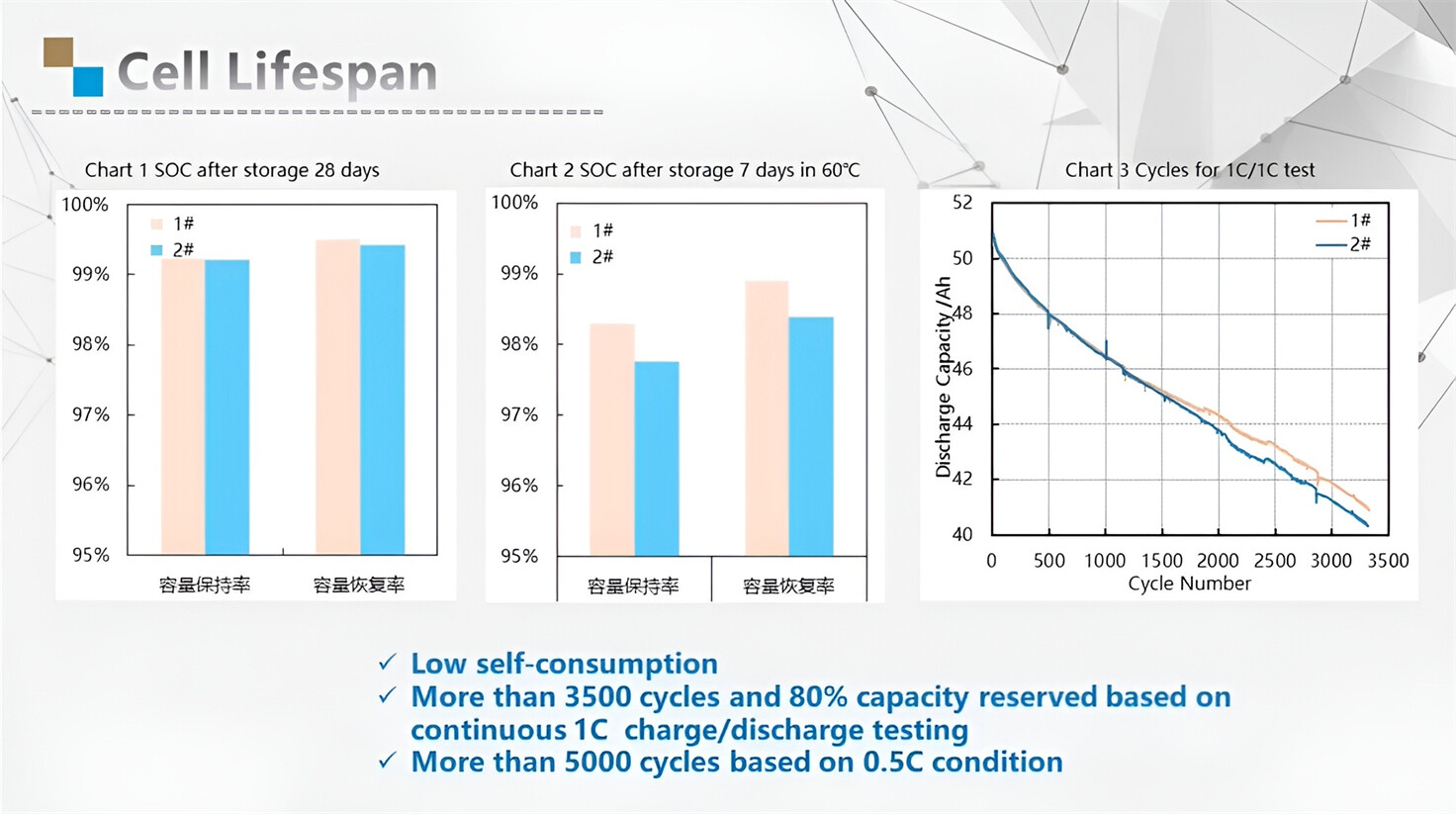
Our energy storage system products use brand new grade A LiFePO4 cells with a battery lifespan of more than 4,000 charge/discharge cycles.
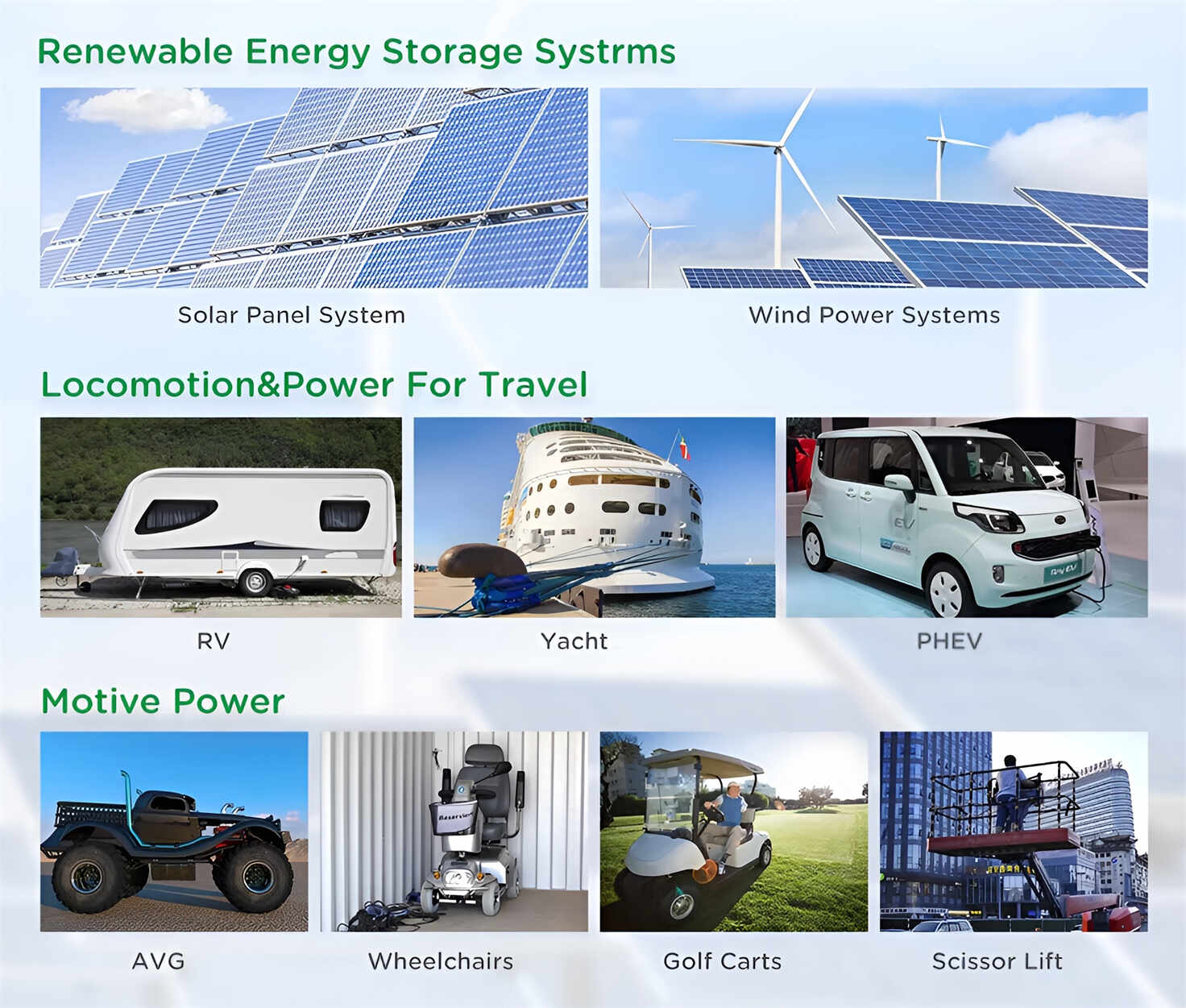
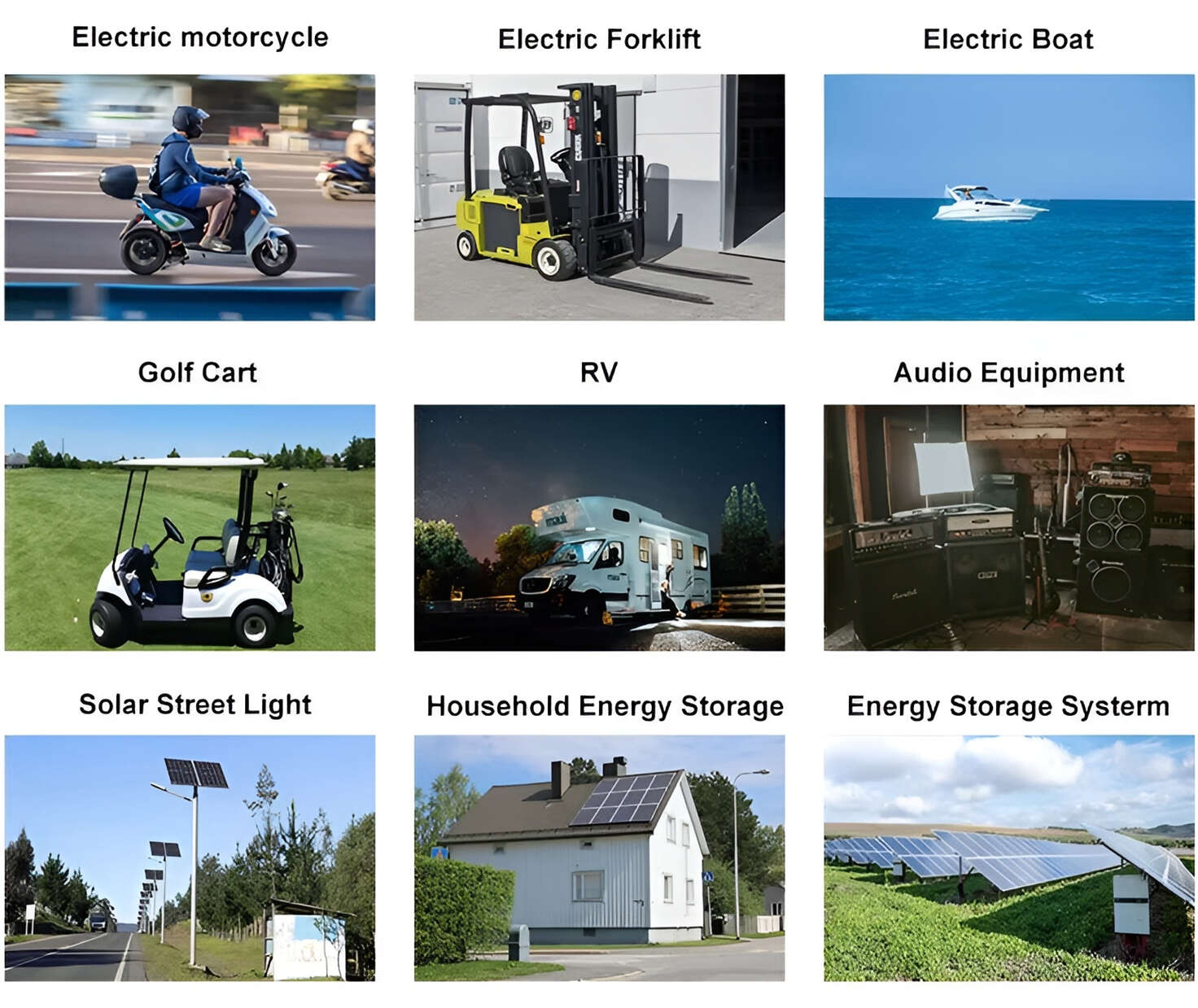
Applications in Different Industries
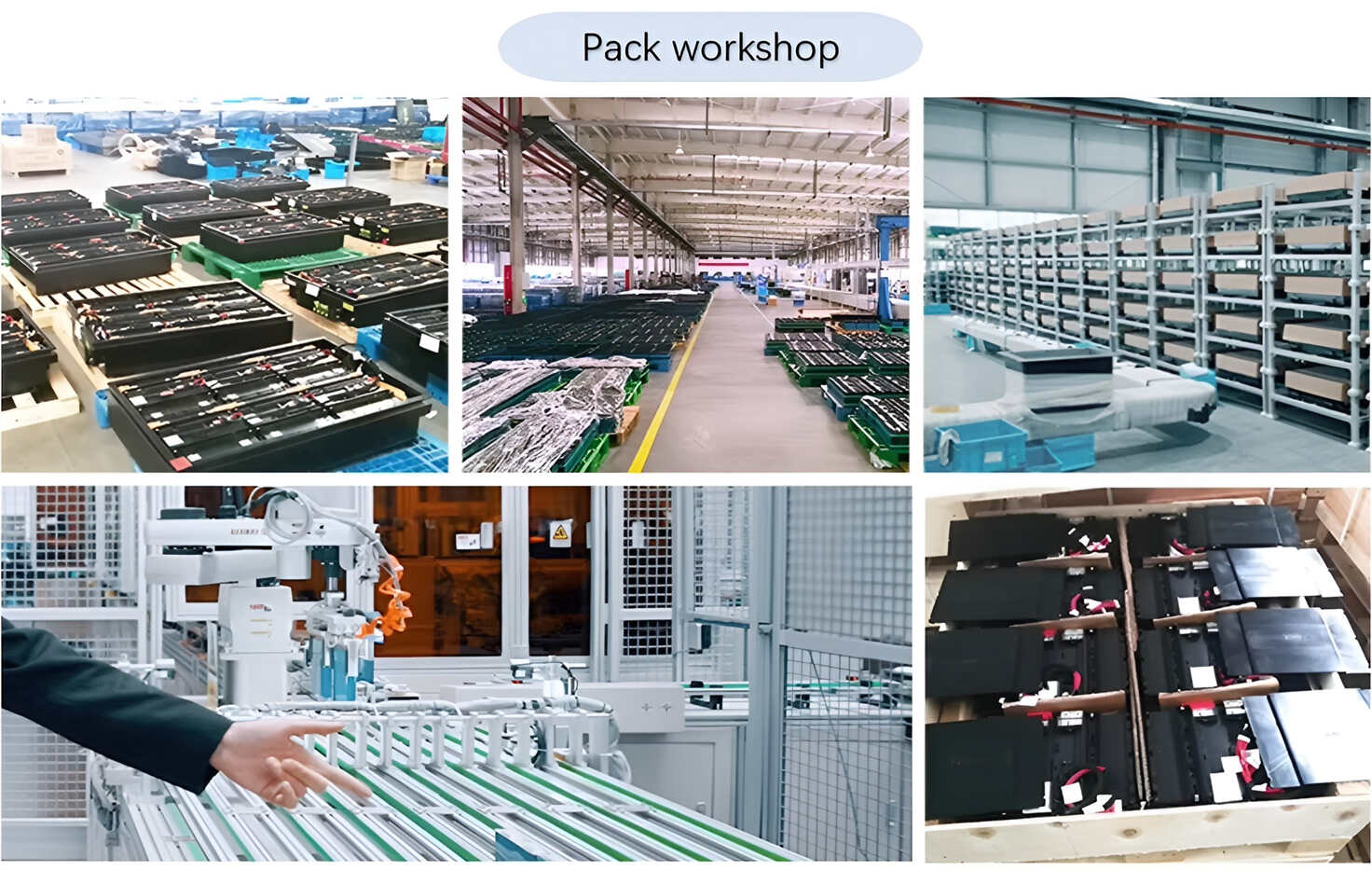
We supply customized & OEM battery pack, assemble cells with wiring, fuse and plastic cover, all the cell wires connected to PCB plug or built BMS.
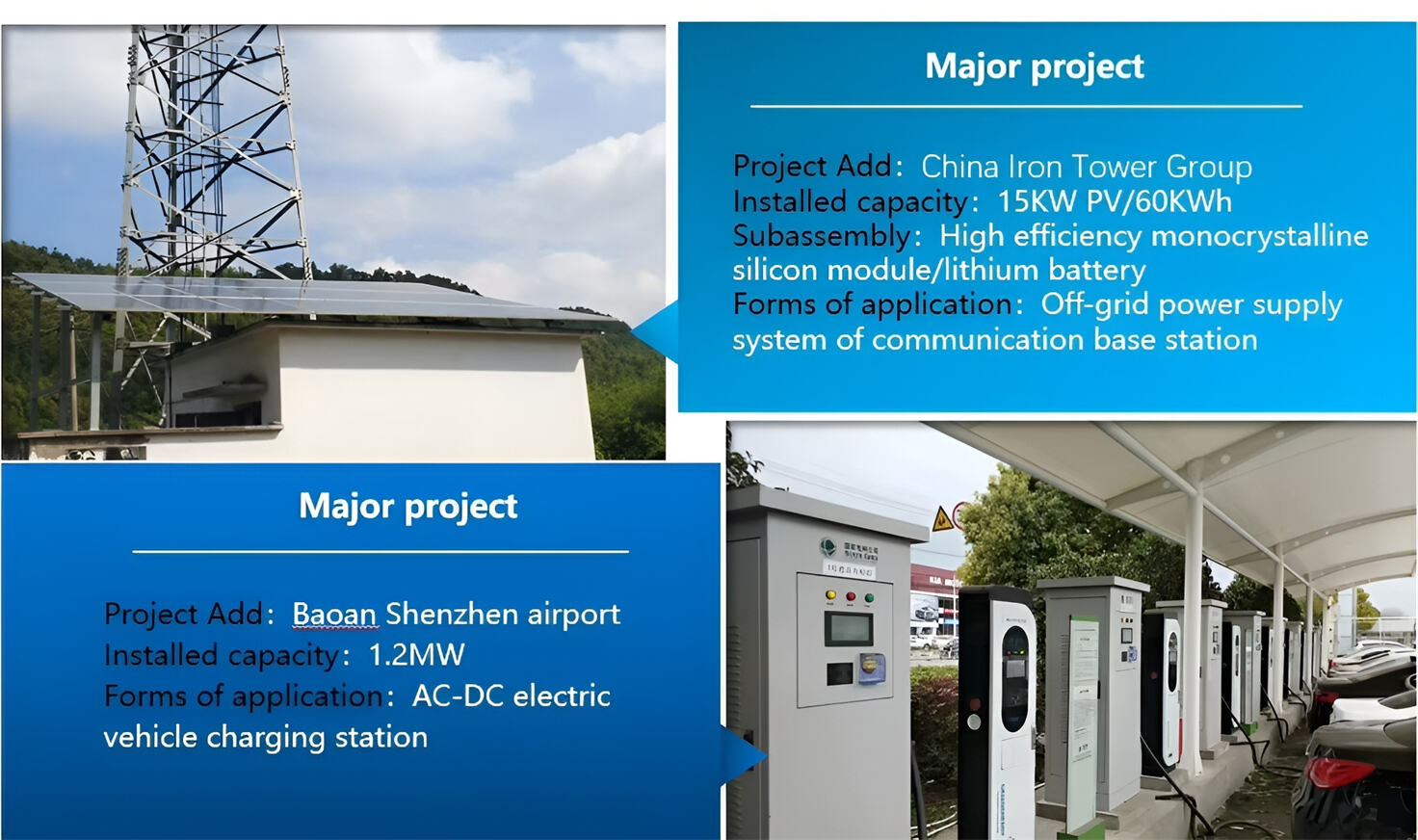
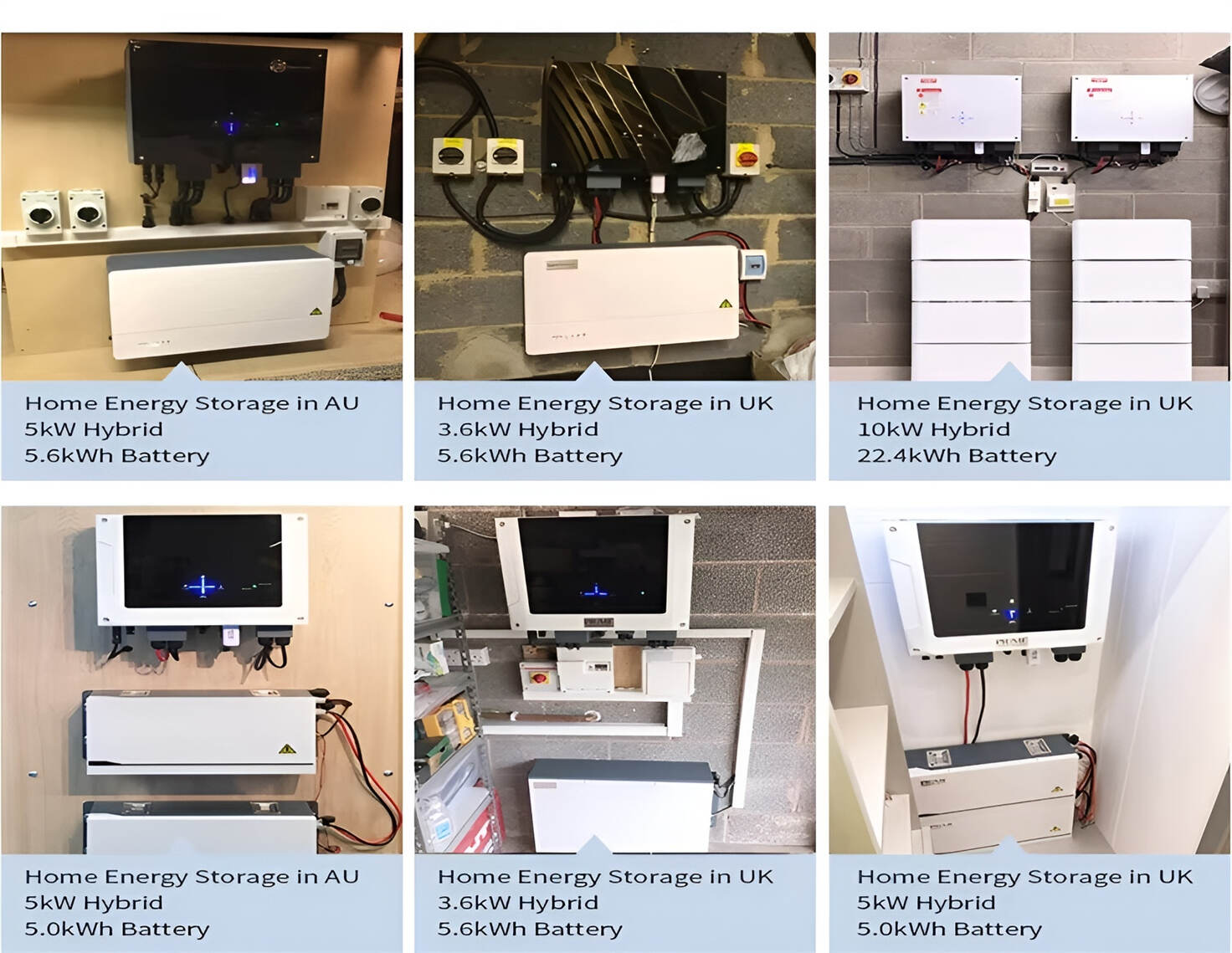
Applications: E-bike, Electric Scooter, Golf Carts, RV, Electric Wheelchair, Electric Tools, Robot Cleaner, Robot Sweeper, Solar Energy Storage System, Emergency Light, Solar Power Light, Medical Equipment, UPS Backup Power Supply.
We can provide you with customized services. We have the ability to provide a vertical supply chain, from single cells to pack/module and to a complete power solution with BMS, etc.
HomSolar (Shenzhen) Technology Co., Ltd