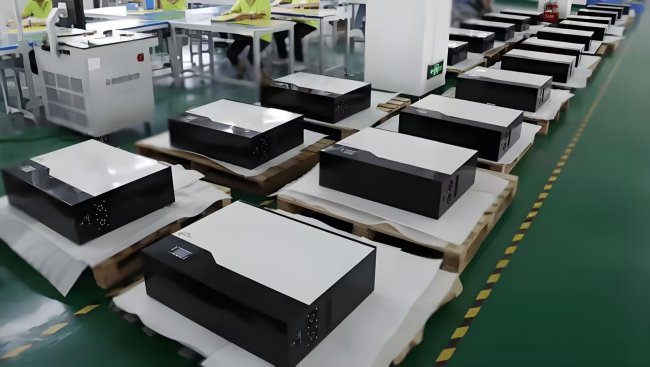
Advances In Interface Engineering: Pushing The Frontiers Of Functional Materials And Devices
Interface engineering has emerged as a cornerstone discipline in modern materials science and device physics, fundamentally concerned with the precise control and manipulation of the regions where distinct materials, phases, or components meet. The properties of these interfaces—often only a few atomic layers thick—can dictate the performance, efficiency, and stability of an entire system. Recent years have witnessed a paradigm shift from merely observing interfacial phenomena to actively designing and constructing interfaces with atomic-level precision, unlocking unprecedented functionalities in electronics, energy conversion and storage, and quantum technologies.
Recent Research and Technological Breakthroughs
1. Two-Dimensional (2D) van der Waals Heterostructures: The rise of 2D materials, such as graphene, transition metal dichalcogenides (TMDs), and hexagonal boron nitride (hBN), has created a new playground for interface engineering. Unlike conventional epitaxial interfaces bound by strong covalent bonds, 2D materials are assembled via weak van der Waals (vdW) forces, allowing for the creation of heterostructures from highly lattice-mismatched components. This "Lego-like" assembly has led to the discovery of novel electronic and optoelectronic properties. A significant breakthrough has been the realization of moiré superlattices. When two 2D crystals with a slight lattice mismatch or twist angle are stacked, a long-range periodic moiré pattern forms, which can dramatically alter the electronic band structure. For instance, twisted bilayer graphene at the "magic angle" of approximately 1.1° exhibits correlated insulating states and unconventional superconductivity, a phenomenon entirely engineered through interfacial twist (Cao et al., 2018). Researchers are now exploring twistronics as a powerful tool to program material properties on demand, moving beyond the intrinsic limitations of the constituent layers.
2. Perovskite Photovoltaics: Defect Passivation and Stability Enhancement: The meteoric rise of metal halide perovskite solar cells (PSCs) is a testament to the power of interface engineering. While perovskite absorbers possess excellent optoelectronic properties, their performance is limited by non-radiative recombination at interfaces, particularly between the perovskite layer and the charge transport layers. Recent advances have focused on molecular-level passivation of these critical interfaces. The introduction of multifunctional molecules, such as Lewis bases (e.g., thiophene, pyridine) or ammonium salts, at the perovskite surface has proven highly effective. These molecules bind to under-coordinated Pb²⁺ ions and other defect sites, suppressing charge recombination and reducing energy loss. A landmark study demonstrated that post-treatment of perovskite films with a strategic organic halide salt, phenethylammonium iodide, created a 2D perovskite capping layer that simultaneously passivated defects and enhanced moisture resistance, leading to devices with >25% power conversion efficiency and significantly improved operational stability (Jiang et al., 2022). This approach of constructing 2D/3D heterostructures is now a cornerstone strategy for commercializing PSC technology.
3. Solid-State Batteries: Stabilizing the Electrode-Electrolyte Interface: The development of high-energy-density solid-state batteries (SSBs) is critically dependent on solving the challenges at the solid-solid interfaces, particularly between the solid electrolyte and the lithium metal anode. The formation of lithium dendrites and unstable solid electrolyte interphases (SEI) has been a major roadblock. Recent breakthroughs involve the design of artificial interlayers. For example, researchers have engineered ultrathin, lithiophilic interlayers composed of elements like germanium or aluminum that alloy with lithium, promoting uniform lithium plating and stripping. Another innovative approach is the in-situ formation of a stable interface. By incorporating additives into the solid electrolyte or the anode, a self-forming, ionically conductive but electronically insulating interphase can be generated during the first charge cycle. A notable example is the use of halogen-rich solid electrolytes (e.g., Li₃YCl₆) that form a stable, LiF-rich interphase with lithium metal, effectively suppressing dendrite growth and enabling long-cycle-life SSBs (Wang et al., 2023). These engineered interfaces are pivotal for unlocking the full potential of next-generation batteries.
4. Bio-Electronic Interfaces: Bridging the Synthetic and the Biological: Interface engineering is revolutionizing the field of bio-electronics, where seamless communication between electronic devices and biological tissues is essential. The key challenge is to minimize the mechanical and chemical mismatch at the biotic-abiotic interface. Recent progress has been made with the development of "soft electronics." Conductive polymers like PEDOT:PSS, when blended with ionic liquids or hydrogels, can form interfaces that are both electronically conductive and mechanically compliant with neural tissue. Furthermore, the use of self-assembled monolayers (SAMs) allows for the nanoscale tailoring of surface chemistry to control protein adsorption and cell adhesion, improving the biocompatibility and signal-to-noise ratio of implantable sensors. A cutting-edge development is the creation of "tissue-like" electronic meshes that can be injected or minimally invasively implanted, which then unfurl to form a conformal interface with neurons, enabling chronic, high-fidelity recording and stimulation (Liu et al., 2023).
Future Outlook and Challenges
The trajectory of interface engineering points towards an era of even greater precision and dynamism. Several key directions will shape its future:Atomic-Scale Synthesis and Characterization: Techniques like molecular beam epitaxy (MBE), atomic layer deposition (ALD), and advanced scanning probe microscopy will continue to evolve, enabling the construction and real-time observation of interfaces with single-atom precision. This will allow for the direct correlation of structure with property.Dynamic and "Smart" Interfaces: Future interfaces will not be static but responsive. Research will focus on materials that can change their properties in response to external stimuli such as light, electric field, or pH. This could lead to self-healing interfaces for batteries, adaptive catalytic surfaces, and neuromorphic computing systems that mimic the dynamic synapses of the brain.Multimodal and Buried Interface Analysis: Understanding complex phenomena often requires probing multiple properties simultaneously. The integration of techniques like in-situ electron microscopy with synchrotron X-ray spectroscopy will be crucial for characterizing buried interfaces in operating devices, such as within a working battery or under catalytic reaction conditions.AI-Driven Interface Design: The vast parameter space of interface composition, structure, and processing makes it an ideal candidate for artificial intelligence and machine learning. AI models will be increasingly used to predict stable interface configurations, optimal passivation molecules, and synthesis pathways, dramatically accelerating the discovery of new interfacial materials.
In conclusion, interface engineering has transcended its traditional supporting role to become a primary driver of innovation across multiple technological domains. By continuing to master the atomic and molecular landscape at material boundaries, scientists and engineers are poised to create the next generation of high-performance, efficient, and intelligent devices that will define the future of technology.
References (Illustrative):Cao, Y., et al. (2018). Unconventional superconductivity in magic-angle graphene superlattices.Nature, 556(7699), 43-50.Jiang, Q., et al. (2022). Surface reaction for efficient and stable inverted perovskite solar cells.Nature, 611(7935), 278-283.Liu, J., et al. (2023). A tissue-like neural electrode interface for chronic brain mapping.Science Advances, 9(12), eadf0999.Wang, C., et al. (2023). A lithium-free, high-energy-density solid-state battery enabled by a halide electrolyte.Nature Energy, 8(5), 443-453.
Customized/OEM/ODM Service
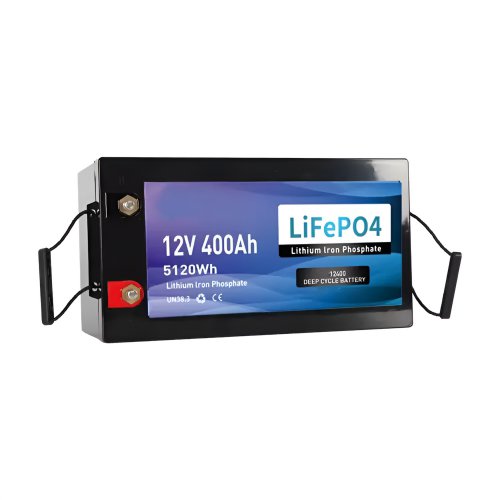
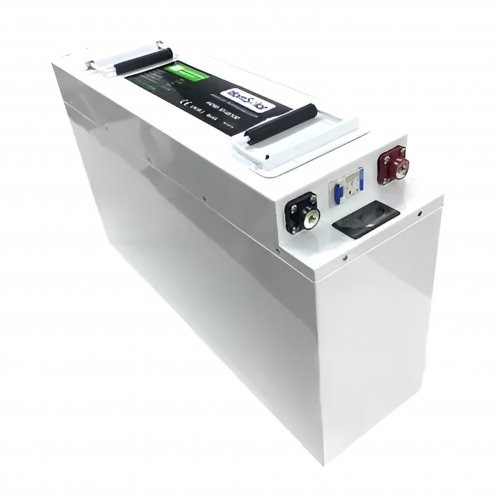
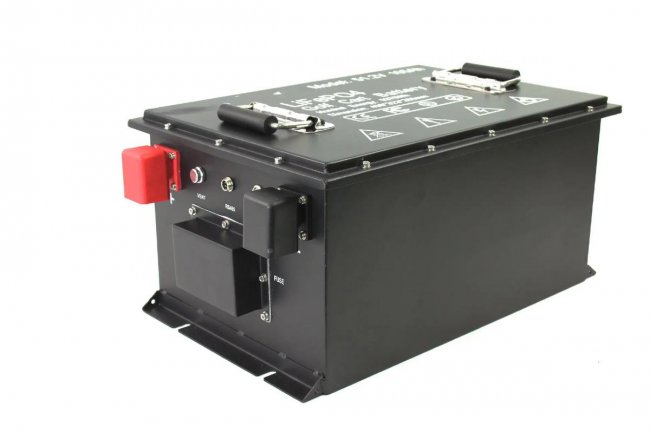
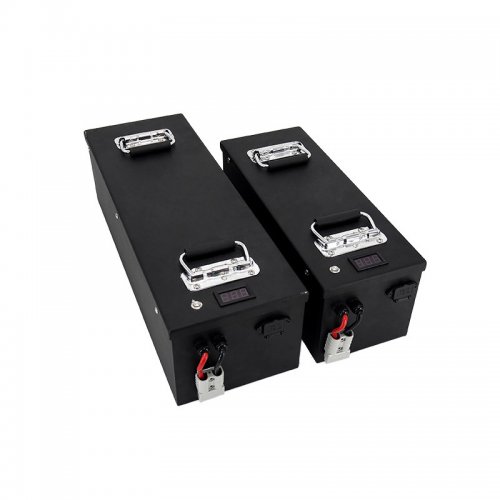
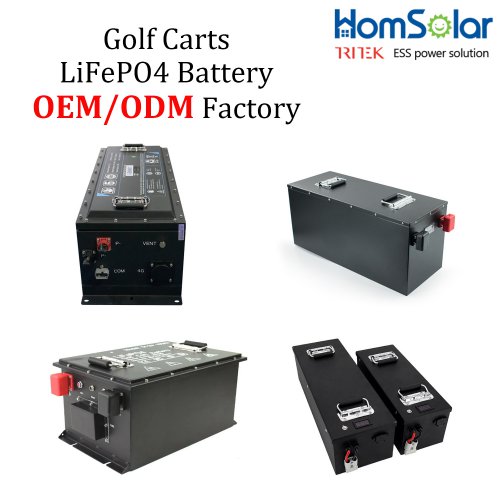
HomSolar Supports Lifepo4 battery pack customization/OEM/ODM service, welcome to contact us and tell us your needs.


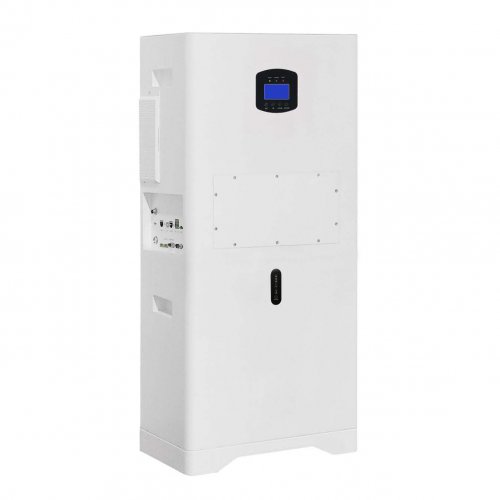
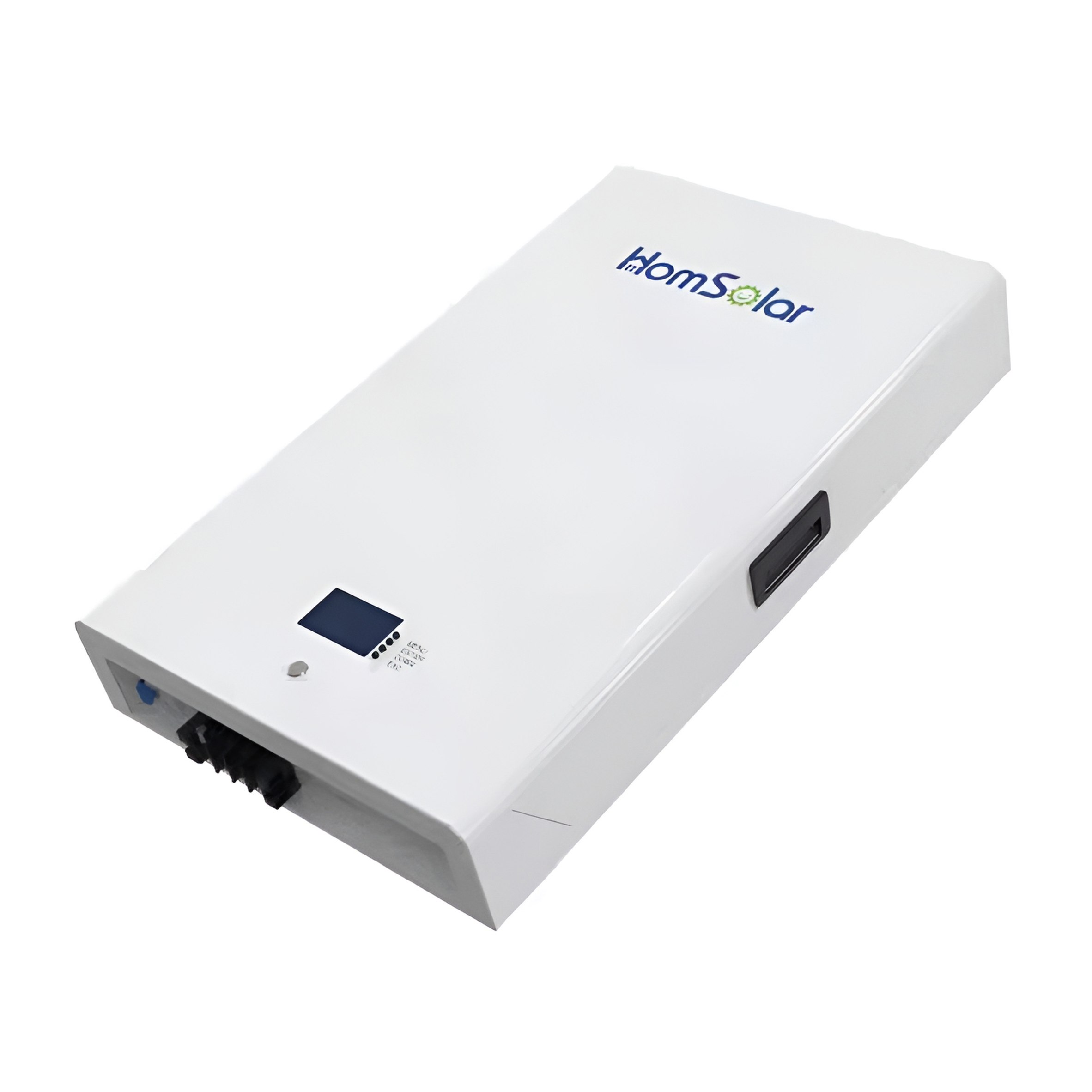
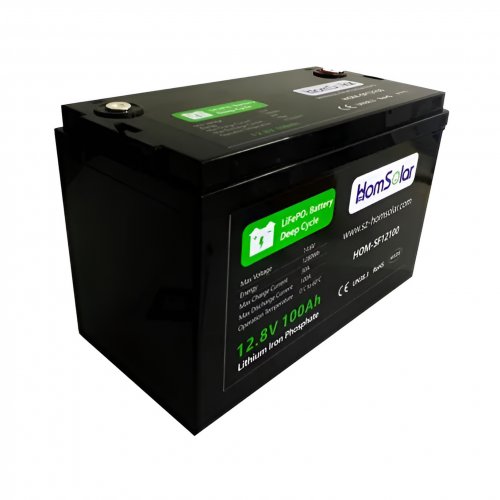
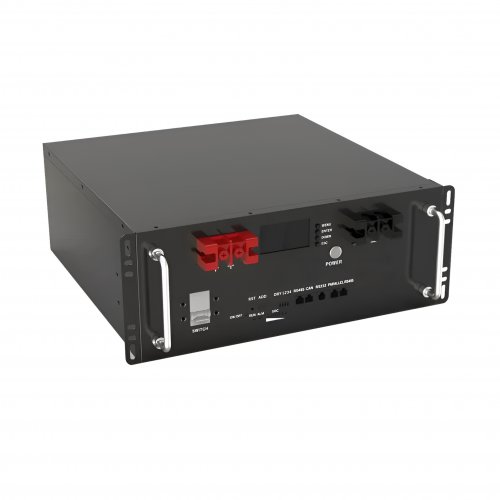
HomSolar: Your One-stop LiFePO4 Battery Pack & ESS Solution Manufacturer
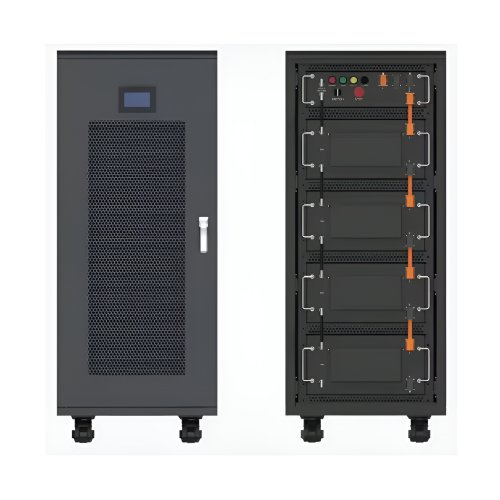
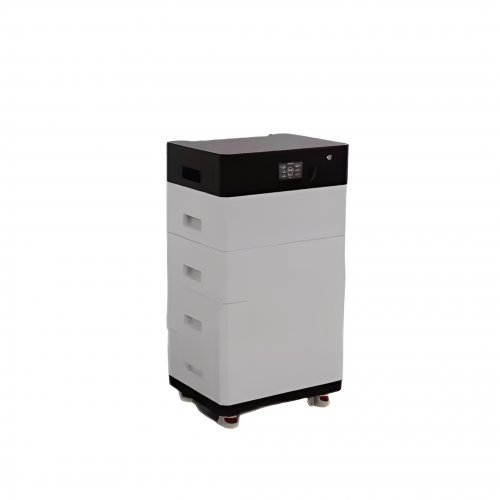
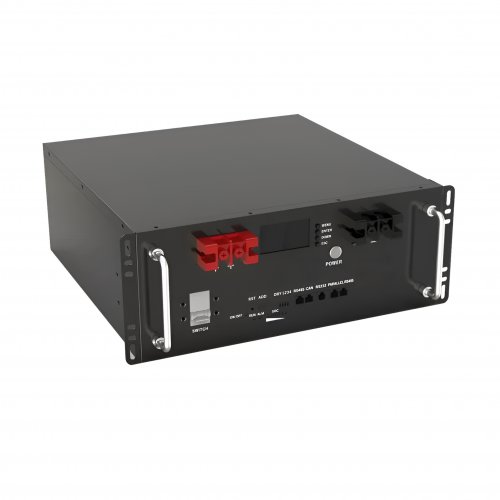
Our line of LiFePO4 (LFP) batteries offer a solution to demanding applications that require a lighter weight, longer life, and higher capacity battery. Features include advanced battery management systems (BMS), Bluetooth® communication and active intelligent monitoring.
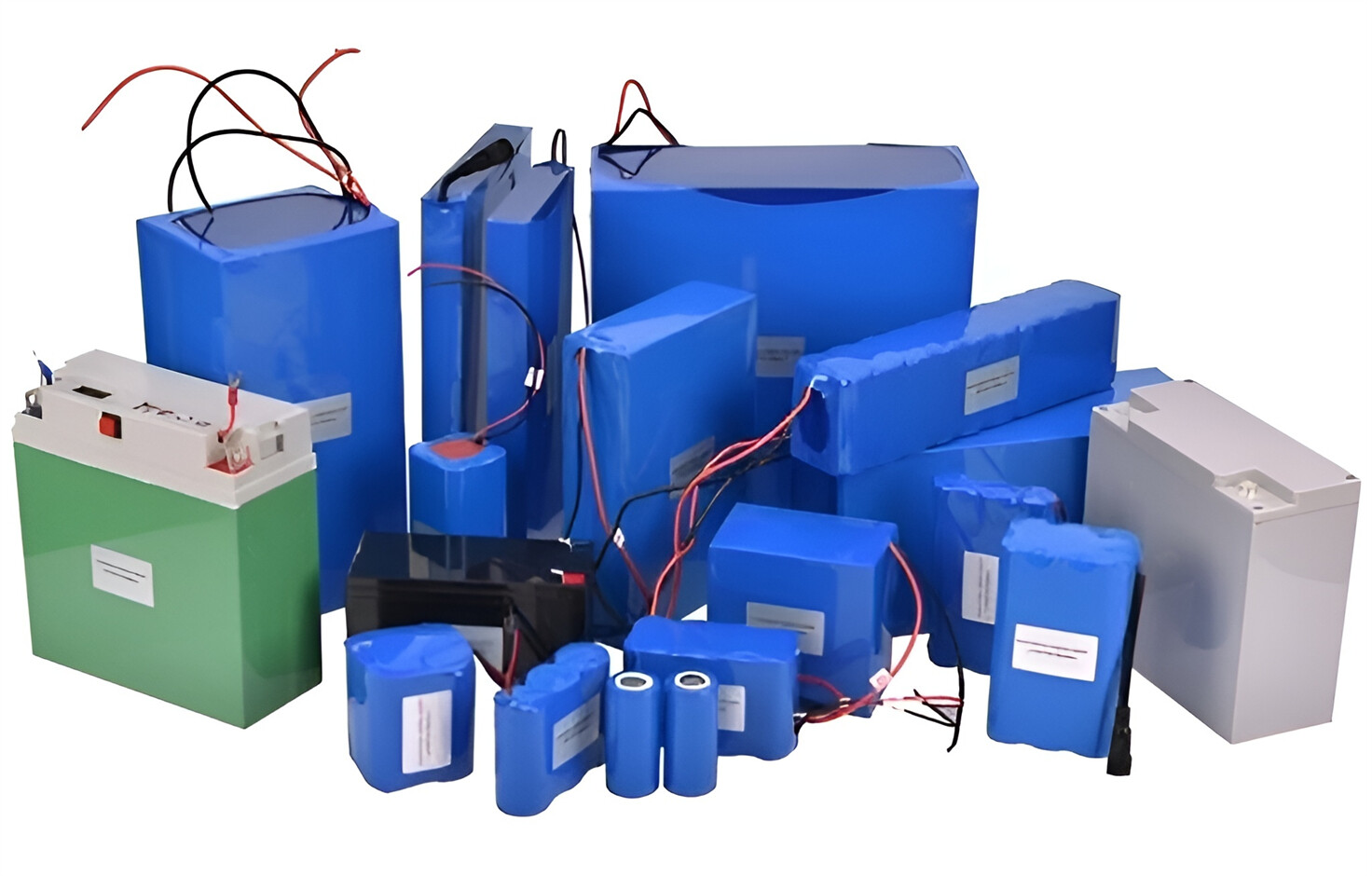
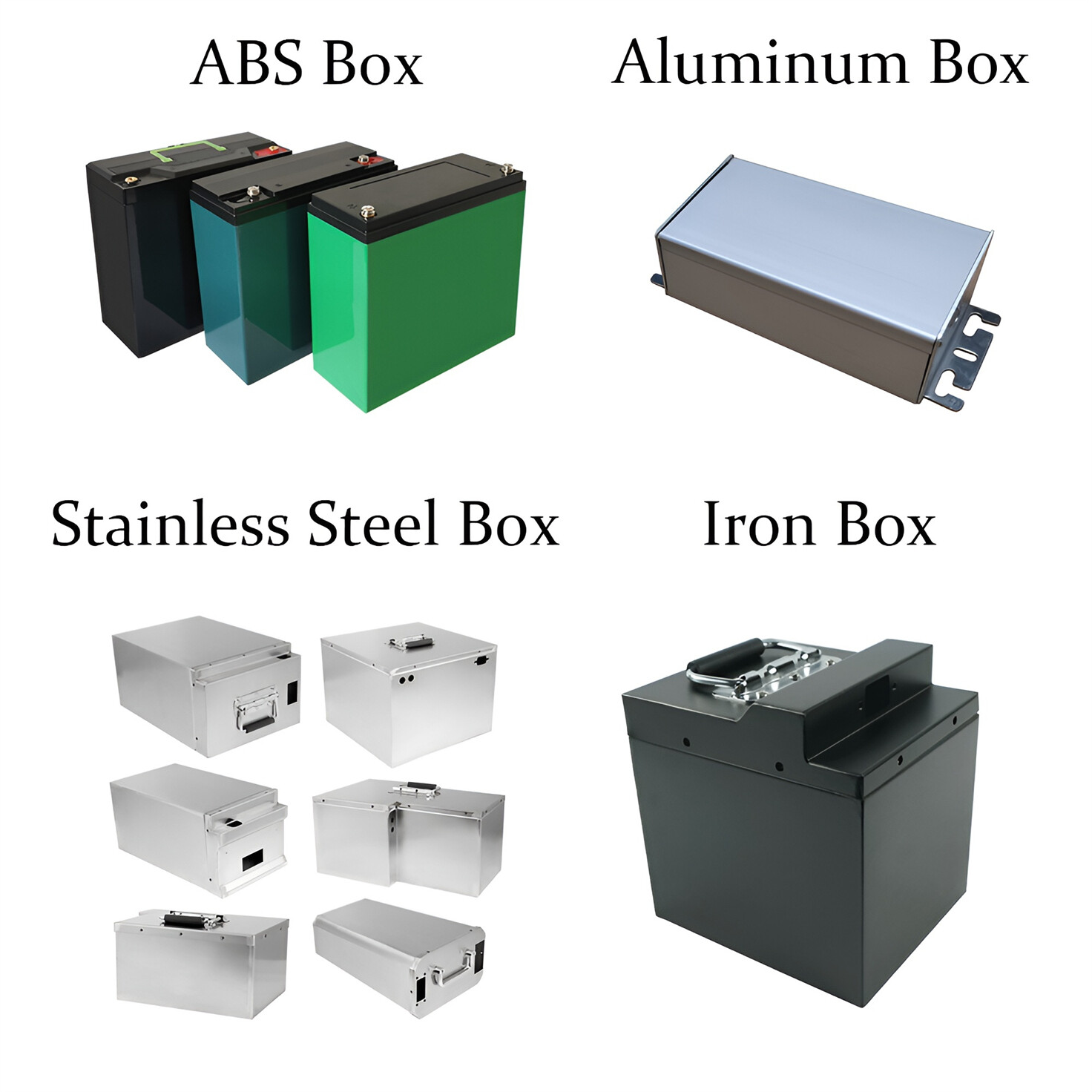
Customised Lithium Iron Phosphate Battery Casing
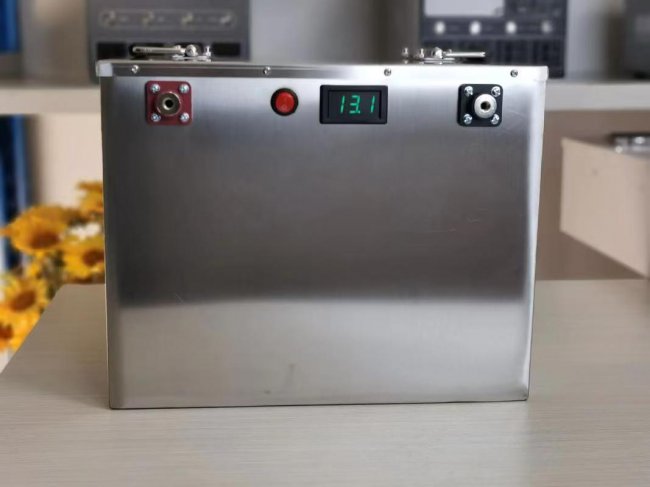
ABS plastic housing, aluminium housing, stainless steel housing and iron housing are available, and can also be designed and customised according to your needs.
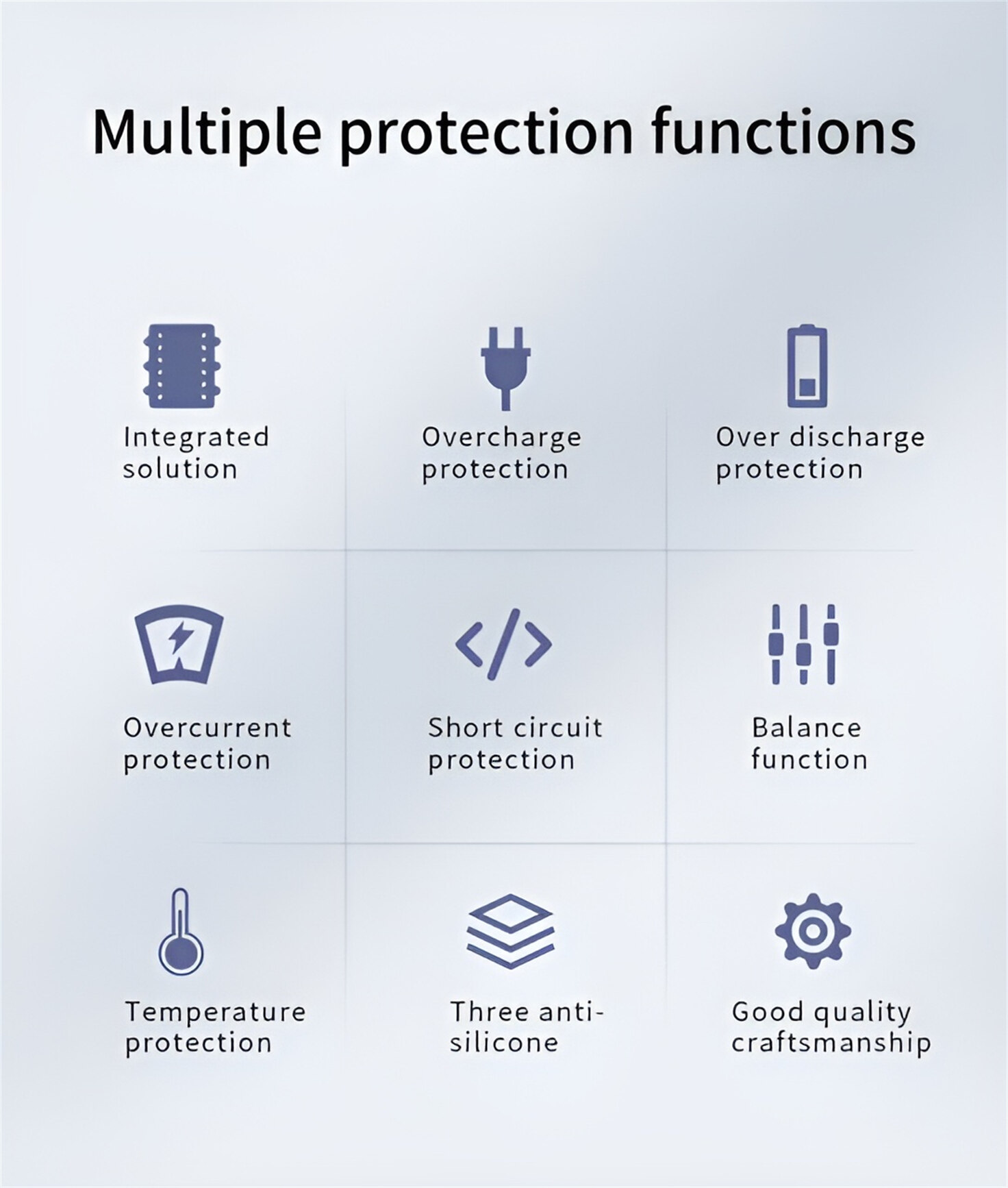
HomSolar Smart BMS
Intelligent Battery Management System for HomSolar Energy Storage System. Bluetooth, temperature sensor, LCD display, CAN interface, UART interface also available.

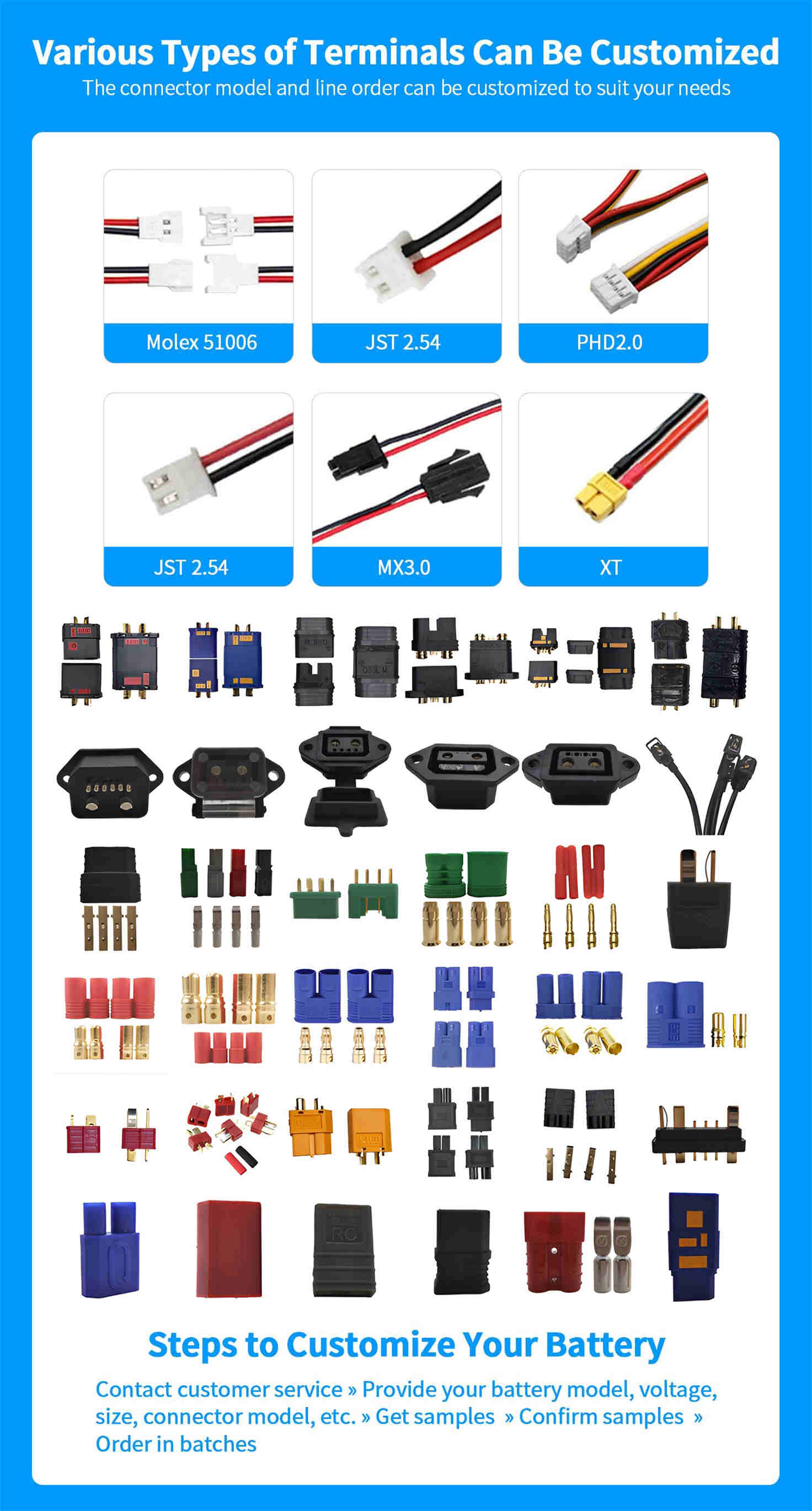
Terminals & Plugs Can Be Customized
A wide range of terminals and plugs can be customised to suit the application needs of your battery products.
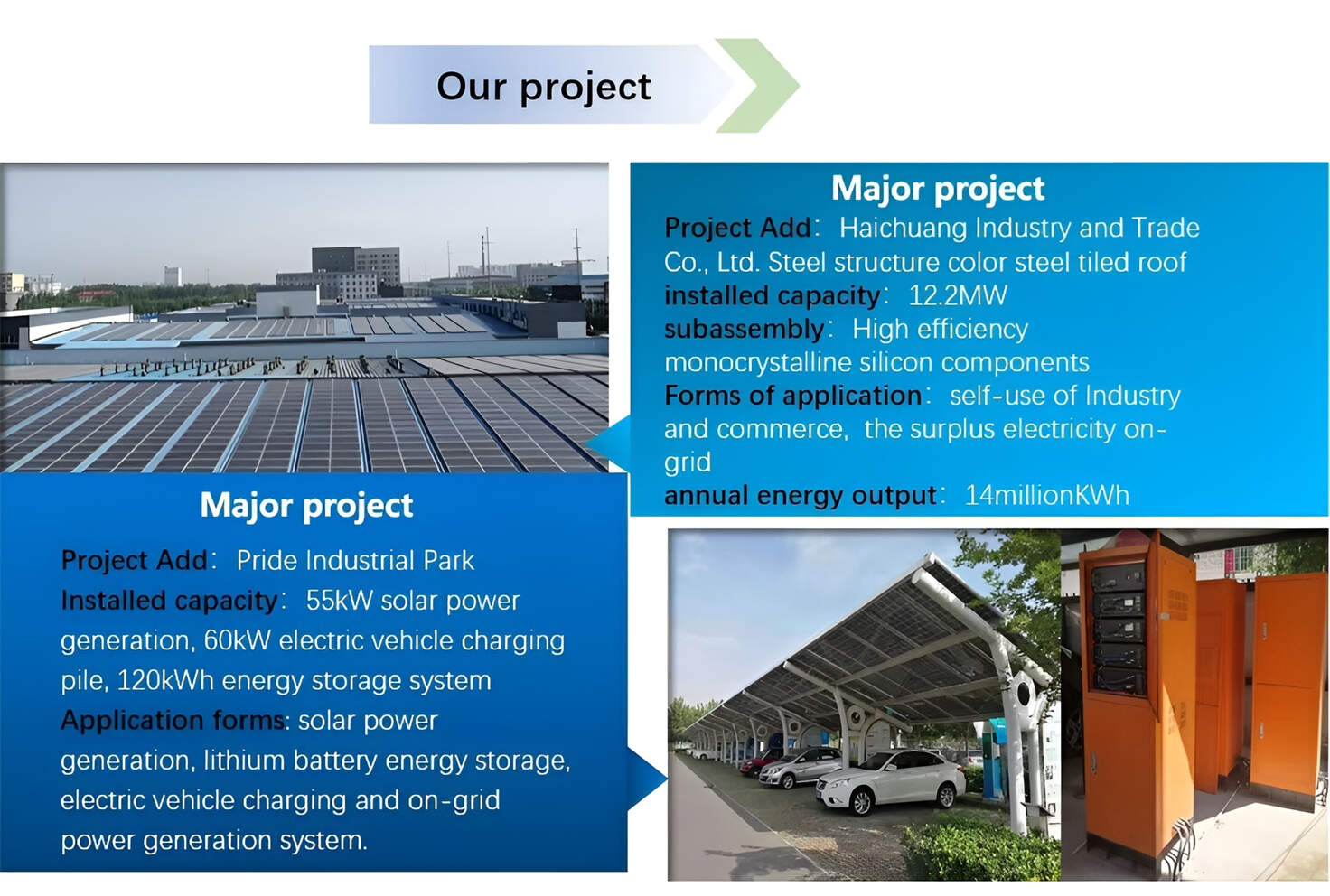
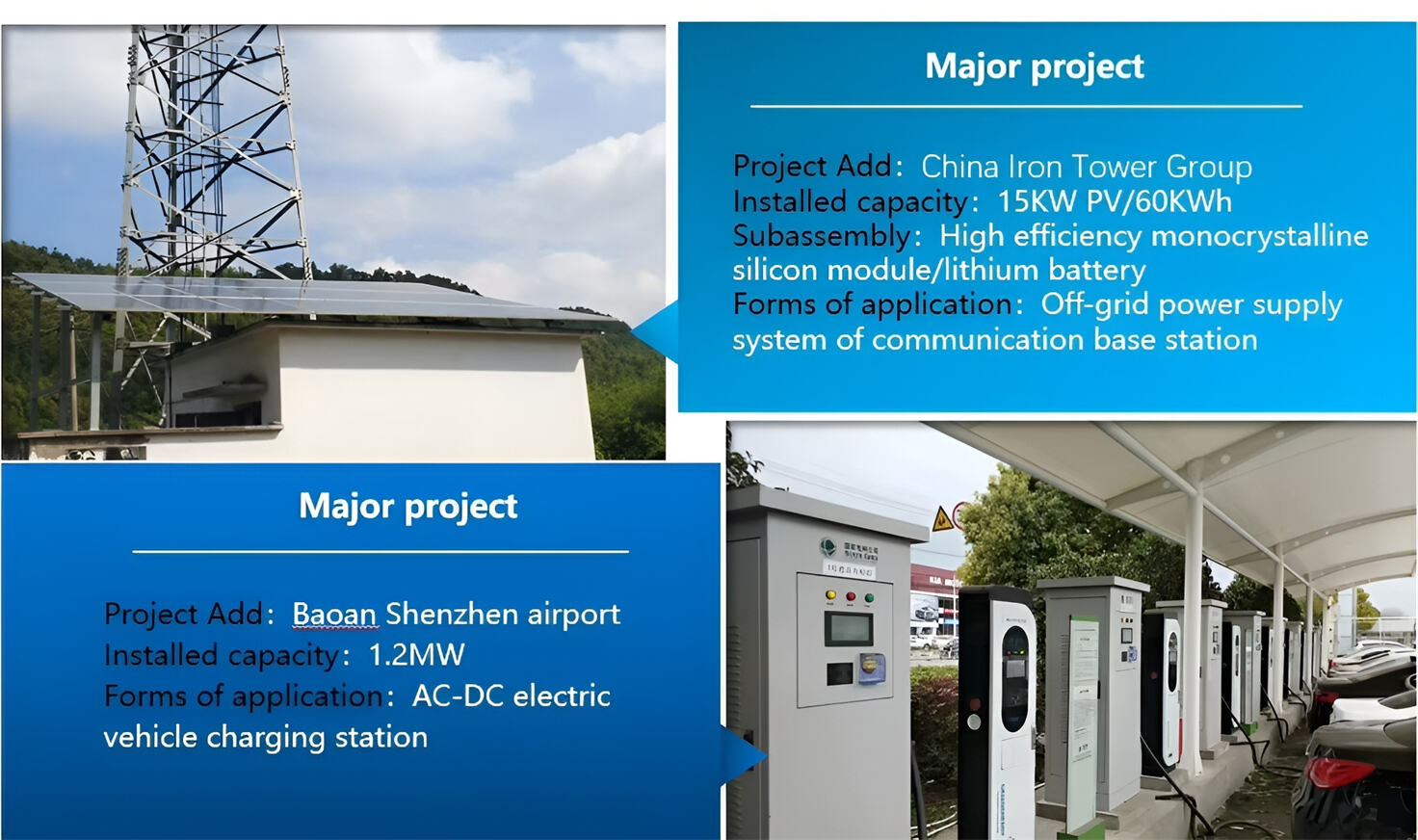
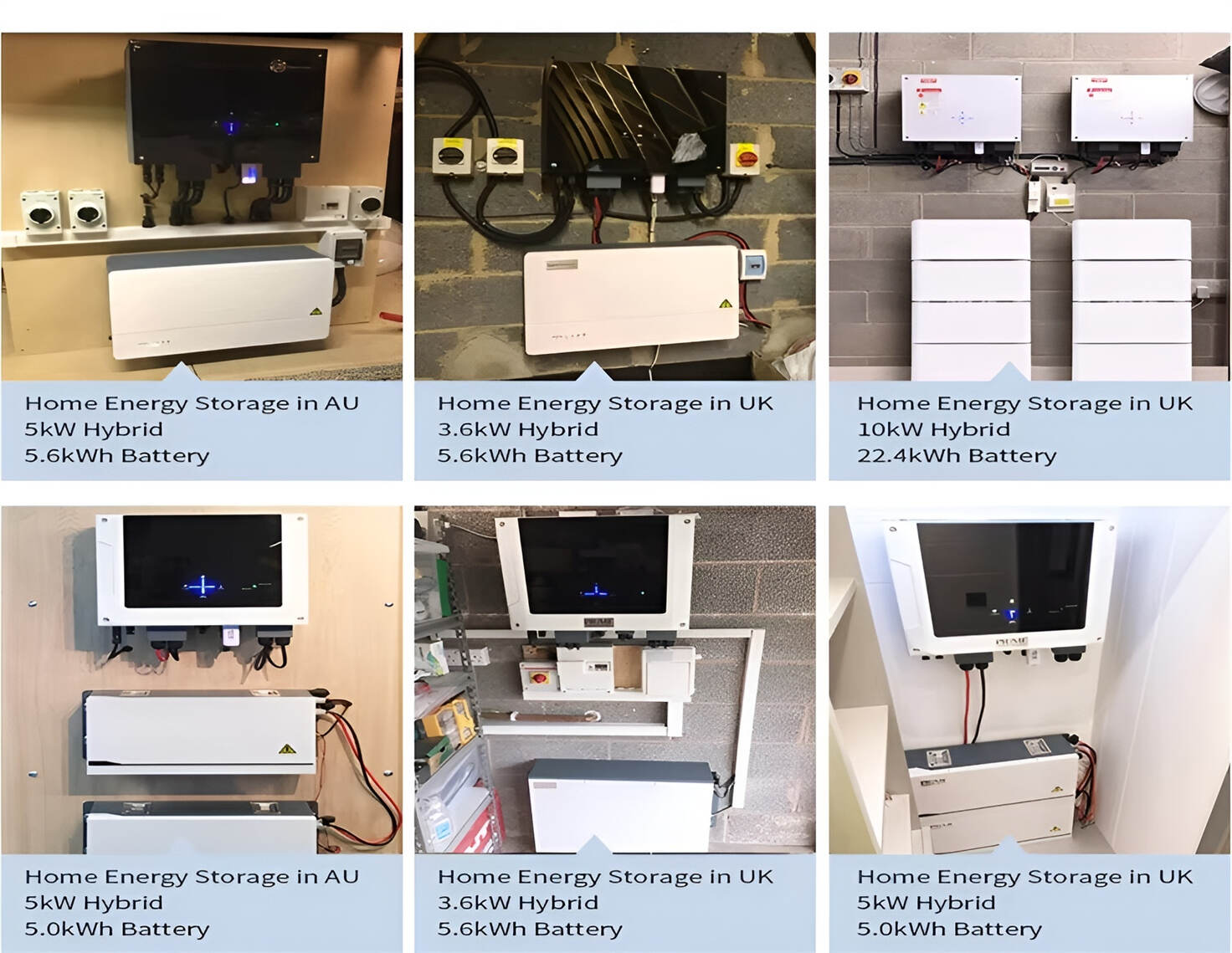
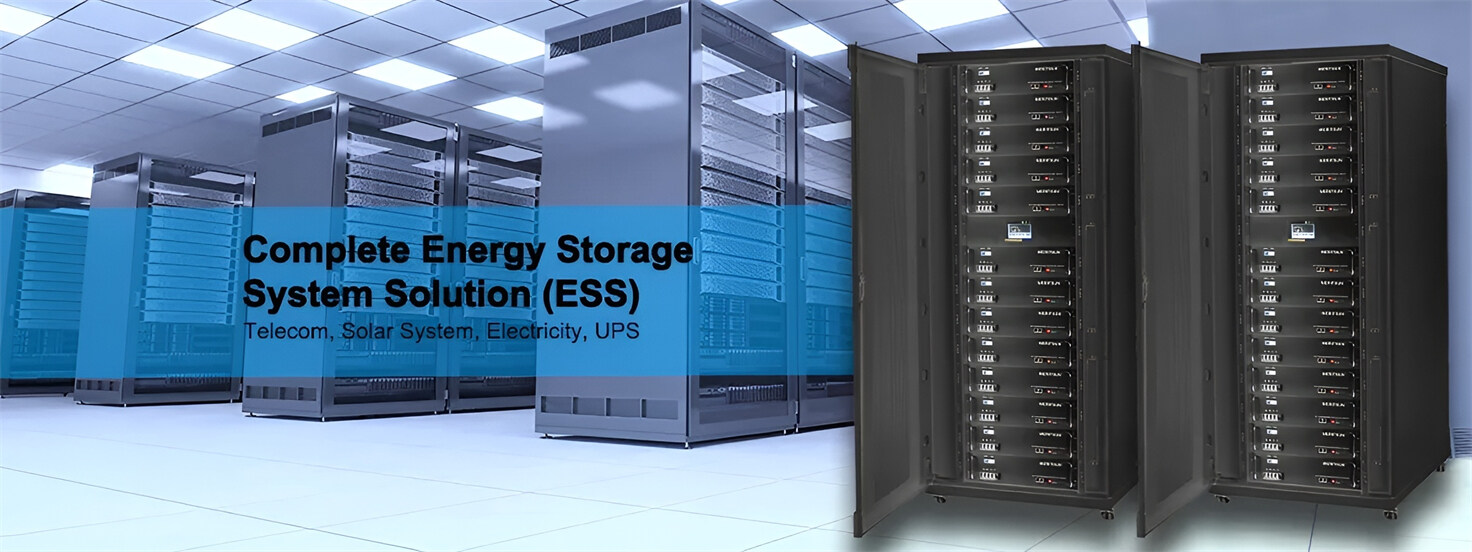
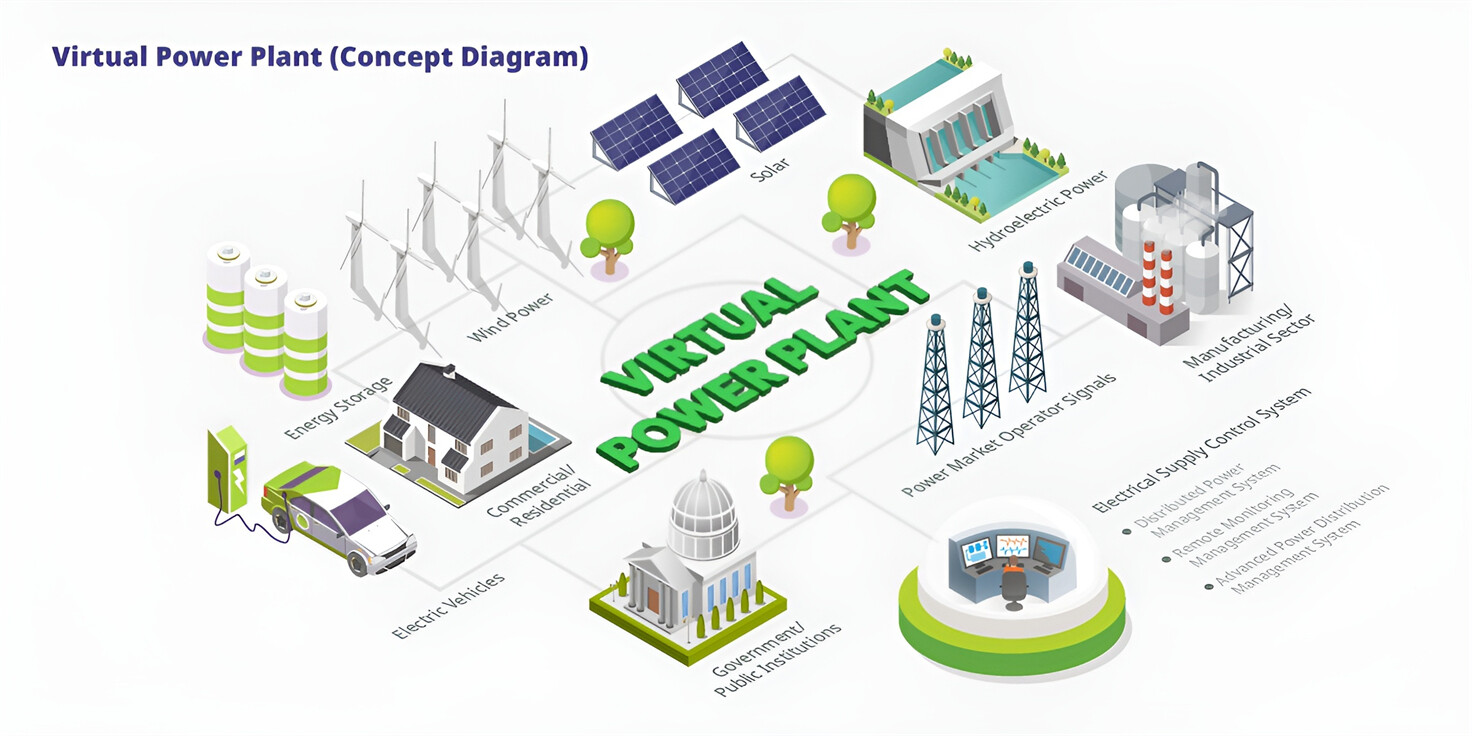
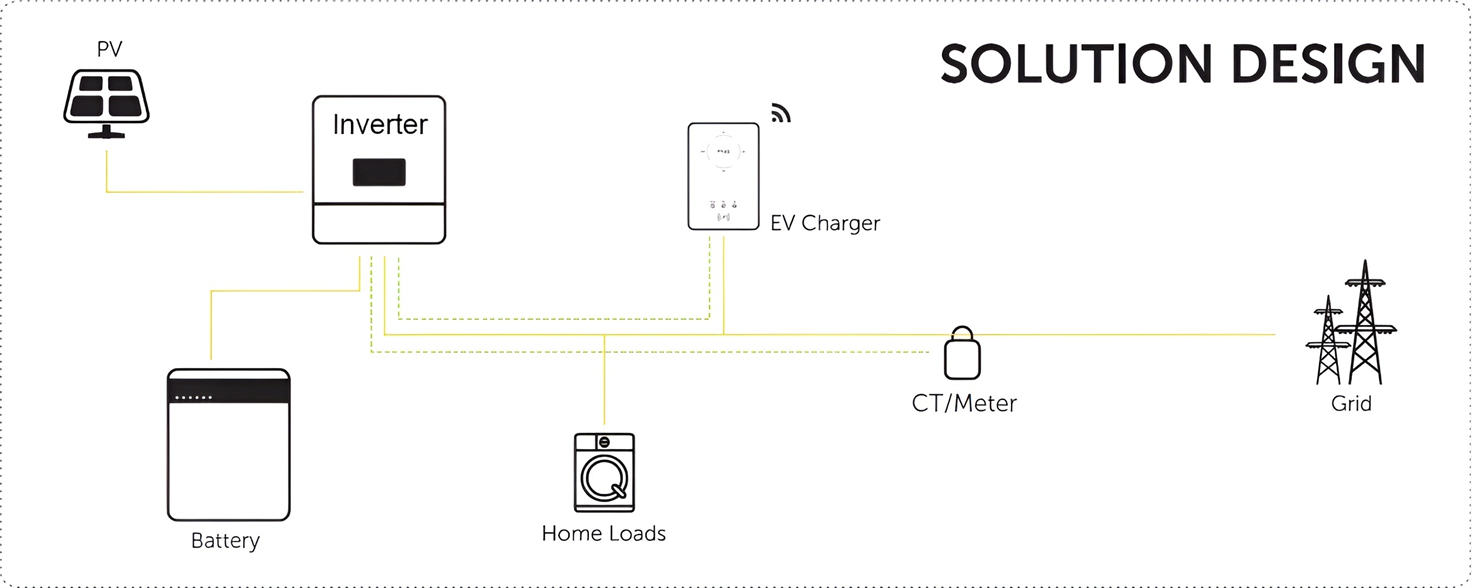
Well-designed Solutions for Energy Storage Systems
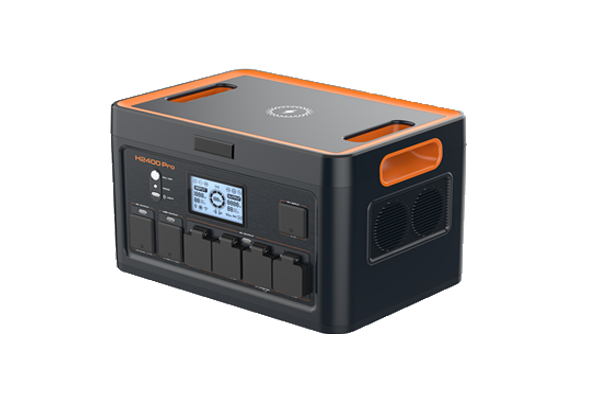
We will design the perfect energy storage system solution according to your needs, so that you can easily solve the specific industry applications of battery products.
About Our Battery Cells
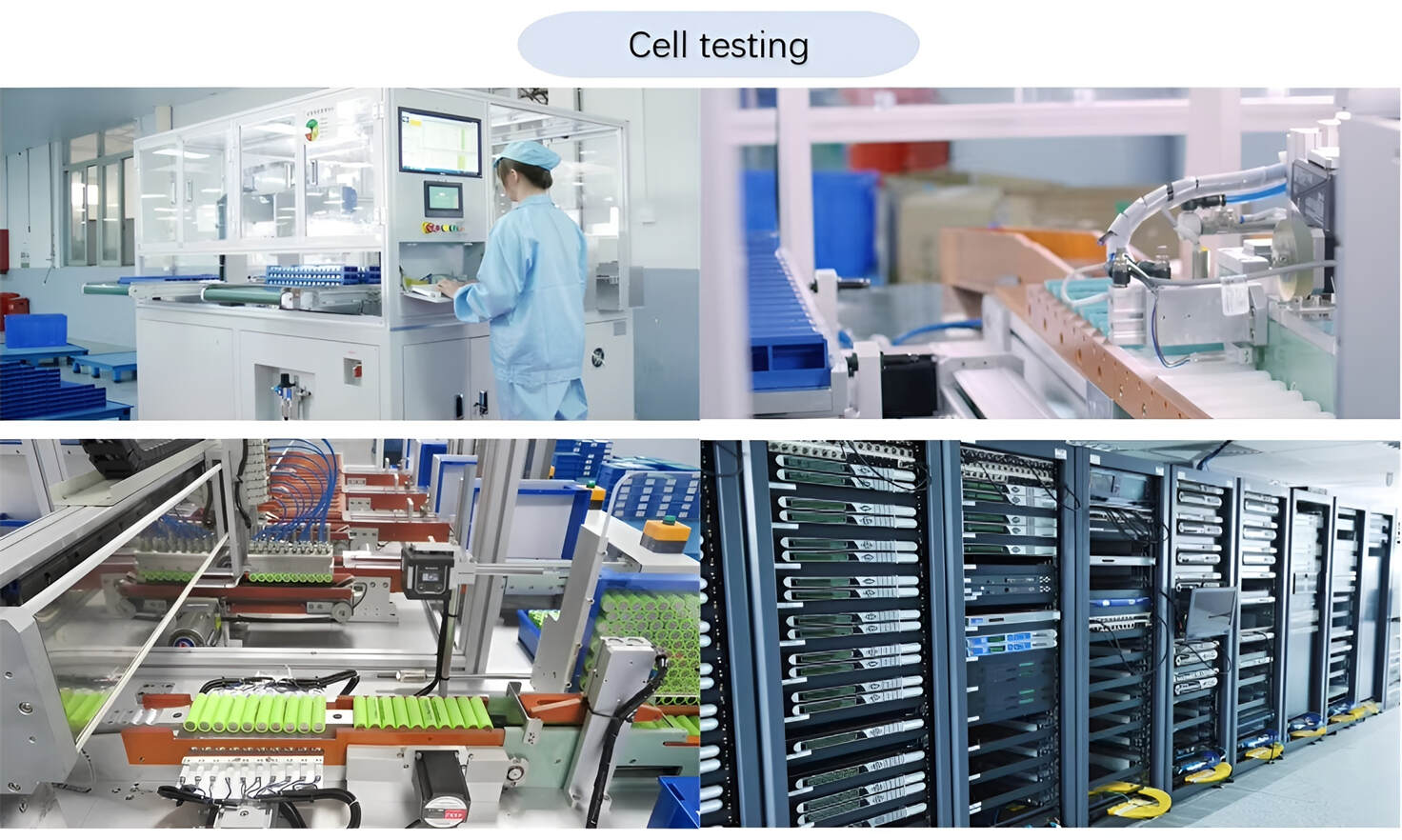
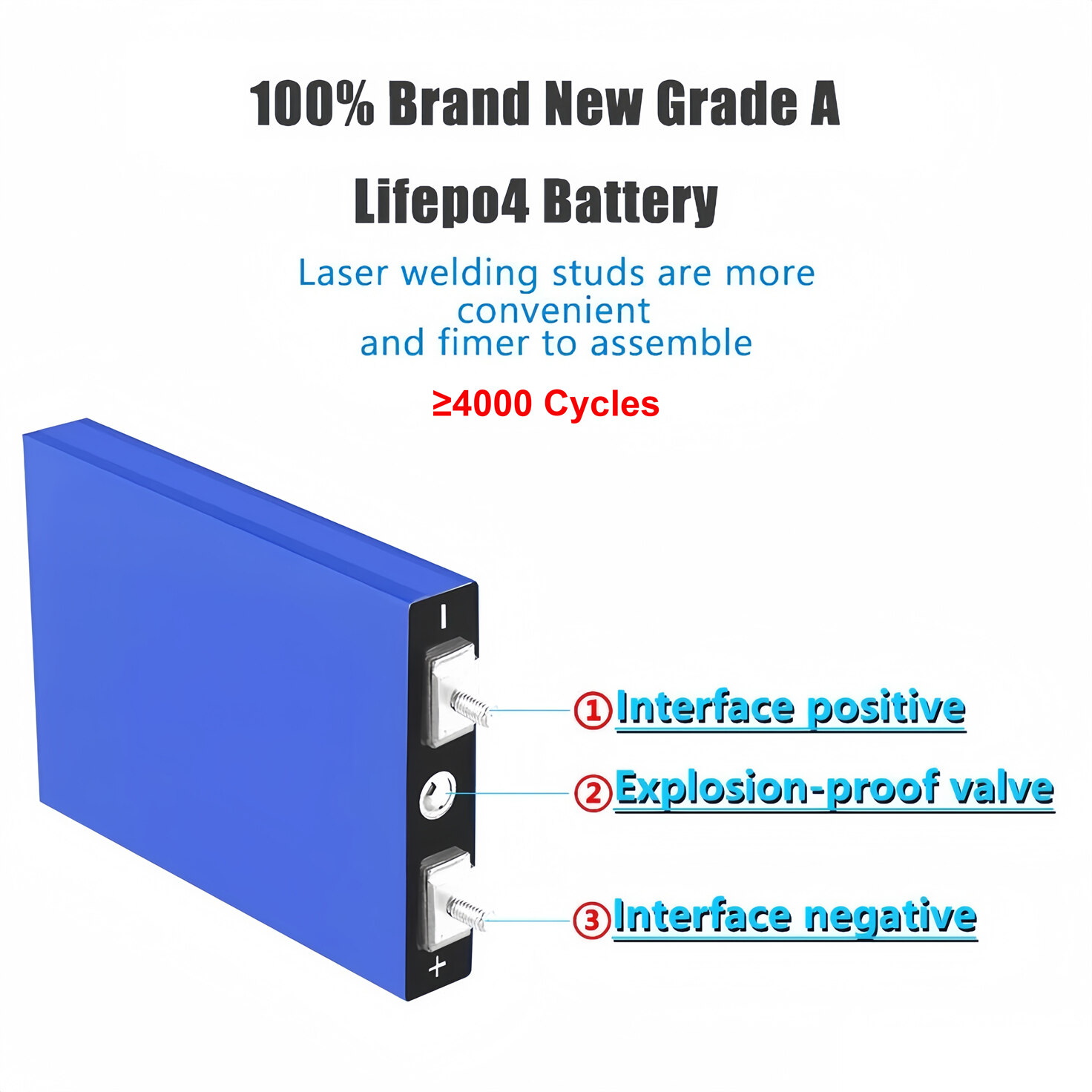
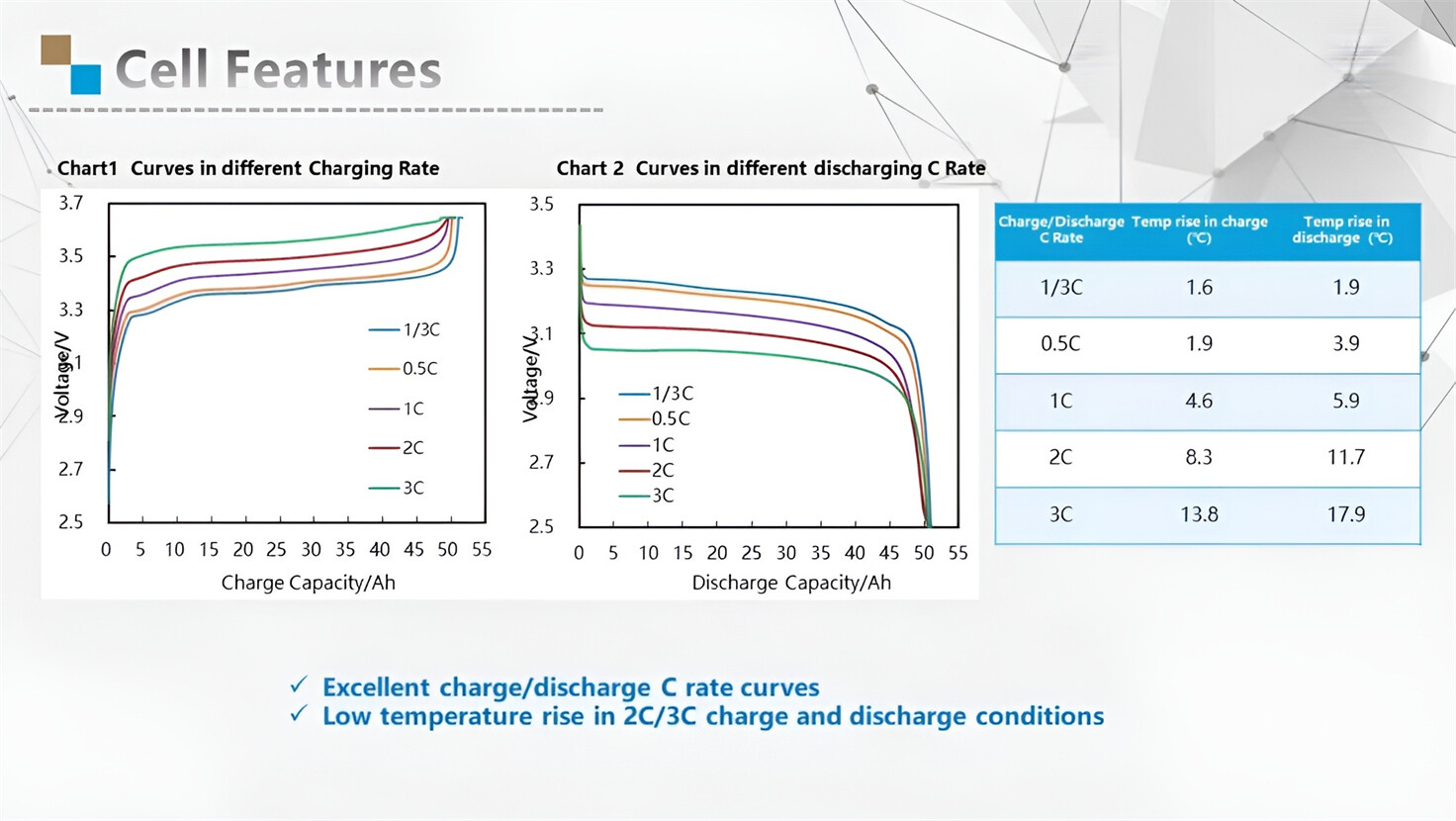
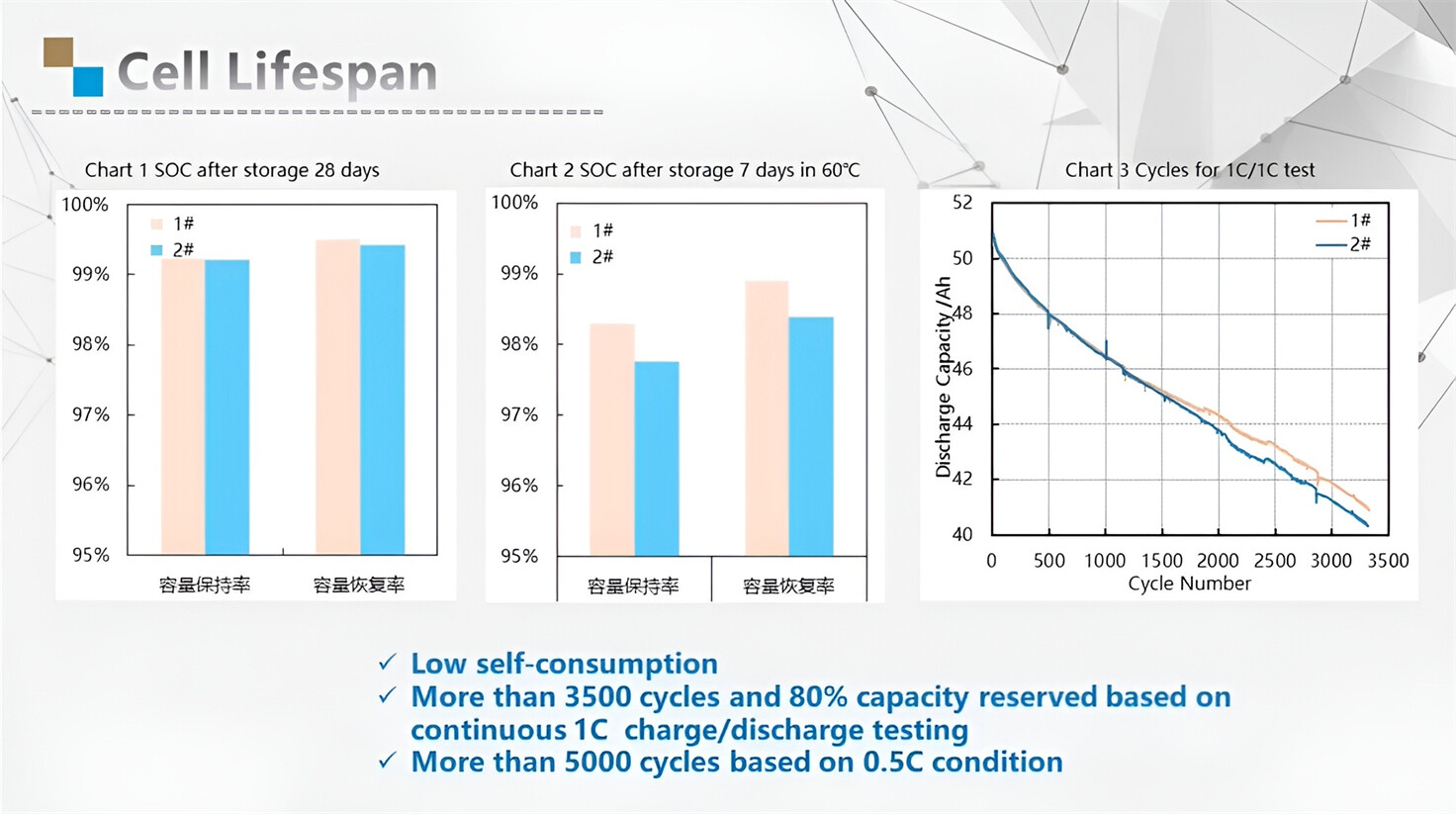
Our energy storage system products use brand new grade A LiFePO4 cells with a battery lifespan of more than 4,000 charge/discharge cycles.
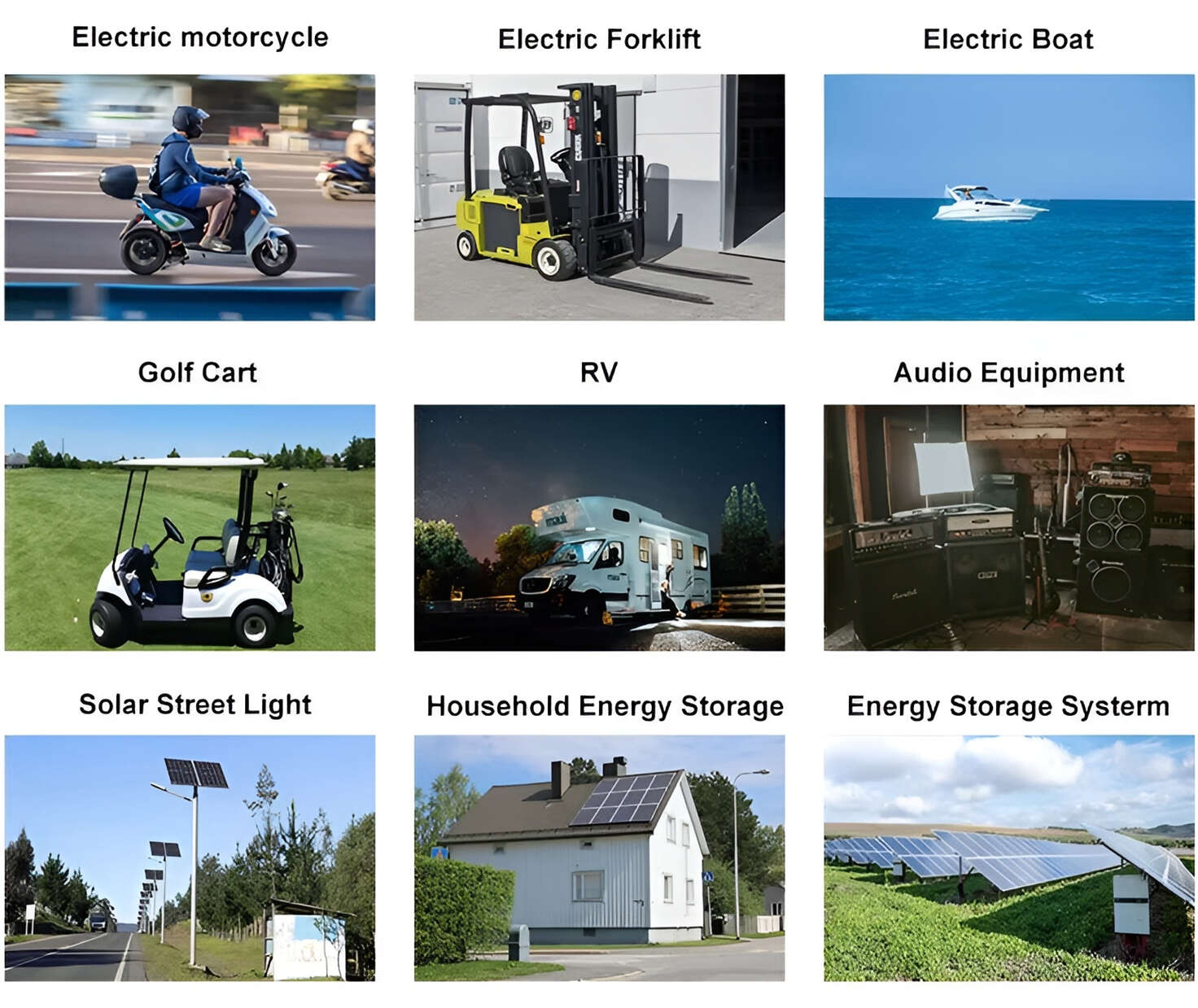
Applications in Different Industries
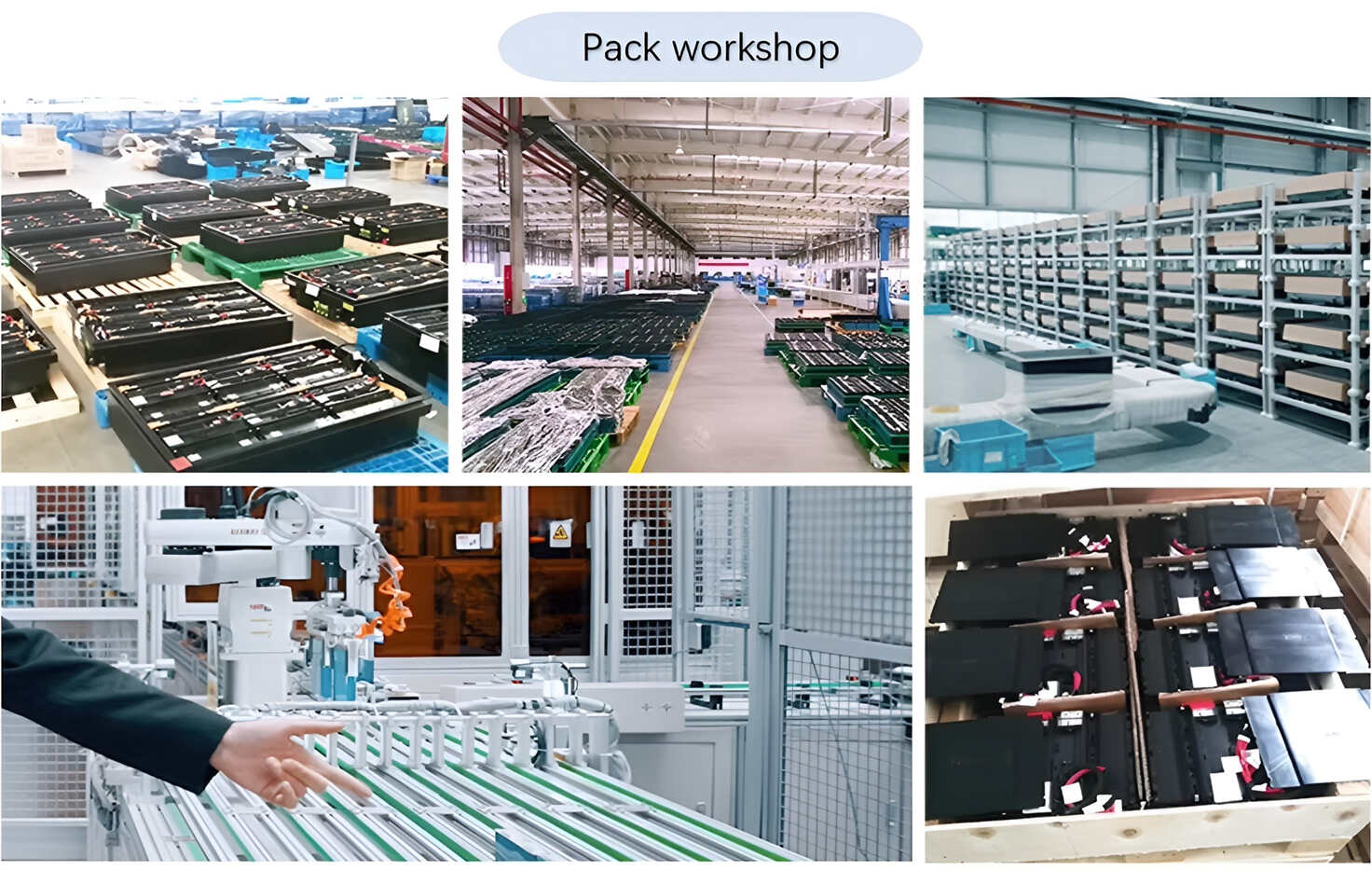
We supply customized & OEM battery pack, assemble cells with wiring, fuse and plastic cover, all the cell wires connected to PCB plug or built BMS.
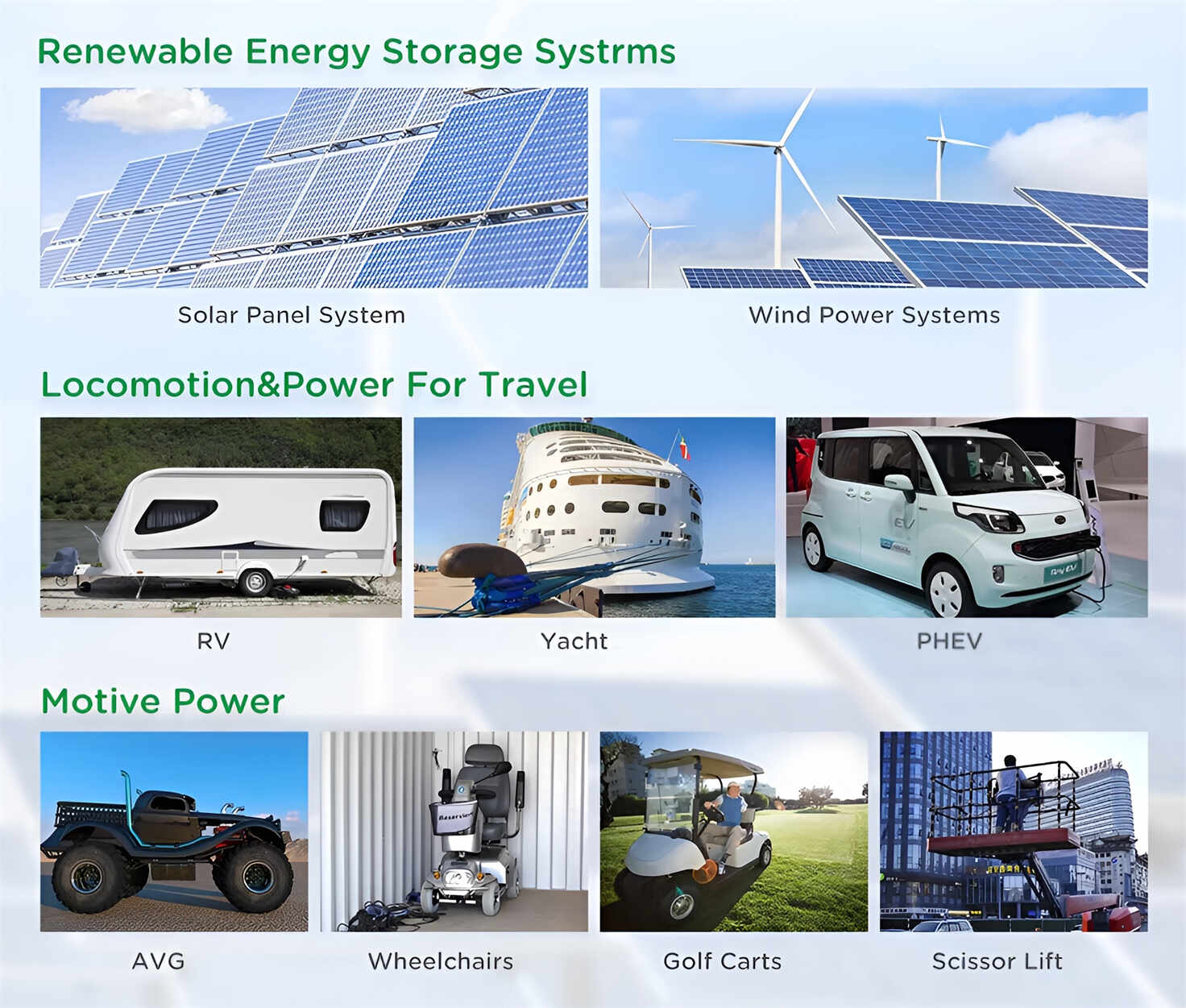
Applications: E-bike, Electric Scooter, Golf Carts, RV, Electric Wheelchair, Electric Tools, Robot Cleaner, Robot Sweeper, Solar Energy Storage System, Emergency Light, Solar Power Light, Medical Equipment, UPS Backup Power Supply.
We can provide you with customized services. We have the ability to provide a vertical supply chain, from single cells to pack/module and to a complete power solution with BMS, etc.
HomSolar (Shenzhen) Technology Co., Ltd