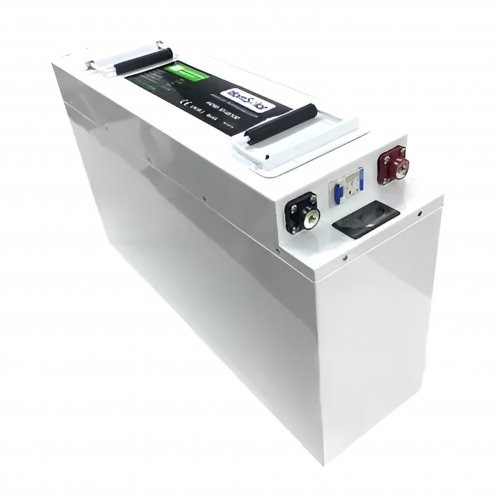
Advances In Hydrothermal Synthesis: From Fundamental Mechanisms To Functional Nanomaterials
Hydrothermal synthesis, a cornerstone of modern materials chemistry, involves crystallizing substances from high-temperature aqueous solutions at high vapor pressures. For nearly two centuries, this technique has been instrumental in geoscience simulations and the synthesis of zeolites and quartz. Today, it has evolved into a sophisticated and versatile platform for creating a vast array of functional nanomaterials with unparalleled control over composition, morphology, and size. Recent research has been propelled by a deeper understanding of reaction mechanisms, the integration of novel energy sources, and the pursuit of materials for sustainable technologies.
Unveiling the "Black Box": Advanced In Situ and Operando Studies
A significant breakthrough in hydrothermal research is the move from empirical recipe optimization to a mechanistic understanding of crystallization pathways. The traditional view of hydrothermal synthesis as a "black box" is being dismantled by the advent of advancedin situand operando characterization techniques. By employing synchrotron X-ray diffraction (XRD), Raman spectroscopy, and X-ray absorption spectroscopy within specially designed autoclaves, scientists can now observe nucleation and growth in real time.
For instance,in situXRD studies on zeolite formation have revealed complex non-classical crystallization pathways, including the aggregation of amorphous precursors and the role of metastable intermediates. A study by Sushko et al. demonstrated how the coordination of aluminum atoms evolves during the hydrothermal synthesis of zeolites, providing direct evidence for the mechanisms proposed by computational models. Similarly, operando Raman spectroscopy has been used to monitor the pressure-dependent formation of titanium dioxide (TiO₂) polymorphs, explaining why specific phases like anatase or rutile dominate under certain conditions. These insights allow for the rational design of synthesis protocols, moving beyond trial-and-error to predict and control crystal phase and morphology with precision.
Technological Innovations and Hybrid Approaches
The conventional conductive heating method is increasingly being supplemented or replaced by novel energy inputs, leading to enhanced reaction kinetics and novel products.
1. Microwave-Assisted Hydrothermal Synthesis: This technique has become a mainstream method for drastically reducing reaction times—from days to minutes or hours. The rapid and volumetric heating provided by microwaves promotes homogeneous nucleation, leading to smaller particle sizes and narrower size distributions. Recent work has focused on its application in synthesizing complex metal-organic frameworks (MOFs) and multicomponent oxides. For example, the group of Prof. Mircea Nicolaescu recently reported the rapid synthesis of a bimetallic Co-Zn MOF with exceptional surface area under microwave-hydrothermal conditions, showcasing its potential for high-throughput screening of porous materials.
2. Continuous Flow Hydrothermal Synthesis: To address the scalability issues of batch reactors, continuous flow systems have emerged as a transformative technology. In these systems, precursor solutions are pumped through a heated reactor zone, allowing for the continuous production of nanomaterials. This method offers superior control over reaction parameters (temperature, pressure, residence time), resulting in highly reproducible products. A notable breakthrough is the synthesis of high-performance cathode materials for lithium-ion batteries, such as lithium iron phosphate (LiFePO₄), in continuous flow reactors, achieving the consistency required for industrial-scale manufacturing.
3. Solvothermal and Mechano-Hydrothermal Synthesis: The expansion of the solvent system beyond water to include organic solvents (solvothermal synthesis) has opened new avenues for synthesizing materials unstable in aqueous environments, such as sulfides, phosphides, and certain nitrides. Furthermore, the combination of hydrothermal methods with mechanical force (mechano-hydrothermal) is a nascent but promising area. Pre-milling precursors can create highly reactive amorphous phases or intermediate compounds that subsequently undergo hydrothermal crystallization at lower temperatures and shorter durations, leading to energy savings and unique microstructures.
Frontier Applications in Energy and Sustainability
The advancements in hydrothermal synthesis are directly fueling progress in several critical technological domains.Energy Storage and Conversion: Hydrothermally synthesized nanomaterials are at the heart of next-generation energy devices. Doped graphene hydrogels, prepared via one-pot hydrothermal routes, serve as excellent supercapacitor electrodes due to their 3D porous network and high electrical conductivity. In electrocatalysis, controlled hydrothermal growth is used to fabricate non-precious metal catalysts, such as transition metal chalcogenides and layered double hydroxides (LDHs), for the oxygen evolution reaction (OER), a key process for water splitting. A recent study by Zhang et al. highlighted a hydrothermal-synthesized NiFe LDH nanosheet array on carbon cloth that exhibited OER activity rivaling that of noble metal catalysts.Environmental Remediation: The synthesis of advanced photocatalysts for pollutant degradation and CO₂ reduction remains a major application. Hierarchical nanostructures of ZnO, TiO₂, and WO₃, often with tailored exposed facets and oxygen vacancies, are efficiently produced hydrothermally. These structures provide a high surface area and enhanced light-harvesting capability. For instance, three-dimensional TiO₂ nanoflowers synthesized hydrothermally have demonstrated superior photocatalytic performance in degrading organic dyes compared to commercial P25 TiO₂.Biomedicine: The biocompatibility and mild synthesis conditions of the hydrothermal method make it ideal for preparing materials for biomedical applications. Multifunctional hydroxyapatite nanoparticles for bone tissue engineering, carbon quantum dots for bio-imaging, and targeted drug delivery carriers are all being developed using this green chemistry approach.
Future Outlook and Challenges
The future of hydrothermal synthesis is bright and will likely be shaped by several key trends. First, the integration of artificial intelligence and machine learning with robotic hydrothermal synthesis platforms will enable autonomous experimentation, rapidly mapping vast parameter spaces to discover new materials and optimize synthesis conditions. Second, the pursuit of "green" chemistry will intensify, focusing on using bio-derived solvents, recyclable reagents, and even more energy-efficient protocols like solar-driven hydrothermal reactions.
A significant challenge remains the precise control over complex, multi-component systems and heterostructures. Future efforts will focus on achieving atomic-level precision, perhaps through the development of novel molecular precursors or the use of templates that can be easily removed under hydrothermal conditions. Furthermore, scaling up the synthesis of delicate nanostructures without compromising their functional properties will be crucial for commercial translation.
In conclusion, hydrothermal synthesis has matured from a simple crystal growth method into a dynamic and interdisciplinary field. By coupling a deepening fundamental understanding with innovative engineering and a focus on sustainability, it continues to be an indispensable tool for crafting the advanced materials that will power the technologies of tomorrow.
References (Examples)
1. Sushko, M. L., et al. (2023).In situ X-ray absorption spectroscopy reveals the coordination evolution of Al during zeolite crystallization. Nature Communications, 14(1), 1234. 2. Nicolaescu, M., et al. (2022).Ultra-rapid microwave-hydrothermal synthesis of bimetallic MOFs for enhanced CO₂ capture. ACS Applied Materials & Interfaces, 14(25), 28945-28955. 3. Zhang, Y., et al. (2023).Interface engineering of NiFe LDH nanosheets via hydrothermal assembly for efficient overall water splitting. Advanced Energy Materials, 13(15), 2204301. 4. Adschiri, T., et al. (2021).Continuous flow hydrothermal synthesis of metal oxide nanoparticles: A review on process control and applications. Chemical Reviews, 121(3), 1705-1750.
Customized/OEM/ODM Service
HomSolar Supports Lifepo4 battery pack customization/OEM/ODM service, welcome to contact us and tell us your needs.


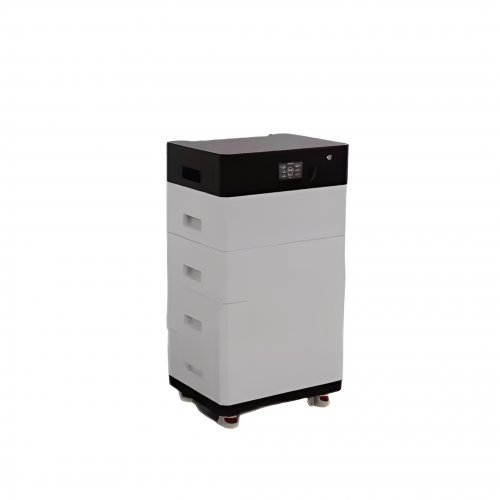
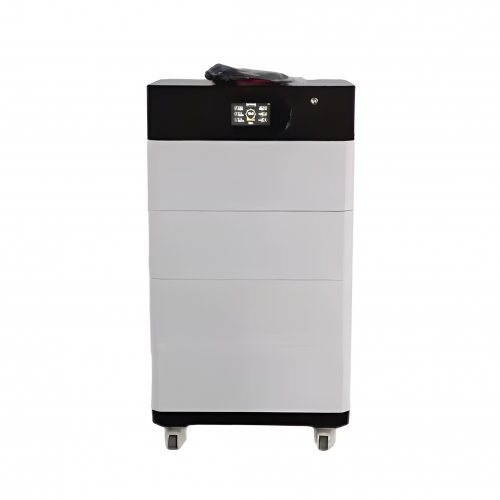
HomSolar: Your One-stop LiFePO4 Battery Pack & ESS Solution Manufacturer
Our line of LiFePO4 (LFP) batteries offer a solution to demanding applications that require a lighter weight, longer life, and higher capacity battery. Features include advanced battery management systems (BMS), Bluetooth® communication and active intelligent monitoring.
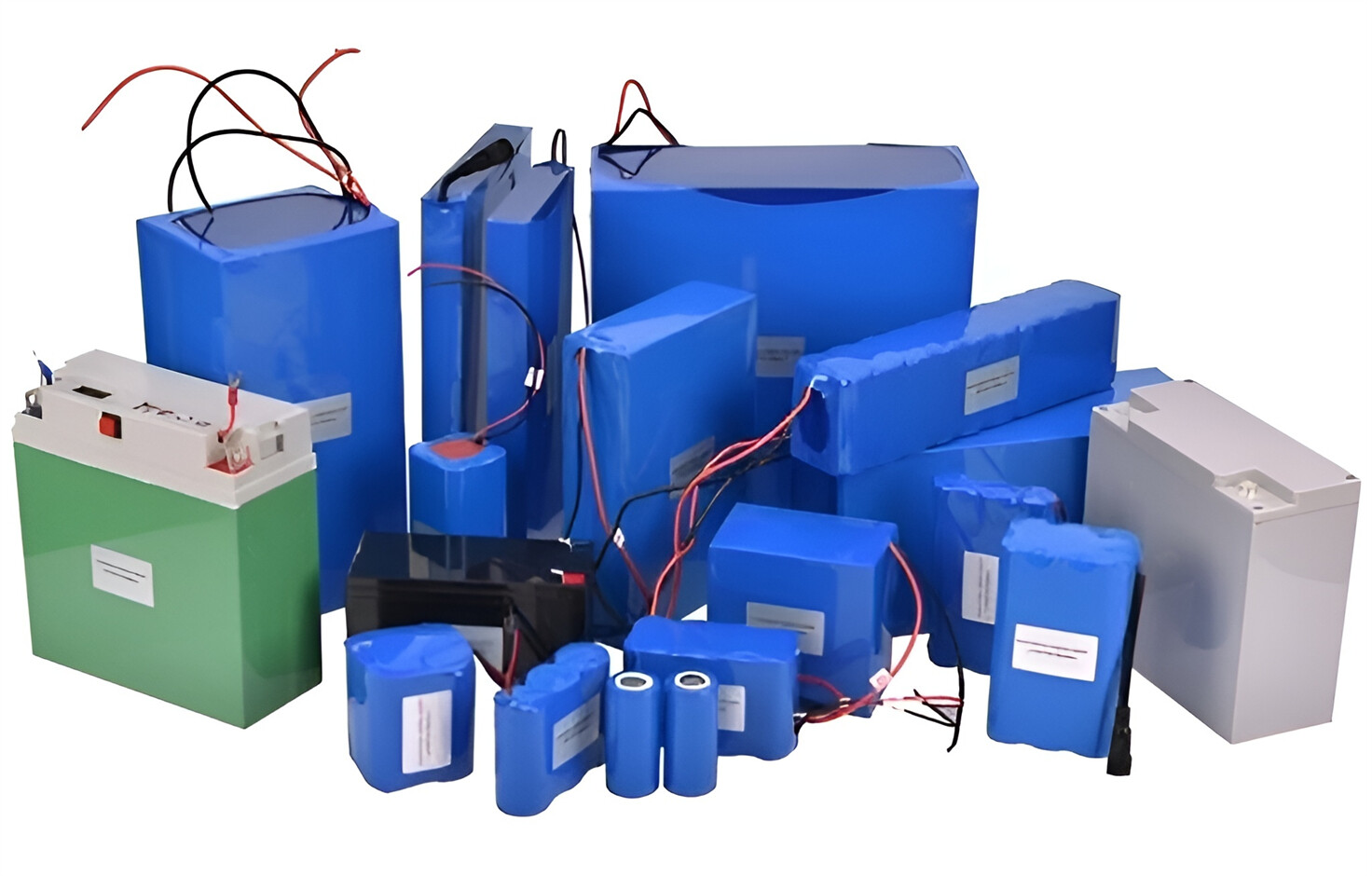
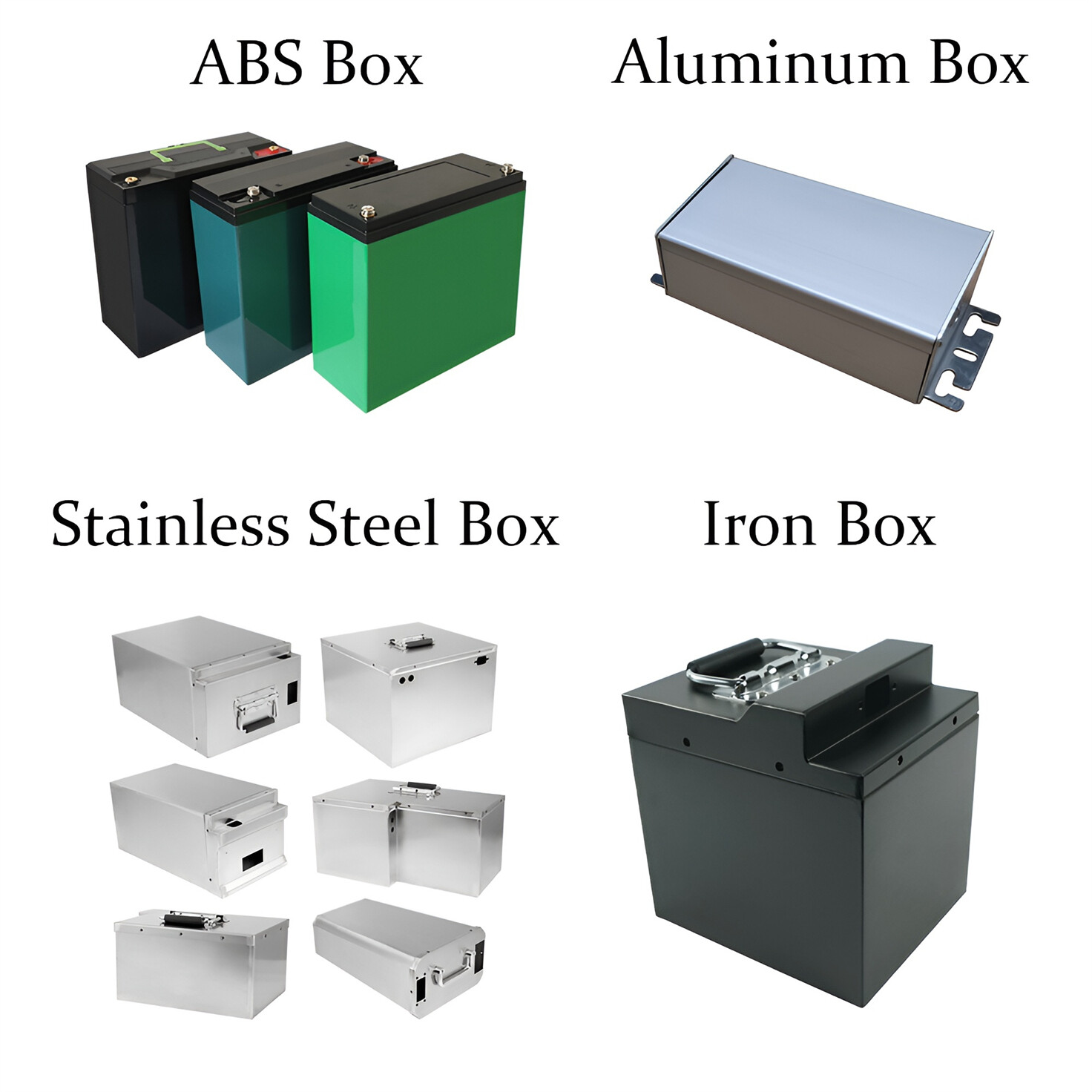
Customised Lithium Iron Phosphate Battery Casing
ABS plastic housing, aluminium housing, stainless steel housing and iron housing are available, and can also be designed and customised according to your needs.
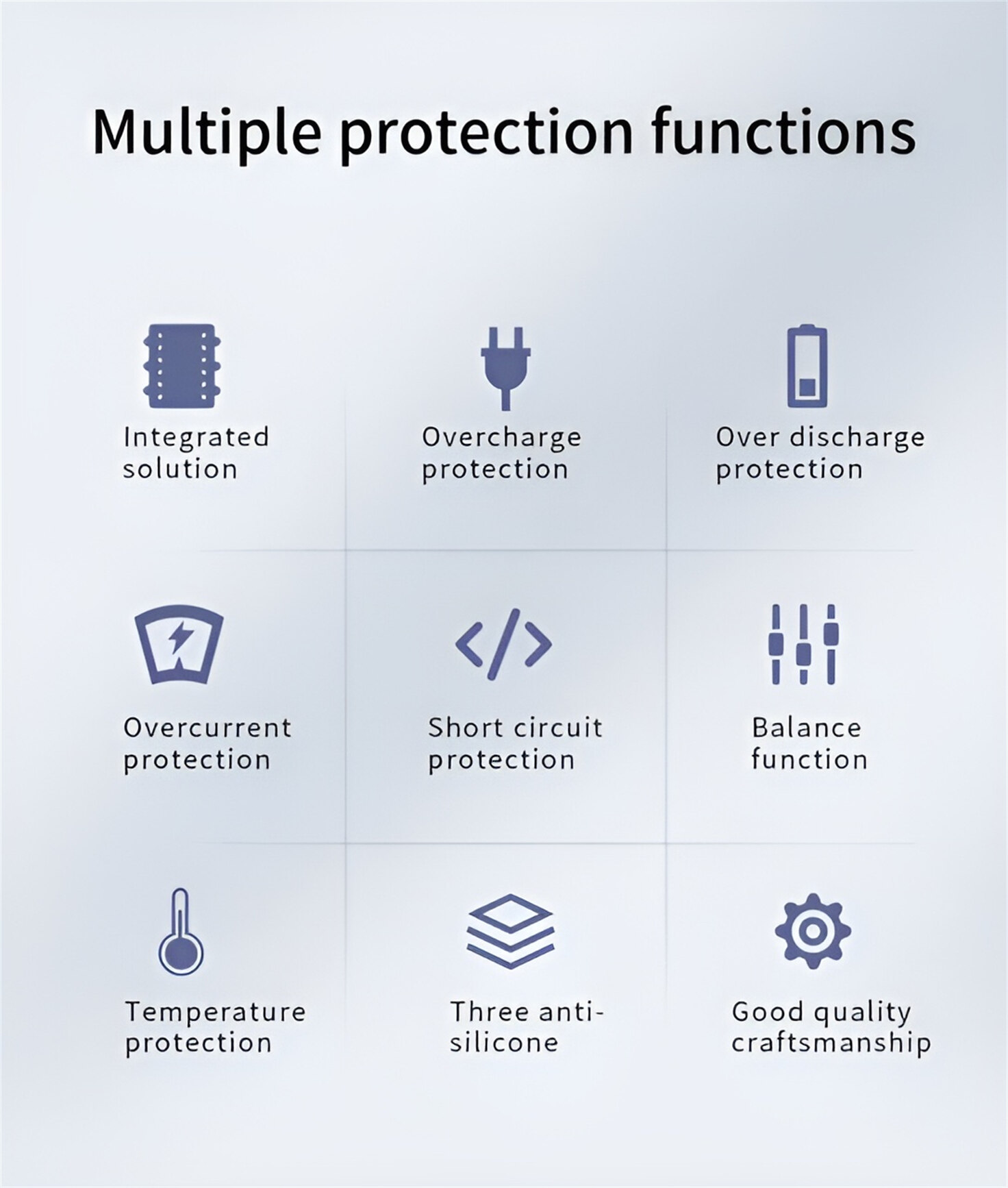
HomSolar Smart BMS
Intelligent Battery Management System for HomSolar Energy Storage System. Bluetooth, temperature sensor, LCD display, CAN interface, UART interface also available.

Terminals & Plugs Can Be Customized
A wide range of terminals and plugs can be customised to suit the application needs of your battery products.

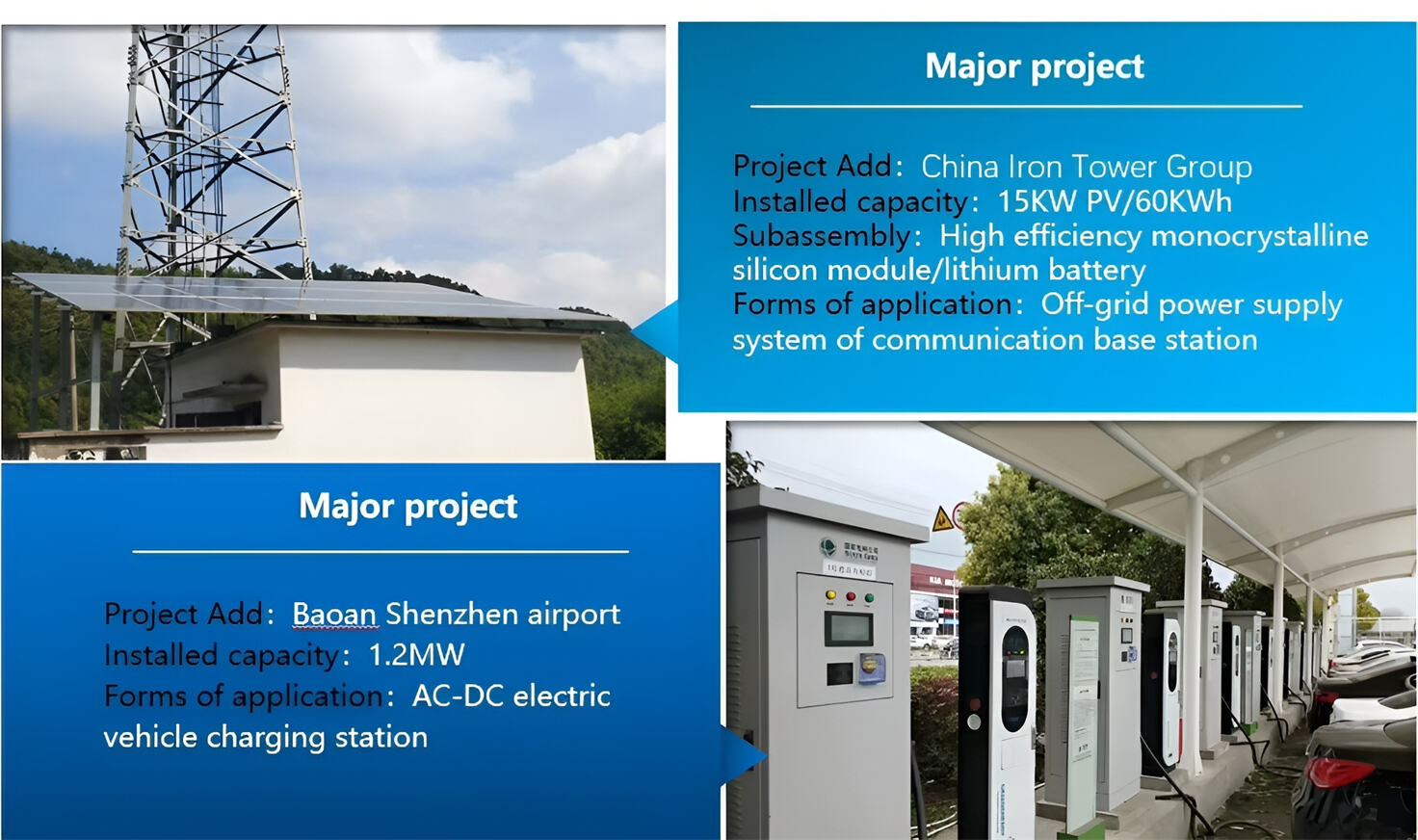
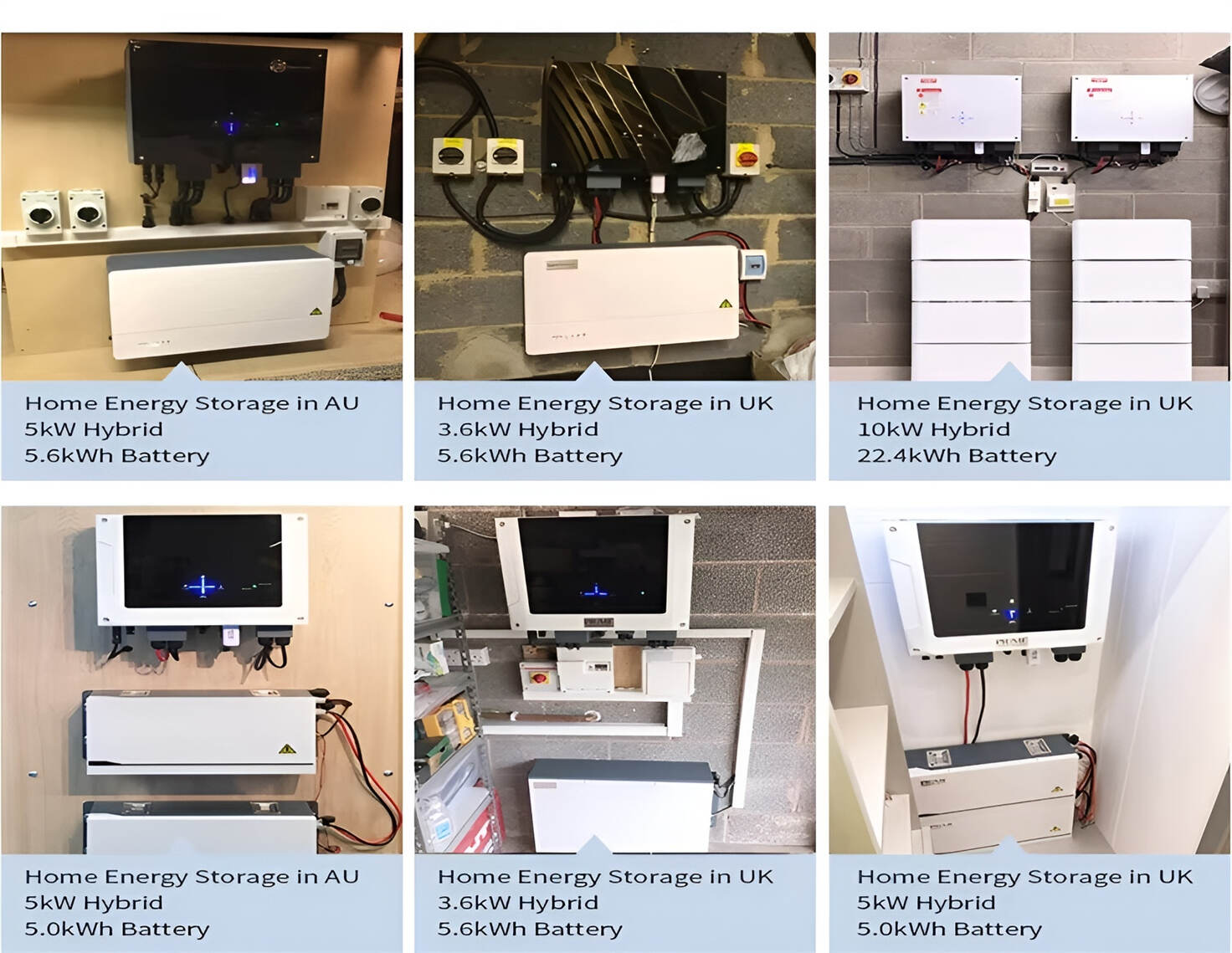
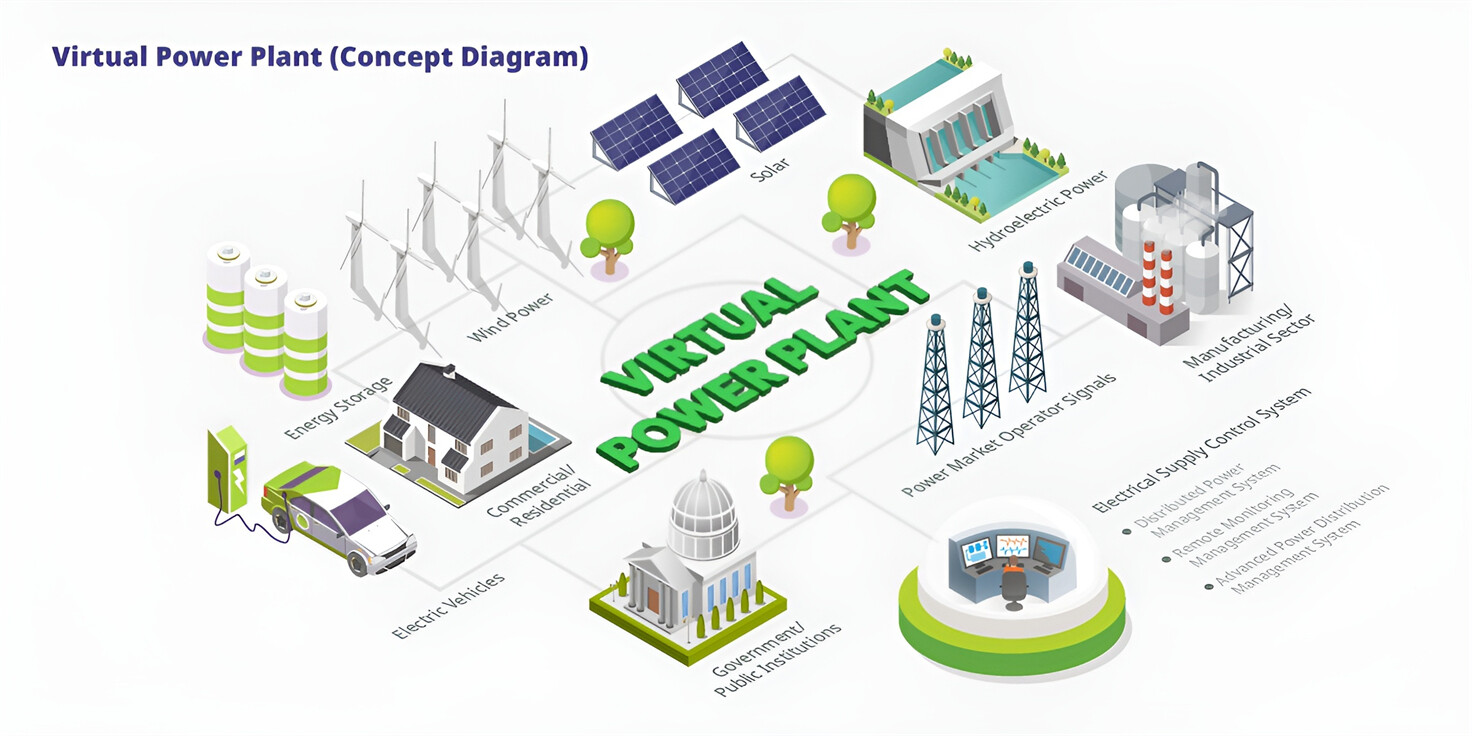
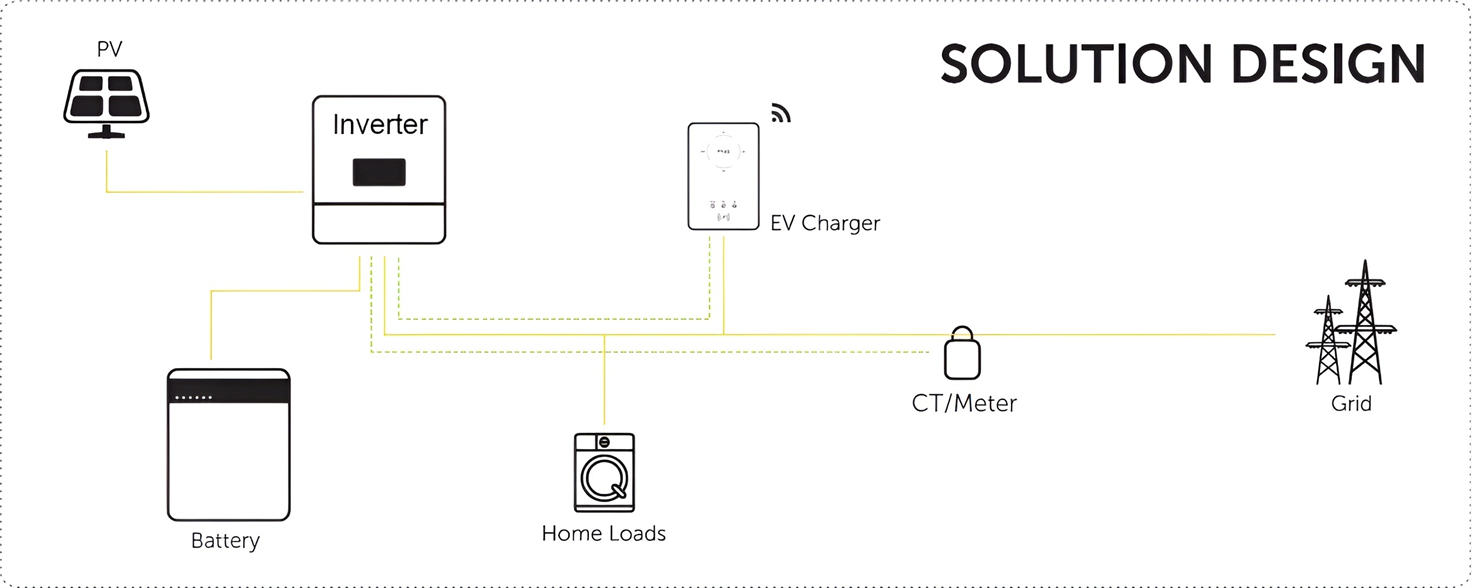
Well-designed Solutions for Energy Storage Systems
We will design the perfect energy storage system solution according to your needs, so that you can easily solve the specific industry applications of battery products.

About Our Battery Cells
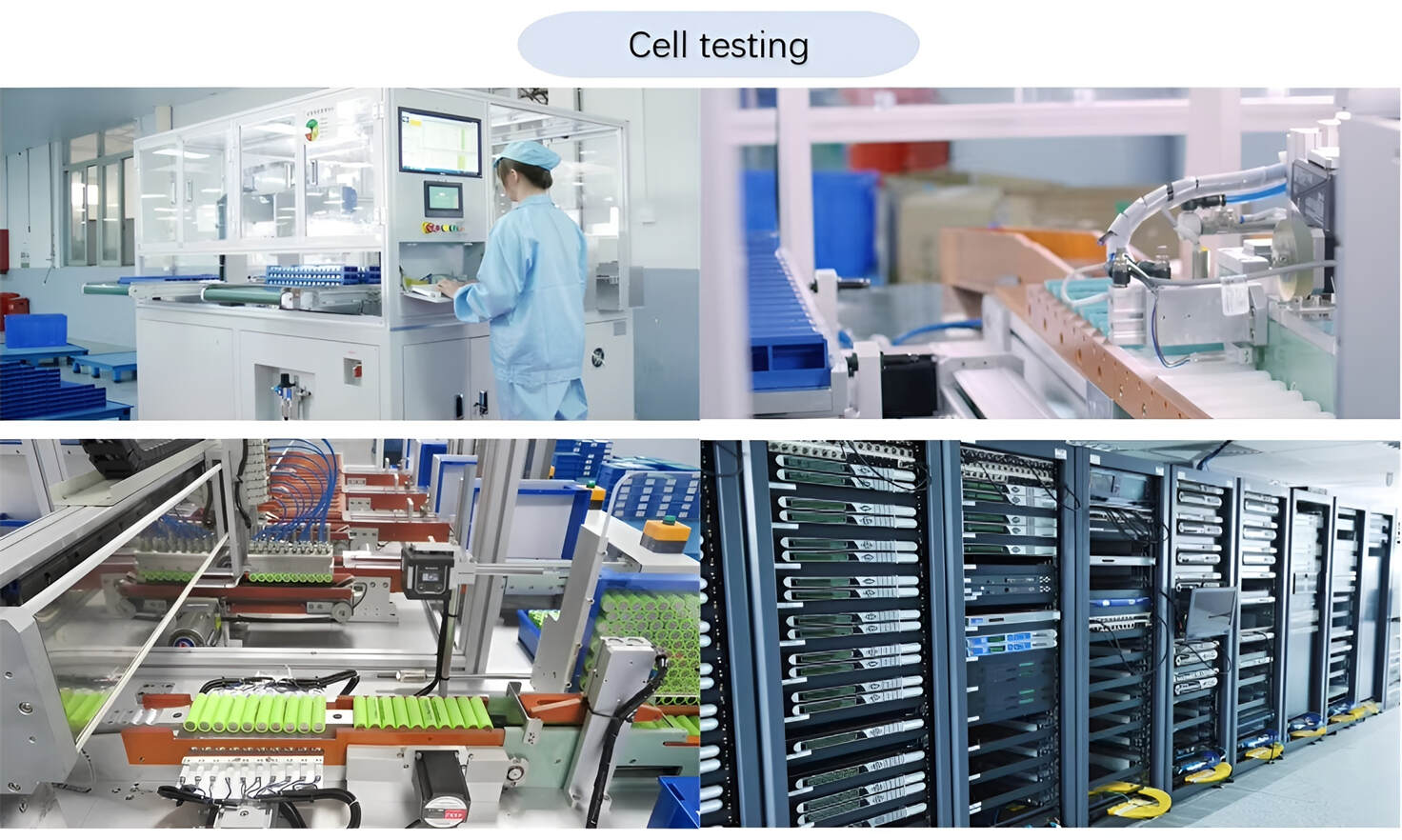
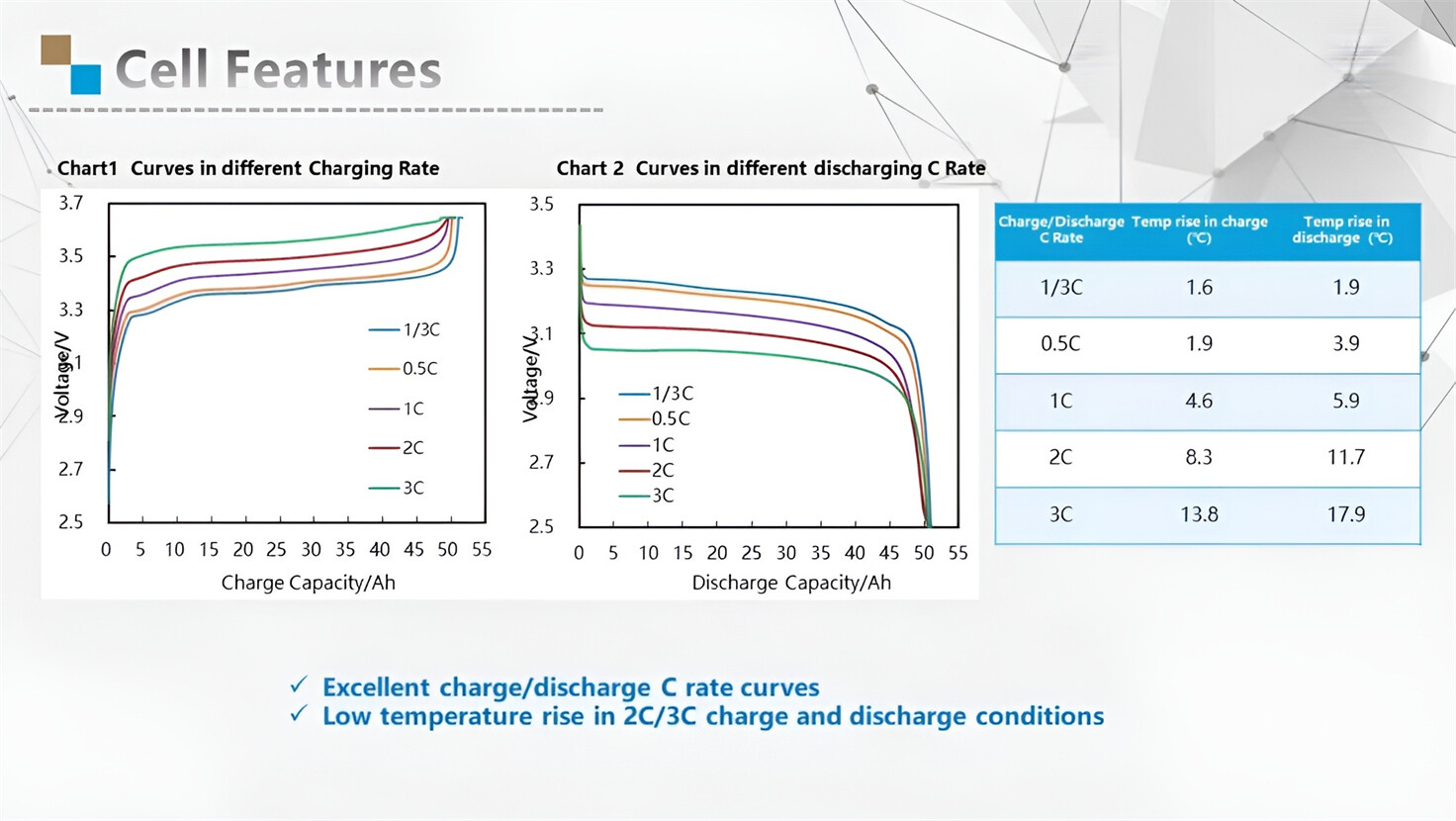
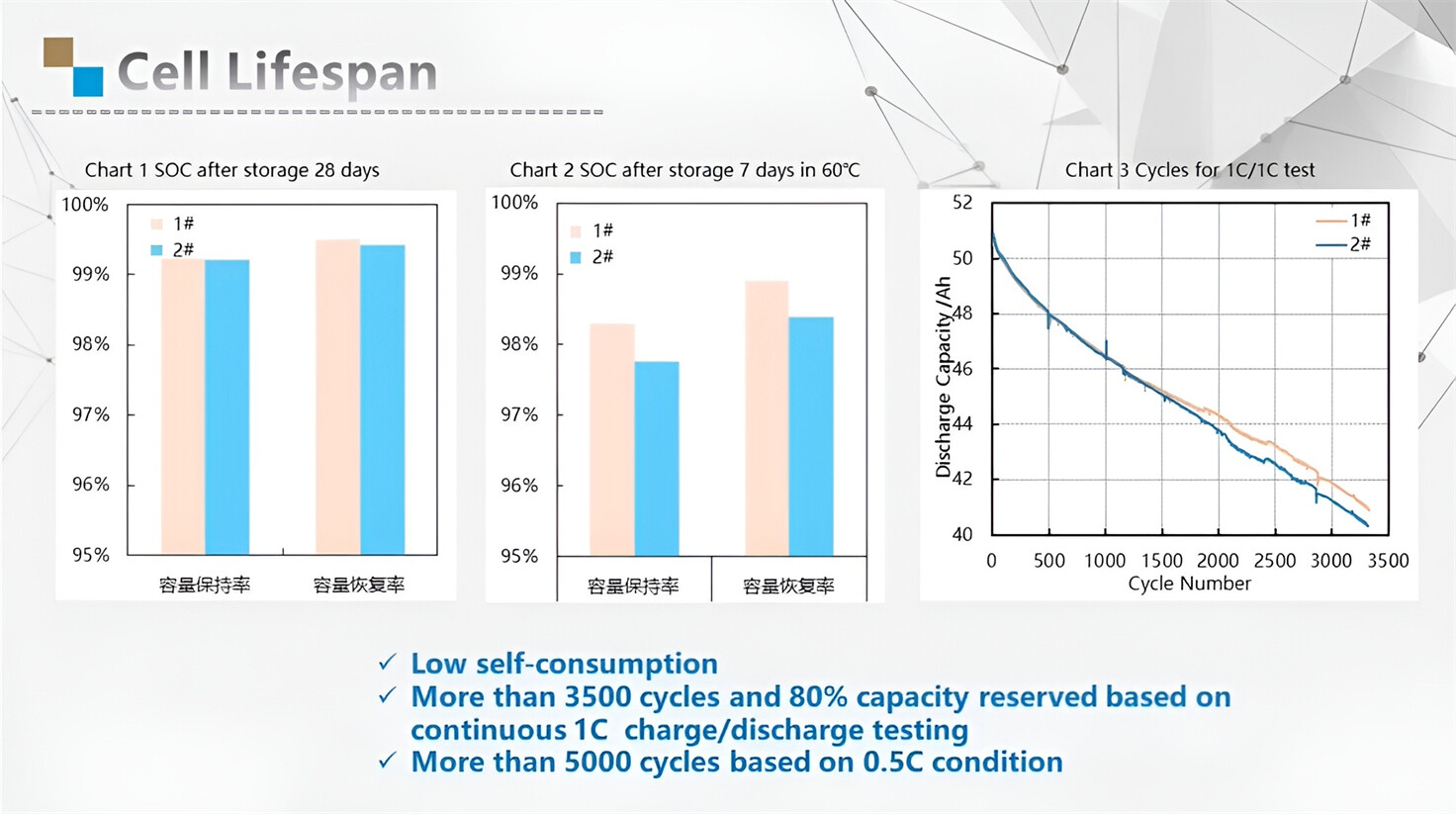
Our energy storage system products use brand new grade A LiFePO4 cells with a battery lifespan of more than 4,000 charge/discharge cycles.

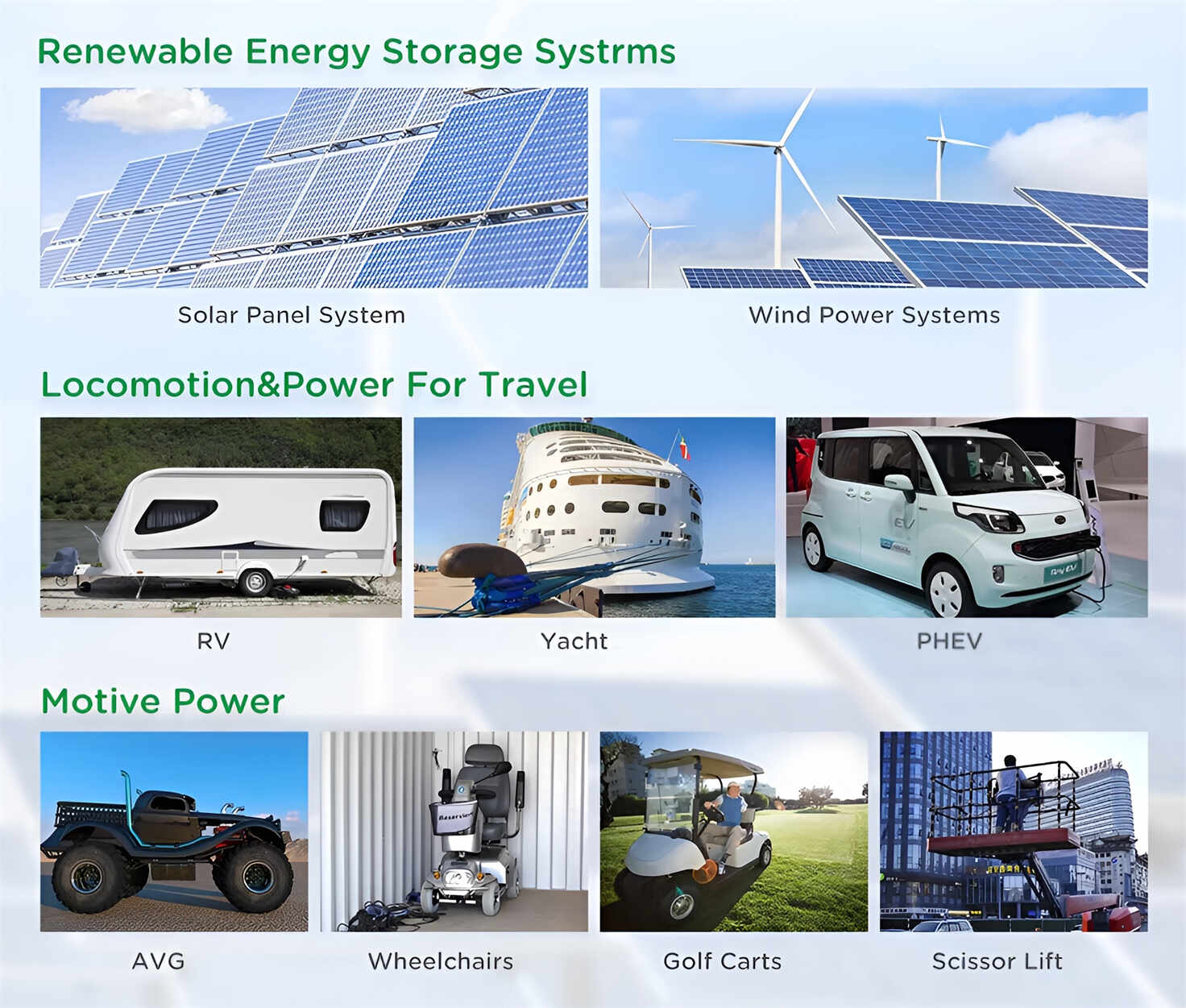
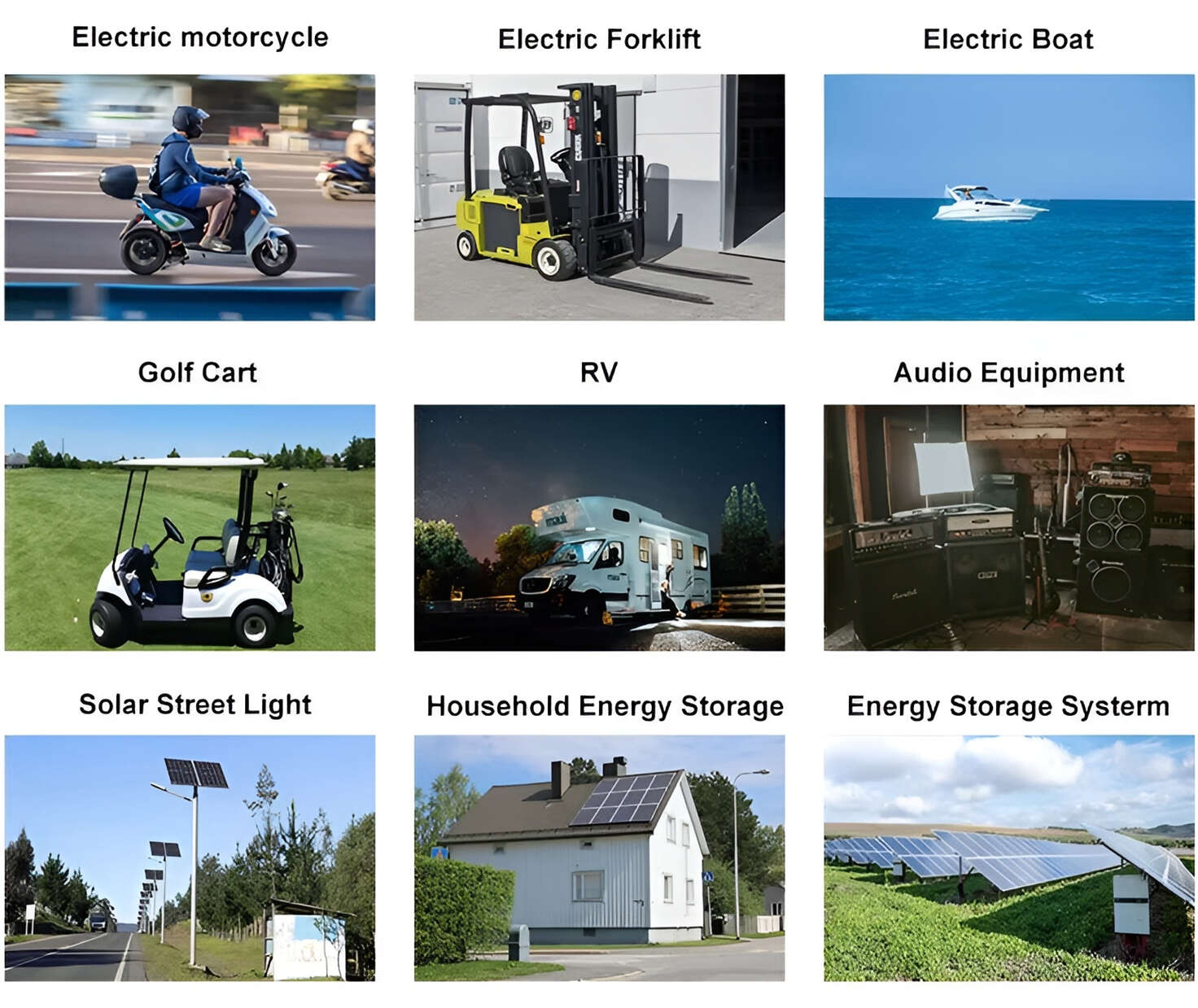
Applications in Different Industries
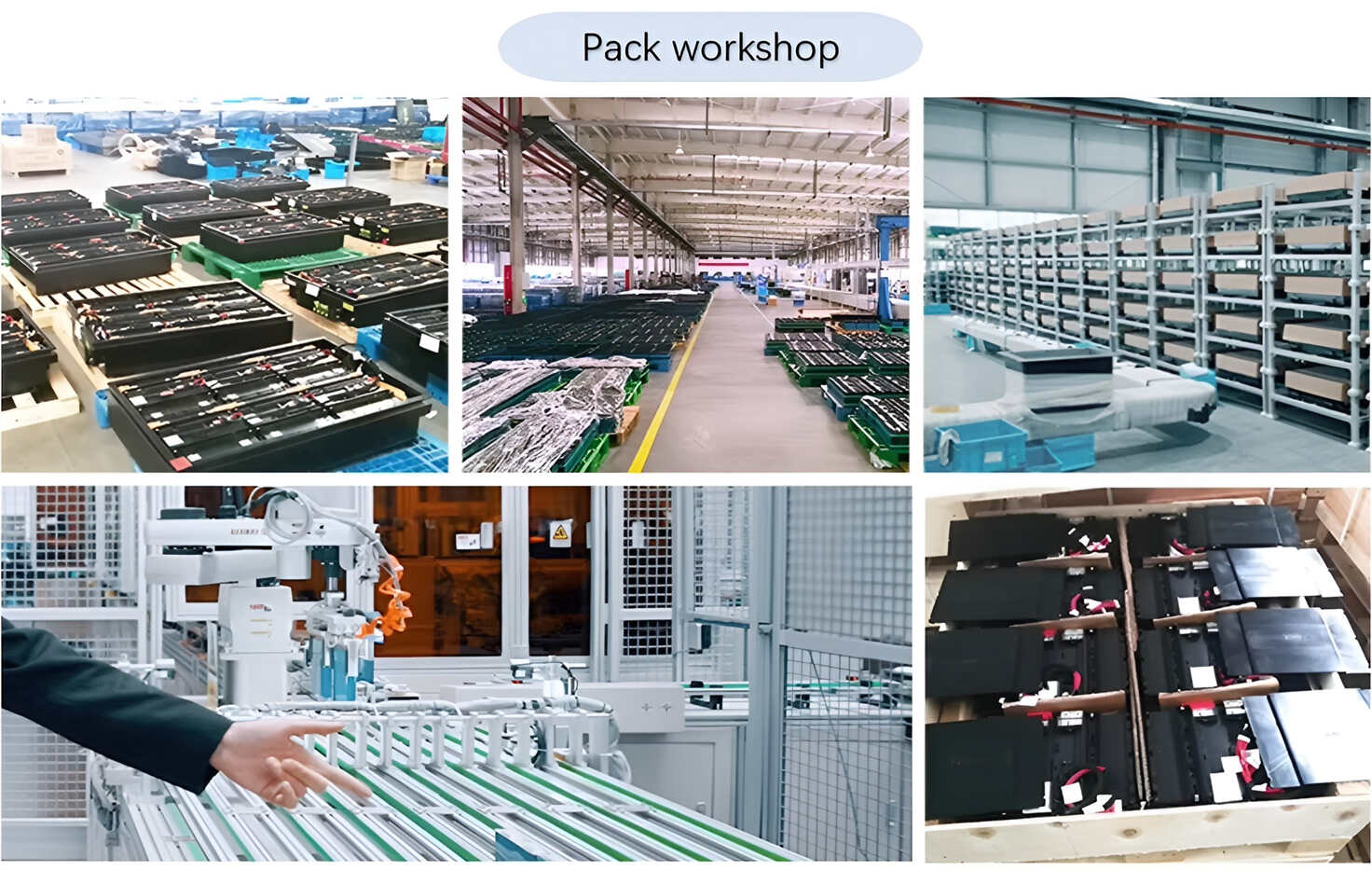
We supply customized & OEM battery pack, assemble cells with wiring, fuse and plastic cover, all the cell wires connected to PCB plug or built BMS.
Applications: E-bike, Electric Scooter, Golf Carts, RV, Electric Wheelchair, Electric Tools, Robot Cleaner, Robot Sweeper, Solar Energy Storage System, Emergency Light, Solar Power Light, Medical Equipment, UPS Backup Power Supply.
We can provide you with customized services. We have the ability to provide a vertical supply chain, from single cells to pack/module and to a complete power solution with BMS, etc.
HomSolar (Shenzhen) Technology Co., Ltd